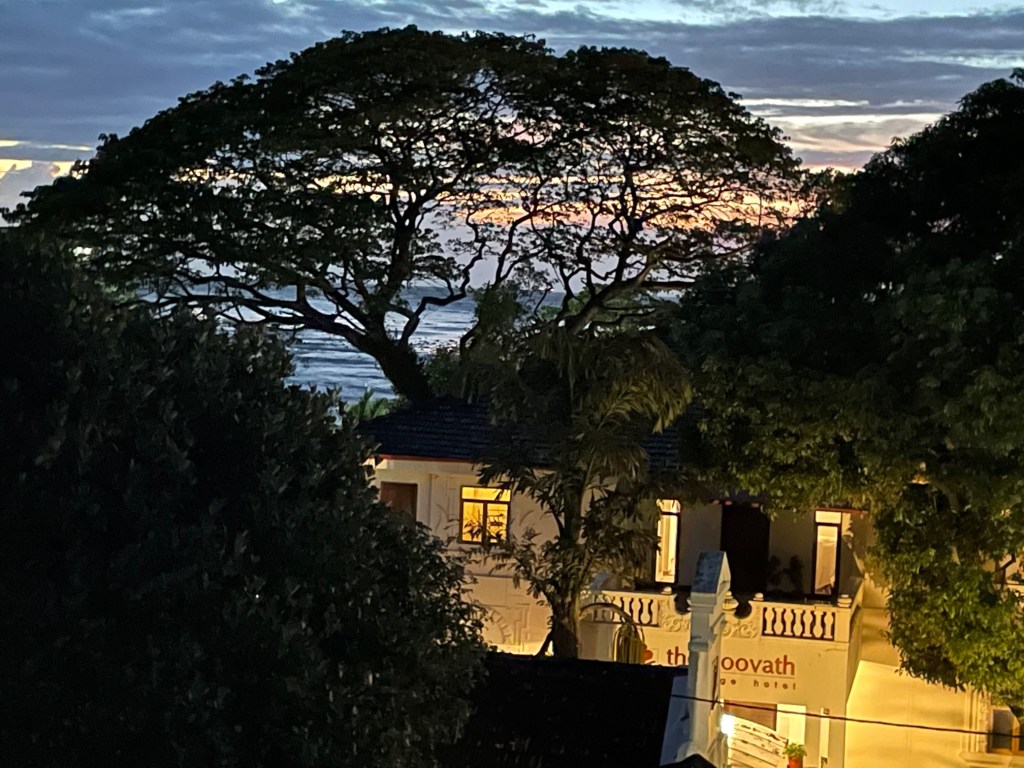
Kochi (or Cochin as it was once called), which is about two hours north of Marari Beach, is a city of about 800,000 people in a metropolitan area of about 3.3 million, making it the largest and most populous area in Kerala. Fort Kochi is an island neighborhood of about 200,000 which is Kochi city’s old town. For most of its history, Kochi was an important port city where traders from all over the world would come and the area now known as Fort Kochi (the neighborhood where we would be staying) was a small fishing village. Following Vasco de Gamma’s visit in 1498 (he actually died in Fort Kochi and was originally buried there) the Raja of Kochi granted the area of Fort Kochi to the Portuguese and allowed them to build a fort there to protect their commercial interests.
That fort (Fort Manuel of Cochin) became the first European fort on Indian soil and remained under the control of the Portuguese for 160 years before being captured by the Dutch and then by the British another 140 years later. As a result of this history, Fort Kochi is bursting at the seams with beautiful examples of Portuguese, Dutch, and British Colonial architecture including a number of beautiful churches and temples which makes it one of the major tourist attractions in Kerala.
Getting There (Cyclone Off the Coast )
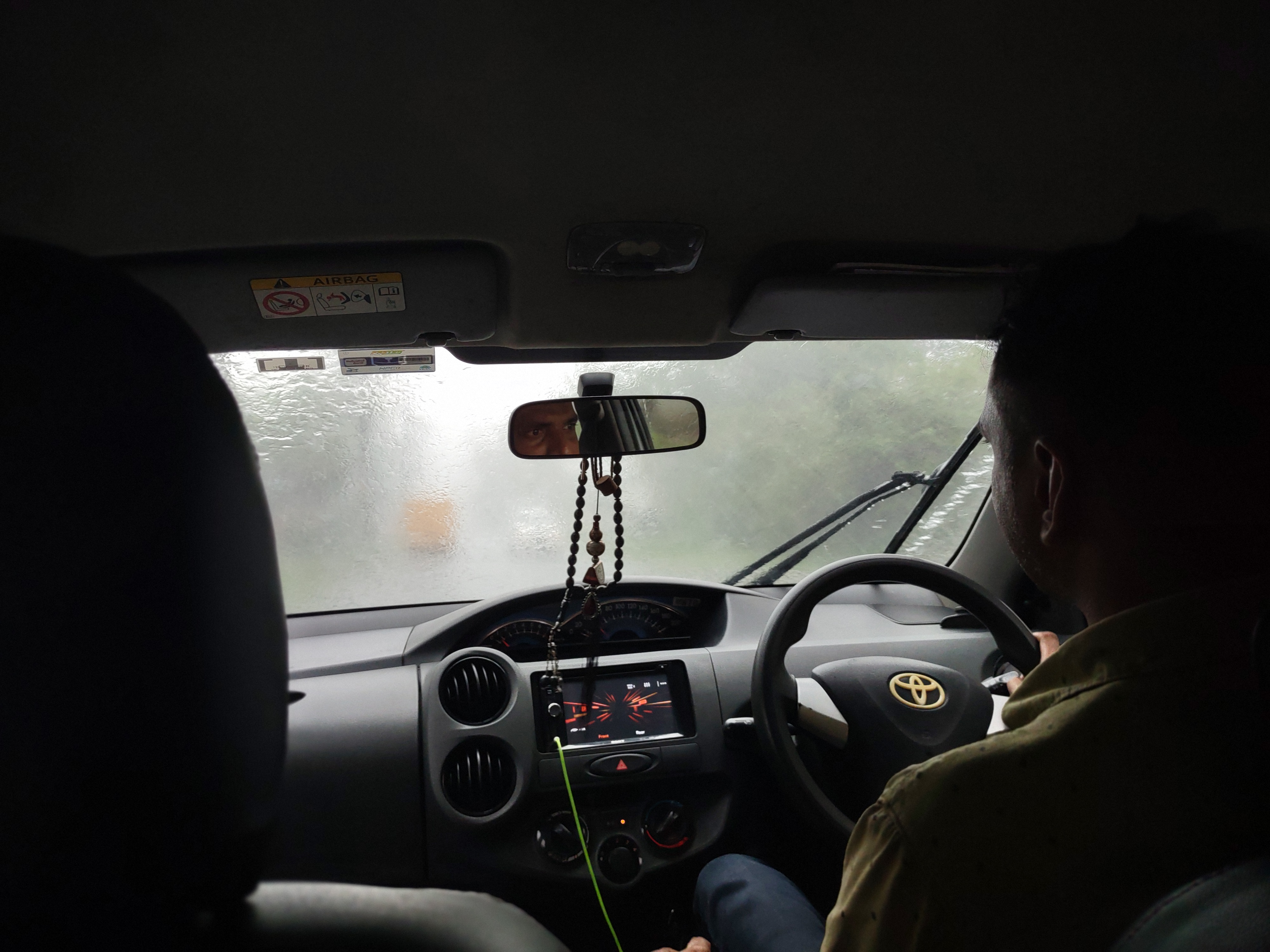
When we last met, it was Saturday September 30th and we were getting in a taxi leaving our homestay in Marari Beach as the rain came down in torrents due to a large tropical storm (reportedly a cyclone) off the coast in the Arabian Sea and, as we drove north, the intensity of the rain and the wind, if anything, increased a bit. Our driver opted for a shorter route from Marari Beach to Kochi which followed the Beach Road along the coast but which, unlike the interior highway by which we had come in, never turned into a divided highway or went beyond two lanes.
As we continued north, the sloshing ocean seemed to have risen very close to the level of the roadway and as we approached Kochi on the narrow strip of coastal land which connects it to the south, with lakes on one side and the sea on the other, we began to encounter stretches of roadway which were slightly (we hoped) submerged below sea level. If there was any blessing in the storm it was that there was very little traffic when we arrived in Fort Kochi, at our home for the next three days, the Fortkochi Beach Inn.
Our Place in Fort Kochi
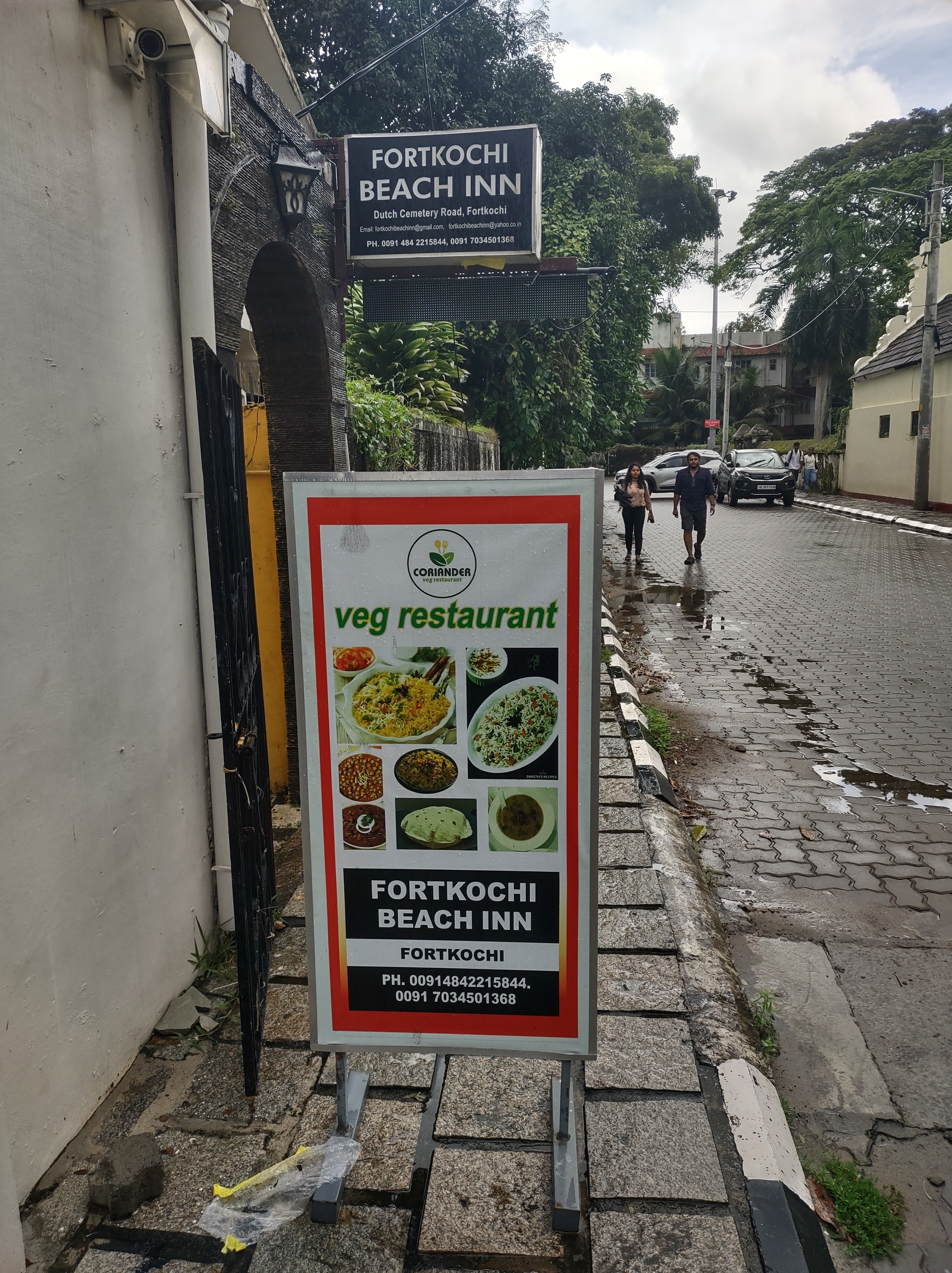
The Fortkochi Beach Inn bills itself as follows on its website: “Your budget accommodation in Fort Cochin, cheaper than a hotel in Kochi, better than a Hostel in Fortkochi”, which pretty much sums up how we ended up there. It is a smaller older hotel with only 12 rooms, in the heart of Fort Kochi, a couple of blocks from the waterfront and within walking distance of “all the major attractions”. From our three nights there it appeared to live up to its motto as every evening the limited parking area filled up by what were mostly families on the road with their kids, stopping for one night before moving on.
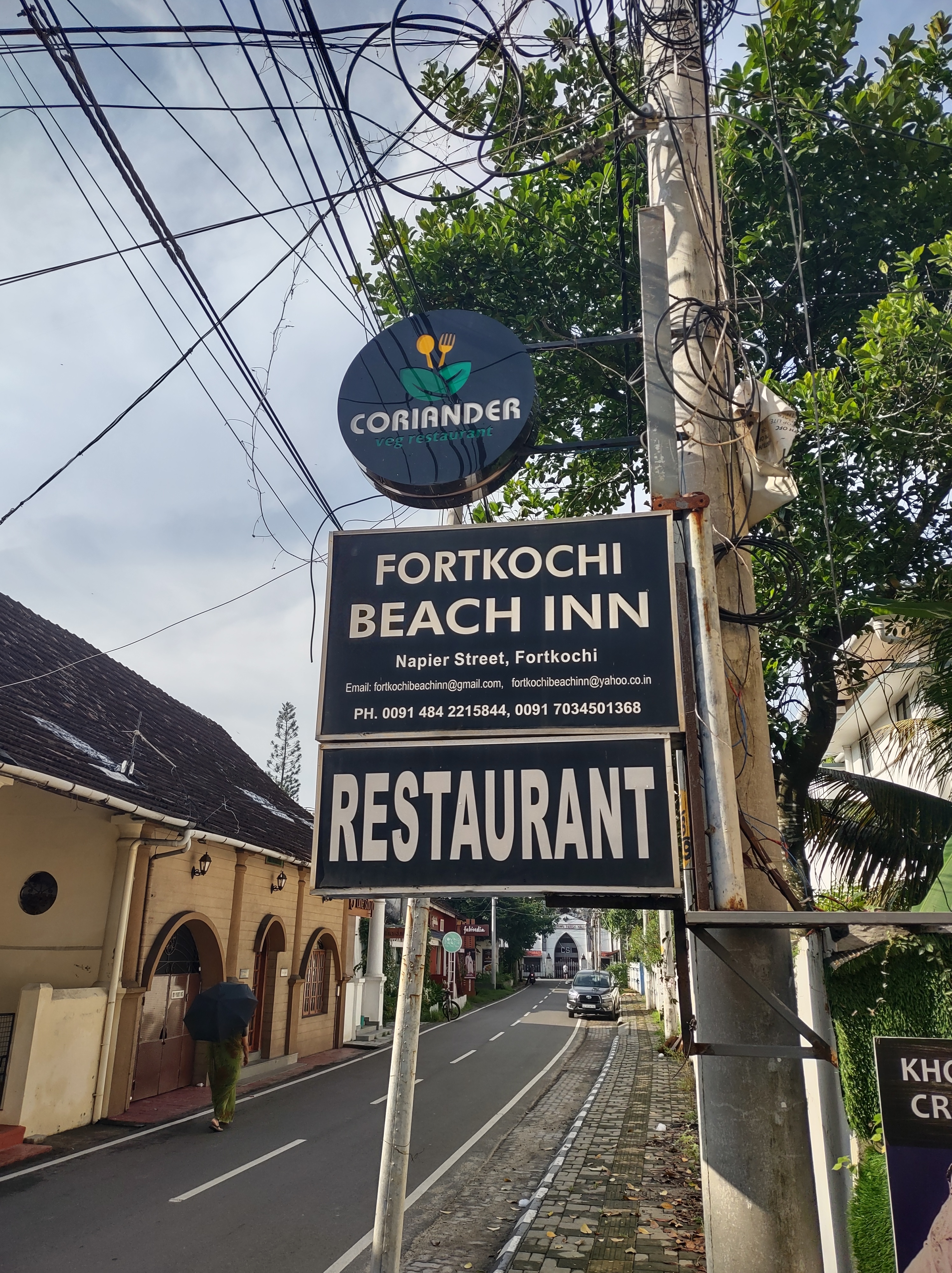
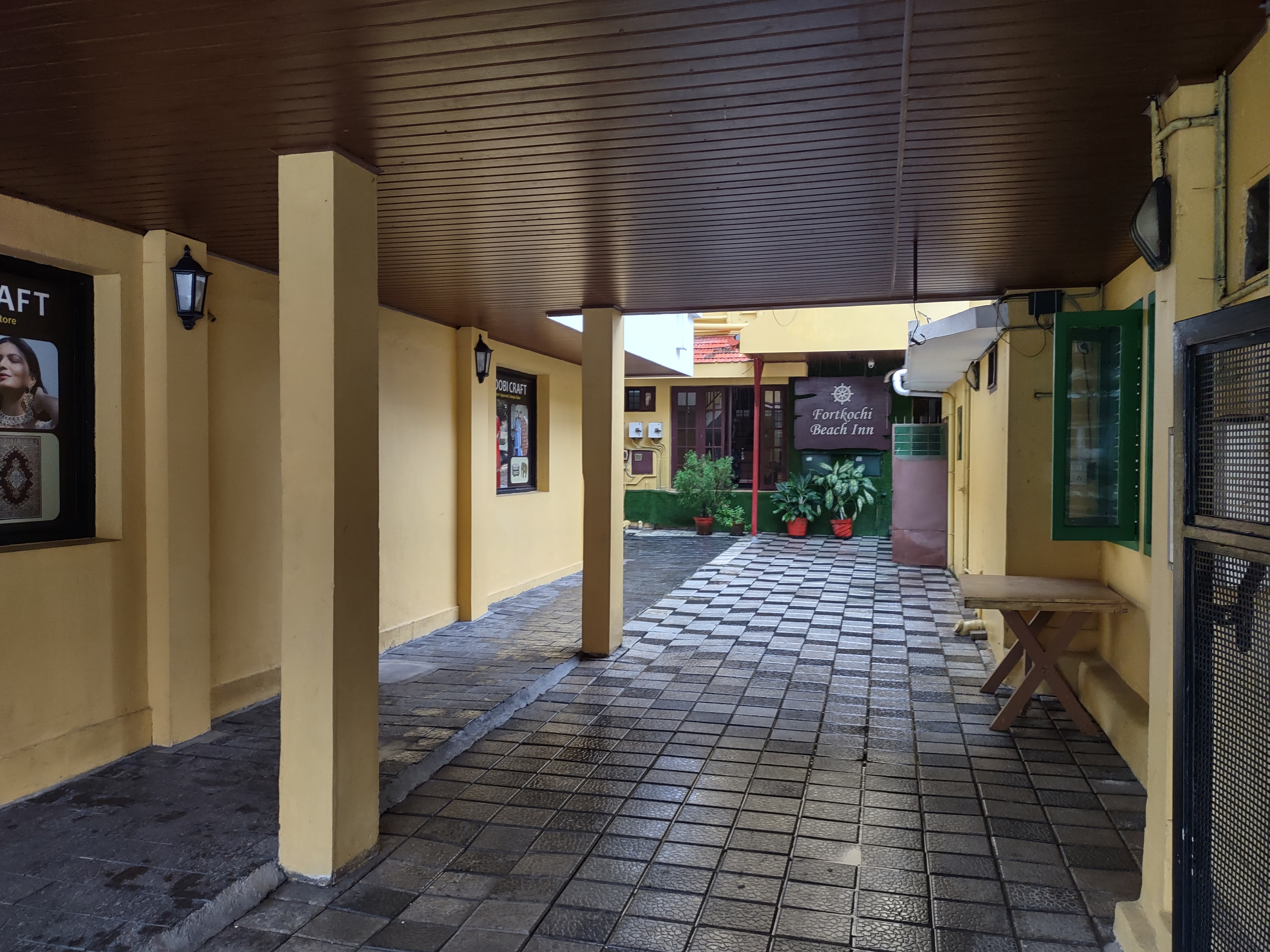
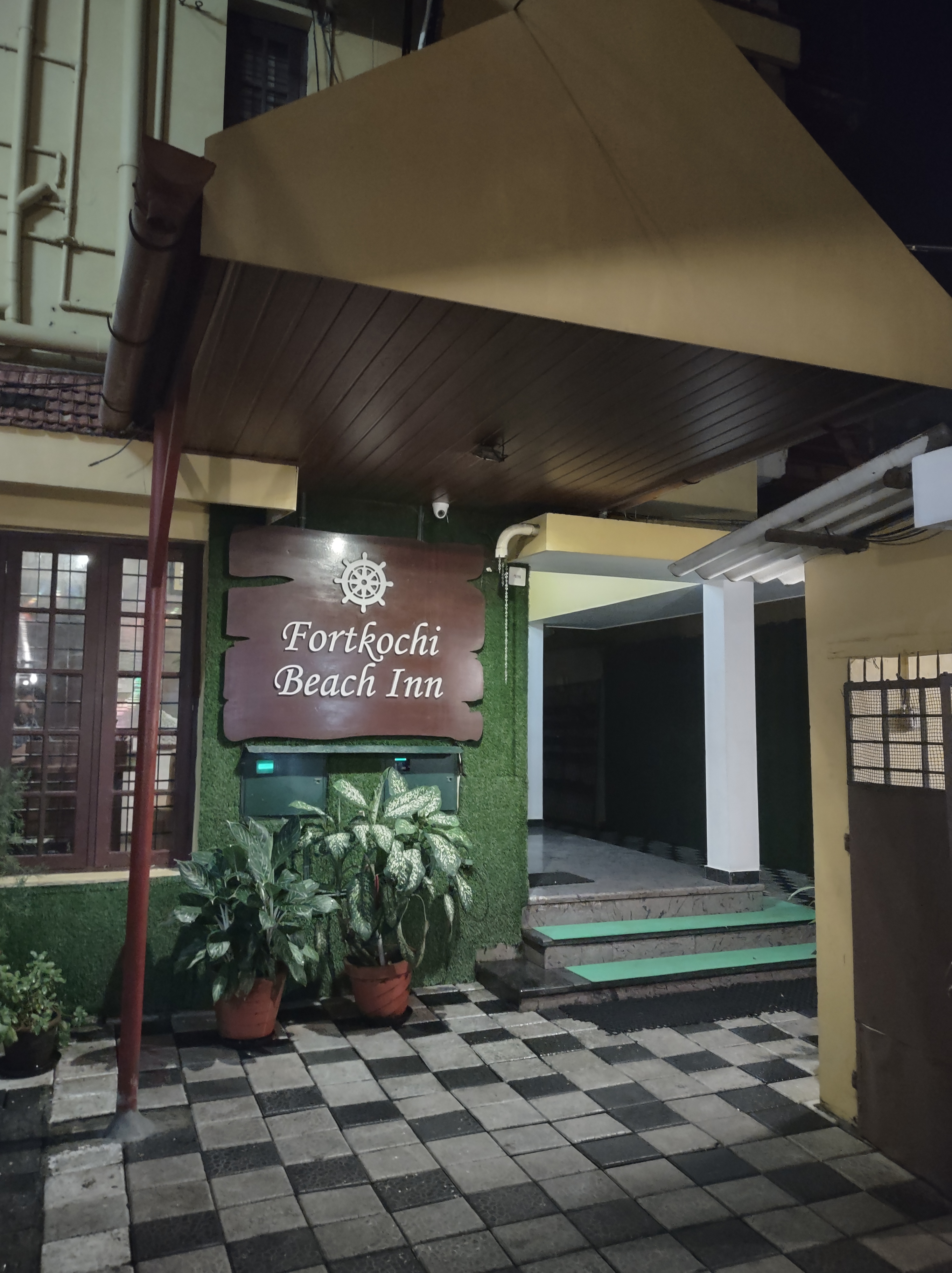
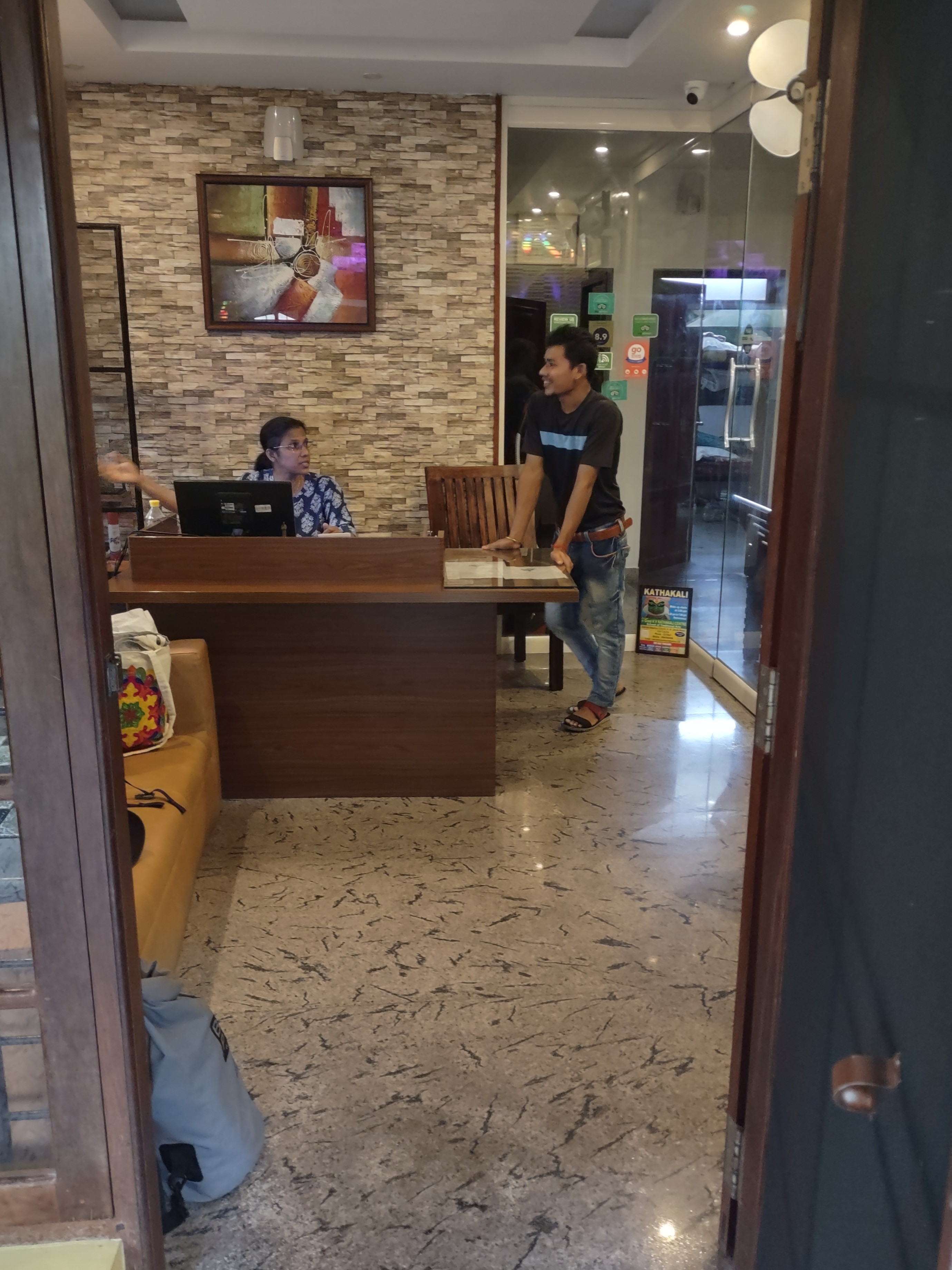
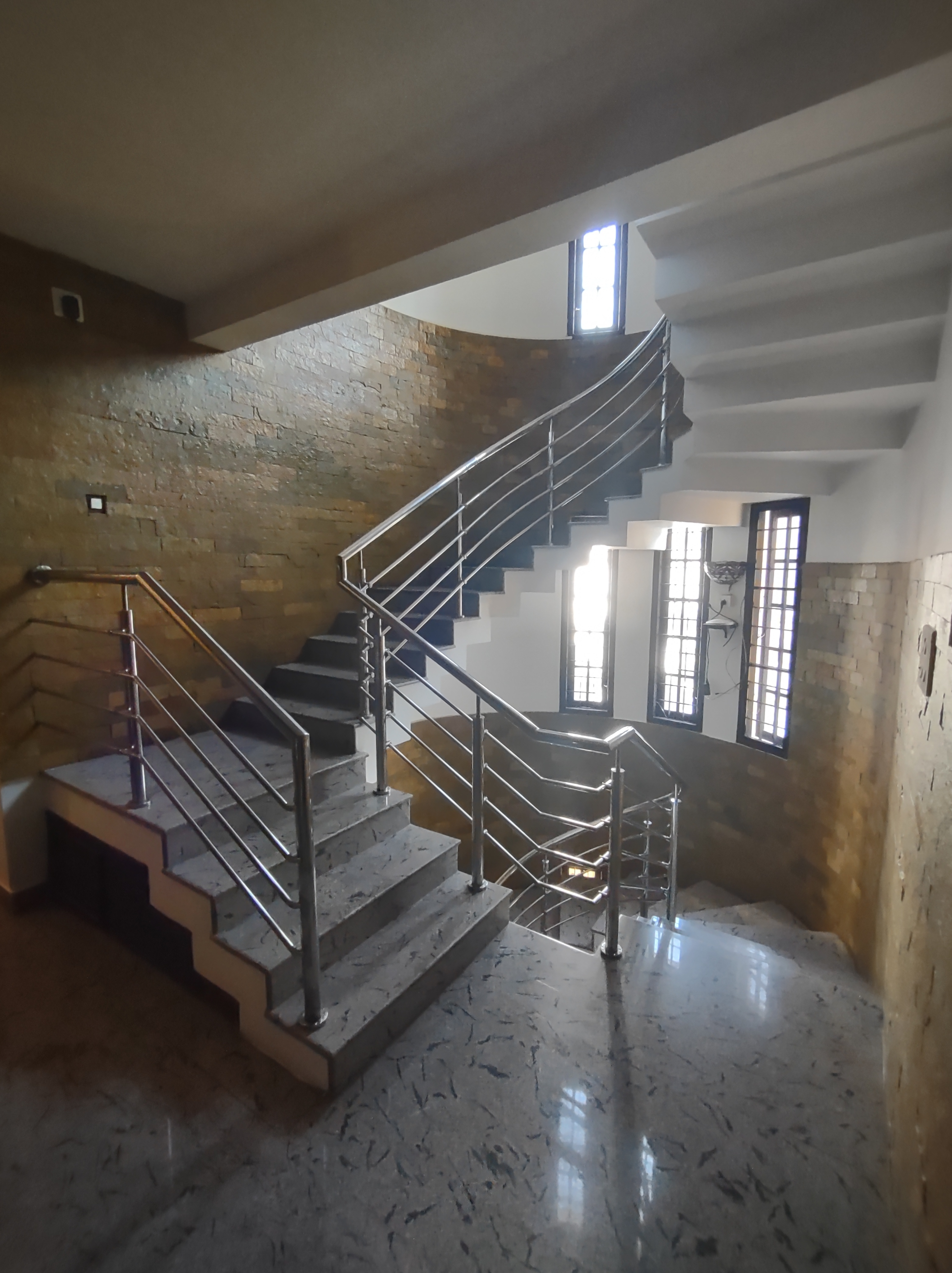
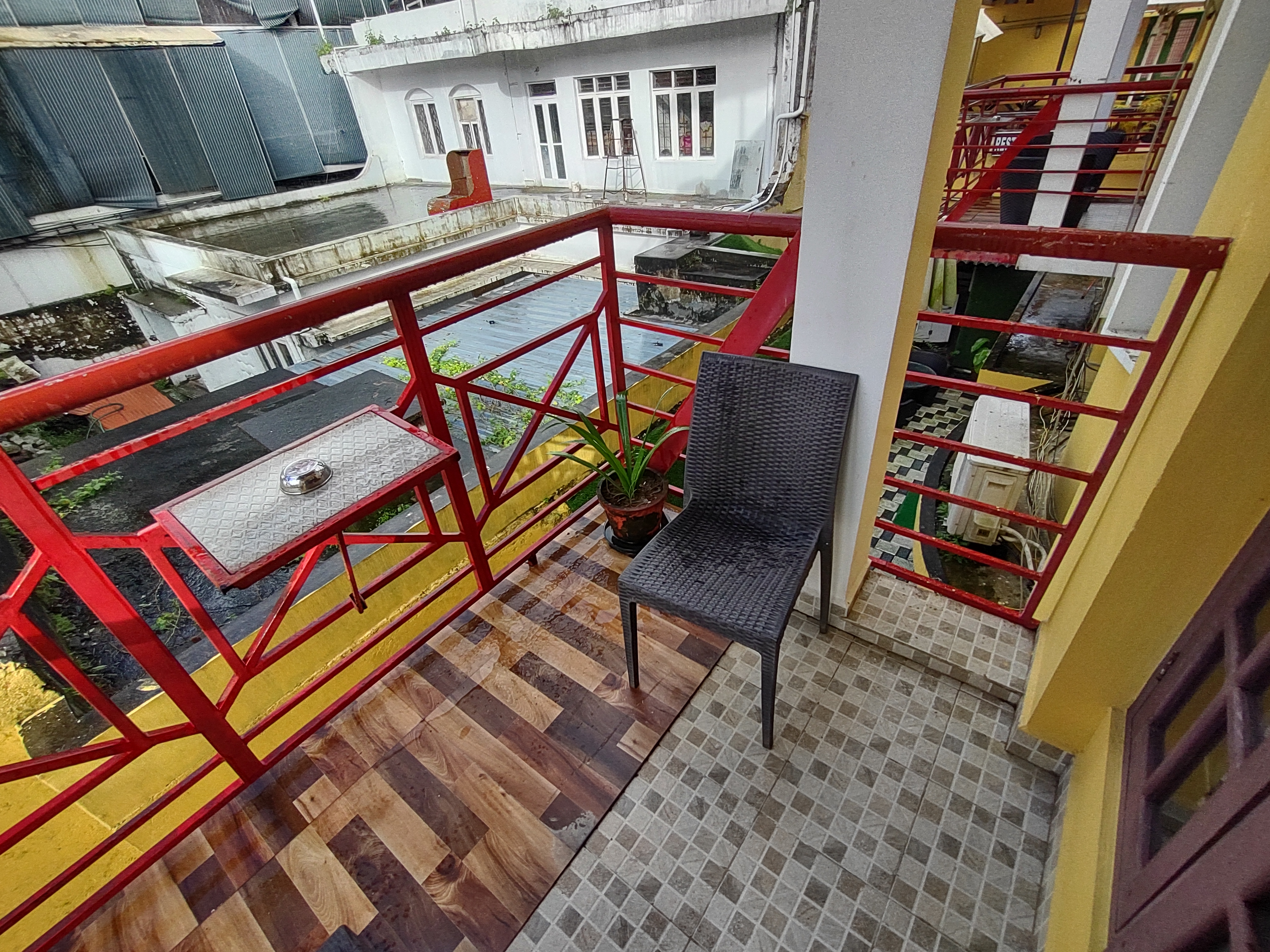
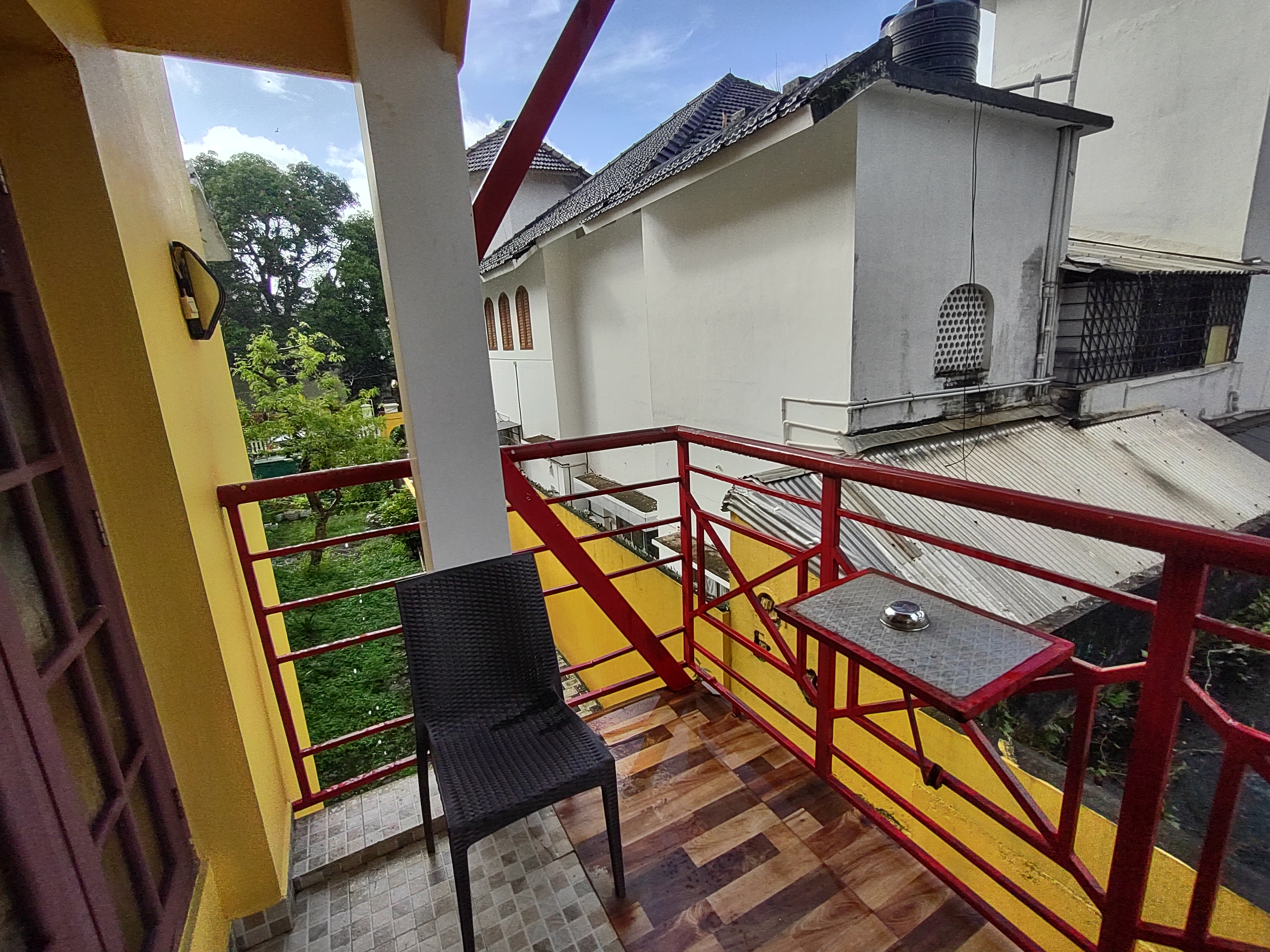
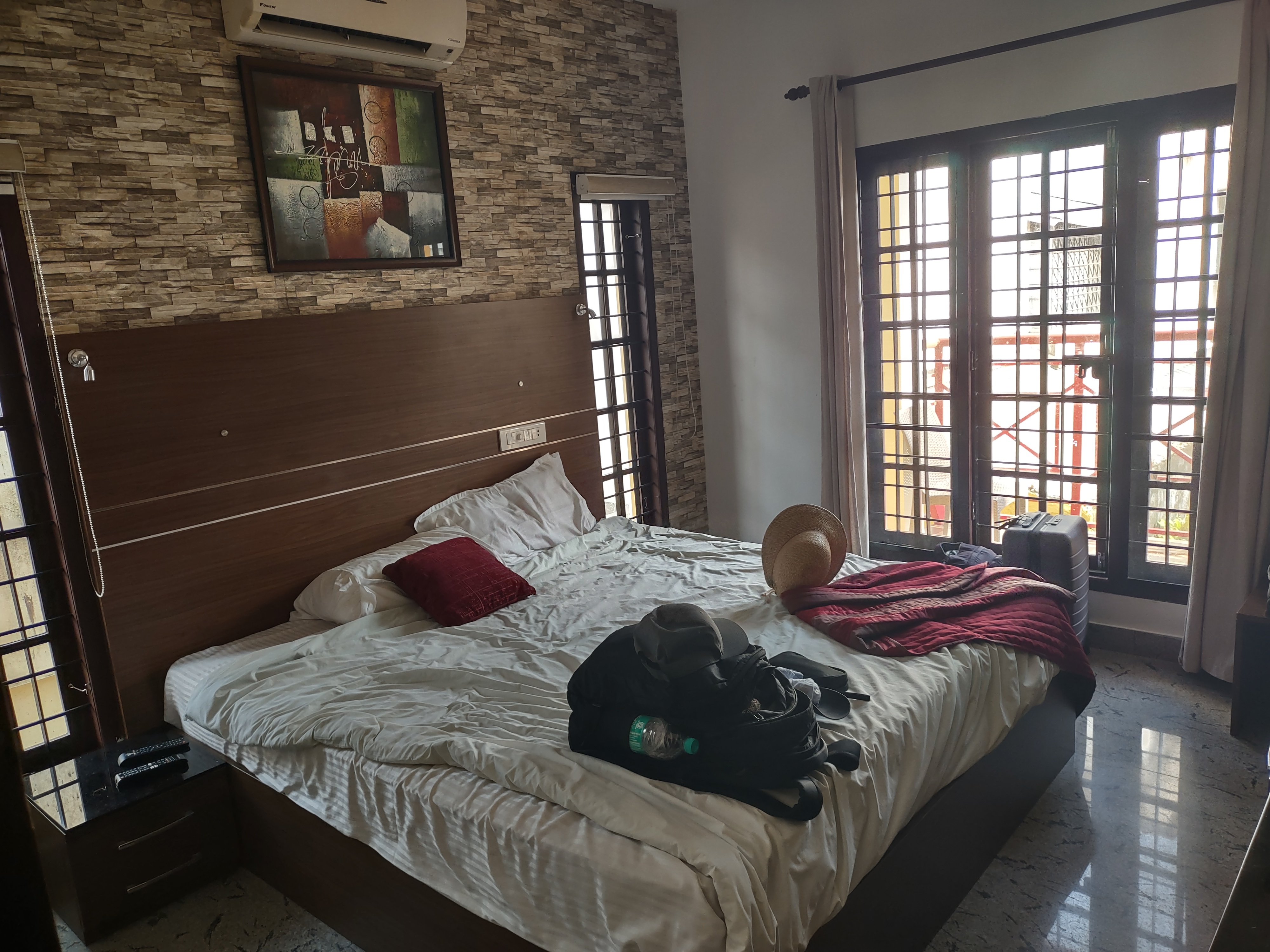
While not Swapna’s Marari Beach Homestay, the Fortkochi Beach Inn was comfortable (and affordable) and we had a nice sized bedroom, a good bed, and an OK shower along with AC and a ceiling fan but, unfortunately, no fridge or minibar. Our room had a small uncovered balcony (which, based on the weather, it seemed unlikely we would be using (anymore than a pool, had they had one), but it did have a couple of covered roof terraces which provided some nice views of the surrounding area, including Fort Kochi Beach. The Fortkochi Beach Inn also had what looked to be a decent on-site restaurant (breakfast included in room rate!) which we were happy to find could be reached without venturing too much out into the rain.
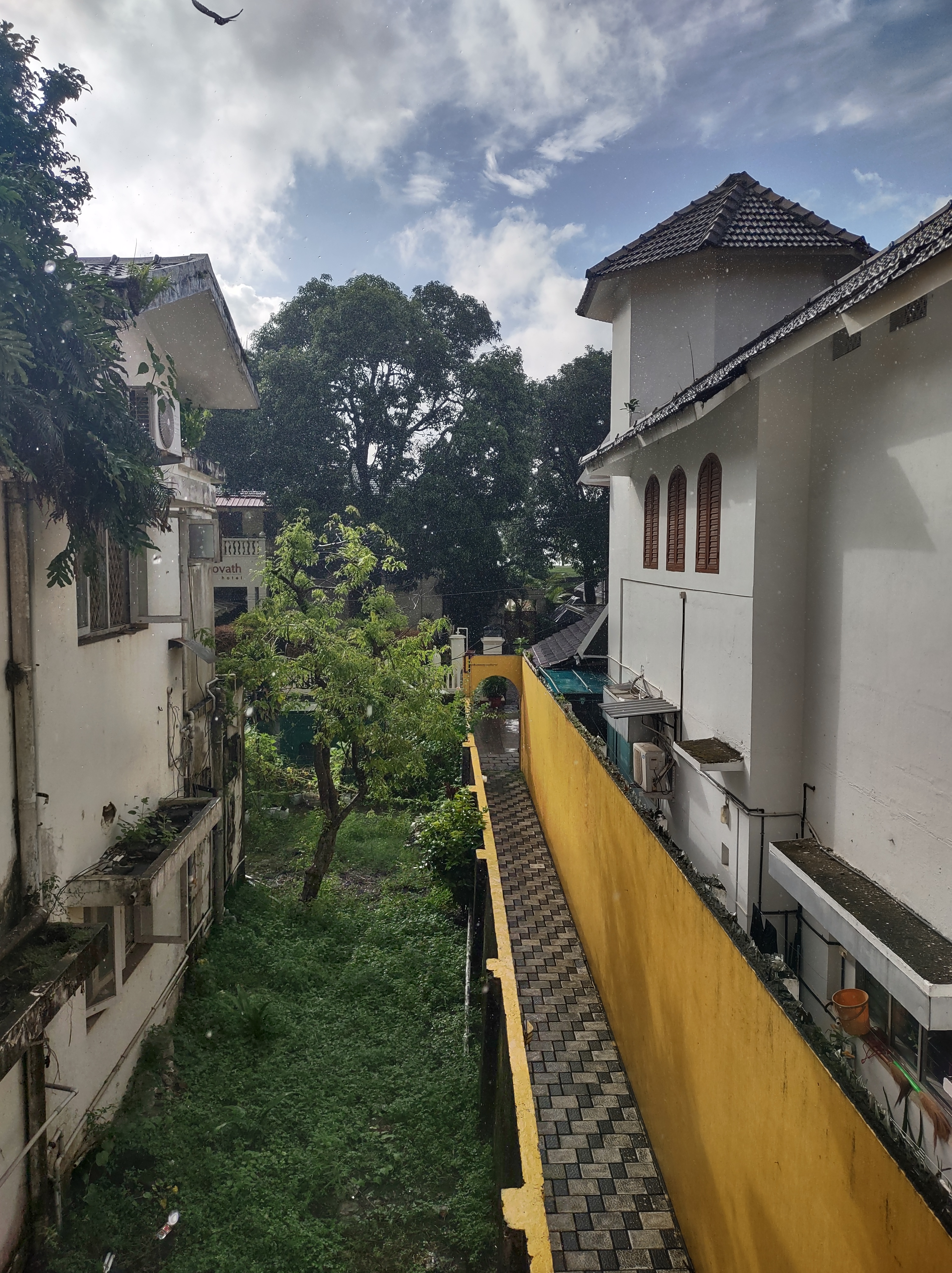
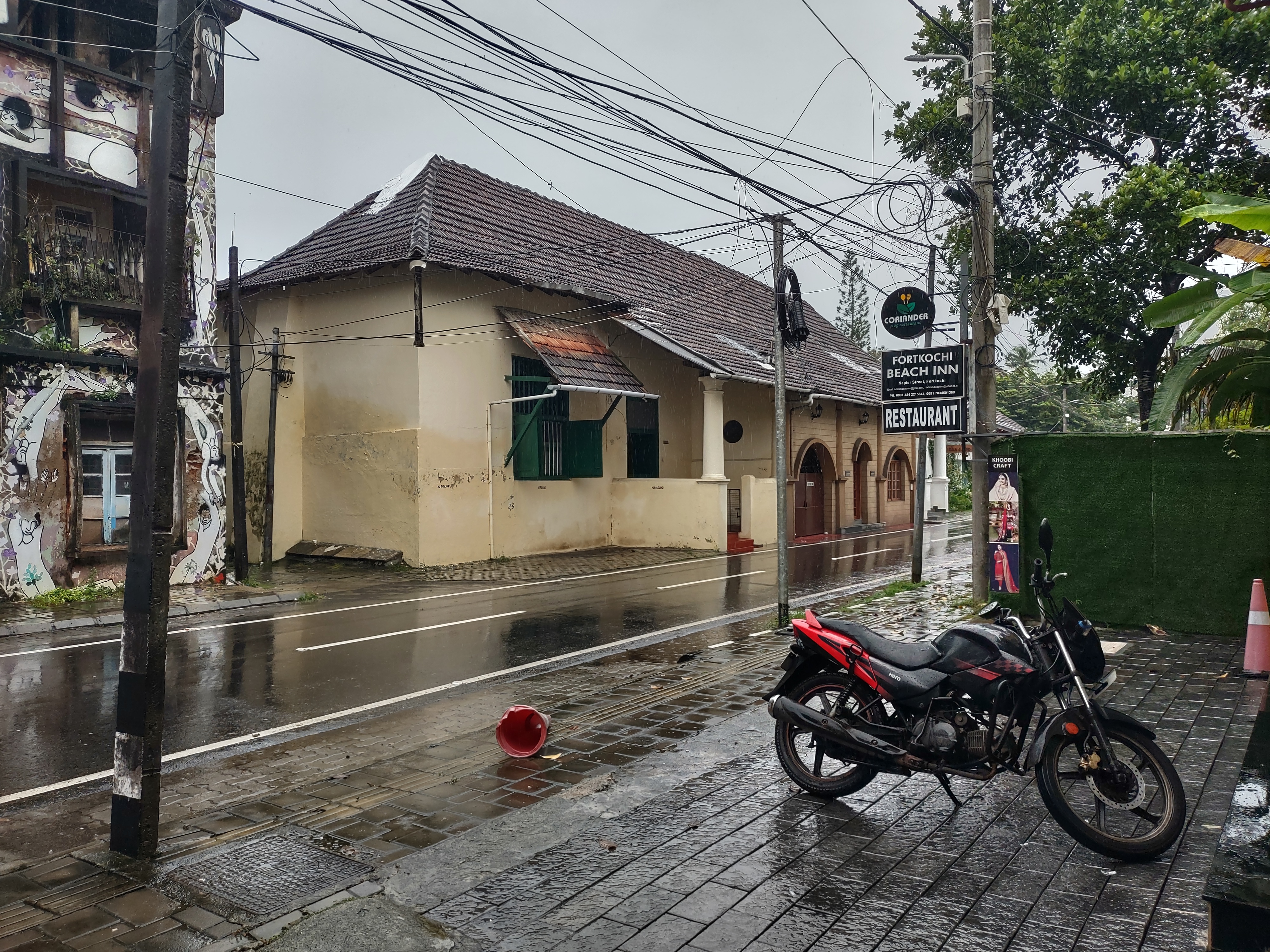
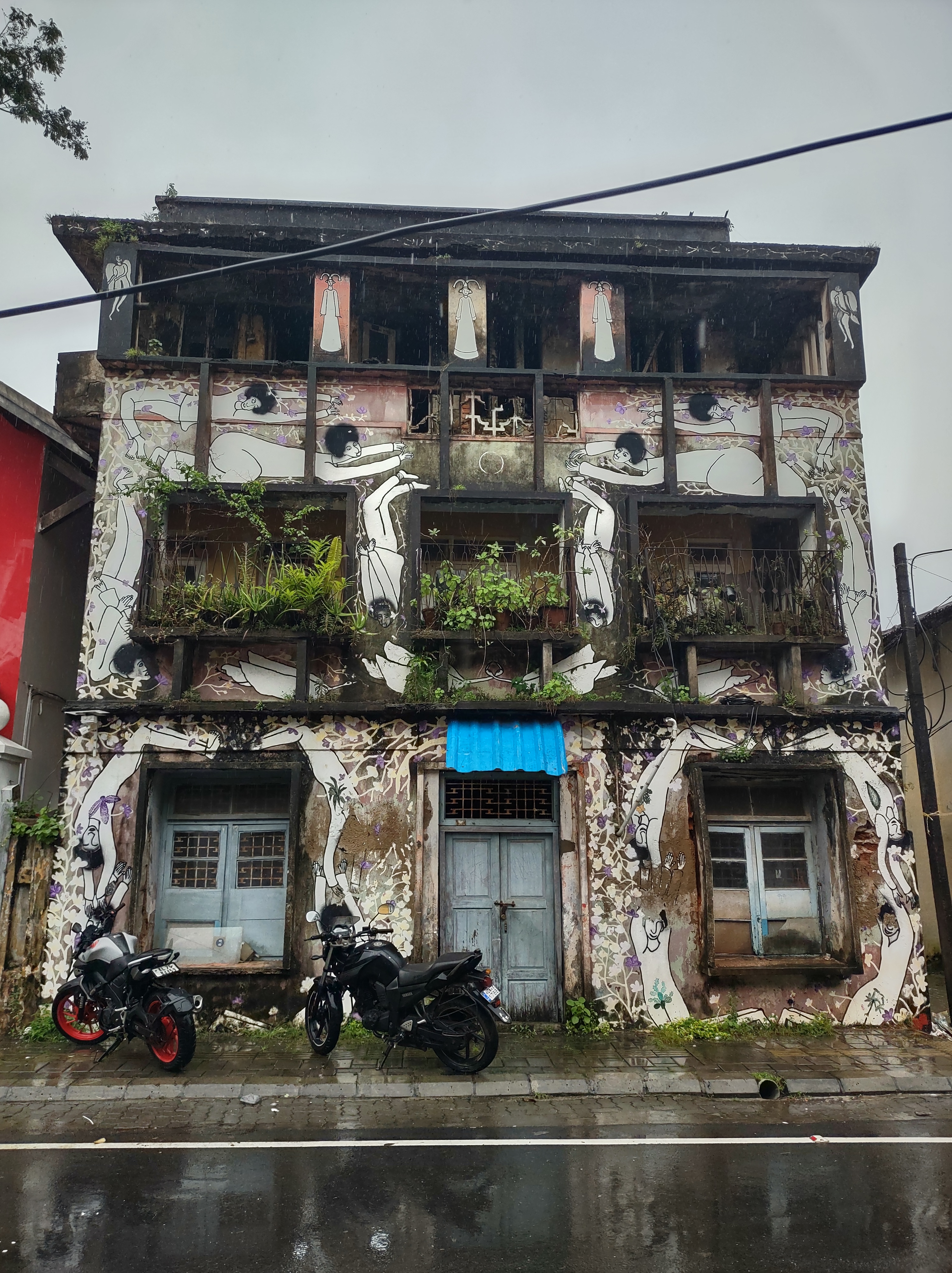
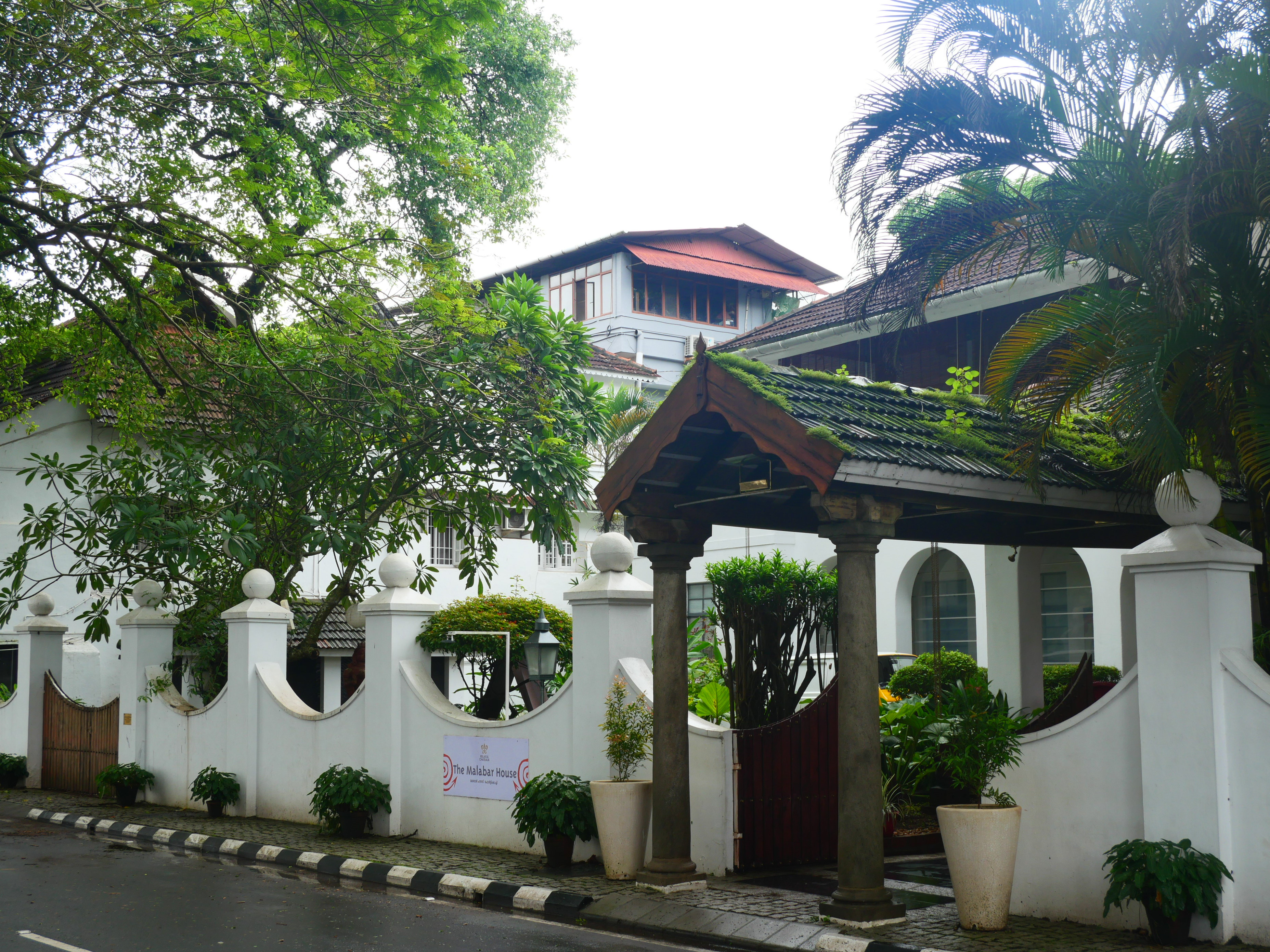
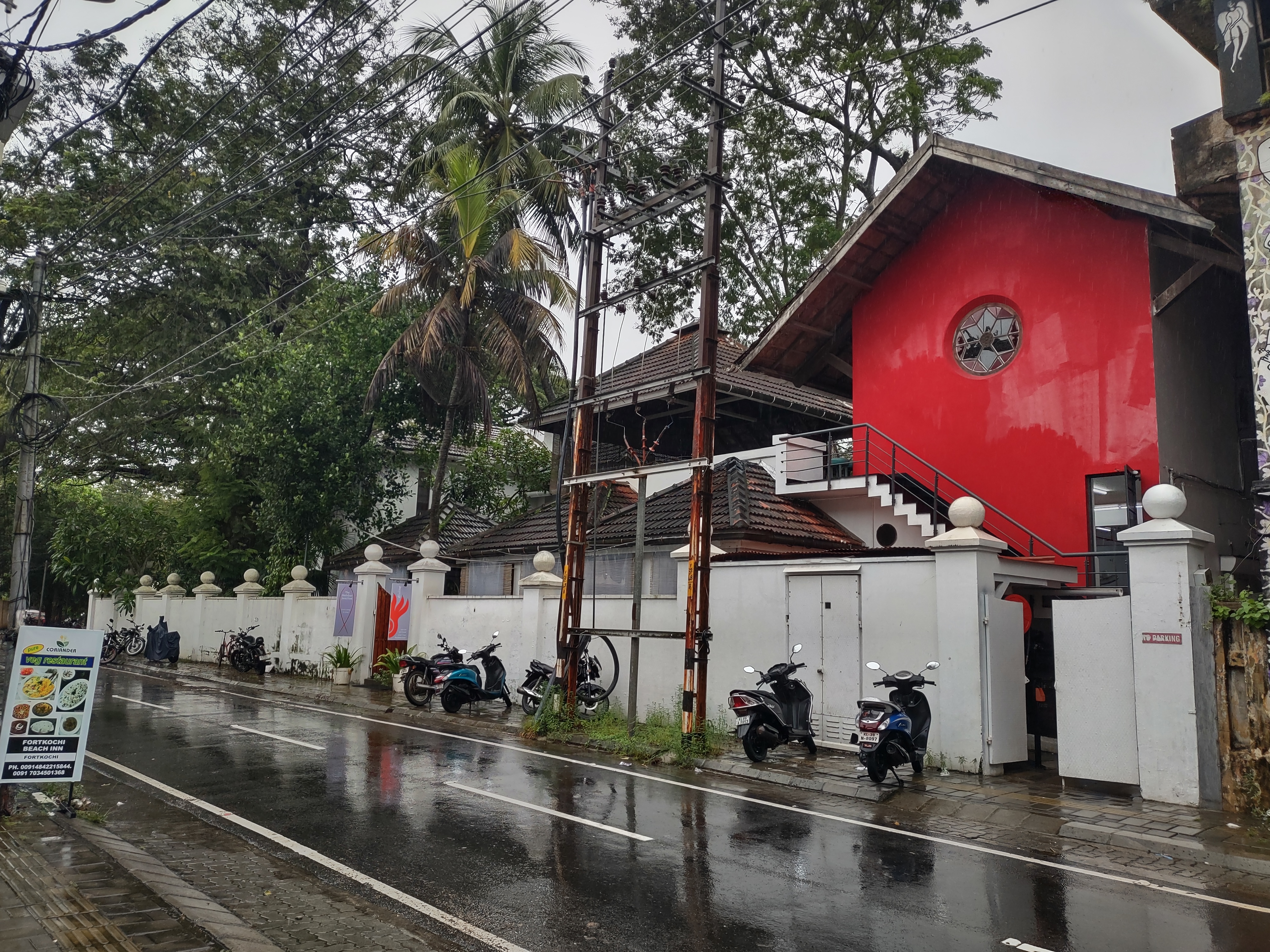
The immediate neighborhood was an interesting mix of old and older buildings which included a 19th century structure which had been converted to a yoga studio and women’s clothing stores at one end of the block and a large Dutch mansion dating to 1755 which had been converted to a boutique hotel and restaurant wrapping the corner at the other end of the block. Across the street from us was a rather oddly decorated apartment block which, over the course of three days of watching it from the window of Coriander, we determined to be one of the hotter Instagram spots in Fort Kochi.



Taken for a (Tul Tuk) Ride
We had booked a free walking tour for our first afternoon in Fort Kochi but, as it continued to rain cats and dogs and appeared likely to continue to do so for the foreseeable future, we elected to cancel it and reassess our options. Over lunch at Coriander, as we watched the rain come down and drenched tourists walk by, we concluded that the first order of business was to acquire an umbrella as we had already confirmed that the hotel had none to lend. ( I have to say that we found just a little odd given that they have a monsoon season here. Maybe there were all stolen?).
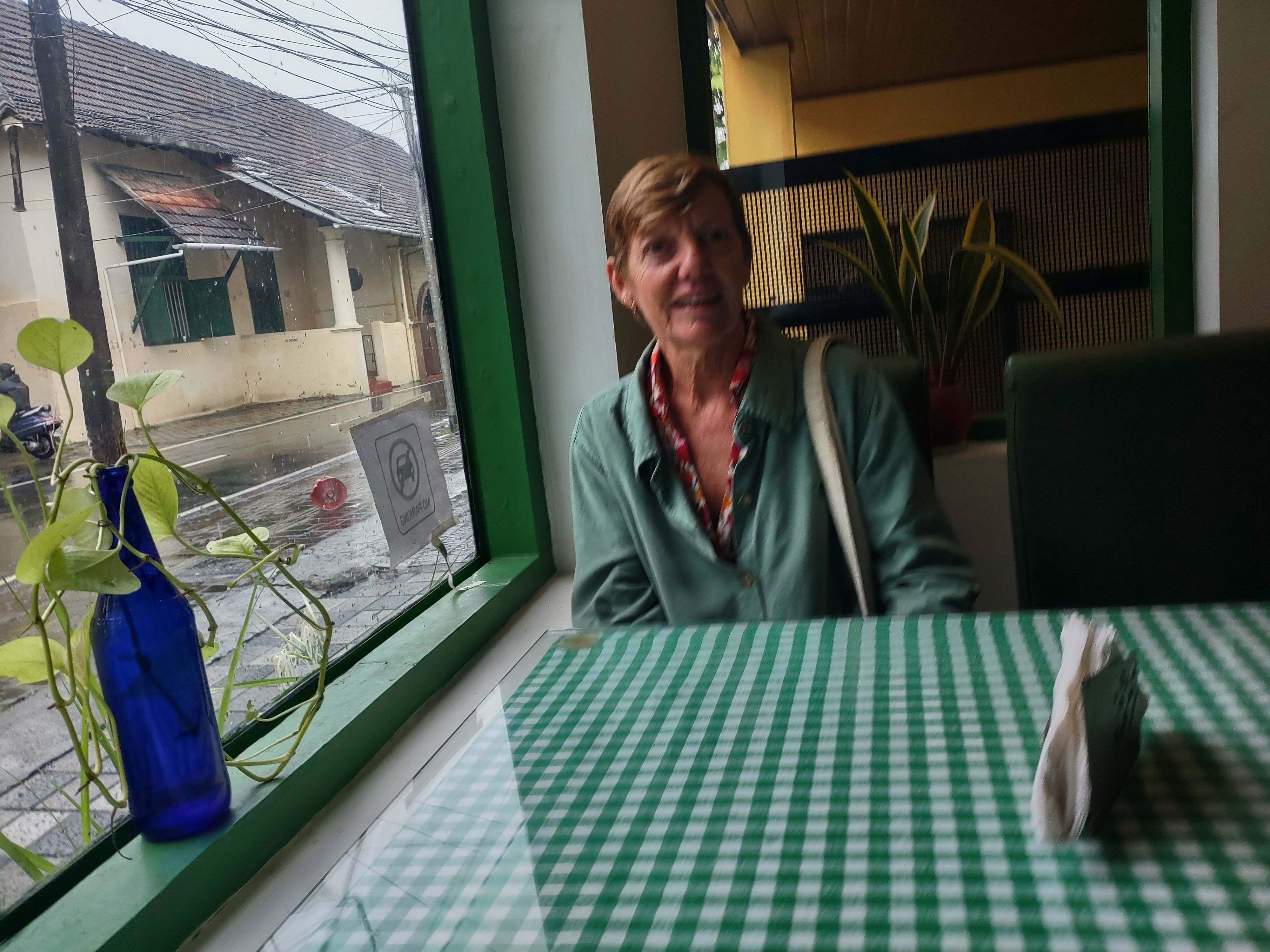
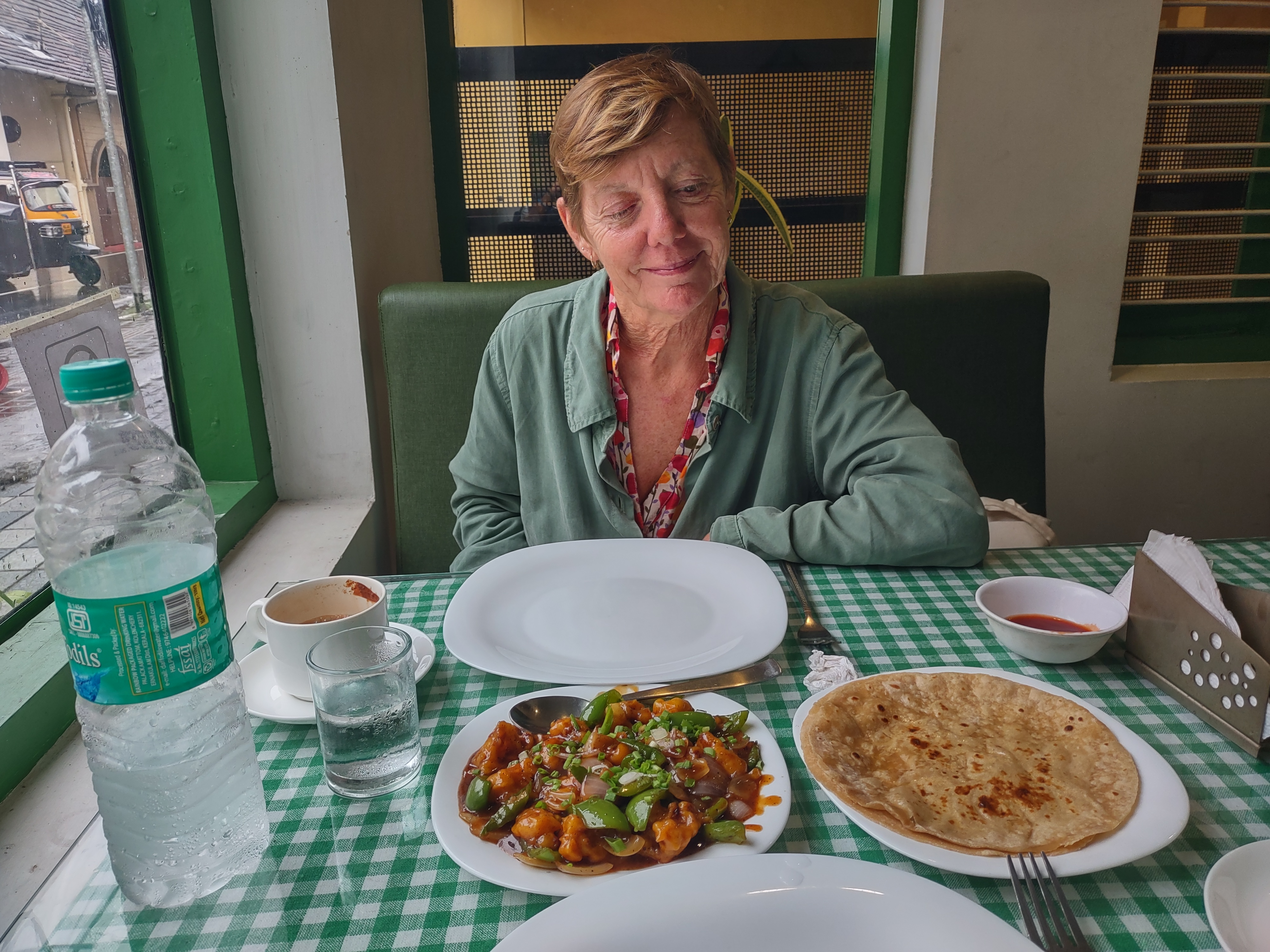


After lunch we darted across the street and quickly confirmed that neither the women’s clothing stores nor the yoga studio across the street sold umbrellas (although Colleen was able to confirm the yoga schedule and vowed to revisit the clothing shops). This left us with the option of either retreating to our room and calling it a wash or taking a tuk tuk to a market where we could purchase an umbrella.
At this point it seems like kind of a universal (or even ubiquitous) thing but, if you’re not familiar with them, a tuk tuk [pronounced “took took”] is a small three-wheeled mostly enclosed vehicle – a motorcycle really – which can accommodate two or three passengers plus the driver. They come in various shapes and colors and varying degrees of openess (depending upon local climates) and seem to proliferate like cockroaches in many parts of southeast Asia (most notably India).

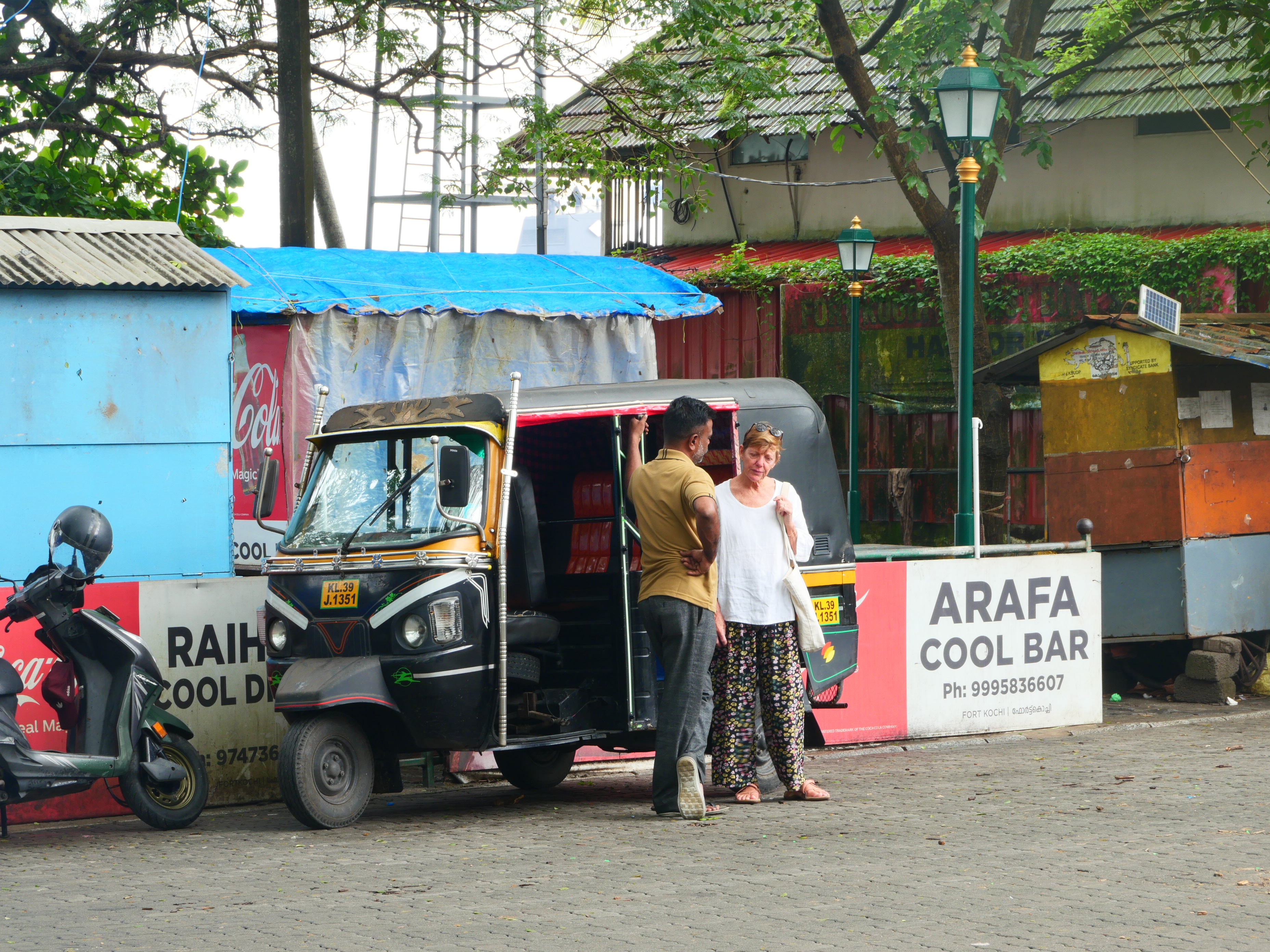
There is a bit of lore regarding the tuk tuks in Fort Kochi. They are actually one of the best ways to see the sights (especially when it is raining) but there are also more than a few stories of tourists being led astray by tuk tuk drivers who then demand unreasonable sums of money to take them home again. In her best Mom impression, the manager of the Fort Kochi Inn strongly advised us to have no interactions with tuk tuk drivers on the street and to go through her if we needed one.

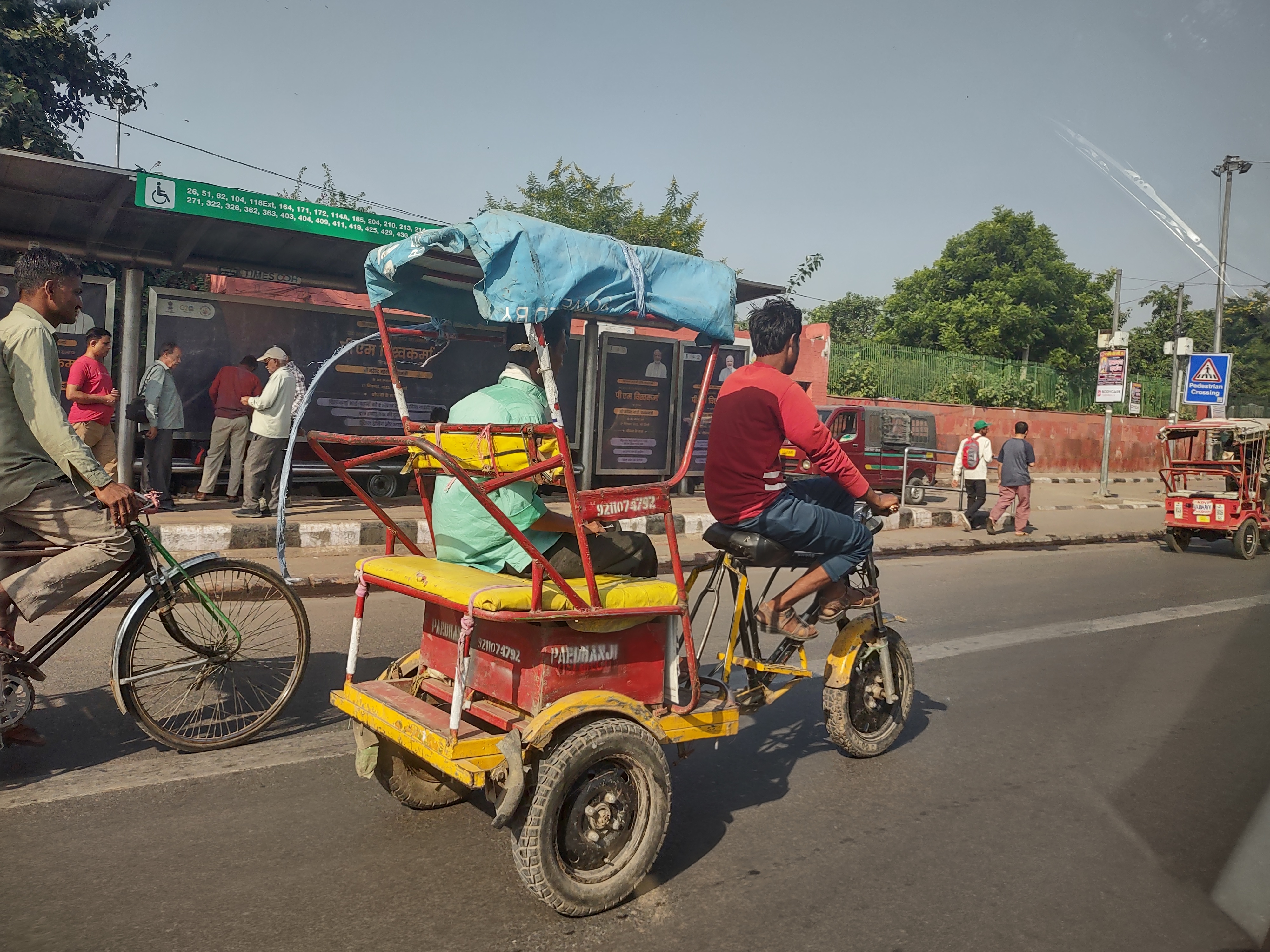

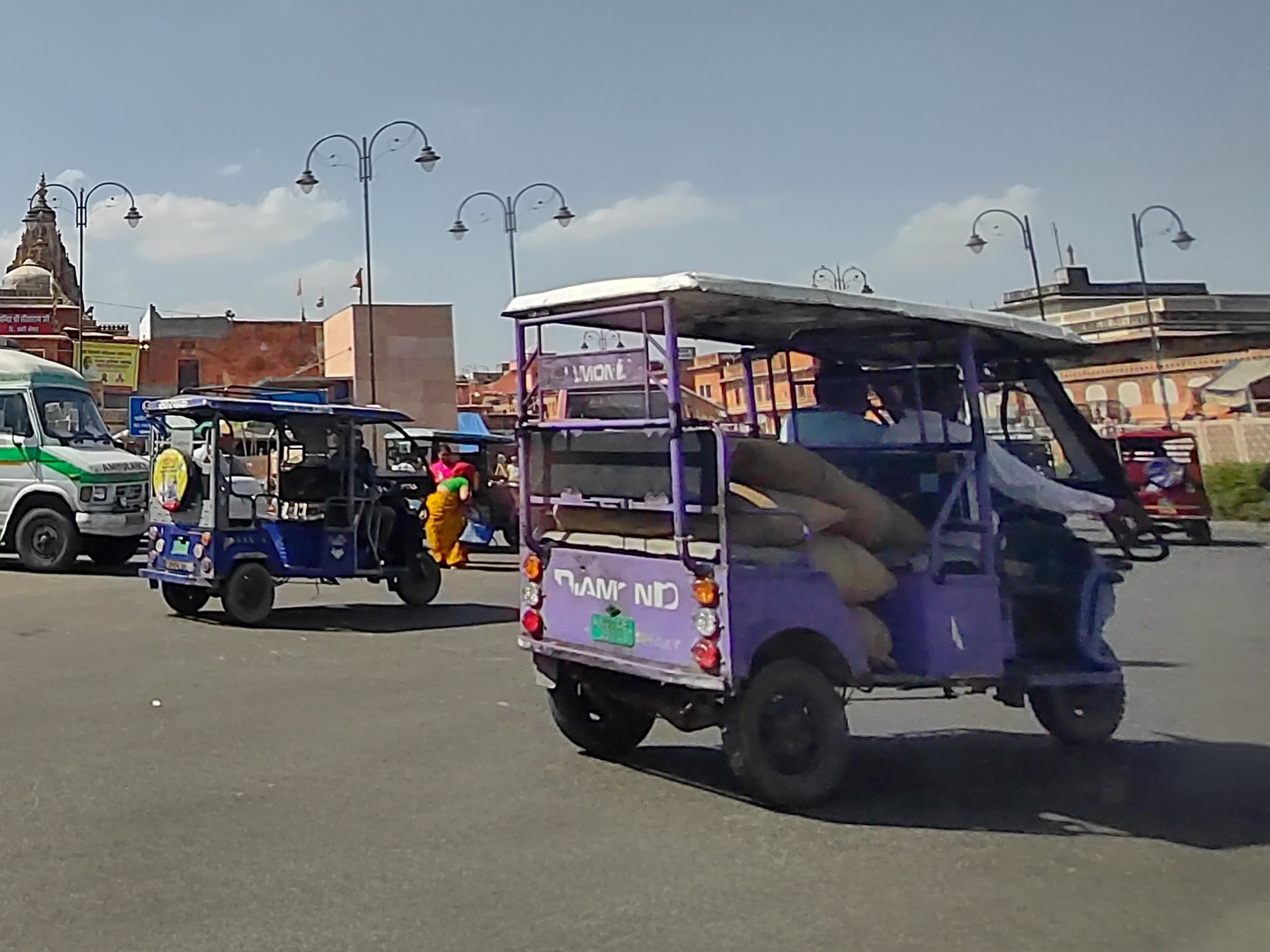
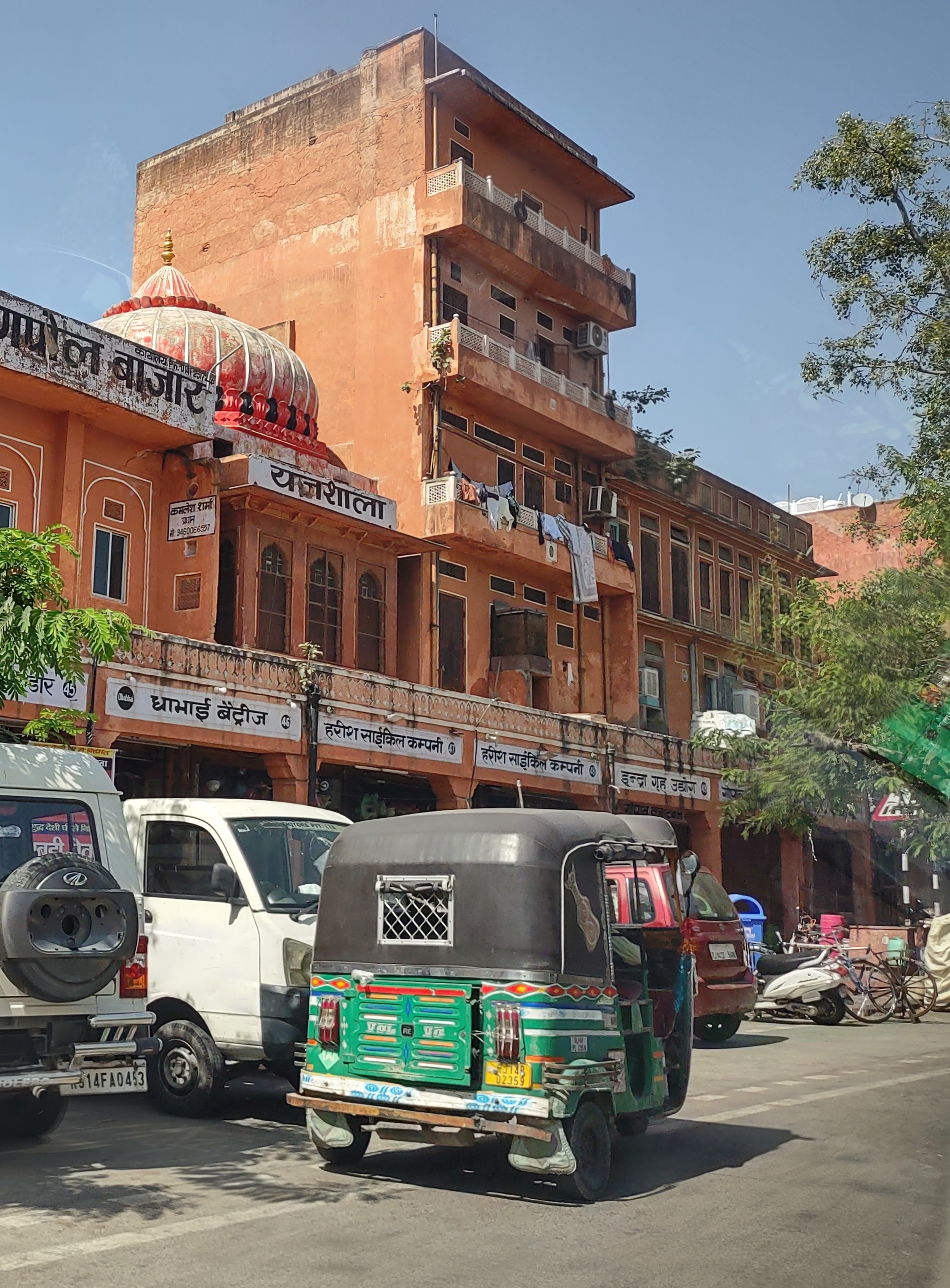
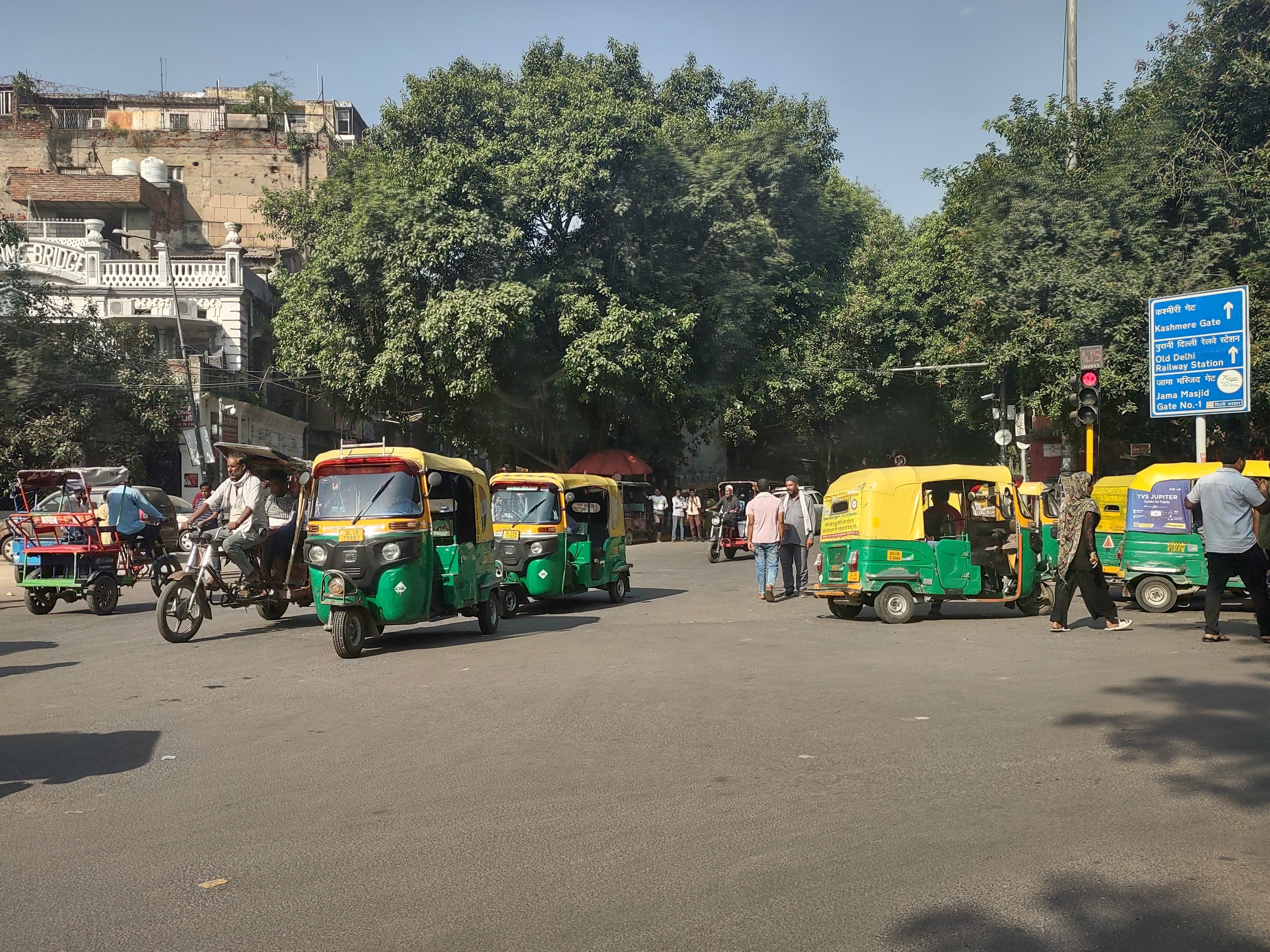
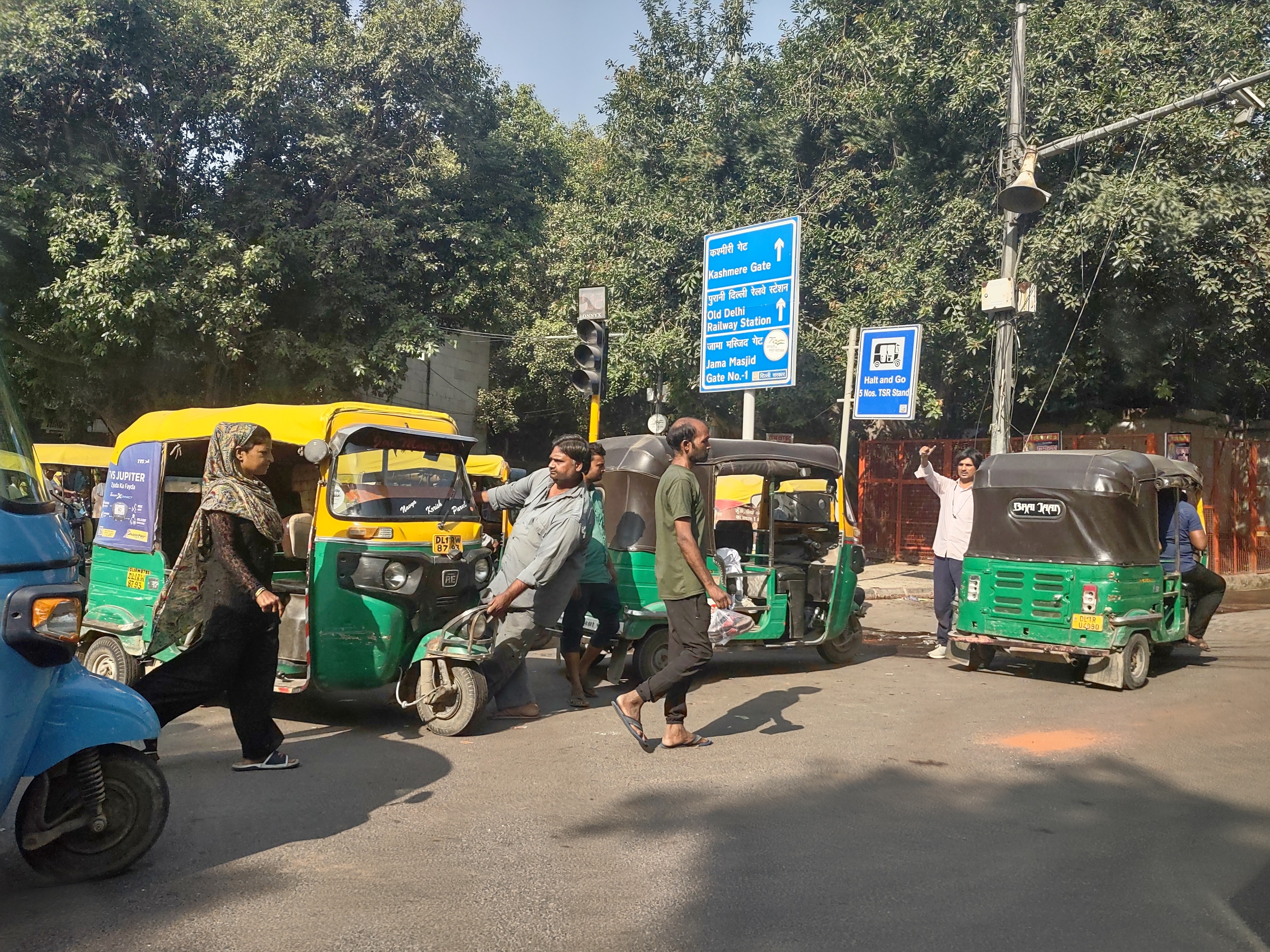
But, we had also seen a hilarious travel video on YouTube where the author contended that the key to a good stay in Fort Kochi was to find an honest tuk tuk driver and that the best way to determine this is to just ask them. We speculated that this method might well work because it forced them to commit to being honest and it would therefore cause loss of face if they were then to be otherwise. (Honest cheating is OK but dishonesty and untruthfulness are not.) We also heard that tuk tuk drivers tended to be pretty aggressive with tourists.
We began to gain a better sense of the situation as we enjoyed our lunch at Coriander and watched various tuk tuk drivers milling about in the vicinity when they spotted the “paryataks” (the Hindi word for “tourist”, but in this case I think it translates more like “fresh meat”) sitting in the front window. We did our best to politely avoid them (as advised) as we left the restaurant, but having weighed our options, we decided that a trip to the umbrella store would be a good way to dip our toes into the tuk tuk pool.
There was one tuk tuk “conveniently” parked in front of the Fortkochi Beach Inn and when we approached the driver I considered all we had learned and jumped right to the point by asking him his name and whether he was honest. He didn’t seem too put out by this question and replied that his name was Aslam and that he was a very honest tuk tuk driver which he was more than happy to demonstrate by taking us on a trial run to purchase an umbrella and then back home again understanding that this might lead to a more extended engagement the following day.
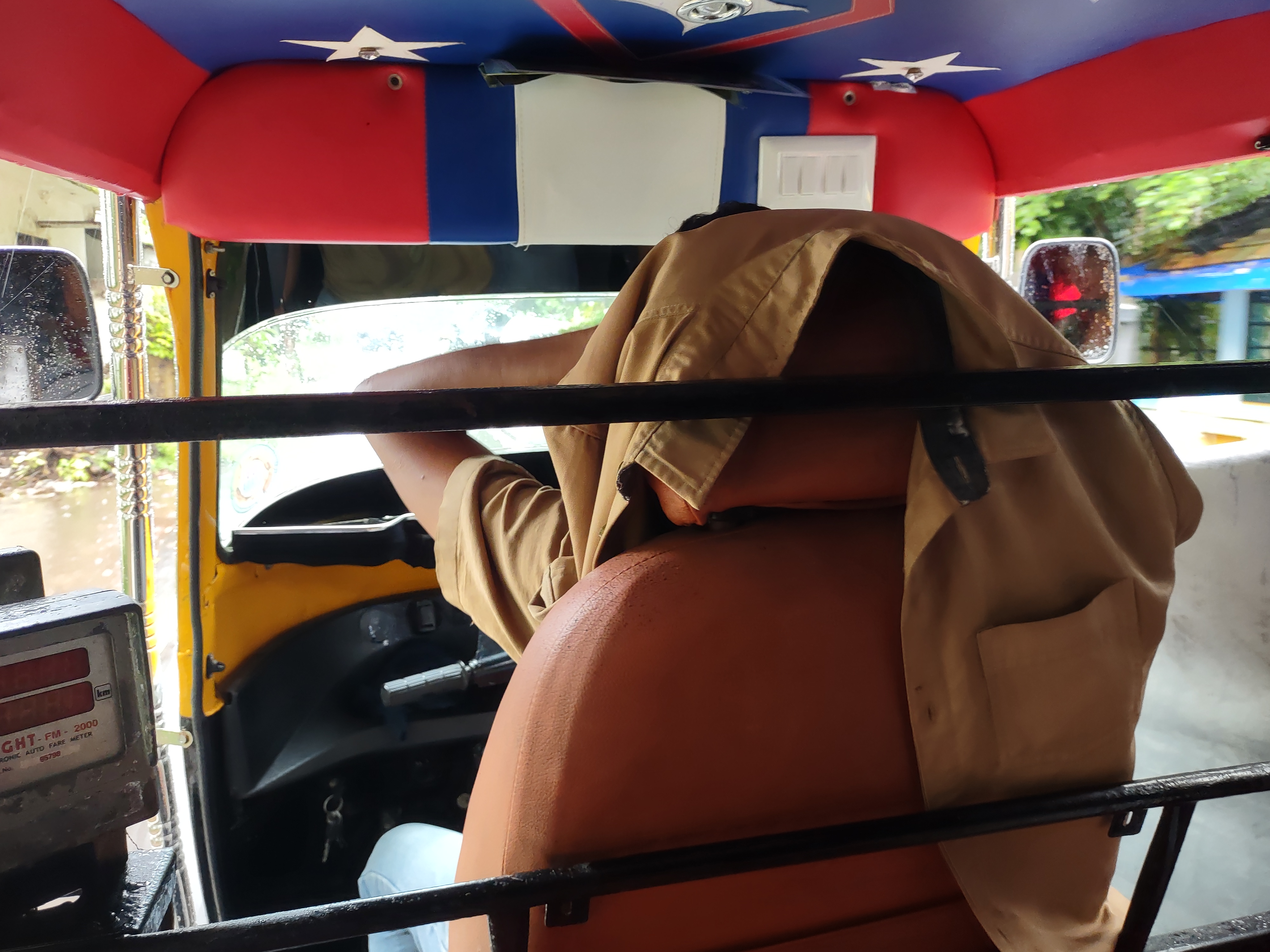

We were successful in our mission and purchased an umbrella for about five dollars which appeared more than capable of lasting the three days we would be in Kochi. Feeling pretty pleased with our purchase we were caught a little off guard when Aslam asked us if we could do a personal favor for him and explained that if we allowed him to take us to one of the local artisan galleries (where we would be under no obligation to buy anything) he would receive a gift of five kilos of rice. The whole thing sounded a bit sketchy, but we reluctantly agreed and, when we arrived at the gallery, Colleen made a point of confirming that Aslam would receive his rice whether we bought anything or not.
The gallery that Aslam took us to, the Heritage Museum, was supposed to be one of a number of such shops which are supposedly sanctioned and regulated by the government. As we would find to be the case in artisan galleries all across India, we were greeted warmly when we entered the gallery, offered tea or coffee, and acquired a sales person who politely hovered around as we examined the gallery’s offerings, which were pretty extensive. Coming in our strategy had been to try to find some small inexpensive item to purchase and to be back on our way as quickly as possible and, in this instance, I pretty quickly found a small marble elephant that I kind of fancied, so we could have beat a fairly hasty retreat.


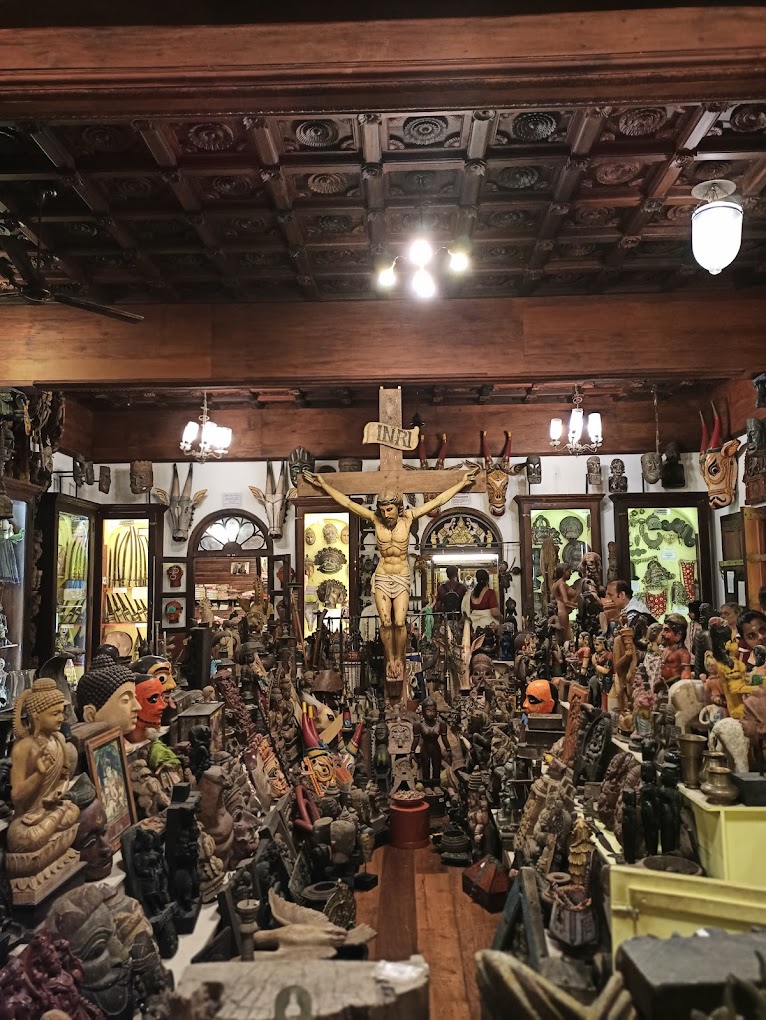
The flaw in our strategy was that they did have some very nice items – carved figures, tapestries and linens, rugs, and jewelry – and it really was interesting to look at them all (hey, it was raining outside, so we weren’t going to the beach today anyway!) And (of course), if you showed interest in an item, the salesperson would hover over to offer explanations or assistance. It became a bit of a game to try to look at items without raising the interest of our shadow salesperson and, in instances where we were truly interested in something, we would try to delay asking for its price as long as possible in order to extend the fantasy.
Despite the sort of odd way in which we ended up there, the gallery did in fact have some items which we were interested in and we did end up making a couple of purchases (certainly more than enough to offset the cost of five kilos of rice!). Over the course of our travels across India we would learn that it is very common for drivers and tour guides to have relationships with certain shops, so we found ourselves in this situation on a recurring basis, both in Fort Kochi and elsewhere, which I’m sure you’ll hear about sooner or later.
Our tuk tuk travels with Aslam gave us a nice first look at Fort Kochi and, given the uncertainty of the weather, a tuk tuk seemed like a good way to sightsee, umbrella or not, so we agreed to have him pick us up after breakfast the next day for a real tour. We returned to the Fortkochi Beach Inn to discover that much of our clothing did appear to be still damp and spent some time rigging a clothesline which we hoped, aided by the AC and ceiling fan, would resolve the issue. We had a great dinner at Coriander and retired back to the hotel for a little down time before bed.
Sightseeing in Fort Kochi
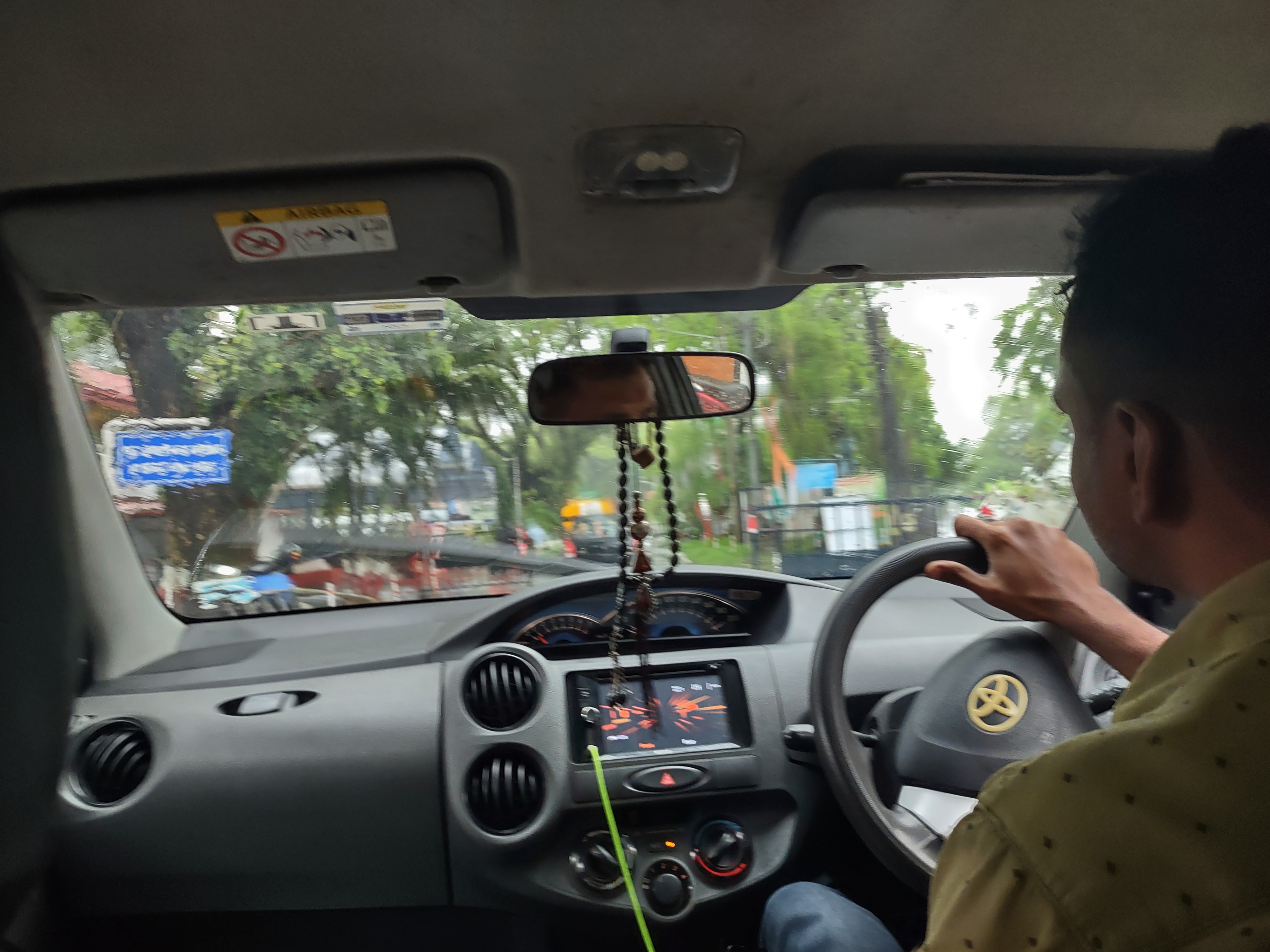
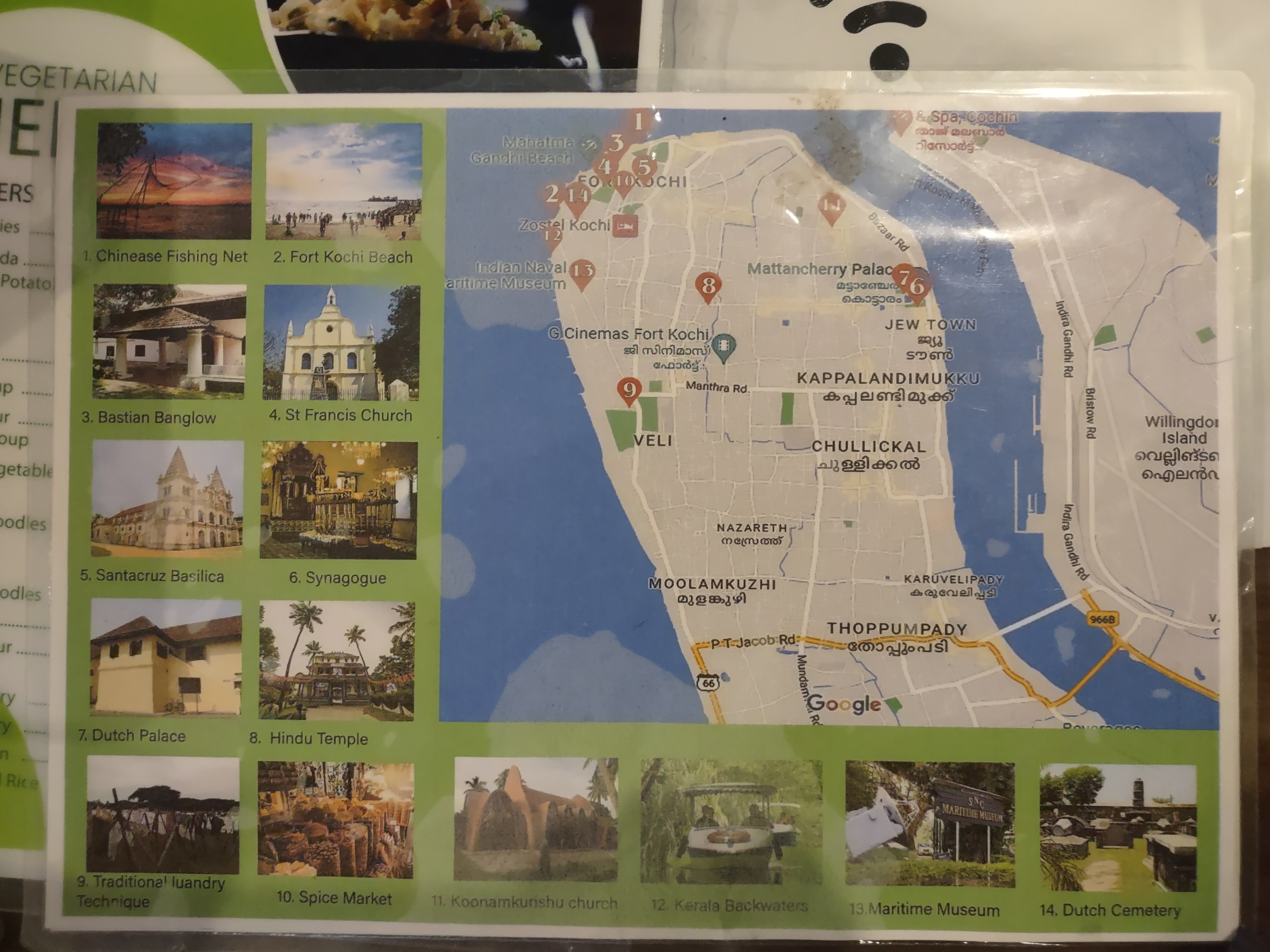
We had breakfast the next day in our usual spot by the front window and kept an eye our for Aslam’s arrival. A tuk tuk did park out front and its driver (who was not Aslam) stepped out and began to stare at us pretty intently. As we finished breakfast and made our way out, he approached us and explained that Aslam had been unfortunately detained and that he was Haris, Aslam’s cousin and that, with our permission, he would be happy to serve as our guide for the day. While we were a bit surprised at first, we noted that Haris’s English appeared to be much better than Aslam’s had been and, after confirming the rate would be the same, looked at this as more a less a free upgrade and agreed. Haris produced the obligatory map of Fort Kochi which all the tuk tuk drivers carry (we had already studied the one at our hotel) and we identified the various sites we wished to visit, excluding a couple of the more remote ones on the far side of Fort Kochi. And with that we were off!
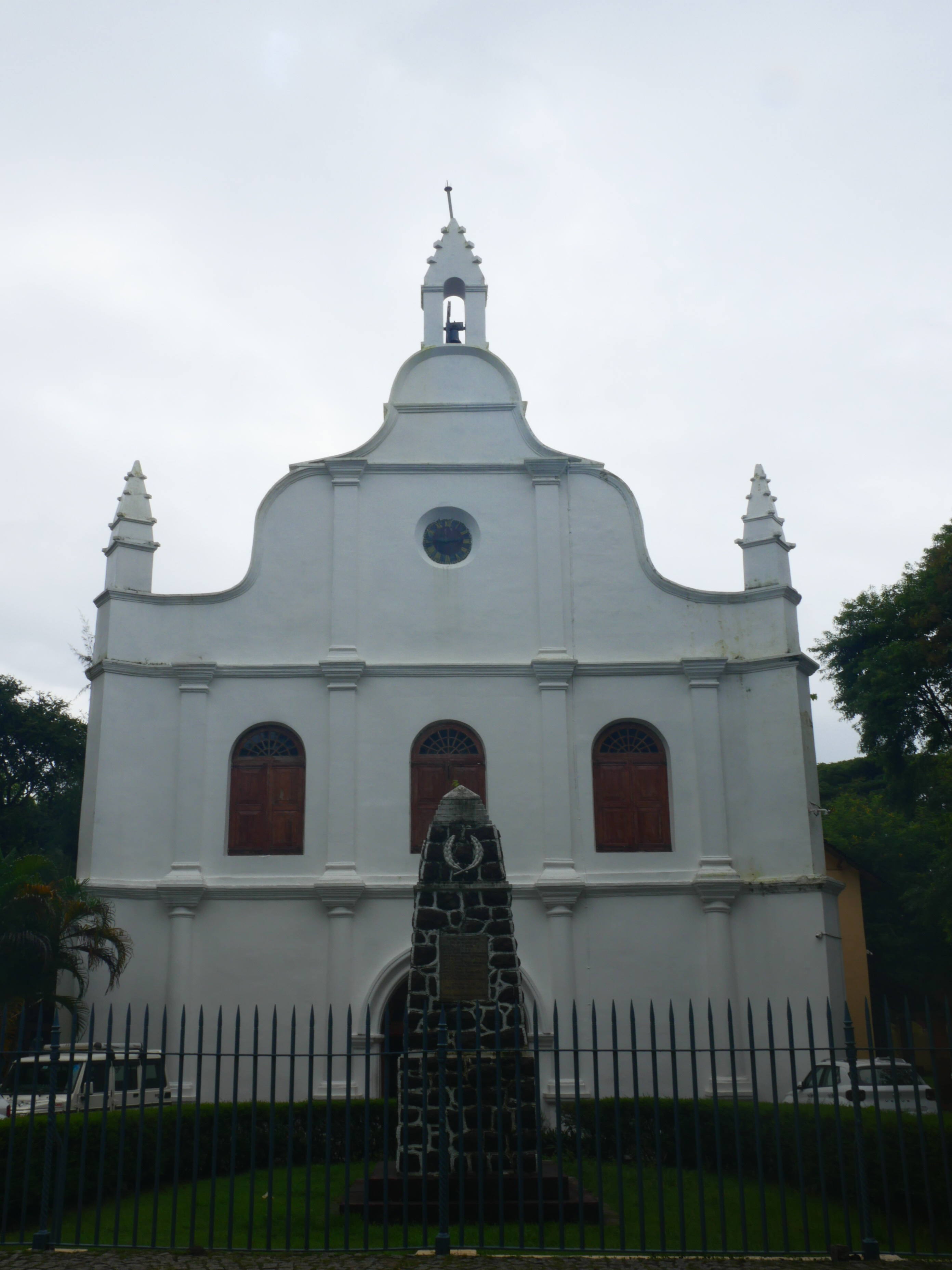
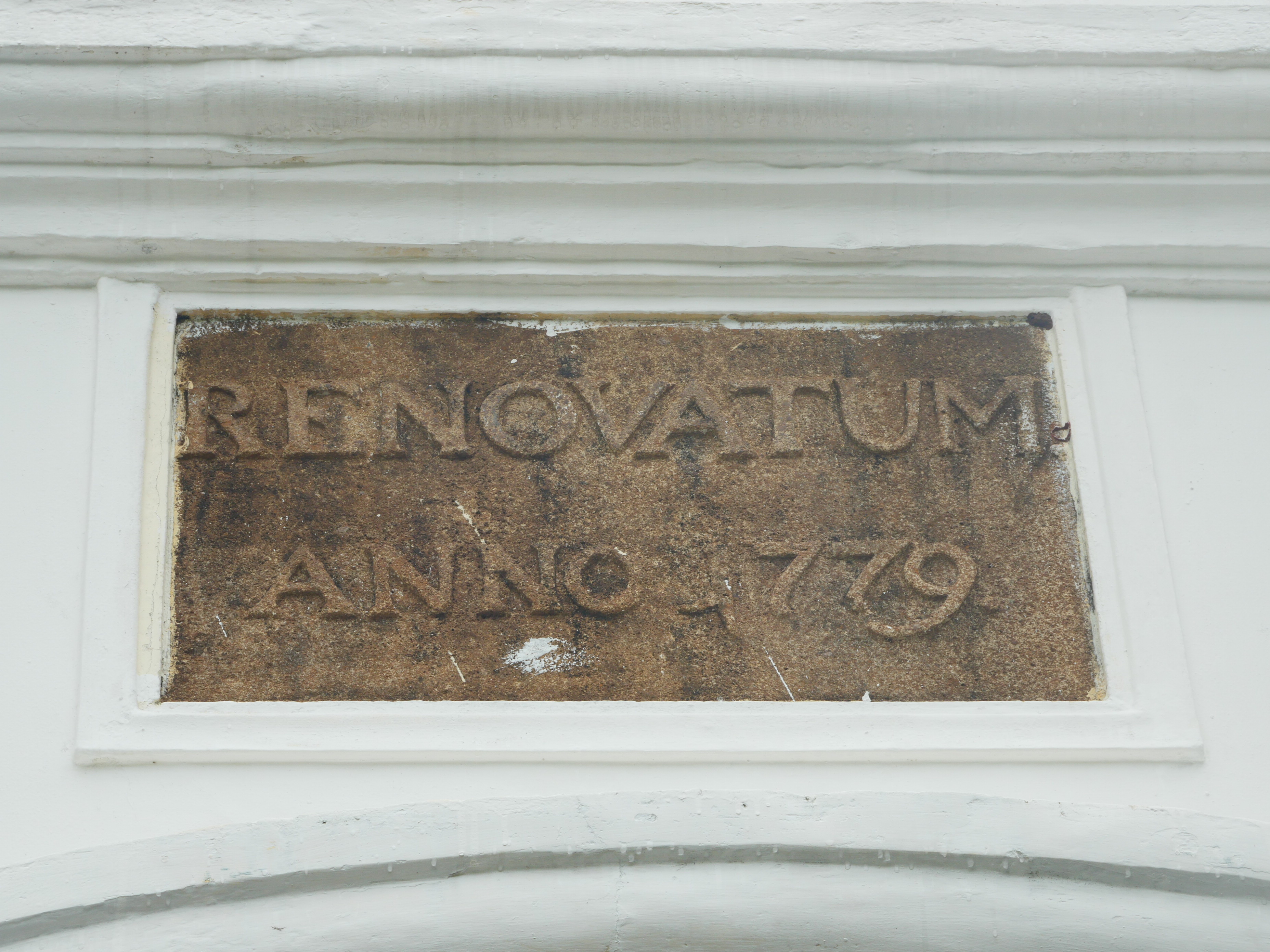
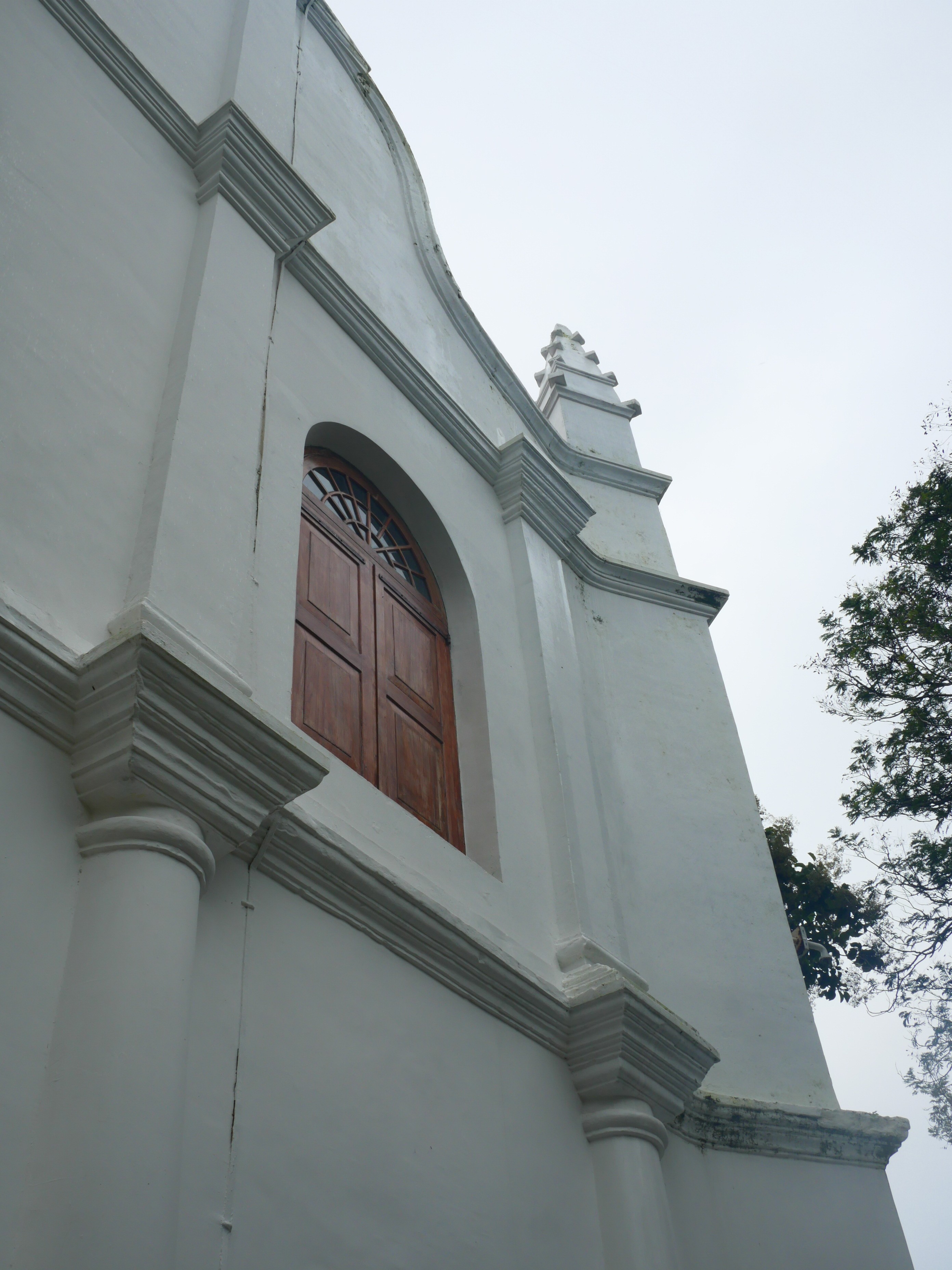
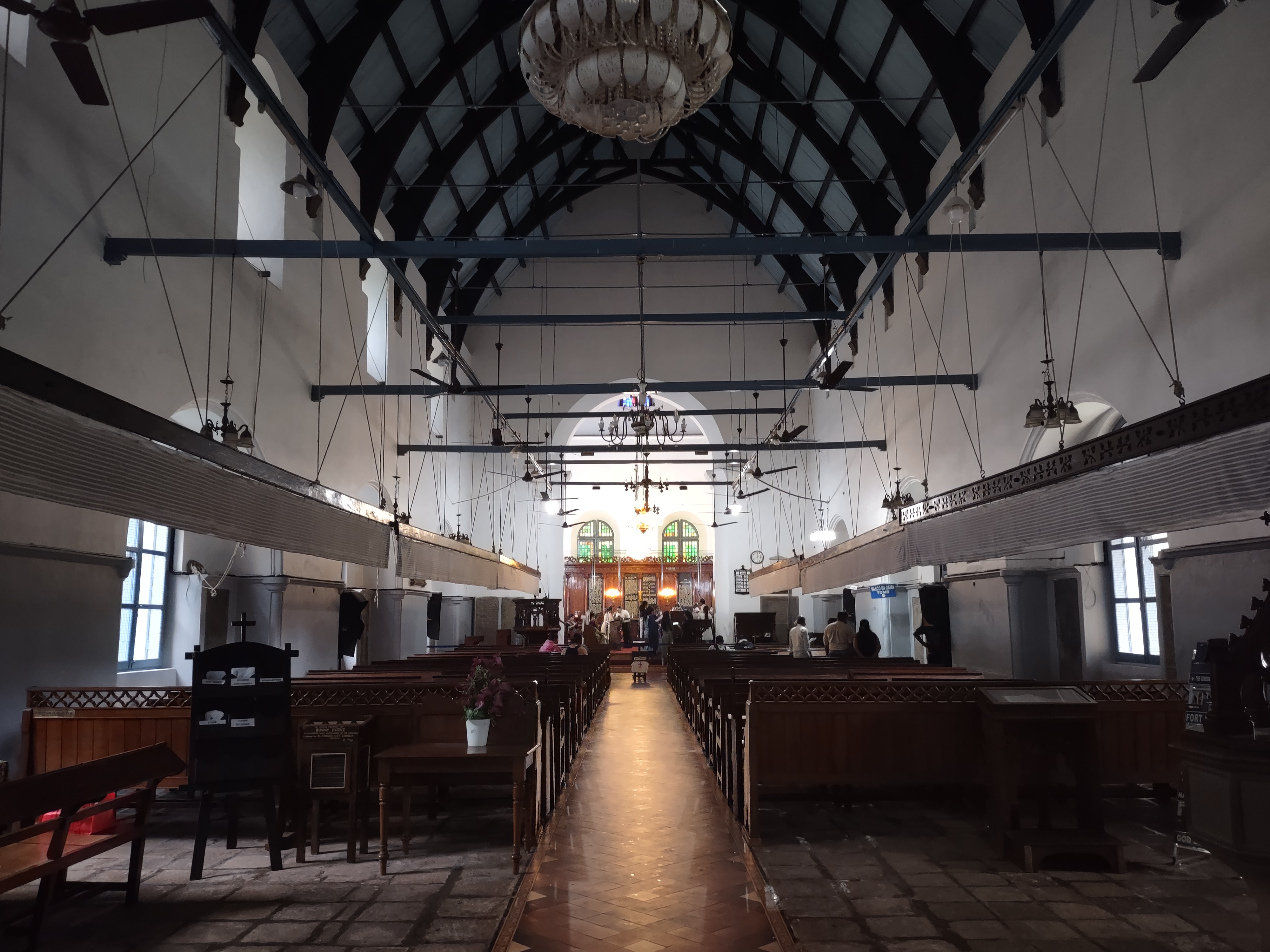
Our first stop was the Church of St. Francis which was built in 1503 and, interestingly, renovated in 1779. Actually not a particularly interesting or beautiful church, but other than being one of the oldest European churches in India, it’s big claim to fame is having been the original burial place for Vasco de Gamma.

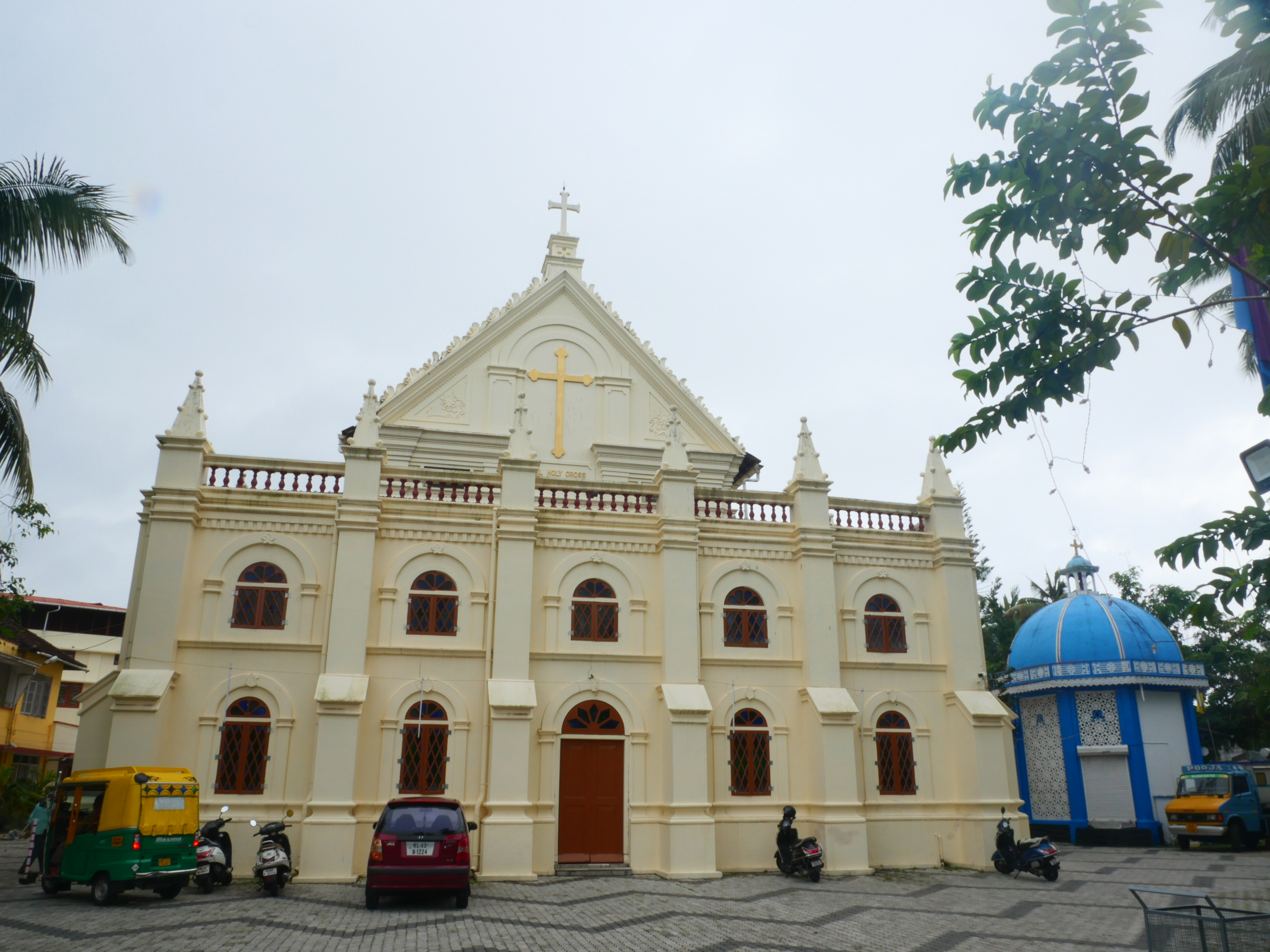
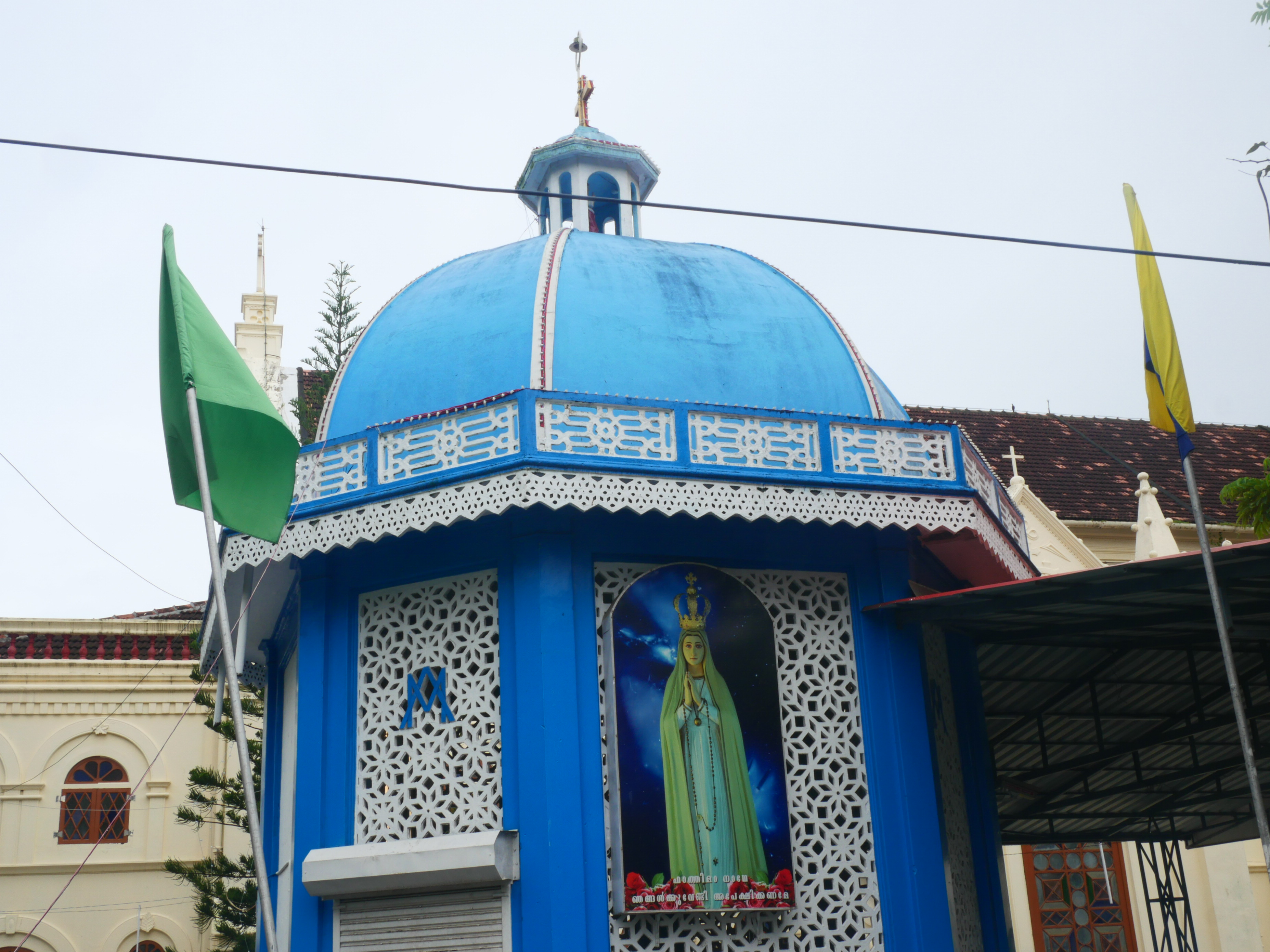
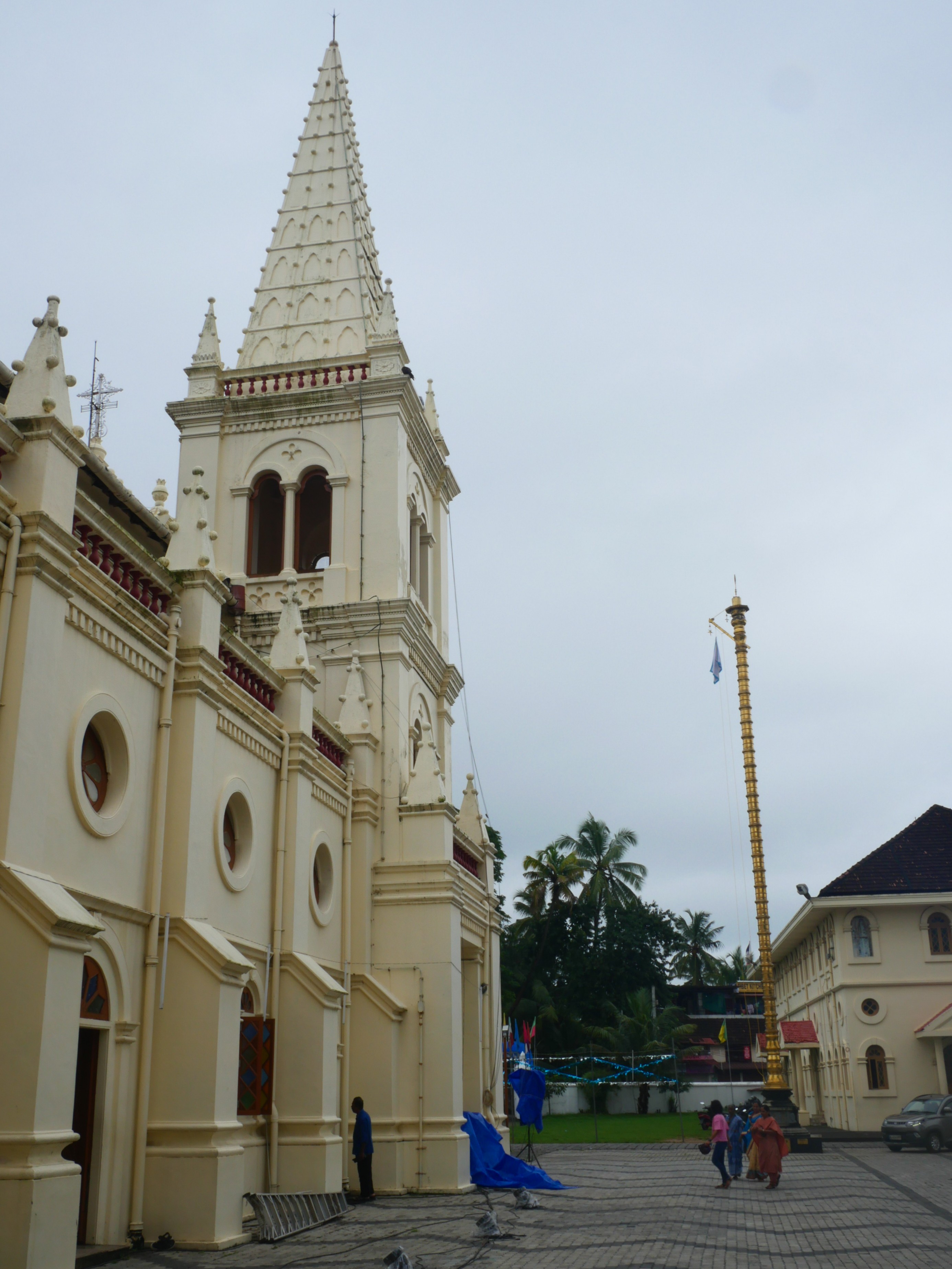
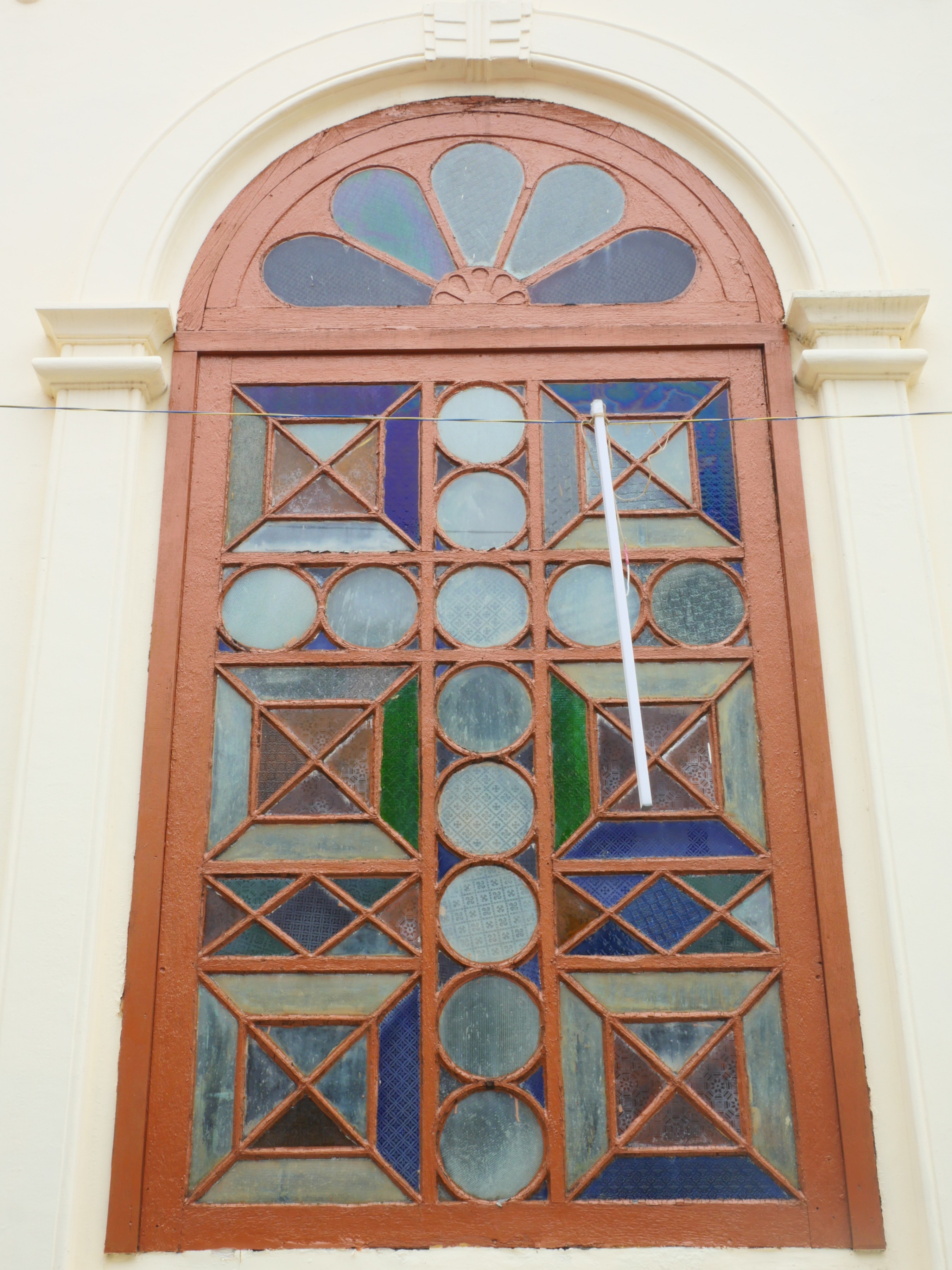
From there we proceeded to the Santa Cruz Cathedral Basilica, a beautiful gothic structure which was constructed shortly after the Church of St. Francis in the early 16th century and is considered by many to be the most beautiful church in all of India. The Santa Cruz Cathedral was the first church in India constructed using cut stone and mortar (rather than brick) which, up until that time was reserved for the construction of palaces and temples and incorporated some of the unique Indian elements we had seen in the Christian churches of south Kerala, including a golden flagpole and free-standing shrines.

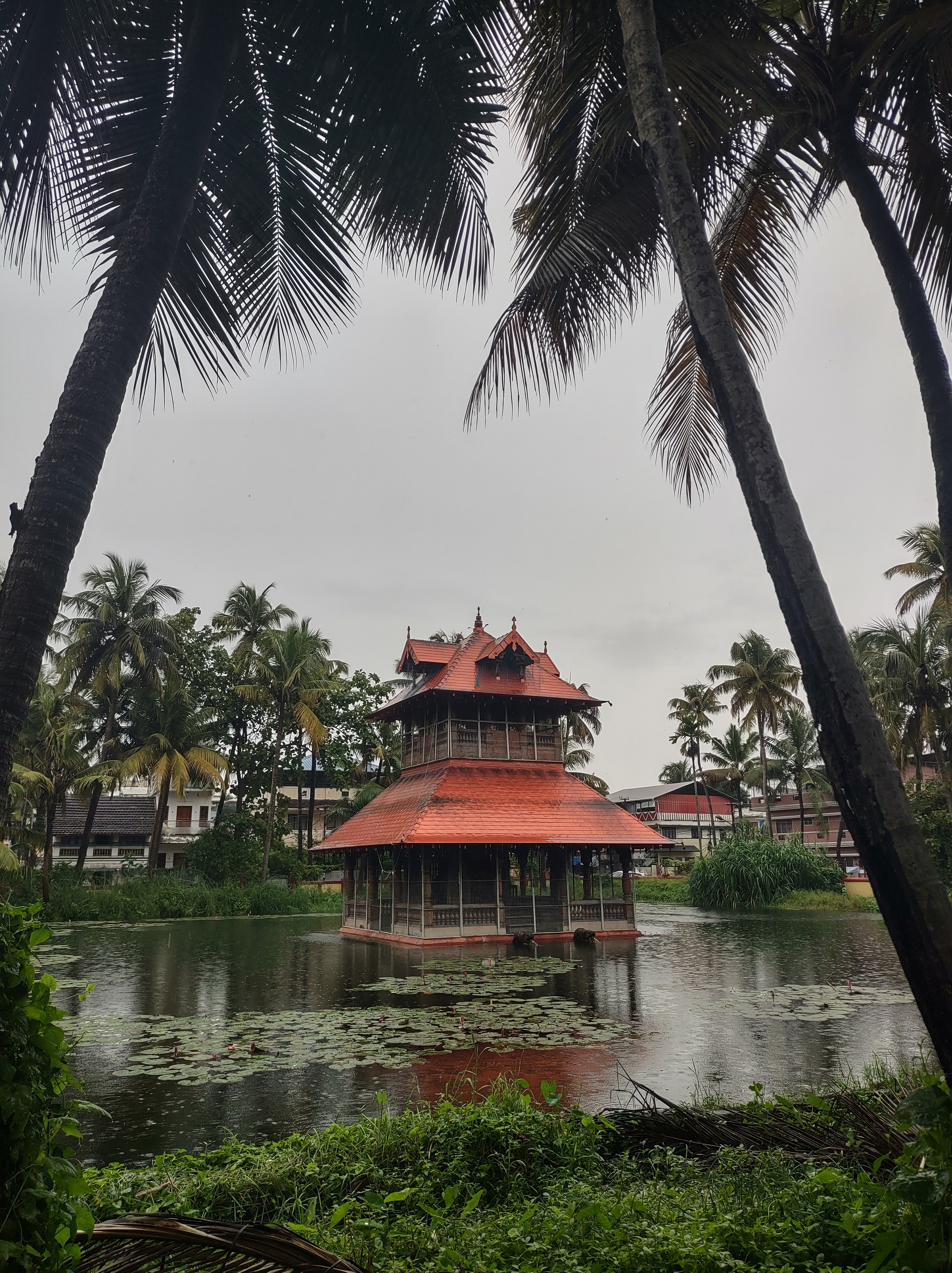
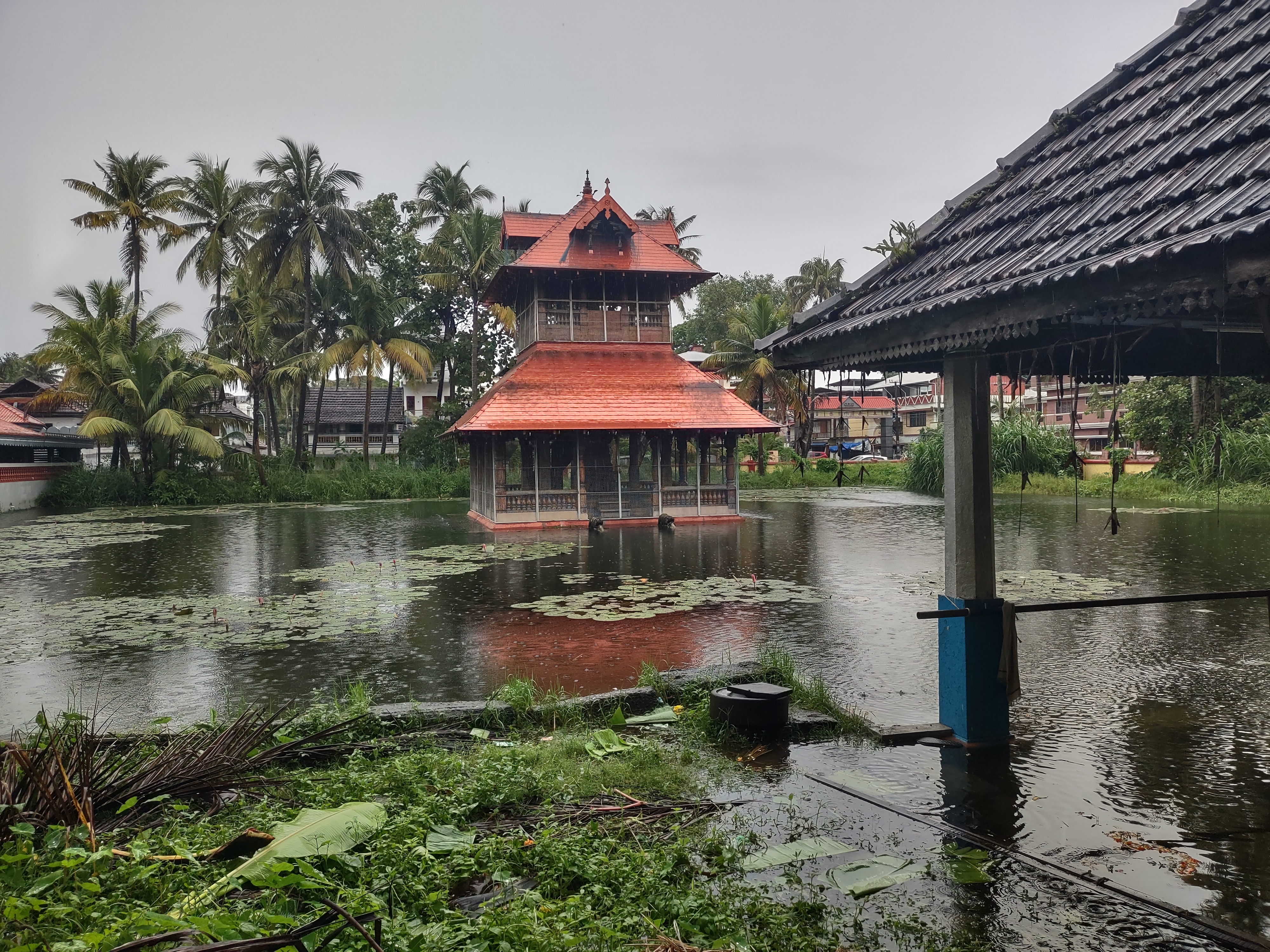
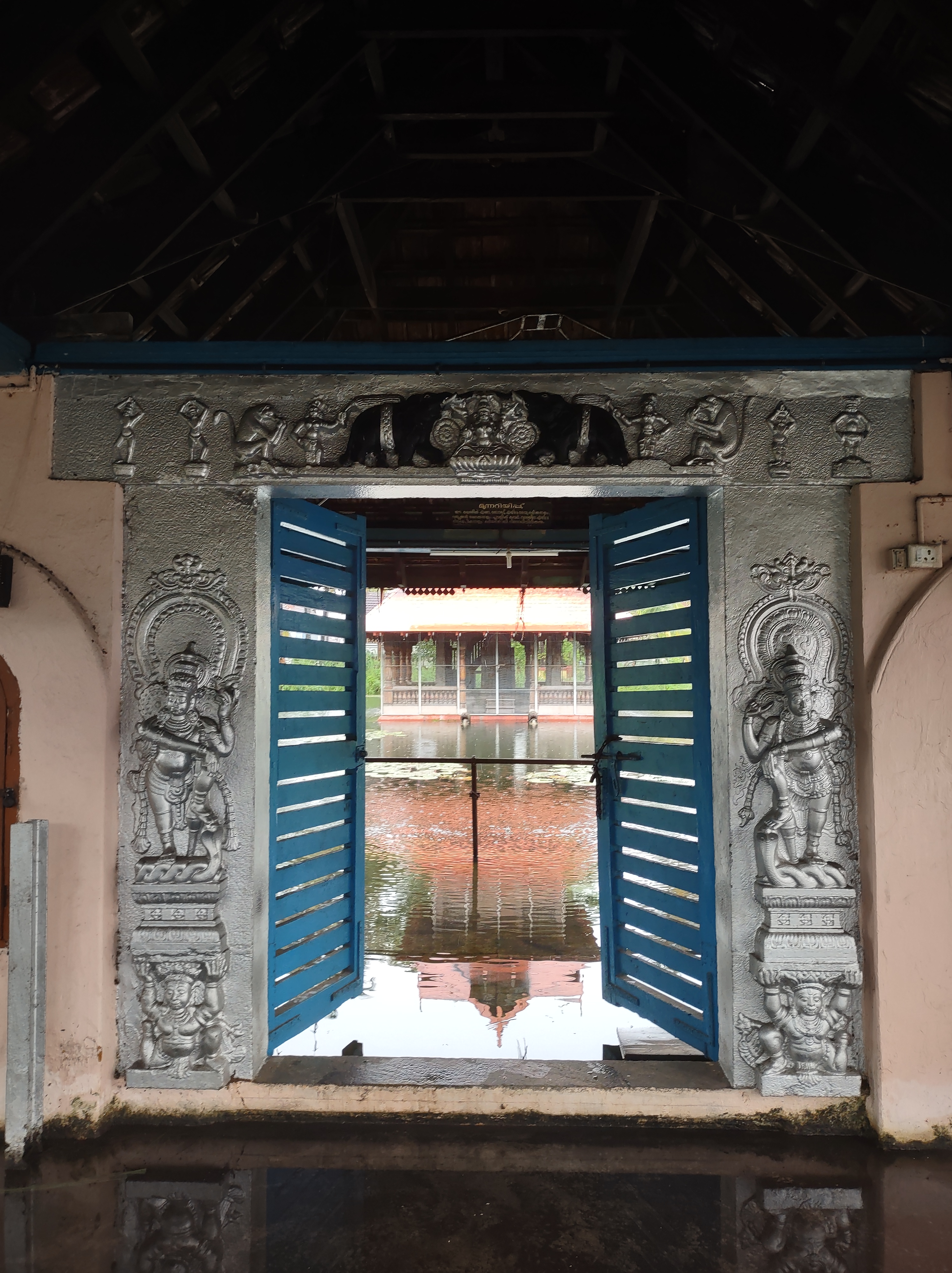
Our next stop was the Cochin Thirumala Devaswom Temple, a Hindu temple which is the biggest and most important temple of the Gowda Saraswat Brahmins of Kerala which dates back to 1599. We were particularly taken by one of its shrines which sits at the center a large rectangular water lily pond which was overflowing its banks due to all the recent rain.

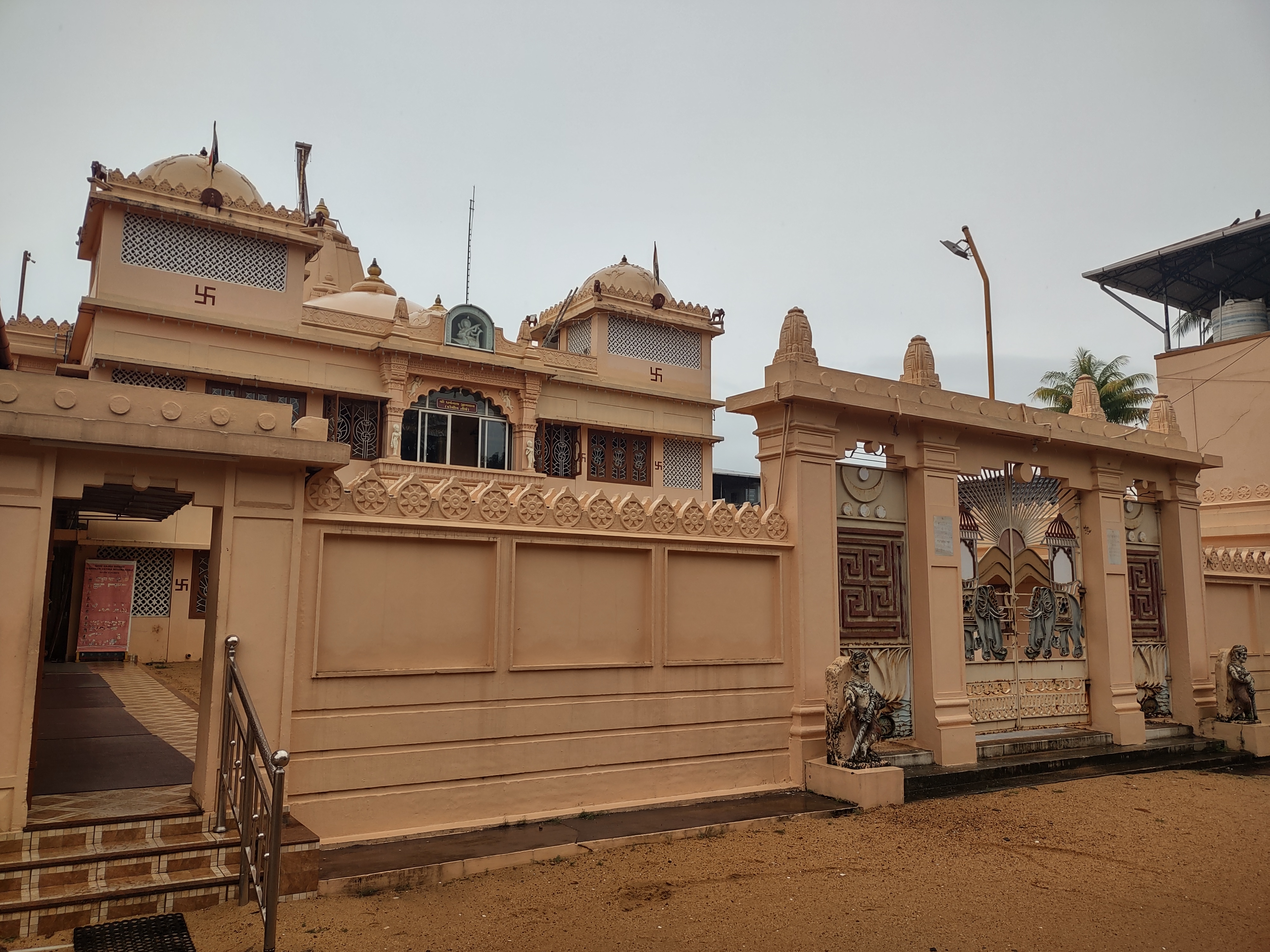
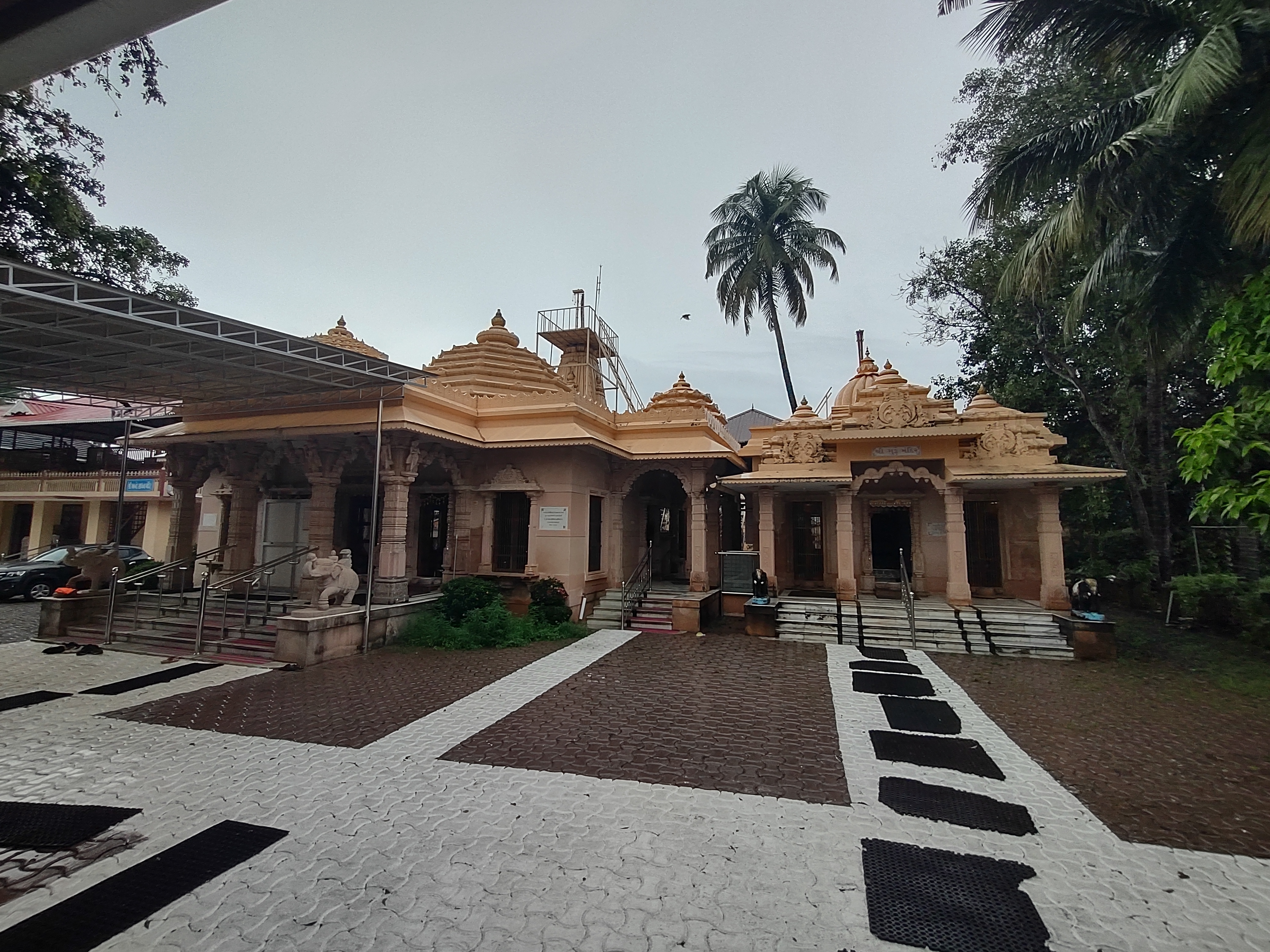
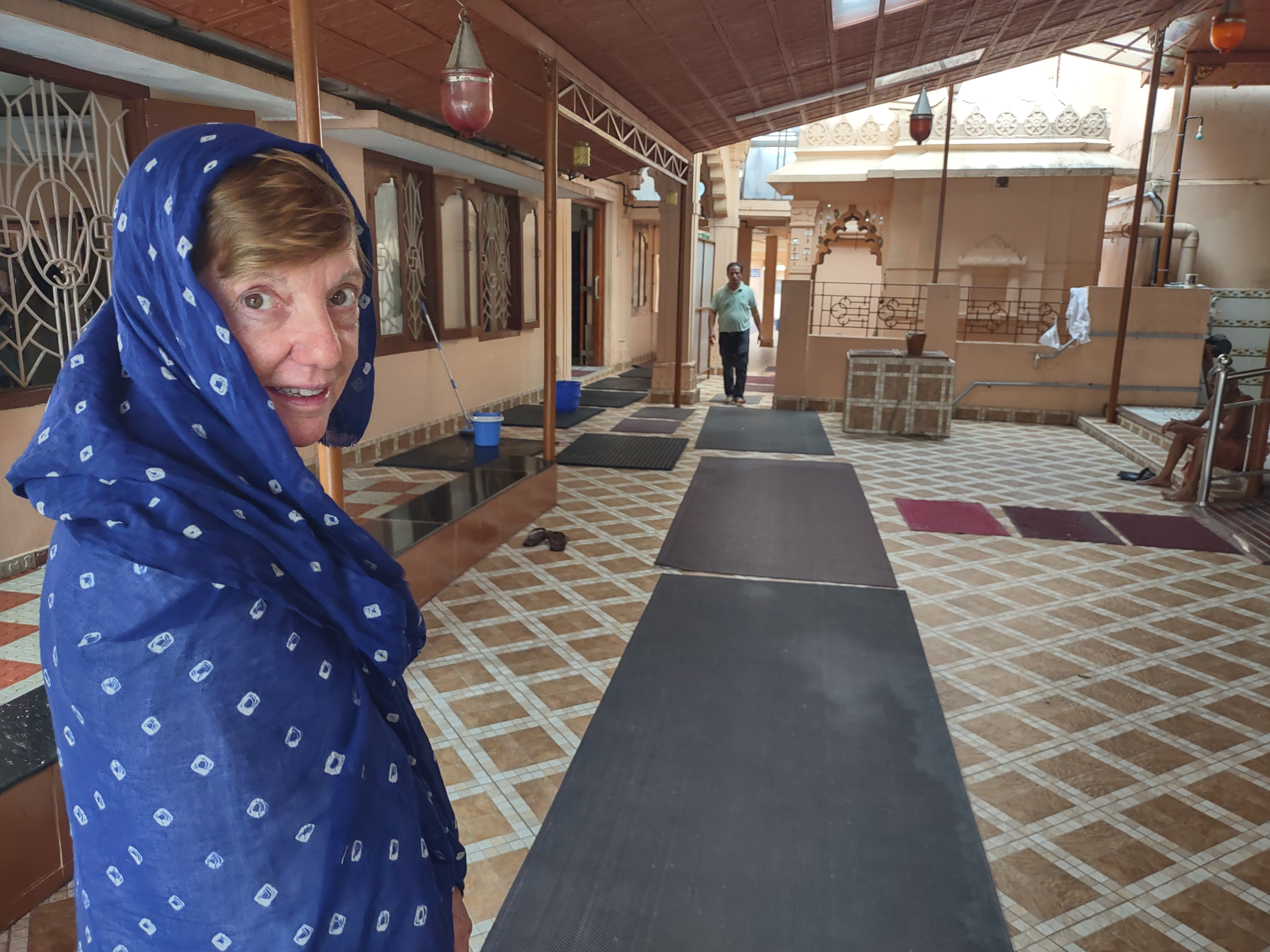
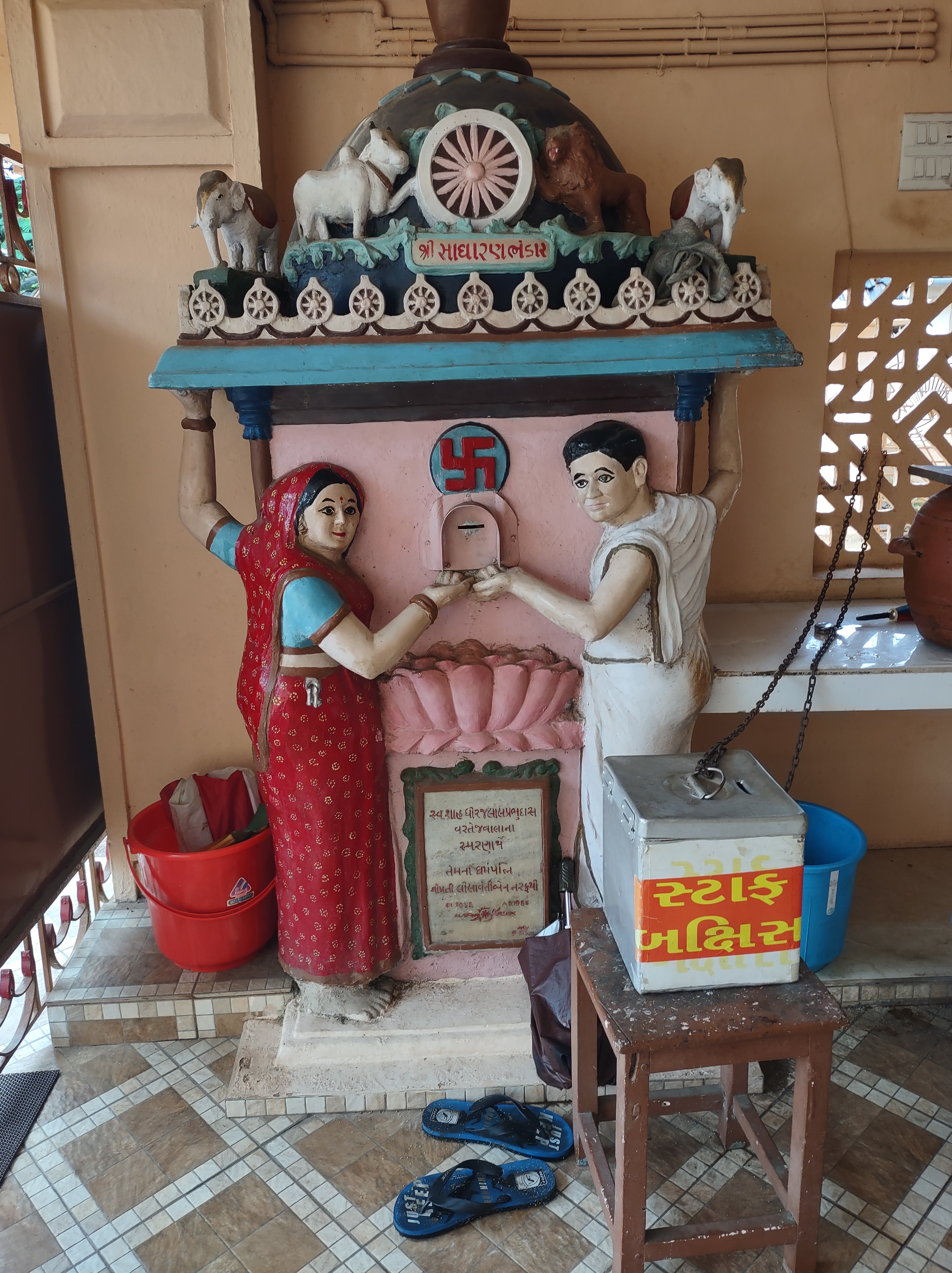
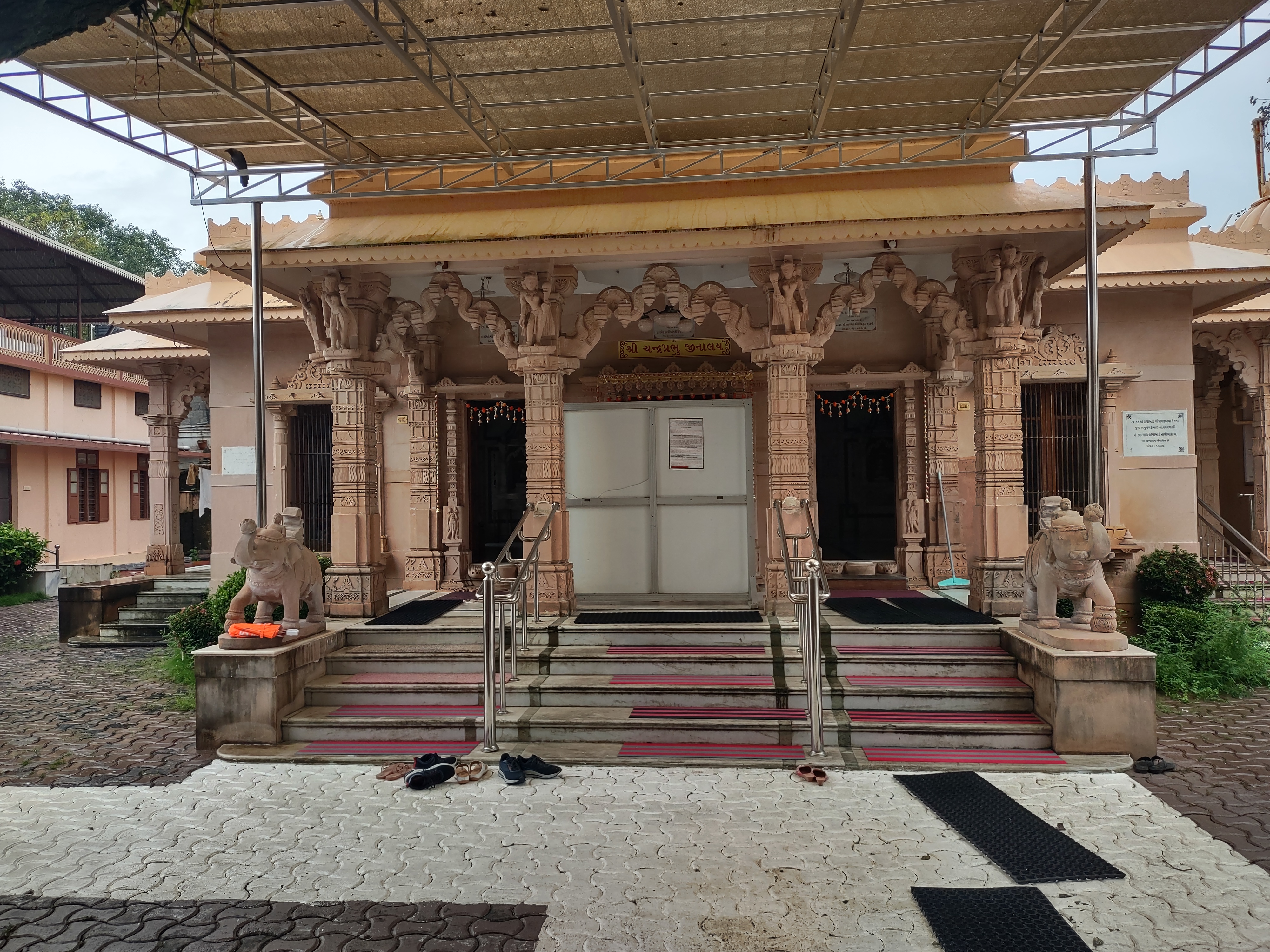
We also visited the Dharmanath Jain Temple constructed in 1904, the first of many Jain Temples we would see in India. (I do have to say that even though I know the use of the swastika as a religious symbol in this part of the world came a millennia before it was appropriated by the German Nazis, its extensive use in Jain temples remains a bit disturbing.)

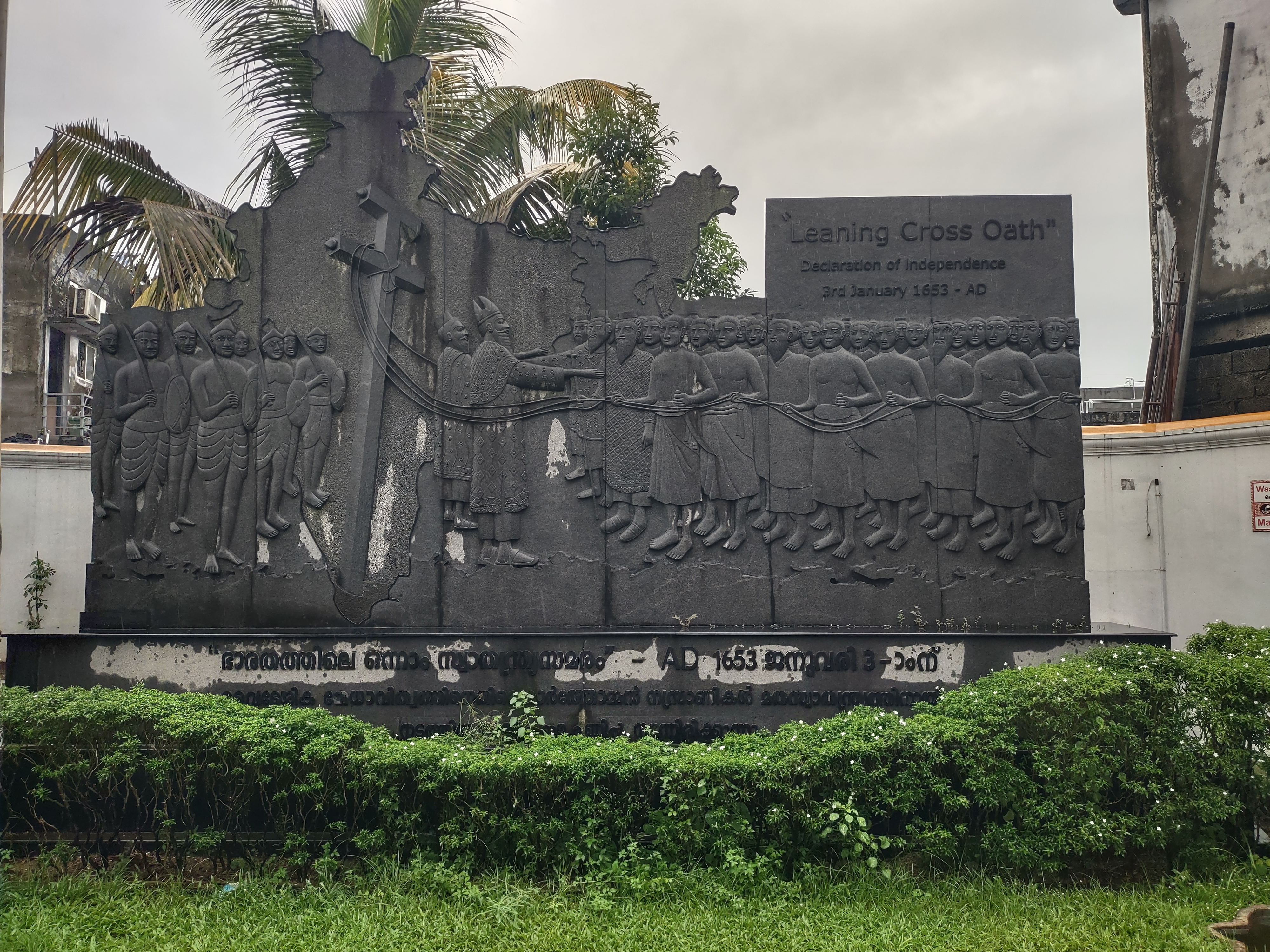
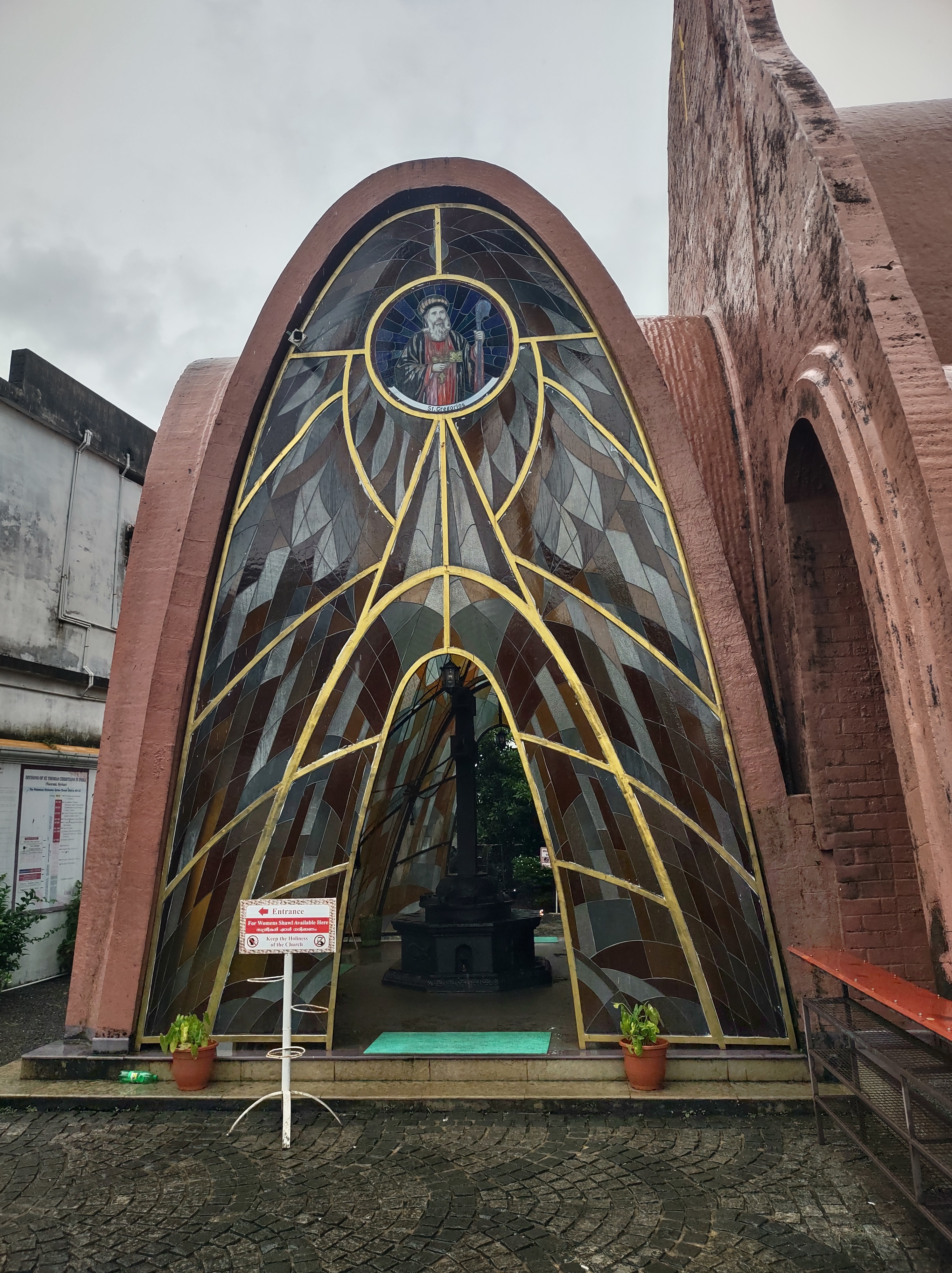
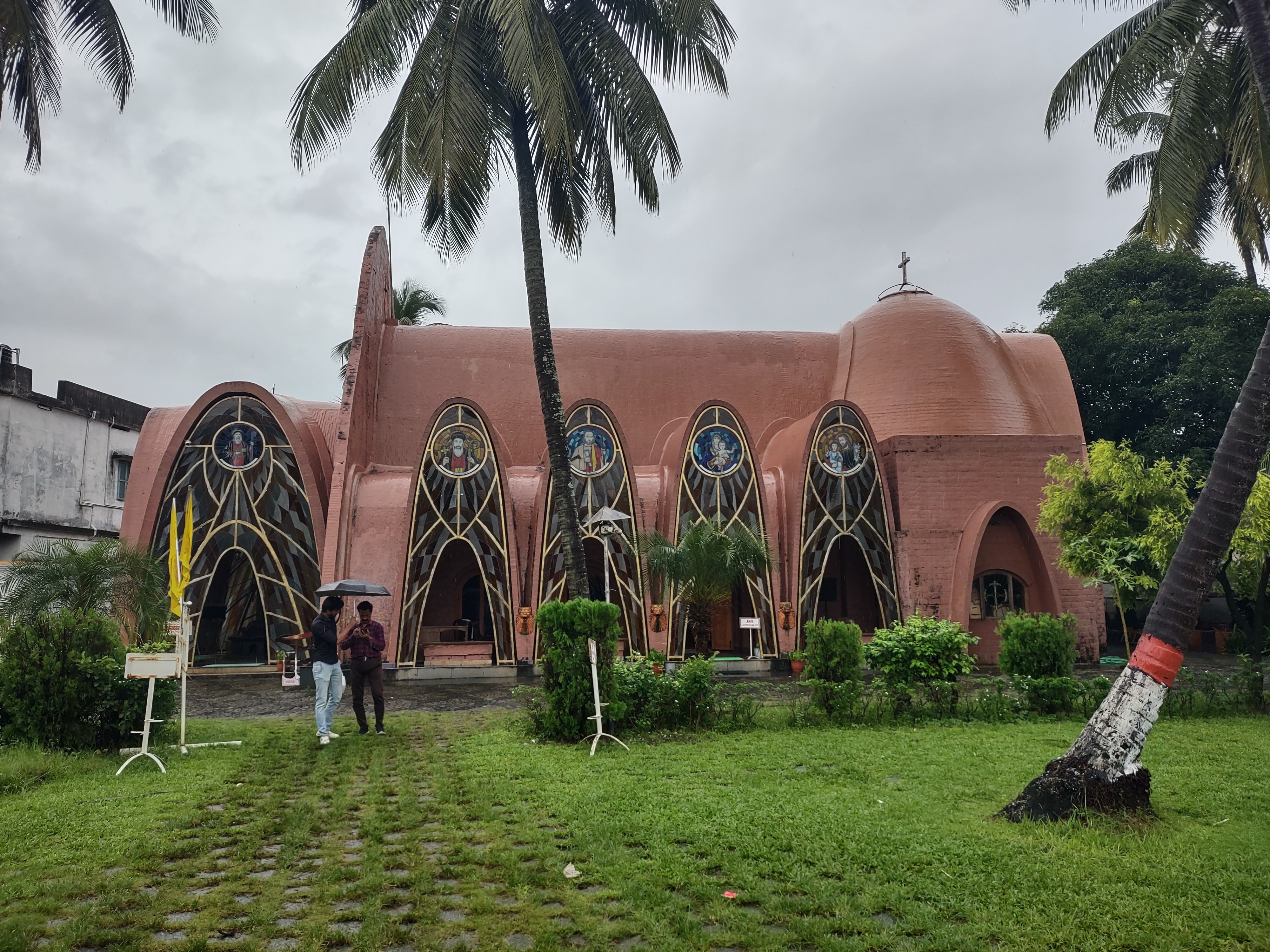
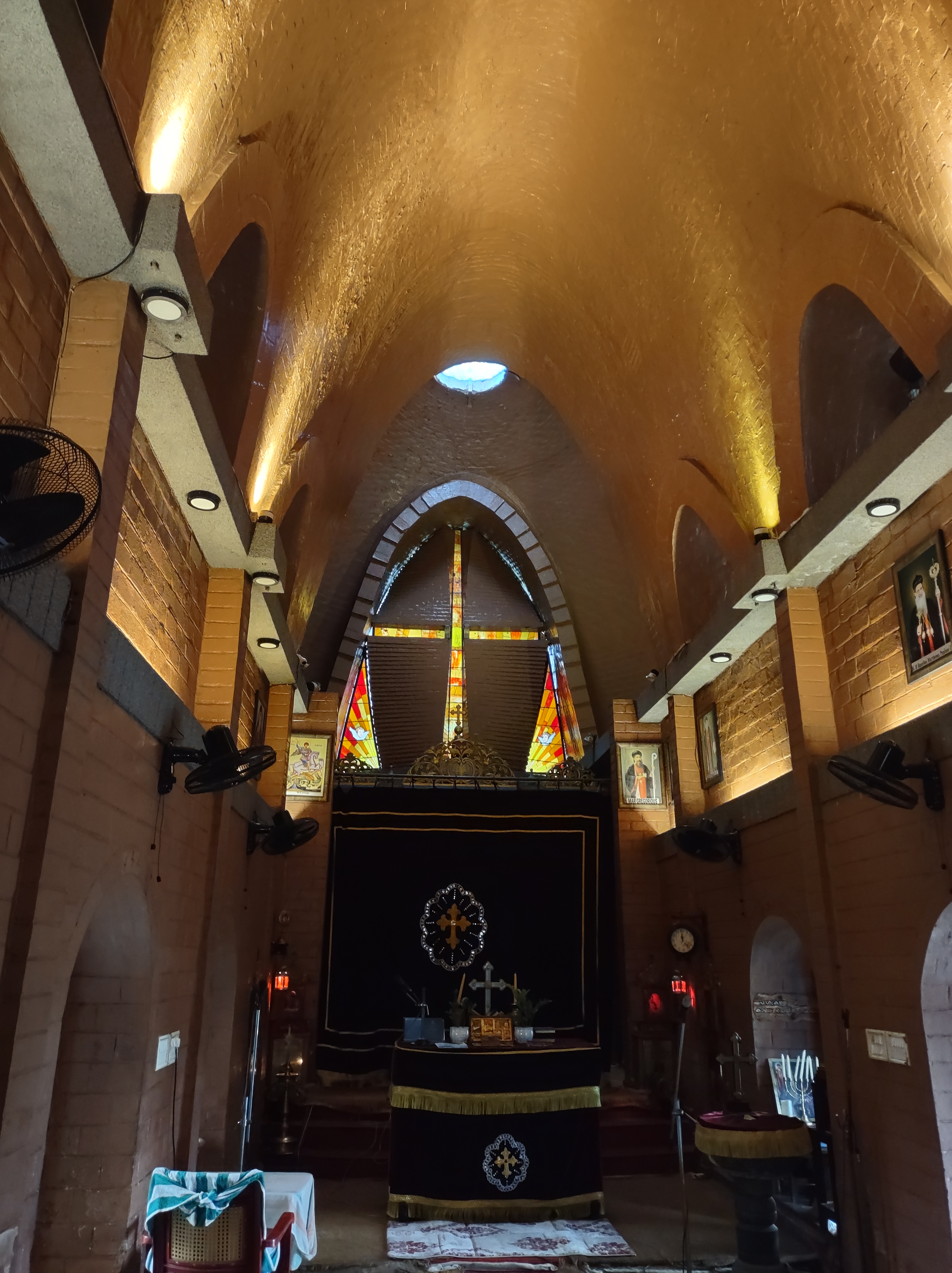
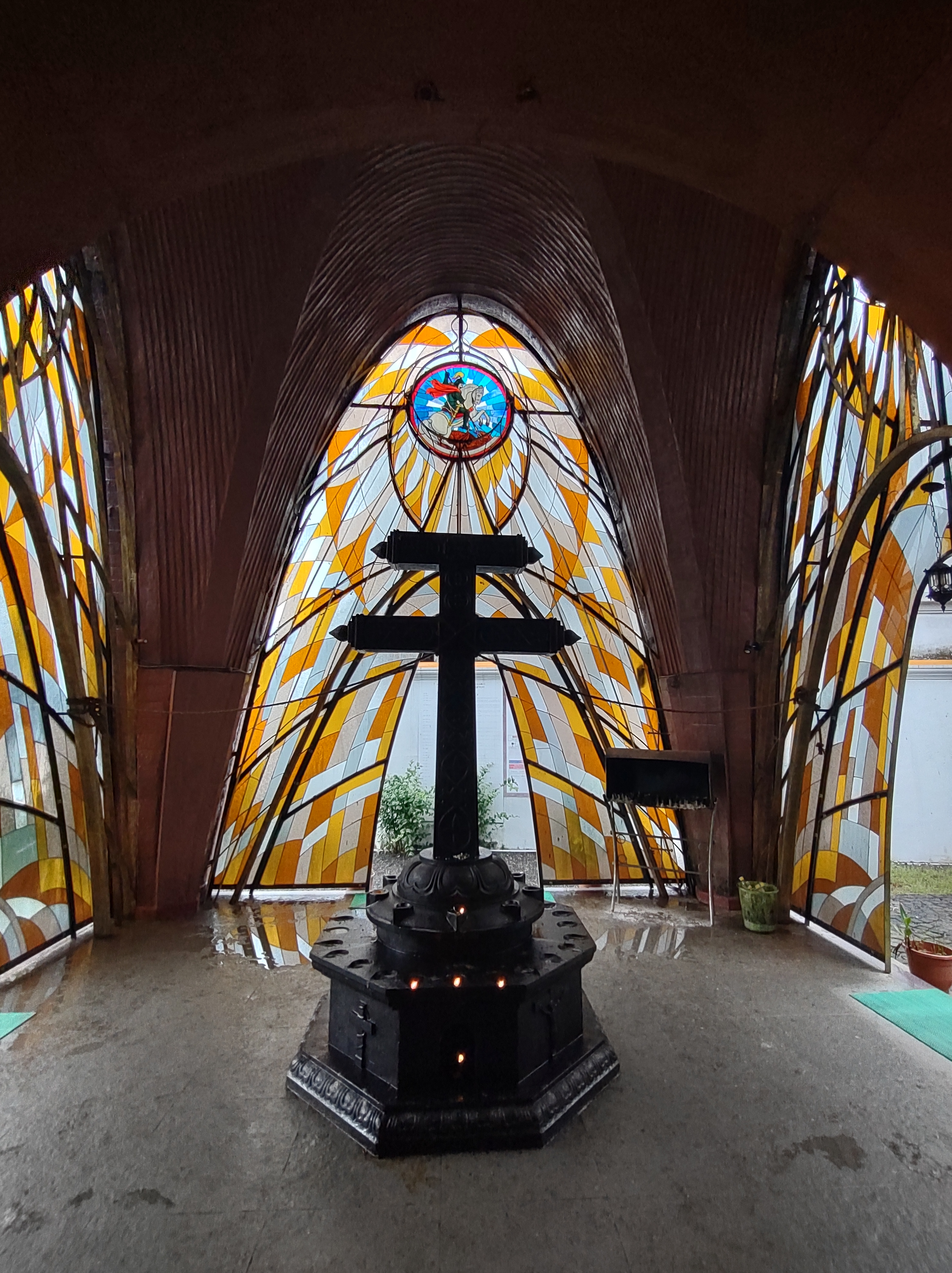
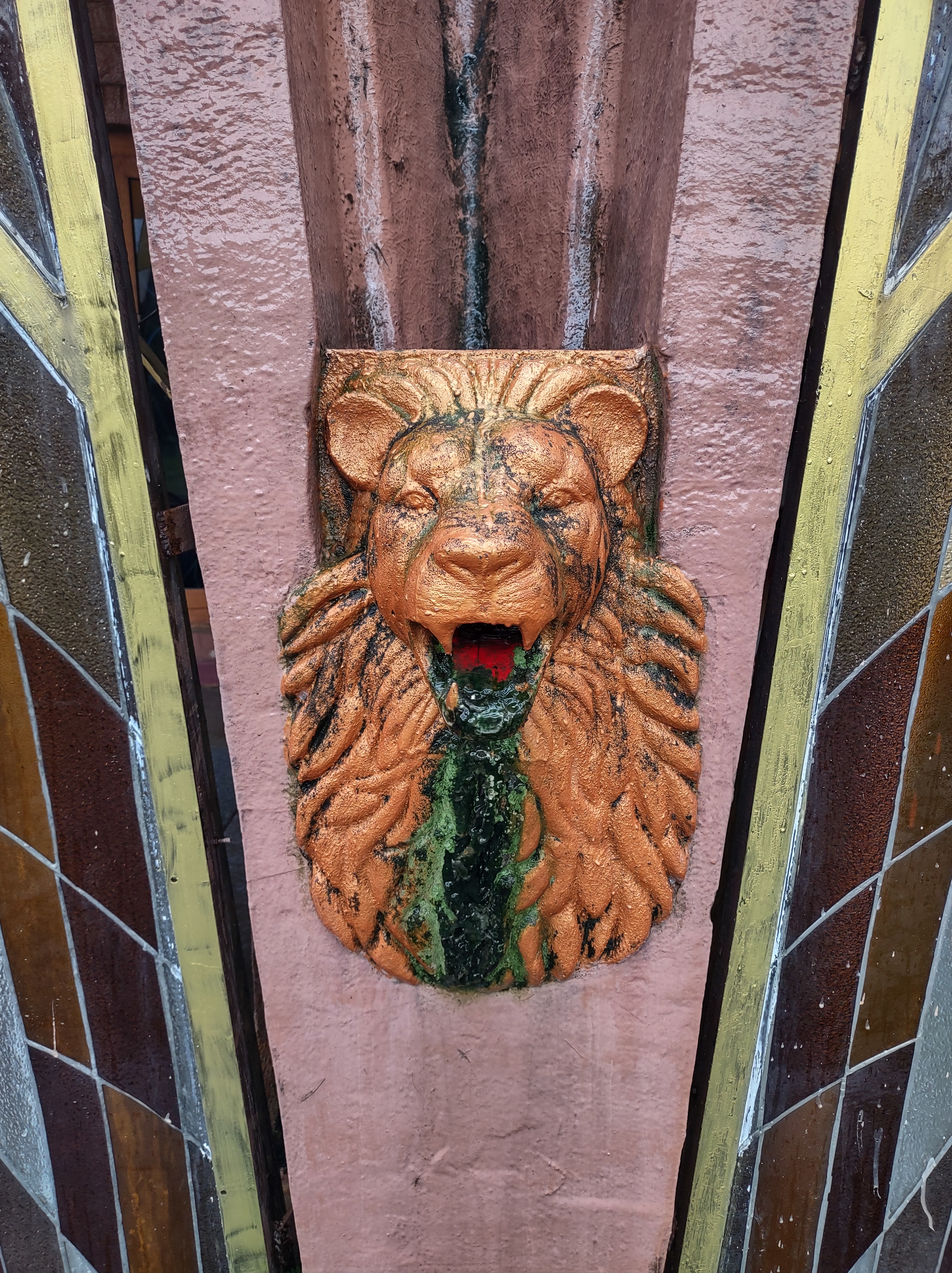
To round out what had become a parade of churches, we visited the St. George Orthodox Koonan Kurishu Old Syrian Church (also known as the Manatancherry Church) which was constructed in 1751, and is the resting site of the holy relic of St. George. The church is famous as the site of what is known as the “Leaning Cross Oath” a public vow taken in January 1653 by members of the St. Thomas Christians of the Malabar region of India to not submit to the Jesuits and Latin Catholic hierarchy nor accept Portuguese dominance. The church is a truly unique structure made up of a series of intersecting brick vaults which have been plastered over and its unique parabolic arches are actually a bit reminiscent of some of Antonio Gaudi’s much later work.


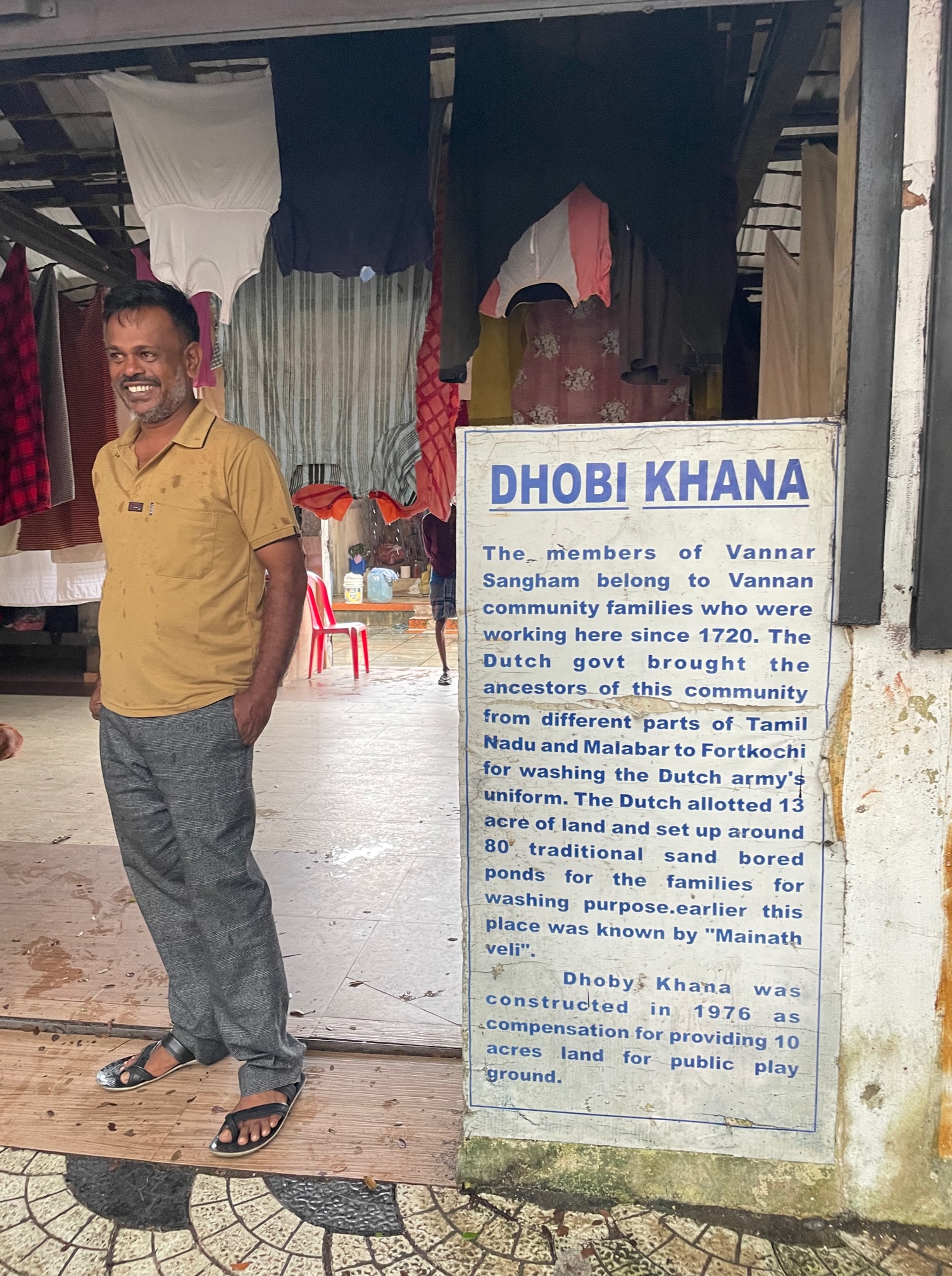
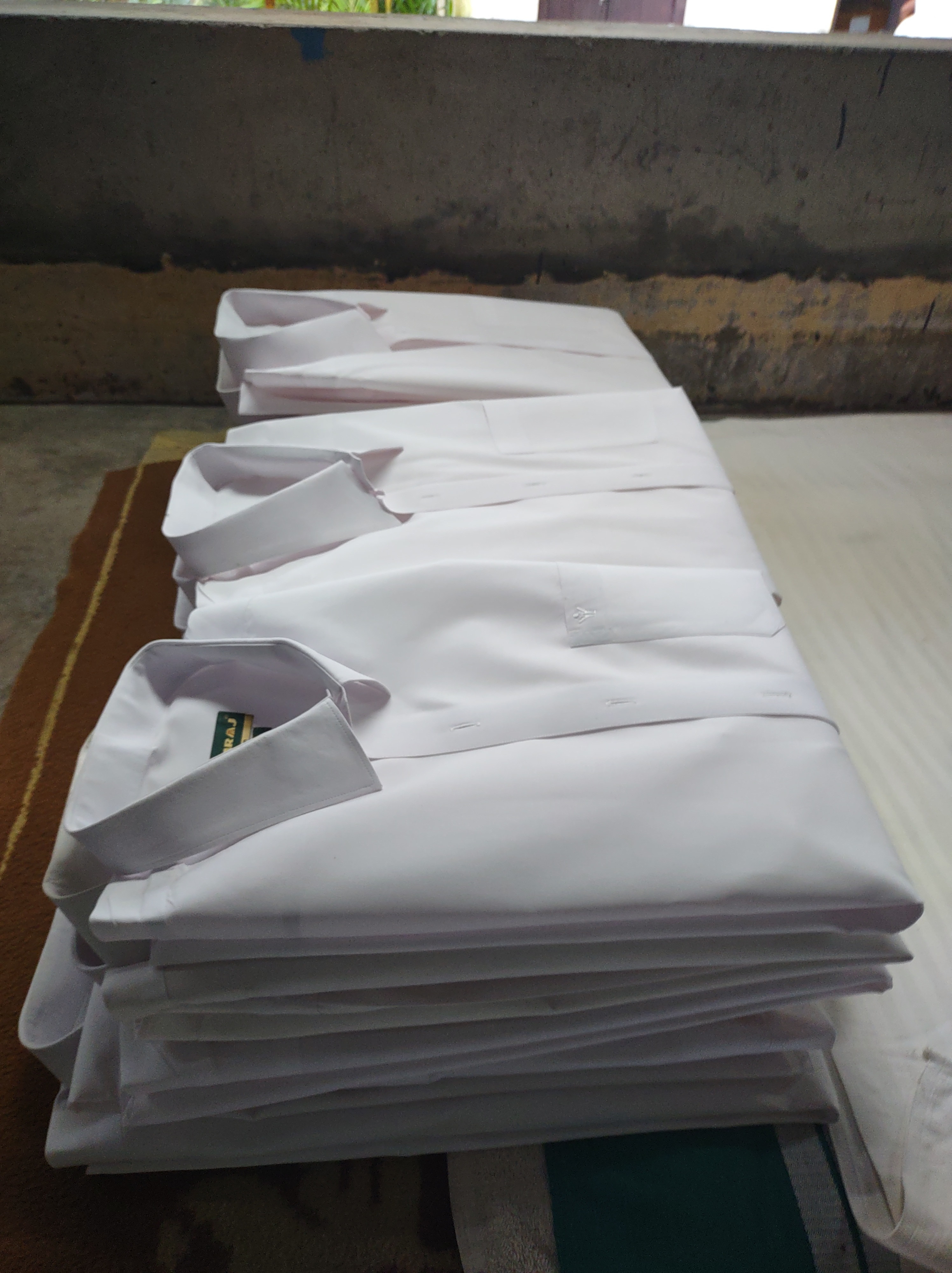
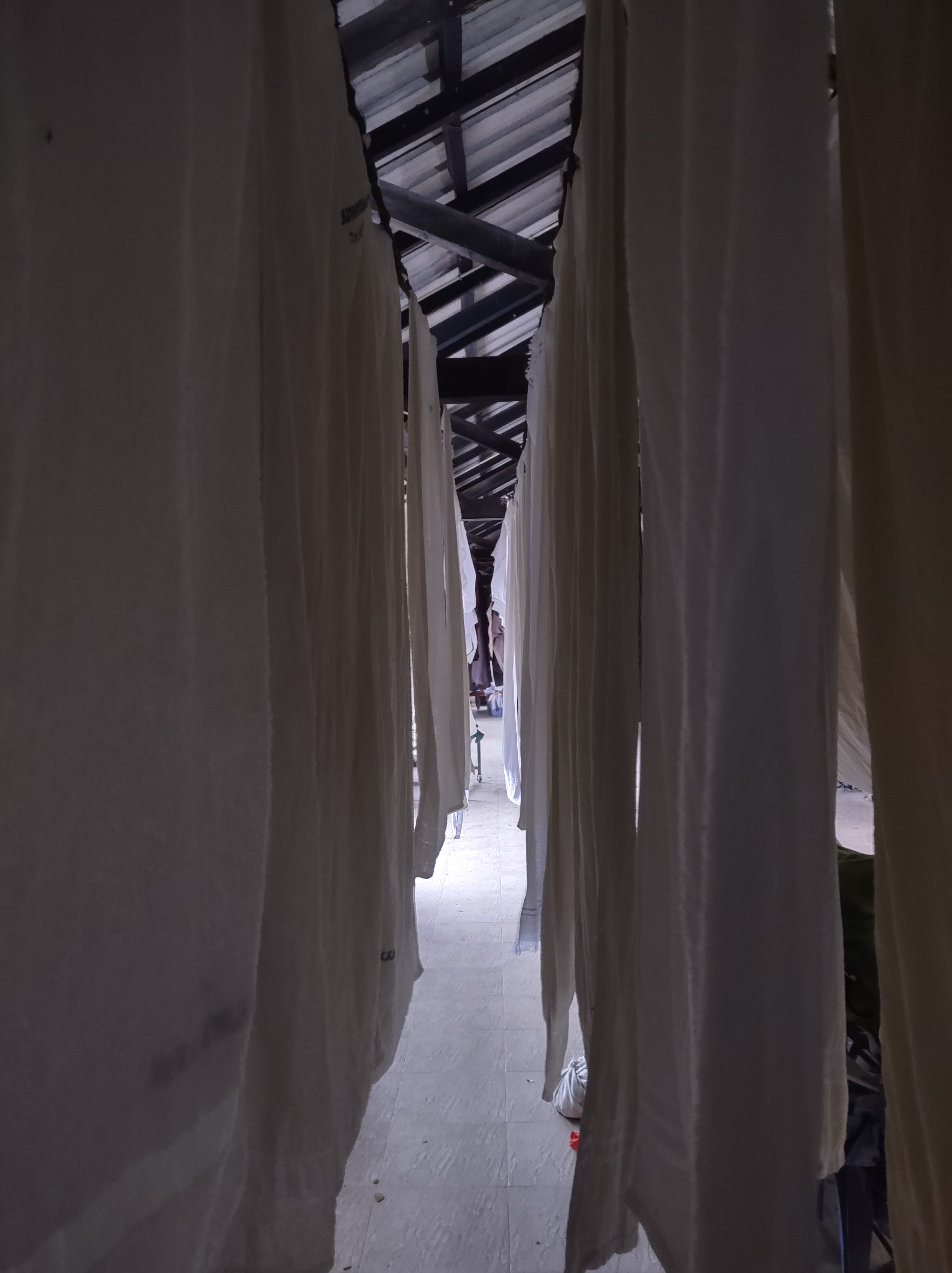
Our next stop was an interesting spot we had seen on some YouTube videos, the Dhobi Khana Public Laundry. Dhobi Khana’s history is a bit sketchy, purported to be the largest laundry in India, it was said to have been used by the Dutch and then the British to launder and press their military uniforms. Today it is run as a community cooperative and launders the uniforms used by many of the hotels in the area. Given our current preoccupation with doing laundry, it was quite interesting to see the scale of the operation including the huge field with drying racks behind the laundry (not in use because of the rain).



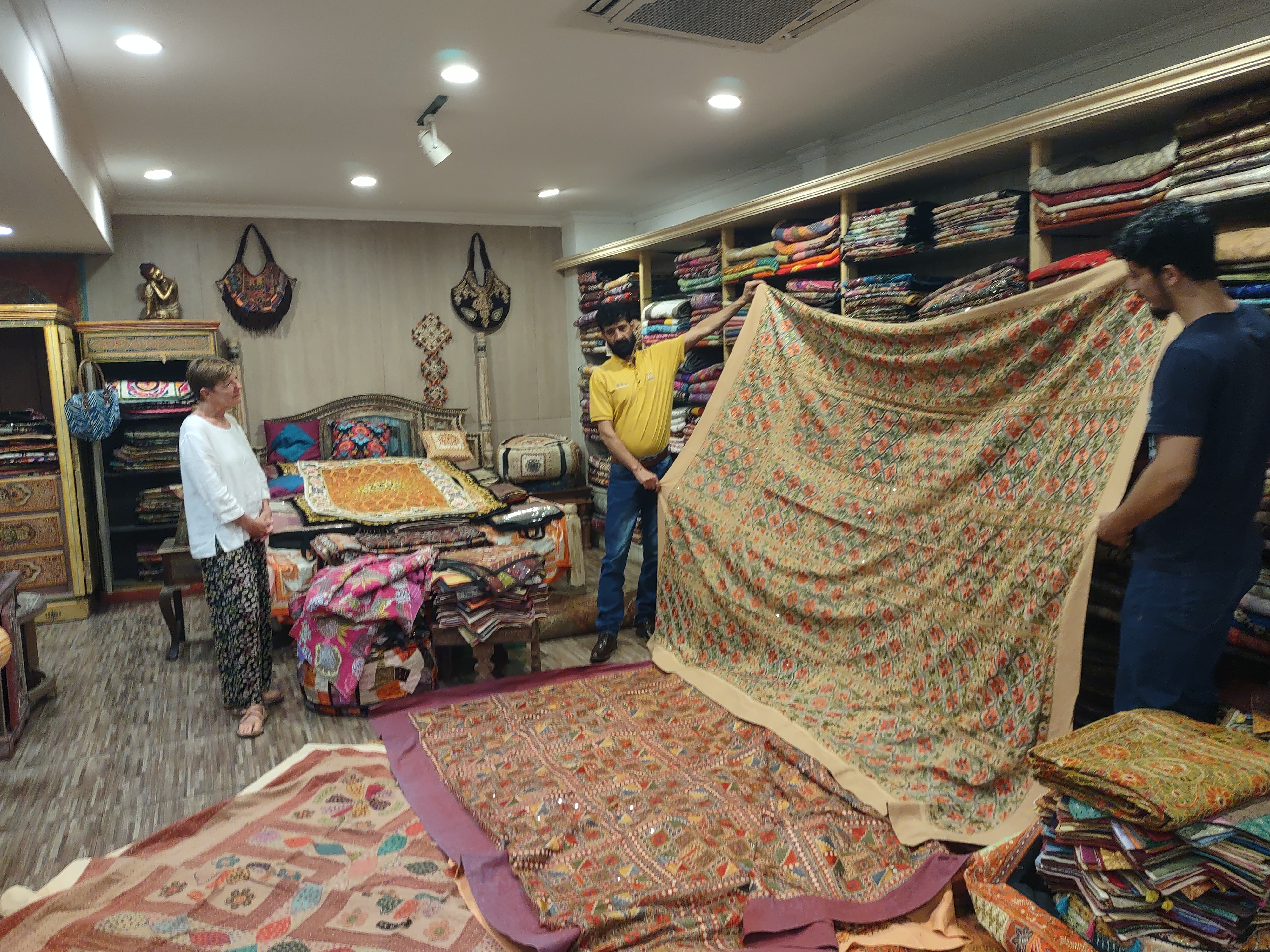
At Haris’s request, we made a stop at another artisan’s studio (this time Haris got free petrol for his tuk tuk) and, after looking at pretty much every one in the store, purchased two beautiful bed spreads.


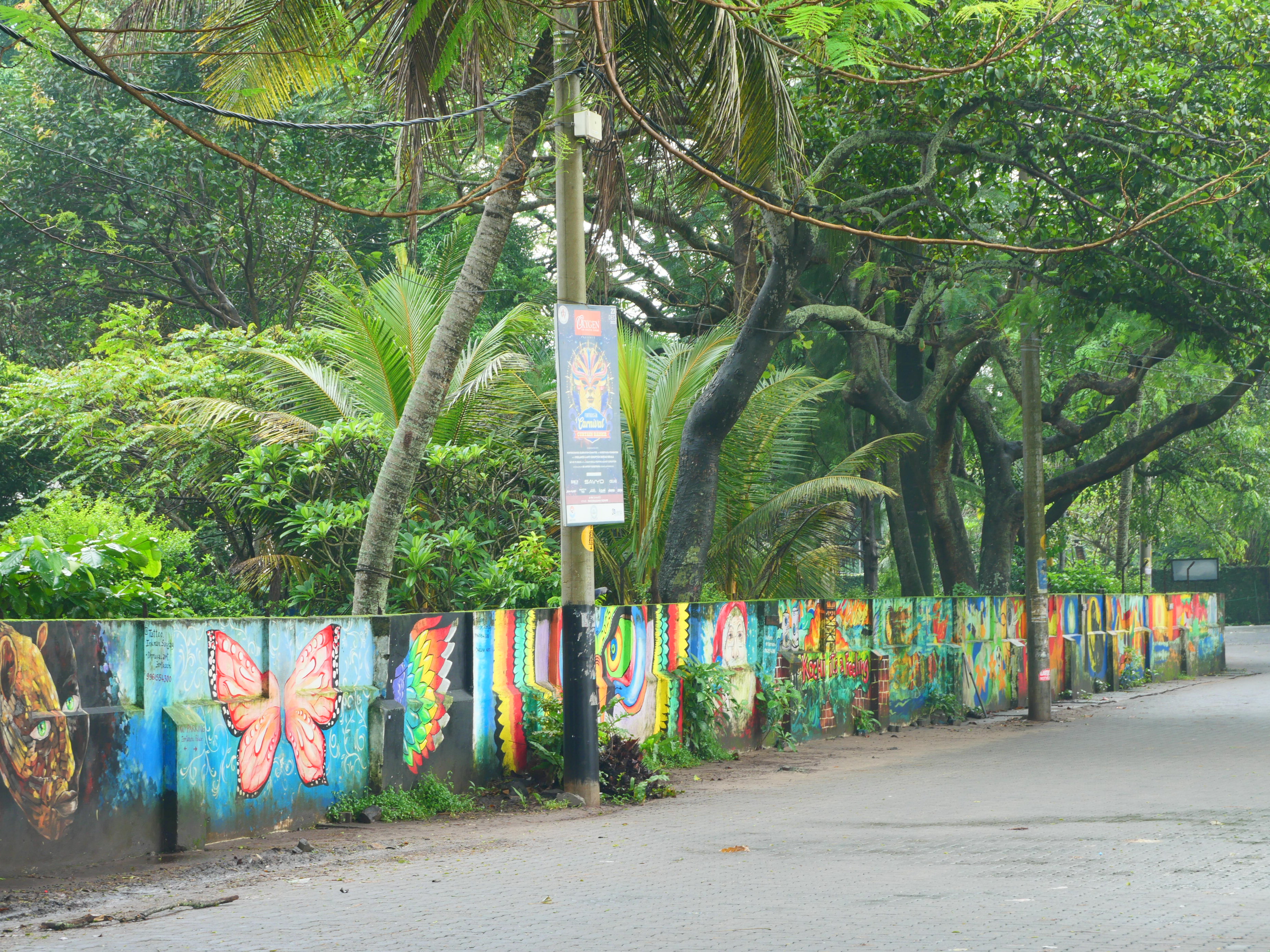
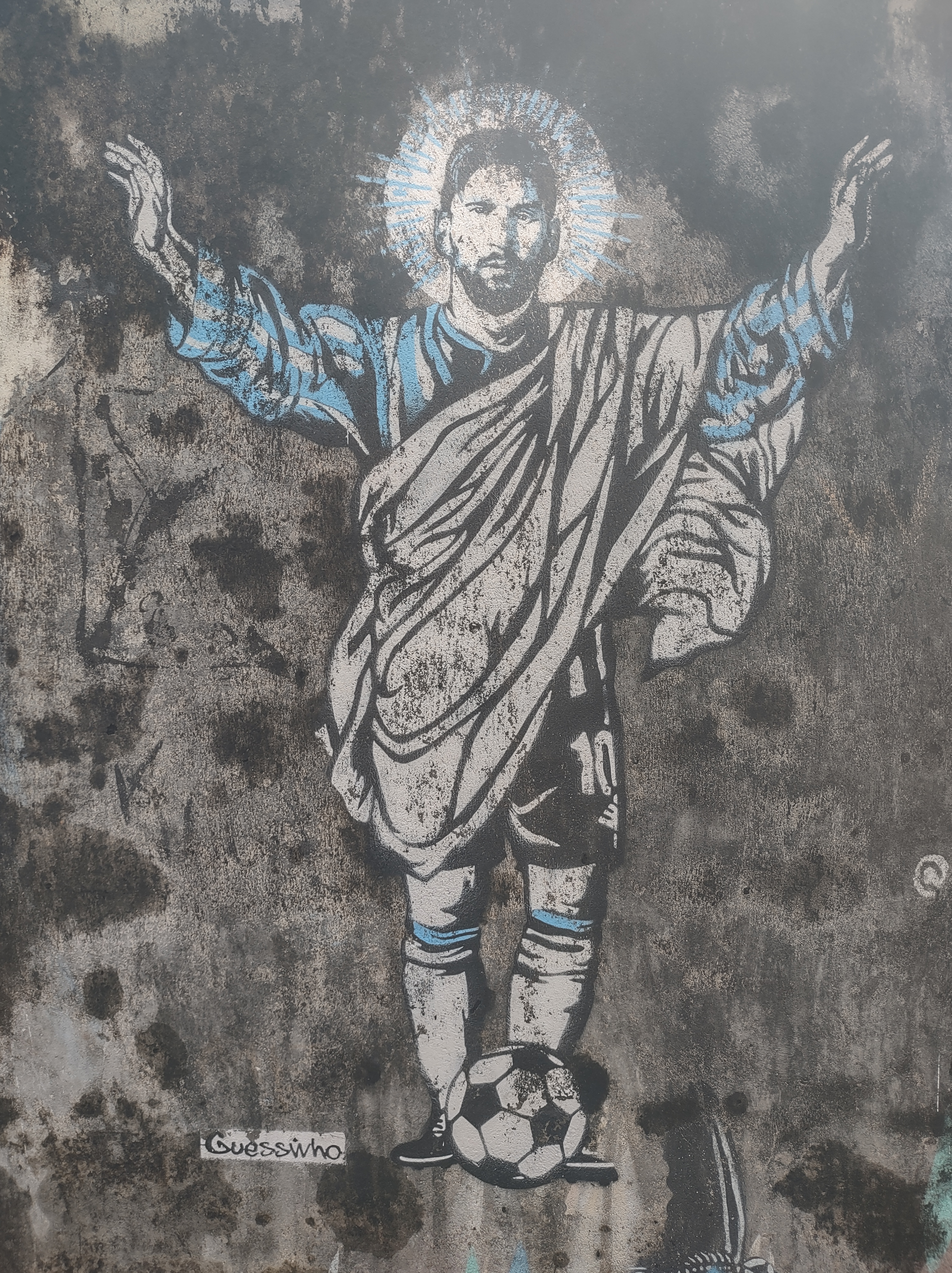
Over the course of the day we saw street art here and there. Not as much as we’ve seen in other cities, but some interesting pieces nonetheless. Save the planet with graffiti!
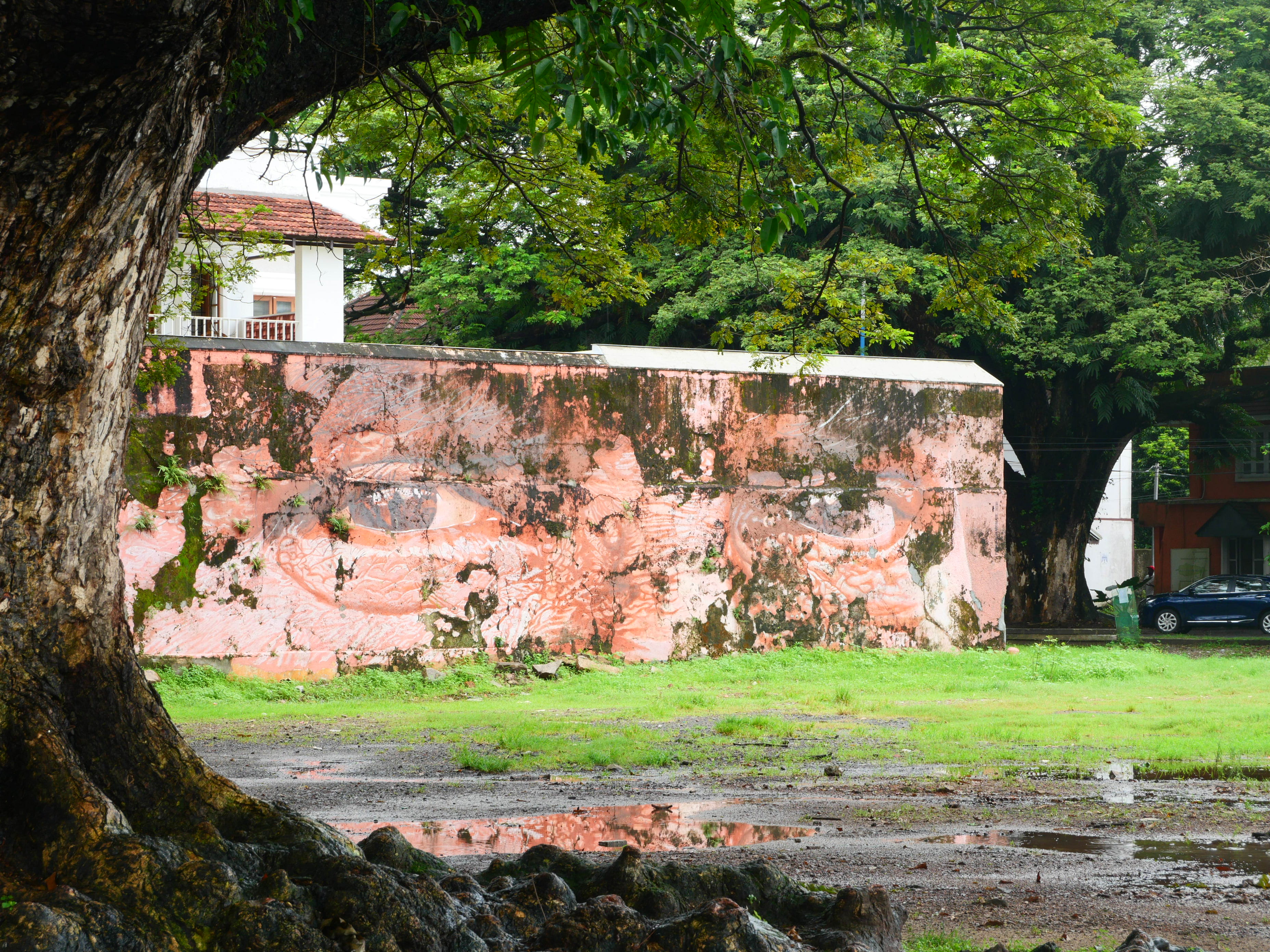
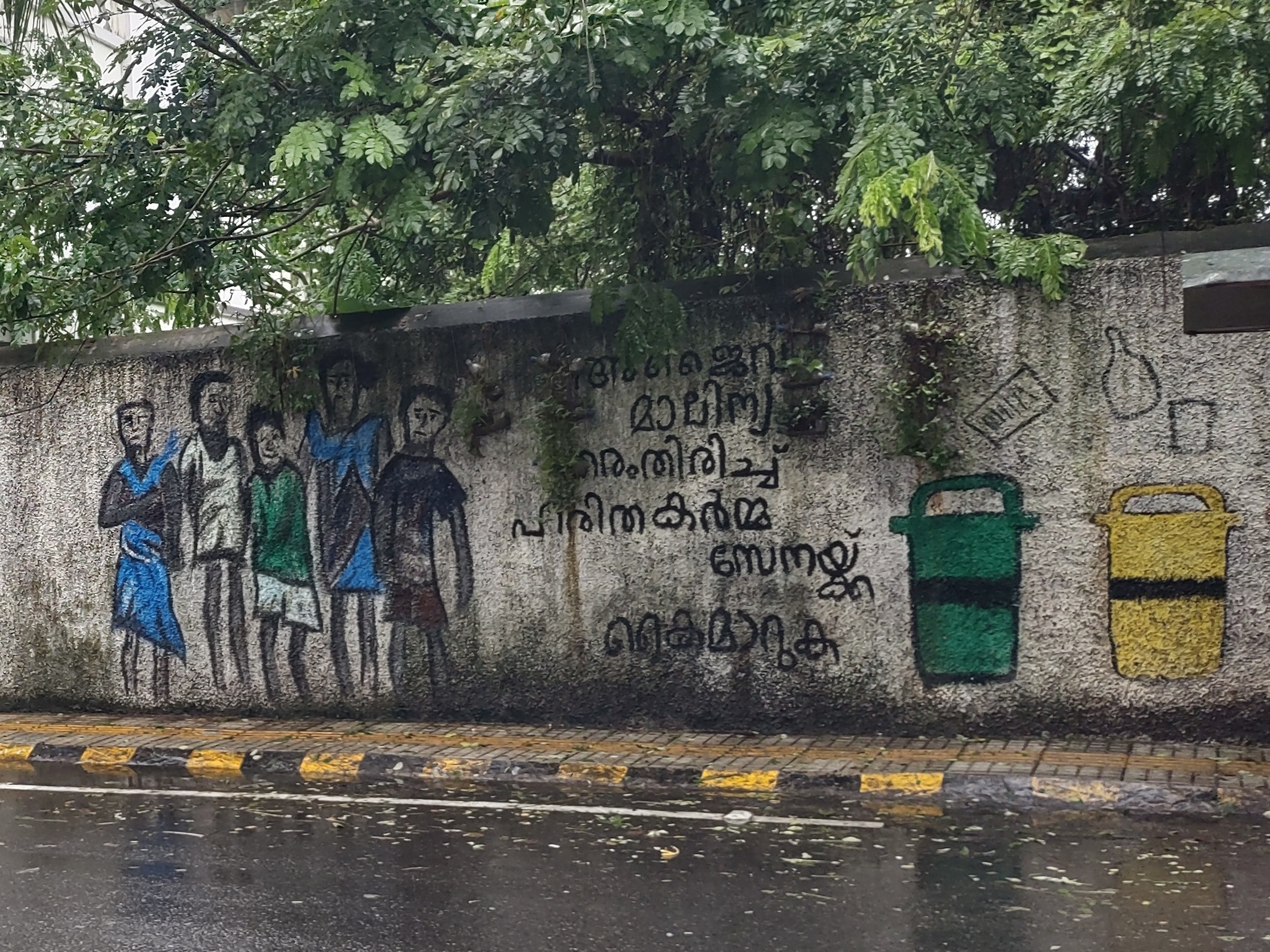
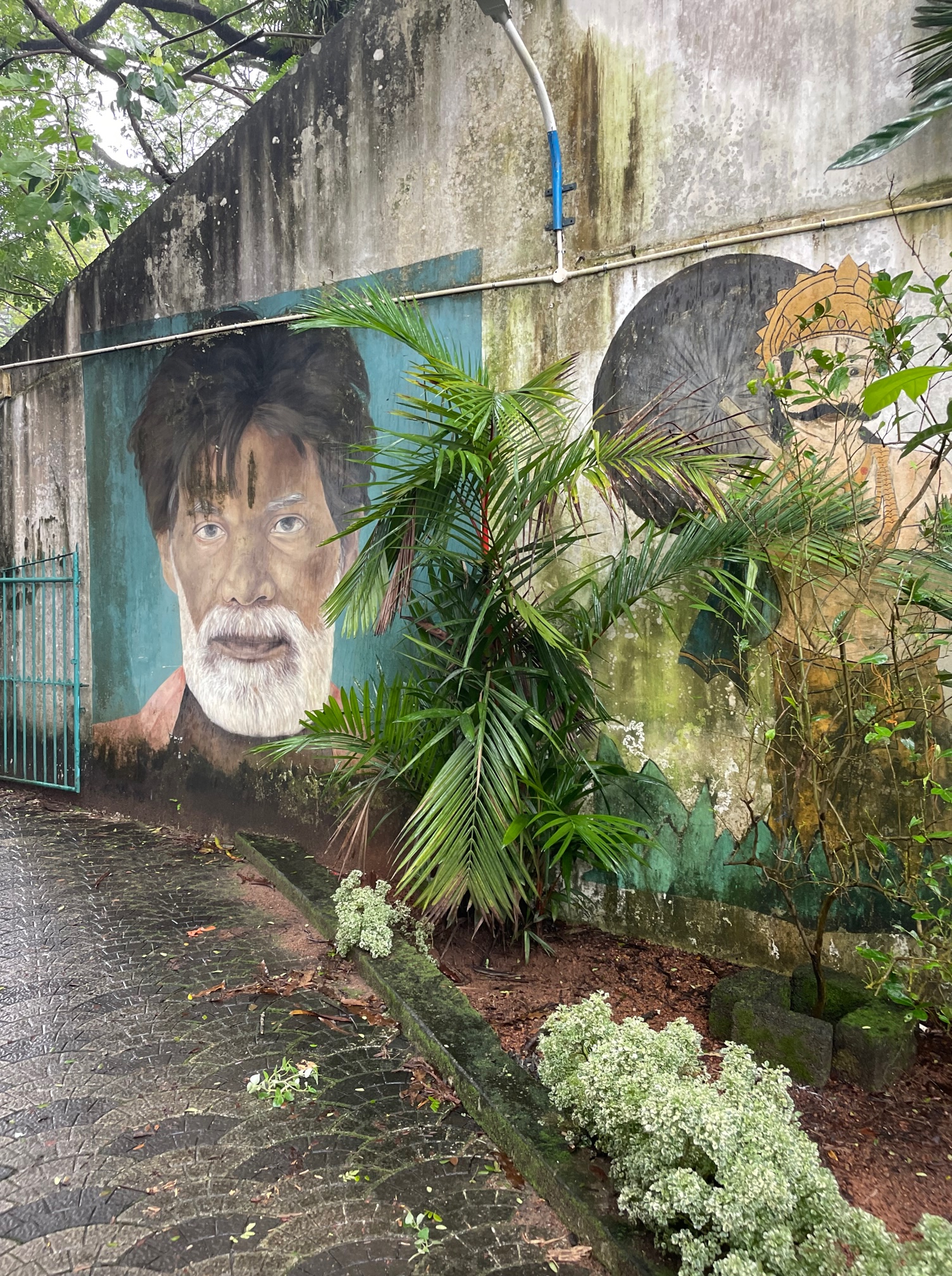

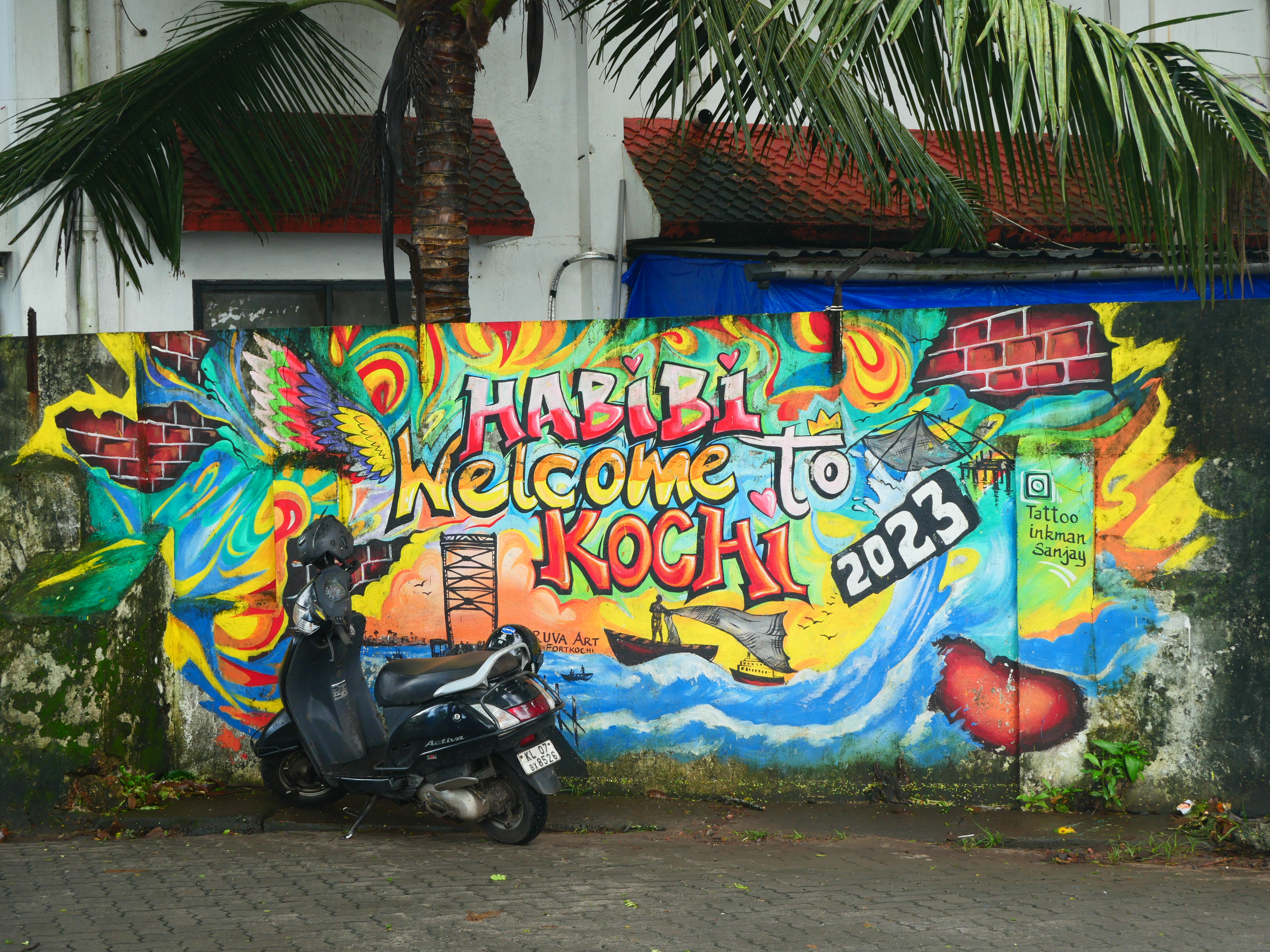
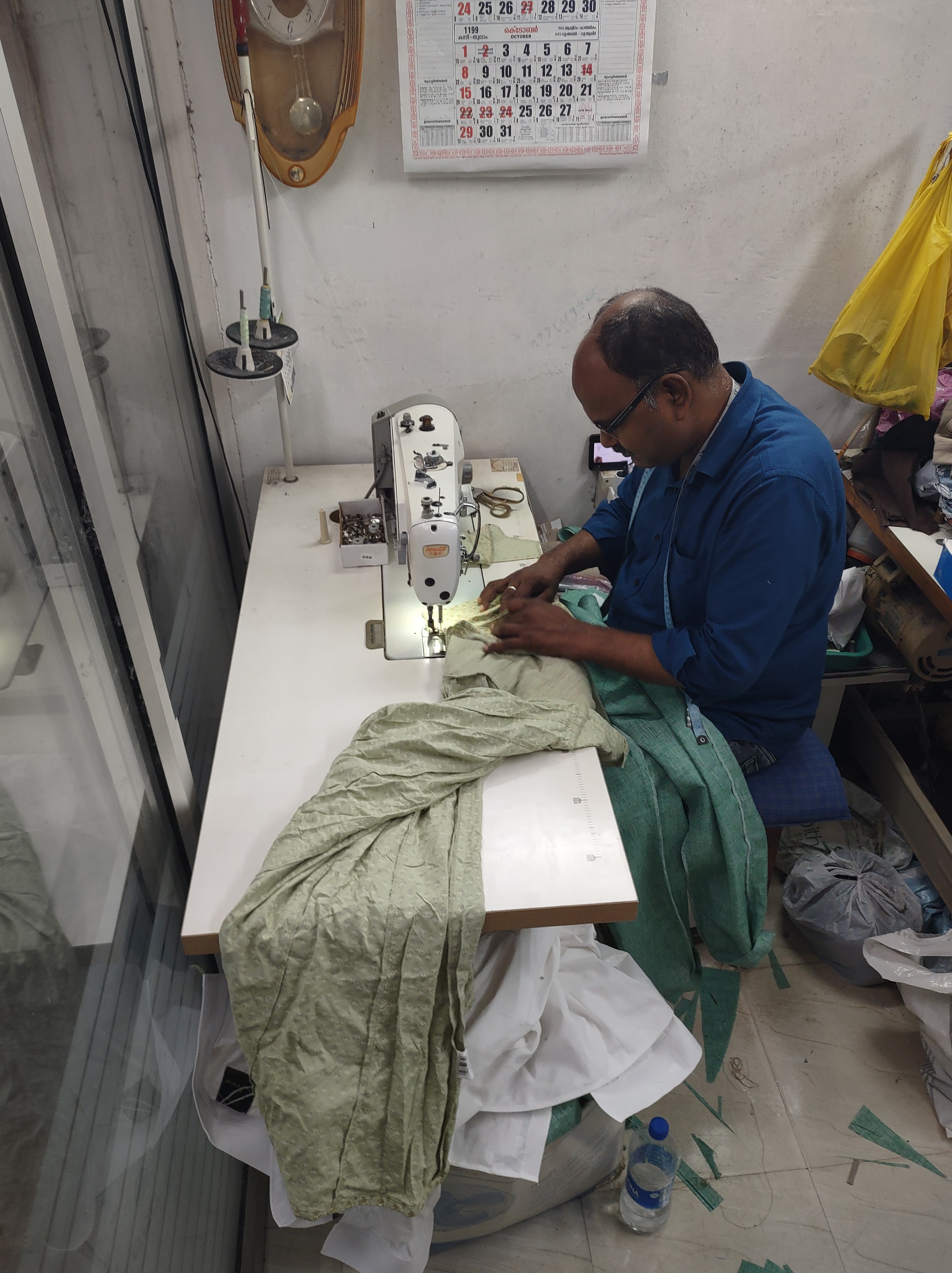
We made a brief last stop at a tailor’s to have the sleeves sewn onto a dress Colleen had purchased in Alappuzha (they are sold sleeveless with short sleeves which can be added) Due to our growing collection of bedspreads and bedsheets, we then made a stop at a luggage store to purchase a duffle bag in which to transport them as we didn’t plan on shipping another package home until Kolcata, which was about 3 weeks down the road.
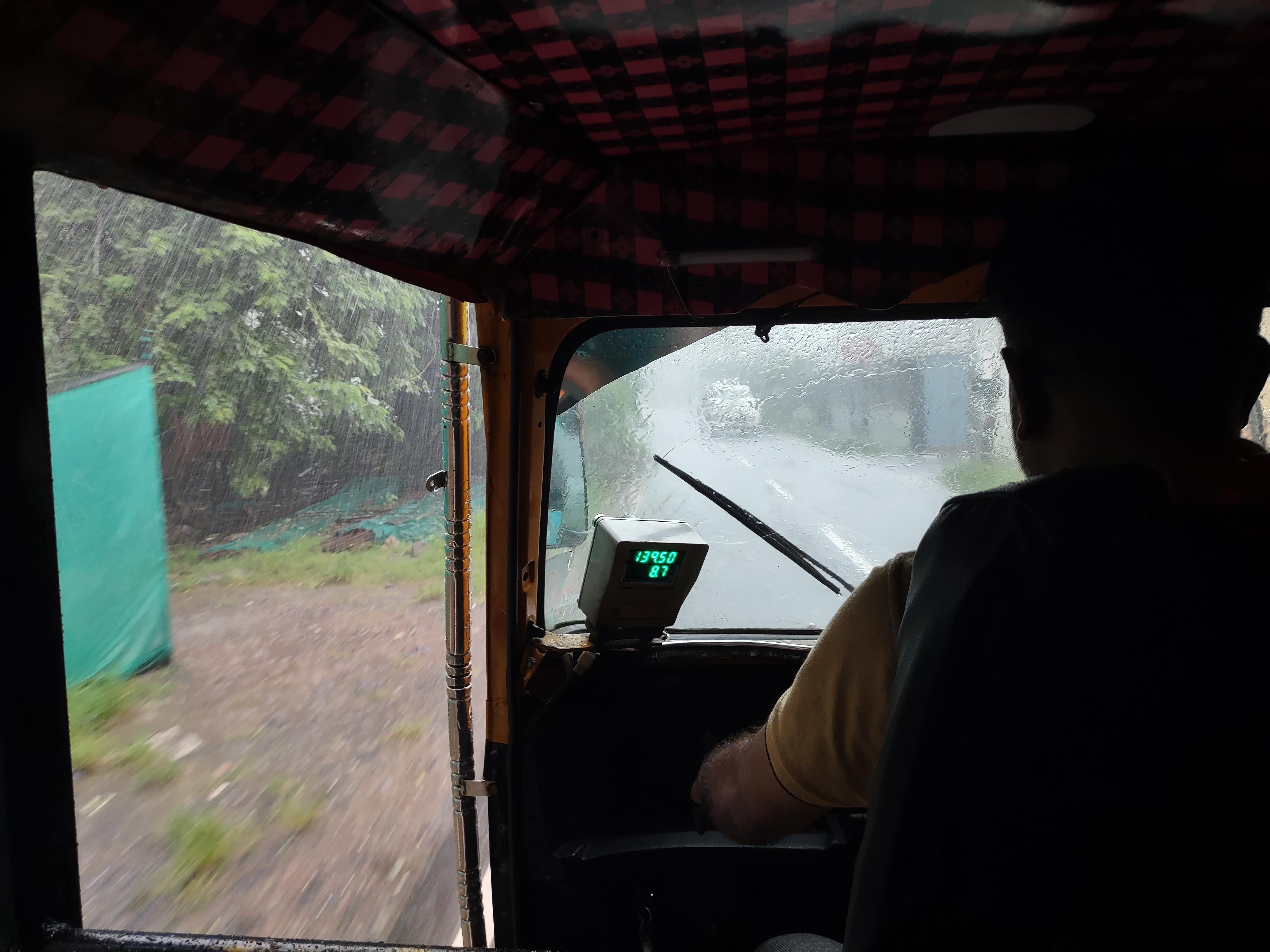
Although the day had started cloudy but somewhat dry, the rain returned with a vengeance in the afternoon and, as we rode past drenched tourists, we were happy to be in the relative dry of the tuk tuk. We had Haris drop us off at a restaurant called Kochi Fusion where we had a great lunch as the rain poured down.
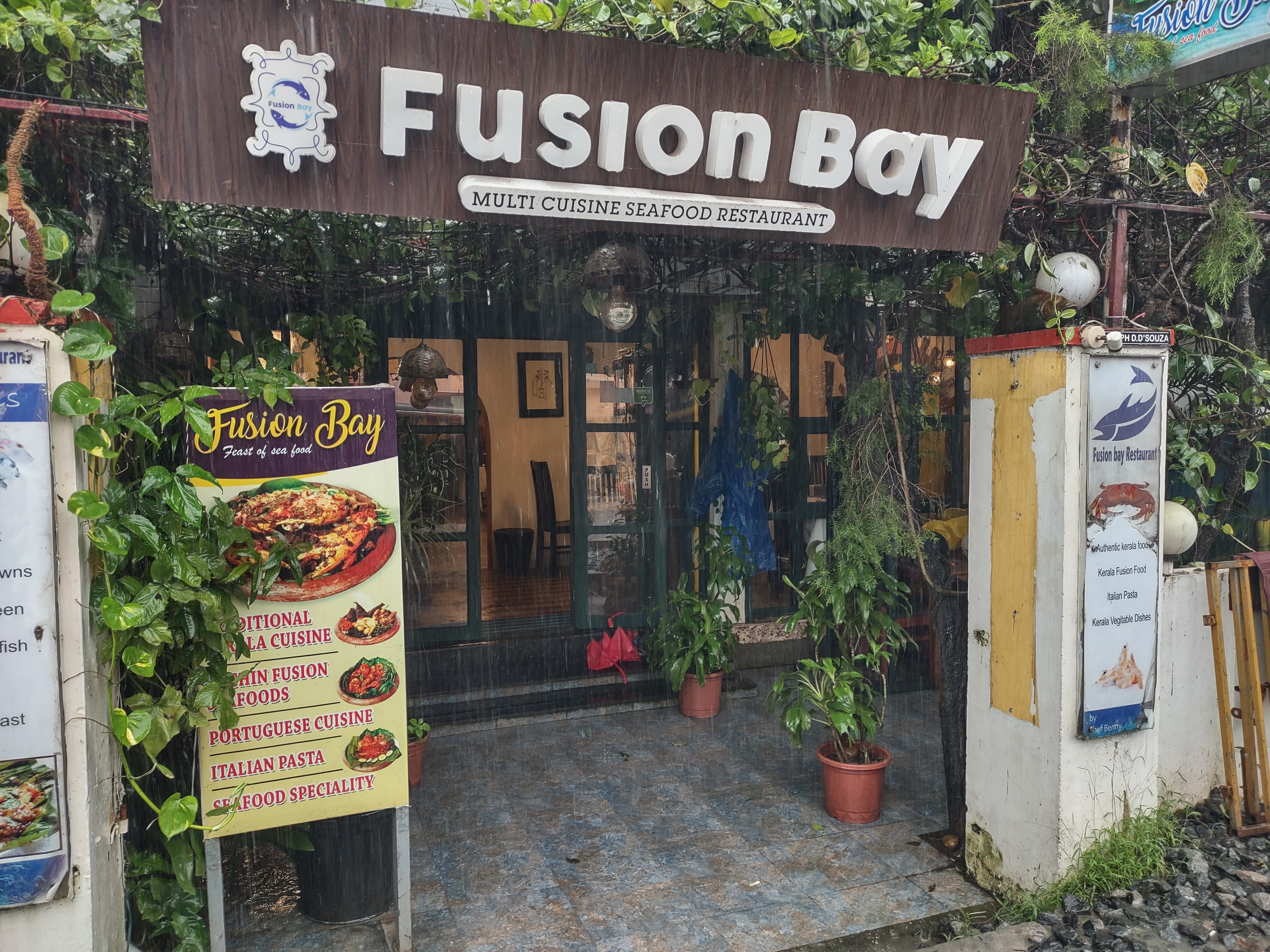

Toward the end of lunch the rain lightened and so, armed with our umbrella (just in case), we made a preliminary recon of the nearby shopping district and dinner reservations for the following night as we made our way back to our hotel on foot. We spent a relaxing afternoon reading and writing and watching our clothes dry, and capped the day with another delicious dinner at Coriander.
Shopping in Fort Kochi
We woke up to sunshine and clearing skies on our last full day in Fort Kochi and initially attributed the number of people out and about in the neighborhood to this change in weather, but were a bit surprised to find Coriander so full for breakfast that they put up their “Closed” sign shortly after we arrived. (Colleen took an early yoga session so we were a bit later for breakfast than we had been the day before.) After asking around, we came to find out that that day, October 2nd, was the national holiday of Gandhi Jayanti, celebrating the birth of Mahatma Gandhi and that banks, government offices, and many businesses were closed and that there were therefore a lot of tourists in town for the day.
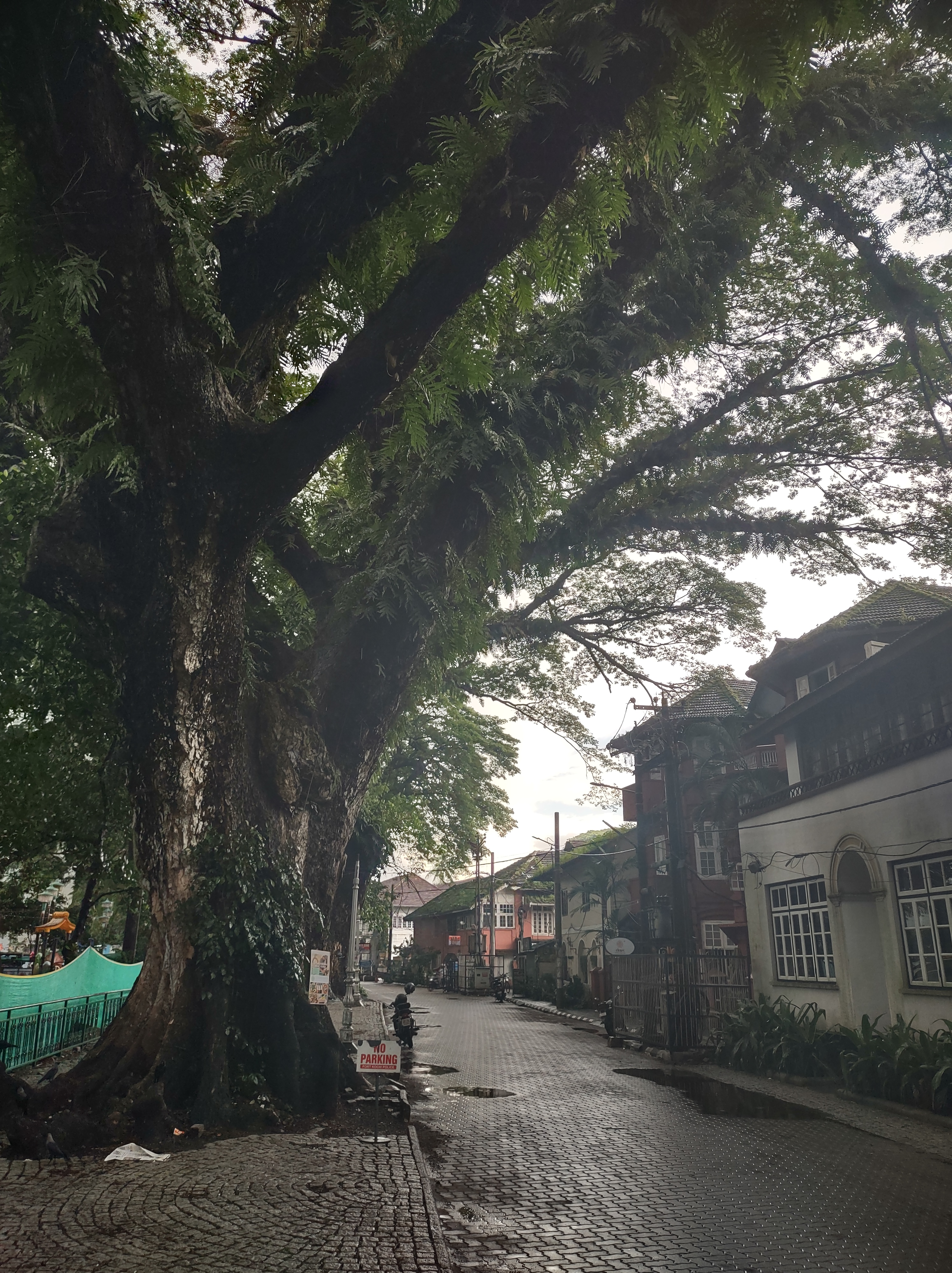
Our plan for our last full day in Fort Kochi started with a self-guided walking tour of some of the areas we had only passed through or seen briefly on our guided tuk tuk tour the day before. For a change of pace we went out the hotel entrance on the other side of the block and made our way south down Dutch Cemetery Road past some beautifully restored colonial bungalows, mansions, and other structures (now mostly “Heritage” hotels) and past the historic cemetery to Fort Kochi Beach.

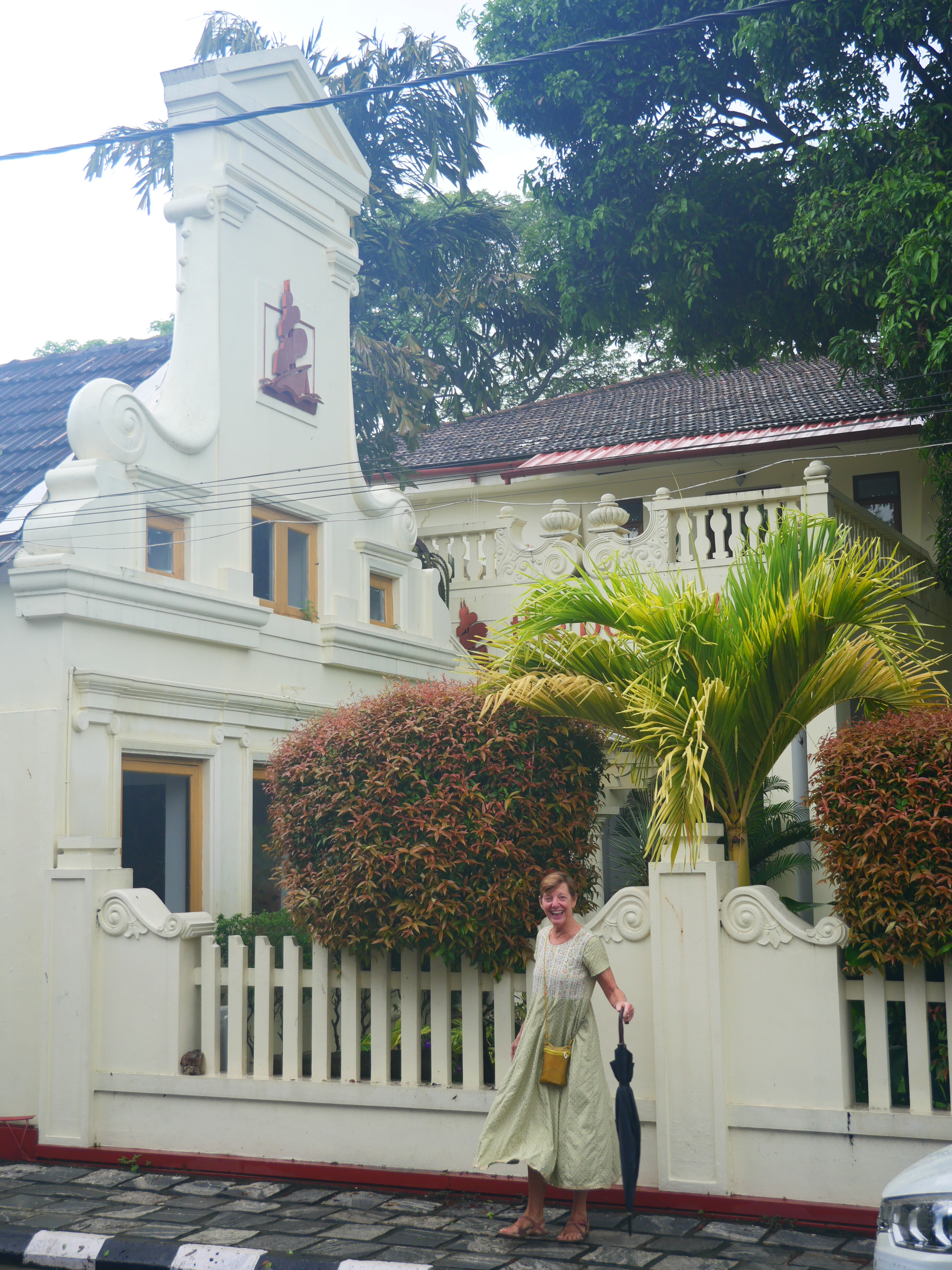


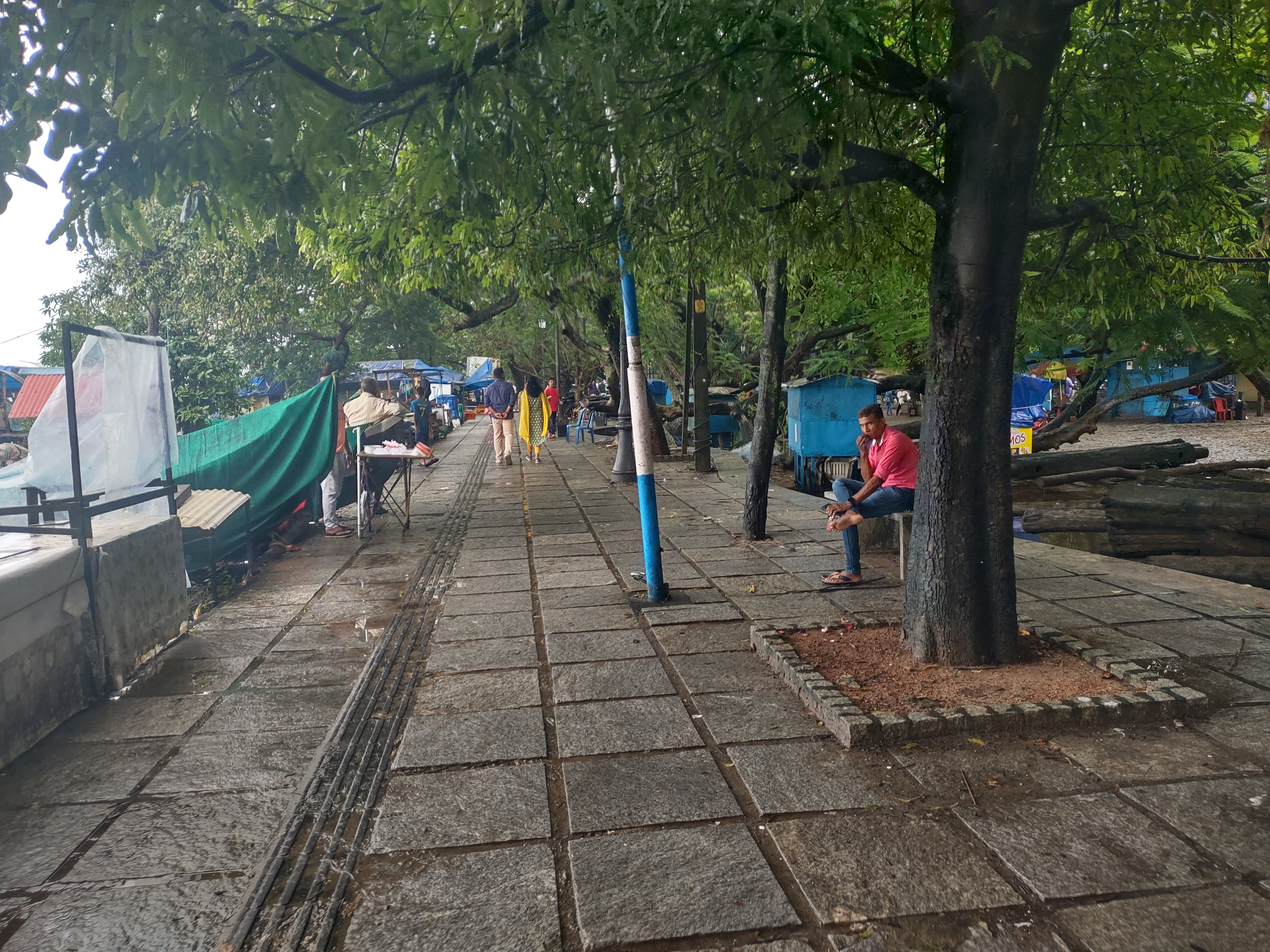
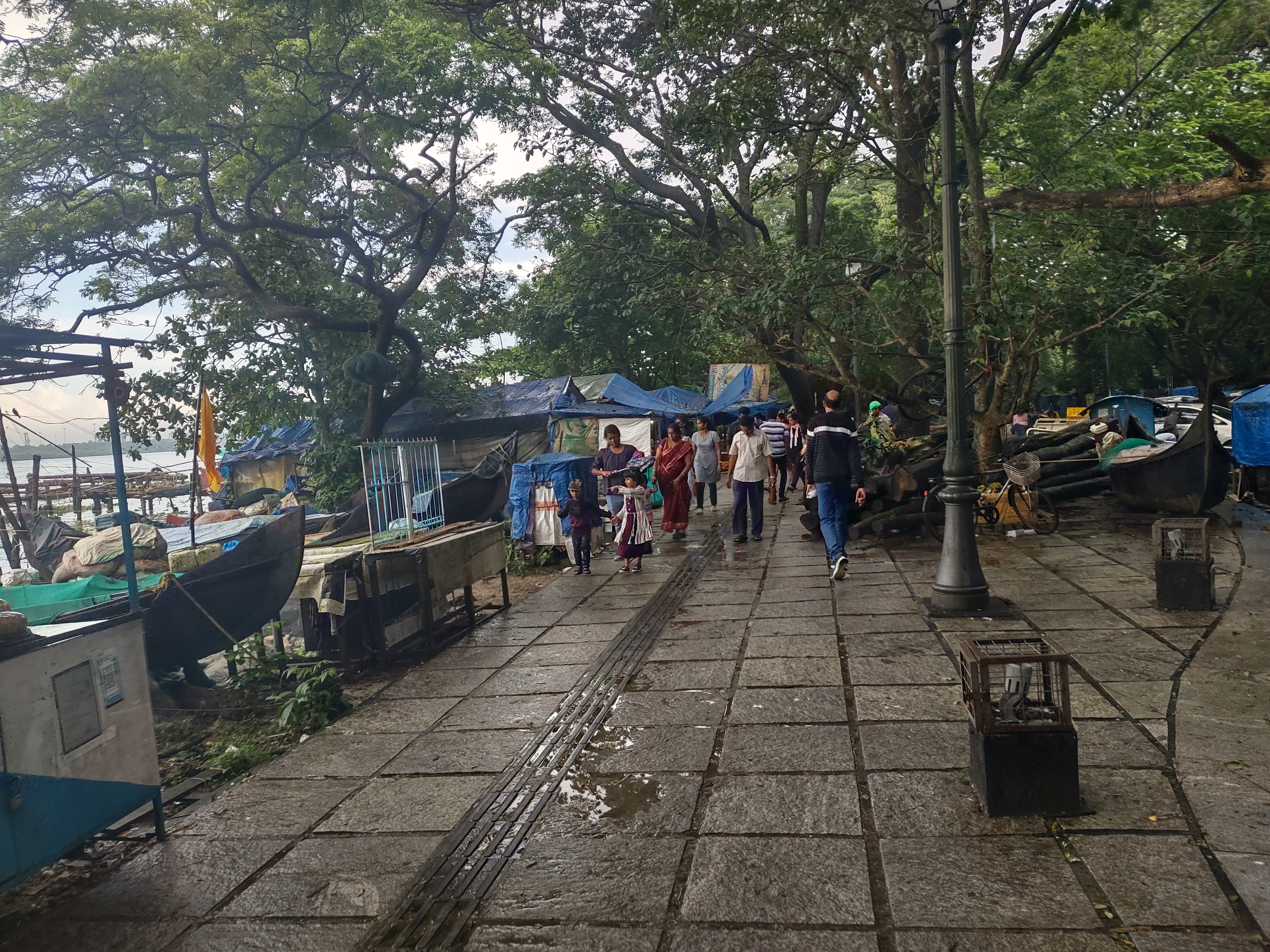
As we had been advised, Fort Kochi Beach was pretty washed out and rocky, so we moved off along the beach walkway, which started as not much more than a path along the sea but widened to an esplanade of sorts and, despite the somewhat early hour, we began to see other people out and about.
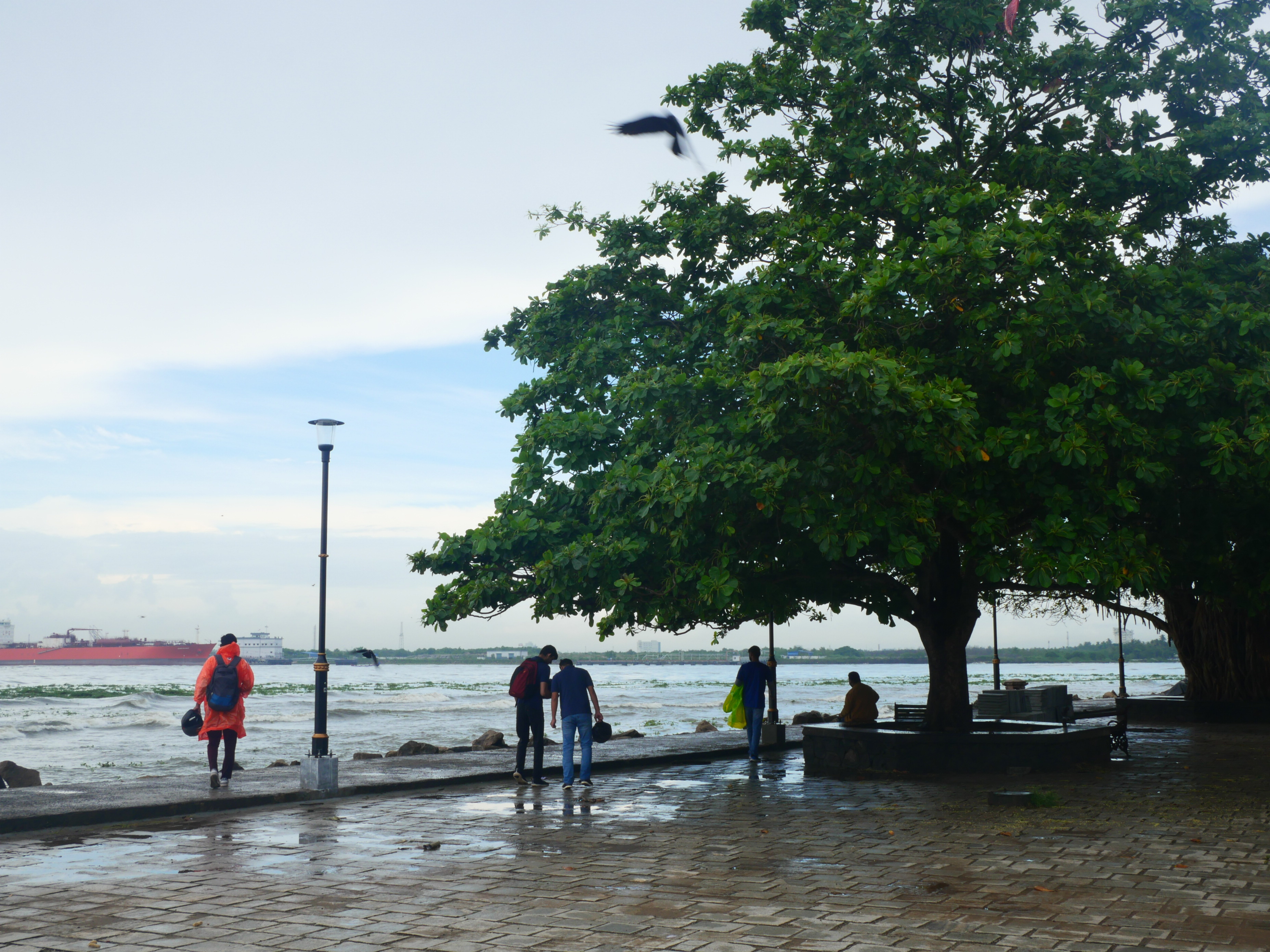
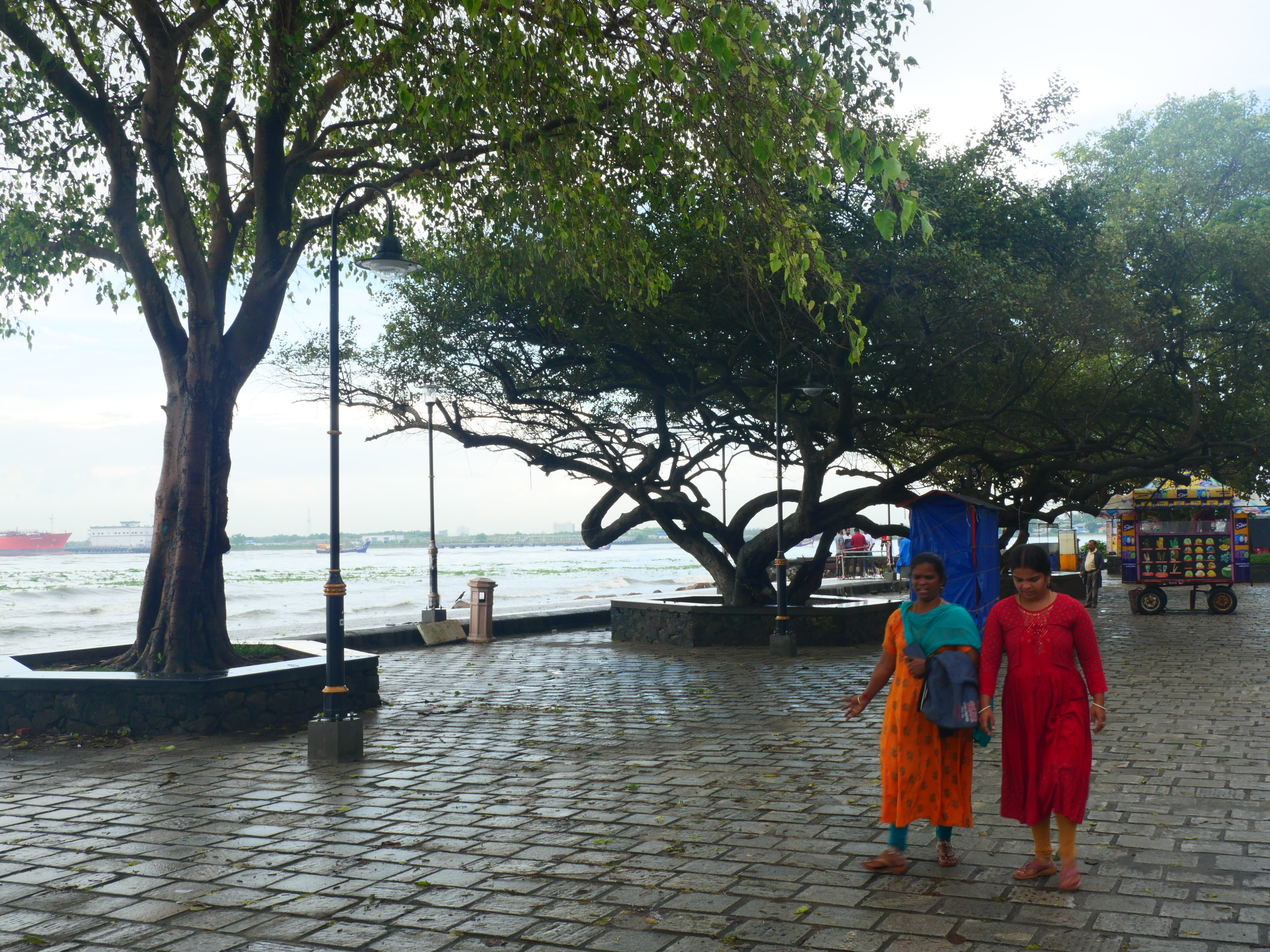
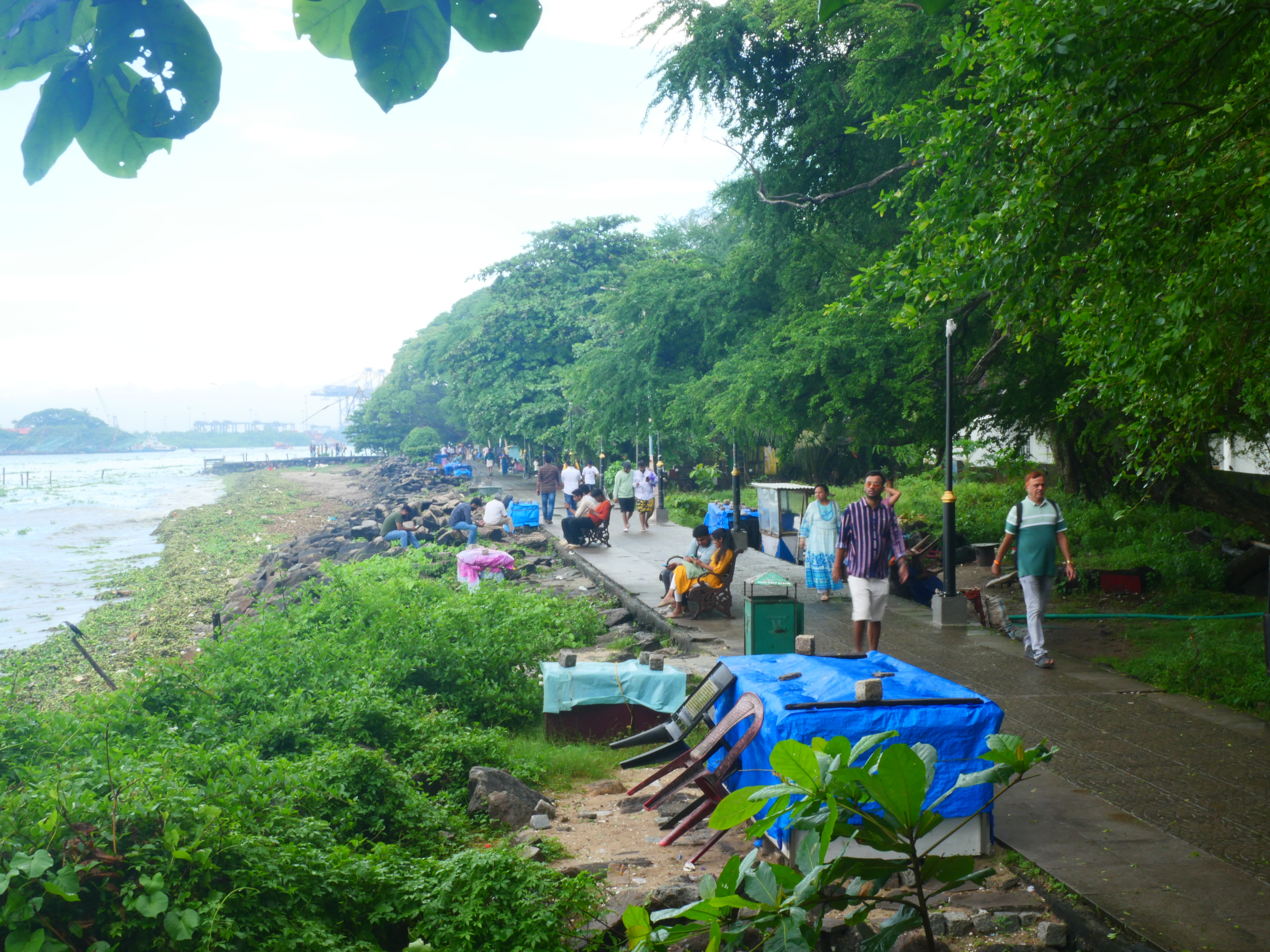
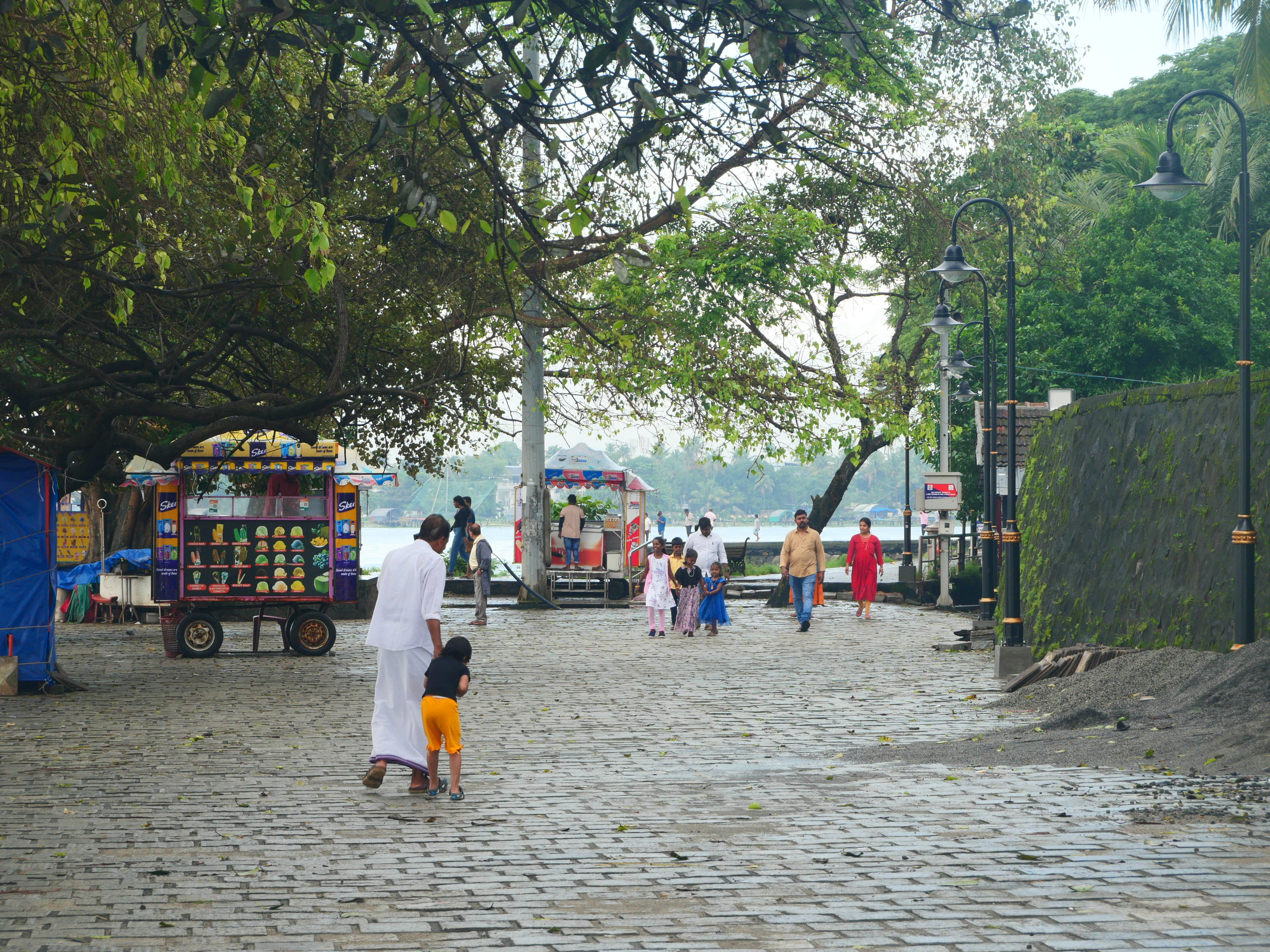
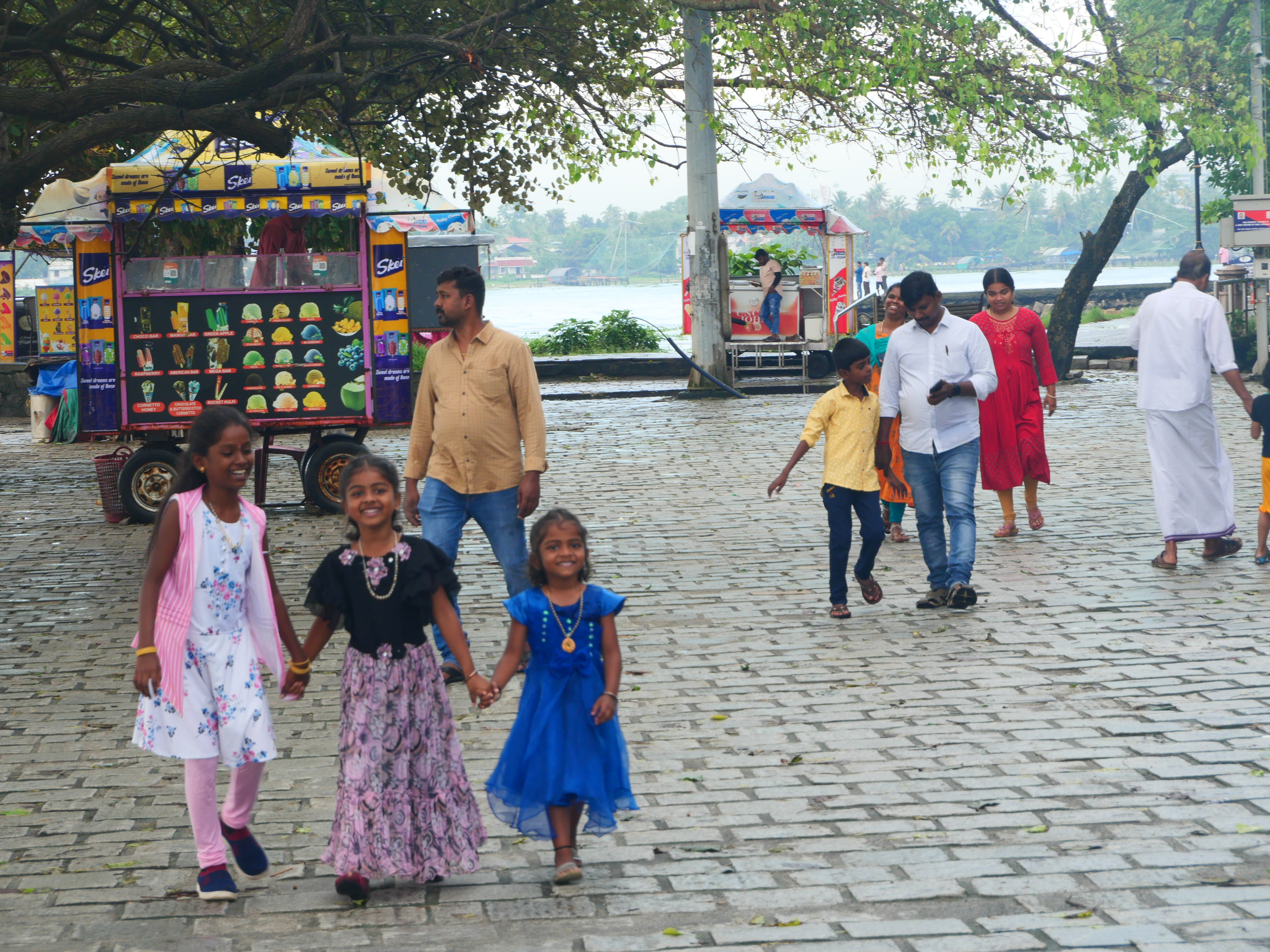
After less than a kilometer, the esplanade spilled into a bit of a park called Vasco de Gama Square, which was beginning to bustle with people and quite a few vendors were already set up, some of them performing demonstrations of their wares which was attracting small crowds of spectators.

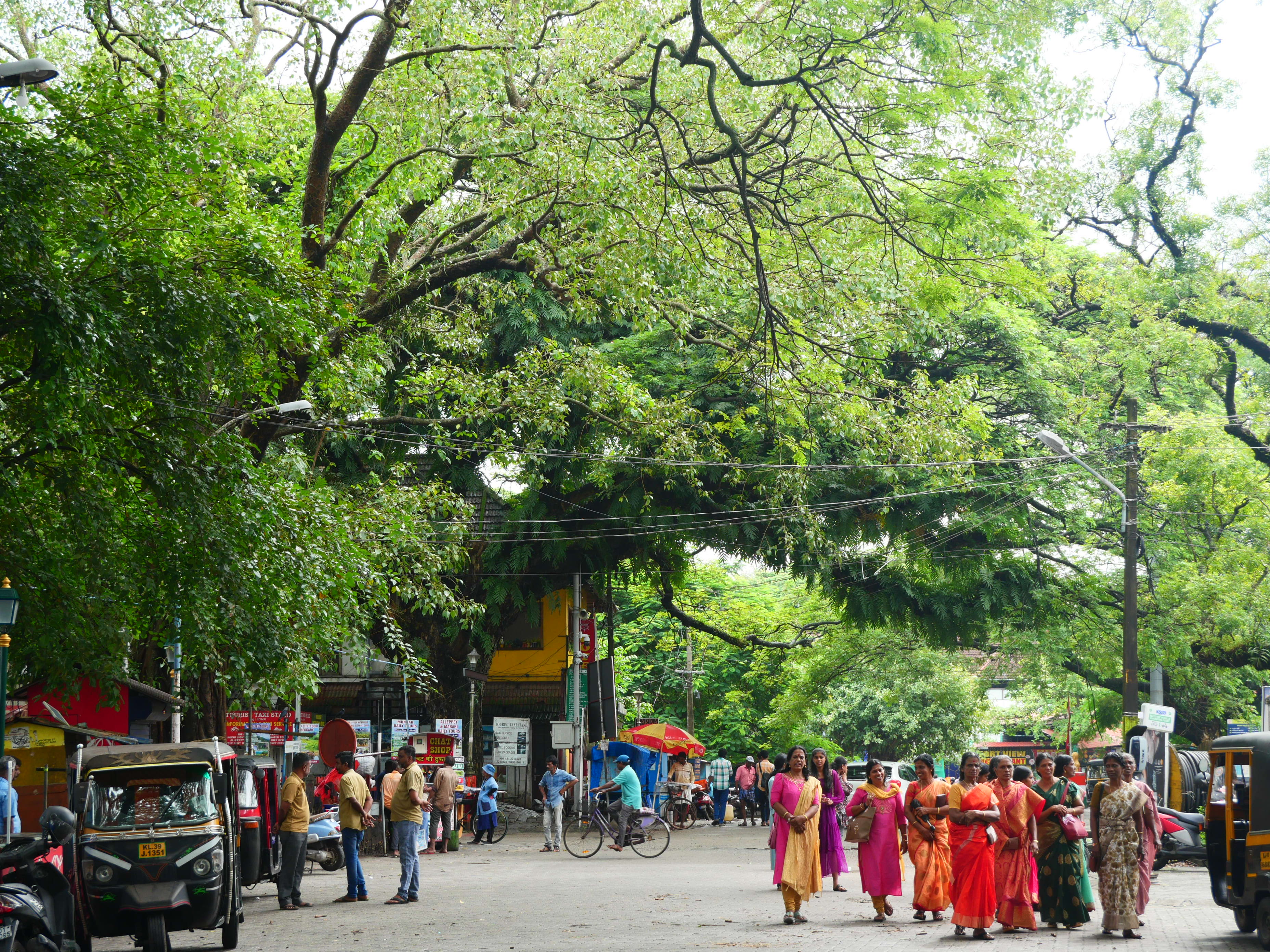
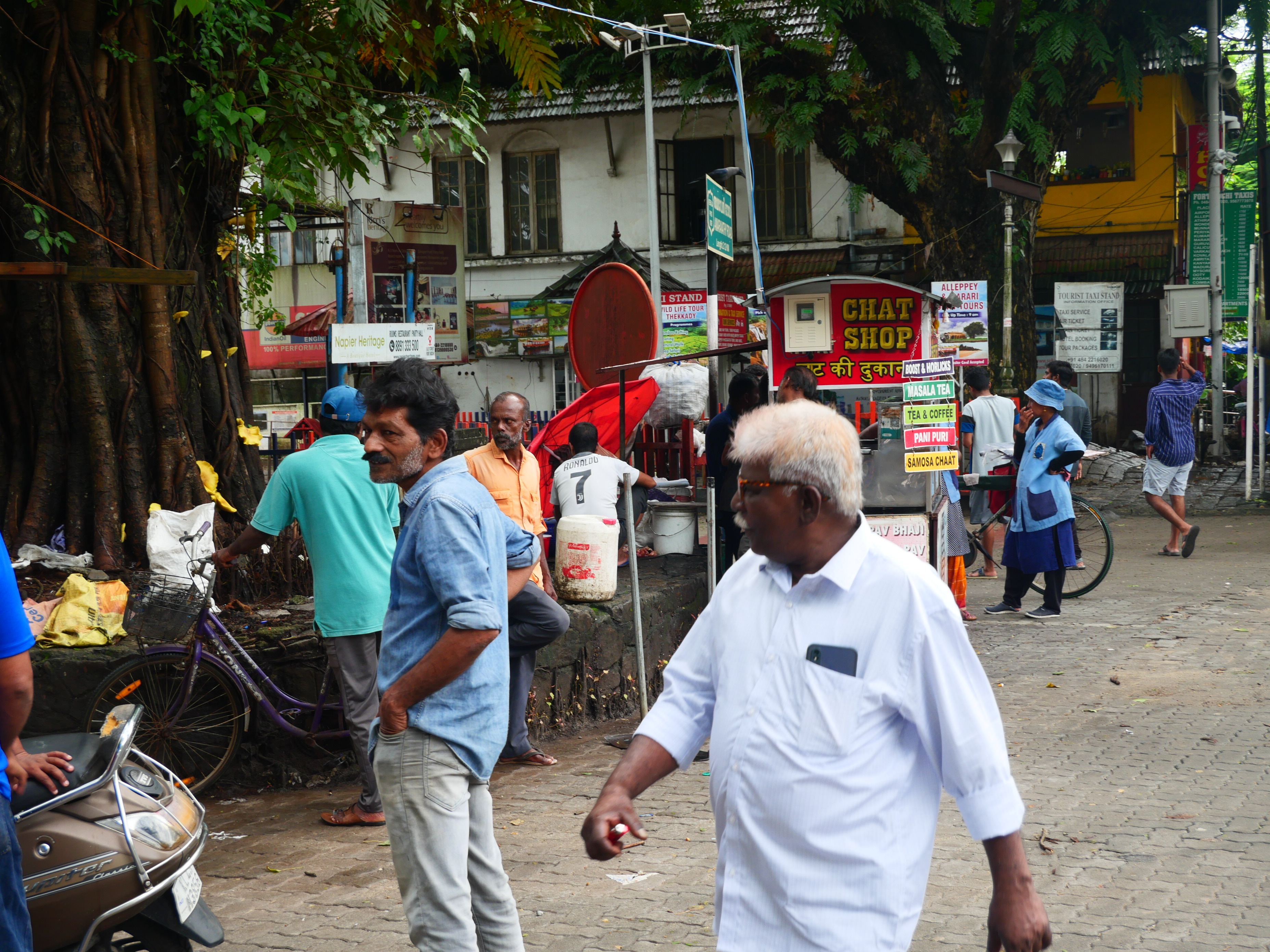
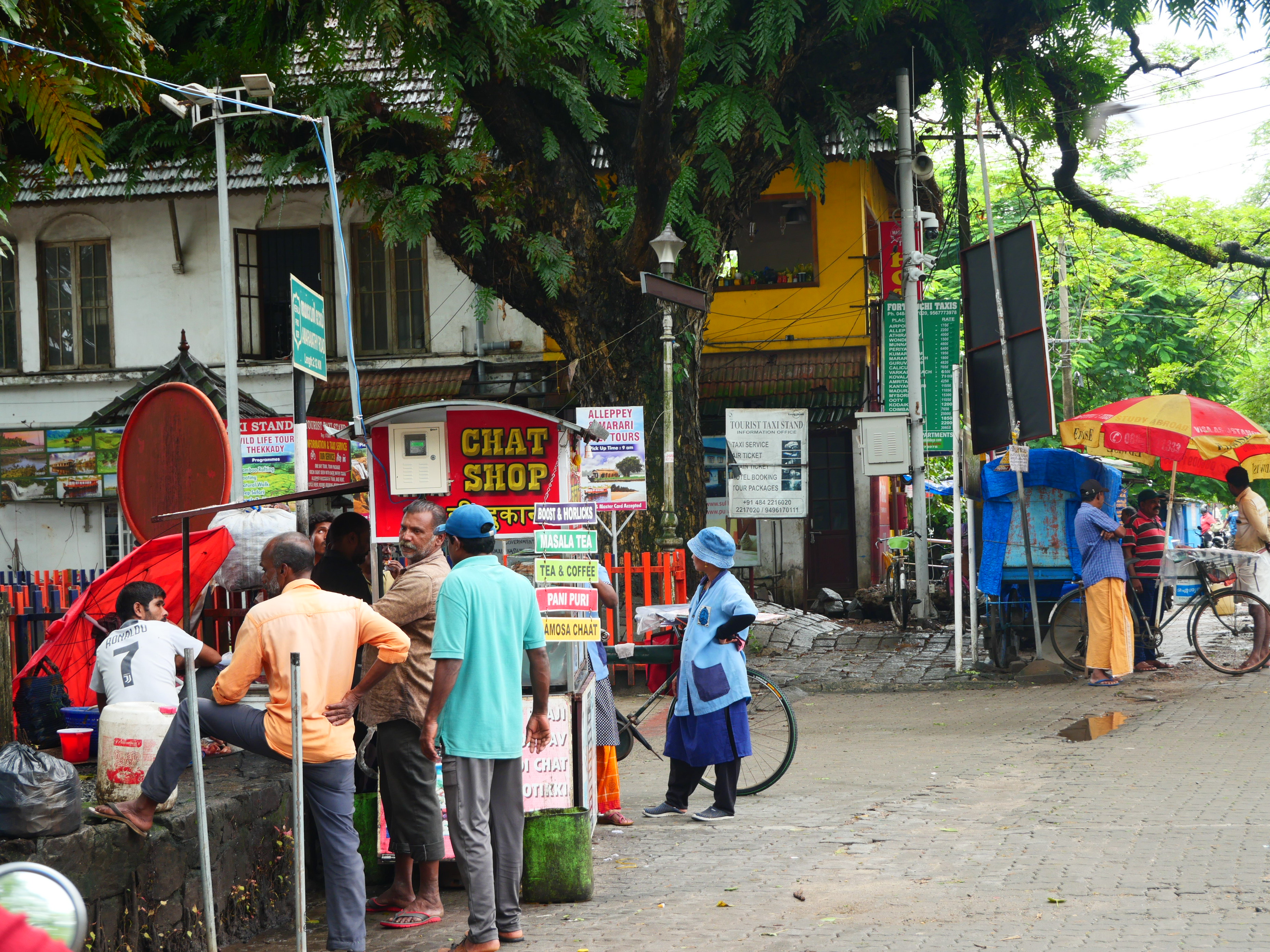

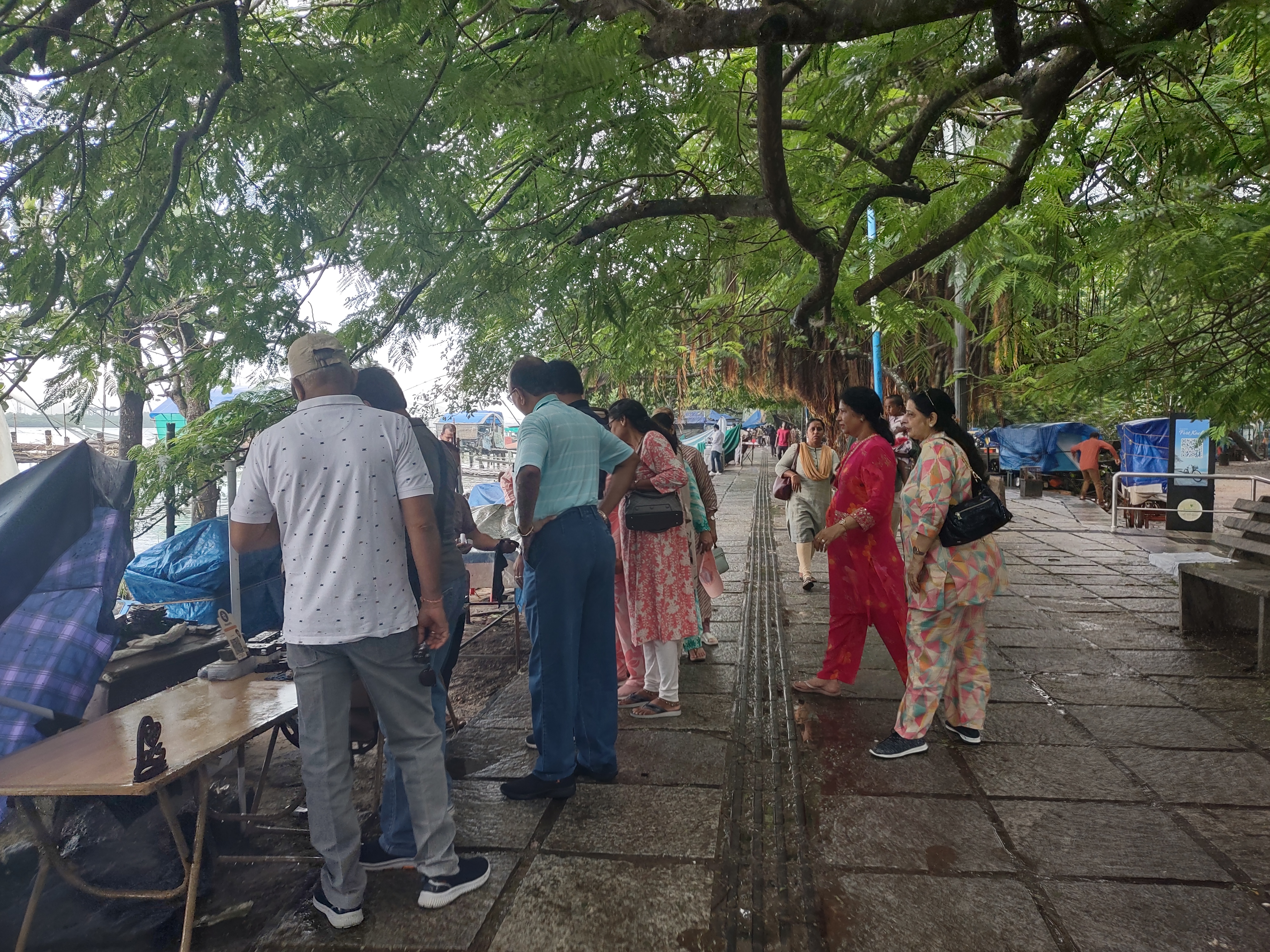

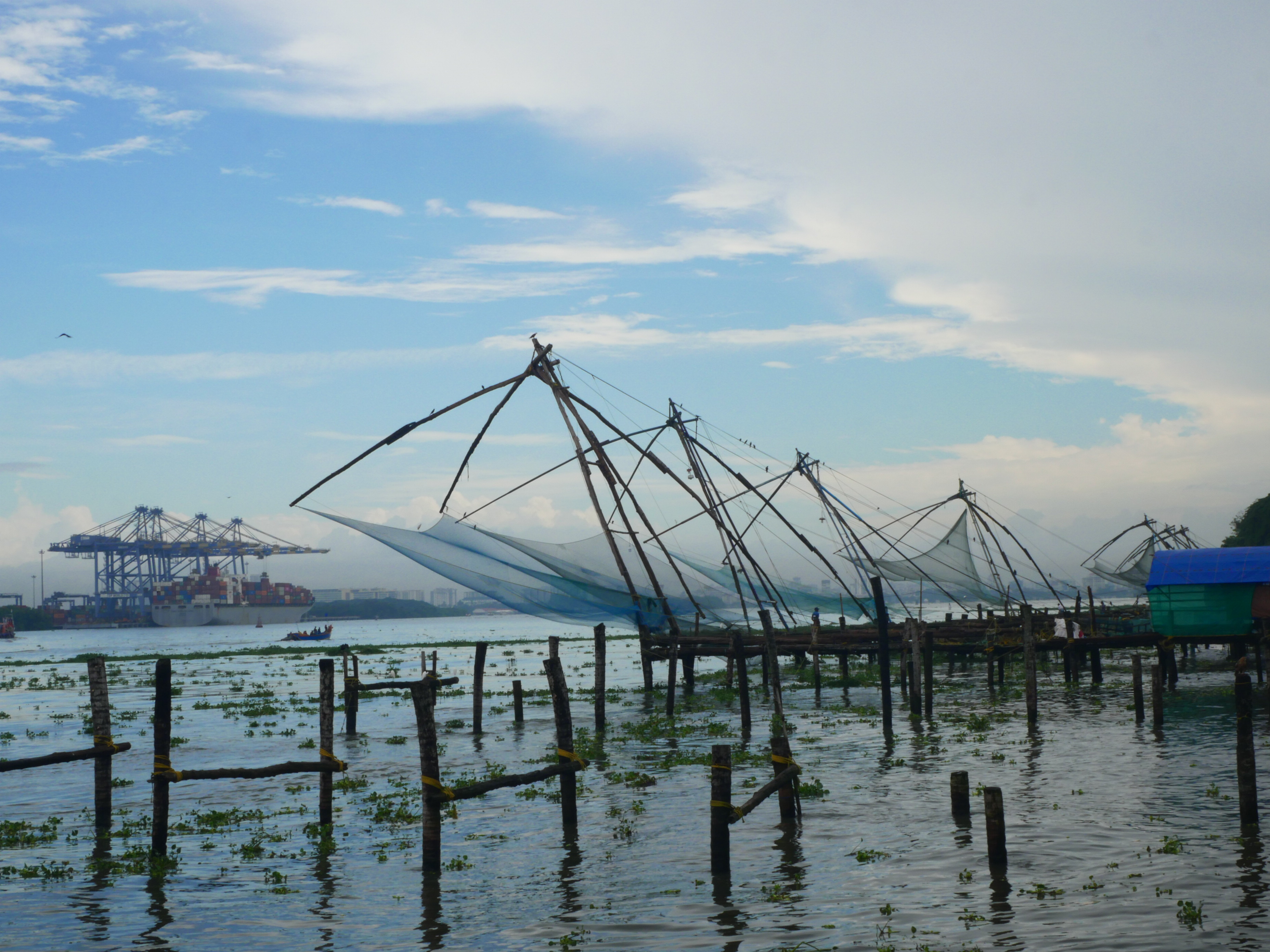
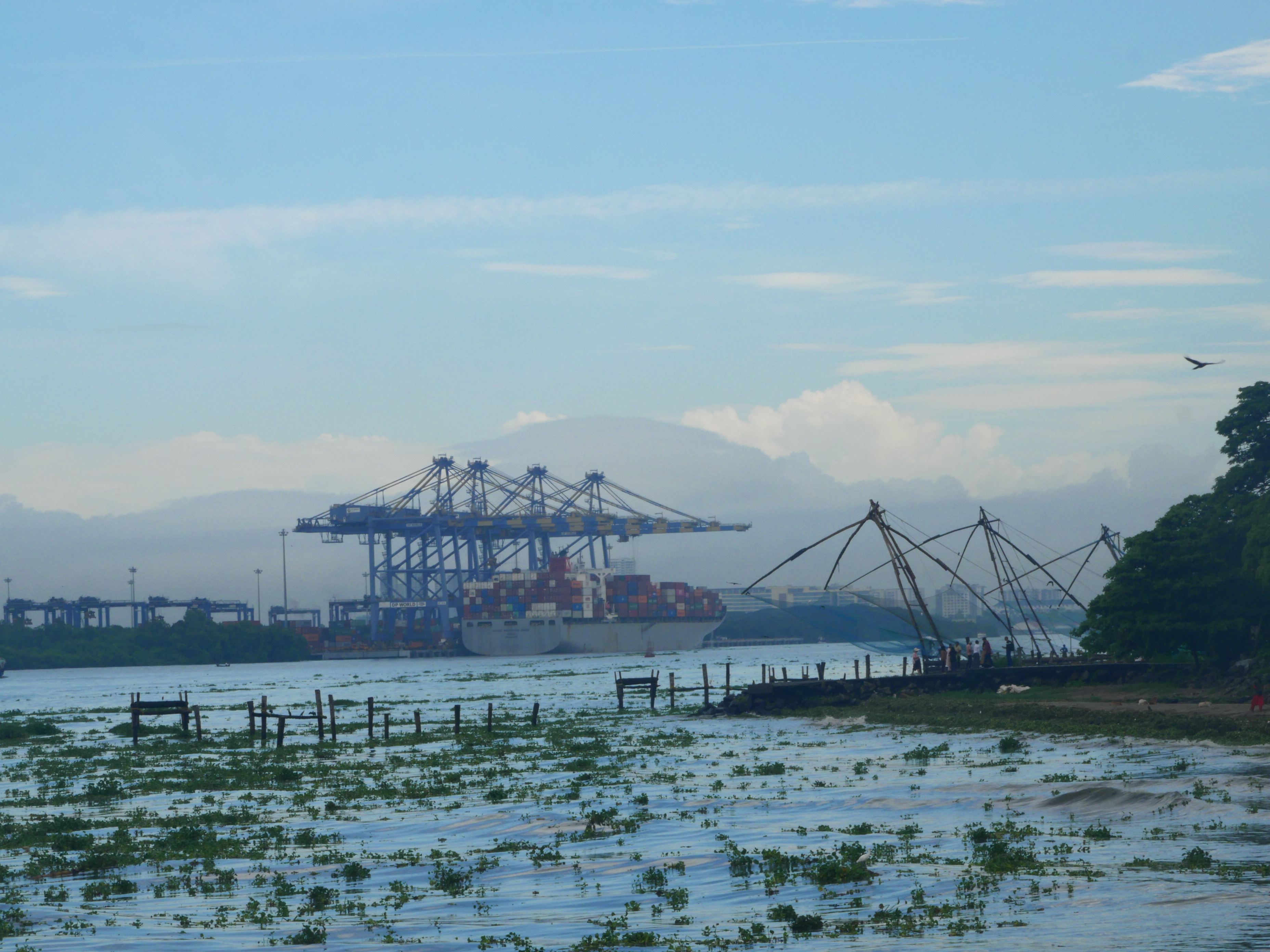
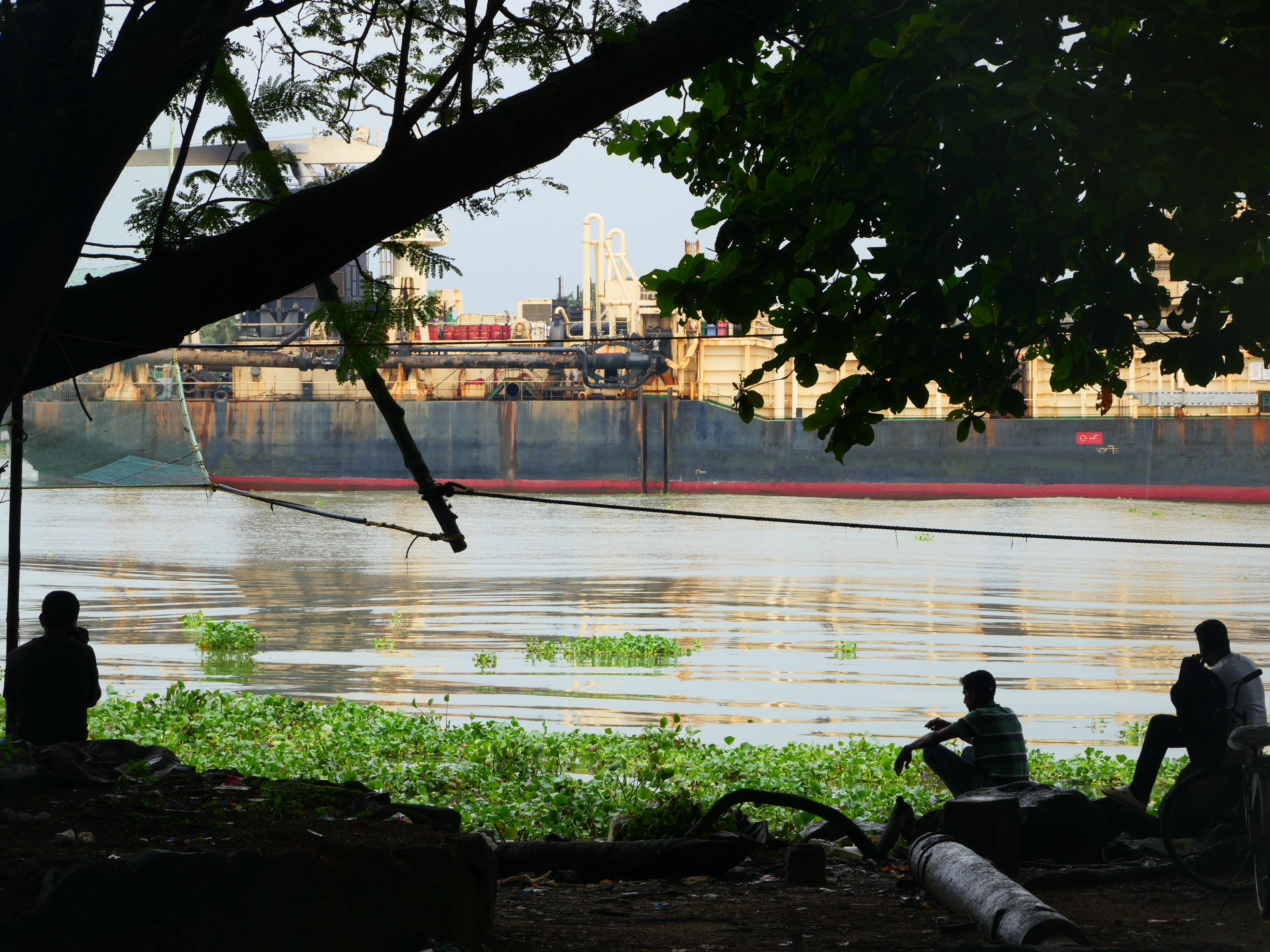
Beyond Vasco de Gama Square, we came upon what may be the most interesting and unique of all of Fort Kochi’s tourist attractions, the famous Chinese Fishing Nets. These contraptions, commonly known in India as “stupid fishing nets”, are fixed land structures with large nets which are lowered and raised from the sea with use of counterweights. I saw one in use and would have to say it seemed like a lot of effort for not much, but there is no denying that the line of Chinese Fishing Nets in Fort Kochi are sculpturally beautiful and present an intricate and delicate counterpoint to the enormous cranes at the Port of Fort Kochi across the bay. While these devices are used throughout coastal Indochina and south China, the ones in Fort Kochi are best known and recognized throughout the world.
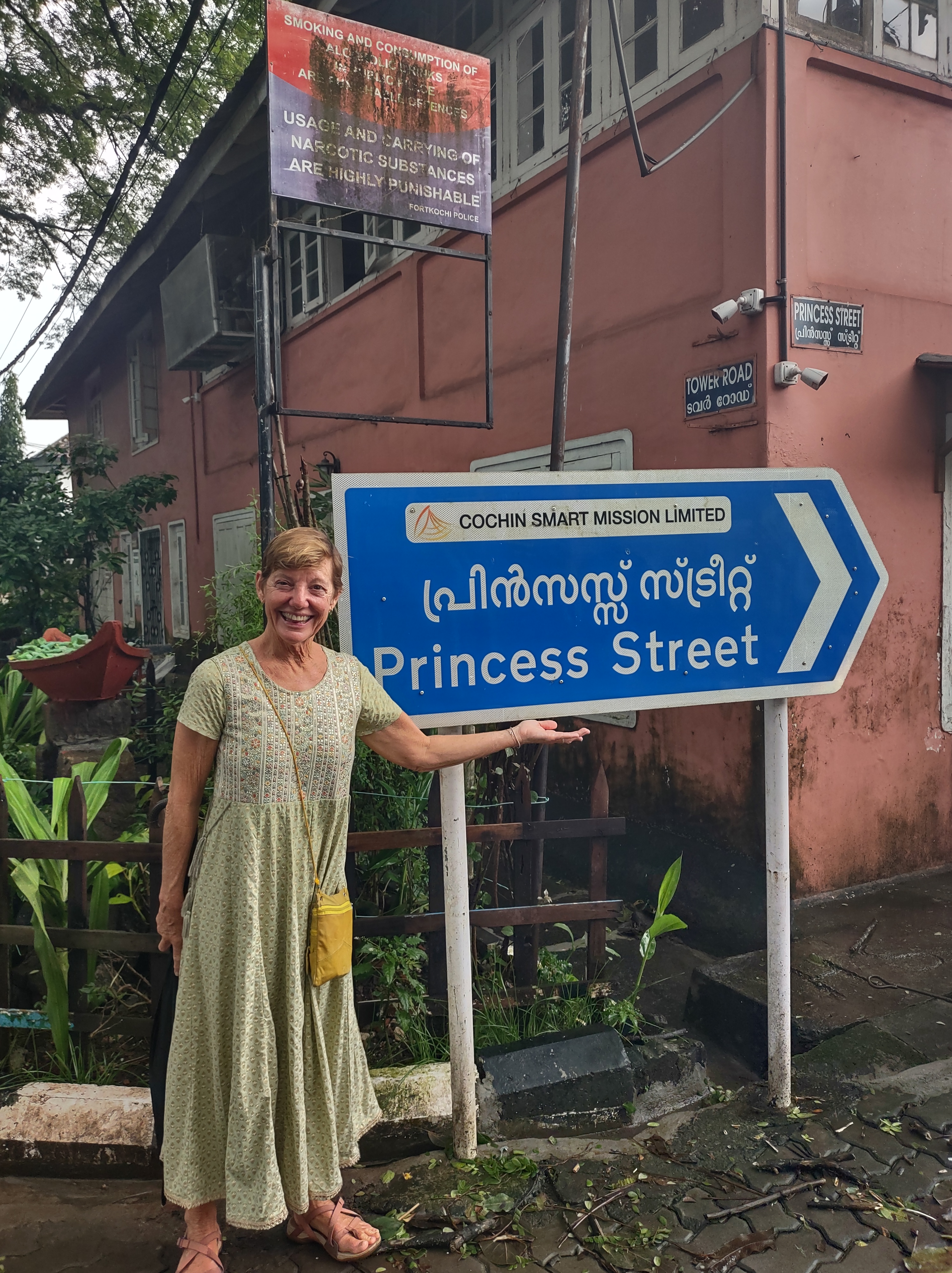
From Vasco de Gama Square, we meandered over to a street we had spotted the day before, with the unlikely name of “Princess Street”, which appeared to have a plethora of women’s clothing stores. After looking in the windows of a few, we entered a larger one called “Craft Tree” which we had already looked at once as it had three entrances from three different streets. As it was early for shopping, we got the undivided attention of the Manager, Aqib, who directed Colleen to the women’s section and then escorted me to the second floor where they had a large selection of men’s shirts.
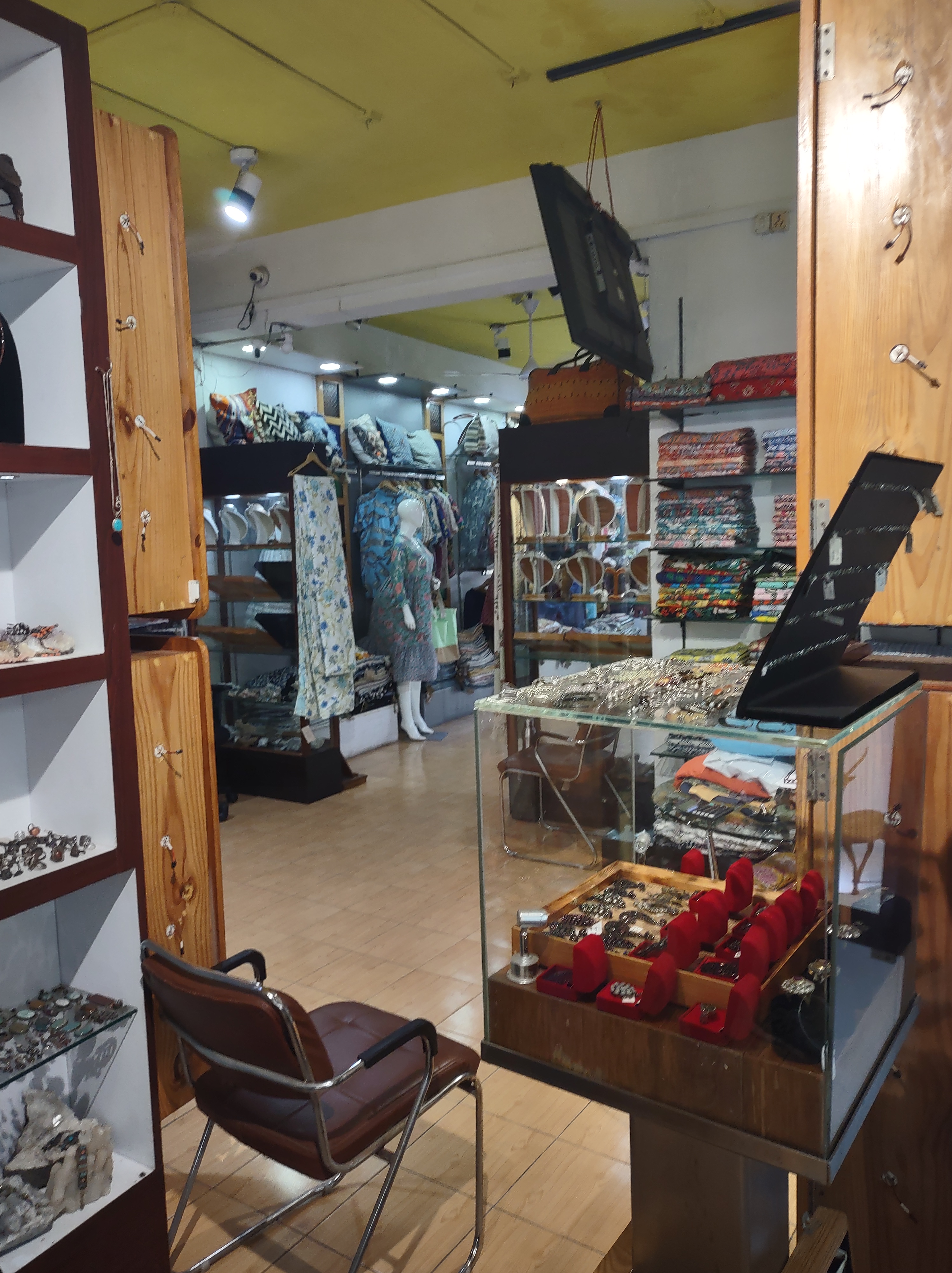

It turned out that Craft Tree had their own label and offered a lot of both beautiful clothing with unique block-printed patterns and neither Colleen nor I had much trouble finding things which we liked. After looking at pretty much everything in our sizes, we had narrowed our choices down to a couple of items but, on the way back to checkout, we noticed the store’s display of carpets, tapestries, and linens and decided to have a quick peek at them. (What was that saying in Seinfeld?, oh yeah) Yaddah, yaddah, yaddah, Colleen had gotten Aqib to agree that if we purchased a beautiful bed spread (along with our other items), he would ship it back to the U.S. along with the bedspreads and other items we had purchased elsewhere. (We had tried something similar in Fes, but it fell through after we made our purchases. This guy really liked Colleen!)

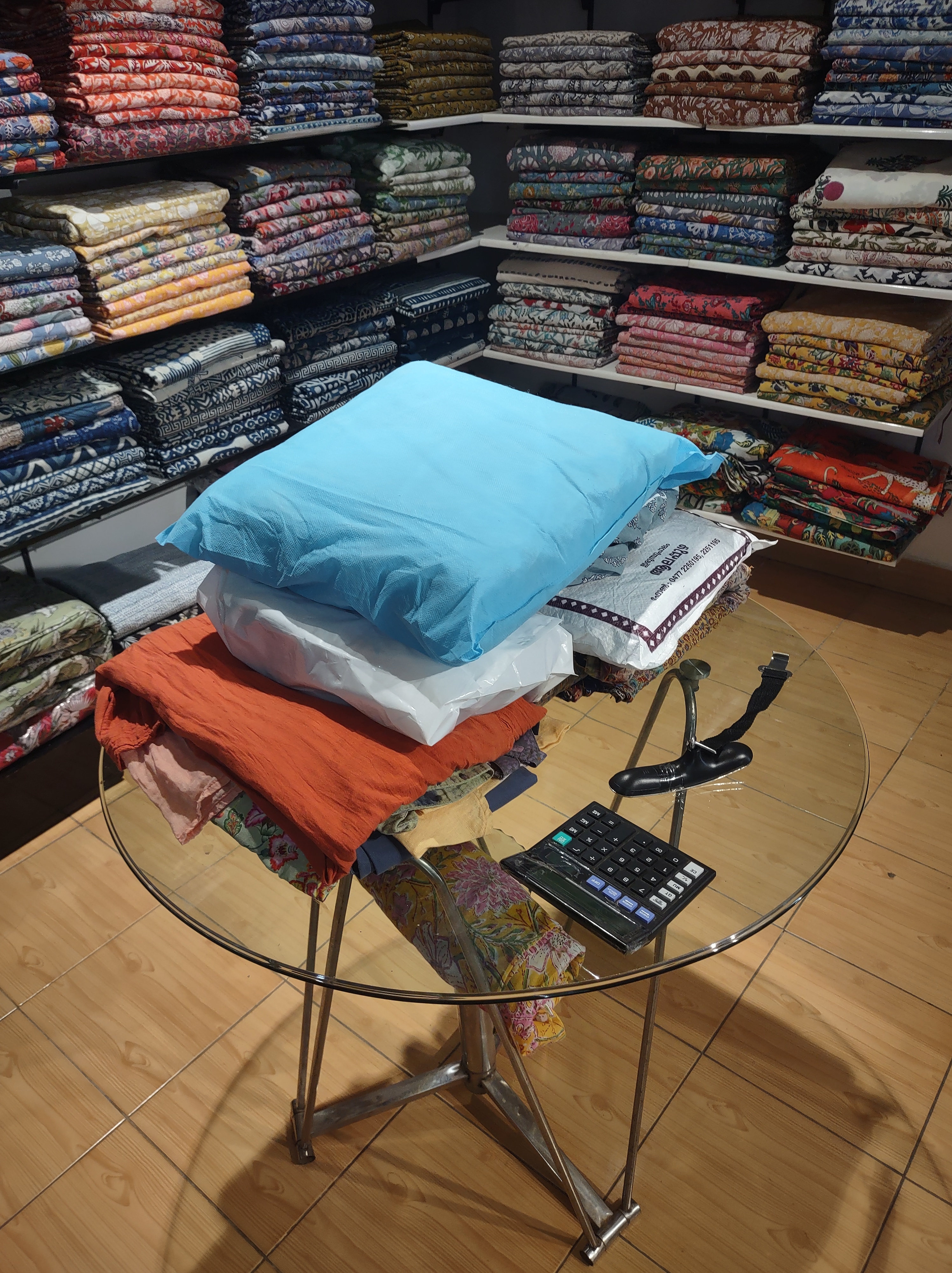
With that, we made a quick trip back to the hotel and returned with a good sized pile of items to ship home, including some clothing which Colleen wanted to send home to make room for future purchases). After some texts and phone conversations with Aqib’s shipping guy about what could and could not be shipped (we have a package in limbo in Israel right now because we put beach sand in the box), and, after weighing everything, we settled on a price, completed our purchases and left Craft Tree seemingly with the weight of the world off our hands and shoulders (at least for a little while!).
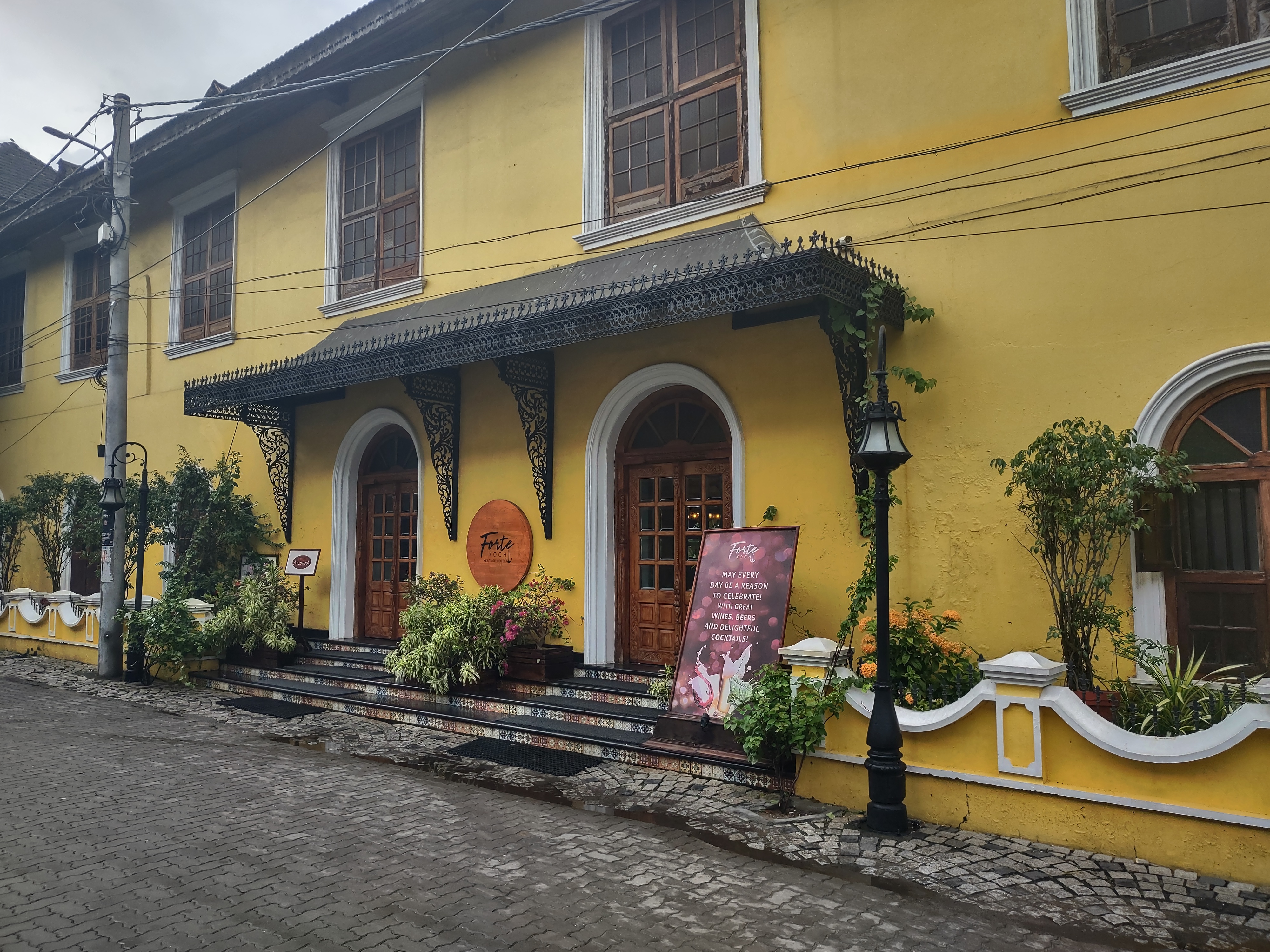
Feeling pretty good about our shopping expedition, we made our way to the restaurant at the Fort Kochi Heritage Hotel, another beautiful and eclectic old colonial structure constructed in 1860 as the residence of an eminent local Jewish family, which has been converted to a luxury boutique hotel. Although it was a bit fancier and more expensive than the places we would normally go to for lunch, we were attracted by the fact that they served beer, wine, and cocktails, something none of the other restaurants in town seemed to do. Unfortunately for us, we learned (in compete contradiction of everything we know and believe in) that serving alcohol is prohibited on national holidays in India (can you imagine a Fourth of July without at least beer?). But, it was a really beautiful place, with highly attentive serving staff, and the food was great, and we had a wonderful meal.


On our way home, we were kidnapped by another tuk tuk driver in need of some petrol and taken to yet another artisan studio, this one just past the rear entrance of our hotel. Perhaps we were just all shopped out or perhaps we were learning, but, after looking at a few items, we made a quick exit and retreated back to our hotel to do a little packing and organizing before dinner.
Yoga in Fort Kochi (Colleen)
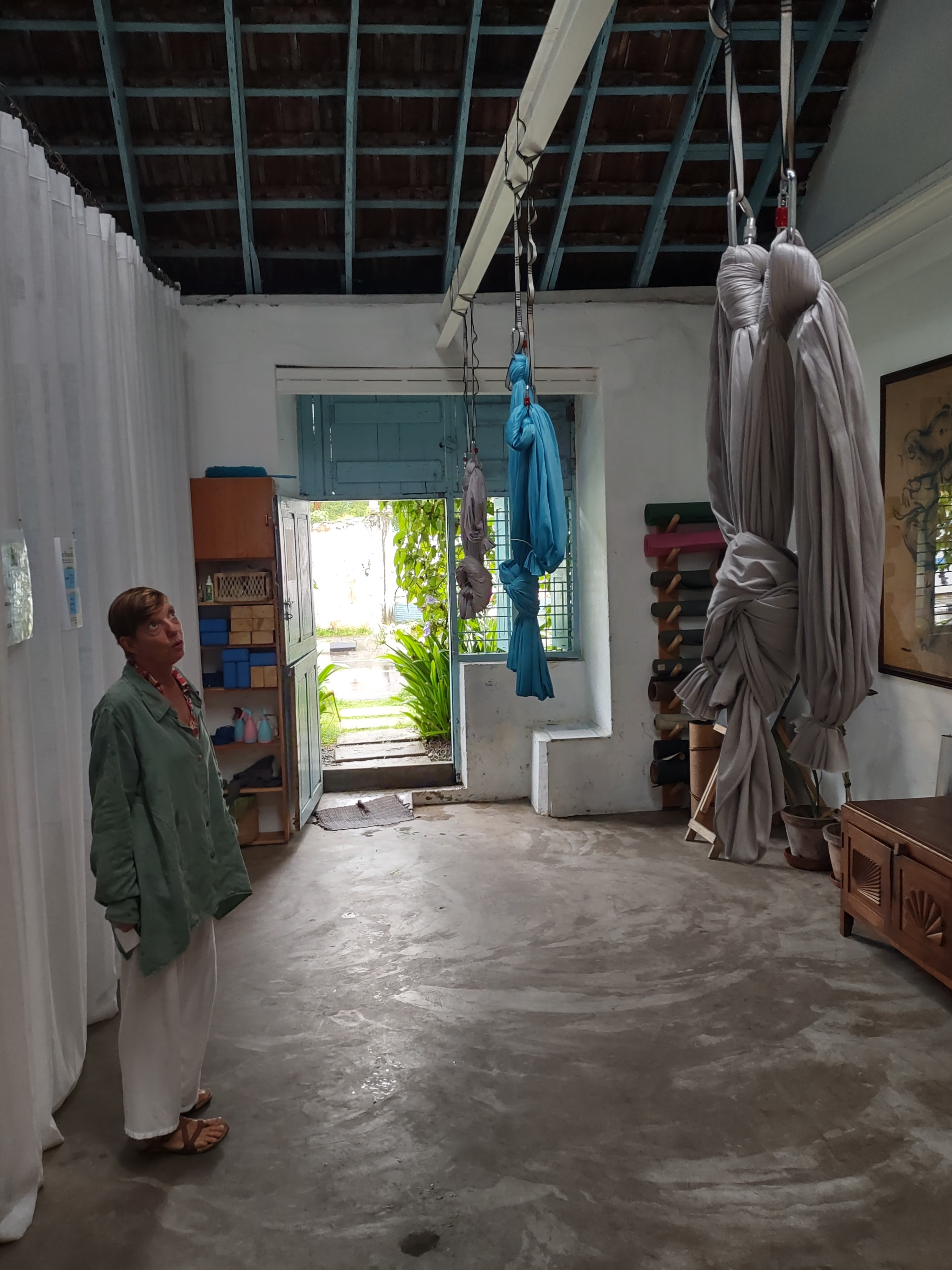
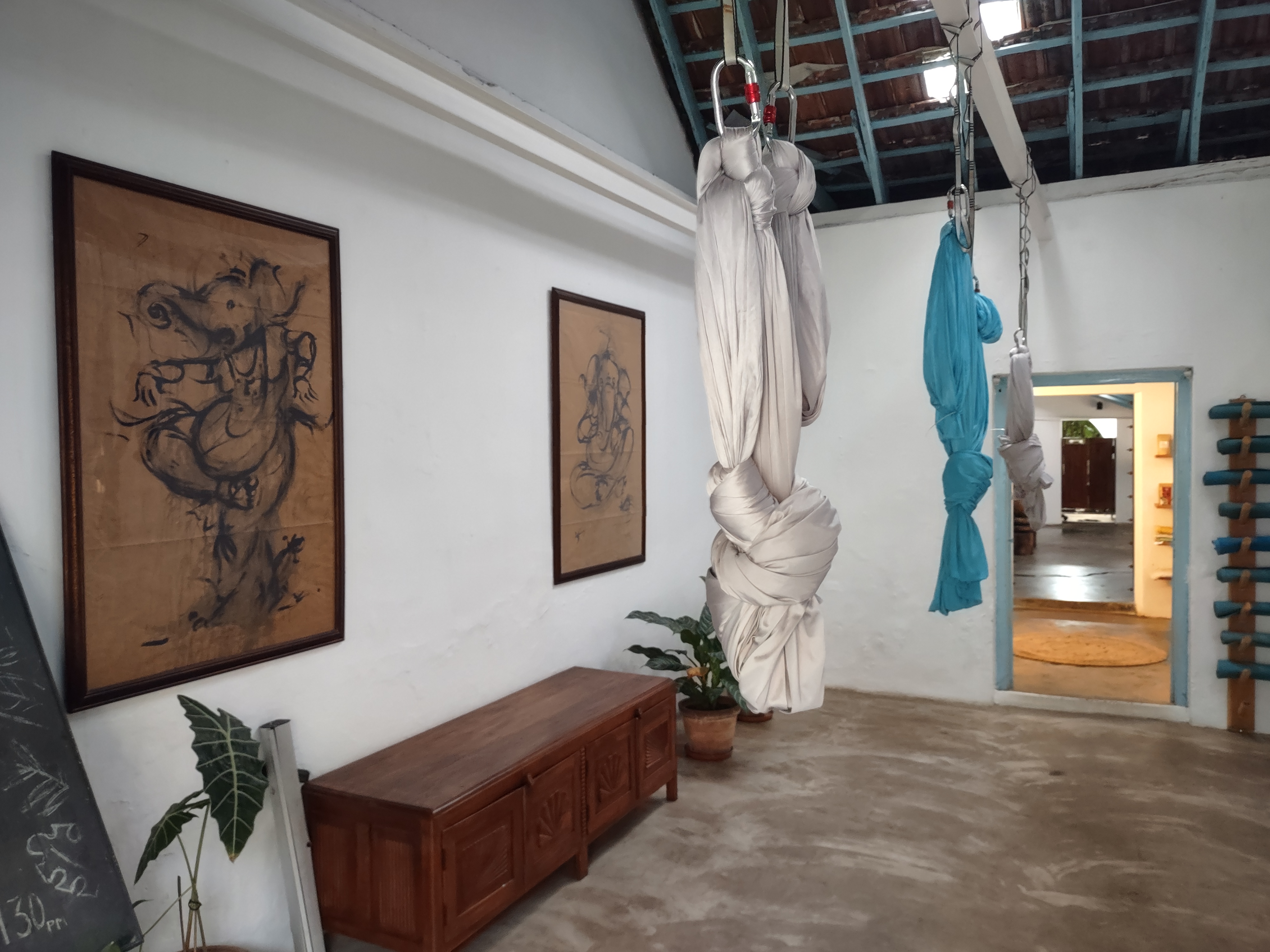
What good luck to find that our hotel in Fort Kochi was almost across the street from the Loving Earth Cafe and Yoga Center where they had several yoga classes per day. I enjoyed an energetic daily class with Poppy from Great Britain. She, like many young women I have met in places that offer yoga, has been traveling the world, spending the last 6 weeks in India teaching yoga. I had a Vinyasa class, which I had never had the blend of Yin and Vinyasa in one class, so that was a new and interesting combination. Poppy’s Vigorous Vinyasa, was indeed vigorous and the nice more sedate class focused on long stretches was a great way to finish up our whirlwind tour of Fort Kochi.
Good Bye Kerala
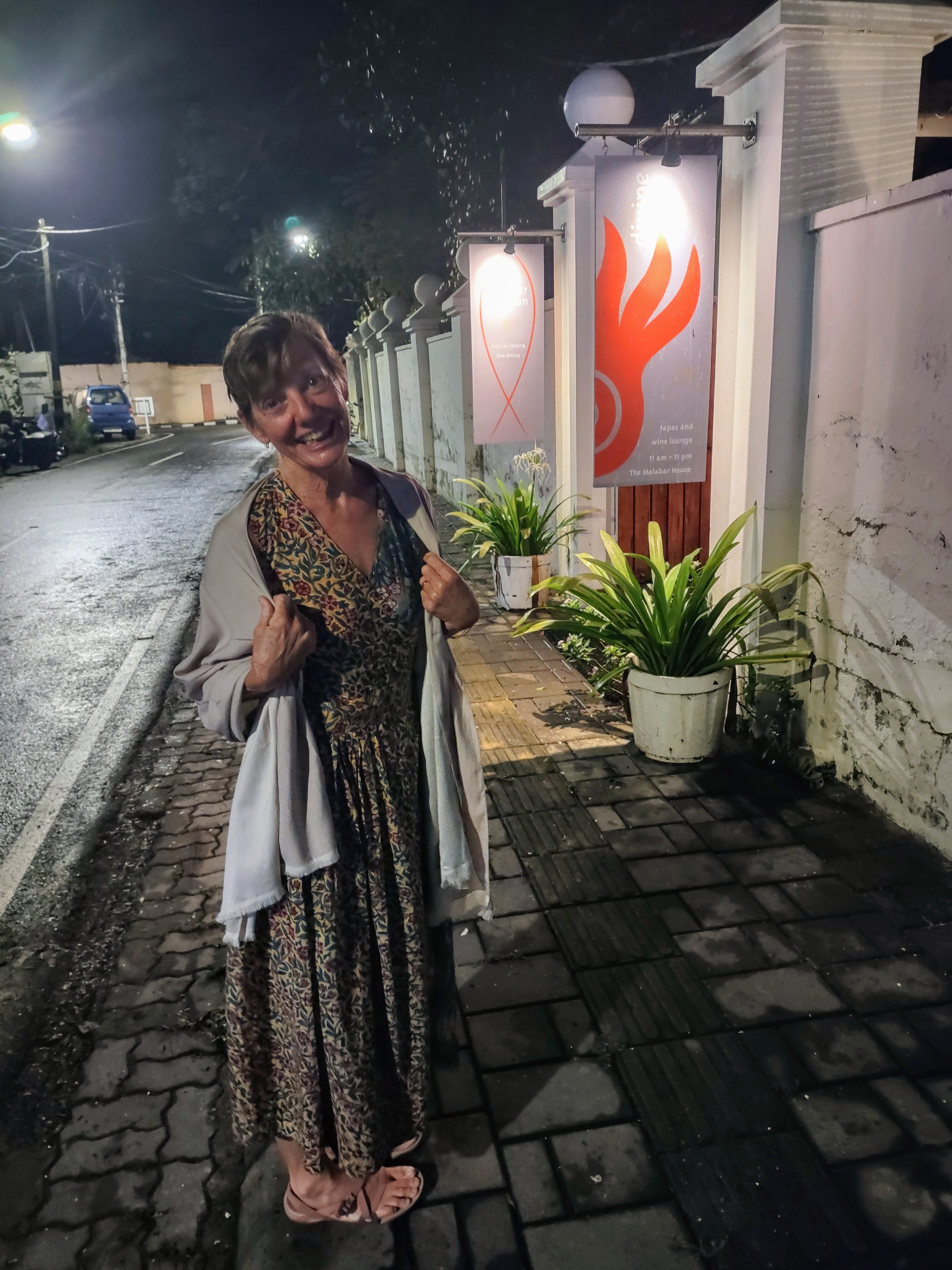
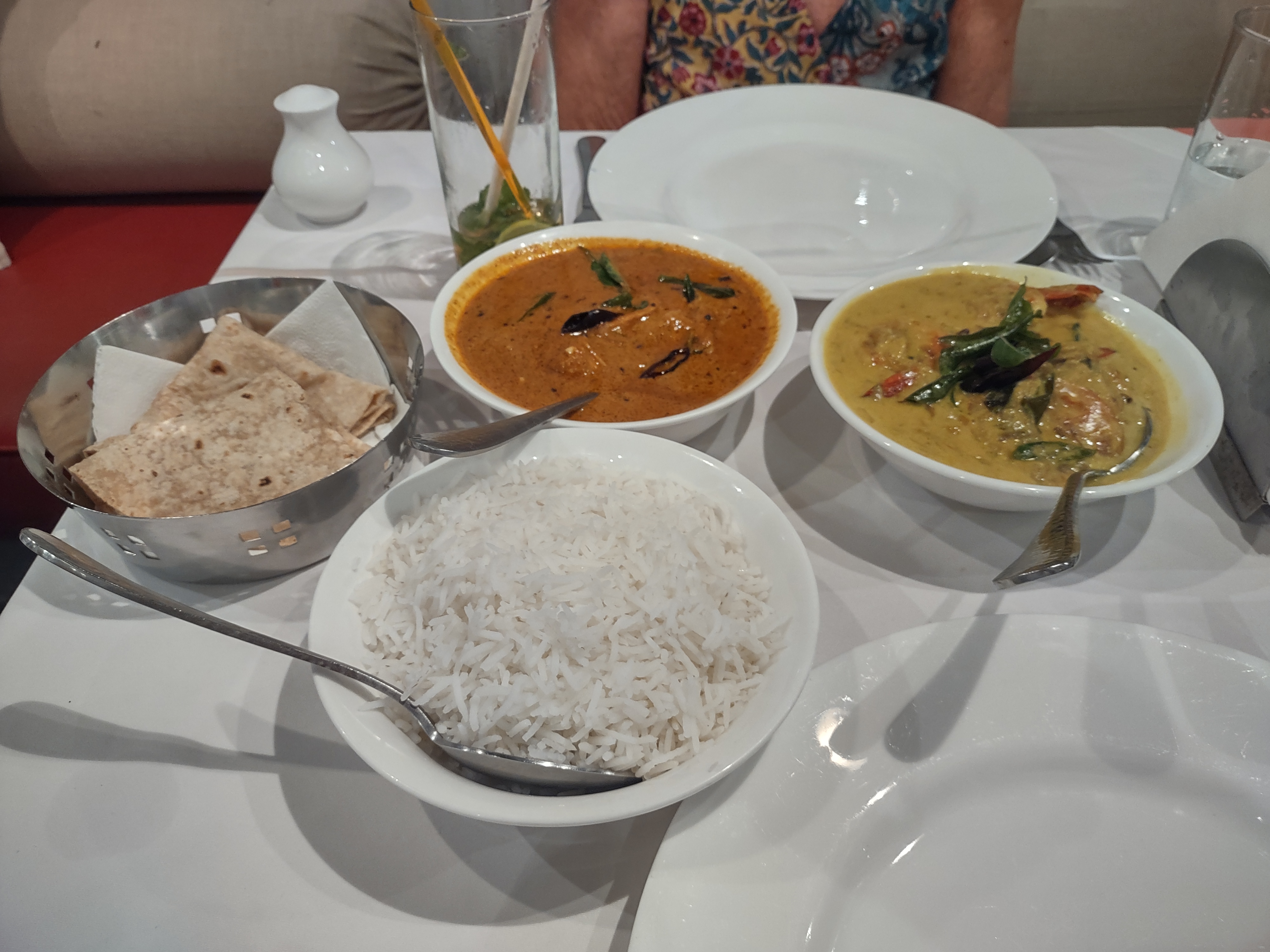
For our last night in Fort Kochi, we had made dinner reservations at Malabar Junction, the restaurant of the Malabar House, a beautiful 1755 Dutch mansion (two of them actually) which were restored and renovated in the 1990’s to turn them into Fort Kochi’s first boutique heritage hotel. We made our way to Malabar Junction (the entrance to the restaurant was just across the street from our hotel) had a very nice (even romantic?) Indian comfort meal of some great prawn curry and butter chicken with rice and paratha (which had become our favorite of the various Indian bread options).


As has usually been the case when leaving a place, we were feeling a bit sad, but our three days in Fort Kochi had helped eased our departure from Kerala a bit. We went back to the hotel to finish packing and get some rest for our flight the next day which would start what we expected to be the most challenging and potentially exciting leg of our tour of India, the State of Rajasthan.

 Burning the Inheritance
Leave a reply to Pat Cochran Cancel reply