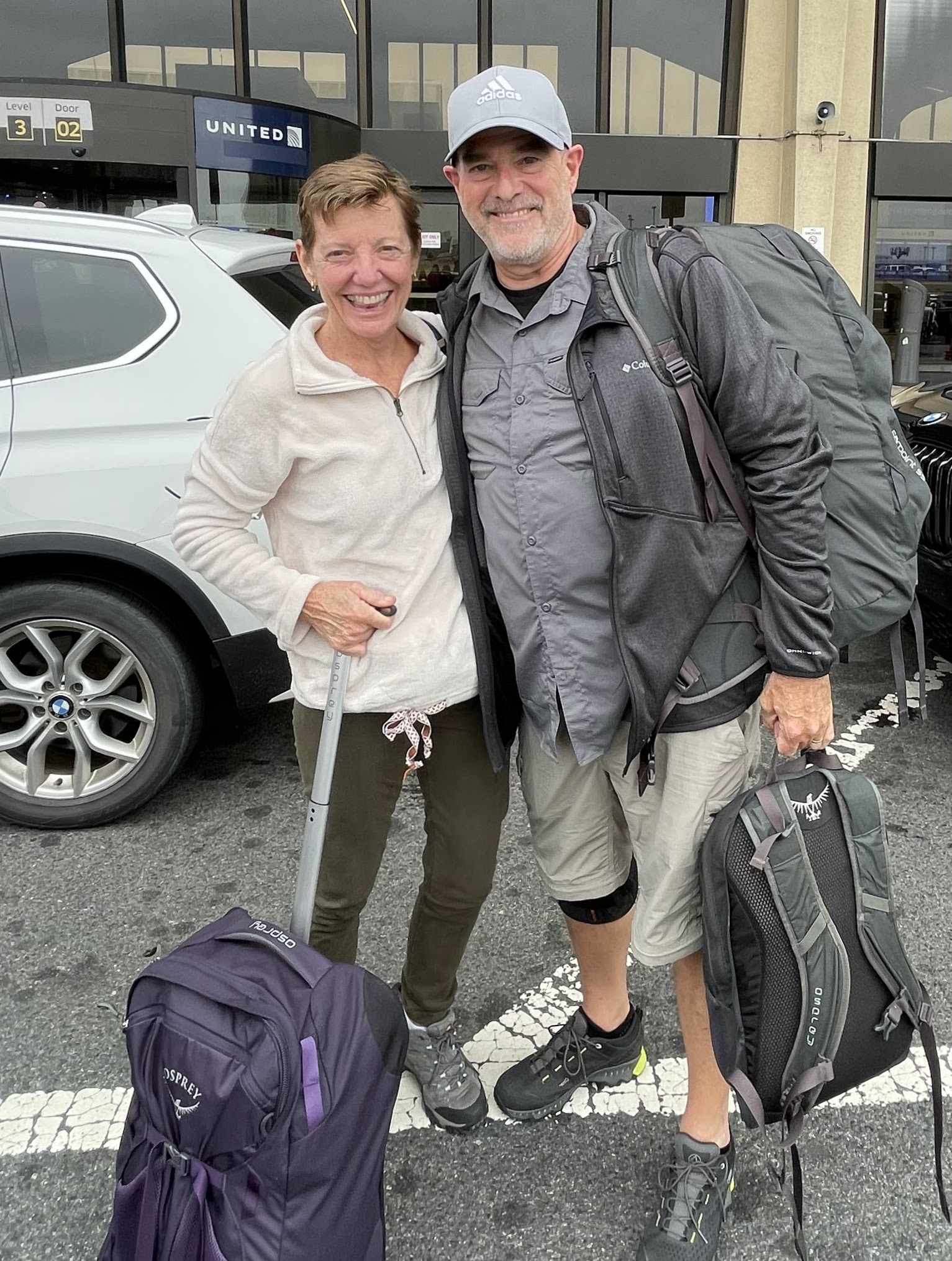
While Israel had been on our list of places to visit from the very beginning, Jordan was a rather late entry which I suppose is understandable from an American perspective (when is the last time you talked to someone who was planning a trip to Jordan?). But Jordan is an ancient place with a rich history and culture and, due in large part to its location on the eastern side of the Great Rift Valley, it offers some pretty amazing scenery. While it is possible to visit some of the noteworthy sites in Jordan by daytrip from Jerusalem (some very long daytrips), the more we looked at Jordan, the more we felt we needed to give it its due. (And there was, of course, the old “when will we ever be this close again?” argument.) In the end, we committed 10 days to Jordan, beginning in its capital, Amman, in the northern highlands, through the Jordan Valley and the Dead Sea, then through the eastern dessert region, and finally south to Aqaba on the Red Sea. And so it began…
Getting There
Israel and Jordan have been at peace since 1994, but there is still some lingering animosity between the two and we approached our planned border crossing with some degree of apprehension, fueled by various web postings which suggested a rather lengthy and complicated process involving multiple vehicles as well as some walking between points. We had made what would seem to be similarly not quite friendly crossings between Argentina and Chile on a couple of occasions, but those crossings had been made on a single bus from point to point (although we did have to get on and off the bus on each side of the border) and so seemed like child’s play compared to what we understood to be the rather complicated process which lay ahead of us in crossing from Israel to Jordan.
As a starting point, you must select a crossing point, of which there are three to choose from: The Sheik Hussein Bridge Crossing, also known as the Jordan River Crossing in the North, the Allenby Bridge/King Hussein Bridge Crossing which crosses the River Jordan east and just a bit north of Jerusalem, and the Wadi Araba Crossing, the furthest south of the three which, connects the Red Sea resort towns of Eilat, Israel and Aqaba, Jordan. While the Allenby Bridge crossing was the closest, special visa arrangements are required to cross there, so we chose the Sheik Hussein Bridge Crossing as it worked best with our planned itinerary.
We started on Friday July 21st by catching a bus from the Jerusalem Central Bus Station (3rd floor) to a town called Beit She’an, about 60 miles to the north. Because we were again travelling on a Friday (Shabbat) and being uncertain how long the actual border crossing might take, we caught an earlier bus (10:30 AM) which we hoped would result in us arriving in Amman before sunset (always preferable when arriving in a new place). The ride started by going east, through the dry hills outside of Jerusalem, but, as we neared the Jordan River valley and turned north, things became distinctly greener. We started to see large farms (mostly bananas) and small towns and settlements here and there, with occasional glimpses of the green Jordan River valley to the east, but stretches of fencing with razor wire and an occasional military installation were reminders that we were travelling through the West Bank.
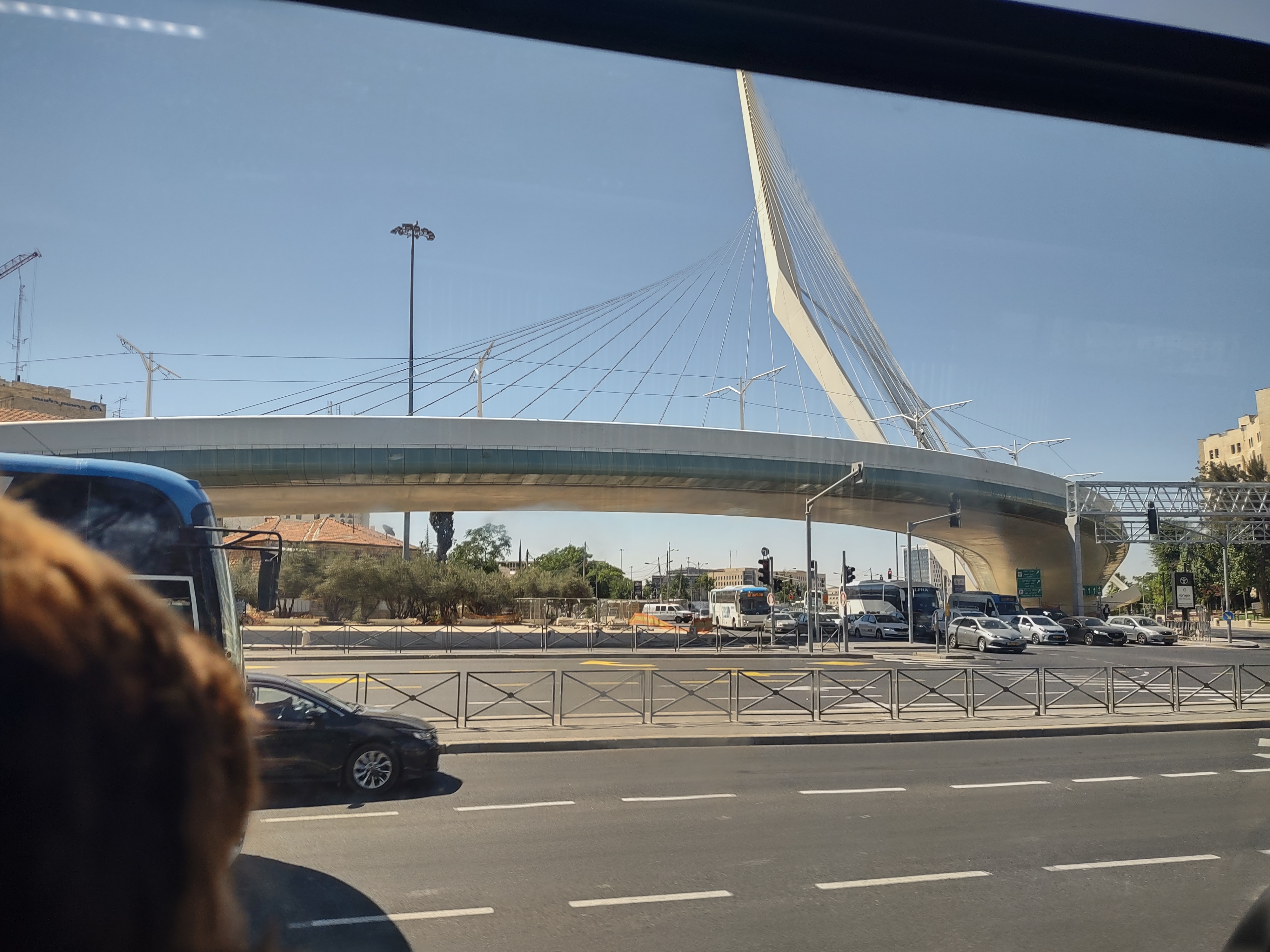
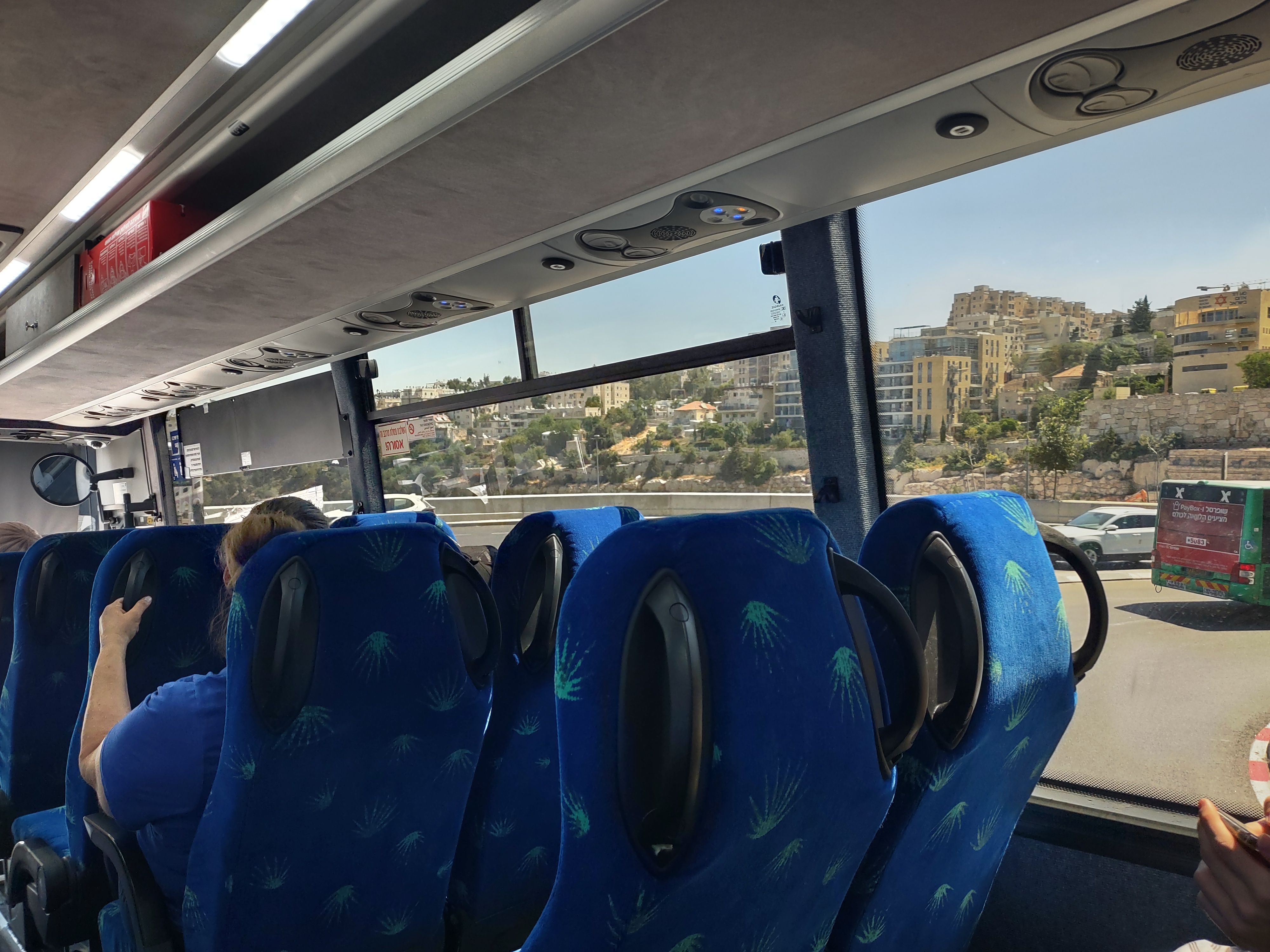

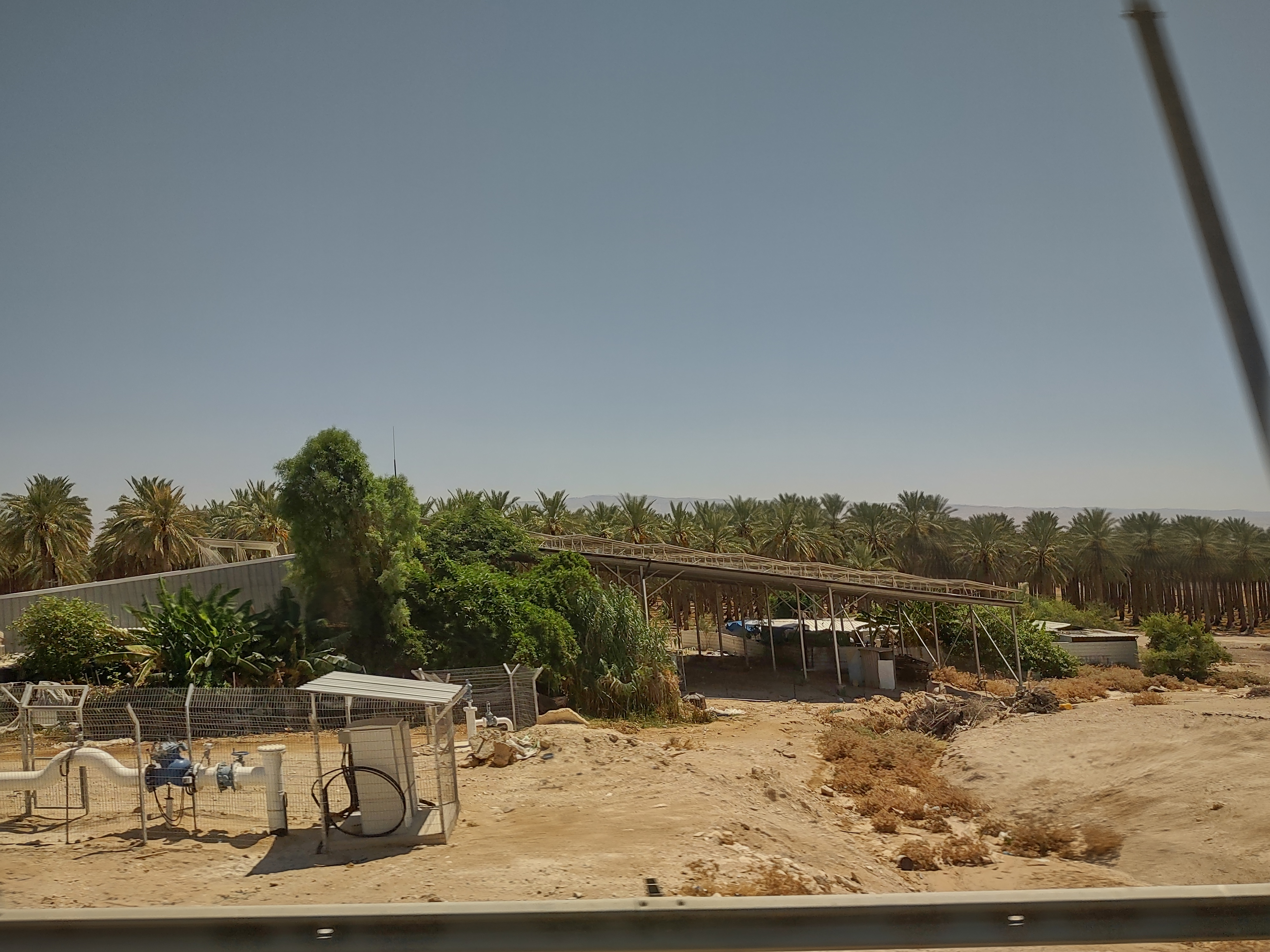

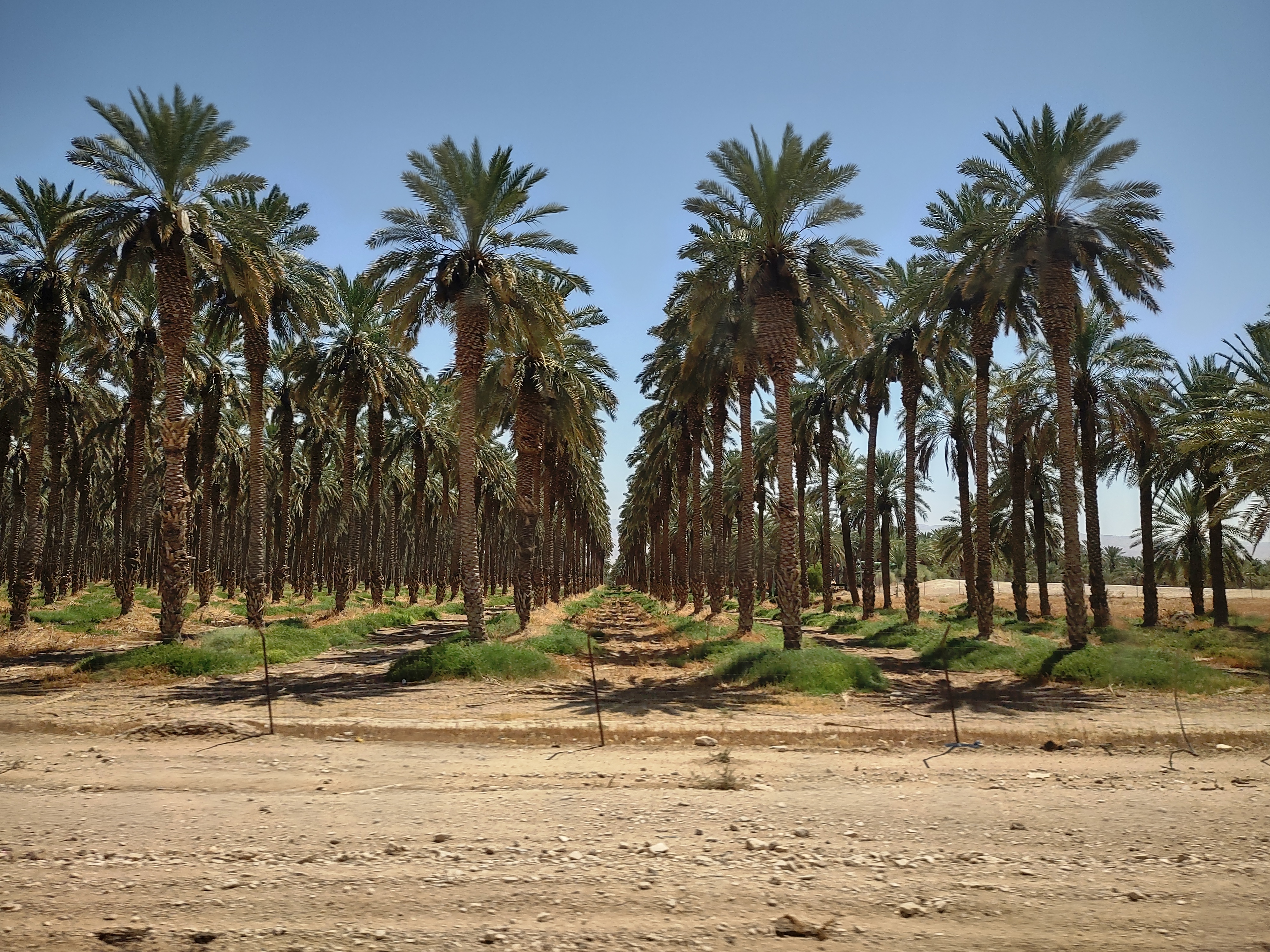

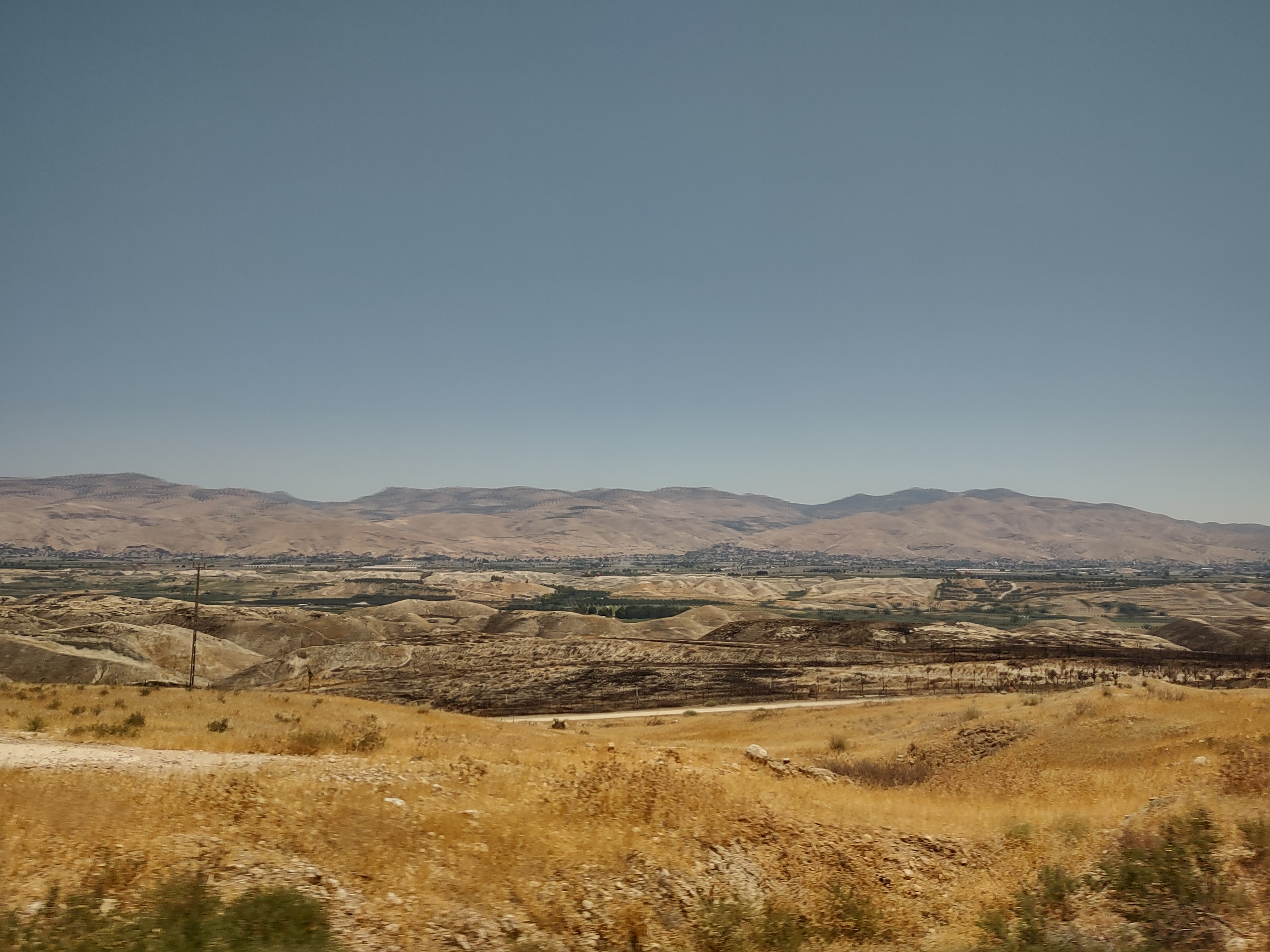
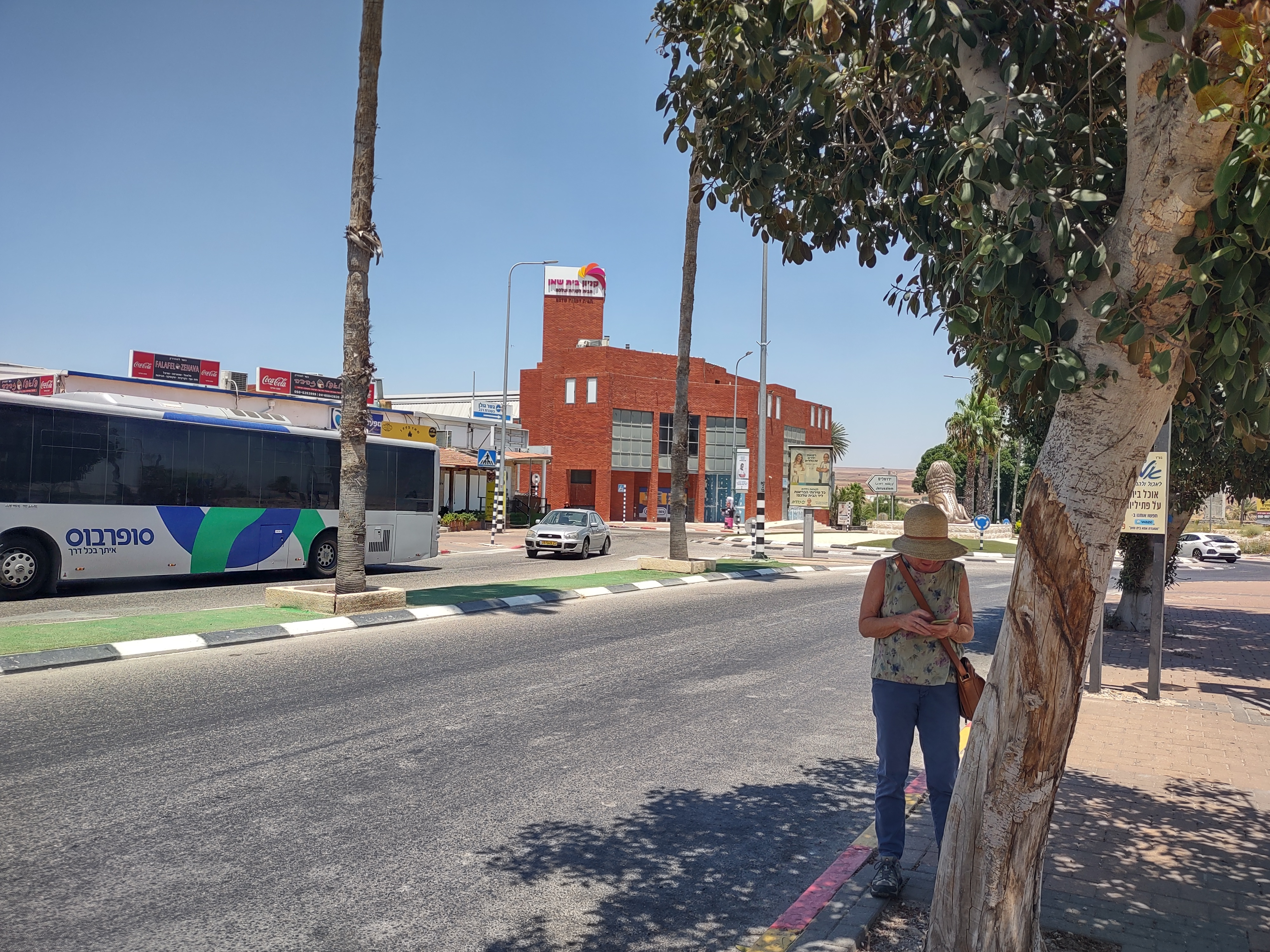
After about two hours, the bus dropped us at a stop next to a local bus depot on the outskirts of the town of Beit She’an which, despite the four-lane roadway, bus depot, and some small shops and cafes, felt quite a bit like the middle of nowhere. Per our directions, we began looking for a taxi to take us to the border crossing about five miles to the east, but the GETT taxi app came up blank and the occasional taxis which did pass were all occupied. After about 20 minutes, we were considering our options (one of the alternatives offered in our directions was to walk to the border) but were not very excited at the prospect of a 1+ hour walk with backpacks and rolling carry-ons in the blazing sun, with temperatures approaching 100 degrees. Fortunately, it was about this time that an empty cab finally appeared and ten minutes and ten shekels later, we found ourselves at the Israeli border exit, where the real fun began.
[Sorry, but taking photos in the border crossing facilities didn’t seemed like a good way to call unwanted attention to ourselves, so no pictures for most of this.]
Before departing Israel, we were looking to reclaim about $75 in VAT (Value Added Taxes) which we were due and which we were told could be done at the border crossing. After waiting for the attendant who was at lunch to return to the VAT refund booth, we were asked if, in addition to having our receipts, we also had the items in question in our possession. Realizing that we had shipped some items home and thinking about having to open our bags to remove the others, we abandoned our refund and moved on to the next stage of departure which was to pay our Israel exit fees.
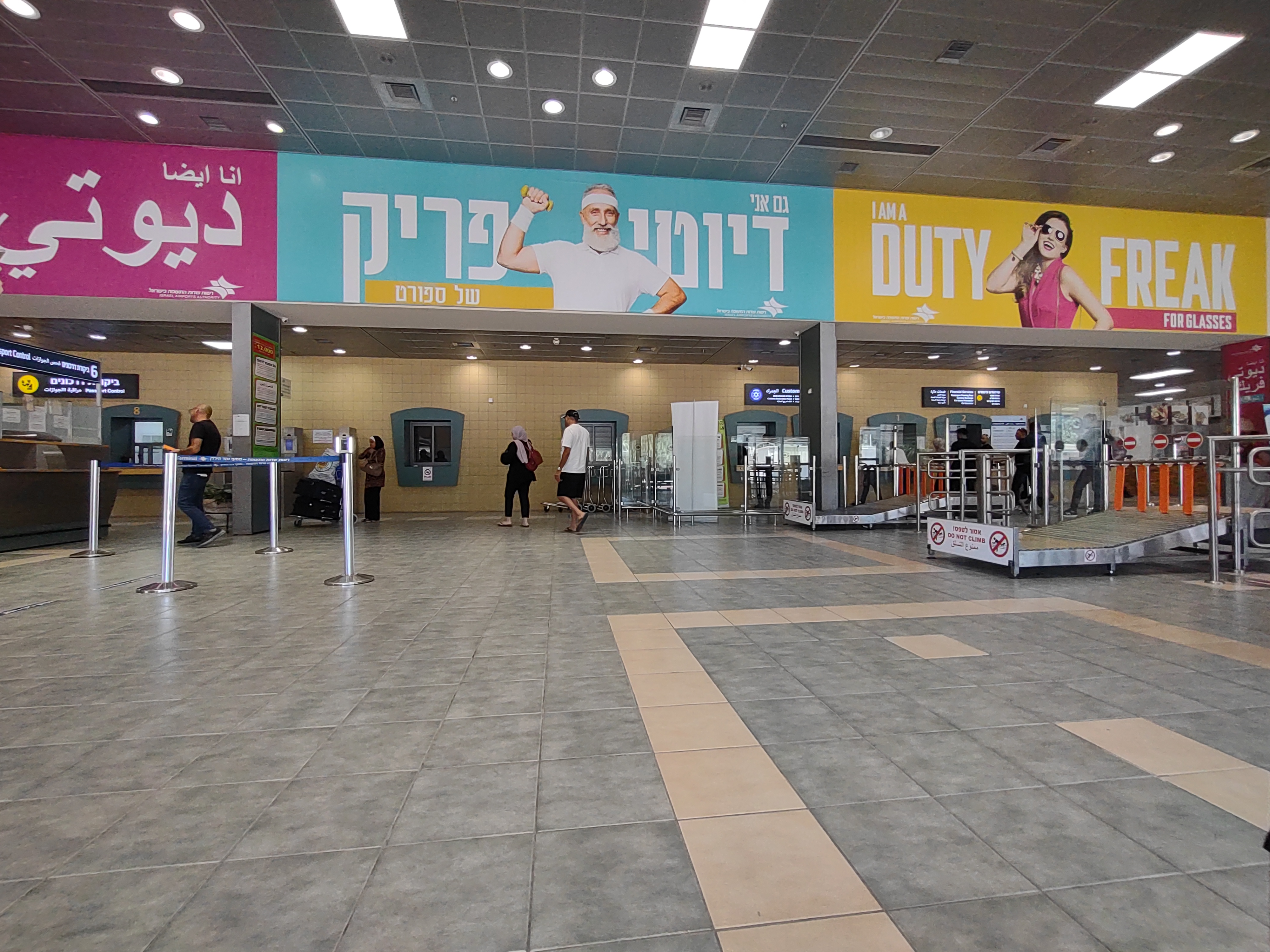
We queued up, paid our fees, got our paperwork in order and, after a quick run through duty-free, cleared immigration and customs and proceeded to the departure area where (after another bit of a wait) a bus picked us up and actually took us across the River Jordan and the border, dropping us at the Jordan entry point, where (yup) we waited some more.

While the cost of our entry visas was covered by the Jordan Passes which we had decided to purchase (a great deal – more later), we still had to secure our visas and the Visa attendant was occupied with something else, so we were told to sit and wait. We were eventually called and got our entry fee receipts so that we could then queue up in another line to get our actual visas and be processed through immigration. The final step in our crossing was going through customs, which was similar to passing through airport security, and it was clear that the concern was guns, not drugs. At this point we were officially in Jordan and walked across a parking area to find a taxi to Amman.
Thanks to all the advance research Colleen did (which included knowing which fees needed to be paid in which currencies), the crossing process itself went pretty much as anticipated, but one could easily imagine any number of ways in which it could have gone sideways (we had heard that crossing from Israel to Jordan is easier than going the other direction). From the time we arrived in Beit She’an until we cleared customs in Jordan it took about 3 hours, most of which was spent waiting, but we arrived in Jordan around 3:30 PM, giving us plenty of time to get to Amman before sunset as was our goal.
Jordan Passes
I mentioned earlier that we had purchased “Jordan Passes” for our visit and just wanted to add a quick follow-up on these. Similar to what you find in major tourist cities like Paris or Florence, the pass covers the entry fees for many museums and other tourist attractions but, in the case of the Jordan Pass, it also covers the cost of your tourist entry visa. The basic Jordan Pass costs 70 Jordanian Dinar (about $100 USD) while the combined cost of the tourist entry visa pand a one-day pass to Petra (included with the basic Jordan Pass) is 110 Jordanian Dinar (about $156 USD). So, if you are going to Jordan and are planning on visiting Petra, it’s a no-brainer as it more than pays for itself and every other museum or historic site you visit (of which there are many) is essentially free (typically about 5 JD or $7 USD each). Highly recommended.
Amman
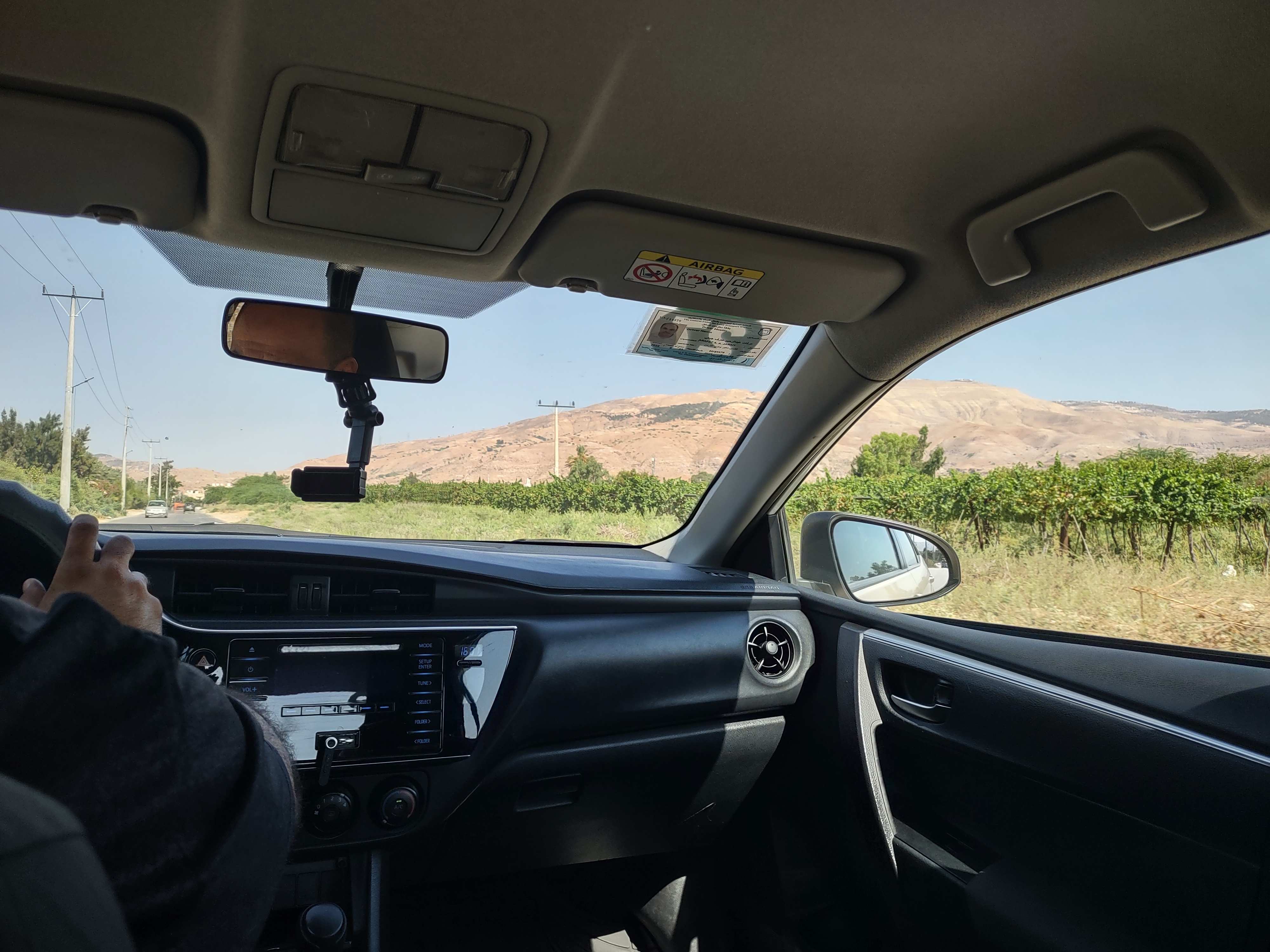
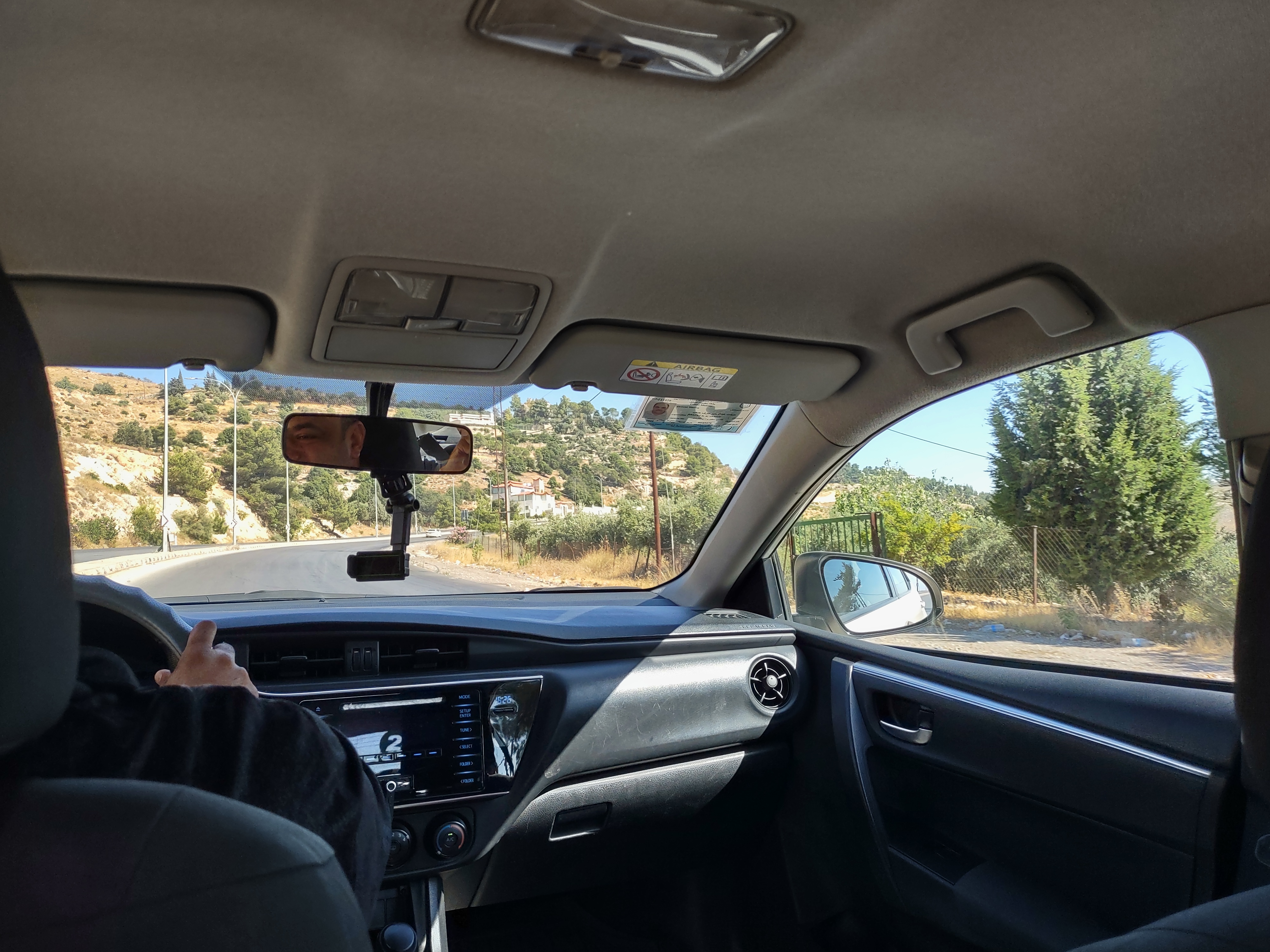
We found a taxi station on the Jordanian side of the border crossing which (thankfully) had published rates avoiding the hassle of haggling over the fair which seemed reasonable – about $60 USD for a two-hour ride. Both the drive and our driver were very pleasant, with a stop for the toilet, coffee, and water as we made our way south back down the Jordan Valley eventually heading east over the Jordan Highlands.


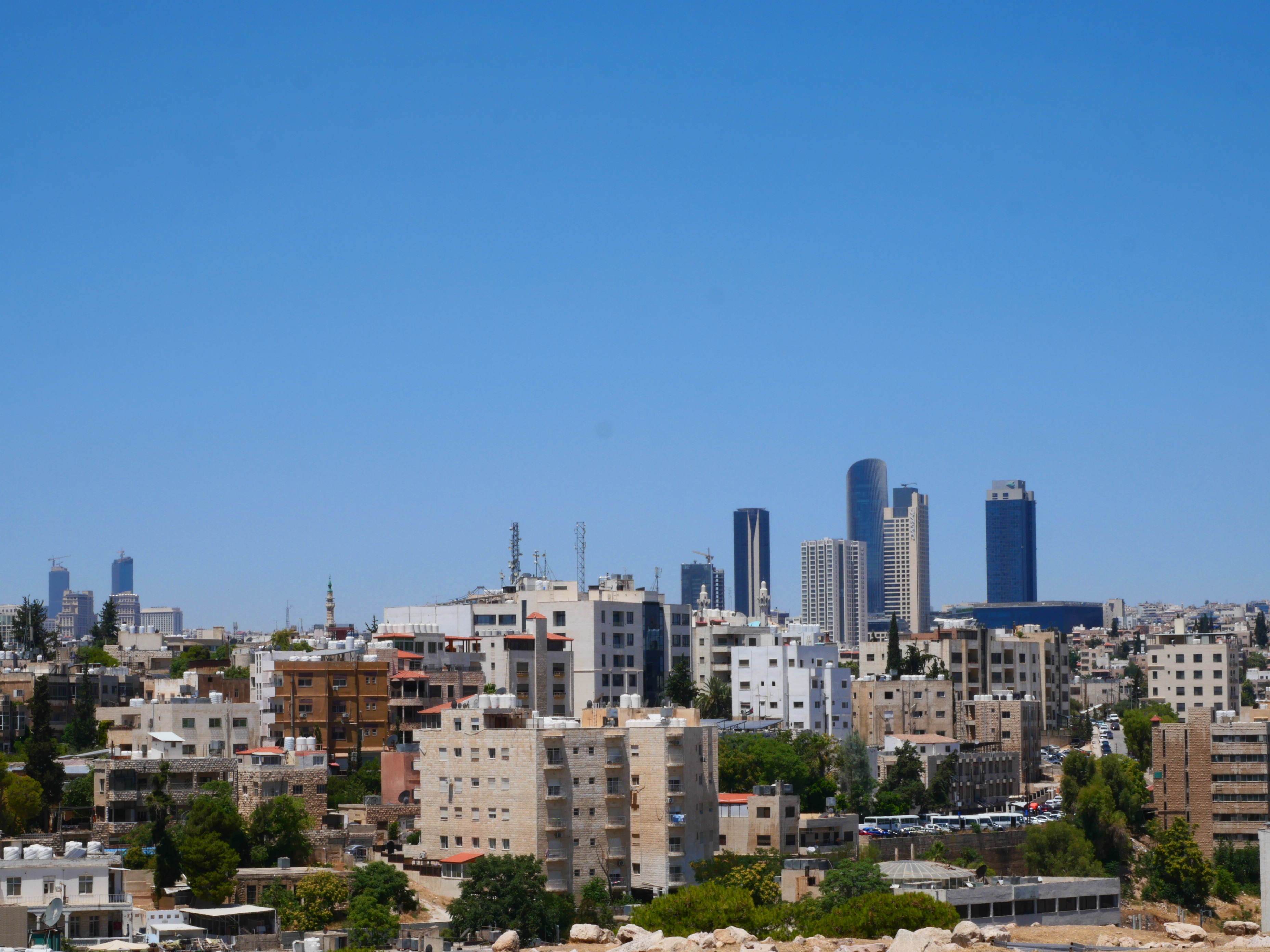
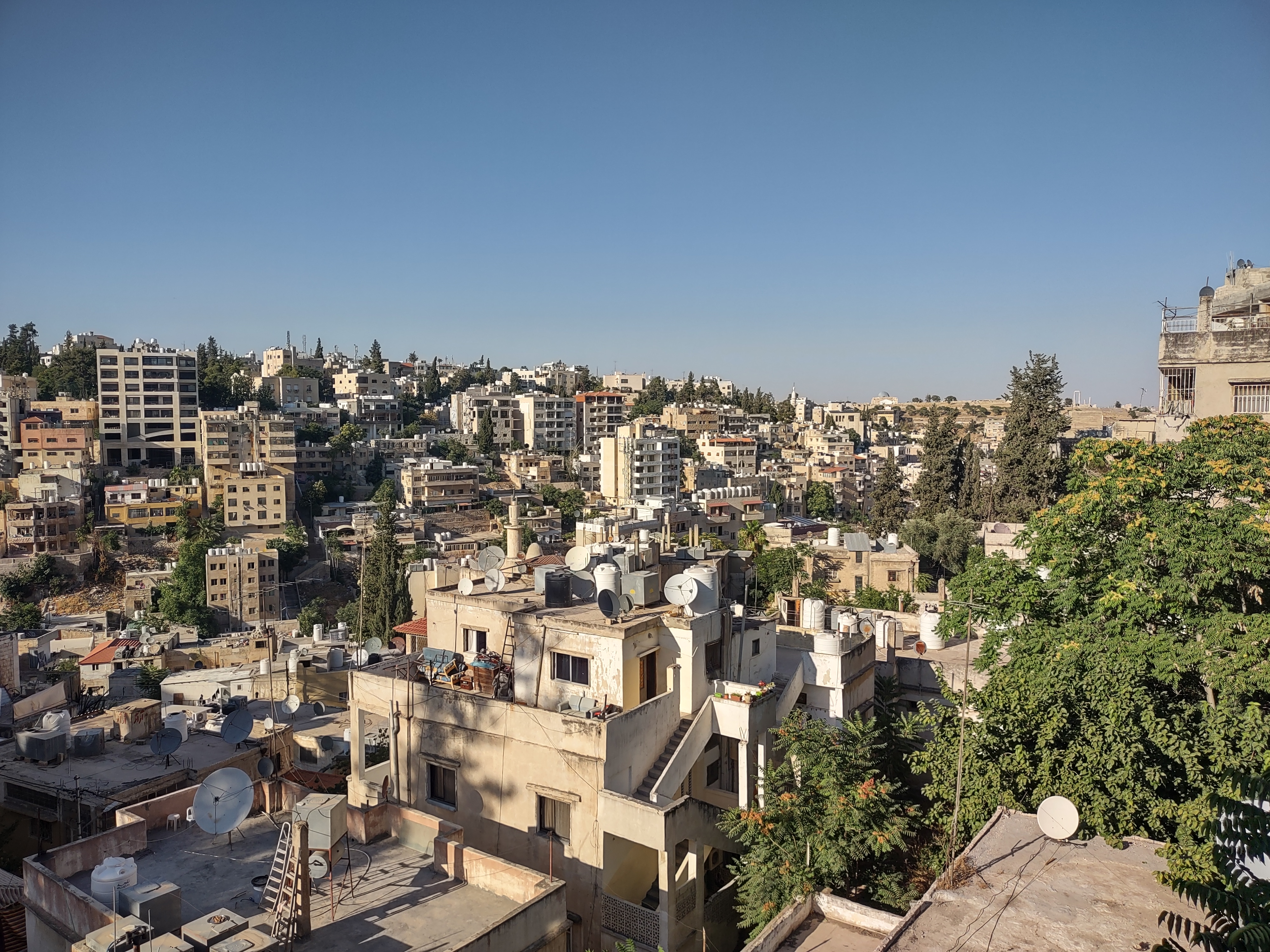
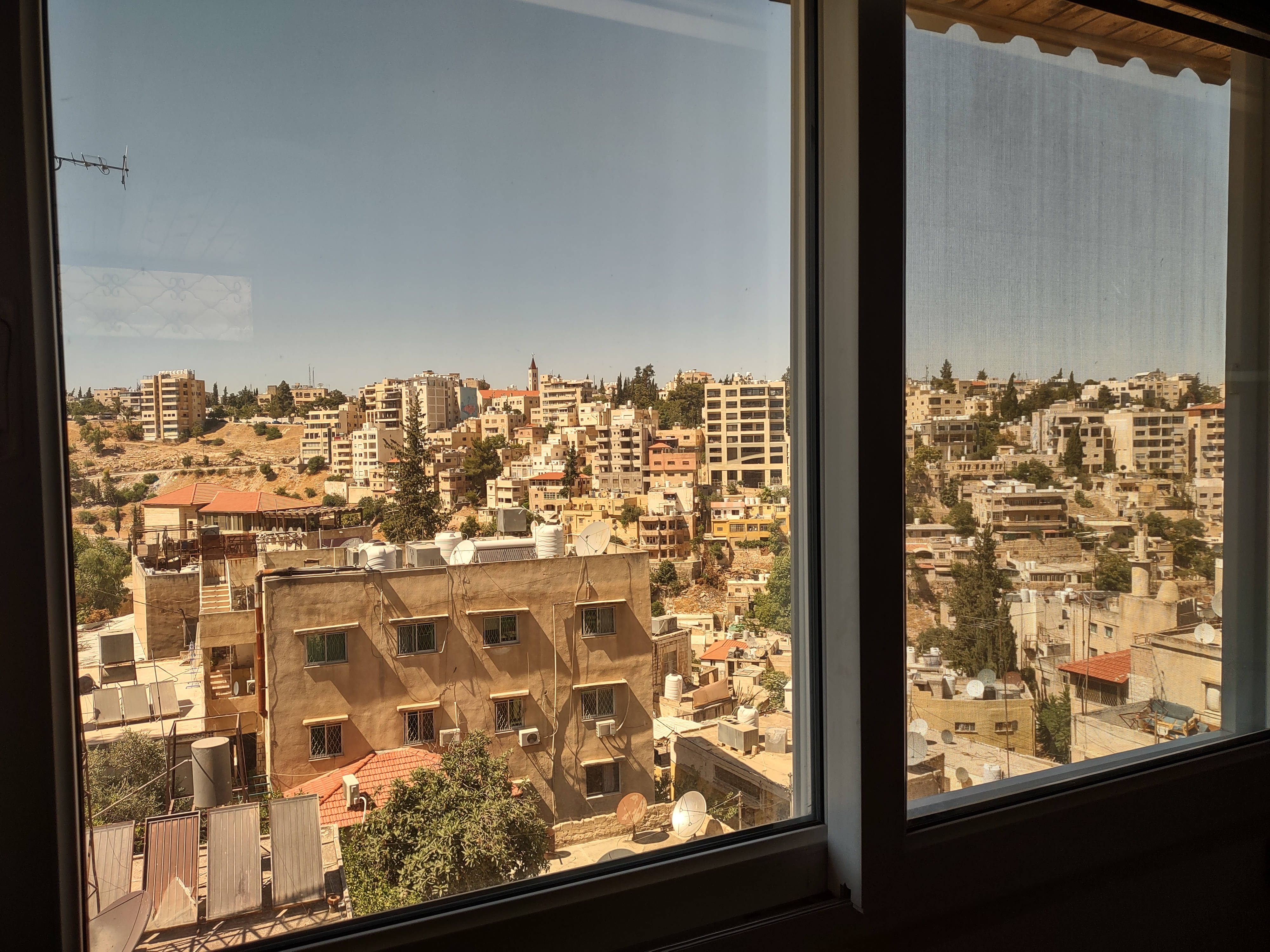
Amman, the capital of Jordan and the largest city in the Levant region with a population of about 2.2 million people, sprawls from its original valley location up and over the surrounding ridges and valleys up to the eastern edge of the Highlands. There are only a handful of high-rise buildings in the city and they are oddly scattered with the majority of buildings in the city being six stories or fewer which cover the surrounding ridges as far as the eye can see. While I have described other cities as being “sprawling”, at 650 square miles in area, Amman dwarfs other large cities in the region like Jerusalem (48 sq. mi.), Damascus (40 sq. mi.), and even Cairo (175 sq. mi.) and is closer in area to (although still larger than) London, which has a population of almost 10 million.


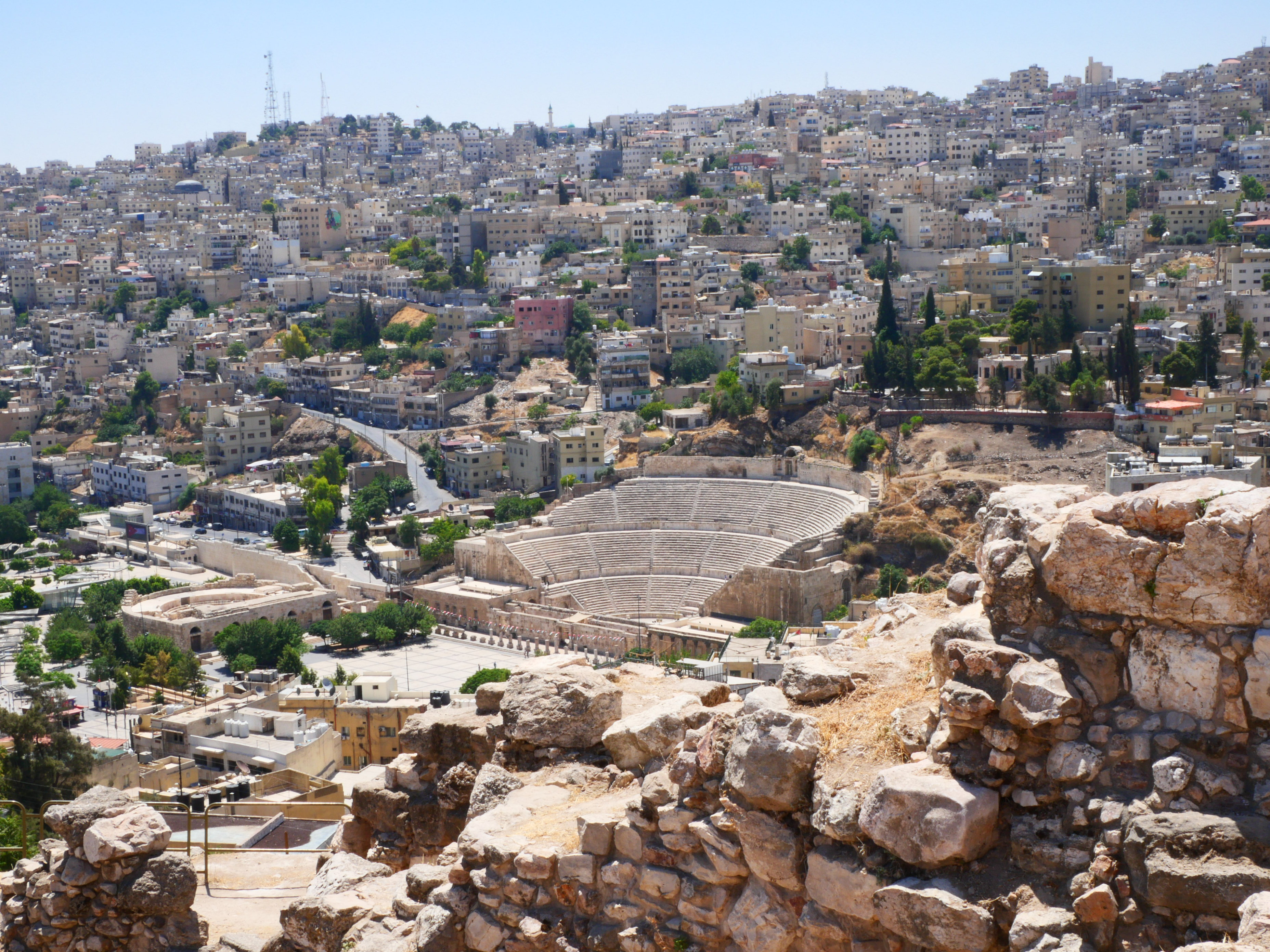
Amman is a very ancient city, with settlements in the area dating back to the 8th millennium BC and, over the centuries, was the capital of the Ammonite Kingdom, under the rule of Ptolemy (who, interestingly enough, renamed it “Philadelphia”), then Roman rule, followed by the Byzantines in the 7th century AD (who restored its name its name to “Amman”). Through the middle ages Amman alternated between periods of prosperity and devastation and was largely abandoned between the 15th century and 1878 when the Ottomans began relocating Circassians there. After its designation as the capital of Transjordan in 1921, the city grew quickly with successive waves of immigrants from the region over the years including Palestinians, Iraqis, and Syrians. Amman has a relatively fast-growing economy, more as a popular location in the Arab world for multinational corporations to set up regional offices, but tourism is a growing industry there.
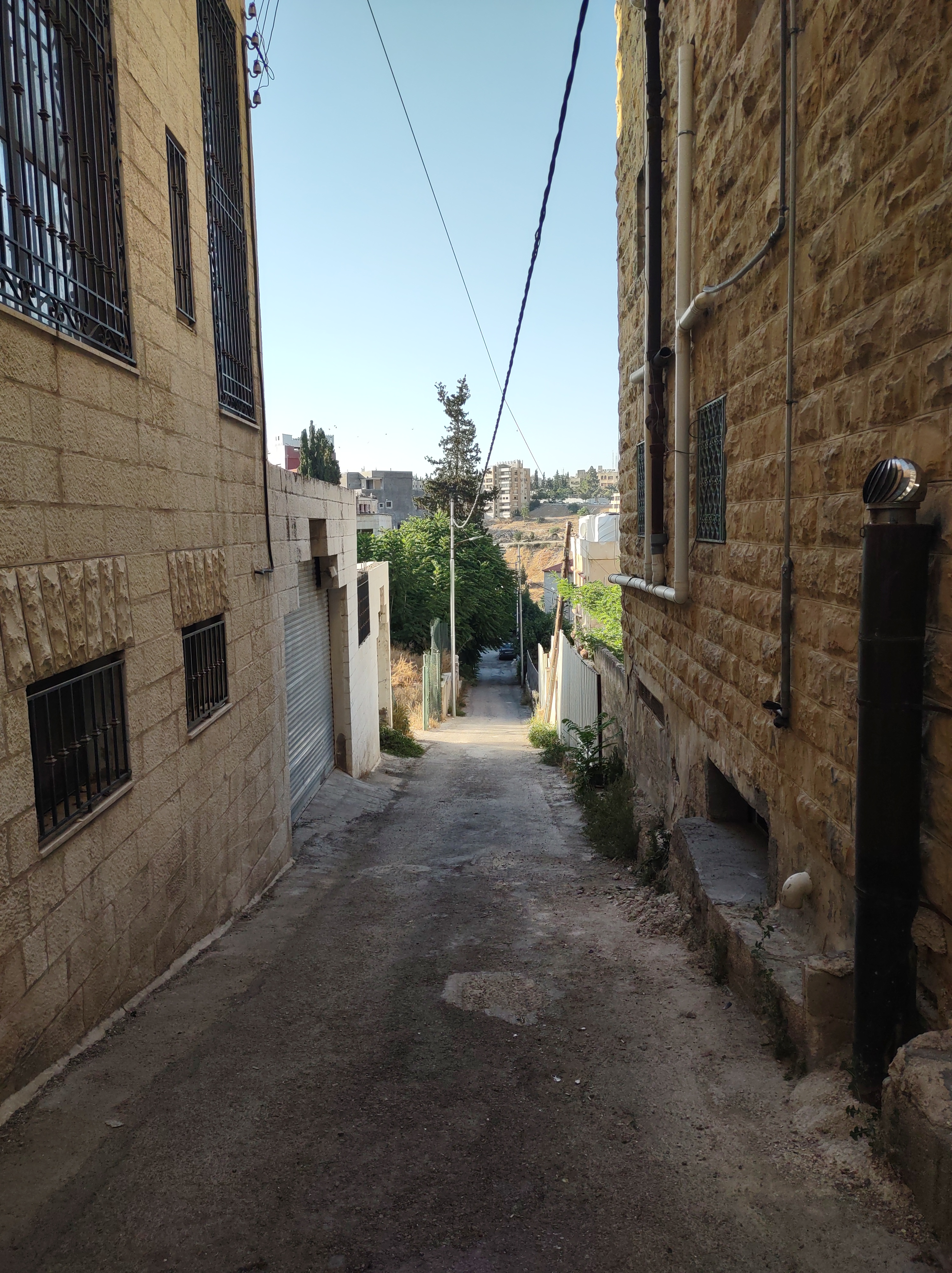
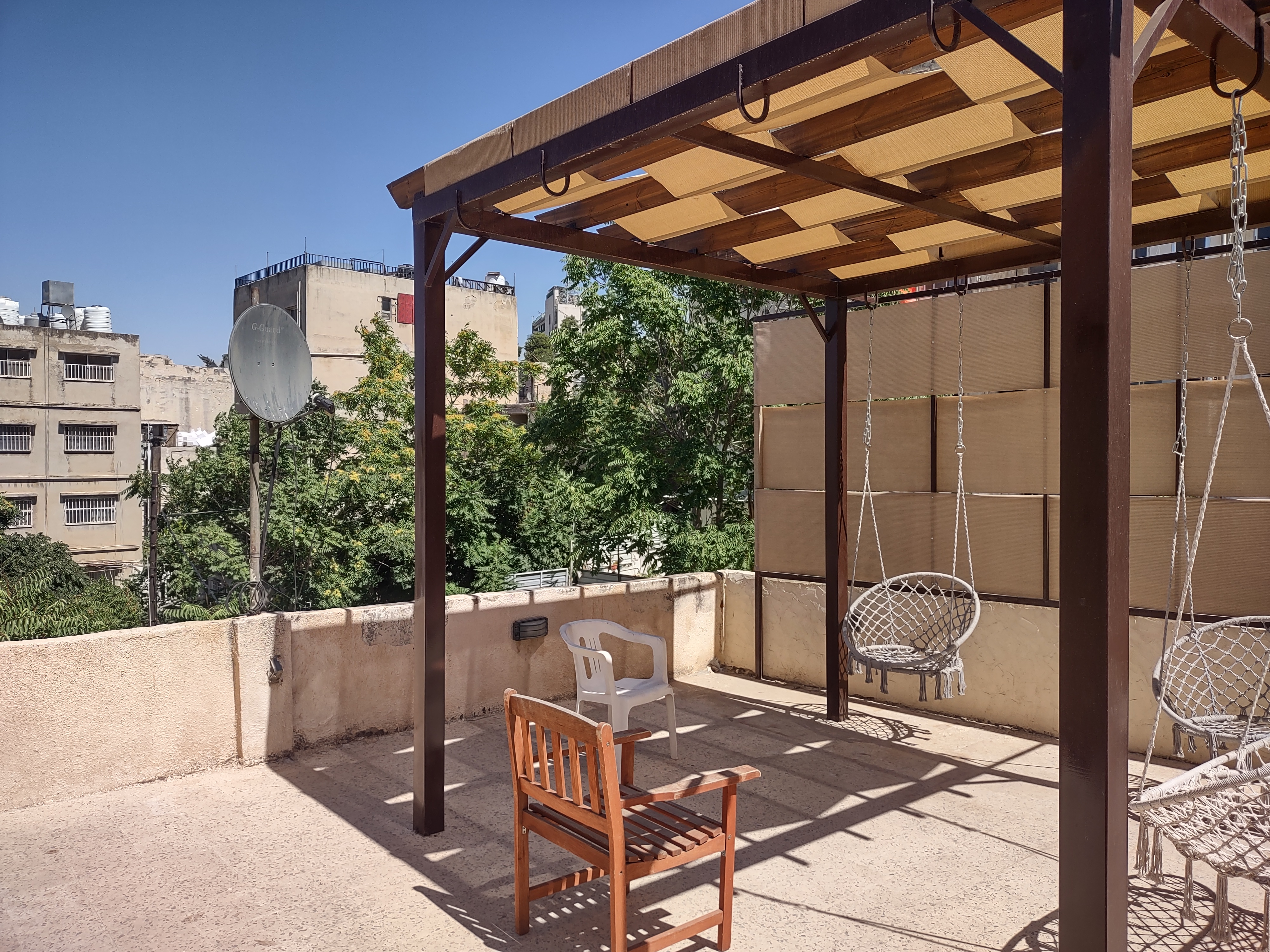
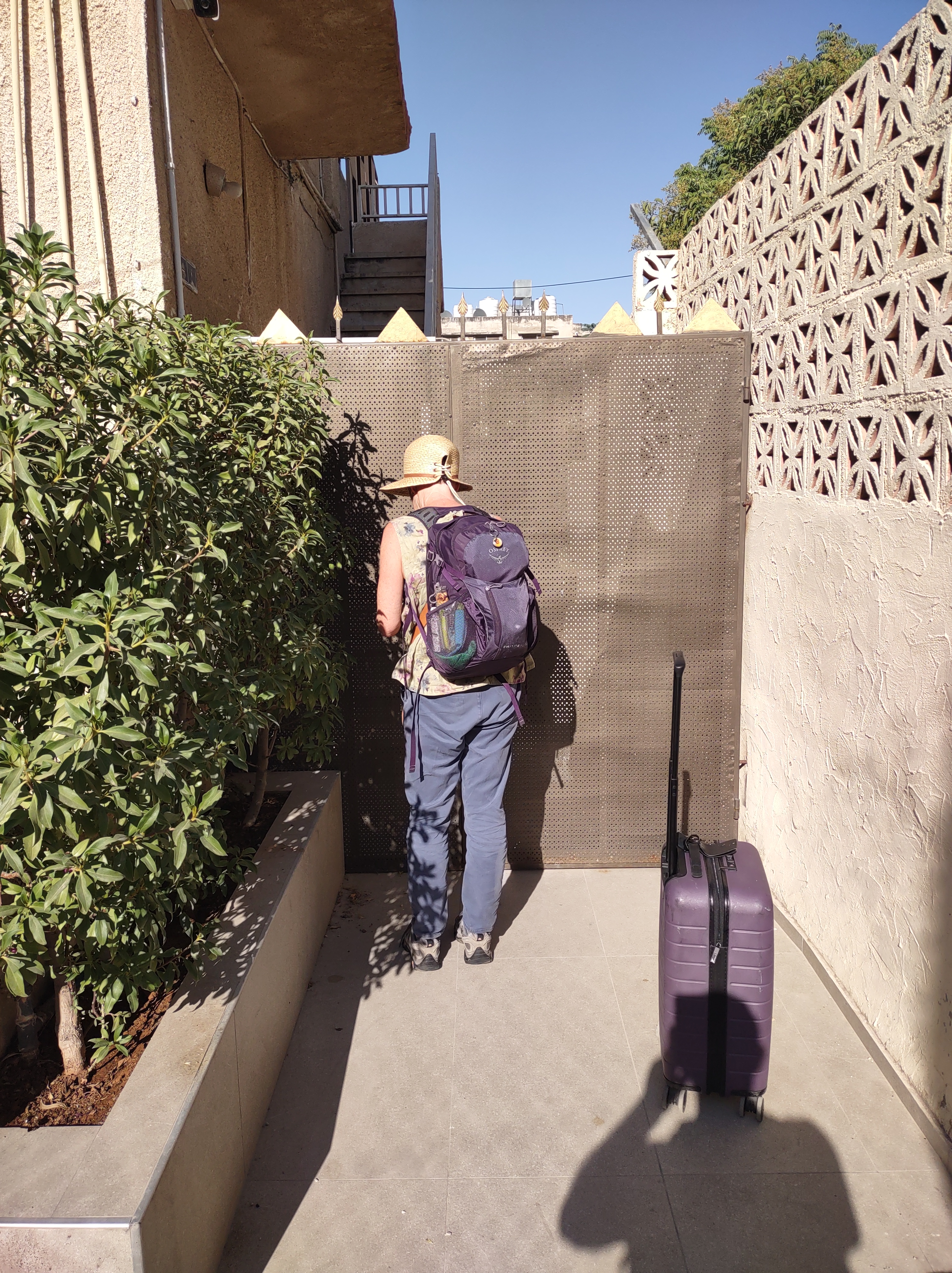
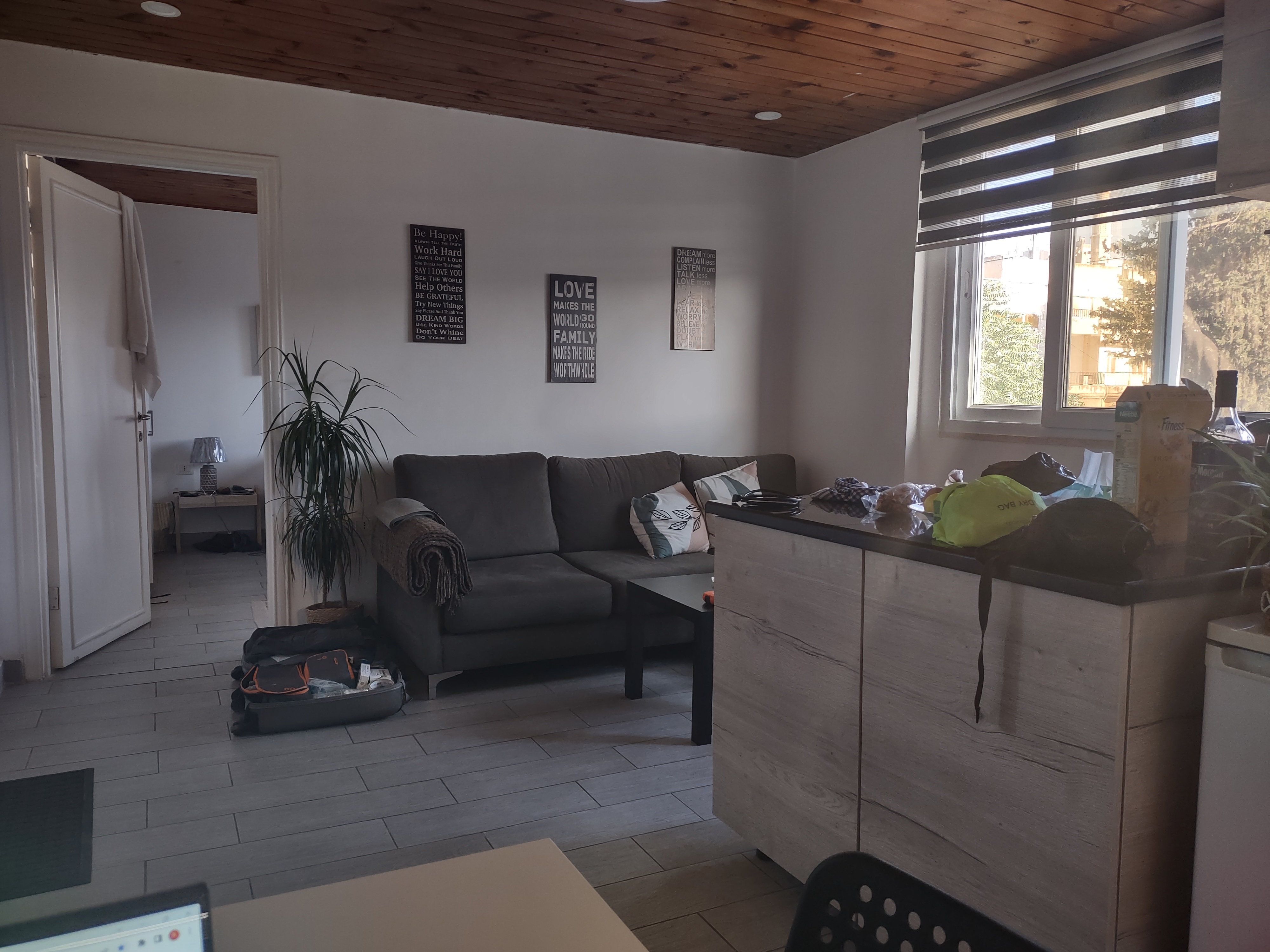
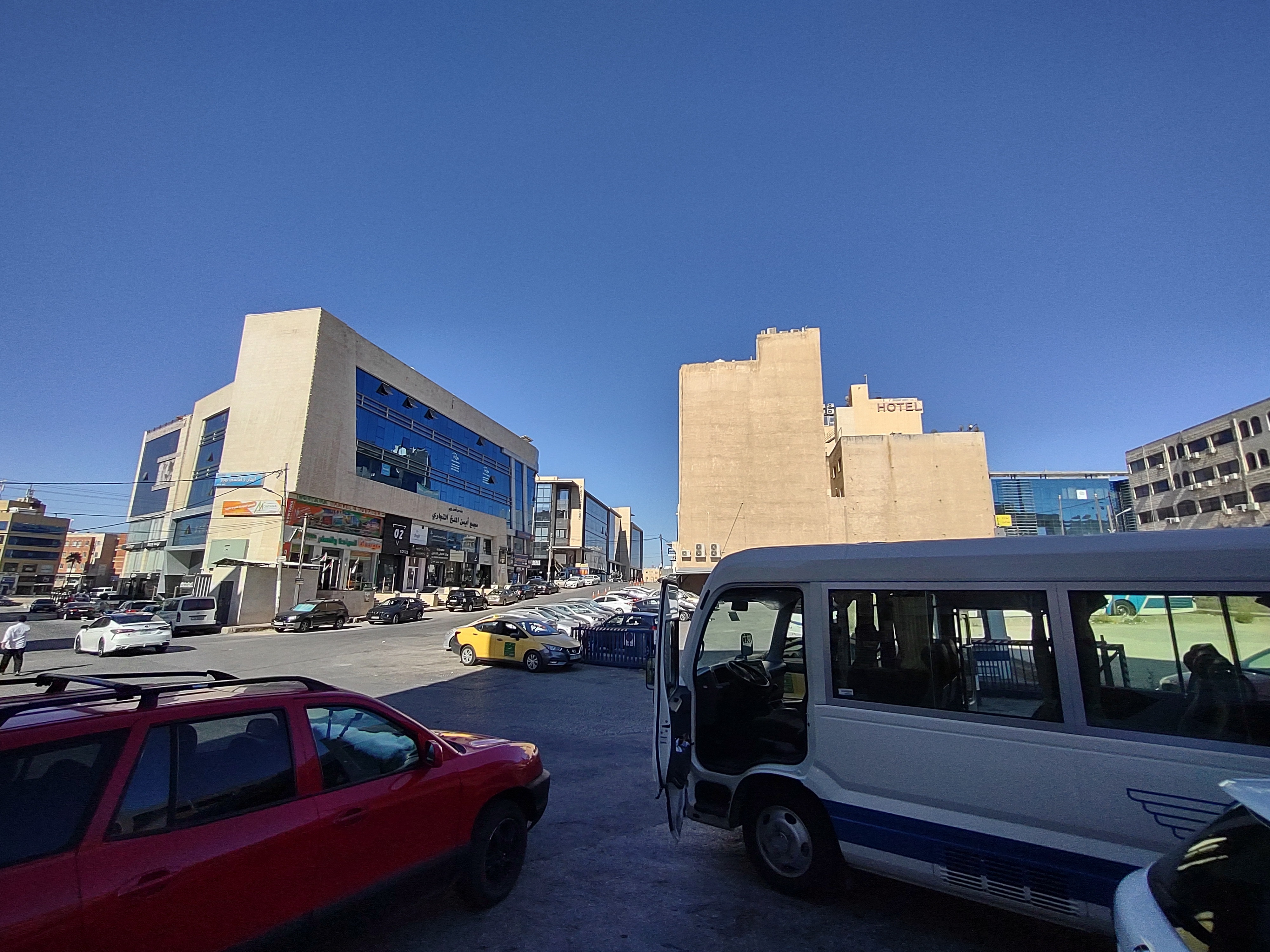
For our three days in Amman, we rented a one-bedroom apartment located in East Amman on a very steep alley off a very steep street just off the 1st Circle near the historic center of the city. (There are eight traffic circles connected by Zaharan Street – Amman’s primary east-west artery – which serve as navigational landmarks.) The place itself was nothing fancy, but it did have two rooms, a good fridge with freezer, a washing machine, and a large shared deck with a shade structure. We used the deck for drying clothes but not much else, at least during the days with temperatures regularly hitting 100+ degrees. This location put us within walking distance of the older parts of the city, including its markets and historic ruins, and very near the start of (Amman’s most famous) Rainbow Street (as the say “Location, location, location”).


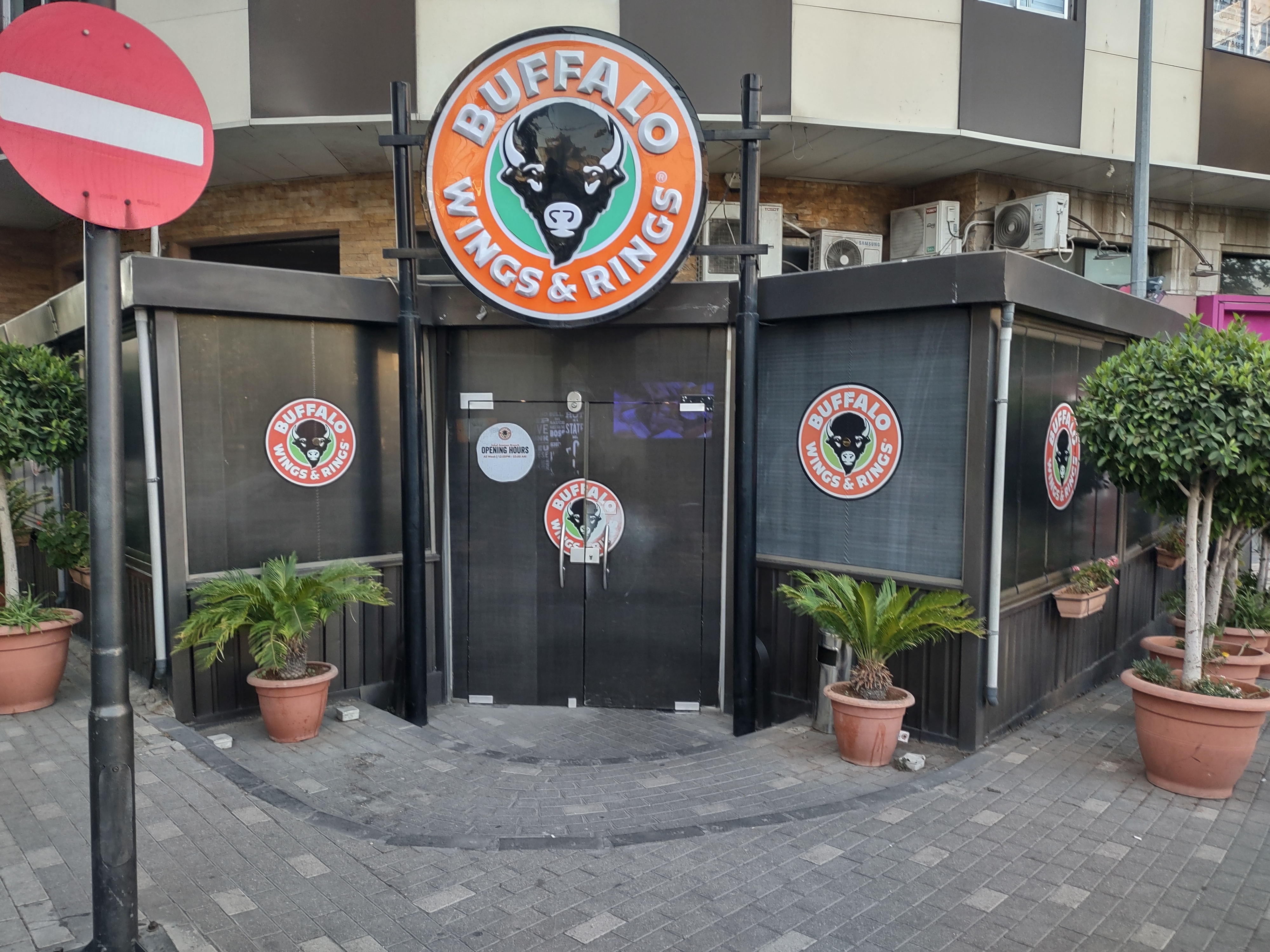
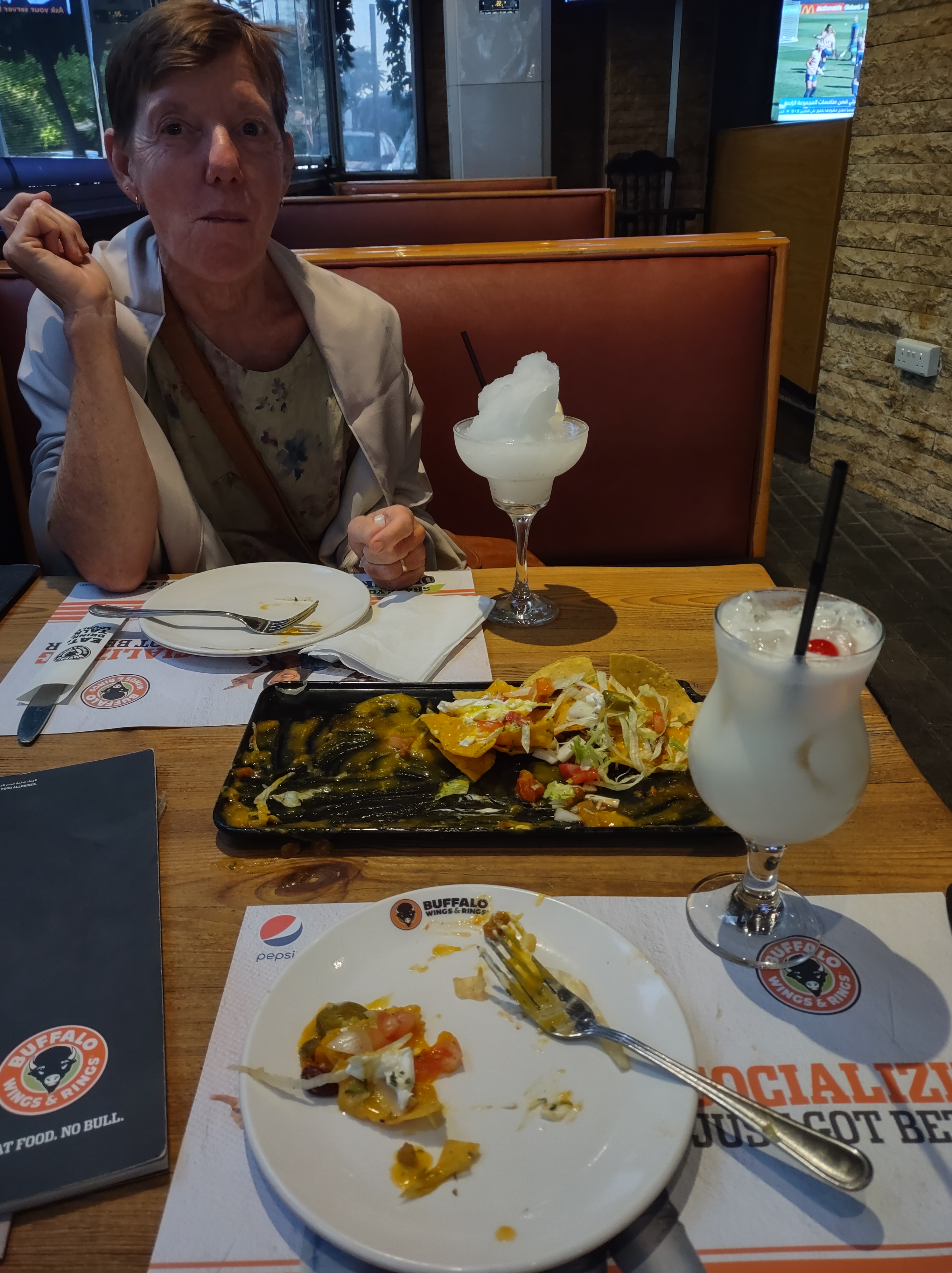
On our way in, we were surprised to see what appeared to be a Buffalo Wild Wings on the 1st Circle, just around the corner from our place which, in response to Colleen’s urgent desire for chicken wings, we decided to try for dinner. Upon closer inspection, the place, which was actually called Buffalo Wings and Rings, seemed to be an attempt to mimic the American sports bar chain. The drinks were OK, but the wings were all drumsticks and their special added feature, onion rings, were not good. Time to go back to falafel and hummus!
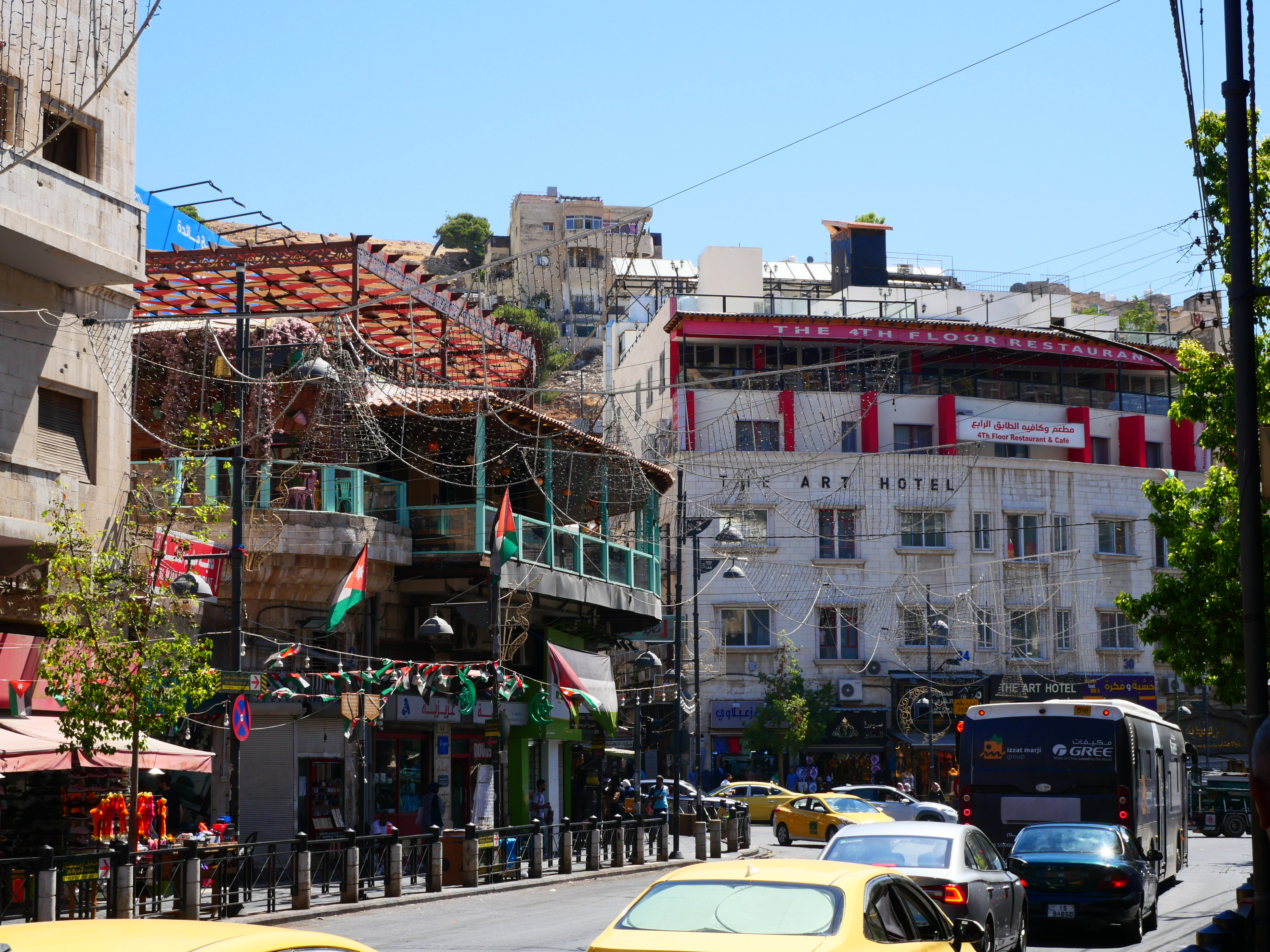
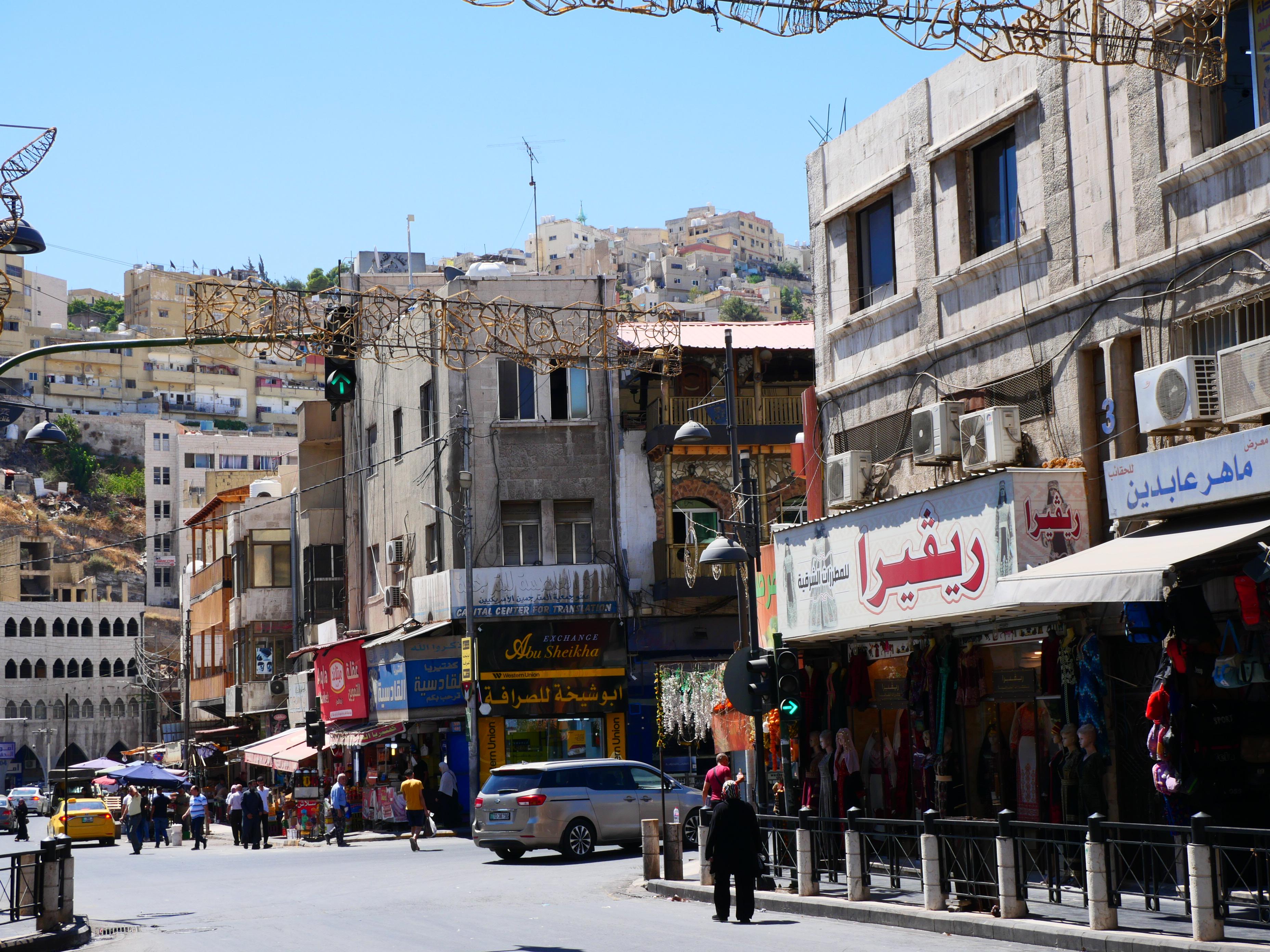
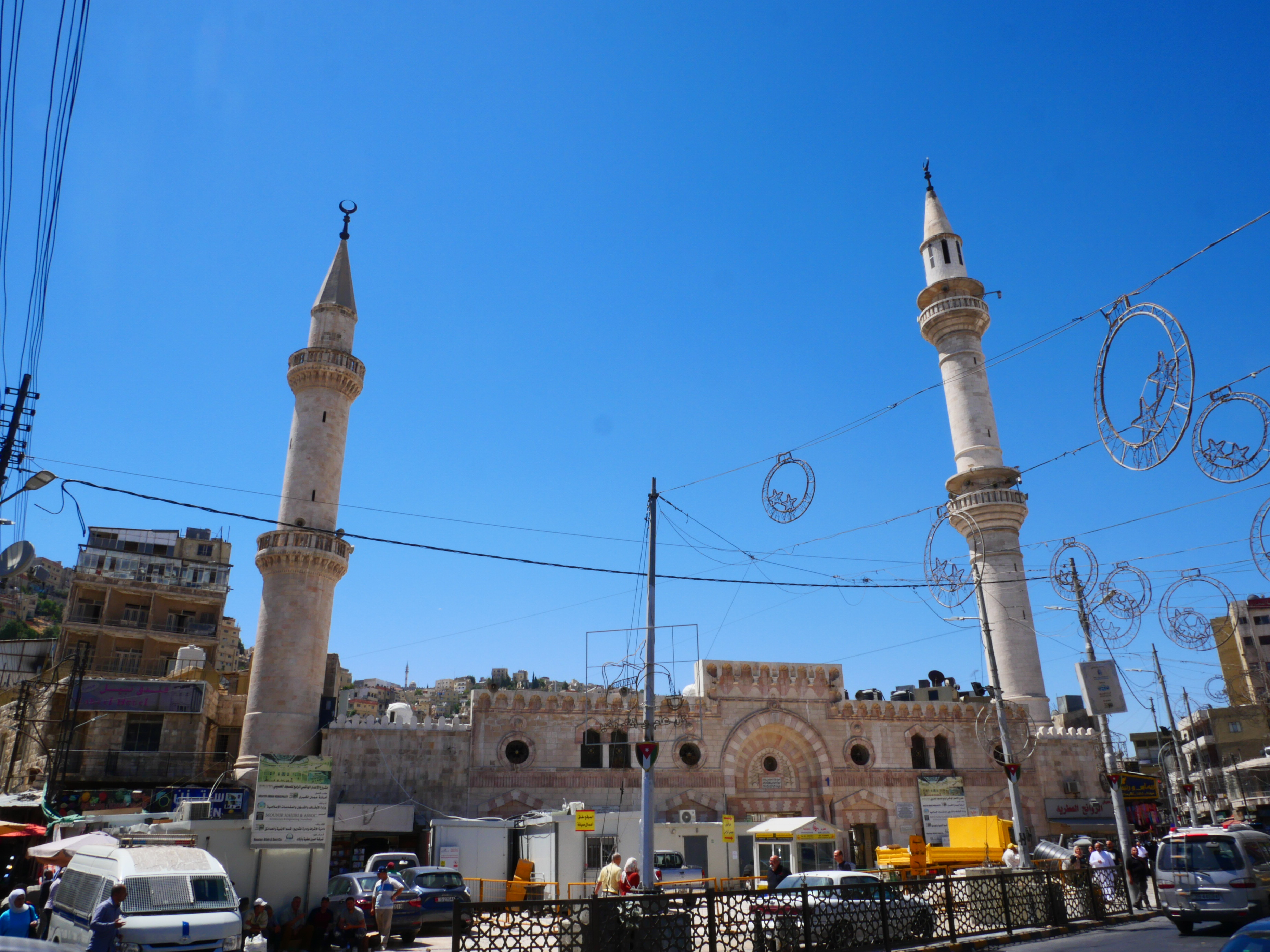
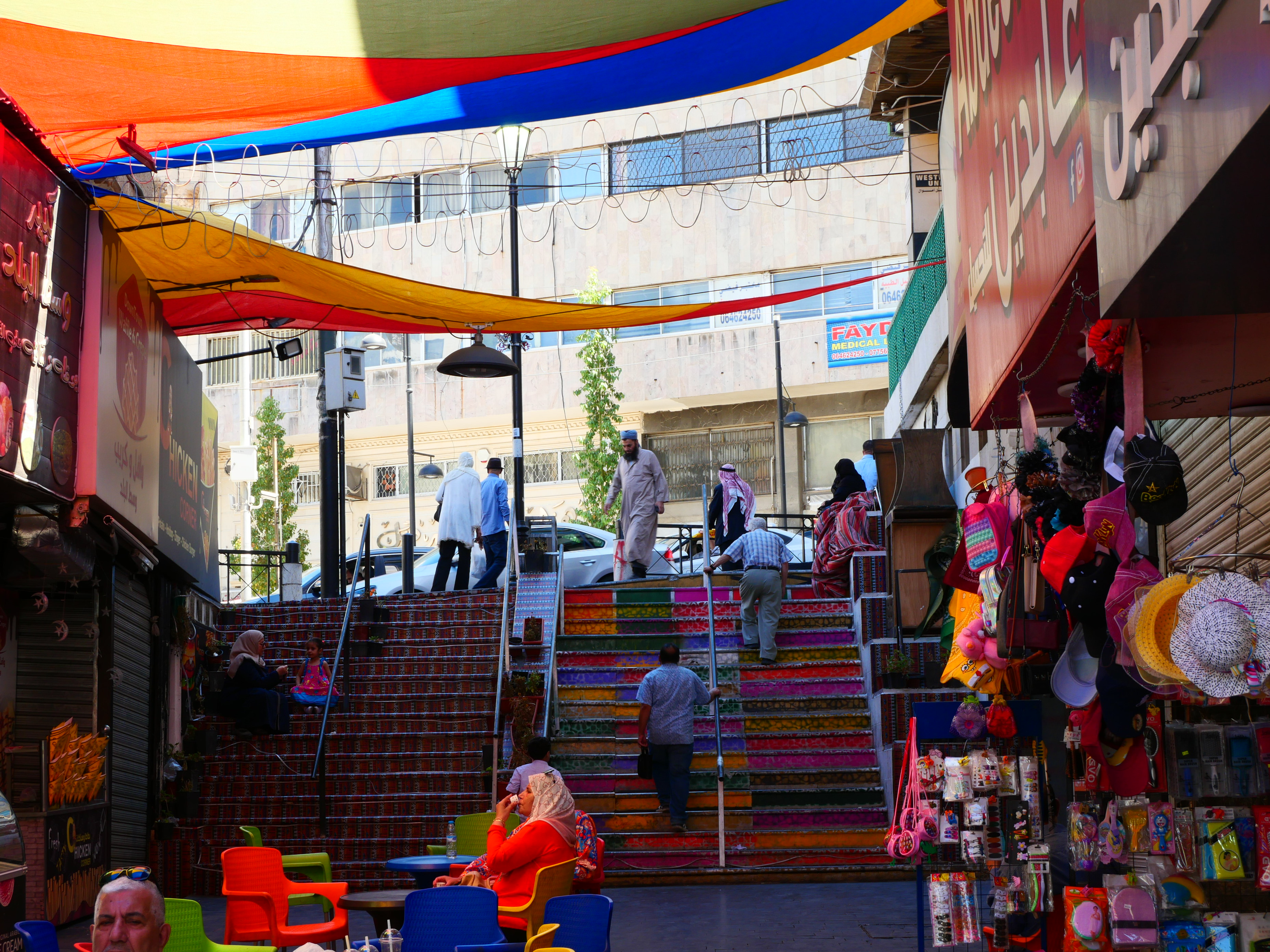
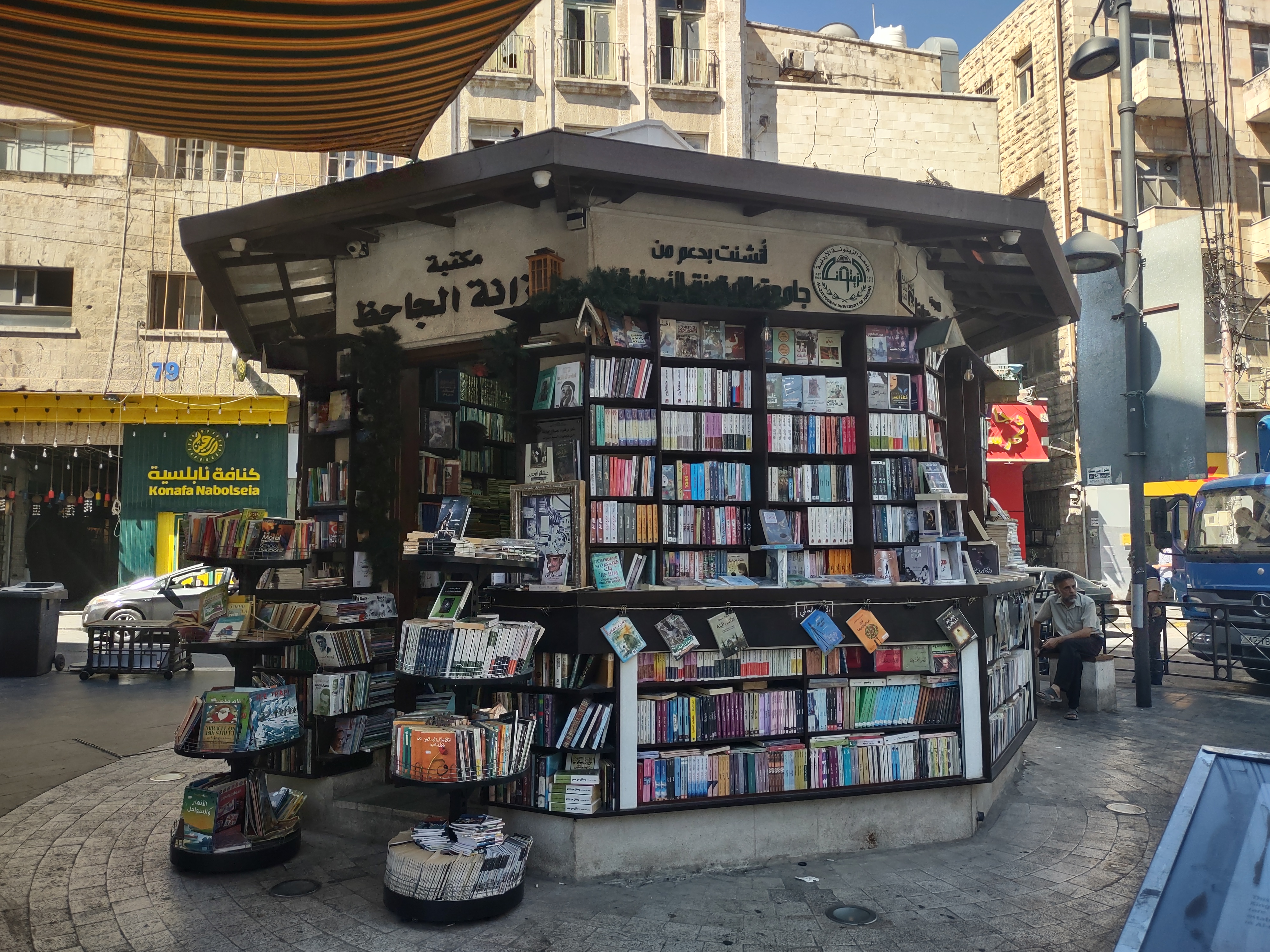
On our first full day in Amman we walked down the hill from our place into the old city center which, even early in the morning was quite busy and active. Amman has a particularly interesting mix of old and new buildings from various periods with a nice variety of shops and cafes. We continued our walk to our first scheduled stop, the ruins of the Roman Nymphaeum – a large two-story complex of water features, fountains, and pools dedicated to the nymphs.


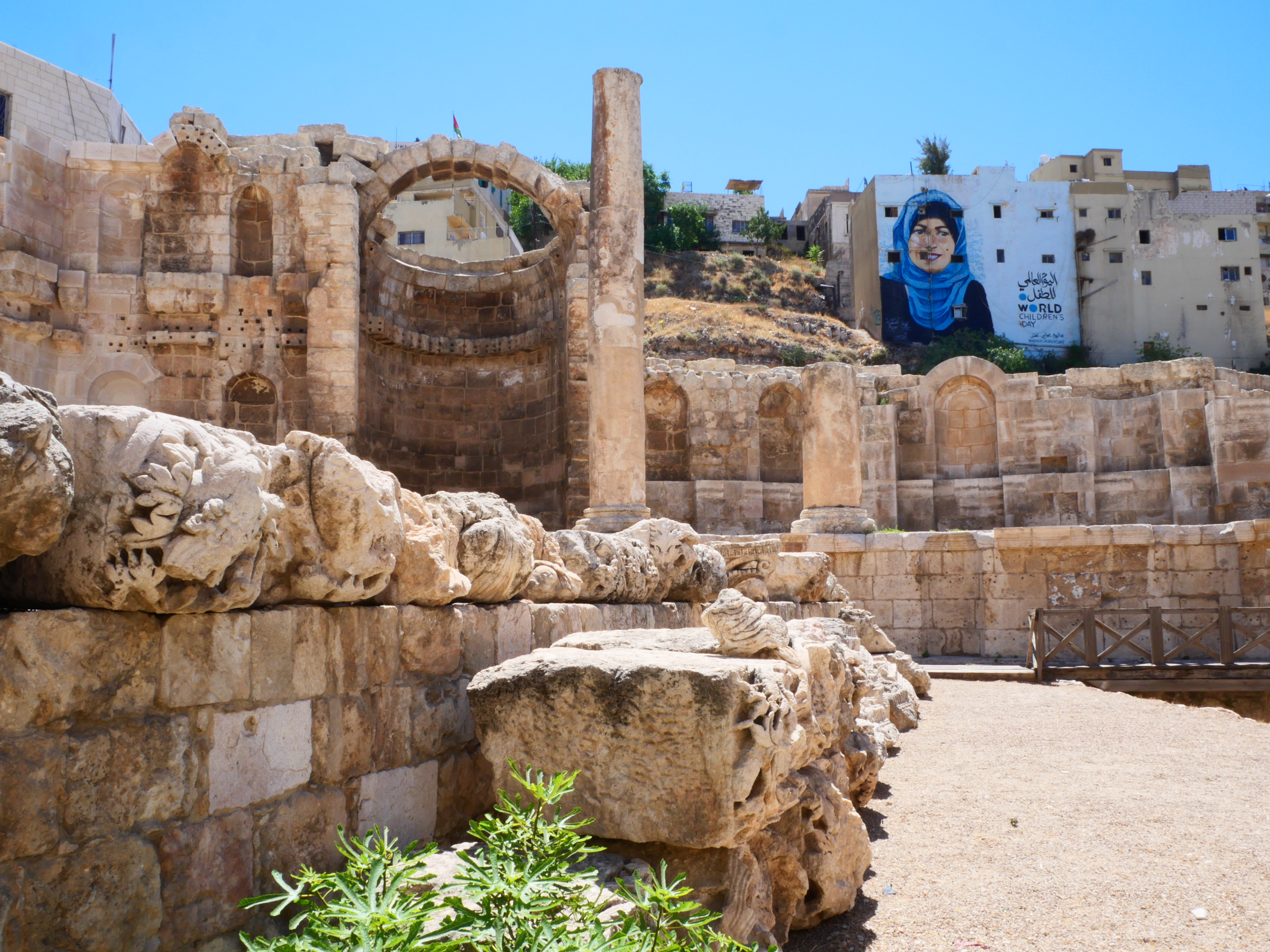
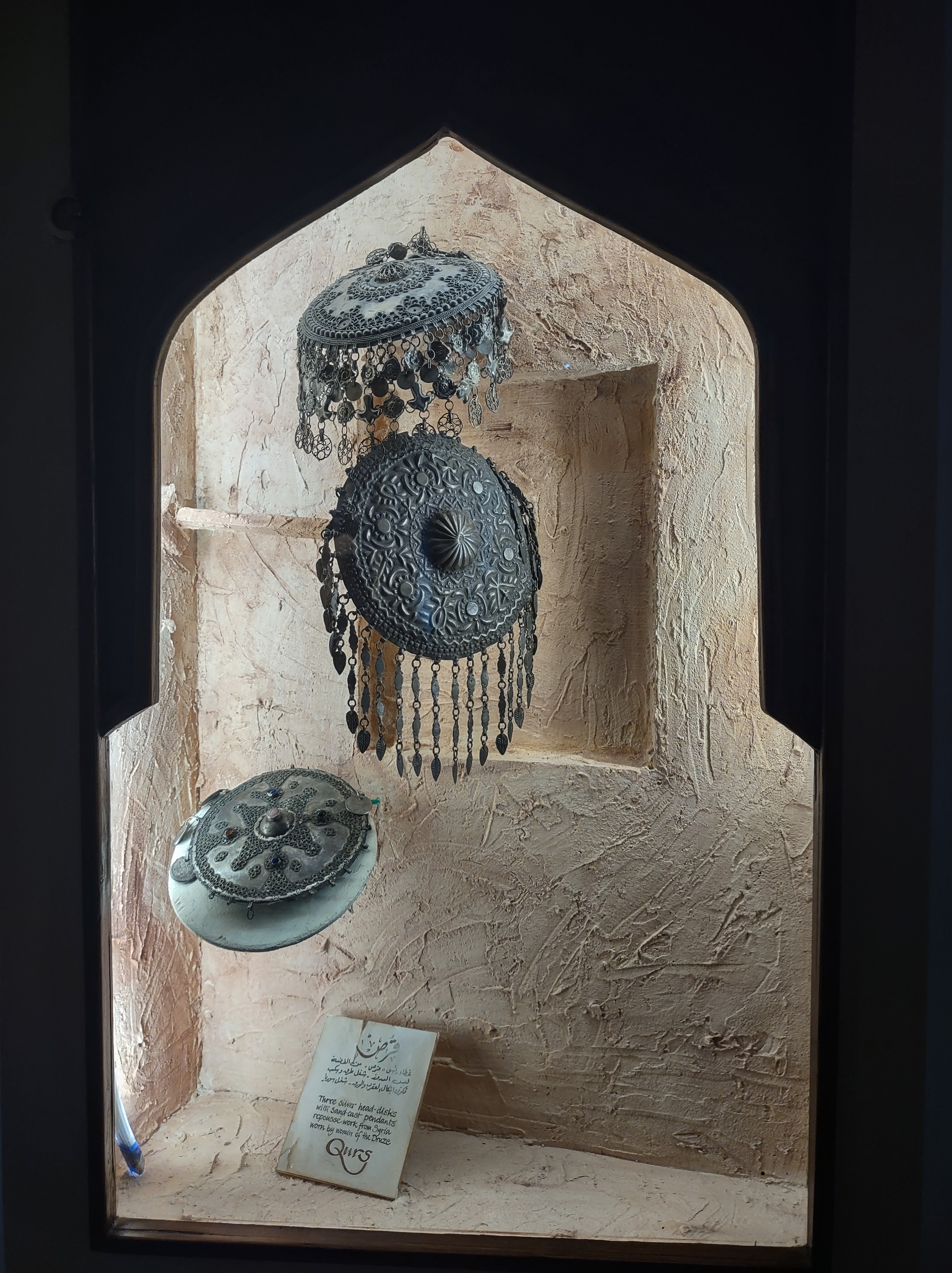
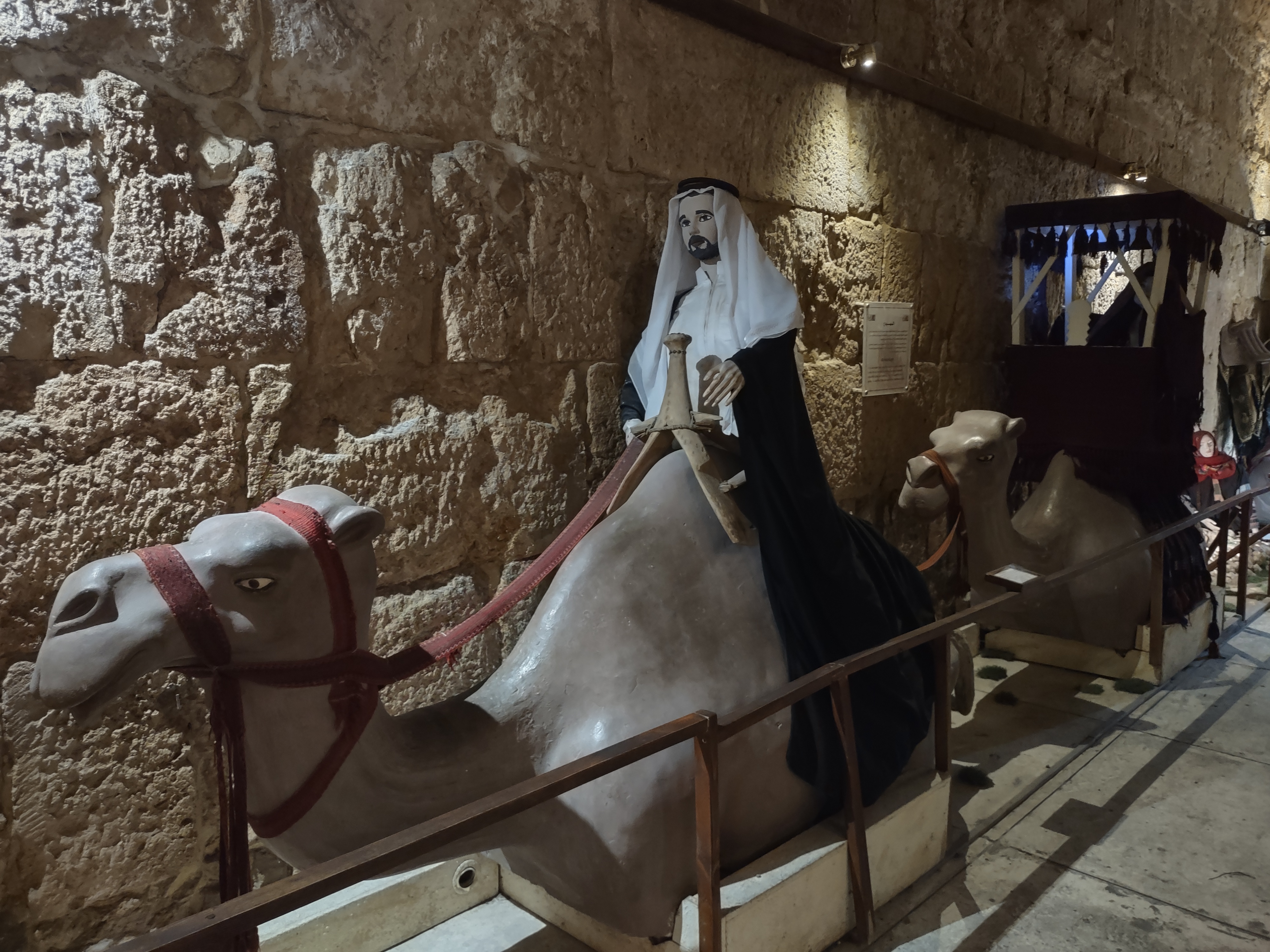
From there we proceeded to a larger complex of Roman ruins in the valley floor which includes two theatres adjoining a large plaza and arcades. The larger of the two theaters was flanked by two museums – The Jordanian Museum of Popular Traditions and The Jordanian Folklore Museum. The former included displays of some beautiful historic artifacts which included clothing and jewelry, as well as some other items. The latter included a series of life-size dioramas depicting scenes from traditional life which were oddly interesting. (Free admission to all of this thanks to the Jordan Pass.)

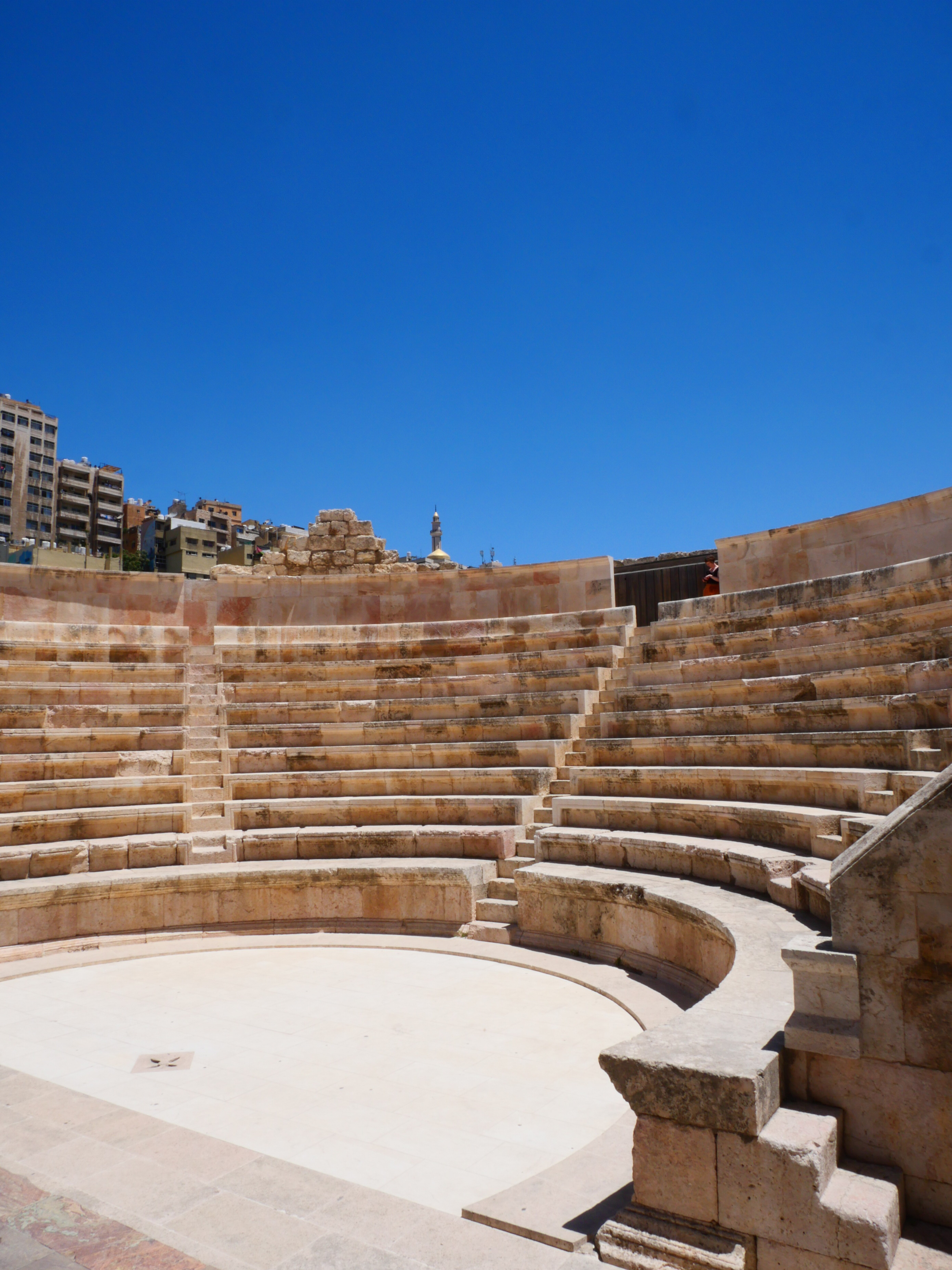
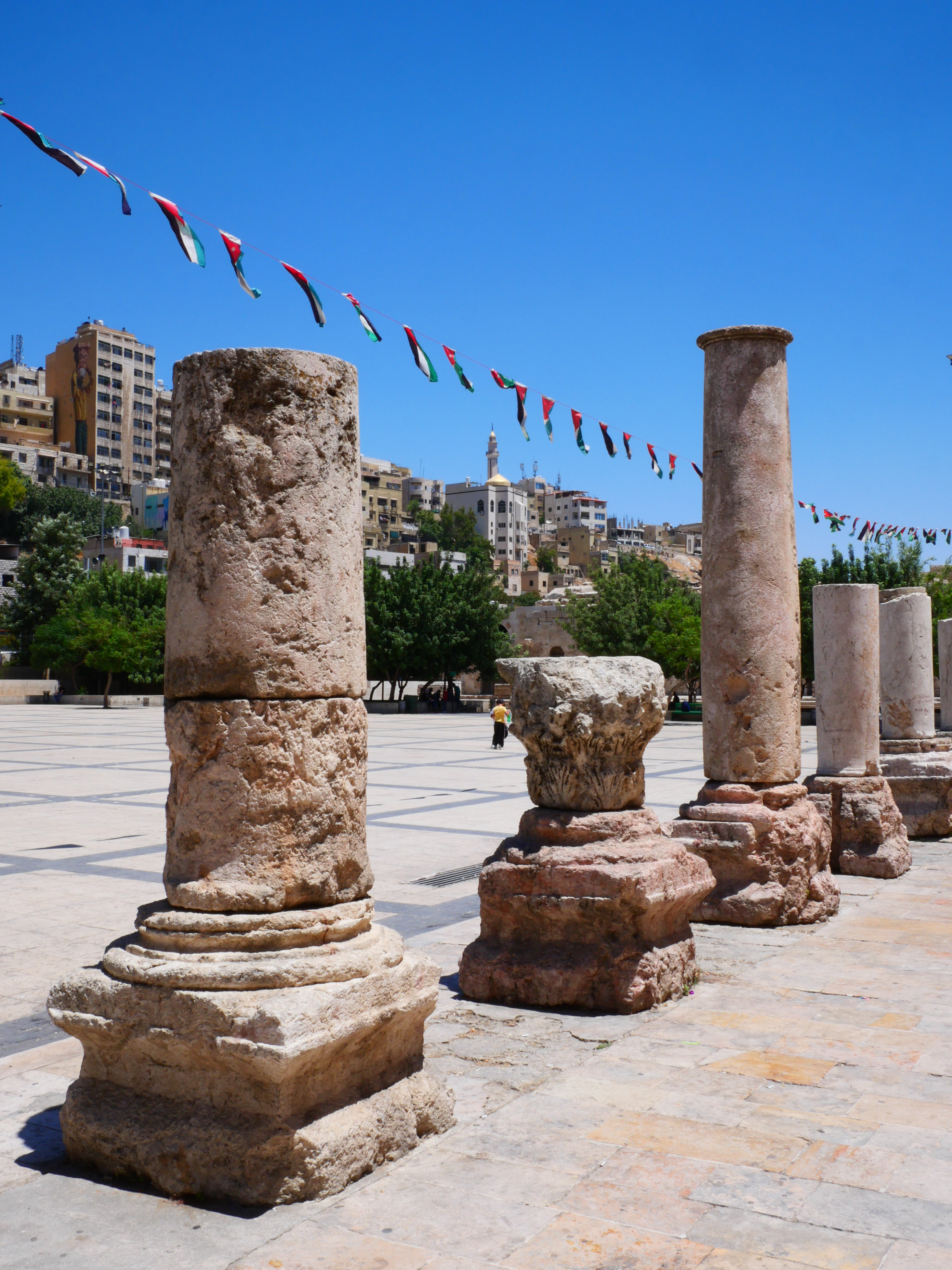
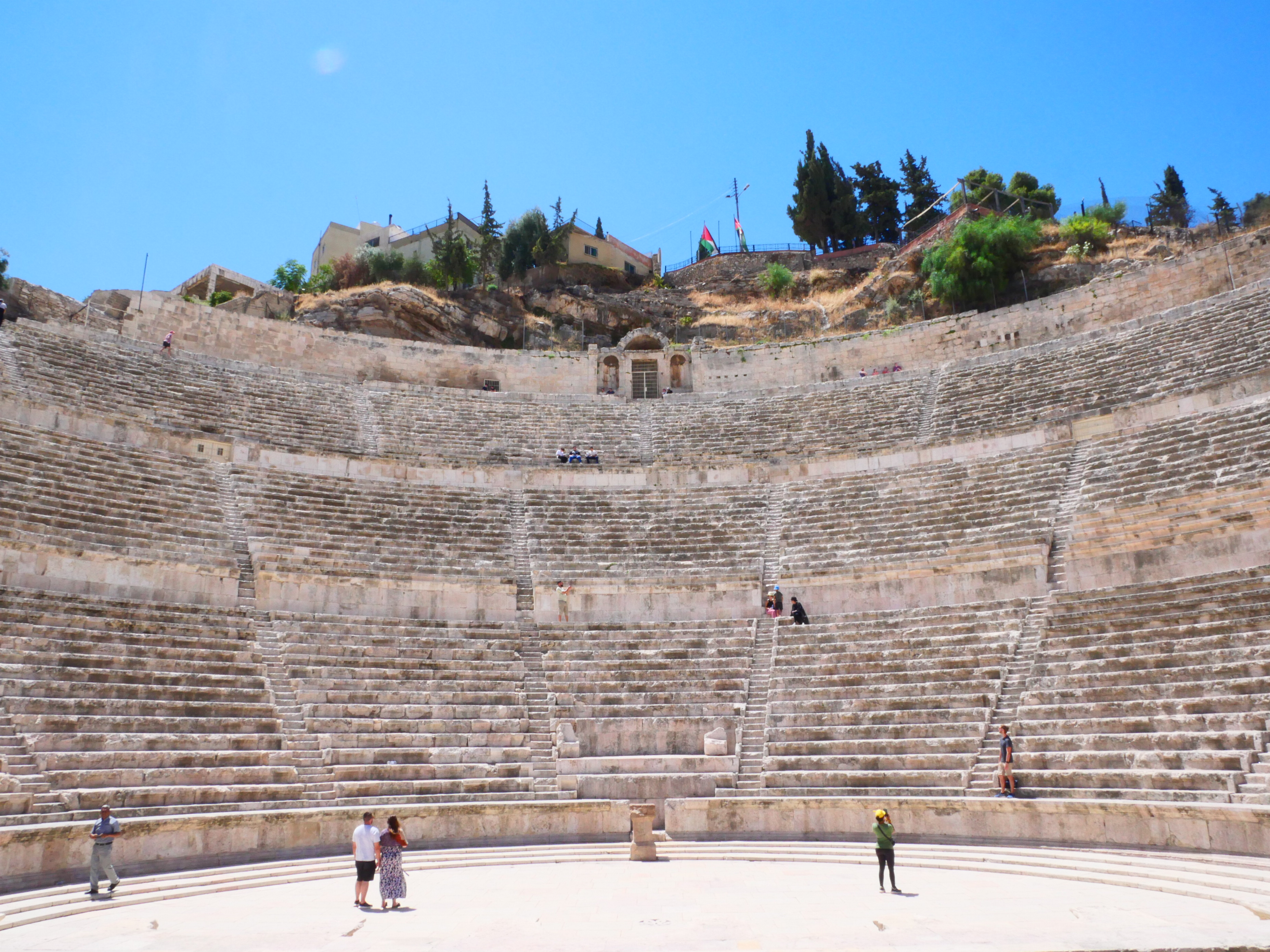
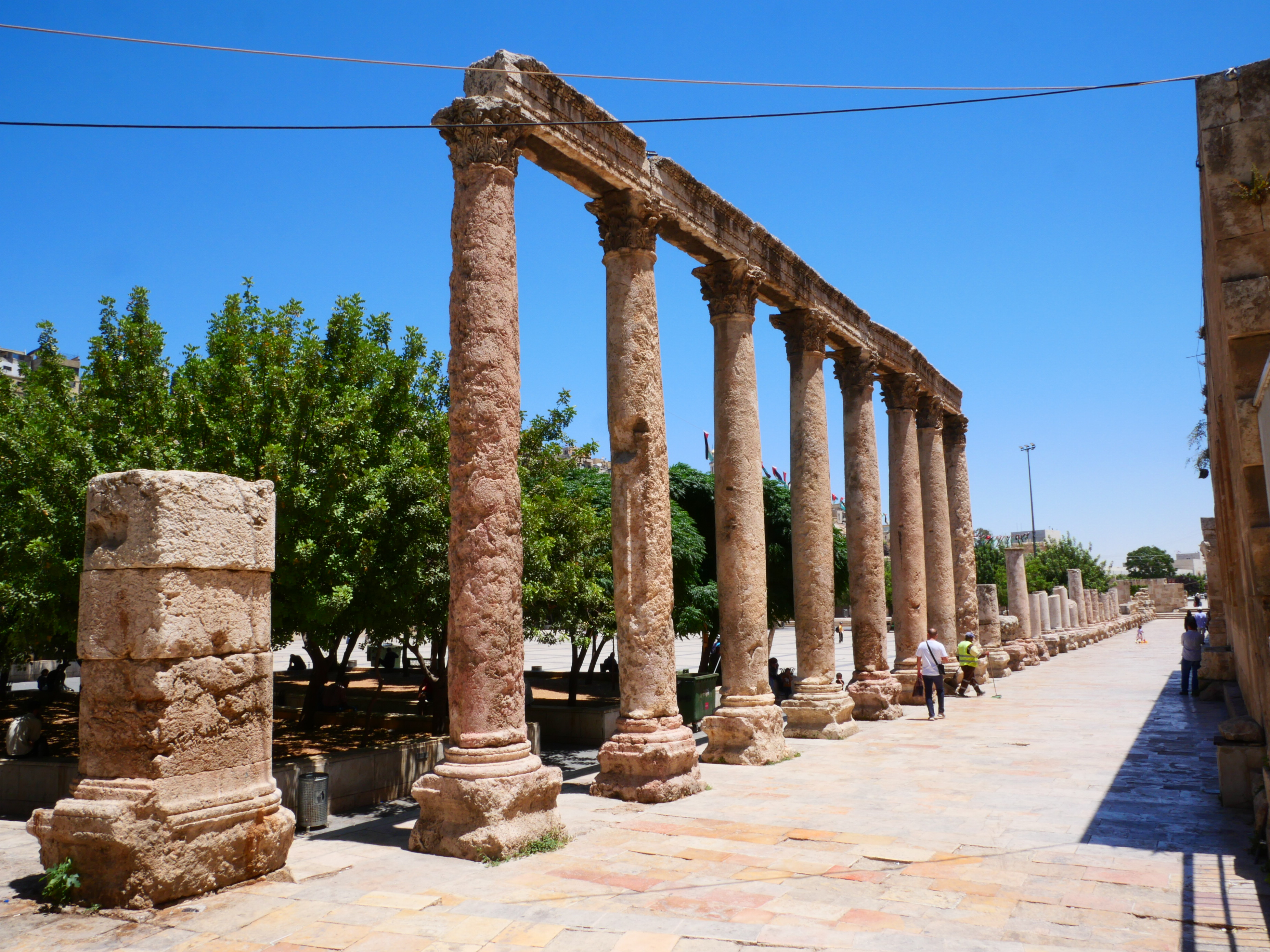
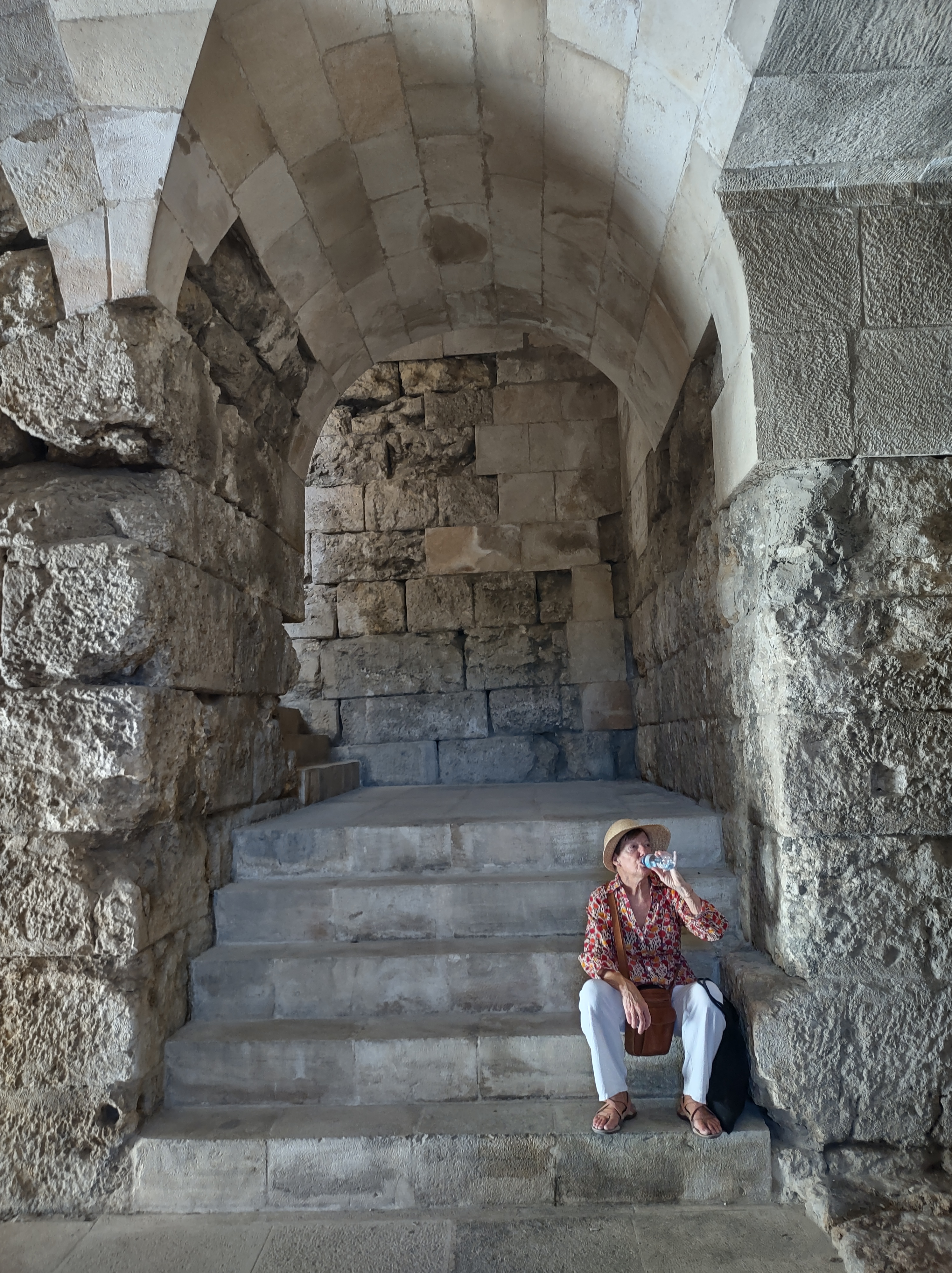
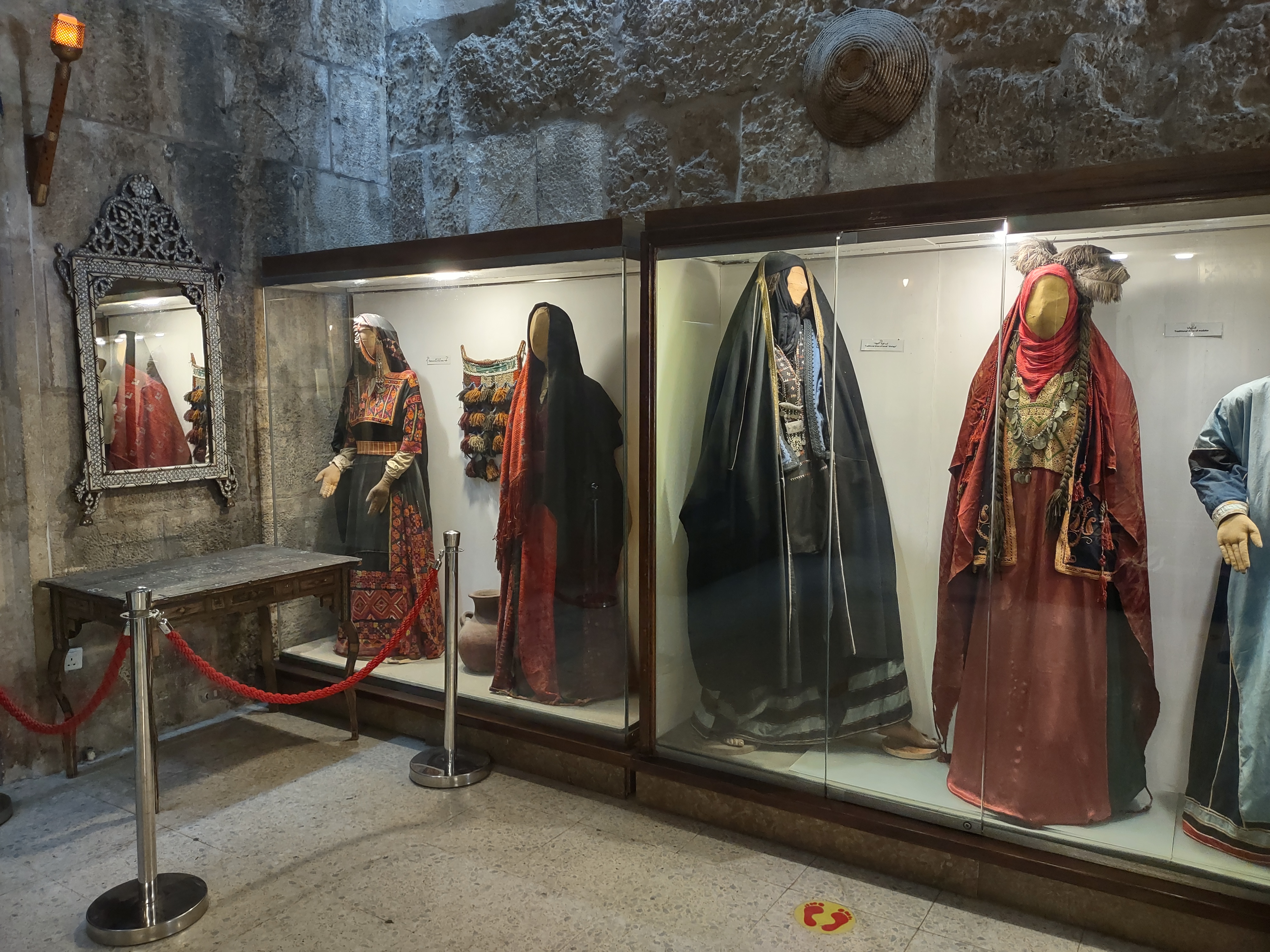
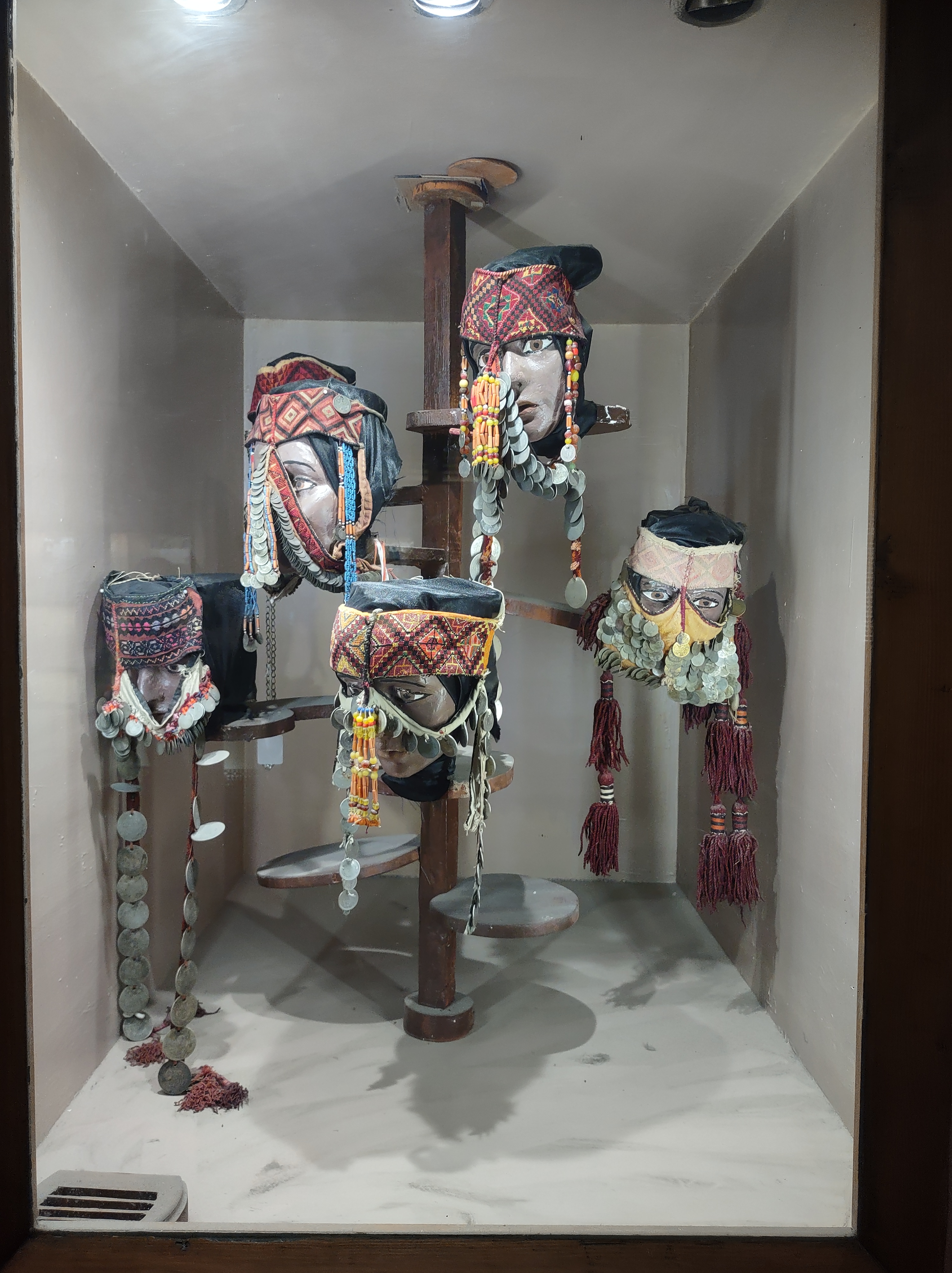
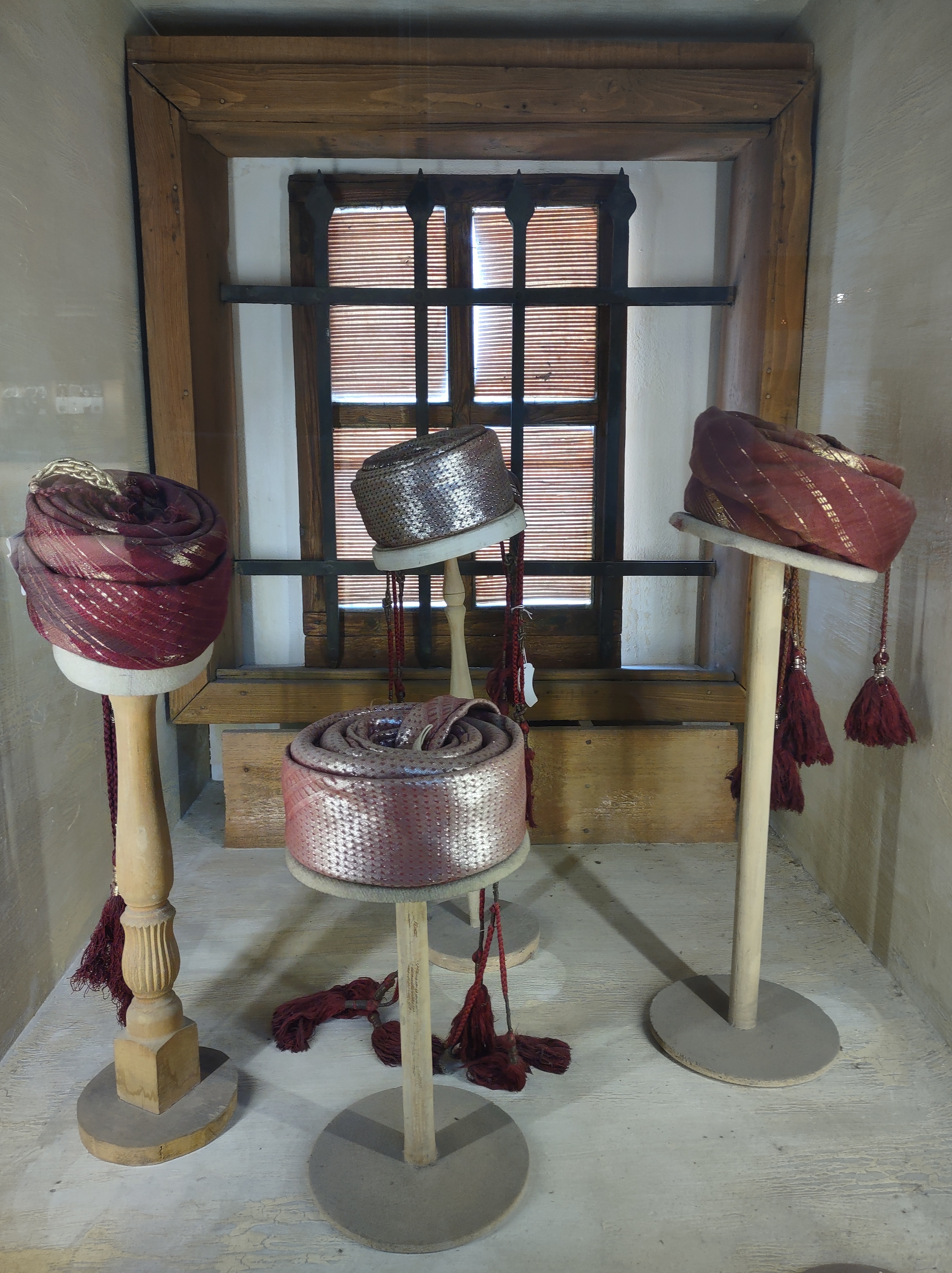


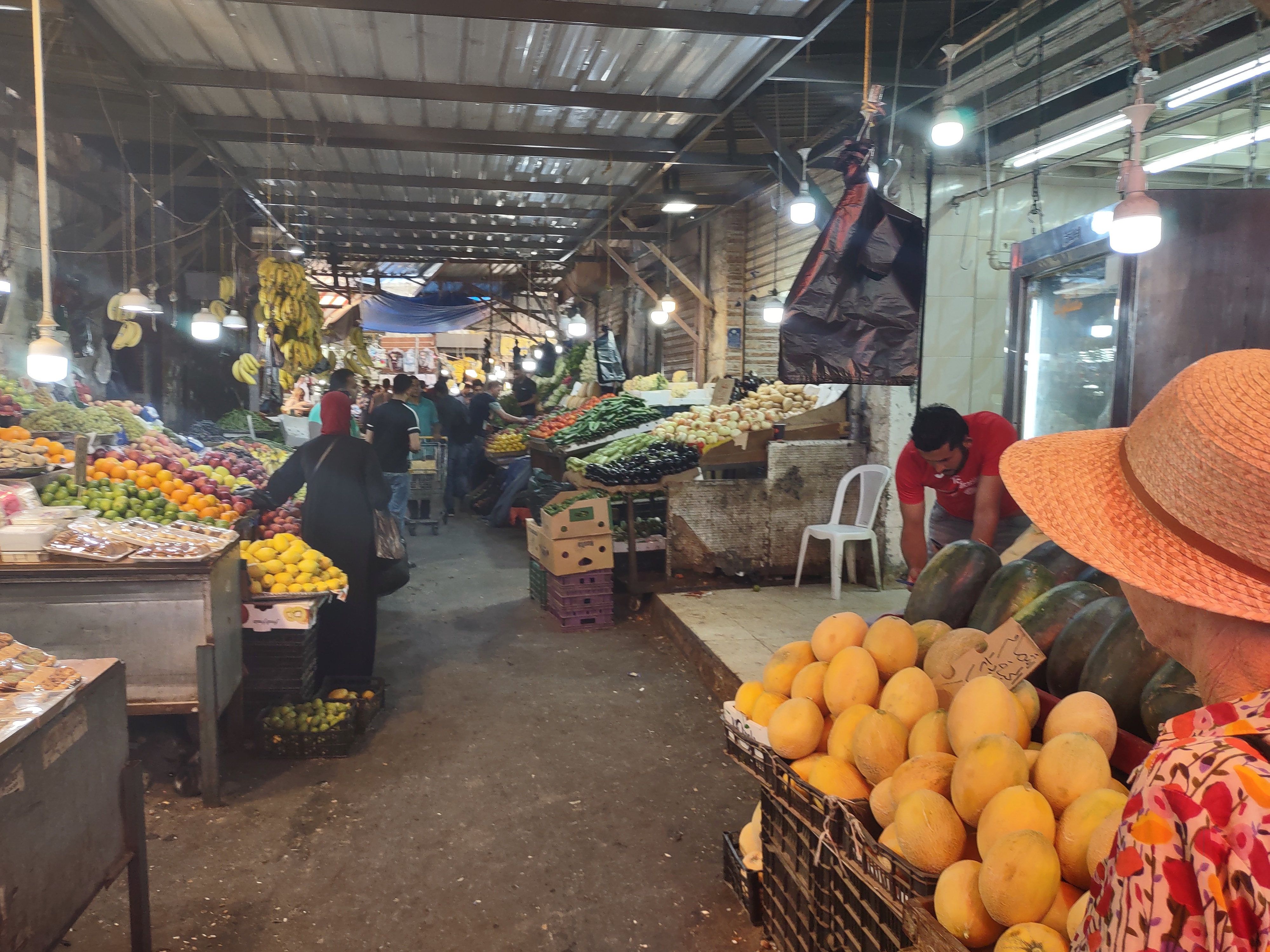
On our way out of the old town center we stopped for some produce at a market we had spotted on the way into town when, from behind us, we heard someone say (in perfect English with a hint of Jersey) “Where you guys from?”. I’m not sure who was more surprised, us or the acquaintance we made who turned out to be a contractor from Hoboken who had been working in Amman for the last eight years and was actually shocked to here someone speaking English in the market. It’s a small world sometimes!


It was at this point in our wander where I may have made a bit of an error in Judgement. We had planned on following the same route back to our place and then wandering up Rainbow Street to find a place for a late lunch. In looking at the map, there appeared to be a shorter more direct route which would take us to the closer end of Rainbow Street which would allow us the chance to walk its entire length on our way back home without any backtracking. As we discovered, while this route was certainly more direct and shorter (at least in terms of horizontal distance), it involved some very steep streets and, eventually, some very steep steps which left us fairly drenched with sweat by the time we reached the top. As we learned, sometimes the better part of valor is catching a taxi!


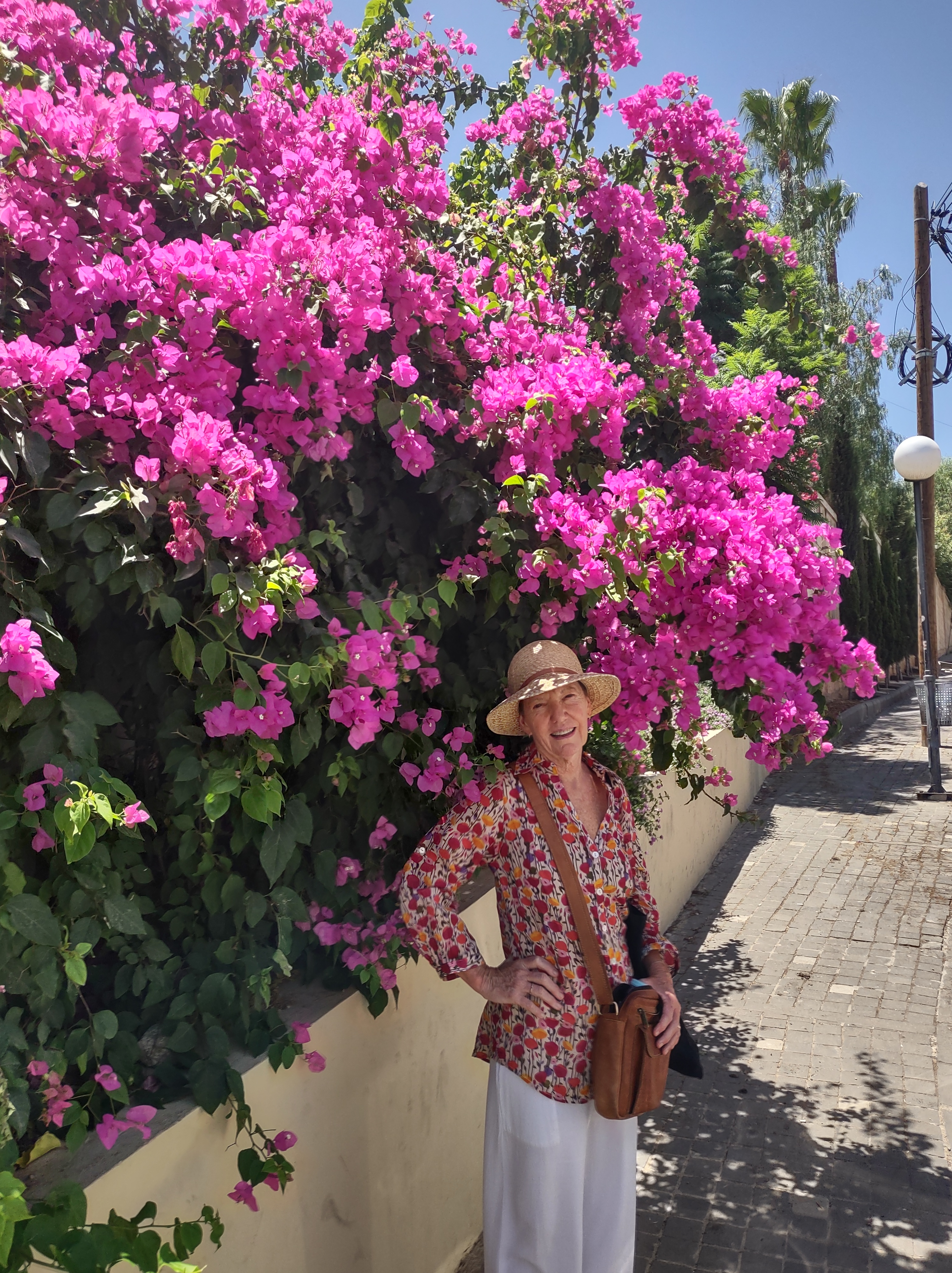
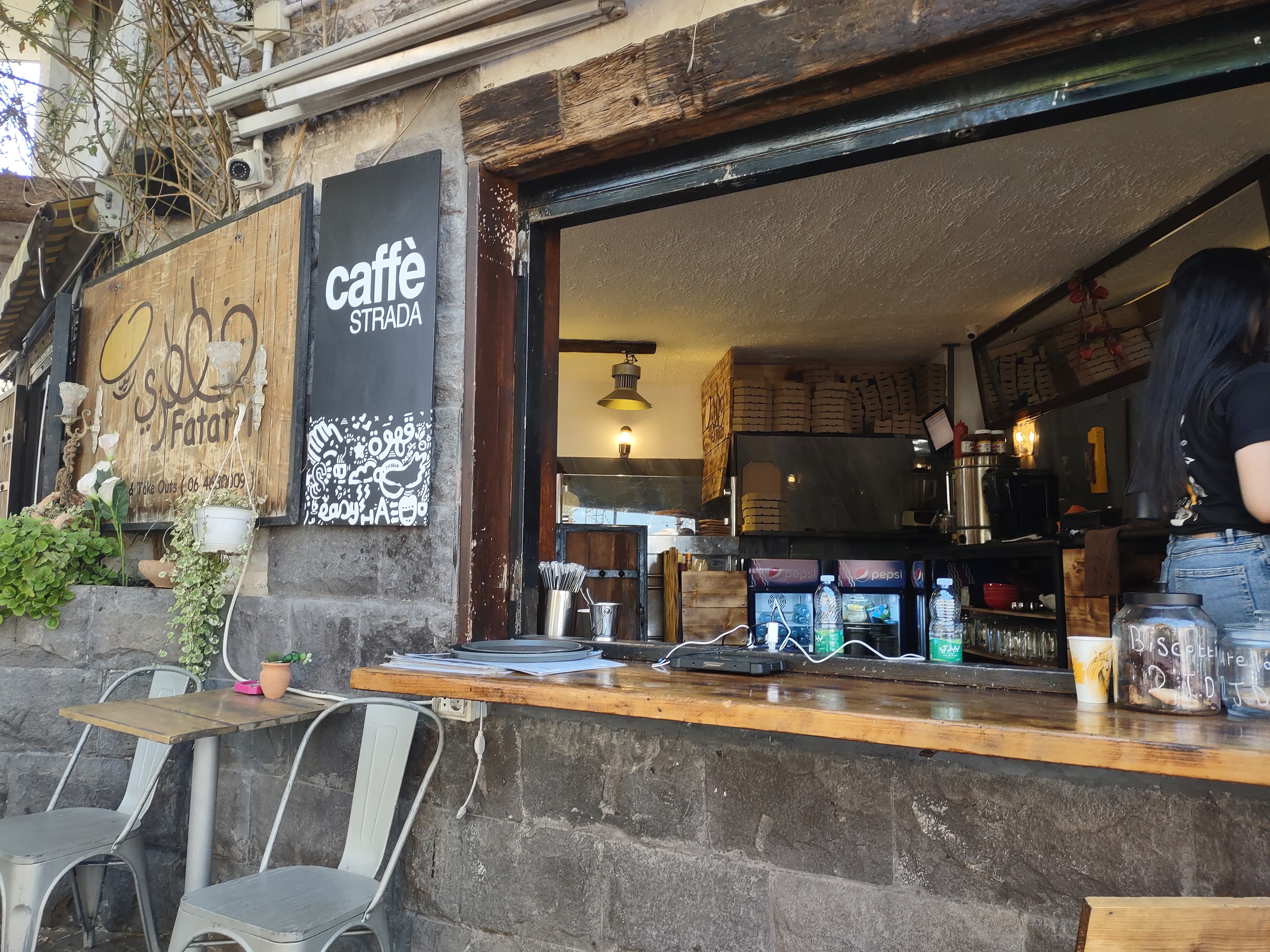
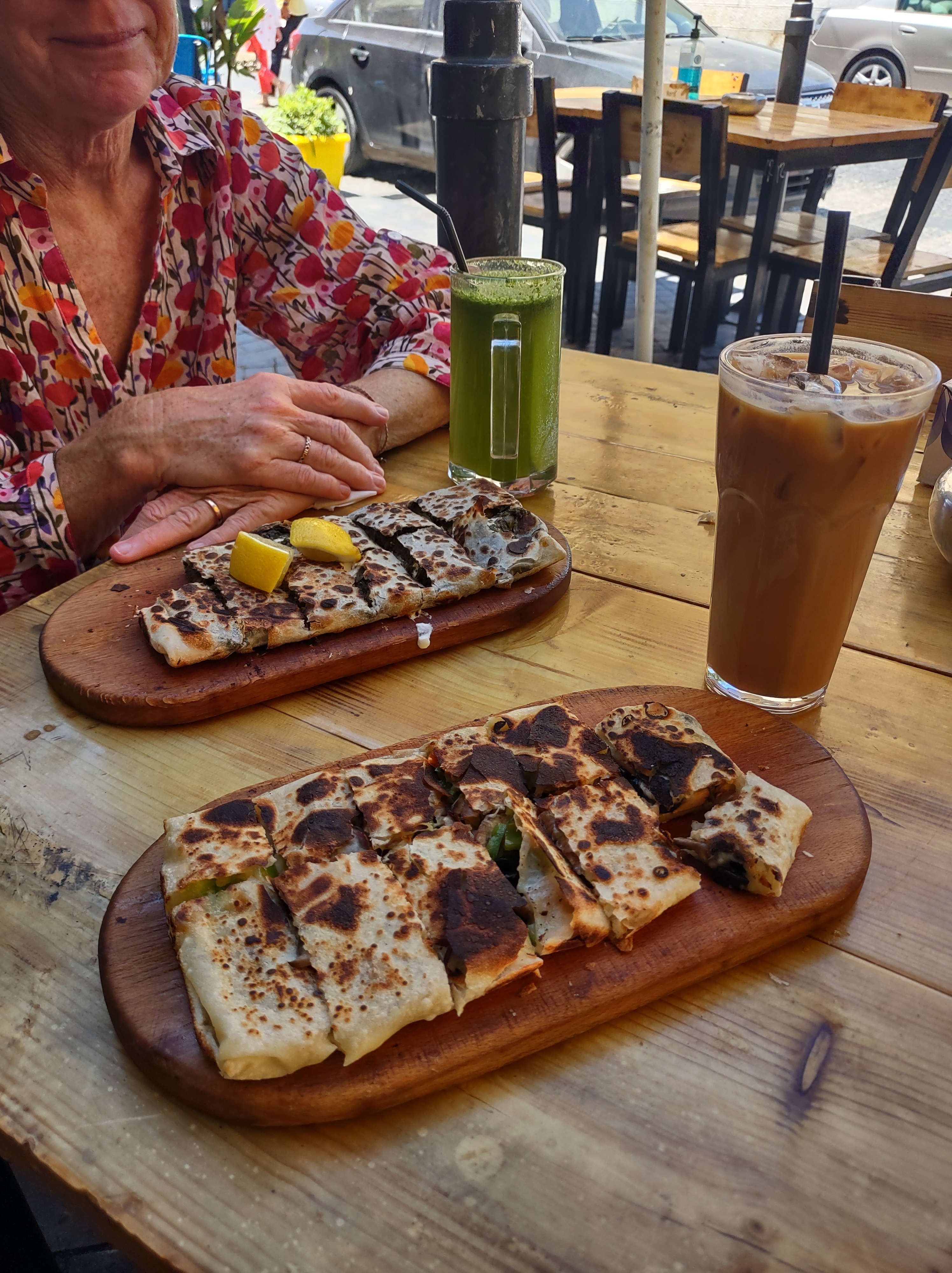
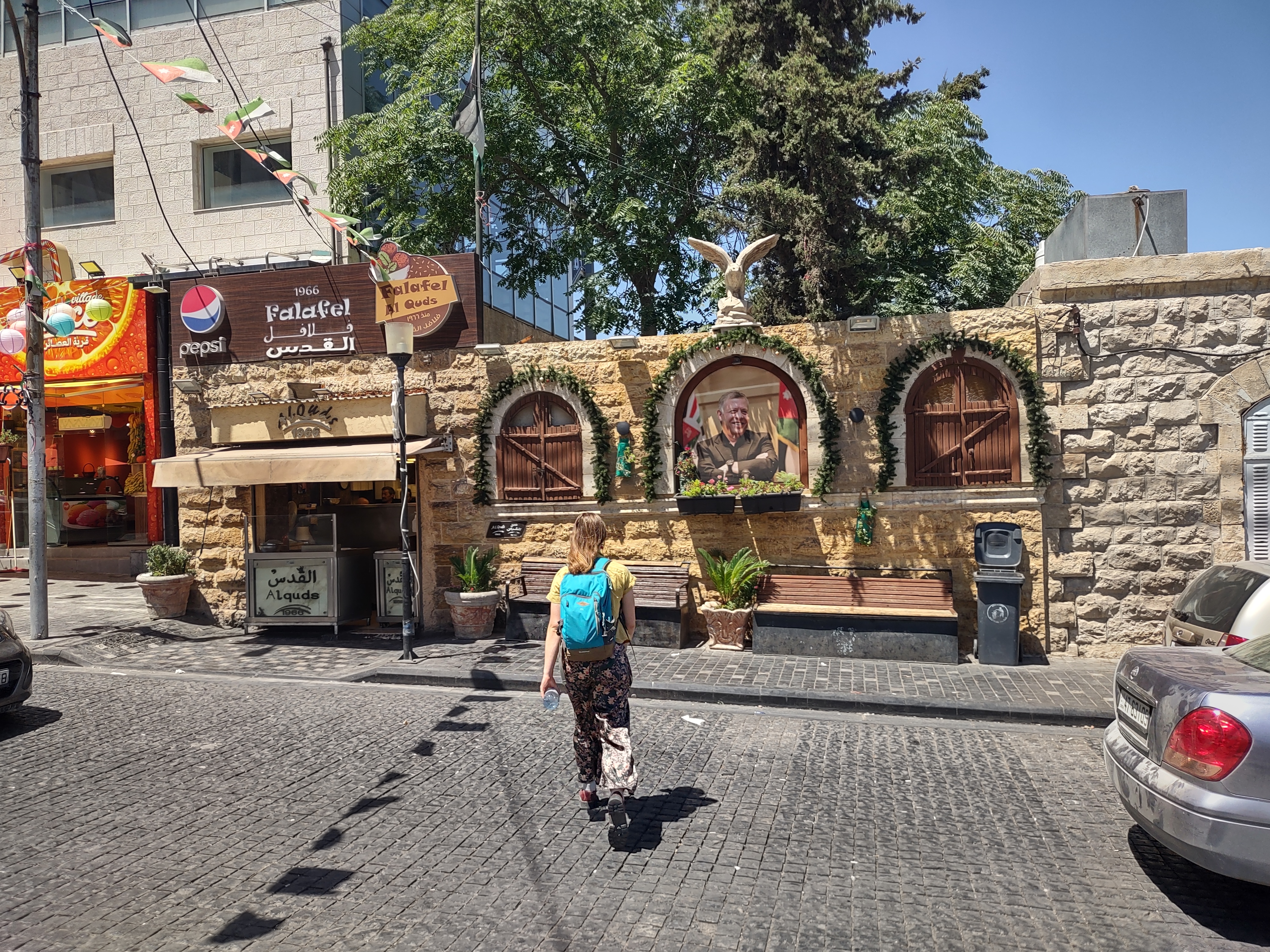
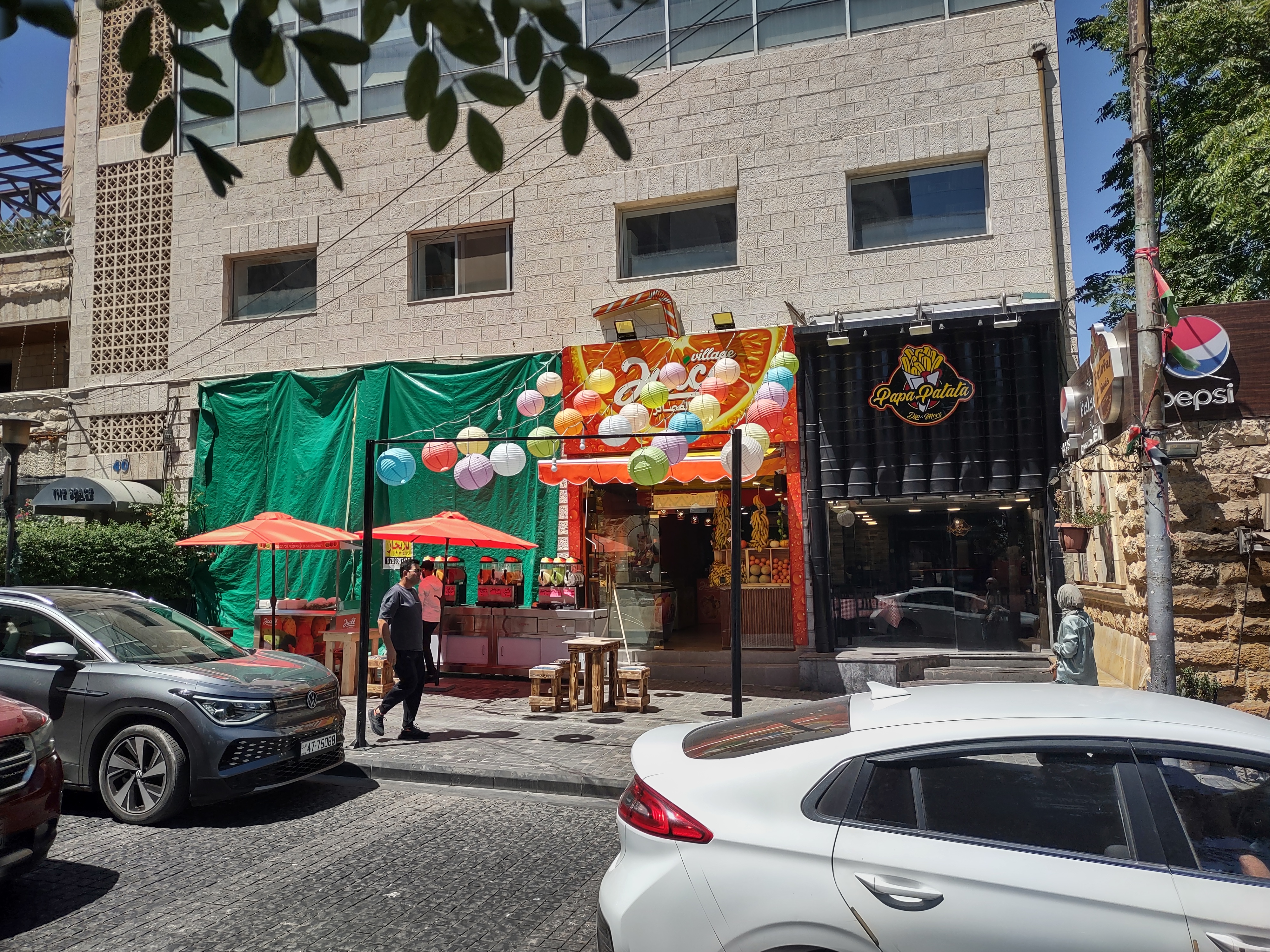
Hot and sweaty or not, Rainbow Street was pretty amazing with loads of cafes and shops full of beautiful jewelry, ceramics, and other handicrafts, which we did our best to ignore given that we had just shipped a package home the day before! We took our time, enjoying the shade which was more plentiful here, and eventually stopped for late lunch at a place called Fatari where they make something called Feteer – kind of like stromboli, but made with a much more pastry-like dough. The feteer was very tasty accompanied by iced coffee for me and what has become our go-to beverage as the temperatures have risen – lemonade with mint – for Colleen.


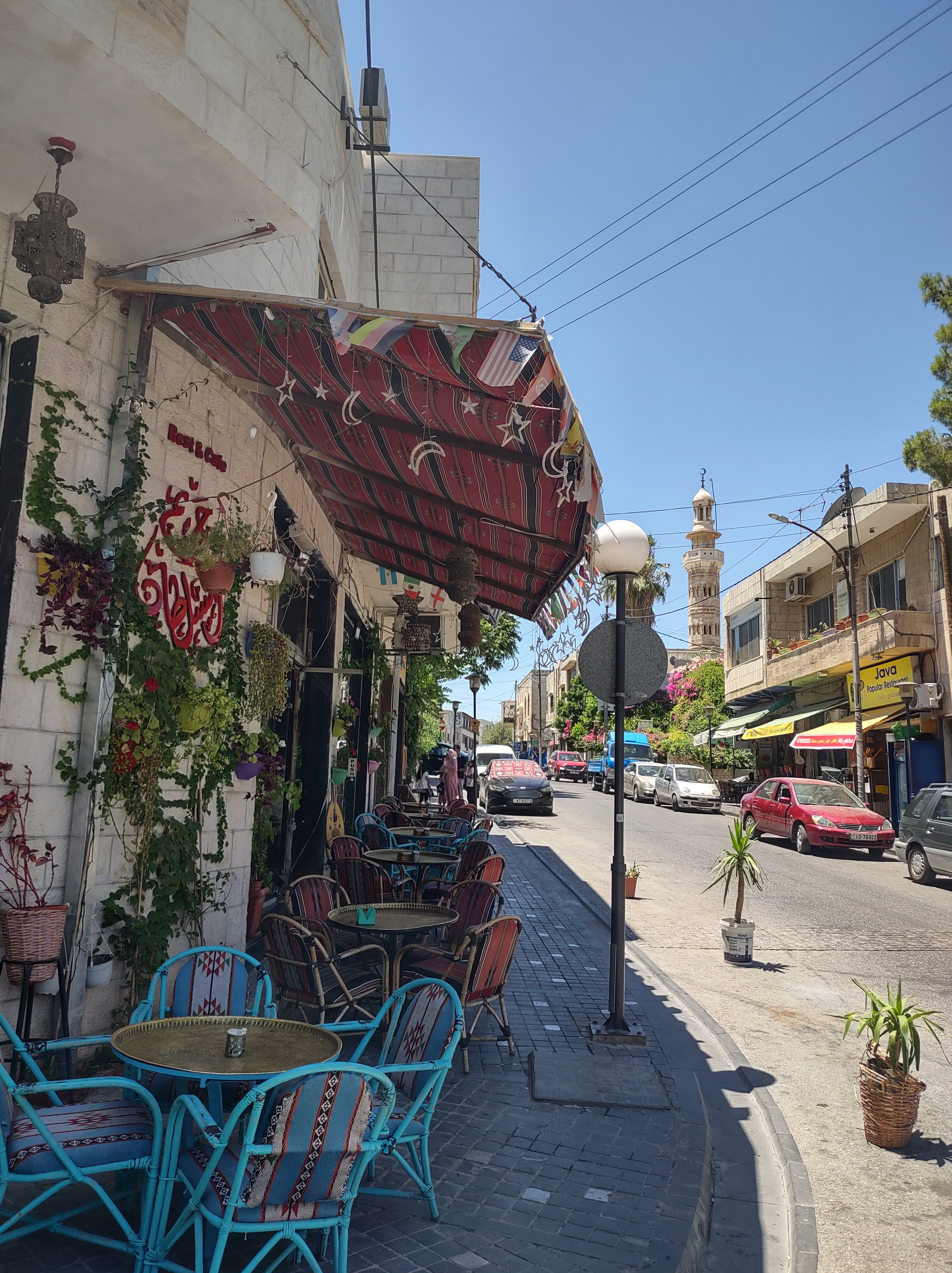
Had not mentioned it until now, but none of the places we have stayed in Israel or Jordan up to this point have had any sort of legitimate coffee maker and we have had to resort to Taster’s Choice instant coffee. This goes some way in explaining why, after breakfast at home on our second (and last) full day in Amman, we headed back down the hill to the old town center to have a morning coffee at a place we had heard about it from our host and had spotted during our walk the day before.
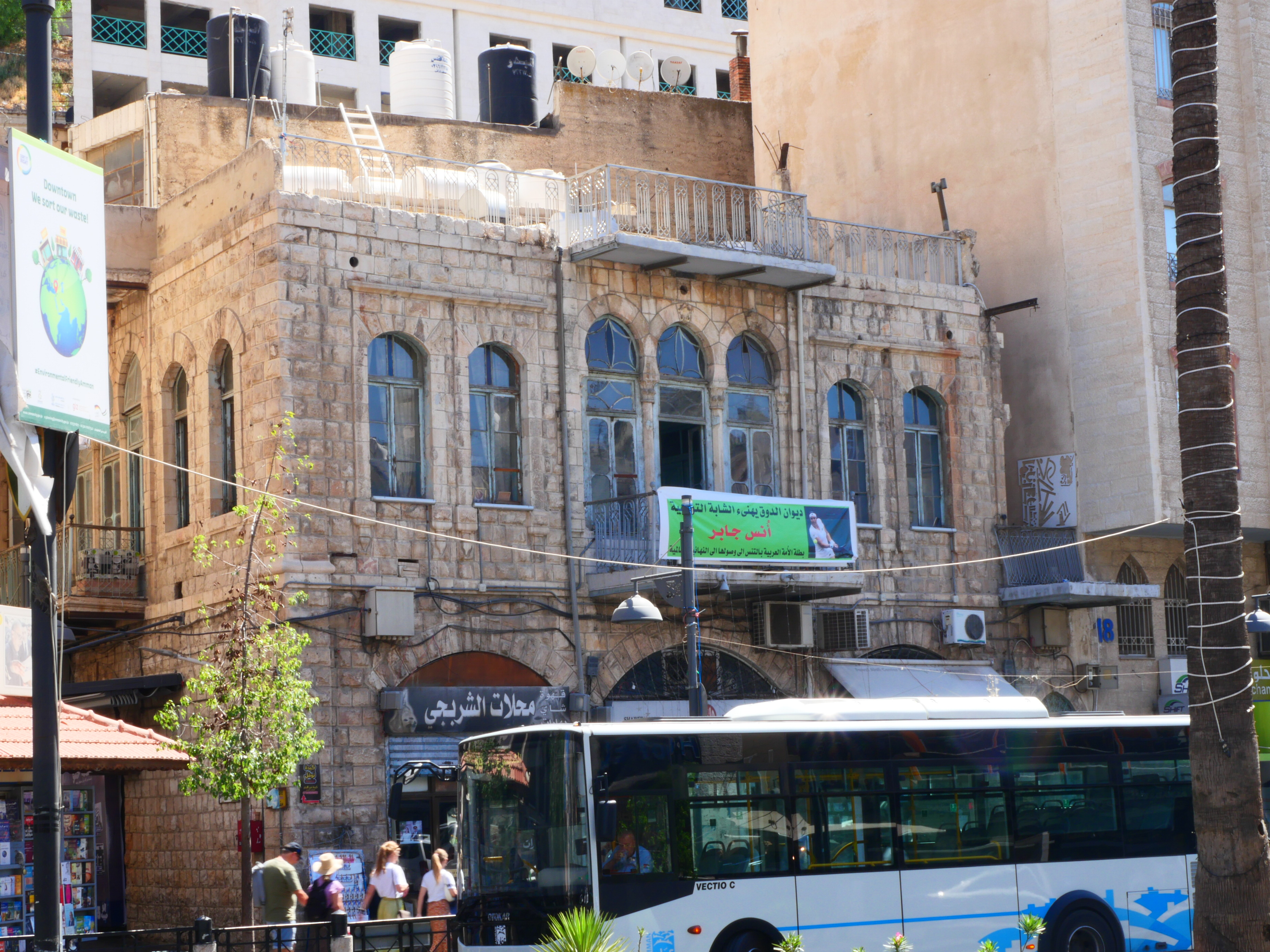
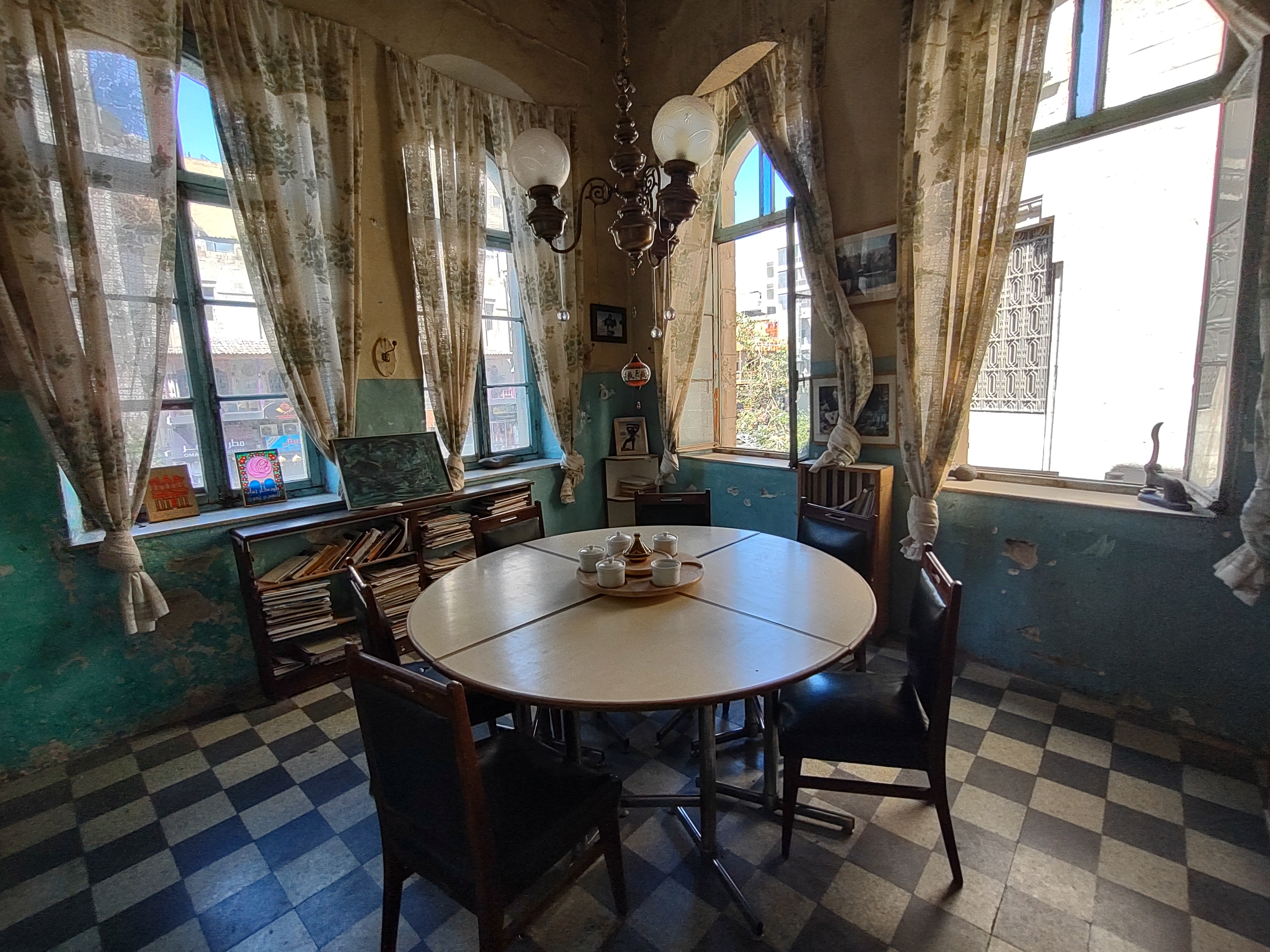
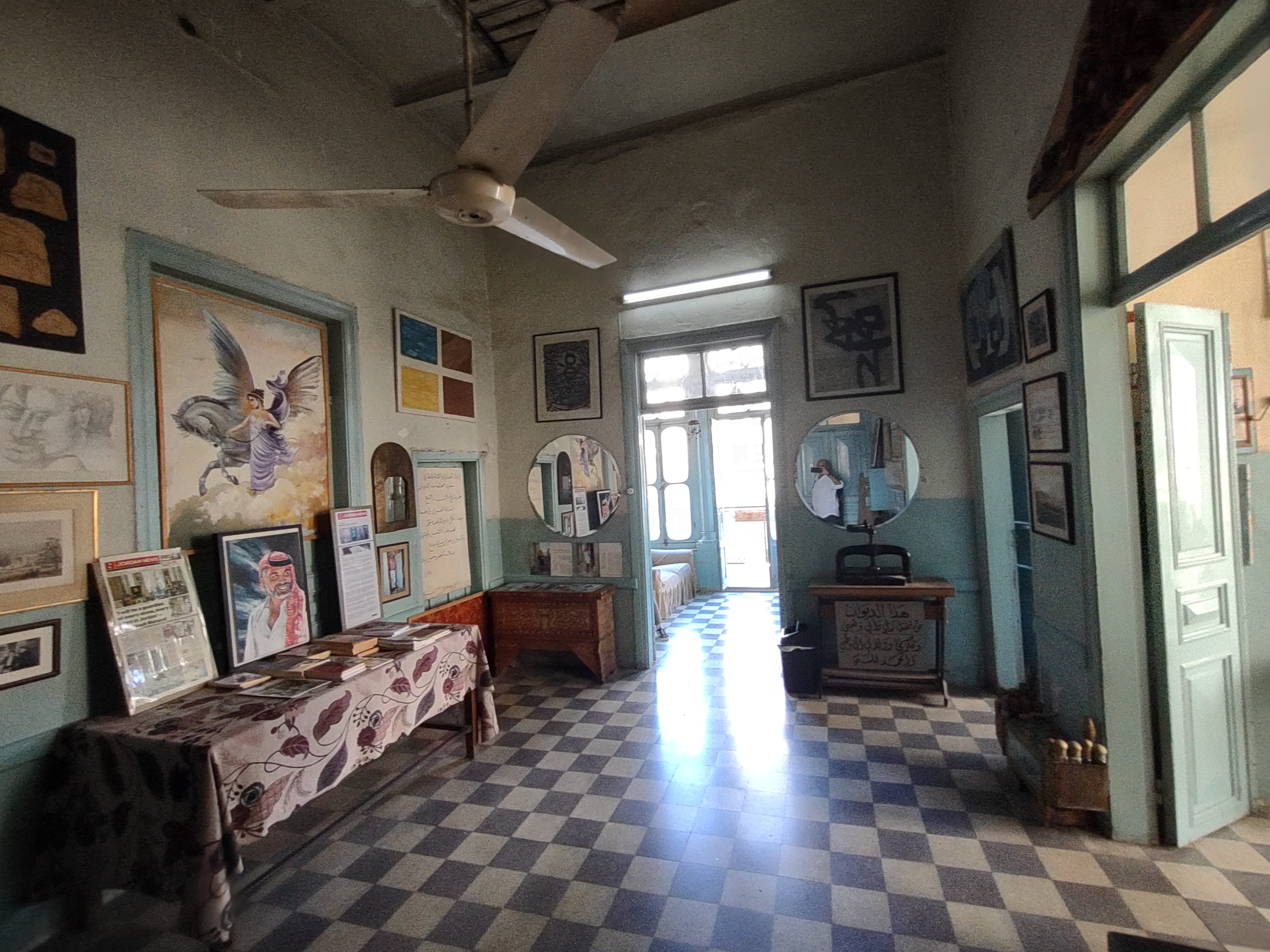
The Duke’s Diwan, as the place is known, is in one of the oldest buildings in downtown Amman, built in 1924 as Amman’s first post office, later housing the Finance Ministry, and then a hotel. In 2001, heritage conservationist and businessman Mamdouh Bisharat (the “Duke”) began renting the building at double its rent to prevent the building from being demolished. The Duke turned the building into a Diwan, a gathering place for artists, poets, and thinkers as well as his city residence. Today the Diwan serves as a cultural center and museum preserved and furnished as it was in the Duke’s days with a great balcony to enjoy a cup of coffee or tea and watch the morning unfold on King Faisal Square, the heart of the old city, below.


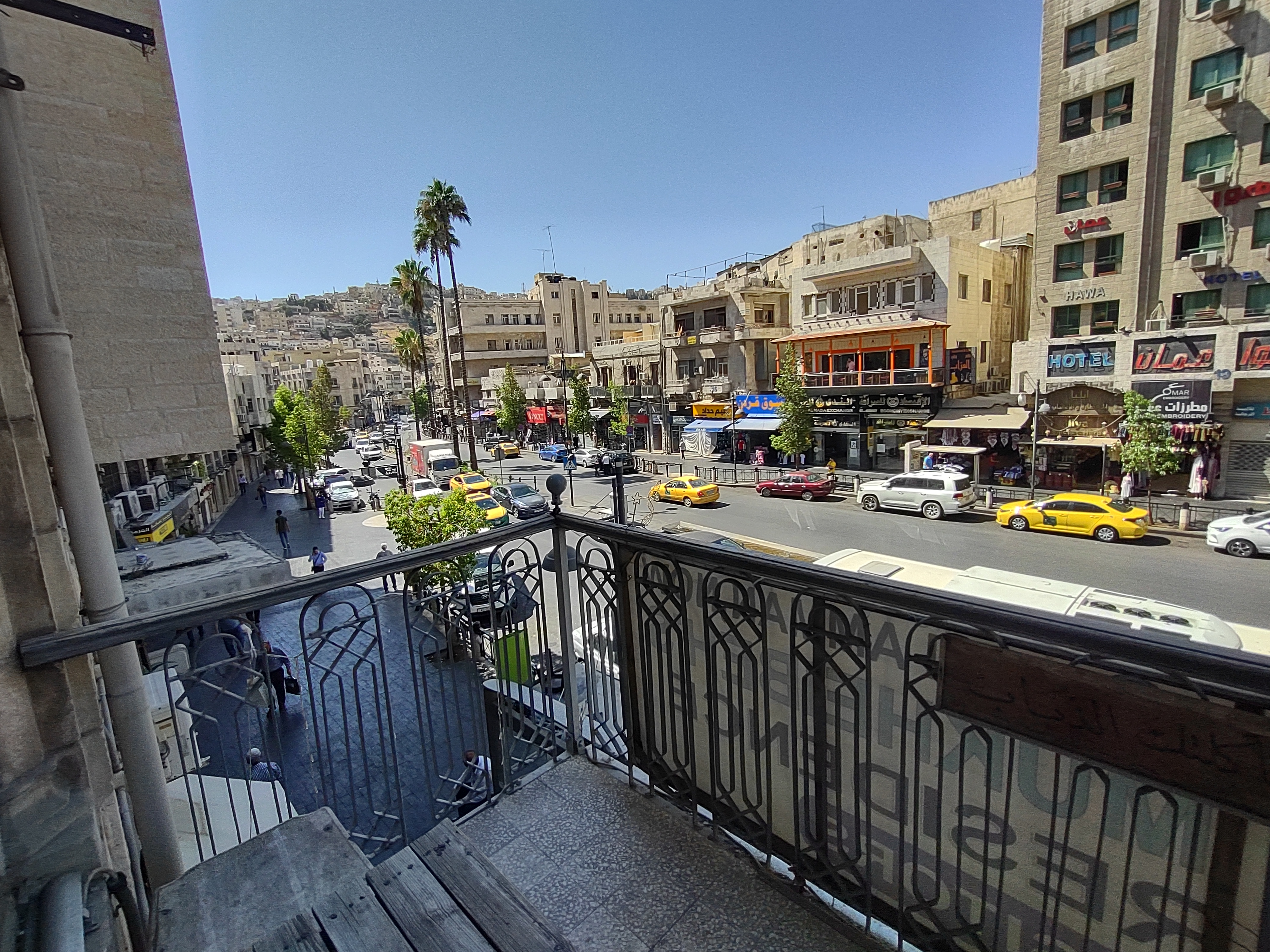

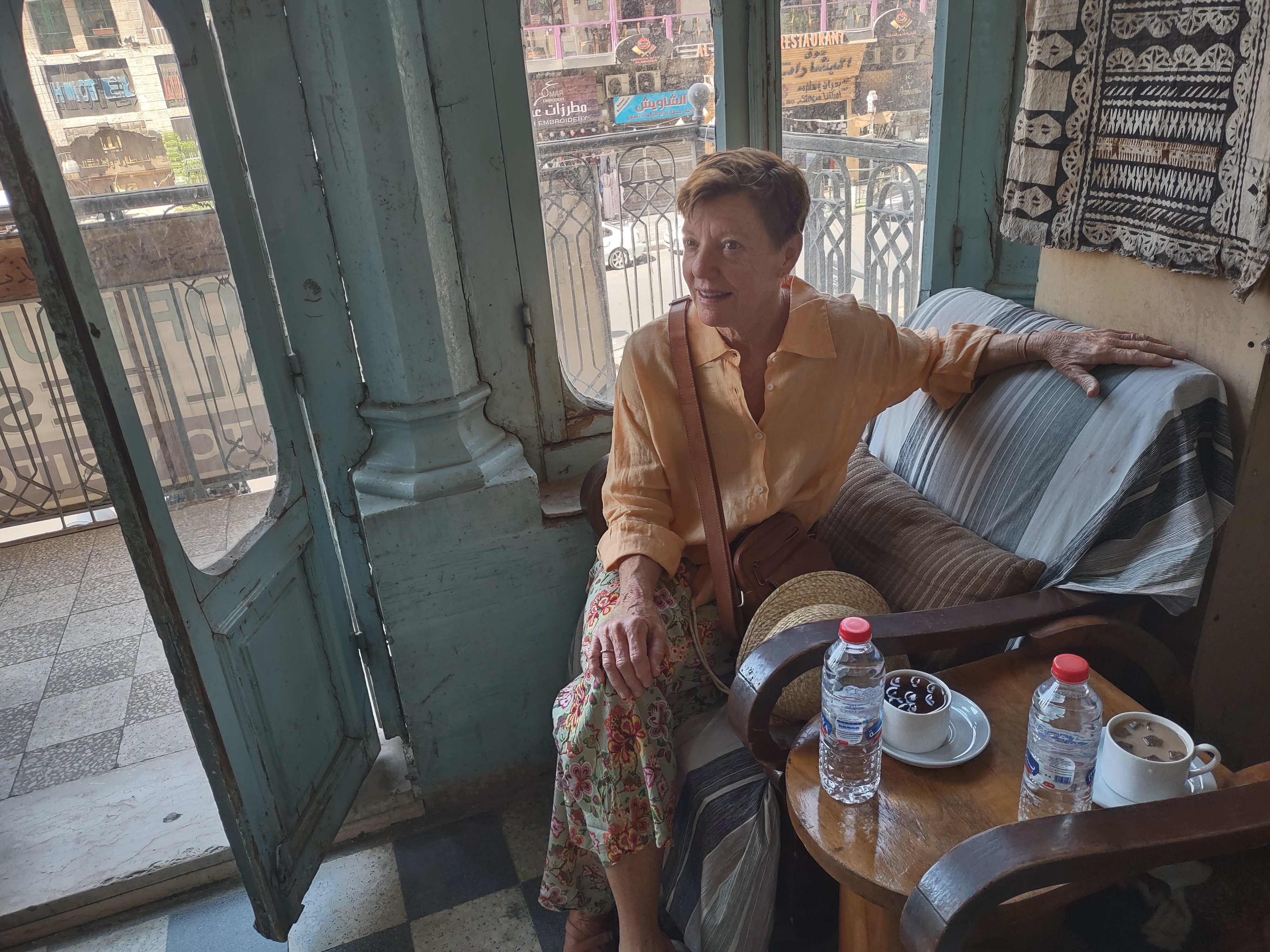

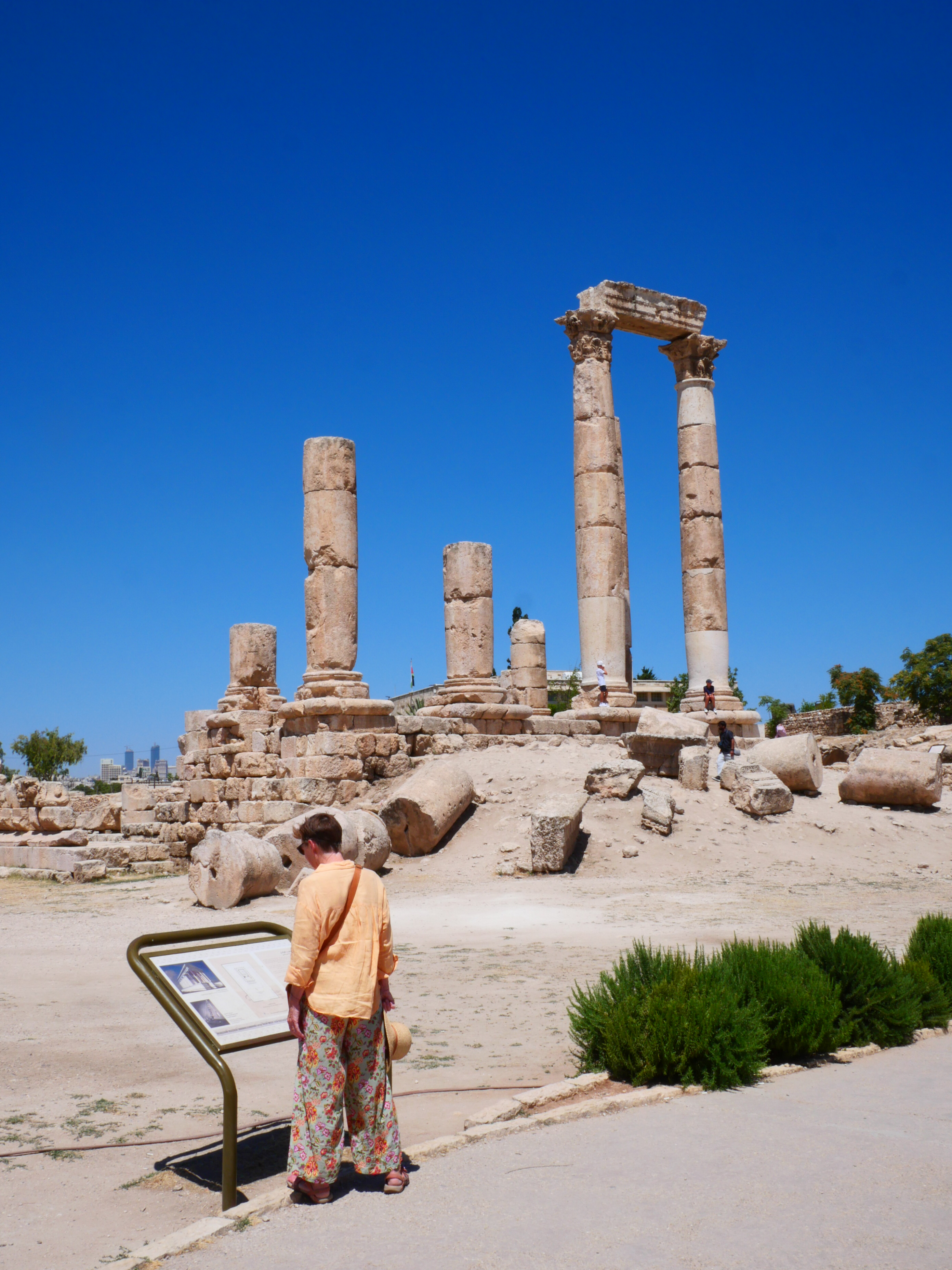
Following a nice coffee and sit in the shade, we headed off to our major destination for the day, the Amman Citadel, which we had glimpsed the day before on a ridge overlooking the Roman ruins in the valley below. Having learned our lesson from the day before, we decided to hail a taxi for the ride up the hill to the Citadel thinking we might walk down, depending upon how hot it got. We were surprised when we arrived at the Citadel (free entrance thanks to the Jordan Pass) at how large an area it covers and the wide variety of buildings which, despite being mostly in ruins, give you a great sense of what a grand place it must have been in its day.
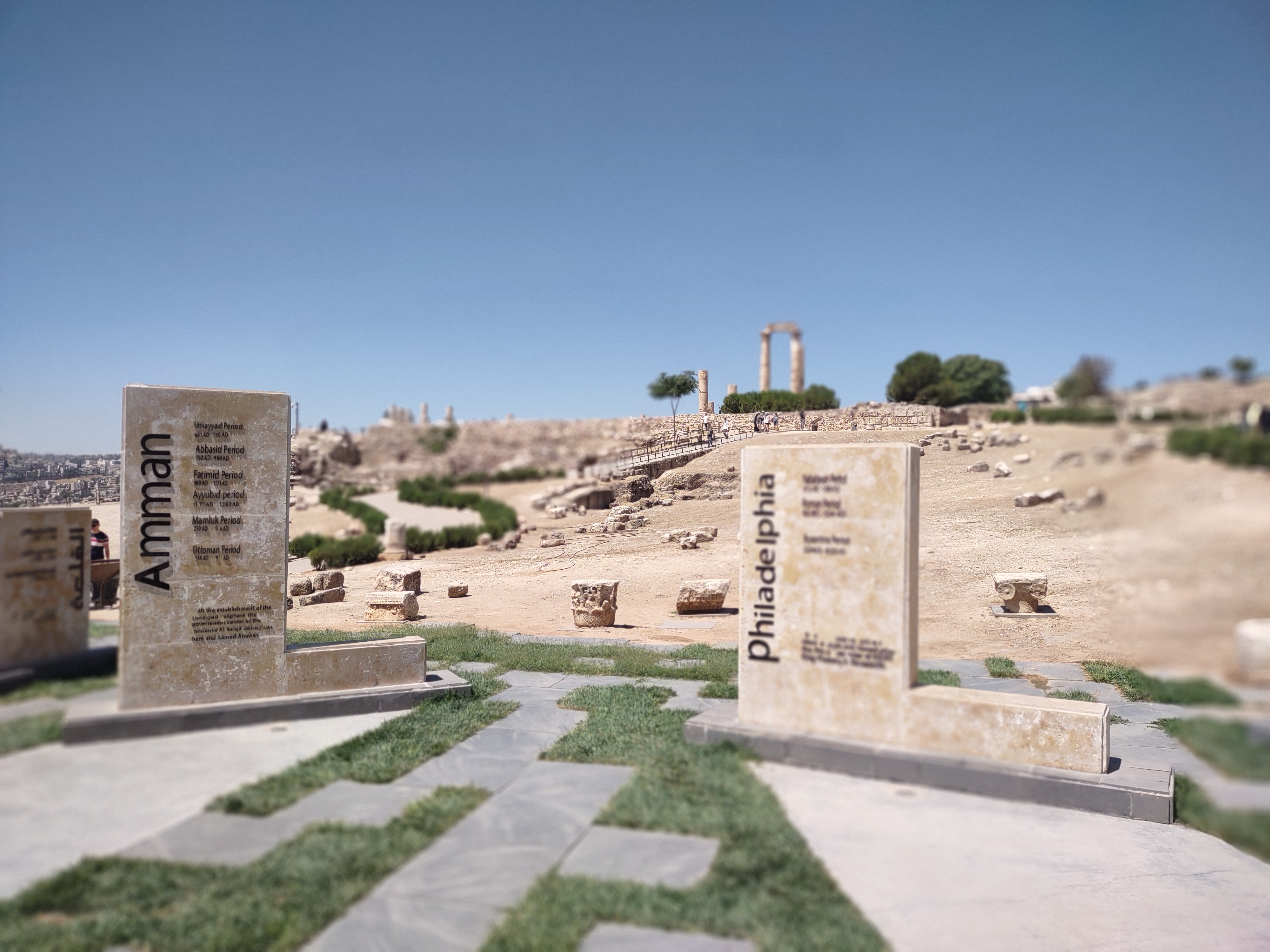
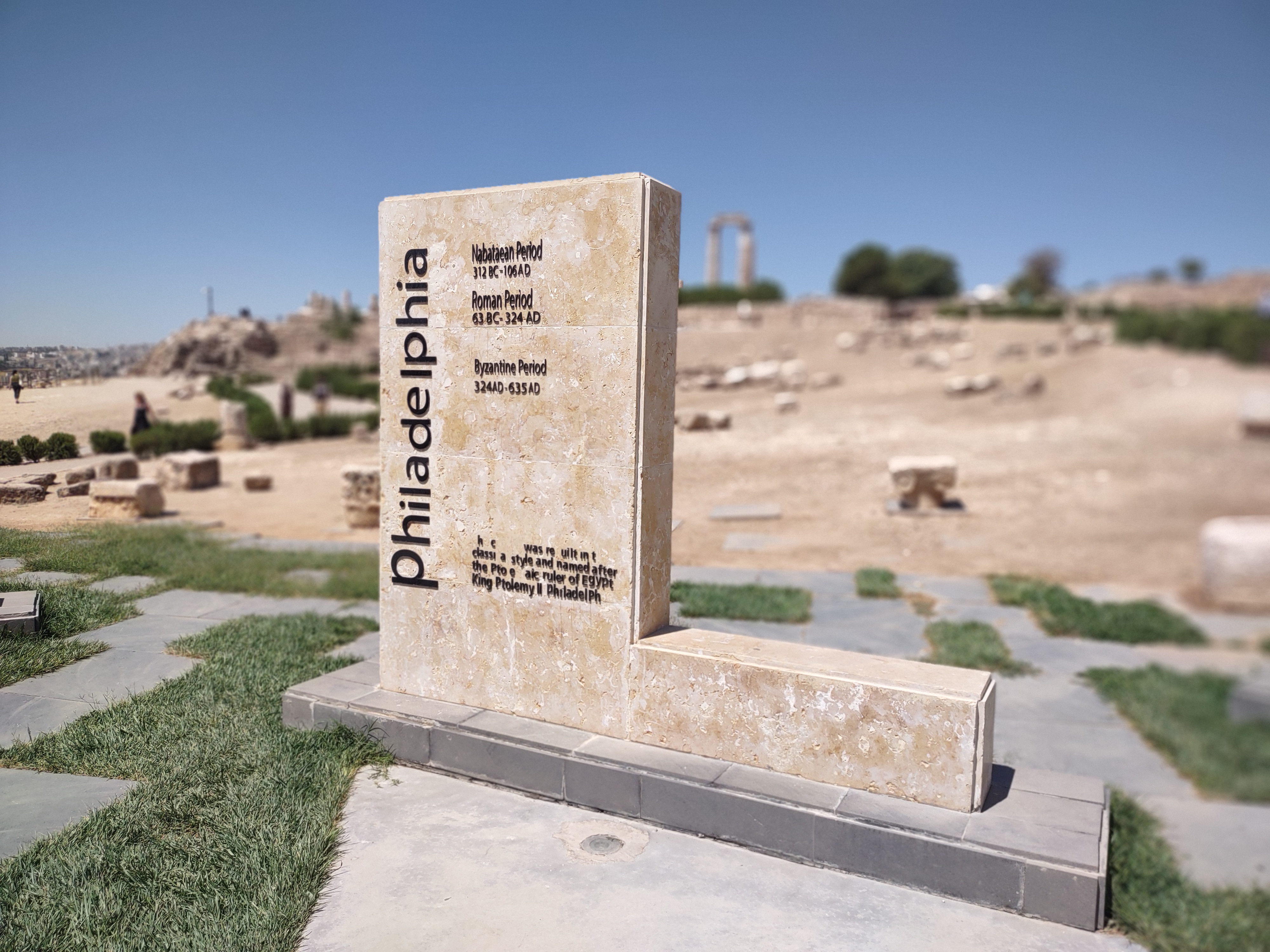


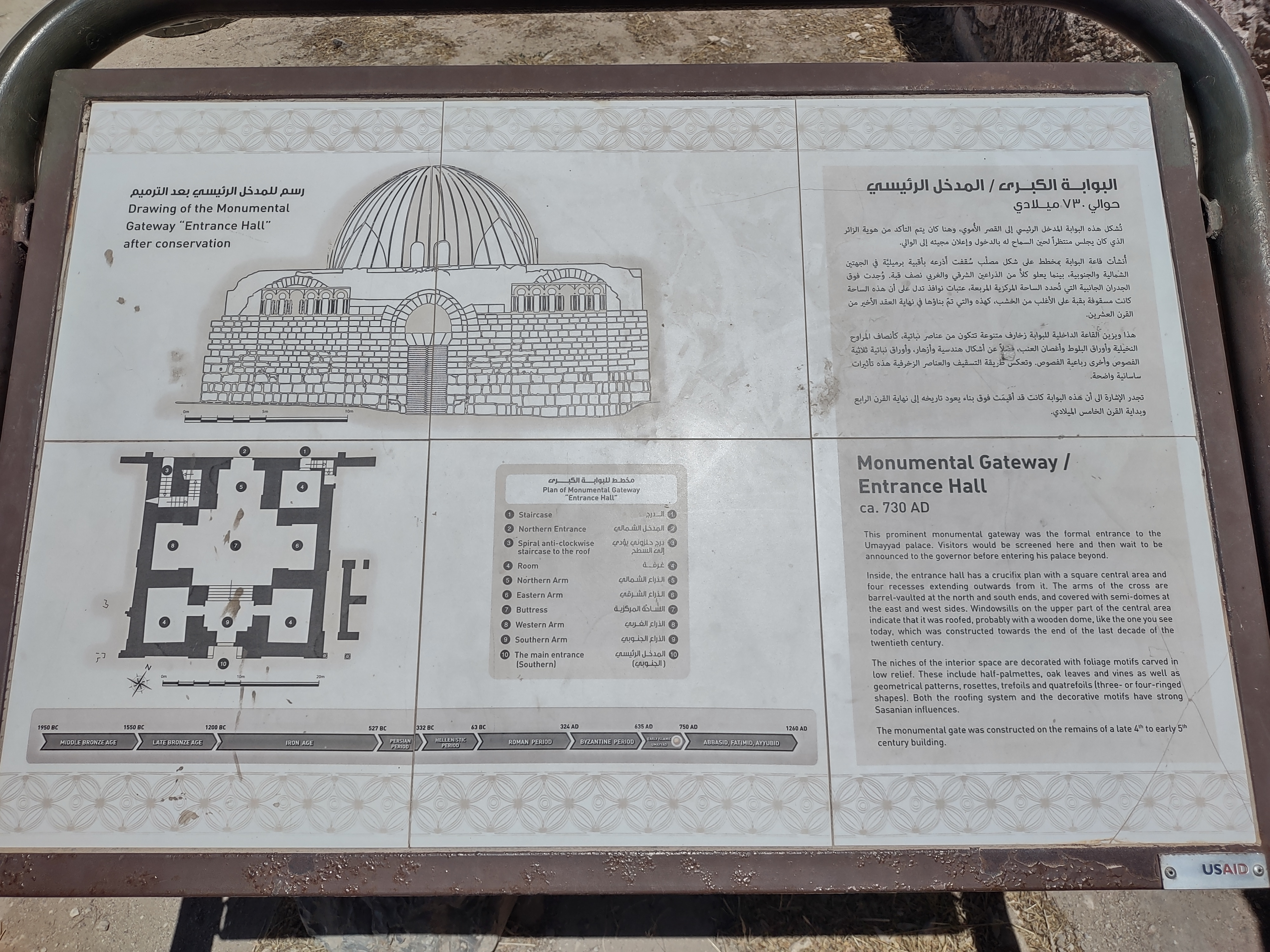
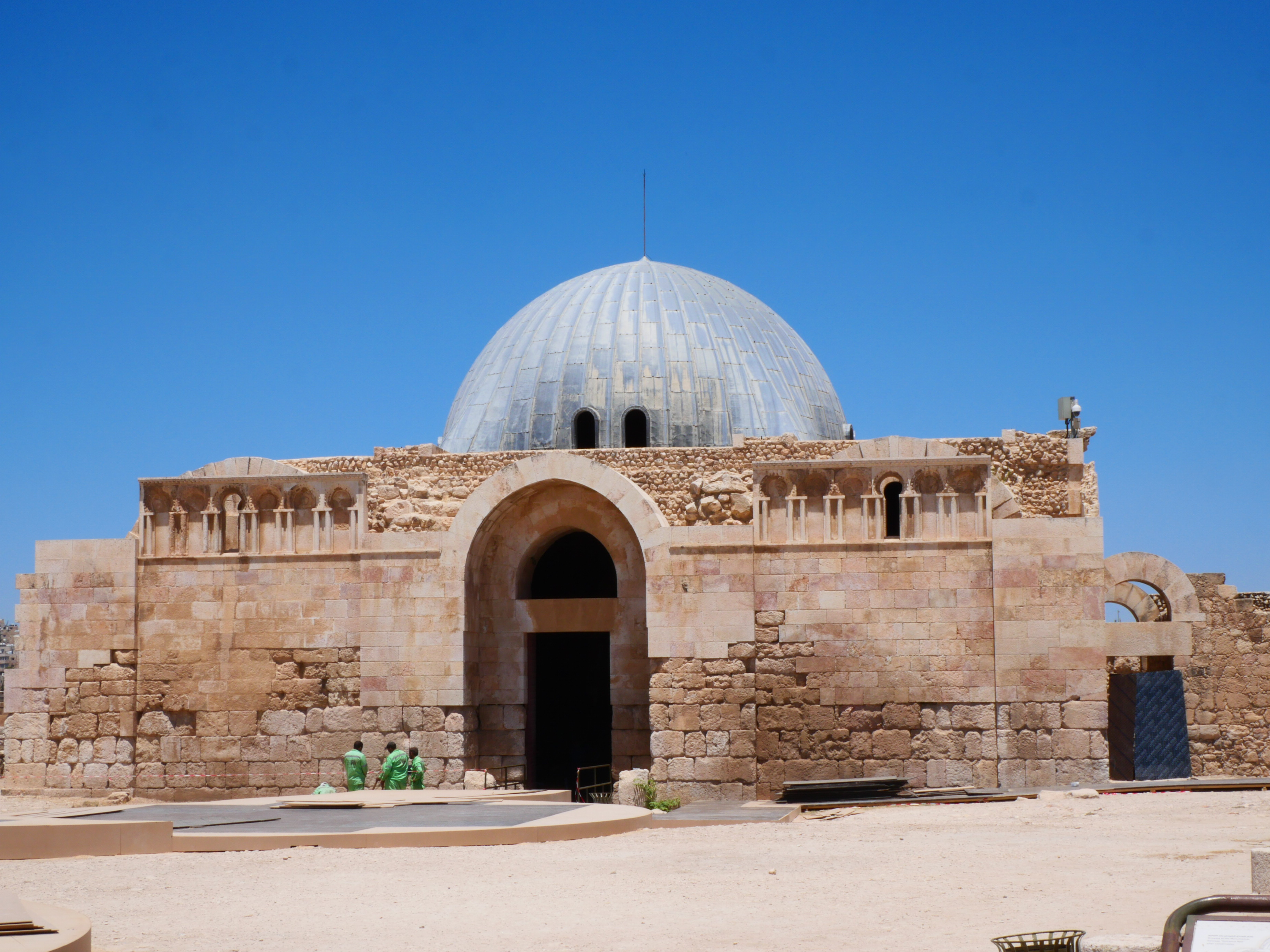
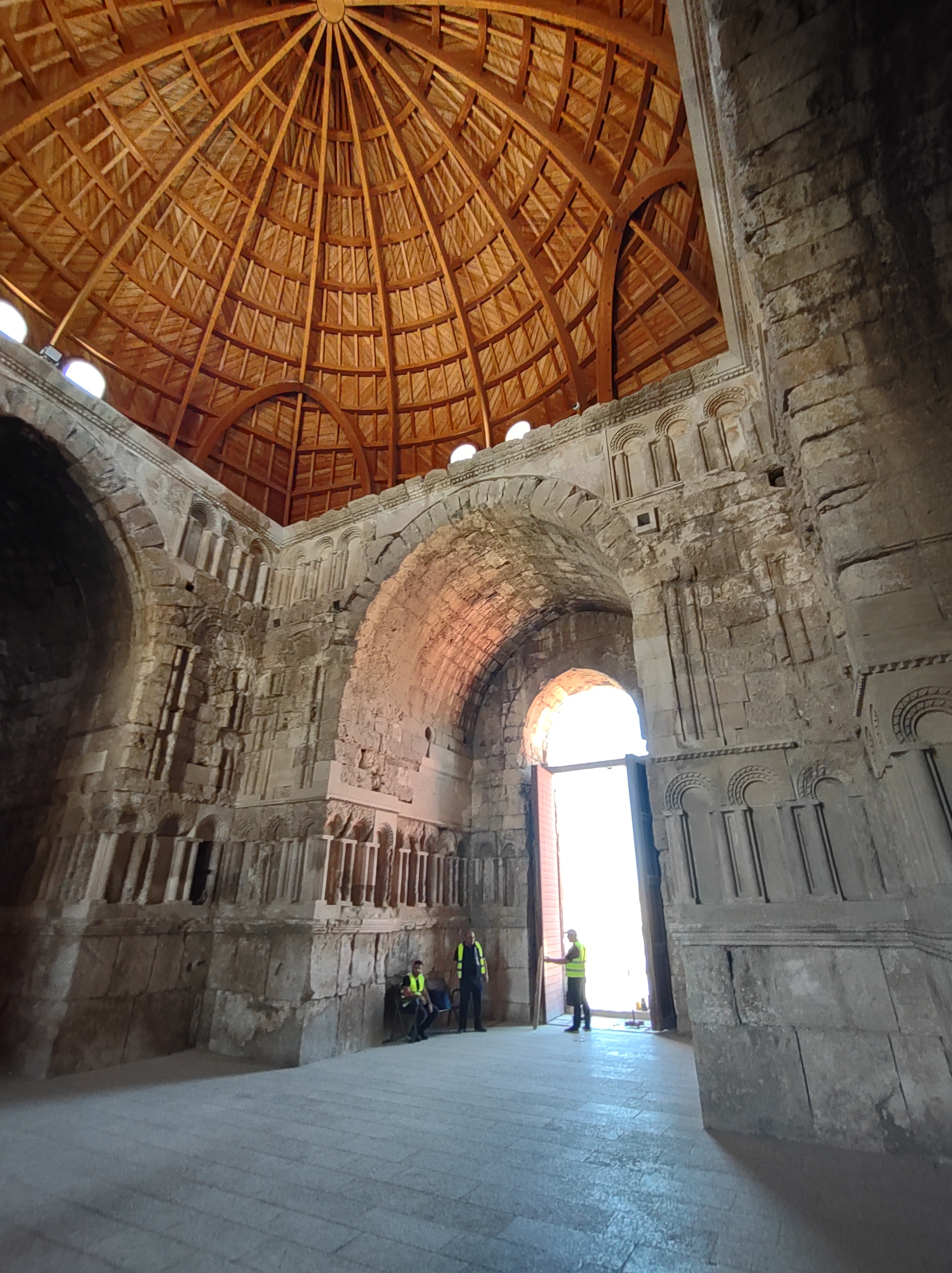
I was particularly impressed by the Ummayyad Palace, a large domed complex at the far end of the site dating to the 8th century, with a restored domed entrance chamber known as the “Monumental Gateway”. It was interesting to see how the restoration was done in such a way that you can easily distinguish between what is original and what is new. This allowed one to gain a much better sense of the original feel and character of the space than could ever be possible from just the ruins.
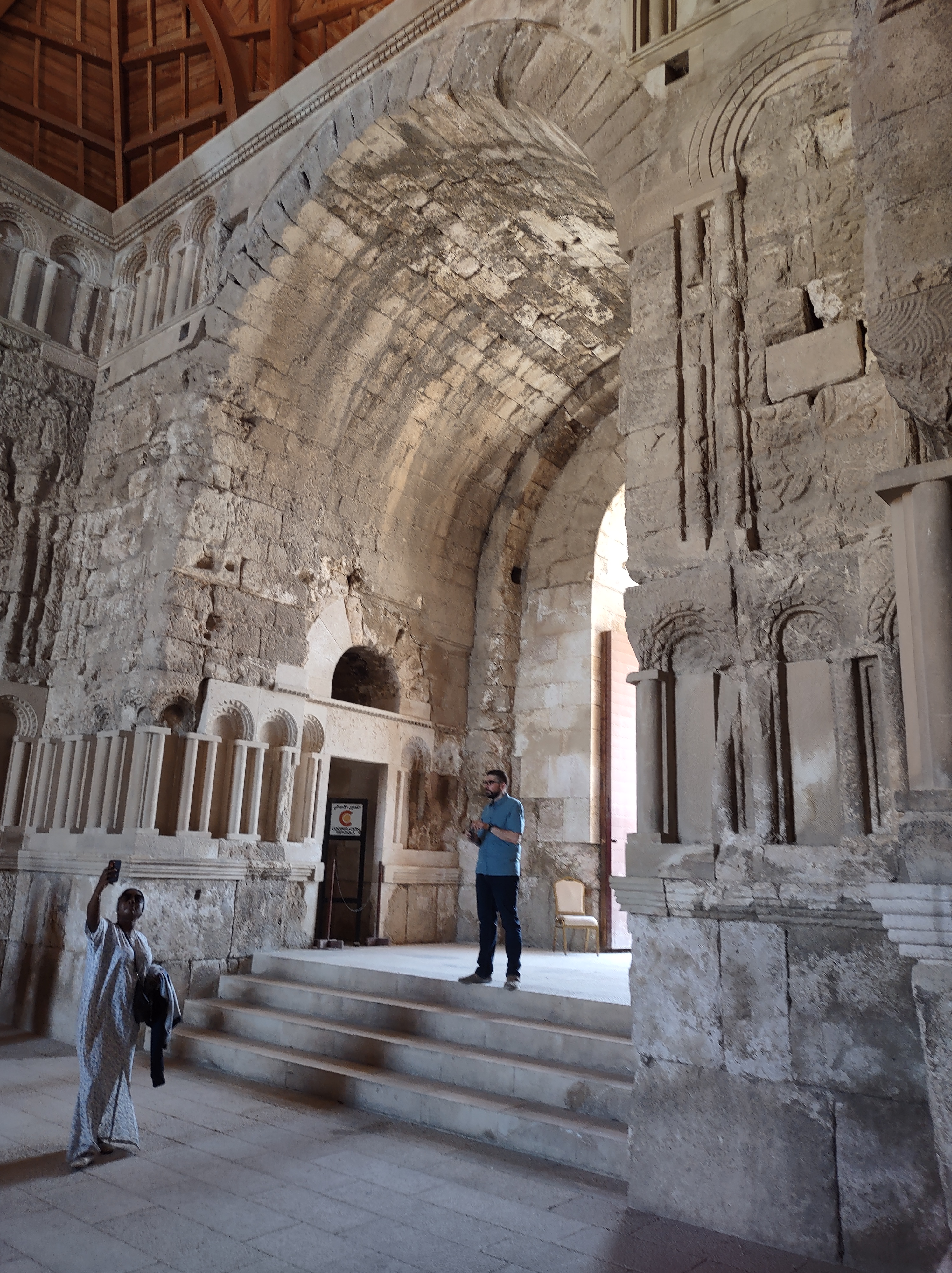
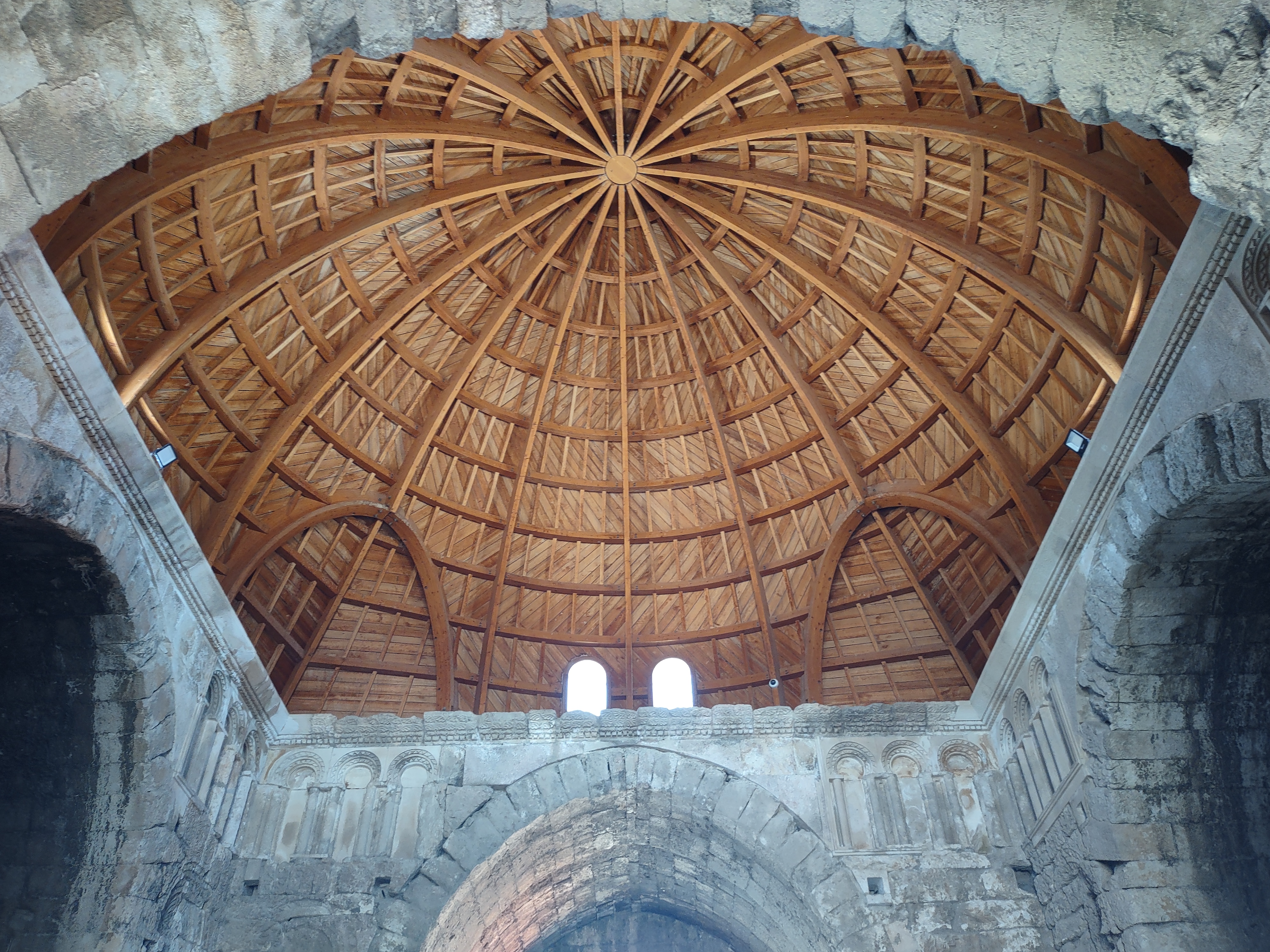
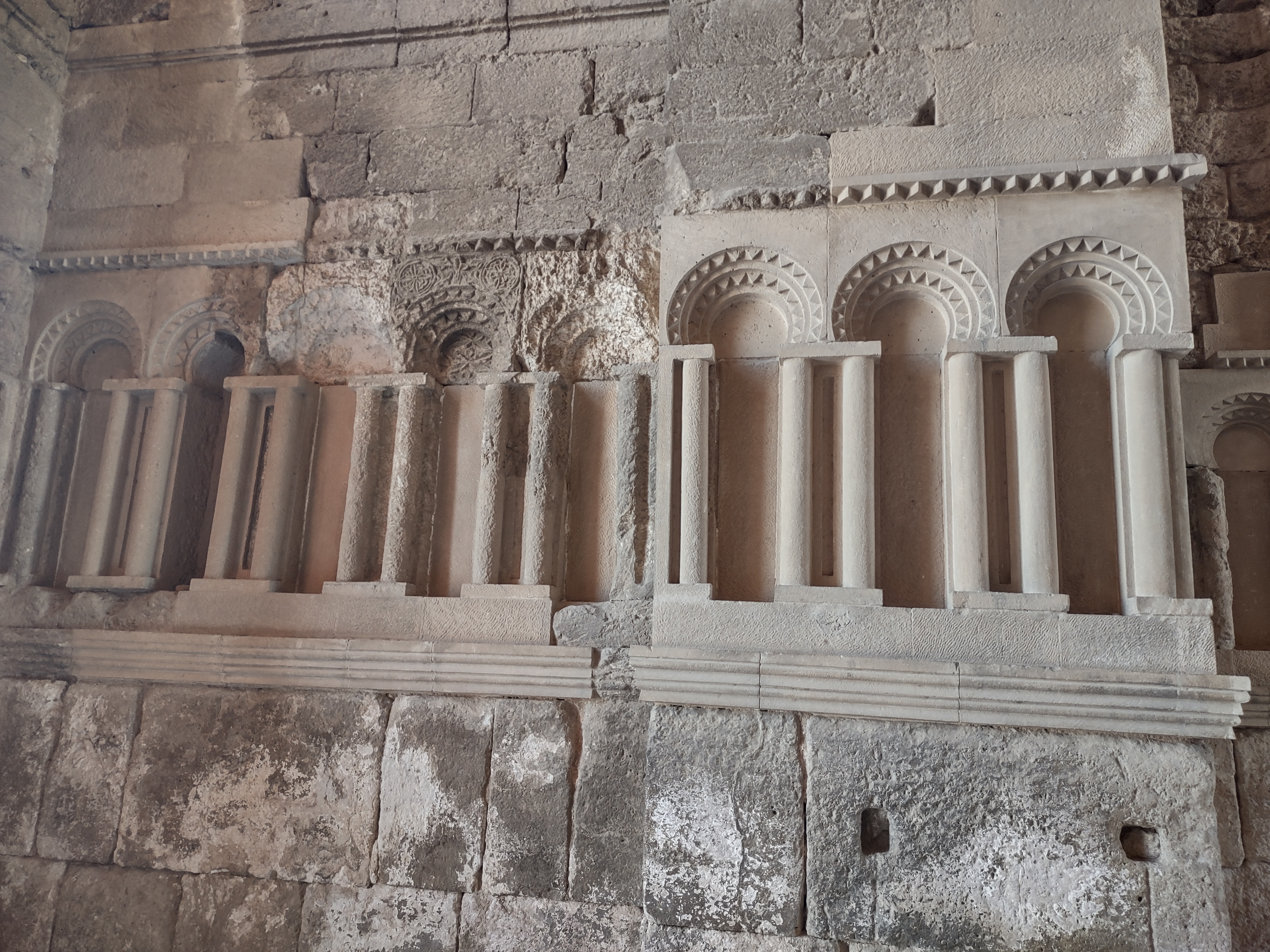
In addition to the ruins, the site also houses the Jordan Archeological Museum which houses a great collection of artifacts which tell much of the history of Jordan from prehistoric times through the 15th century.
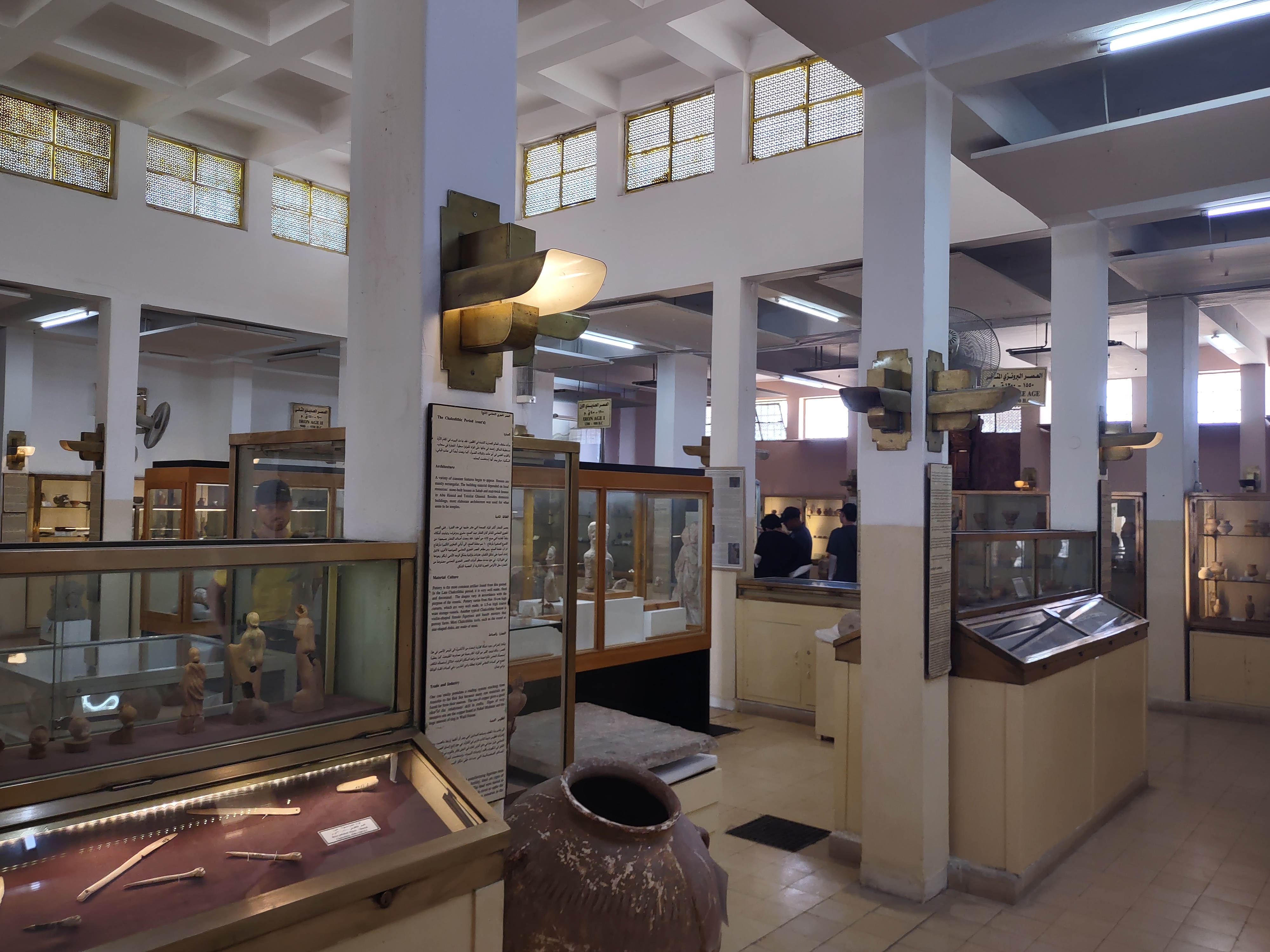
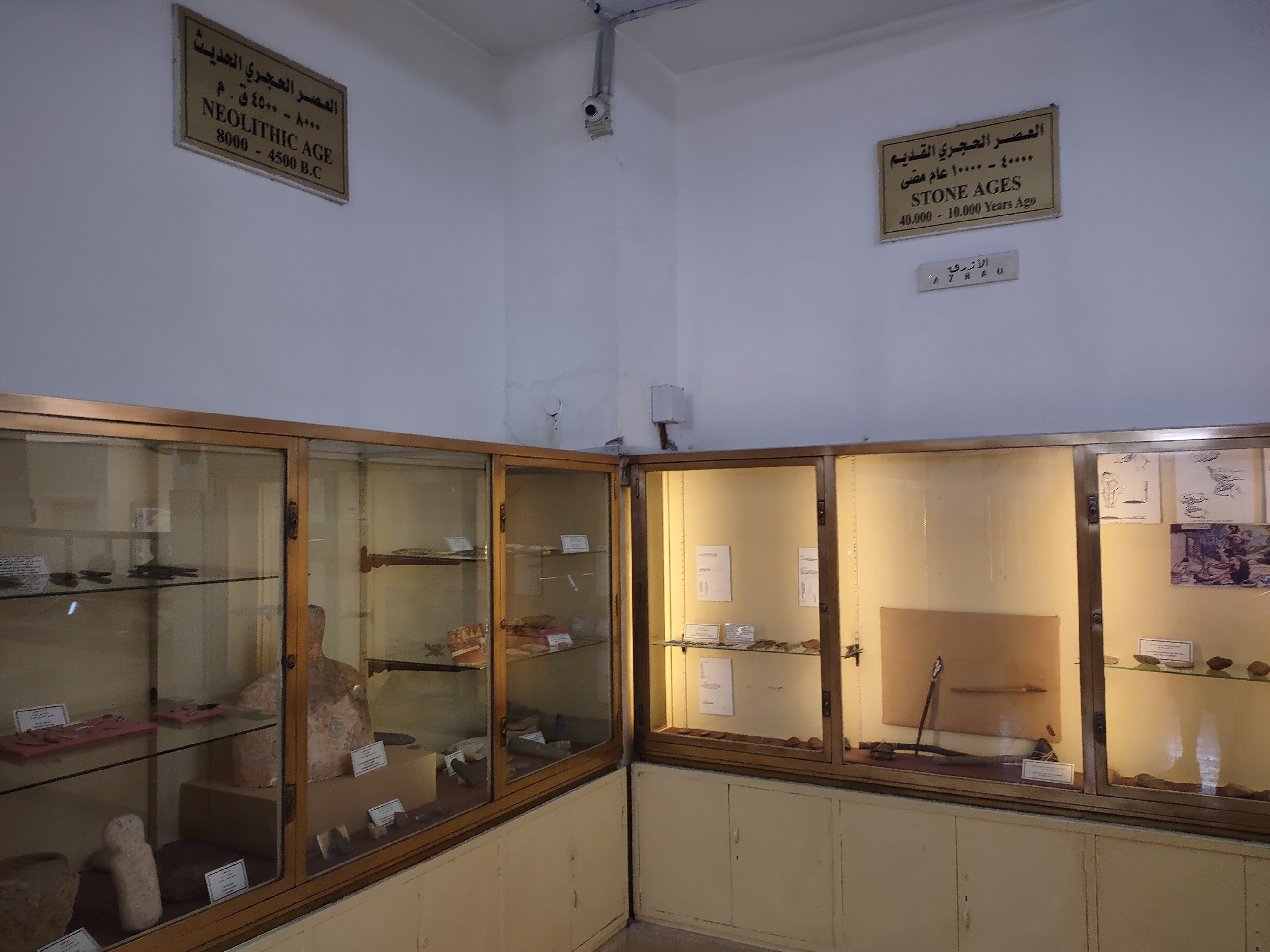
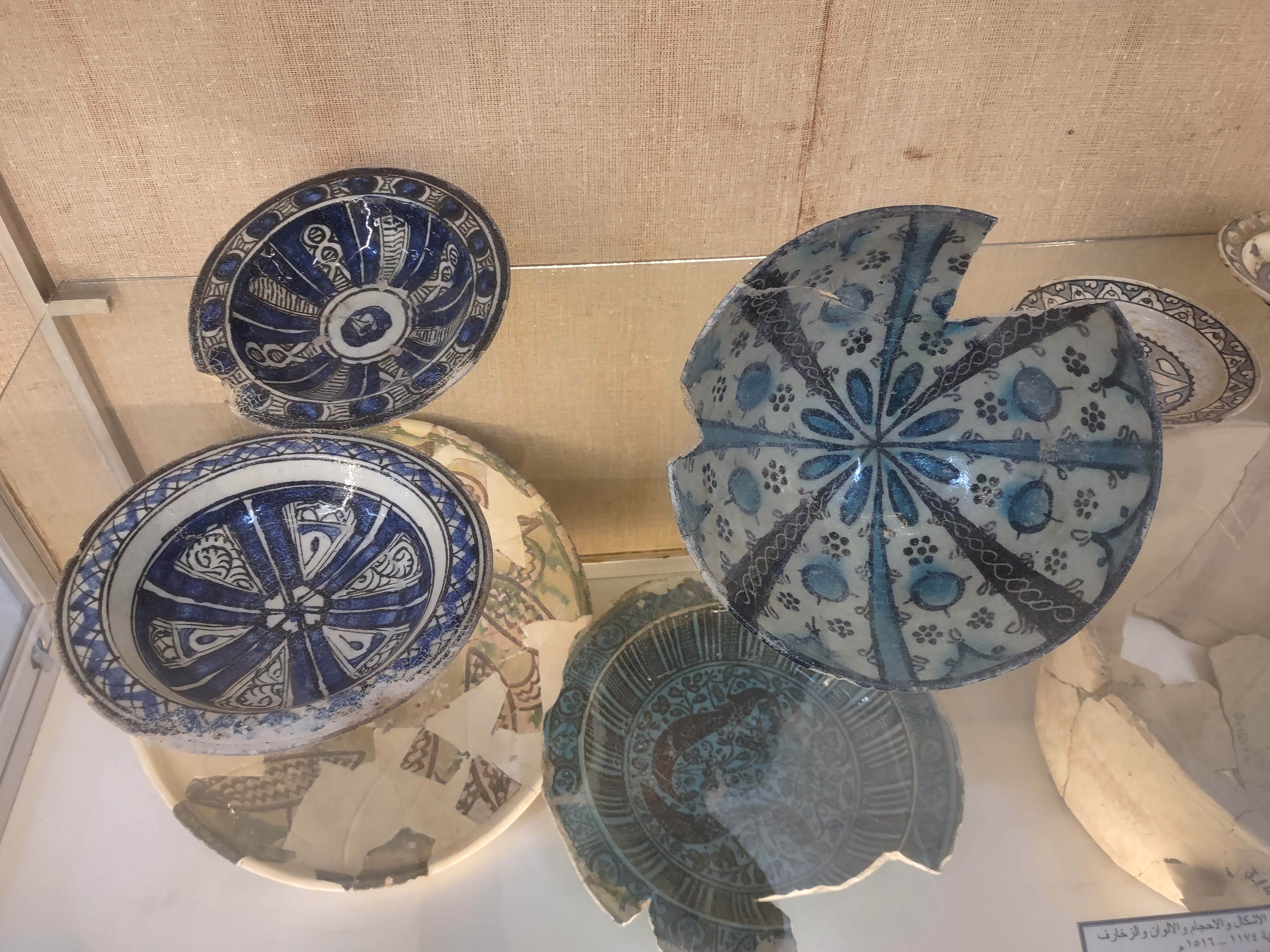
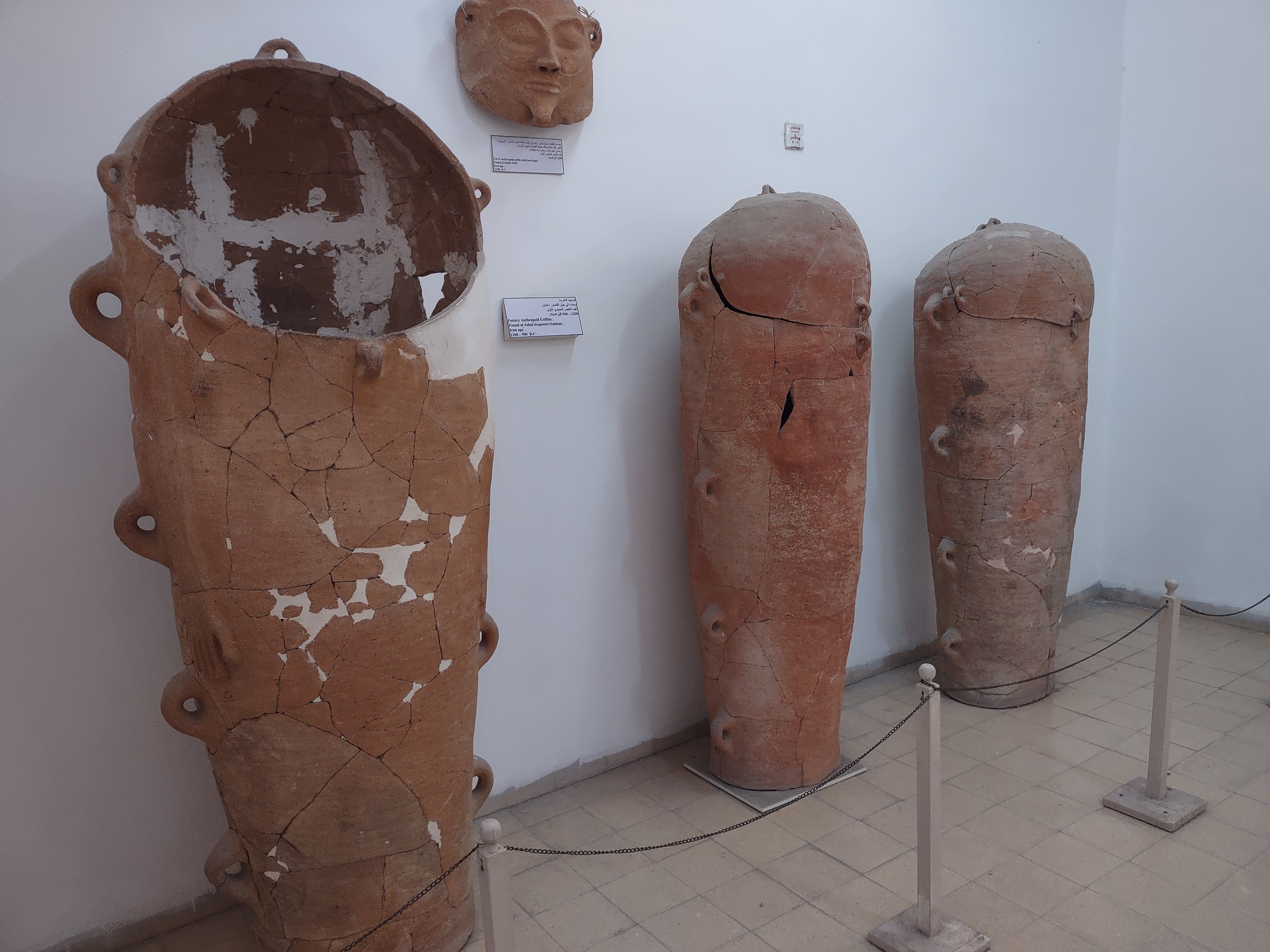
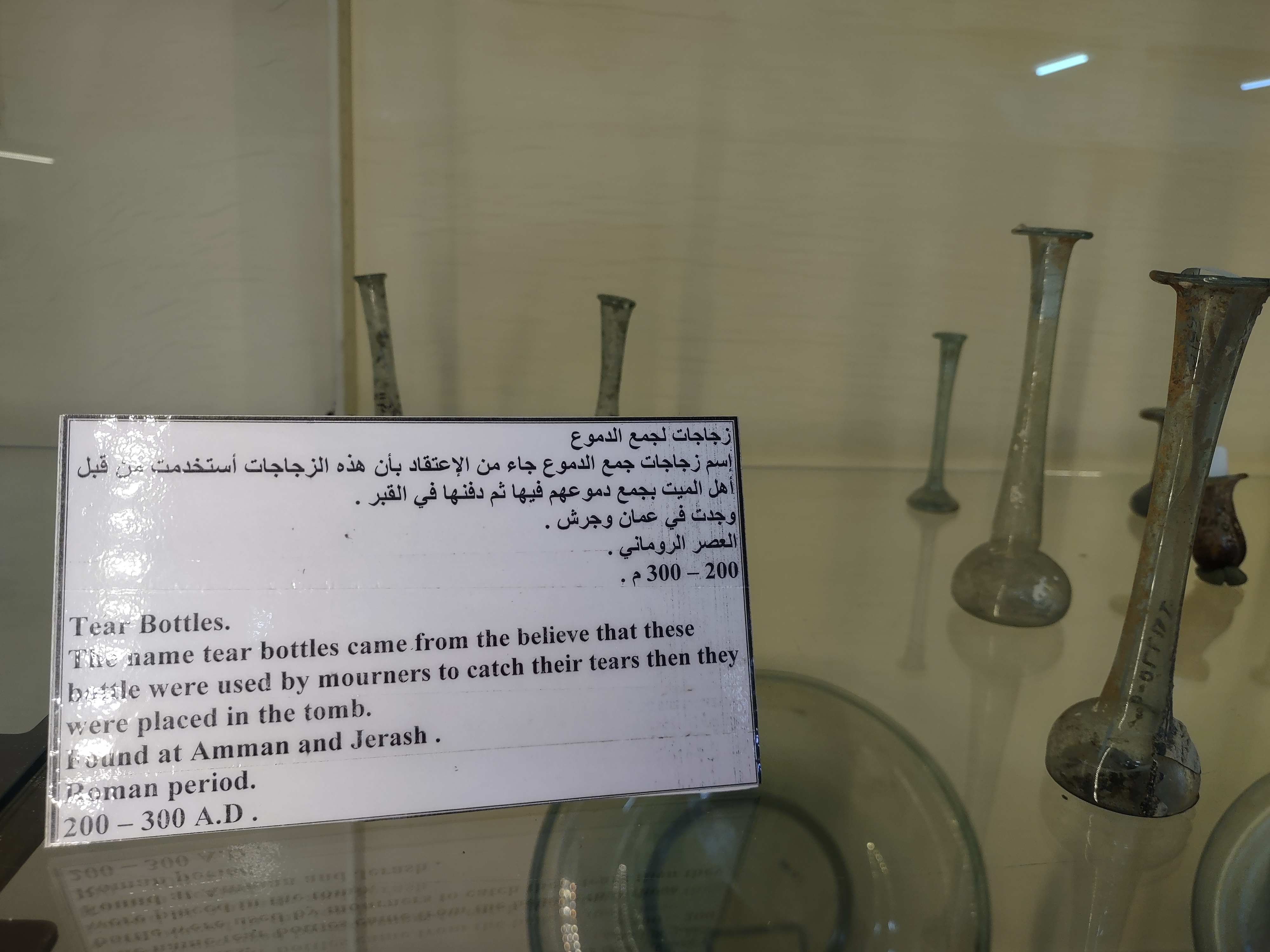
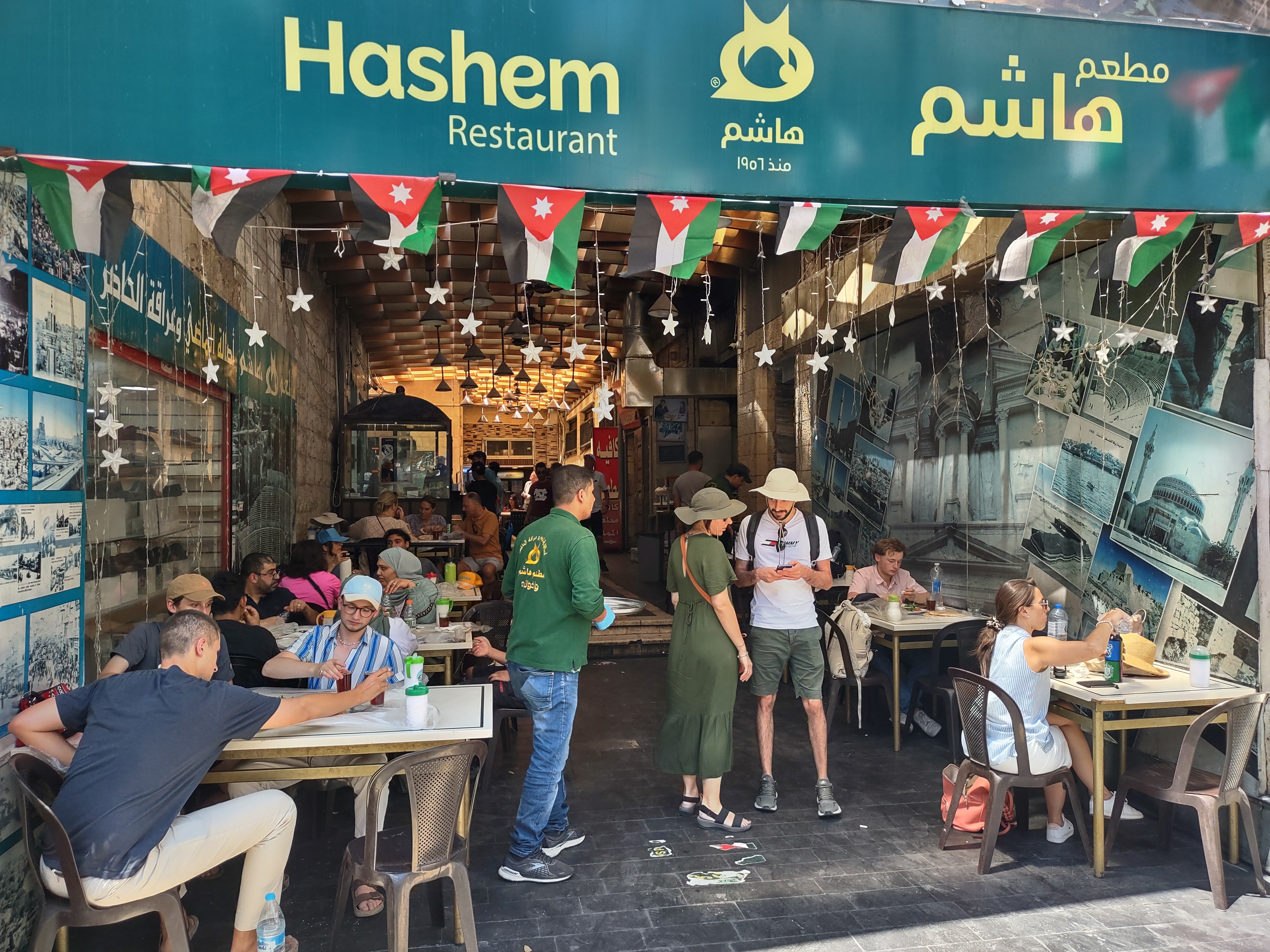
By the time we finished touring the Jordan Citadel, it was well into the afternoon and we made our way back down to the city center (yes, we walked rather than cabbed) for some well deserved lunch. We went to another place recommended by our host, the Hashem Restaurant, which is located in the thick of things just around the corner from King Faisal Square. It is a pretty basic and inexpensive place which is reputed to have the best hummus in Amman, if not Jordan, which it quite possibly was. Knowing that we had an early bus the next morning, we headed home to do some laundry and get organized.
The Dead Sea
Our trip to the Dead Sea began on Monday July 24th with a kind of funny mistake which may have restored some faith in the notion of destiny or karma for me. We had decided to take a bus leaving at 8:30 AM rather than one at 8:00 as they appeared to arrive at the same time. Unfortunately, there was some confusion about the location of the bus station and it was only after our taxi had left us that we realized we were at the wrong one for the 8:30 bus but, coincidentally, not only were we at the right station for the bus which departed at 8:00, but we had arrived early enough to catch it. We boarded the bus and, when it arrived at the other station a few minutes before 8:30, we finally realized that there had only ever been one bus which convinced me at least that, no matter what, we were meant to be on that bus.
We were the only passengers on the bus from the start, but a Jordanian mother and her three children got on at the first stop (our originally planned station of origin) and then that was it for passengers. We were pleasantly surprised that, once our bus driver discovered where we were from, he decided to take on the role of tour guide, pointing out interesting things along the way and even stopping for photos at the point where the road dips below sea level and begins its descent to the Dead Sea. While his English was limited, he did a great job but we noticed that whenever he pointed to the country across the Jordan River and Dead Sea, he referred to it as “Palestine” not “Israel” and we later discovered that this is typical in Arab countries.
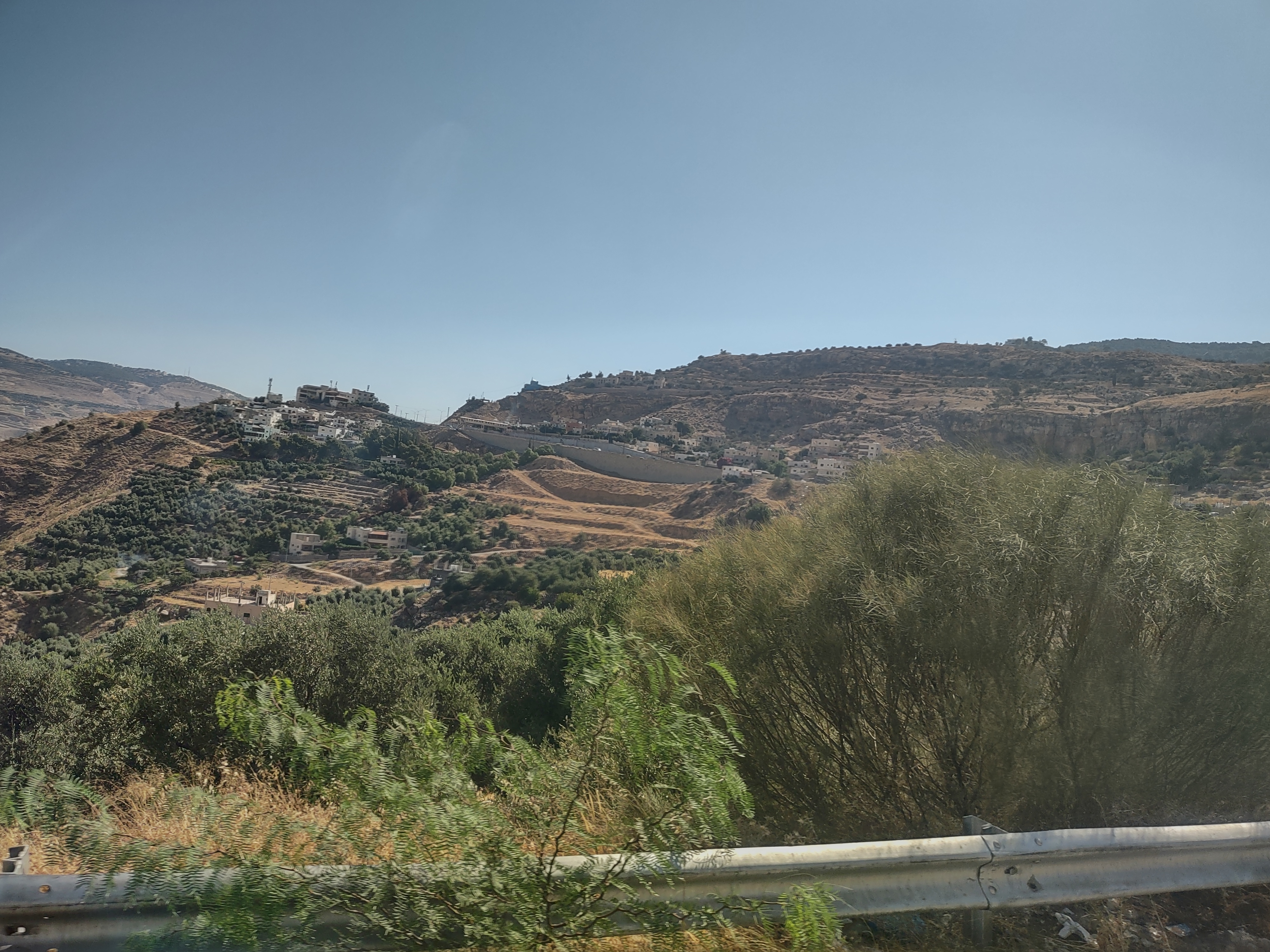
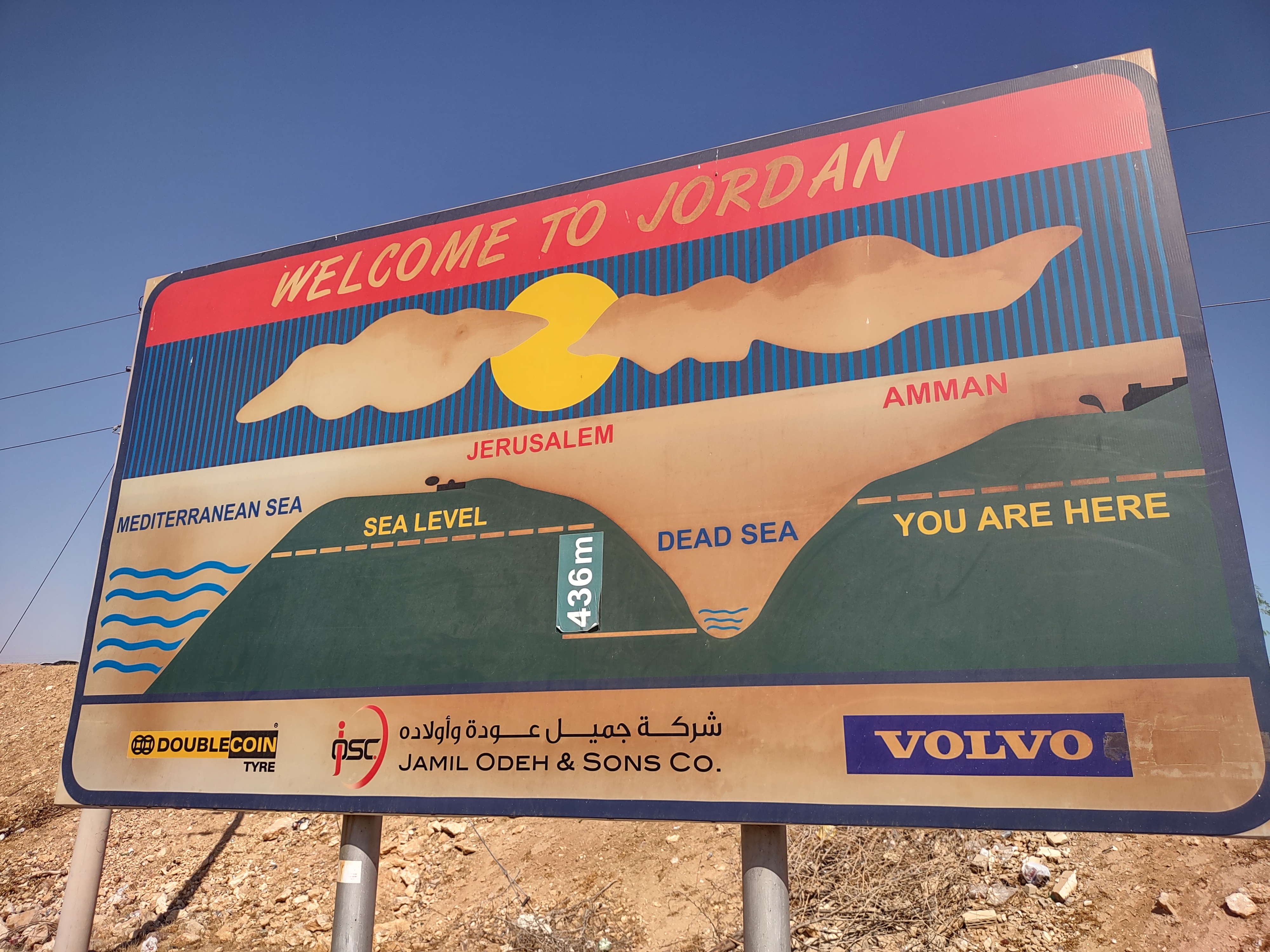


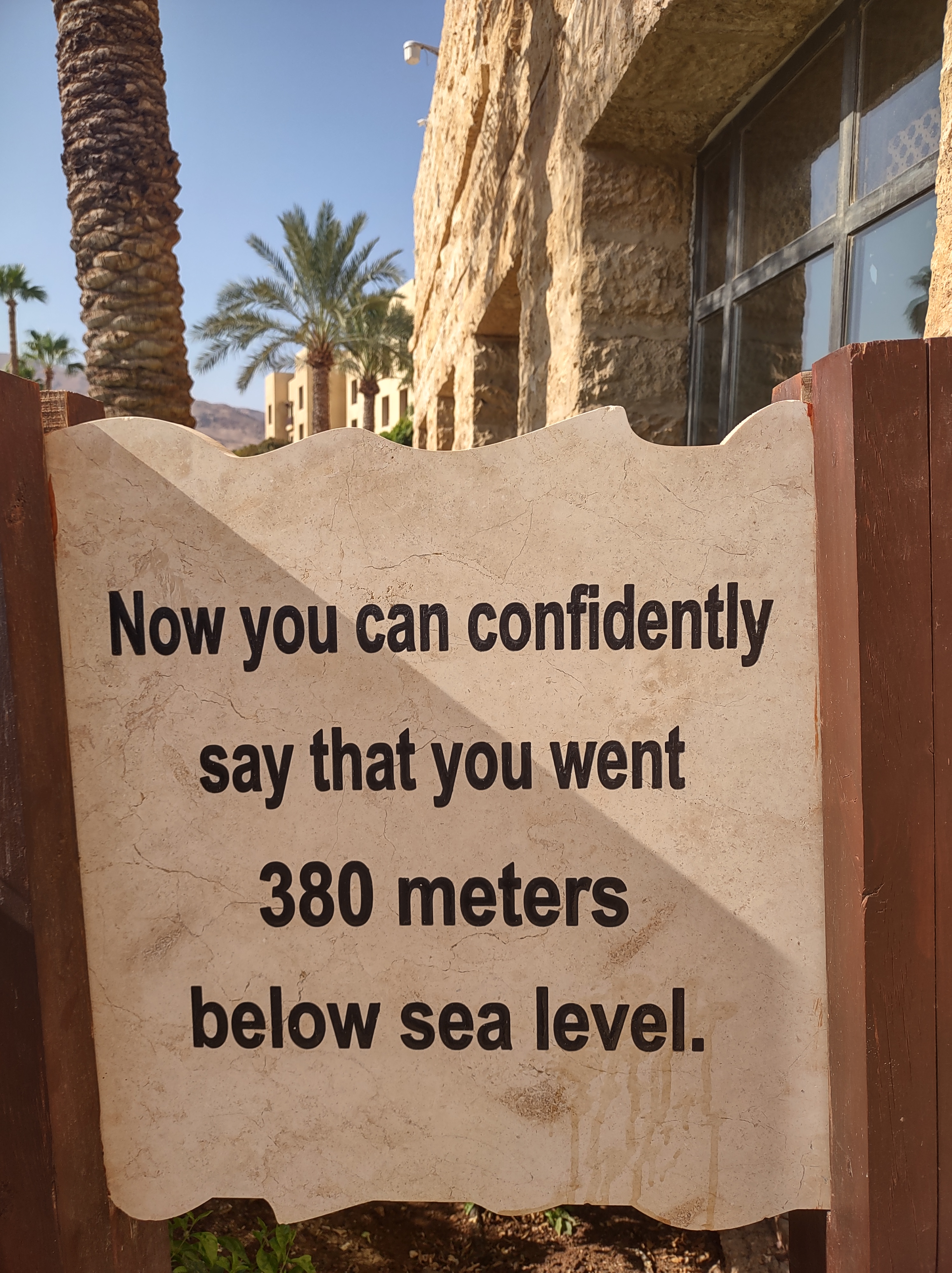
There are not a lot of places to stay on the Dead Sea and, after you eliminate all of the American brand name resorts where we apparently couldn’t be caught dead (Crowne Plaza, Hilton, Marriott, Ramada, and Holiday Inn) what was left were expensive (which, honestly, even the others were) European resort chains we had never heard of but which looked very nice. After eliminating the uber expensive Kempinski Hotel Ishtar, we settled on the Movenpick Dead Sea Resort.
[True Confession No. 1: Our primary rationale for selecting the Movenpick (at three times our average nightly housing budget) was that we knew we were going to be roughing it for the rest of Jordan (and weren’t expecting Egypt to be much cushier), so we thought we deserved a bit of pampering (three days worth to be exact) before moving on to what could possibly (with temperatures projected in the 100’s for the duration, actually more “would likely”) end up seeming a lot like hell. (At least that is what I told Colleen when she asked me how much we were paying to stay there.)]
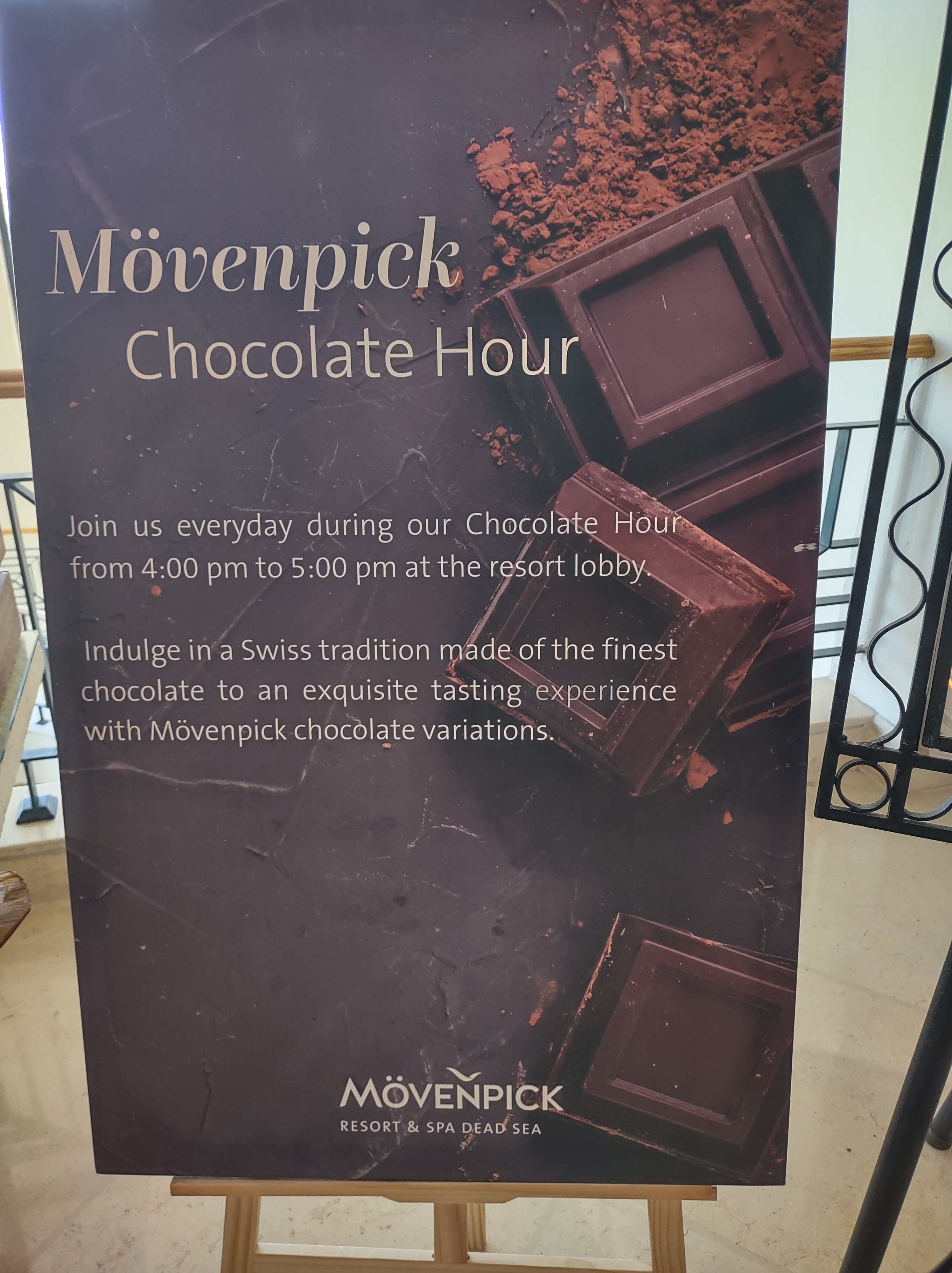
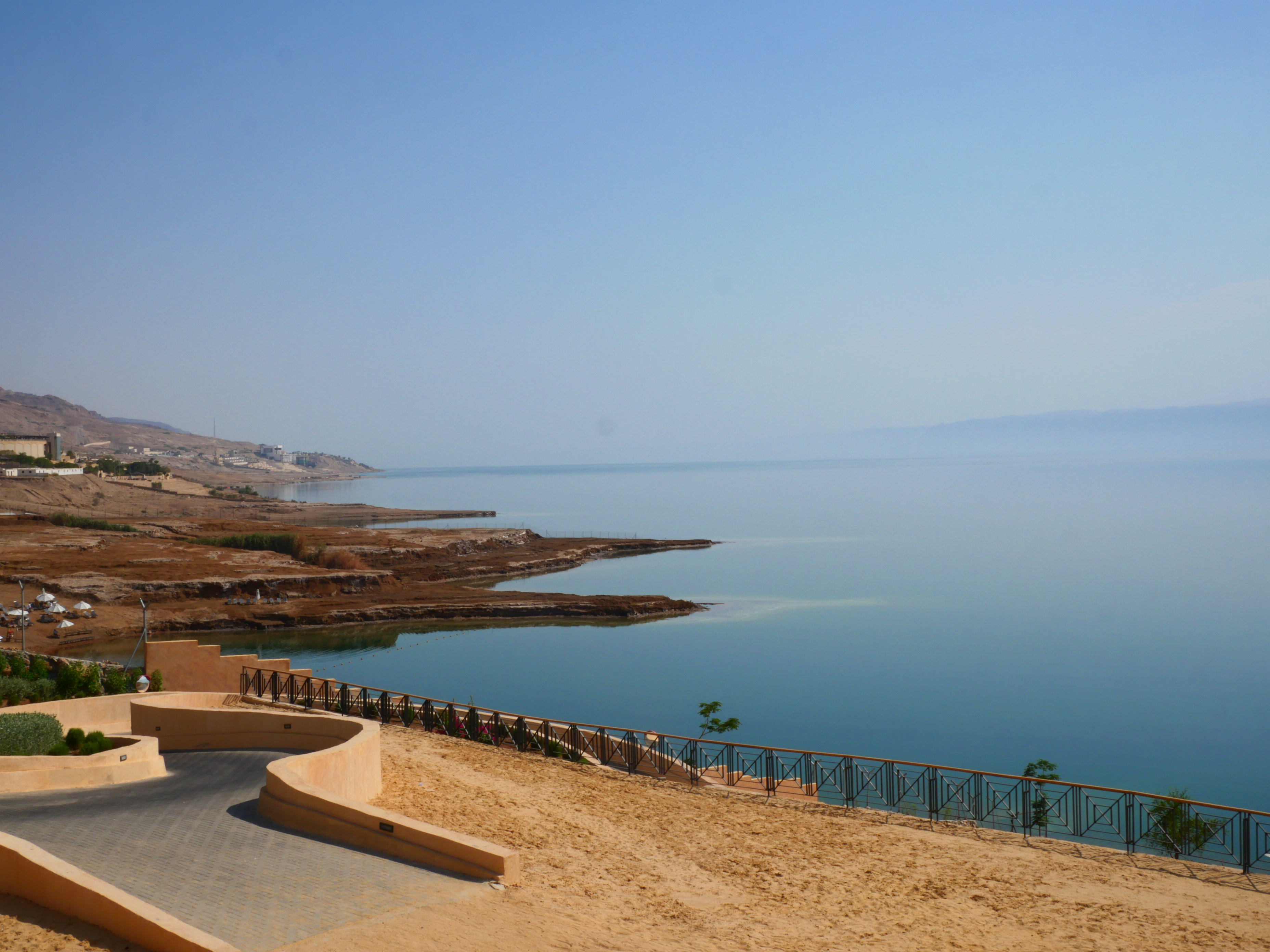
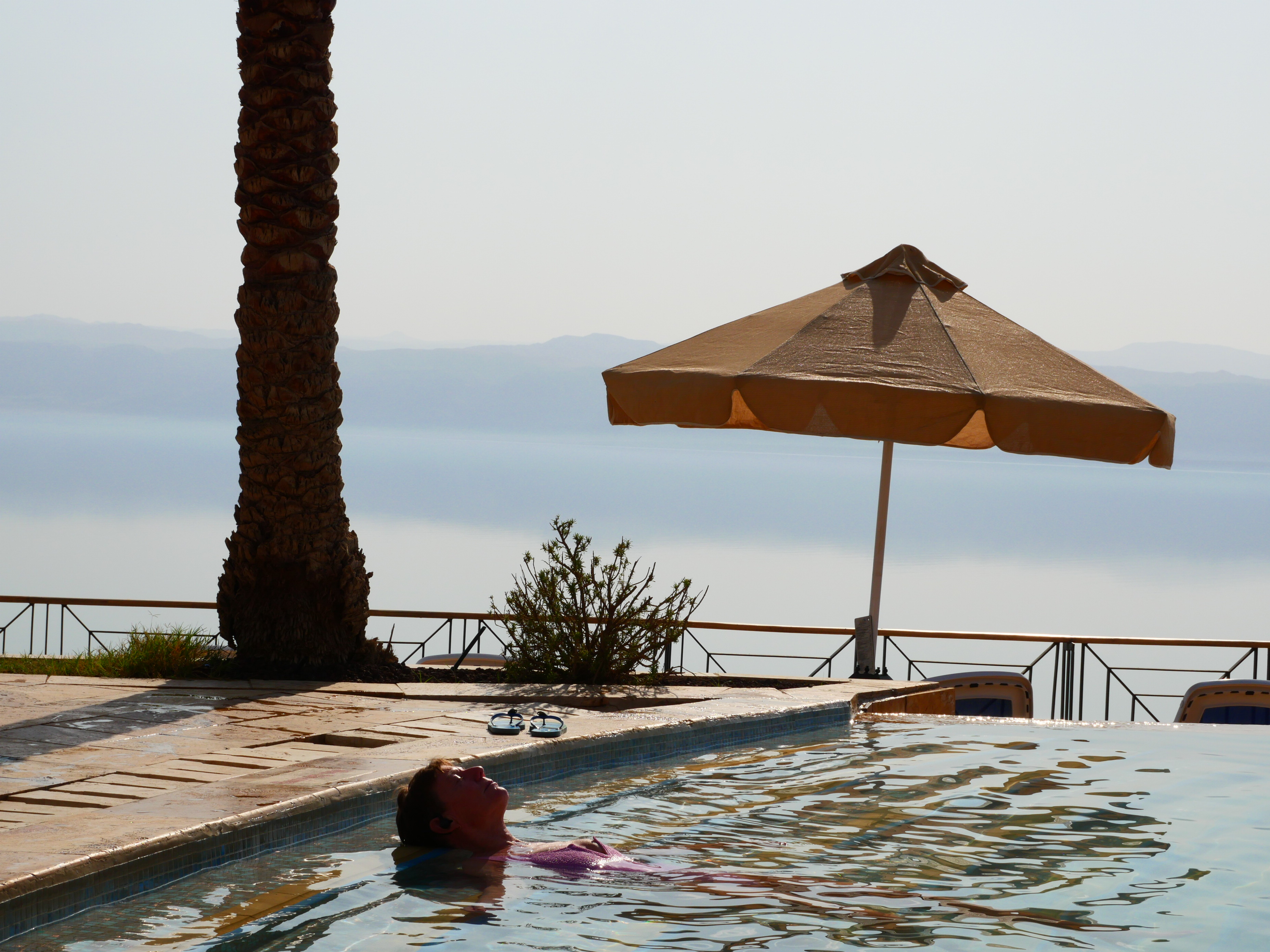
Feeble justifications aside, the place was, by our current standards, quite luxurious and we thoroughly enjoyed our stay. Each day started with an amazing breakfast buffet eaten on a luxurious terrace overlooking the resort with the Dead Sea and distant shores of Palestine as a background. And, as the temperatures climbed above 110 degrees, we were very happy to spend the day lounging by an infinity pool with drink and food service, and, to Colleen’s delight, we discovered that there was a Chocolate Hour in the main lobby every day from 4:00 to 5:00 PM, at which time you could sample some very delectable Swiss chocolates.
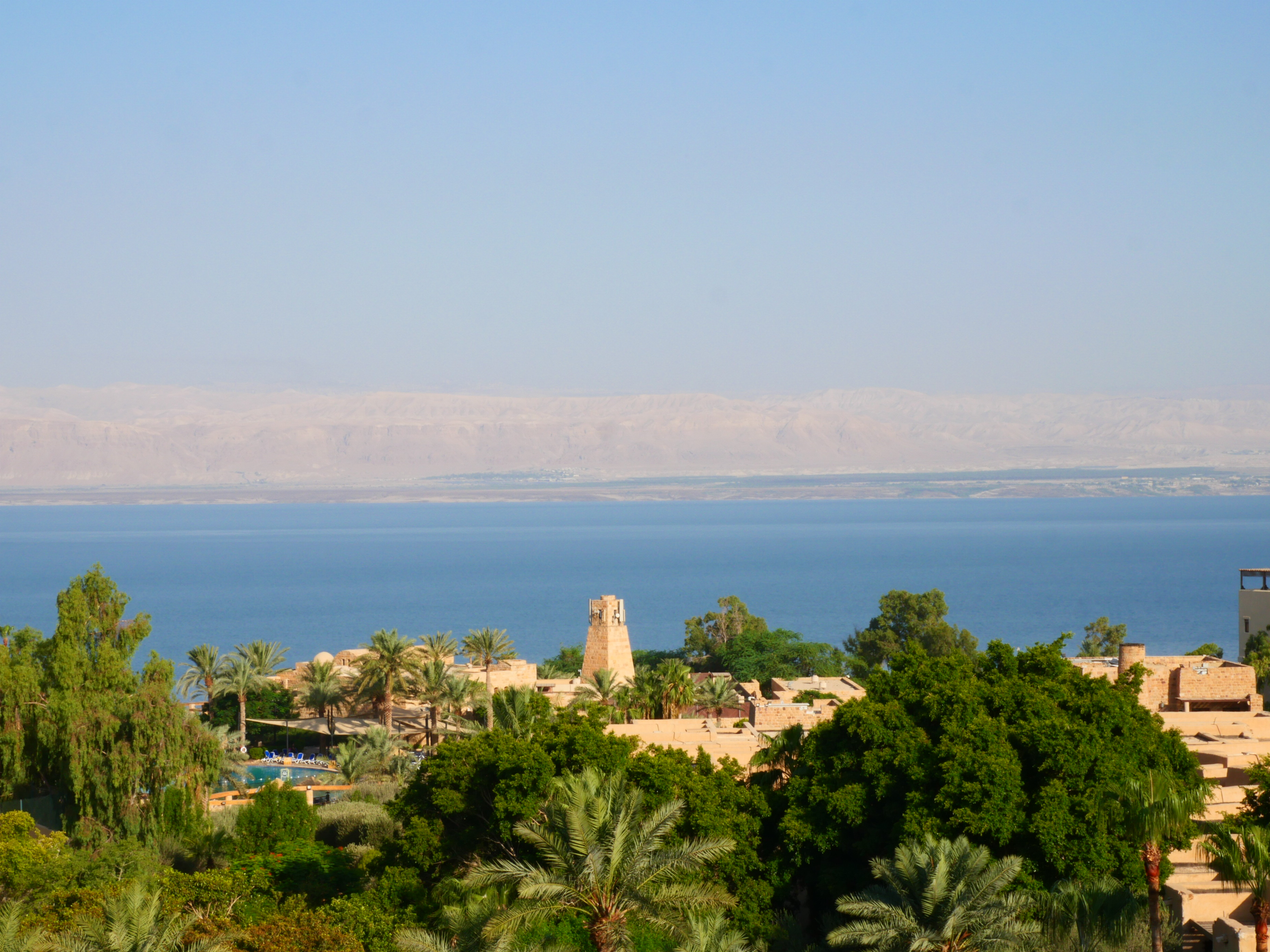
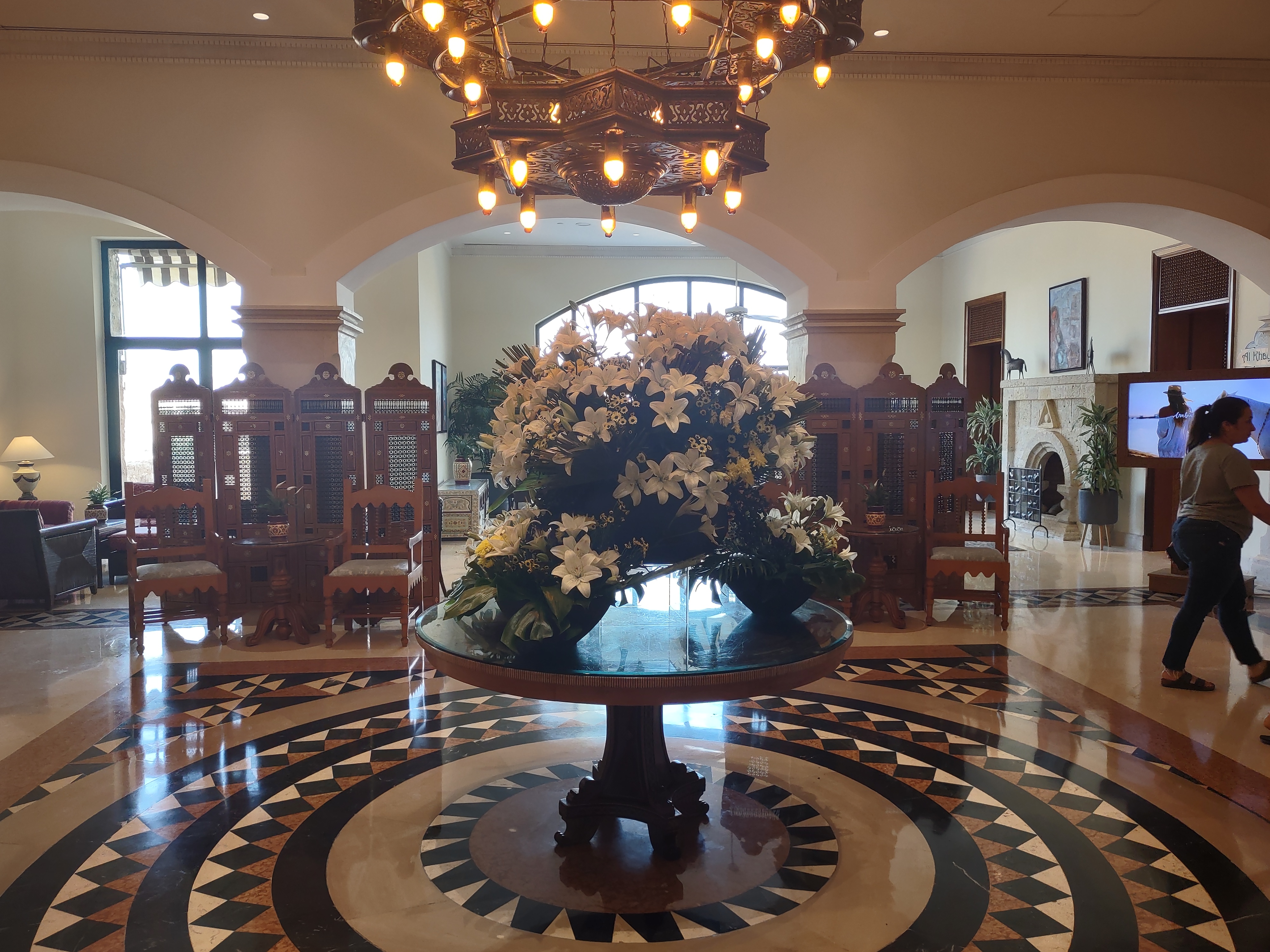
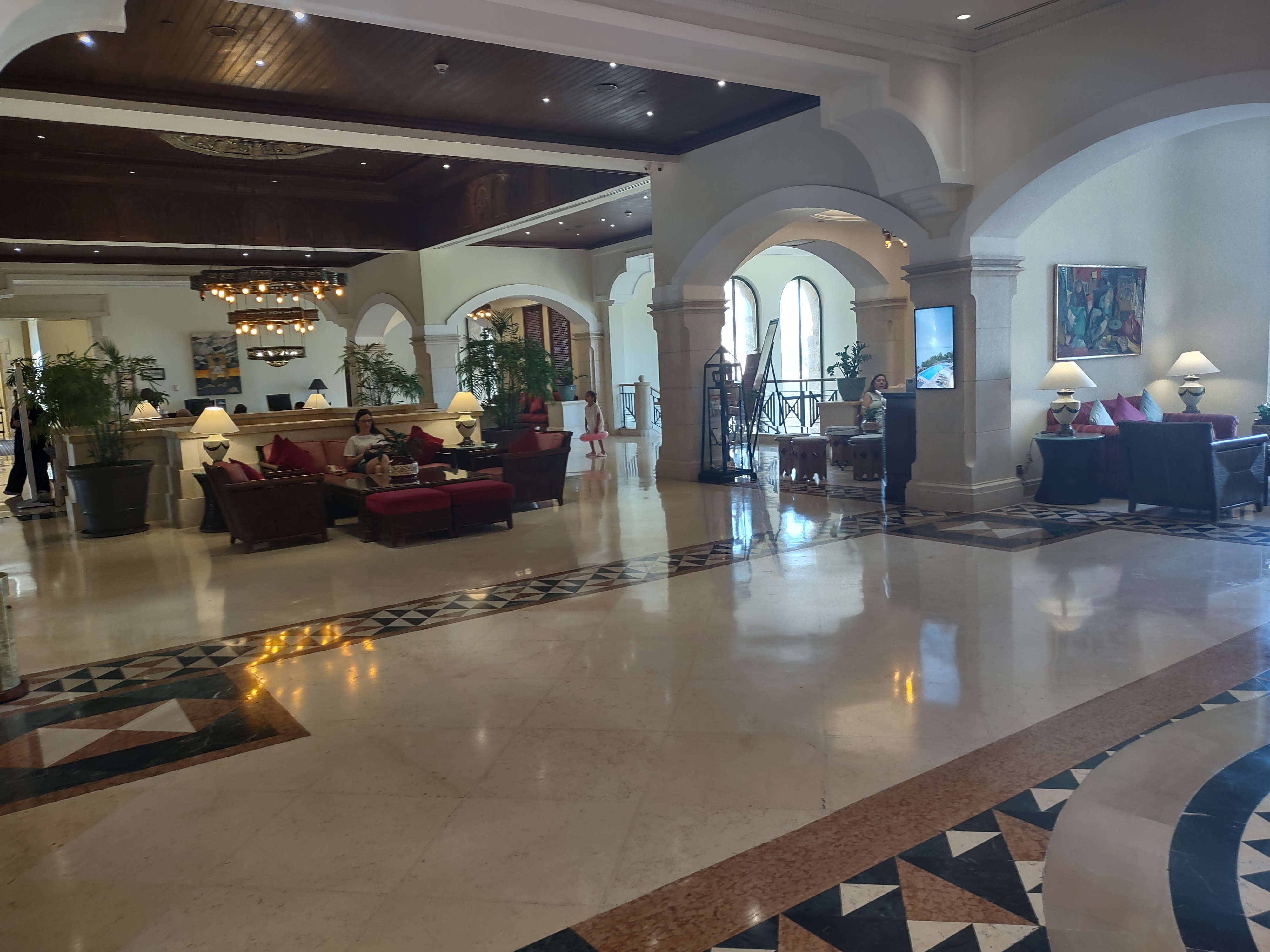
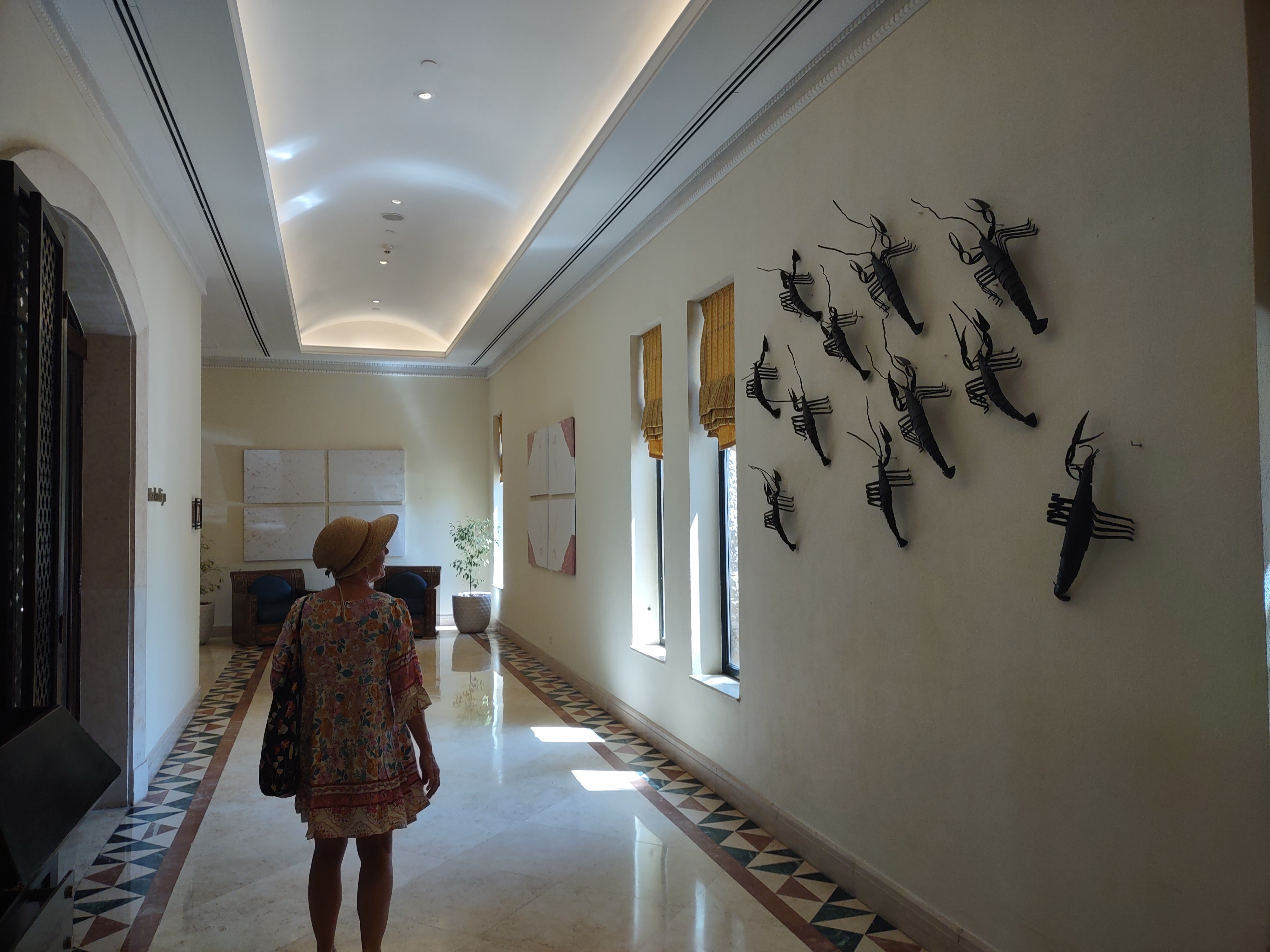
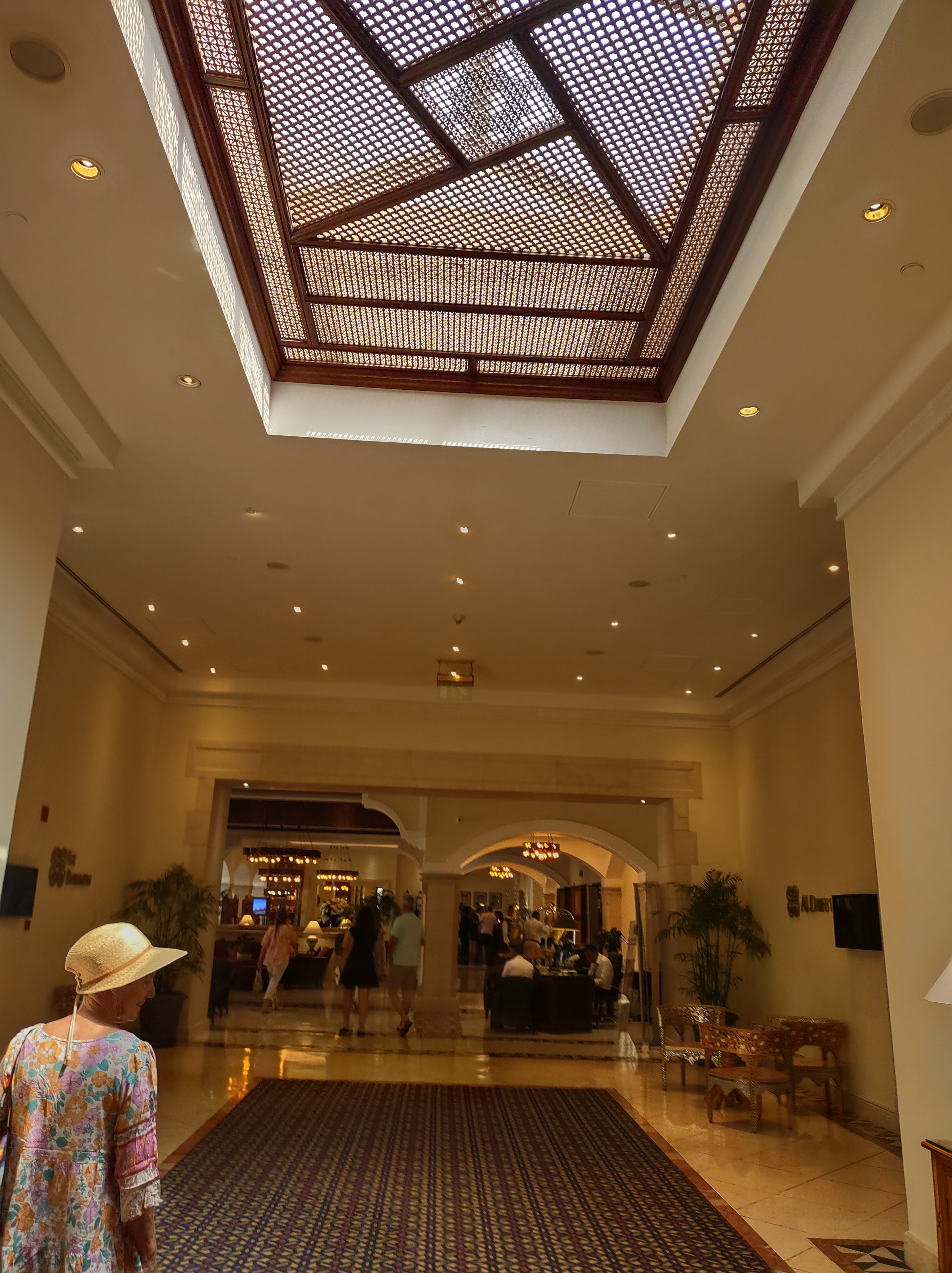
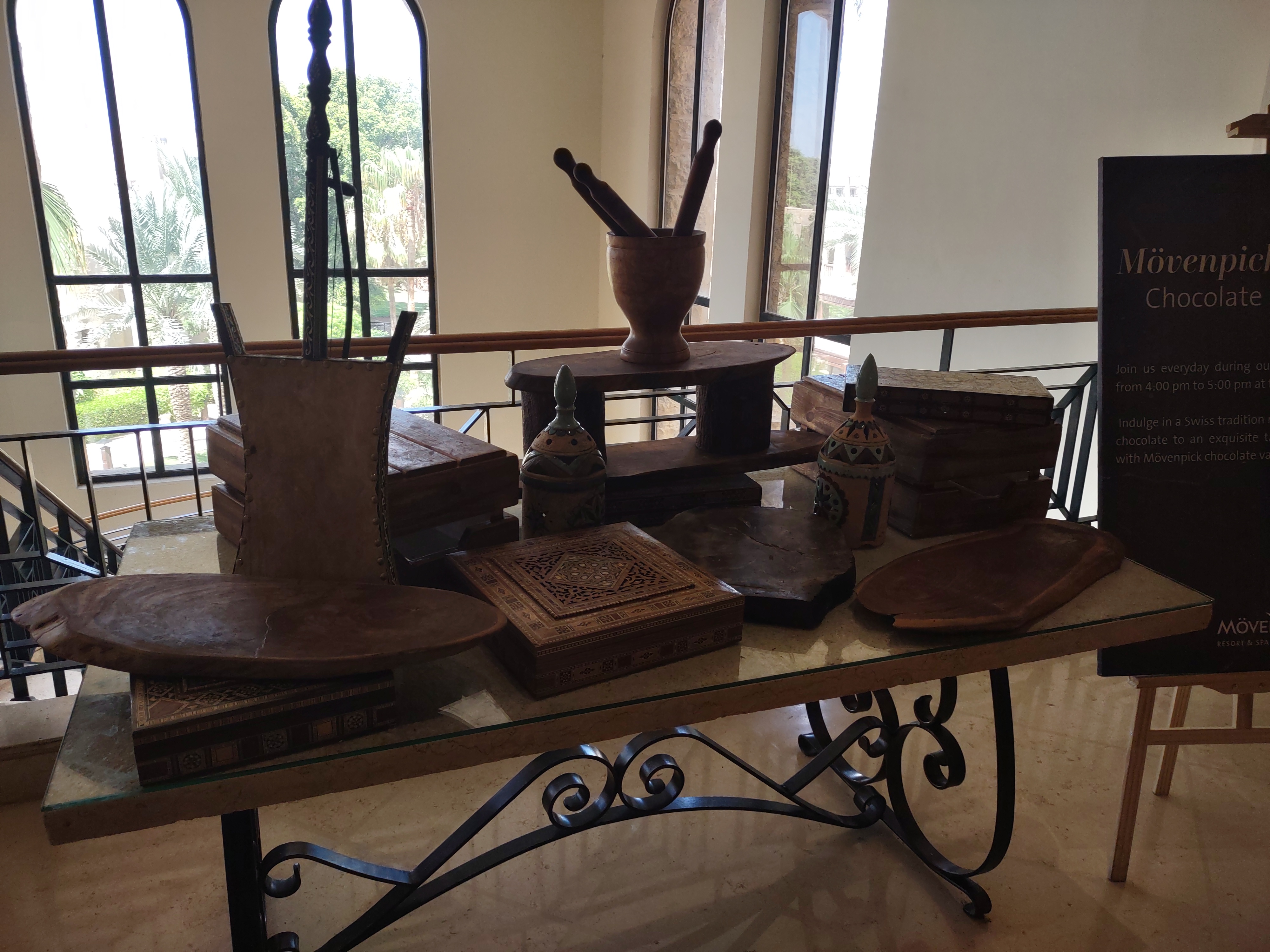
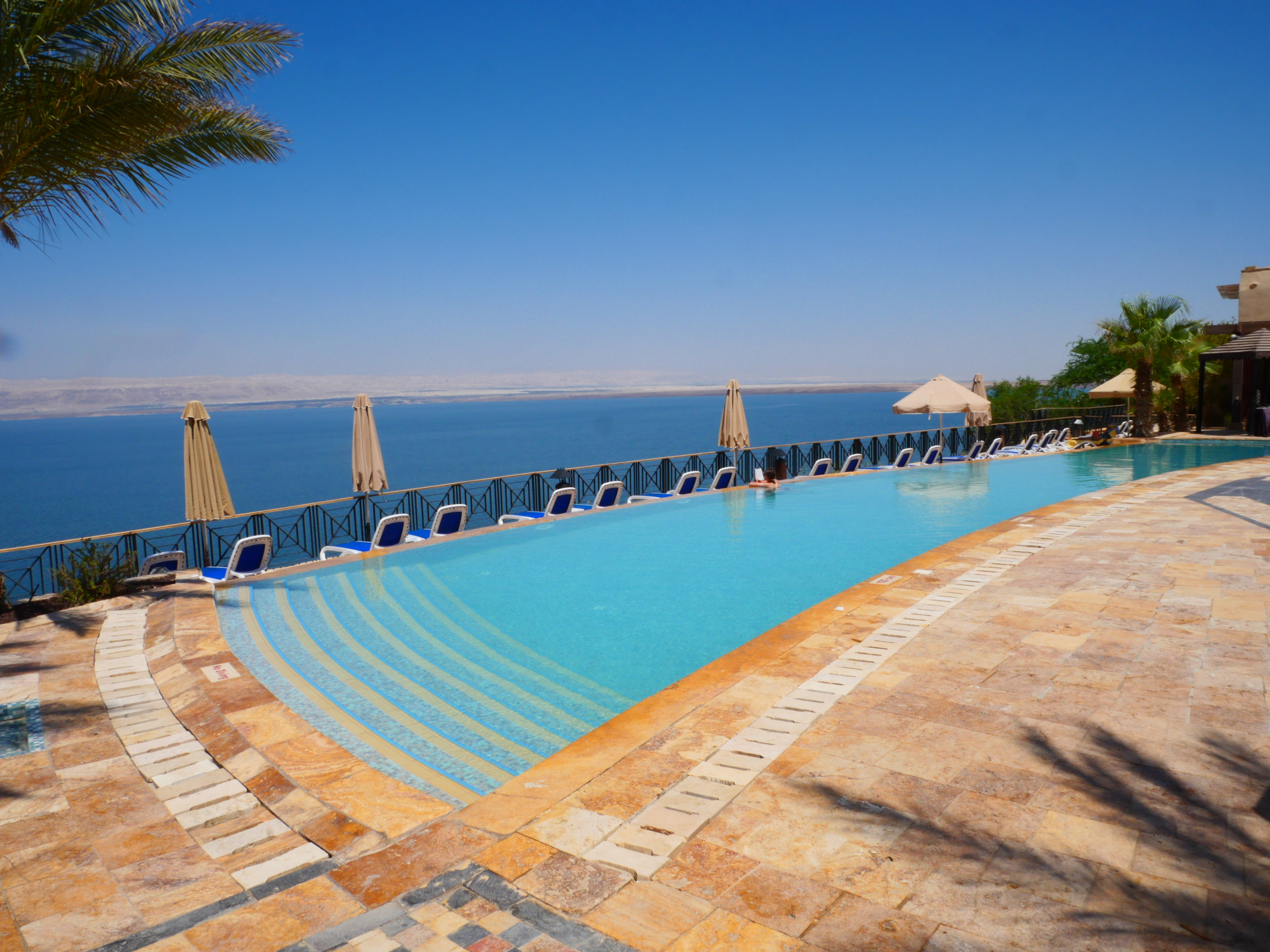
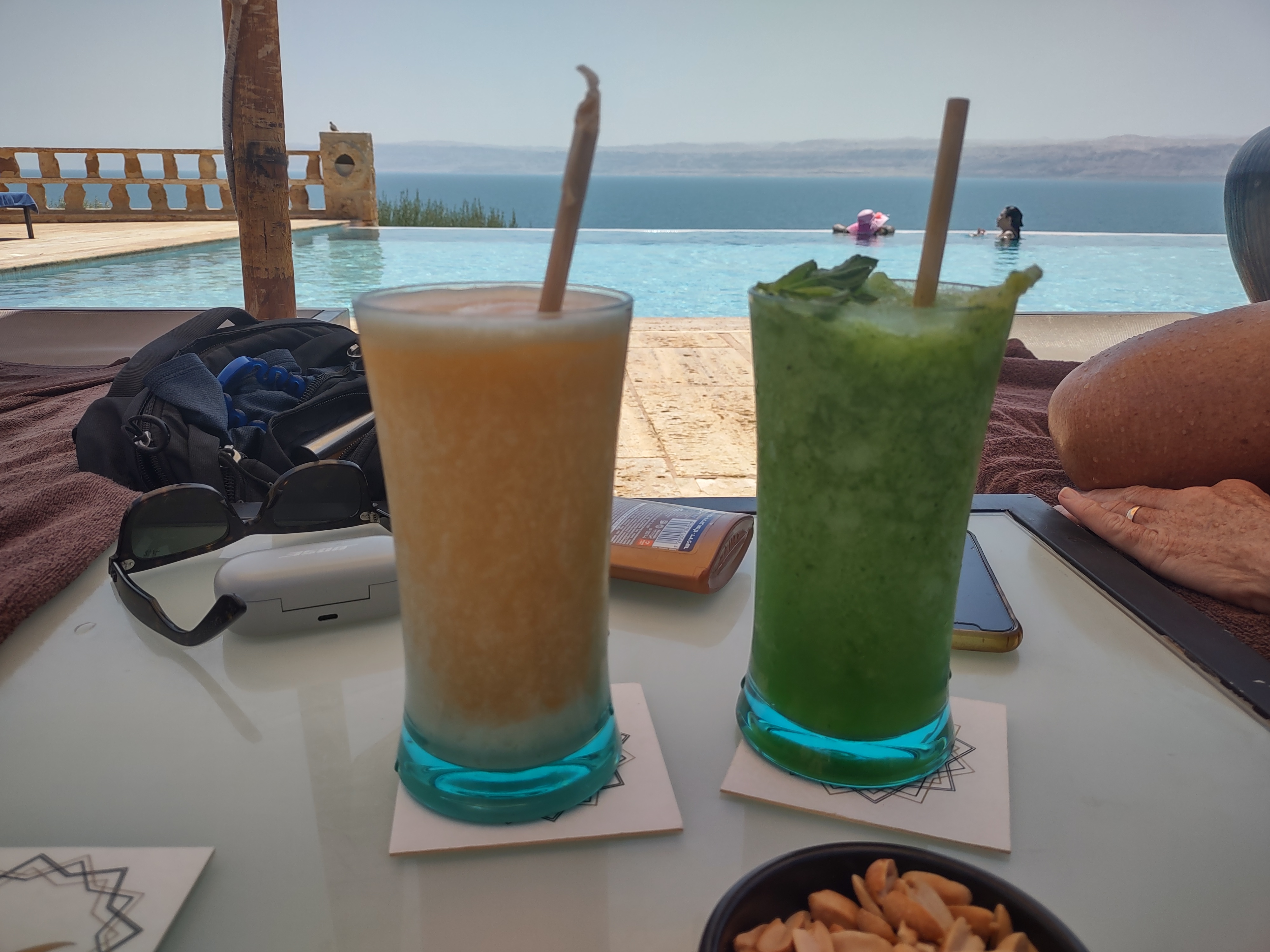

On our second day, we booked a couple’s massage session which entitled us to use of the spa facilities, including their infinity pool, a second shaded pool, something called the Dead Sea Room (a small pool filled with Dead Sea water), and something I can only describe as whirlpool heaven, for the entire day. We arrived early and enjoyed being the only ones at the pool for the entire morning up until mid-afternoon. The message was extremely relaxing and, after some drinks (mango lassies have been introduced to the mix) and a nice lunch, we sampled some of the other spa facilities before returning to the infinity pool for sunset.
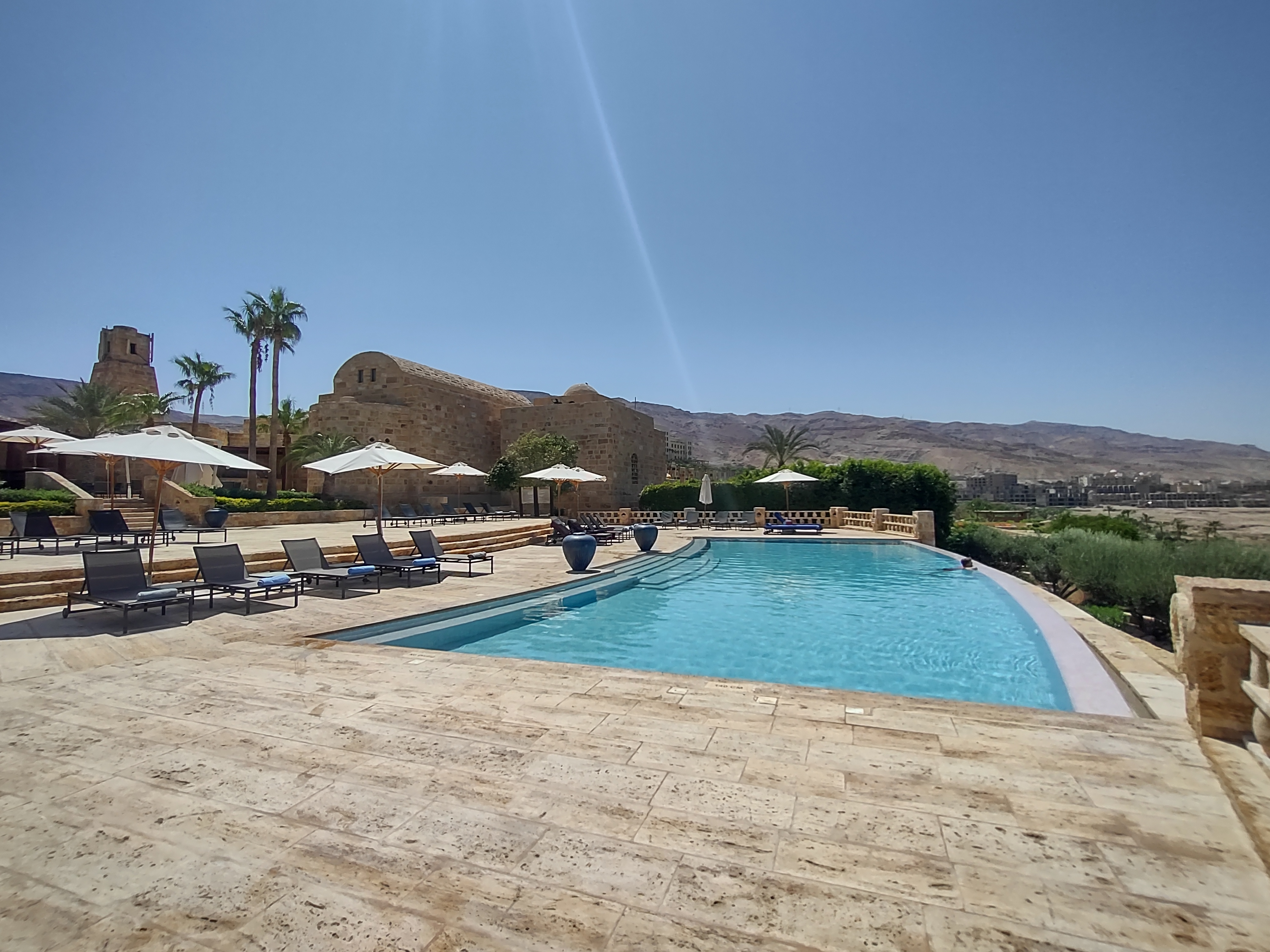
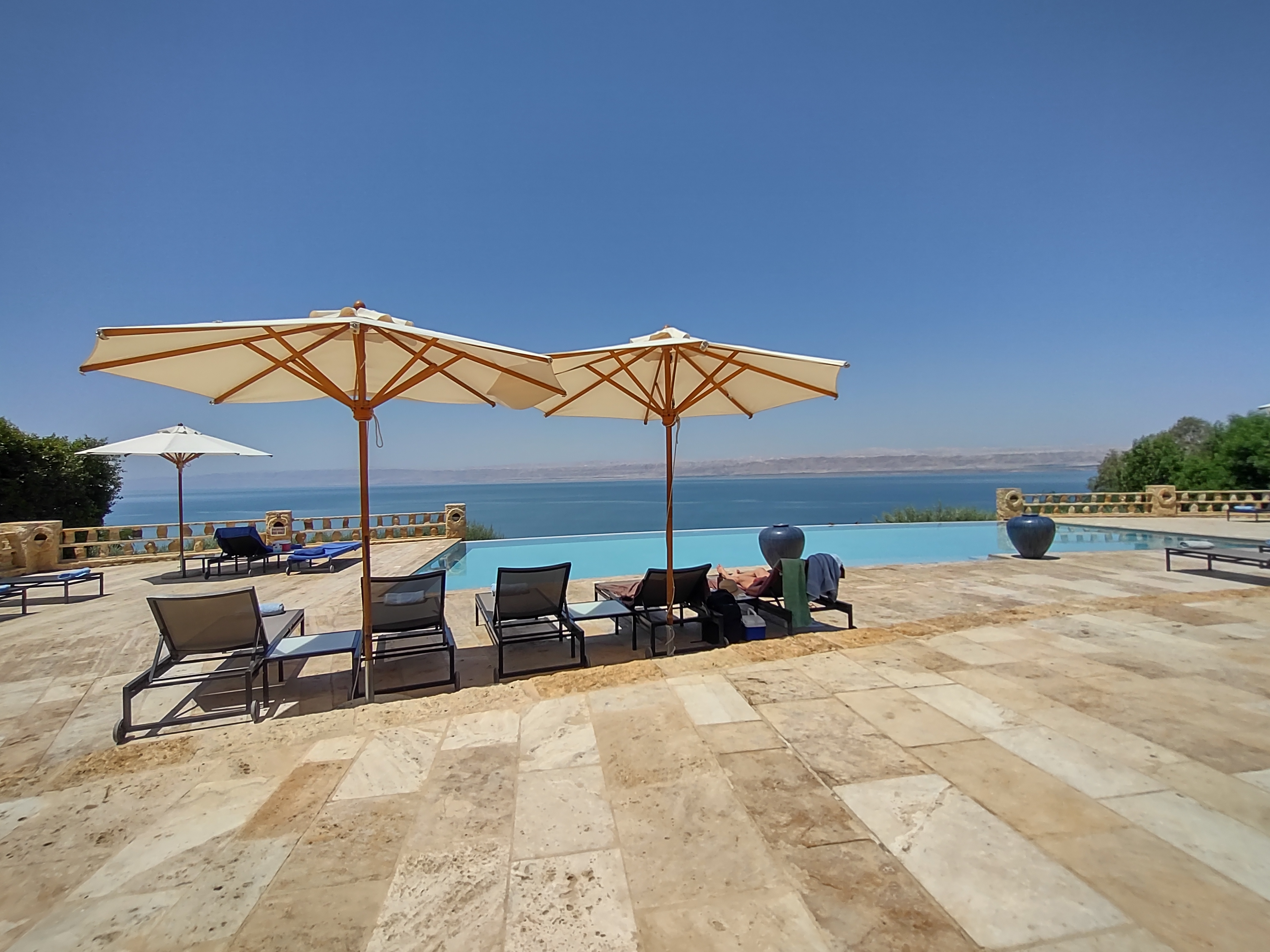

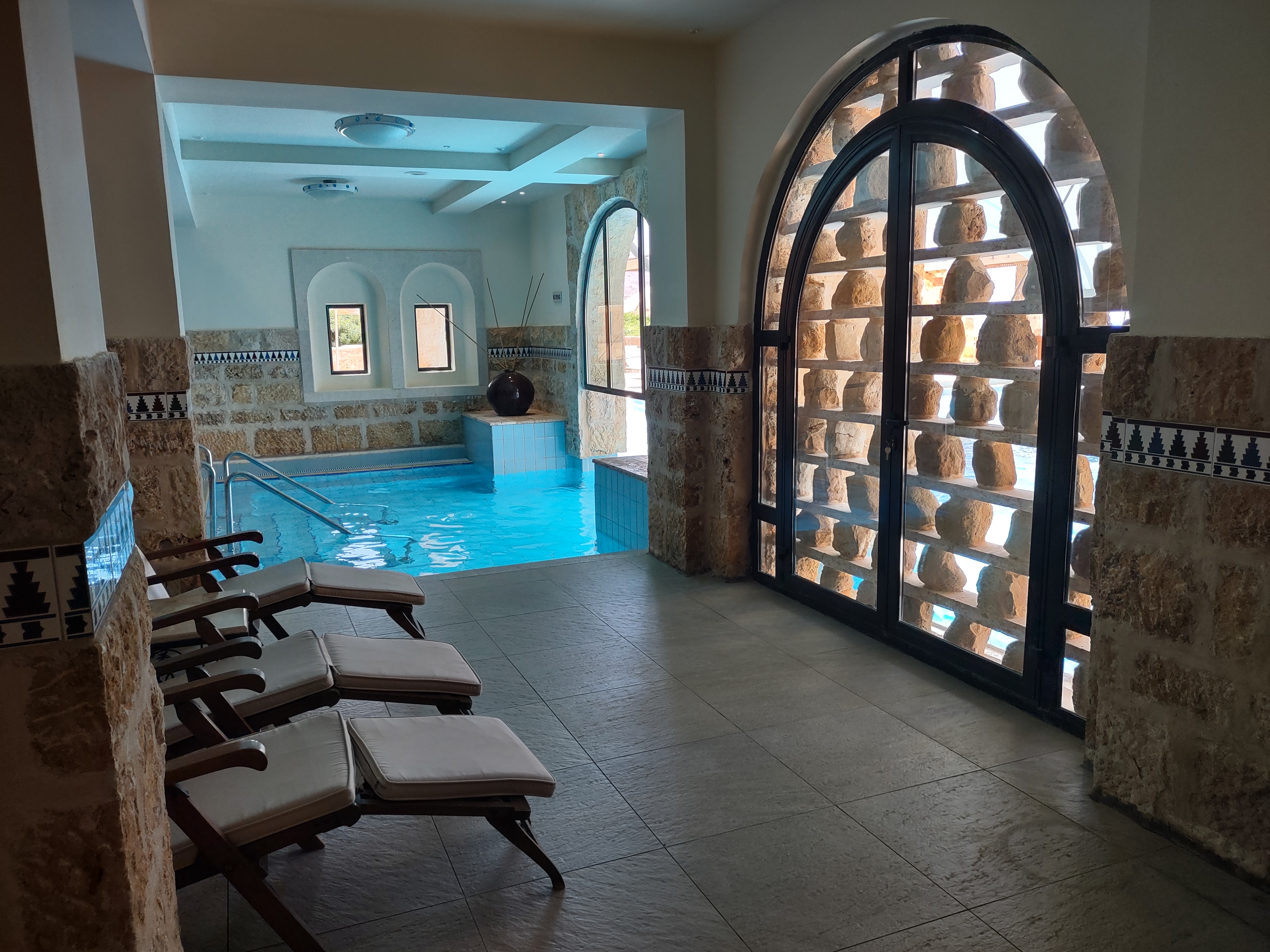

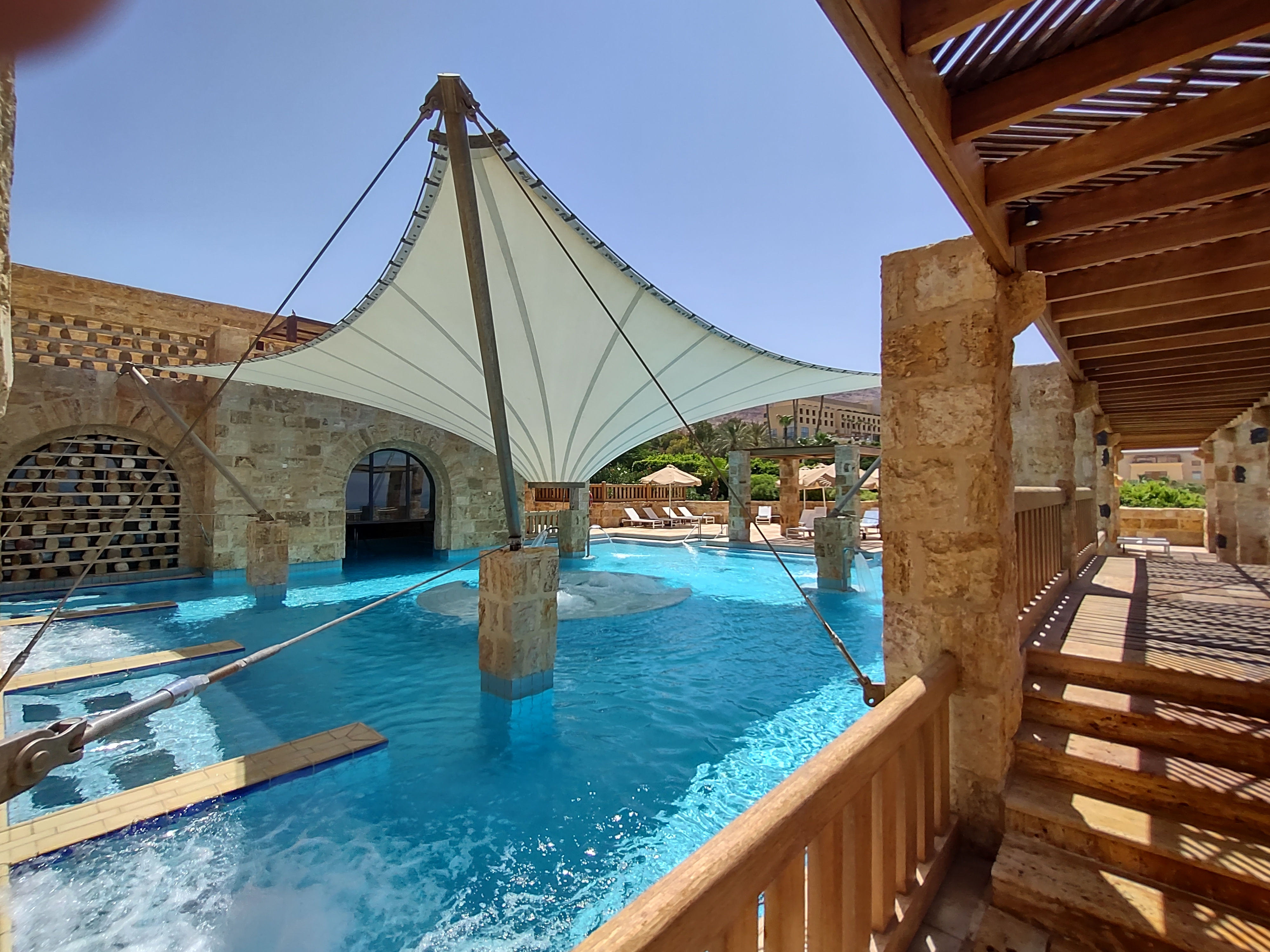
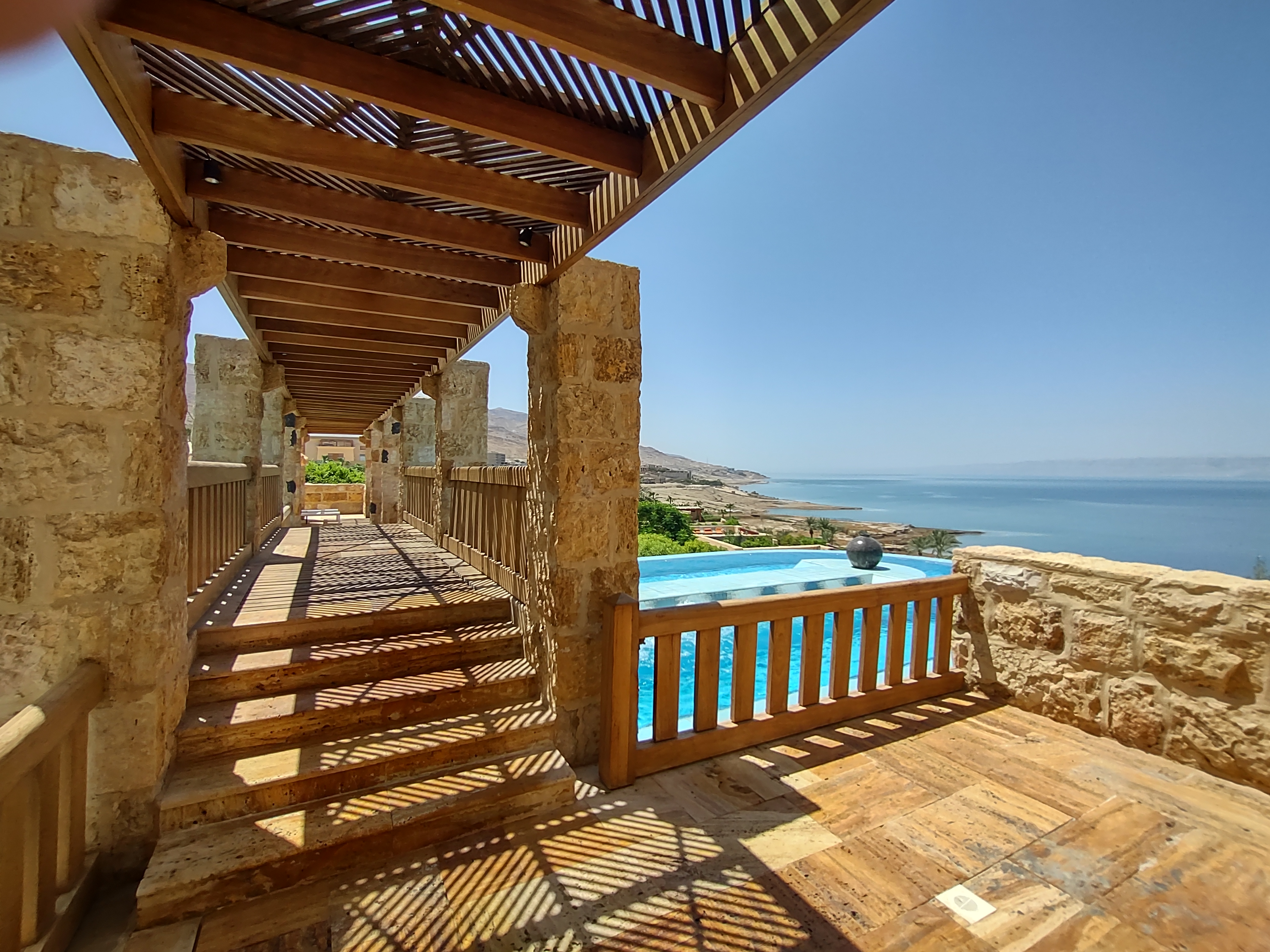
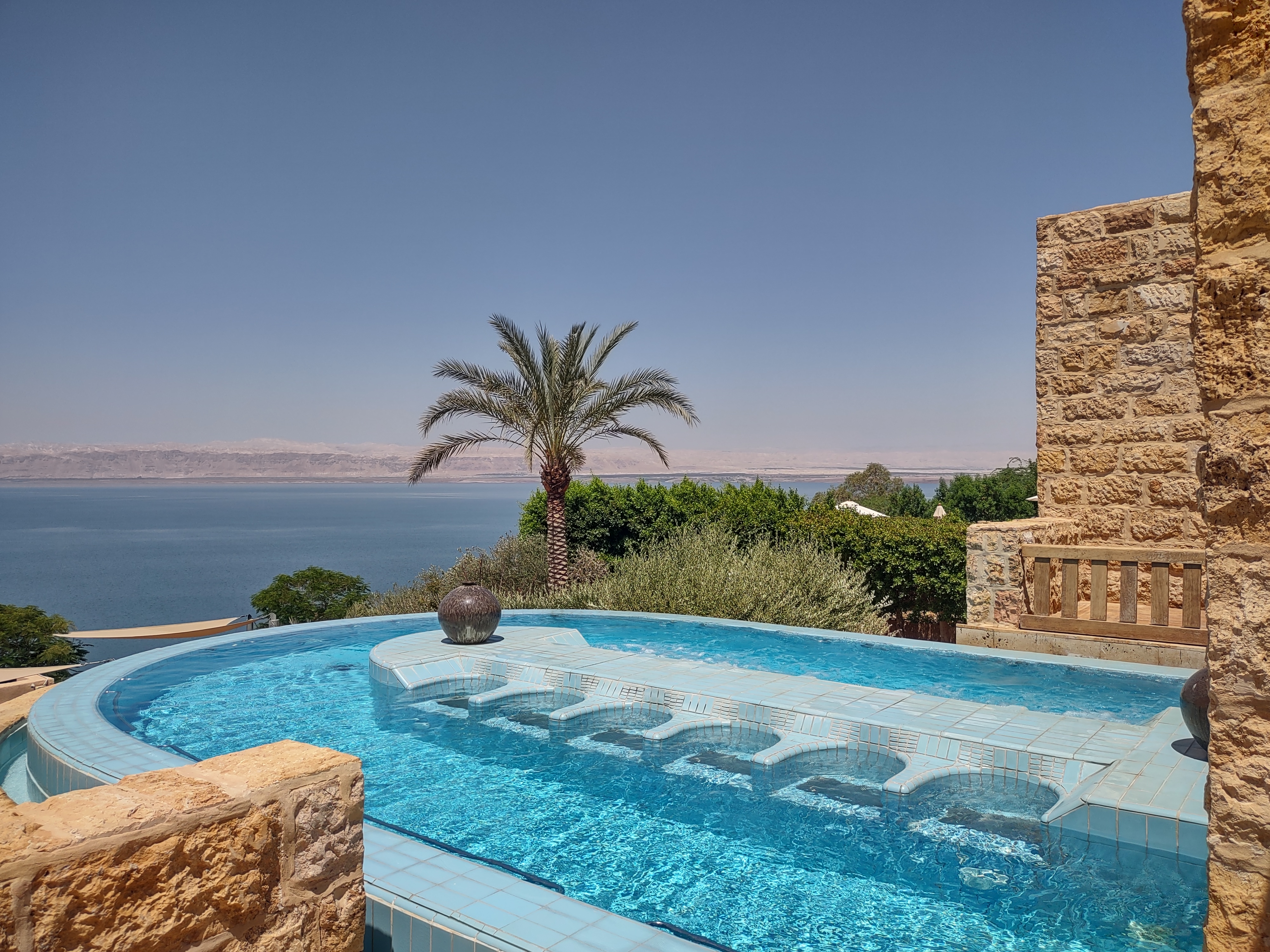
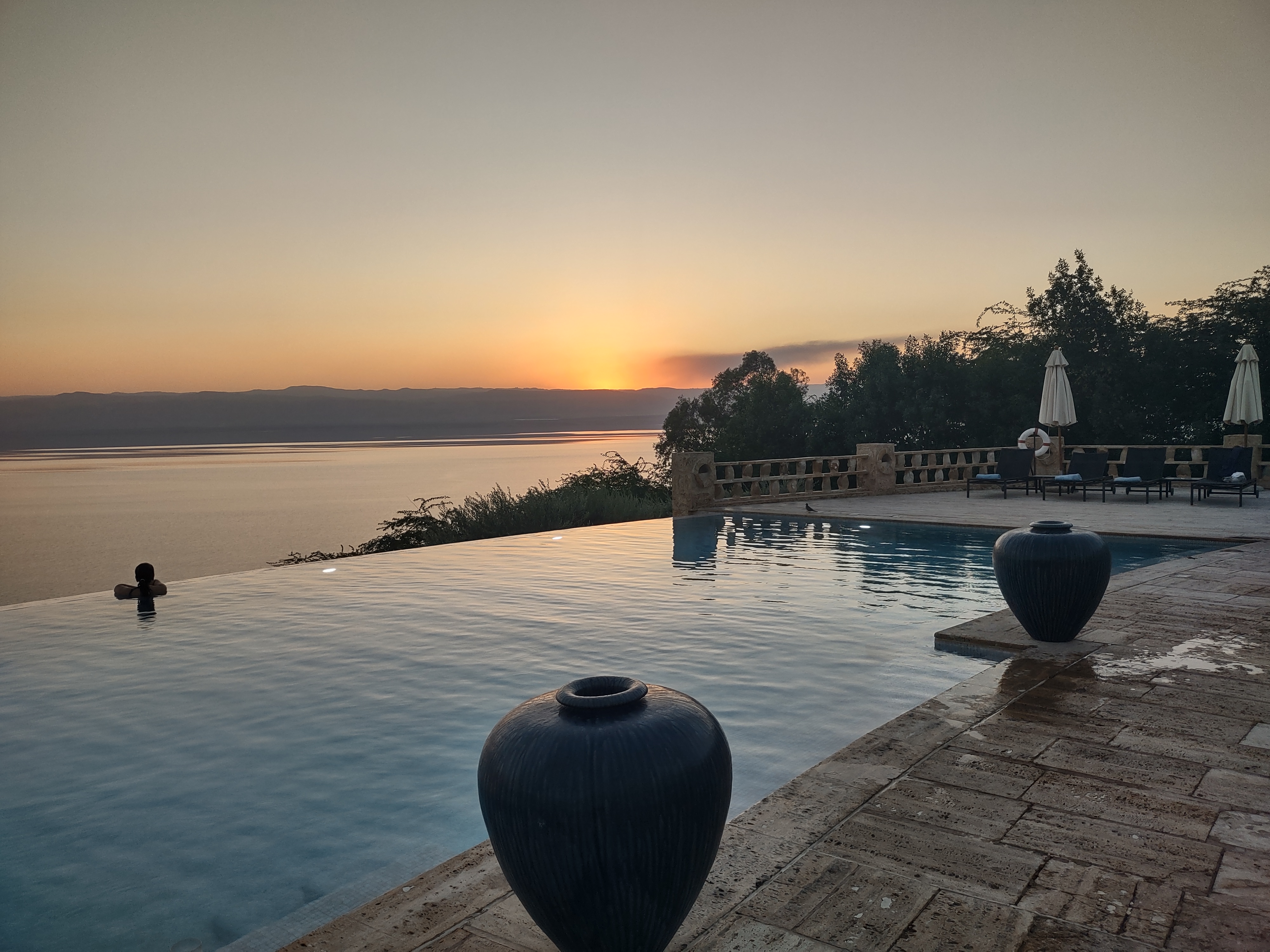
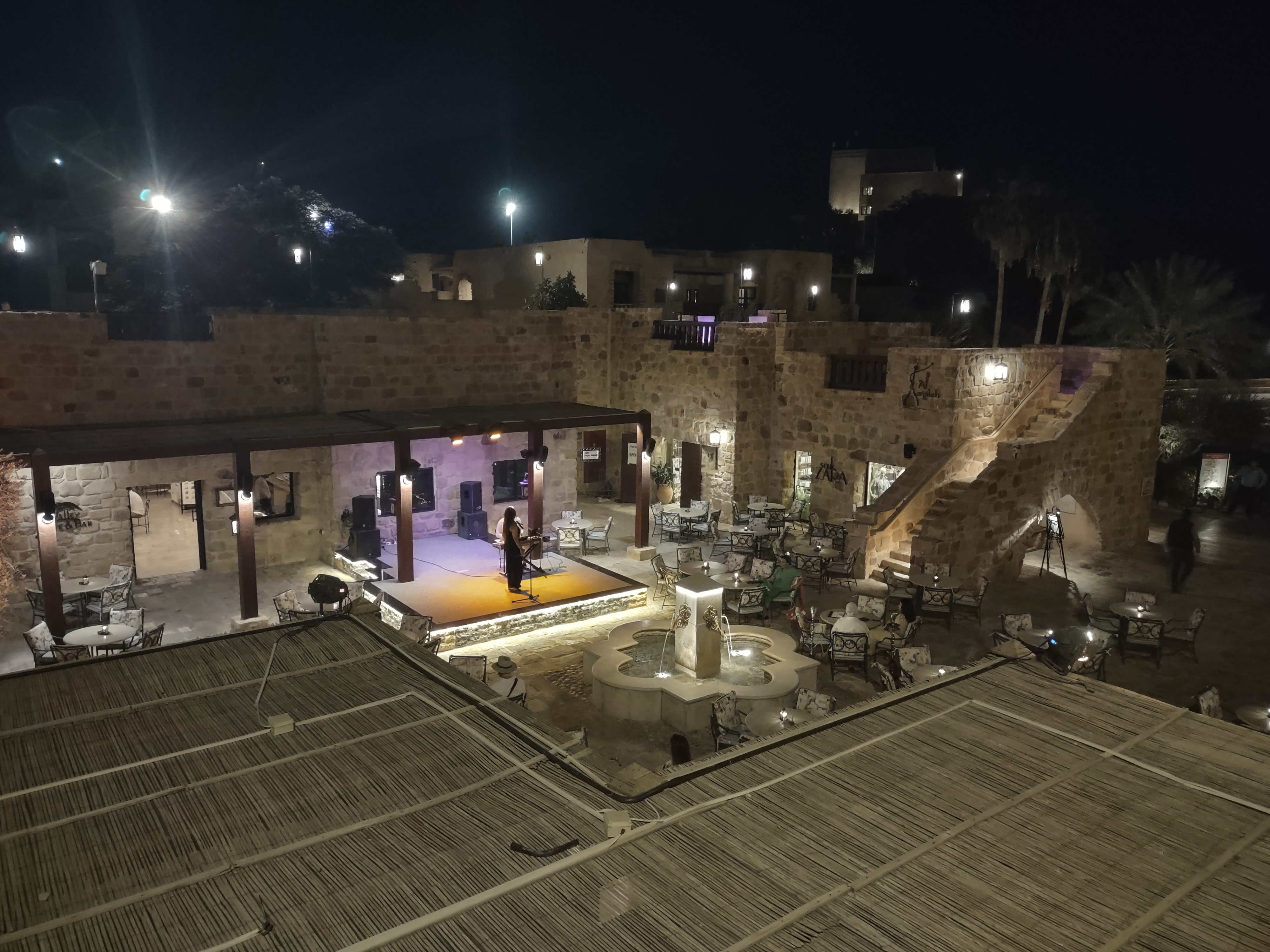
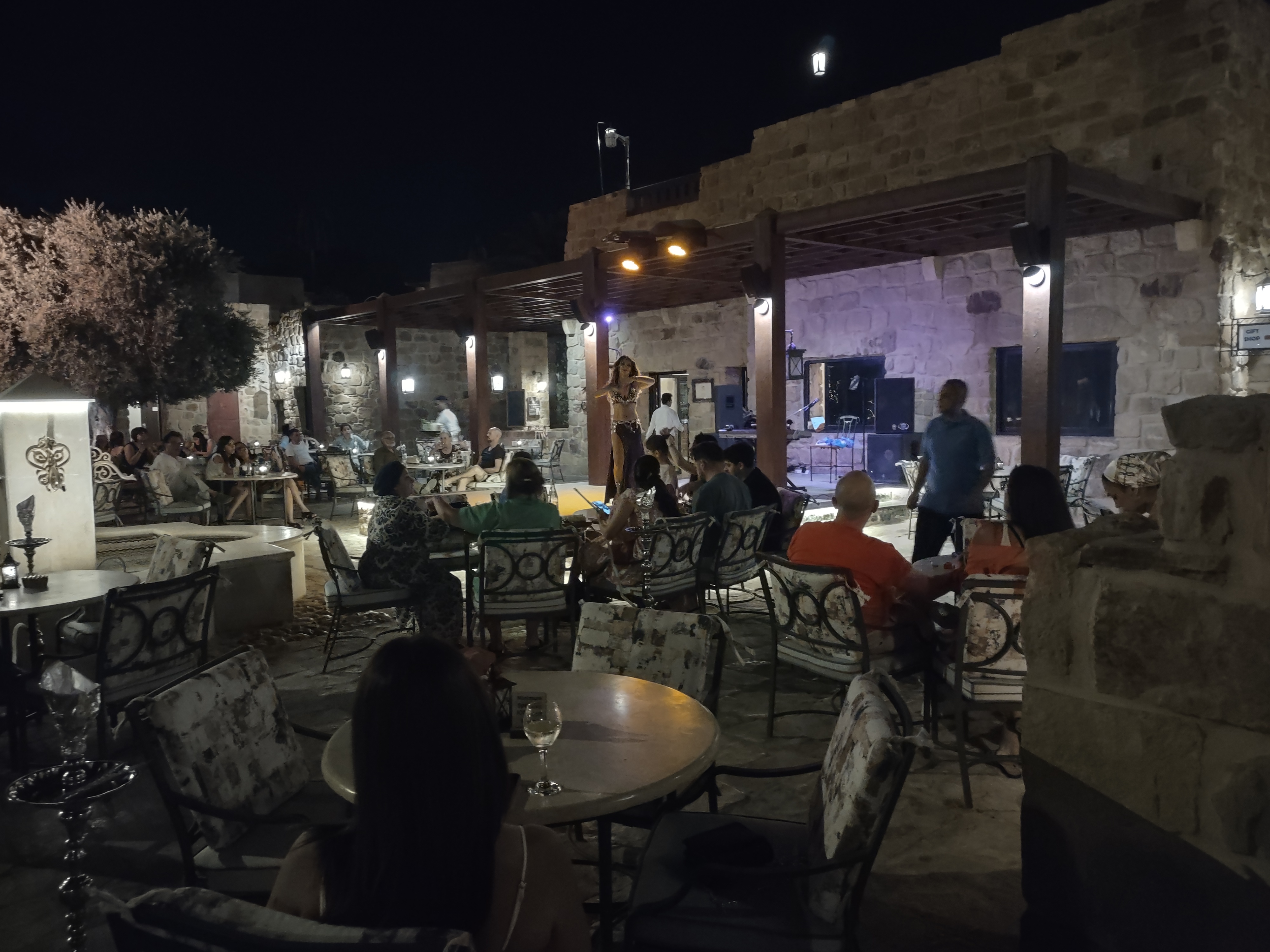
I will admit that it did feel a bit fantastical (maybe even Disney) at times – the resort was designed like an old Arab town complete with a village square where the restaurants were clustered with live singing and belly dancing every night, but all in all, it was just what the doctored ordered.
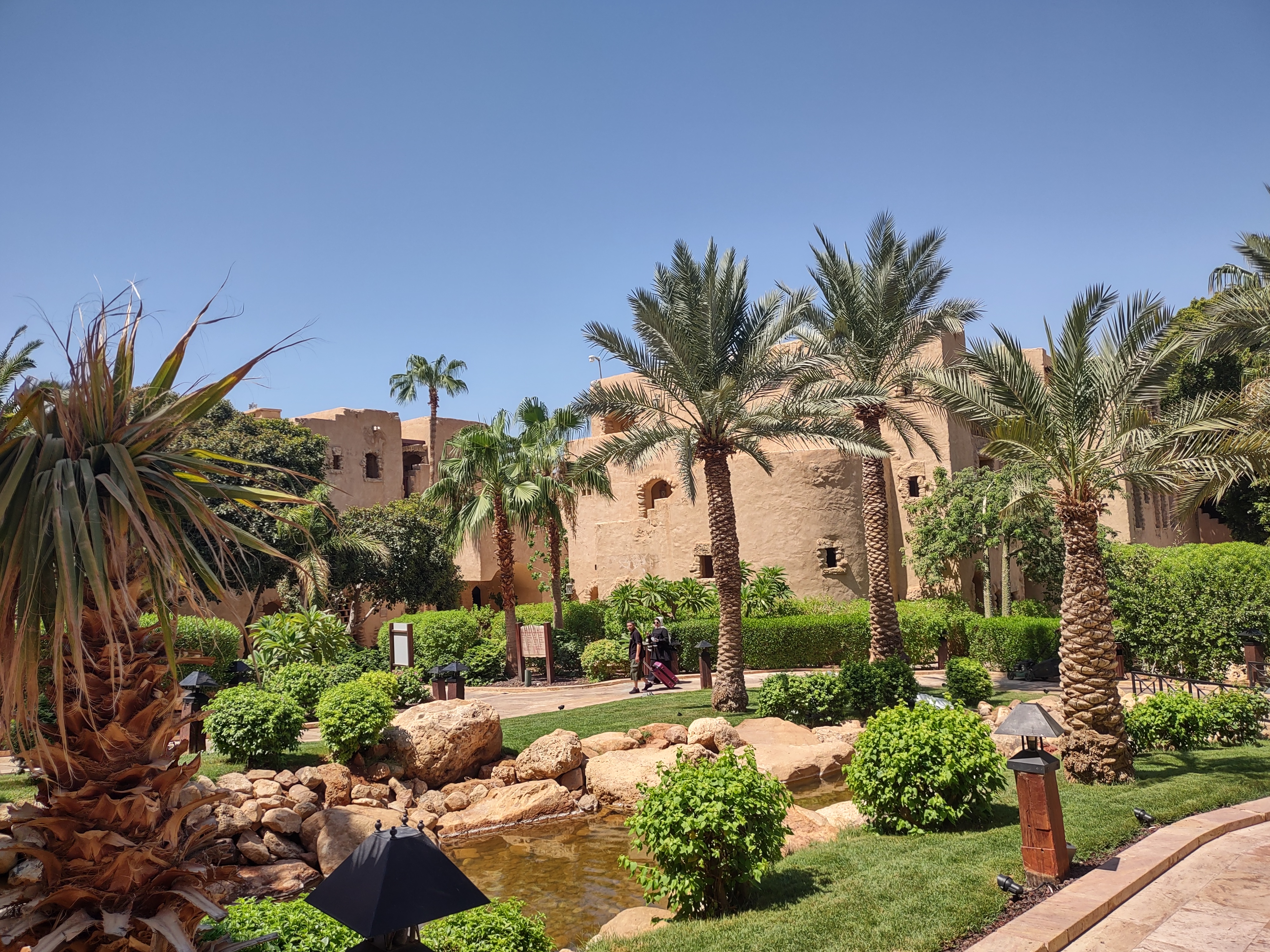
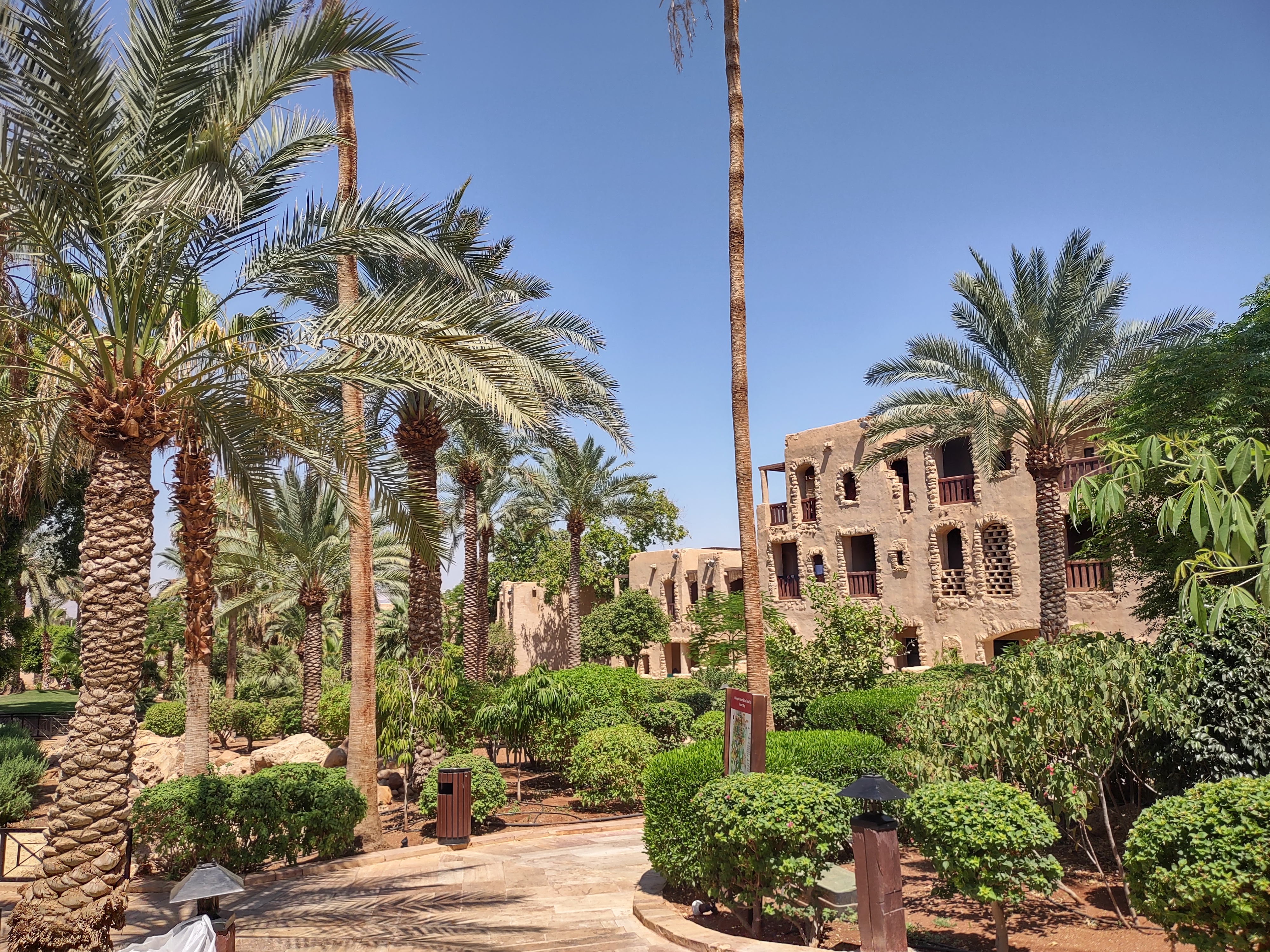
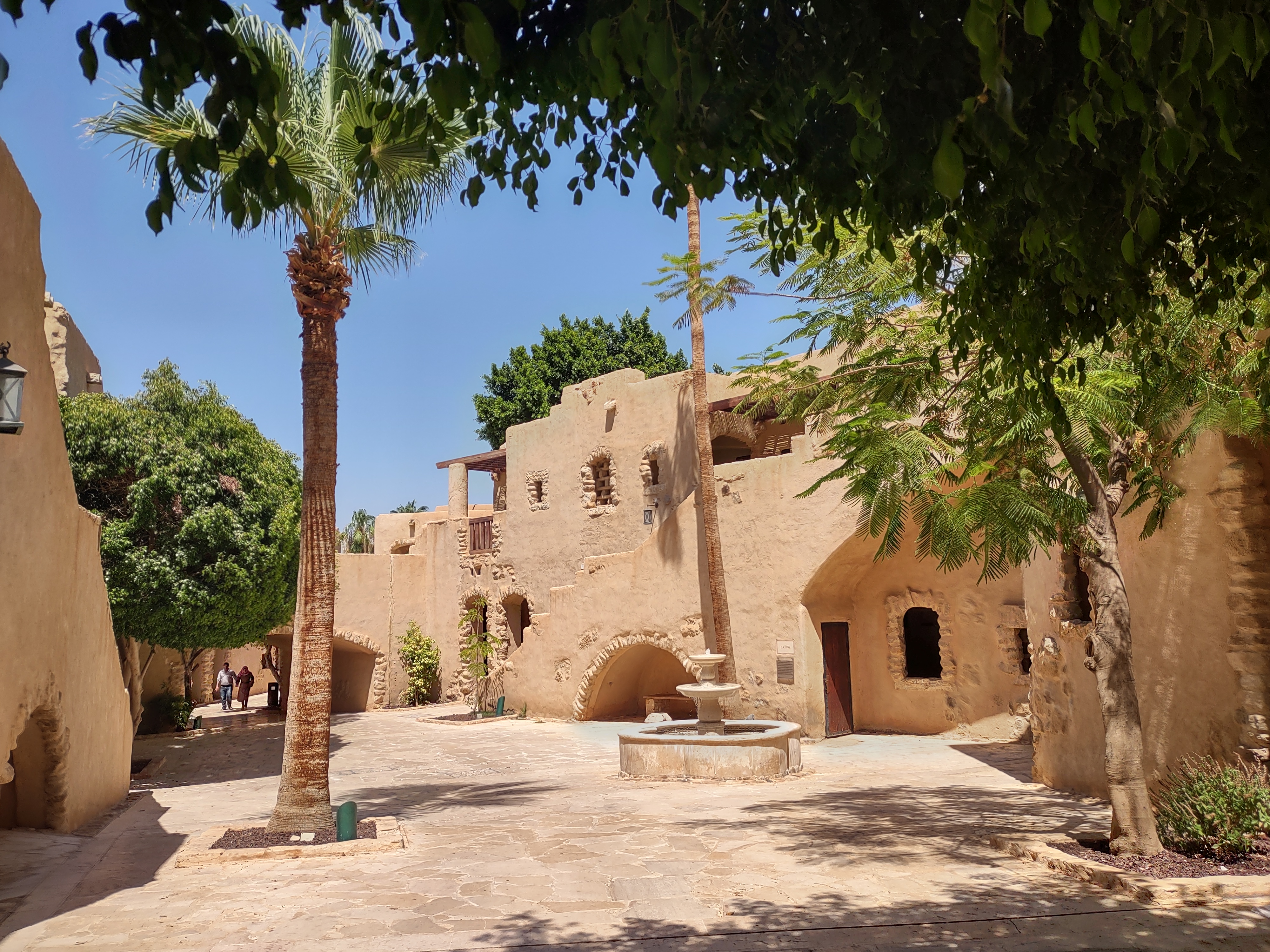
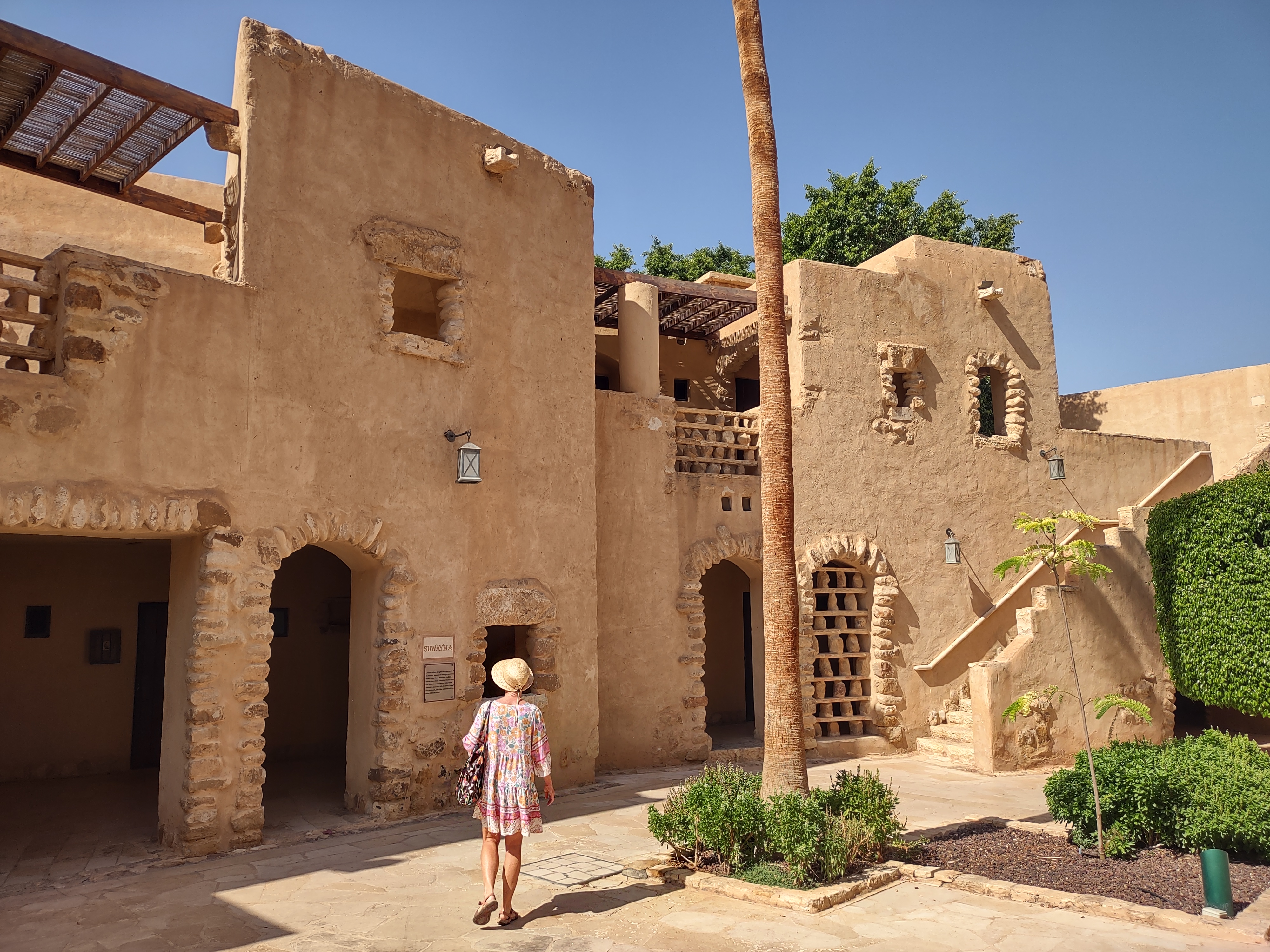
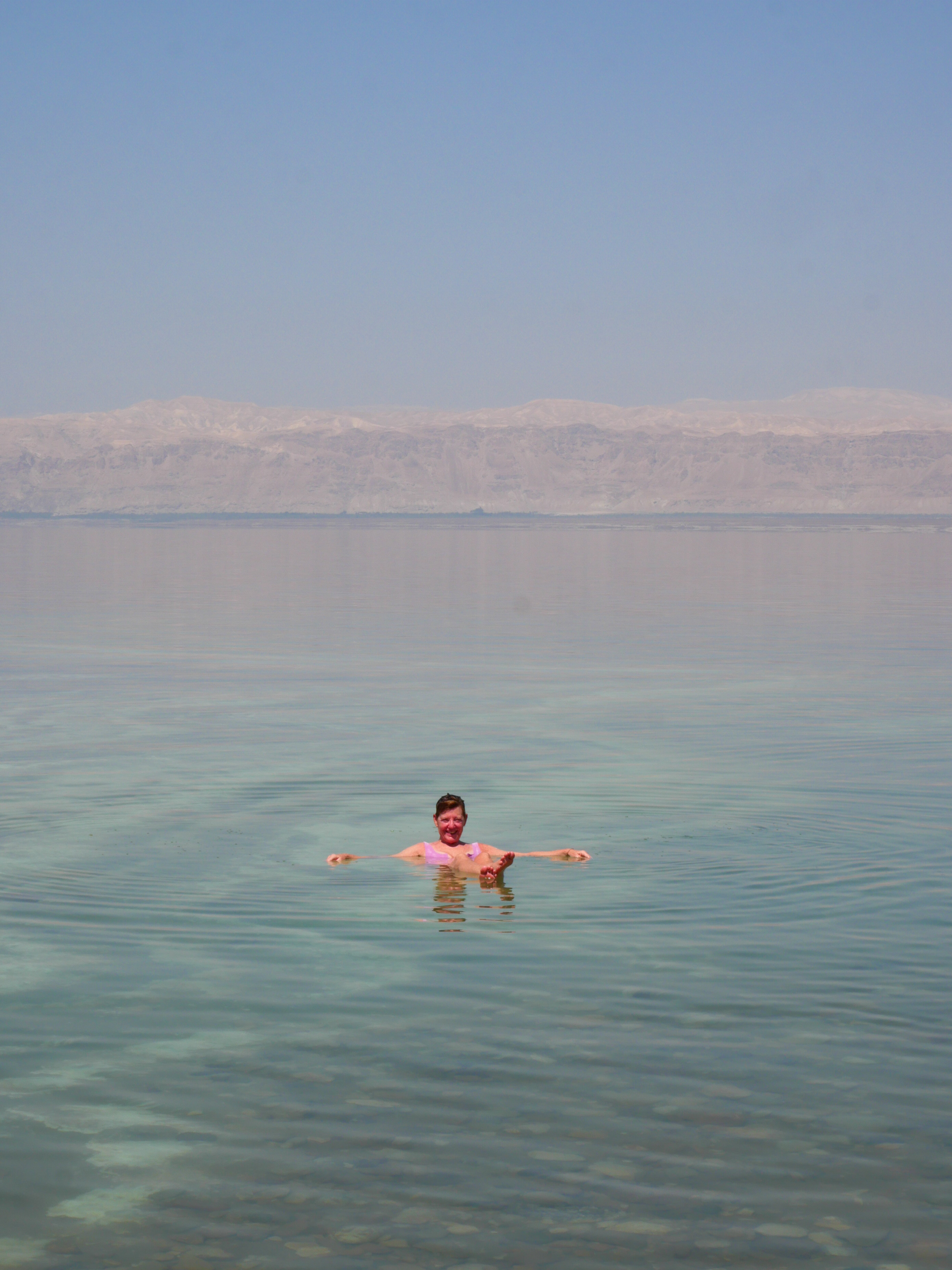
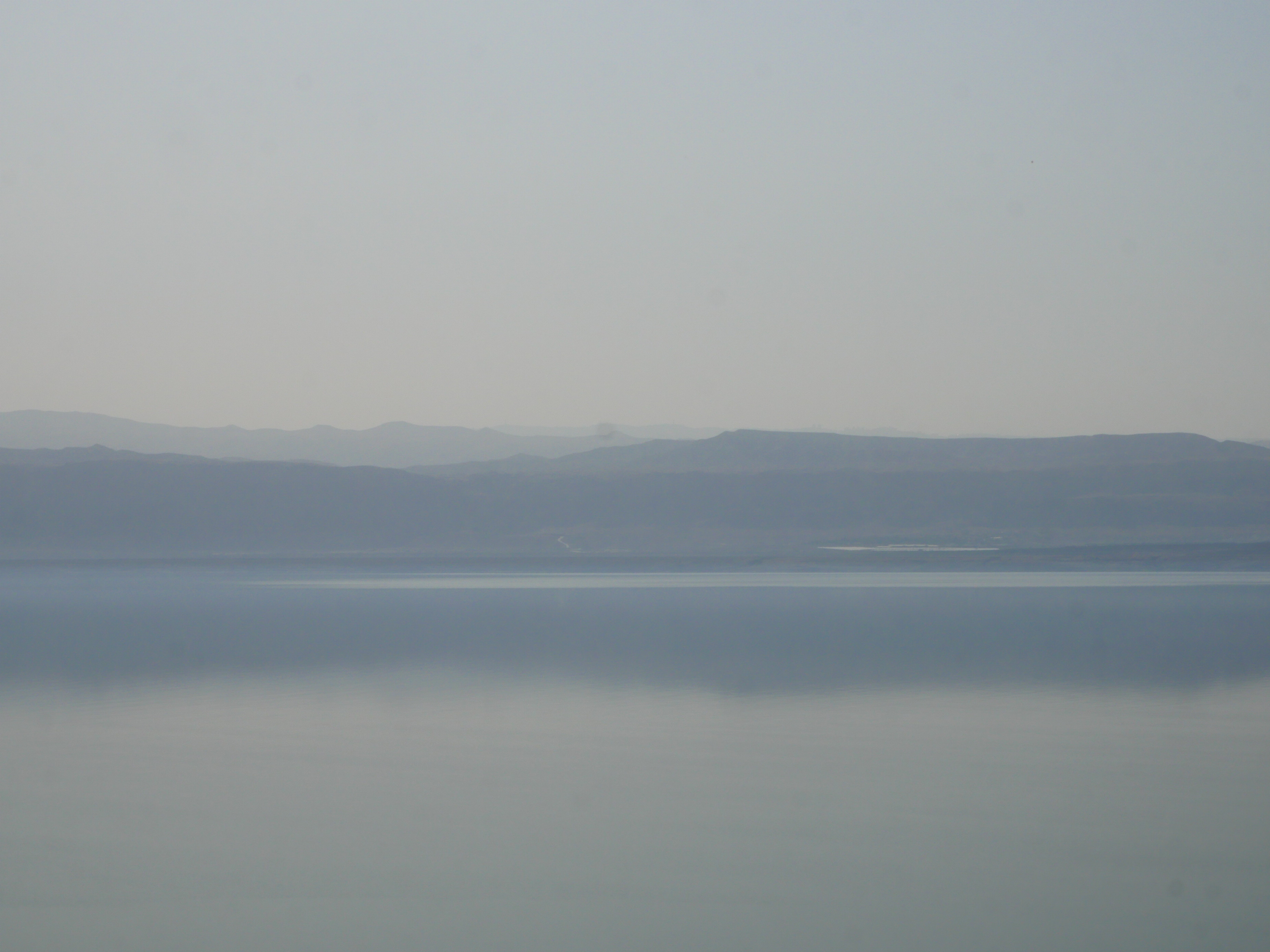
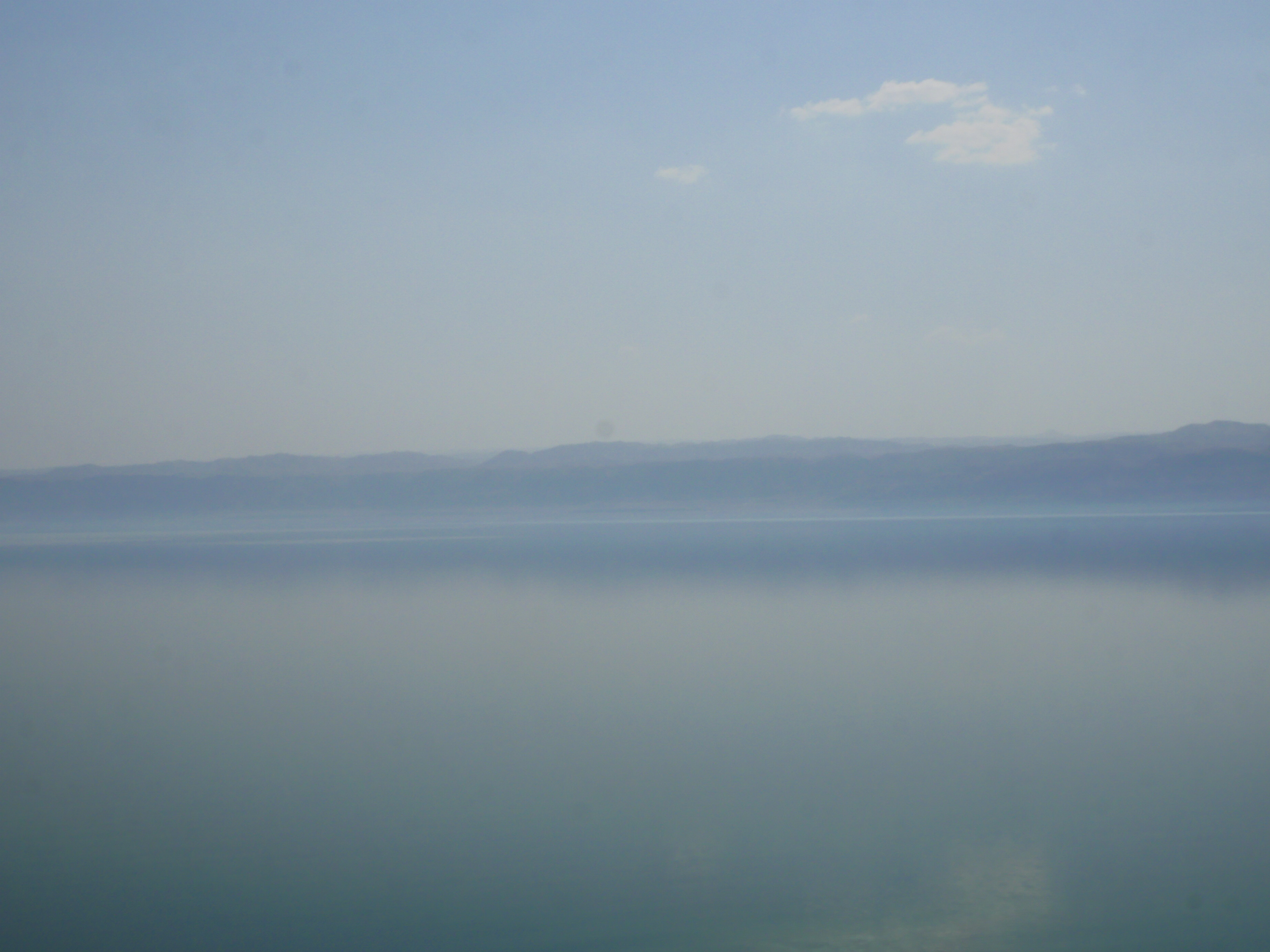
We did, of course, take an obligatory dip in the Dead Sea and, just like they say, were surprised at how buoyant we were (Colleen found it hard to keep her legs down), but the water was very warm (verging on hot) and viscous and honestly not all that pleasant on the skin. (Let’s not even talk about mud baths!) But I will say that there is something about the color and texture of the water and the thickness of the air which is kind of mesmerizing, particularly when you are looking at it from the edge of a nice cool infinity pool. Perhaps even hedonism has its time and place?

Wadi Musa/Petra
On Thursday July 27th we said goodbye to the luxuries of the Movenpick Dead Sea Resort and were picked up by Omar, whom Colleen had arranged to have drive us to the town of Wadi Musa in the eastern desert. (The bus to Wadi Musa would have taken 7-1/2 hours and required us to backtrack through Amman.) Wadi Musa is a town of about 15,000 people which adjoins the ancient site of Petra. If you are not familiar with Petra, watch Indiana Jones and the Last Crusade (the one with Sean Connery as Indy’s father). If you seriously haven’t heard of it, it’s the capital of the Nabatean Kingdom located in a series of incredibly colorful and beautiful canyons with tombs and temples carved in the stone. (Again, see Indiana Jones.)
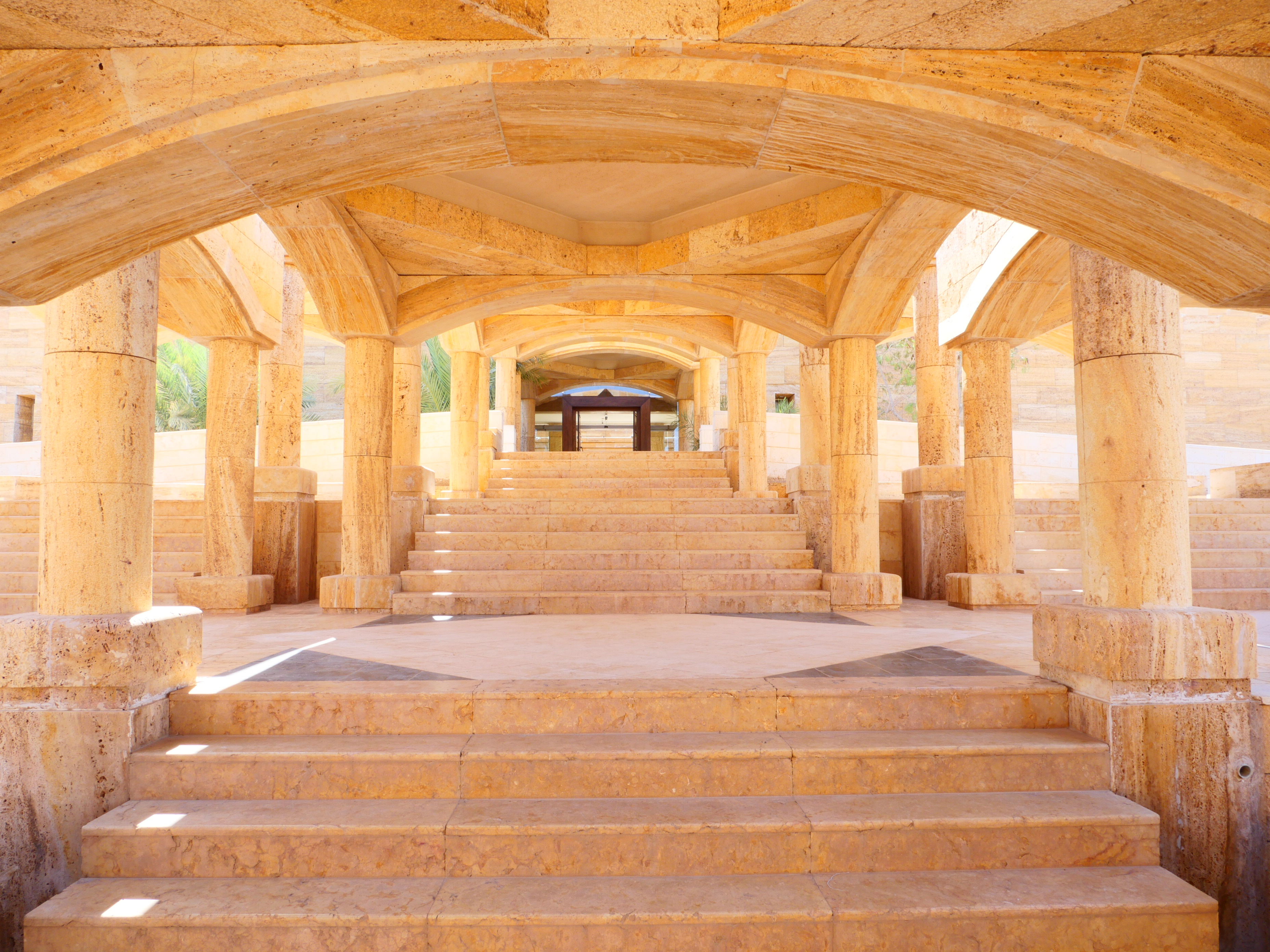
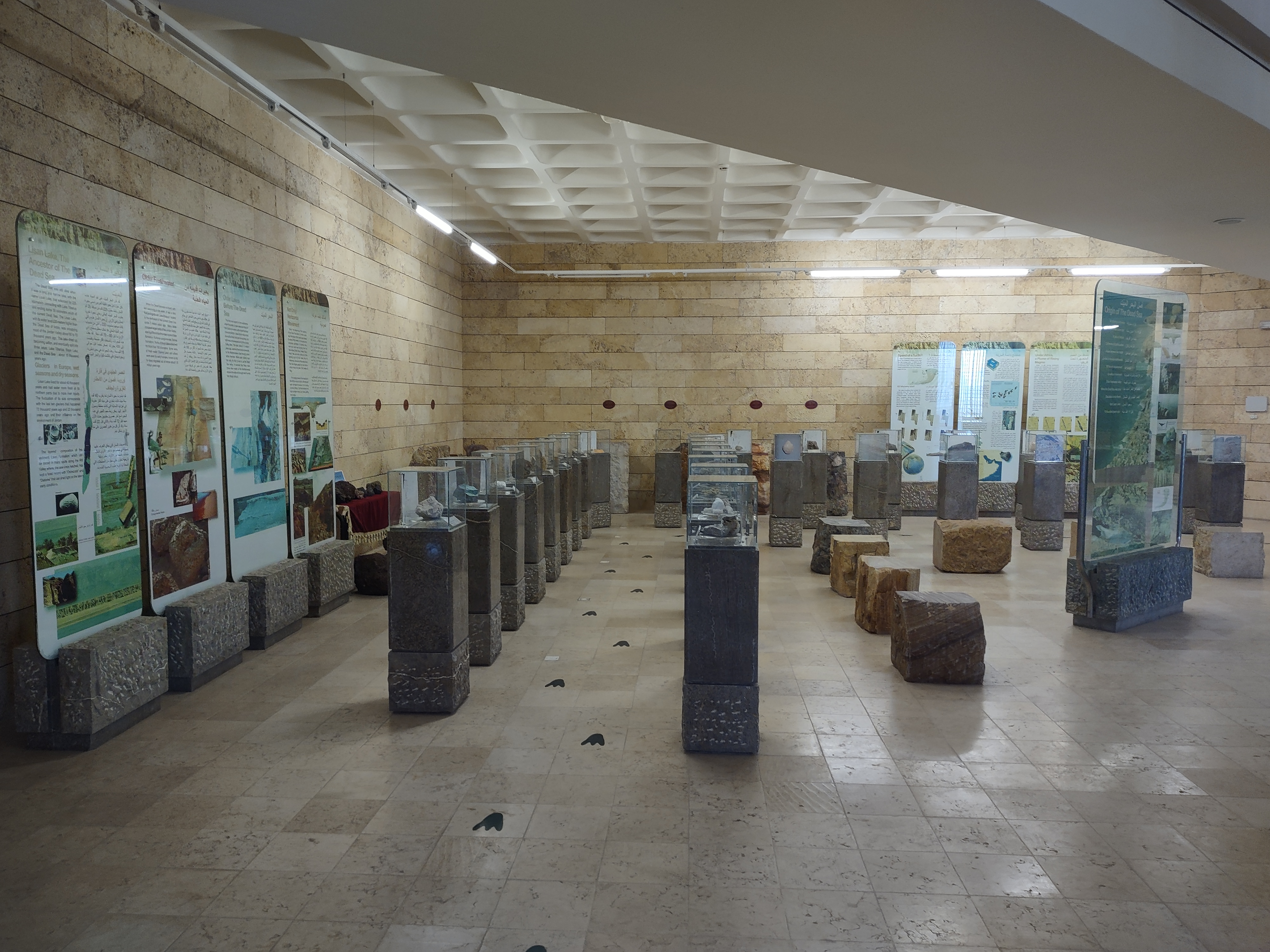
Our driver Omar was friendly and personable and, during the course of the trip revealed that he was working as hard as possible to save money to get married (Apparently, getting married the correct way in Jordan is quite expensive with costs including not just the celebration, but an extensive trousseau for the bride as well as – in Omar’s case – a honeymoon in the Maldives. Omar went out of his way to make it a great trip, stopping for breaks and other photo opportunities as needed, starting with a quick detour to the Dead Sea Museum which probably has the best of all viewpoints of the Dead Sea. Although it is not a large museum, it has some very interesting exhibits which describe formation and ecology of the Dead Sea and the Great Rift Valley, with some pretty shocking images of how much the Dead Sea has shrunk in recent years.

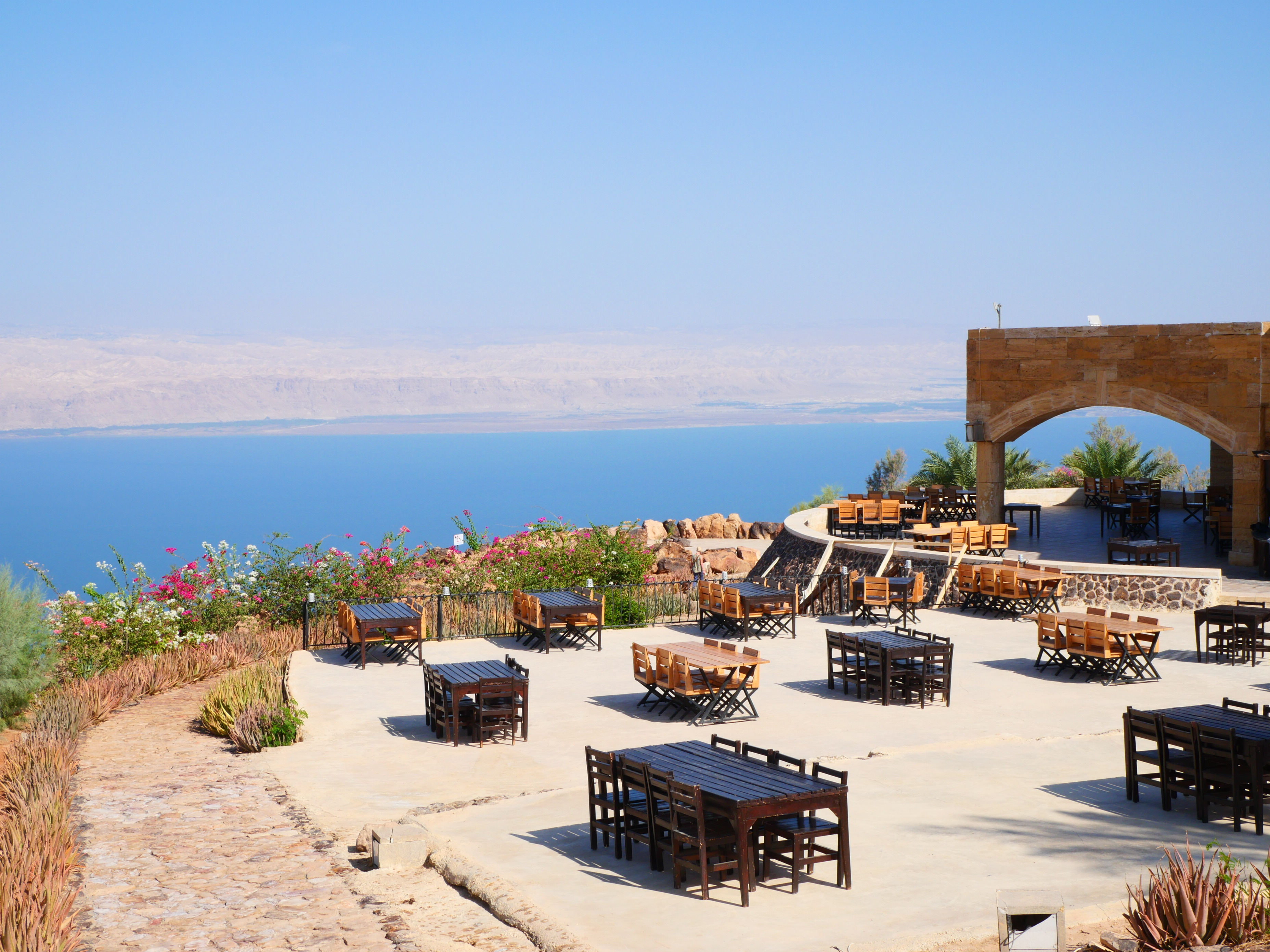
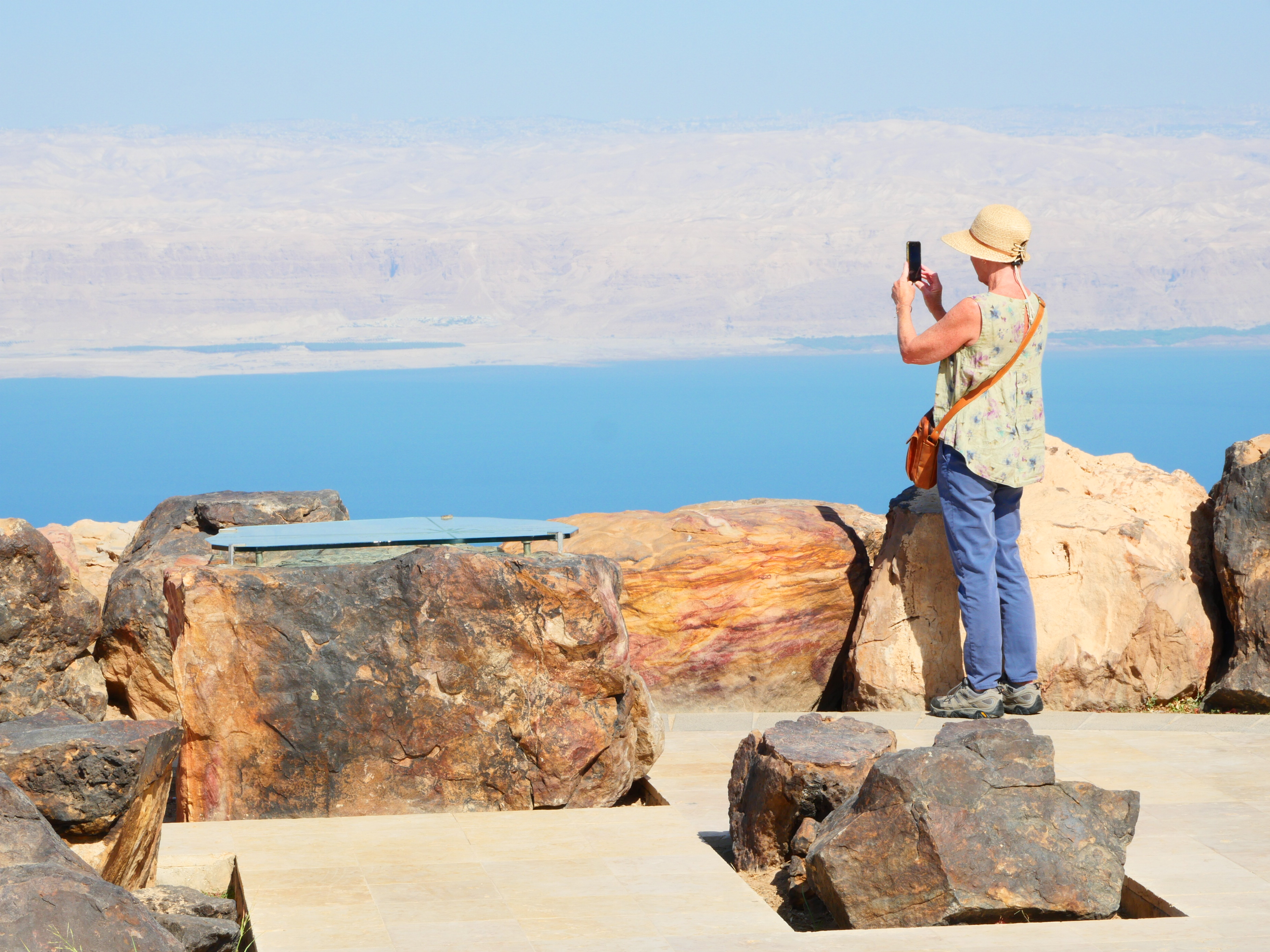

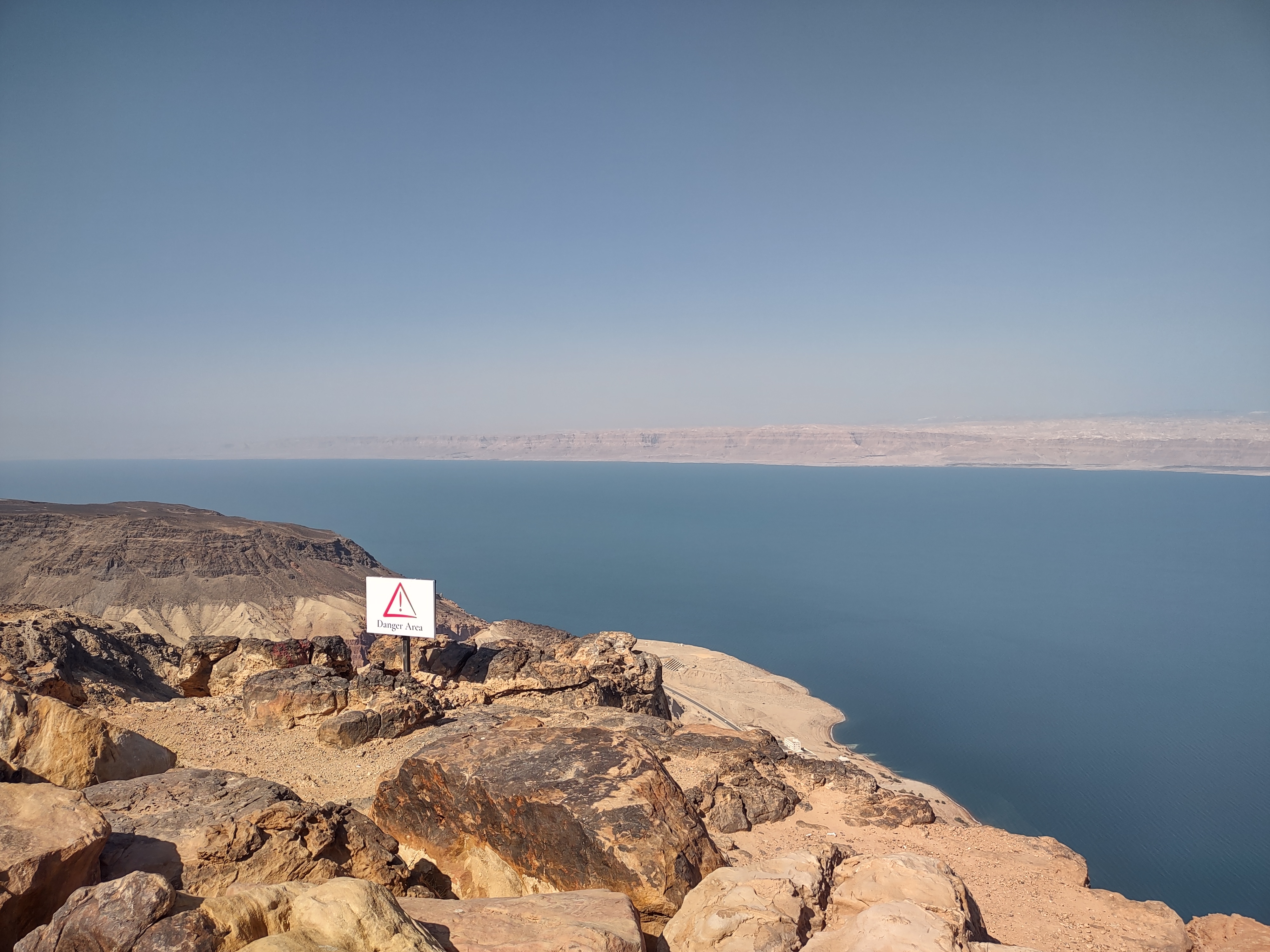
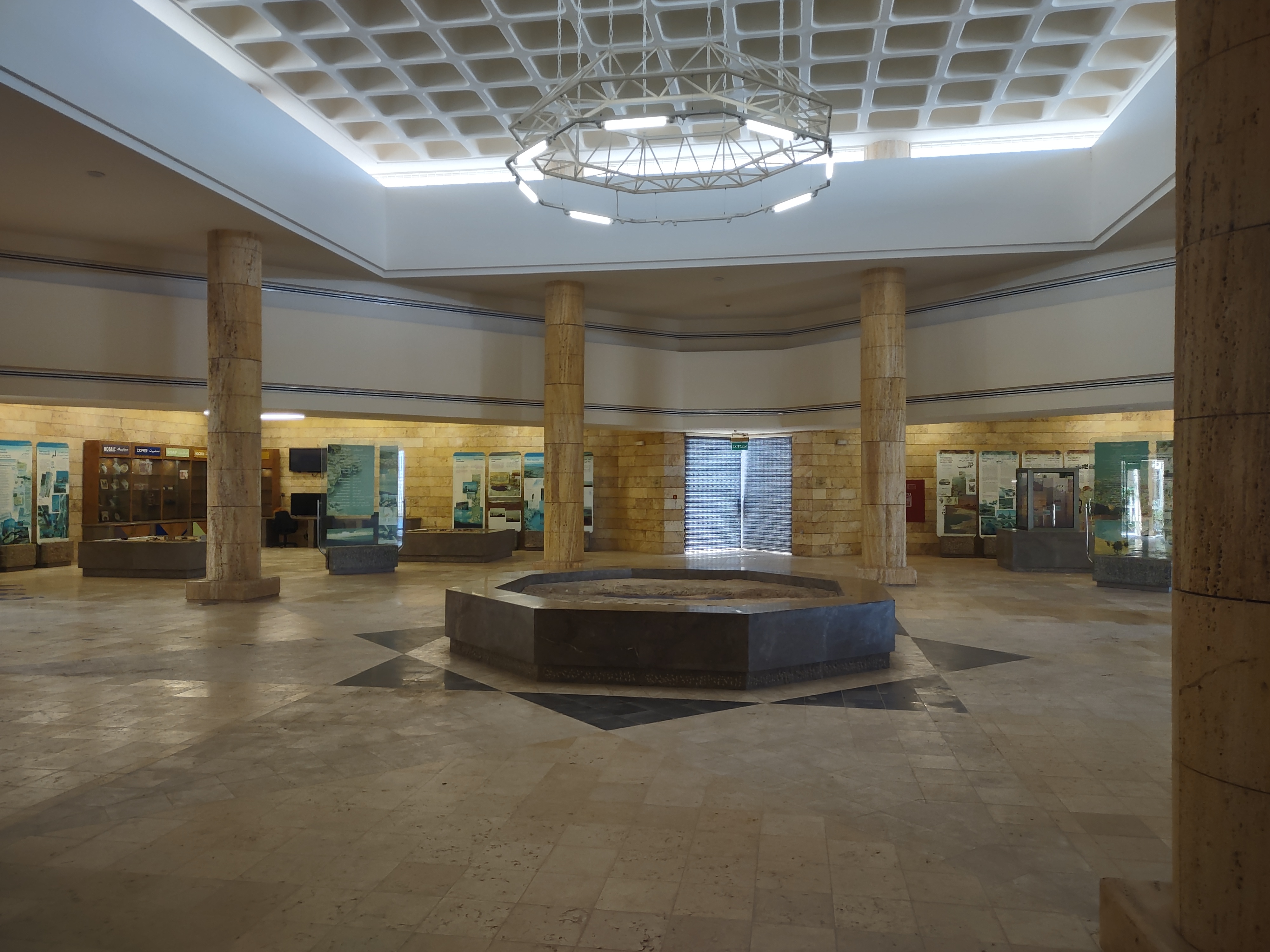

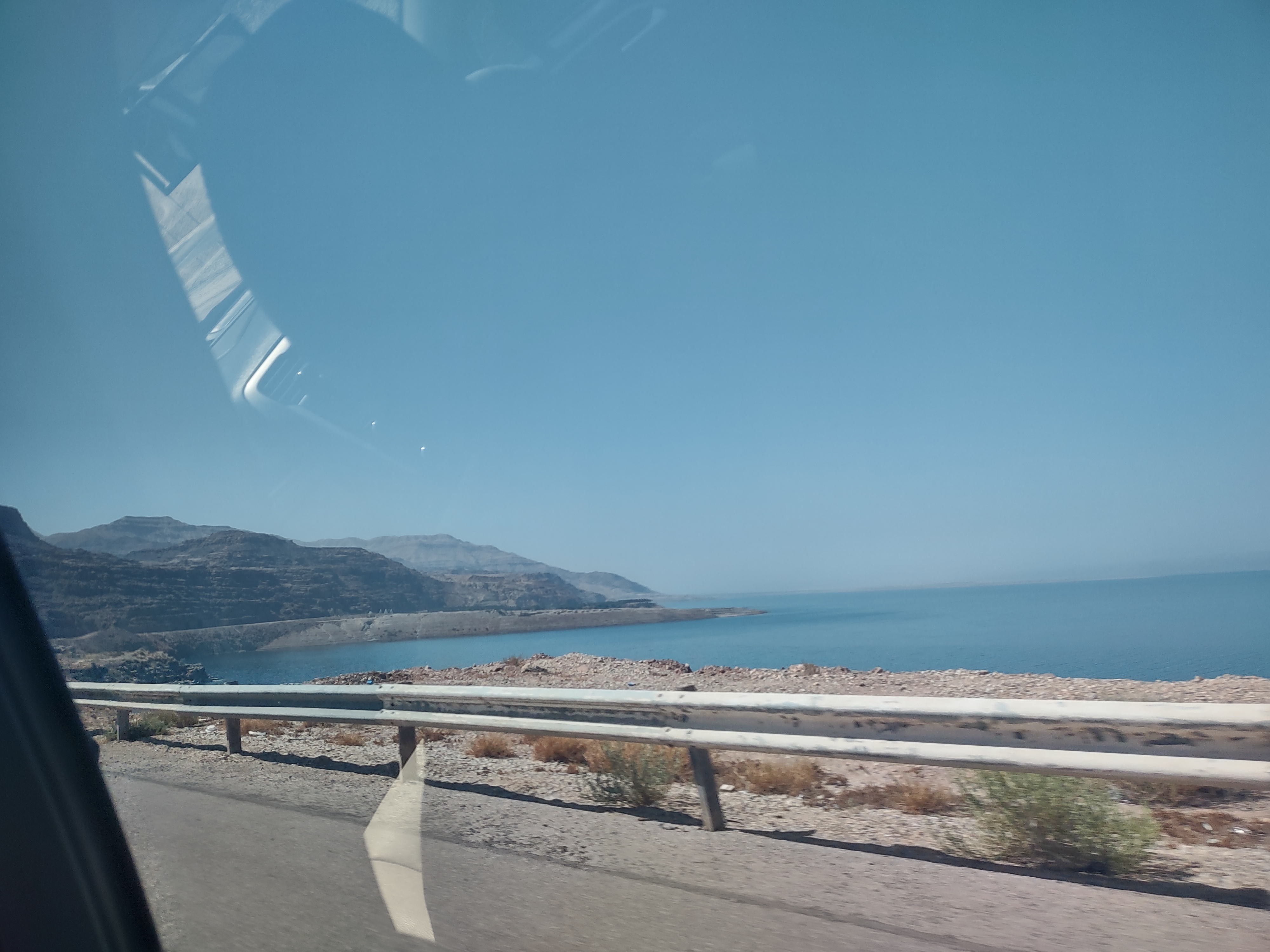
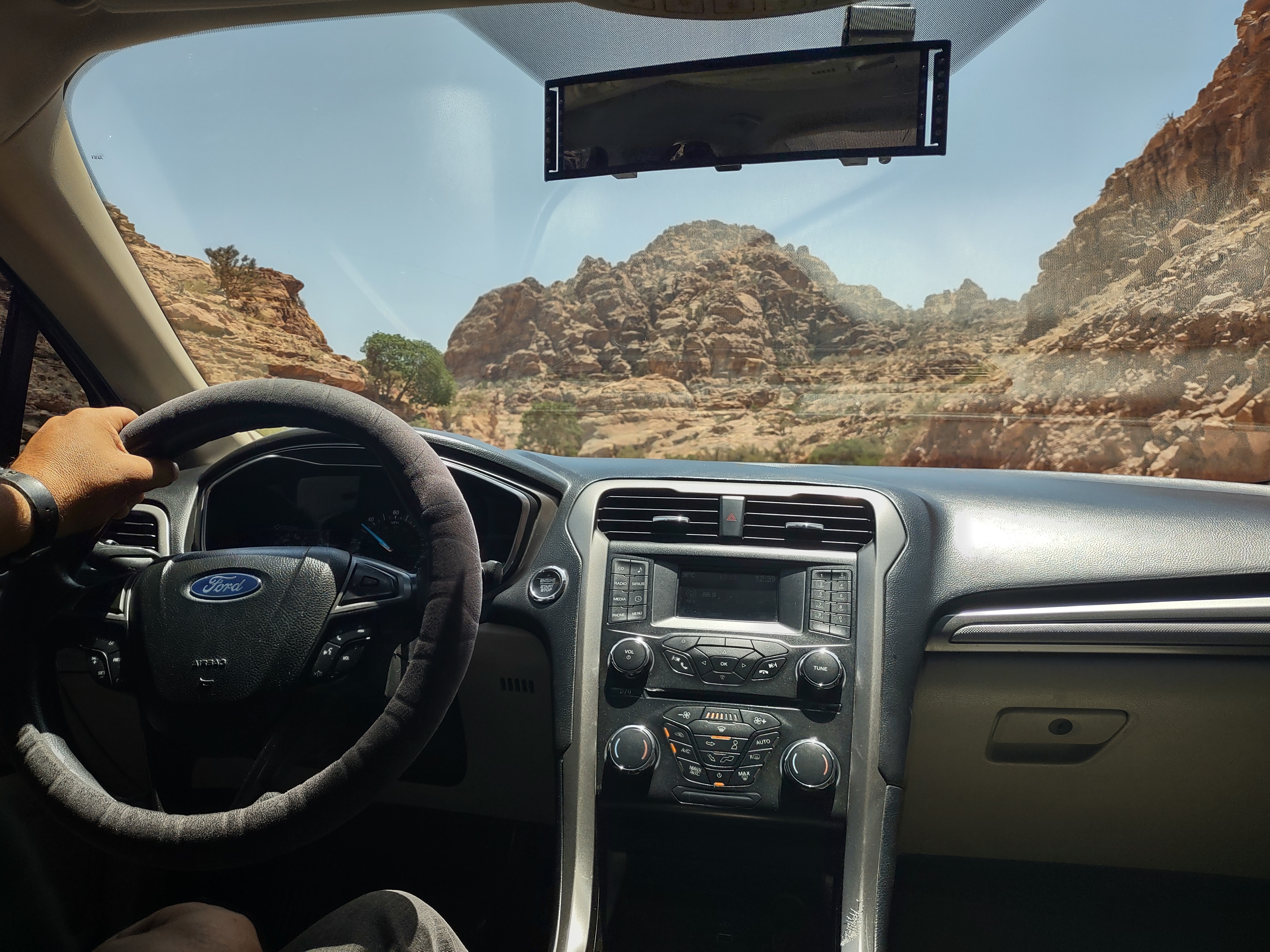
From there, we continued south to the end of the Dead Sea and beyond but Omar elected to bypass the highway and instead took a scenic route back over the Highlands which provided some amazing views and also took us past a place known as “Little Petra” where we stopped as a warm-up for the real deal. While very small by comparison, we were nonetheless blown away by the colors of the rock, particularly the very intense purple color (which gets washed out by the sun in photos).

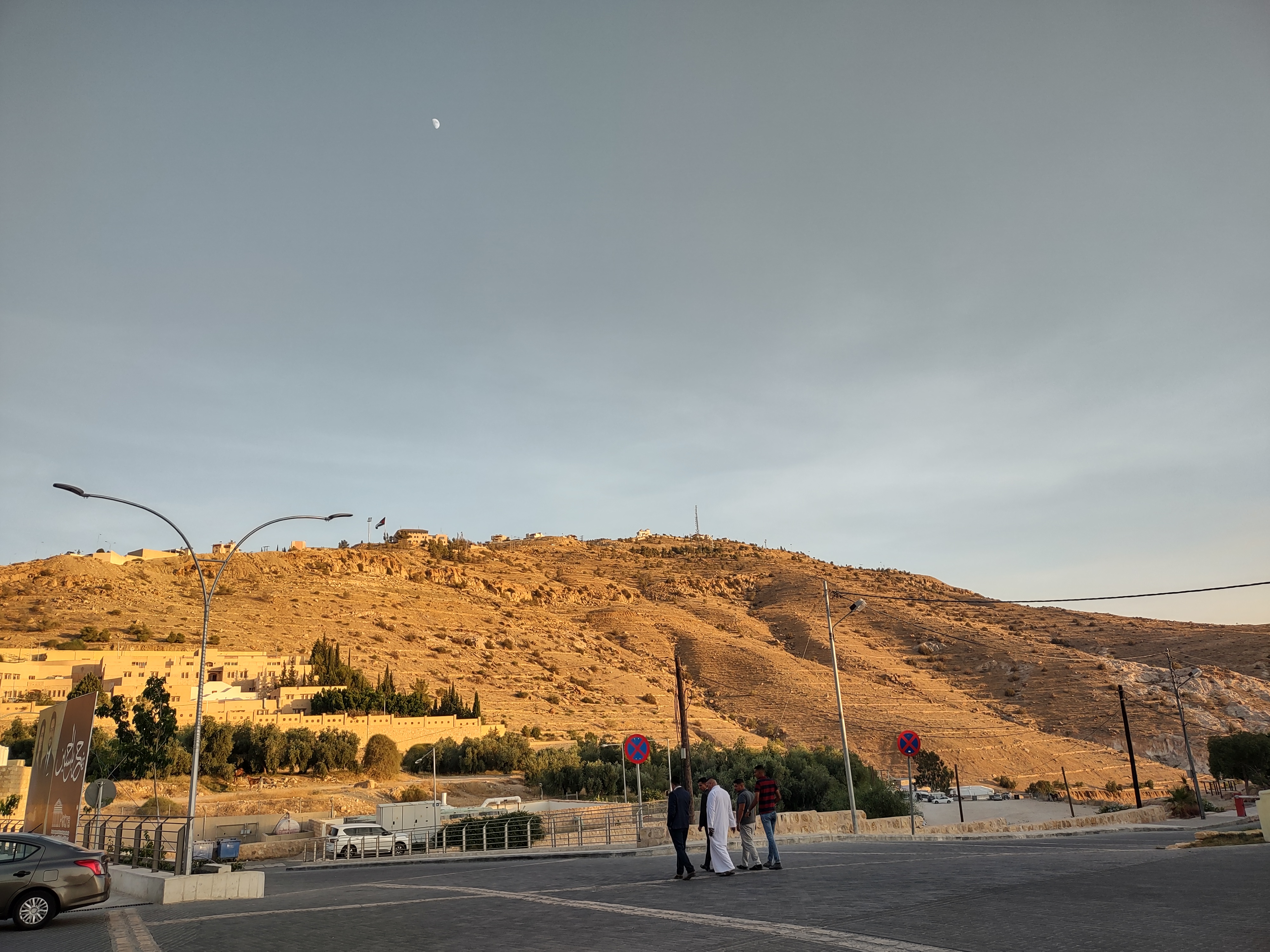
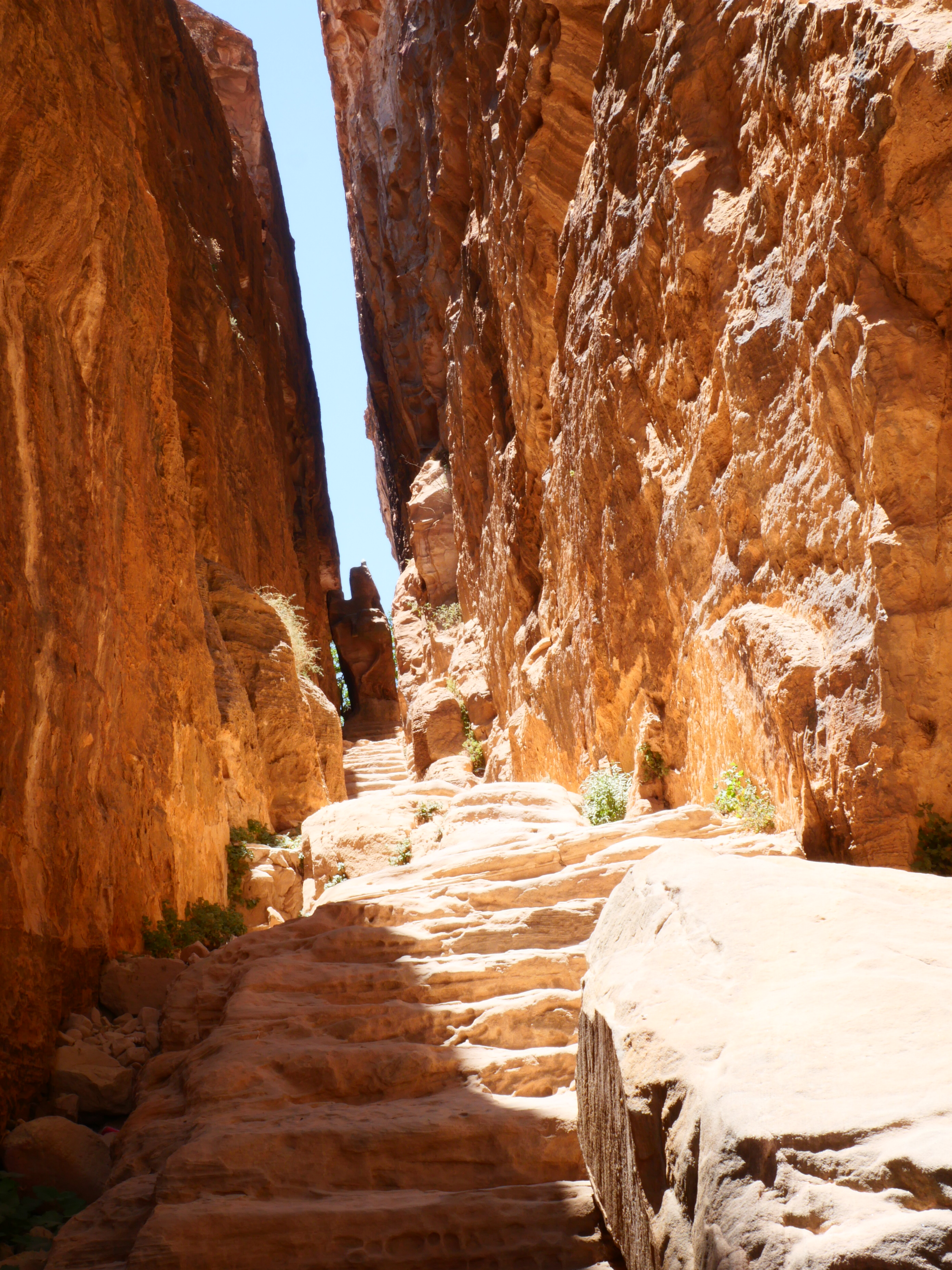
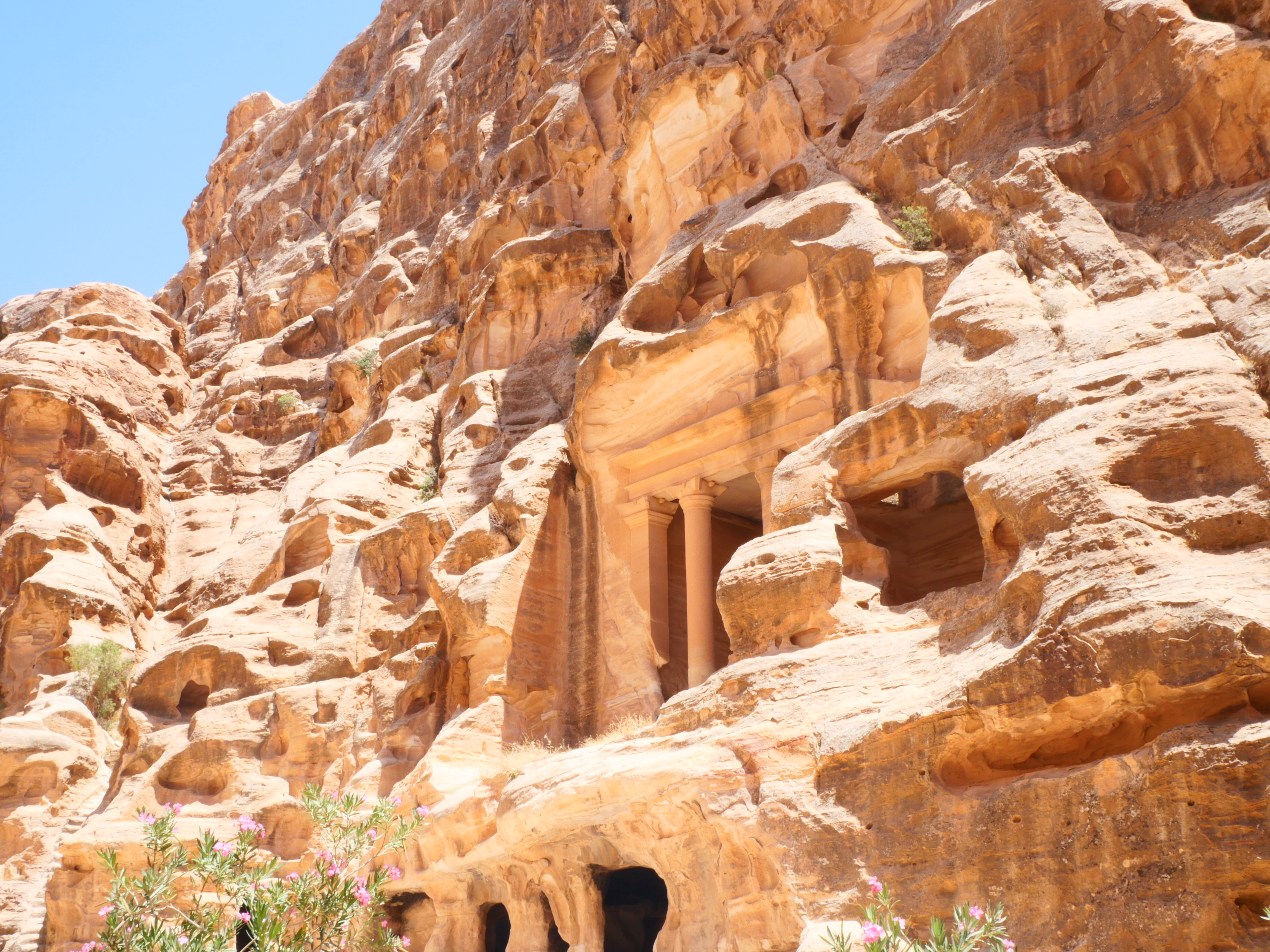
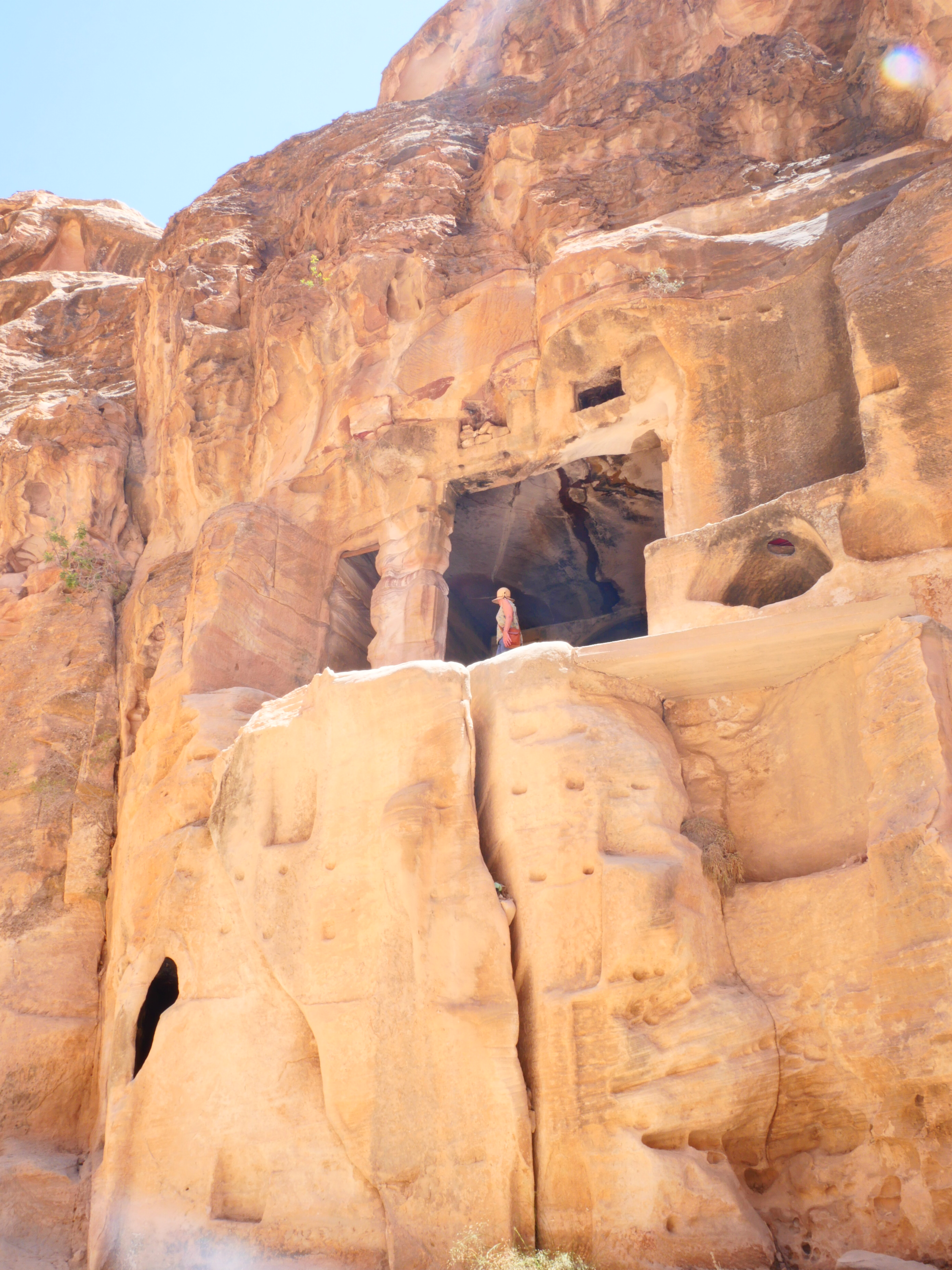
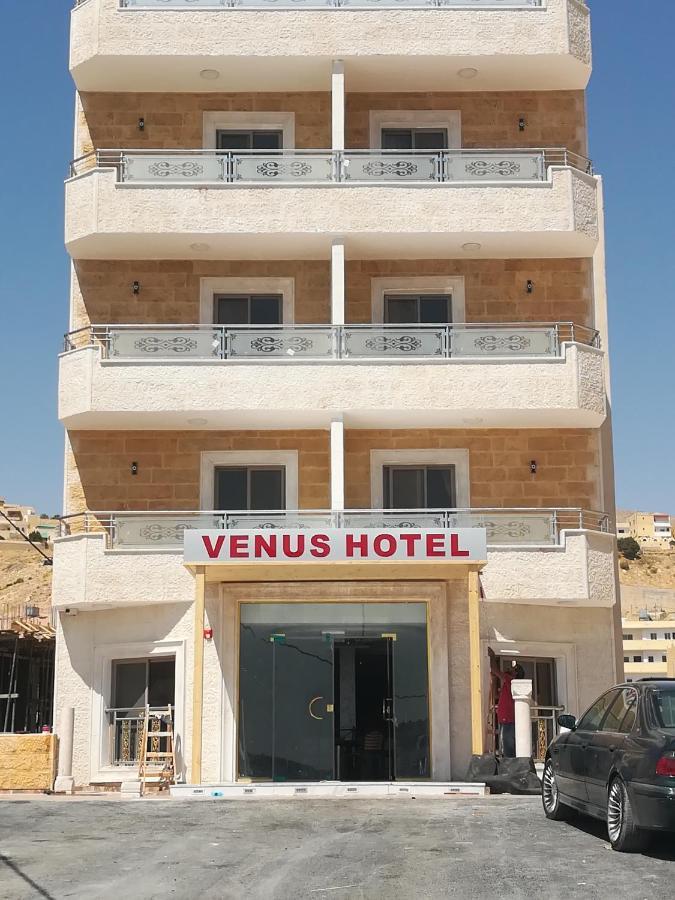
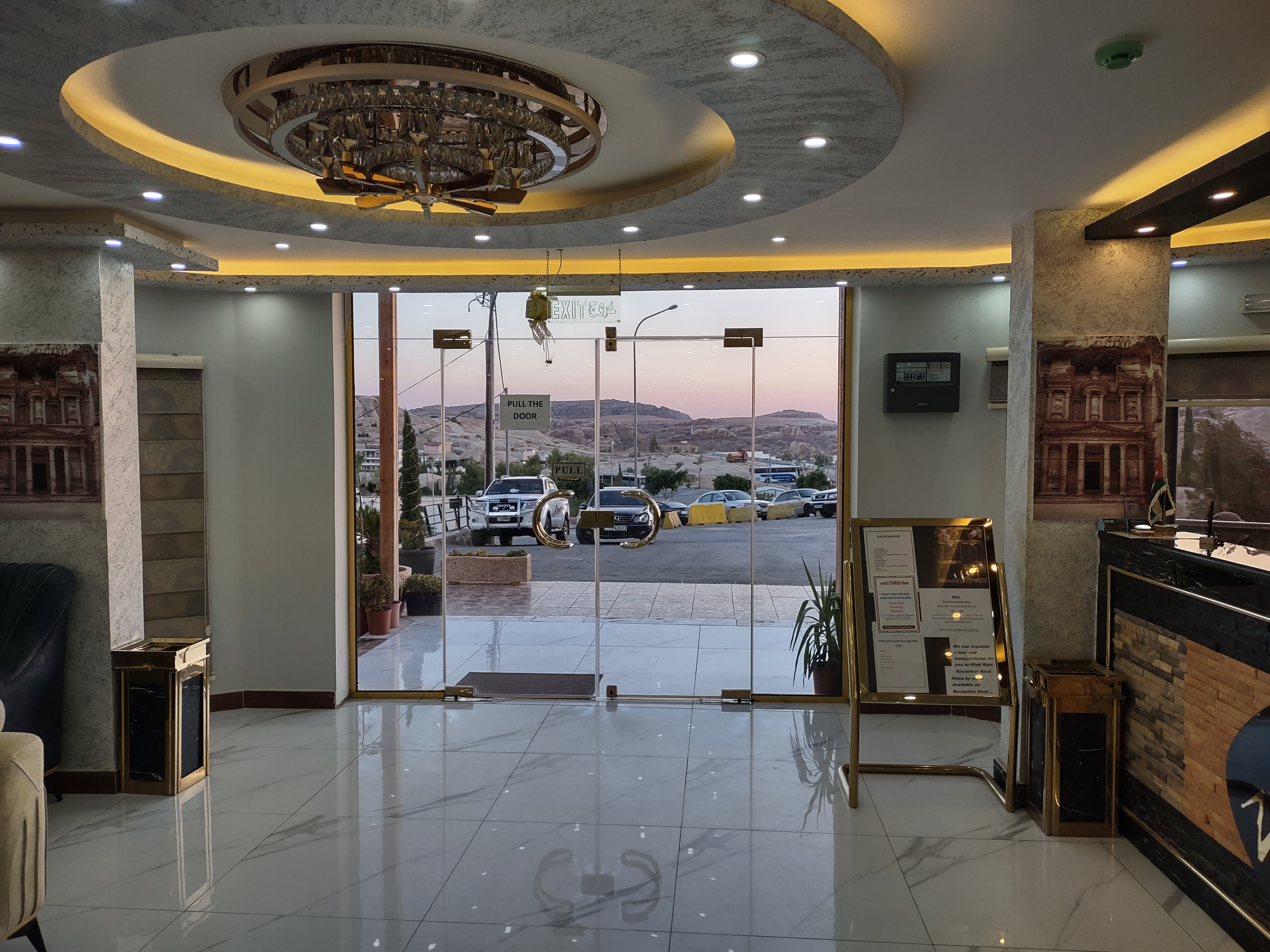
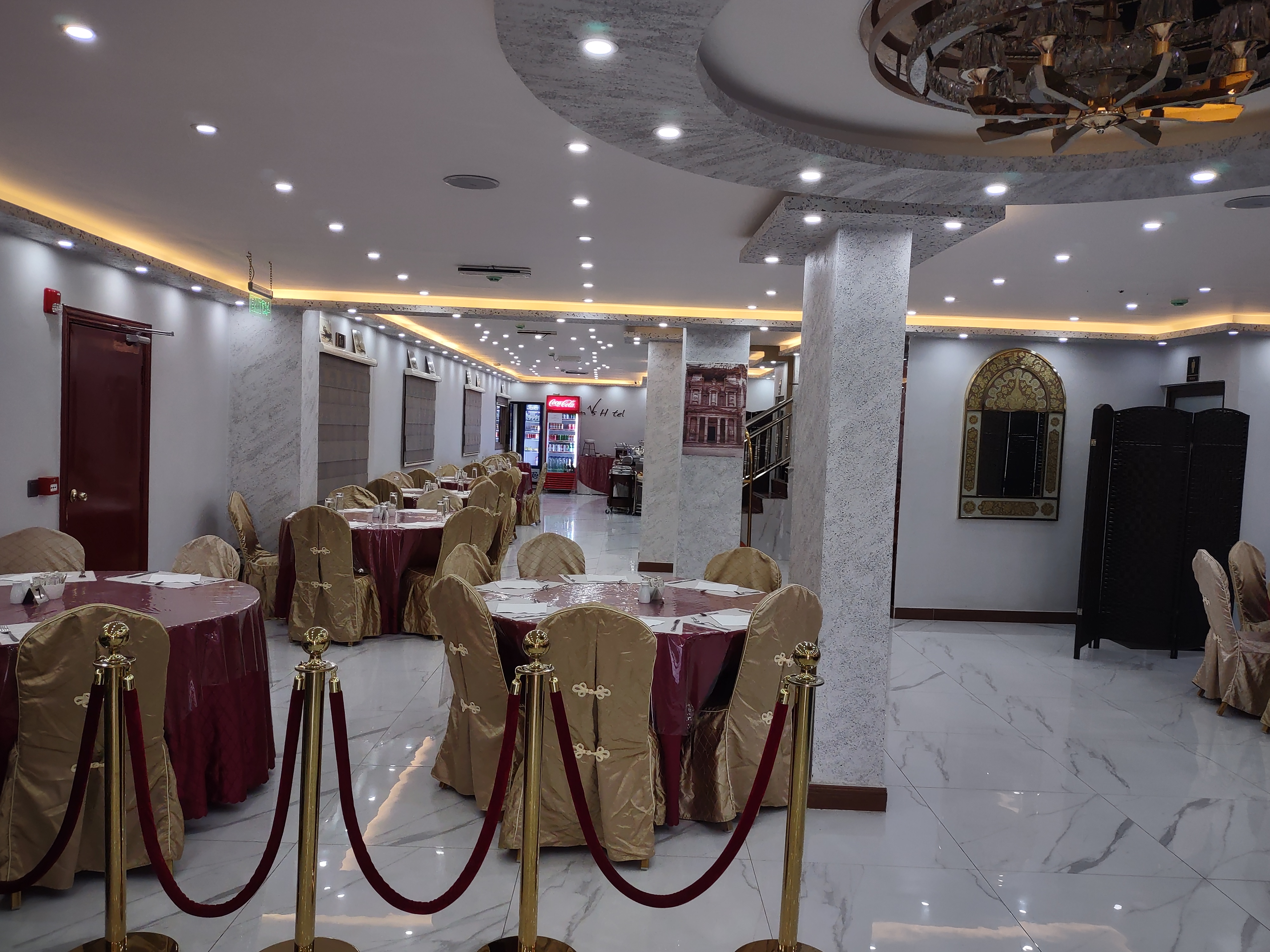
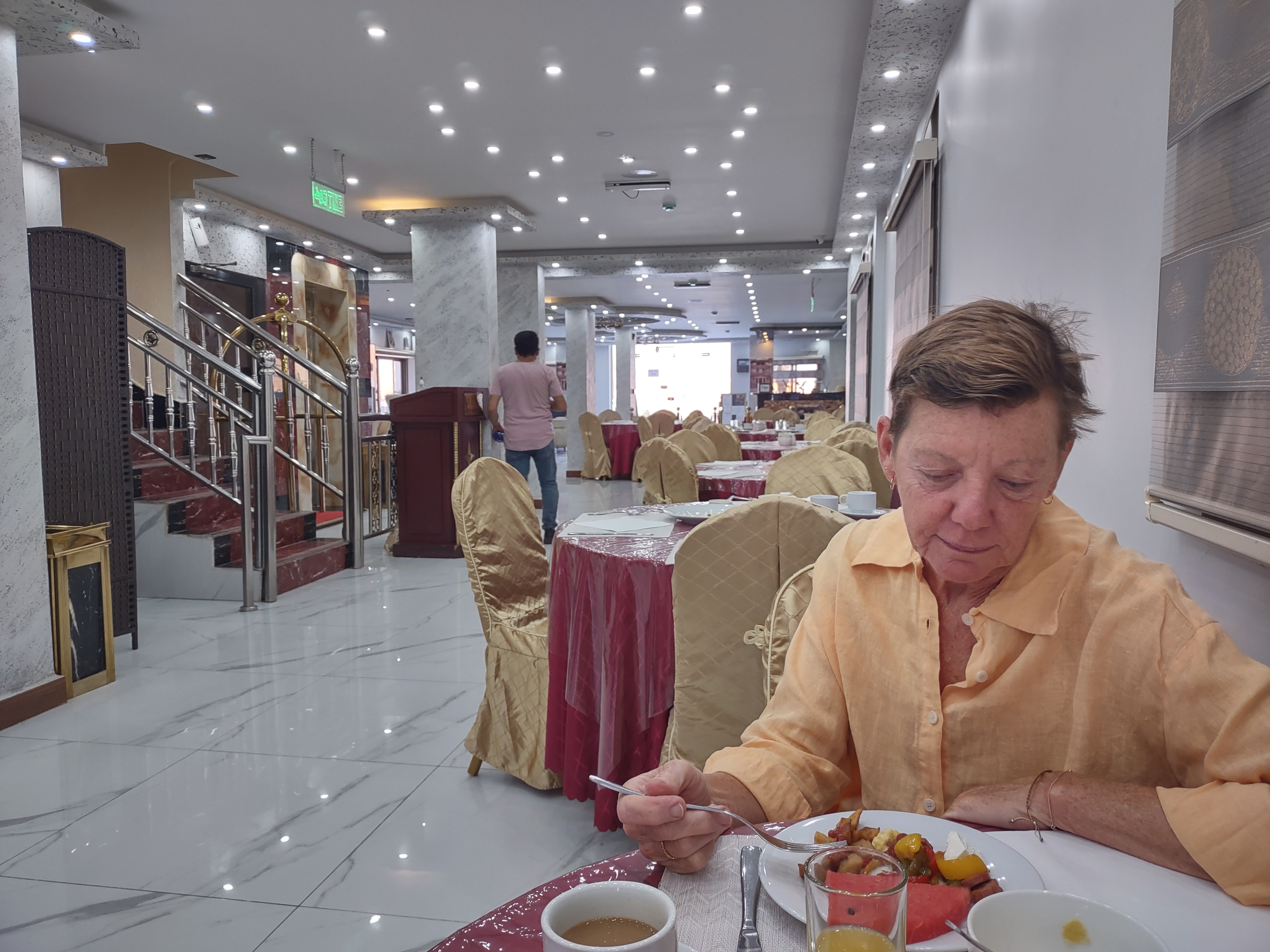
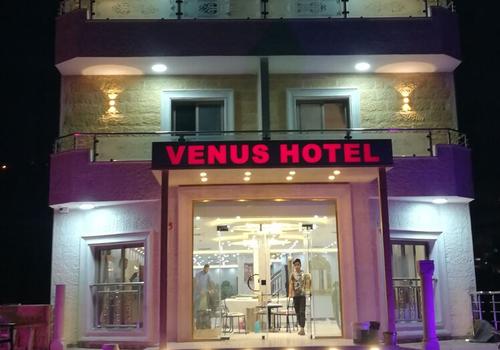
In Wadi Musa we stayed at a lovely little place called the Venus Hotel which had the merits of being both very inexpensive and being one of the closest hotels to the Petra Visitors Center and entrance, which we could see from the balcony of our room. Ironically, the Venus Hotel was located next door to the newly constructed Movenpick Resort Petra, which was as close as we were going to get to that sort of luxury for a while. Other than a breakfast buffet, the only noteworthy luxury which the Venus Hotel had was an electric shoe buffer at its entrance to remove all the dust from your shoes before entering which, we discovered, was actually more of a necessity than a luxury.

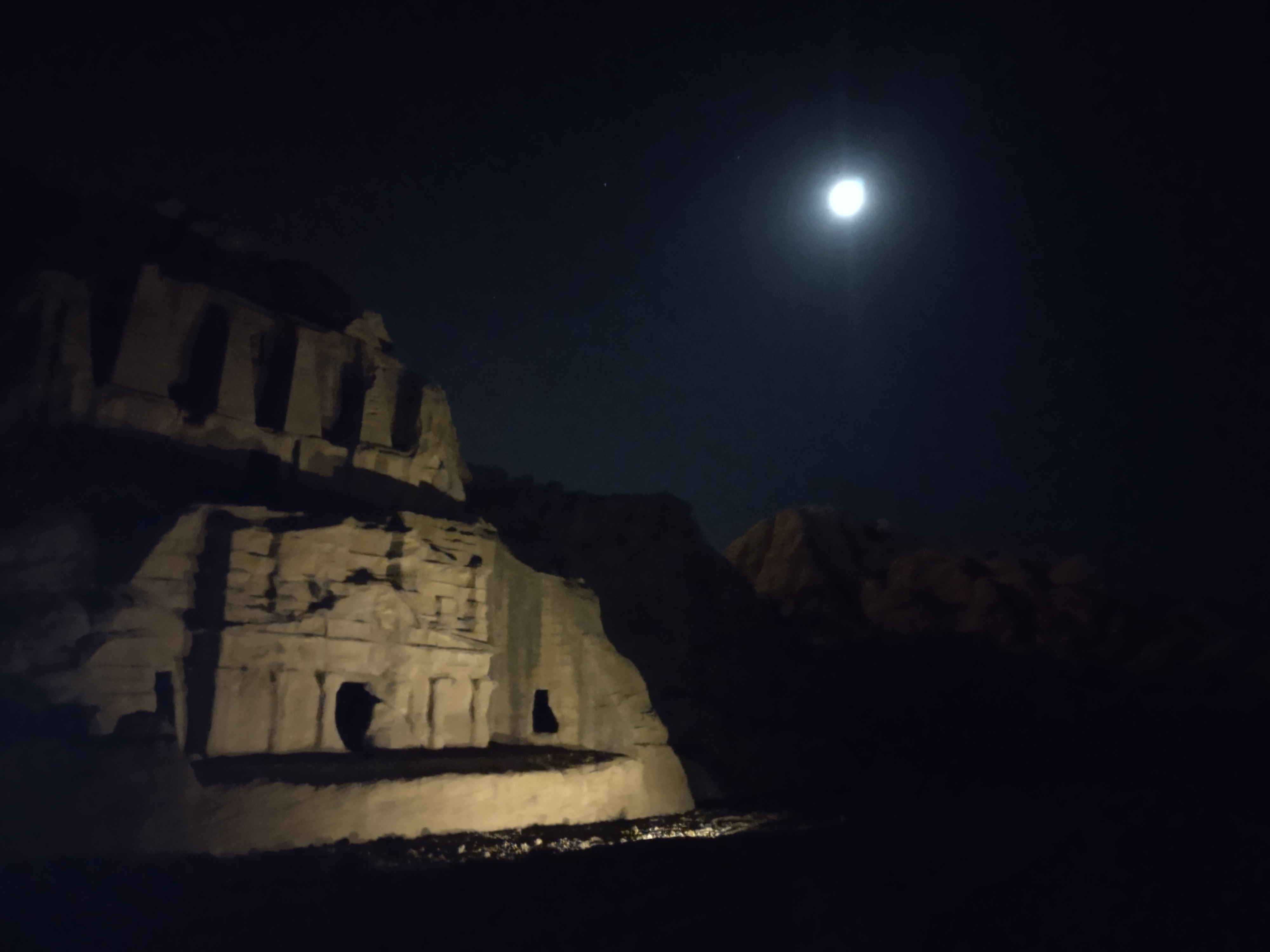
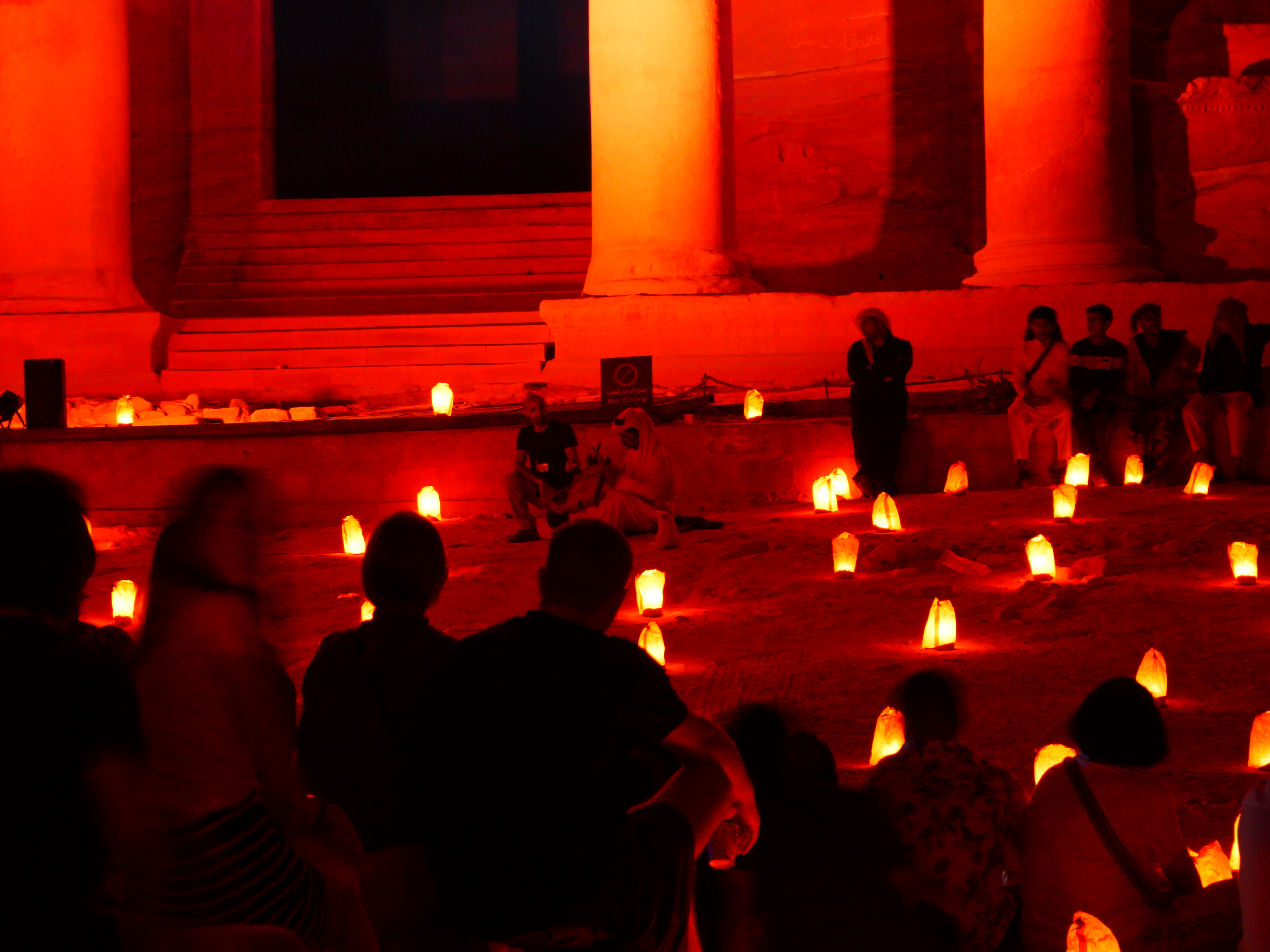
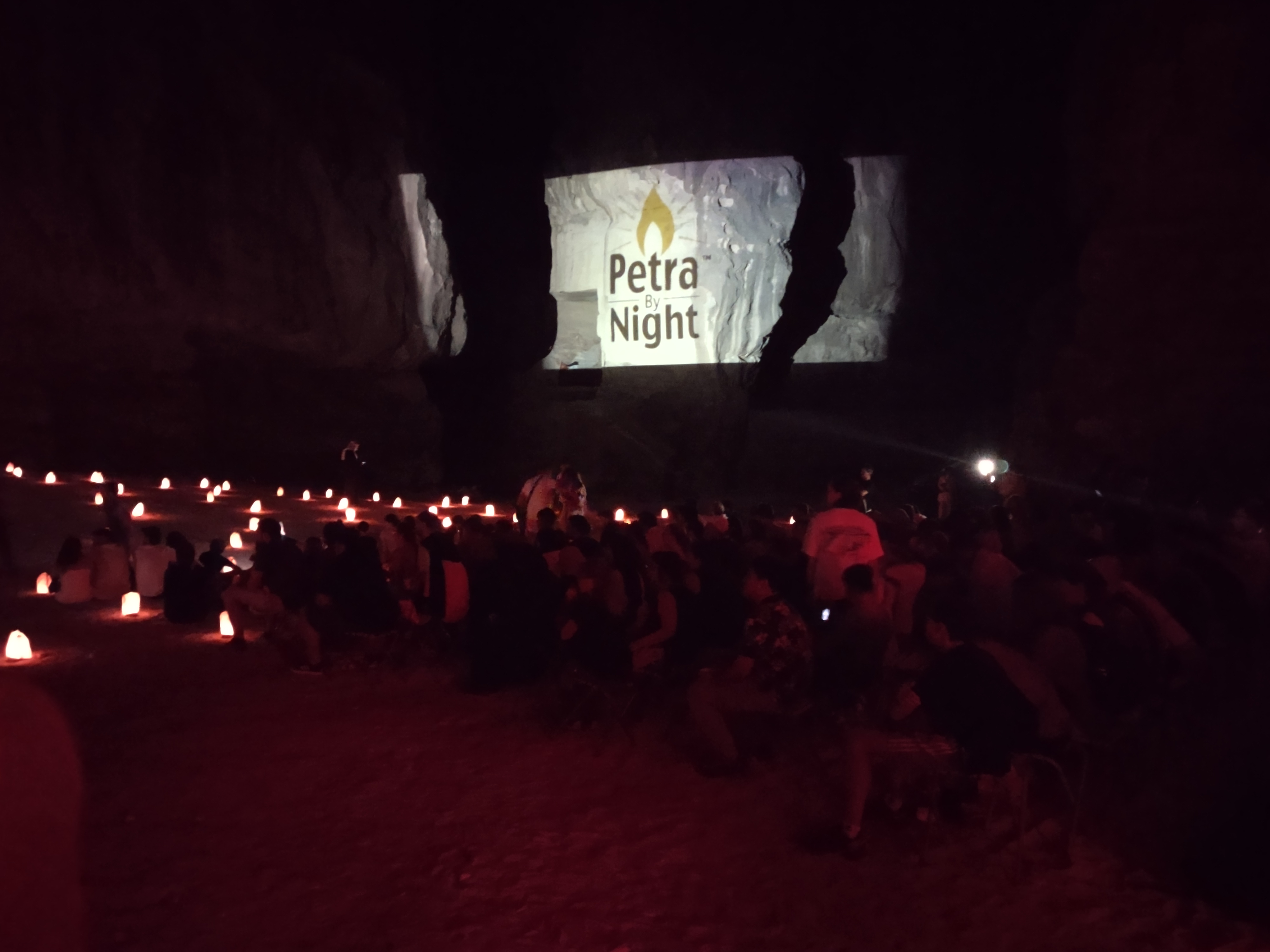
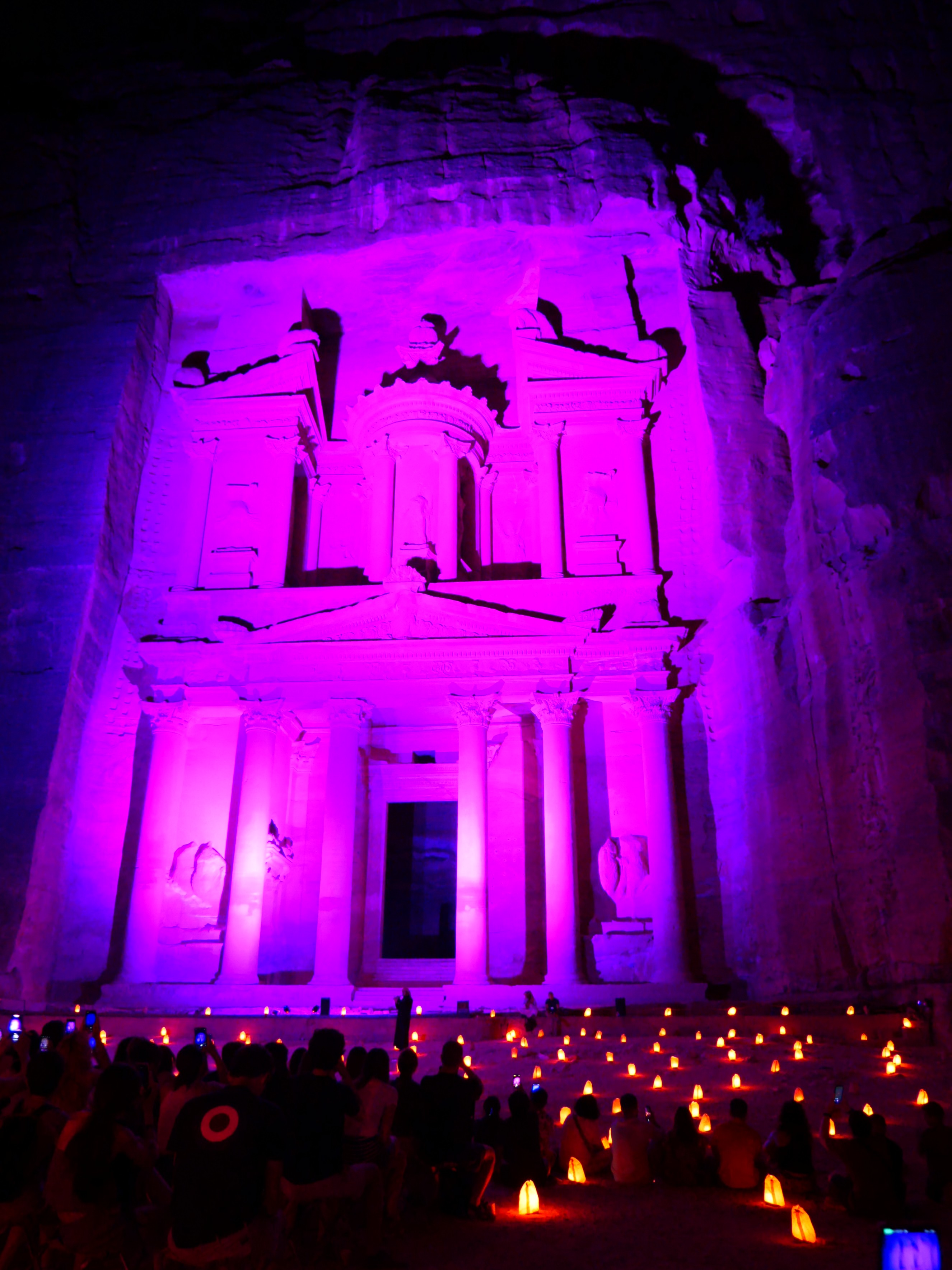
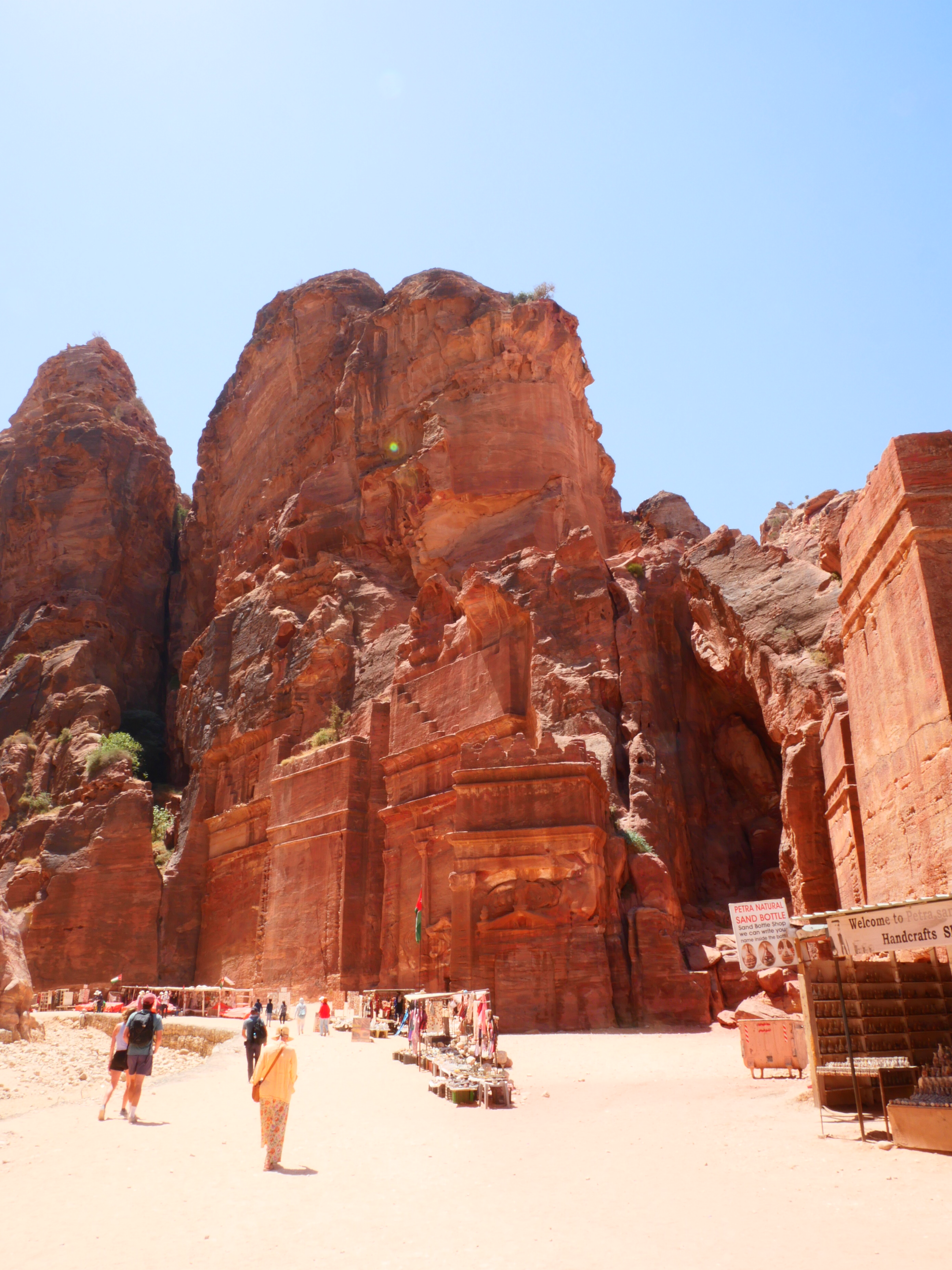
We arrived in Wadi Musa early enough to take a bit of a walk around town and to grab a late lunch/early dinner before our first scheduled event in Petra – an evening light show at the building known as the Treasury. As this would be one of three forays into Petra, it was good to locate and find our way around the Visitor’s Center and entrance, which includes a building for ticket sales, toilets, and a large plaza surrounded by shops and cafes. It was actually a little spooky making our way down the entrance road, past some of the outlying tombs and monuments, and then entering Al-Siq, the canyon which leads to the Treasury. While the light show itself was nothing high tech or spectacular, the host was unapologetic about this and made the point that their real purpose in having these shows is to showcase local traditional musicians which they did. In the end, we thought it was well worth the price of admission and another great warm-up for the main event.

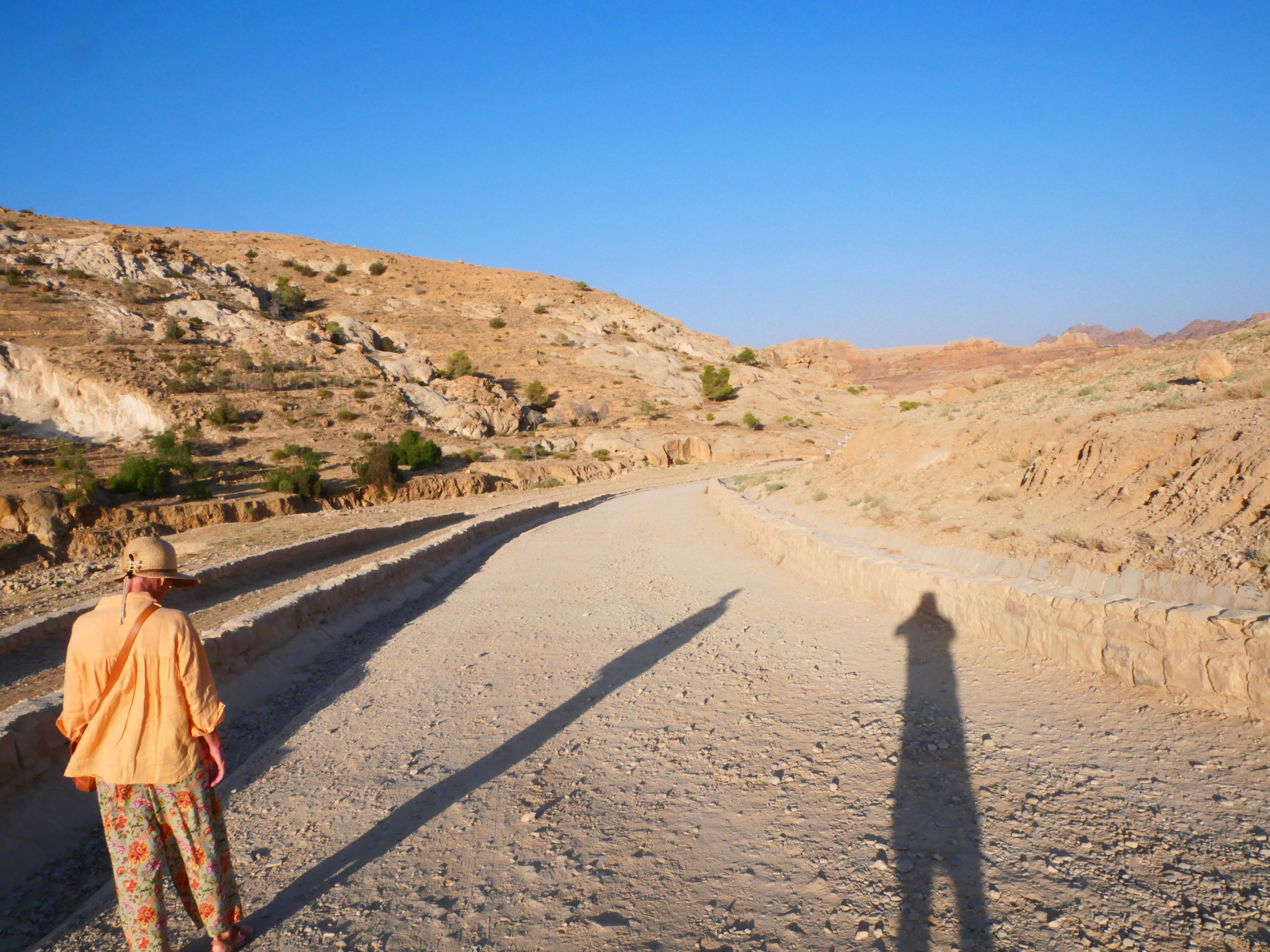
On our first full day in Wadi Musa we got up in time for breakfast at the Venus, which starts serving at 6:00 AM and then headed out to Petra, which also opens at 6:00 AM. With temperatures forecasted in to stay in the 100’s, our strategy was to try get in as early as possible and get back out again before the heat of the afternoon (and the crowds) set in. We found this strategy to work pretty well as the rock formations of Petra cast quite a bit of shade while the sun is low in the east. Getting in early also worked well against the crowds (Petra gets over 1 million visitors a year these days) as the tour buses don’t start pulling in until late morning with the majority arriving around noon. (We found ourselves shaking our heads as we walked out of the canyon in early afternoon passing droves of visitors heading into the furnace beyond.)
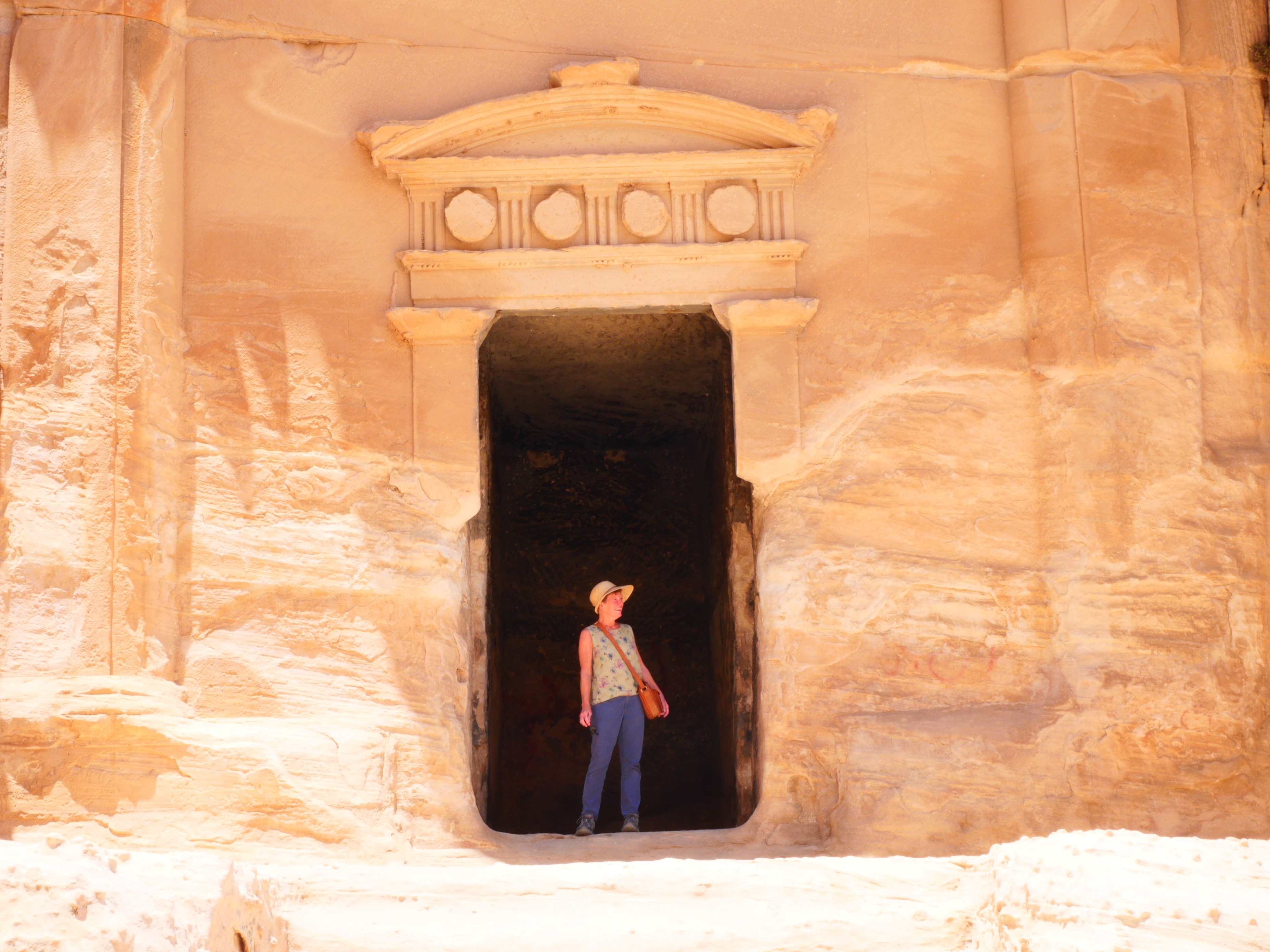
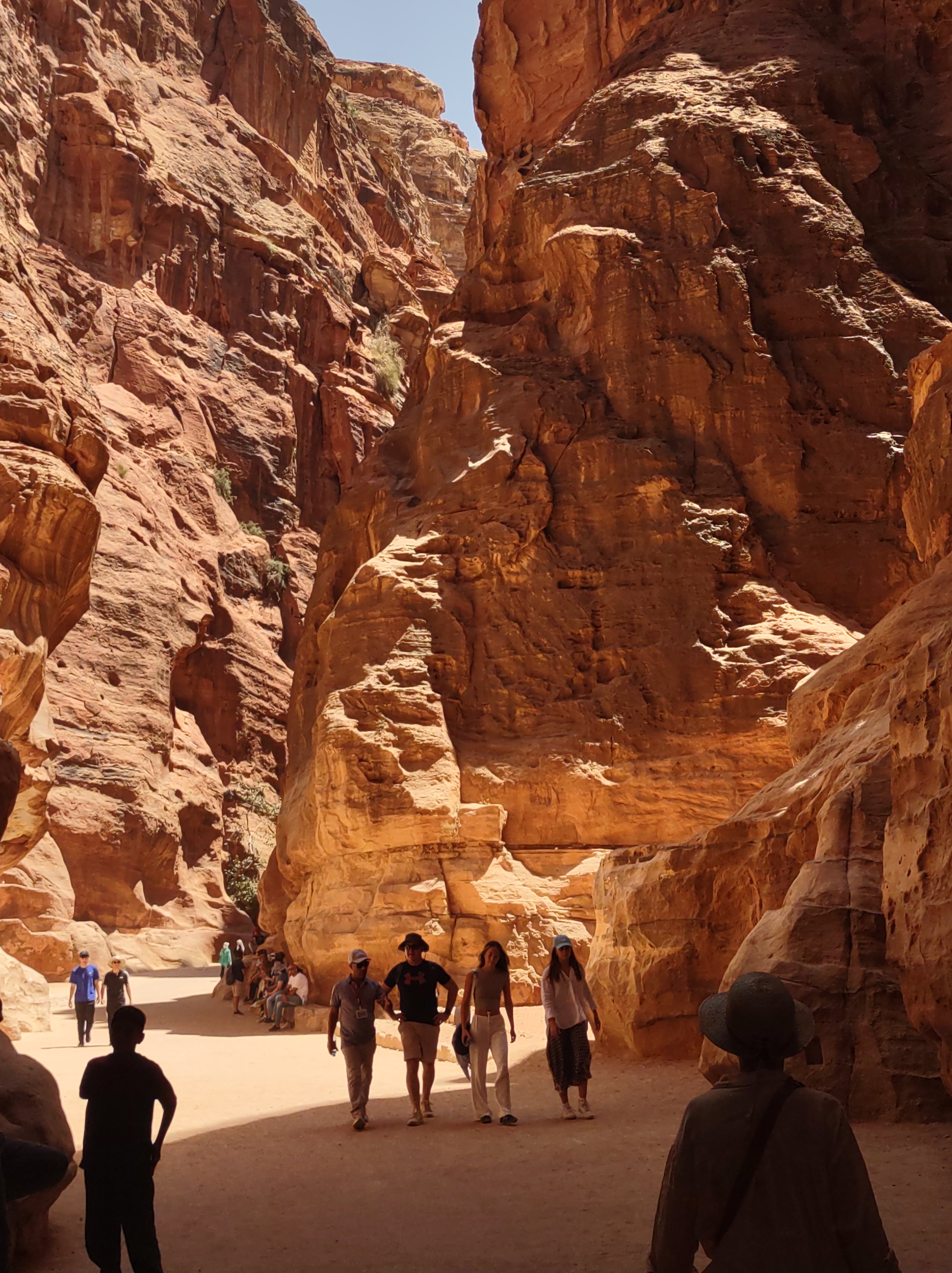
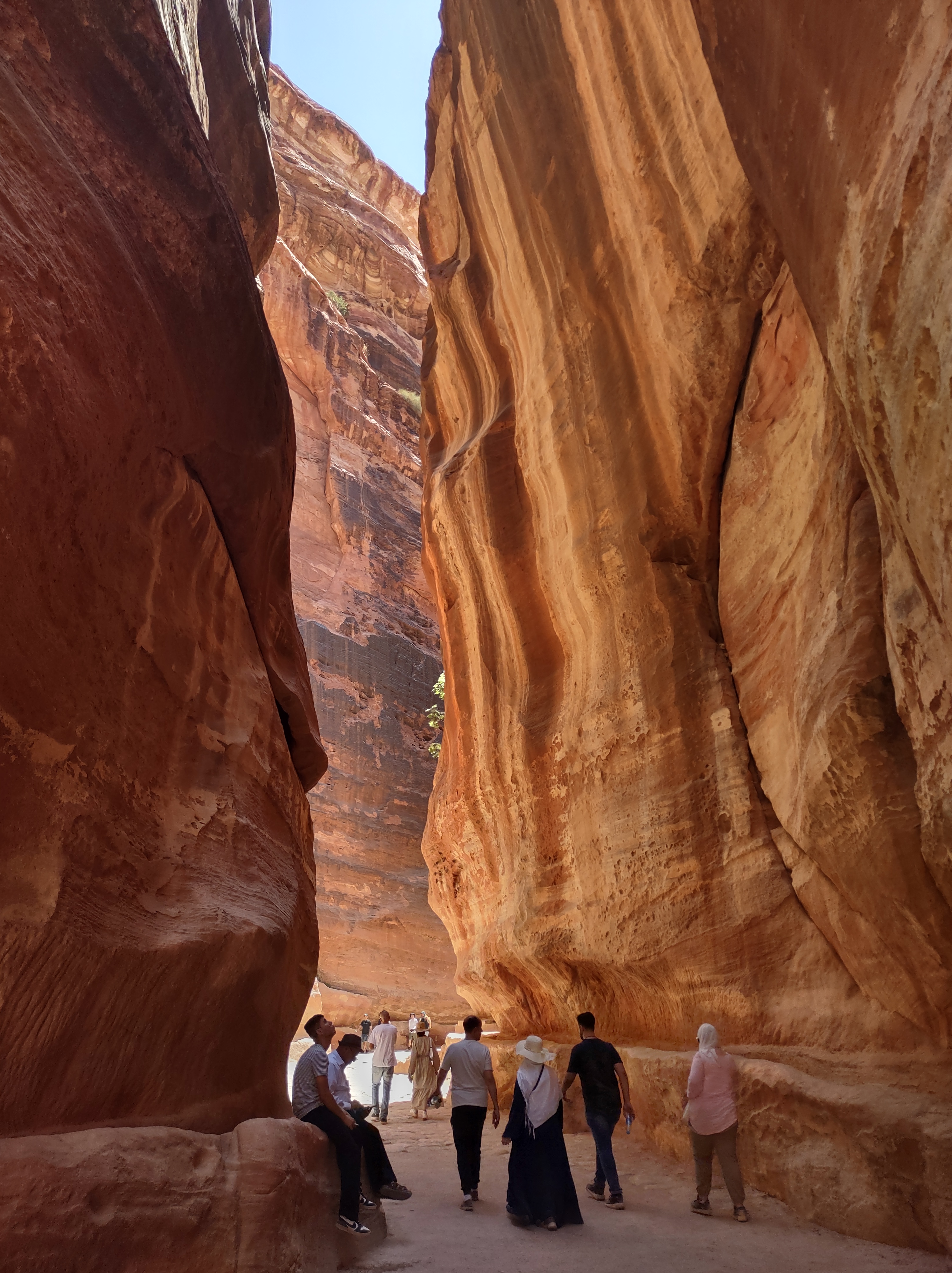
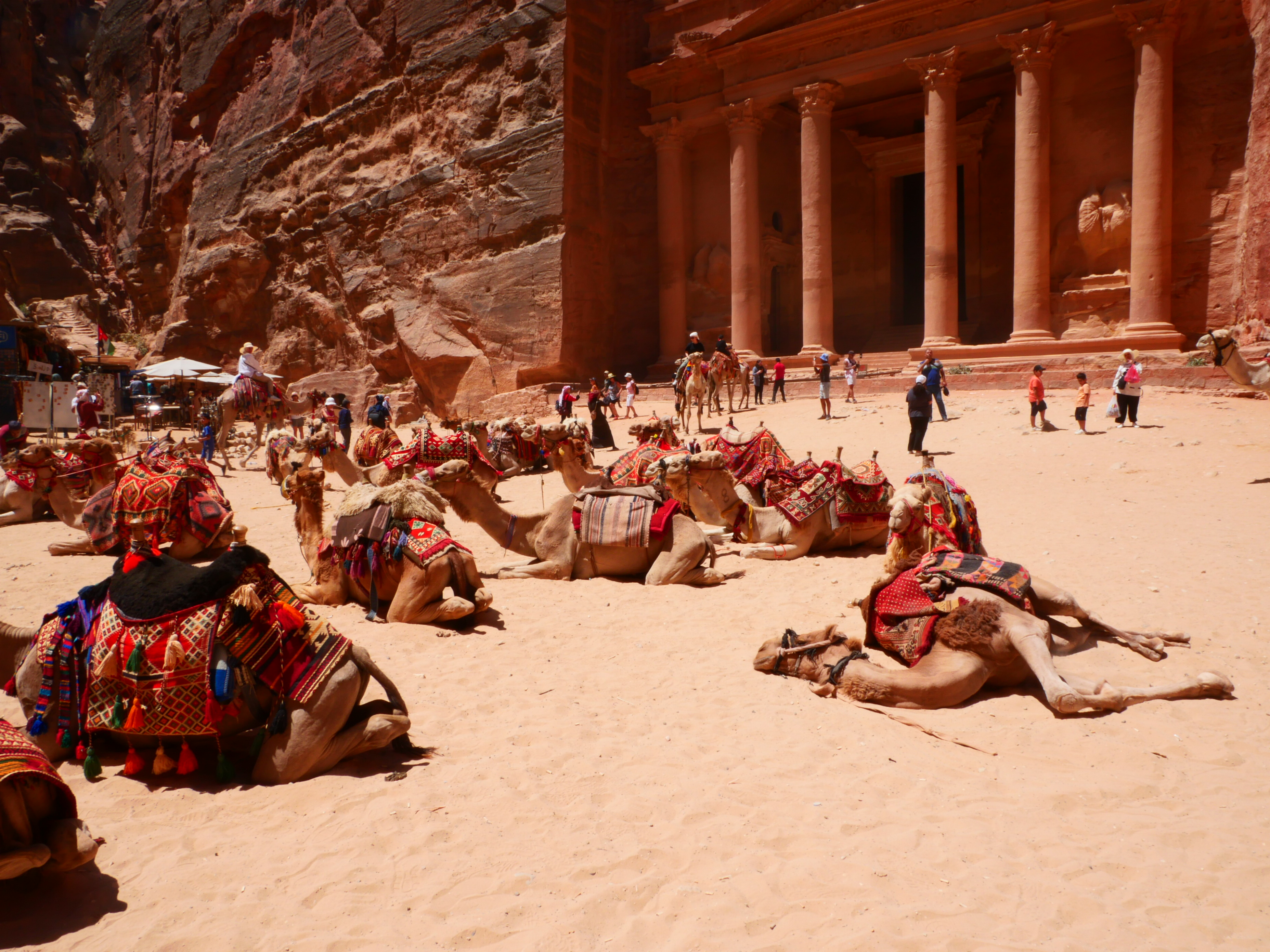
With the sun still low in the sky and long shadows in front of us, we retraced our route from the night before enjoying the stillness and relatively cool morning temperature. After passing by some outlying tombs, we entered the Al-Siq which, now seen in the light of day, was more beautiful than we could have imagined and definitely one of those places where photographs don’t really do it. As you continue into the canyon, the sides close in on you, becoming even more colorful and beautiful. After a little over a kilometer we emerged at the Treasury which appeared much larger in the light of day and which we were happy to find not too crowded as it was still early.
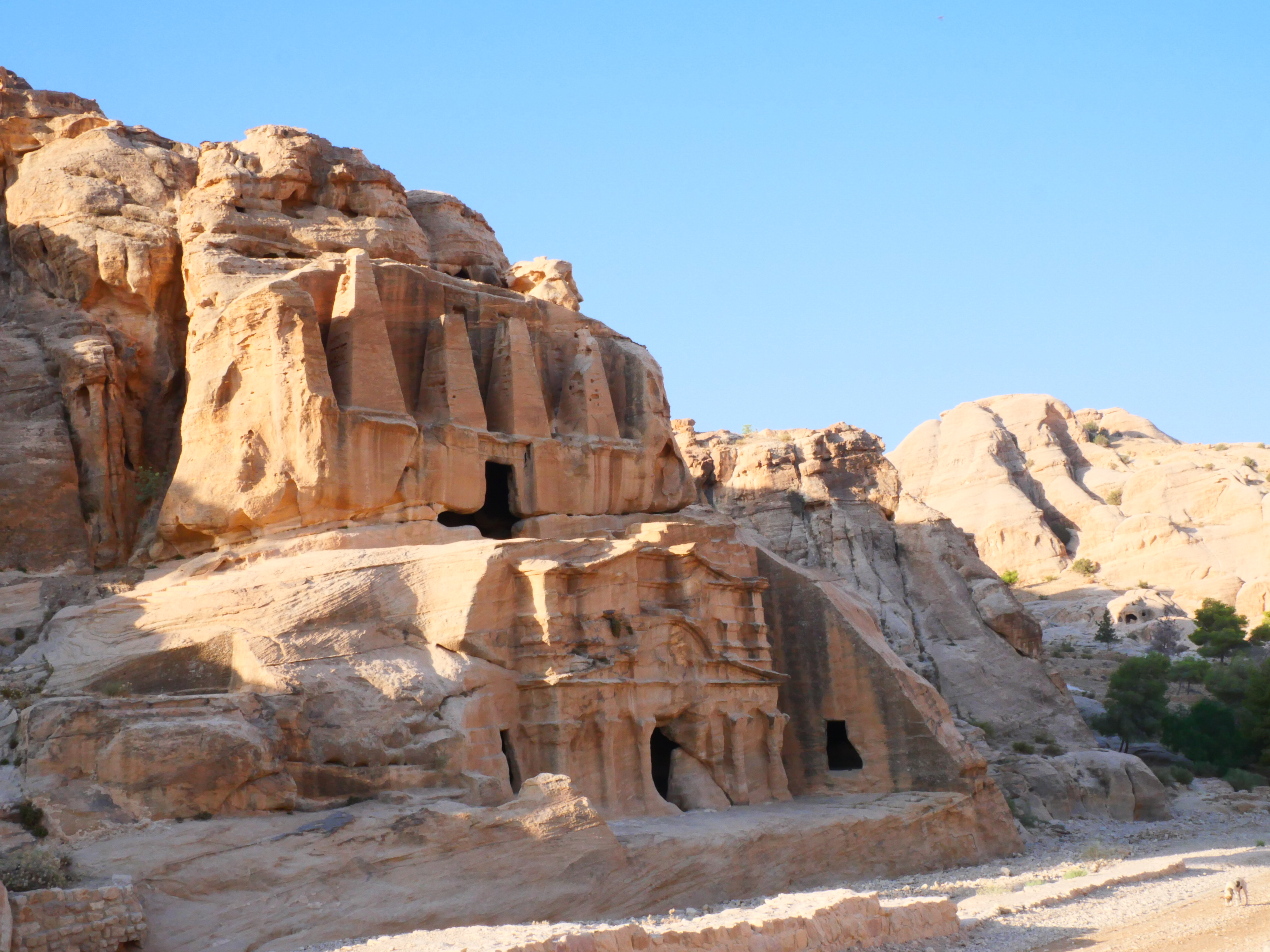
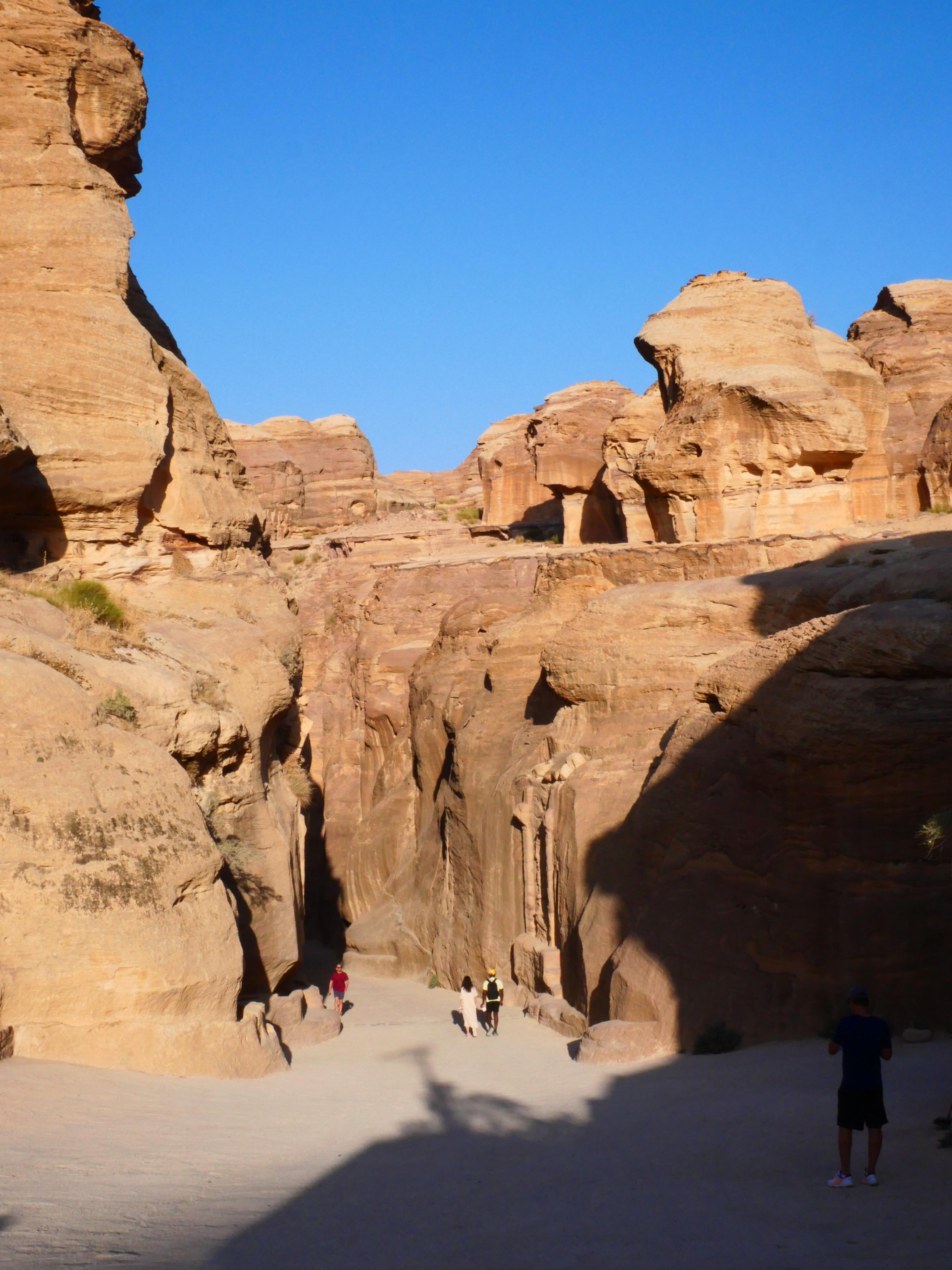
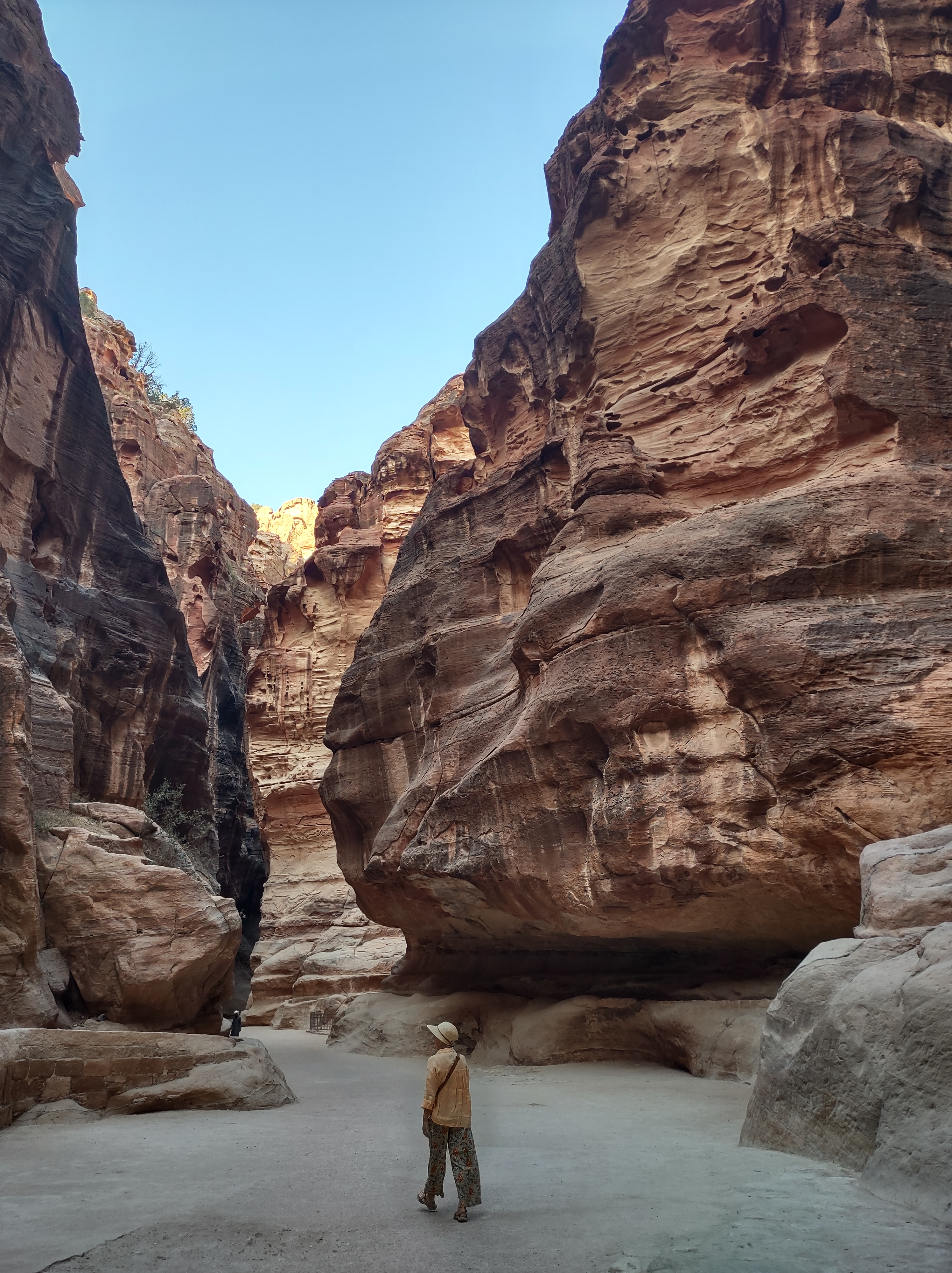

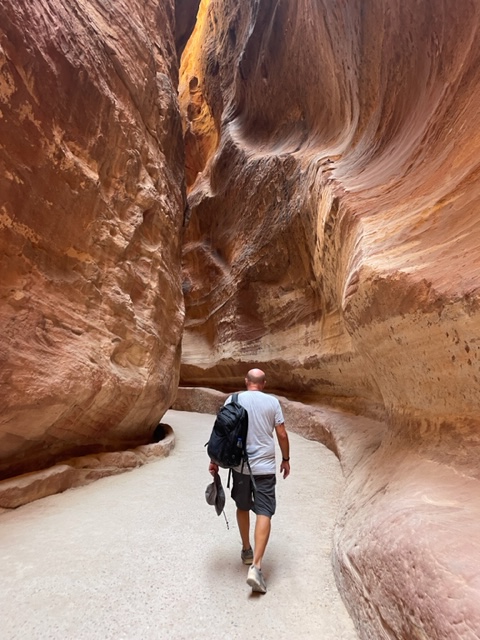


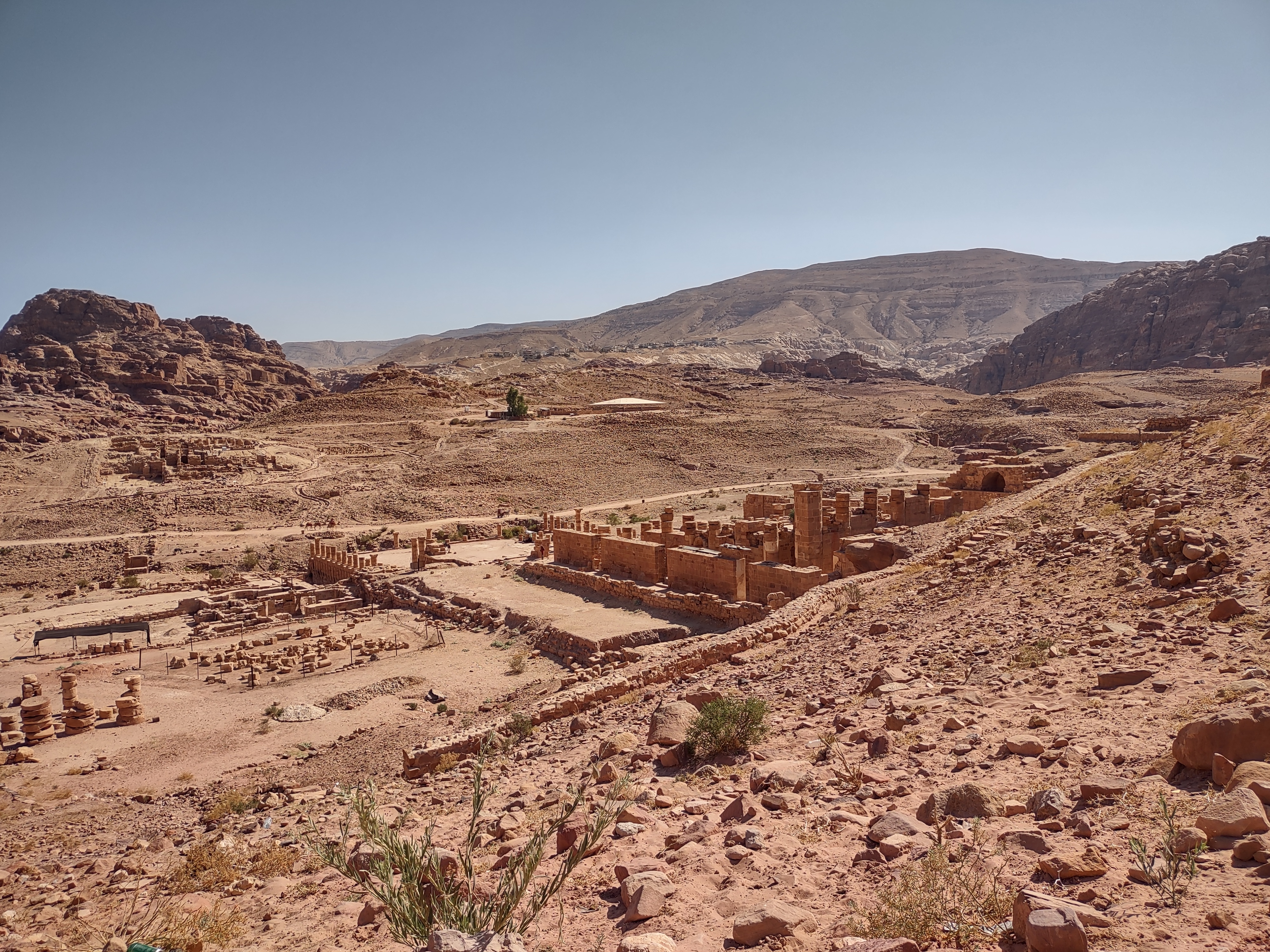
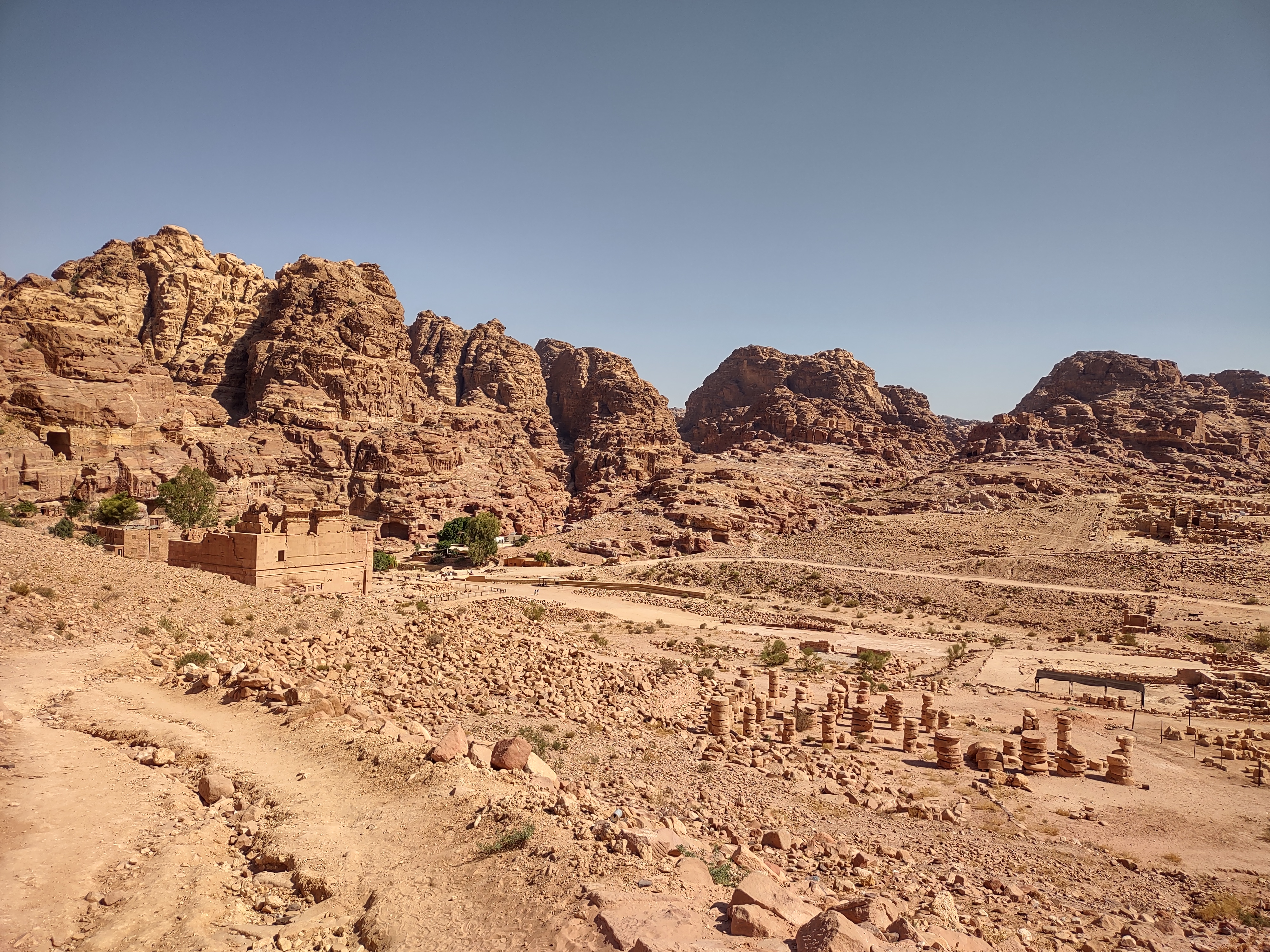
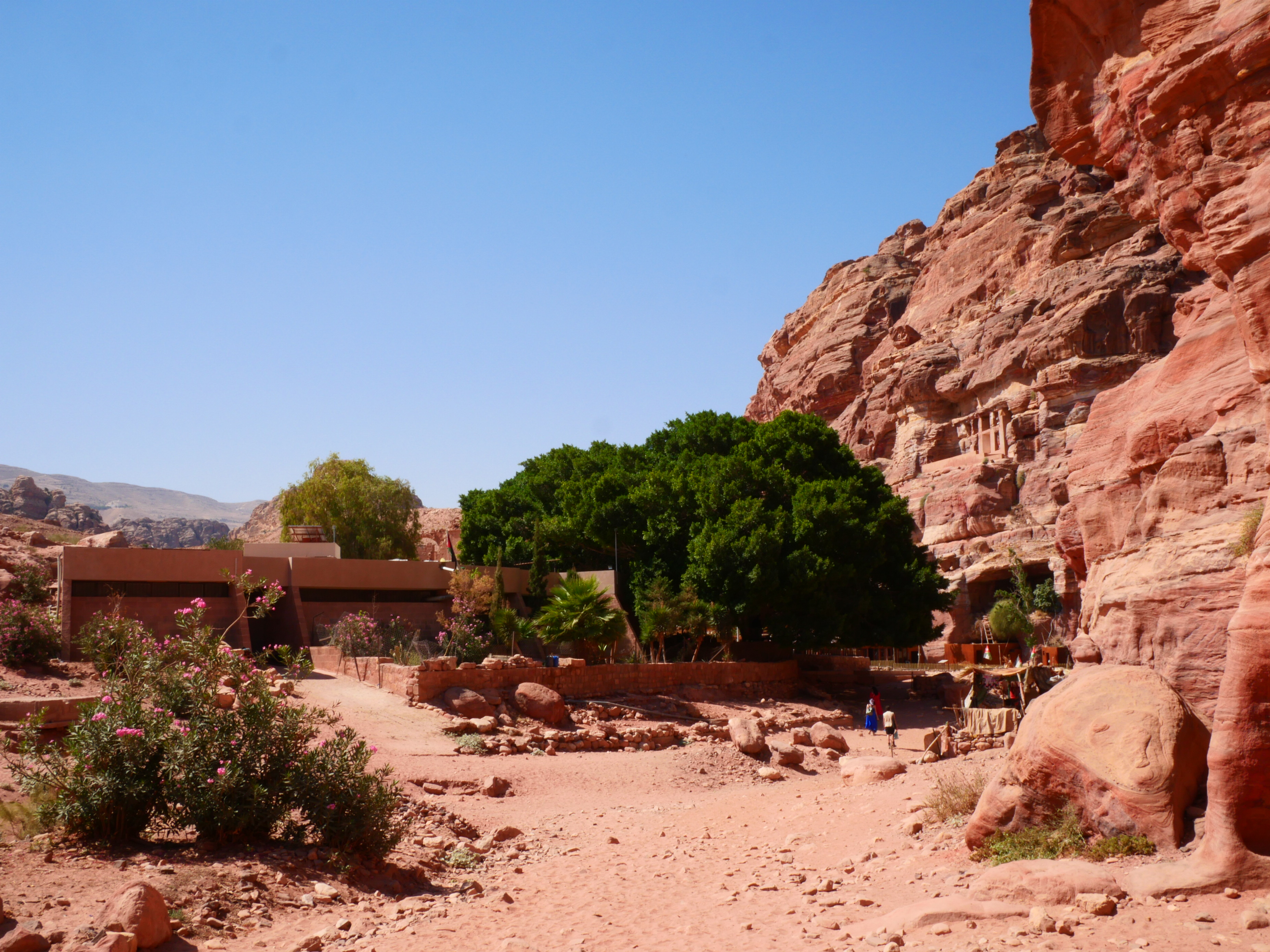
From the Treasury we continued hiking along the Street of Facades, a street lined with tombs carved into the rock faces above, then through the Colonnaded Street, with the ruins of various structures including temples, a theater, a market complex, a pool and gardens, and more tombs. At the end of the Colonnaded Street is an area called The Basin, a rest area of sorts, which seemed like an oasis in the blazing sun, with trees, shade, toilets, and a couple of restaurants.
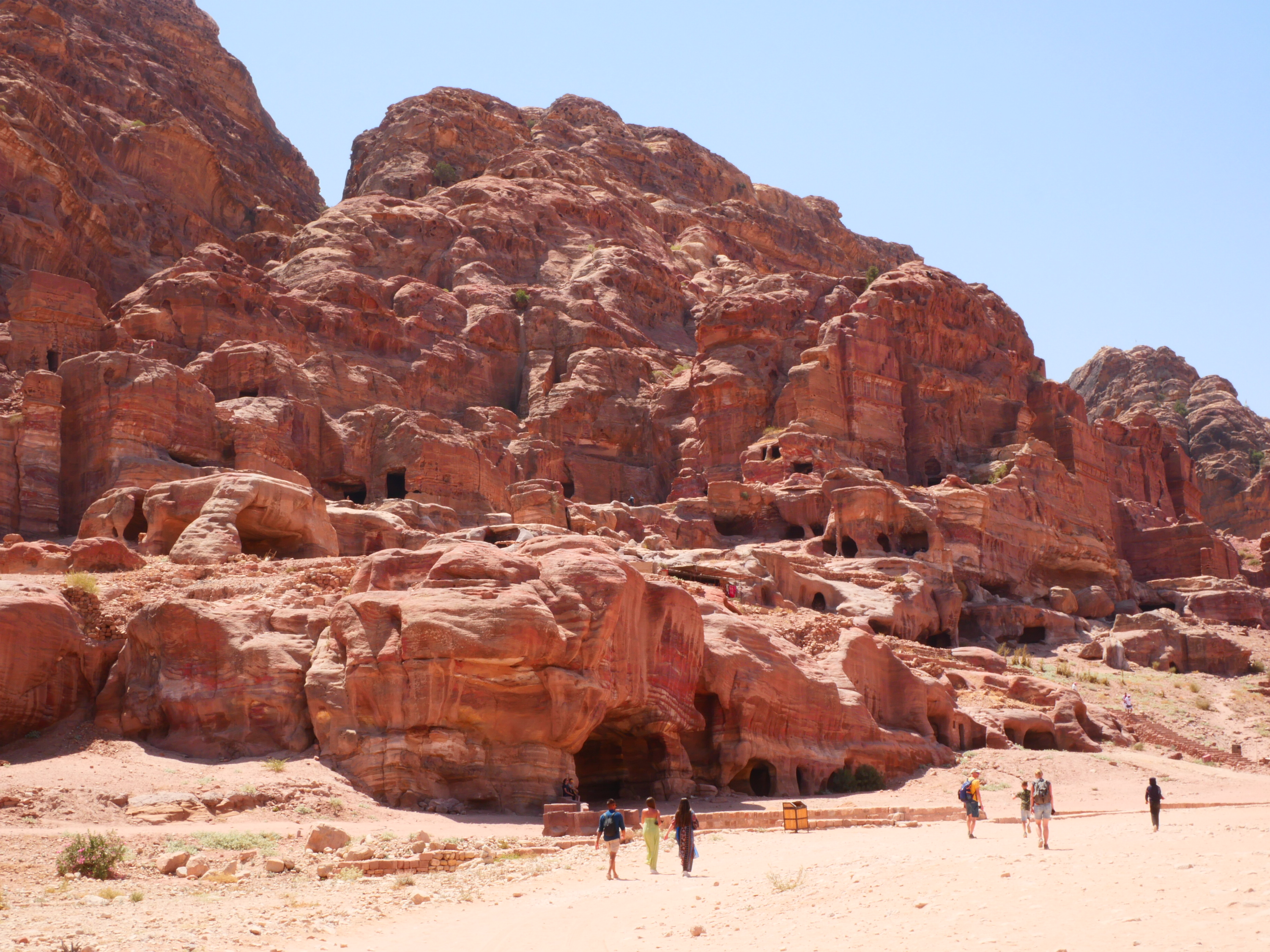

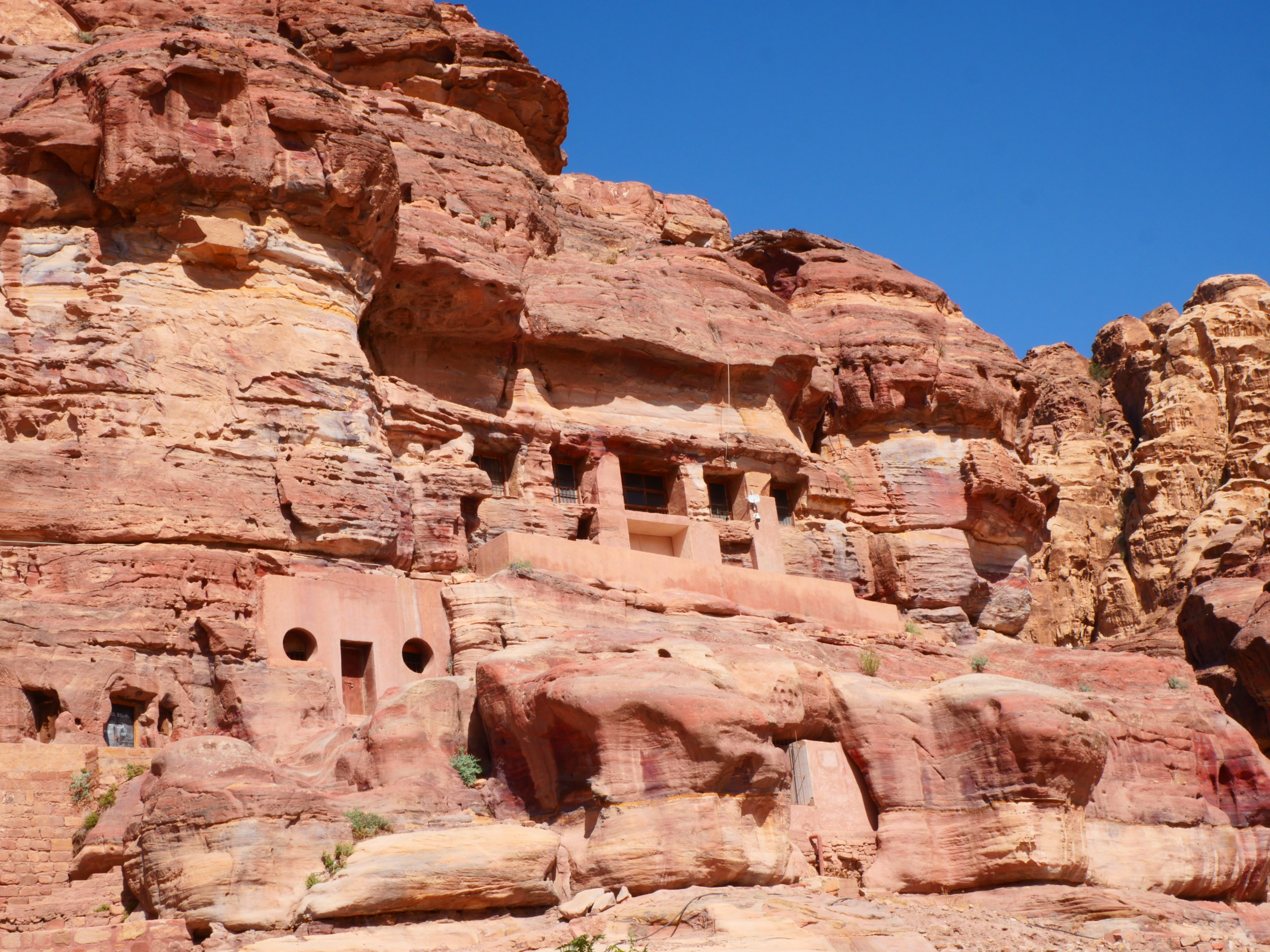
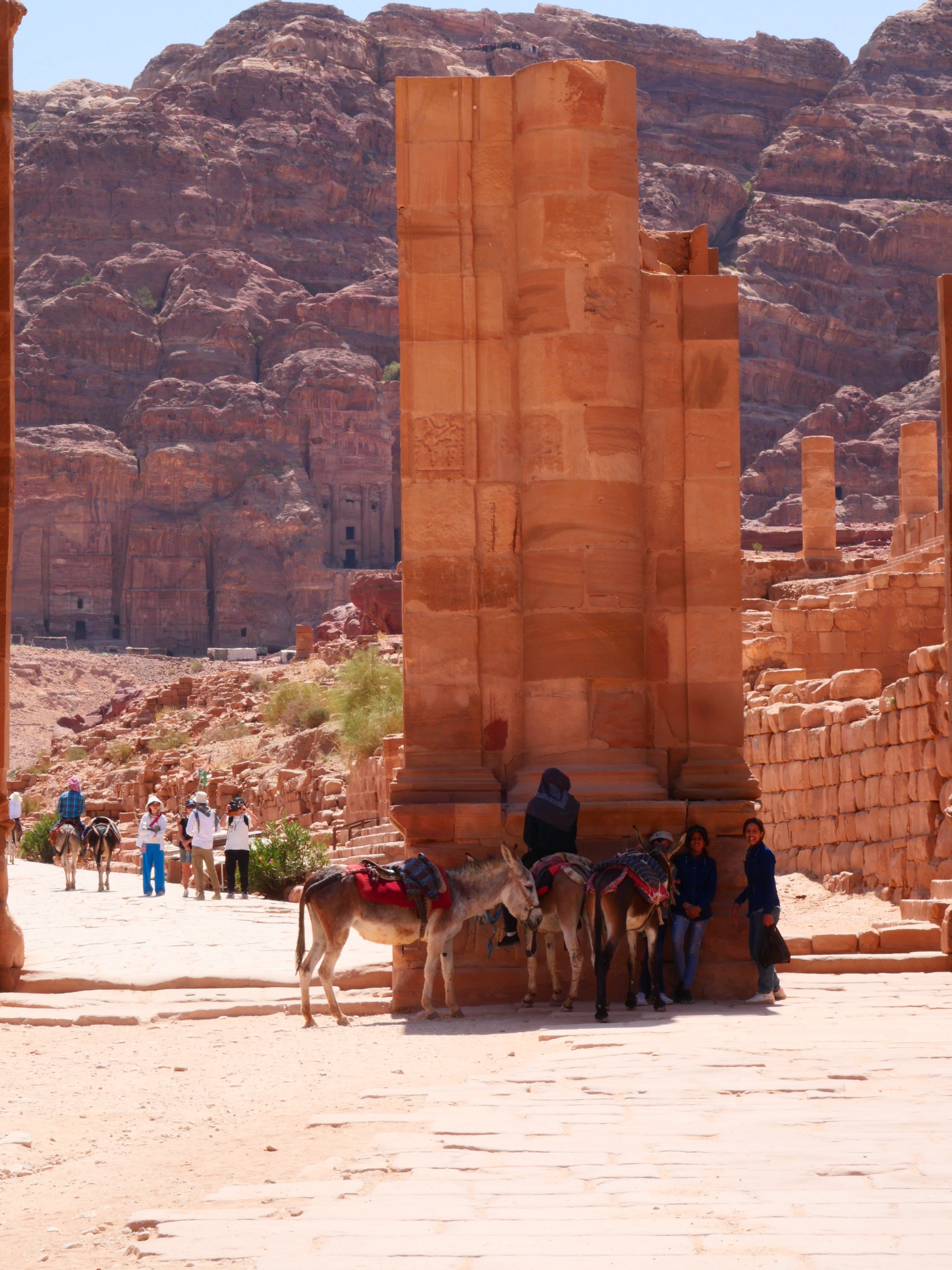
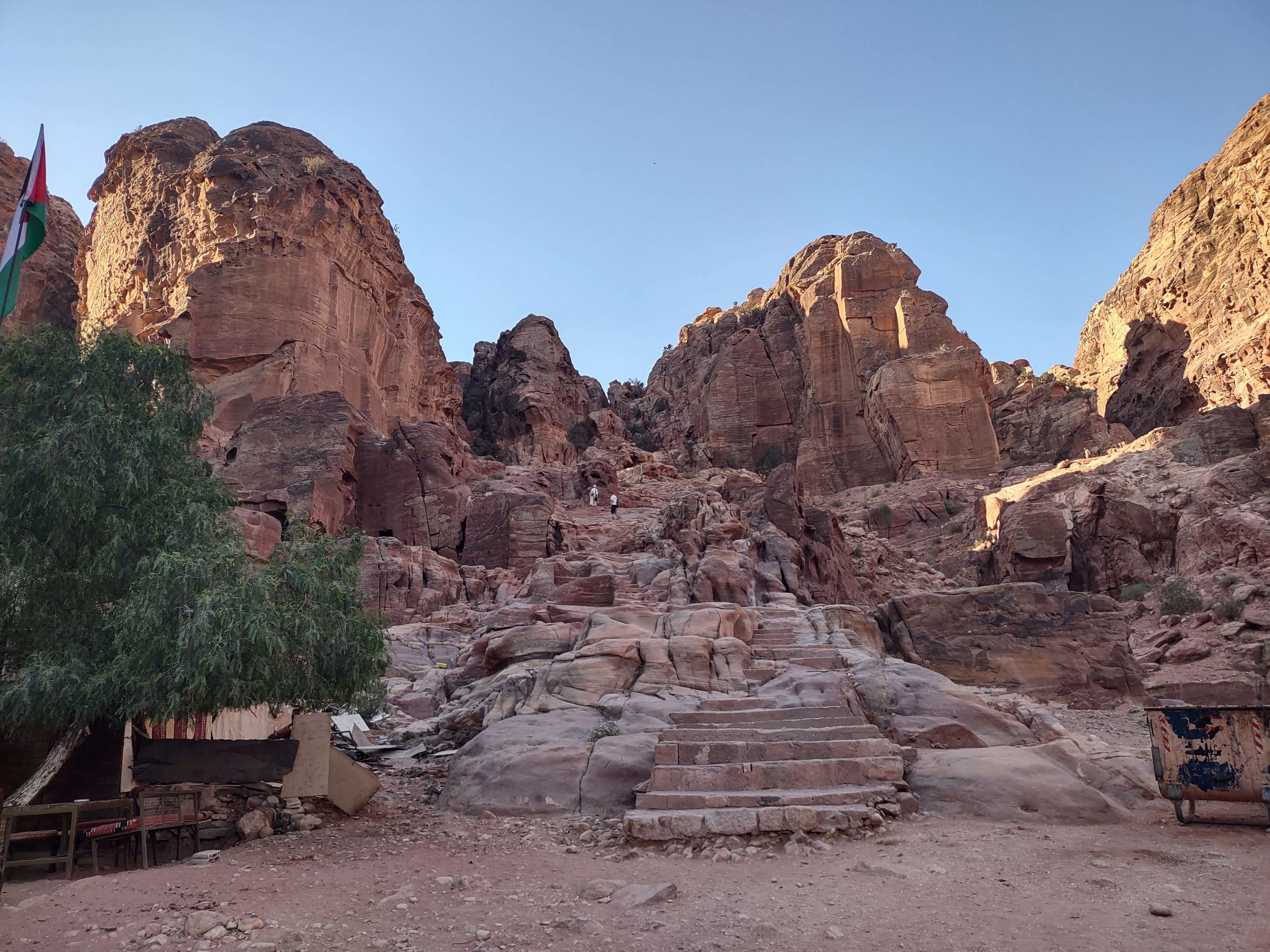


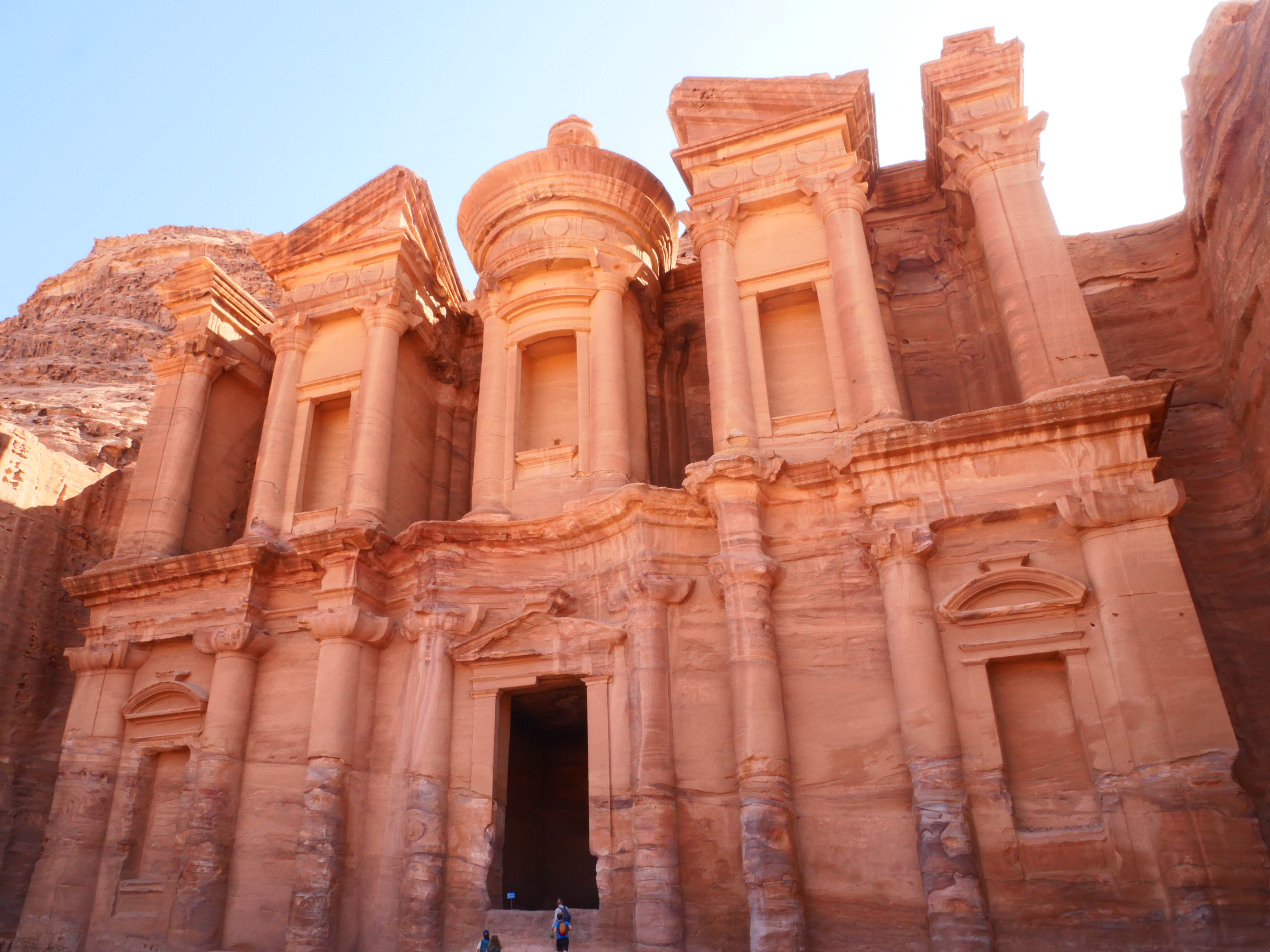
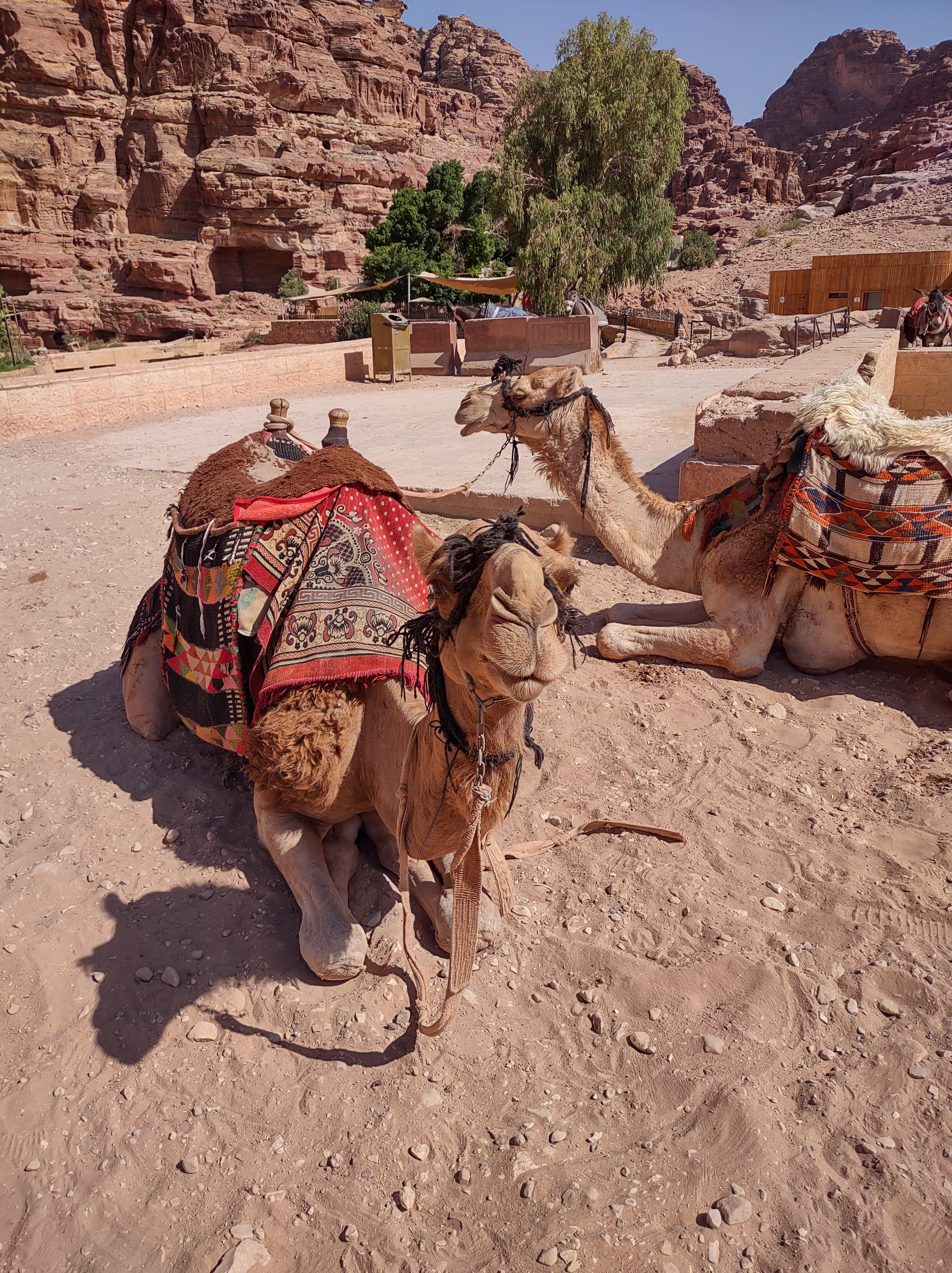
From The Basin there is a steep trail which winds its way up the mountain to the last major monument of Petra known as the Ad Deir or Monastery, which dates to the early 2nd century AD and encloses a small chamber with an alter and benches which were used for meetings and later as a Christian chapel. The Monastery Route, as it is called, is only about one mile long, but it includes about 850 odd-shaped steps. Given that the sun was now fully in the sky and the temperature were quickly rising, opted for an alternative mode of transport and hired two donkeys to take us to the Monastery. Had we known in advance what the Monastery Route was like – lots of hair pin turns with sheer drop-offs, I’m not entirely certain we would have gone for this option, but this was very literally a case of where you had to just hang on and try to enjoy the ride.
Initially, my donkey was in the lead and Colleen’s was following, but at one point we switched positions so that I could take some photos and videos. This turned out to be a mistake as my donkey (who, like me, tended to be a bit impatient and clearly used to leading), tried to edge around Colleen’s donkey (who was, honestly, a little slow) in the turns. Fortunately, the donkeys proved to be quite sure-footed (not their first rodeo) and, with the added benefit of donkeys having the right-of-way over hikers, we pretty quickly arrived safe and sound at the top of the trail and made our way on foot for the last hundred yards to the Monastery.

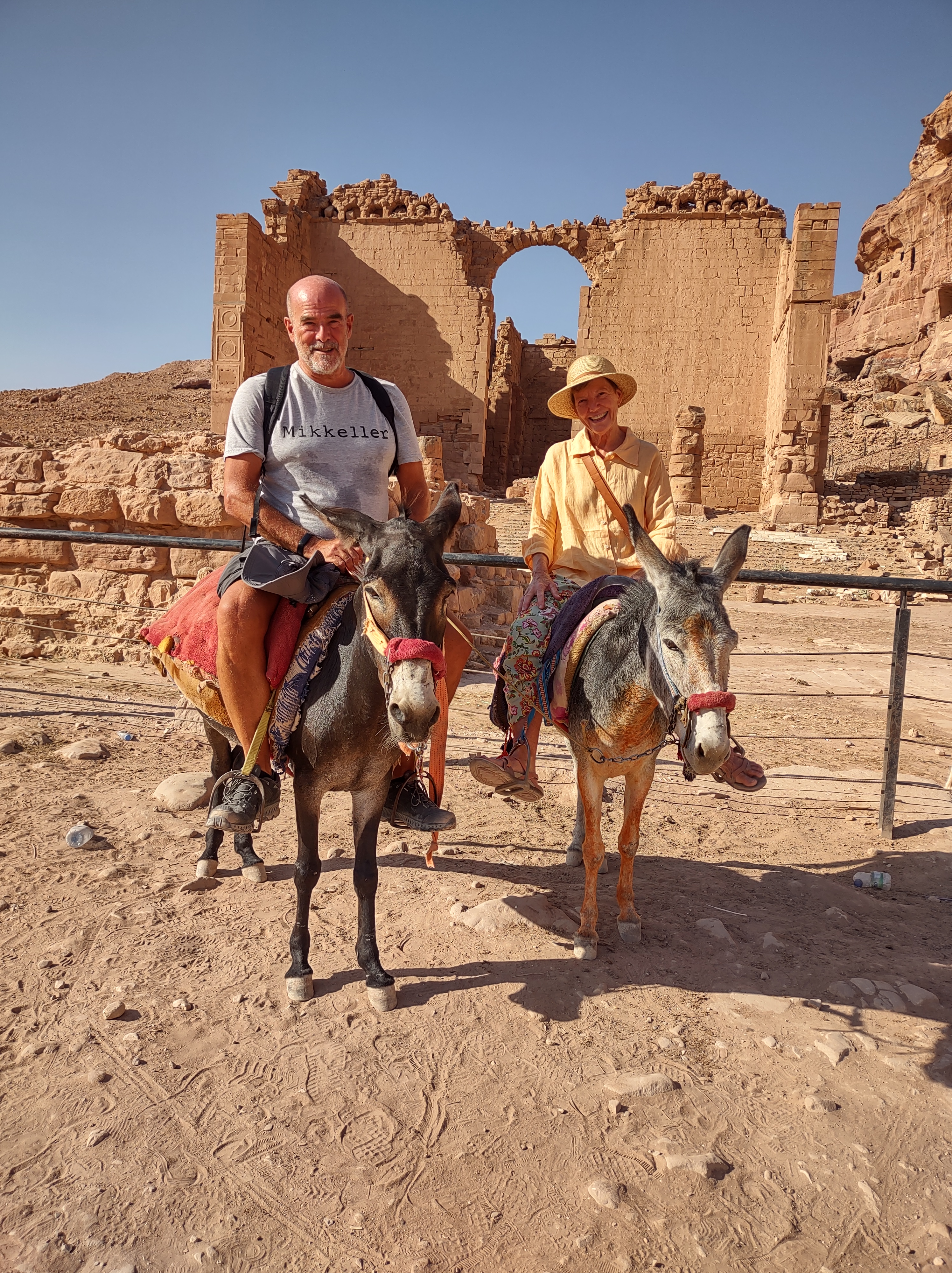
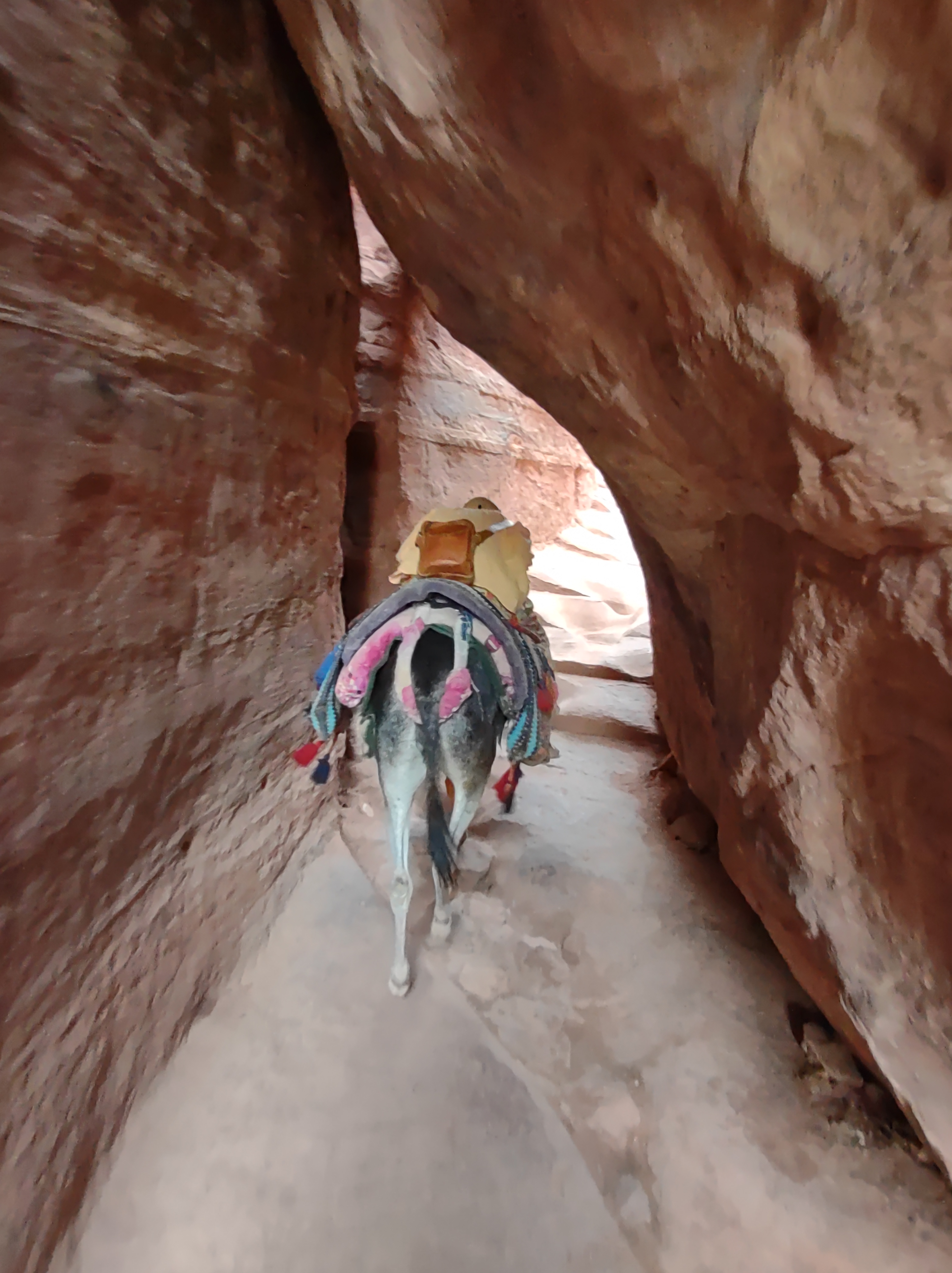
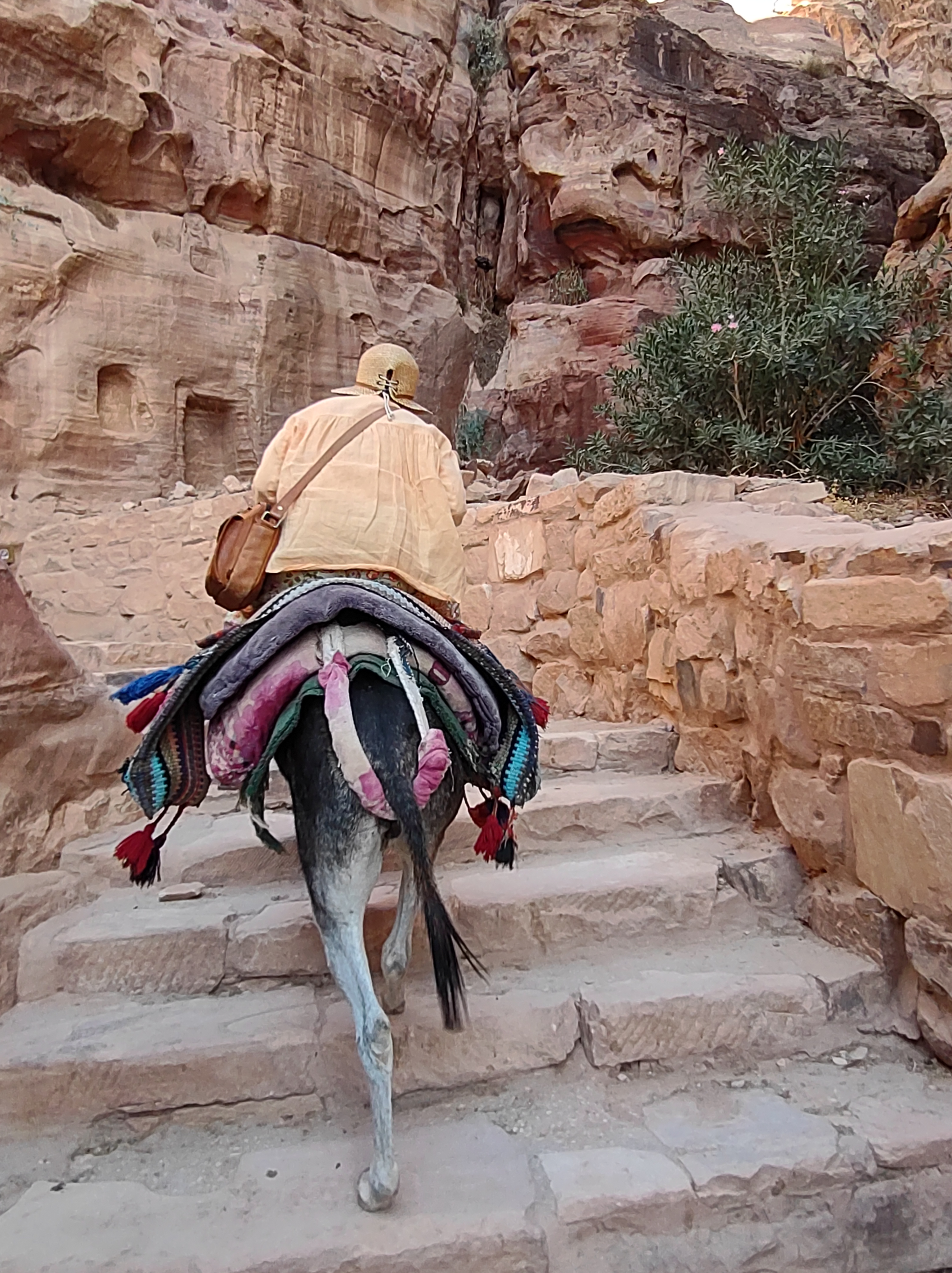
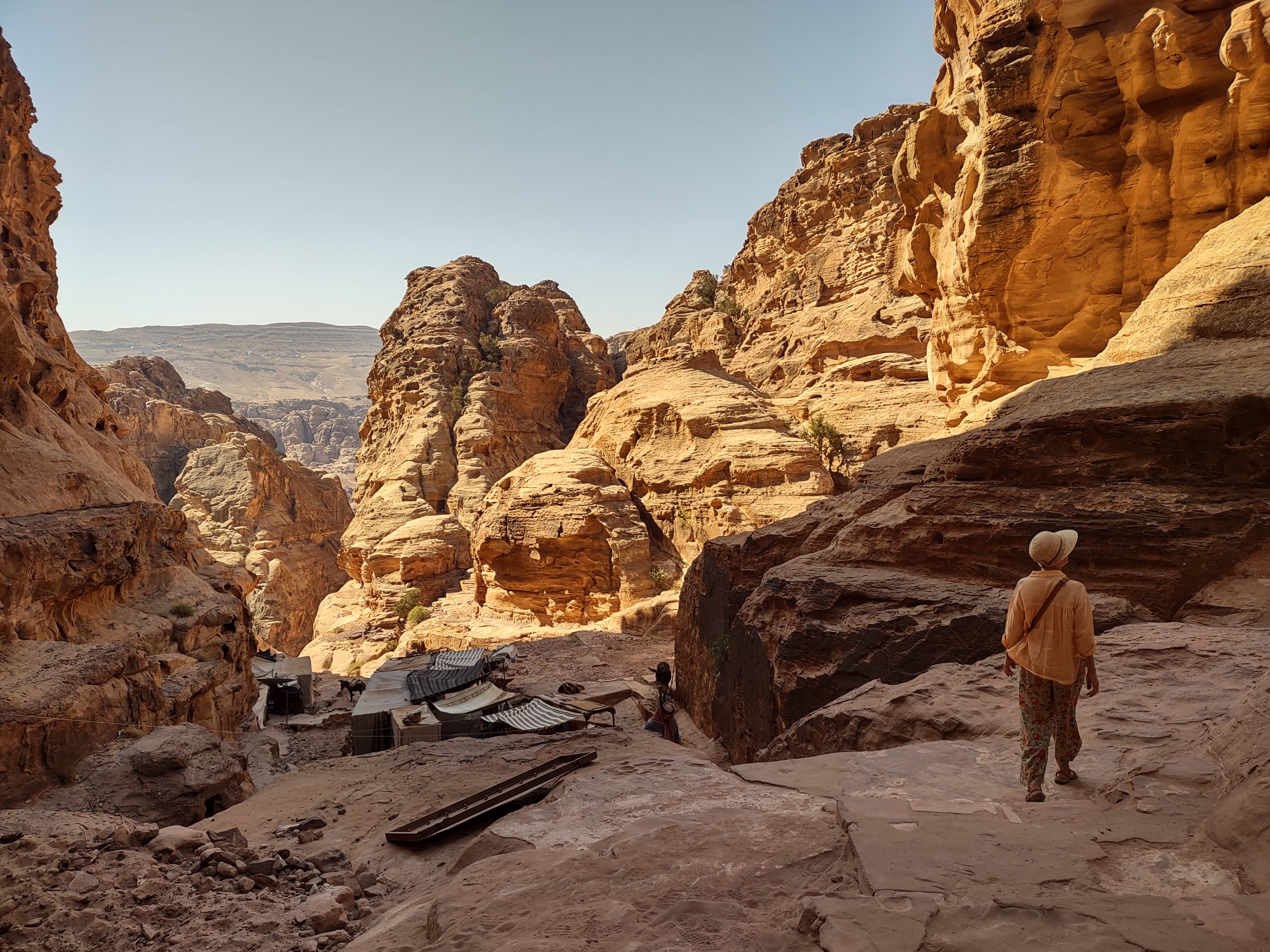
While we had seen photographs of the Monastery, we were surprised at how much bigger it was than we had imagined, which you don’t fully recognize until you see someone standing directly next to its entrance. It was by now mid-morning but, because the Monastery is at the remote end of Petra (and perhaps because of the climb), it was still relatively uncrowded (which, of course, made us happy) and we found a spot in the shade to sip some water and just admire it. While taking some photos of Gnomie, our travelling companion (a whole other story) in front of the Monastery, we met a couple of young men from the Washington D.C. area, who were also following the “Jordan Trail”, but had started their trip in Lebanon, which we had considered and rejected for various reasons.
Before heading back down we stopped for some cold drinks at a tented café of sorts, run by some Bedouins, which was near the trail head. While I haven’t mentioned it before, it is probably not surprising to hear that in addition to the more permanent concessions in the Basin, there are make-shift market stands and other small concessions run by local Bedouins, selling food, beverages, and lots of tchotchkes, starting at the entrance and scattered all the way to the Monastery. We were a bit surprised to discover that many (maybe most) of these vendors actually live in the canyons (presumably to cut down their commuting time to and from work) and are apparently close enough that they just cover up their merchandise at night rather than take it away with them.


So, we made our way down the Monastery trail which was beautiful and, at times, breathtaking but which we decided might have tended toward terrifying had we decided to ride the donkeys down rather than up. We stopped at the Basin again for some refreshing melon, then made our way out past the Street of Facades and the Treasury, and then back through Al-Siq, pretty amazed to see the number of people just entering Petra as the sun approached its zenith and the temperature hitting 100 degrees.


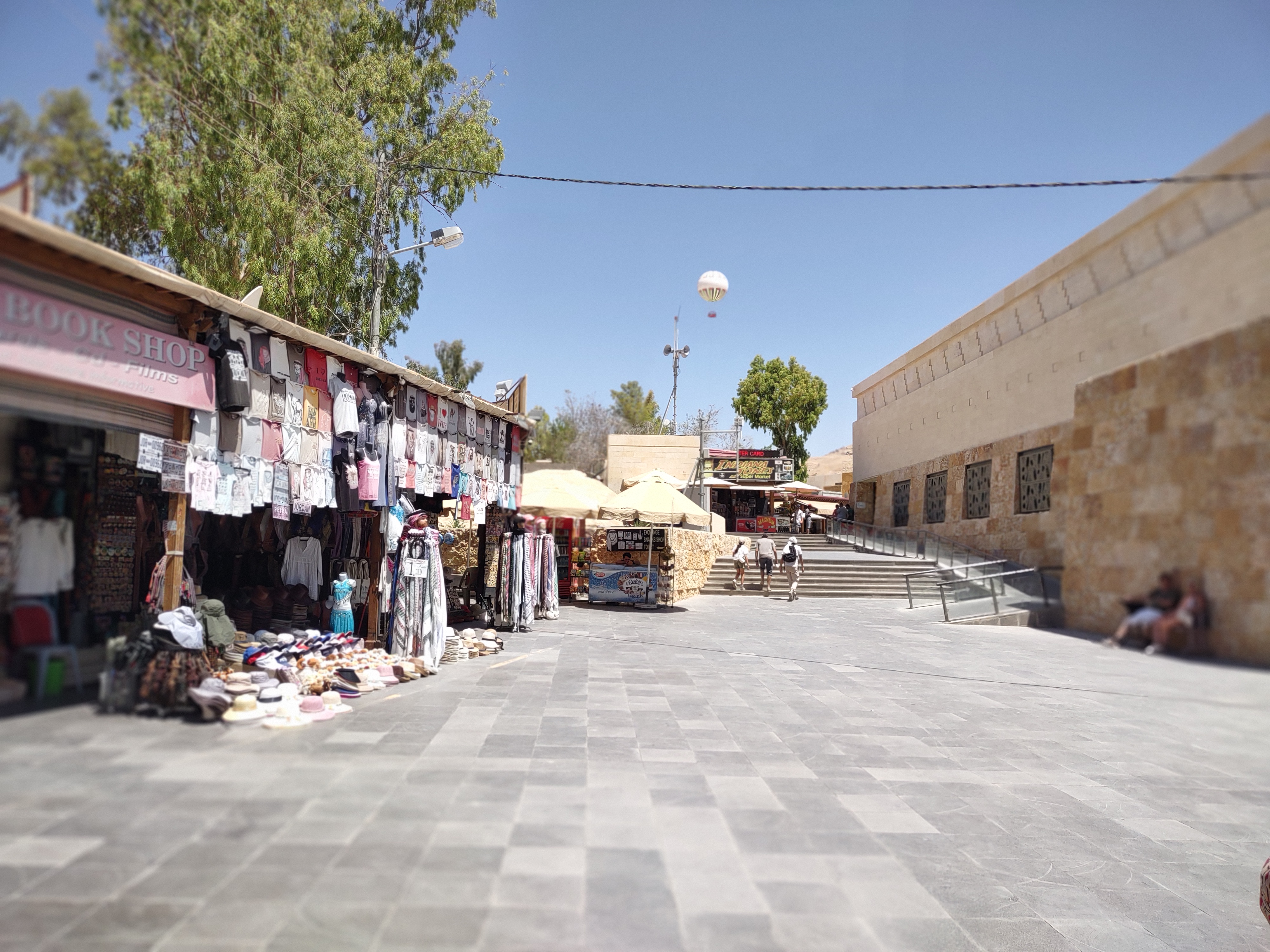
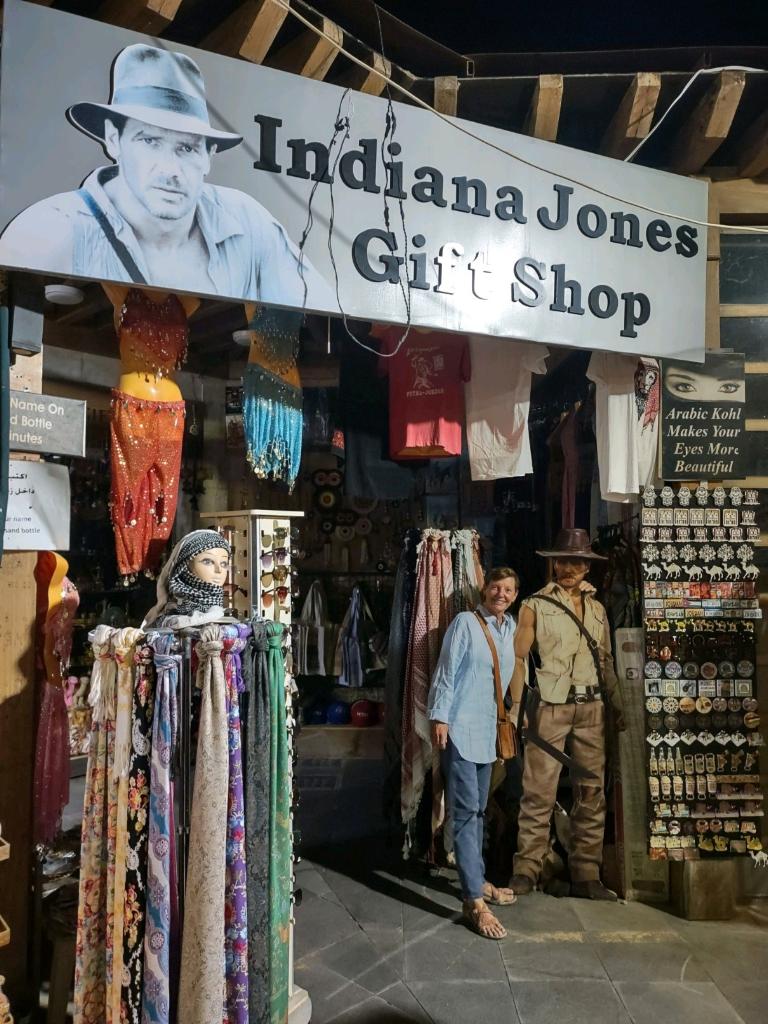
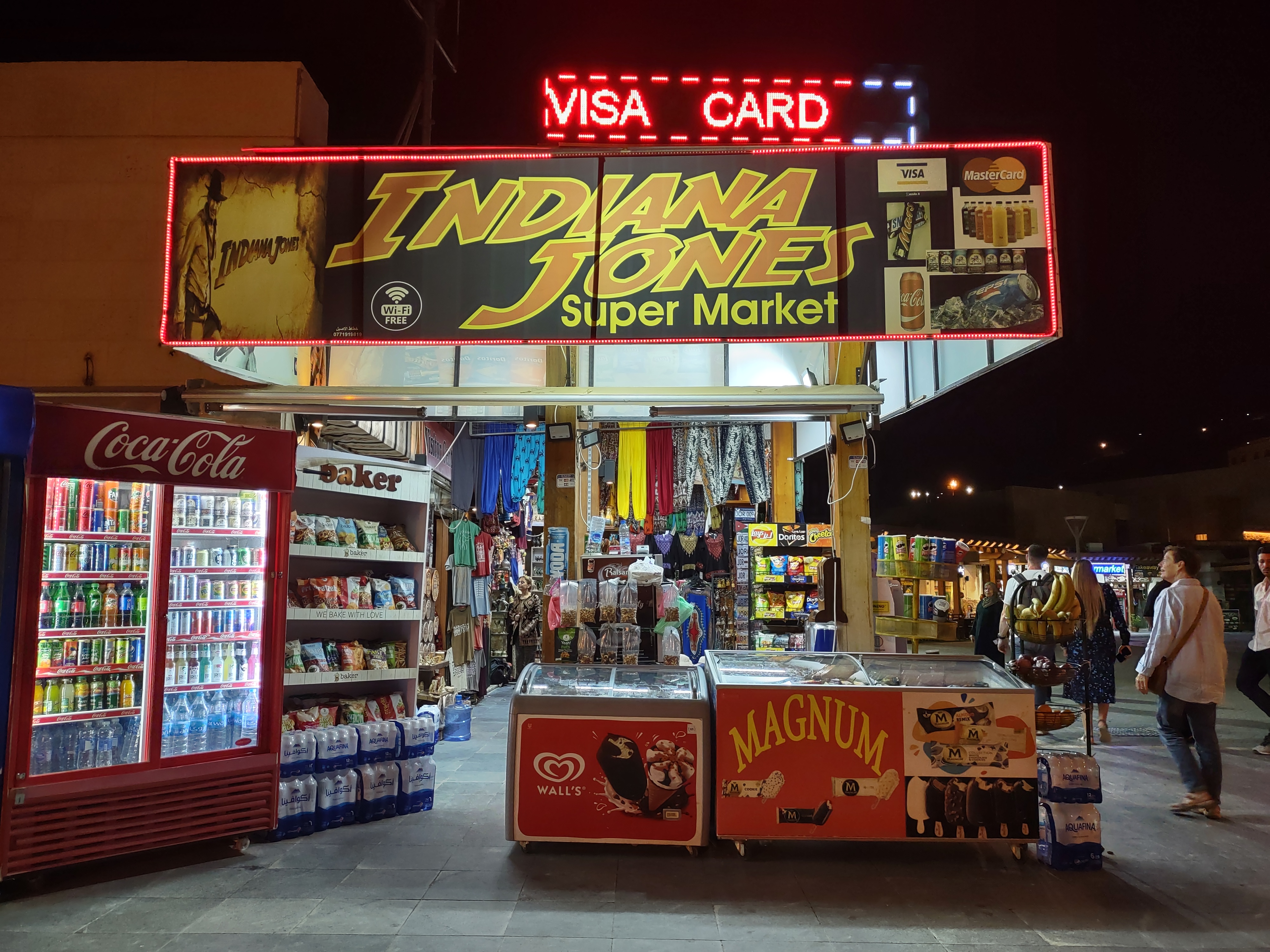
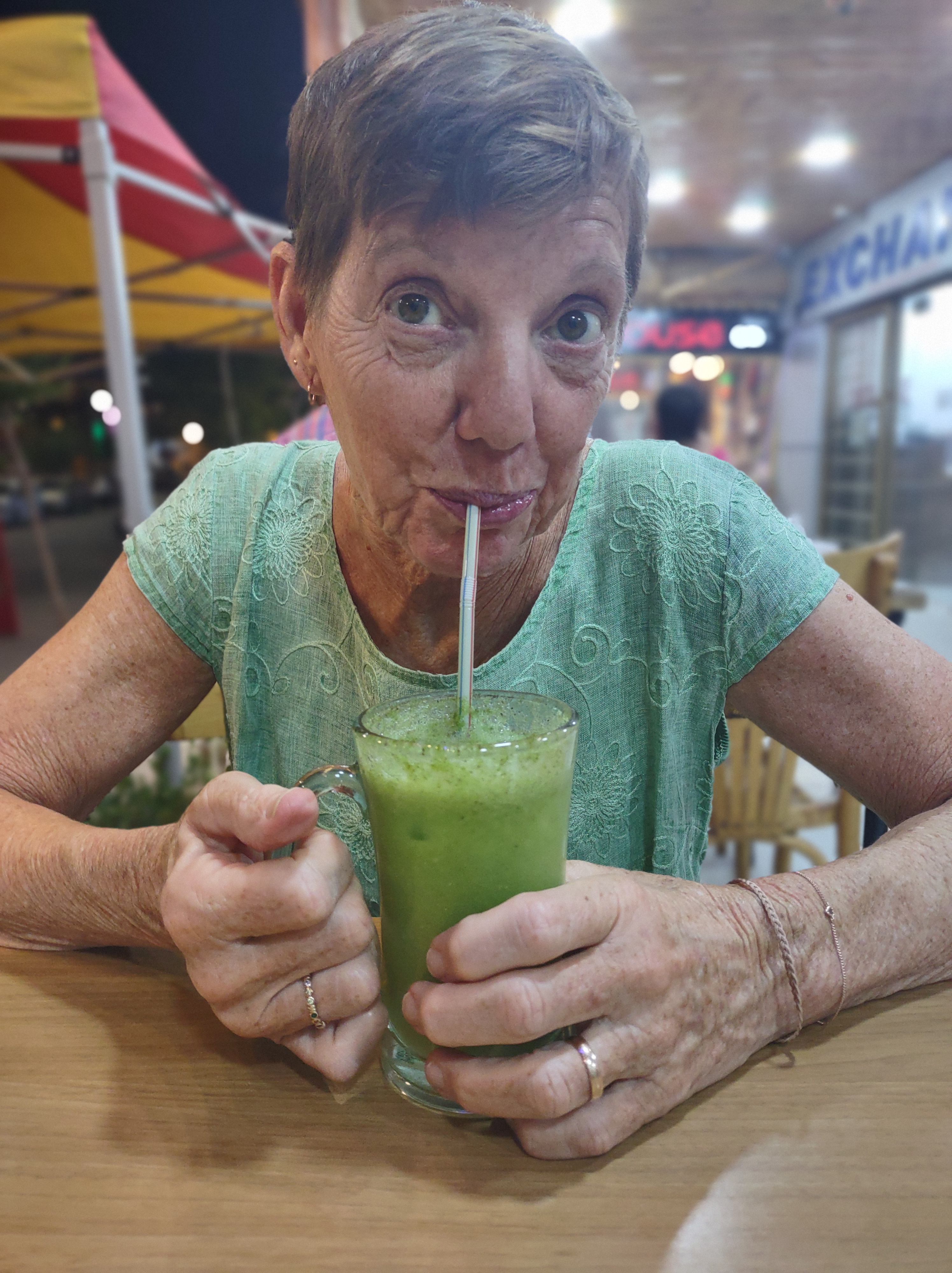
We made our way out past the Indiana Jones Super Market and the Indian Jones Gift Shop and decided to have lunch at a restaurant called La Plazza Pizza (which we began referring to as the Indian Jones Café) on the perimeter of the Visitor’s Center entrance plaza which we discovered had the best mint lemonade we had found thus far – very slushy!
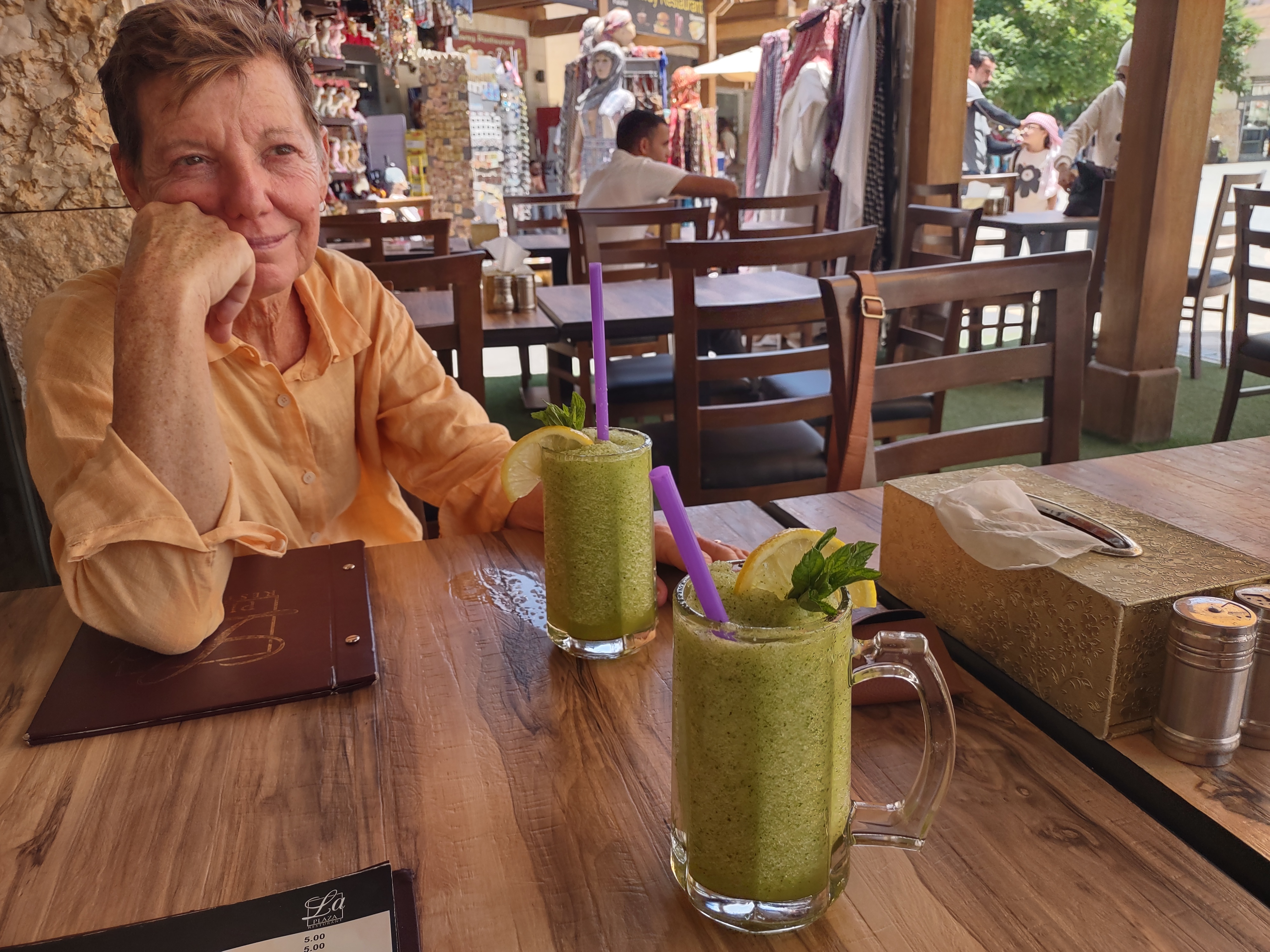
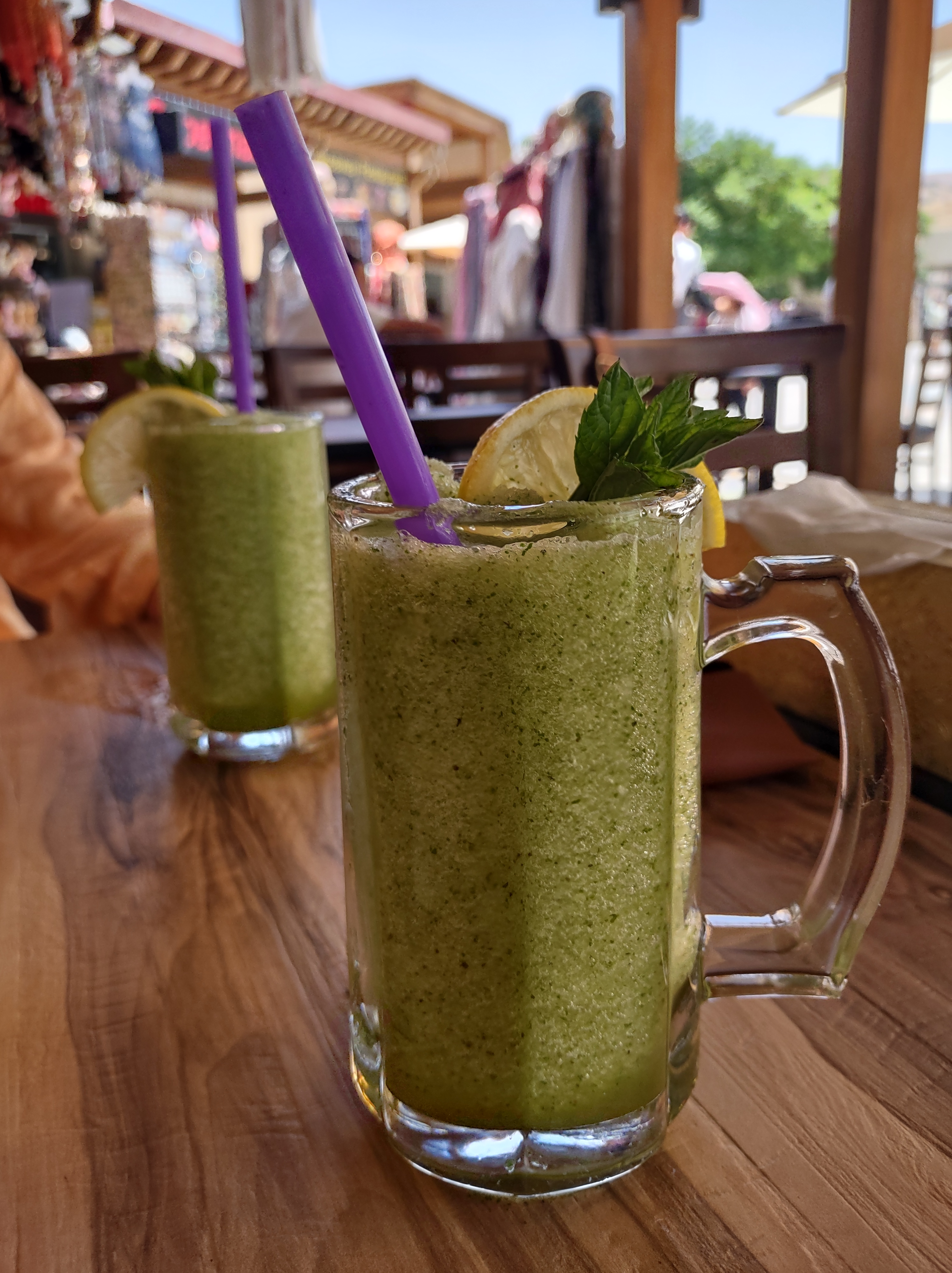
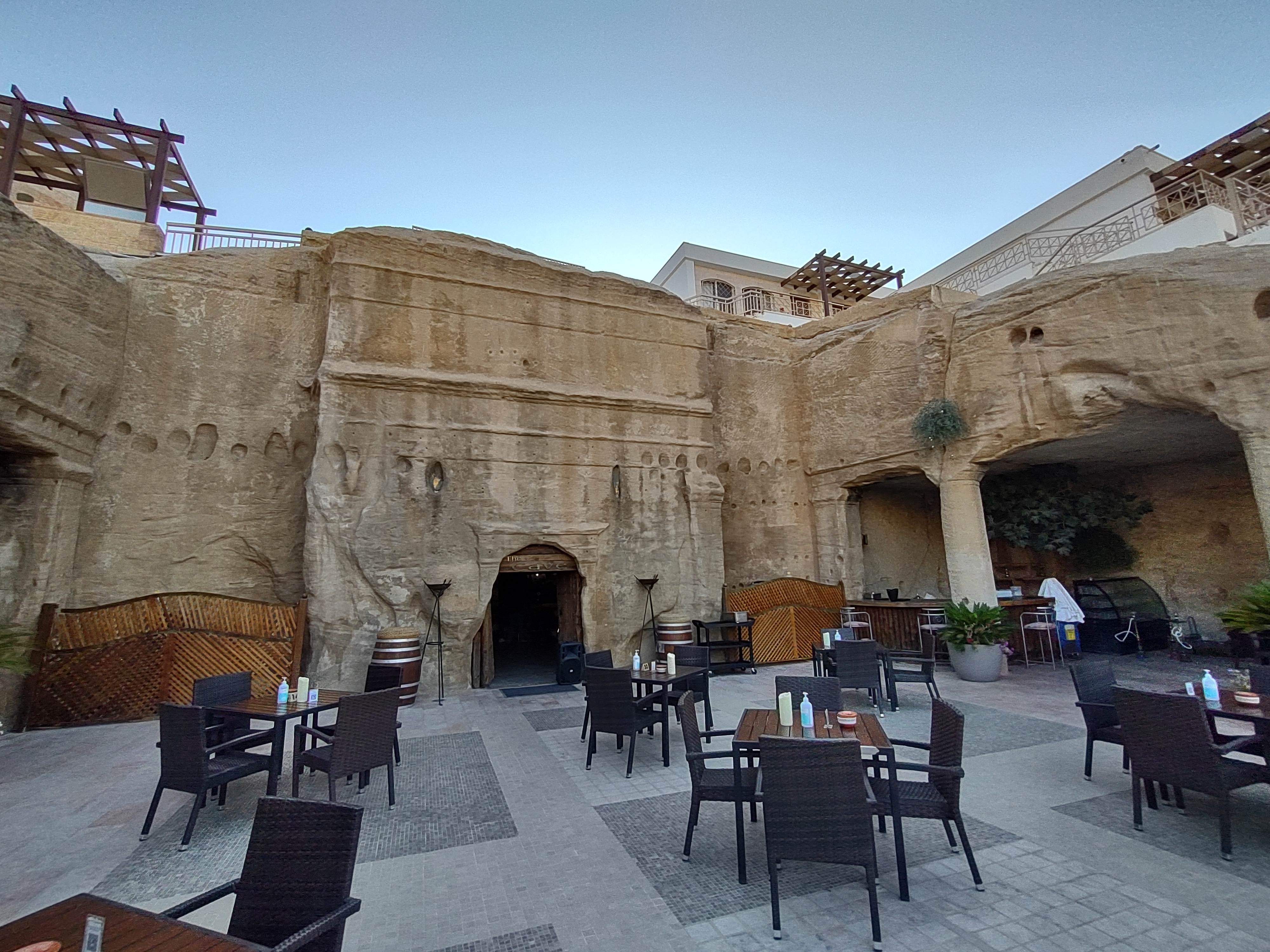
We retired back to our hotel to let the heat of the day pass and came back out for dinner at a place next to the Petra entrance called the Cave Bar which is billed as the oldest bar in the world because it is located in a 2,000 year old tomb. While its not clear how long it has been a bar, the place has a nice feel with all of the original walls and ceilings left exposed with nice accent lighting. It was surprising to see how well the layout worked with the tombs themselves making nice private booths and the food was pretty good and the cold draft beer quite refreshing. A nice finish to the day.


We got going even a little earlier the next day and headed back into Petra with really long shadows. But, after passing through Al-Siq and past the Treasury and Theater, we took a sharp left hand turn and began the long climb to a place known as the High Place of Sacrifice, an altar at the top of a mountain where religious ceremonies were carried out by the Nabateans. Without the aid of donkeys, we took our time and stopped to take in the views at points where the trail opened up to the valley below.

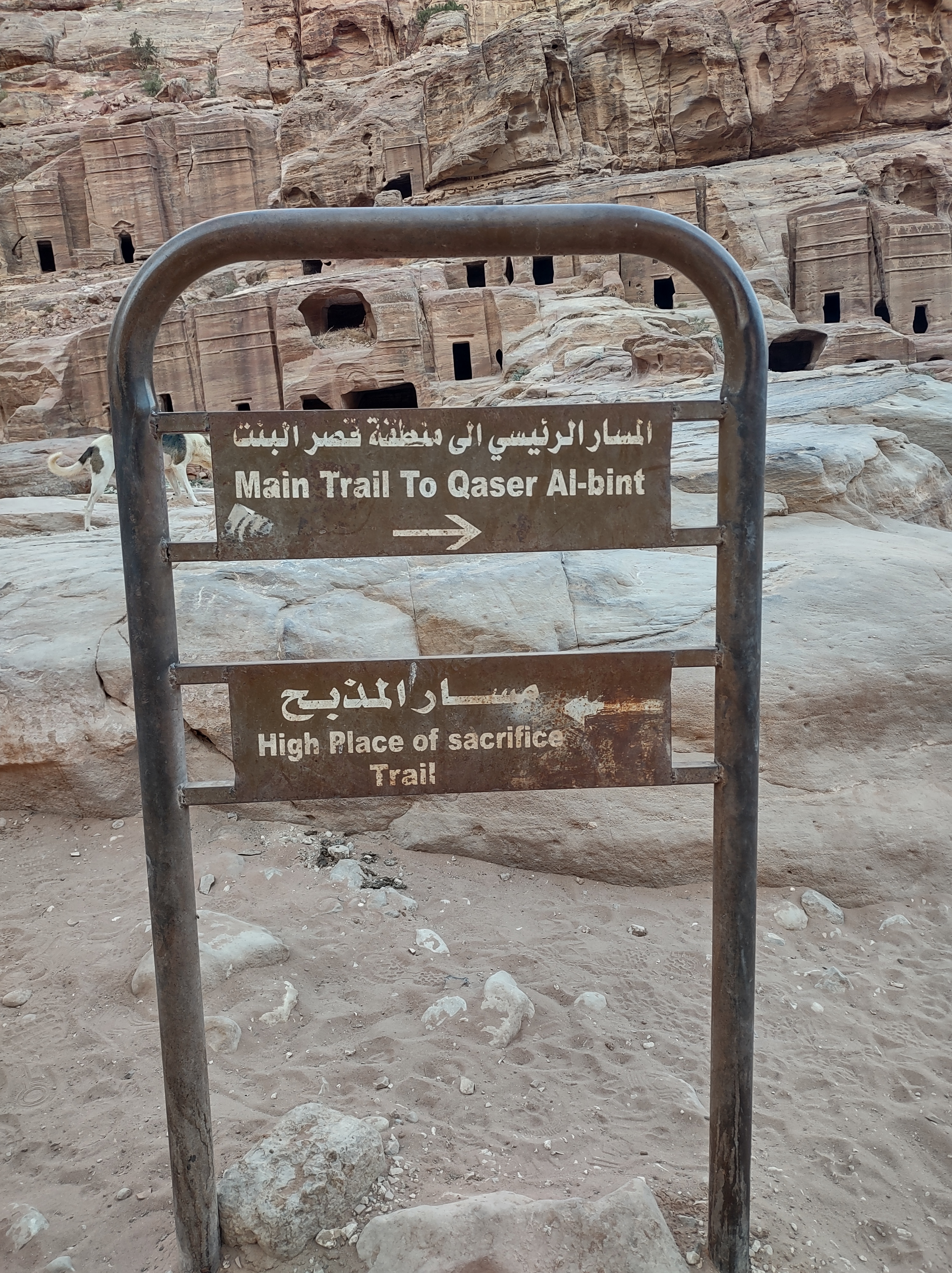

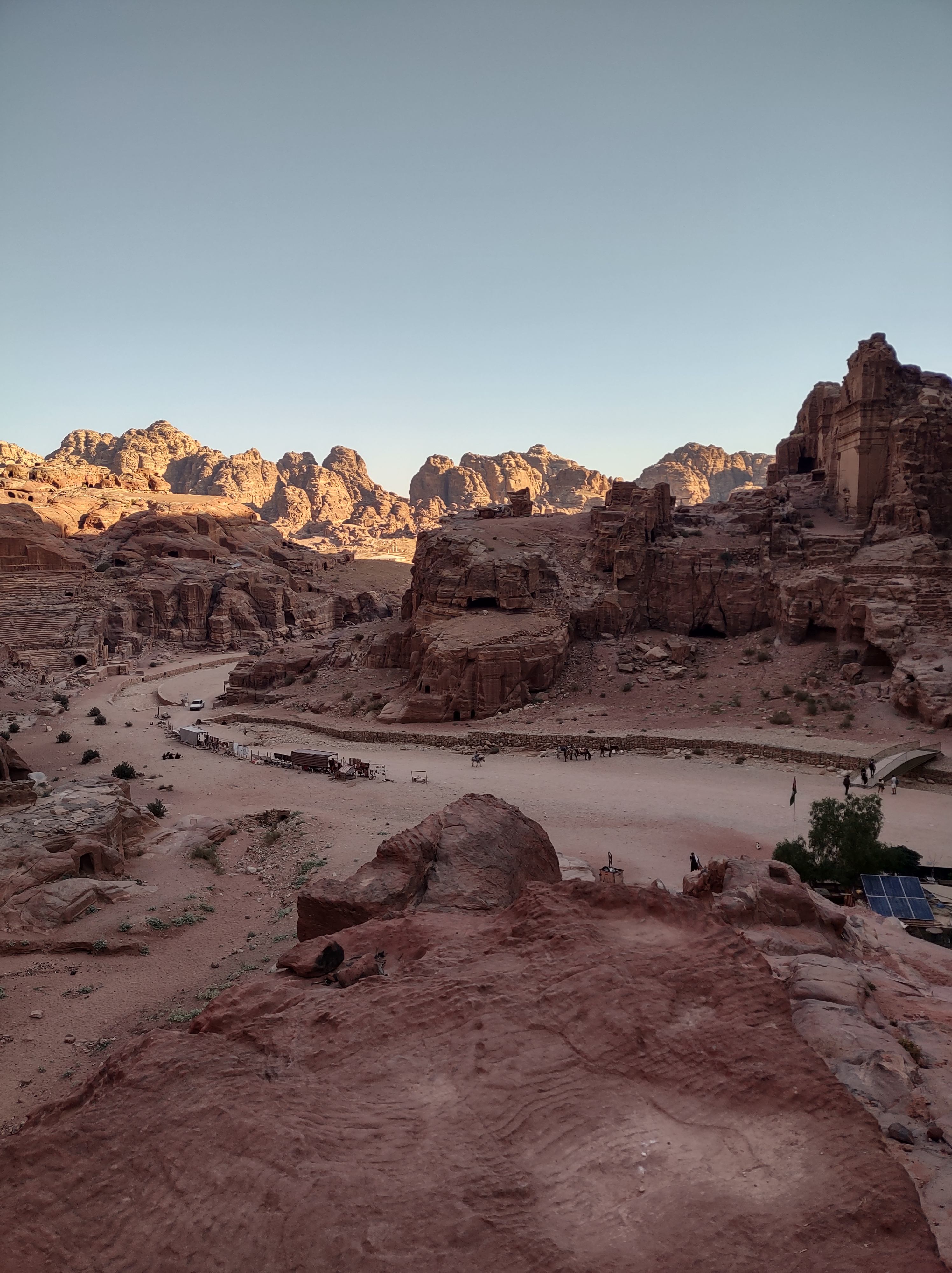
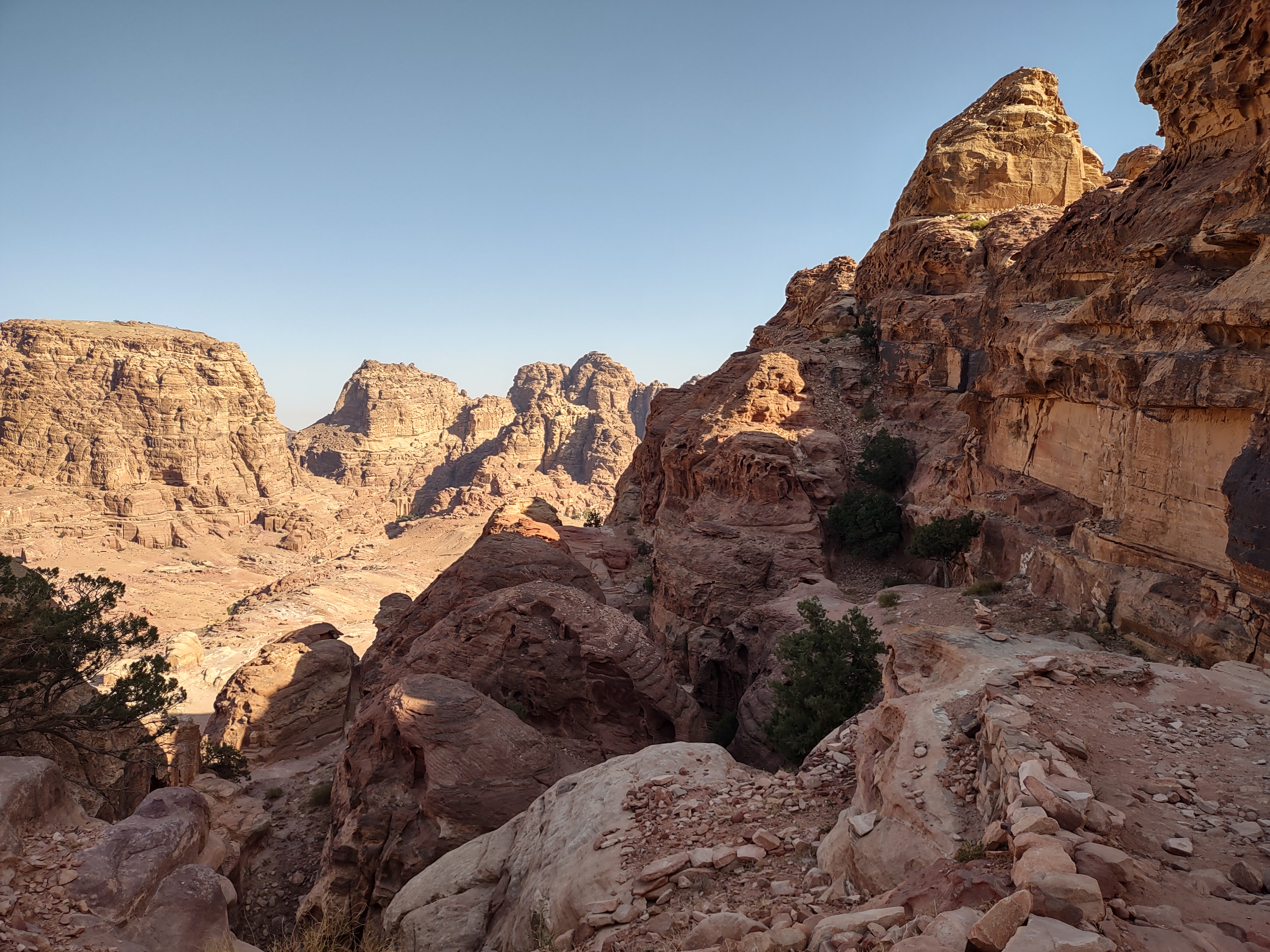
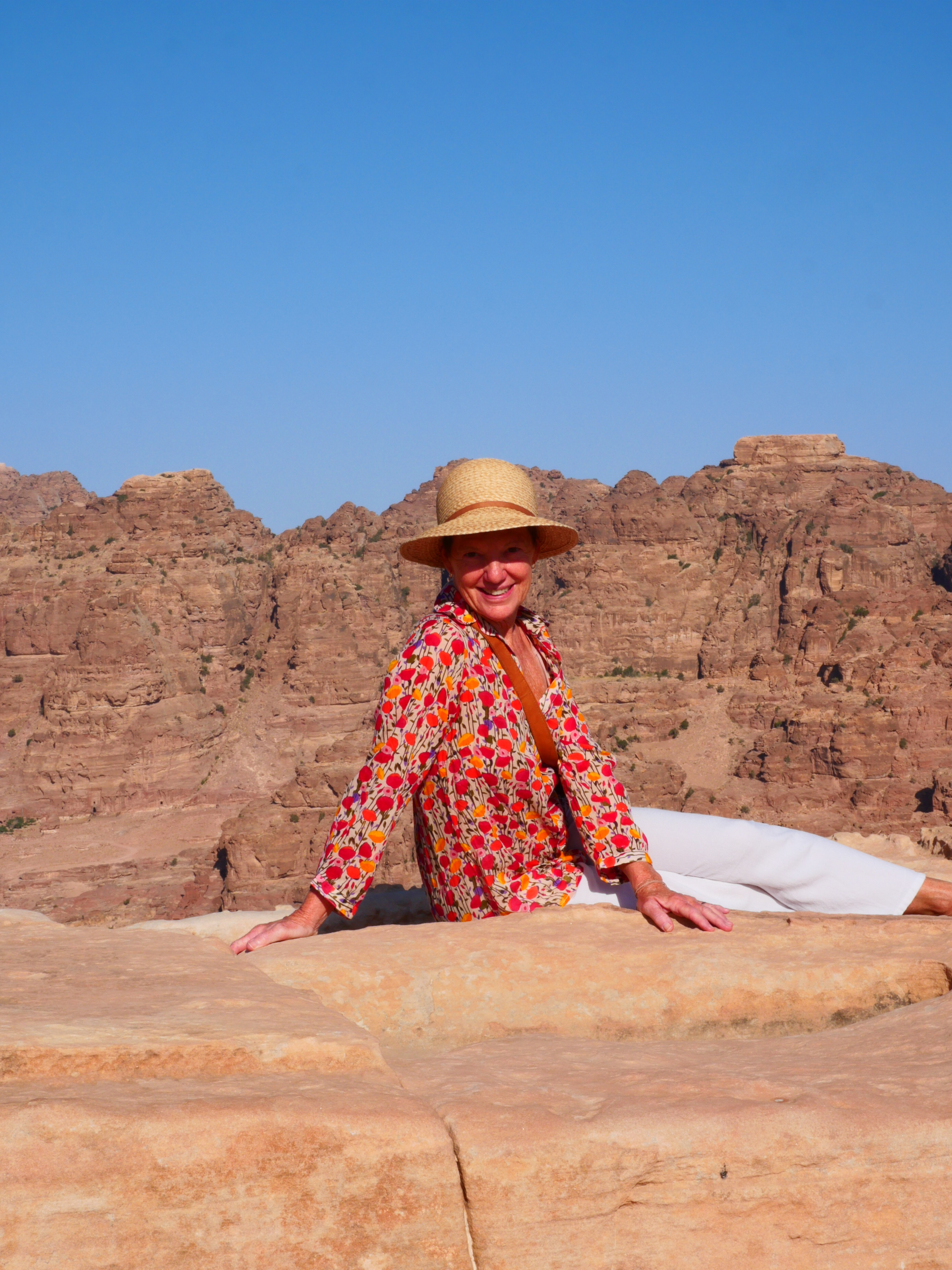
Thanks to our early start, we remained pretty much in the shade the entire way up (all 700 steps of it) and, along with a furry friend we picked up along the with, we reached the summit around 8:00 AM, maybe a little winded, but actually feeling pretty good when we found that we were among the first few to be there that day. With the sun still fairly low in the sky, we took in the amazing panoramic views of the surrounding area, including the City of Petra far below, and snapped an obligatory photo of Colleen posing on the Altar of Sacrifice.

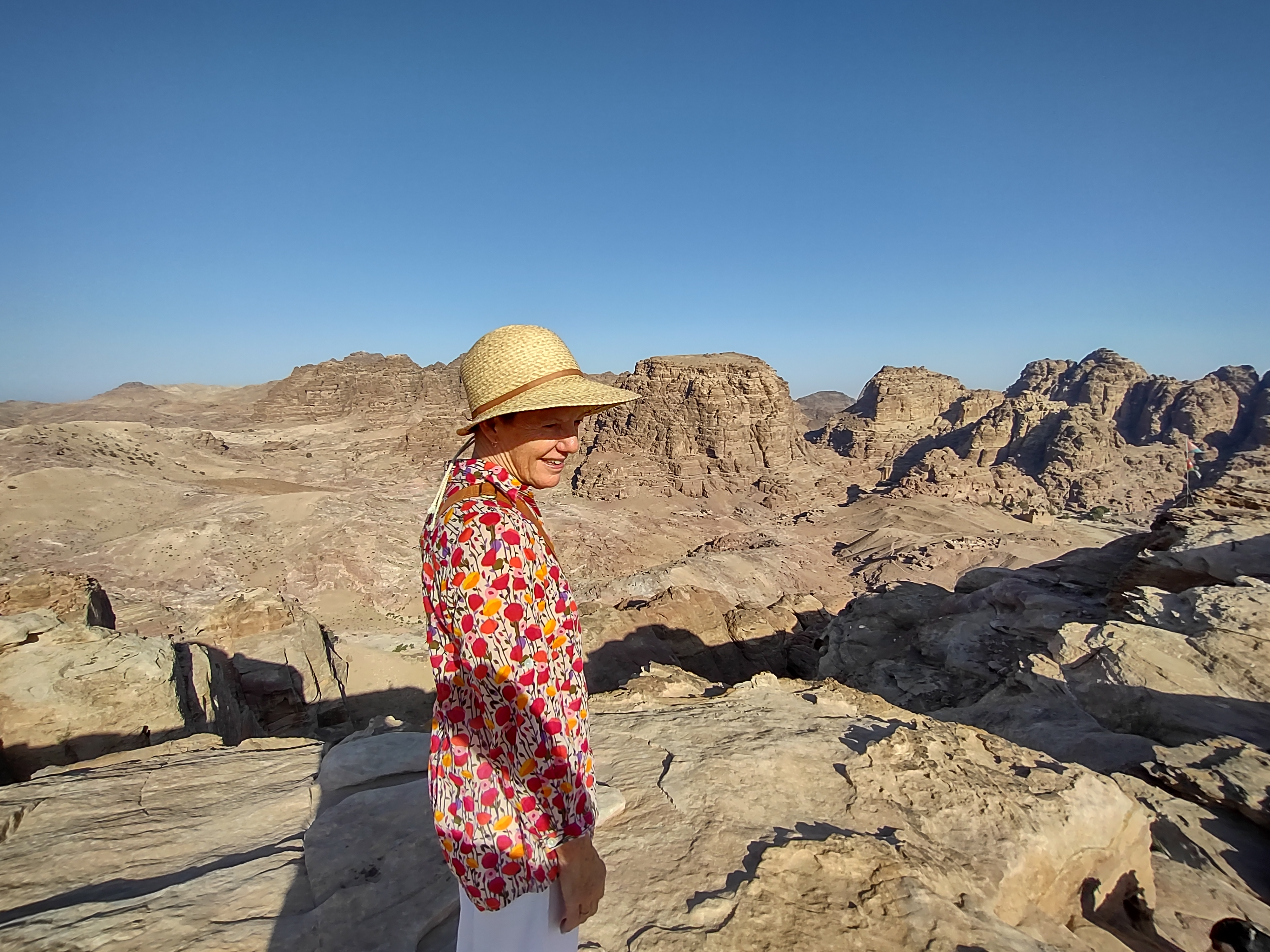
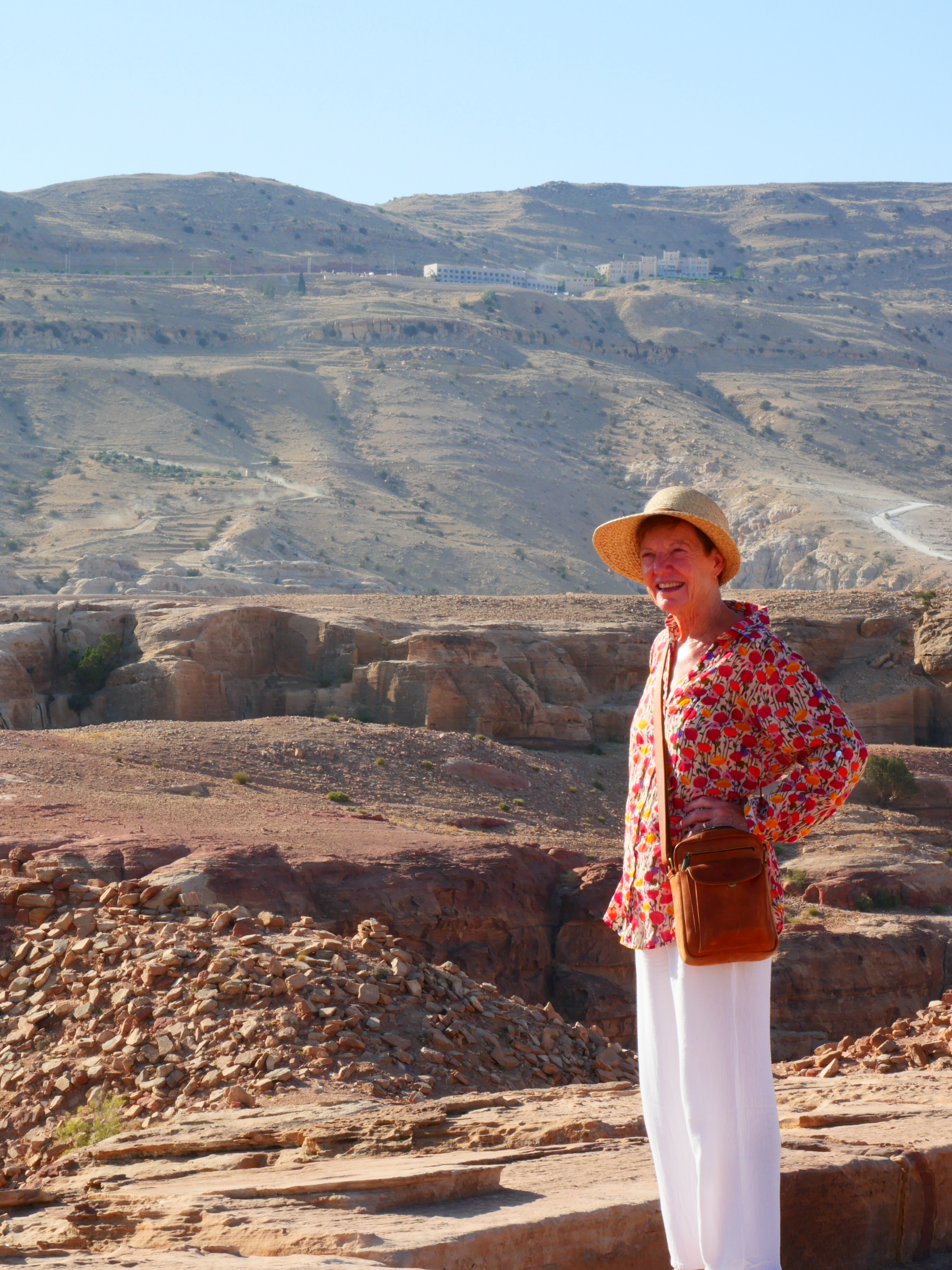
Rather than retracing our steps as other hikers seemed to be doing, we decided to follow a trail we had scouted the hike on AllTrails app before coming up, which went down the backside of the mountain, past some tombs and other ruins, then through the Wadi al Farasa valley, eventually emerging at the Basin. It has been our experience hiking and climbing, that getting back down is usually tougher than getting up and assess most climbs with this thought in mind, and, although we were going down by a different route which we had not scouted, we found this to once again be true. Accompanied by a feline friend that we shared some water with (our canine buddy had abandoned us for some of his own kind), we cautiously made our way some very steep and twisty stairs (with no handrails!) being careful not to let the views distract us too much.
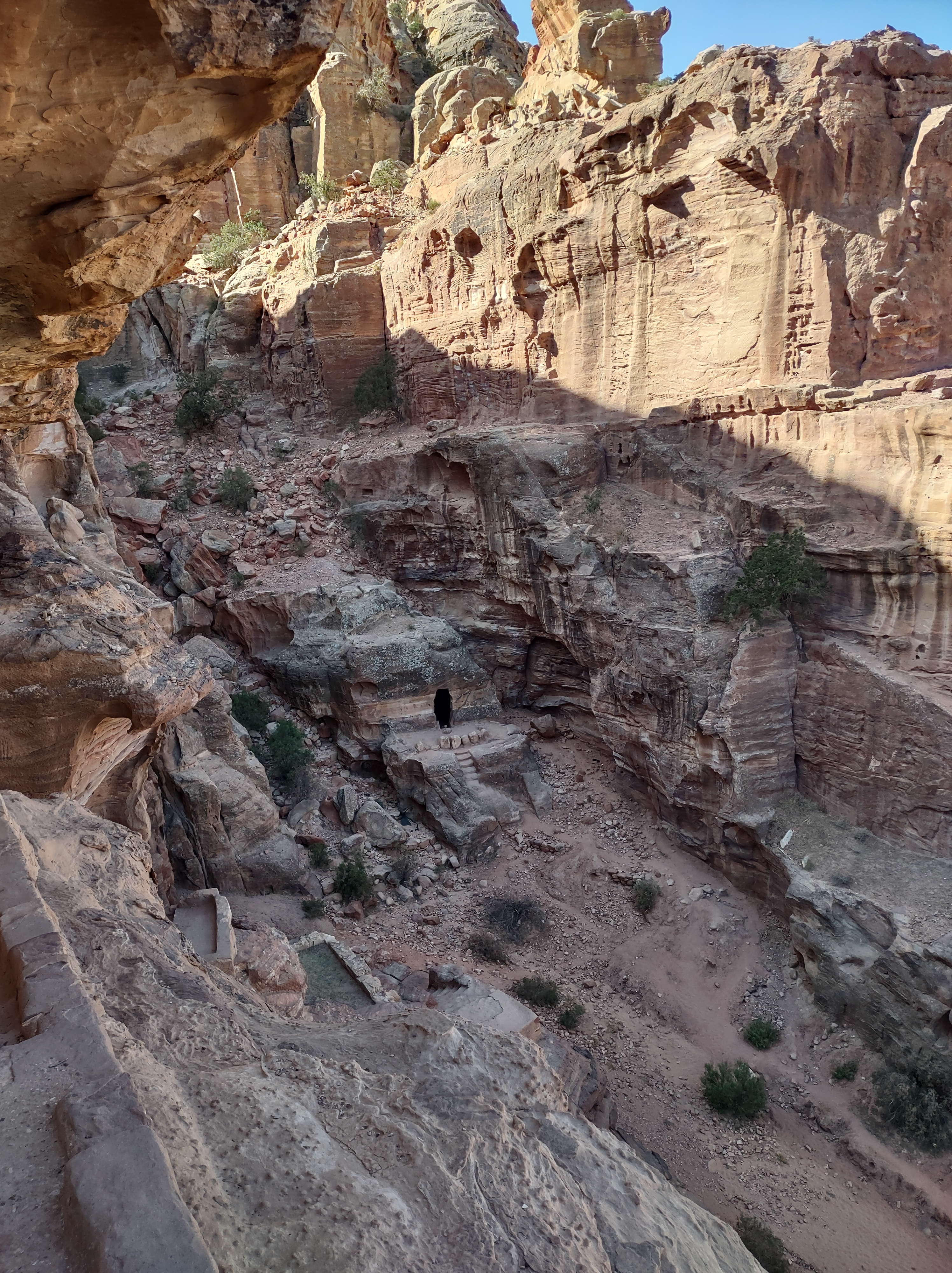

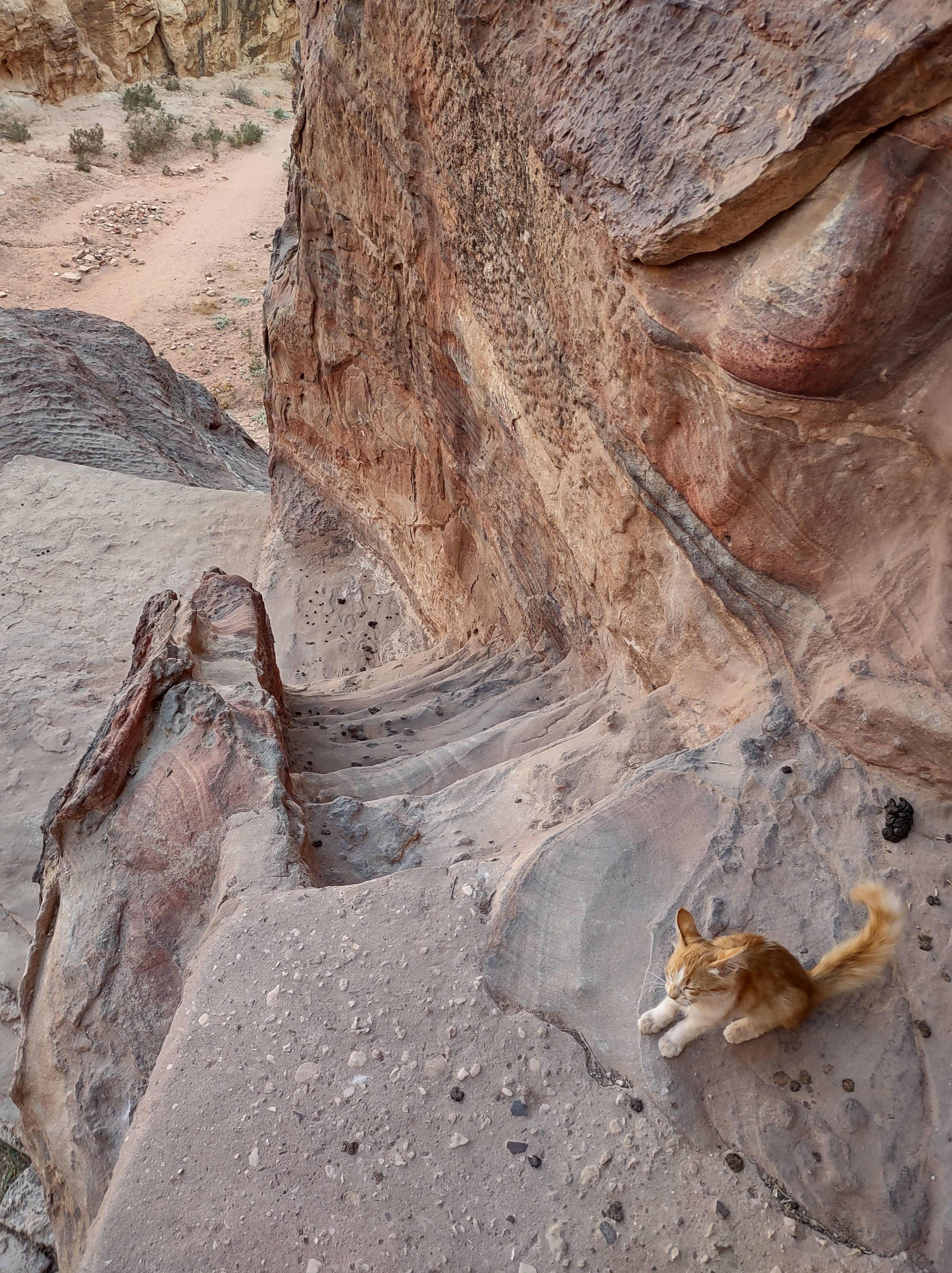
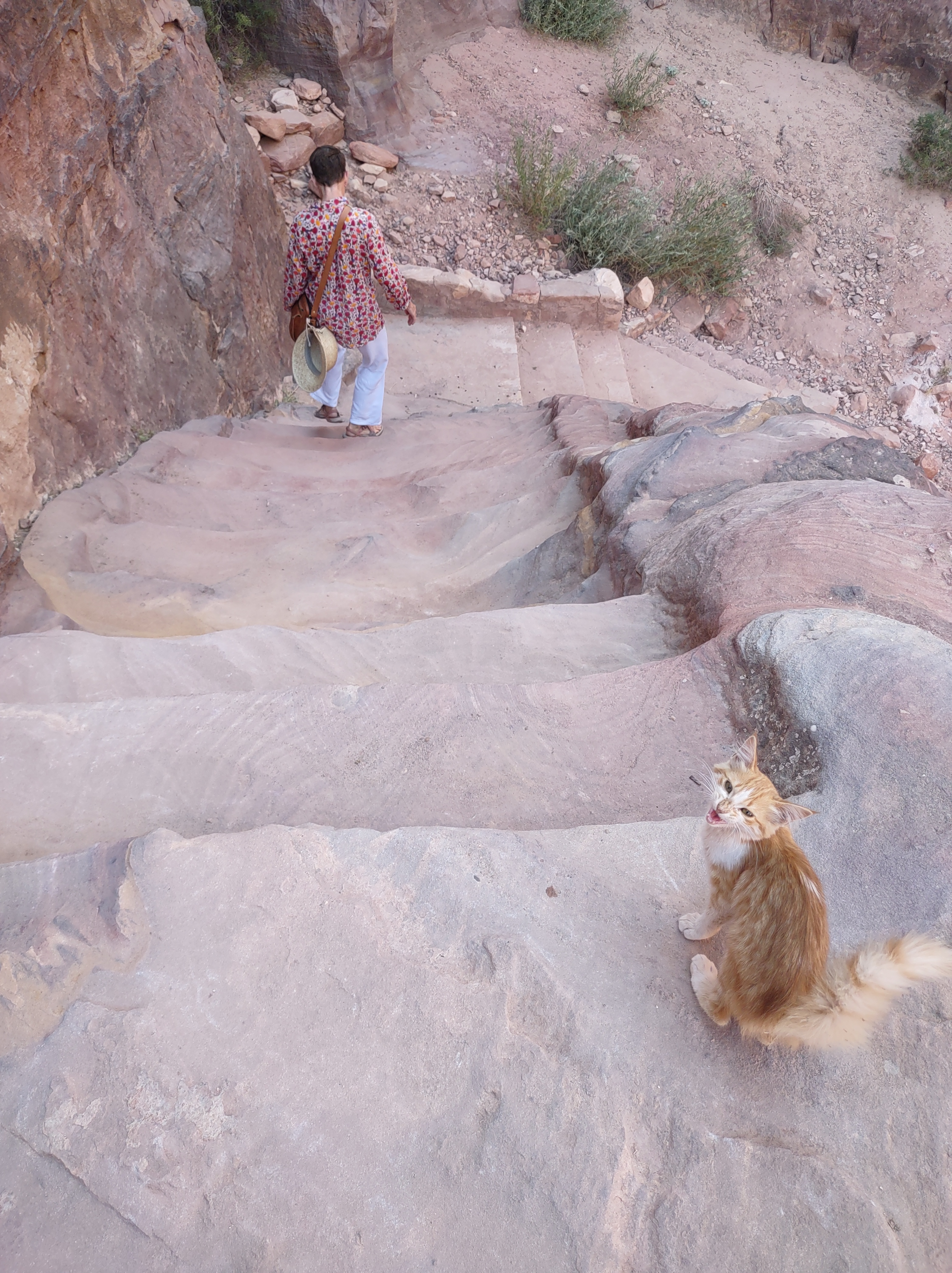

Along the way we did see a good number and variety of tombs which we were able to enter and explore, most notably one known as the Roman Soldiers Tomb where we stopped for a break. We were also a bit surprised to see the variety of fauna growing in the bottom of the bone dry wadi – some really unusual shades of green – and wondered if this was an indication of water below the surface. At one point we came across a Bedouin camp which had a one-donkey garage as well as some free range chickens.
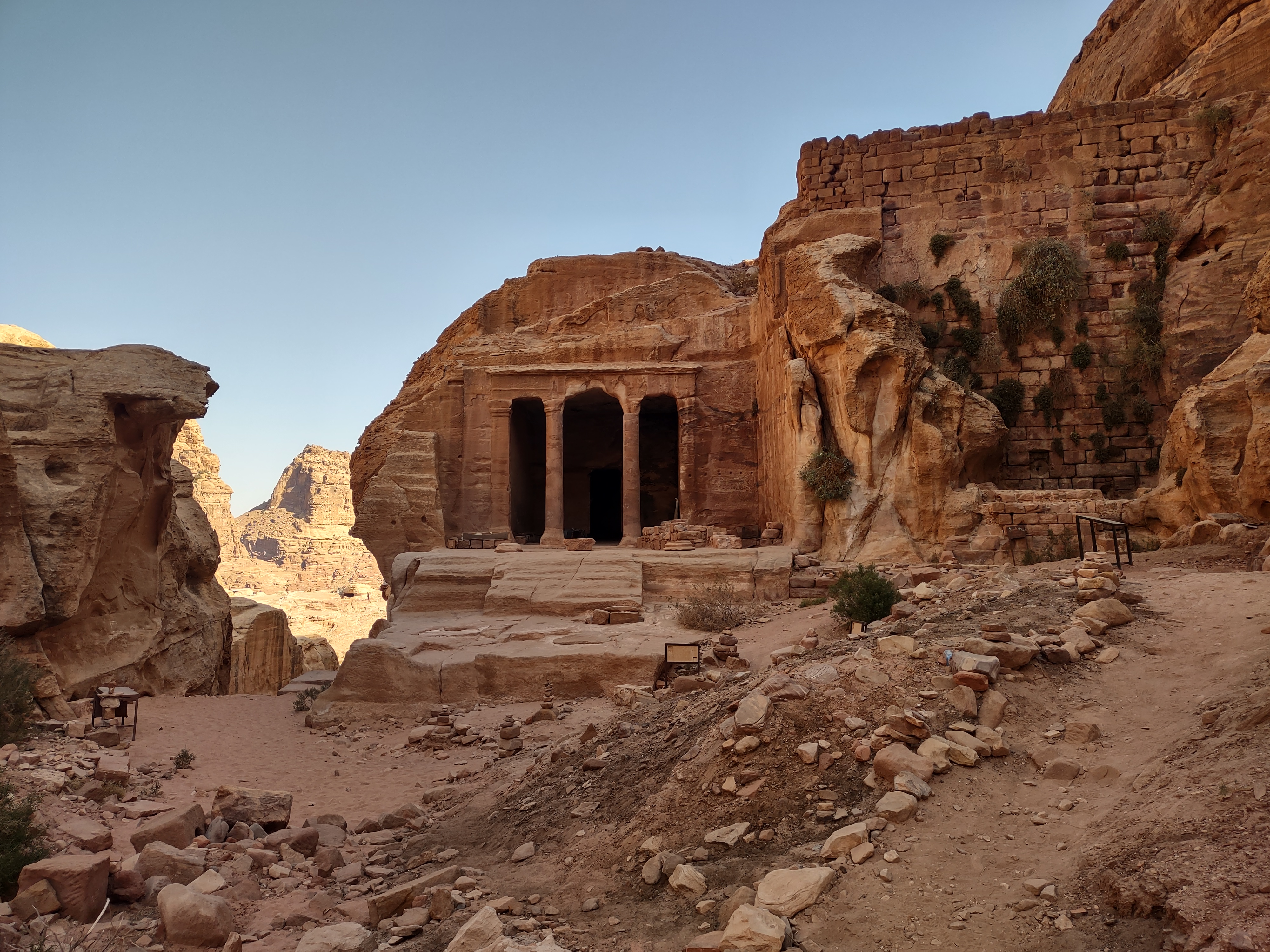
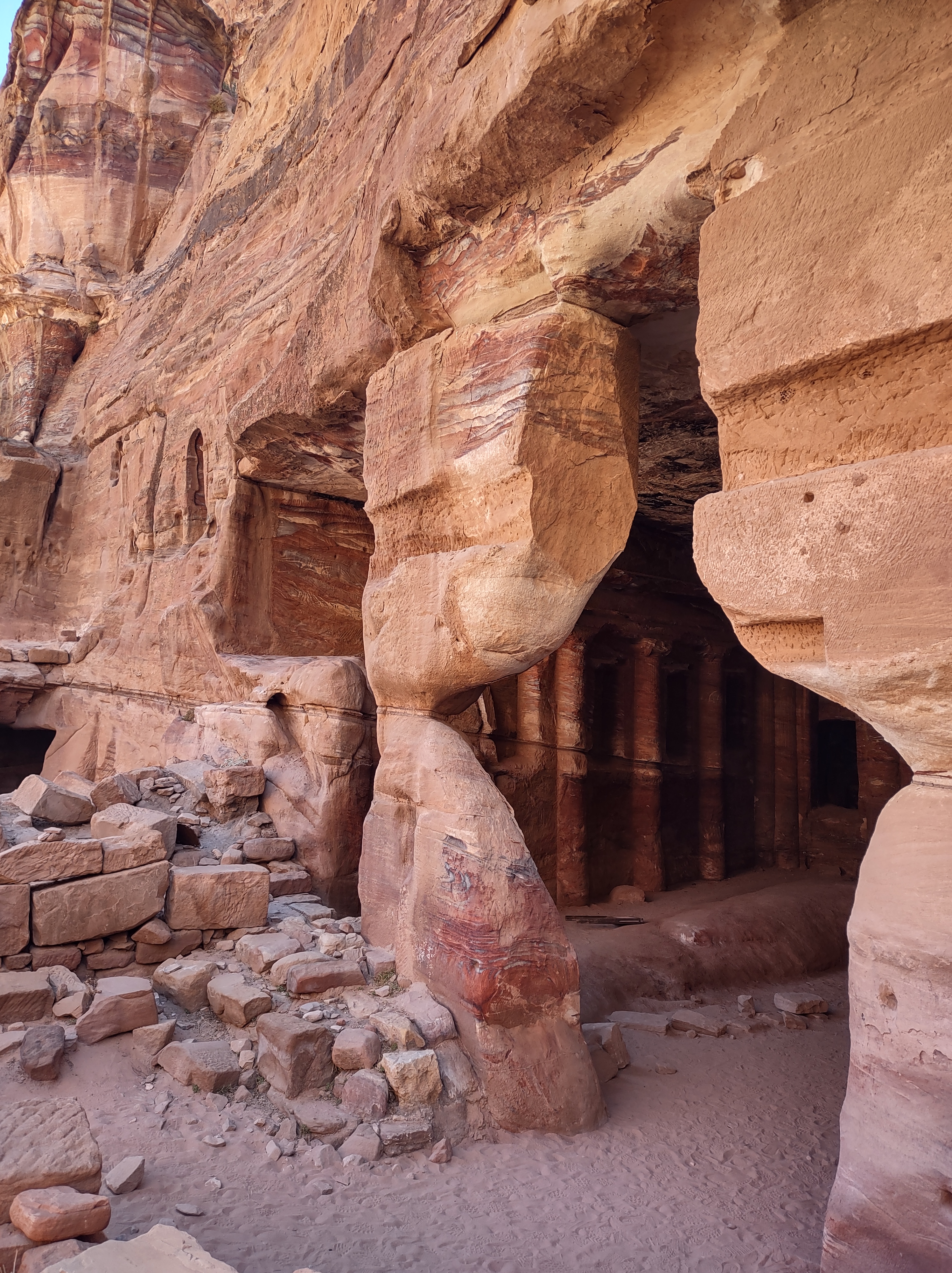
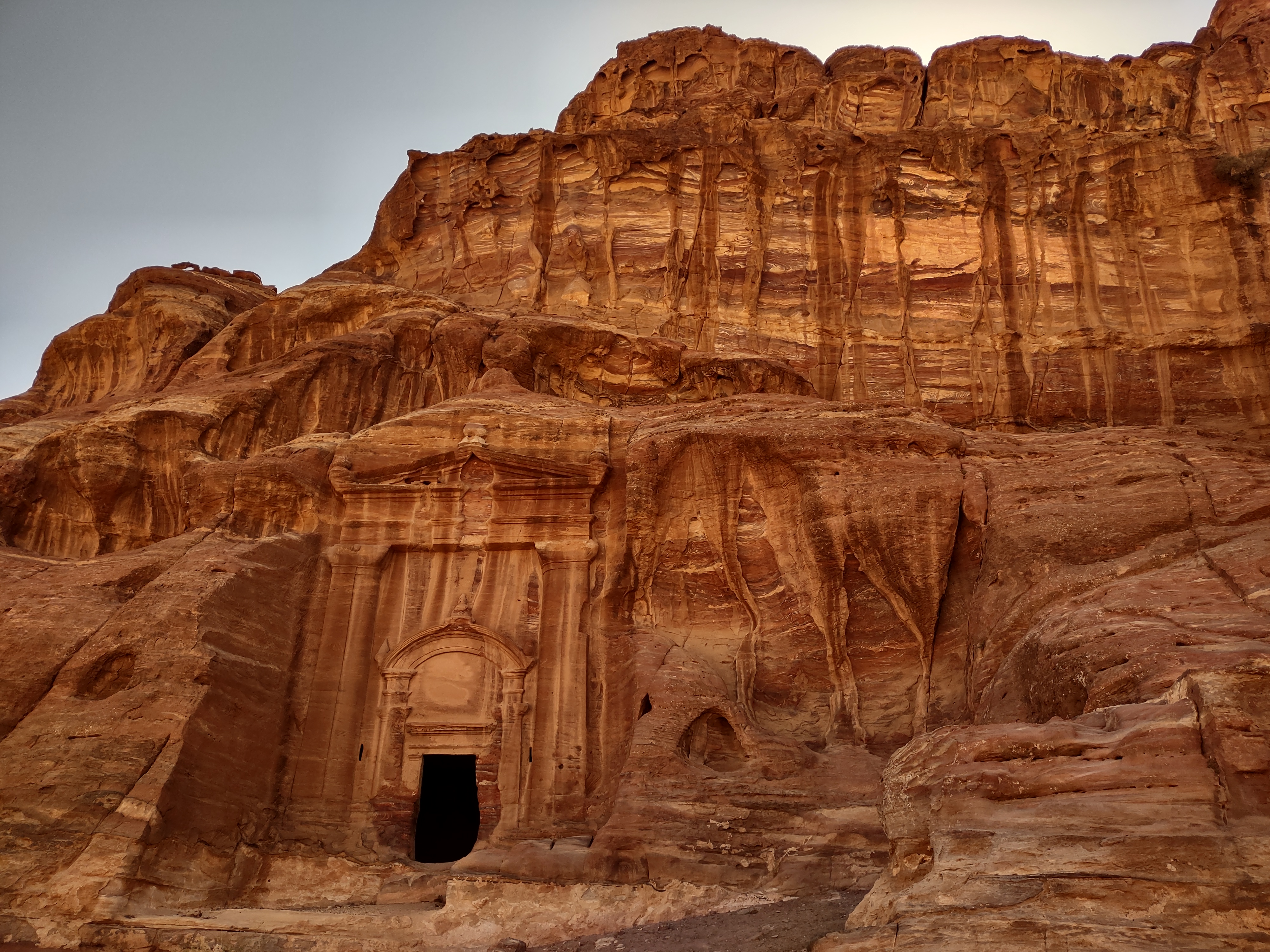

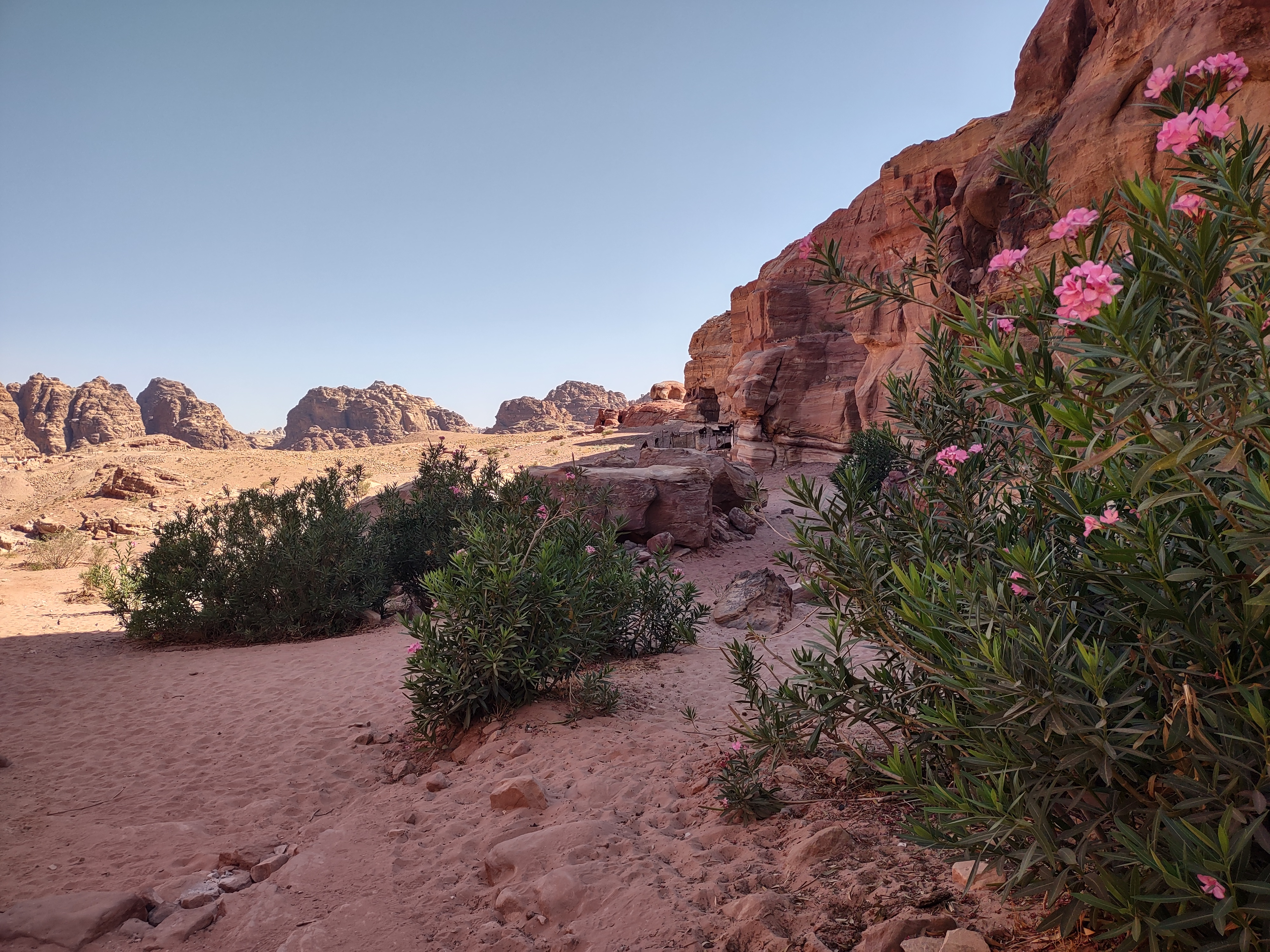
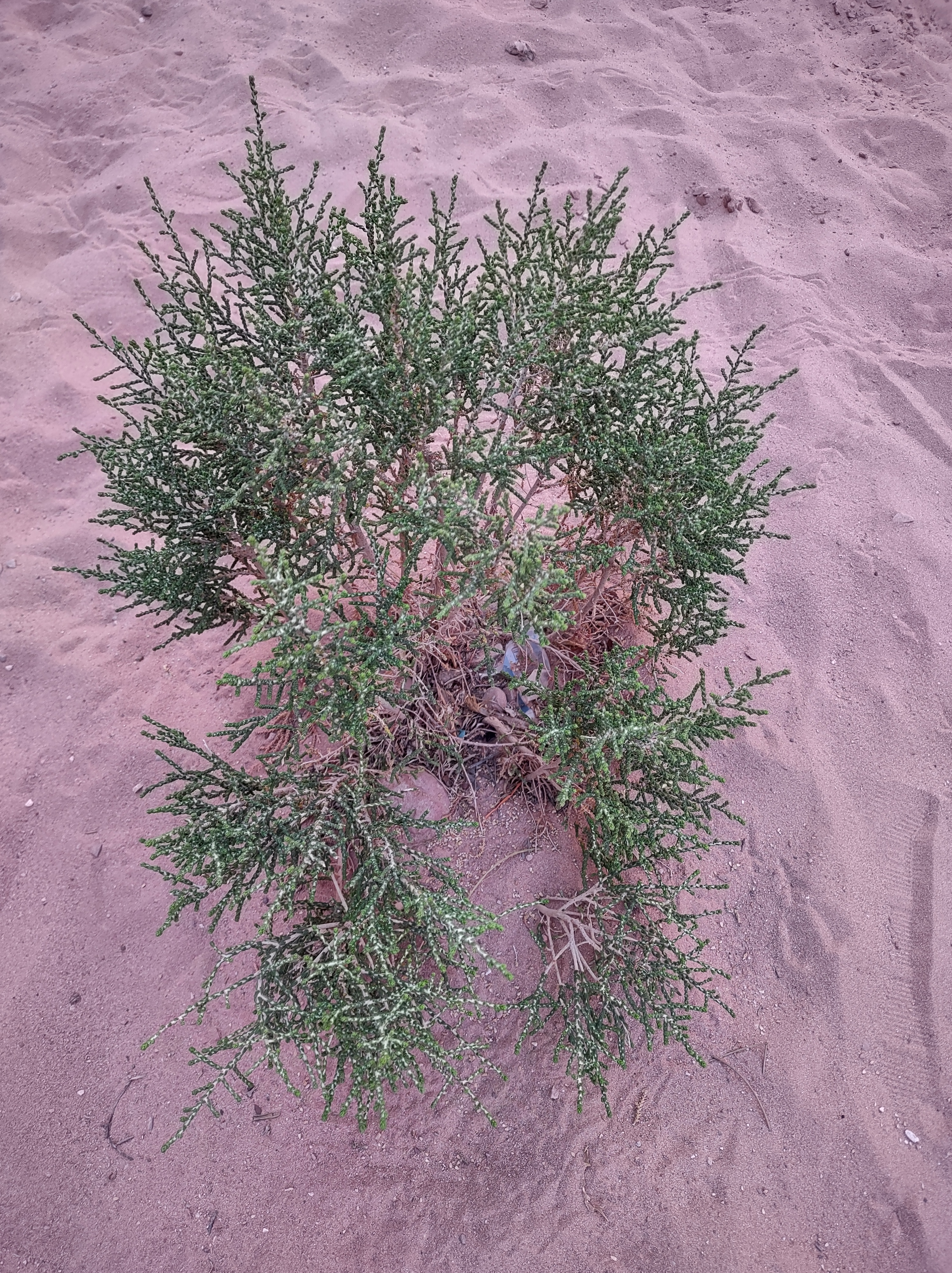
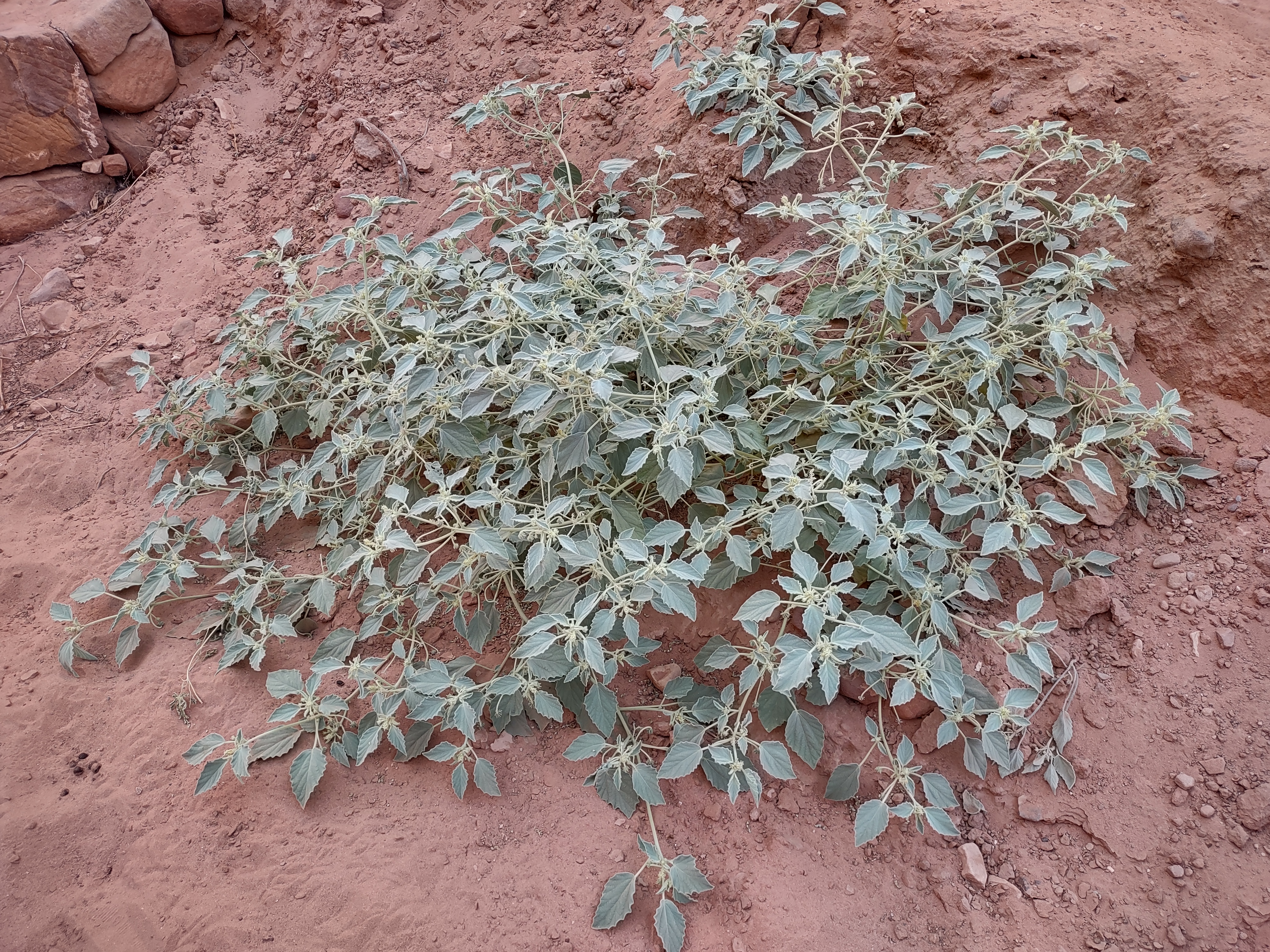
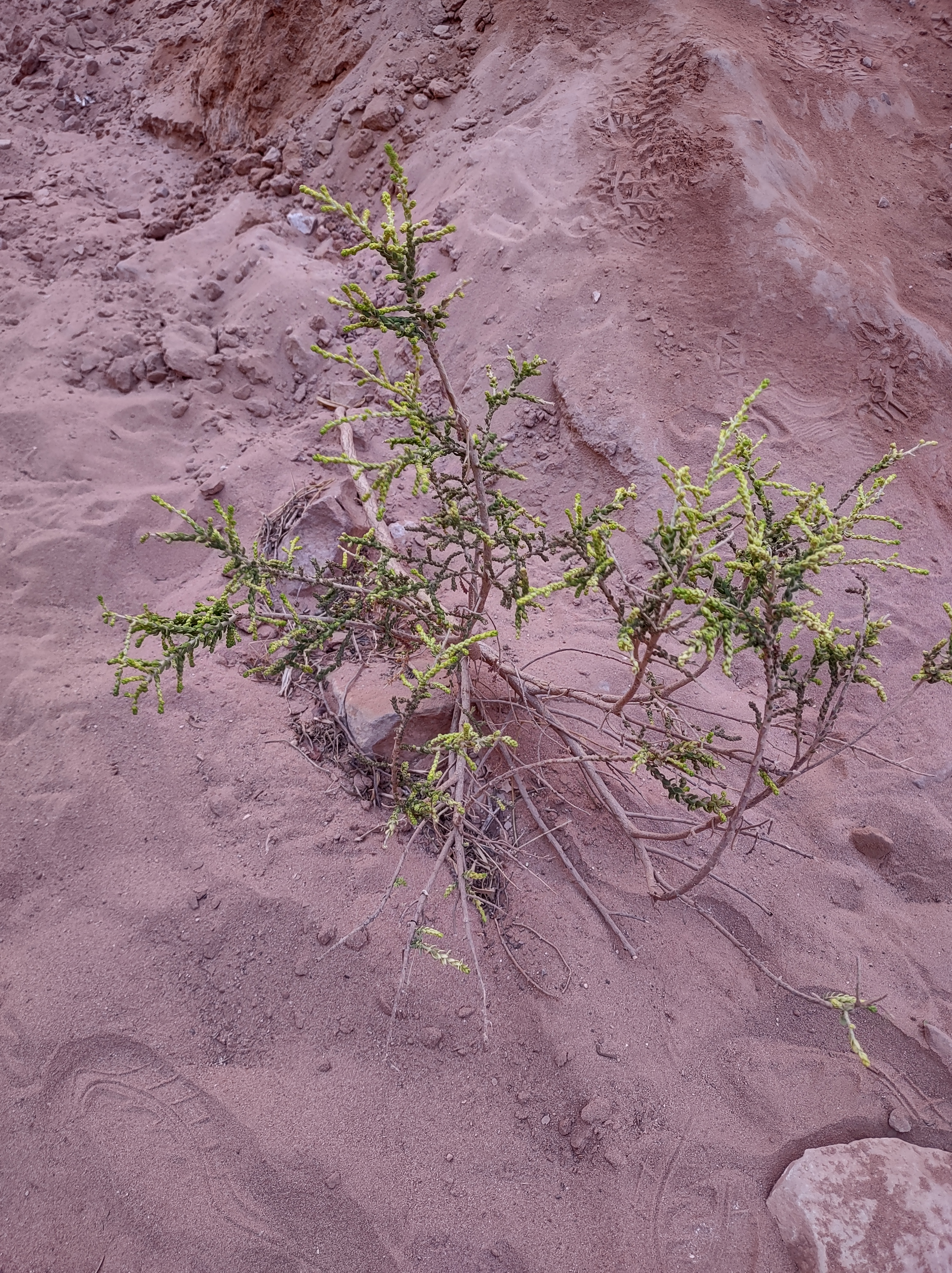
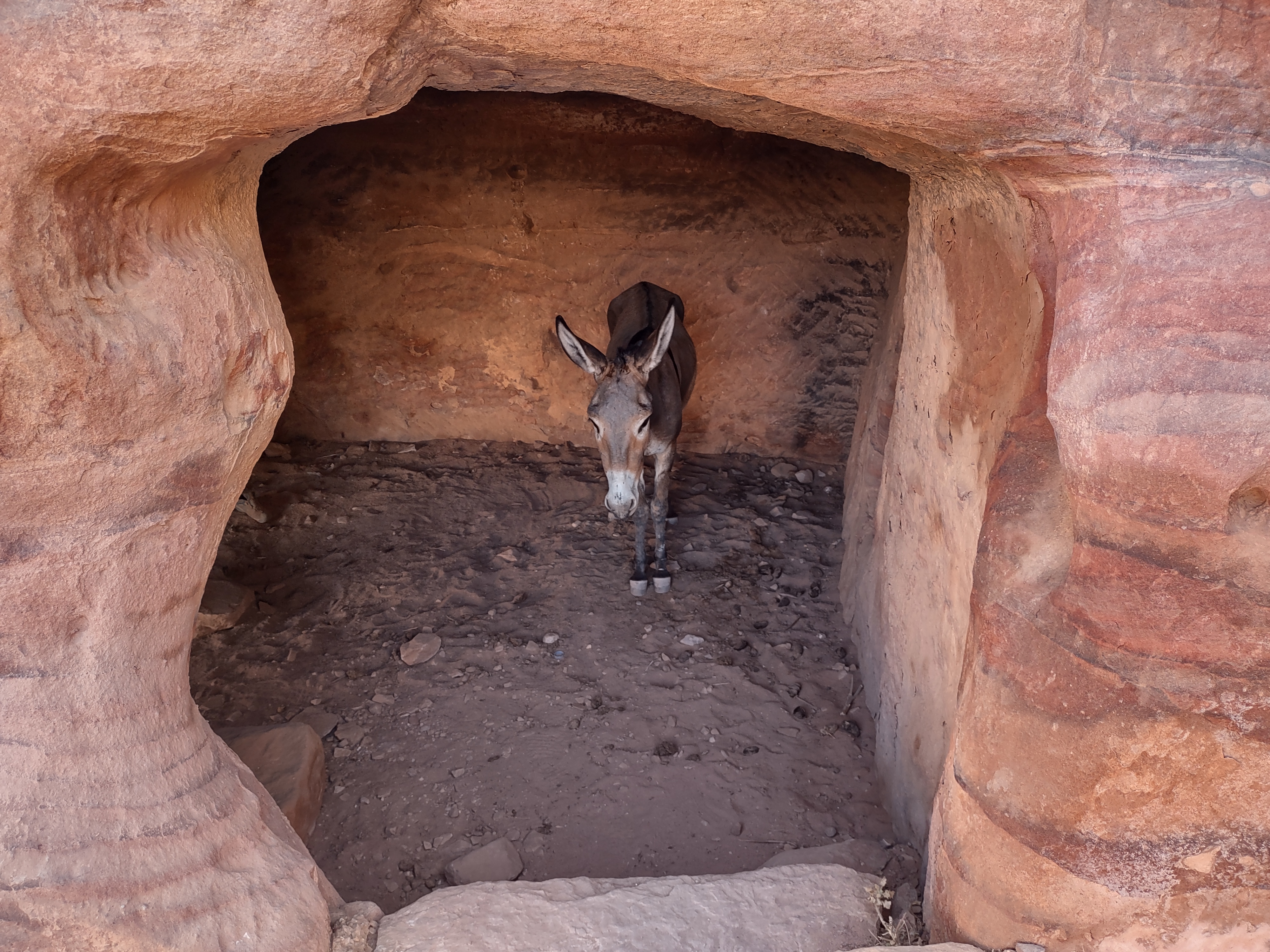
We eventually emerged above the Colonnaded Street and made our way down to the Basin for some refreshments surprised to see that it was not yet 10:00 AM. We took our time hiking back out and stopped for lunch at La Plaza Pizza again before heading home for some down time in the cool shady confines of our hotel room.
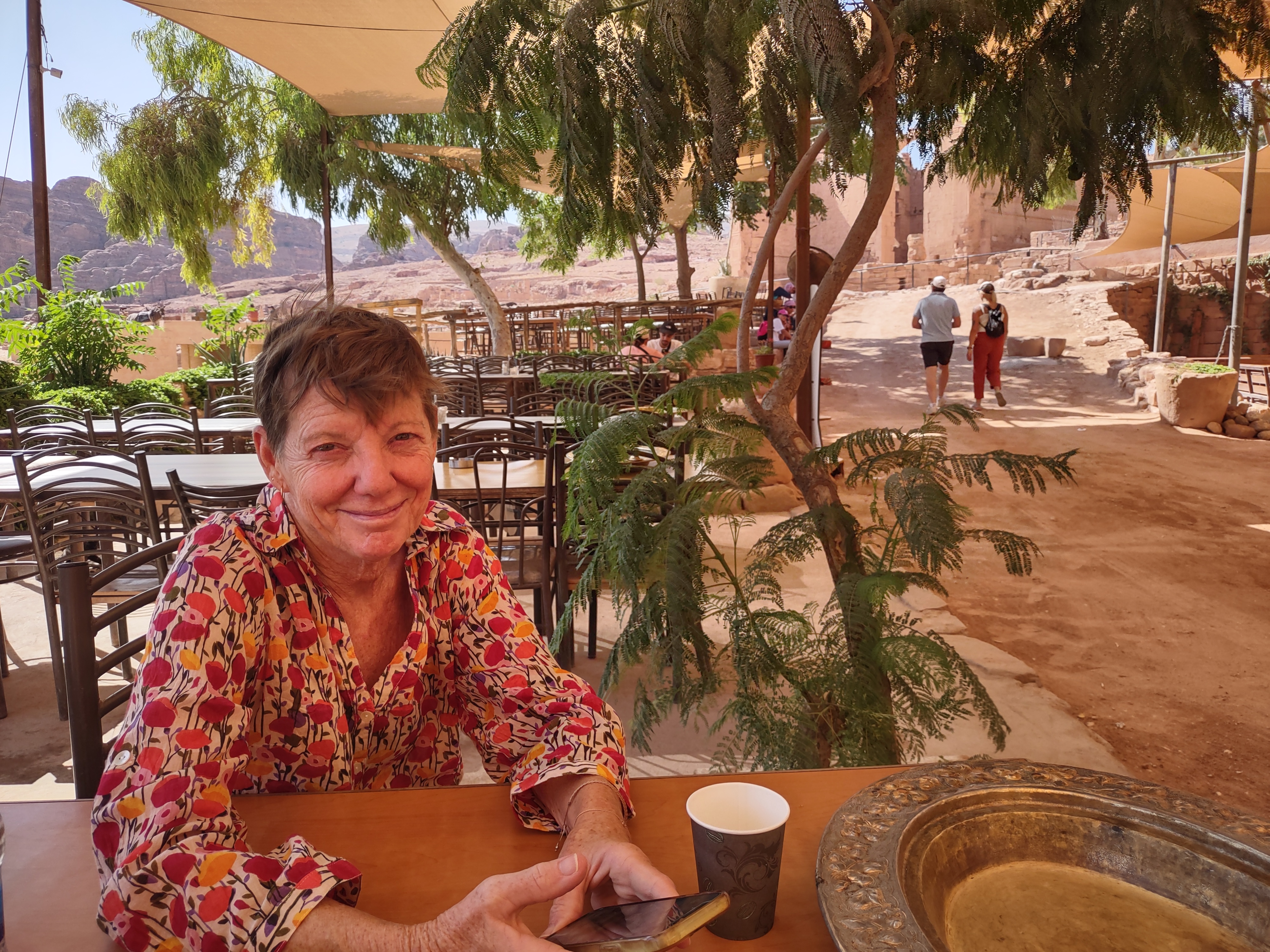
[True Confession No. 2: Not only did I check to see what it would cost to rent a room at the Petra Moon Hotel next door which had a roof-top pool which the Venus lacked (it was about $150 a night), but we actually considered whether it might be worth it just for the pool access as the daily high temperature in Petra consistently peaked at around 100 degrees (oh, but it’s a dry heat!). If we’ve learned anything from our recent travels, it’s the value of having access to a swimming pool in hot climates and we’ve started to use it as a filter when searching for places to stay in such climes.]
I was rather struck by a fashion phenomenon which we had seen glimpses of in some prior places but which really hit home in Wadi Musa and Petra – the keffiyeh (or kufiyya), the traditional head scarf worn by men in parts of the Middle East. We were quite surprised to see how many of the tourist wandering through Petra were wearing these and, on the two occasions we had lunch in the Perta Visitors Center plaza, we must have seen the vendor next door sell and fit hundreds of them, sometimes to entire families or tour groups of 10 or more.
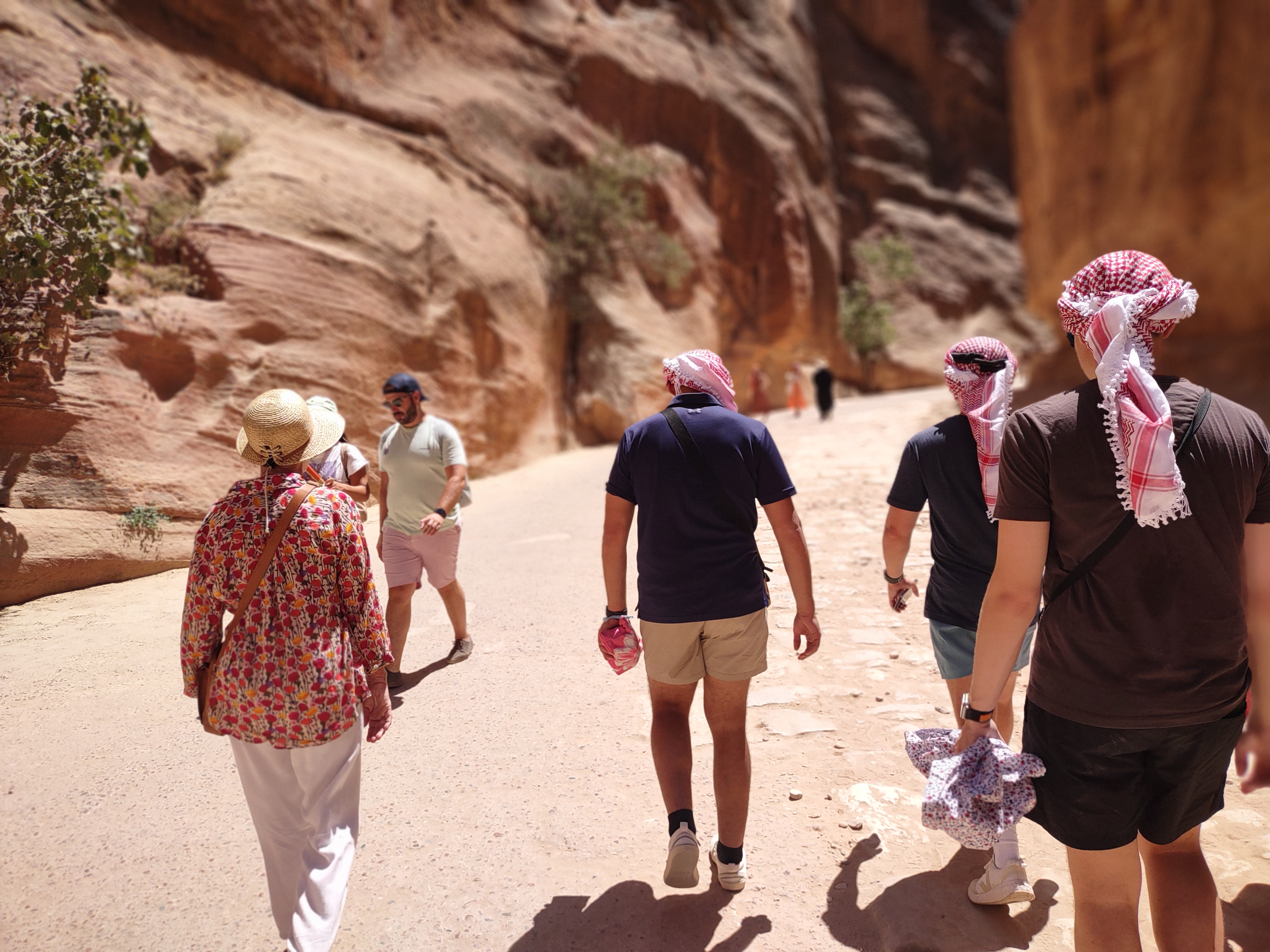
The keffiyeh, which is a square of cotton cloth, is worn either with what is known as an agal, which holds it in place on the head (think Lawrence of Arabia) or is wrapped around the head in any of a number of ways to keep it secure. In principle, the keffiyeh is intended to protect from wind, sand, and sun, but it doesn’t really seem to afford much protection of the face from the sun unless it is wrapped across it. In recent years, the keffiyeh has been charged with a certain amount of both social and political symbolism and, thanks to Yasar Arafat, has for some become a symbol of Palestinian support and solidarity.
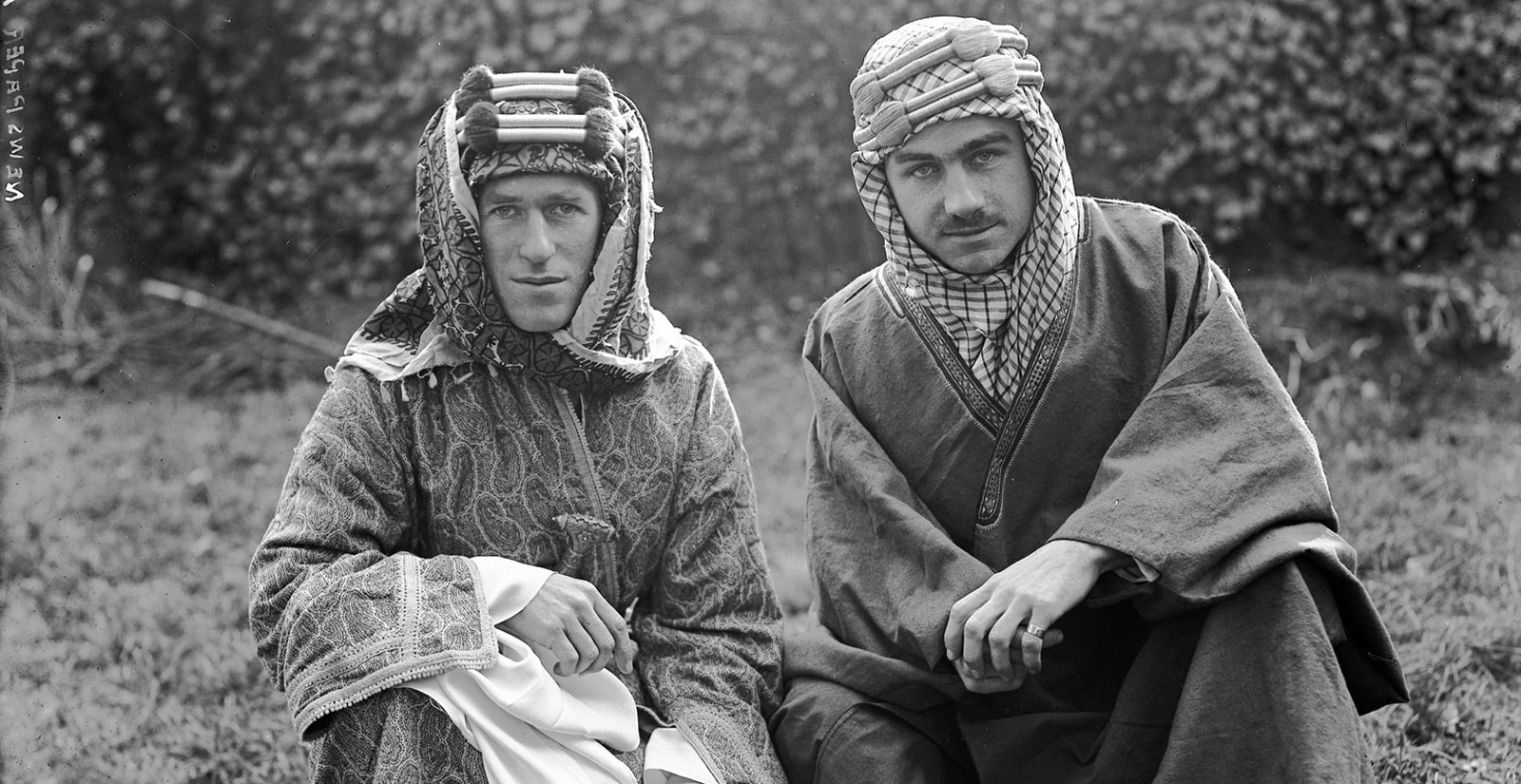
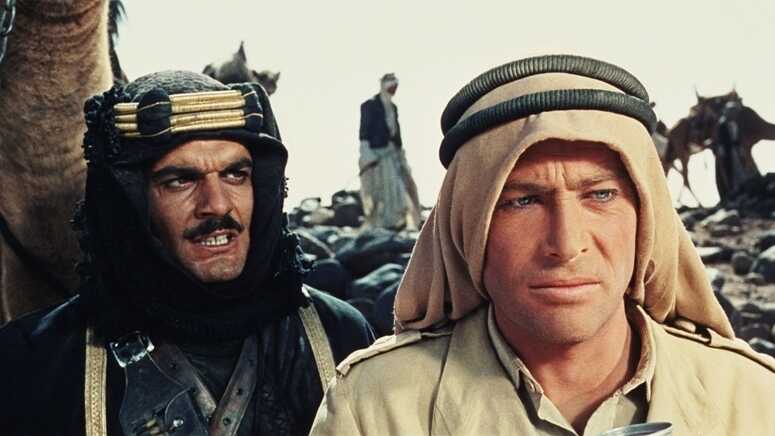


The keffiyeh has also been the subject of some cultural appropriation (one of Colleen’s favorite subjects and, no, it is not appropriate to do this) starting with Lawrence of Arabia but continuing in recent decades as the scarfs which were and continue to be worn by urban hipsters and, apparently now by tourists in Jordan. My research also revealed that while Palestine was once the largest suppliers of keffiyehs, China now dominates the market and that is where the majority of the ones sold to tourists come from.
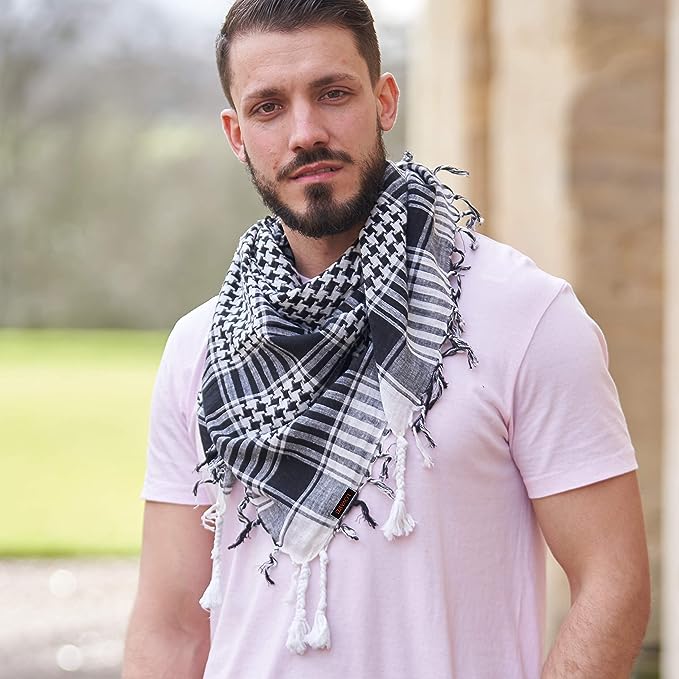
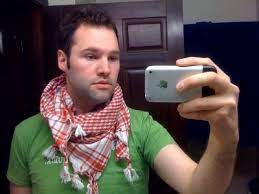
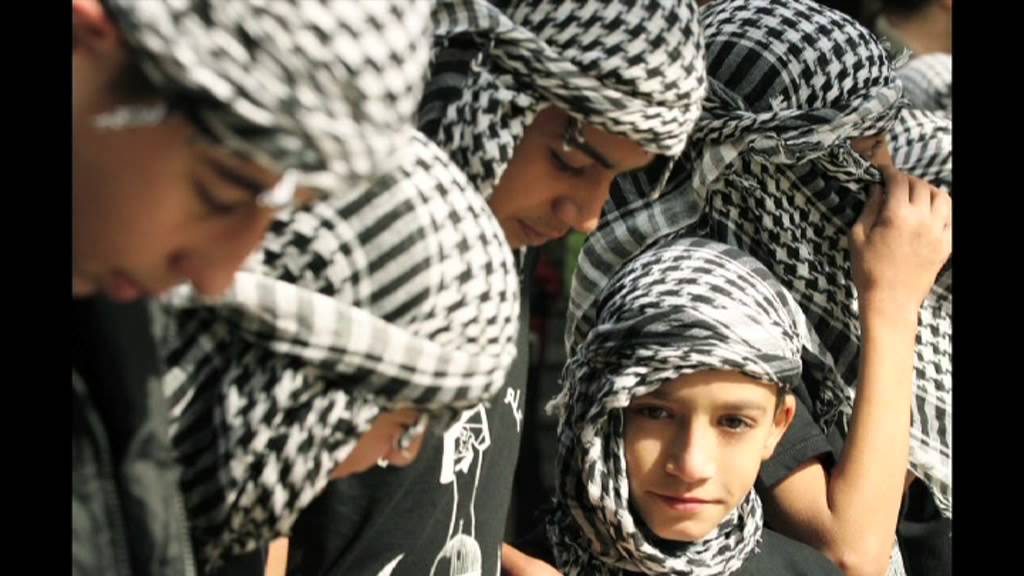
[True Confession No. 3: I had considered and even fancied the notion of wearing a keffiyeh as we rode through the desert in Wadi Rum, our next destination (we had recently watched Lawrence of Arabia in preparation). But, after seeing so many of them worn by so many tourists in Petra and doing a little research, that fantasy was pretty much ruined and I abandoned it before we even arrived in Wadi Musa. As possible alternative, I did try on some Indiana Jones hats, which were kind of cool, but I couldn’t see how a leather hat could be folded up and (unlike Colleen and her signature straw hat) I was unwilling to commit to wearing it whenever we were travelling from place to place.]
For our last evening in Wadi Musa, we toured the Petra Museum across the street from our hotel and just next to the Visitor’s Center. We were very surprised to learn about the Nabateans, the ancient civilization which built the City of Petra as its capital. In addition to their own style of classical architecture (appropriated to some extent from the Greeks) the Nabateans turned out to be pretty sophisticated hydraulic engineers (maybe to rival the Romans) whose expertise at collecting, containing, and distributing water collected from the surrounding mountains were key to Petra’s existence.
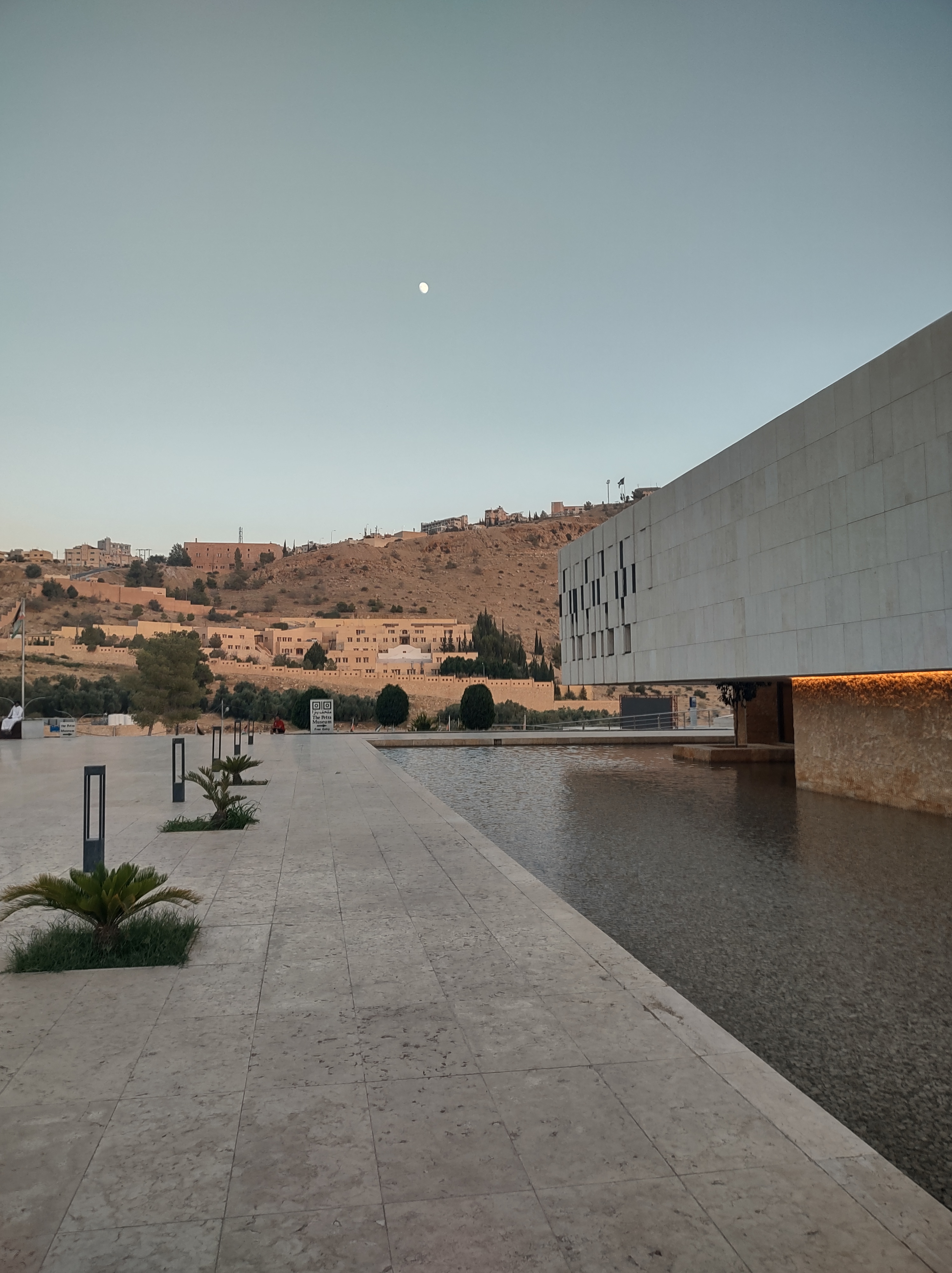

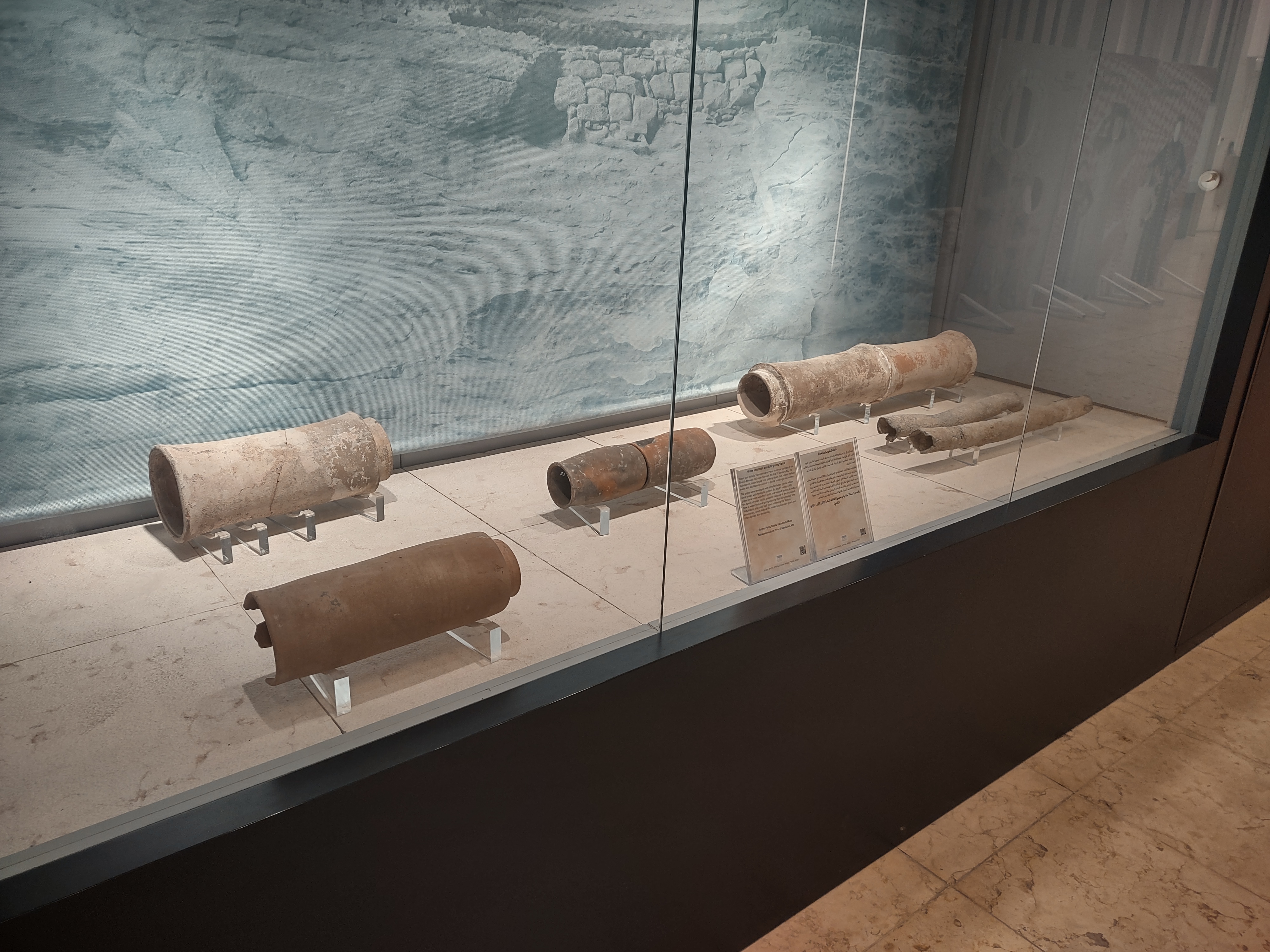
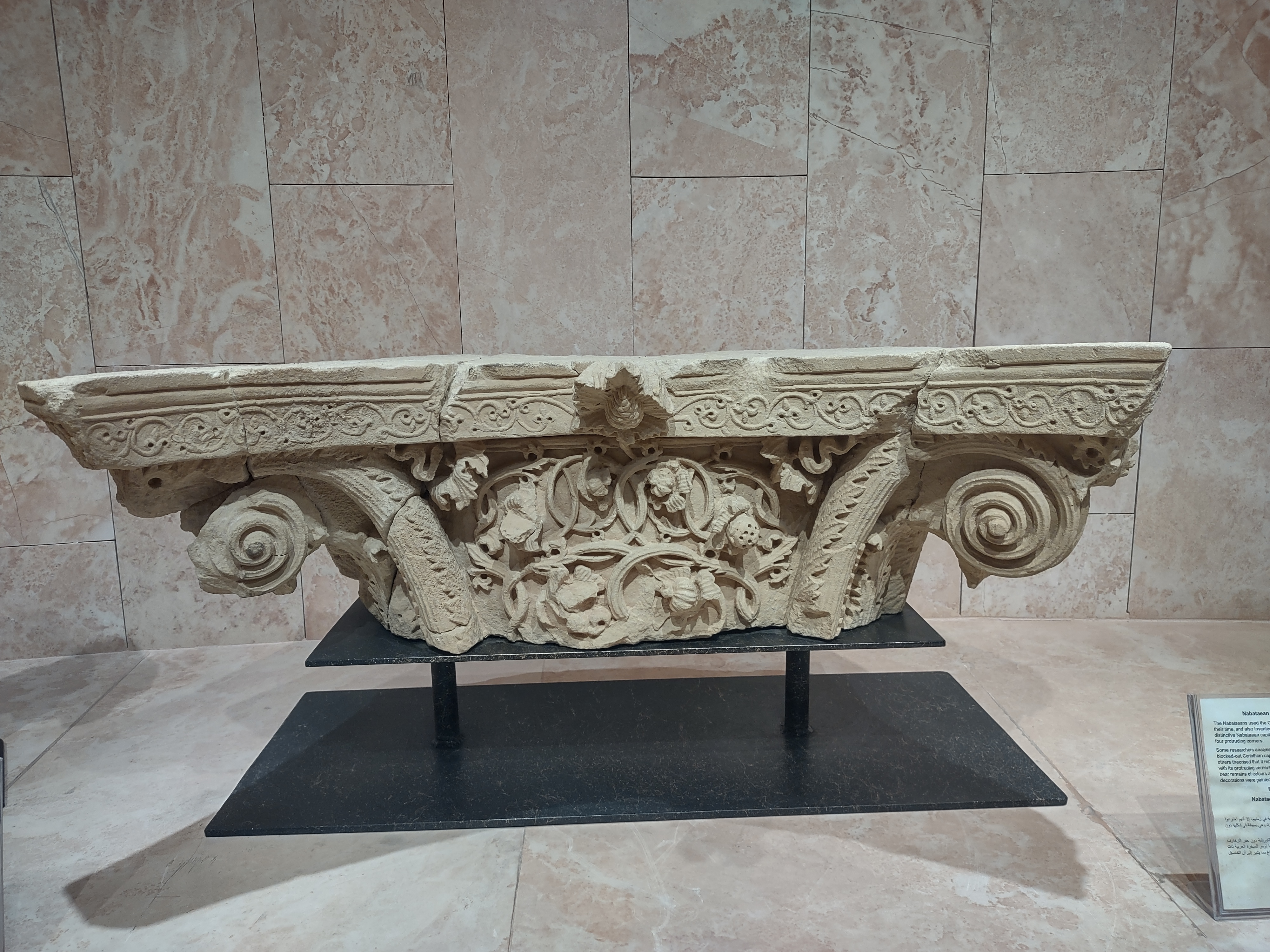
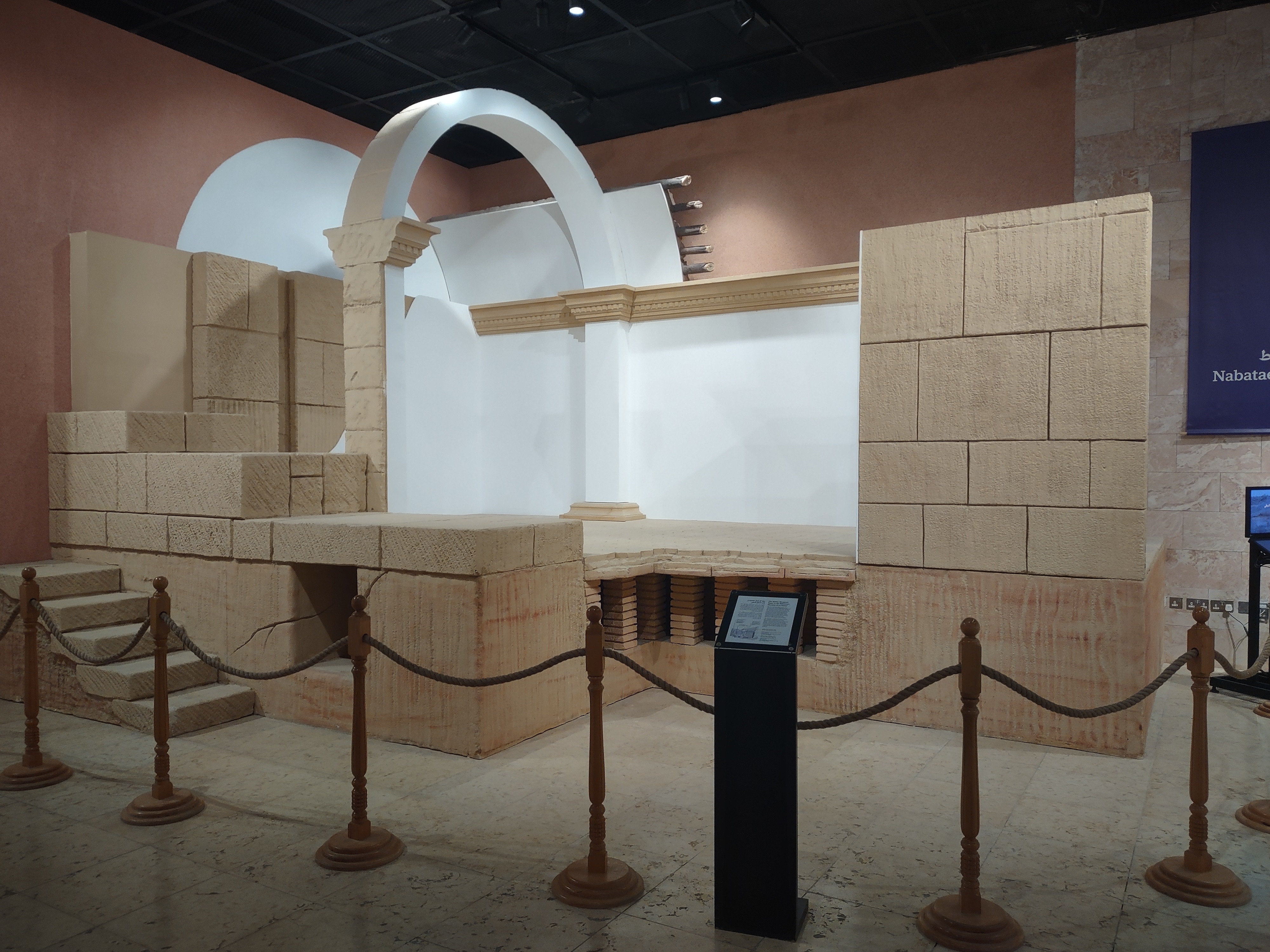
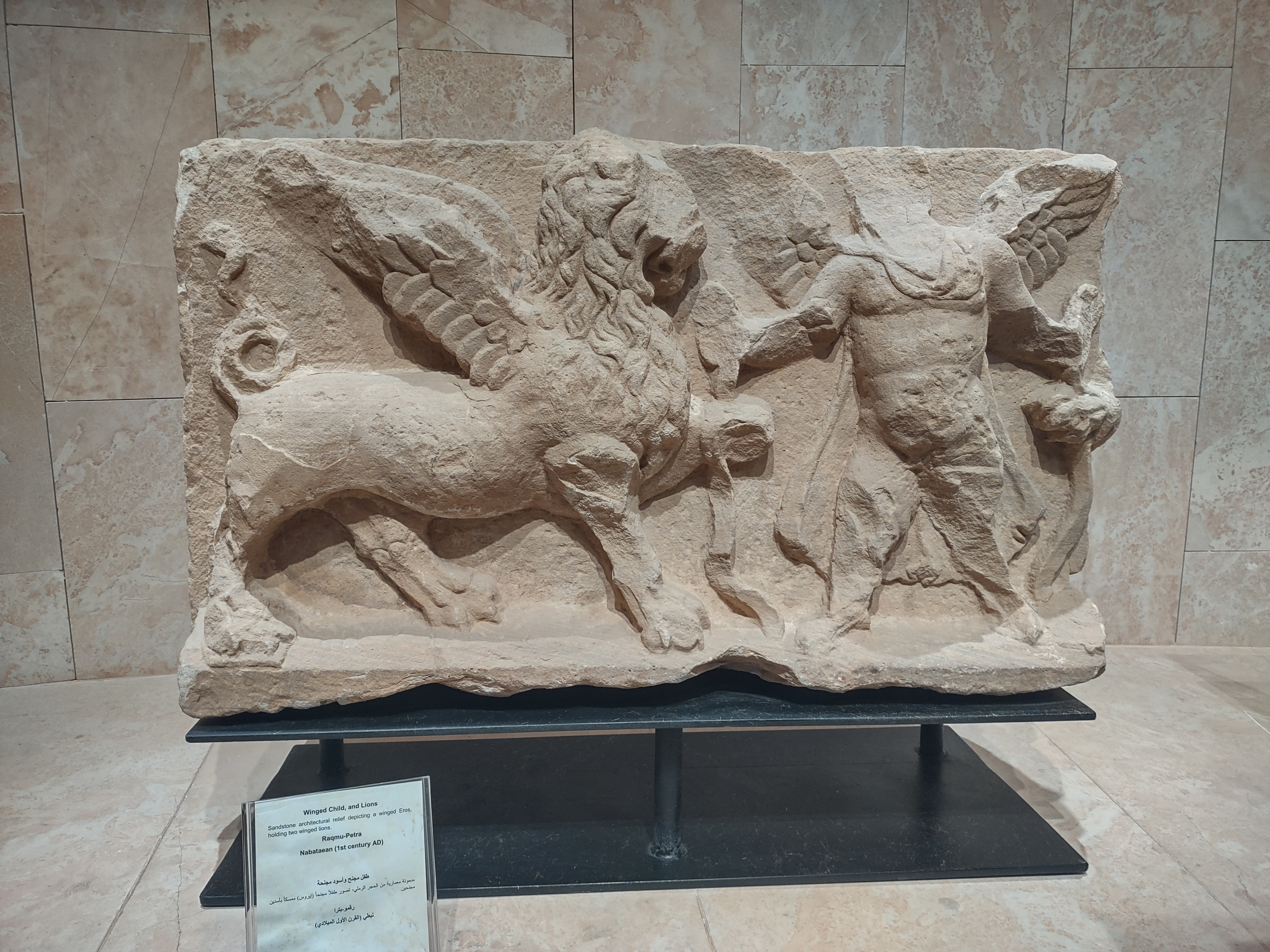
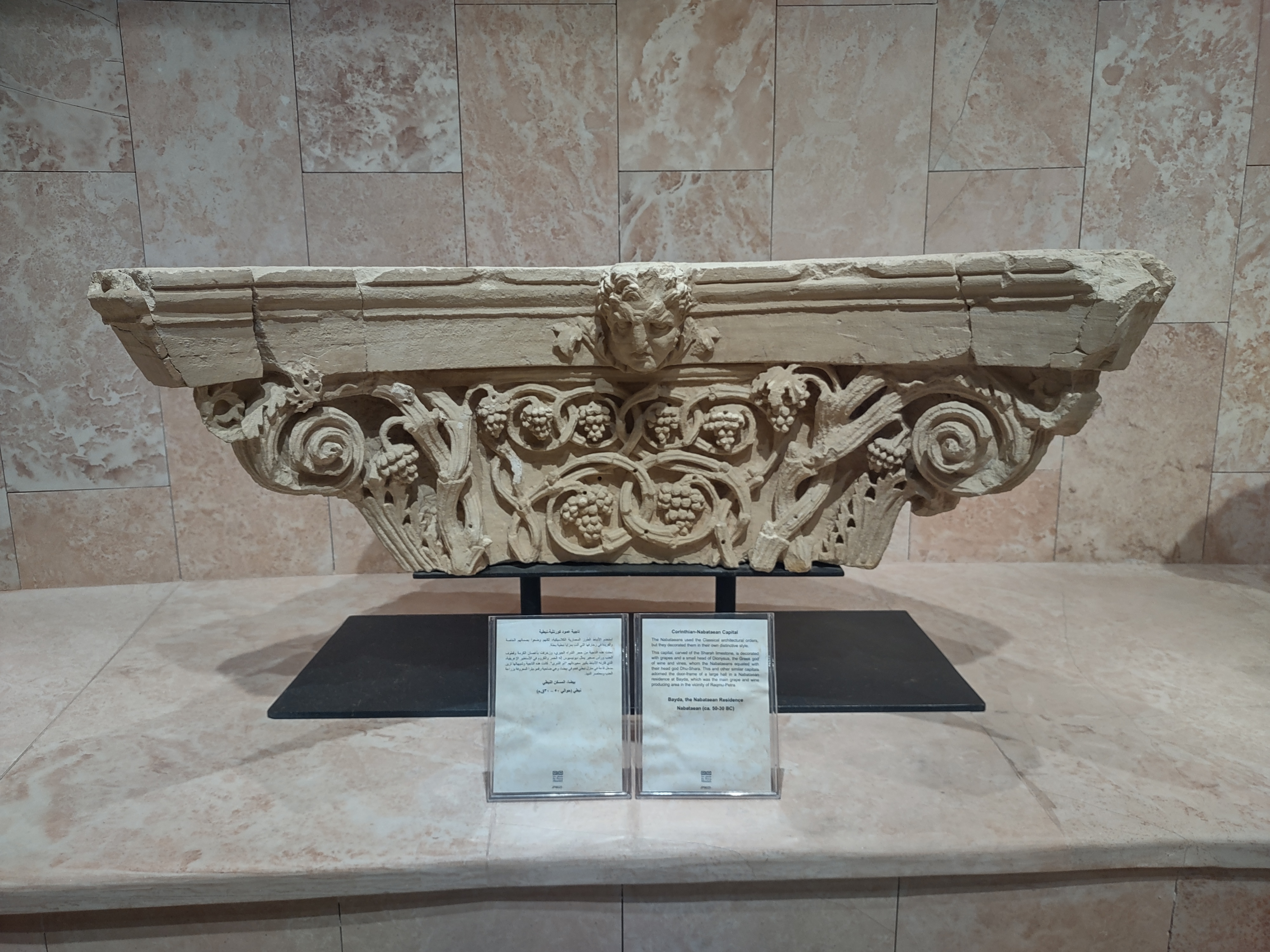
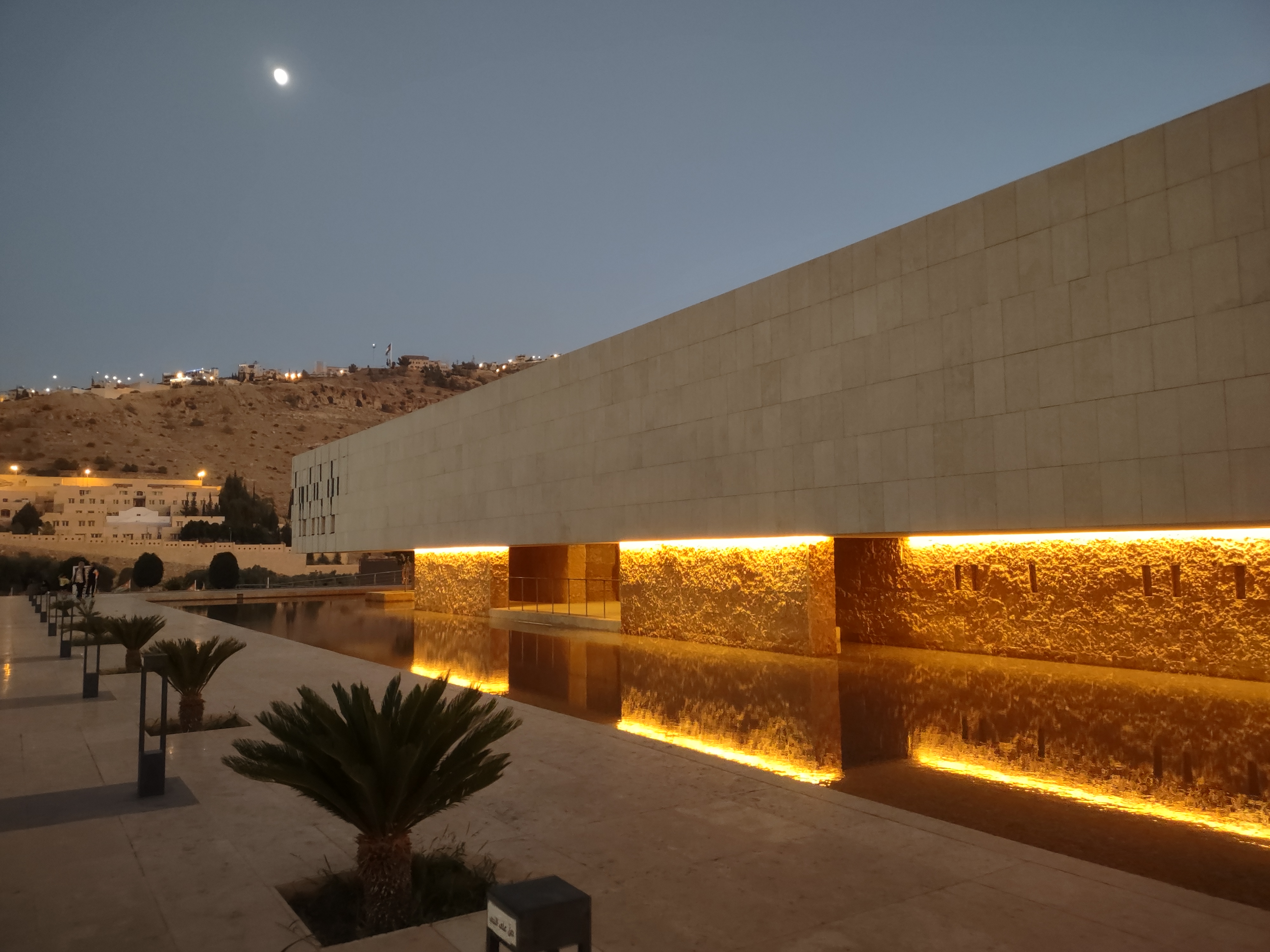
From there we wandered toward town and had dinner at the Red Cave Restaurant where decided to sit outside where a nice breeze was blowing rather than in the cave. We had a nice meal of some traditional Bedouin dishes capped with more delicious mint lemonade and then returned to the Venus Hotel to get packed for an early bus the next morning.

Wadi Rum
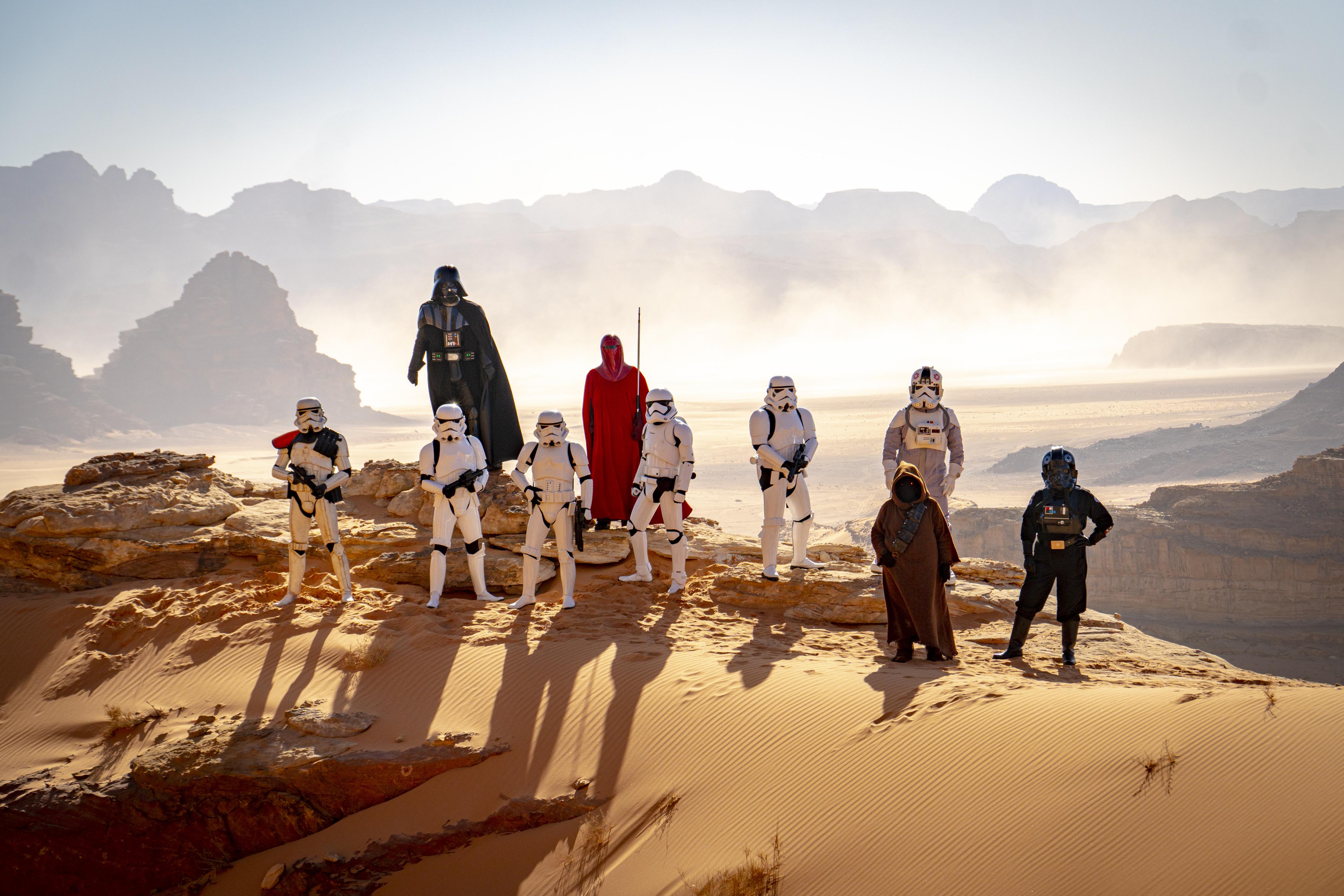
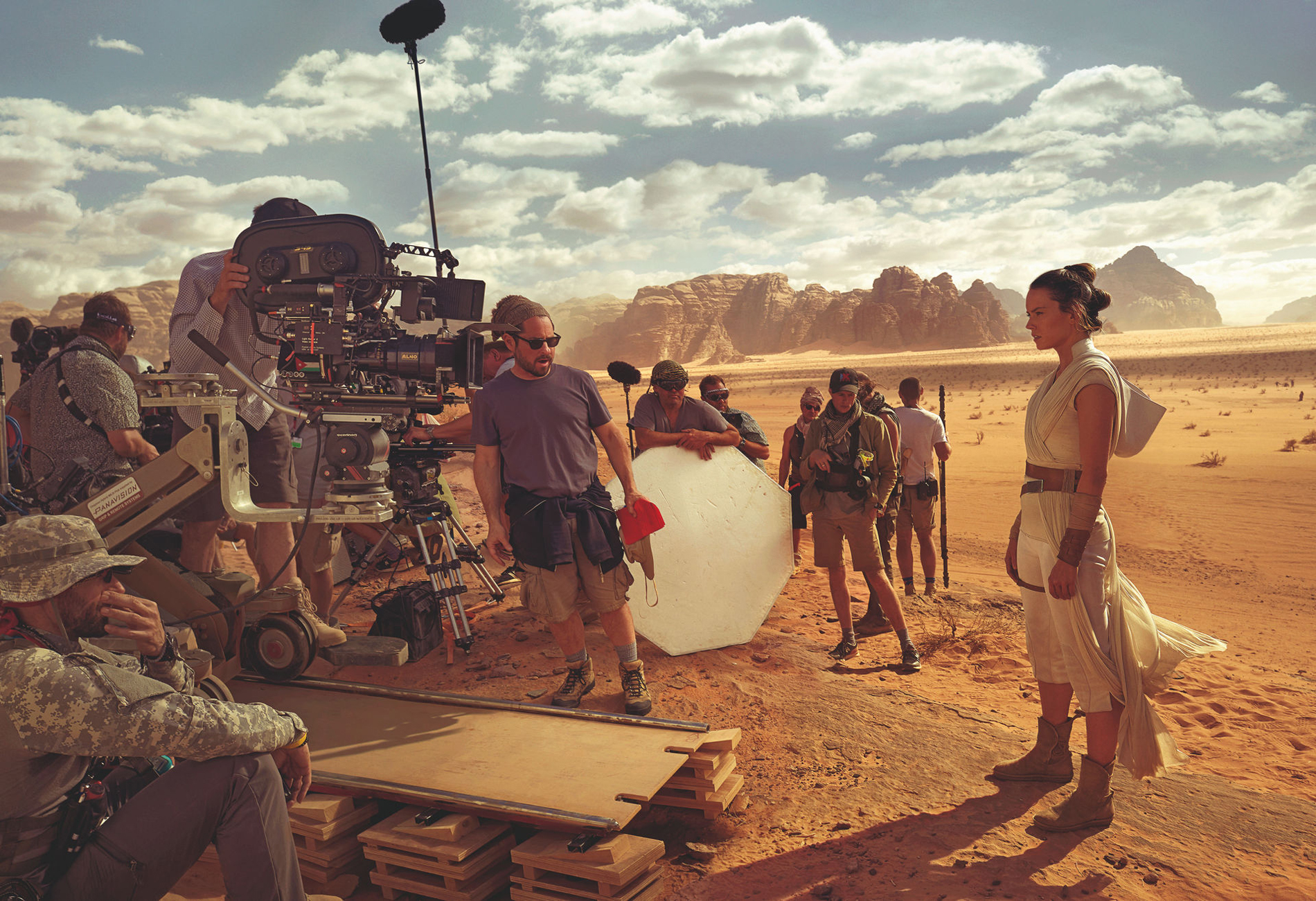
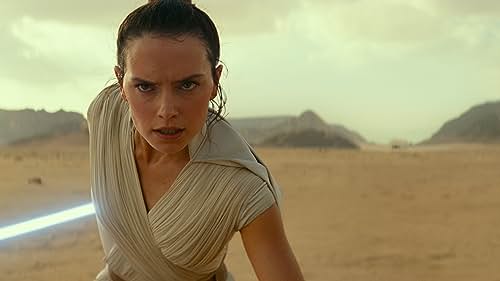
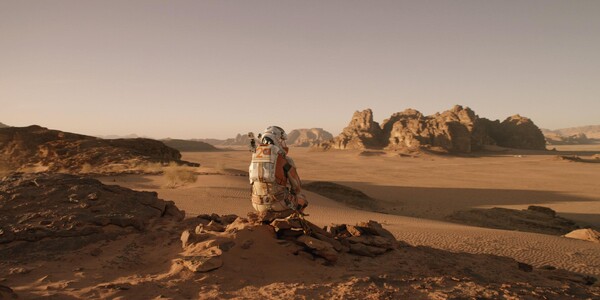
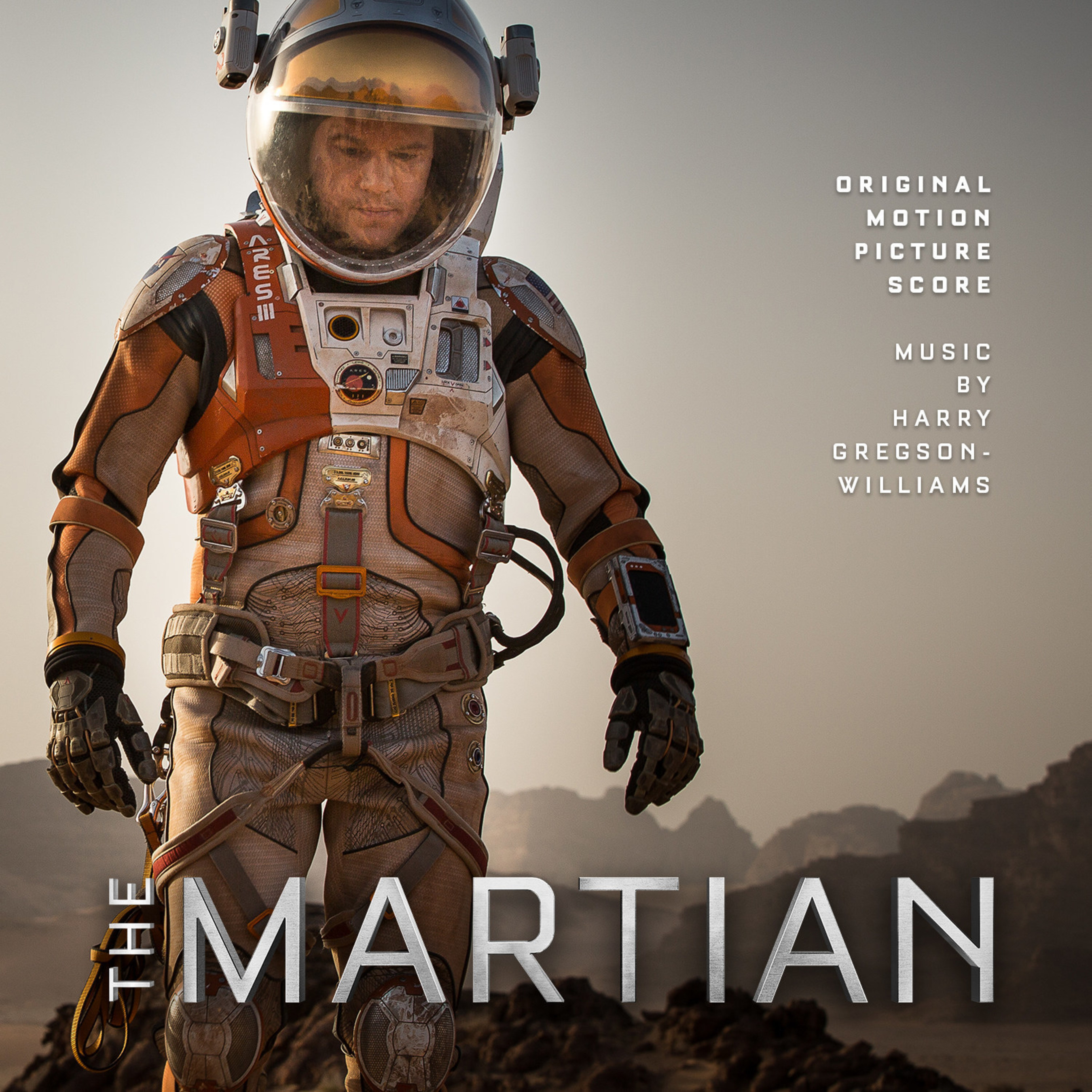
Our next destination, Wadi Rum was one we had really been looking forward to for some time. You may well have seen Wadi Rum (also known as the Valley of the Moon), without even knowing it. It was of course featured (playing itself) in the film Lawrence of Arabia, but more recently it was used as a location for three Ridley Scott films (including Matt Damon’s home turf in The Martian) and was also featured twice in Star Wars productions, once as a moon in Rogue One: A Star Wars Story and as the planet Pasaana, the home planet in Star Wars Episode 9 – The Rise of Skywalker. I think after visiting it that we can attest that it is like no place on earth.

After looking at a number of bus and taxi options, Colleen booked us on a minibus to Wadi Rum Village which seemed to offer the best compromise between travel time (about 2 hours) and price (about $20 each). The Hotel Venus, who had kindly arranged our transport, also kindly opened the breakfast buffet a bit early as we were scheduled to be picked up at 6:00 AM. We were the first to be picked up and, as we drove around town from hotel to hostel, we grew into an amazingly international group with 2 Americans (us), 2 Italians, 2 Poles, 2 Australians, 2 French, and a whole gaggle (6) of Chinese who brought an enormous collection of large rolling cases with them.
We were kind of shocked to discover that none of the Chinese spoke either Arabic or English and wondered how in the world they were getting around the world (My editor has shamed me into adding that unlike much of the rest of the world, most Americans (like us) only speak their native language.), but our conductor/guide seemed both undisturbed and undeterred by this. It was clearly not his first rodeo and, as if in testament to this, our first stop after picking up all of the passengers was at a road-side café where our driver and conductor got off to grab breakfast and invited us all to join. As some of our fellow passengers had not had the benefit of the Hotel Venus Morning Breakfast Buffet, a few did get off to grab a bite or a cup of coffee, but before too long they returned along with our pilot and conductor who brought back with him a generous supply of pita bread and falafel to share with the group.
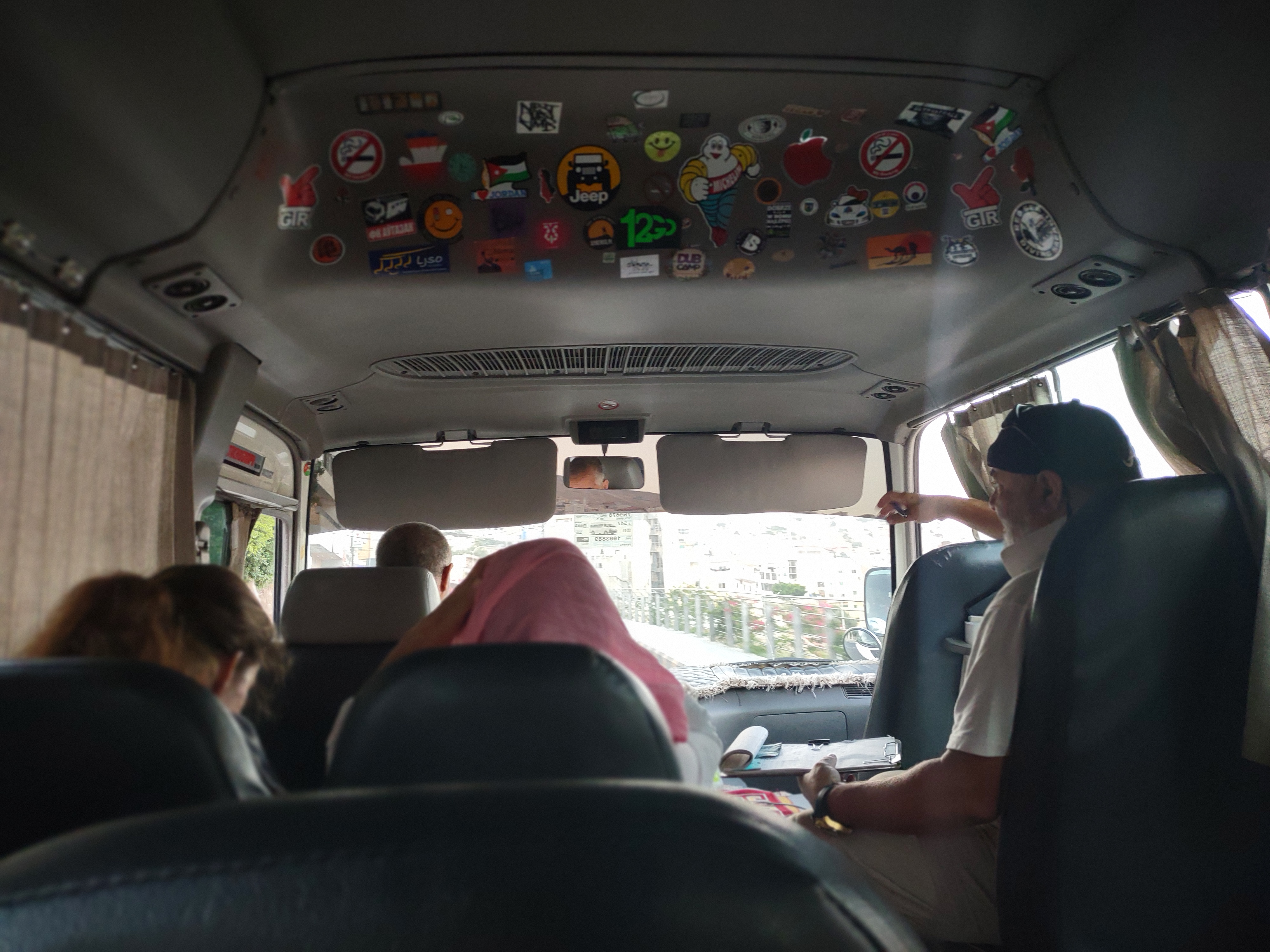


At some point during these cordialities, our conductor advised our Chinese travelling companions that he would need to charge them additionally for their excess luggage which was taking up seats he could otherwise have sold. (Have to say that, while their luggage did look really big, I wasn’t convinced it was taking up any more space than the rest of ours which was all piled up in the last row of seats.) Perhaps predictably, the identified Chinese spokesperson had absolutely no idea what the Conductor was trying to tell them and just smiled politely. Efforts to utilize other means of communication, including Google translate, appeared to fail as well and the discussion was left to be resolved when we reached our destination.

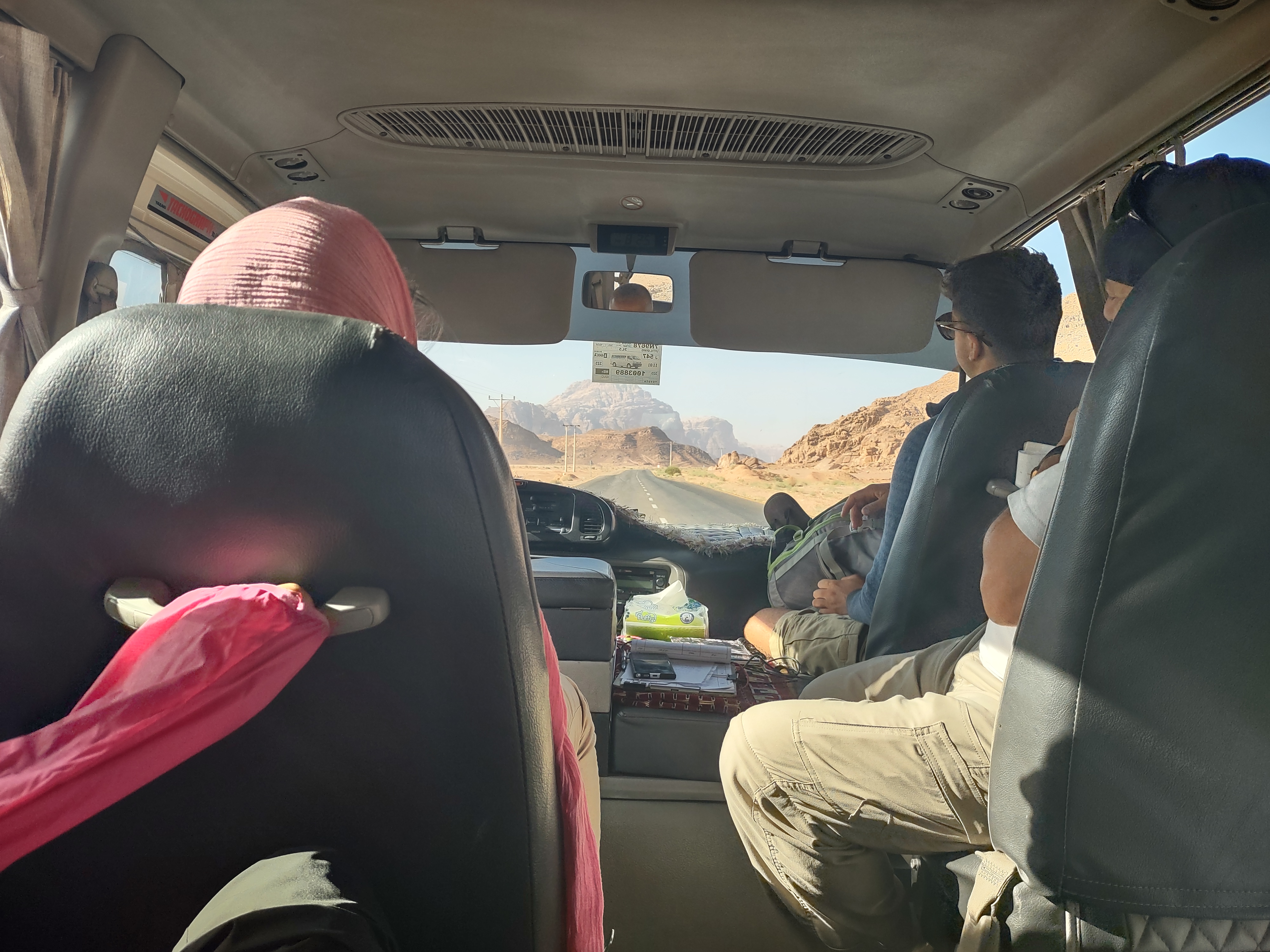
The ride was nice and pretty uneventful from that point forward, but you could feel the sense of anticipation building up among all of the passengers except maybe one who was actually sleeping. I should explain that the Chinese group was made up of five women of varying ages and one elderly man who at most times (when he was not sleeping) had the demeanor of someone who had been taken on a trip against their will. (One of the amusements of traveling is creating backstories for the travelling companions you share a little bit of time with, and we had a pretty good time with this group.) After a bit, the cleverness of the Chinese strategy became clear to us as it was becoming increasingly apparent that, no matter what our conductor said or did, no way was he getting any more money out of them.
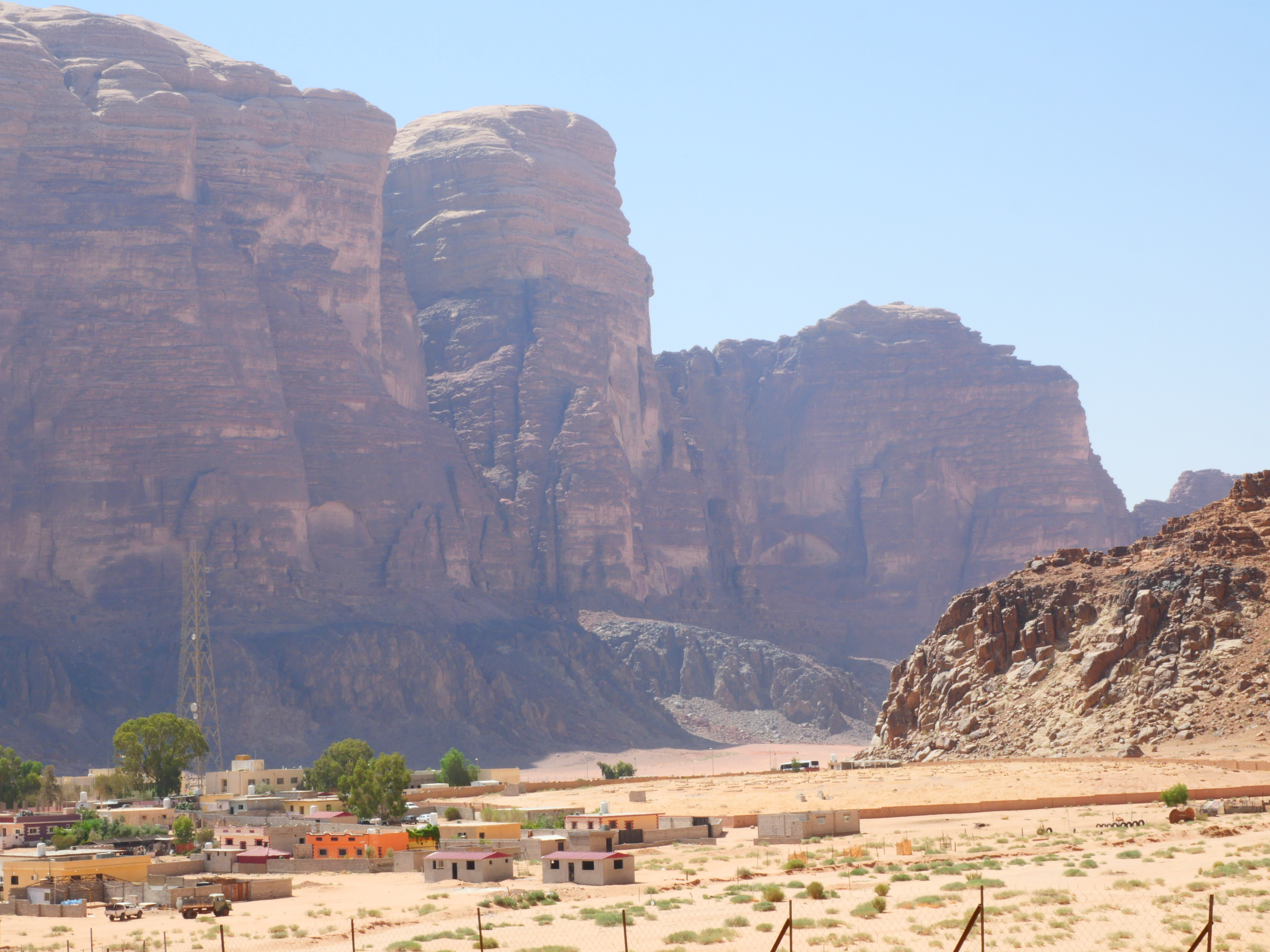
After some formalities at the Visitors Center, we entered and proceeded to Wadi Rum Village which is located well into the first canyon of Wadi Rum. I’m not sure exactly what we expected Wadi Rum Village to be, but I don’t think we could ever imagined what it actually is – an assemblage of dilapidated mostly one-story structures, reminiscent of a dusty American old west ghost town (less the tumbleweeds). There was a variety of vehicles, in varying states of decay, scattered up and down the narrow streets which, in sharp contrast to everything else, were laid out in an orderly and regular grid. None of this mattered very much as it was the walls of the canyon looming over us, not the village, which drew our attention. We have since been unable to determine what the population of Wadi Rum Village is (or if it even has one), but as we drove around the town dropping off passengers at their respective tour offices, it became clear that a good many of the buildings serve as tour company transfer stations for tourists entering Wadi Rum.
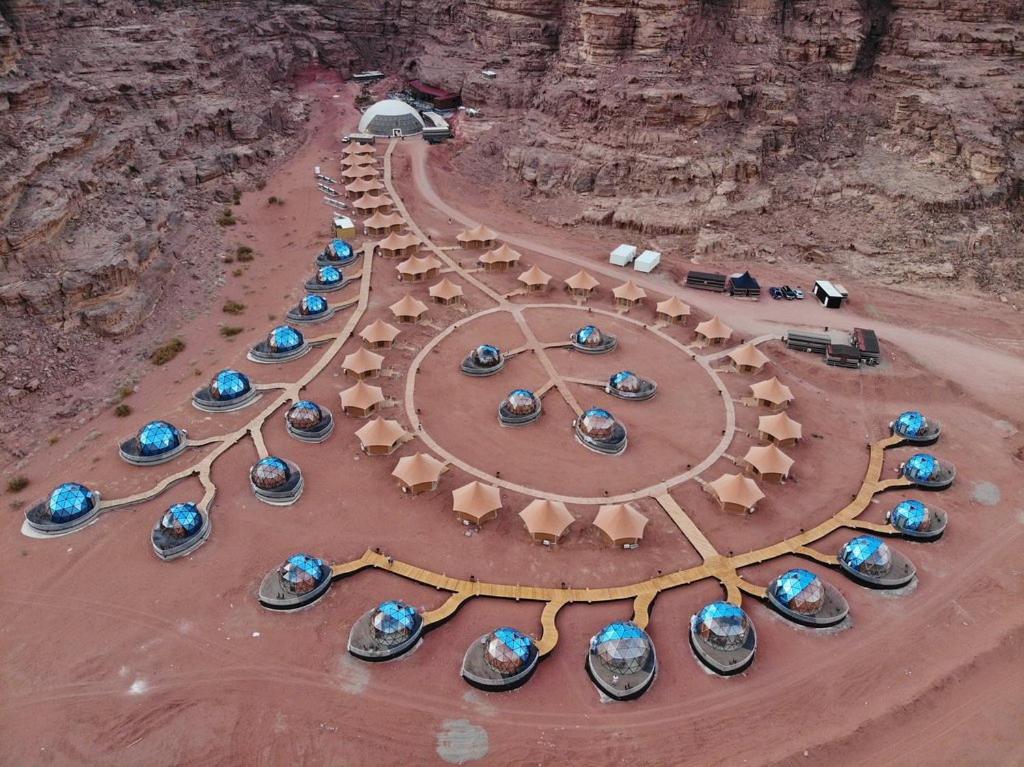
There are a large number of tour companies (apparently more than 100) that run tours into Wadi Rum, each of whom typically has a base of operations in Wadi Rum Village as well as a camp out in the desert. The camps require special approvals and permitting which seems to be the method of controlling the number of people running around Wadi Rum in jeeps and on camels. The size of the campsites seemed to vary quite a bit as do their accommodations which go from basic tents to geodesic domes with private toilets and reflective clear roofs for stargazing, but it appeared that most have a central area for shared toilet facilities, dining, and entertainment.
After a lot of research, Colleen had booked a full-day jeep tour (the term “jeep” is used to refer to a pick-up truck with seating in the bed, irrespective of manufacturer) which included lunch, dinner, overnight accommodations, and breakfast the next day. We had selected the “bivouac” accommodation option – sleeping under the stars in the open desert (more about this later).
Anyway, back to the bus, where we were the last passengers to be dropped off (just after our conductor’s last valiant effort to squeeze additional luggage fees out of our Chinese companions) and were greeted at the door of a once red building by Mr. Ghanem, the tour manager, who invited us in and asked us to sit and have some tea while we awaited the arrival of other travelers and the return of jeeps from the desert. As we waited, an assortment of taxis and buses discharged their occupants and an interesting group of perhaps 25 people of varying ages nationalities assembled, most of whom we would see again before the day was over.
As we sipped our tea, jeeps began returning from their desert camp and depositing travelers on their way back in who were then taken behind the closed door of the tour manager’s office, presumably to settle accounts. In our turn, we were called to the tour manager’s office (it felt strangely like being called to the Principal’s office) to review and confirm the details of our trip and confirm payment. Mr. Ghanem seemed particularly concerned regarding our sleeping under the stars arrangement, and offered that, if we preferred, we could sleep in one of their luxury tents for the same price. When we declined this offer, he tried as diplomatically as possible to make certain that we (Colleen) were aware that sleeping under the stars had no toilet facilities, which we acknowledged. We handed over our carry-on bags for safe keeping as we would only be taking backpacks with us, and, as Mr. Ghanem led us out he added that the offer stood should we change our minds at any point, which left me with the sense that there had be others in the past who had backed out of a night under the stars when they at some point realized what it really meant.
From there we were taken to our jeep (an ancient Toyota Land Cruiser pick-up truck) and were introduced to Abdella, our driver and guide for the day. We were paired up with Phil and Fran, a couple from the UK who were just a bit younger than us and who, as the day unfolded, proved to be great travelling companions. We were also quite pleased to find there were only the four of us in the back of the jeep which was equipped to accommodate six or more. The jeep had seats cushions, which helped a bit with what was at times a bumpy ride, and a shade structure on which you could also ride if you chose (no one ever took Abdella up on his offer to do so), and a large cooler full of cold water bottles, most of which were empty by the end of the day.
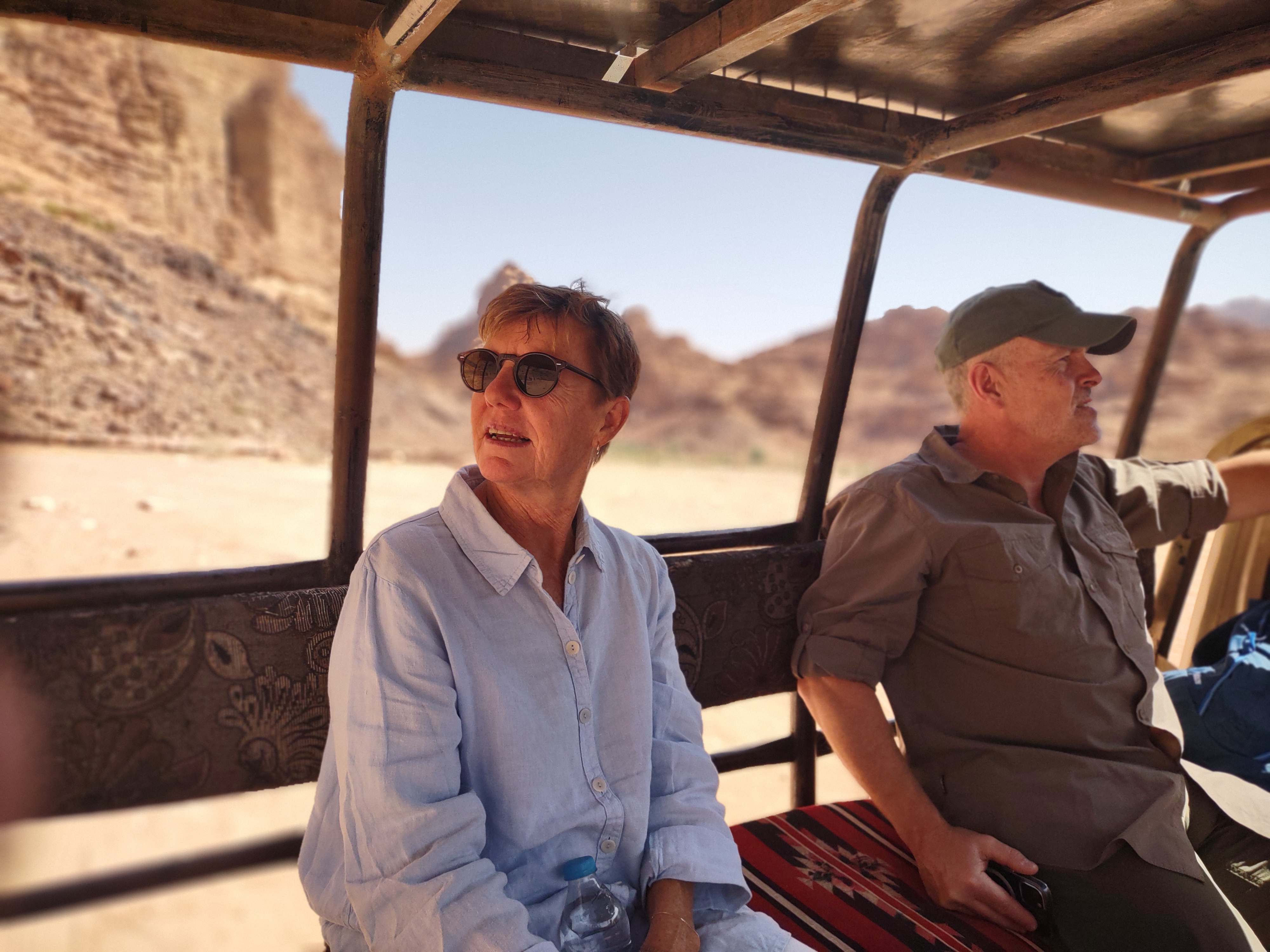

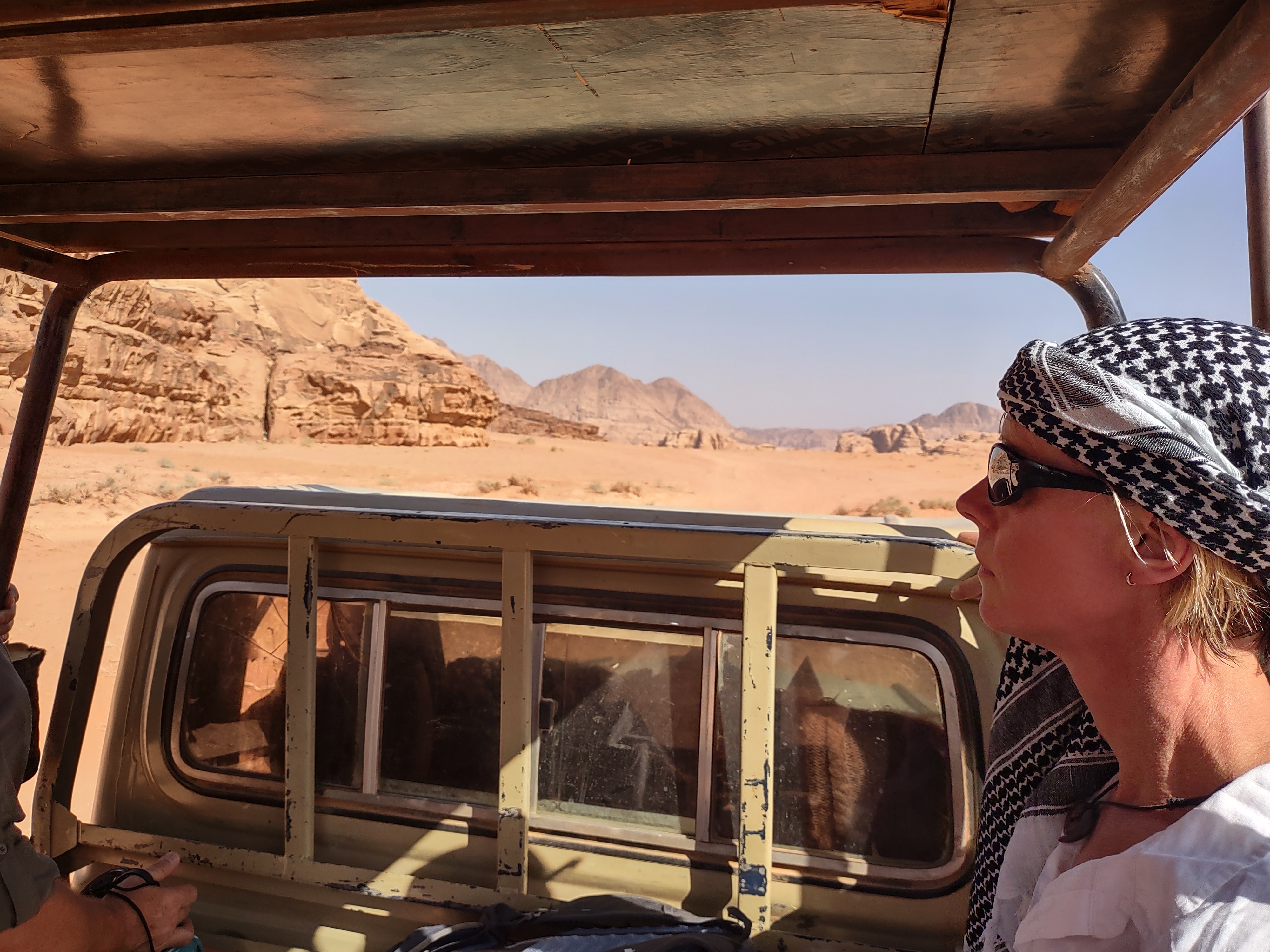
And so we were off on our Wadi Rum adventure, making our way quickly out of the Village and out toward the eastern side of the canyon where, coincidentally, our first stop was at the ruins Nabatean temple brought to you by the same people who built Petra. From there we crossed to the other side of the canyon to see Lawrence’s Spring (the first of a couple of “Lawrence” sites) which is now a camel watering hole. Abdella gave us the option of climbing up the mountain to see the actual source of the spring, which Phil did while Fran and I took pictures of camels and Colleen relaxed in the shade and just looked good! And so the morning went, with stops at another 4 or 5 sites before lunch.

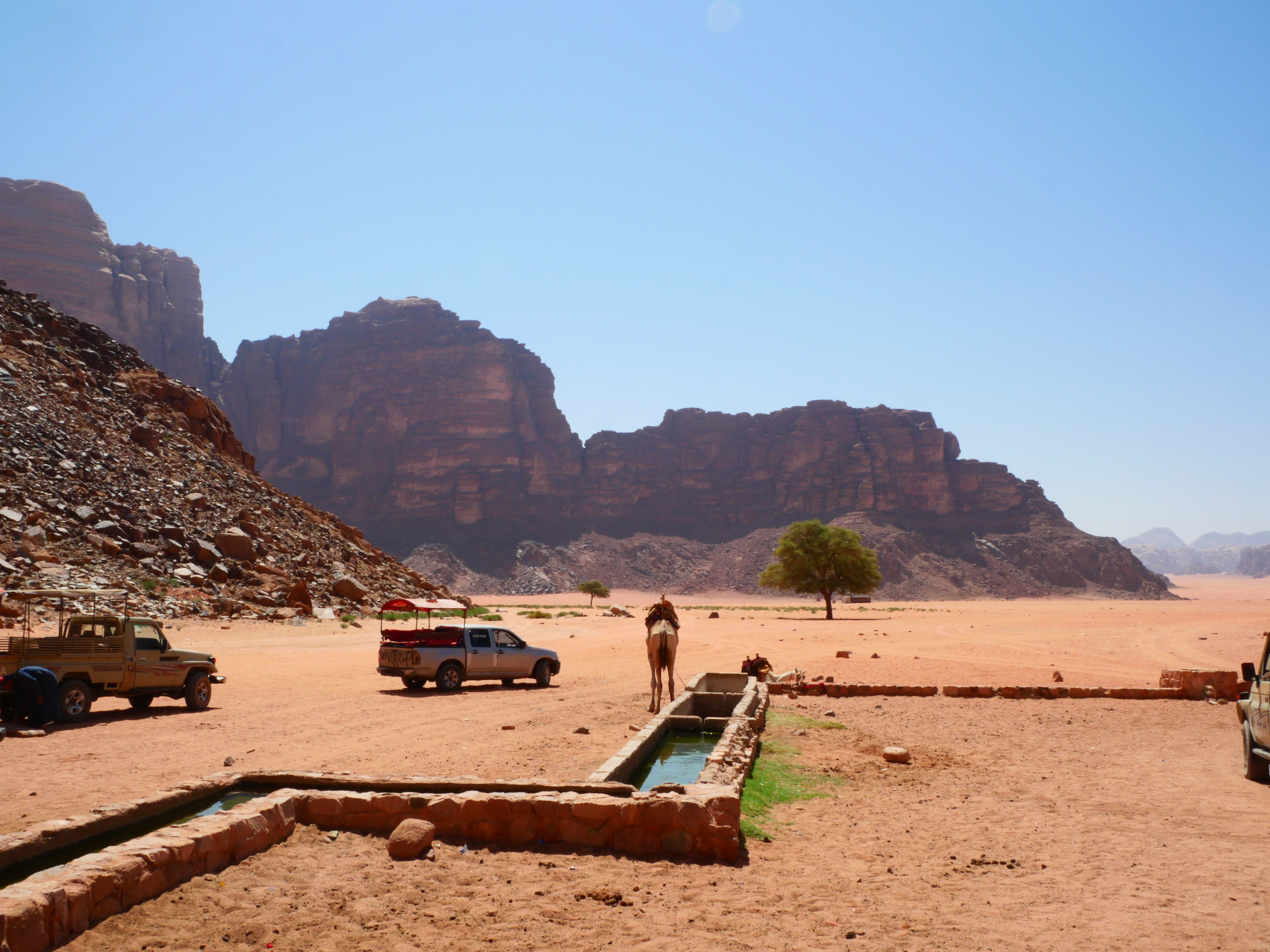

At each stop Abdella would tell us a bit about the place and its importance or history and, as many of the stops included short hikes, often to viewpoints, he would provide us with directions on where to go before retiring to the nearby gift shop tent (most of our stops had one) to drink coffee and await our return. (Abdella drank a lot of coffee.) There were usually other jeeps at each of these points of interest, but the tour companies must coordinate or vary itineraries because, for the most part, it never seemed crowded. After a couple of stops it became clear that the tour guides are a bit of a fraternity and that they and all the vendors know and apparently get along well with one another.
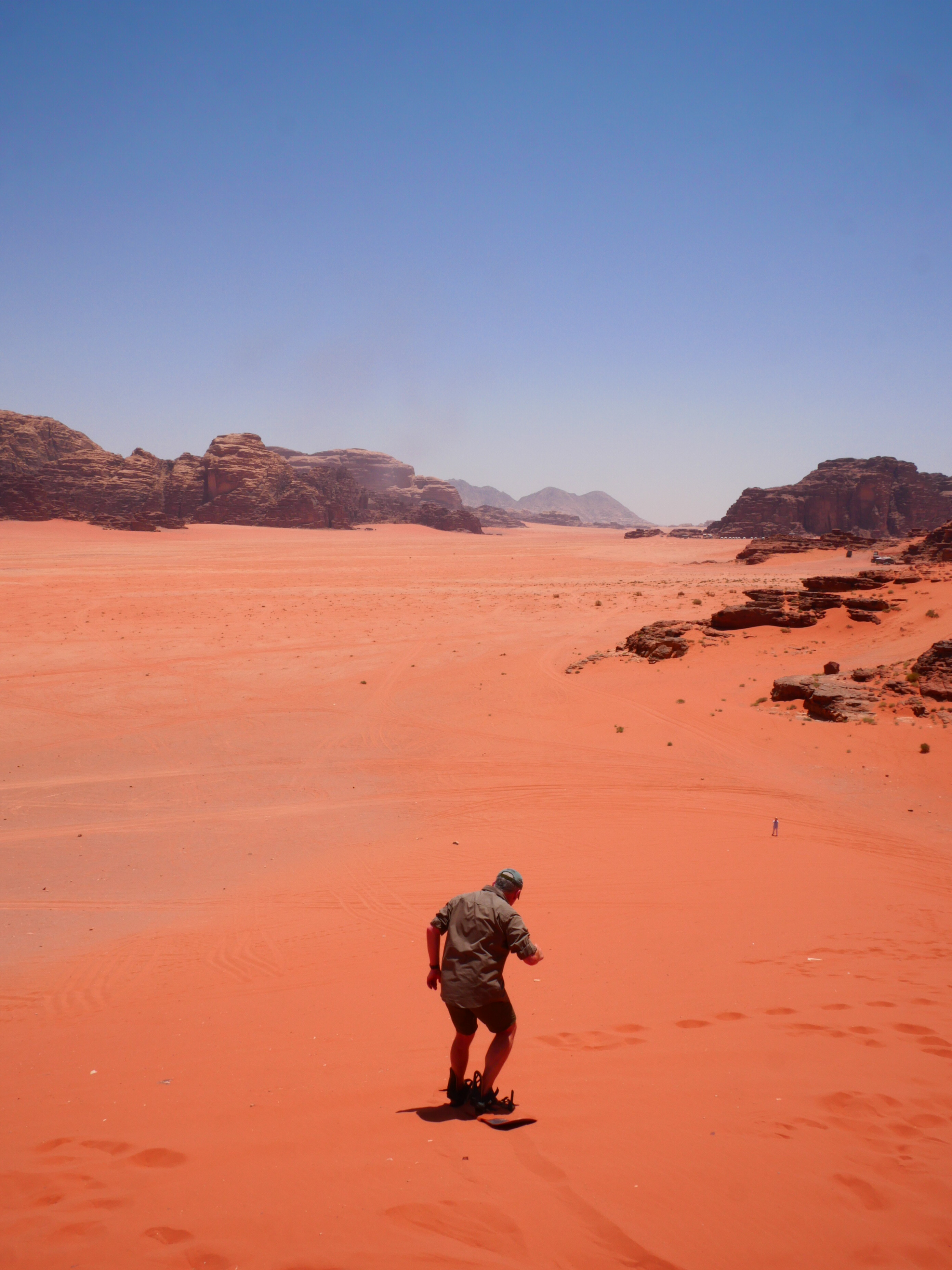
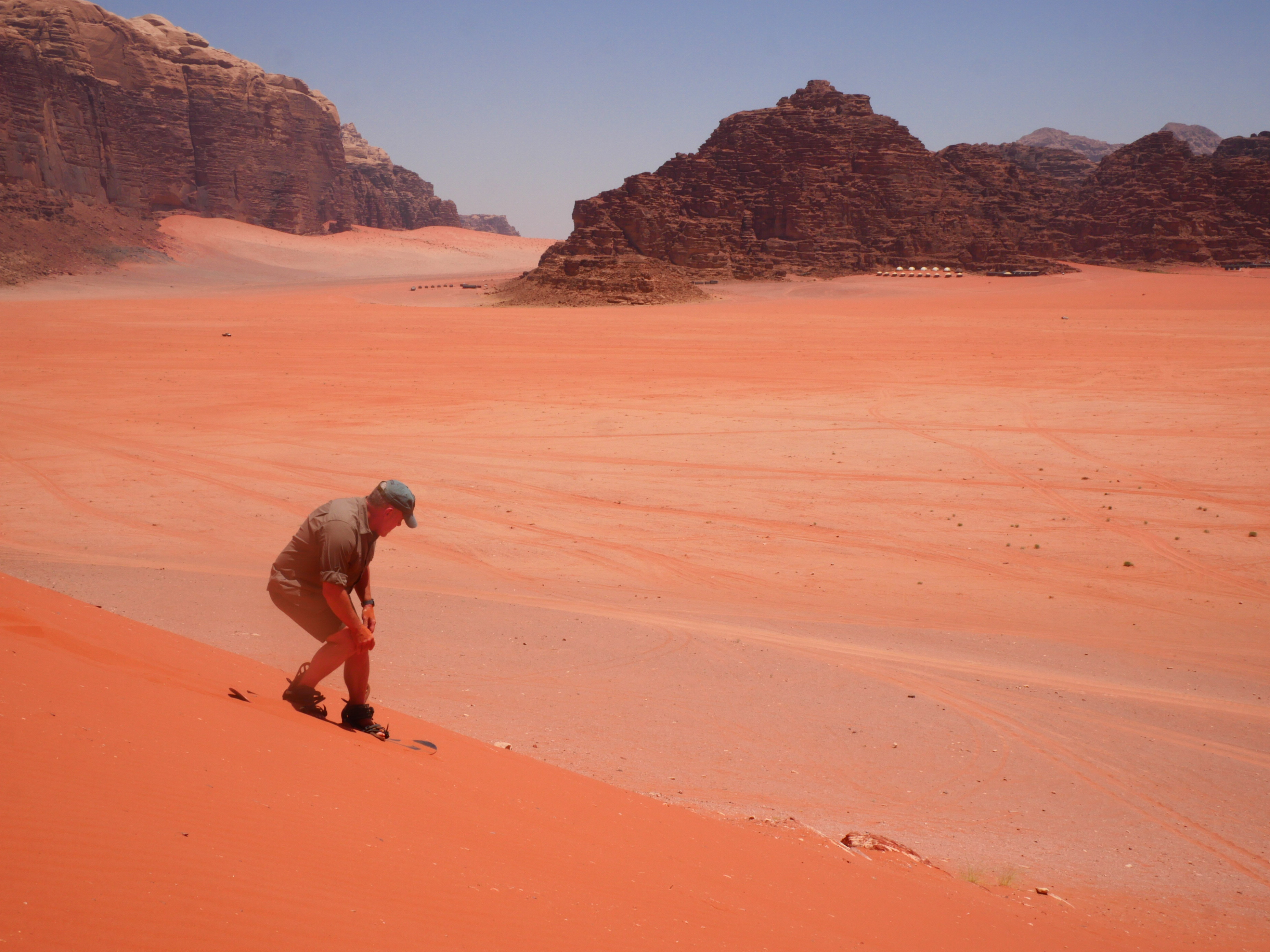
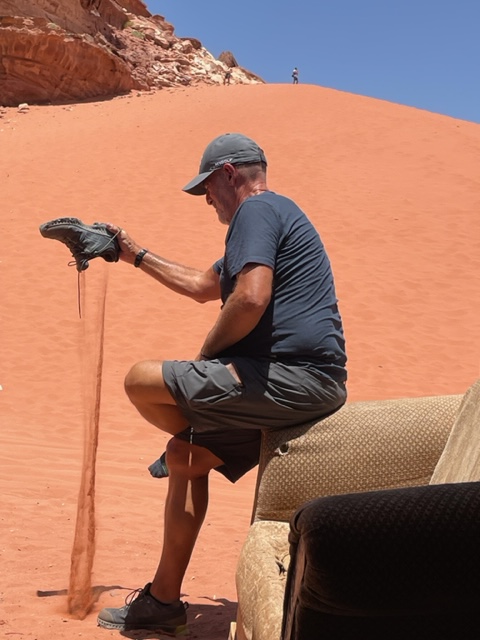
One of the more entertaining stops was at a large sand dune where Abdella secured the use of a snow board for Phil and I agreed to accompany him up the dune to capture the moment from above for posterity. Climbing to the top of the dune turned out to be more work than anticipated as there was a lot of backsliding with each step taken and then sand was extremely hot – no fun, especially for Phil who was in hiking sandals. Unperturbed, Phil hung in there and then gave it a go and we learned why they do this on snow instrad of sand.
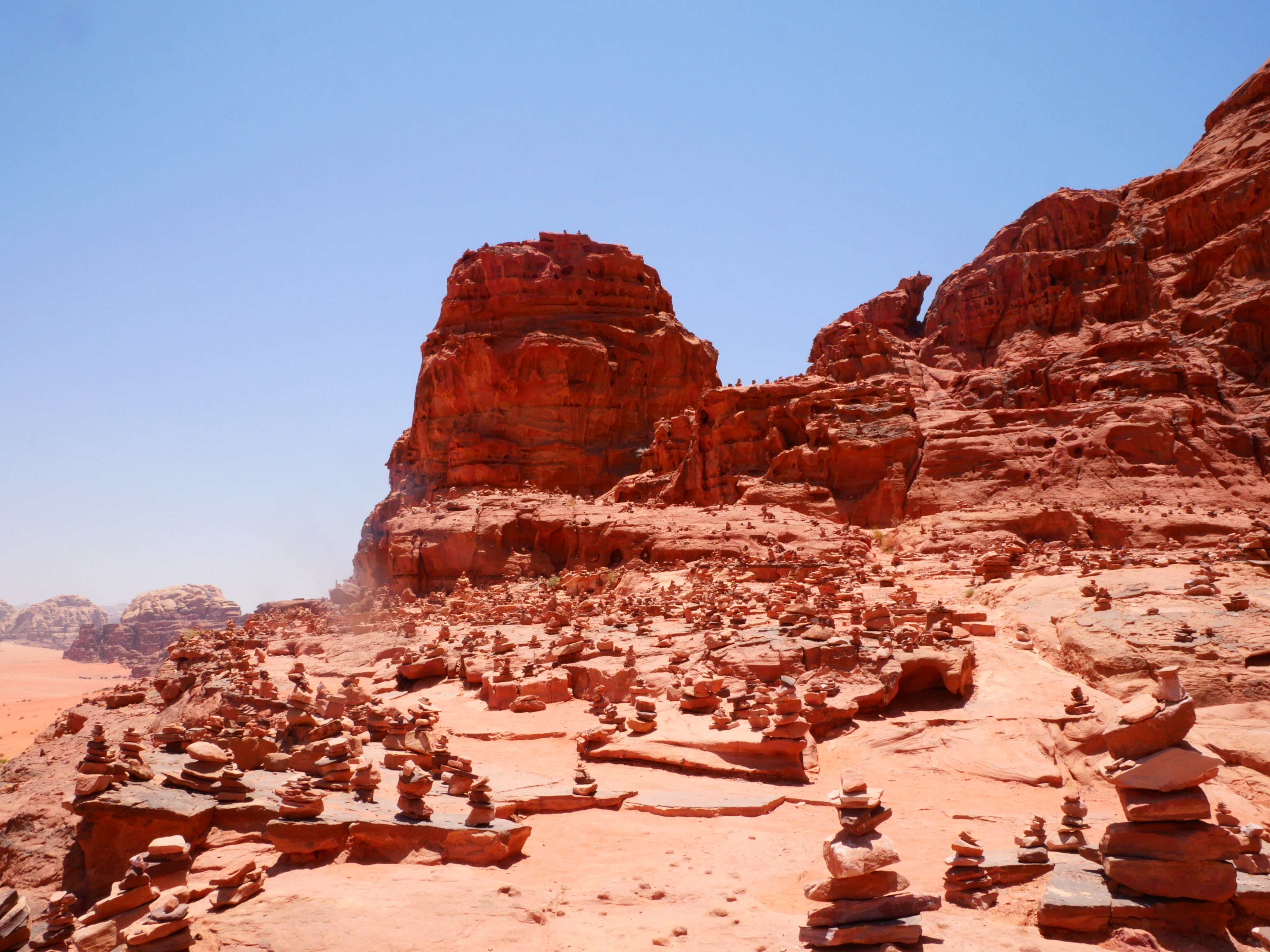
Our last stop before lunch was at the ruins of a small structure called Lawrence’s House because, of course, Lawrence of Arabia had supposedly slept there during his travels in the area. As we made our way up the rock behind to a viewpoint, we were amazed to find a sea of small rock cairns covering the first plateau with many more on the ledges and peaks above. Apparently, this was a very popular spot and with good reason as it offered some of the best views of the canyons we saw all day.
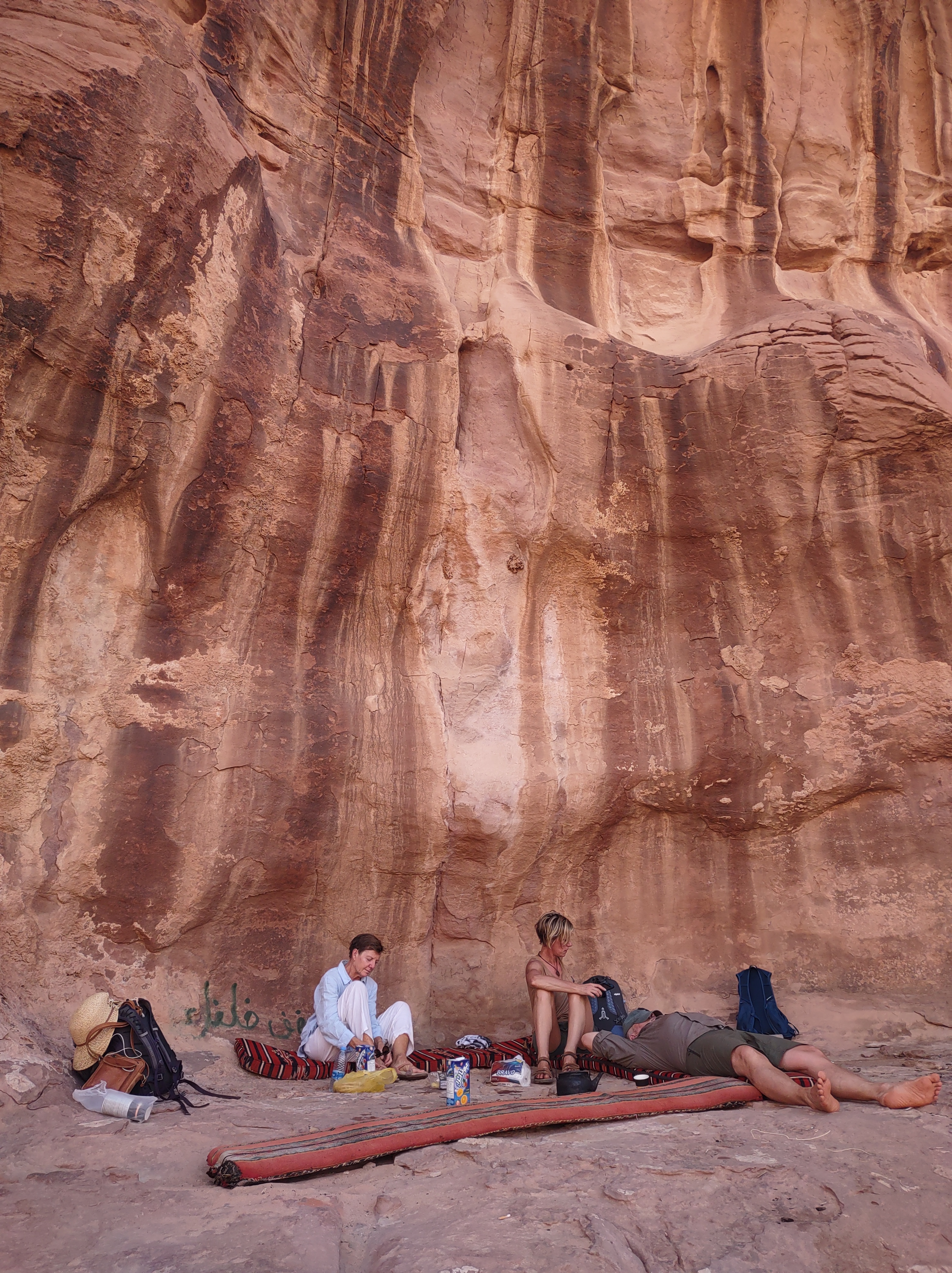
Early in the afternoon (around 1:30 or so), Abdella parked the jeep and laid out some cushions on a shady rock shelf, advising us to rest while he prepared lunch. We had a nice lunch of fresh pita bread with hummus and a variety of dips and salads with juice and some very nice biscuits (which apparently only I and Abdella cared for). Not entirely sure that it is part of the published itinerary but it was hot but nice and breezy in the shade and, by spontaneous and unanimous consensus, we all took a bit of a nap.

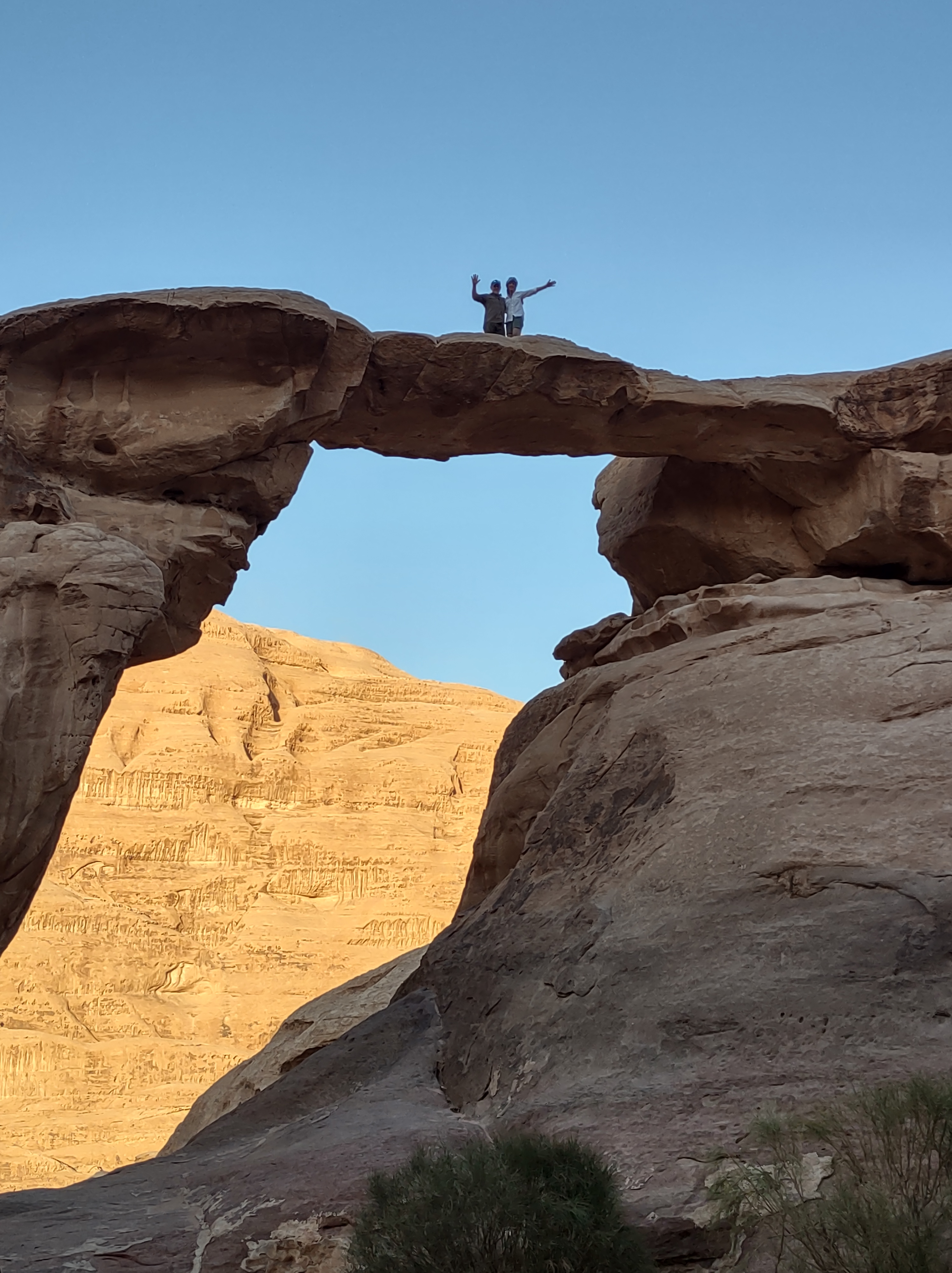
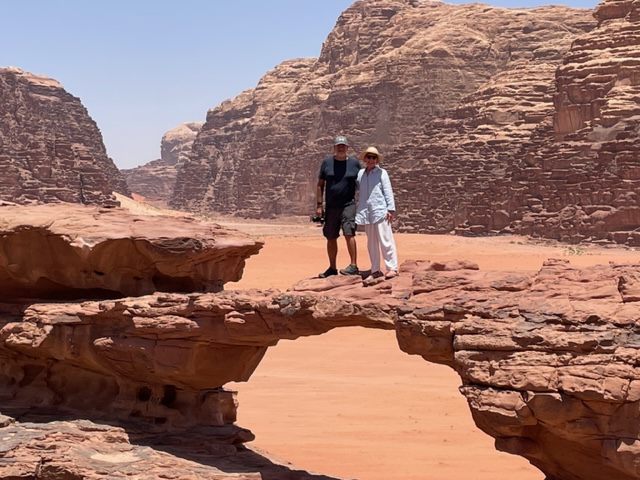
We awoke about 45 minutes or so later and, after cleaning up our campsite, proceeded back to the jeep for the afternoon leg of our tour which included hikes through a couple of side canyons and a high rock bridge which only Phil and Fran were brave enough to climb to. We also found one which required a bit less climbing for ourselves.
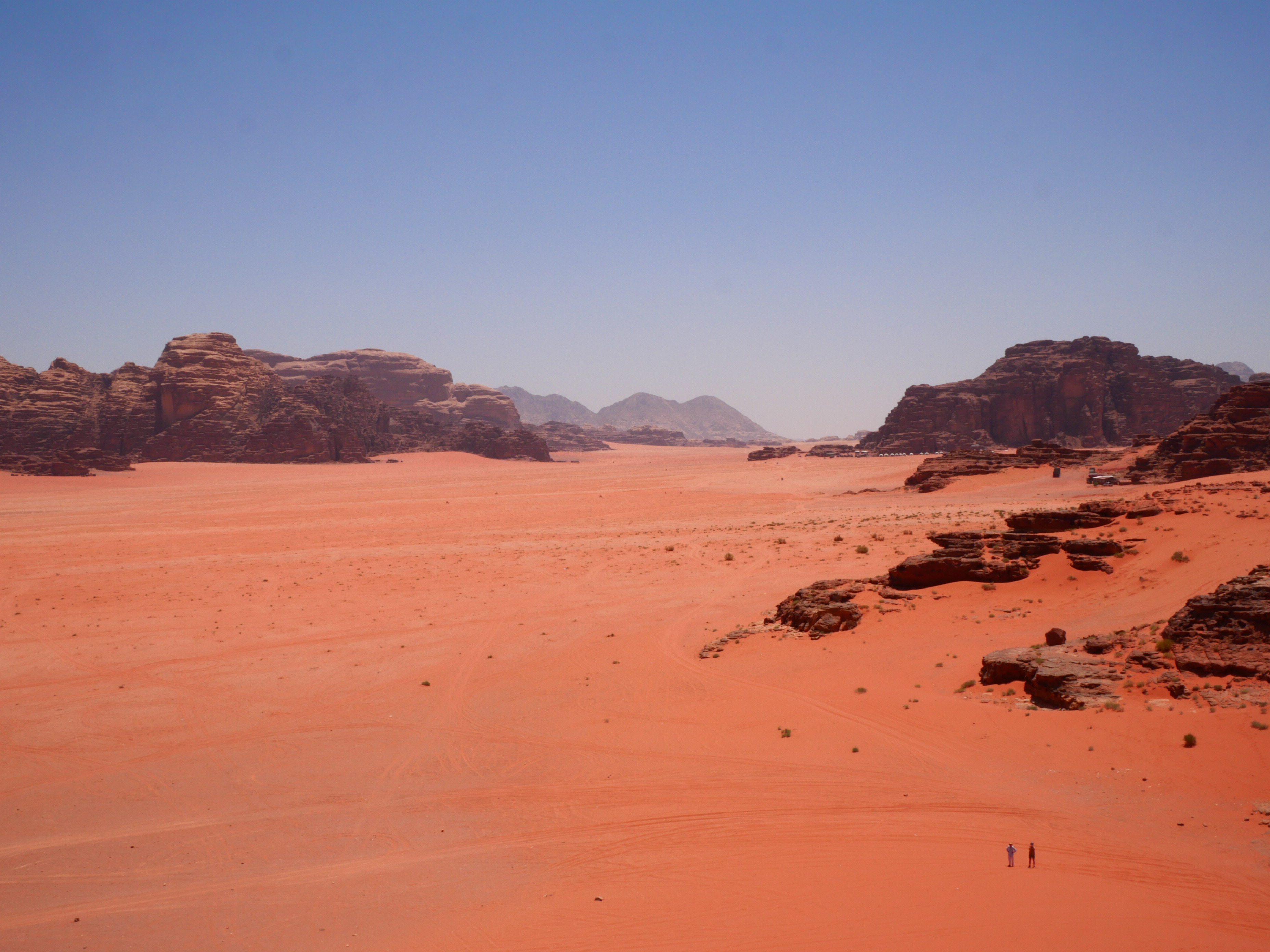
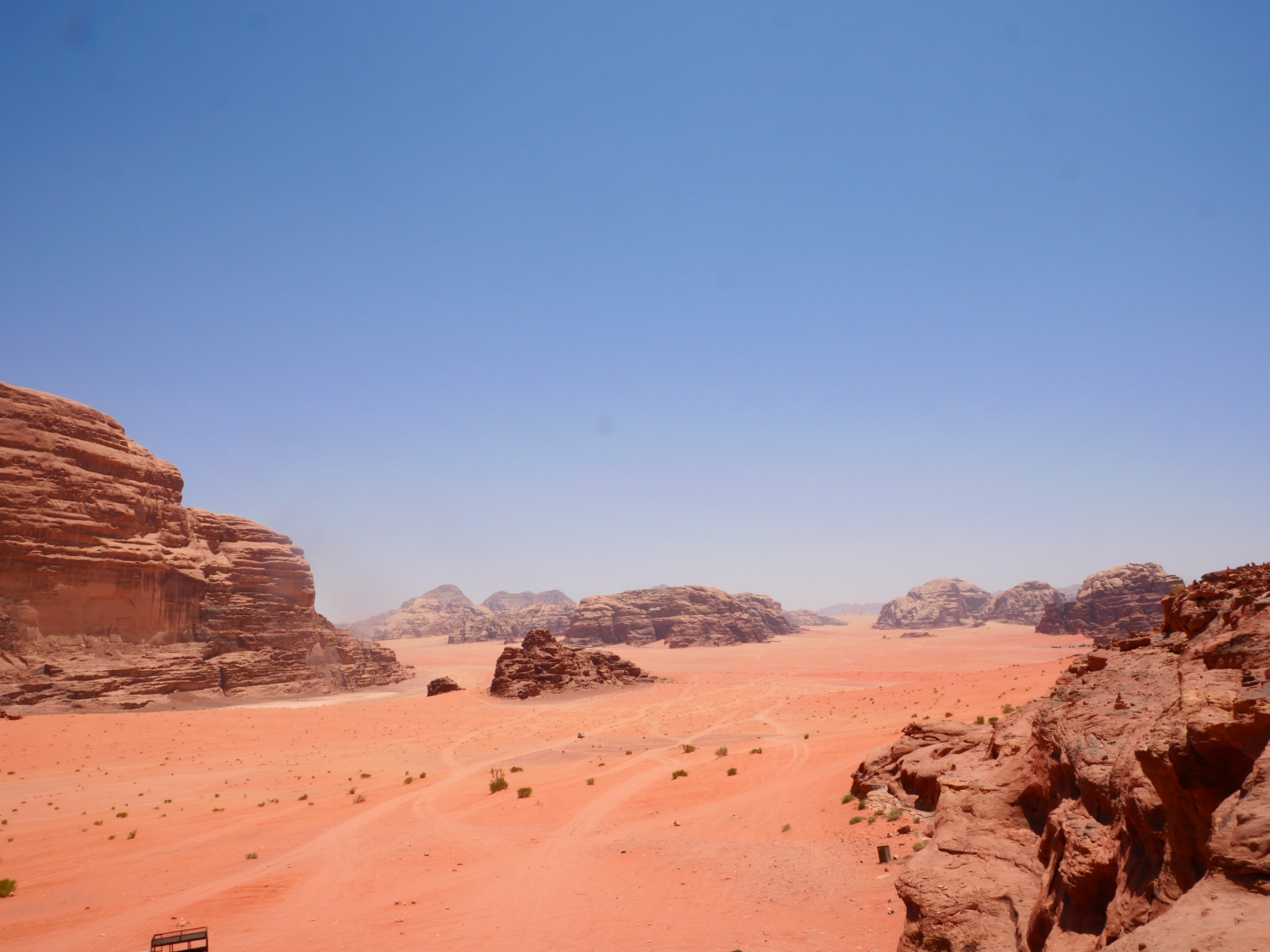
I have to say that while all of our stops were interesting and many provided some amazing views, for me, the drives across the desert floor of the canyons were the most spectacular part of the day and the time when you really felt how big this place is. (Similarly, you actually have to look for the jeeps, people, and camps in the photos to appreciate the scale of this place!)
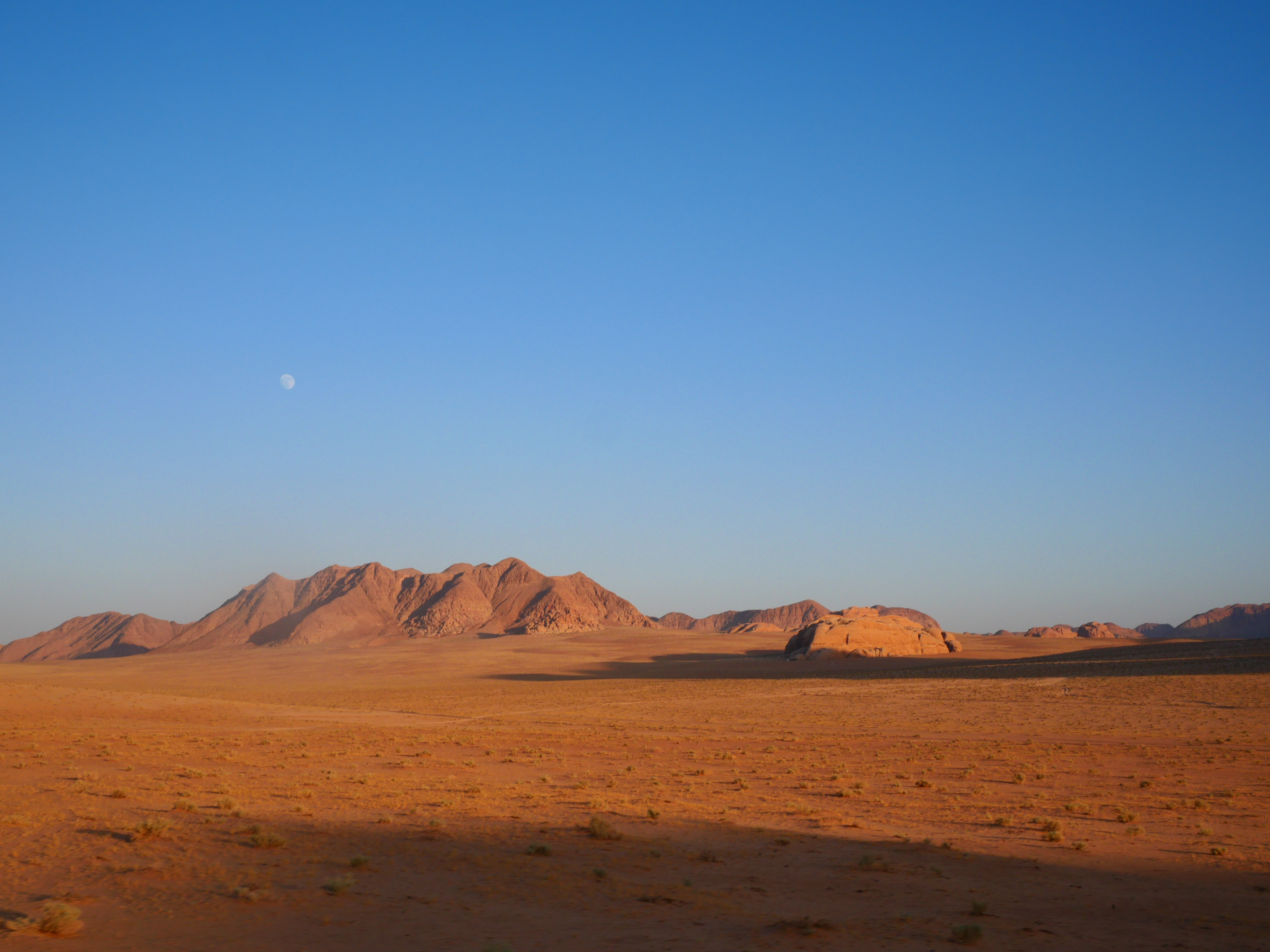
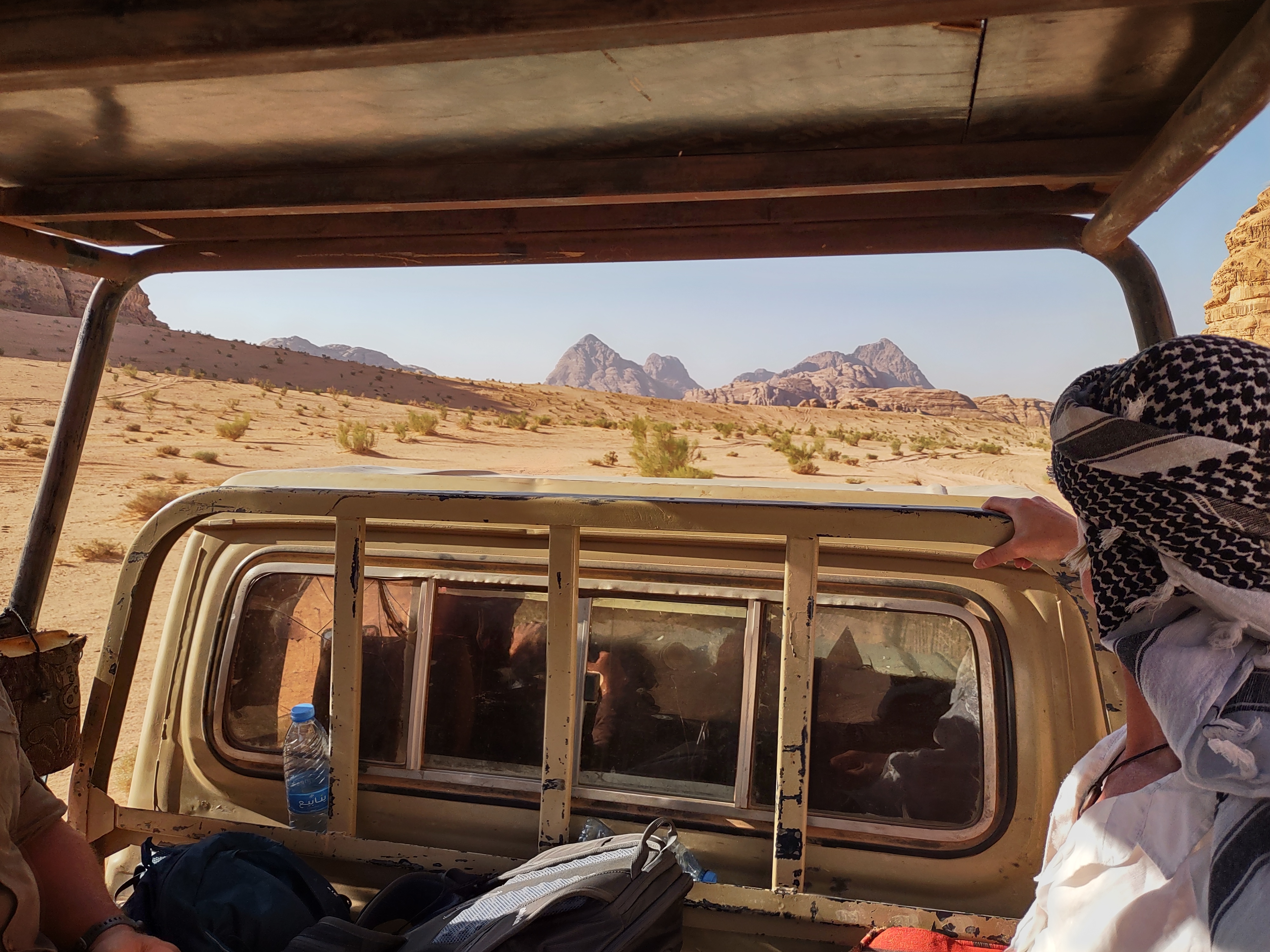

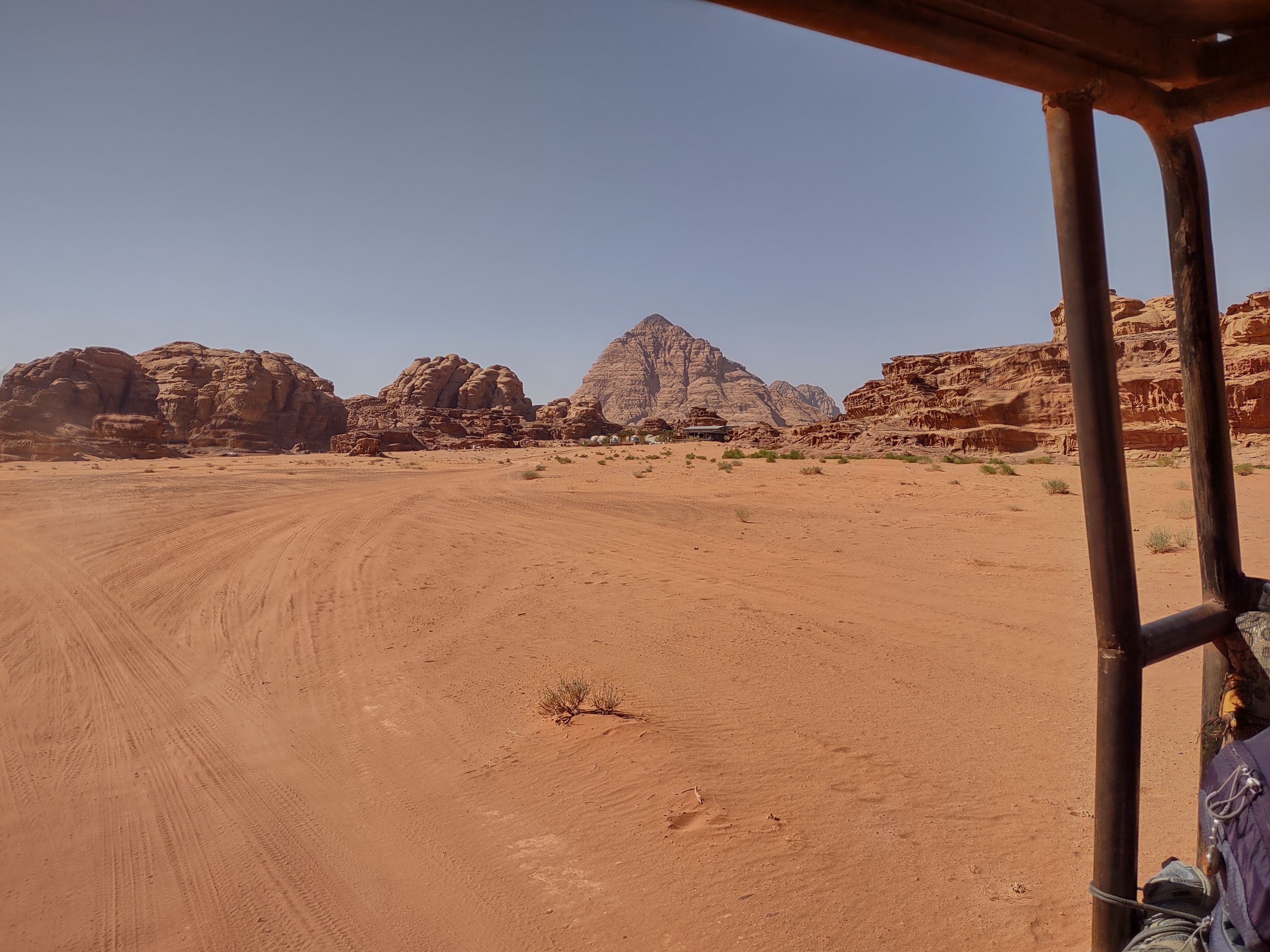
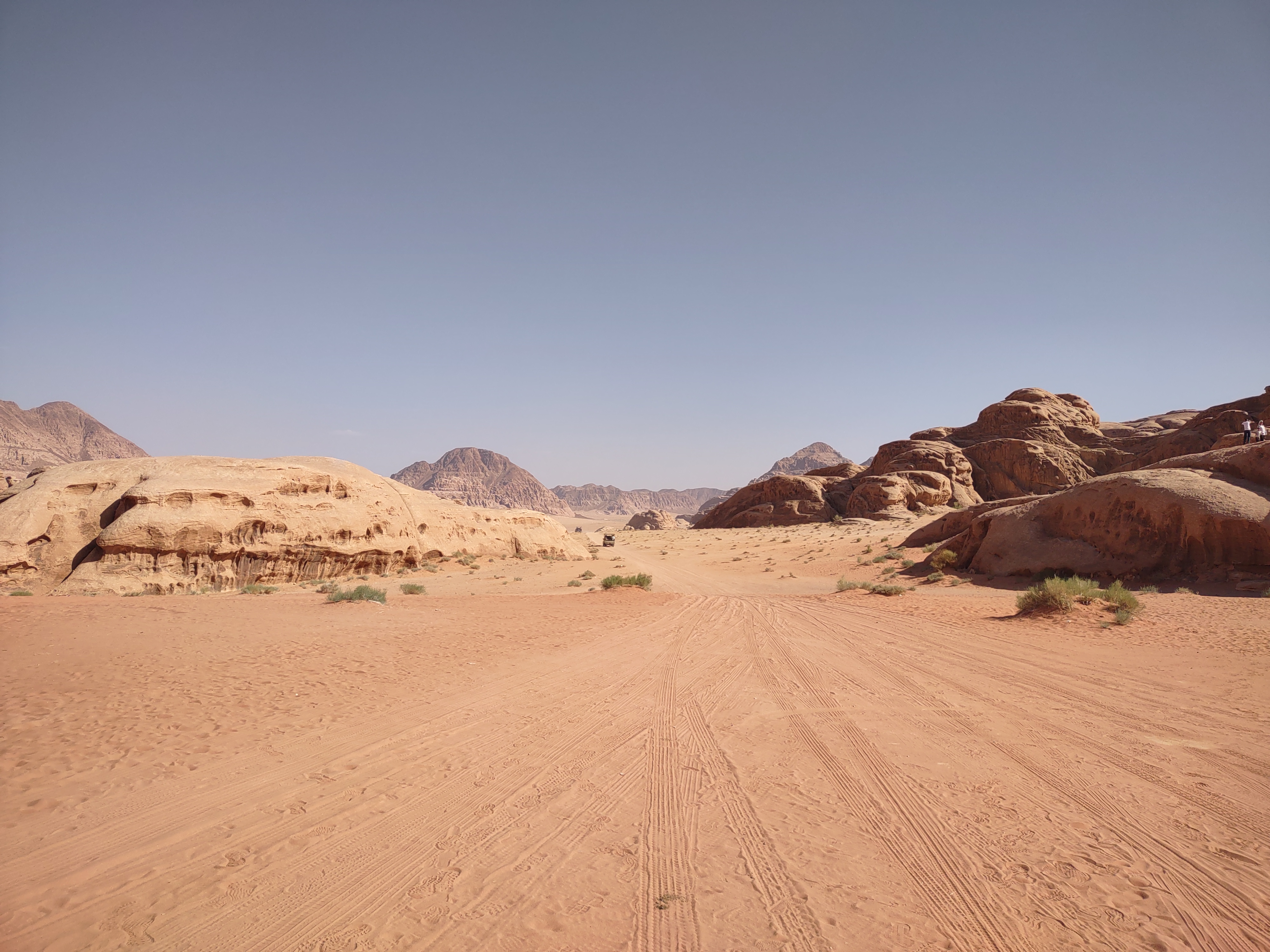
To cap the day, Abdella took us to a spot on the desert floor where we collected brush and he built a small fire to brew tea which we sipped as we sat on our cushions and watched the sun slip behind the mountains. It really doesn’t get much better than this.. (But, as it turned out, it did!)
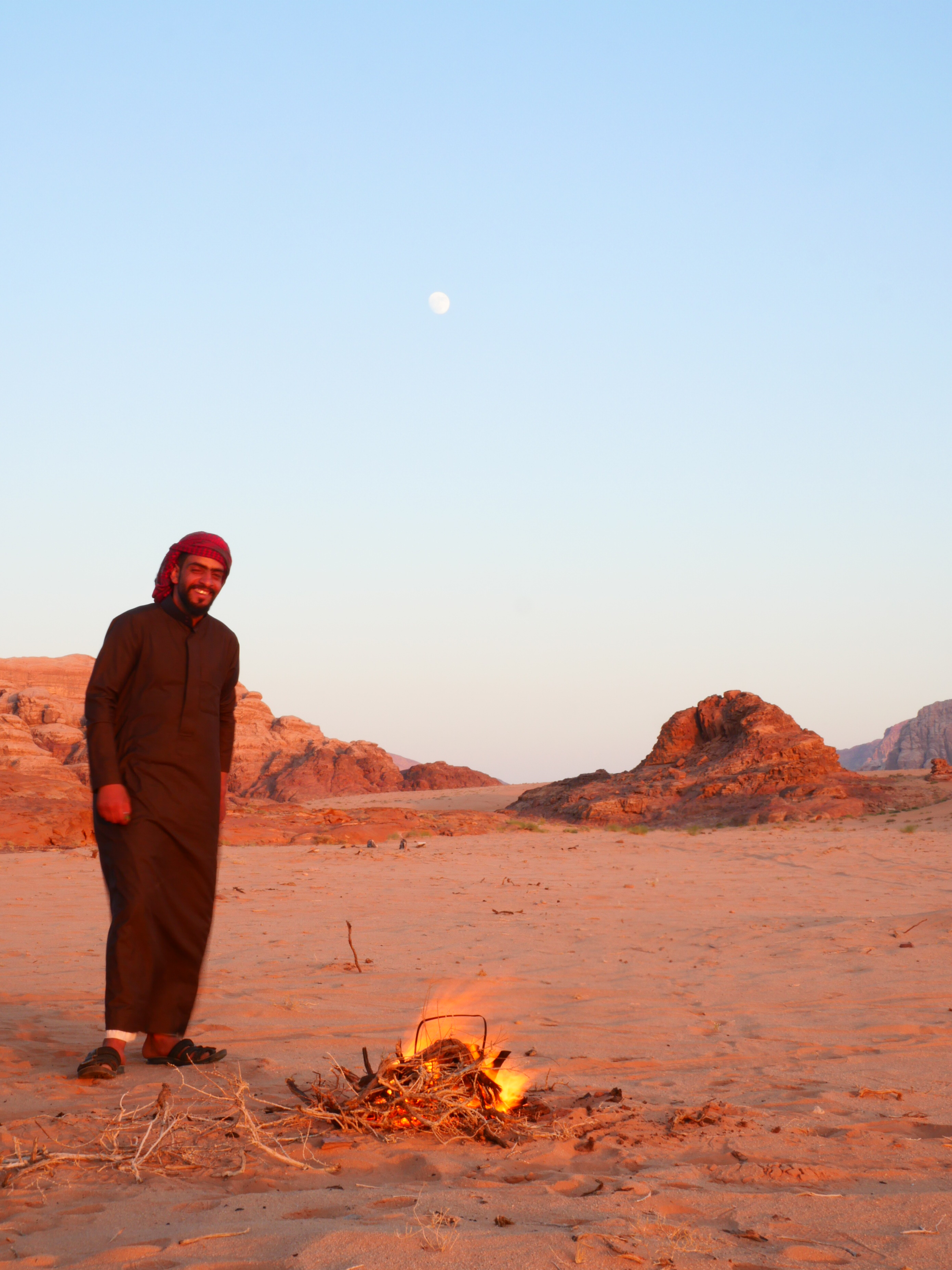
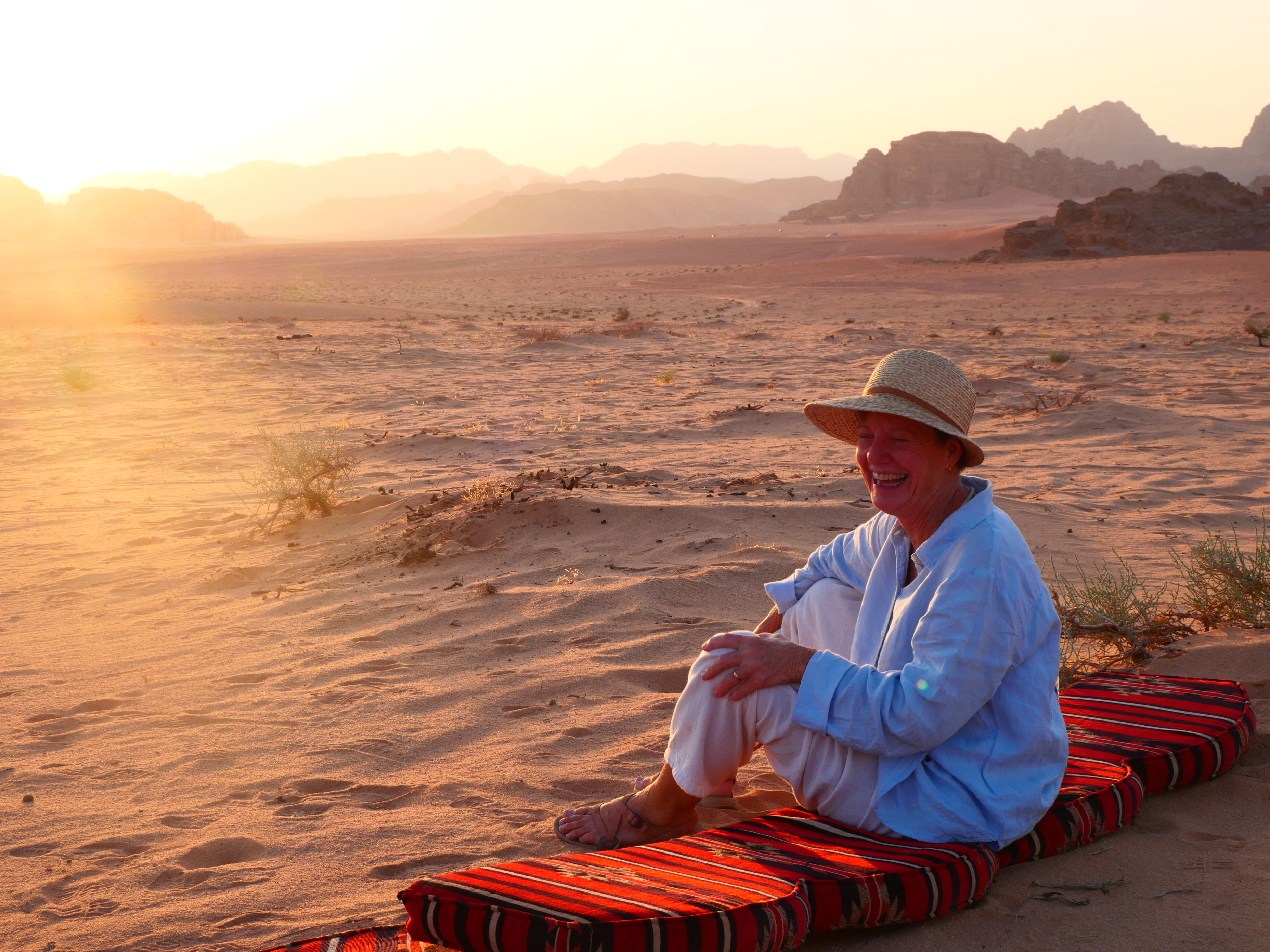
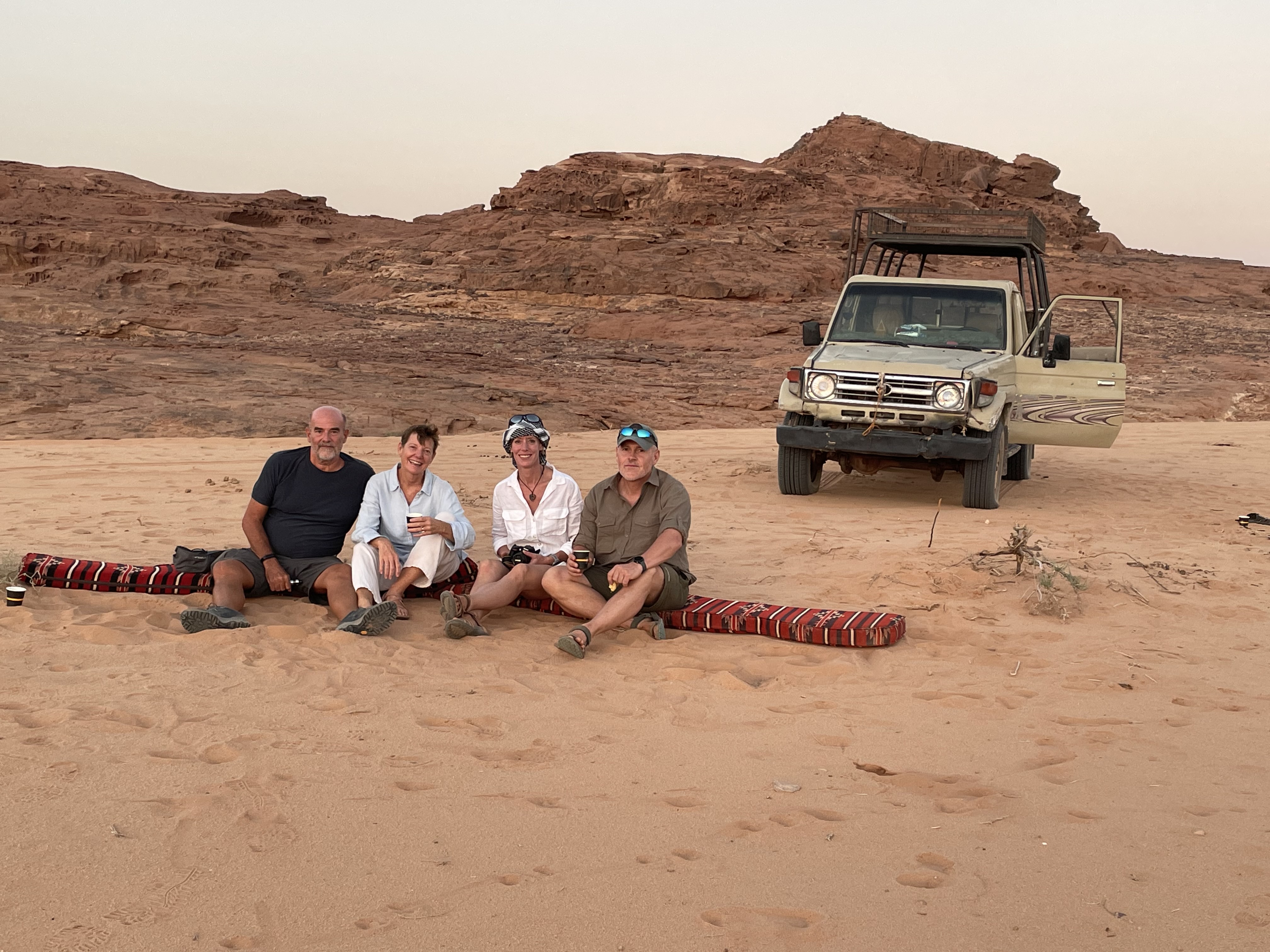
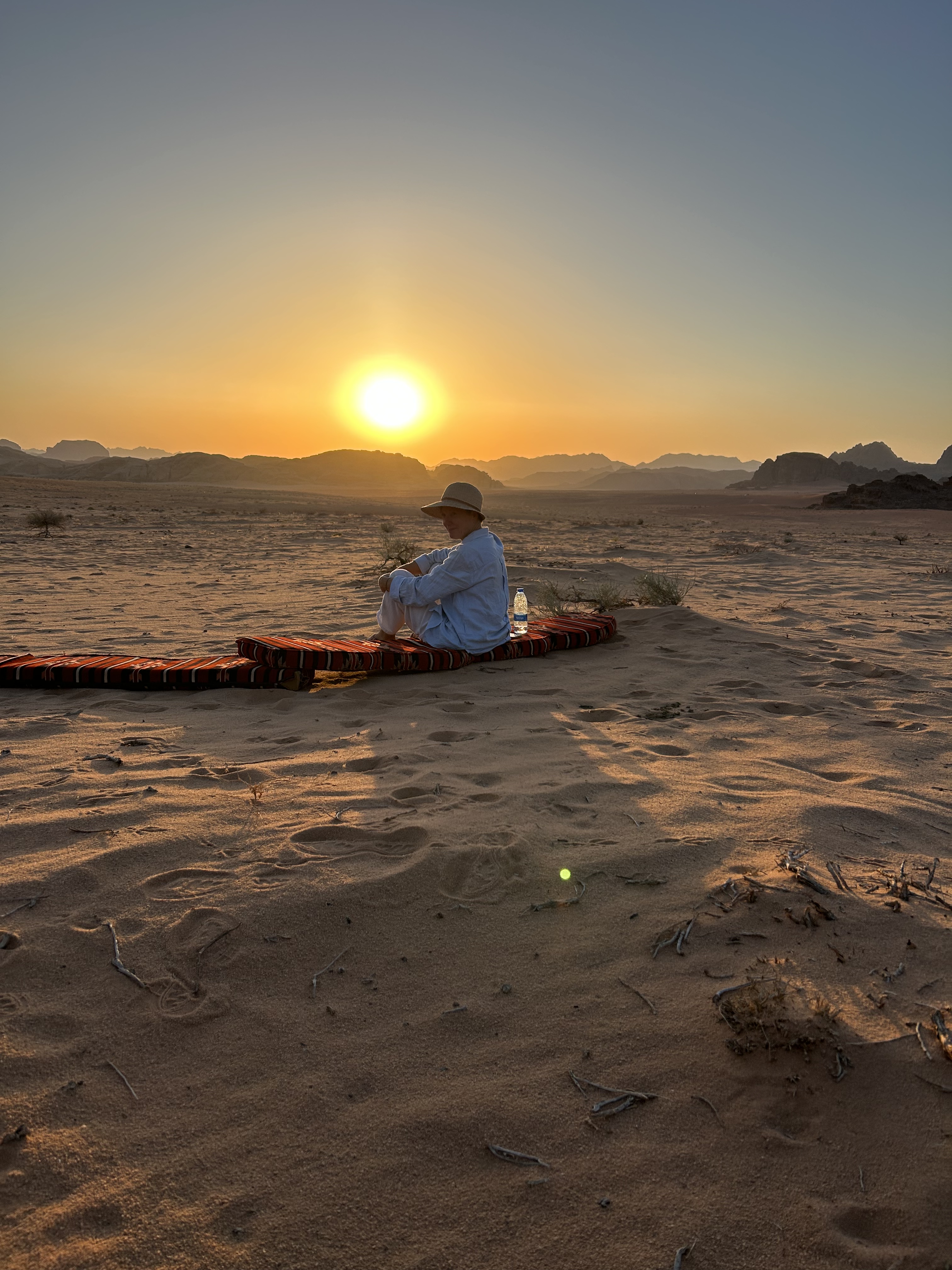
Following sunset, Abdella drove us back to camp at speed which became increasingly more interesting as it became increasingly more dark. Once back at camp, we were greeted with tea and then met by the camp manager who again confirmed our sleeping under the stars arrangements and then directed us to a tent which, along with the nearby toilet and shower facility, we could use for cleaning up before dinner. We cleaned up and got our packs organized as we were scheduled to depart for our bivouac after dinner, and then made our way to the communal dining and entertainment area.
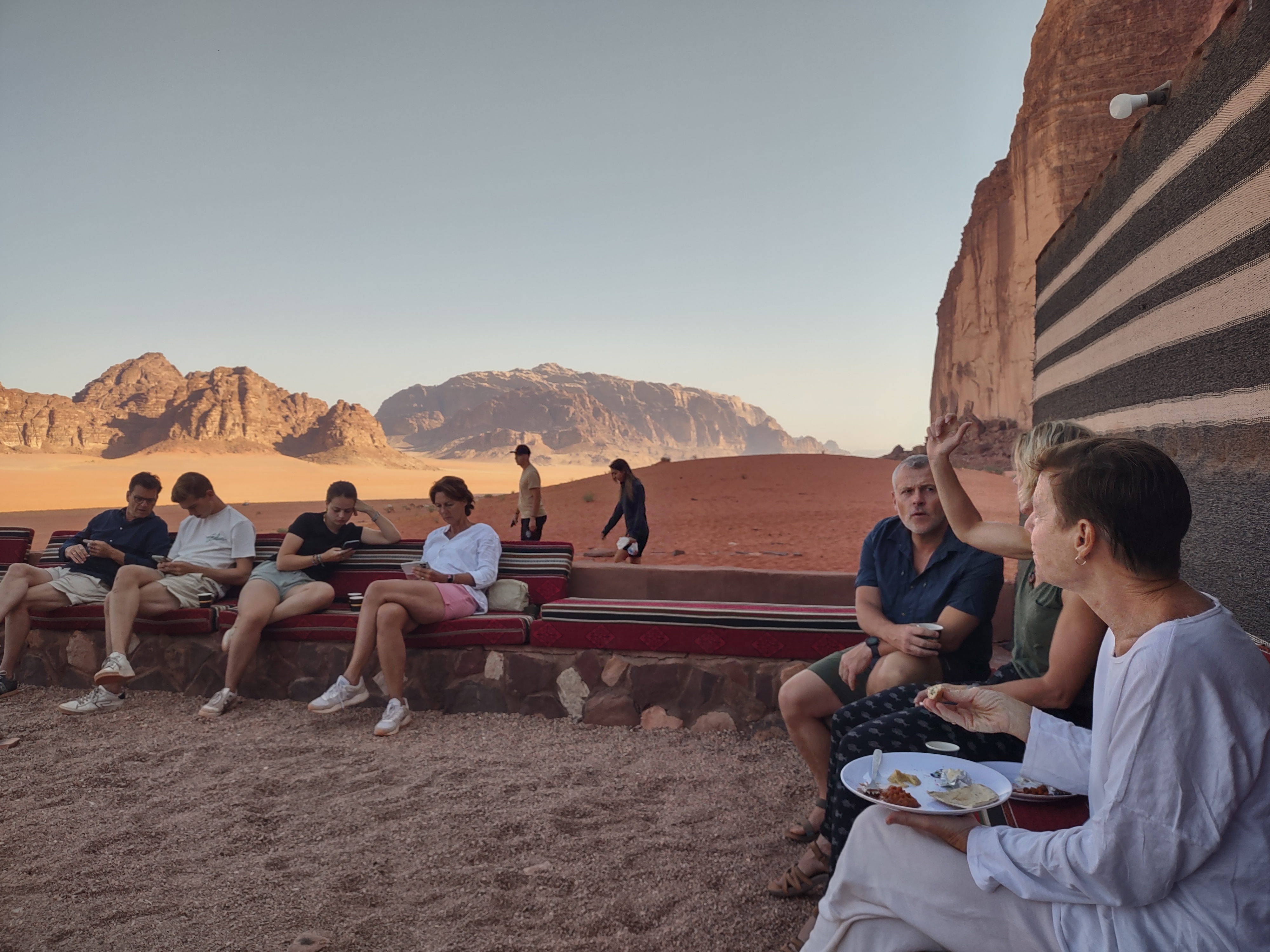
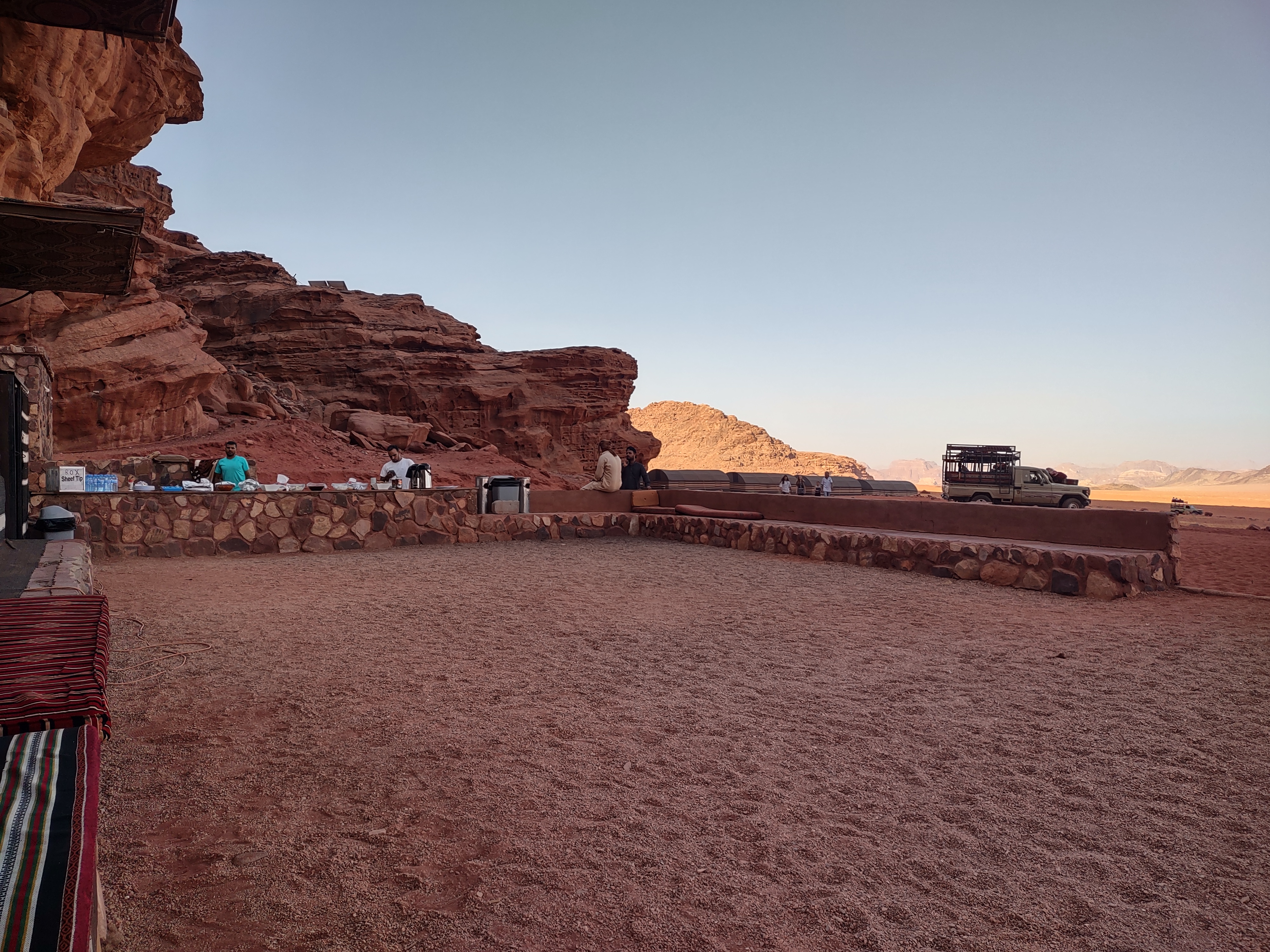
We grabbed some drinks and found a spot to sit and were joined shortly by Phil and Fran (who were staying in the Beverly Hills section of the camp) and who, because they had come to camp the afternoon before, were able to give us a pretty good preview of the evening’s festivities. As people gathered for dinner we realized that it was, for the most part, the same group that had gathered and Wadi Rum Excursions in the Village that morning which (predictably) turned out to be very multinational group. We were shortly called by the camp manager to witness the unveiling of our dinner, a traditional Bedouin meal of chicken, potatoes, and various vegetables which are arranged on a multi-tiered rack and then buried in a fire pit to cook slowly over the course of the day.
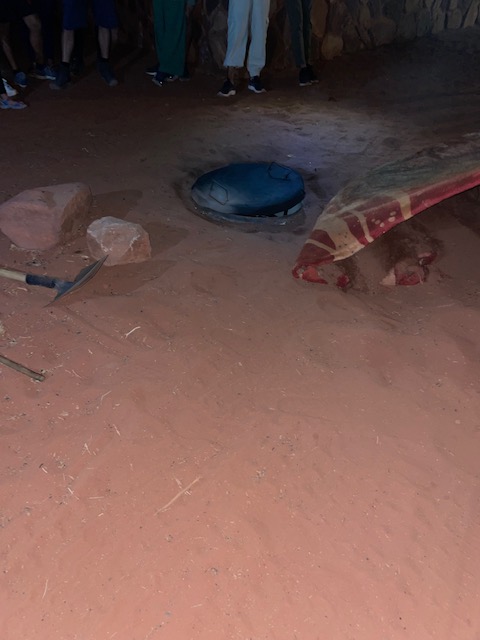
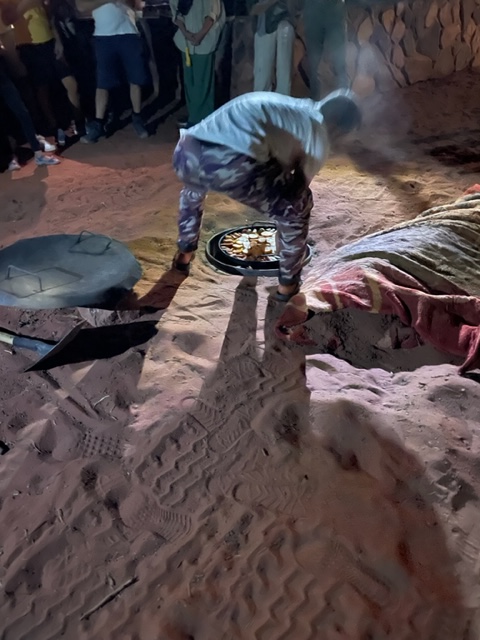
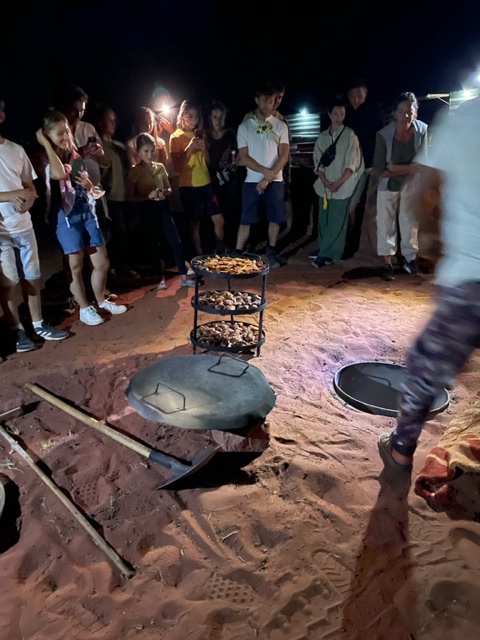
After dinner, Phil and Fran begged off, offering that they had already experienced what was coming and needed to get some rest before the camel ride they had scheduled for the next day, leaving us to fend for ourselves. While we had been eating our dinner, the camp guides had been building a bonfire which they now lit and we were entertained by a singer playing a lute (with all the strings) accompanied by a drummer and the tour guides who sang and led the group in clapping. (Following photo by Fran Clark)
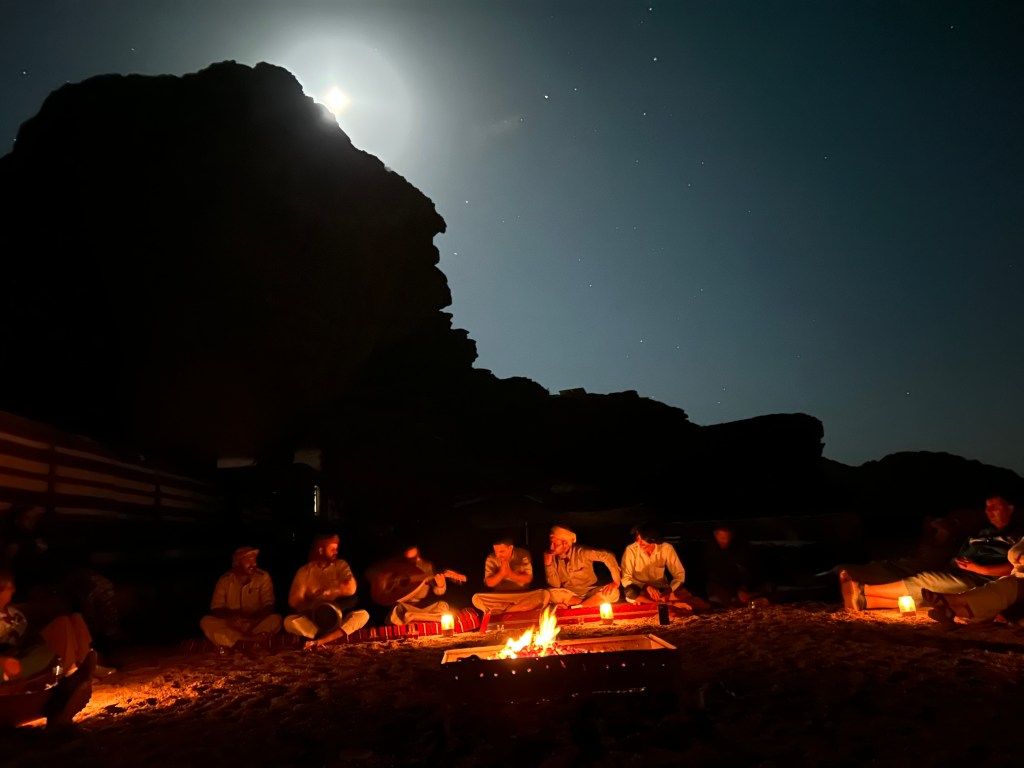
Gathered around the camp fire…
After a few songs, the camp manager introduced us to a dancing game of sorts which involved one person dancing around the campfire and then tagging another person to dance until we had all danced around the fire.
[True Confession No. 4: I’d like to say that I am not fond of dancing, and, while that is true, the whole truth is that there are few things in this world which I dislike more, a situation made more problematic (particularly at weddings) by the likelihood that there are few things in this world which the woman I am married to enjoys more than dancing. This is probably something I need to work on in my new life.]
When Phil and Fran had told us that there was group dancing after dinner, I had presumed that it was optional or, worst case, that you could kind of stand on the perimeter and shuffle your feet a bit. I was therefore a bit terrified at the fact that, not only must everyone participate, but that it was intended to be solo performances with the undivided attention of the group. As the first dancer made their way around the fire, showing their Saturday Night Fever moves, I began considering ways of not being chosen (maybe rolling in camel dung would dissuade anyone from choosing me?). Fortunately, I was afforded some relief when a young girl strung along her two sisters when she was selected, which I felt gave me free license to do the same with Colleen when I was “tagged” on the next round. OK, it wasn’t that bad.
During dinner, the camp manager sought us out to confirm that it was still our intent to sleep under the stars and once confirmed, introduced us to Akram, the guide who would be accompanying us for the night. (We later discovered that Akram is a bit of a local celebrity having worked on the film All the Money in the World in which he had a very brief scene with Mark Wahlberg whom apparently befriended him.) After the dancing finally ended, we retrieved our backpacks and then found Akram who took us to a jeep, and we headed off into the now very dark desert.
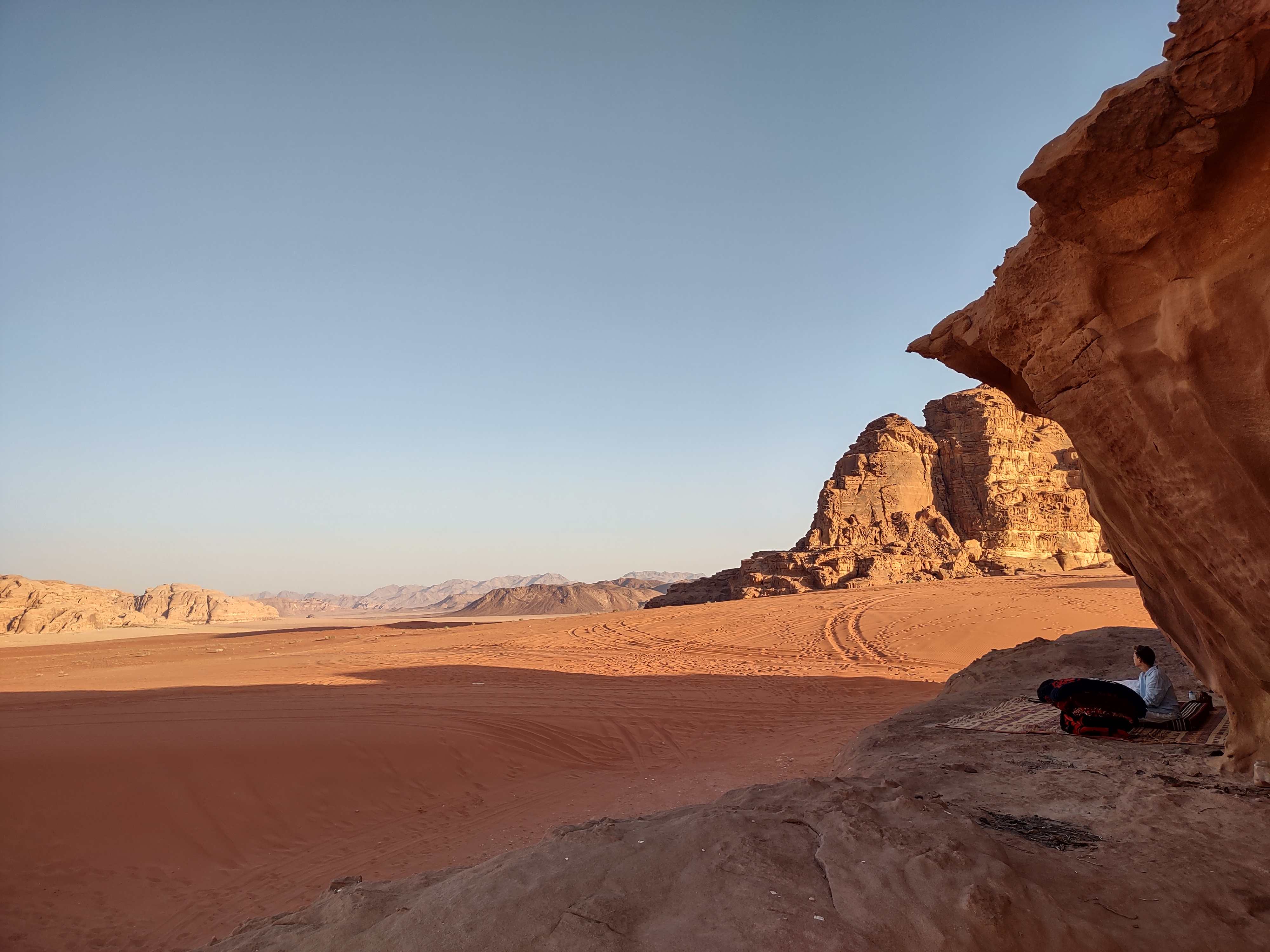
We drove for what seemed like a very long time before finally pulling up in front of a large rock overlooking what in the dark appeared to be a very large expanse of desert. I think we had imagined that we would be sleeping with cushions and blankets on top of a sand dune and so were pleasantly surprised when Akram began arranging the cushions and blankets on top of a rock shelf a short and fairly easy climb above the desert floor and which had the distinct advantage of providing a comfortable distance between us, the sand, and any night time traffic on the desert floor.
Akram moved the jeep away to give us some privacy (he would sleep on the roof which, interestingly, is where the guides normally sleep when they are in the camp overnight) and we were left more of less alone in the desert. Although the moon was too bright for us to see as many stars as we would have liked, it did provide some illumination of the surrounding rock faces and it was a beautiful night with a gentle but steady breeze. (Photo by Akram)

I woke up early and saw a few more stars as the moon had set and we waited for the sun to rise and for a little while before the sun broke over the mountains and bleached everything out, you could see how intensely colorful this desert really is. We could see Akram sleeping on top of the jeep to the east, but he had told us he would be back at 7:00 AM, so we had a bit of time to enjoy the incredibly beautiful setting we found ourselves in the middle of.
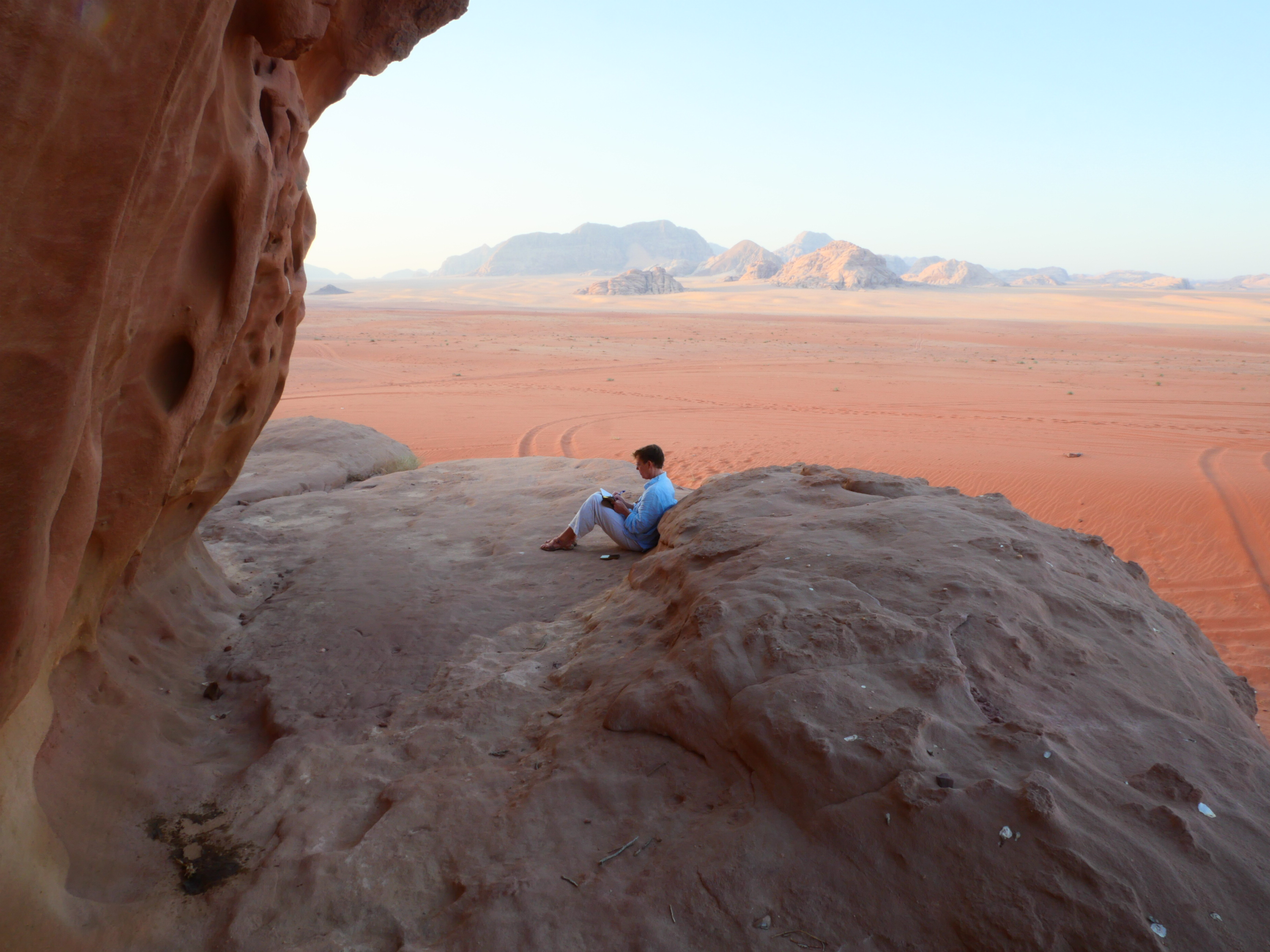
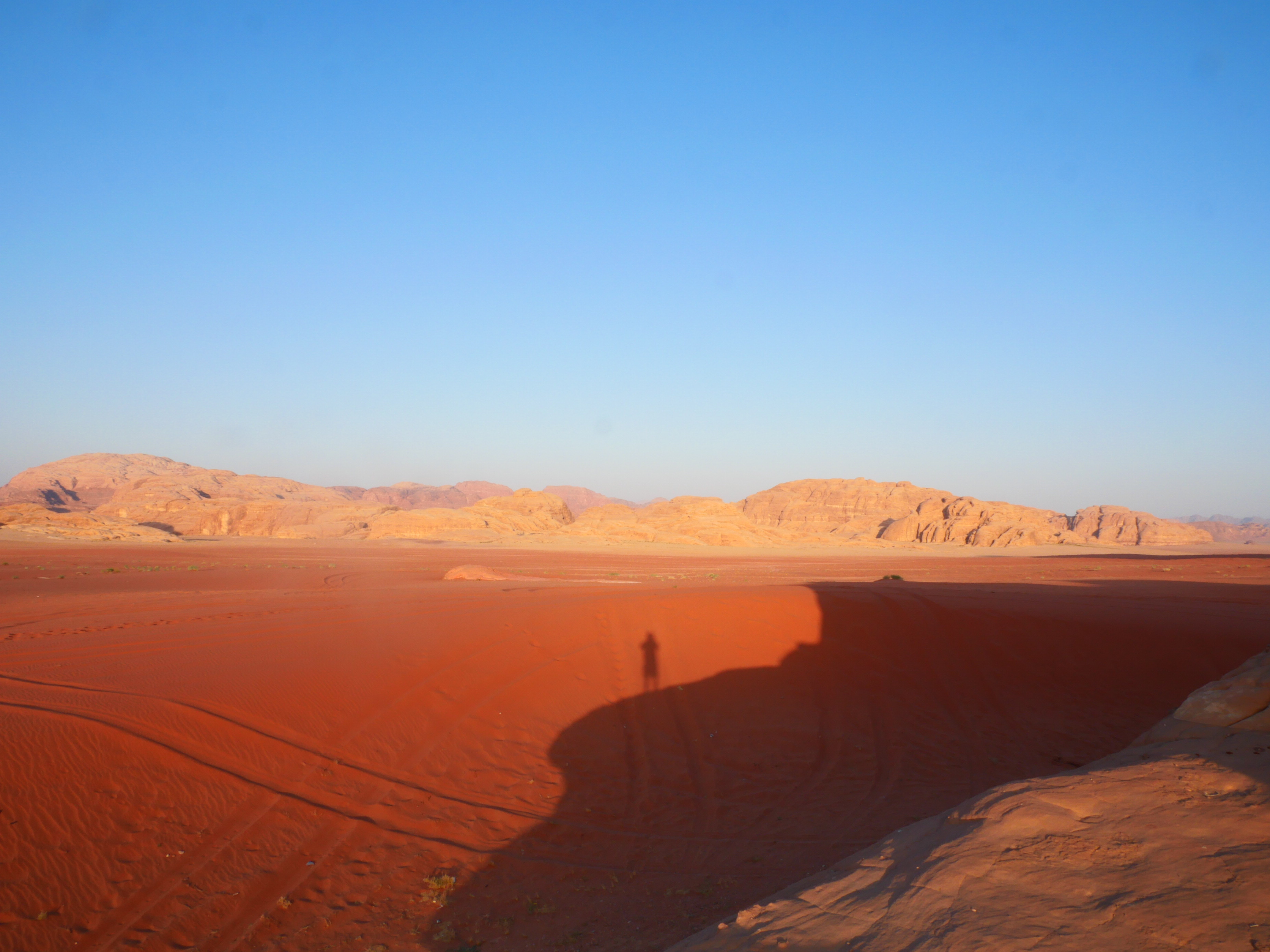

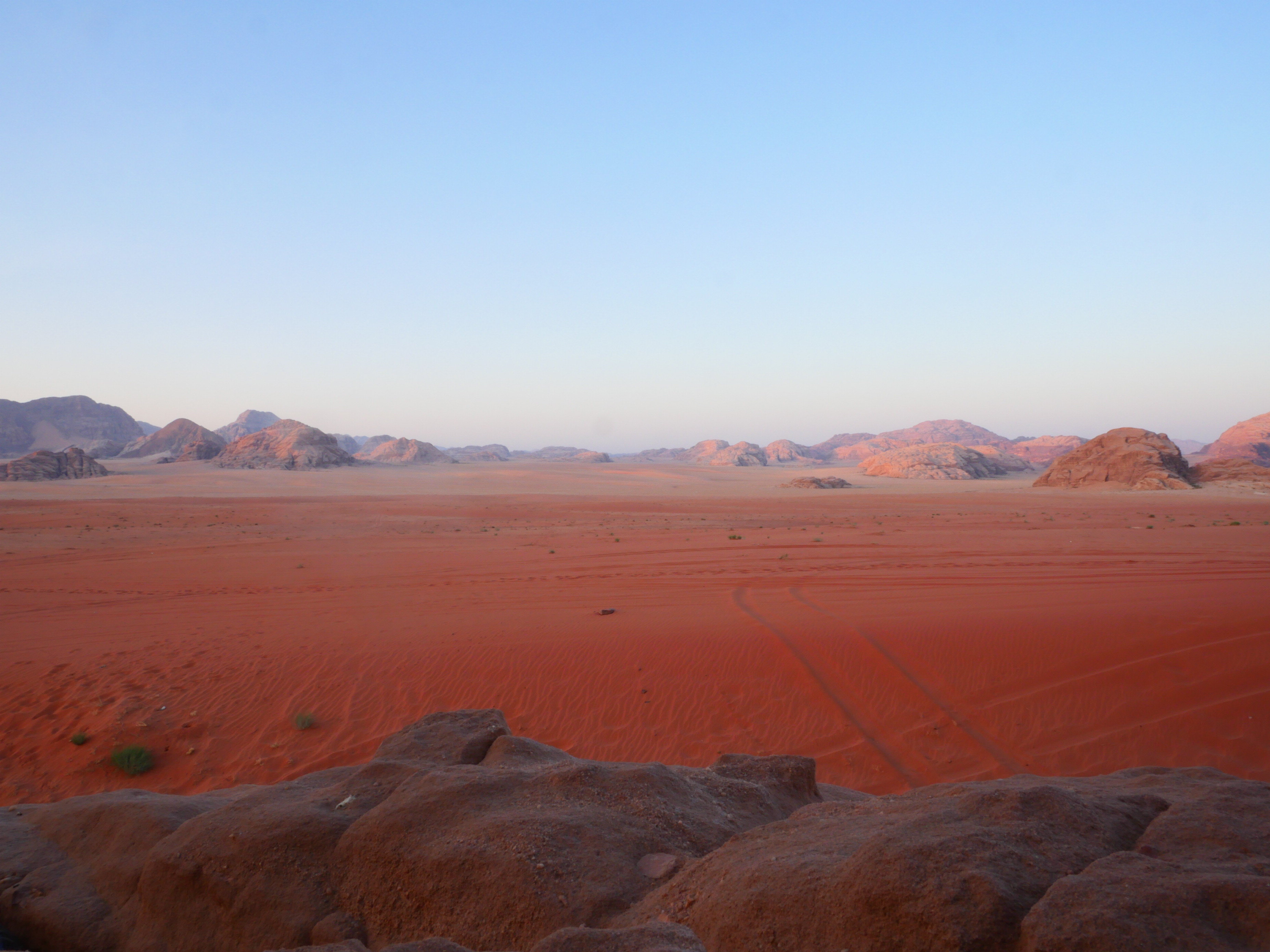
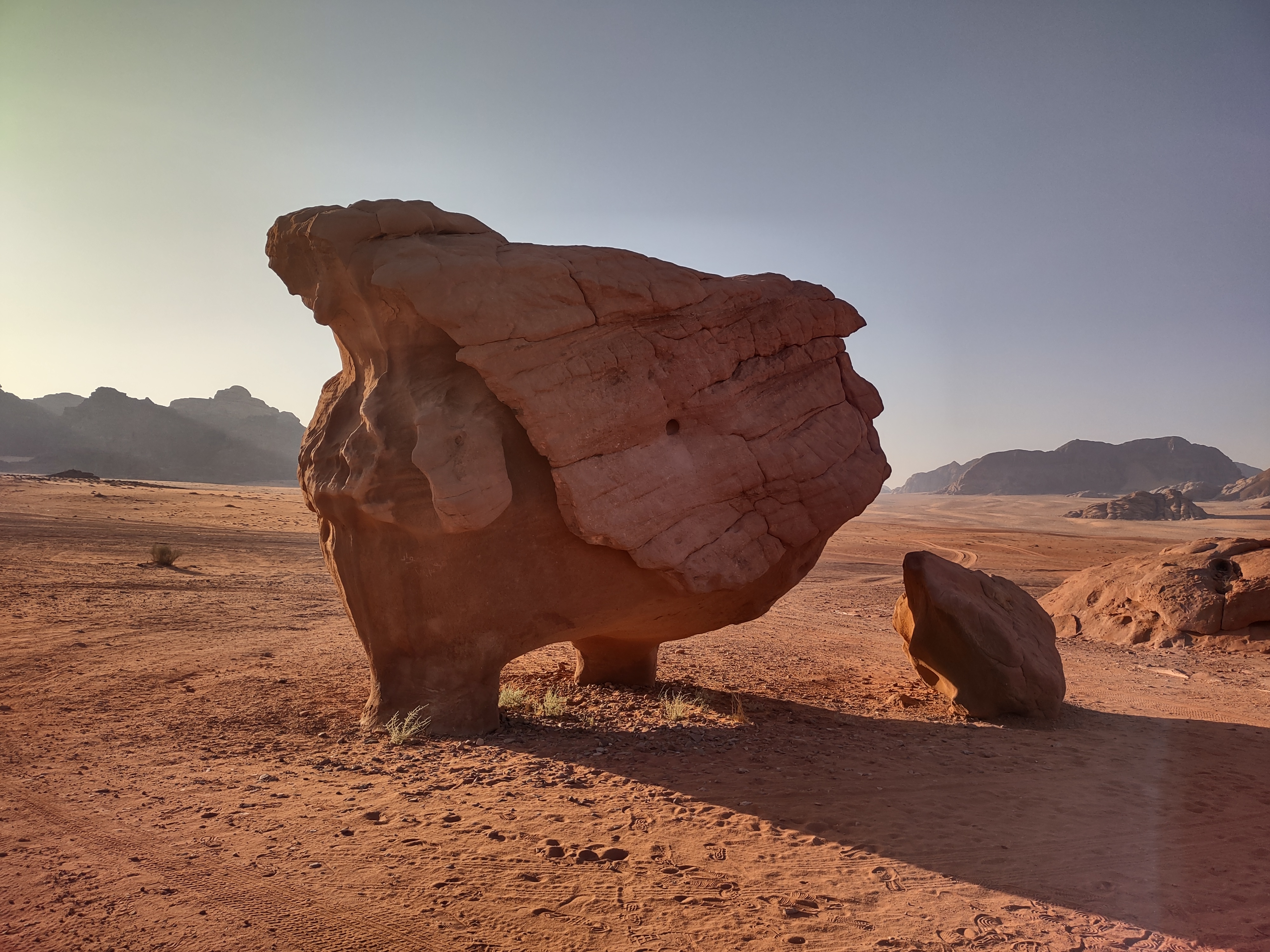
We saw Akram stirring and began carrying our folded bedding down as he arrived. We loaded up and, after being introduced to the chicken and egg rocks which we had slept next to but not seen in the dark, we headed back to camp. The drive back turned out to be pretty quick, with camp much closer than we had imagined from the drive the night before, but we eventually realized that this was because Akram had to drive so much slower in the dark.
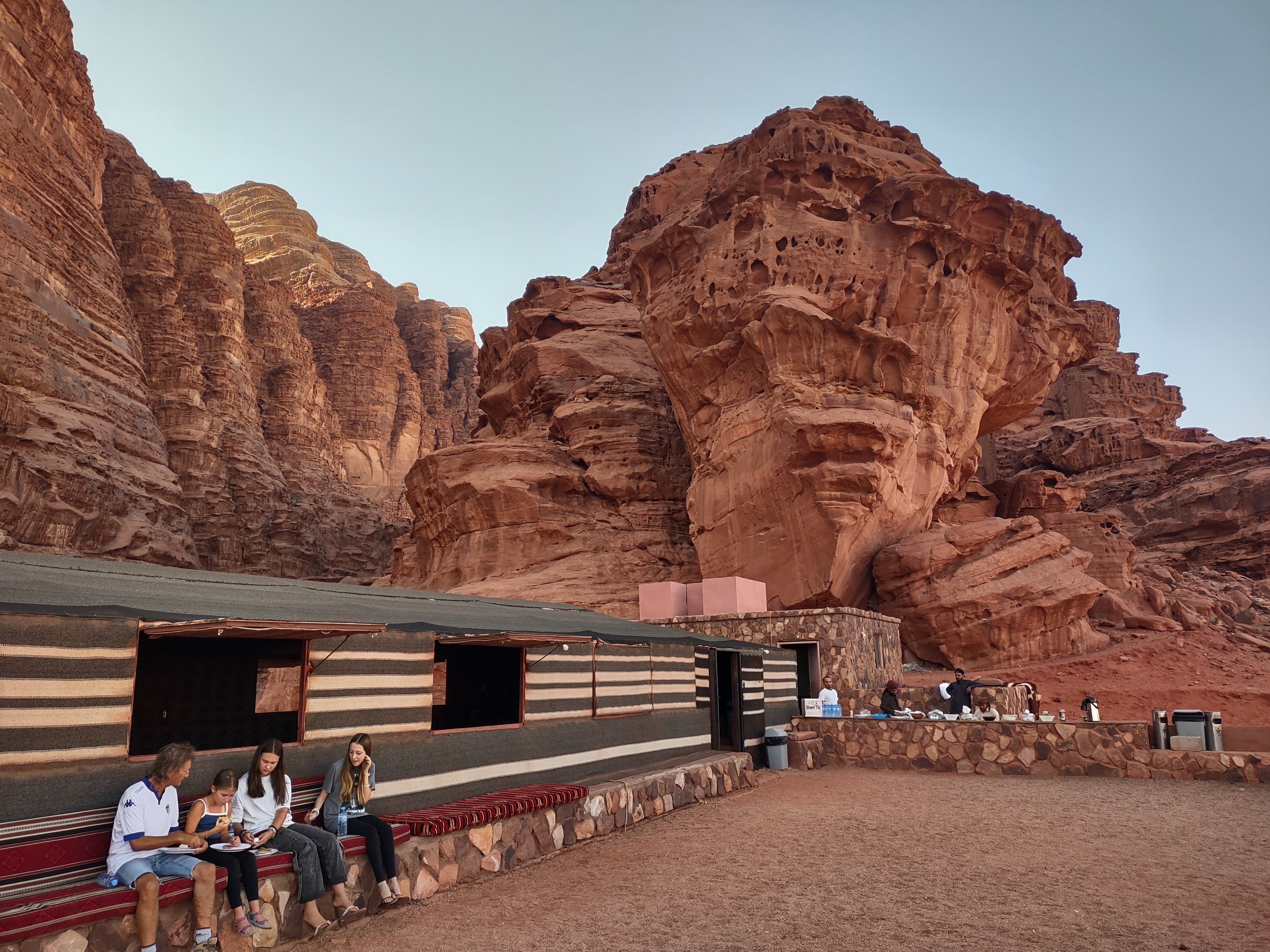
We got back to camp and grabbed a shower and changed, had a quick breakfast and then hopped on the first jeep heading back to the Village which we shared with a family of four from the Netherlands, swapping our respective travel stories. Once back to the Village, we waited our turn to be called back to the Principal’s Office, settled our accounts, retrieved our luggage, bid farewell to Wadi Rum, and hopped into the taxi which Wadi Rum Excursions had arranged for us, heading to Aqaba where we had “plans”..
I can’t speak to any of the other companies which run tours into Wadi Rum, but as regards the one we selected, Wadi Rum Excursions, I have to say that we were incredibly impressed at how well they managed things from start to finish. They had what seemed to be a pretty well developed system for getting tourists in and out in a very professional but also enjoyable way and personable way. We were amazed that, despite the number of travelers and the wide menu of trip types, accommodations, and lengths, they seemed to know who each of us was and the details of each of our planned excursions. There are a lot of moving parts to these operations, and they worked as a true team to manage them all well. We tend to shy away from strong recommendations or heavy endorsements, but I have to say that I wouldn’t consider coming back to Wadi Rum with anyone else. (I will concede that they probably do get some benefit in having facilitated what was one of the most memorable days we have had on this entire trip thus far.)
Aqaba
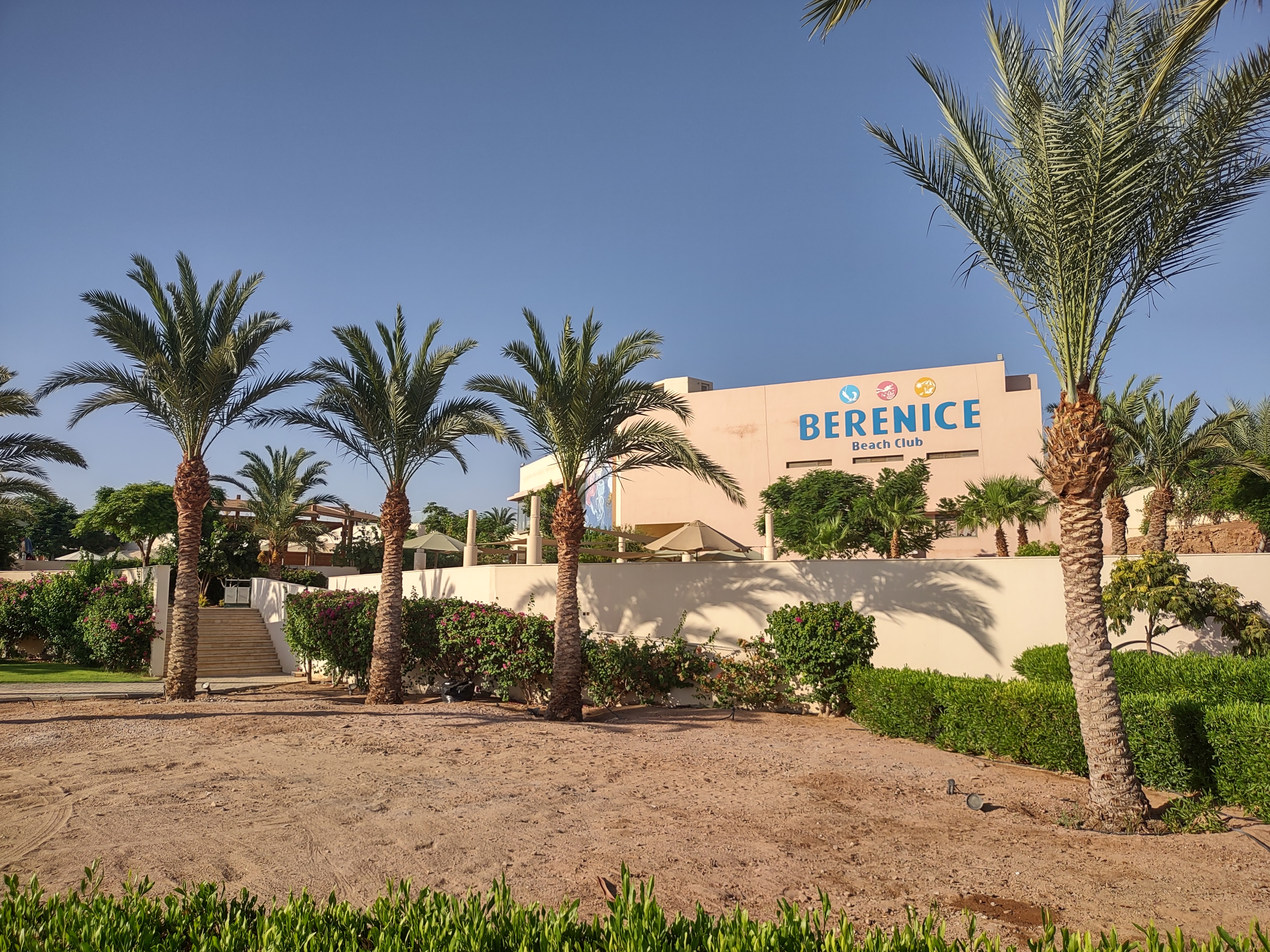
While we had heard some really good things about Aqaba from Phil and Fran who had been there diving there for a few days immediately prior to coming to Wadi Rum, it was on our itinerary more as a means to an end than as an end. We were going to there to catch a ferry which would carry us from Jordan to Egypt and which was scheduled to depart from Aqaba at 10:00 PM and arrive at Nuweibaa, its destination in Egypt, at around 2:30 AM if all went well. Because of this late departure time, we had considered hanging around Wadi Rum Village (after seeing it, glad we opted out of that one!) but as daily high temperatures continued to peak in the low 100’s, we came up with a different plan. After a bit of searching, Colleen was able to find a place in Aqaba on the Red Sea called the Berenice Beach Club, which was only a short distance from the ferry terminal and which allowed daily entrance fees.
We had a pleasant uneventful drive south through the mountains to the coast. Our driver, Mr. Aboud, was a very nice guy with a little bit of English who endeavored to point out some of the sights along the way to us, including “Palestine” across the Red Sea when we reached Aqaba. As he was from Aqaba, Mr. Aboud knew exactly where we were going and we were able to arrange to have him pick us up at the end of the day and take us to the ferry terminal.



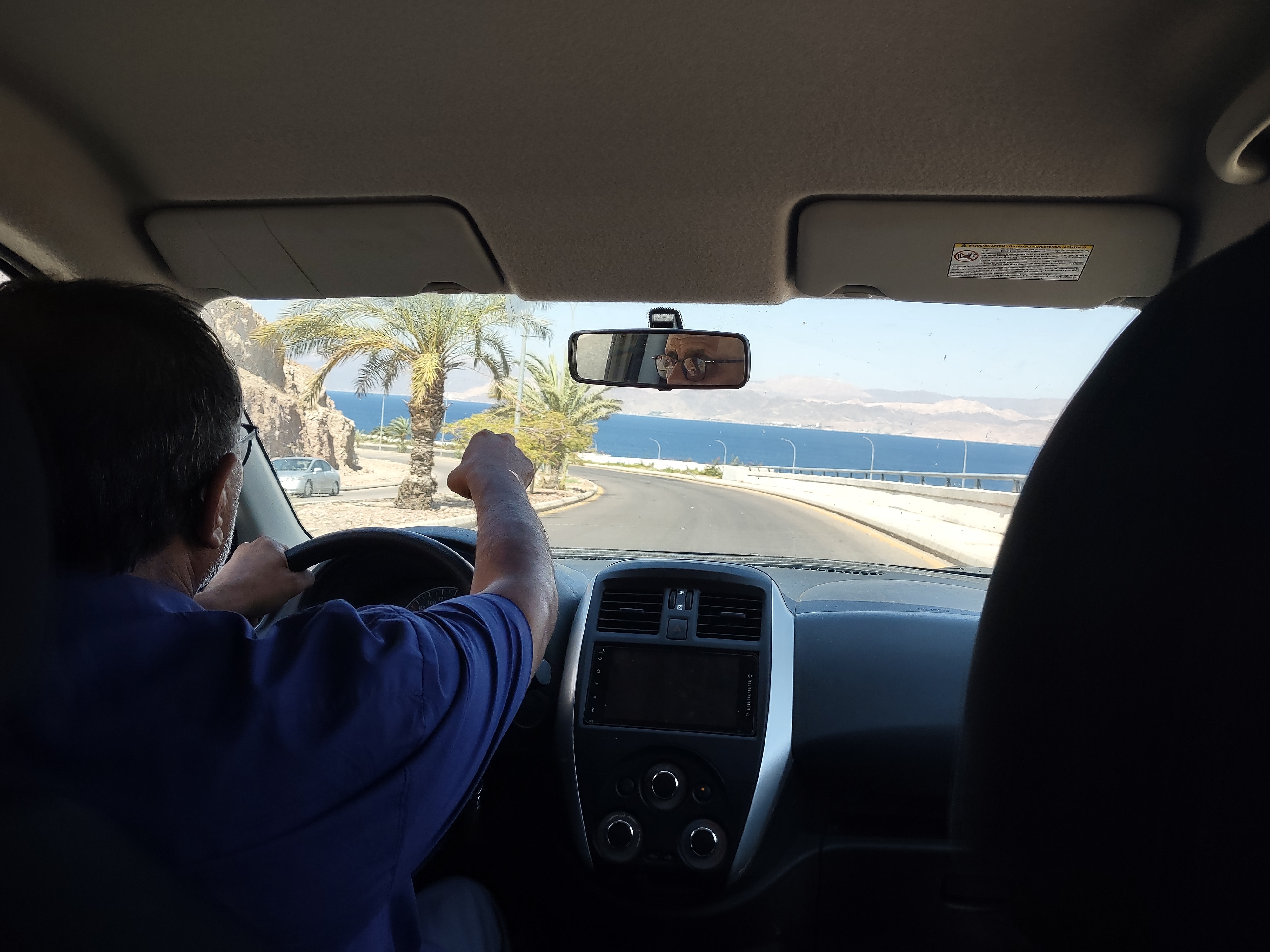
The Berenice Beach Club was a pretty nice place (but no Movenpick!) with two pools, a nice sandy beach, and a decent restaurant, and we were very content to whittle away our last day in Jordan drinking, eating, and relaxing moving from the the sun to the pool to the shade and back.


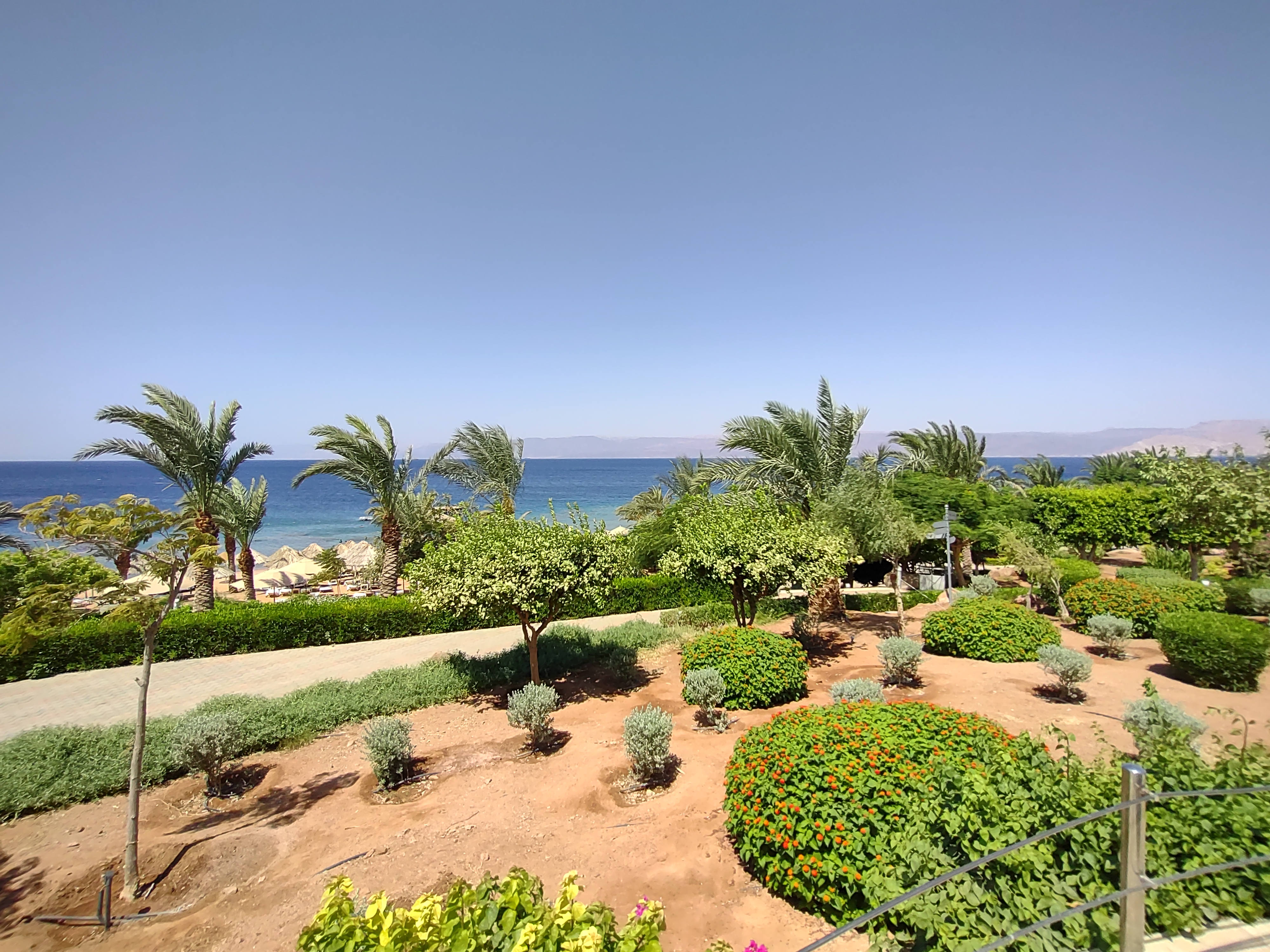
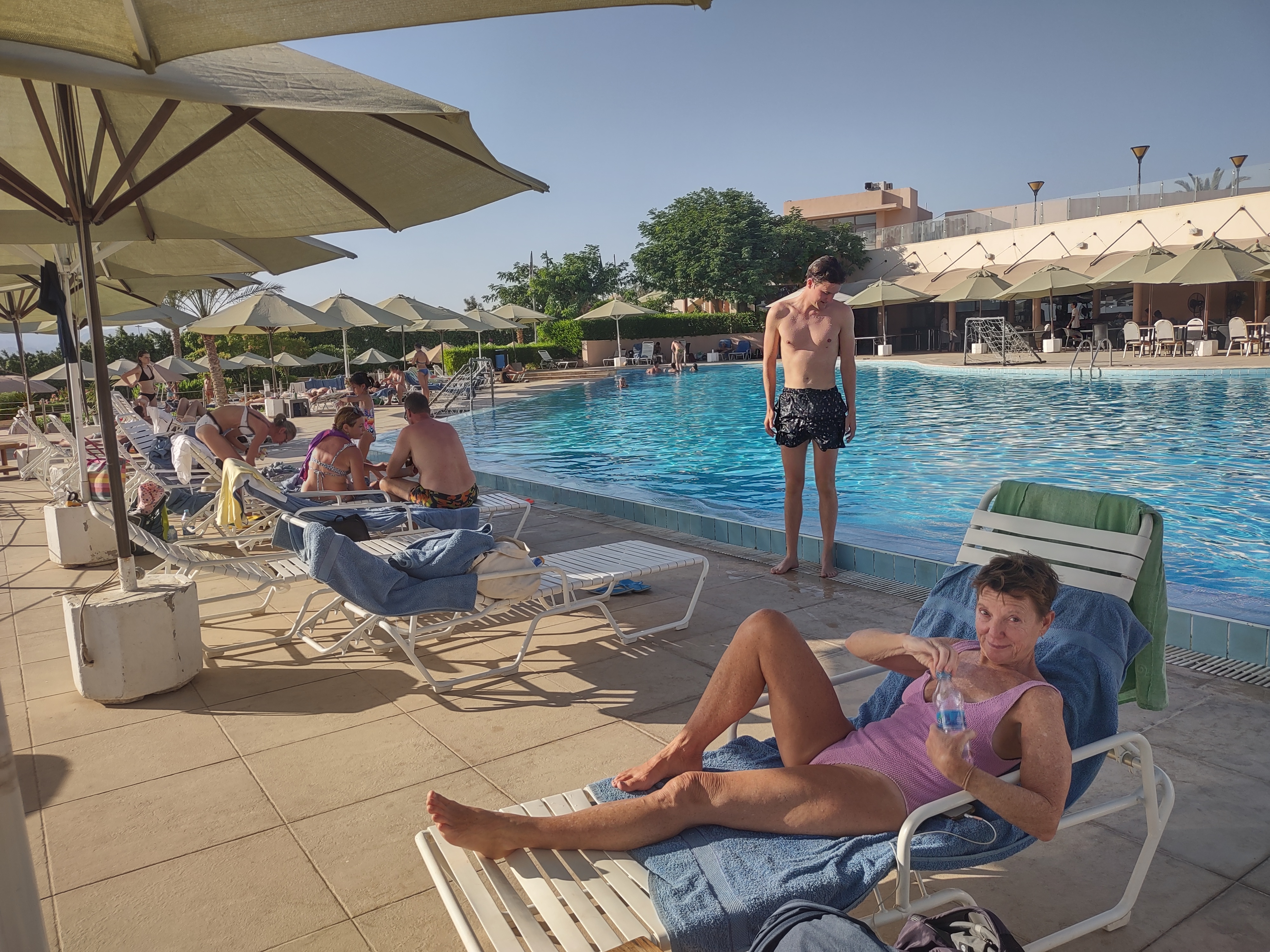
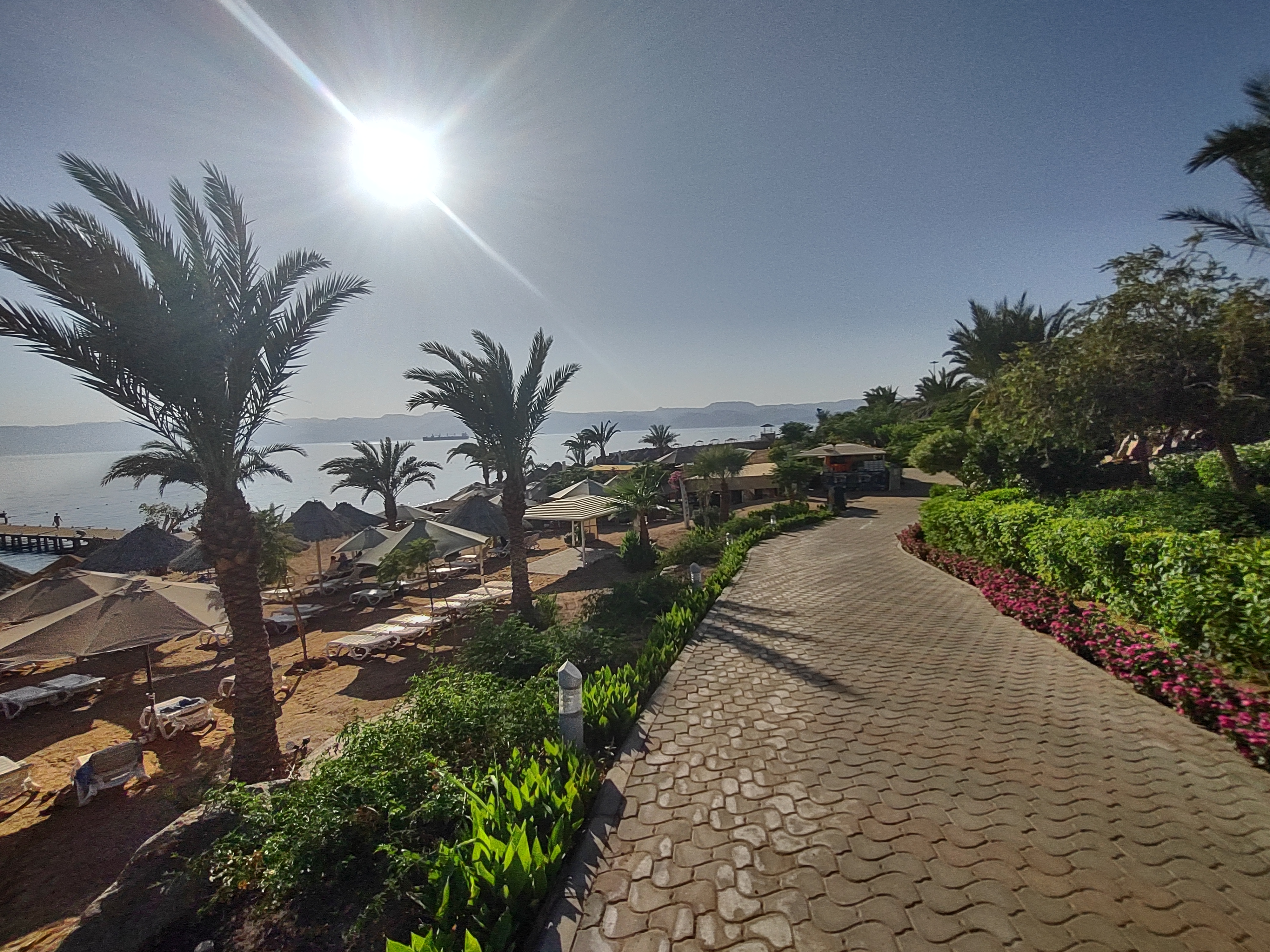
In our ten days there, we found Jordan to be an incredibly beautiful place with some very unique and diverse geographic features and landscapes (granted most of them were very hot at this time of the year) for a country which is roughly the size of the State of Indiana. More importantly, we found that the people of Jordan were consistently kind and friendly and, in retrospect, it’s hard to recall why we had any hesitancy about coming here in the first place. We think at least part of this is that Jordan doesn’t do nearly a good enough job of promoting themselves abroad (a condition which Colleen has suggested she intends to do something about). The experiences we had over the ten days we spent in Jordan were as rich and diverse as in any of the countries we’ve visited and we are both very happy that we added it to our itinerary.
As I mentioned above, from Jordan we head to Egypt to a small village on the coast of the Red Sea in the South Sanai called Dahab where we are going to enjoy a little down time from traveling and just try to stay cool. More about how that went in our next installment, but until then then, stay cool!


Leave a Reply