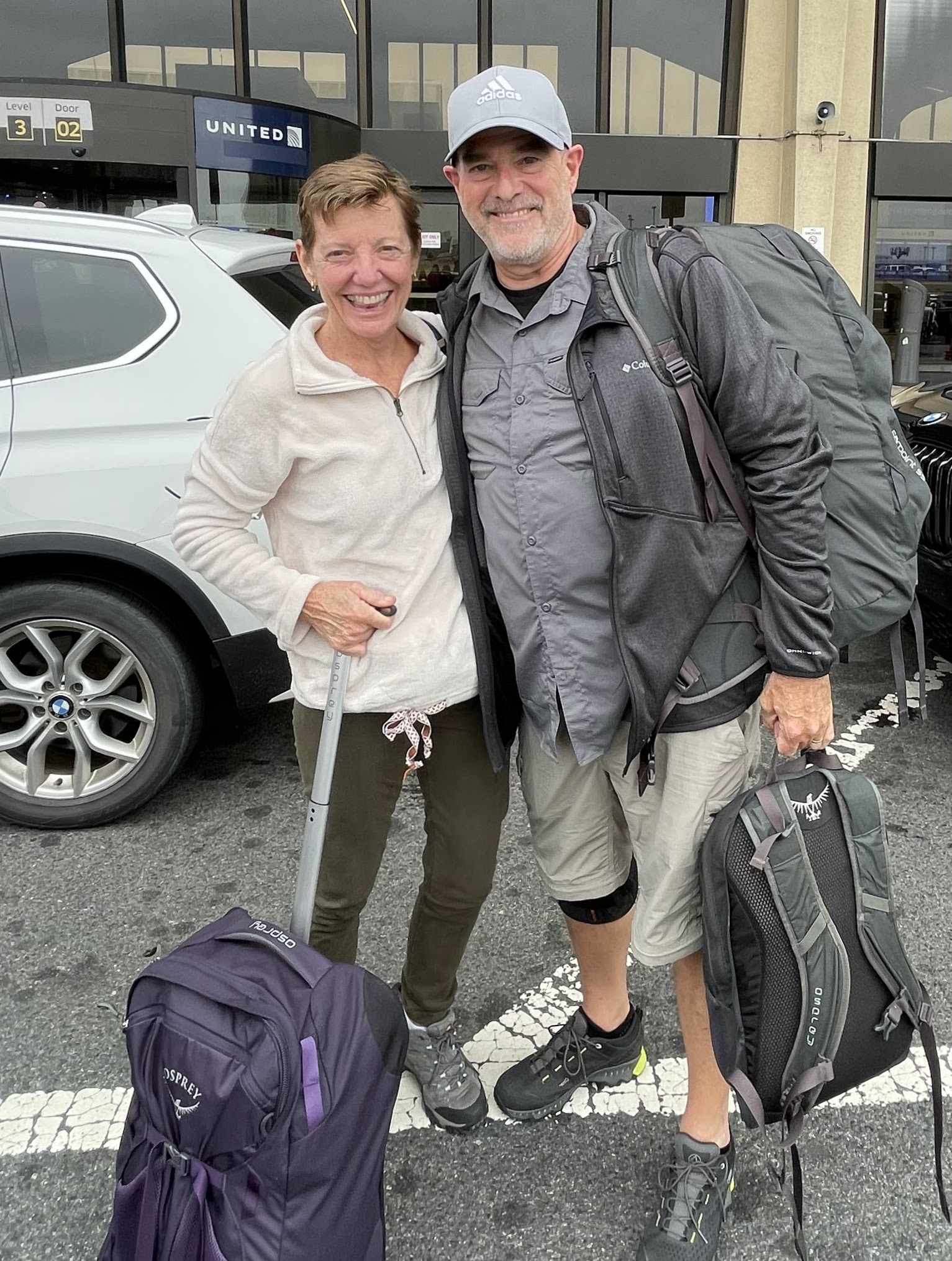

On Friday July 14th we left our little apartment on Olei Zion Street in Jaffa and began our trip to Jerusalem. Jerusalem was a place we had been looking forward to visiting for quite some time and we were pretty excited that we were finally on our way there. But, we went there with some mixed feelings which included a little trepidation stoked by some recent military actions which reminded us that Jerusalem is very close to what is sometimes an active war zone in the West Bank.
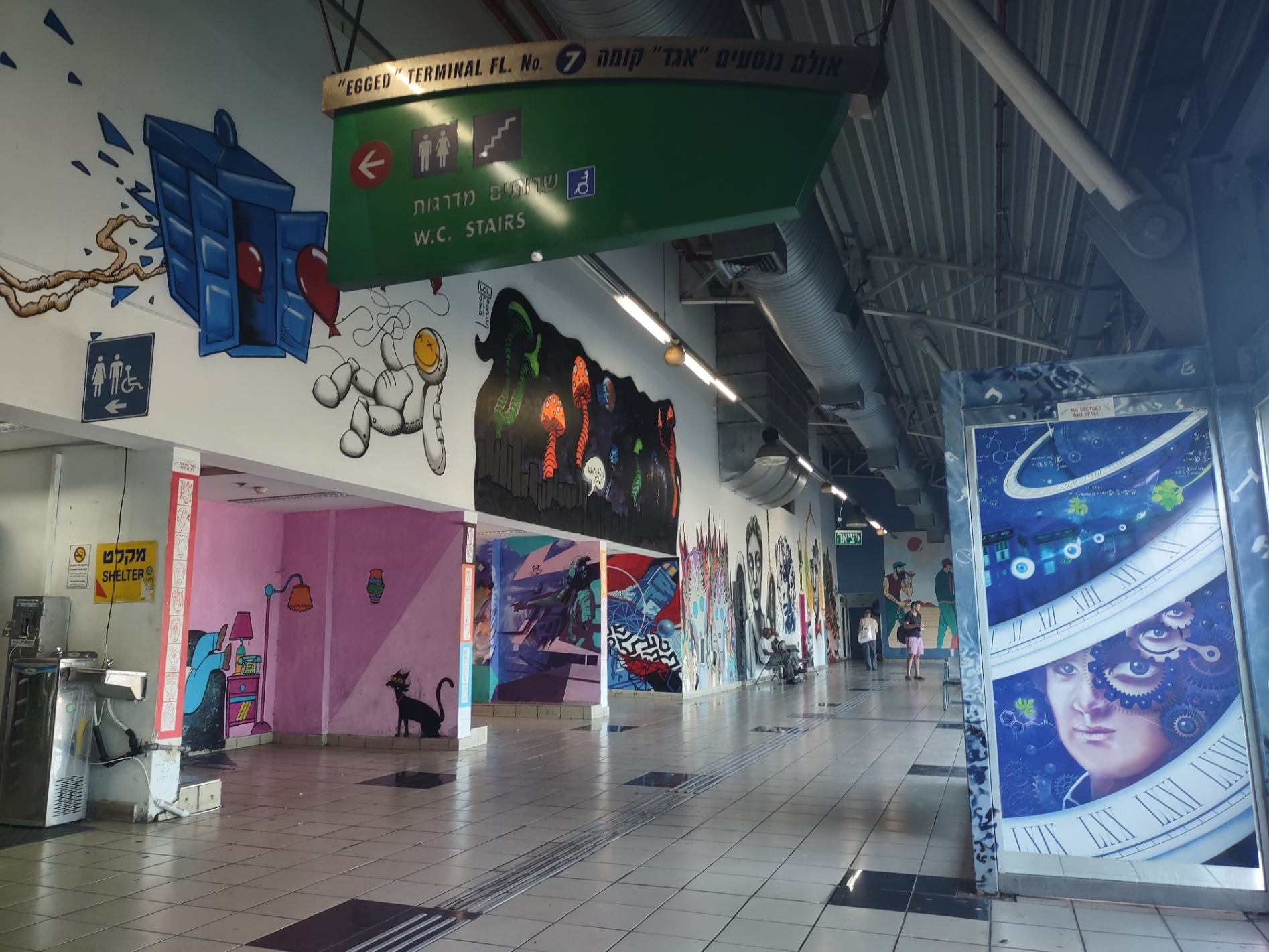
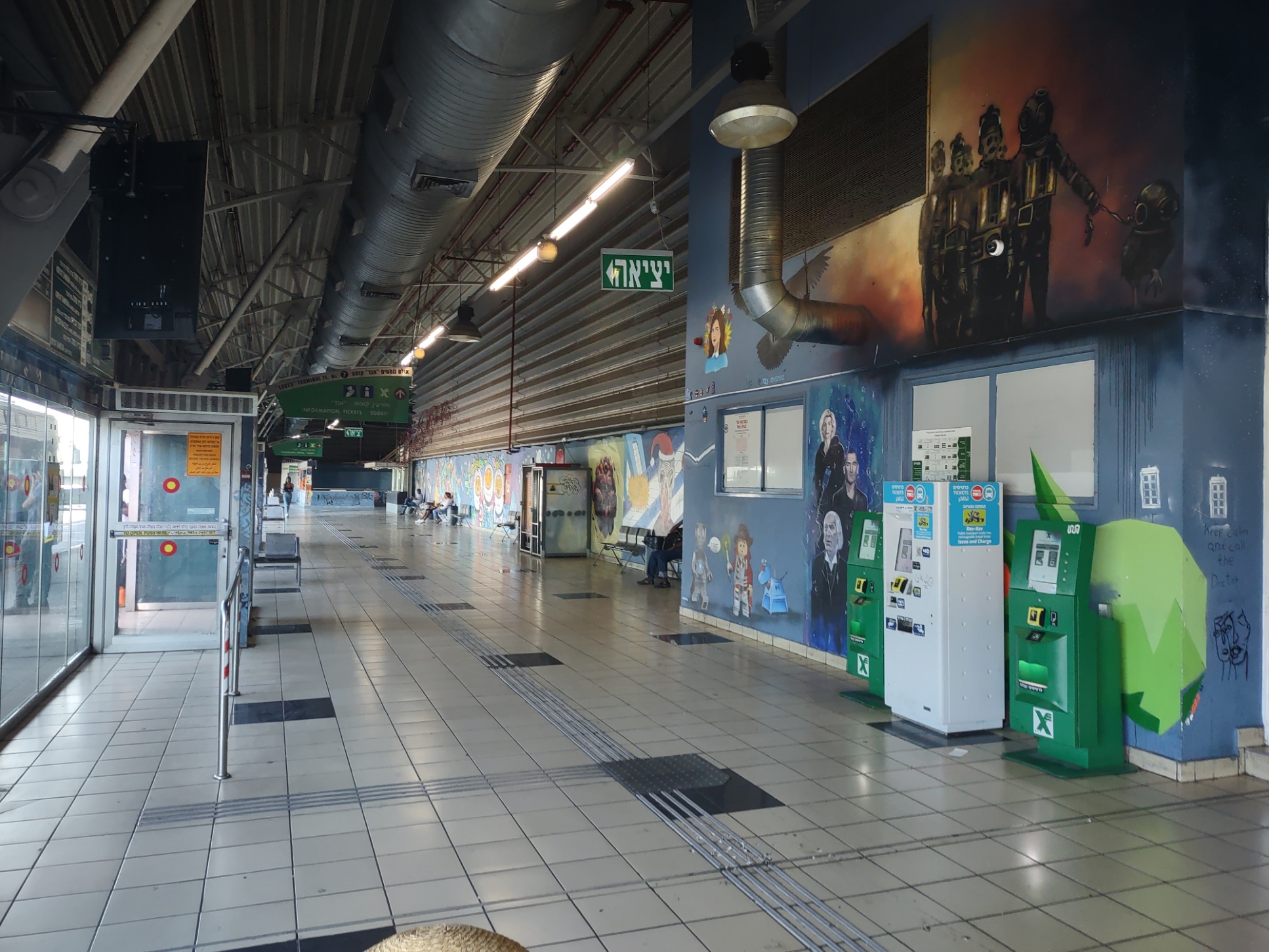
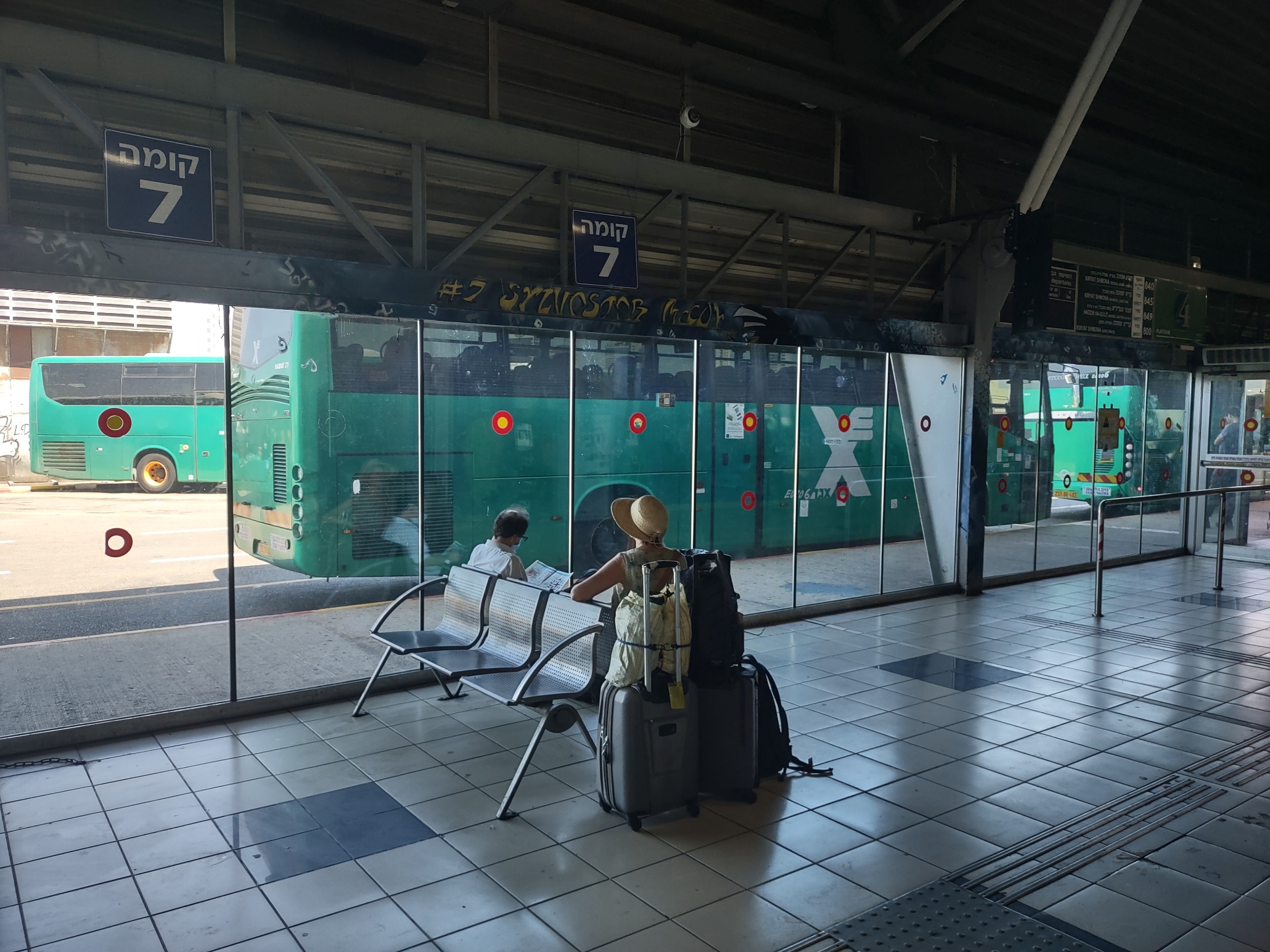
Because we were again travelling on a Friday, we looked to catch an early bus and arrive in Jerusalem and get settled into our new place, which was in the Jewish Quarter of the Old City, before the start of Shabbat. We took a taxi to the Tel Aviv Central Bus Station and, after a little bit of work to determine how to get tickets, we made our way to the 7th floor (???) of the bus station where we successfully found (actually harder than you might think) and caught the 11:00 AM bus for Jerusalem.
The trip only took about an hour and the scenery was interesting to see, but not spectacular – mostly rolling brown hills spattered with green, a farm here and there, and occasionally a settlement or small city sitting on a ridge.
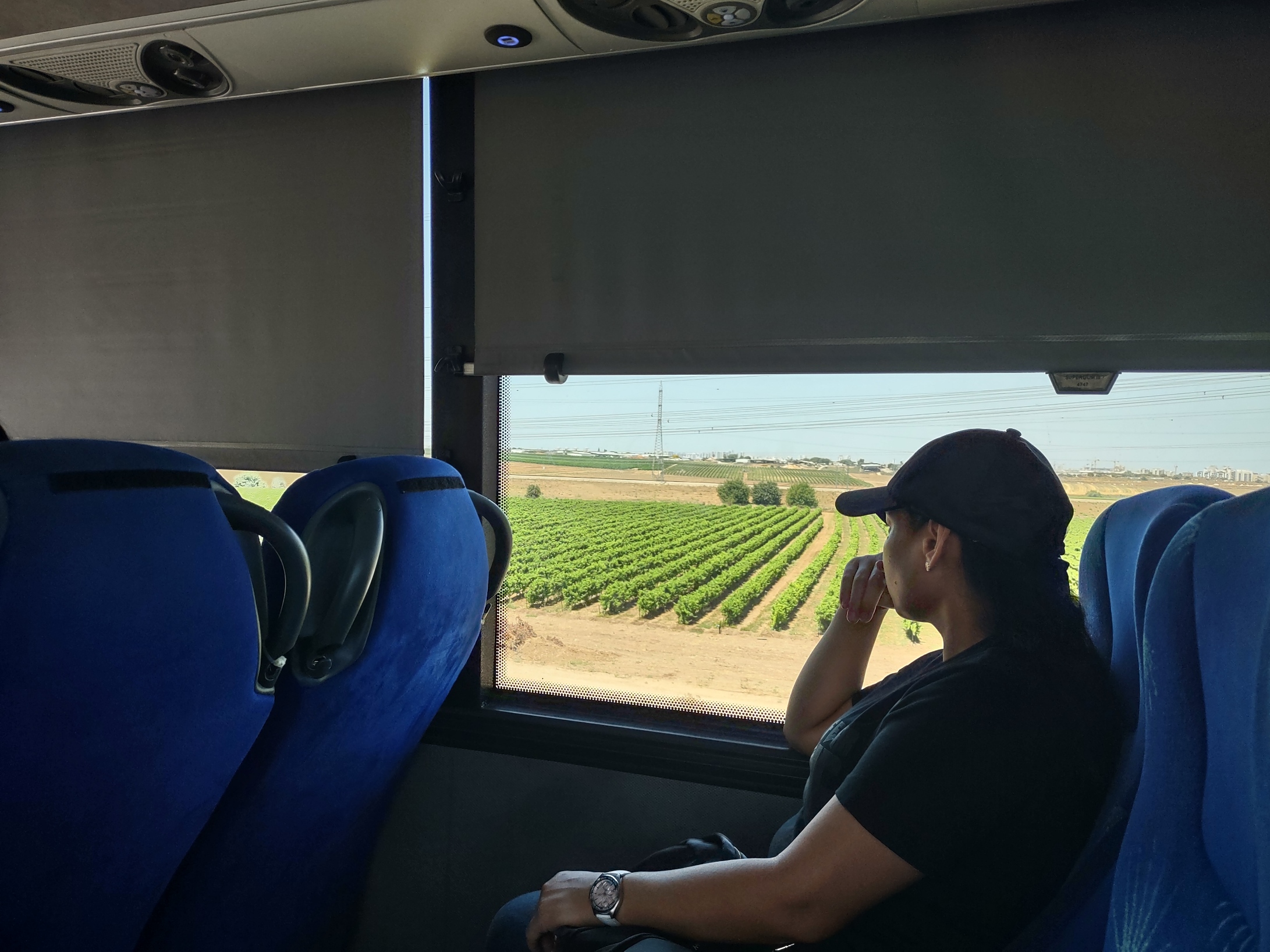


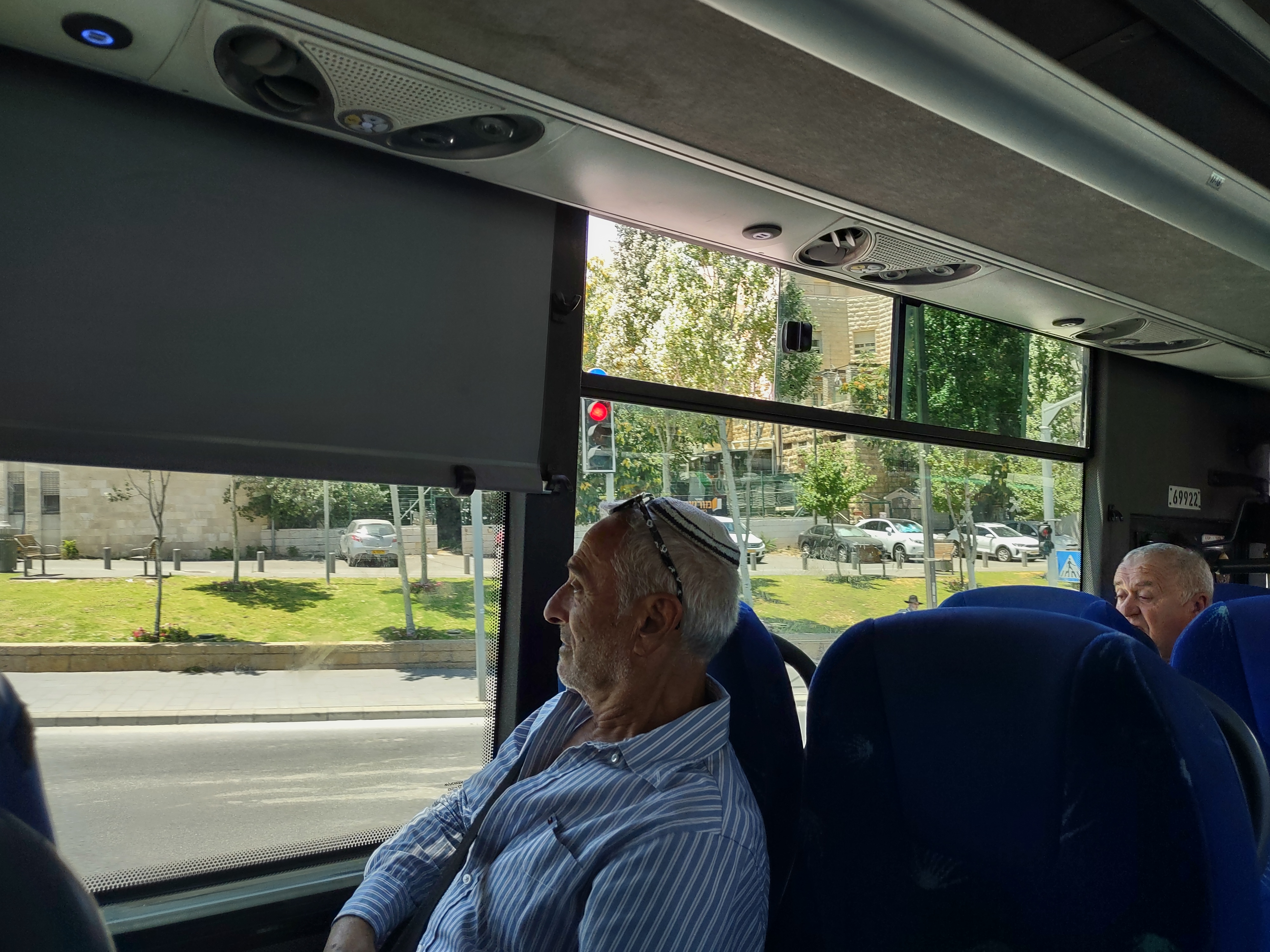
Jerusalem is a large and sprawling city, so we encountered its outskirts well before we arrived at the Central Bus Terminal (this time 3rd floor!) near its center. We had what we have unofficially declared the worst meal of the entire trip at a burger joint in the bus terminal. Unrelatedly, we couldn’t help but notice how many military personnel (in uniform and carrying automatic weapons) there were in the terminal. (We later learned that many of the young people doing their mandatory military service go home every night or on weekends and we realized a lot of the soldiers we saw were likely going home for Shabbat.)



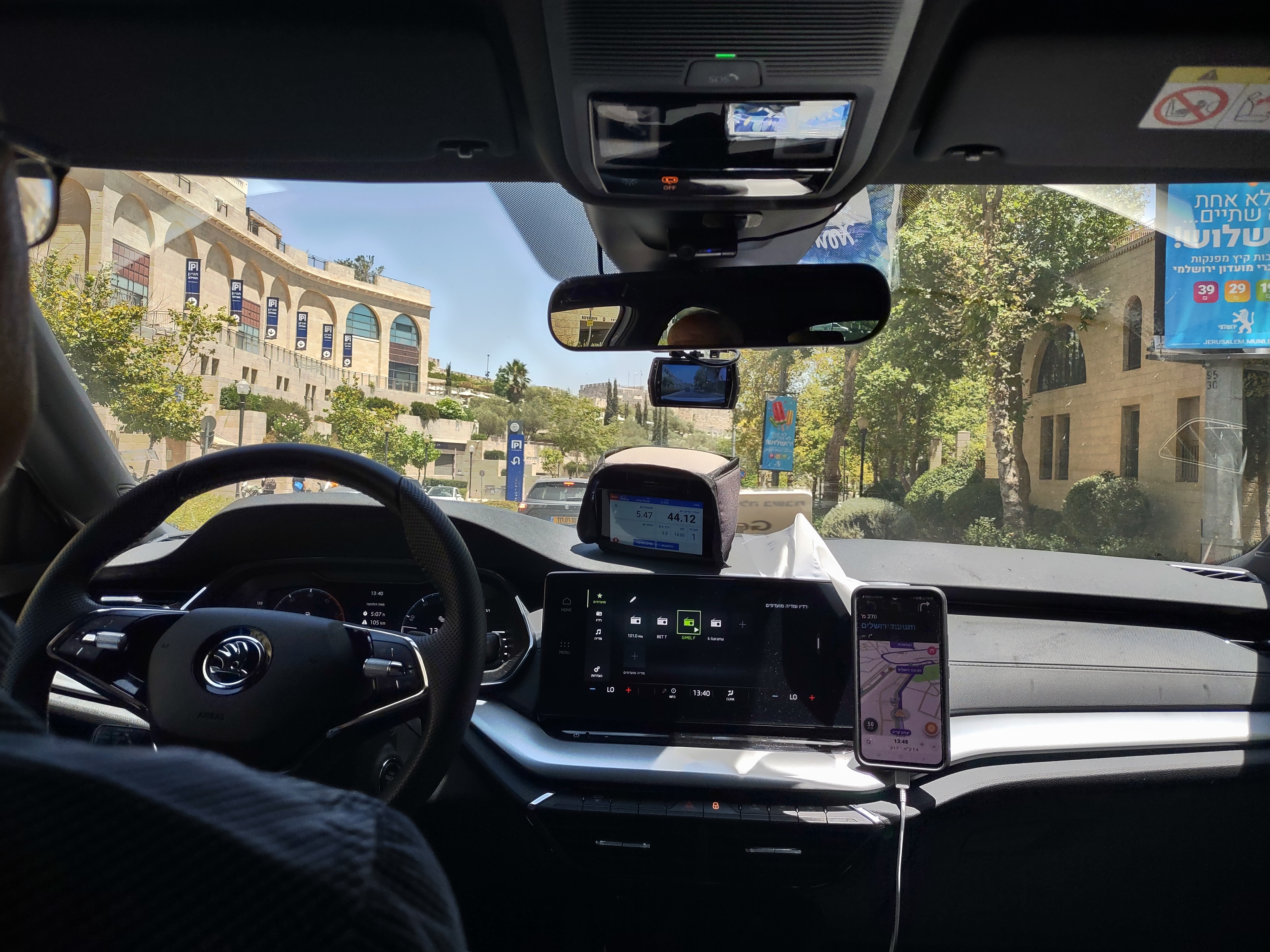
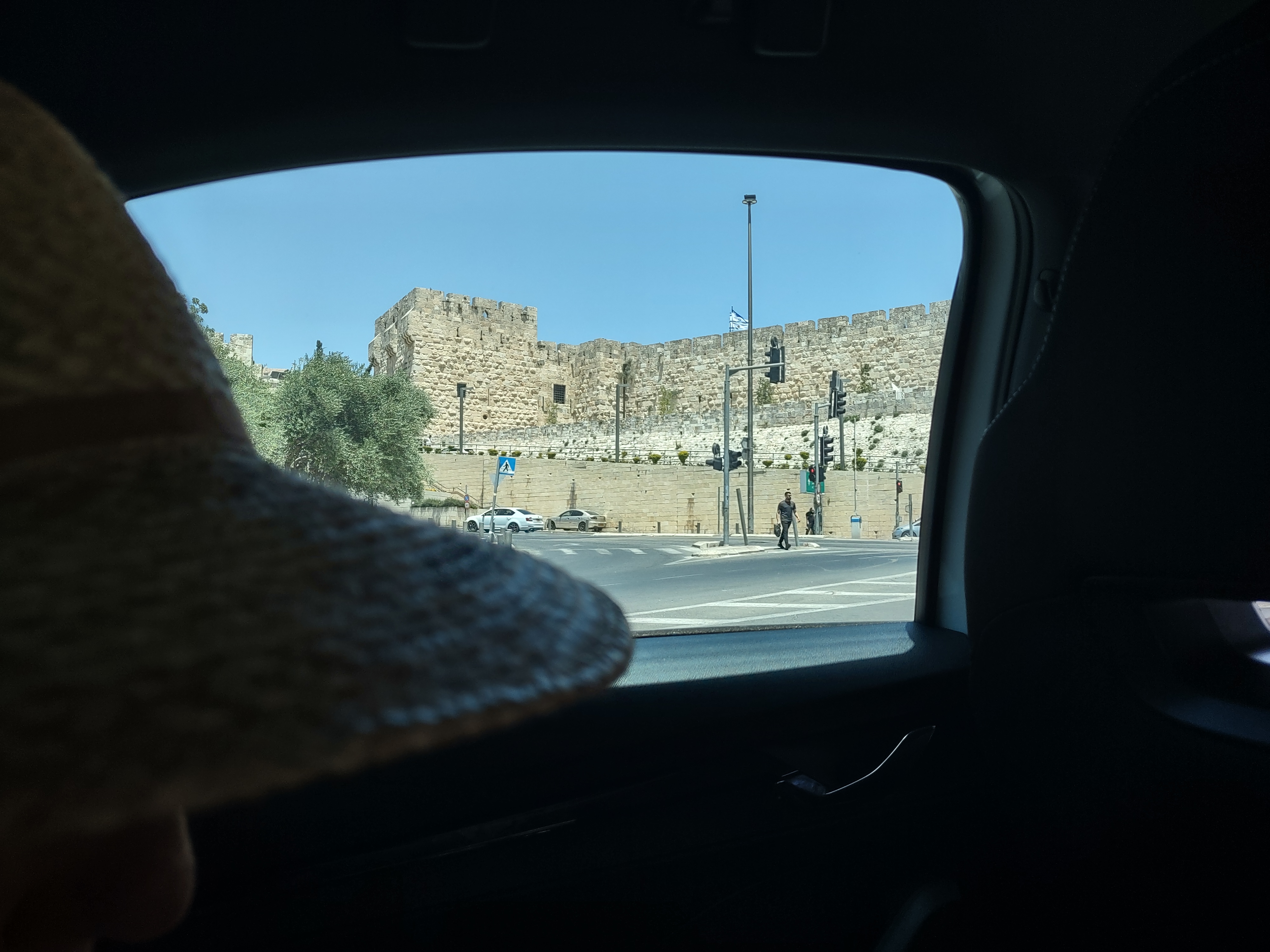
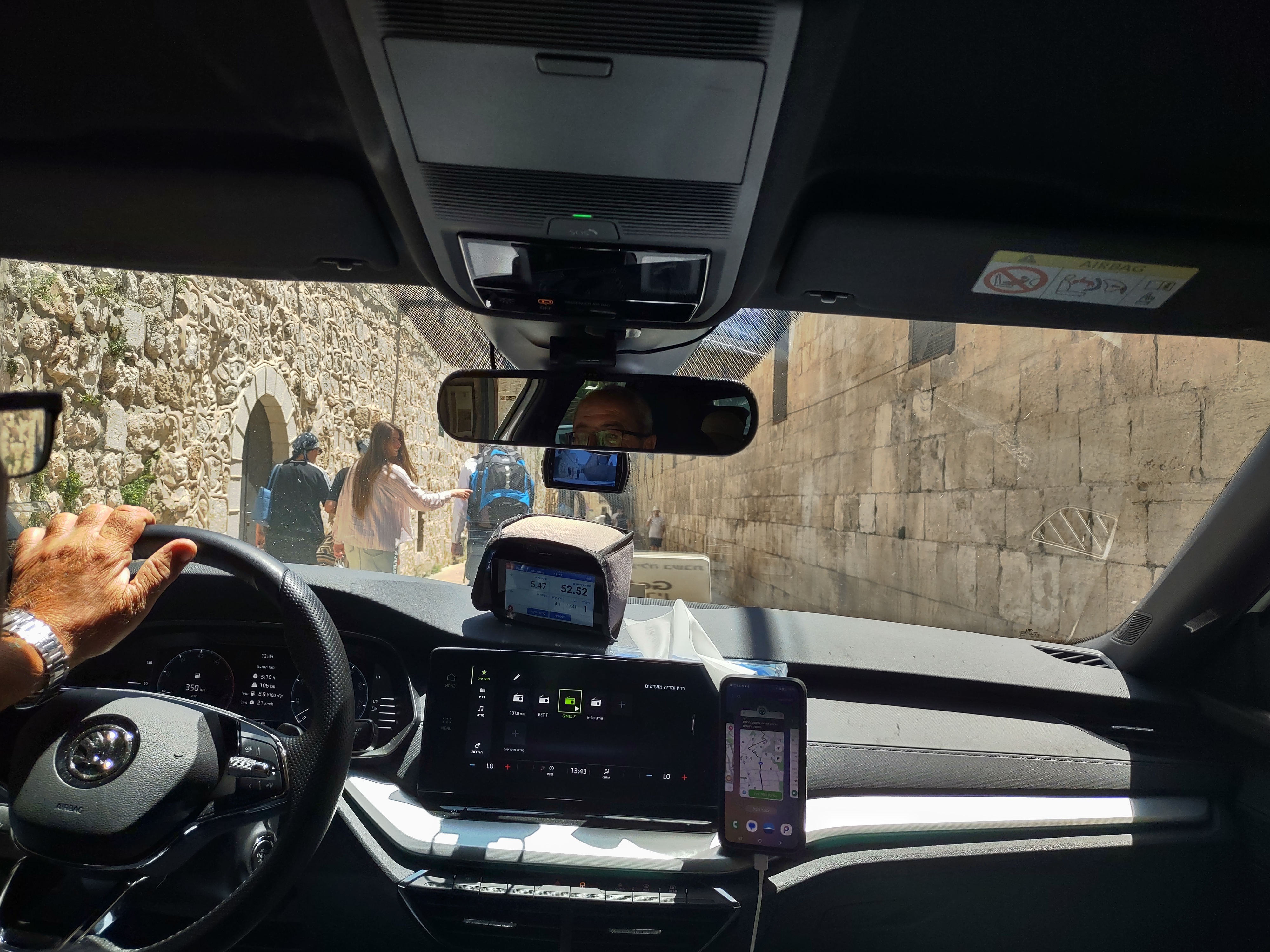
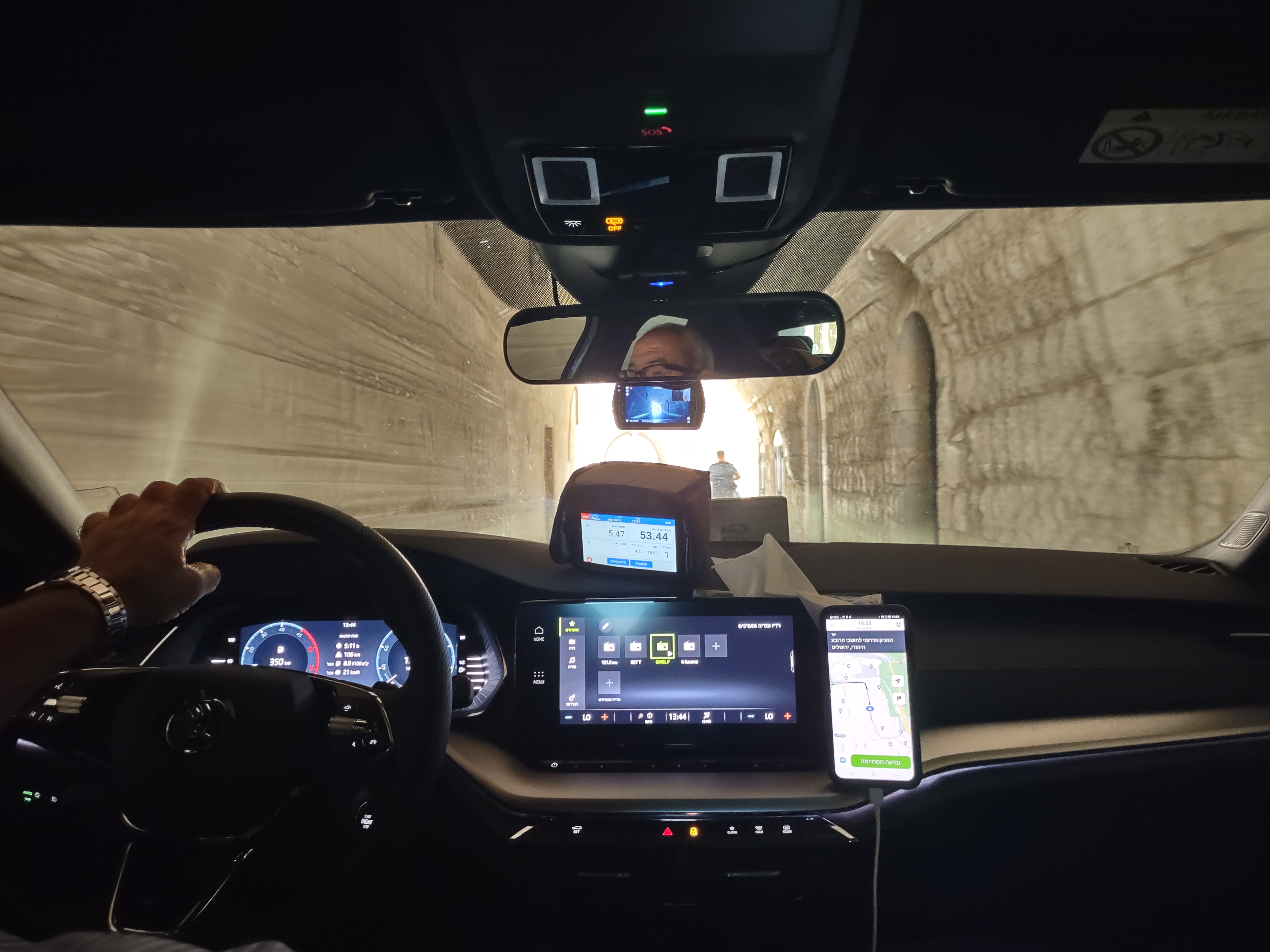
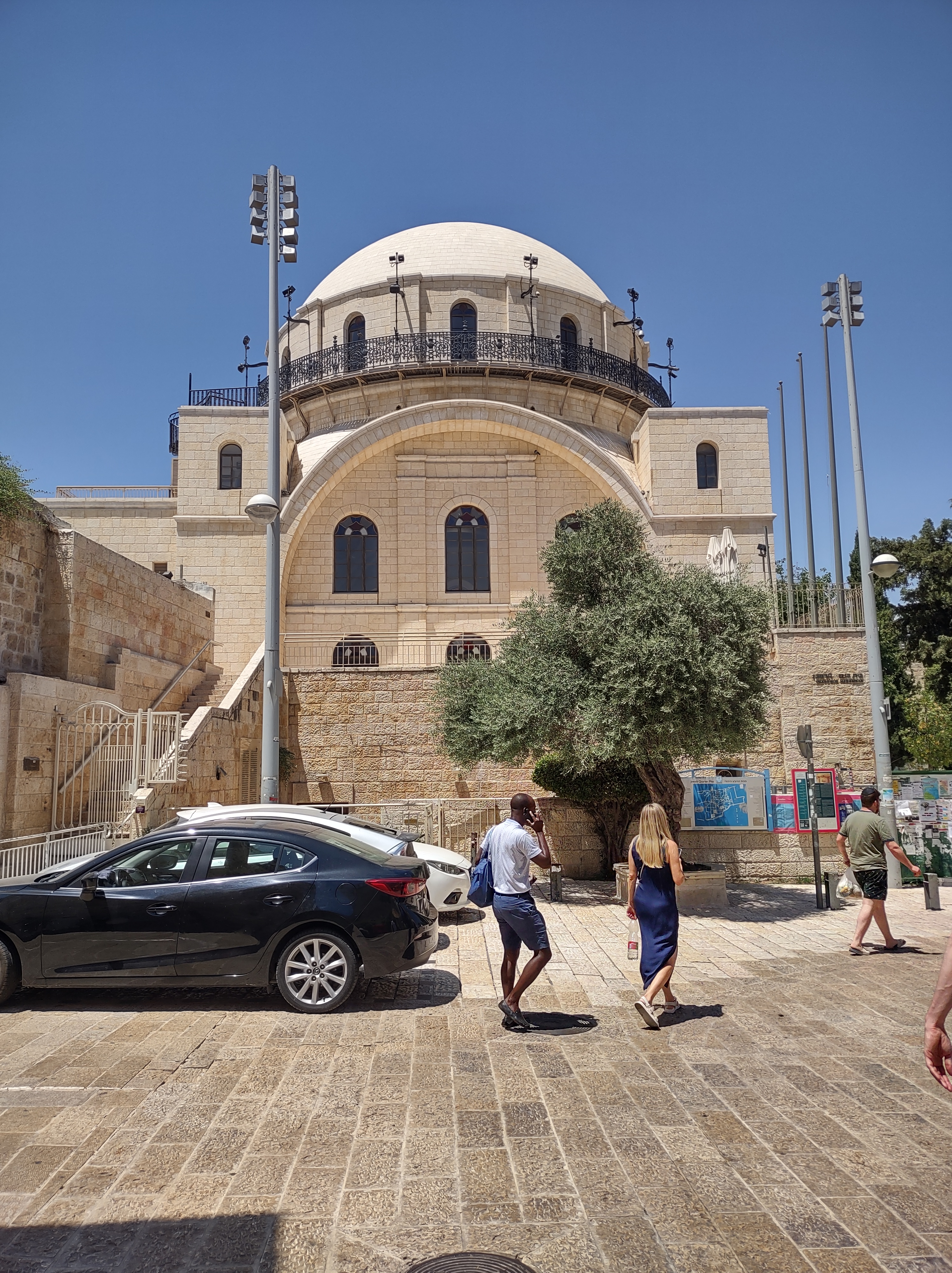
From the bus station we called a taxi using the GETT app and, after about 15 minutes of driving, we entered the Old City through the Jaffa Gate on its western boundary and had a short but interesting drive (almost all the traffic in the Old City is pedestrian with very few motor vehicles and almost no cars) to the Jewish Quarter parking area. We actually did a good job of navigating to our apartment from there but ran into that Google Maps thing, which occasionally occurs, where the place you are looking for is not where the house and street number would suggest it is. After a systematic search up and down our street (technically everything here is a street, but they are almost all pedestrian and include a lot of stairs), we found our place about a half a block from where Google thought it should be.
More about our place later, but first a bit of background regarding Jerusalem and its Old City.
Jerusalem and the Old City
Jerusalem is one of the oldest cities in the world, settled around 5,000 years ago with the adjoining City of David established about 3,000 years ago. Jerusalem is the capital of Israel and its largest city with a population of about one million residents. It is the home to a large number of historic and religious structures and places and is regarded as a holy place by the three major Abrahamic religions – Judaism, Christianity, and Islam – and, largely for that reason, has had a pretty contentious history, reportedly attacked 52 times, besieged 23 times, captured and recaptured 44 times, and destroyed at least twice.
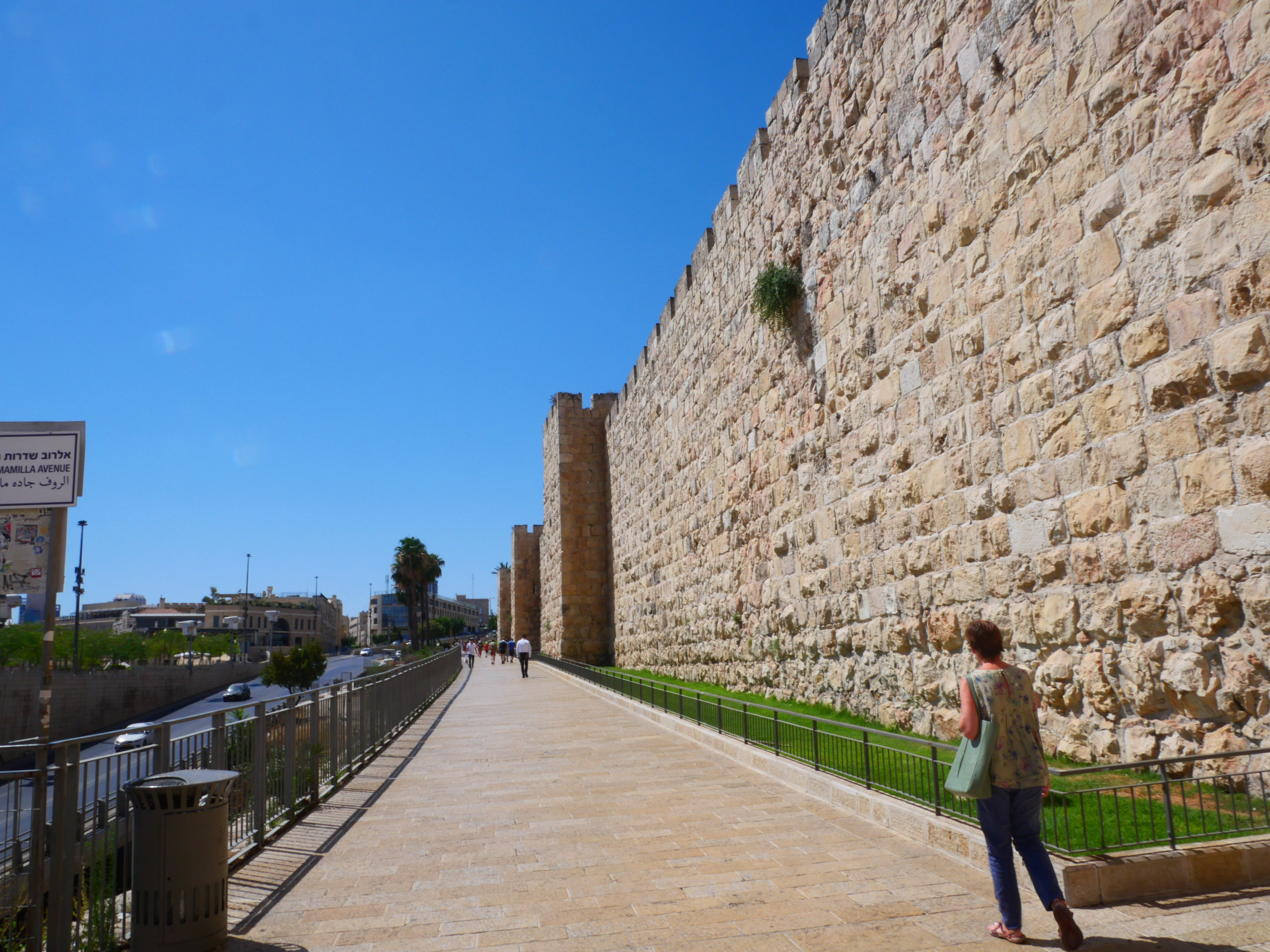
The Old City of Jerusalem and its Walls were designated as a UNESCO World Heritage site in 1981. Unlike many other old cities we have visited, the Walls of Jerusalem remain largely intact (the current edition of them having been constructed in 1541) and you must pass through or around one of the city gates – Zion, Jaffa, Damascus, Herod’s, Lion’s, Golden, the New Gate (constructed in 1889), and (my personal favorite) the Dung Gate – in order to enter the Old City. The Old City of Jerusalem is organized into four fairly distinct quarters – Armenian, Christian, Muslim, and Jewish – along with the Temple Mount, which is defined as its own precinct, but is really more of an extension of the Muslim Quarter.
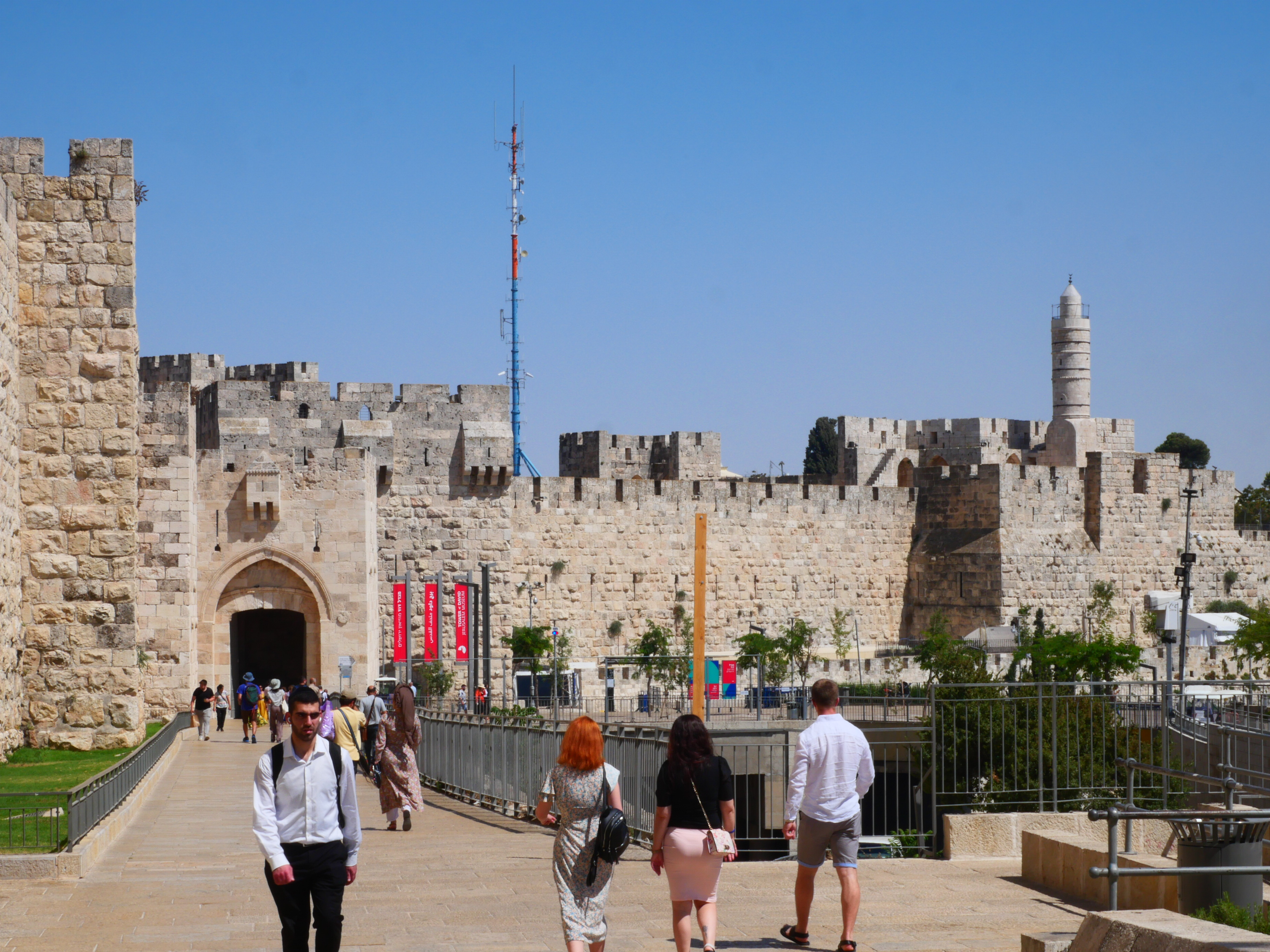
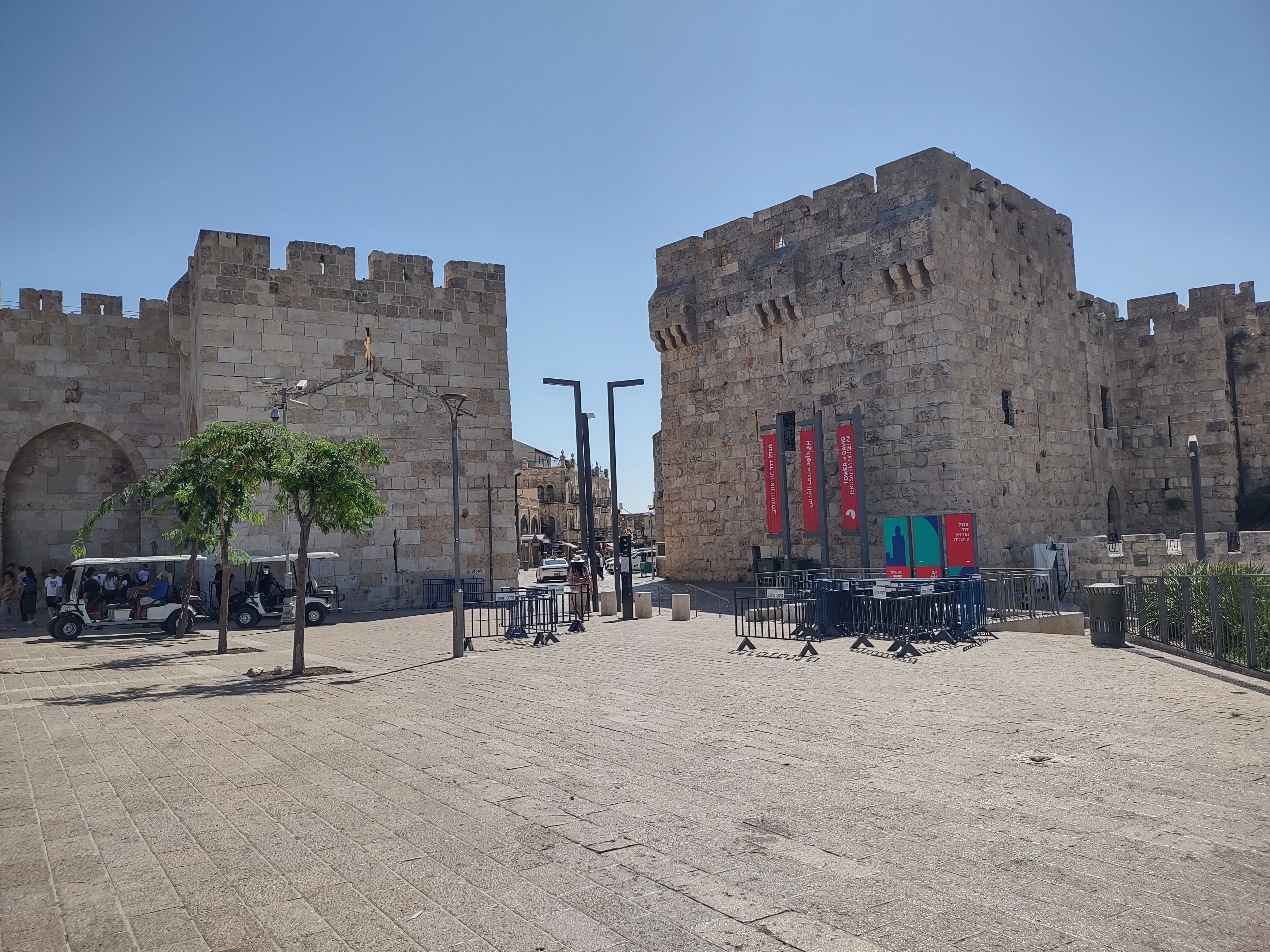
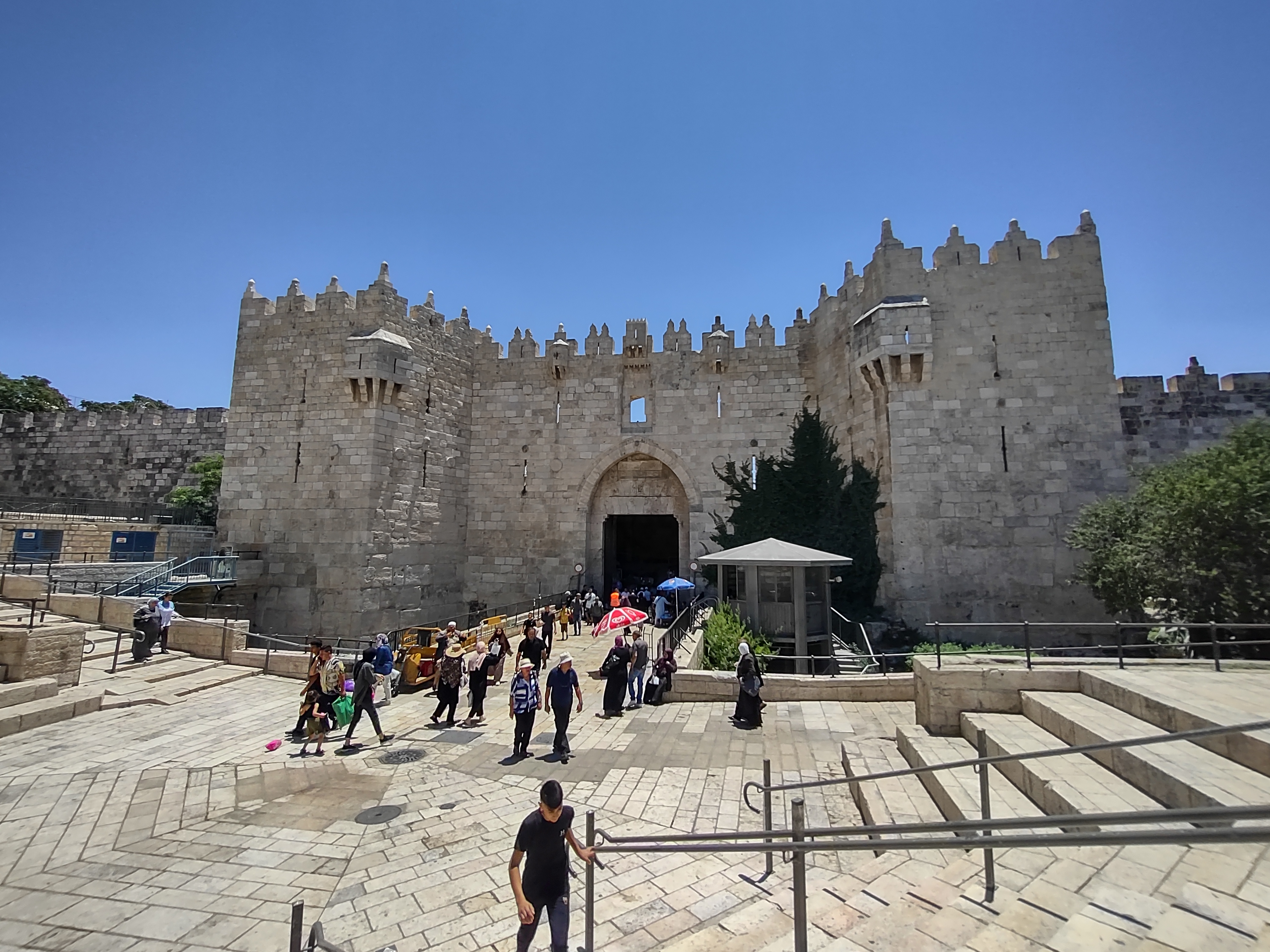
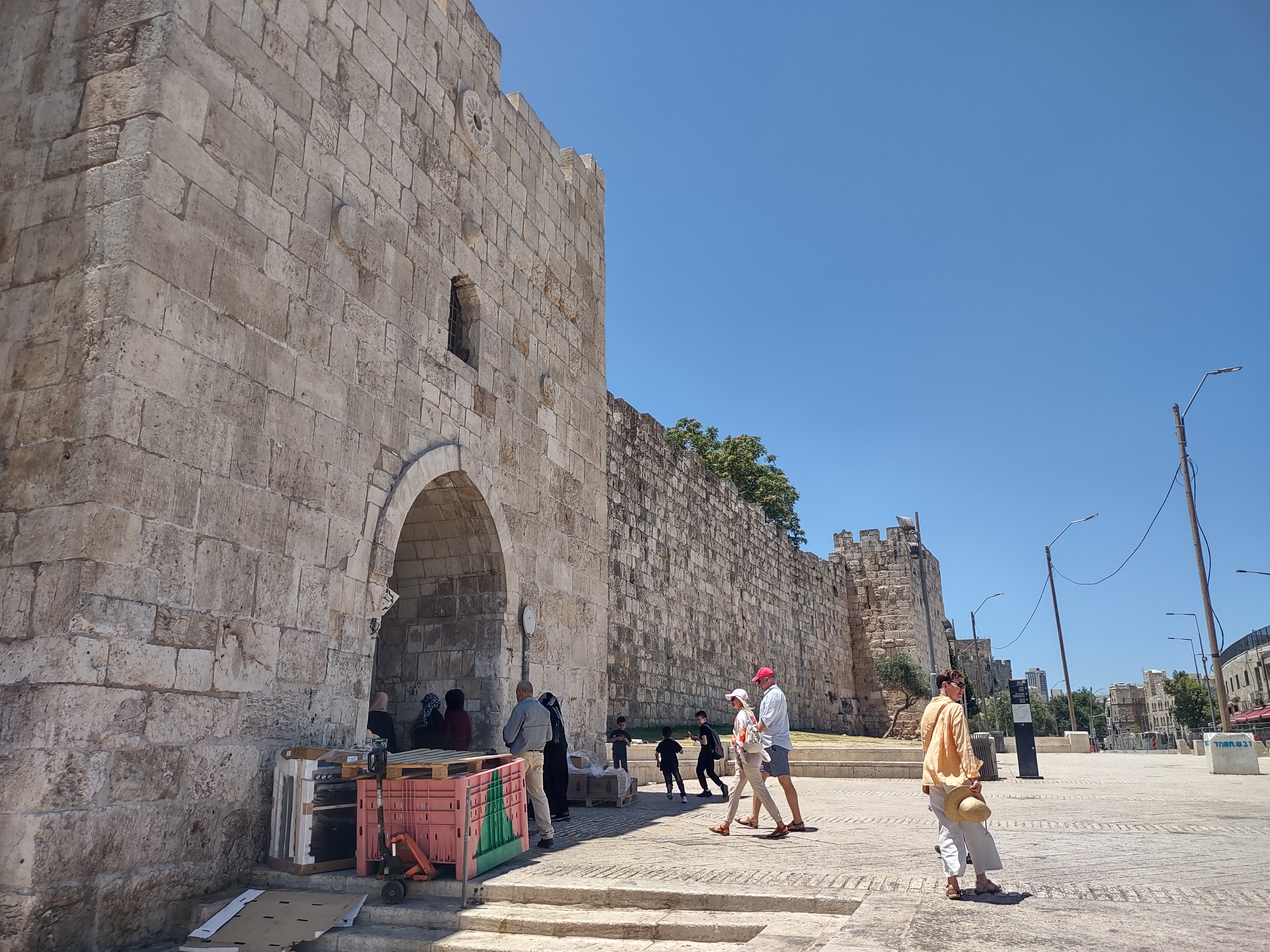
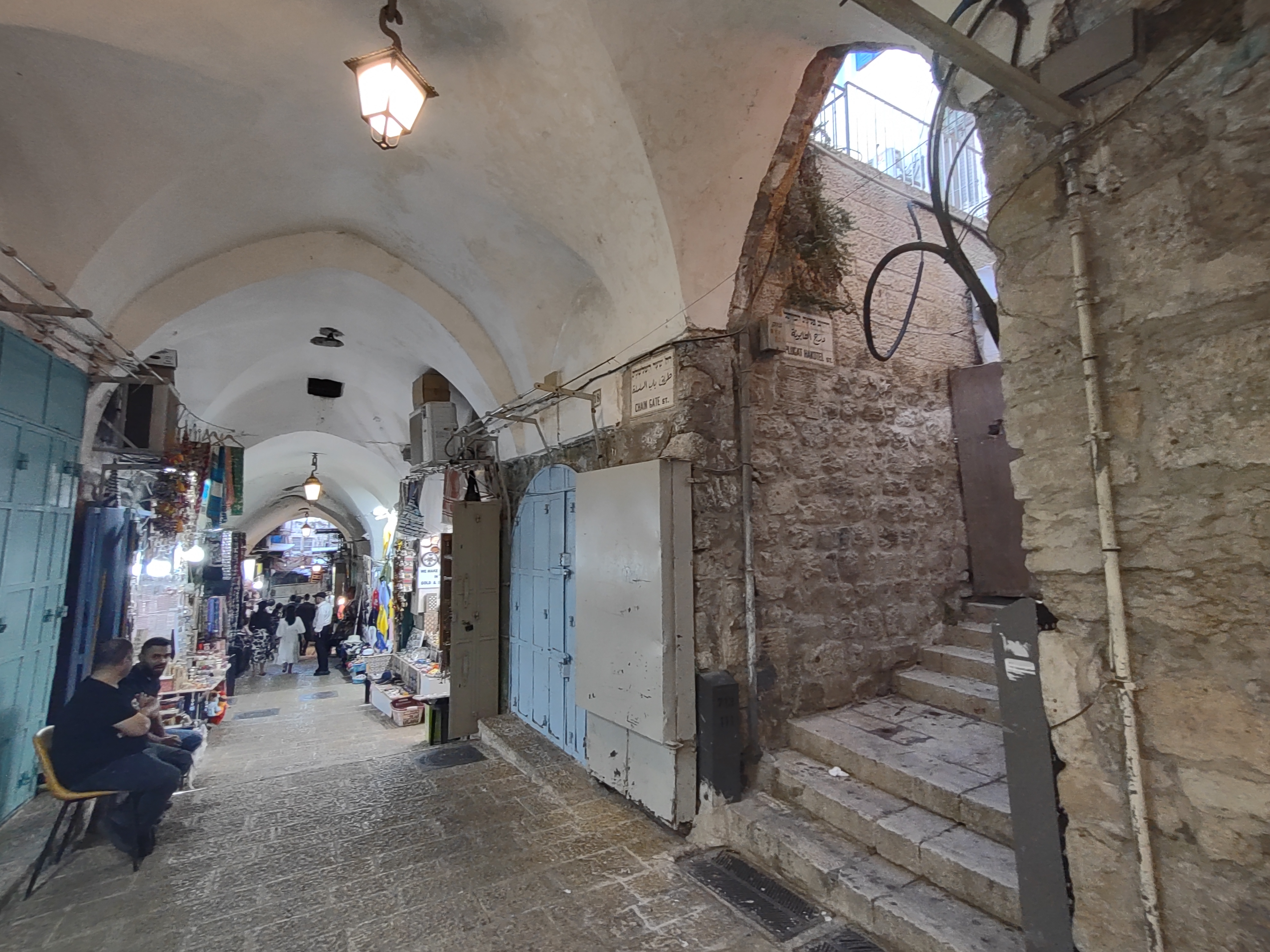
The boundaries between the Quarters within the Walls of the Old City are pretty clearly defined (on paper at least) by two major throughfares both of which, as it turns out, are major market streets. David Street, which begins near the Jaffa Gate runs west to east from the Jaffa gate, becoming Bab El Silsilfh Road, and ending at the Chain Gate at the Mount of the Dome separating the Christian and Muslim Quarters to the north from the Armenian and Jewish Quarters to the south. Another series of streets which follow the route of the old Cardo Market street from the Roman days runs from the Damascus Gate in the North to the Zion Gate in the south separating the Christian and Armenian Quarters to the west from the Muslim and Jewish Quarters to the east.

You can move pretty freely in and out of the Old City and travel between the Christian, Muslim, and Jewish Quarters is pretty seamless, but we discovered that there are some parts of the Old City (most especially the Western Wall and The Temple Mount) where access is controlled and sometimes restricted and we were particularly surprised to find that access to the Armenian Quarter is limited to one small area during very limited hours each day. While the Quarters themselves are pretty much organized along these religious lines, it was interesting to find that the people do not always stick to these boundaries religiously (pun intended) and you sometimes come across a Muslim house in the Christian Quarter or a Jewish one in the Muslim Quarter. We discovered that, when this is the case, it is often the practice to decorate the house with painted symbols so that neighbors and visitors are aware. and (presumably) appropriately respectful.
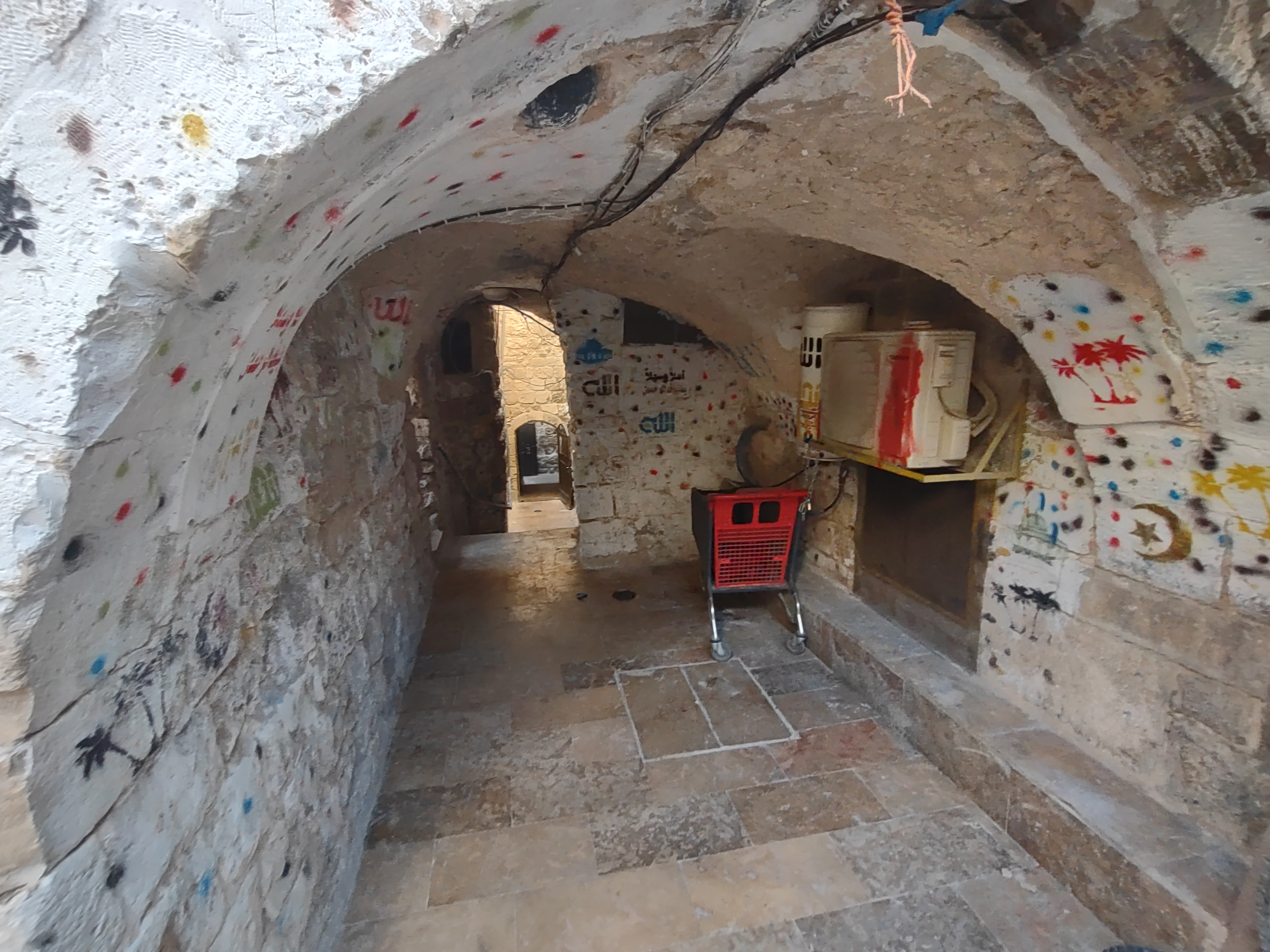
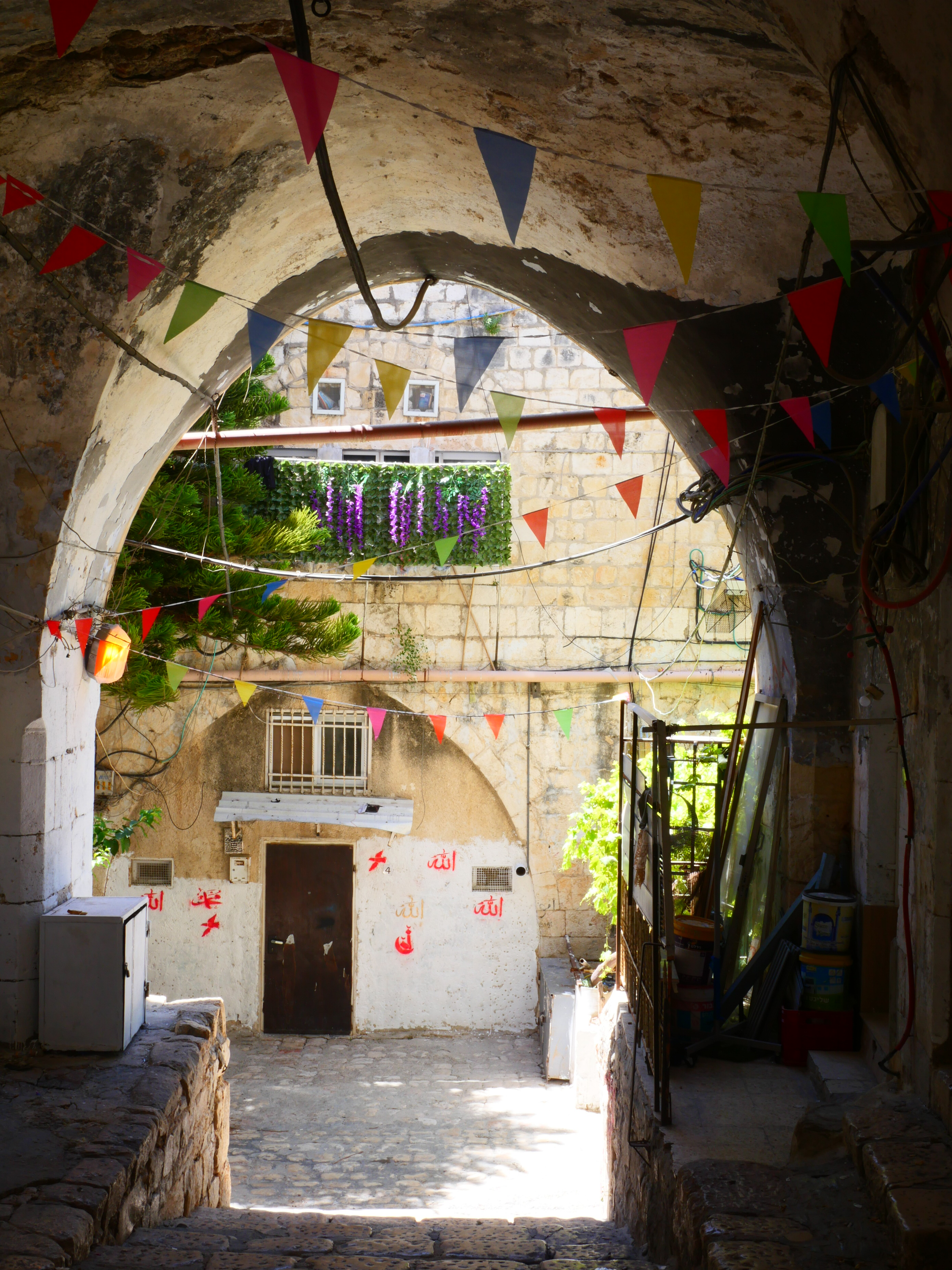
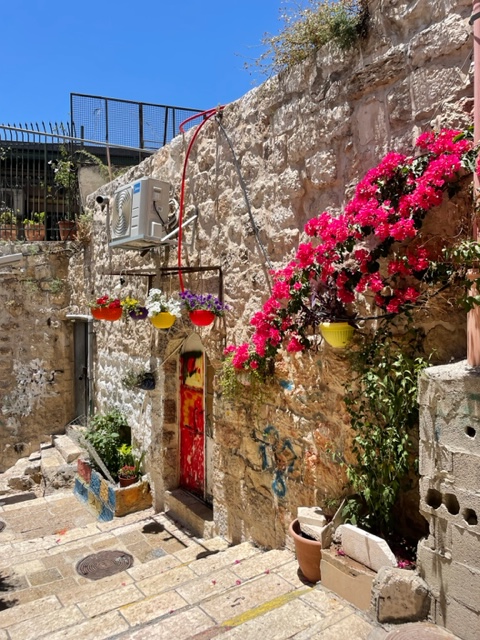
The Old City, which has an estimated 40,000 residents, is a very small part of the City of Jerusalem whose boundaries have changed quite a bit over the last 75 years or so. Beyond the Old City, Jerusalem sprawls in all directions with the new city center to the west and suburbs all around which include a hodge podge of Jewish and Palestian neighborhoods extending well into the West Bank. With the exception of a couple of excursions out Jaffa Road to the west, we spent almost all of our time in and around the Old City and so only saw much of the rest of the city from a distance as we came and went.
Our Place in the Jewish Quarter
Our place at 16 Shonei Halak Street was a two-room apartment on the second floor of a small three-story building tucked behind a nice shady courtyard which we shared with a daycare next door. The place was small but cozy, with some of the exterior stone exposed in the living area. The kitchen was well equipped, interestingly with two separate sets of kosher and non-kosher cooking and eating ware and (bonus for us!) a clothes washer (it’s funny what makes you happy after being on the road for over 6 months).

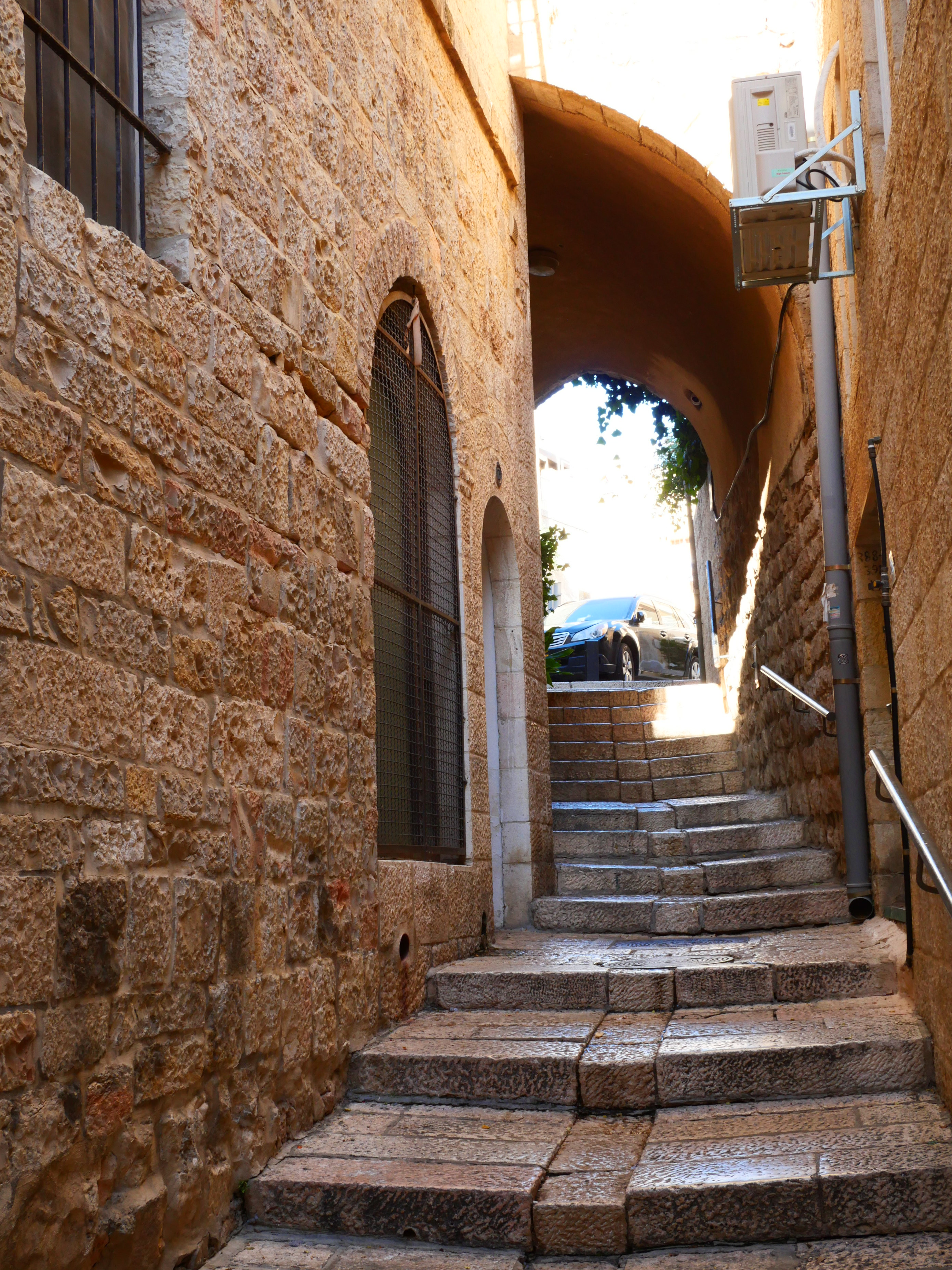
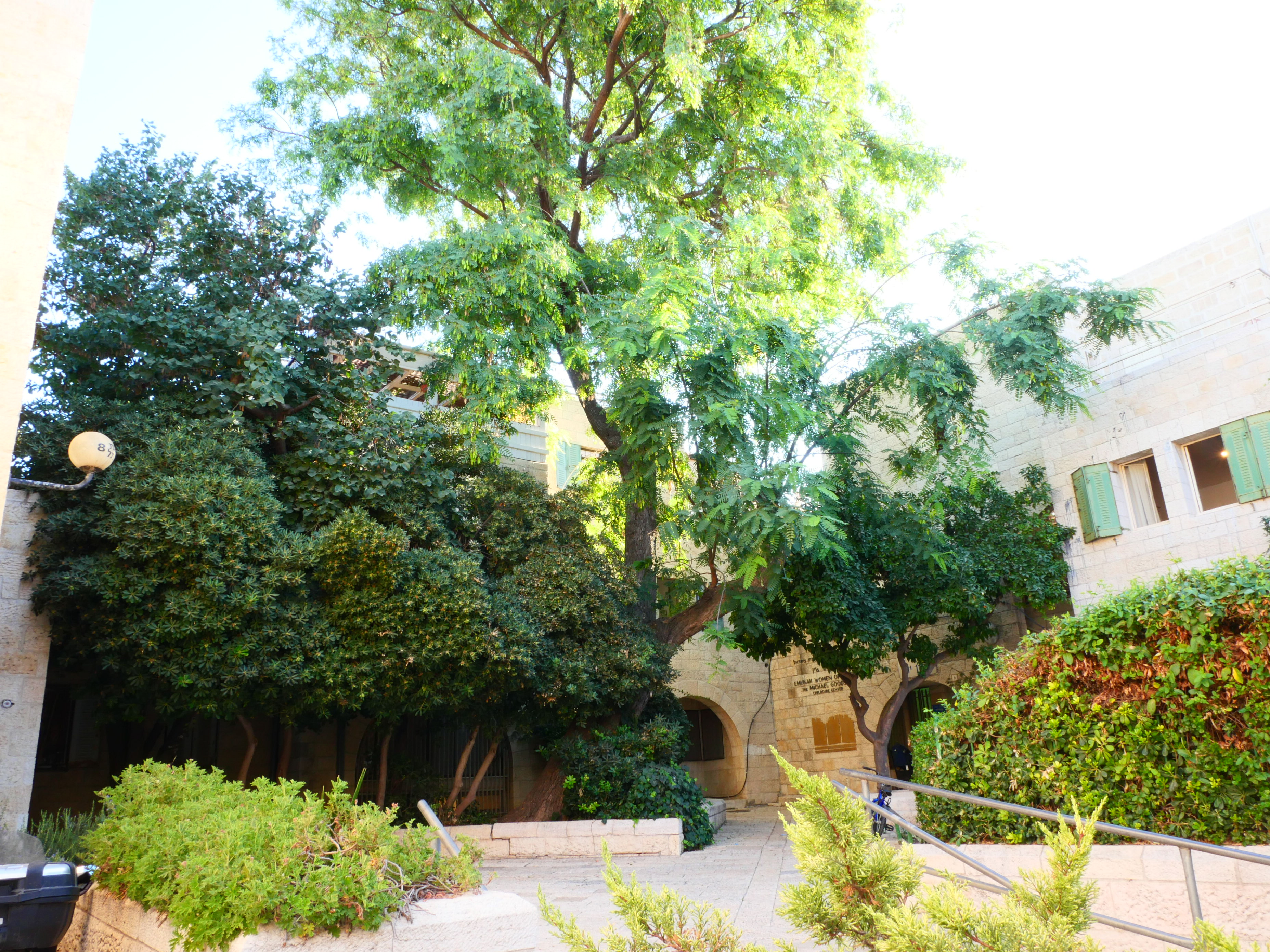

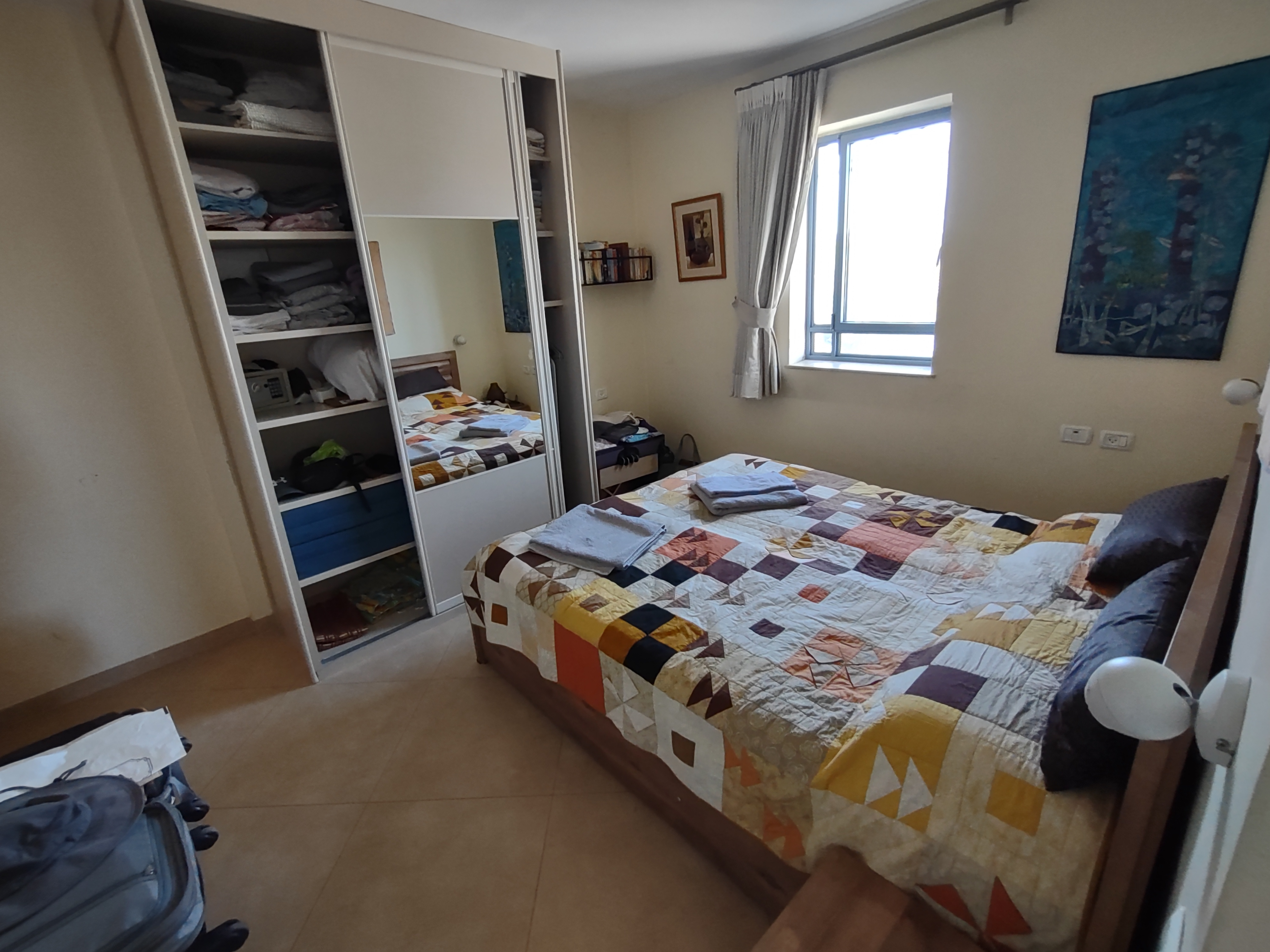
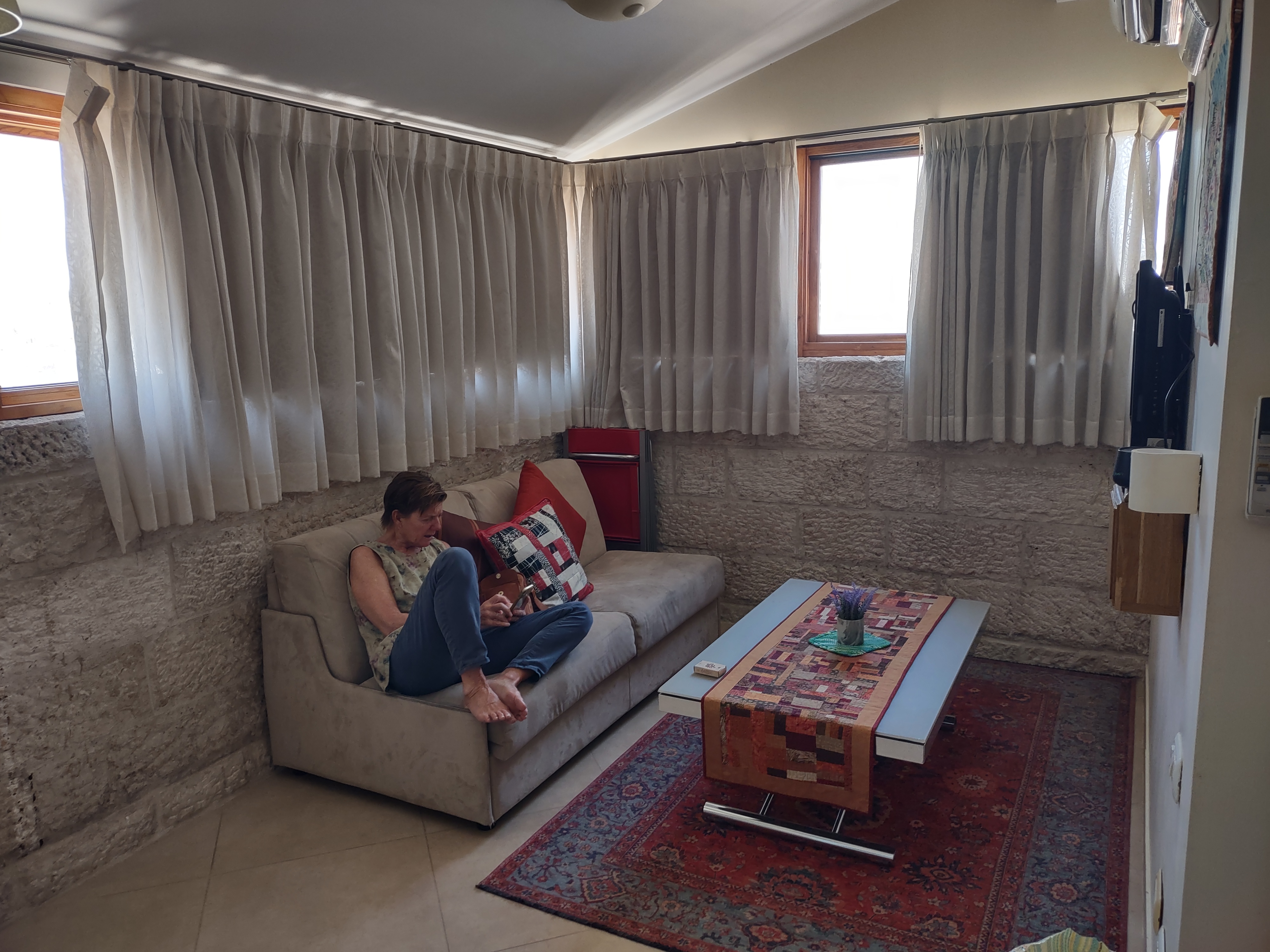

Our apartment also had some pretty nice views which stretched over the Old City and beyond. From our living room we could see the Dome of the Rock on the Temple Mount (close enough to hear the call to prayer) and the Mount of Olives to the northeast, and from our bedroom we could see the tower of the Church of the Holy Sepulcher and its surrounding churches and mosques to the northwest.

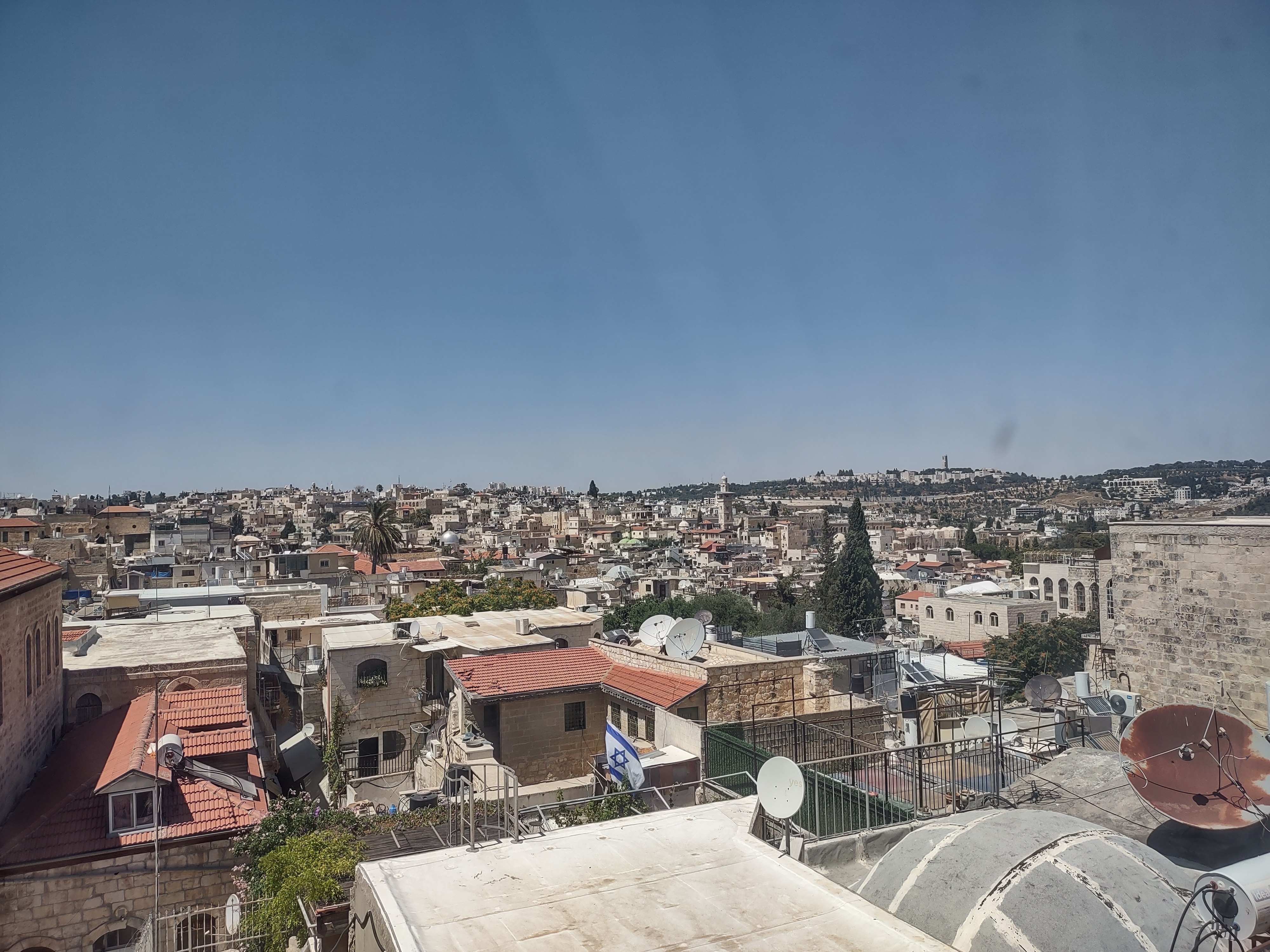
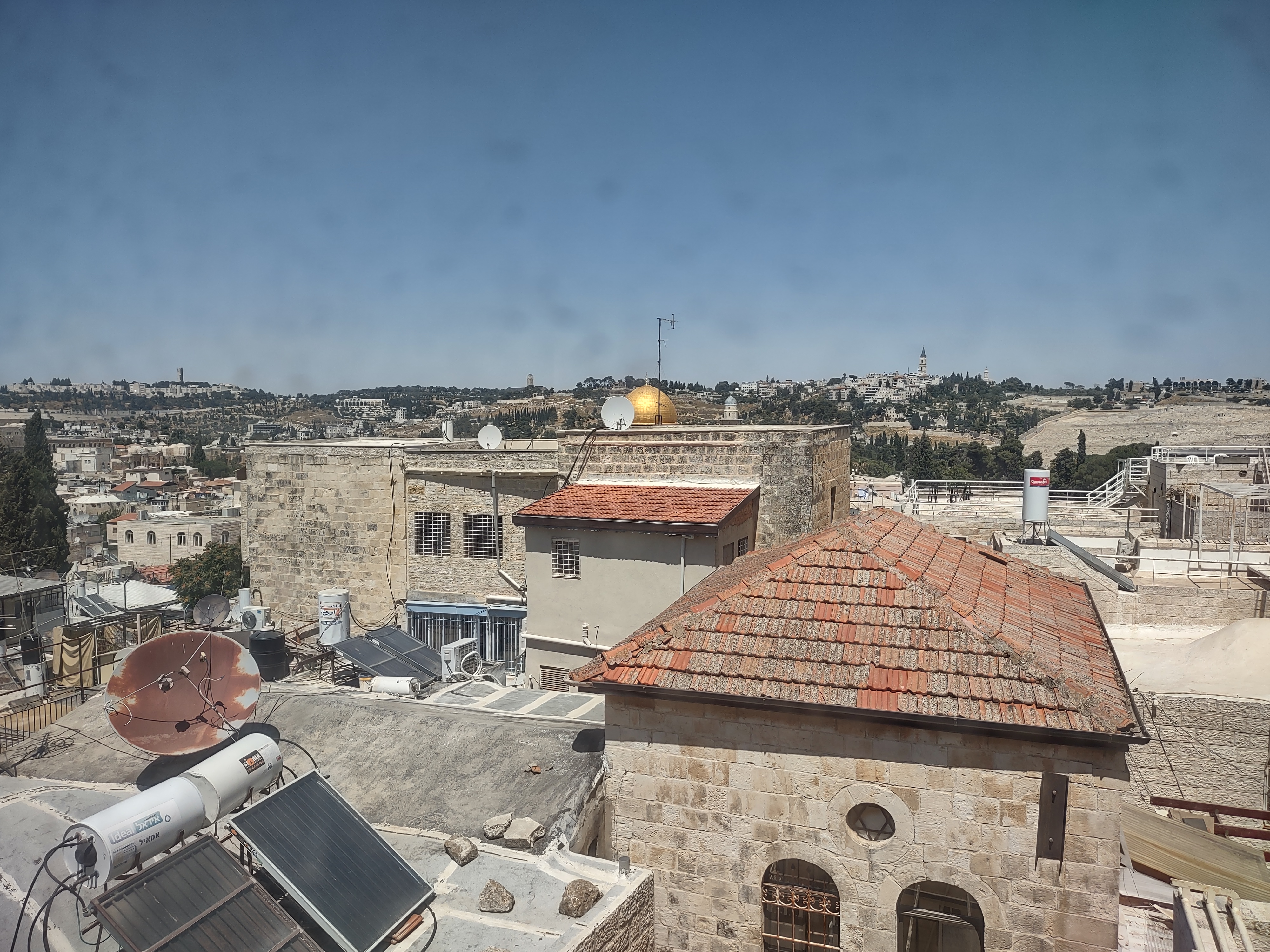
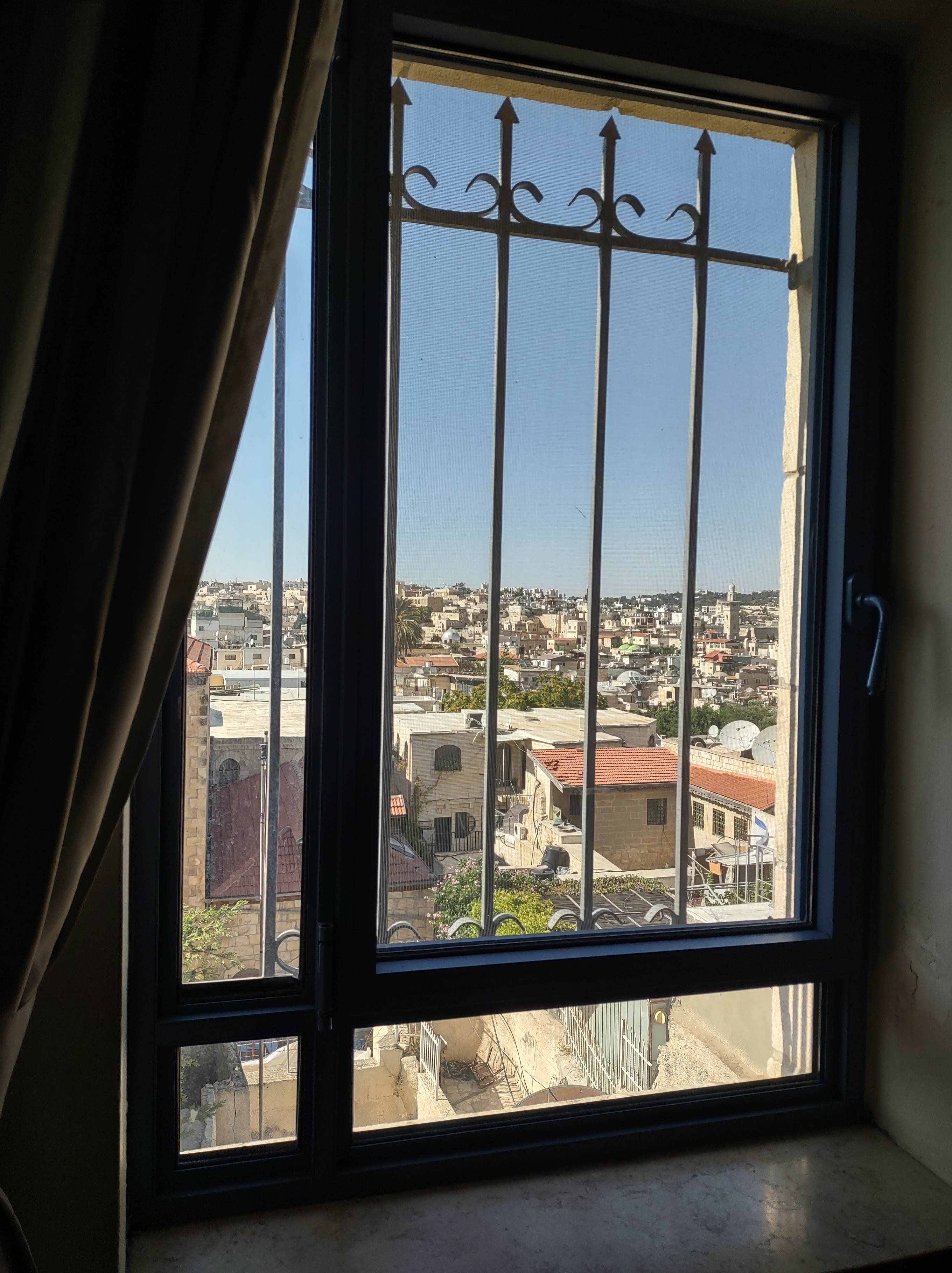
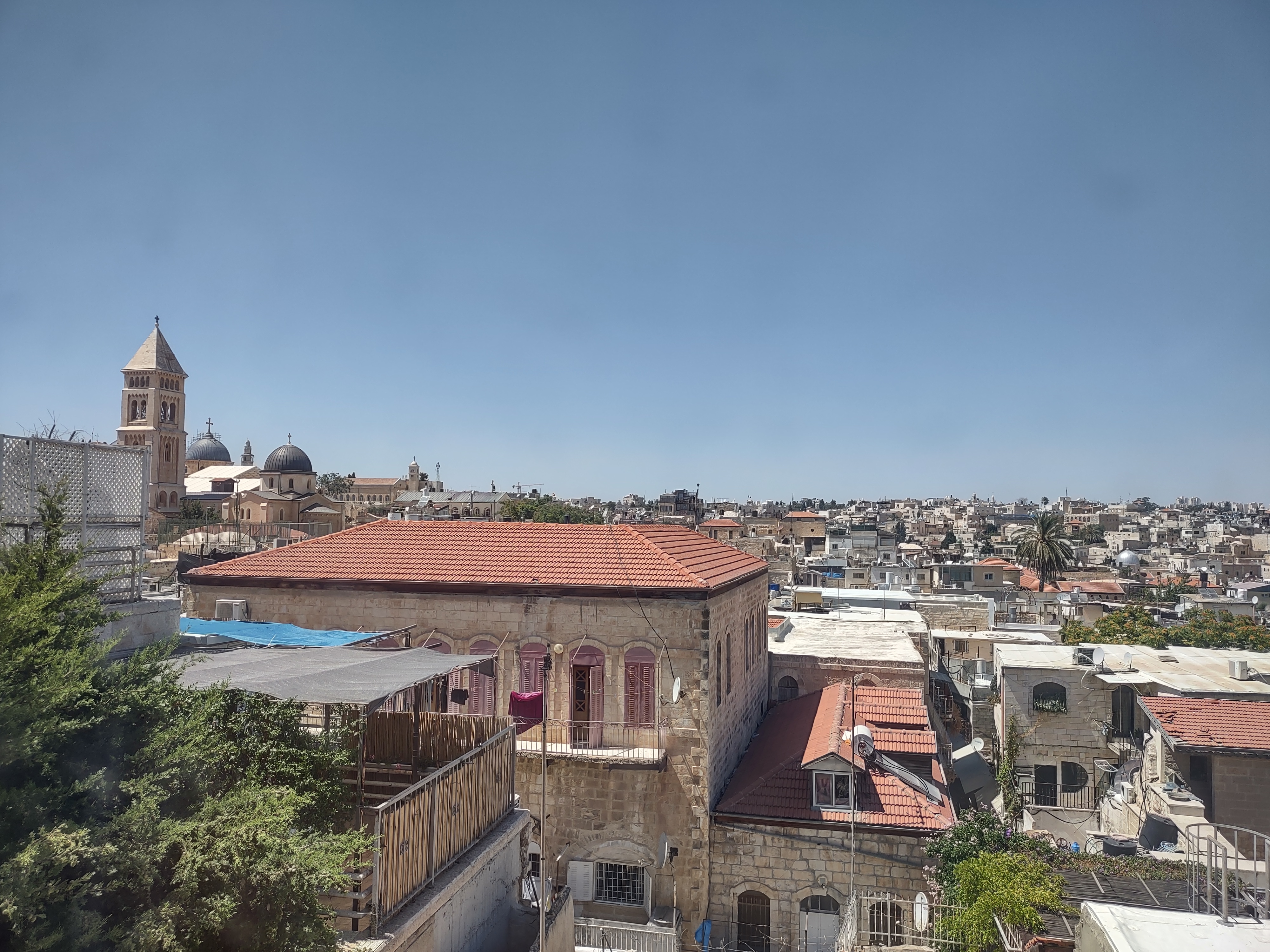
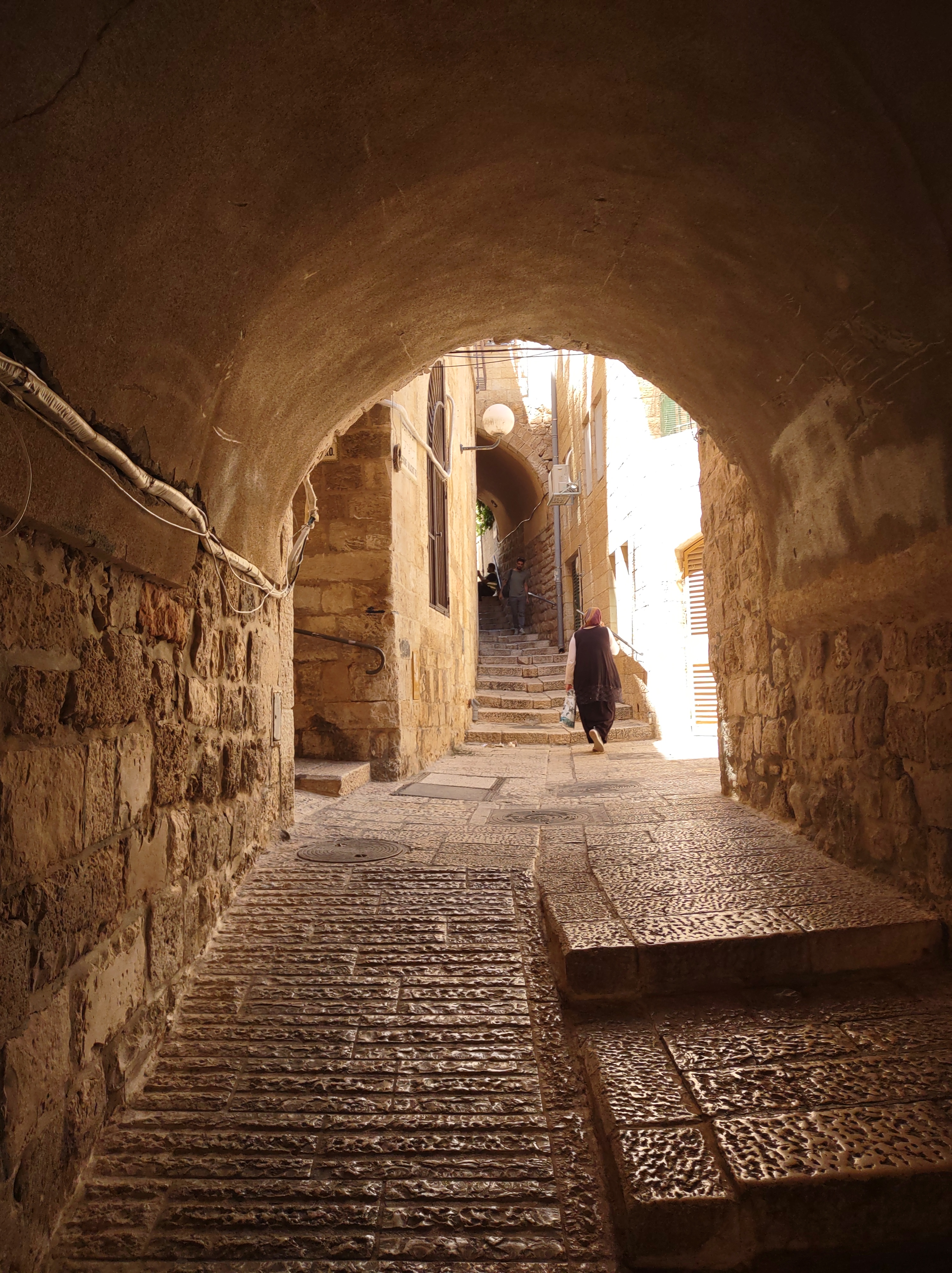
As regards our neighborhood and the Jewish Quarter in general, we were surprised at how a place so old could look so relatively clean and, well, new. Of particular note was the absence of the usual jumbles of electrical and other utilities which are so typical in old cities like this. After a bit of research, we discovered that pretty much all of the old Jewish Quarter was razed in 1948 when Jordan controlled it and then pretty much reconstructed in the late 1960’s when Israel took it back. During the reconstruction, a lot of archeological excavations were undertaken which uncovered many ancient remains including the Cardo – the ancient Roman market street – and, perhaps most notably, the Western Wall.
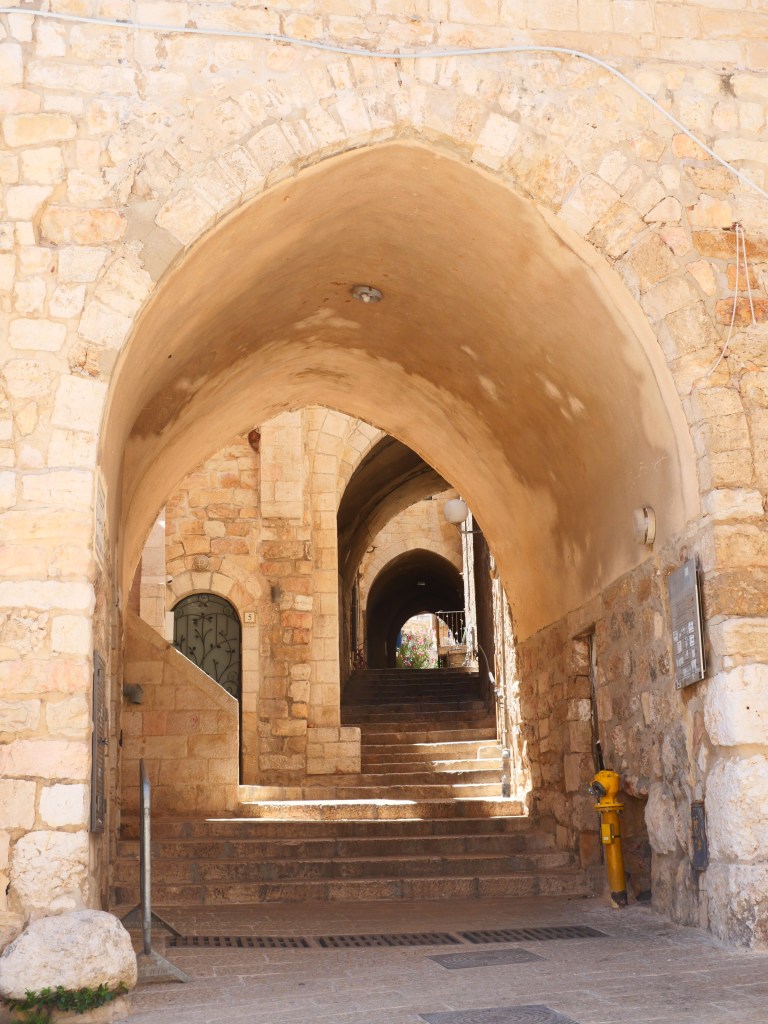
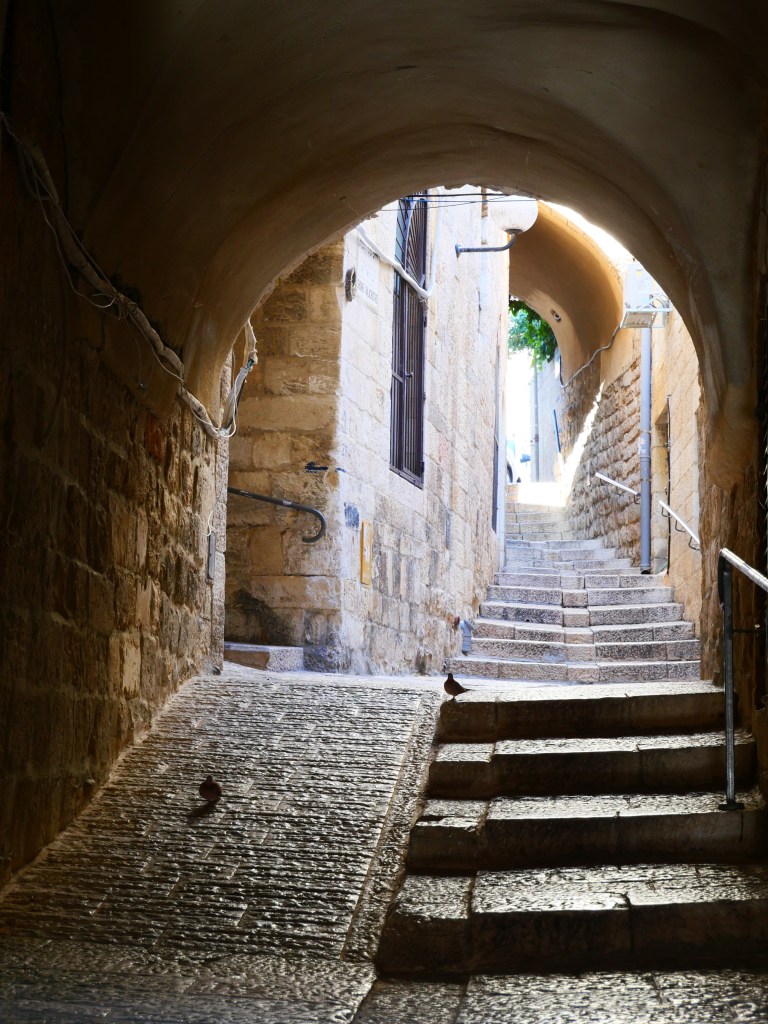

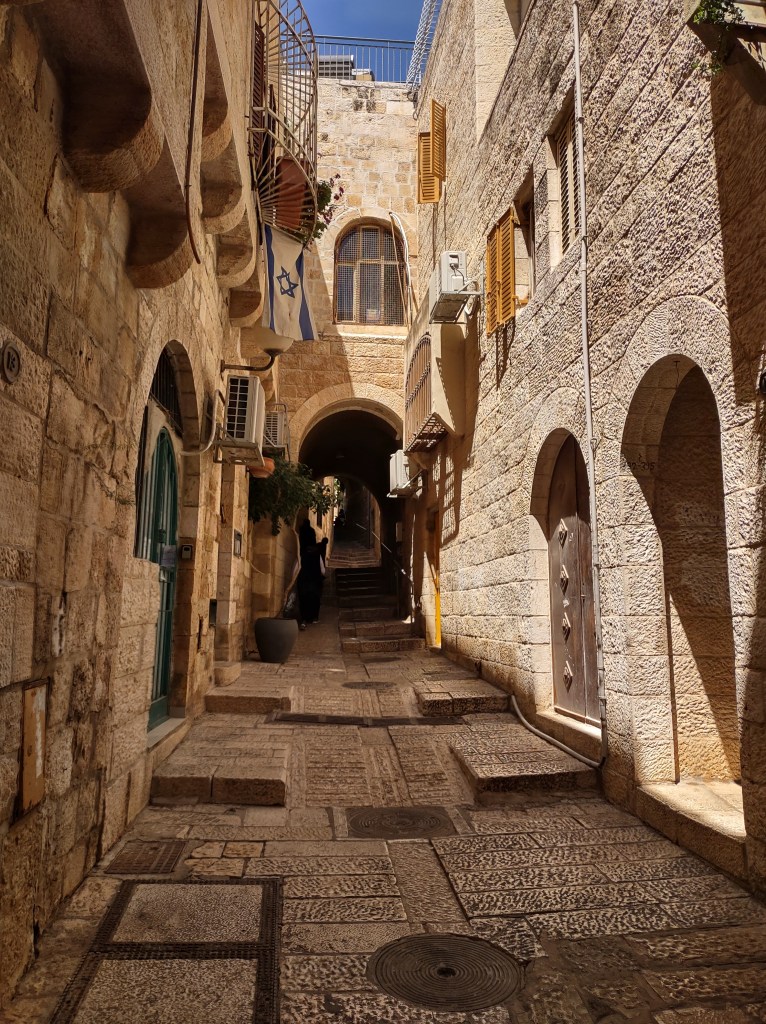
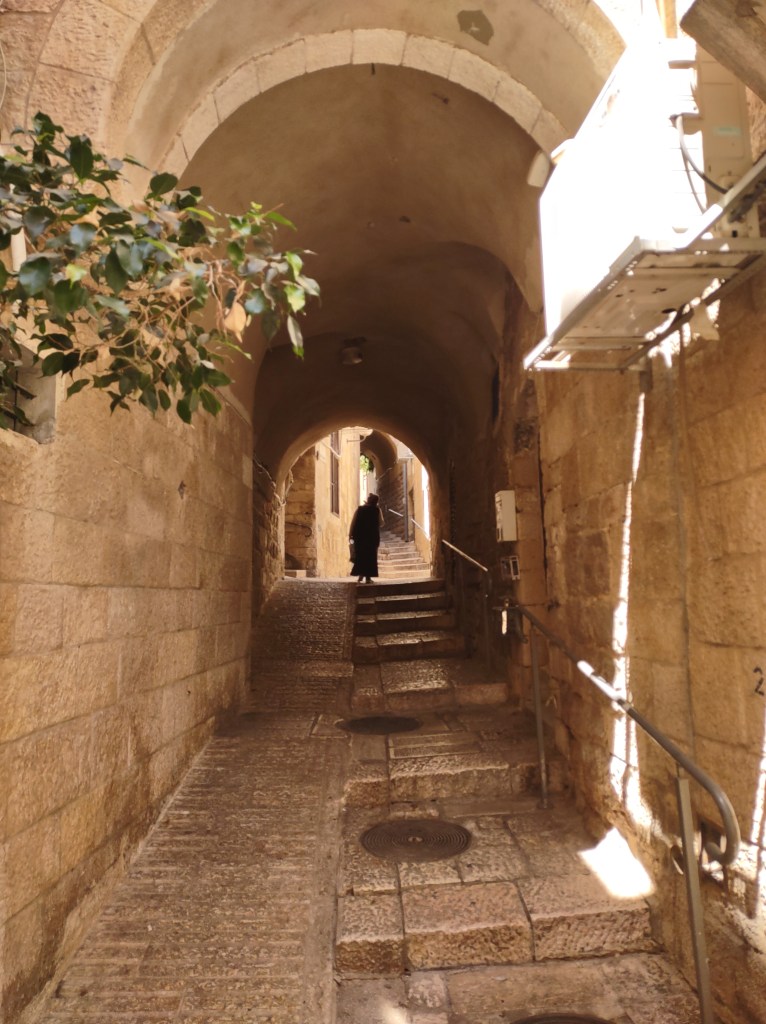
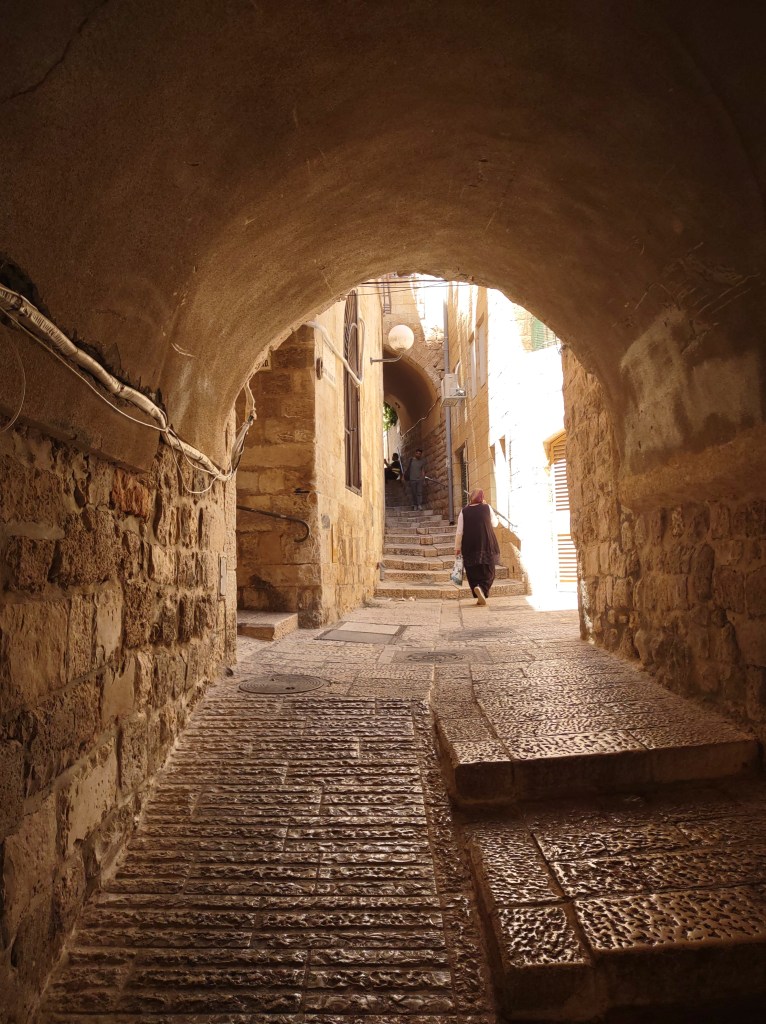
The reconstruction apparently also provided the opportunity to conceal most of the Quarter’s utilities which tend to seem like jungle vines in many older cities like this (including the other Quarters of the Old City). Have not been able to confirm, but the evidence suggests that the reconstruction work was based on the prior layout of the city and (thankfully) the notion of rethinking the layout with orderly streets and blocks was avoided. In any case, the reconstruction was done using similar local stone everywhere and the end result is a neighborhood which feels very old but looks amazingly clean and new.
Getting Around Jerusalem
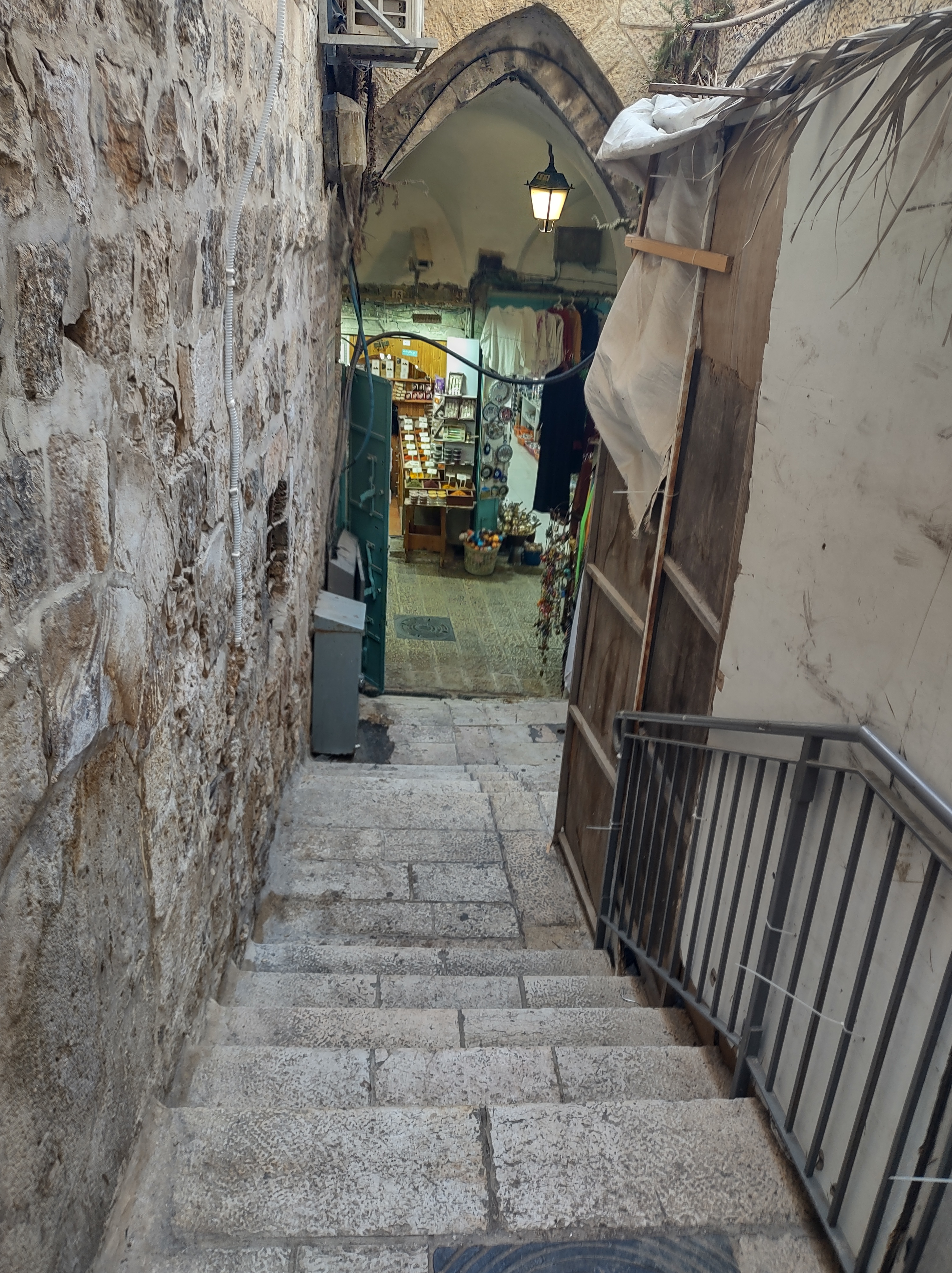
Walking is really the only way to get around the Old City but, once we got our bearings, we found it pretty easy to navigate as it is not a large place and you can walk from anywhere to anywhere in the Old City in less than 30 minutes. We were a bit surprised to find more than a few steps along the way as there are about 70 meters of elevation change between the high point of the Old City near the New Gate and the low point near the Western Wall.
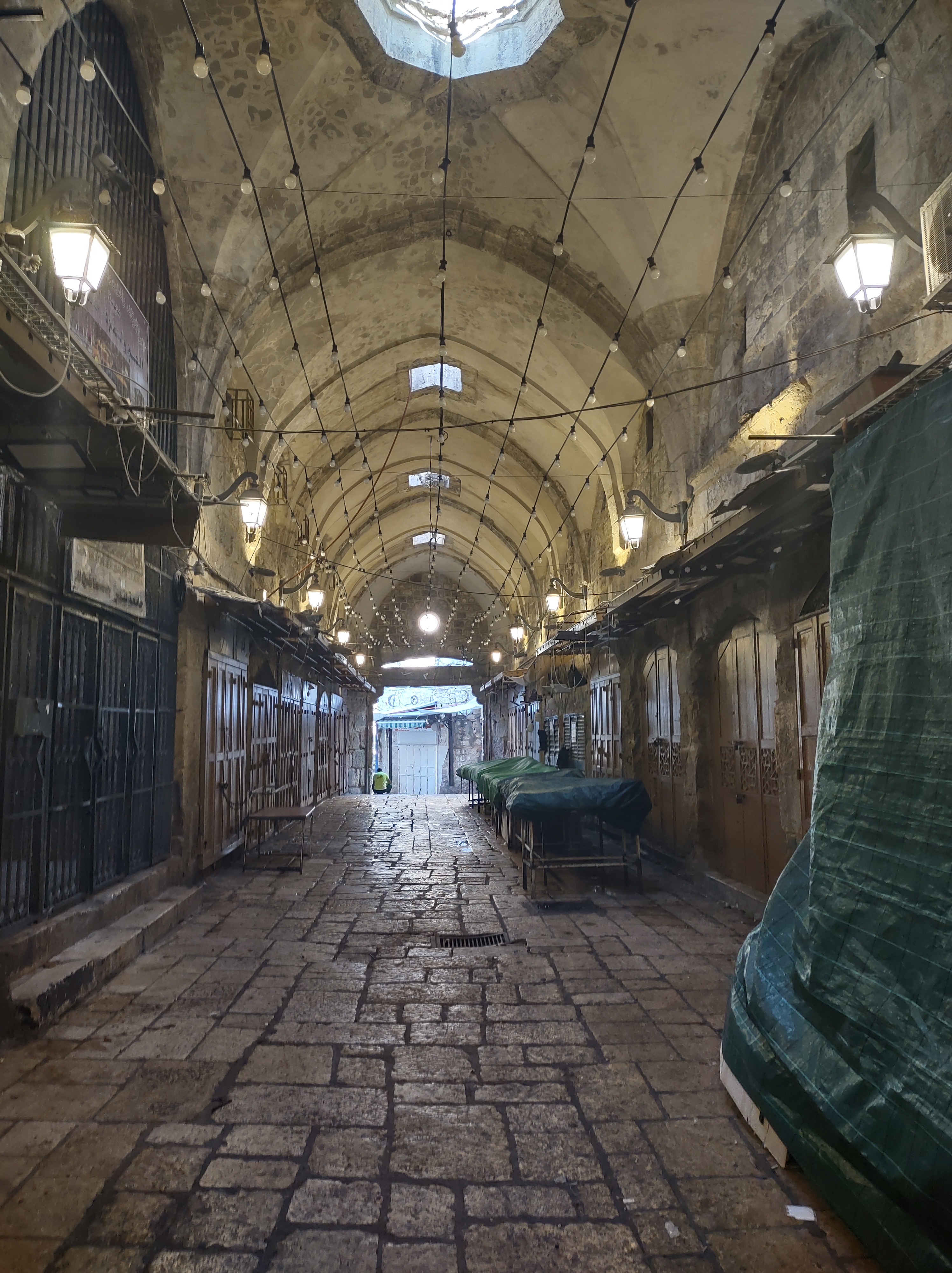
Our apartment was located just a few steps south off of Bab El Silsilfh Road, the major east-west market street (kind of a secret back door for us) and we pretty quickly got to know our way around it and the other major market streets. By the end of the week we found that we could make our way around much of the Old City with only an occasional peek at Google Maps. We were also happy to find that most tourists came from outside the Old City, so we had at least a couple of hours in the morning to get where we were going before the market streets started to get crowded.

We also walked to most places outside the Old City but, with temperatures in the mid to high 90’s, we hoped to use the local tram system for longer trips. We were happy to find that the same e-tickets we had purchased for the bus to Jerusalem could be re-charged and used for the tram system. There was a tram stop not far from the New Gate of the Old City which we used as our point of departure for a couple of trips out Jaffa Road to the Yad Vashem Holocaust Museum and the Mechaneh Yehuda Market. Like some of the trams we had used in Italy and elsewhere, there is a bit of an honor system in play here as you are supposed to swipe your e-ticket at a kiosk when you enter the tram car, which most people appear to do.

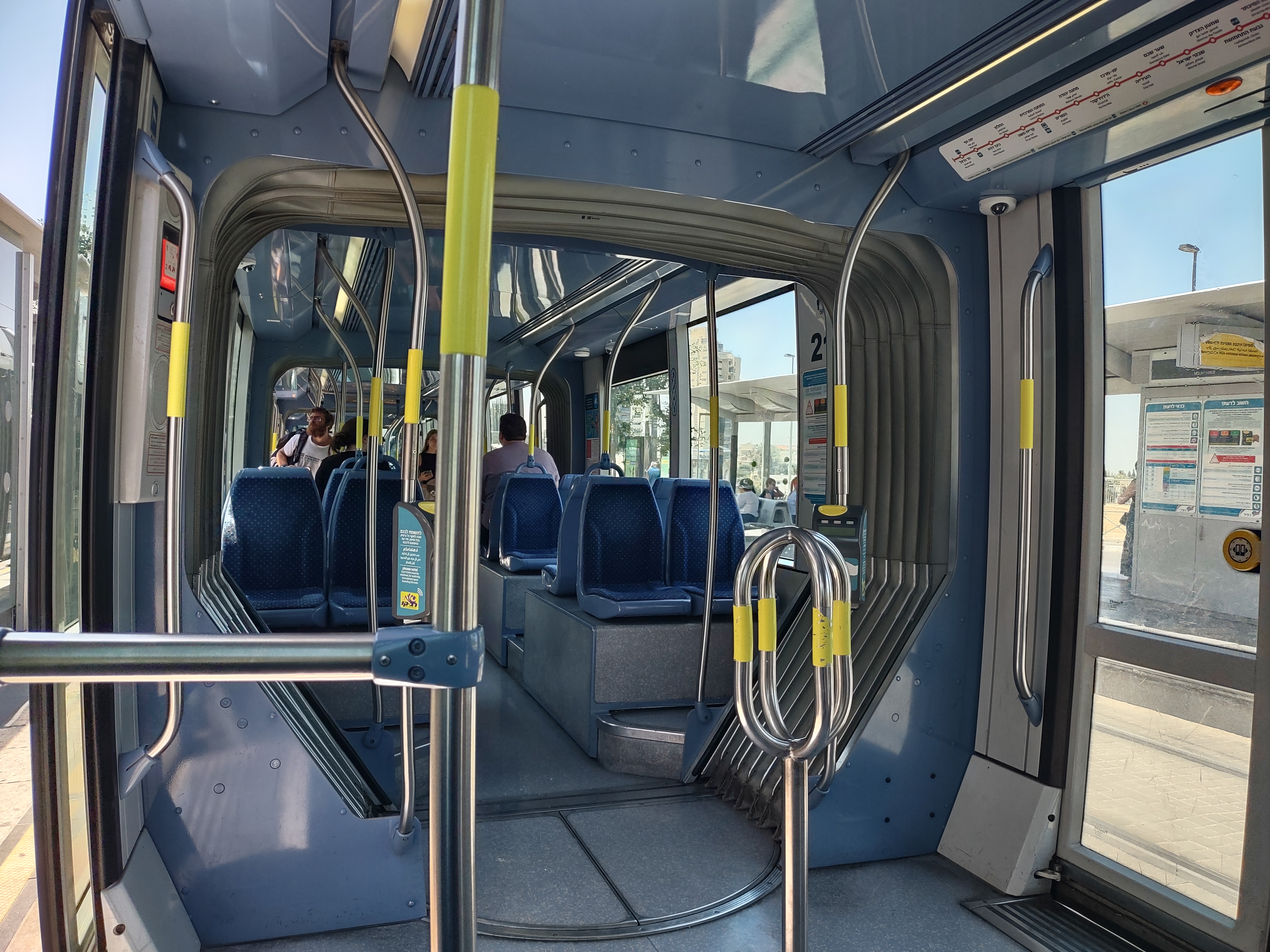

I say honor system, but we did experience a random check on one ride where a roving conductor passed through the train scanning tickets and it would appear that there are penalties for not having a ticket or not having validated it. But, it can be challenging to get to the kiosk when the tram is crowded and you are mostly concerned with getting on and finding a spot to sit or stand before the doors close, so it is hypthetically possible that one or the other of us may have failed to scan our tickets on a ride or two. Fortunately, this hypothetical, if it did in fact happen, also hypothetically occurred on a ride where the roving ticket checker did not make an appearance so, in principle, it never happened.
Sightseeing
There’s something about the word “sightseeing” that I don’t like. In a word association game, my response to the word “sightseeing” would probably be “tourist” and, as those of you who read this blog regularly know, we go to great lengths trying to be “travelers” rather than “tourists”. (Maybe “site seeing”?) But, in the end, they’re just words and you do what you need to do to experience a place and, in the case of Jerusalem, there were some pretty note-worthy sights/sites to see. While there are likely many cities with more sights/sites (Paris and Rome for starts), those in Jerusalem seemed much more potent and charged for me, certainly because of their age, but also likely the result of being raised in a Judeo-Christian culture and finally seeing places I had heard about at a very impressionable age over 12 years of Catholic schools.
Anyway, there was a lot we wanted to see and we probably packed as much as humanly possible into the seven days we spent in Jerusalem, so hang on as I try to capture it all before my Editor-in-Chief calls me into her office again for another deadline discussion and some “intern” corrective action. (I believe there is at least one reader who worked as an intern with my wife at Alfred I DuPont Children’s Hospital and knows exactly what I am talking about.)
The Church of the Holy Sepulcher
The Church of the Holy Sepulcher is a Christian church which was originally constructed around 335 AD, demolished in 1009, and rebuilt in 1048. The church is built on what are thought to be two of the most significant sites in the Christian faith – Golgotha, the site of Jesus’s crucifixion and the site of the tomb where he was buried, It also contains the last four stations of the Via Dolorosa (see below) and has been an important pilgrimage site for Christianity since the 4th century. Given all of this, it is surprising at how innocuous the Church is from the outside, hemmed in by other buildings (including one mosque, three monasteries, no less than 8 chapels, and a tomb) to the extent that you could walk past not recognizing it for what it is.
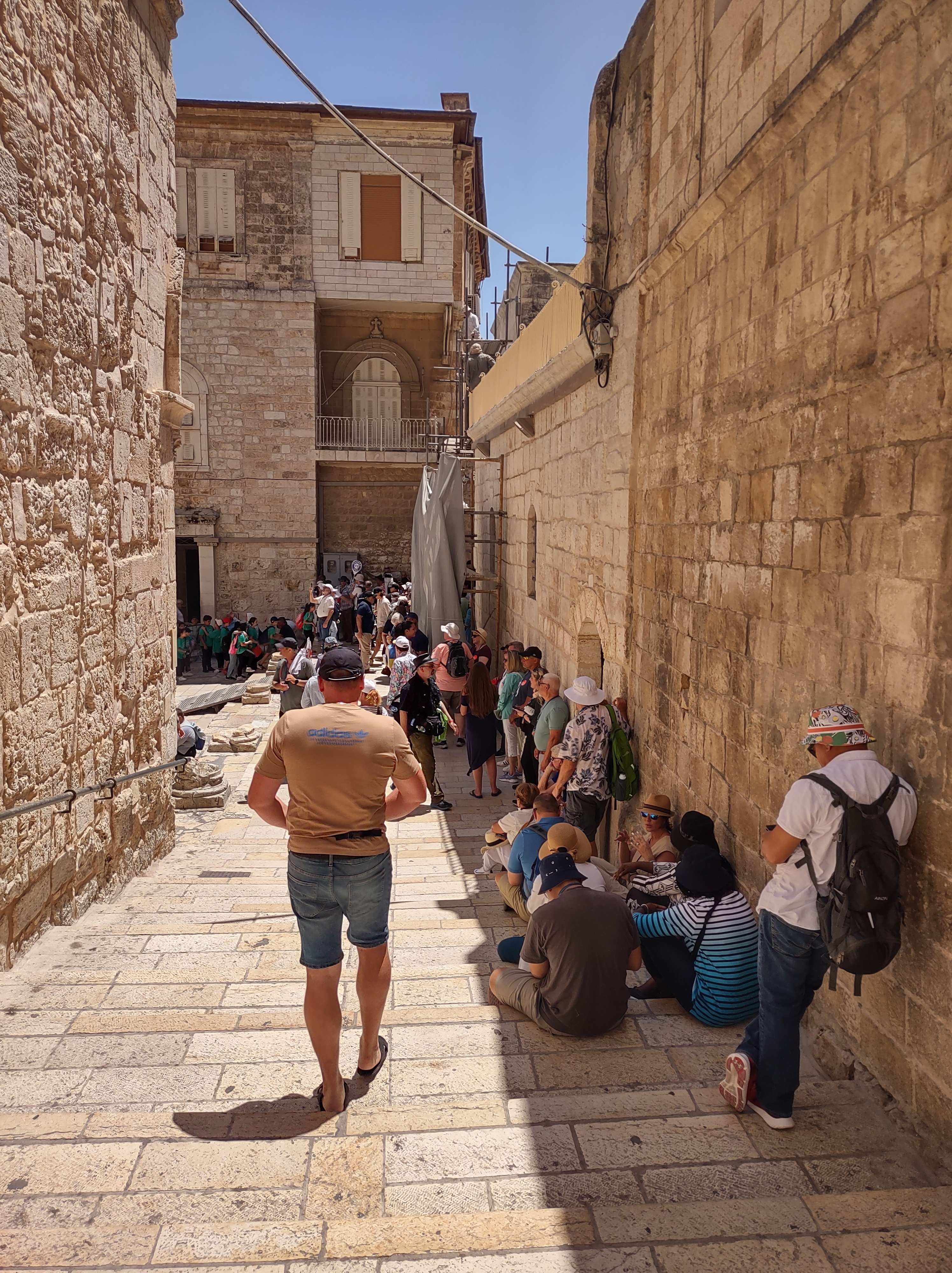
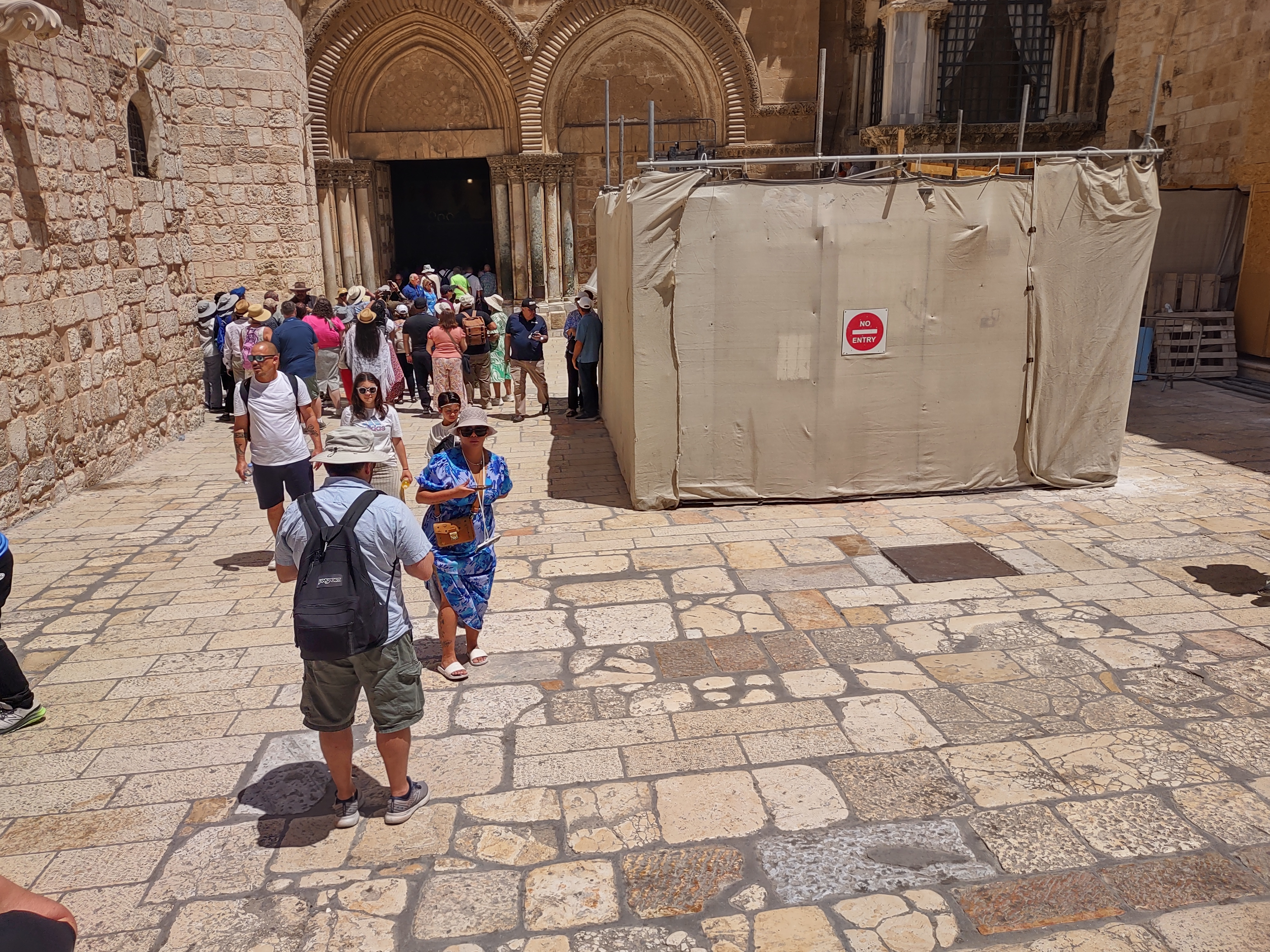
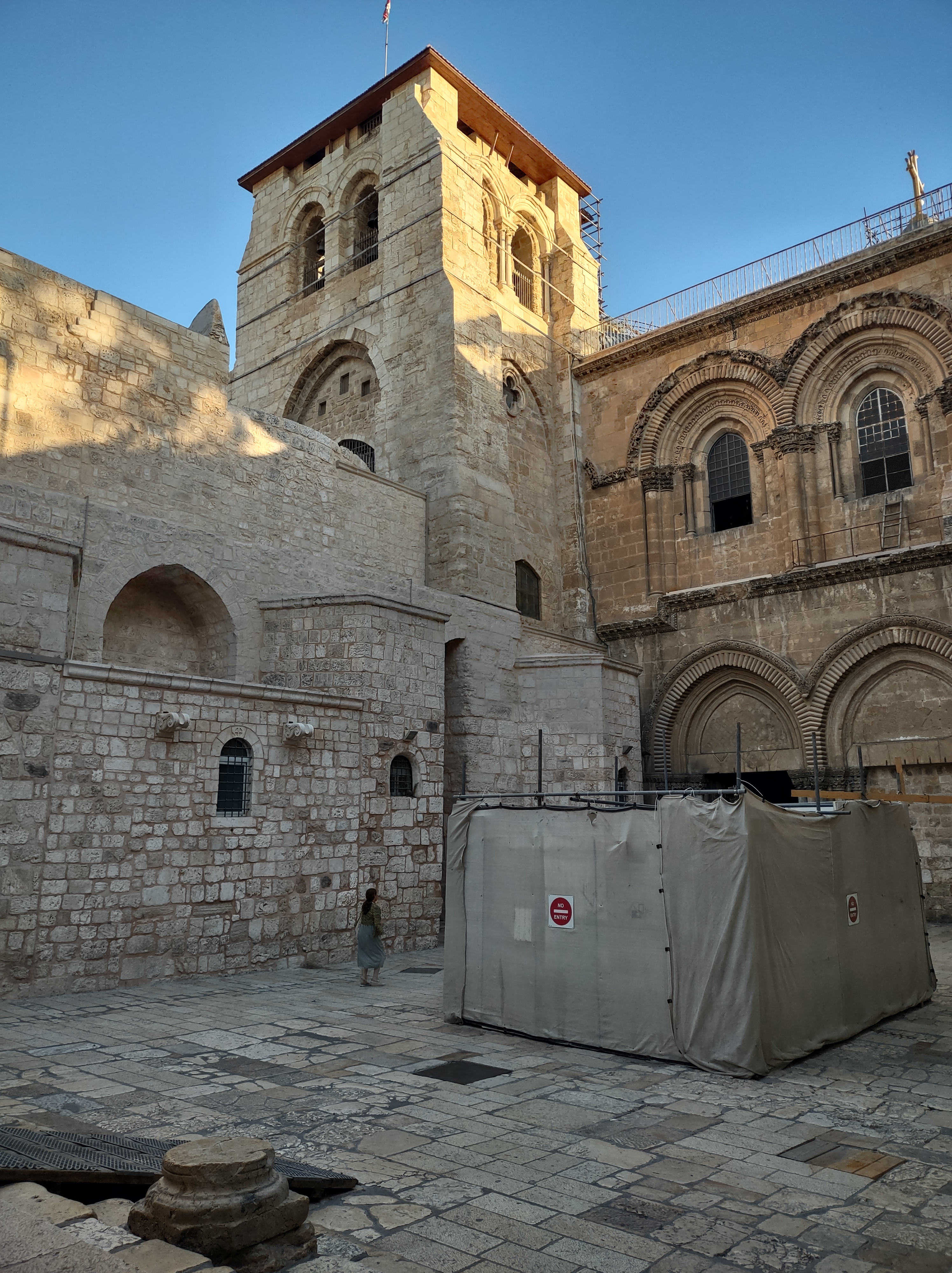
We passed by the Church a couple of times on our Saturday in Jerusalem when it seemed quite crowded and decided that we would attend mass there on Sunday. We opted for the 6:30 AM mass hoping for both less heat and fewer visitors, and were not disappointed in that regard, but I must say that we found the Church to be a bit odd (and maybe even a little disappointing) in some ways. Much of this seems rooted in the Status Quo, an agreement originally formulated in 1757, which grants joint control of the Church to a number of religious groups including the Roman Catholic, Greek Orthodox, and Armenian Apostolic Churches.
The bottom line of the Status Quo is that no changes may be made to the structure or furnishings of the Church without the consensus of the controlling organizations and there are some interesting stories of past disagreements over things like who cleans which steps as well as a story of an altercation breaking out when a Coptic monk moved his chair from the agreed upon spot into the shade. The best-known story (maybe the epitome of all this) regards a small ladder placed under a window in the façade on the day that the Status Quo went into effect in 1757 and which therefore remains there to this day (Really?). On the other hand, the Status Quo is also responsible for the fact that the doors from 1757 (which show their age) are still in place.
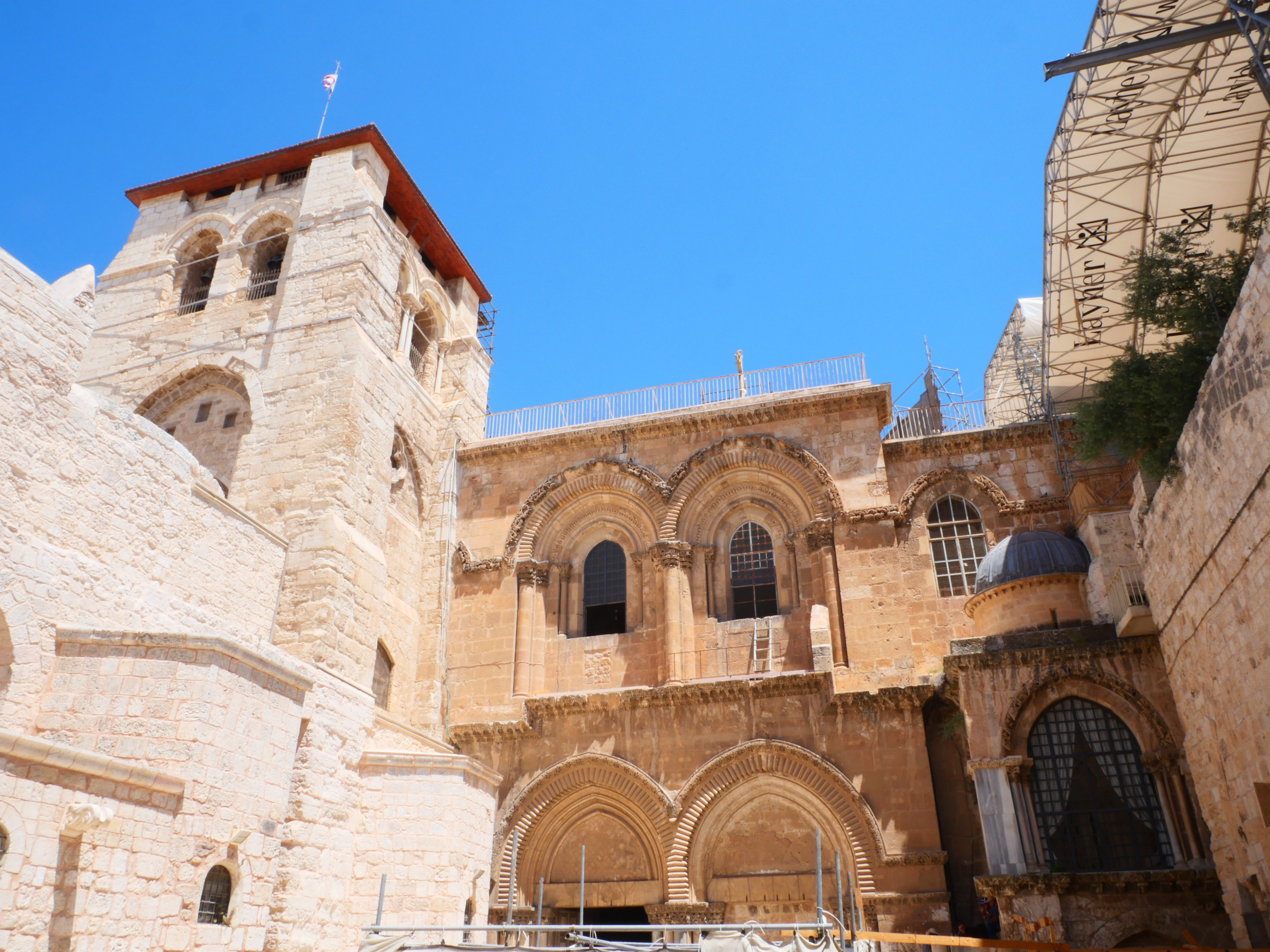
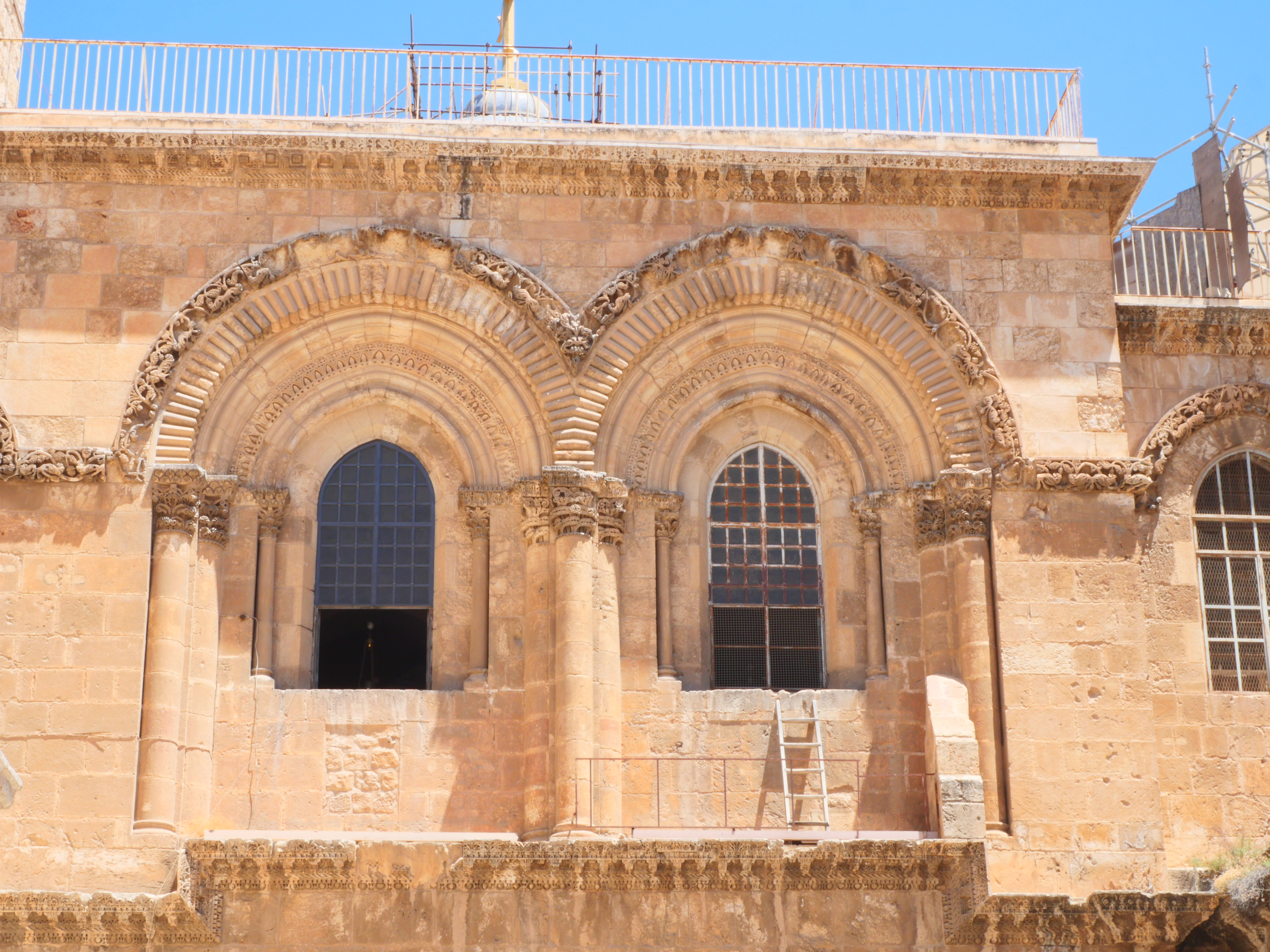
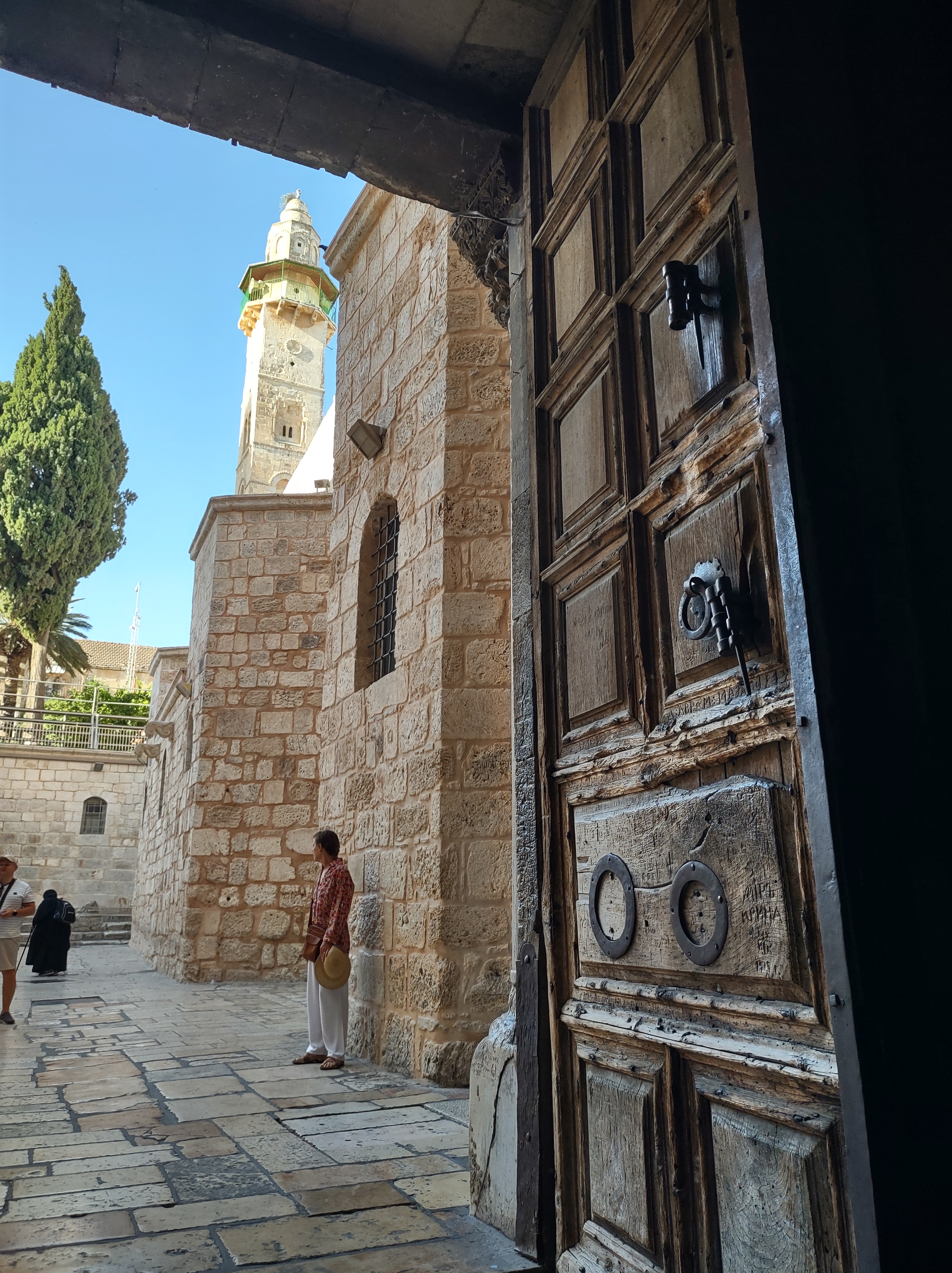
For us, the Status Quo made itself known in a number of ways, starting with a very complicated mass schedule to accommodate services amongst 8 different Christian denominations. Within the Church, this has been facilitated by the construction of a number of temporary partitions which turn it into a bit of a maze. We arrived early but were a bit frustrated when, wandering through this maze, we heard mass begin somewhere nearby but just couldn’t seem to find our way there. We eventually did find it under the larger of the Church’s two domes and, despite the temporary flooring, partitions, and exposed electrical conduit, we were actually a bit awed by the grandeur of the domed space with the aedicule – the ornate structure which surrounds the tomb of Jesus – at its center.


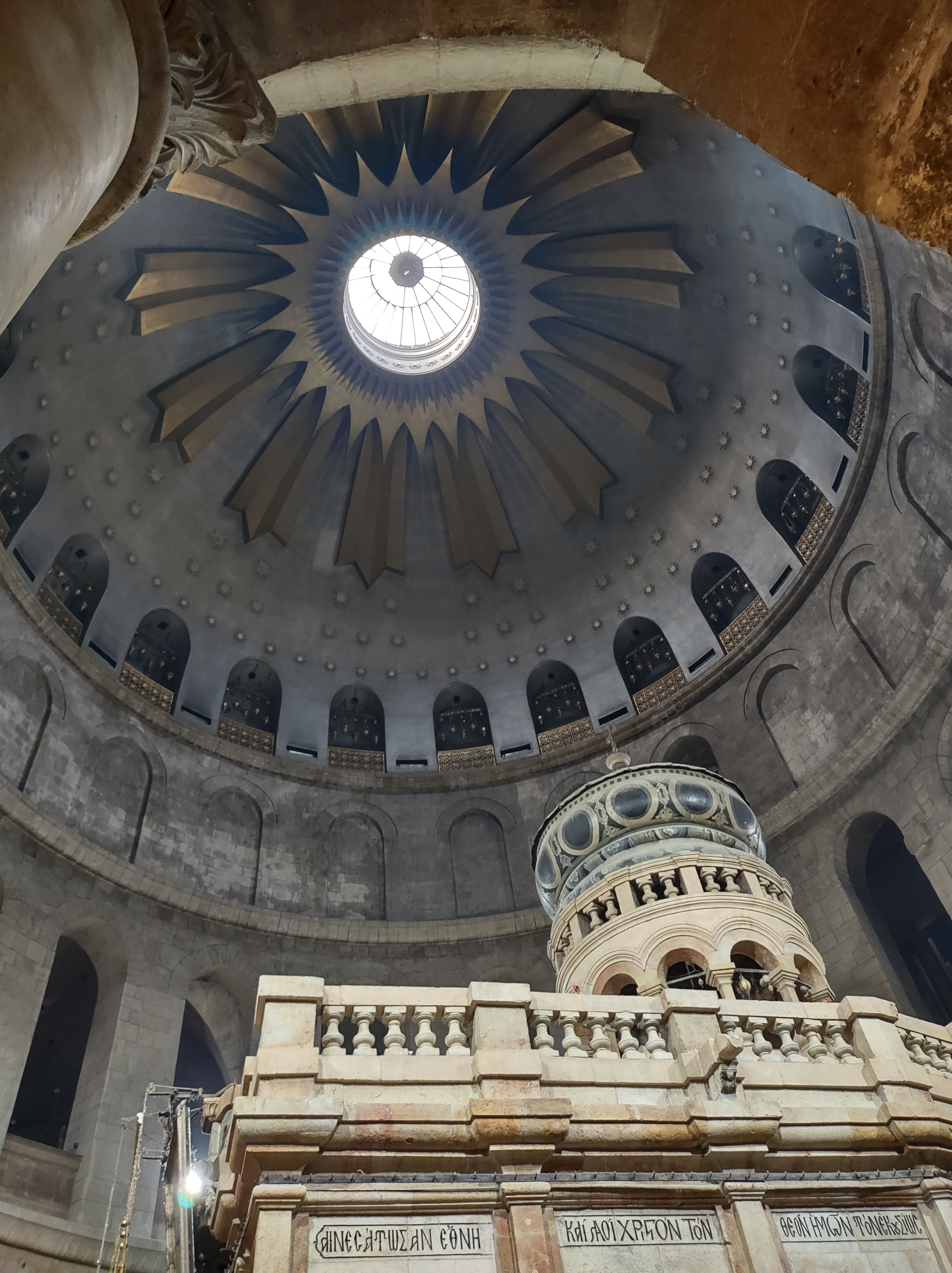
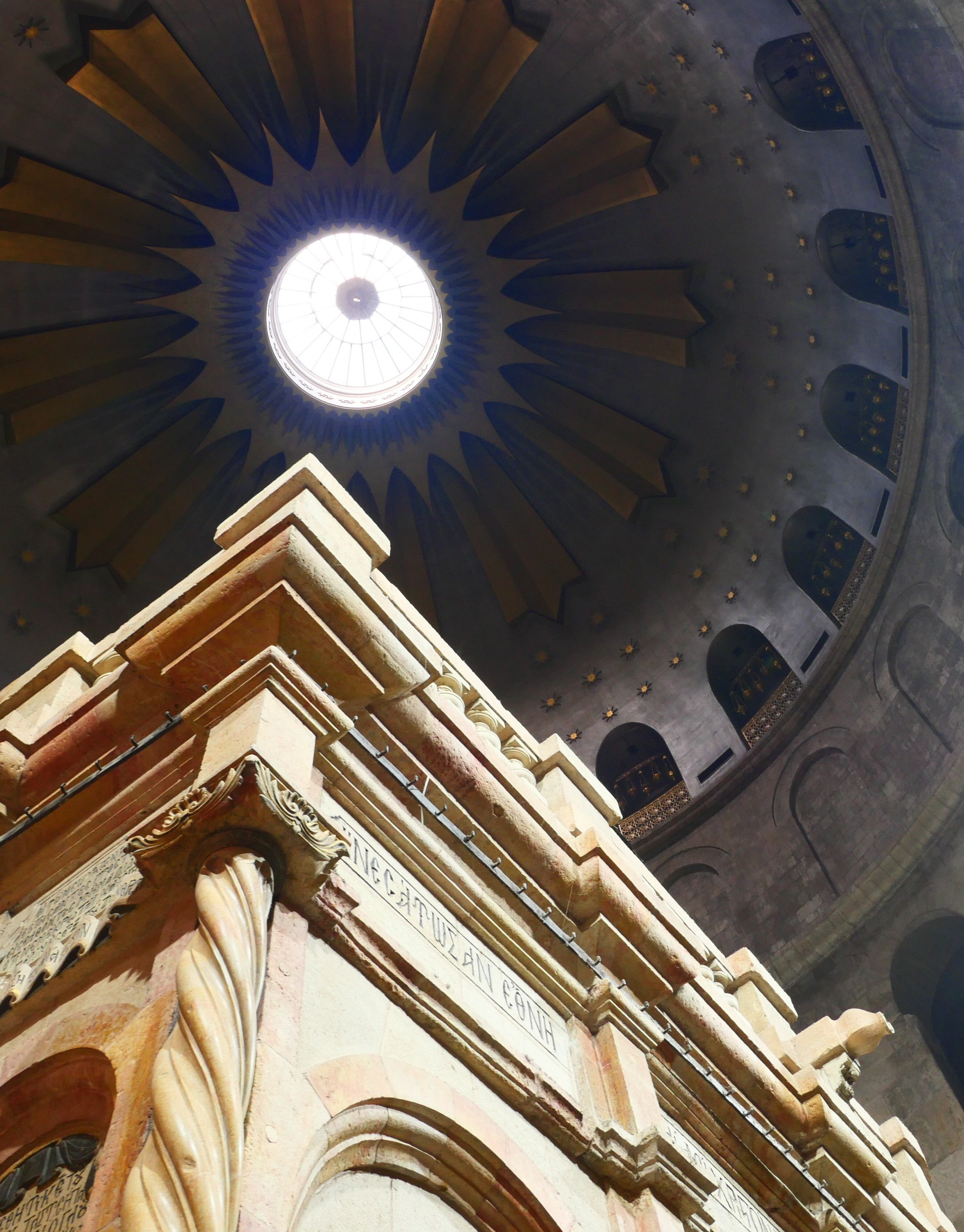
Amazingly, there were only about twenty people in attendance along with a choir of eight priests and monks and two or three celebrants. Understandably (but also kind of oddly) the actual consecration takes place within the aedicule making it pretty much impossible to hear or see what the celebrant is saying or doing. Fortunately, either because they can hear and see or because they just know the routine, the choir did make the appropriate responses at the appropriate time. Even with another service being held on the other side of the aedicule (which was a bit distracting at times), the setting was pretty powerful and made for a memorable service (even for we who are not overly religious).
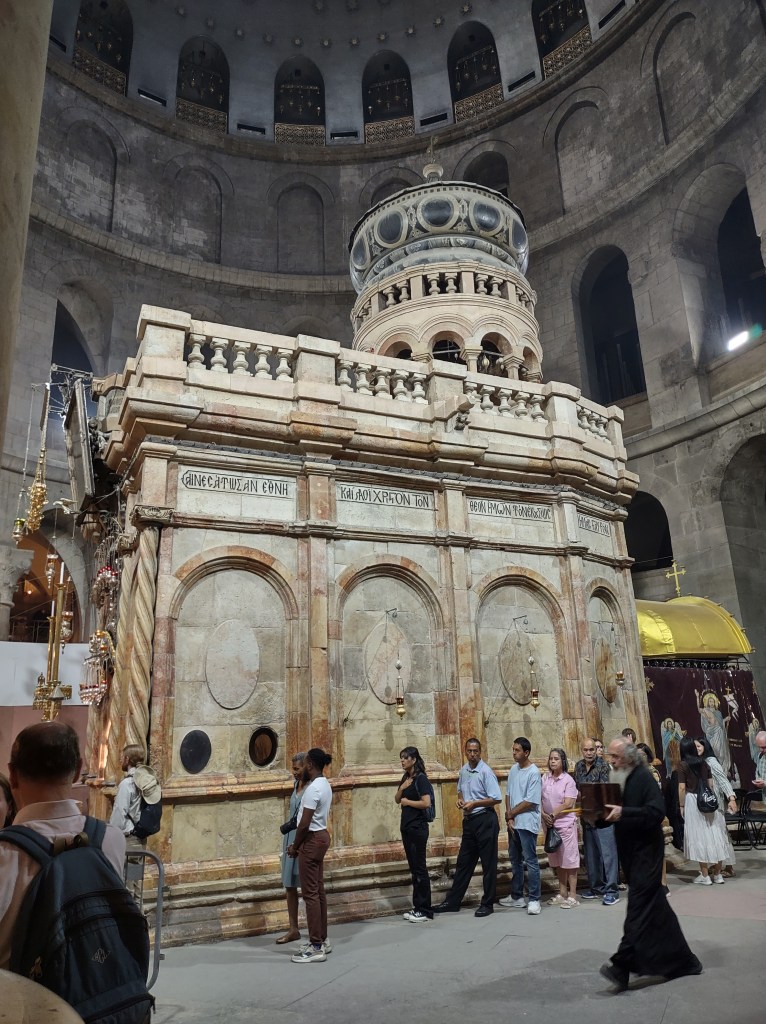
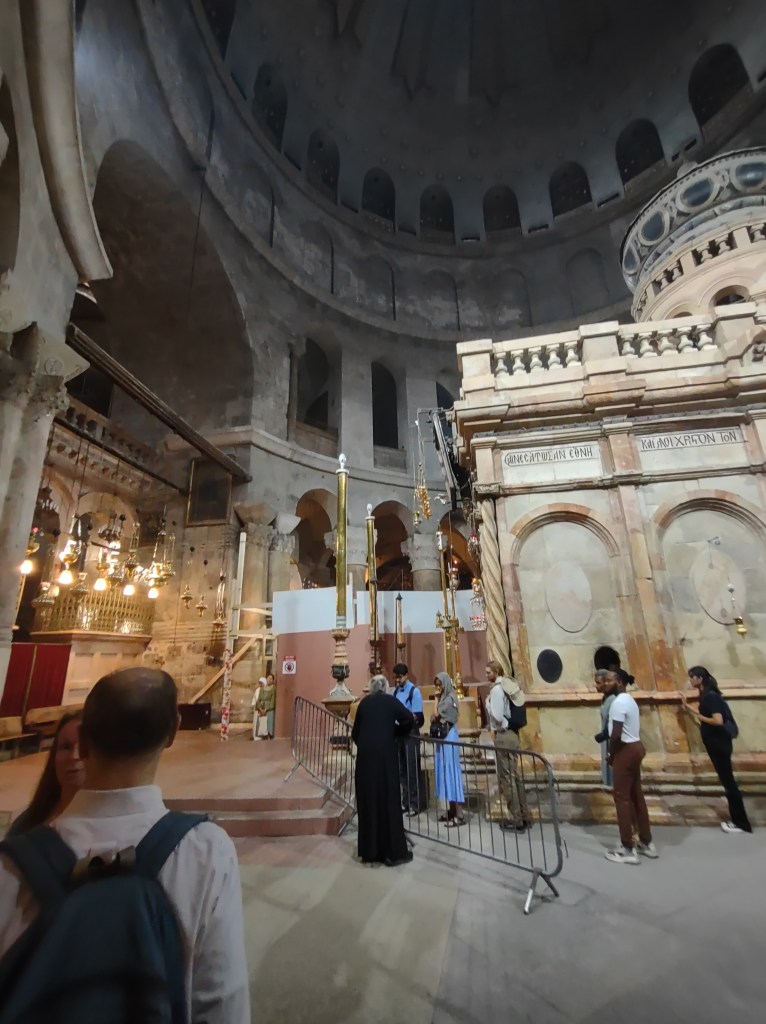
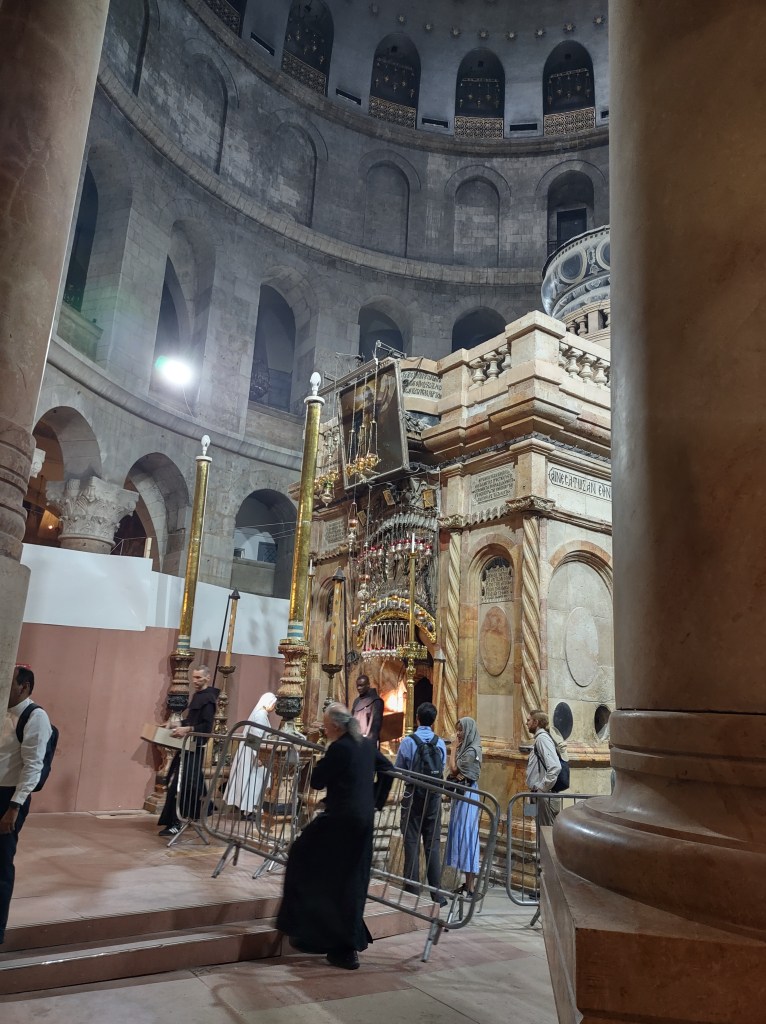
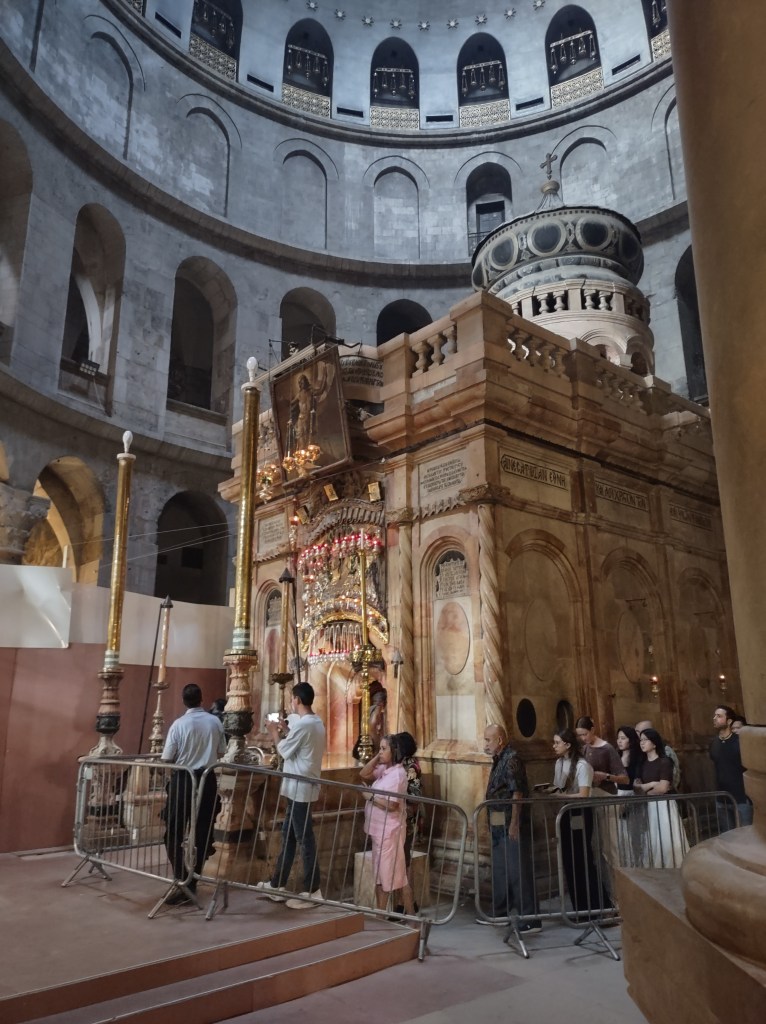
One other kind of odd thing was how quickly and efficiently the monks broke down the mass set-up after the service, whisking away the pews and erecting temporary barricades as attendees from the mass formed a queue to enter the aedicule. It was strangely like watching a group of roadies breaking down the stage after a rock concert. Once this was done, the monks retired to a nearby chapel for morning chanting and we made our way back through the maze, now letting ourselves get lost among the various alters, chapels, and grottos which surround the central dome, some of which were pretty amazing. We were able to catch glimpses of the Church’s second dome here and there, but that area appeared to be closed to the public.
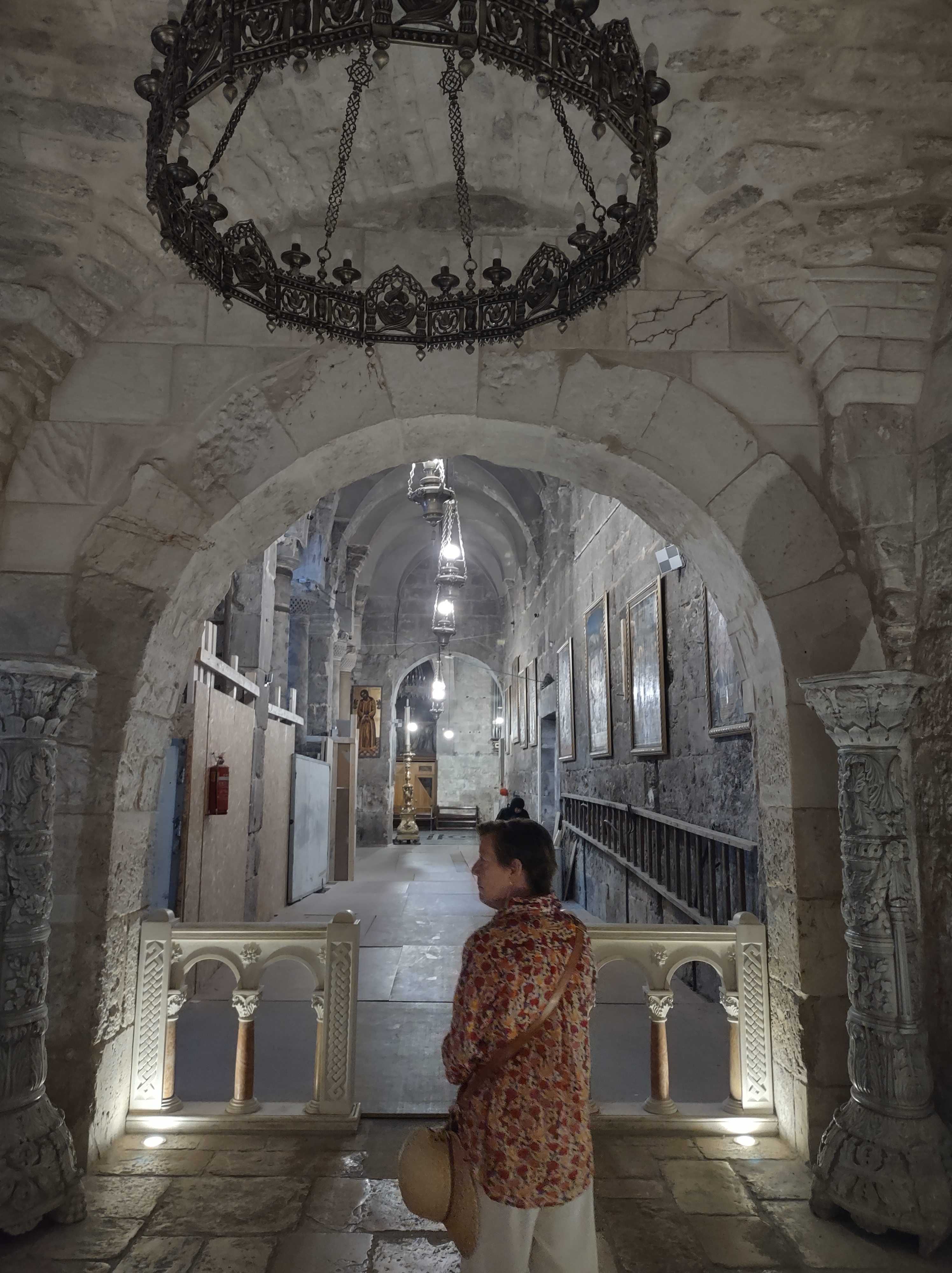
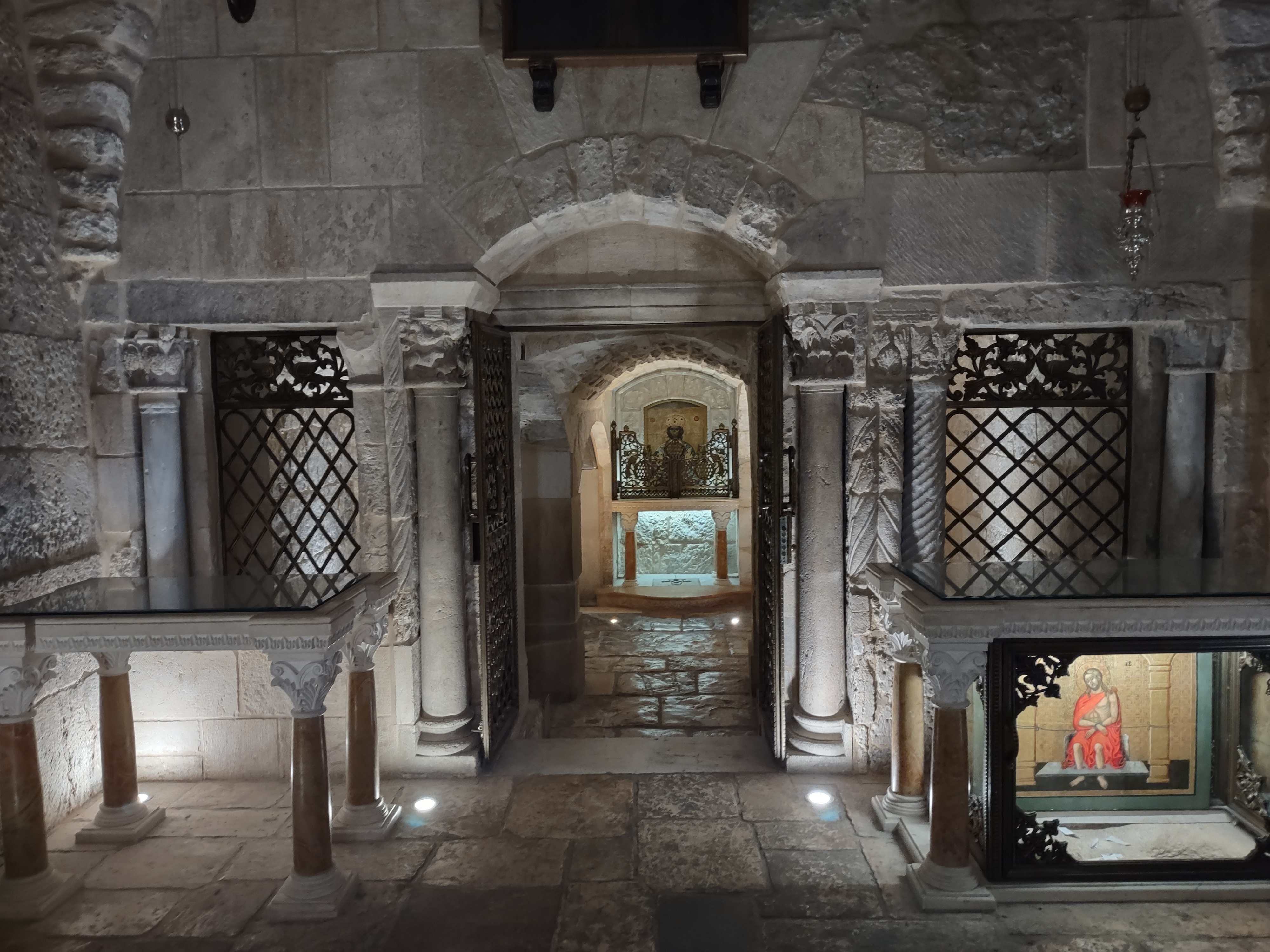


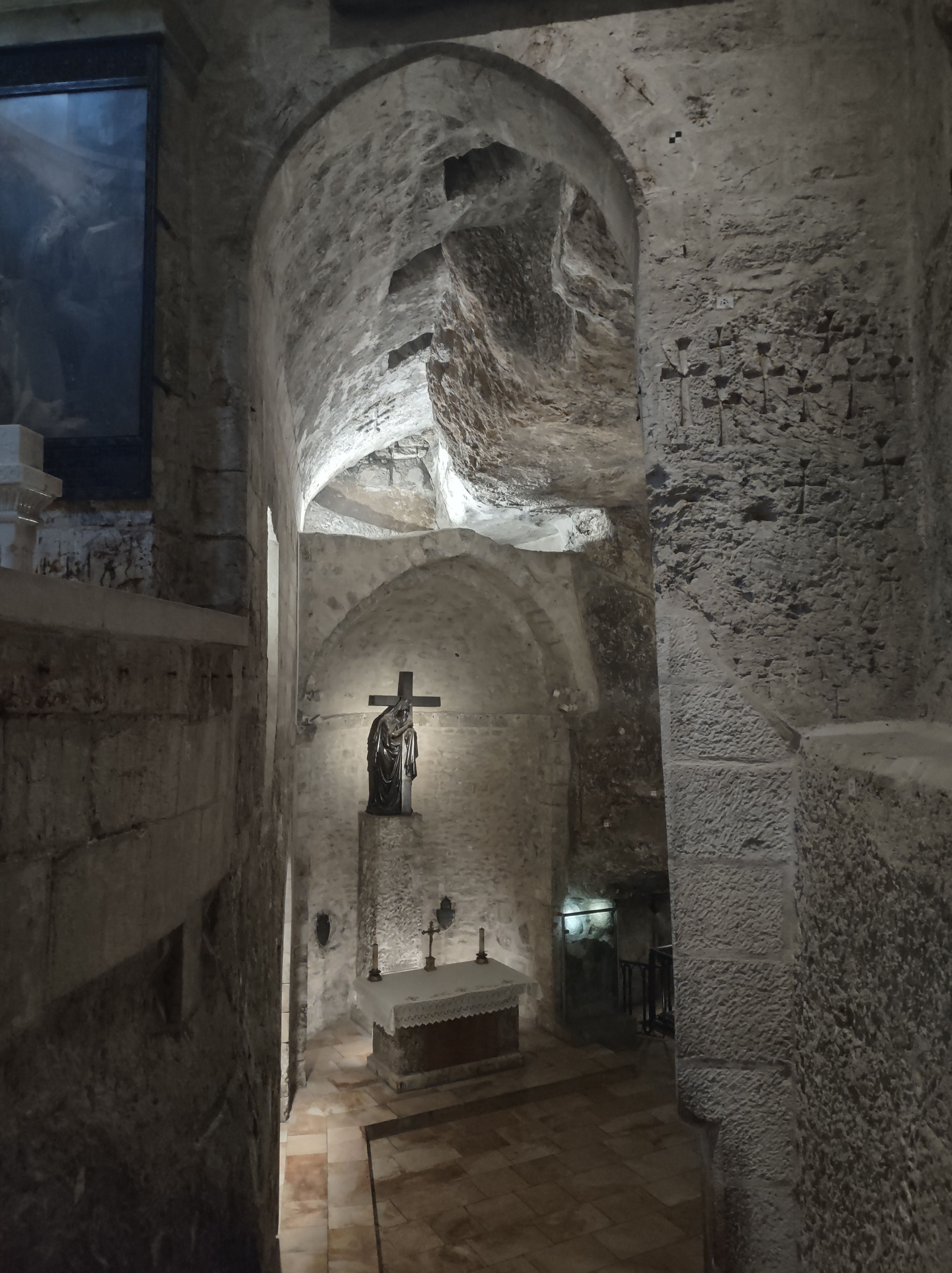
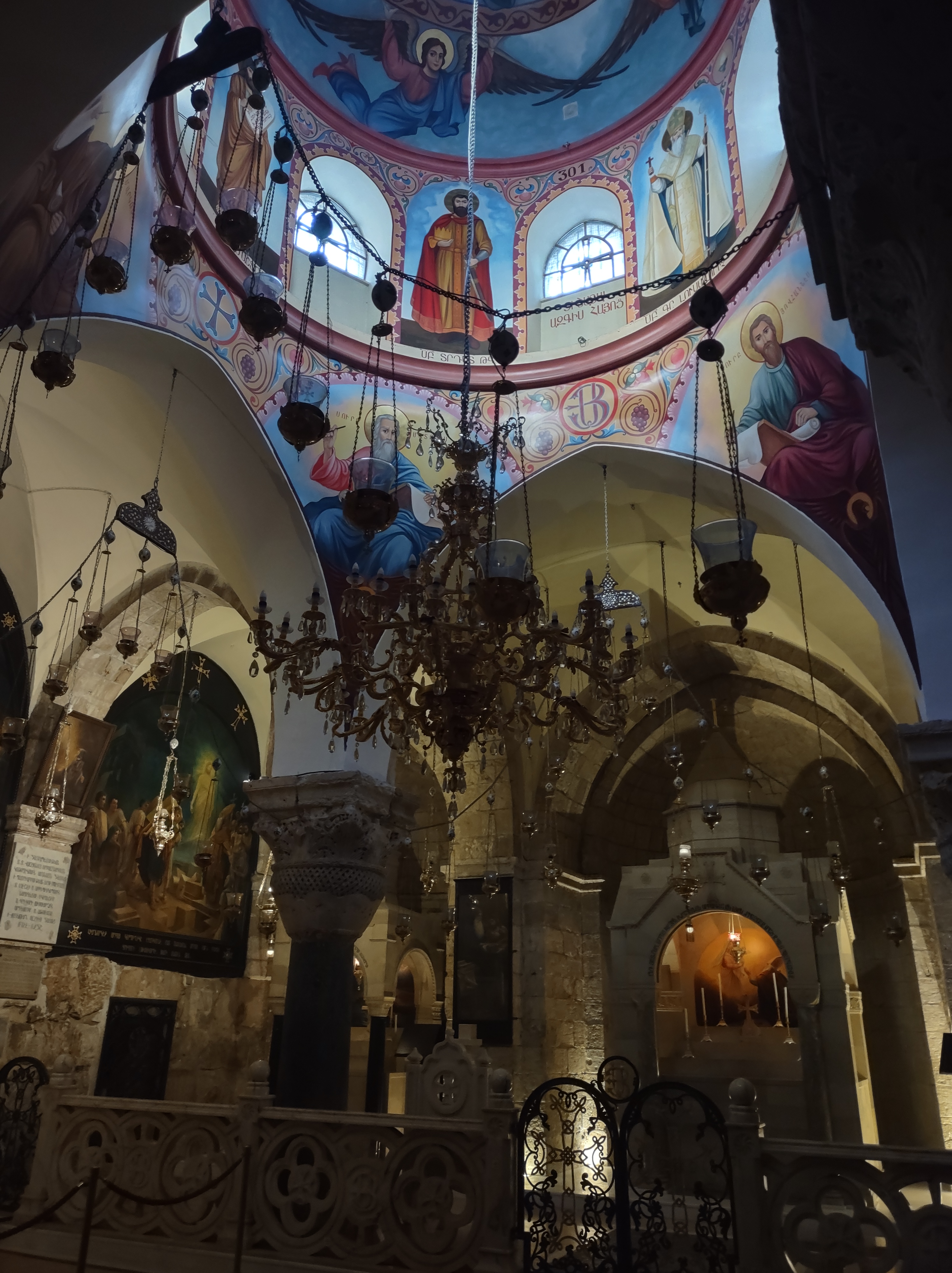

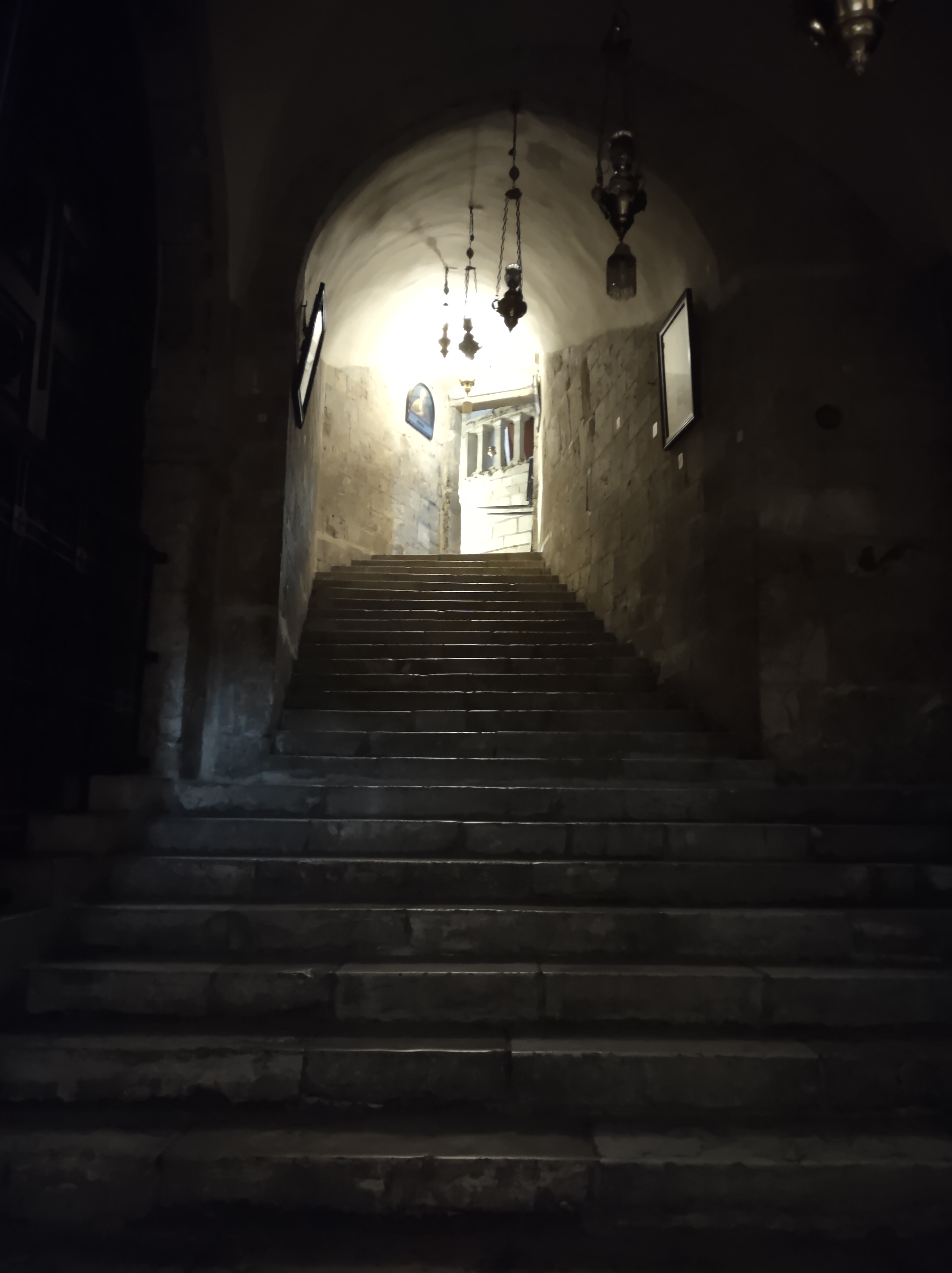
All in all, a very memorable experience and a great way to start a day.
The Via Dolorosa
Its kind of funny to be in Israel and to have childhood catholic school day memories come flooding back but then, we are in Jerusalem. One of those memories is attending the stations of the cross every Friday of Lent for eight years. For those who have not experienced this, it consists of a recounting of 14 “stations” which were part of the crucifixion of Jesus each of which is depicted in painting, sculpture, or stained glass around the perimeter of the church. A priest and alter boys visit each station, recount what happened there and then you say some prayers. Not all that exciting for a grade schooler but part of the complexity and contradiction of going to Catholic school – would I rather be in class or in church doing stations of the cross?
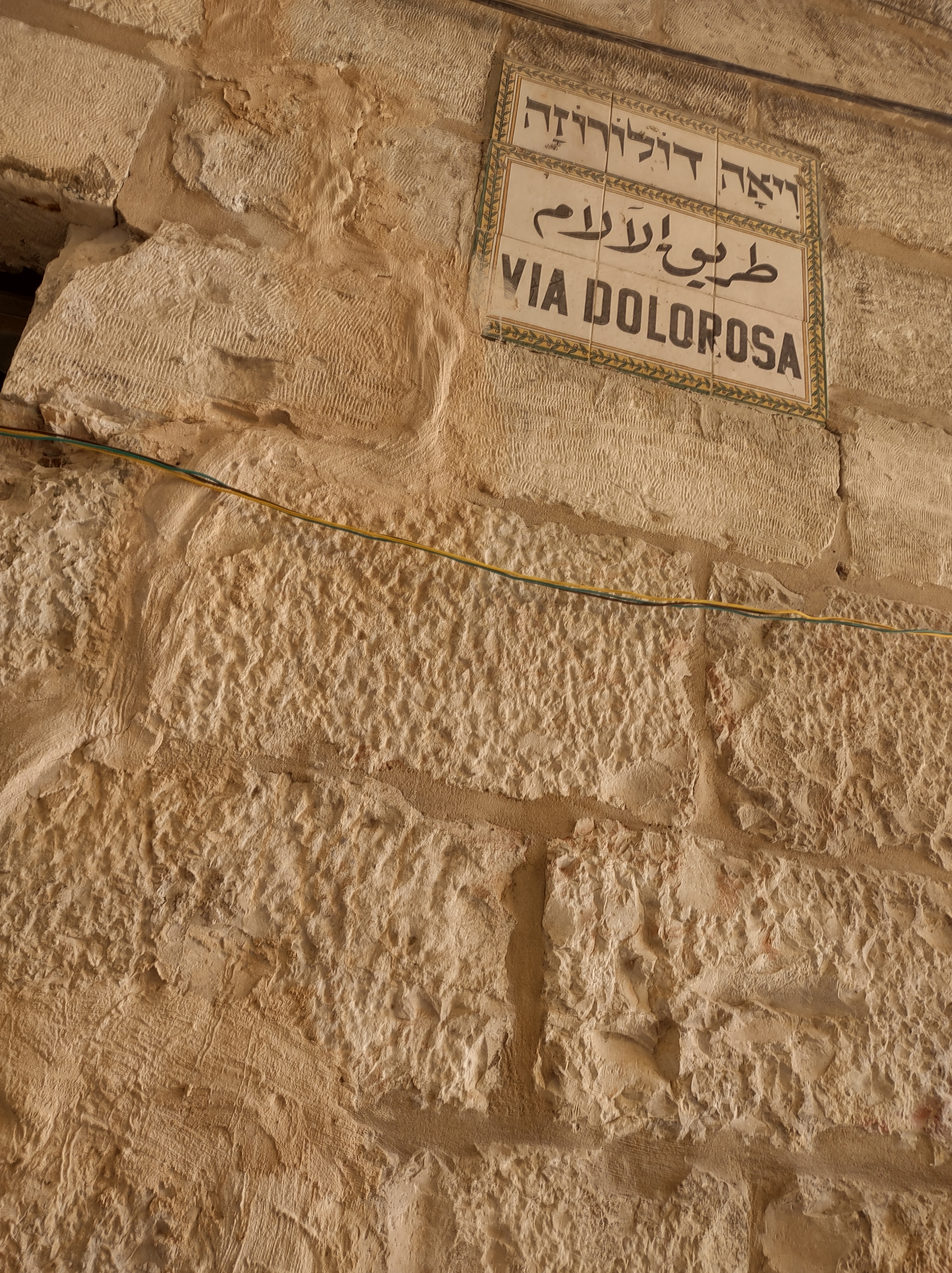
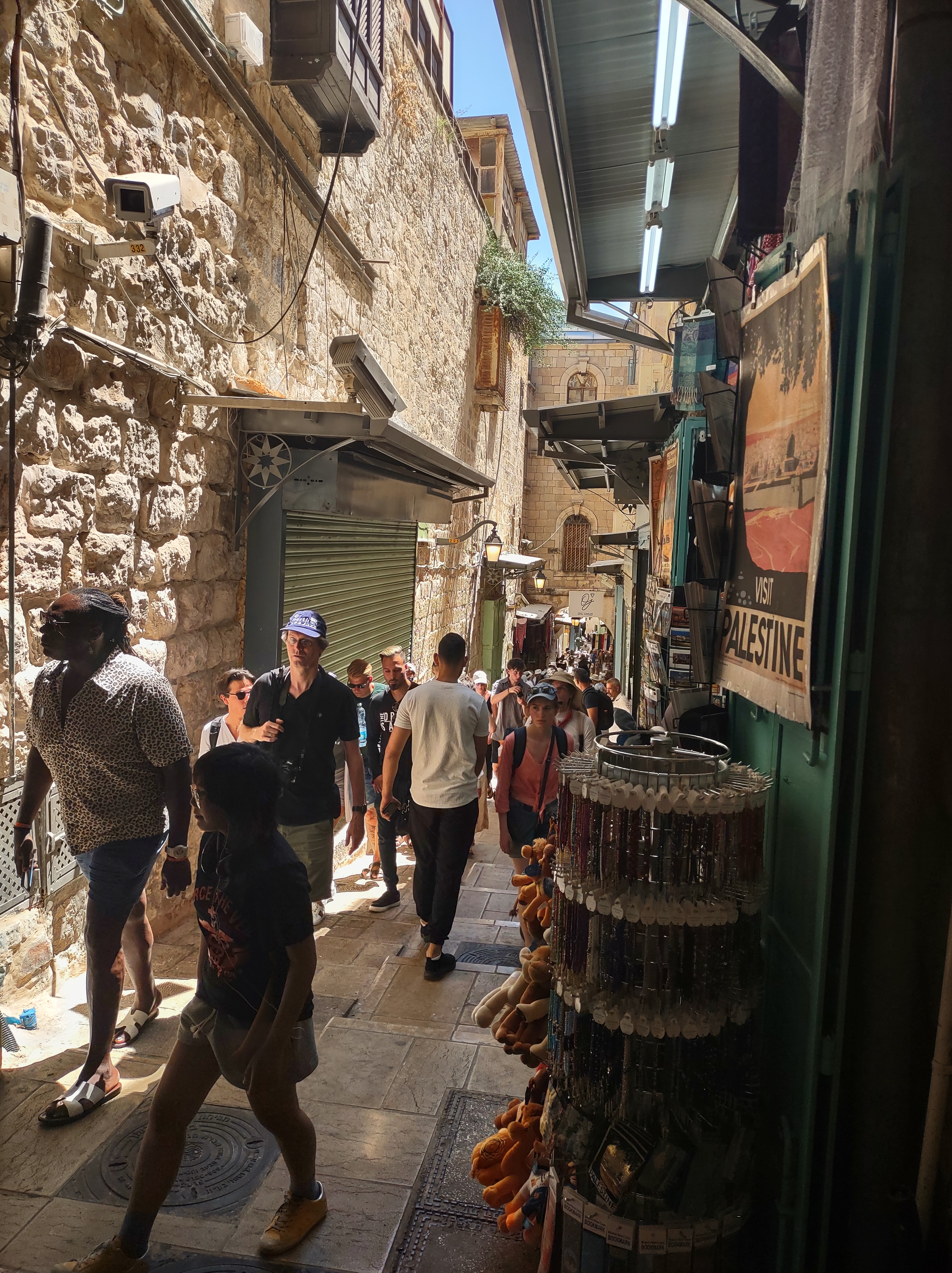
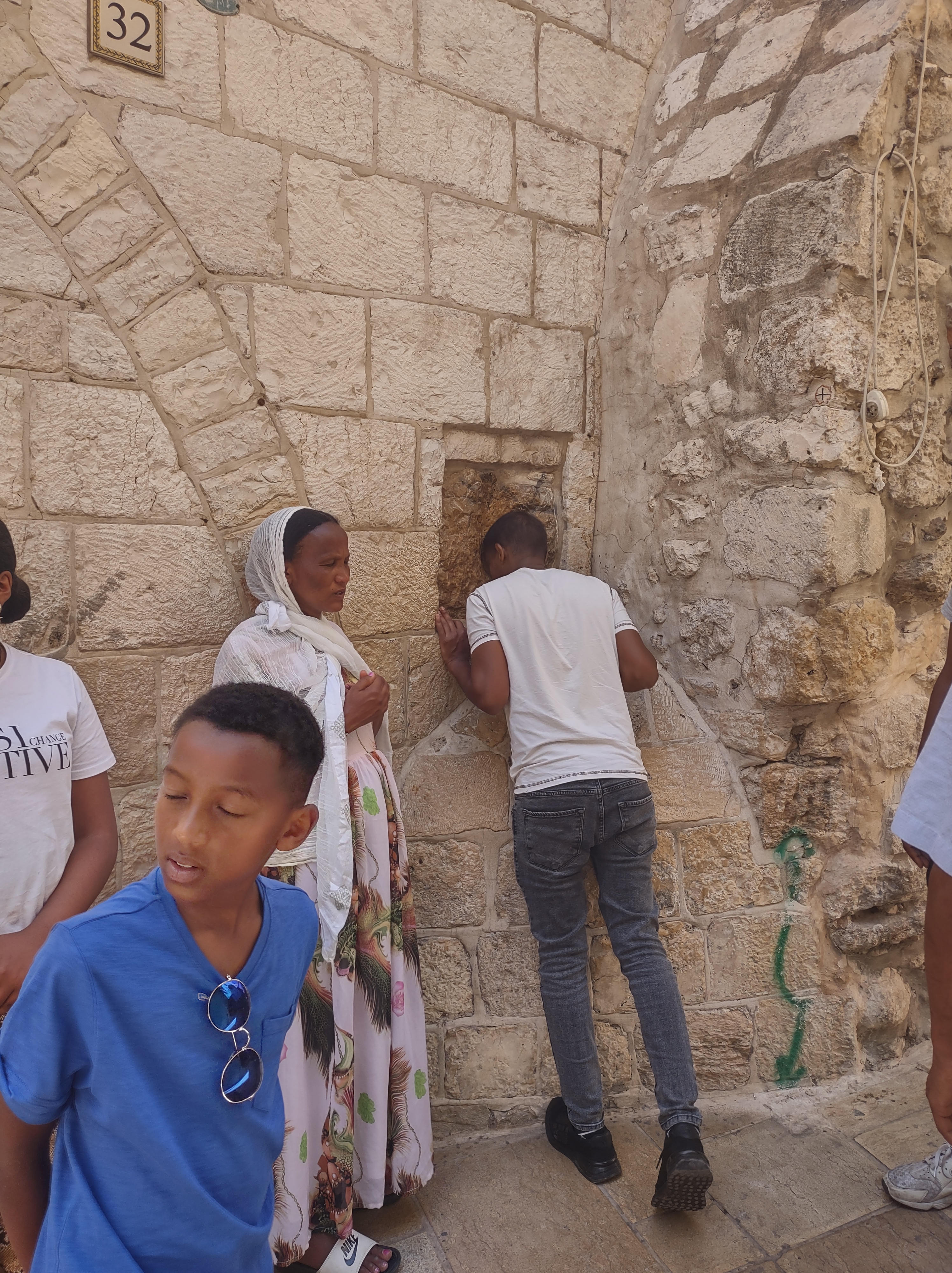
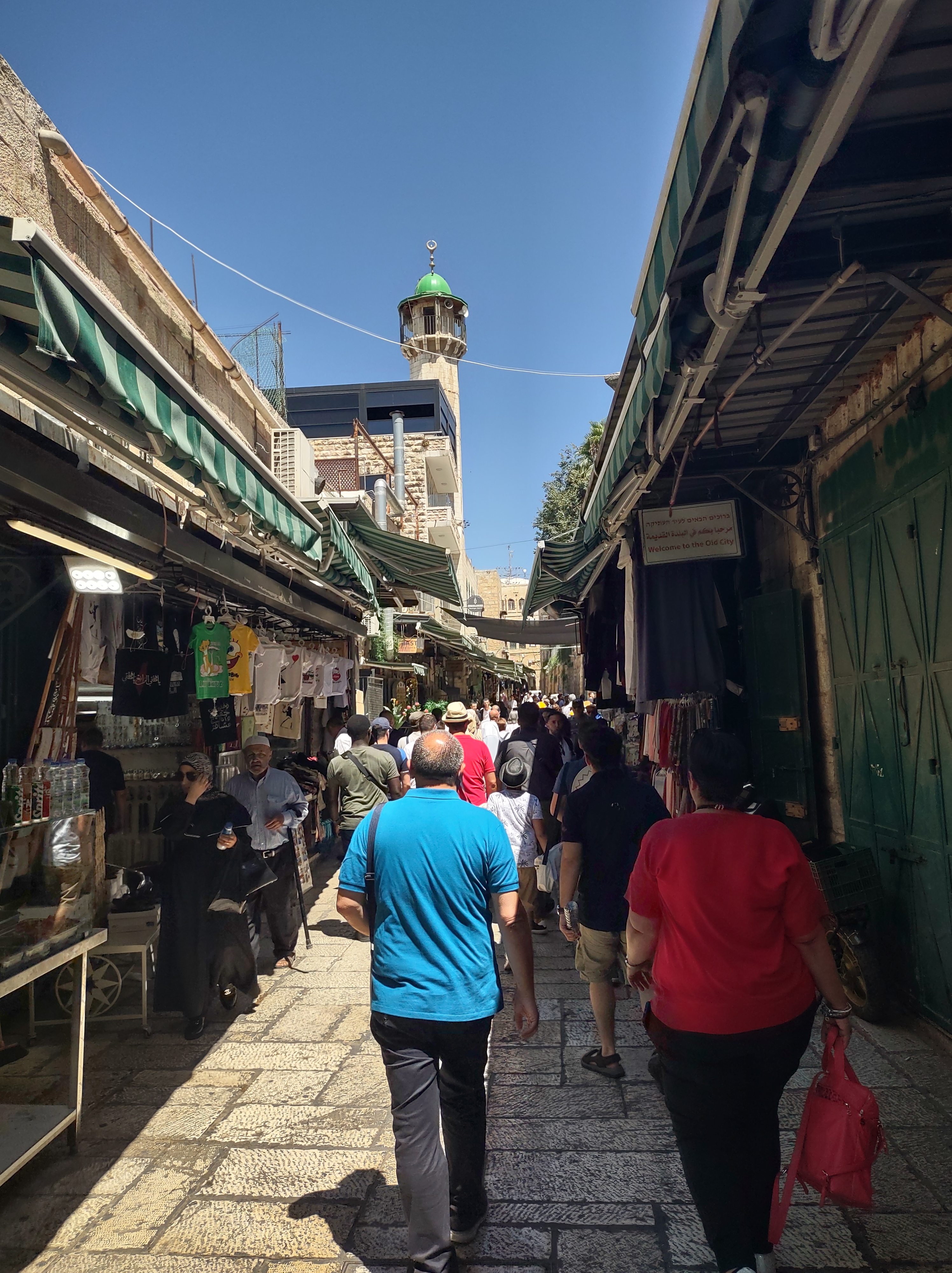

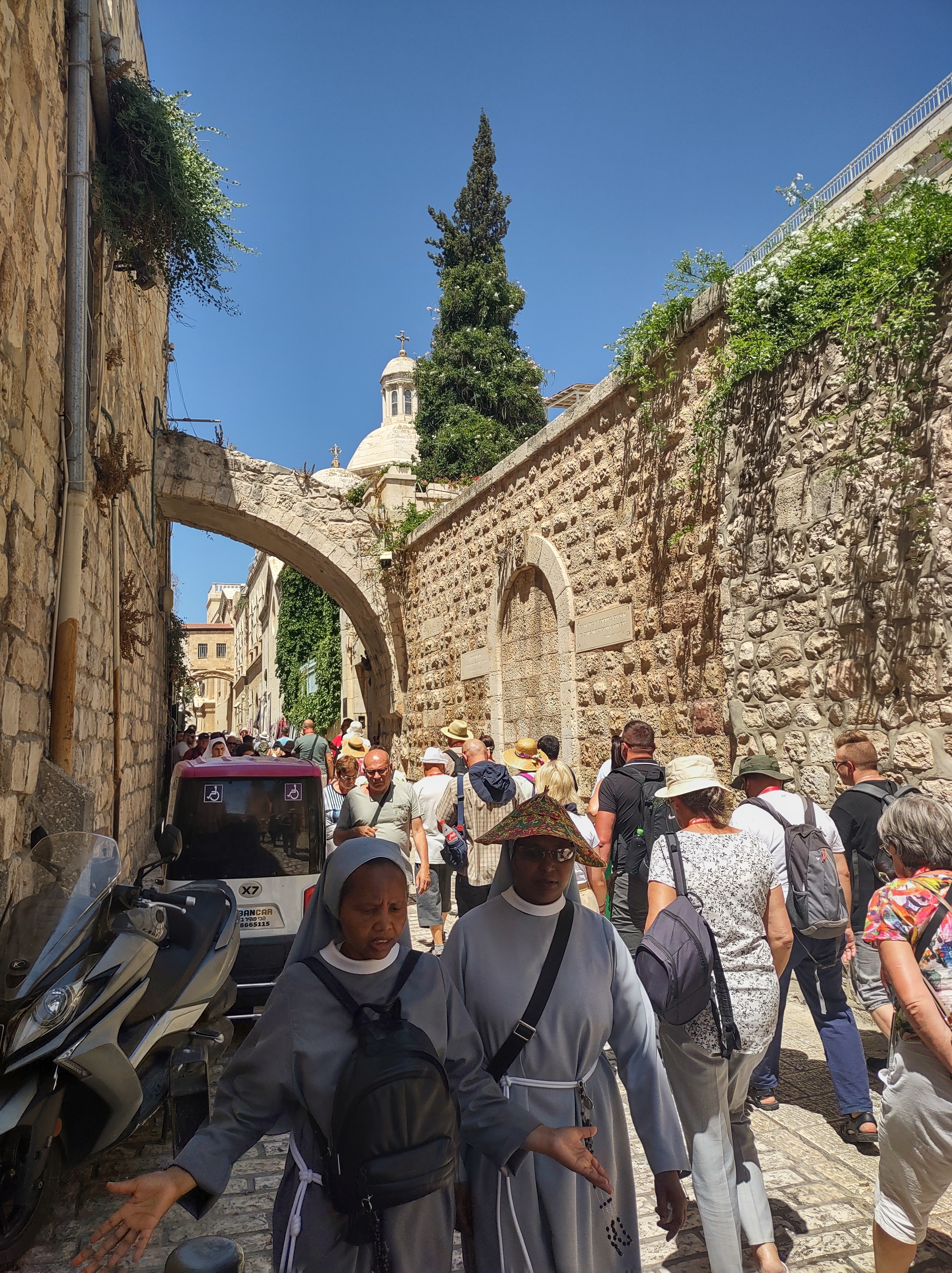
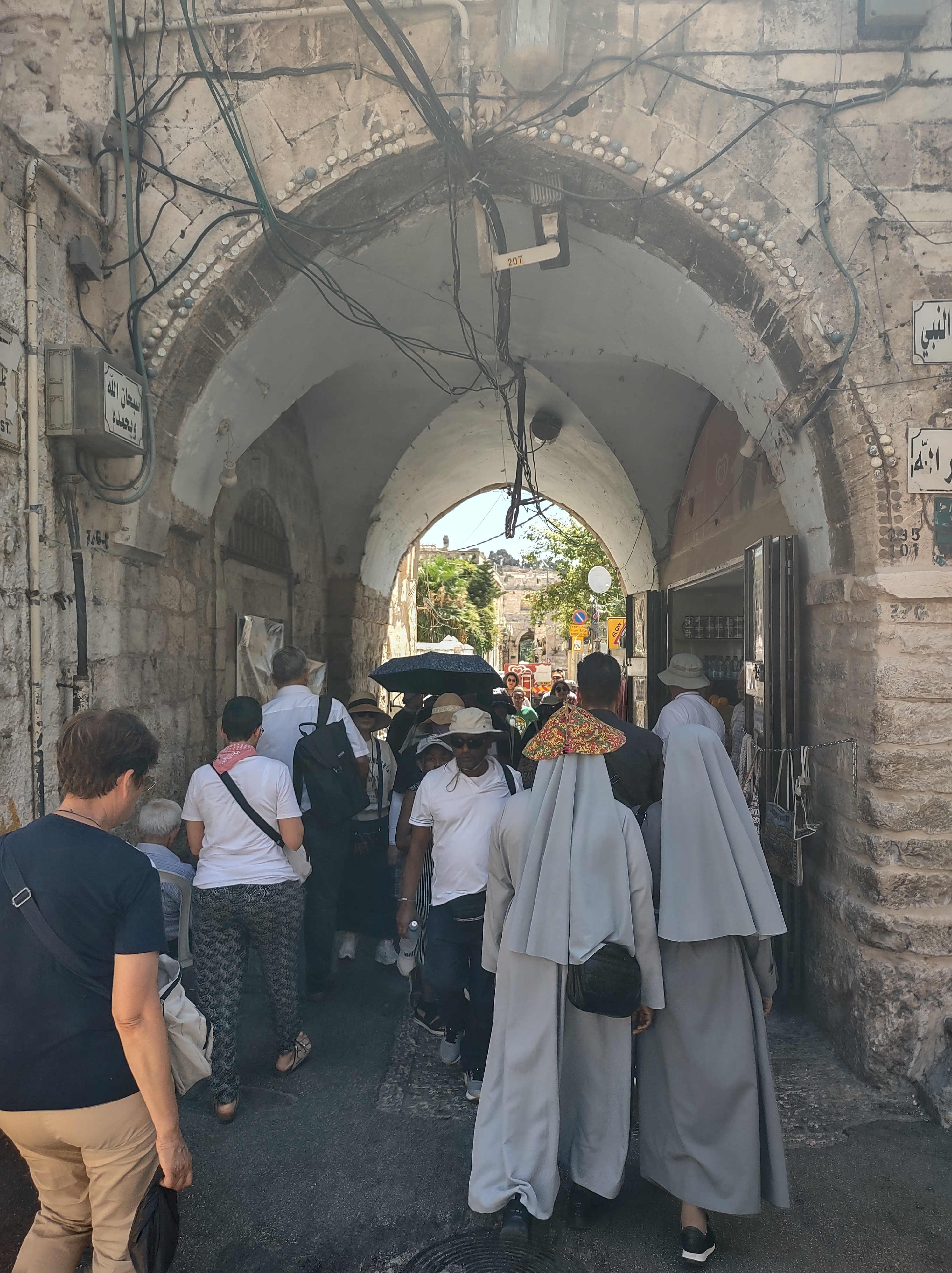
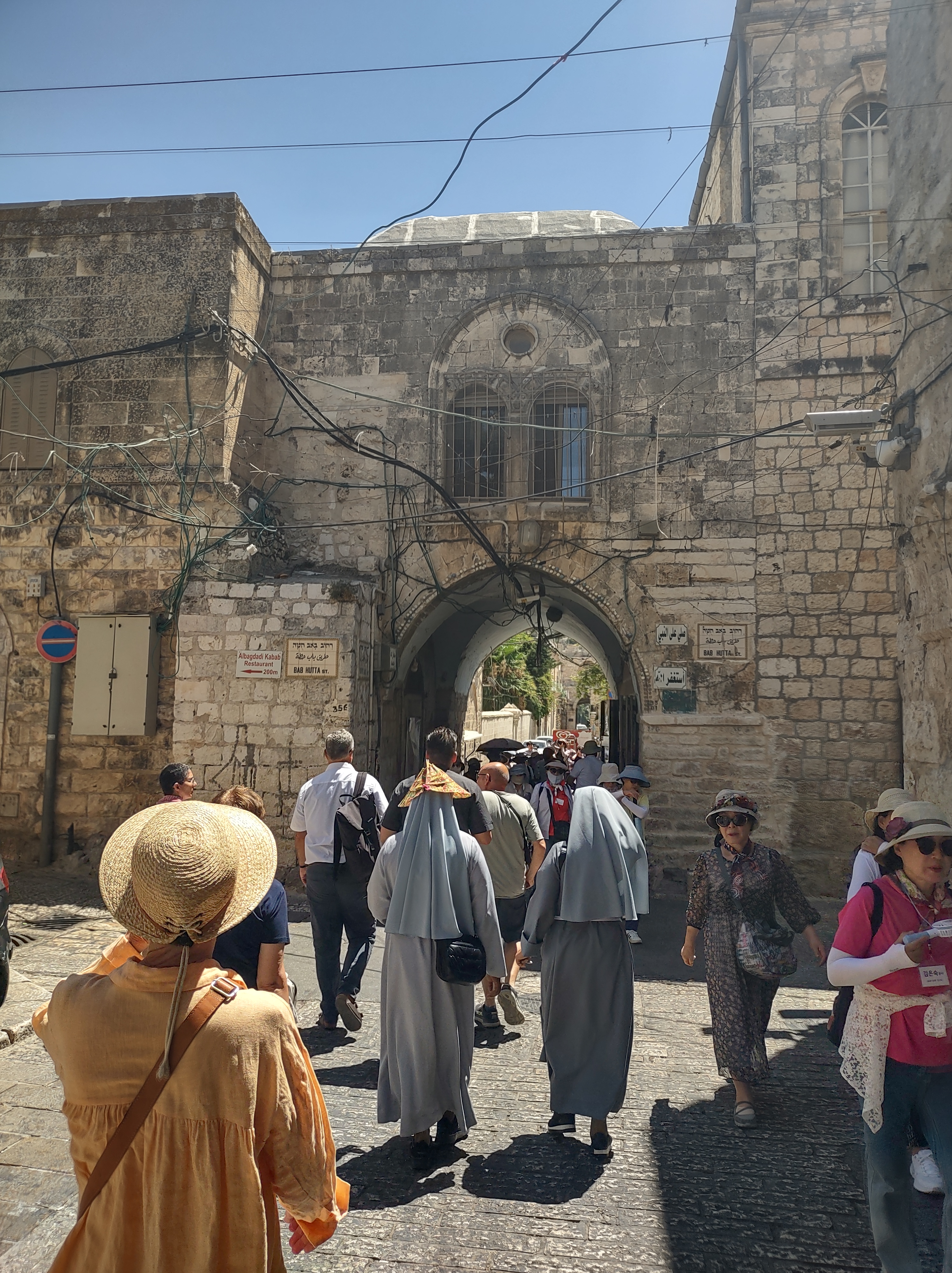
In any case, the Via Dolorosa is the real thing with markers at each of the 14 locations where it is believed that the actual stations of the cross occurred. (The last four stations are within the Church of the Holy Sepulcher.) We did have the opportunity to walk the Via Dolorosa a couple of times (and parts of it on several occasions), occasionally identifying one of the stations, but not doing so religiously (if you know what I mean). It was surprising though to see the number of people (they’re called “pilgrims” here) who come to Jerusalem to walk the Via Dolorosa “religiously”, starting with the first station and following them in order and, on a couple of occasions we encountered groups chanting, praying, or singing in unison as they walked.
Gethsemane
One of the sites we visited outside of the Old City was the Garden of Gethsemane, the place where Jesus was said to have retired to after the Last Supper and before his arrest, which is located east of the Old City, through the Lion’s Gate, at the foot of the Mount of Olives. Although the olive trees there are extremely old (determined to be over a thousand years old), they aren’t the trees from Jesus’s time, so it’s a little hard to know whether this is what it was. In any case, you can only walk around the perimeter to the garden.
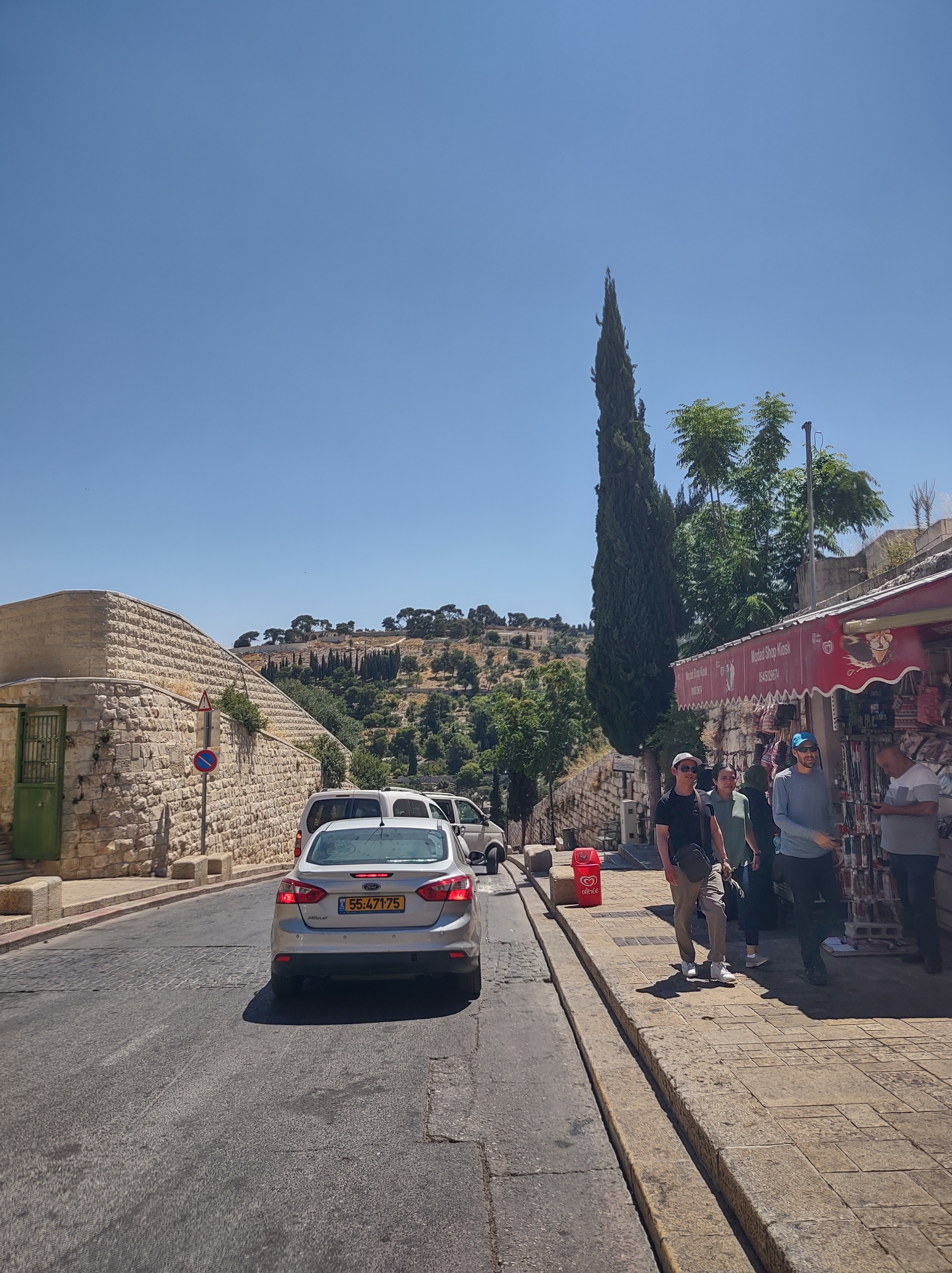
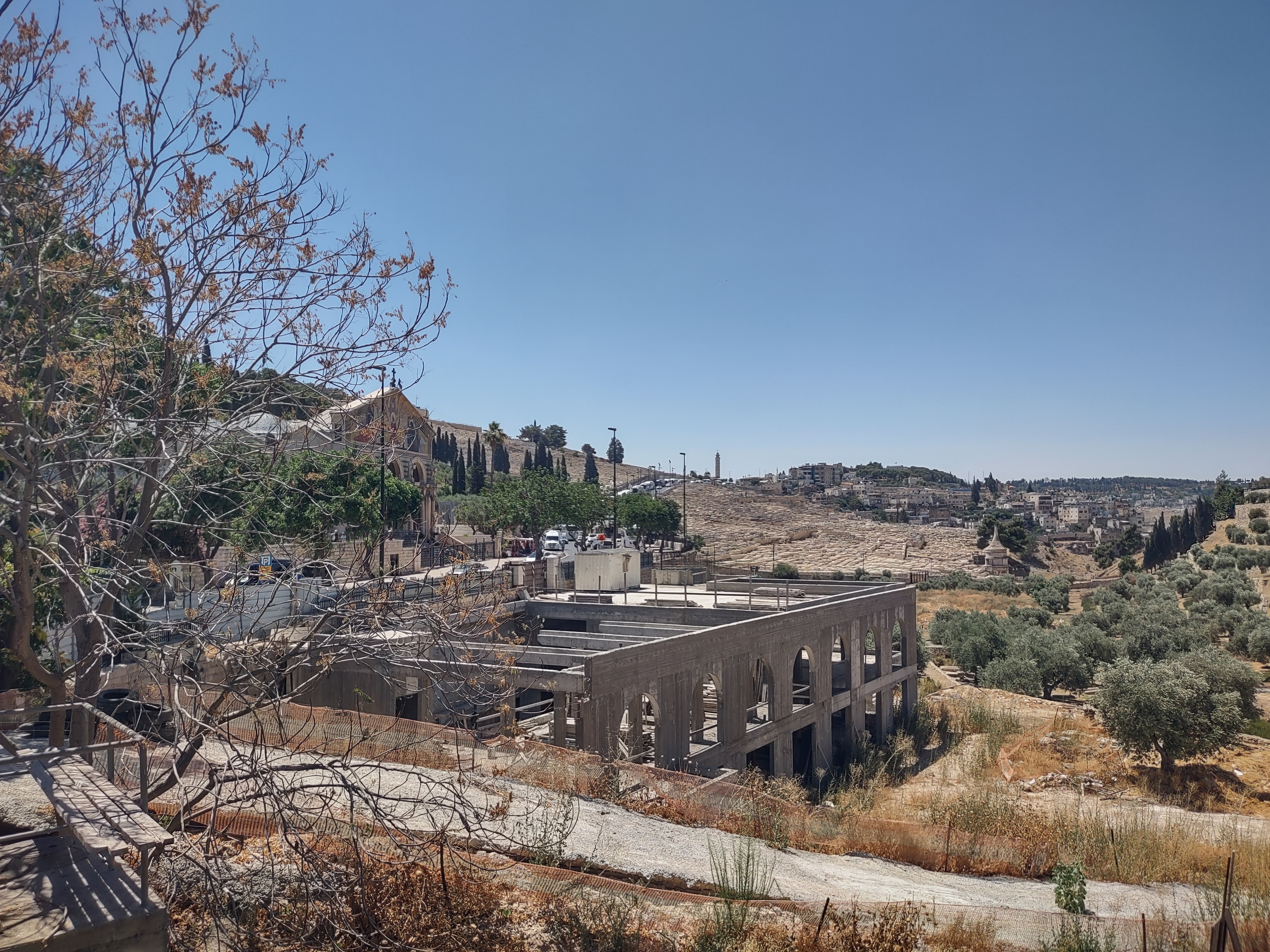
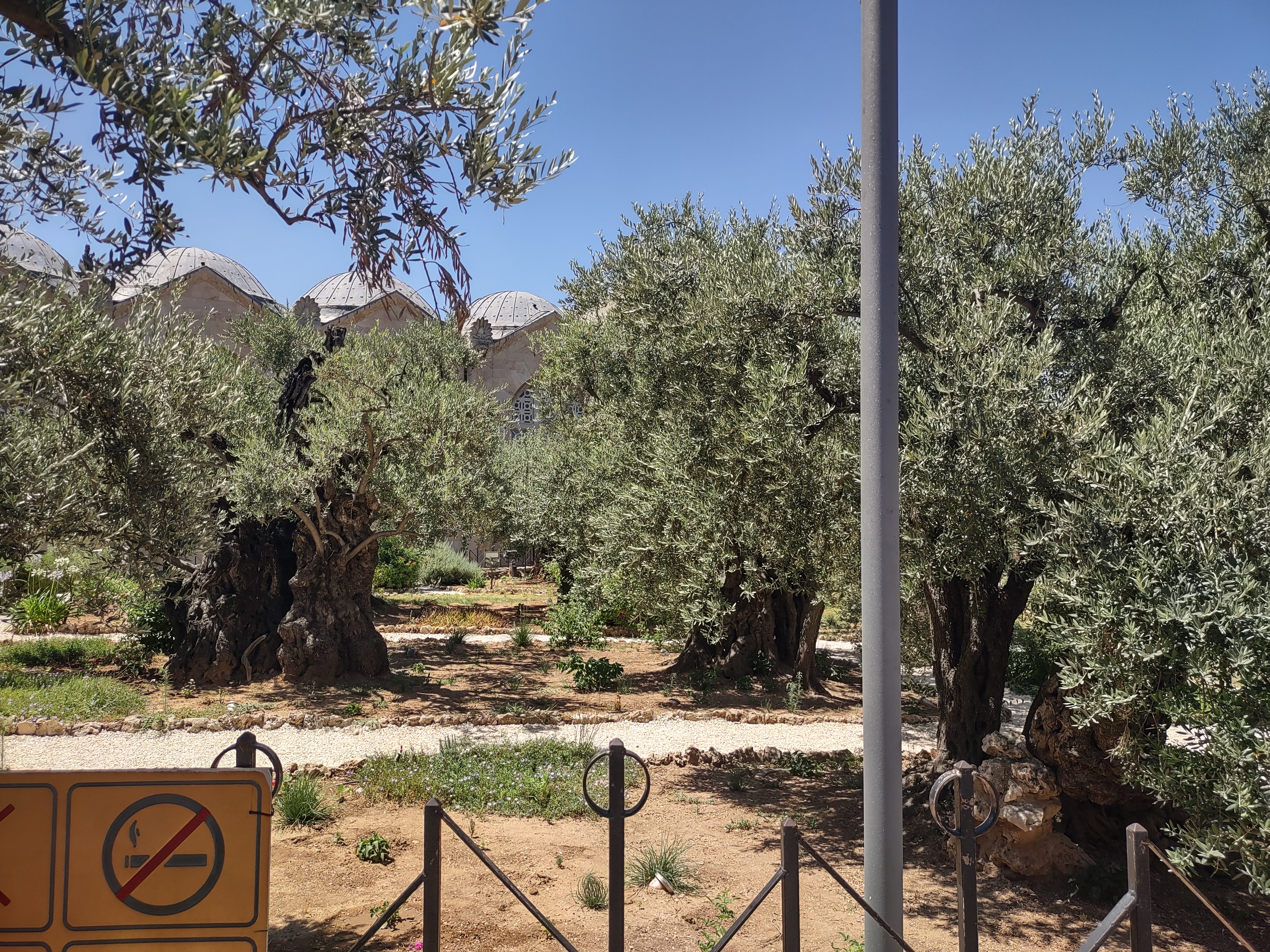

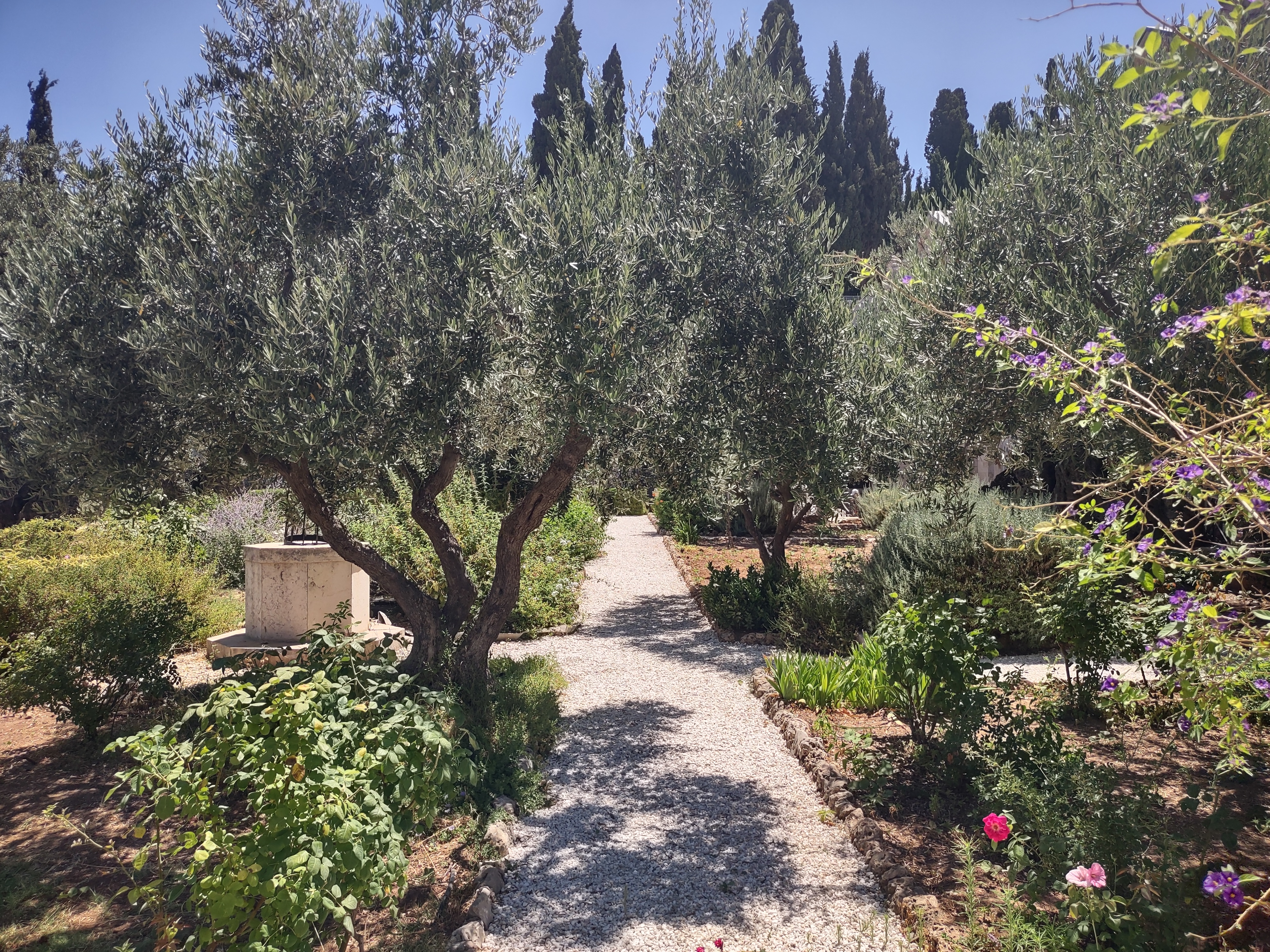
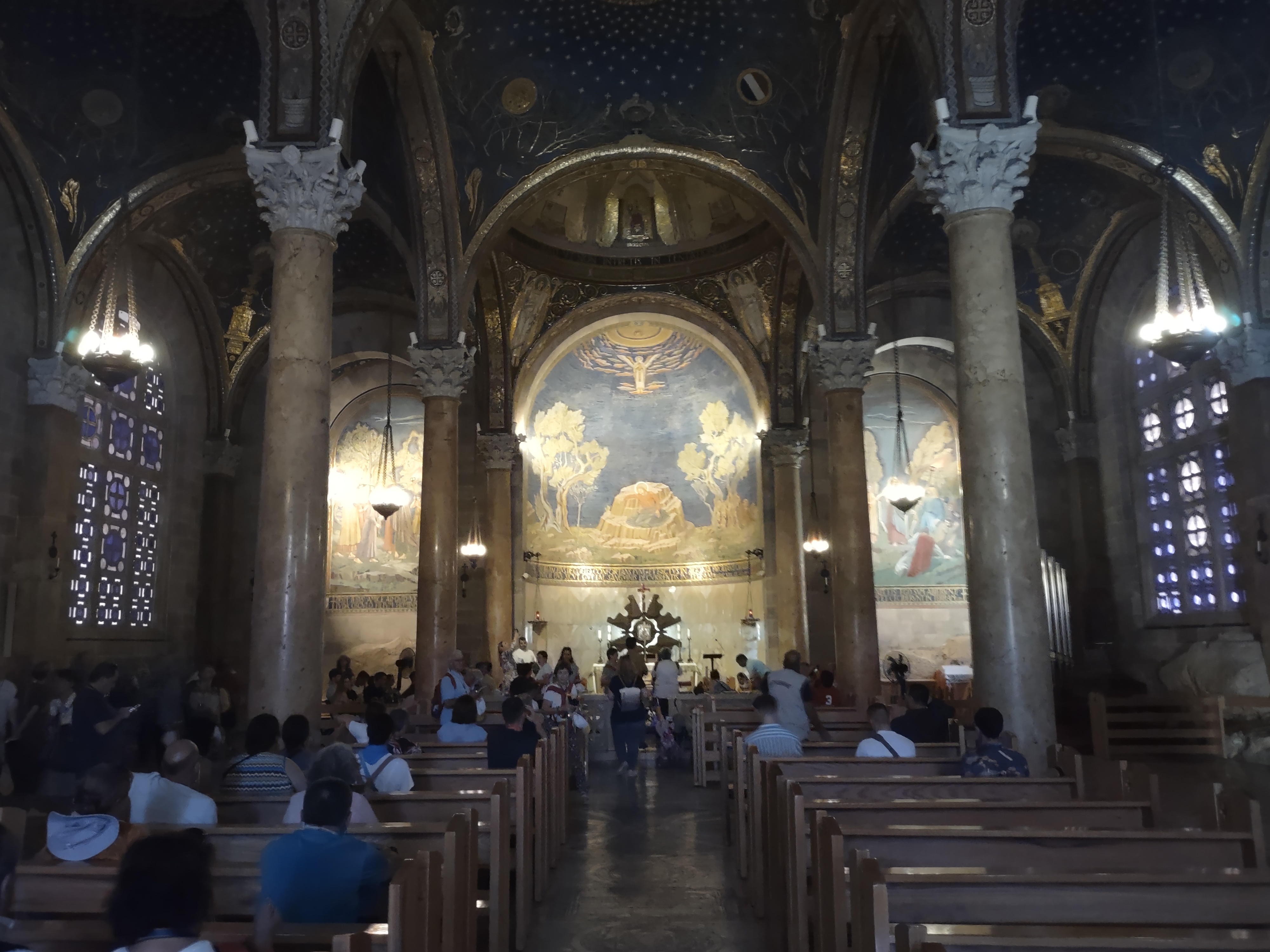
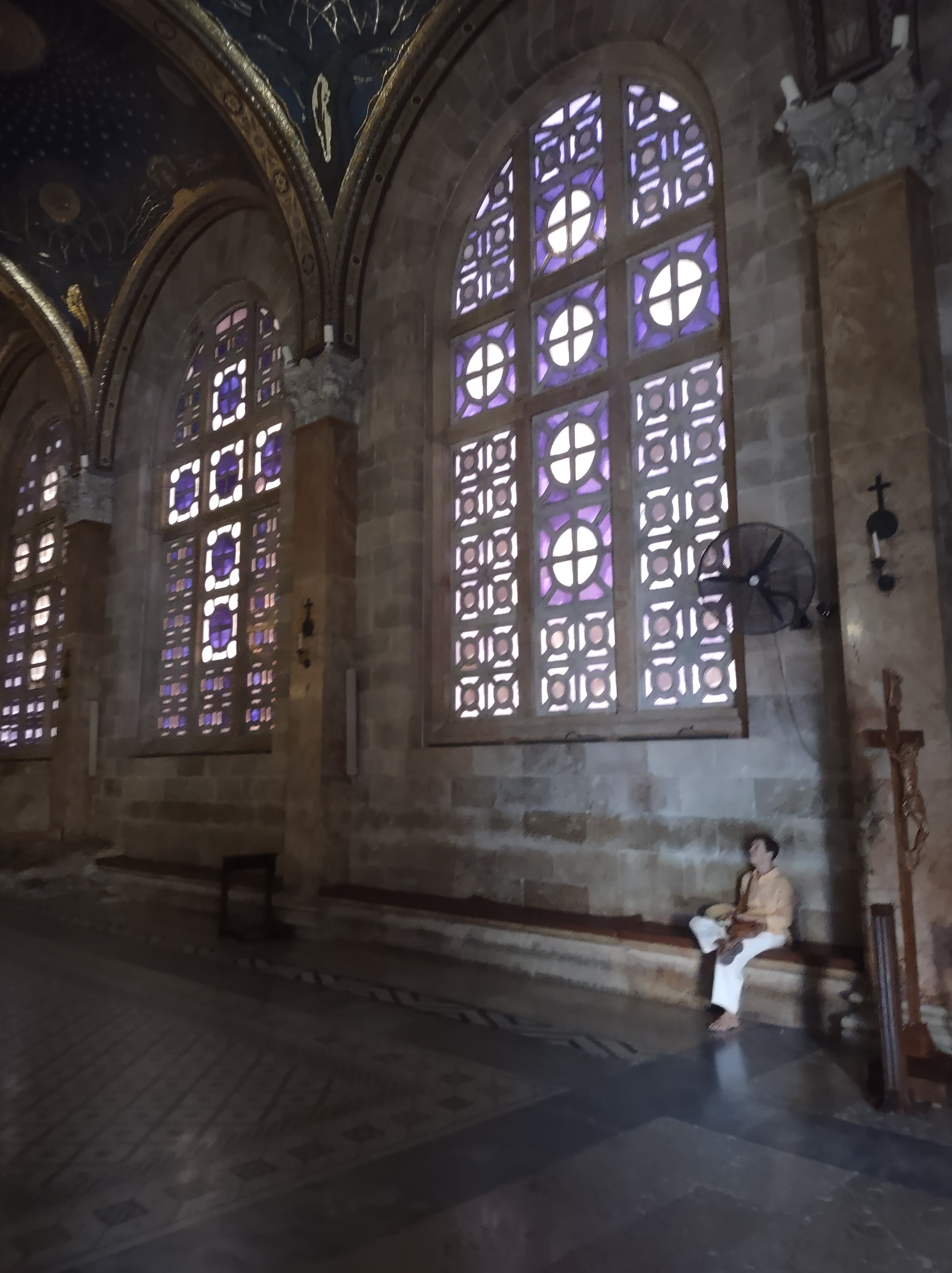
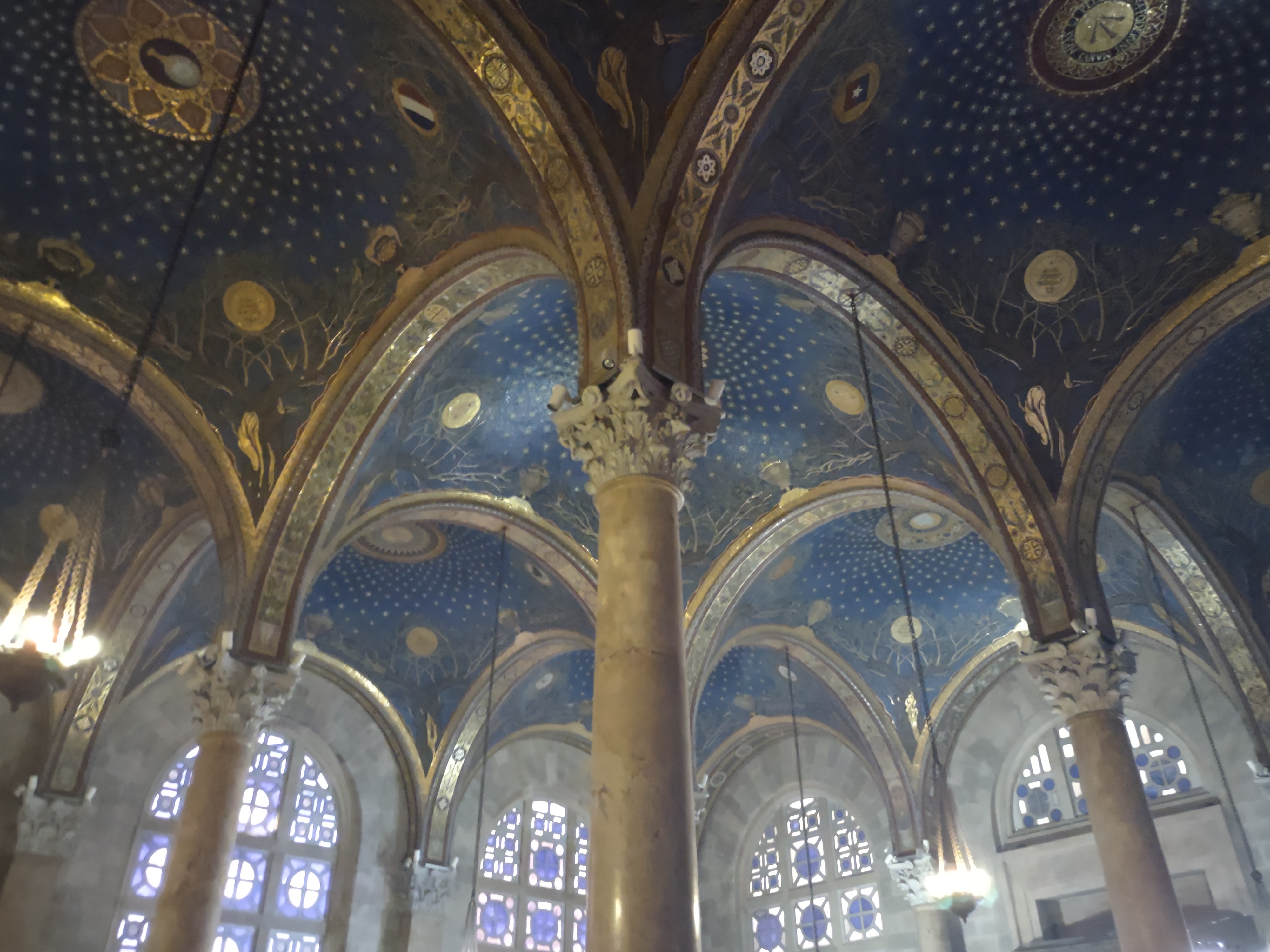
Next door is the Church of All Nations (also known as the Church or Basilica of the Agony) which enshrines a section of bedrock where Jesus is said to have prayed before his arrest. While the church is not nearly as old as the olive trees, having been consecrated in 1924, it sits on the foundations of a 4th century byzantine basilica destroyed by an earthquake in 746 and a later 12th century crusader chapel which was abandoned in 1345. As its name might suggest, the church was constructed with funds donated by fifteen different countries. Seeming quite new compared to everything around it, it is nonetheless a beautiful neo-byzantine structure comprised of 12 beautifully painted and tiled domes set atop marble Corinthian columns. It has beautiful tile murals, intricately tiled floors and lovely (hate that word, but I already used “beautiful”) large windows which are actually stained alabaster, not stained glass.
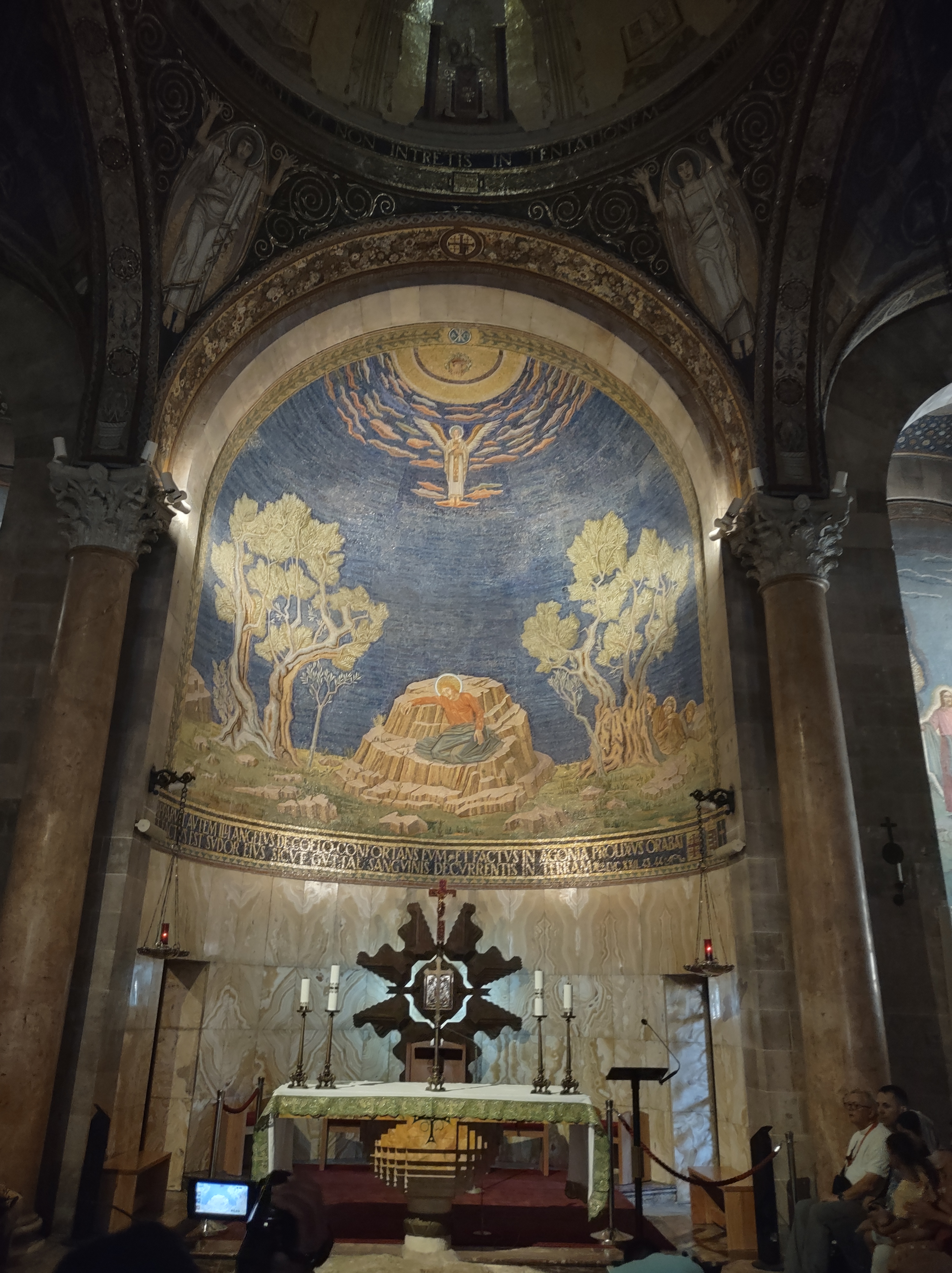
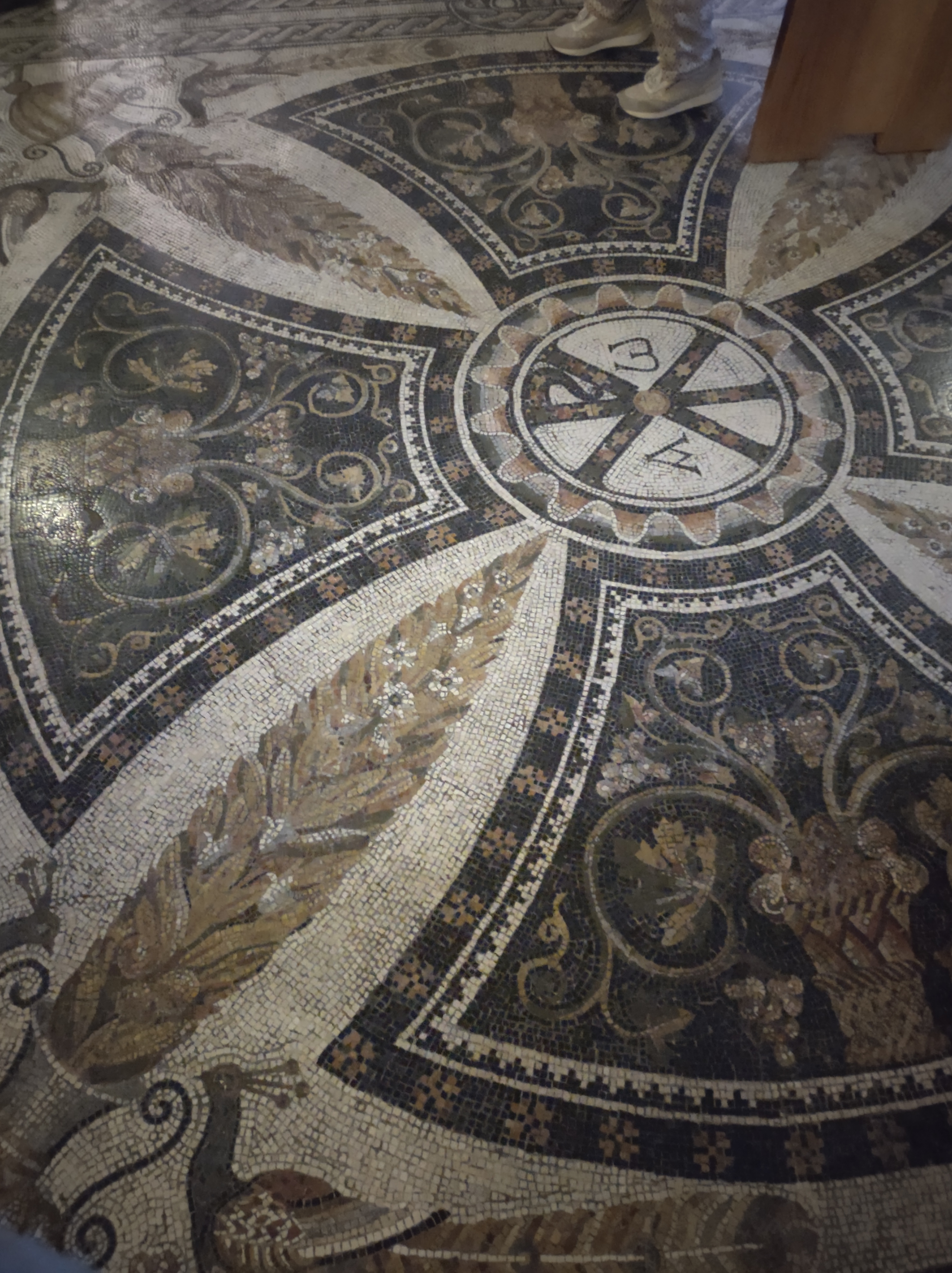
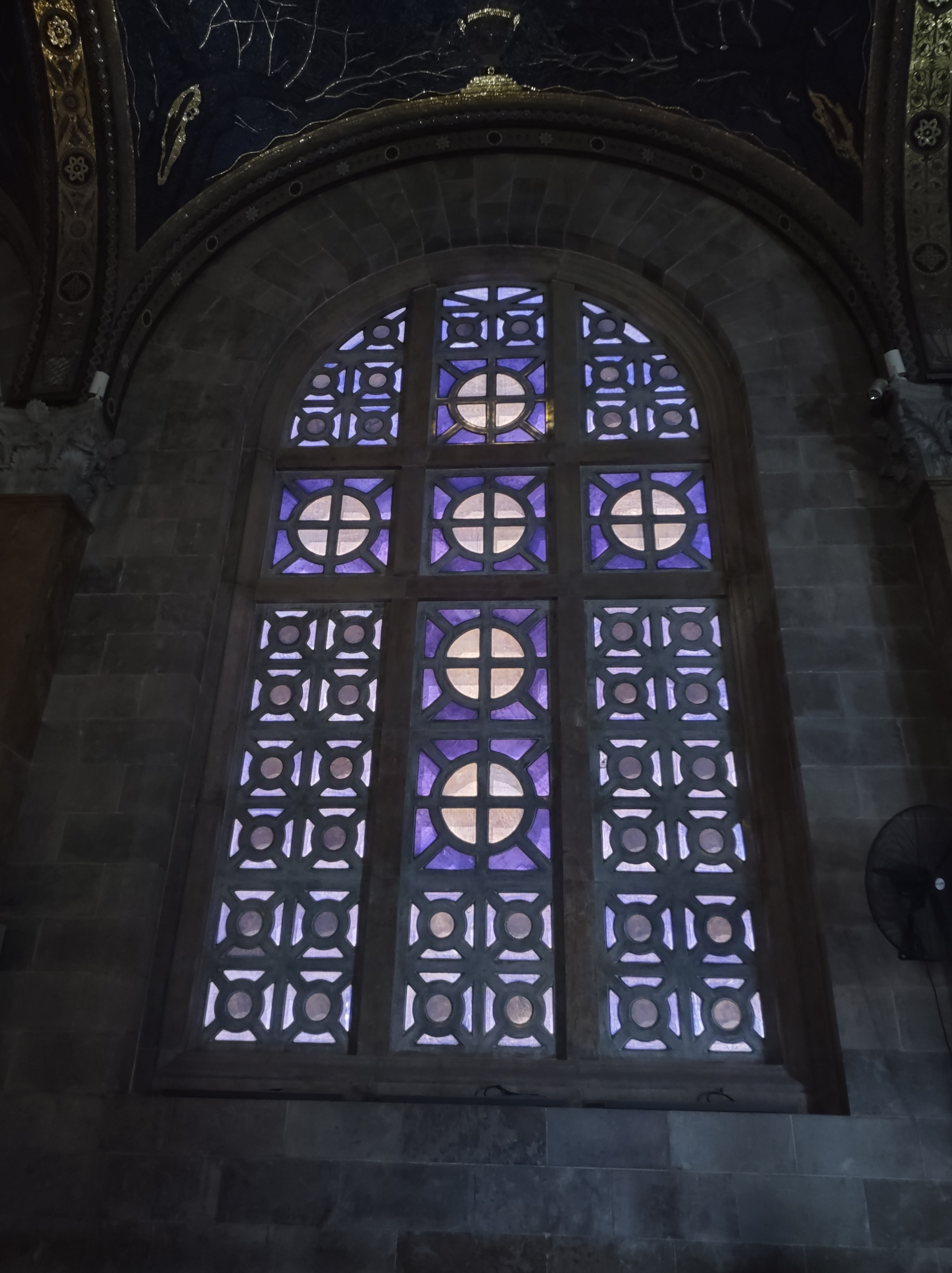
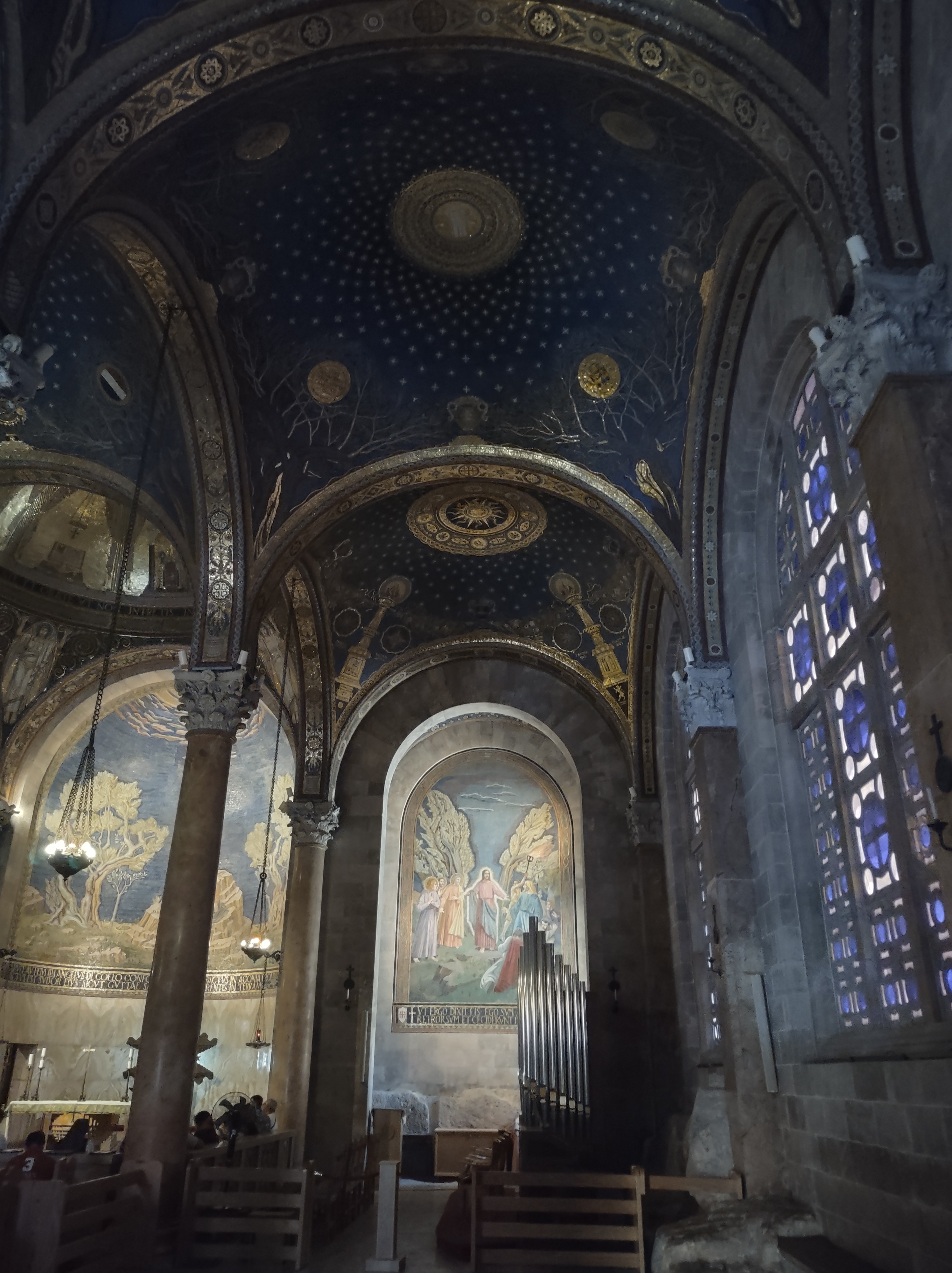
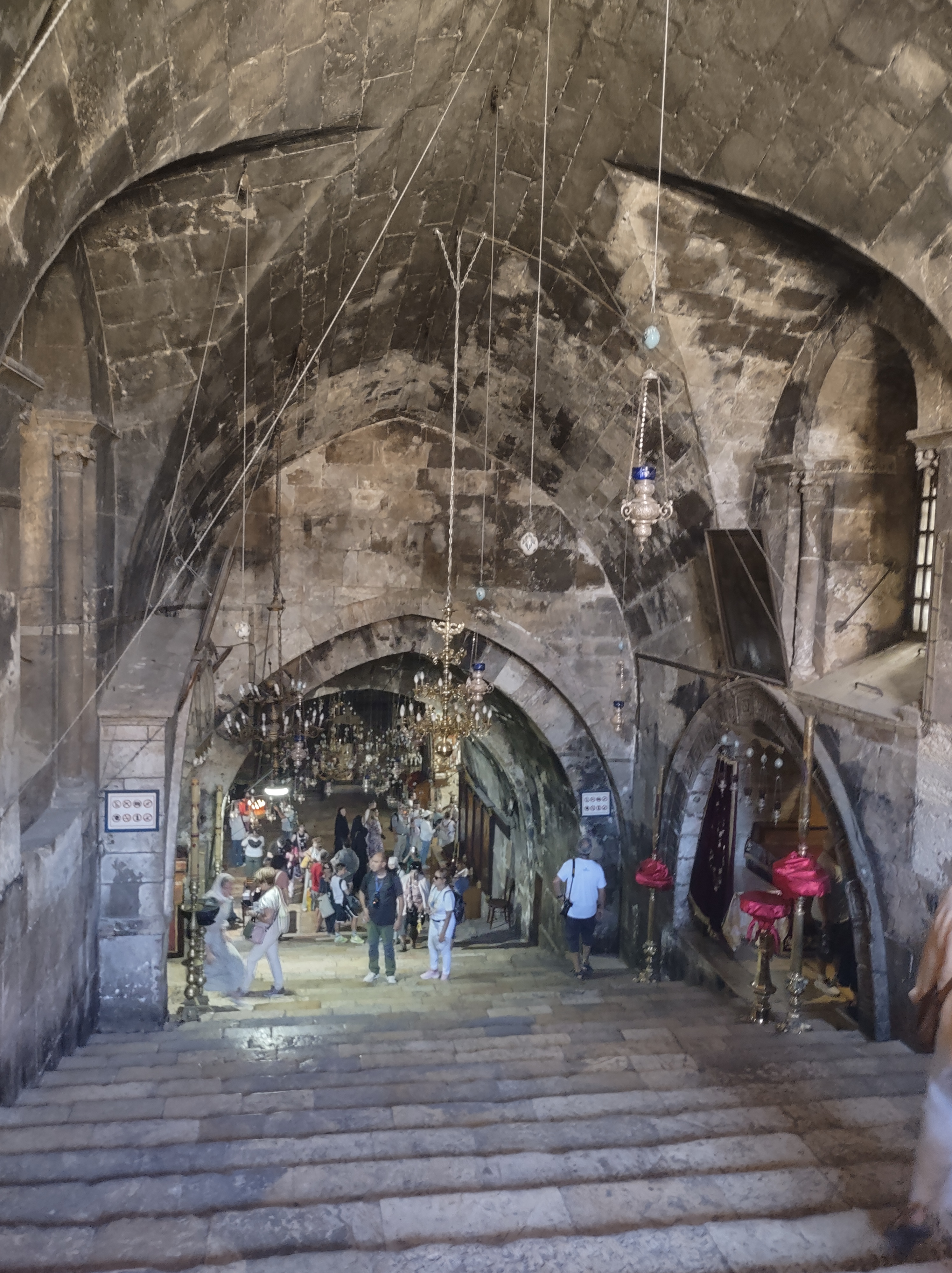
We also visited the Tomb of the Virgin Mary, believed to be the burial place (there are conflicting points of view on this point) of Mary, the mother of Jesus. This is not a place we knew about before coming here, but it was on the route we were following across Kidron Valley from the Lion’s Gate to Gethsemane, so why not? The tomb is situated within a grotto which includes a church as well as other tombs, with a large entrance plaza and portal which leads to a wide vaulted passage which descend into the earth. About 50 steps down, past some tombs to the side, we reached a vaulted cross chamber with the actual tomb area and aedicule to the right and a choir area to the left where, as there was quite a bit going on around us, we took a seat to rest our feet and observe a bit. As might be anticipated, the tomb area was cool and dark and things were, if not solemn, at least pretty quiet with people queuing to pray before the aedicule and lighting tapers in another area, and, at one point, a group of nuns sang for a bit in beautiful harmony.
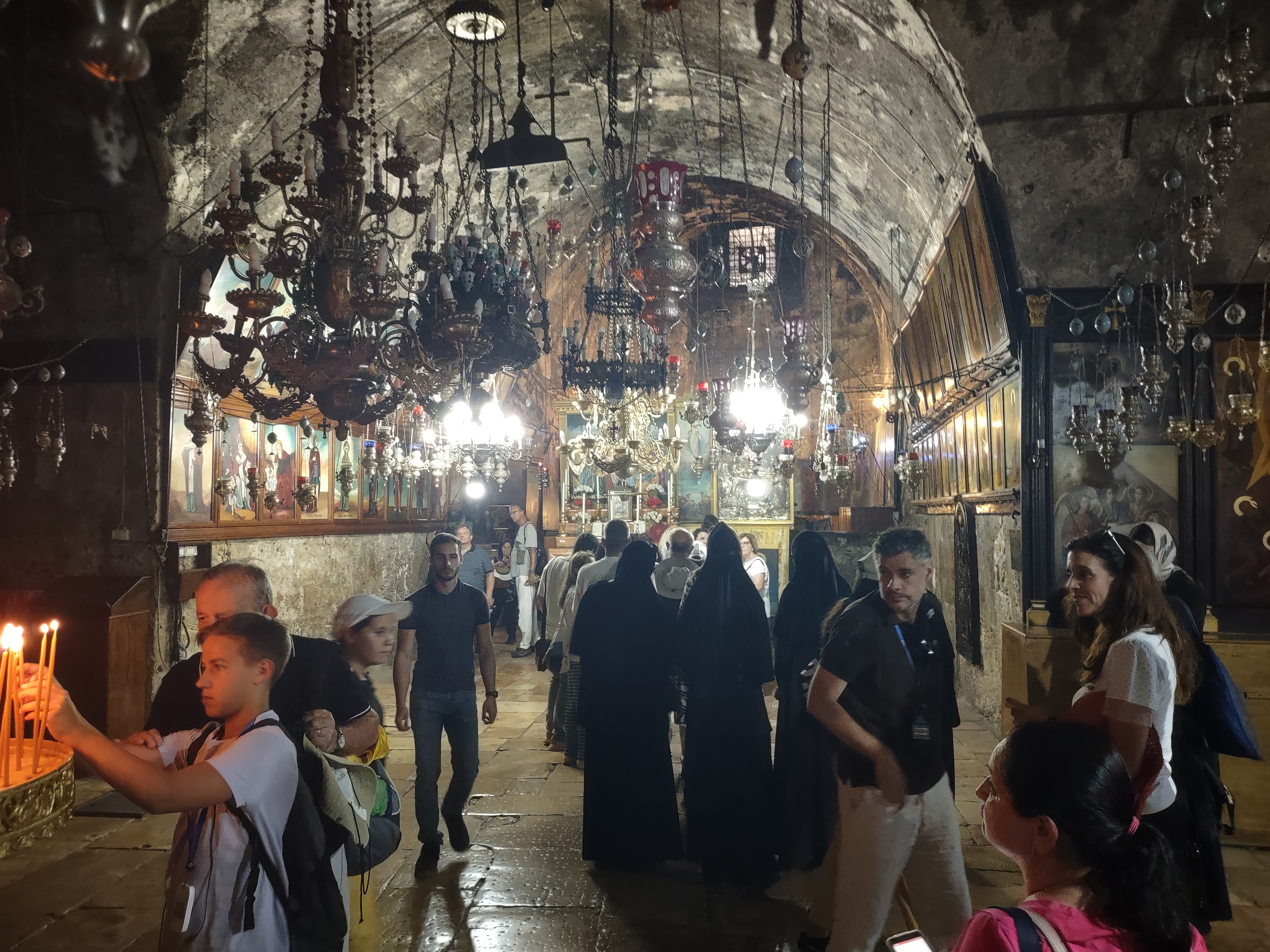
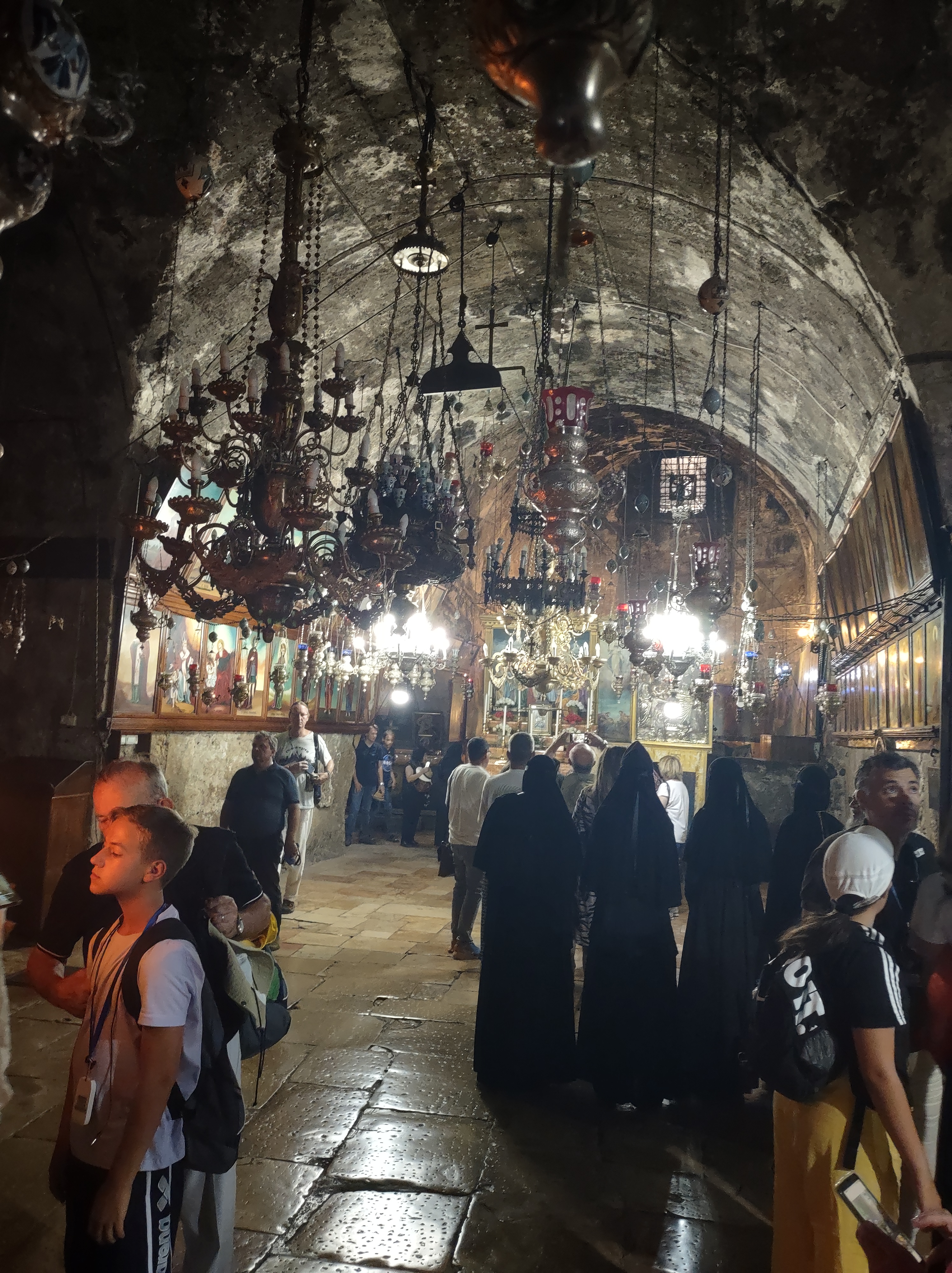
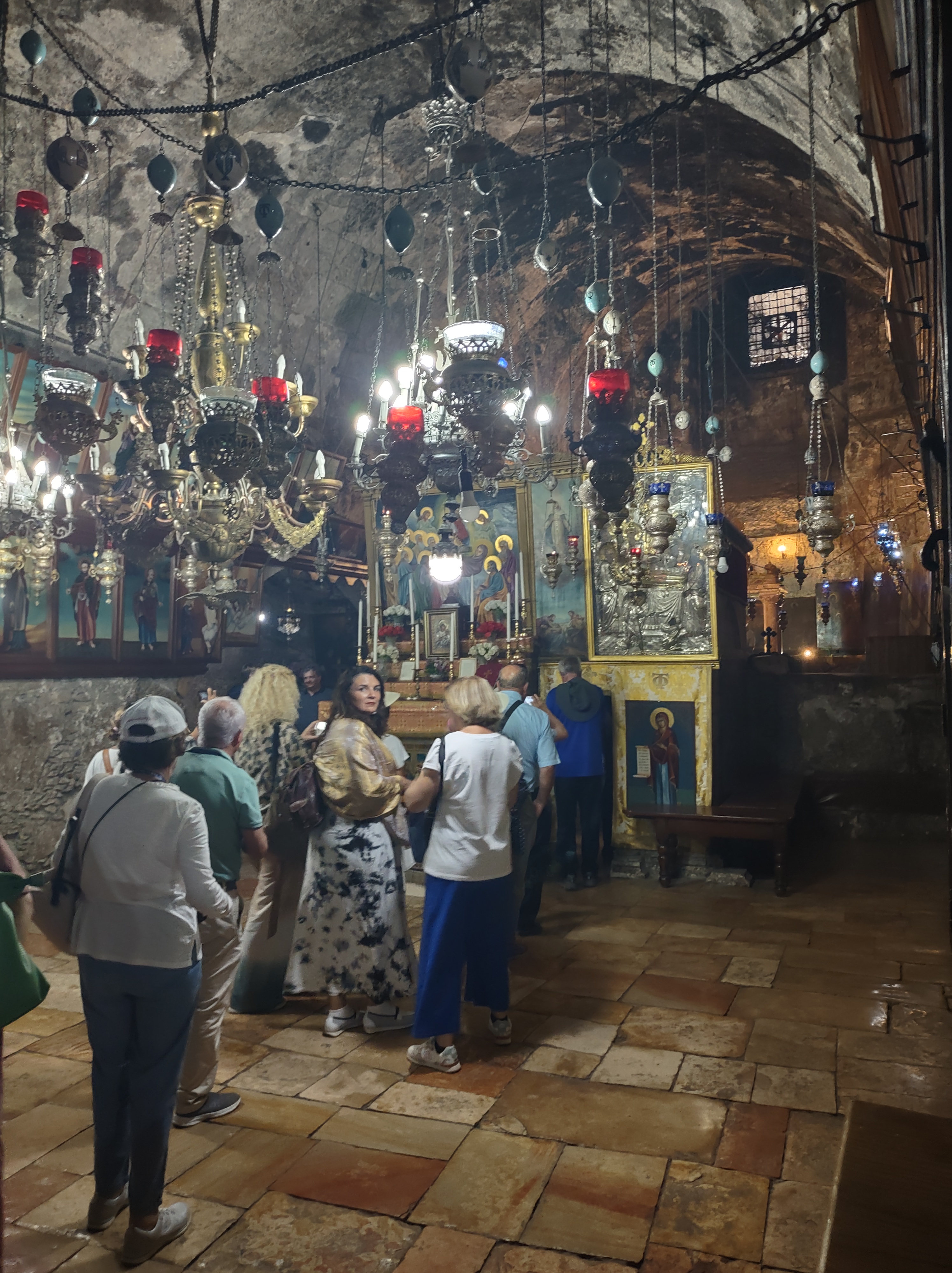
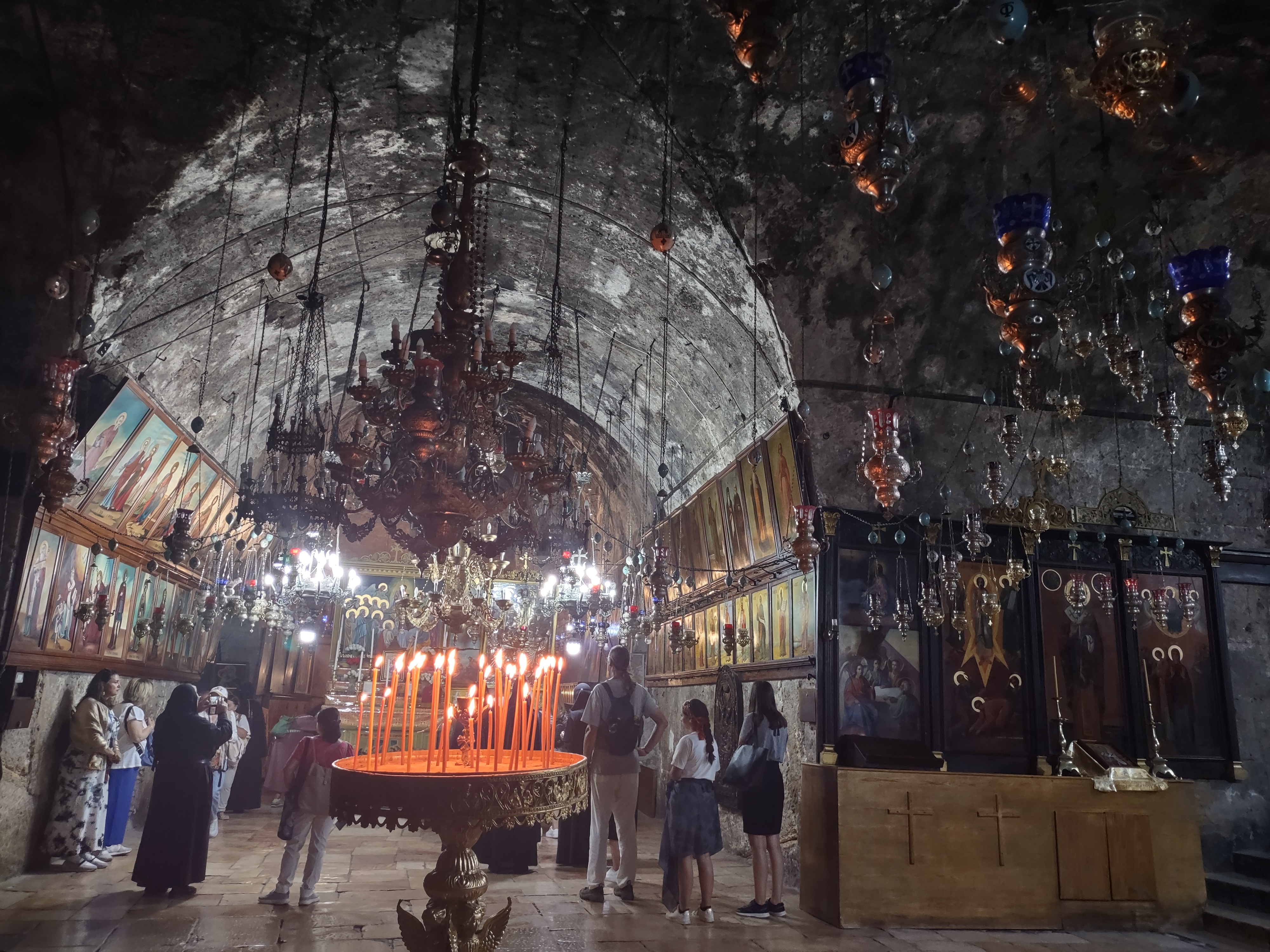
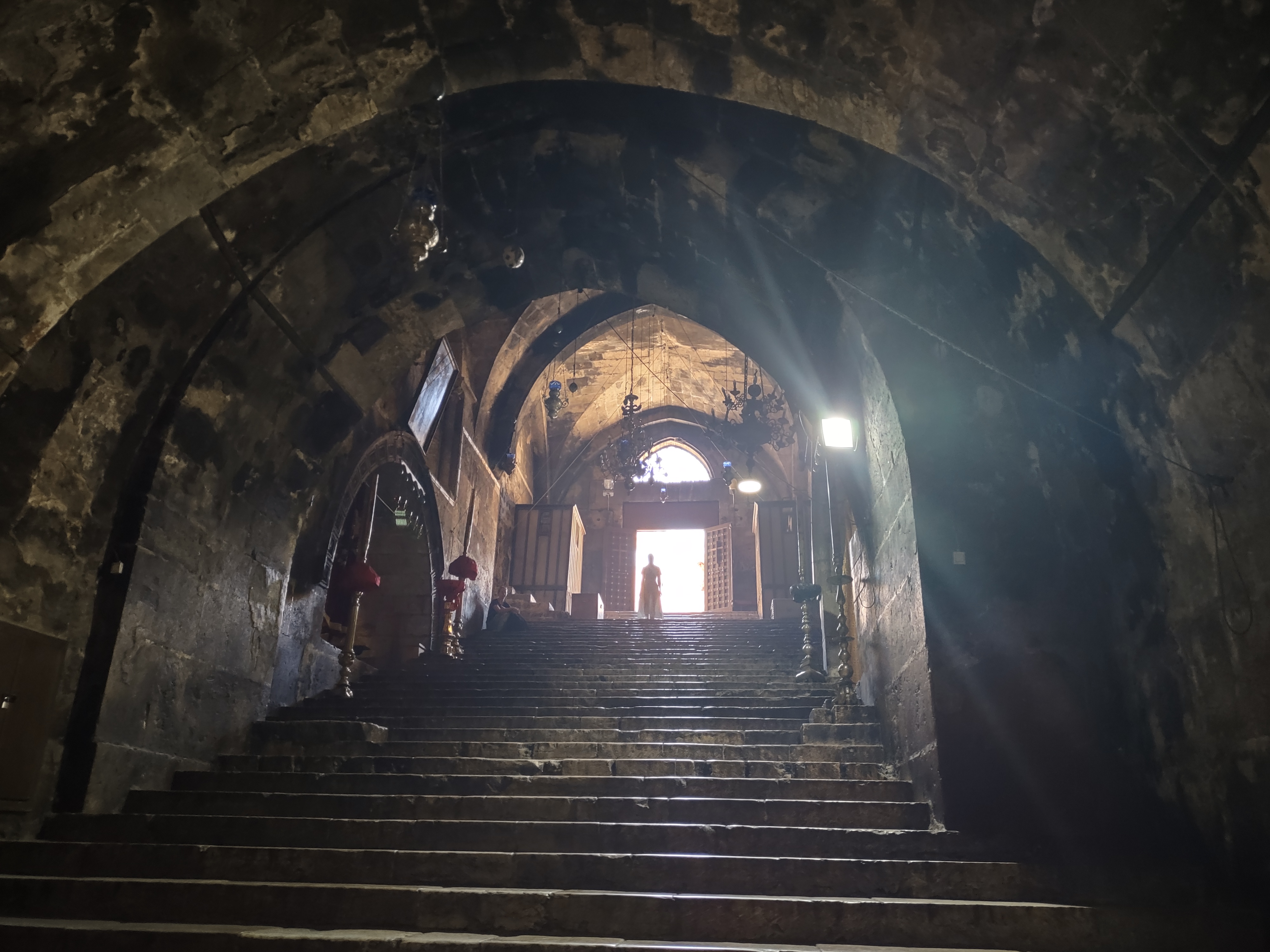
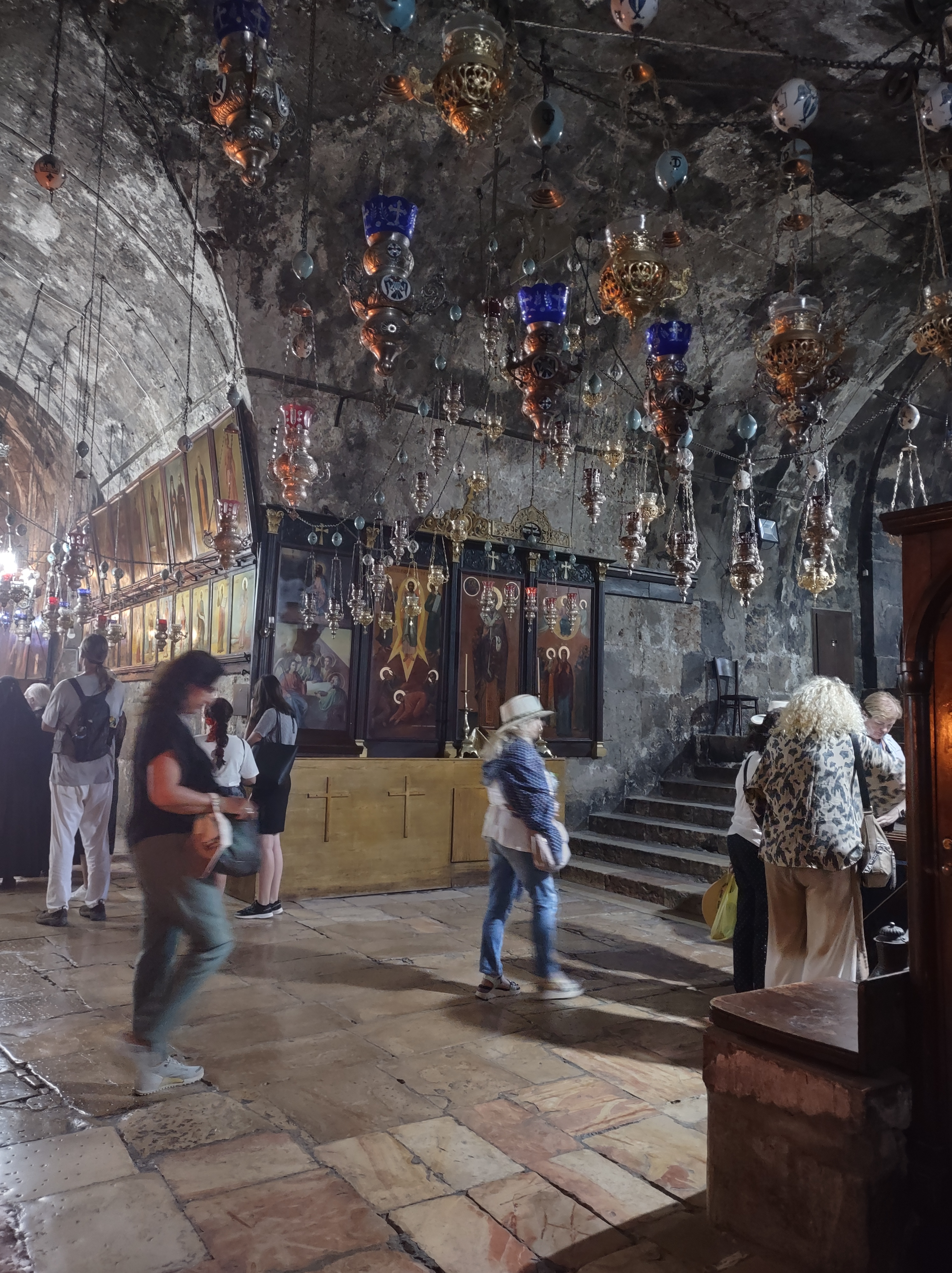
The tomb area itself was more spacious than might be expected and not very crowded, mostly with people who were pretty obviously travelers and tourists. While most of the other visitors appeared to be Christian, there were a few who appeared to be Muslim and we were maybe a little surprised to find out that the Tomb of the Virgin Mary is an important religious and popular pilgrim site for both Muslims and Christians. In fact, it turns out that Mary is mentioned more often in the Quran than she is in the New Testament and is the only woman identified in the Quran by name, recognized as the mother of Jesus, whom we were reminded is regarded as a prophet in the Muslim faith. (It is very interesting to see how much is shared by the Abrahamic faiths when you start to look into it.)
The Western Wall
The Western Wall (or Wailing Wall as it is sometimes referred to) is probably the most important Jewish site in the Old City, as evidenced by the huge crowds which it draws. It is the largest section of the western retaining wall of the Temple Mount which is not covered with buildings (there is a “small” Western Wall in the Muslim Quarter which I stumbled upon on an early morning wander), and so, for all practical purposes it is the closest that most Jewish pilgrims are able to get to the Holy of Holies – the place in the old temple where the ark of the covenant, the ten commandments, and the presence of God resided.
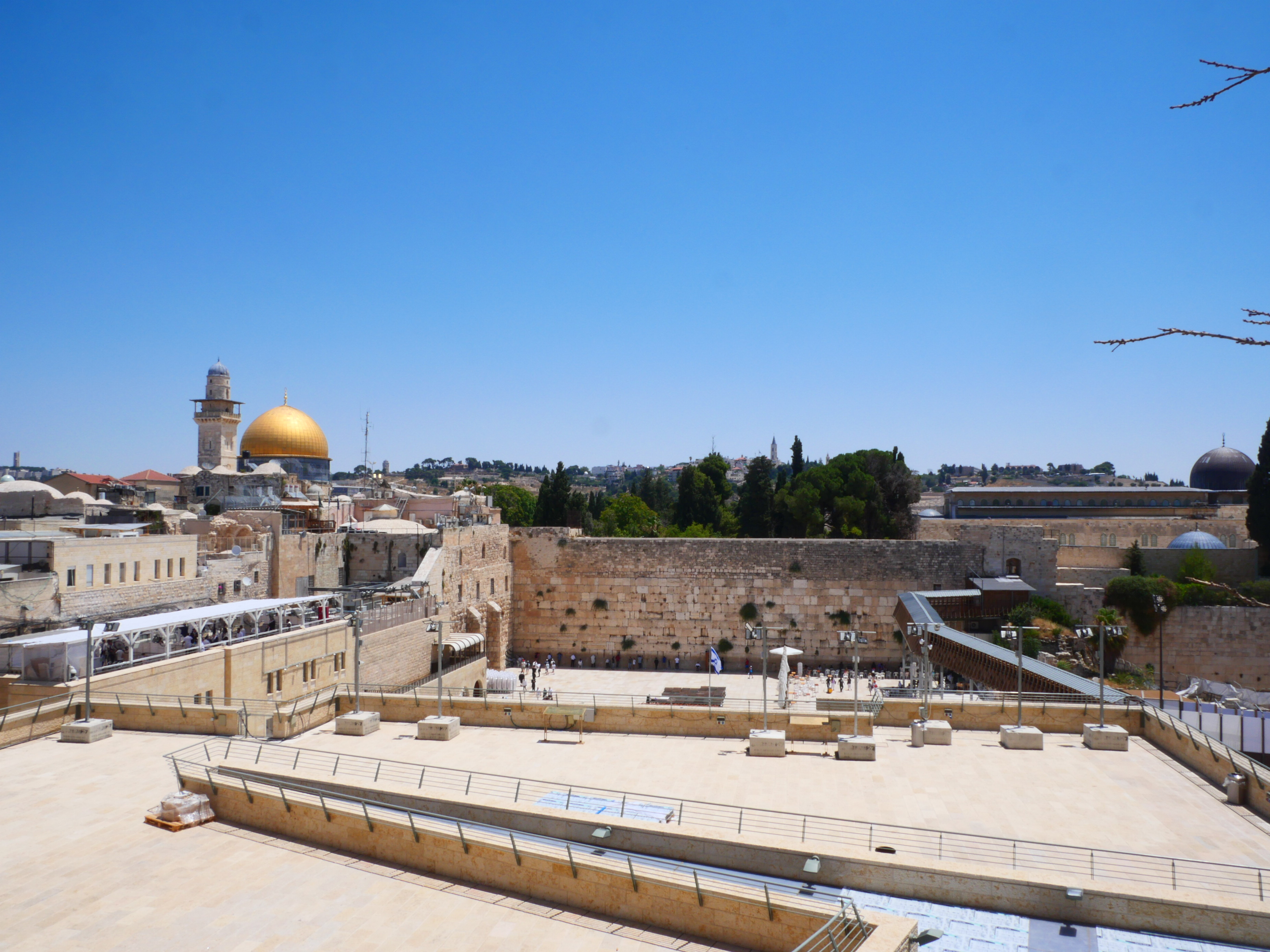
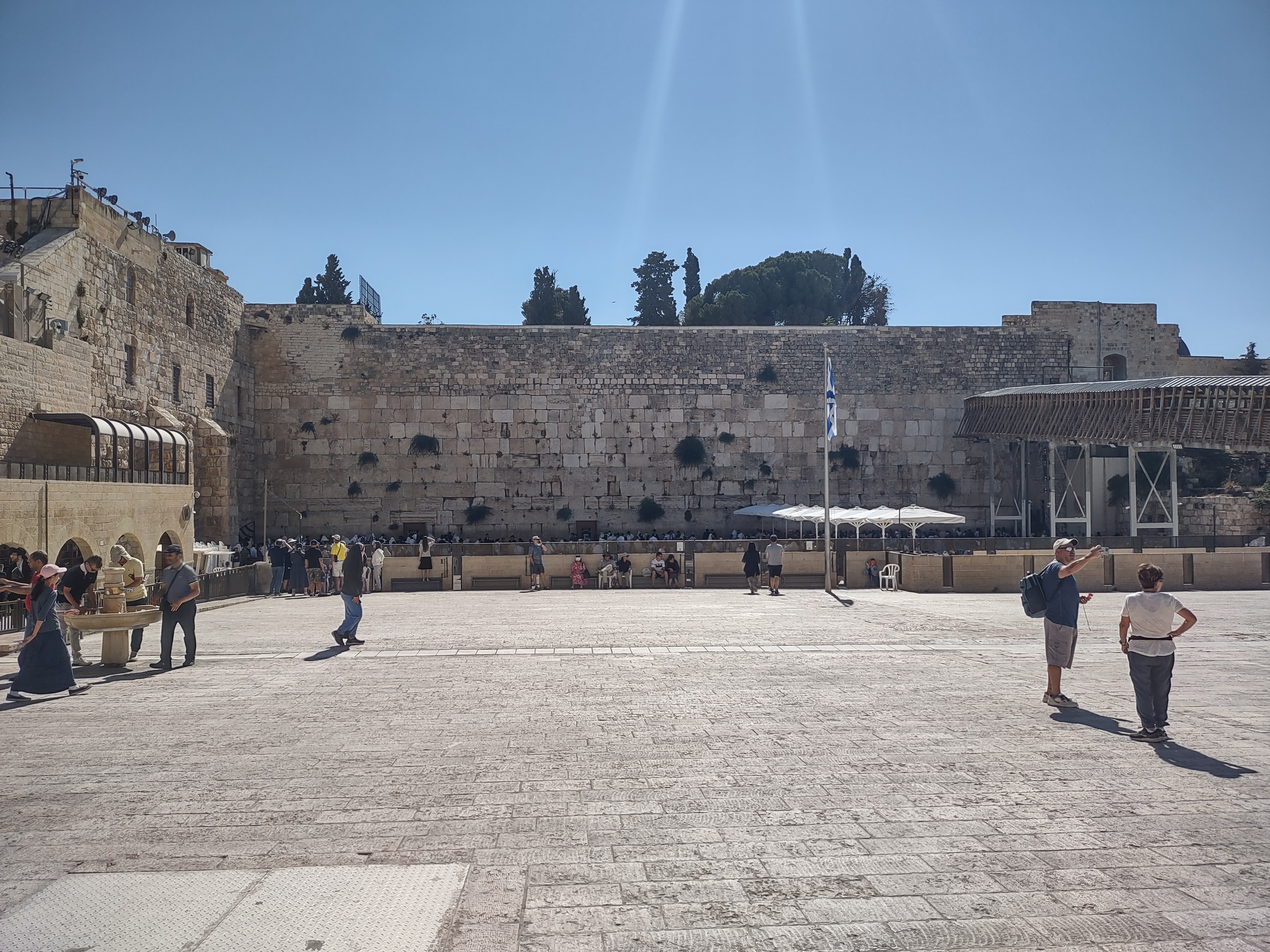
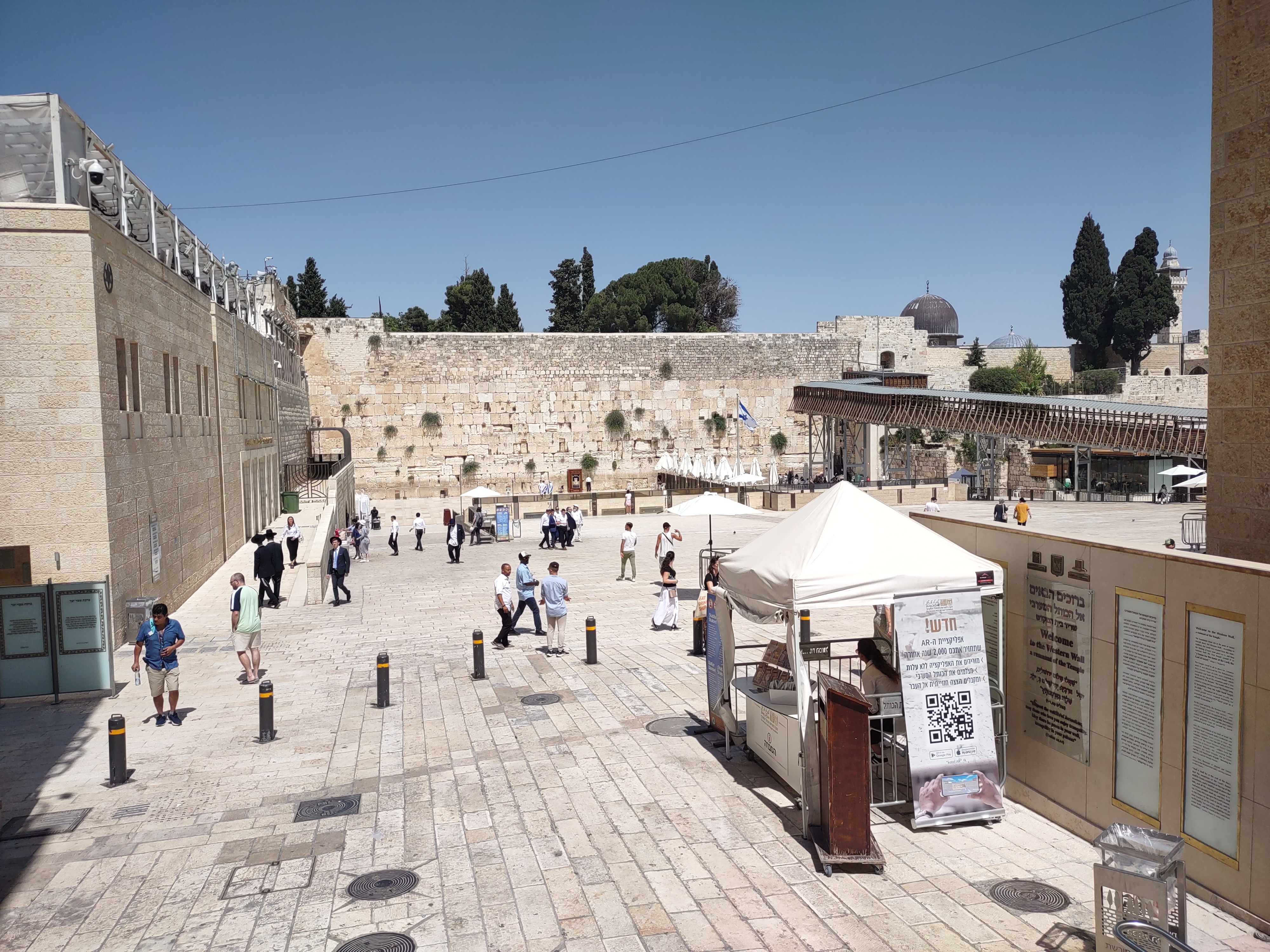
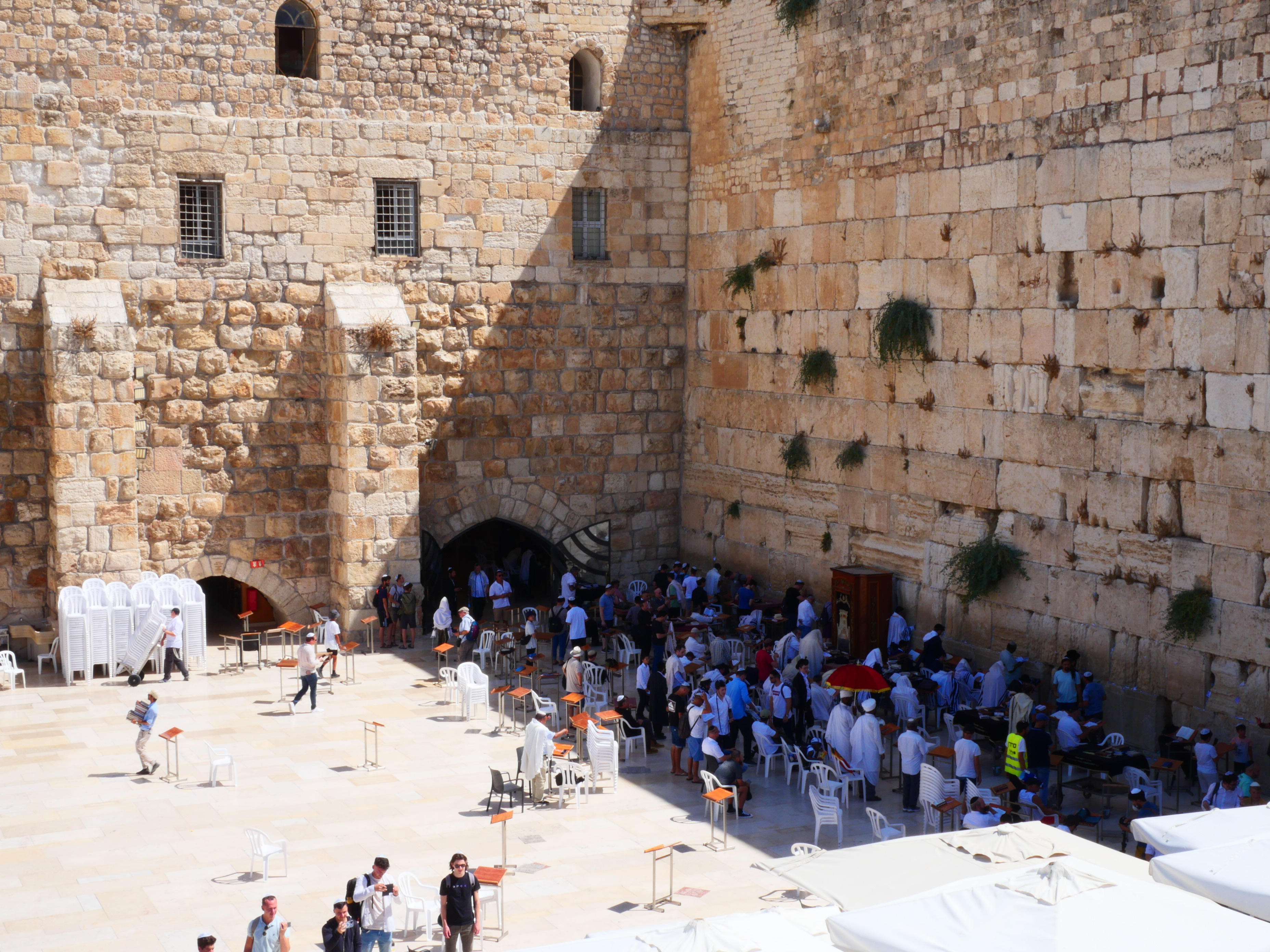
Access to the Western Wall is pretty controlled with security checkpoints at entrances which are sometimes “closed” for brief periods. (The route back to our place from the Muslim Quarter passed through one of the security checkpoints and we sometimes had to loop around it during these periods.) There is a very large plaza in front of the Western Wall where pilgrims gather (there are separate areas for men and women) and gradually make their way to the front to pray against the wall and, as is the custom, leave a written message to god. Visitors include individual pilgrims as well as groups who conduct their own rights and ceremonies in front of the wall, and it was all pretty overwhelming in the end.
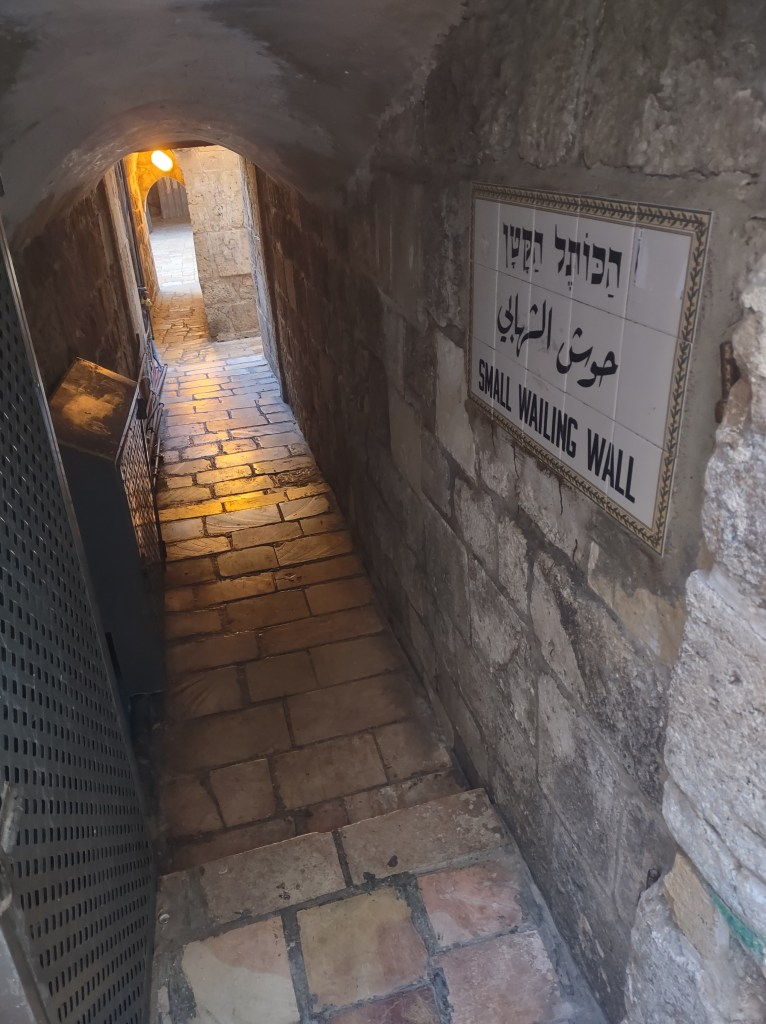
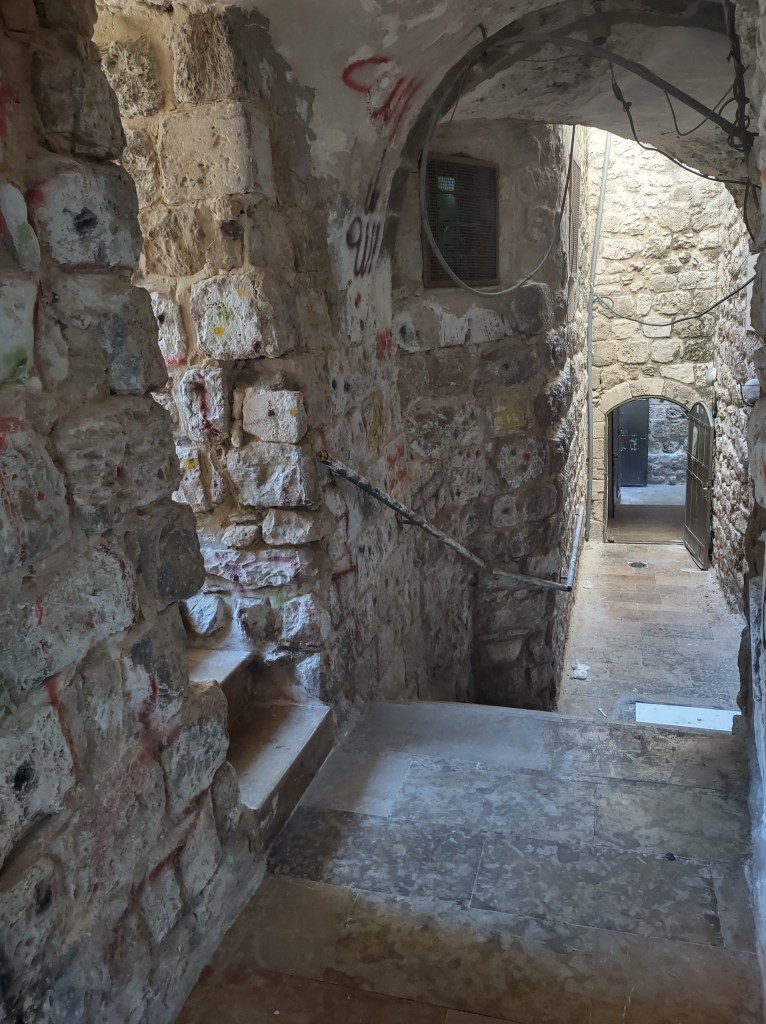
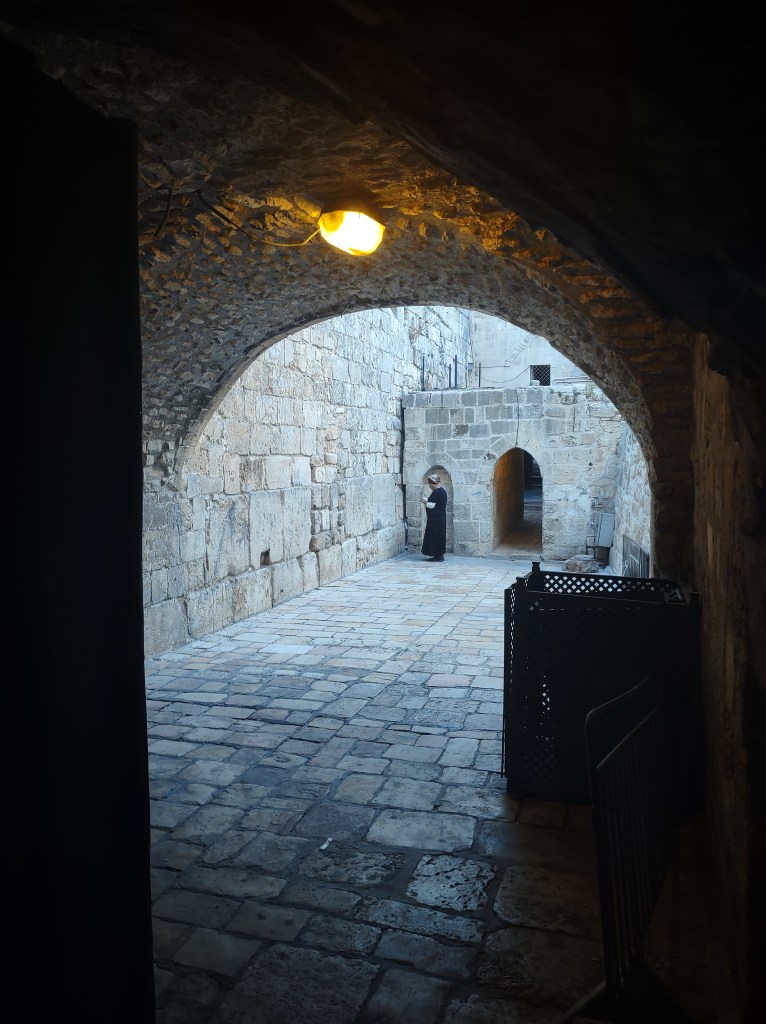
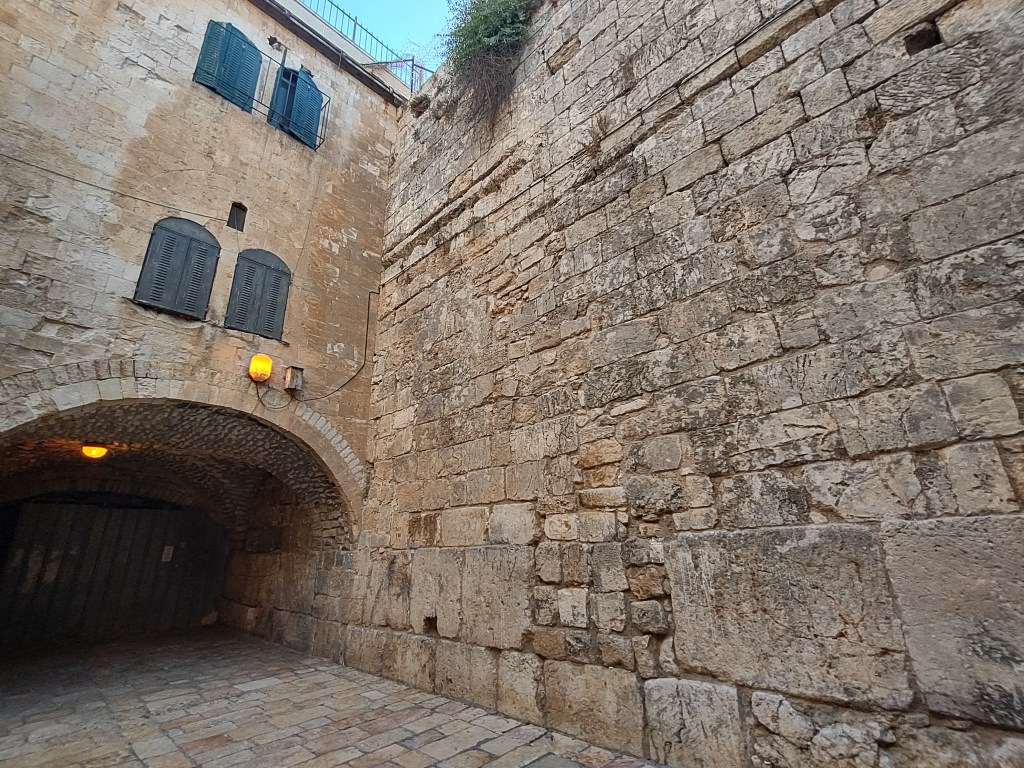
In a later mid-morning wander looking for an entrance to the Temple Mount, I came across the “little” wailing wall, another small section with no buildings in front. As this located in the Muslim Quarter a the end of some very narrow, very dark, twisting streets and so is visited mostly by Muslims and tourists.
The Temple Mount and the Dome of the Rock
Along with the Yad Vashem Holocaust Memorial, the Temple Mount and Dome of the Rock were, for me, the most potent of all the sites we saw in Jerusalem, although in different ways. While the Temple Mount (a UNESCO World Heritage site) is a part of the Muslim Quarter, it has great significance to the Muslim, Christian, and Jewish faiths as it is believed to be the place where many important events took place. It is believed to be the site of the binding and near sacrifice of Isaac by Abraham which is of significance to all three religions. Of particular interest to Judaism, it was later the site chosen by David for the First Temple (The Temple of Soloman) and the Holy of Holies as well as the site where the Second Temple was constructed by Herod the Great. For Muslims, it contains the Foundation Stone which marks the center of God’s creation of the world and the place from which Mohammed ascended into heaven where he met the earlier prophets and, eventually, God during his night journey from Mecca.
Over the course of our week in Jerusalem, we made several attempts to enter the Temple Mount but were invariably turned away being advised that the way was closed. It was only on our next to last day that we discovered that while all of the gates to the Temple Mount are open to Muslims, non-Muslims may only enter through the Mugrabi Gate (AKA the Moroccan Gate) which is accessed via an enclosed walkway located near the Western Wall Plaza entered through a special security checkpoint near the Dung Gate and through a winding enclosed bridge which ramps up to the Temple Mount level.
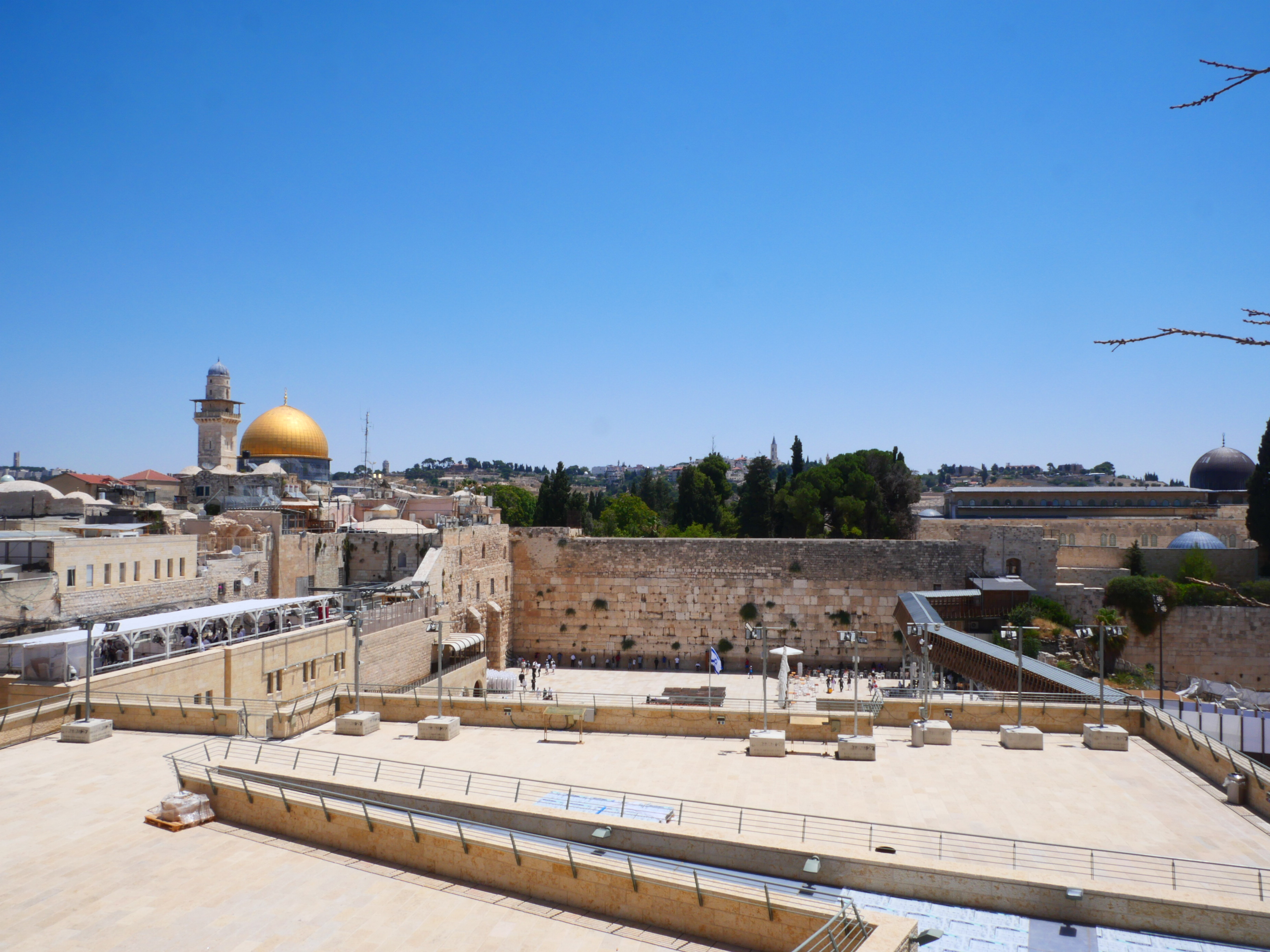
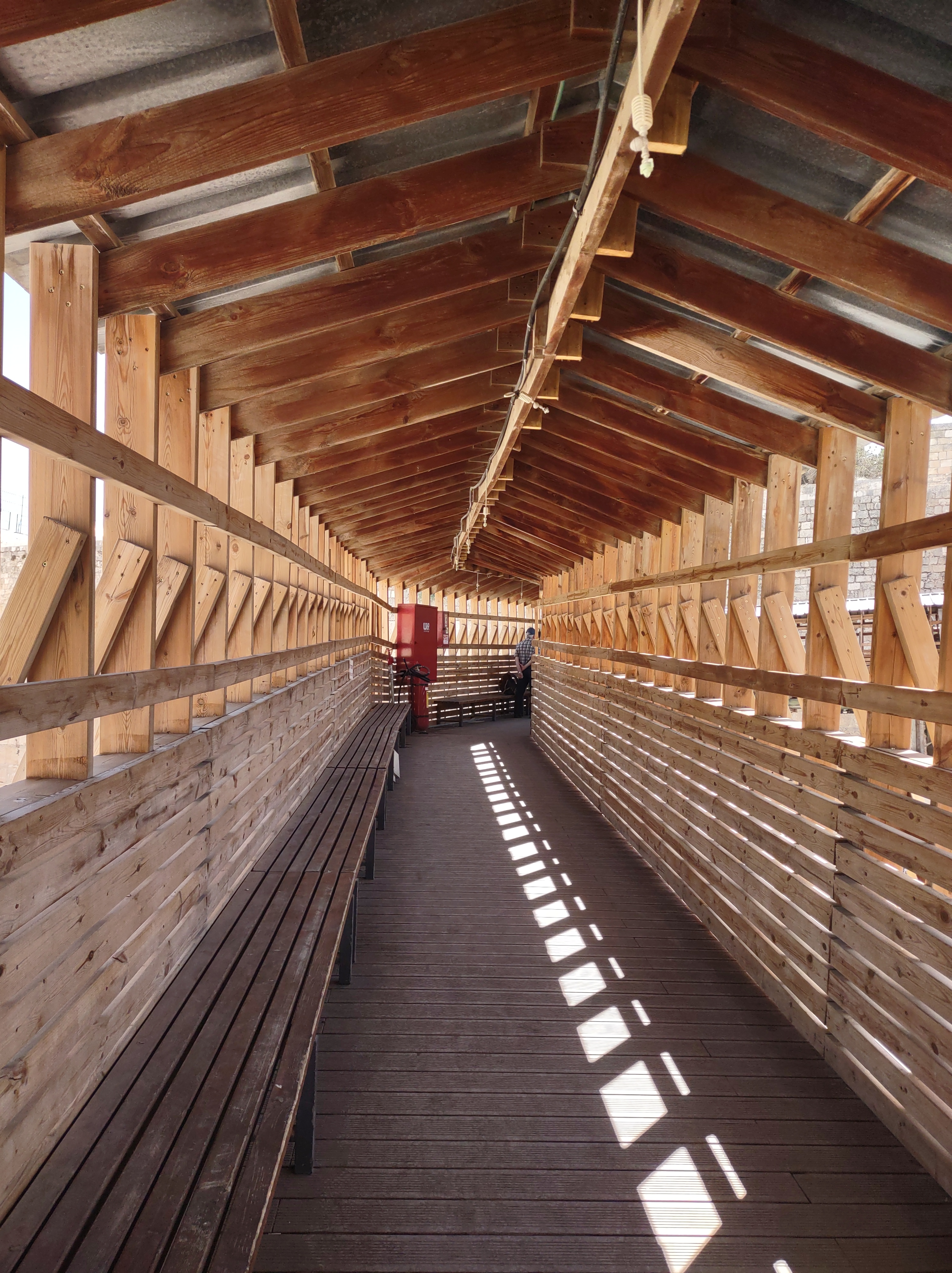
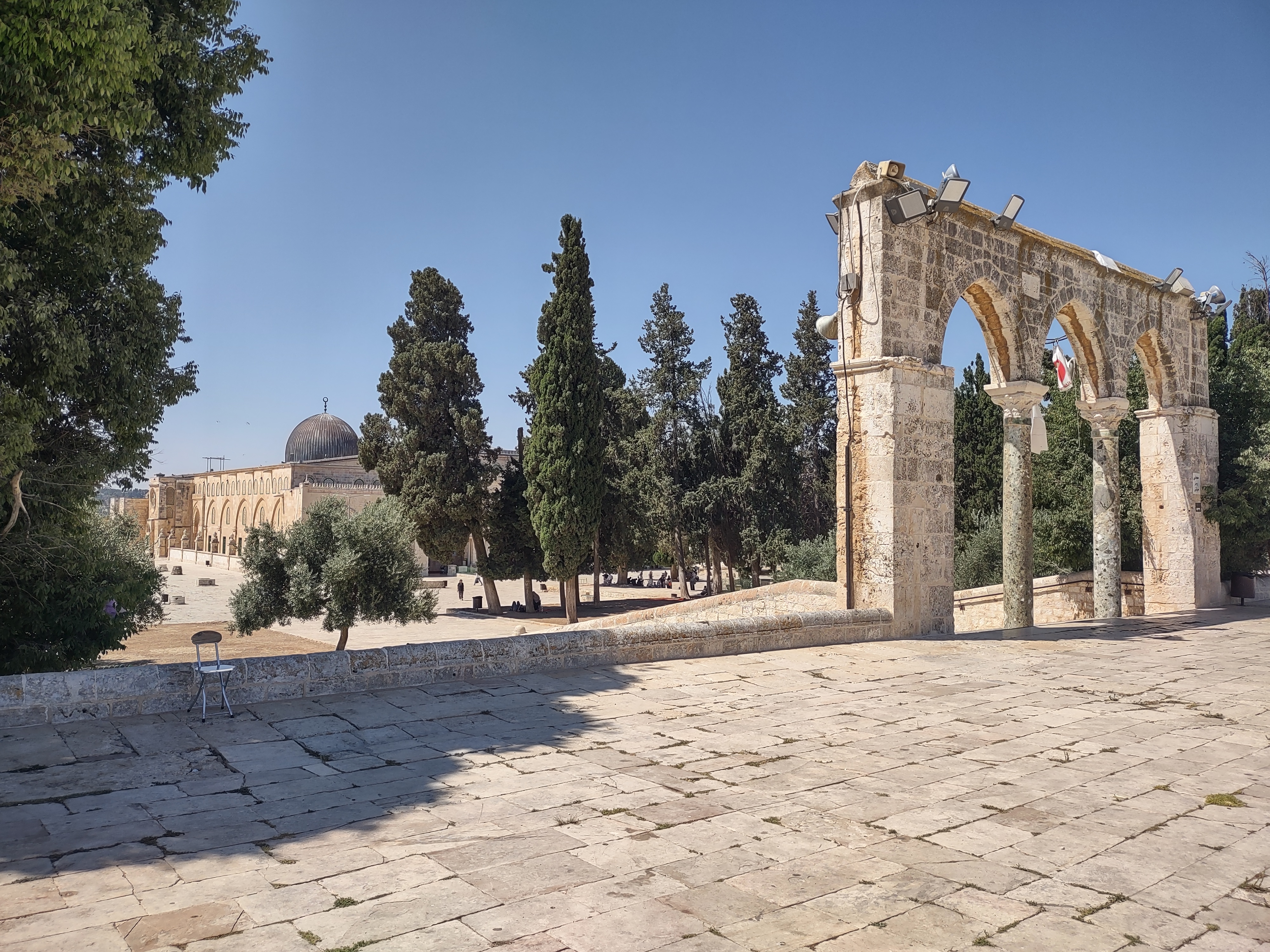
As you enter the Temple Mount (known as the Noble Sanctuary amongst Muslims) through the Mugrabi Gate you are quickly struck by how large the space is – 35 acres, much larger than it would seem from the outside. Around its perimeter are retaining walls and various buildings, including the al-Aqsa Mosque complex on the south side, and a surprising number of trees which provide some welcome shade and frame the elevated plaza at the center of the space where the Temple Mount resides.


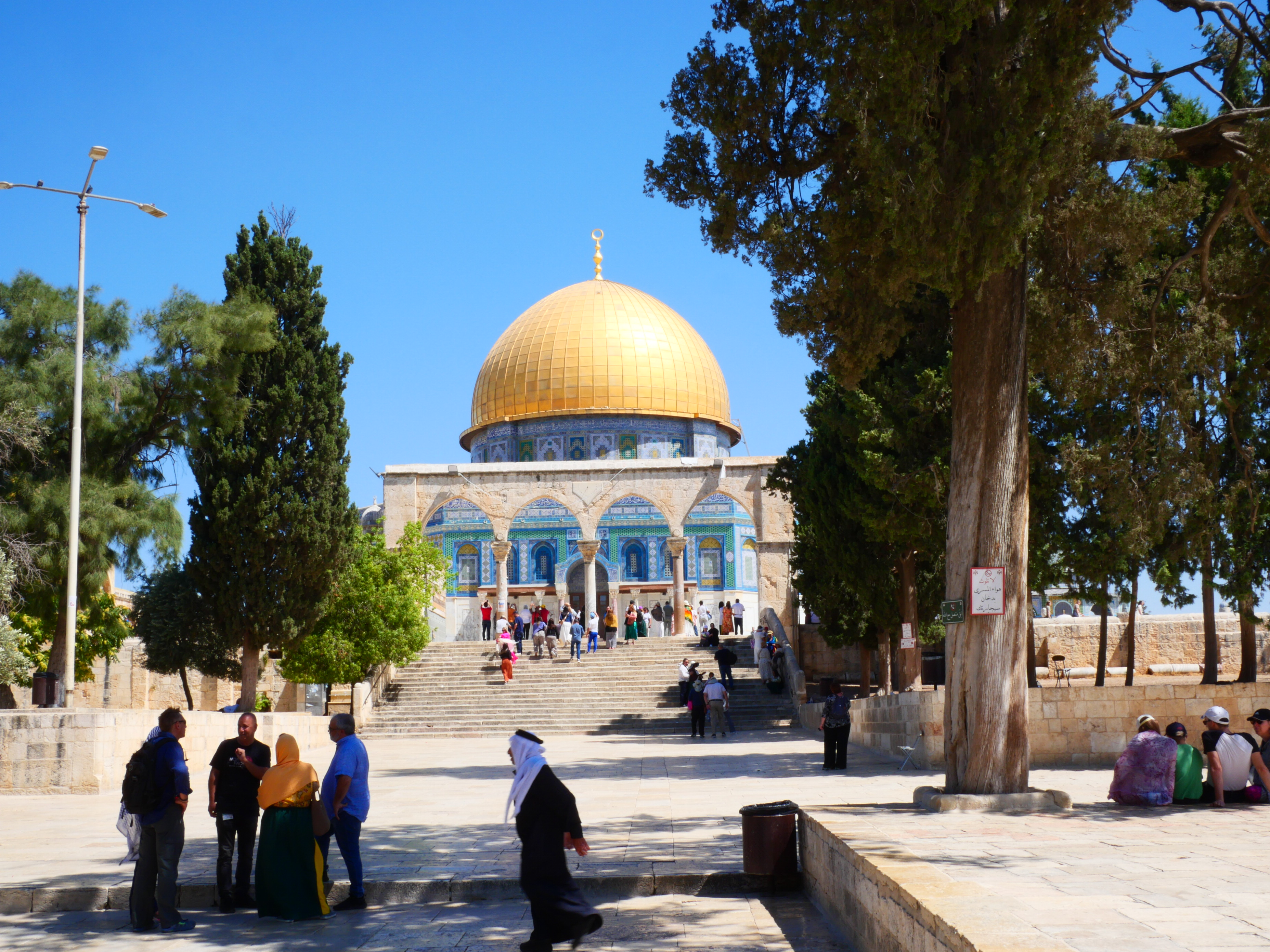

The Dome of the Rock, which is built over the Foundation Stone and the Well of Souls (believed to be the Holy of Holies) dates to the 7th century and is the world’s oldest work of Islamic architecture. But even absent all that, it was truly amazing to me to see how such a relatively simple structure could have such a powerful and dominating presence.
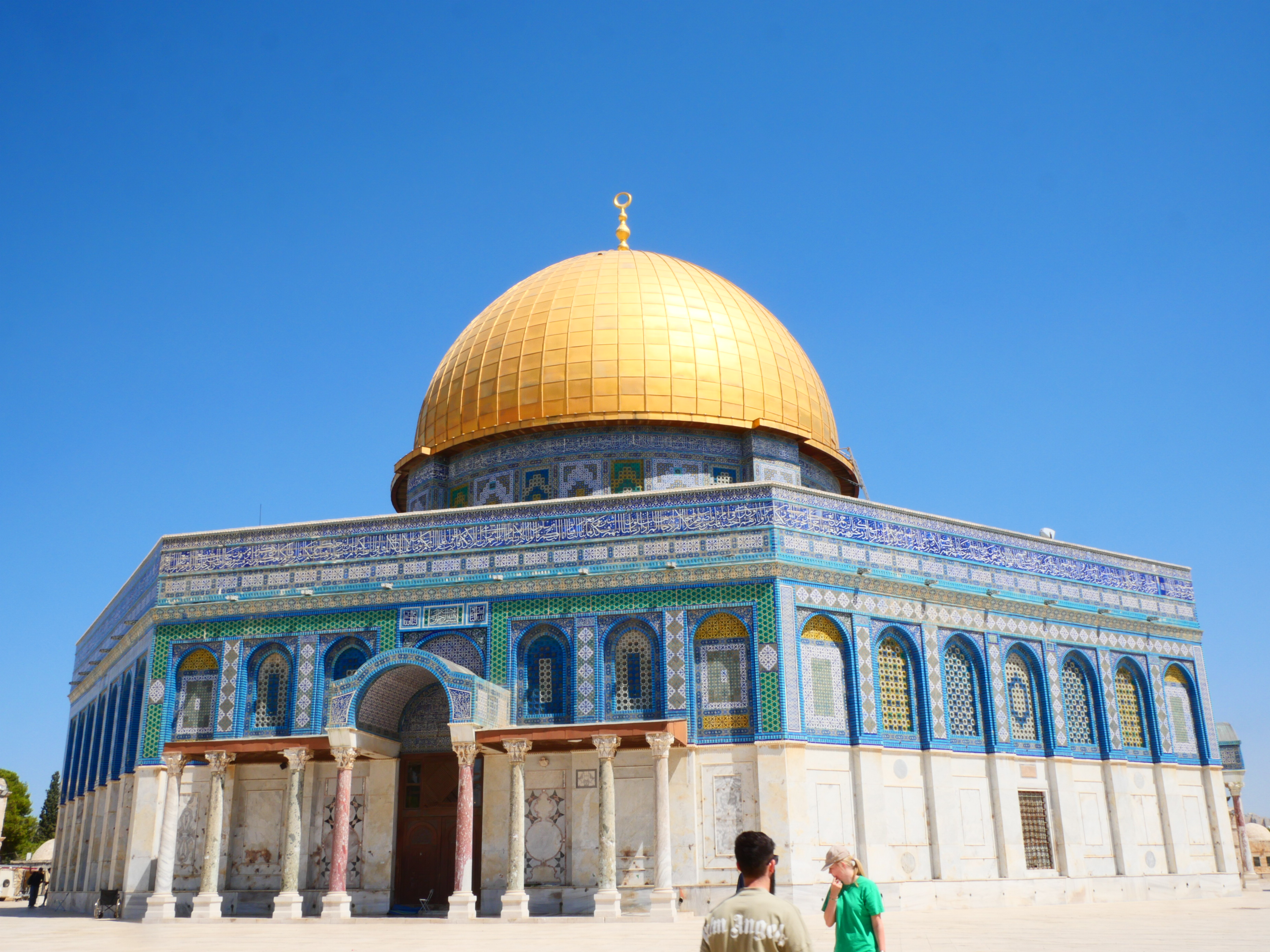


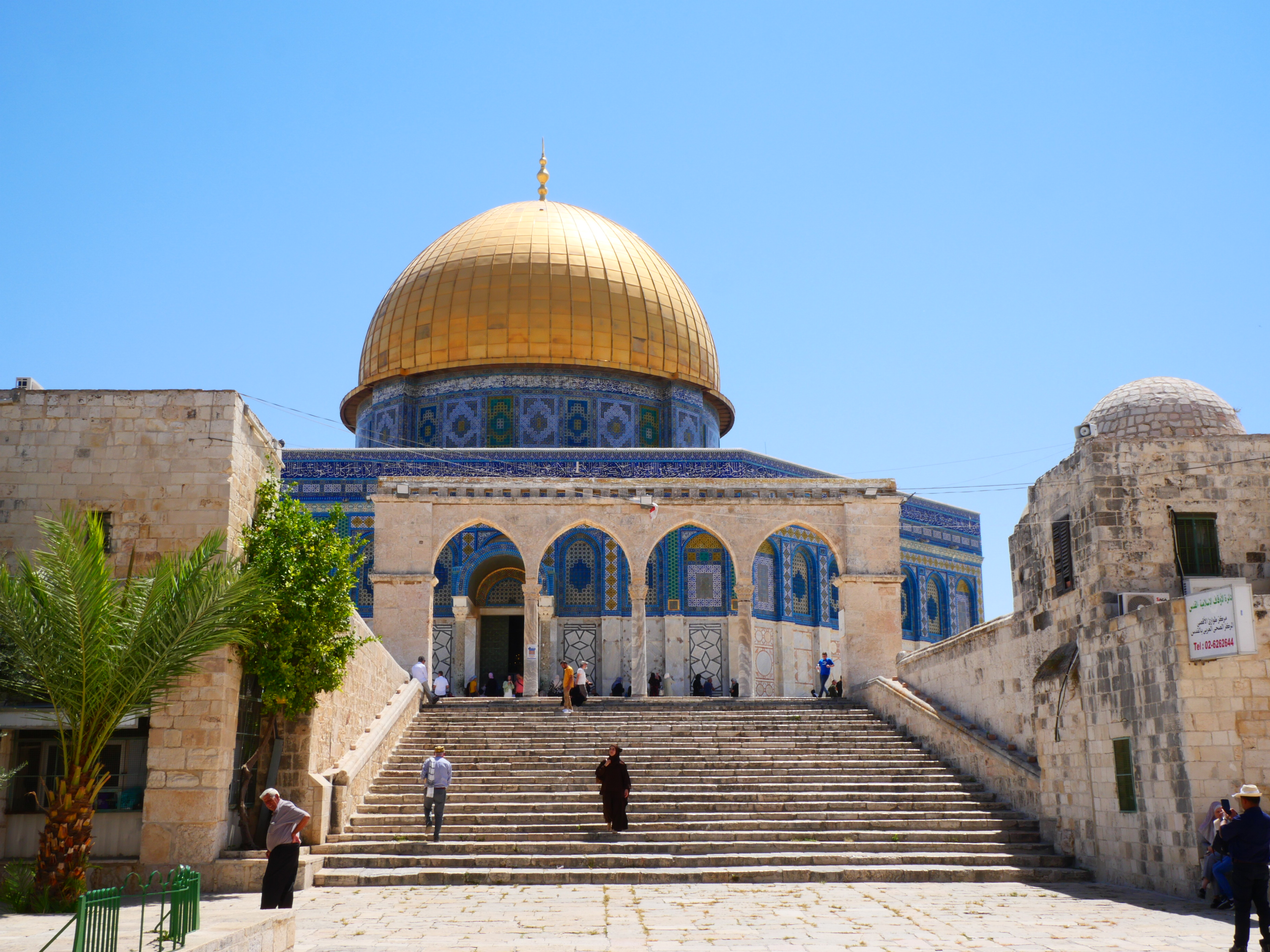
Some of it is certainly the size of its elevated plaza and the amount of space around it, which seemed to emphasize the simplicity of the forms. But I found it interesting that as you approach the structure the forms which seem plain and simple from a distance become increasing more complex in their detail with the gold-clad dome standing in sharp contrast to the interictally tiled walls of the hexagonal temple and, look ma, no minarets!
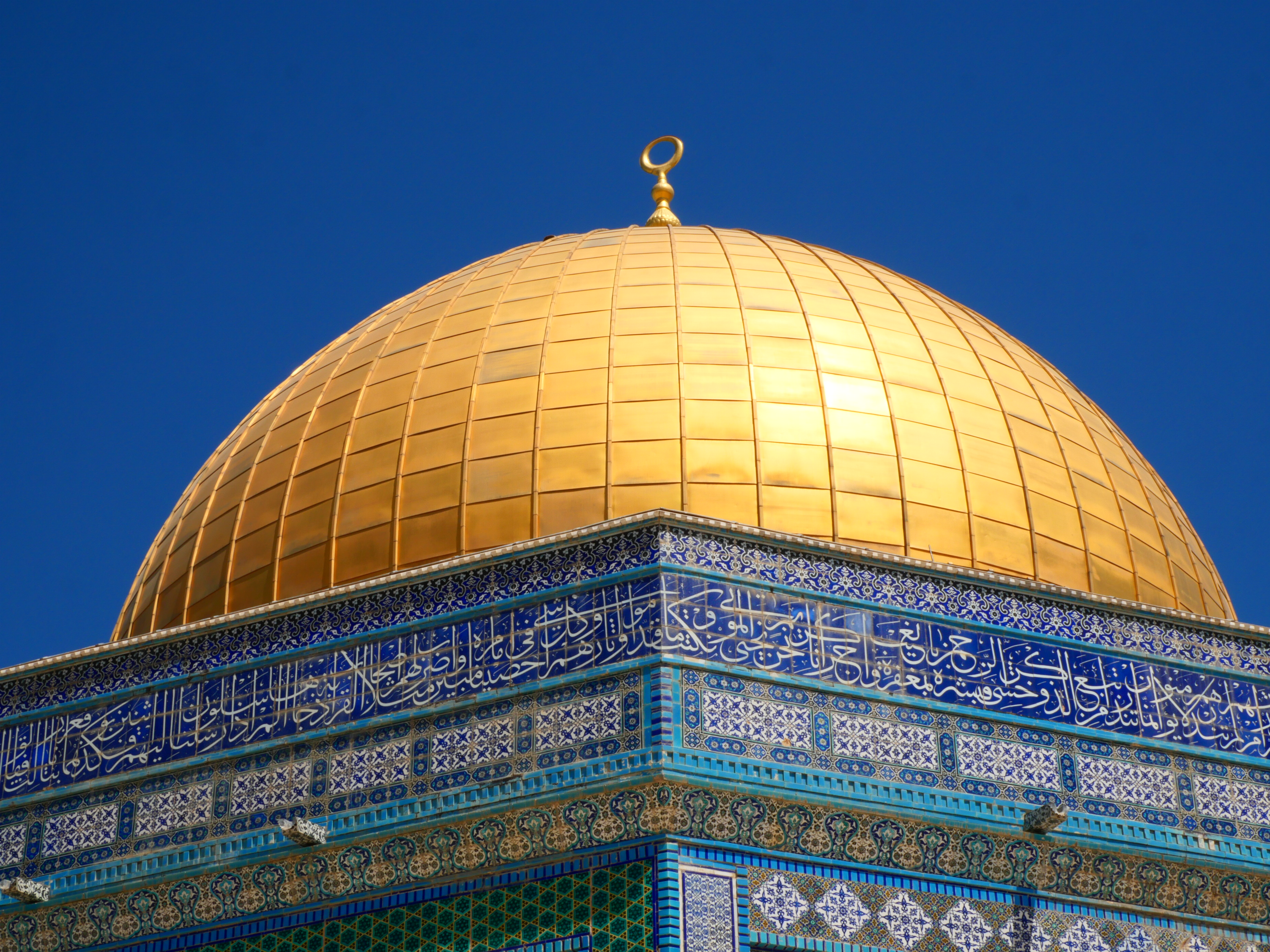
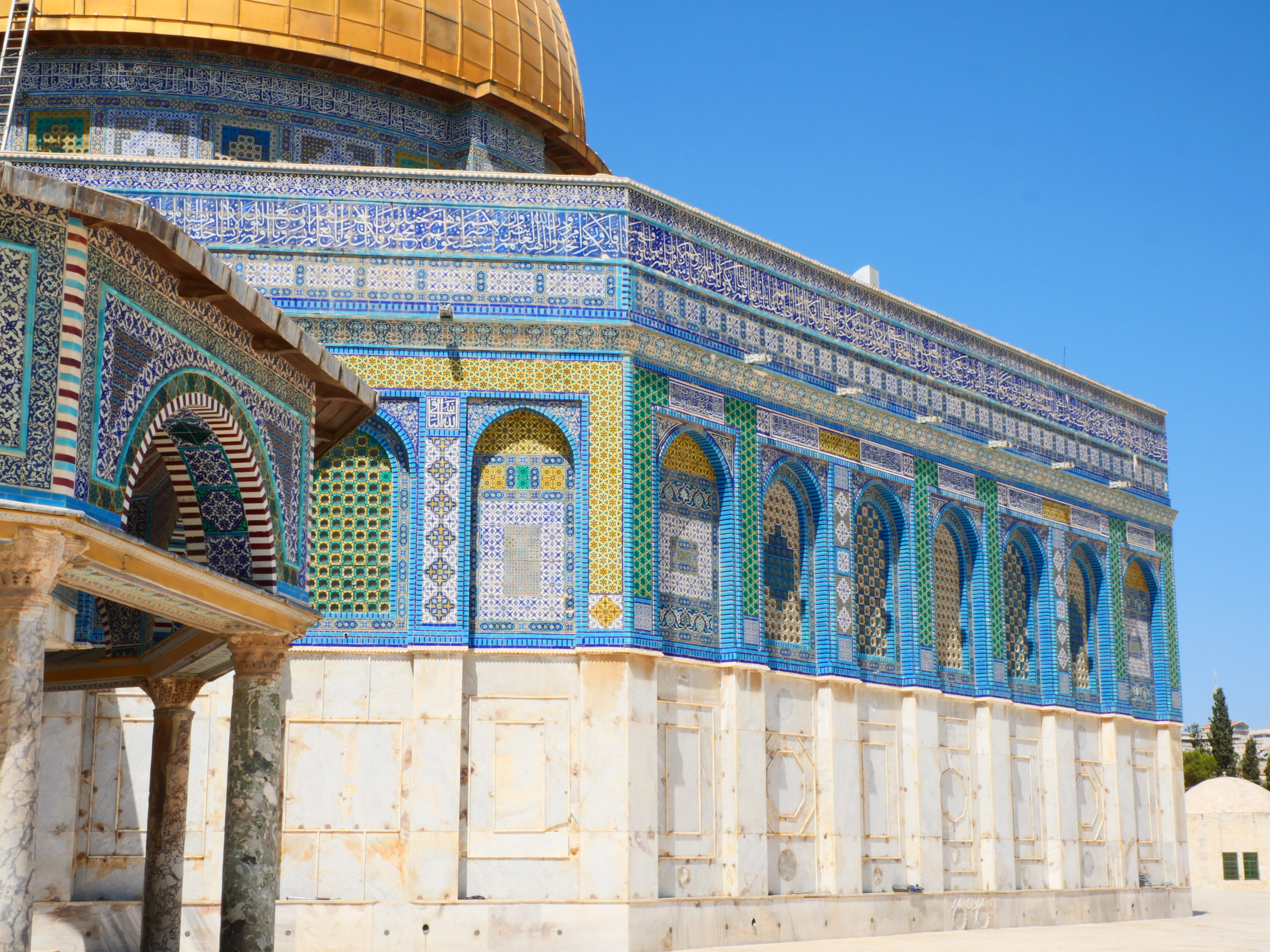
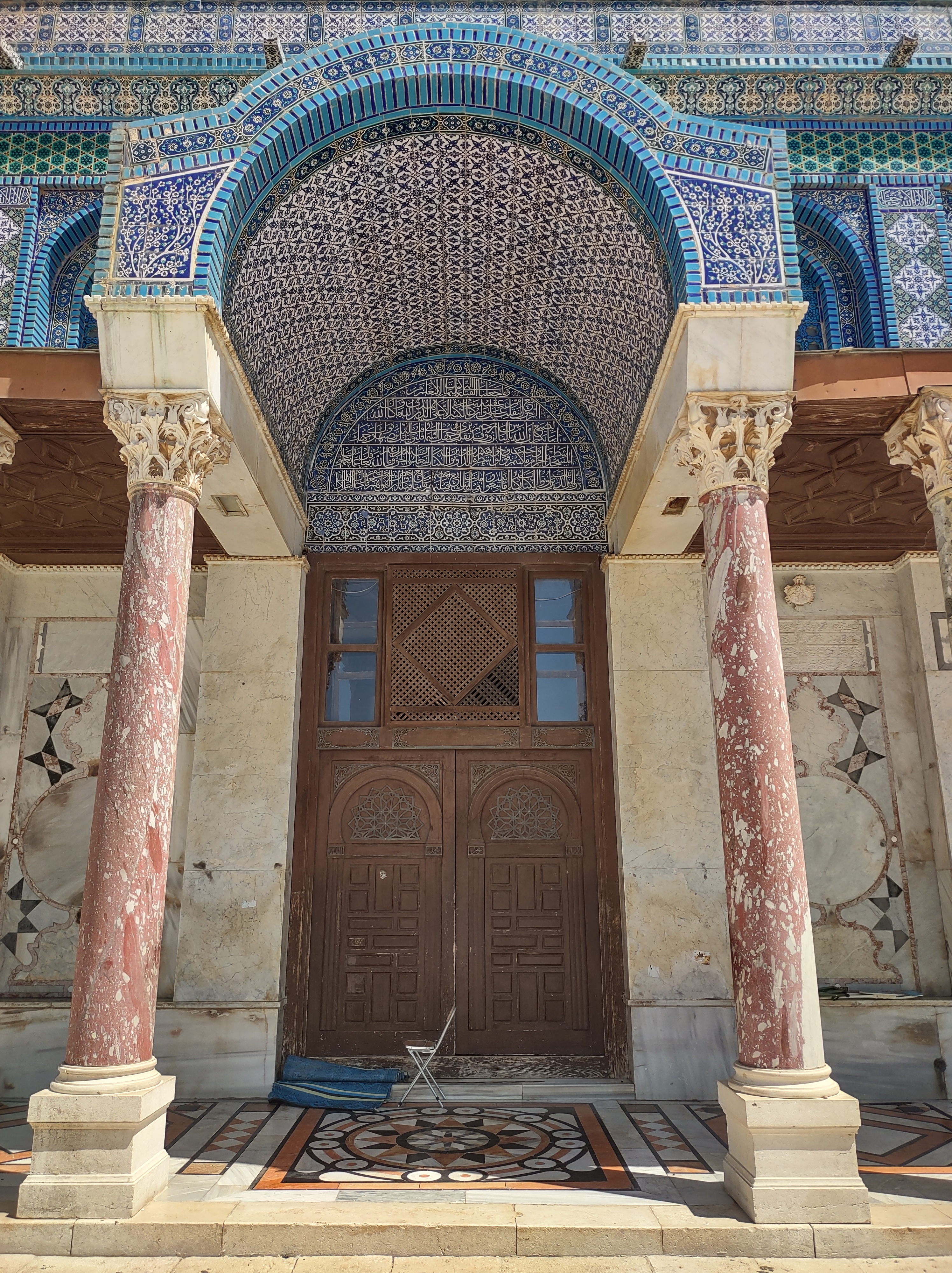

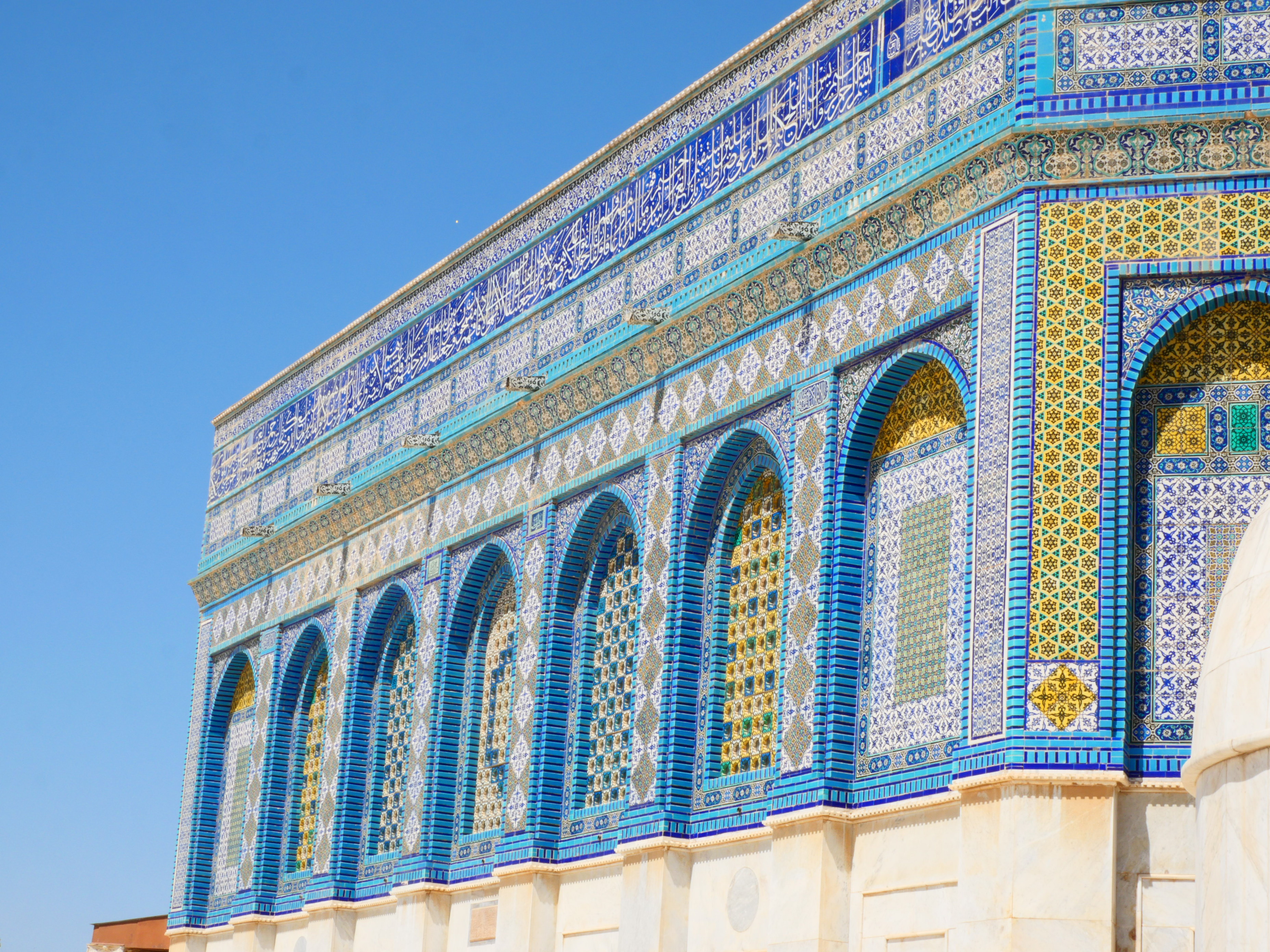
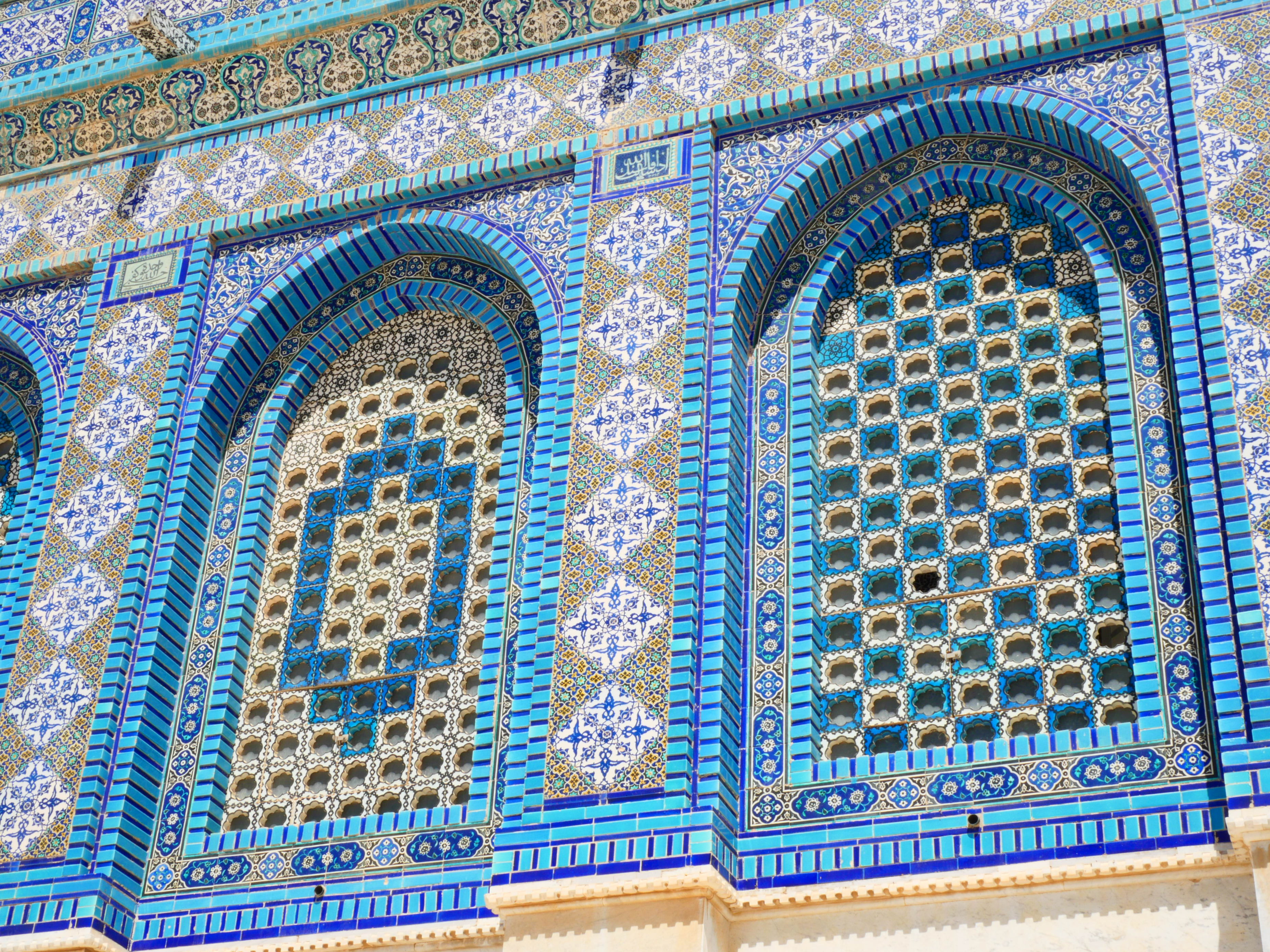
Maybe it’s because I knew the history, or maybe it’s just because I’m an architect, but for me at least, the Temple Mount was one of those spaces which creates a very strong and very palpable emotional reaction which, if not religious, was nonetheless quite sublime.
The Austrian Hospice
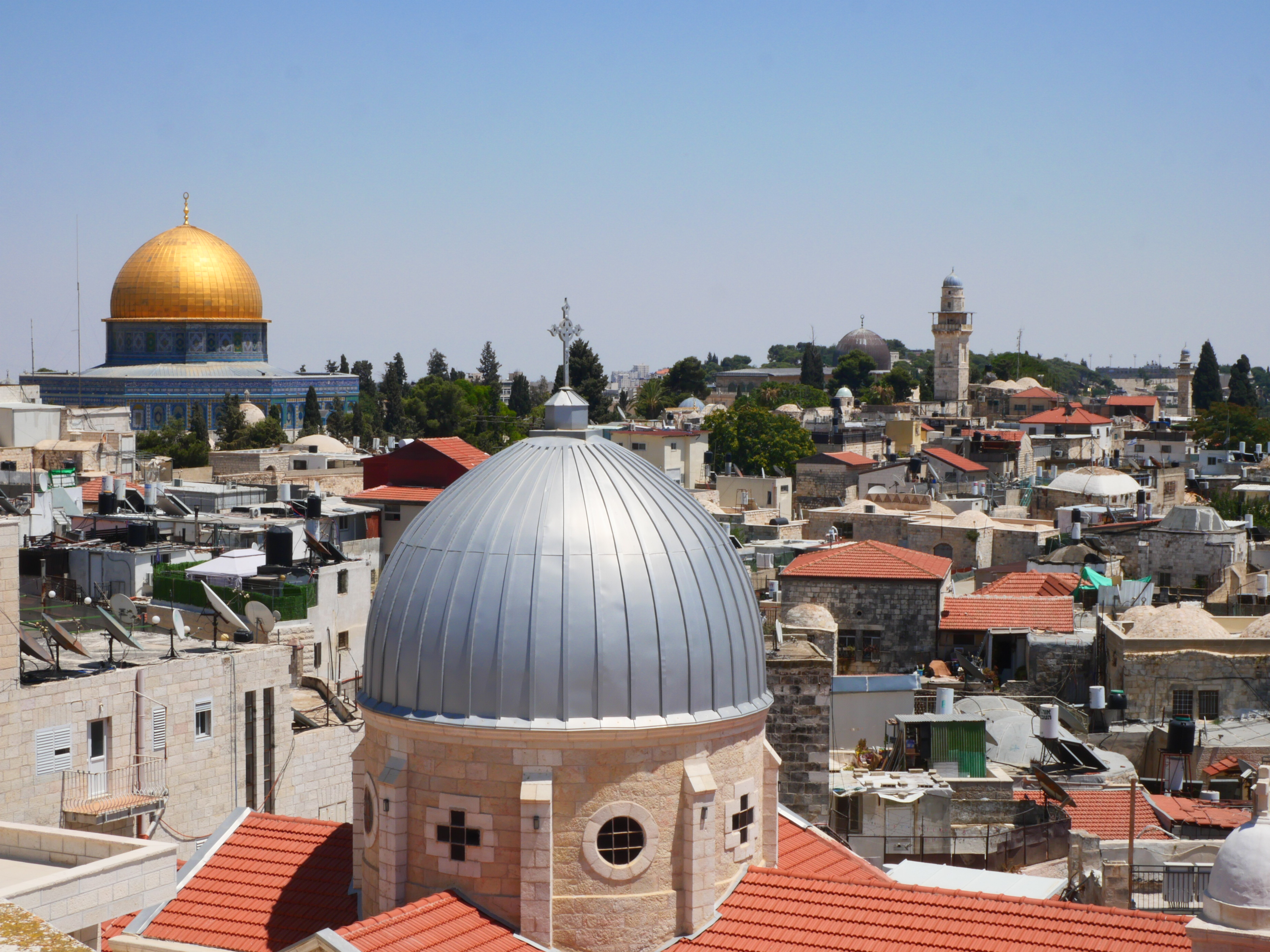
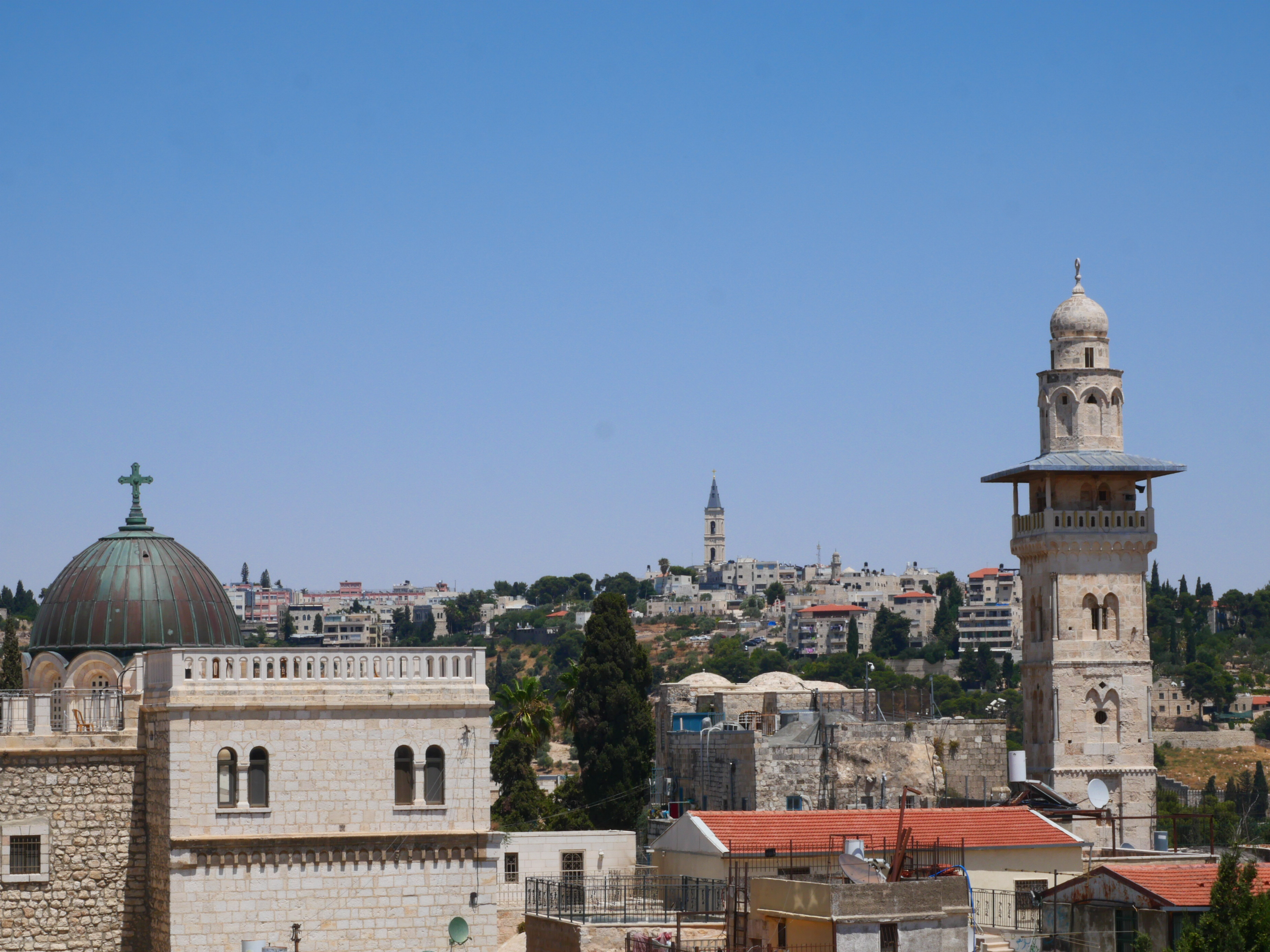
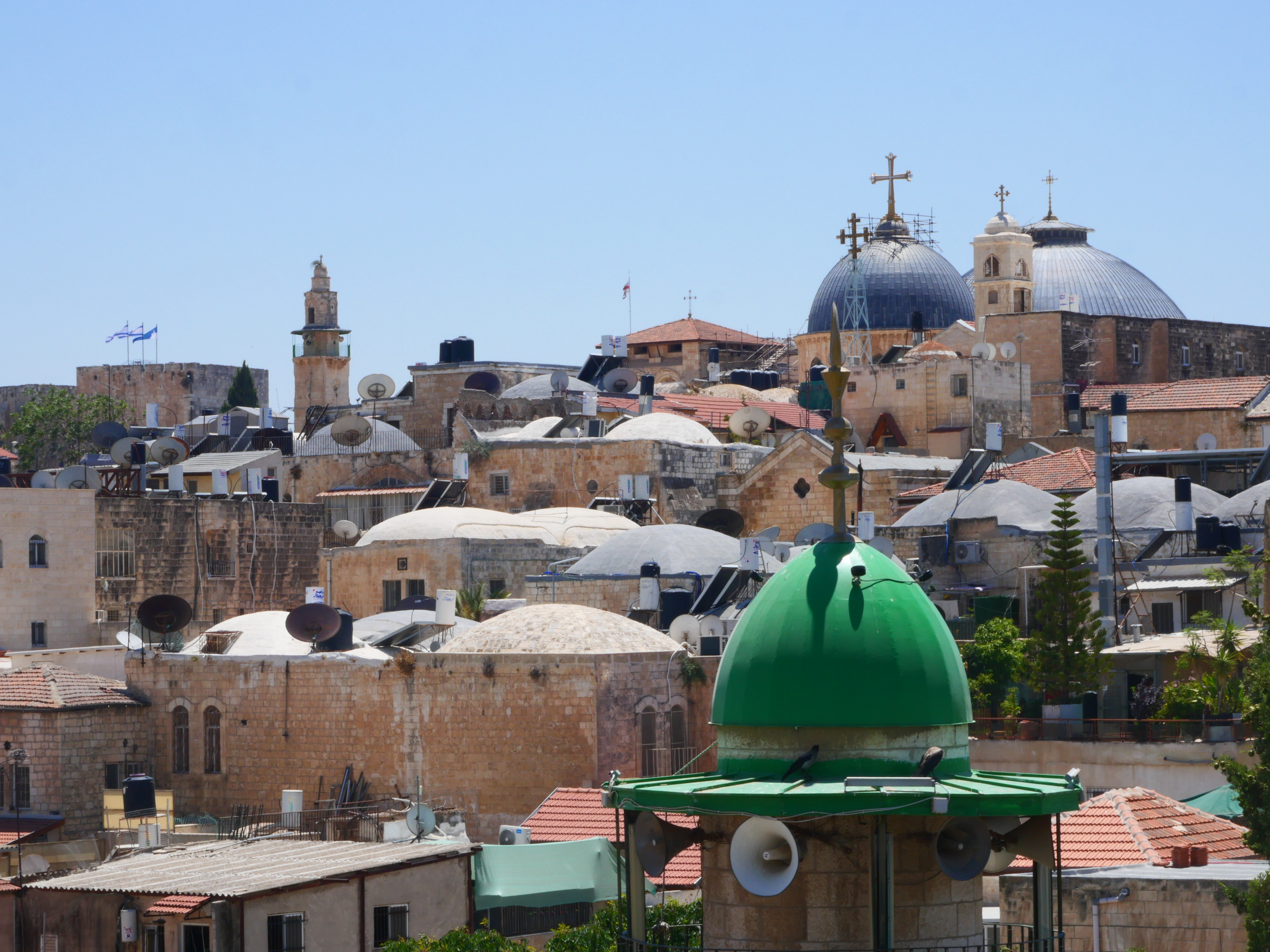
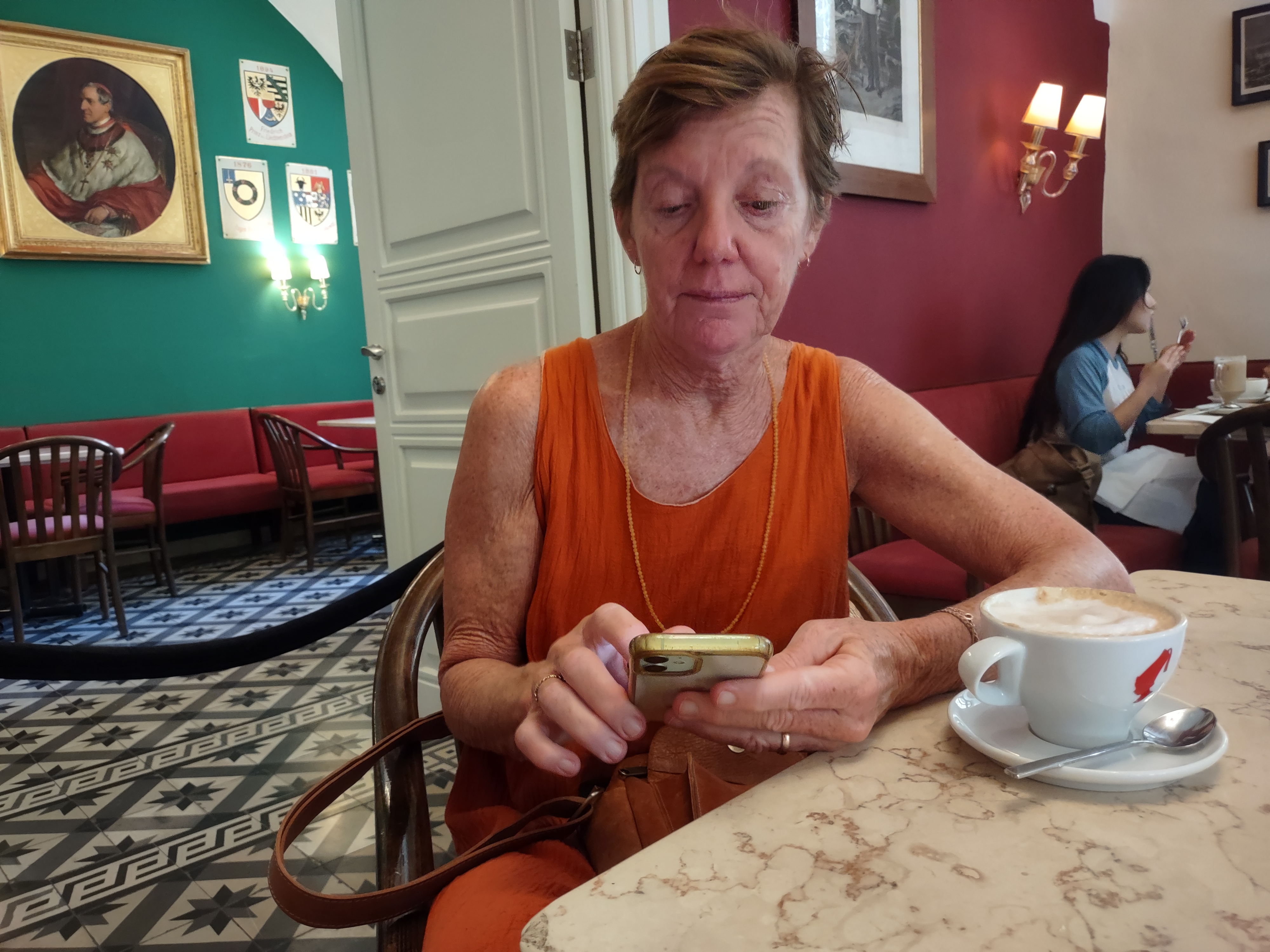
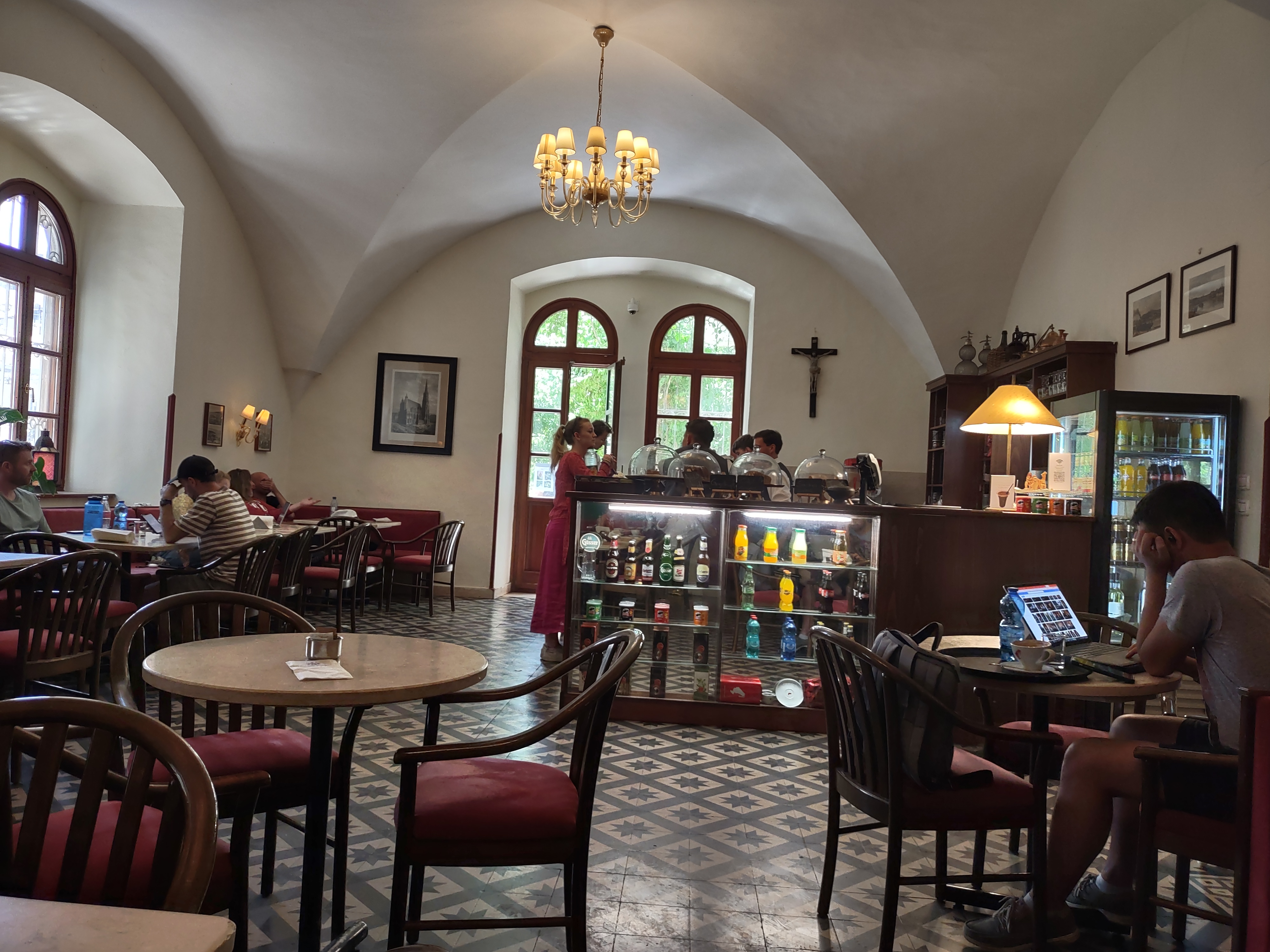
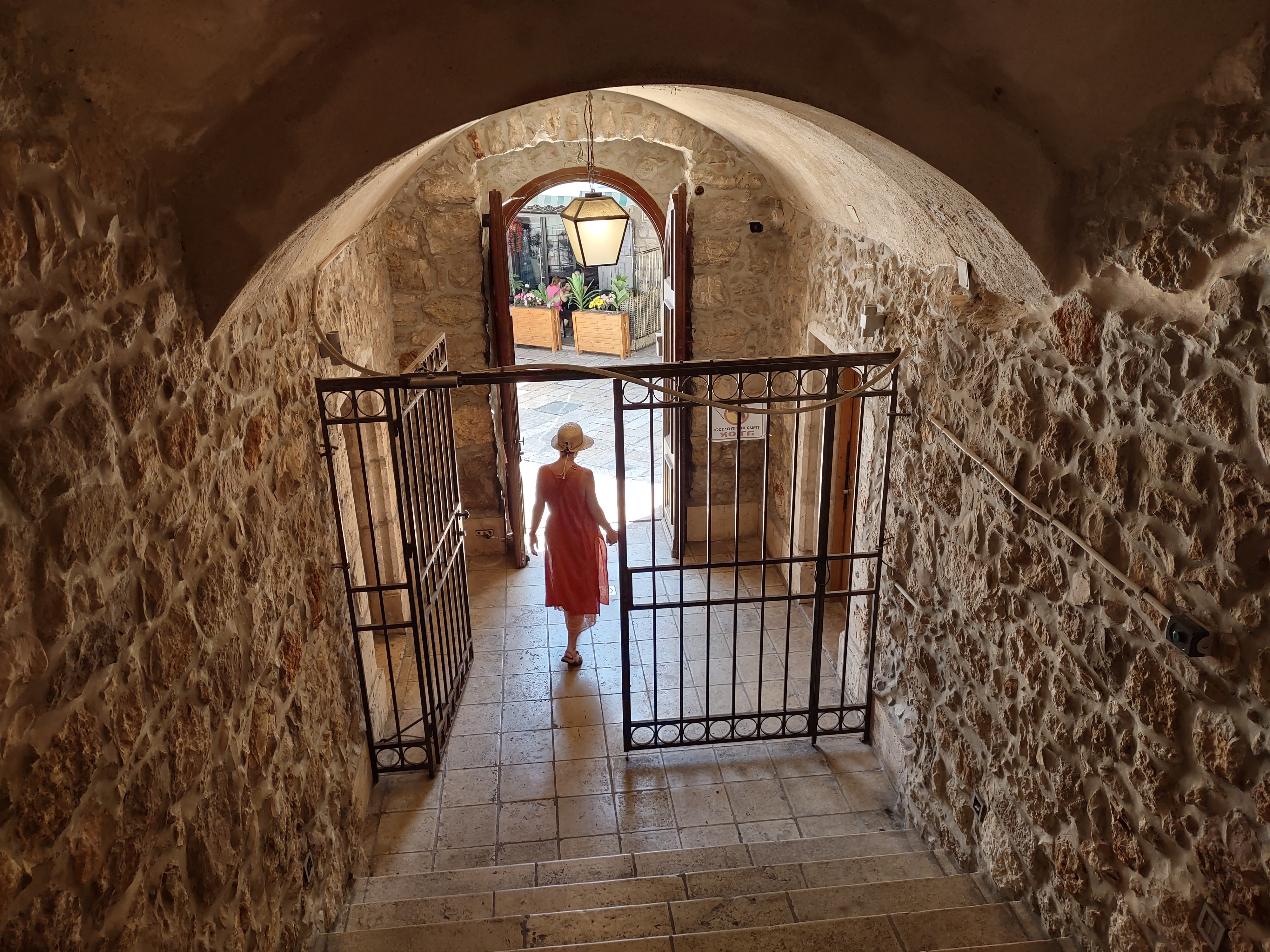
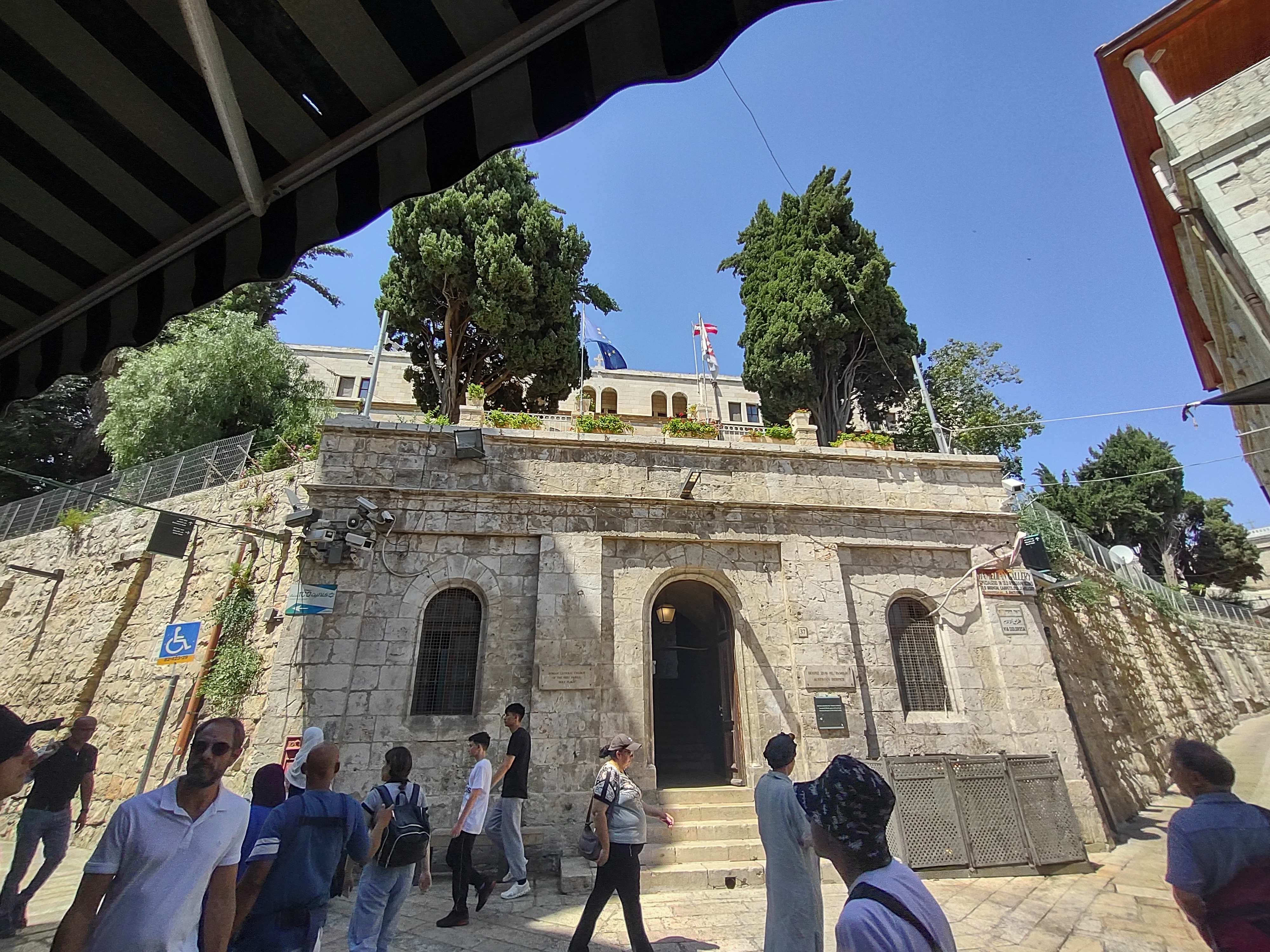
Not all of the places we visited in Jerusalem were such noteworthy religious sites. One place which Colleen had on her list (curtesy of recommendations from a friend)was the Austrian Hospice, the oldest Christian guest house in the Old City, having opened in 1863. It is located on the Via Dolorosa, not far from the Church of the Holy Sepulcher and we literally wandered into it one day. While our interest was primarily in the Hospice’s roof deck, which was supposed to have some great views of the old city, the building itself was quite beautiful and there were a number of interesting exhibits regarding Austria’s relationship with Jerusalem over the centuries. It also had a very nice western-style café where we stopped for a cappuccino.

The Cardo
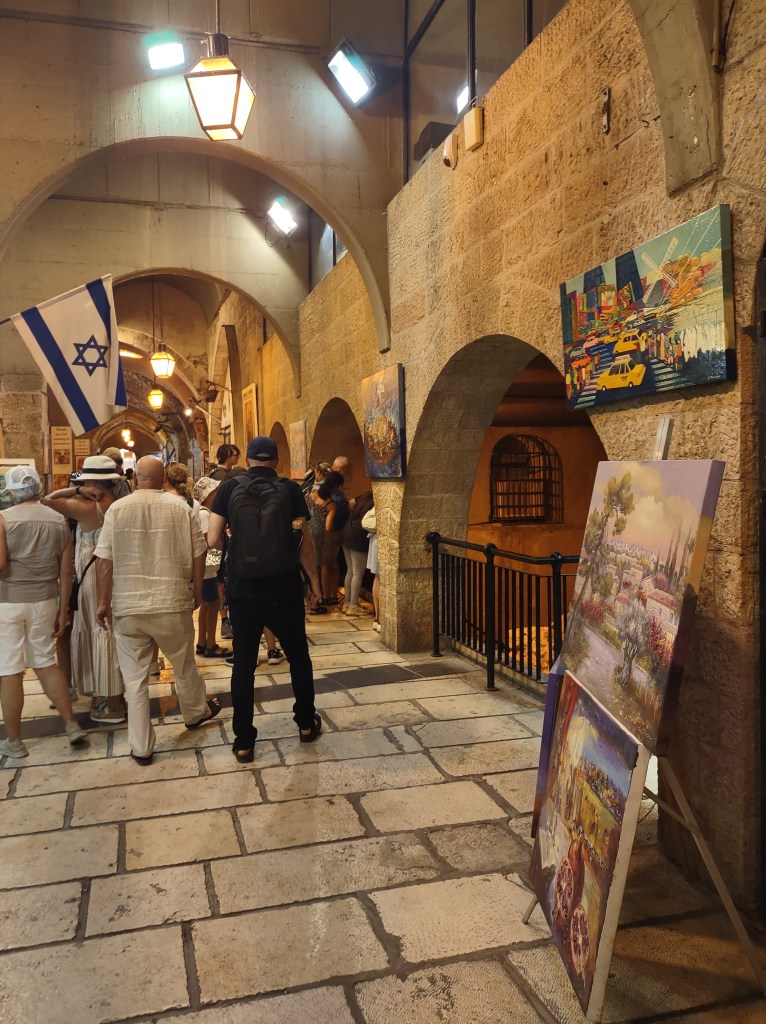
As I illuded to earlier, the Cardo (or Cardo Maximus) was the wide boulevard of the Roman City constructed over the ruins of ancient Jerusalem by the Roman emperor Hadrian in 135 AD which was the primary market street during the Roman and Byzantine days. Part of the Cardo was converted to three parallel market streets but part of it was buried and lost in time only to be rediscovered in the 1960’s during the reconstruction of the Jewish Quarter.

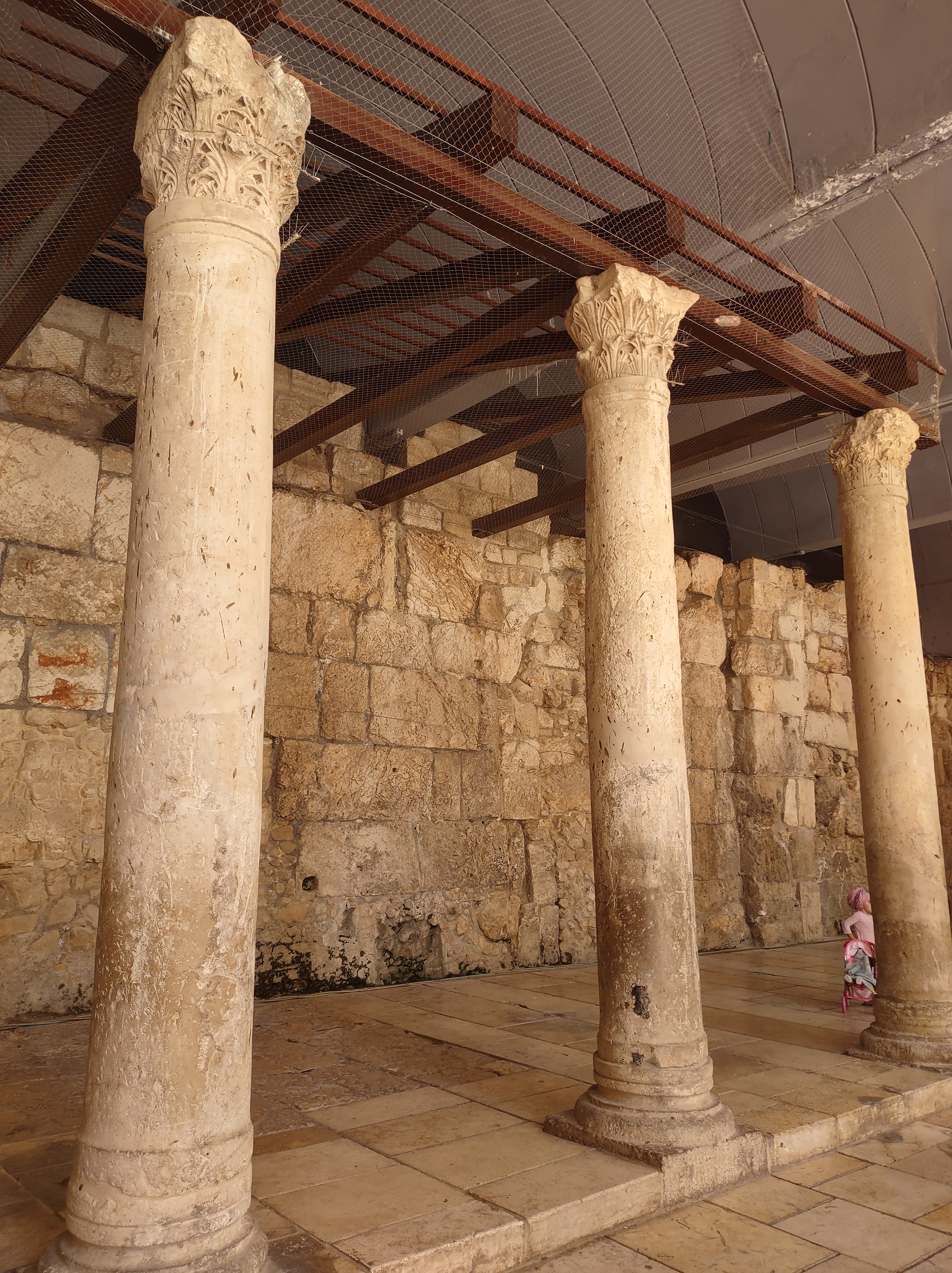
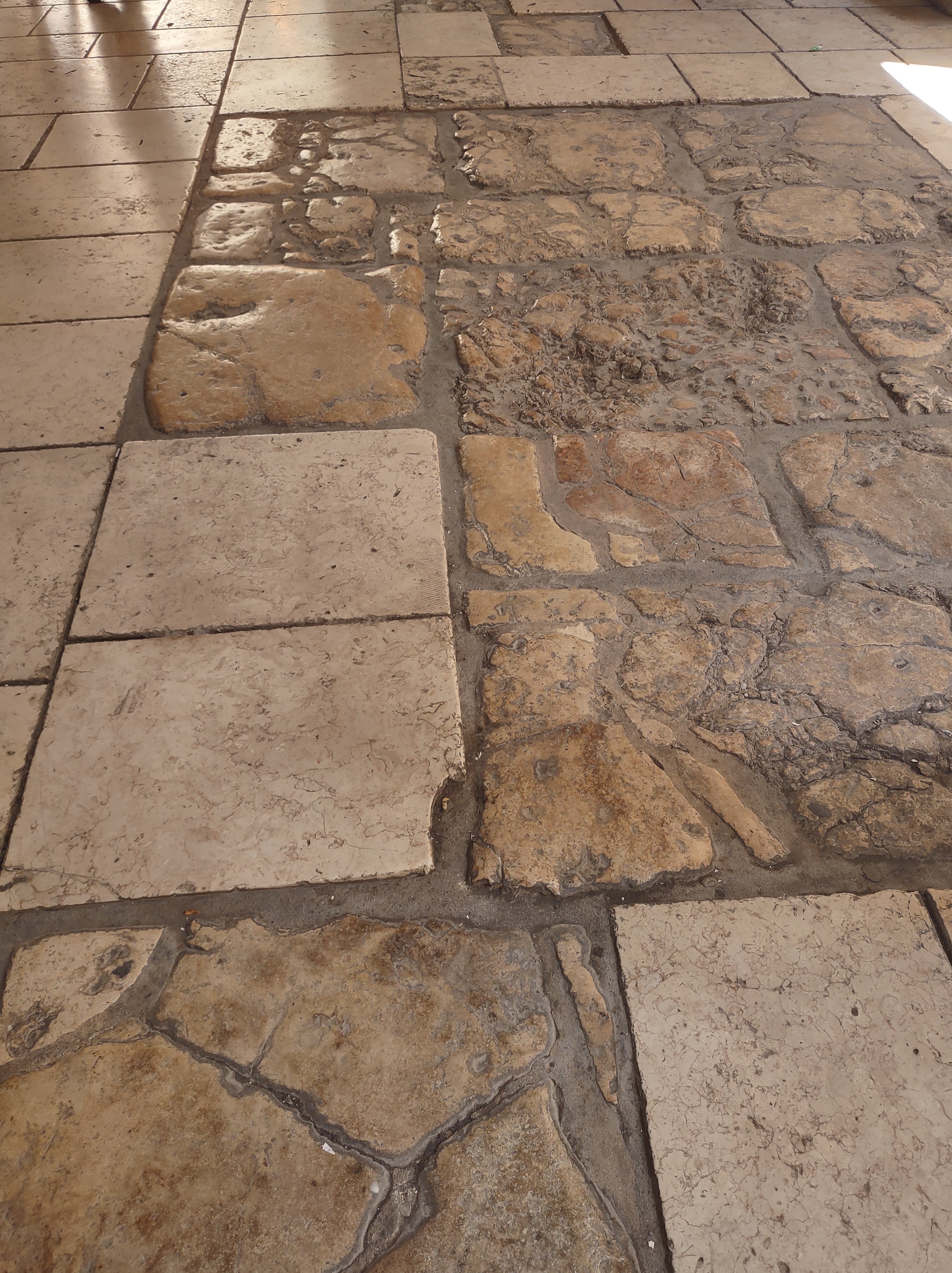
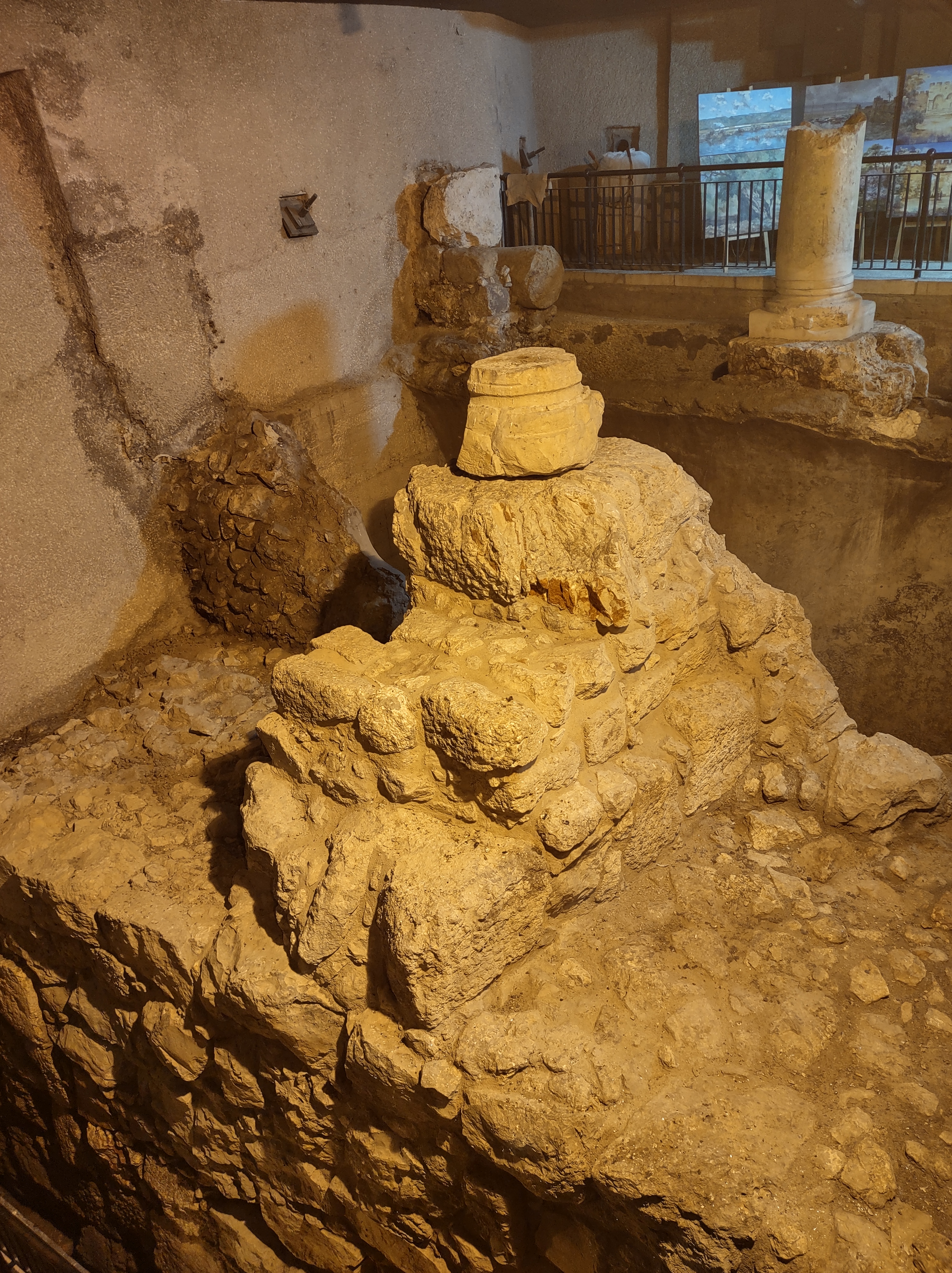


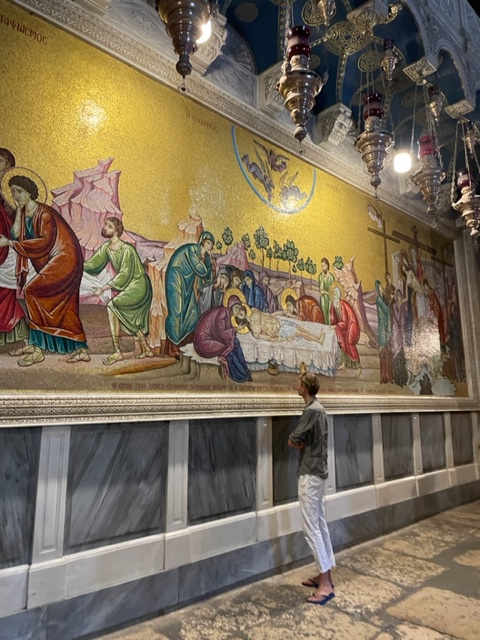
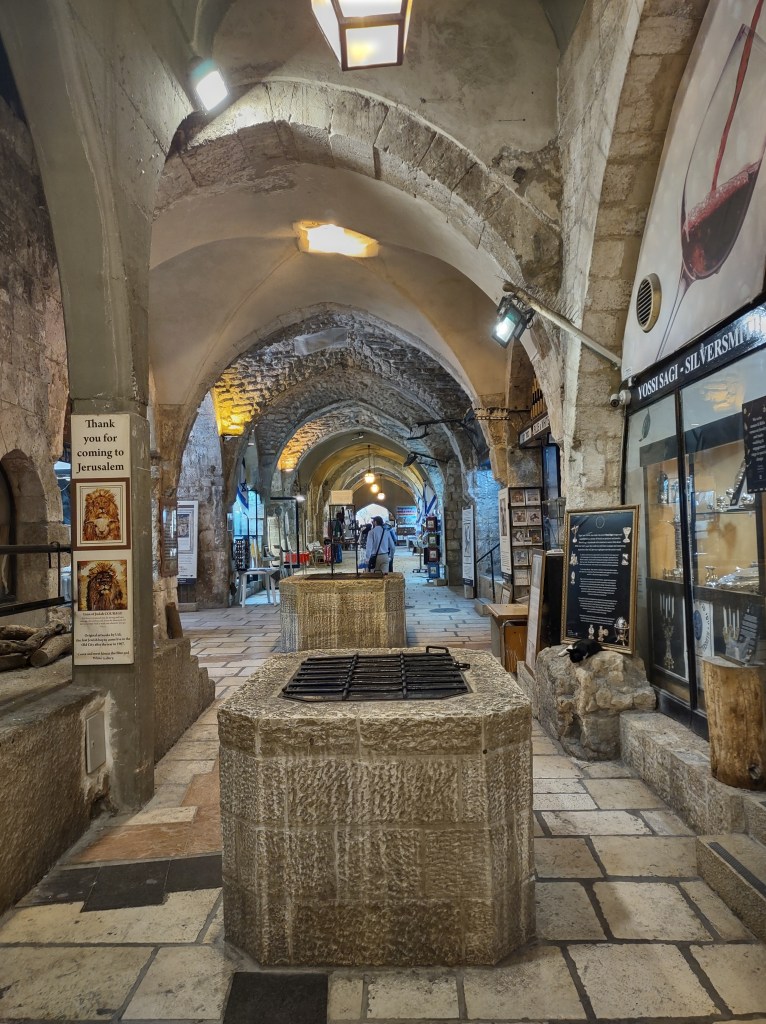
The Cardo includes some restored ruins and some historic displays which include a number of tile murals depicting religious scenes, various traditional trades, and some very interesting historic maps of Jerusalem. There is also a nice vaulted section which has been restored and converted to some very nice but pricey artisan shops. A great area to wander without much fear of getting lost.
Yad Vashem Holocaust Memorial
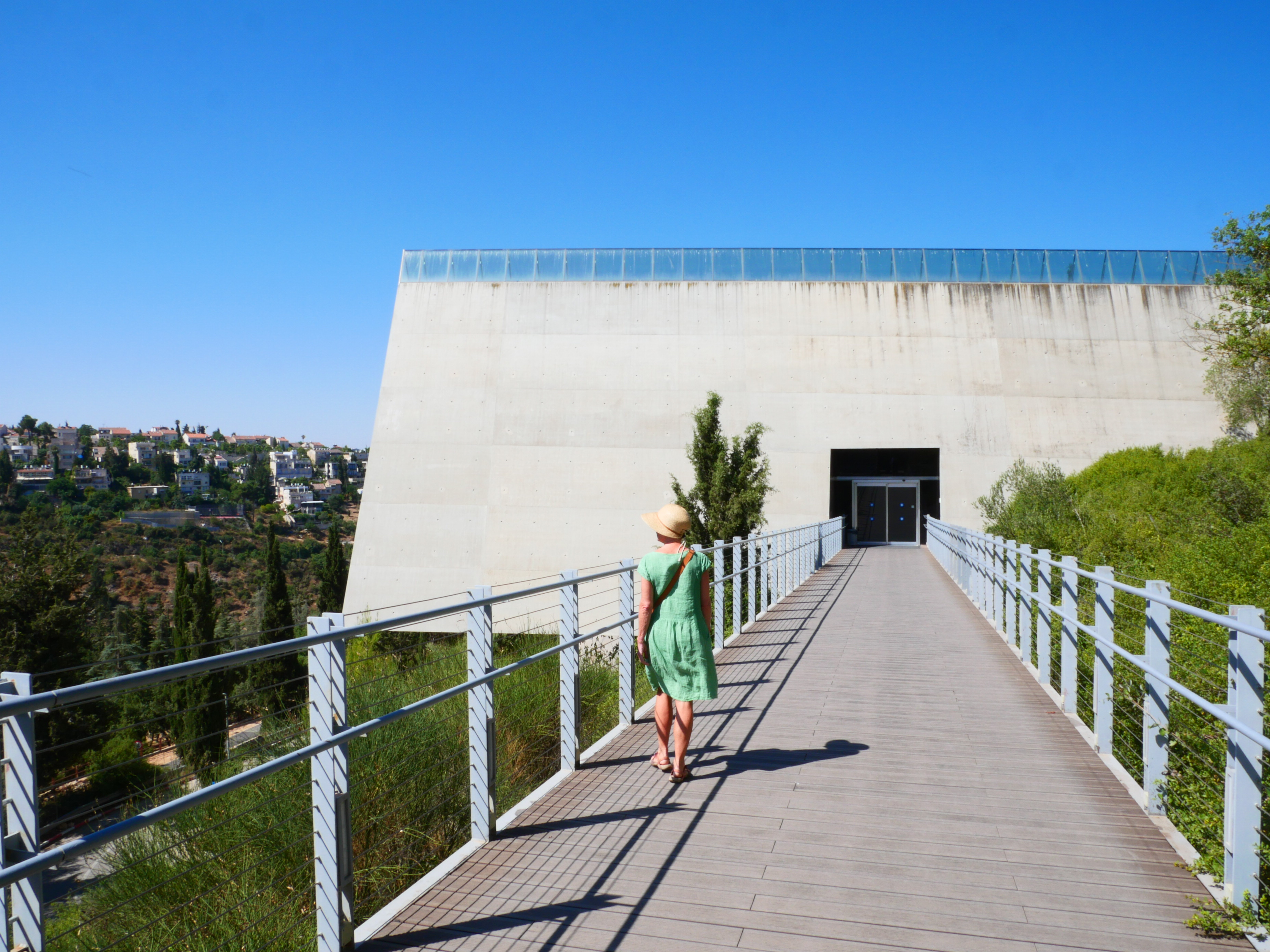
I myself knew very little about Yad Vashem when we came to Jerusalem but had heard from some people who had visited it that it was a pretty moving and emotional place to visit. Yad Vashem, which is located about a 40 minutes west of the Old City by tram, is Israel’s official memorial to the victims of the Holocaust. As we discovered, it is a large complex with a number of buildings and monuments the most prominent of which is the Holocaust History Museum, designed by famed Israeli architect Moshe Safde.
The Museum consists an approximately 200 meter long central gallery formed by two large slabs of concrete which lean towards each other (and you) with a skylight over the narrow gap between the two slabs at the top, creating a certain tension as you can imagine the two walls slamming together and sealing out the daylight. The central corridor, which narrows towards its mid-point, is interrupted by breaks in the floor and barriers which require you to move through exhibit spaces of varying sizes, first to the right, then to the left, and so forth. For better or worse (worse in my book) this arrangement forces you to go through the entire museum in its intended order (likely intentional) with no option to selectively view exhibits. (Note that photography is not allowed in the Museum, so photos for this section were borrowed from some online sources.)
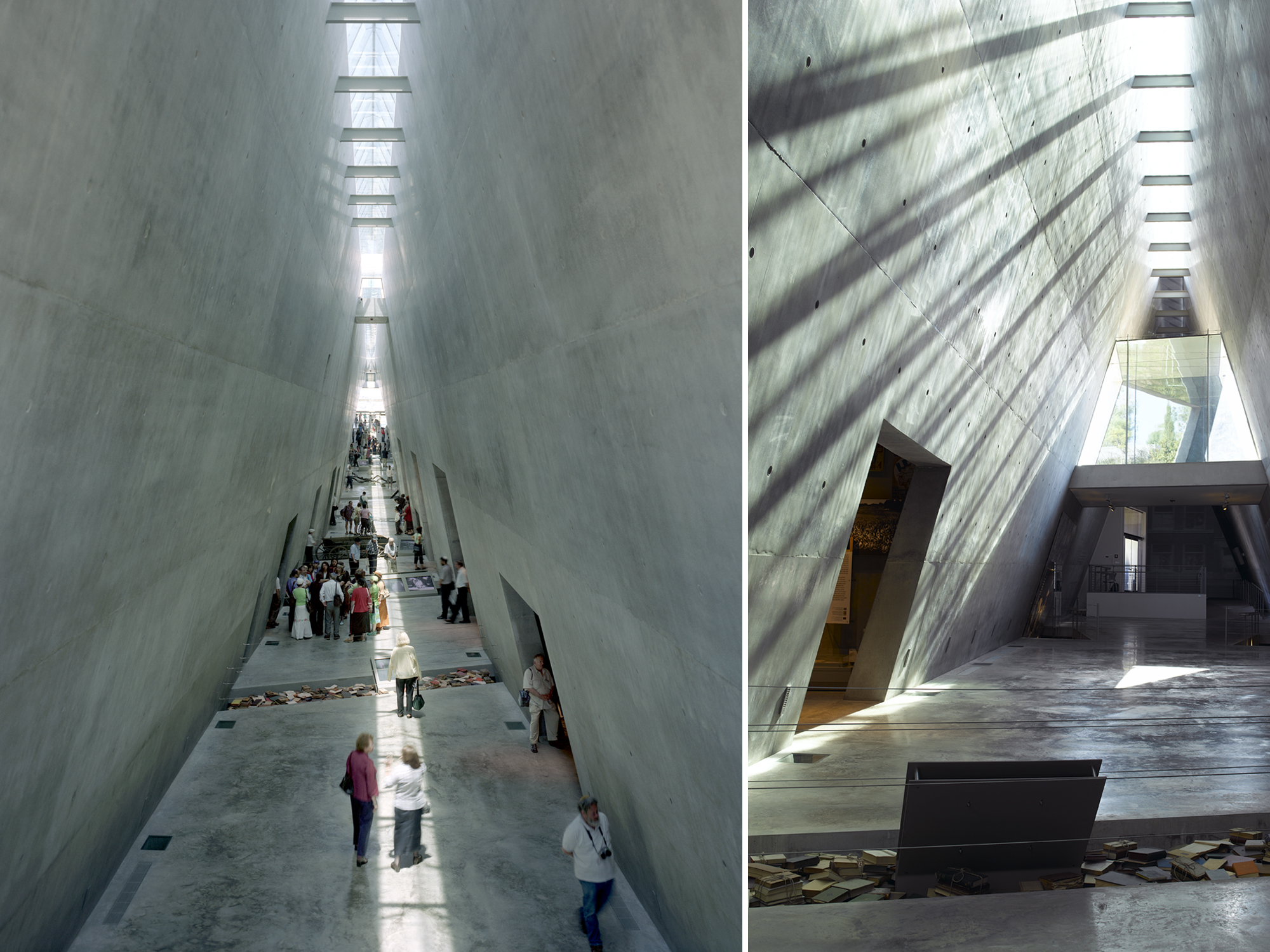
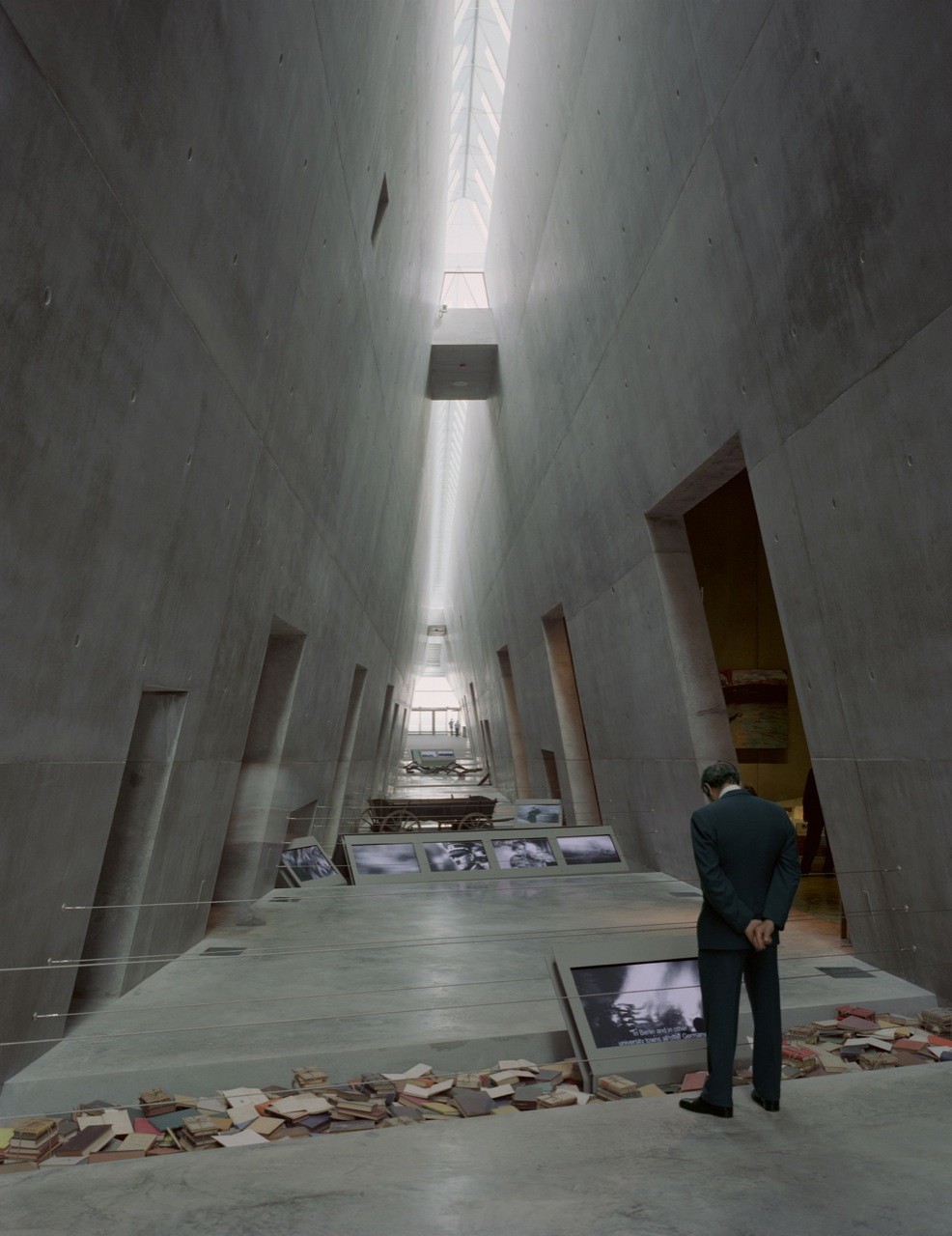
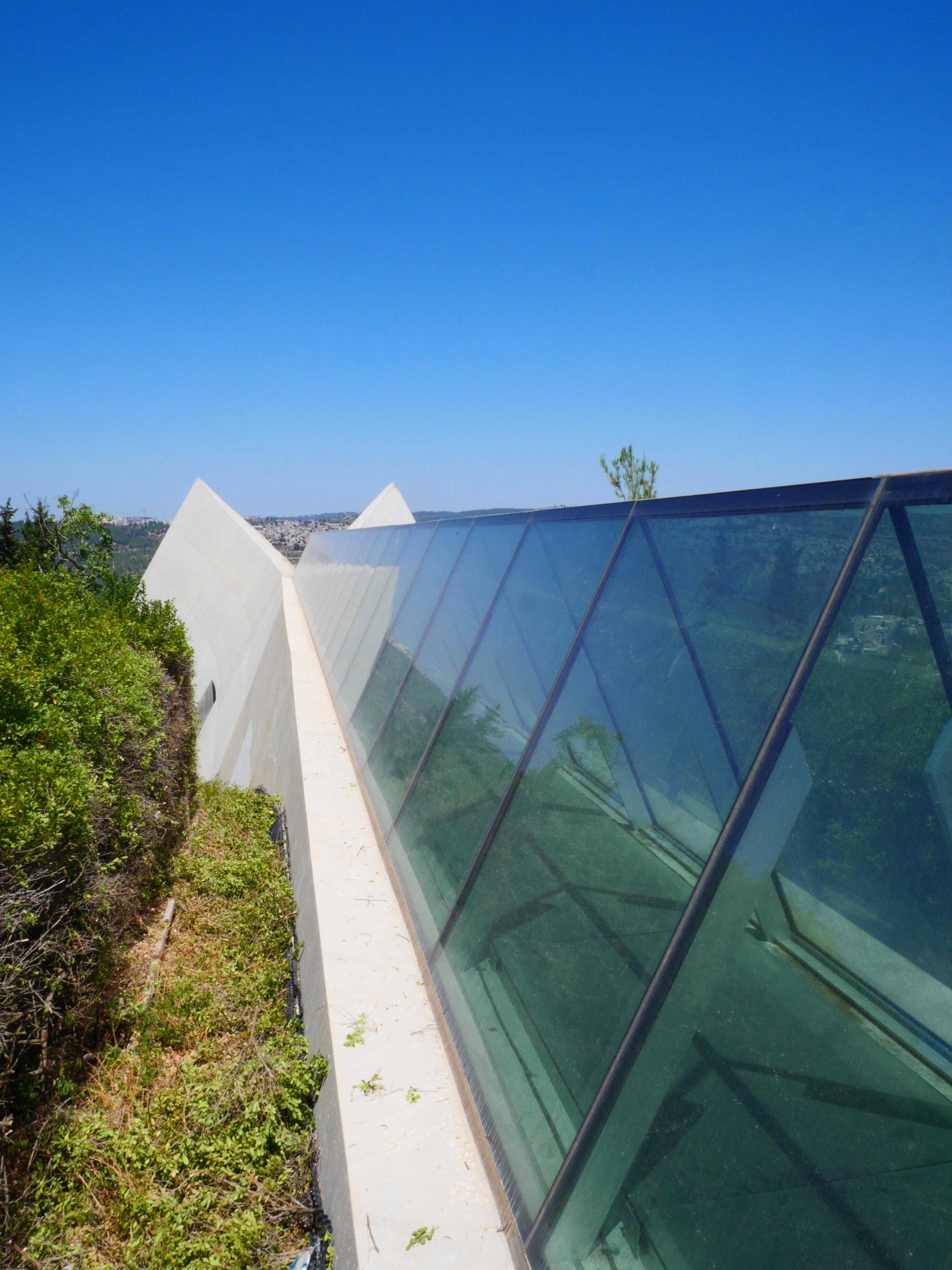
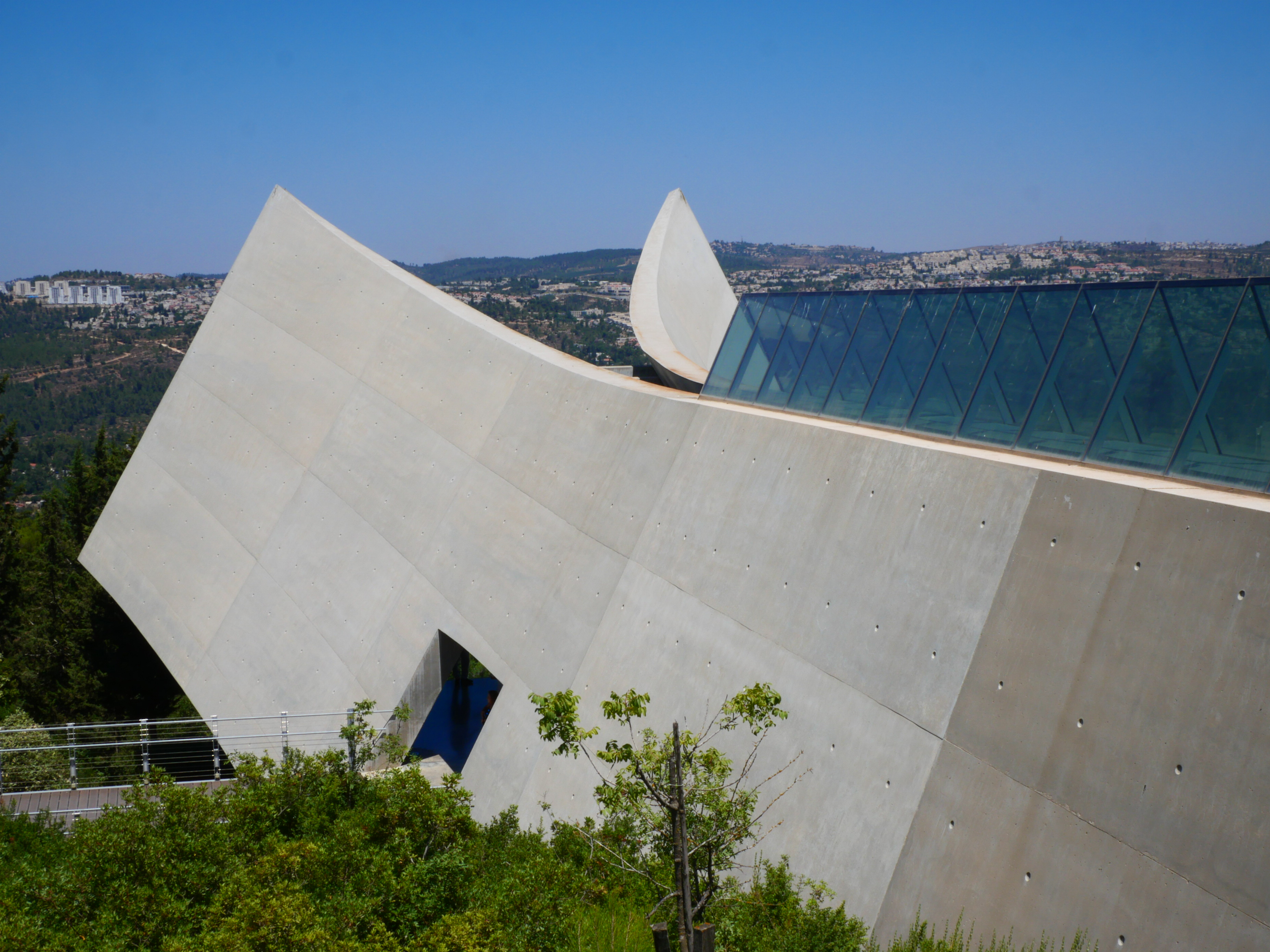
The exhibits in the Museum’s side galleries present a very complete and comprehensive history of the Holocaust, starting with the rise of Nazism in the 1930’s and including everything that happened thereafter. They cover an amazing range of people, places, and topics and are very well done with lots of interesting graphics and information and are quite sobering. Unfortunately, despite booking the first time slot of the day, the museum was inundated with a lot of very large tour groups (of 30 or more?!) which the Museum does not seem designed to accommodate and there were times when we felt like we were being swept off with the tide and either had to leave a gallery or drown.
The last of the exhibition spaces off the central spine is the Hall of Names which is part of a project started in the 1050’s intended to memorialize each of the 6 million Jewish Holocaust victims with a “Page of Testimony” – a one-page summary which contains the name, biographical details and, when possible, a photograph of each victim. Over two million of these are stored in cabinets around the perimeter of this cylindrical space, with room for four million more. Suspended within this cylindrical space is a 100 foot tall cone with the photographs of 600 selected Holocaust victims and Page of Testimony fragments lining its interior and rising to the skylit top of the cone. There is a circular walkway below this cone, reached by a bridge, within which is another cone cut into the bedrock of the mountain, mirroring the cone above and filled with water to reflect the faces of the victims. (Yes, a lot going on here.)
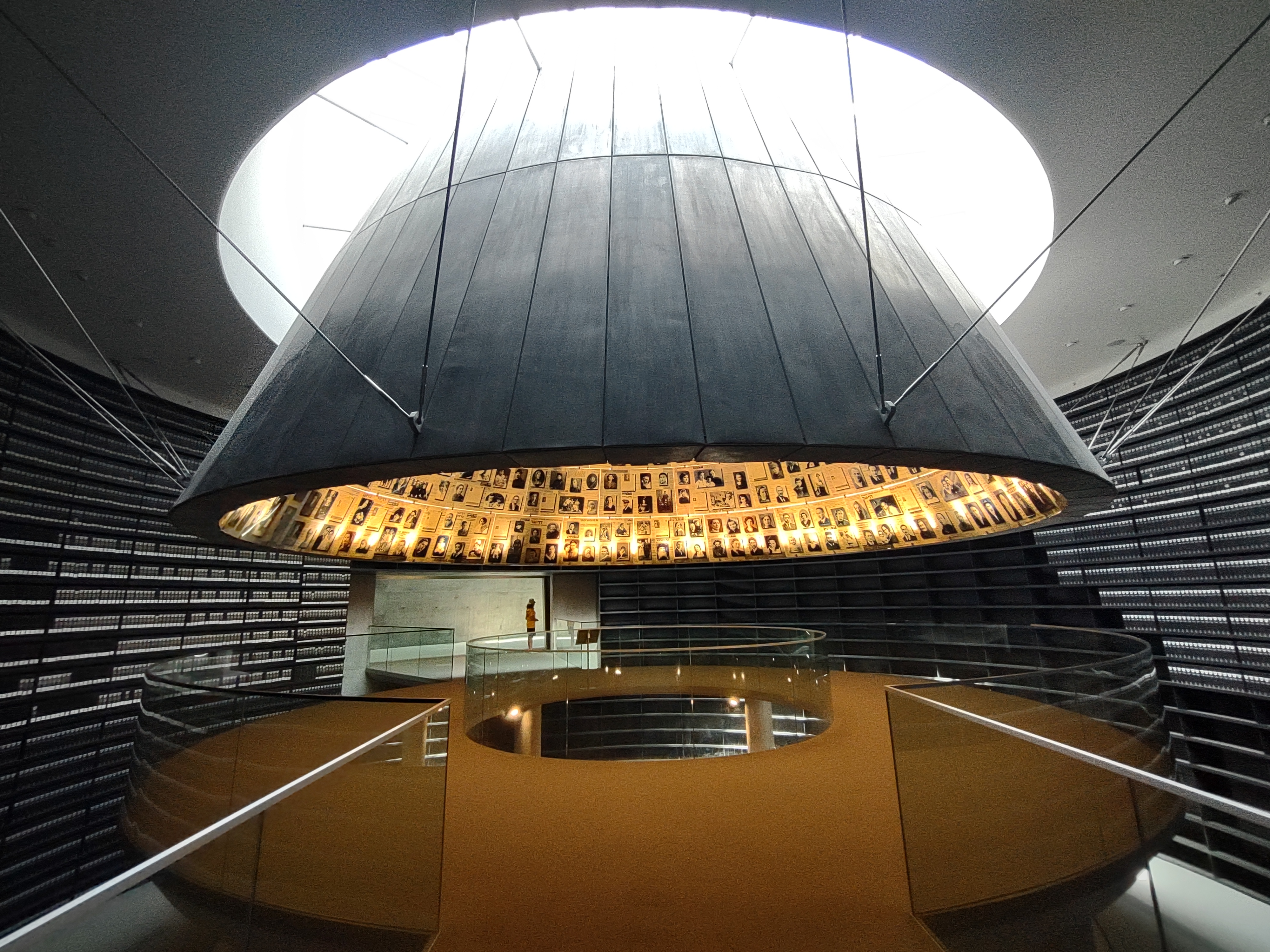
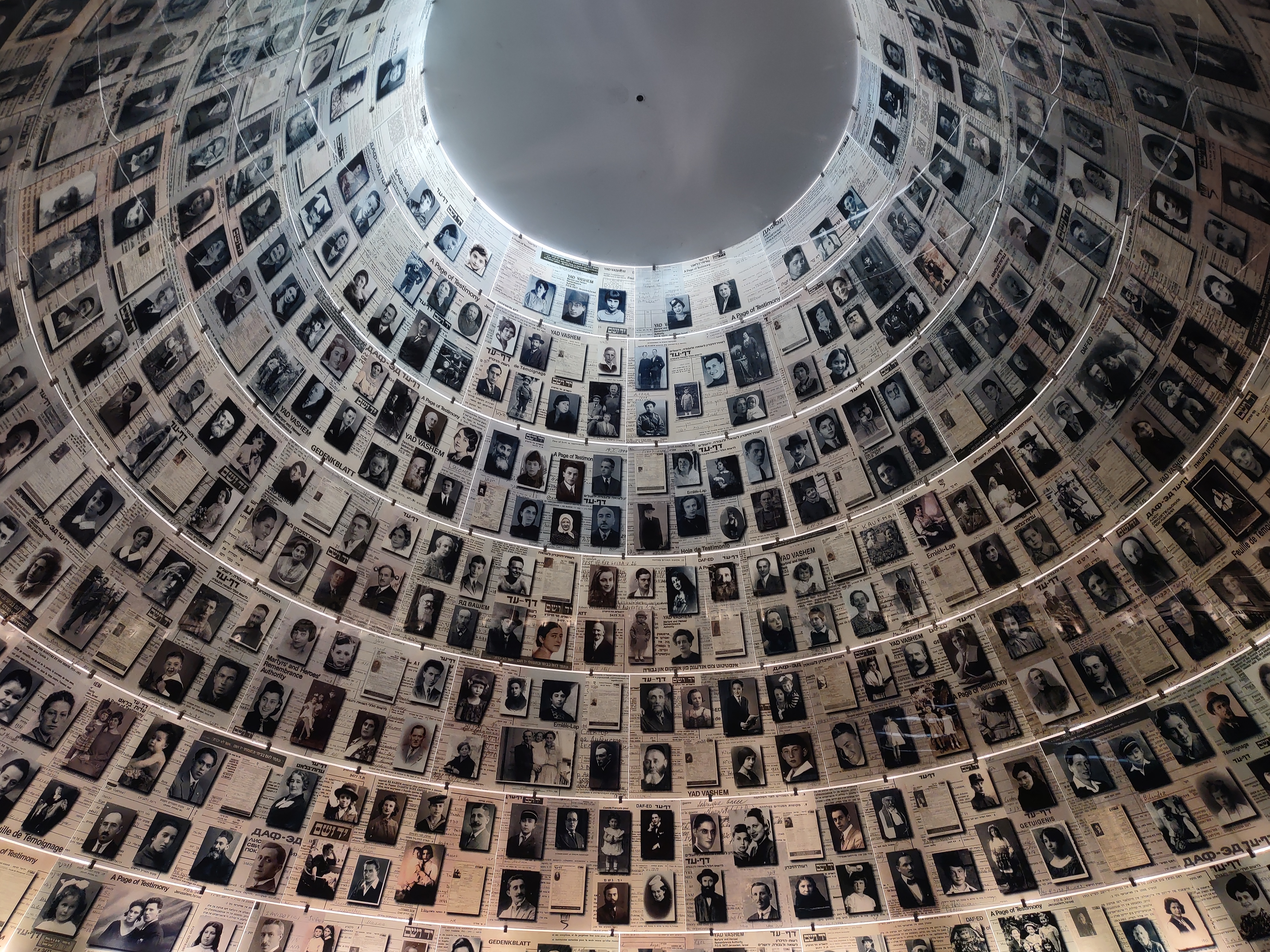
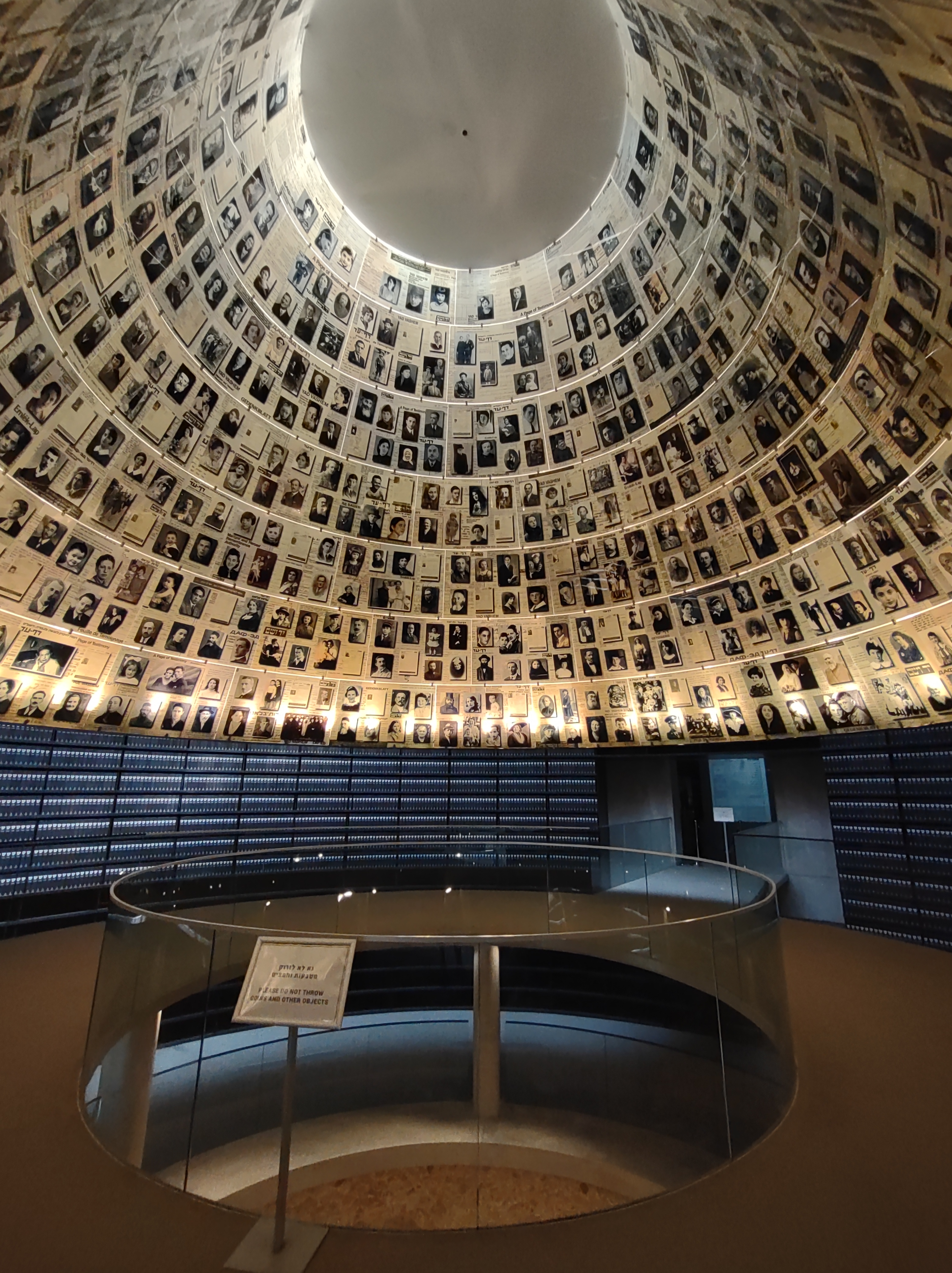
People I know who have visited Yad Vashem talk about the Hall of Names as a particularly moving space. To me it seemed like the intent was to convey the magnitude of this awful event (three stories of filing cabinets with enough space for six million forms) and to also remind us that these were human beings, not just numbers (the photographs in the cone). But, as regards the former, I actually thought that the Book of Names (see below) was more powerful in giving one a sense of how many people we are talking about and, as regards the latter, you inevitably find yourself asking “Why only 600?” and “Why these 600?”. It just feels a bit arbitrary and, combined with all the distracting architectural gymnastics going on, I found the message to be kind of muddled.
In addition to the Holocaust History Museum, Yad Vashem includes a synagogue, the Hall of Remembrance, a learning and research center, and a Holocaust Art Museum which features art (mostly paintings) by Holocaust victims. There was also a very interesting temporary exhibit called “Flashes of Memory” which featured some 1,500 photograph and 13 films created during the Holocaust by Nazi Germany, Jews in the ghettoes, and Allied liberators discussing the role they played in the events of that time. (We were allowed to take photos in these areas.)
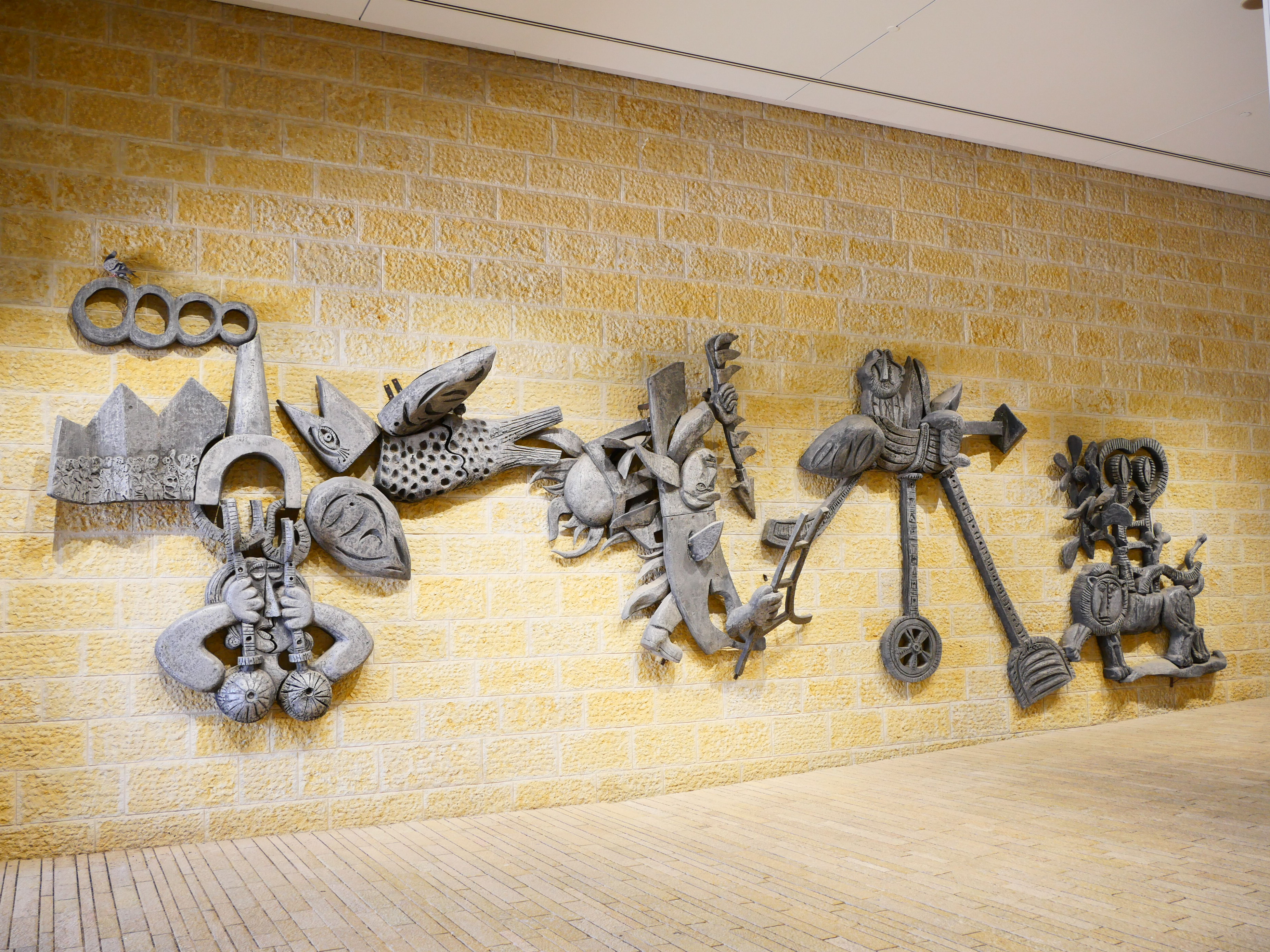
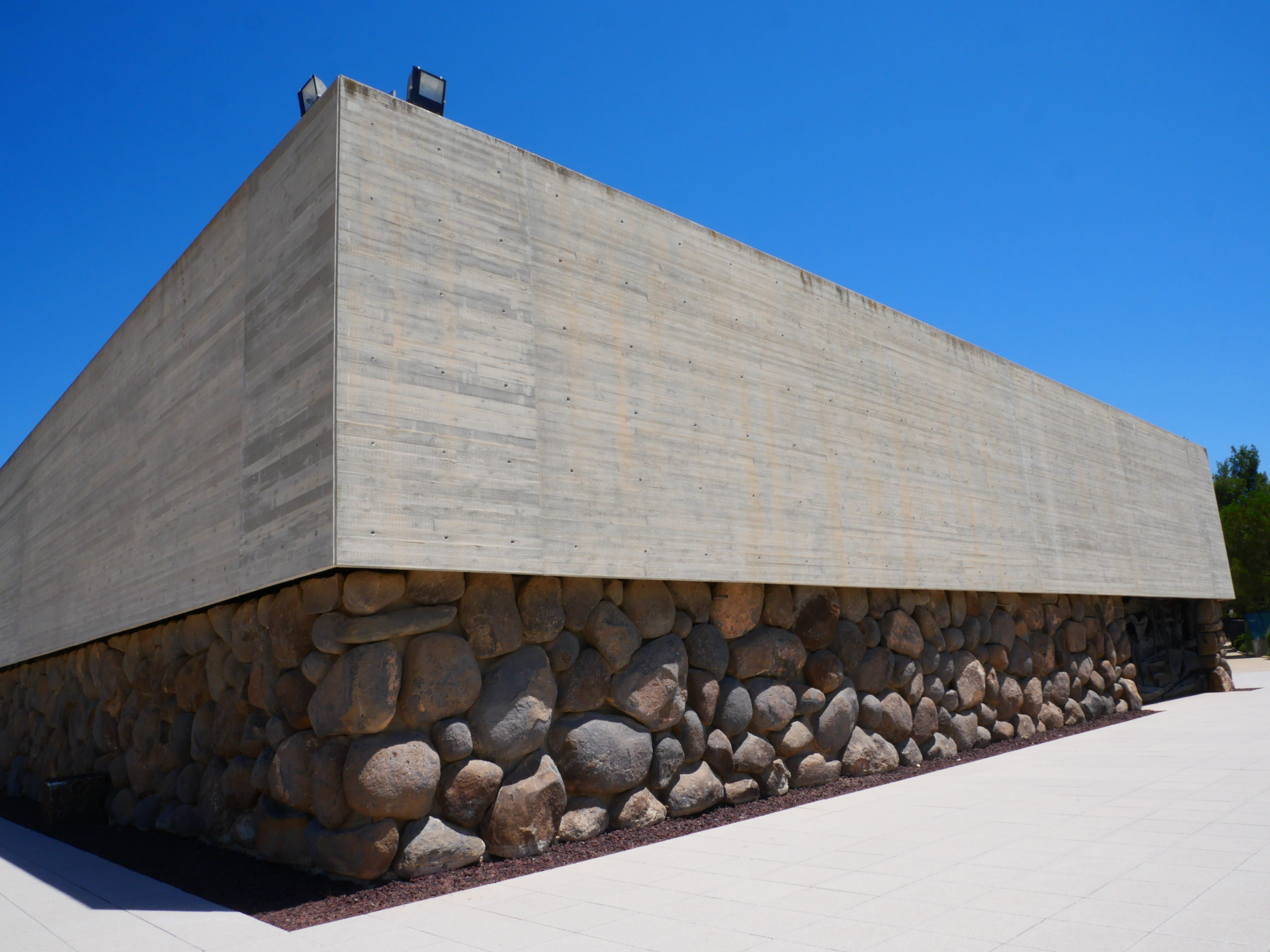
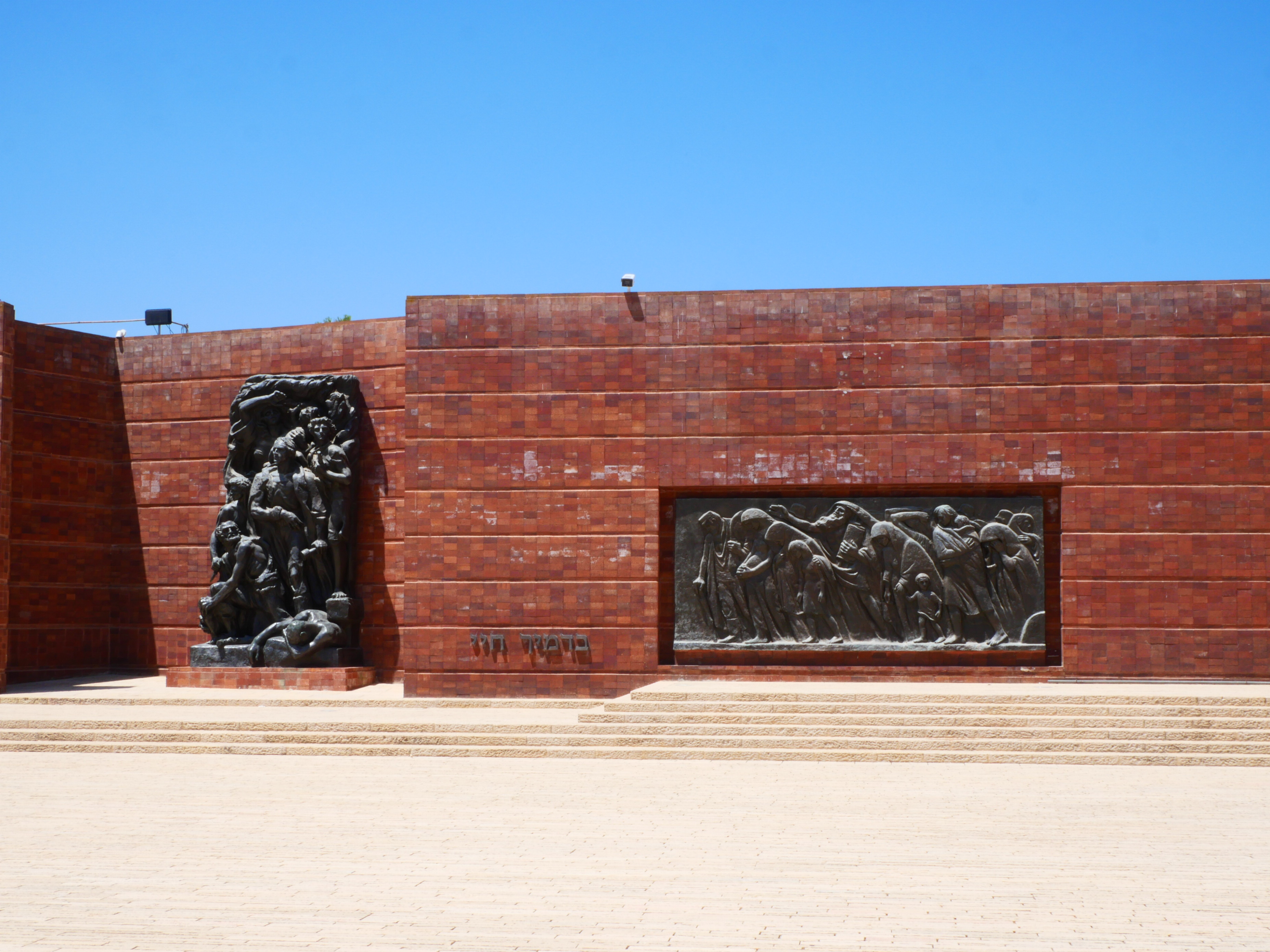
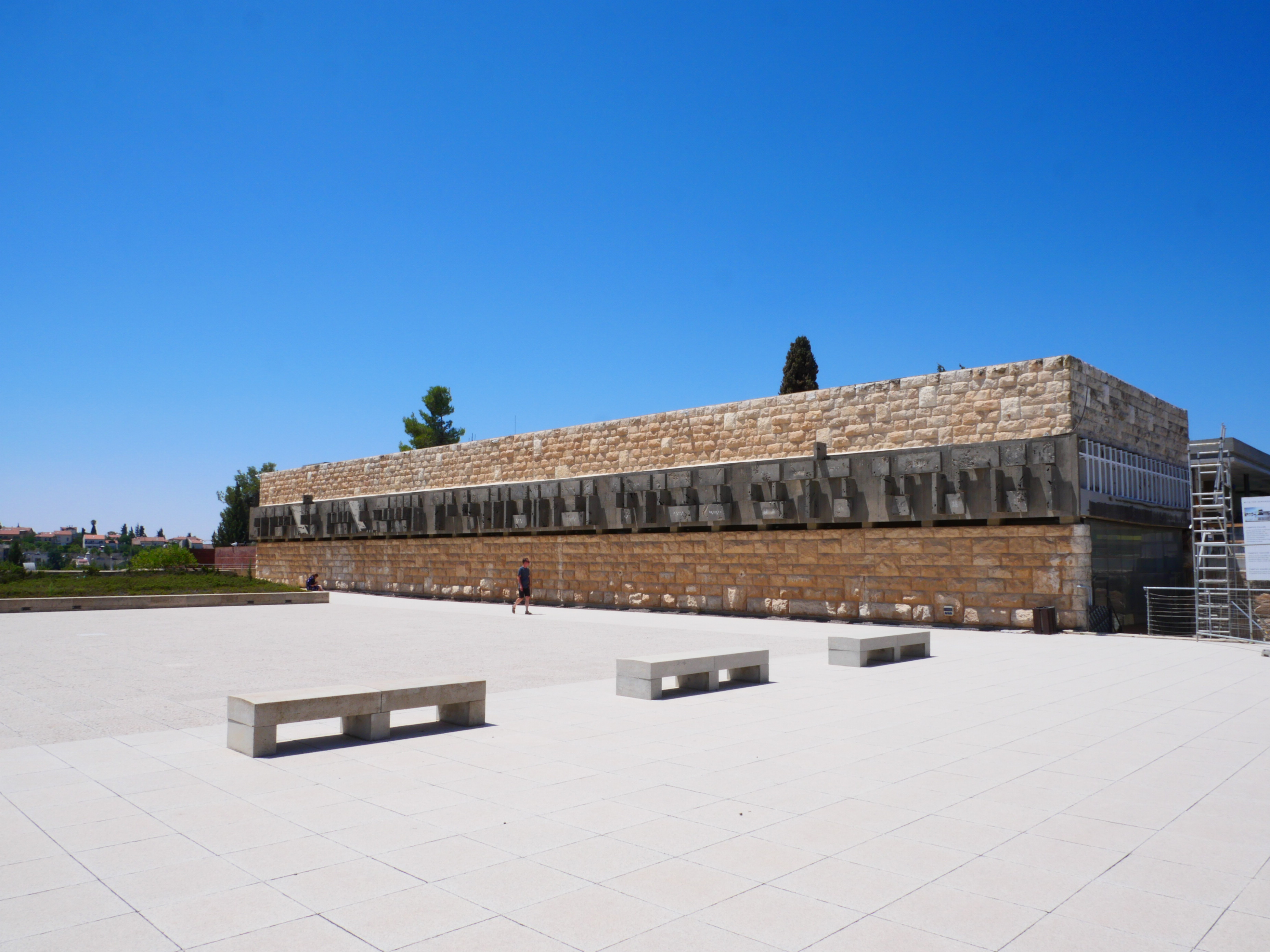
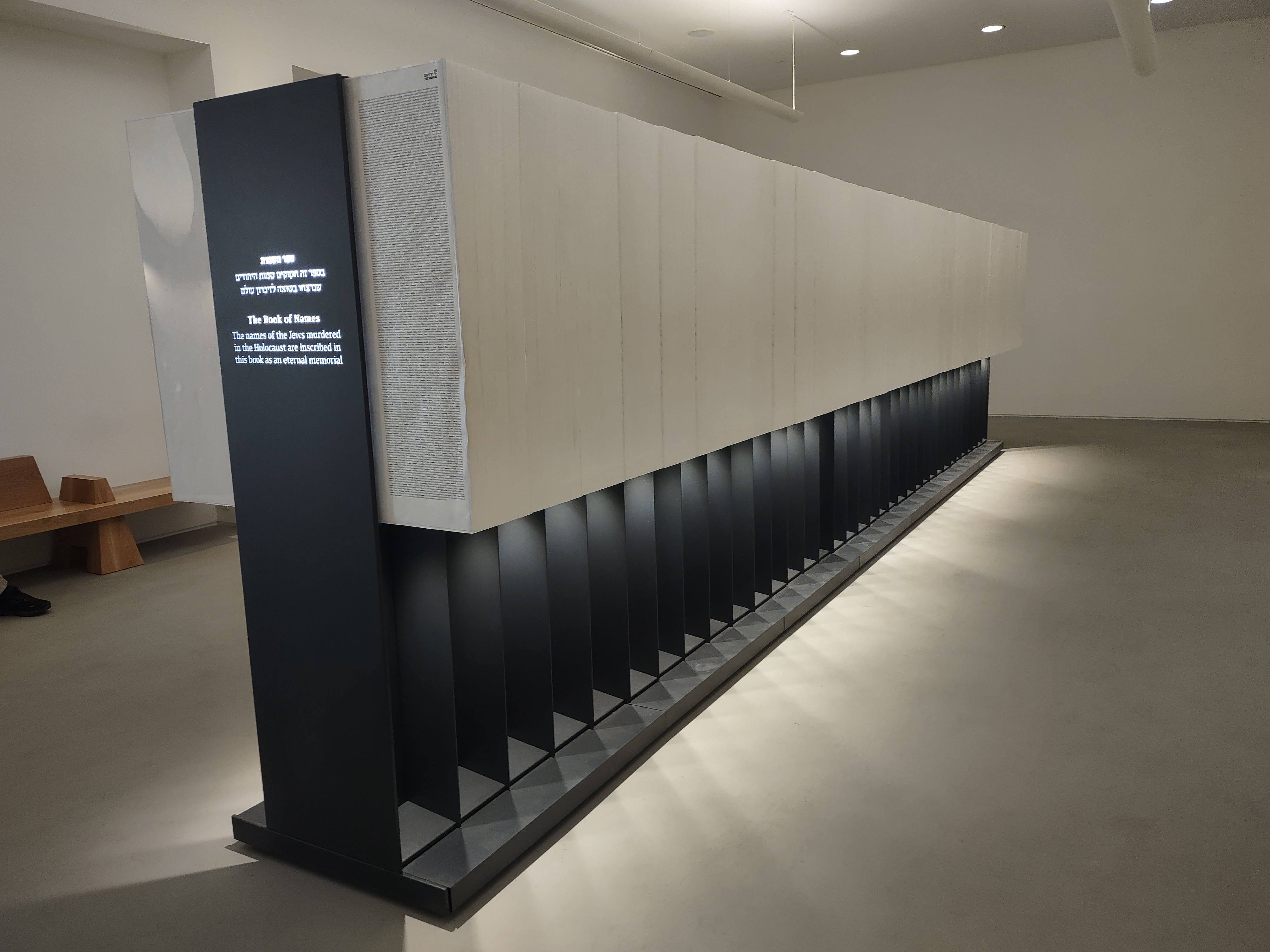
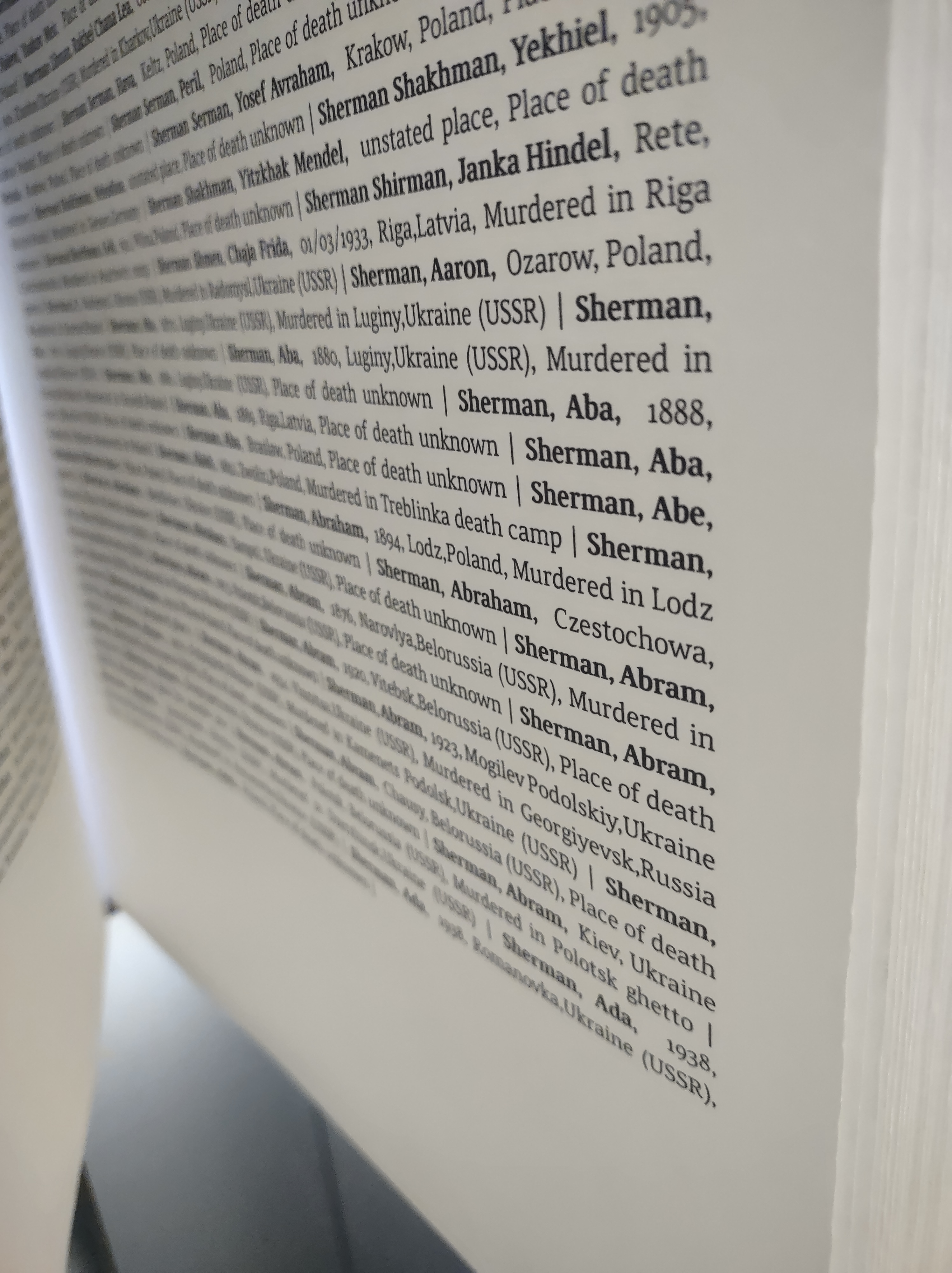
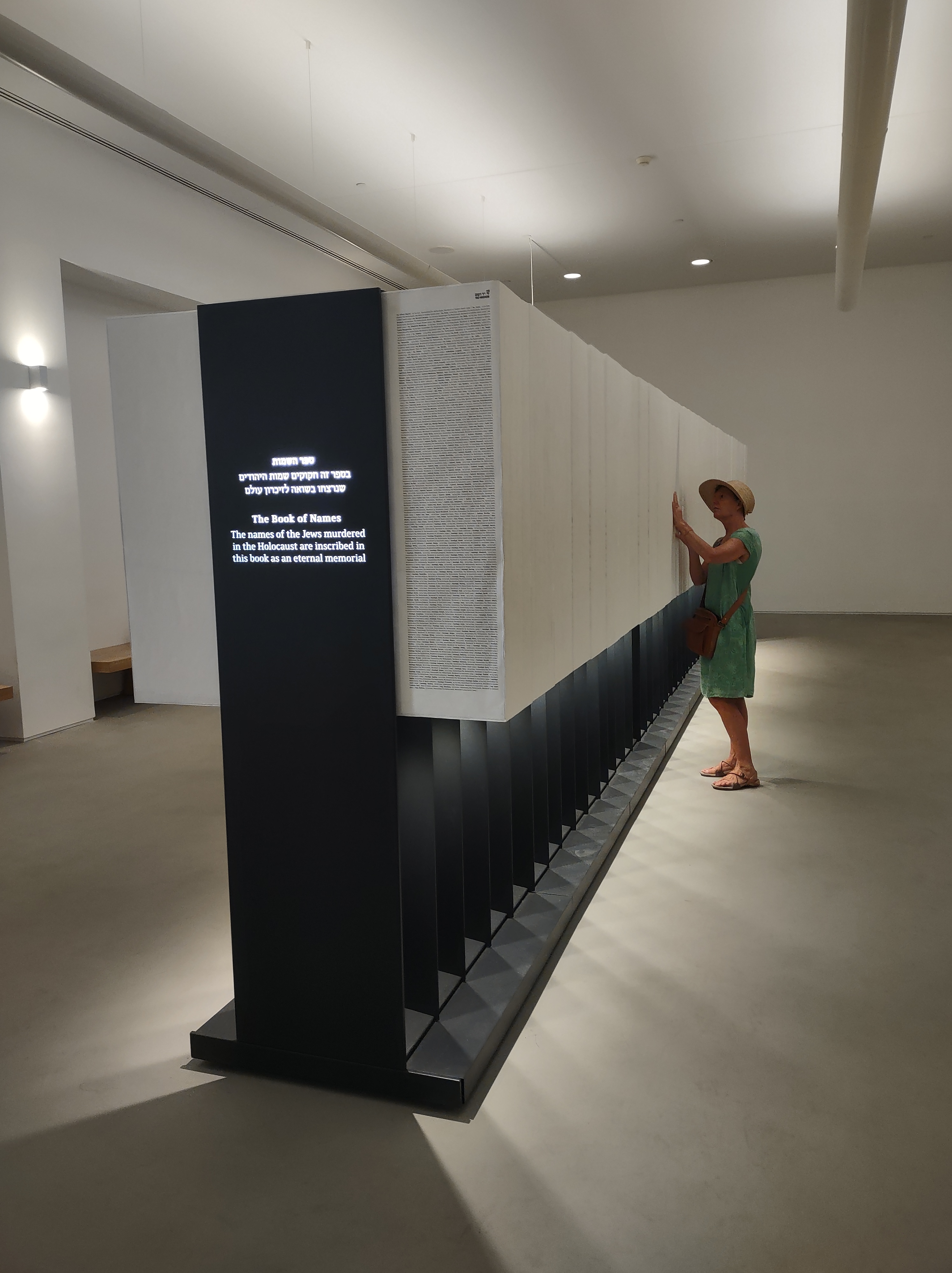
There is also a relatively new exhibit called The Book of Names, which just opened in January of 2023, and is literally what it sounds like – a physical printed book (hung from a rack due to its size) which contains the names of approximately 4.8 million identified Jewish Holocaust victims. As you thumb through its pages and see name after name and page after page you really start to understand what an enormous number people we are talking about here. As I mentioned above, we found the Book of Names to be pretty powerful and moving, very effective in its simplicity.
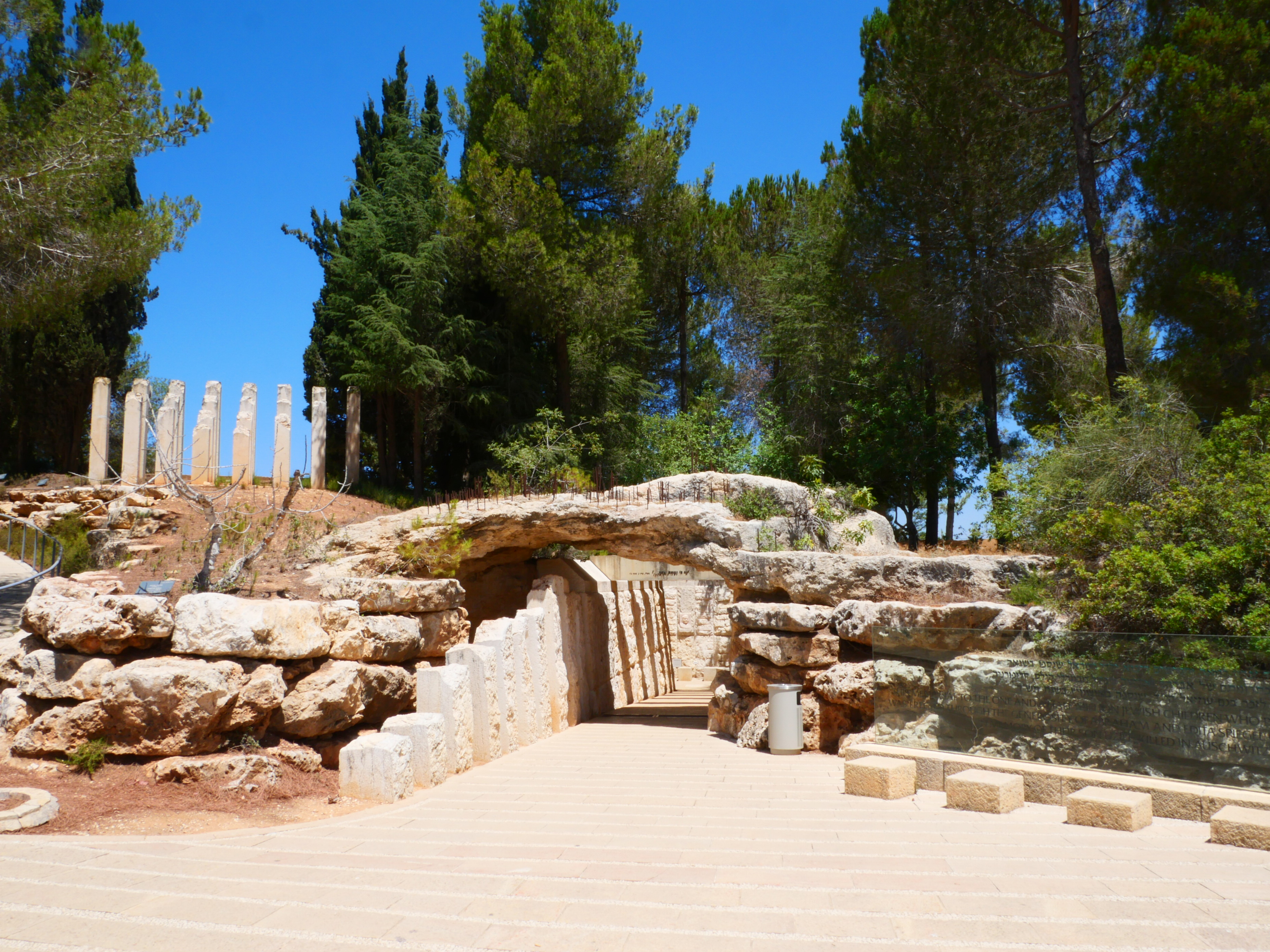
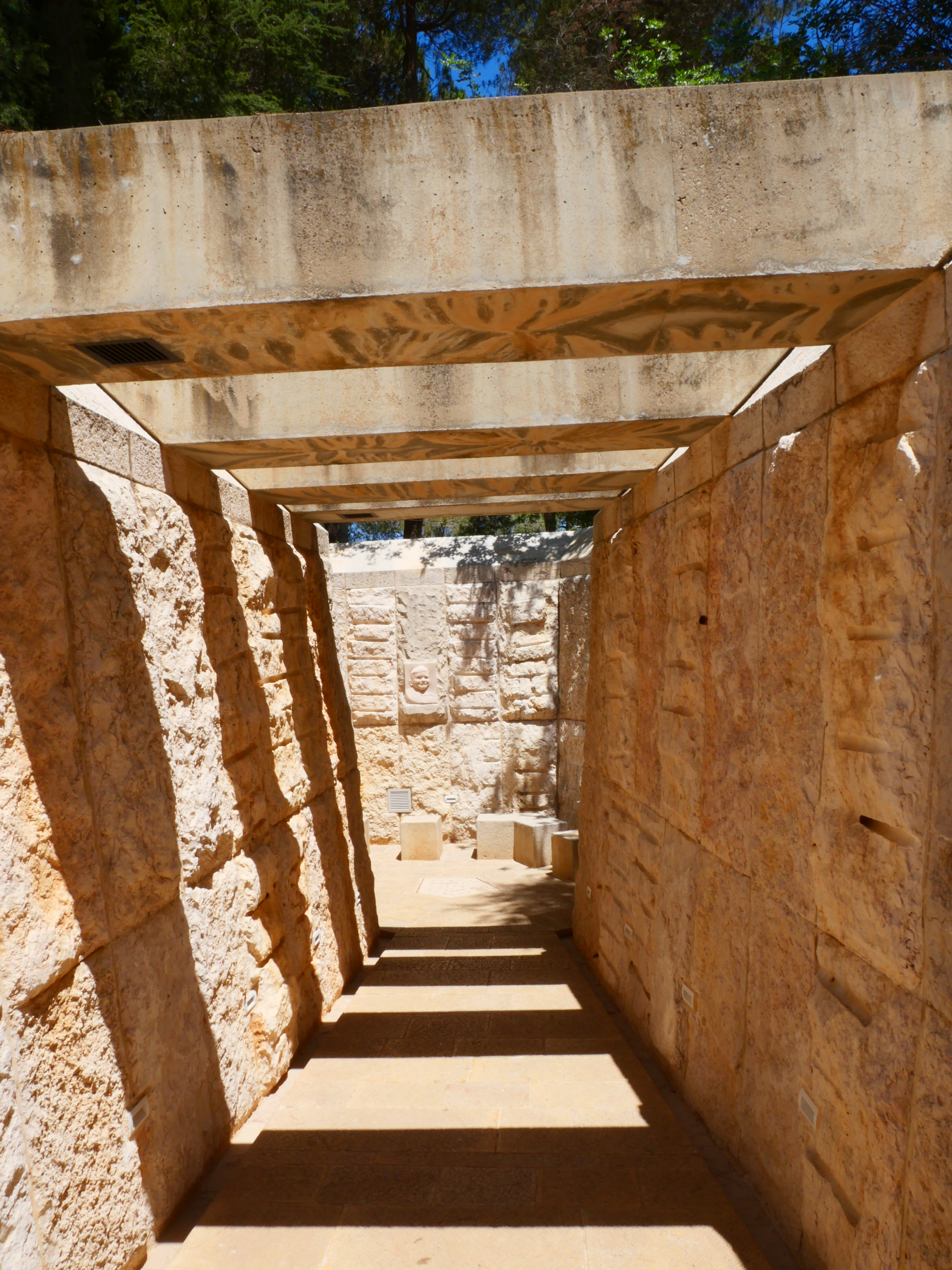
There are also a number of monuments and memorials in the surrounding grounds of Yad Vashem including a monument to the children who were killed during the Holocaust. The entrance is marked by a group of broken off stelae (columns) of differing height which are intended to represent the lives which were broken short. From there, a path leads through a grotto to a dark chamber with mirrored walls where the light of five candles is reflected over and over in an attempt to represent the souls of the 1.5 million children and young people who were killed during the Holocaust.

We spent the better part of a day at Yad Vashem and still didn’t see everything, but we saw enough to leave us very thoughtful.
Shopping in Jerusalem
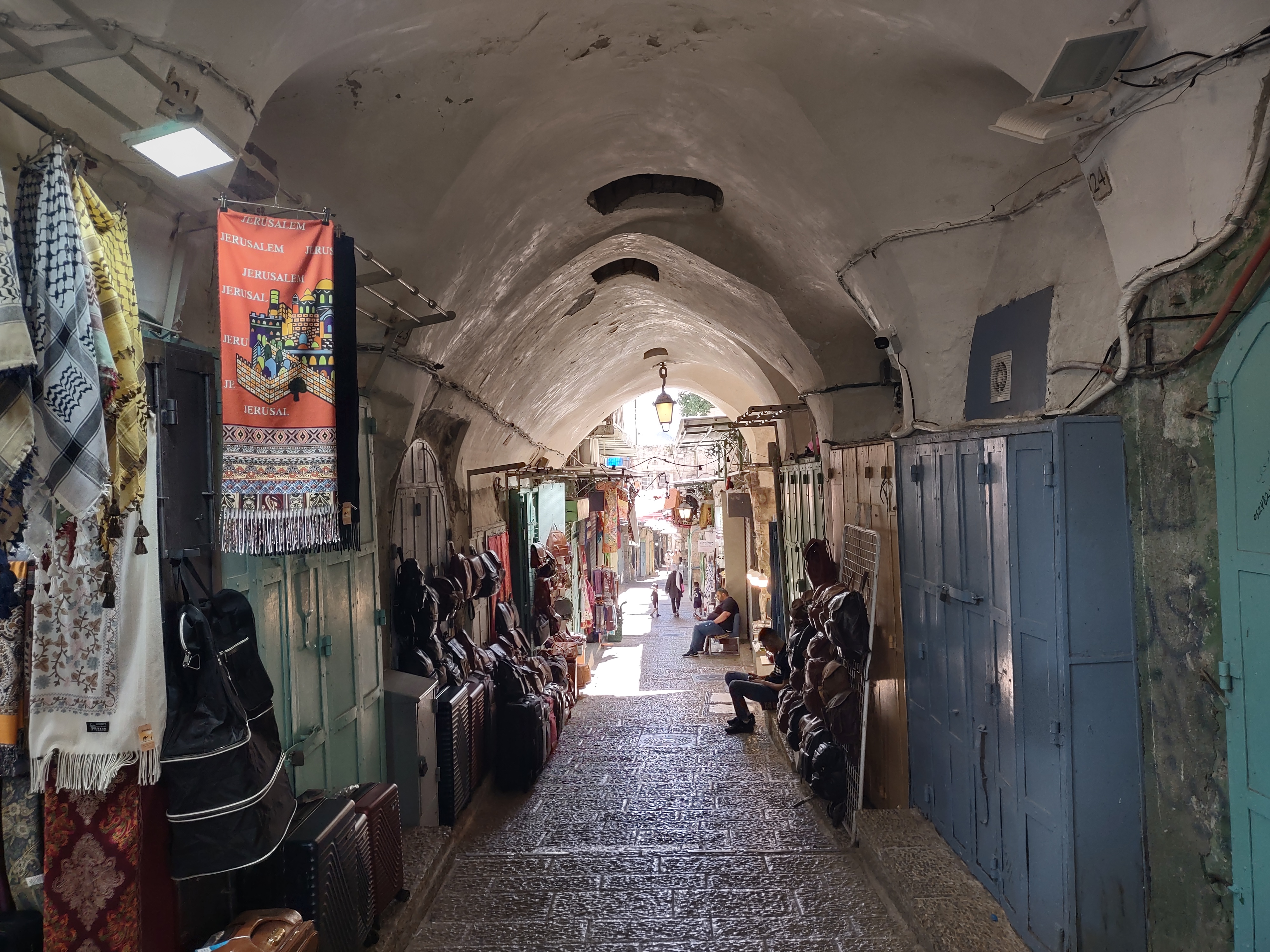
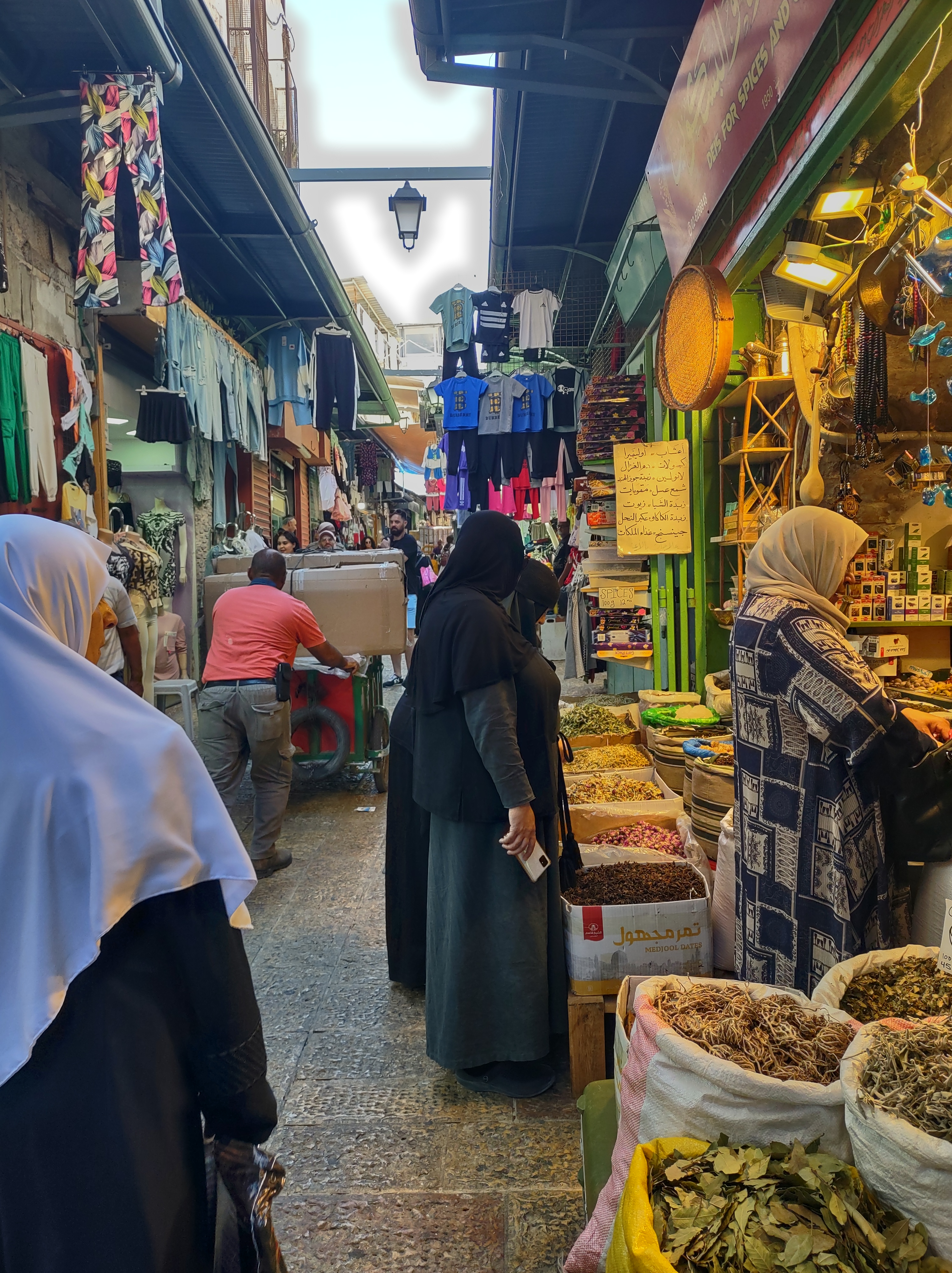
Because most of the major pedestrian thoroughfares in the Old City are suqs or markets, shopping is almost a full-time activity in Jerusalem. (Actually, not shopping is more the full-time activity as you have to try very hard not to give any attention to the merchandise or vendors or you will become sidetracked from whatever destination you are headed to.) In any case, there are a lot of market streets and the merchandise does vary a bit from Quarter to Quarter.
The major and sometimes busiest market street is David Street/Bab El Silsilfh Road which run west to east from the Jaffa Gate where the majority of tourists enter the Old City. Predictably, this market has quite a few shops full range of tourist keepsakes and mementos along with street food restaurants and a surprising number of sweets shops. You can find some shops with nice handmade jewelry, ceramics, and the like here and there, but most of what these shops sell is just tourist junk (and pretty much the same junk from shop to shop).
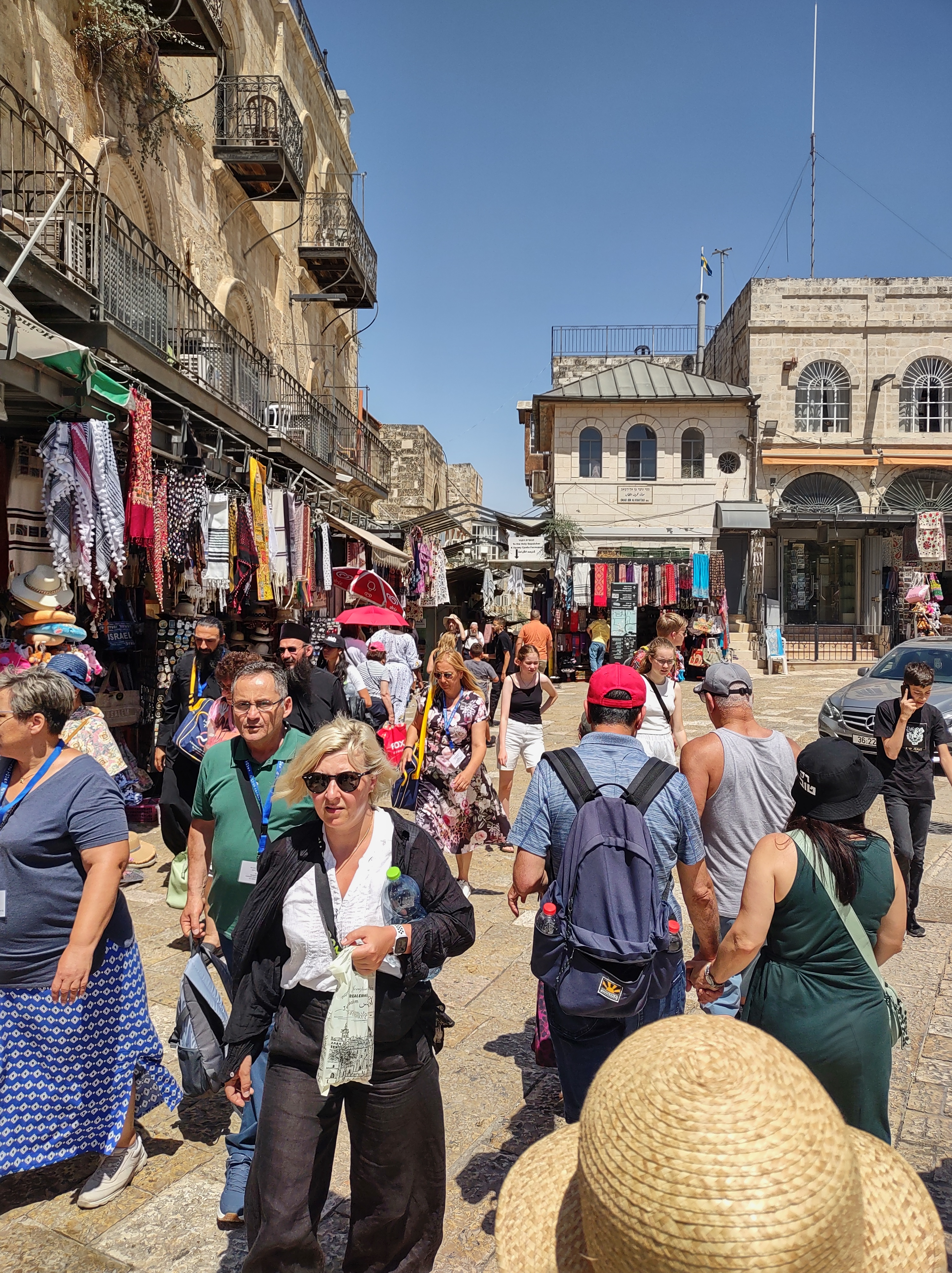
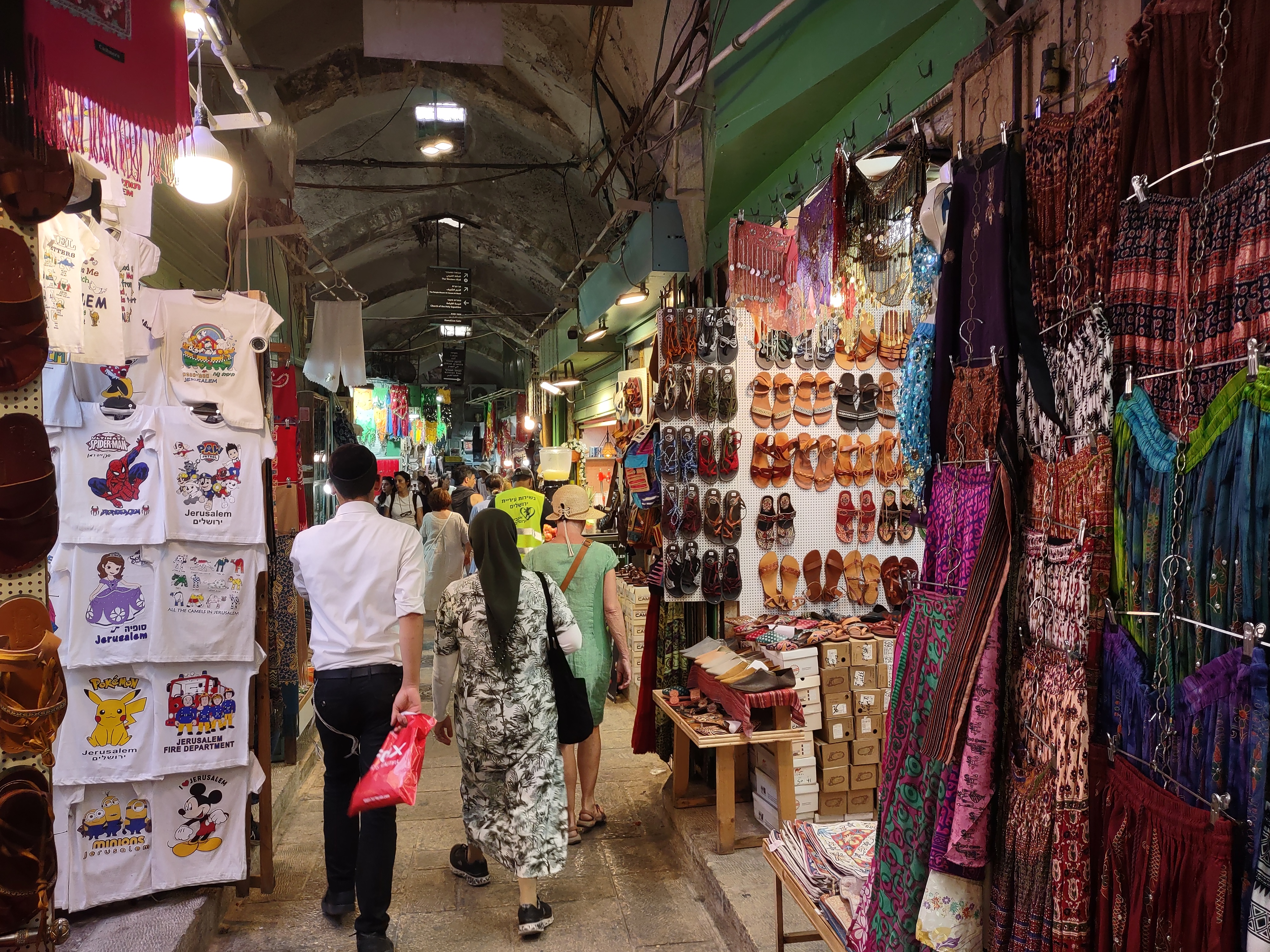
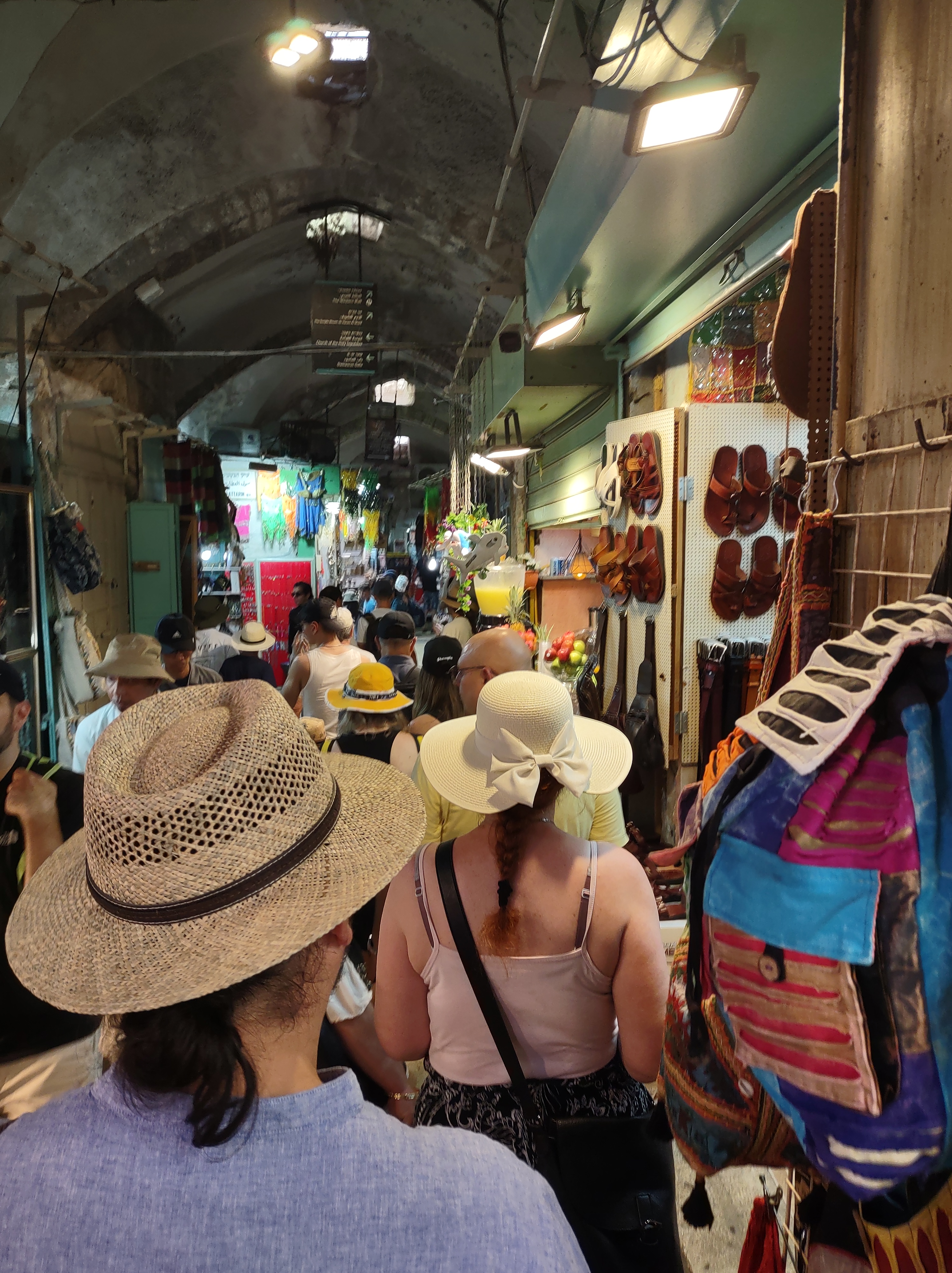
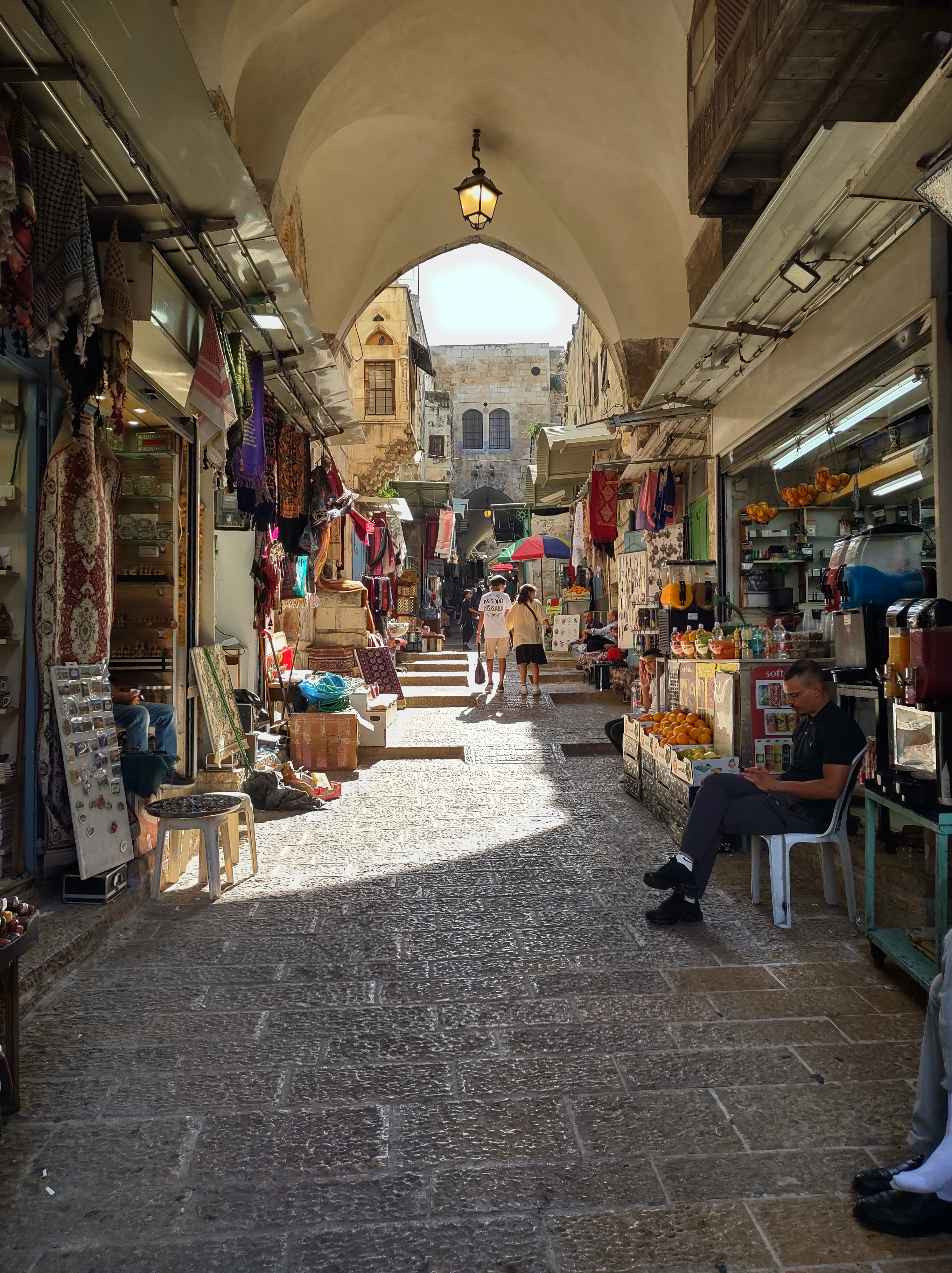
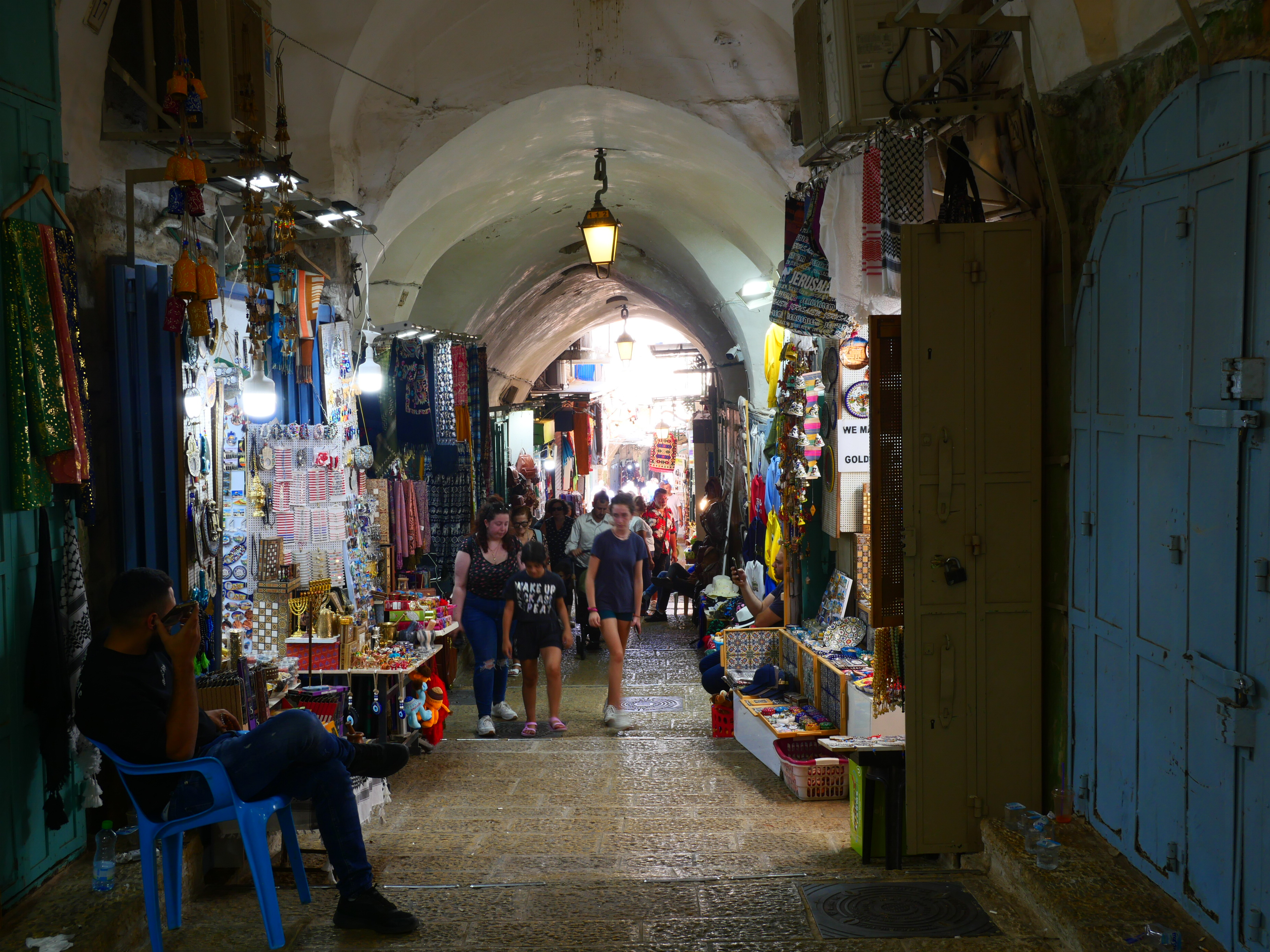
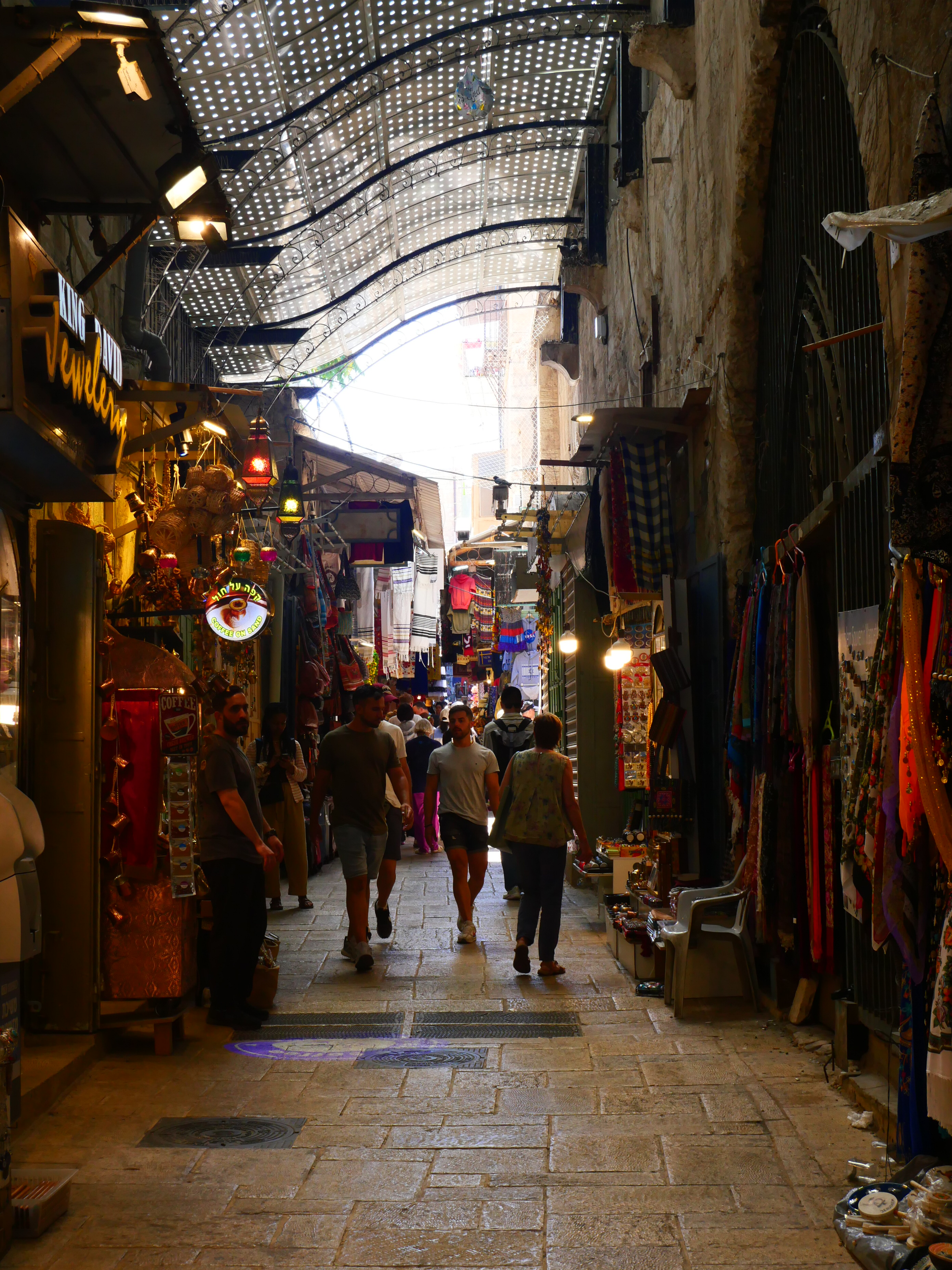
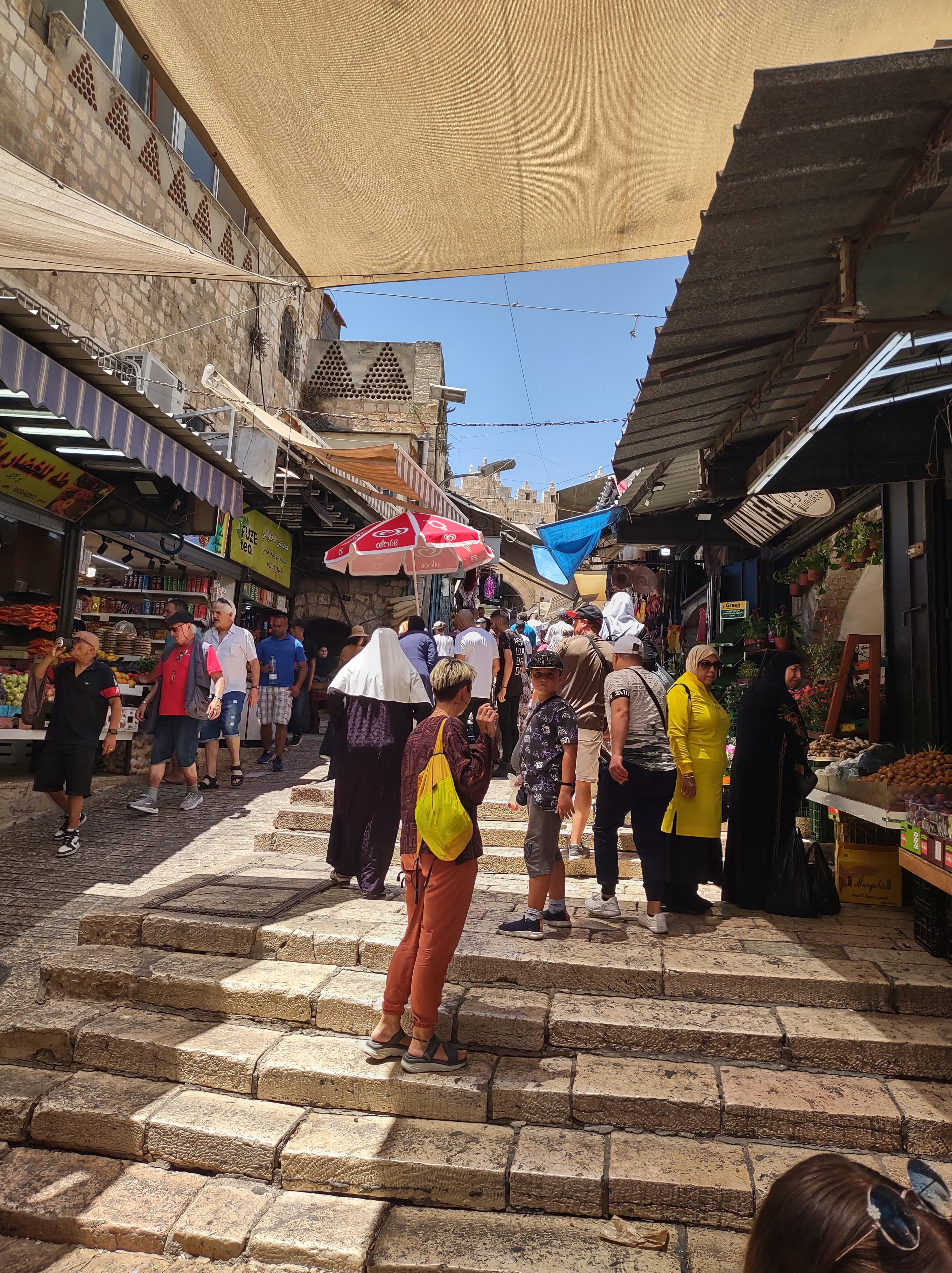
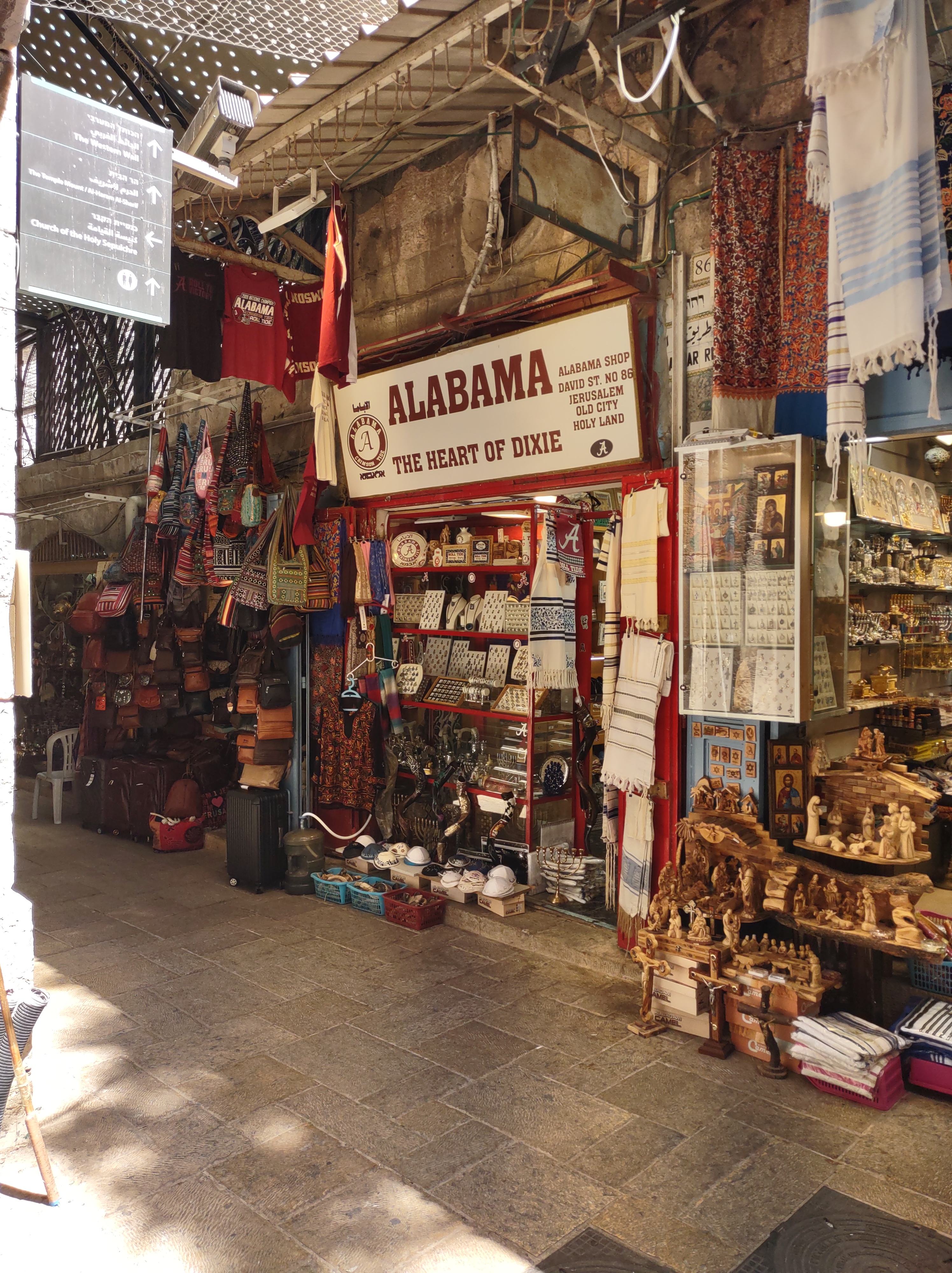
The market streets in the Muslim Quarter cater much more to the locals with lots of traditional clothing, housewares, and hardware, but there are some pretty good places to get local street food and its definitely the place to go if you need duct tape.
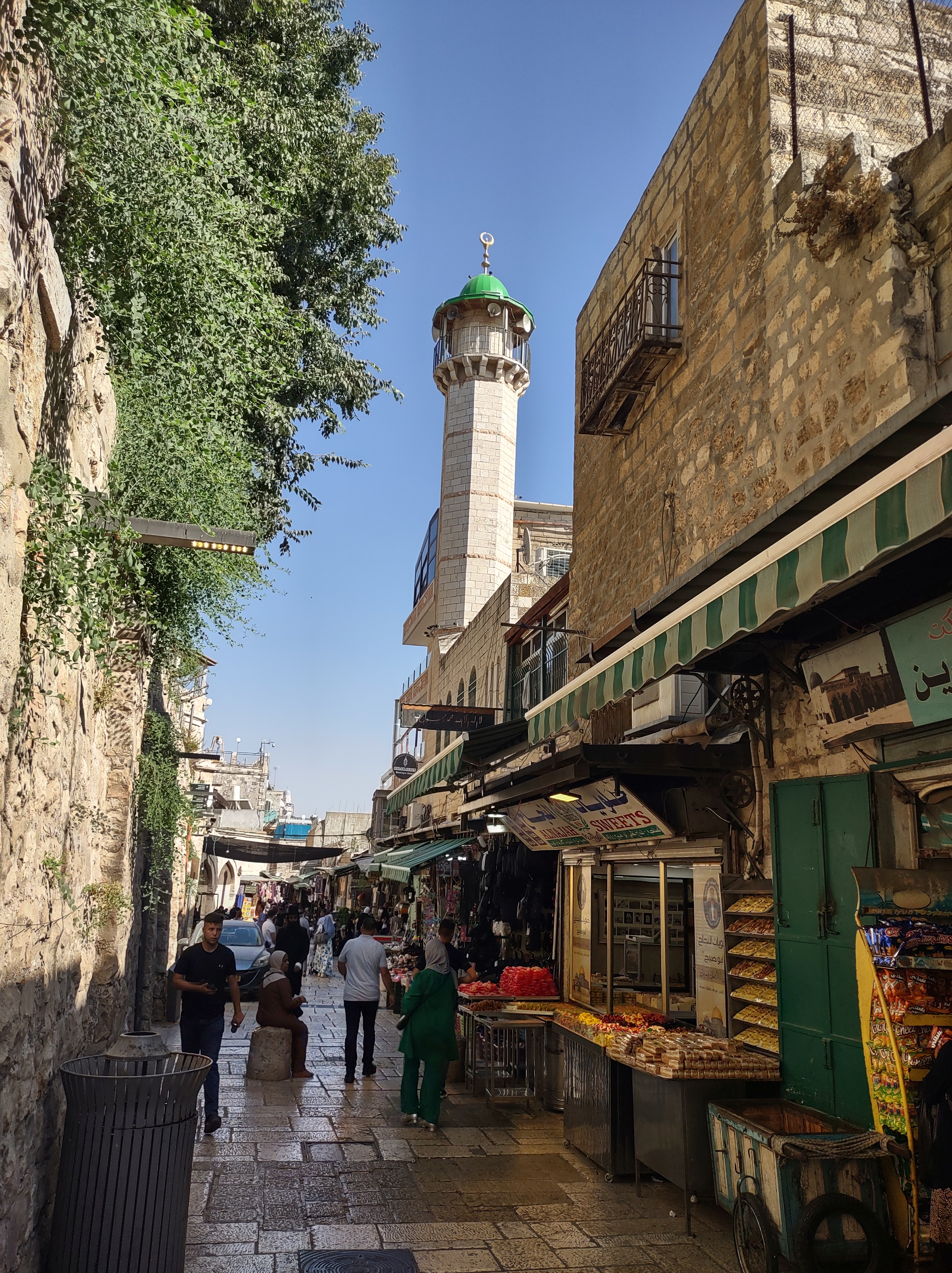


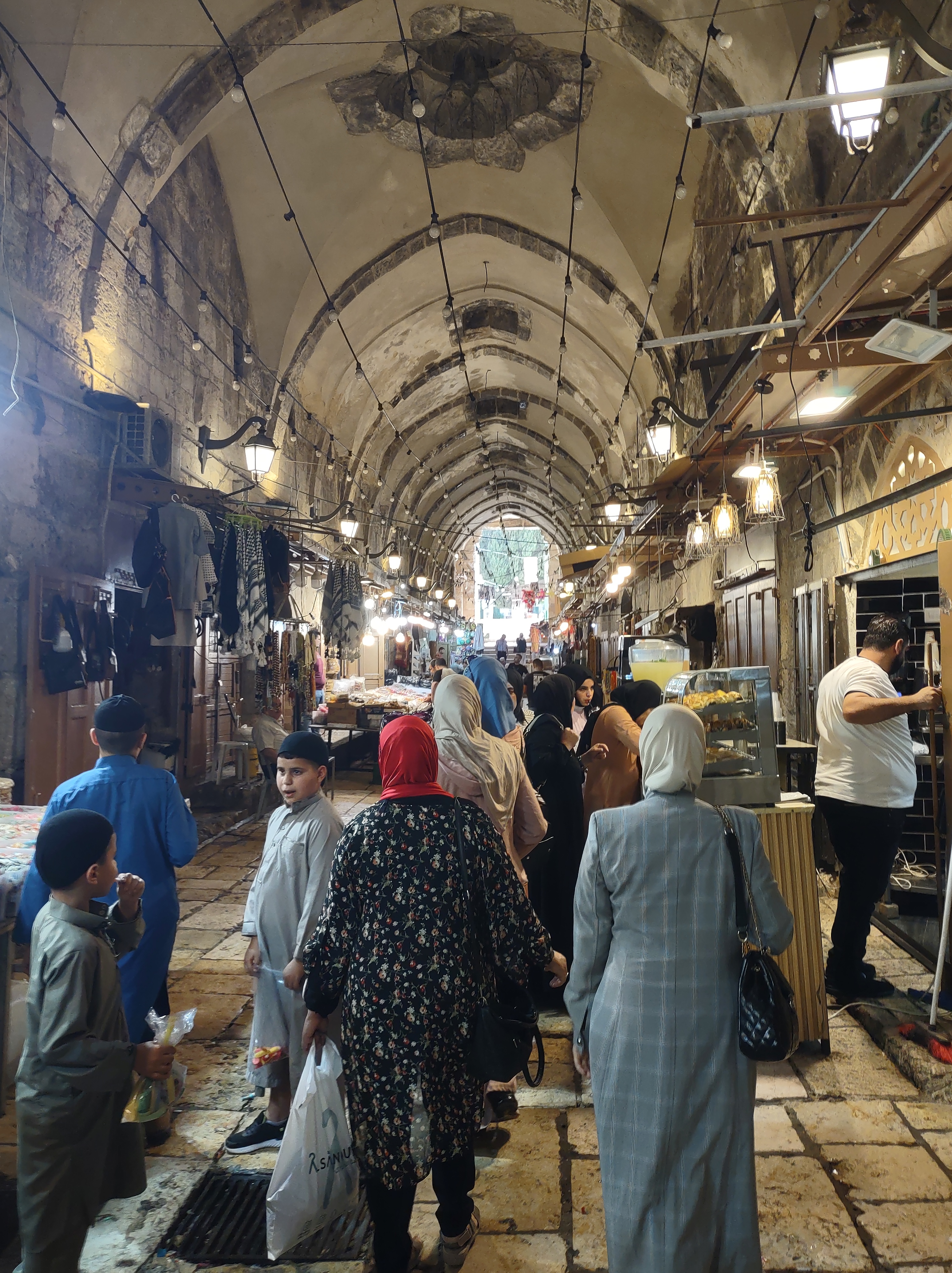
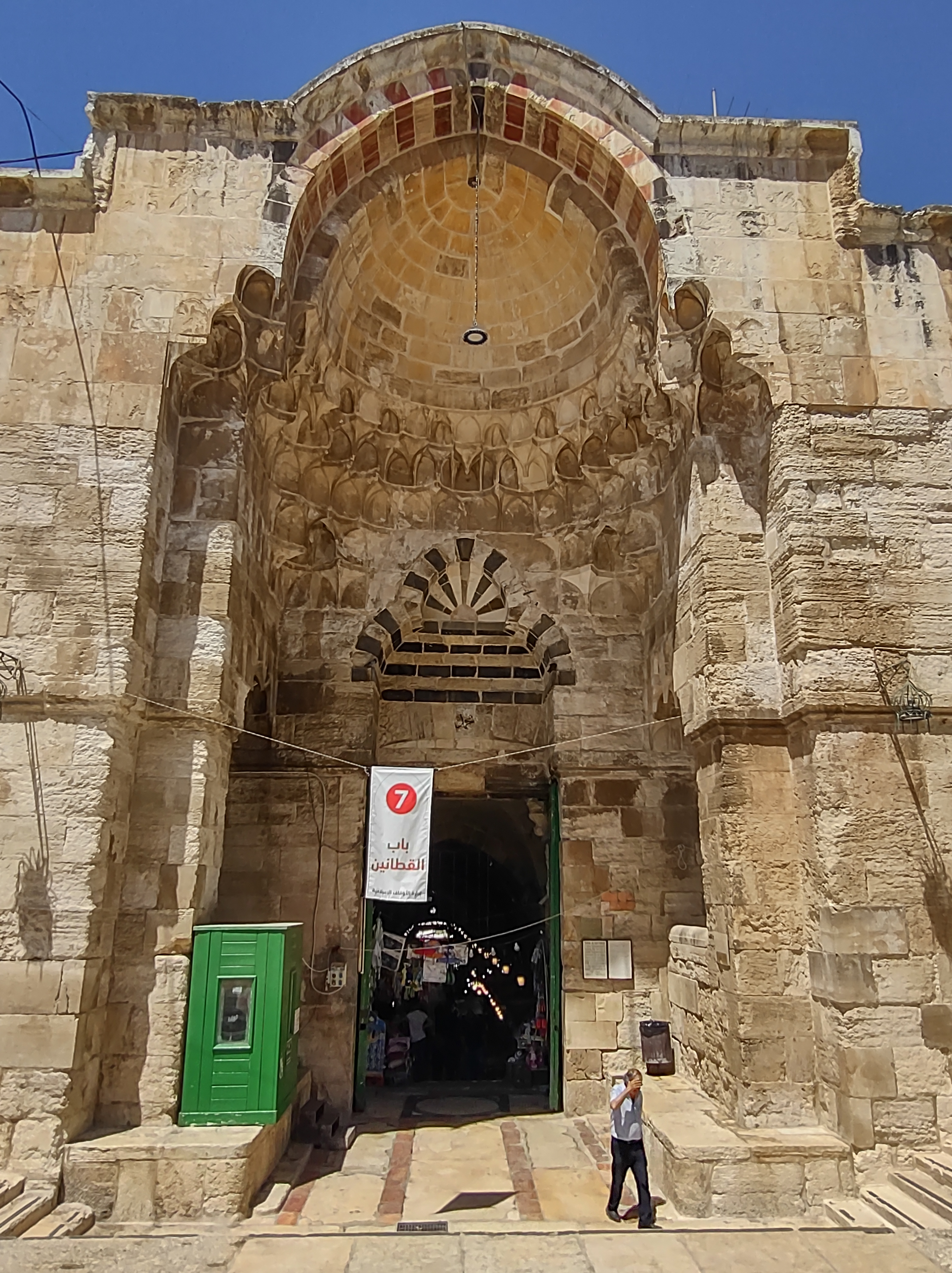
One particular Muslim market which caught our attention was Suq El Qattanin (Market of the Cotton Merchants) which we discovered while trying to find a way into the Temple Mount (there is a gate at the end of the street which, of course, was closed). The name and location intrigued us so we did a bit of research and were a bit surprised to discover that the market was built in the 14th century (1,000 years ago!) and was not only a former cotton market but was at one time considered to be the most beautiful market in all of Palestine. After my visit to Temple Mount, I exited through the Suq El Qattanin and so got to see its much more elaborate entrance on the Temple Mount side.

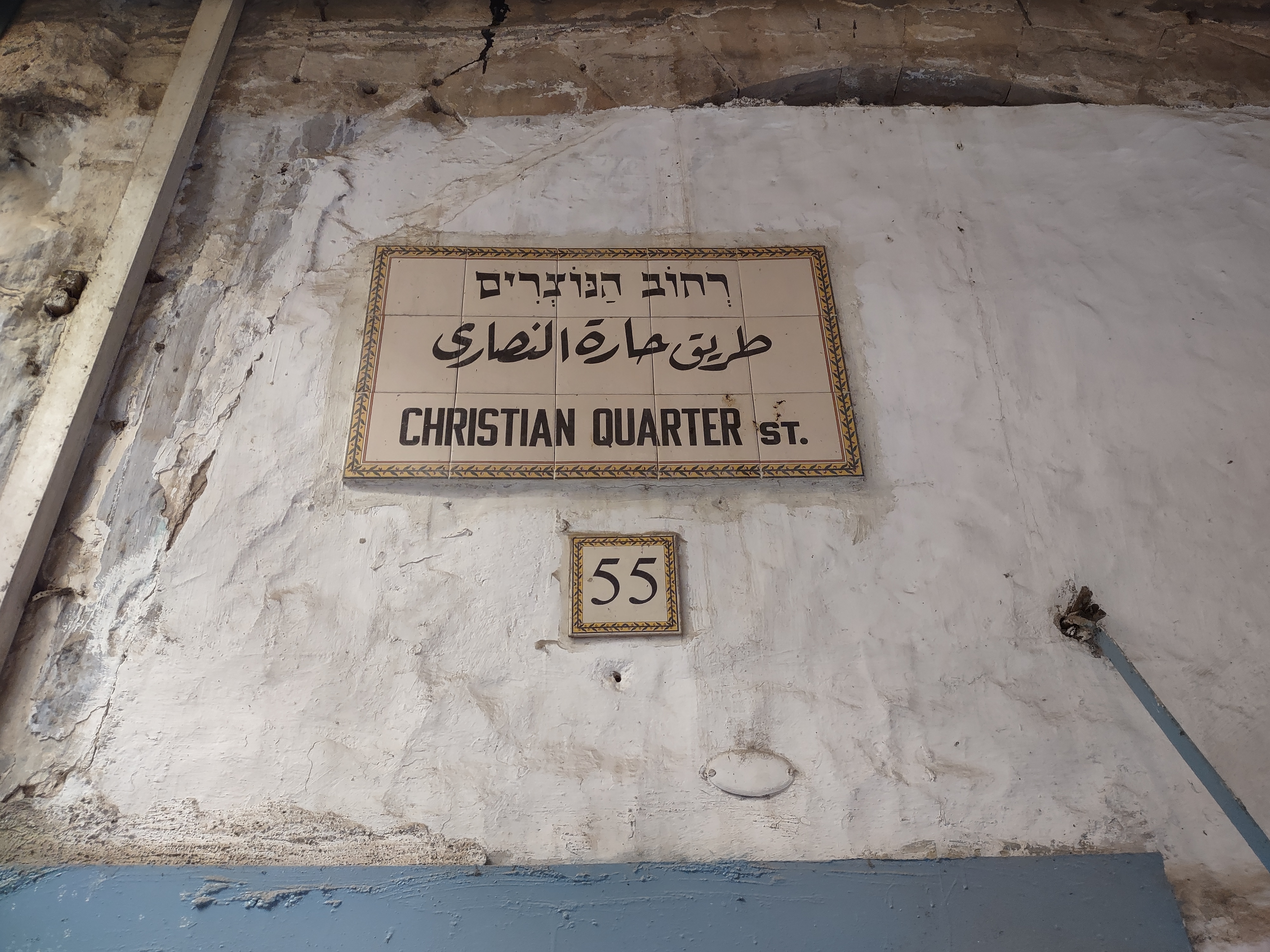
Beyond David Street, there is definitely more variety in the types of shops and markets found in the Christian Quarter although they are a bit more scattered. One that caught our attention (and caused some pause for thought) was the Razzouk Tattoo Shop, a family business which has apparently been in operation since 1300. Thought about it and decided to buy a T-Shirt instead (because T-shirts aren’t permanent). Maybe in another time and place…

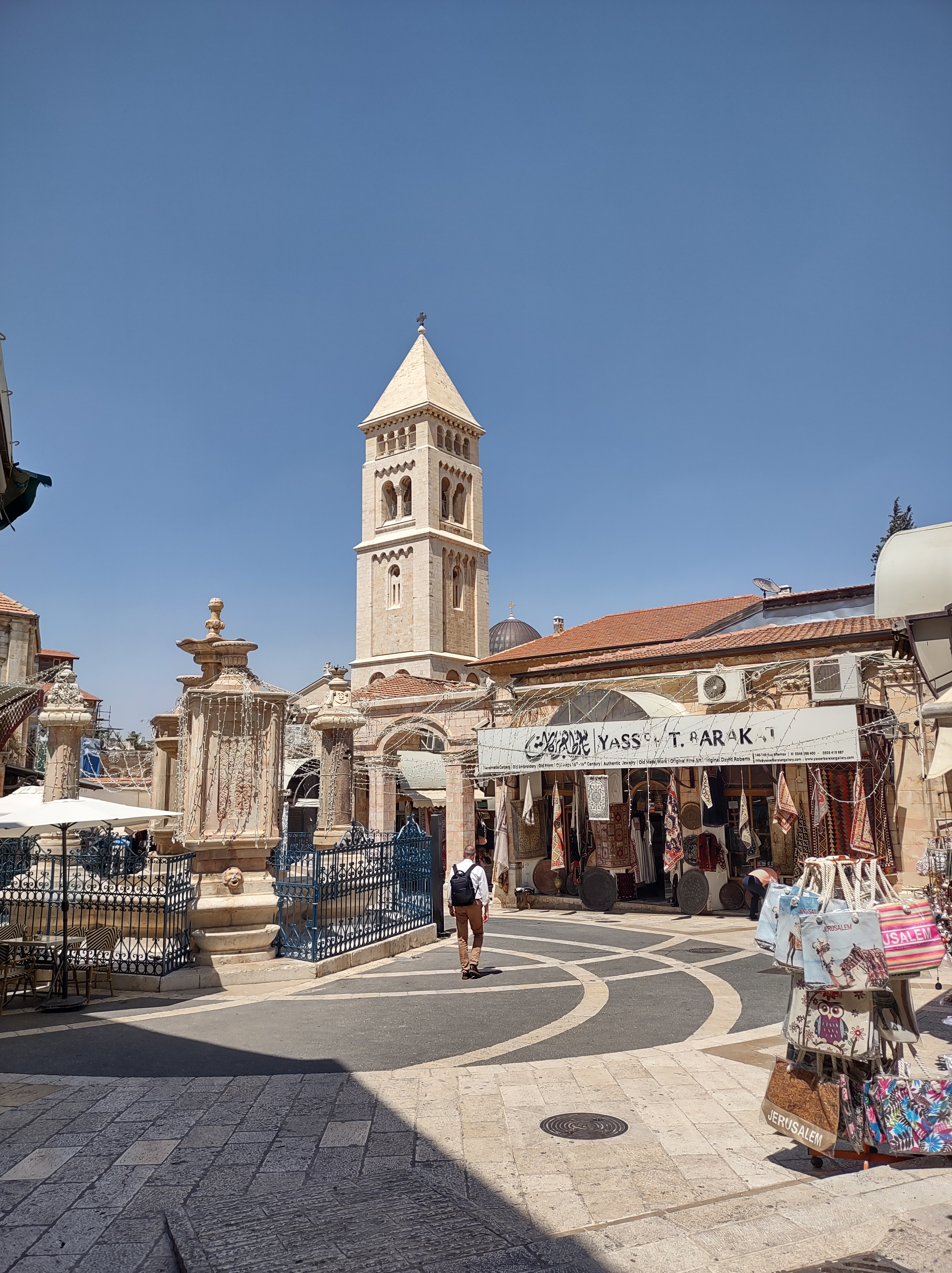
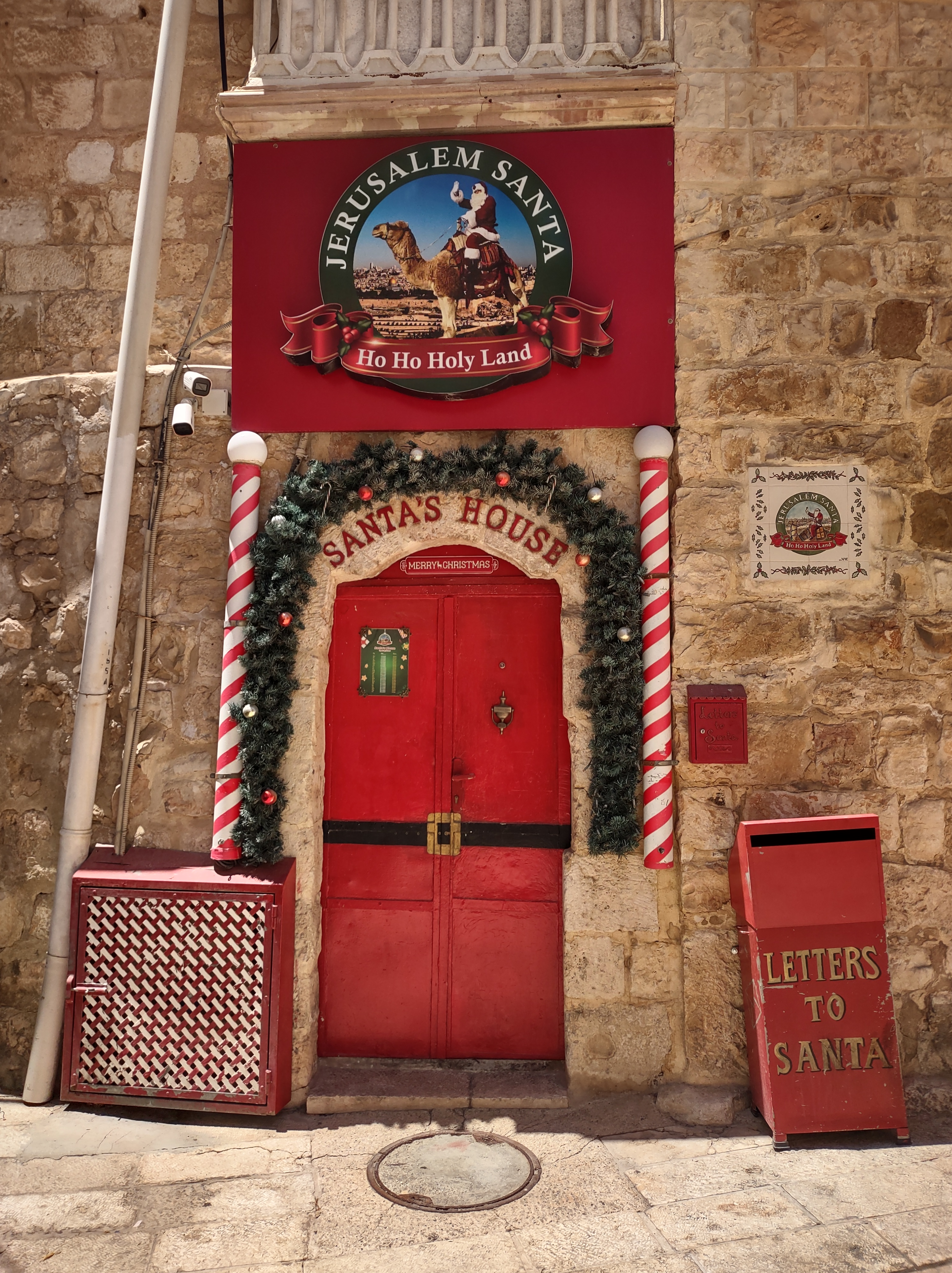
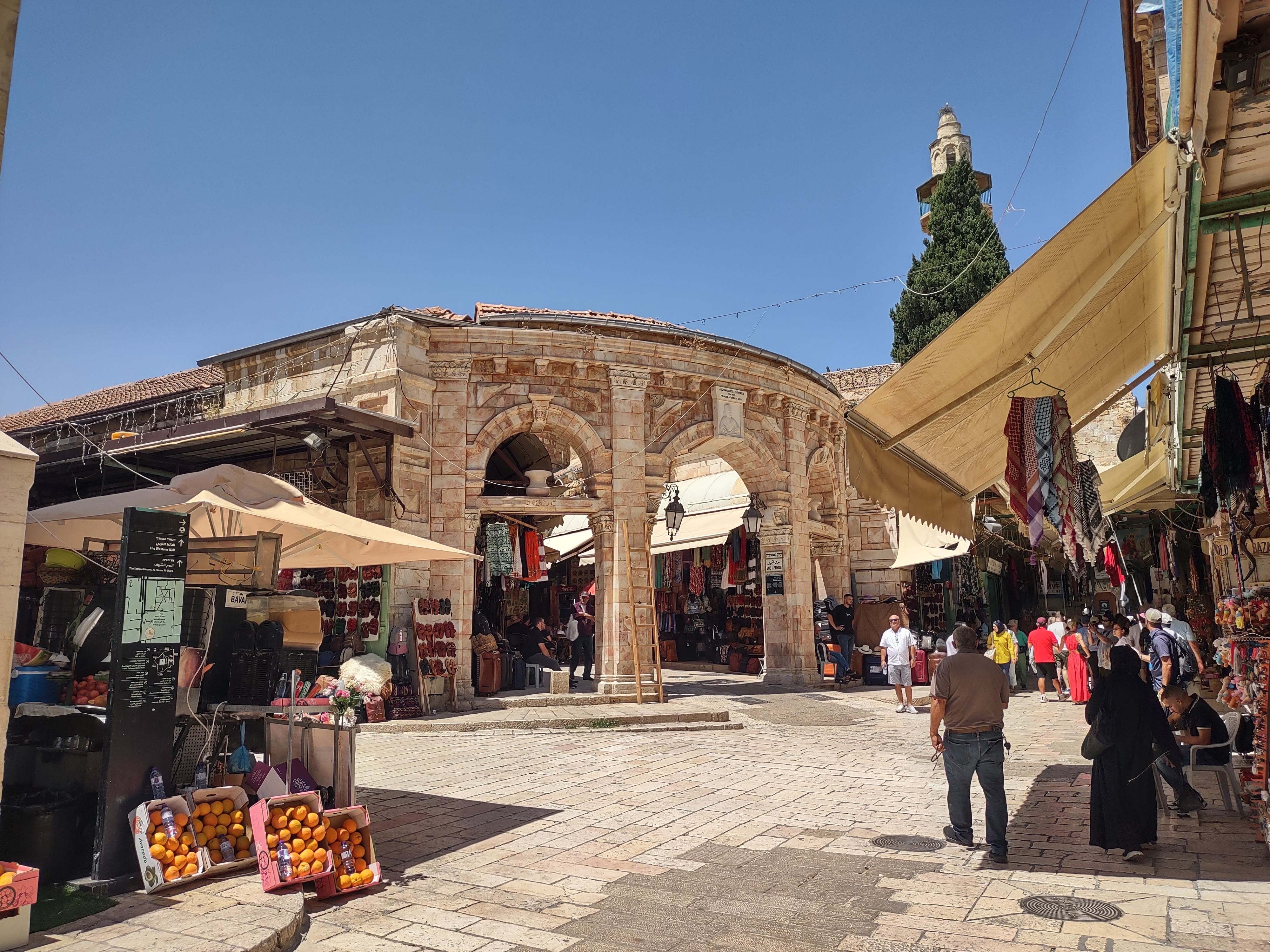
We found some really nice artisan craft shops in the Cardo in the Jewish Quarter which we discovered were located unfortunately near our apartment. Acquisitions were made and thoughts about mailing another package home began.
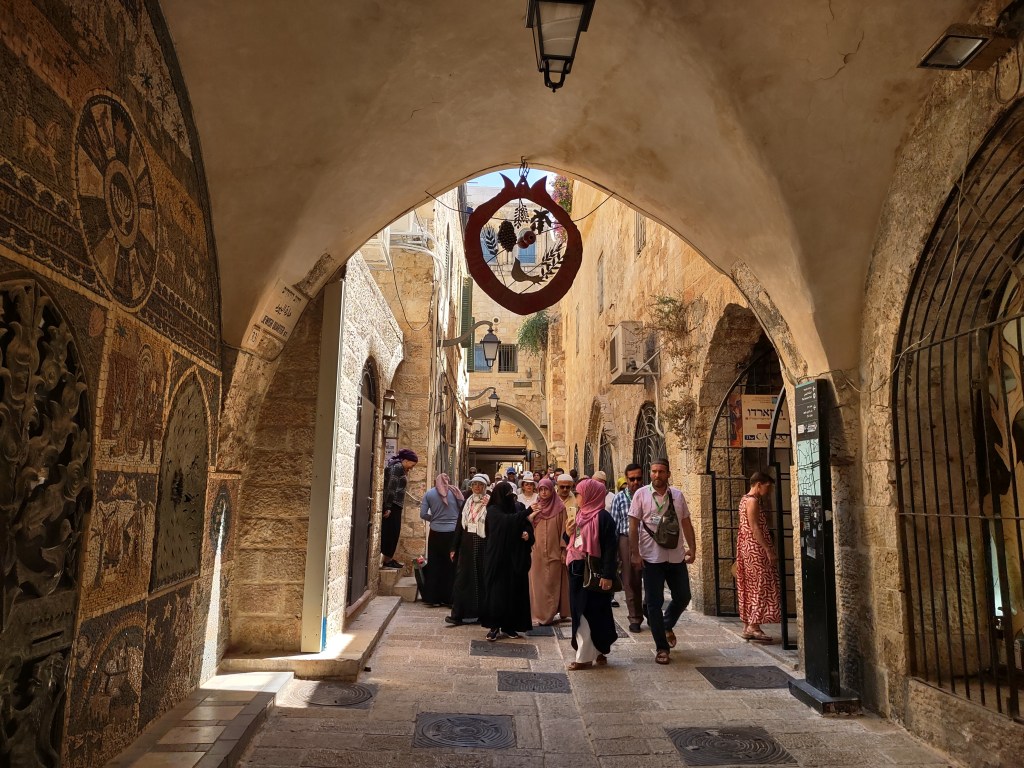

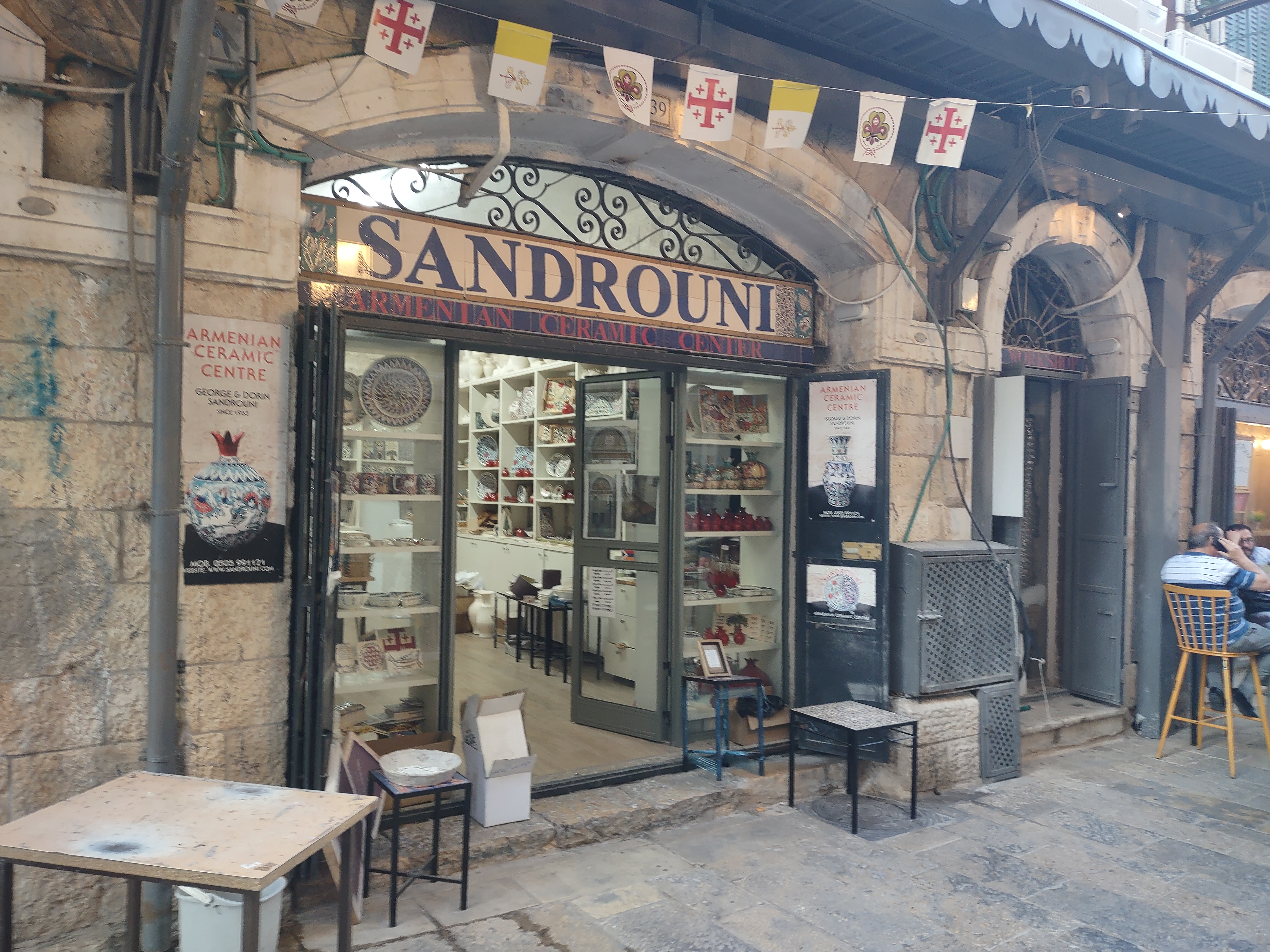
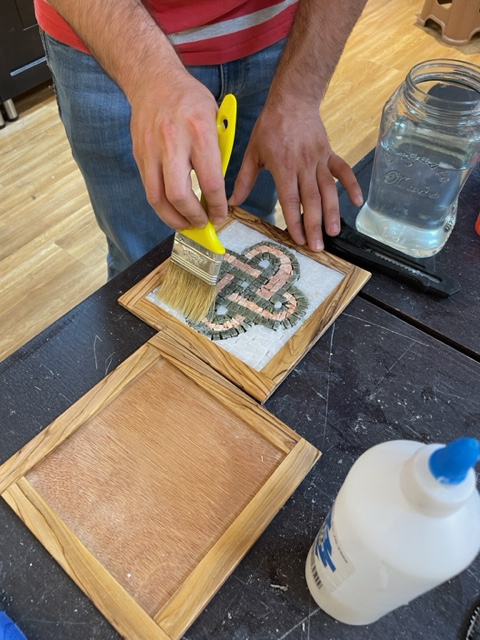
While we were unfortunately not able to shop (or do anything else) in the Armenian Quarter, we found a couple of Armenian ceramic studios in the Christian Quarter and, not only were acquisitions made, but Colleen decided to sign up for a one-day tile course that one of the studios offered. It was pretty entertaining sending her off to class in the morning, then checking in at mid-day to take her to lunch, and then she coming home at the end of the day with her completed work of art and a great break from the “normal” routine.

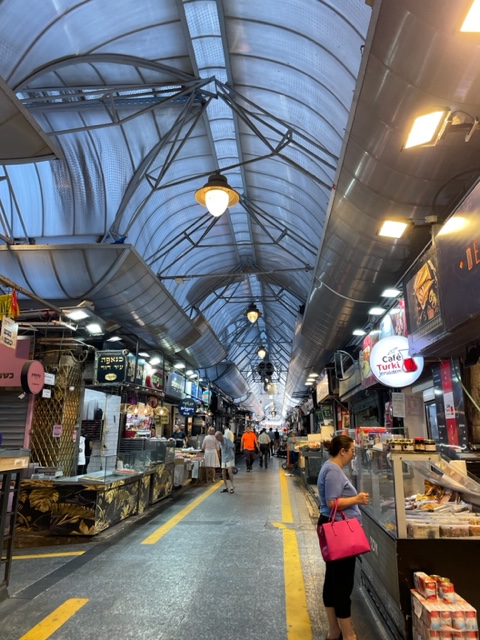
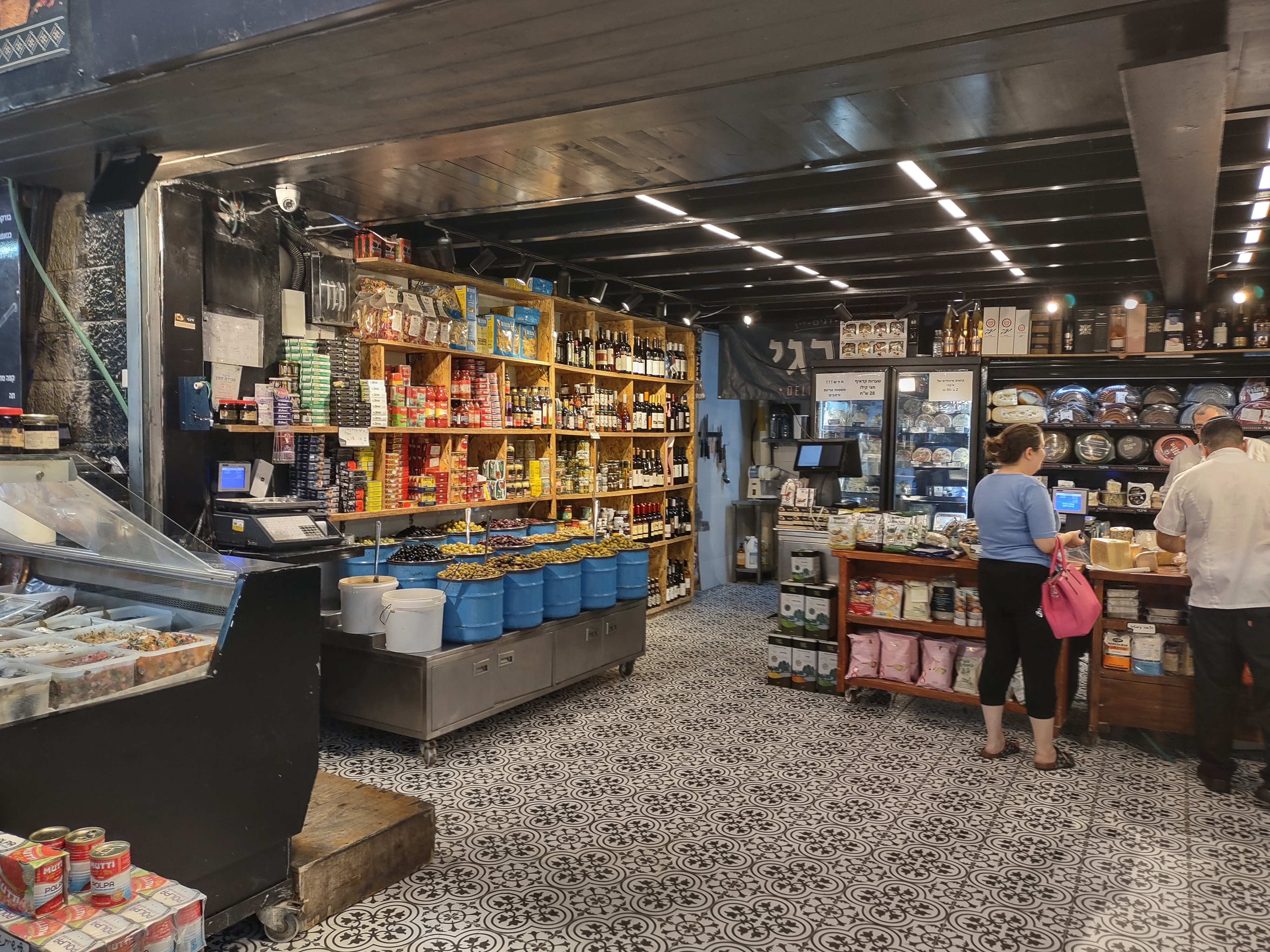
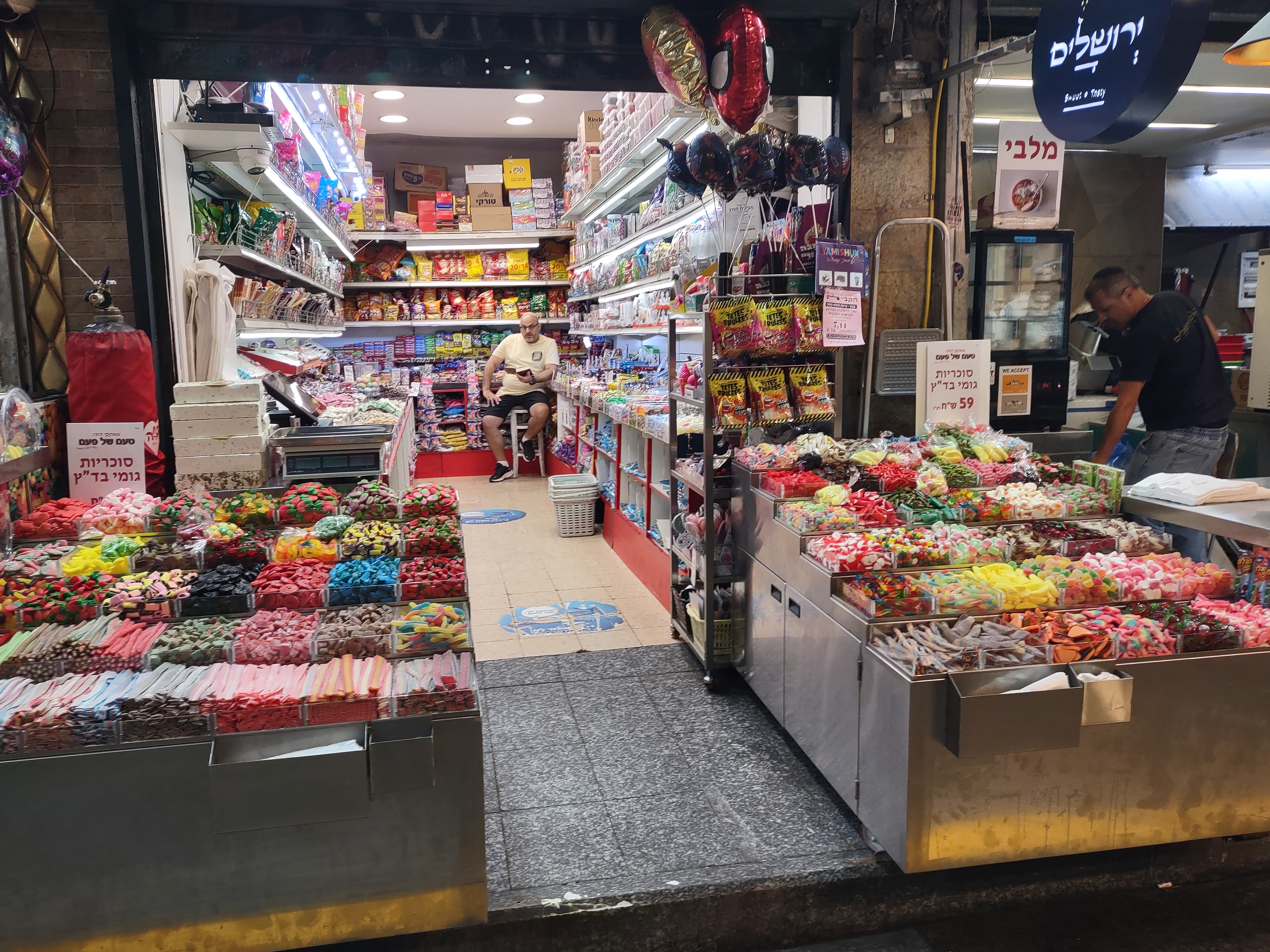
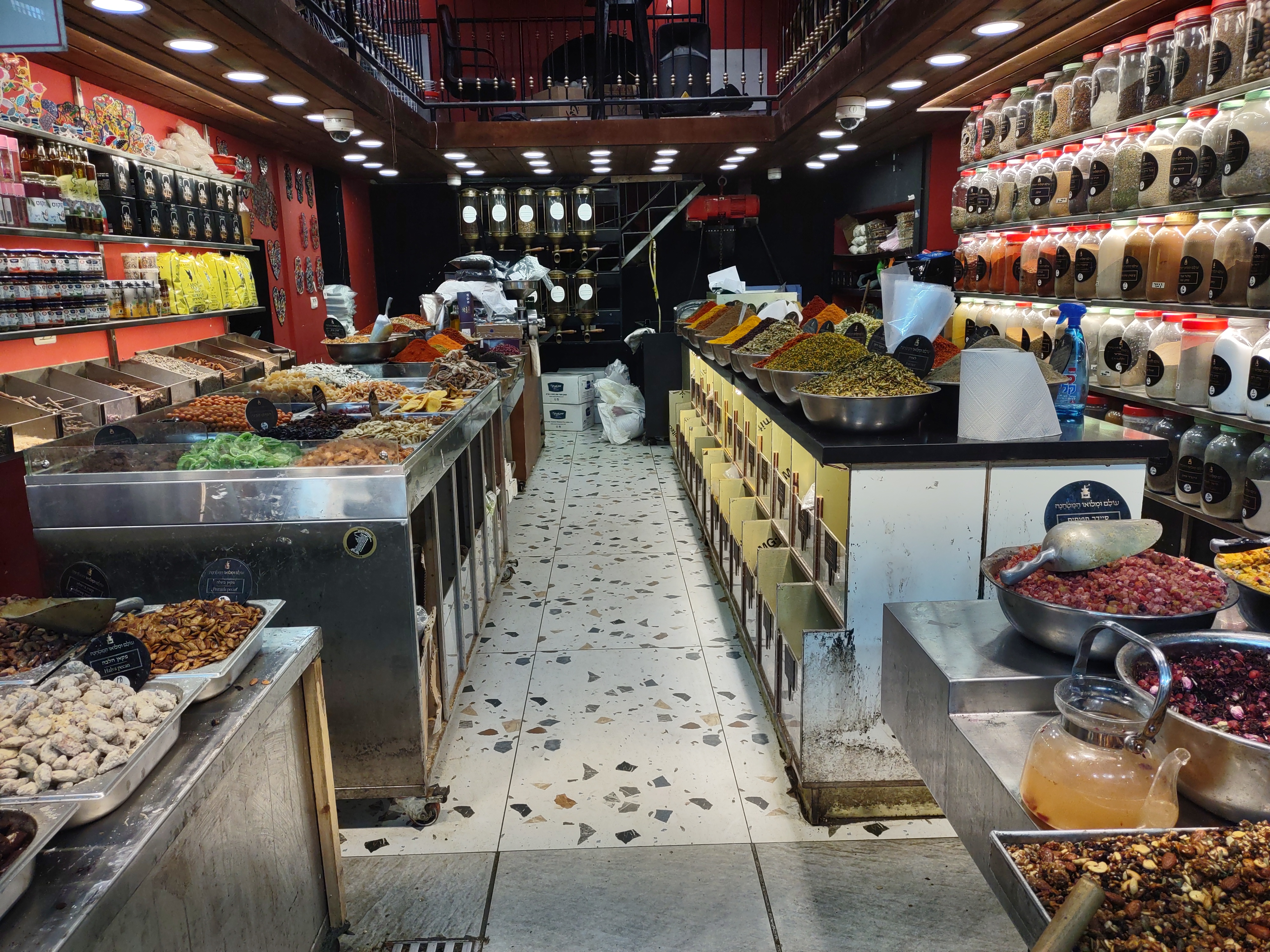
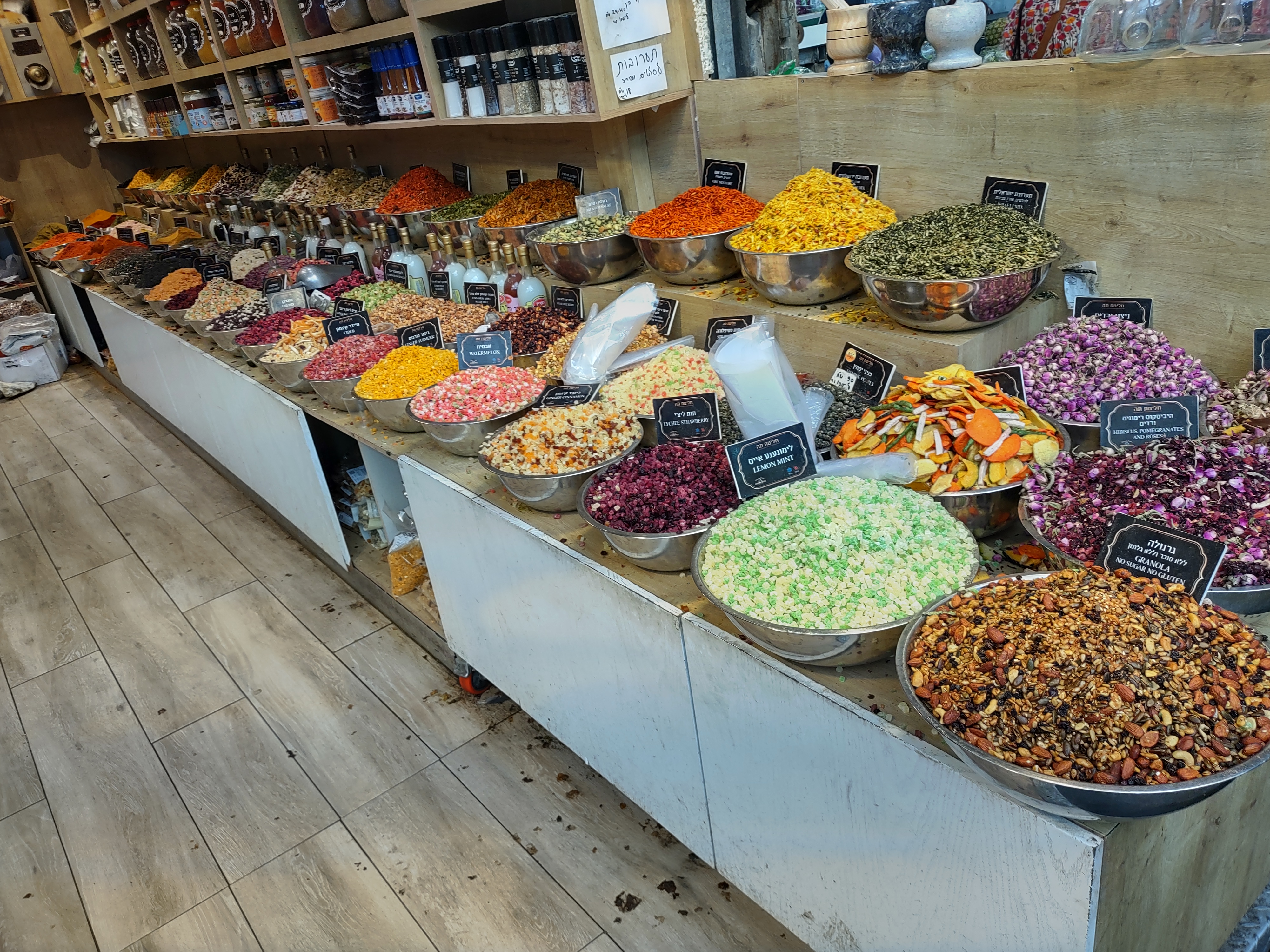
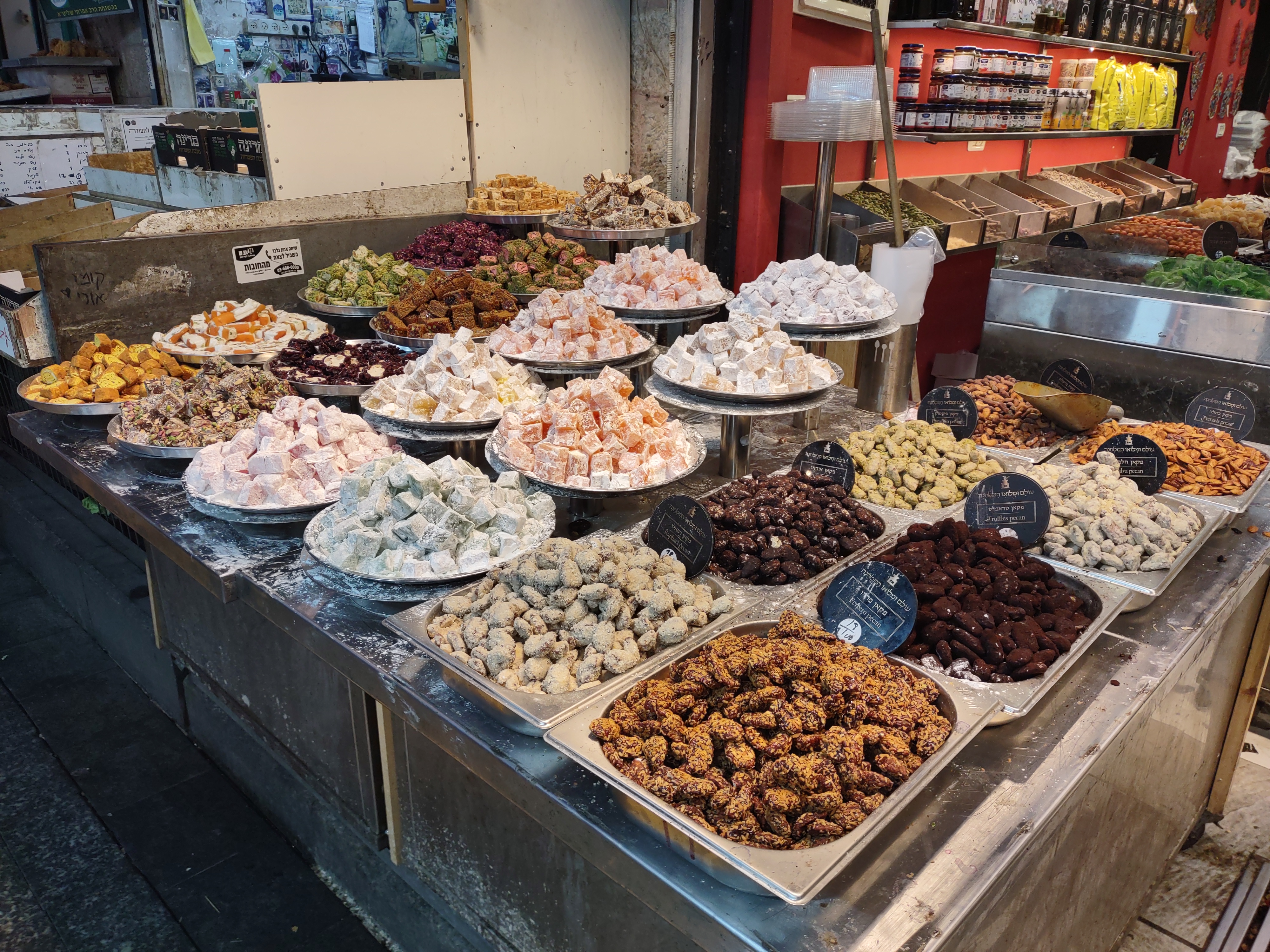
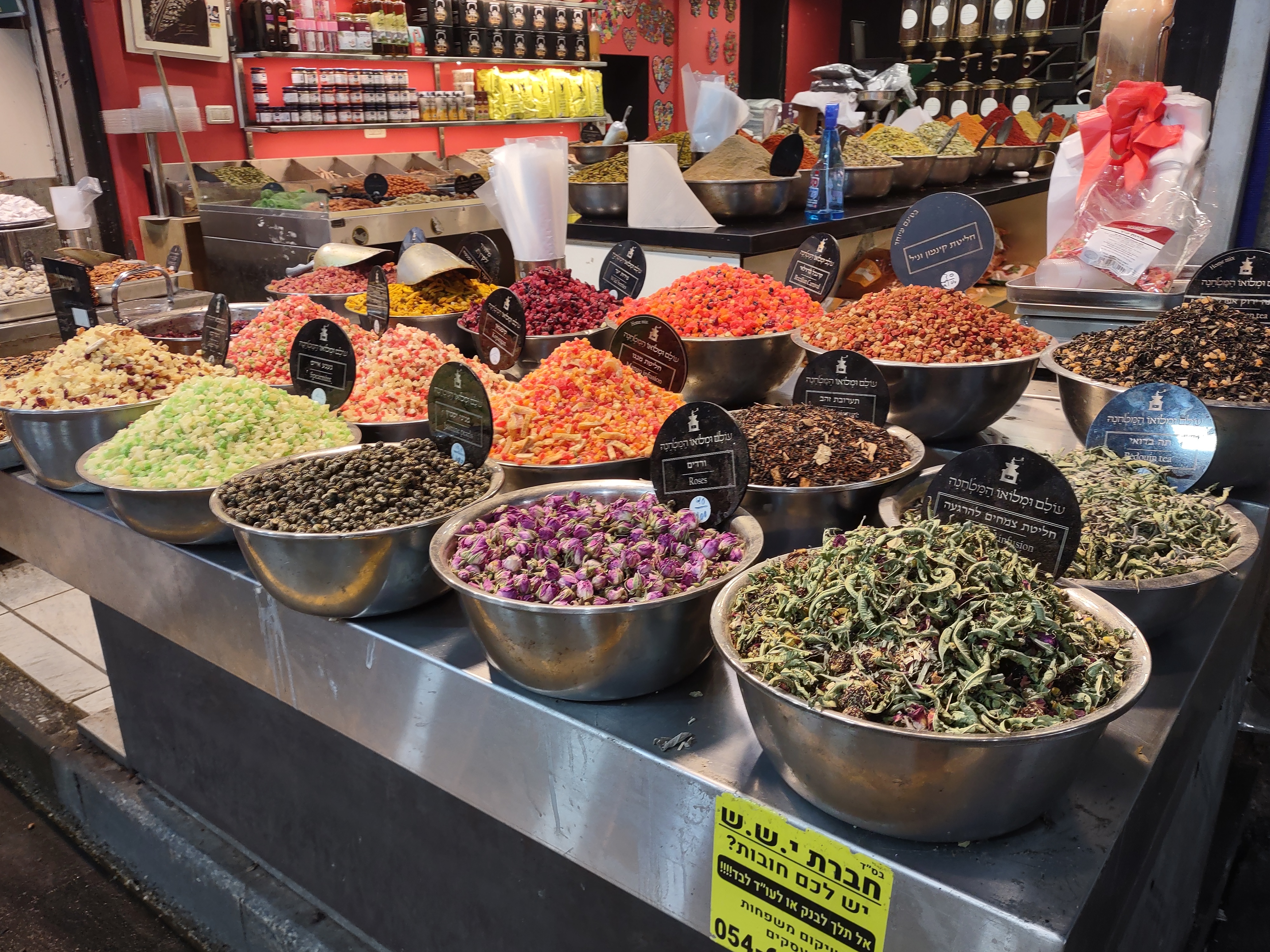
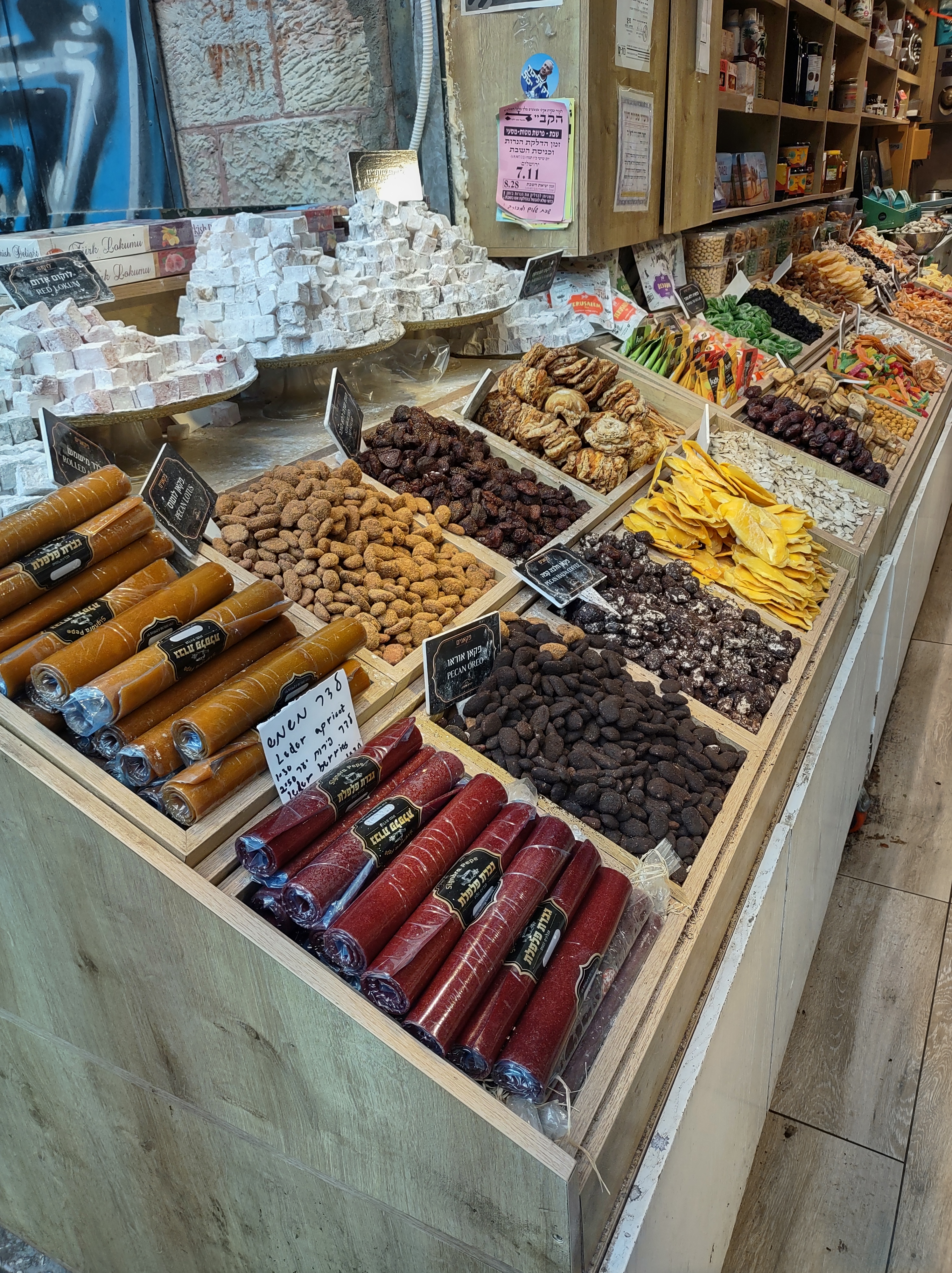
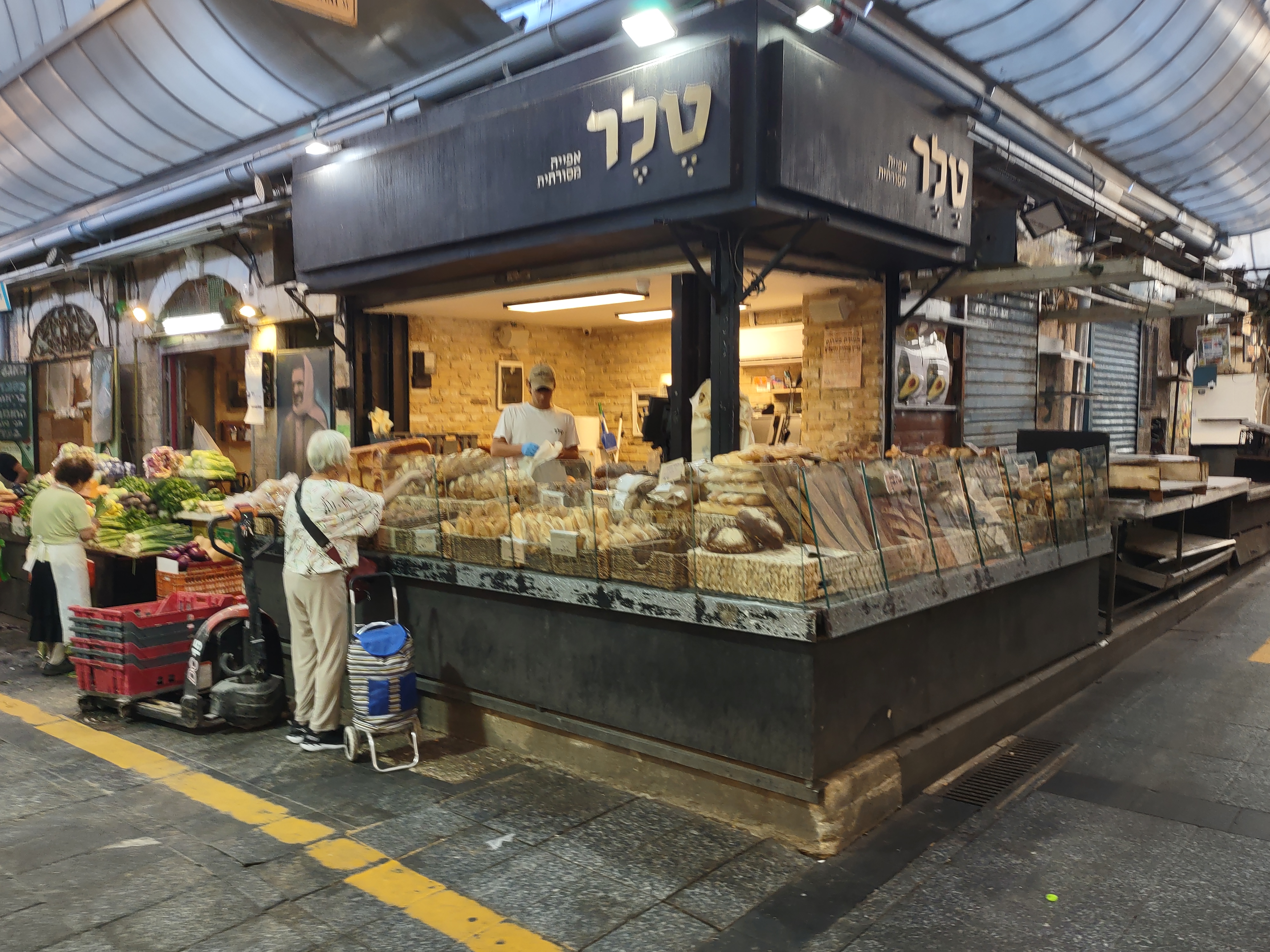
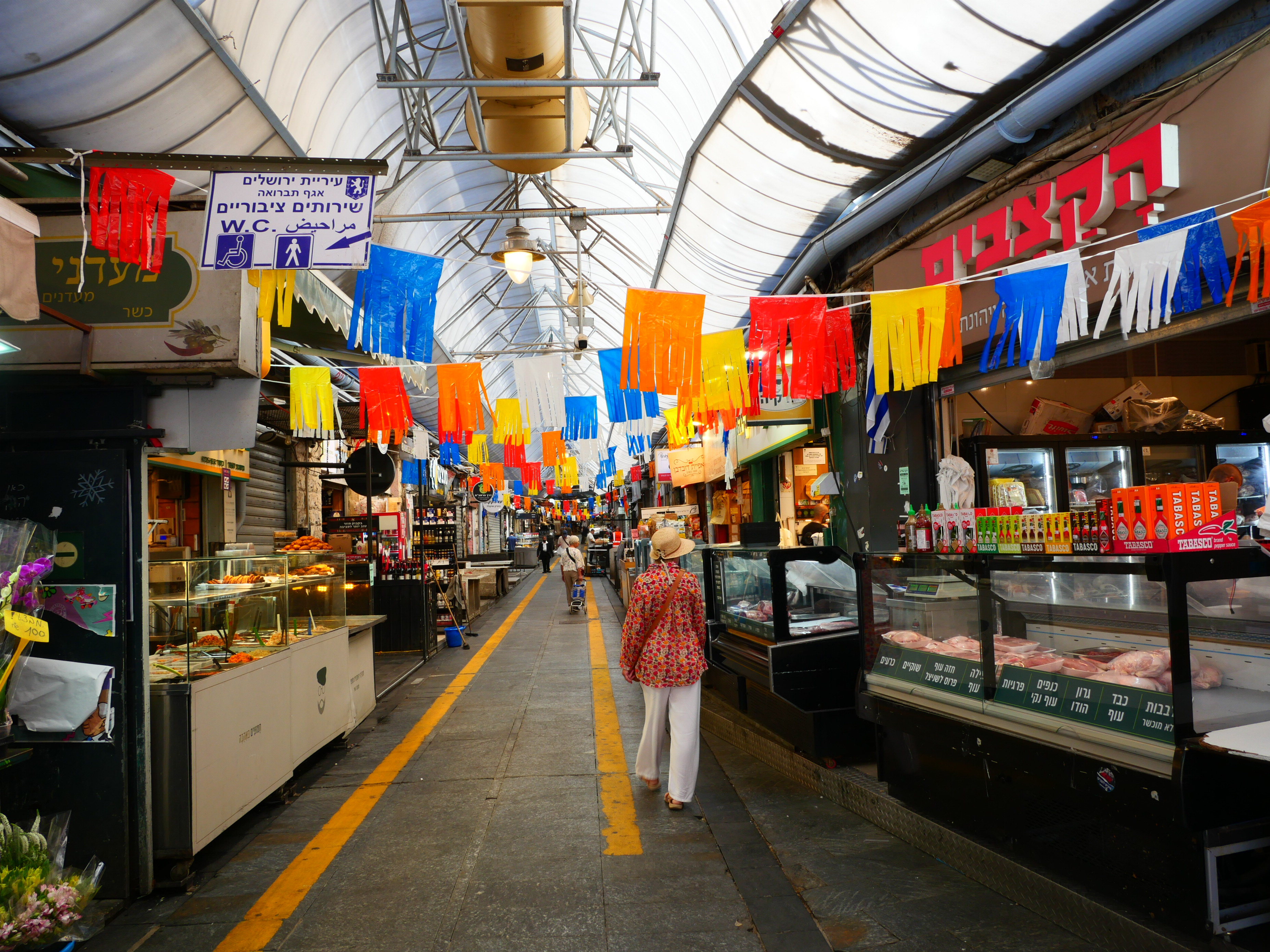
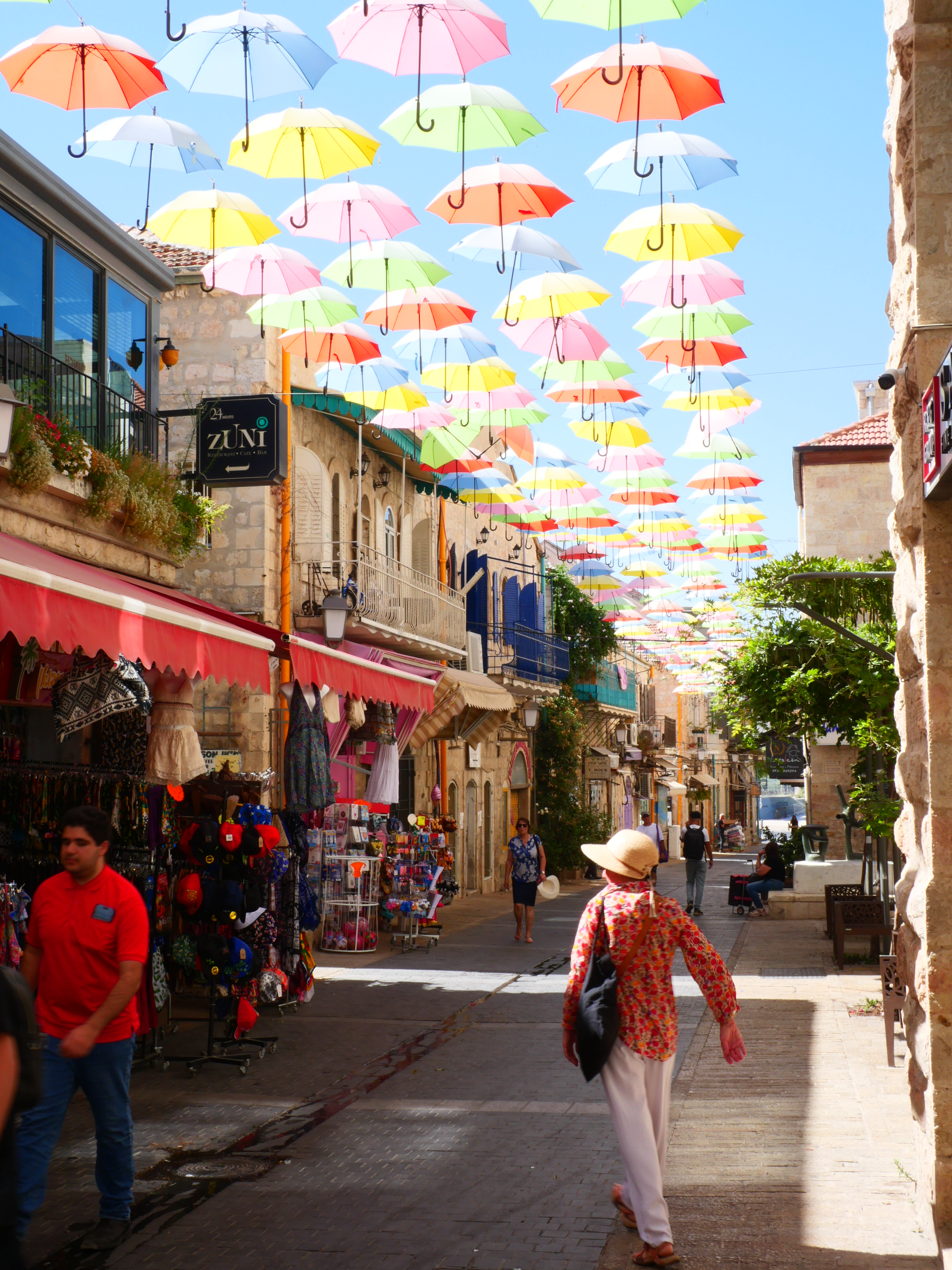
We were happy to find a grocery of sorts and some convenience stores not far outside the Old City, but we also made a couple of forays by tram up the Jaffa Road to Jerusalem’s famous Mechaneh Yehuda Market. (On our first visit we arrived a bit early when not all the shops were open so, of course, we had to come back again.) As markets go, Mechaneh Yehuda was probably the nicest I’ve seen outside the U.S. – clean, well-lit, spacious aisles with a nice mix of food stalls and cafes which, for some reason, it sort of reminded me of Reading Terminal Market back in Philly. Outside the Market are a variety of shops selling clothing and souveniers as well as more cafes and restaurants making it a very fun neighborhood to visit.
Food and Drink
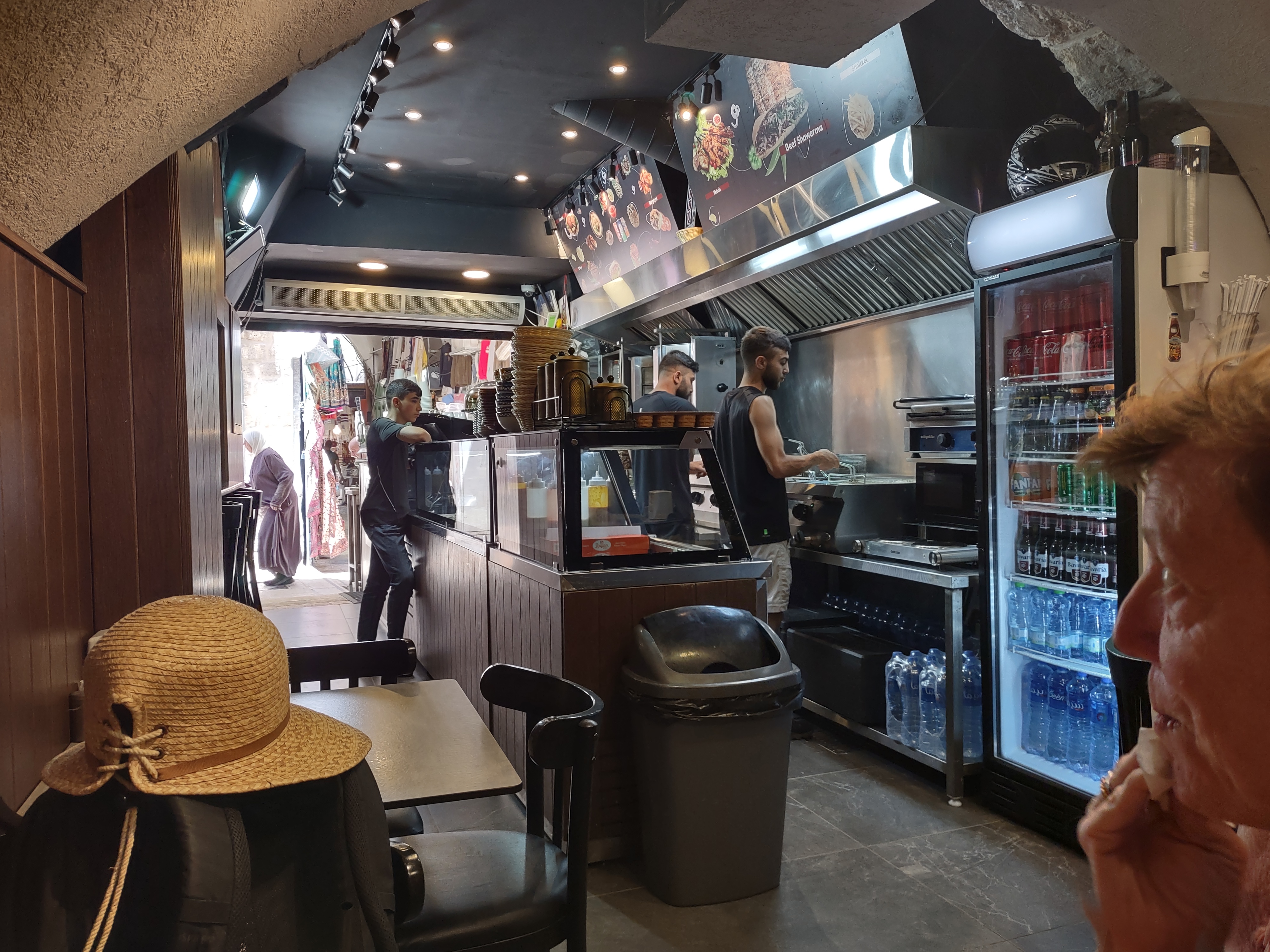
Because there was so much we wanted to see in Jerusalem we generally got going early and stayed out, despite the hot summer weather, until late afternoon or early evening. So, for the most part, we had breakfast and dinner at home and lunch out. The lunch out part is pretty easy in the Old City, if you like hummus, falafel, shawarma, and the like, as there are countless street food places and cafes scattered around, most of which were pretty good, but some were better than others.
On the recommendation of a tour guide we stopped at a place in the Muslim Quarter which is reputed to have the best falafel in the Old City (sorry no name, just a location), which, after trying it, we would be hard pressed to deny. But, you can’t eat nothing but hummus, falafel, or salad for an entire week (at least we can’t) so we did seek out some variety in the places we ate.
We grabbed some really good sandwiches – grilled meat and vegetables on pita (they don’t call them gyros, but that is more or less what they were) – from another no-name stall, which were particularly tasty.

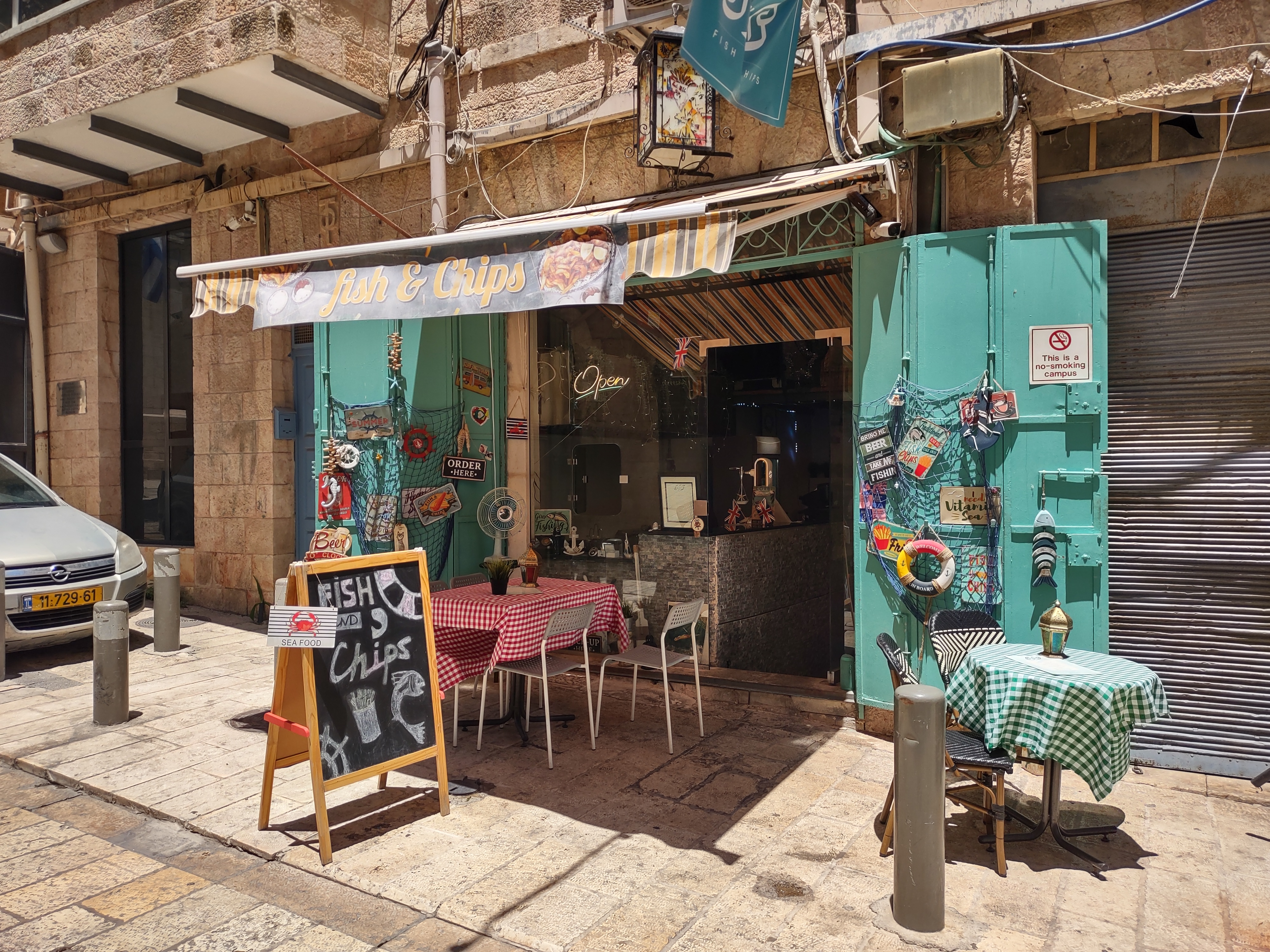
Again looking for some variety, we had lunch one day at a semi-famous place in the Christian Quarter festooned with British Flags called Larks Fish and Chips which is reputed to have the best fish and chips in Israel which, based on our limited experiences in Israel seems plausible. The food was good and the service was outstanding – we were the only customers in the place at the time (but we have found that even that is no guarantee).
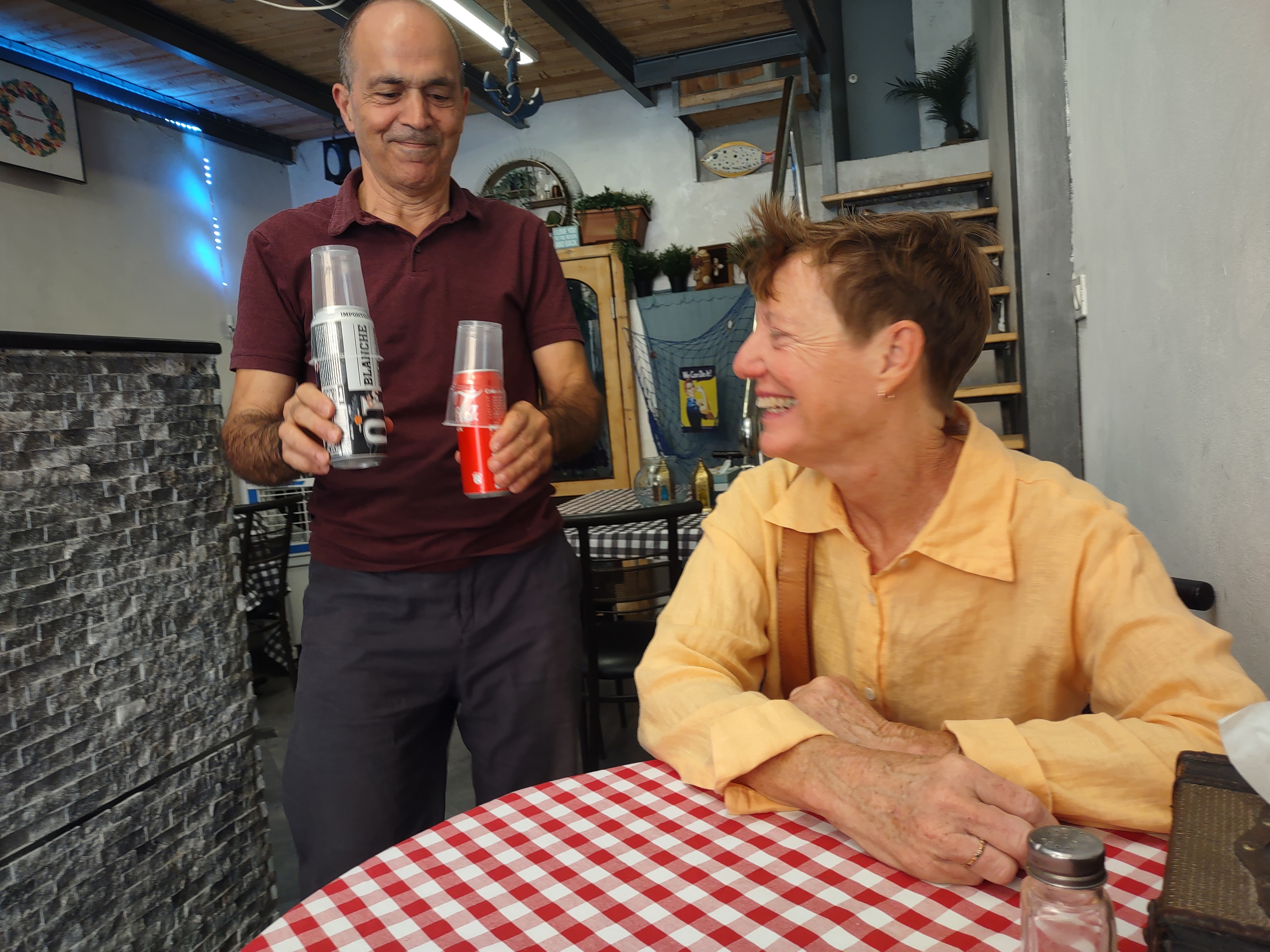
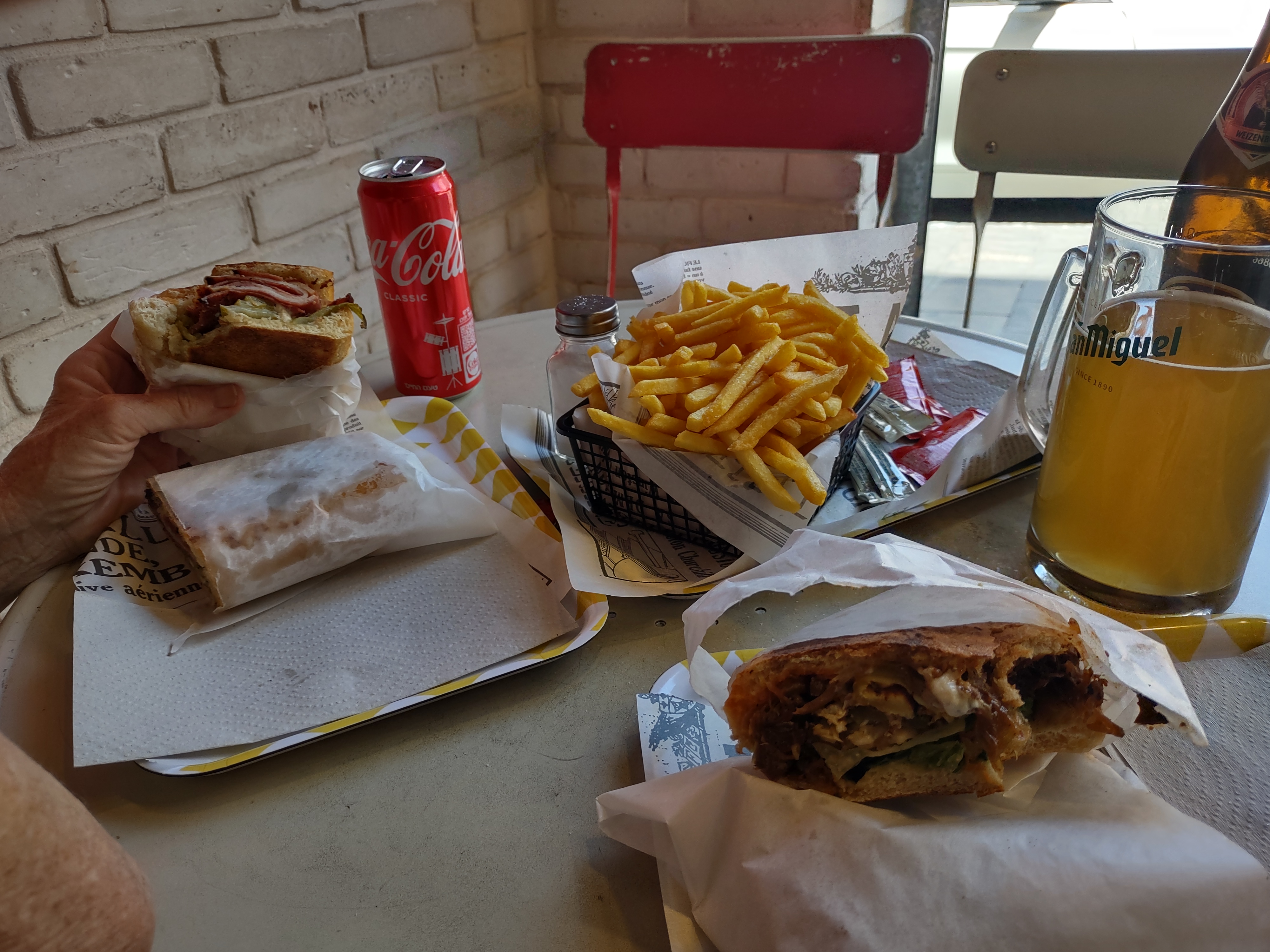
Another place which stood out from the crowd was a place called Pepitos, billed as a latin street food place, whose proprietor had emigrated to Israel from Columbia some years before. We ordered what turned out to be some very tasty sandwiches overstuffed meat sandwiches (mine was carne asada, Colleen’s was corned beef) which were so large they ended up also being our dinner the next night. The sandwiches were a great departure from what we had been eating for the last couple of weeks and the proprietor was very friendly, as was his young son who was helping out for the day. (Yes, he got a nice tip.)
We did have one dinner out planned in Jerusalem at a place we had heard about from a friend which was supposed to have some great views of the Old City. The restaurant, called Wine and Cheese, is located on the top floor of the Notre Dame of Jerusalem Center, which is located outside the Old City, just across the street from the New Gate. Coincidentally, the Notre Dame Center is a guest house and hostel for pilgrims not unlike the Austrian Hospice in the Old City where we had stopped for coffee and a view. While both date from the same time period, absent the height and space constraints of the Old City, the Notre Dame Center is a much larger, grander, and more luxurious place (for better or worse) which was and is clearly intended to cater to the wealthier pilgrims.
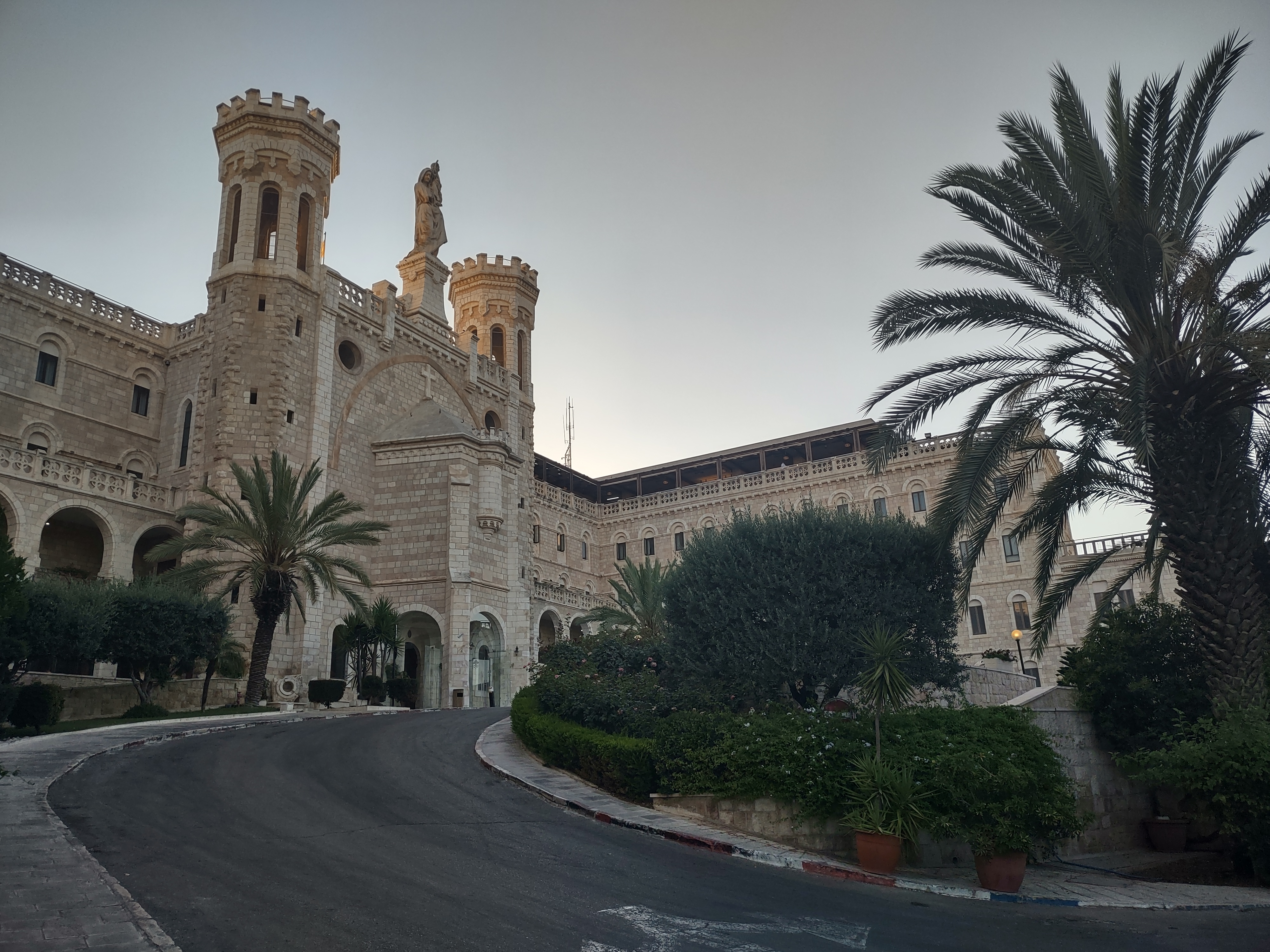
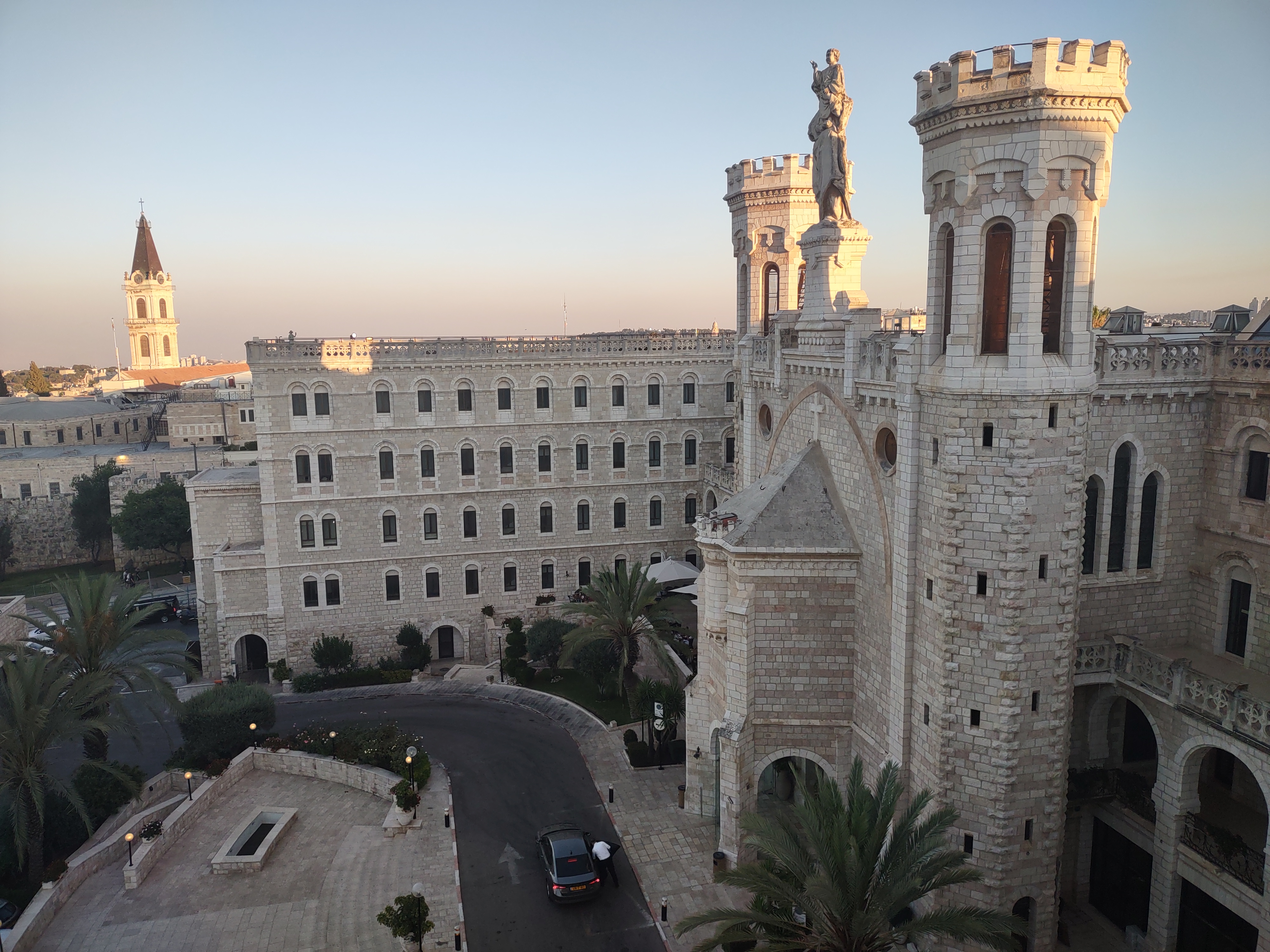
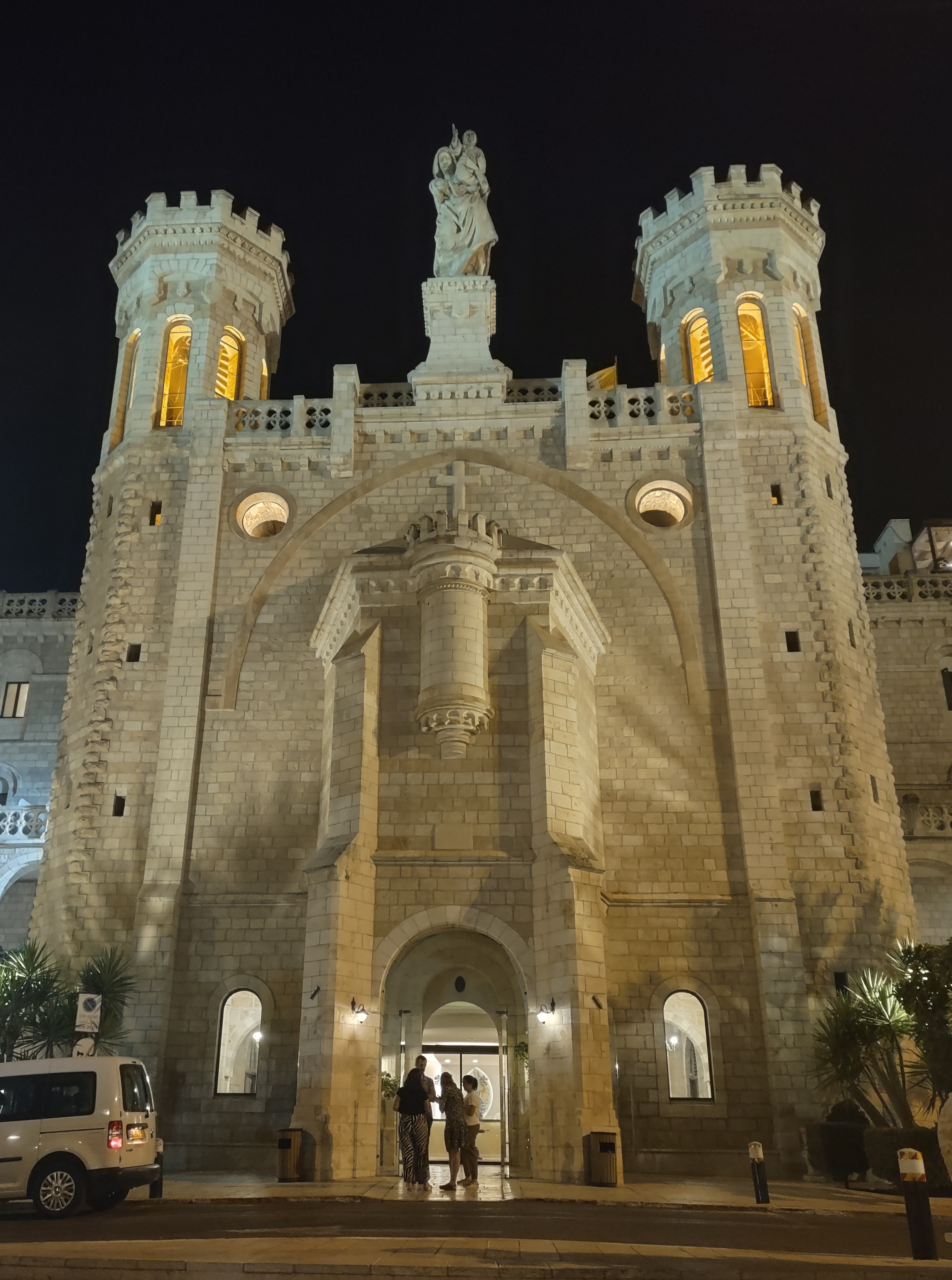
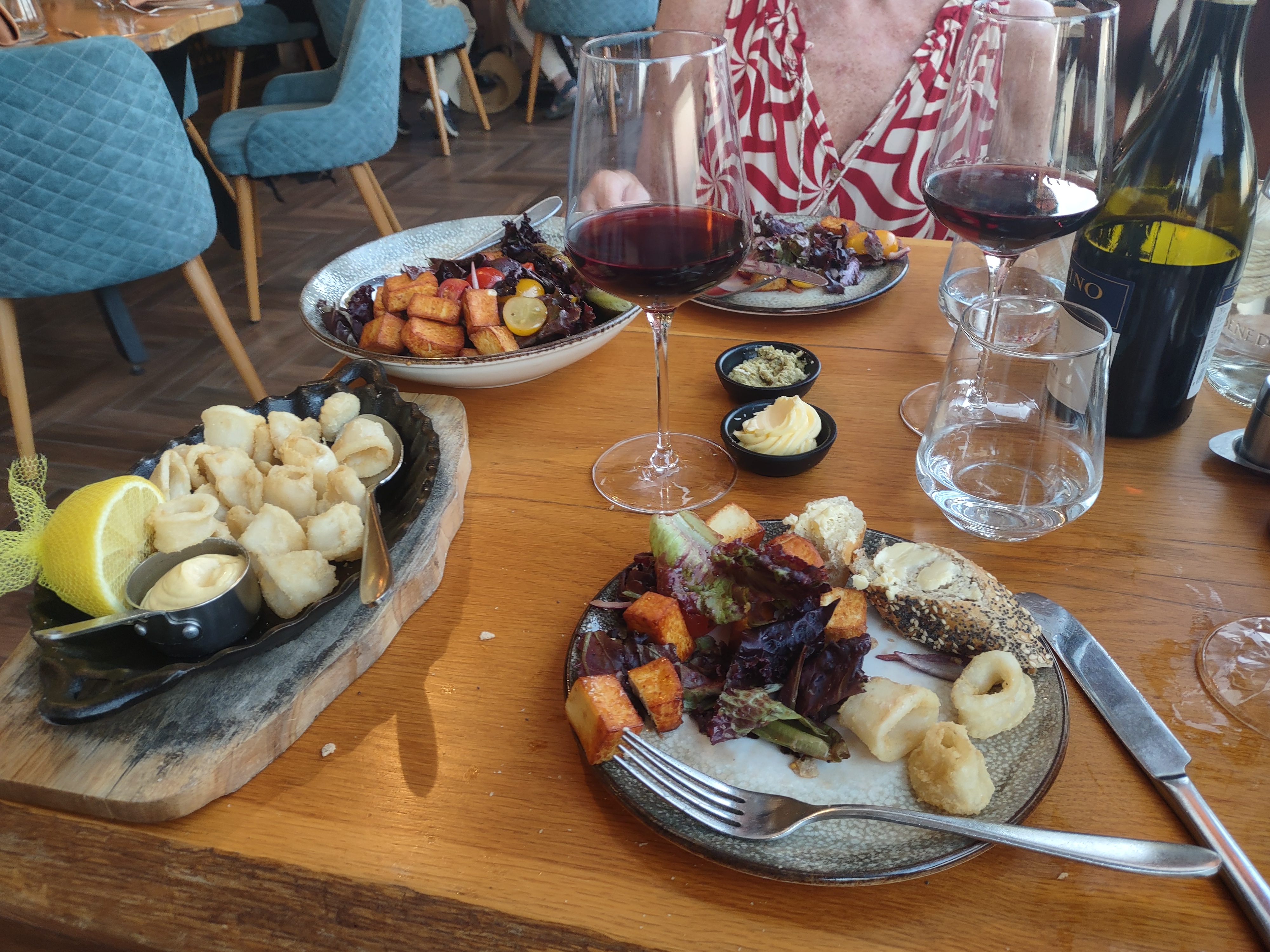
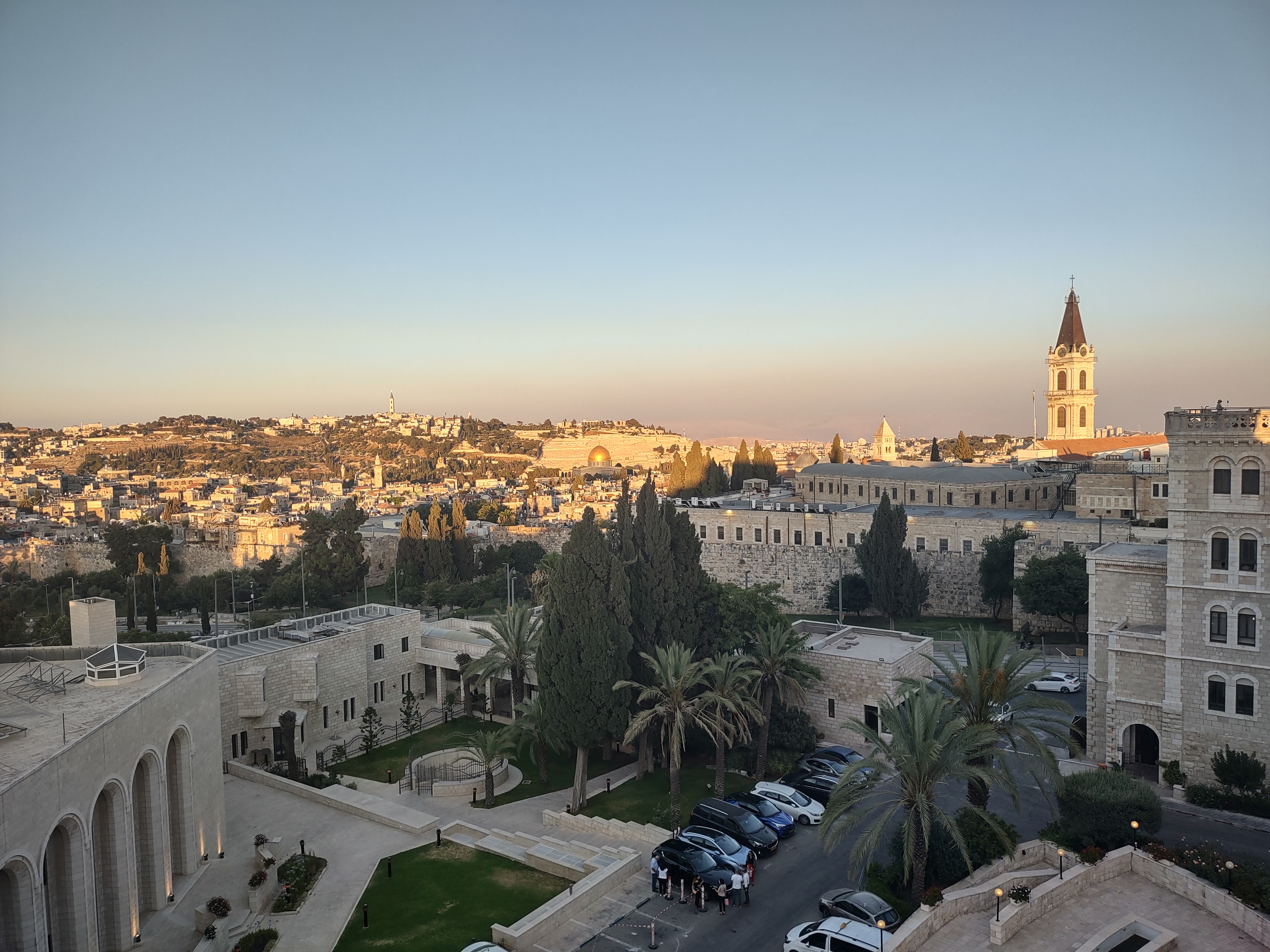
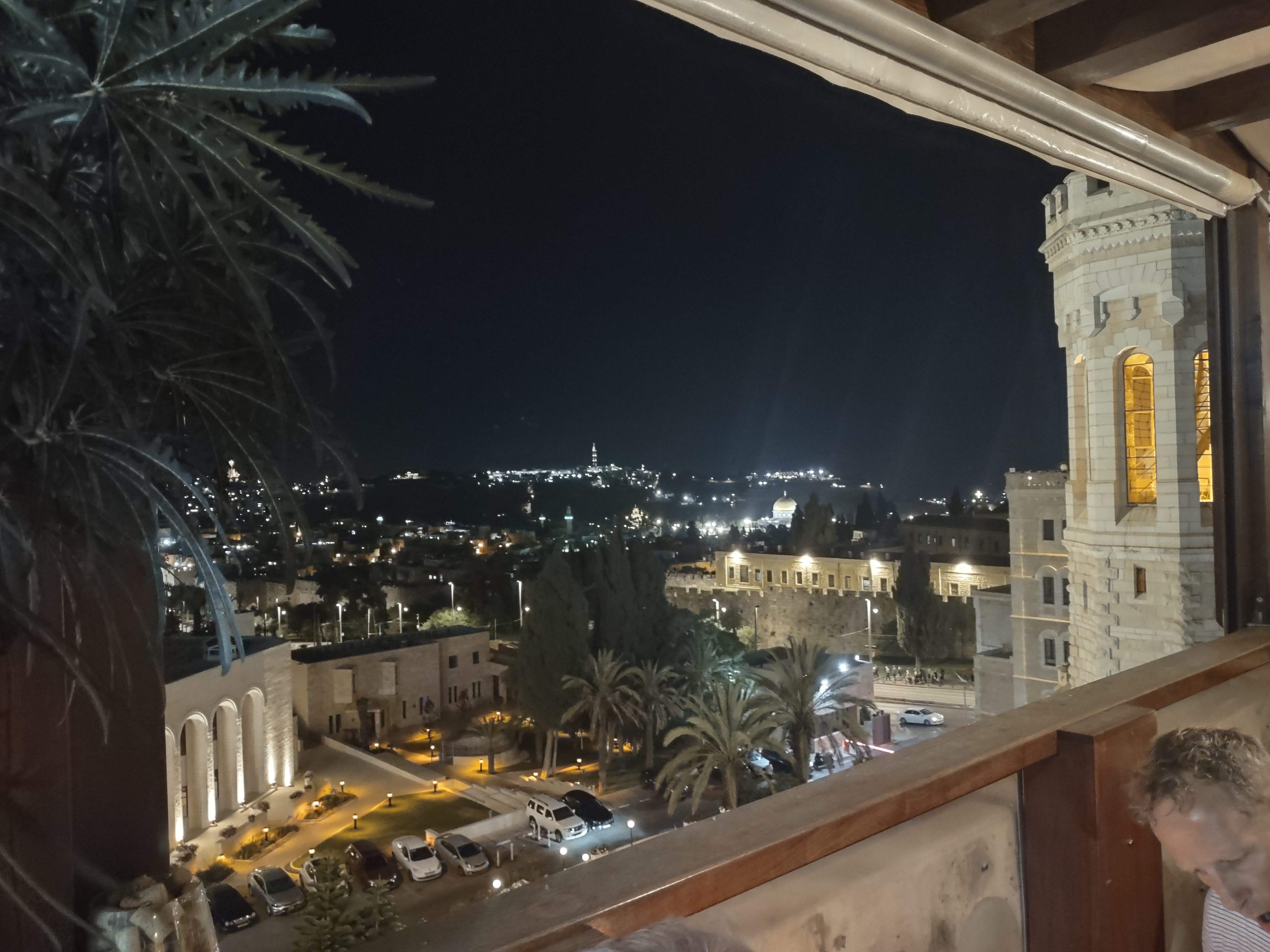
Wine and Cheese occupies the 6th floor terrace of Notre Dame’s northwest wing which, as promised, provides an incredible view southeast across the Old City to the Temple Mount, the Dome of the Rock, and the Mount of Olives beyond. It was a comfortable evening for dining outside with a bit of breeze and the atmosphere of the place was relaxed (maybe even a little romantic?) and, the food was great. We had the freshest most tender calamari ever (like Philly, Jerusalem is only an hour from fresh sea food) along with an amazing salad (you’d be surprised how hard it is to find real lettuce and fresh crisp tomatoes). It was a great evening and I am hard pressed to remember the last time we had a dinner in a place this nice.
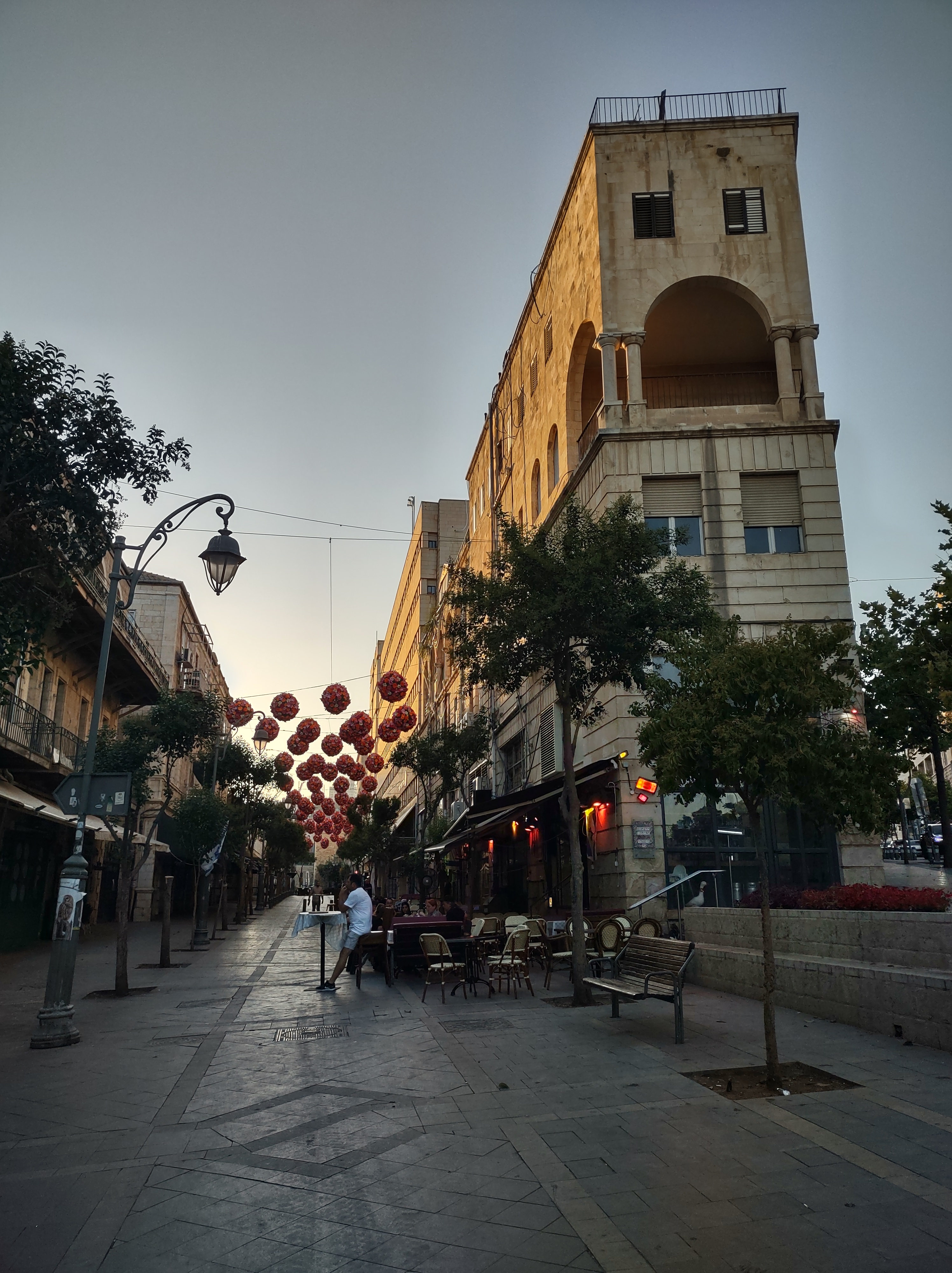
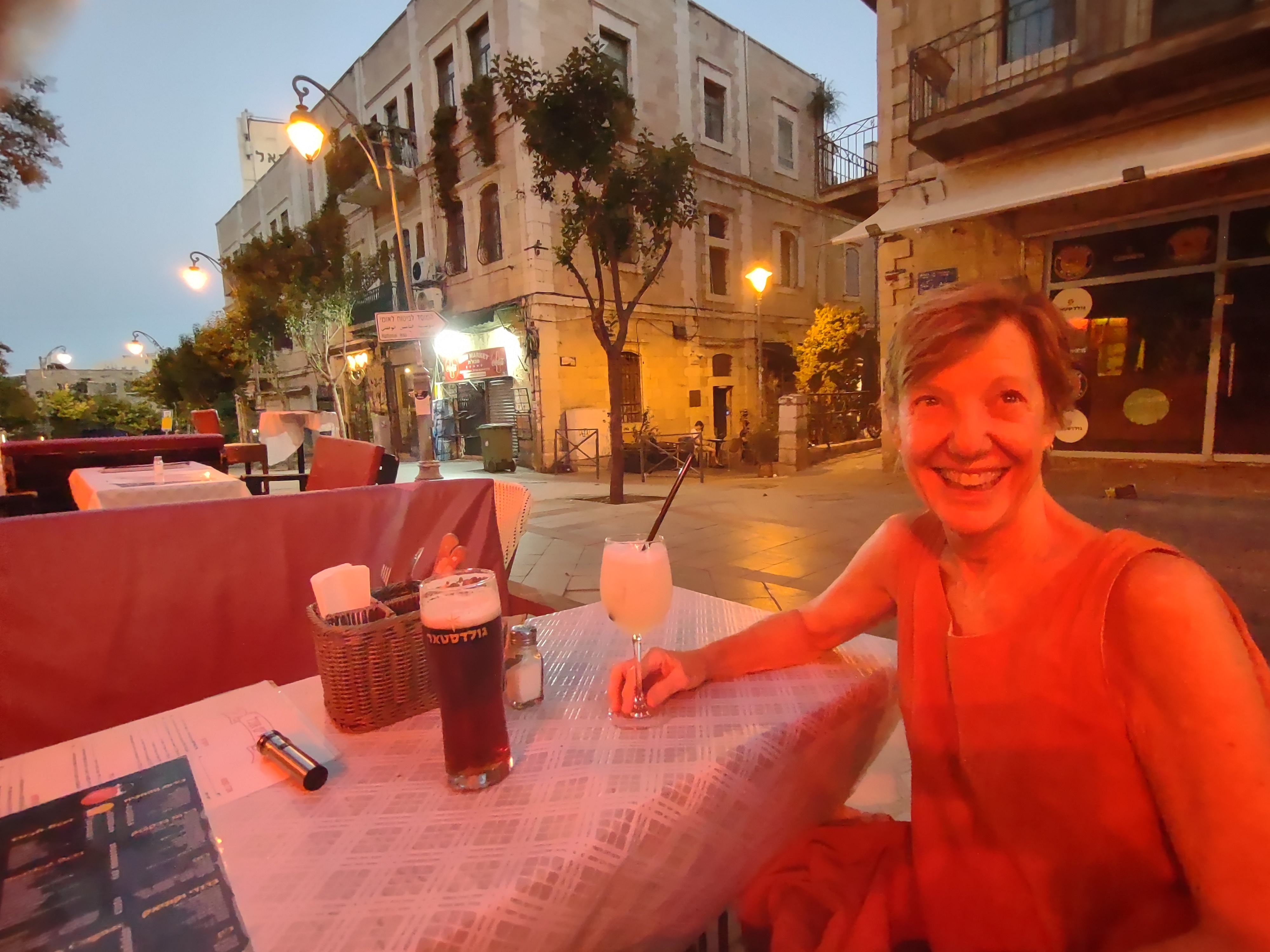
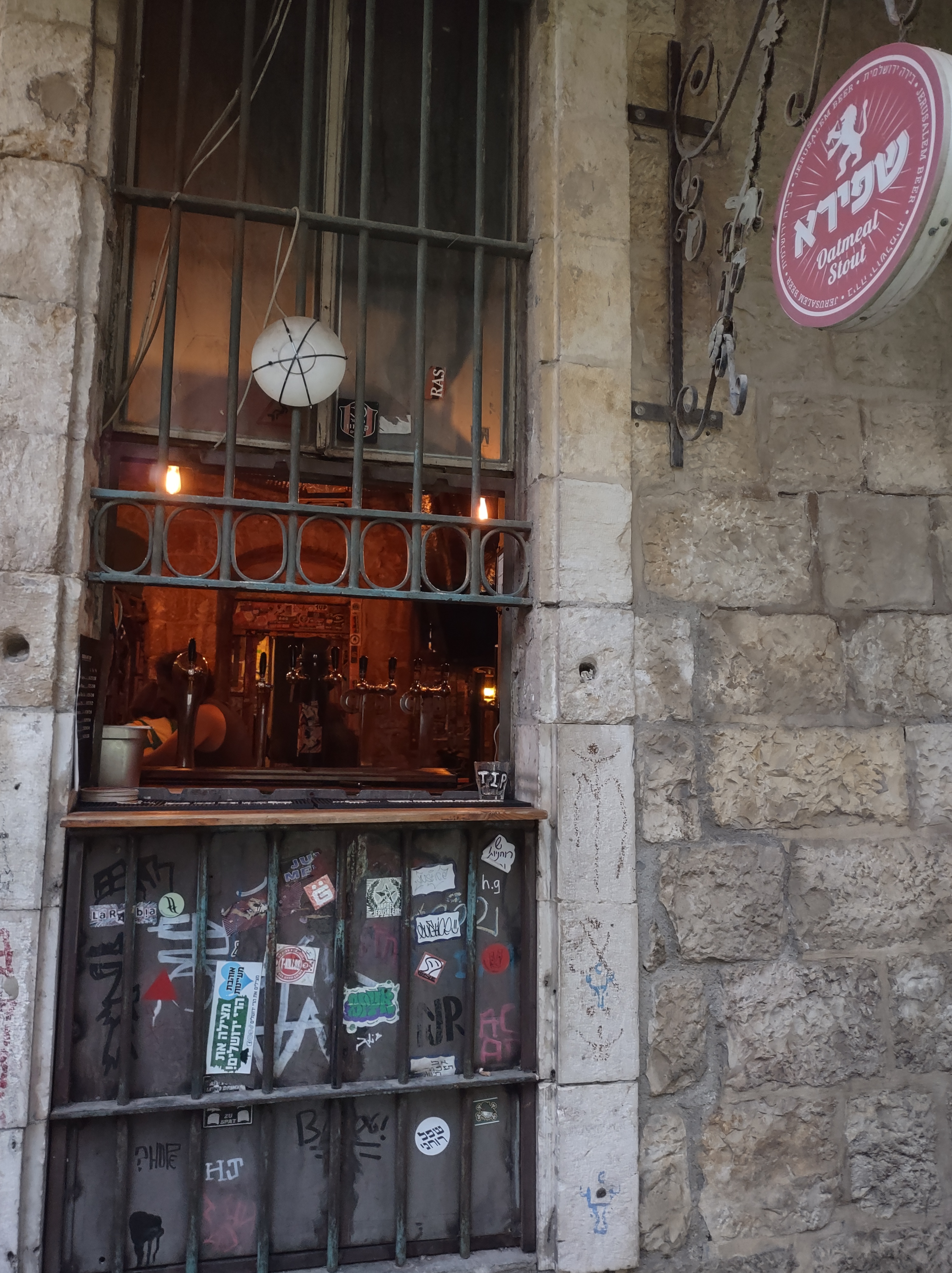
On the other end of the culinary spectrum is the Café Sira, a place where we never actually ate food, located in an alley (Ben Sira Street) just west of the Old City near a place called New York Square. Actually, the alley, which is lined with an odd assortment of tables and chairs, is the café. While there is an indoor eating and drinking area with bar, many of the Café Sira’s patrons prefer to drink (and smoke) al fresco and, because of this, the Café Sira features another first for us – a beer window! Much like the wine windows we discovered in Florence, the Beer Window allows one to order and be served beer without the hassle of having to wade through the restaurant and bar and, service is surprisingly quick. What a concept!
Editor’s Corner – Yoga in Jerusalem
After a bit of a hiatus from finding local yoga opportunities, I was very happy to find Sira Yoga in Jerusalem, a 17 minute walk uphill from our apartment. The studio, which took a bit of sleuthing to find, is on the second floor of a very unassuming building. It has great light from the floor to ceiling windows that line the far end of the large space. It was not necessarily surprising to me that the majority of the classes were in Hebrew, with some helpful English thrown in when the instructor remembered that maybe not all of the people in the class were locals.
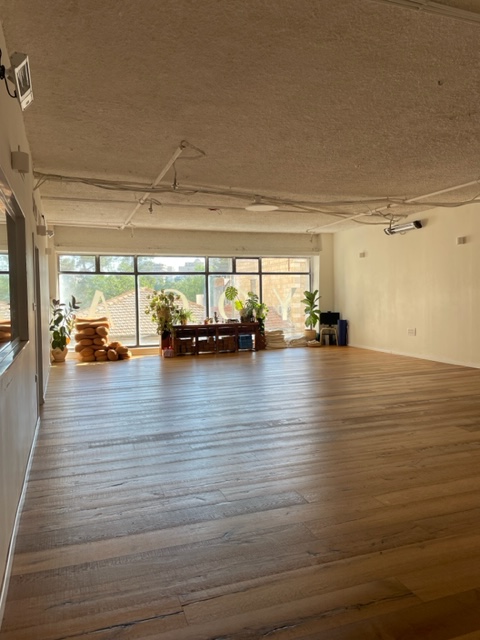
It is always such an interesting experience to blend into a larger class, with people that are regulars, going about their normal day (just as I would be in my studio at home). It is, as I’ve said before, the primary way that I get to experience what typical life is like for a citizen in Jerusalem. The Sira studio offered many classes throughout every day, some more “gentle” than others. I enjoyed attending a good variety of classes with several different yogis. All in all, I could easily become a regular to this laid back, welcoming environment to all comers.
Another Package Home
We have resigned ourselves to the fact that it is impossible to visit places like Jerusalem without buying stuff which we, or course, cannot carry with us on a long-term basis and so, are resigned to the fact that we will be mailing packages home periodically. The trick to doing all of this is, of course, figuring out how to use the local postal system. We’ve looked at using carriers like UPS, Fedex, or DHL but, based on online reviews, have found that these tend to be undependable fly-by-night operations in the places we have needed them. By comparison, however slow, inefficient, and confusing the government postal systems seem to be, the also seem to be pretty dependable in the end.
In anticipation of sending a package home from Jerusalem, the first thing we did was, of course, to shop more, as there is no point in mailing home a box that is not full. I joke, but there is some truth in this as, once the decision was made Colleen quickly talked a vendor out of a box at the grocery store and a quick assessment of what we had already acquired left some room and there was a need for some additional padding (perhaps with something like a beautifully embroidered bed spread with pomegranates?).

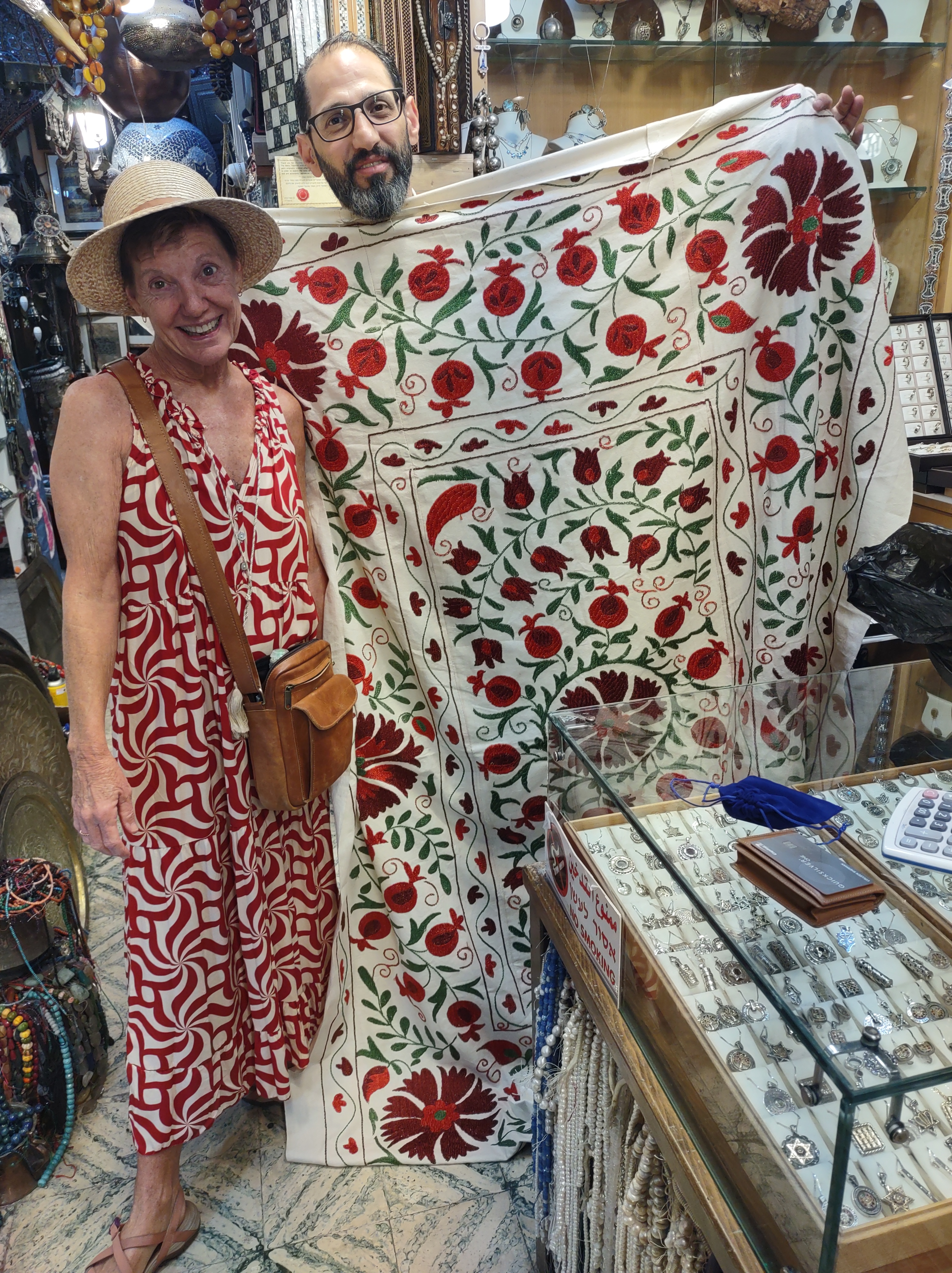
Yes, once you decide that there is going to be a package, any resistance to buying tends to waver. So, we had a box, we had enough stuff to fill it, and we knew where the Post Office was and, although it was closed when we went by, we had confirmed that it would be open on Thursday July 20th, our last full day in Jerusalem (which allowed for some last minute shopping just in case…). So what could go wrong?
Everything seemed on track as we made our way to the Post Office Monday morning up until the point we entered it and, after a little observation realized that you must schedule an appointment in order to utilize the postal service and that the next available appointment was the day after we were scheduled to leave Jerusalem. At this point I’m looking at the box Colleen is holding and trying to imagine how we can possibly squeeze it all into our luggage even with satellite bags. Things were not looking particularly good for the home team, but Colleen was able to slip up to a window (between customers with appointments) and explained our dilemma (which she may have represented as her dilemma as she later shooed me away) to one of the postal clerks who very kindly helped us get our package into the mail along with his scheduled customers.
It’s tempting to say “all’s well that ends well”, but the fat lady doesn’t sing until the package is received at the other end, so it’s really more like “so far, so good”. (Wow, that’s three trite sayings in one sentence!) Anyway, this is the third package we have sent home (including one which was shipped by a seller) and are currently two for two on things arriving safe and sound. We’ll cross our fingers and hope that is again the case.
Shalom Israel, Yella* Jordan
After a great week in Tel Aviv and another even better one in Jerusalem, we prepared for what was probably the most heavily researched leg of our entire trip – the infamous border crossing from Israel to Jordan. You’ll hear about that as well as some of the most amazing places we had yet to visit in Jordan in our next installment of the blog.
*If you’ve not heard it, “Yella” is probably one of the most commonly used Arabic words when travelling meaning either “come here” or “let’s go” or, sometimes, “go away”, depending upon the accompanying hand gestures. (Not to be confused with “Yallah” which means “Oh God”.)

 Burning the Inheritance
Leave a reply to David Cancel reply