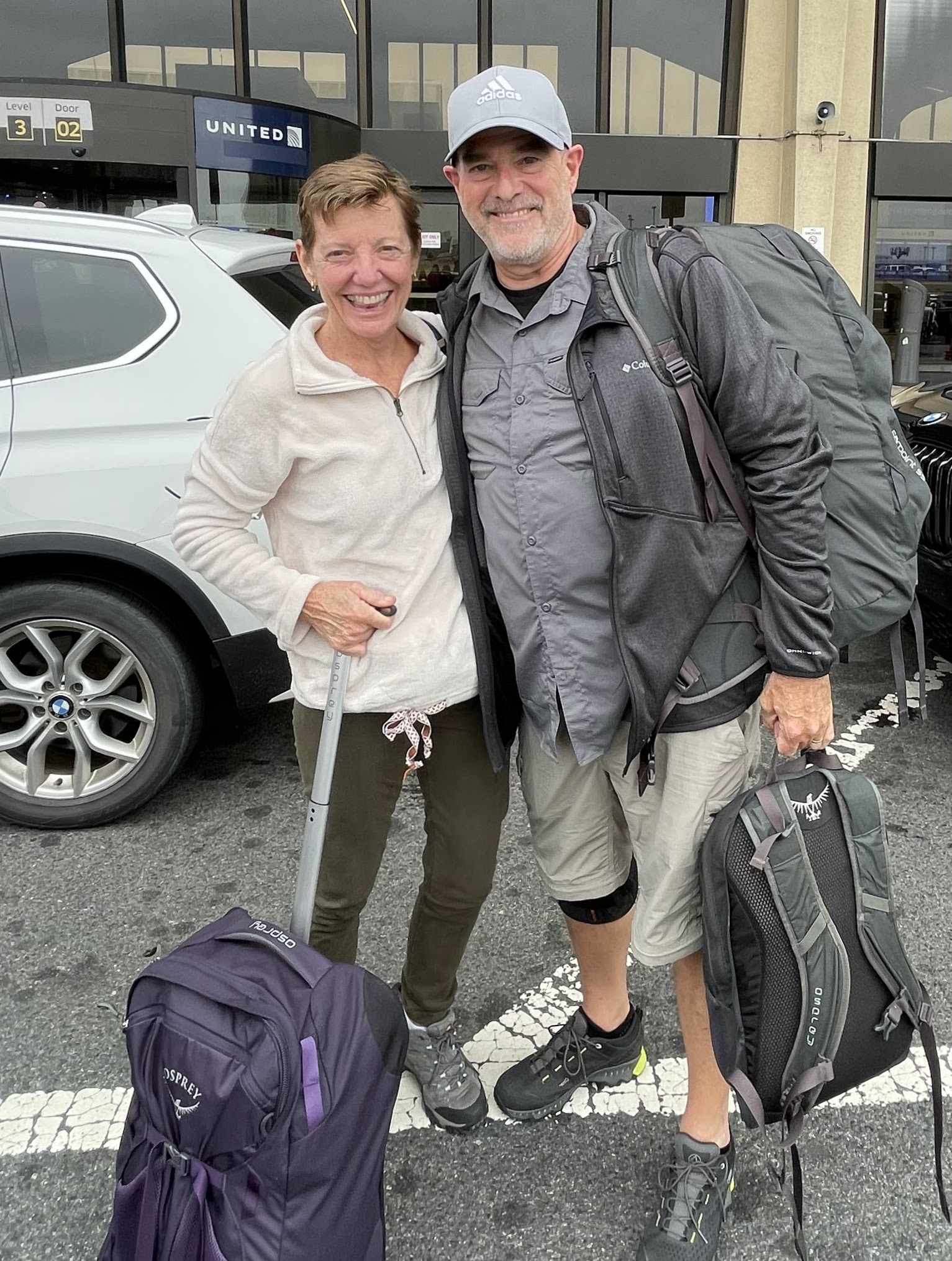
Bidding farewell to Europe (for at least 90 days per the Schengen Agreement), we left Giovinazzo, Italy on Friday July 7th bound for Tel Aviv, Israel. We had a taxi reserved to take us from our place in Giovinazzo to the Bari Airport, which was only about a 15 minute ride. The flight, which was just over two hours, went off on schedule and we arrived in Ben Gurion International Airport around 6:00 local time (we lost another hour on the way and are now 7 hours ahead of the U.S. East Coast). Other than an inordinately long walk from the plane through the terminal, clearing customs and immigration was surprisingly normal. (Full disclosure, as our departure date approached, things in Israel had heated up a bit both militarily and politically, so we came with some apprehension and heightened sensitivities.) We caught a taxi from the airport using the GETT app (Israel’s version of Uber) and arrived at the place we were staying in Tel Aviv* around 8:00 pm.
*Before we go any further, I feel a little compelled to provide a bit of a clarification regarding where we went and where we were staying. For many months, our itinerary anticipated going to Israel from Europe as the first stop towards Africa and Asia and we always anticipated starting in Tel Aviv. After doing a bit of research, we decided that the best place for us to stay would be Jaffa (or Yafo, in Hebrew) which we understood at that time to be the “old town” of Tel Aviv which it certainly is in terms of age, but not in the way that many old towns and medinas we have visited are. Pardon the cliché but it is, in many regards, a tale of two cities.
Administratively, Jaffa is one of the six boroughs which make up the Tel Aviv-Yafo Municipality. There is also an adjoining borough to the north of Jaffa called Tel Aviv which is more or less synonymous with what is considered to be Central Tel Aviv, and together with the surrounding northern, southern, and eastern suburbs, they comprise the Tel Aviv-Yafo Municipality which has a combined population of about 4.4 million residents, accounting for almost half of Israel’s population. While Tel Aviv is really a city of neighborhoods, we learned that for many people (particularly those who live in Jaffa) Tel Aviv and Jaffa are seen as two separate and very different cities. (The fact that it is more commonly referred to as “Jaffa”, rather than the official Hebrew “Yafo”, is perhaps in itself fairly telling.)
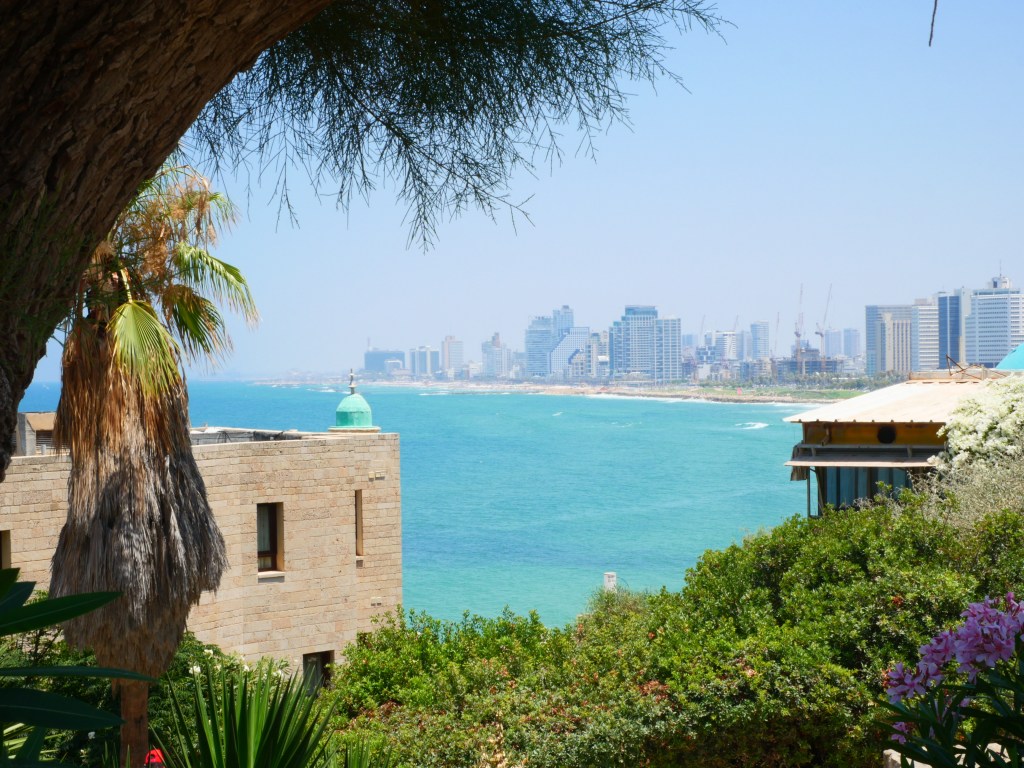
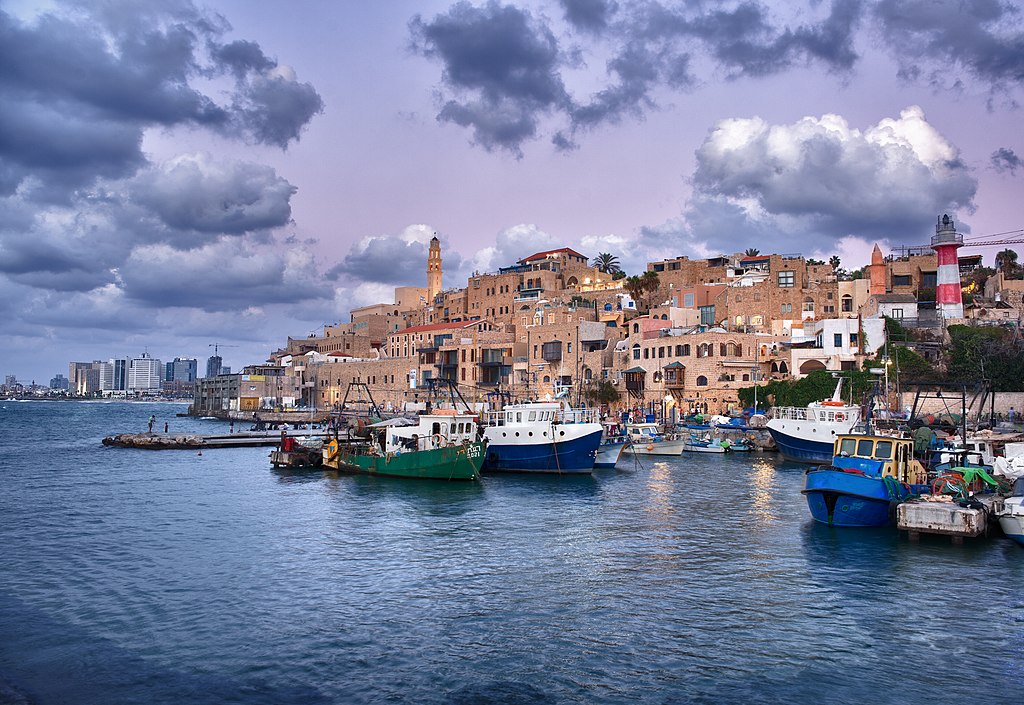
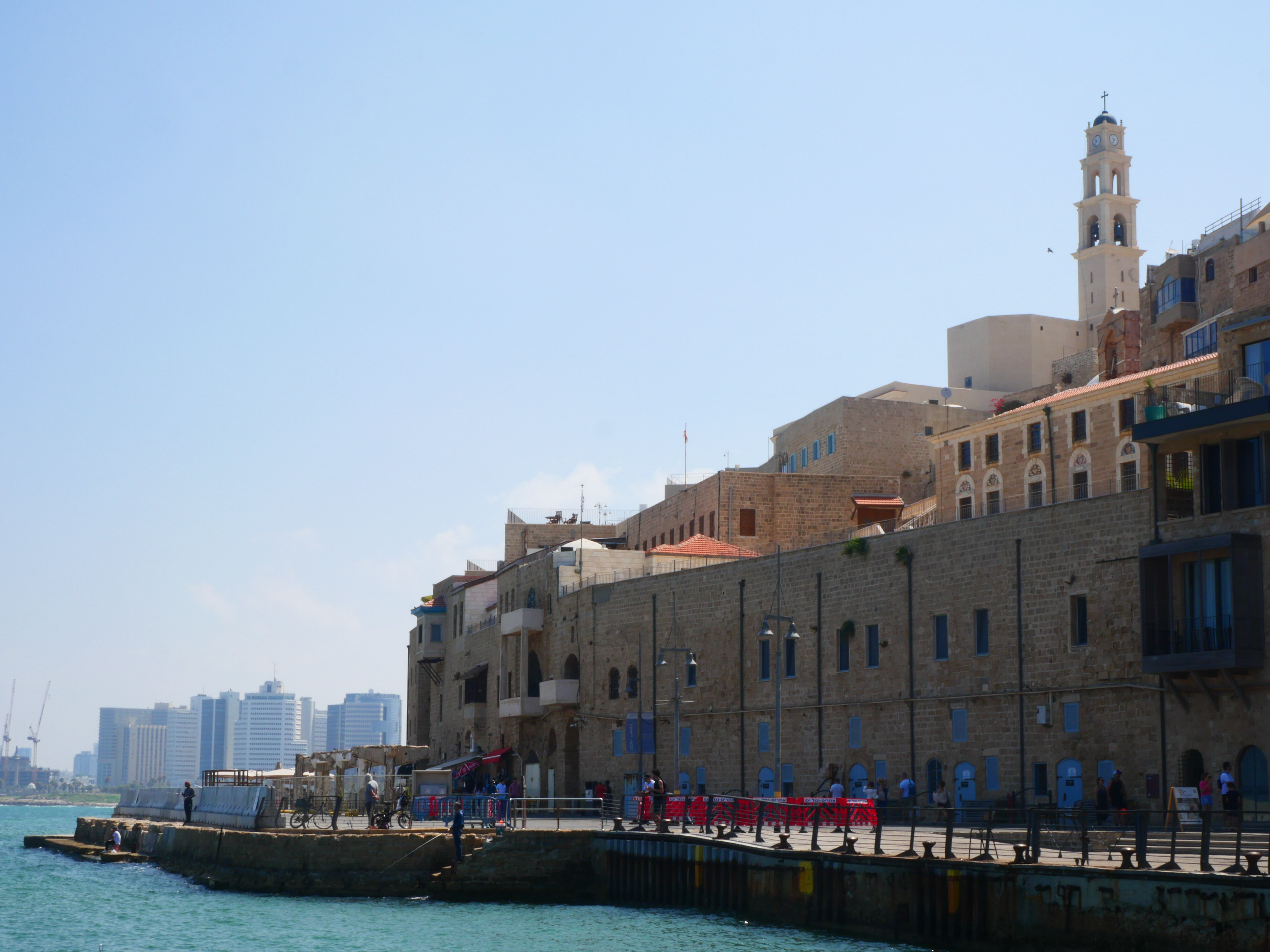
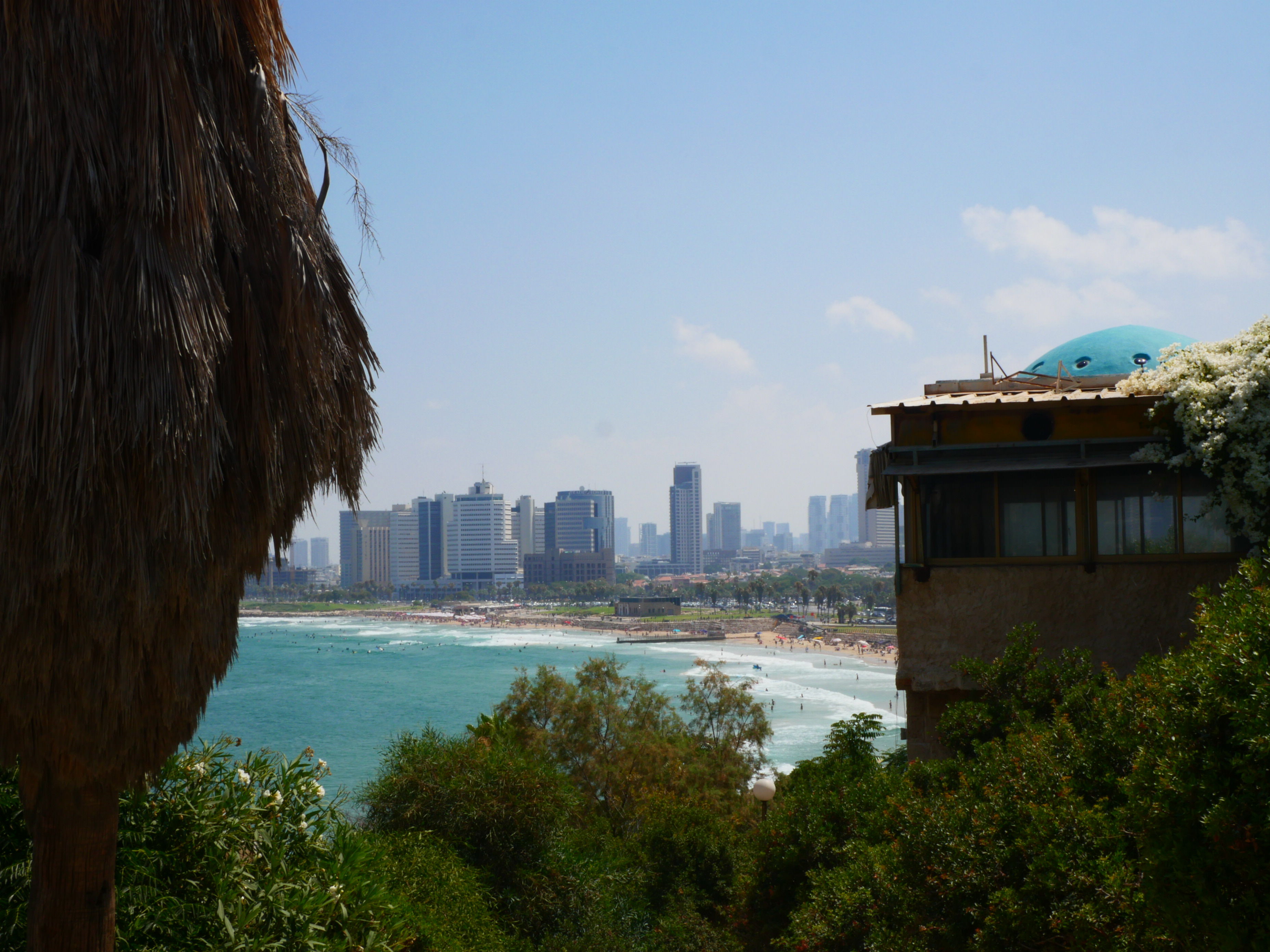
Jaffa is a 4,000 year old port city with a storied history of conquests which included Arabs, Ottomans, Crusaders, Napolean, and, eventually, the British. Jaffa has a beautiful old town and seafront which stand in sharp contrast to the mid-rise hotels which line the Tel Aviv beaches to the north. But the thing we saw which seemed to most distinguish Jaffa from the other parts of Tel Aviv was its diversity.
While the Arab population of the Tel Aviv-Yafo Municipality is less than 5%, 90% of those Arabs live in Jaffa, where they make up at least 20% of the population. (We saw some estimates as high as 50%, but the current population numbers don’t seem to jive with that.) There seemed to be a lot of diversity among the Jews who live there as well. Most of the locals we met were younger people who had been born in another country and immigrated to Israel in their late teens or early twenties (all in all, a real melting pot) who seemed to thrive on the energy and diversity of Jaffa.
In contrast, the city of Tel Aviv is quite new, established in 1909 by settlers who came from the Jaffa Jewish community, and grew rapidly with Jewish immigrants from Europe and elsewhere as hostilities toward Jews in those areas increased. Interestingly (at least from an architect’s perspective) this resulted in the immigration of a large number of German architects to Tel Aviv in the 1930’s who brought with them the then relatively new International Style of architecture. (More about this later.) While there are certainly older and (for us at least) more interesting) parts of Tel Aviv-Yafo, the image of it which is most widely recognized and publicized is the white sand beaches and glittering hotels which line most of the coast of the Tel Aviv Borough.
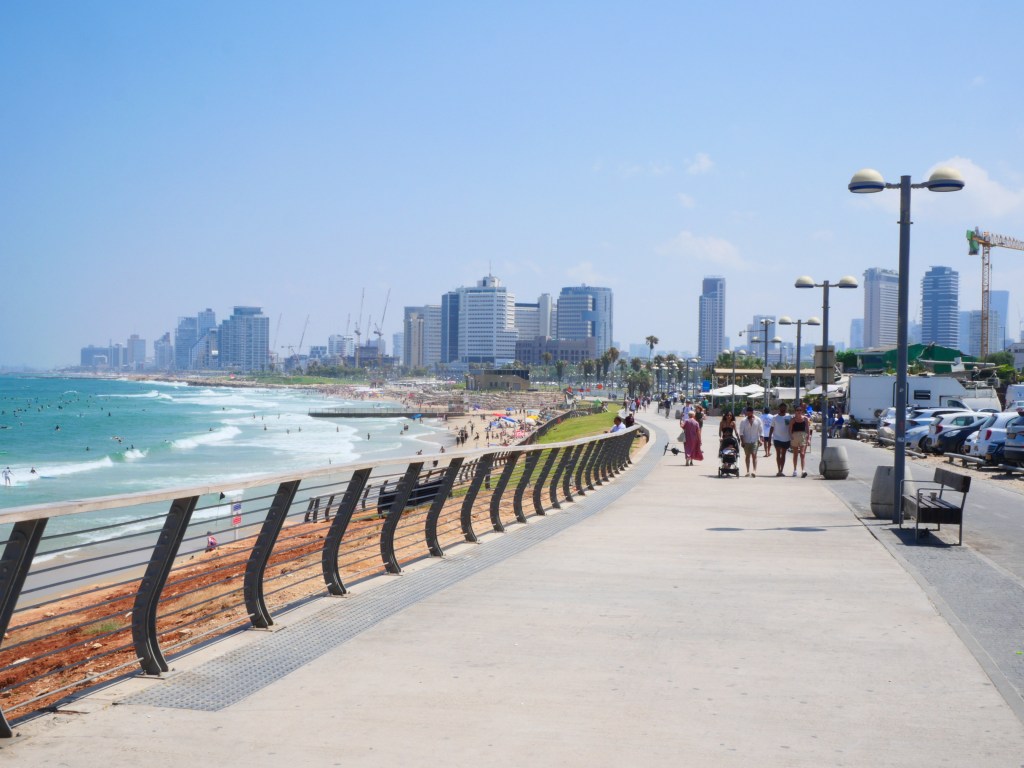
Up until the events of 1948, Jaffa remained predominantly Arab while the new city of Tel Aviv, which grew around it to the north and east, was predominantly Jewish. While this balance has changed dramatically in Jaffa since 1948, there is still a strong sense there that it is a separate and different city from Tel Aviv which is accompanied with some tension because Jaffa is very dependent upon the Tel Aviv’s residents and tourists who descend upon Jaffa in the afternoons and evenings and sustain its shops, restaurants, and bars. There also appears to be a growing concern over the gentrification of Jaffa by wealthy Jews which some of its residents fear may fundamentally and irrevocably change it.
We had a conversation at the laundromat one day with a young Jewish woman who had immigrated to Israel from Moldova some years earlier and lived in Jaffa. (Her young son had become intently interested in what was going on in our dryer.) During our conversation (which went on for a while as her son was extremely inquisitive), we asked her if she was excited about the completion of the new tram system which would connect Jaffa with Central Tel Aviv and the northern suburbs (See Getting Around Tel Aviv below). We were surprised by her rather pessimistic response which seemed to be grounded in concern over who would be travelling to and from Jaffa on the new tram line and we later realized that the new tram line would make it much quicker and easier to commute to the Central Tel Aviv thus supporting the feared gentrification of Jaffa.
Gentrified or not, Tel Aviv-Yafo lived up to its reputation for being one of the most expensive cities in the Mediterranean. While we went there fully expecting that to be the case, it’s the kind of thing that just keeps slapping you in the face every time you eat, drink, or buy something. We tried, with some limited success, to find some “local” places (with “local” prices) to eat and drink, but when it came to shopping for clothing and gifts we pretty much gave ourselves up to it. And so, like the locals (apparently), we kind of just accepted this as the way things were going to be and were happy when it proved to be otherwise.
Jaffa (Yafo)
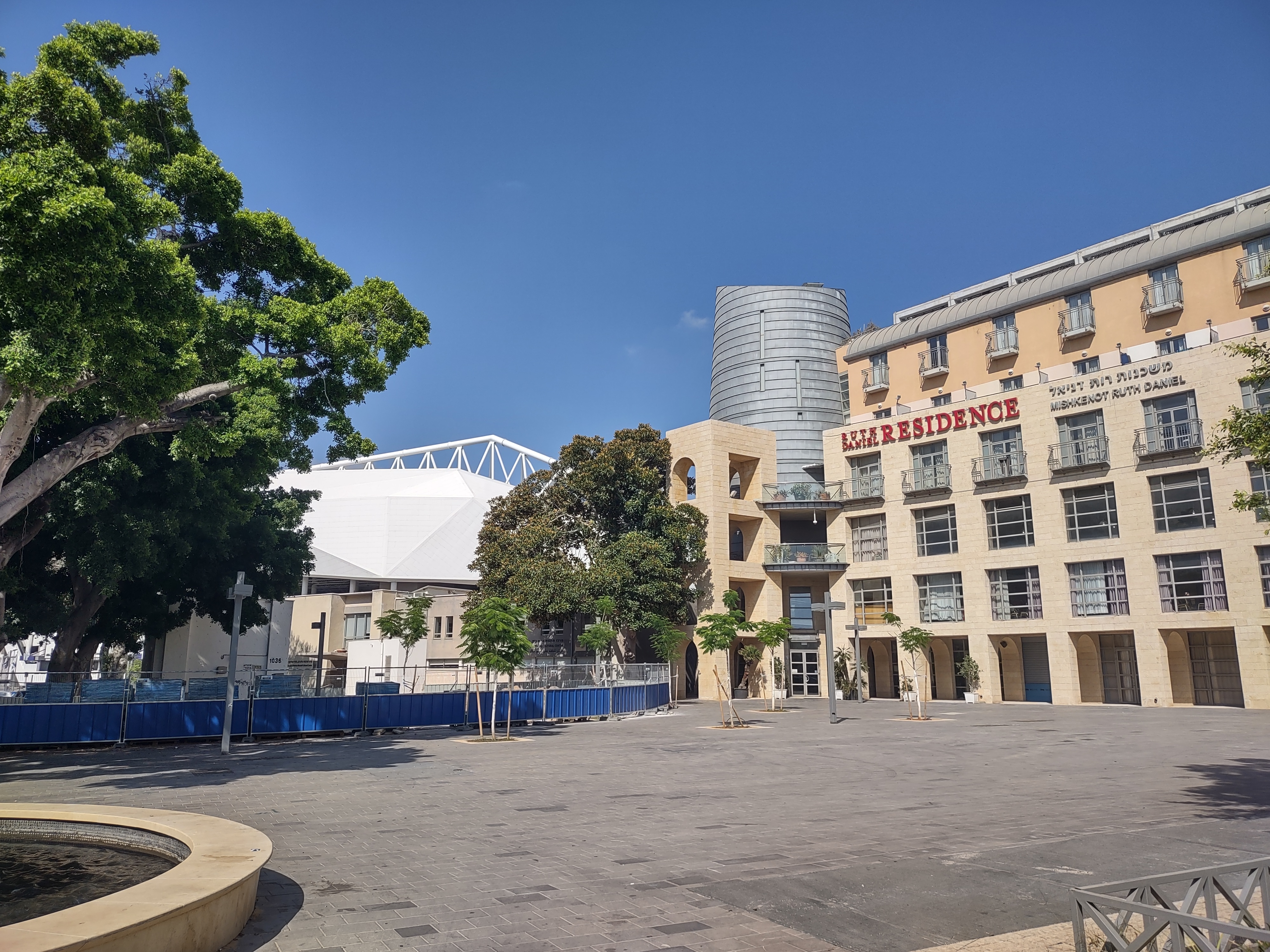
Time will tell, but for the moment at least, we found Jaffa to be a pretty unique and interesting place and were happy we had decided to stay there. We stayed in a fourth-floor walk-up “penthouse” studio which was nothing to write home about but did have some panoramic views to the north and east, with a very small terrace on the east side, which afforded some interesting views including the roof structure of Bloomfield Stadium where three of Tel Aviv’s football clubs and the Israeli National Soccer Team play.
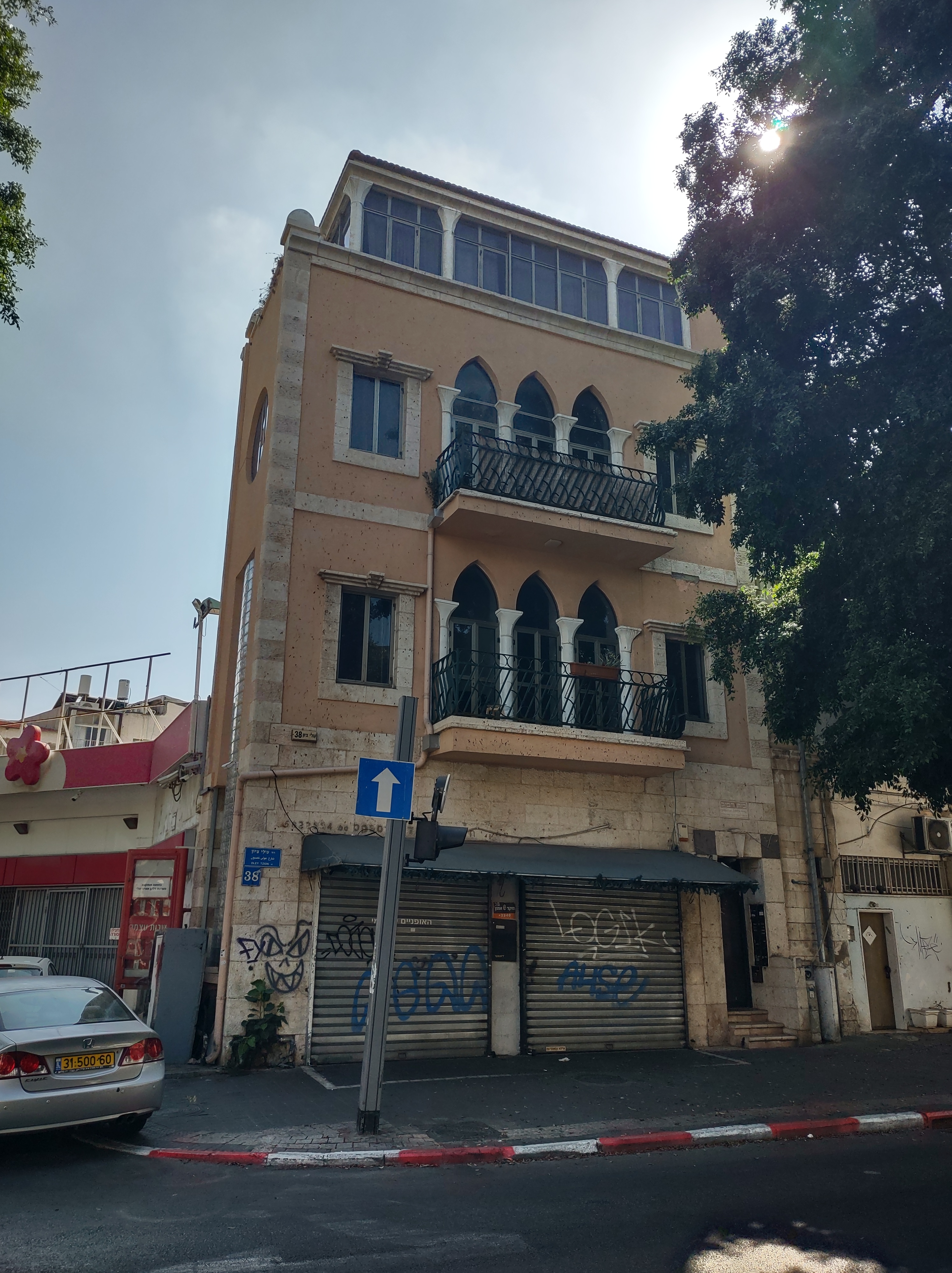
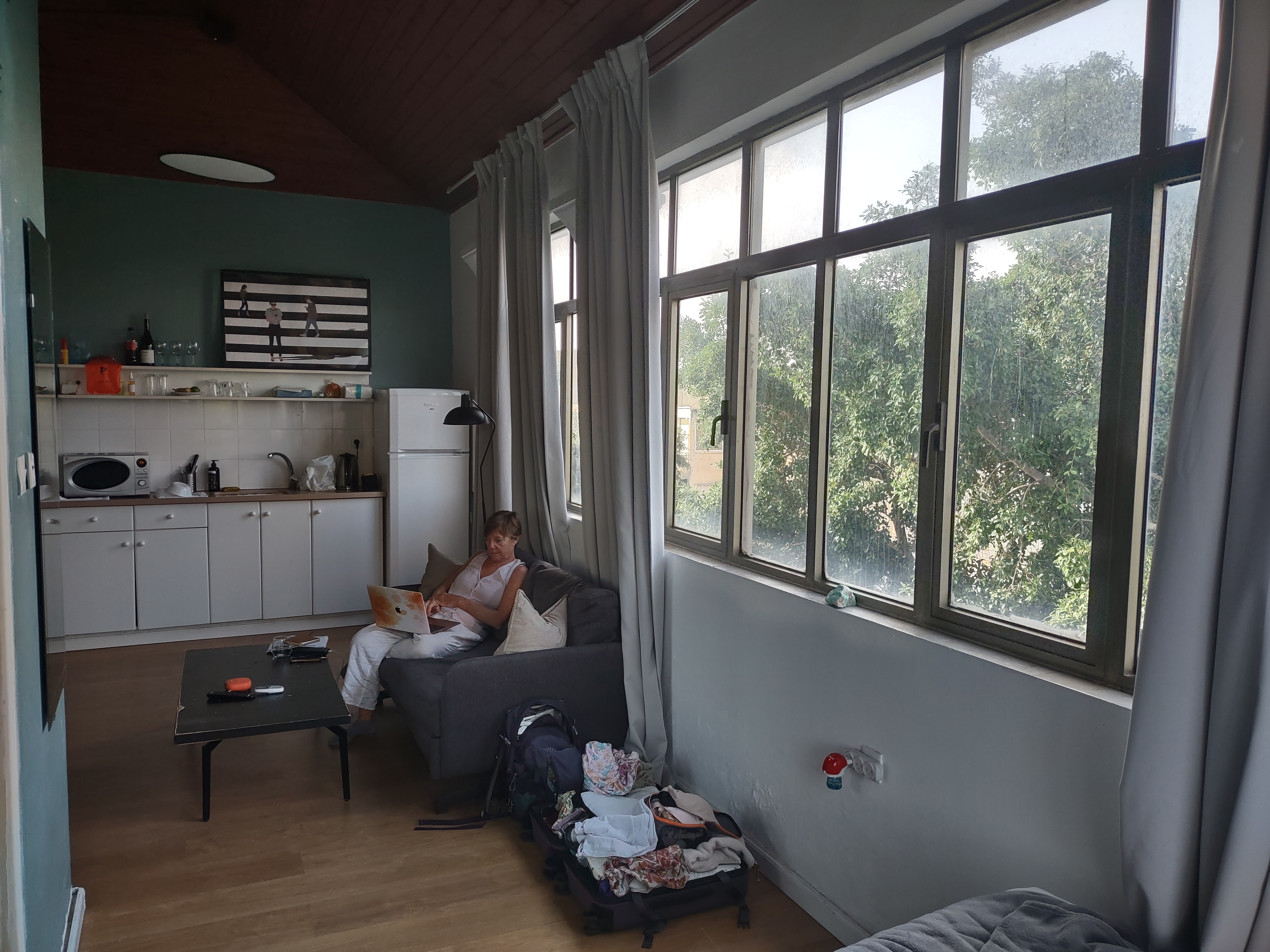
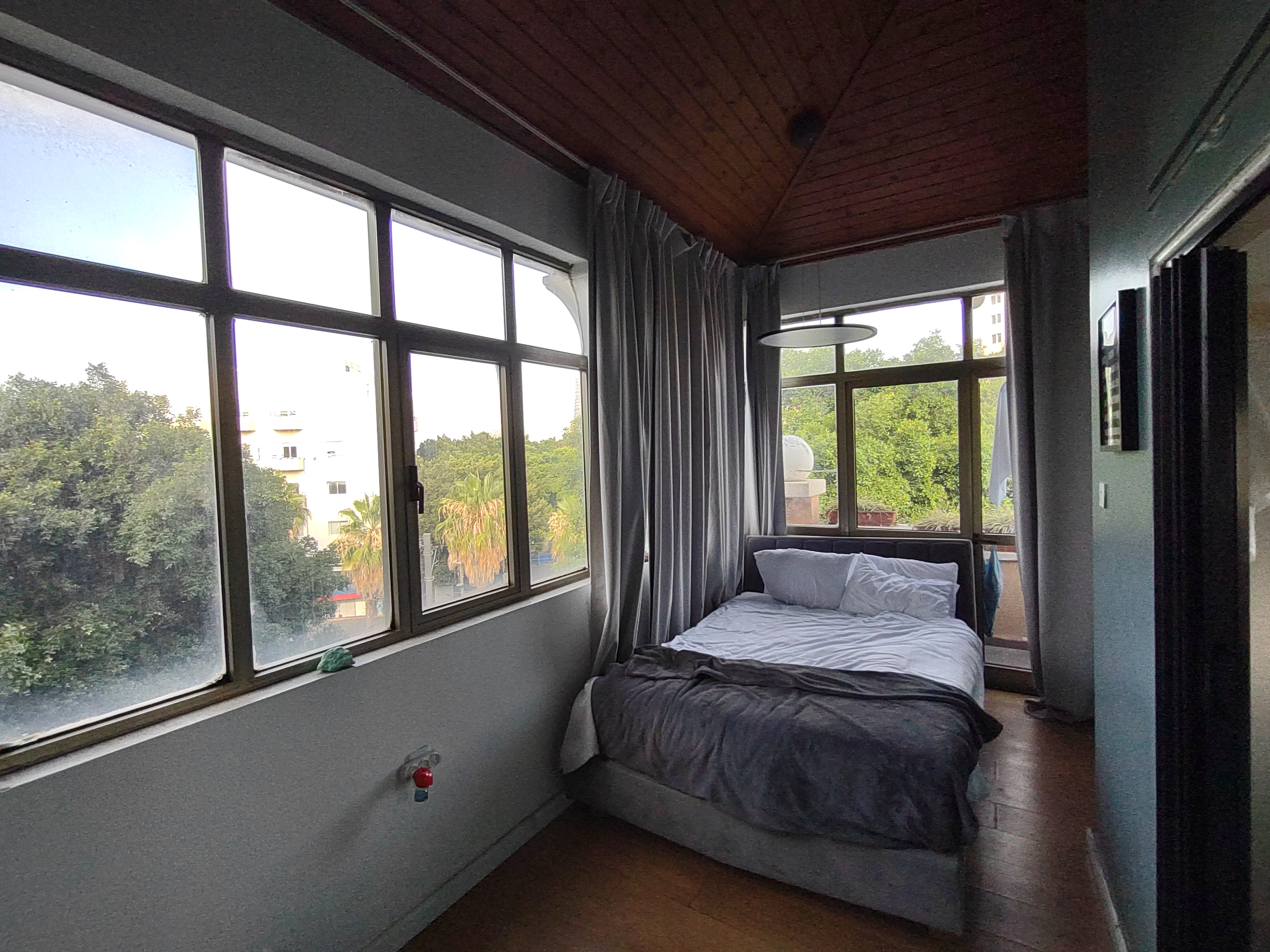
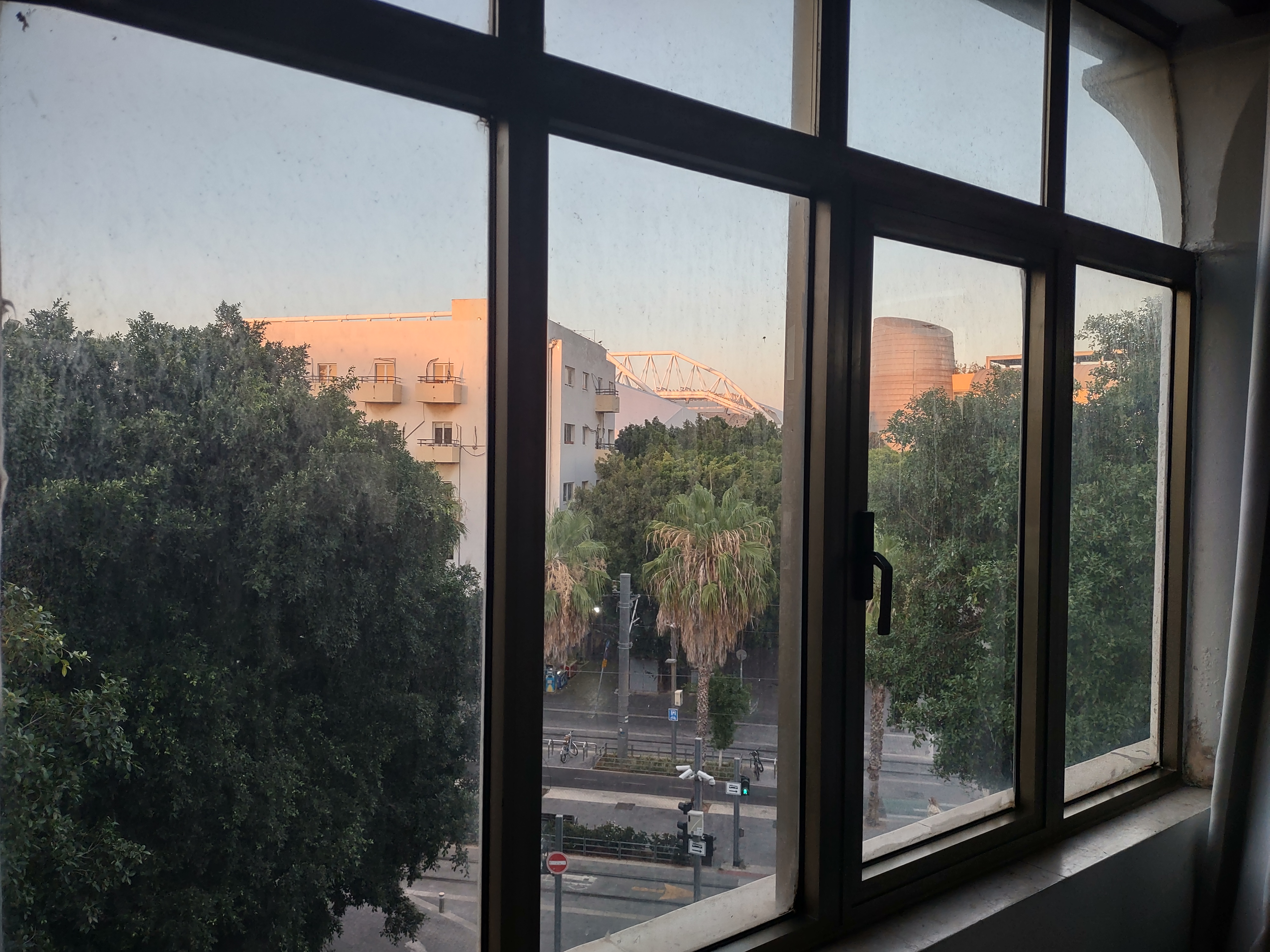
While there were a number of things we didn’t particularly care for about the place (we’ve decided that it was probably the worst apartment we’ve rented since we hit the road), the one thing we did love about it, other than the AC, was its location. Our apartment was located in an older building with a bike shop on the first floor at the bottom of Olei Zion Street, which is the main drag of Jaffa’s café district and the Jaffa Flea Market, but was just far enough away from the action there to be quiet at night.
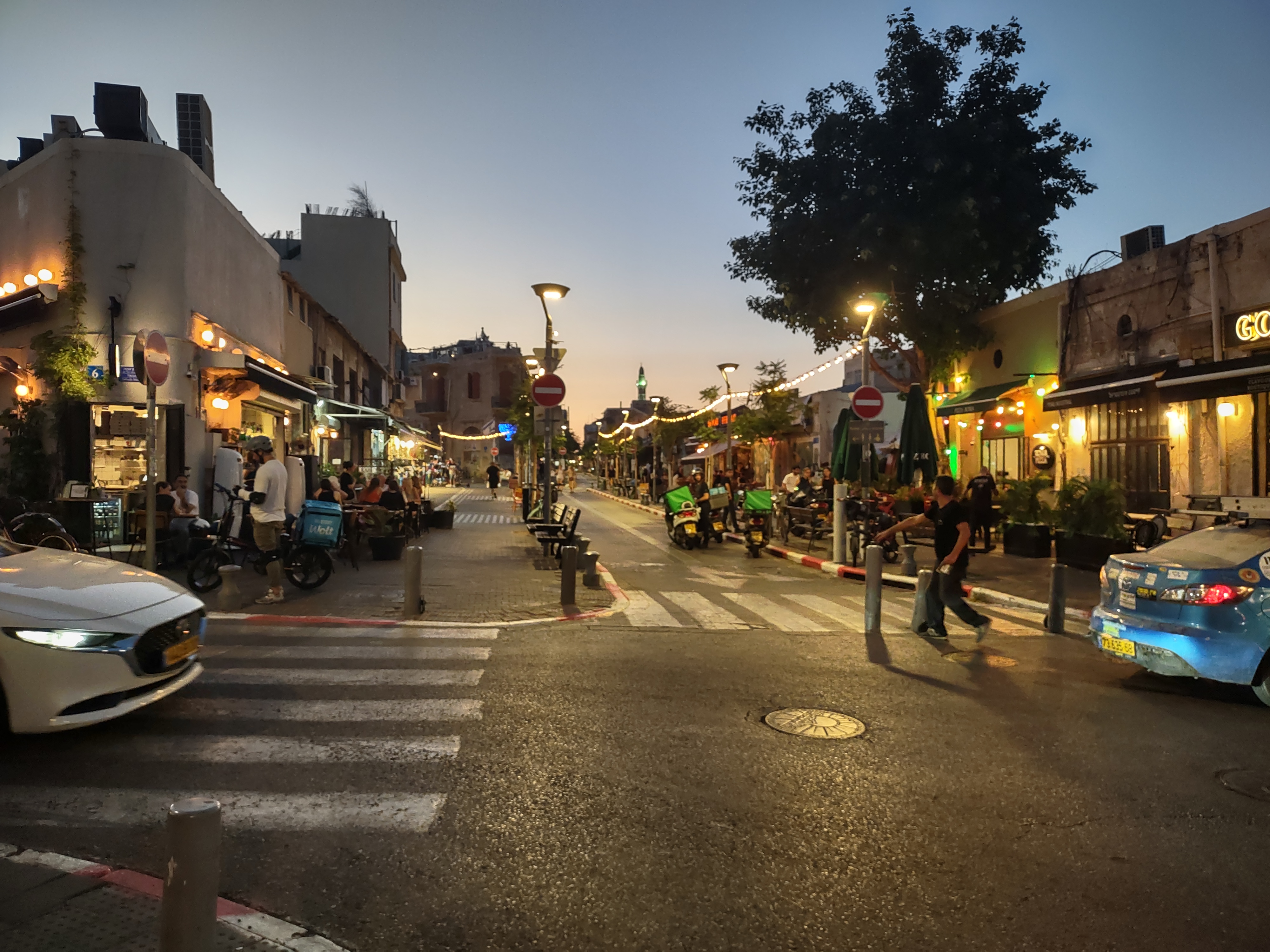
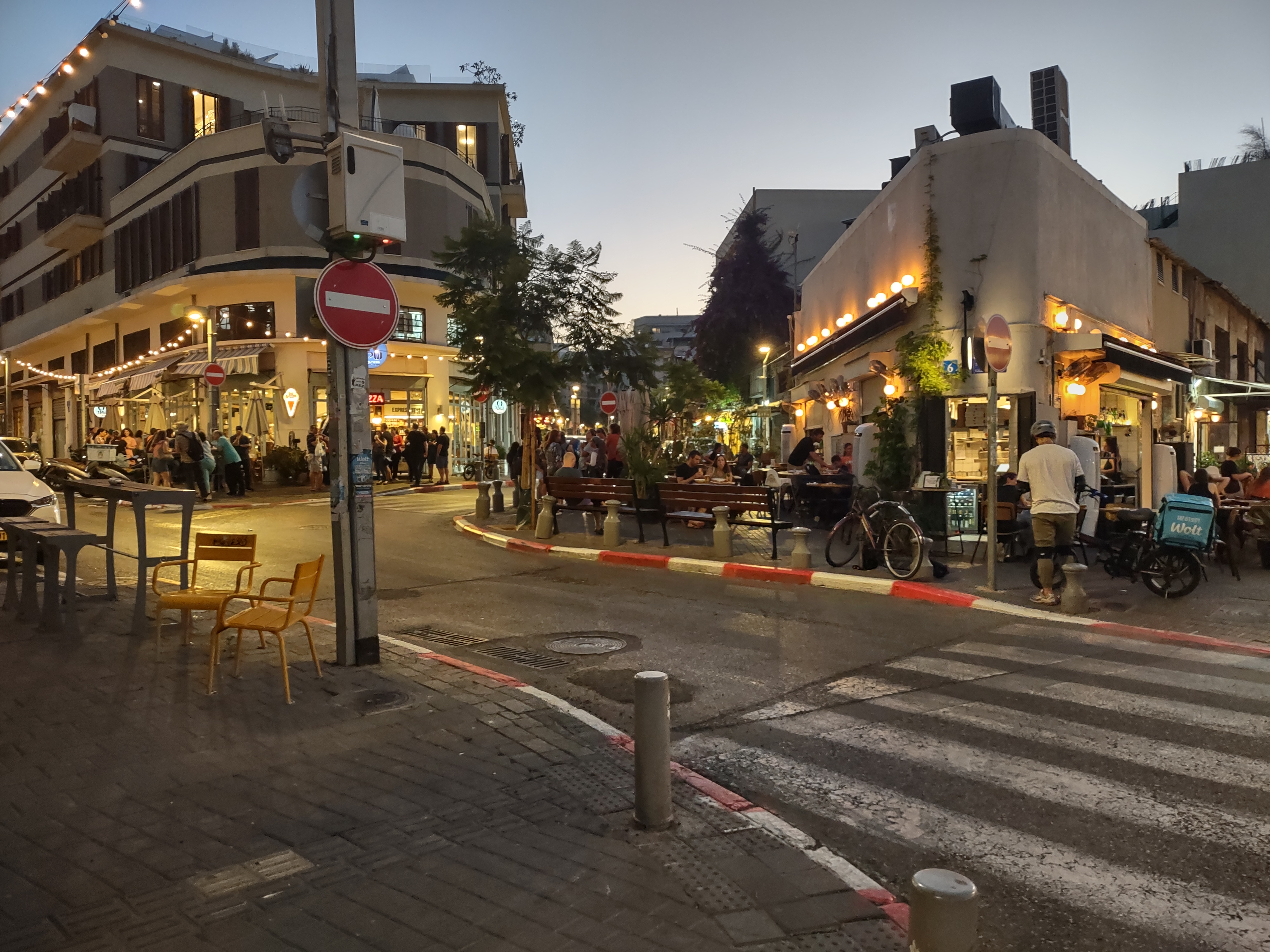
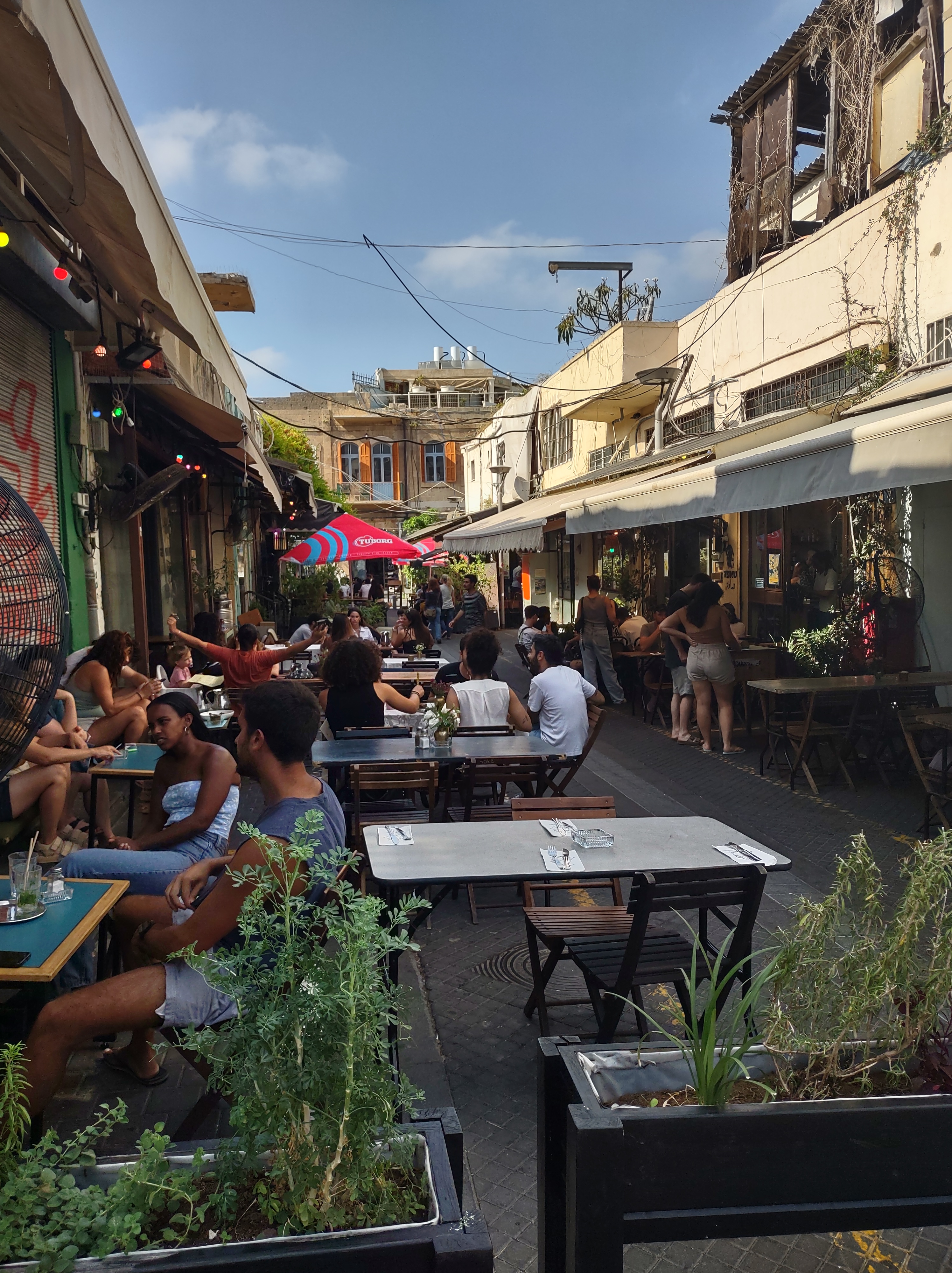
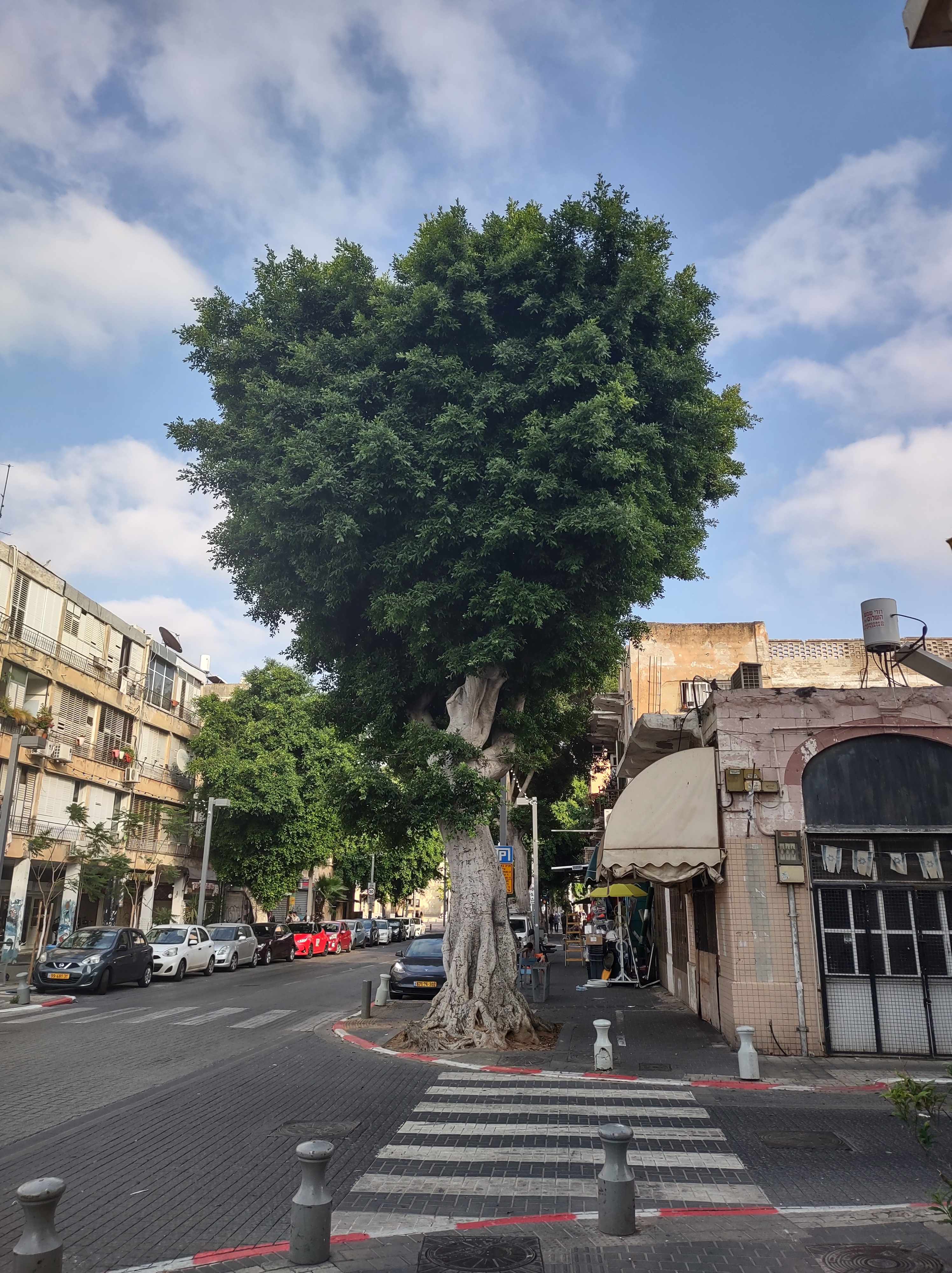
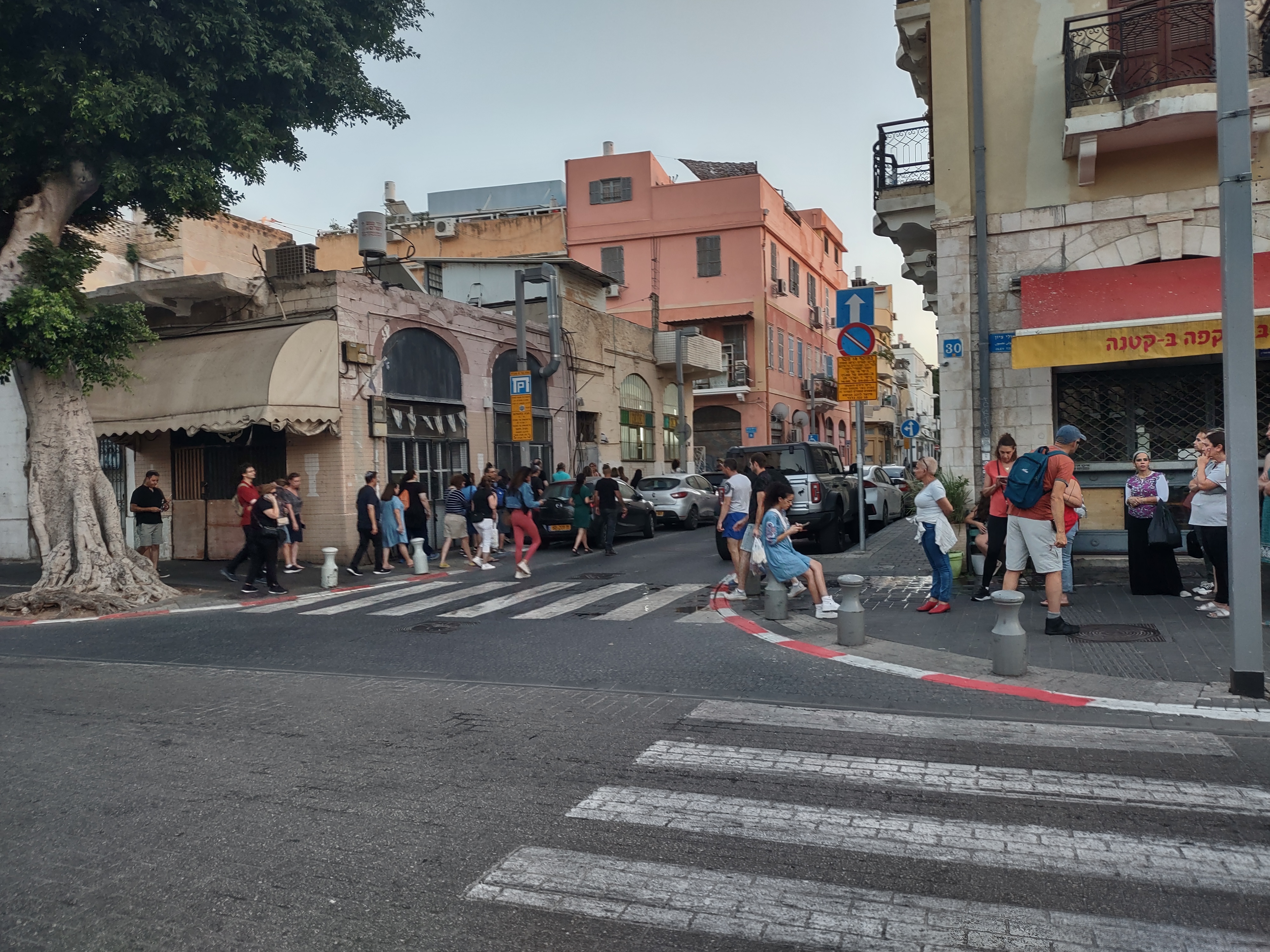
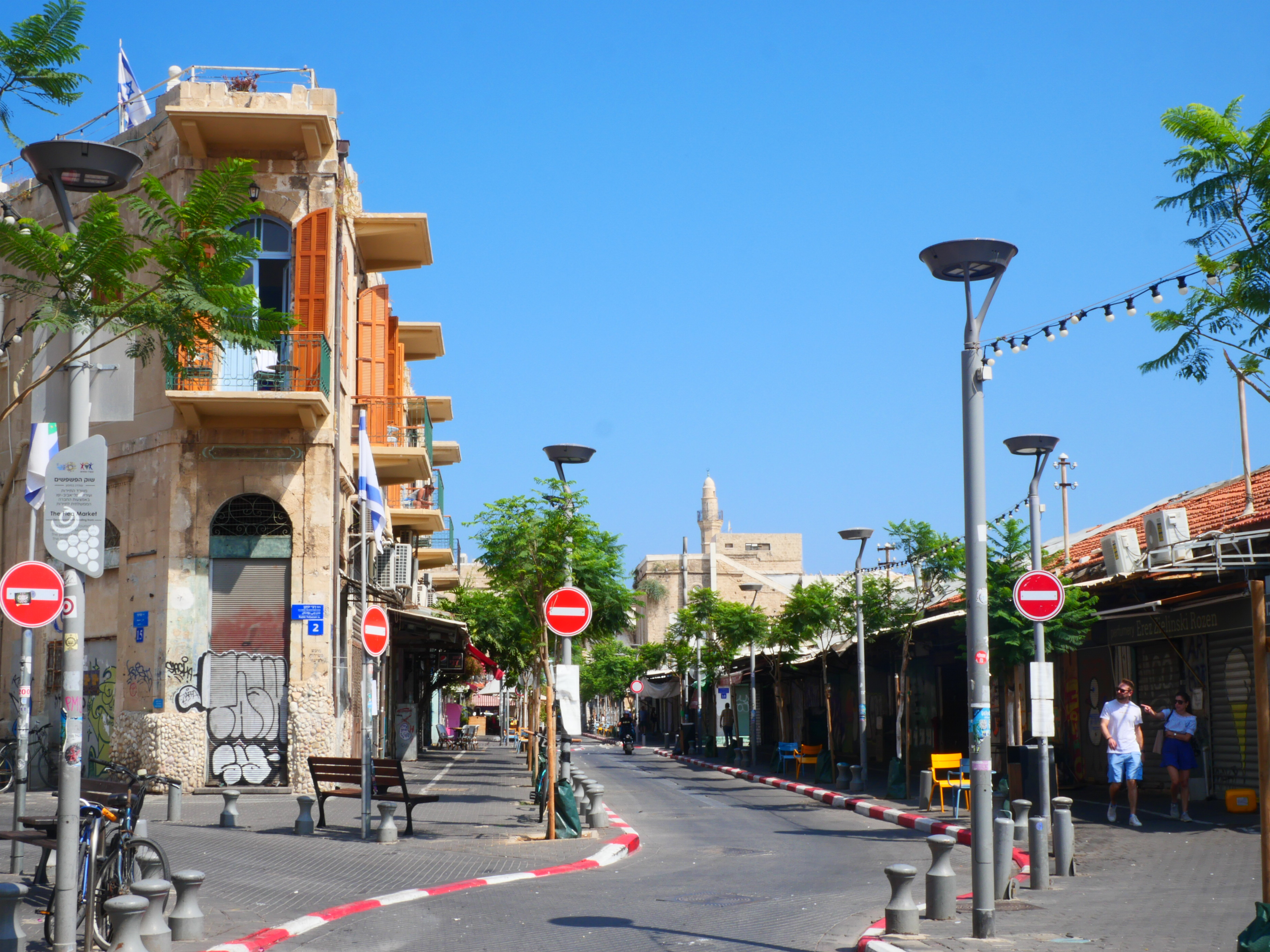
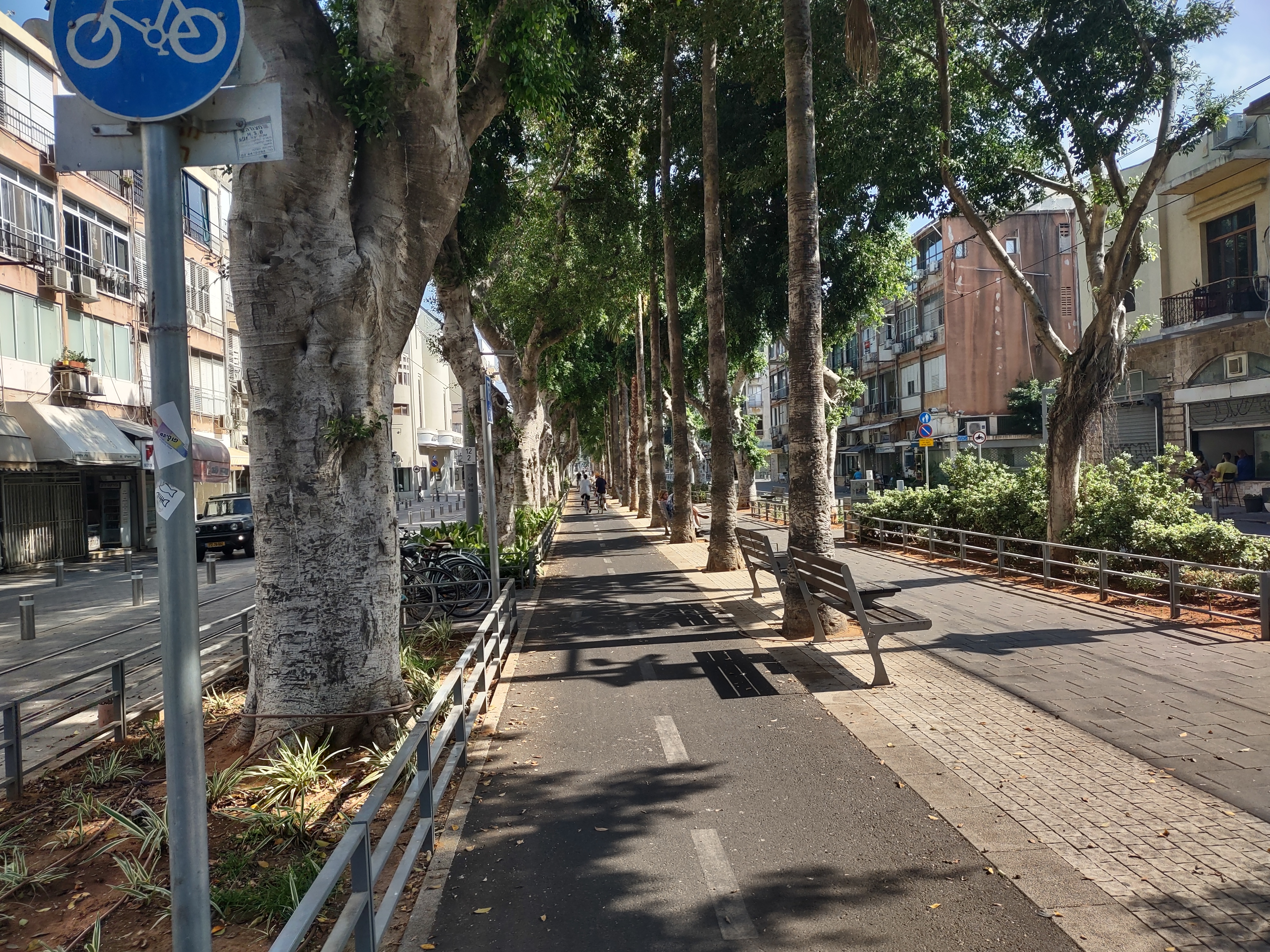
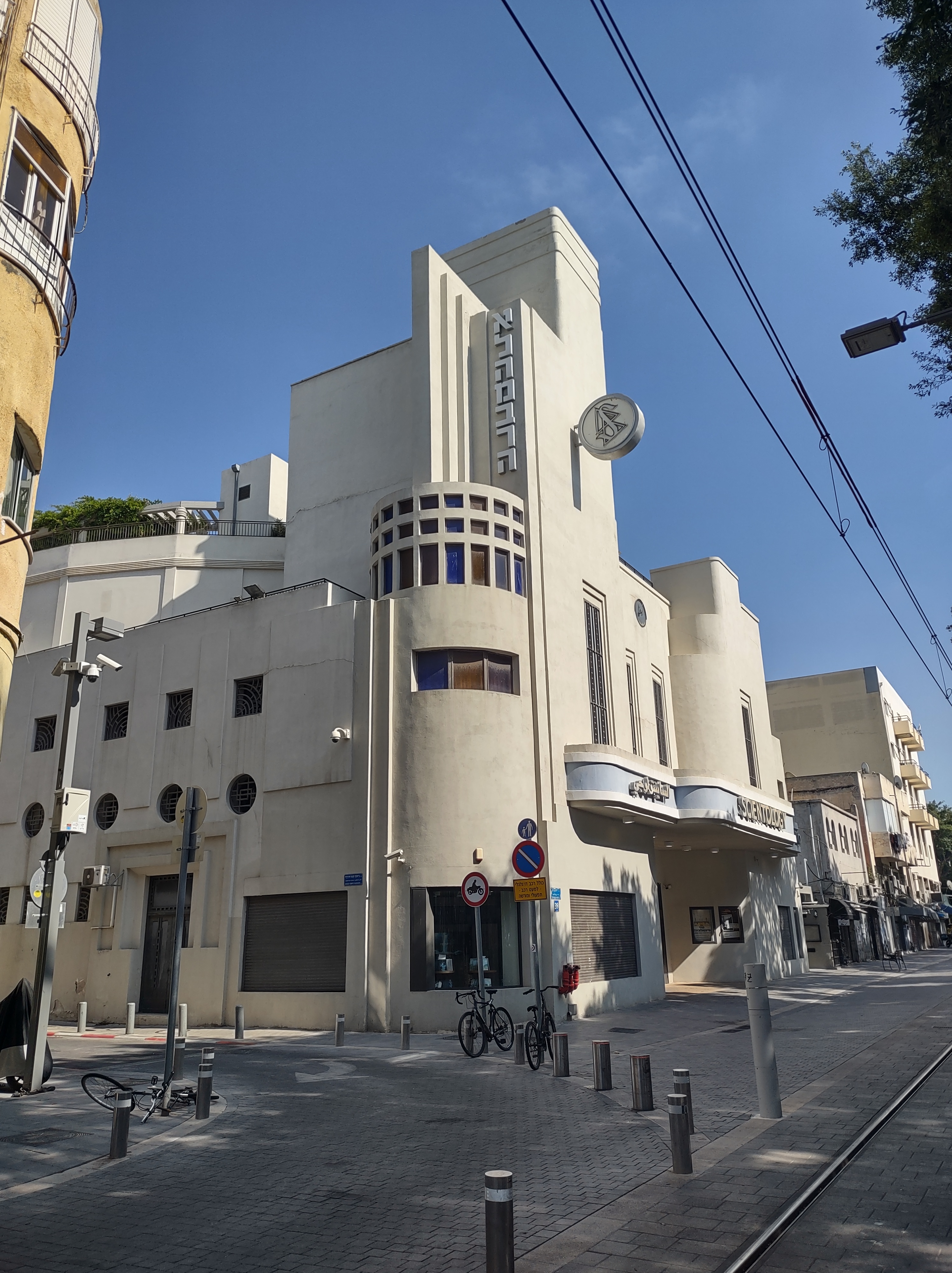
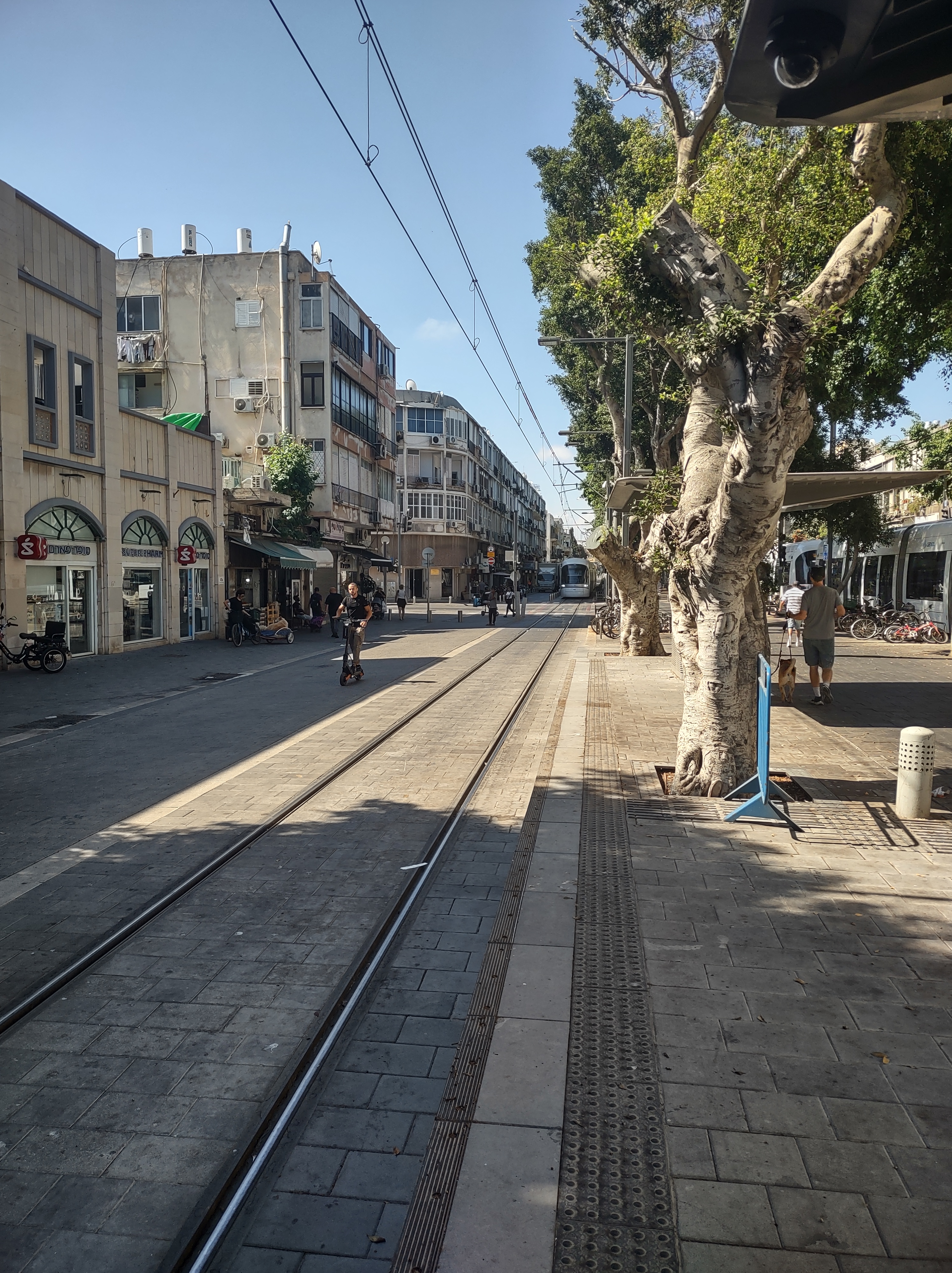
Down the hill from our apartment was a pedestrian greenway running to the northern and southern edges of Jaffa which appeared to have a new tram system (more about this later). We ended up travelling the greenway quite a bit and found that there were a variety of shops along it (including the laundromat that we used) most of which tended to cater more to local residents than tourists. The majority of the buildings along the greenway were residential apartments with both some new modern housing blocks, but there were also some very interesting older buildings here and there. Of particular note was the old Alhambra movie theater, a beautiful art deco style building from the 1930’s which has been renovated and converted into a Church of Scientology.
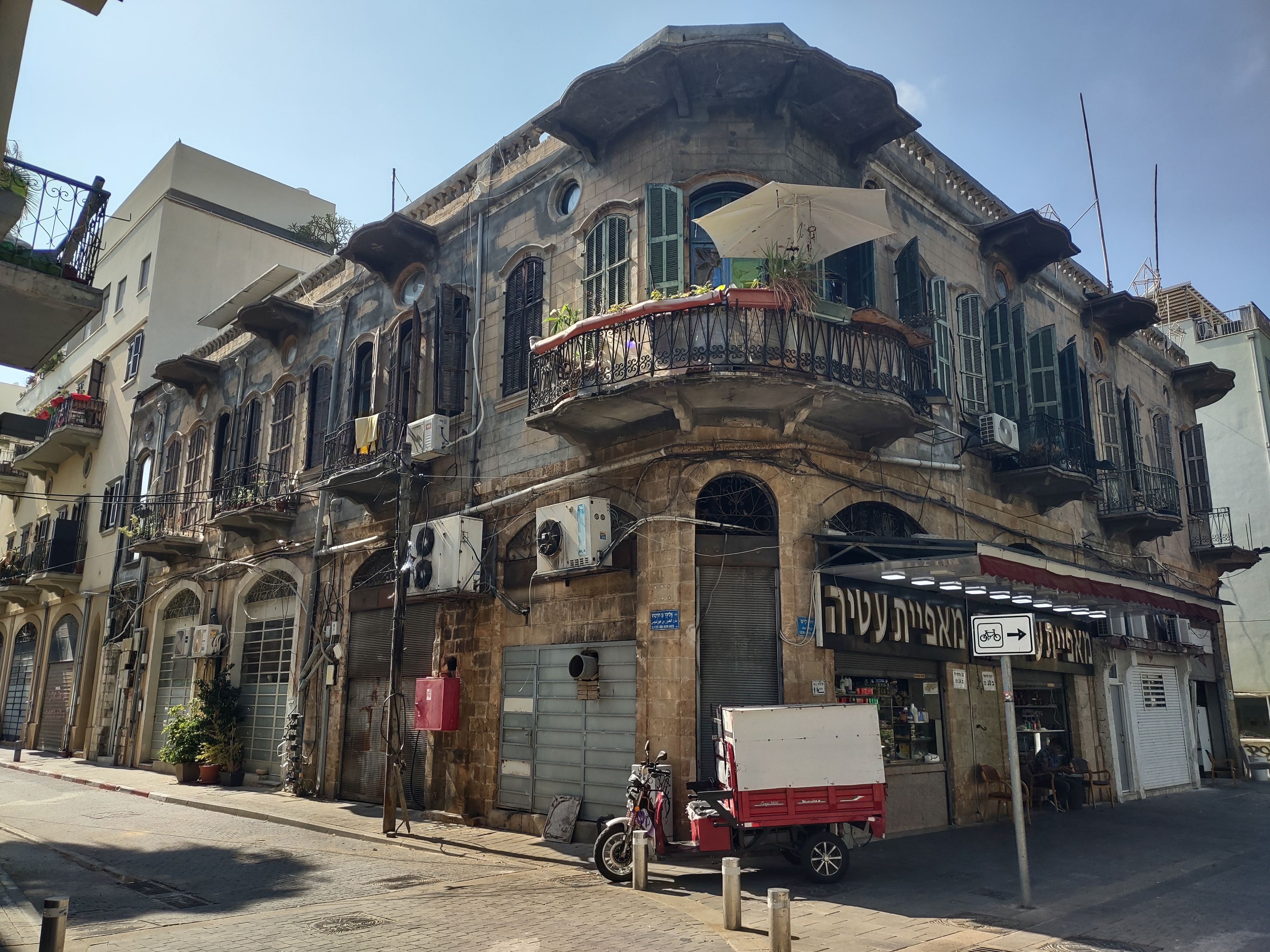
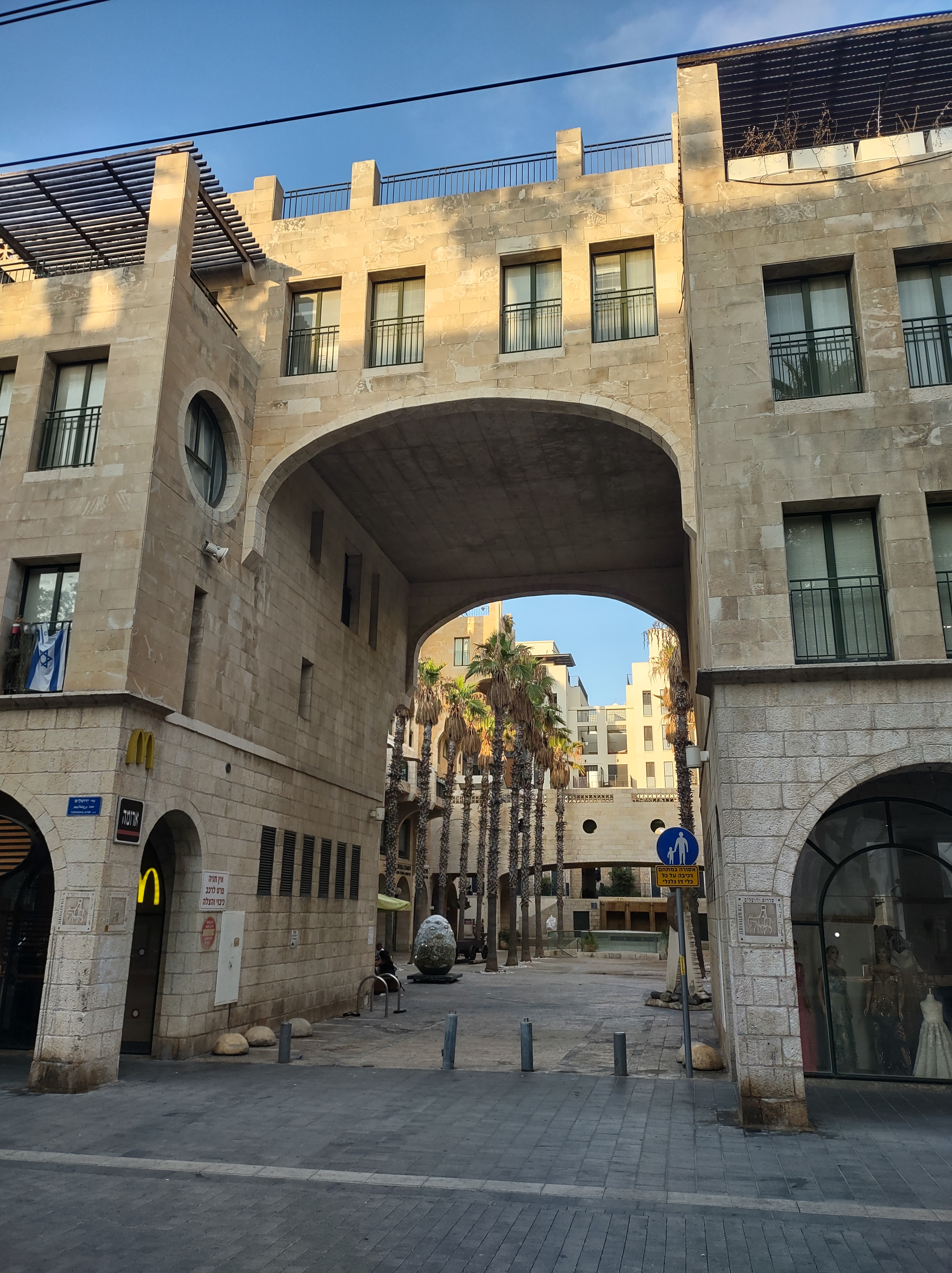
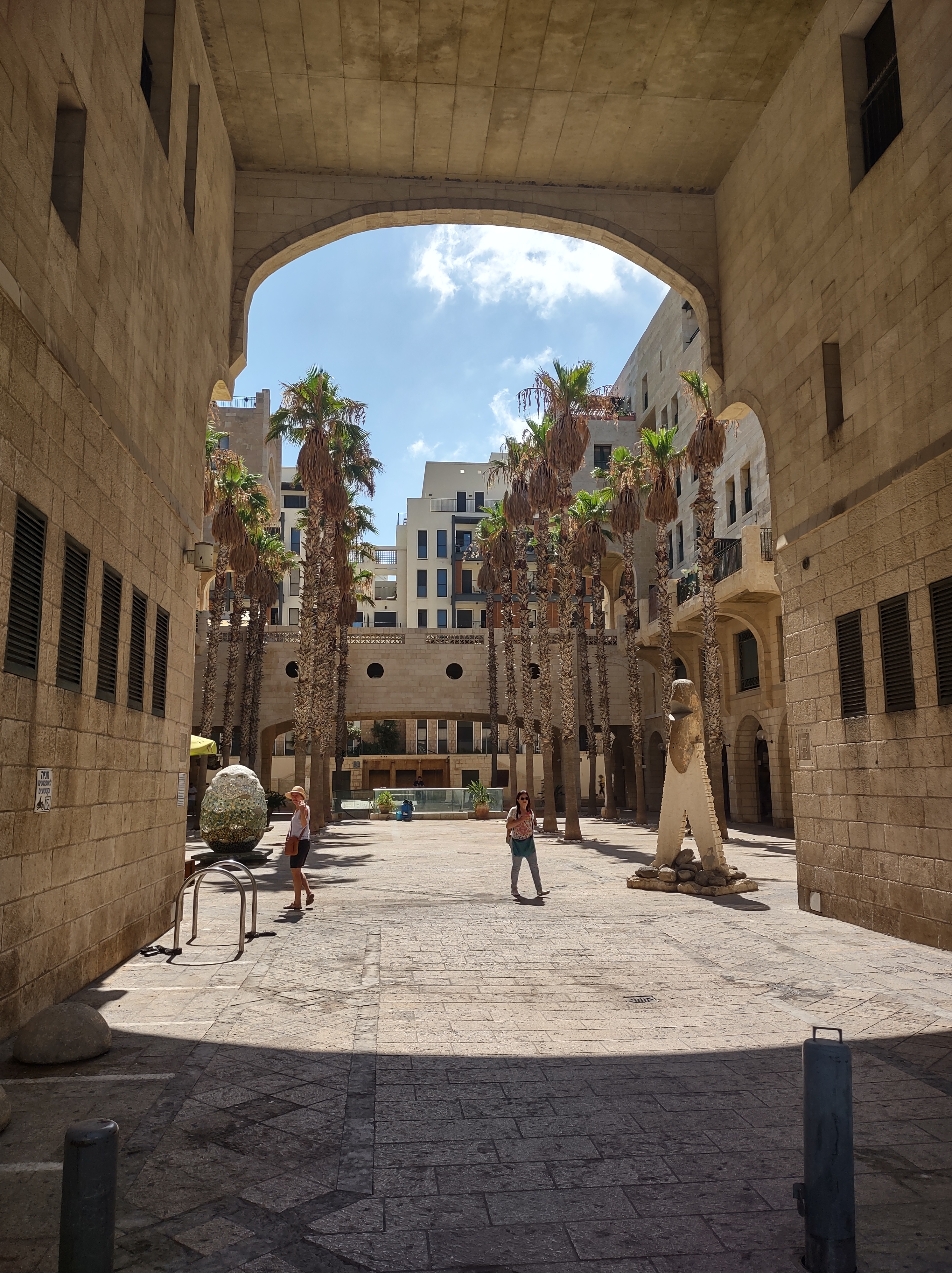
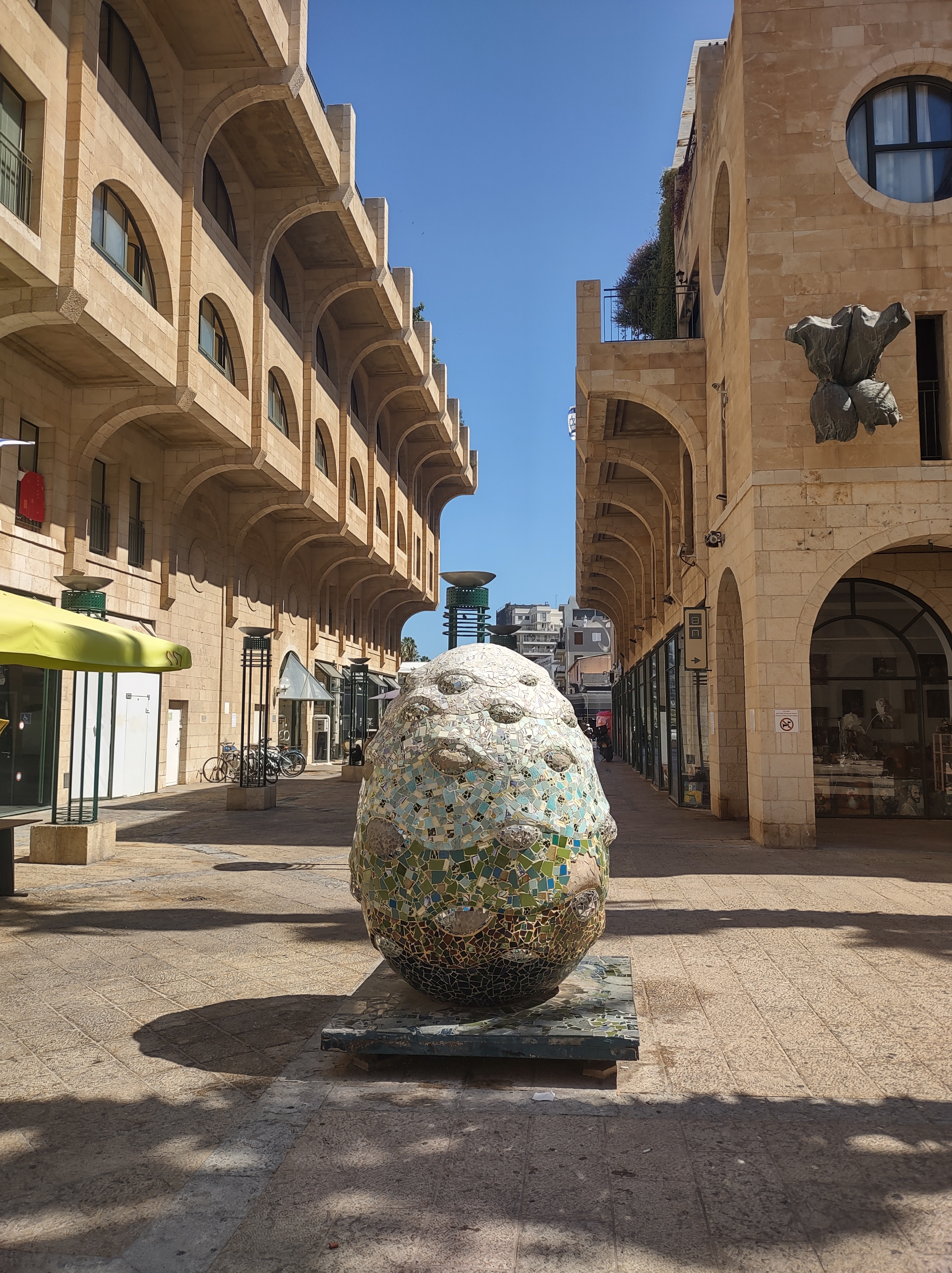
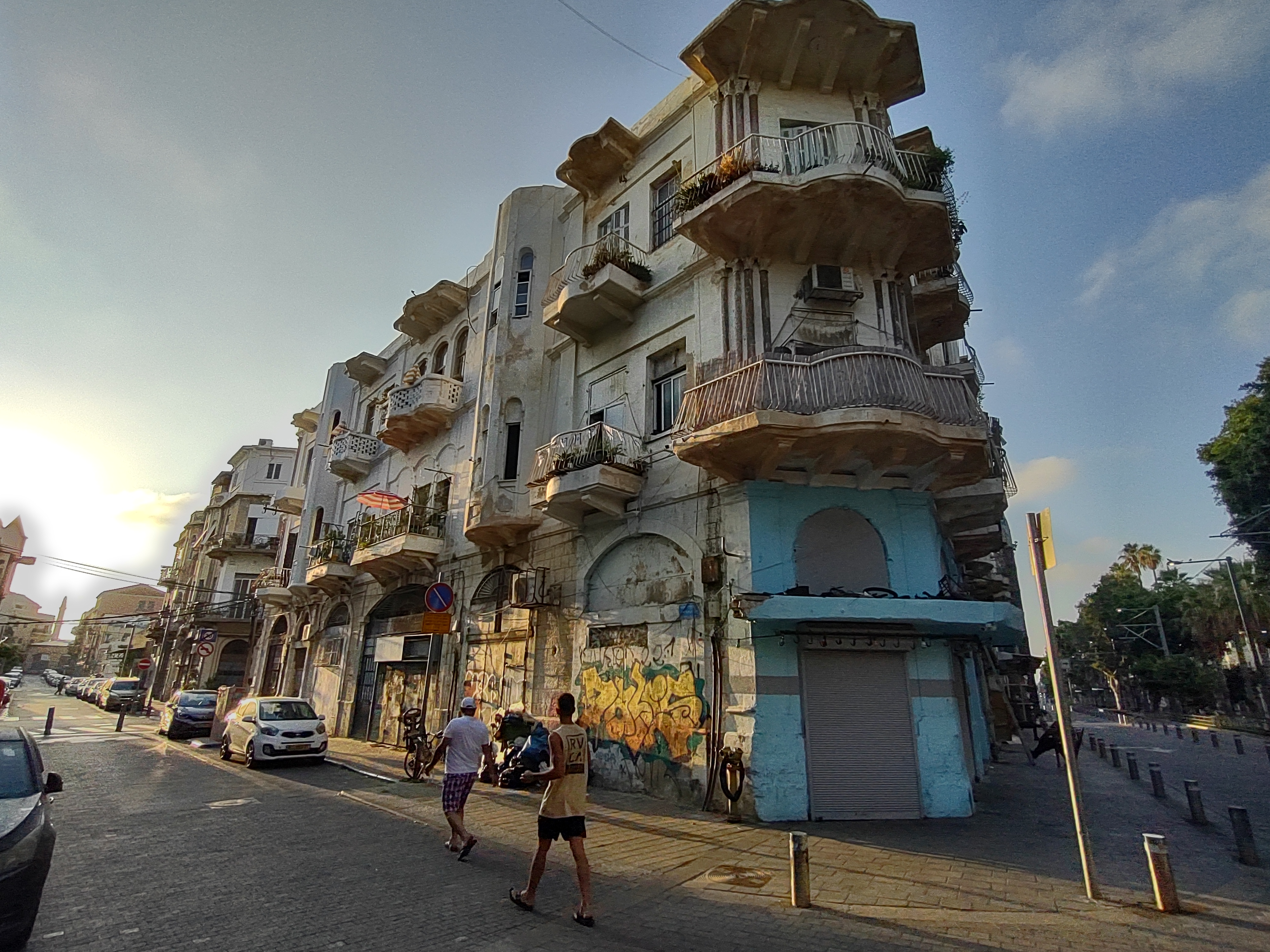
One of the things which we were a little concerned about (maybe you picked up on this in the introduction above) was that we were travelling to Israel on a Friday (Shabbot) and we feared that by the time we arrived and got into our place everything would be closed and we would be having warm cokes and whatever was left in our snack bag for dinner. We were happy to find that, while many places were closed (most notably the Brewlab Beer Bazaar, a brew pub I had targeted), there were many restaurants and bars open and (as we would appreciate when Saturday night rolled around) it was relatively uncrowded. We had a first look around the neighborhood before finding a place for some good hummus and falafel, something which Colleen had been craving for some time). Gotta say, Shabbot or not, the neighborhood was pretty lively and festive and we were happy to join in.
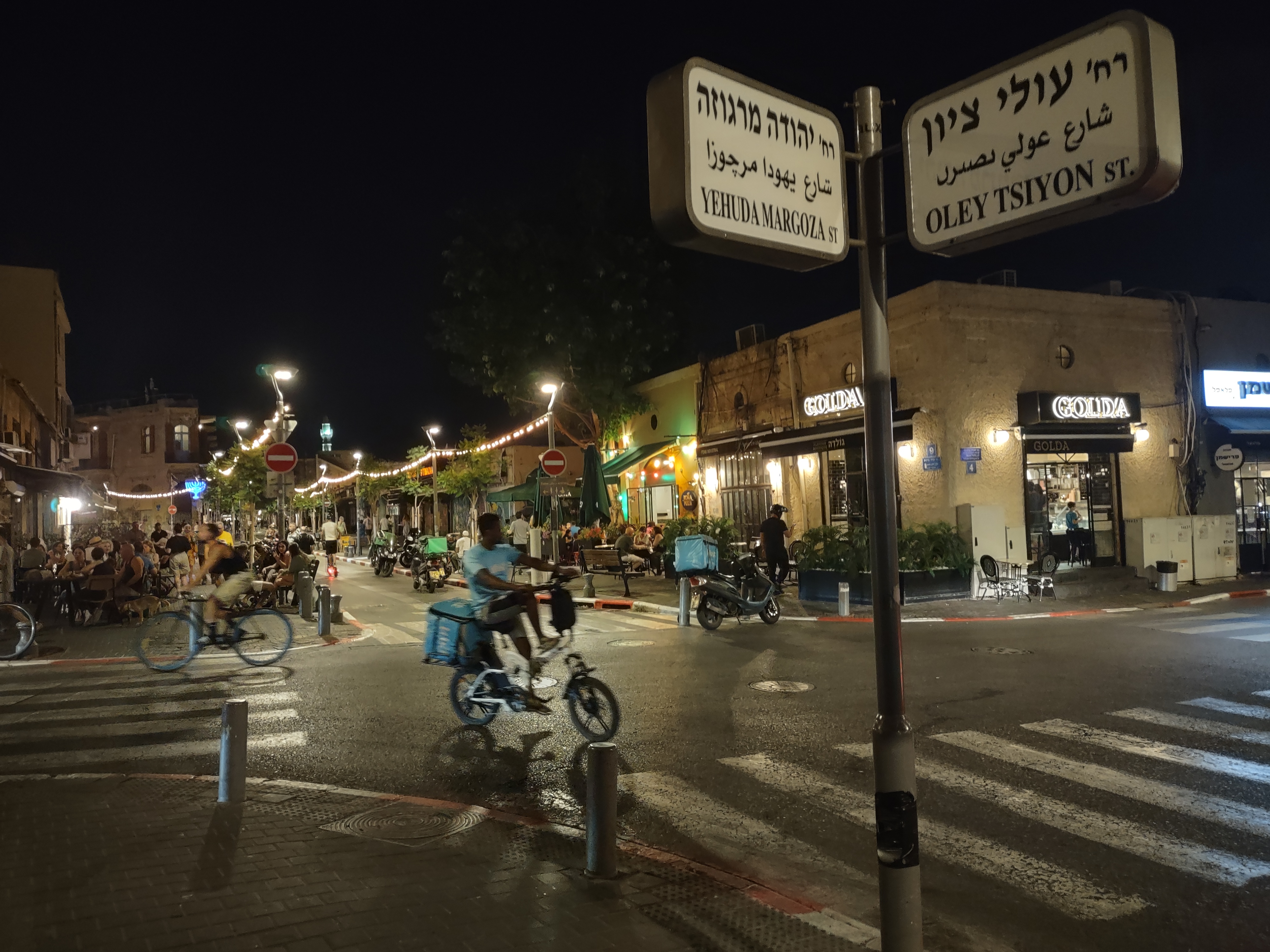
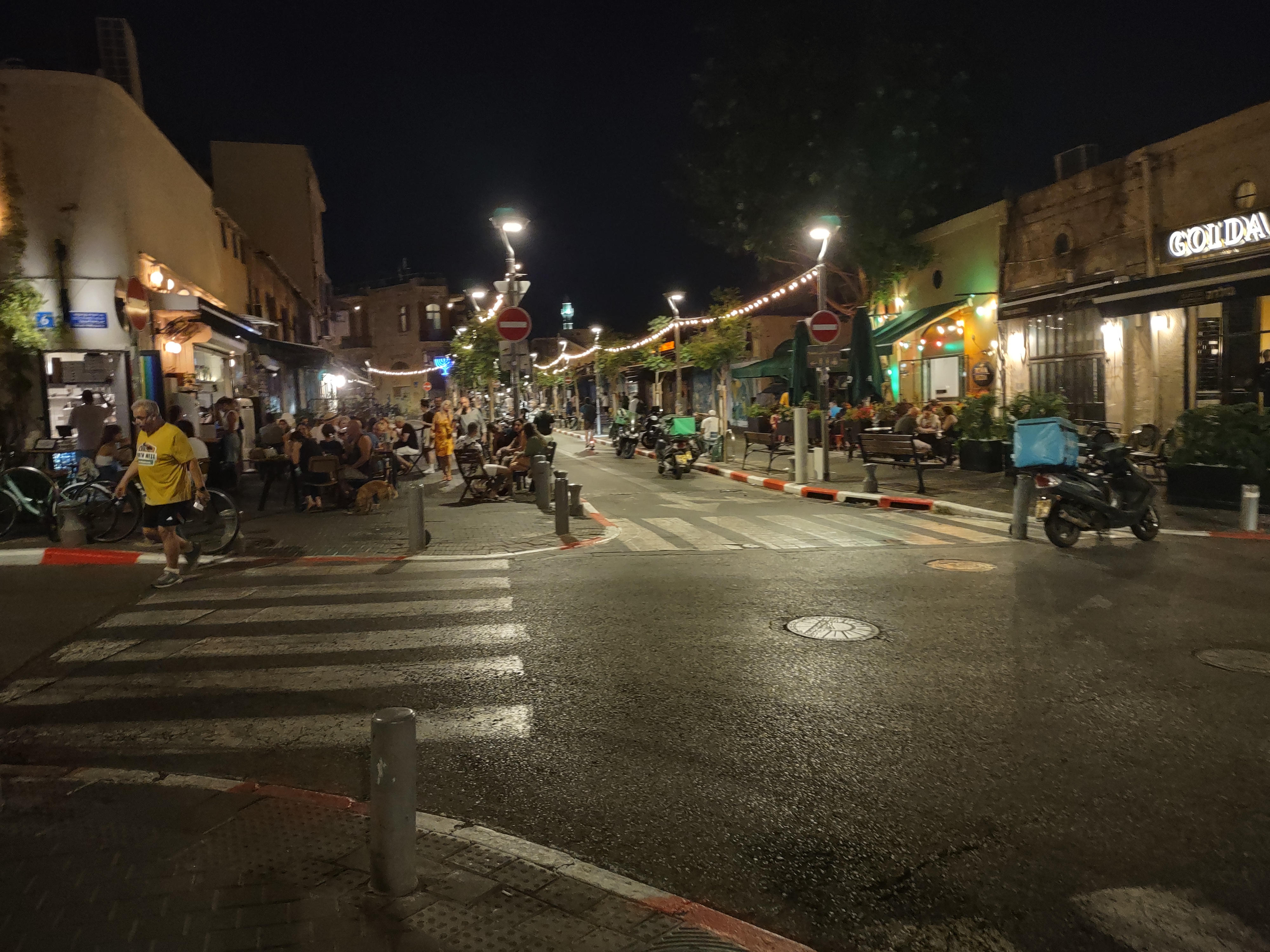
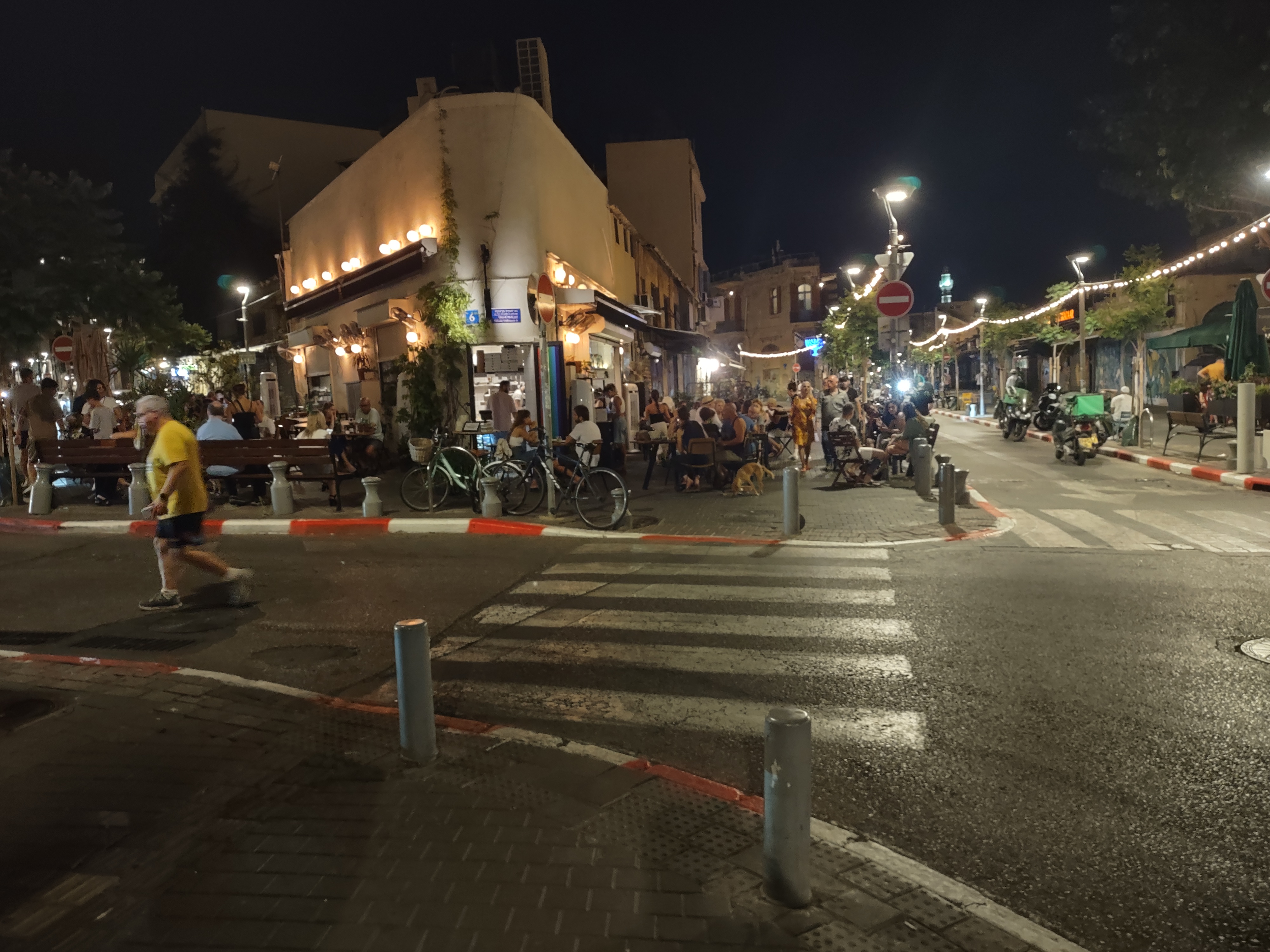
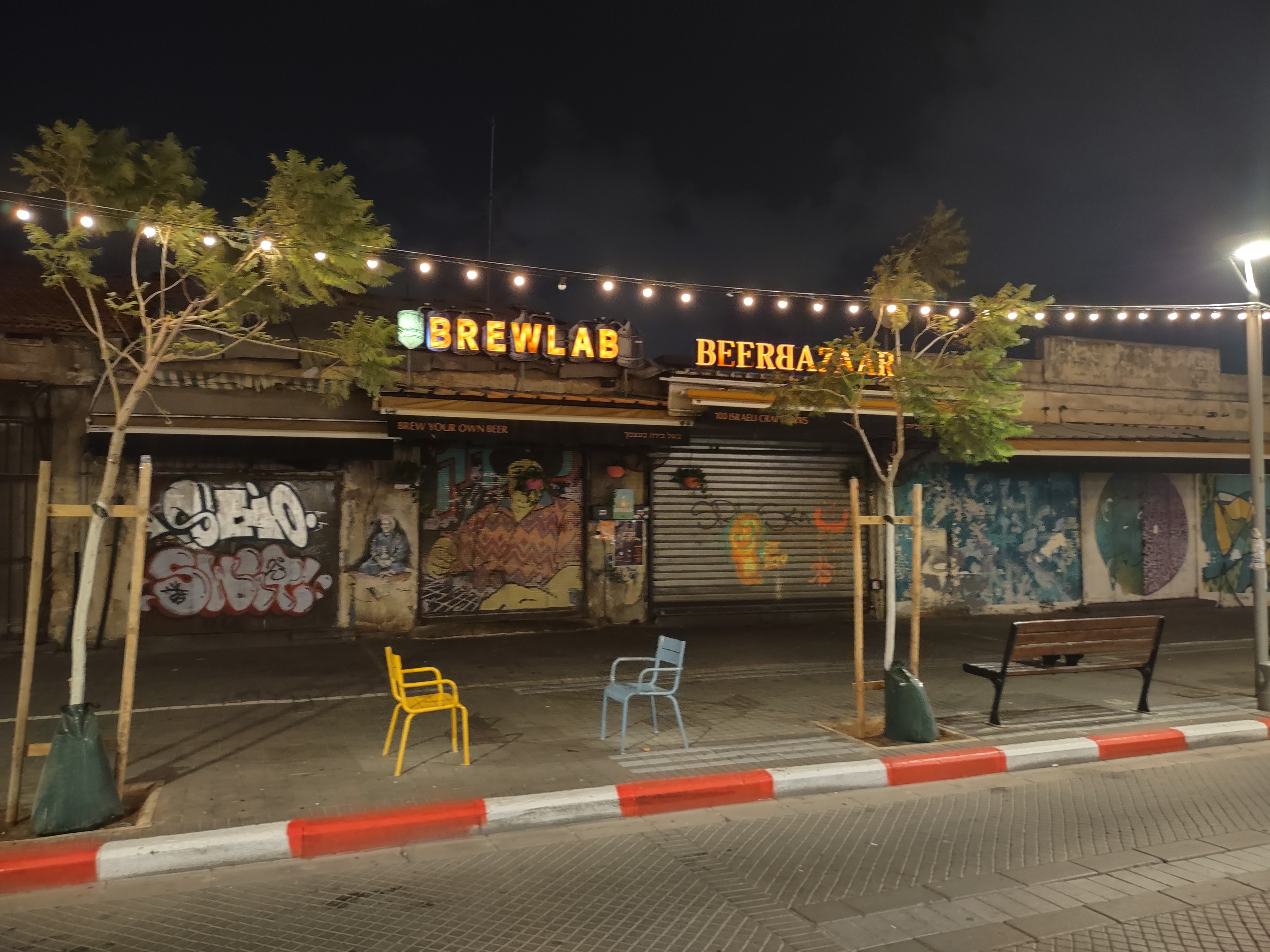
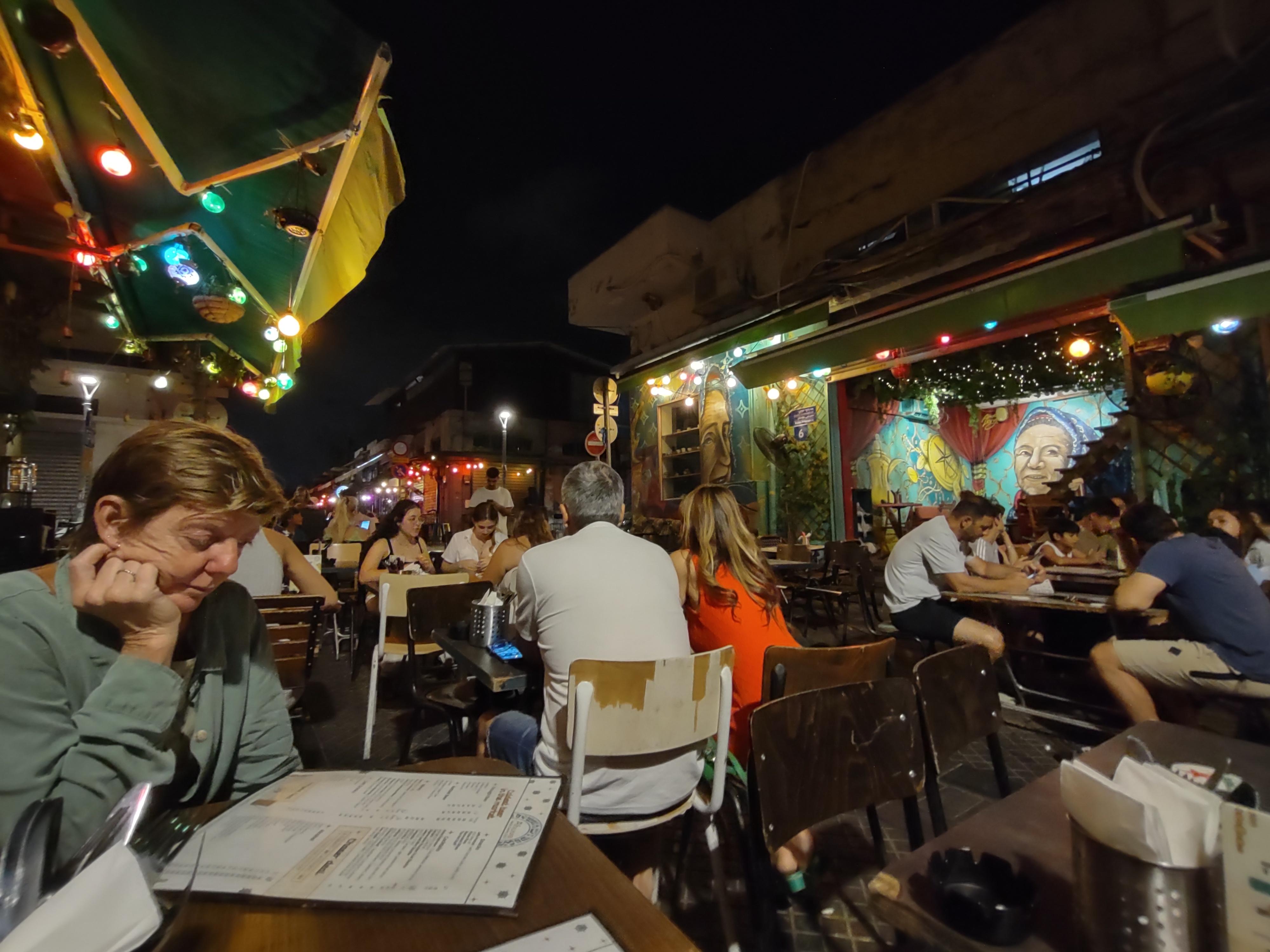
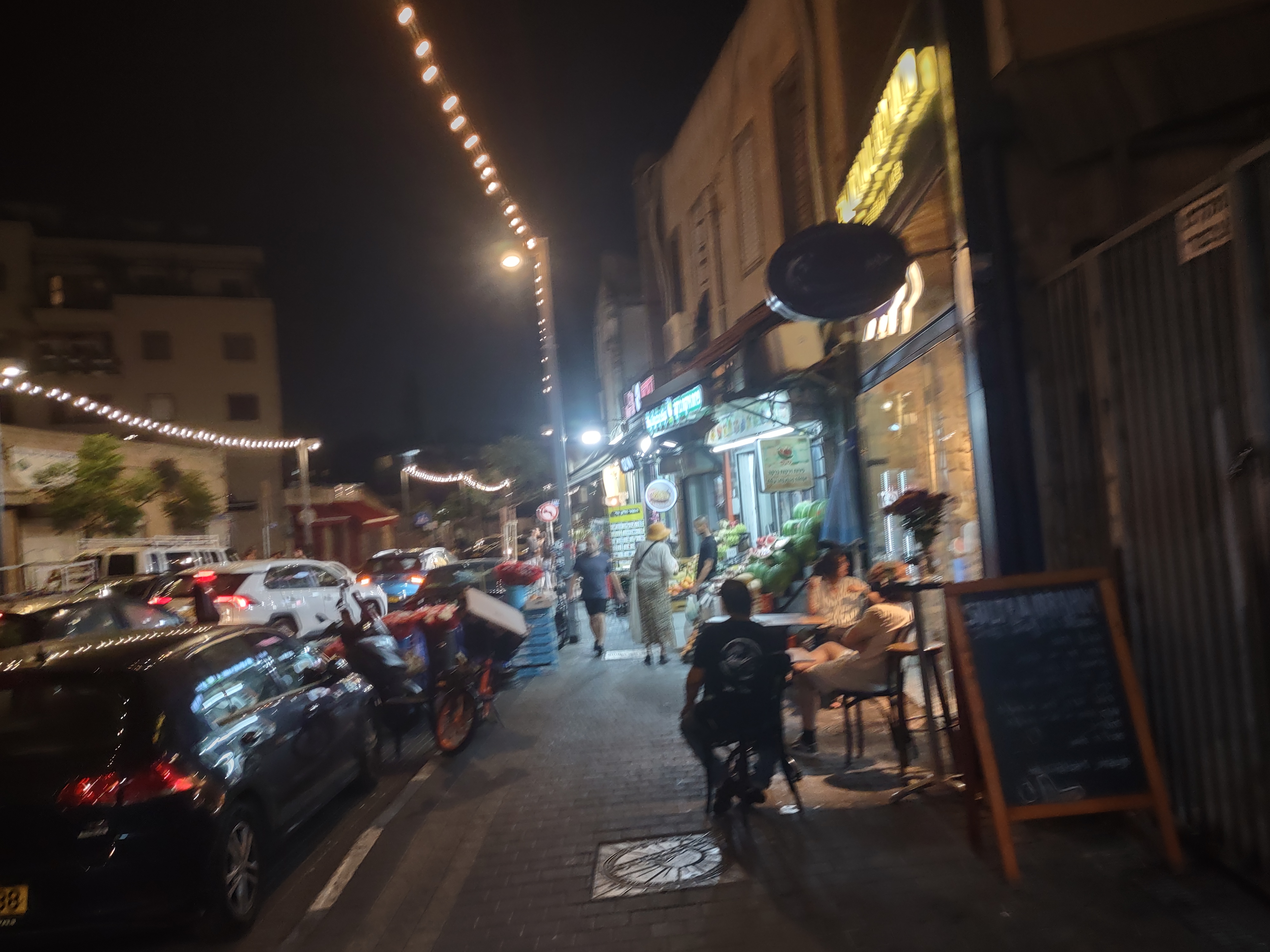
It was interesting over the course of the next week to get attuned to the rhythm and pulse of our neighborhood. Presumably because of the intense heat, people seemed to go to work quite early with a lot of foot traffic by 6:30 AM. The small bodega-like markets which serve as convenience stores here were the first and pretty much only shops to open up early, followed by hardware stores and the like, and eventually, by Noon or so, most of the flea market shops were open, followed by the restaurants on Olei Zion Street and, finally the restaurants and bars on the side streets which are so closely knit together they are essentially become beer gardens which span between blocks.
The composition of the neighborhood followed a similar evolution over the course of the day with shoppers gradually filtering in and then being replaced or supplemented with diners and then drinkers with an associated increase in both energy and volume. During the week, things really started to wind down by 10 PM, but went a bit later on weekends despite the Sabbath and the fact that Sundays are generally normal work days in Israel.
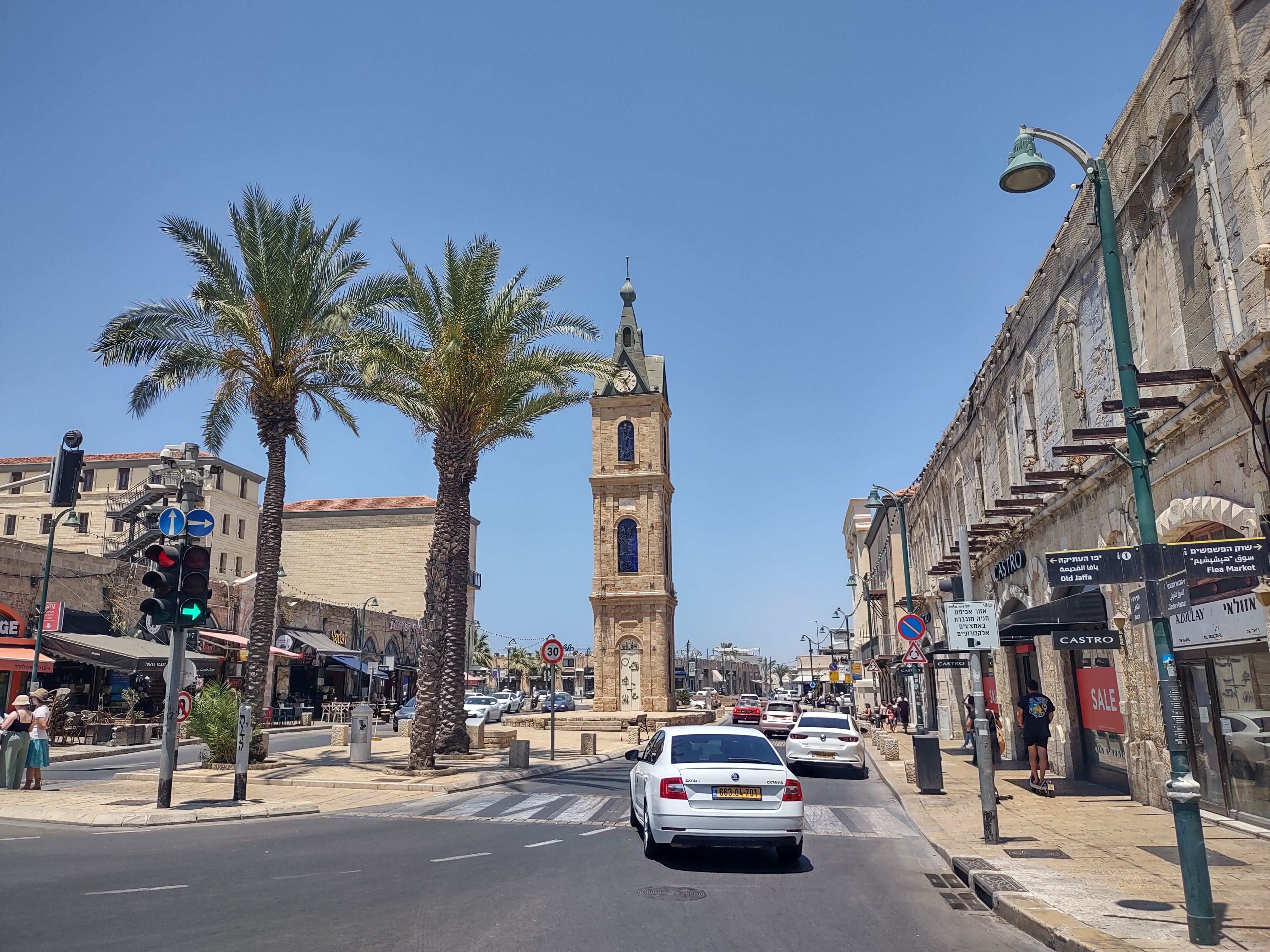
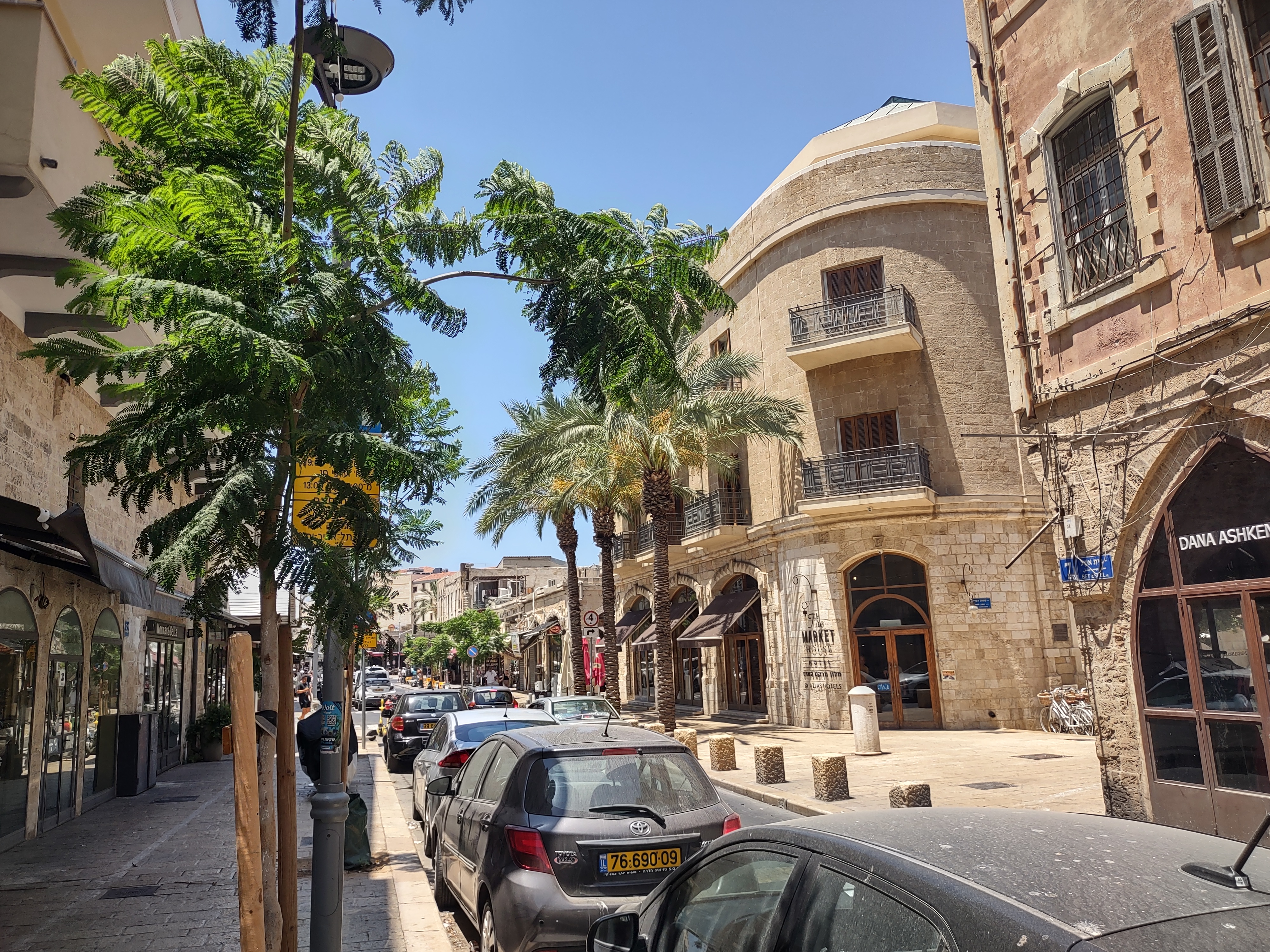
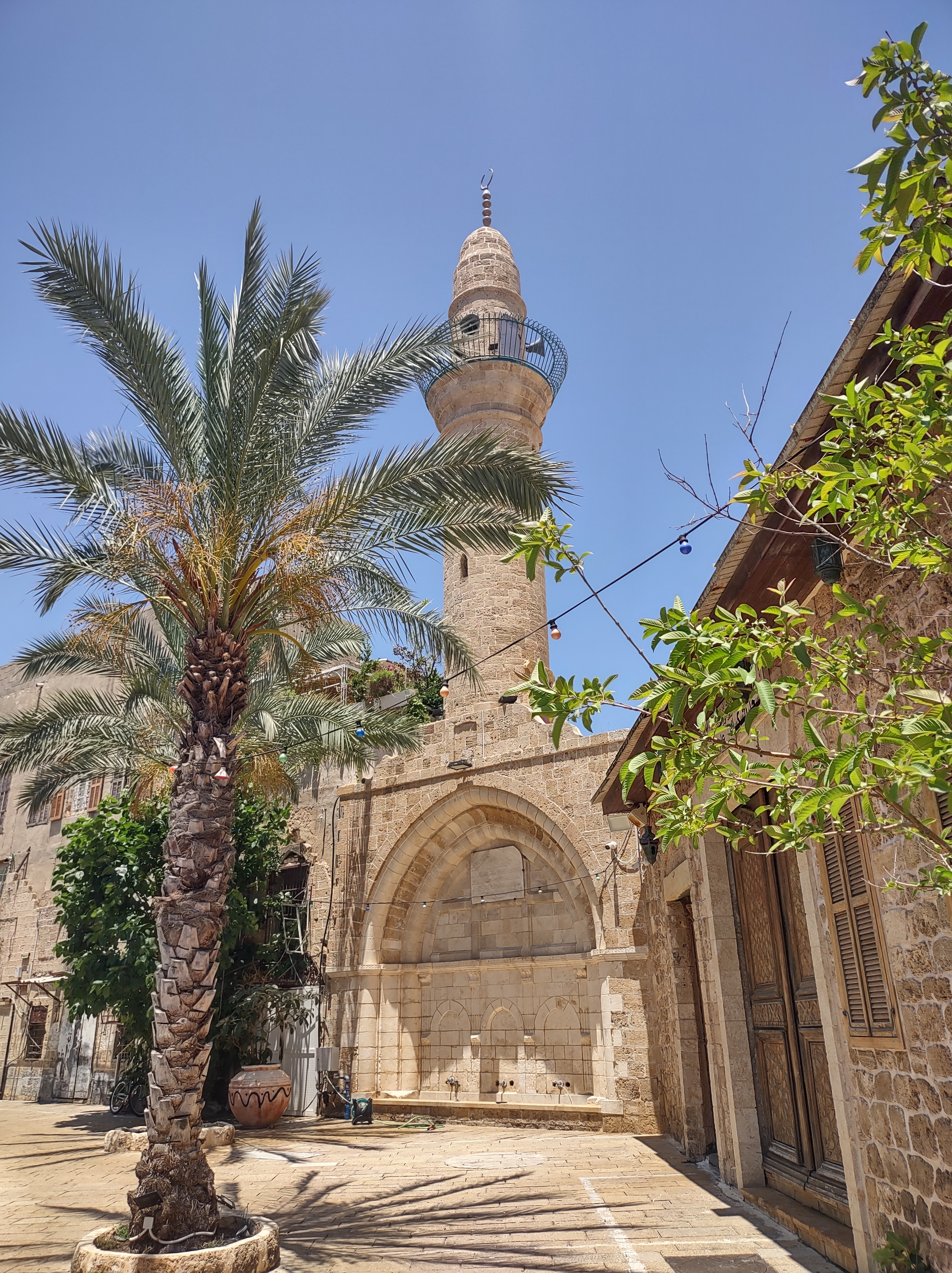
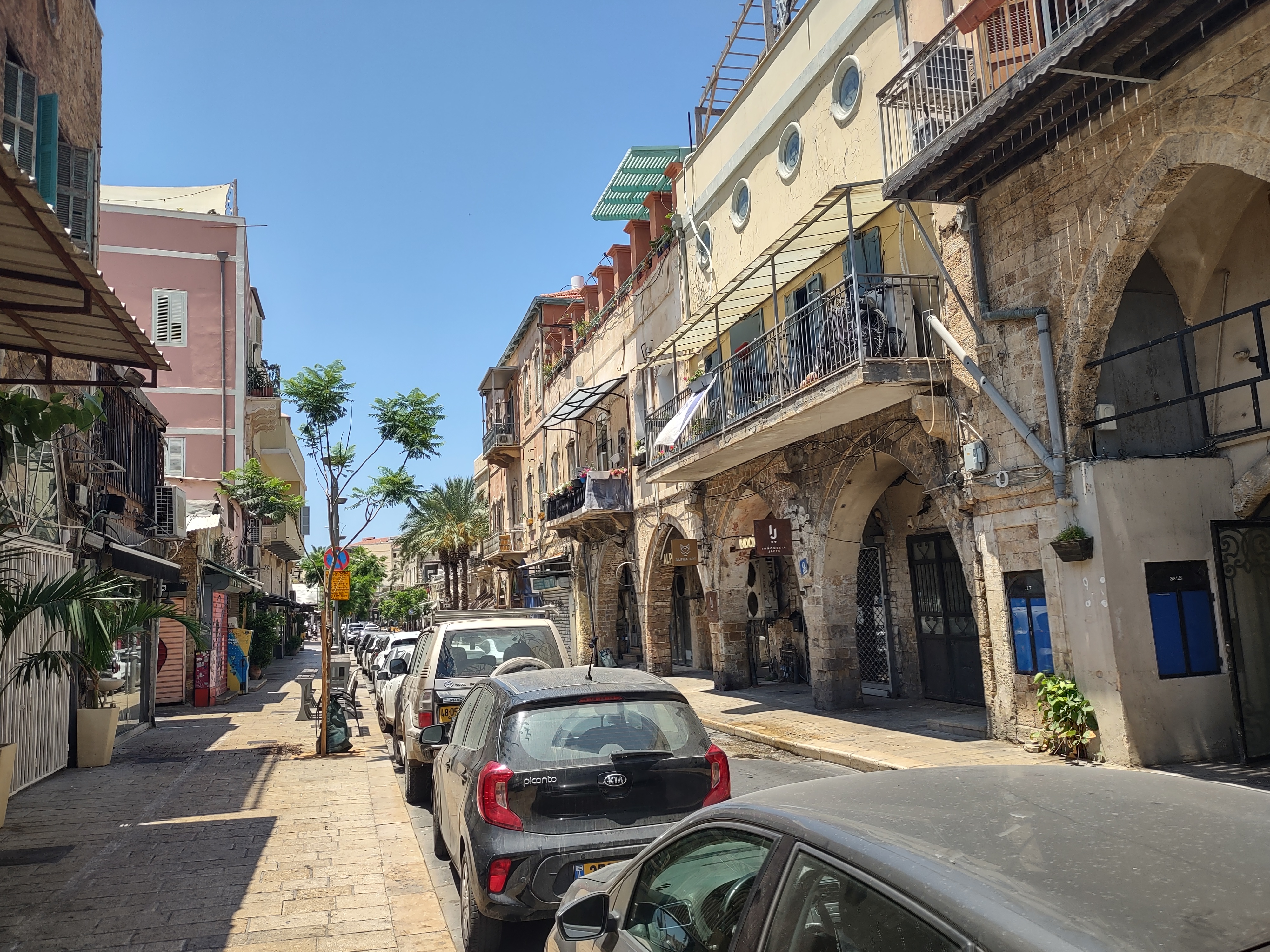
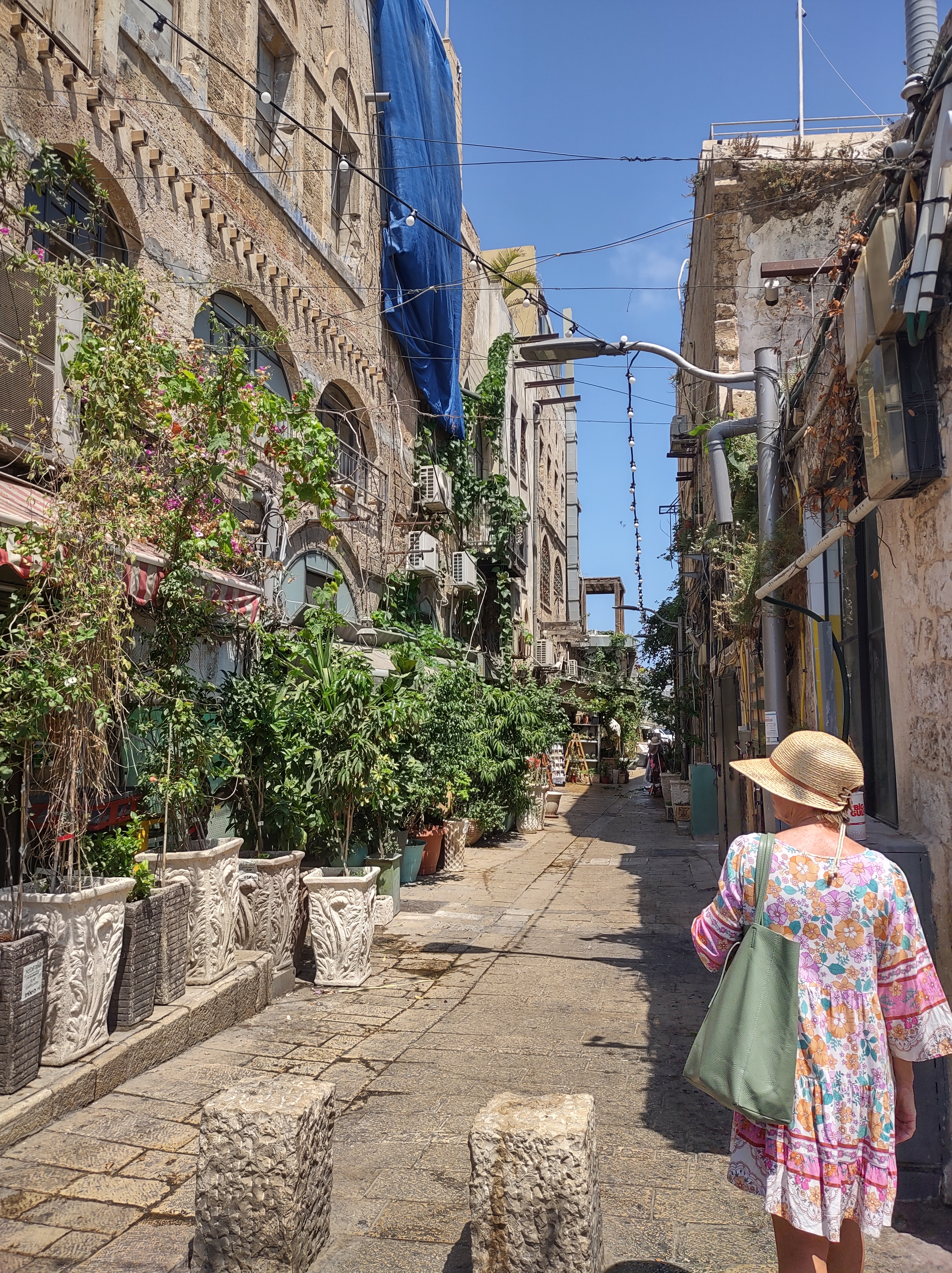
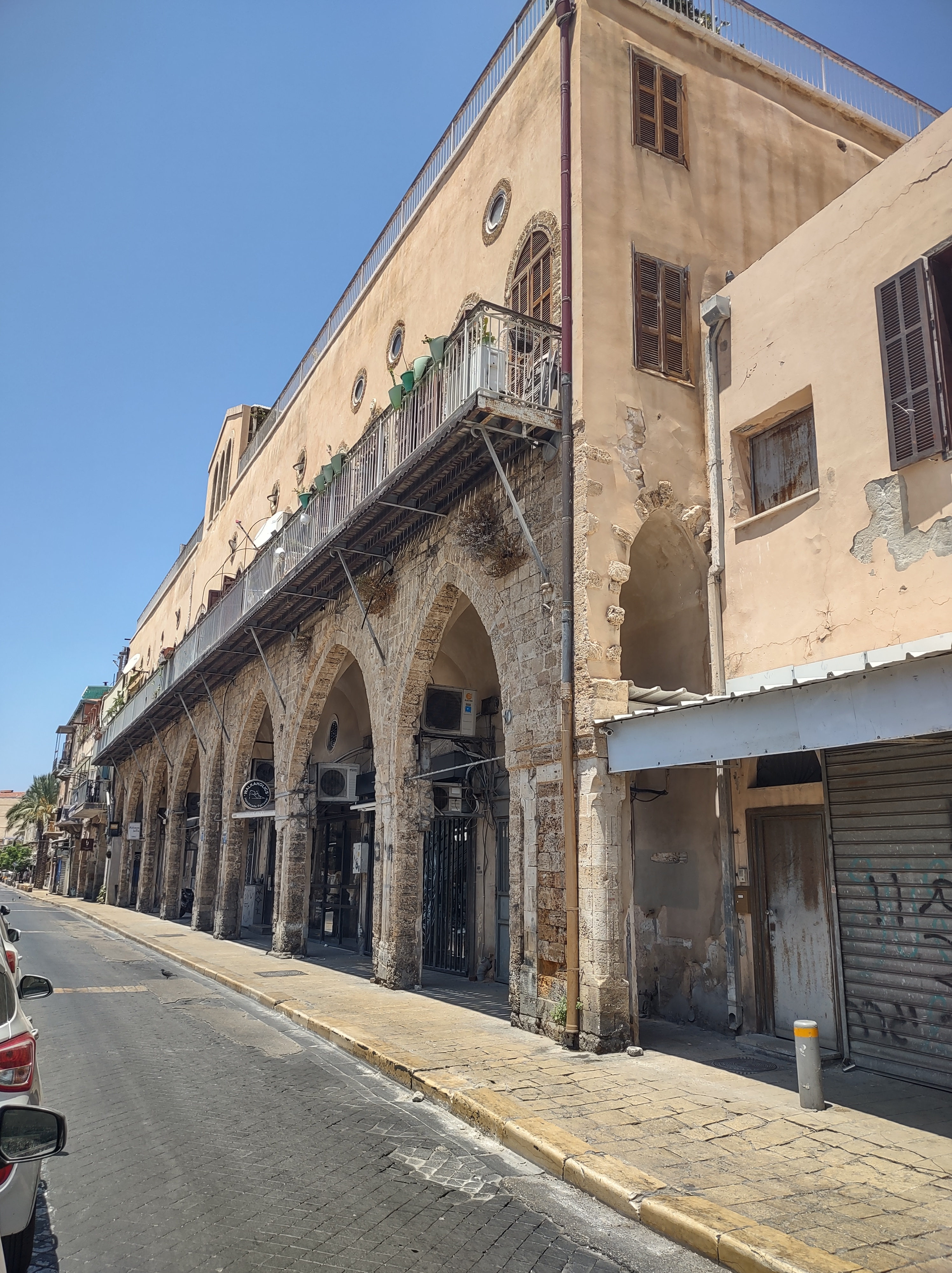
Partly in response to the rising temperatures, we adjusted our daily schedule to align with our environment, getting up early while it was still a little cool, retreating to our apartment during the hottest part of the day, and then back out in the neighborhood in the evening. To make things a bit more interesting, we also tried to align our schedule with low tide at the beach, but more about that later.
Jaffa Old Town
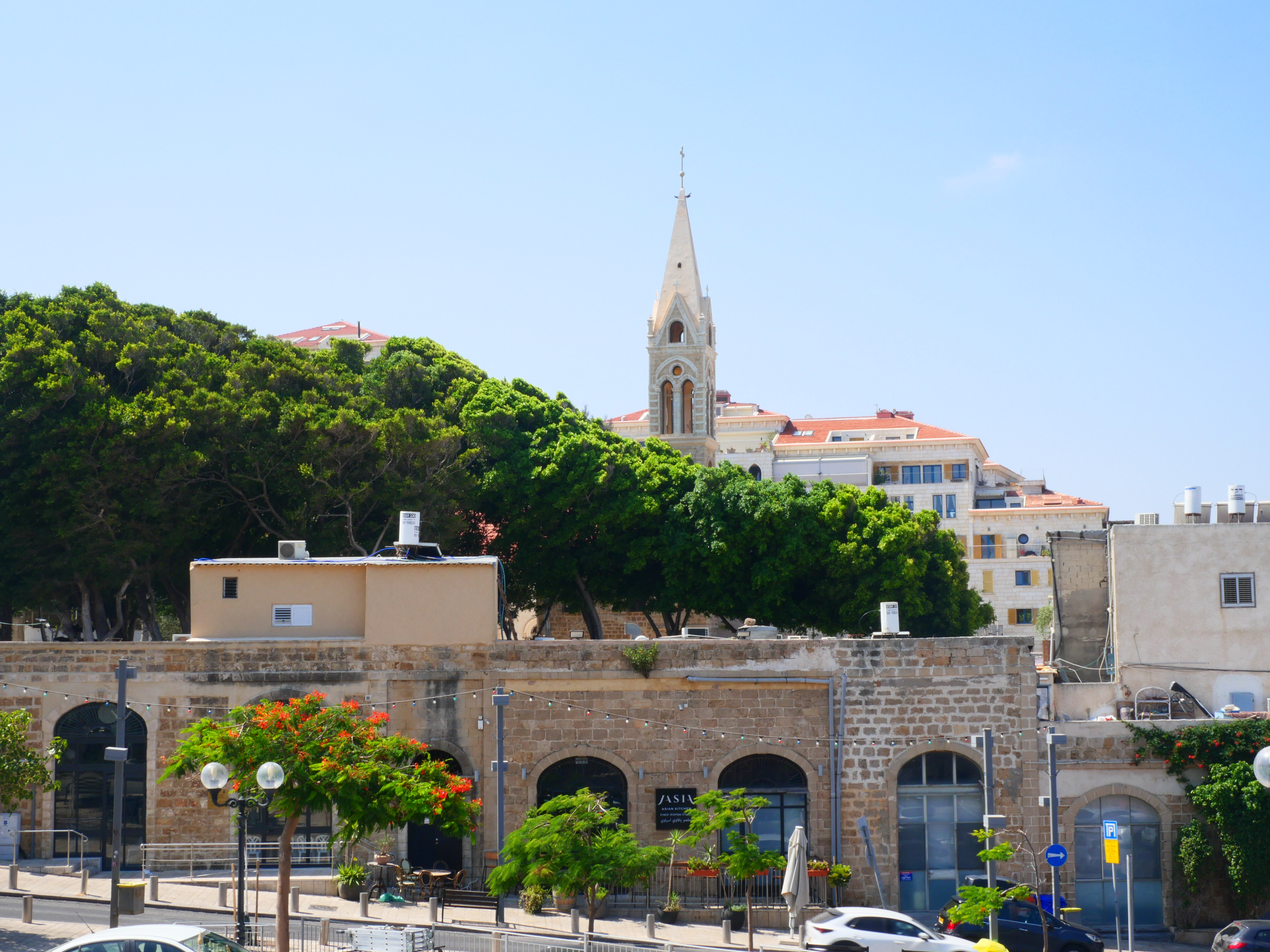
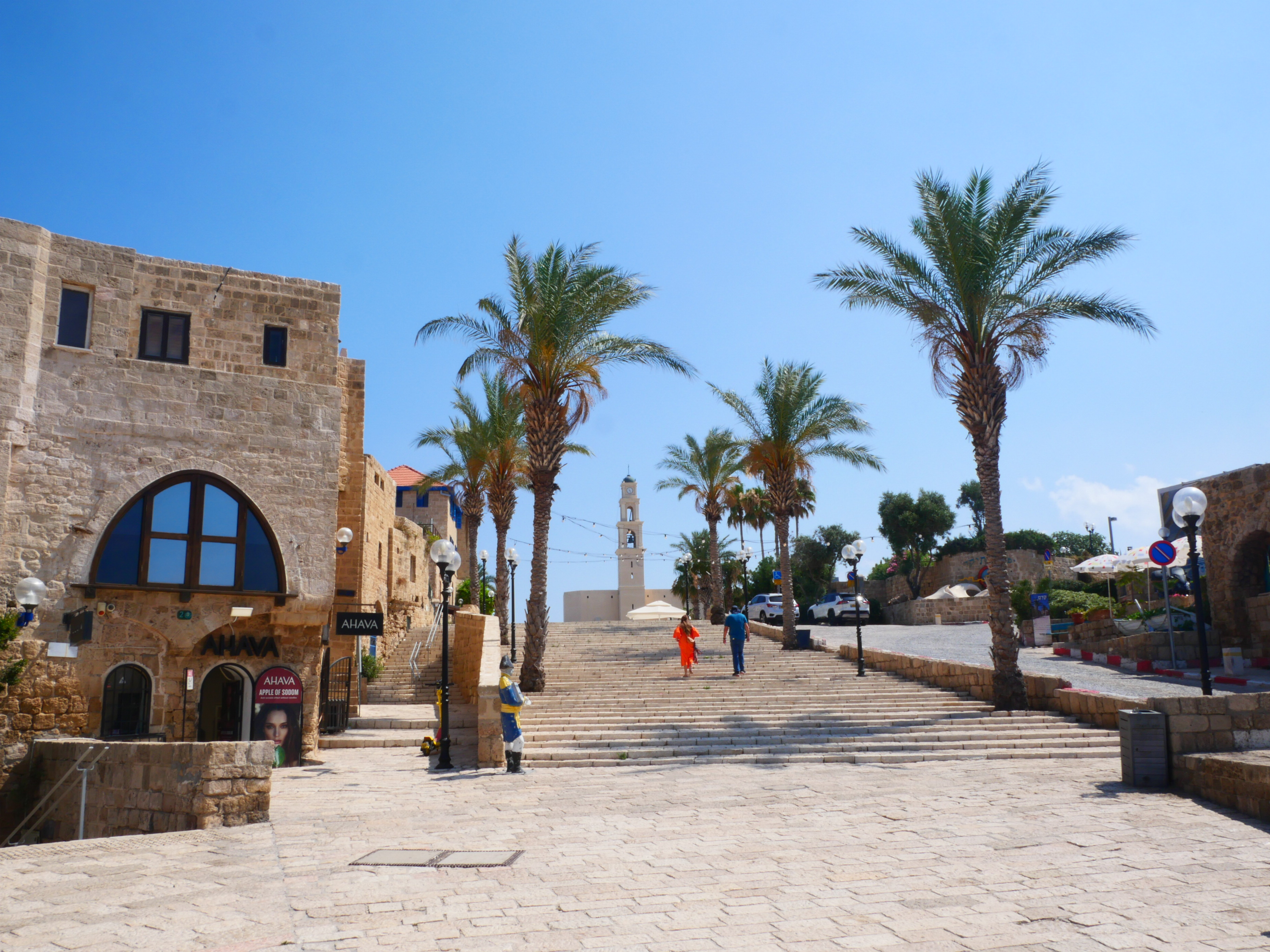
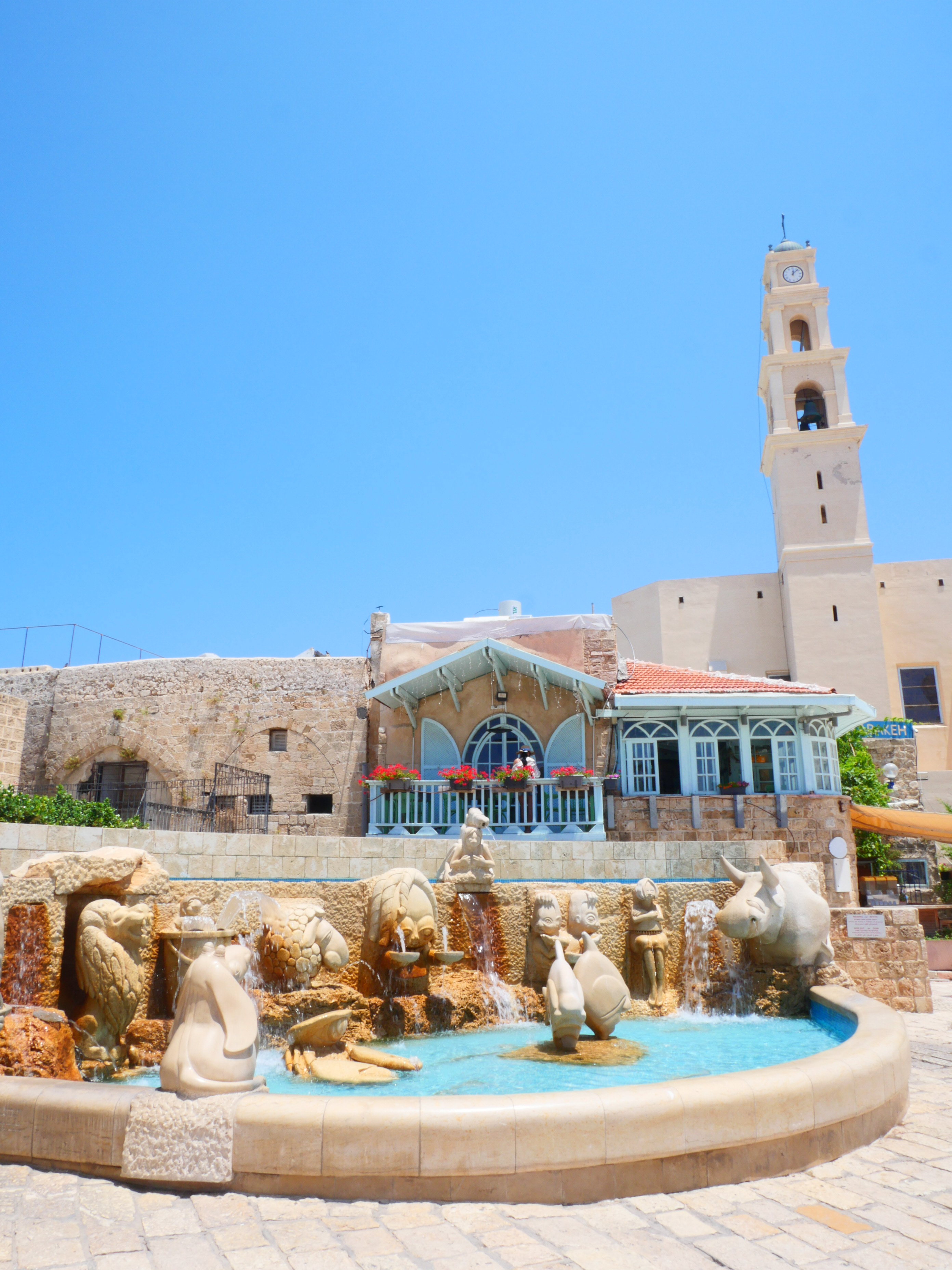
Outside the central Jaffa Flea Market area, there are other commercial streets which become more touristy closer to the beach (of particular note is the Clock Tower near Yossi Carmel Square, a major tourist attraction) and less touristy, quickly becoming residential, to the east and south. We had occasion to travel through several of these other parts of Jaffa and found that we liked some better than others (more to come), but beyond doubt the coolest neighborhood for us was the Old Town of Jaffa. It is one of those places which lends itself to mindless strolling with lots of small winding streets, alleys, and stairs, and lots of interesting shops and galleries, but is small enough that you can’t really get too lost.
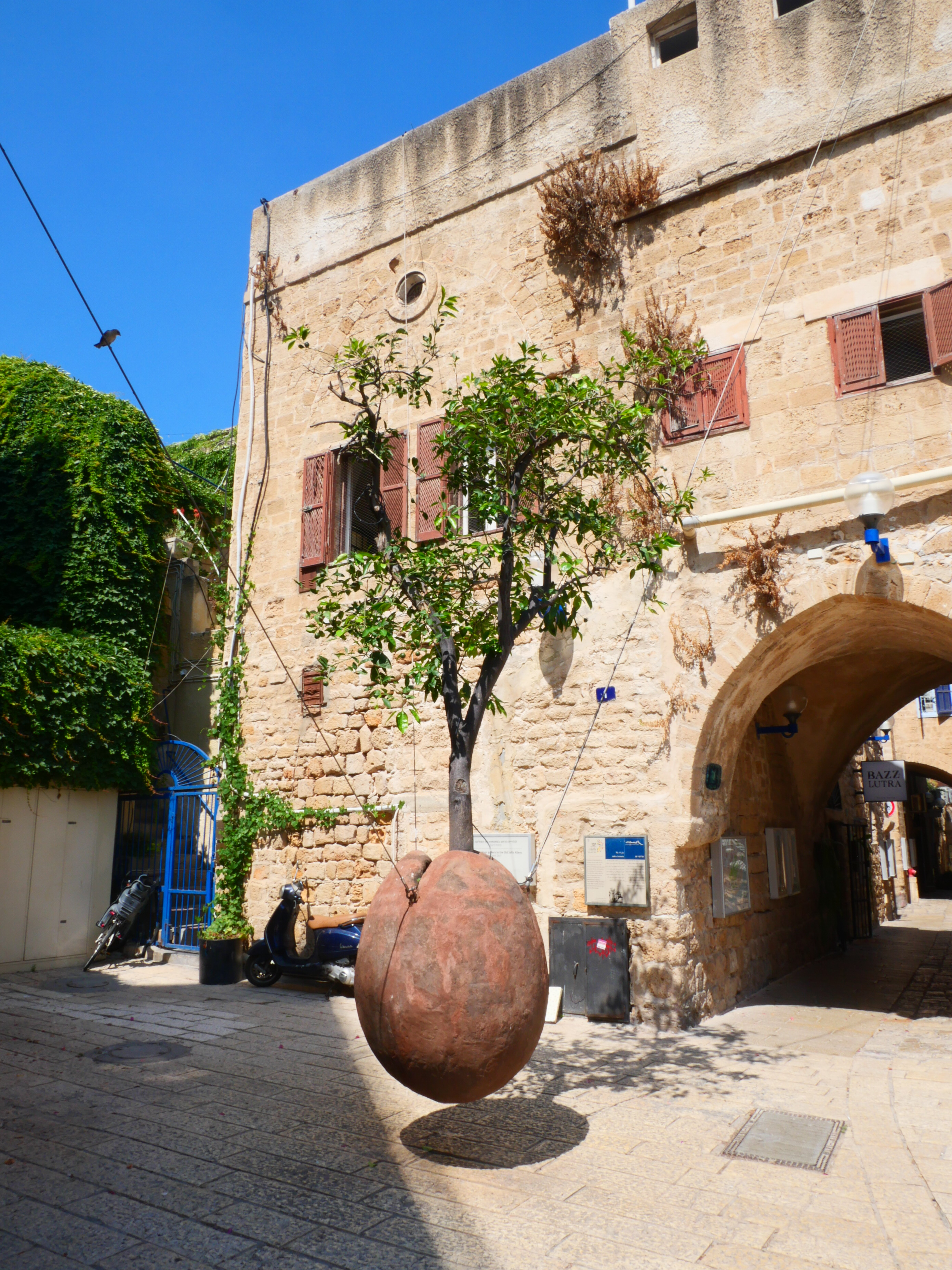
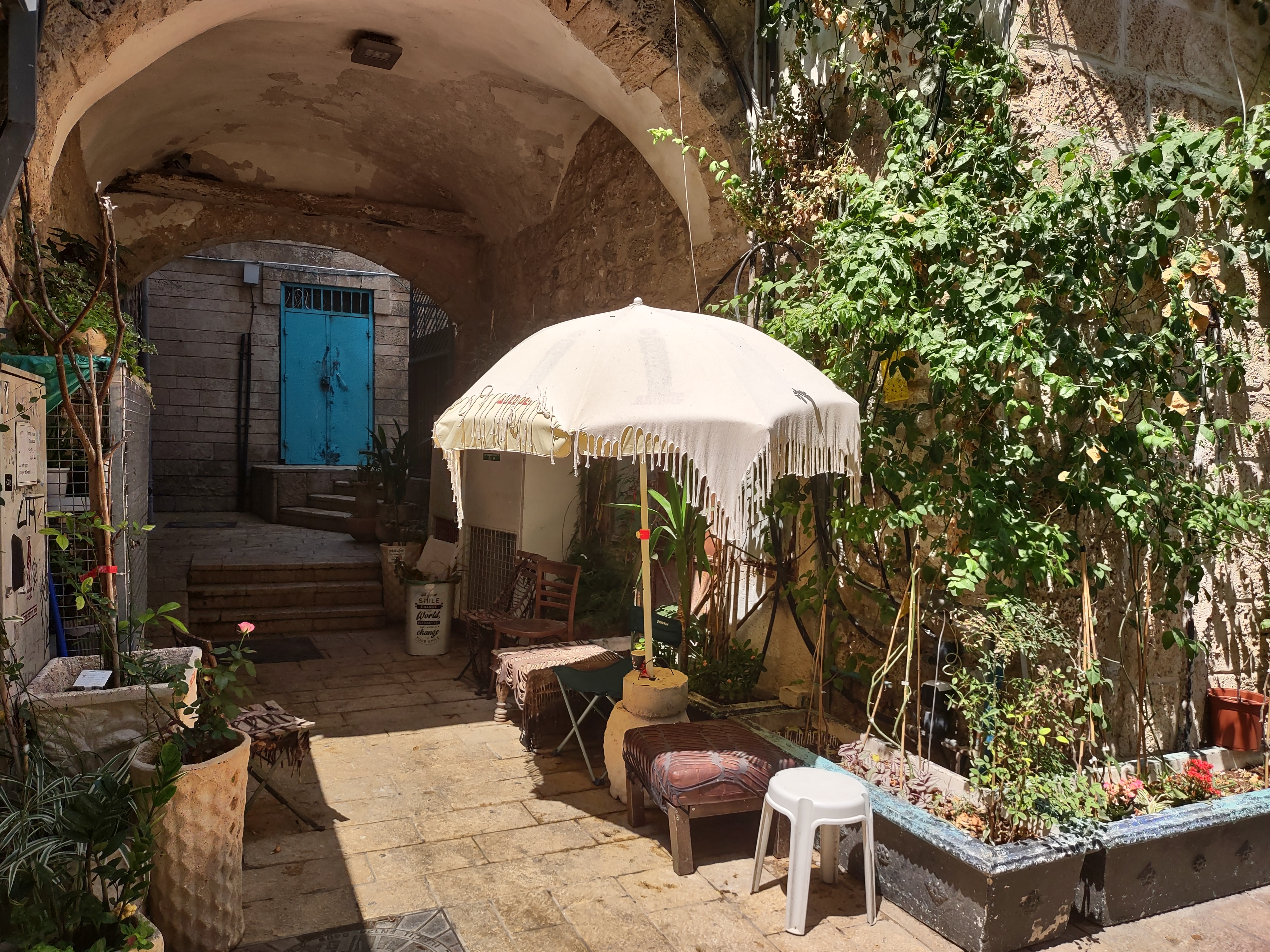
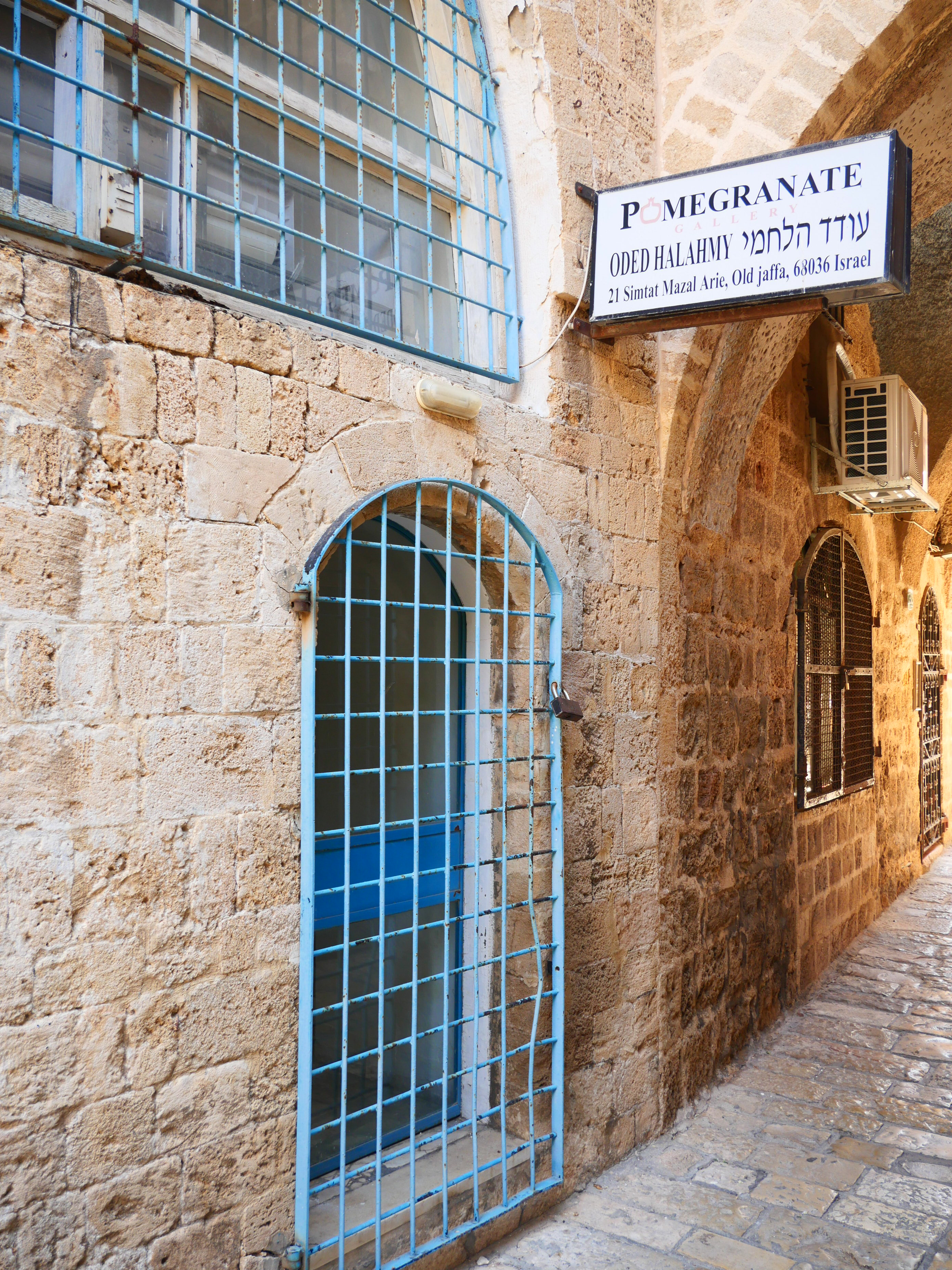
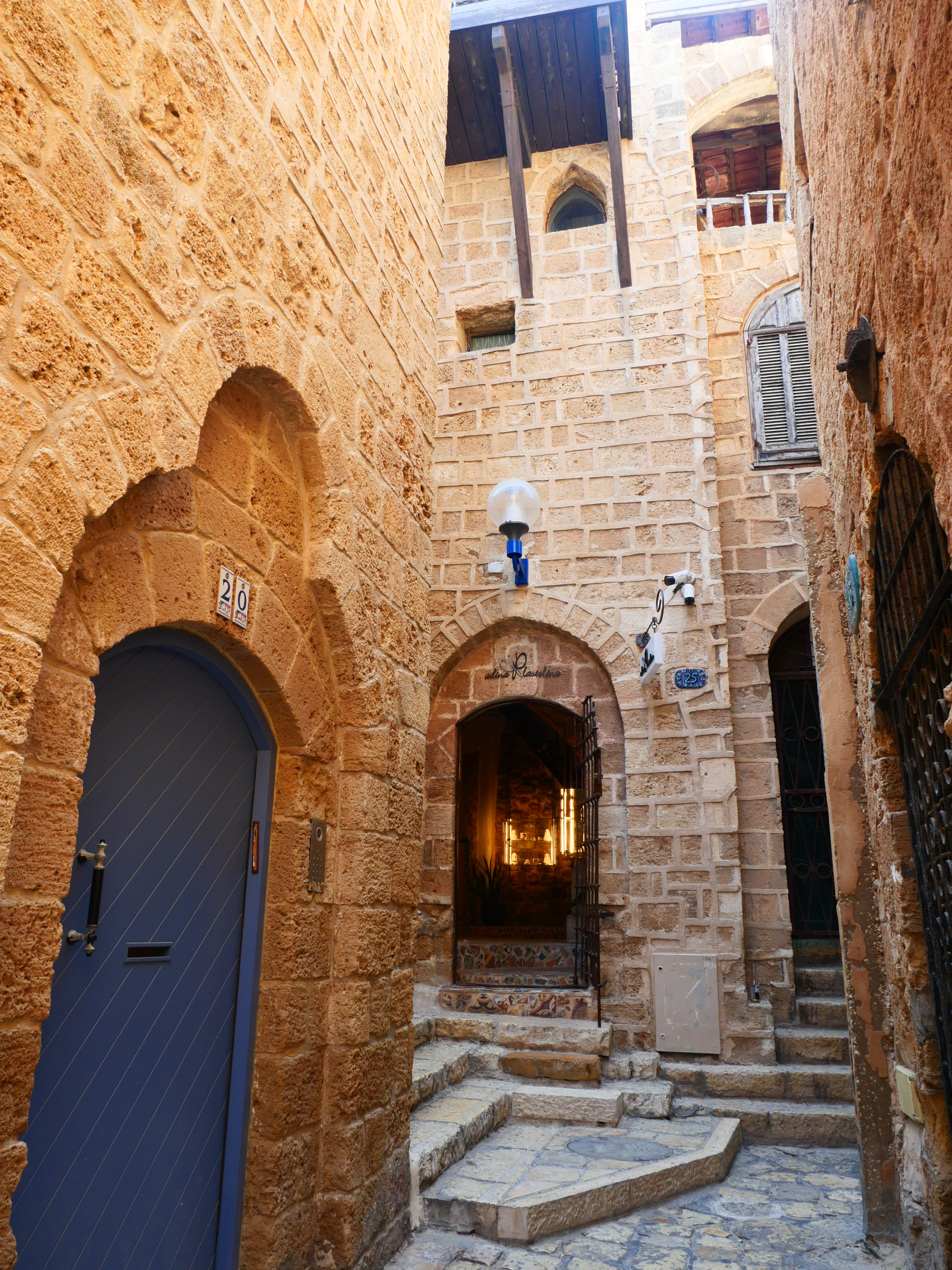
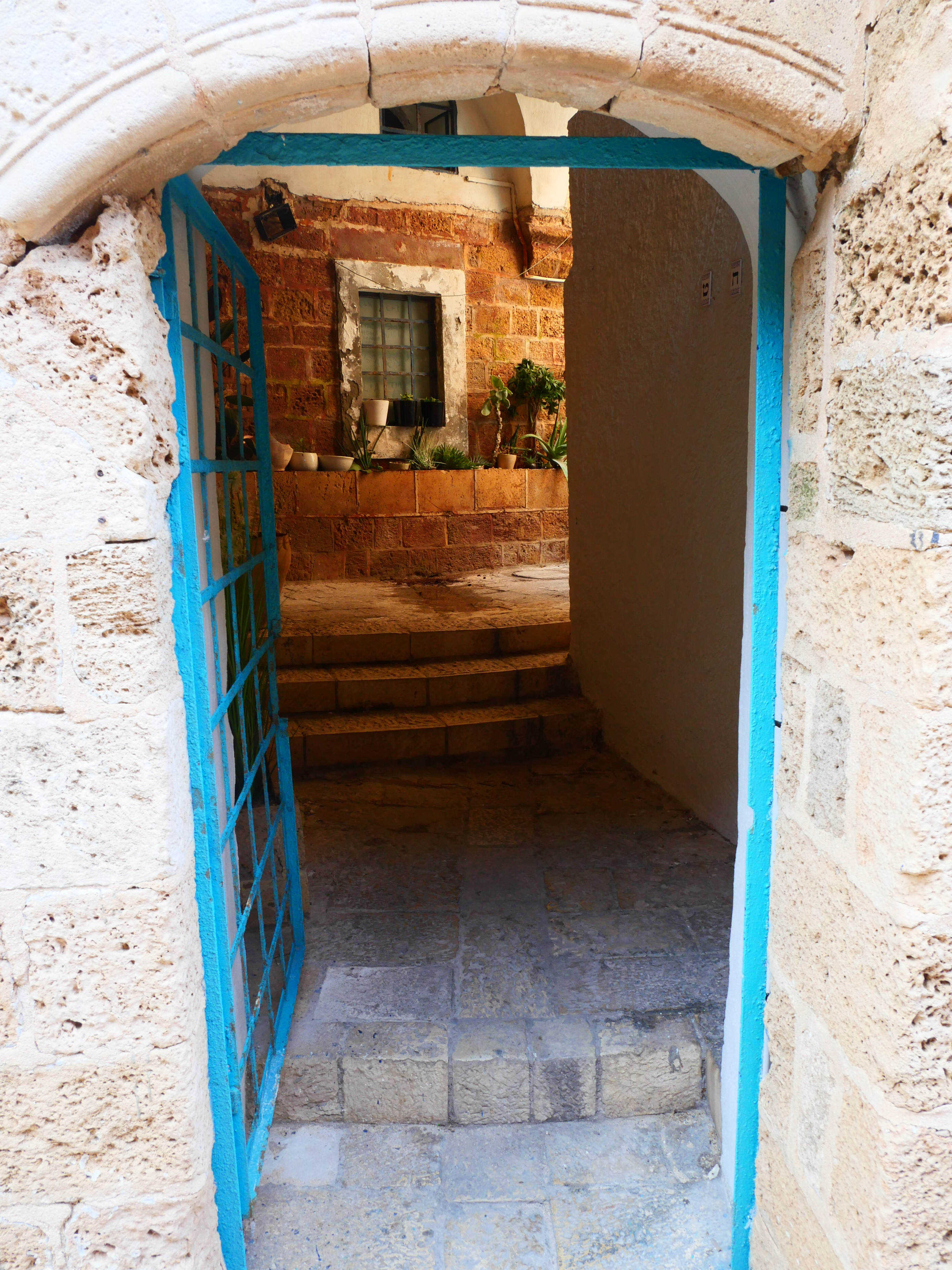
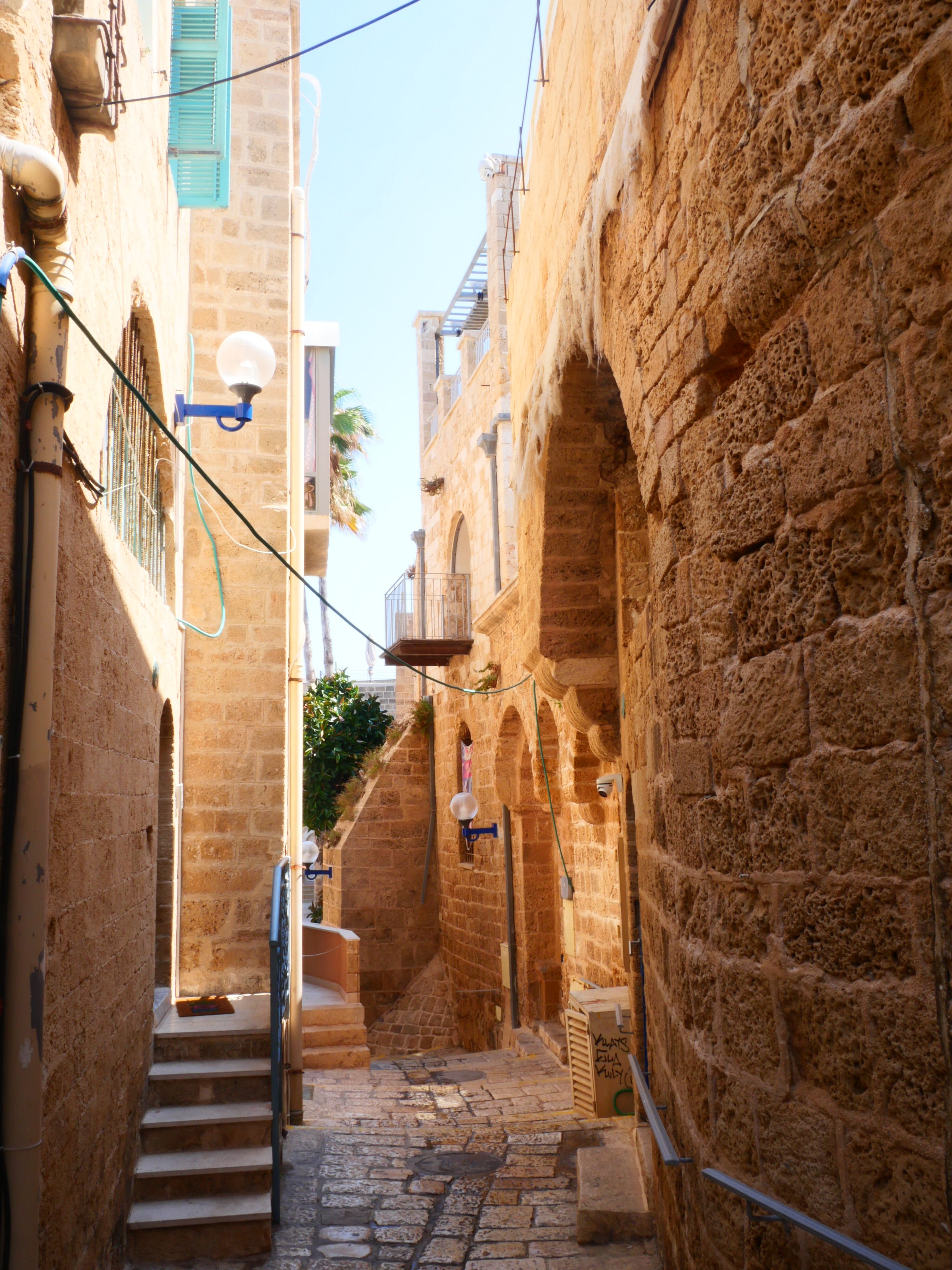
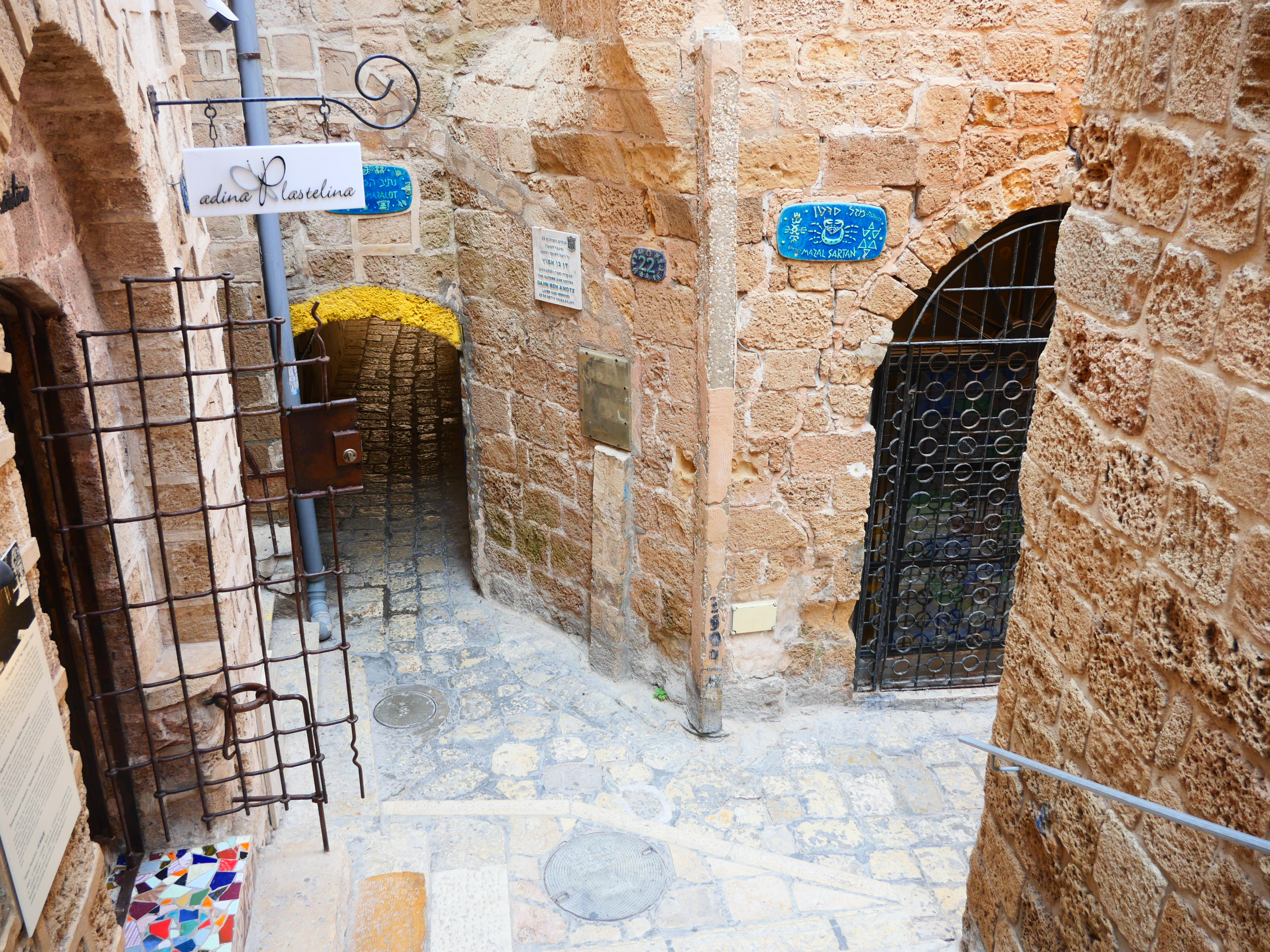
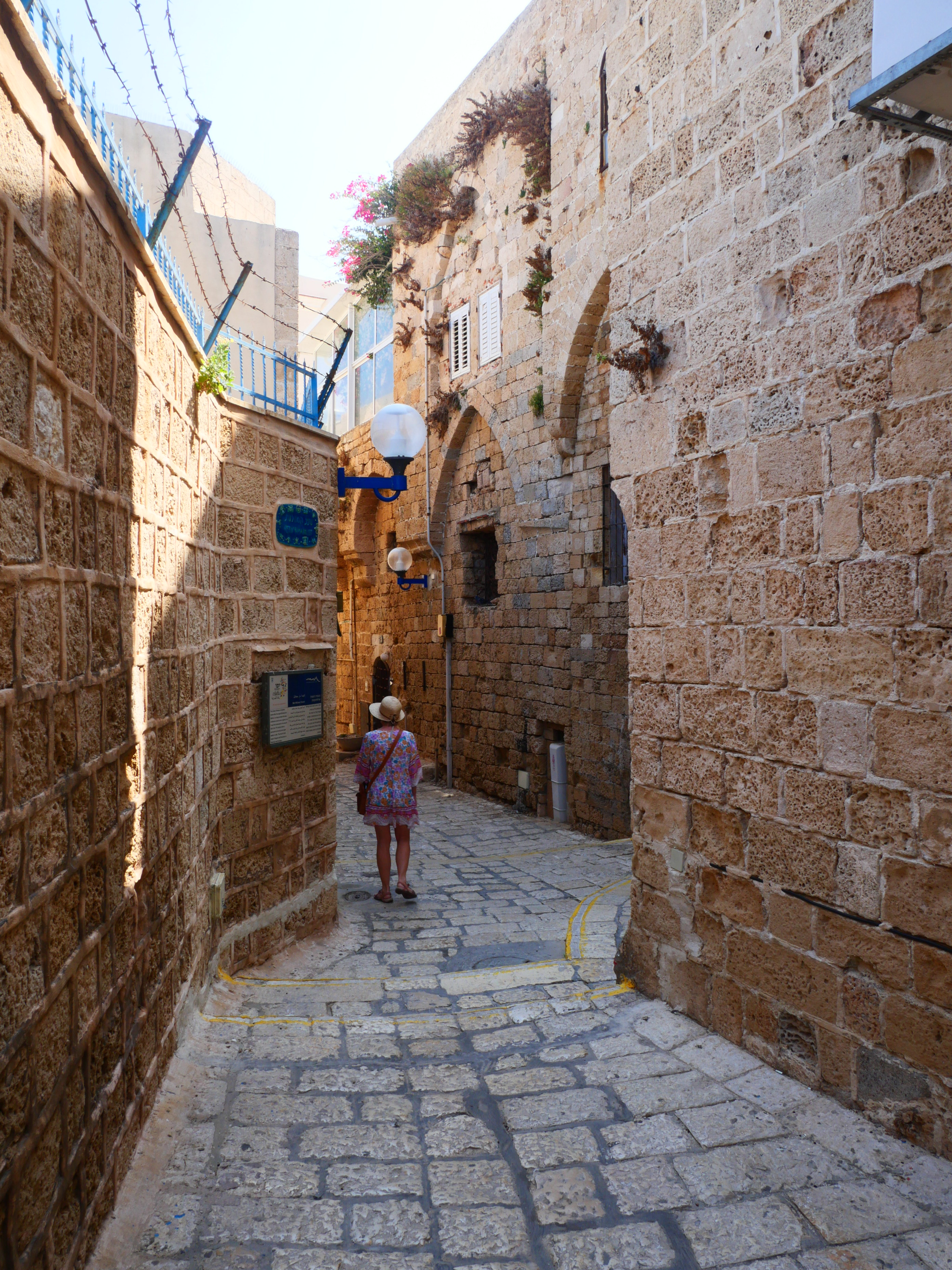
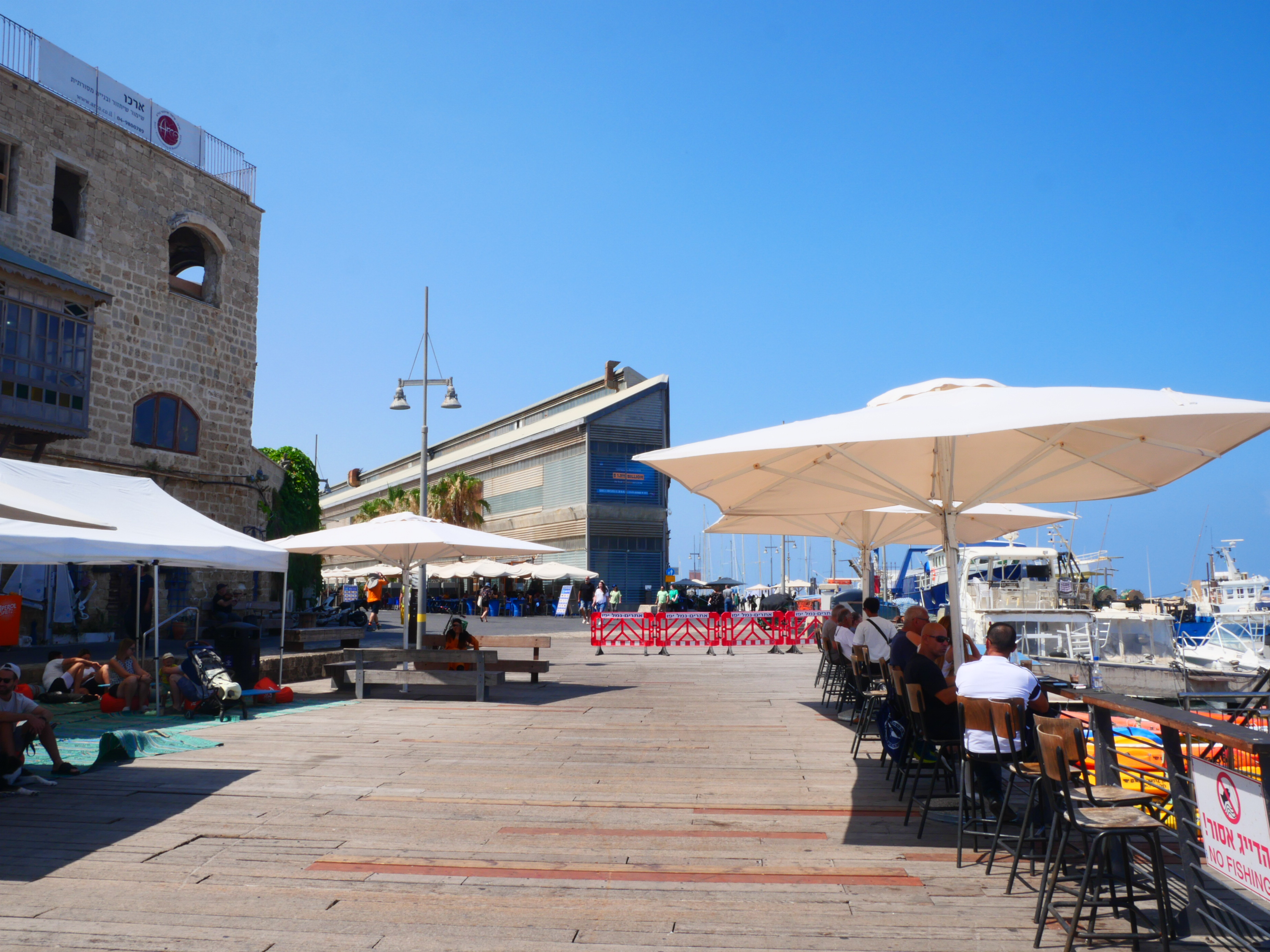
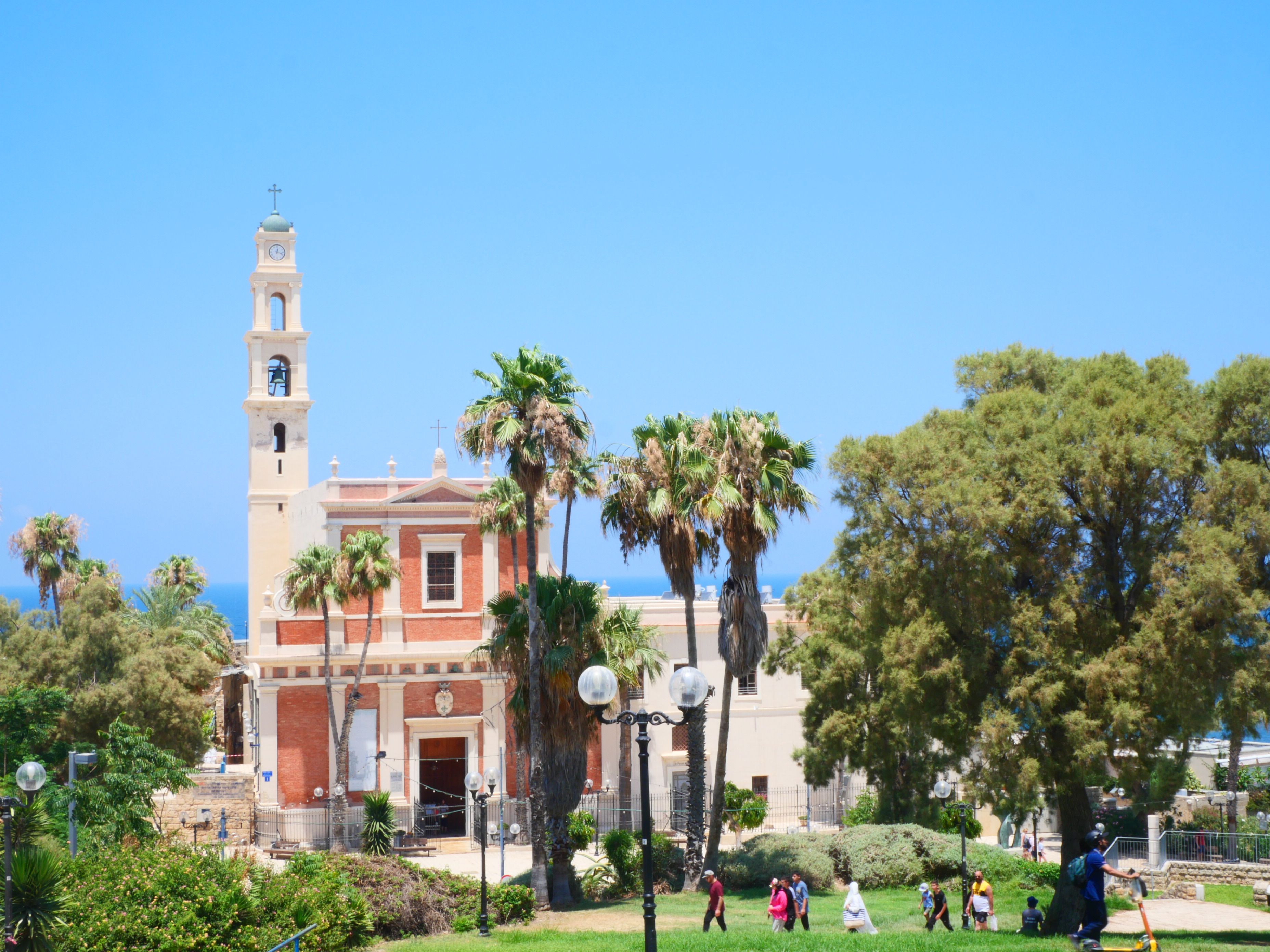
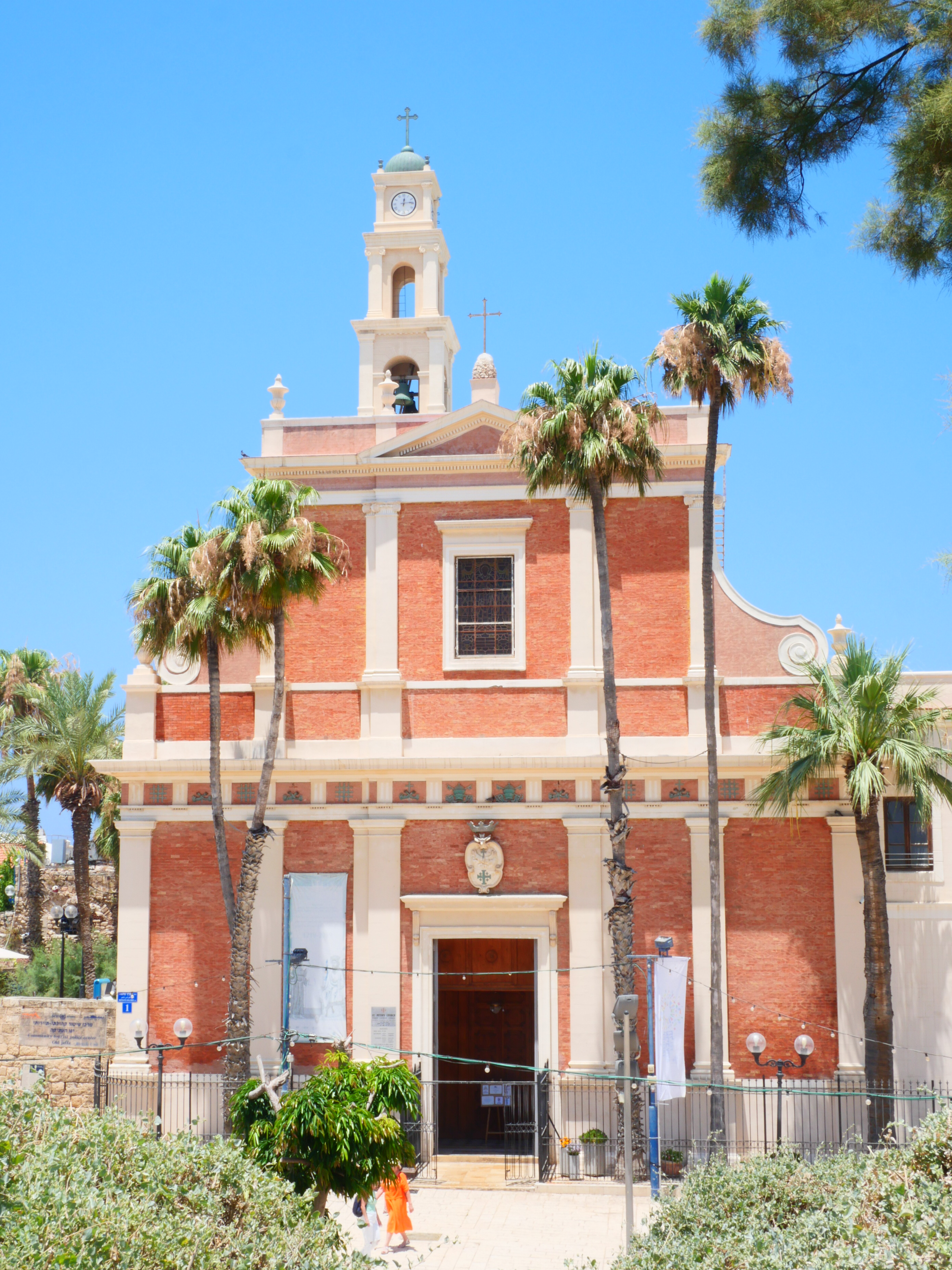
Old Town more or less wraps around a hill which is the high point of Jaffa and is crowned with a park which overlooks the adjoining neighborhoods. Just below the park is a large plaza dominated by St. Peter’s Church, a beautiful 19th century Spanish Baroque church (where we attended mass the next day), whose bell tower is the most prominent structure in the old town. If you meander down the western side you will eventually find a stair or passage through the old city walls which will bring you to the old harbor. After our first visit there we decided that we liked this area so much that whenever possible we plotted routes to other destinations which passed through Old Town.
The White City
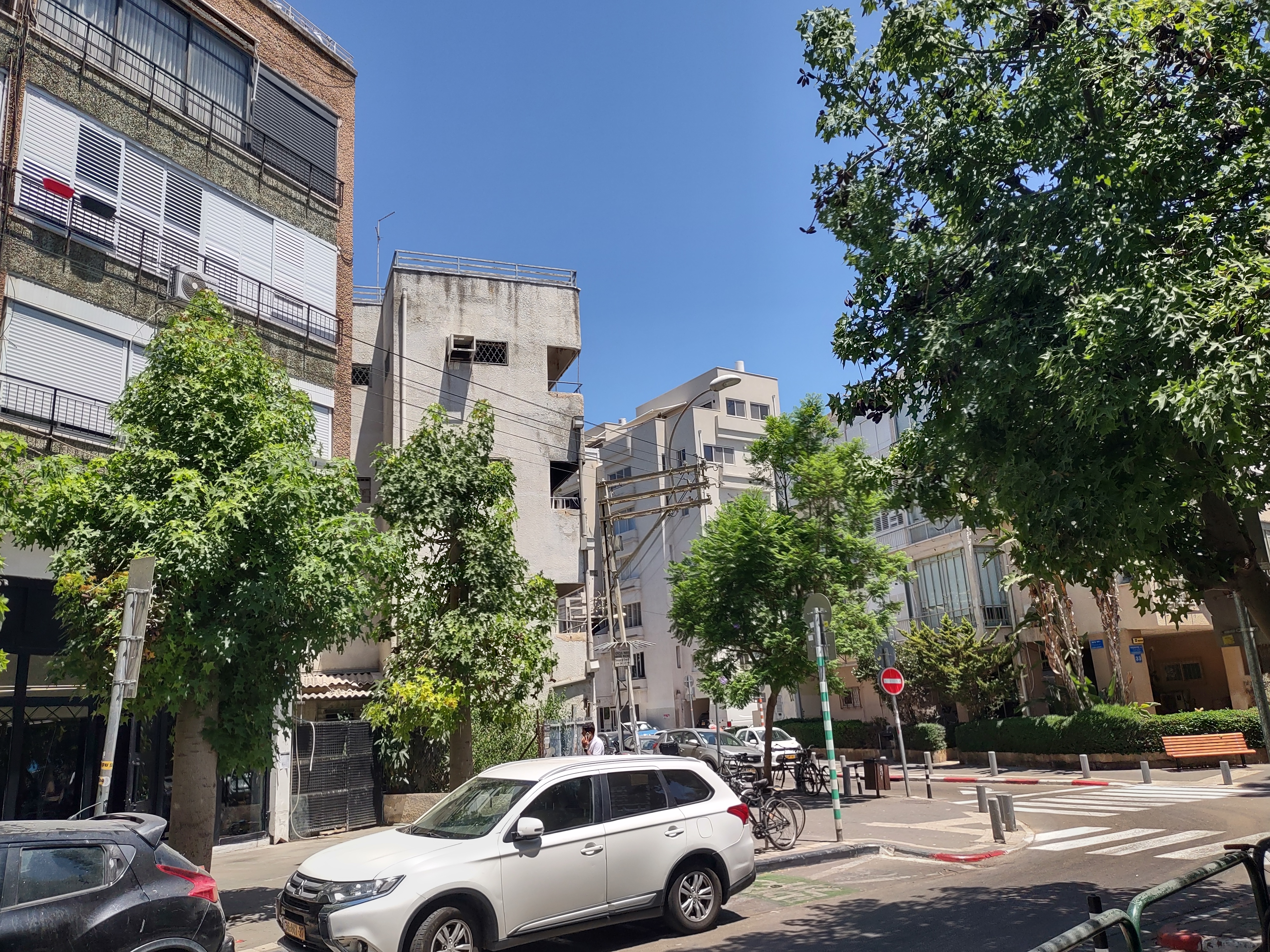
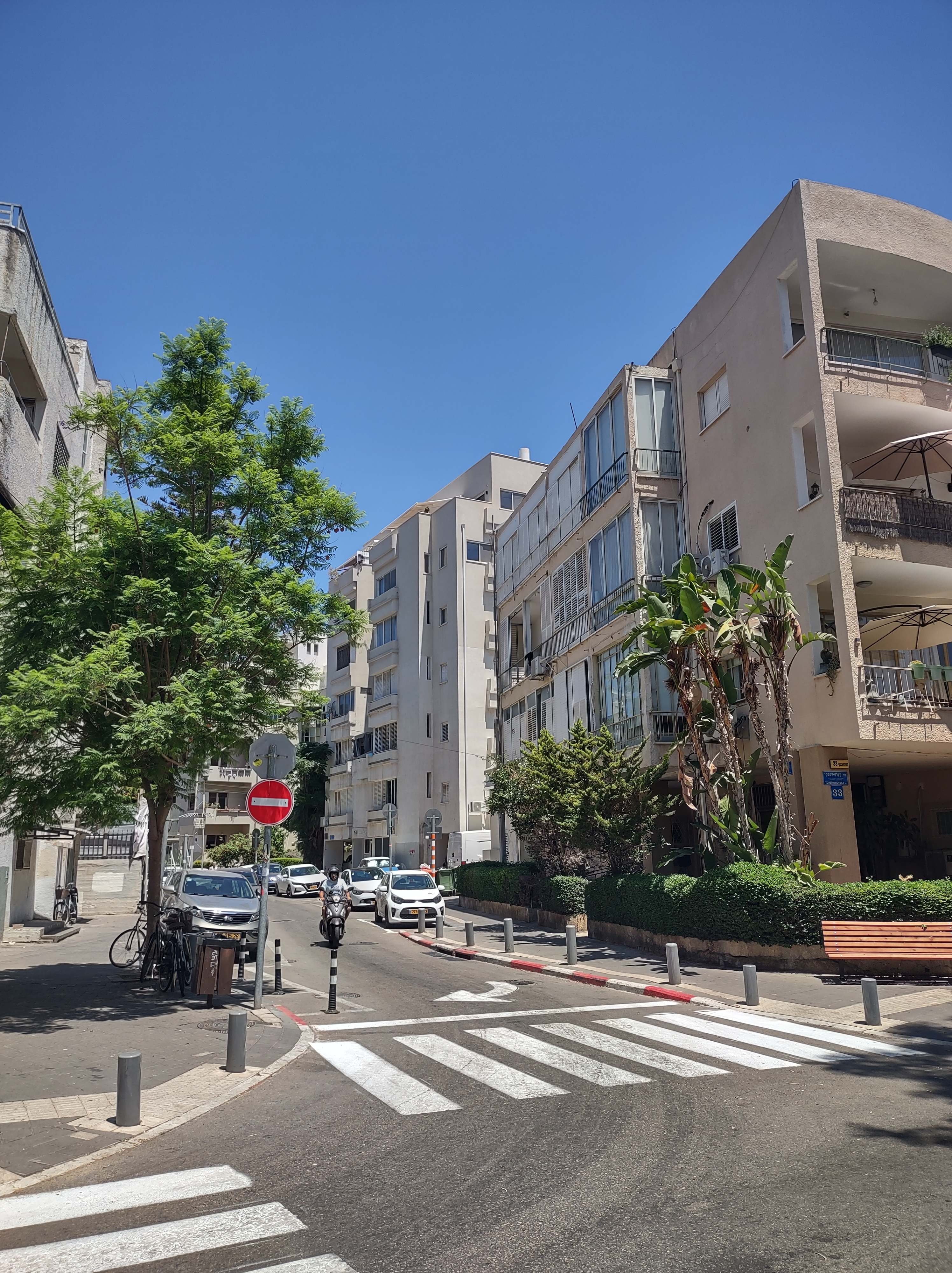
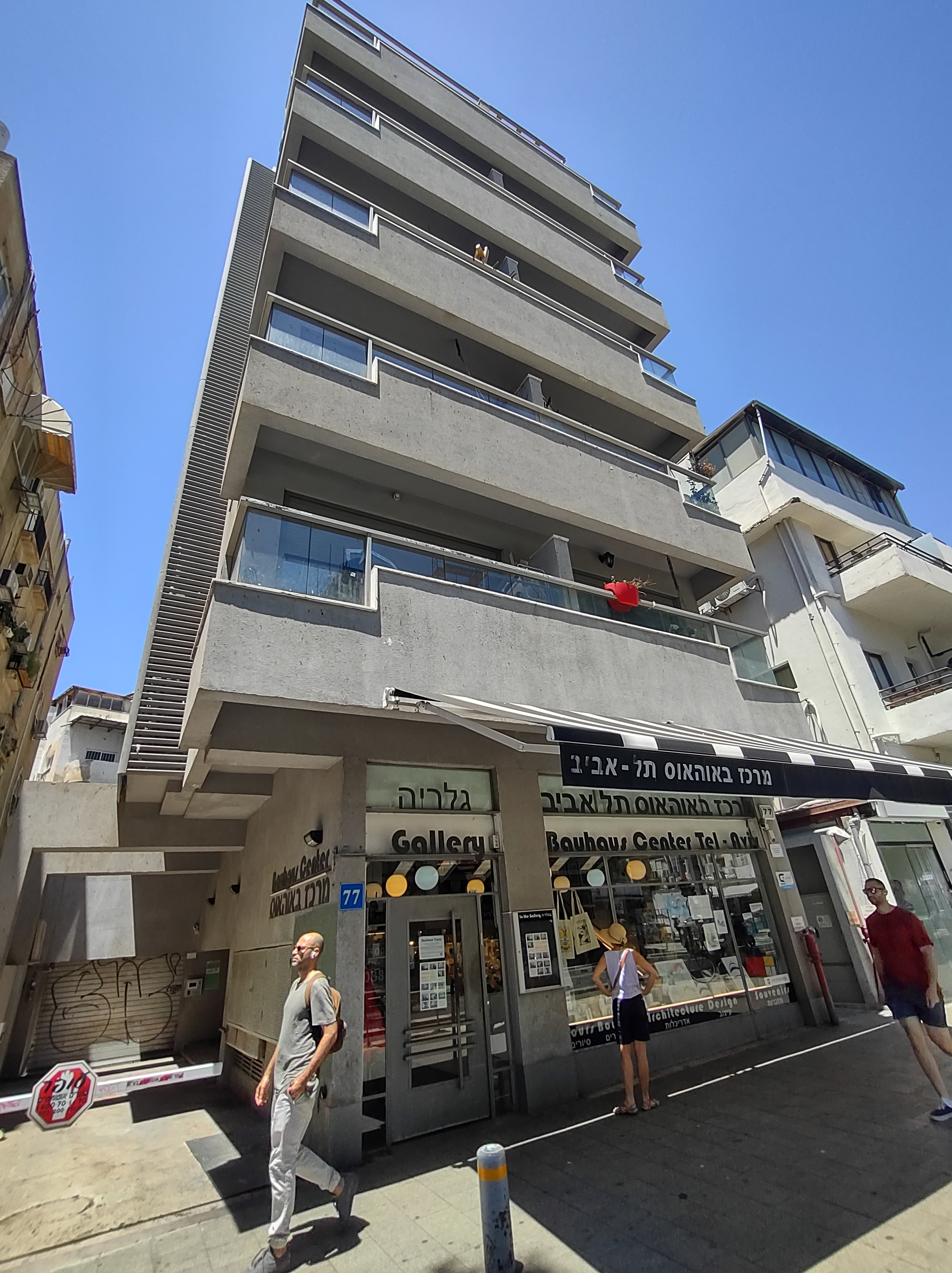
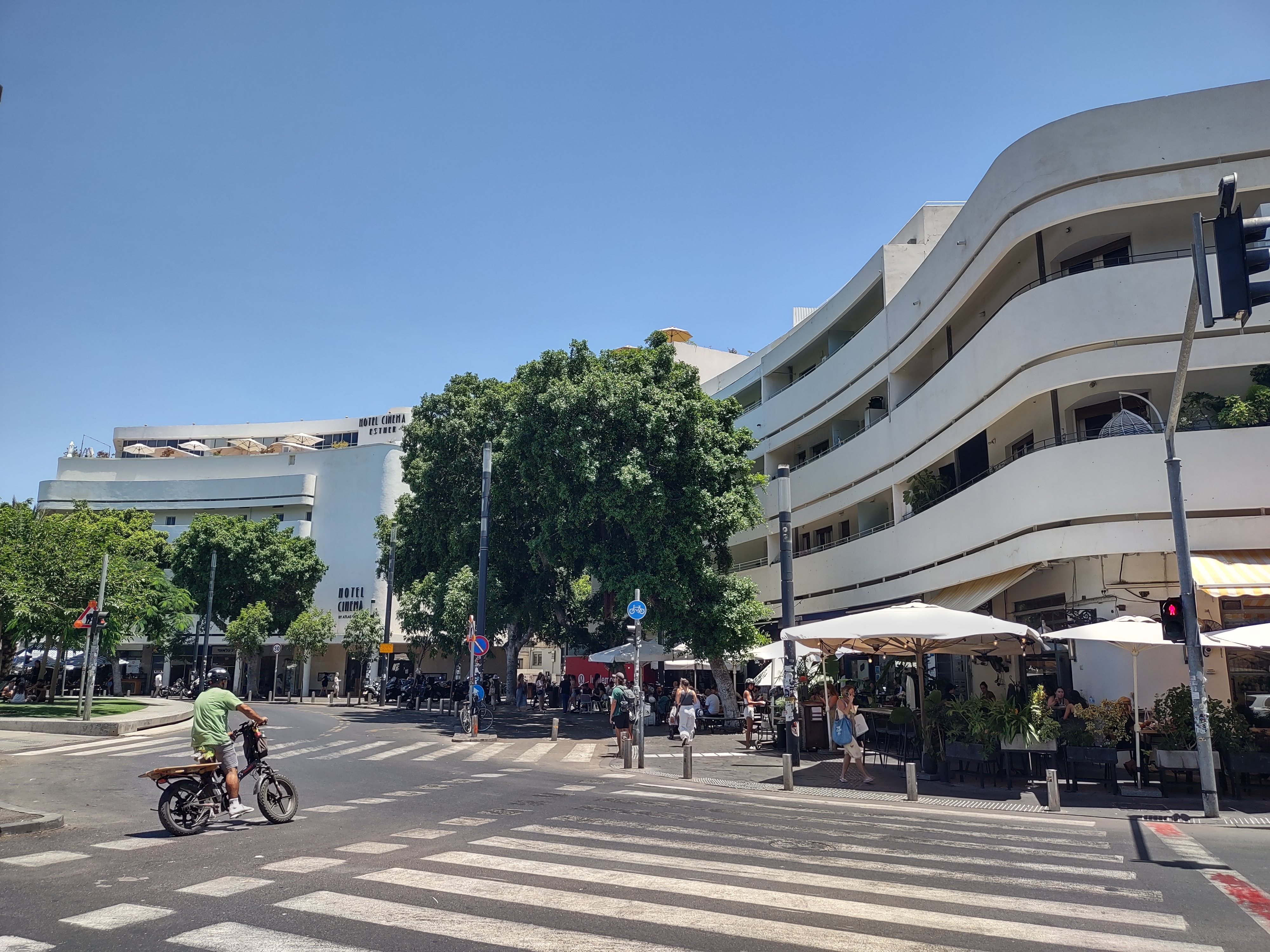
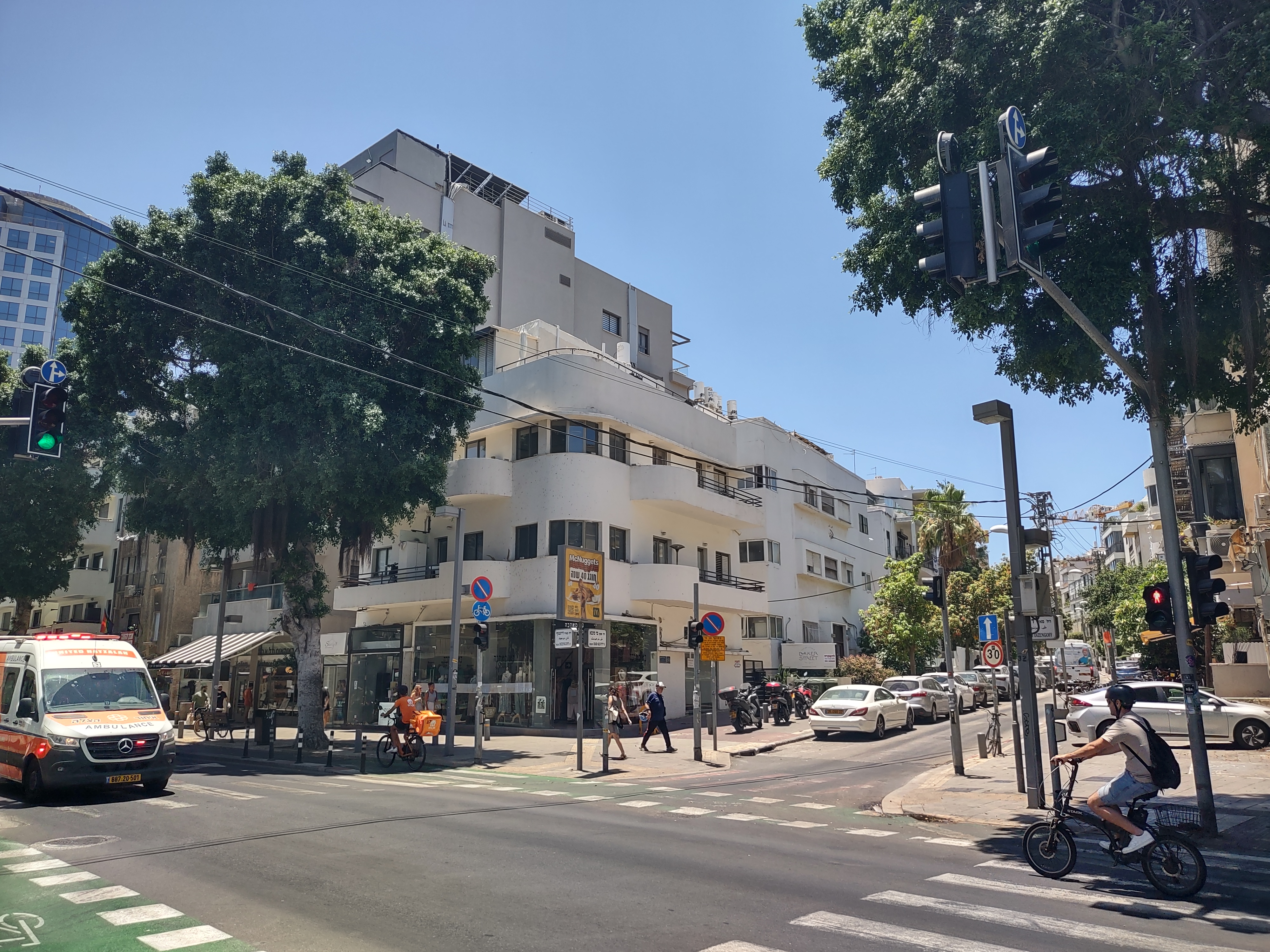
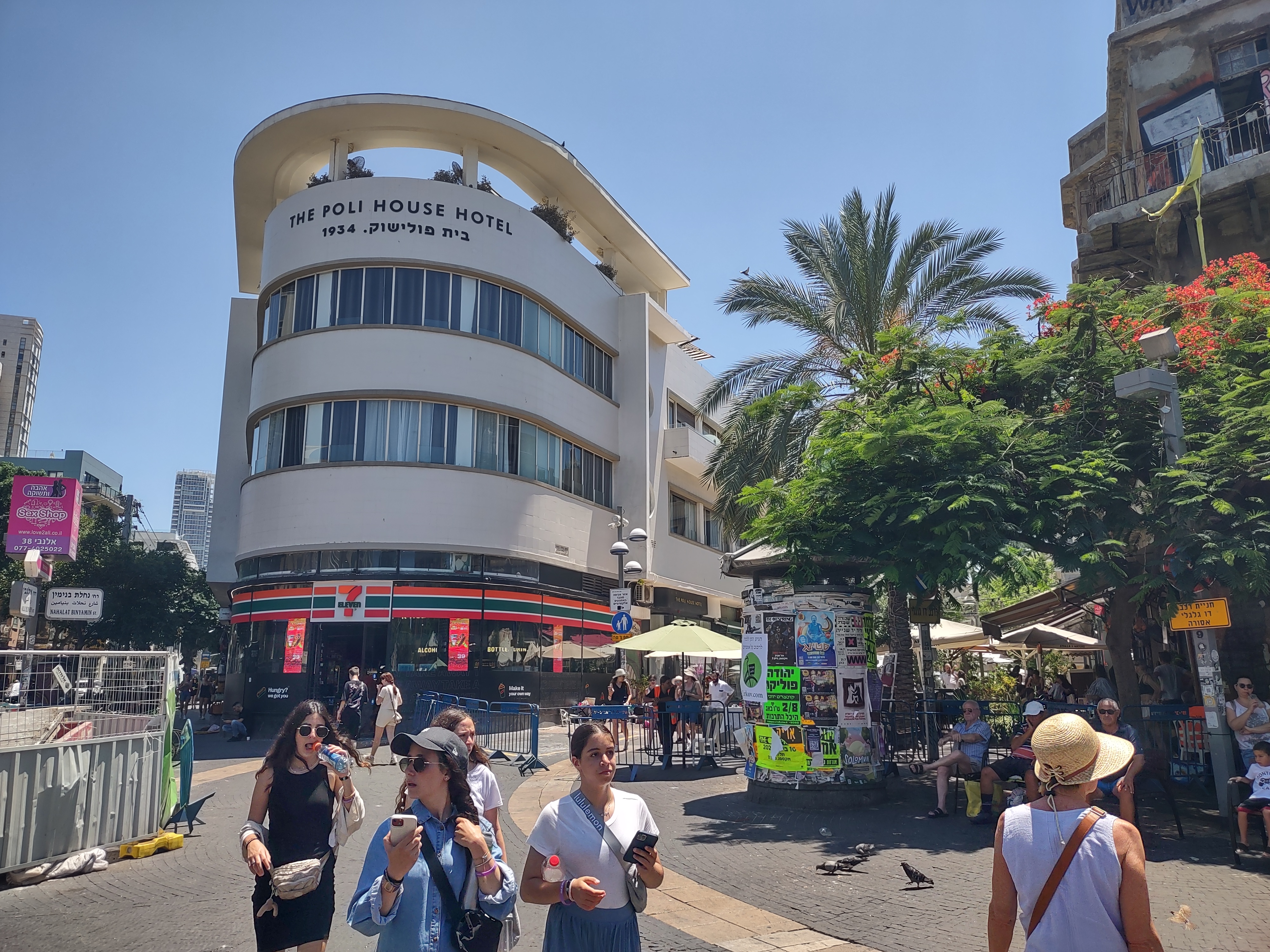
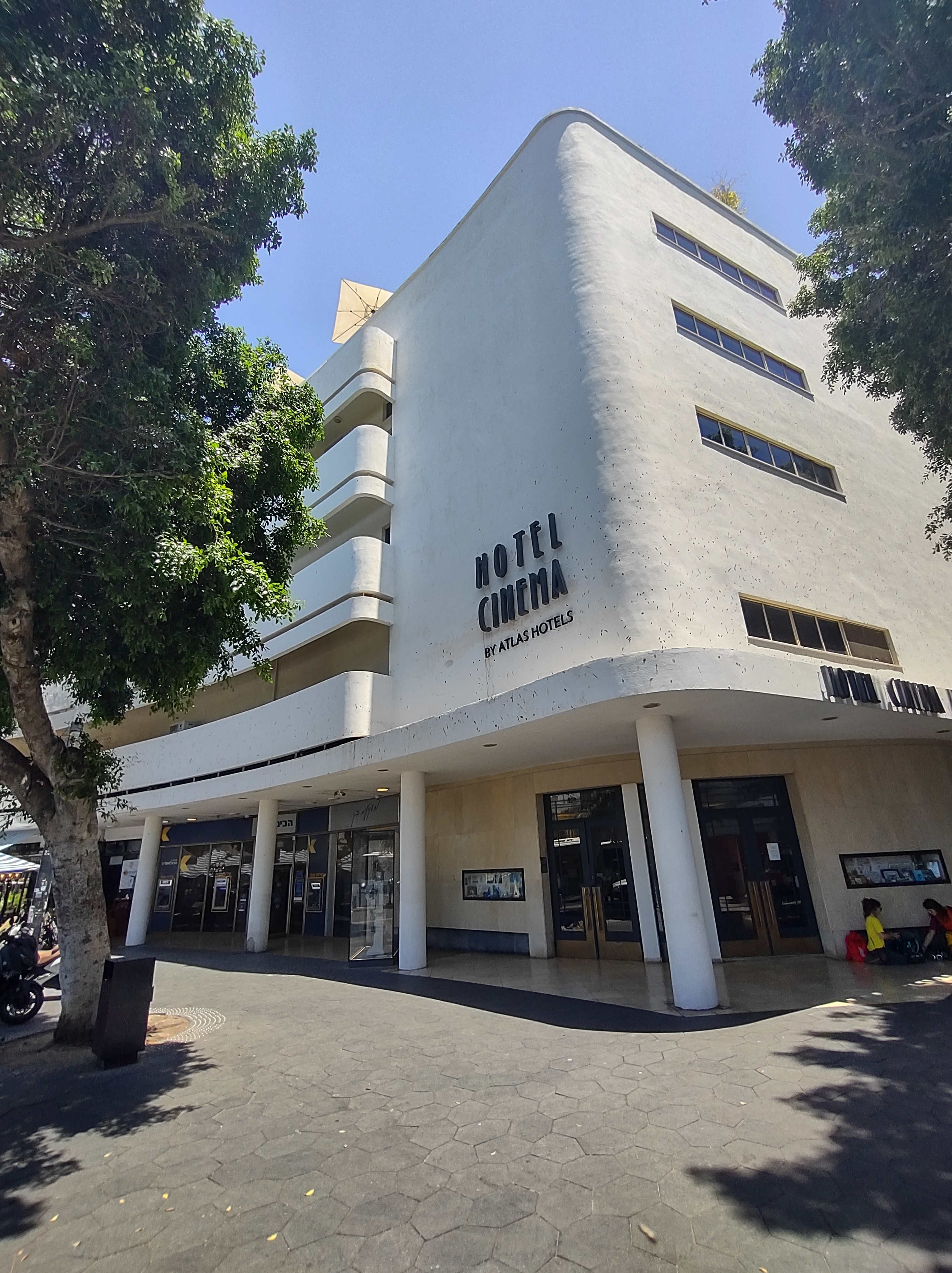
I mentioned earlier that one of the interesting things about Tel Aviv architecturally was related to the immigration of a large number of architects from Germany in the 1920’s and 1930’s who brought with them the International Style of architecture which had emerged under Walter Gropius at the Bauhaus School in Germany. Apparently, Tel Aviv embraced this clean new modern style of architecture and ultimately constructed a collection of over 4,000 International Style buildings, the largest assemblage of International Style buildings in any city in the world. That assemblage became known as the White City of Tel Aviv, which has been rediscovered and restored in recent years and, in 2003, The White City of Tel Aviv was declared a UNESCO World Heritage Site.
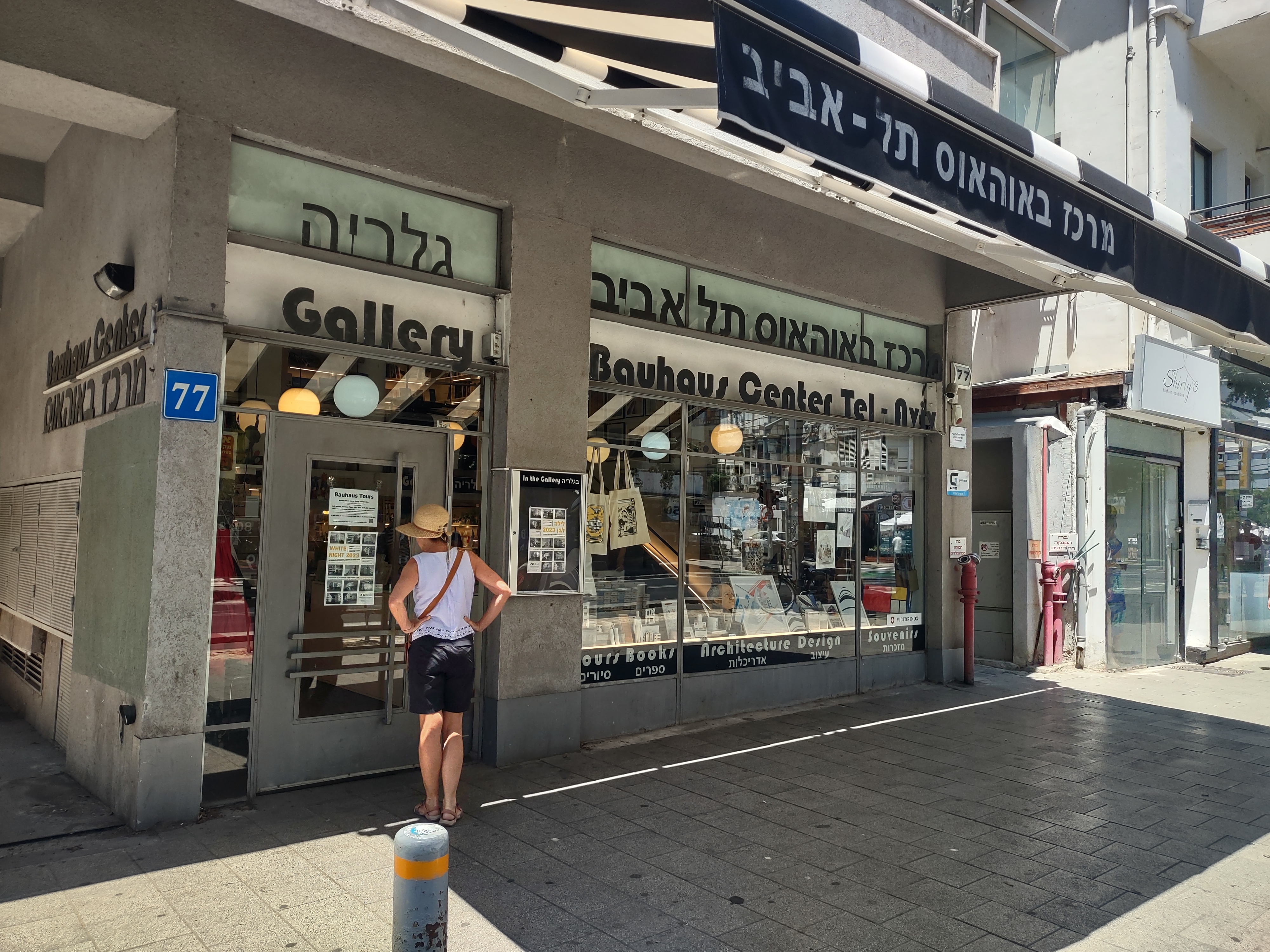
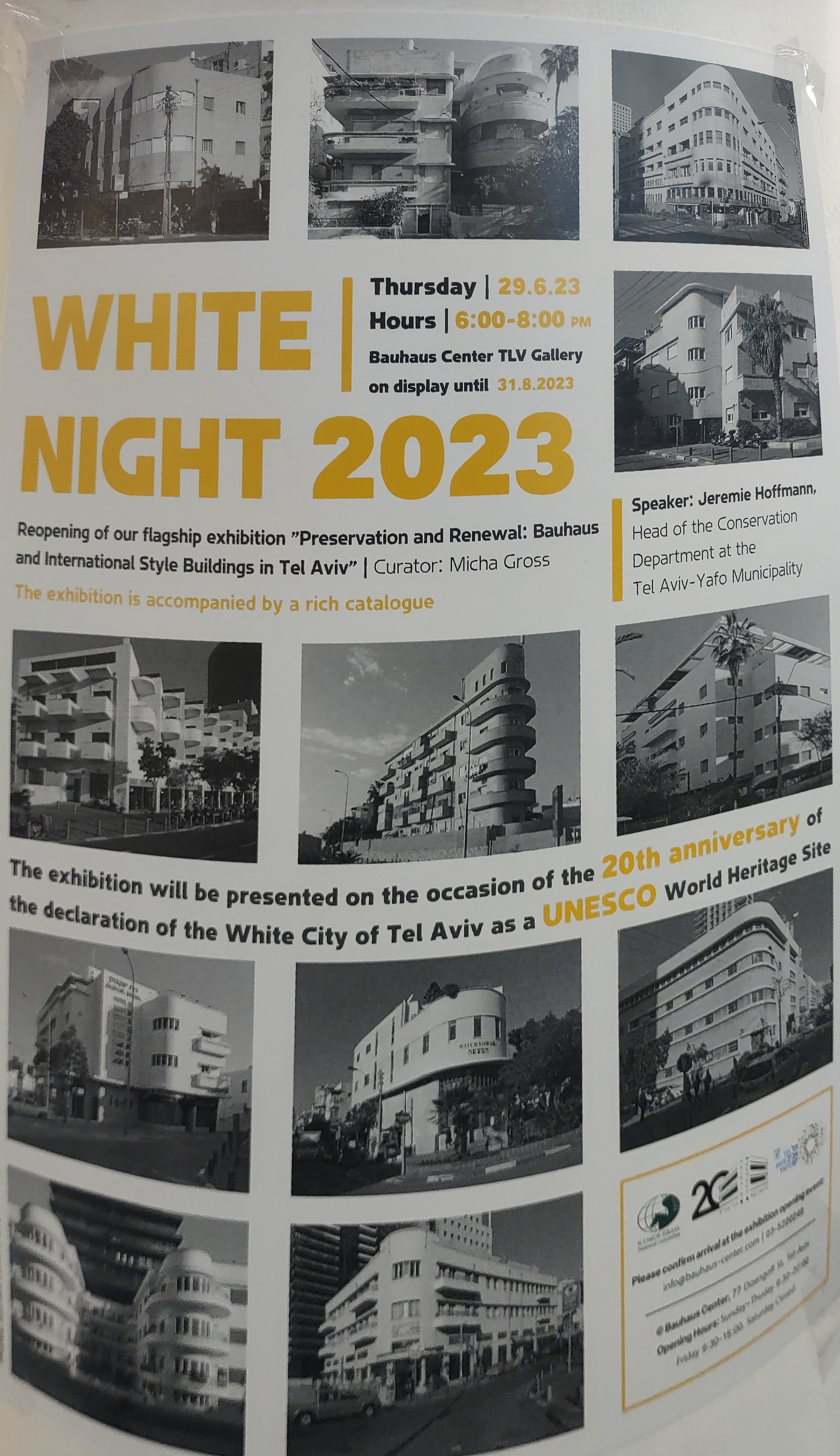
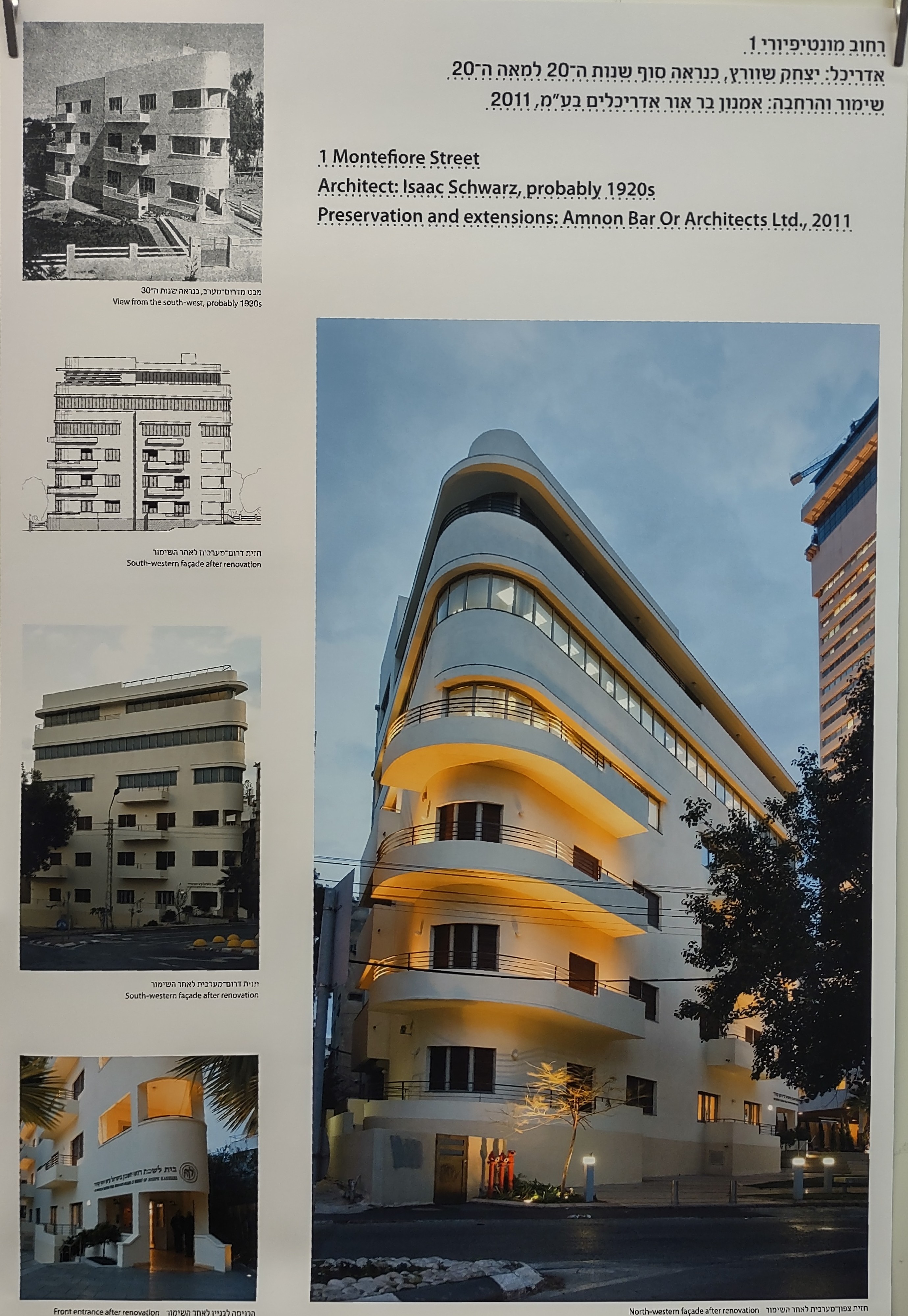
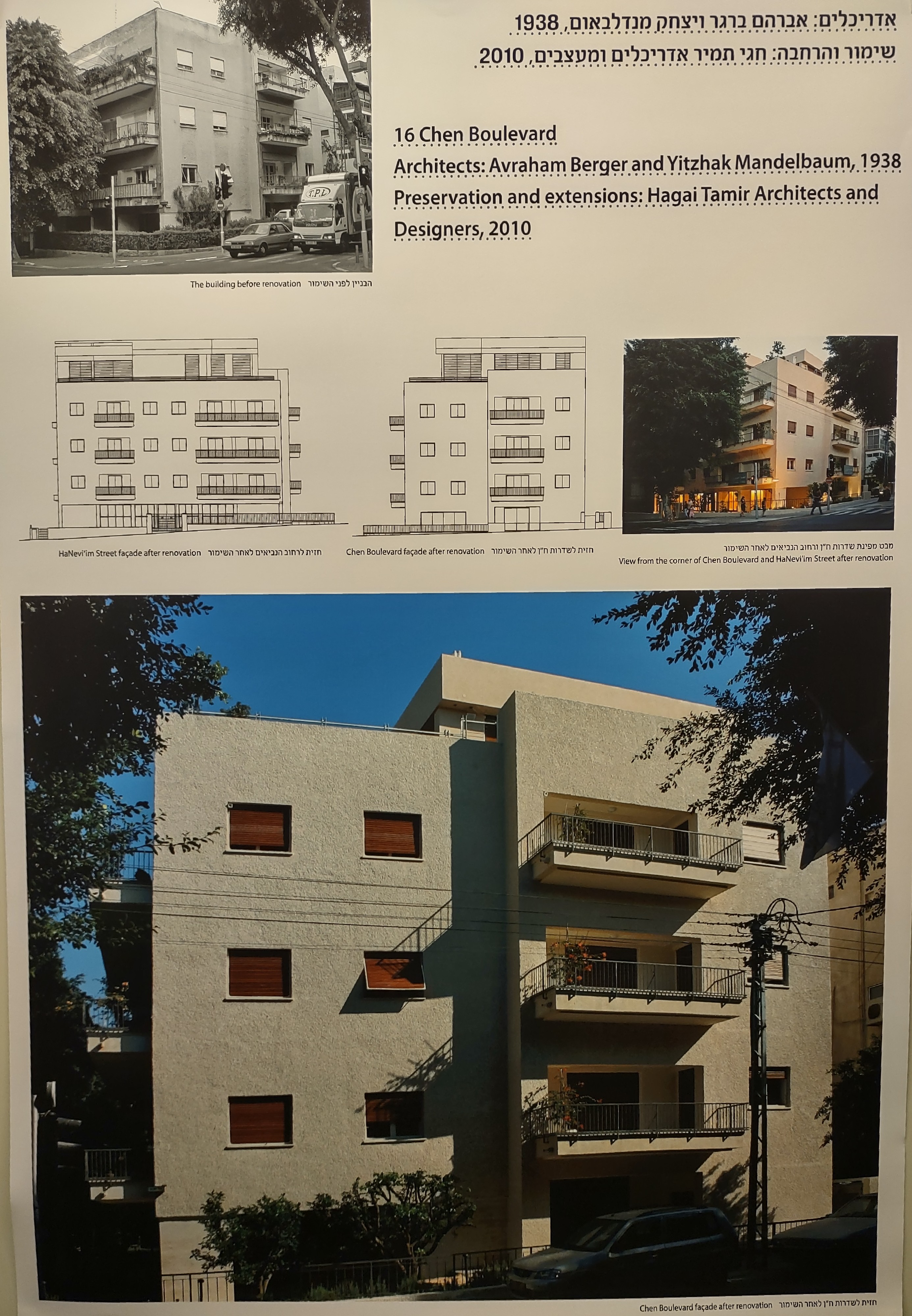
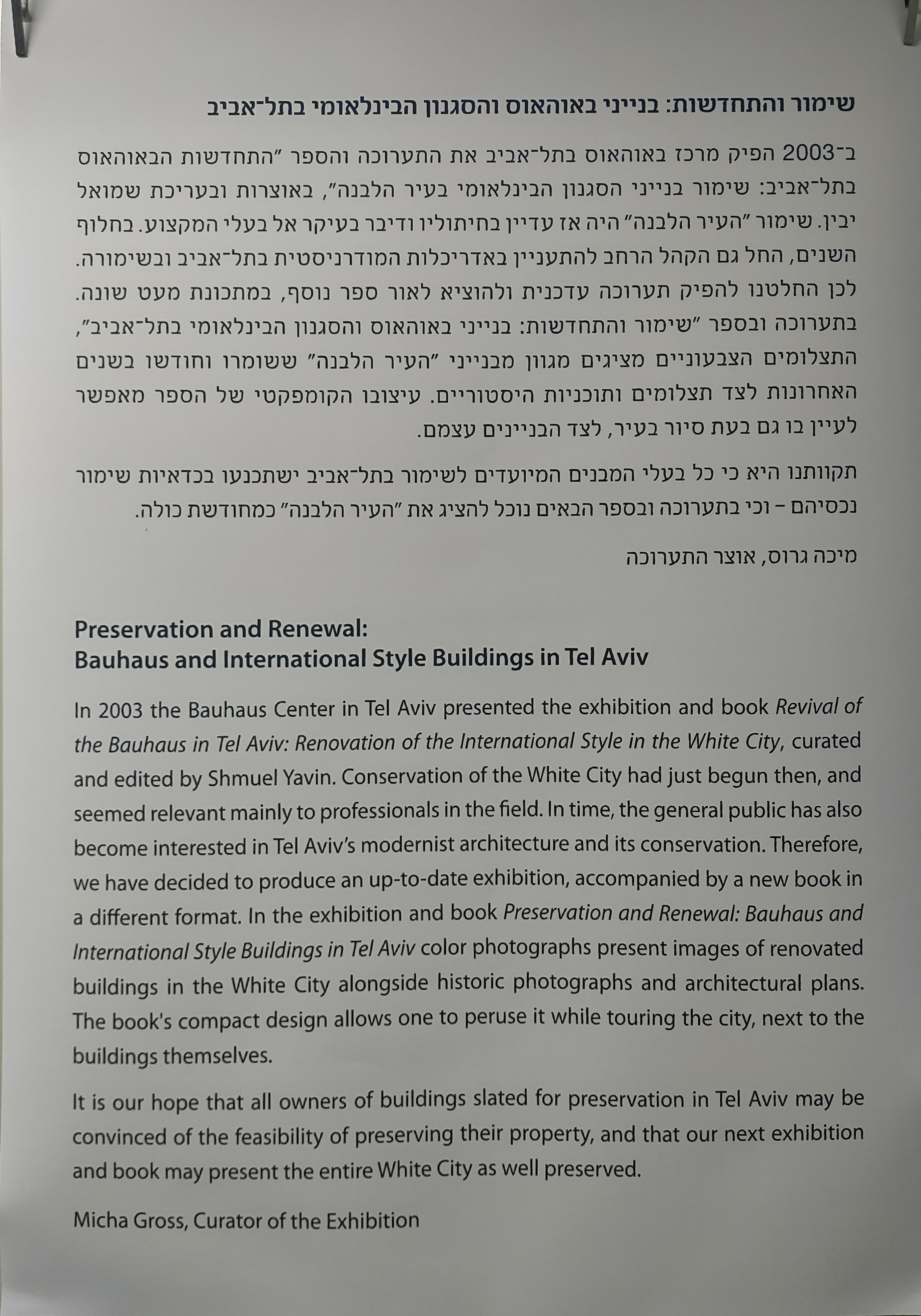
Over our various trips back and forth through the city, we encountered a number of these buildings, some of them popping up in isolated locations, but many of them grouped and clustered to the extent that they made up entire blocks and neighborhoods. During one of our walks, we were fortunate to stumble across the Tel Aviv Bauhaus Center and Gallery where we learned quite a bit more about The White City of Tel Aviv. It actually became a bit of a game we used for distraction during some of our long hot walks across the city to spot a Bauhaus Style building and call it out before the other did.
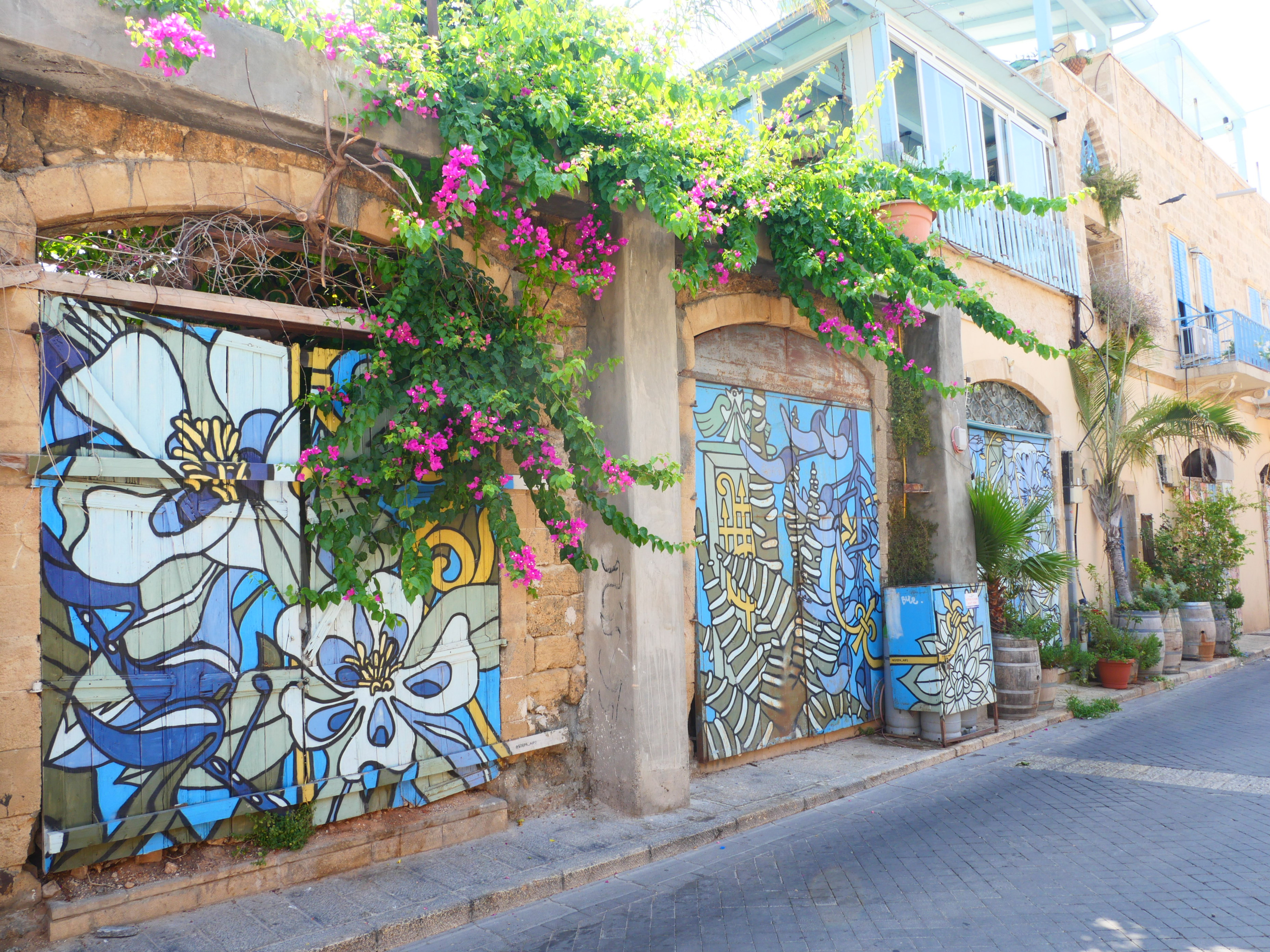
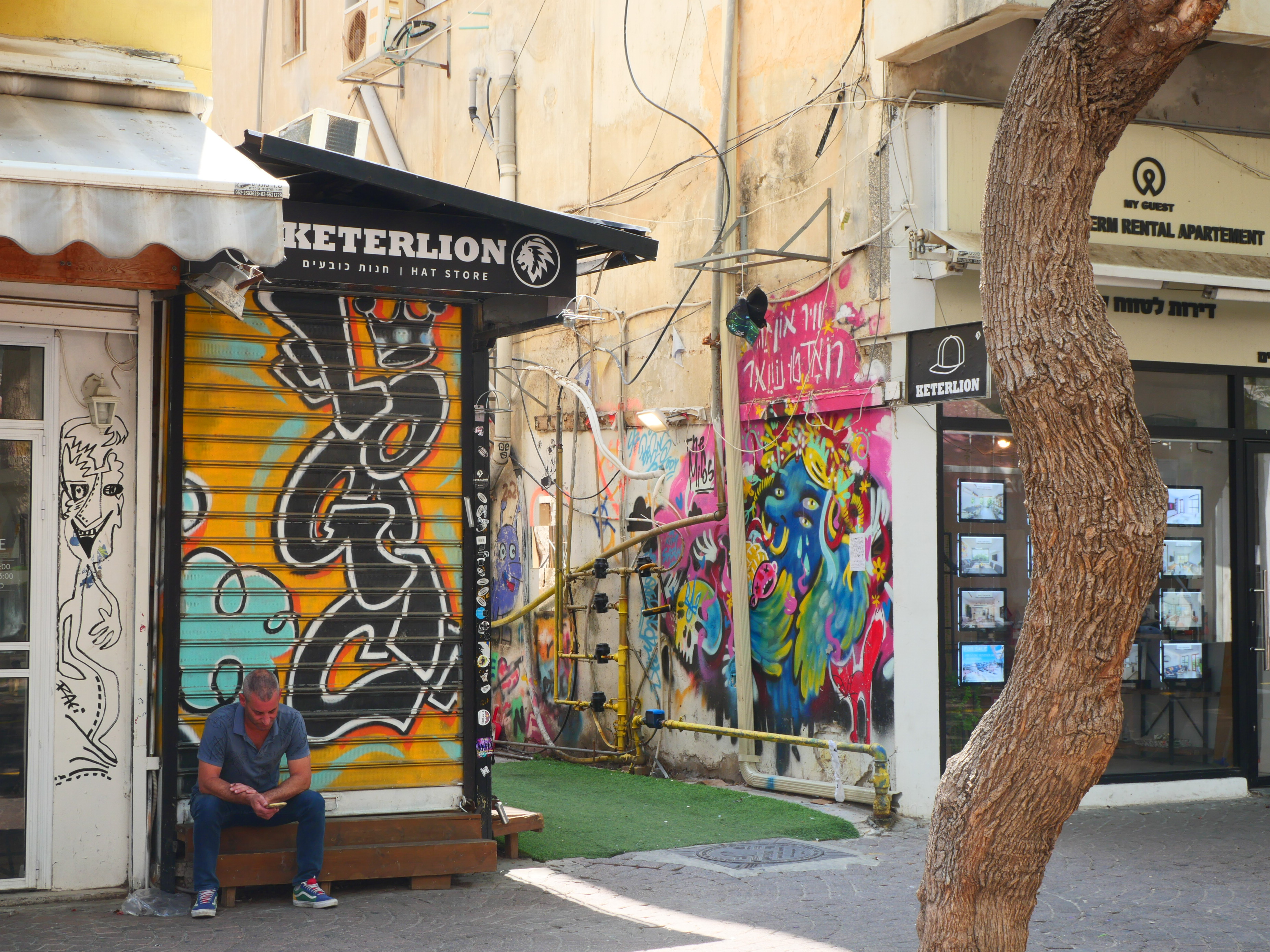
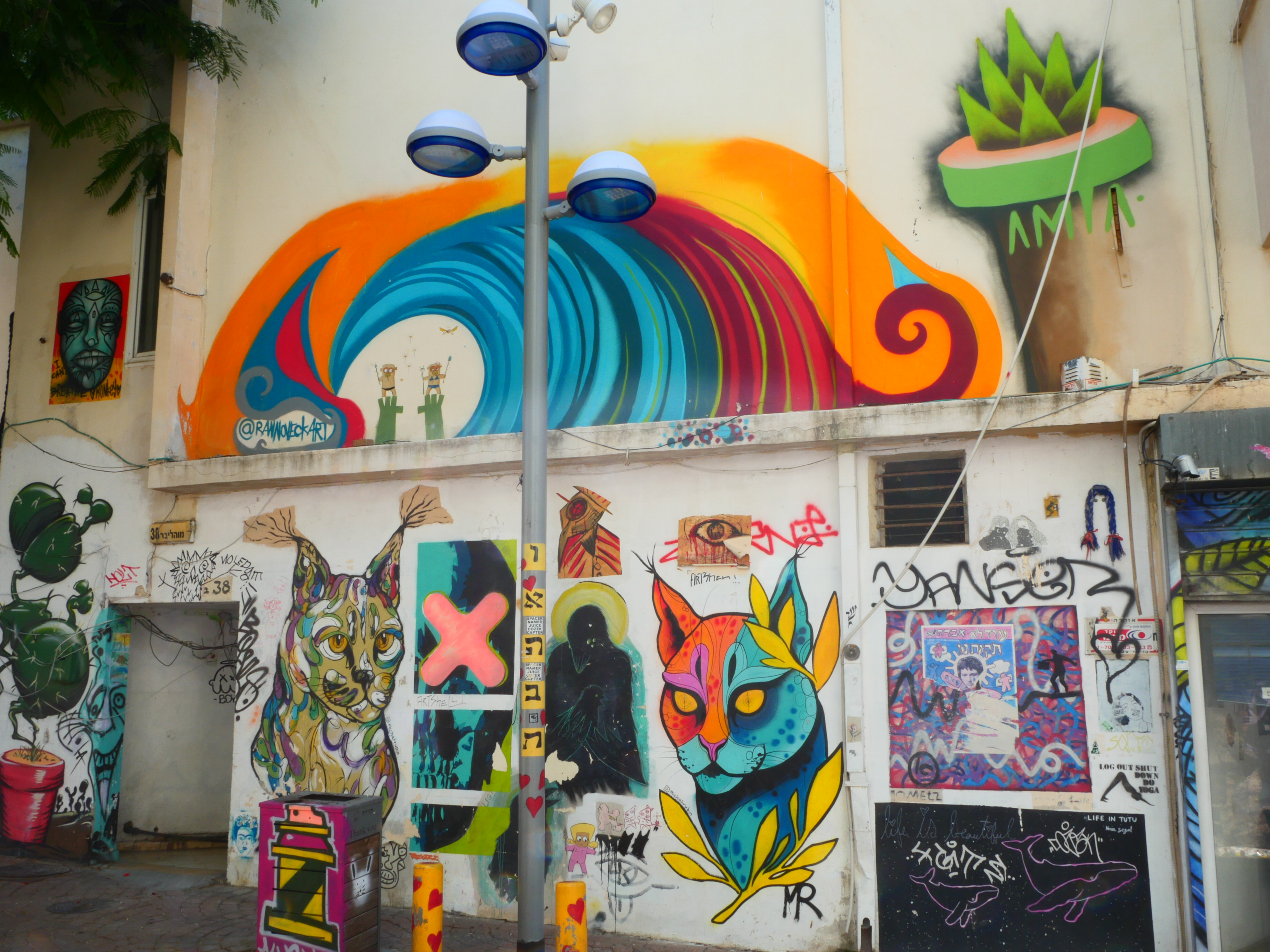
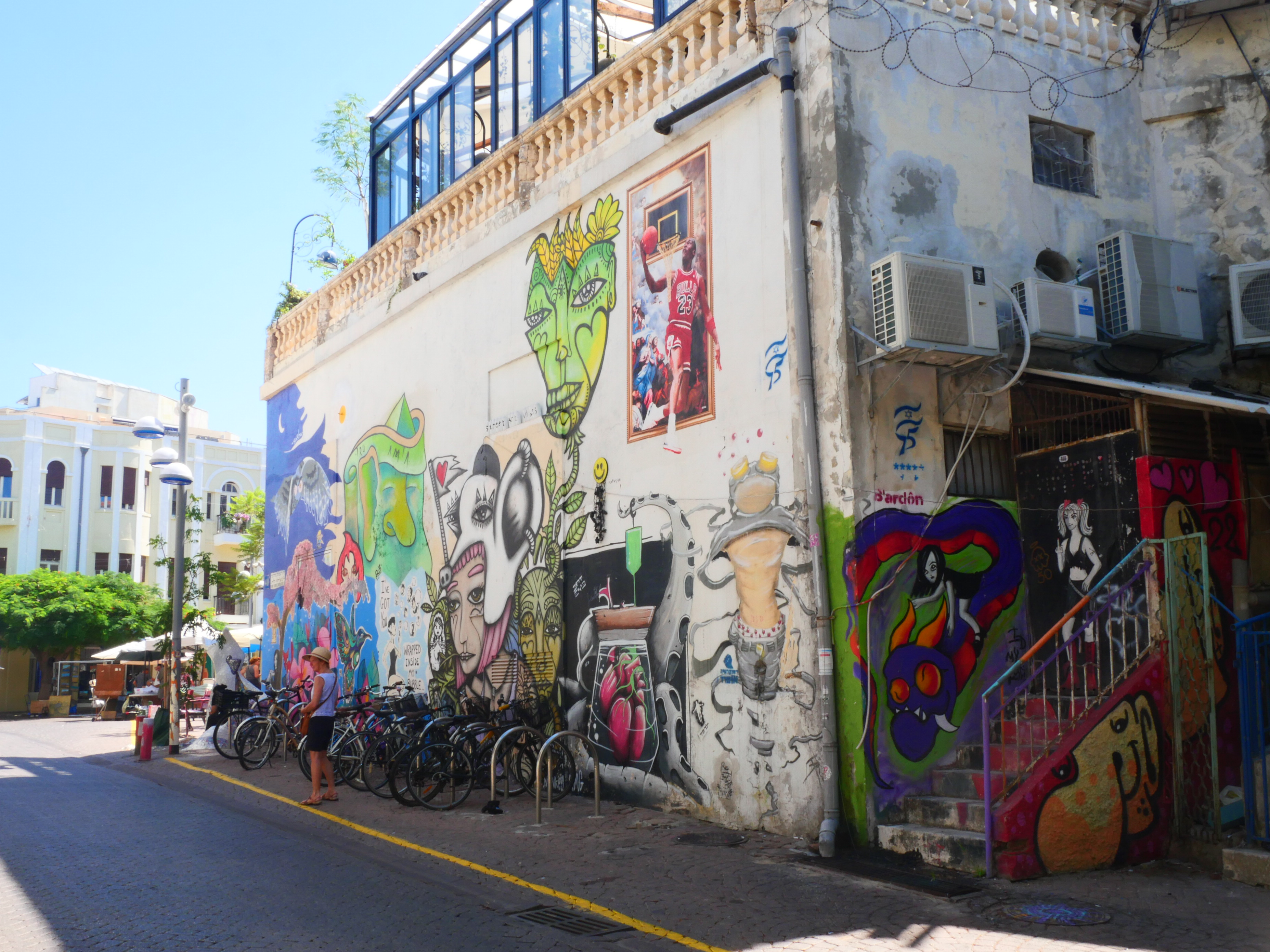
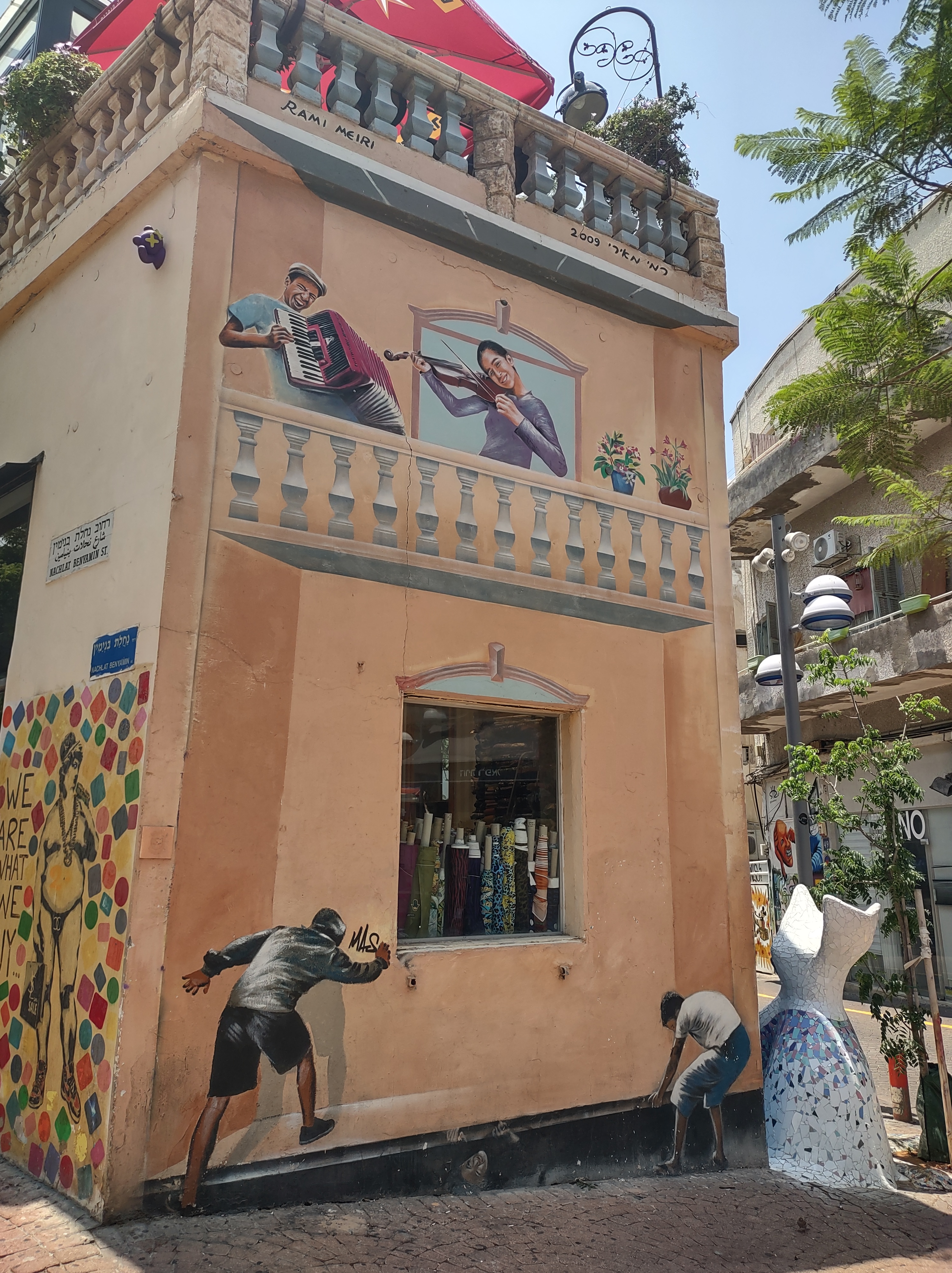
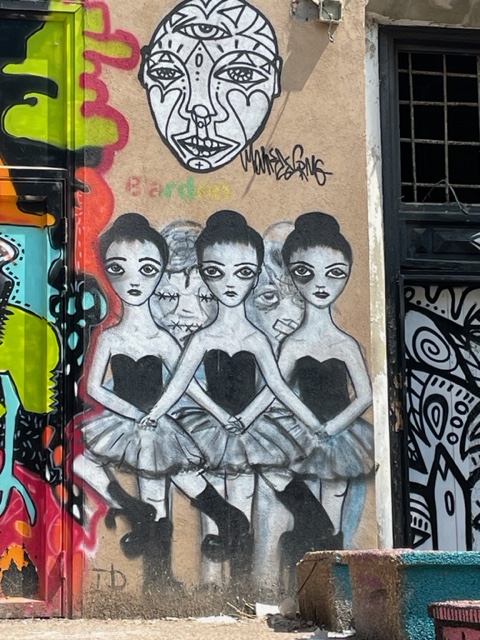
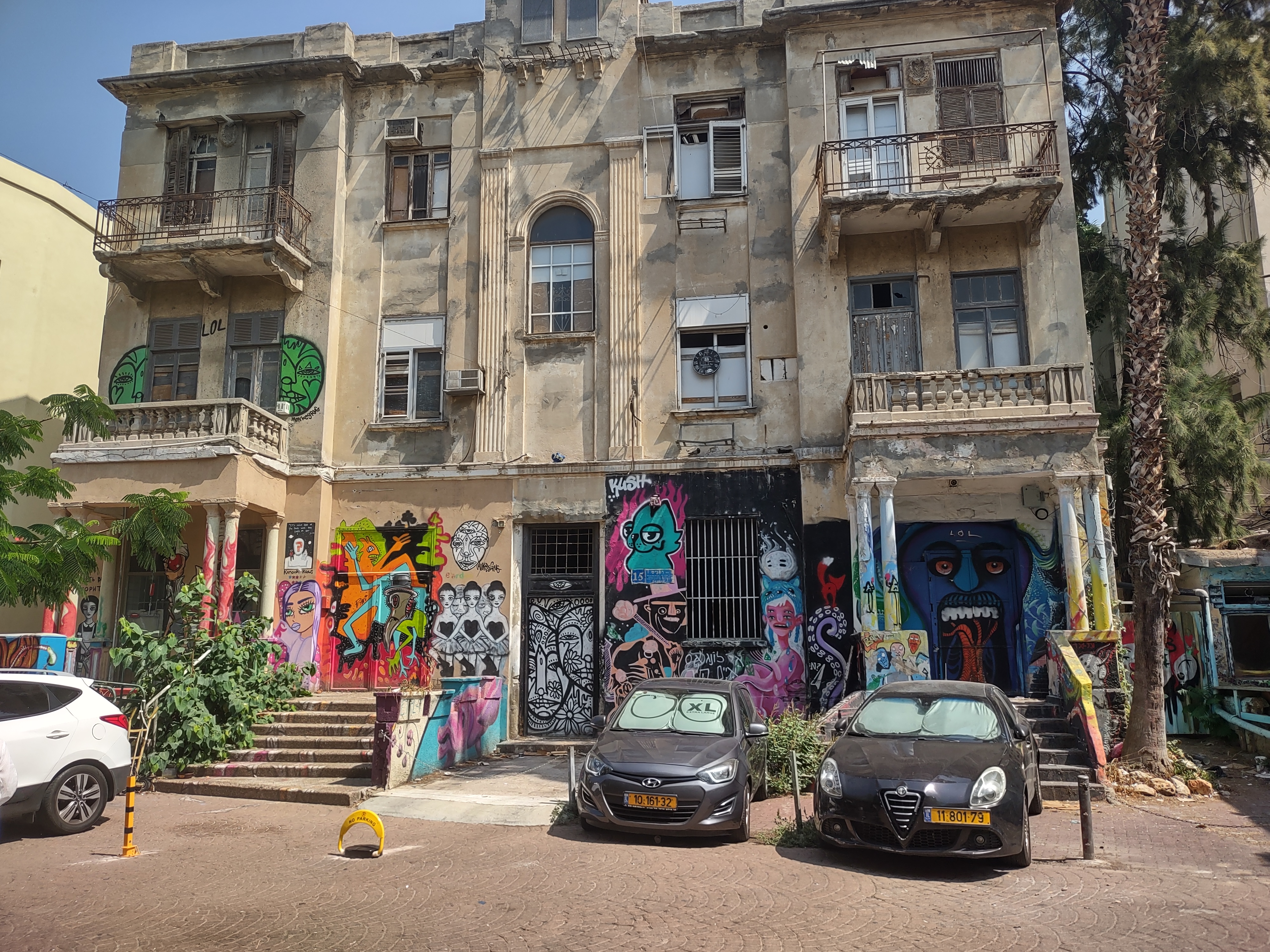
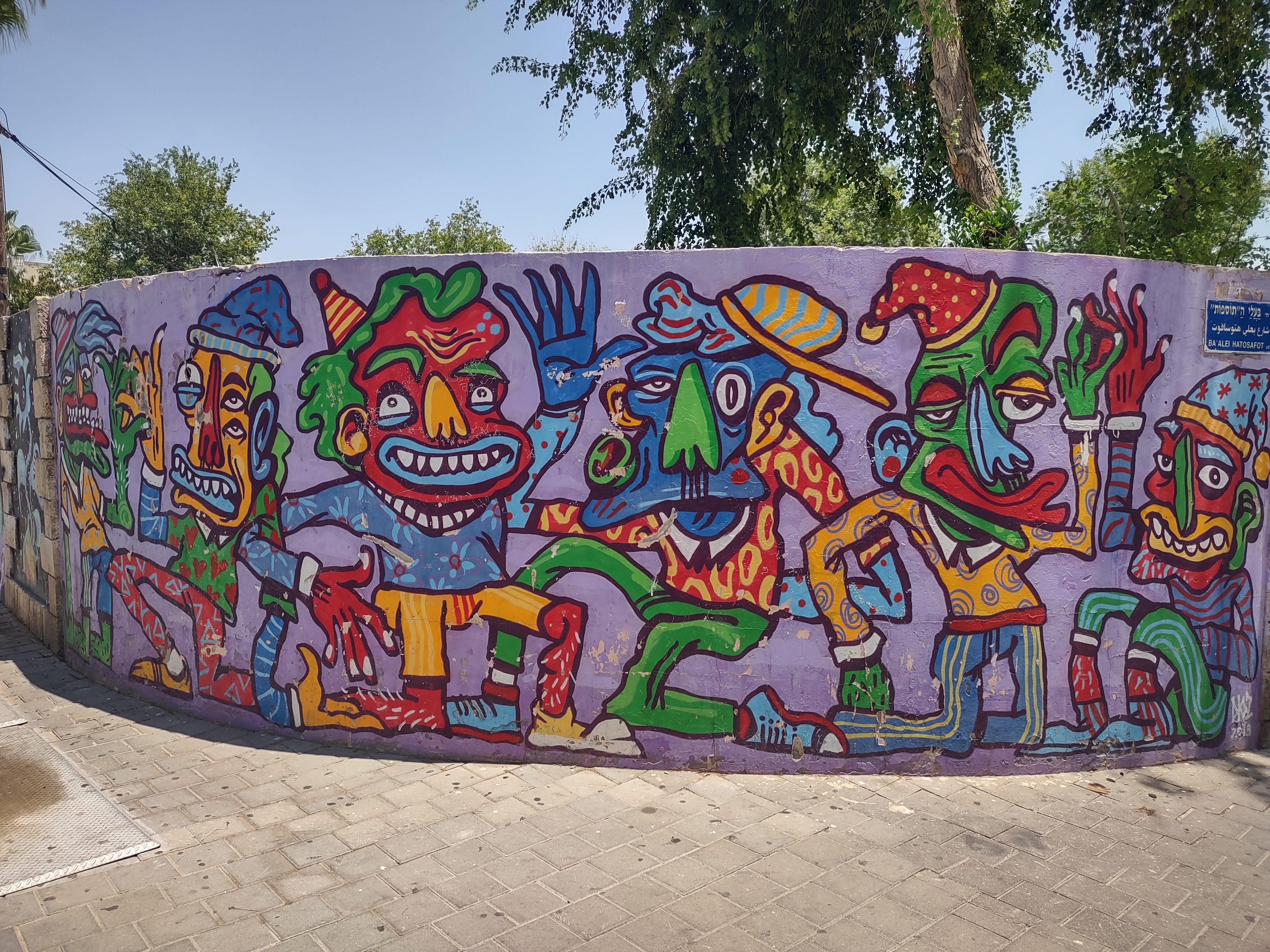
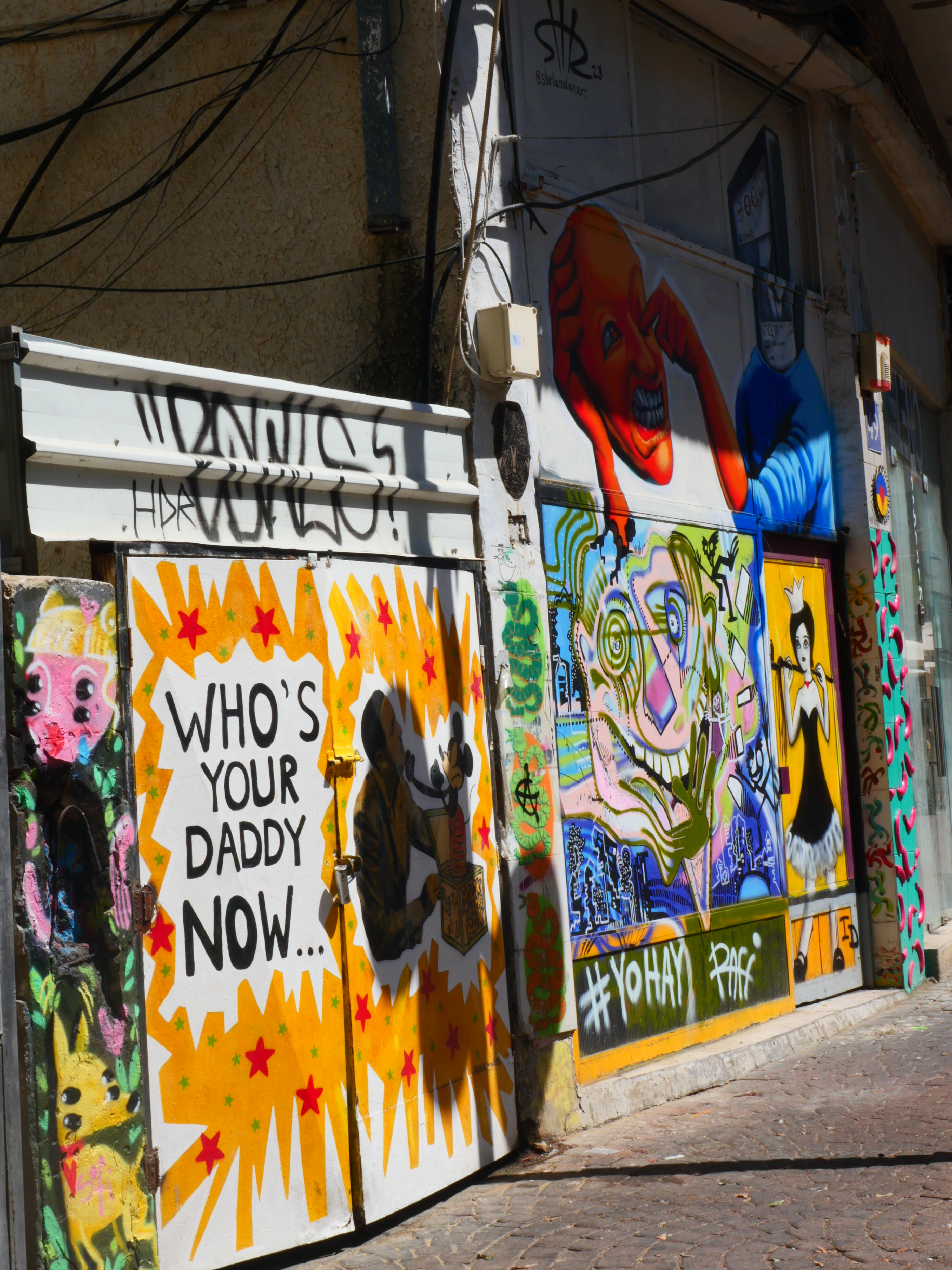
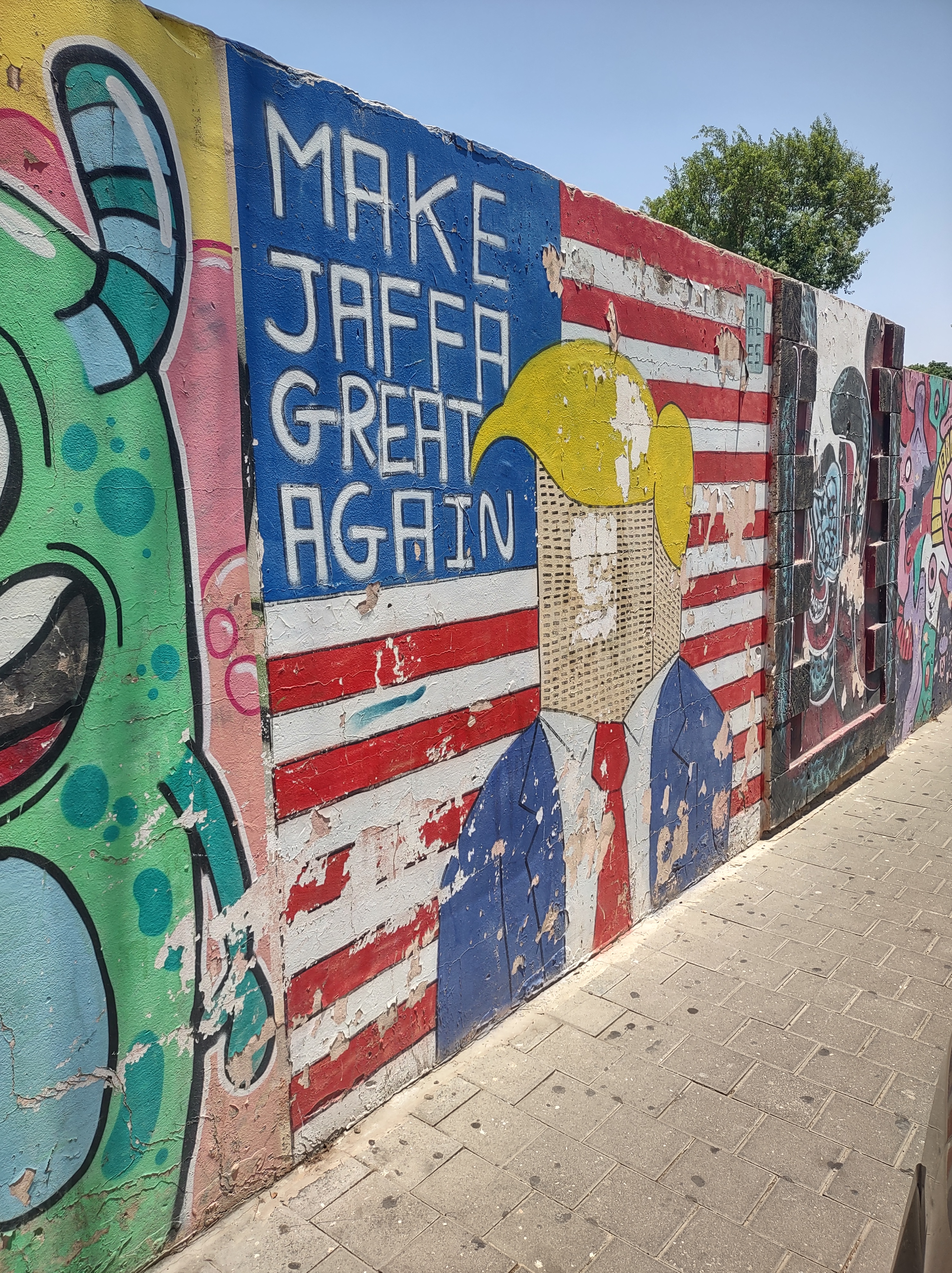
As a kind of counterpoint to The White City, we were pleasantly surprised to find that Tel Aviv-Yafo also has some pretty nice street art scattered here and there around the city. And, like the graffiti it has evolved from, once it appears it tends to attract more and so, we would come across clusters of it, most notably in the Nachlat Binyamin Street area. At times it almost seemed like some kind of a plant or vine which was spreading across the surfaces of buildings and blocks.
Getting Around Tel Aviv
While Collen had mastered the Gett Taxi/Uber app when we arrived, we generally don’t use taxis or Uber for distances less than a 2 or 3 miles if we are walking and more if bikes are an option. The reality is that we pinch pennies where we can and, compared to the expense of public transit in many of the places we have visited, taxis are a bit of a luxury for us even when they are cheap. The other side of that coin of course is that there are places where figuring out how to access public transit can be pretty challenging. In looking at alternatives to taxis in Tel Aviv, we came across an e-bike rental service called, of all things, Tel-O-Fun (a bit ironic based on our experiences). Like most e-bike rental services, there’s an app that allows you to unlock a bike from designated parking/charging areas and tracks your use until you return the bike to a designated parking/charging area.
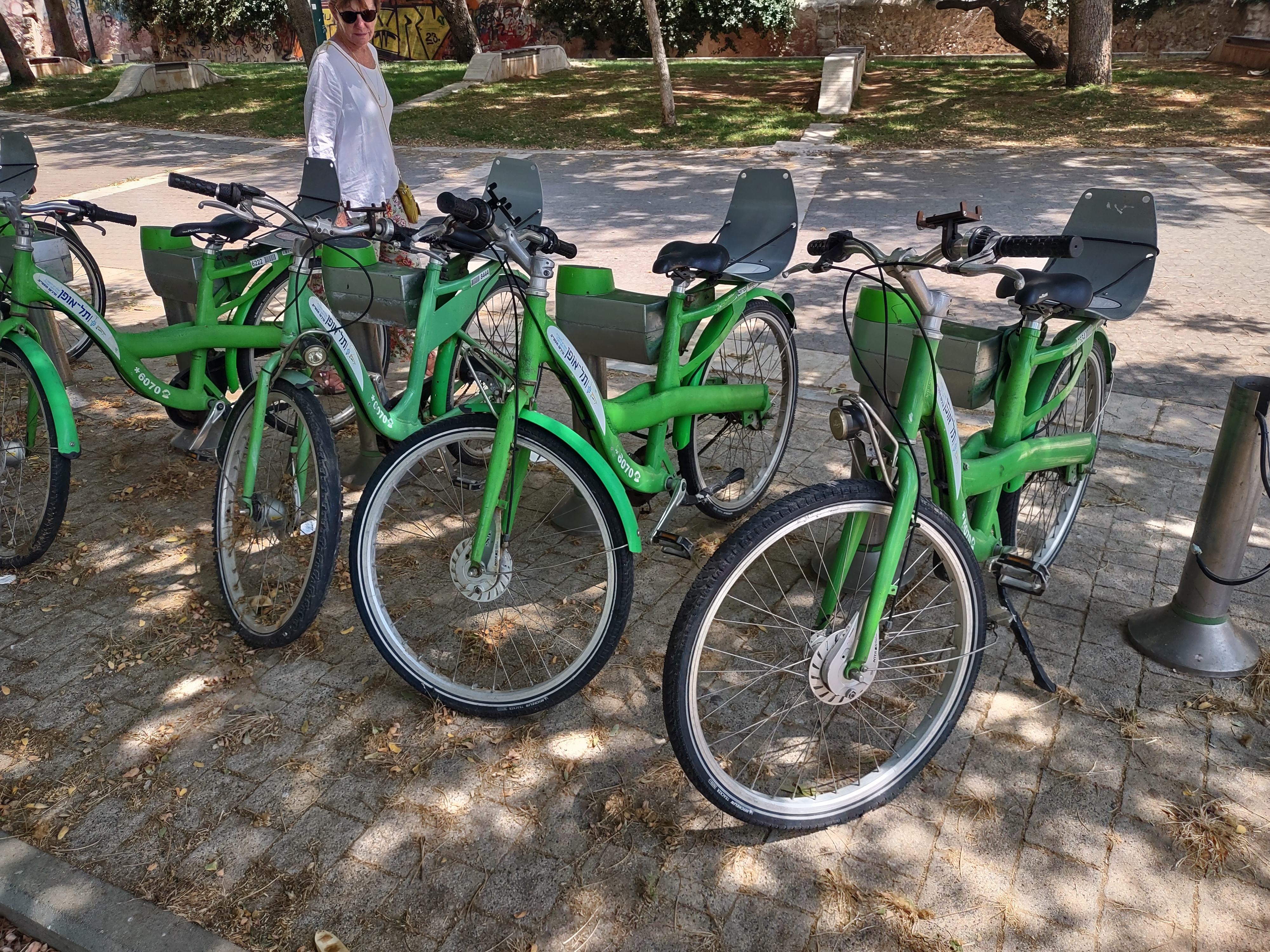
In principal it sounded good, so we downloaded the app and tried them out for the first time on a Saturday night trip up the beach which went fine, aside from the fact that the bikes had no helmets as advertised and the head and tail lights were non-operable. Not Tel-O-Fun’s fault, but the beach promenade and bike lanes were very crowded not only with bikes, but dive-bombing scooters passing on both sides, an occasional moped or four-wheeler and, of course, pedestrians who don’t understand the concept of bike lanes. We’ve spent enough time on bikes that we survived not knowing that this first date was the peak of our relationship with Tel-O-Fun, which eventually became known to us as (yes) Tel-O-Not-So-Fun.
While our first trip had started at a Tel-O-Fun station near the beach, our subsequent trips went in other directions but we were (for a brief moment) happy to find that there were several Tel-O-Fun stations around us, including one just around the corner from our apartment. We went there on our next trip out only to discover that there were no bikes there. Not to worry, there was another station just a few blocks further along our route, so we walked there. There were bikes at the next station but the station itself was inoperable so we were not able to unlock or use any of them. At the next station along our route we were able to unlock two bikes and used them to cover what ended up being the remaining half of the distance to our destination.
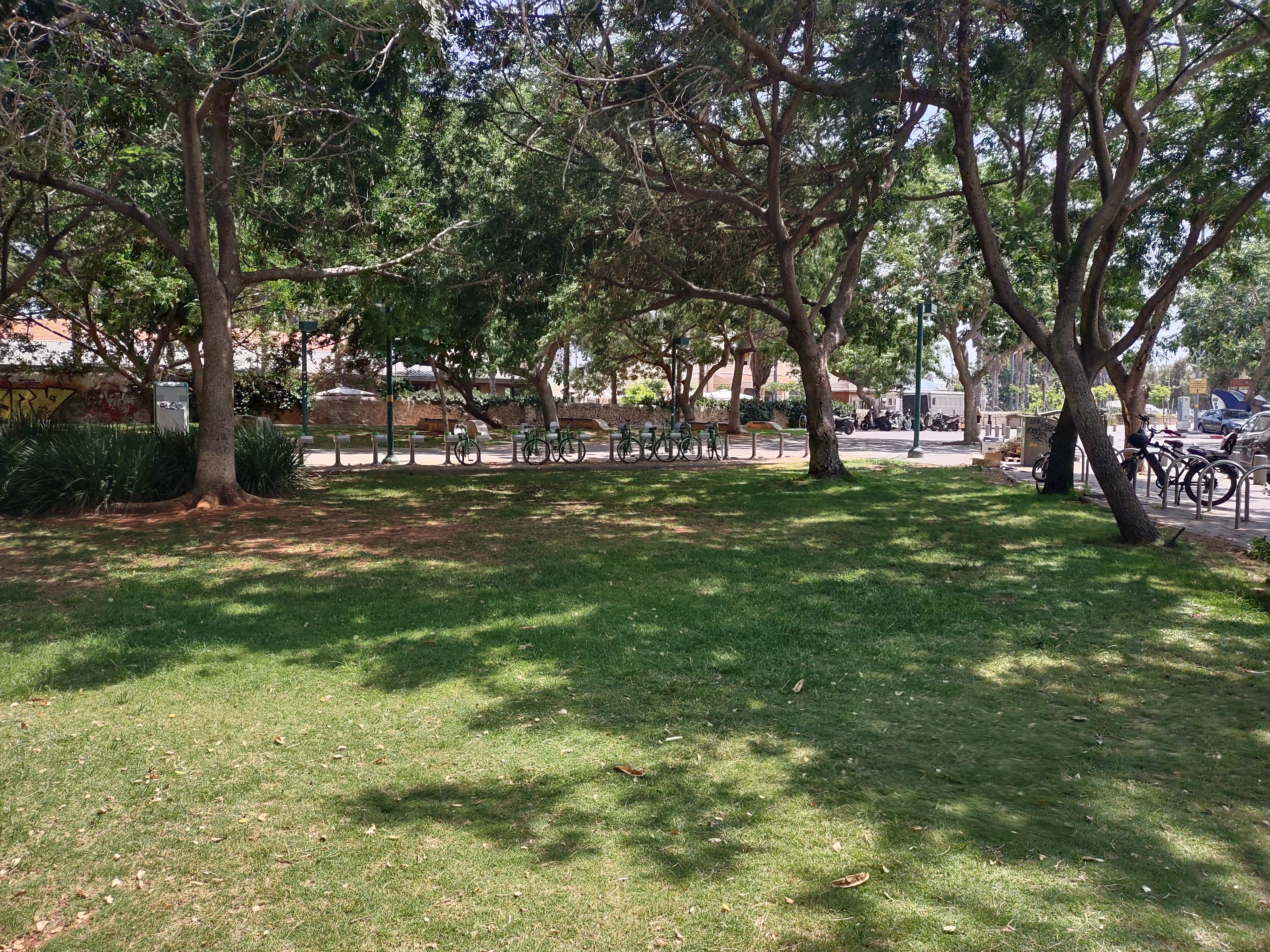
I should have mentioned earlier that there is an adventure-mystery aspect to this game as, even if there are bikes at the station and even if the station is operable, there is still a question as to whether any of the bikes themselves are operable and, on a couple of occasions, we found stations with bikes where none of them were. (Based on our experiences, I would guess that only about 25% of the bikes we encountered were actually usable.) And, just to make it even a bit more interesting, as we required two bikes, you had to be careful not to activate one until you had ascertained that there was another one which was operable (ran into this once or twice as well). So, as I said earlier, not so fun! Given the odds here we eventually decided it was safer to walk rather than to go much out of our way to get bikes only to be disappointed.
In response to theses experiences, we decided to try what appeared to be a brand new tram line which had a stop around the corner from our apartment (near the Tel-O-Fun station with no bikes). We had seen the tram coming and going over the prior days and from available online information (don’t really want to get into it, but we were surprised at how much of this is only available in Hebrew and not English), it appeared that it stopped more or less near our destination that day. As had been the case with many of the other public transit systems we have used, the system does not use cash and the trick ends up being figuring out how to get a transit card and charge it up. Unfortunately, none of the ticket kiosks at our station (with instructions in Hebrew) appeared to be operable at which point we decided we would explain ourselves and apologize if necessary and prepared to jump on the next tram which came by.
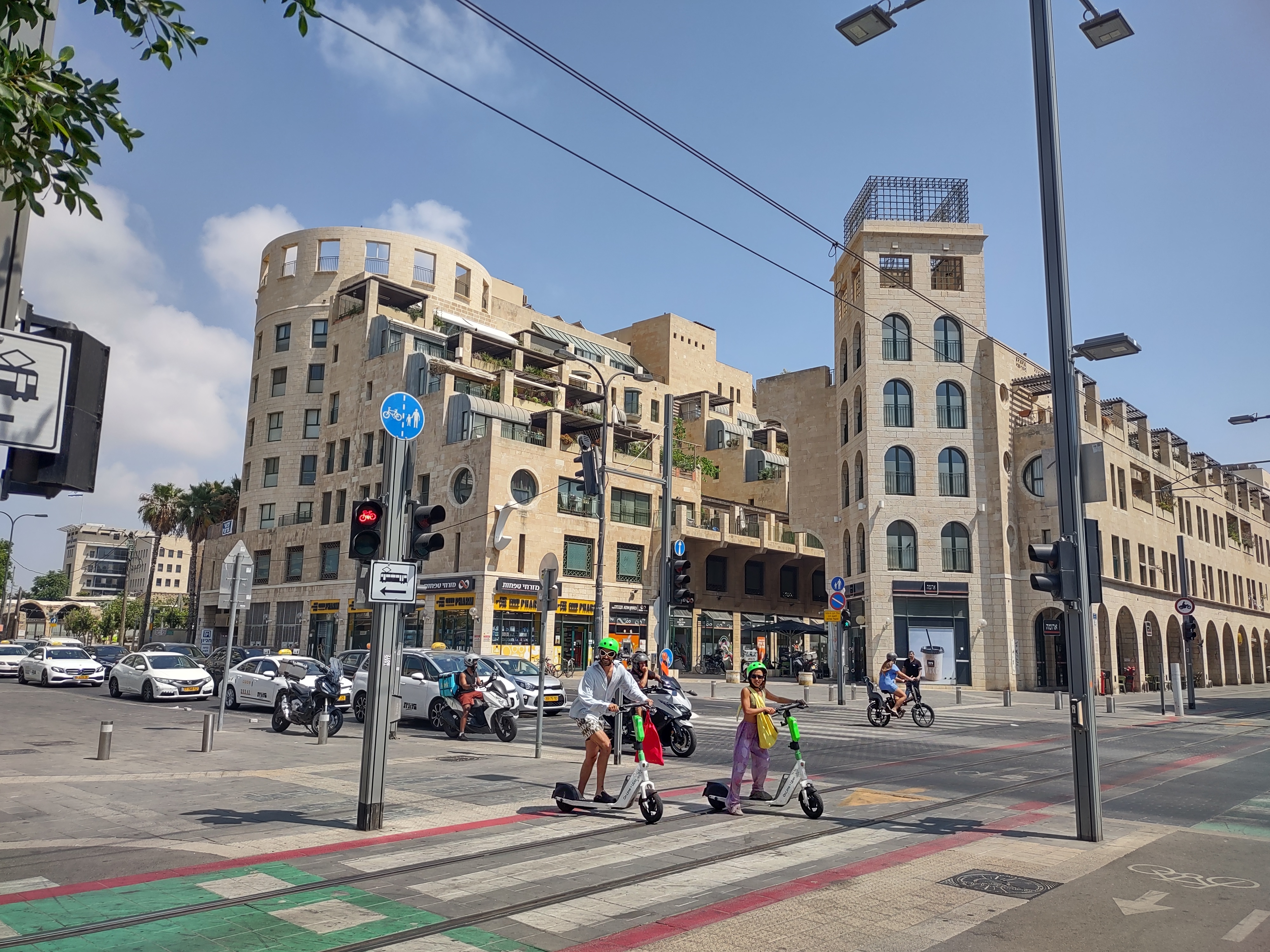
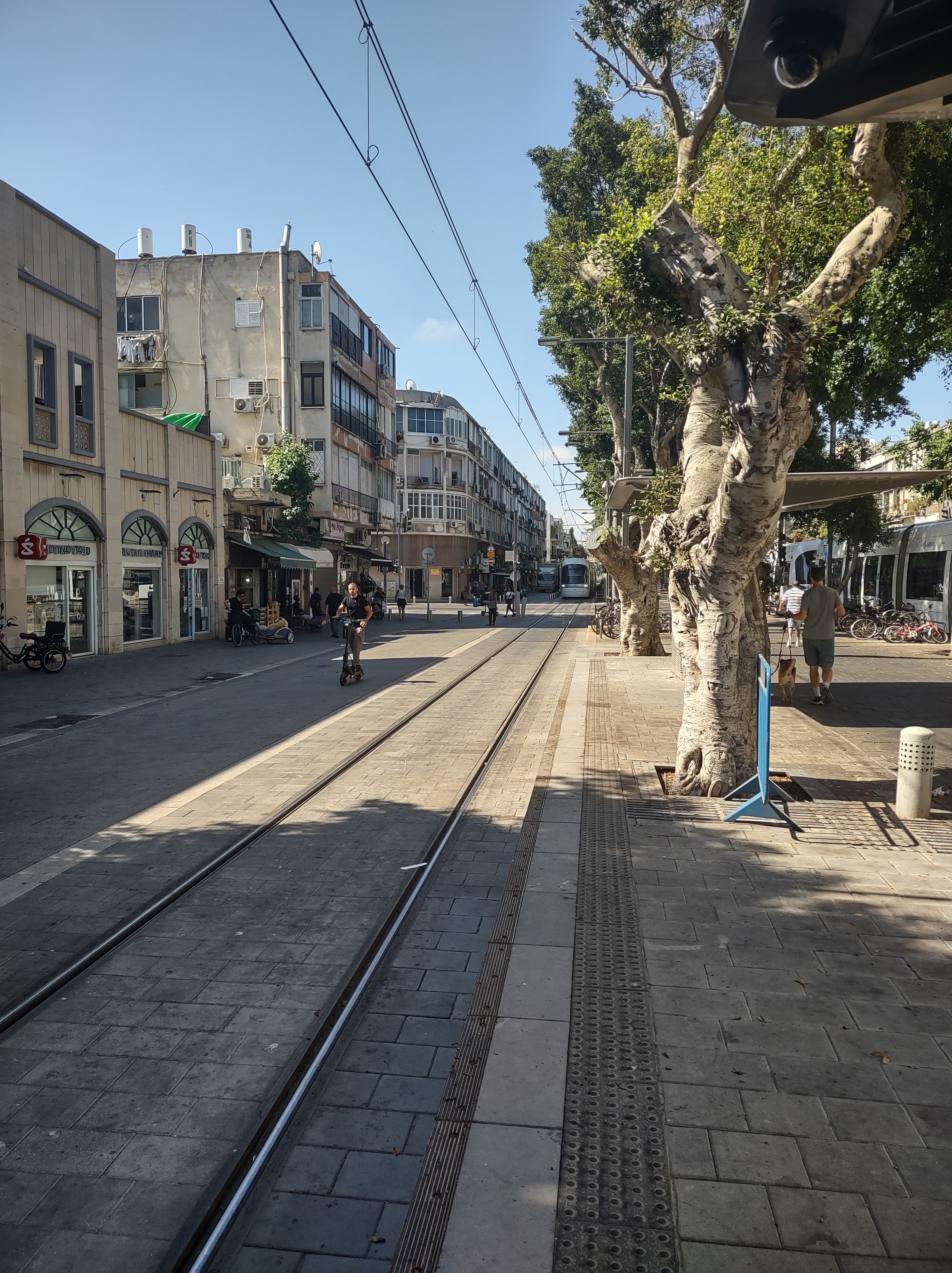
When the next tram stopped, we attempted to do so but were unable to get the automatic doors to open and watched perplexedly when, after a minute or so and an announcement in Hebrew, the tram moved away from us. At this point Colleen approached a young man who appeared to be waiting for the tram but was actually just relaxing in the shade who advised us that the tram system was still undergoing “testing” but was expected to be fully operational some time soon. And so, we walked again (although Colleen did have the opportunity to fantasize a couple of times about her dream alternative!).
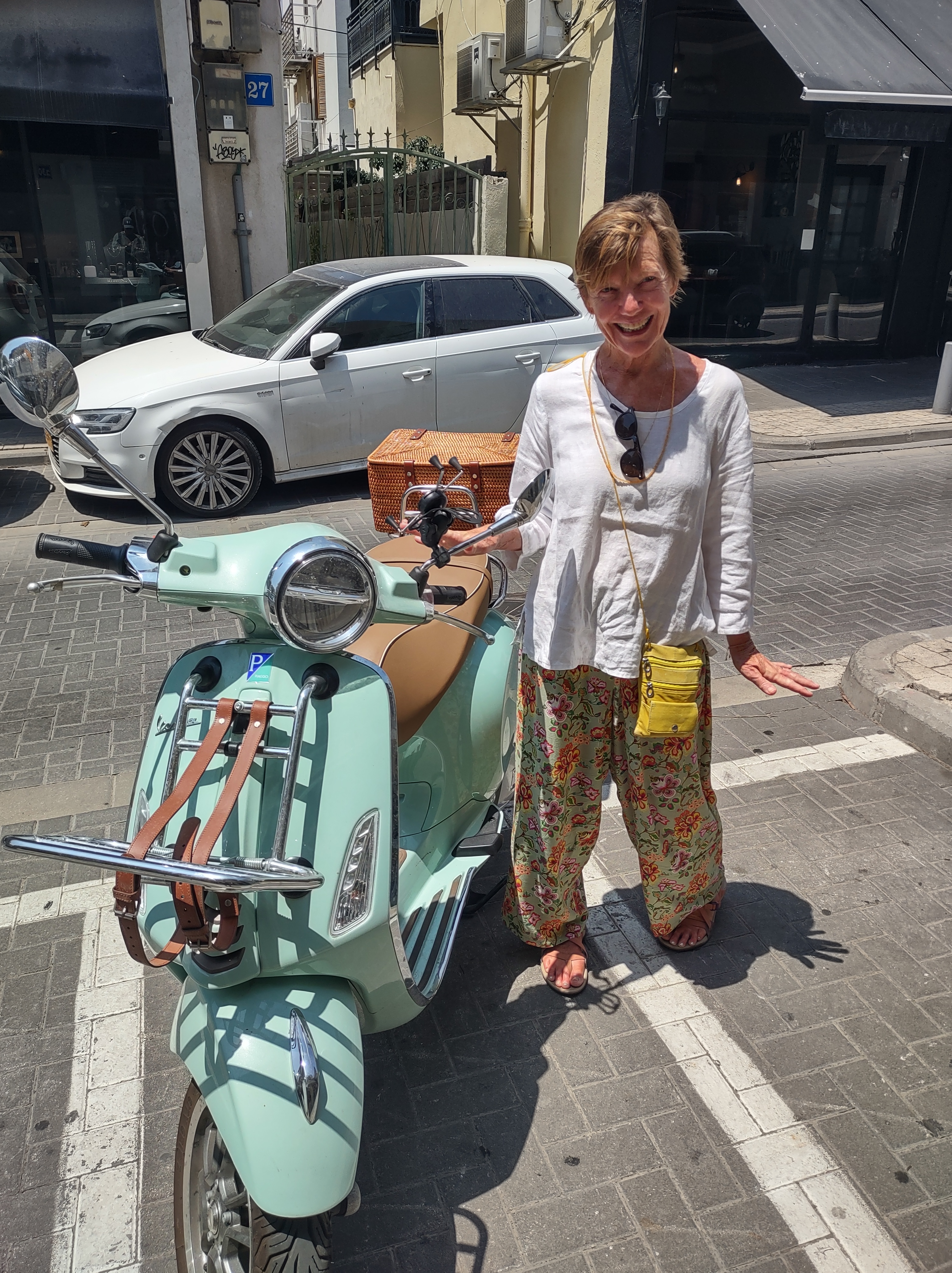
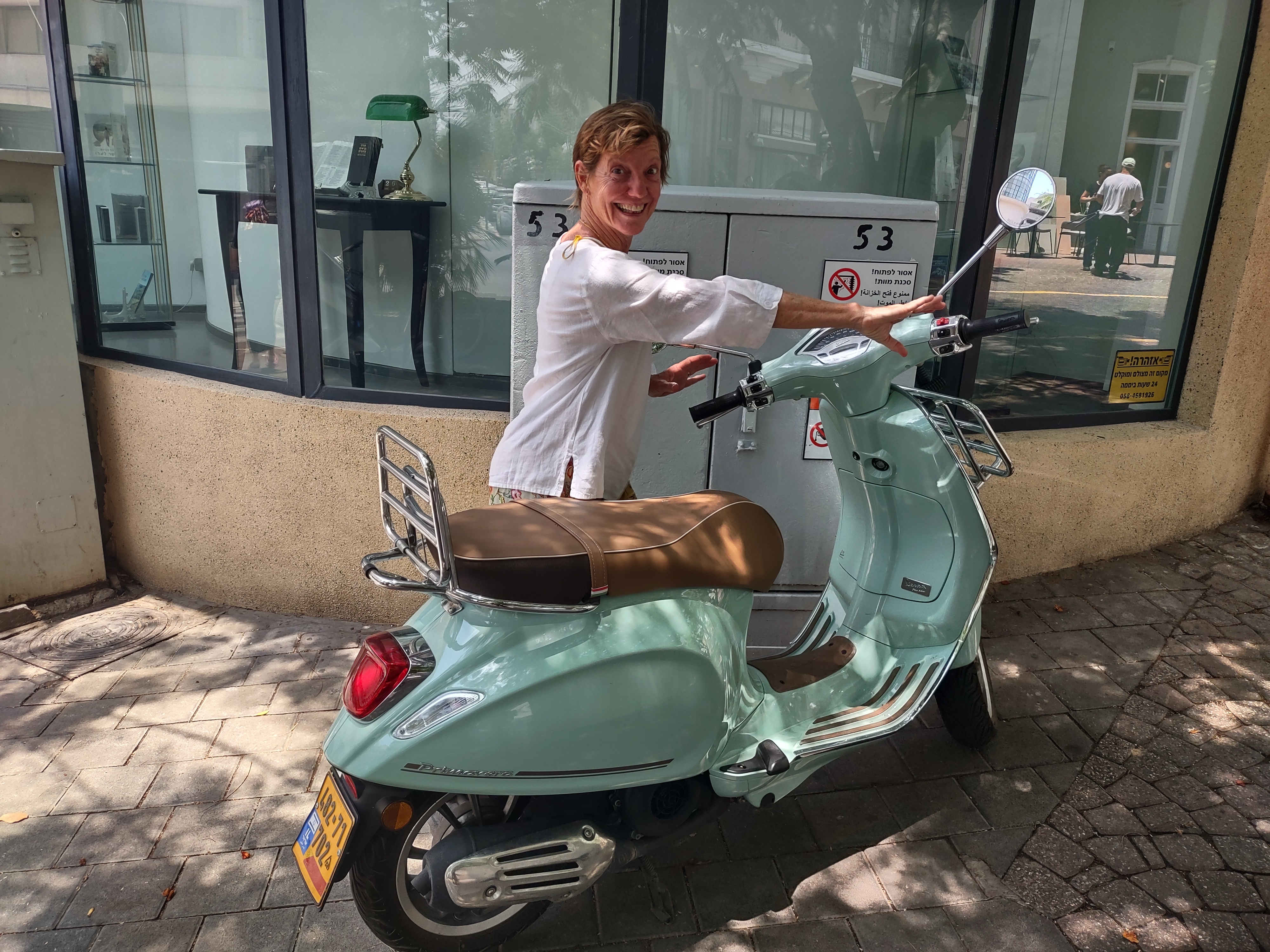
As has been the case in many of the places we have visited, walking ended up being our primary means of getting around Tel Aviv (which really is the best way to see a city). The longest walk we had in town was about 3 miles, which is normally no big deal for us as we’ve got the time and are generally in no big hurry. But, with temperatures starting to peak in the low to mid 90’s, we’ve found that in addition to staying hydrated and paying attention to where the shade is, we needed to slow our pace a bit and take occasional breaks. Coincidentally (or maybe not), many of our walks took us through some of Tel Aviv’s best shopping areas which definitely resulted in frequent breaks (see Shopping in Tel Aviv).
Shopping in Tel Aviv
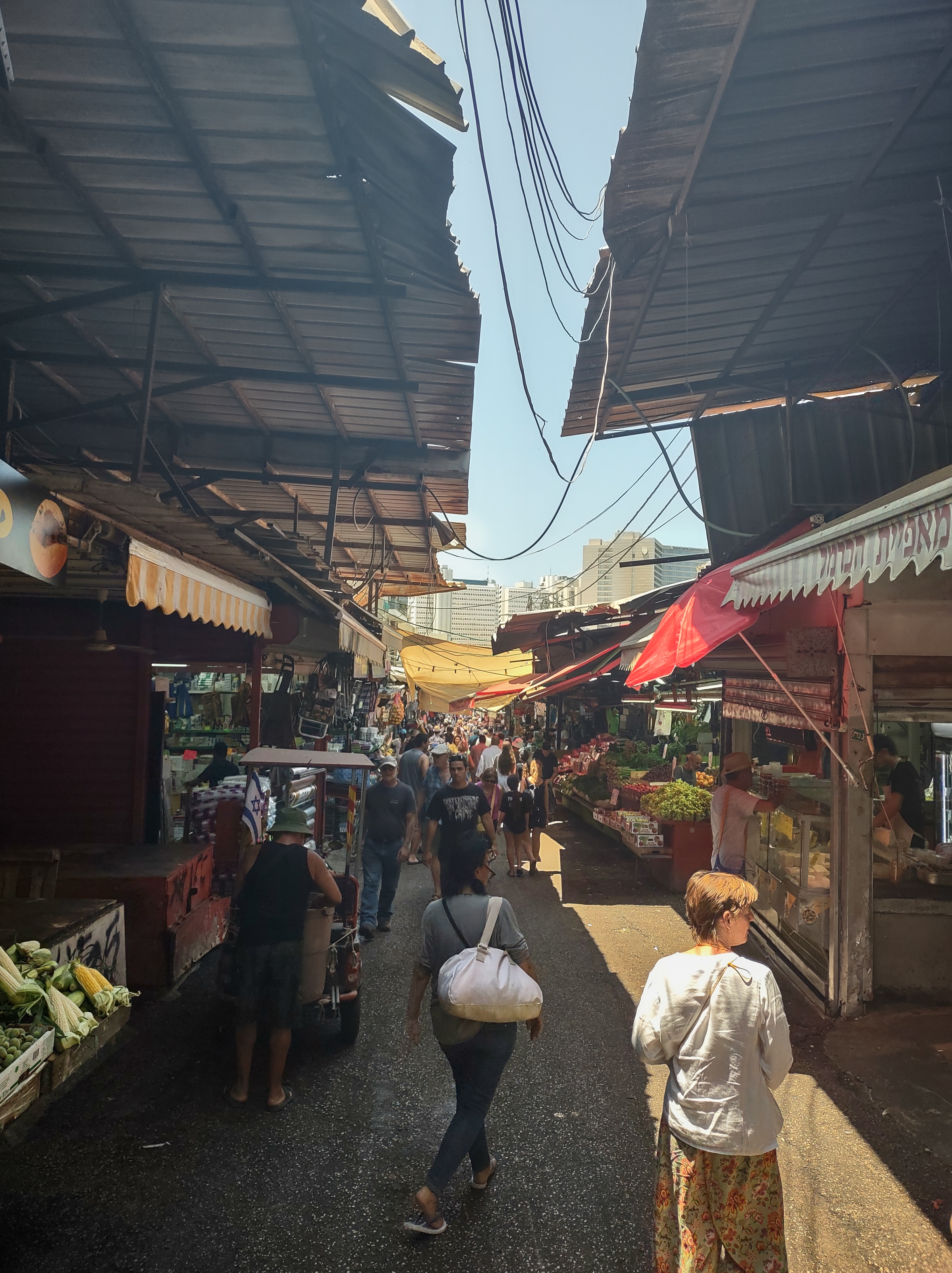
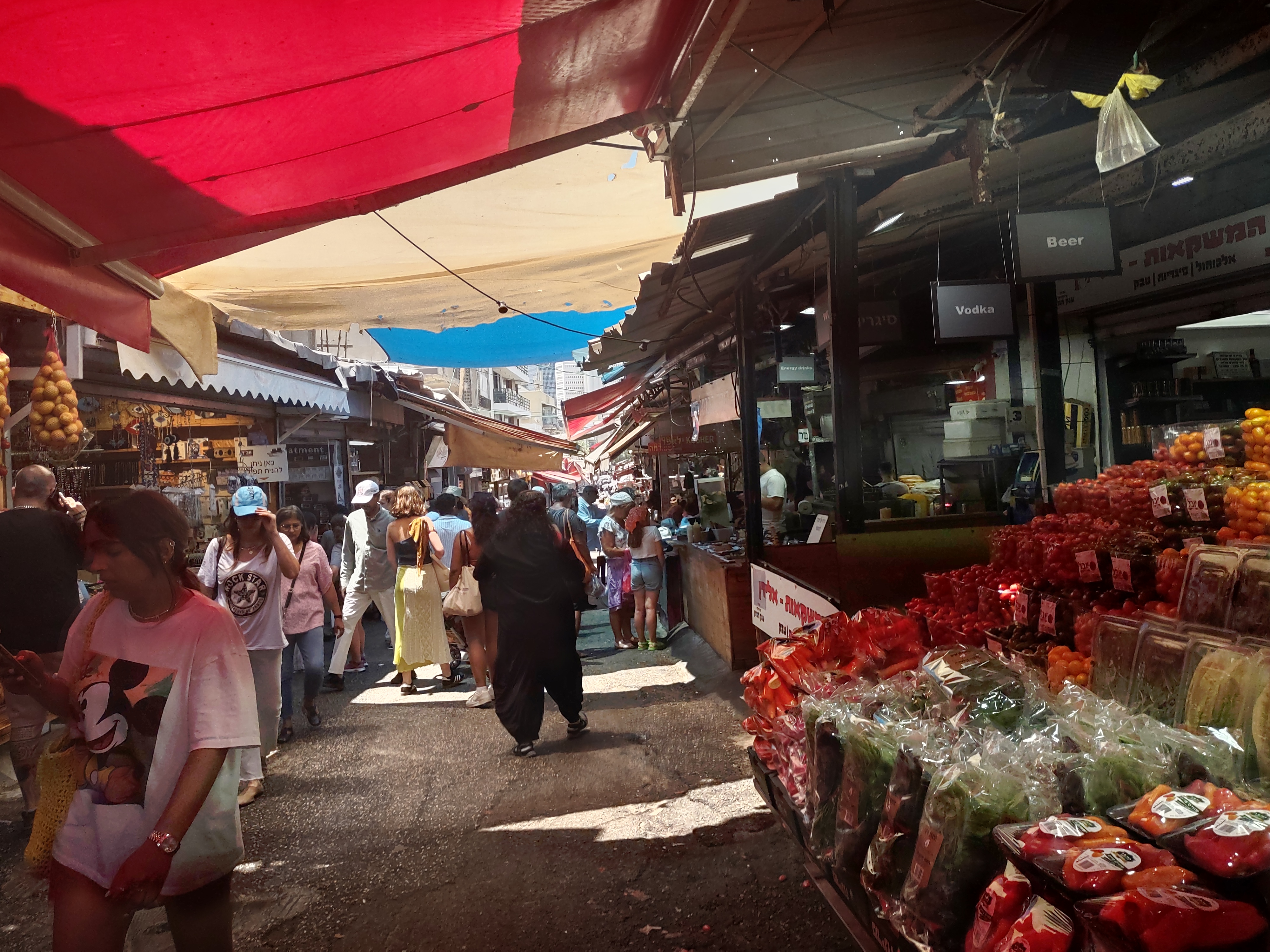
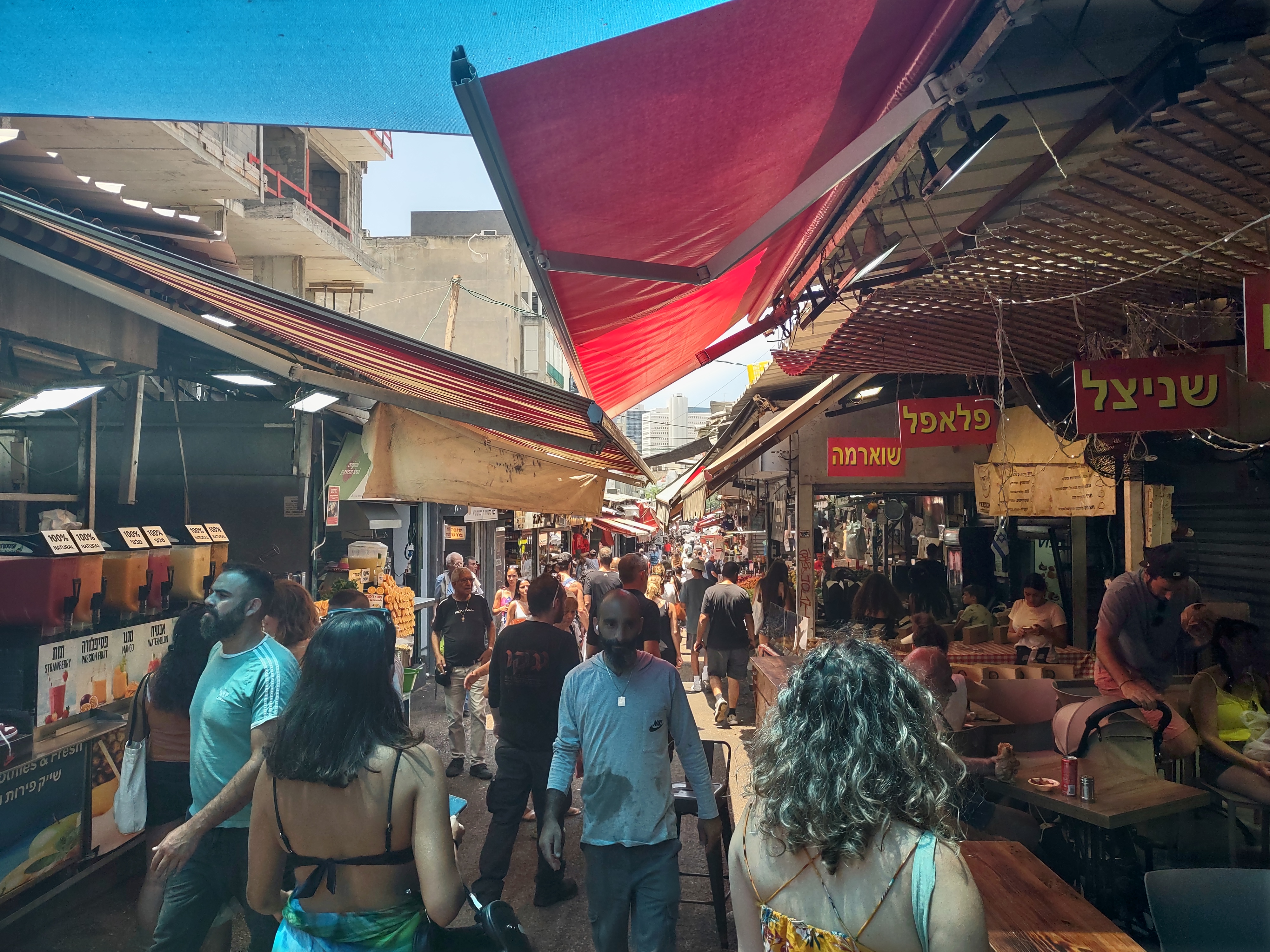
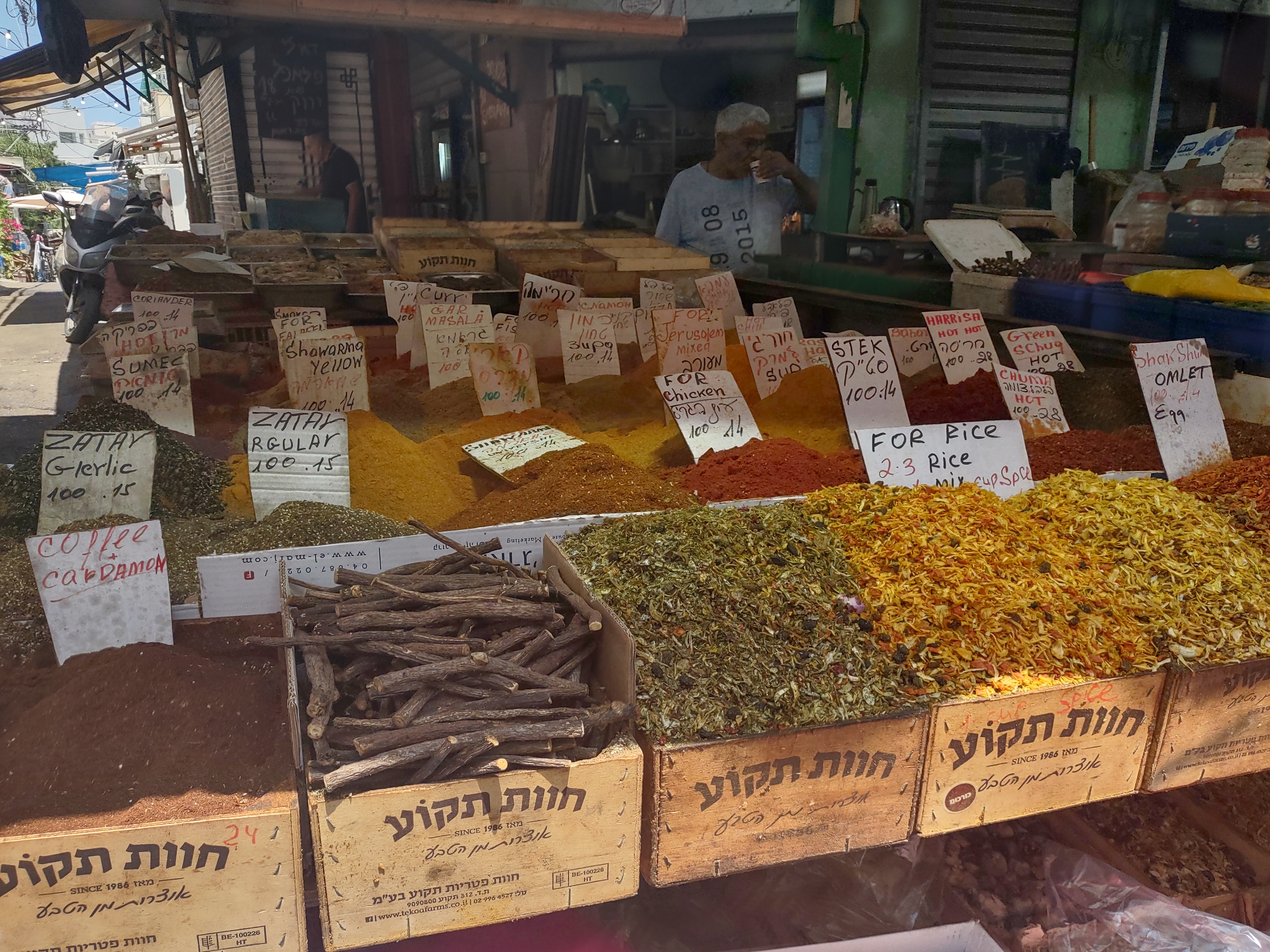
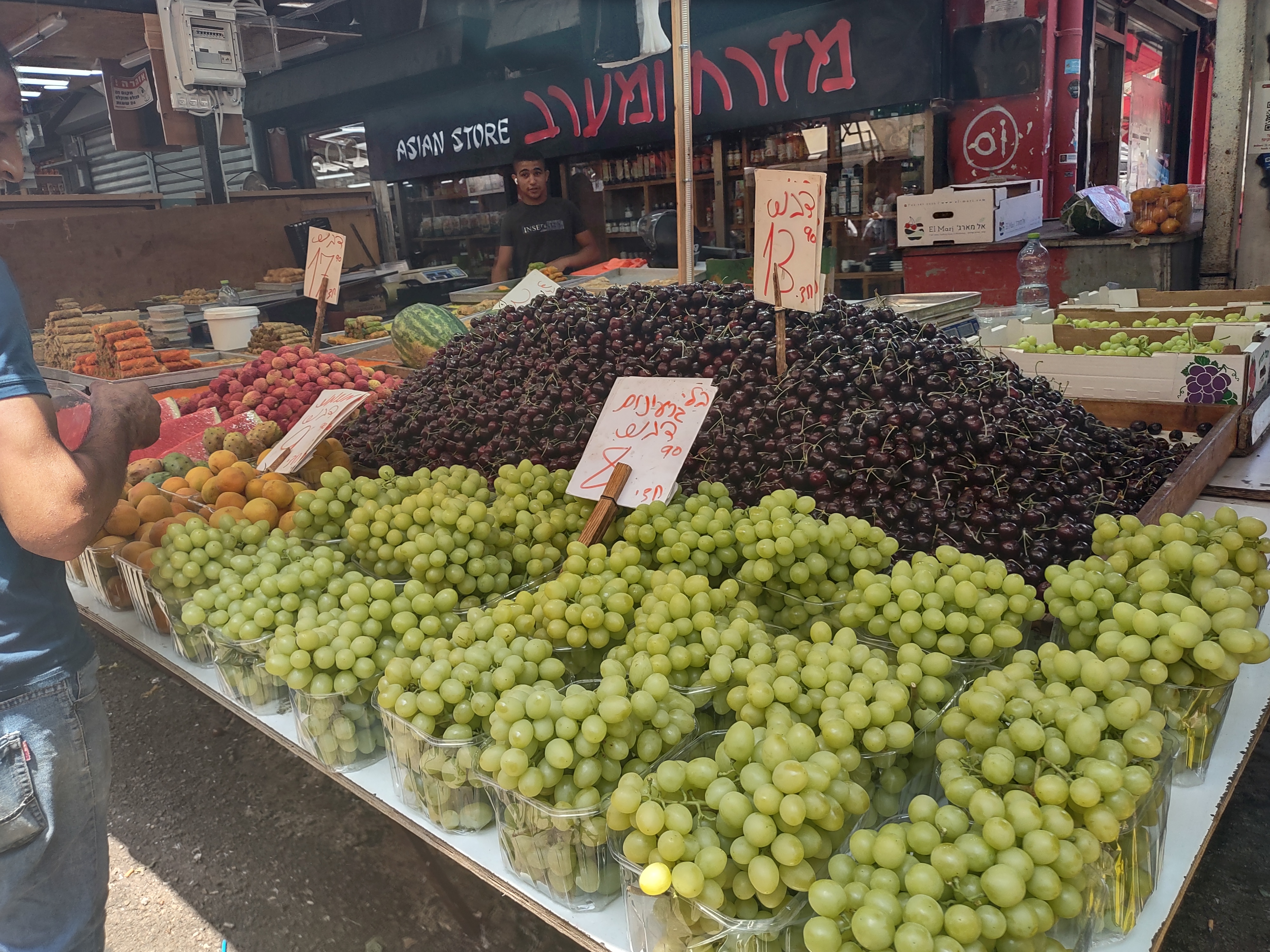
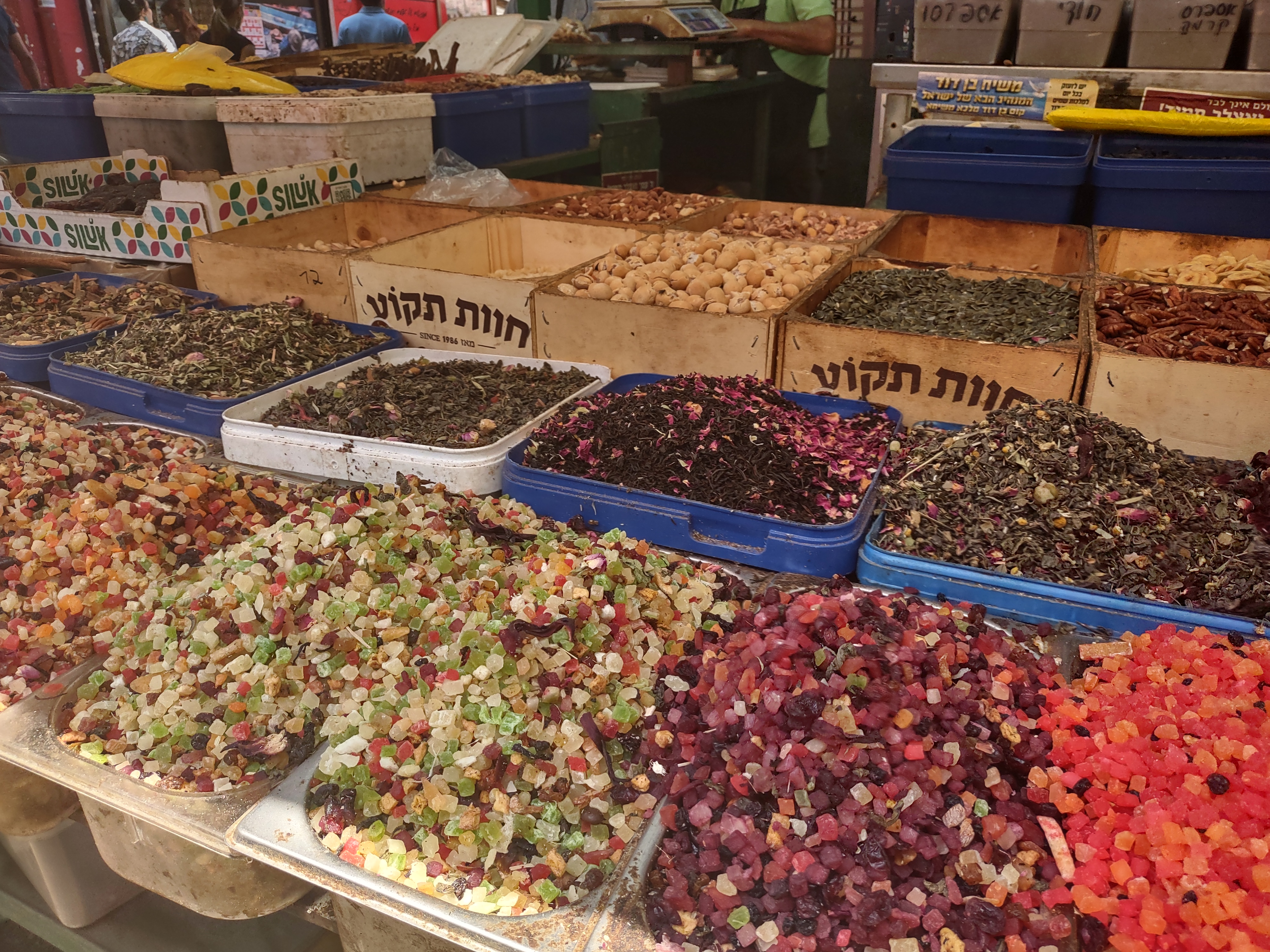
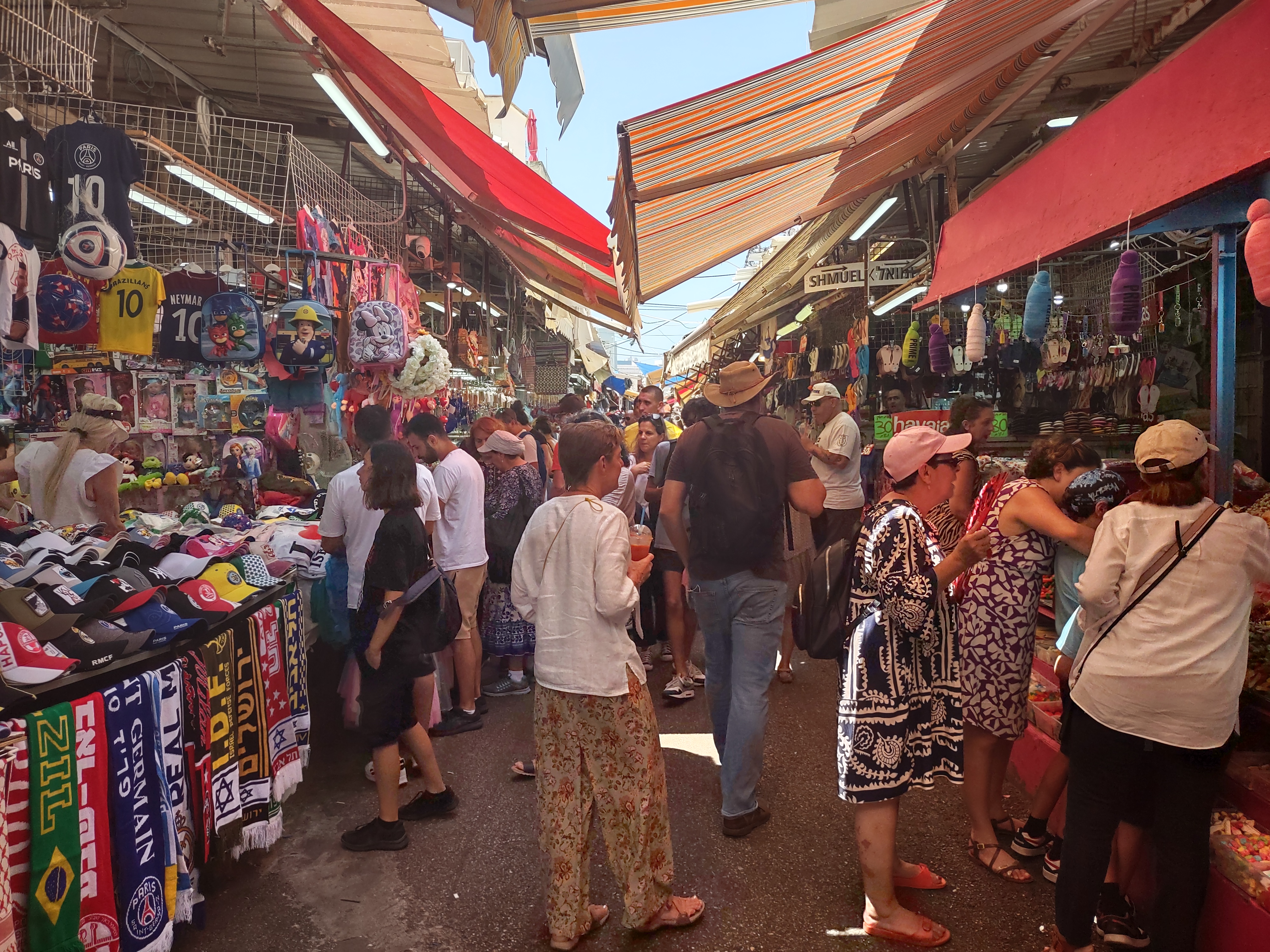
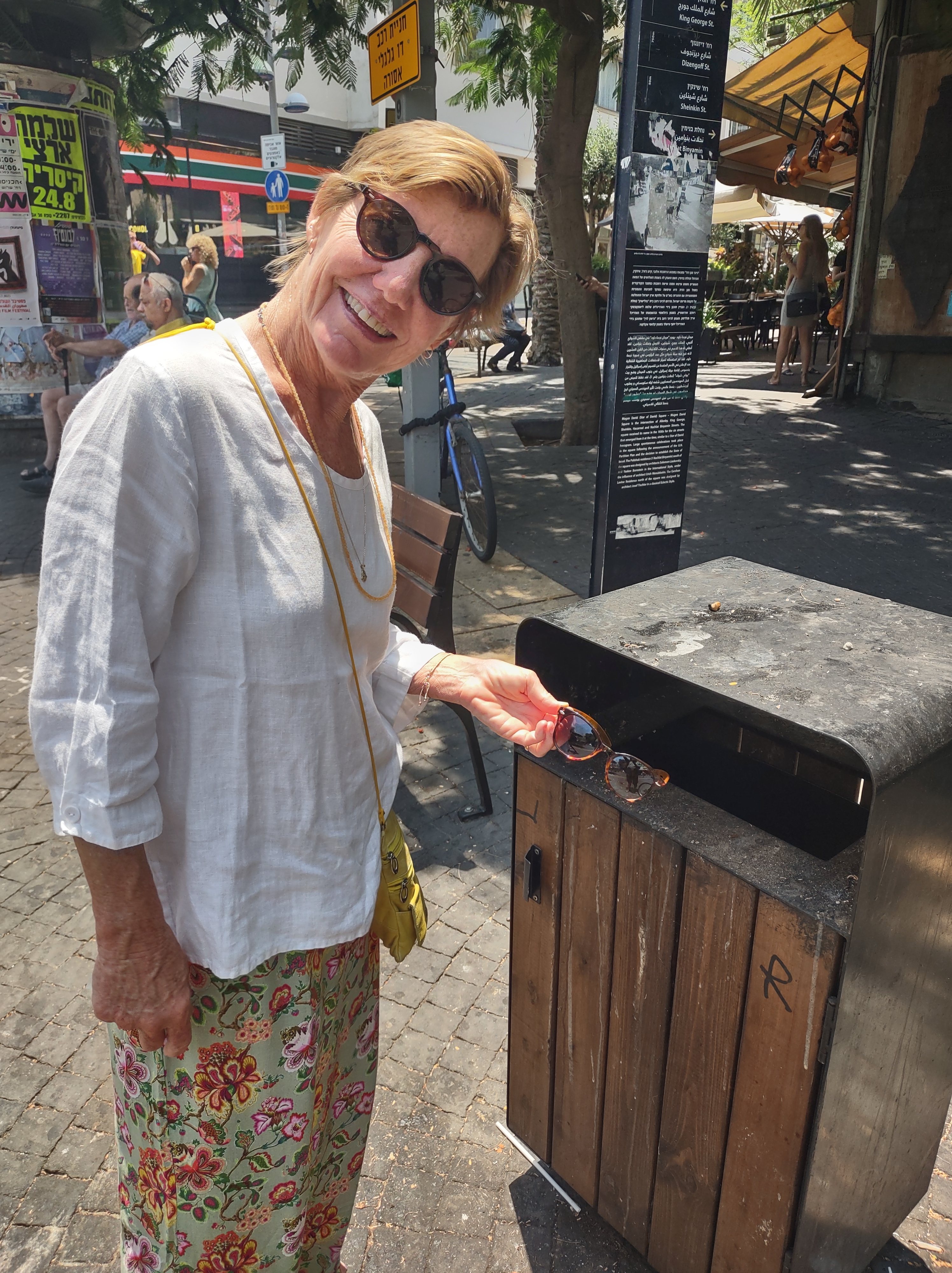
As has become the norm, Colleen came to Tel Aviv armed with information regarding its markets and we were able to visit a couple of them as well as some noteworthy shopping districts. These included the Carmel Market, a very large and frenetic daily market which is about half fresh produce, meat, and housewares and the rest mostly tchotchkes. After quite a bit of work on the part of a vendor and myself, we were eventually able to find a pair of sunglasses which Colleen was willing to exchange with her old pair the lenses of which were so scratched up that they were becoming a health hazard for her.
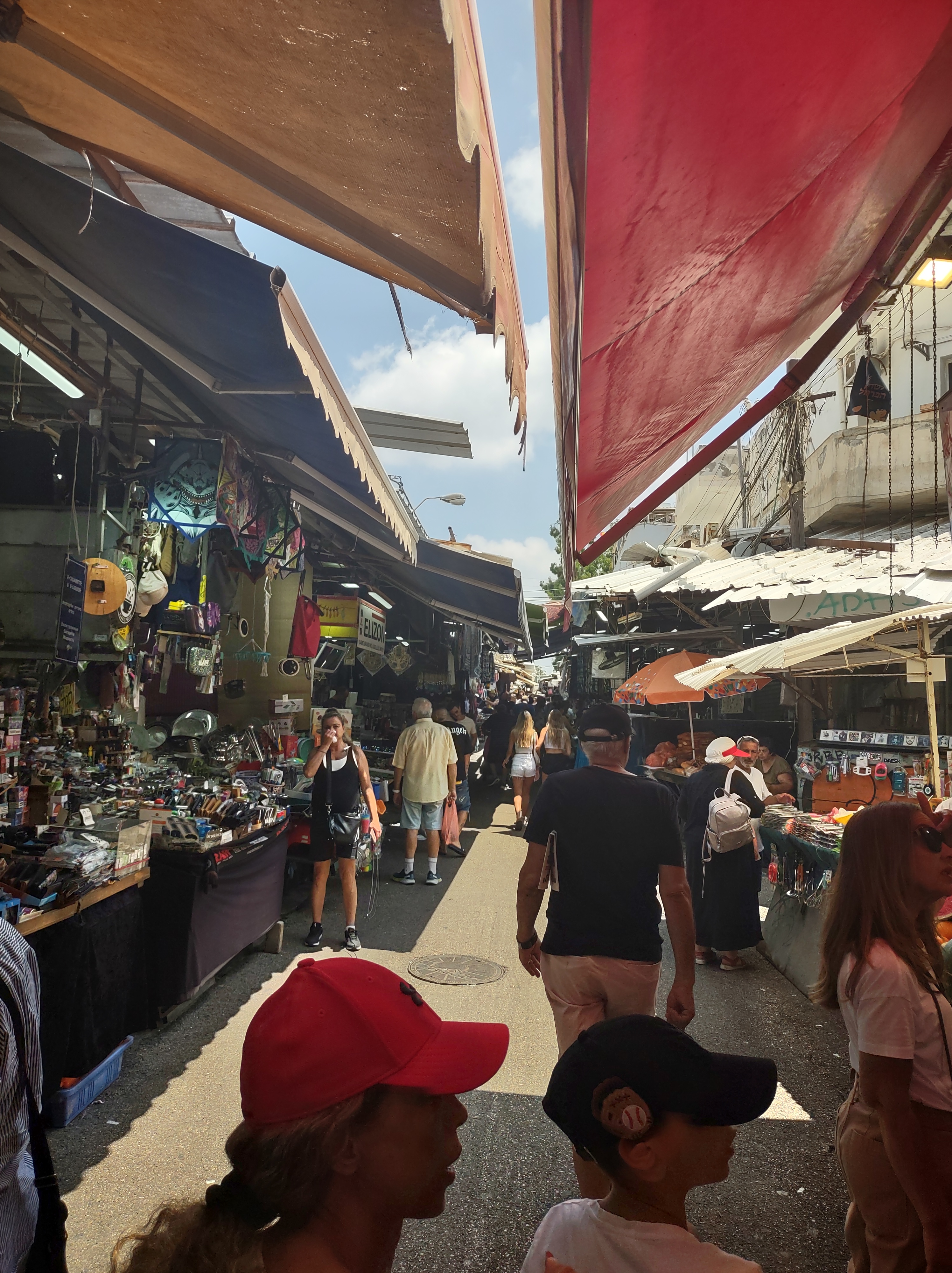
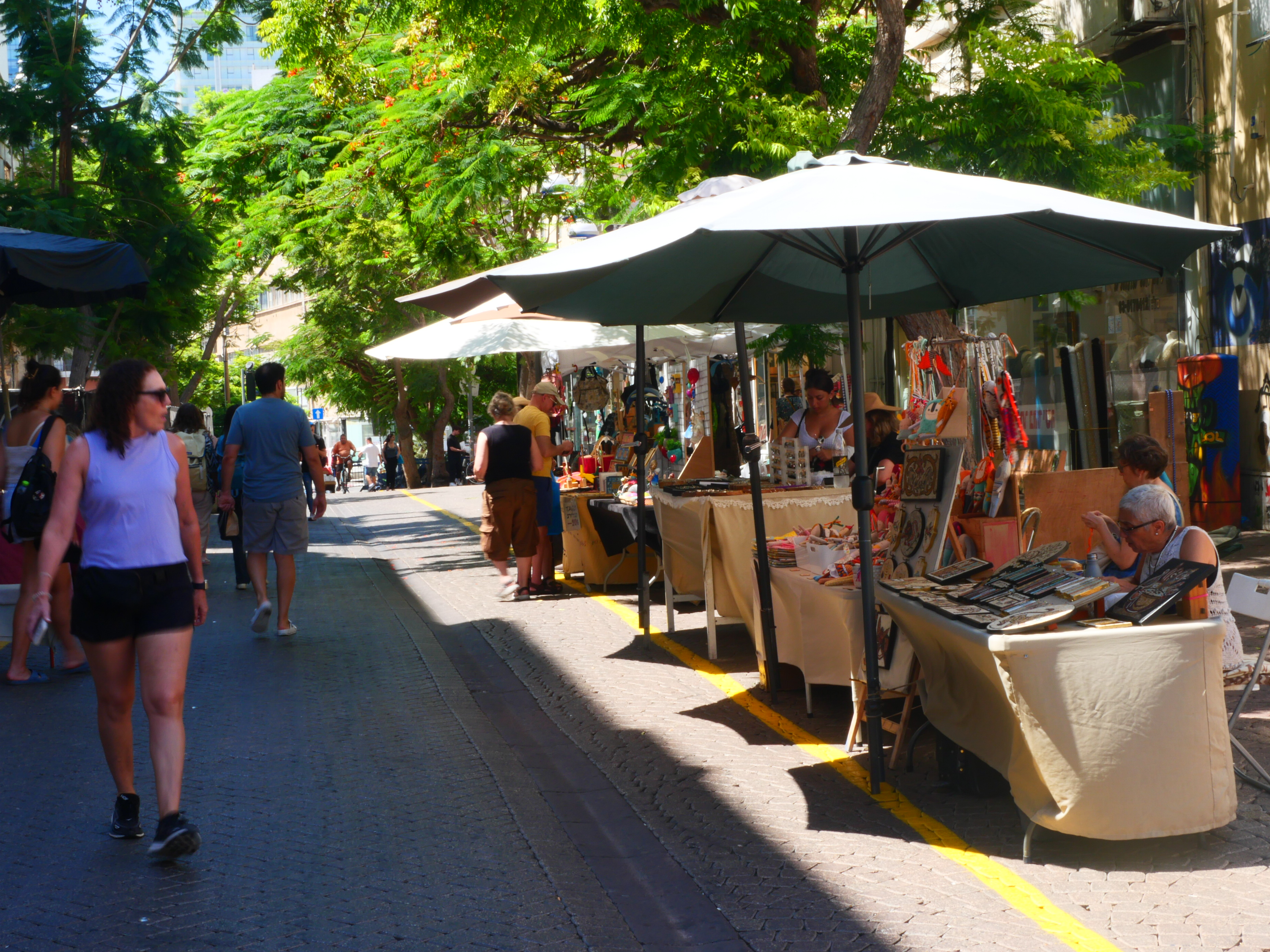
We also visited the nearby Nachlat Binyamin Art Fair, a weekly market which is almost exclusively handcrafted items, many of them quite unique and beautiful. We spent quite a bit of time there and, after a bit of back and forth did eventually purchase a couple of gifts, but the damage was not too severe.
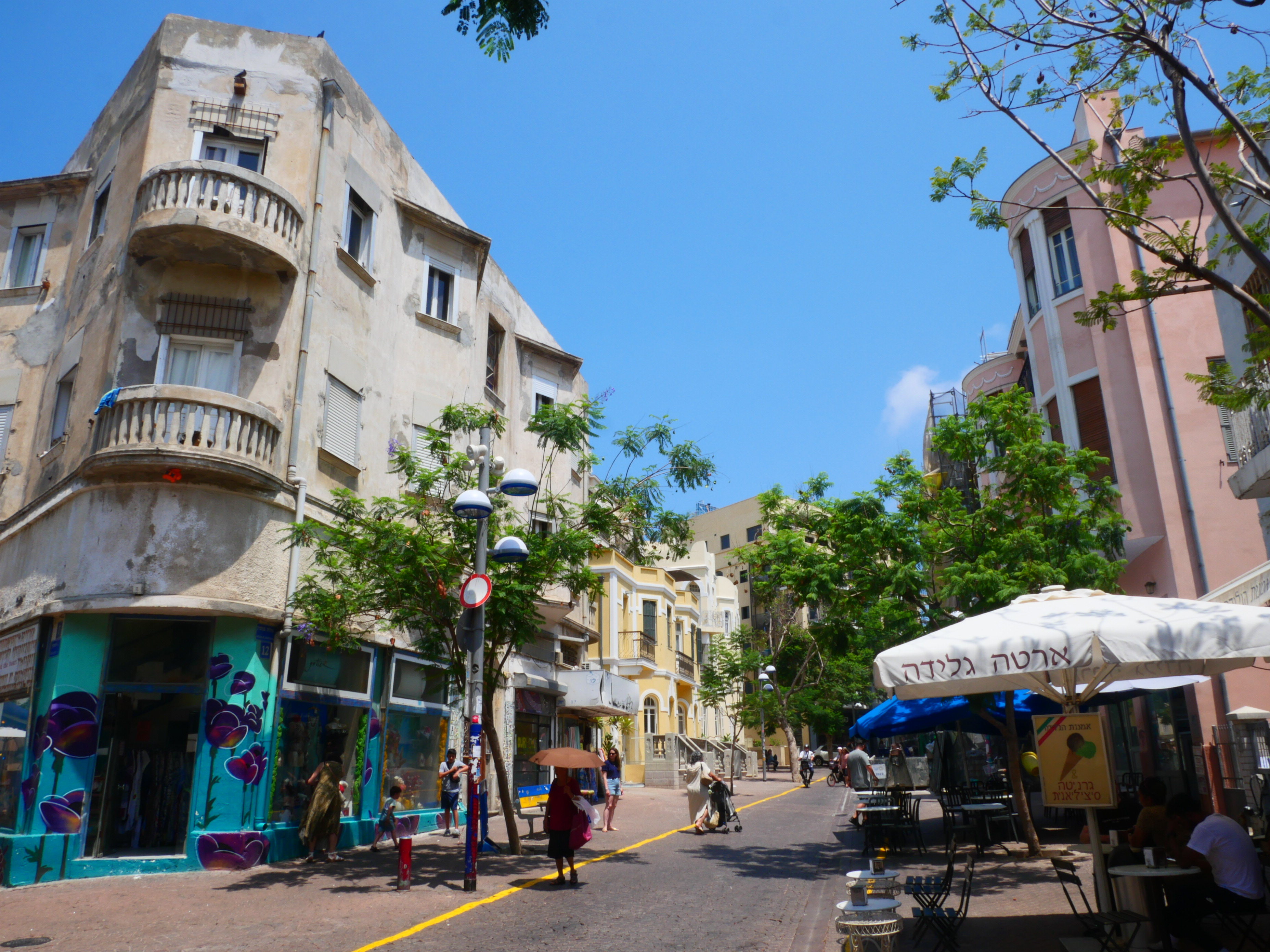
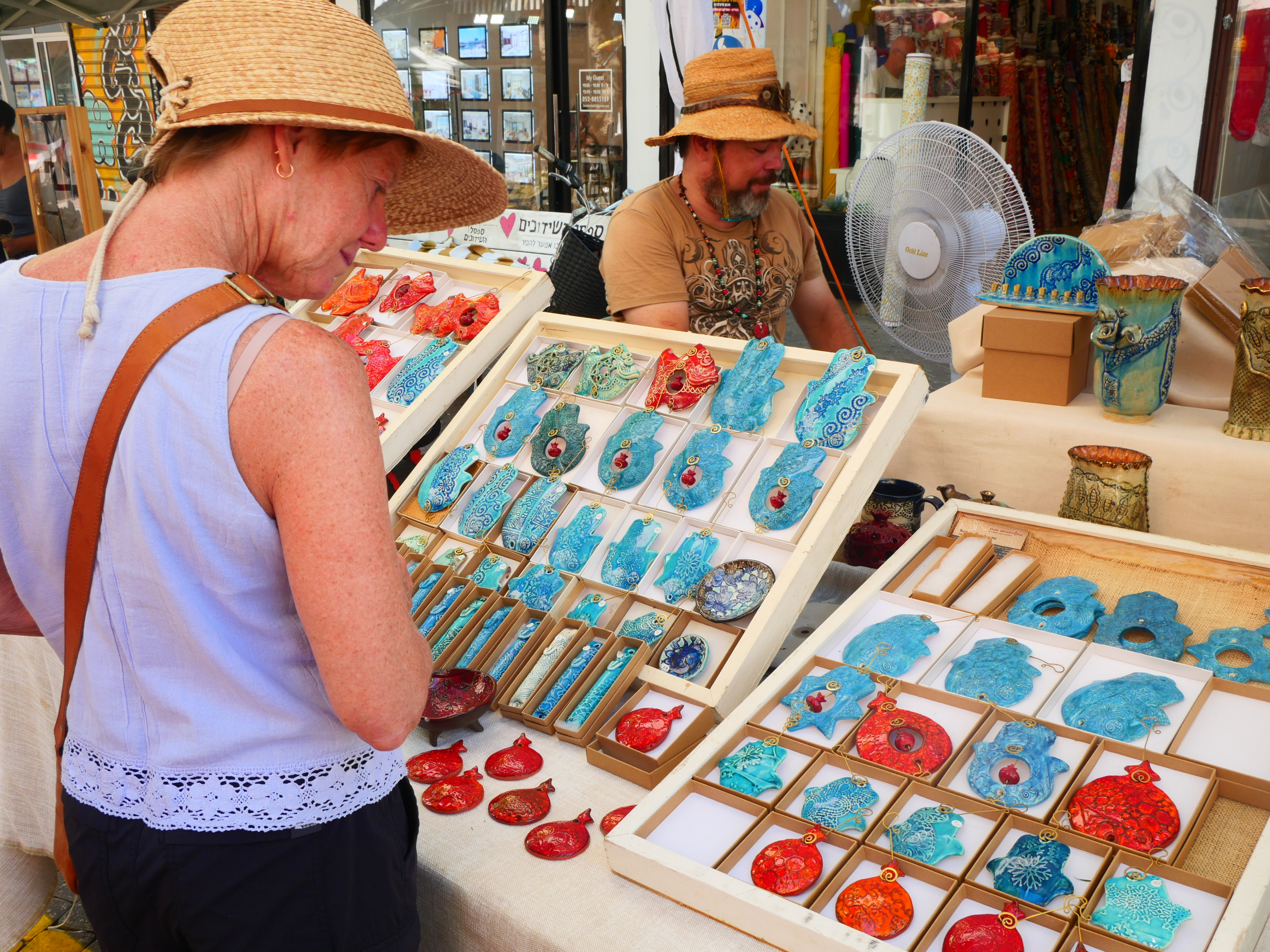
Oddly, the route to both of these markets somehow took us through the Neve Tzedek neighborhood which is, arguably, Tel Aviv’s hippest and chicest shopping area, an older one- and two-story neighborhood with expensive boutique clothing, jewelry and gift shops, along with the occasional café, scattered among small businesses, houses, and apartments. It must have been very hot whenever we passed through Neve Tzedek because we seemed to take very frequent breaks, usually in a nice air conditioned space. In the end, the damage here was a little more severe (one pricey but very nice swimsuit and a beautiful hand of Fatima plaque overlayed in 25K gold – something we had actually been looking for) but we were able to stem the bleeding before things got too out of hand.
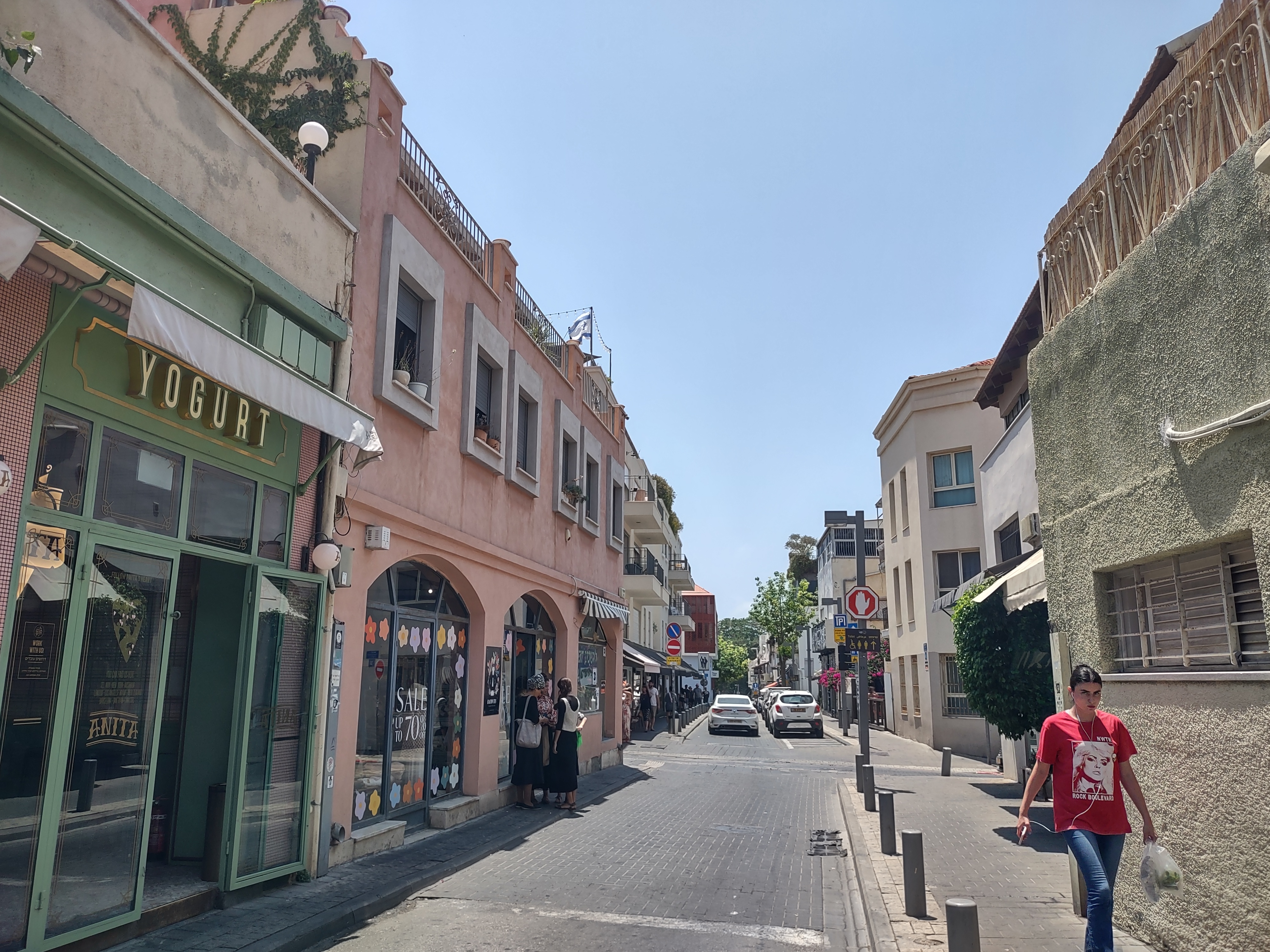
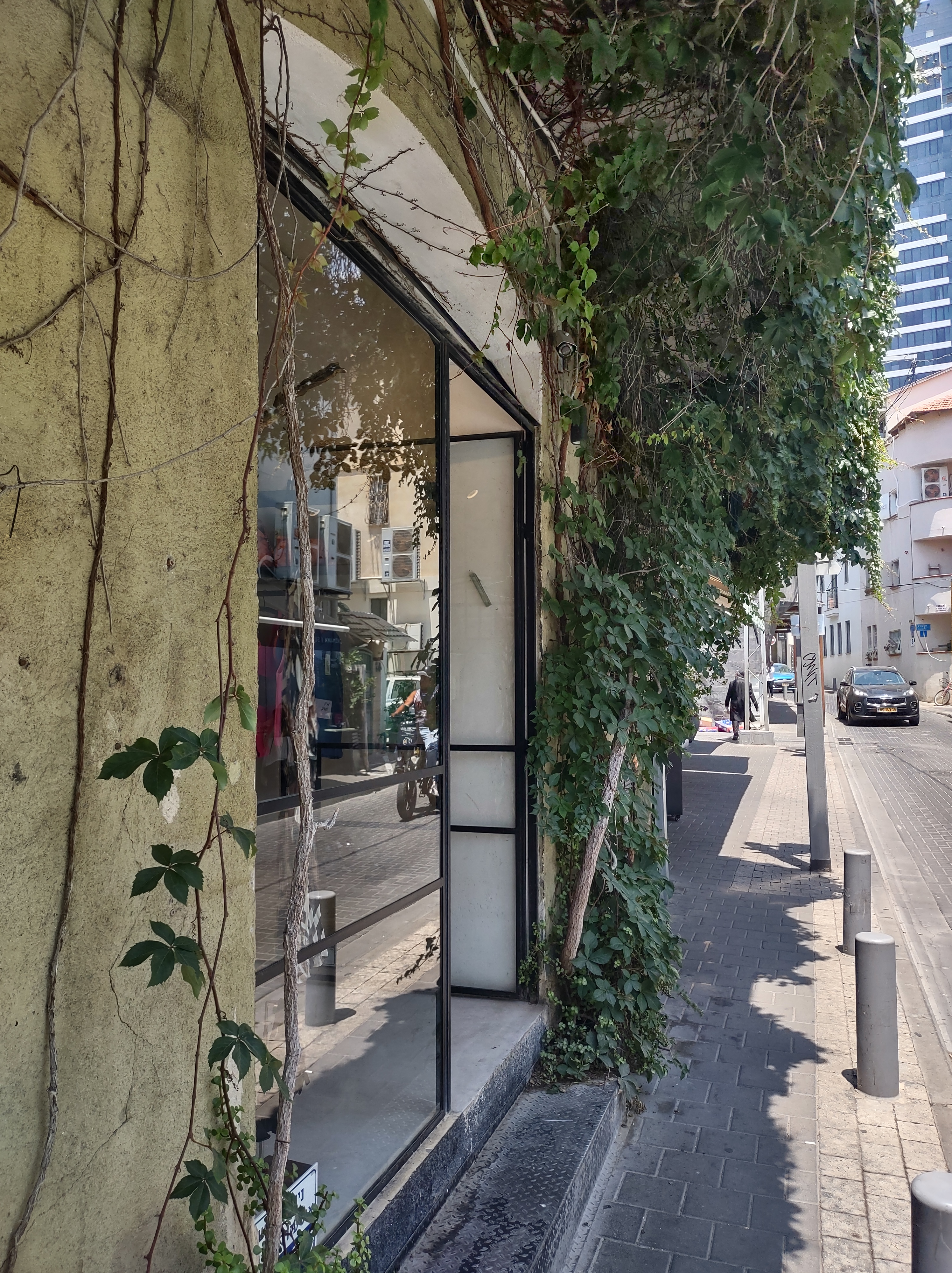


There were of course shops almost everywhere we went and we did pick up a couple of small gifts from shops in our neighborhood, some of which did have some very nice and unique handcrafted items. We didn’t do a lot of grocery shopping as the kitchen in our apartment was pretty badly equipped.
Food and Drink
Unlike some of the other large cities we have visited, we did not come to Tel Aviv with a list of restaurants we wanted to dine at and, anticipating that Tel Aviv was a very expensive city, we were OK with (and maybe even looking forward to?) a steady diet of falafel, hummus, and salad along with some occasional fresh seafood. In this regard we were pretty happy but, despite anticipating it, we were still shocked by how expensive everything is in Tel Aviv, most notably food and drink. So, while they weren’t necessarily the most memorable meals we have had, what we ate (mostly street food) was pretty consistently good and there were a couple of places that did stand out.
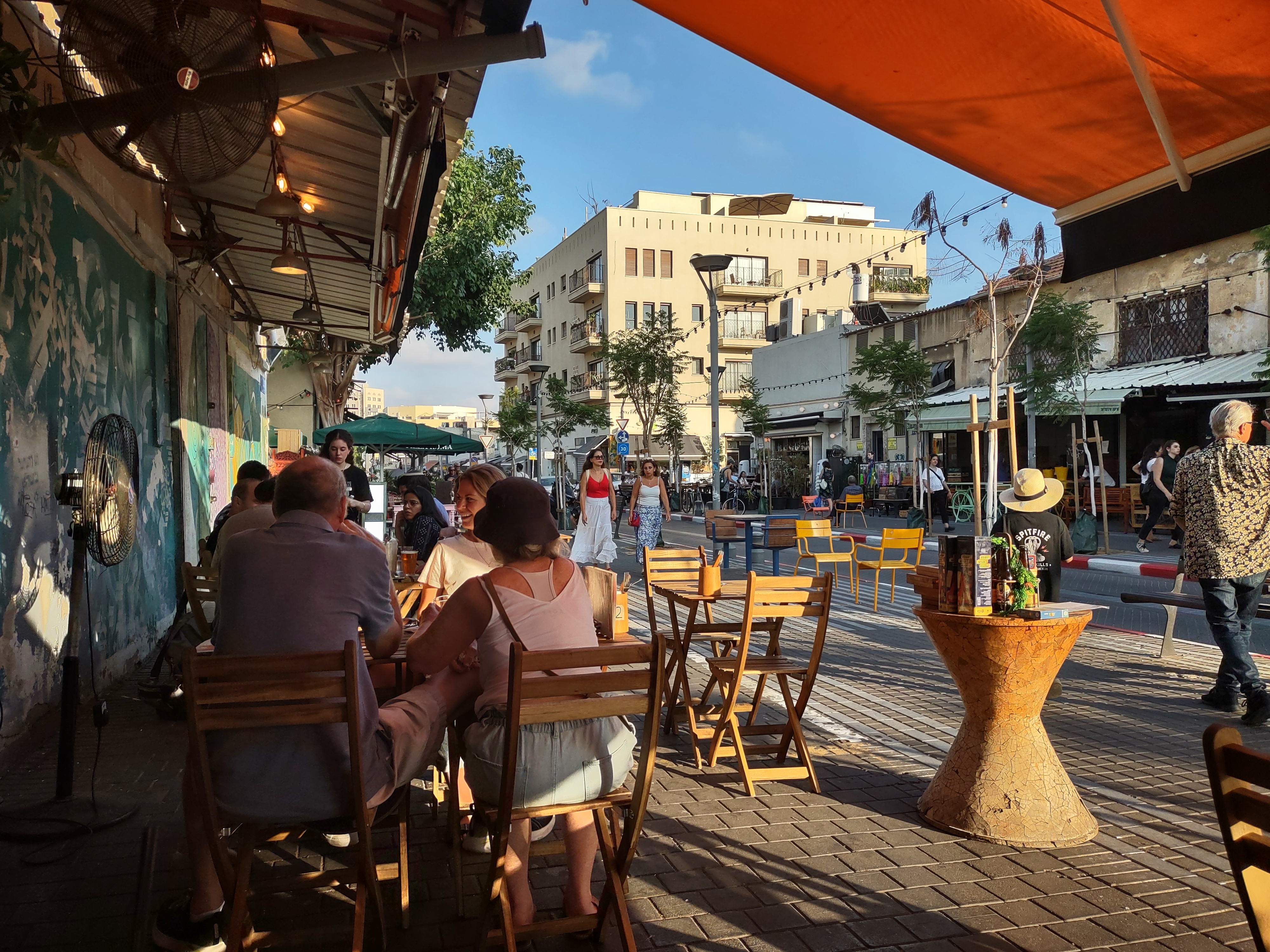
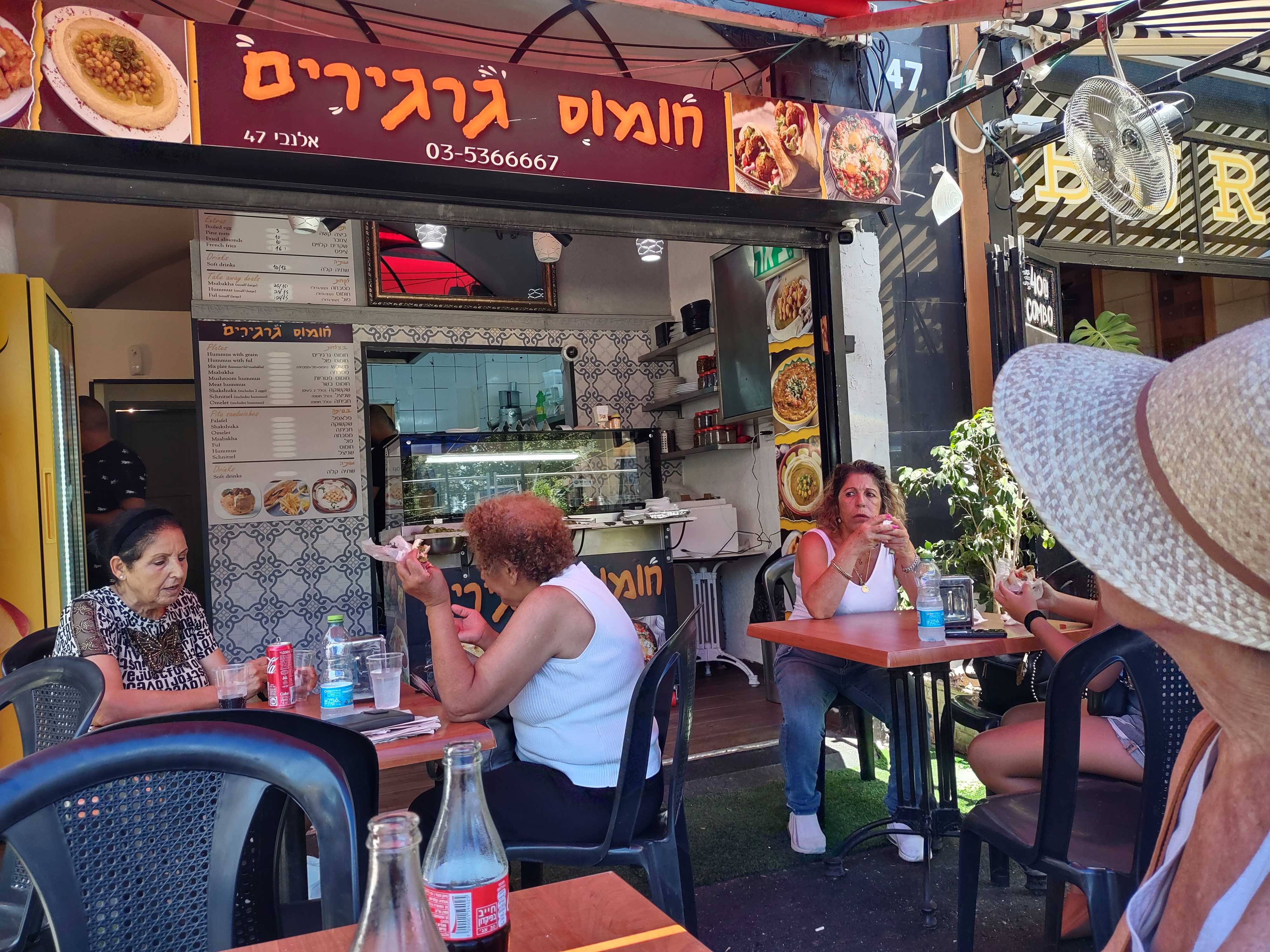
One of these was a small café on Nachlat Binyamin Street called “Le Coquette” where we stopped for breakfast on our way to the Carmel Market. We by-passed the pancakes and waffles and went with a more traditional Israeli breakfast of bread, salad, hummus, and shakshuka – a delicious egg dish – along with iced coffee and lemonade with mint rather than hot coffees due to the heat.
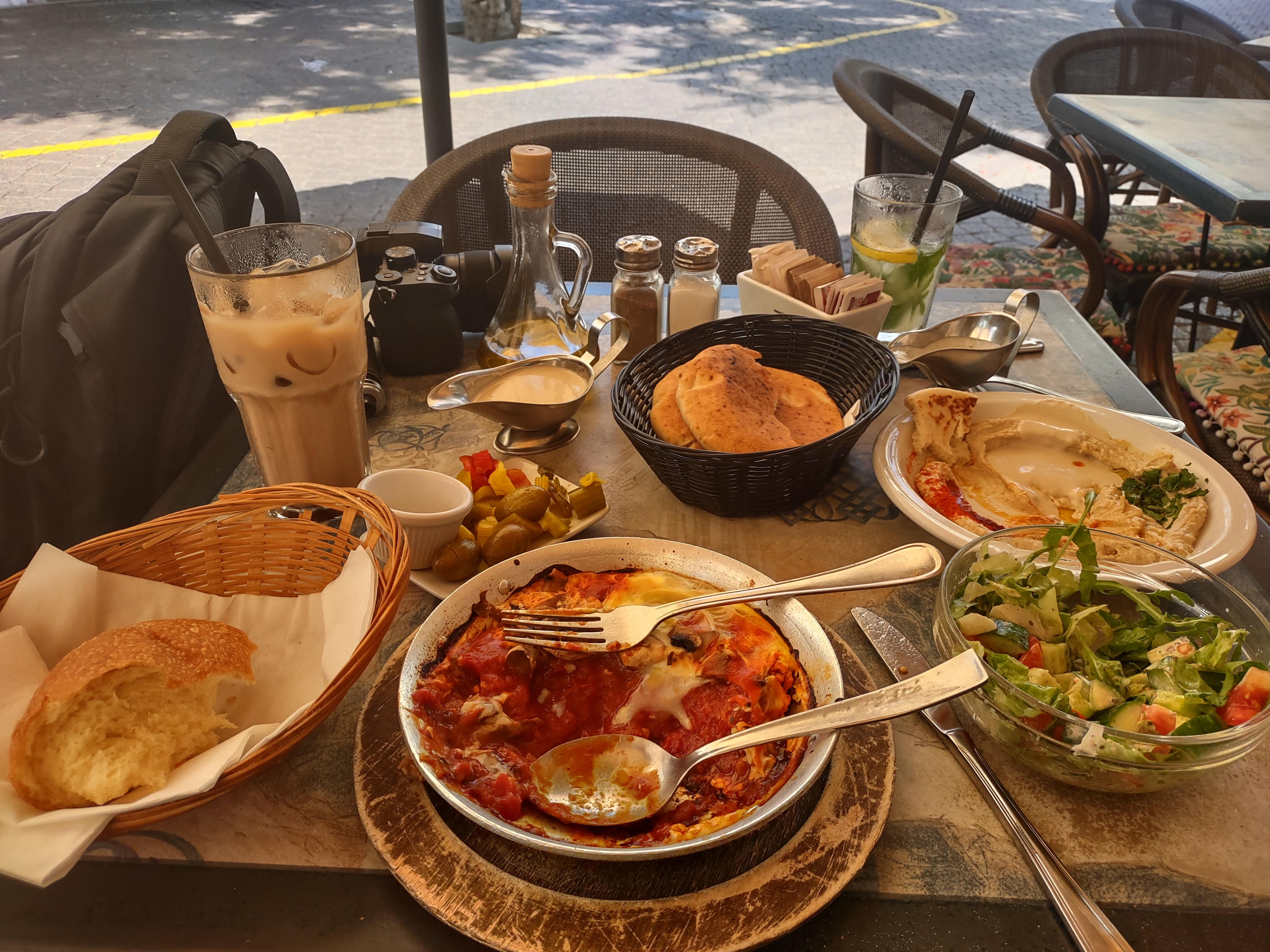
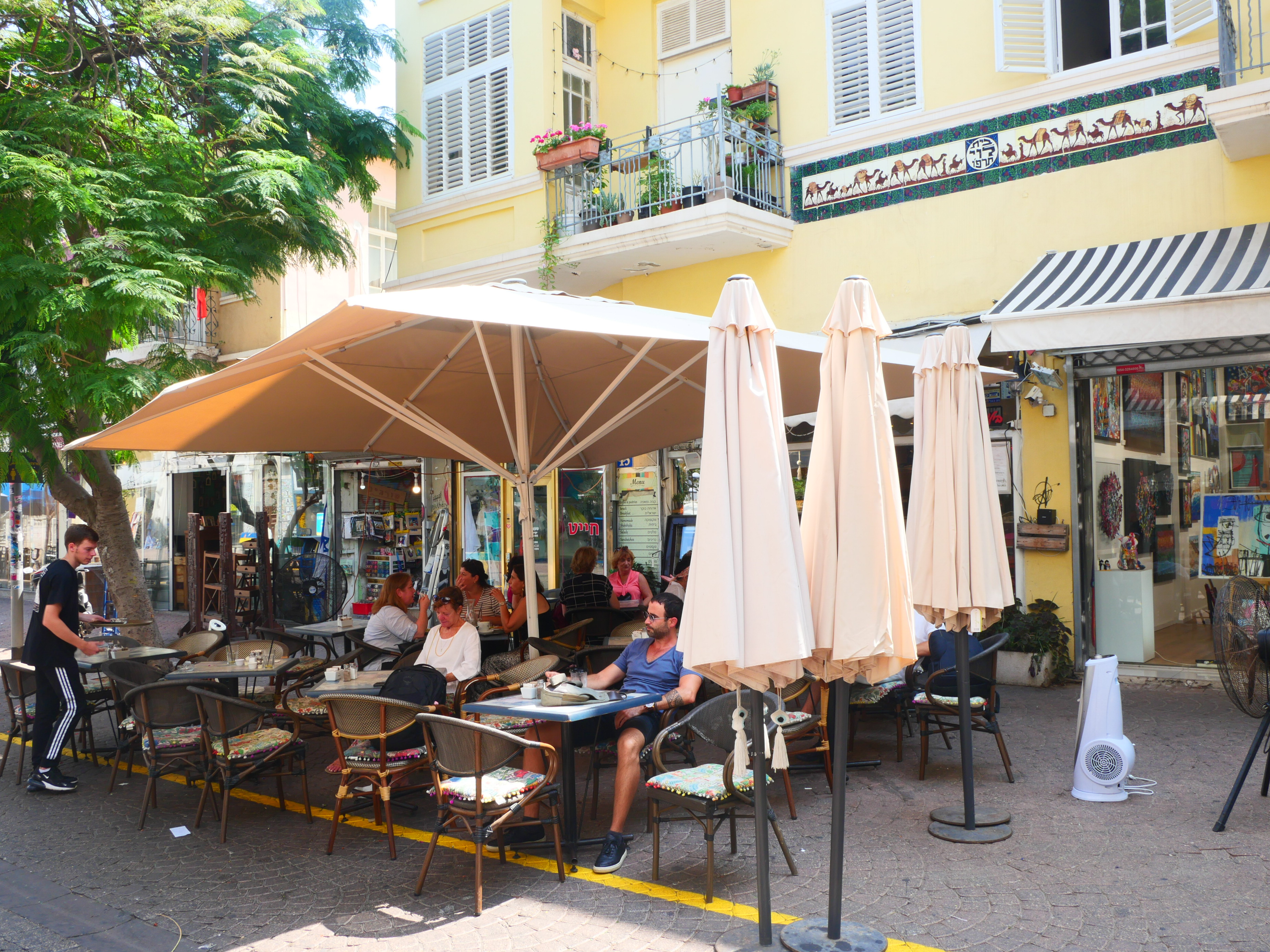
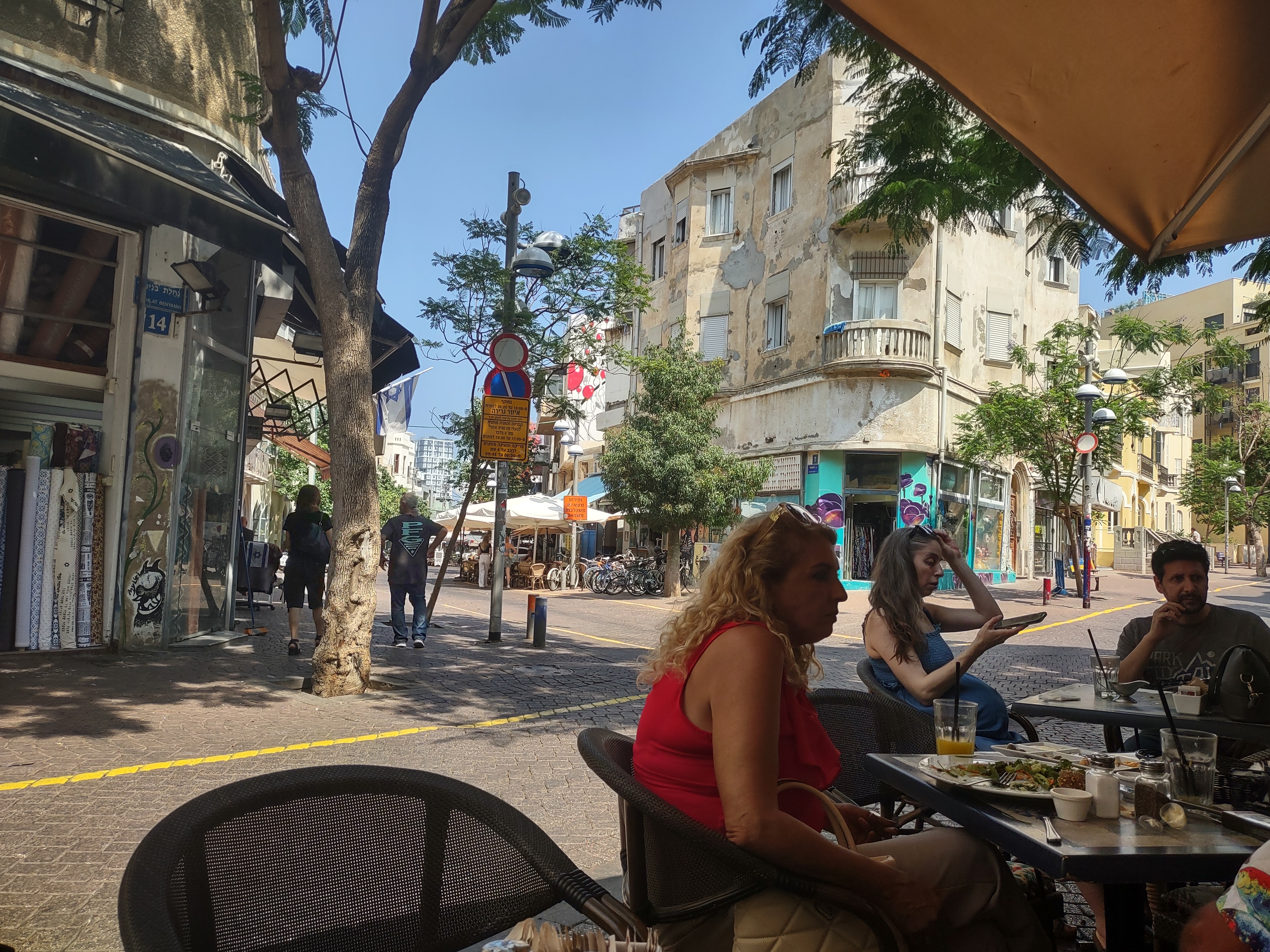
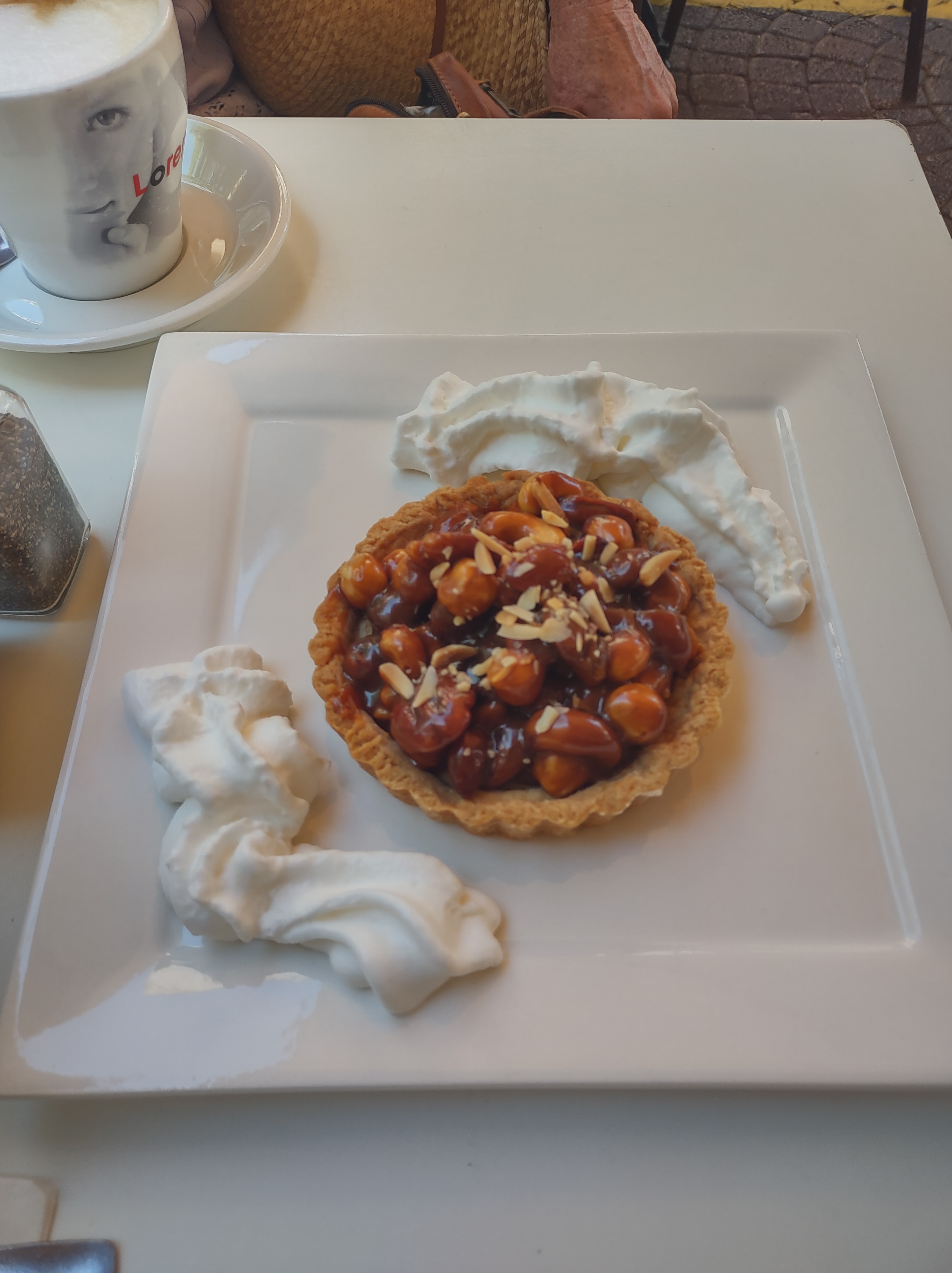
We returned to Le Coquette for coffee and a pastry on another day on our way to the Nachlat Binyamin Art Fair and ended up ordering a fruit tart (they called it a cake) which was small but very tasty. Unfortunately, having failed to confirm the price in advance, were a bit surprised when discovered it cost $12, but, it was quite good, and this is Tel Aviv we’re talking about, so fine.
We had another memorable meal at a kind of anonymous looking place called “Fish and Chips” (really) immediately adjacent to the harbor. The place was nothing fancy and it had no table service (you went to the counter and ordered and they yelled out your name when your order was ready), but the food was simply prepared (grilled or fried) and incredibly fresh and tasty. Even better, the portions were generous and it was inexpensive (by Tel Aviv standards at least). There was another seafood restaurant called “The Old Man and the Sea” which we had targeted based on numerous recommendations (beginning with the taxi driver who picked us up at the airport). Kind of funny that it turned out to be just around the corner from Fish and Chips and we later discovered that “The Old Man and the Sea” was both expensive and a bit of a tourist trap, so happy we stumbled upon Fish and Chips instead.
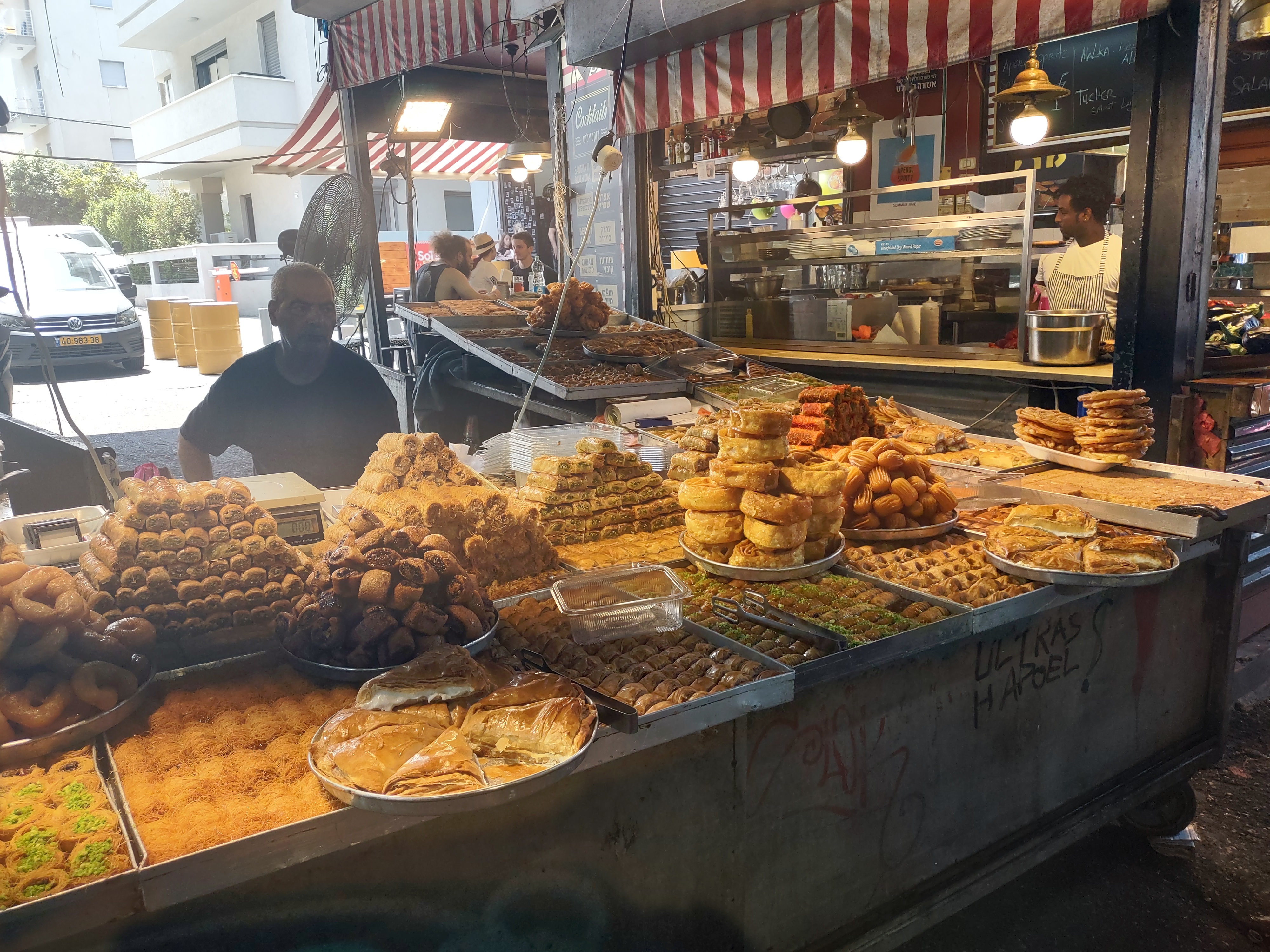
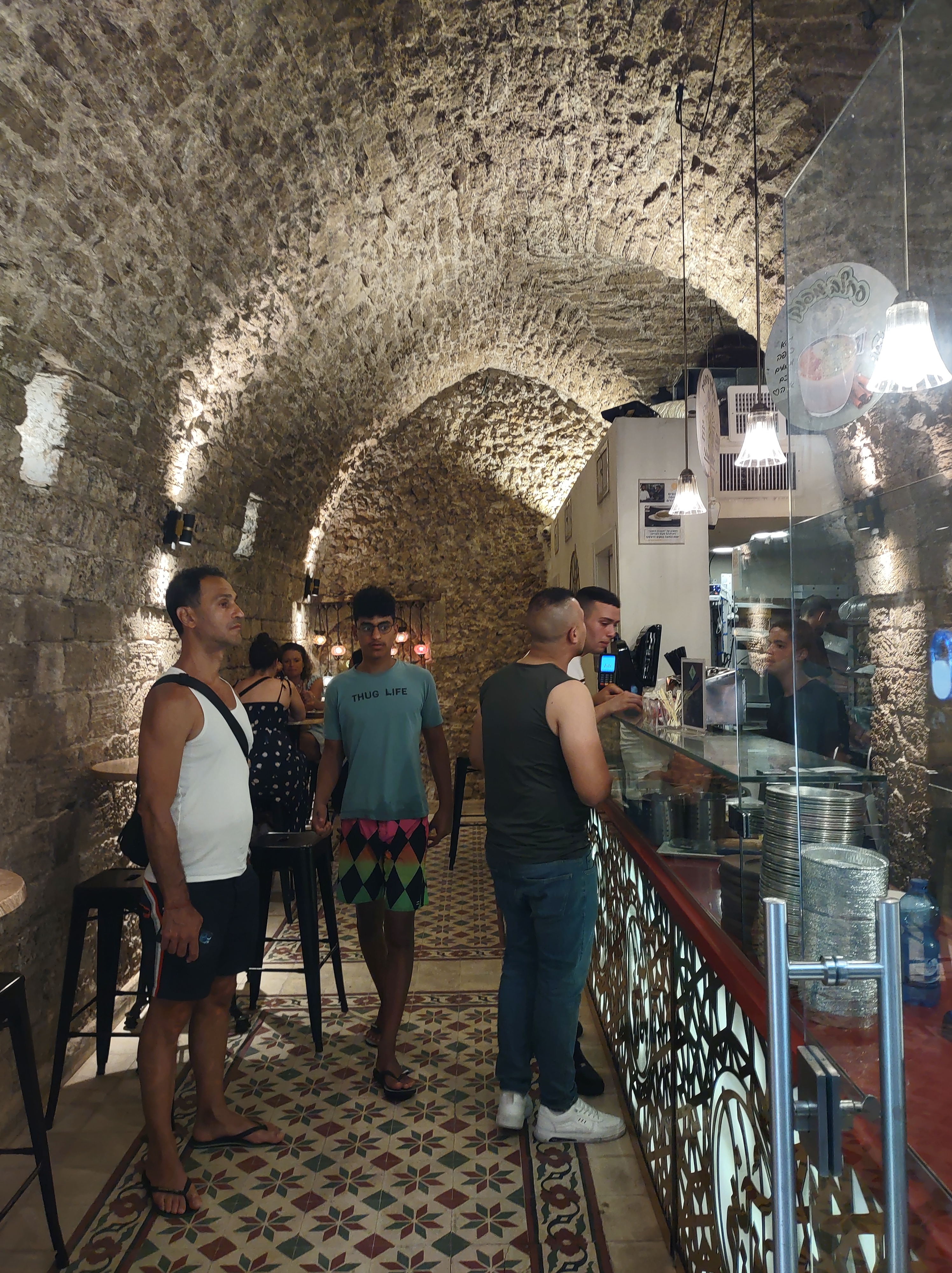
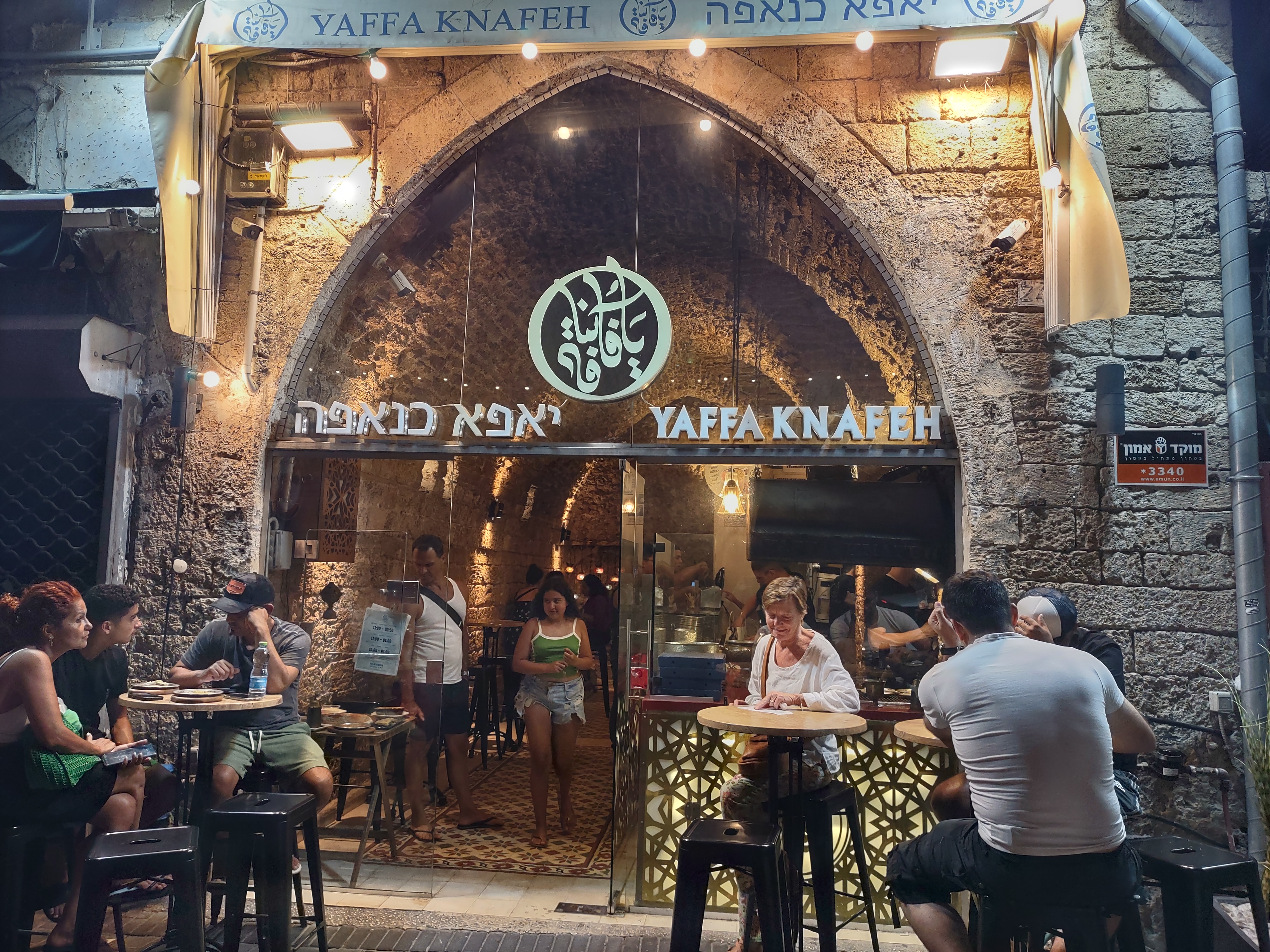
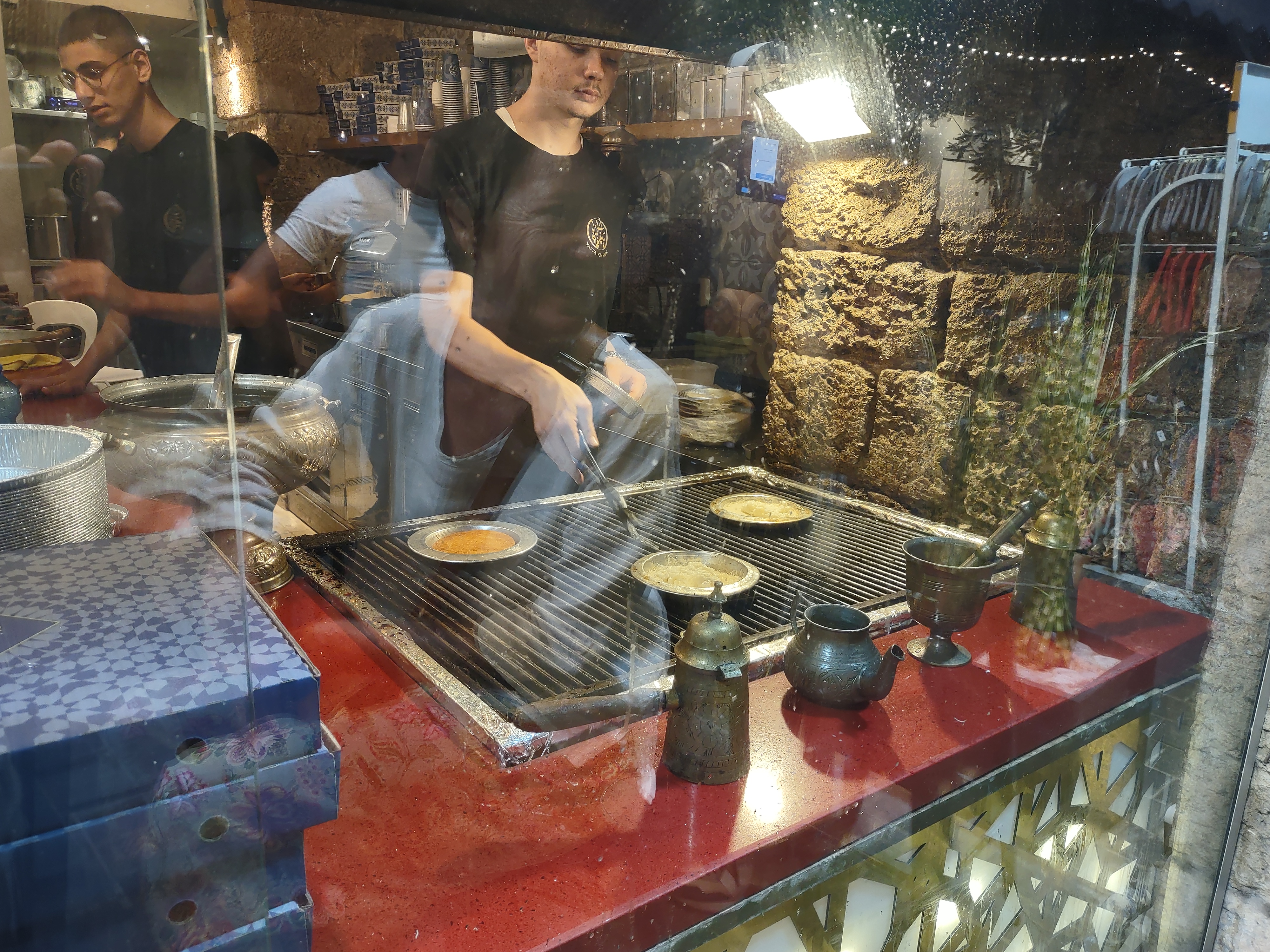
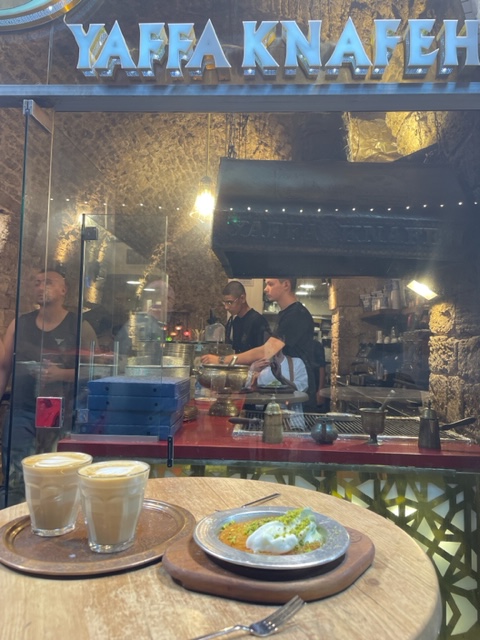
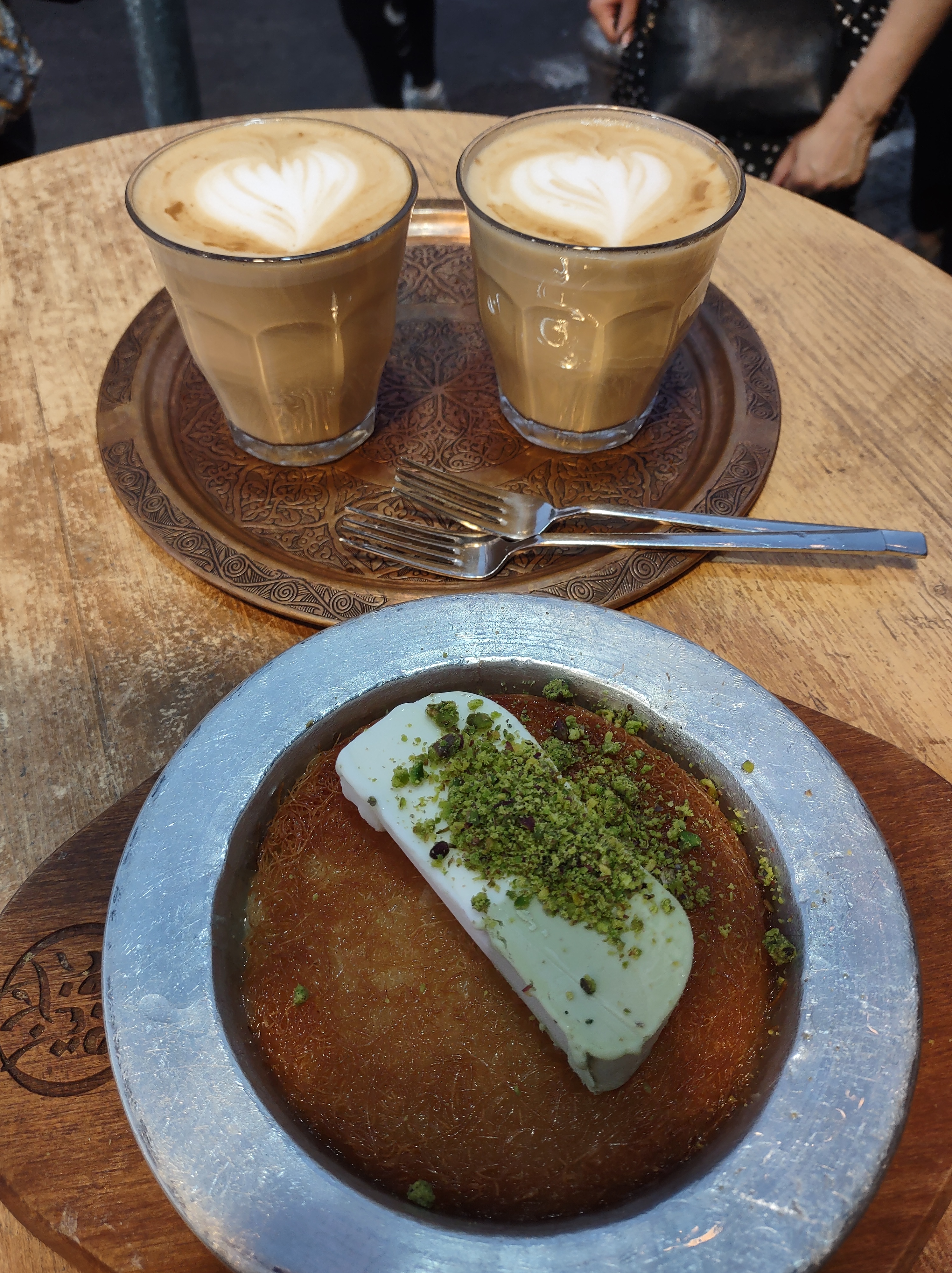
We did make one new culinary discovery in Tel Aviv – a pastry of sorts called Knafeh which we had heard about but never tried. While there are variations, Knafeh is typically made from a spun pastry called kataifi which is soaked in in syrup, then layered over cheese or clotted cream, and then toasted until it basically becomes spun sugar. It is served hot off the grill and usually topped with crushed pistachios or ice cream. While we tried Knafeh at a number of places, we thought that the best Knafeh came from a place called Yaffa Knafeh which was located a mere 170 meters from our apartment on Olei Zion Street where they top the hot Knafeh with pistachio ice cream. Needless to say, Yaffa Knafeh became a somewhat regular stop for us on our way home at night.
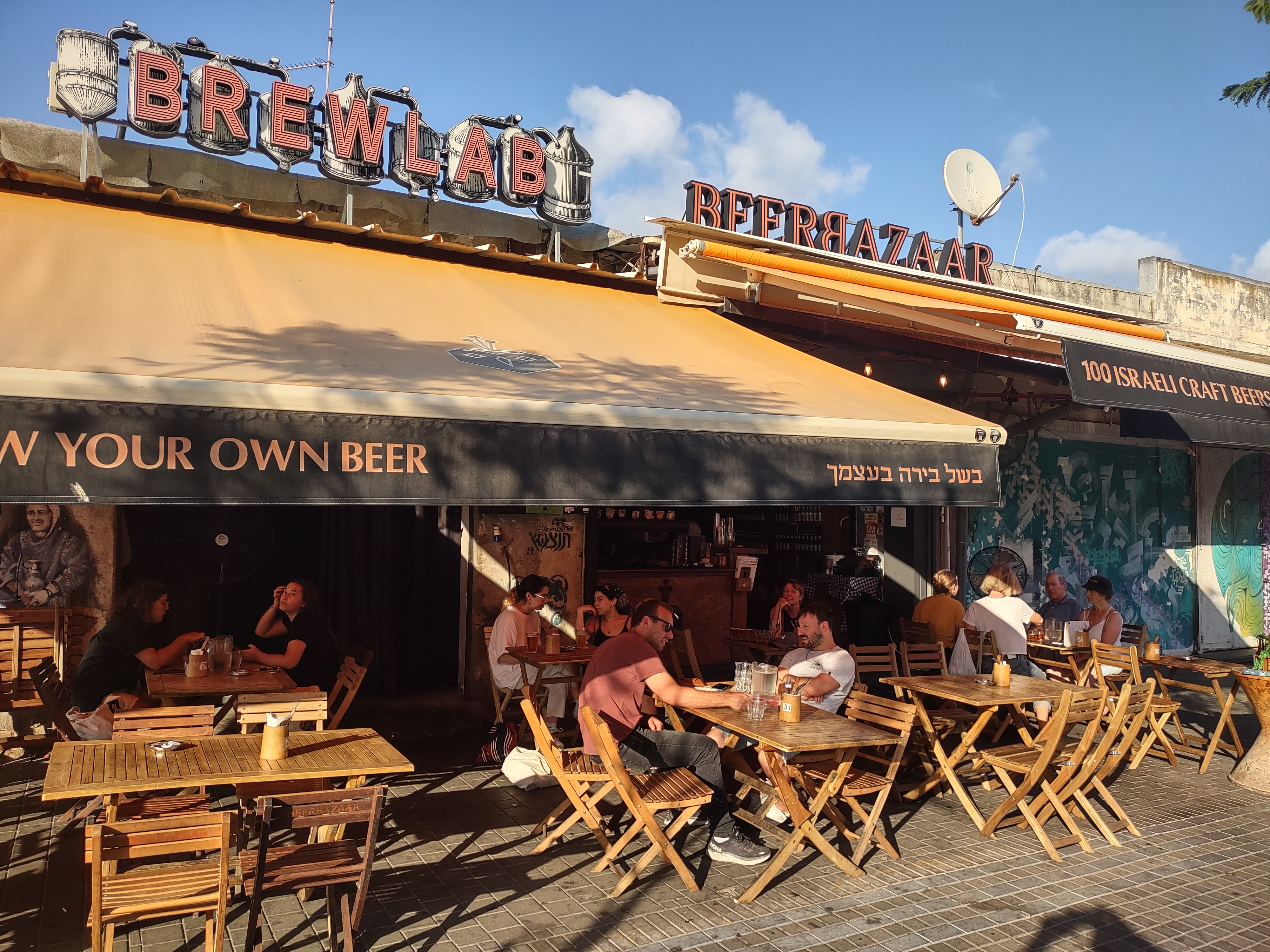
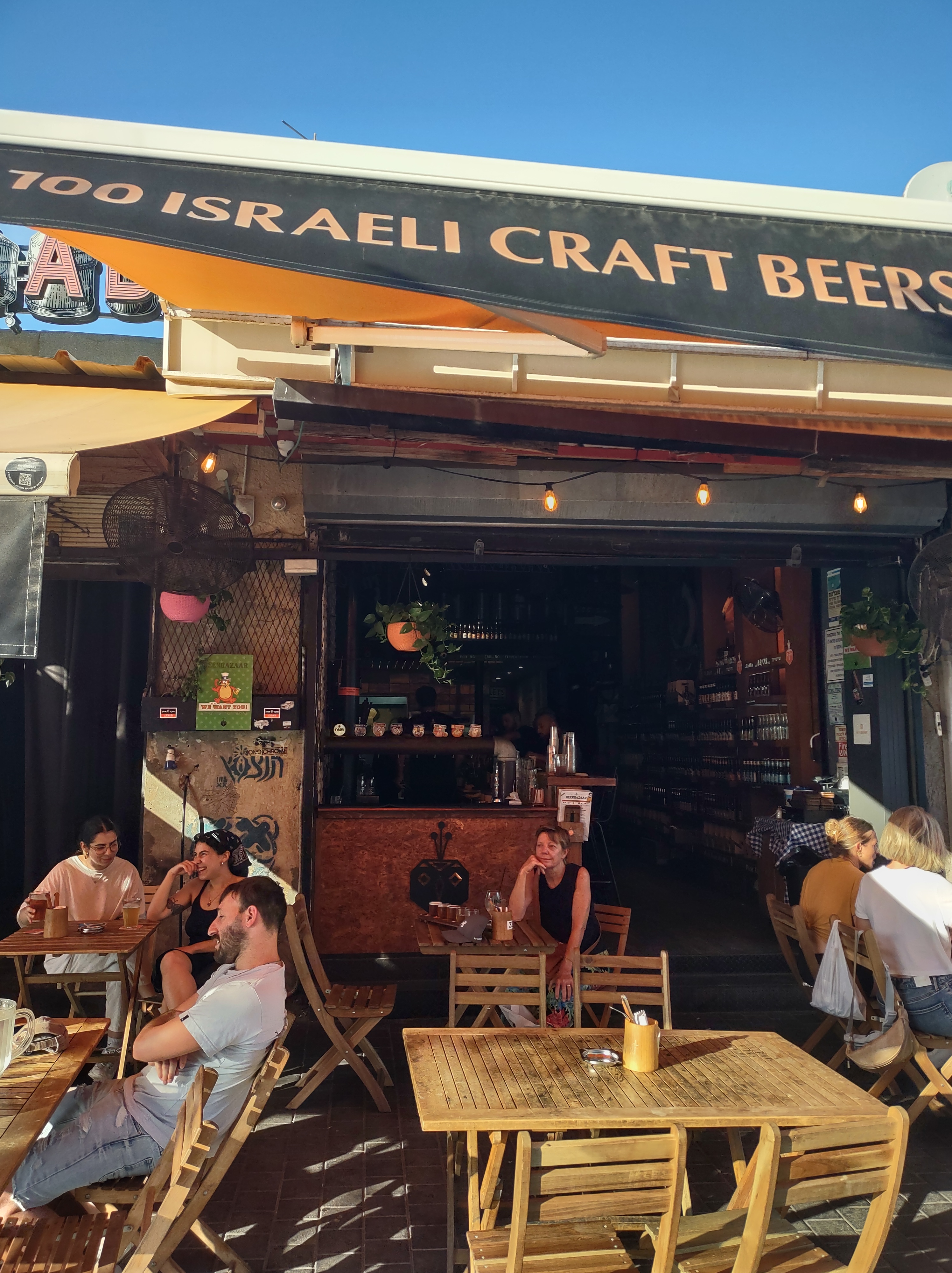
As far as drink goes, our consumption of wine quickly dropped as the temperature rose (we’re pretty strictly red wine drinkers), so we didn’t really sample any Israeli wine. Additionally, most places didn’t carry Aperol, so spritzes (my recent hot weather drink of choice) were out as well , which left us with cocktails and beer. It was a little surprising that there didn’t seem to be much of a craft beer scene in Jaffa, but there was one place which I had spotted and was pretty excited about, the Beer Bizarre, just a couple of blocks up the hill from our apartment, which promised a wide variety of Israeli craft brews as well as their own line of beers.
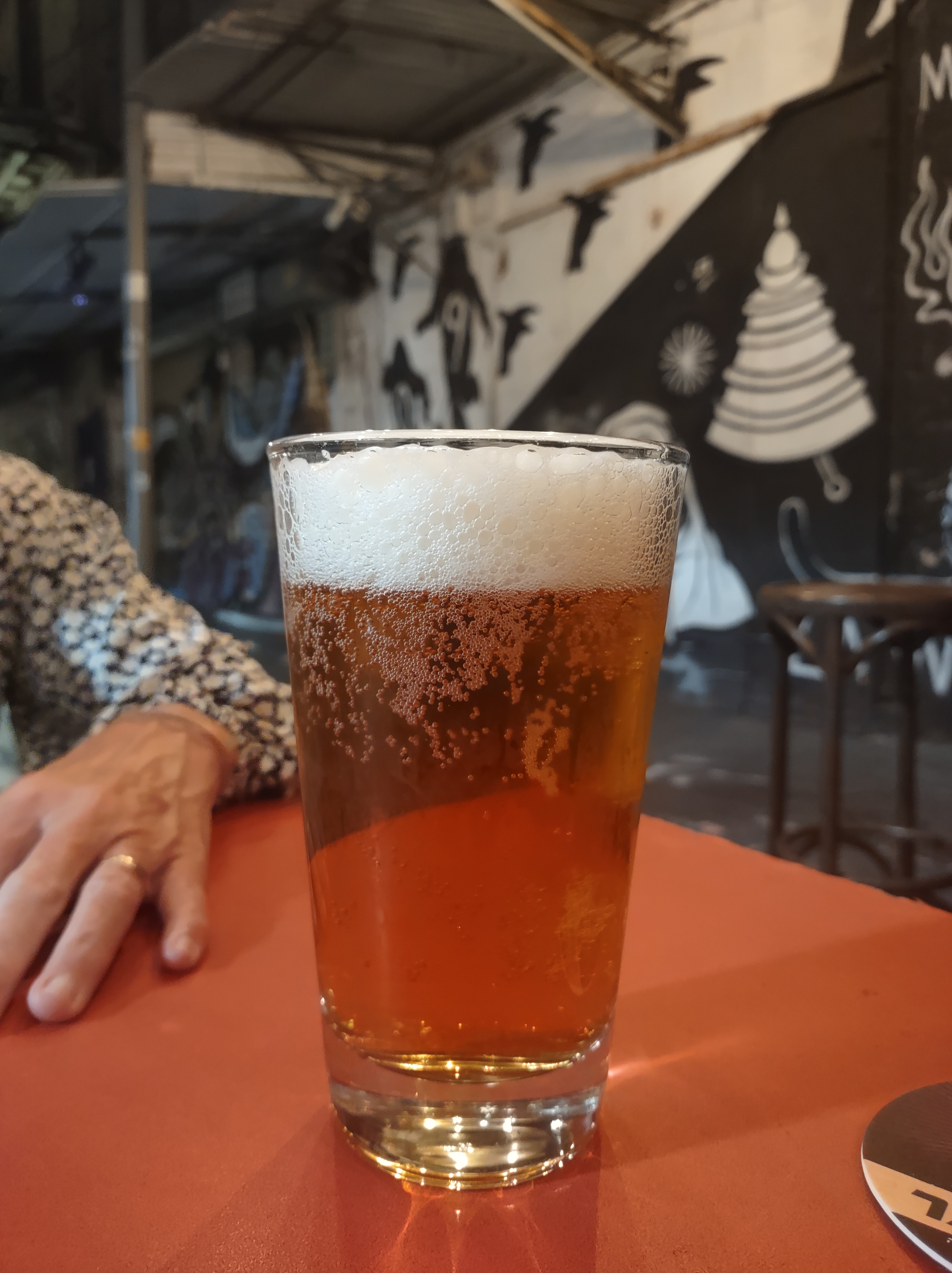
As Beer Bazaar had been closed our first night in town, we dutifully headed there on our second night in Jaffa. We were a little surprised at how limited both the beer and food menus (we had reviewed something different online) turned out to be. Looking around, we were also surprised that that the place seemed to be a bit of a hole in the wall and that all of the other customers but us (who stood out like a whatever) appeared to be locals, which didn’t necessarily bother us, but it wasn’t quite what we had expected. We ordered some nachos and a couple of beers and, given the limited options, I went with a Lagunitas IPA. (I have to say that if I have learned anything from our travels, it is that Lagunitas – from little old Petaluma CA – seems to be the most widely distributed IPA in the world and it’s always nice to come across it in far-away places).
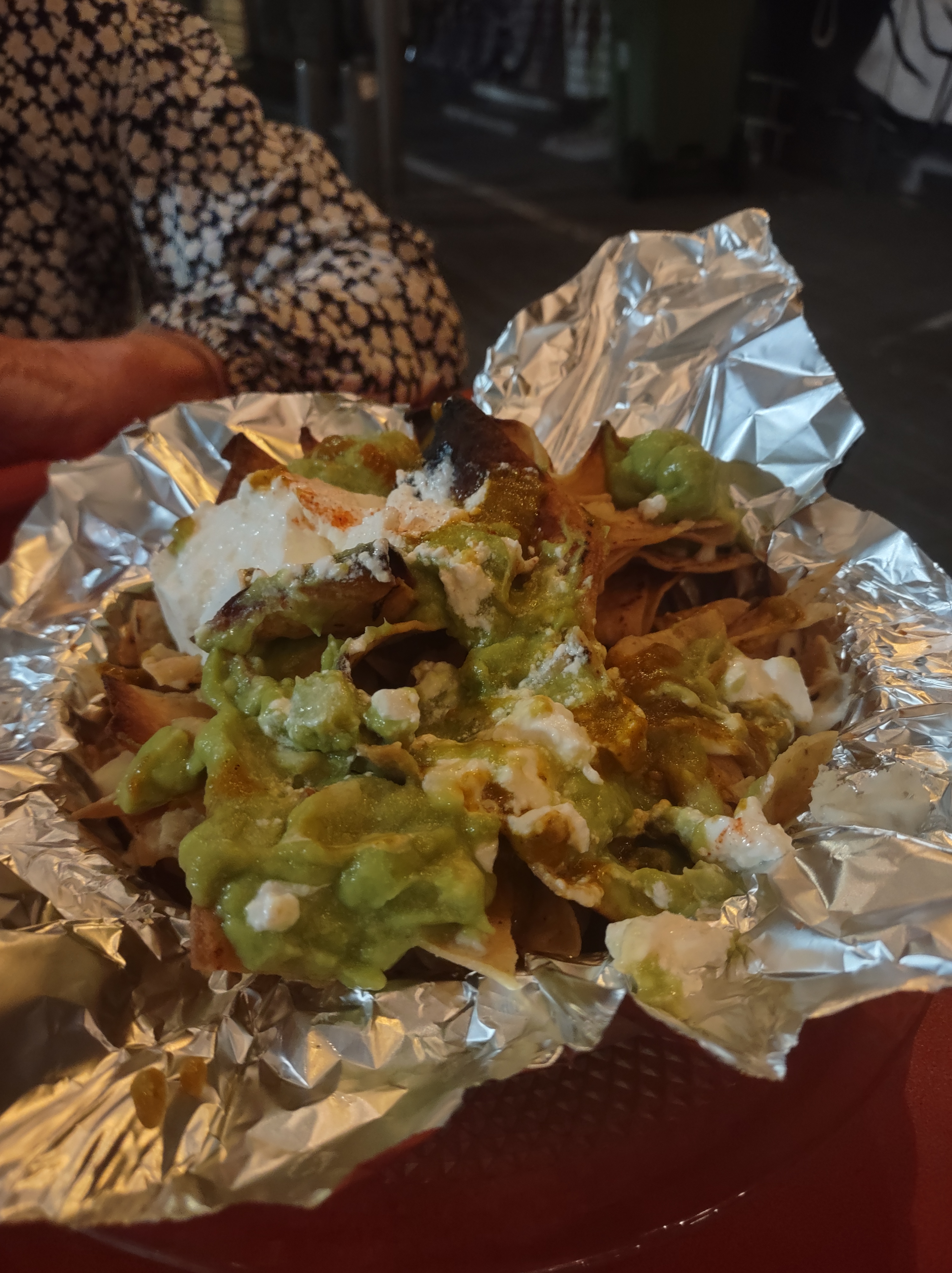
Anyway, we drank our beer and ate our nachos (which I remember as being odd in some way, but can’t remember what it was) and were thinking about making an exit when Colleen advised me that there was a guy at another table who was gesturing and making faces at her. When I turned around he came over to us and pretty insistently invited us to join him and his friends to which (perhaps to Colleen’s chagrin) I said “sure!”. Our new companions included a young woman in her early thirties who had emigrated from the Netherlands in her early twenties, a man of similar age to us who had come to Jaffa from Bulgaria many years before, and Tom (short for Tomar), our host, also in his early thirties who was born in Jaffa and had lived there his entire life.
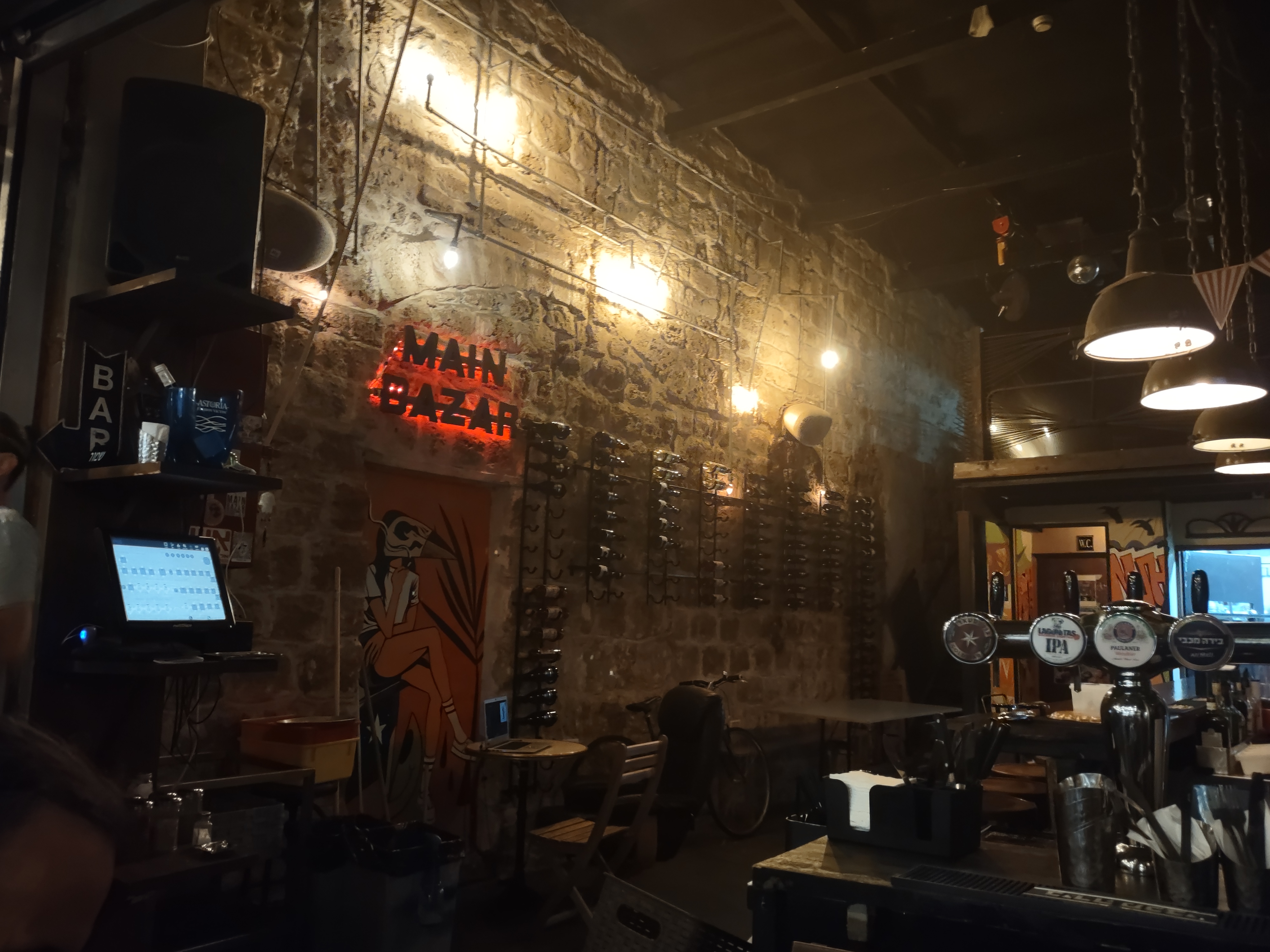
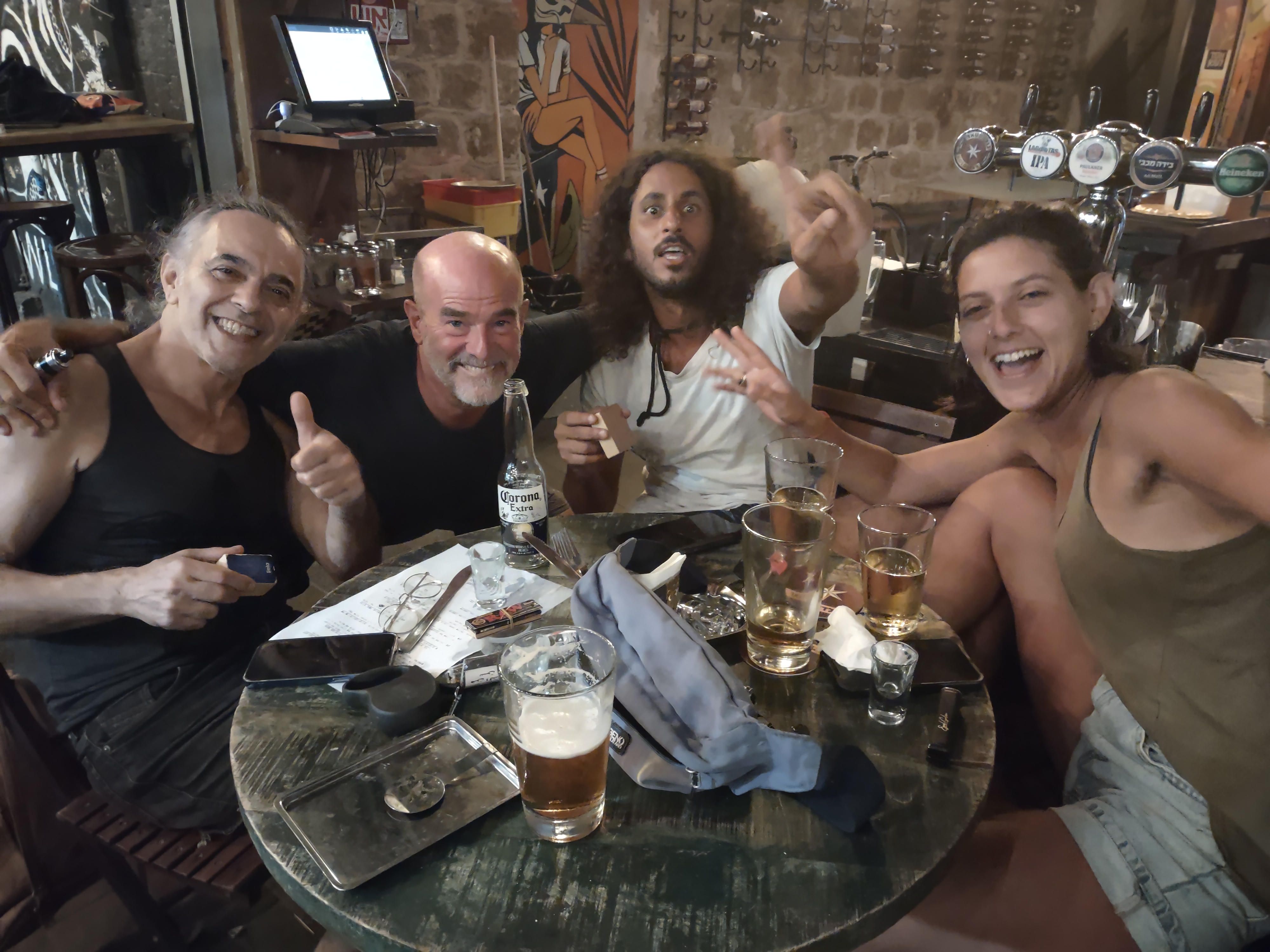
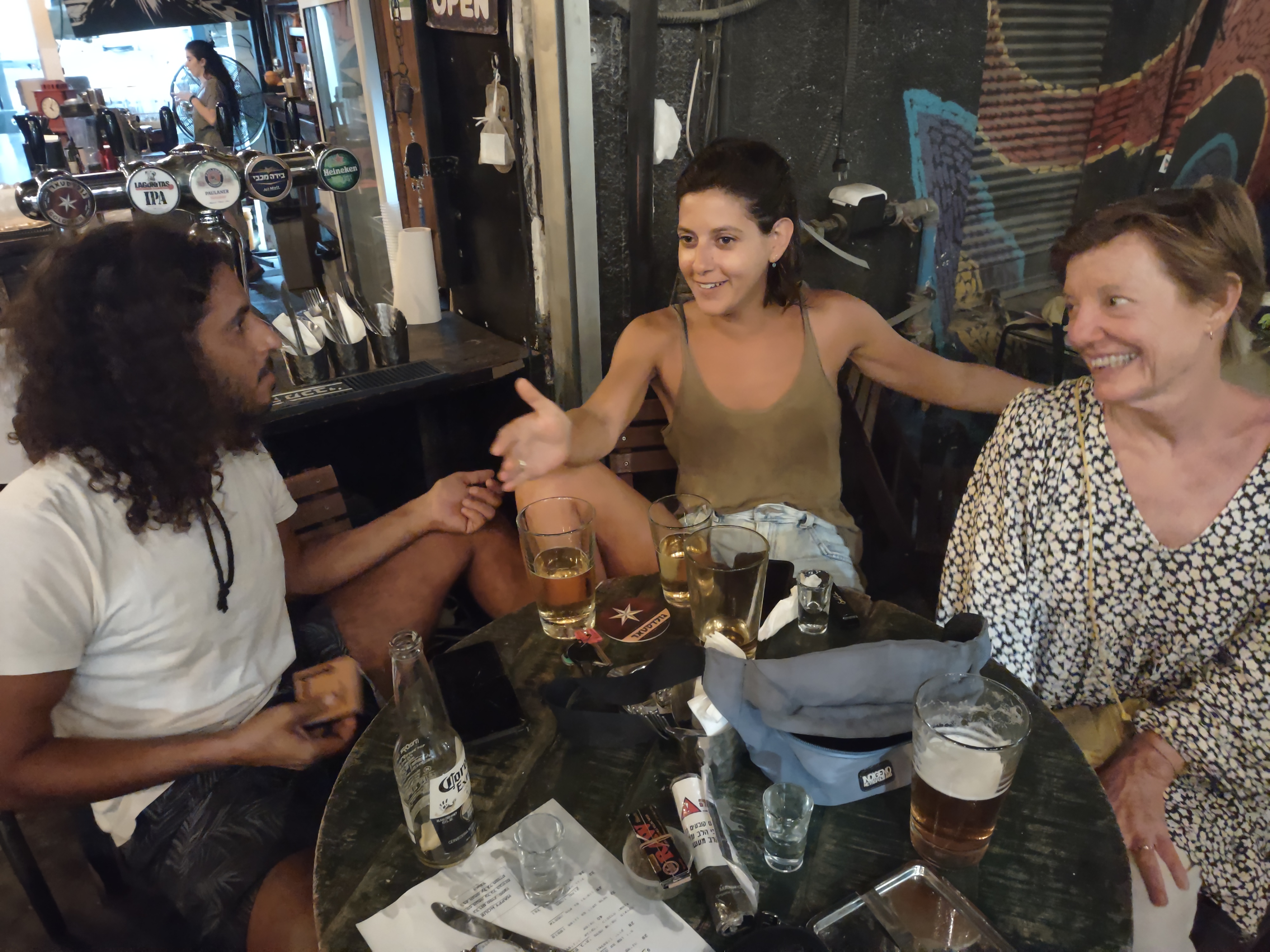
We had a few beers and some very interesting conversation and were introduced to Arak, the Levantine version of turpentine-like liquor which is distilled from anise. One of the funnier moments of the evening was when they explained to us that the bar we were at was actually the “Main Bazar” not the “Beer Bazaar” (where we were still under the impression that we were until they pointed us to the sign). But, they assured us that the Main Bazar was, if not better, certainly cheaper than The Beer Bazaar which they viewed as a bit of a tourist trap. Always great to make new friends in far away places and it was very interesting to hear their perspectives on living in Jaffa.
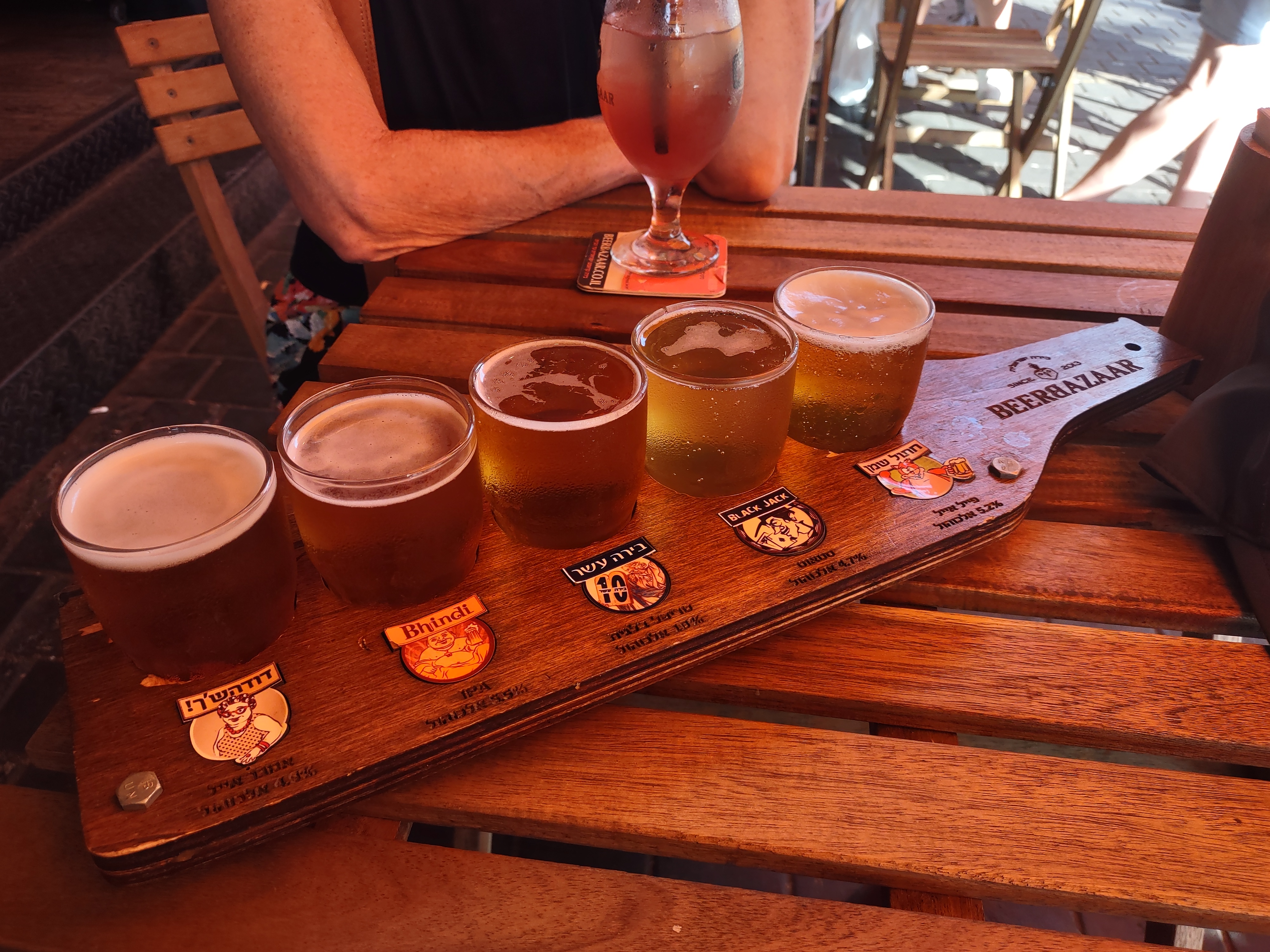
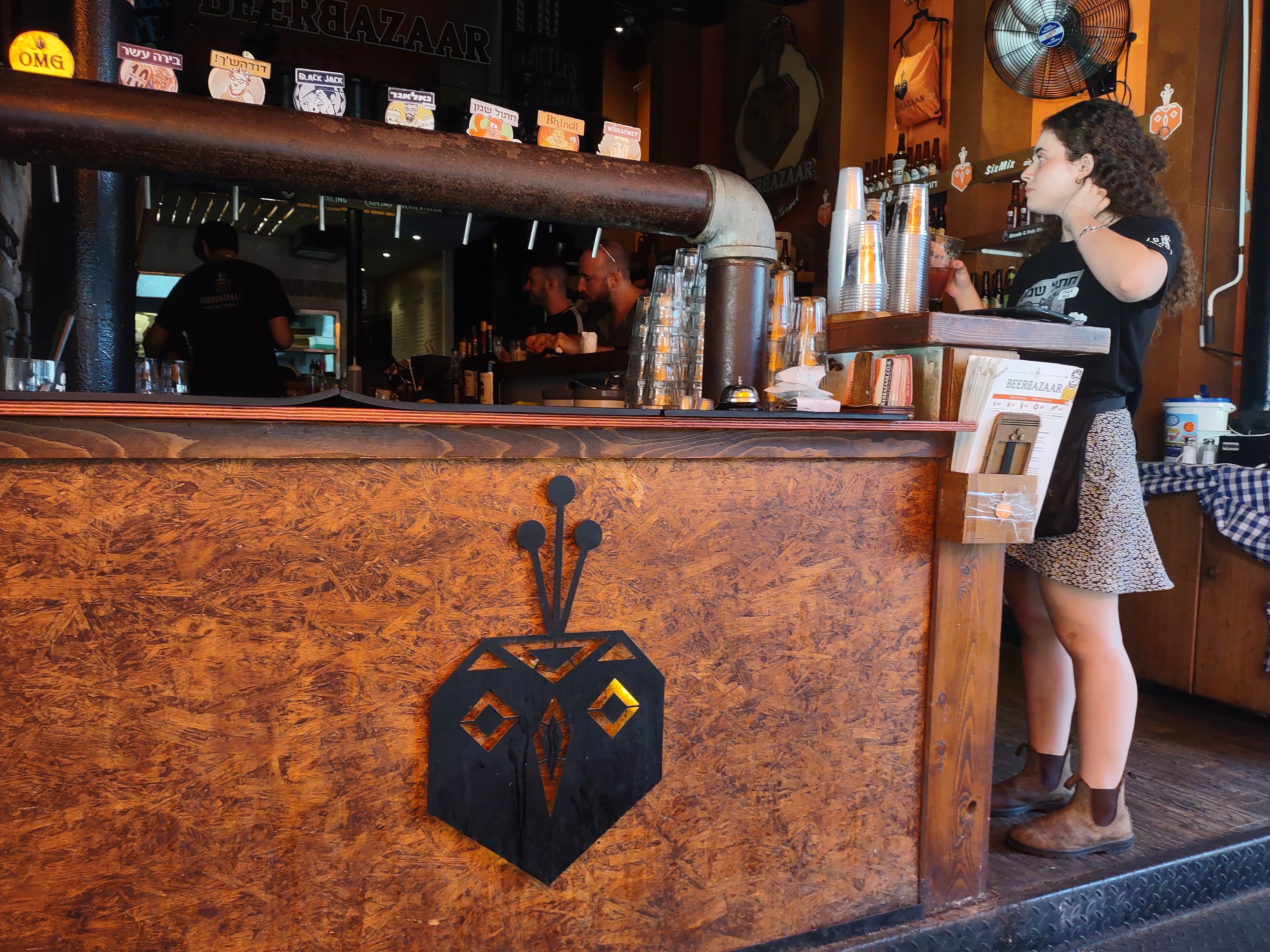
As it turned out, we did eventually find the Beer Bazaar open and stopped in one day for a flight of their brews. Unlike the Main Bazaar, the place was quite nice and, as our friends had predicted, a bit of tourist trap but unfortunately, none of their brews were particularly good. Fortunately, we did find some nice craft brews in the groceries and Gold Star, the brewery which most restaurants carry on tap there, makes a couple of pretty good lagers. We didn’t come here for the beer in any case.
Beaches
After three weeks of mostly rocky Italian beaches and given the increasingly higher temperatures, Tel Aviv’s wide sandy beaches were something we were very much looking forward to when coming here and we did go to the beach almost every day for at least a couple of hours.
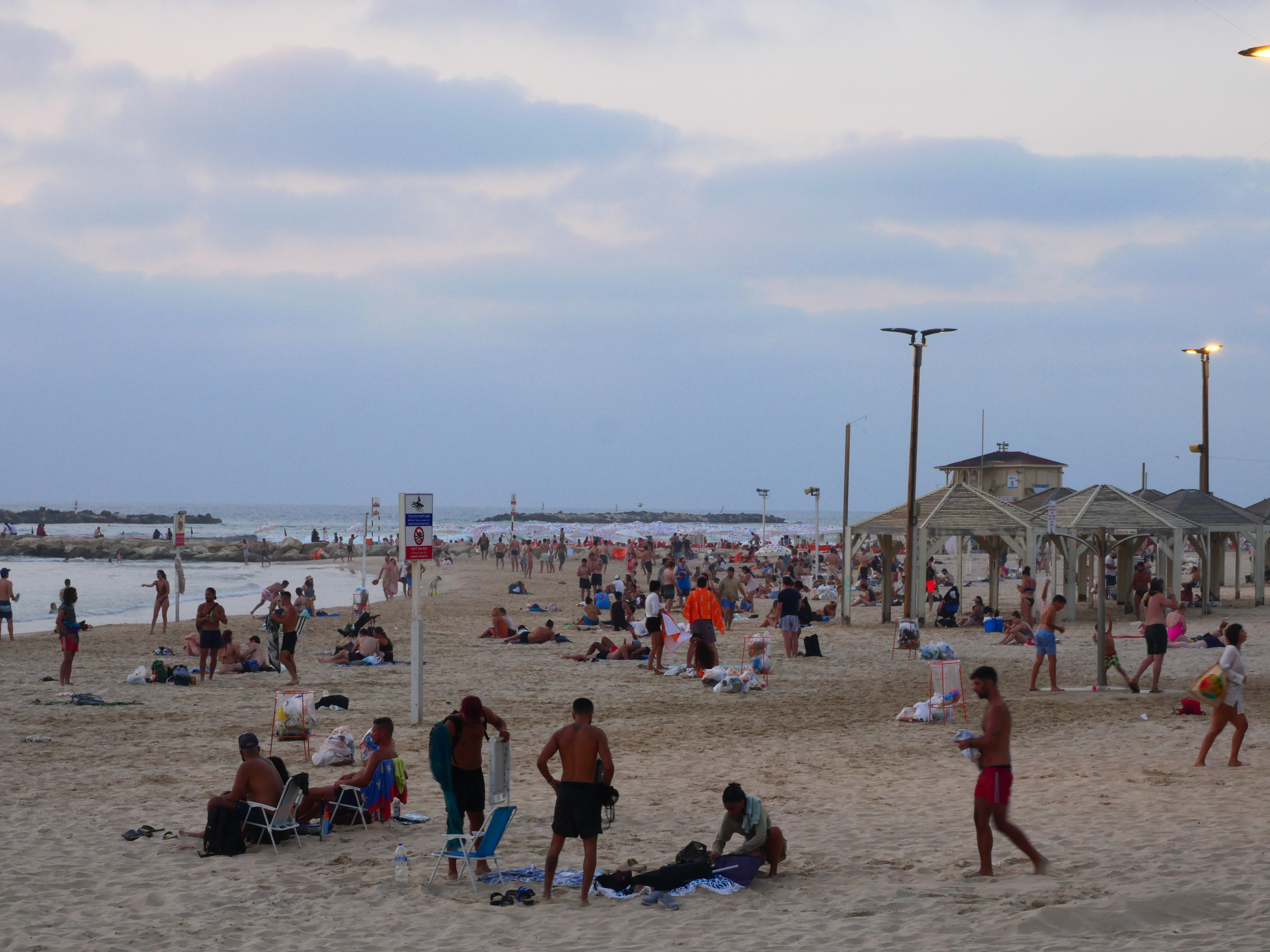
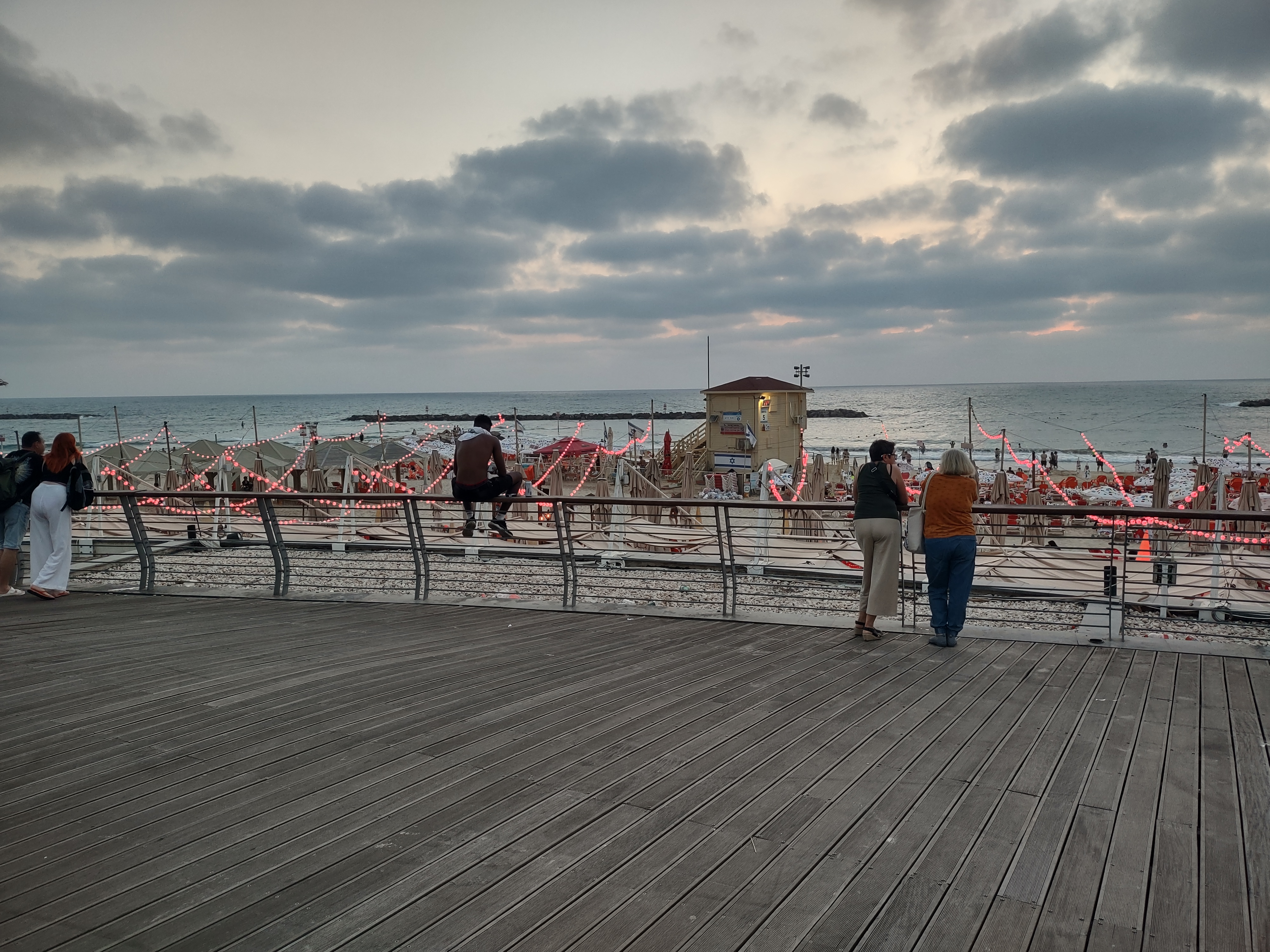
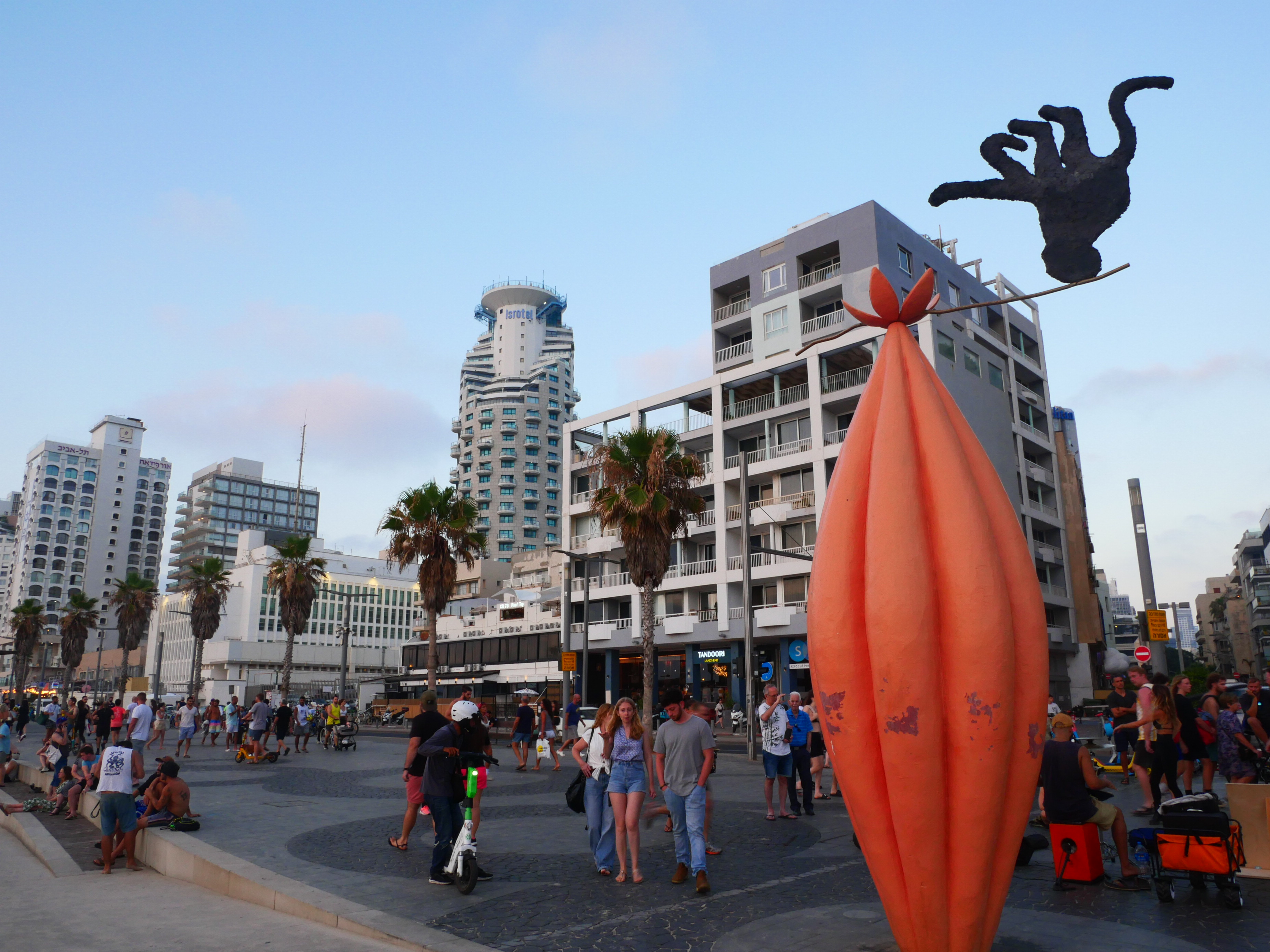
But, while they certainly are beautiful, we found the beaches north of Jaffa in Tel Aviv to be a bit busy and crowded and spent most of our beach time at a beach in Jaffa known locally as “The Wall” because as the tide comes in you are eventually pushed up against the stepped wall of the promenade above. We found it to be a much more laid back beach (maybe a little less so during morning surf school) and much less crowded (at least until the tide came in).
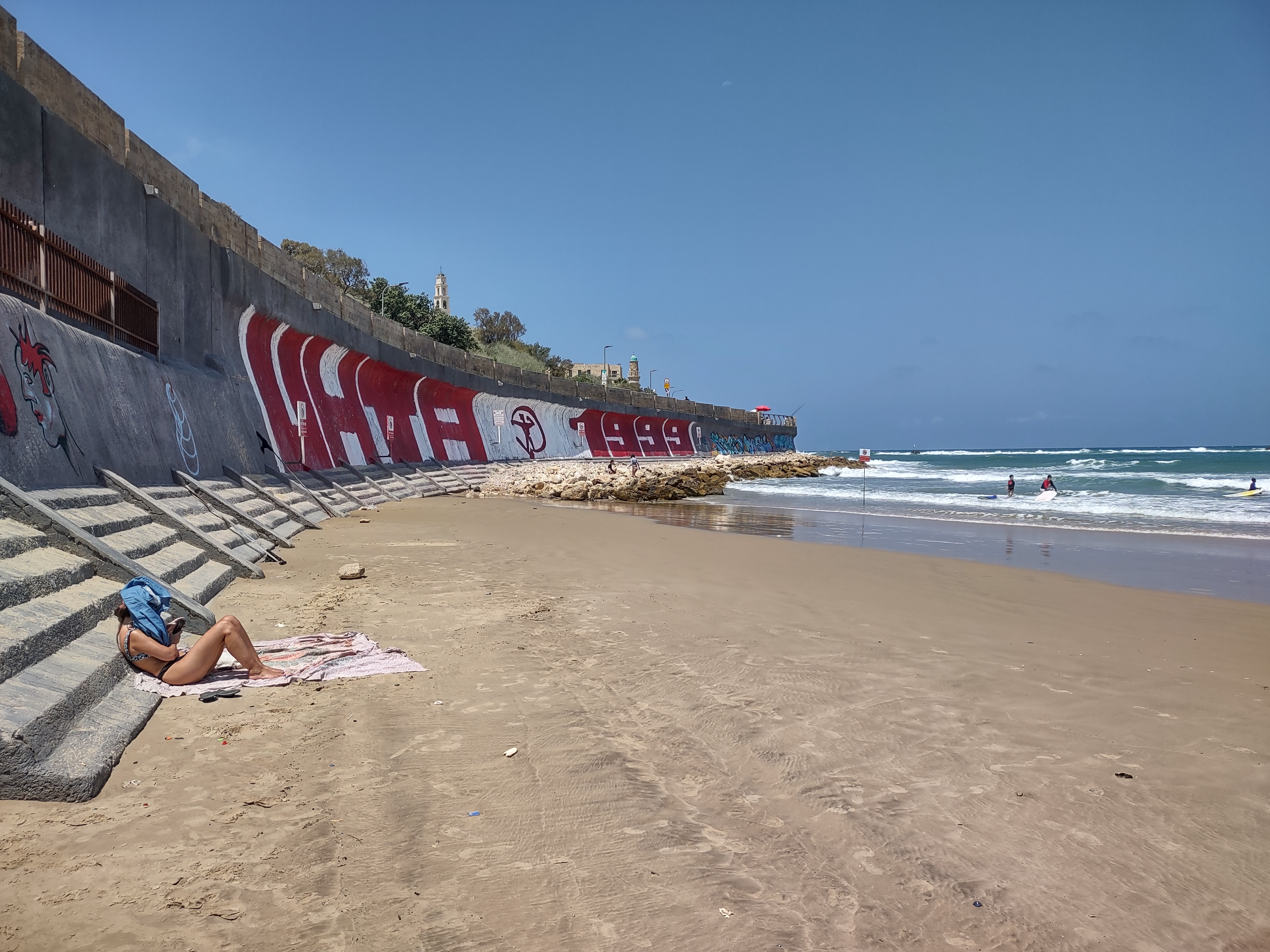
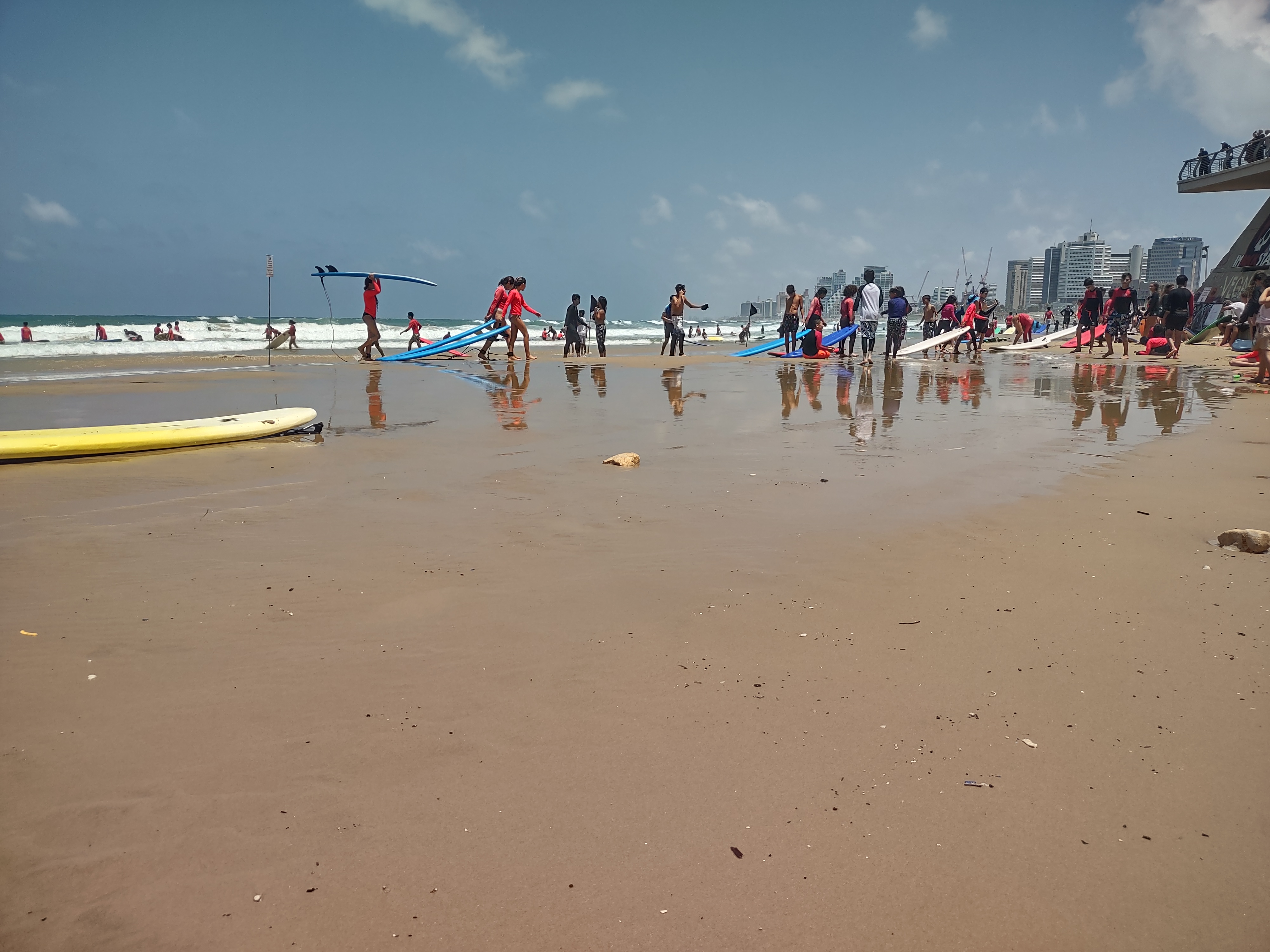
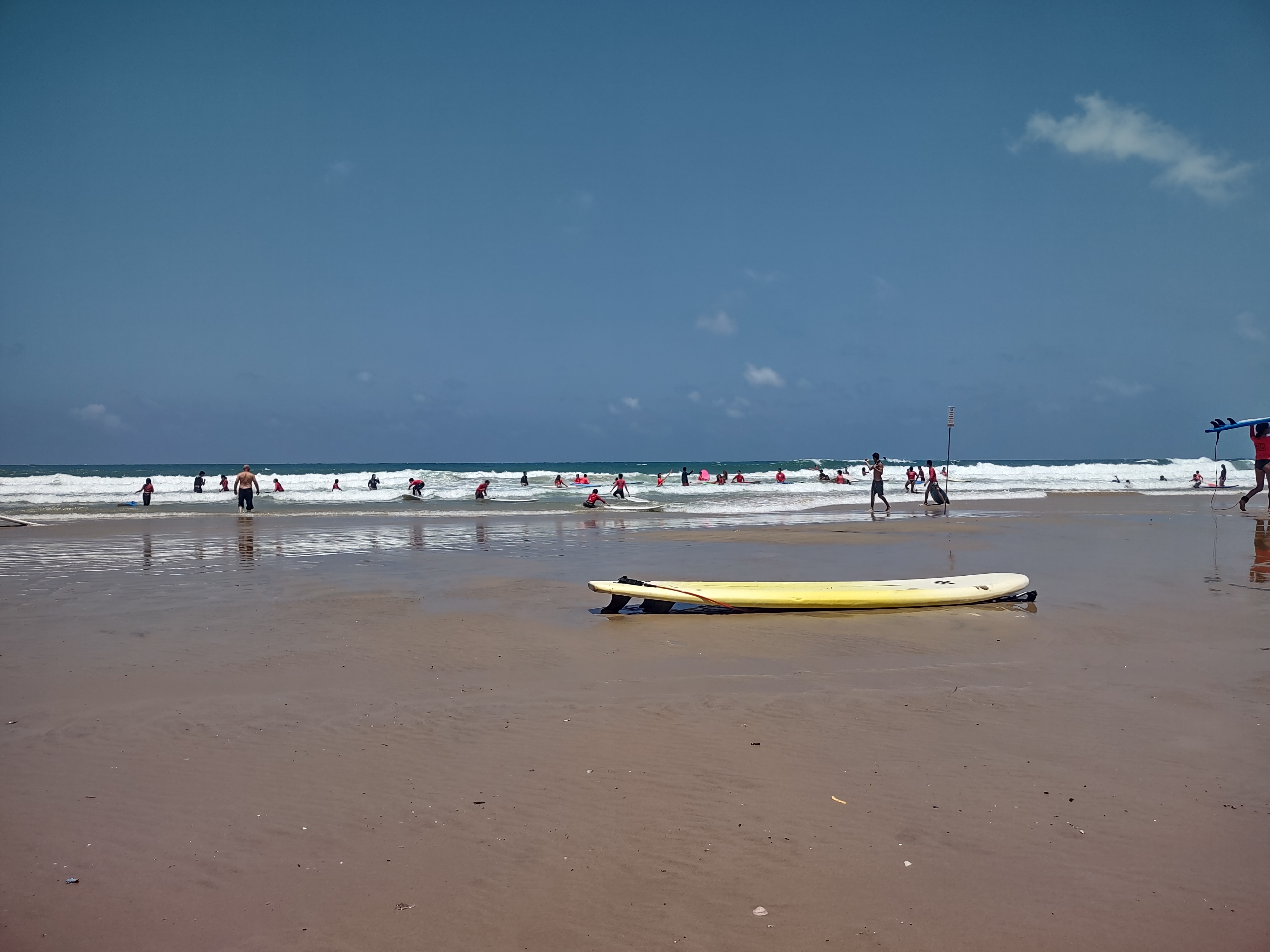
For some variety and interest, we decided to walk about 30 minutes south one day to the Givat Aliya Beach which turned out to be a beautiful public beach with some pretty nice facilities and (best of all) was not crowded. One interesting feature was a vending machine to rent beach chairs and umbrellas – something we’ve never seen before.
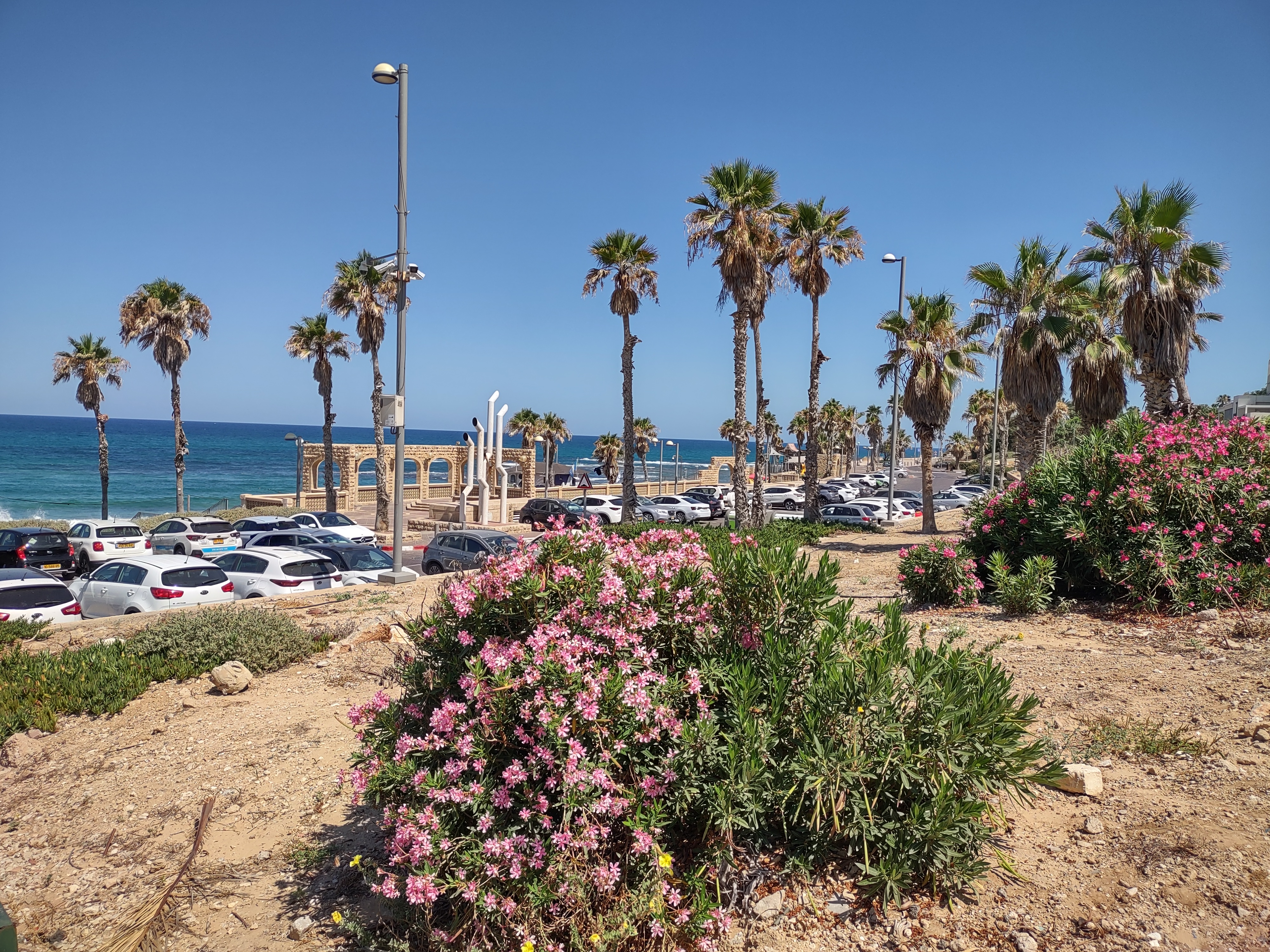
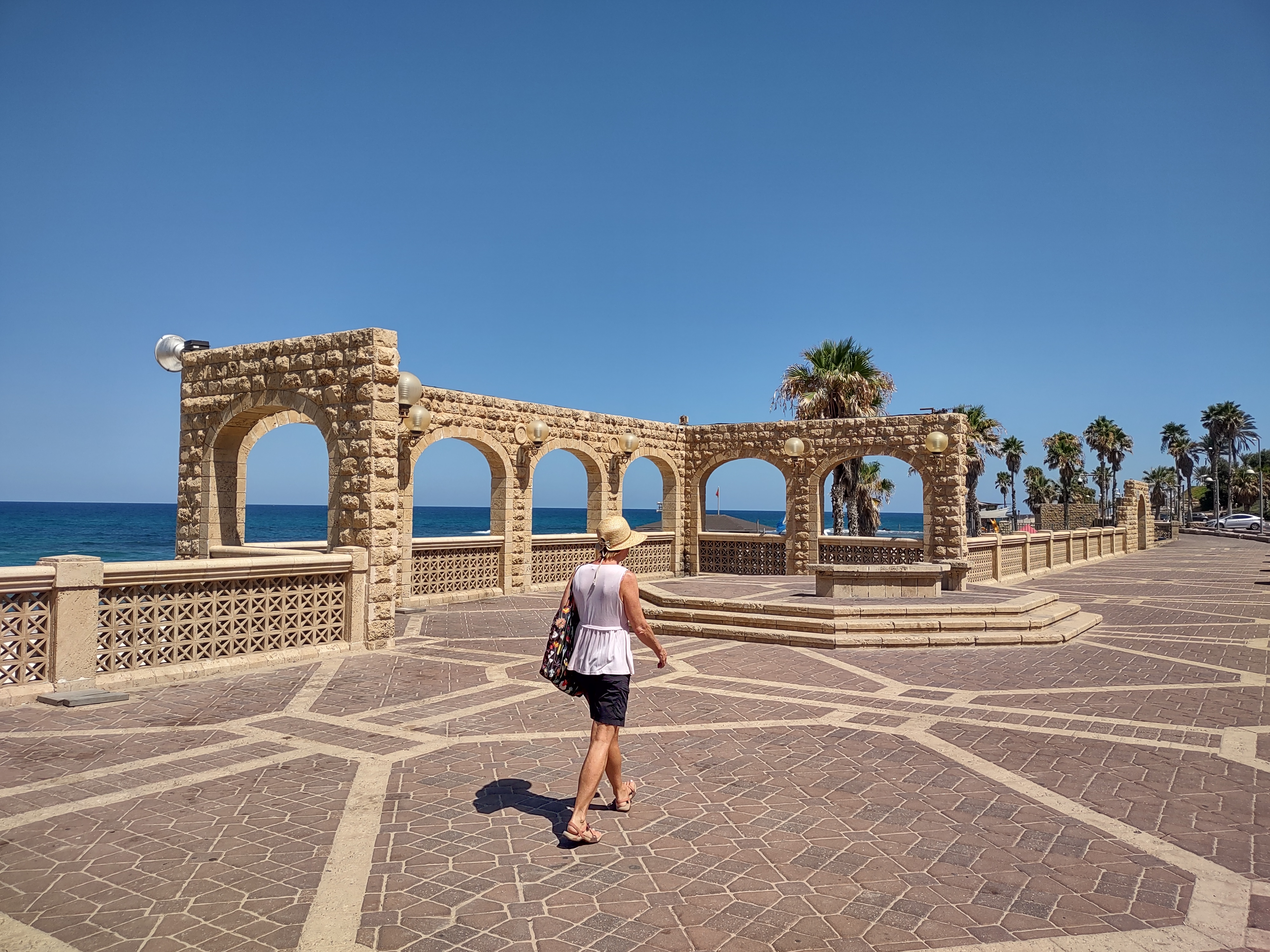
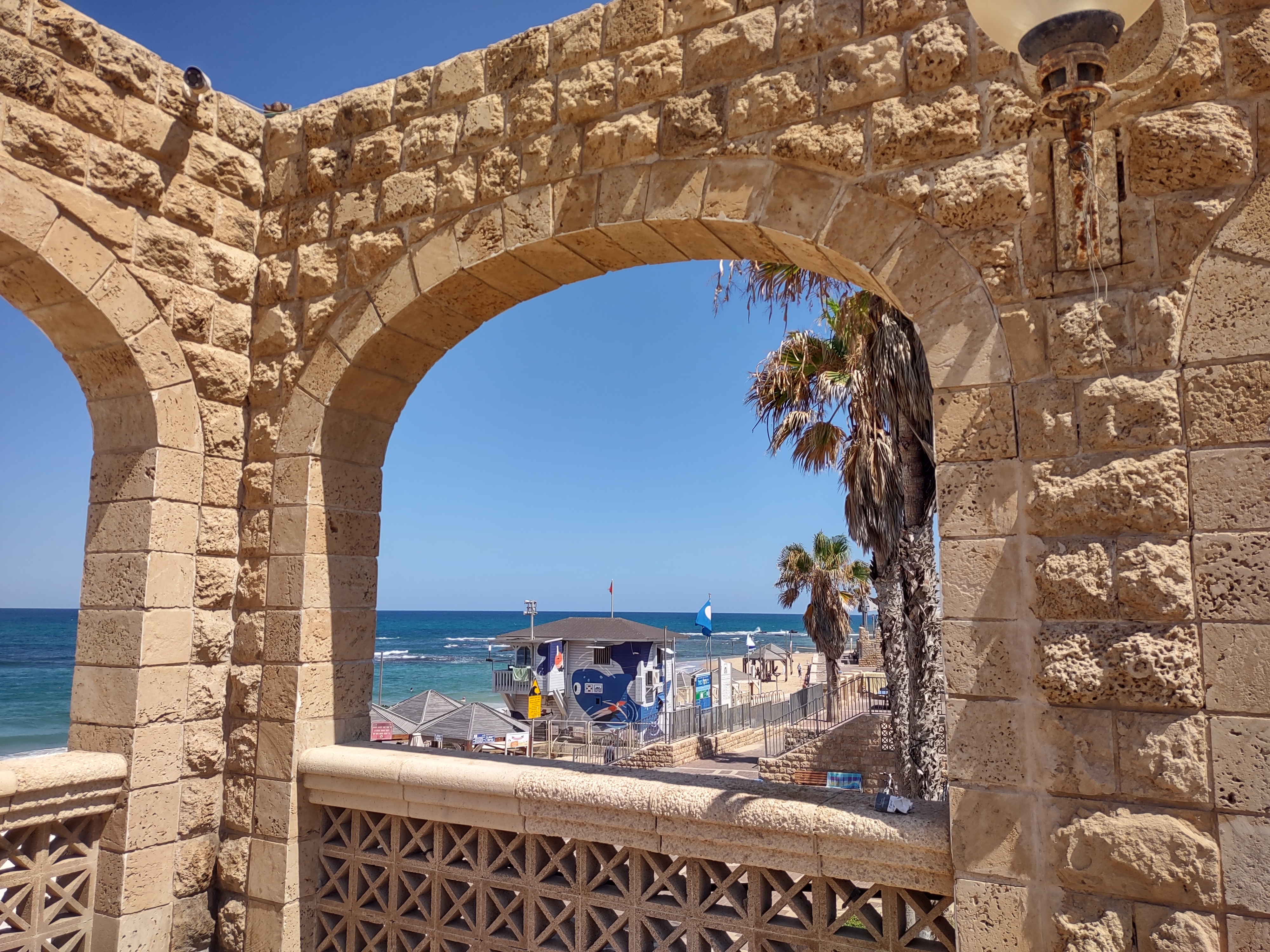
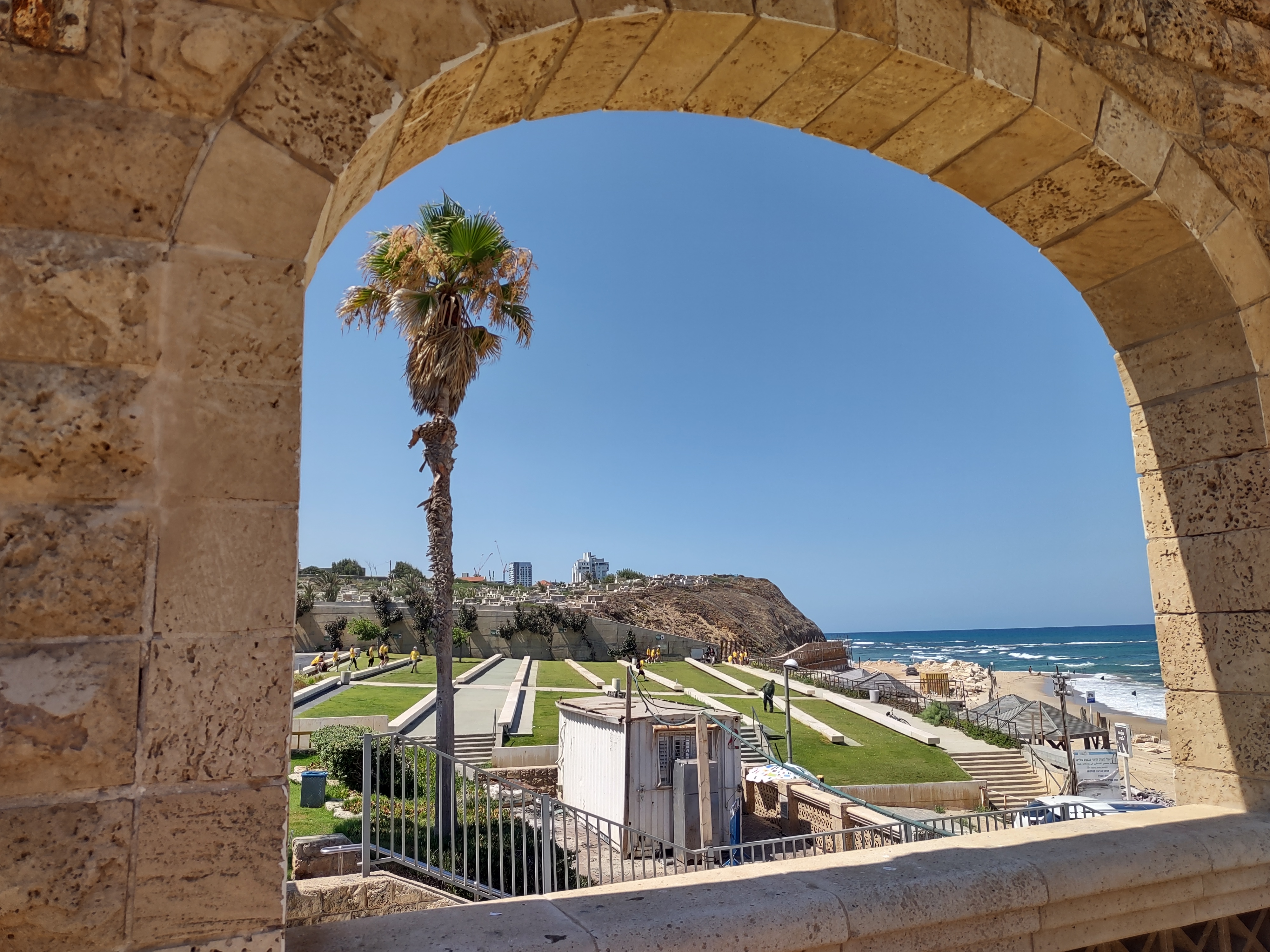
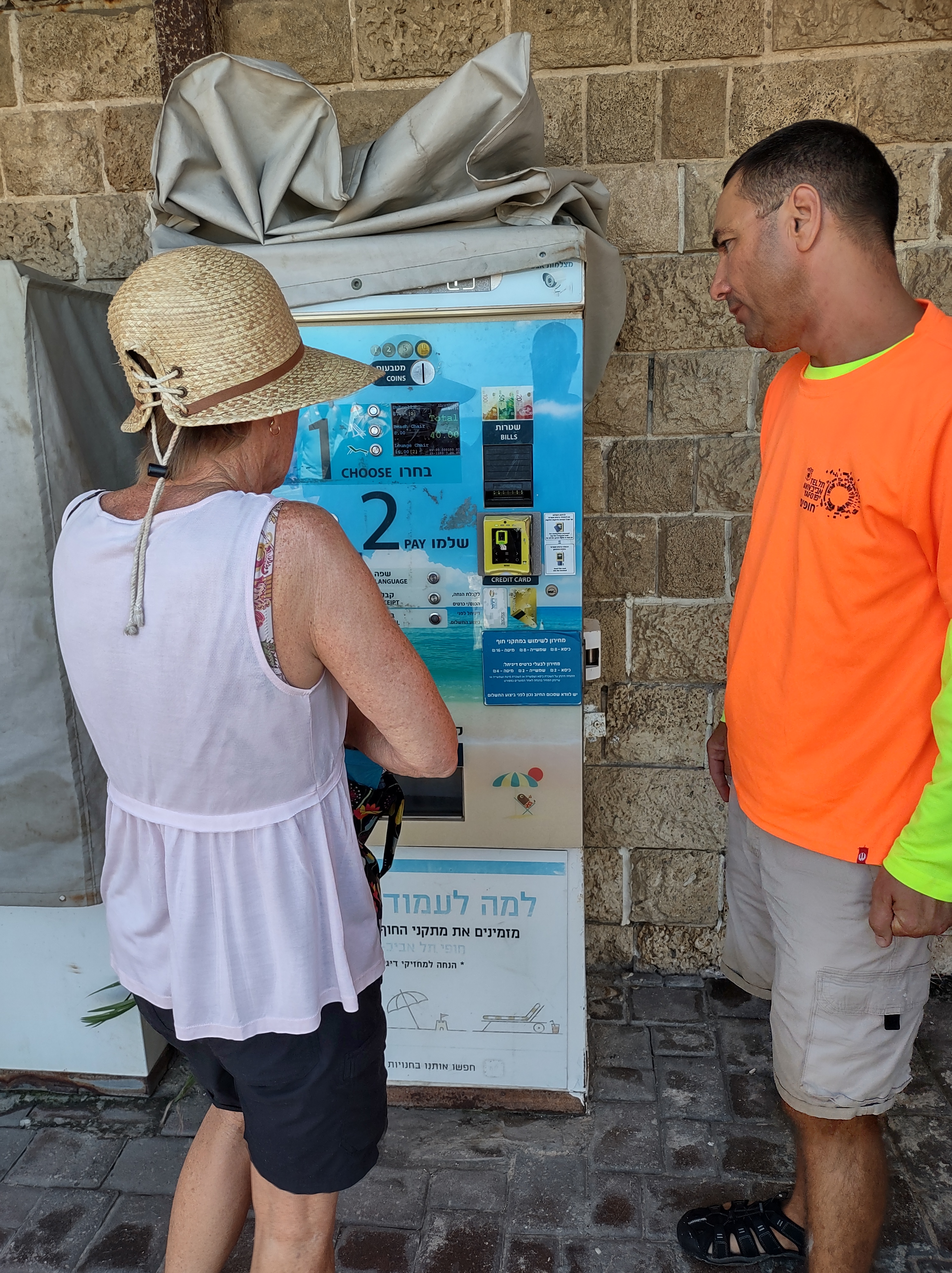
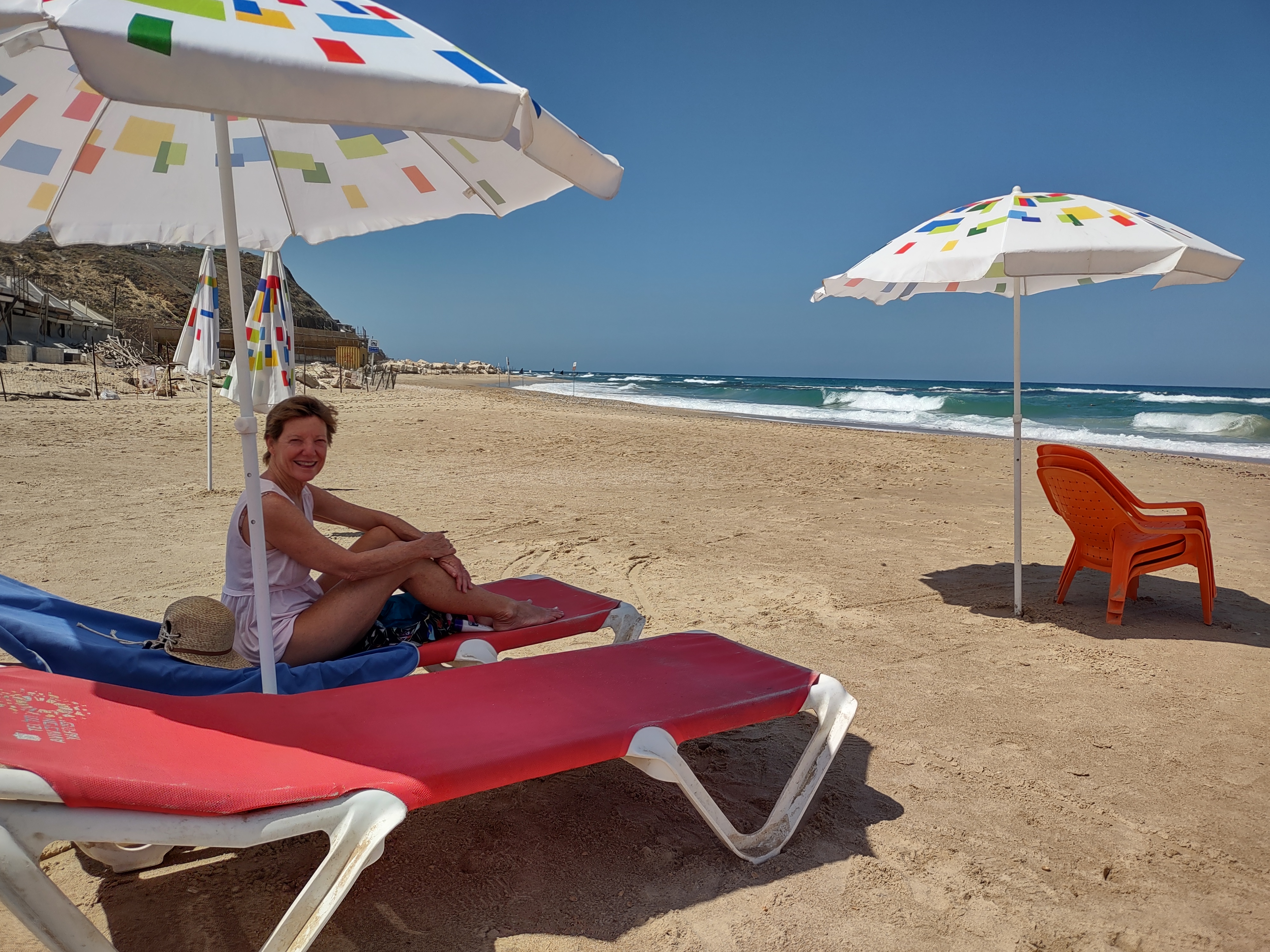
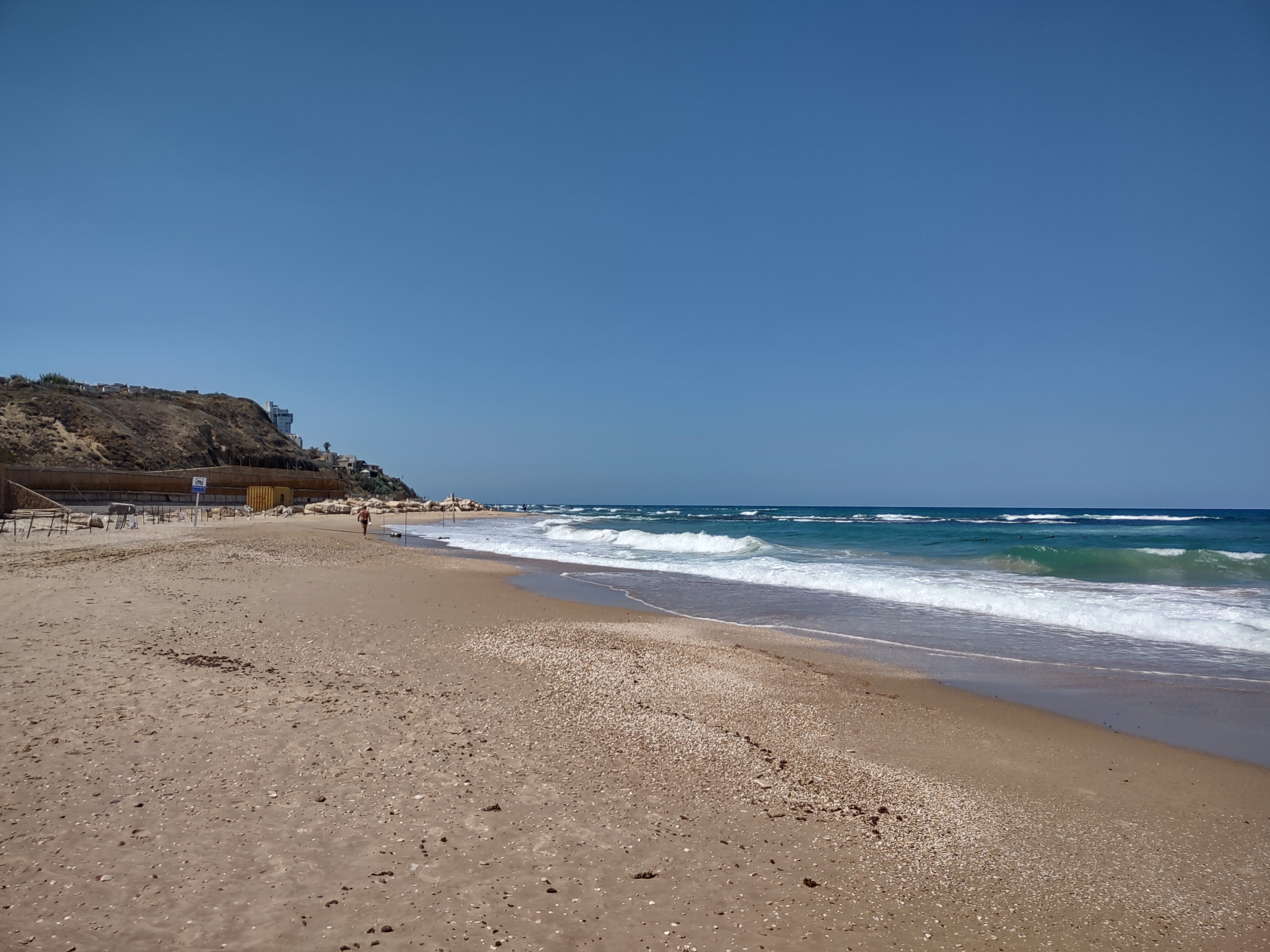
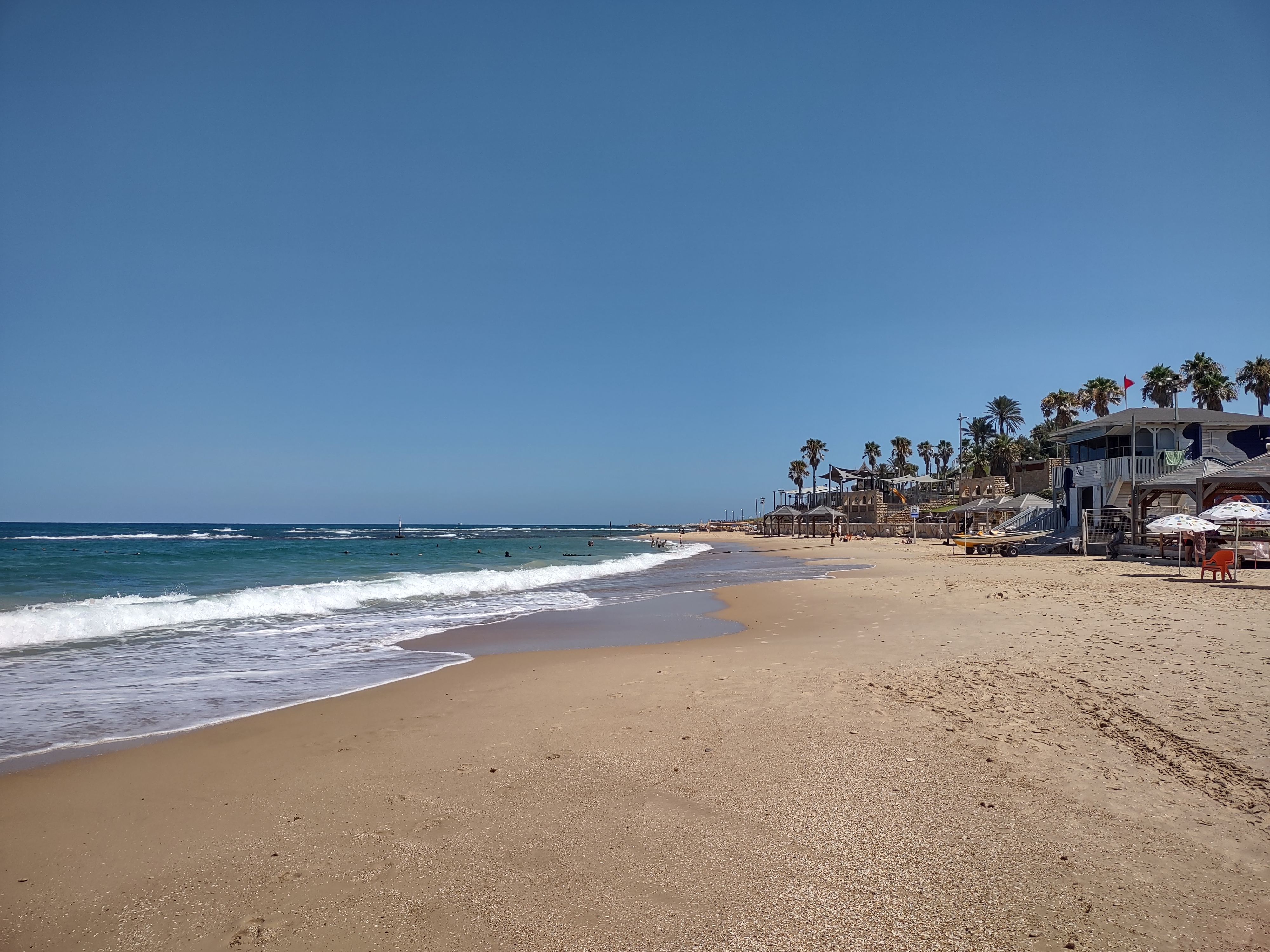
It was a beautiful place and we had a really nice day there but in the end decided it was probably not worth the longer and rather less interesting walk there (particularly on the way home in the hot afternoon sun) and contented ourselves with The Wall beach in Jaffa (which was only about 10 minutes from our place through the Jaffa Flea Market) for the rest of the week.
A Night of Traditional Folk Dancing
One of the definite highlights of our trip to Tel Aviv was a traditional folk dancing demonstration that Colleen had somehow picked up on which was supposed to happen every Saturday night in front of one of the beach-front hotels to the north of us in Tel Aviv. From the information we had, we anticipated something interactive with some experts providing instruction for a bunch of tourists with two left feet (I was honestly expecting something resembling line dancing or maybe the macarena), and maybe even some traditional costumes. As it turned out, the only thing we were really right about was that there were dancing experts there, and although it was in principle a demonstration, it really was more of a performance which we arrived to find in full swing.
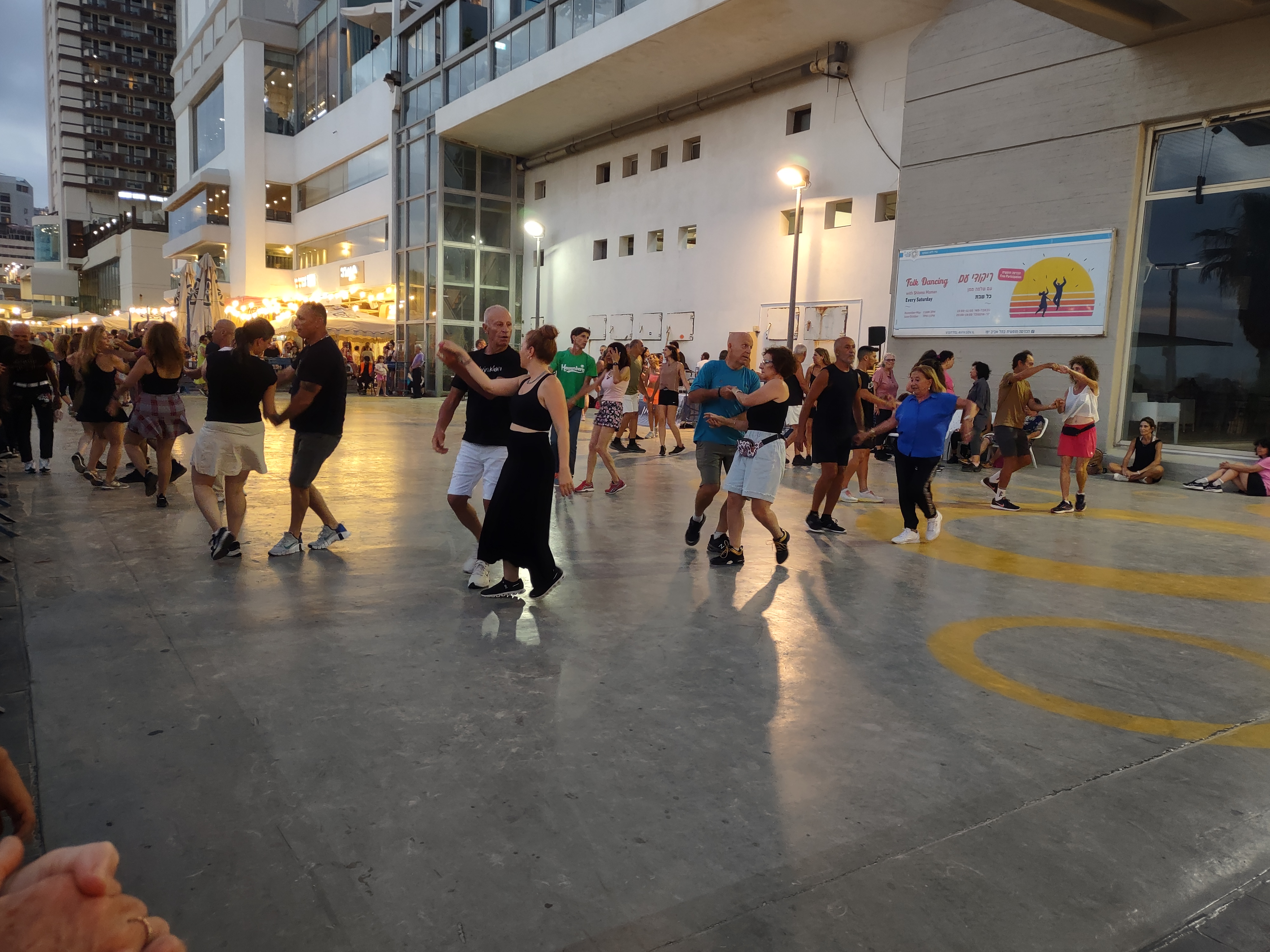
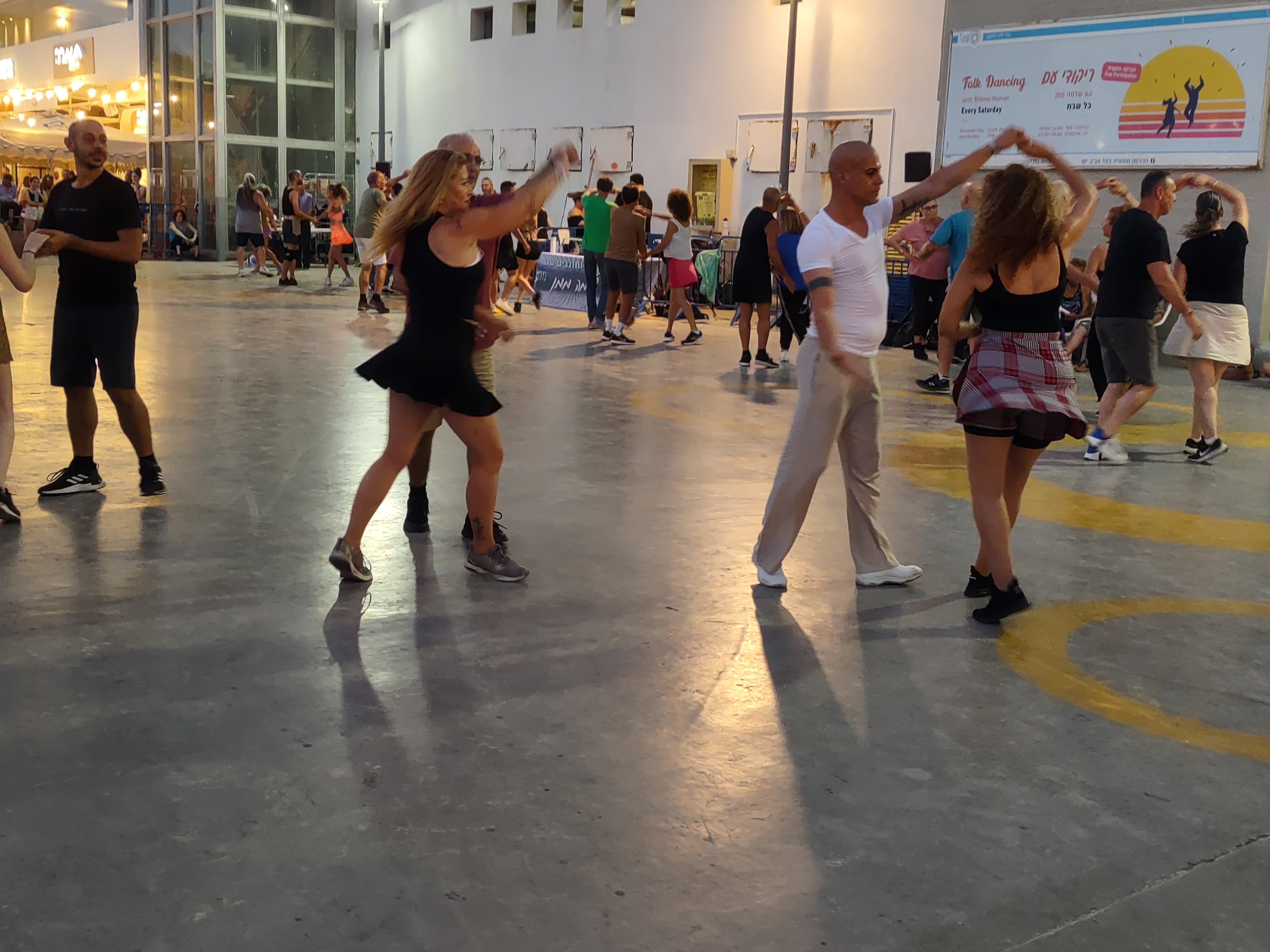
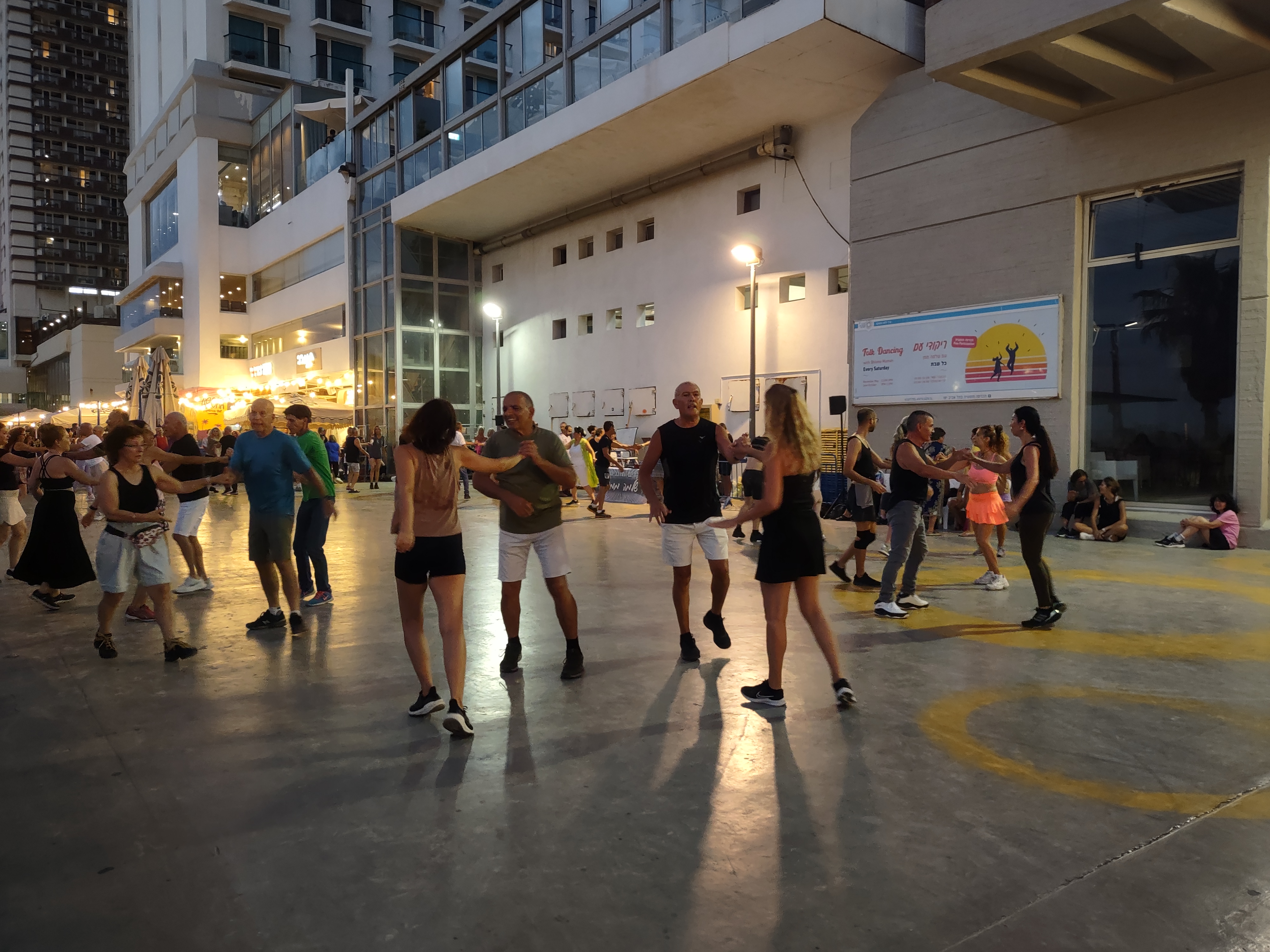
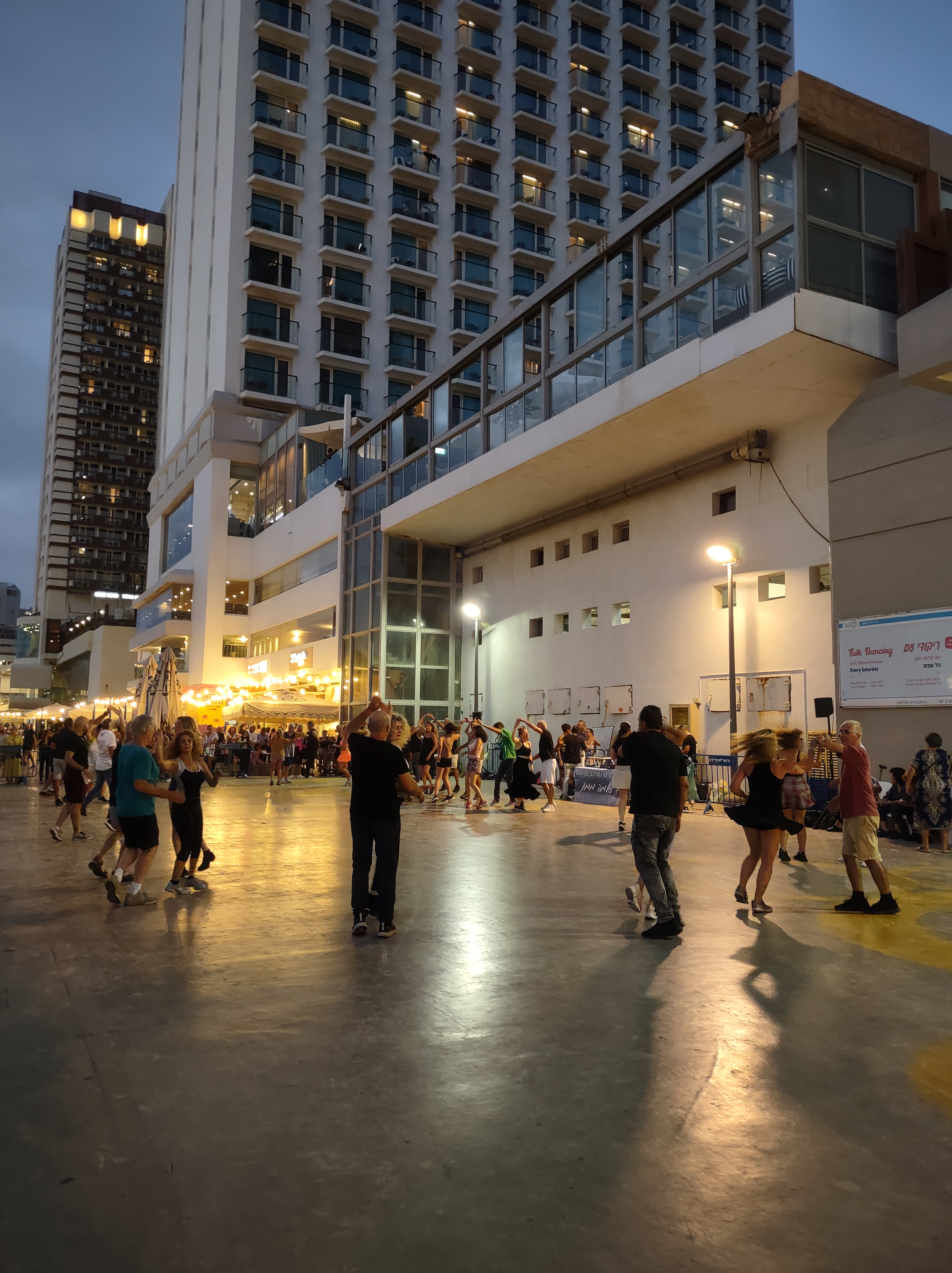
There were probably something like 25 couples in a cordoned-off area performing some very lively and fairly athletic dance moves which included lots of spins and some pretty fancy foot work by some of the dancers. As one song followed another, what we found most amazing however was that every song had a different set of dance steps which every one of the dancers apparently knew. We stuck around for maybe ten songs or so and continued to be amazed and entertained and left happy to discover a little more about this country’s traditional culture.
Day Trip to Haifa
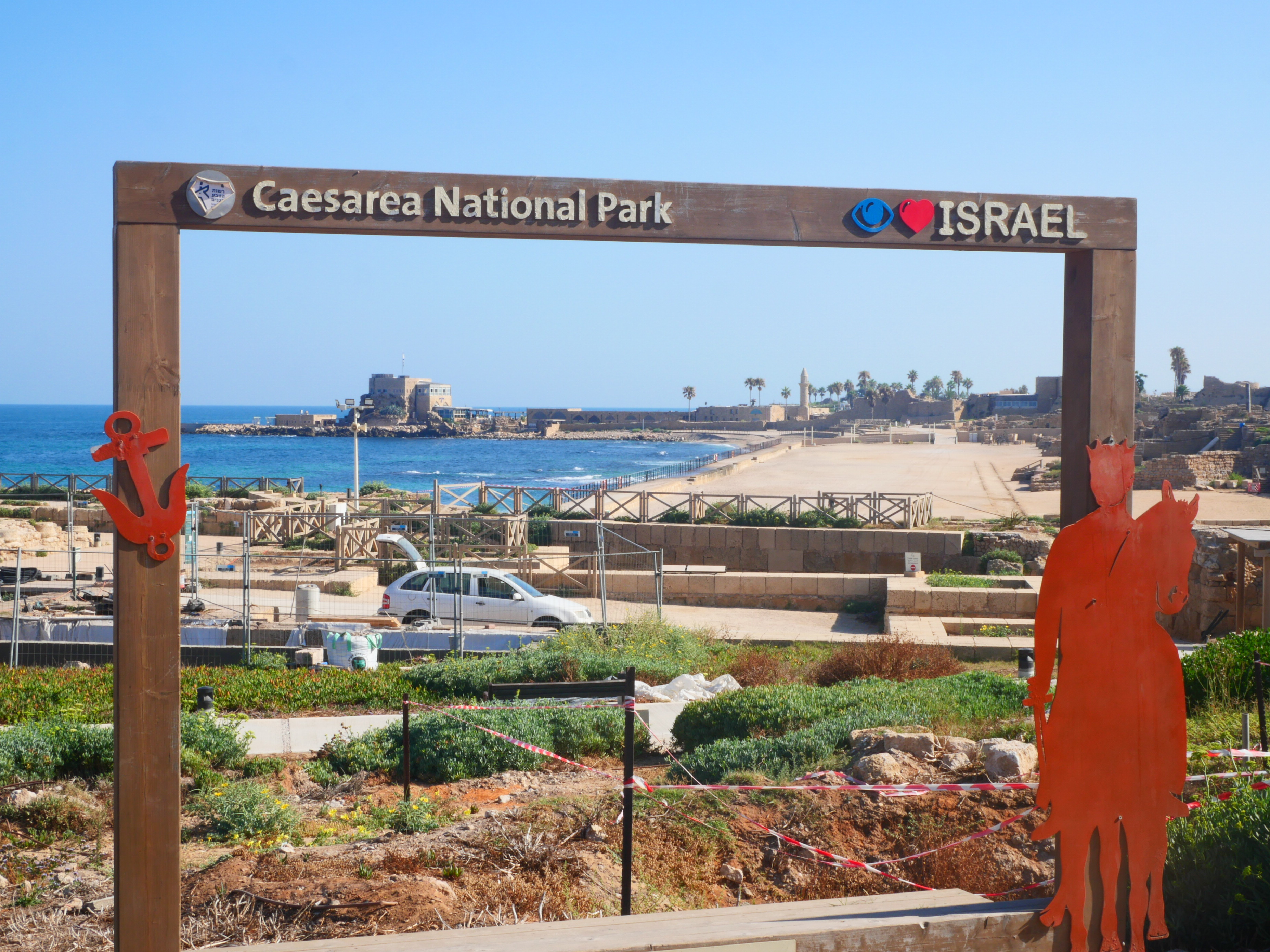
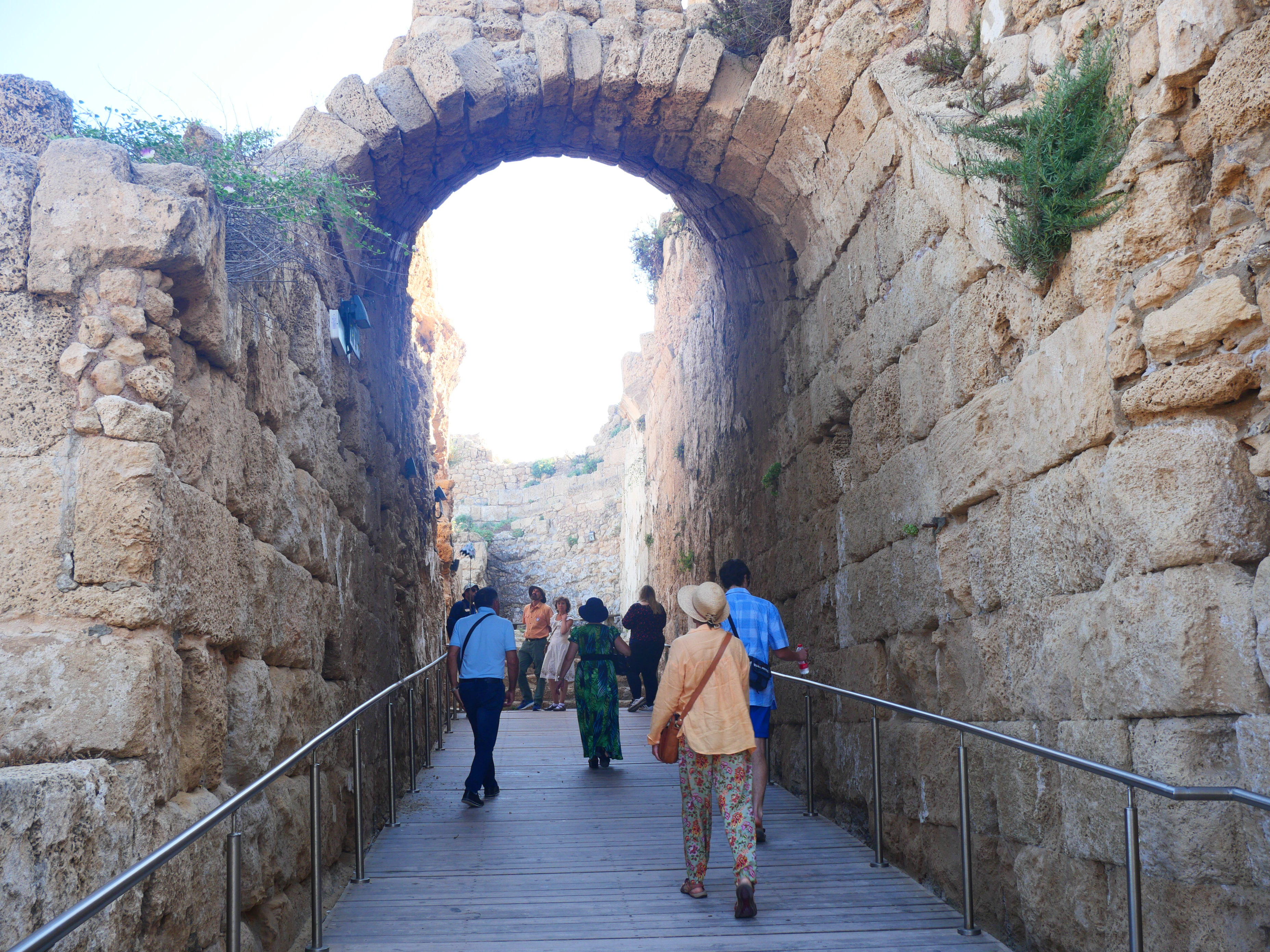
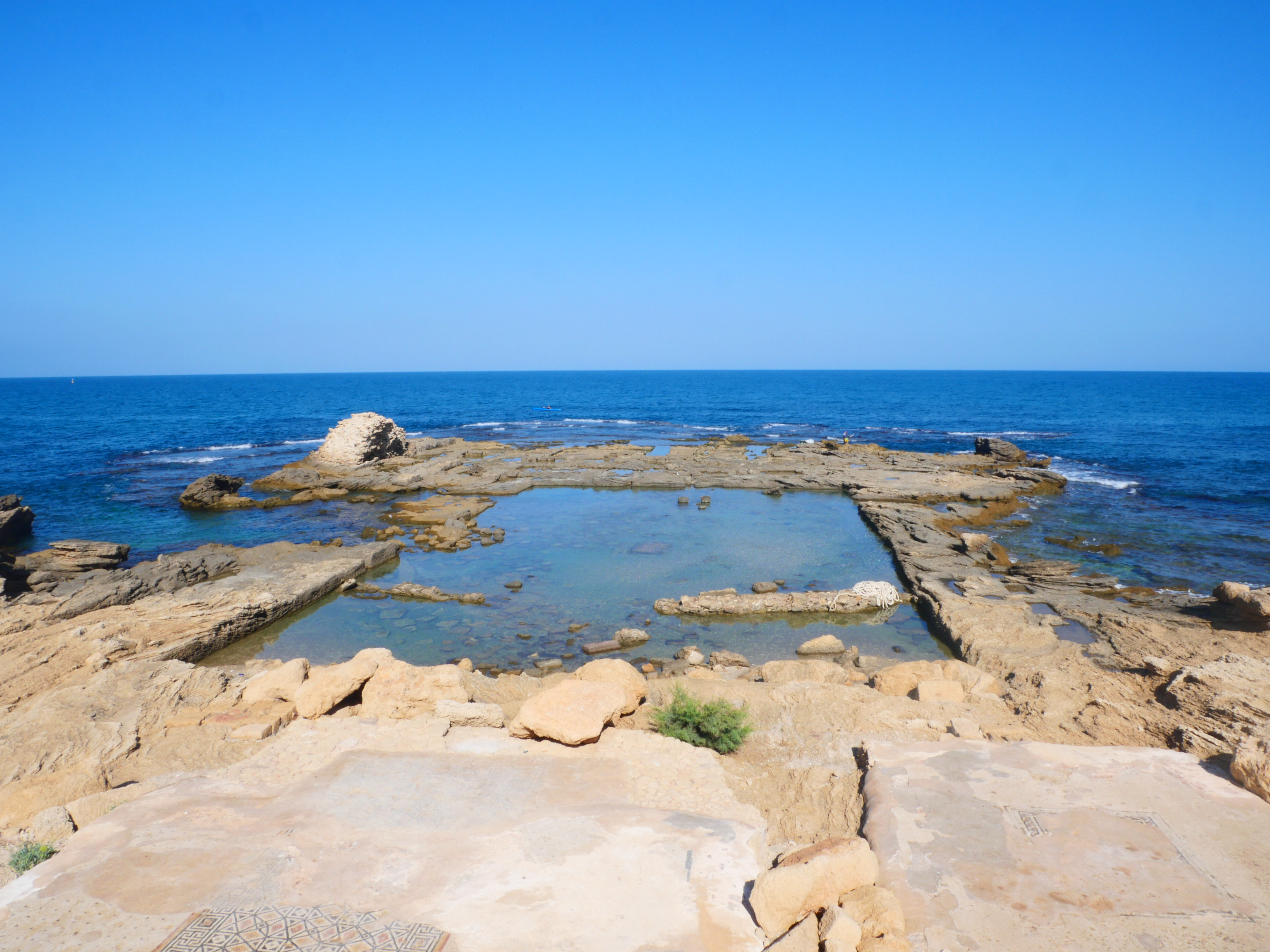
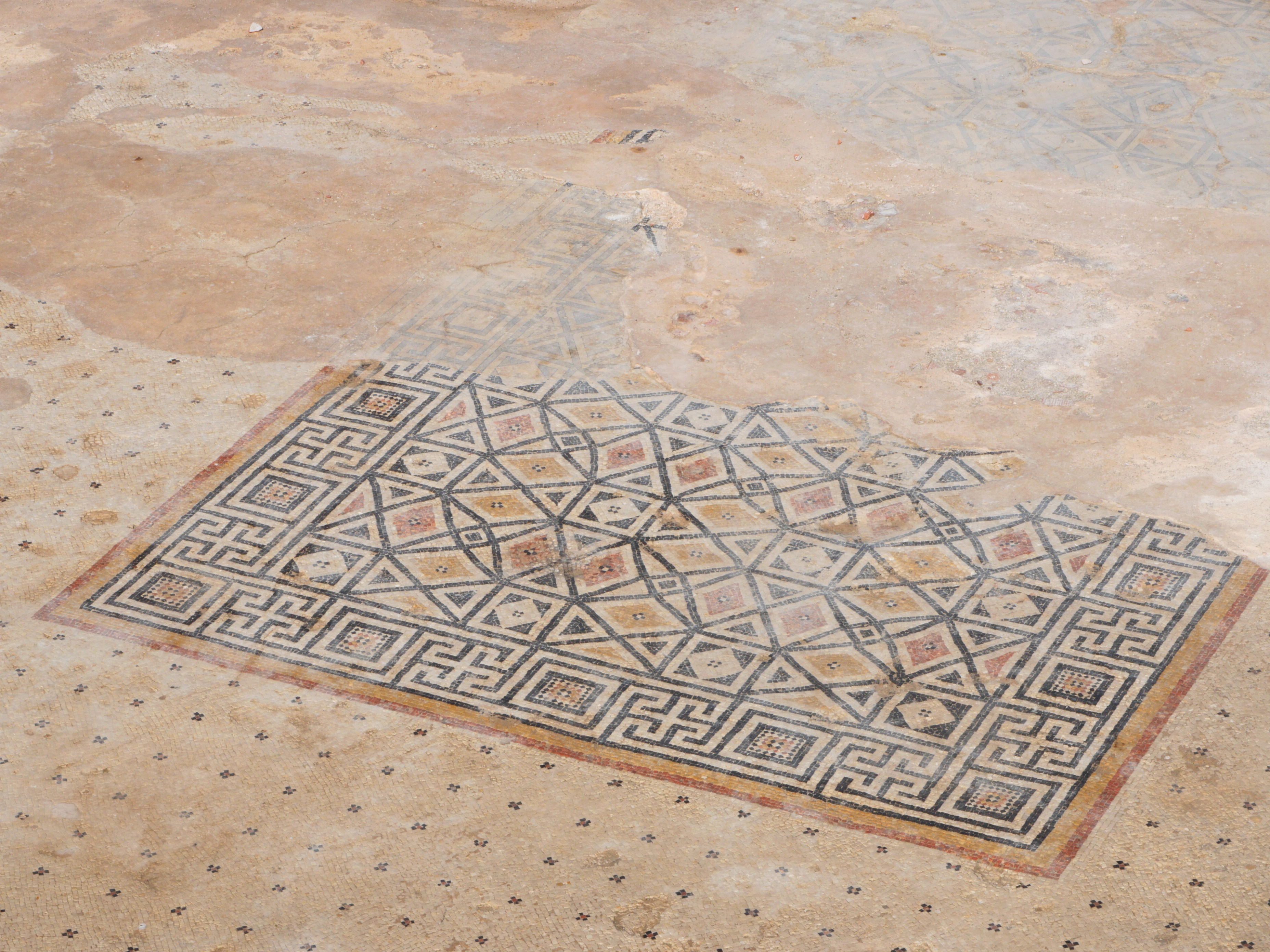
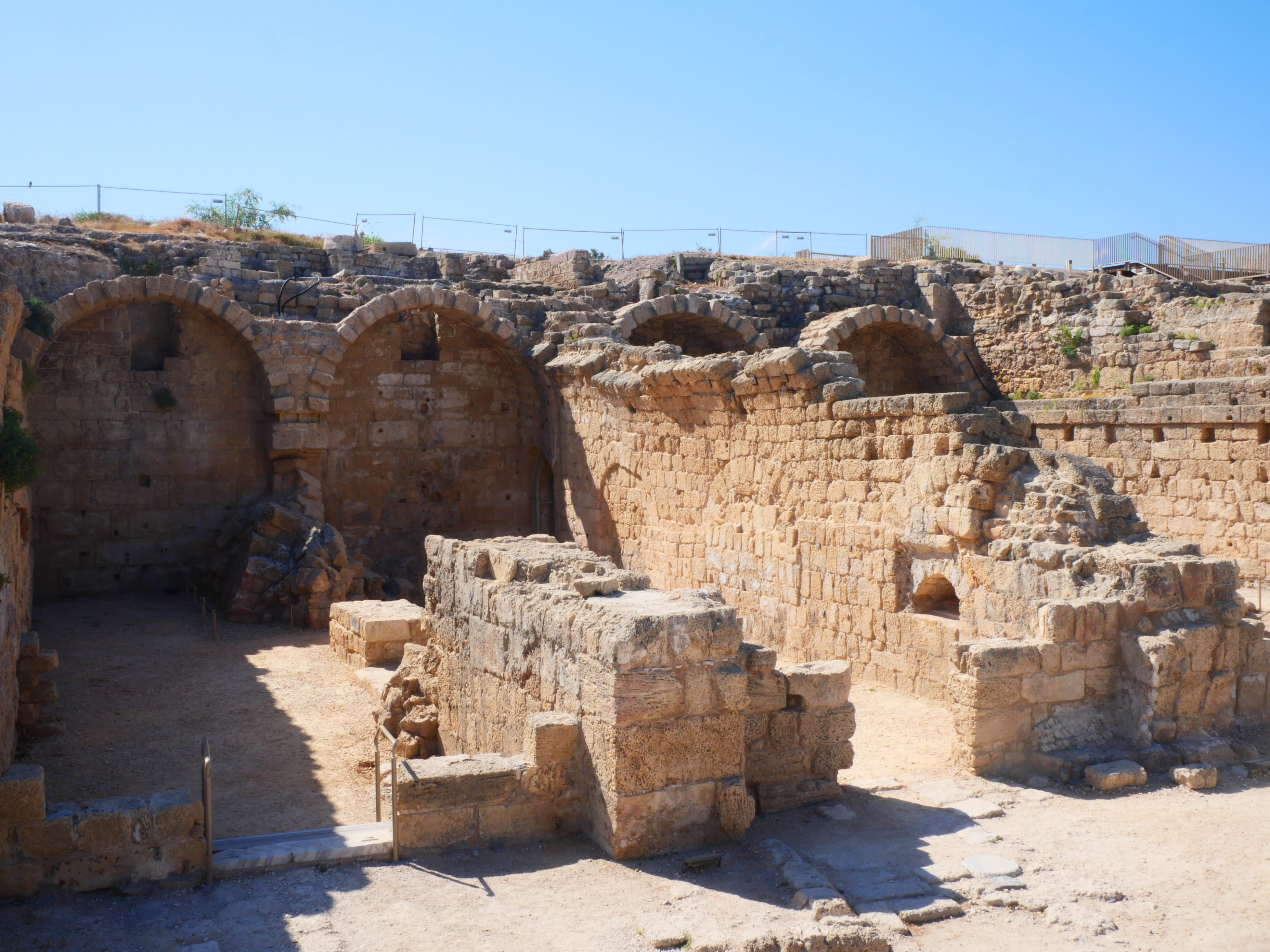
After a bit of vacillation, we booked a day trip to the city of Haifa which included stops at some other historic places north of Tel Aviv for our last day there. We left home early and made our up the beach to a hotel where a shuttle picked us up, along with a number of other touristsand took us to a central location where we were directed to our bus. After about an hour and a half, we arrived at our first stop, the ancient city of Caesarea where we saw ruins of the Roman city which included a reconstructed theater and the remains of an enormous amphitheater. We also saw what remains of the King Herod’s Palace, some of which is under water, including some beautiful 2,000 year-old floor tile work. Even in ruins you could tell that it was once a pretty lavish place!
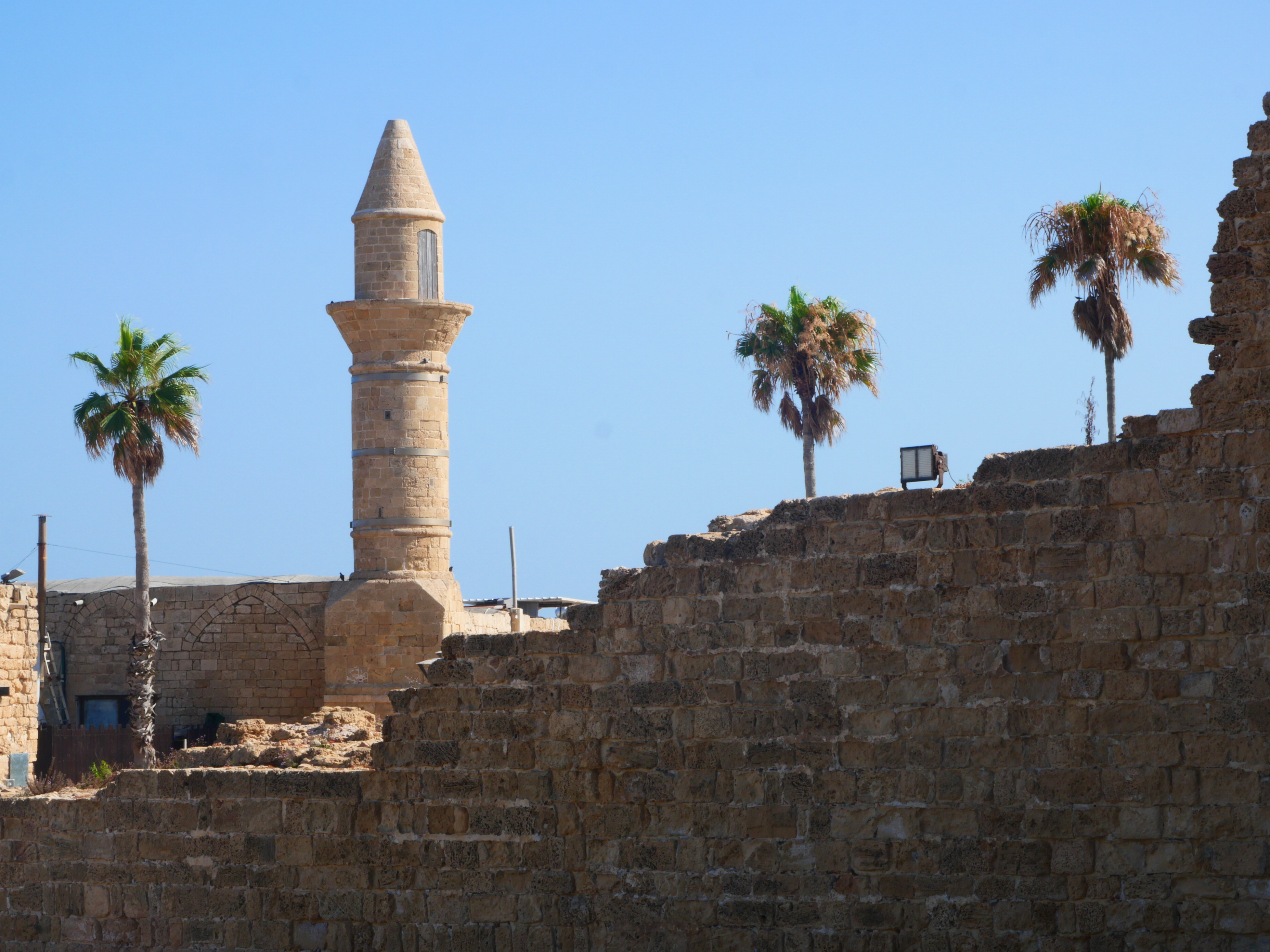
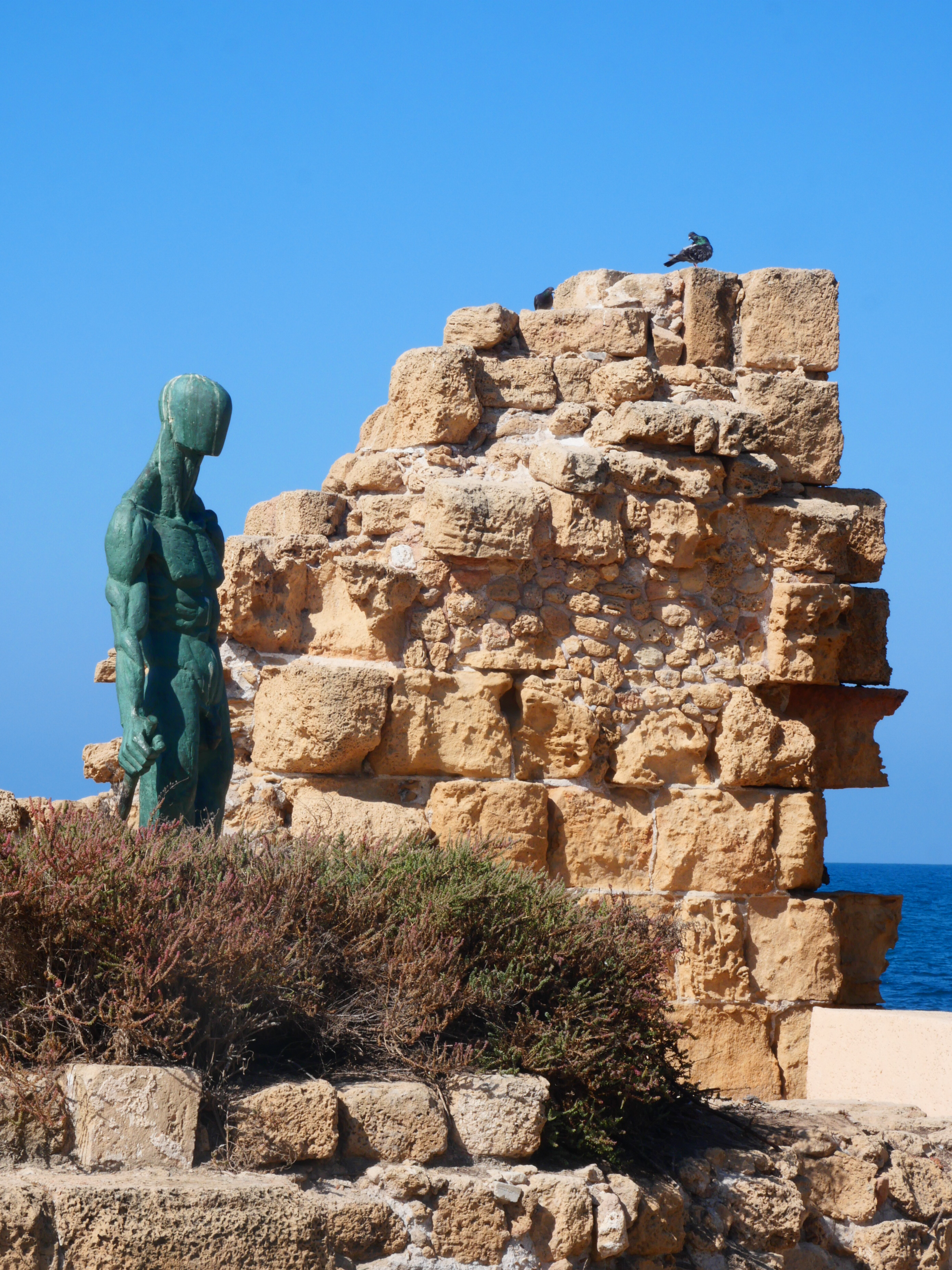
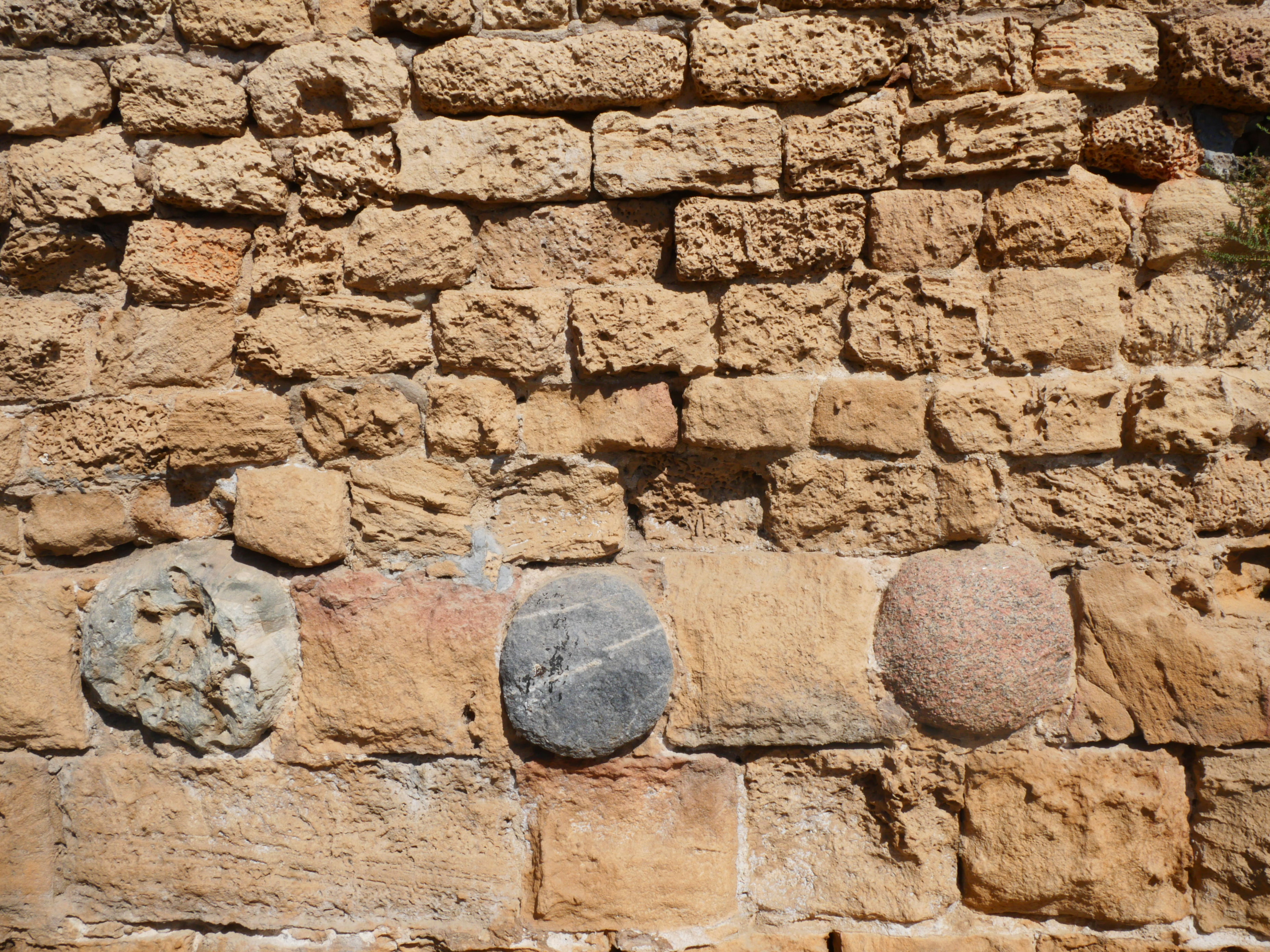
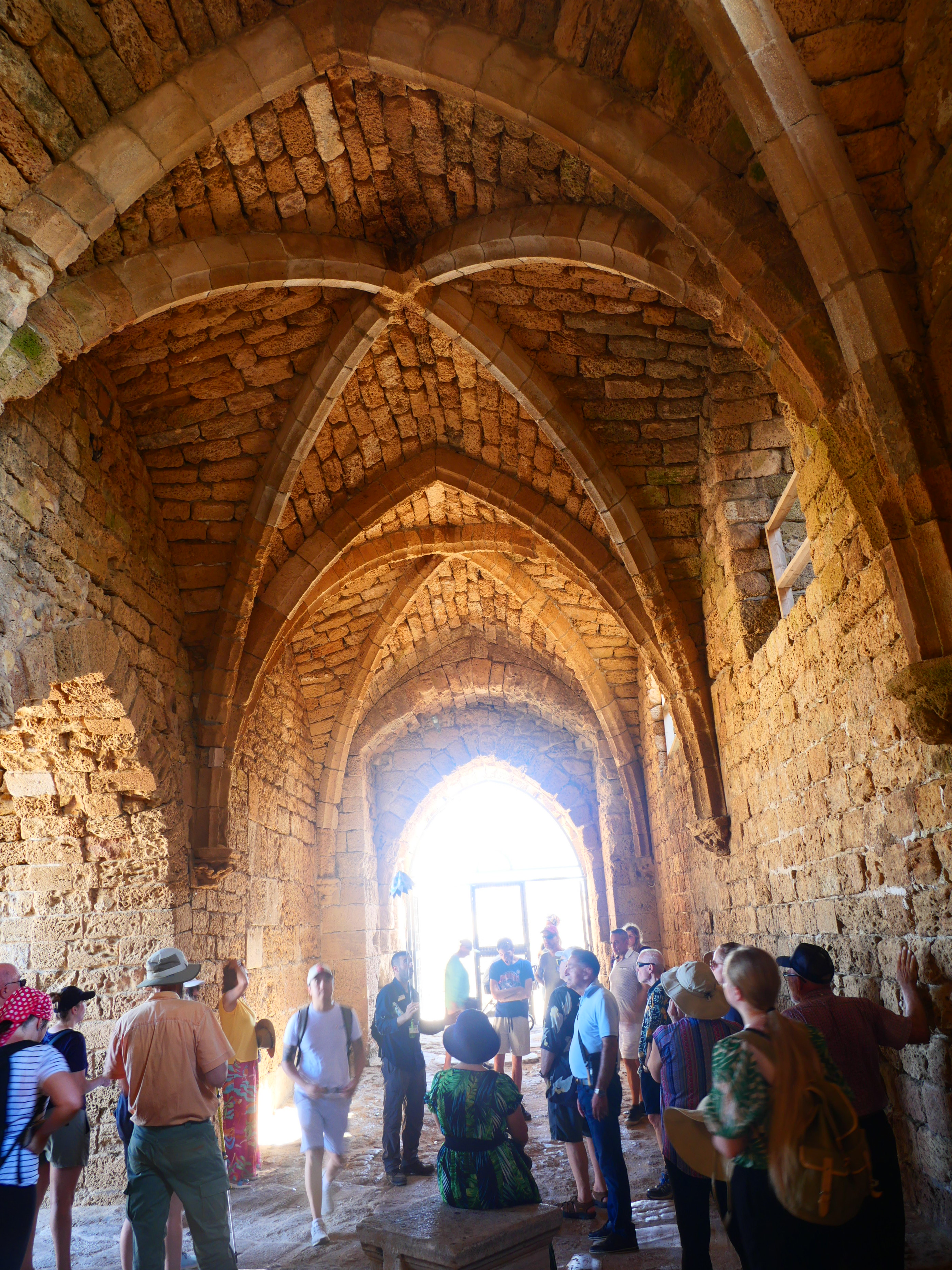
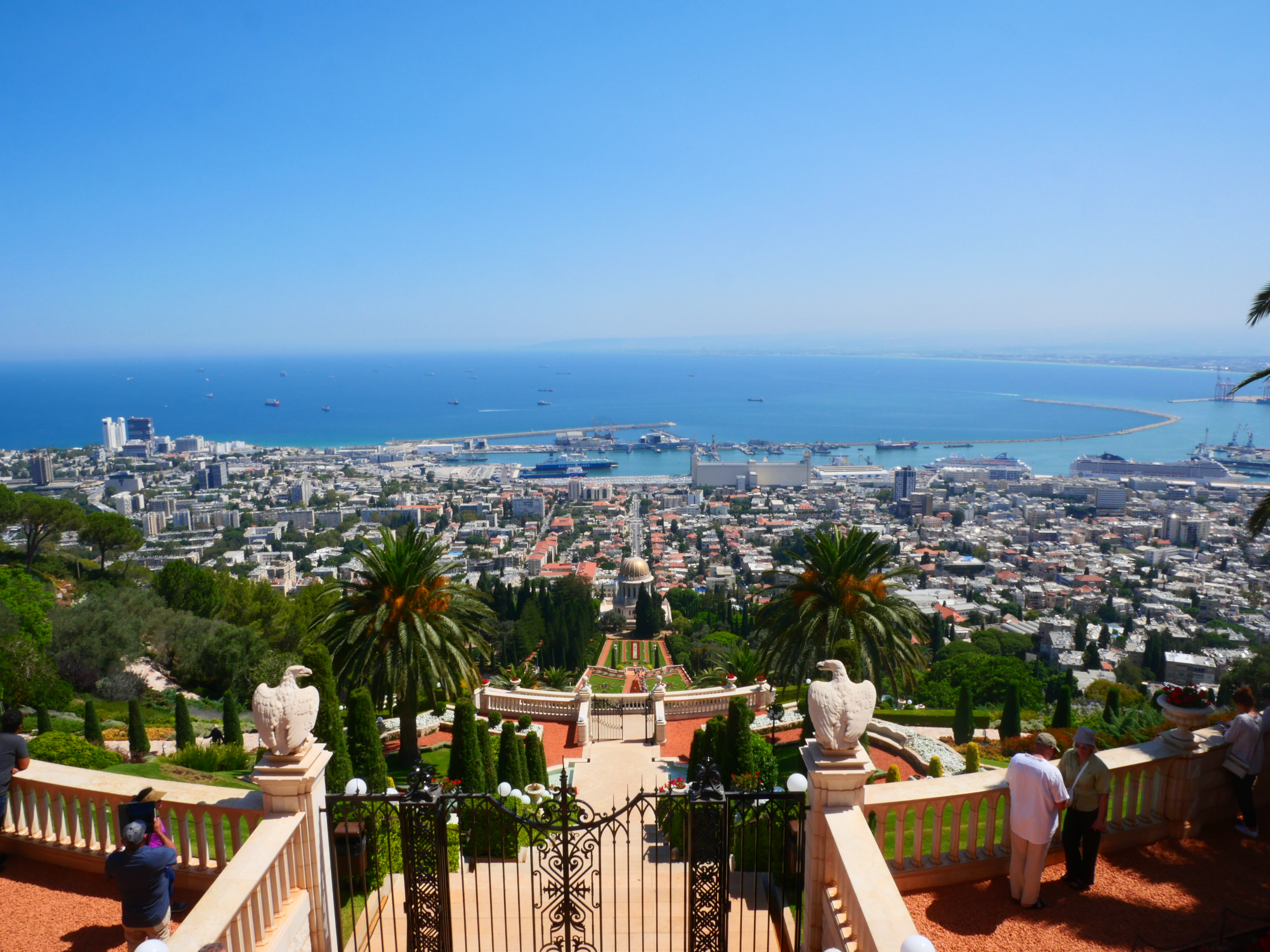
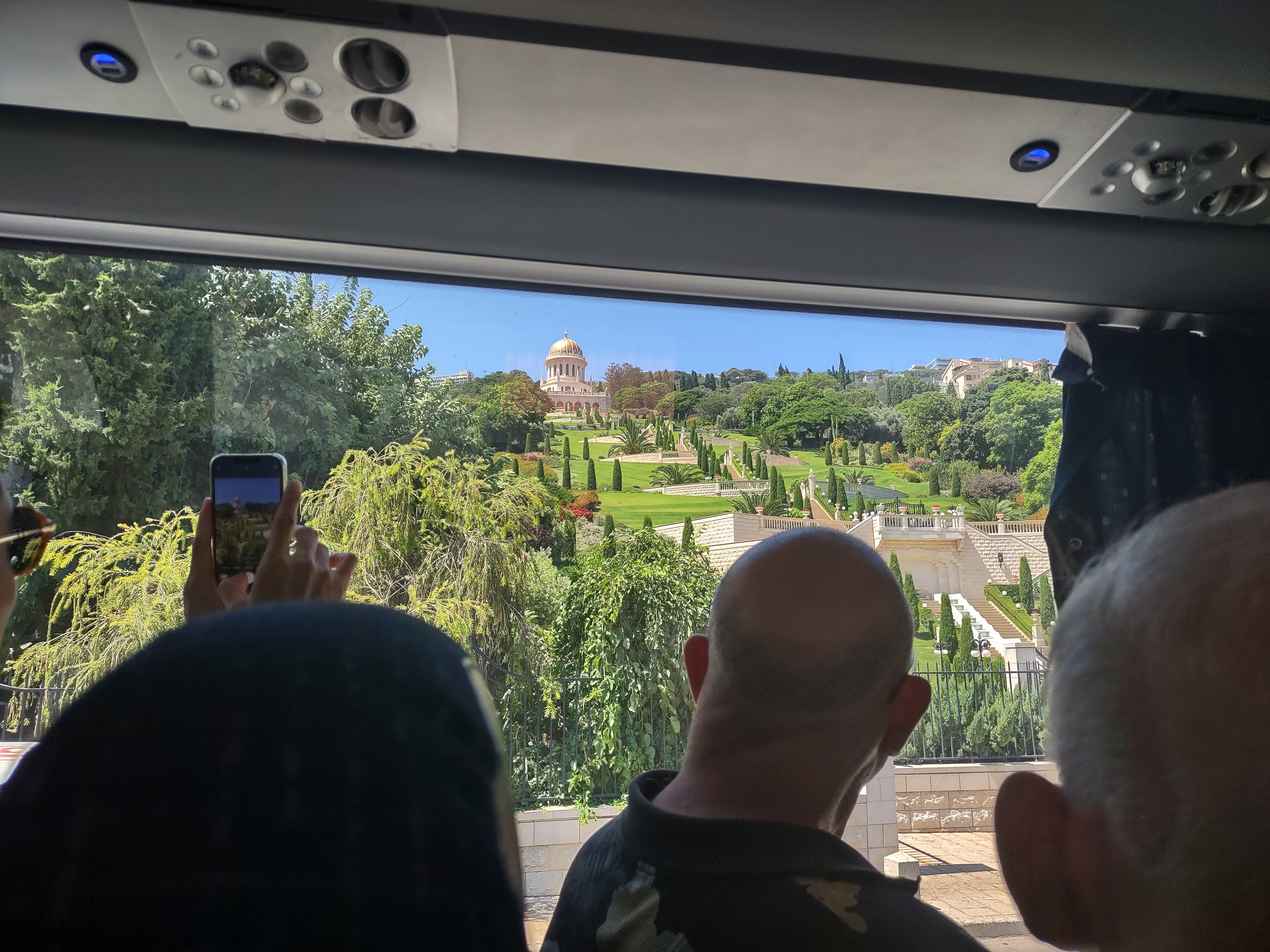
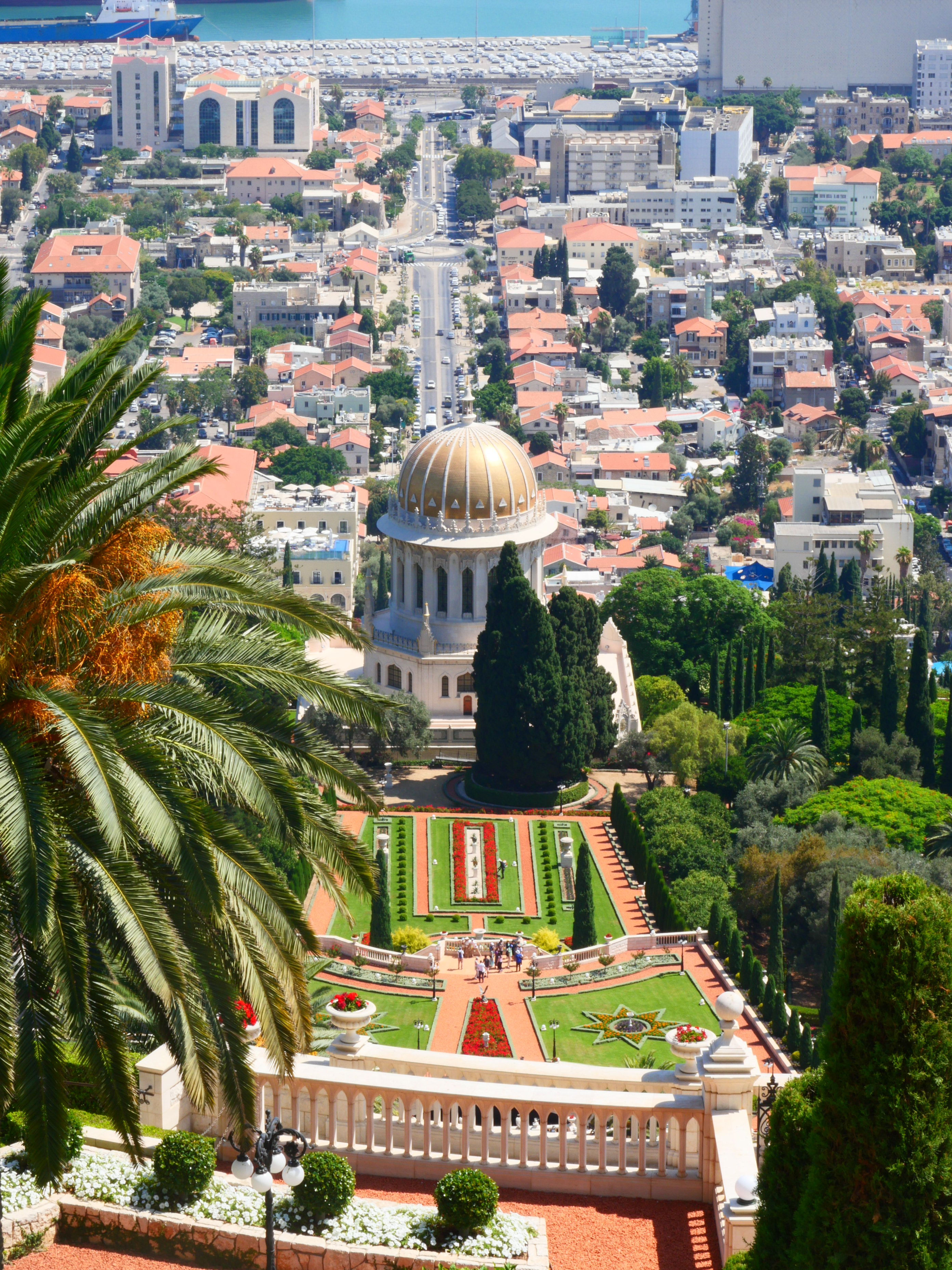
Our next stop was Haifa where the key attraction was the Shrine of the Bob and its hanging gardens which are to the Bahai religion more or less what the Vatican is to the Roman Catholic Church. Actually, this destination was less of a “stop” more of a “drive-by” as our tour guide put it (a new tour concept for us) where the bus drove us to the top entrance of the Bahai Gardens where we were able to jump out, enter the gardens, and take some pictures of the gardens and shrine far below us. (We checked later and found out that it is about 440 feet – about 660 stair steps – from the top of the gardens down the Shrine, so maybe this drive-by thing has some merit here). In any case the gardens and shrine were a pretty jaw-dropping sight to see.
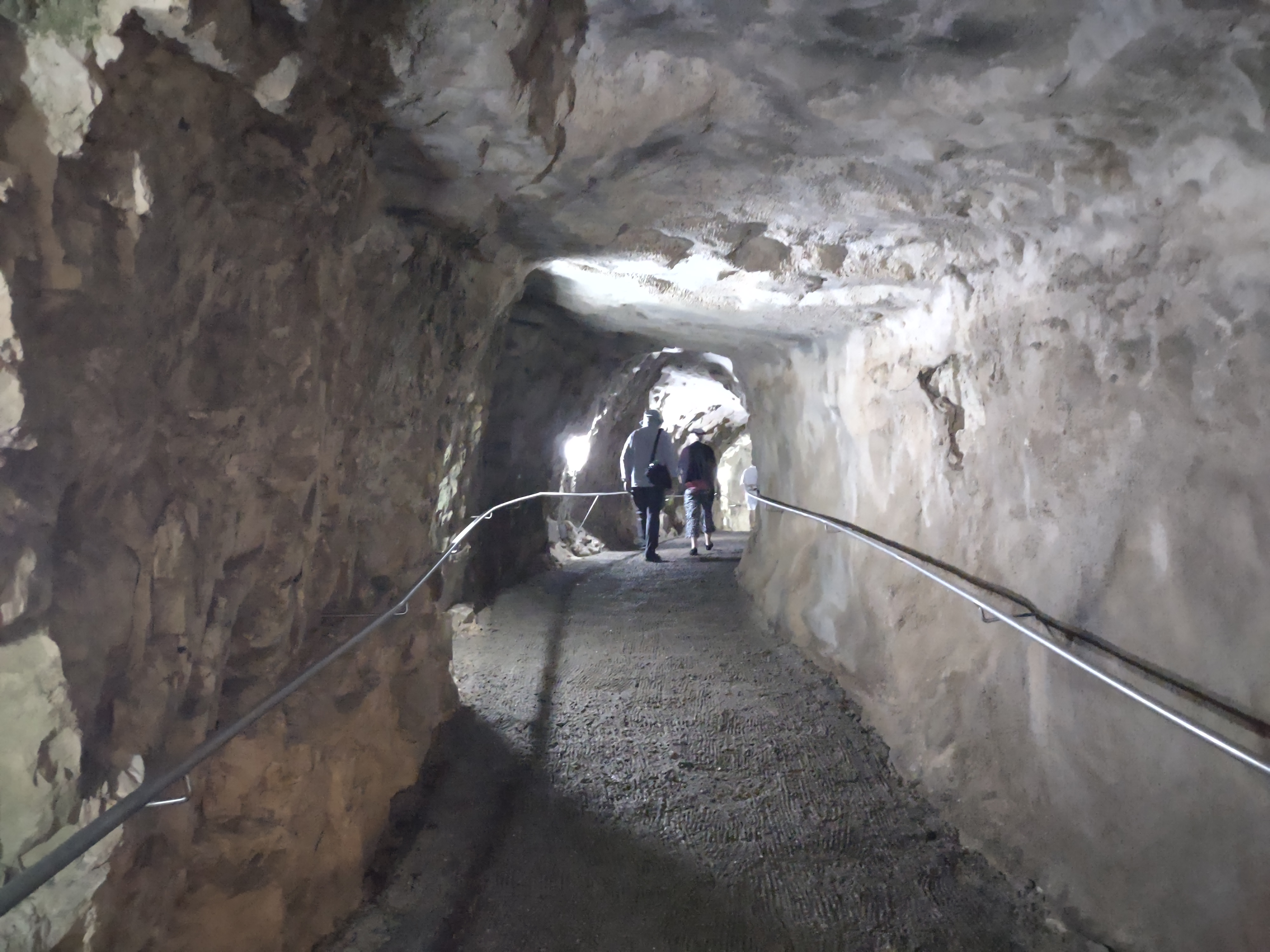
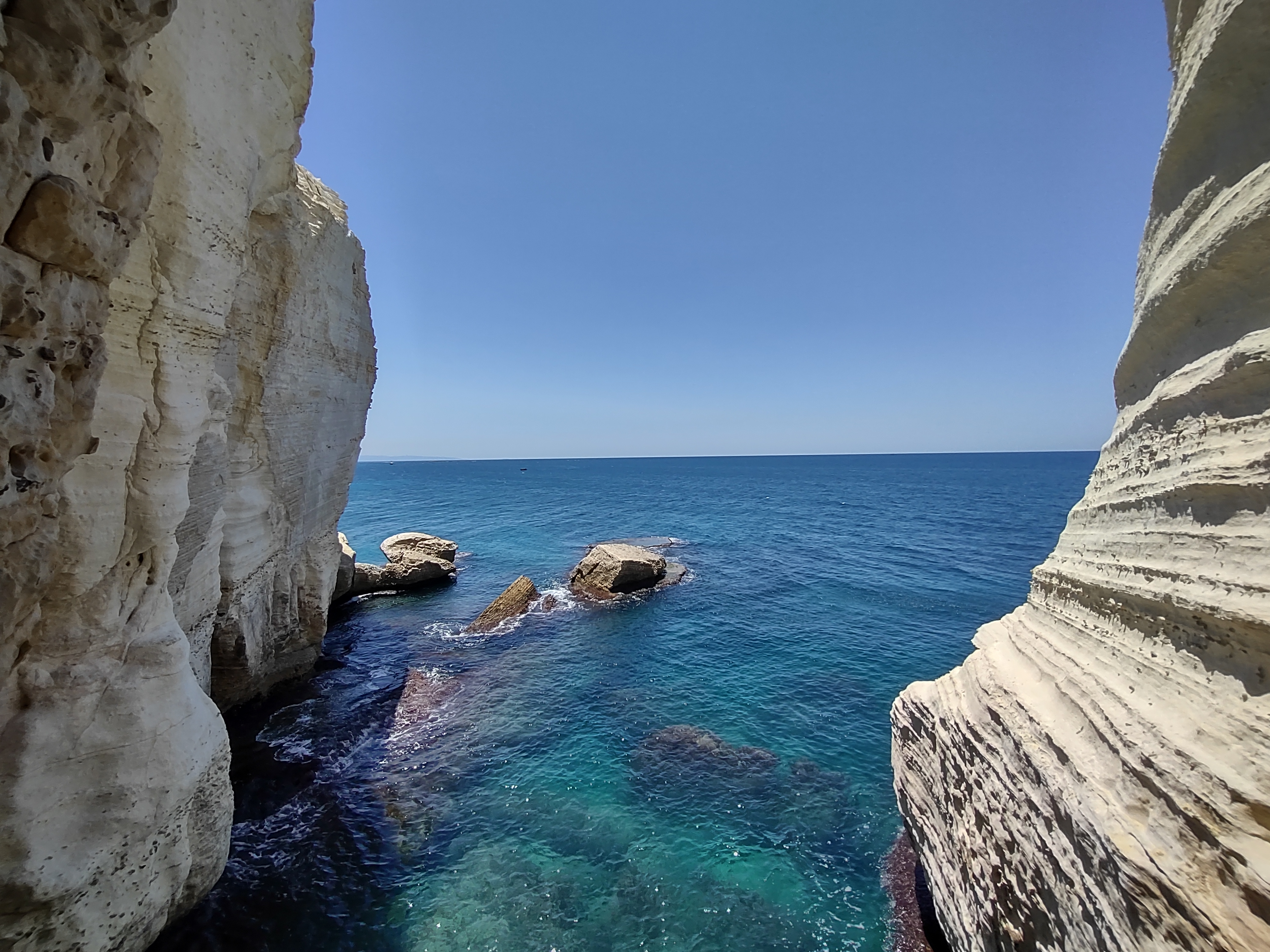
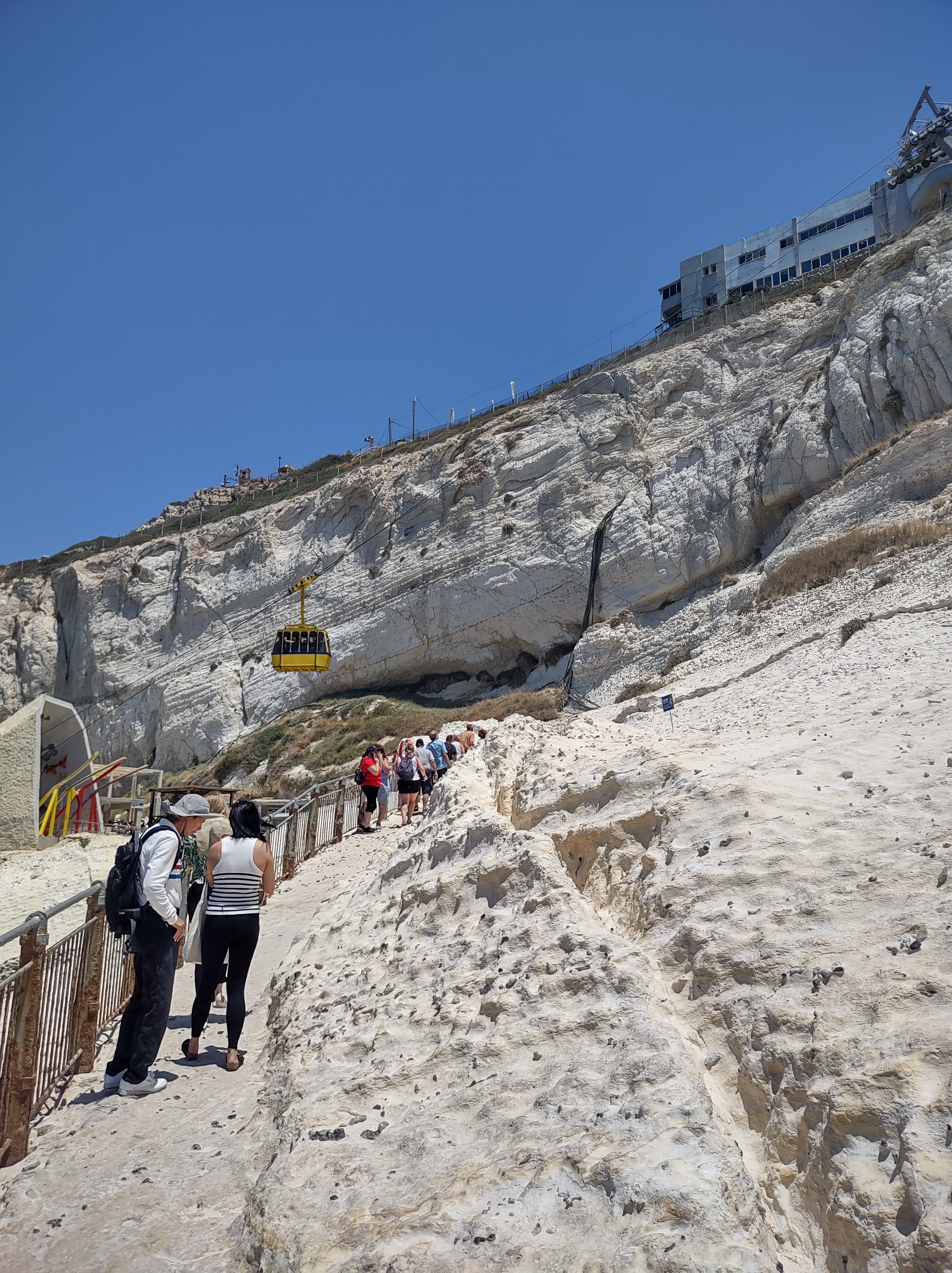
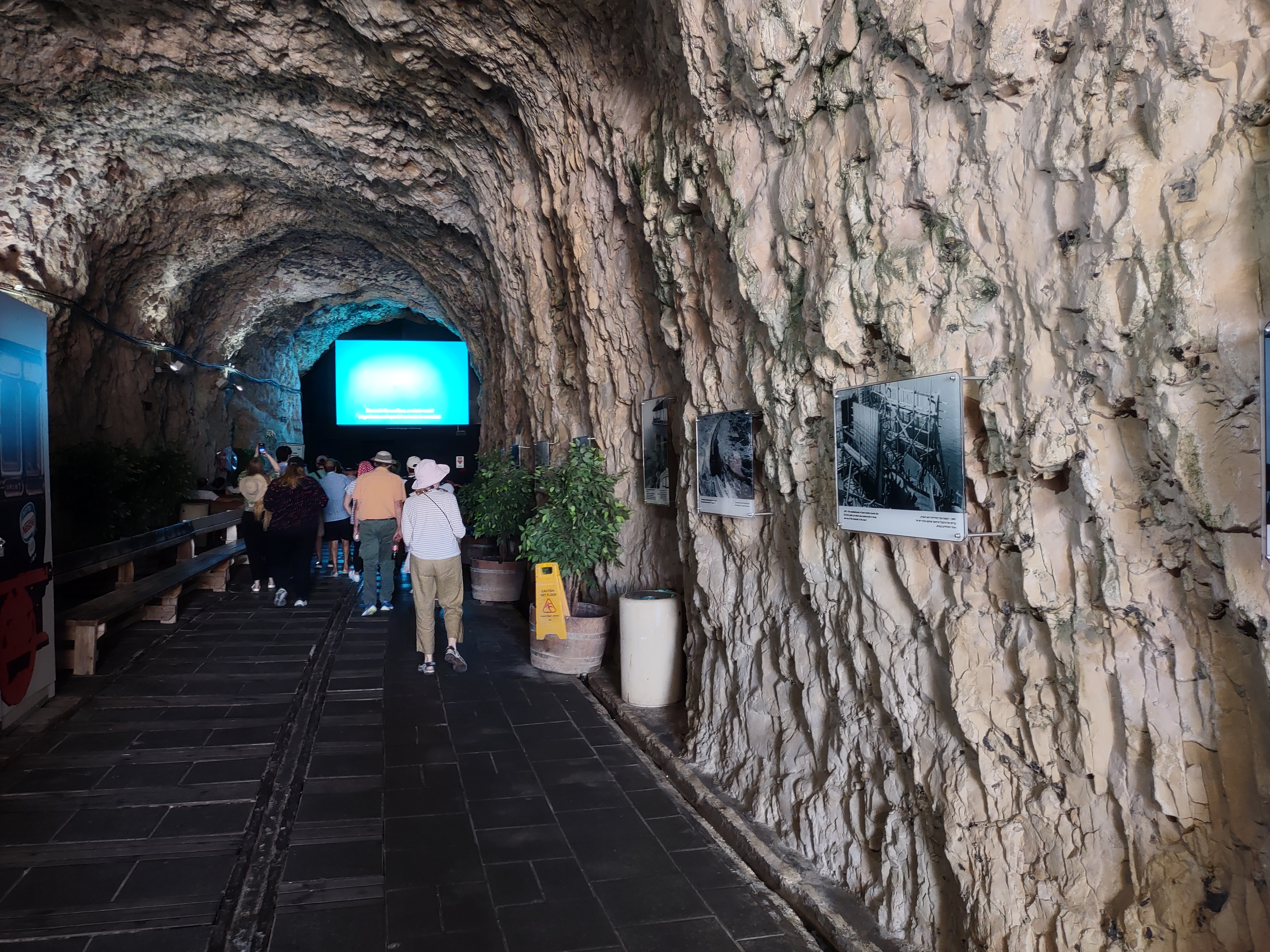
Our next tour stop was the Rosh HaNikra Grottos, a beautiful series of tunnels and caves created by the sea which is pretty much smack dab against the Israel-Lebanon border. There is also a small exhibition area which includes a video regarding the history of the place and an old train tunnel which used to connect Israel and Lebanon before it was sealed for security purposes and is now a gallery of sorts. You ride a cable car from the parking and entrance area down to the grottos which added a bit of fun, but the fences at barbed wire on top of the mountain, the video surveillance cameras, and the war ships patrolling the coast were a kind of chilling reminder that we were on what is considered to be a hostile border.
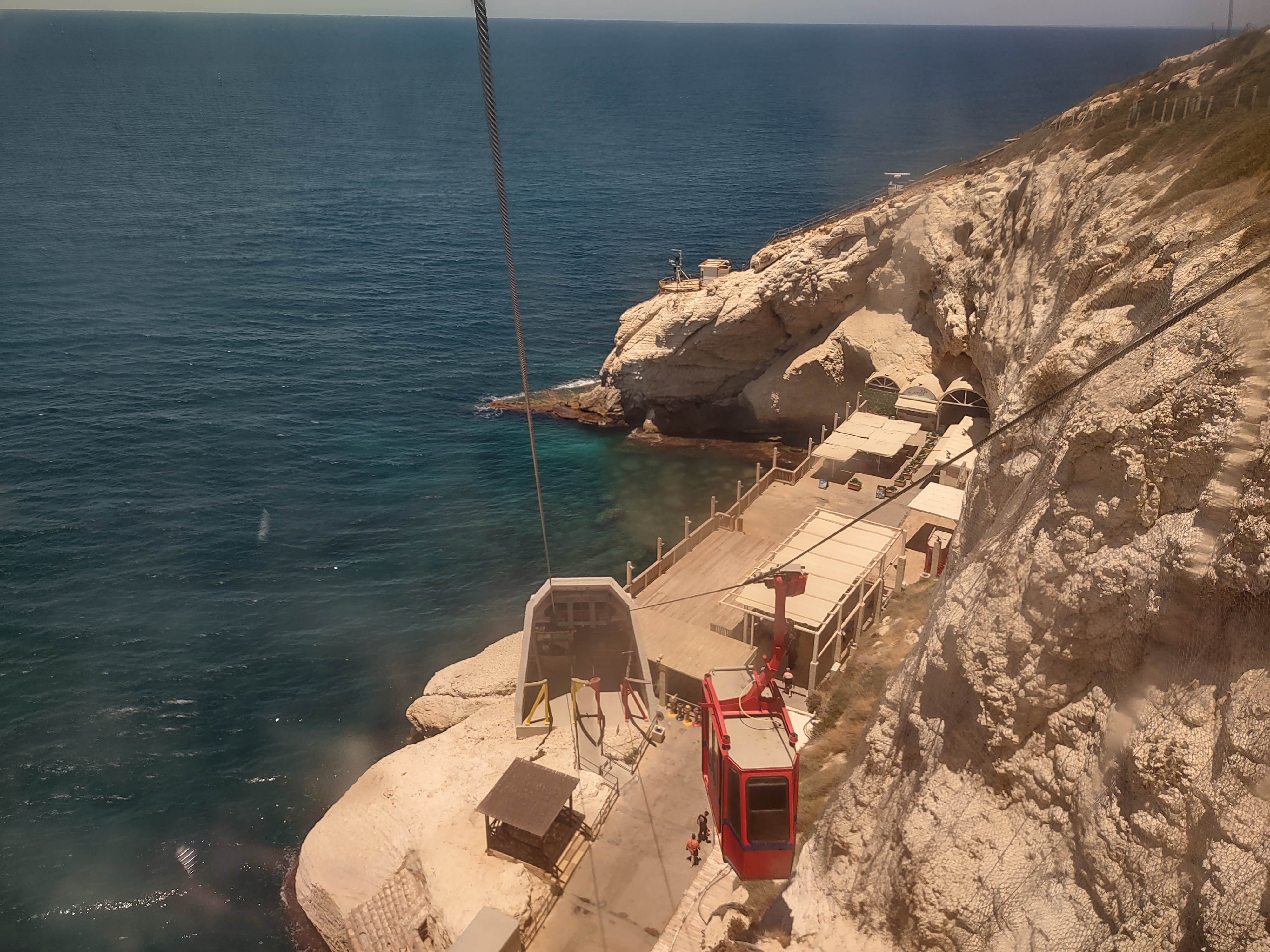
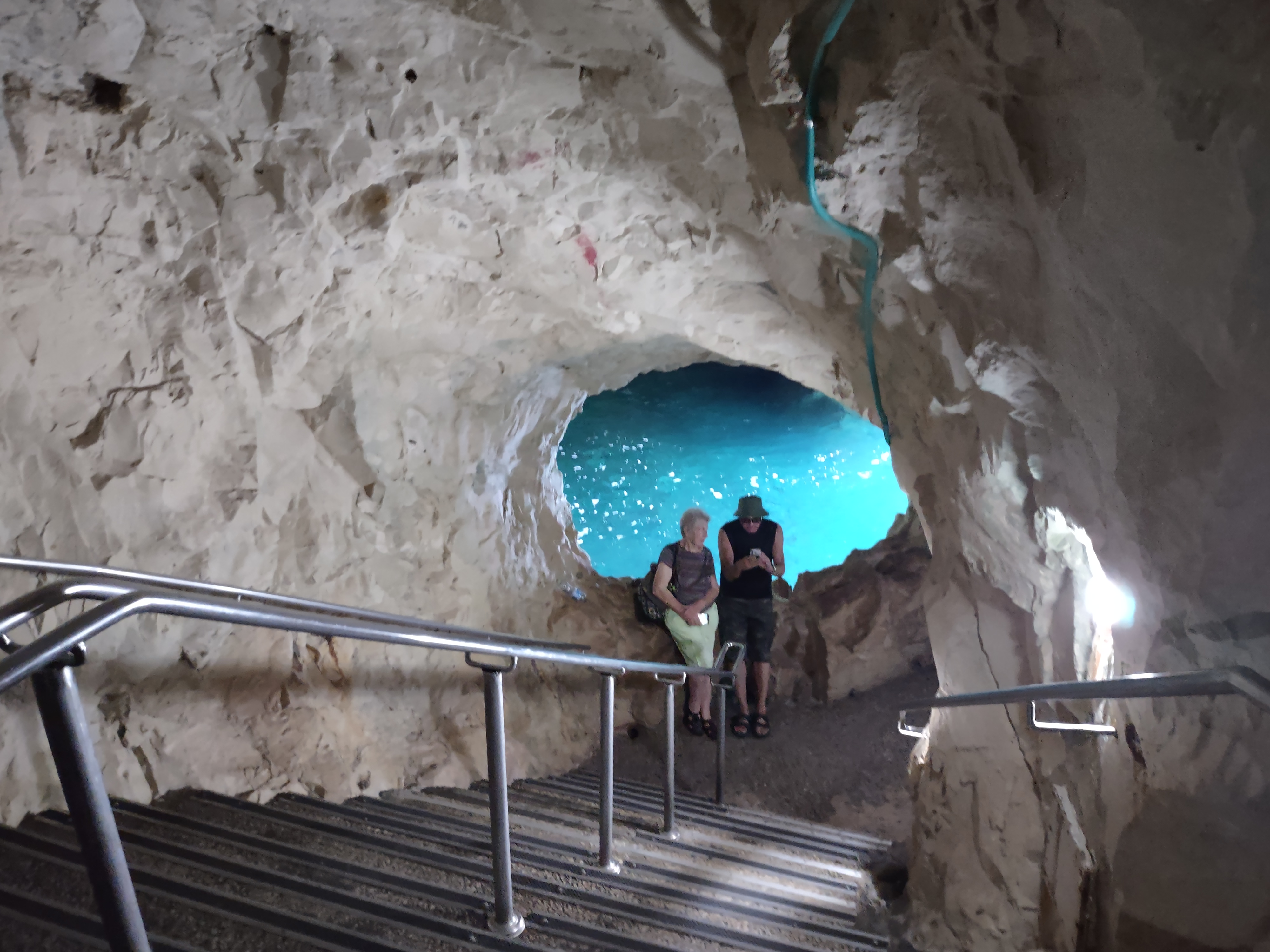
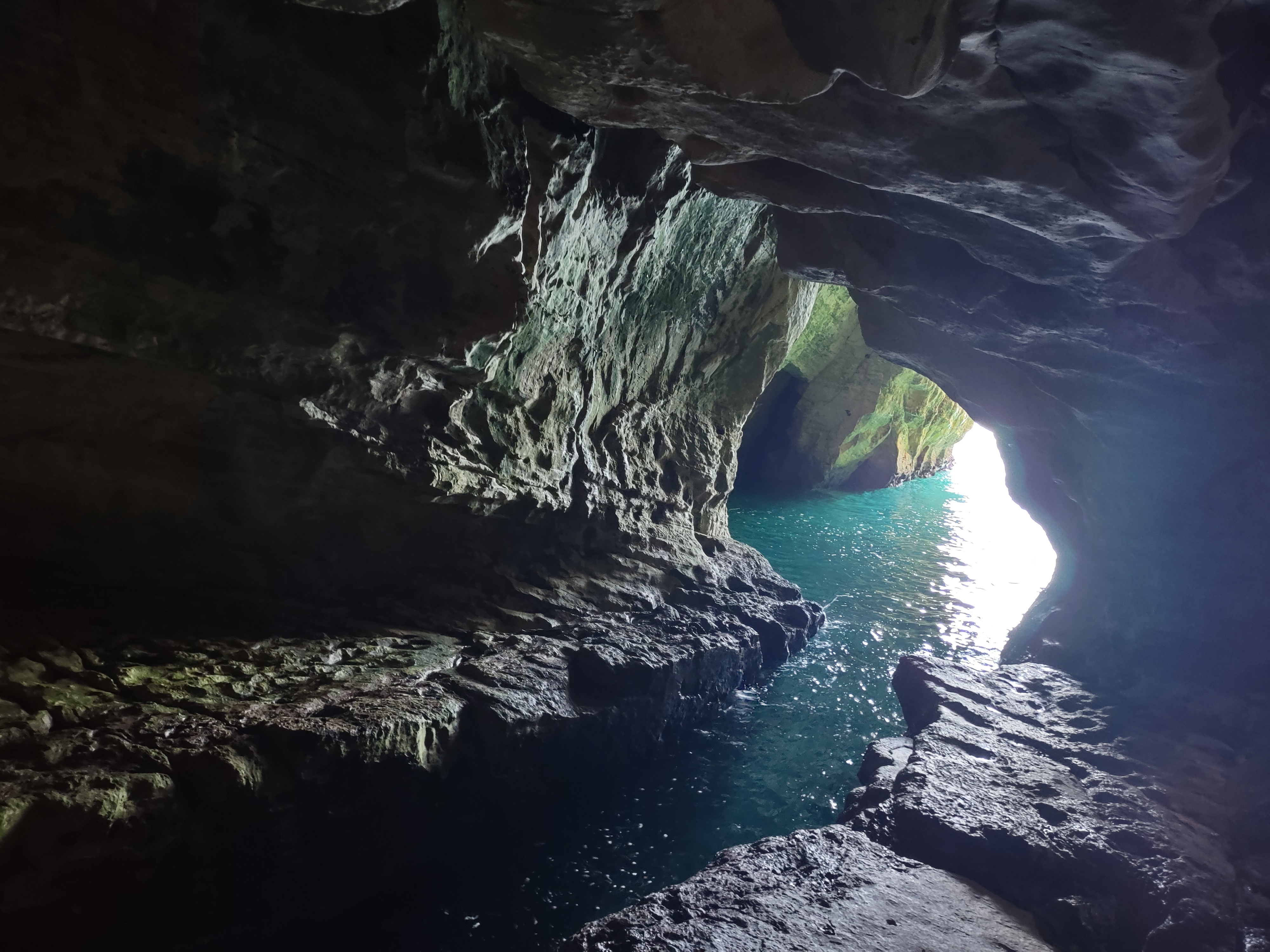

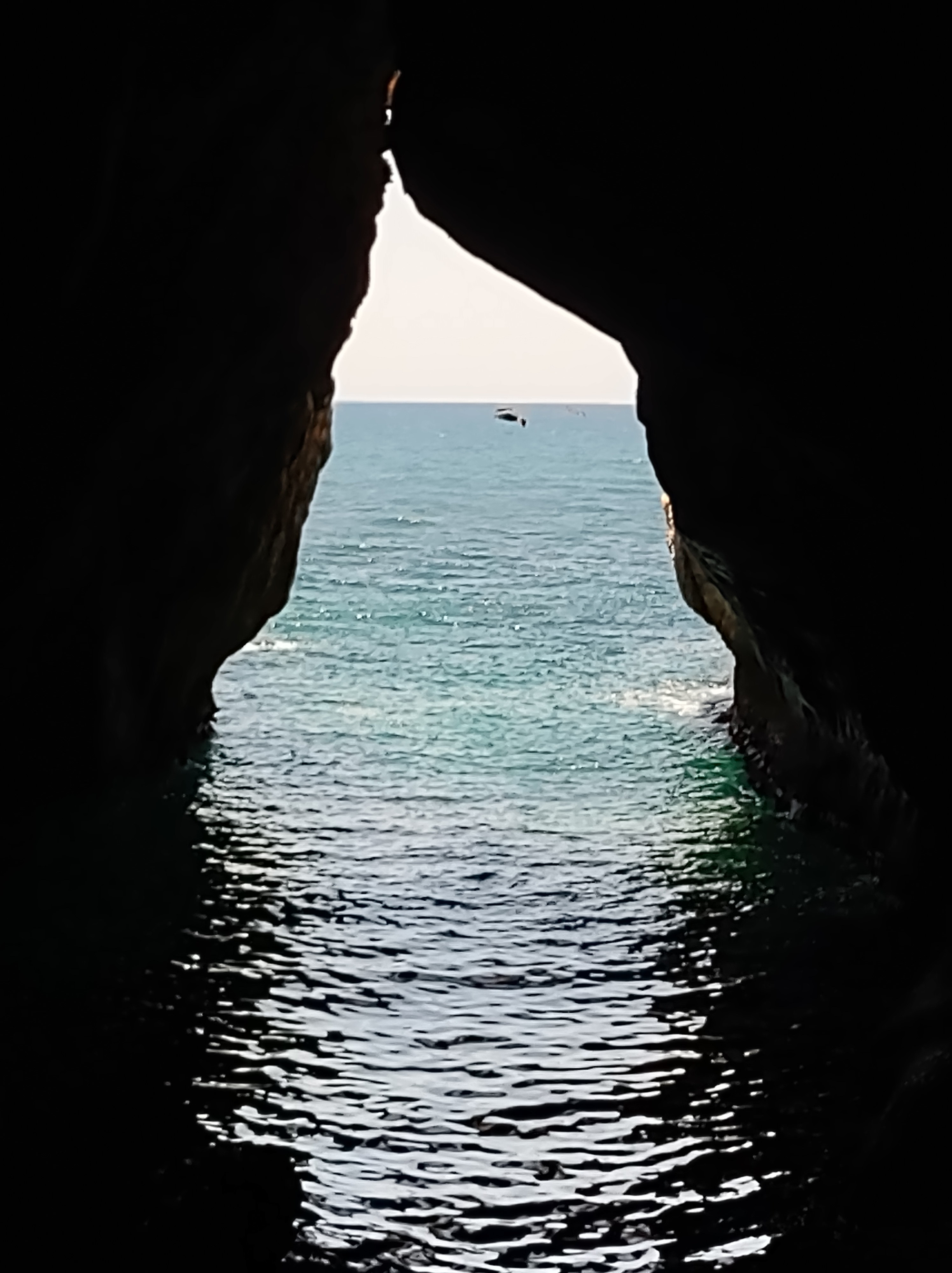
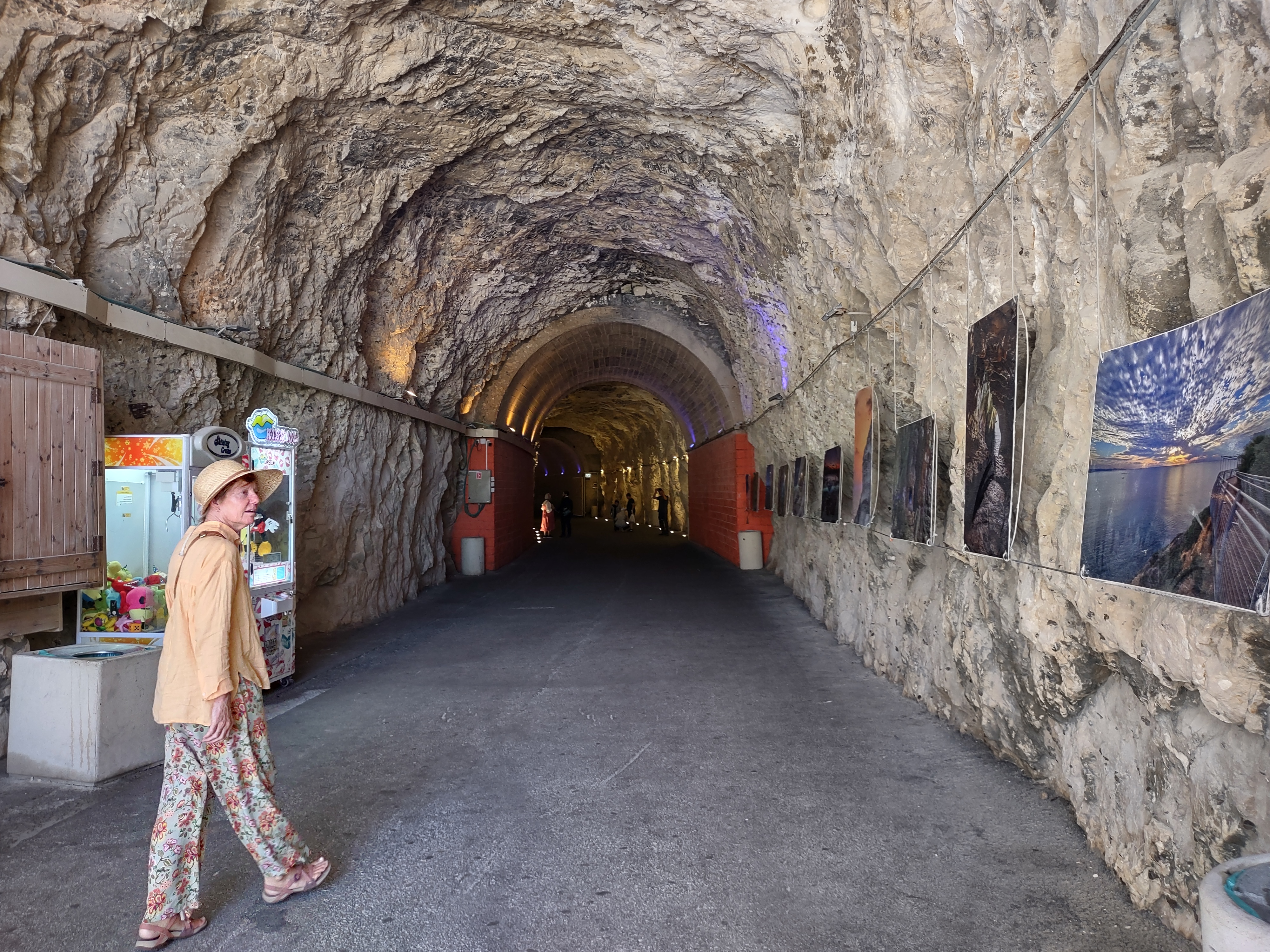
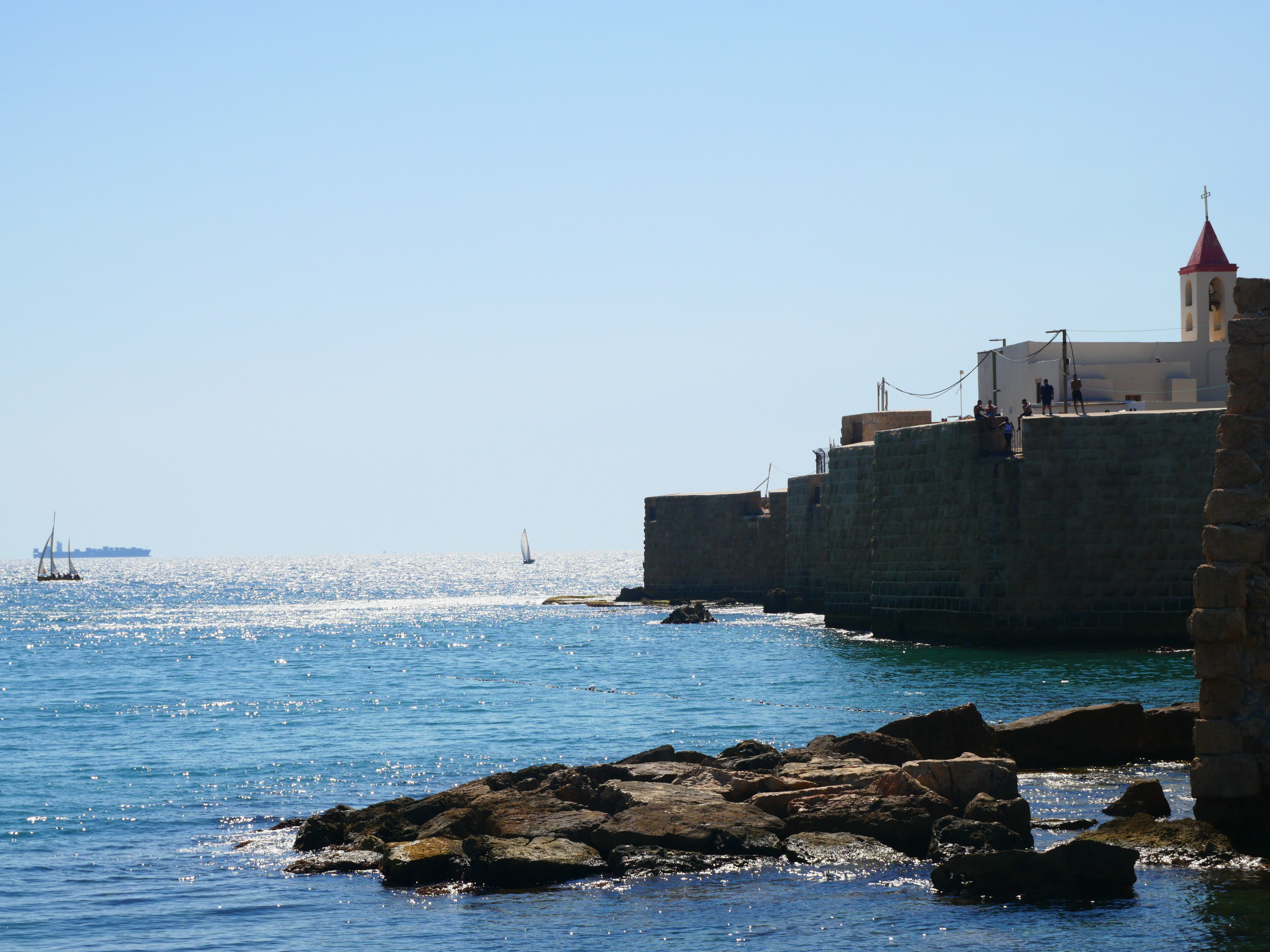
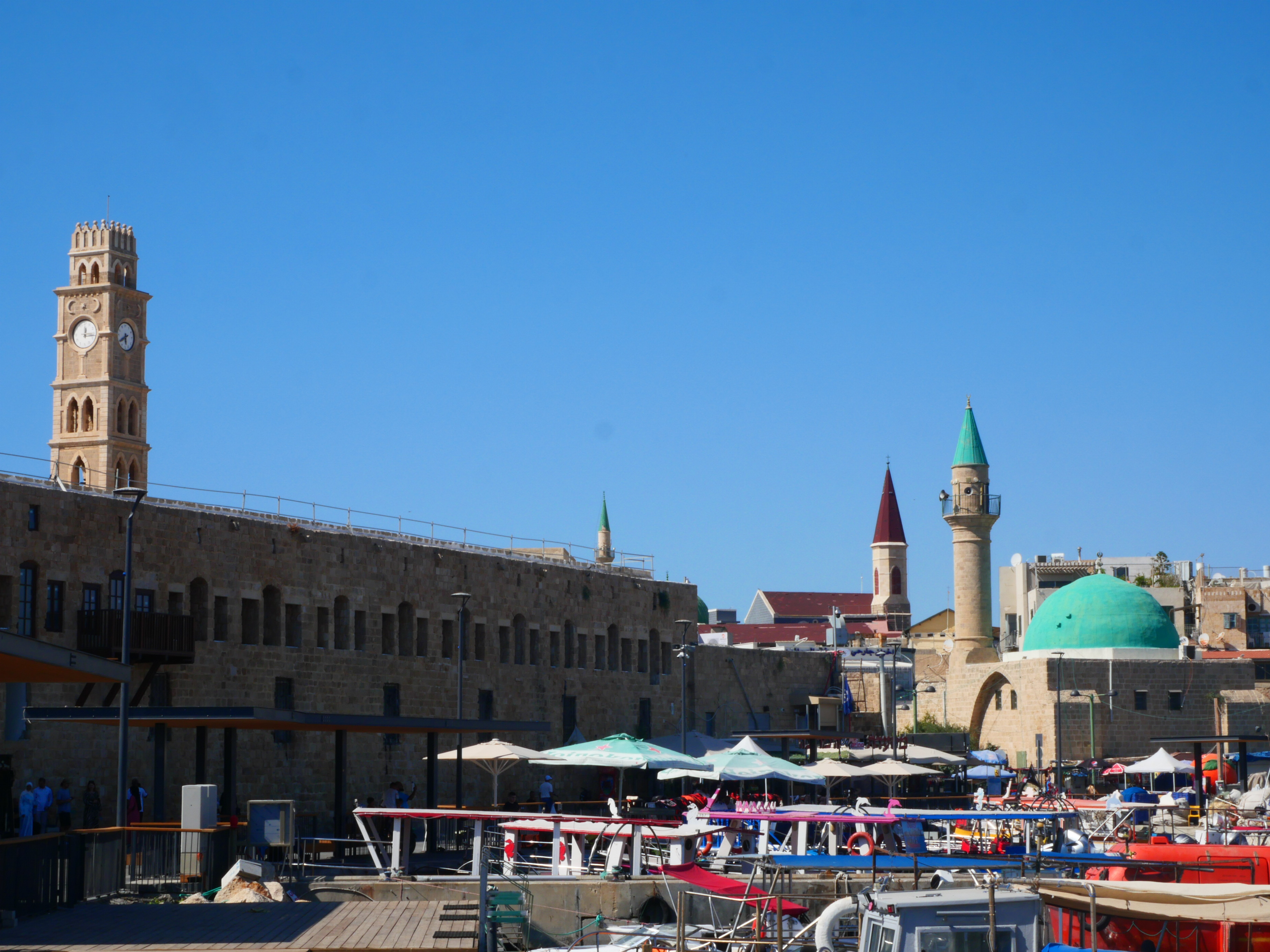
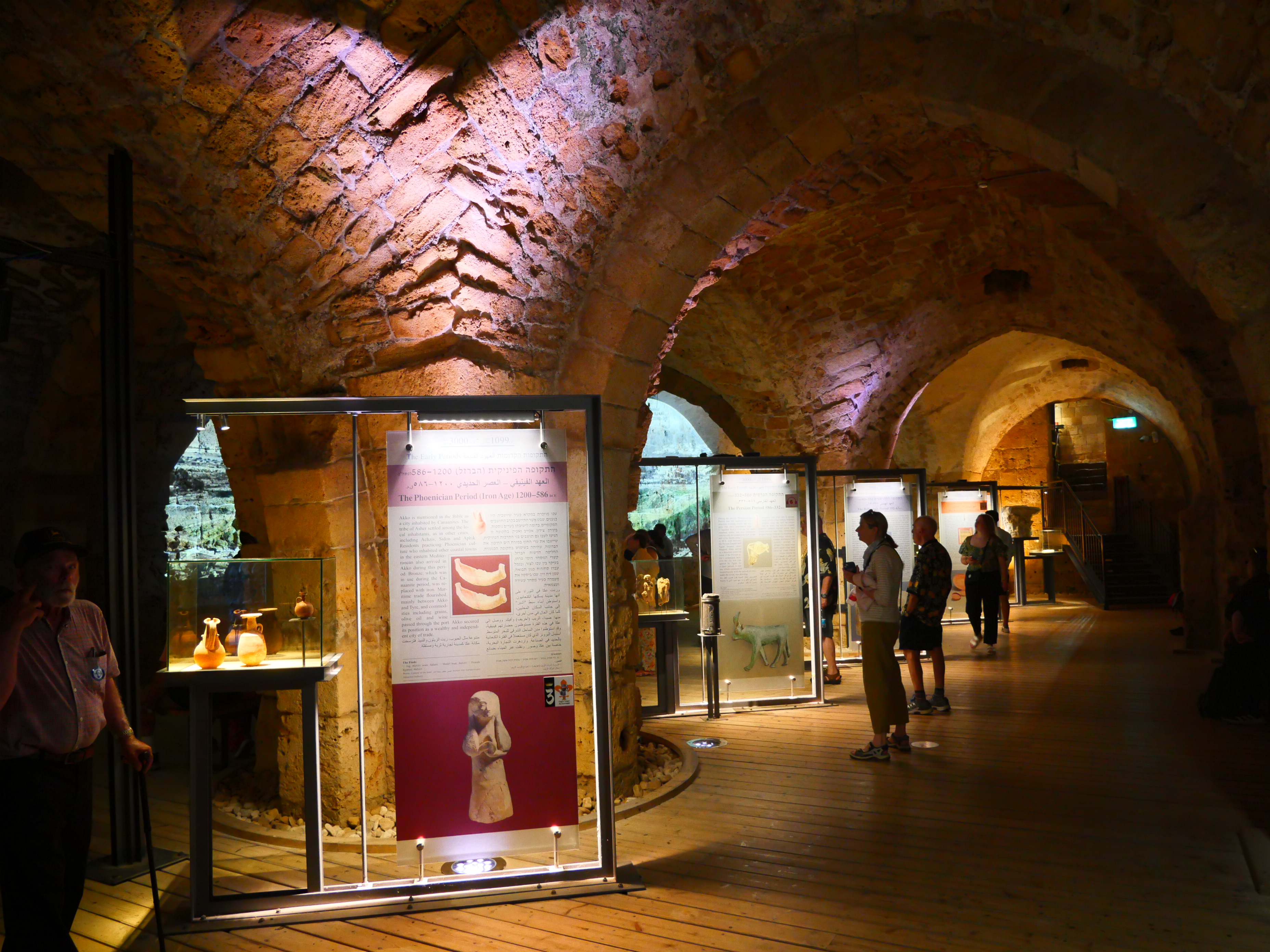
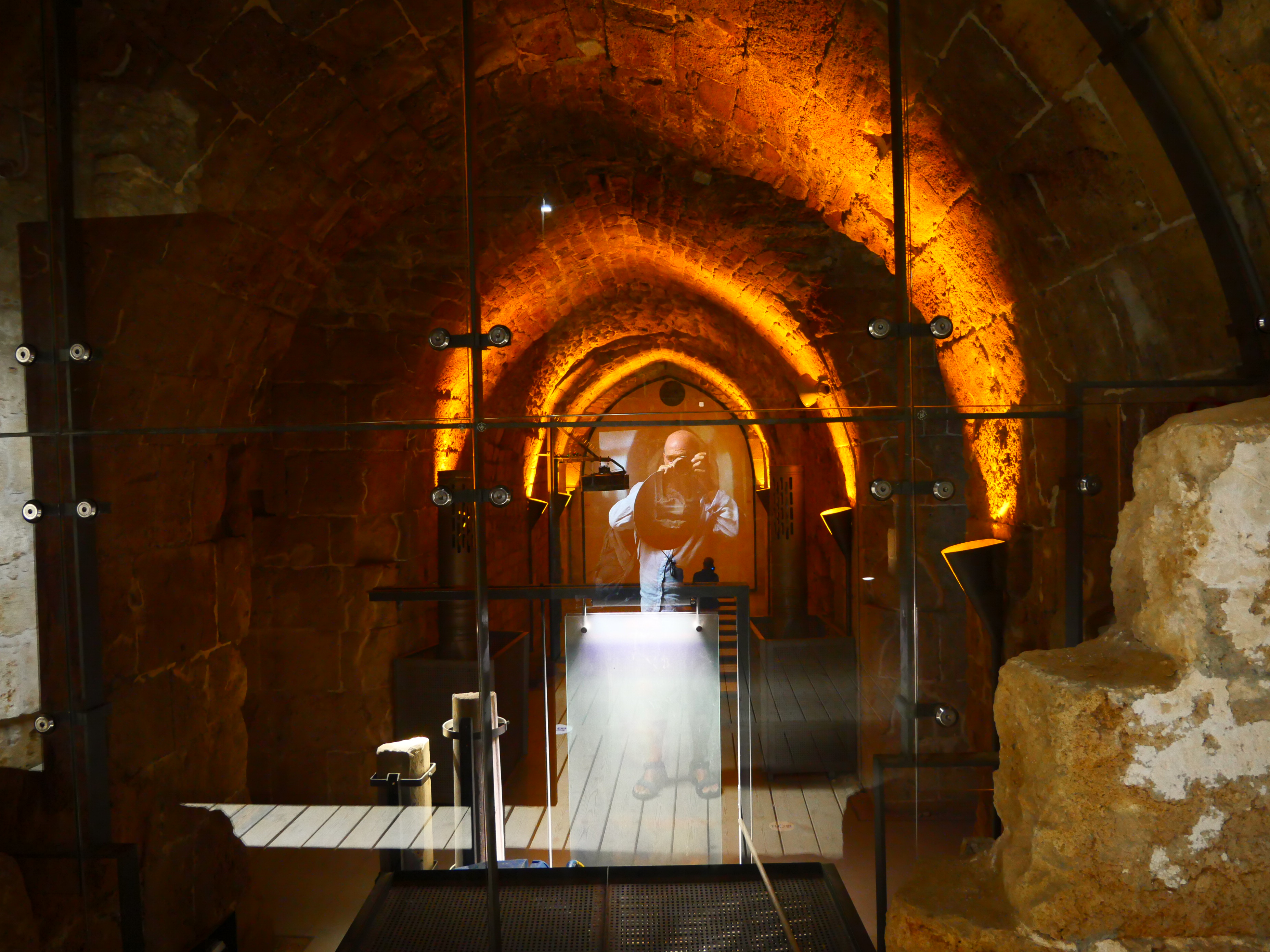
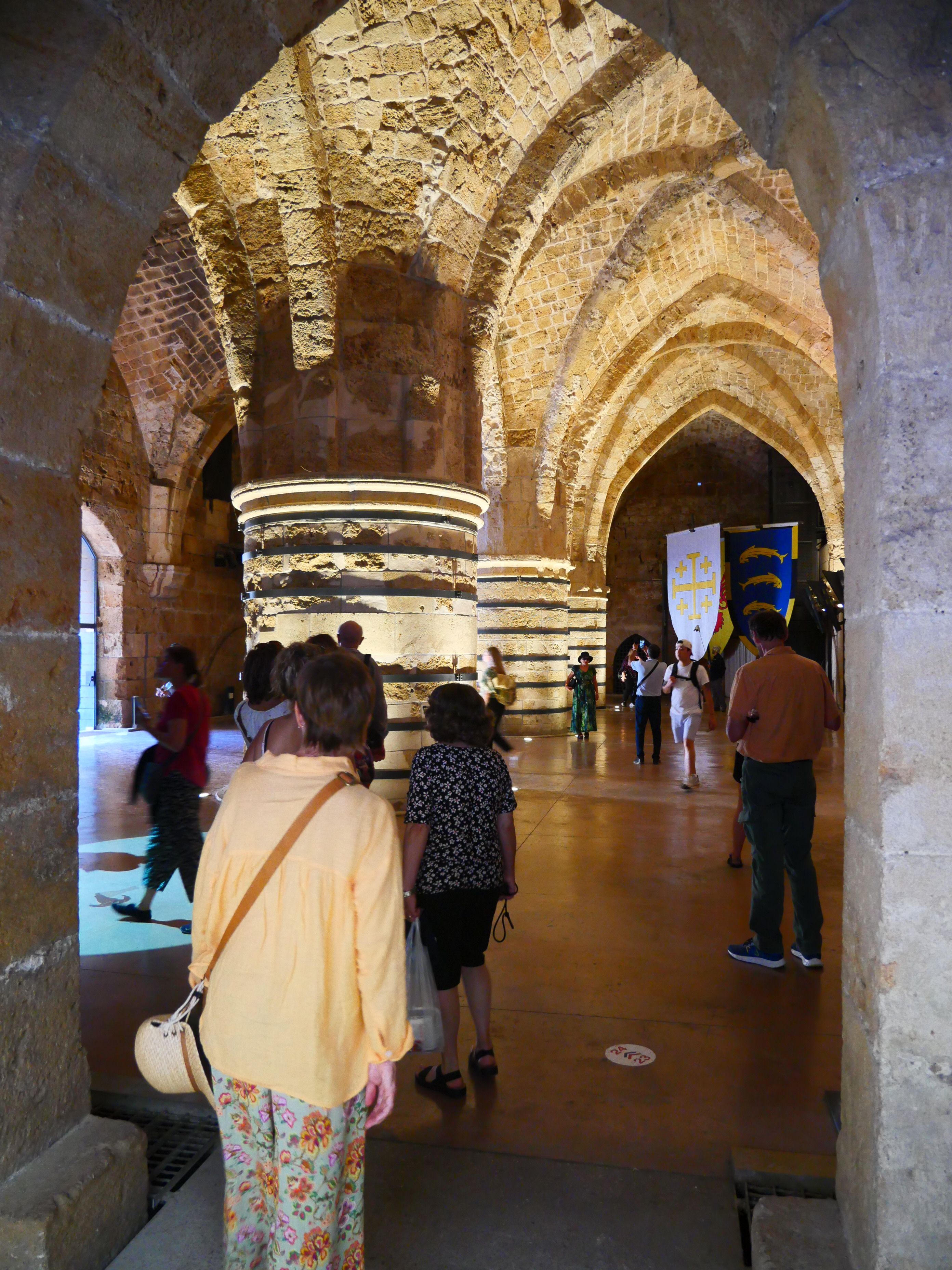
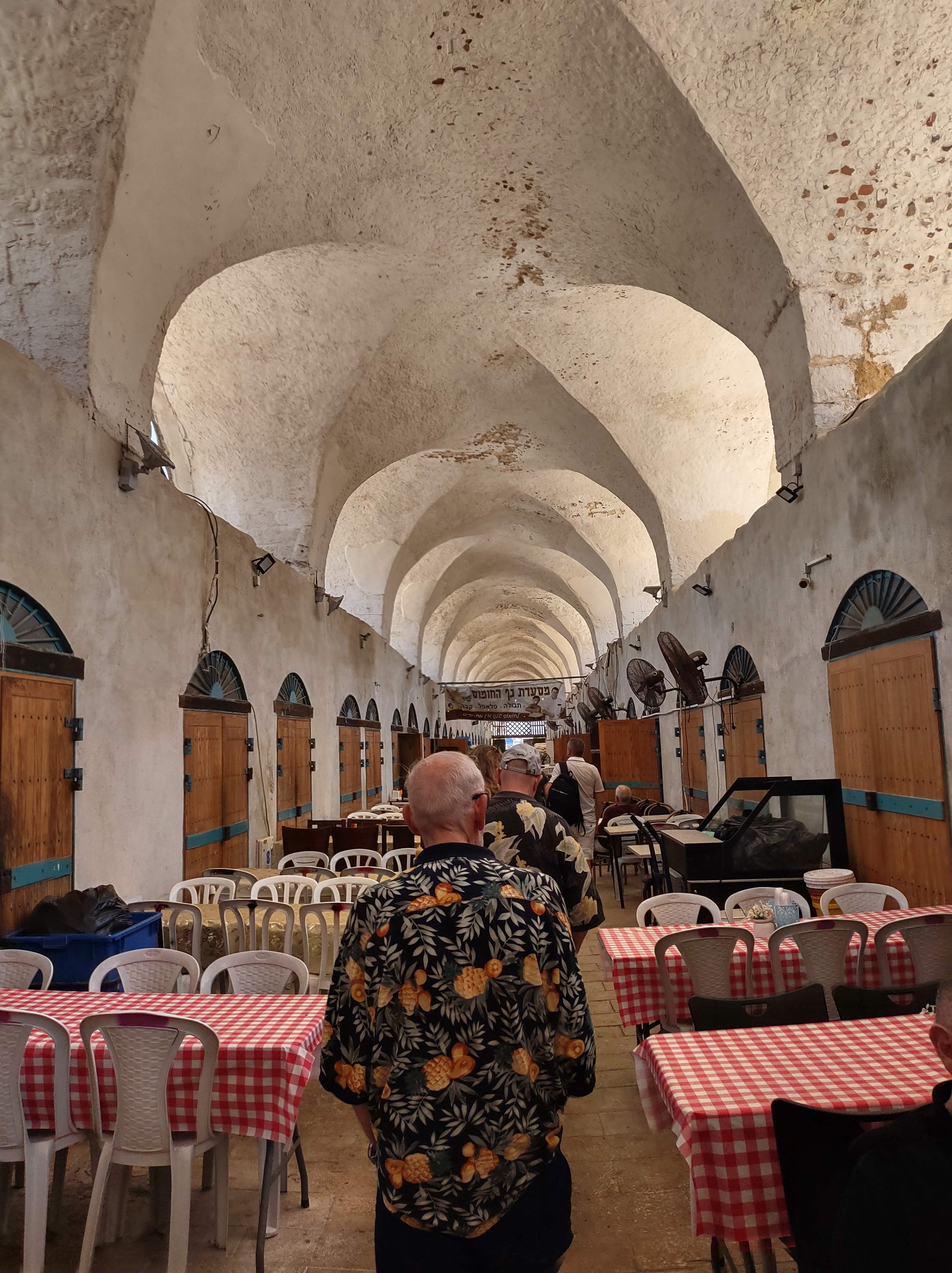
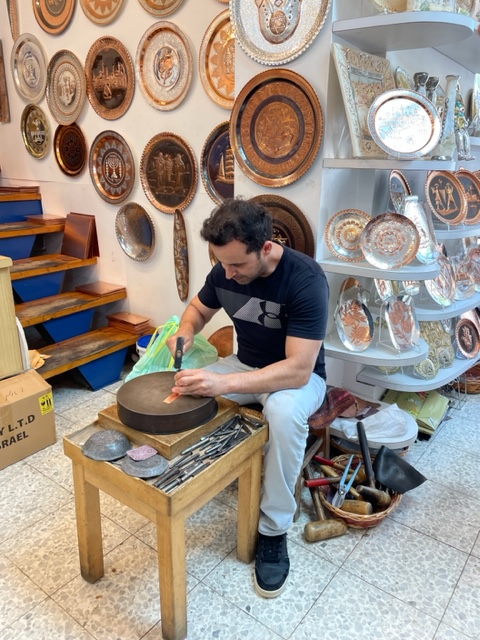
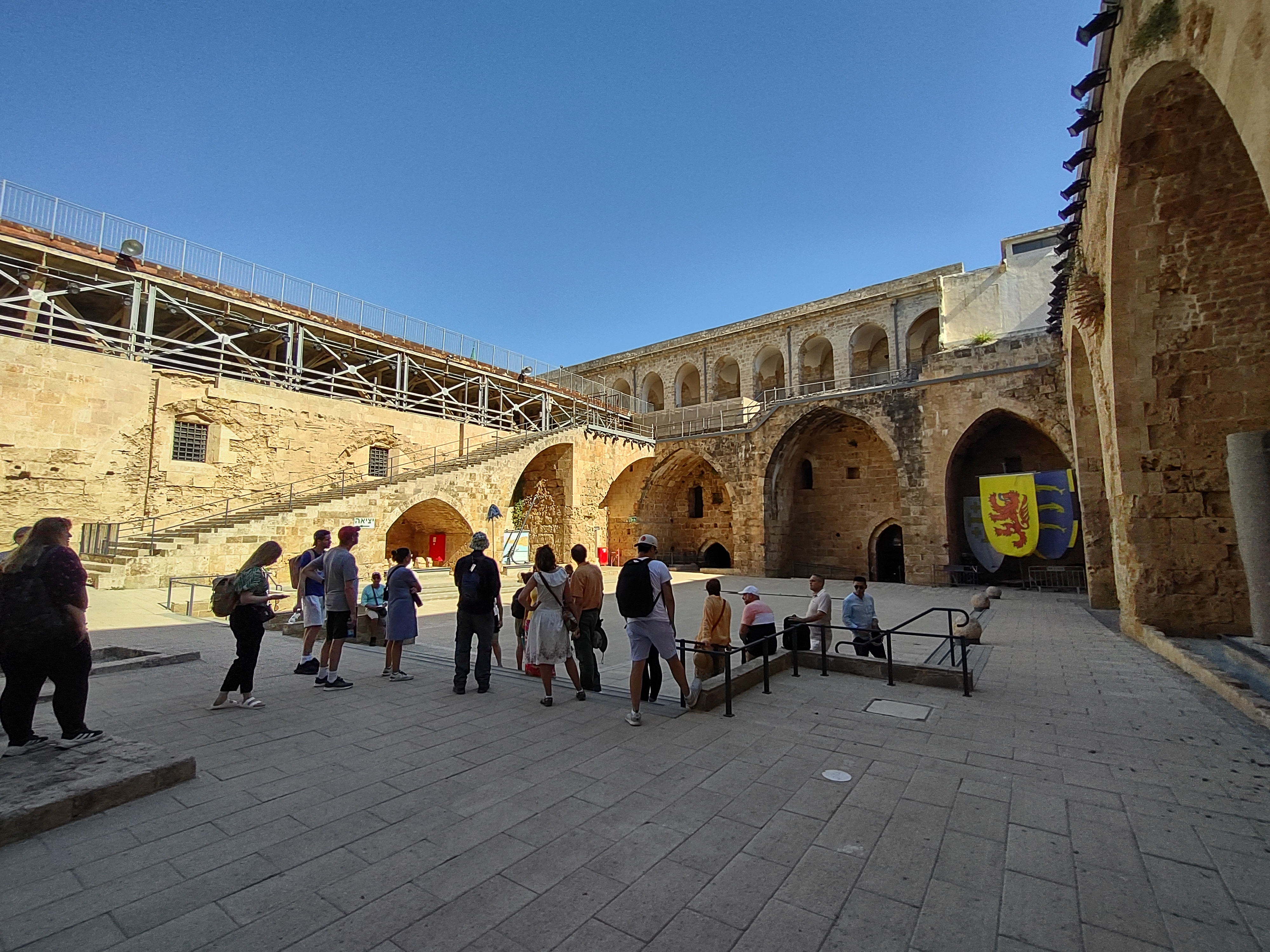
Our last stop was the ancient city of Acre(or Acco or Akko) which is probably best known as the stronghold and port used by many crusaders coming to save the Holy Land. After walking through the old town we had a lunch of some very good falafel and hummus in a very interesting building which turned out to be the old indoor market of the city. After lunch we were treated to a quick demonstration of copper jewelry making after which we were encouraged to buy the same. Our tour concluded in the old fortress of Acre which has been largely excavated (ongoing) and turned in part into a pretty nice museum which speaks to the long history of the place.
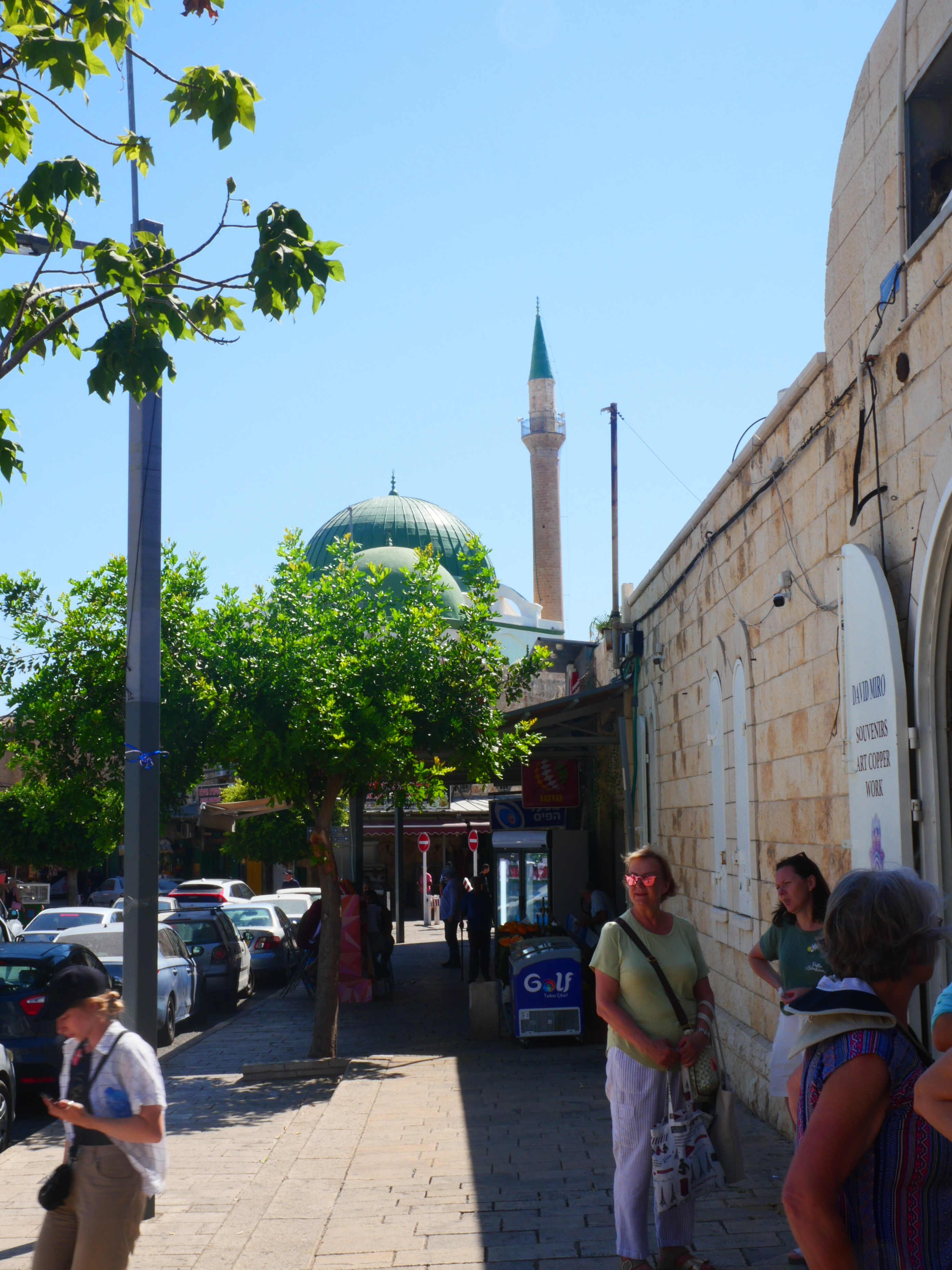
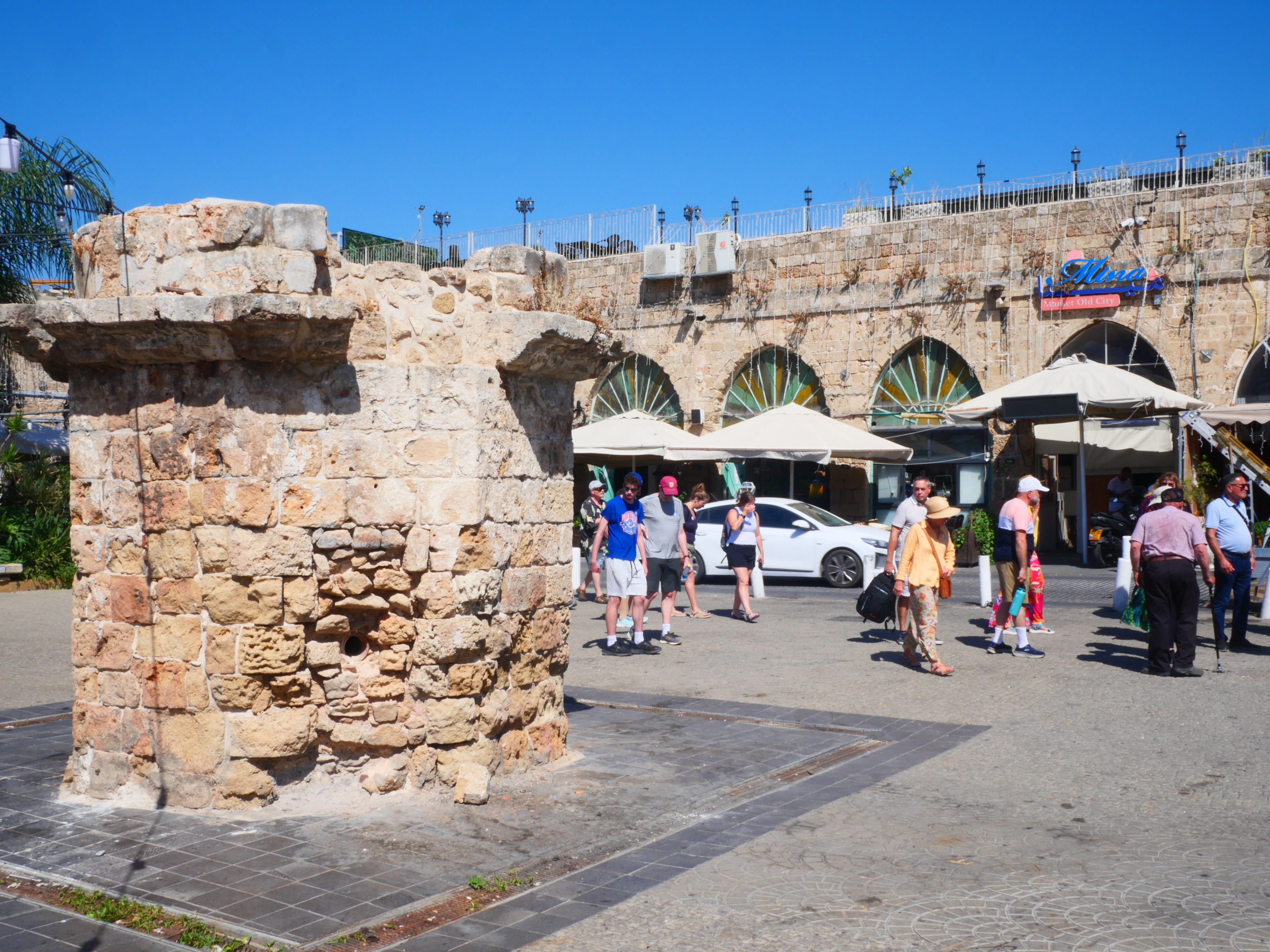
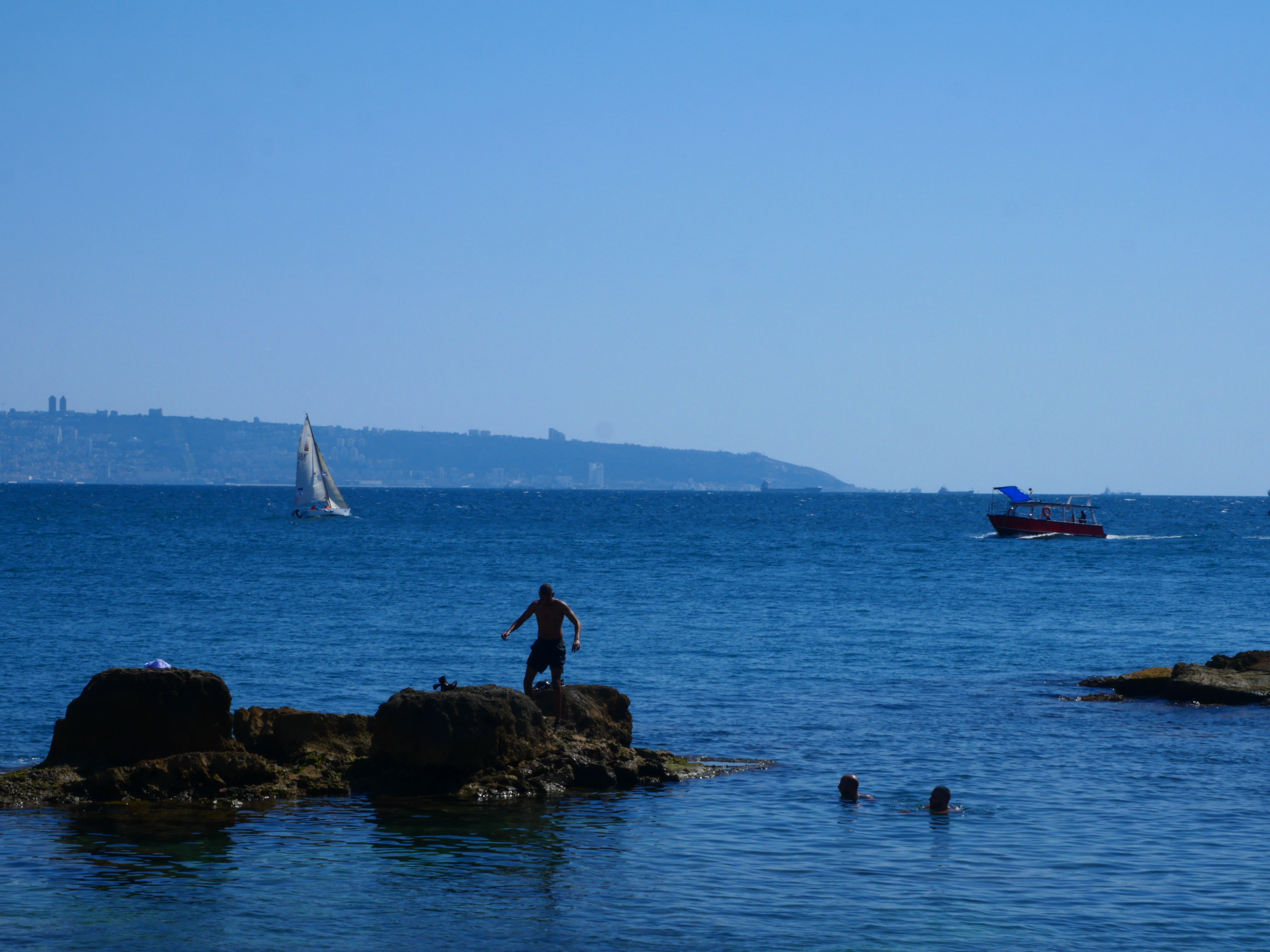
Whew! A long day but one which we felt was well-spent and a pretty memorable way to wrap up our visit to Tel Aviv. We were happy to find that there would be no shuttles on the way home and, after dropping off most of the tourists in Tel Aviv the bus driver ended up taking us all the way to Jaffa, just a couple of blocks from our apartment. We made our way home, stopping one last time at Yaffa Knafeh, feeling pretty good about our week in Tel Viv-Yafo, but knowing we were back on the road to Jerusalem the next day and wondering what it would be like going from one of the newest cities in Israel to one of the oldest.


Leave a Reply