Note: This is the second installment from our stay in Paris.
Paris Bike Tour (“The Tour de Paris”)
For our first full day in Paris, Saturday April 1, we had booked an evening bike tour of the city center. The Paris evening bike tour has a somewhat infamous reputation among our family and friends, many of whom have taken it over the years. The recommended version of it finishes the bike tour portion at dusk and caps it with a boat cruise of the Seine River which includes one complimentary cocktail and a cash bar. The tour concludes with a five-minute ride from the boat dock to the bike drop-off point, but there have been reports of participants who were unable to ride their bikes back after the cocktail cruise and had to be walked back.
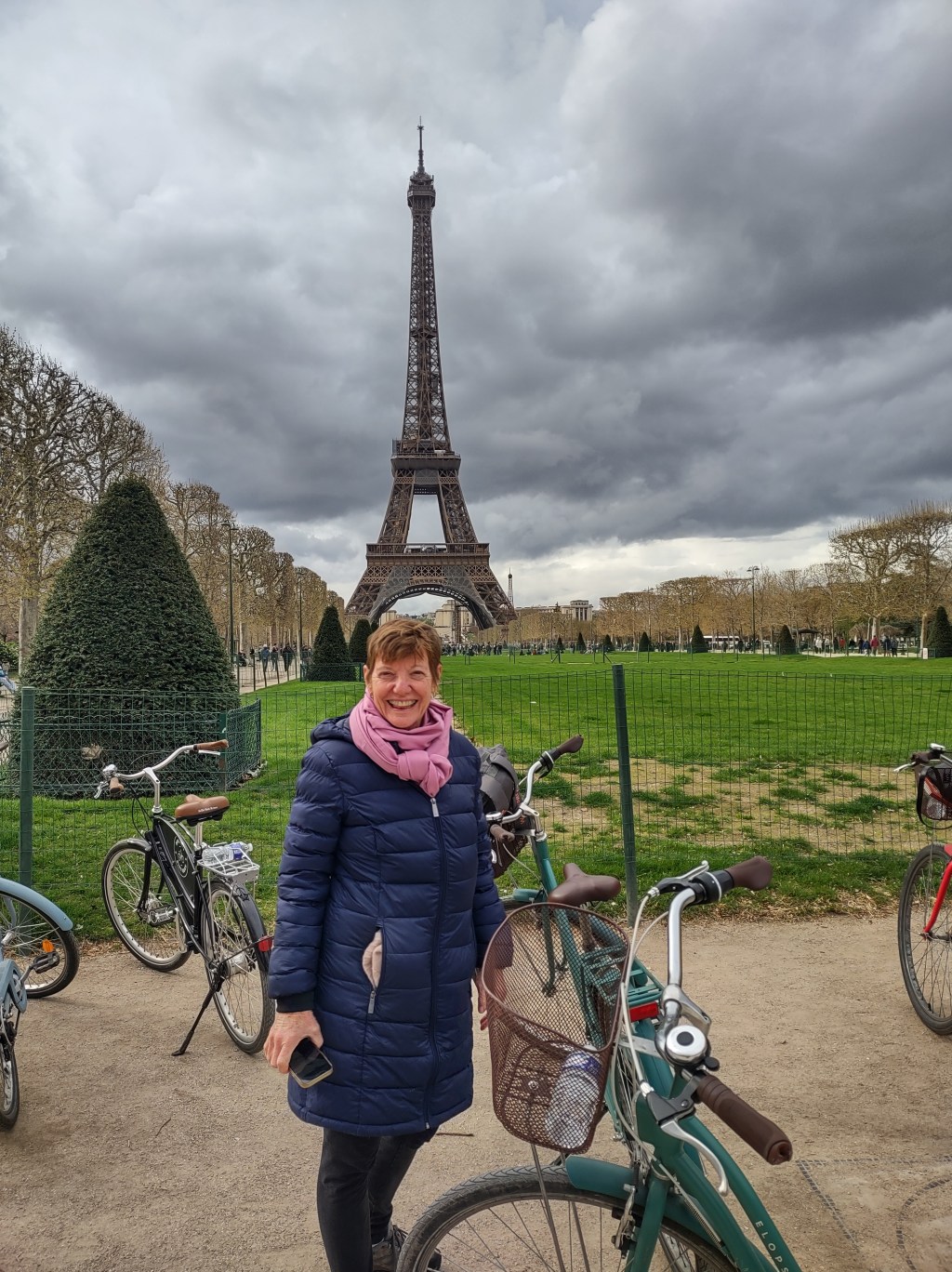
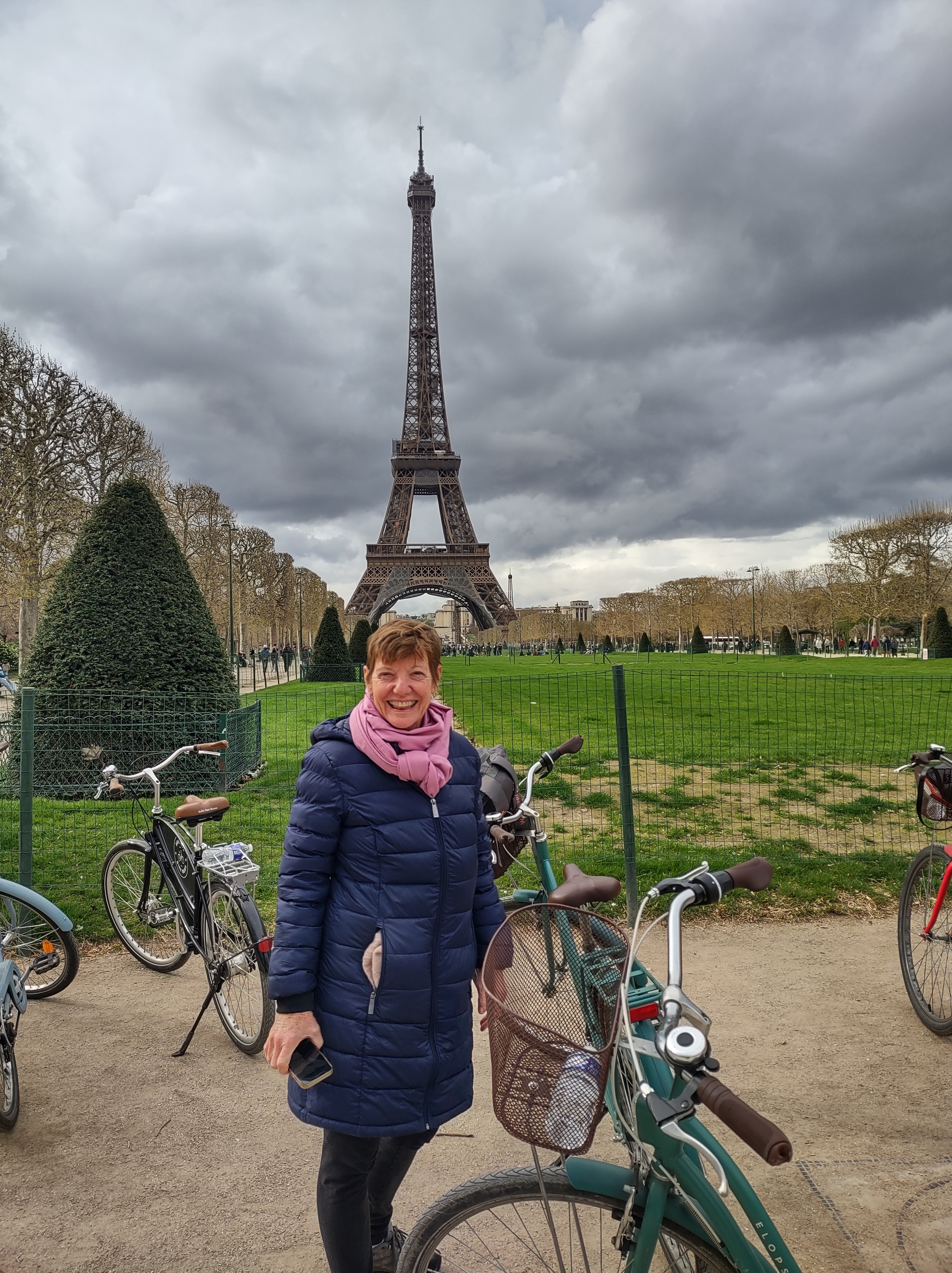
The threat of too many cocktails aside for the moment, we found the trip to be a great orientation to many of the most popular places and sites in central Paris. It began in the Place de la Concorde and proceeded more or less down the right bank of the Seine, with a couple of crossings, and then back to a boat dock on the left bank. Despite a couple of rain showers, we saw quite a bit, stopping periodically to be educated. The highlights of the bike ride included riding through a secret tunnel under the Louvre with black light art work and riding through the courtyards of the Louvre (which, as it turned out, was the closest that we got to the place, but that’s another story!).
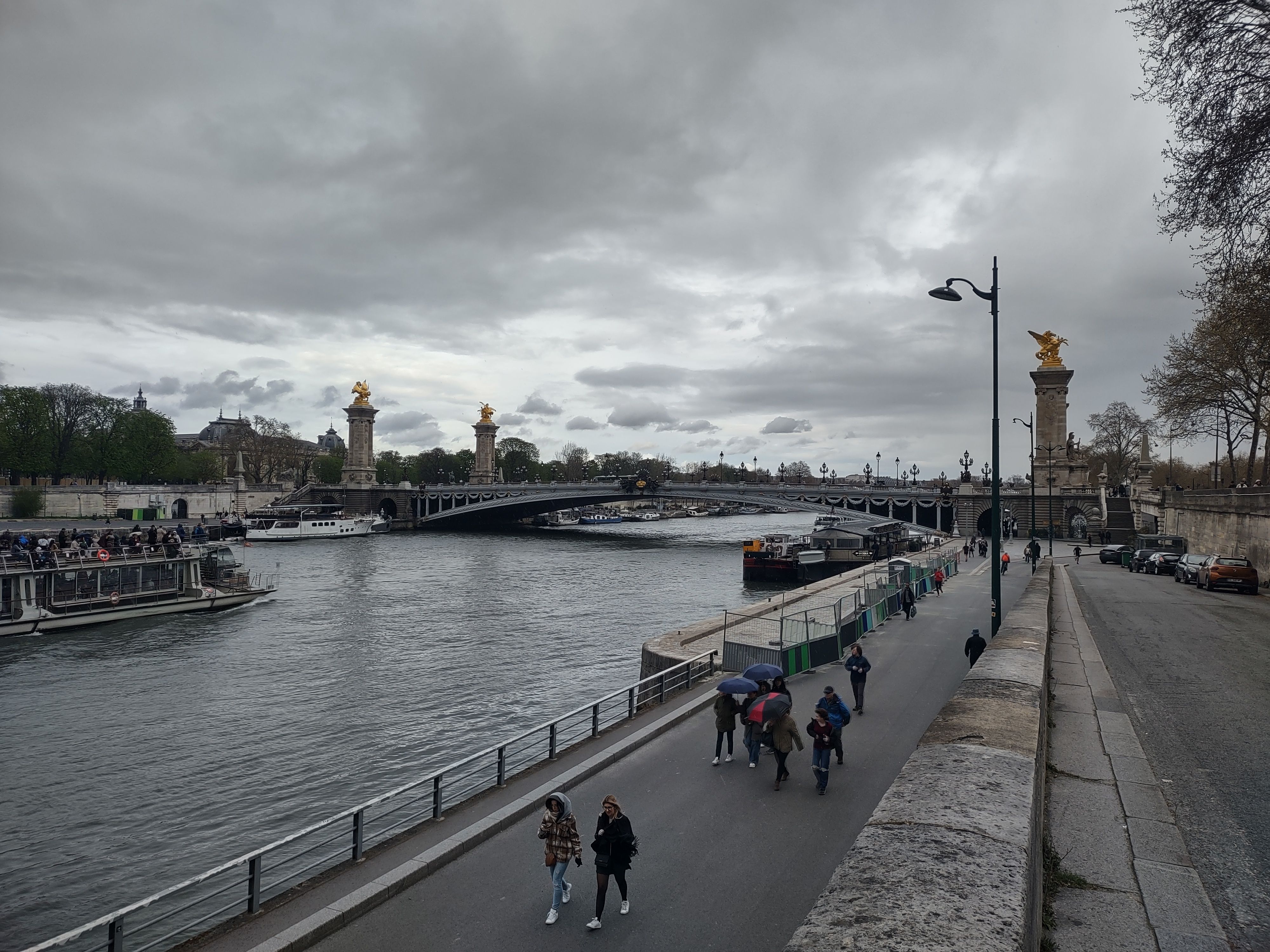
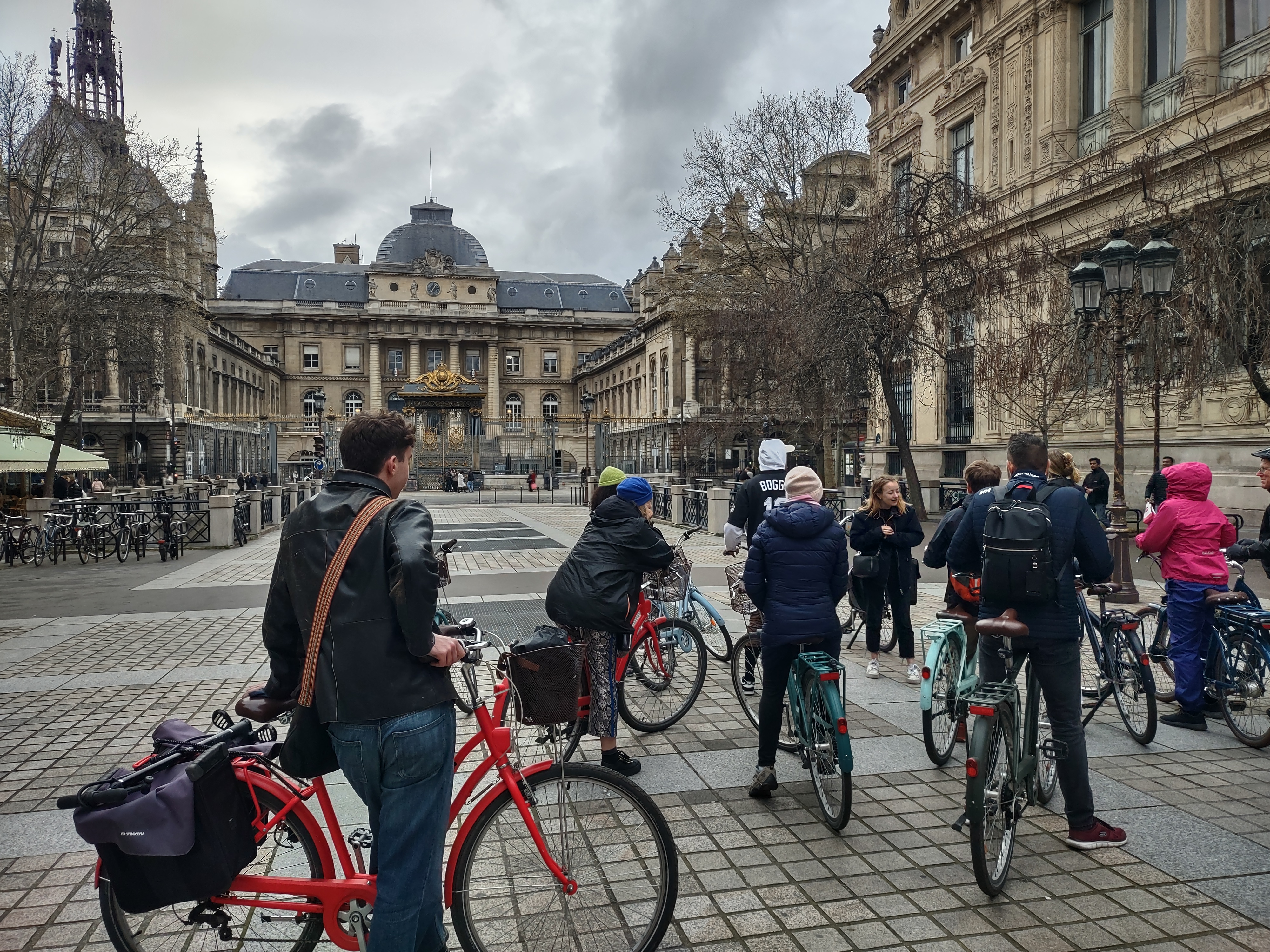
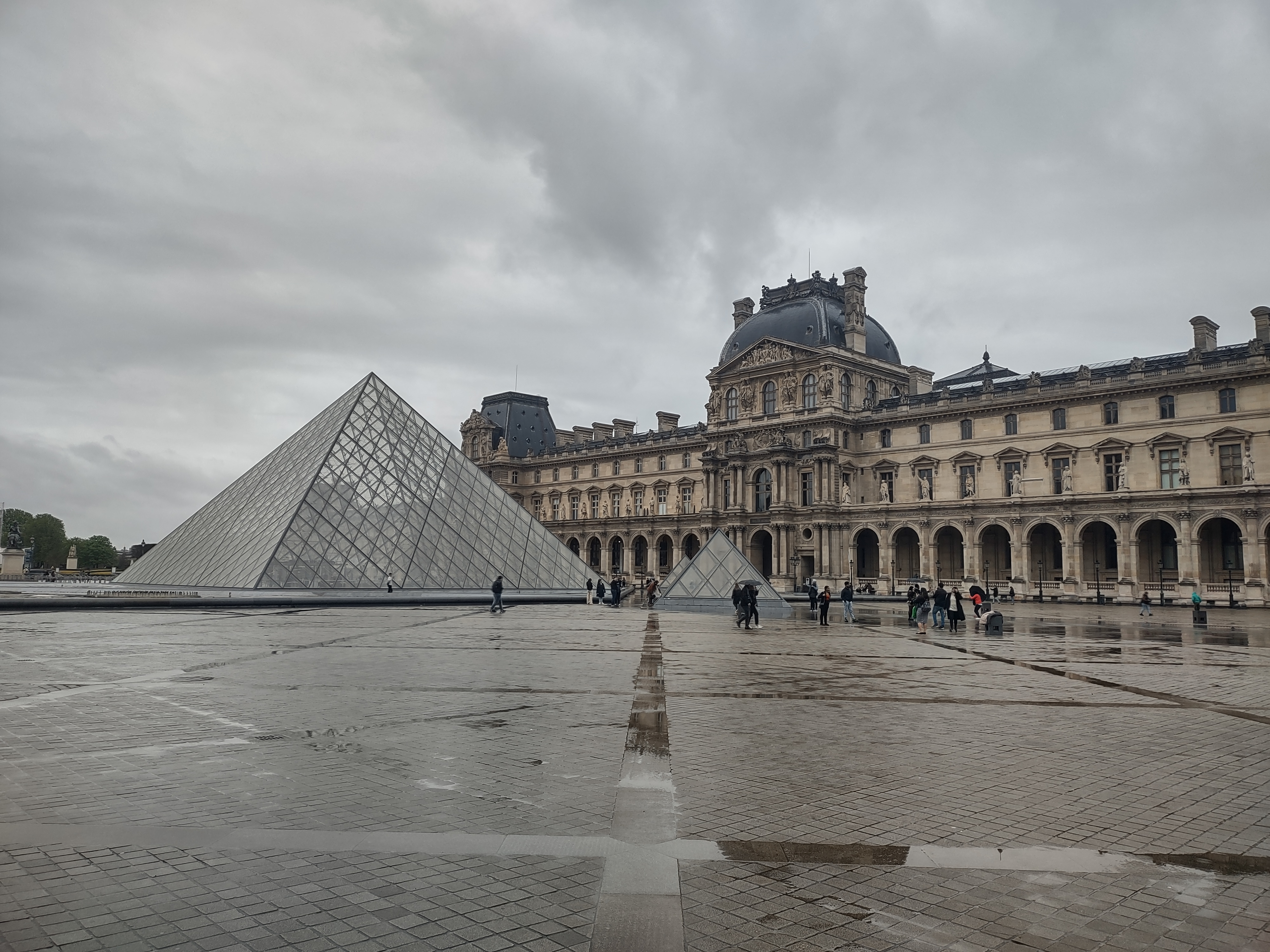
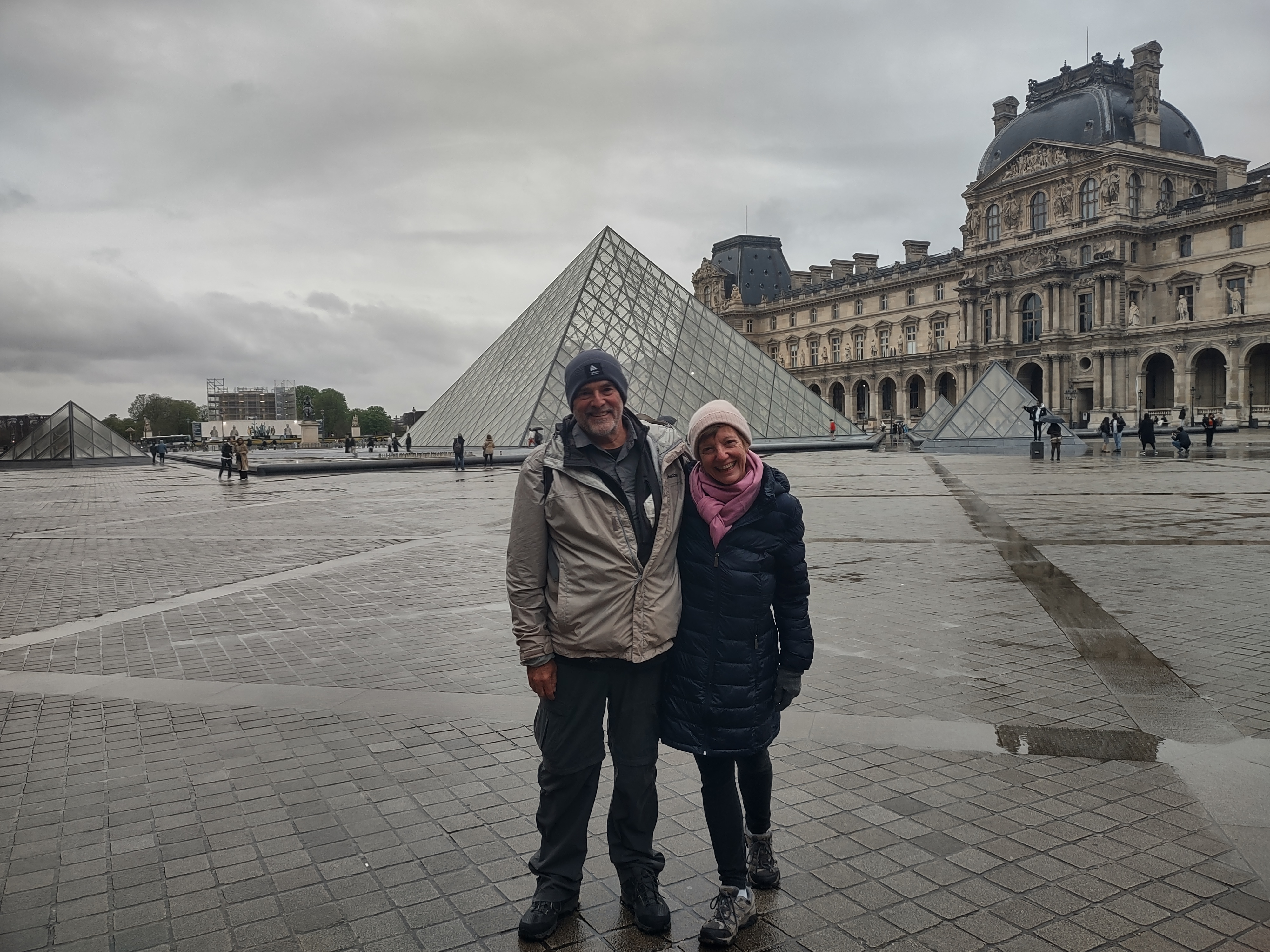
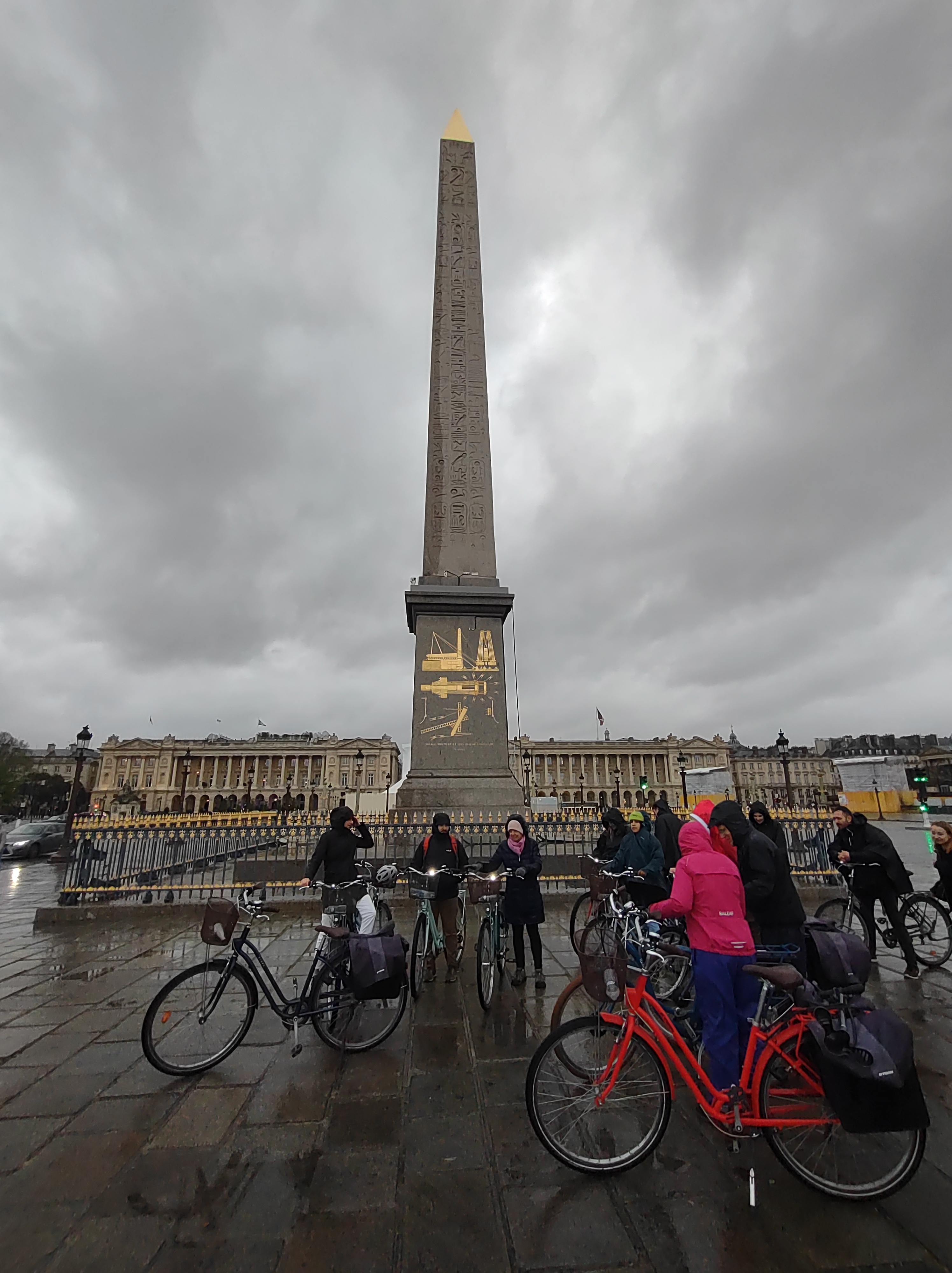
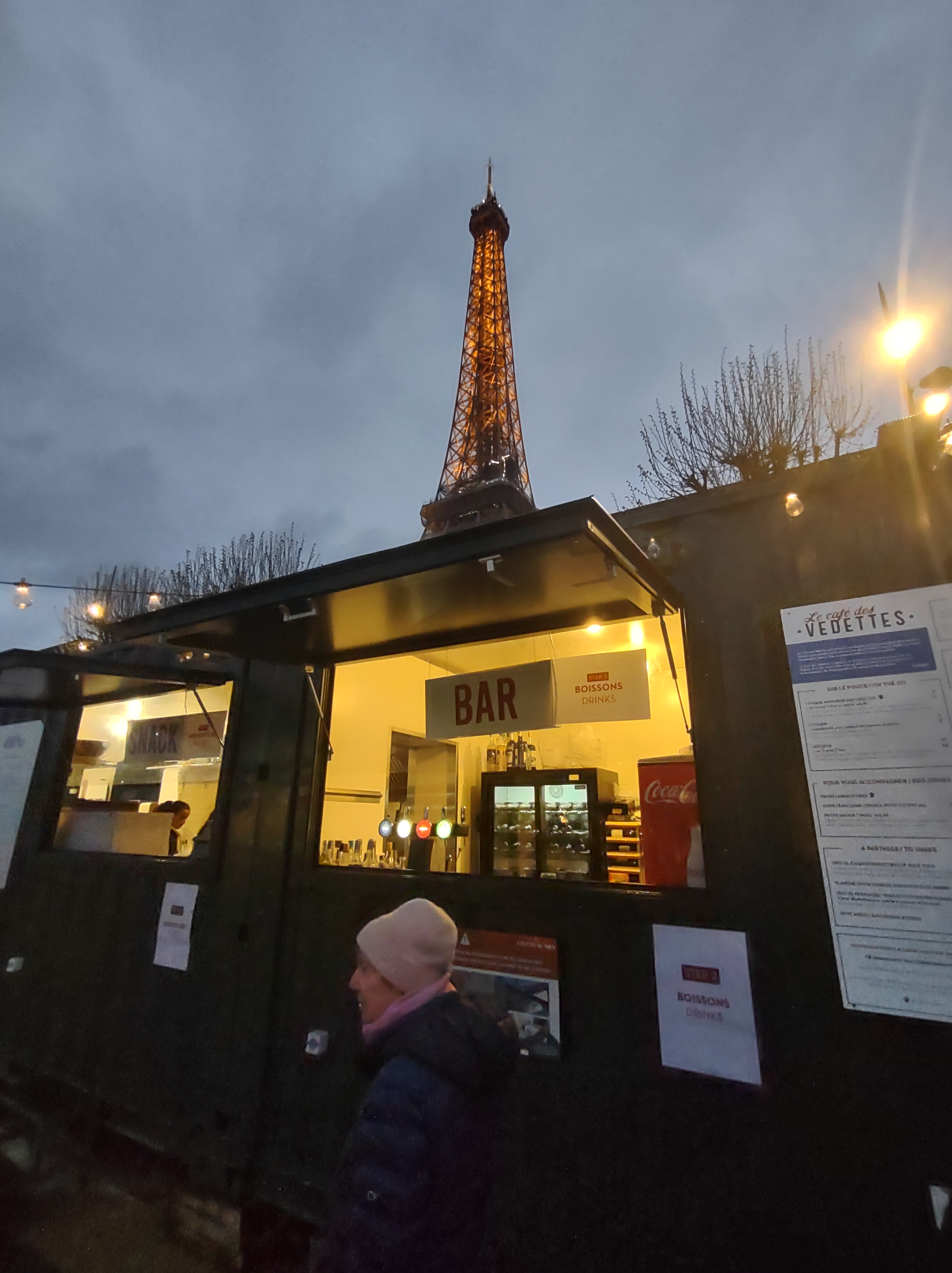
The concluding river cruise was a perfect way to finish the tour. The boat was not too crowded so you could move pretty freely from indoor seating near the bar to the deck for better views and photos of the passing sights. We huddled with some of the participants from the tour, including our two guides one of whom was a native and another a British expat. It is always great to hear the stories and perspectives of people who actually live and work in the place you are visiting – often very different from what the guide books portray. Although it is almost always a side gig for them, tour guides almost invariably seem to have great perspective on what is going on in a place, particularly in regard to local politics and issues.
We cruised up and down the Seine and, as in Amsterdam, Venice, and other cities with canals and rivers, were surprised at how different a place can appear from the perspective of the waterway, imagining a time when this was the primary way that many people experienced it…
The cruise was perfectly timed so that we passed the Eiffel Tower at exactly 9:00 PM for the “sparklers” which go off on the hour. The “sparklers” are thousands of sparkling lights on the framework of the Tower which flash repeatedly for a few minutes on the hour, the effect of which is reminiscent of a Christmas tree on steroids and has resulted in replicas of the Tower equipped to sparkle in a similar way for sale throughout the city. (For the record, Ritchard finds the lighting to be grotesque while Colleen feels pretty much the opposite on this issue.)
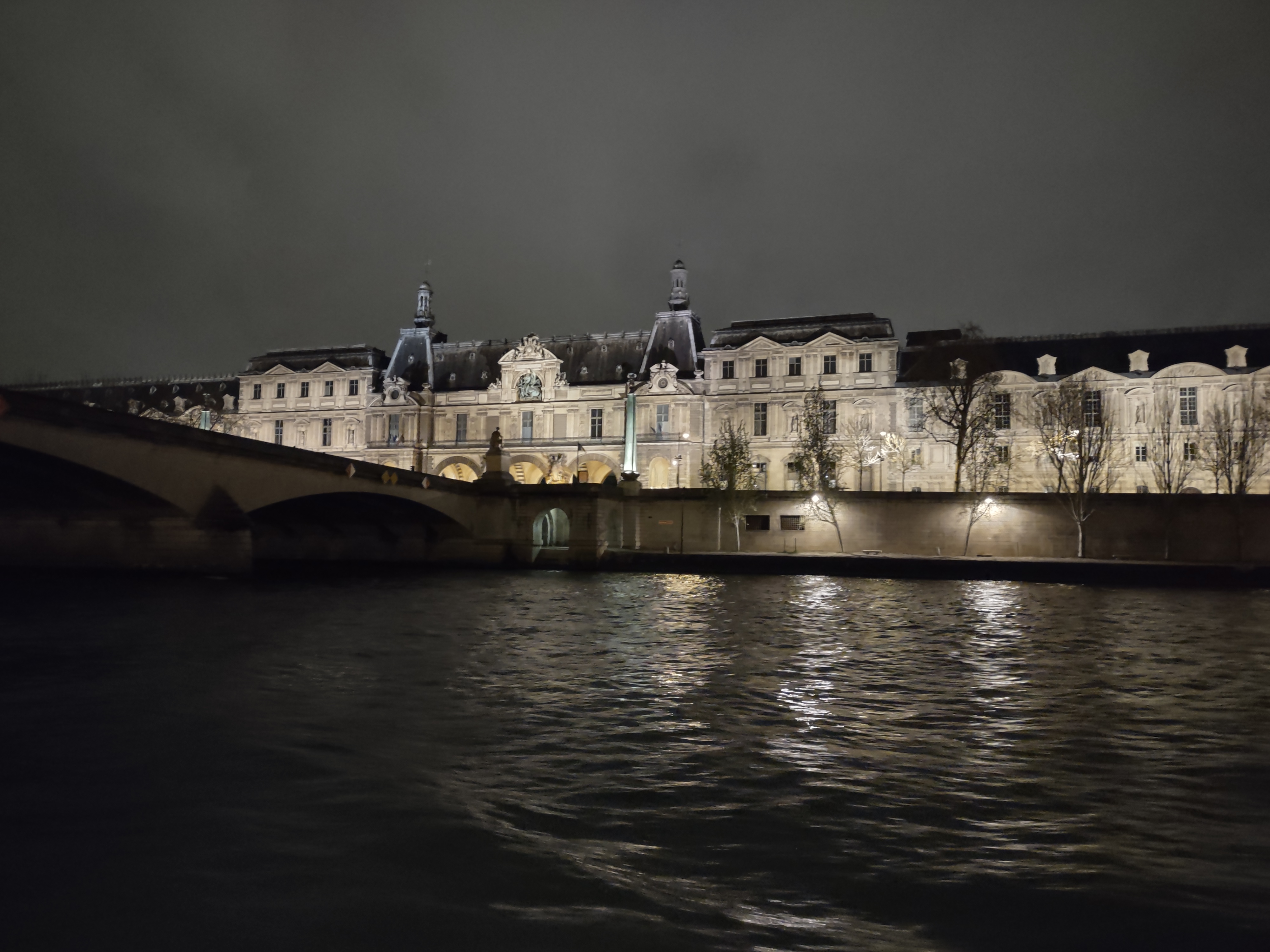
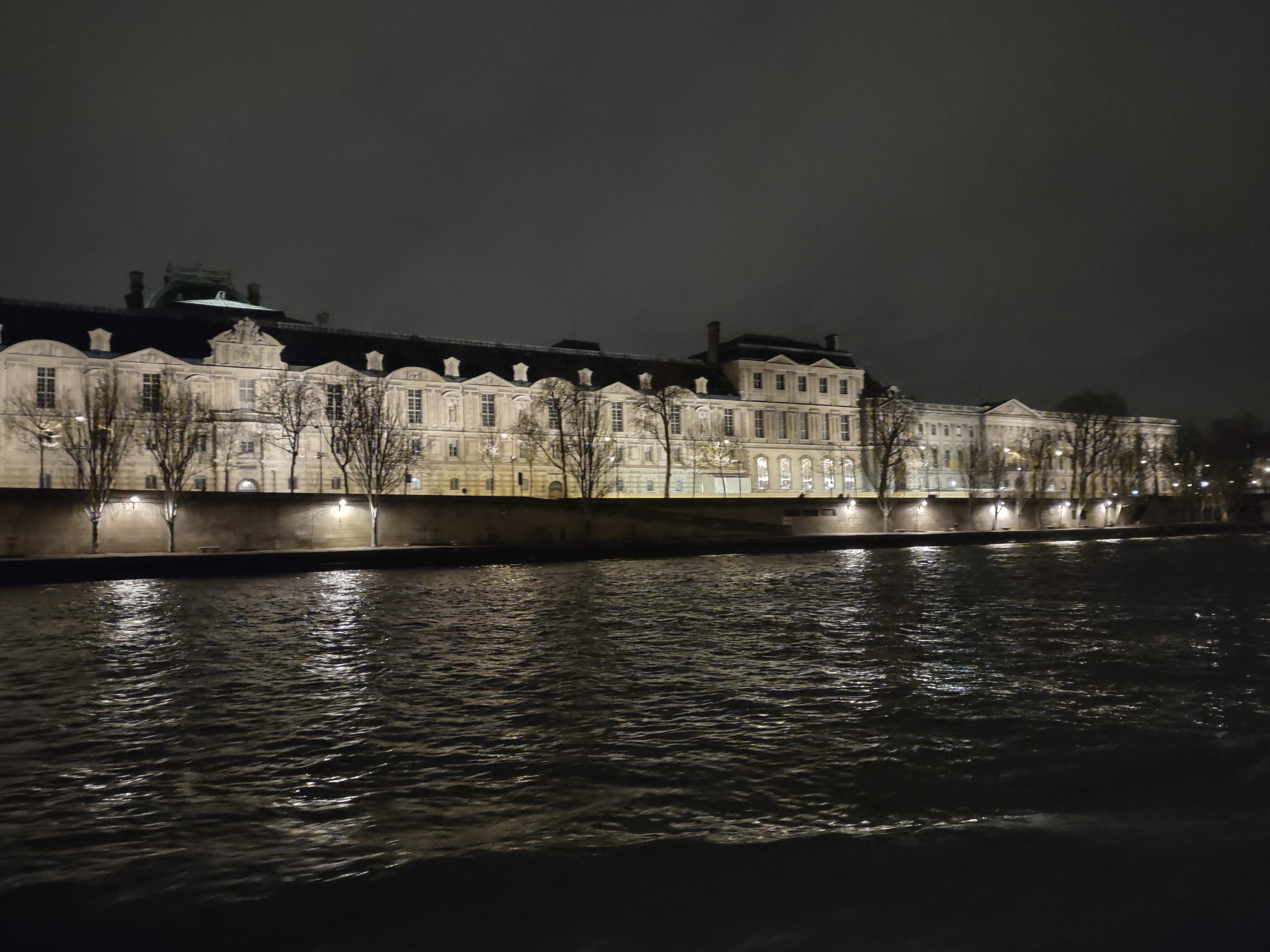
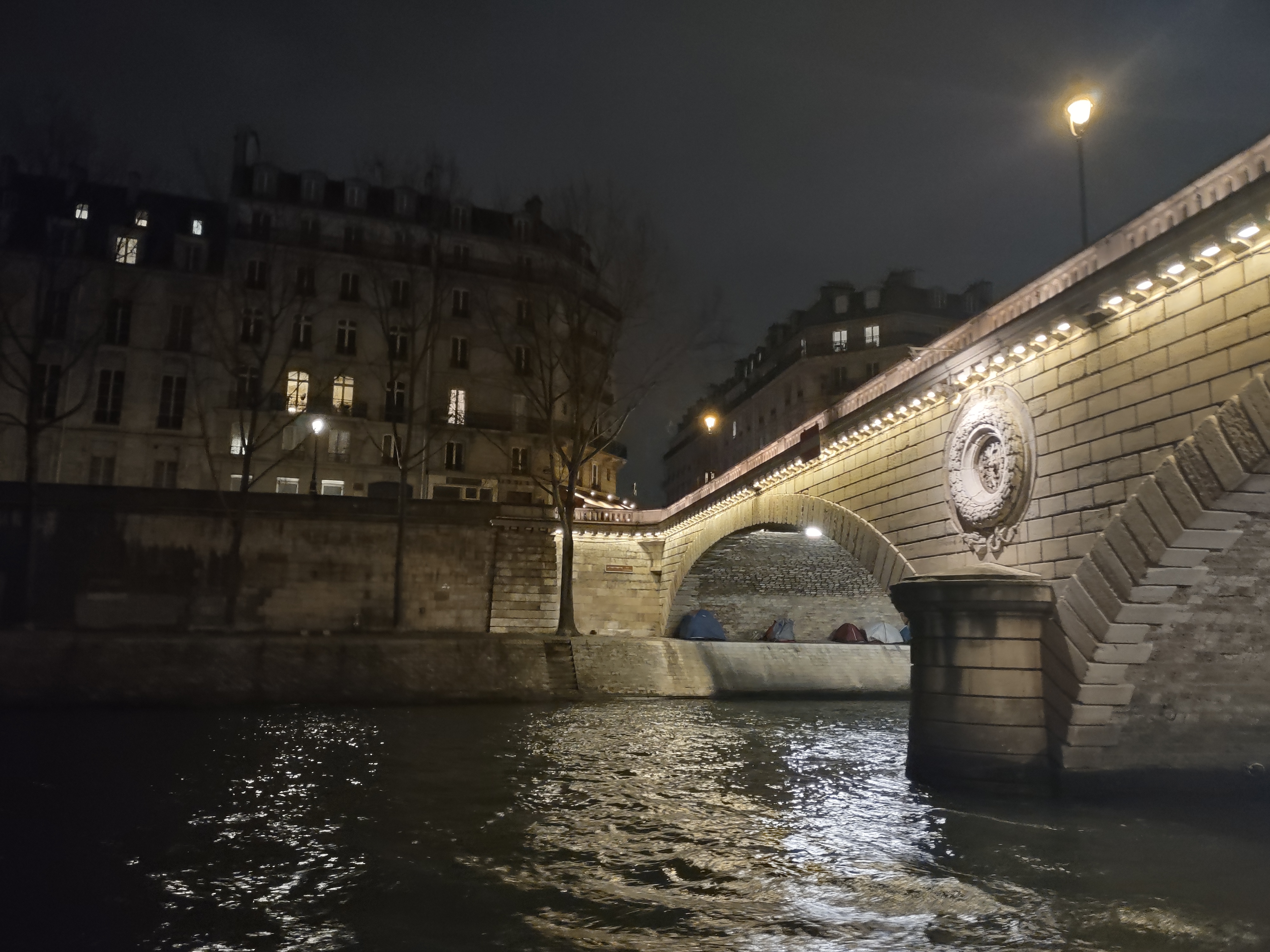
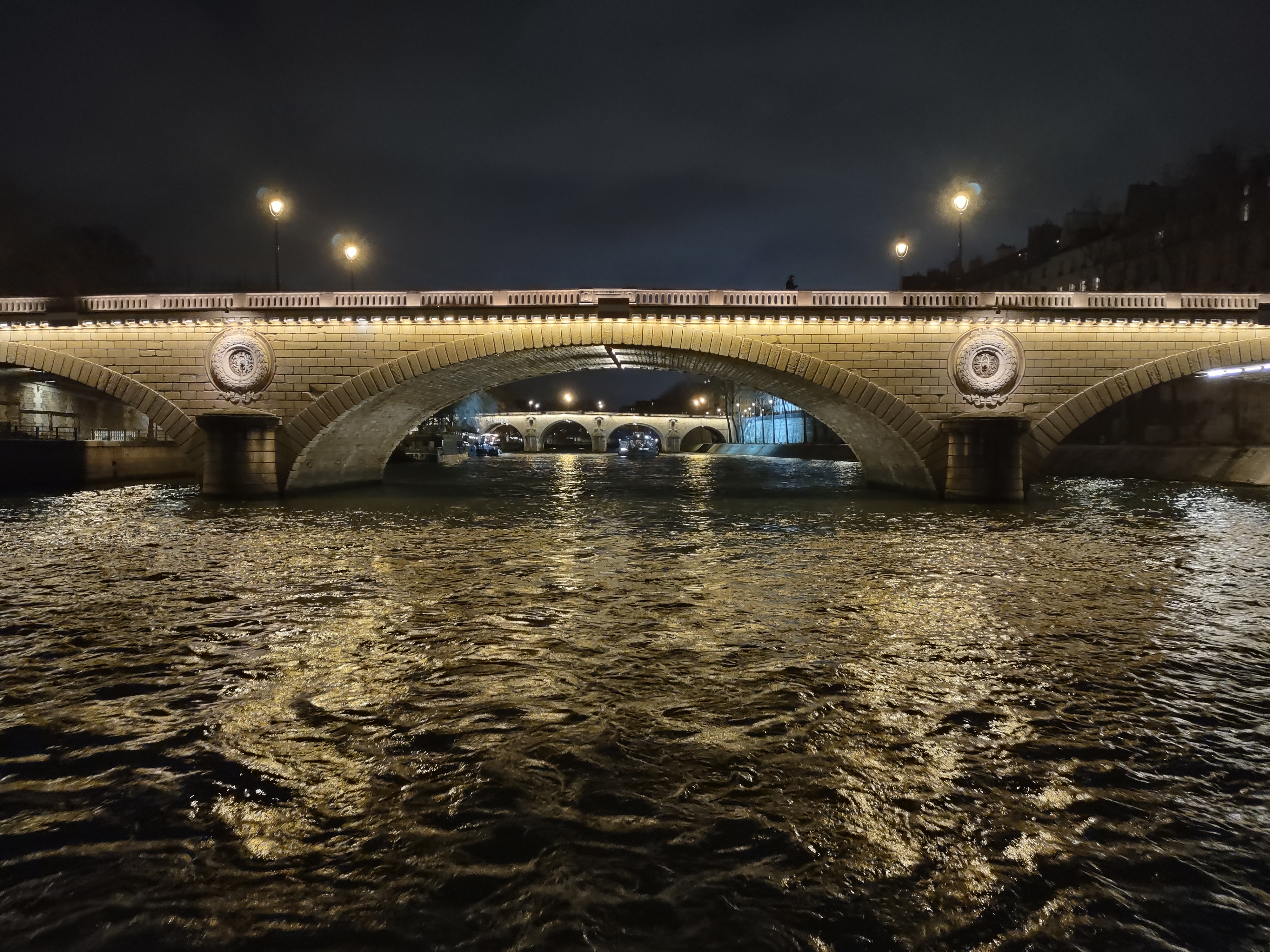
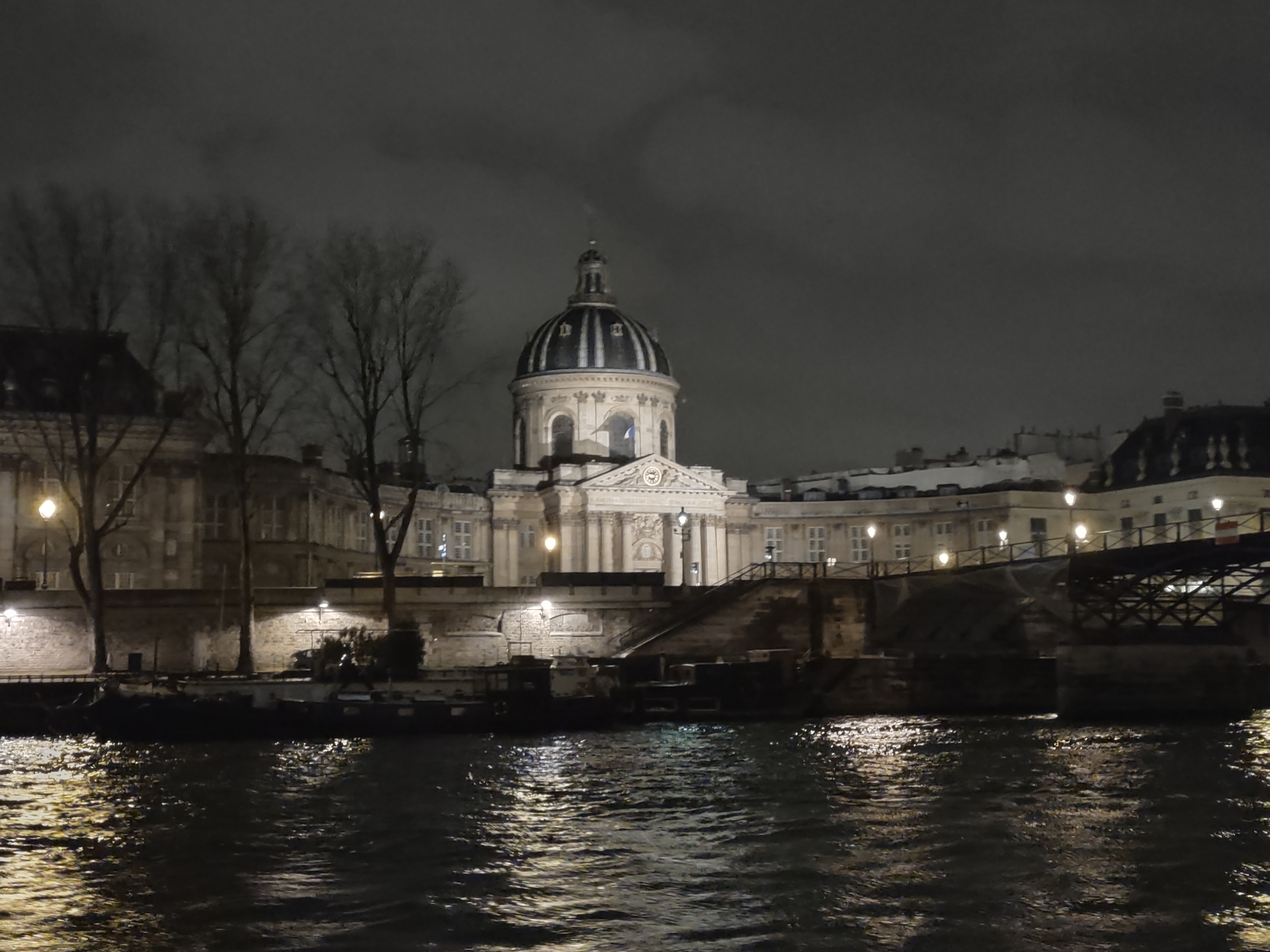
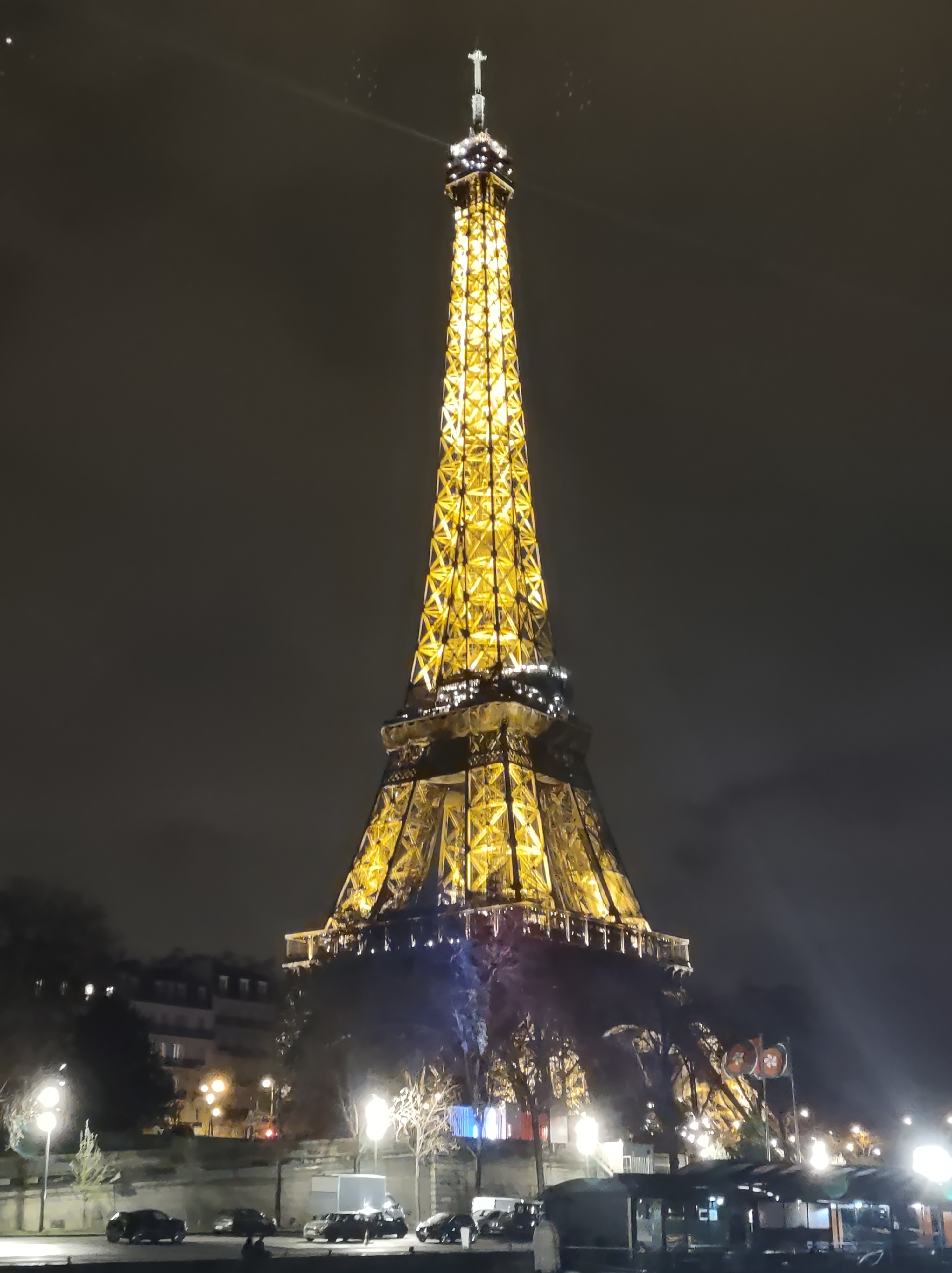
Happy to report that, despite a couple of cocktails, we were both able to complete the ride back to Place de la Concorde and make our way home safely to our apartment in Montmartre. A great first day in Paris!
Parc de La Villette
We have an unspoken agreement of sorts that the days spent visiting museums and shopping are, occasionally, balanced against days spent visiting sites with more of an architectural interest. Sometimes it is possible to accomplish both at the same time, as was the case with Le Petit Palais and some of the other museums we visited in Paris, but occasionally, after enough pure museum going and shopping, Colleen will agree to visit a site for purely architectural interest without necessarily having any other expectations (must be love). This usually works out OK in the balance of things but occasionally we find something that Colleen likes much more than we would have expected. Such was the case with the Parc de La Villette, which we visited on Wednesday April 5th.
It’s quite likely that you have never heard of the Parc de La Villette (or La Villette as it is more commonly referred to) as it isn’t a place that pops up when you Google “Things to Do in Paris”. It is, however, one of a handful of architecturally significant sites that Ritchard was hoping to see while in Paris. La Villette is located on the outer edges of the 18th and 19th arrondissements at the intersection of two of Paris’ remaining canals (yes, Paris has them too) which, as it turned out, put it just within walking distance of our apartment in Montmartre. And so, perhaps to balance out the anticipated glut of museums and shopping, we decided to go there the morning of Wednesday April 5th.
What makes La Villette of interest to some architects (Ritchard at least) is that it was the subject of an international design competition advanced by President Francois Mitterand in the early 1980’s to revitalize a large down-on-its heels semi-industrial area near Paris’ northeastern suburbs. The brief for the design competition called for “an urban park for the 21st century” that could accommodate a complex program of recreational, cultural, and entertainment facilities. The winning design by French-Swiss architect Bernard Tschumi was widely publicized (at least amongst certain architects) and become an icon of the now somewhat forgotten deconstructivist movement. (It is probably worth noting that, at the time that its construction was executed, there were some serious questions as to whether it would really work or whether it would just end up being another dead wasteland urban park.)
Tschumi’s design for La Villette called for a network of small bright red buildings called “Follies” which are laid out in a regular grid and which, along with a number of circulation elements, are intended to provide a framework within which the park could be developed over time. (For the non-architects, as the name implies, a follie or folly is traditionally understood to be “a costly ornamental building with no practical purpose” – an architect’s dream!)
While many of Tchumi’s follies do serve utilitarian purposes like vertical transportation or concession and toilet facilities, they are all very whimsical in a post-modern kind of way. Together with two major circulation elements, including an elevated walkway which runs along one of the canals, they establish a framework (a datum, if you will) around which the park has been developed.
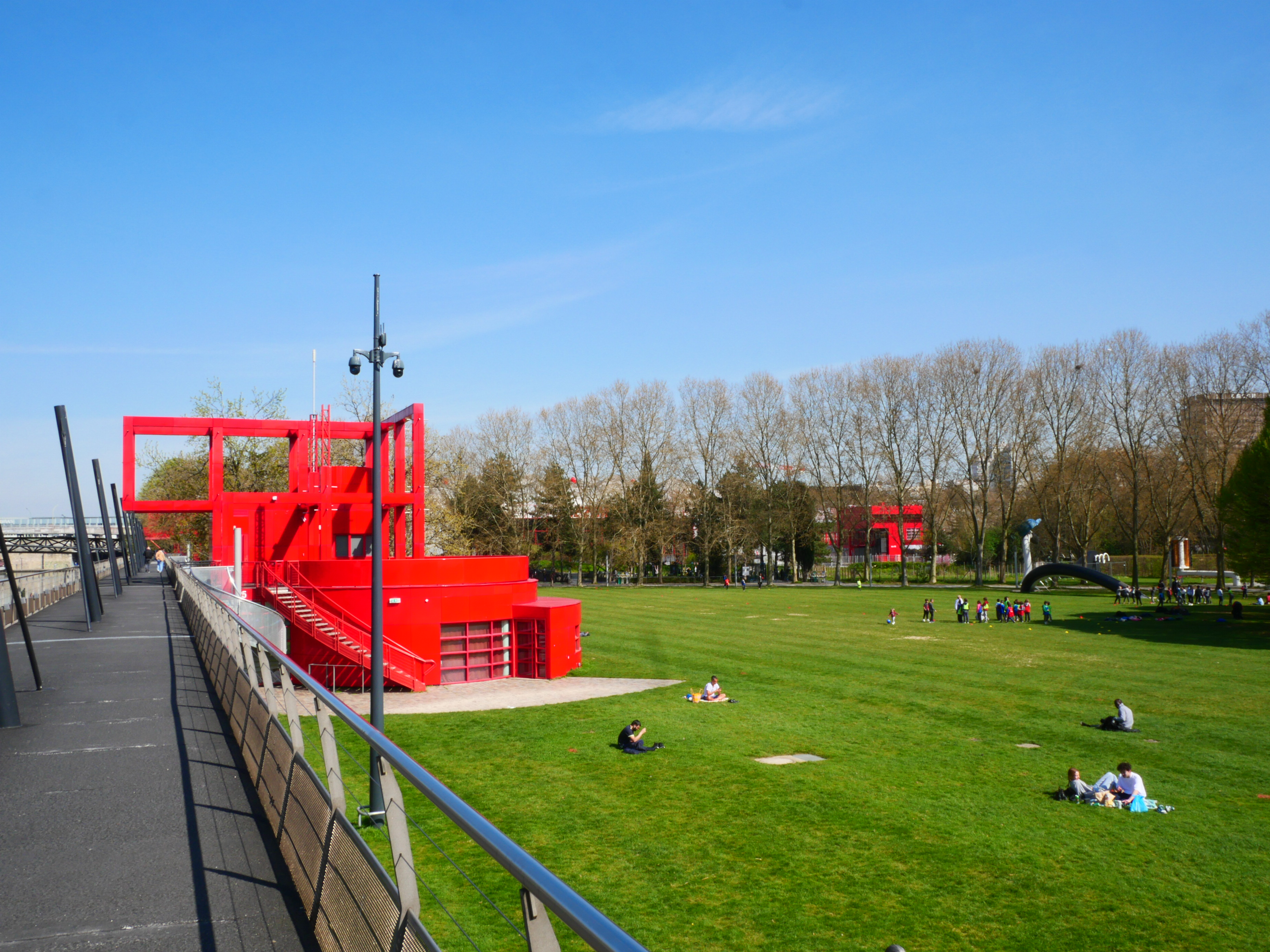
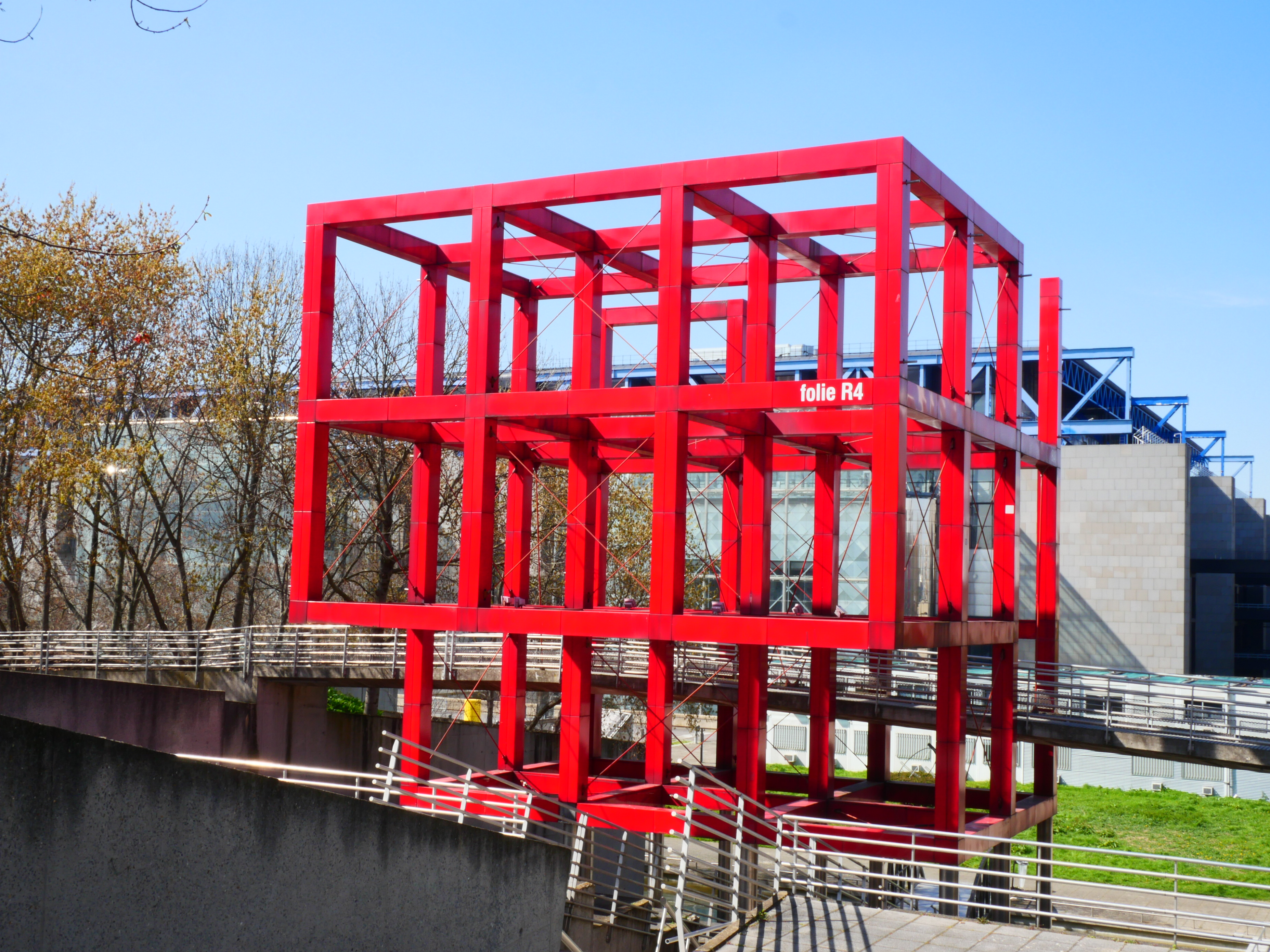
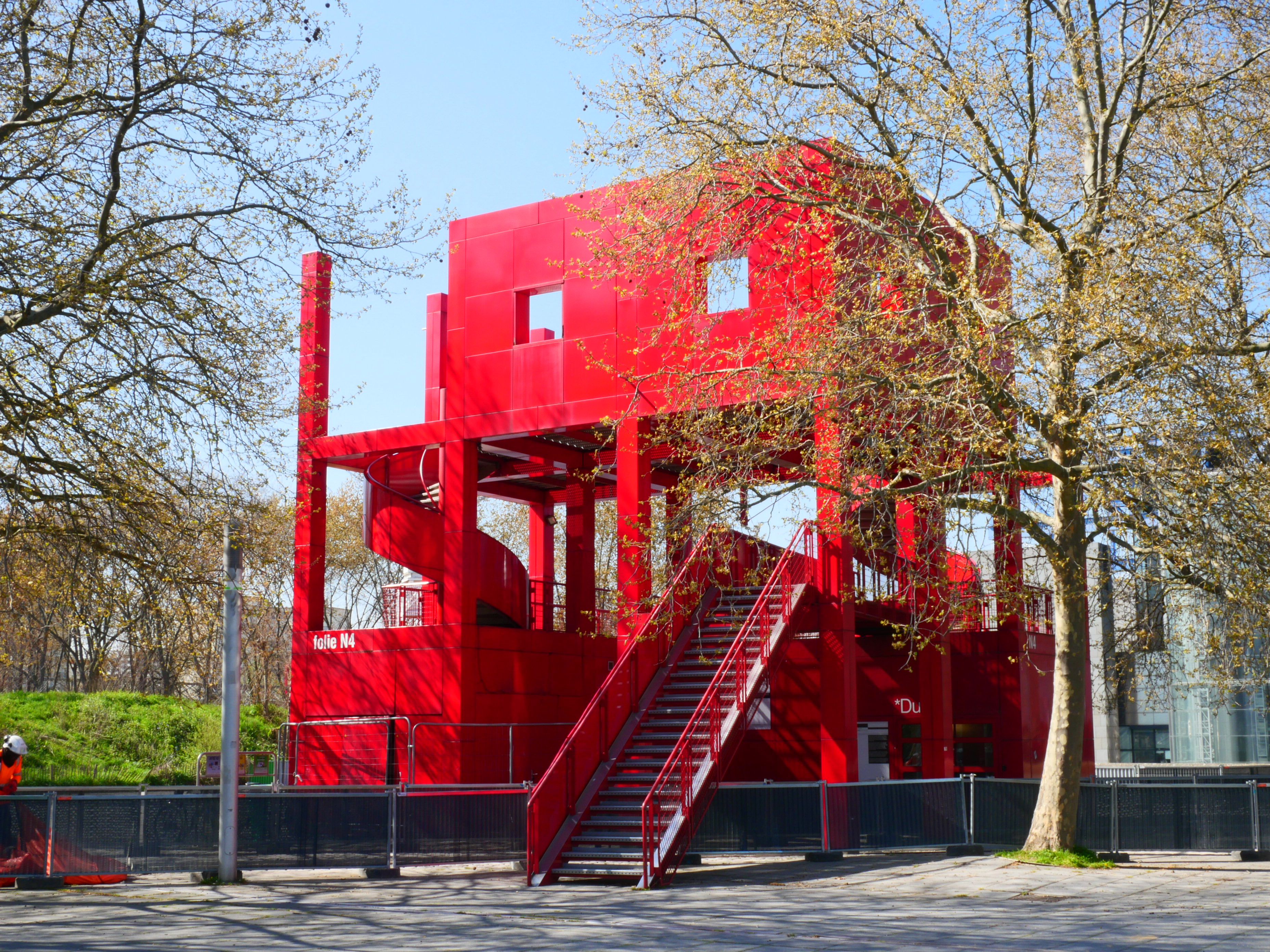
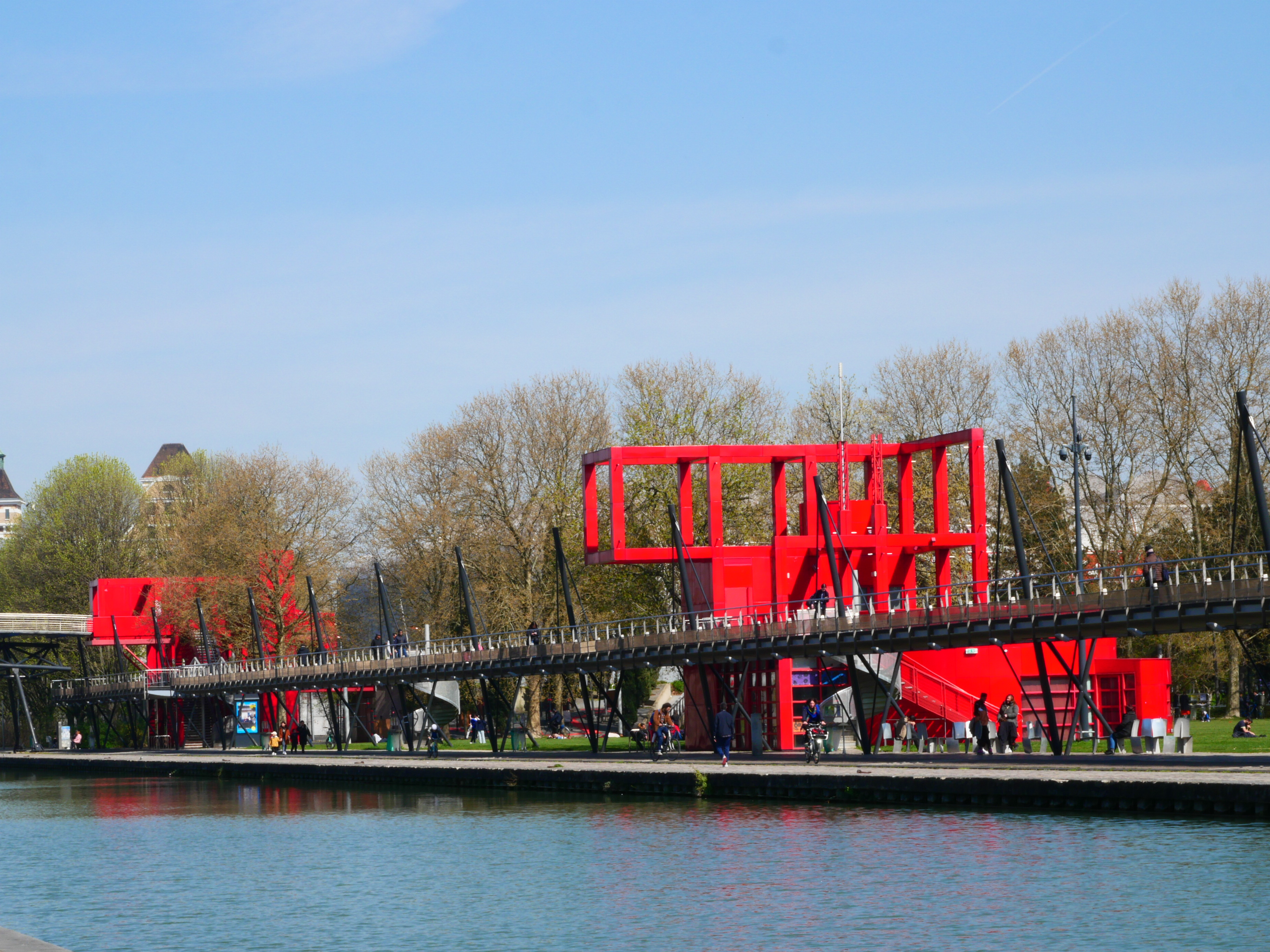
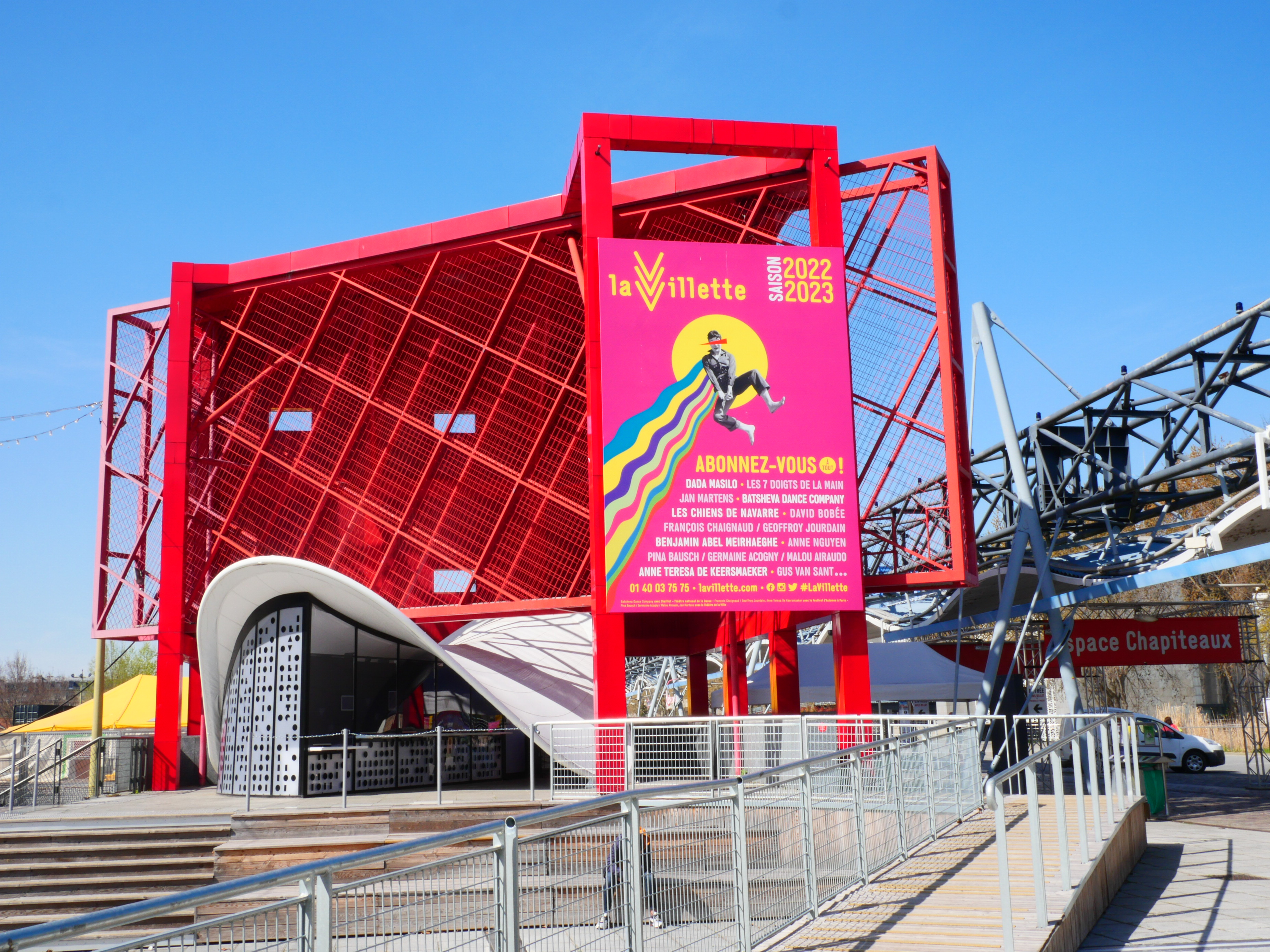
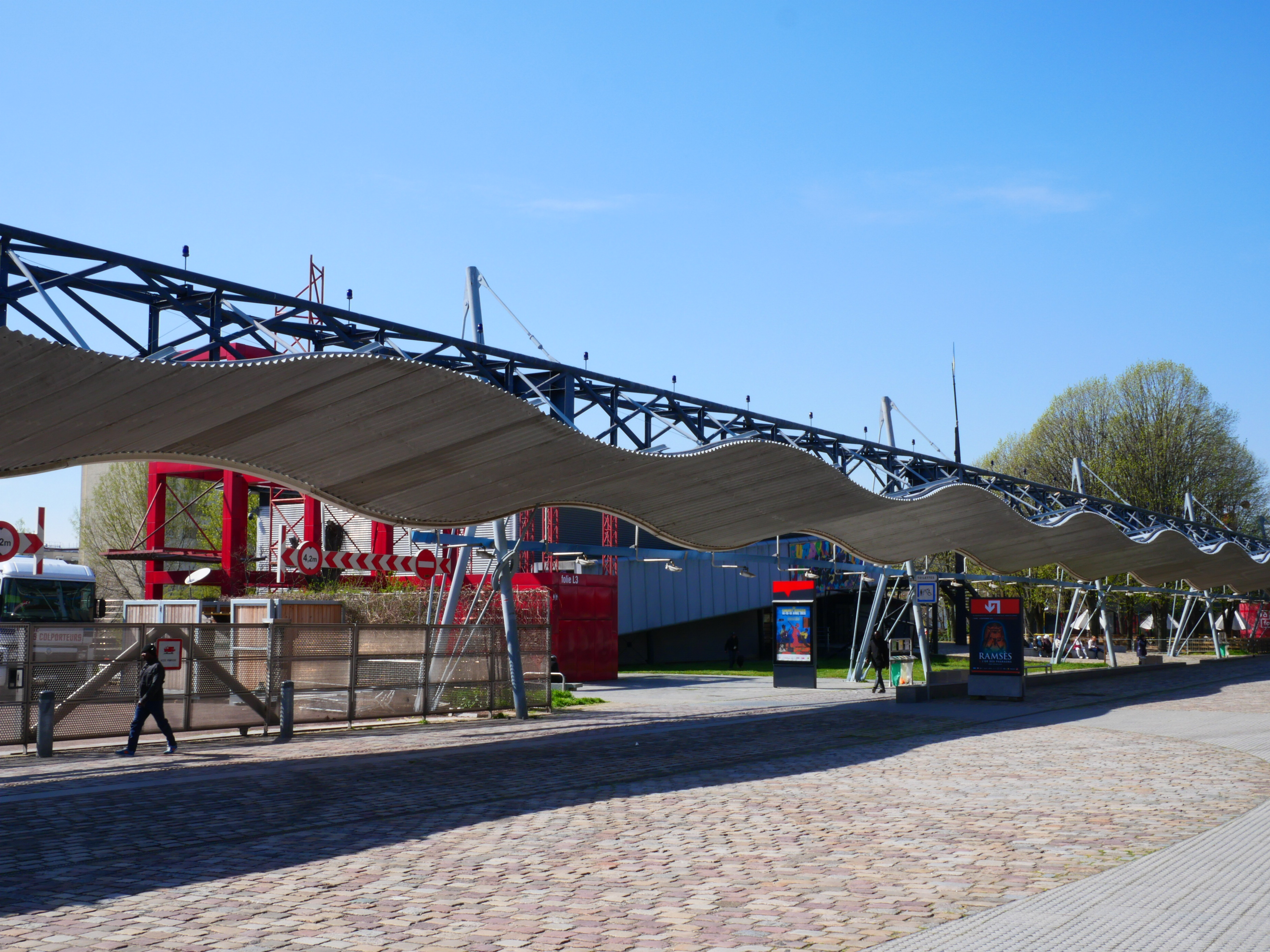
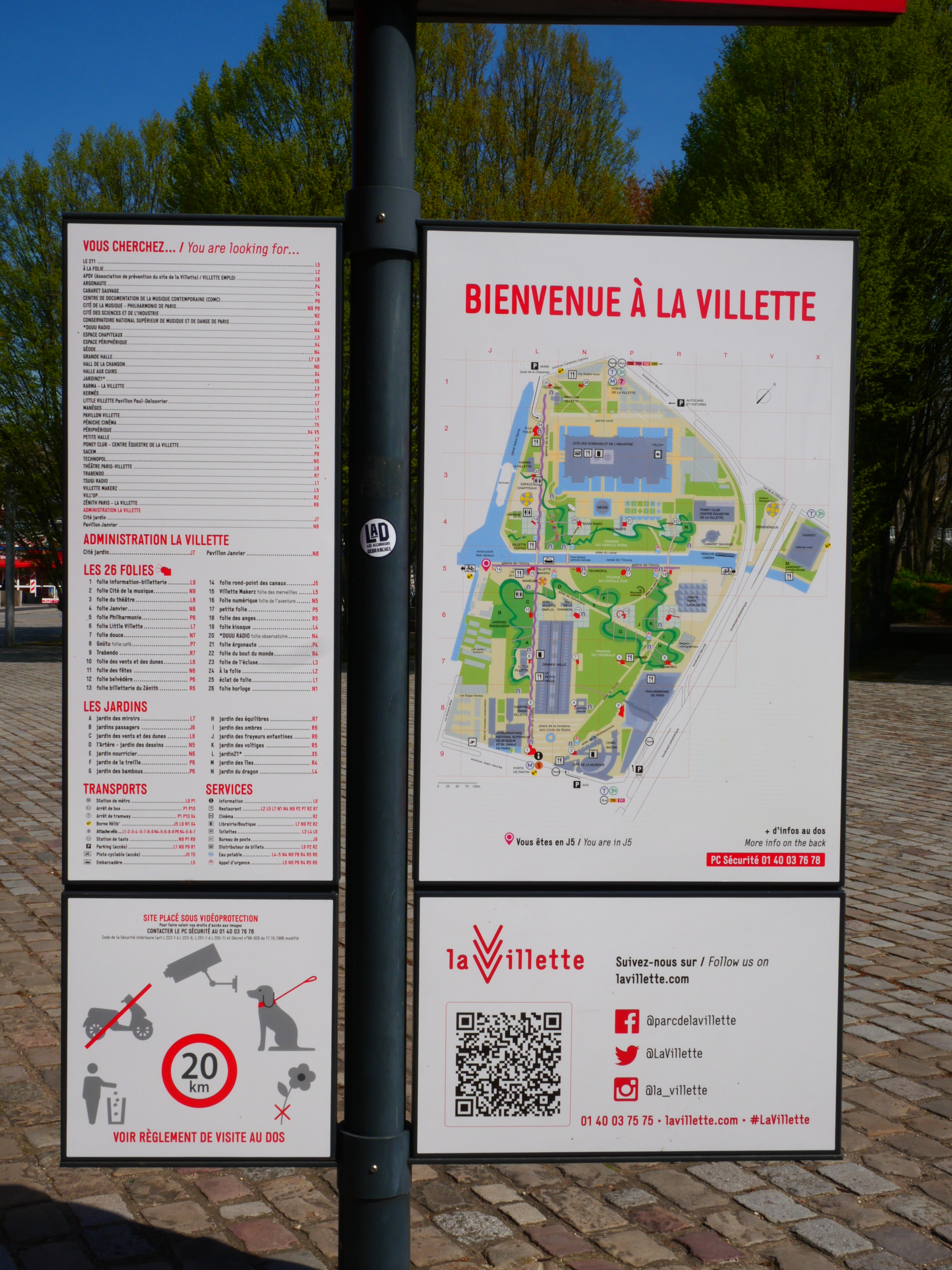
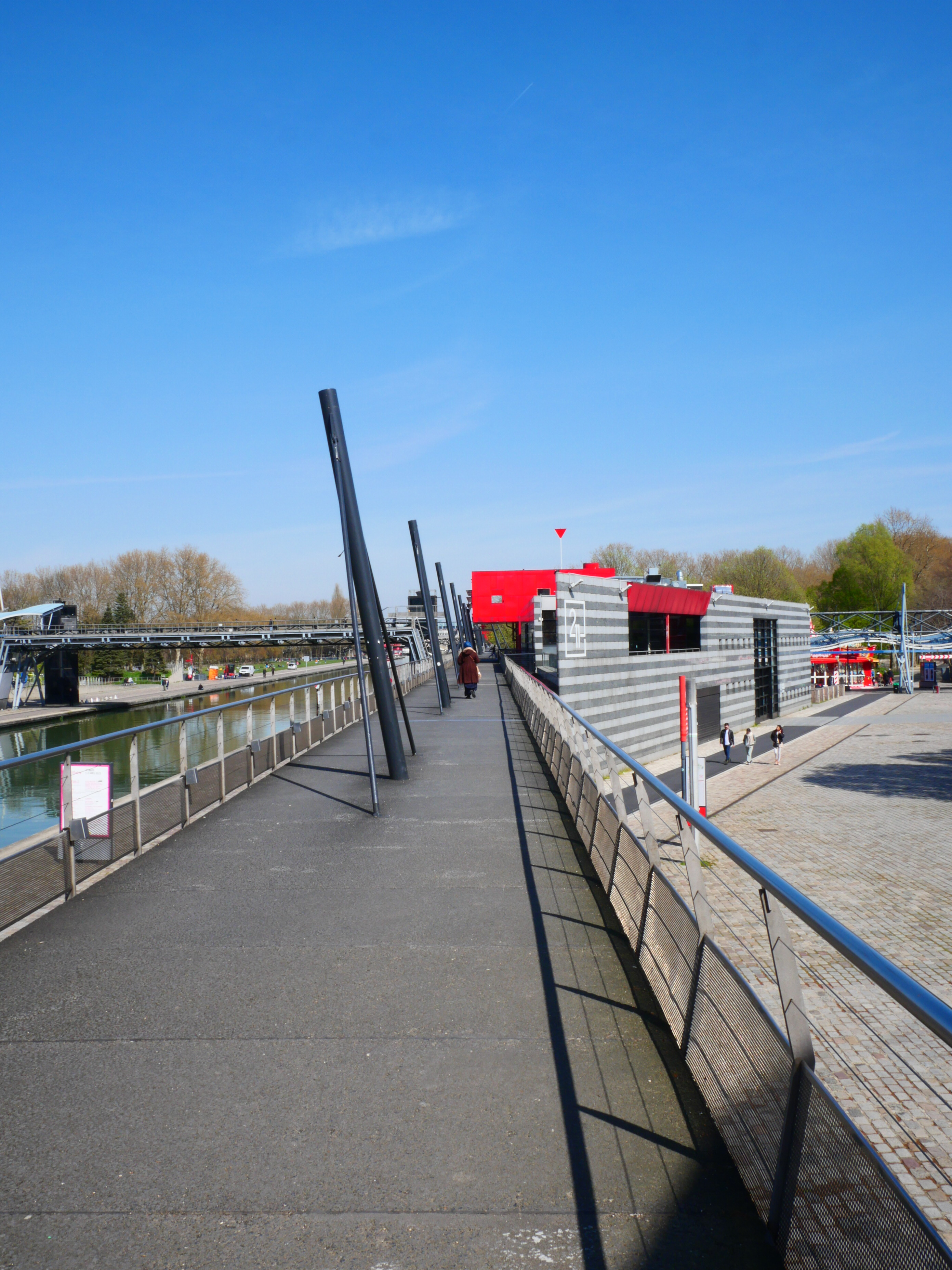
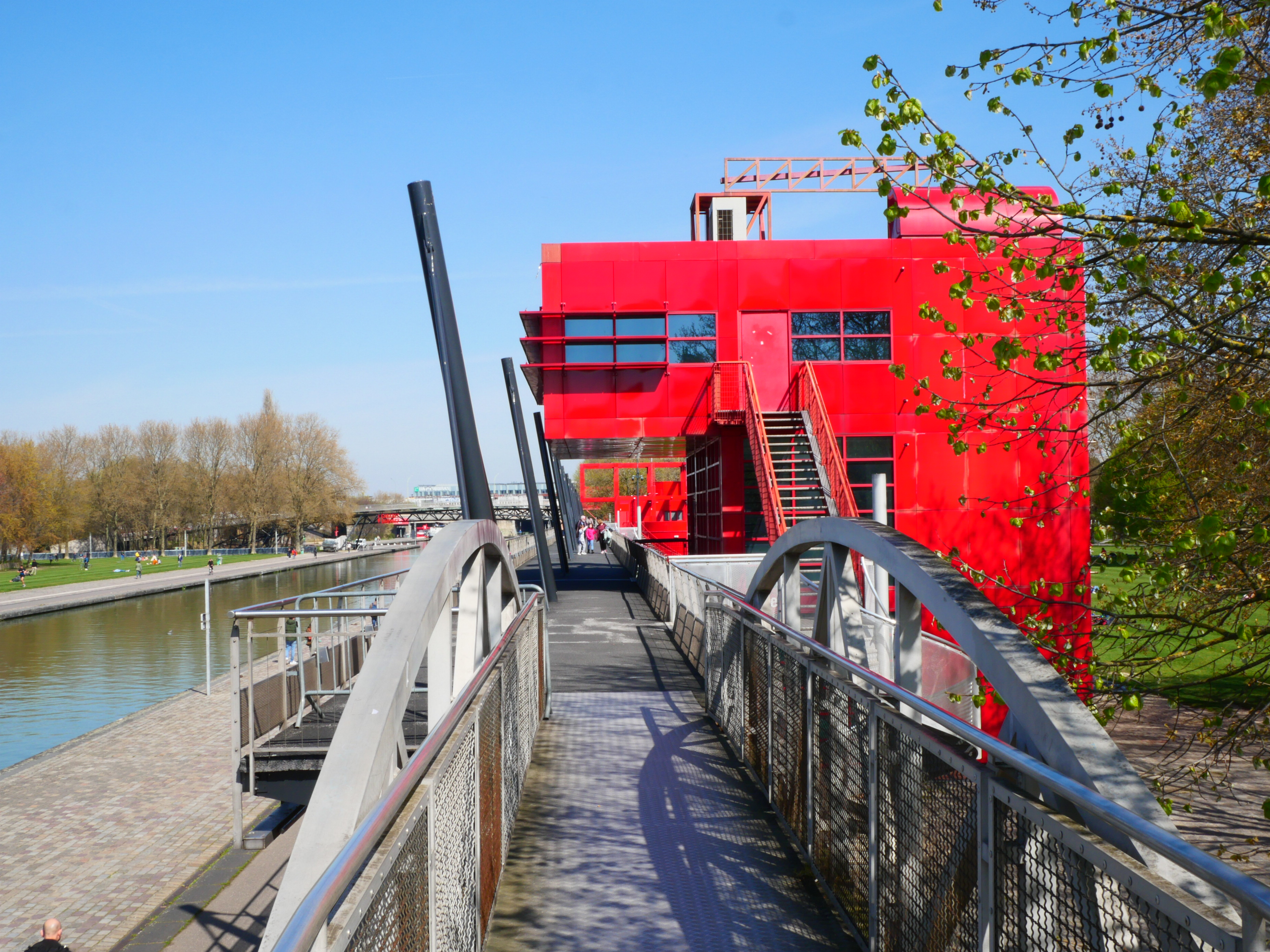
Today, along with generous outdoor play and recreation areas, La Vallette is the home to a number of large city cultural facilities including the Philharmonie of Paris, the Paris Equestrian Center, and the Museum of Science and Industry, a large high tech building with has an enormous reflective sphere and a submarine on display. The park also houses the Grande Halle de la Villette, an enormous 220,000 square foot glass and cast iron building which was constructed in 1865 as a slaughterhouse and meat market and which today serves as a venue for cultural events such as exhibitions and performances.
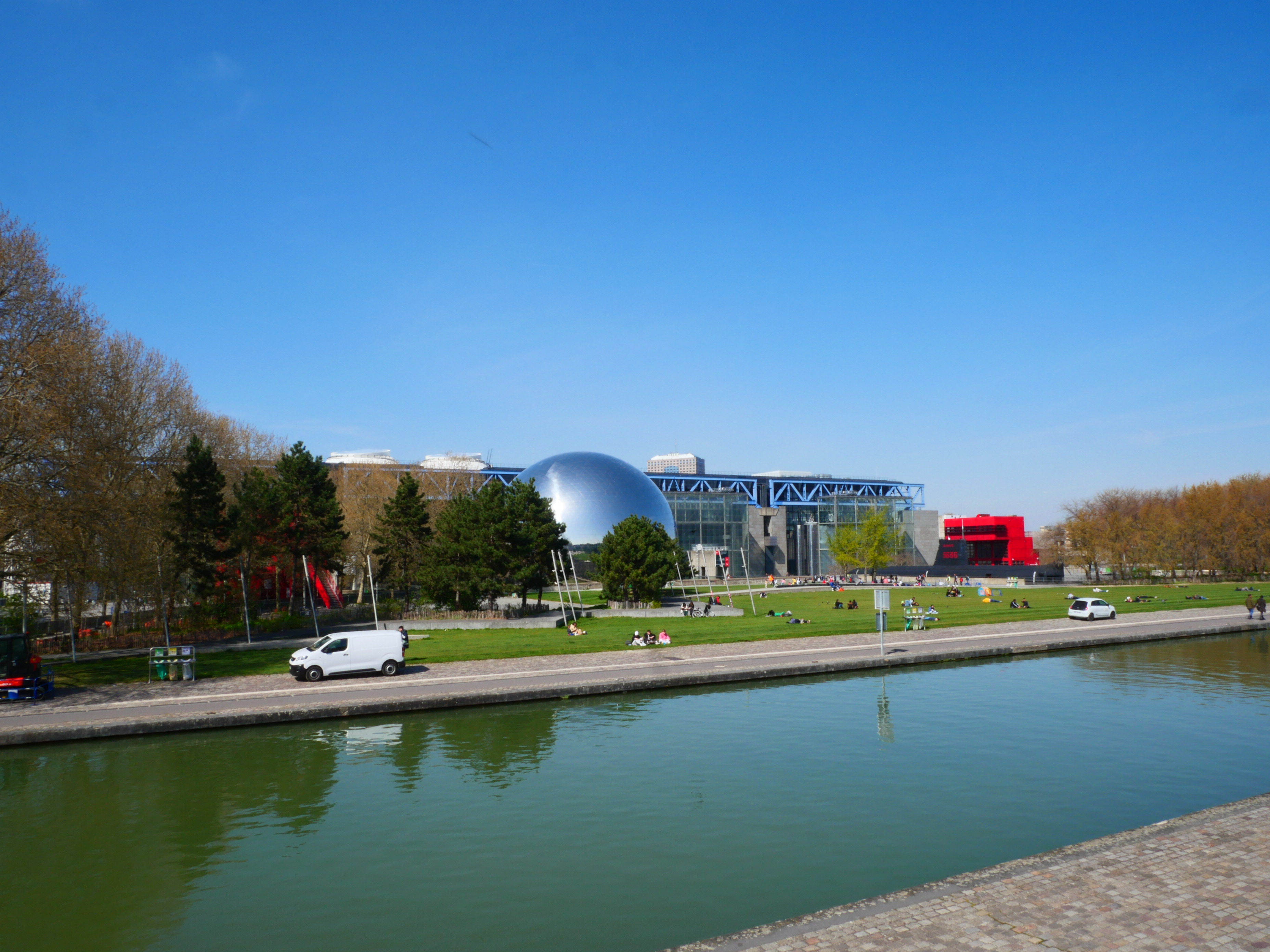
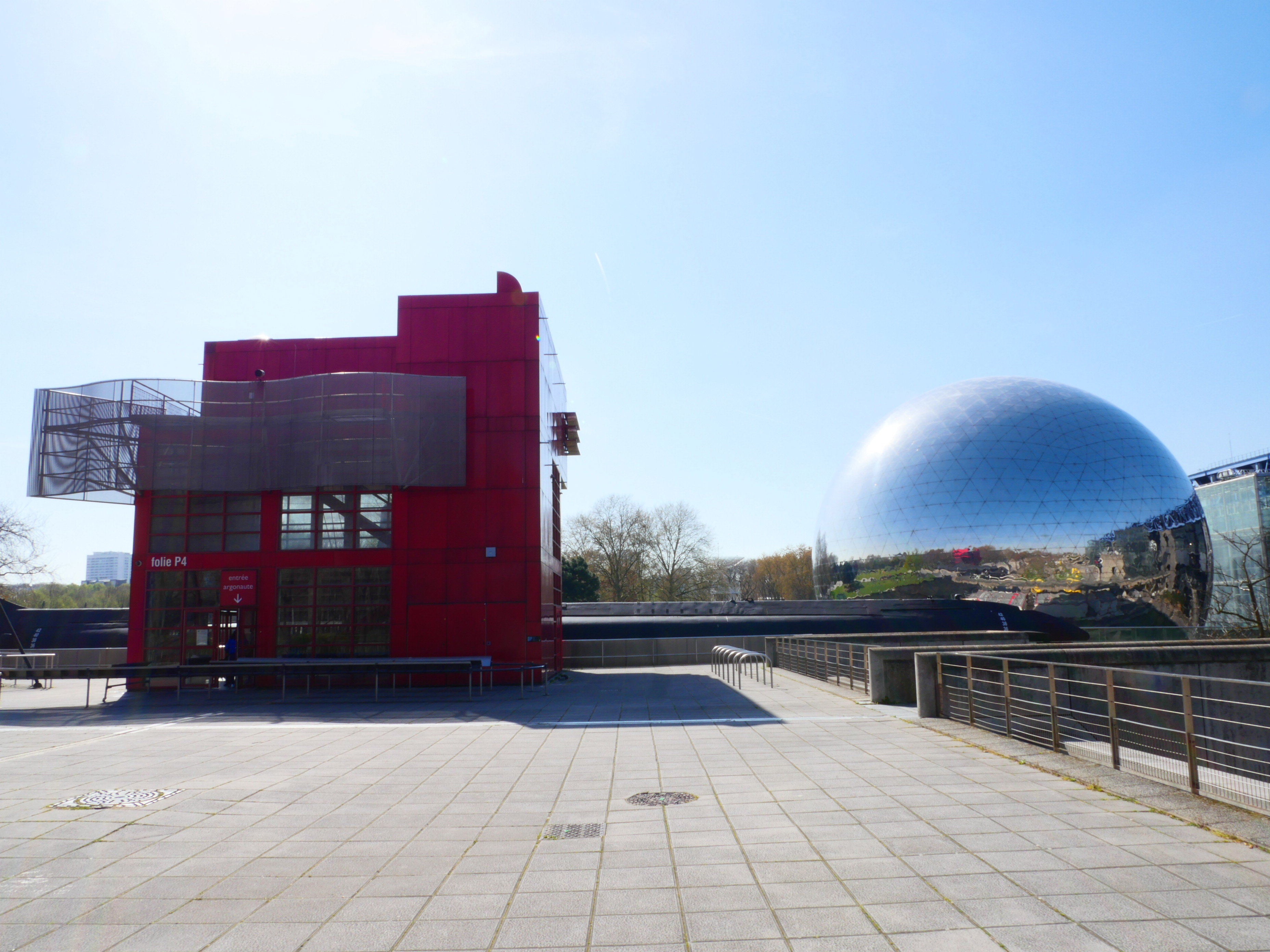
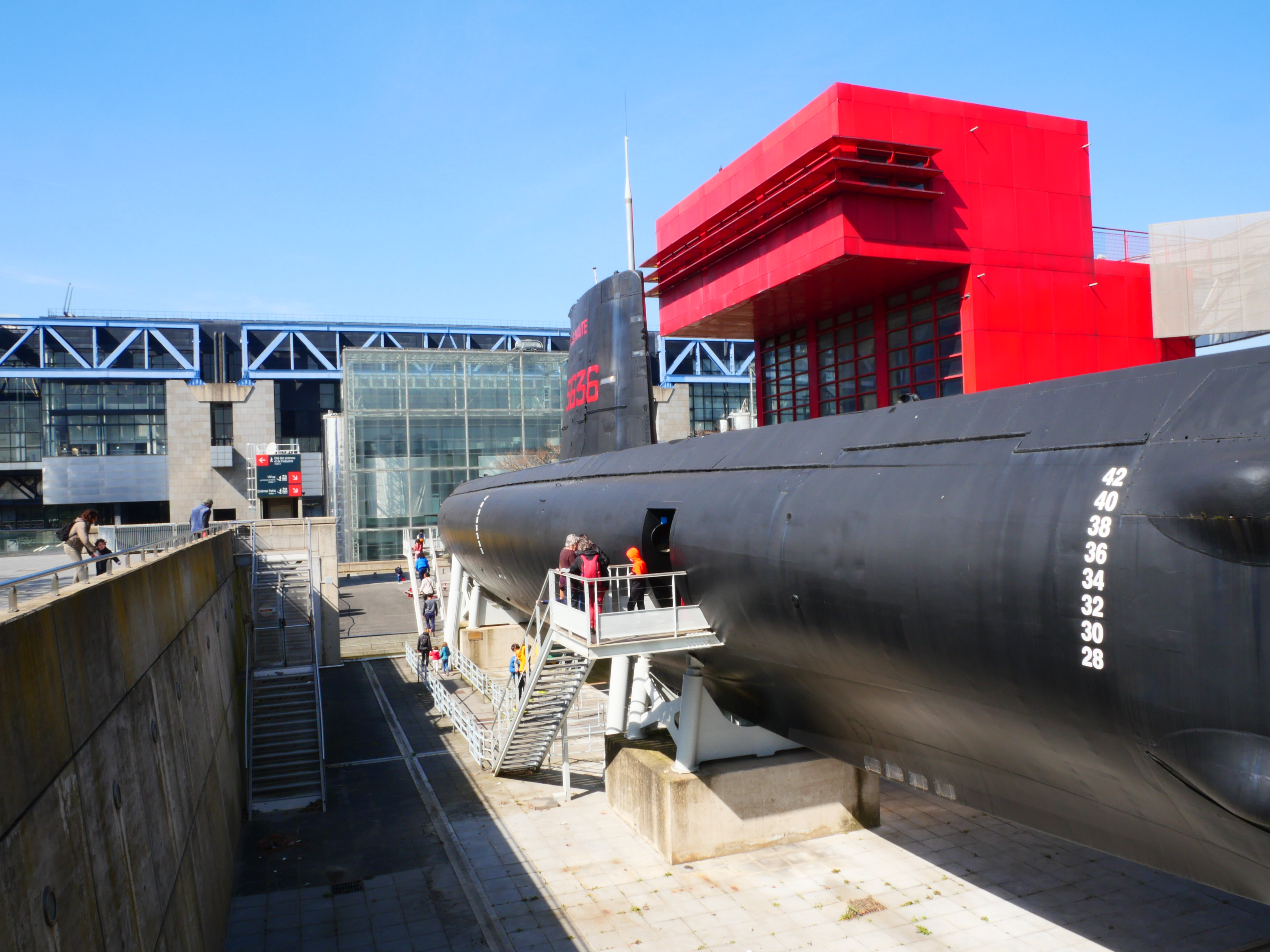
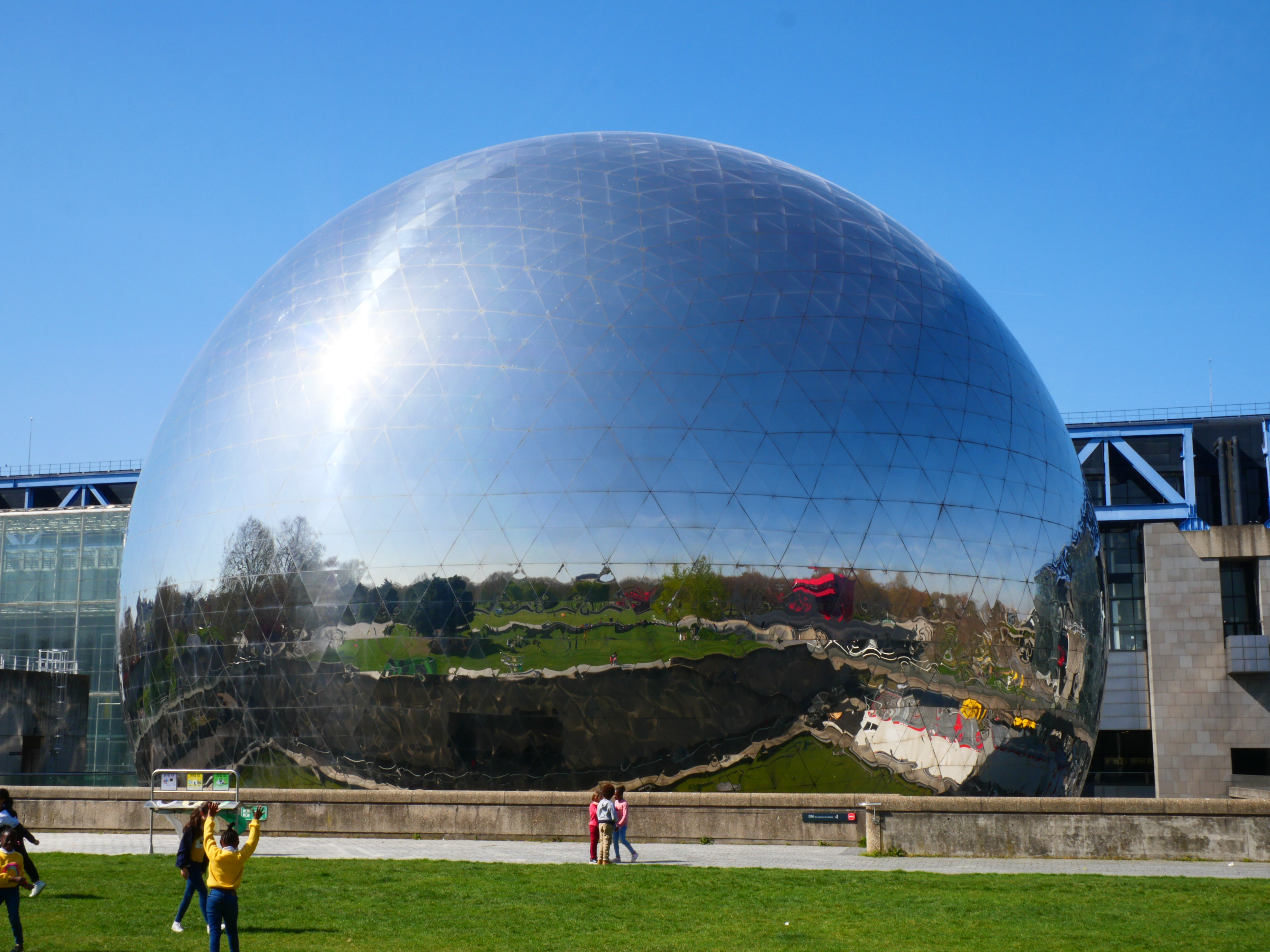
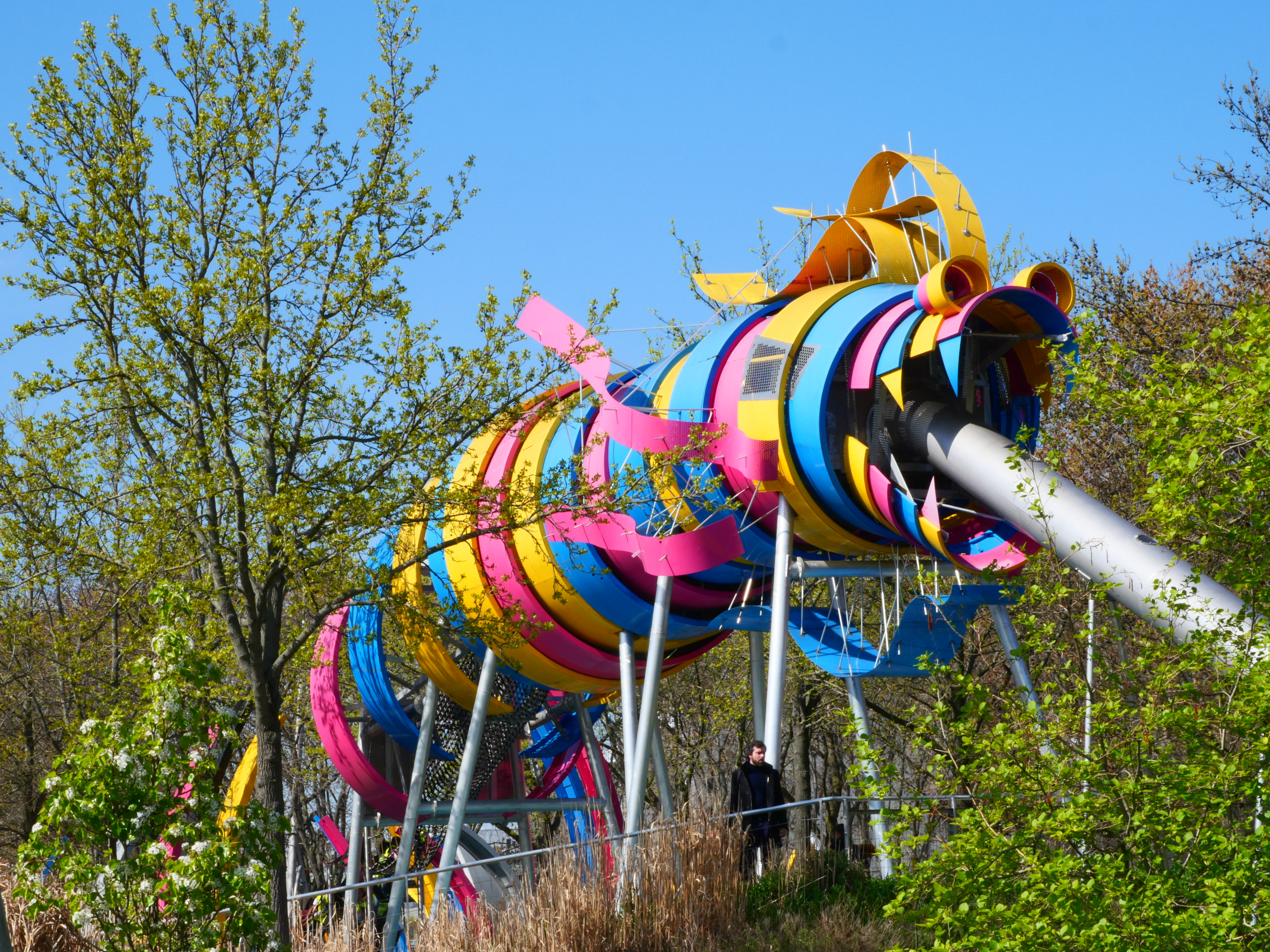
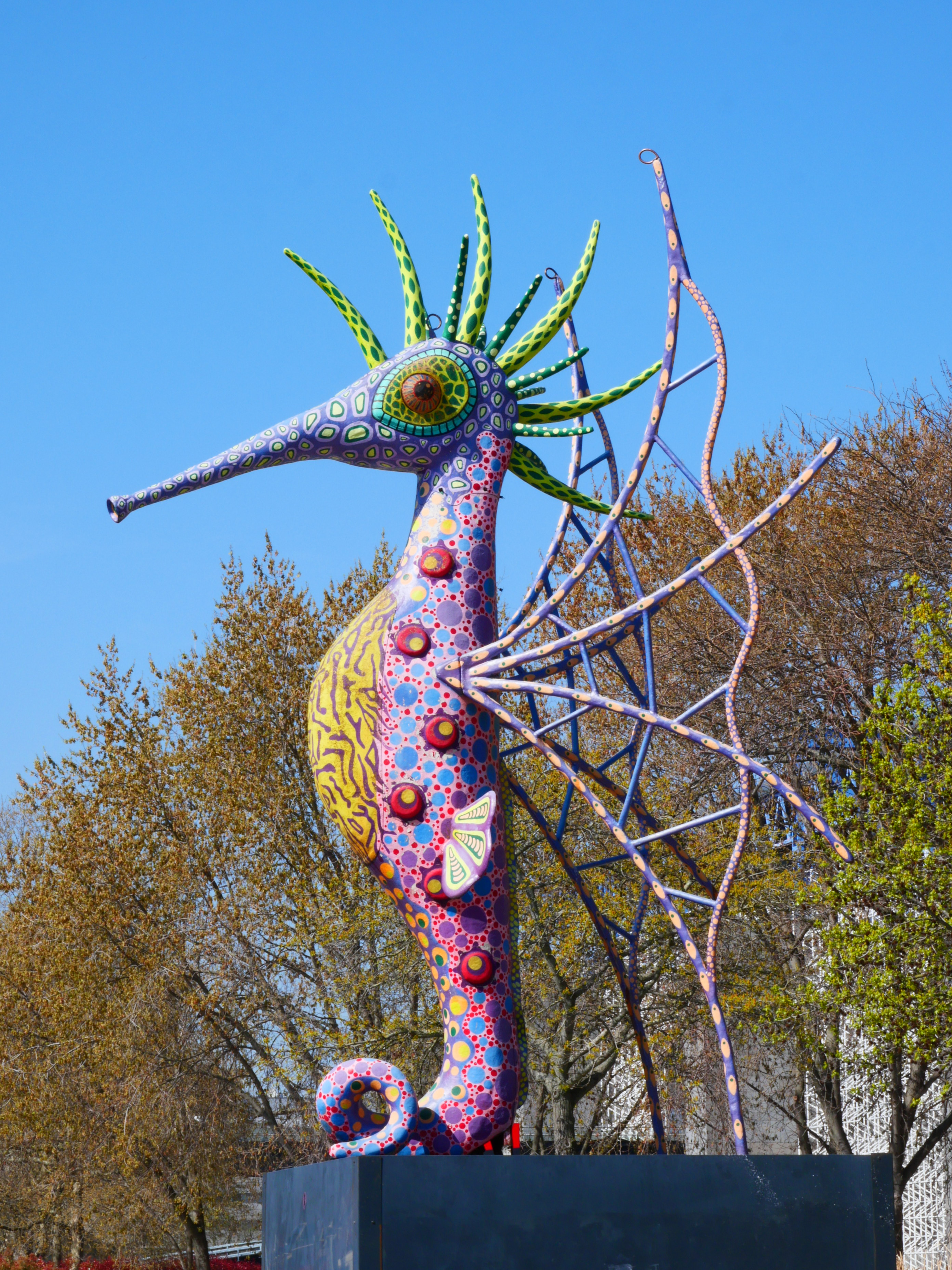
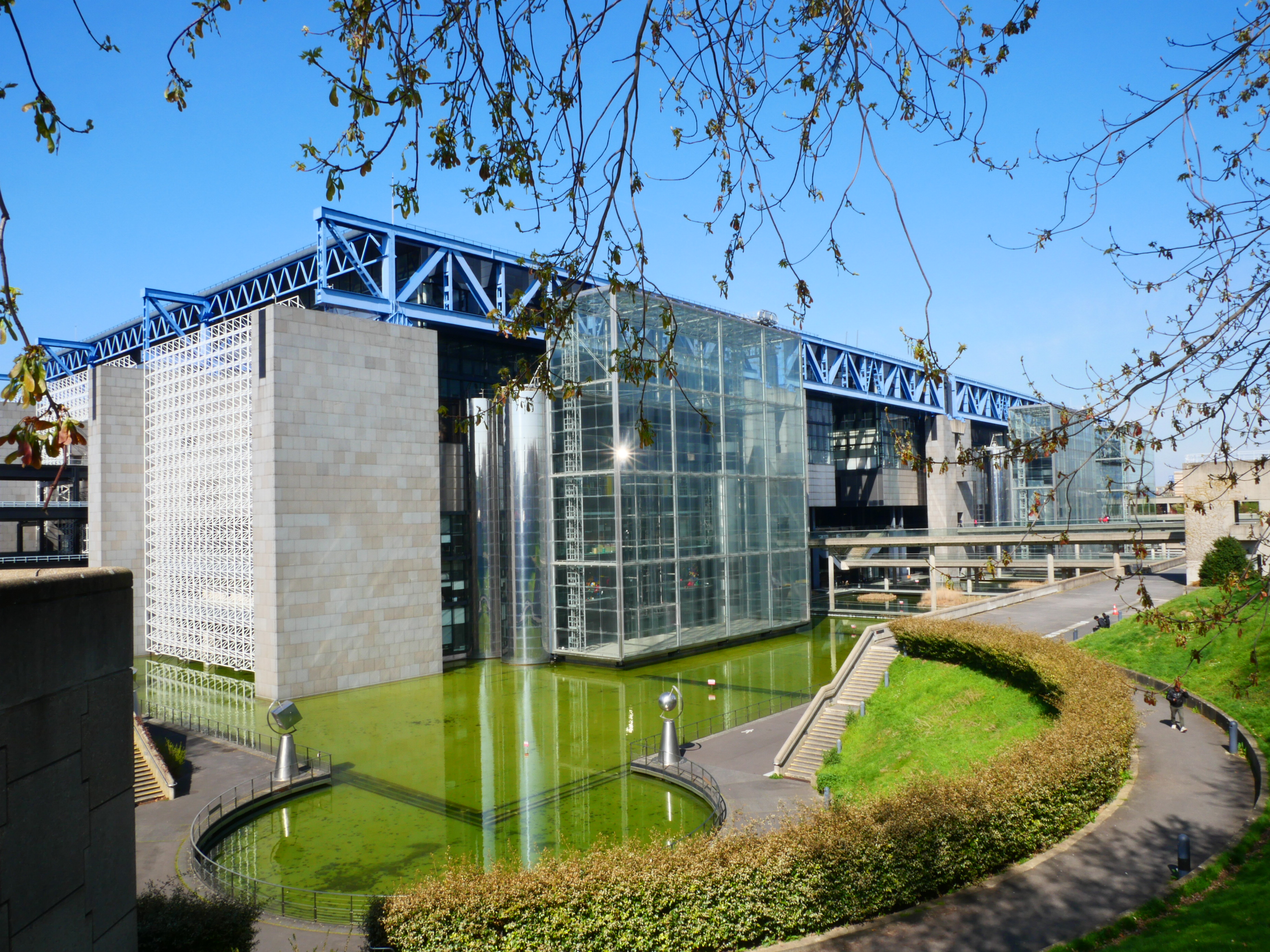
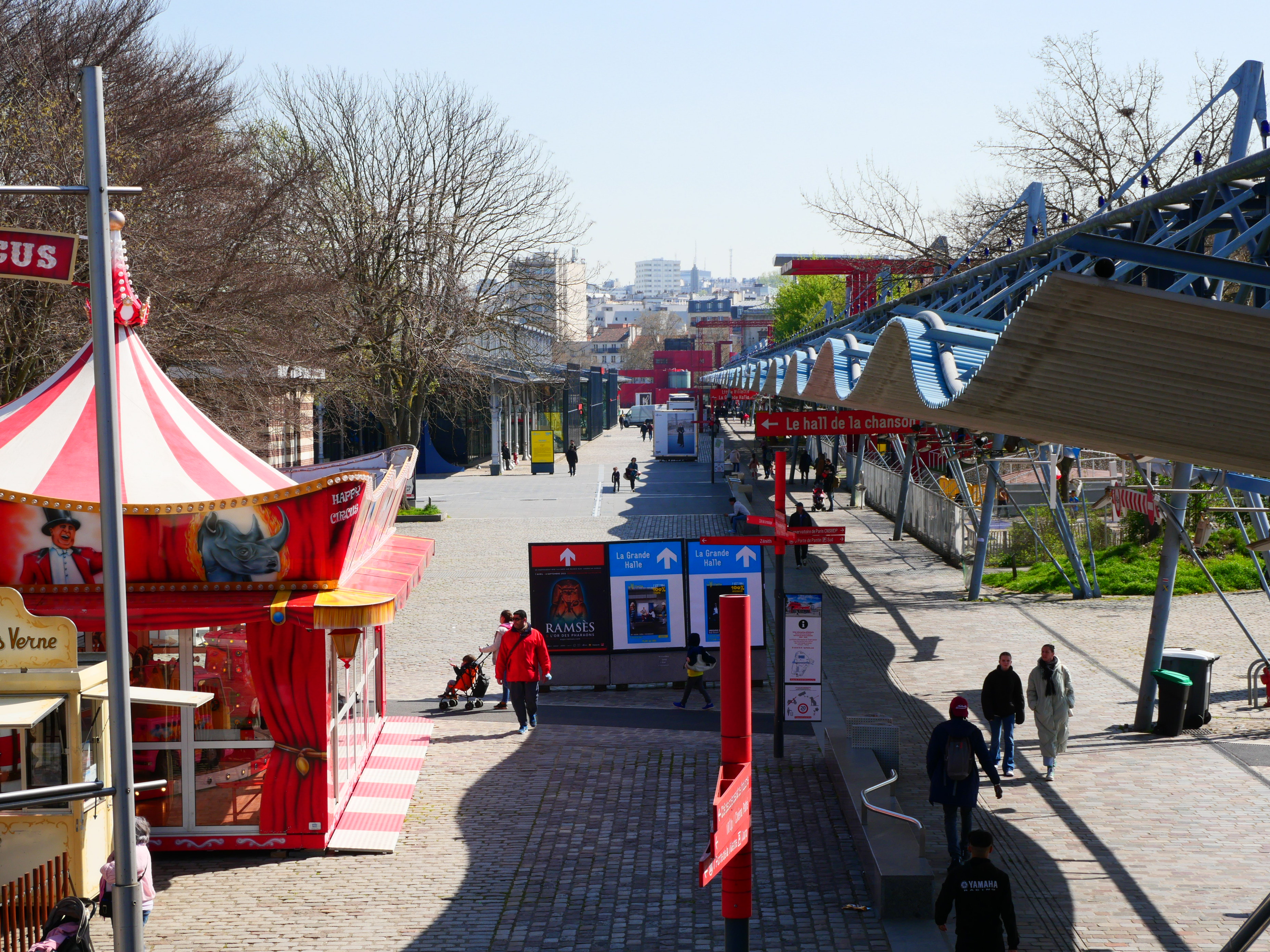
Even in the middle of a weekday and even with sunny but cool early spring weather, La Villette was bustling with all sorts of activities including lots of young people at play along with many walkers and people just relaxing in the sunshine. For Ritchard it was great to see a project which he idealized as a student built and successful (acknowledging that the continued financial commitment to its development were obviously key). As a further testament to La Villette’s success, when, near the end of our stay, Colleen was asked what she had seen in Paris that she liked best, La Villette was at the top of her list!
The Canals of Paris
While the Seine River is the waterway most often associated with Paris, it turns out that this city too has some remaining canals (this is getting to be recurring theme for us). Our route to La Villette took us along the longest of these – the Canal Saint Martin – which is 4.6 km long, although more than half of it is now covered with wide boulevards and public spaces constructed in the 19th century. The Canal Saint Martin connects the Seine River to the Canal l’Ourcq (which bisects Parc de La Villette and continues into the French countryside) via a wider waterway called La Bassin de la Villette. The Canal de Saint-Denis, which we walked along on our way home, runs along the southwest edge of La Villette (bottom right photo below).
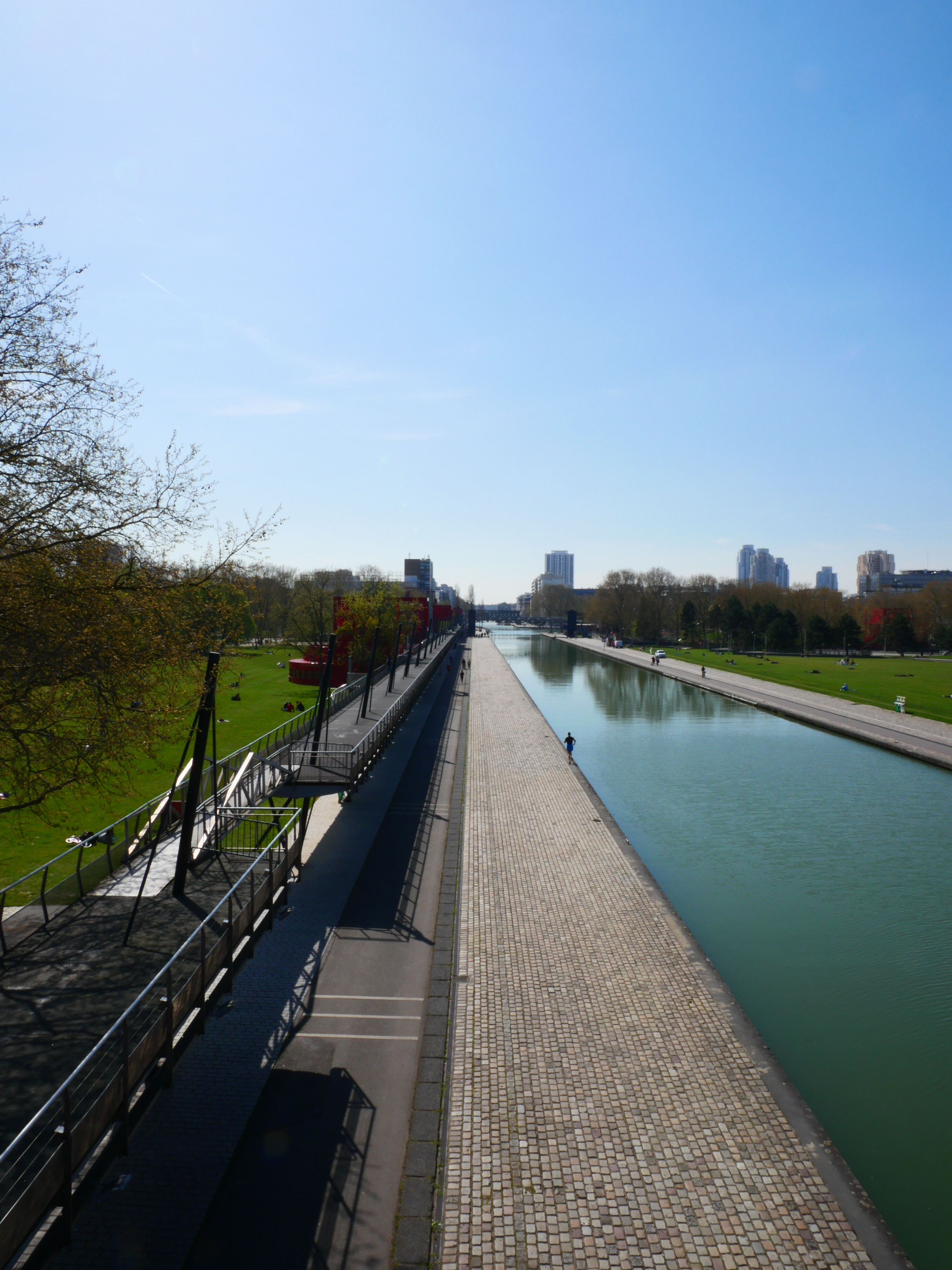
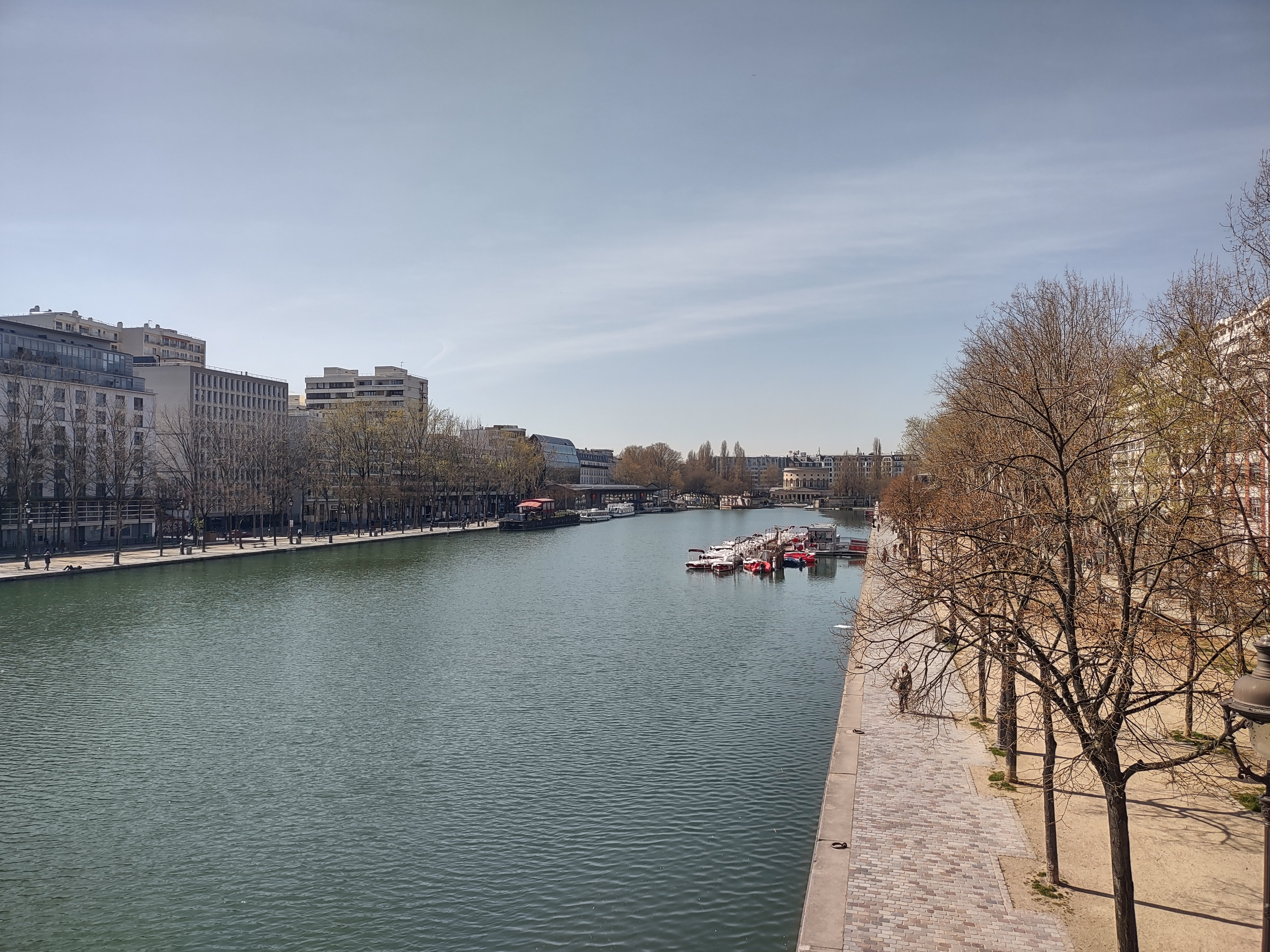
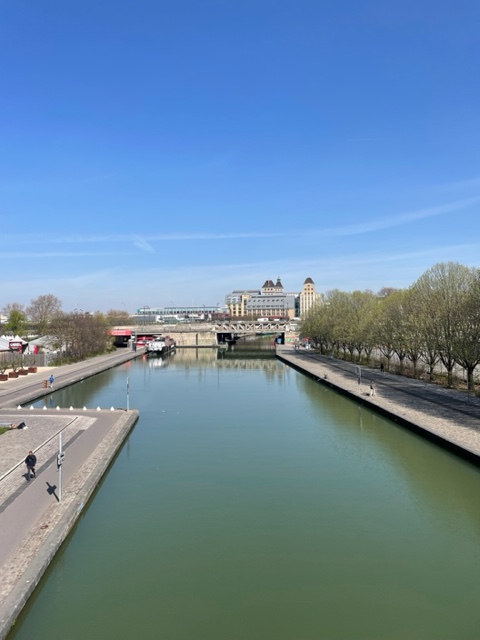
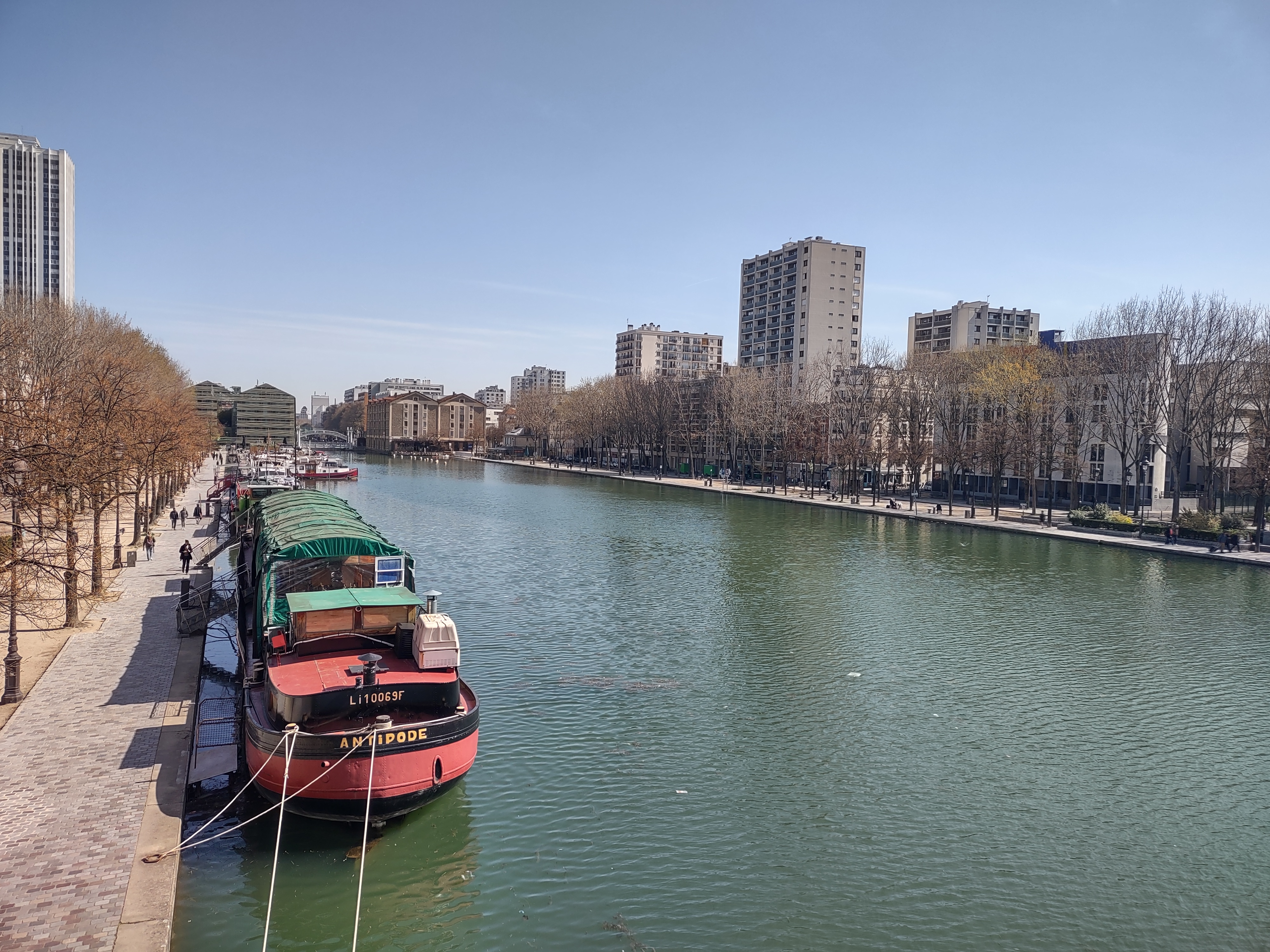
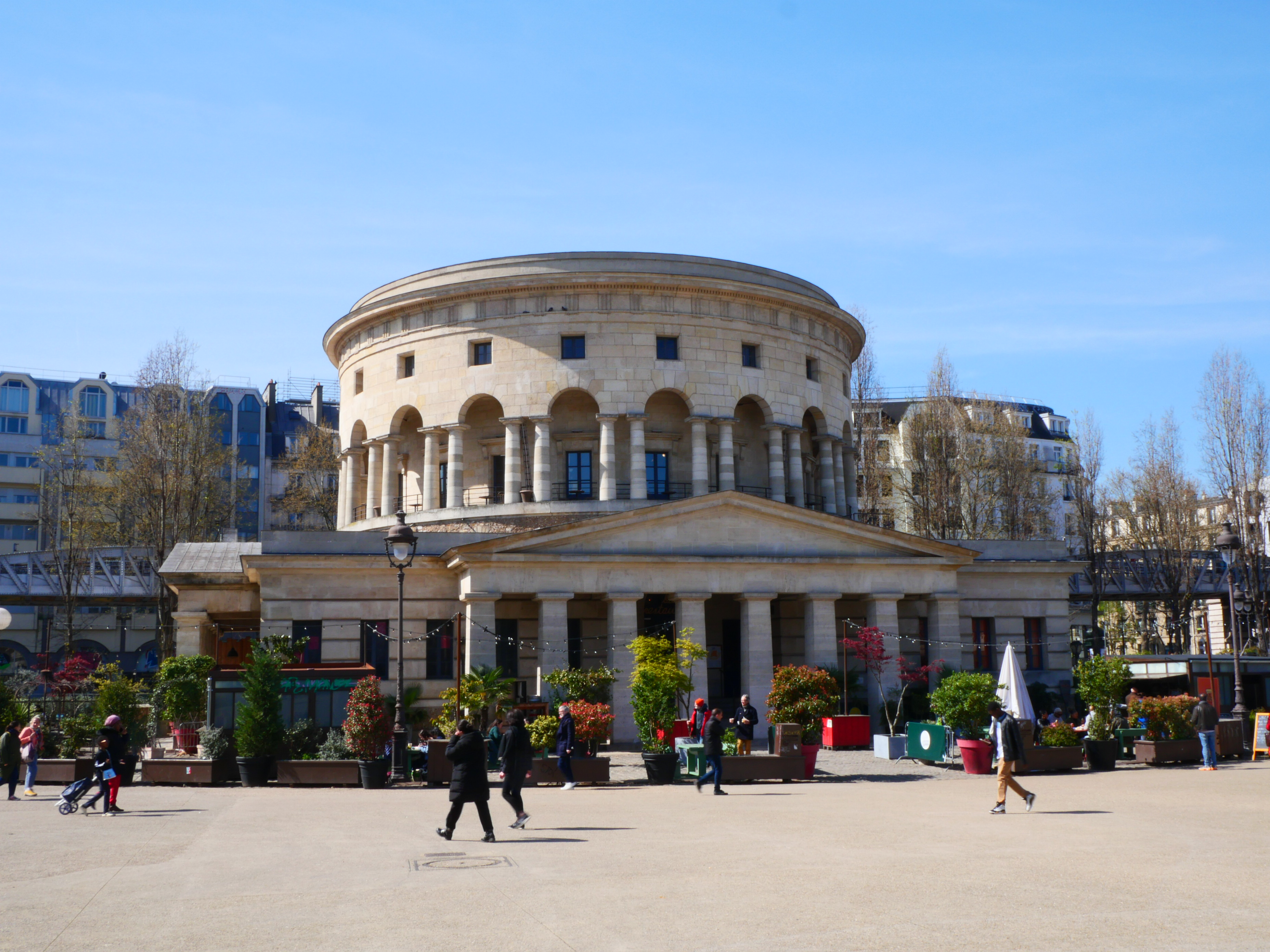
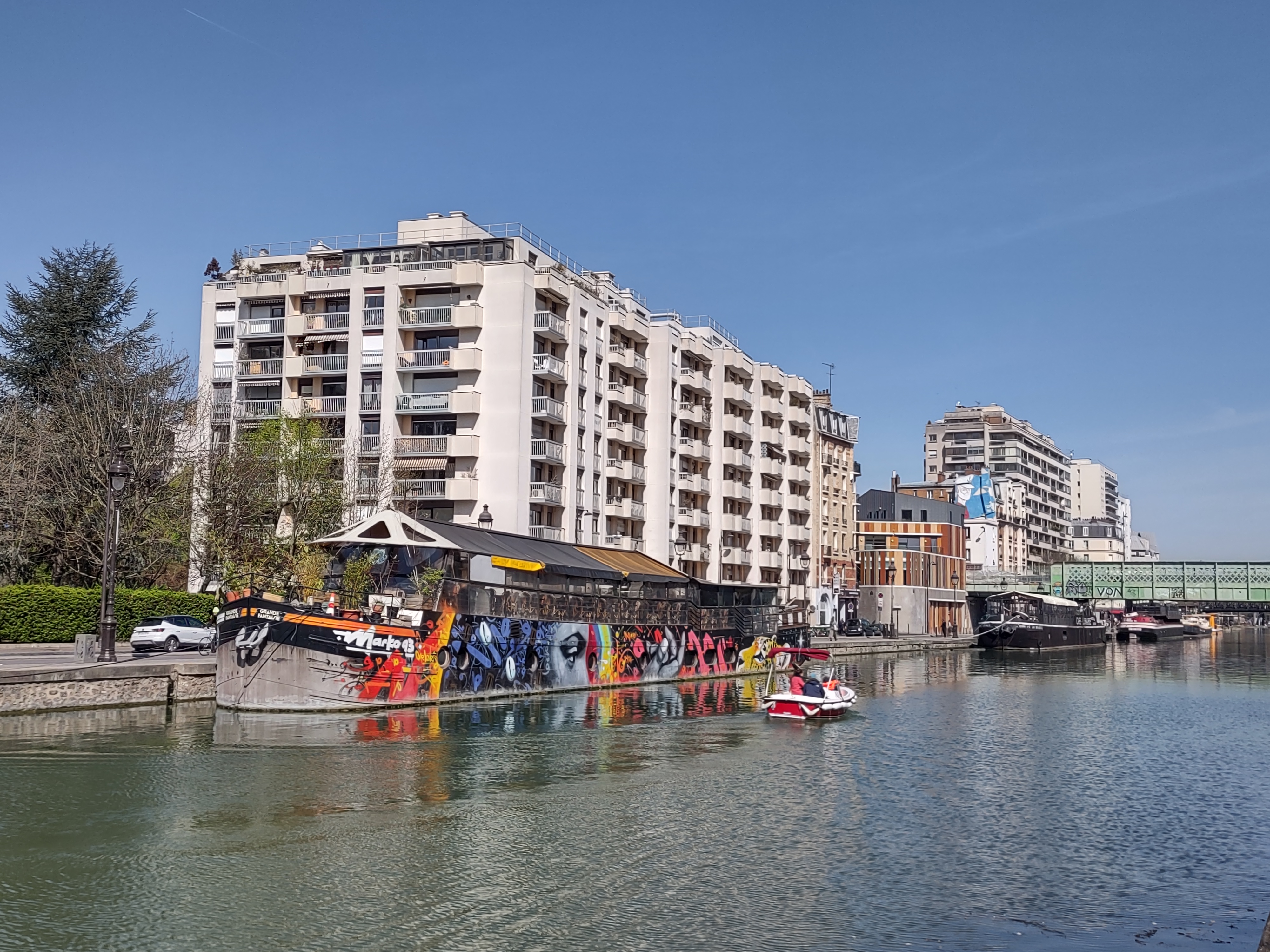
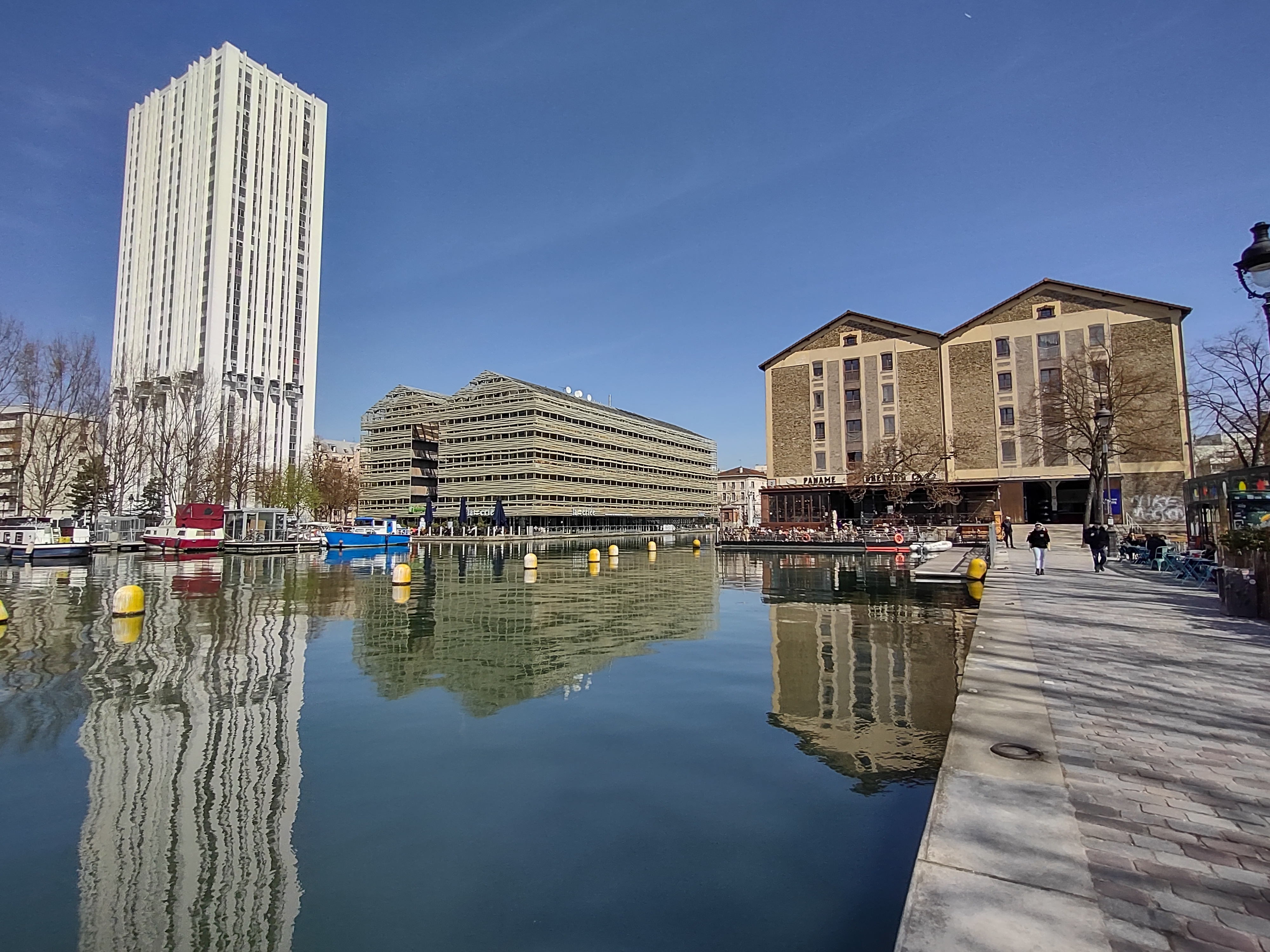
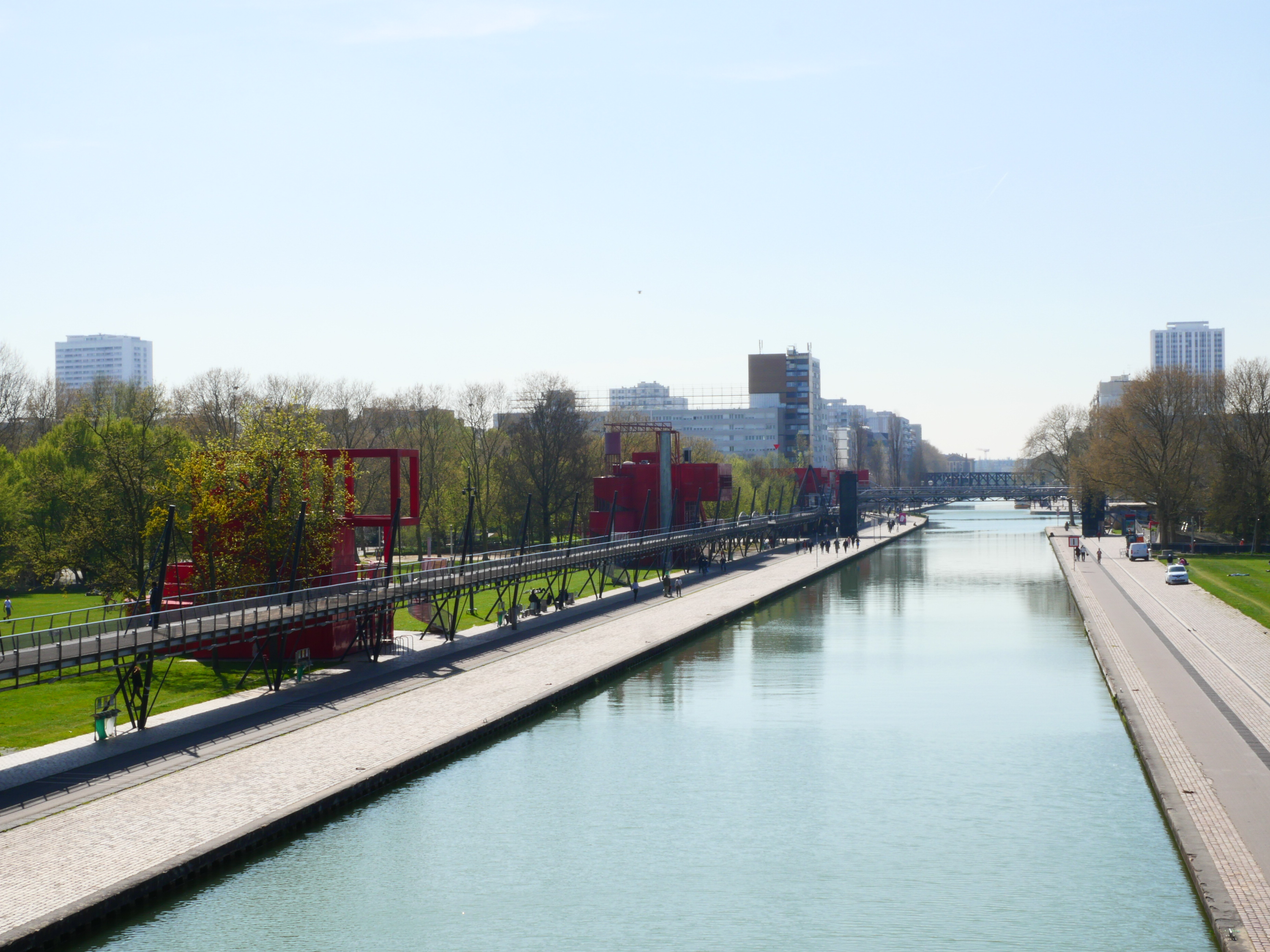
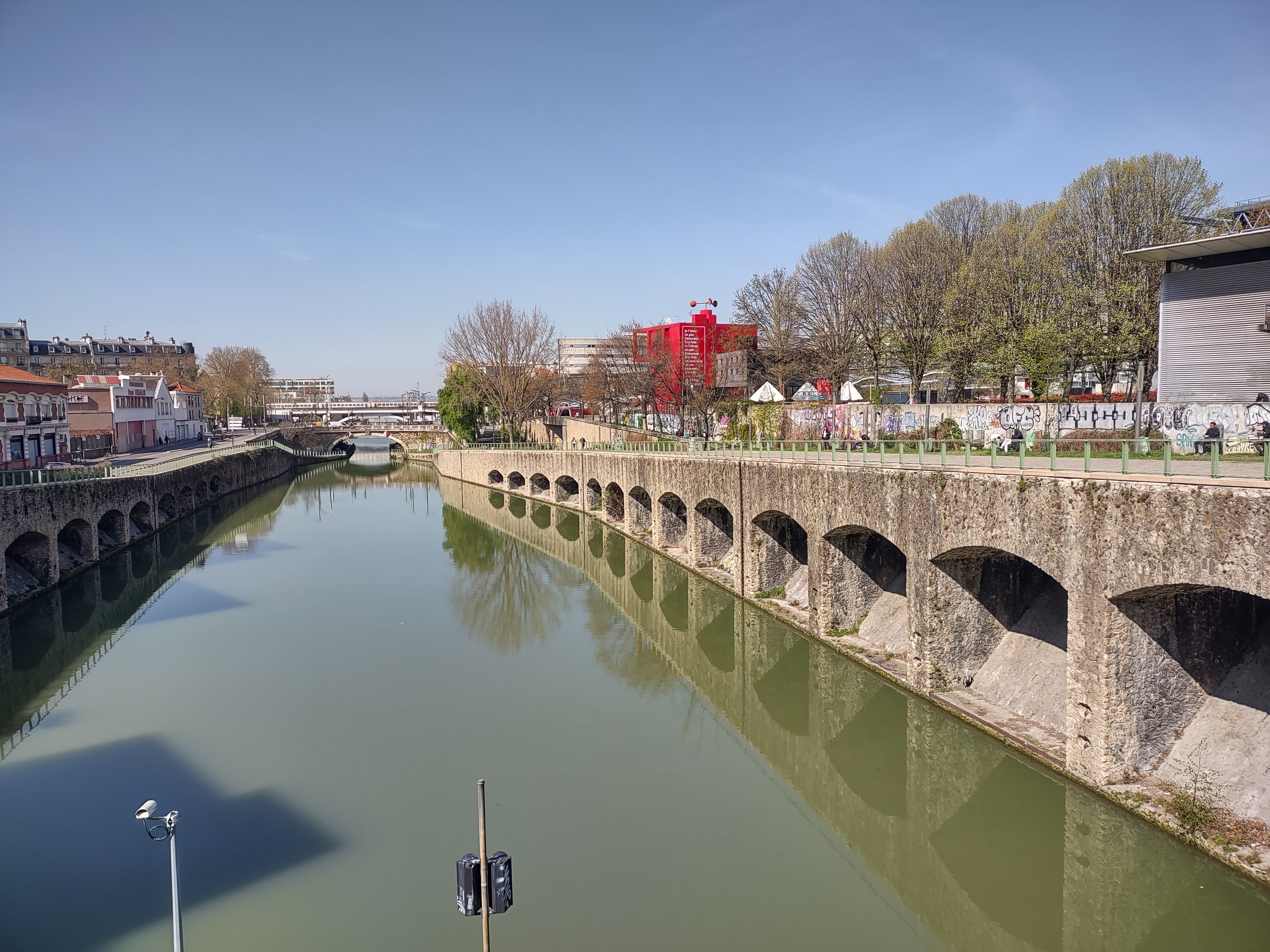
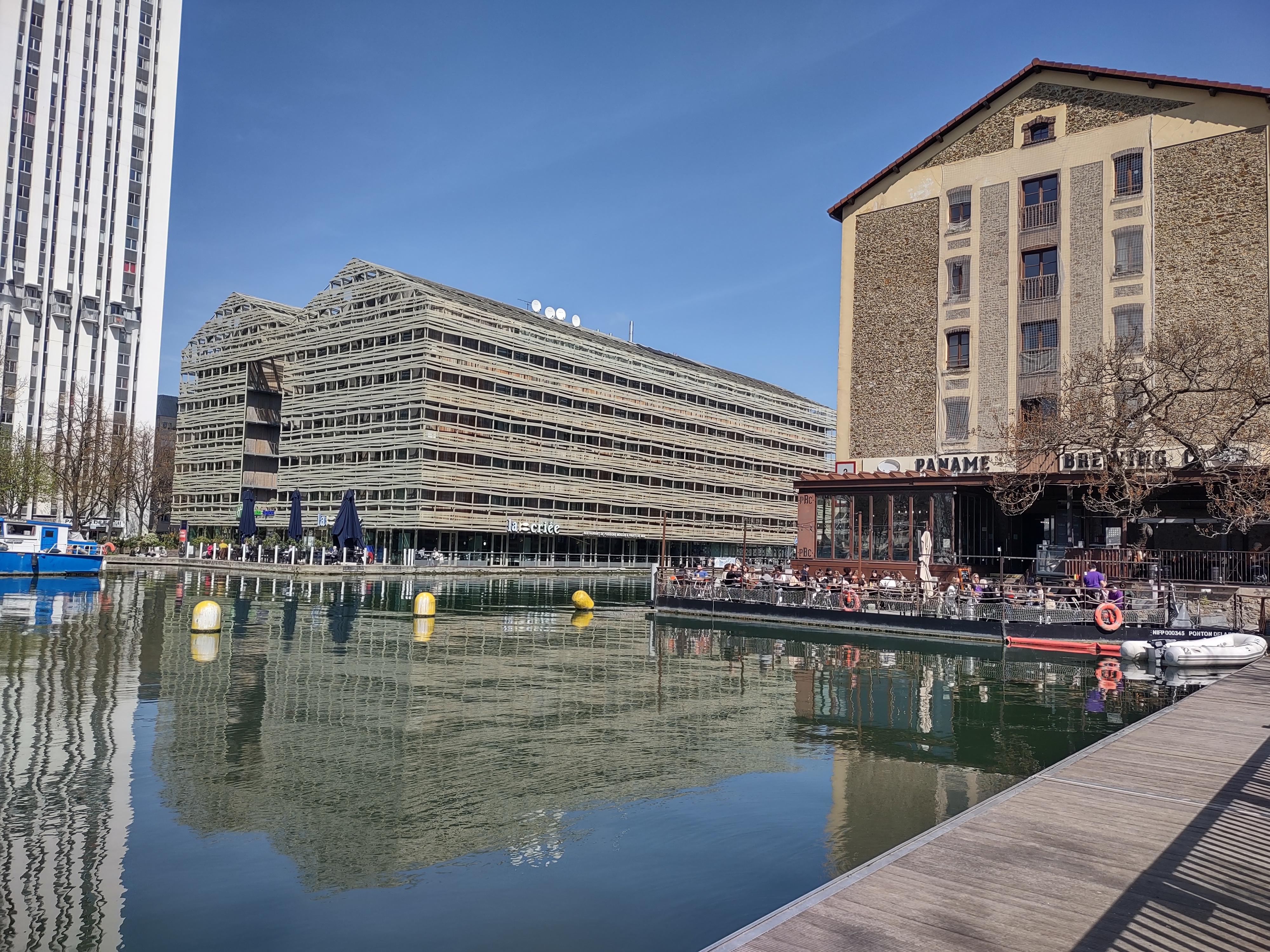
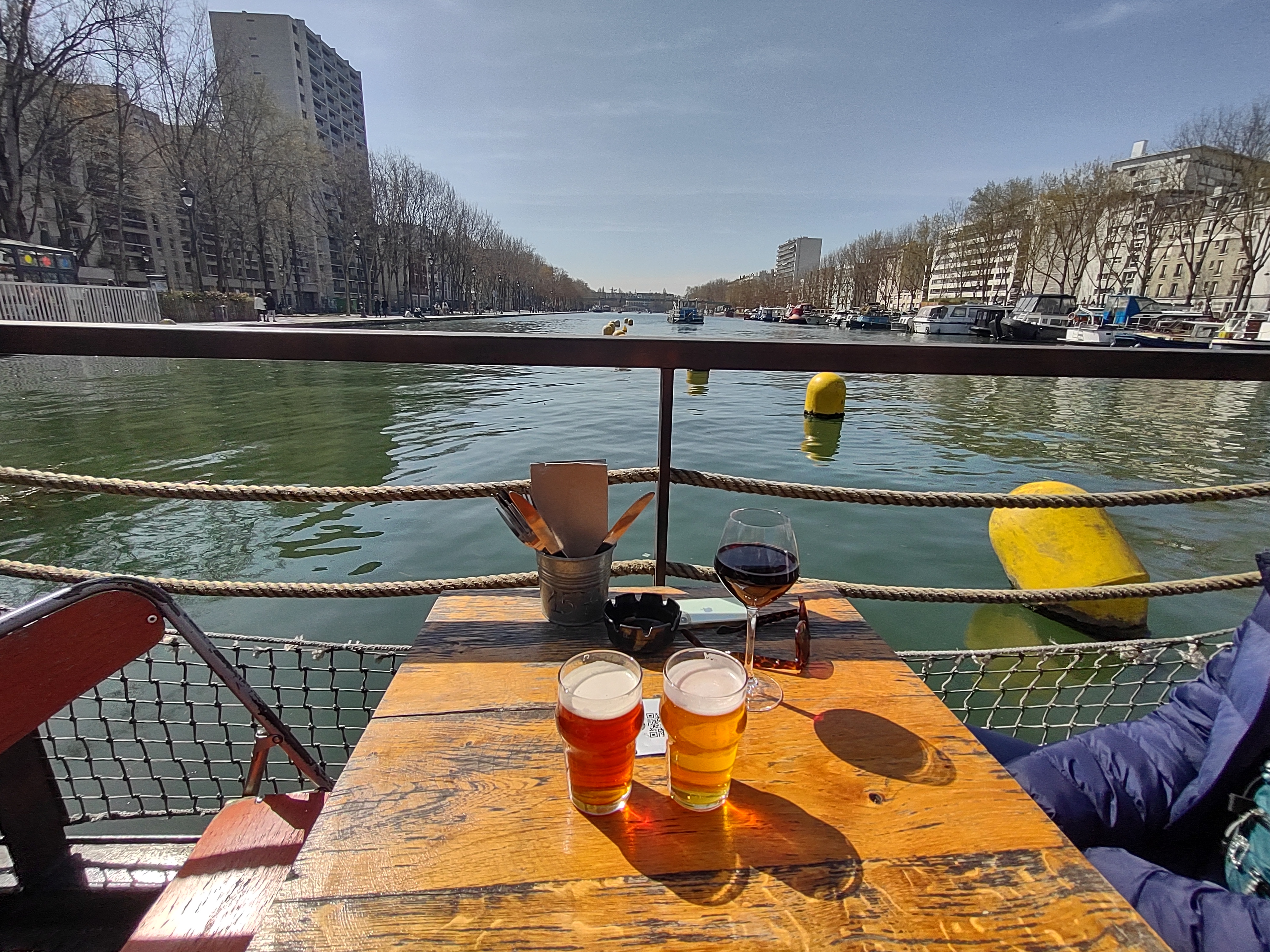
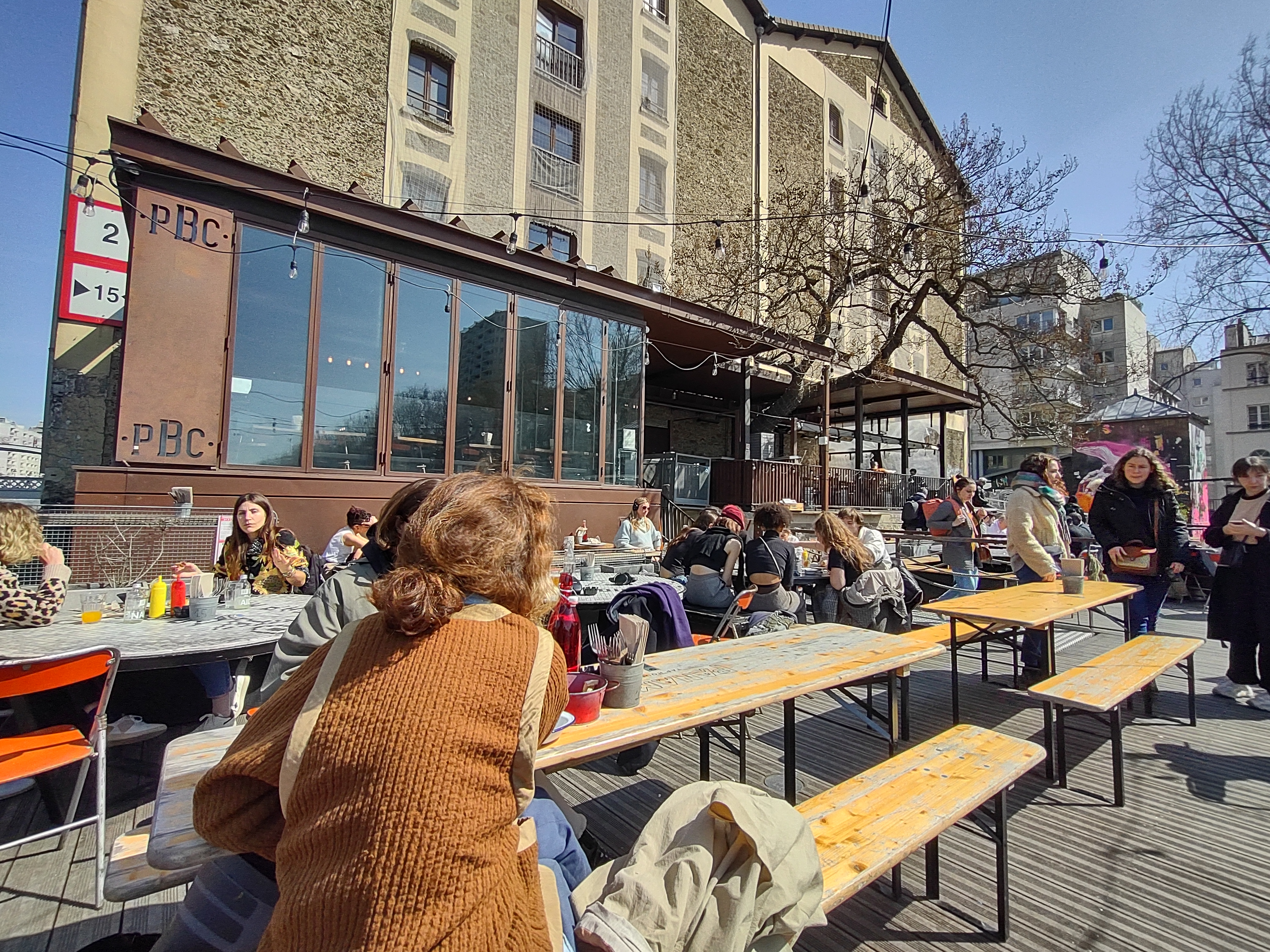
Like so many of the other canals we have seen, La Bassin de la Villette is a great place to stroll. At its southwestern end is the Place de la Baraille de Stalingrad, a memorial to French soldiers who died in the Battle of Stalingrad (Roman looking structure with dome above). The basin has wide greenways on each side with apartment and office buildings spaced between a variety of businesses, shops, and restaurants, including a cinema. There is a bridge at its midpoint which provides some great views up and down the basin and, as luck would have it, there is a great brew pub at its northeastern end, the Paname Brewing Company. We stopped there on our way to La Villette and had a great international lunch (tacos and croquettes!) along with some very good local beer on their floating outdoor dining area.
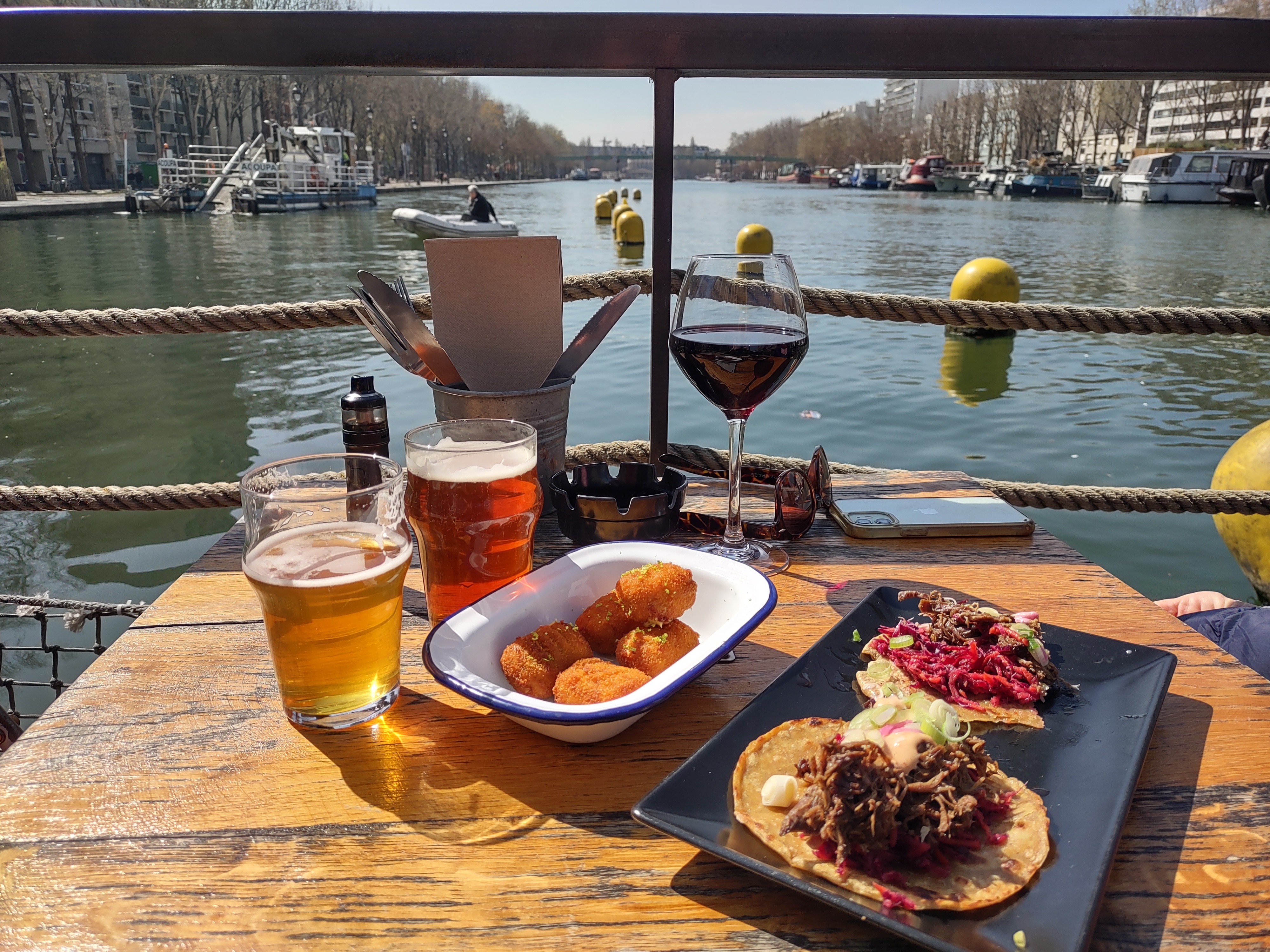
More on food and drink in Paris in the next installment so stay tuned.
END OF PARIS PART 2


 Burning the Inheritance
Leave a reply to Bob Leonhardt Cancel reply