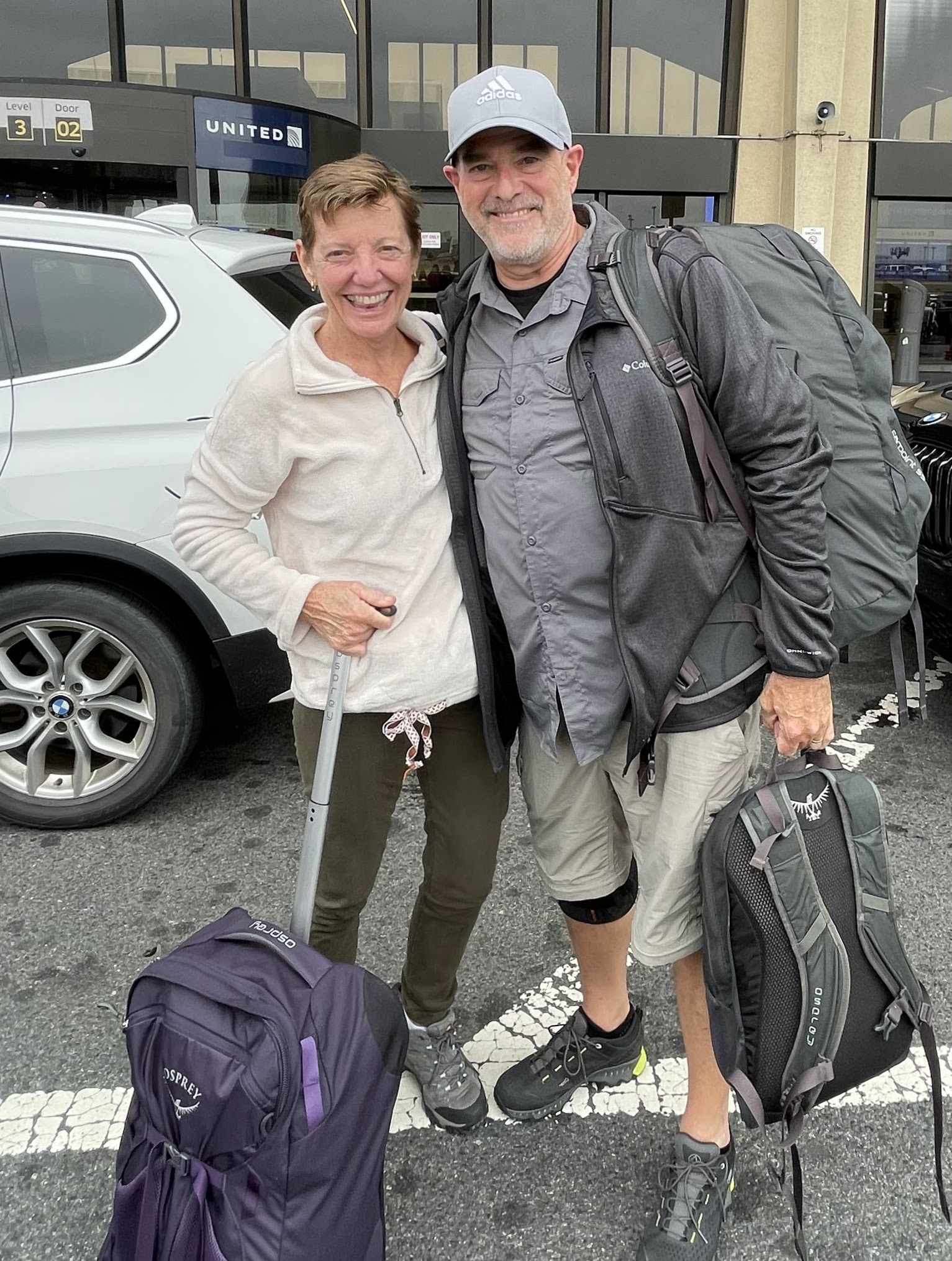
We were of somewhat mixed opinions regarding how long to stay in Venice. While we both wanted to go there, Ritchard was pushing for a longer stay than Colleen. In the end, we agreed to stay for 7 days and, after the fact, I think we both agree it was a good decision. There is a lot more to see here than you might imagine and it was good to be able to explore it all at a reasonably leisurely pace. Also, despite it being March, we apparently lucked out on the weather – sunny with highs in the 60’s every day! All that said, we were pretty shocked at how crowded it was and we spent a fair amount of time and effort trying to find quiet corners (which we did). Can’t imagine what it must be like here during the really busy tourist months!
Apologies in advance, but this is a rather long installment of the blog. (Considered breaking it into 2 segments, but was vetoed by the Chief Editor in the interest of keeping things moving.)
One other introductory note regarding the canals of Venice. Prior to getting to here, we (and perhaps you) had been hearing stories regarding how low the water level was in the Venice lagoon – canals turned into smelly mud flats and gondolas run aground (in sharp contrast to long-term concerns regarding rising sea levels and flooding). We are happy to report that, while the water level is clearly a couple of feet below normal, it isn’t as low as the news might lead you to believe. It’s possible that the news reports were exaggerated (no!) or it may be that the water levels have risen recently, but, for anyone planning on travelling to Venice in the near future, rest assured that the canals are flowing and the gondolas are gondoling.
Getting to Venice
Mostly because of cost, but also because we have time, we have been trying to travel as much as possible by train or bus versus plane. However, time is at a premium while in Europe (see future installment on the Schengen Area) so we have been flying from place to place since we got here (a total of 8 flights since leaving South America on March 1). Back to the basics, we took a bus from Vienna to Venice.
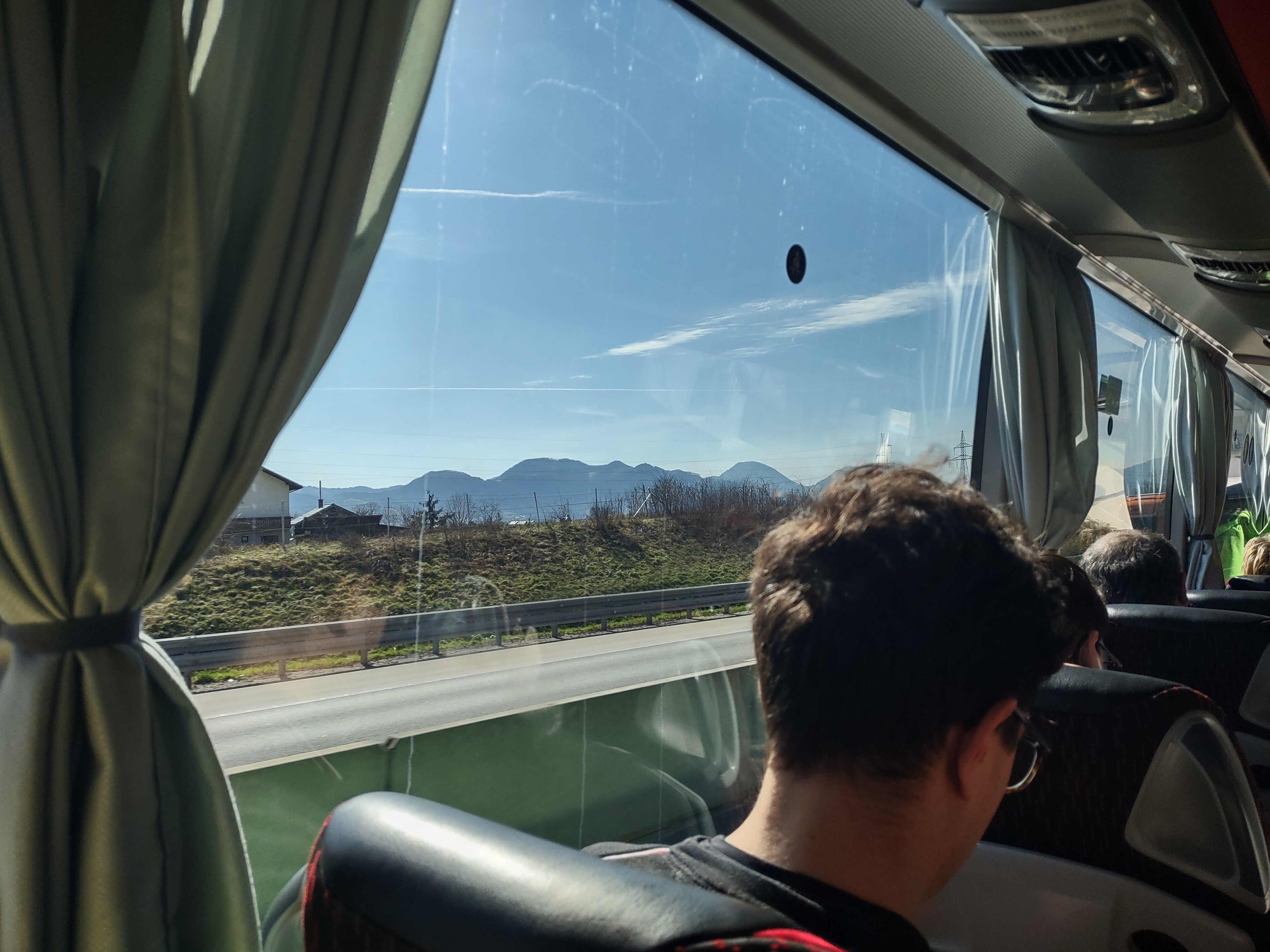
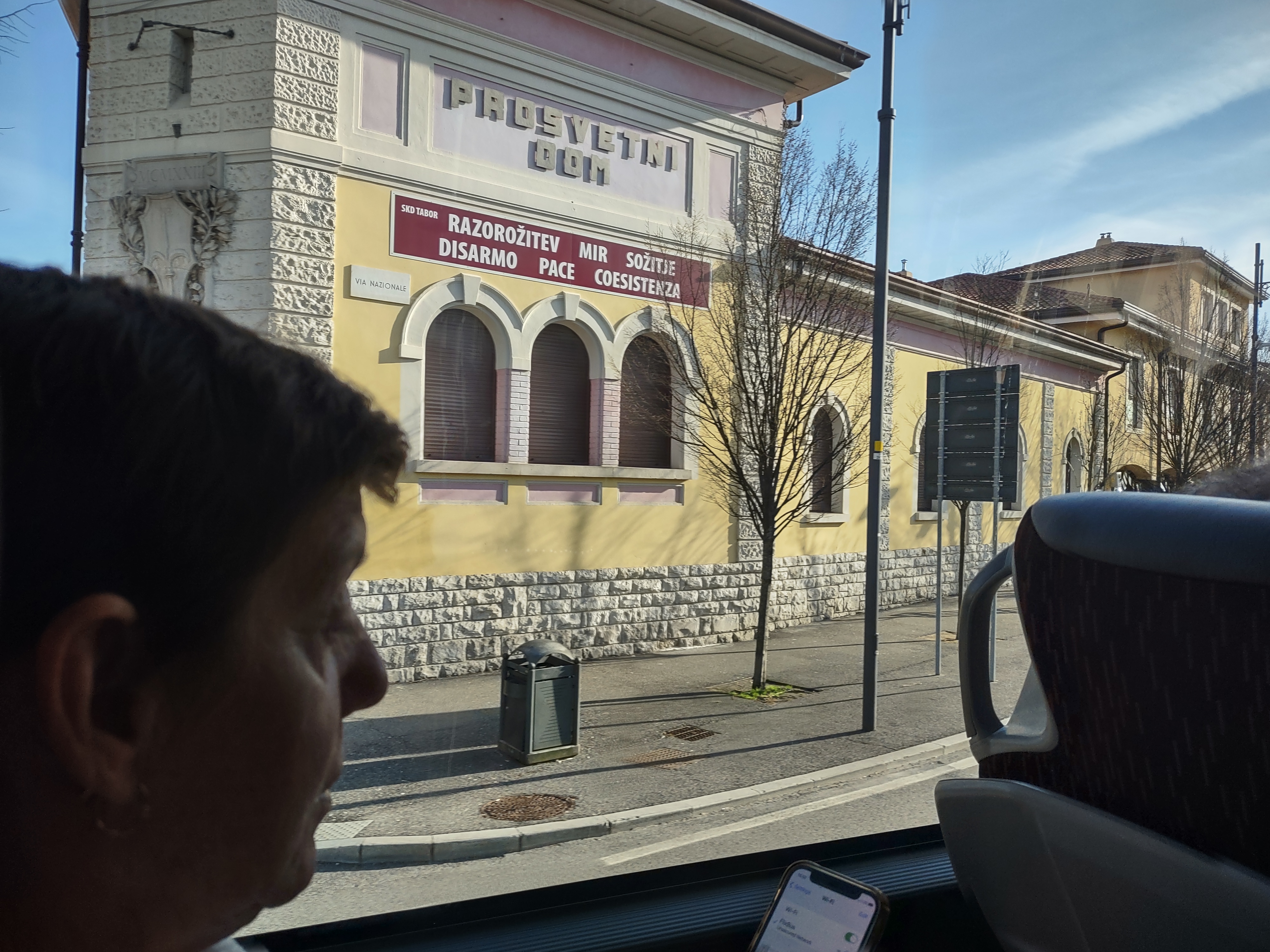
Although it took about 9 hours, the bus ride to Venice was actually quite pleasant. Comfortable seats, free wifi, and lots of beautiful scenery along the way. As an added bonus, we got to see a bit of Slovenia as our route took us through there. (Ritchard thinks this counts as another country because we stopped in Ljubljana for lunch and to use the facilities, but Colleen thinks not.)
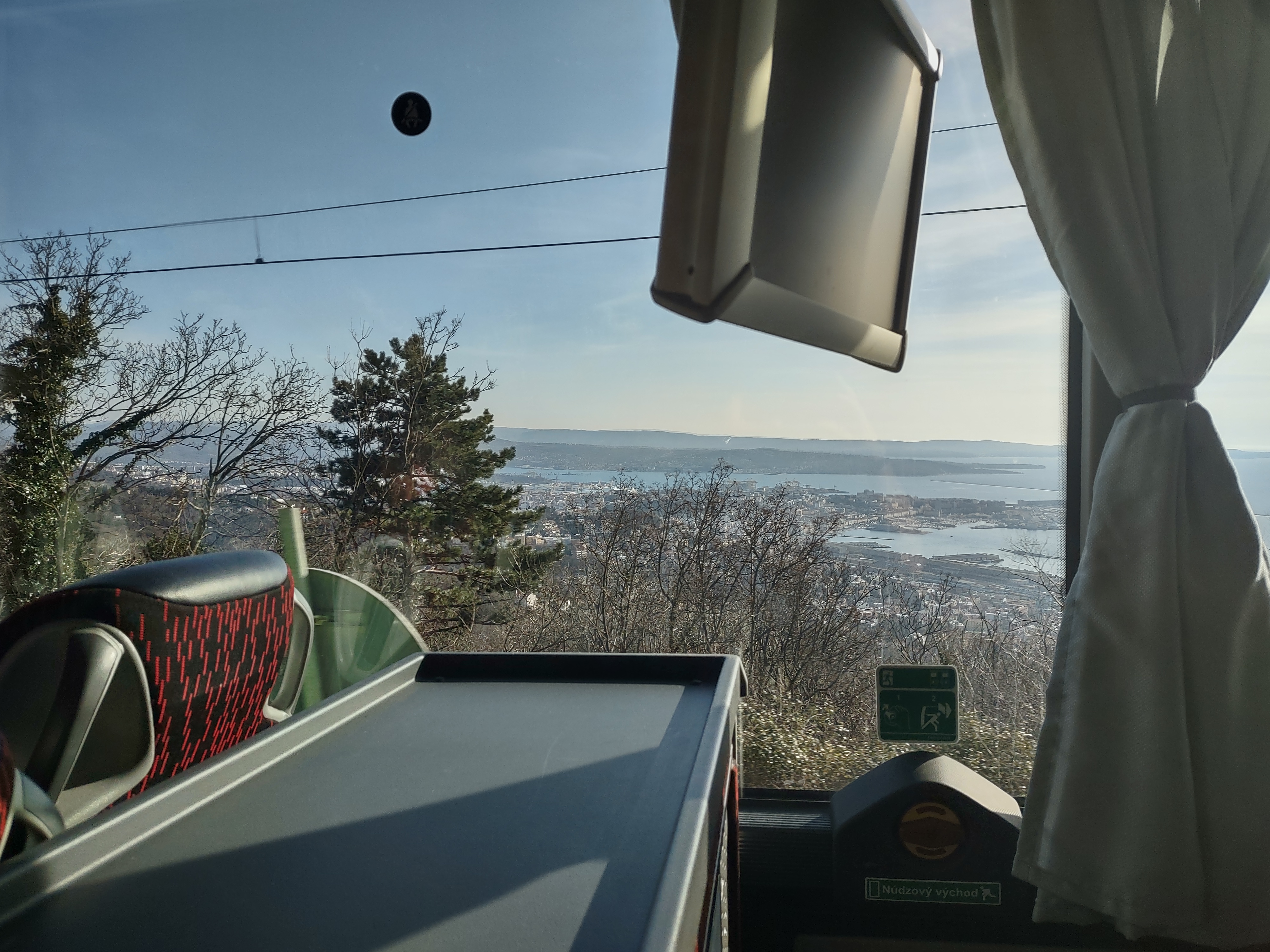
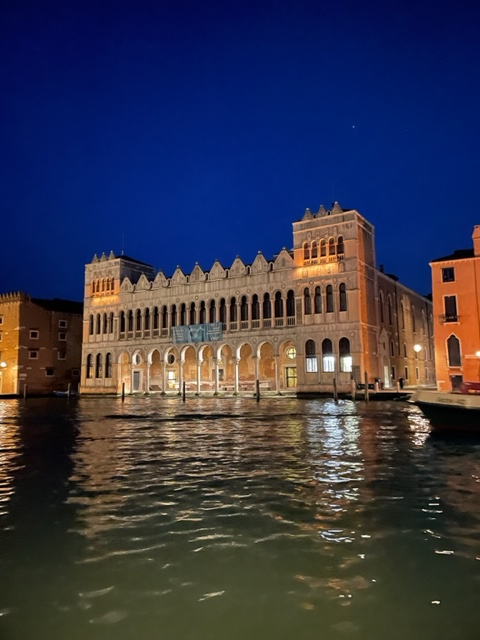
We reached the Adriatic Sea at Trieste, Italy with the sun waxing in the west, crossed the bridge to Venice at sunset, and caught a water bus to our place with the buildings along the canal all lit up. After a long but pleasant day of travel, we were happy to finally arrive in the City of Love!
Cannaregio (Our Neighborhood in Venice)
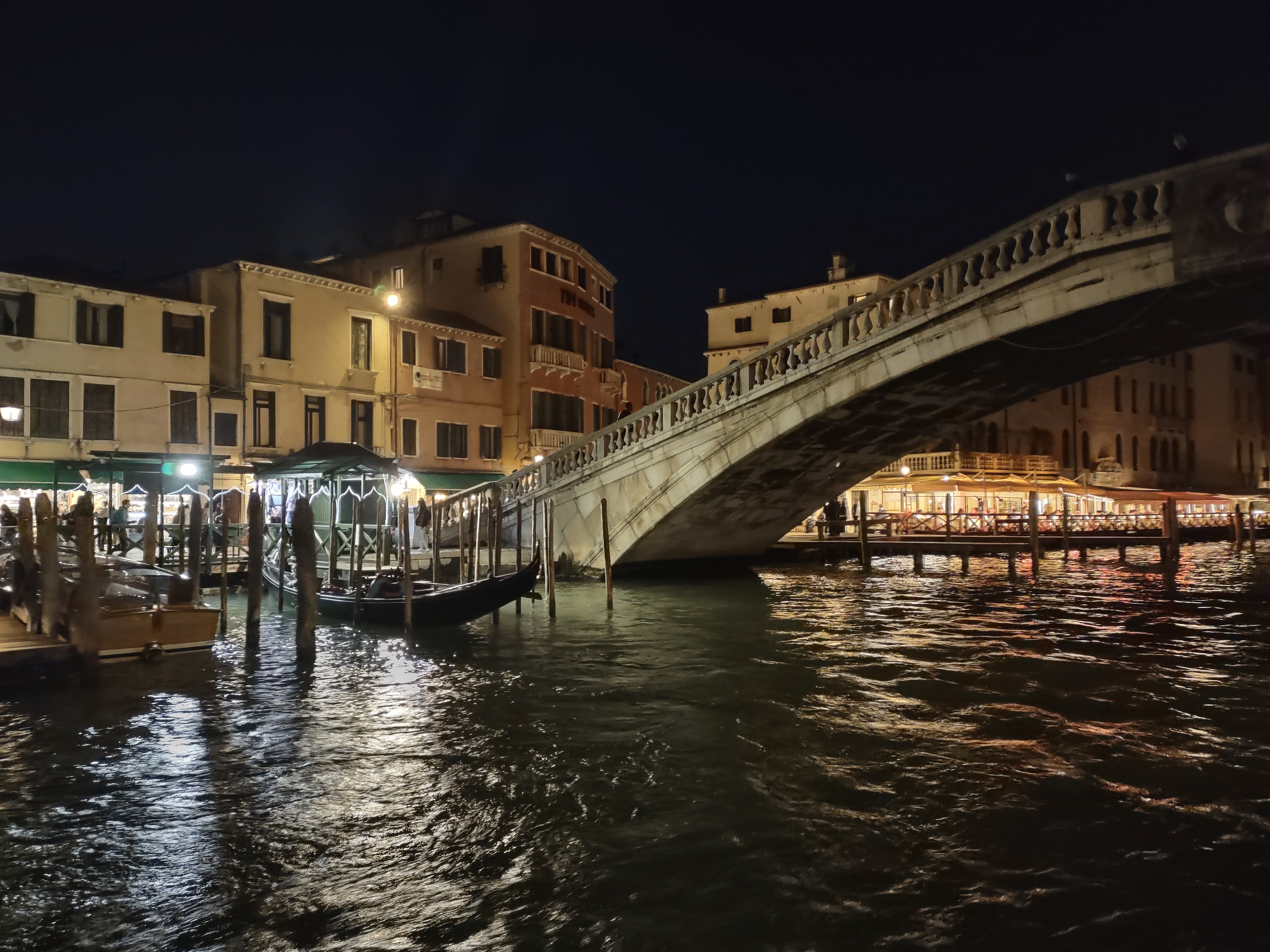
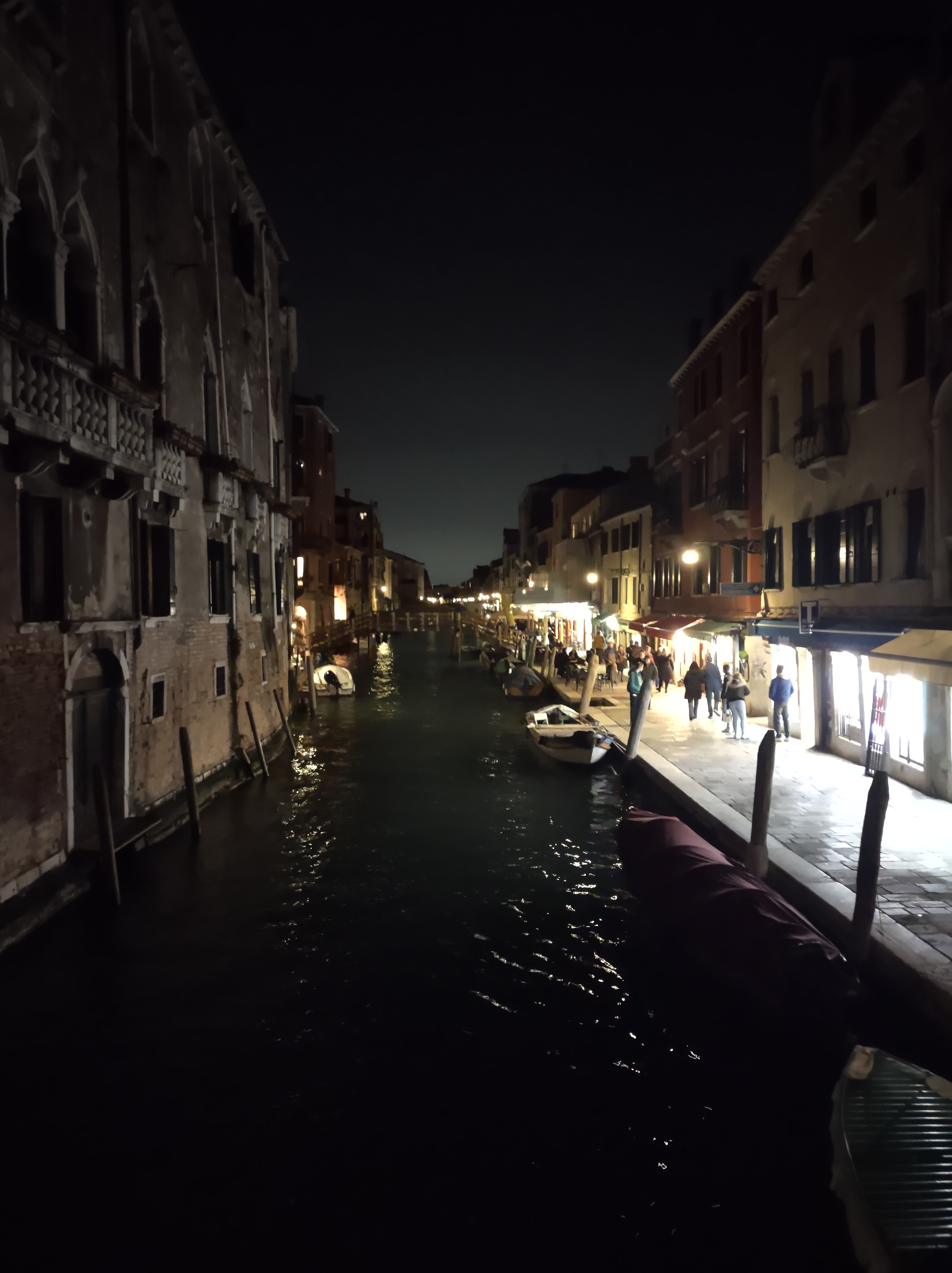
Venice is one of those places where there is a lot of debate regarding where is the best place to stay. We stayed in an apartment in the neighborhood of Cannaregio which is on the north side of the island of Venice. If you imagine the island of Venice as the shape of a fish (family joke), we were staying near the dorsal fin. While some would argue that the tail is the best place to stay (few tourists and quiet), it is a bit remote from many of the things we wanted to see in Venice.
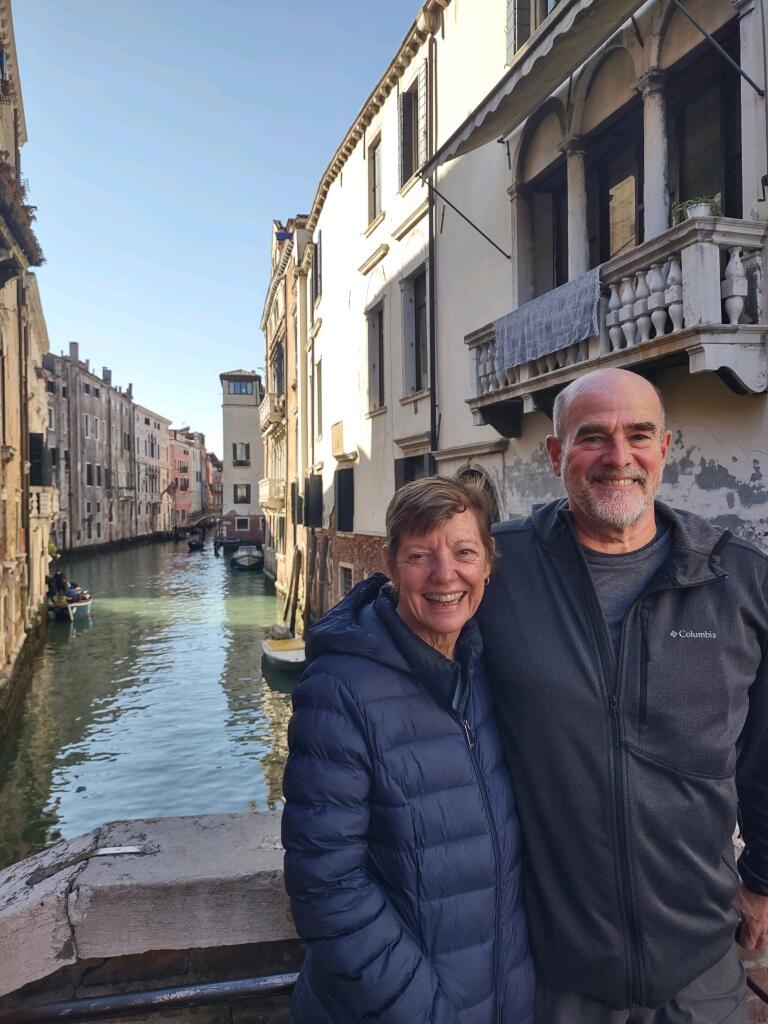
We were very happy with the location of our place. It was on a fairly quiet side street off a nice canal and was off the beaten path enough to be quiet, but not far from most of the places we wanted to see. As an added bonus, our apartment was over a bakery and so, we woke up to the smell of fresh-baked bread every morning!
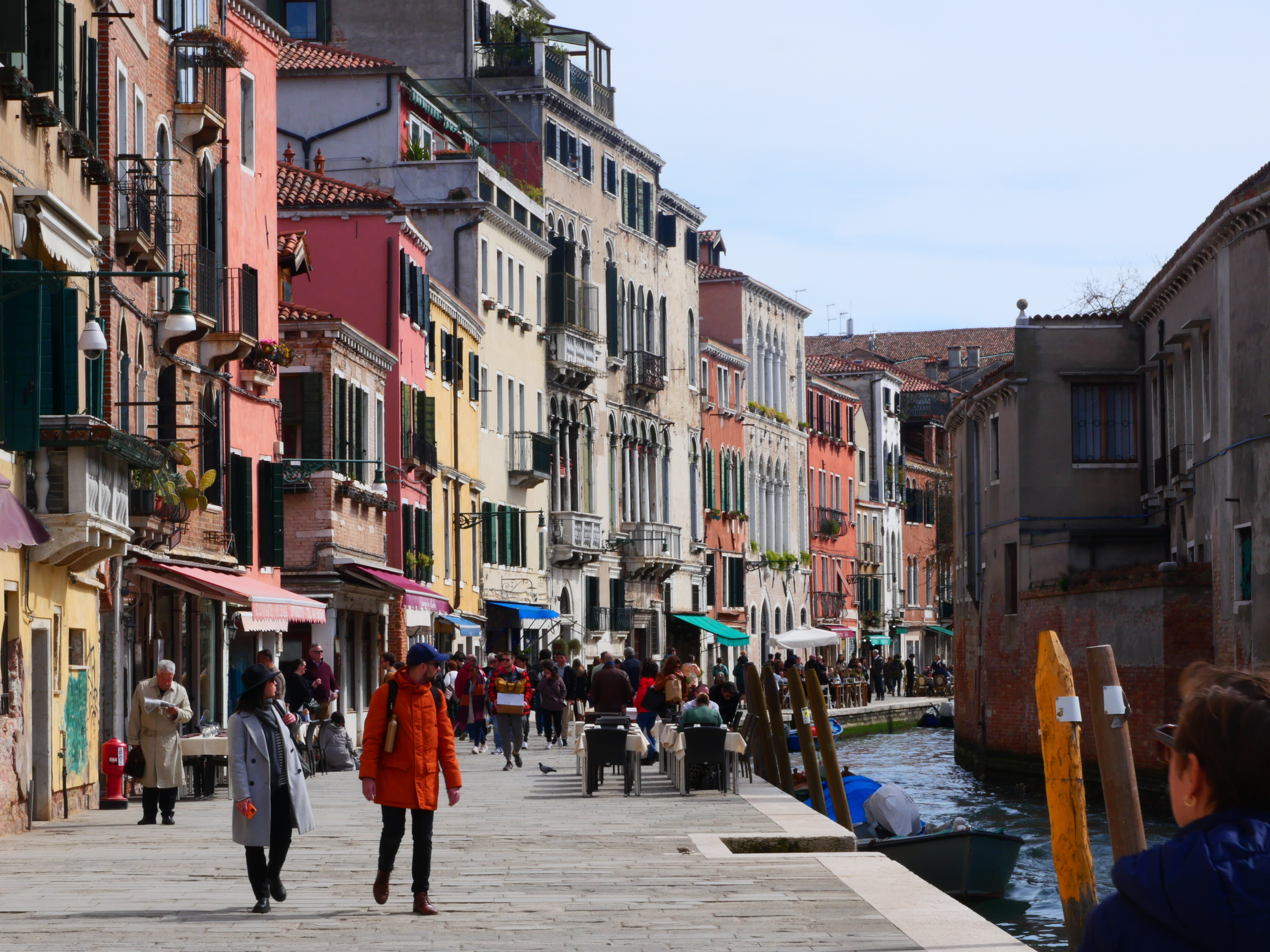
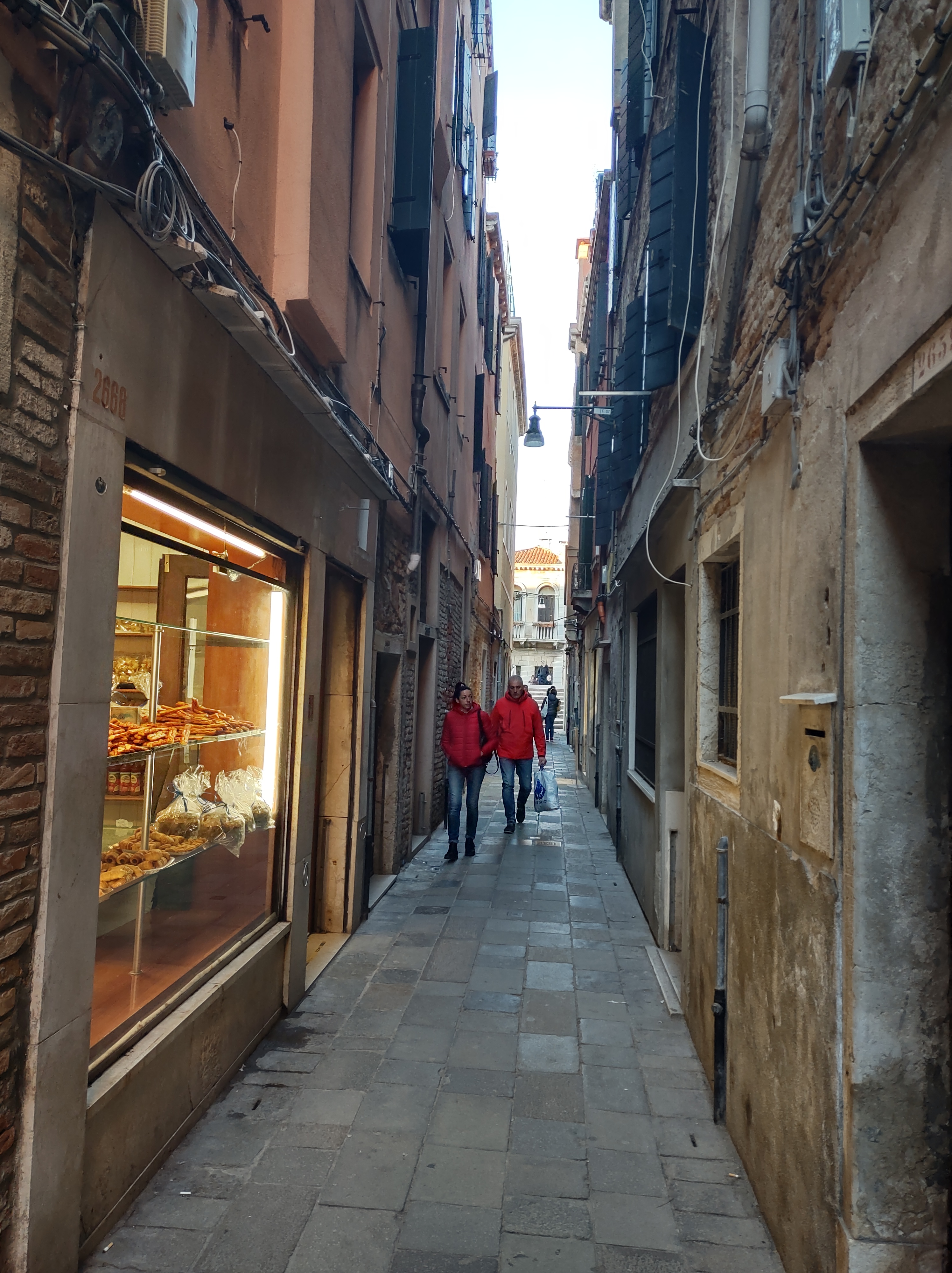
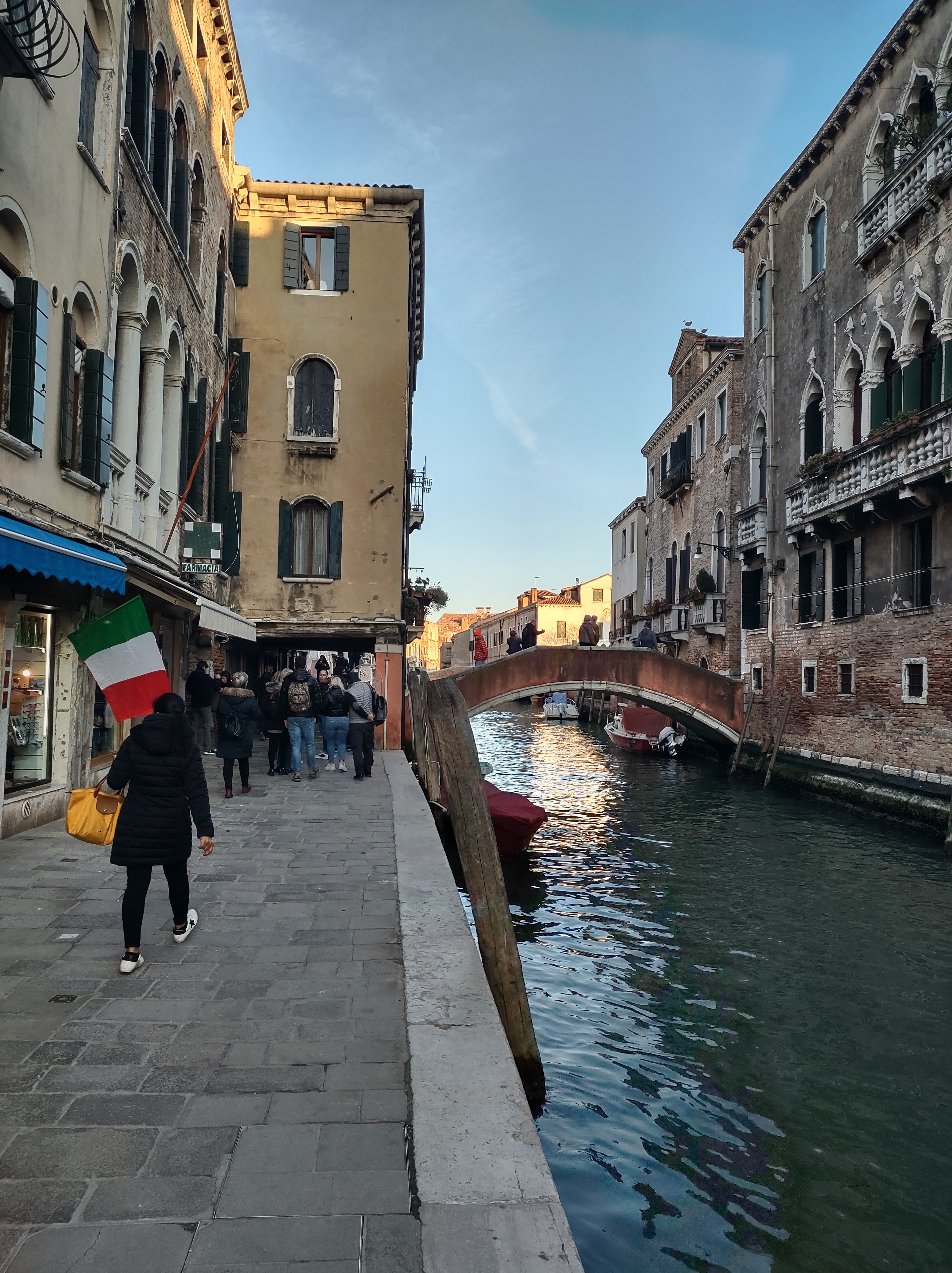
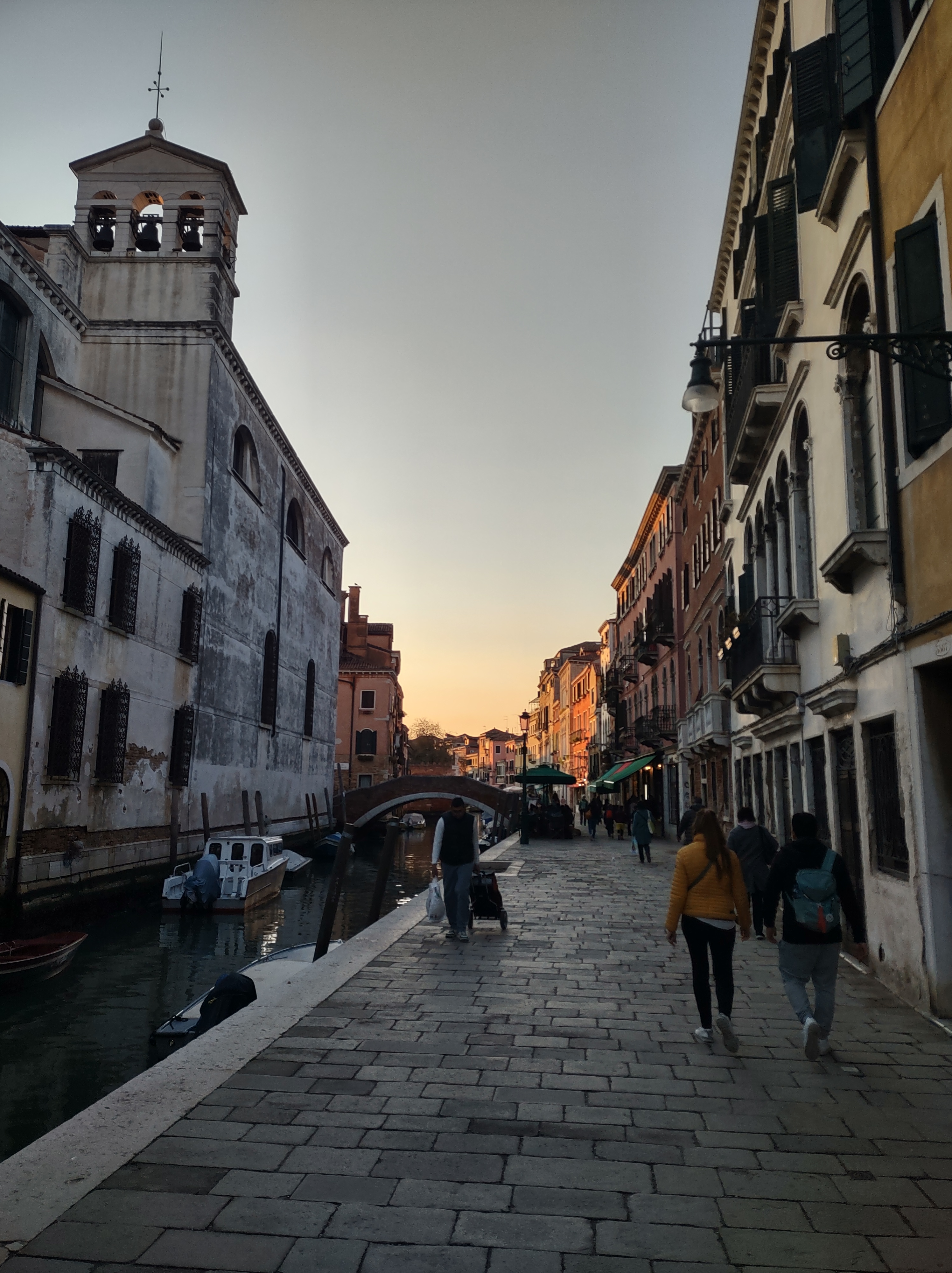
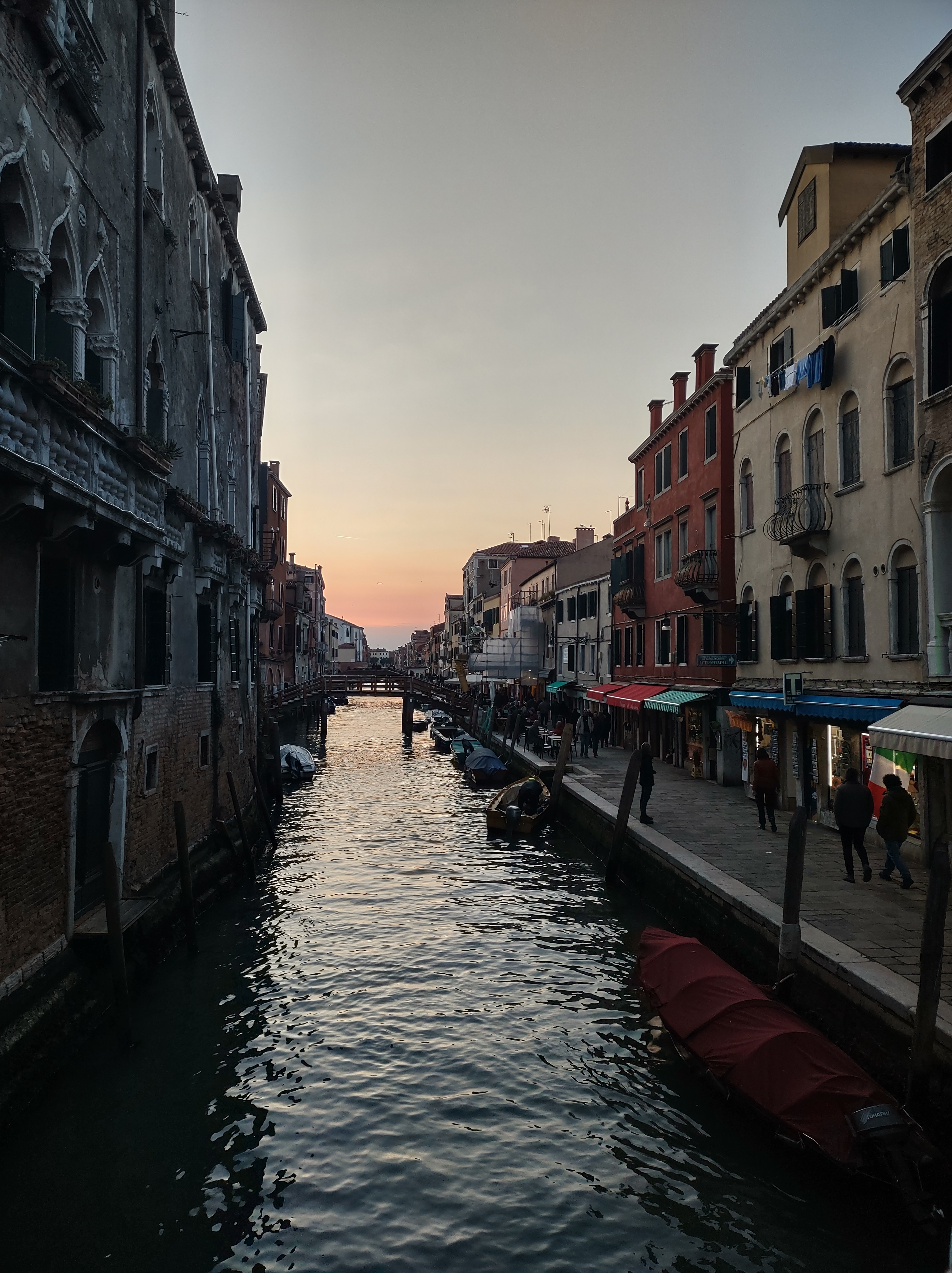
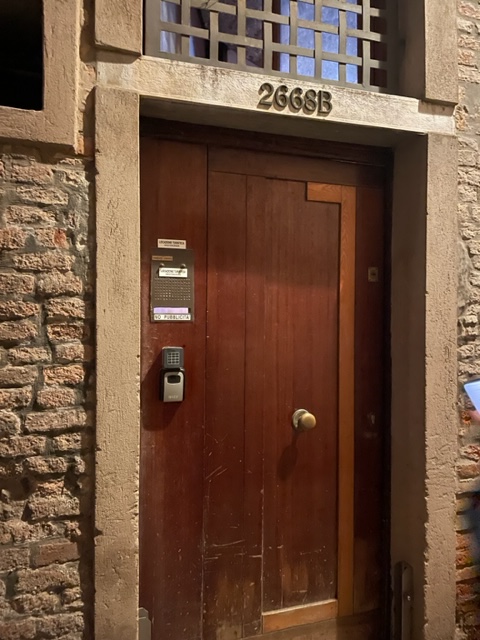
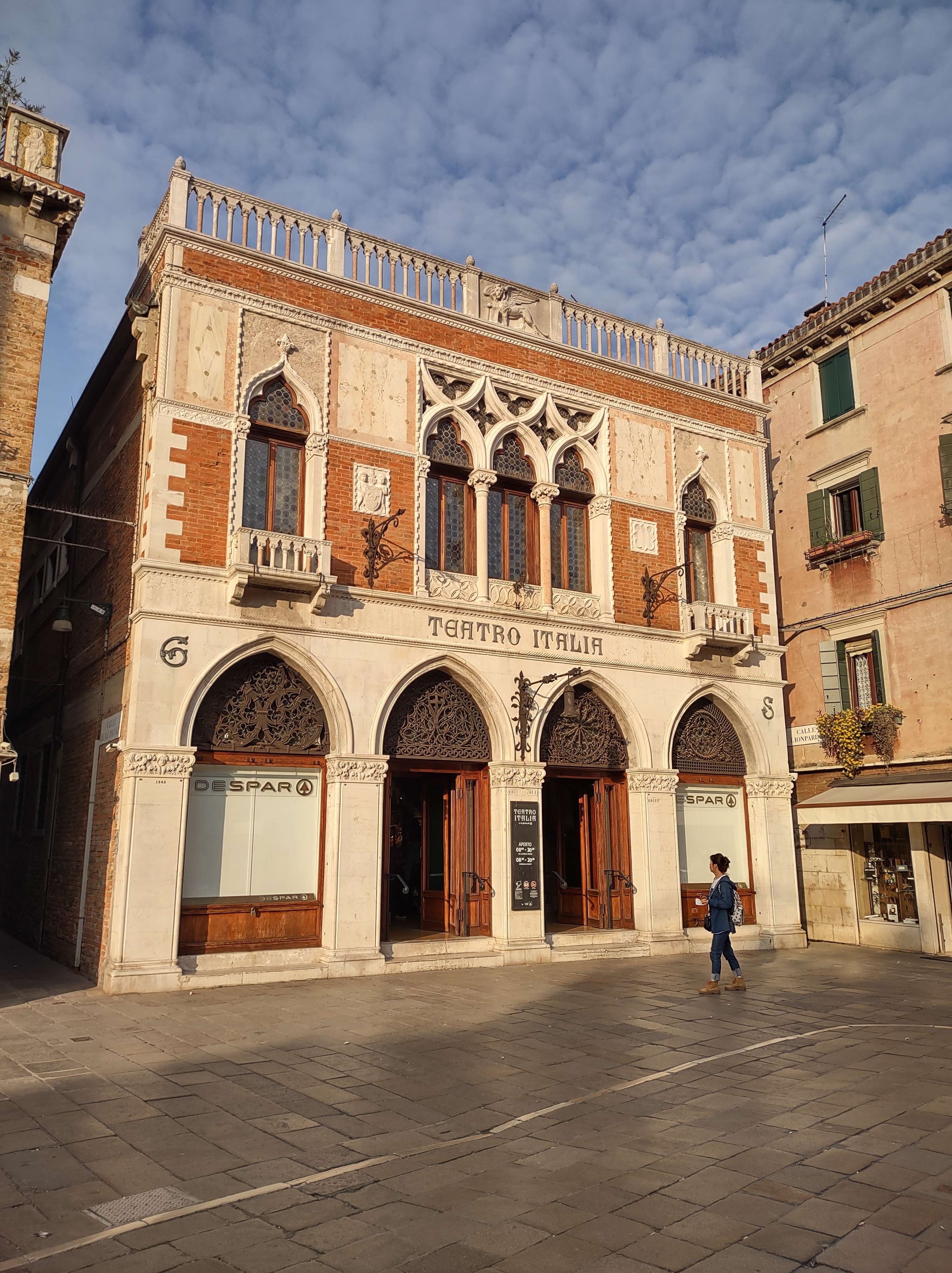
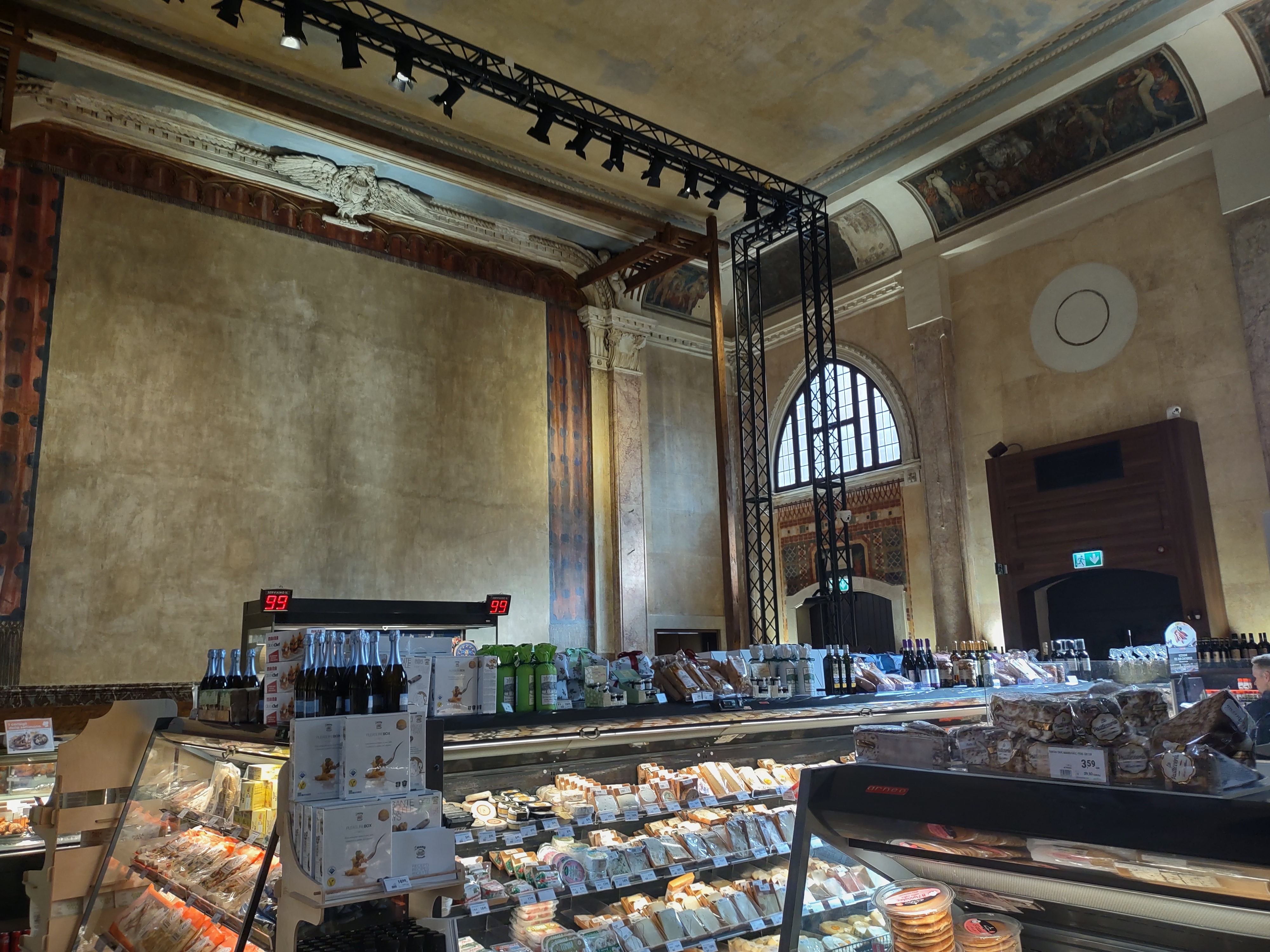
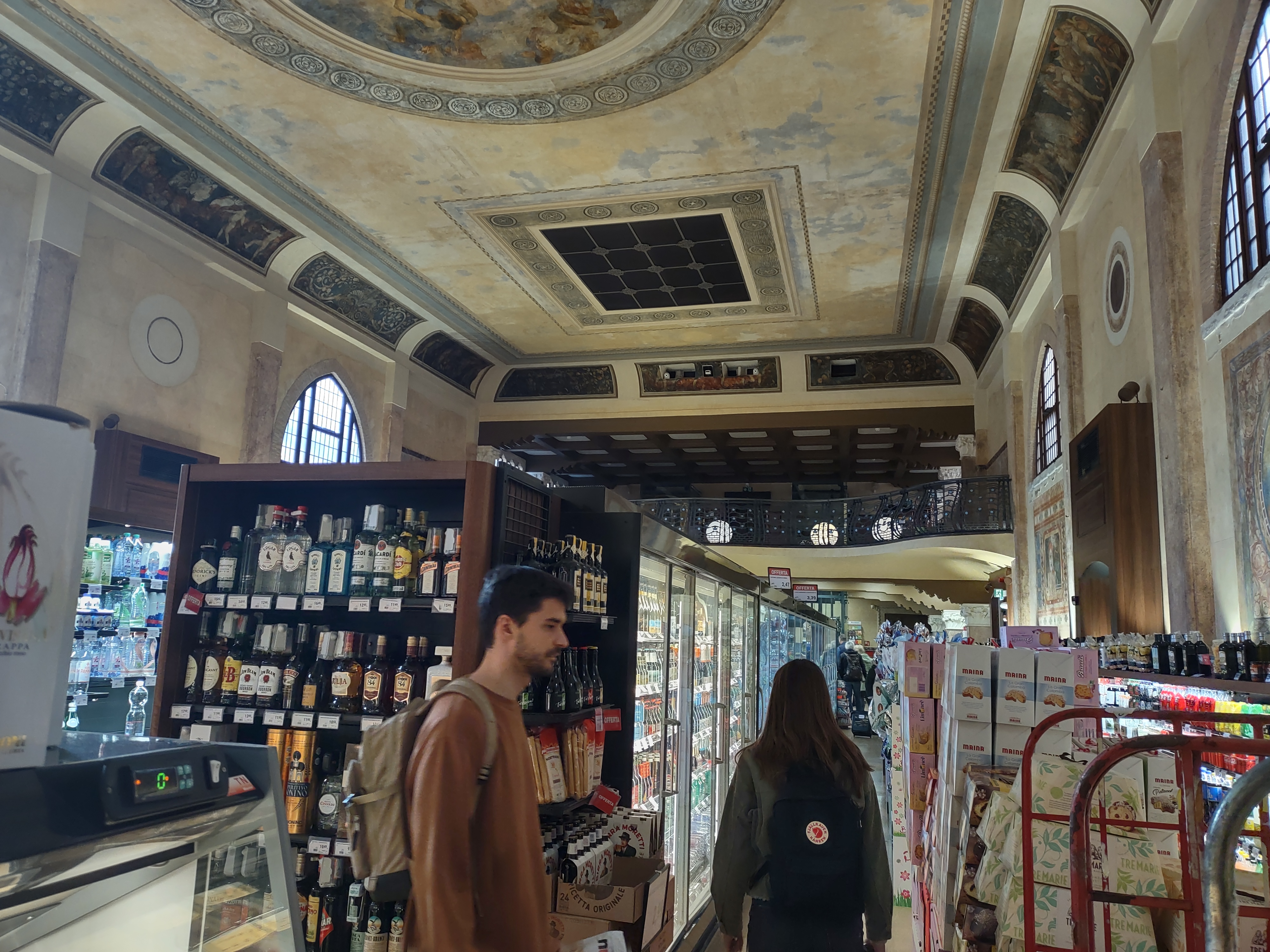
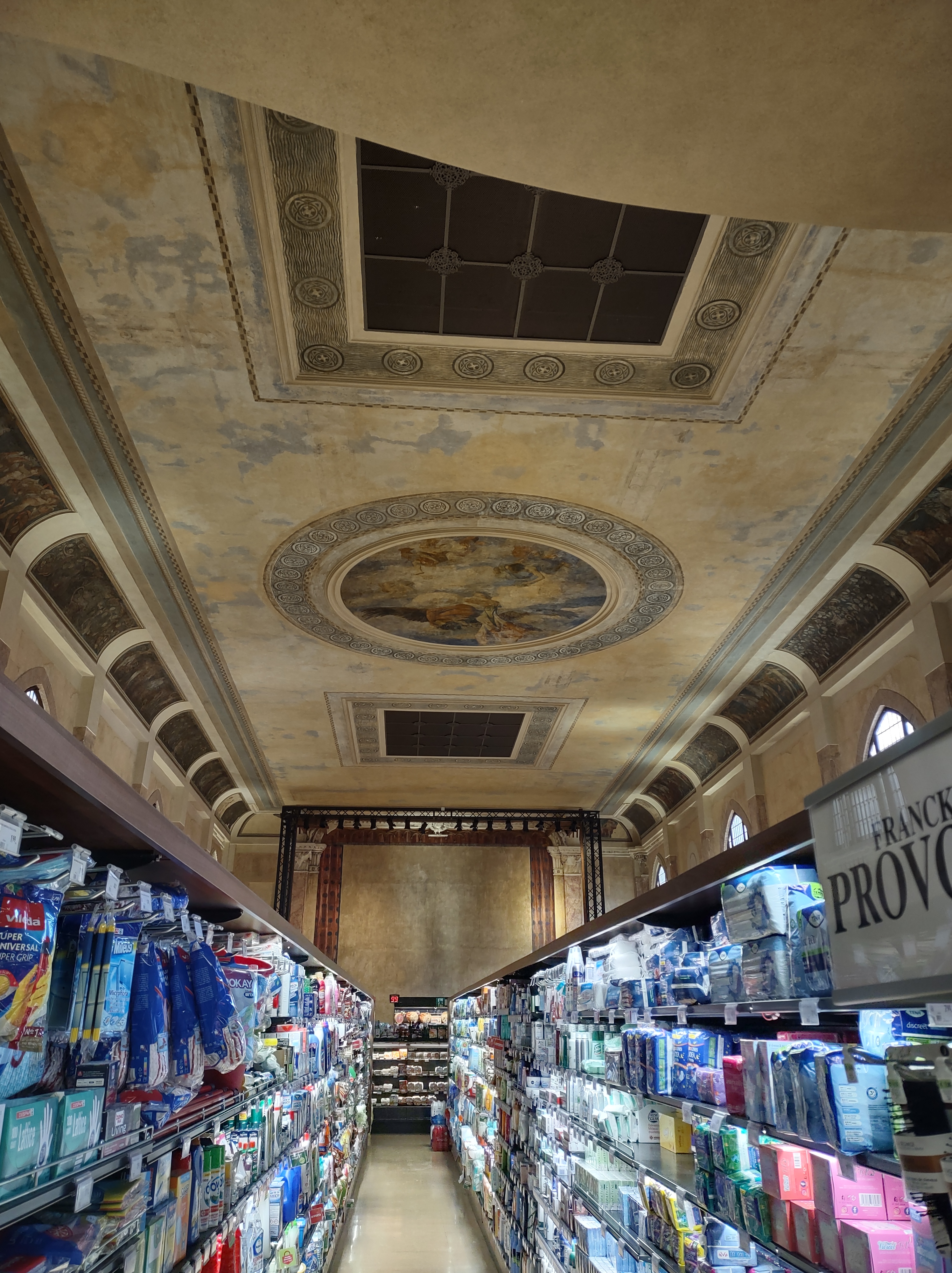
Over the course of the week we got to know the area around our apartment pretty well and actually got to the point where we could find our way around without having to rely on Google Maps! Cannaregio is the largest and most populous of Venice’s six neighborhoods and is best known for its Jewish quarter, also known as the Jewish Ghetto. (More about this later.) In Buenos Aires, we found a theater which had been converted to a bookstore, so we were kind of amused to find that our local Despar grocery store was also a former theater – probably the most ornate ceiling we have ever seen in a grocery.
San Marco
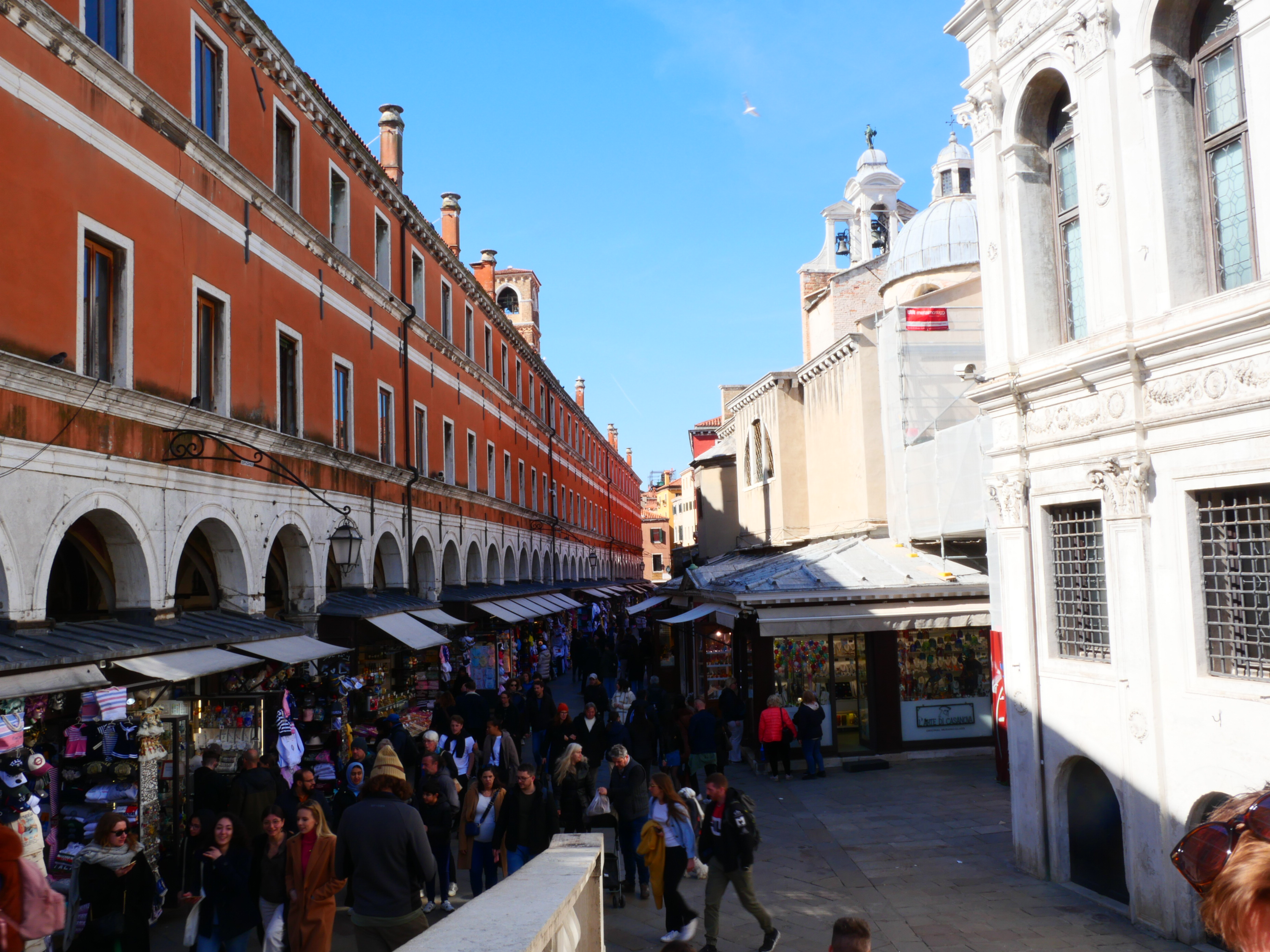
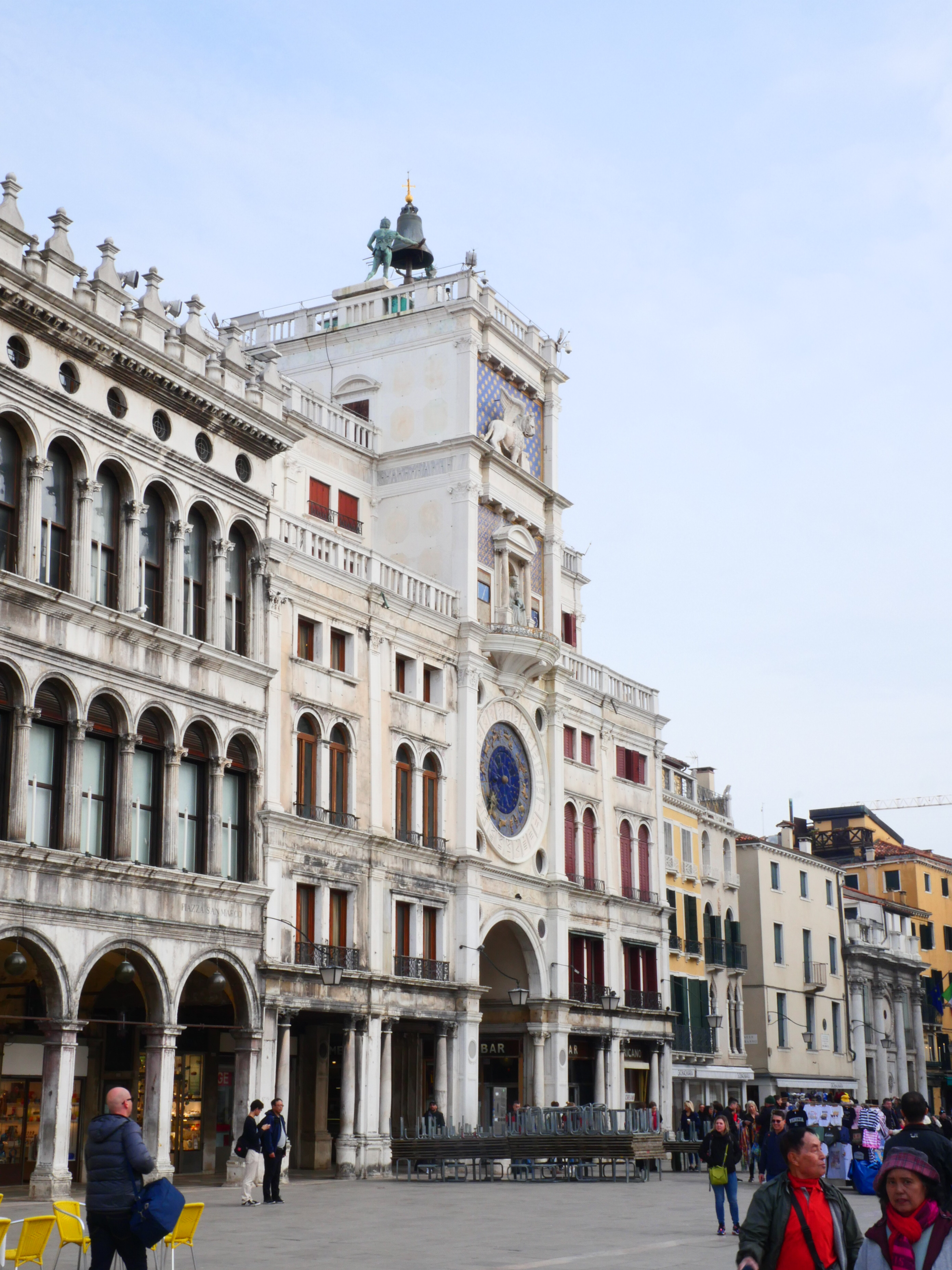
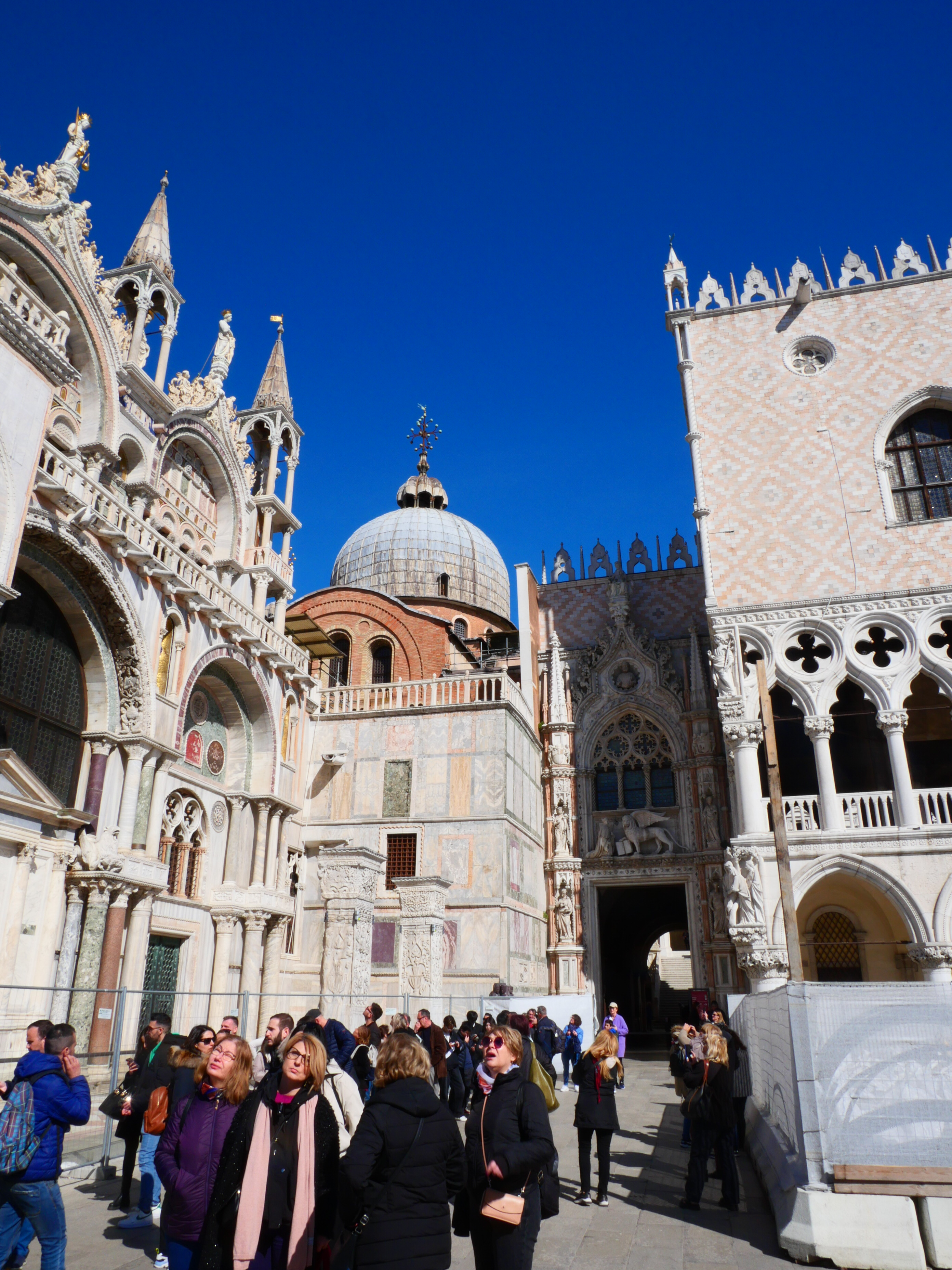
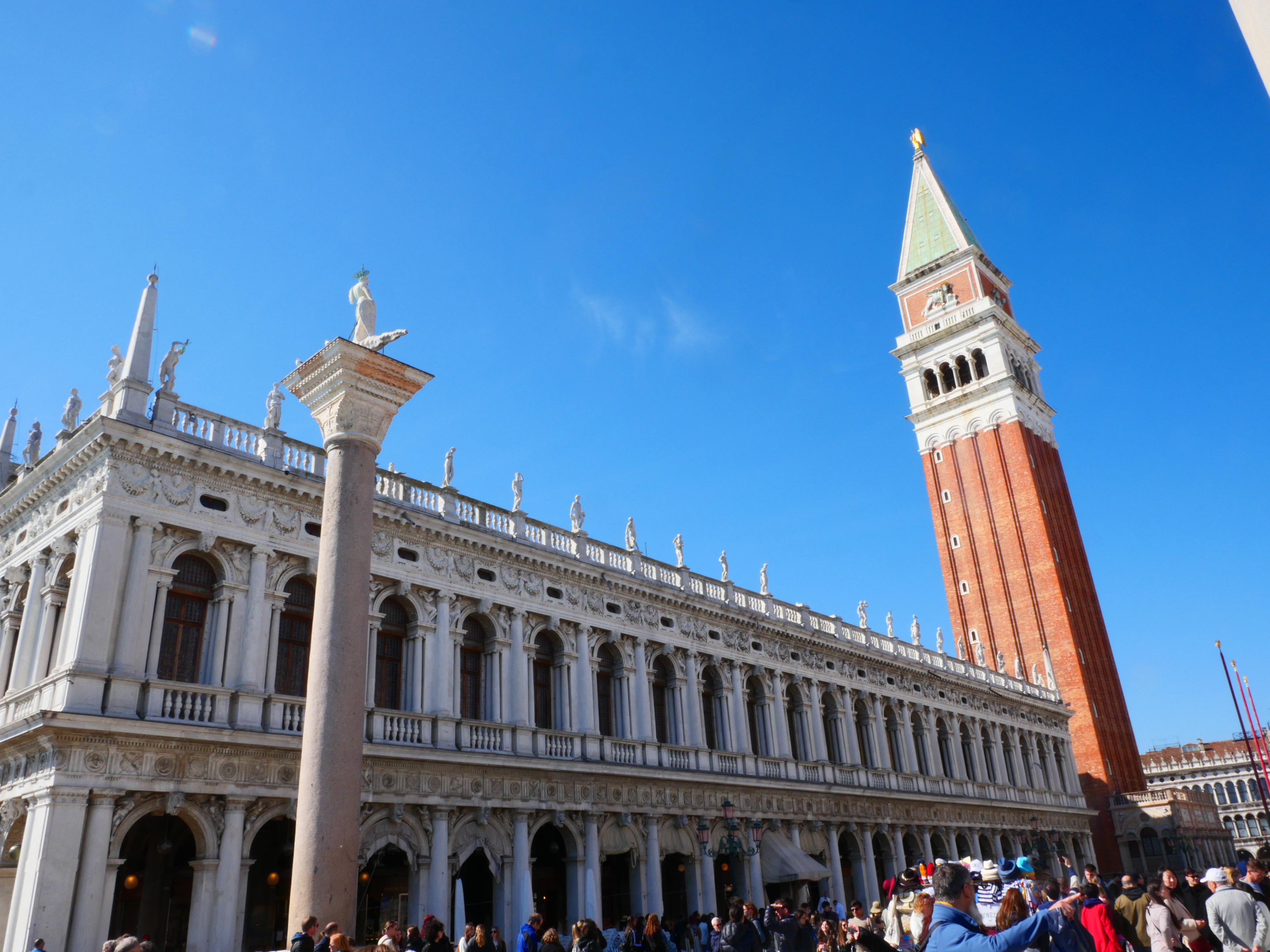
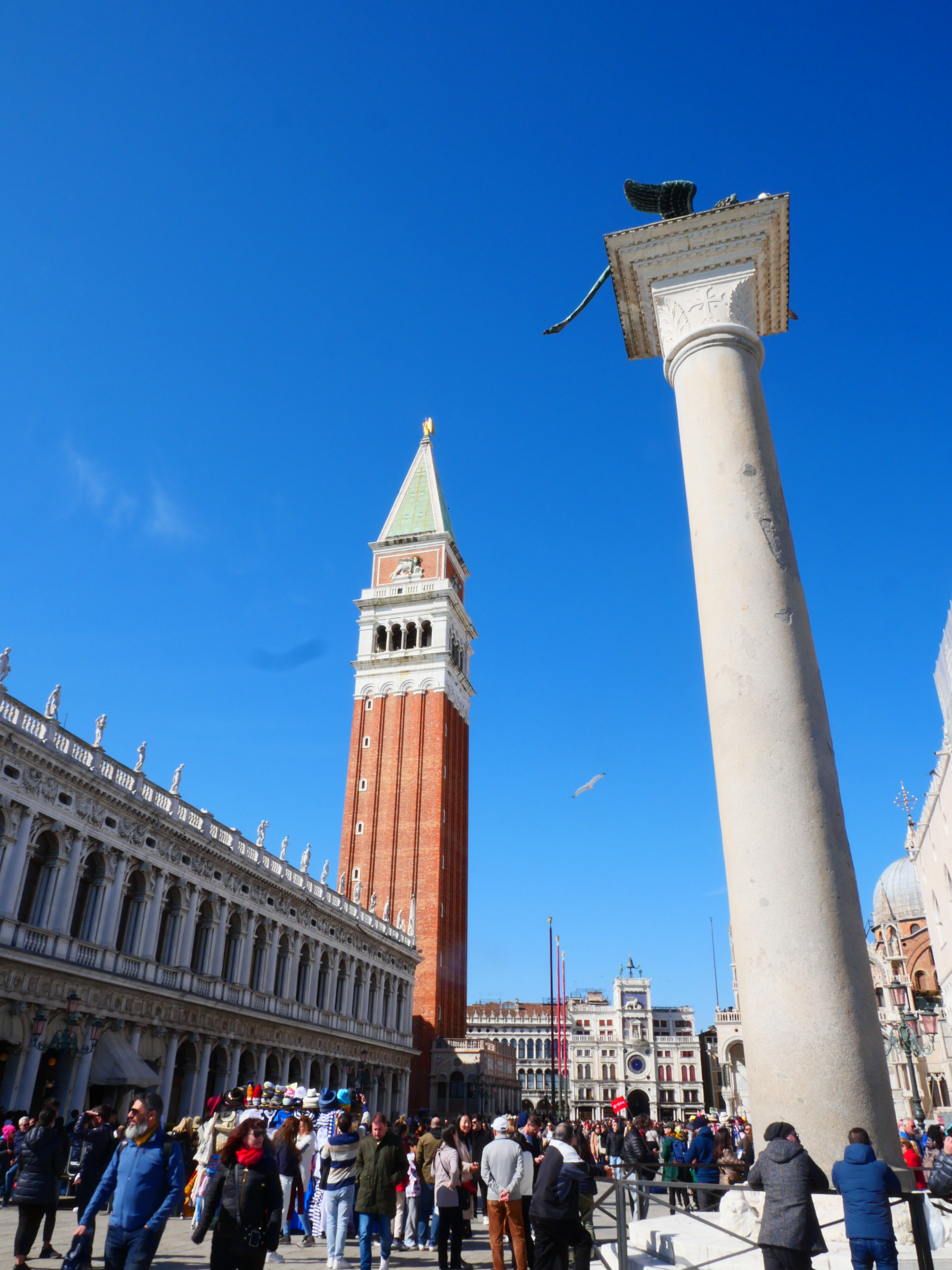
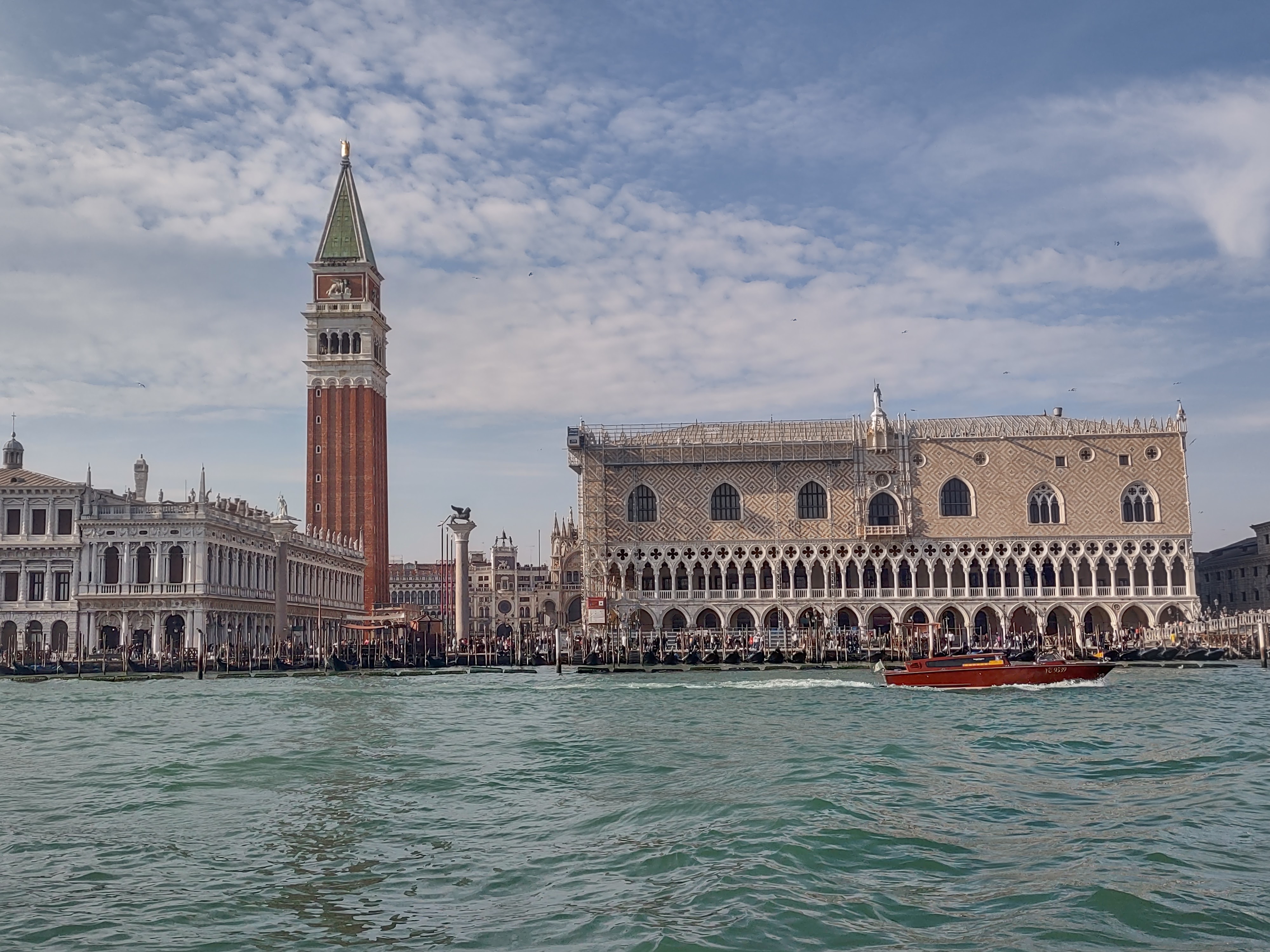
The historic cultural, political, and religious center of Venice is the Piazza San Marco, a huge square (actually two squares) framed by San Marco/St. Mark’s Bassilica, the Procuratie Vecchie (arcaded 16th century governmental office buildings), the Doge’s Palace, punctuated by the Campanile (St. Mark’s bell tower), with the smaller square (the Piazetta) opening on to the lagoon. This is one of those places you study in architectural school and dream of visiting some day.

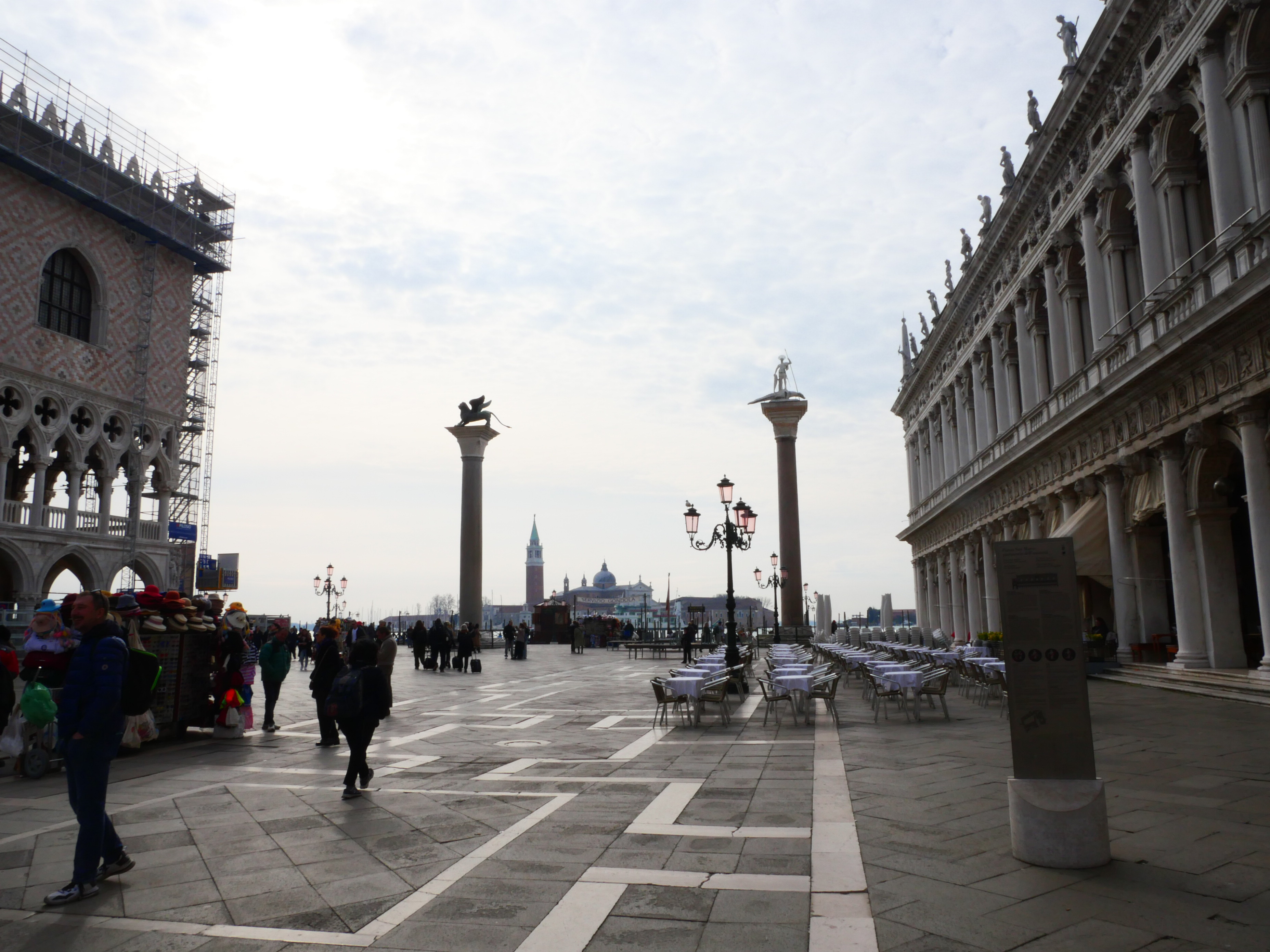
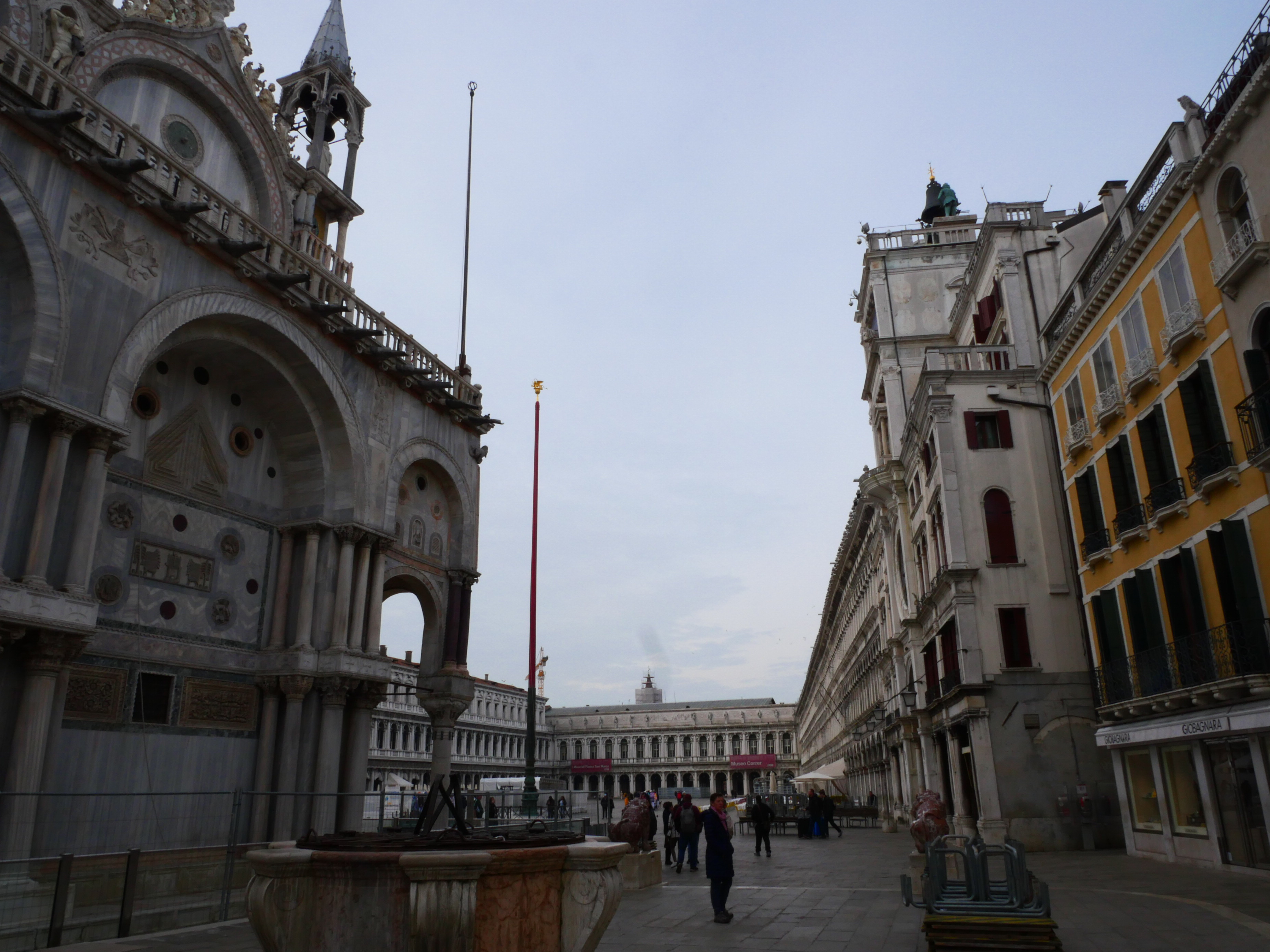
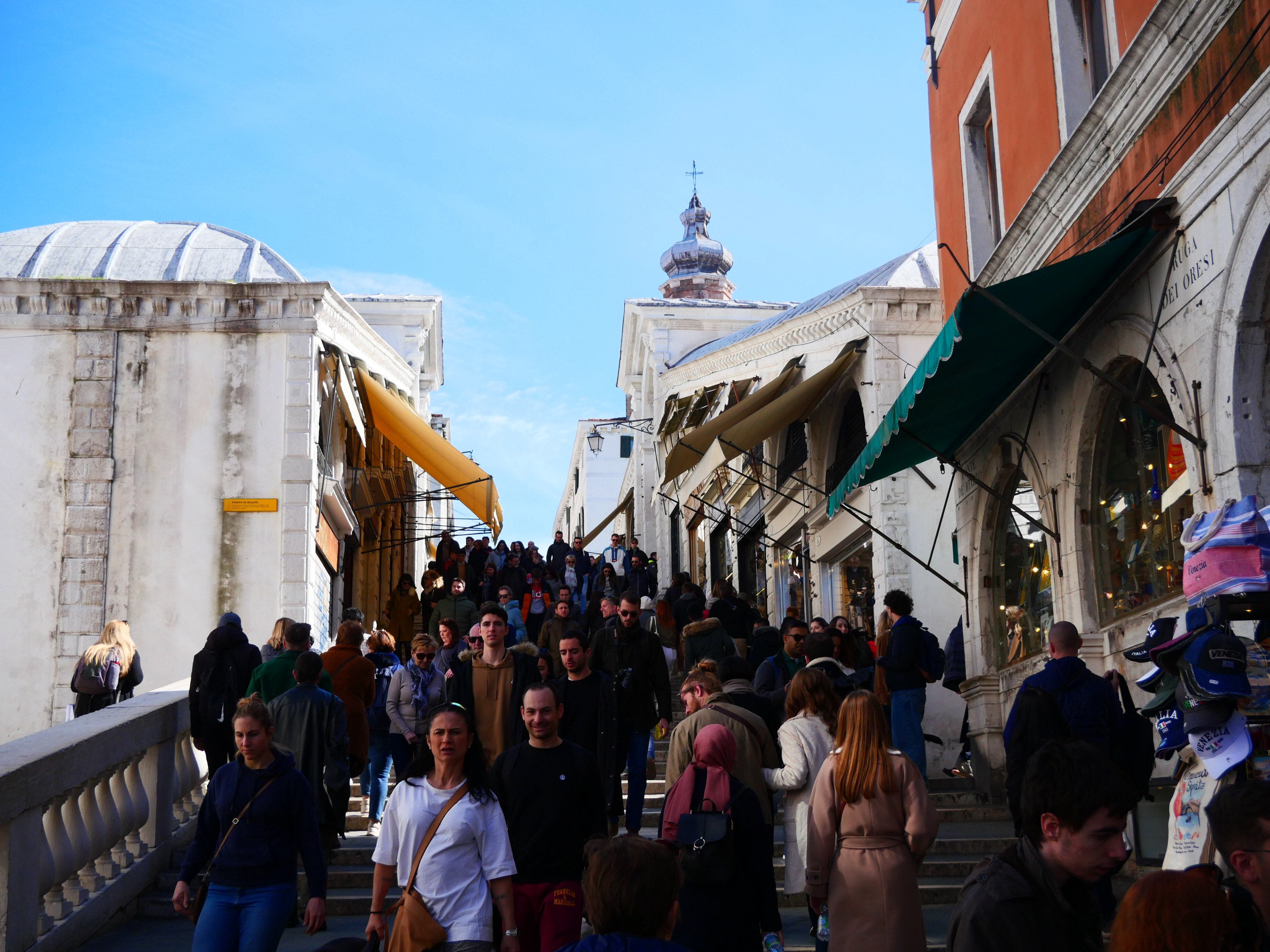
We set out for San Marco on our first full day (Saturday) and have to say that we were surprised, then concerned, then alarmed at the crowds which grew larger and denser as we approached our destination. At the end, it felt like being carried by a huge wave into the square where the combination of architecture, space, and masses of people was pretty overwhelming. Ritchard conjectured that Saturdays are probably particularly busy as you have both tourists and locals coming in for the day and, while this proved to be somewhat true, we (again) couldn’t help but wonder what things are like during the busy season (maybe the locals stay out of town then?). We walked around a bit, took some pictures, and vowed to come back when it was less crowded, which we did the next day.
Regarding our next visit to San Marco, let me confess (ha ha) that while we were both raised as Roman Catholics, at this stage of our lives we are not exactly regular church-goers. But starting in Cartegena we have been trying to attend mass on Sundays if we are somewhere with an interesting or noteworthy church. An hour of reflection and introspection during the course of an often-busy week is not a bad thing.
So, we got up Sunday morning and made our way back to San Marco. We had checked the mass schedule the day before and confirmed that there were masses at 8:00, 9:00, and 10:30. We were shooting for the 9:00, but when we arrived we were informed that the 8:00 mass was just ending and that the next mass was actually at 10:00. Fine, time for a coffee and pastry. We returned a little before 10 and were allowed to come in (at no cost I must add) and found seats in a fairly crowded congregation. Have to confess (ha-ha again) that it was difficult not to feel some perhaps un-Christian pleasure when, during the mass, people paying upwards of 20 euros passed through on their way to the paid tour!
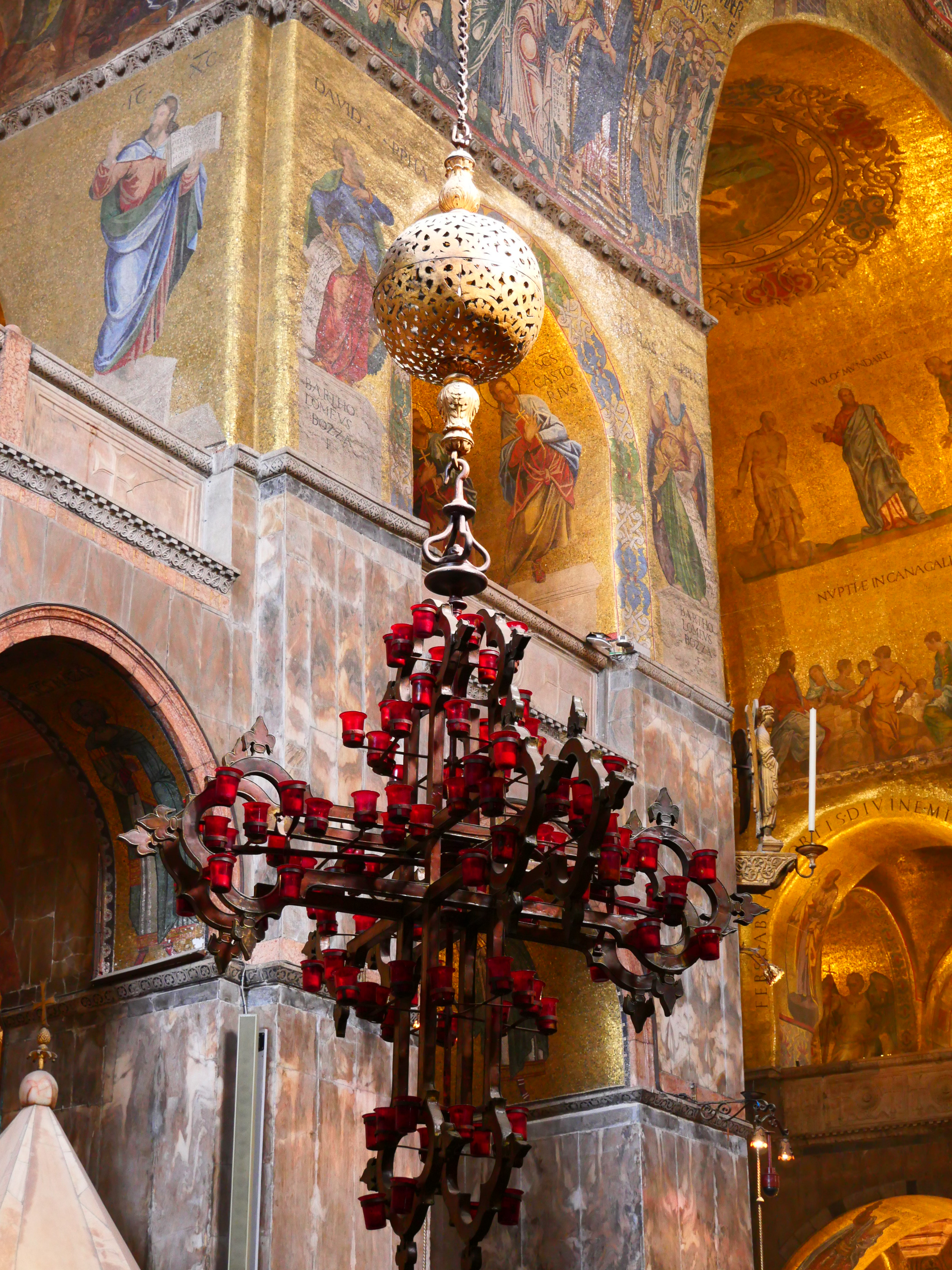
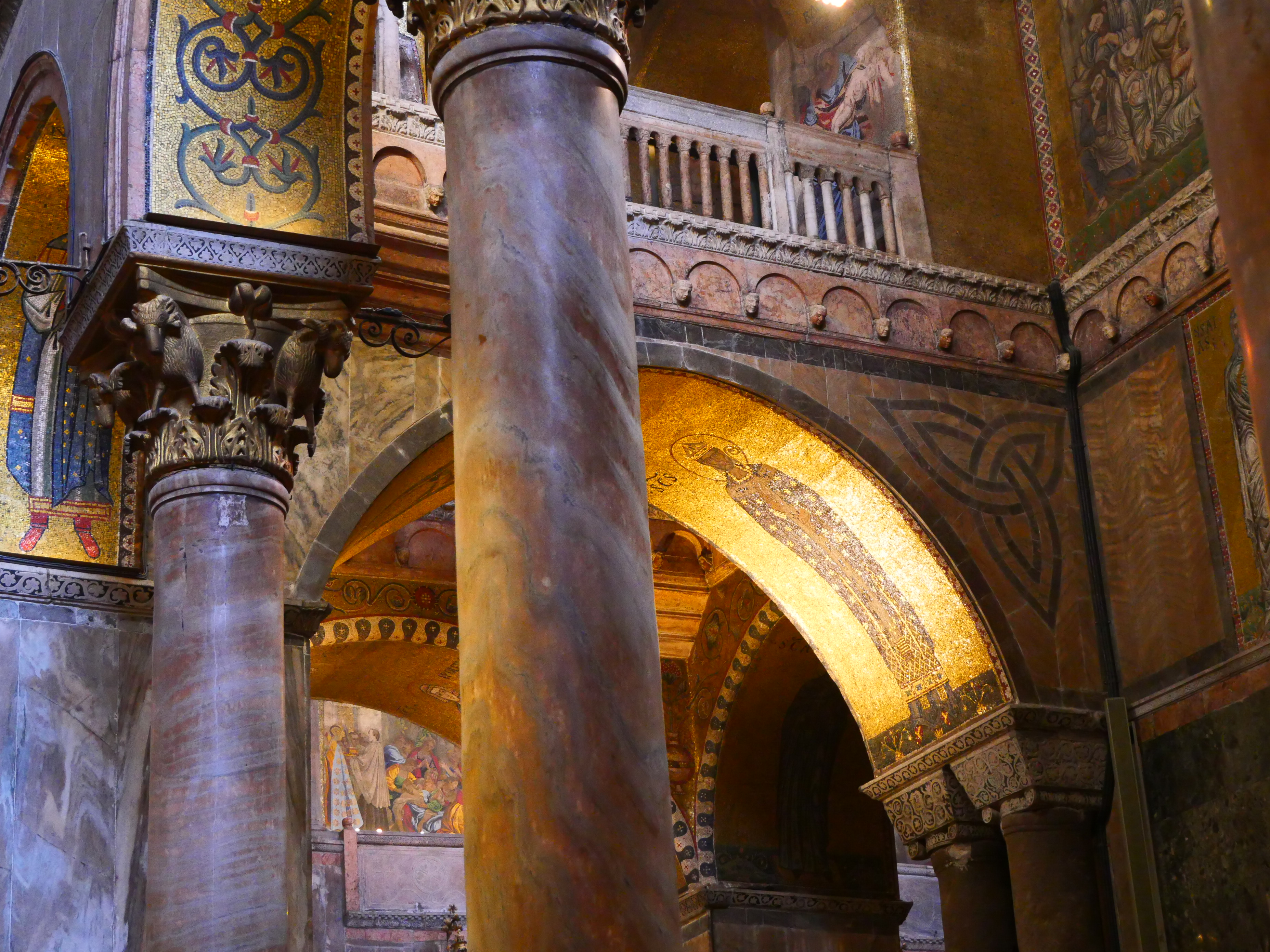
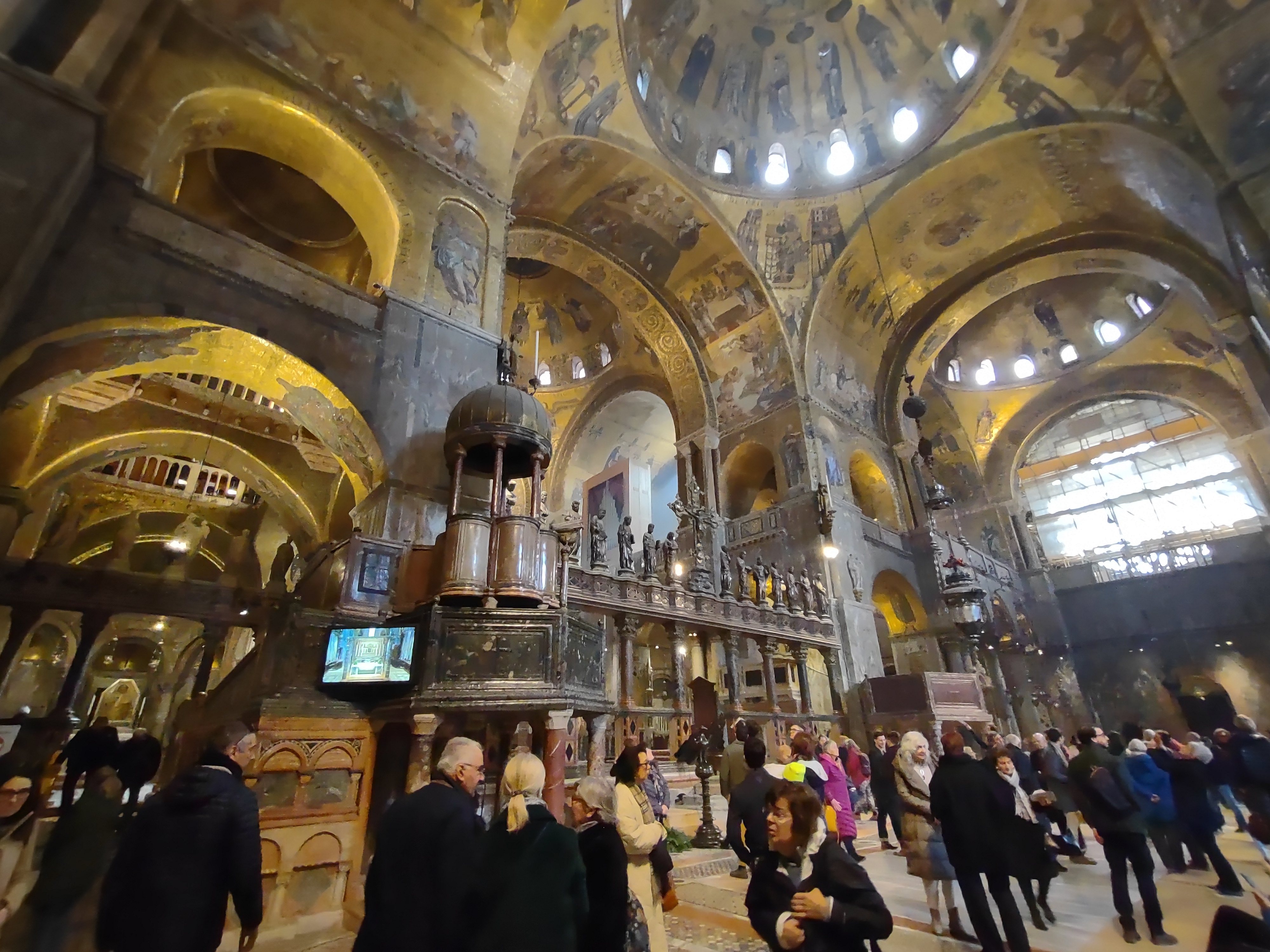
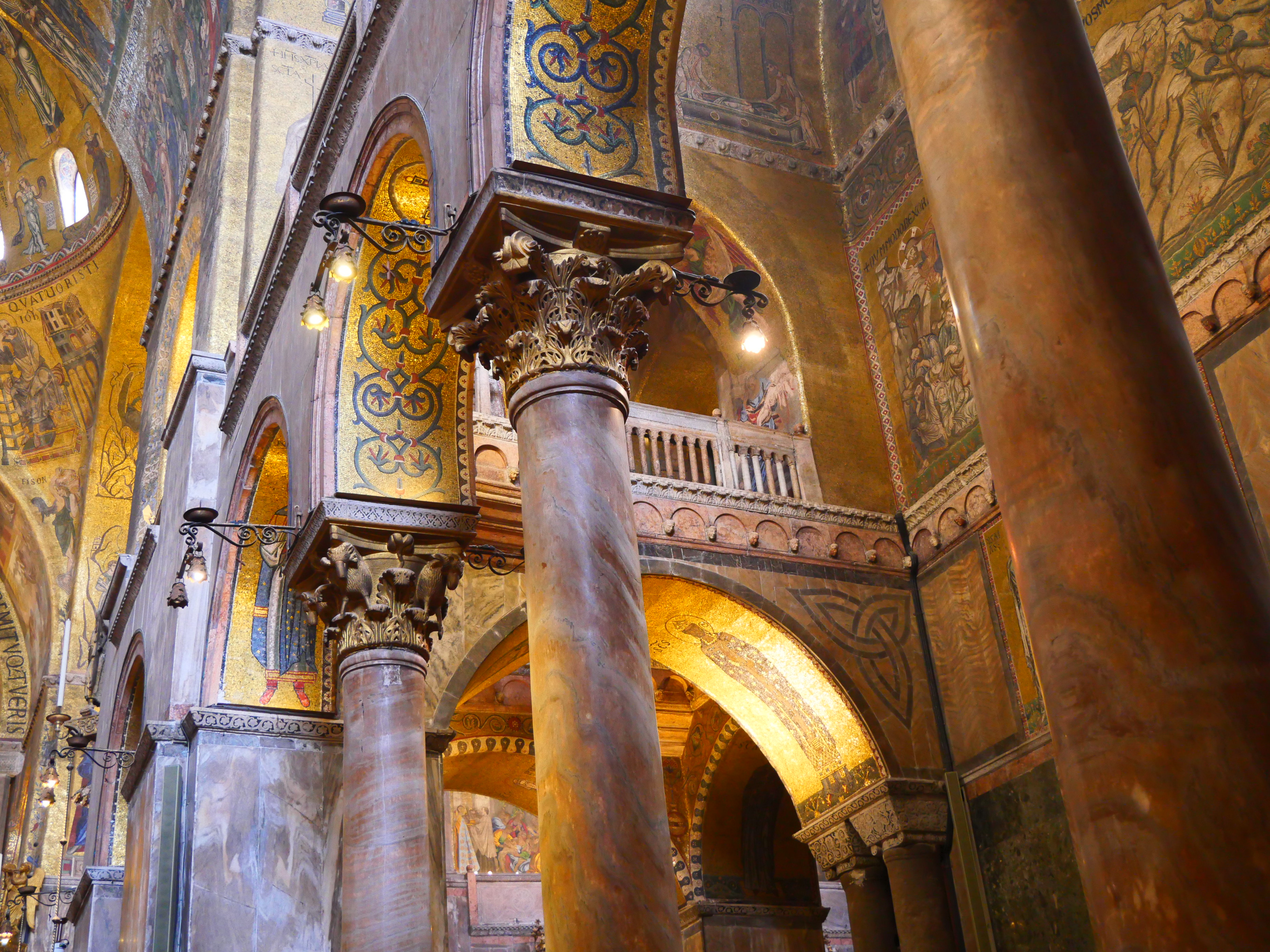
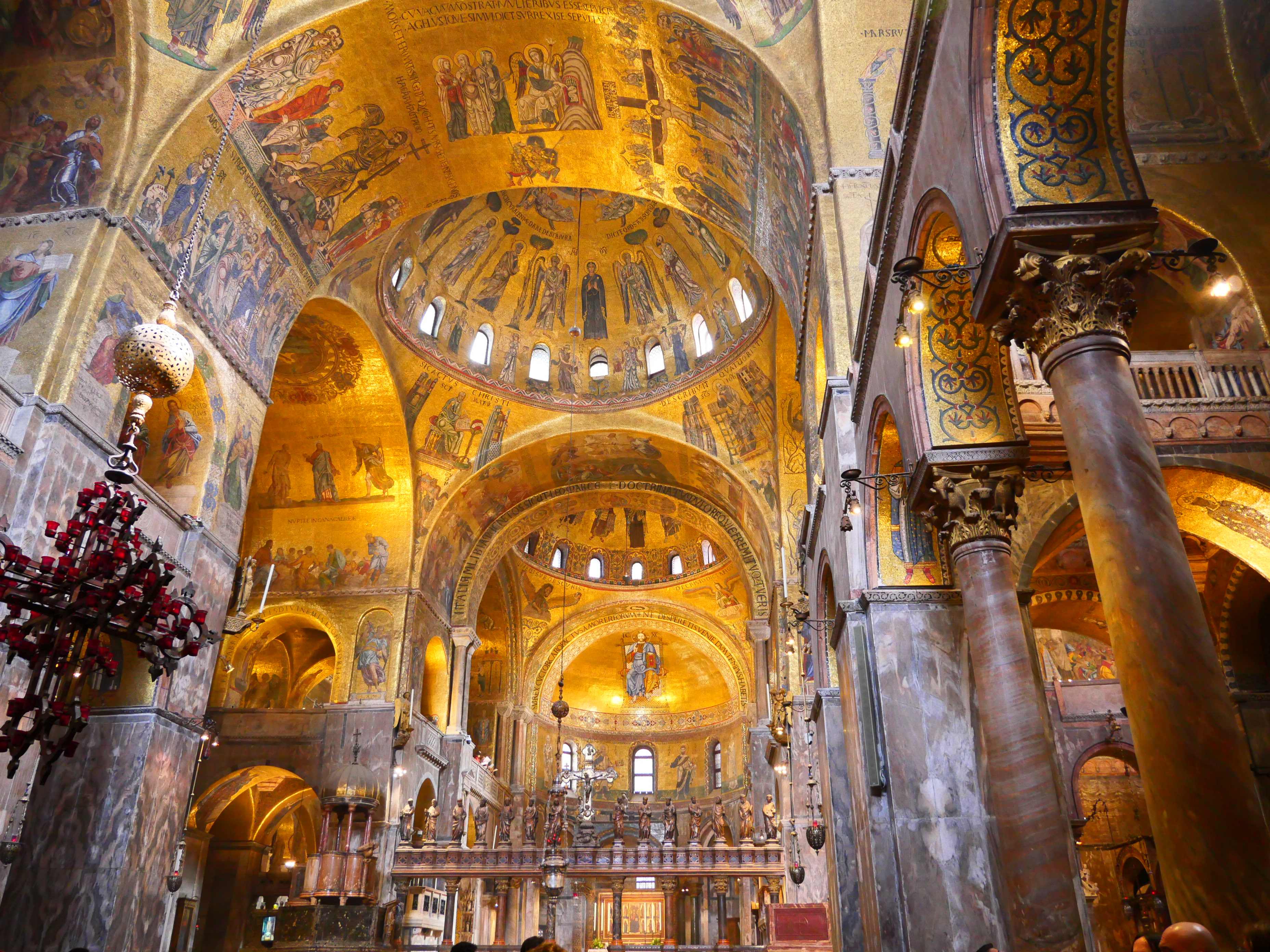
If you have not been in San Marco/St. Mark’s Bassilica, which we had not before this, it is difficult to describe what you will find there. Certainly we were unprepared. The current San Marco is the third or fourth place of worship on this site and the current version, initially constructed in 1063, has been the object of continuous improvements over the centuries since it was constructed. This phenomenon seems to be pretty common in Italy where many churches which were originally constructed of brick were later outfitted with a marble façade (we saw a number of these).
In the case of San Marco, which was in its day the church of the wealthiest and most powerful city state in the world, this has been taken to an extreme. On the interior, virtually every surface of the church is covered with beautifully ornate mosaics with a considerable amount of gold leaf in play. The overall effect is stunning and I think we both agree that this was probably the most beautiful church we have ever been inside.
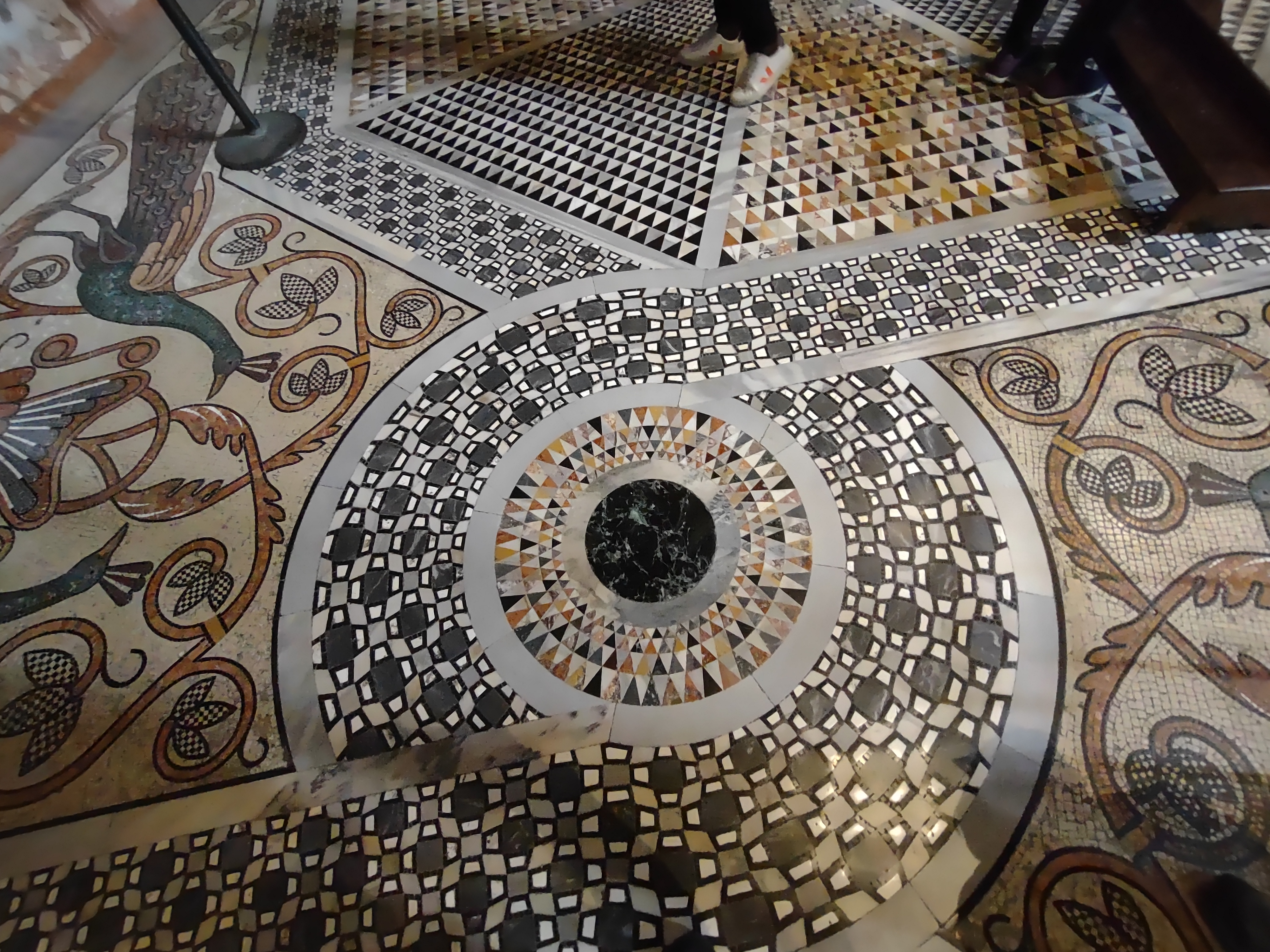
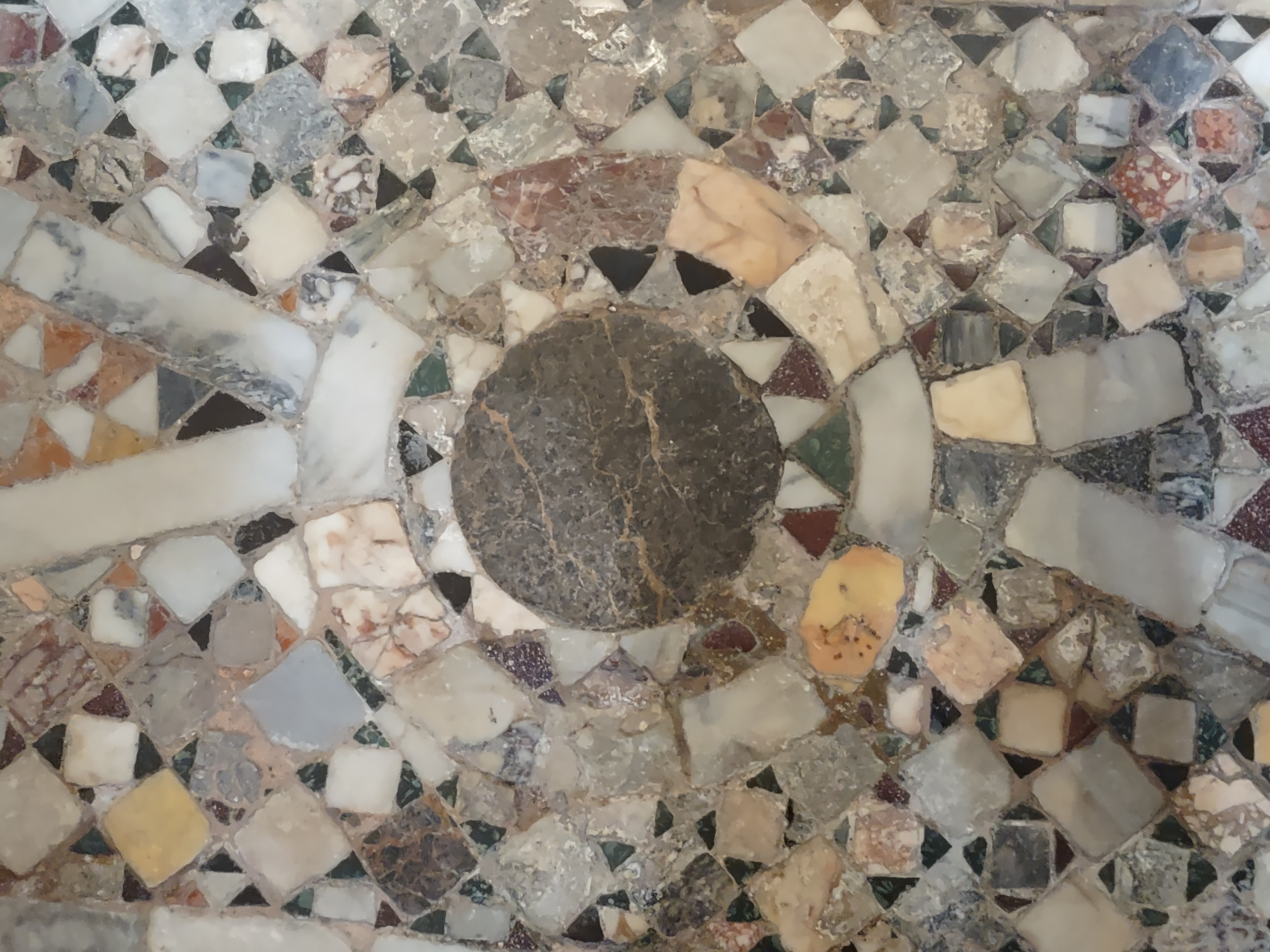
Because of her personal interest in mosaics, Colleen was particularly enamored with the tile floors which are as beautiful as any we have seen and incredibly varied.
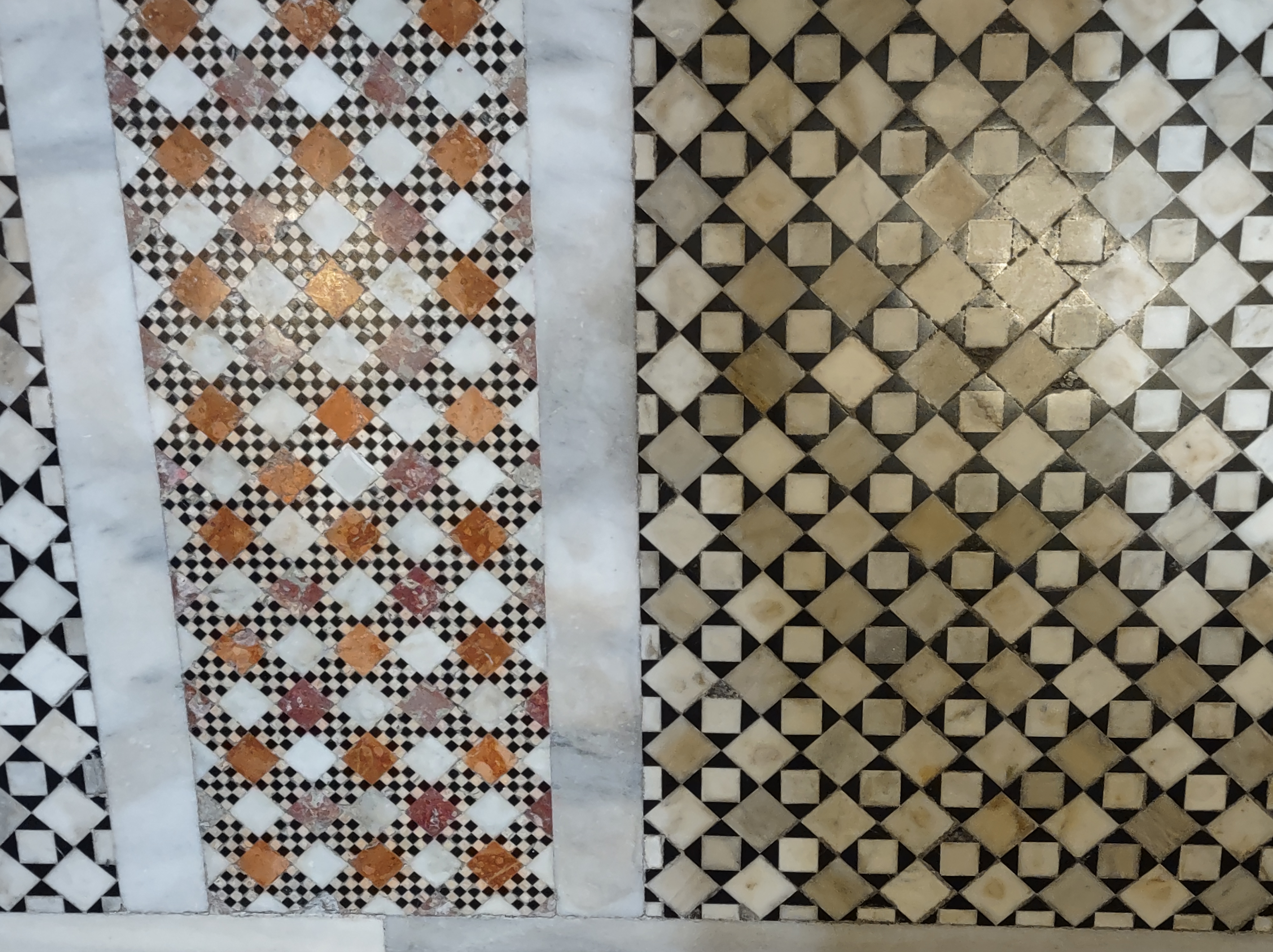
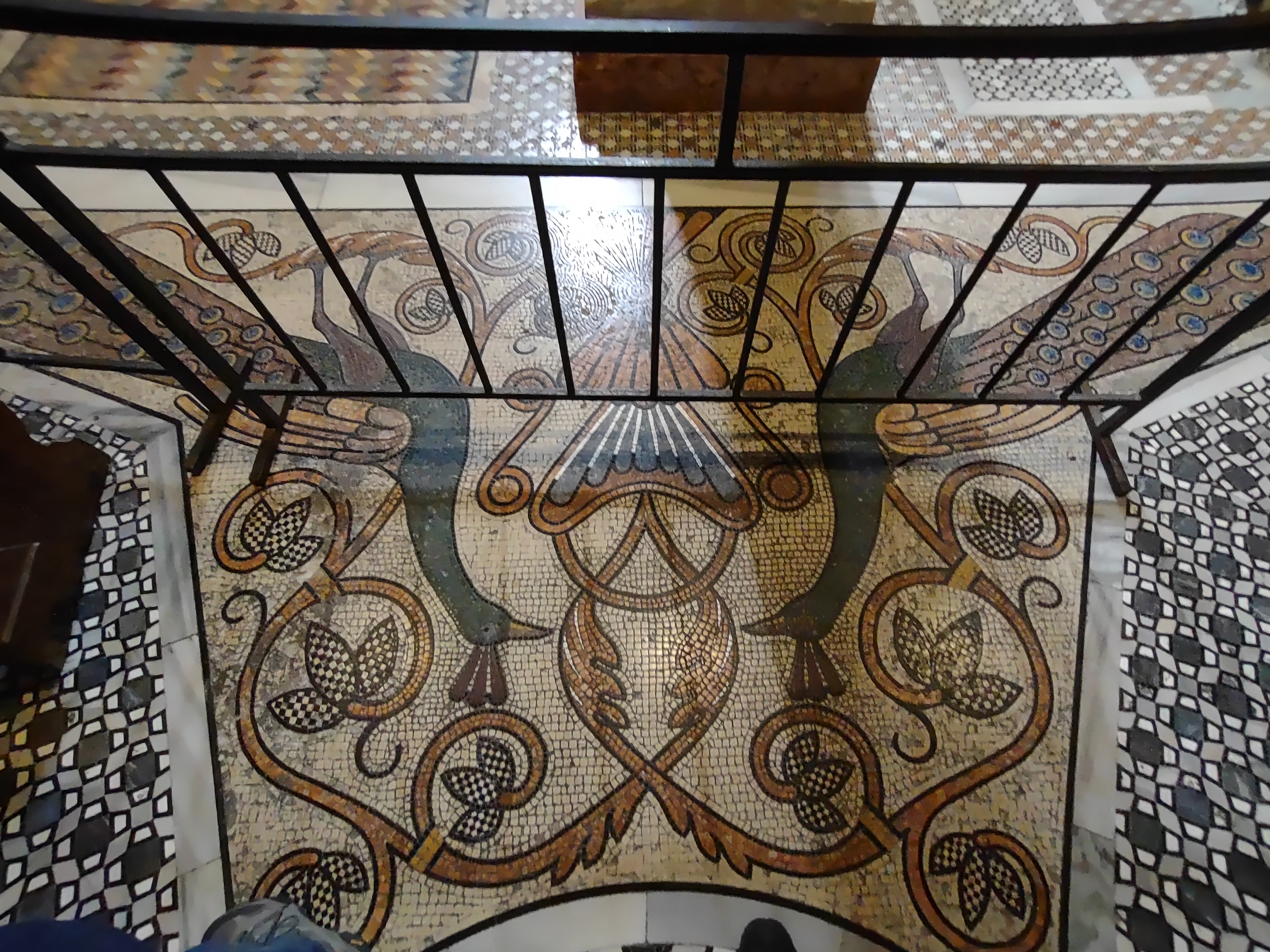
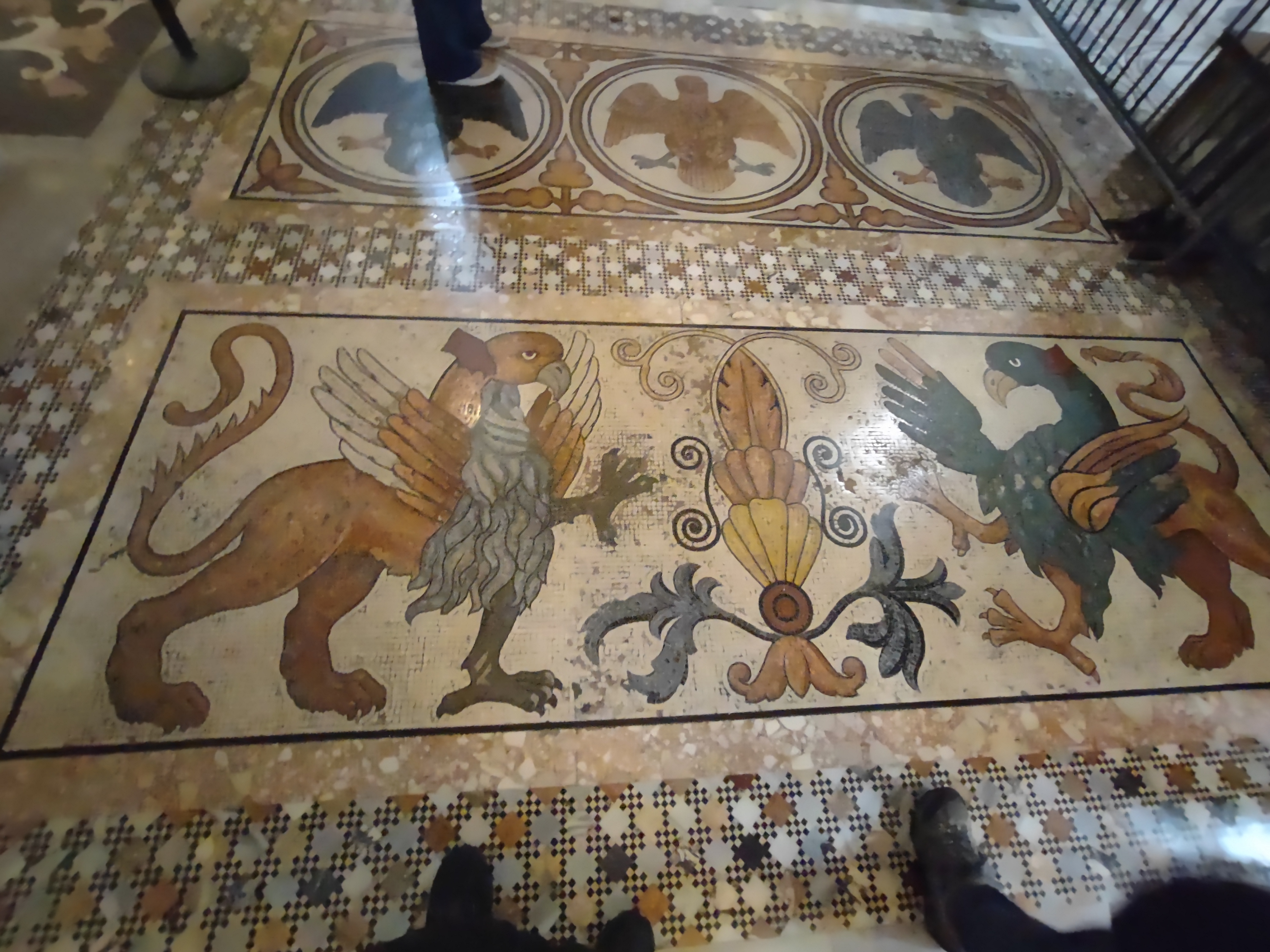
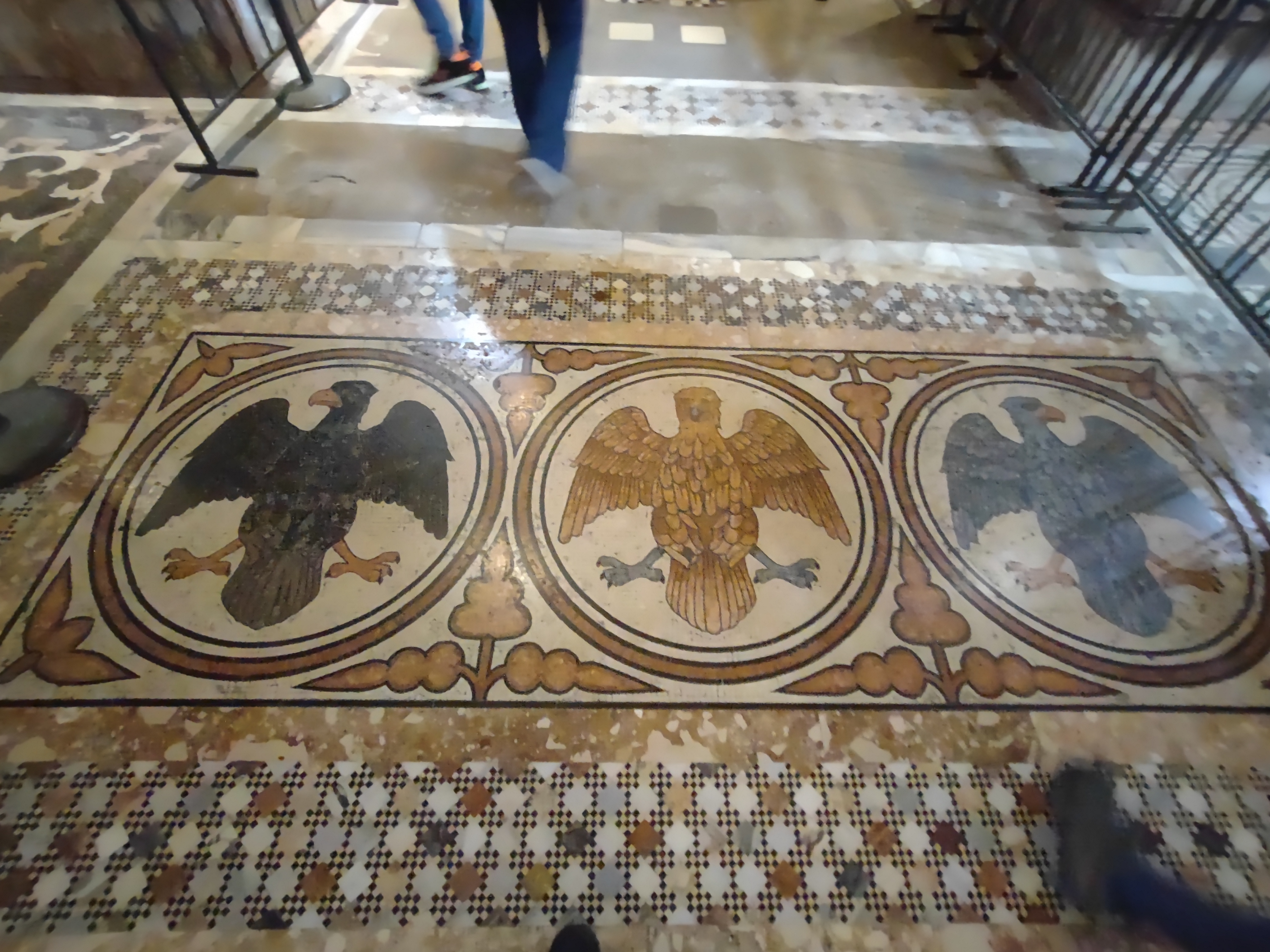
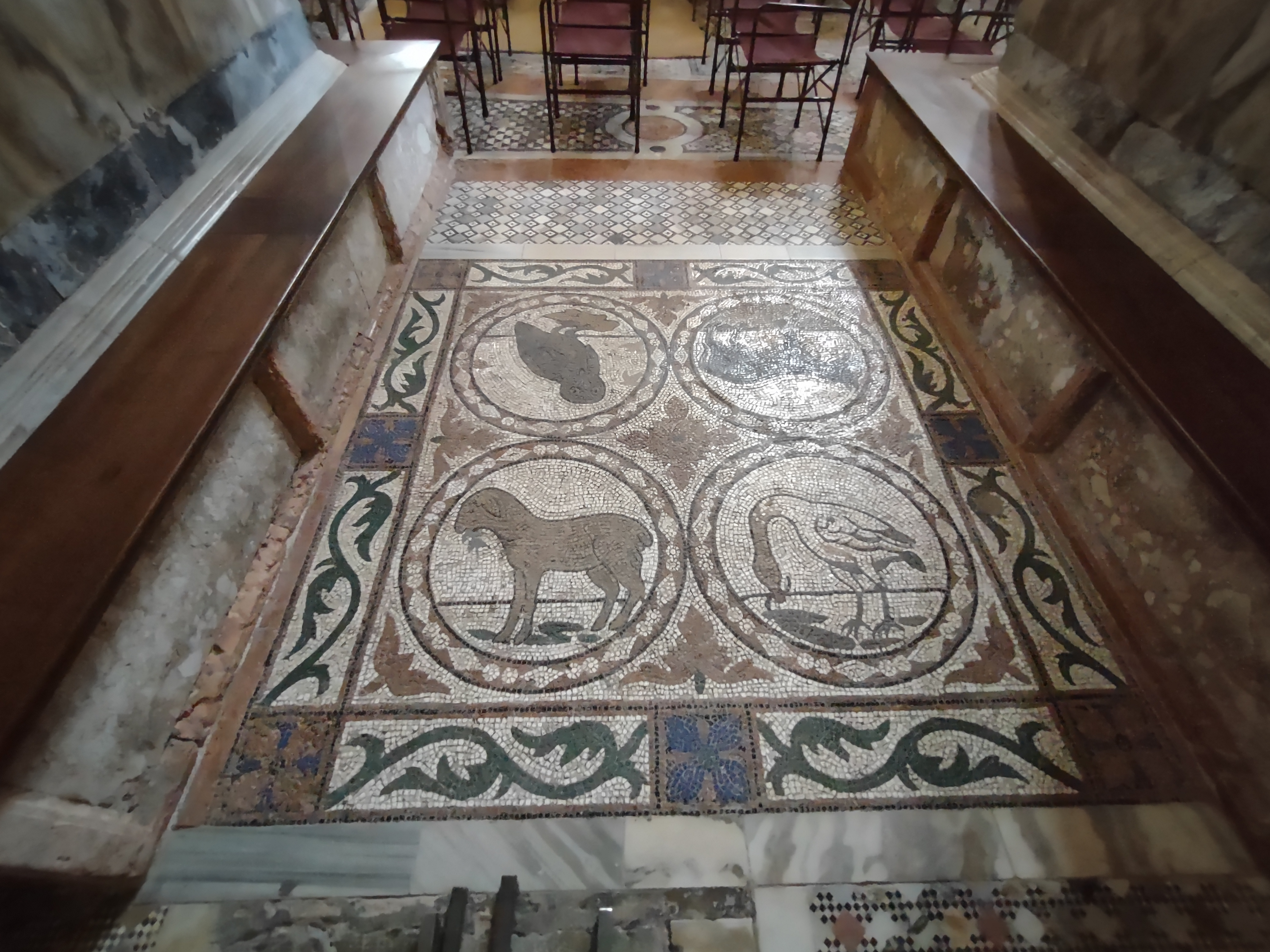
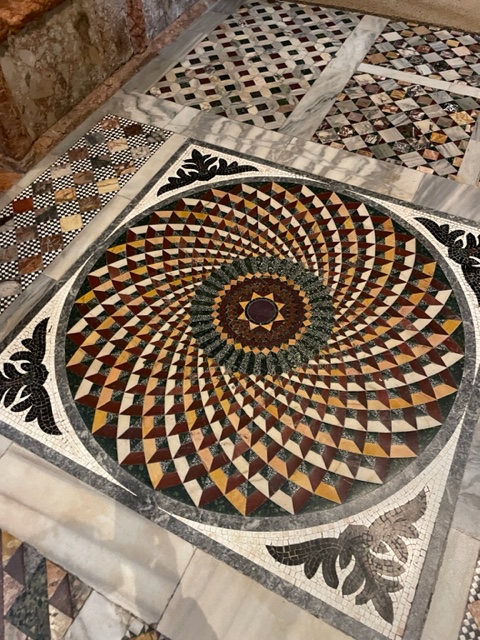
At our old parish in Merchantville, New Jersey, we used to joke that, based on his rendition of services, particularly at religious holidays, the Monsignor’s first career choice must have been to be on Broadway. The mass in San Marco was more like a beautiful opera. Perhaps it was the acoustics, maybe because it was in Italian, or maybe just the setting – most likely a combination of all the above, but even the normal singing and chanting seemed somehow more celestial and when the choir sang, it was heavenly!
Nice start to a Sunday in Venice!
Murano, Burano, and Torcello
Being in a place for more than a couple of days opens up the possibility of taking some day trips. We decided to book an excursion boat which took us to Murano, Burano, and Torcello, the three principal islands north of Venice.
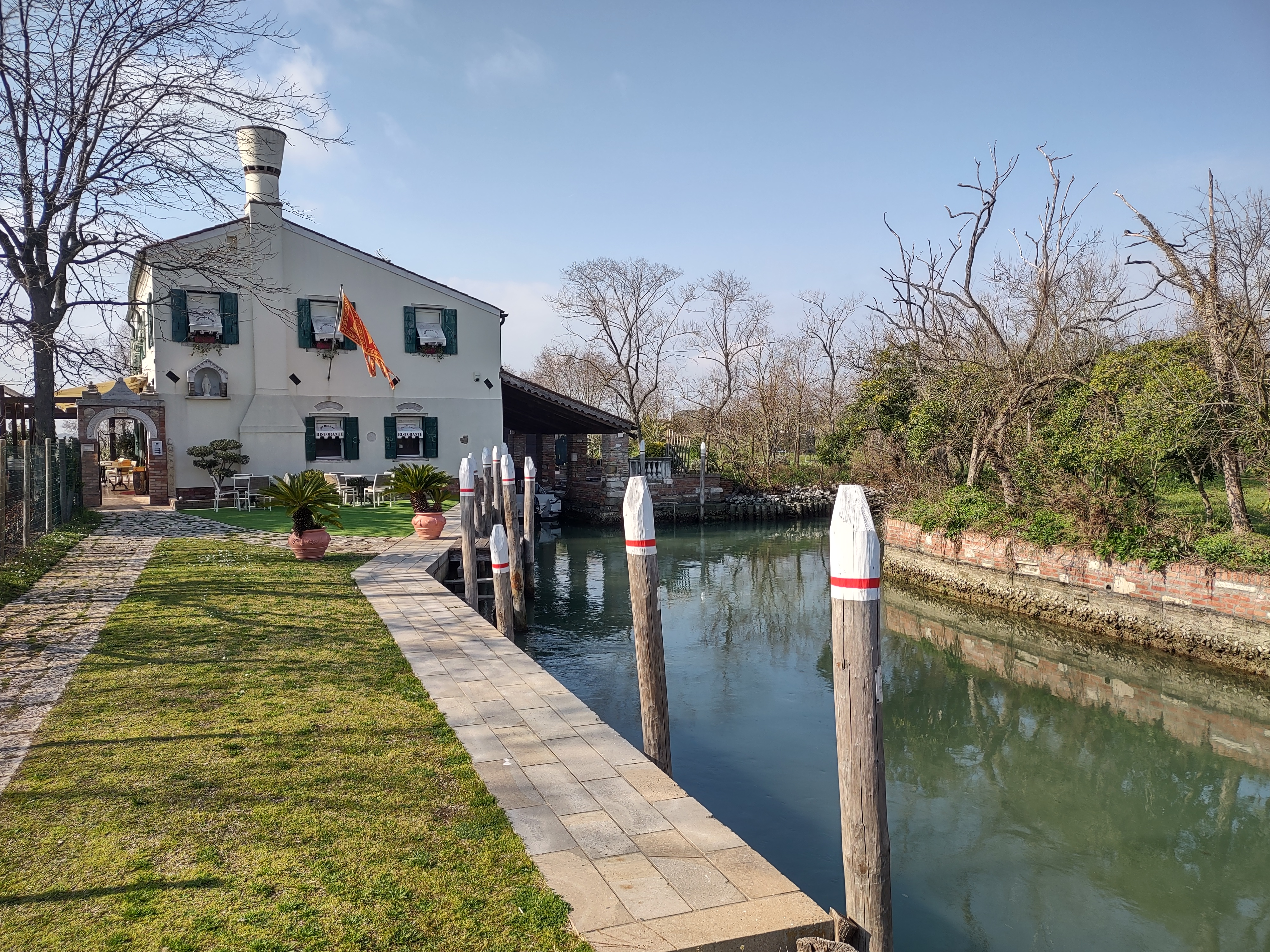
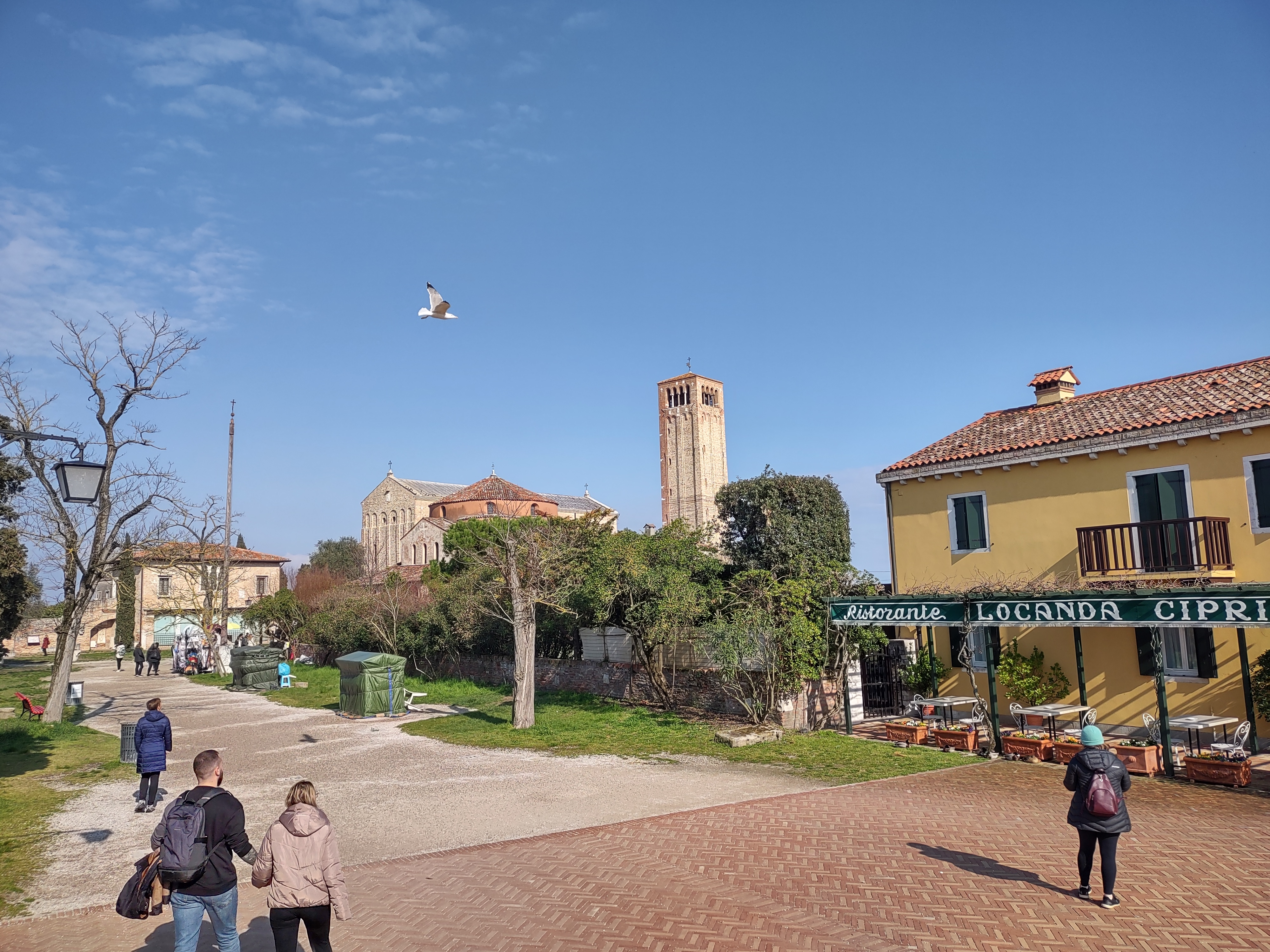
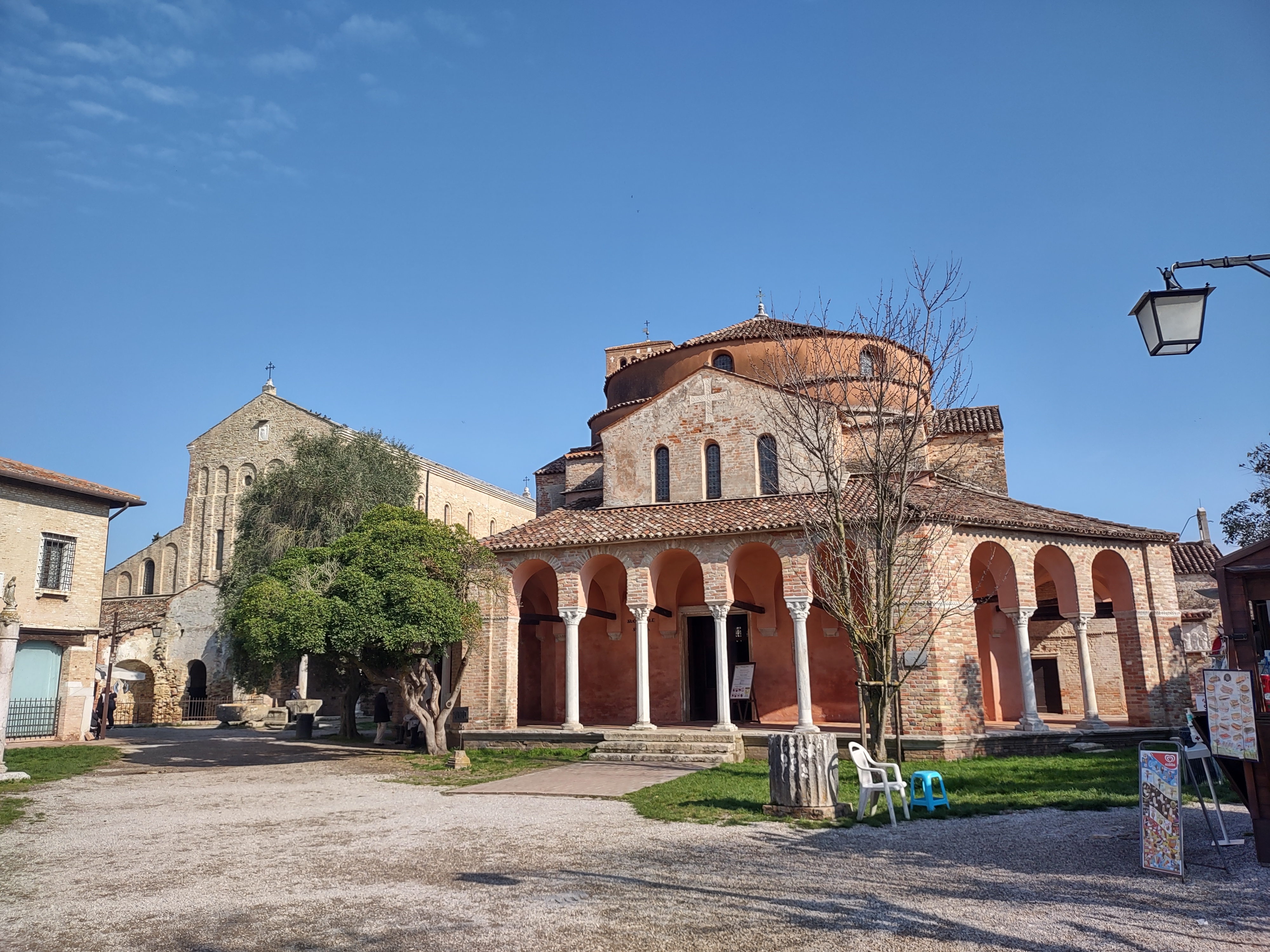
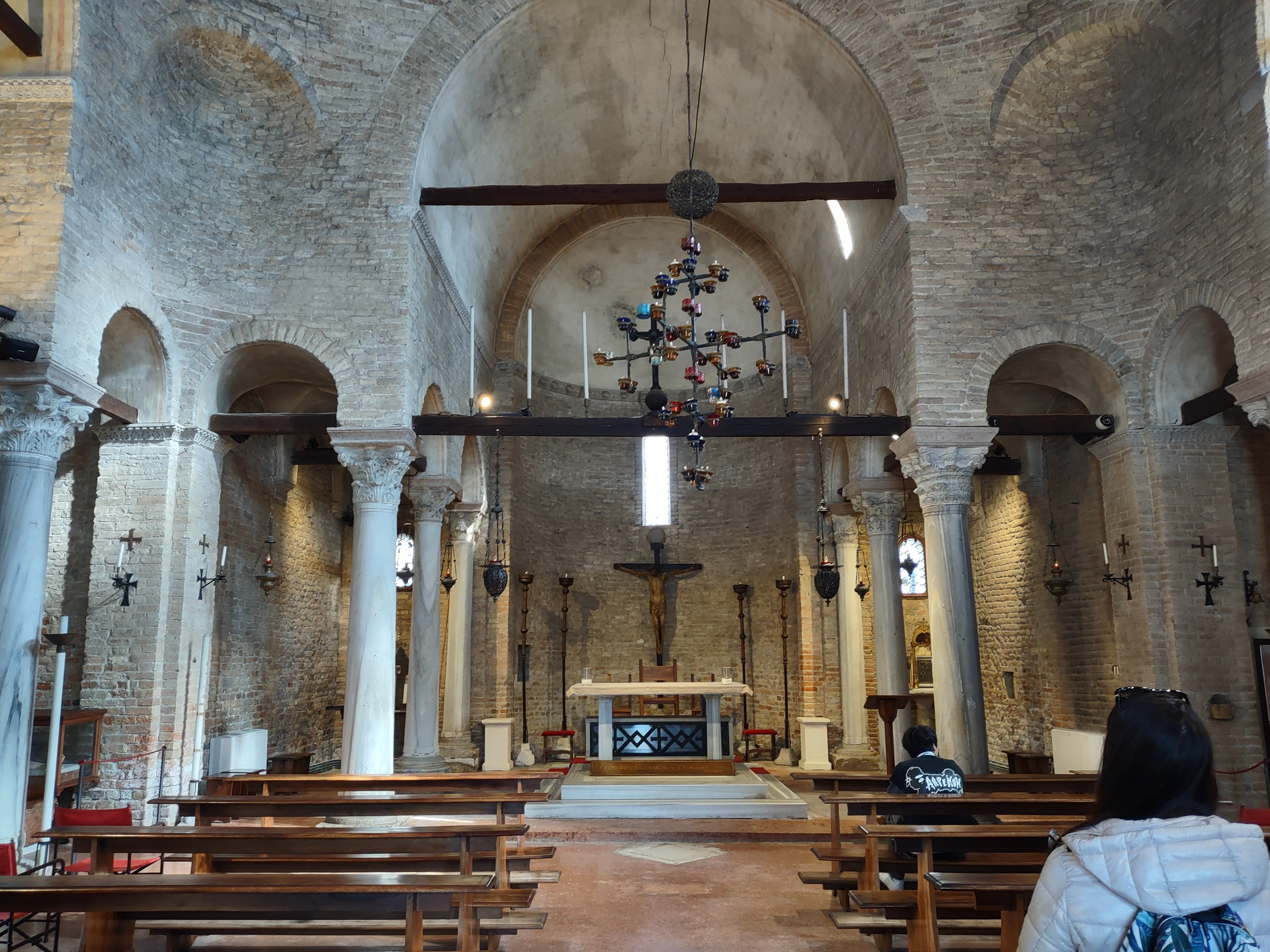
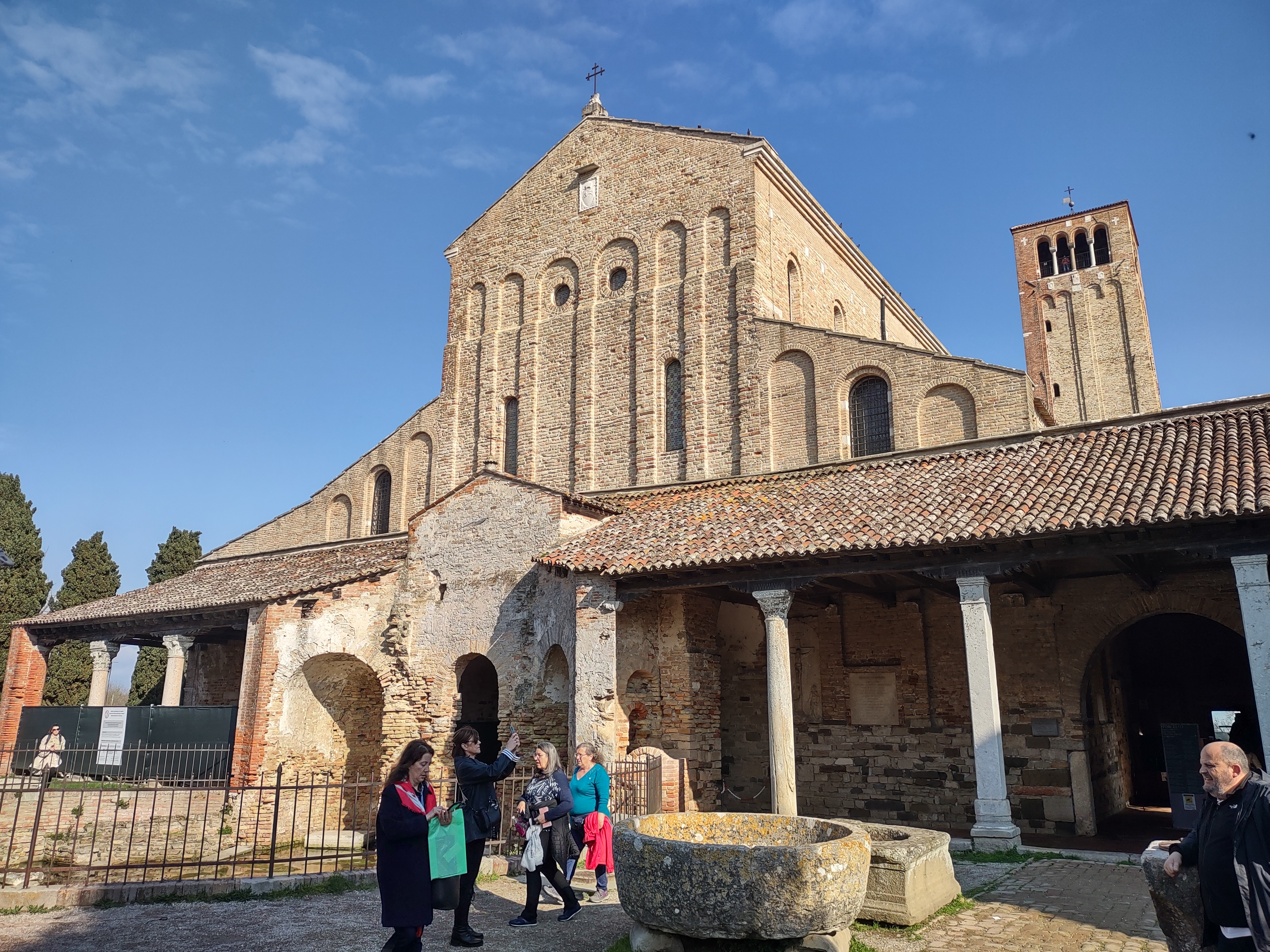
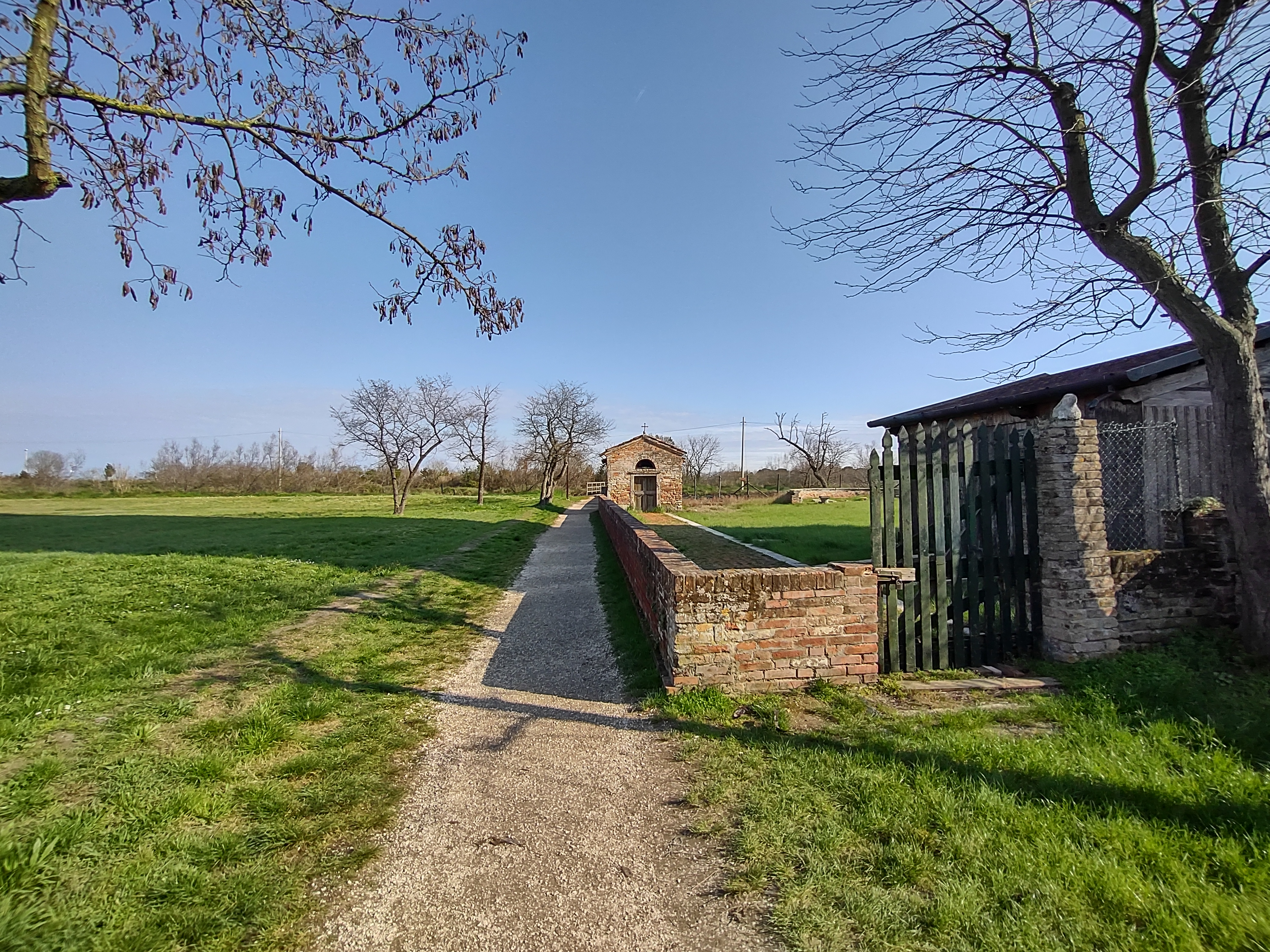
Murano is known for its glass, Burano for its brightly colored buildings and its lace, and Torcello, the oldest settlement in the Venice lagoon, for its ancient church and chapel. The excursion included a glass-blowing demonstration and about an hour for shopping on Murano, about an hour and half on Burano to look at the lace and have lunch, and 45 minutes to walk around Torcello and perhaps have a glass of wine, before returning to Venice.
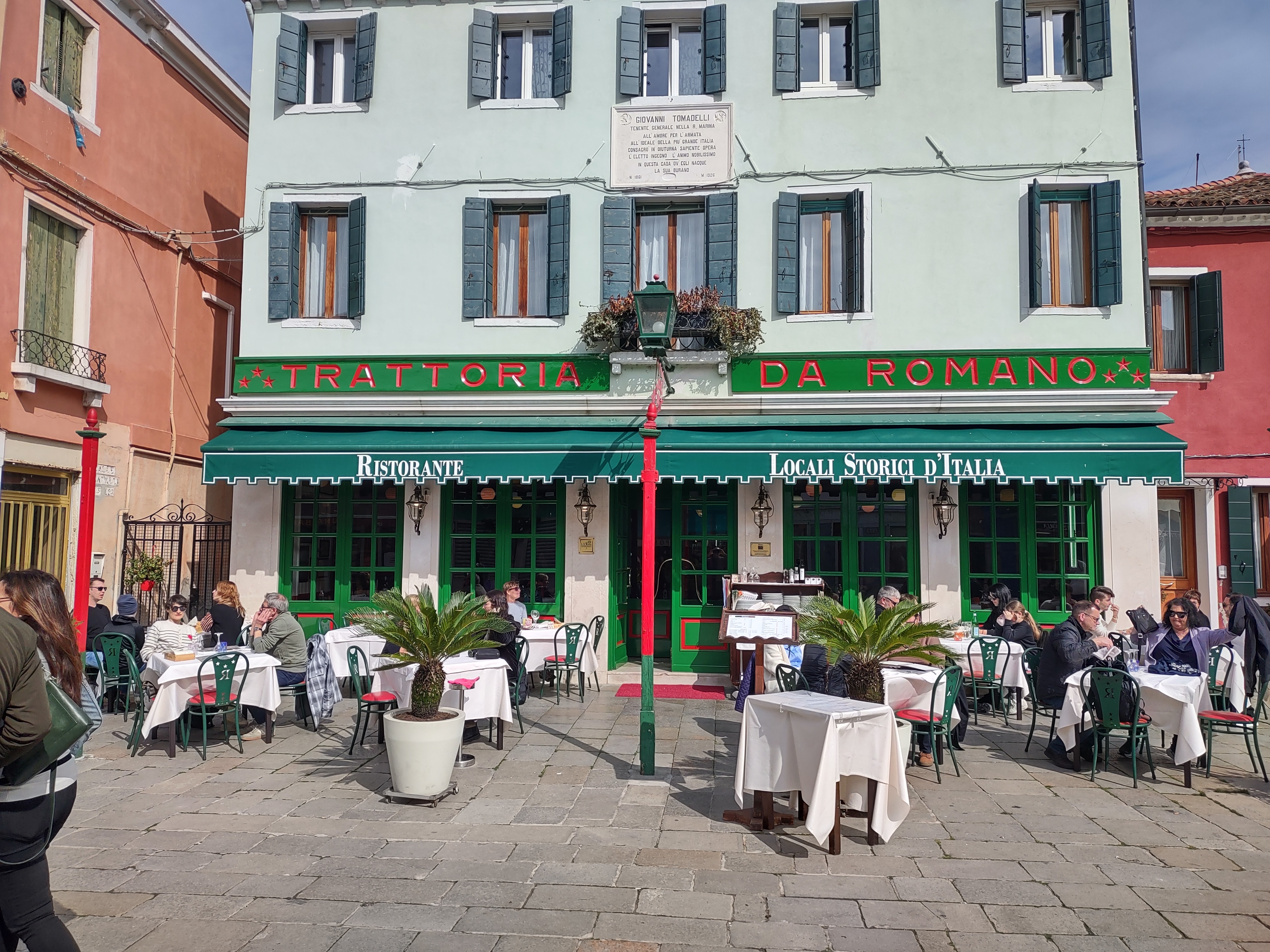
We tried to be a bit strategic with this excursion. Recognizing the time limitations, we considered the visit to Murano as more of a trial/exploratory run with the likelihood of a more extended return visit. As regards Burano, our plan was to have lunch at Trattoria da Romano, a restaurant publicized by, among others, Anthony Bourdain who visited it for No Reservations in 2009. We had no particular designs on Torcello, but were interested in seeing the churches and maybe grabbing a glass of wine.
So, full disclosure, the boat we took was quite a bit larger than what we had anticipated – about 100 people. Given the expectation that we would return to Murano, it was OK. We saw the glass blowing demonstration along with a little bit of the town and vowed to return on another day.

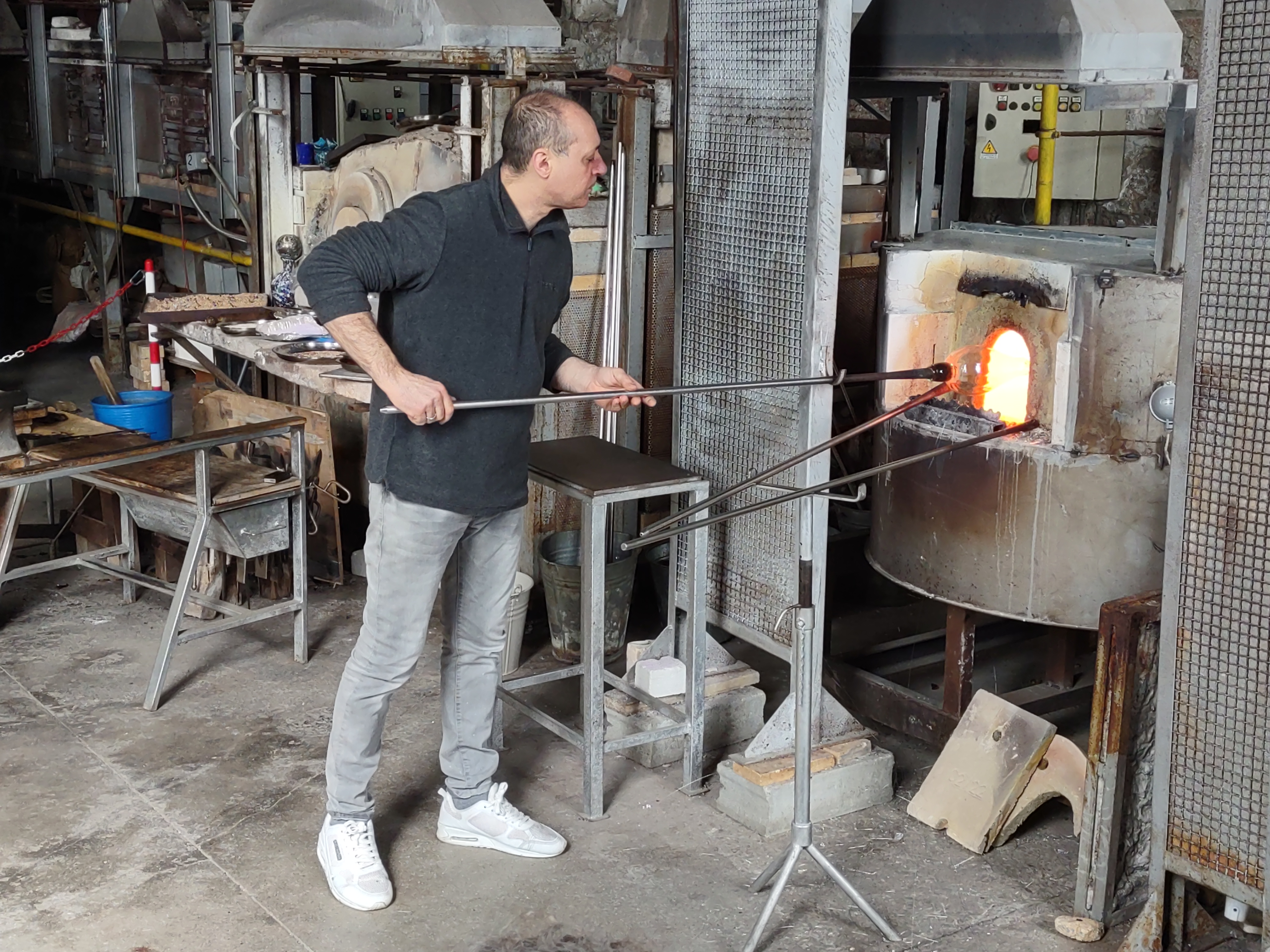
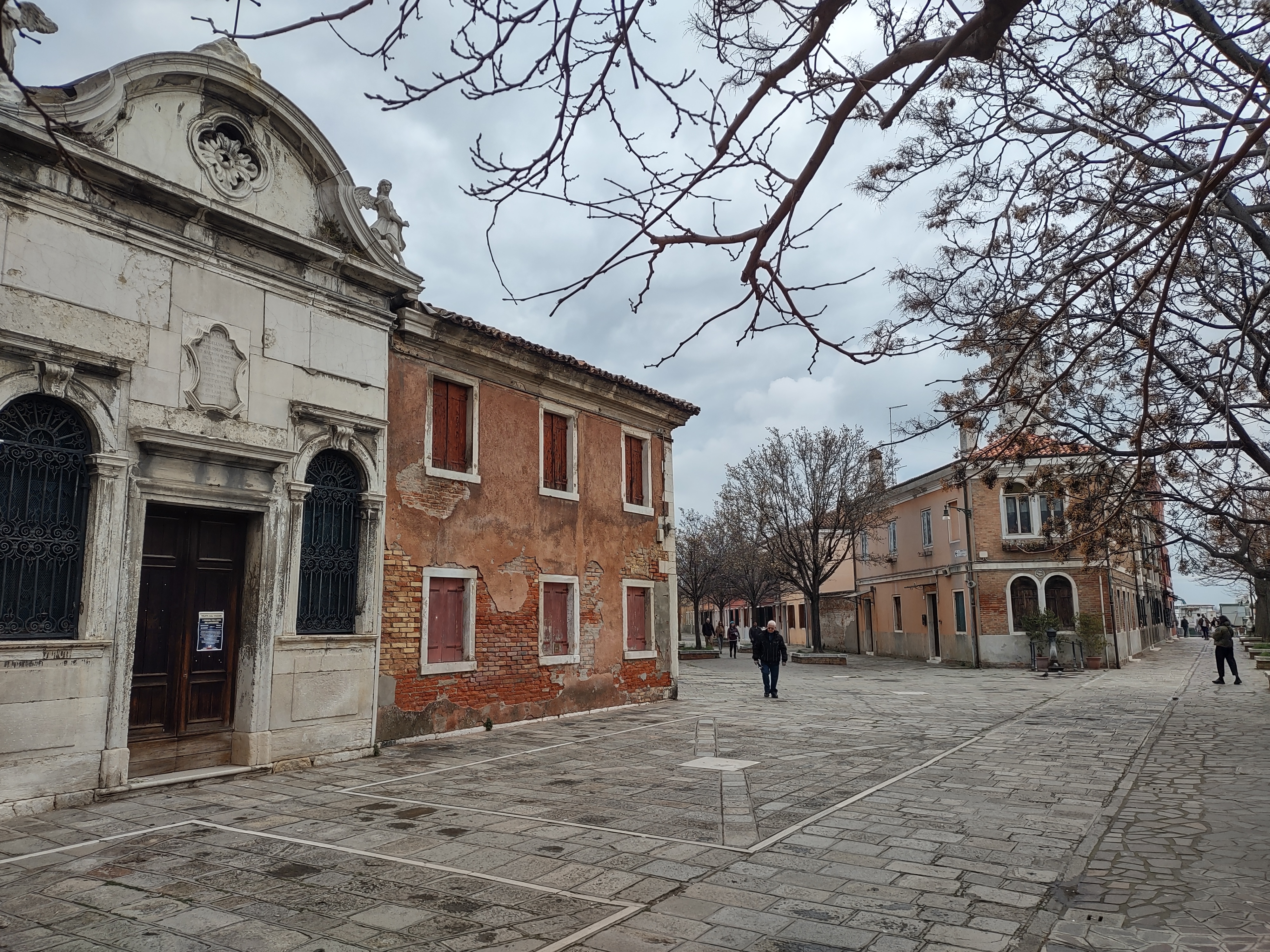
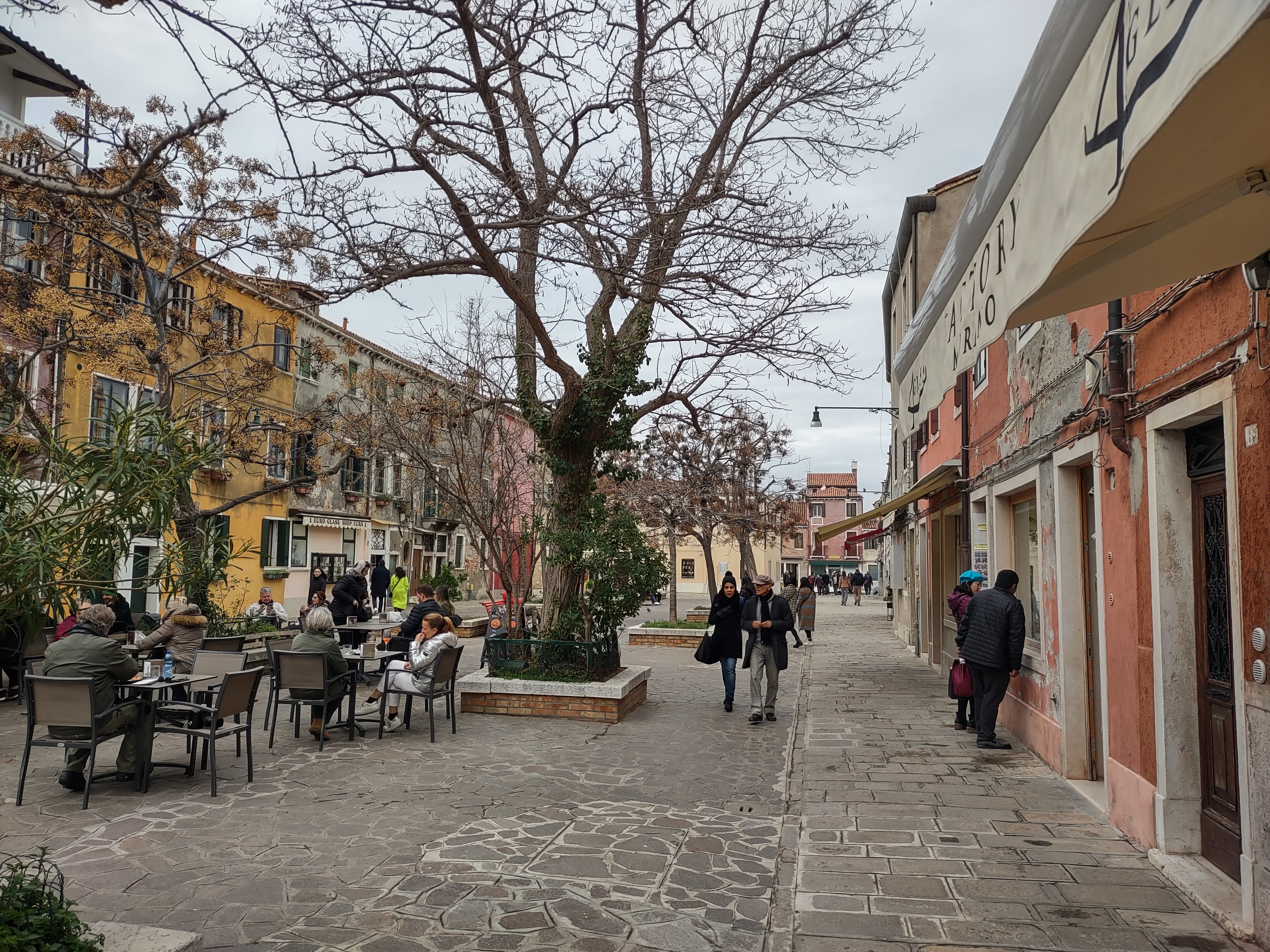
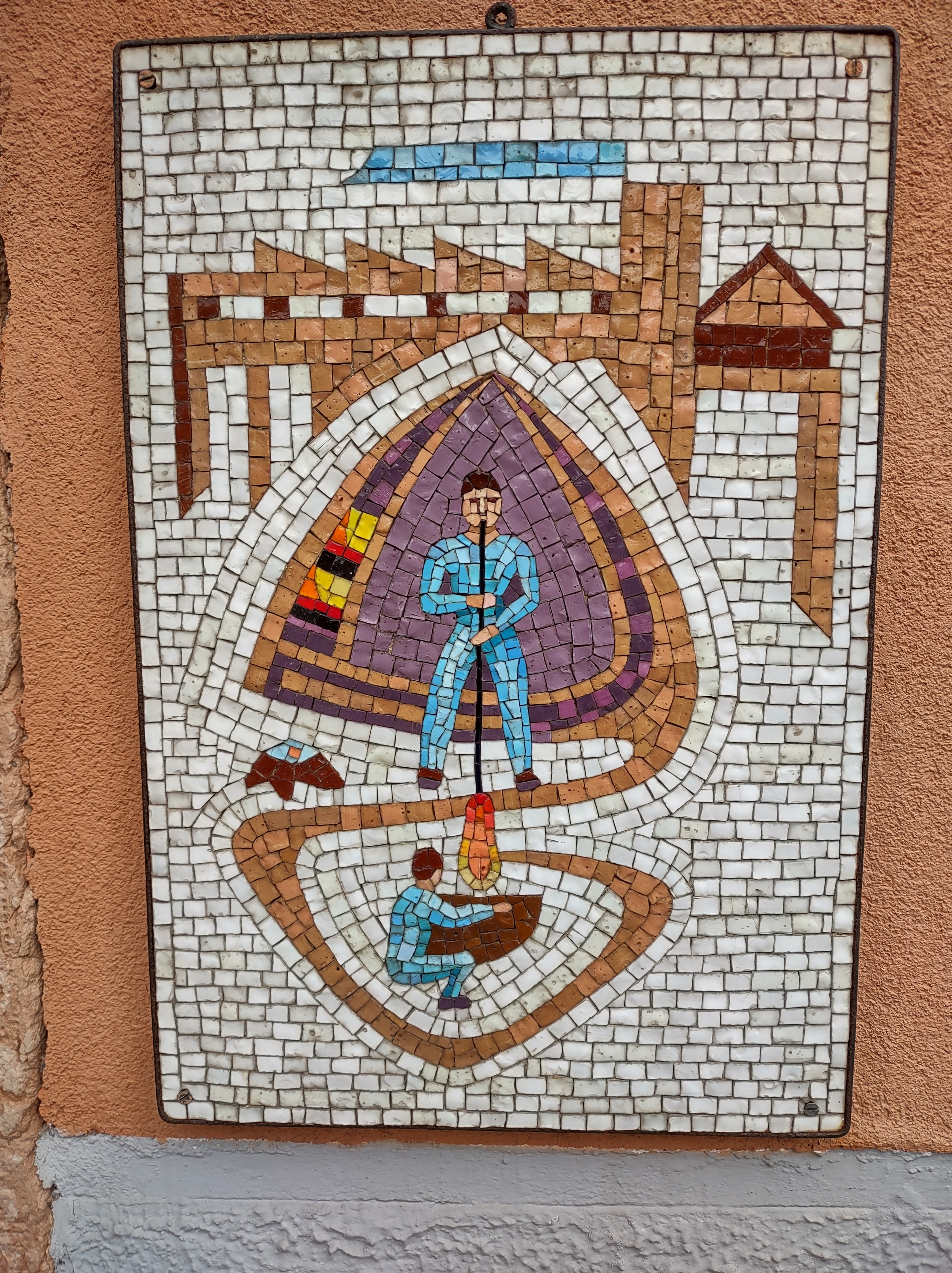
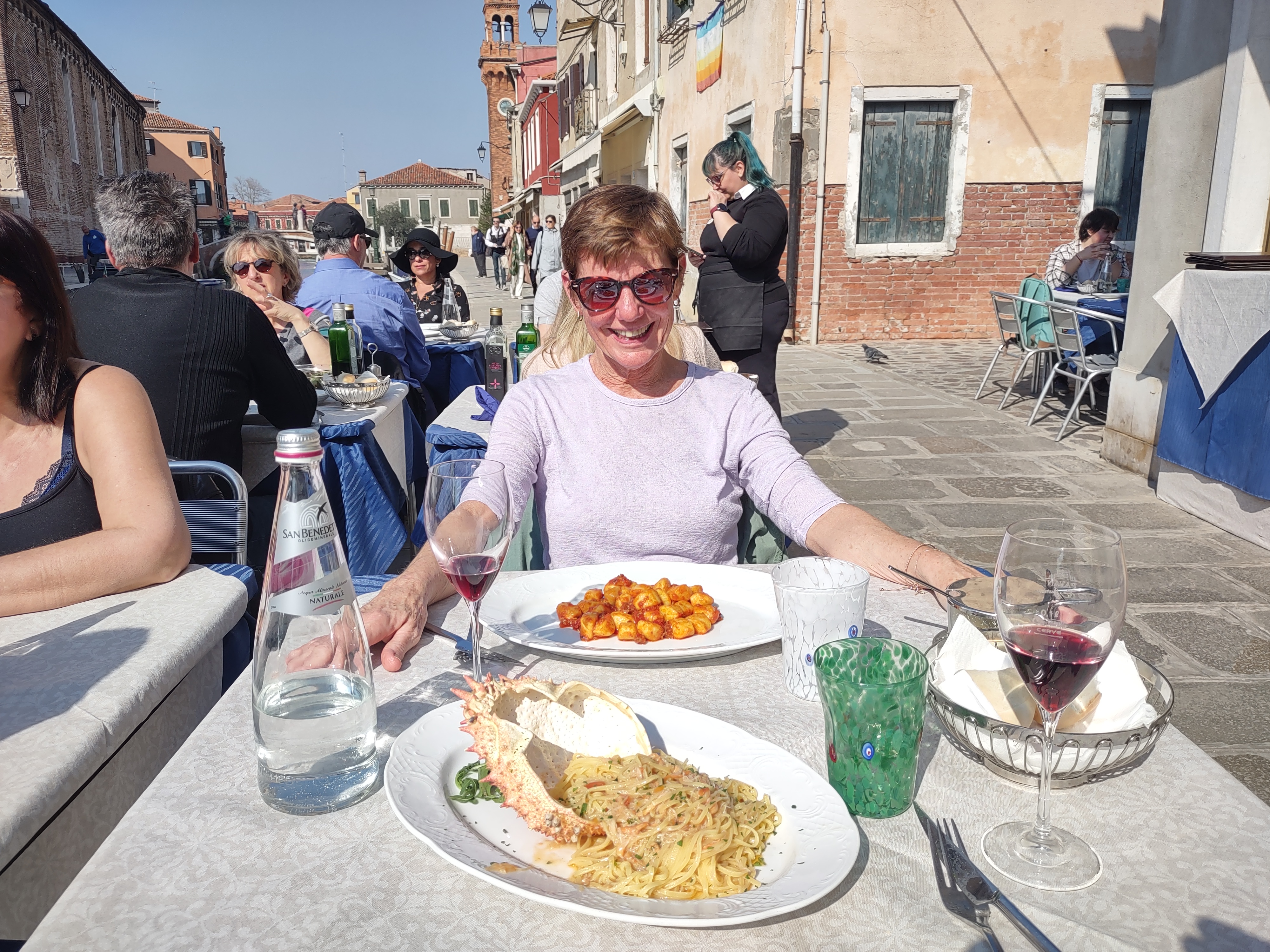
When we got to Burano, we had already decided that we would forgo the lace museum, at least initially, and proceed directly to the Trattoria da Romano. Our strategy worked perfectly. We were able to land a table in the sun, had a great leisurely meal, and saw as much lace as we were interested in seeing (not much).
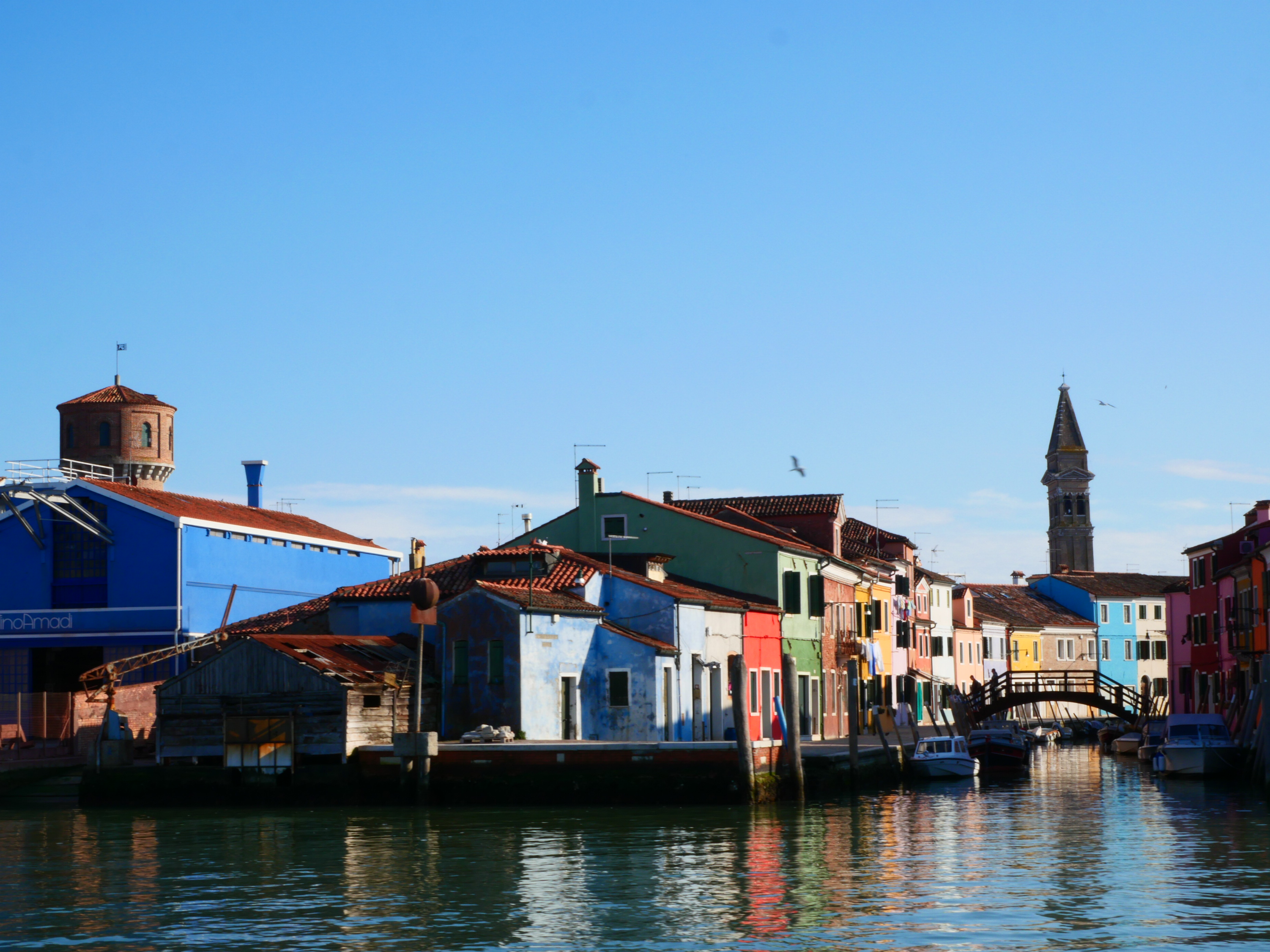
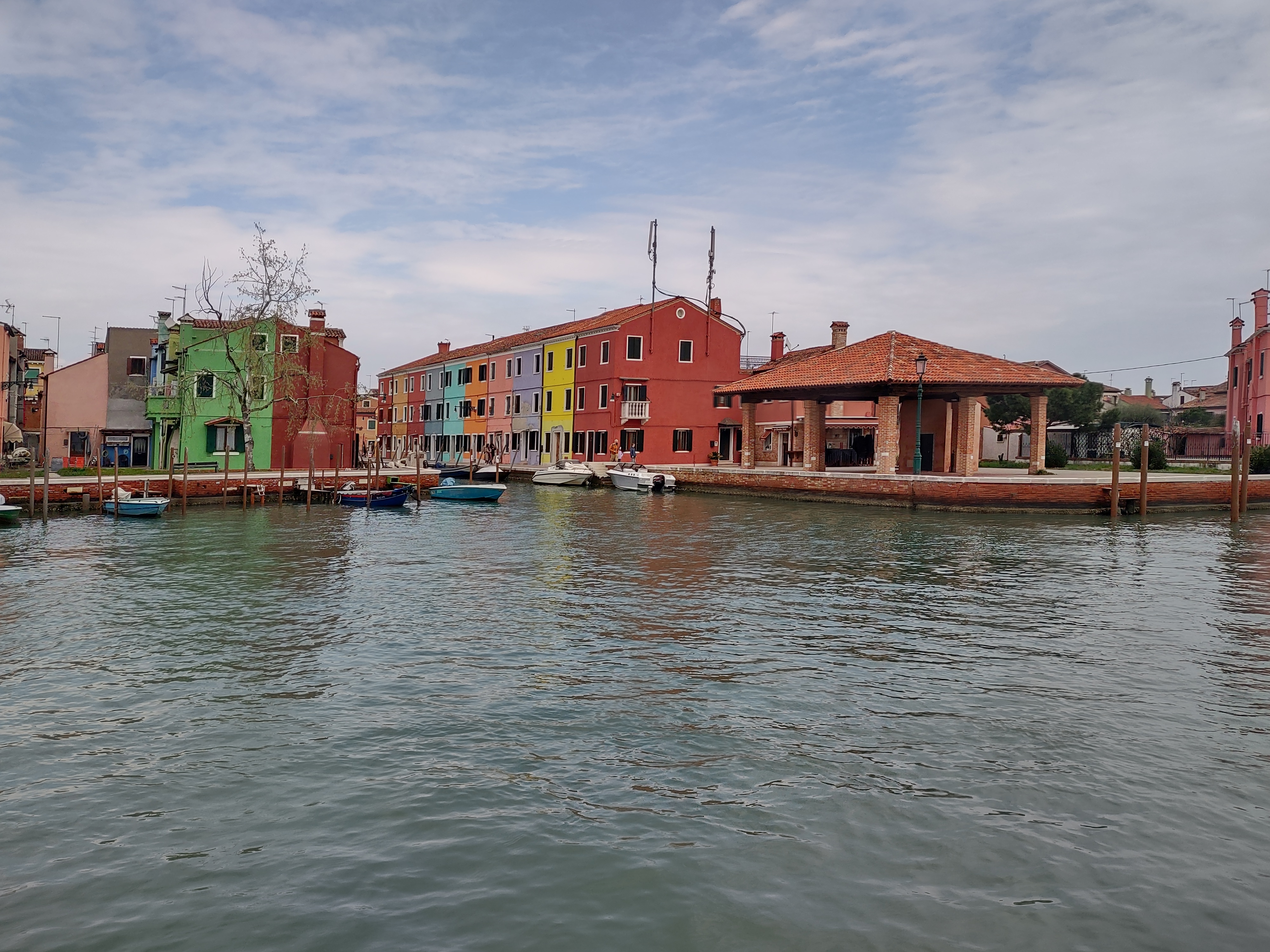
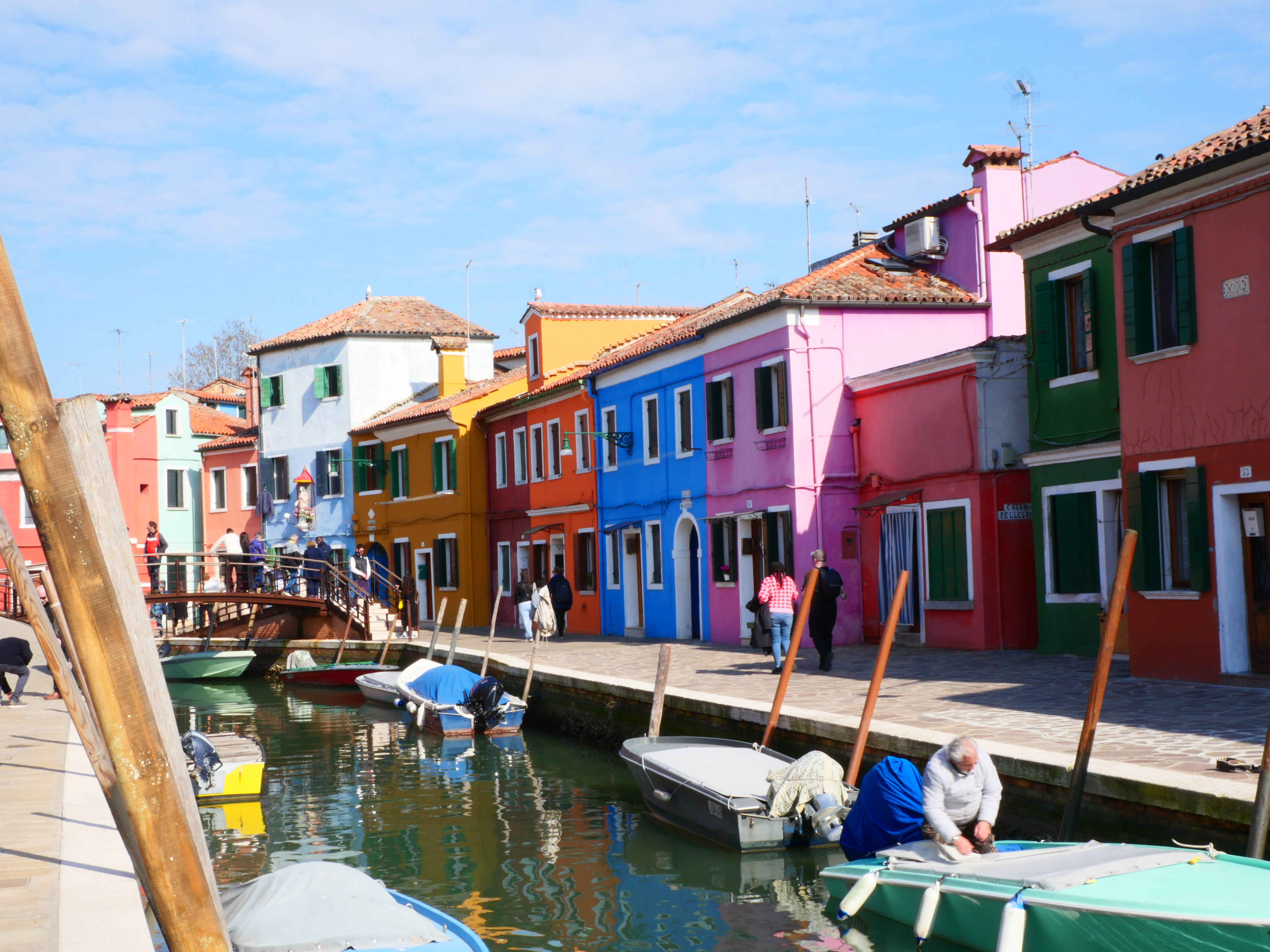
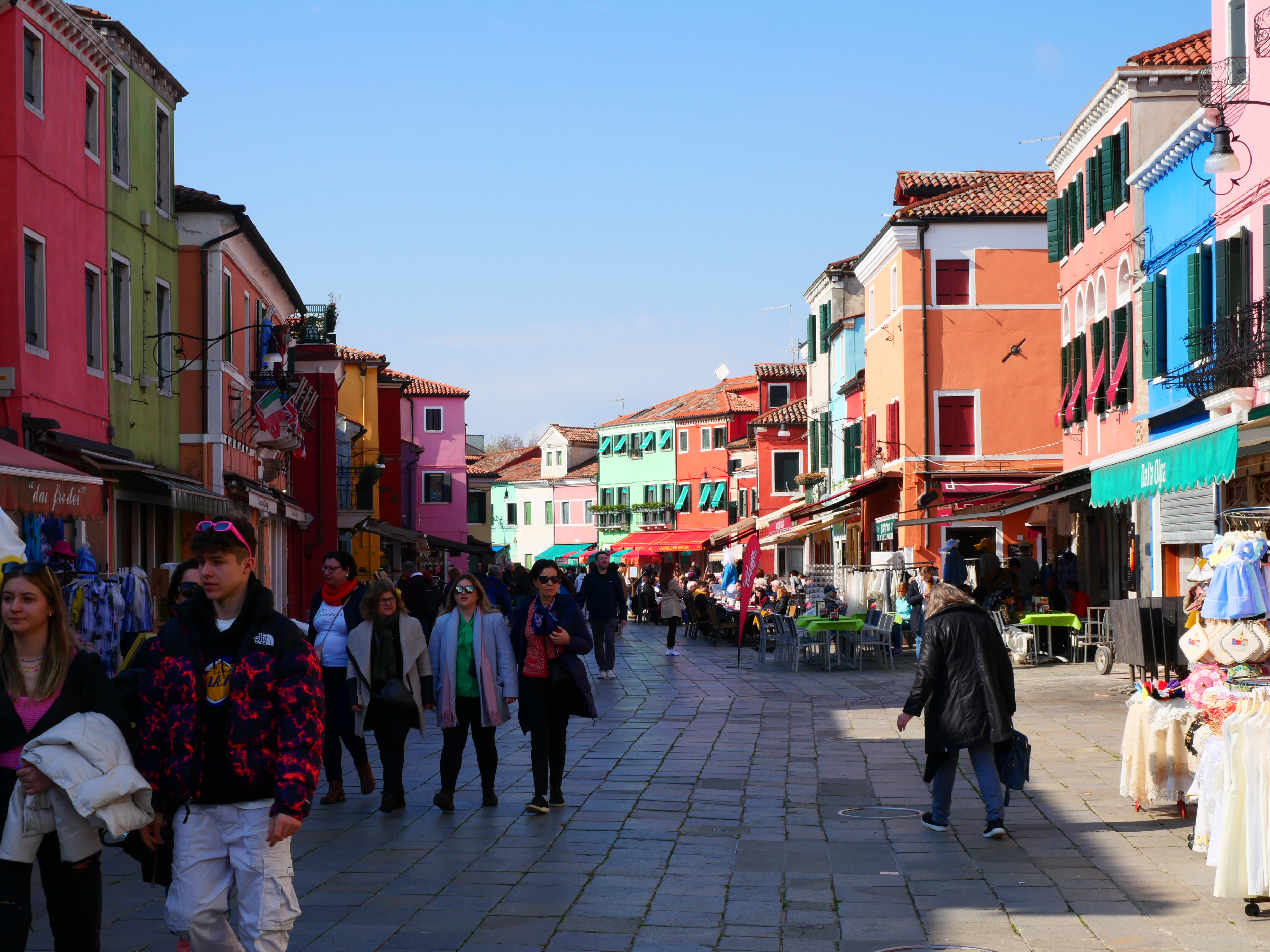
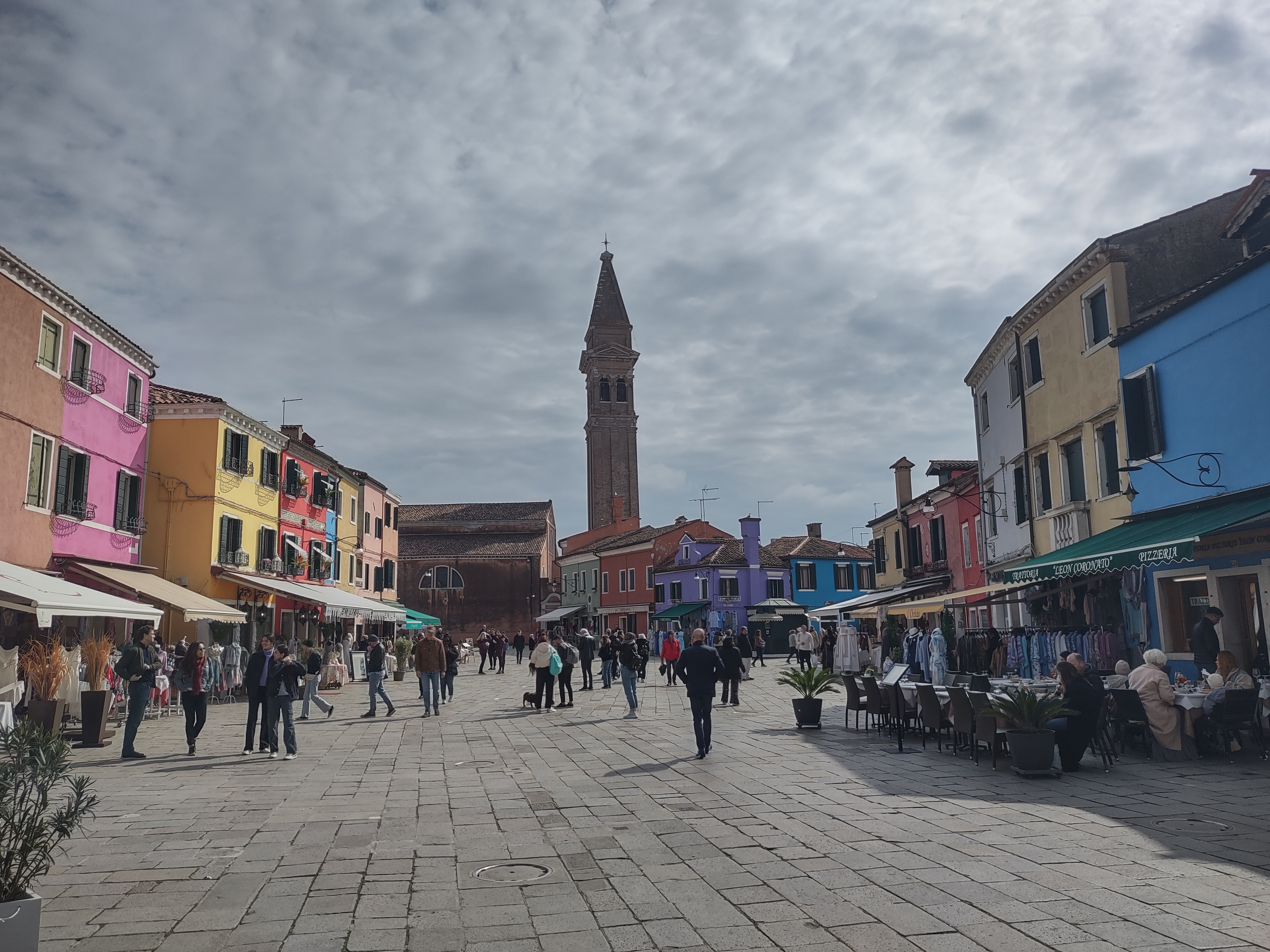
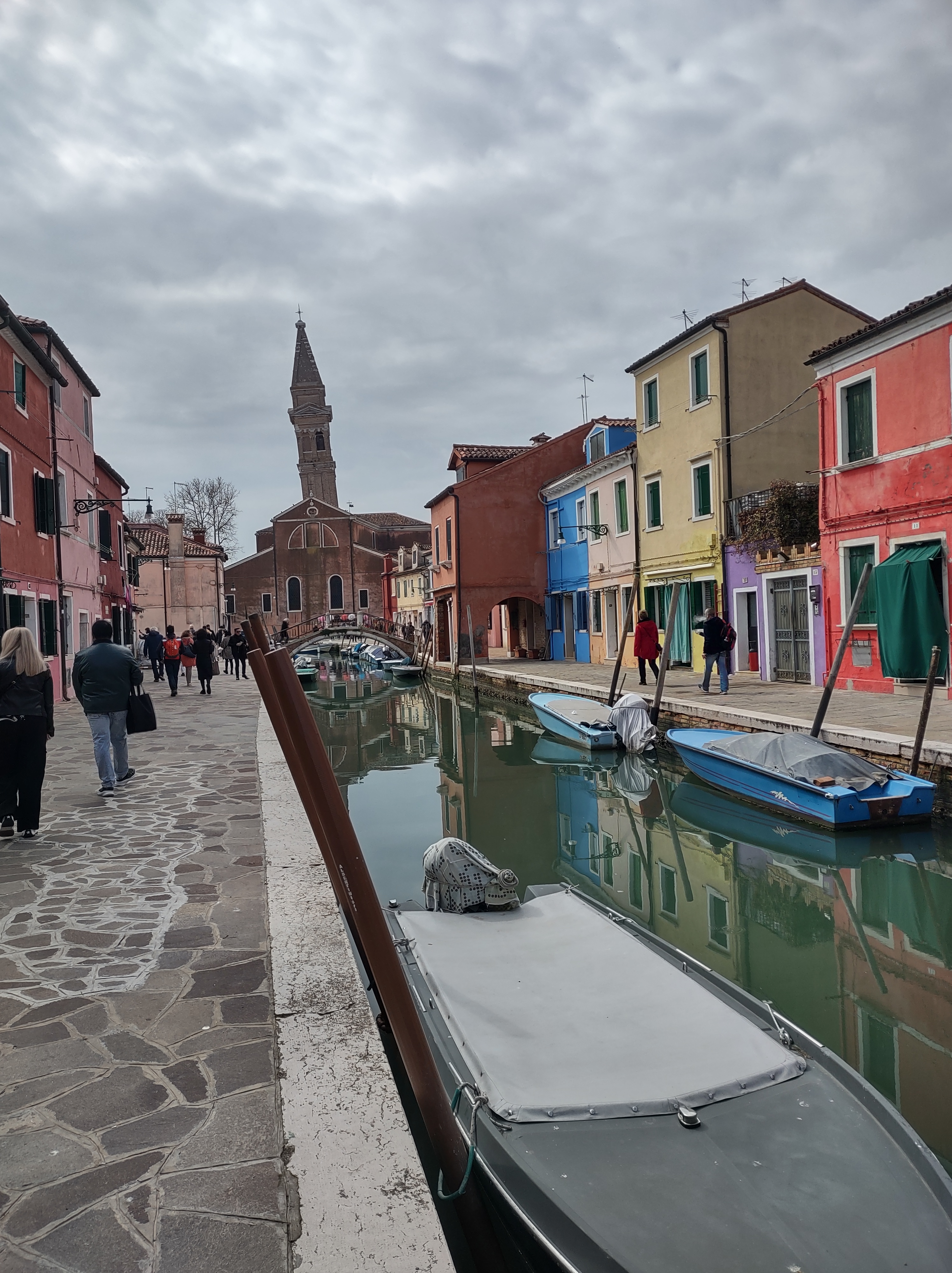
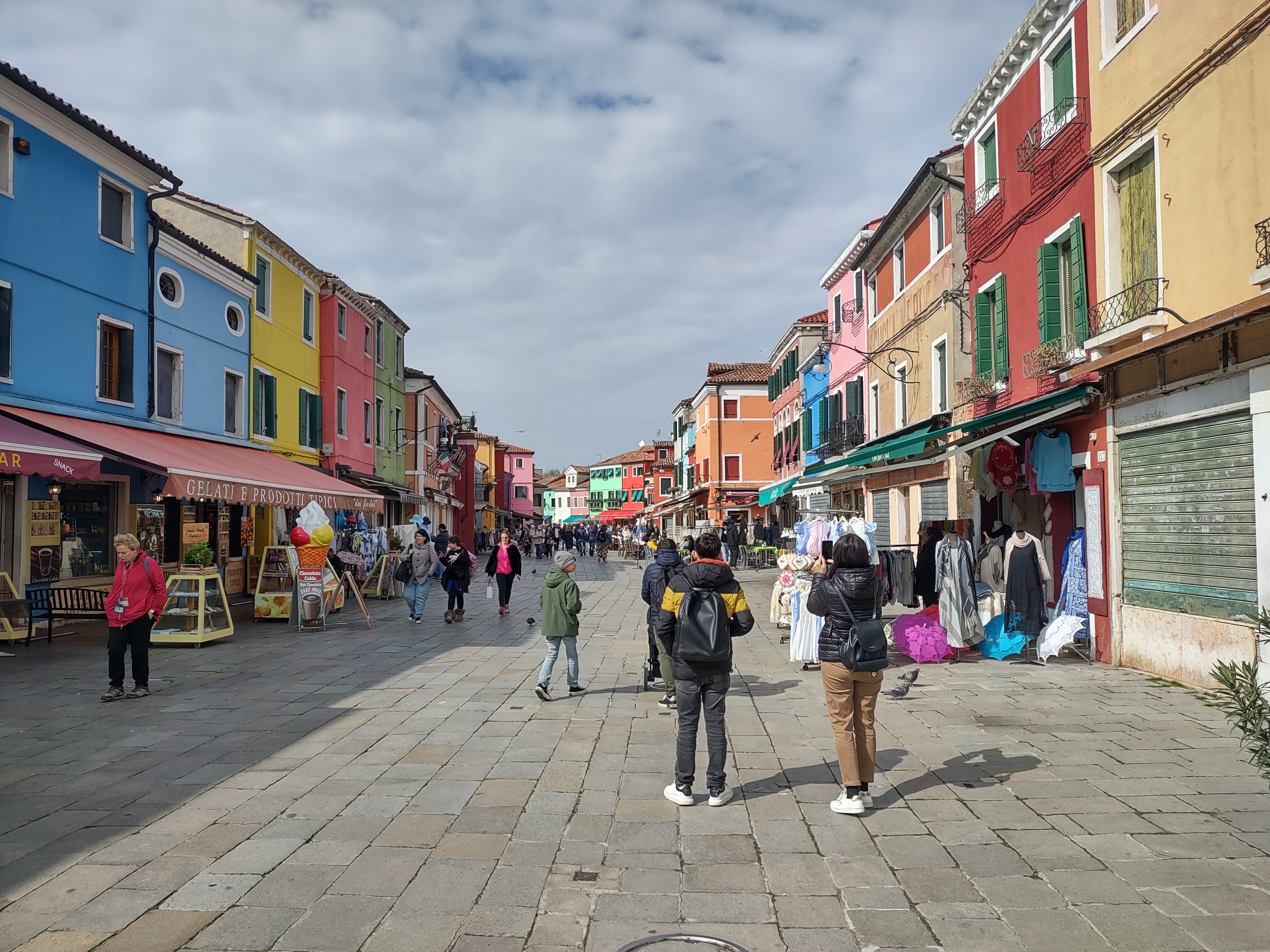
PS – It’s not the wine, the tower is leaning. Similar to the one in Pisa, the tower in the town square has had some foundation issues and has a definite list when viewed from certain angles.
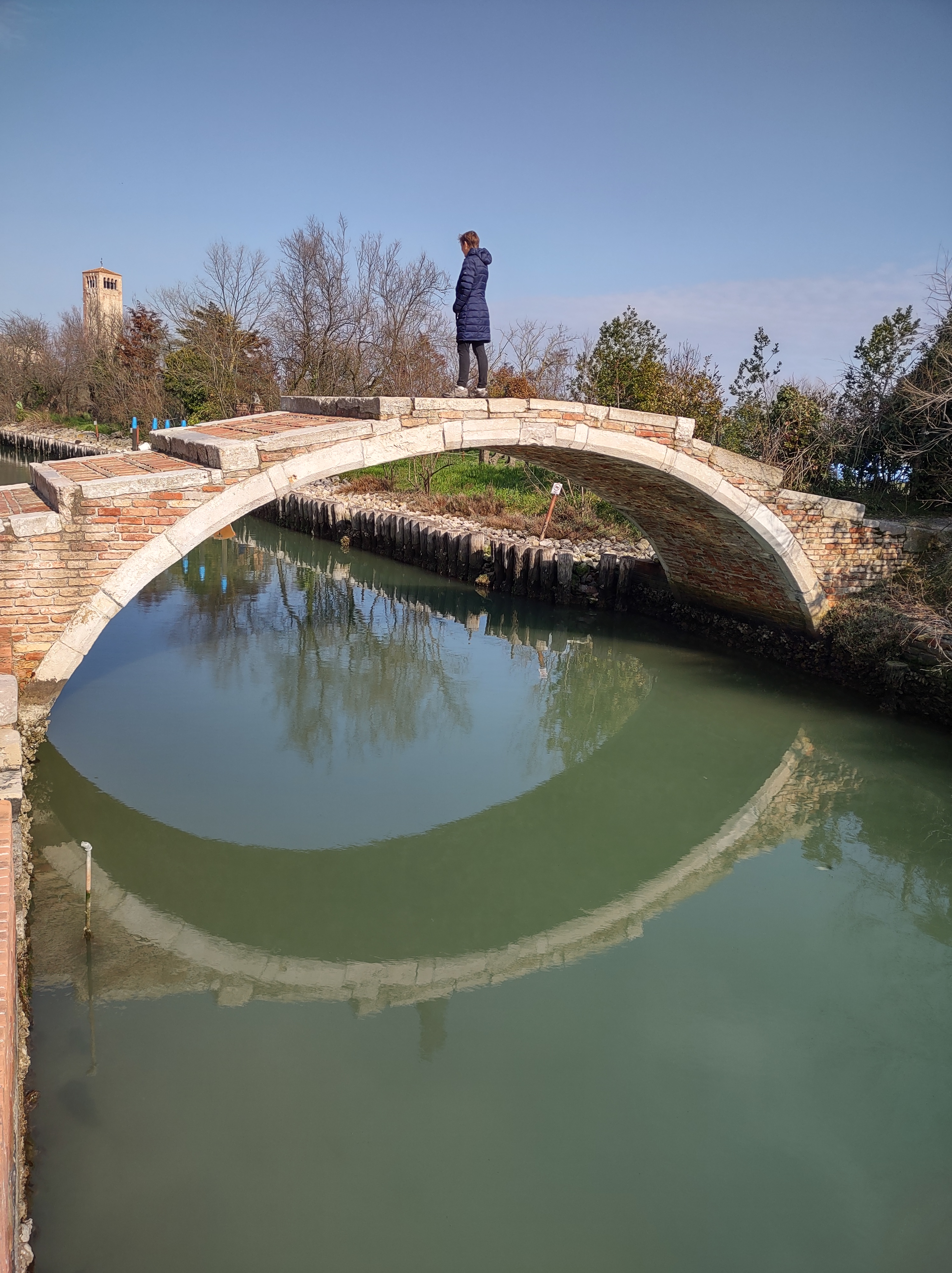
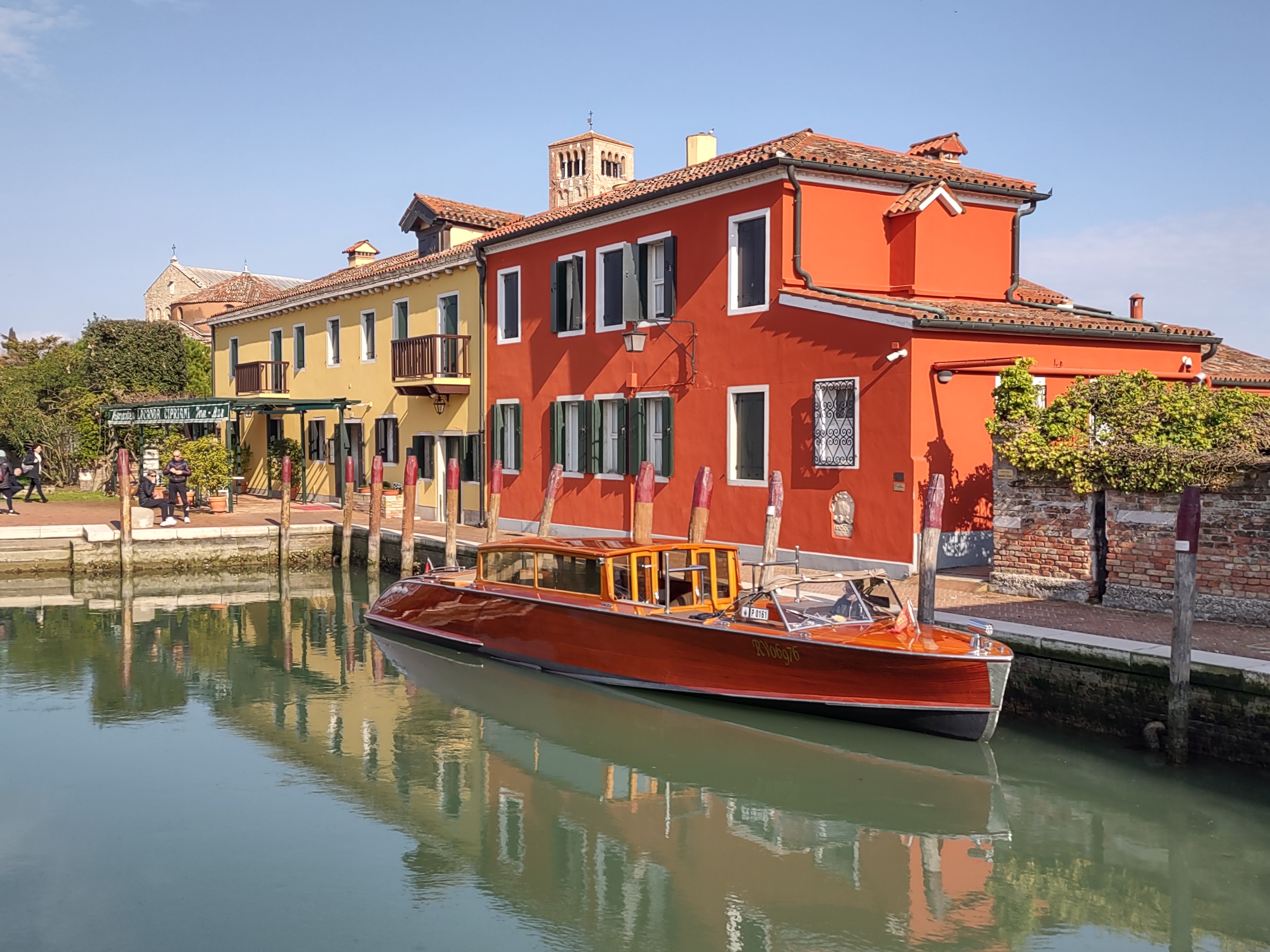
Arriving in Torcello, the final stop on the tour, we had a nice leisurely stroll along a canal to the churches and a glass of wine as planned followed by a 30 minute ride back to Venice.
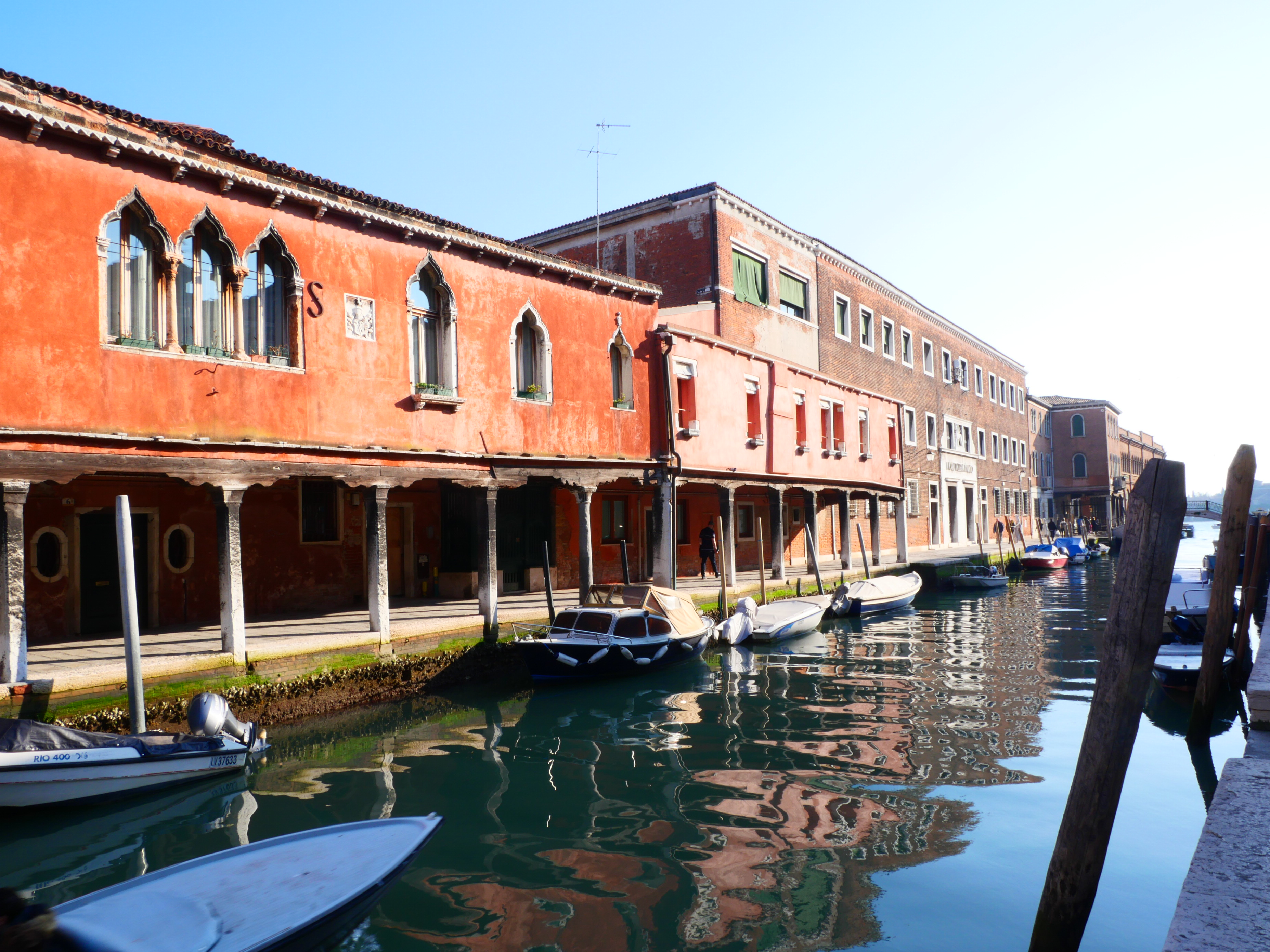
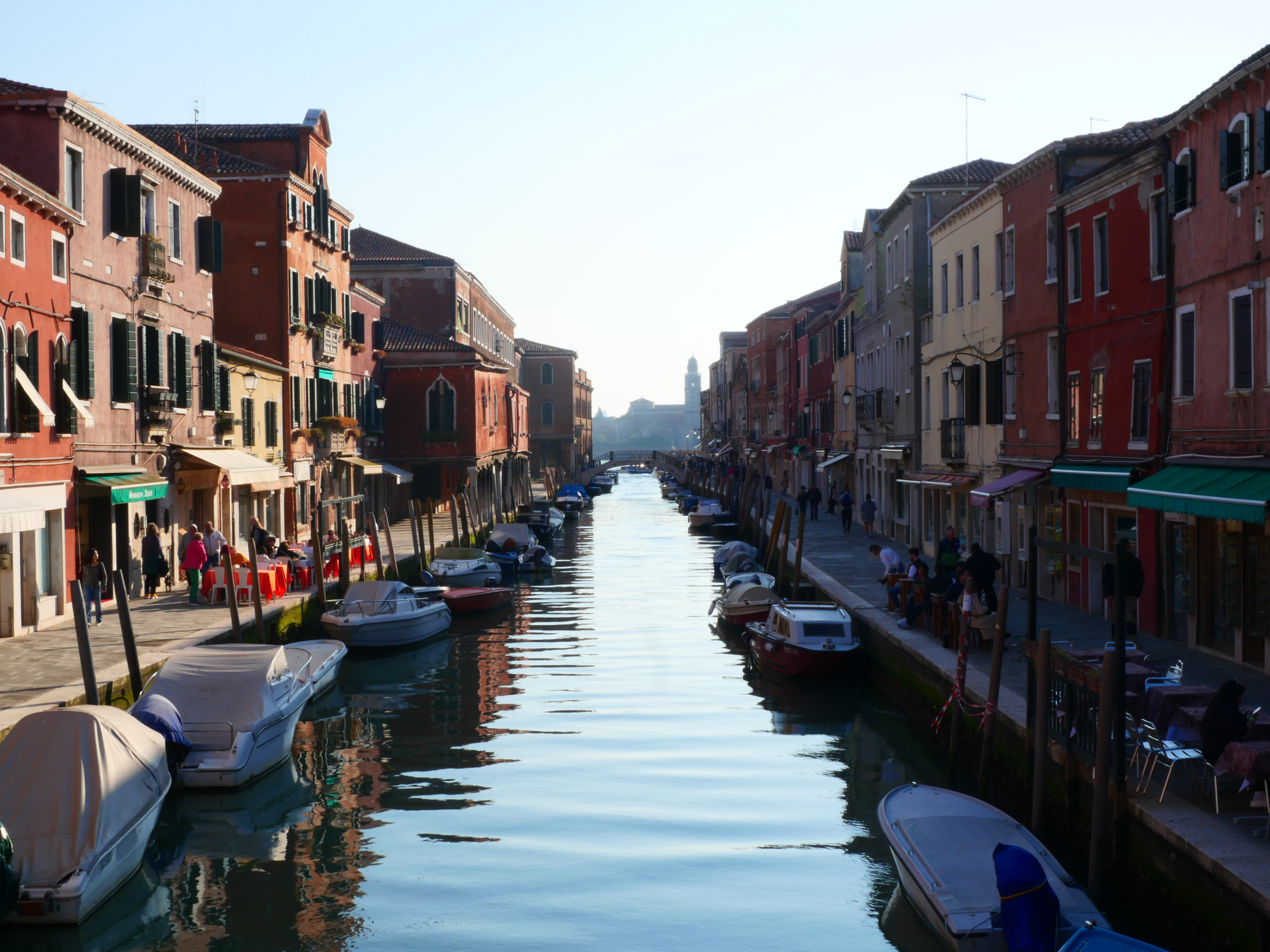
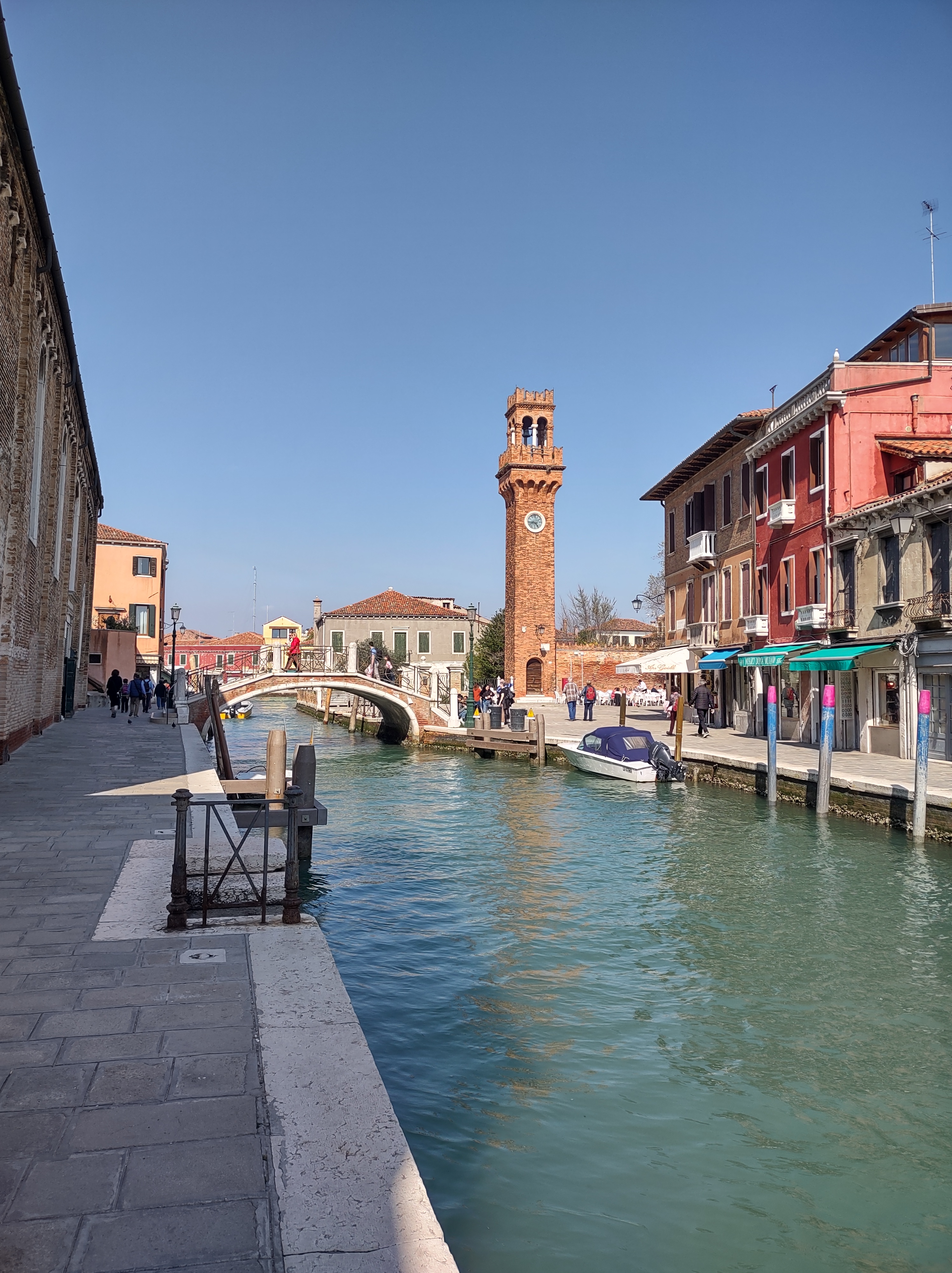
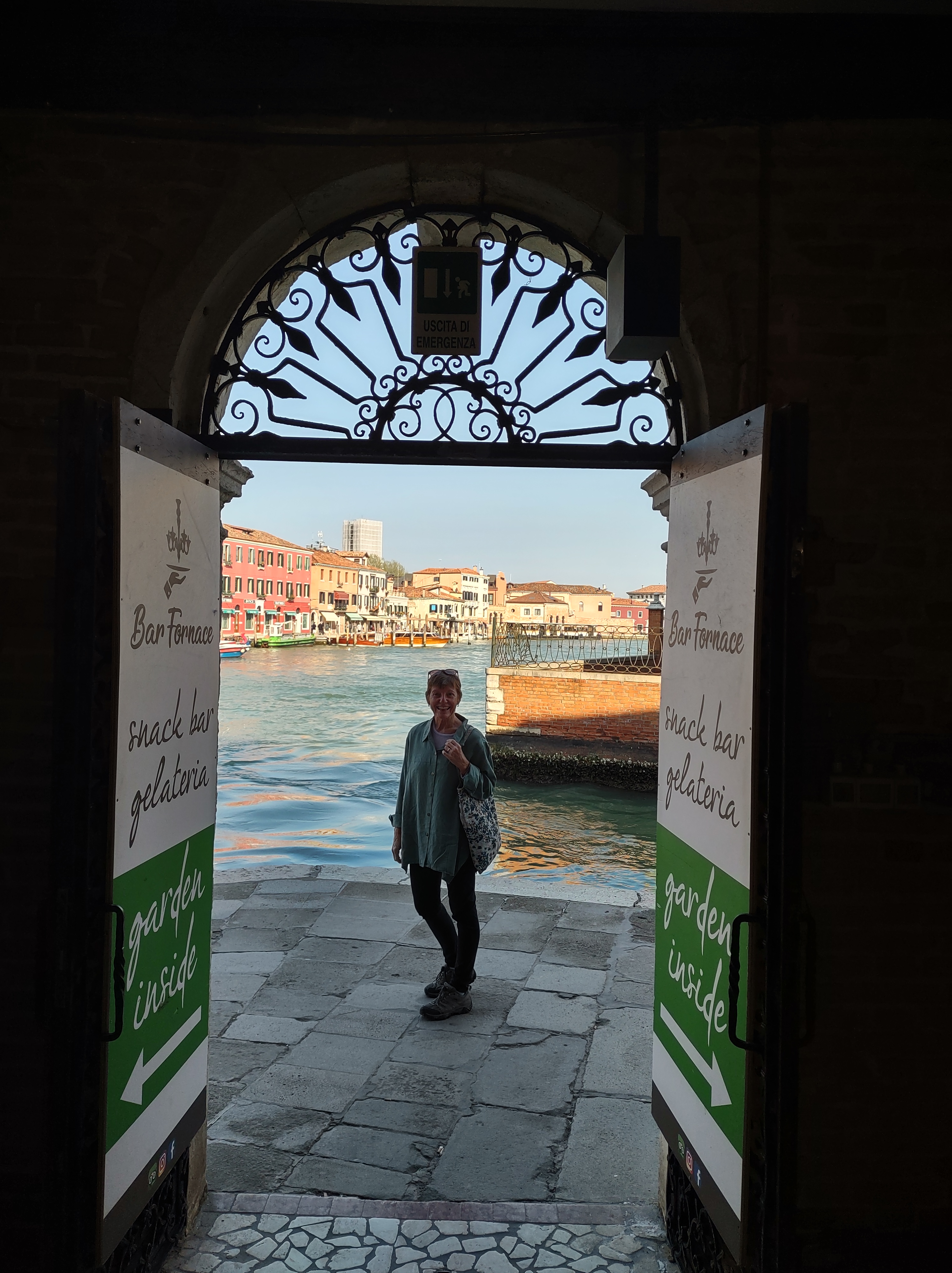
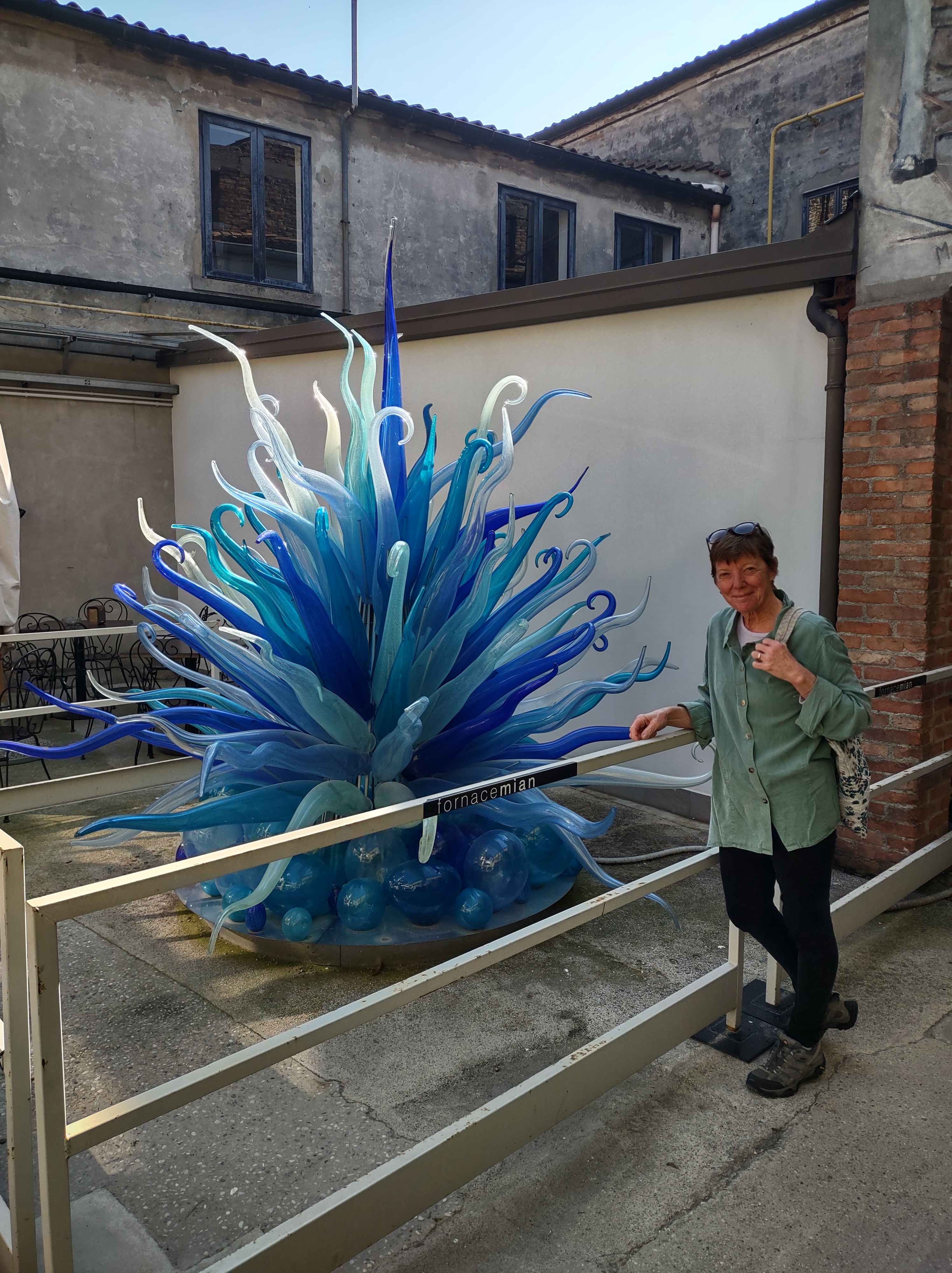
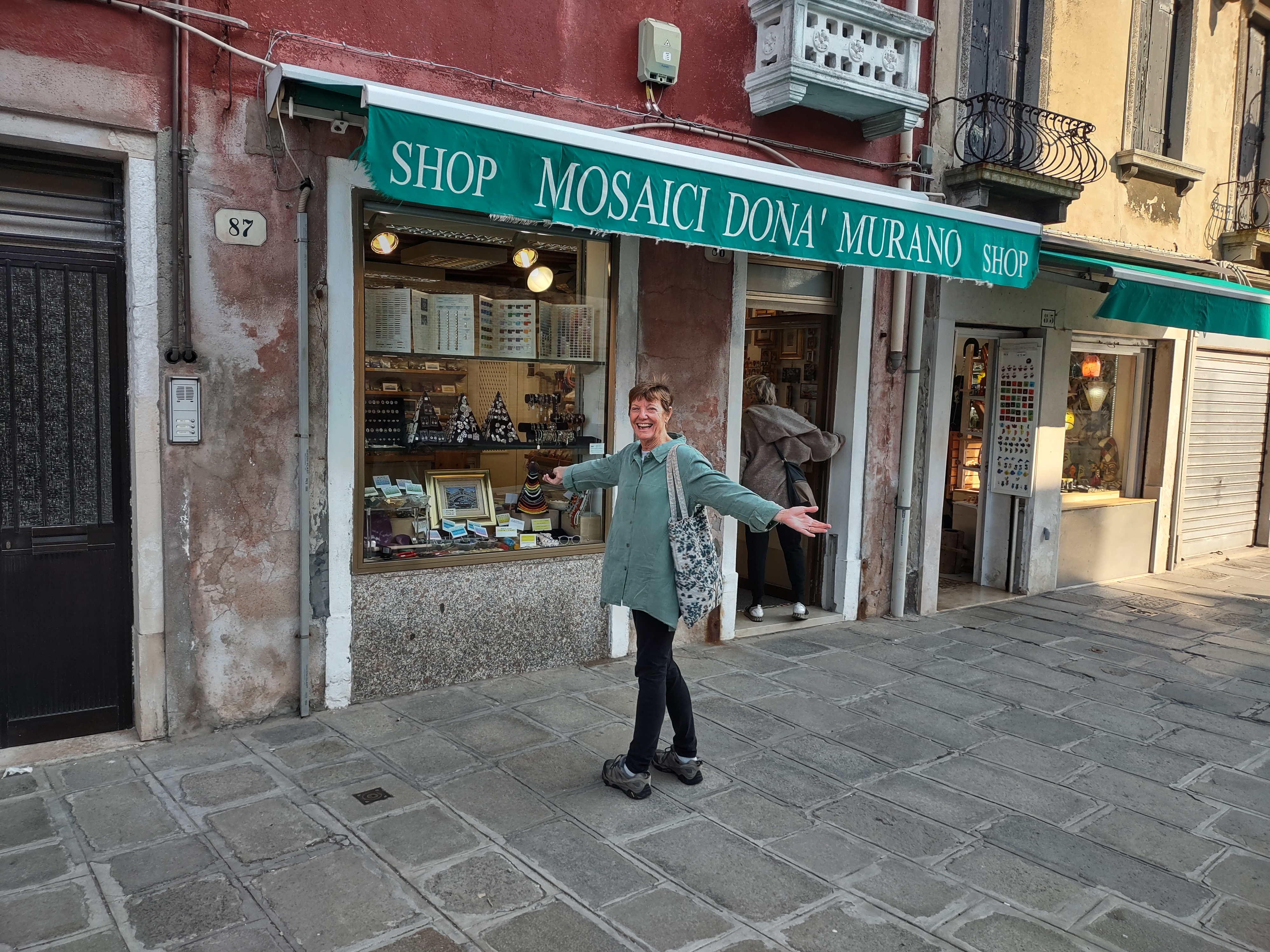
We returned to Murano two days later via vaporetto (water bus). Again trying to be strategic, we purchased 48 hour water bus passes which allowed us to see a lot over our last two days in Venice. There are an incredible number of glass manufacturers on Murano, all with show rooms and many with their own special techniques which have been passed down for generations. We spent time in several of the shops and Colleen fell in love with a beautiful blown glass light fixture in one. It was awesome to be able to discuss the piece with the proprietor/artist who had created it and here about it unique cylindrical design which only his shop produces.
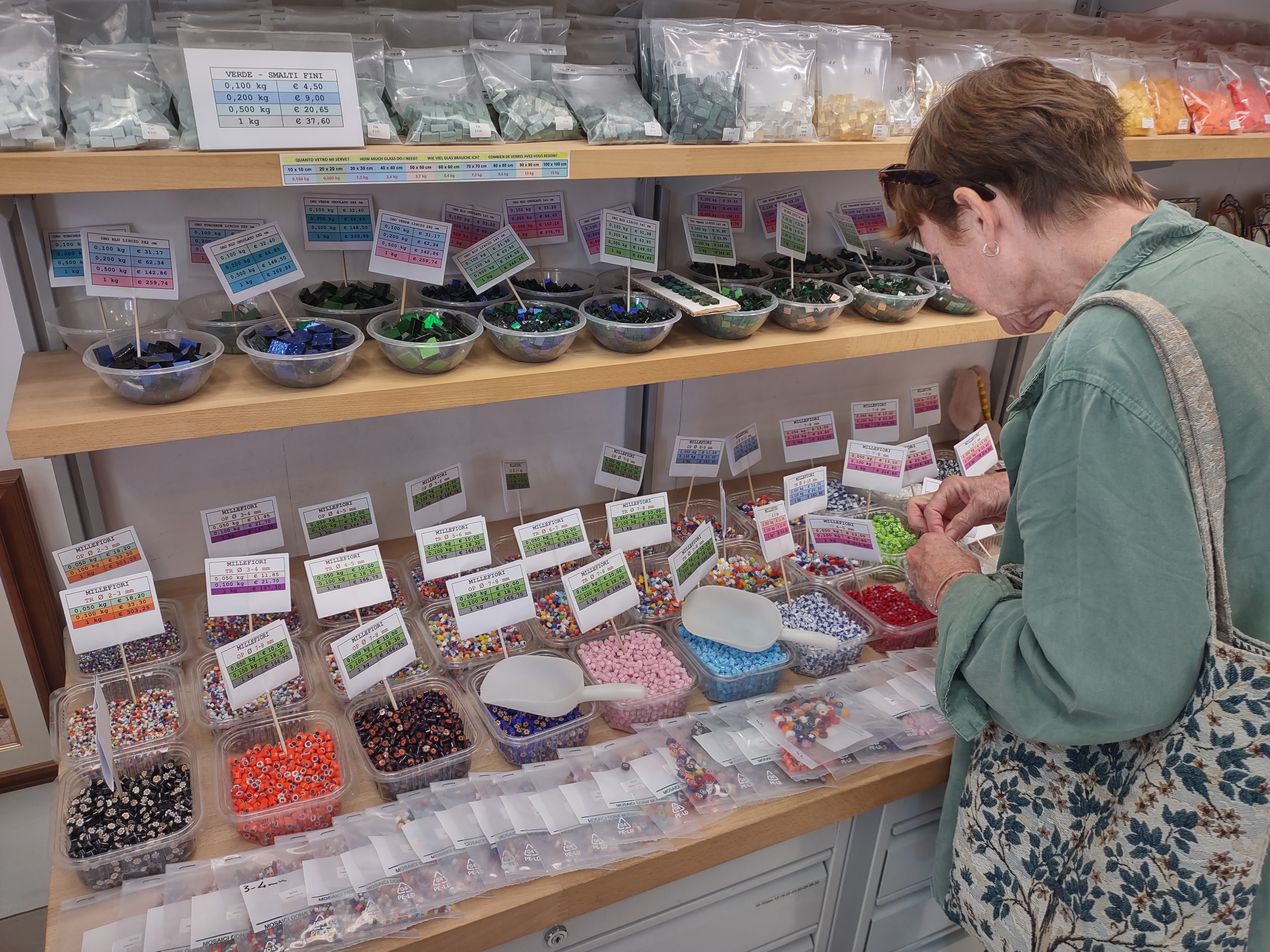
We were also on a mission to purchase some millefiores – the flower-like beads used in much of Murano’s glass. We had been looking for these since we arrived in Venice with no success (to the point that we had decided that they are guarded as trade secrets), so Colleen was more than thrilled when stumbled upon a mosaic supply shop which sold them by the kilo!
Another great day in Venice!
The Tail of the Fish
I mentioned earlier that the shape of Venice resembles a fish. The area east of Cannaregio and San Marco (what would be the tail of the fish) is Castello, which covers a large area. The area adjoining San Marco is vibrant with luxury hotels but as you move further east, the neighborhood gets more laid-back, with casual bars and restaurants more frequented by locals than tourists.
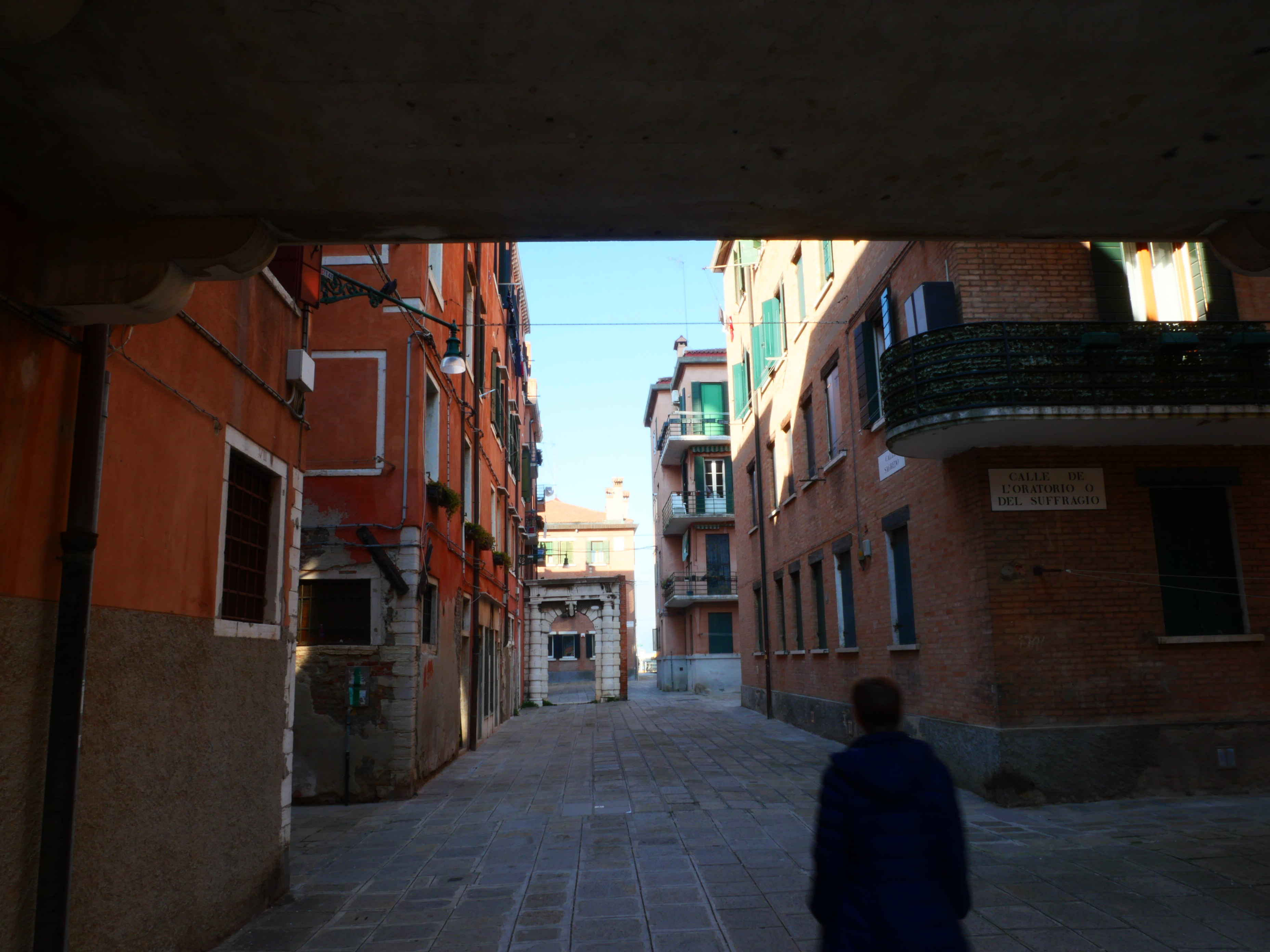
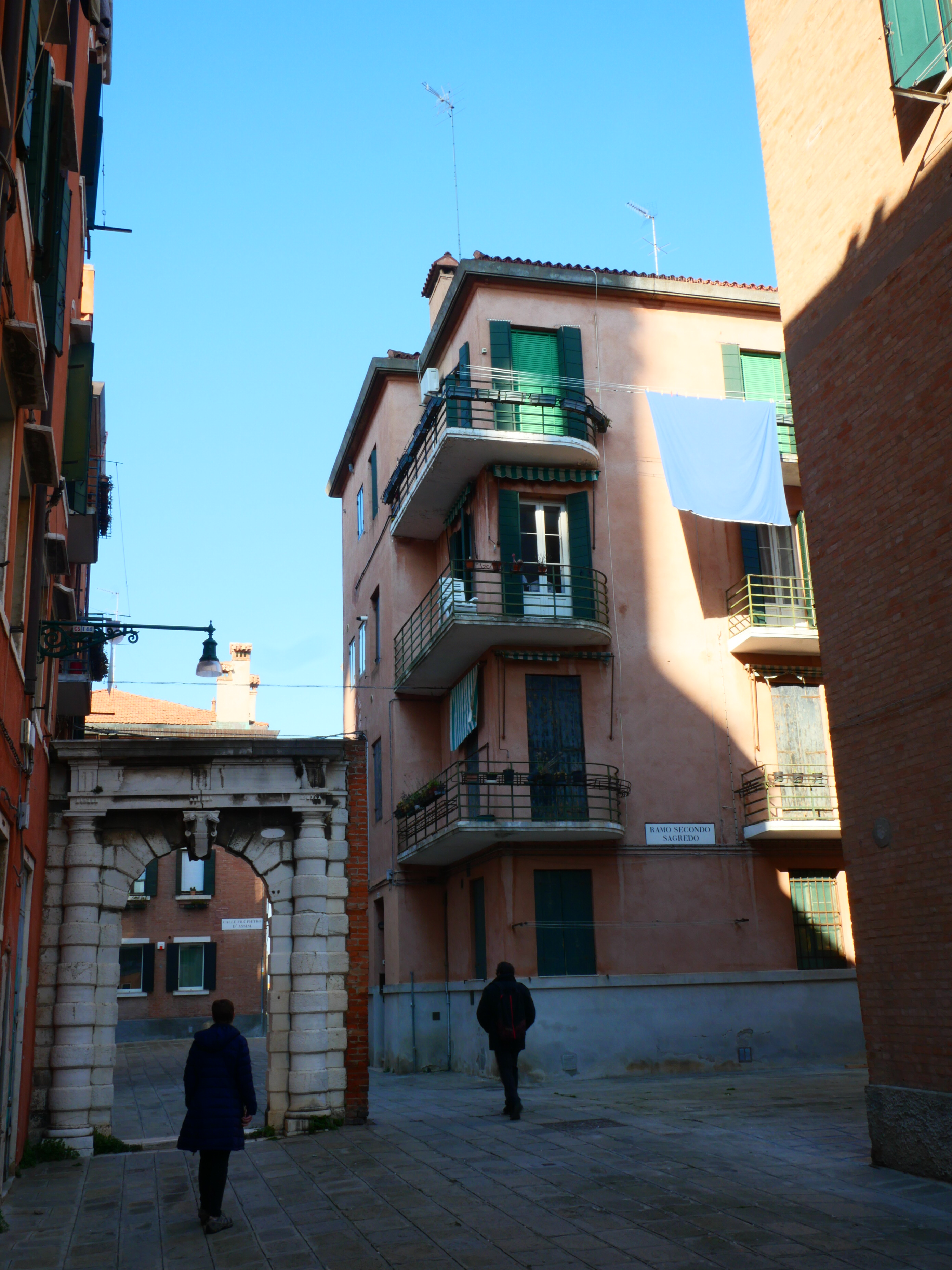
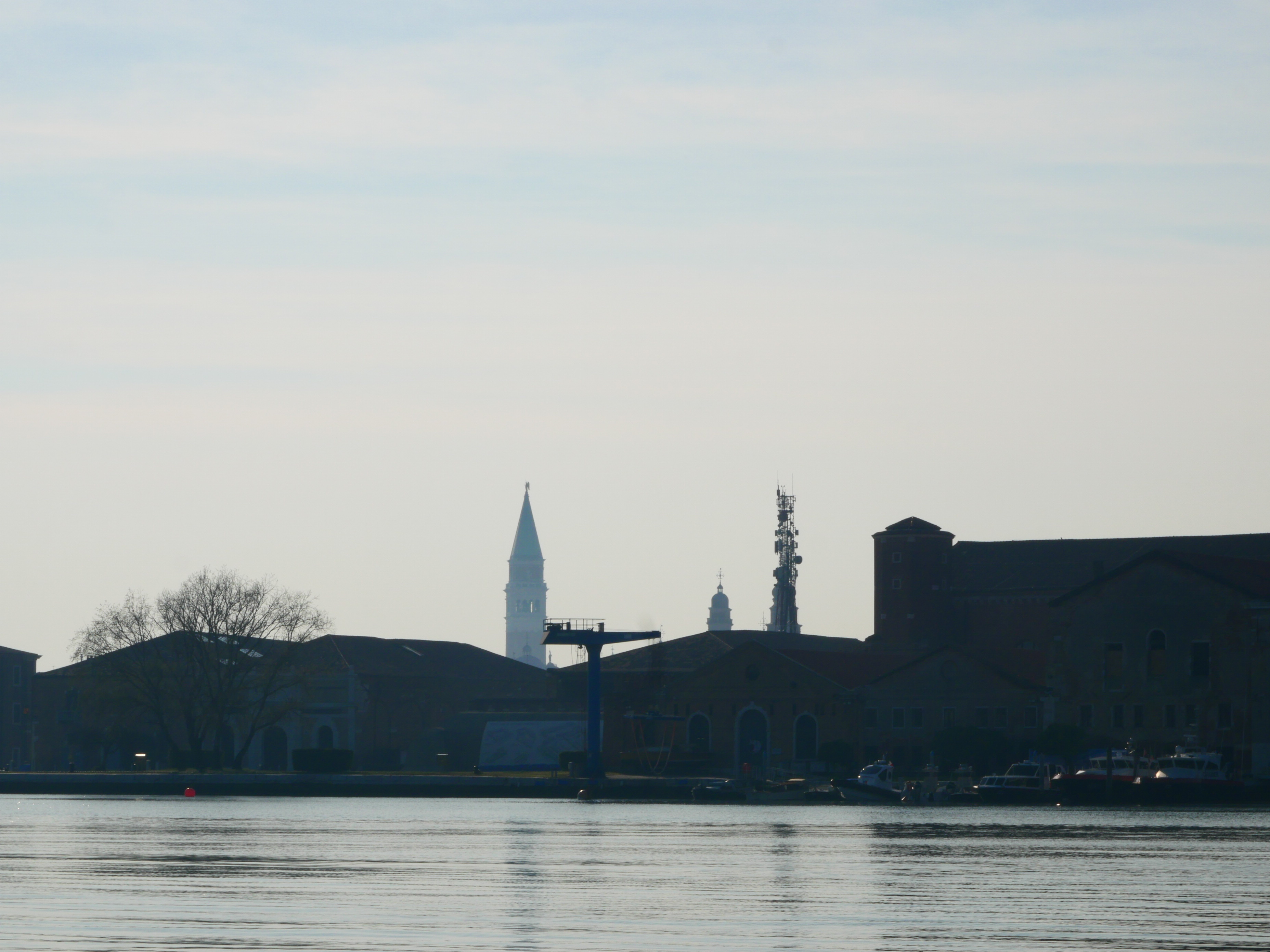
Our first venture into the eastern part of Castello was prompted by sighting an unusual monument from the boat on our way to Murano. We were able to locate it on the map in an area identified as the Arsenale di Venezia and we made our way there the next day. Our path took us along the northern shore of Venice with some dips into the residential areas and through a church with a convent and cloister. (Maybe obvious from photos below, but one of the amazing things about this area was the complete lack of tourists!)
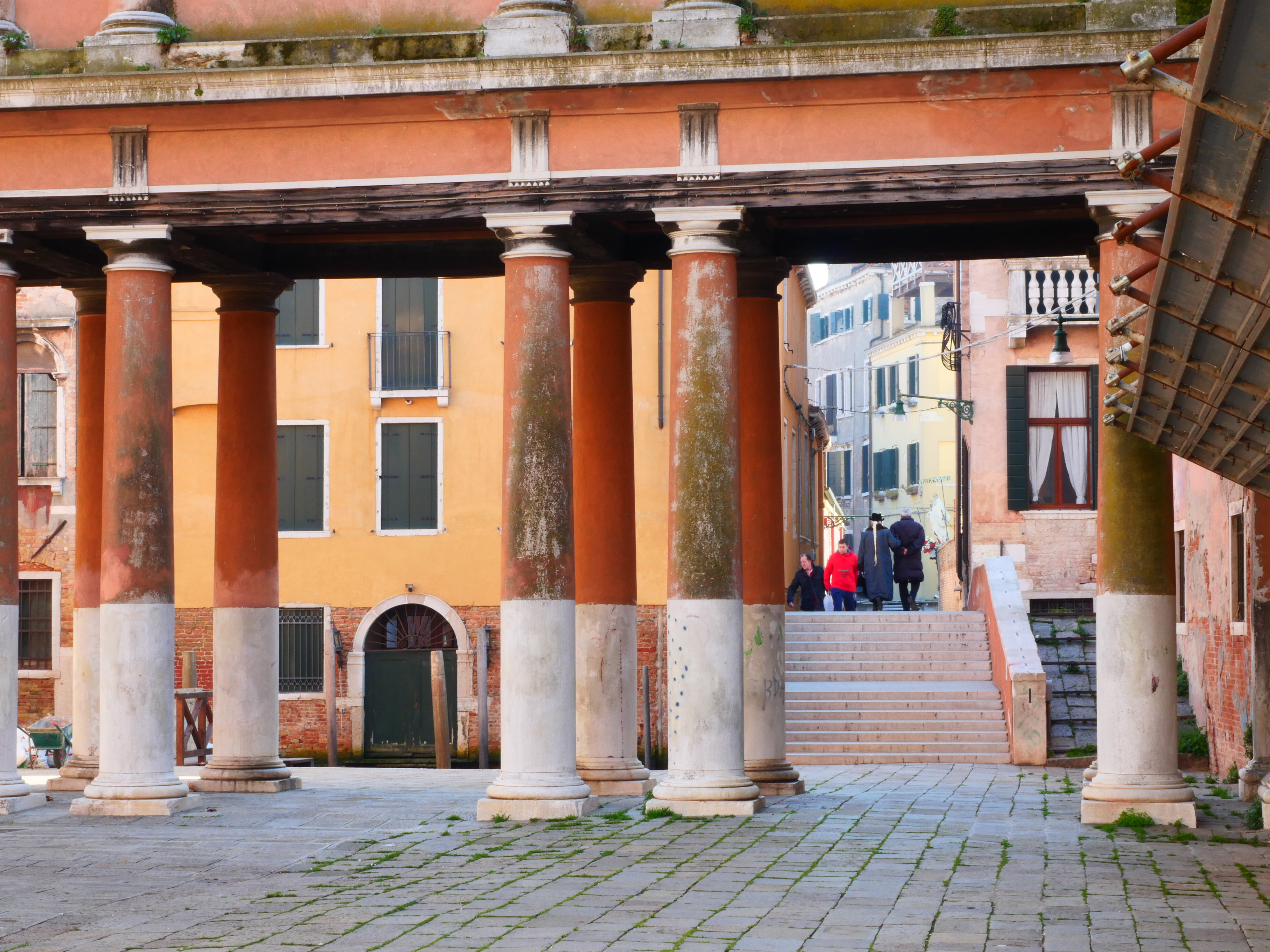
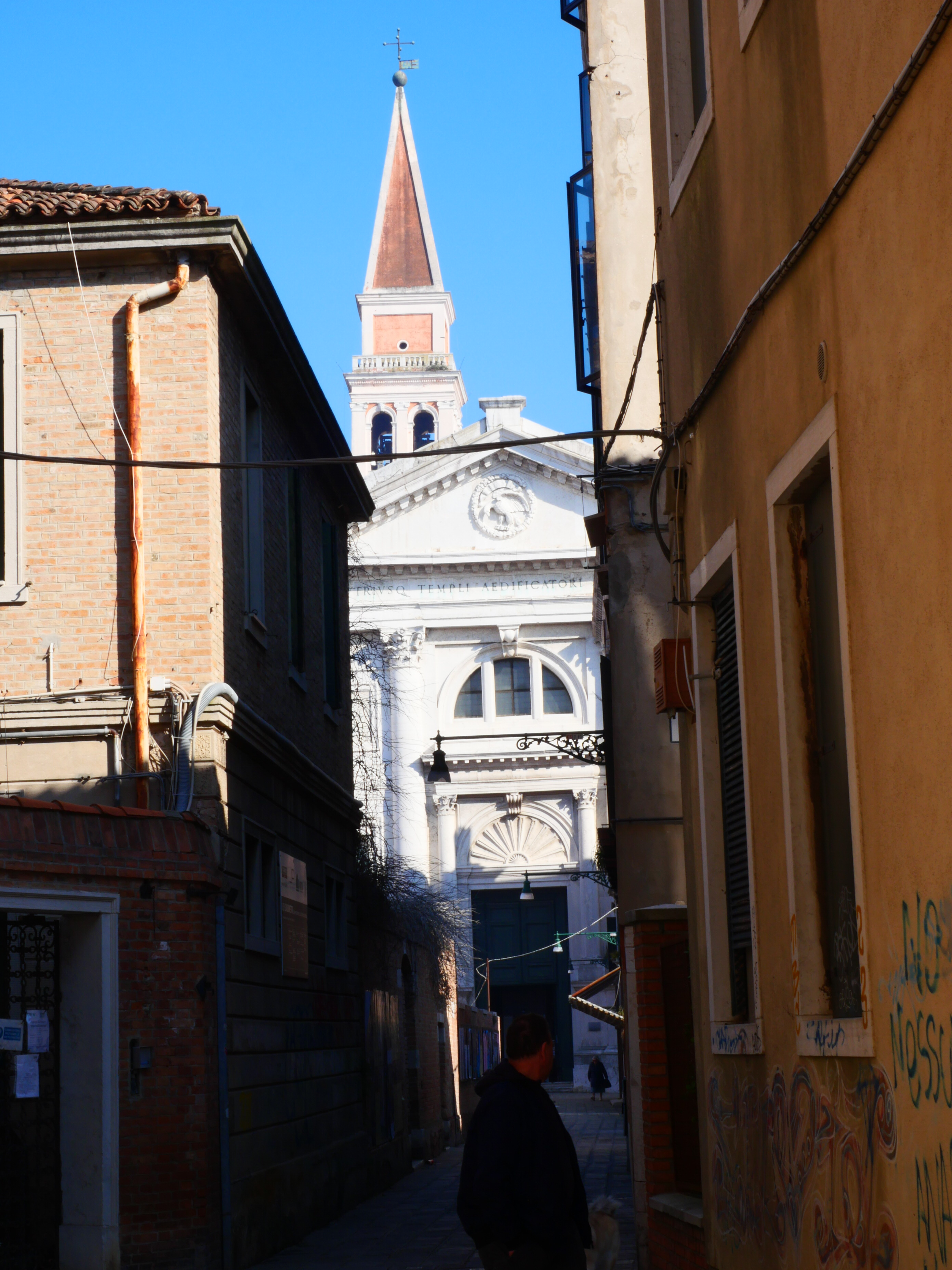
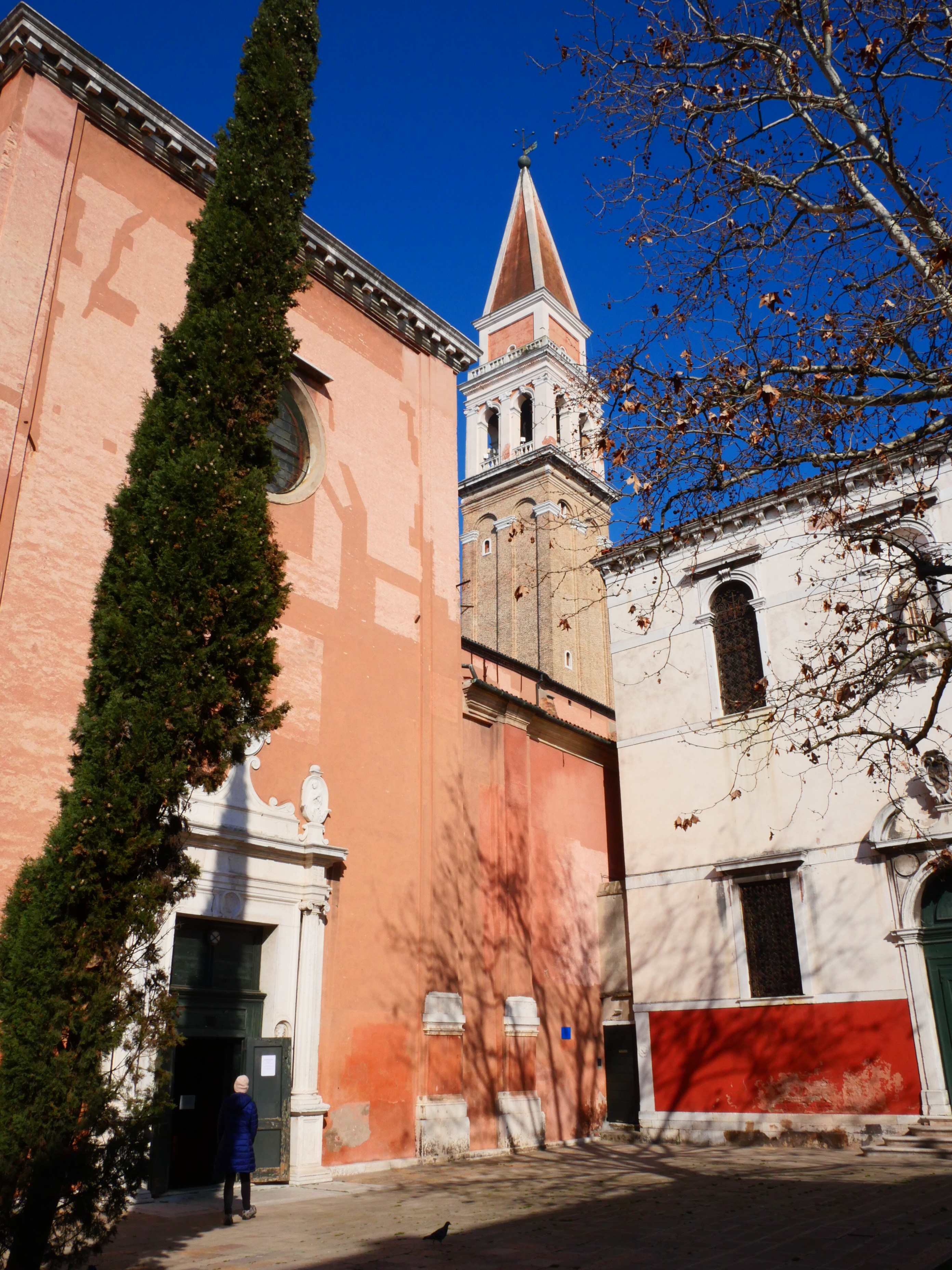
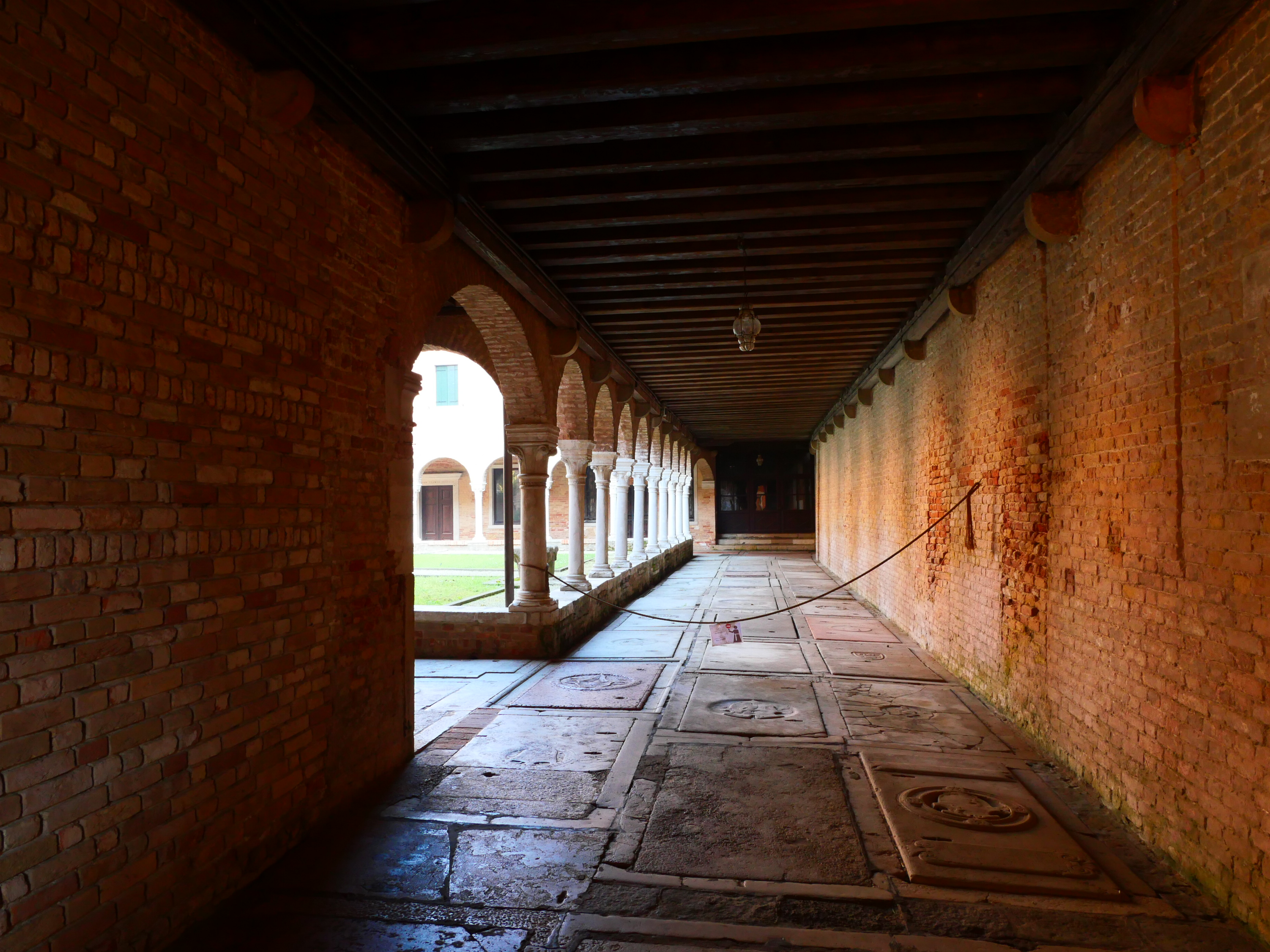
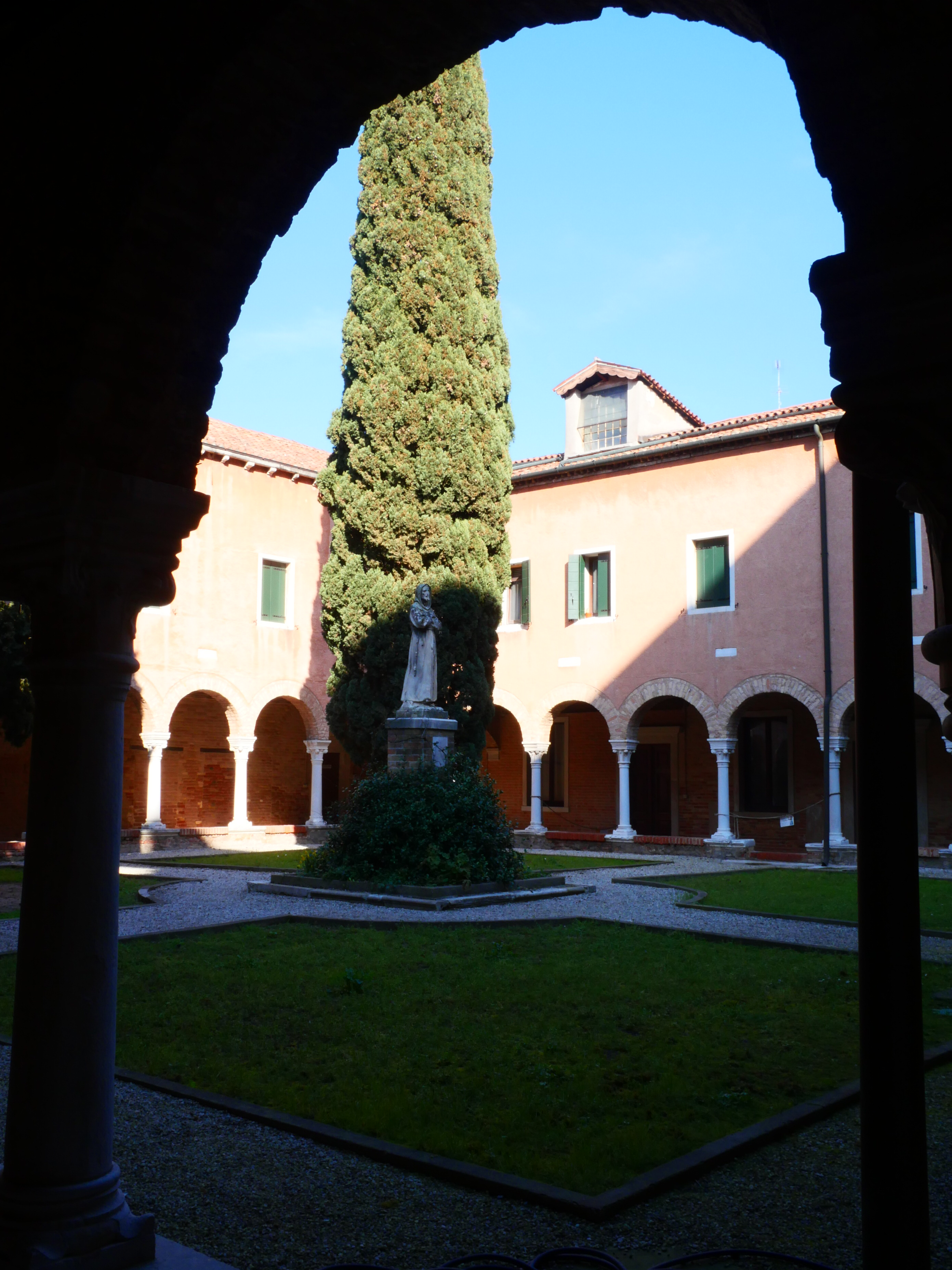
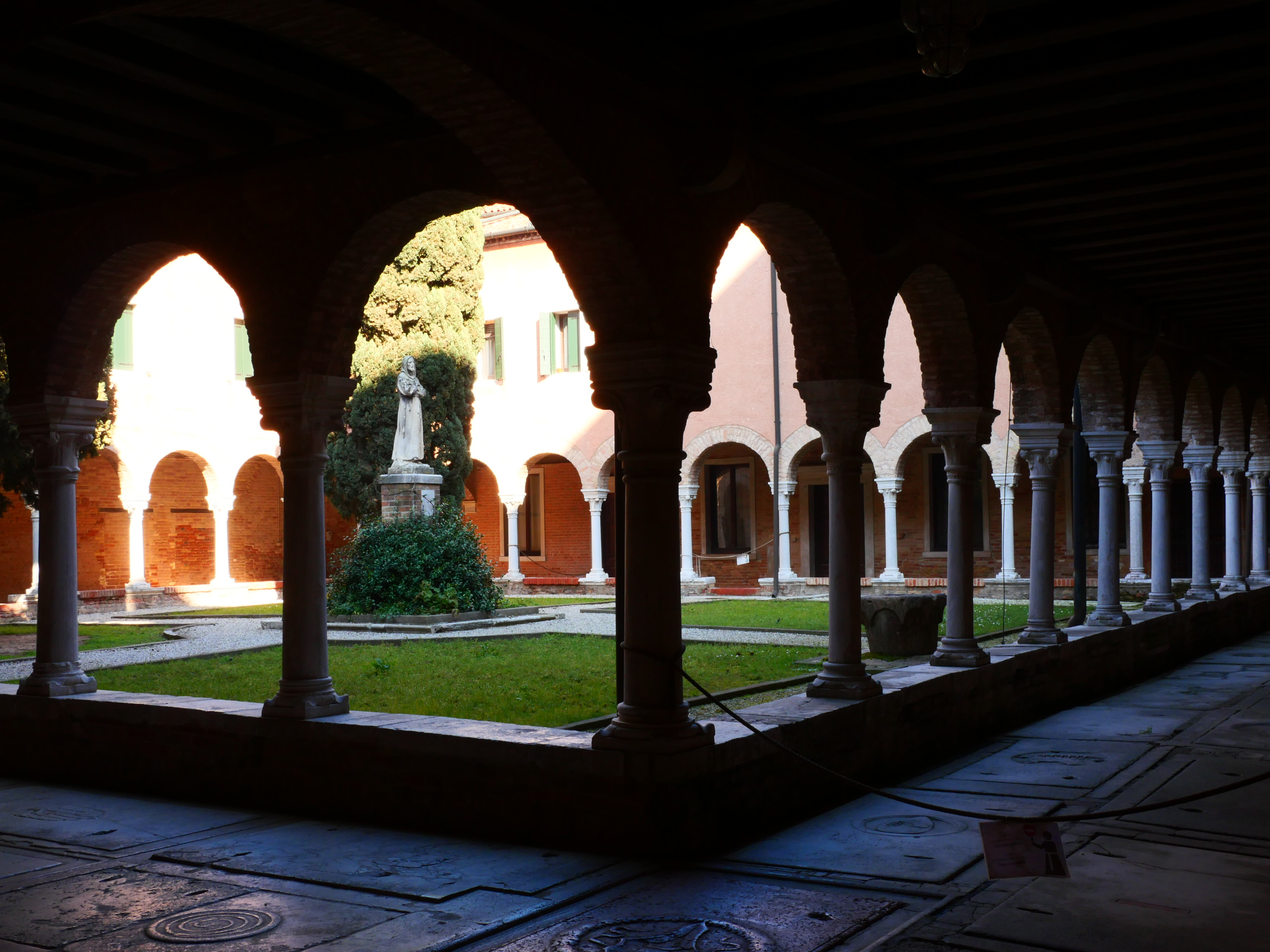
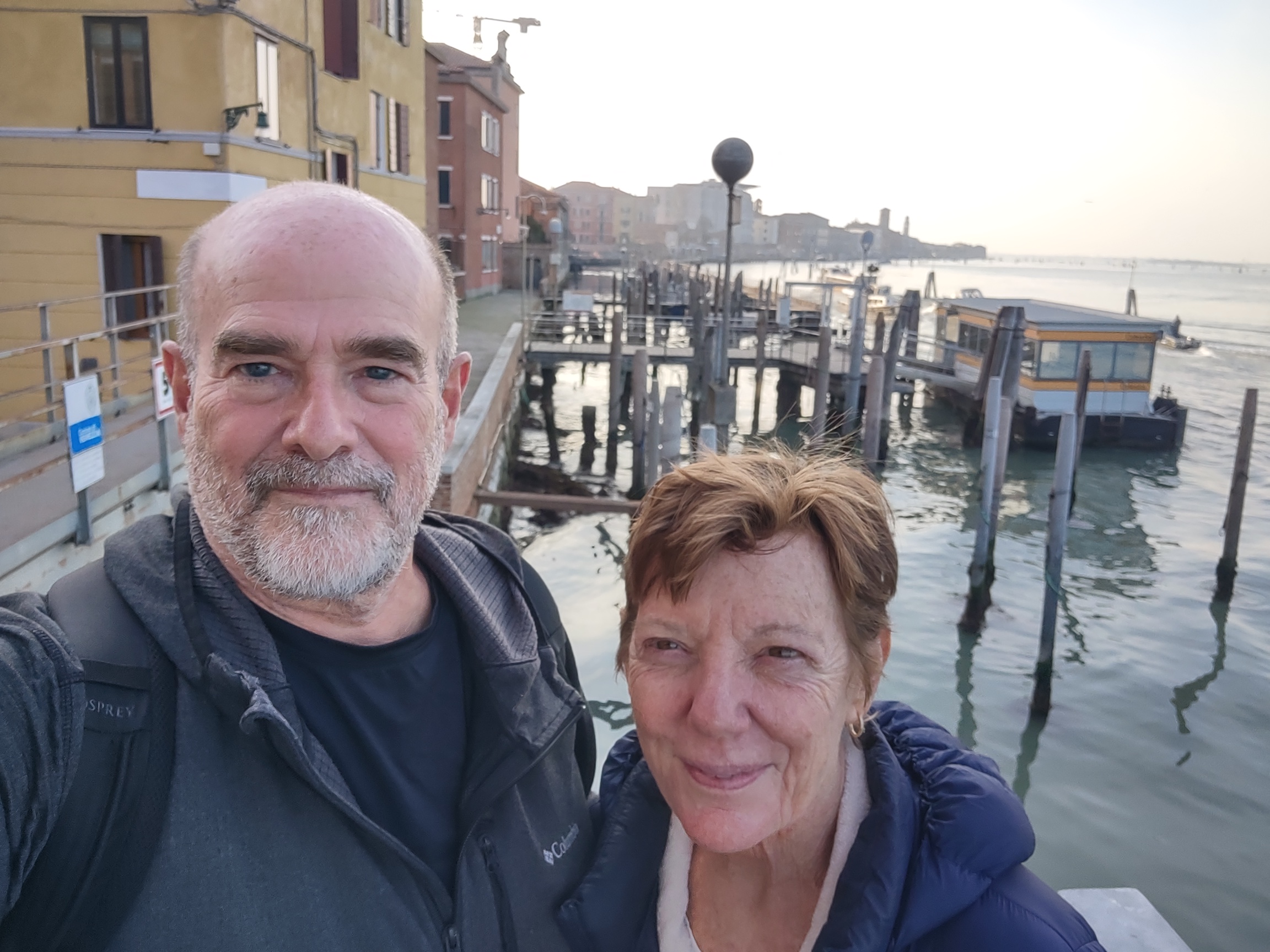
It turned out to be one of those times where Google Maps doesn’t quite cut it as the route it prescribed went through a street which had been gated off. After a bit of wandering, we discovered a route through an art exhibition in an old warehouse which gave us access to the Arsenale, a large fortressed cluster of shipyards and armories which was Venice’s naval stronghold from the late middle ages to the early modern period.
It was particularly interesting to find that in 1593 Galileo was engaged as a consultant to the Arsenale, advising military engineers and instrument makers and helping to solve shipbuilding problems. He was also responsible for creating some major innovations in the production and logistics of the Arsenale which later led to the publication of a new field of modern science concerned with the strength and resistance of modern materials.
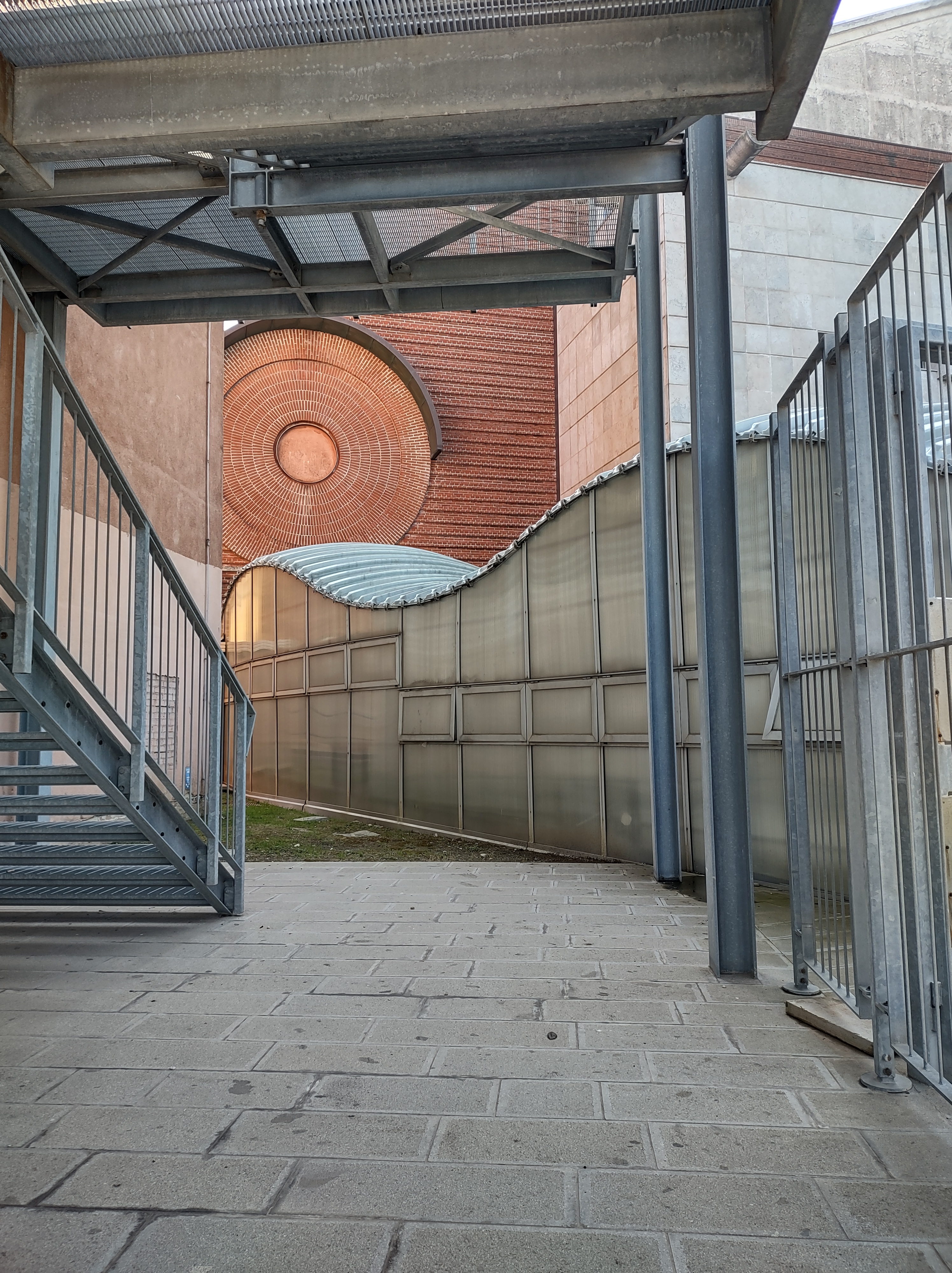

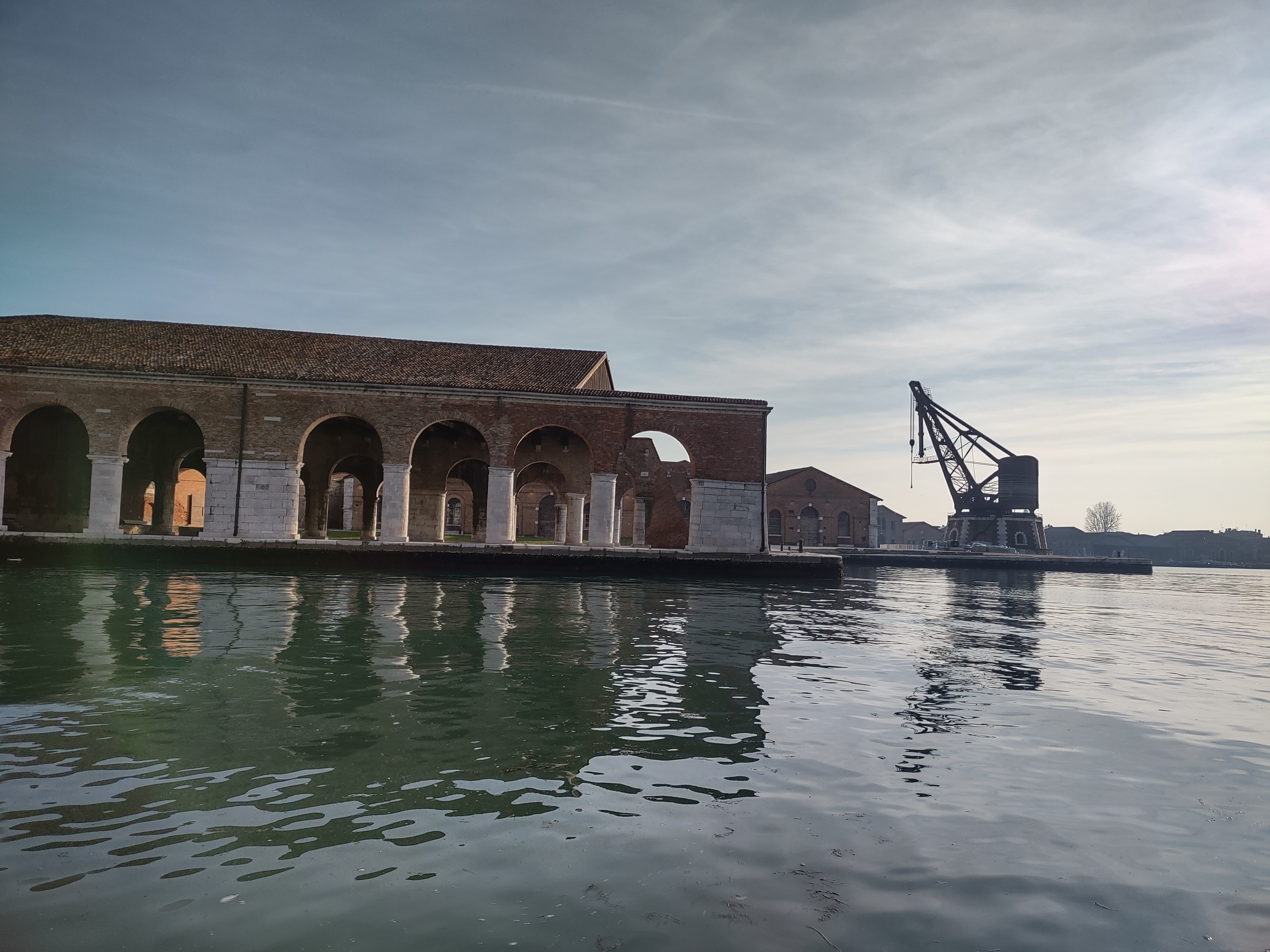
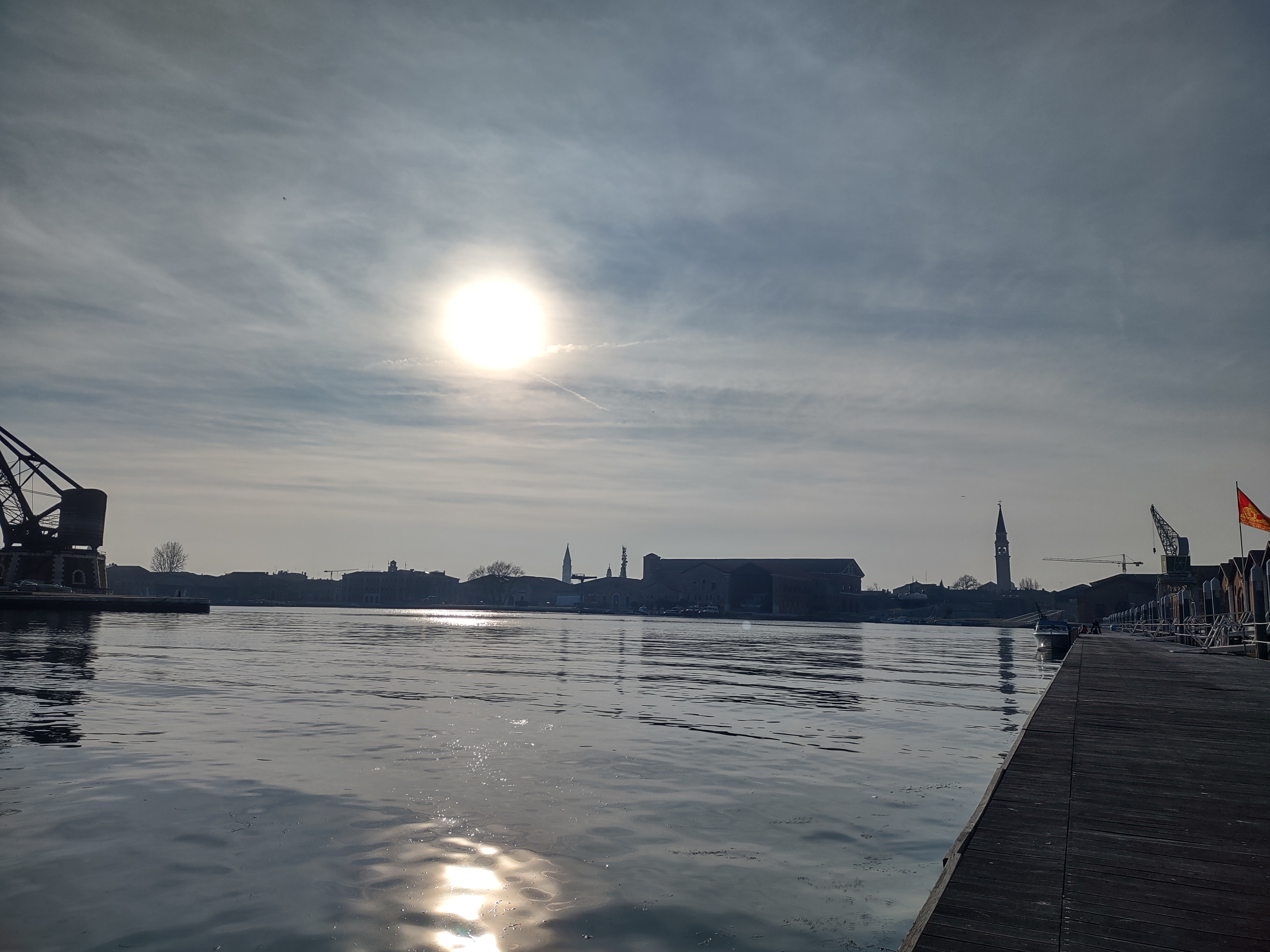
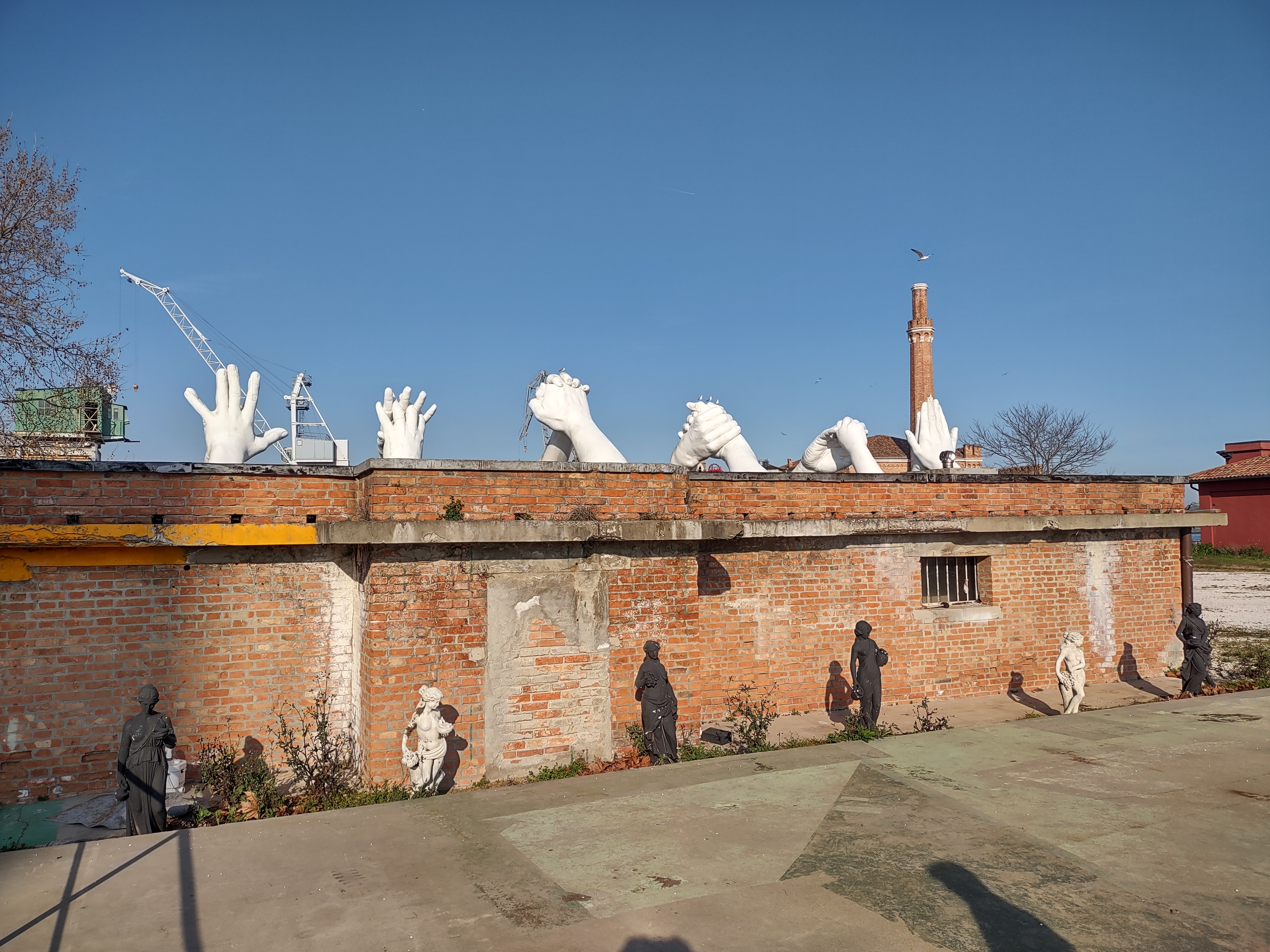
As we made our way through the Arsenale we finally came across the monument we had been searching for. We had dubbed it as the “Hands Bridge” because of its form (and it does come up if you google it under that name) but discovered that it is actually a work of sculpture by artist Lorenzo Quinn entitled “Building Bridges” which was constructed for the 58th Venice Biennale (more about this later) in 2019. The work includes six 15 meter-high pairs of hands of which are intended to embody the universal values of wisdom, hope, help, faith, friendship, and love.
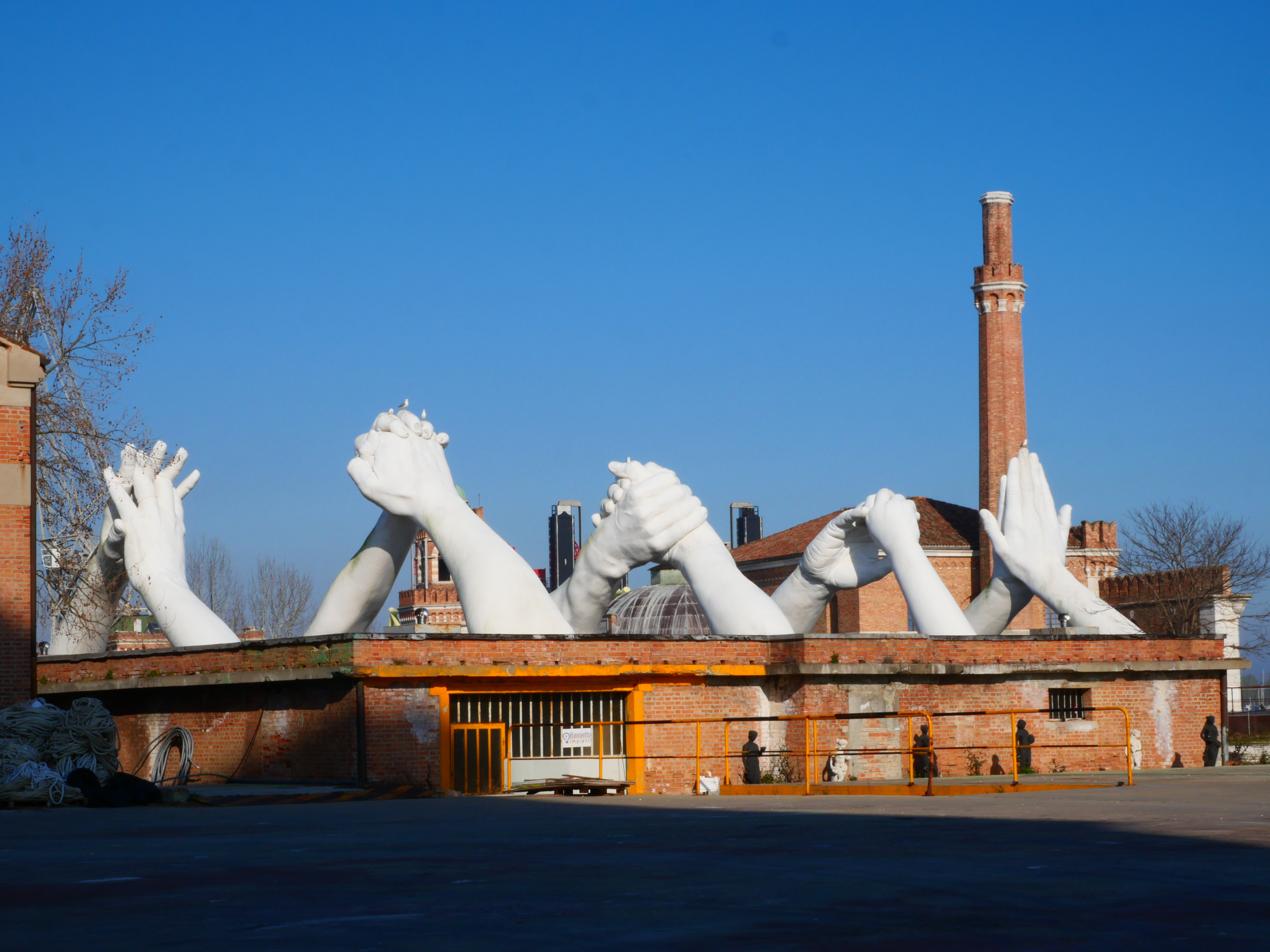
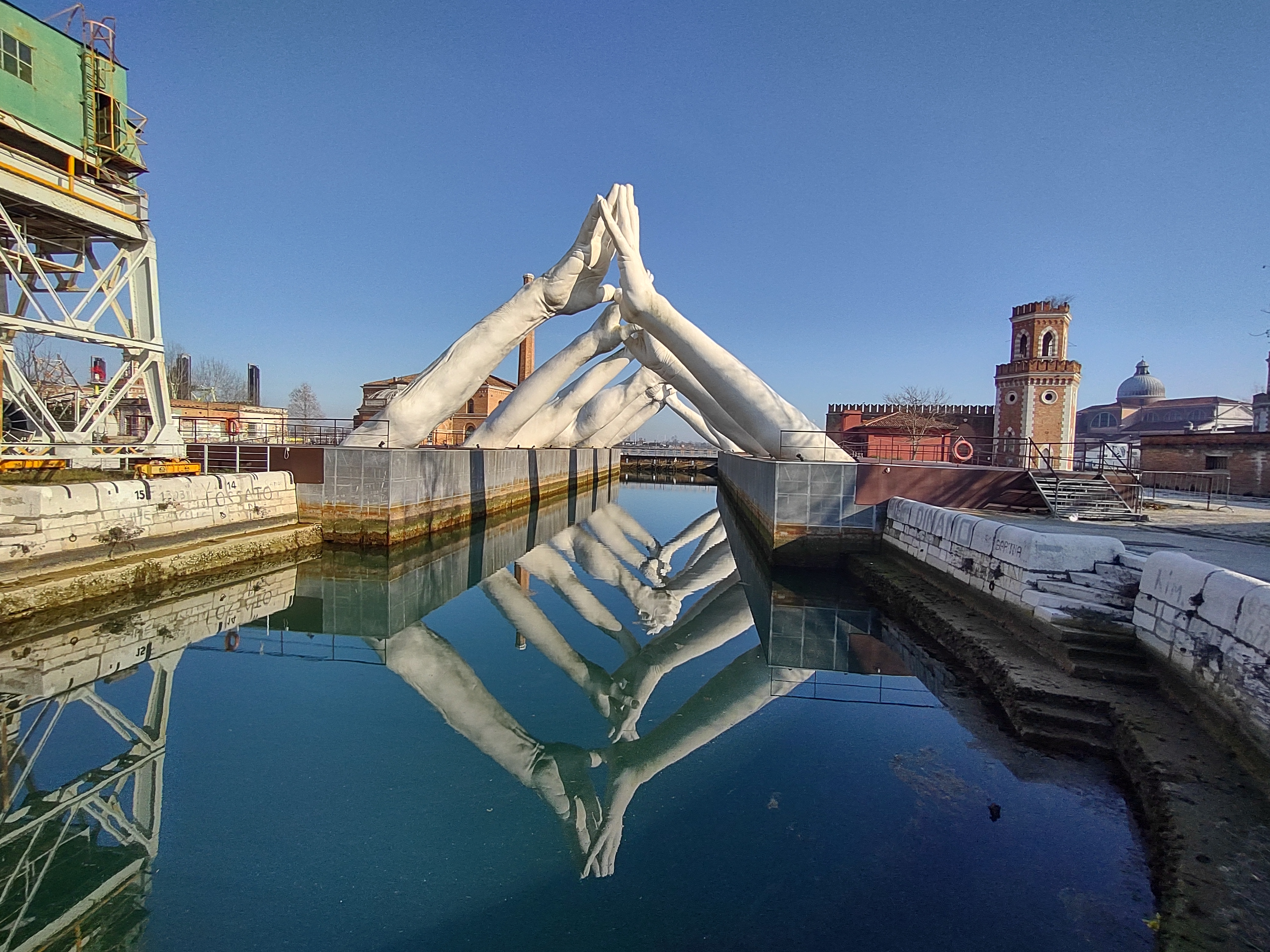
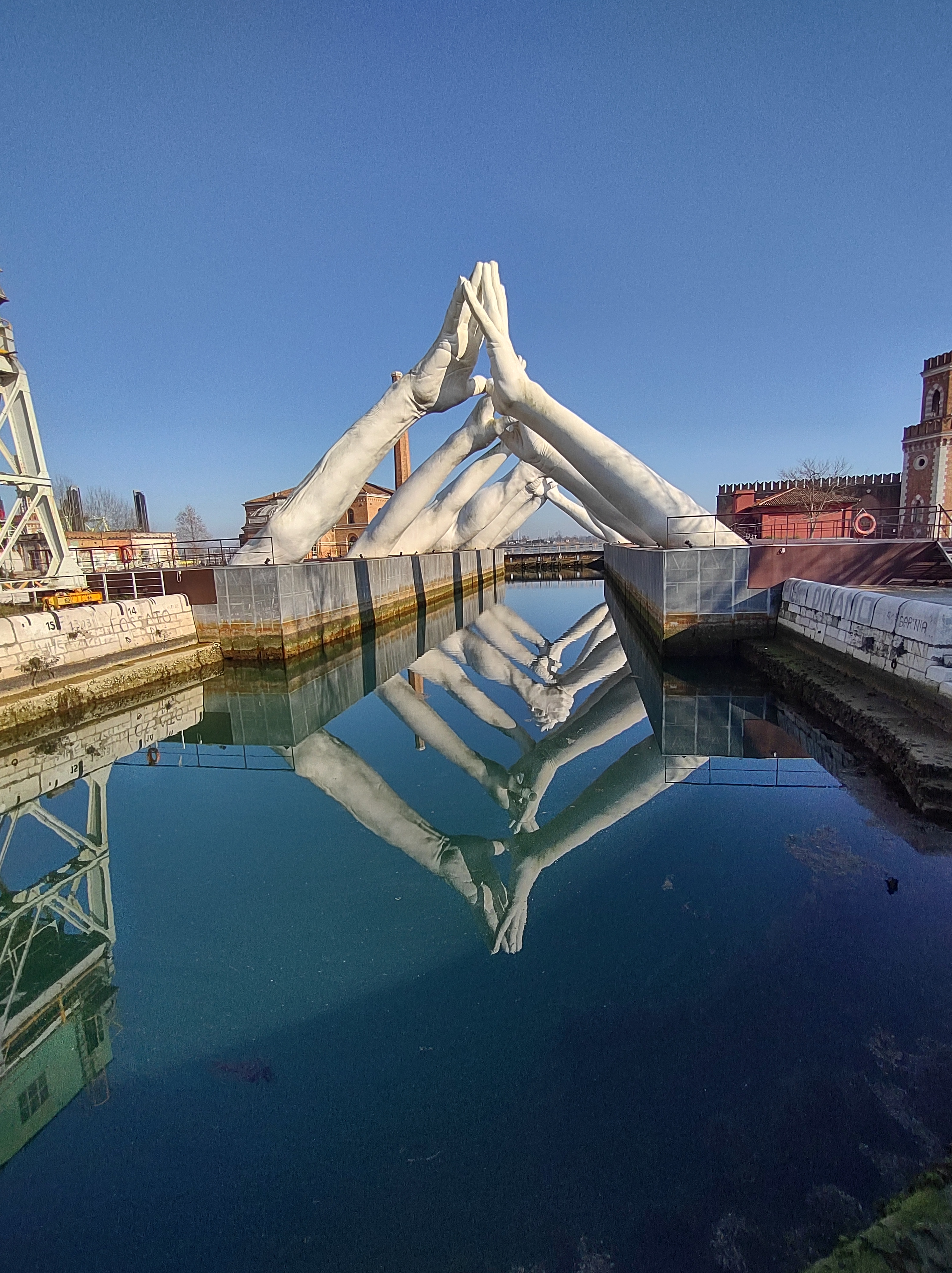
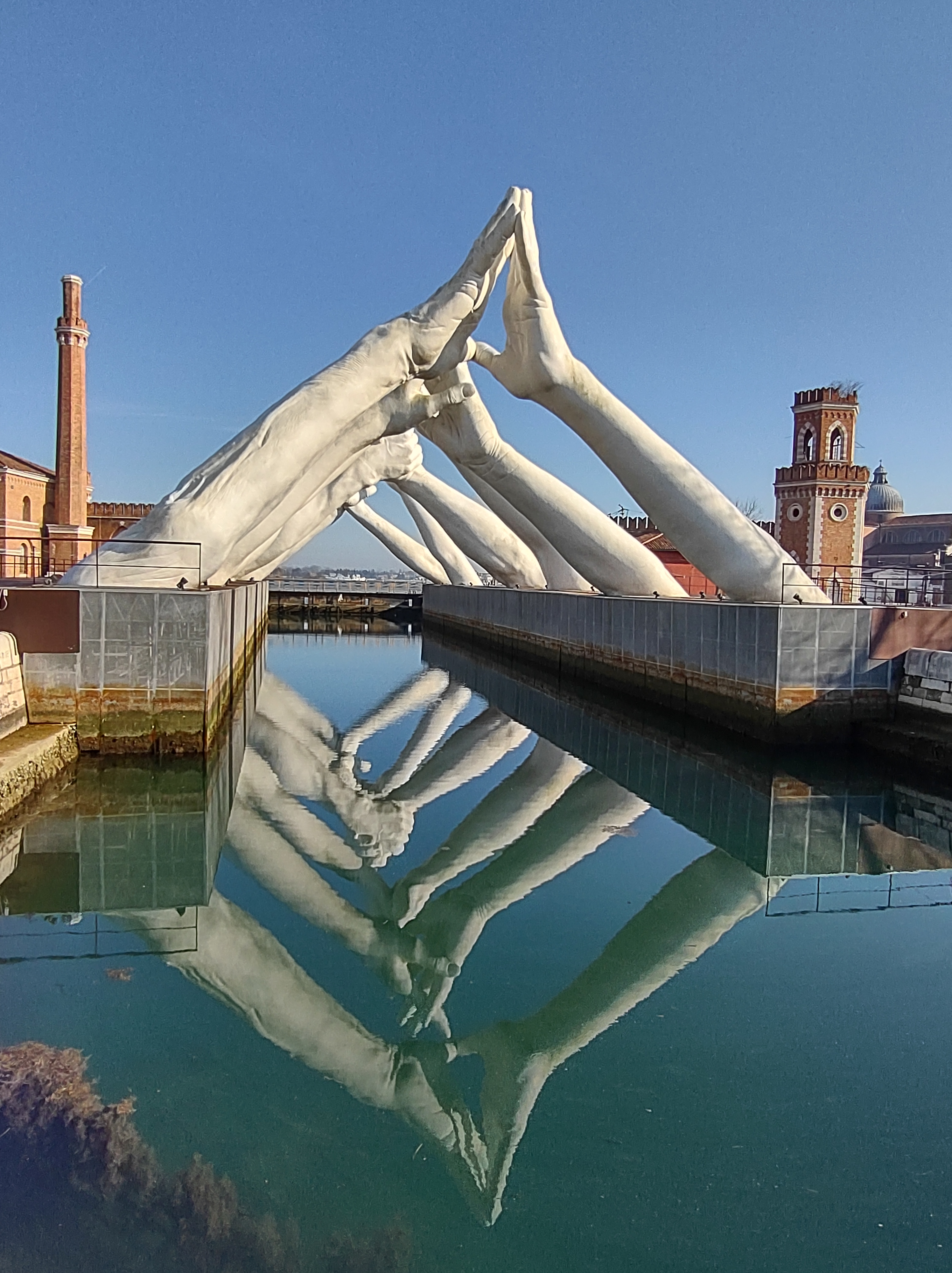
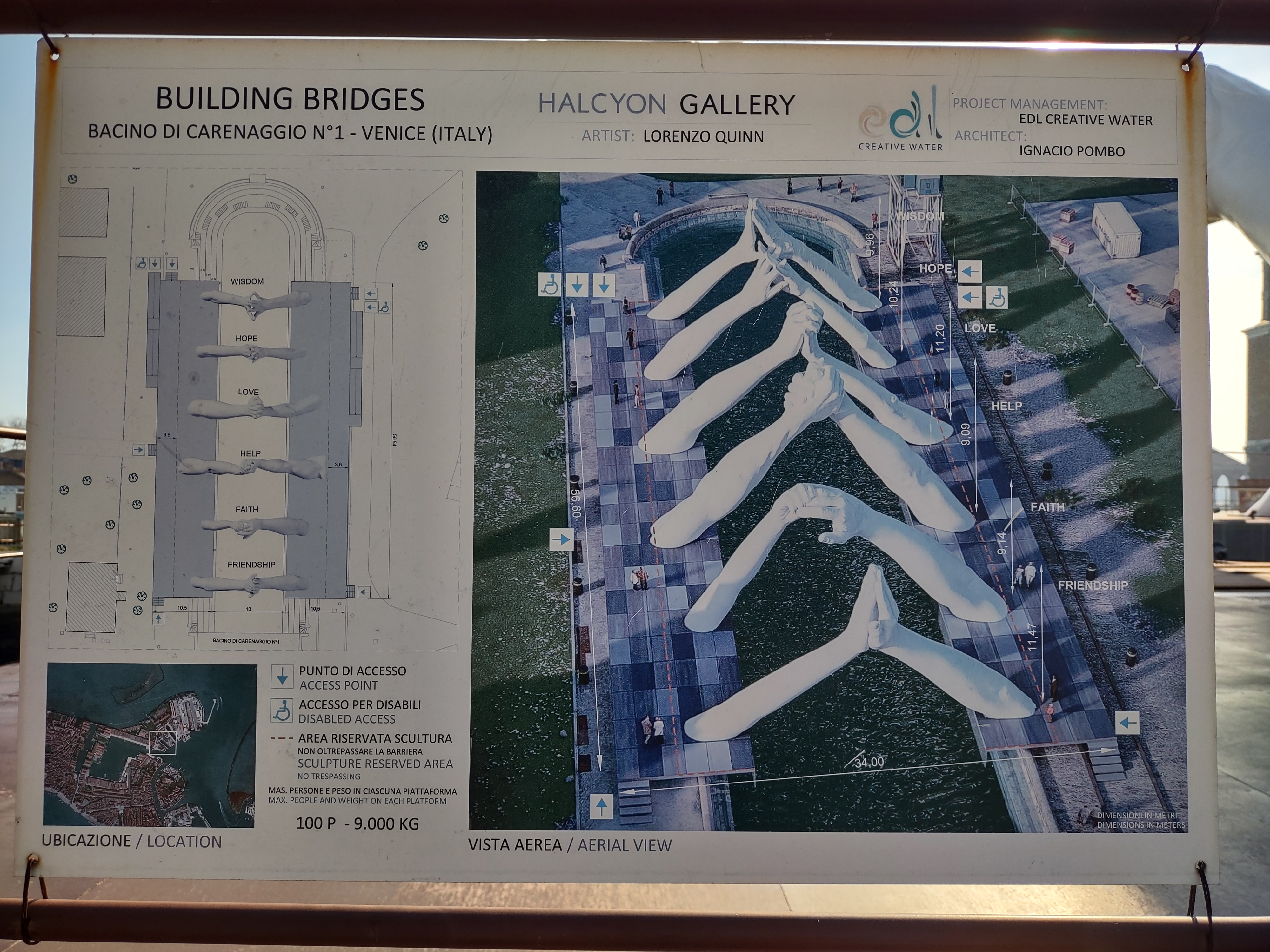
What made if particularly interesting to us was the fact that, despite a ton of reading and research on Venice, neither of us had come across any reference to this work, much less any photos of it. When we arrived at the site, we were the only two people there. We hung out at the Arsenale for about an hour and, during that period, saw perhaps five or six other people. Probably no surprise given the difficulty finding it – way off the tourist routes – and the fact that it apparently isn’t publicized. We found it to be a pretty phenomenal piece of work, particularly in this remote setting and felt the extra effort it took to find it made it even better.
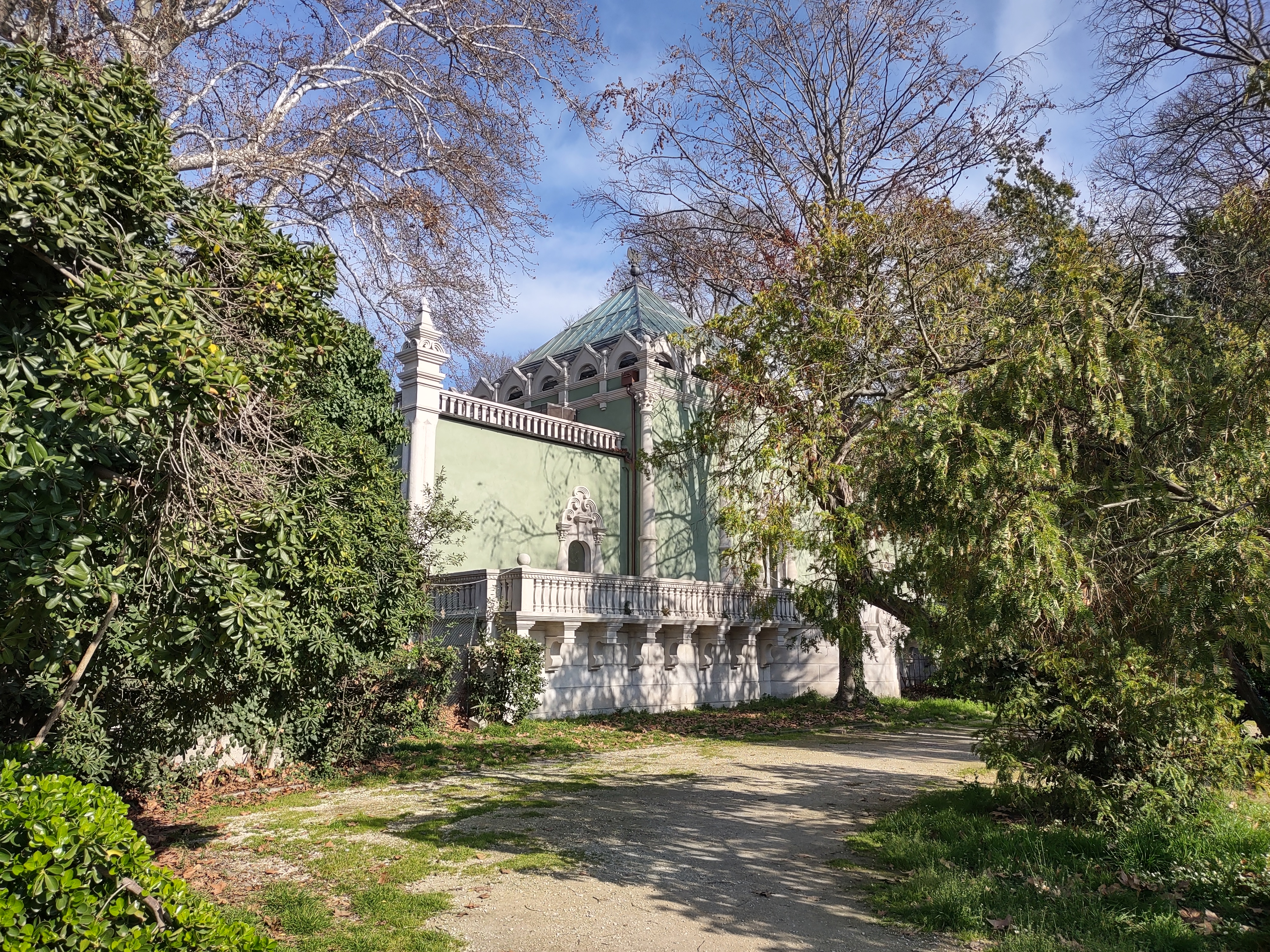
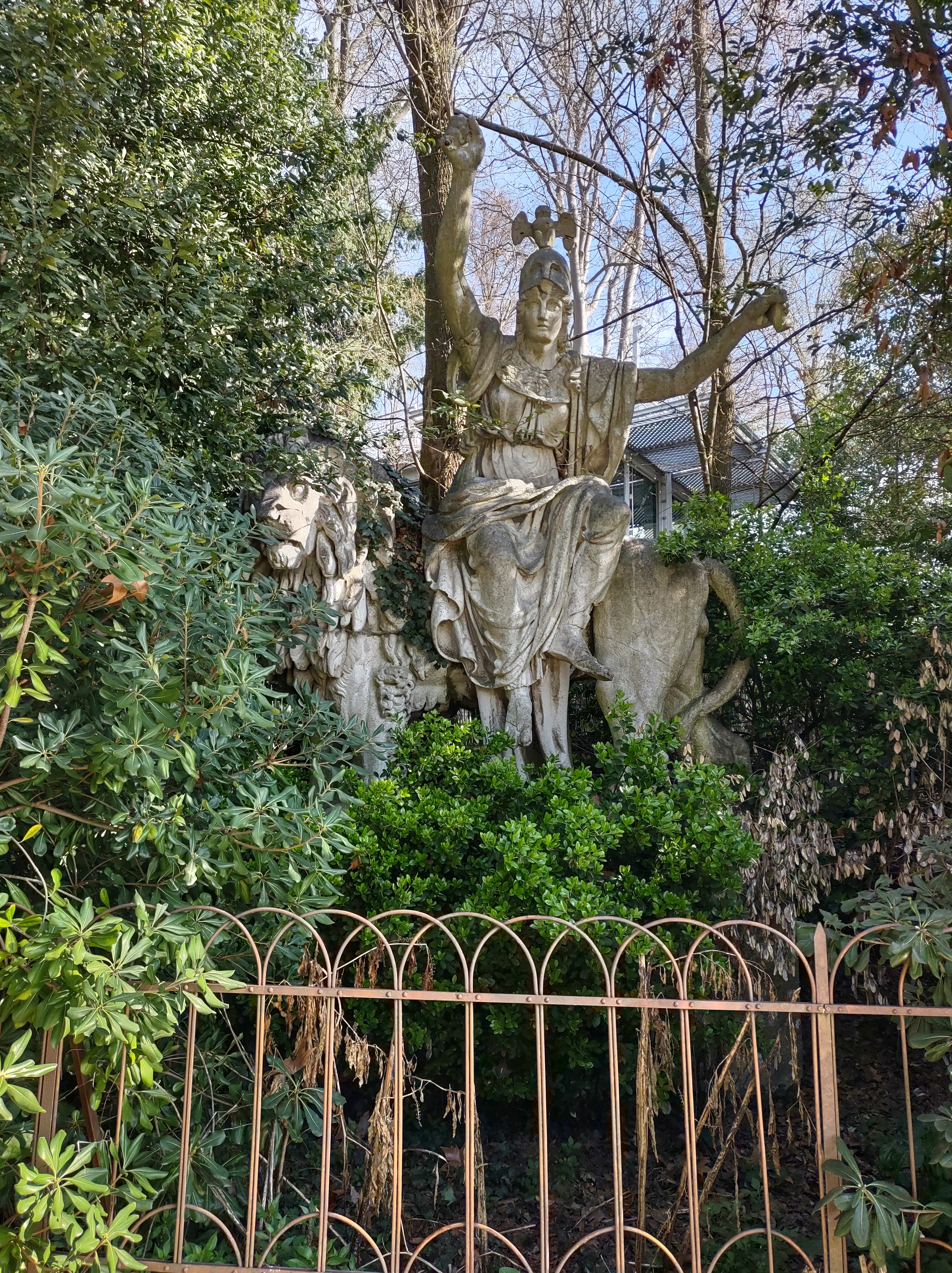
Our second venture into the “The Tail” occurred on our last day in Venice when we had the benefit of a Vaporetta pass. We jumped off a bit east of San Marco and walked east through the Gardin delli Biennale. If you aren’t familiar with it, the Venice Bienalle is an annual festival, alternating between art and architecture, initiated in 1895, which now attracts a half a million visitors each year.
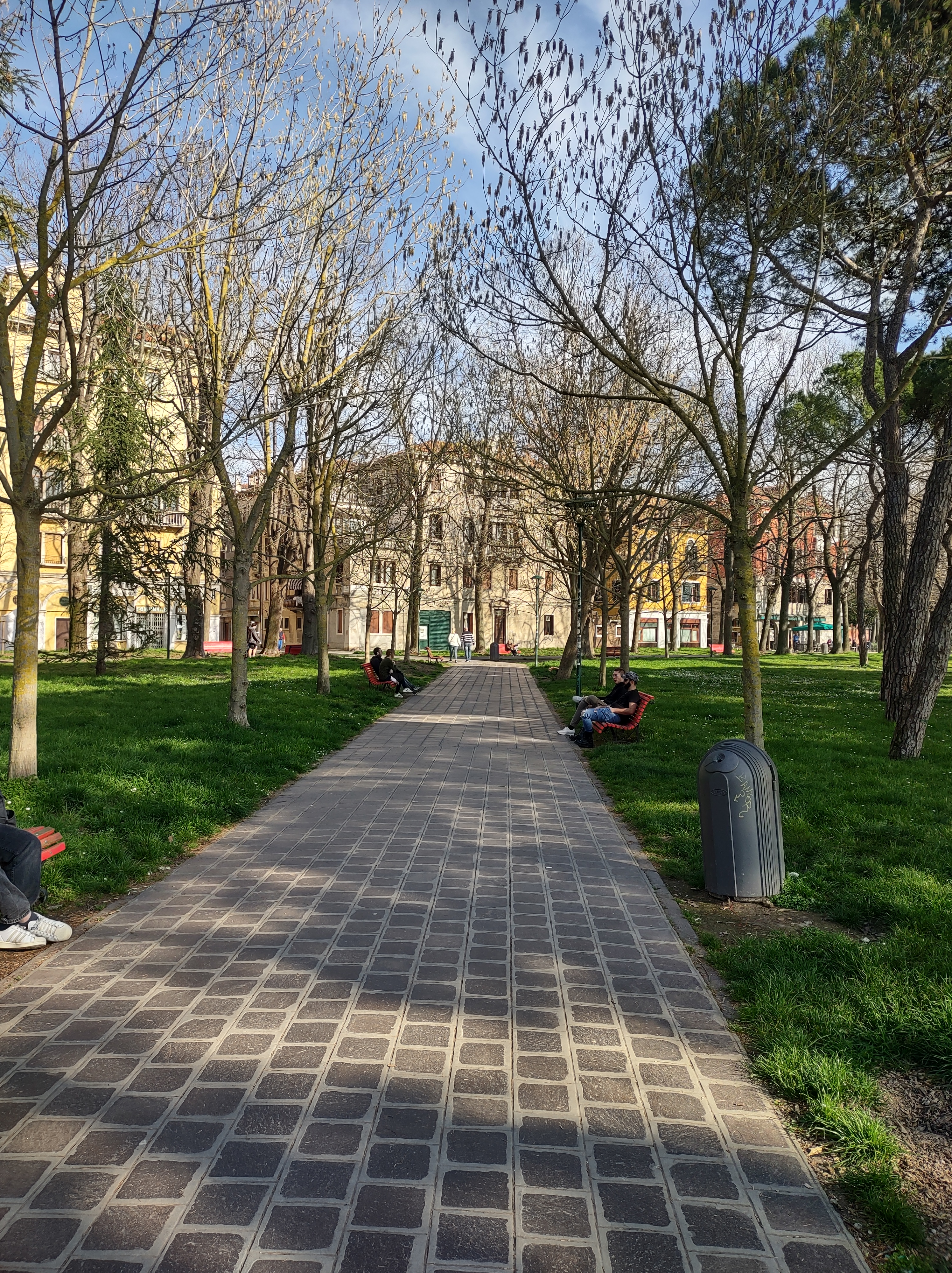
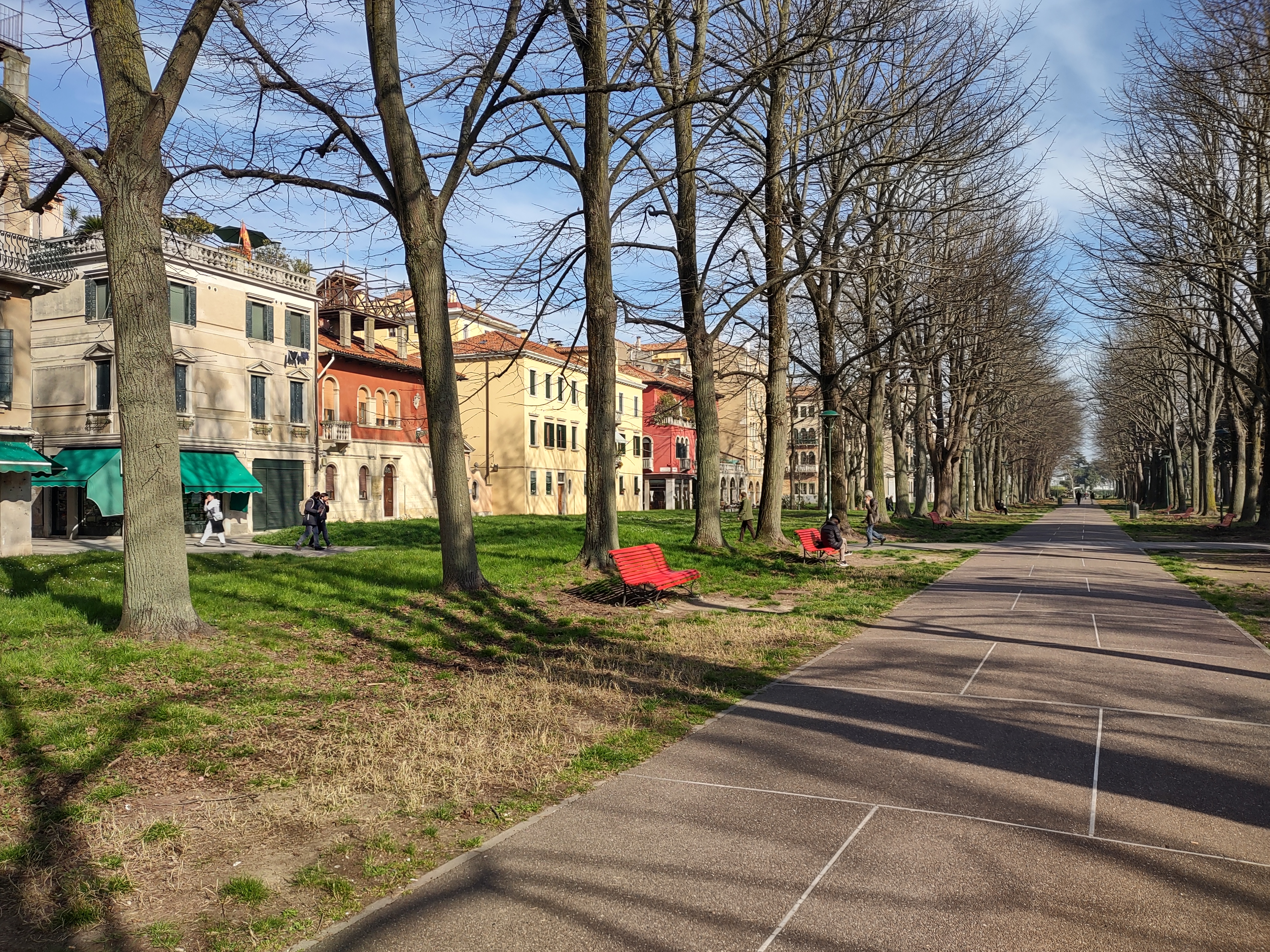
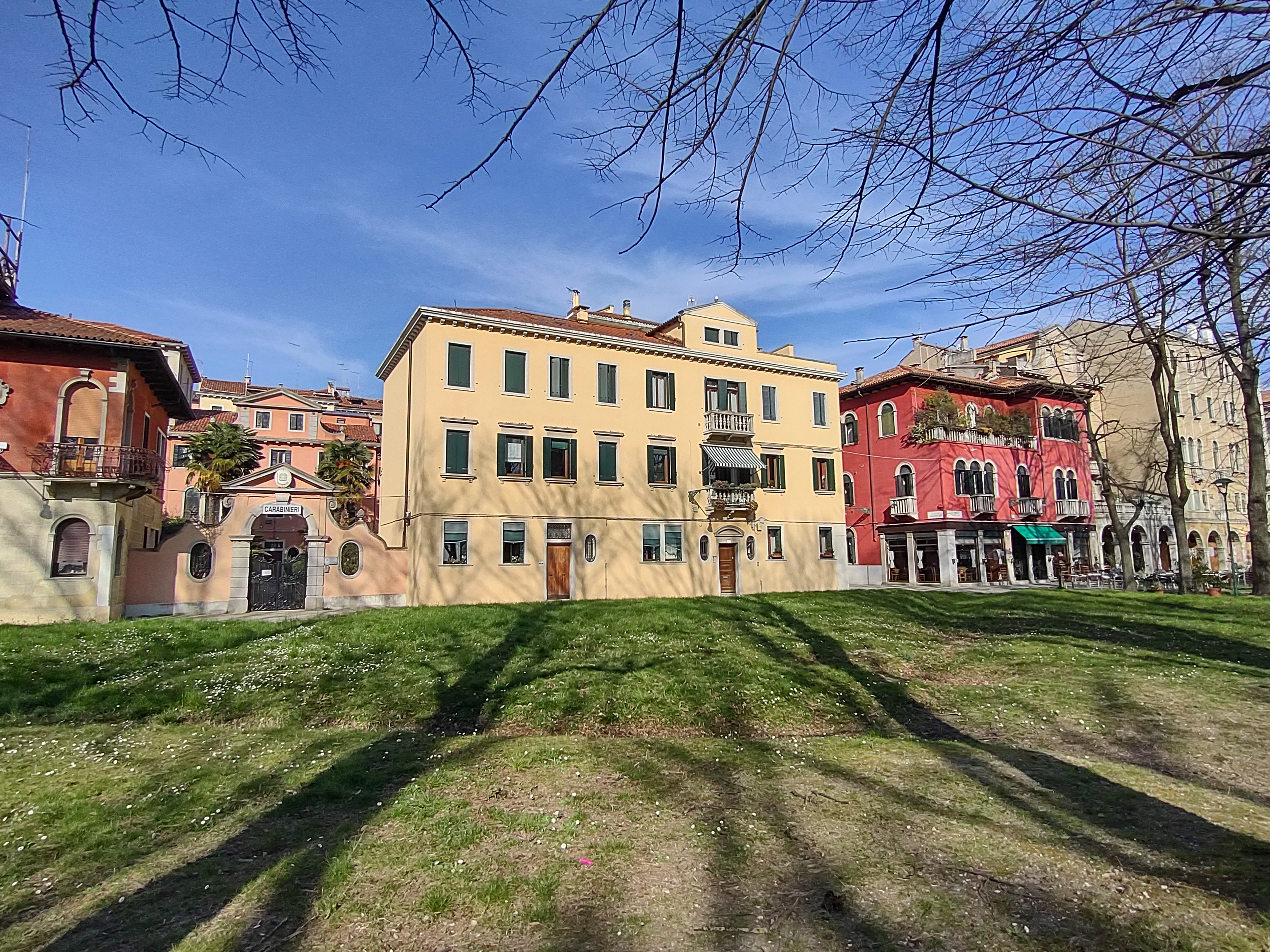
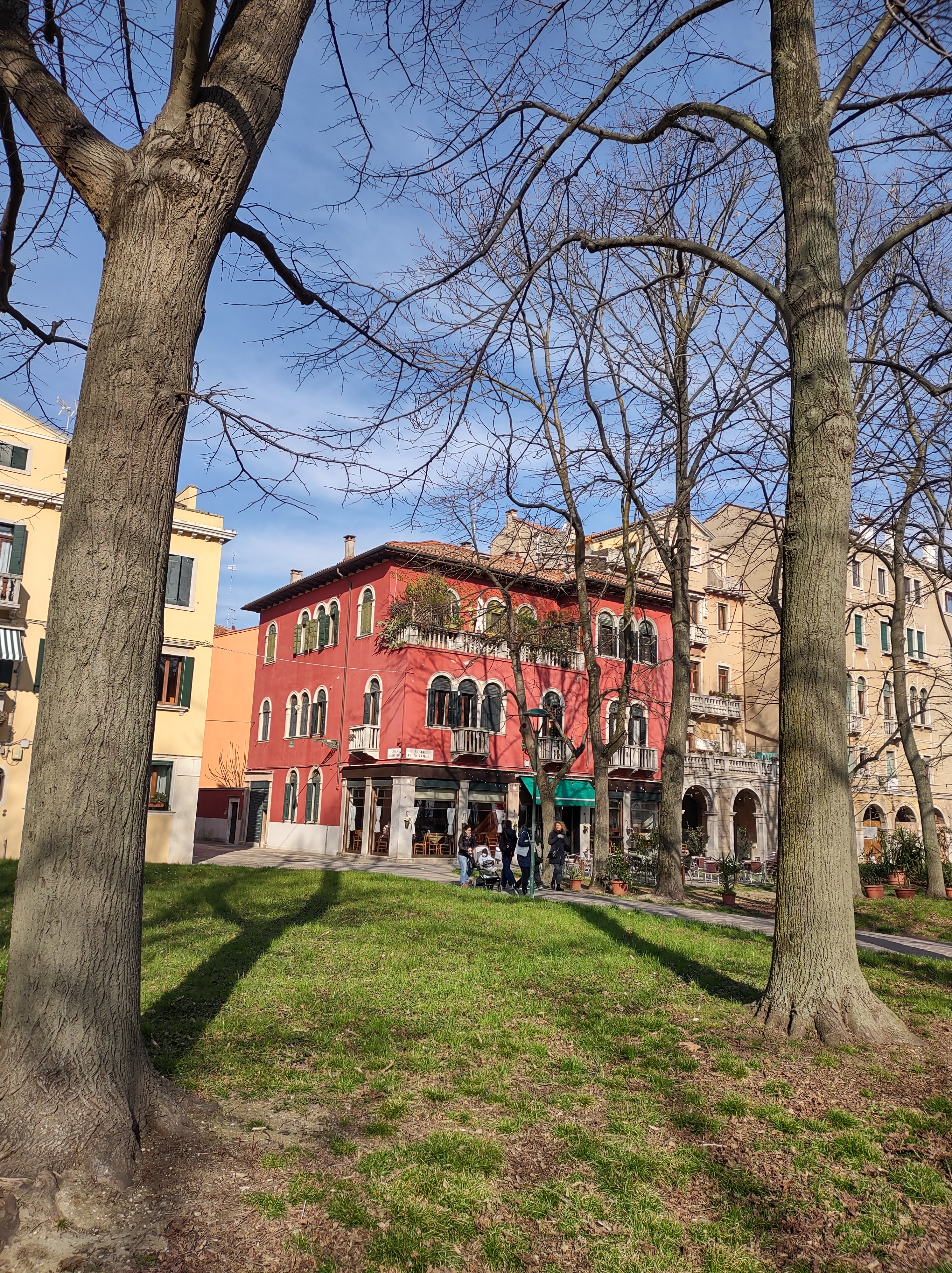
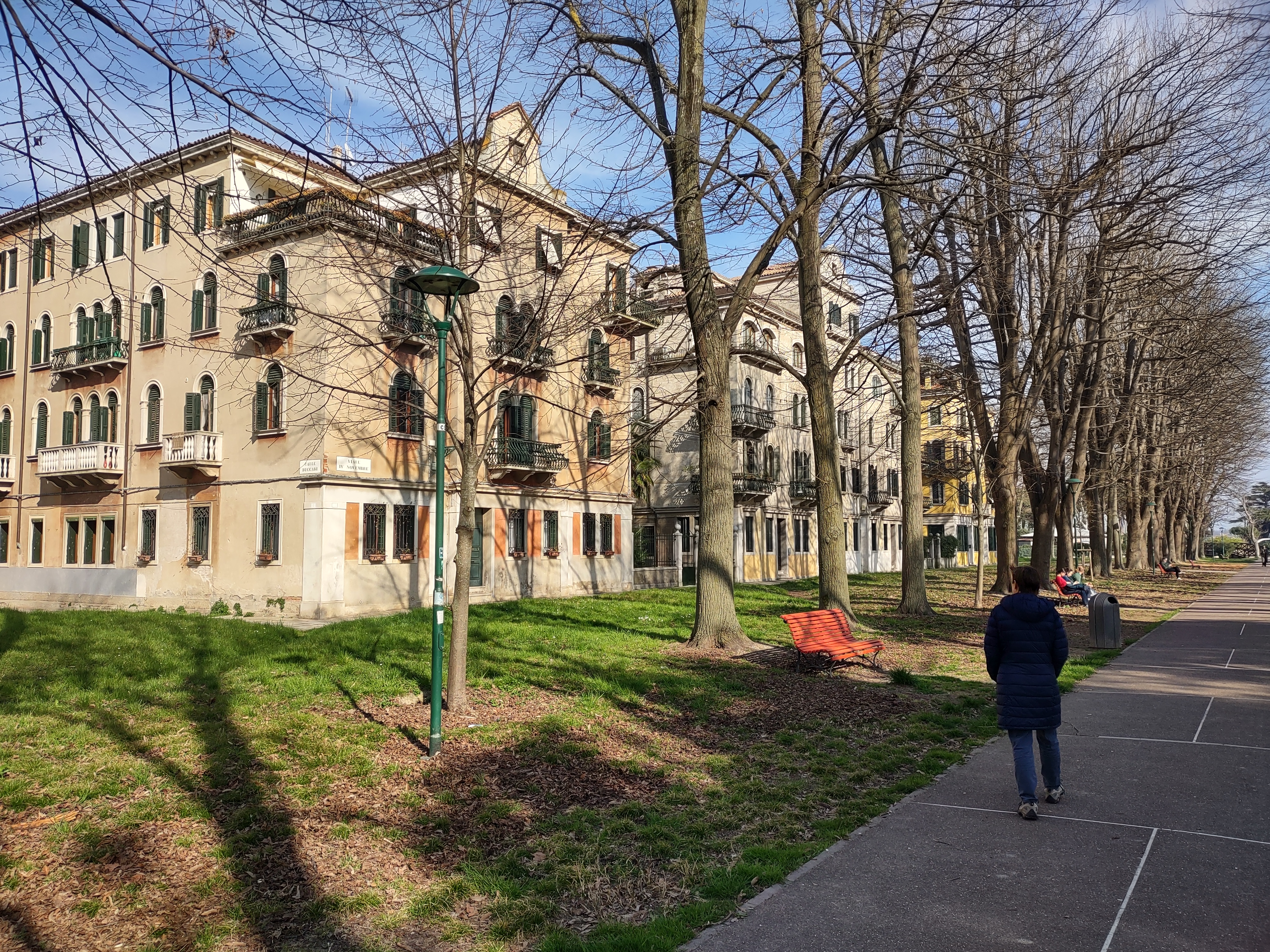
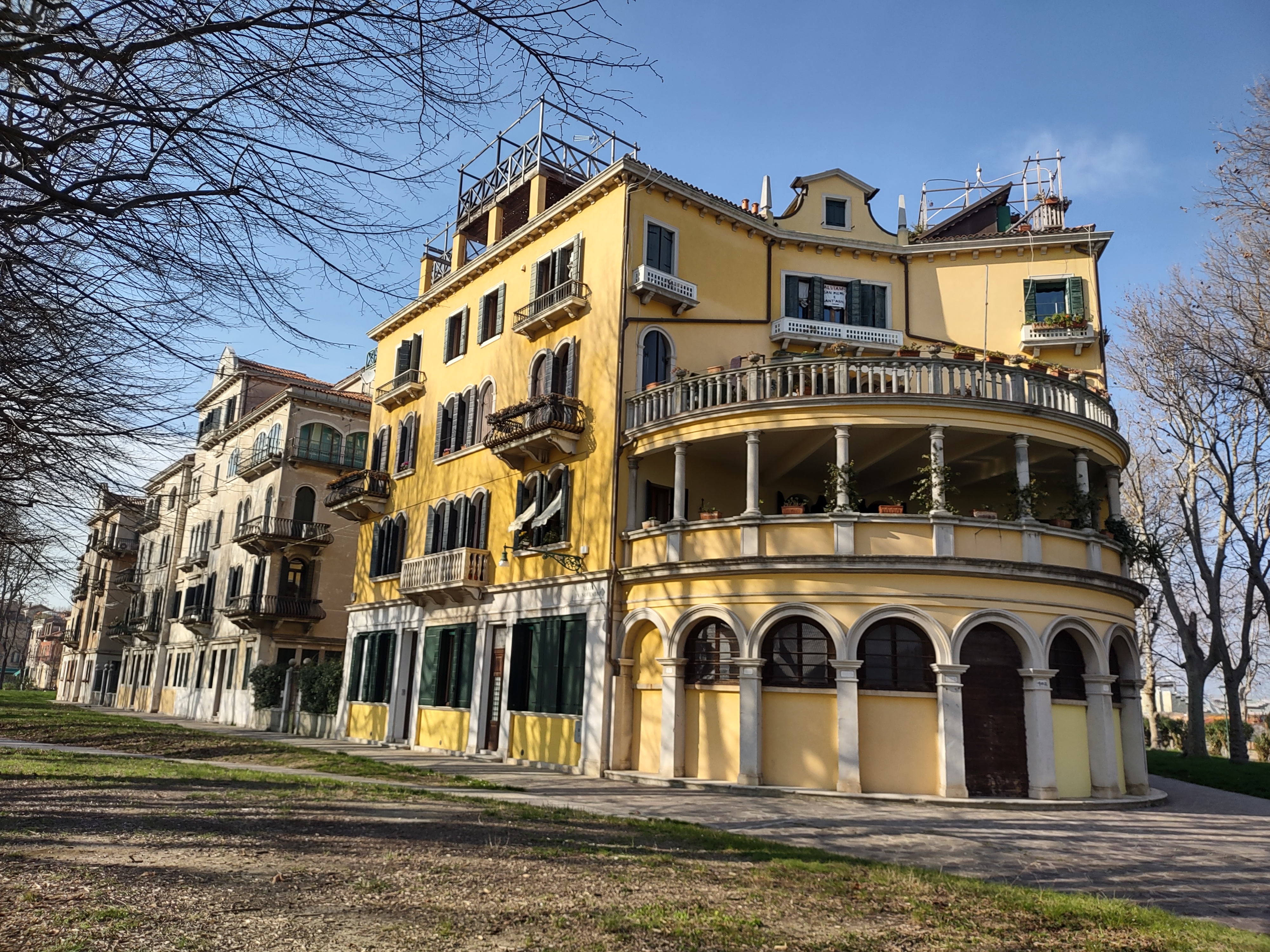
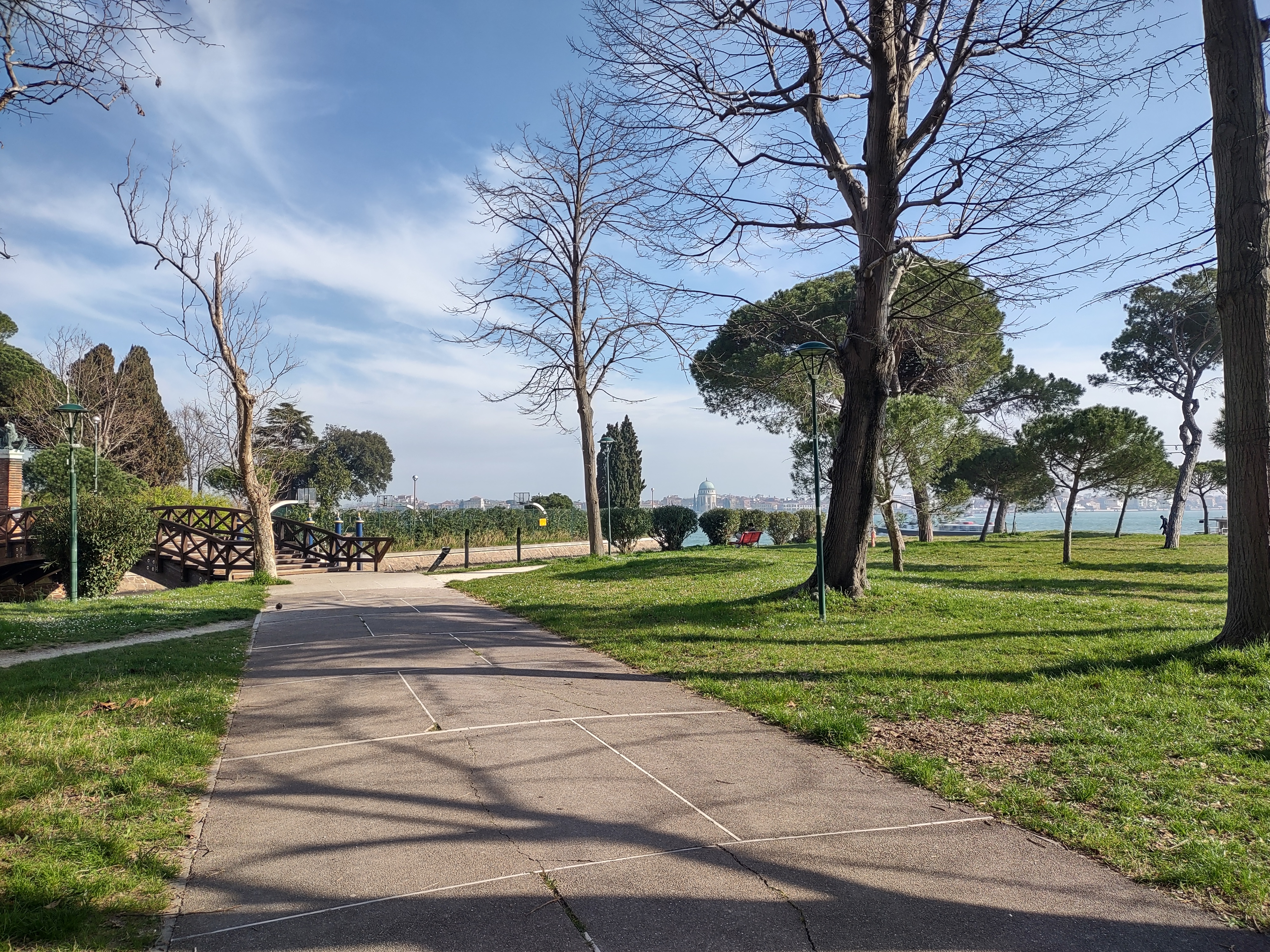
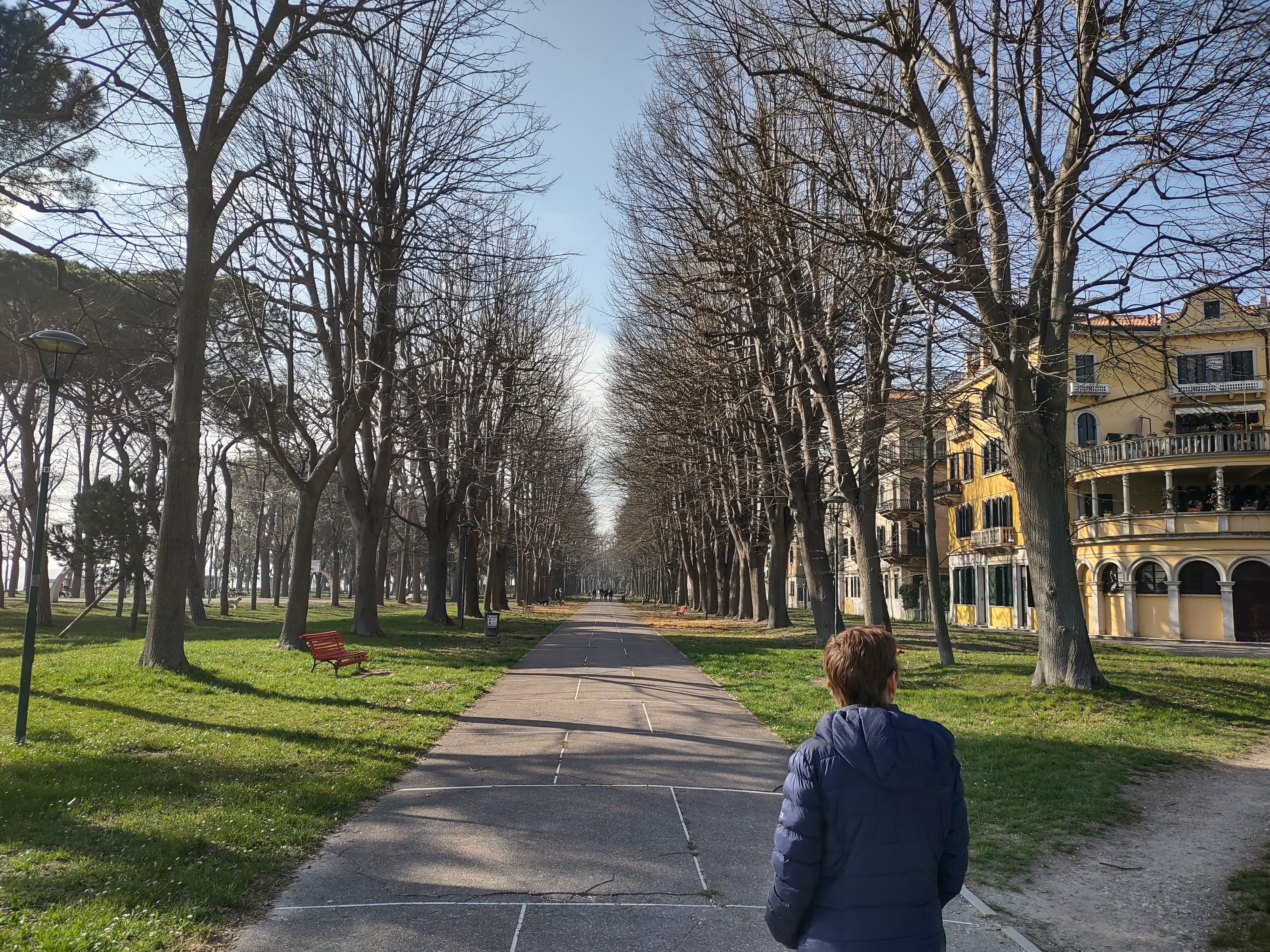
Gardin delli Biennale houses a total of 29 pavilions built by participating countries over a number of years. Unfortunately, because preparations are underway for this year’s Biennale which opens in May, access to the pavilions was closed when we were there. (Oddly enough given current circumstances, the one we were able to get the best view of was the Russian pavilion.) Beyond the Gardin delli Biennale is a residential area with tree-line greenways which, absent the crowds of tourists, feels, frankly, like anything but Venice. A great place to sit in the sun and have a picnic lunch!
A Private Tour
For our last morning in Venice, Colleen advised Ritchard that she would be conducting a private tour of the Jewish neighborhood (ghetto) of Venice. For logistical reasons, we ended up doing the tour in reverse of the intended order, starting just across the canal about a block south of our apartment at the “new” entrance to the ghetto and proceeding south to the original “old” entrance to the ghetto. The Jewish Ghetto in Venice dates back to 1555, when Pope Paul IV restricted all jews to a small area of the city which was then walled in.
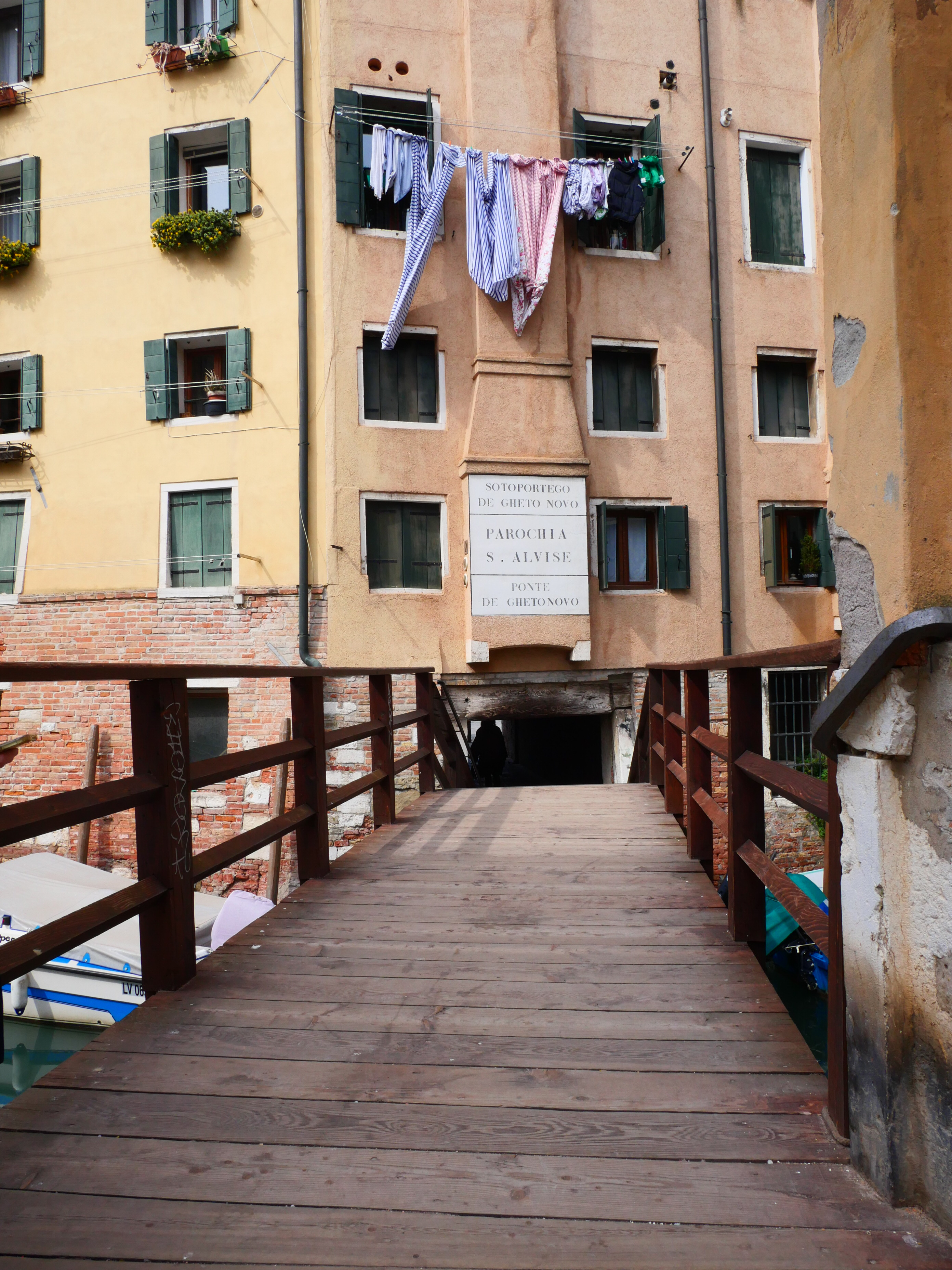
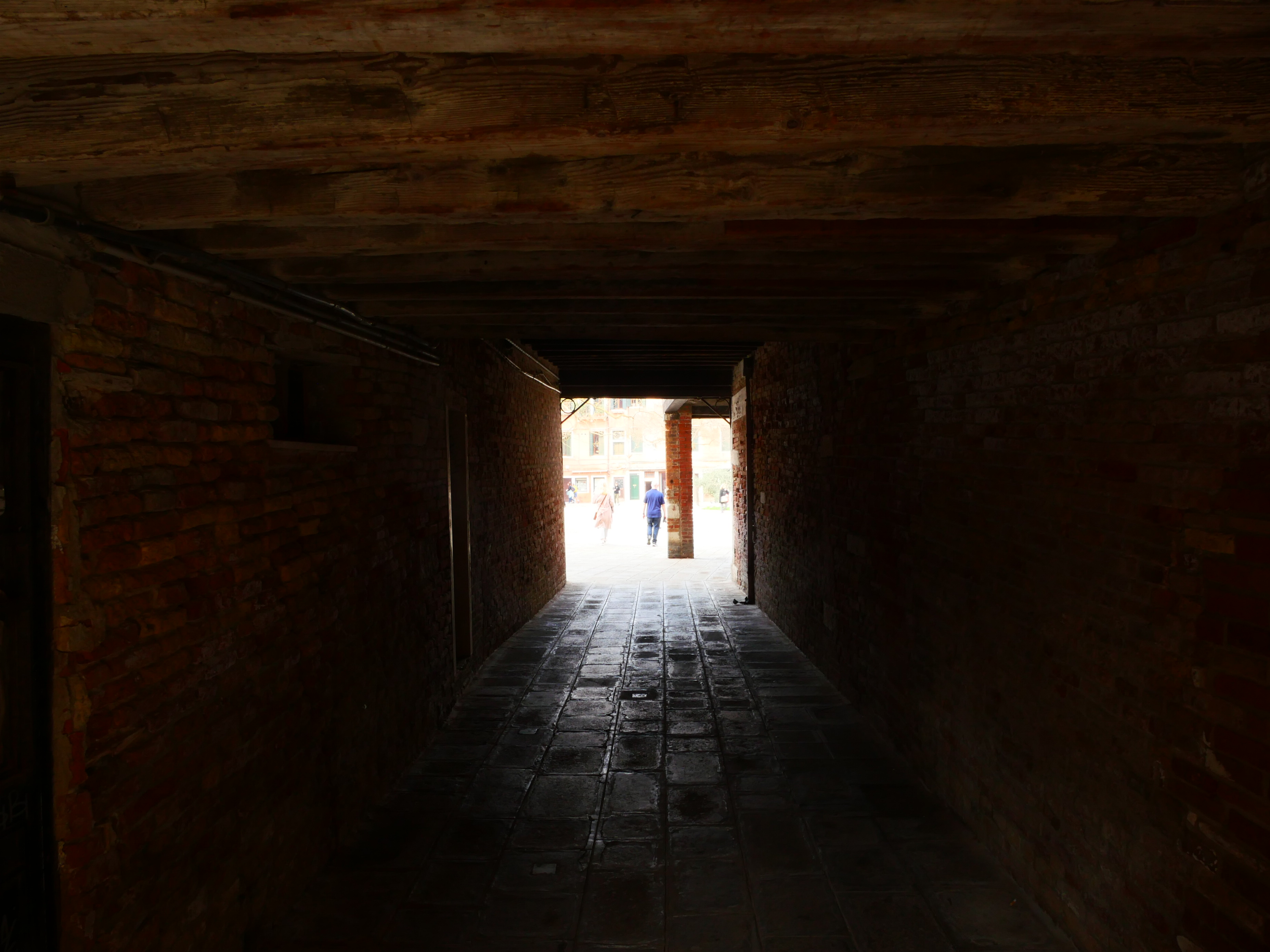
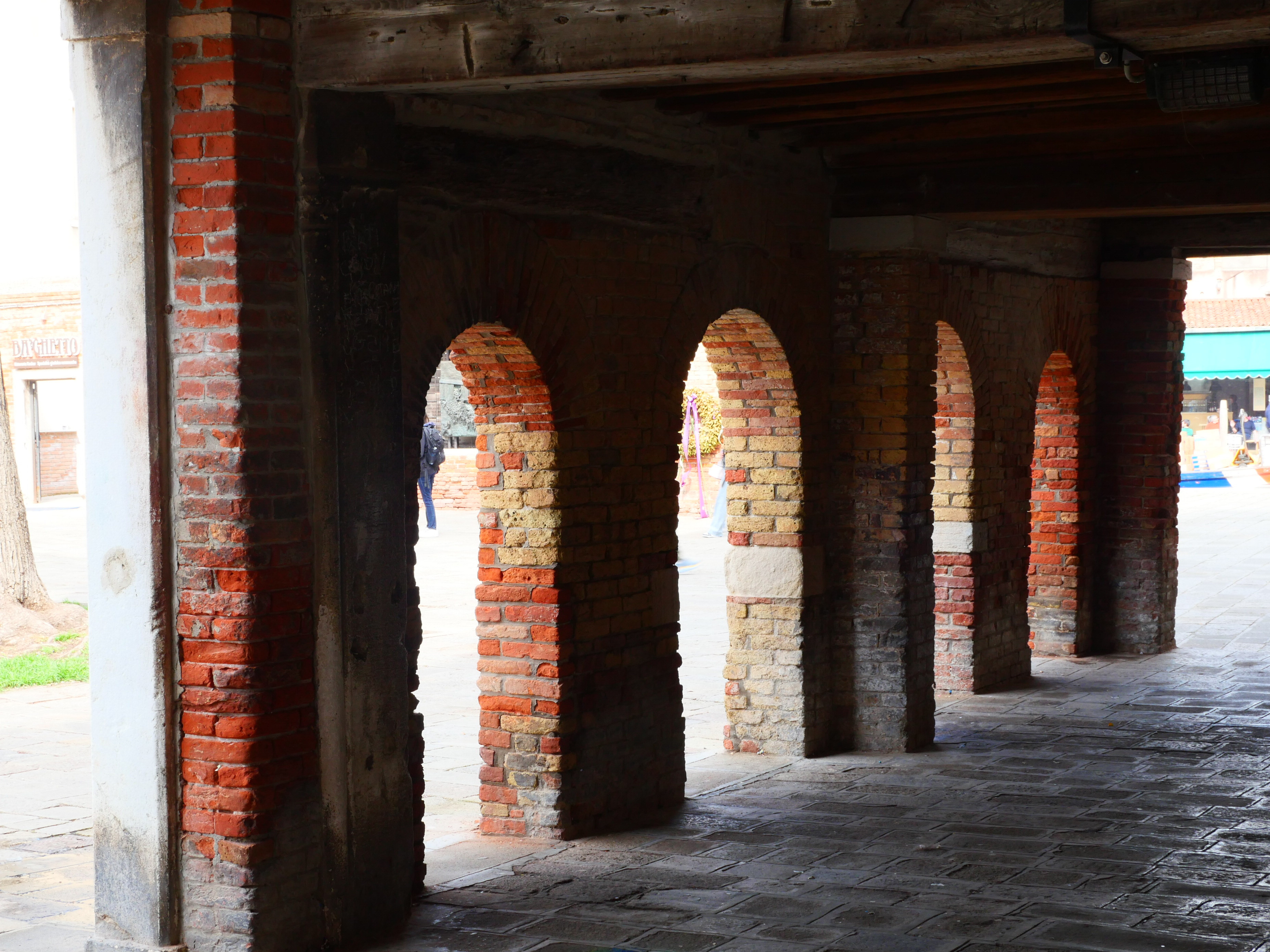
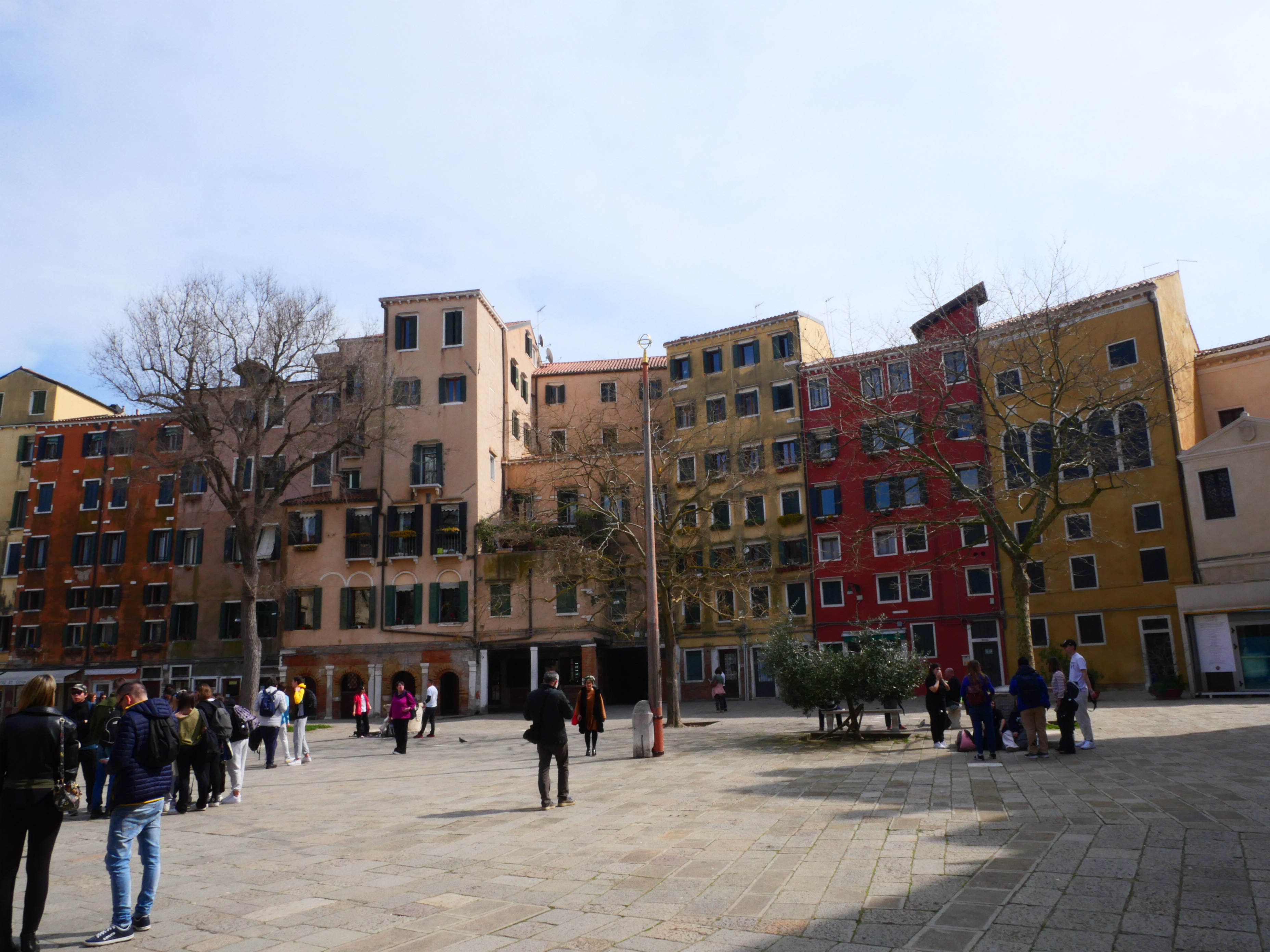
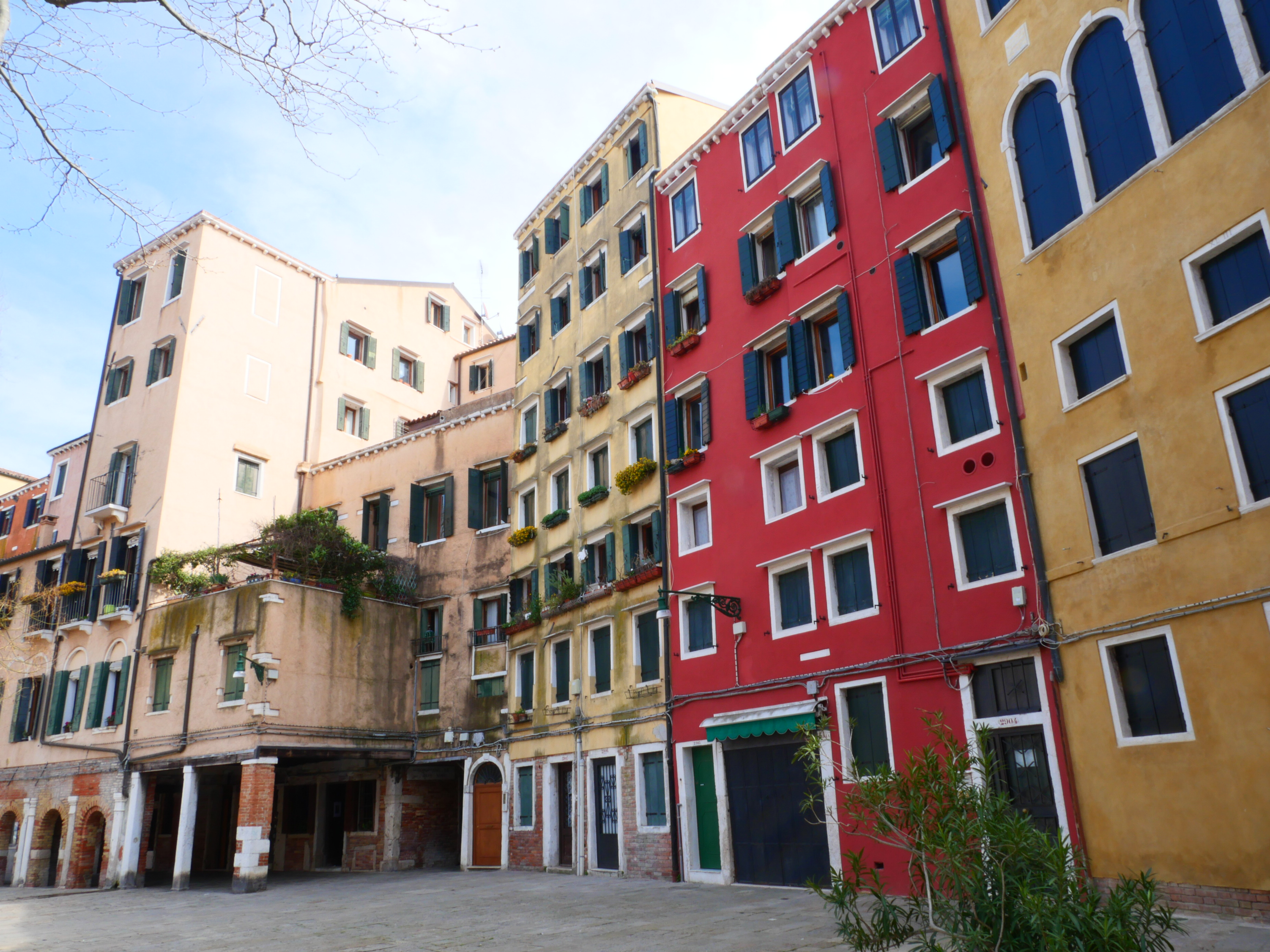
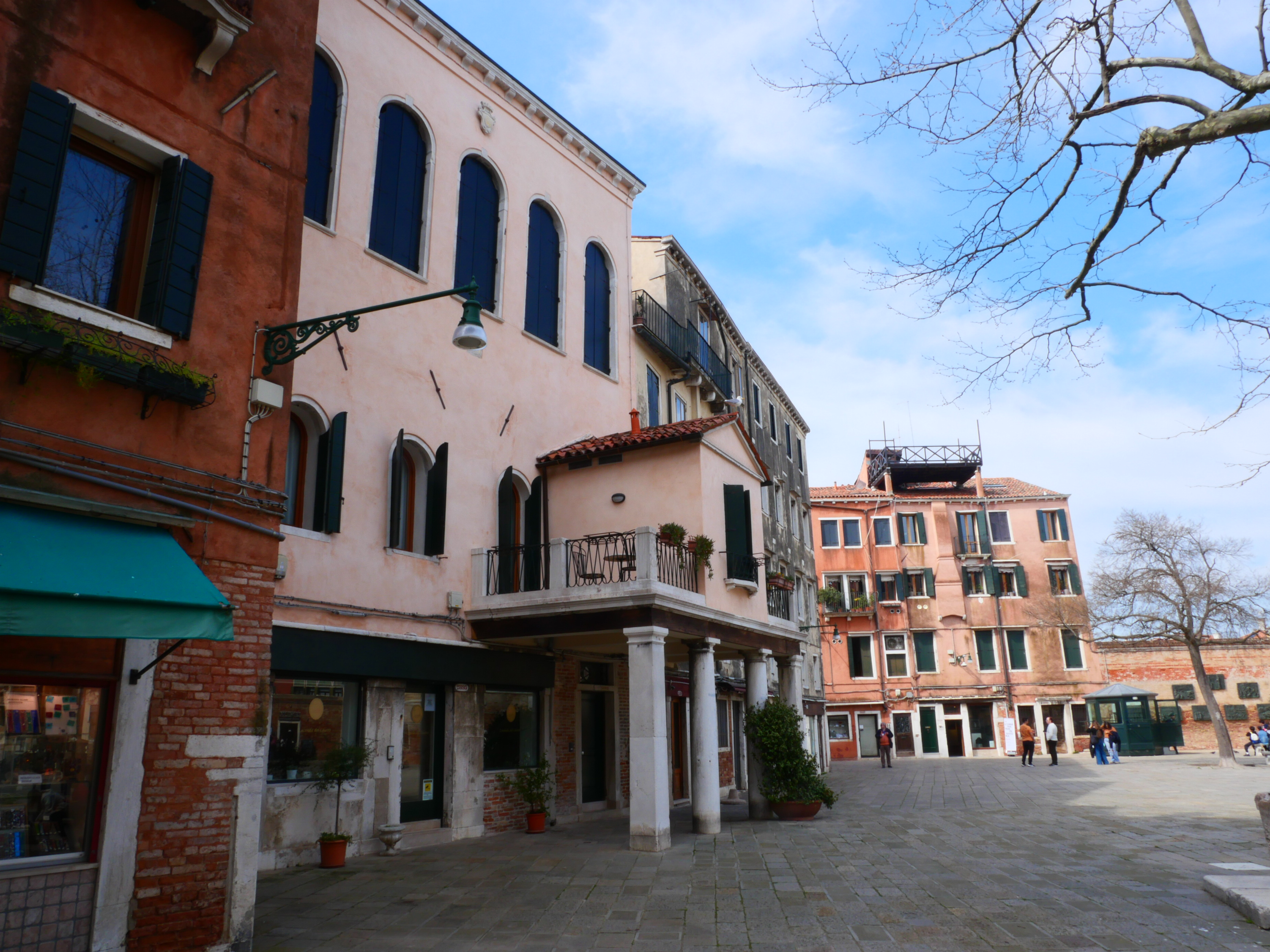
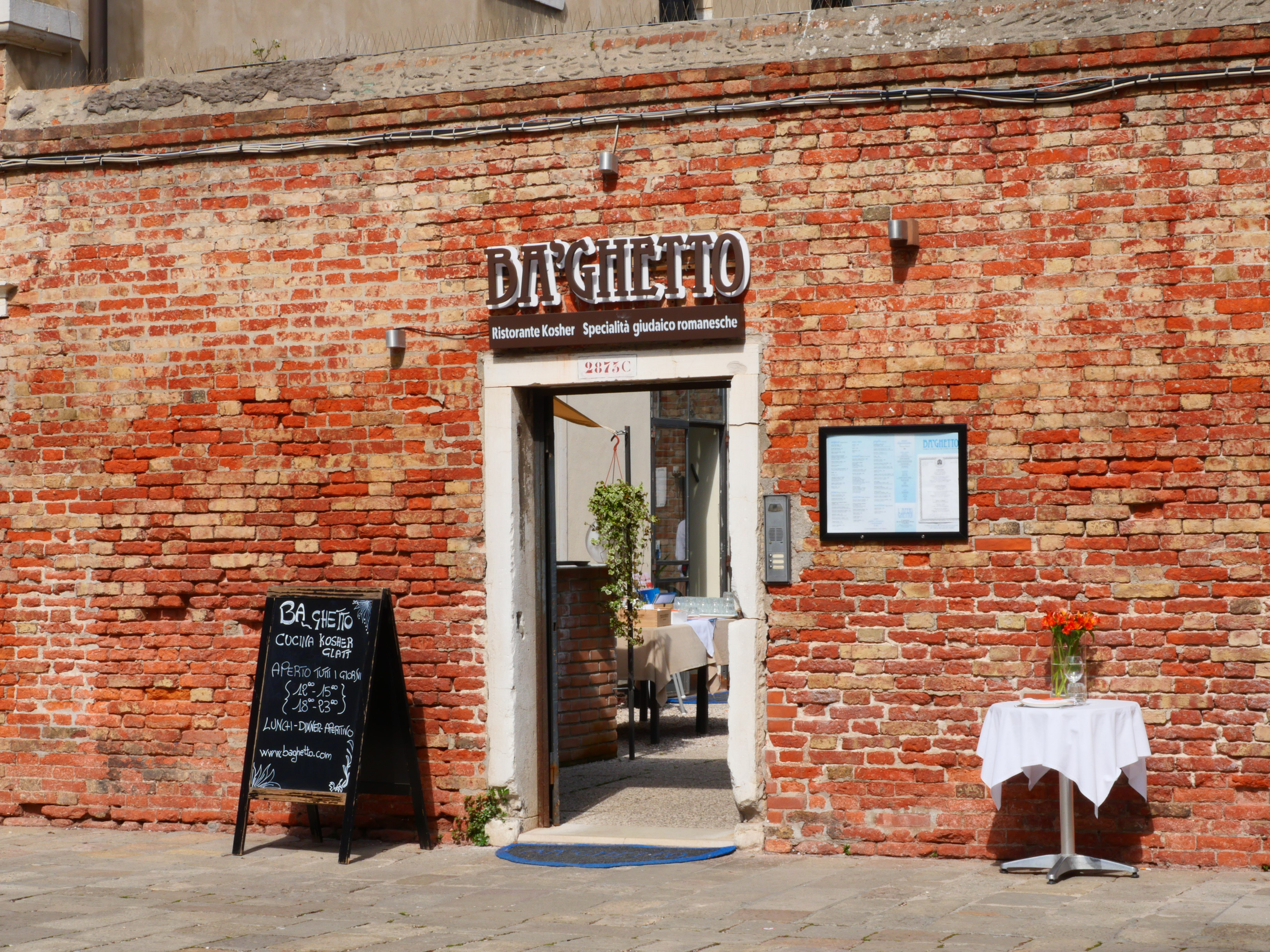
The centerpiece of the tour was the Ghetto Embraico, a square surrounded by various historical synagogues (generally disguised, so hard to pick out in photos) and featuring a holocaust monument by Lithuanian artist Arbit Blatas. The monument consists of seven bronze panels memorializing the Jewish victims of Venice Jews who were deported to concentration camps during the Nazi occupation. In contrast to Amsterdam, not many of the Jews who lived in Venice were deported due to the courage and determination of Giuseppe Jona, a Jewish community leader, who burned the list of Jews living in Venice and then, fearing reprisals, took his own life.
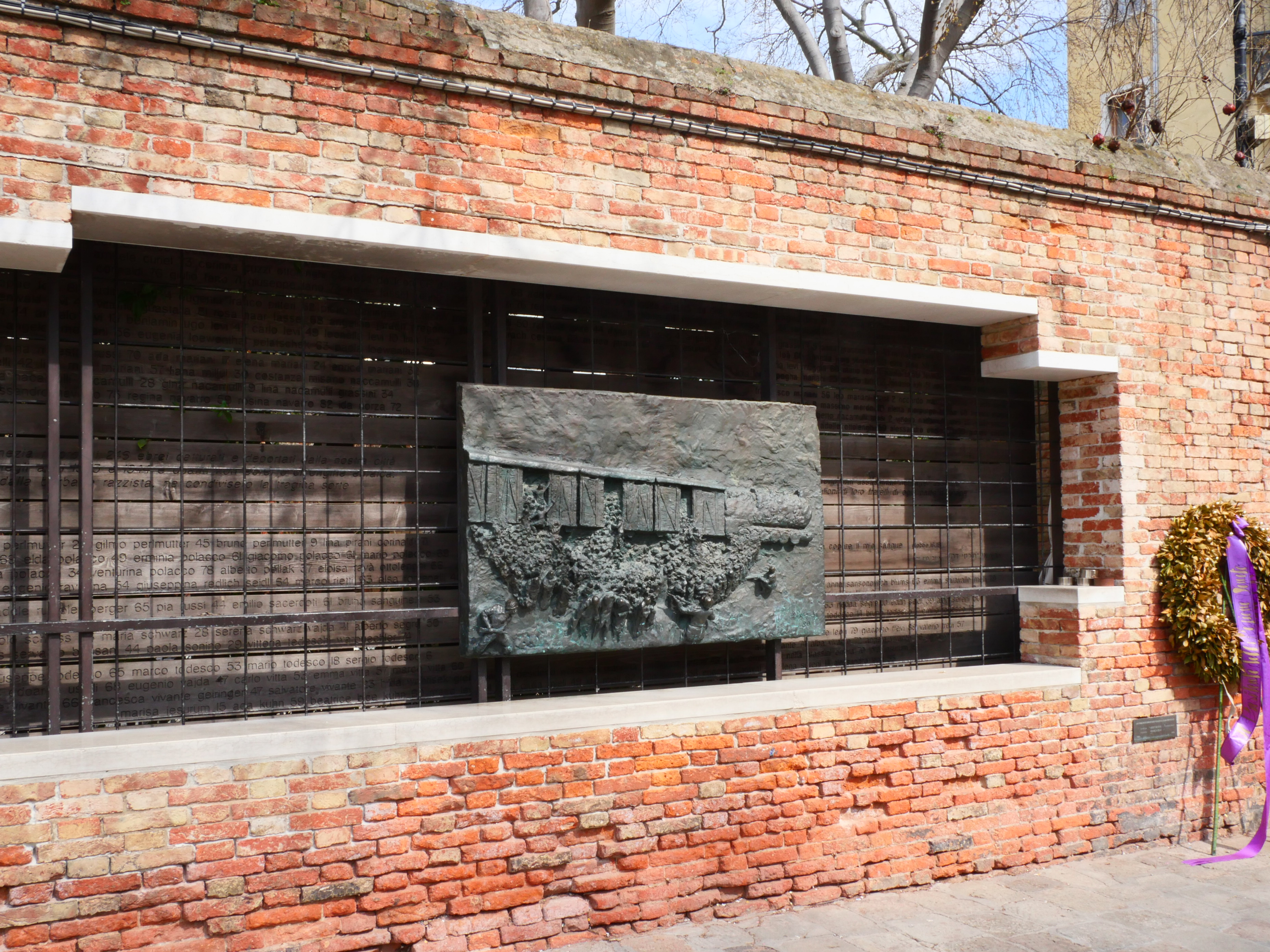
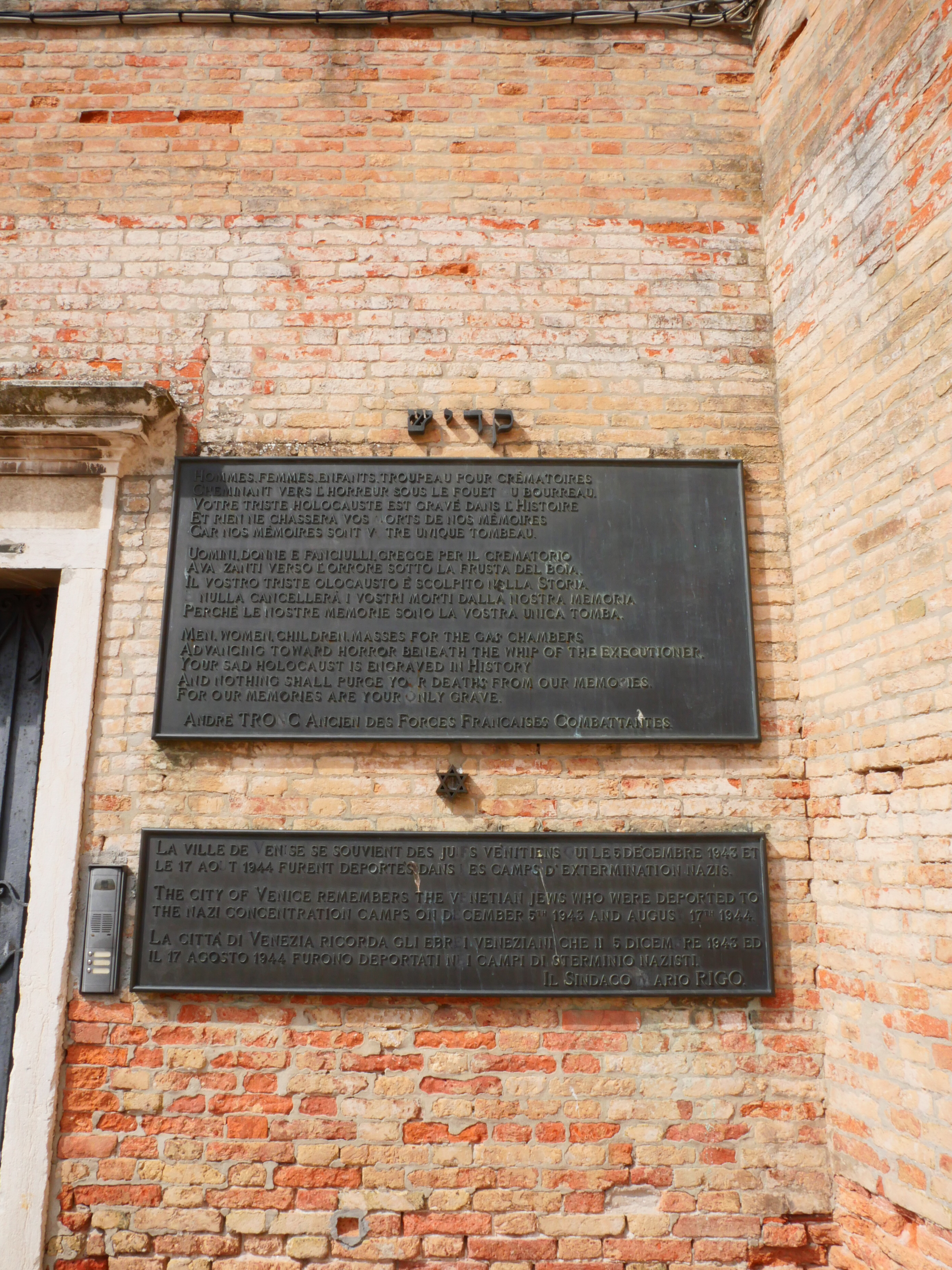
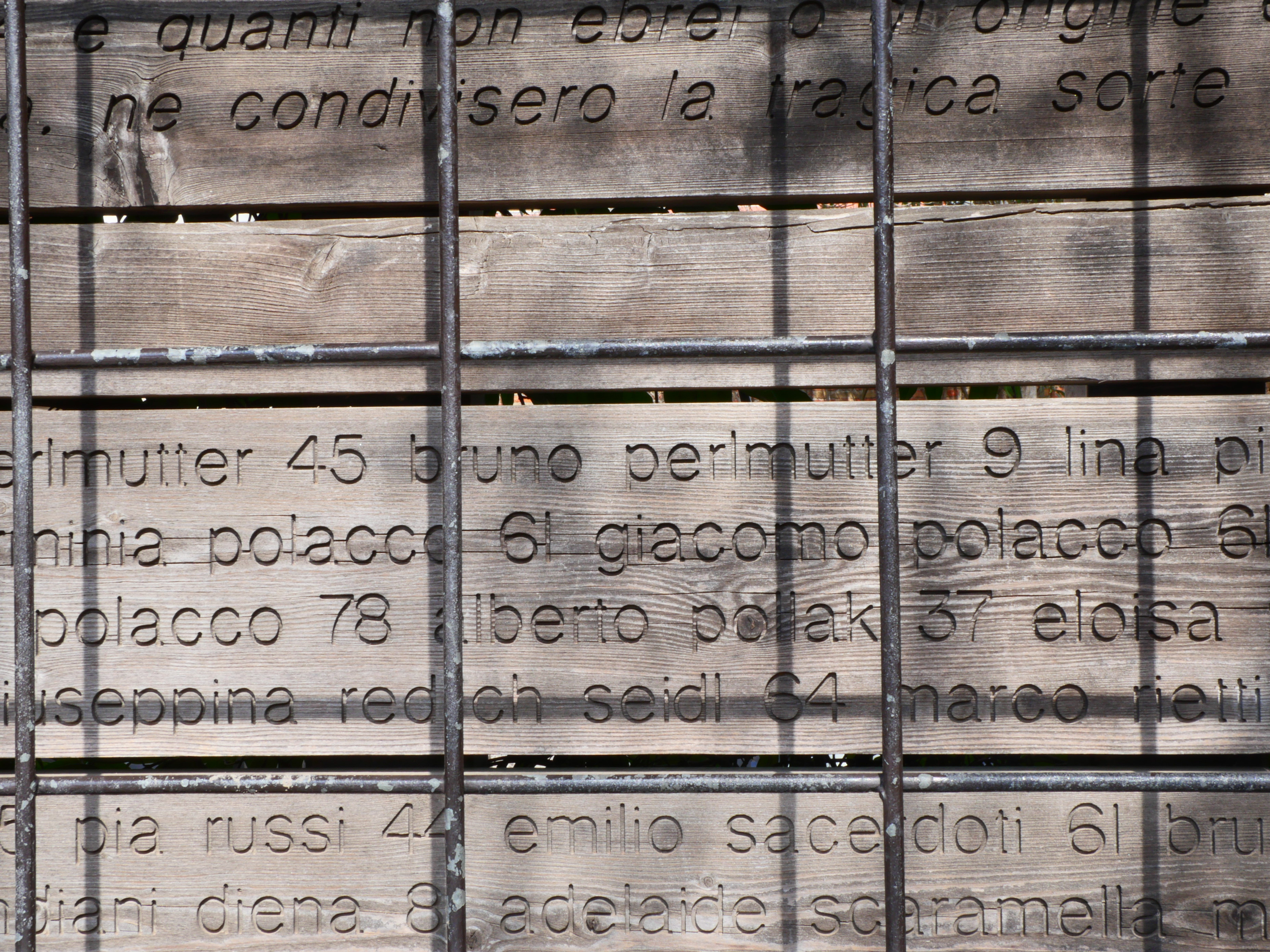
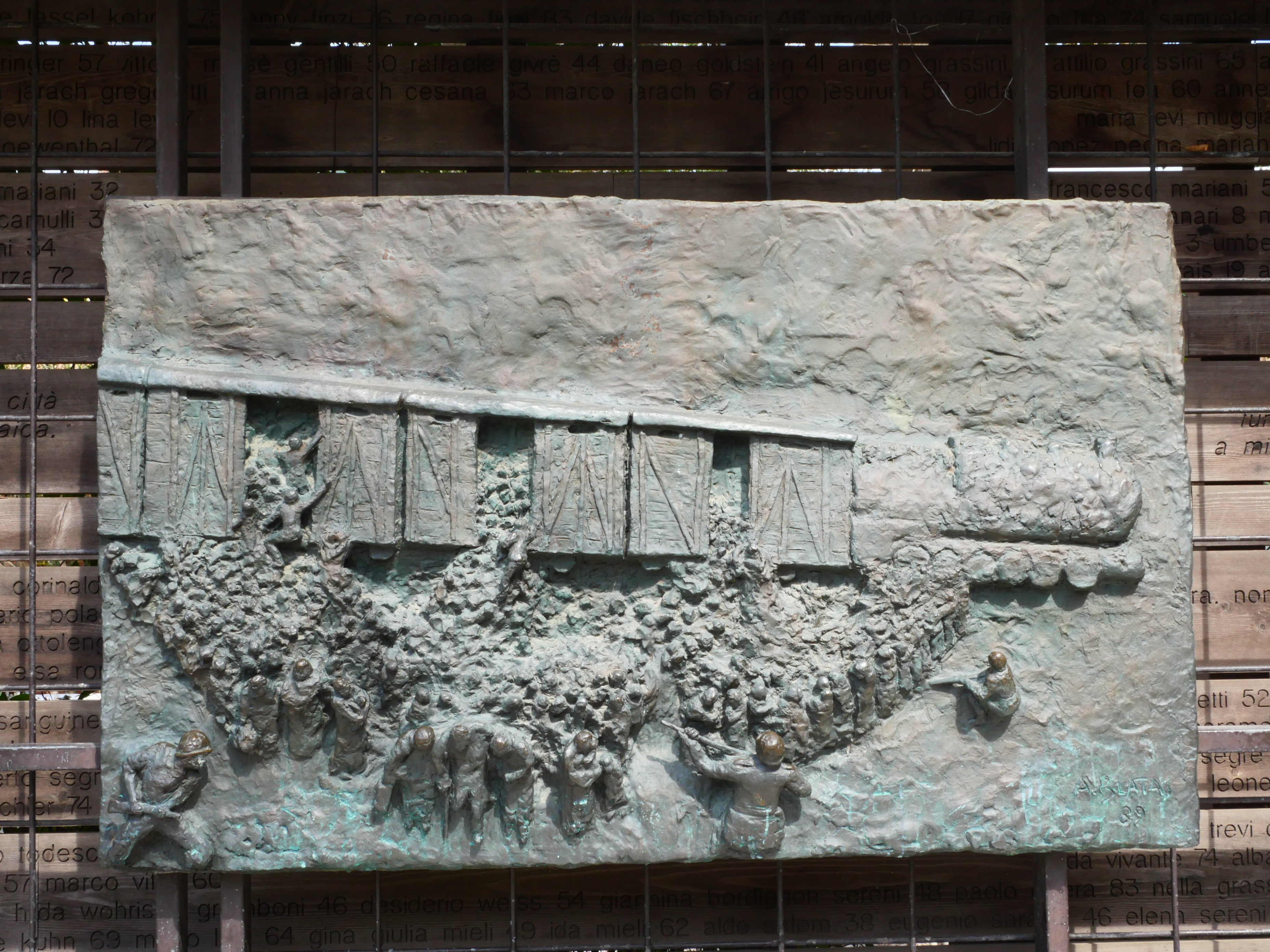
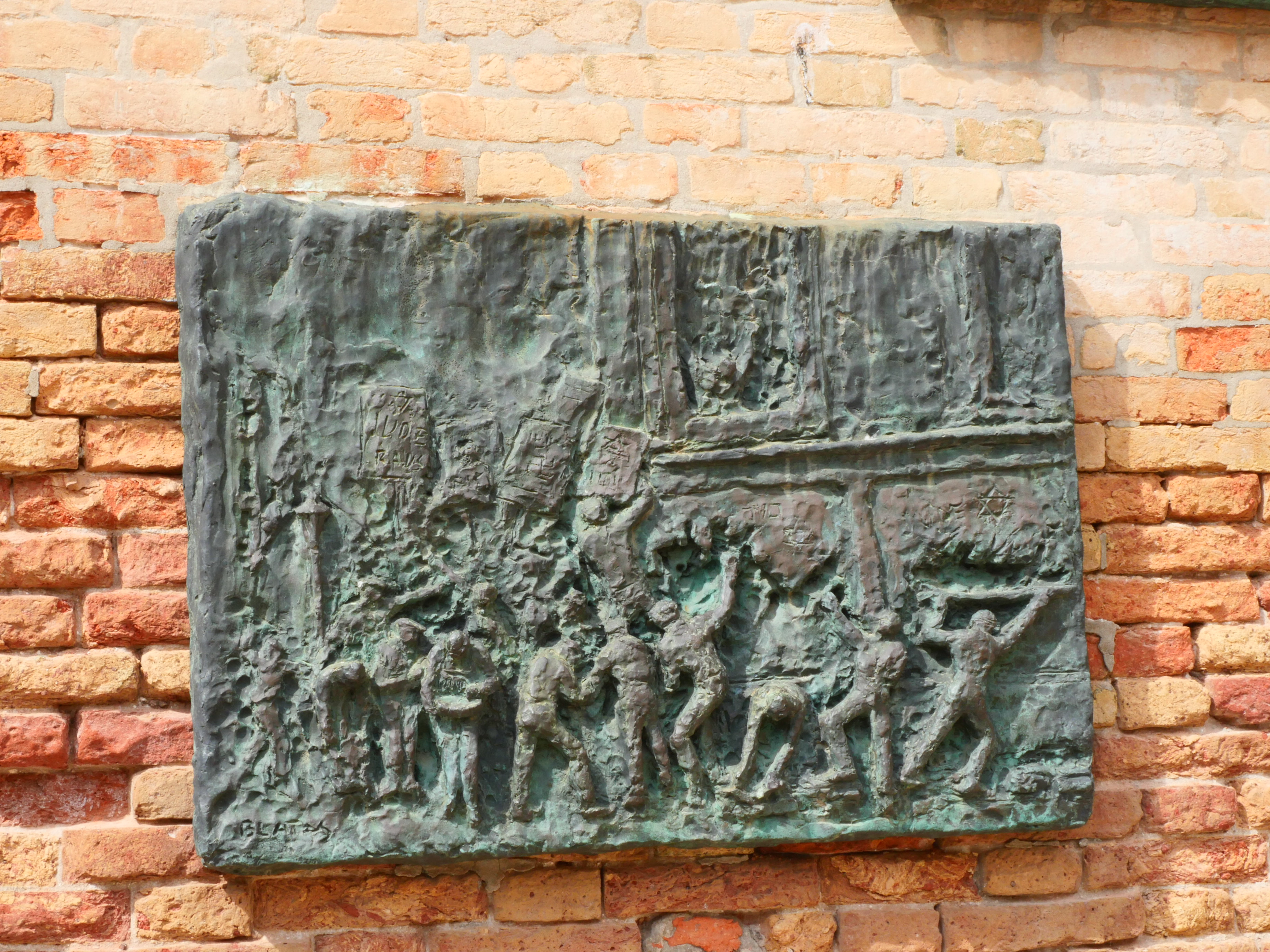
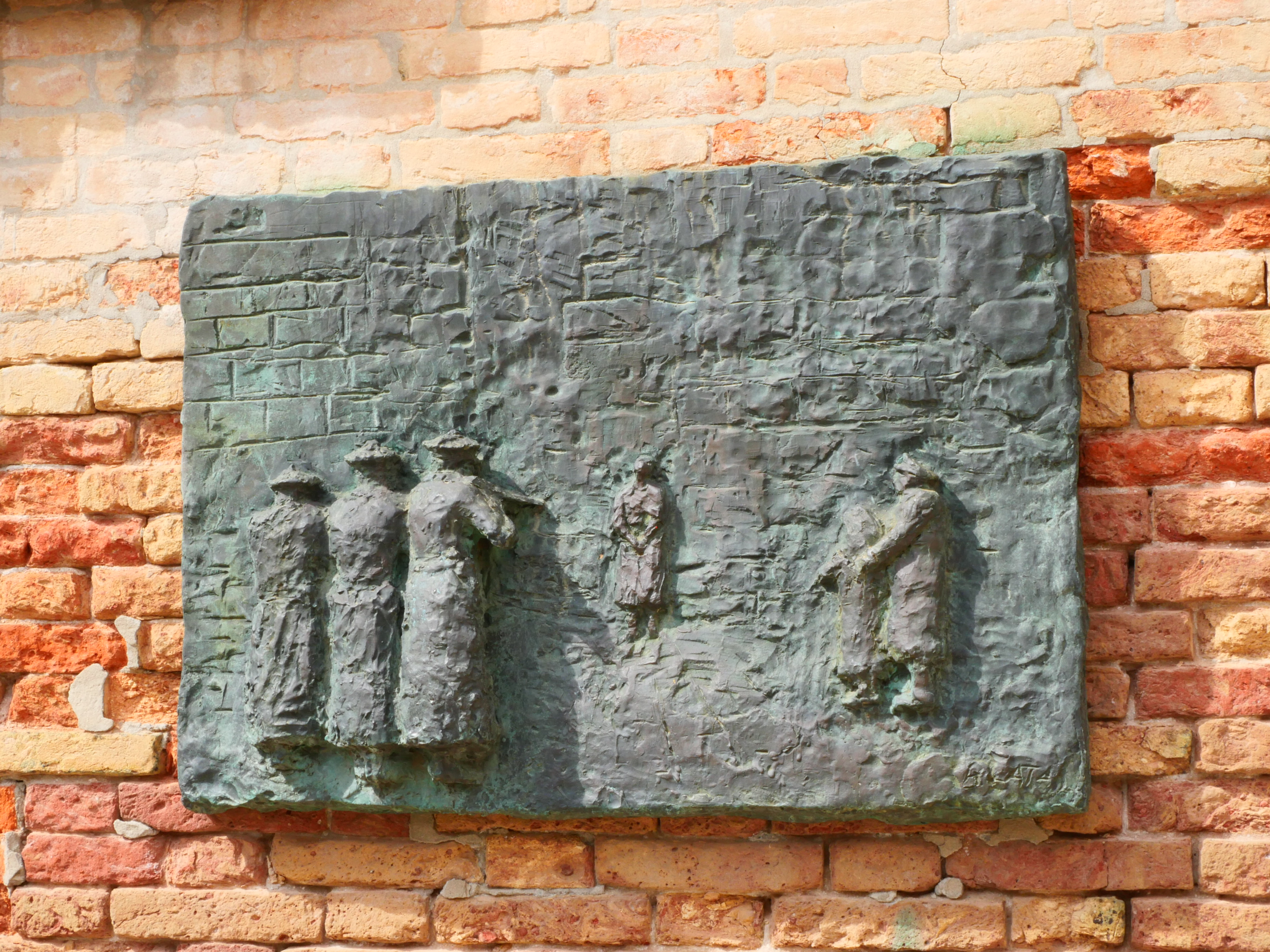
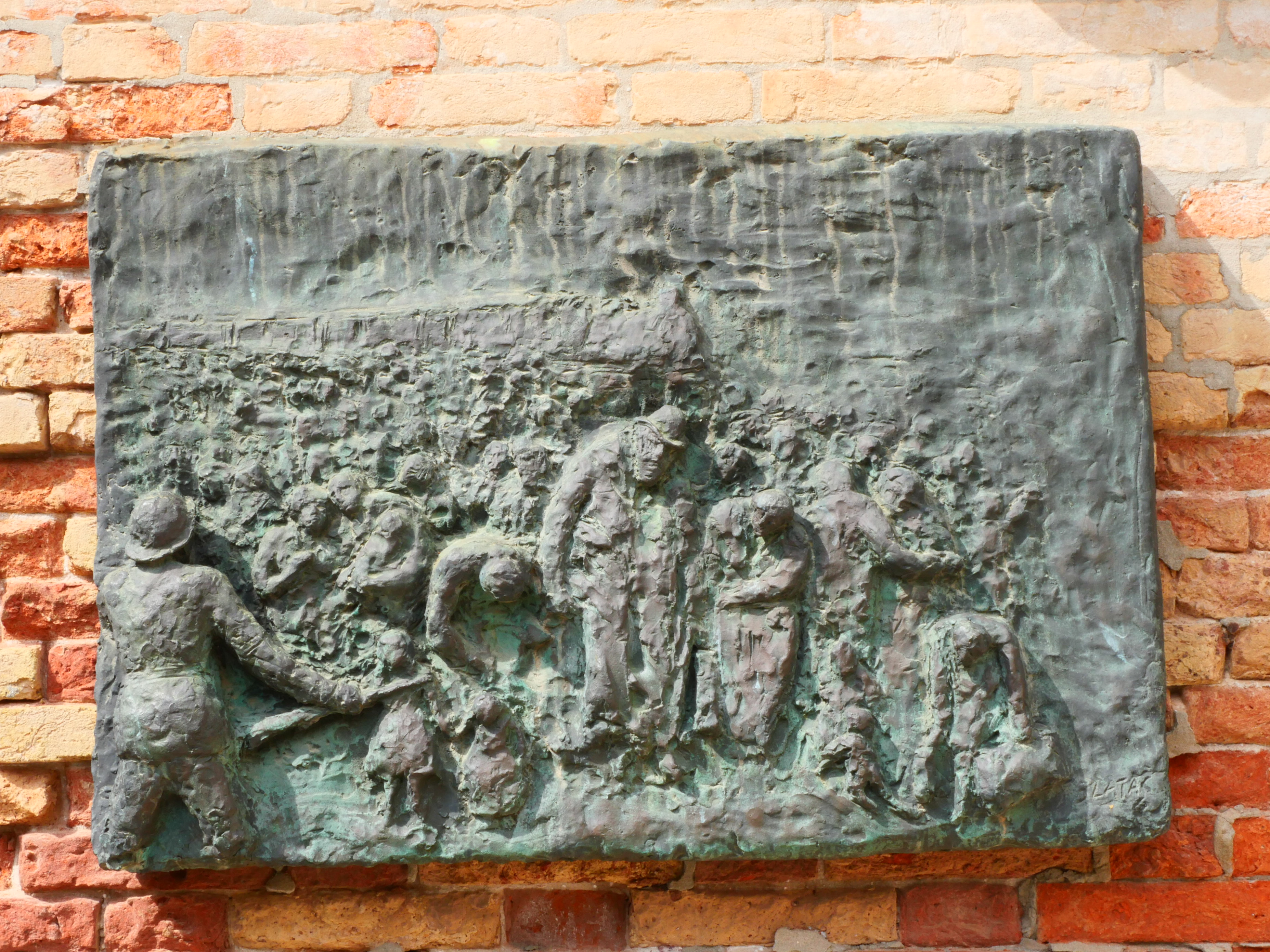
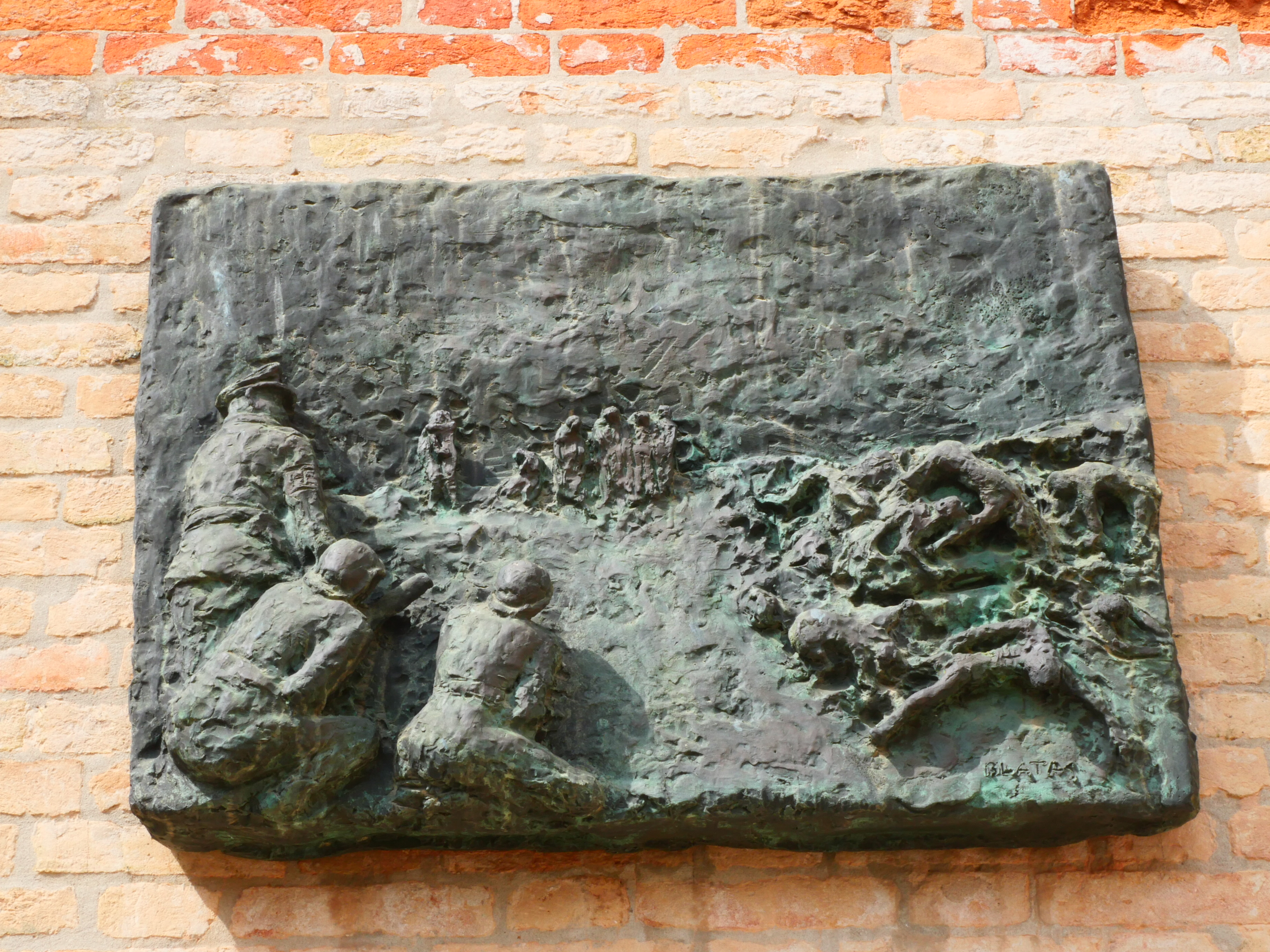
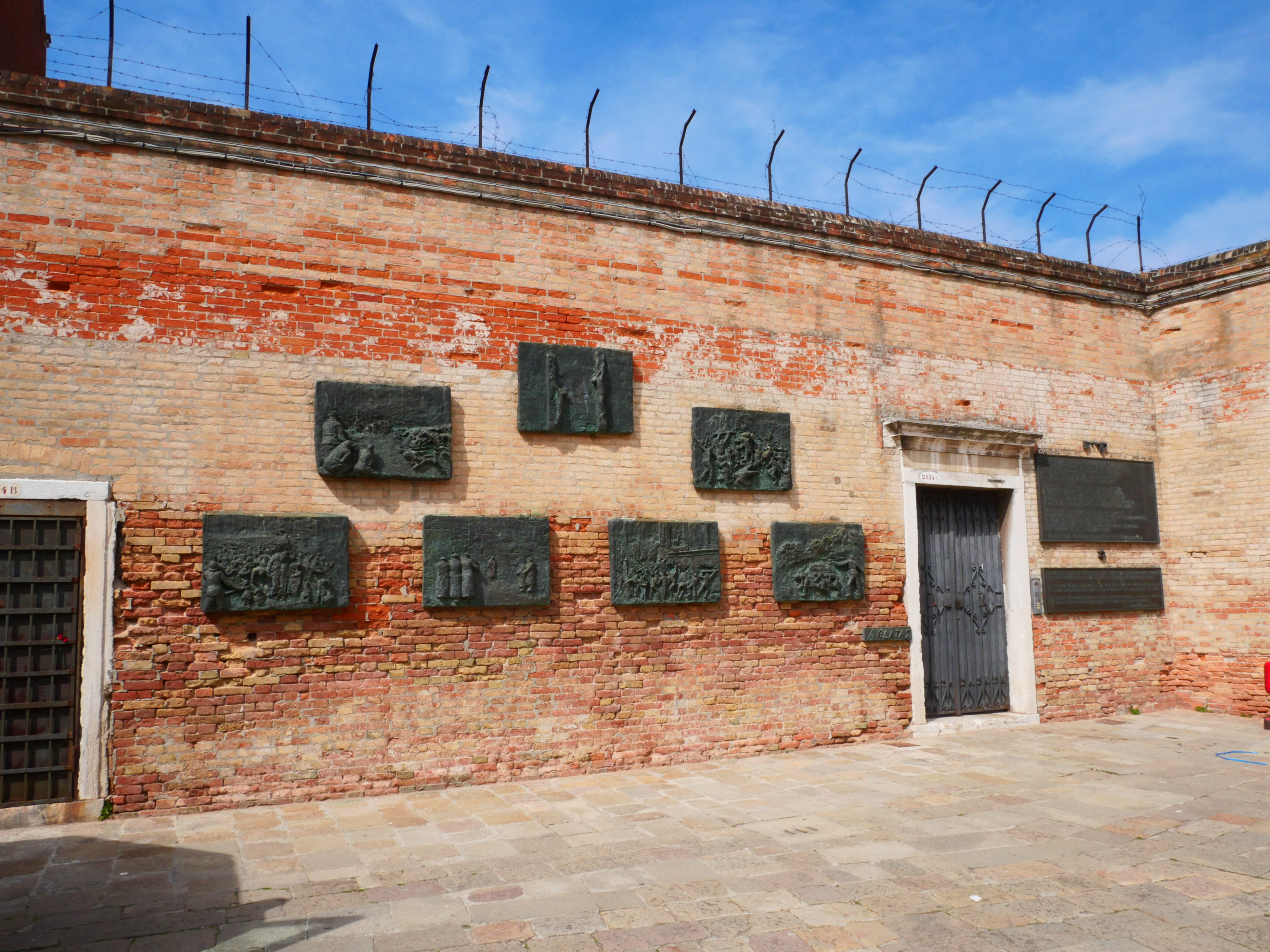
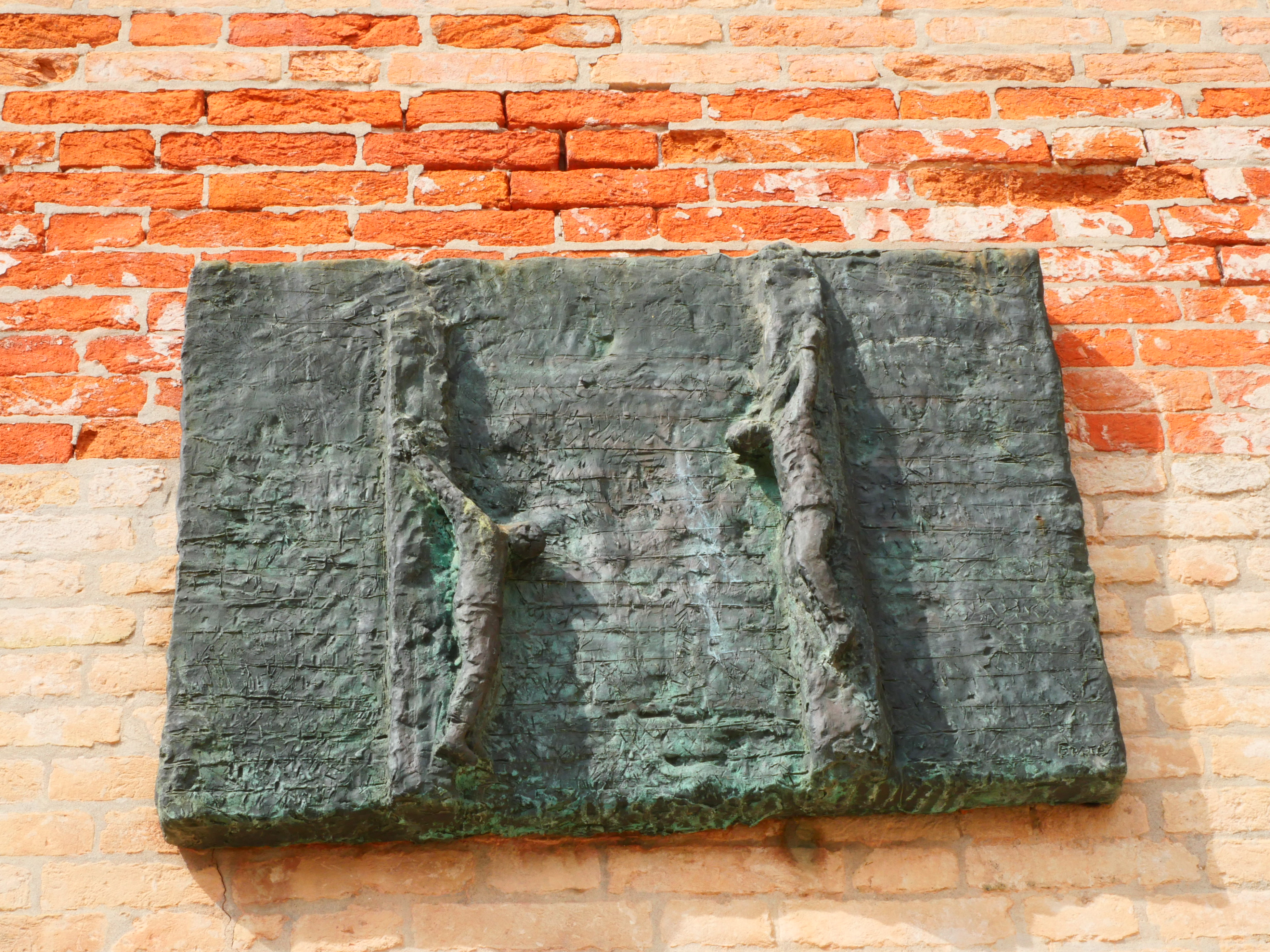
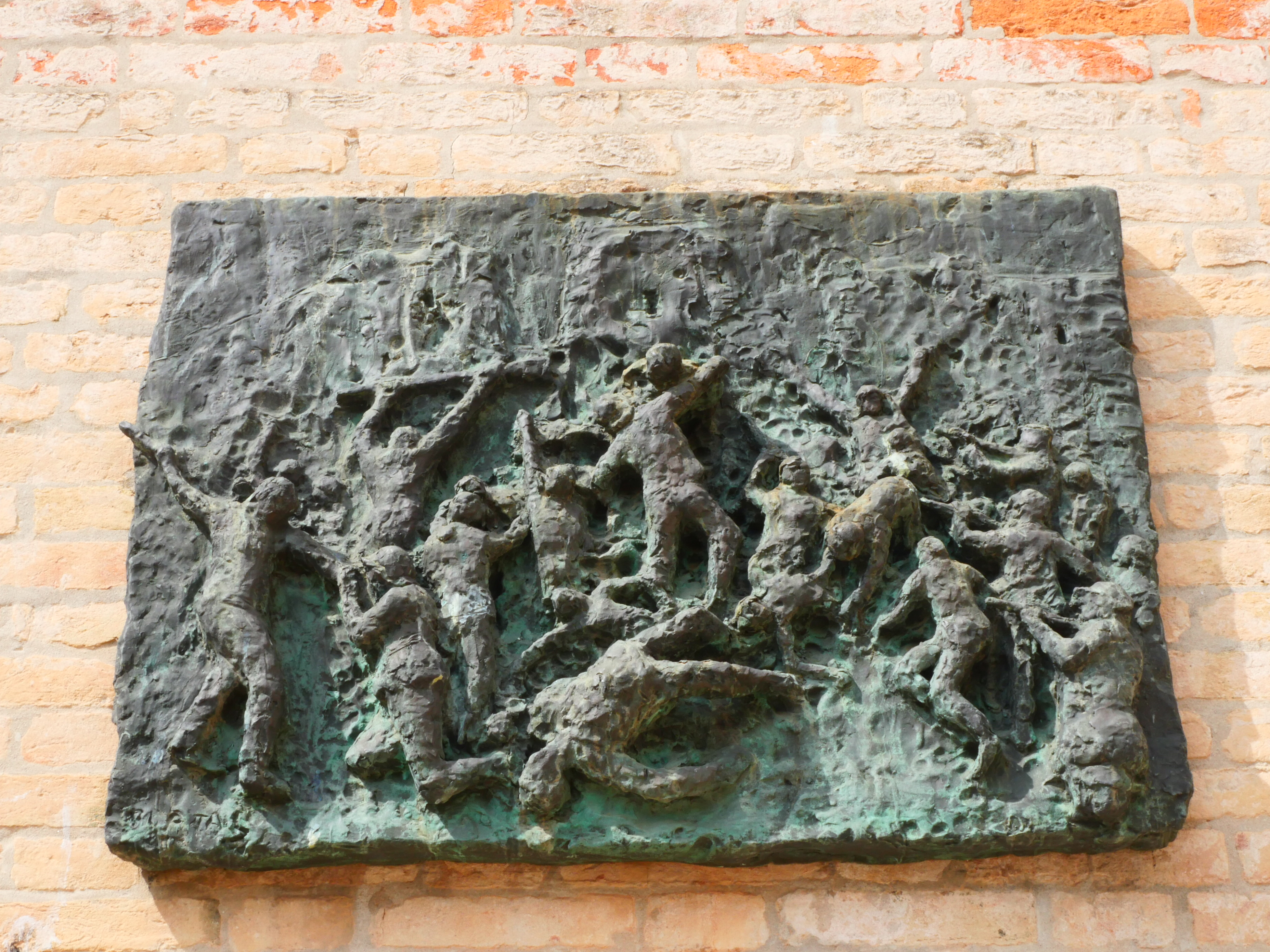
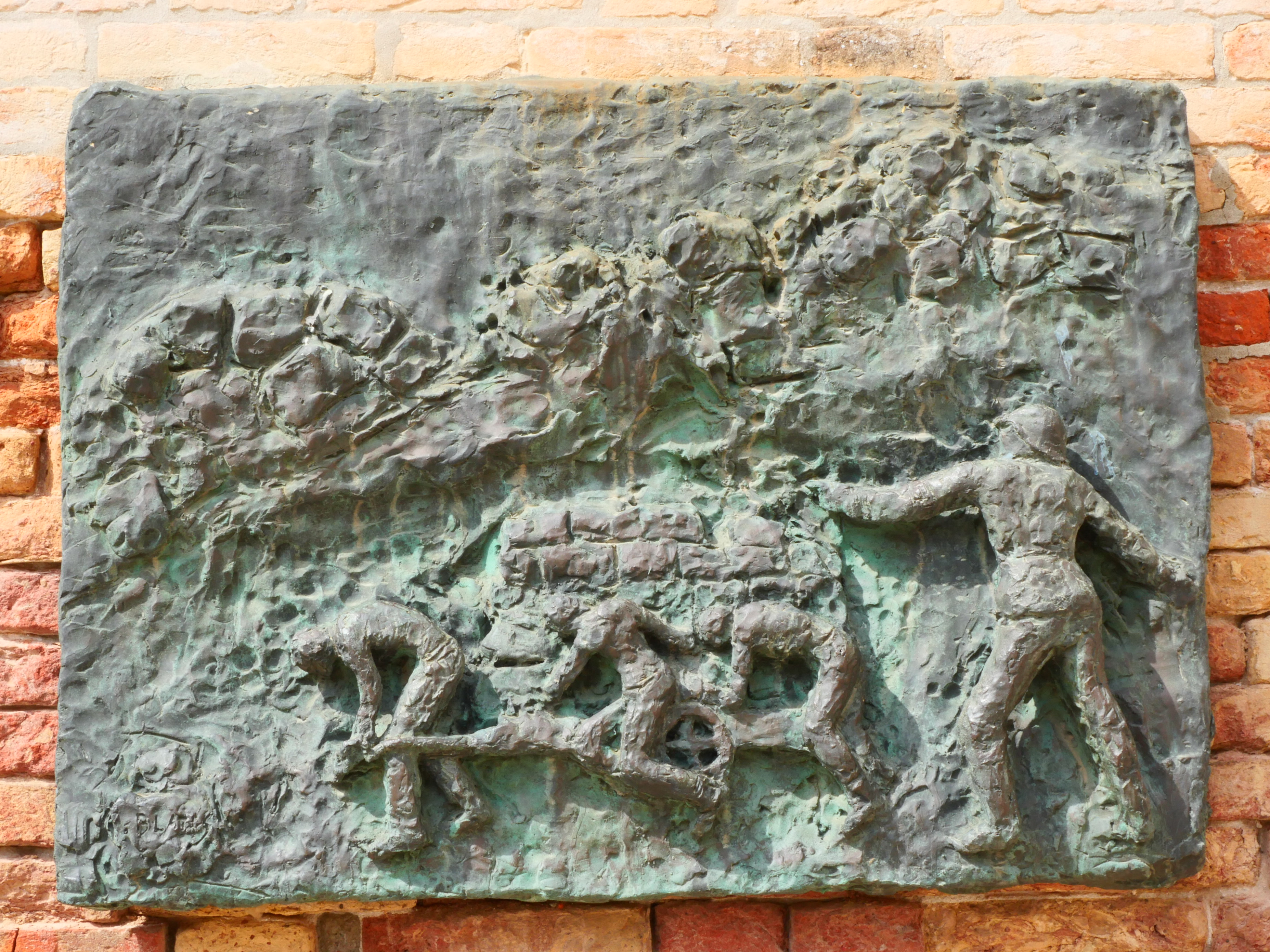
The monument is brutal and moving and, similar to one we saw in Amsterdam, includes an area where the names of Jews who were deported and assassinated are listed with their age and location of their death. Something about seeing it like this makes it infinitely more real than reading about it in a book.
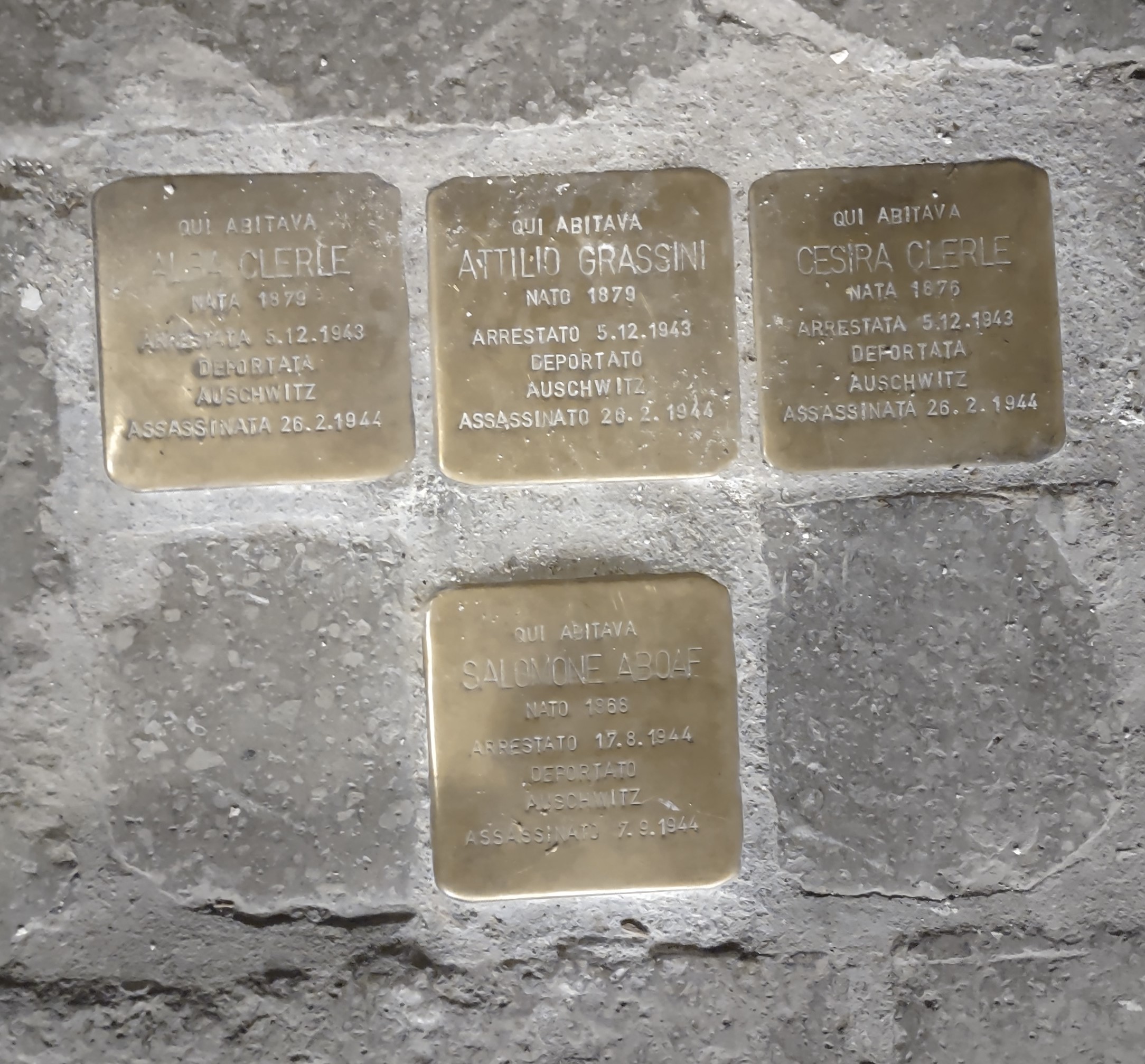
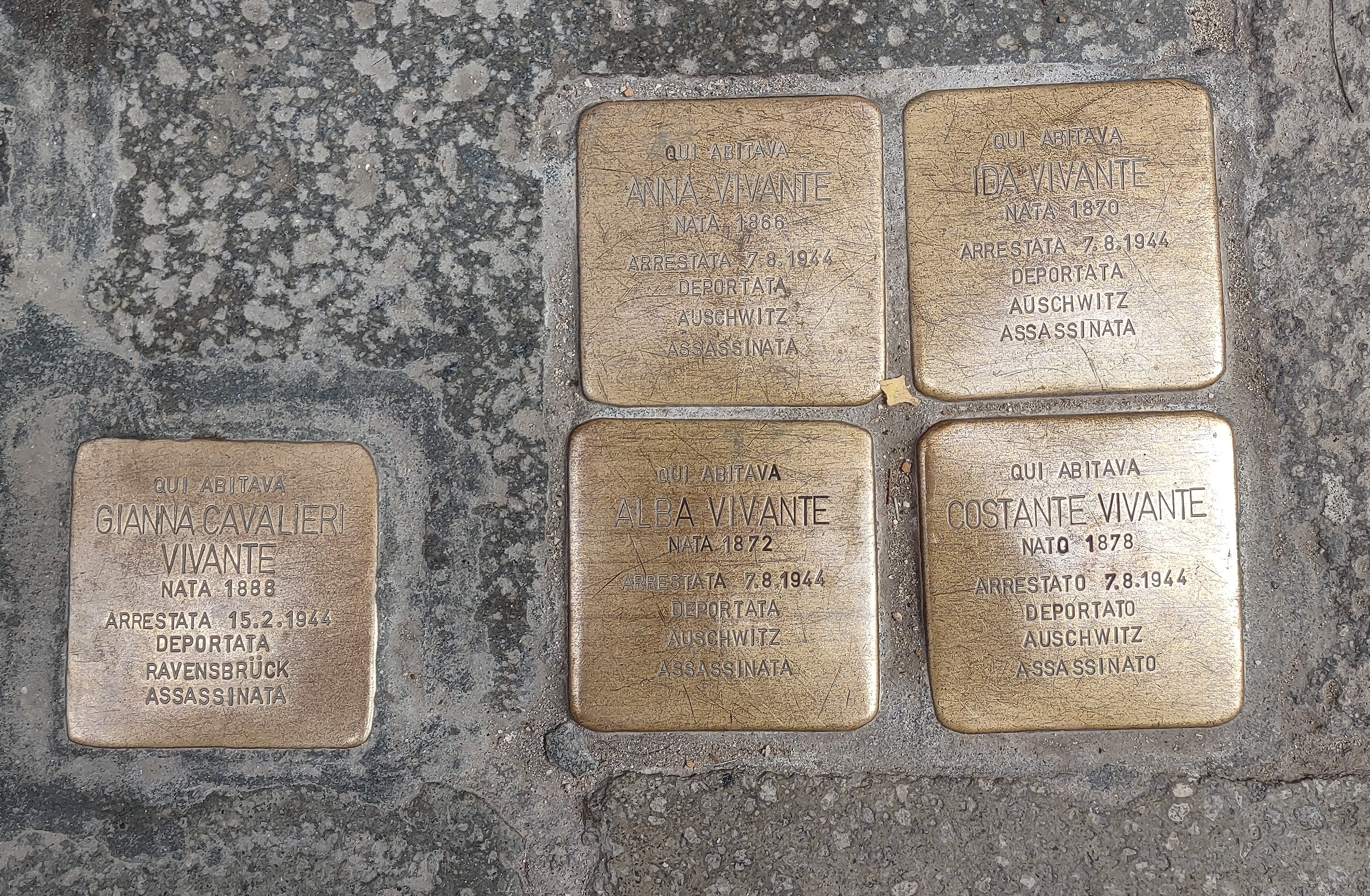
We also literally stumbled across more of the stolperstein (stumble stones) we first encountered in Amsterdam, have since seen in other cities, and, regrettably, expect to see in other cities along our route. This continues to be a chilling counterpoint to all the beauty we are seeing in Europe.
The Canals of Venice
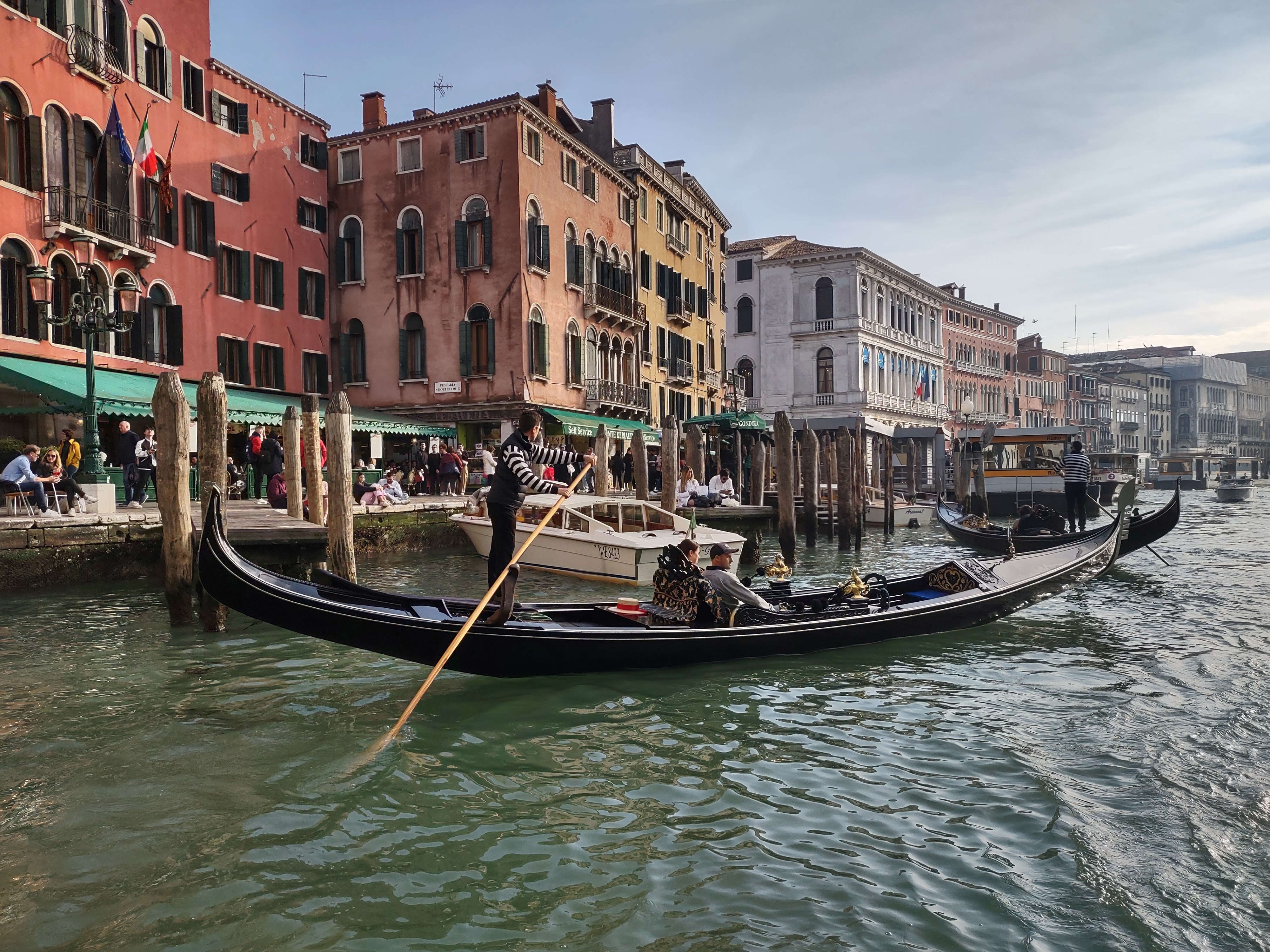
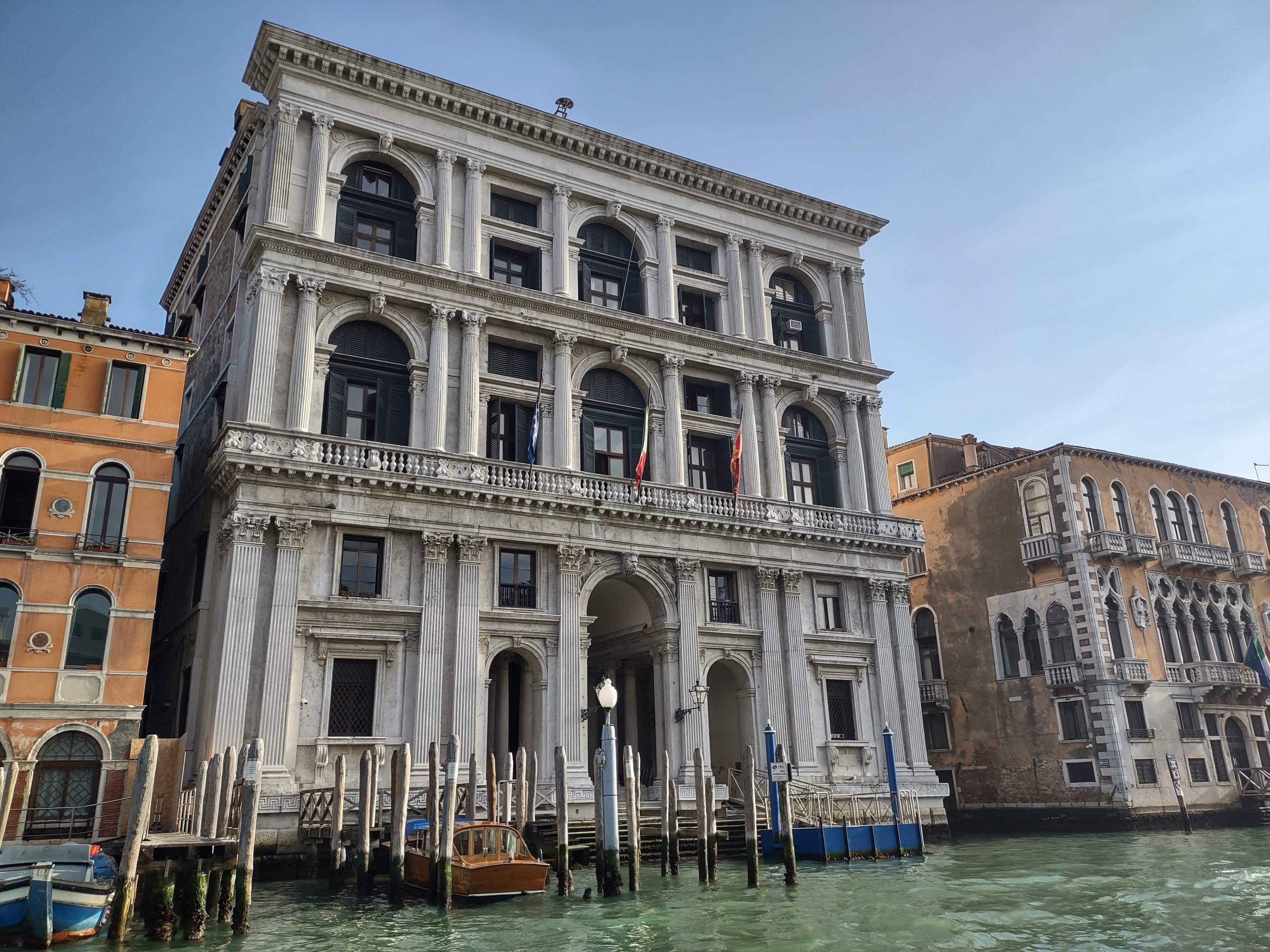
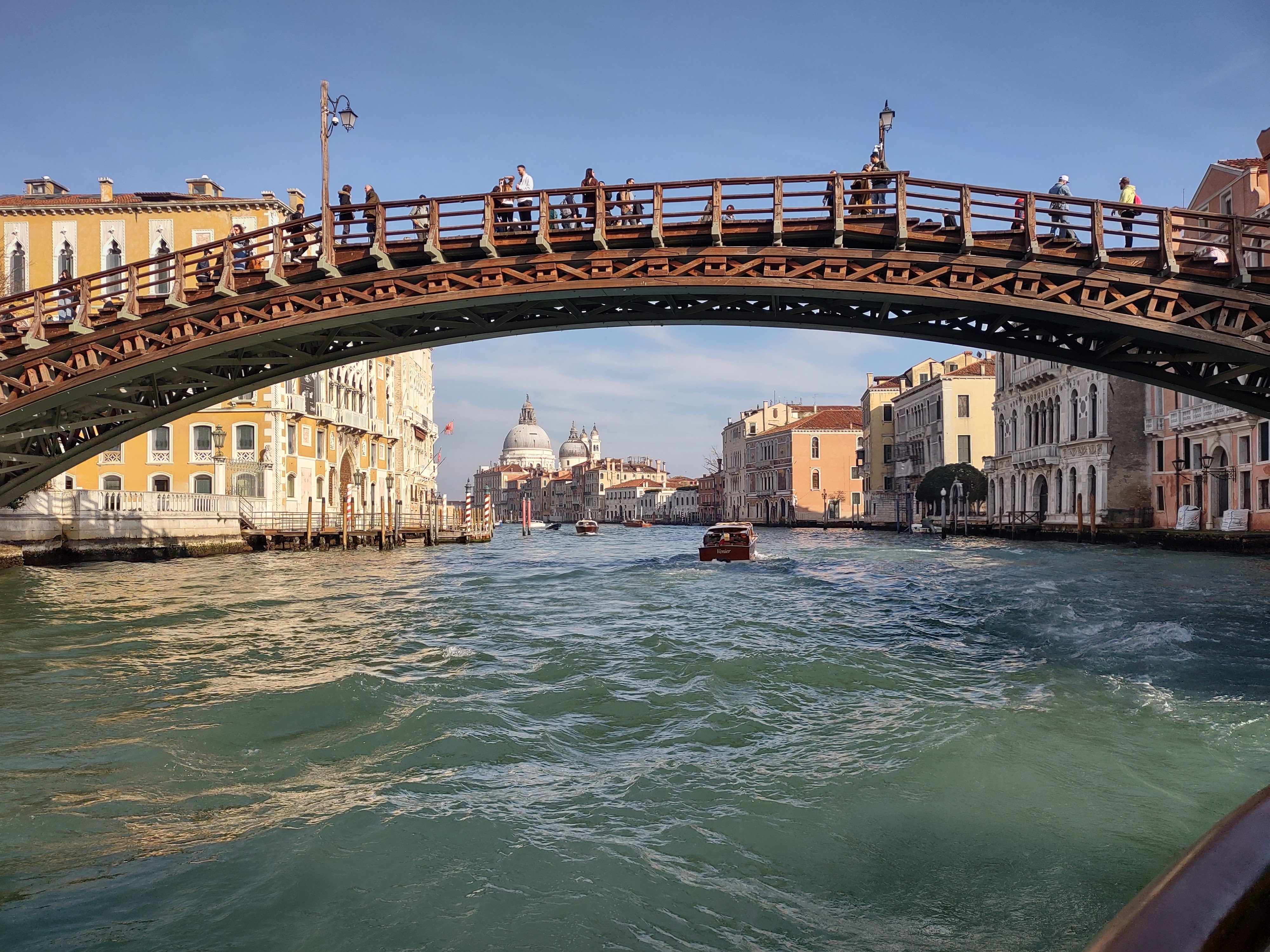
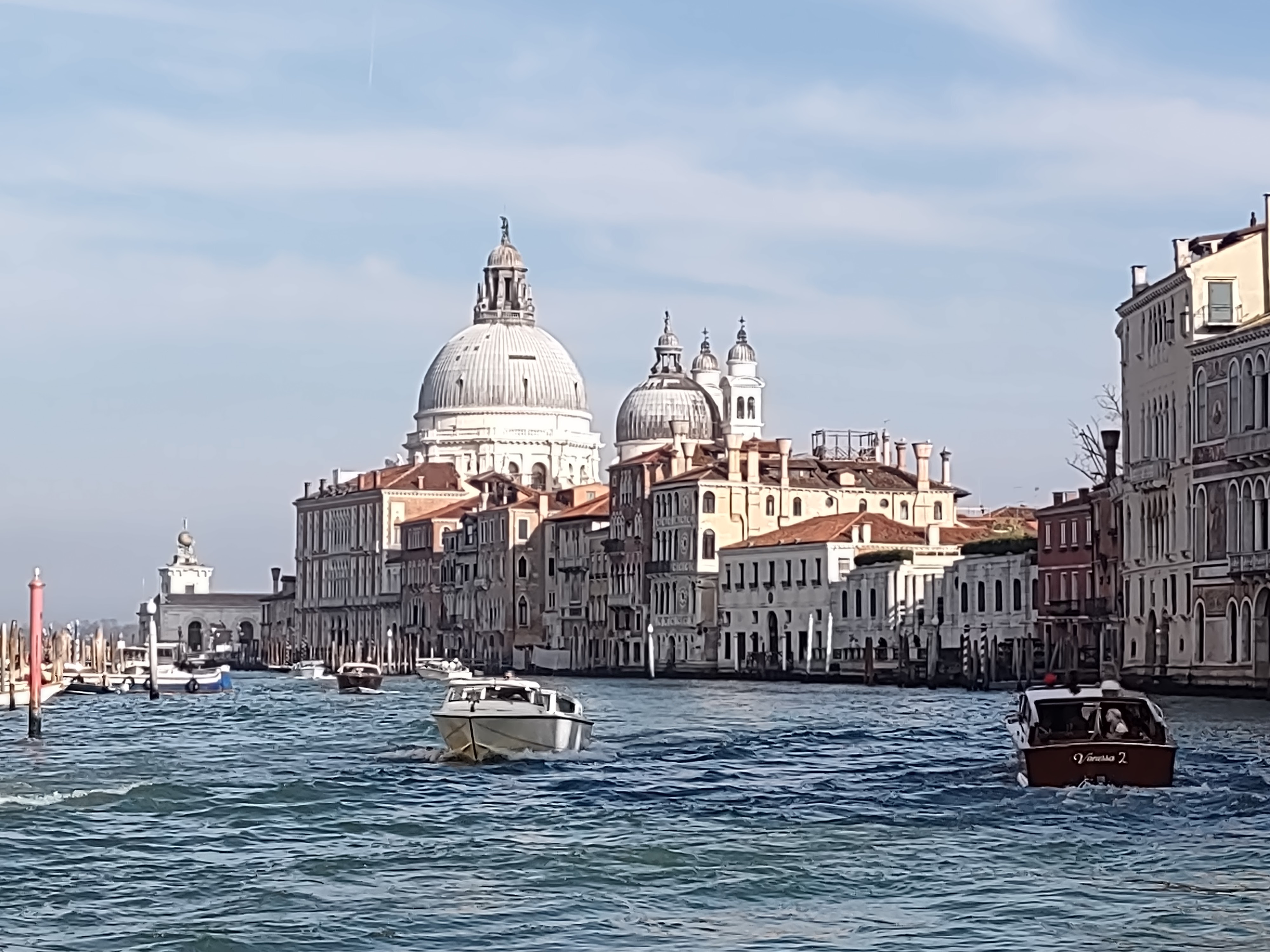
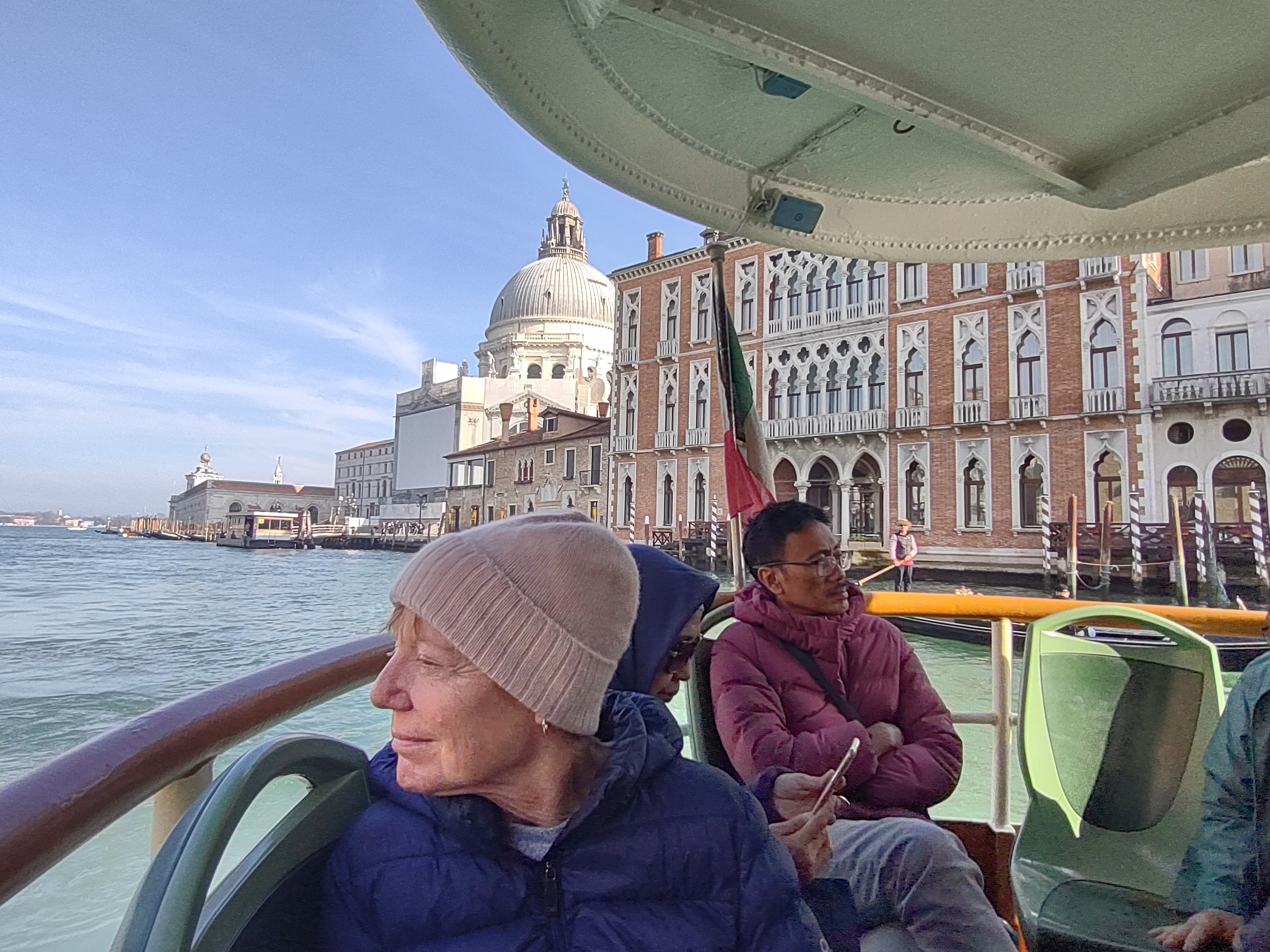
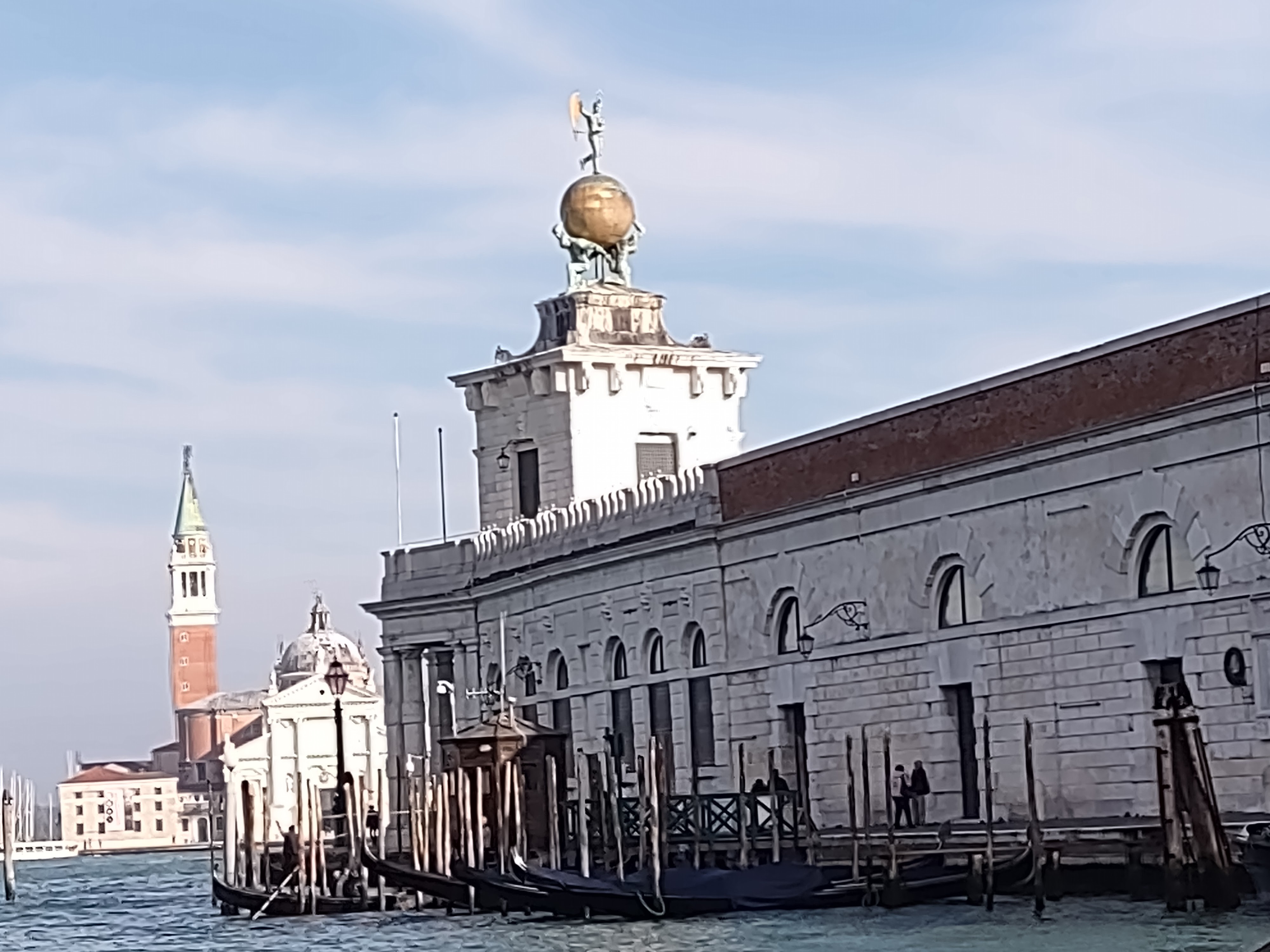
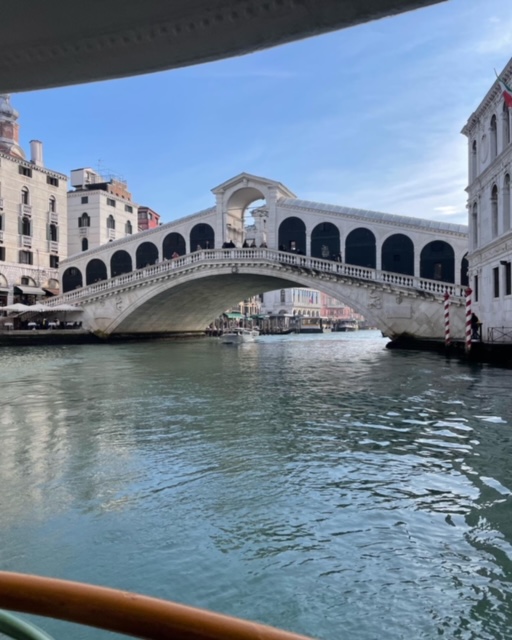
We purchased a 48-hour vaporetto (water bus) pass for our last two days in Venice. As described above, we used it the first day to make a return trip to Murano. On our last day, we used the pass to see as much of Venice as we could. This included a trip around the western end of the island, a stop in Giudicca, the island across the lagoon to the south from Venice, and a trip to Castello described above. From Castello, we took a vaporetto which took us past the Piazza San Marco and then up the length of the Grand Canal. (Full disclosure, it was primarily because of Colleen’s insistence that we do this, but in the end, Ritchard had no complaints.)
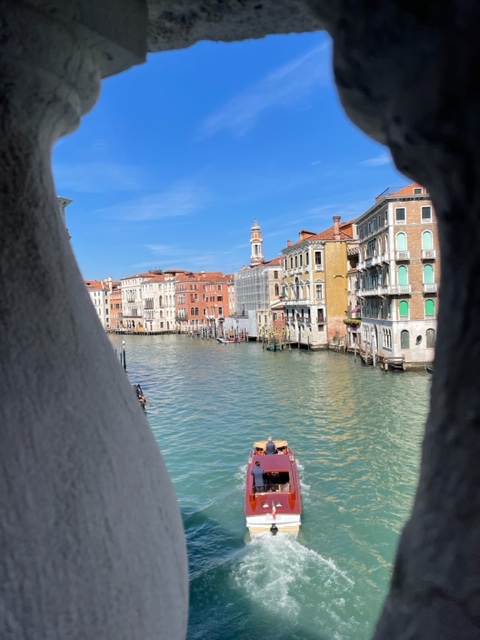
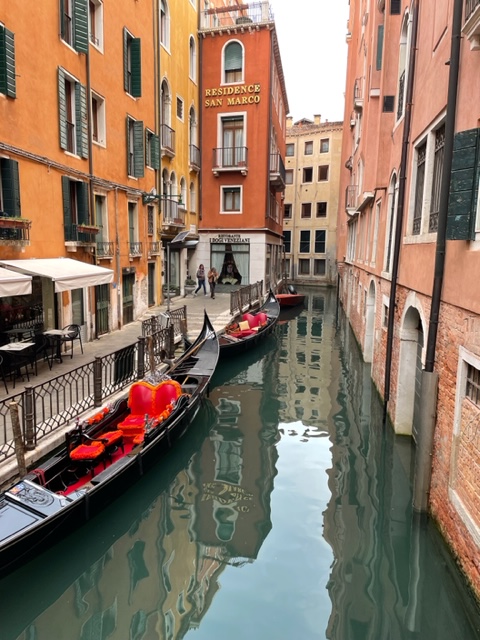
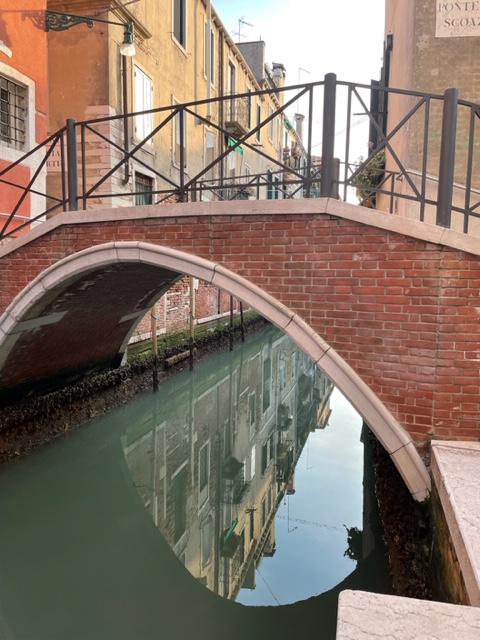
While we had already seen much of what we saw on that trip from the land, the view from the canal is another story. Cities with canals, like Amsterdam and Venice, look so different when you seen them from the water. Seems more the way they were intended to be seen, perhaps because it was the way they were originally intended to function. Really an amazing way to finish our visit to Venice!
Yoga Anyone?
So one travel footnote here. One of the things we have been trying to do while on the road is establish a more or less regular daily routine. While this is obviously difficult on actual travel days, we do our best on the days we are actually staying somewhere. We were pretty successful in this during our first stop in Bocas del Toro in part because we were there for 3 weeks, but we have come to realize it was also because Colleen found a great yoga studio there with classes every morning (except Sunday) at 8:00 AM around which we structured our daily routine/schedule.
Colleen has at times scheduled some remote online yoga classes with her “home” studio in Collingswood, NJ. But, as the time difference between us and the East Coast USA increases, doing so has become increasingly difficult and it doesn’t really suit our needs. In Venice, Colleen found a great yoga studio with views of a canal and a very simpatico instructor who invited her to stay for tea after her first session. It became a routine for the week we were there and added a consistent structure to our days. Funny how something as seemingly simple as that can make a big difference.
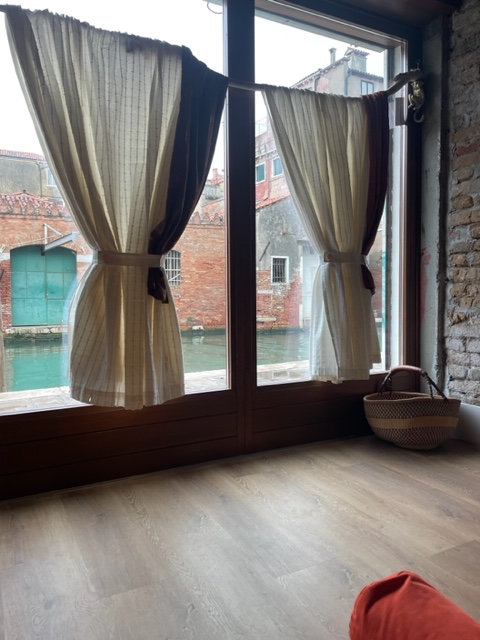
So, one of the things we have begun to do when we are planning our advance itinerary is to do a search for yoga studios in the area and it has started to become a bigger consideration when selecting destinations and accommodations. While it remains unlikely that Ritchard will be taking up yoga, this definitely a case where what’s good for the goose is good for the gander!


Leave a Reply