Author’s Note: Apologies for the time that has passed since the last installment of this blog. As the end of our trip drew nearer, we tried to pack in as much as possible and it simply got to the point where it was either experience and fully enjoy the rest of the trip or keep up the blog. The trip won. And (as some of you may know), since getting back to the States we have been consumed with finding a place to live (a whole ‘nother story for another time!). In any case, thanks for your patience. We’re back to continue to the conclusion (and perhaps an epilogue?) of our round-the-world adventure. And so, without further ado…
When last we spoke, we were saying goodbye to our kids after a wonderfull Christmas reunion in Bali. Our original trip itinerary anticipated that from Bali we would continue on a more or less easterly route, spending about four weeks each in Vietnam and the Philippines and then head south to Australia and New Zealand at the end of February. For reasons I’ll get into later, we planned on starting our Australian adventure in Perth, the capital city of Western Australia. We anticipated spending a week or so in that area before somehow making our way to northern Queensland on the east coast, where we planned on booking a cruise in the Whitsunday Islands. From there, we figured that we would meander our way down the east coast to Sydney in New South Wales before moving on to New Zealand.
Specifics beyond that were still a bit up in the air when our old friends the Maddens (see Scotland) apparently lost their minds (again) and agreed to join us in the Whitsunday Islands and travel along together through Eastern Australia and New Zealand. To accommodate their travel window, this meant moving our arrival in Australia up by three or four weeks. (No worries mate! We’ll just defer the Philippines until after Australia and New Zealand…) But when we started to look at how much there is to see in Australia (for the first but certainly not the last time, I will note how big this place is) we realized that (as the saying goes) we were going to need a bigger boat (in our case, more time).
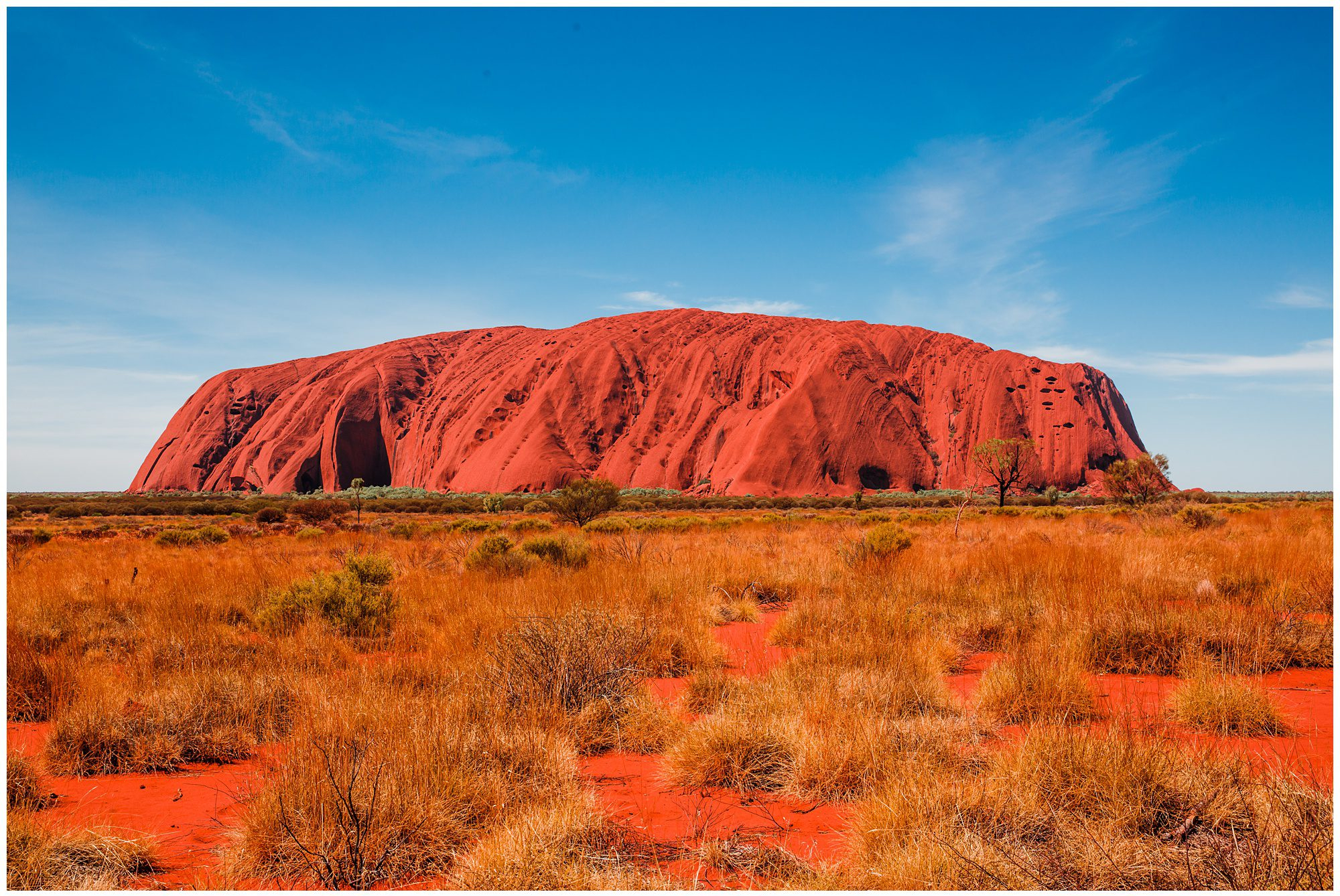
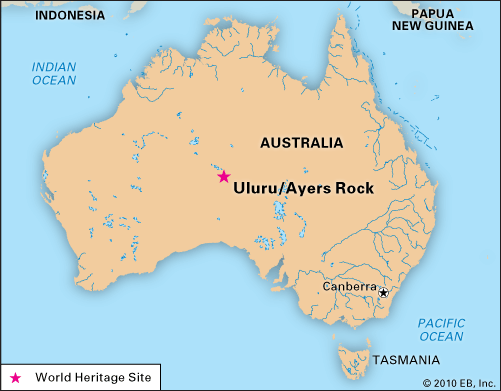
Even after ruling out Darwin and the Northern Territory due to weather (monsoon season) and iconic Uluru/Ayers Rock as being too remote (literally in “the middle of nowhere”) and therefore very expensive and time-consuming to reach, we realized that it still wouldn’t be possible to see “everything” (at least not without exhausting ourselves, our time, and our finances) and resigned ourselves to the fact that we would have to leave some things for a future trip.
Knowing that we would be starting in Perth, we decided to focus on Western Australia (an enormous place, even by Australian standards). While I had spent time in the Perth area in the past, I must confess that I hadn’t seen and didn’t know much about the rest of Western Australia, other than the port city of Fremantle, of which I had fond memories. Not surprisingly, Colleen was interested in seeing whether there were any nice beaches along the coast north or south of Perth which, given the latitudes (Perth is 32 degrees from the equator, about the same as San Diego, CA) and its location on the Indian Ocean, it seemed likely that there would be. Our research suggested that there were in fact a good number of beautiful beaches along with some other pretty epic natural sites and what seemed like some pretty interesting towns, many appearing unique (maybe even a bit odd?) due to their remoteness and apparent isolation.
In the end, we decided to go pretty much all in on Western Australia, committing two weeks to Fremantle (to catch up, recharge, and settle in). Our respite in Fremantle would be followed by a 2,000 kilometer loop around the southwest coast via rental car, then a 2,600 kilometer trek up the coast north from Perth to the town of Broome via something called the “JOJO” (Jump On, Jump Off) bus, which together would take another four weeks. From Broome we would fly to the city of Mackay on the east coast for a week of work and relaxation before meeting up with the Maddens at a place called Airlie Beach for a three-day cruise of the Whitsunday Islands before making our way down the east coast to Sydney (stops TBD).
The original four weeks which we had planned on spending in Australia grew to almost 2 months (59 days to be exact), by far the most time we had committed to a single country on this trip. To accommodate this, we deferred Vietnam to later in this trip, resigned the Philippines to a future one (which would likely include a return visit to Australia), and decided to proceed directly to Australia from Bali.
Preparing for The Land Down Under (What Doesn’t Kill You Makes You Stronger)
While it has been our habit to try to watch movies about the places we are going to visit, we didn’t have much luck finding anything that seemed worth watching. At this point, I think it’s probably common knowledge that Crocodile Dundee and its successors films are pretty much (yes) a crock as regards their depiction of Australian culture (except maybe in Darwin and the Northern Territory).

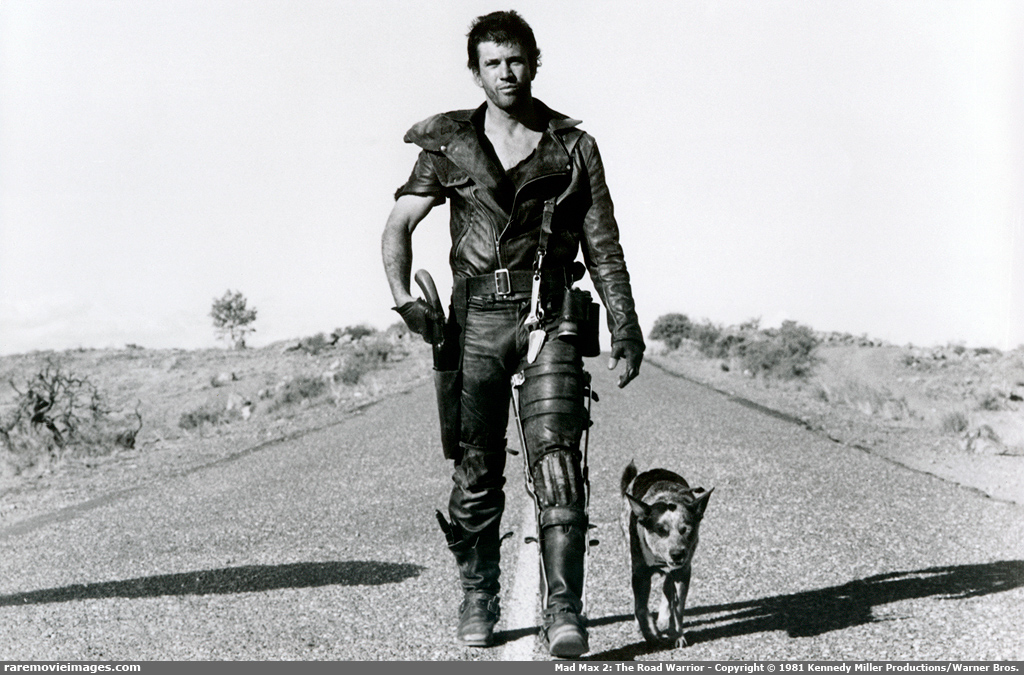
And, although I do love Australian filmmaker George Miller’s Mad Max movies (particularly the cult classic The Road Warrior), they’re a bit gory for Colleen’s tastes and portray a pretty far-fetched dystopian version of Australia which, despite the scenery (which was sometimes closer to reality than we might have imagined), didn’t seem likely to be helpful to our trip planning.

We considered but elected not to pay to stream the 2008 Nicole Kidman/Hugh Jackman epic Australia, which, in retrospect, we perhaps should have watched (but didn’t as my strongest recollection was it being very long). We have since discovered that Hulu repackaged it into a six episode mini-series called Faraway Downs in late 2023 which (while even longer!) might have provided us with some insights into the history of relationships between whites and the First Nation People in Australia.

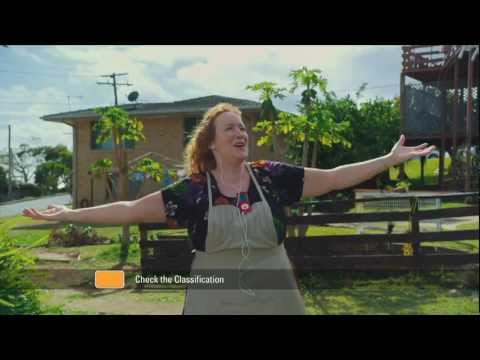
[I would be remiss here if I didn’t mention one of my own favorite Australian movies, a 2012 film called Mental which stars Australians Toni Collette and Anthony LaPaglia along with Liev Schreiber. Not a bad film, but my love of it is derived primarily from a “The Hills are Alive” Sound of Music fantasy that one of the characters shares with my wife!]
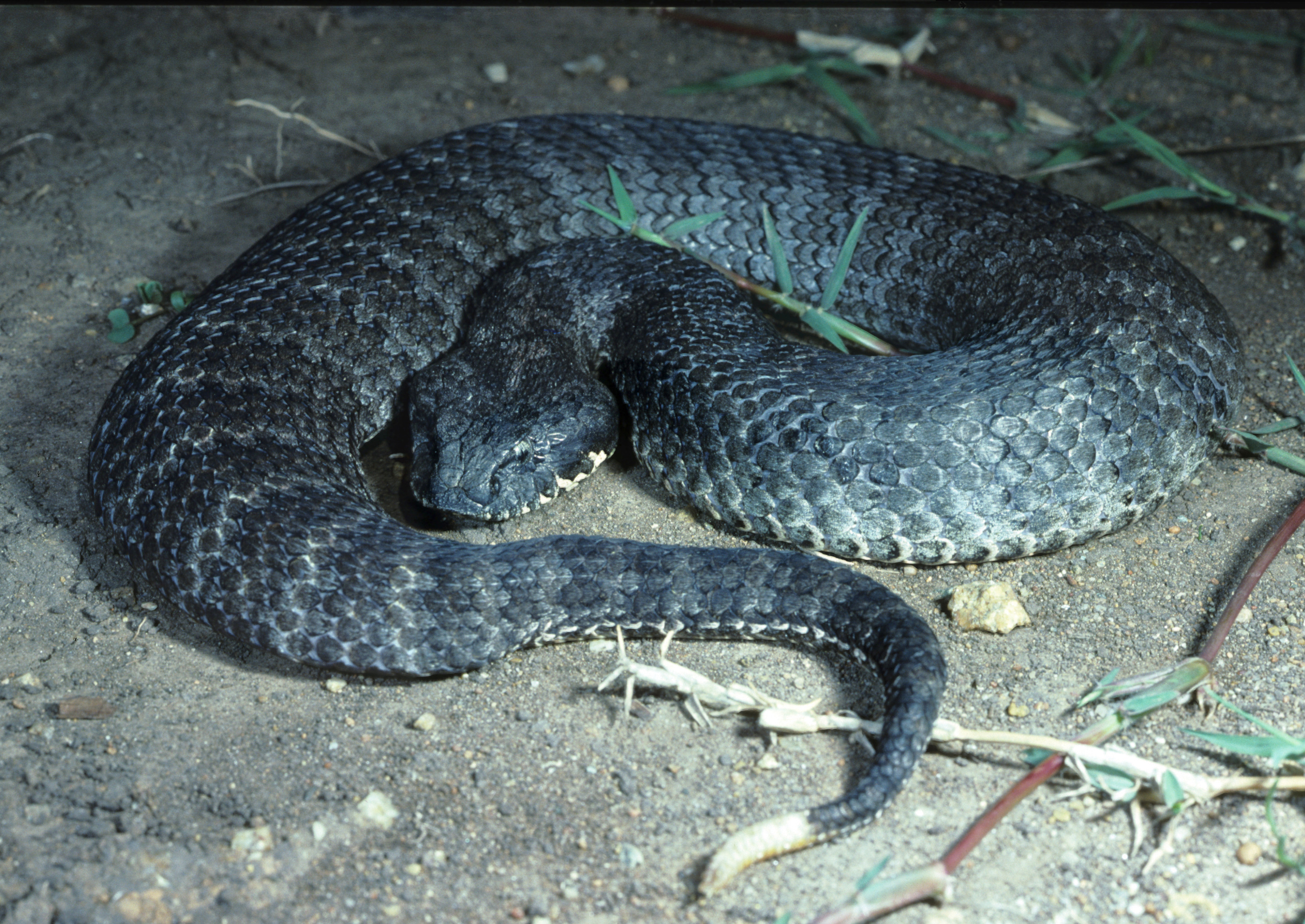
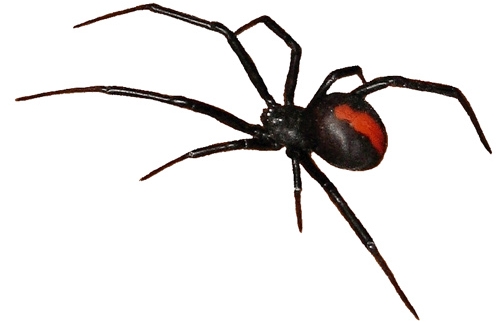
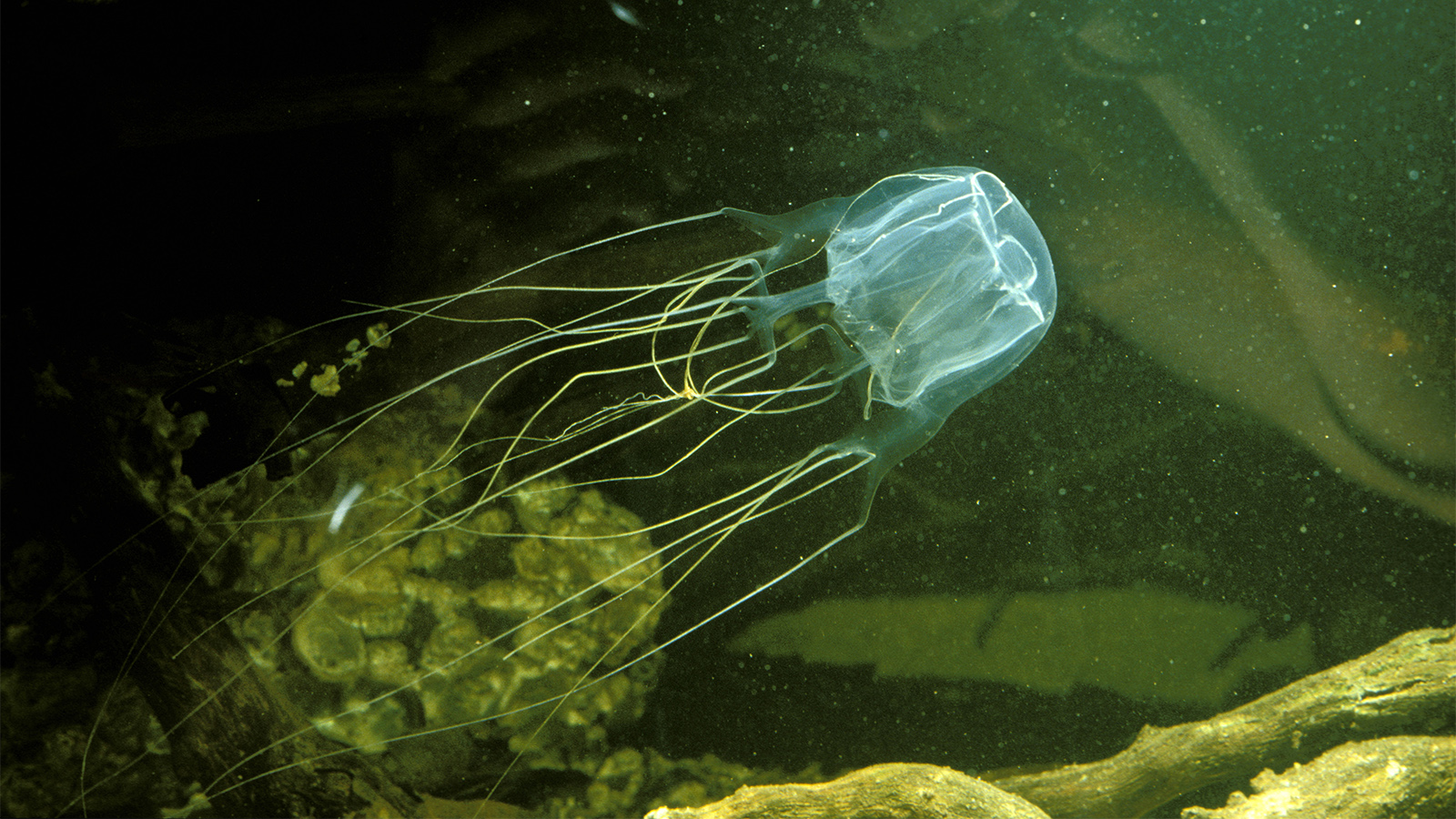
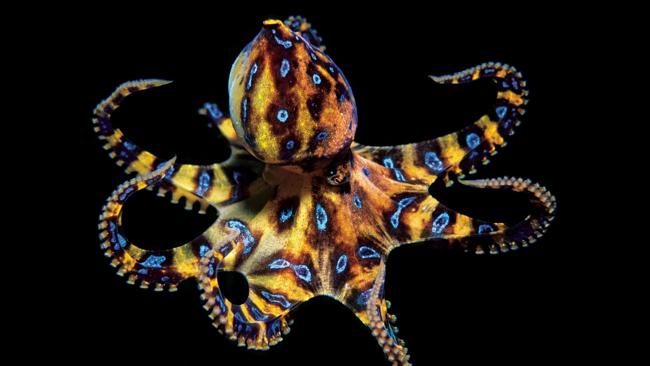
One of the somewhat unique things one does when preparing to visit Australia is to read up on all the various things there that can kill you. Aside from the physical environment itself – cliffs, deserts, extreme heat, cyclones, floods, and rip tides (there was actually a Prime Minister who went for a swim one morning and was never seen again) – this list includes some obvious natural apex predators like the saltwater crocodile and great white shark. It also includes about 60 venomous snakes (I loved discovering that there is such a thing as a Common Death Adder – as opposed to the fancy one?), numerous poisonous spiders (the Redback is the one everyone talks about), various “stingers” (what they call jellyfish, the Box Jellyfish being the most infamous), and the beautiful but deadly Blue-Ringed Octopus. Great fun discovering all the interesting ways there are to get killed in Australia!
[While researching this further, I came across a YouTube video with a song which lists the deadly creatures in Australia but also makes an interesting point that the one thing that can kill you that they don’t have in Australia is AR-15s. Touche! The video is a bit crude, but the refrain “But at least we don’t have AR-15s” is kind of catchy: https://www.youtube.com/watch?v=MrRAO_vG_K4 – watch at your own risk!]
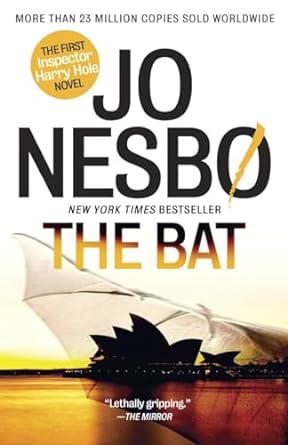
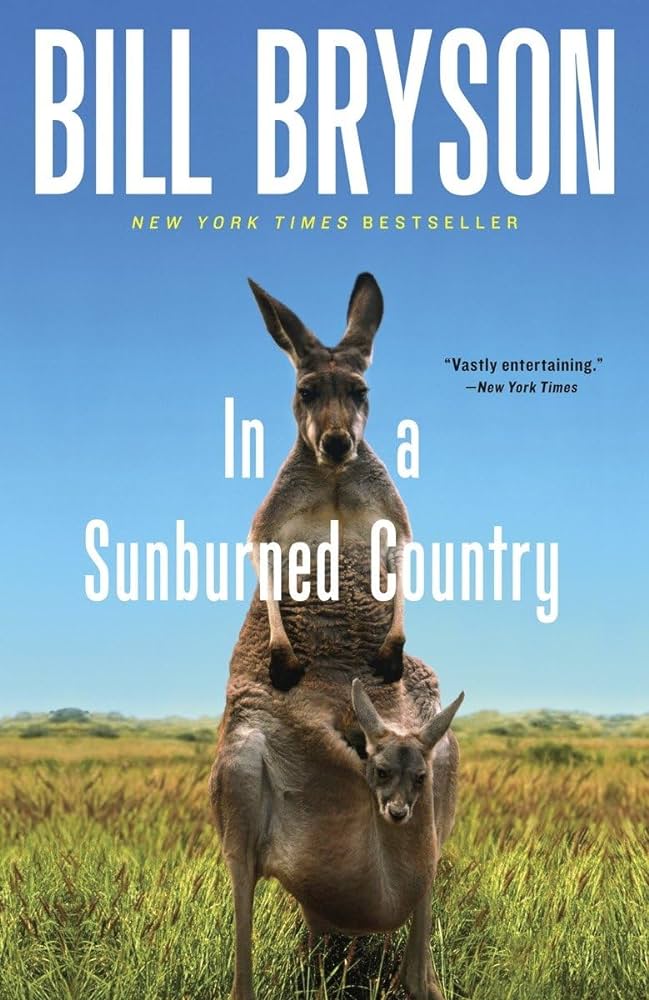
We did read a couple of books in anticipation of our visit. I finally convinced Colleen to read one of the Joe Nesbo/Harry Hole crime novels I love (the first one, The Bat), mostly because it is set in Sydney, but the story line led us to consider whether we needed to add Aboriginal serial killers to our list of things that can kill you in Australia. As I had done during my trip there in 2002, I reread Bill Bryson’s In a Sunburned Country about his travels in Australia. It was a relatively new book the first time I read it (it was first published in the U.S. in 2000), but not so much now. I was nonetheless pretty surprised to find, over the course of our current travels, how many of Bryson’s observations still appeared to be “spot on” and how helpful it was in understanding and explaining much of what we observed there.
Given the length of our stay and the extent of our planned travels in Australia, there was obviously also a lot of logistics planning and organization involved as well. Nonetheless, despite all of our research and planning, I would have to say that there were nonetheless times when we definitely weren’t fully prepared for what we would find in Australia.
Australia
Before getting into our adventures there, it’s probably worth sharing a little information regarding the island country/continent of Australia for those of you who have never seen Crocodile Dundee (and especially for those who have). So let’s start with what should be obvious: Australia is a really big place. In terms of land area, it’s the fifth largest country in the world, but for whatever reason (probably because it is a single island/country/continent) it’s still a little surprising when you realize how large a place it actually is – about 3 million square miles (the continental U.S. is about 3.2 million).
When I visited Western Australia twenty-some years ago, I always thought it was odd that when I said I had been in Perth, many people asked me if I had been to Sydney as well. The distance from Perth to Sydney is about 2,000 miles by air (not quite JFK to LAX, which is about 2,500 miles) so to me it always seemed like asking someone who had visited New York whether they had swung by LA while they were there. (Ironically, on this trip, I found that many Australians have similar confusion regarding the location of NYC and its proximity to other cities, so maybe not so odd after all.)
In contrast to its size, Australia ranks outside the top 50 worldwide in terms of population, with about 27 million people. Combined with its large area, this results in a population density of less than 8 persons per square mile. (The world average, excluding Antarctica, is about 160 and the average population density of the continental U.S. is about 111.) Given that about 70% of the Australian population lives in and around the eight regional and federal capitals and that 90% of the population lives within 30 miles of the coast, much of Australia feels a lot emptier than that with, as we ourselves discovered, large expanses of empty country between remote small towns and cities.
But more than the size of the place or the distances, it is its diversity and (despite the fact that virtually everyone speaks English) the foreignness, the differentness (really the strangeness) of this place that is most striking and amazing. Much of this differentness, at least in terms of the natural environment, is due to the fact that Australia has existed as an isolated continent for about 35 million years. Eighty percent of the plants and animals that live in Australia exist nowhere else on the planet. It is a place of natural extremes and superlatives, including the world’s largest coral reef system, the oldest mineral deposits and fossils, the oldest surviving form of life on the planet, and (literally) the oldest places on the face of the earth.
As regards human life, the First Nations aboriginals of Australia are now known to be the longest surviving culture and oldest civilization in the world, having existed there for an estimated 75,000 years or more. European “settlement” of the continent infamously began as a British penal colony in the late 1700’s (not coincidentally shortly after the end of the American revolution). What came out of that encounter is its own story, but it seems likely that the unique culture which exists there today is at least in part the result of Australia’s varied and often harsh environment, which (somewhat in our naivete) we were actually looking forward to seeing.
Western Australia
Australia is comprised of seven states (technically six as the Northern Territory is for some reason not actually a state), each of which is somewhat different and unique in terms of climate and geography and each of which has developed its own character (not unlike in the U.S.). Of these seven, Western Australia is by far the largest – almost one million square miles – and due largely to its size – stretching about 1,500 miles from north to south – is also the most diverse and perhaps most extreme of any of them in regard to flora, fauna, and geography. (One of the really surprising things we discovered during our travels in Australia was how few people who live on the east coast have ever visited Western Australia, but perhaps understandable as there are millions of square miles of nothing in between.)
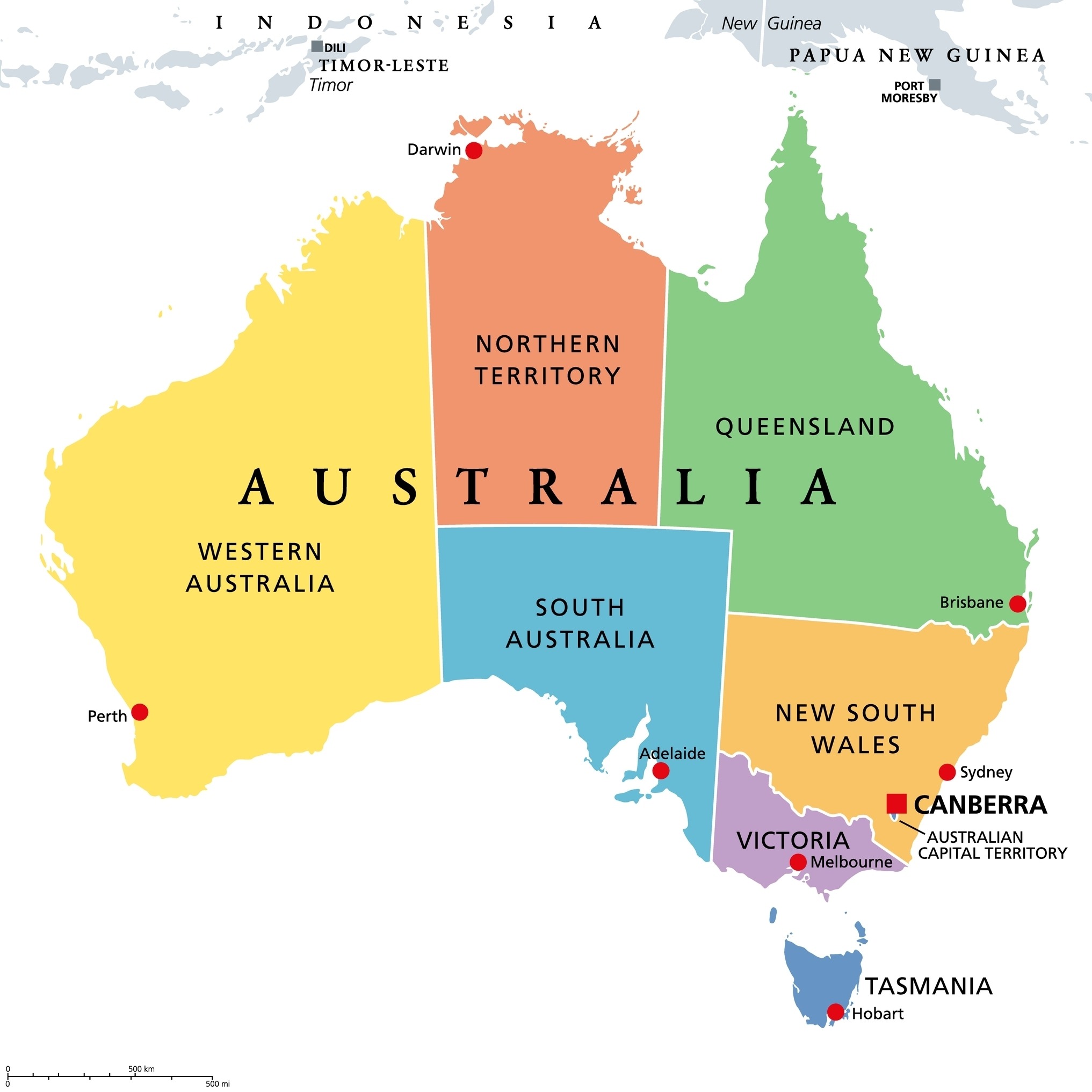
Western Australia has a population of about 2.7 million people with about 80% – 2 million of them – living in or around the Perth area. The next largest city in Western Australia is Bunbury with about 75,000 people and the size of towns goes steeply downhill from there. As is the case for the rest of the country, most of Western’s Australia’s population lives near the coast, from Perth to Broome in the north and around the southwest coast to Esperance (the routes we would be following in our Western Australian travels).
I had been in Perth, the capital of Western Australia, 22 years prior for a school project (more about that later) and had pretty much fallen in love with the place. Additionally, an old friend of mine, Peter Lippmann (author, teacher, architect, and school planner) had relocated from Elizabeth, New Jersey to Perth about 13 years ago and I was very excited at the prospect of catching up with him and seeing what he had been up to. So for those reasons (as well as not having to fly another 2,000 miles to the east coast), we decided to start our Australian adventure in (or at least near) Perth, the capital of the state of Western Australia.
On my second trip over for that school project, I was able to coordinate my work schedule to attend a school planner’s conference in Fremantle, Perth’s port city located about 30 minutes south at the mouth of the Swan River. I had found Fremantle to be a particularly cool and interesting city which seemed, for a number of reasons, like a great place from which to begin our great Australian adventure. Our plan was to spend a couple of weeks in Fremantle catching up on some travel chores and just settling into the vibe of Western Australia before embarking on what promised to be a couple of challenging road trips.
Getting There
We left Bali on December 28th on a direct flight from Denpasar to Perth which was “delayed” by about five hours. (It’s my contention that our flight was actually canceled and we were moved to a later scheduled flight, but the airline called it a delay.) Oddly (and fortunately), both of us were able to get sleep at the airport and during the flight and arrived feeling reasonably rested. Because we expected to arrive in Perth at 1:30 AM, we had booked a layover hotel near the airport where, due to our “delayed” flight, we arrived around 7:00 AM with an 11:00 AM check-out time.


We had a quick nap and showers and then some lunch (I went for the fisherman’s platter) at the lovely Country Comfort airport hotel before setting off for our first real stay in Western Australia in the city of Fremantle. Our plan was to catch a bus to Fremantle so we headed to the nearest stop identified on Google Maps, which was only a couple of blocks away.
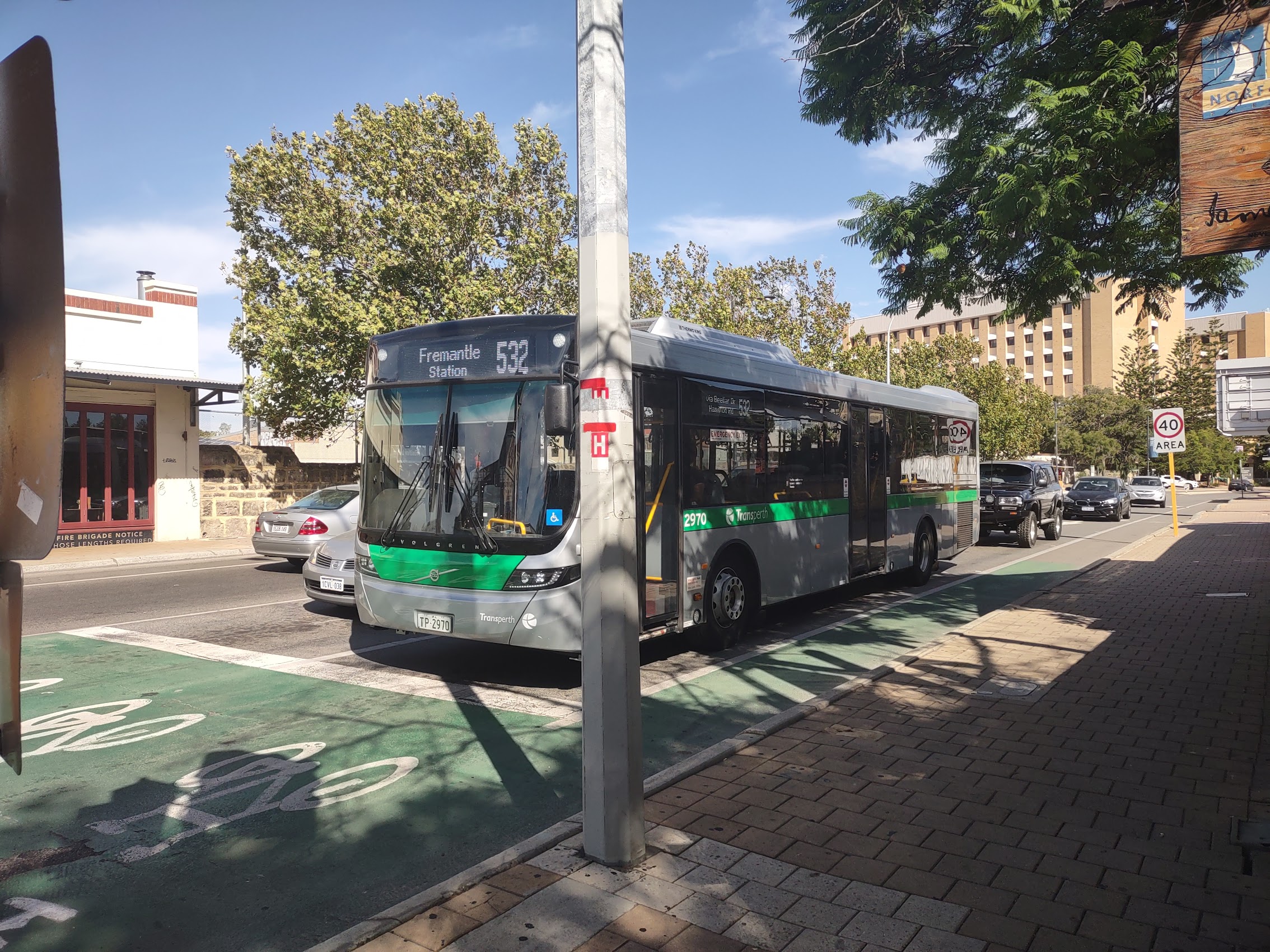
We had heard that the bus and train service between Perth and Fremantle were quite good but were still a bit surprised at how easy it was despite having to transfer buses thanks in part to the helpful bus driver who talked us through the process. (Although we typically walked everywhere, we did find the buses in Fremantle very easy to figure out and used them again for some longer trips during the week.) We arrived in Fremantle around 2:00 PM and got into our new place (which was less than a block from our bus stop) without much fuss.


Our Place in Fremantle
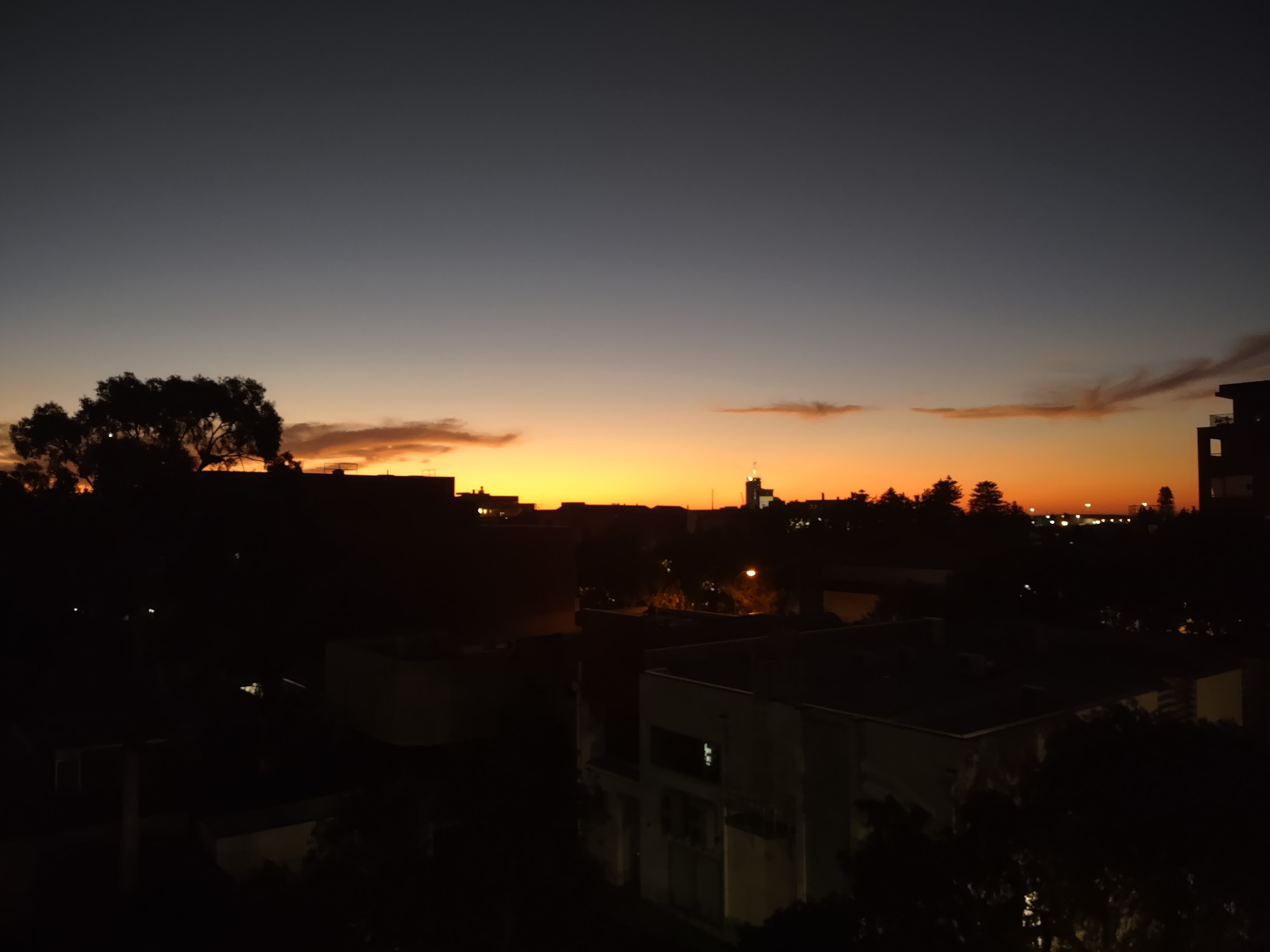
Our new place in Fremantle was an apartment on the fifth floor of a relatively new ten-story building which (thankfully) had an elevator (but which I was shamed out of using except when moving luggage or carrying groceries). Our apartment had a well-equipped kitchen and a fairly spacious living area with a small balcony. Being one of only a handful of buildings in town over 3 or 4 stories, it provided some nice views and we saw some great sunsets from our balcony.


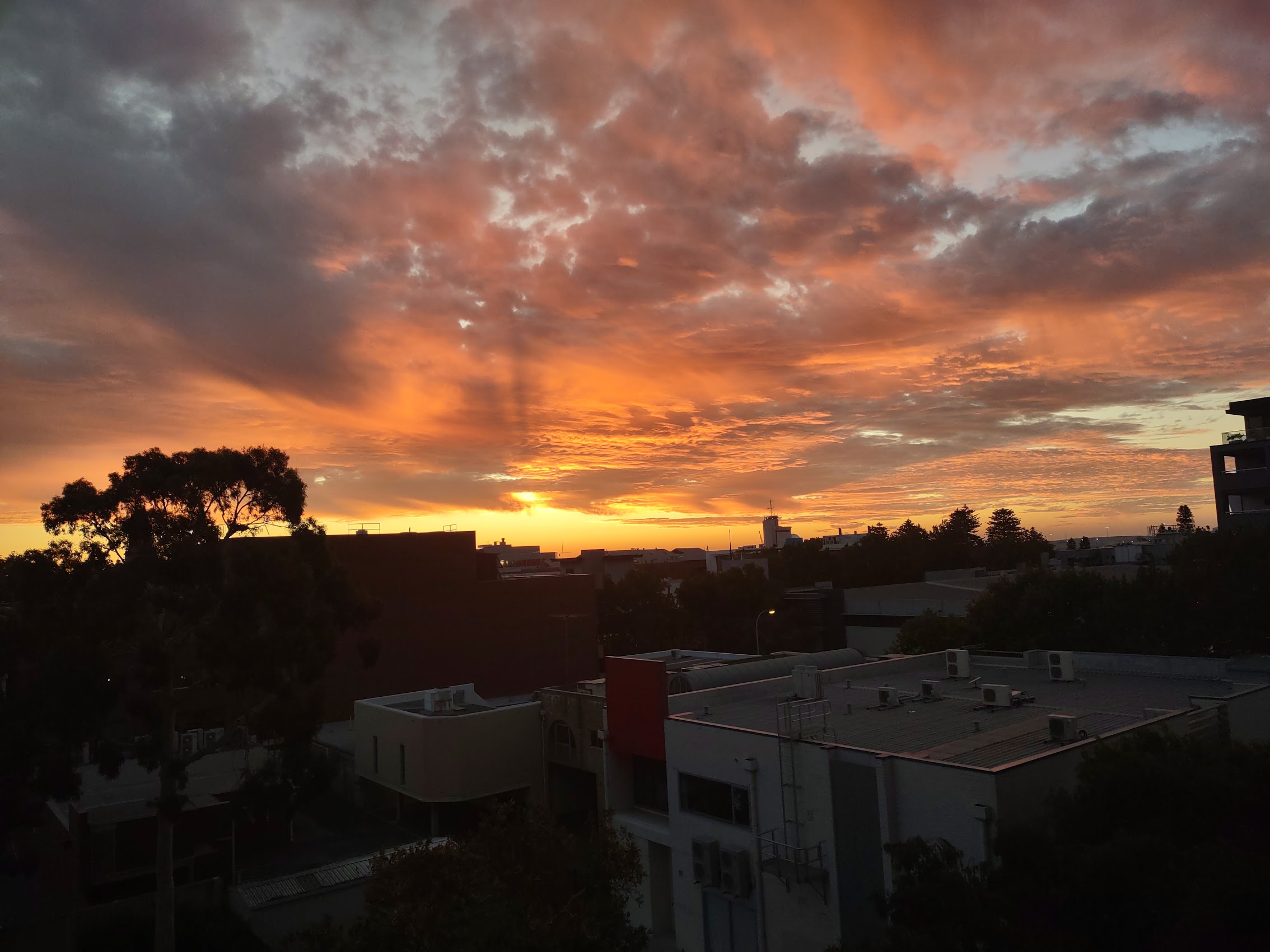
Because we were going to be there for two weeks and because some of our upcoming accommodations promised to be a bit spartan, we splurged a bit on a one-bedroom apartment – a bit of a luxury which is great to have on longer stays!. (Based on what we had been paying for accommodations lately, it seemed like a bit of a splurge at $125/night, but was actually in line with our budget for Australia.) The building also had a laundry and drying yard as well as a gated parking space available (something we rarely care about or need) but which turned out to be a great feature when my friend Peter and his family came to visit us in Fremantle (where parking can be a challenge).
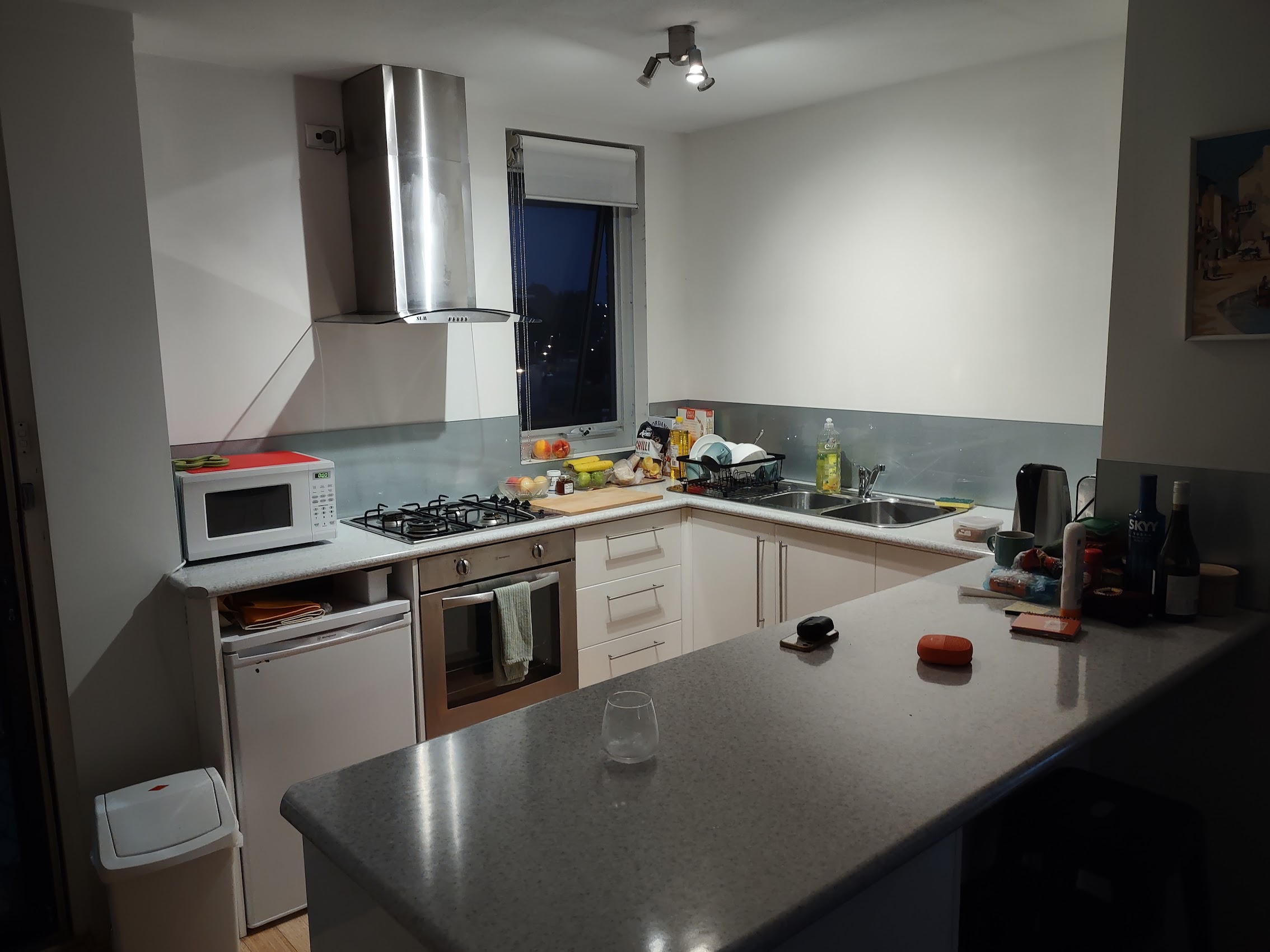
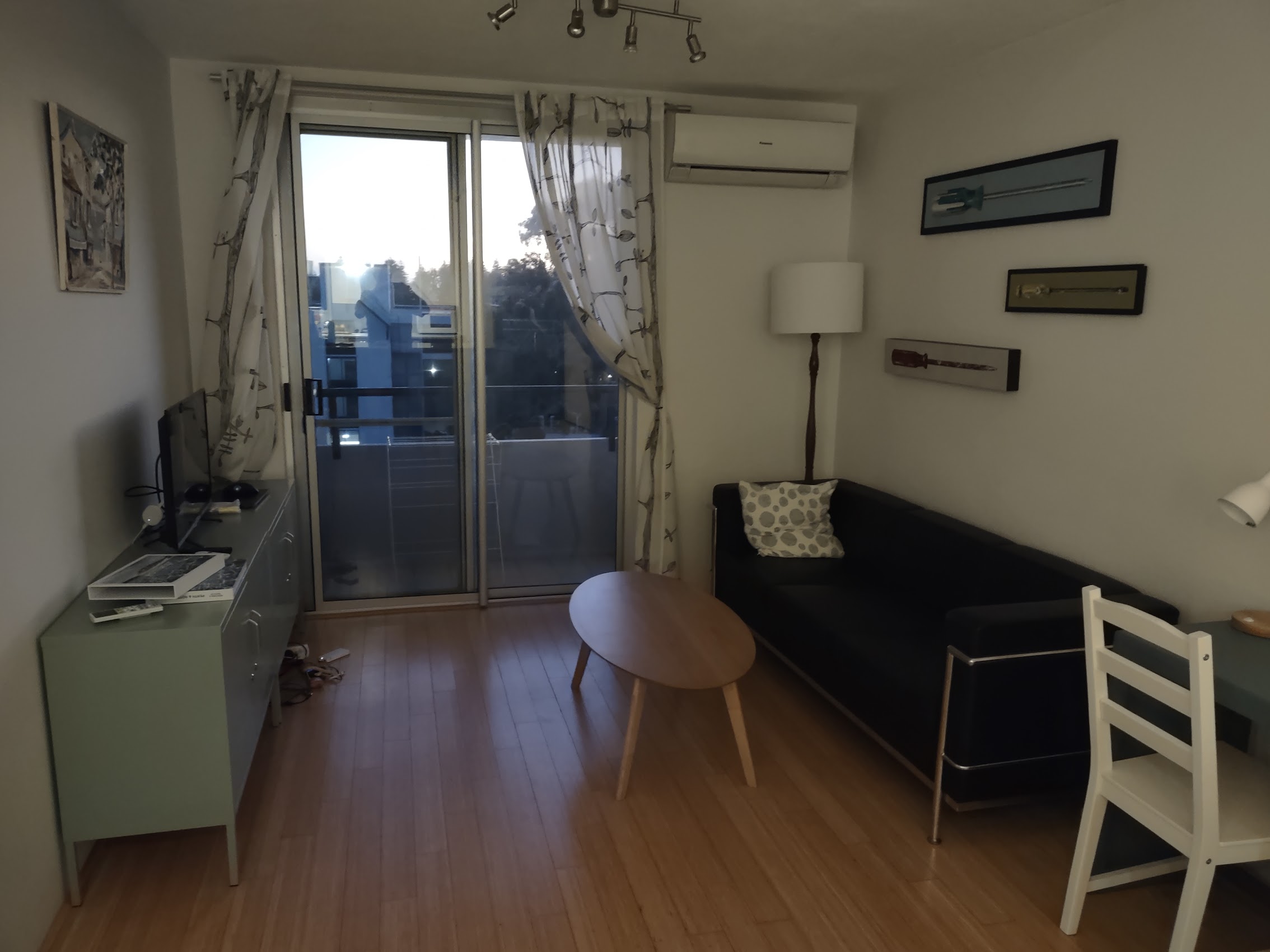
The location of our place was pretty ideal, just a couple of blocks north of the old town center, quiet, but close enough to walk anywhere in town, and, as we discovered, Fremantle is a great walking town.
While it might seem a little odd to those of you sitting at home in the U.S. or Europe, we were extremely excited to find that there were real grocery stores nearby. (By “real”, I mean stores like we are used to in the U.S. and Europe which stock pretty much everything you could need or want, usually with lots of choices). I’m pretty sure the last time we had seen a “real” grocery store had been over six months before in Florence.) There was an IGA (believe it or not) just a block from our place! Based on advice from my friend Peter, we discovered that Woolworth’s (“Wooly’s” in Australia speak) is much cheaper but it did require a bus ride to get there, so the IGA proved to be very convenient if we needed to grab a last-minute item or two. Maybe obvious, but our excitement over “real” grocery stores was in anticipation of Colleen having the ingredients to make some delicious meals at home. (Which, of course, she did!))
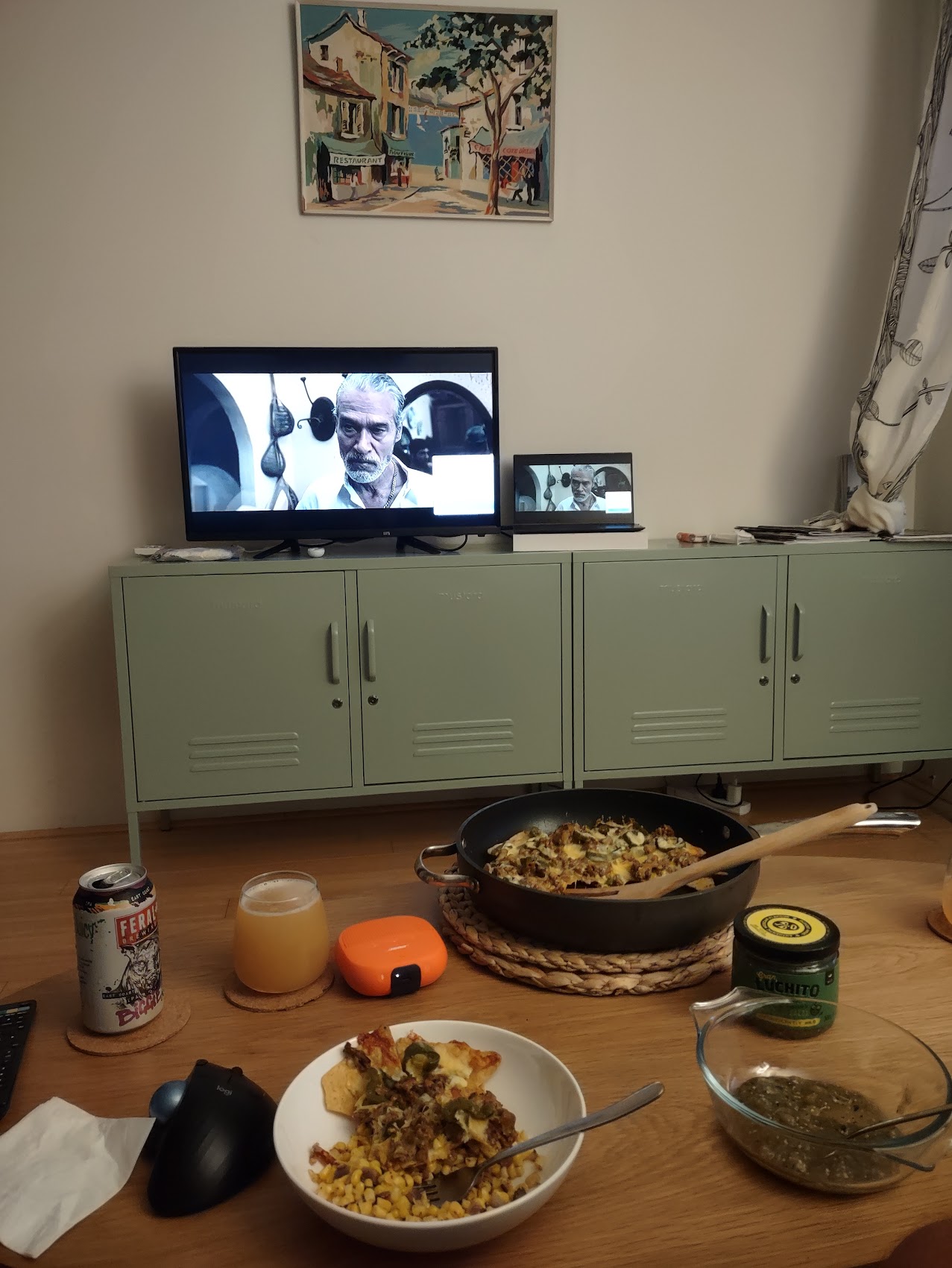

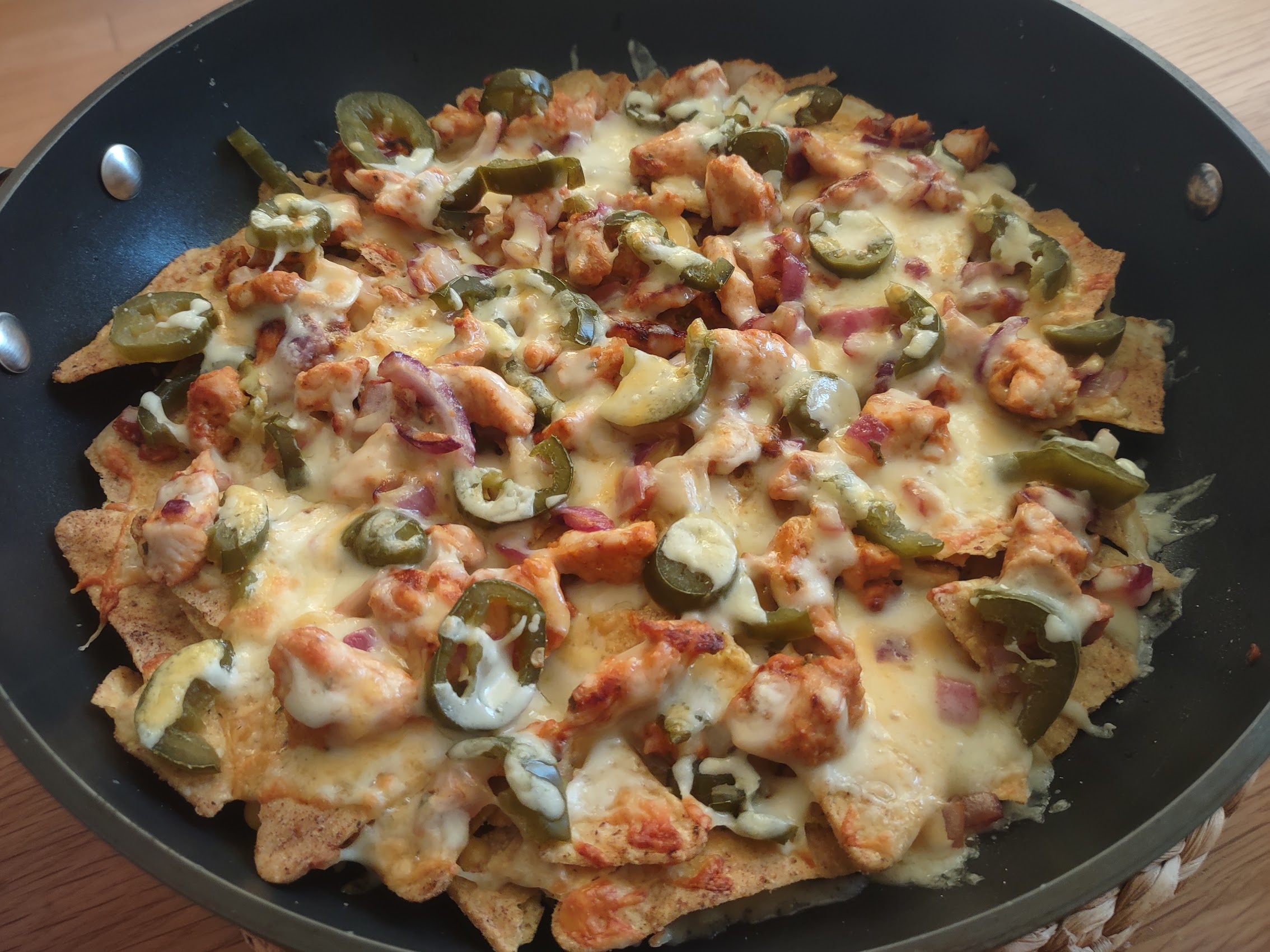
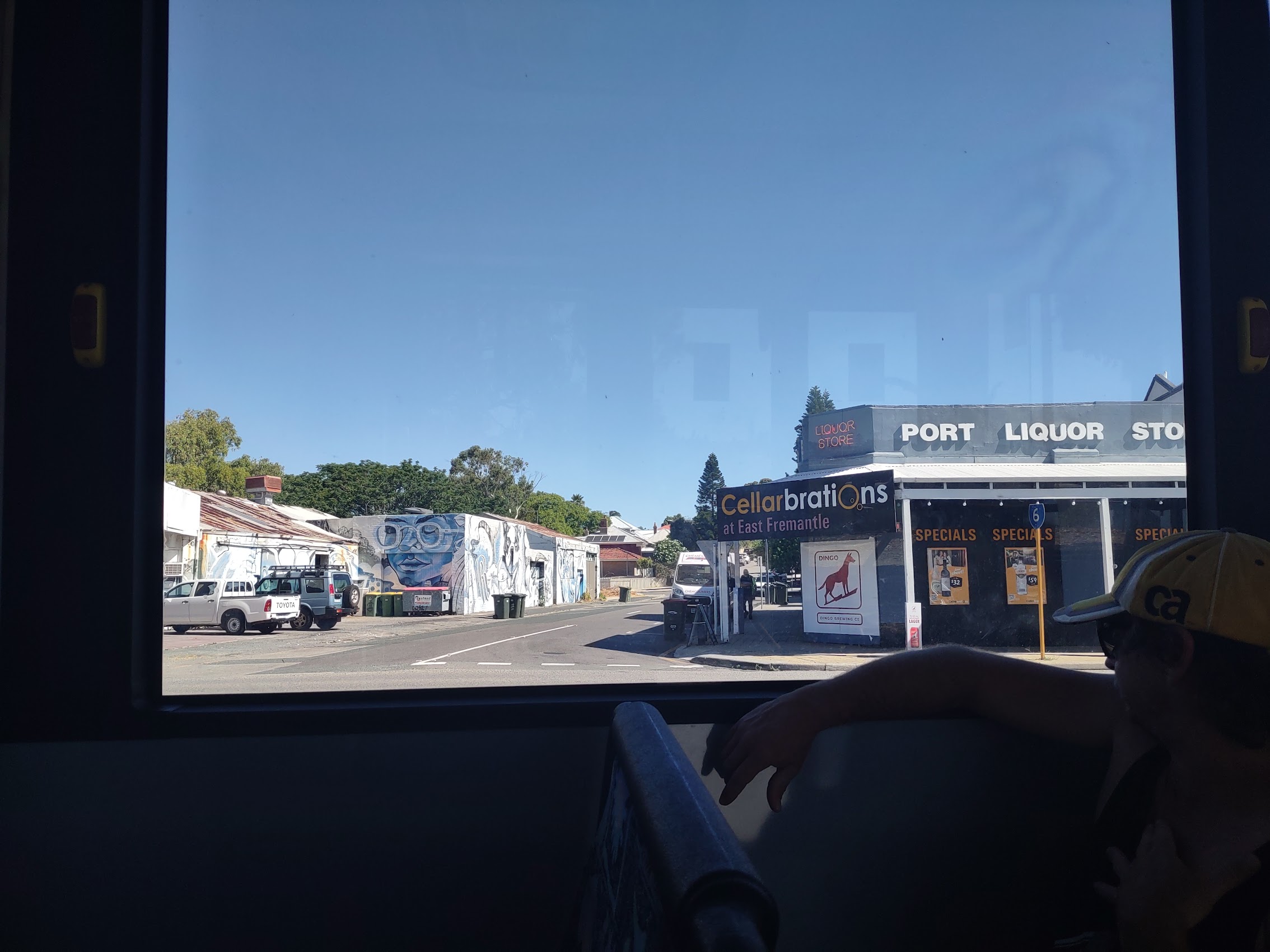
There was also a great bottle shop called “Cellarbrations” just around the corner from our place which, to Colleen’s glee stocked a wide variety of sour ales. As we continued with our journey, we were happy to find Cellarbrations, along with another bottle shop chain called “BWS” (Beer-Wine-Spirits) throughout Australia. One thing which did surprise us was the amount of cooler space devoted to ginger beer (yes, alcoholic) and we learned that it is an extremely popular “light” beverage amongst those active Australians.

We were also happy to find some old-fashioned department type stores in town where we could purchase basic supplies at a reasonable cost but were a little surprised to find (consistent with the small town atmosphere) that most of these stores closed pretty early compared to what we had grown accustomed to – many by 6 pm. There were also a few big box stores on the edge of town (but still within walking distance) for some electronic items we needed. Quite fortuitously, Colleen was able to locate what turned out to be a pretty good yoga shala within sight of our apartment (more on that later).
We were definitely looking forward to staying in one place for two weeks (our average length of stay over the last couple of months was less than four days) and we very quickly settled back into a nice routine of early morning work and workouts, errand running and excursions during the day, and home for dinner (and maybe a movie) most evenings. And, given that the city center of Fremantle is only about 15 or 20 square blocks in area, we got to know our way around town pretty quickly.
Fremantle
Somewhat in contrast to the largely sparkling new modern city of Perth to its north, Fremantle has preserved and maintained most of its old buildings, many of which date back to its 19th century colonial days. The area was claimed (along with the entire western coast of what is now Australia) by Captain Charles Fremantle on behalf of the British Empire in 1829. Immigrants (and convicts) arrived thereafter and, by the end of the 19th century, Fremantle had been developed into a thriving port town. (For the record, when the British arrived, the area was populated by various tribes of the larger Nyoongar Aboriginal nation who had been there for an estimated 50,000 years or more.)

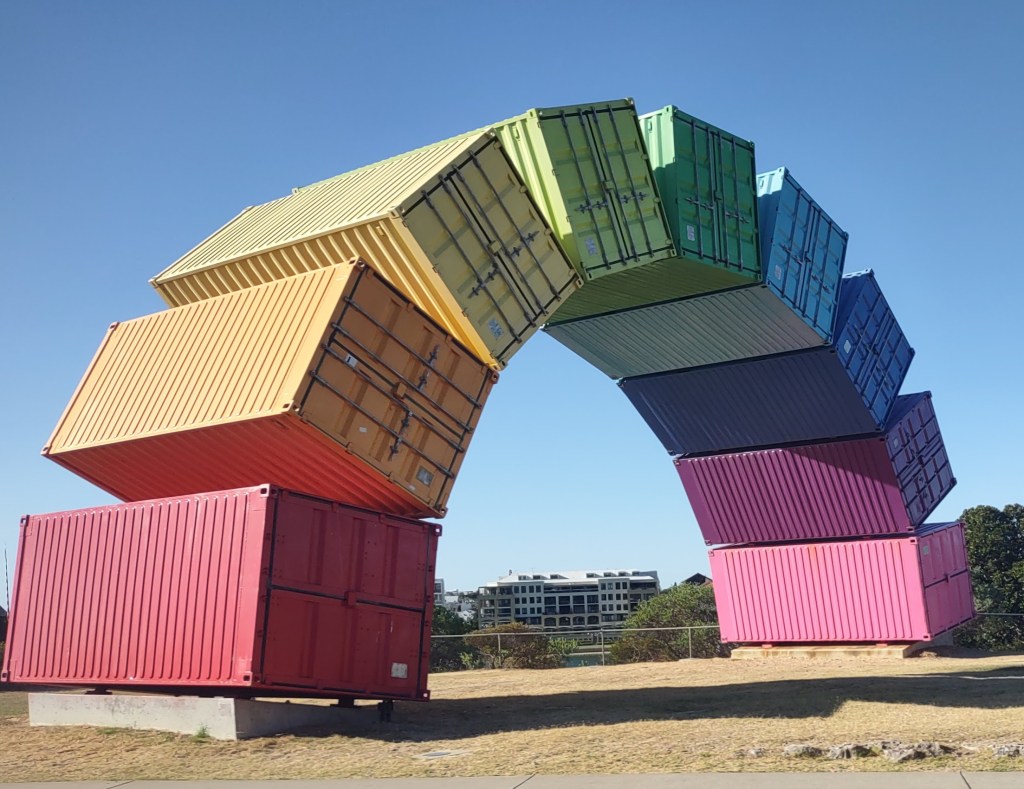
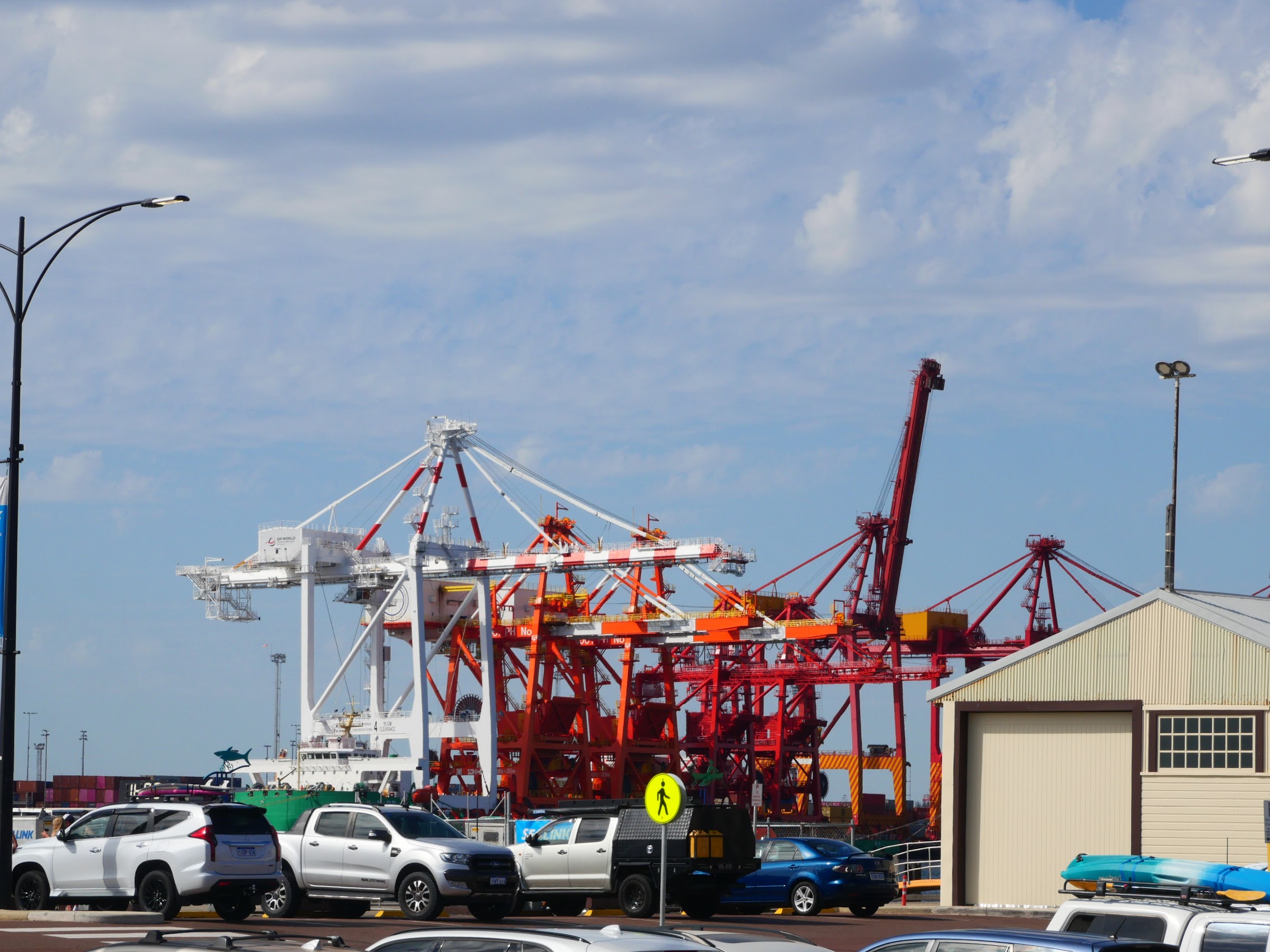
Today Fremantle (often referred to as Freo) remains the largest cargo port in Western Australia, but with a population of about 34,000 it maintains much of the character and charm of its colonial past. This is due at least in part to the location of the port facility and container yards to the north side of the Swan River while the old town of Fremantle lies on the south side and is therefore distanced from the port traffic.
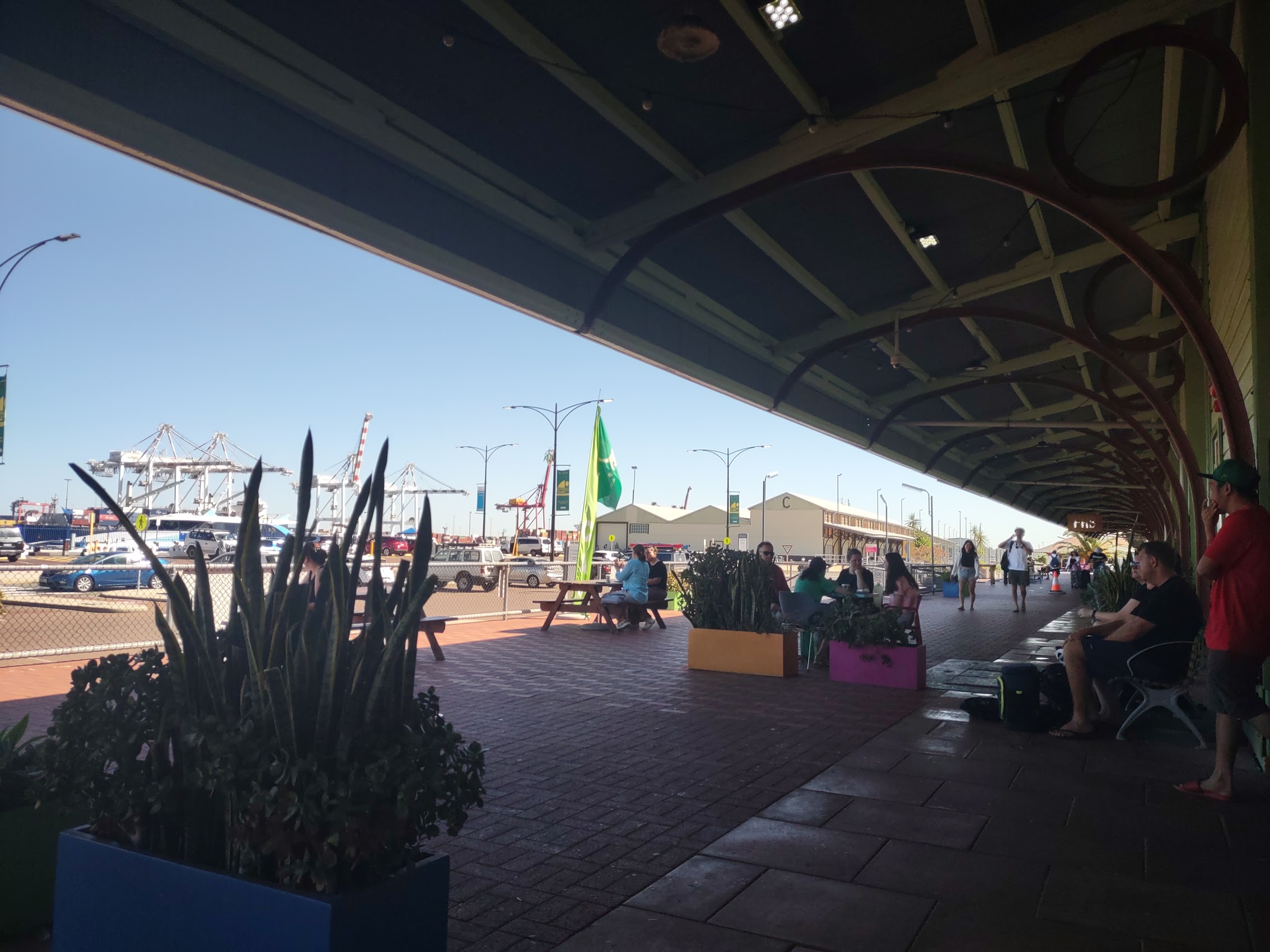
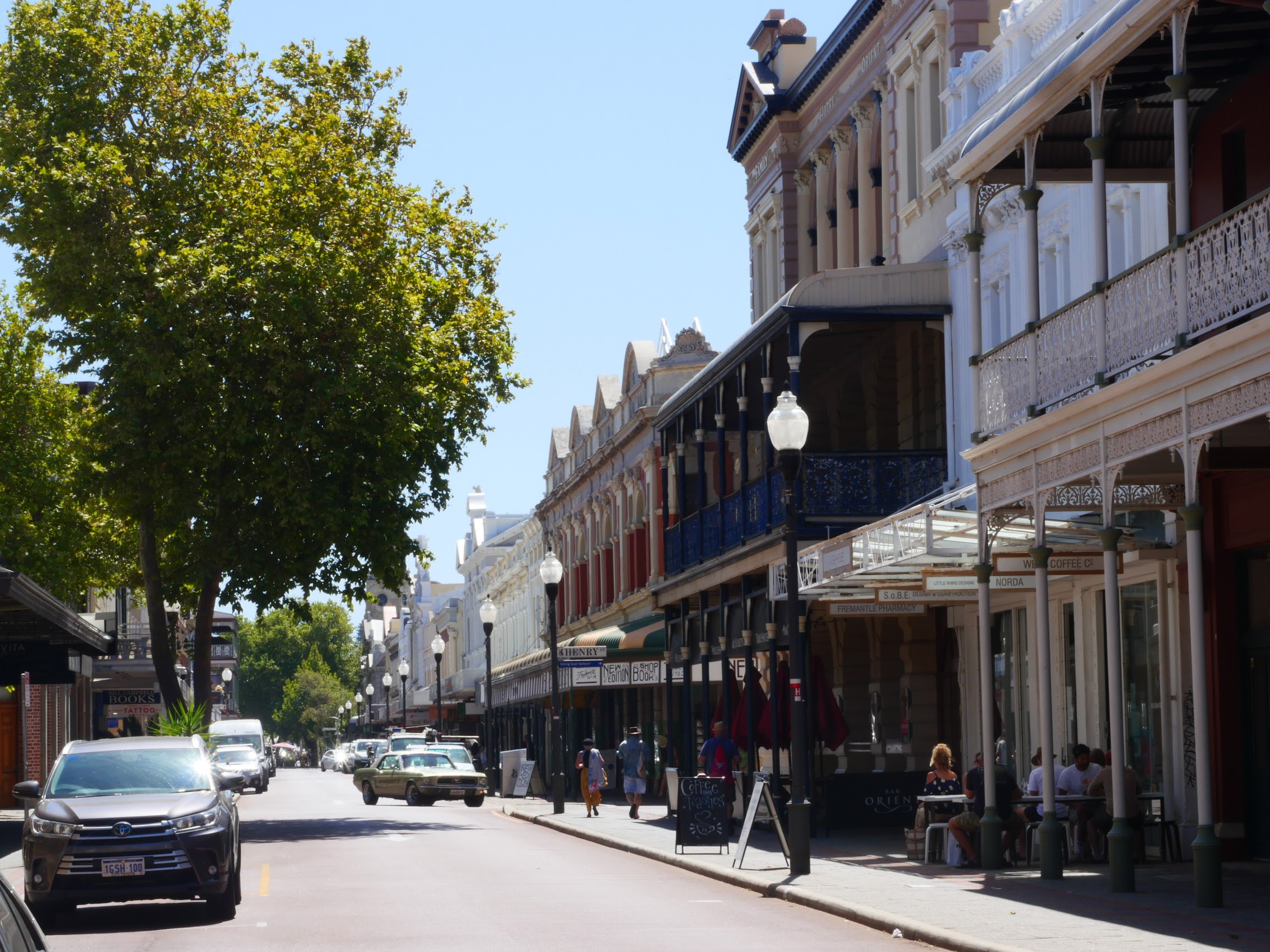
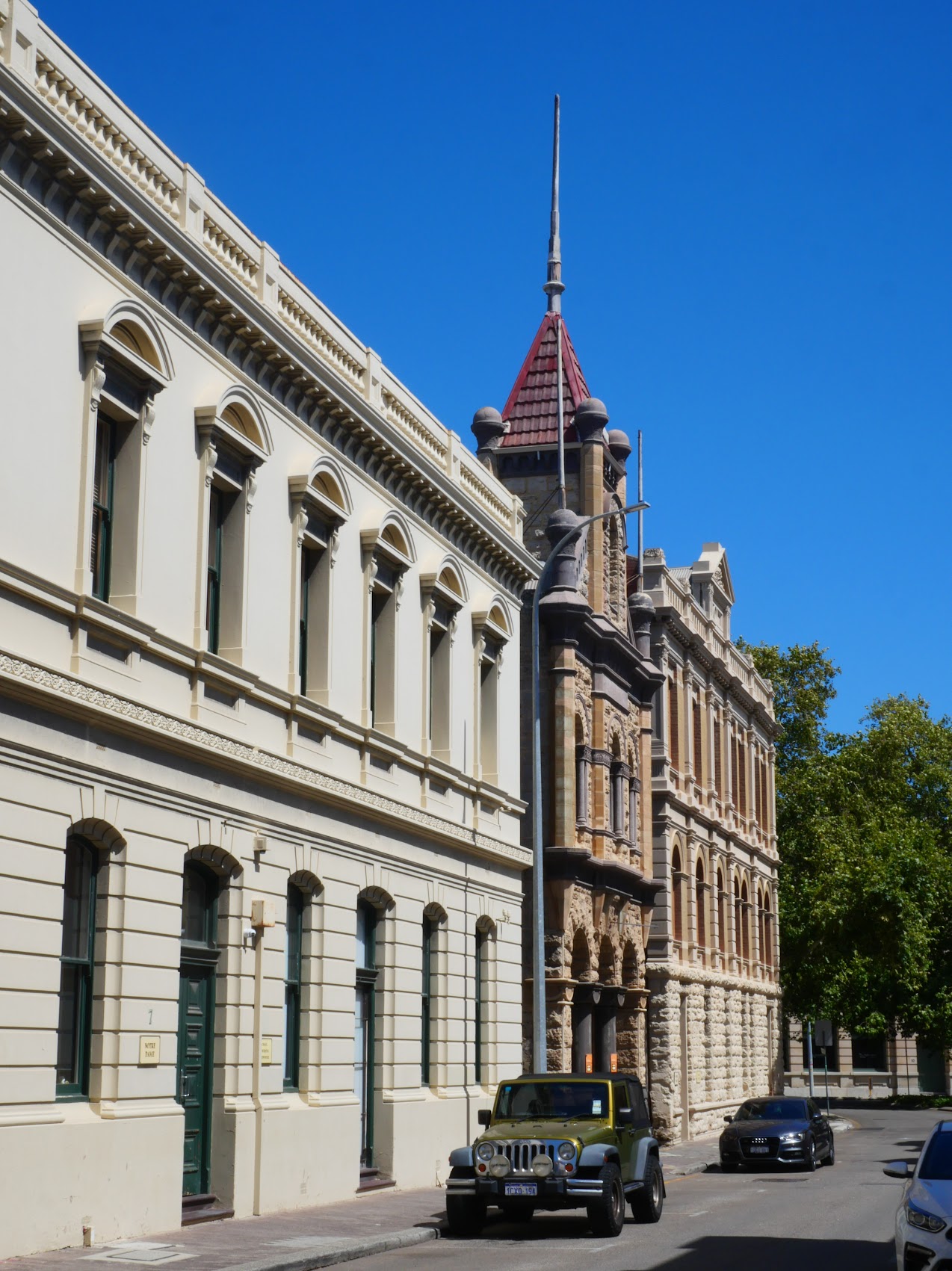
As I mentioned earlier, Fremantle has managed to preserve many of its colonial buildings which makes it a wonderful place for strolling. Much of the credit for this is due to the University of Notre Dame of Australia (which hosted the conference I attended there in 2002) who have acquired and maintain over 30 historic buildings which are scattered among the urban fabric of Fremantle’s West End. In addition to those structures, there are old churches, markets, restaurants, hotels, and even an old prison structure.
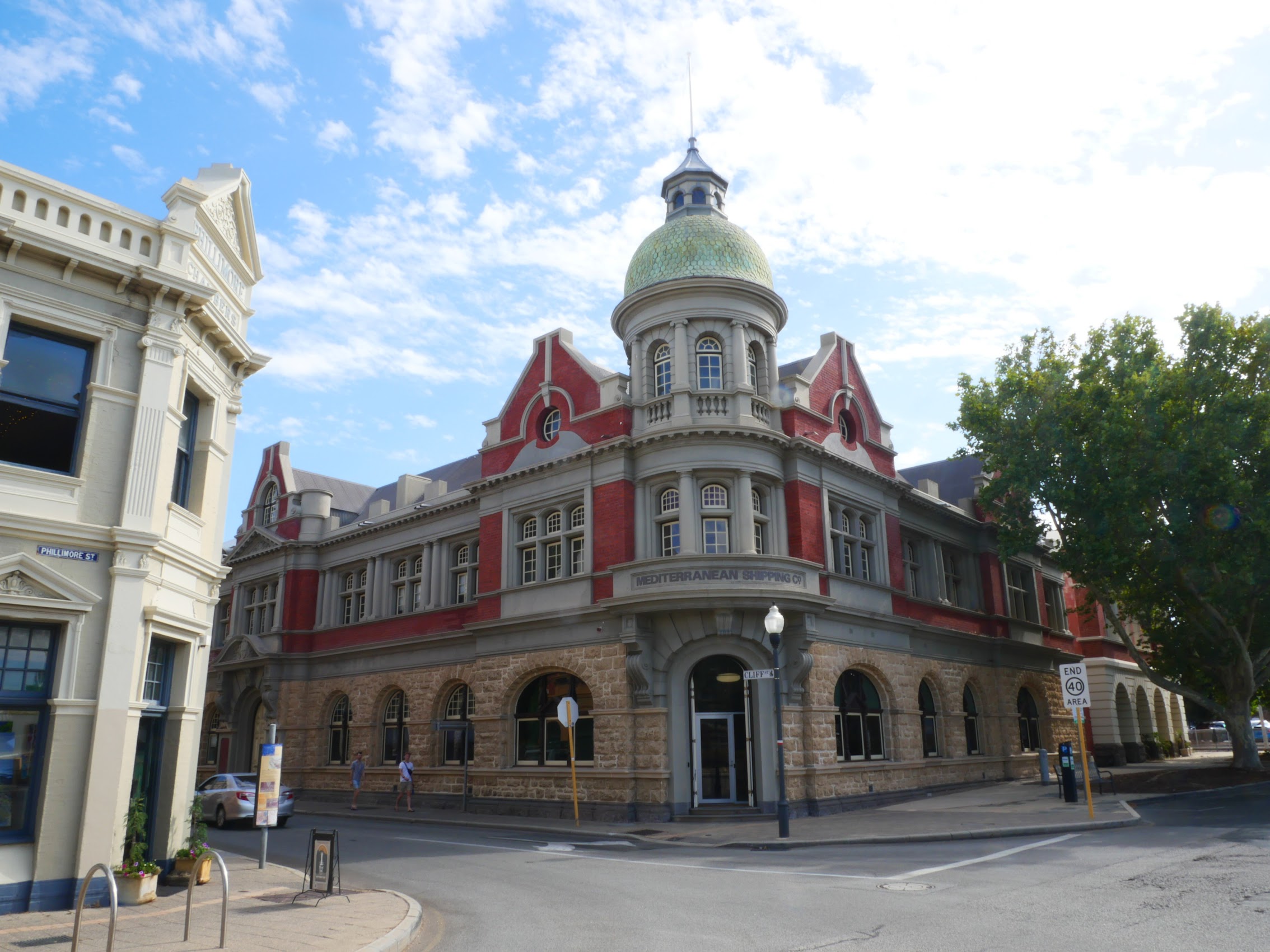



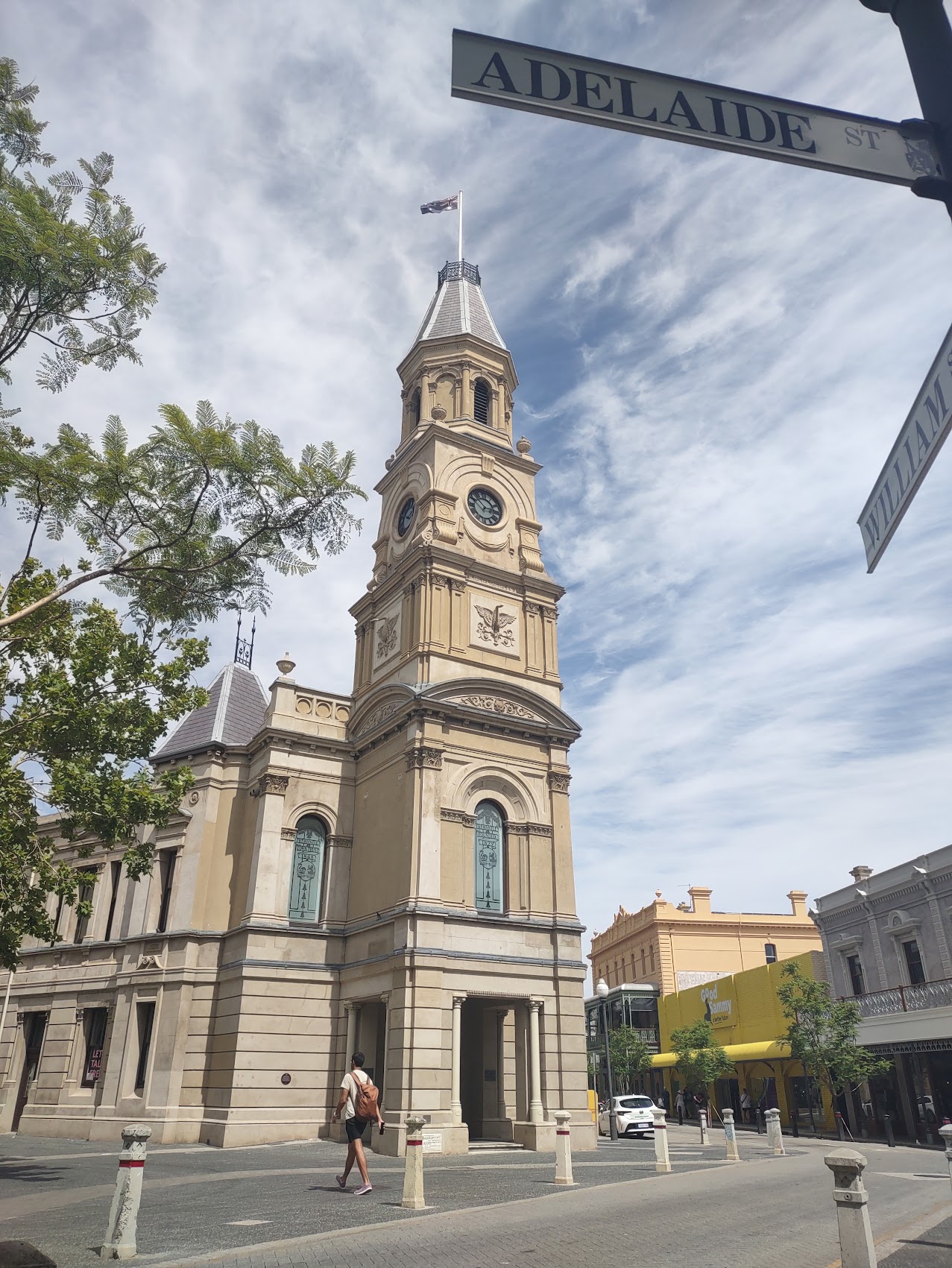


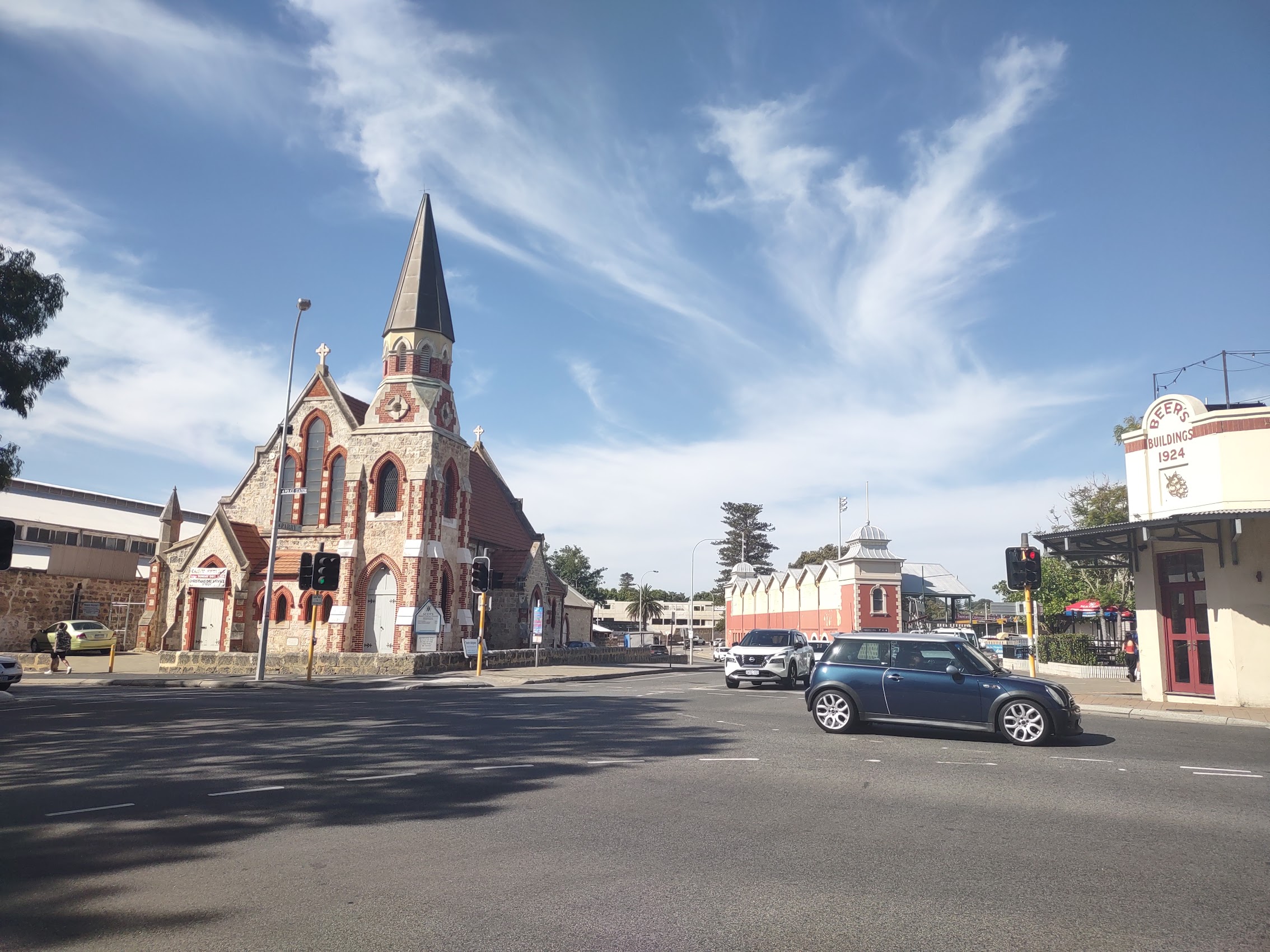

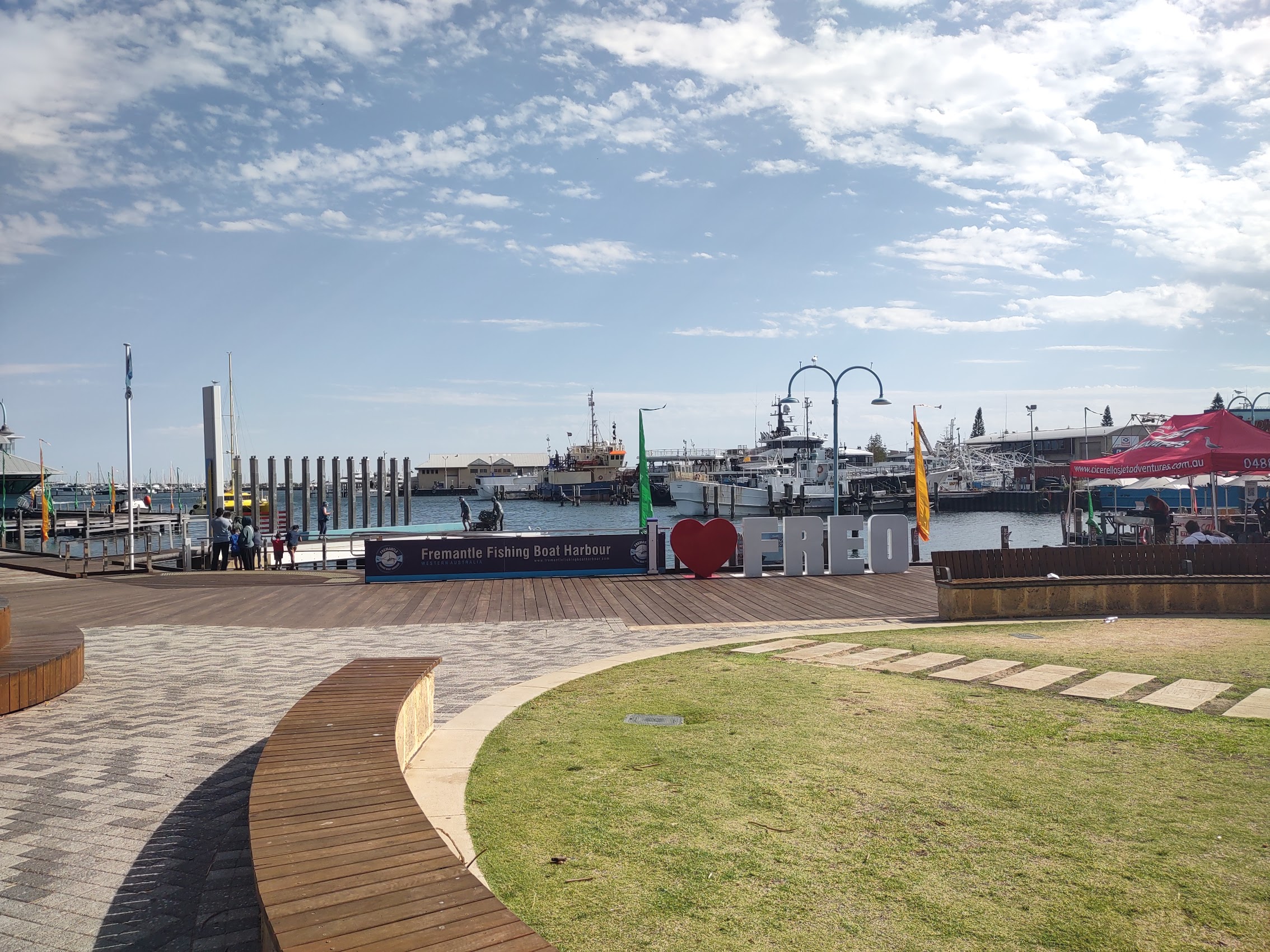
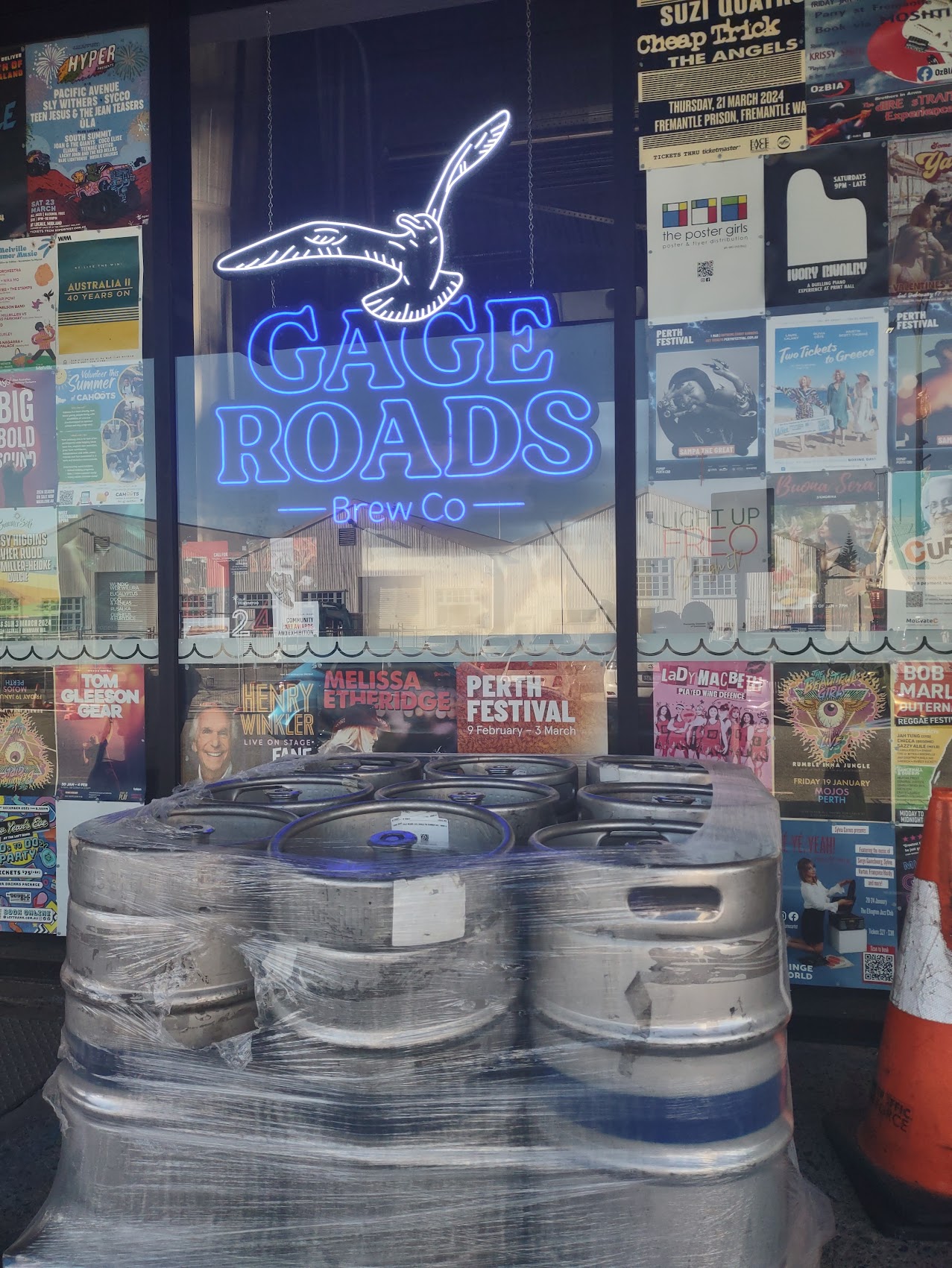
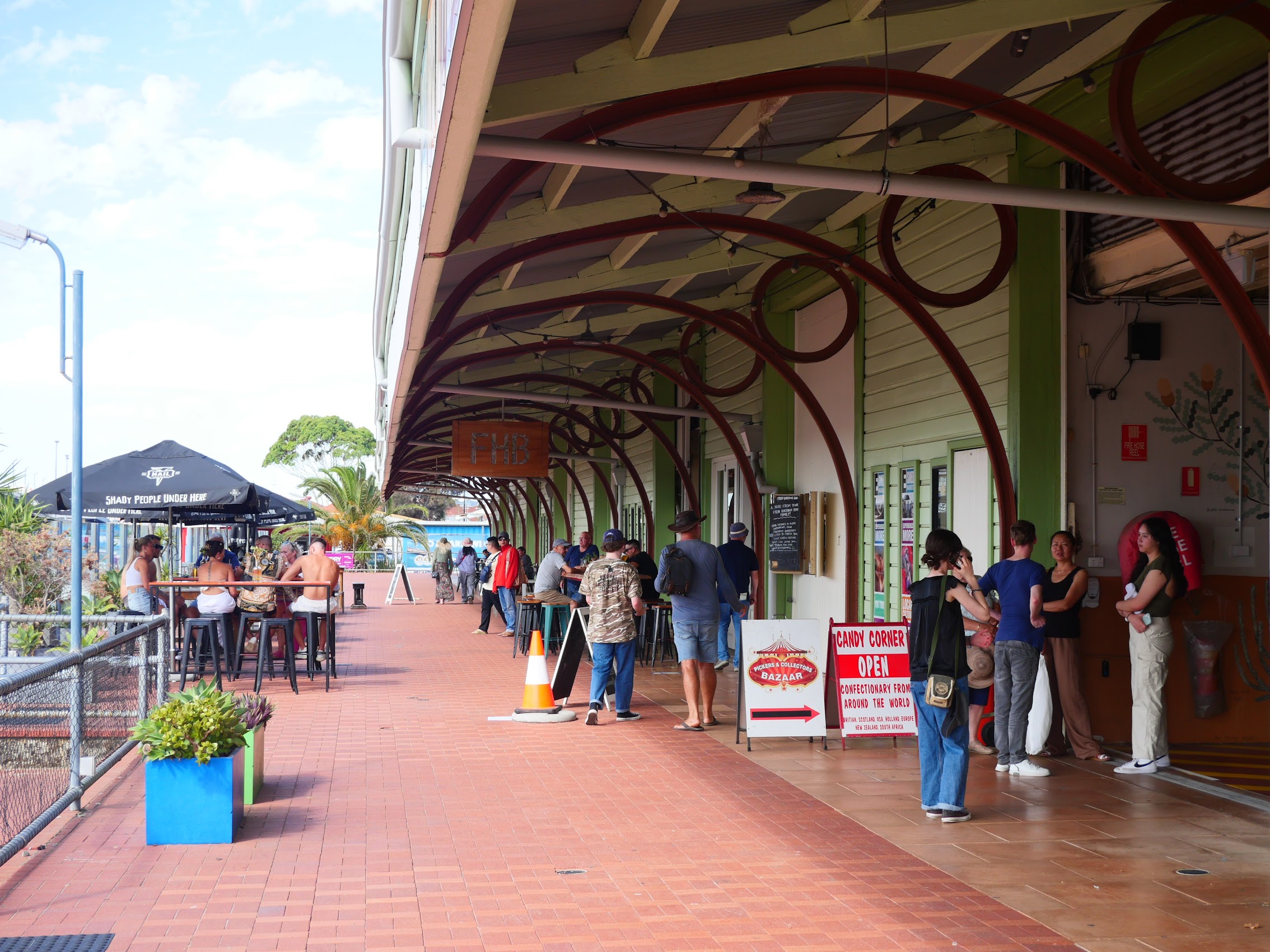
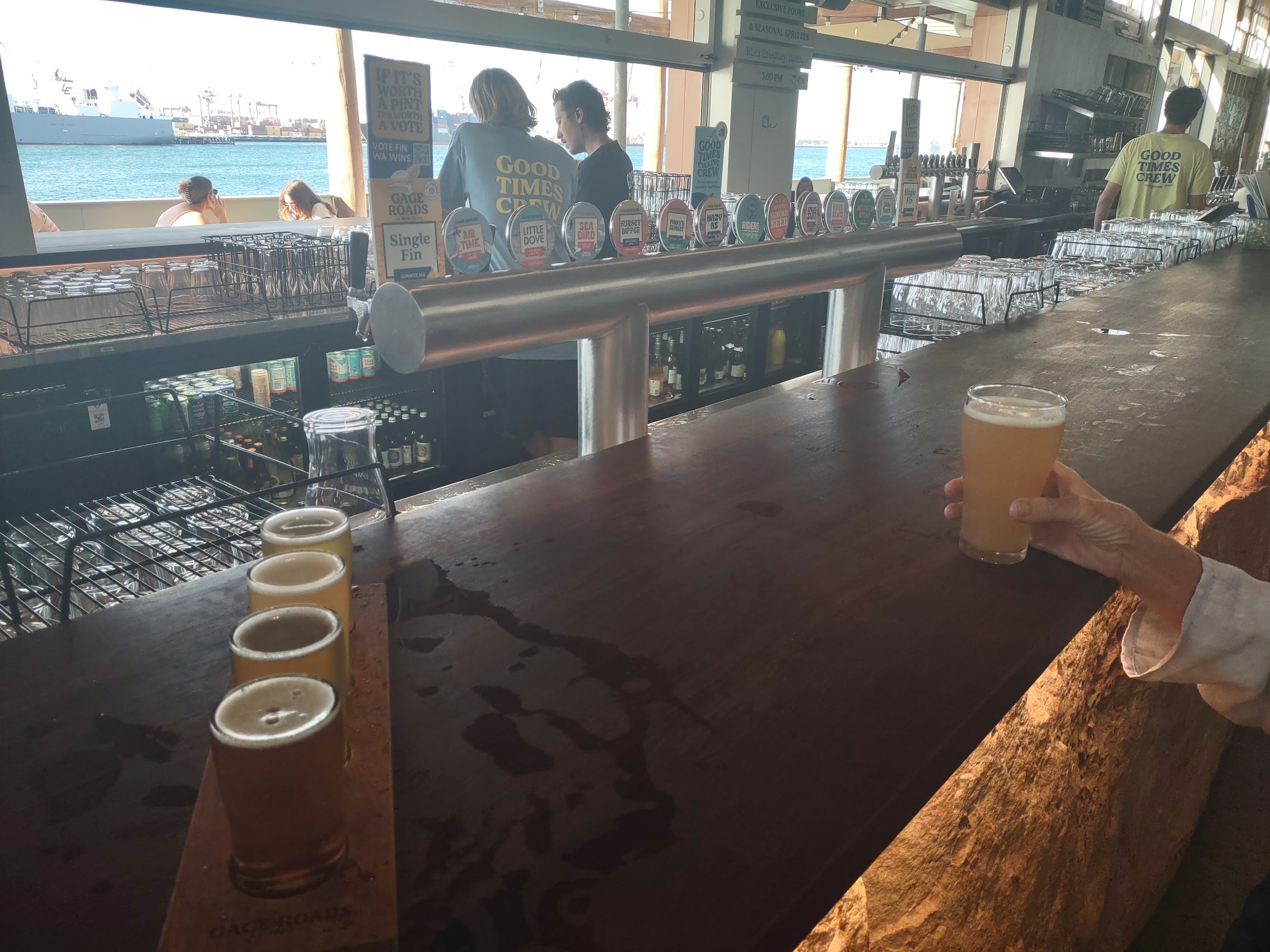
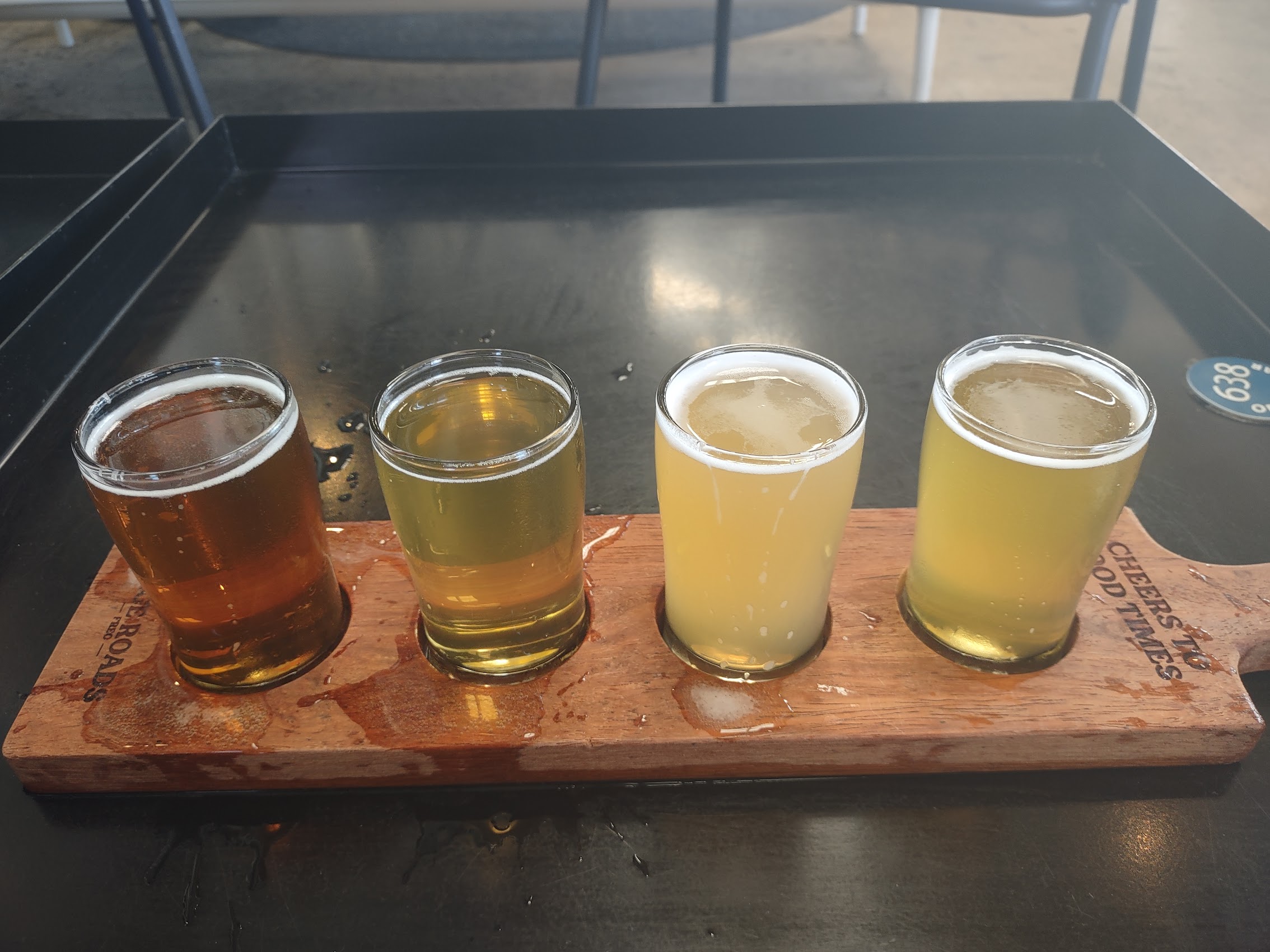
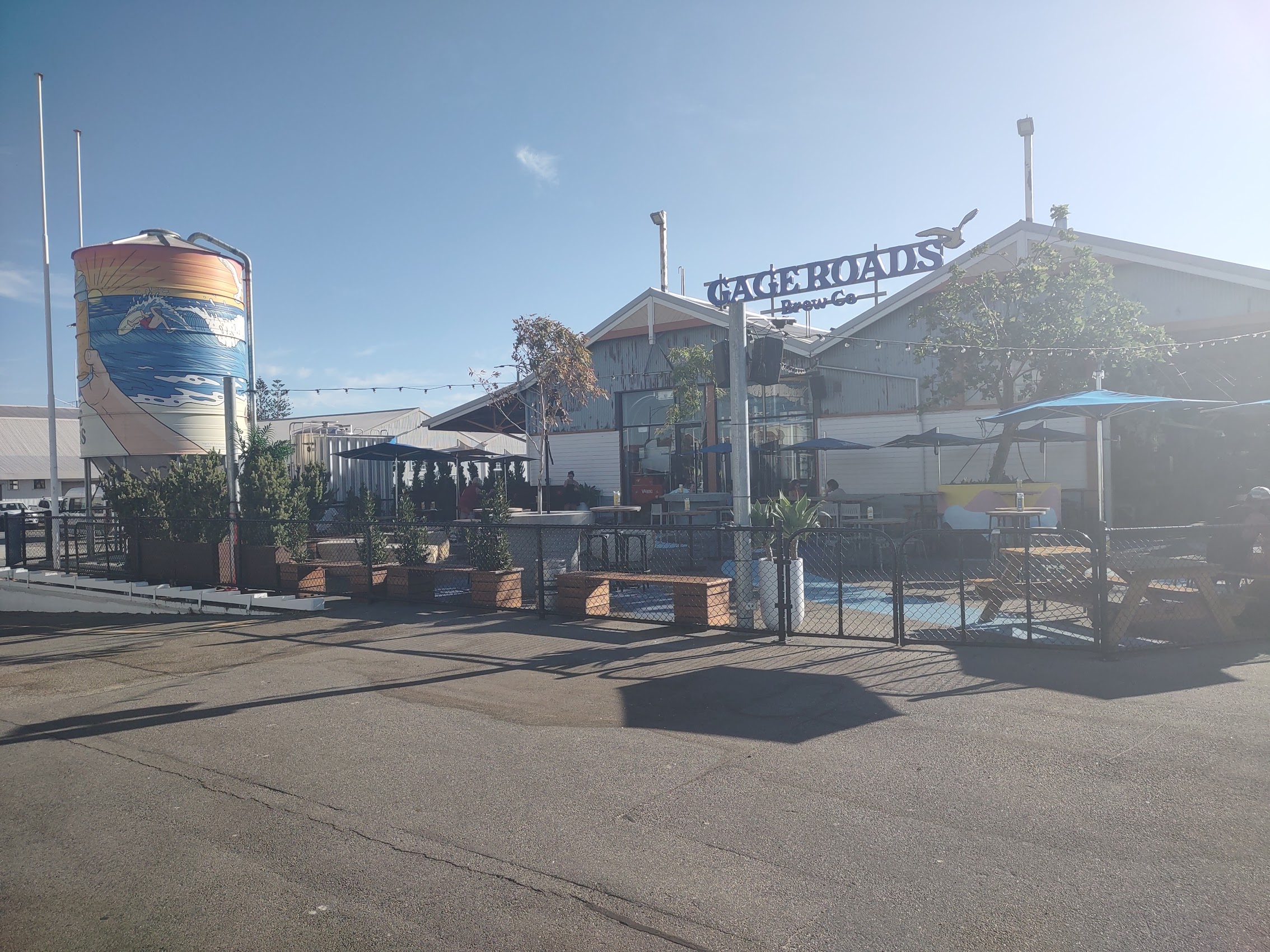
Fremantle also has an extensive waterfront which wraps the old town from the Swan River to the Indian Ocean with parks, beaches, promenades, wharfs, docks and two great waterfront breweries – Little Creatures (which I had visited on my first trip here and remembered for their chili beer) on the ocean side and the Gauge Roads Freo Brewery on the river side.
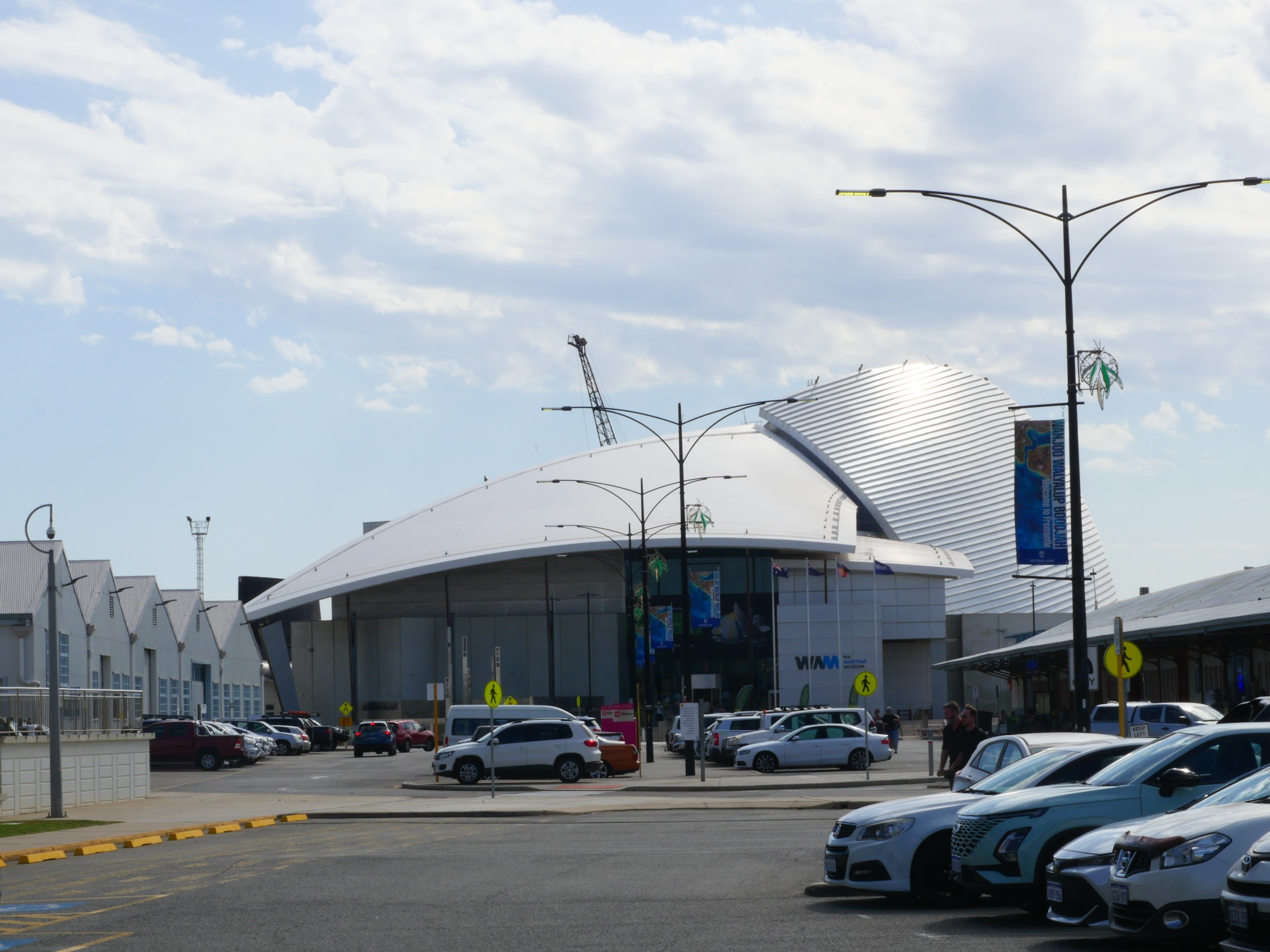

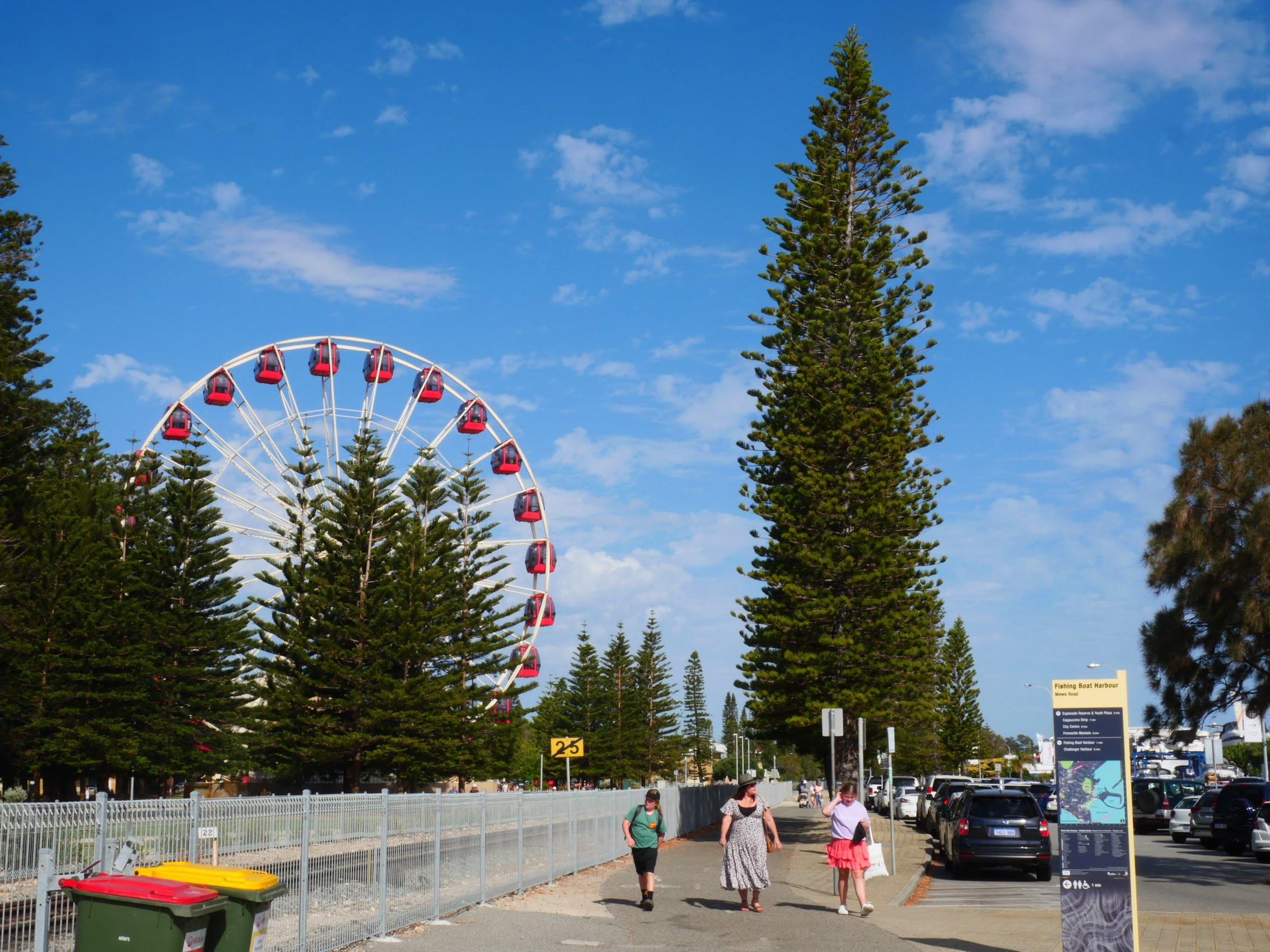
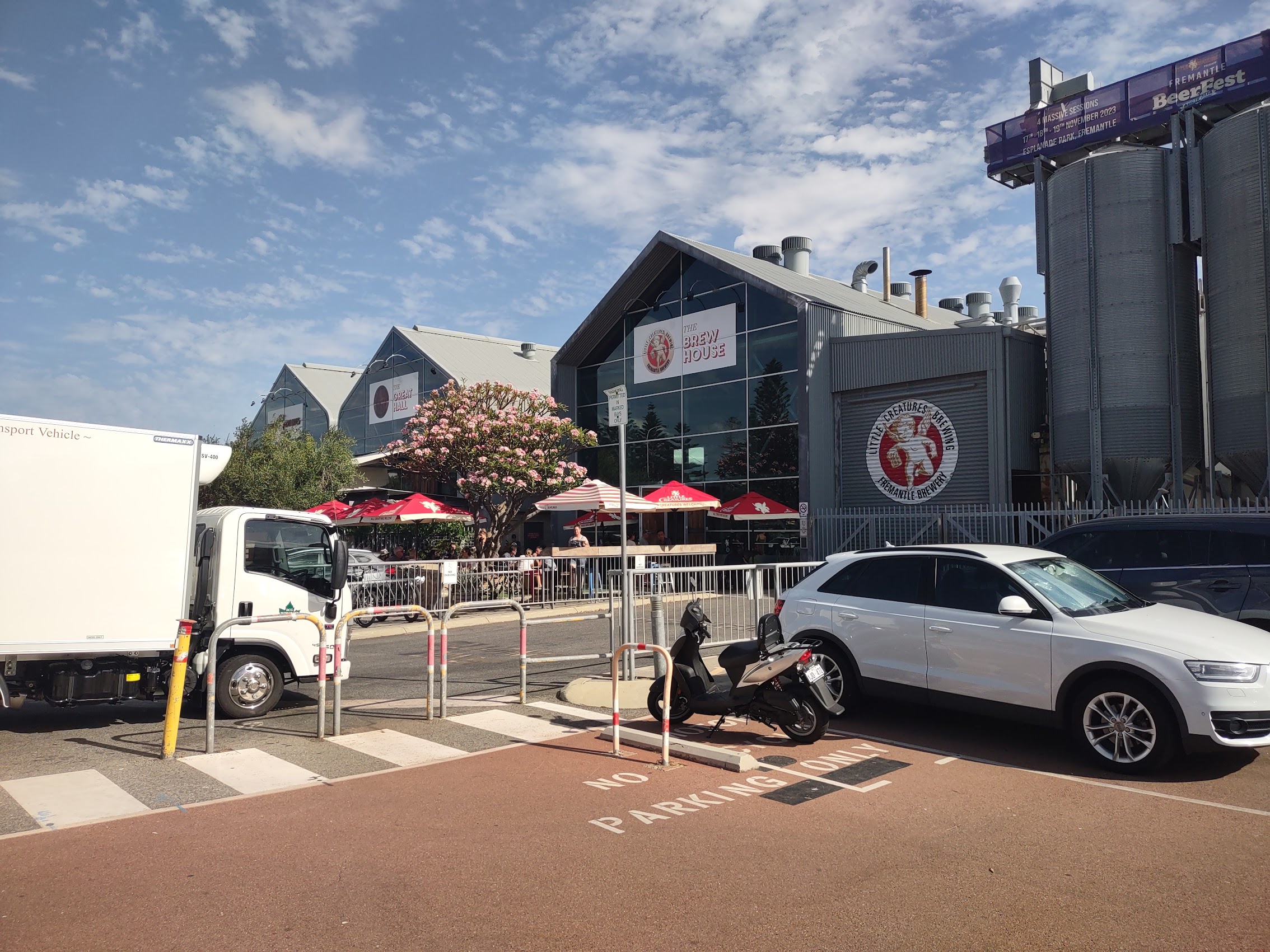

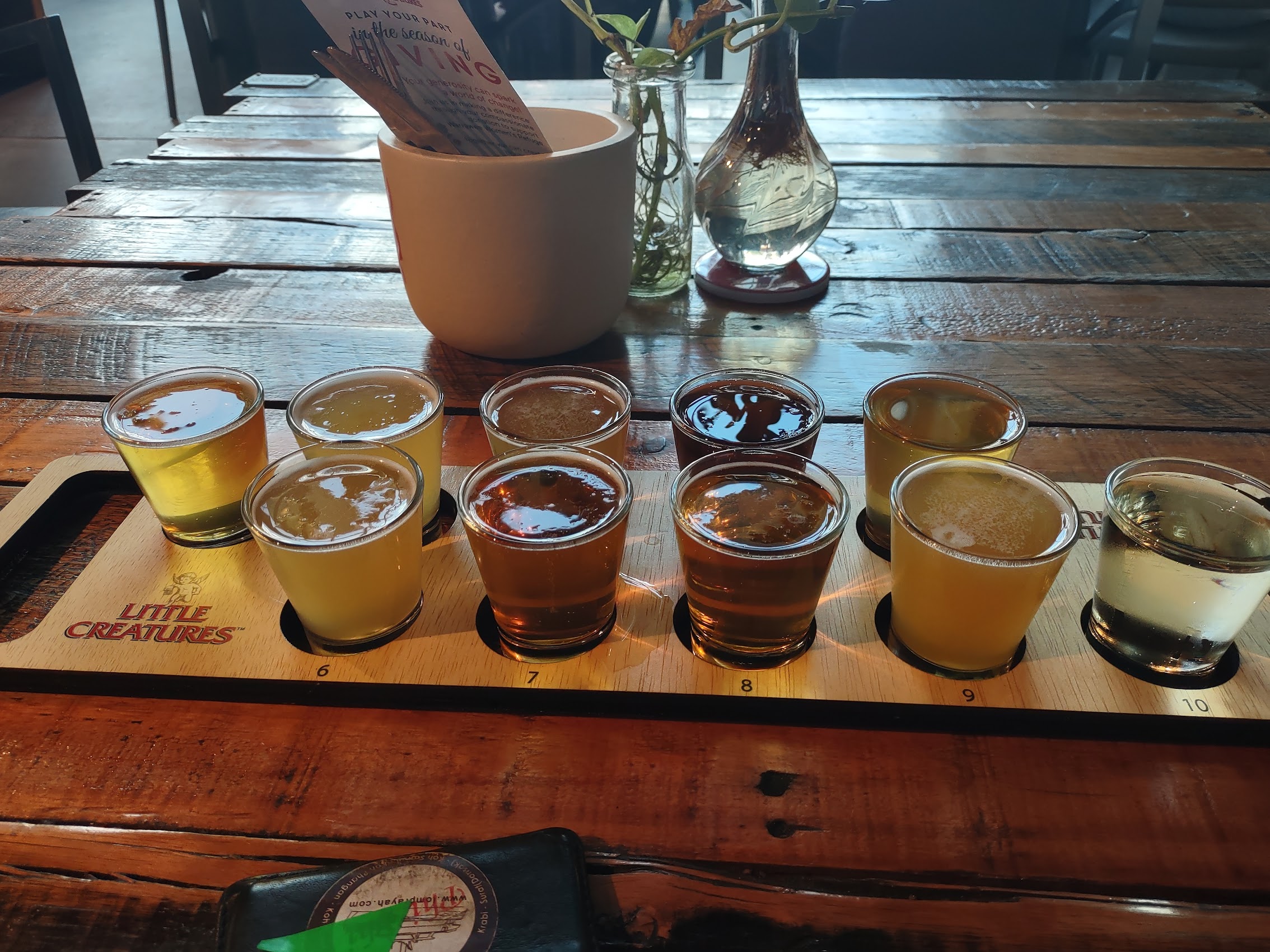
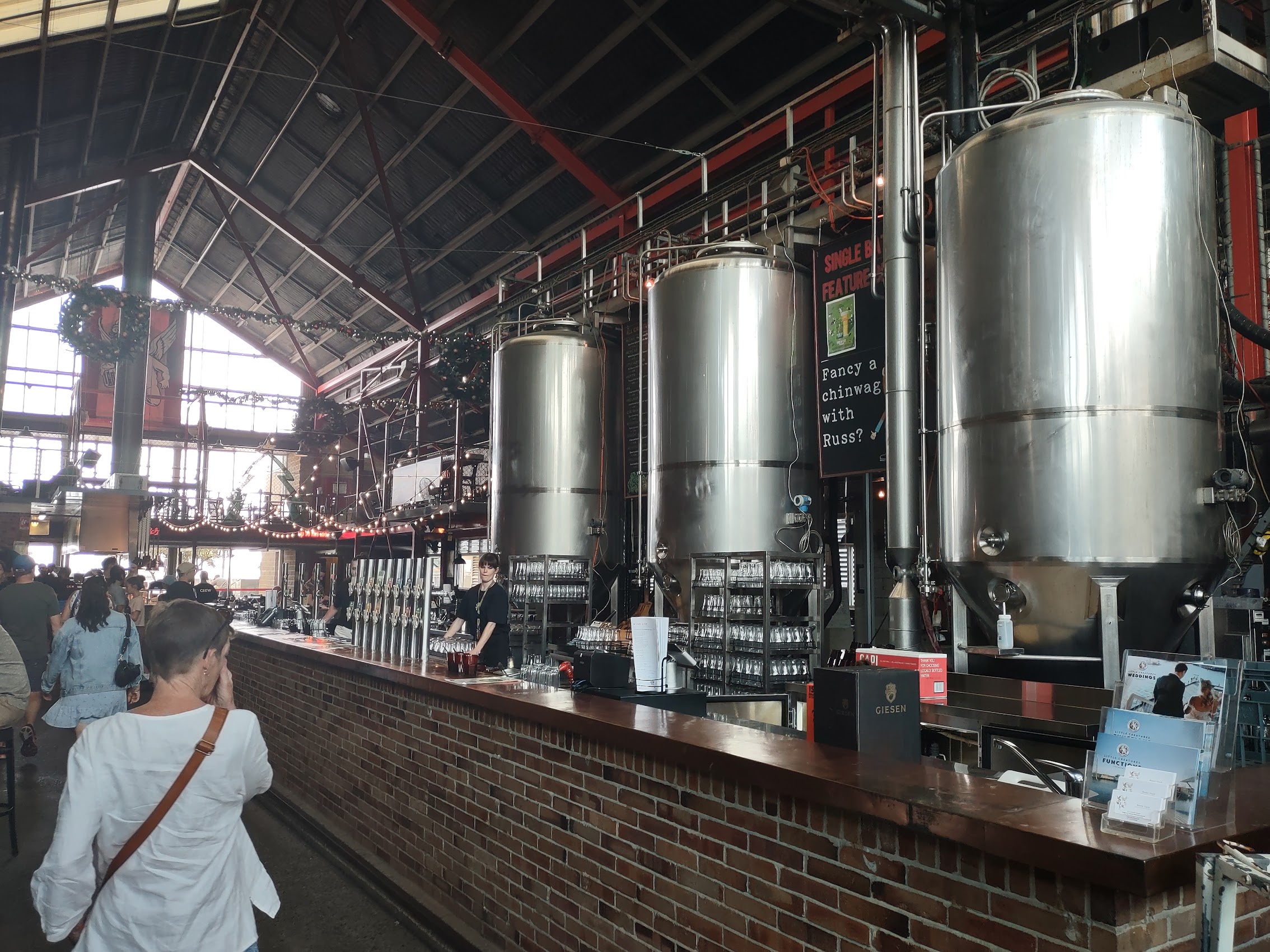
In addition to numerous shops and restaurants, there are a couple of interesting museums along the waterfront. Given the number of ships which have wrecked along the Western Australia coast over the last 400 years (there are more than 1,600 shipwrecks lying off the coast of Western Australia), we found the Western Australia Shipwrecks Museum to be particularly interesting.
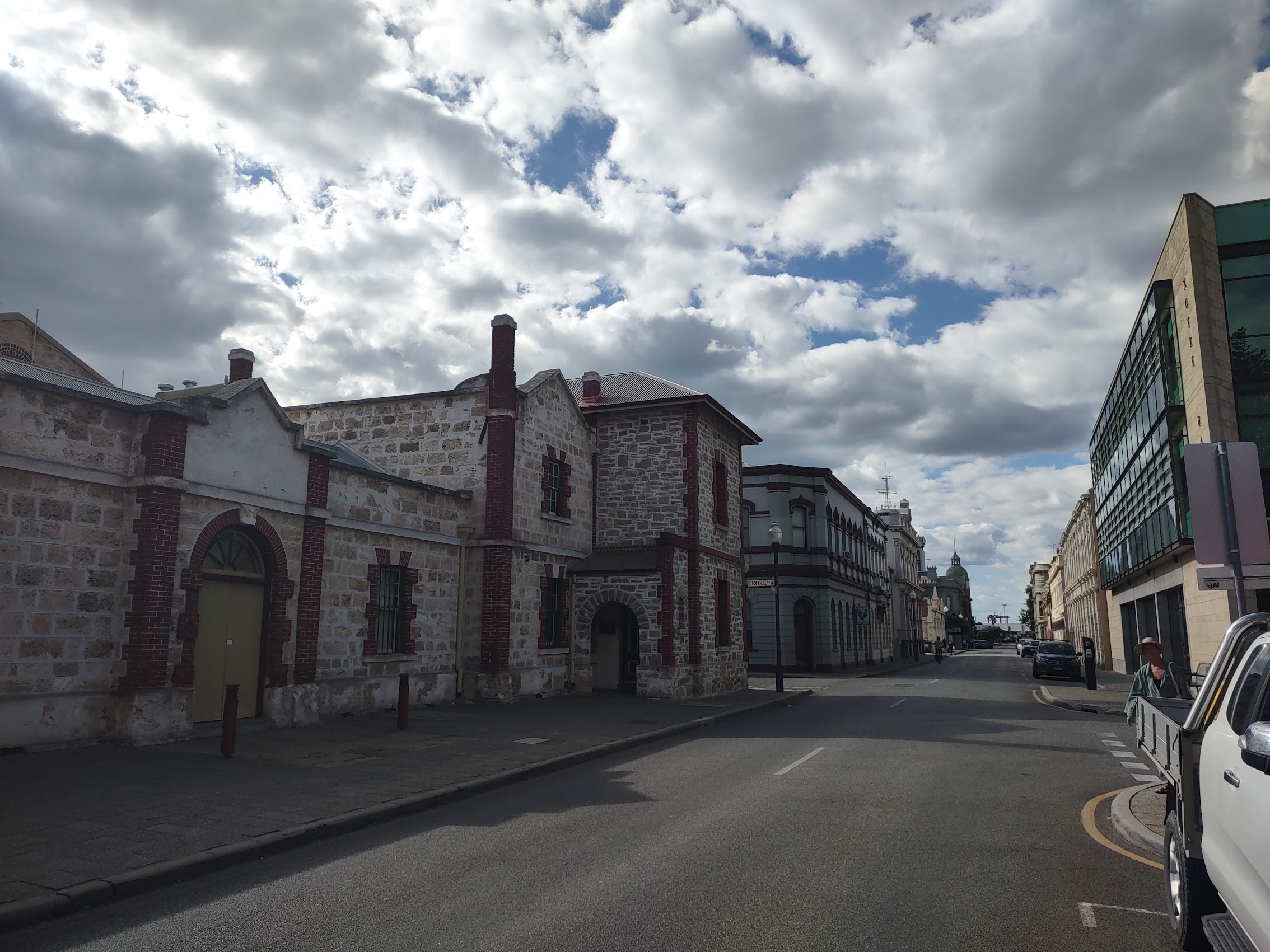

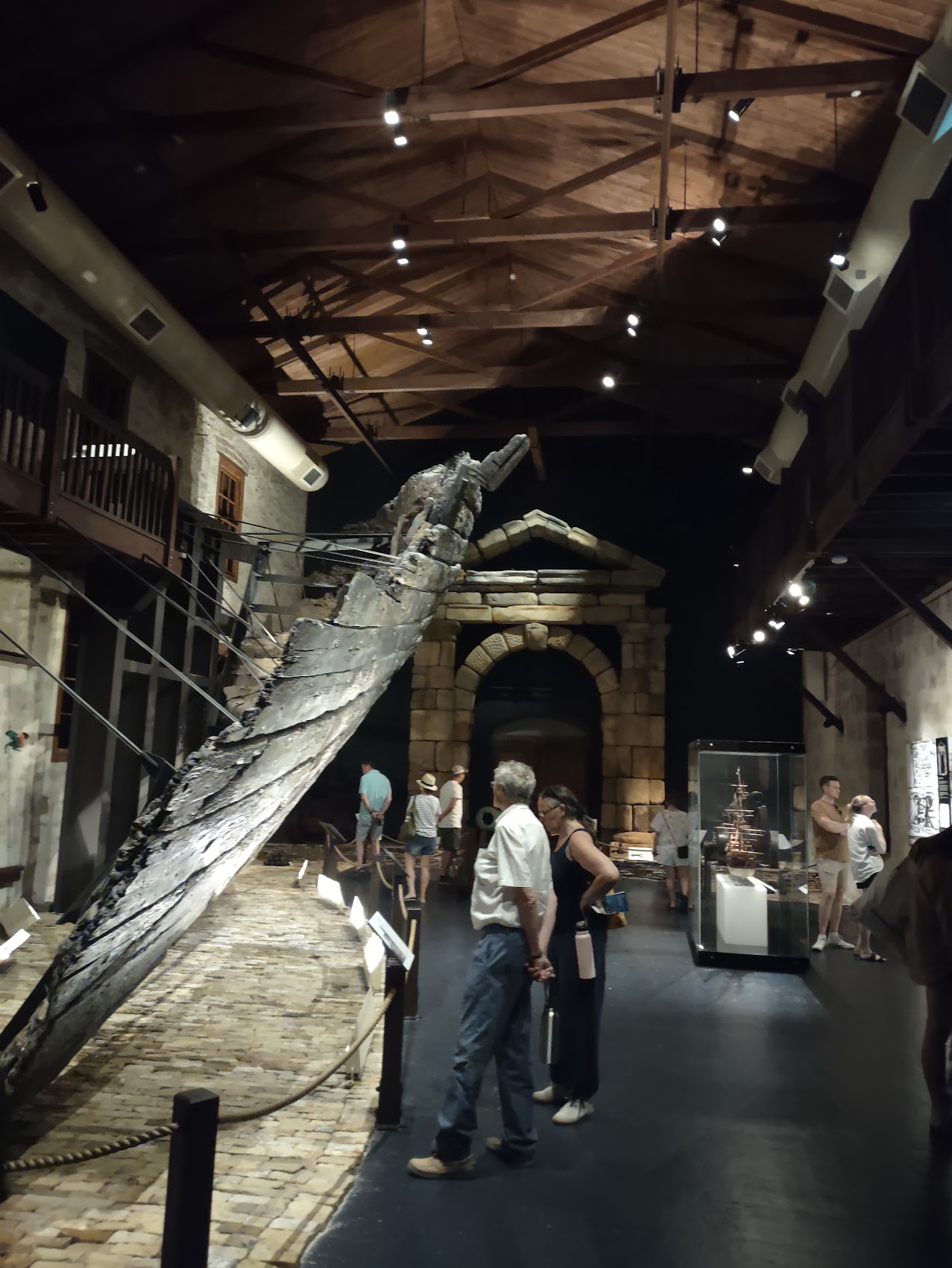
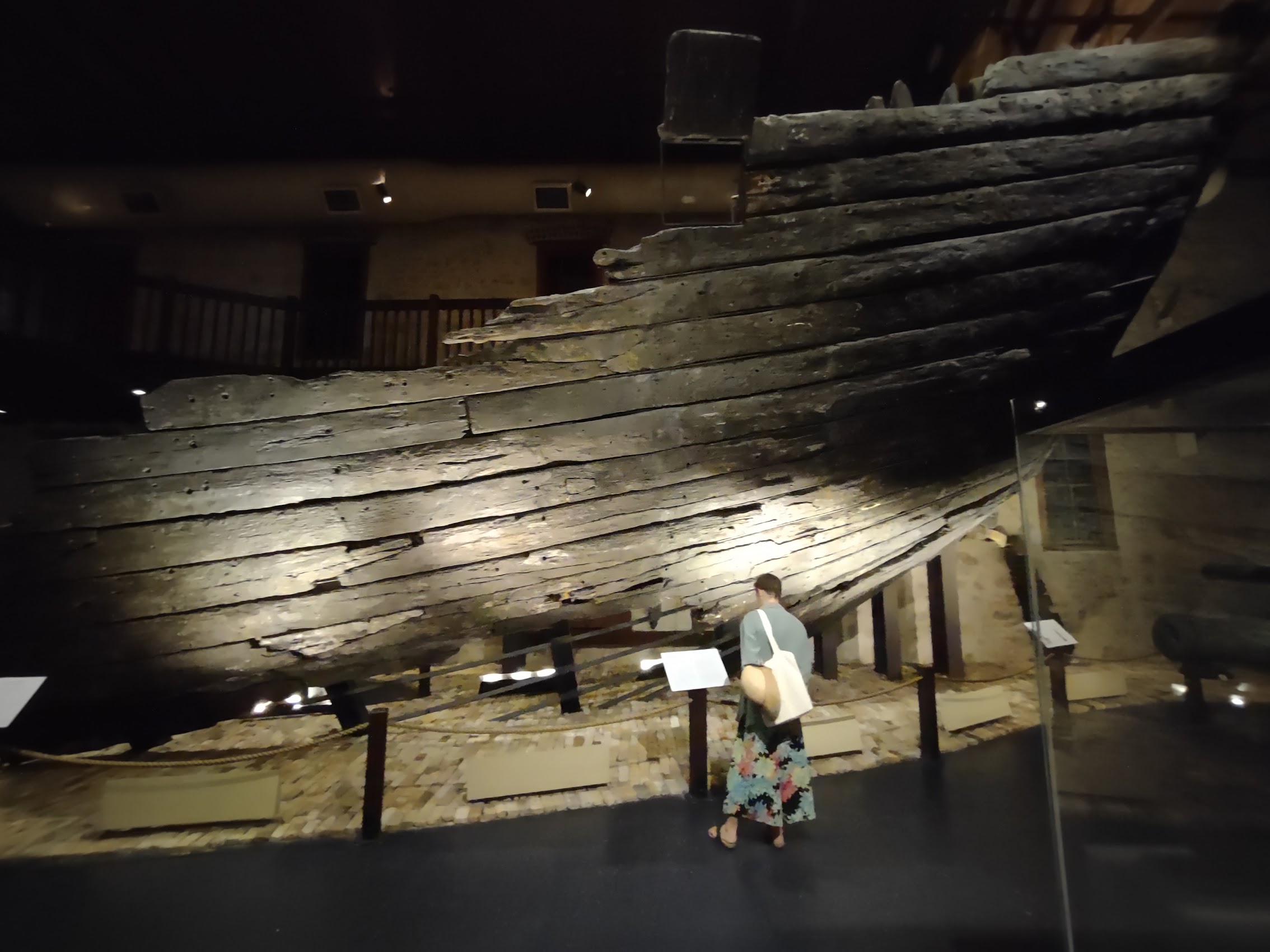
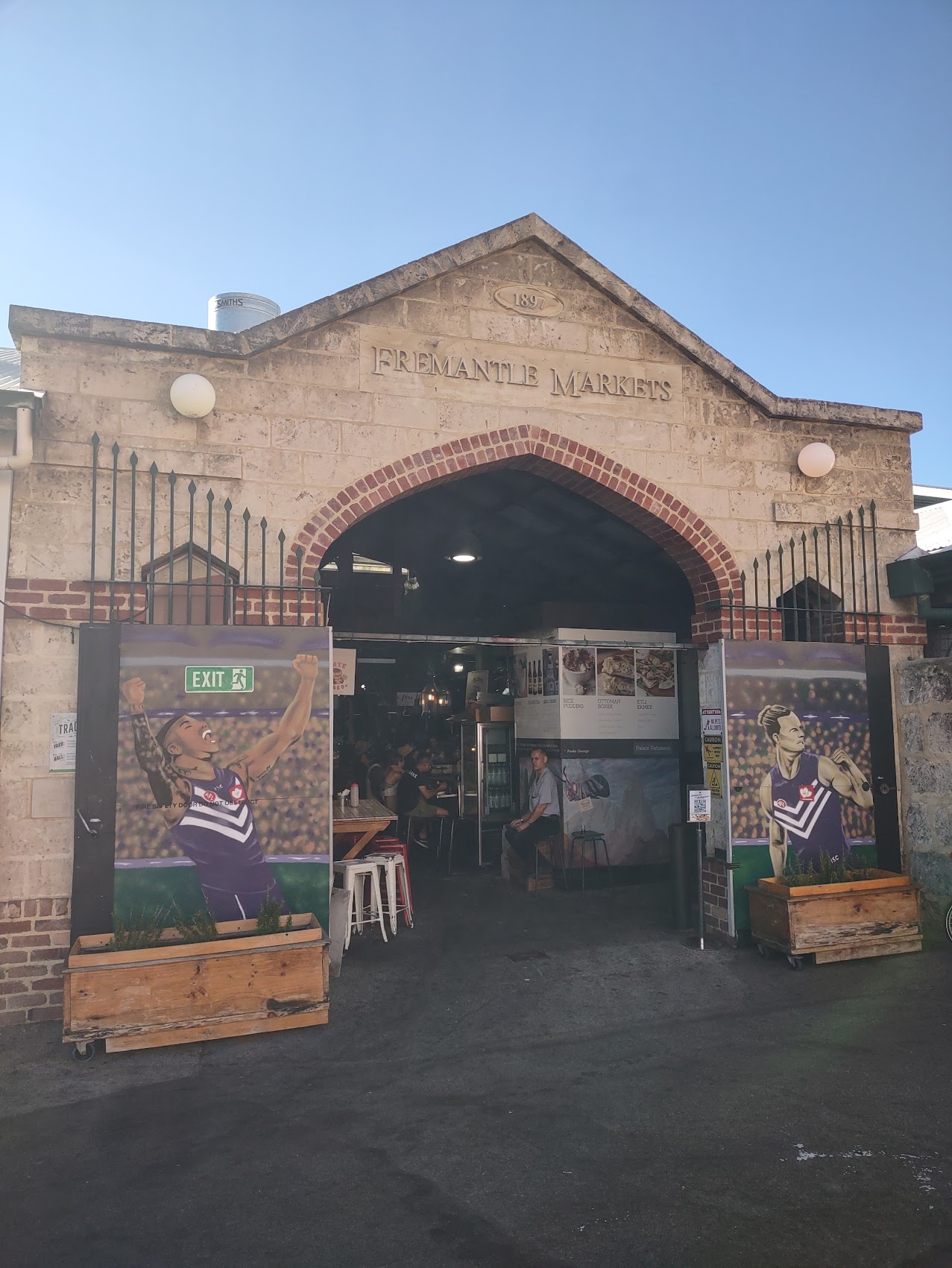
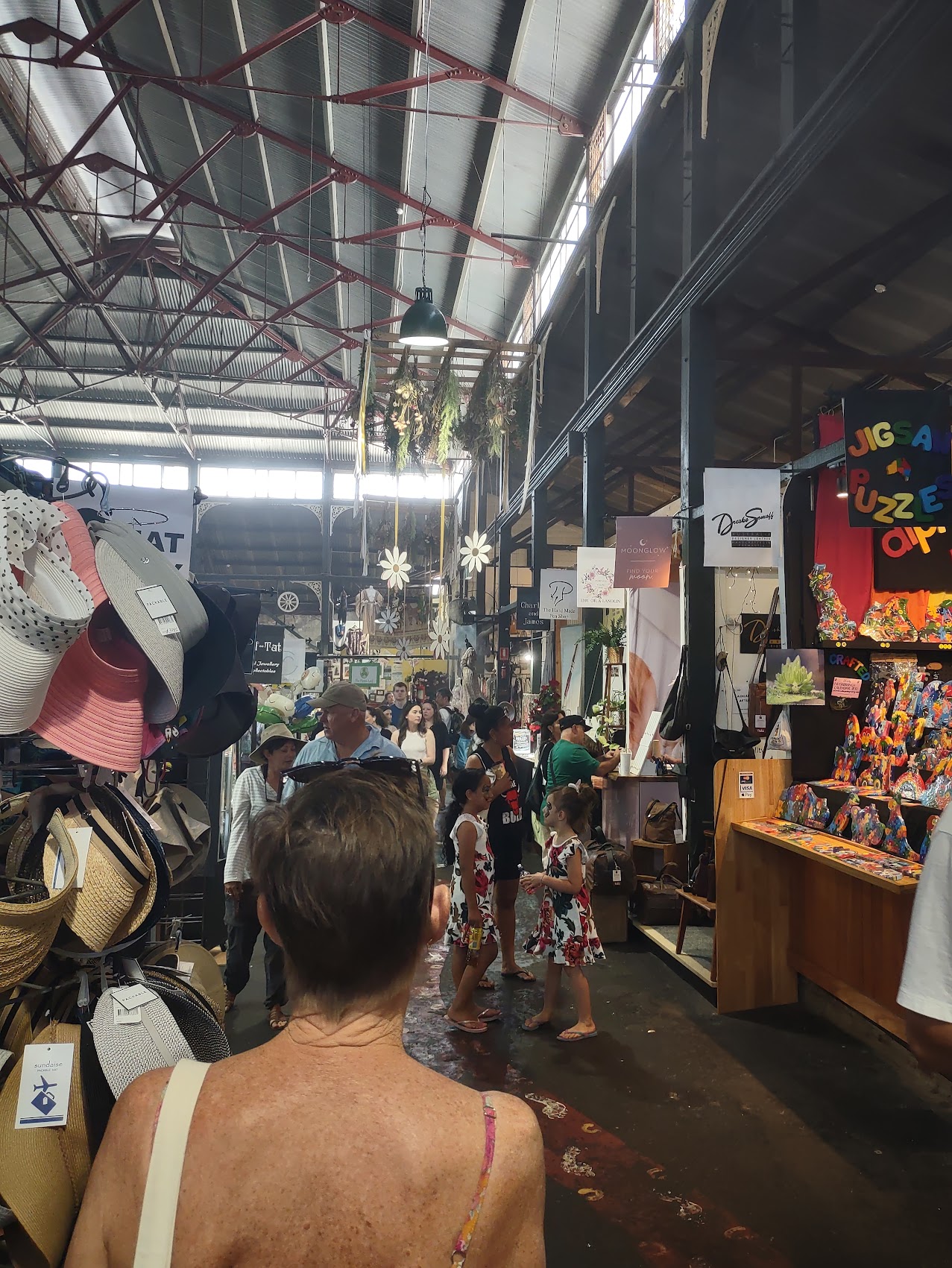
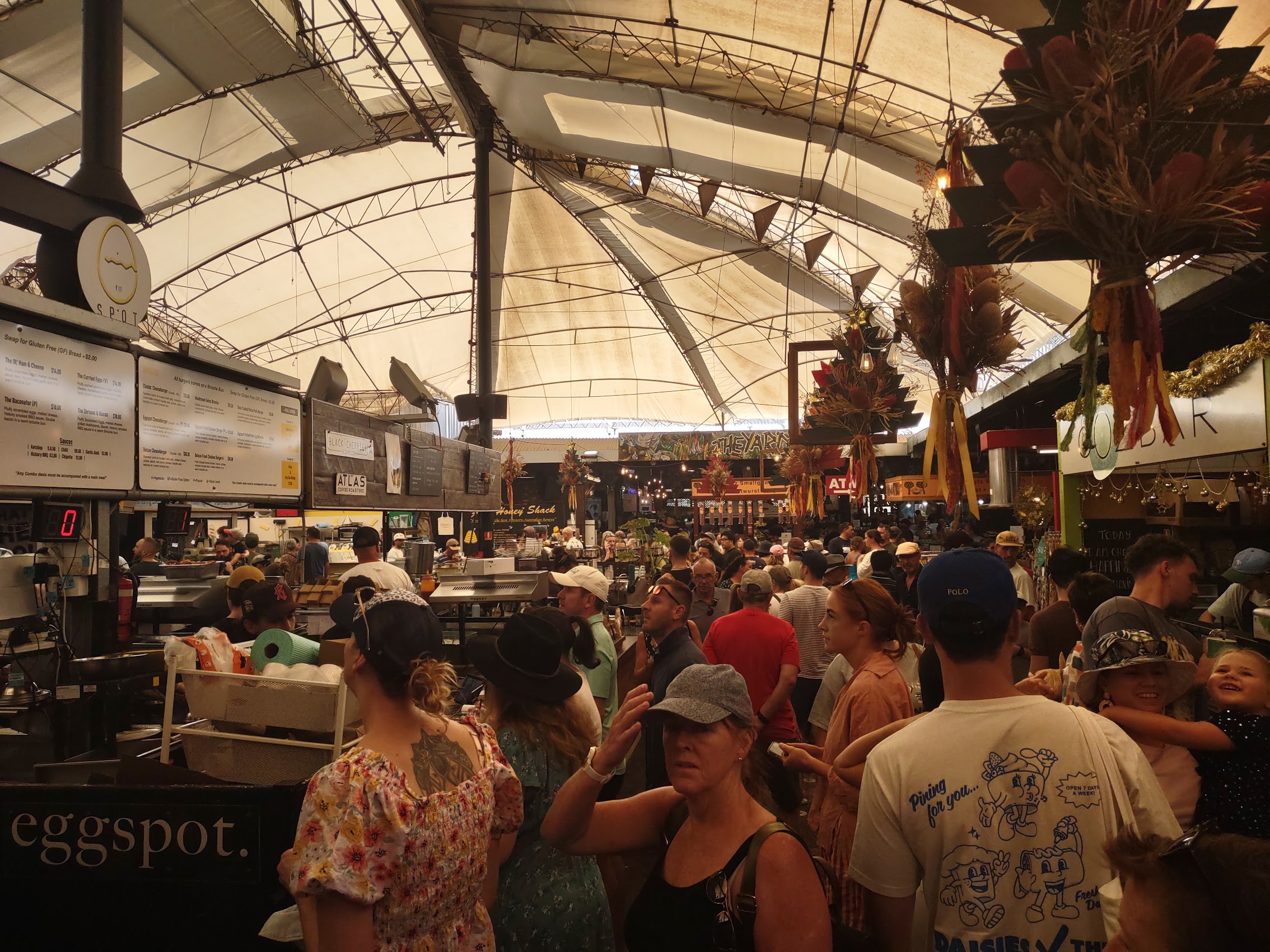
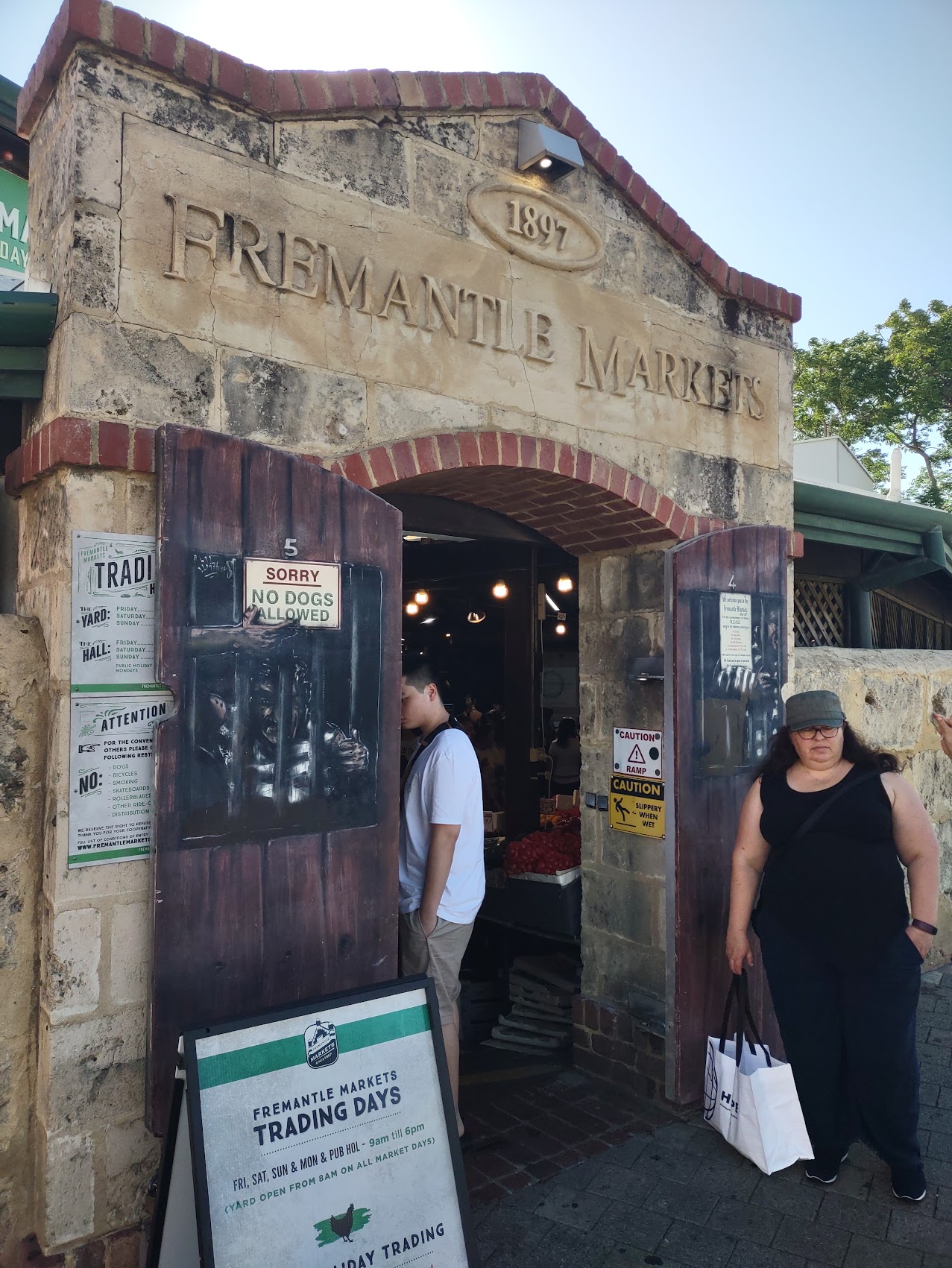
Despite (or perhaps because of) its small town feel, Fremantle is a popular destination for Australian tourists, both for day trips and weekends, as well as extended stays, so there are also a lot of interesting saloons, restaurants, and shops. Probably the most noteworthy is the old Fremantle Markets (reminiscent of the Reading Terminal Market in Philly) housed in a beautiful historic old structure dating back to 1897 which reportedly draws a couple of million visitors every year. When open, it is usually very crowded, but it has what seemed like hundreds of small vendors offering a pretty wide variety of interesting paraphernalia and food and we found ourselves wandering through it on a regular basis, often coming from or going somewhere else.


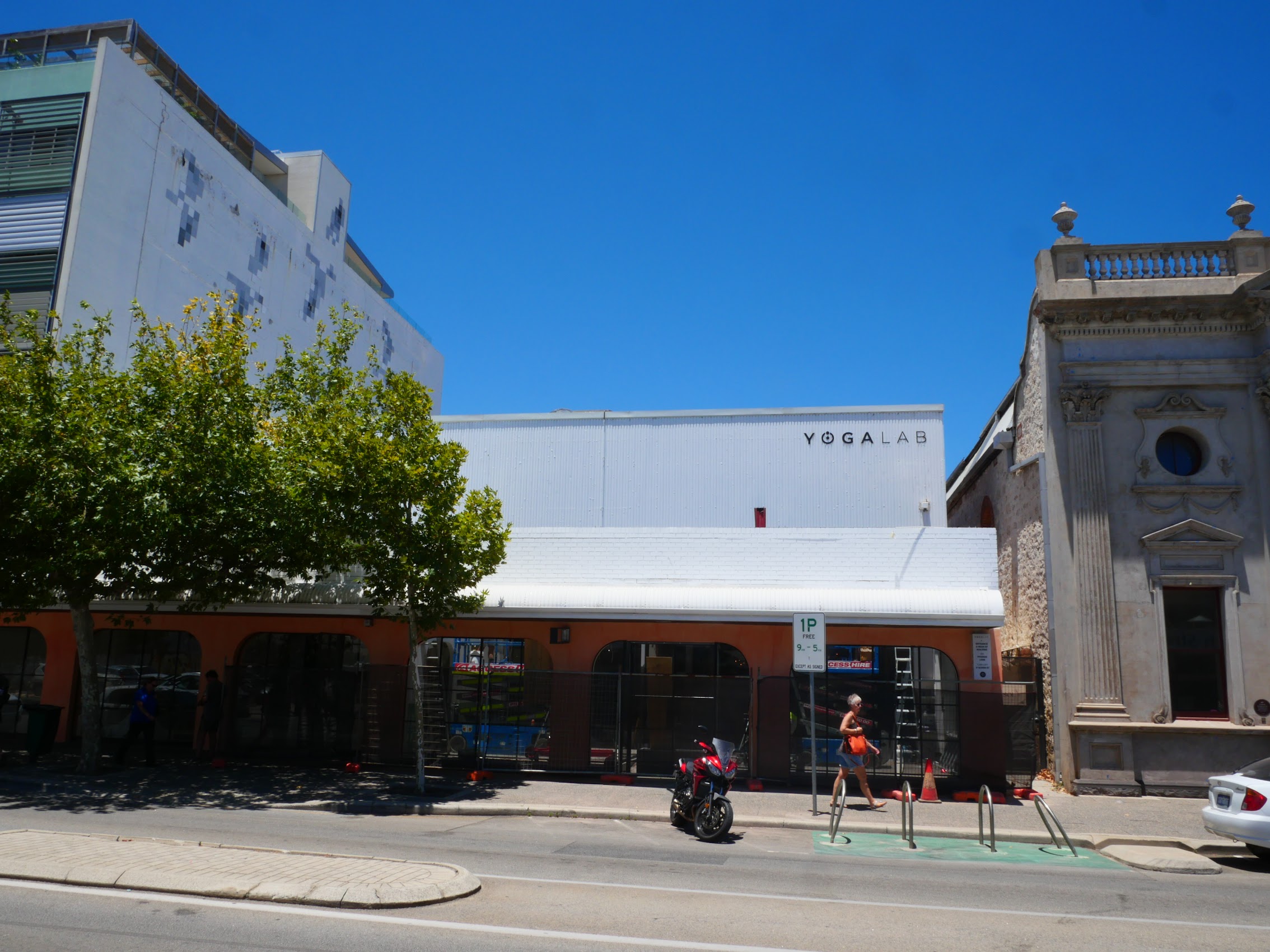
Fremantle Yoga (Colleen)
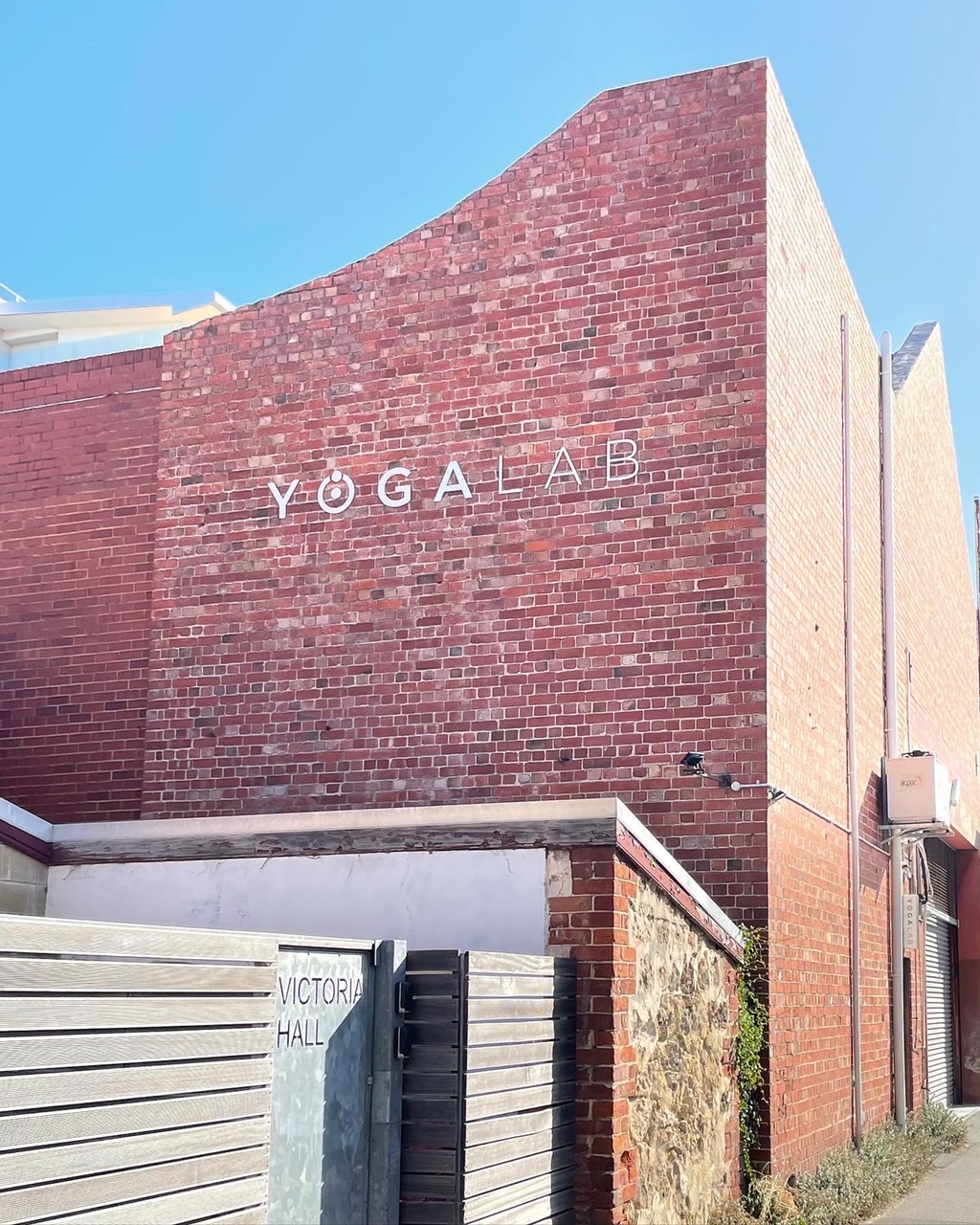
I found Yoga Lab on our first day out exploring. It was conveniently a 5 minute walk (you could actually see it from our balcony) and for $46 I have an unlimited class pass that I can use for the next two weeks. I discovered during my first class that this yoga studio is very popular, with more than 40 people present for class. The building is an old one with the studio located in the upper loft area, a huge space with great lighting and good air circulation, clearly necessary when there are so many participants. So, over the next two weeks I attended a class every day and really enjoyed the positive energy and enthusiasm of many of the yoga instructors. I am hoping that Fremantle’s love of yoga bodes well for the upcoming weeks we’ll be spending in Australia.

South Beach
We arrived in Australia in late December, which is the middle of Summer there, and the sun was quite intense. But Western Australia is quite arid (“it’s a dry heat…”) and the prevailing winds, which come off the Southern Ocean, are quite cool and make the heat of the sun tolerable. (Those winds are known as the “Fremantle Doctor”, apparently because they make you feel better.) Despite the intense sun, high temperatures during the day averaged around 85 degrees, typically dropping to 65 degrees at night which, in our book, is pretty much perfect (no need for AC!).
Given the climate, it’s probably no surprise that we spent a fair amount of our time in Fremantle exploring the various beaches in the area. We passed on the closest one (Bathers Beach) located on the old town’s waterfront as it was small and got quite crowded. (We were there near the end of the school holidays, so there were quite a few families with kids on holiday.) We visited Cattlesloe Beach to the north which was nice, but required a bus or train ride to get to. Leighton Beach was closer, but the view of the container port to the south conflicted with Colleen’s image of Paradise.

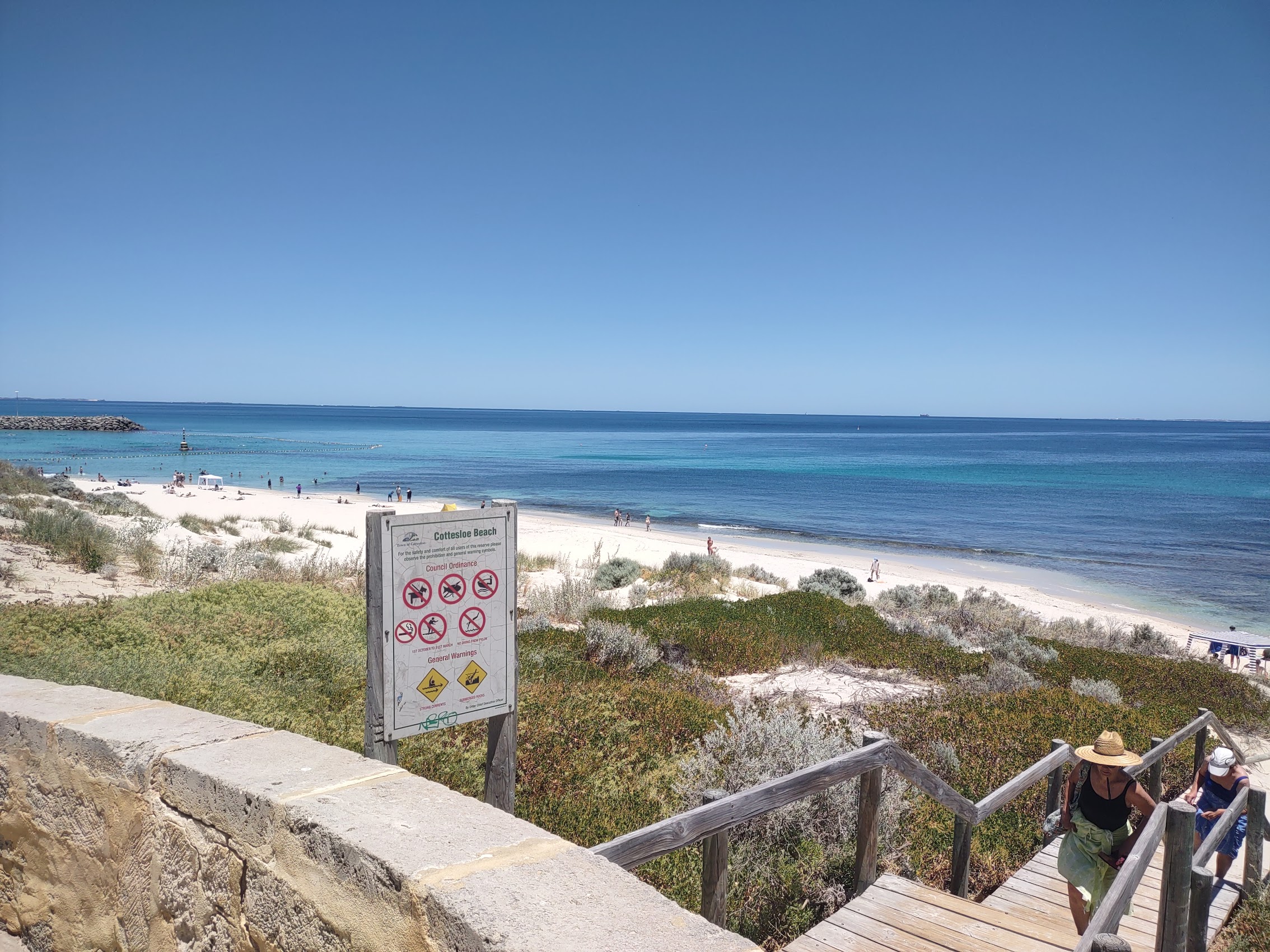

In the end, we settled on South Beach, which was about a 35-minute walk down the coast. The town of South Beach is a bedroom community of Fremantle with lots of cute little holiday cottages along with a some interesting small shops and restaurants and it has a nice bohemian vibe to it. Although there was a bus between Fremantle and the town of South Beach, the walk was quite nice, so we only used the bus once.
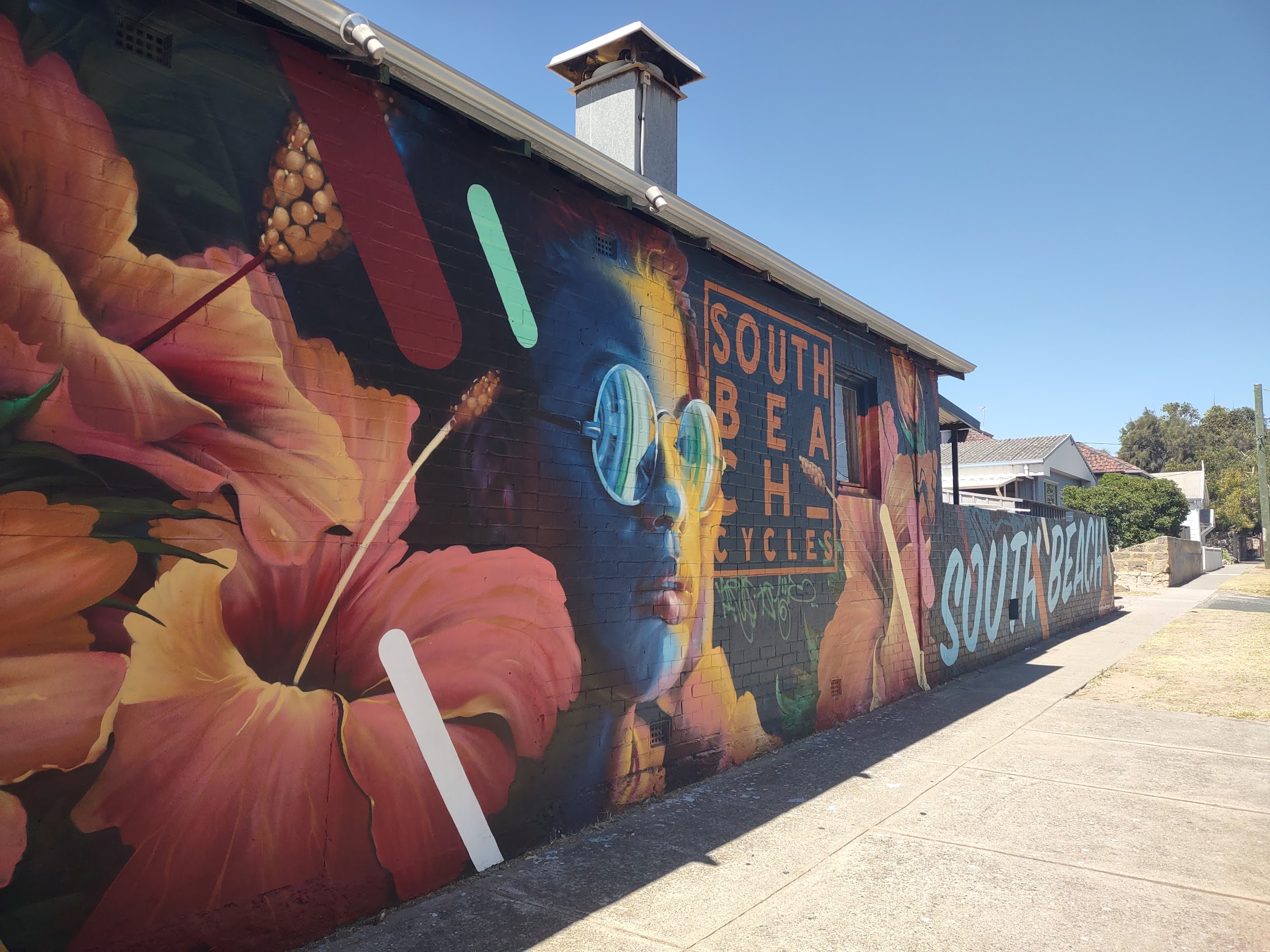
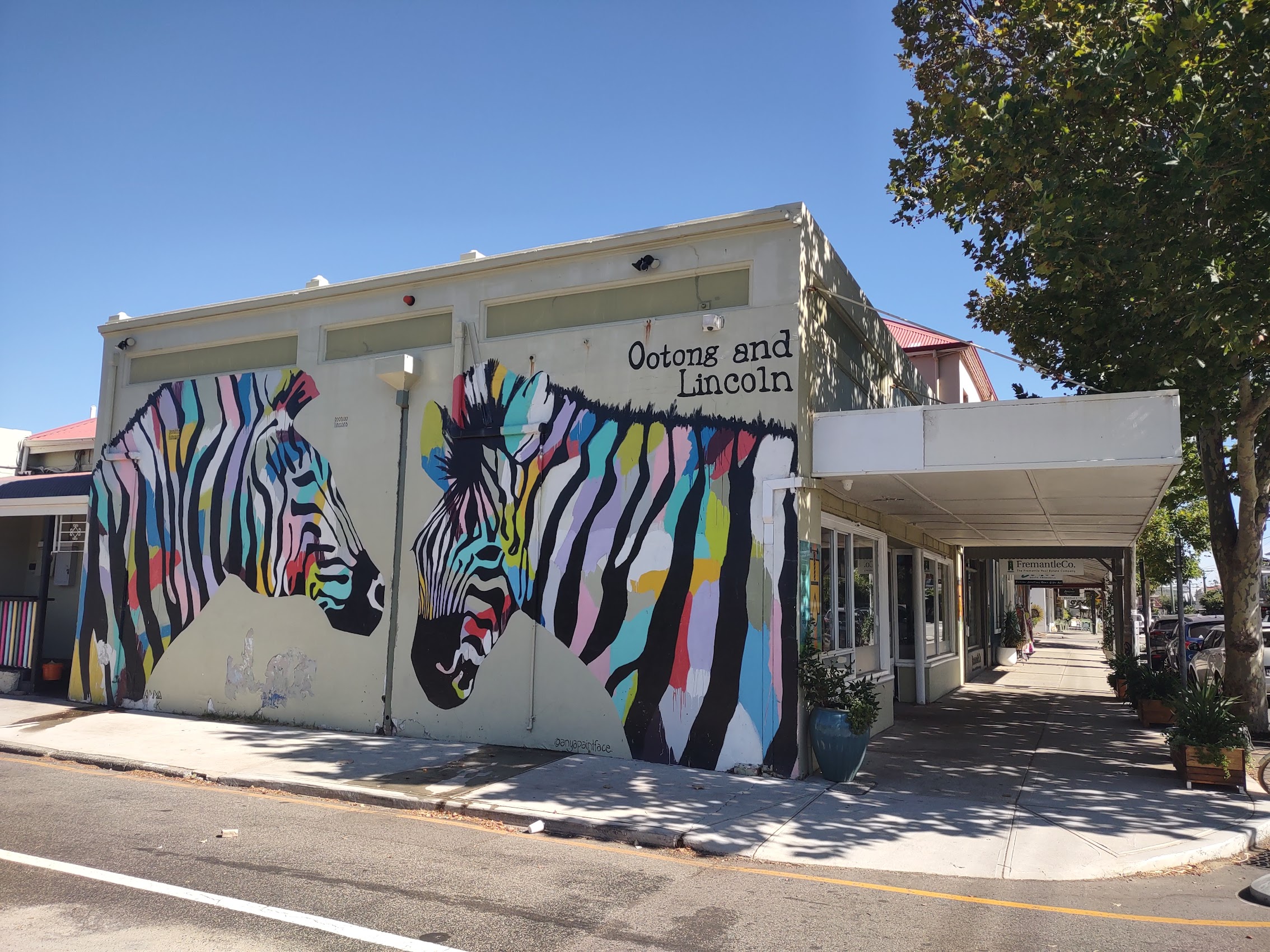
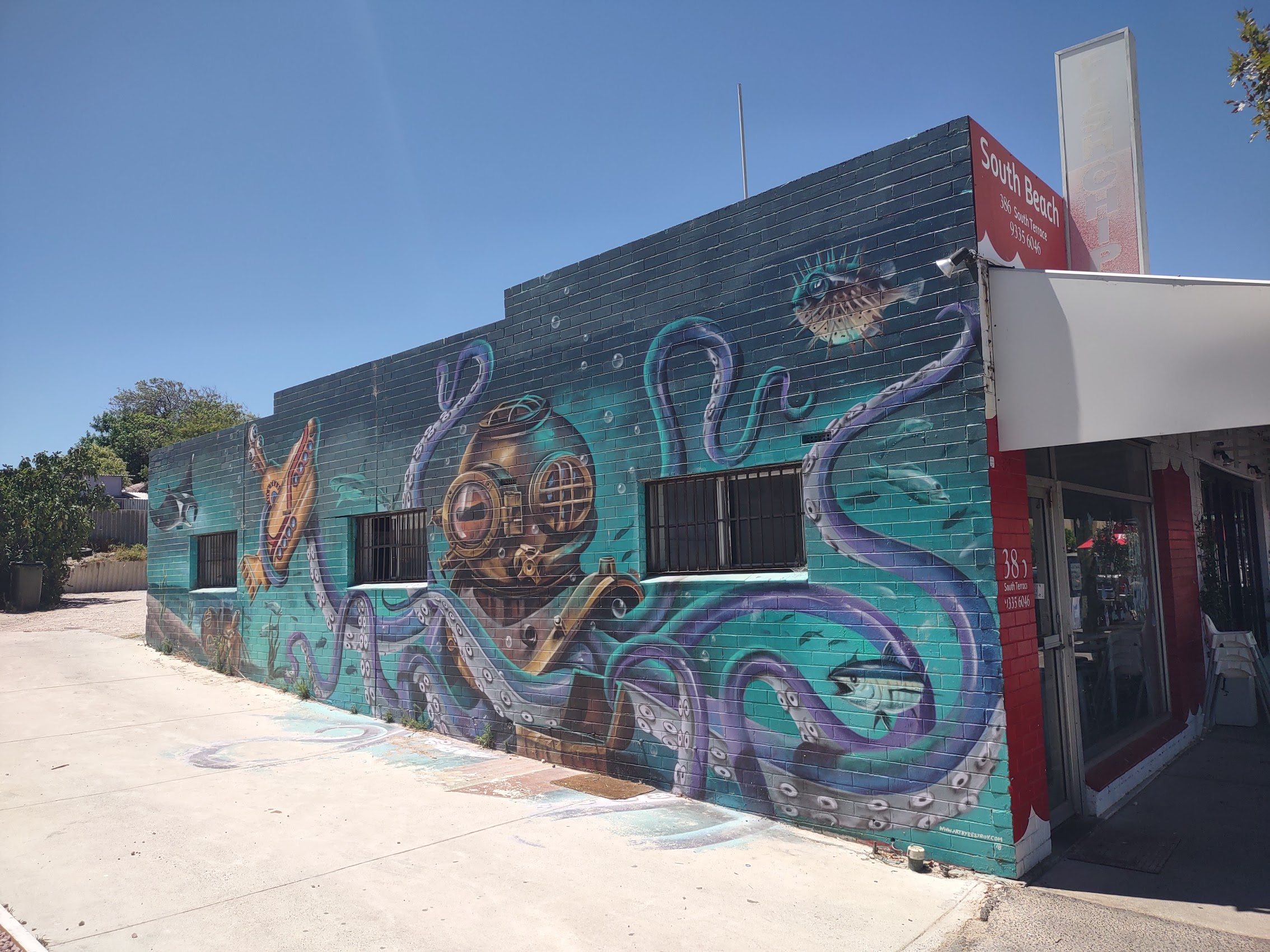

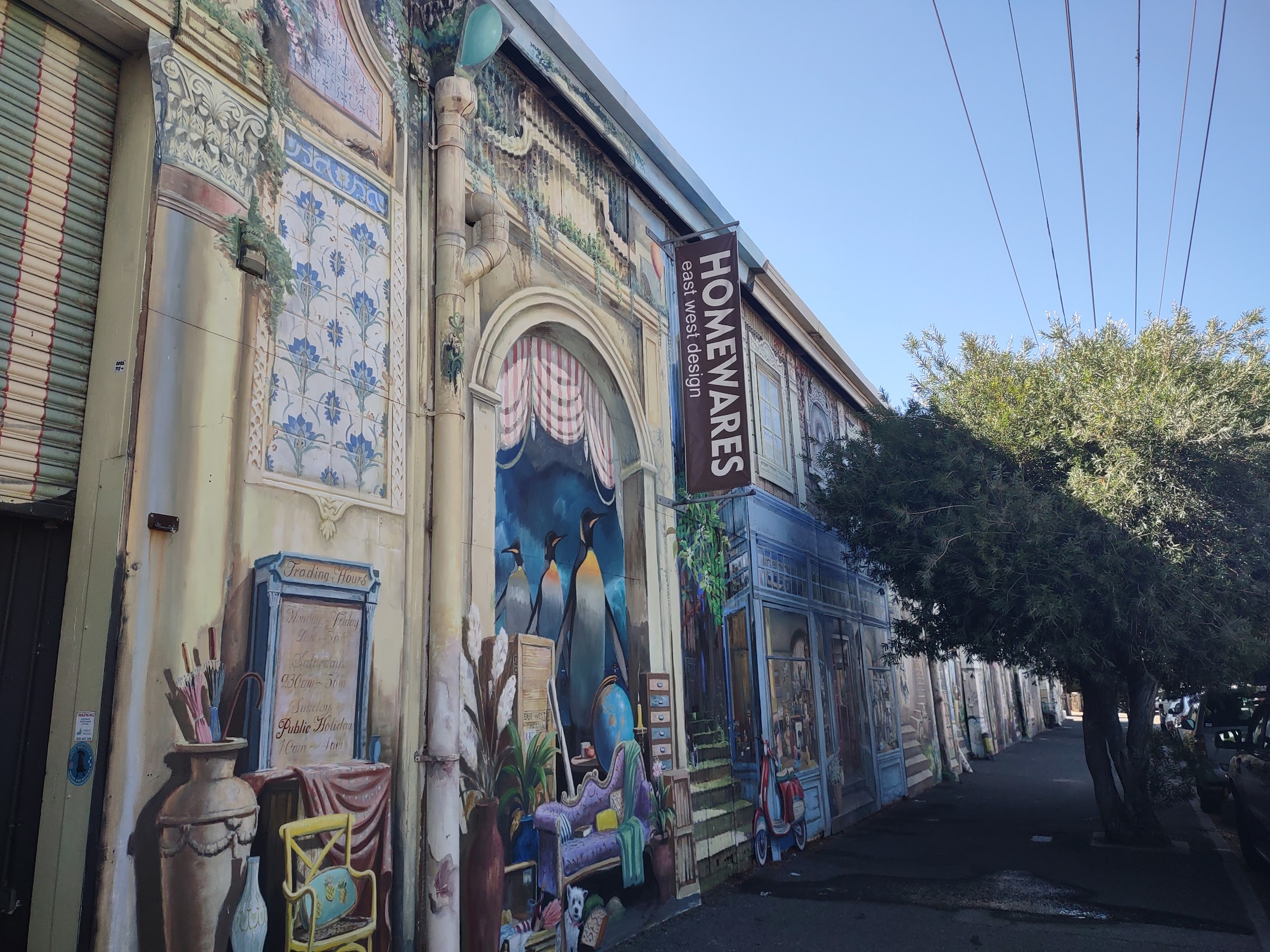
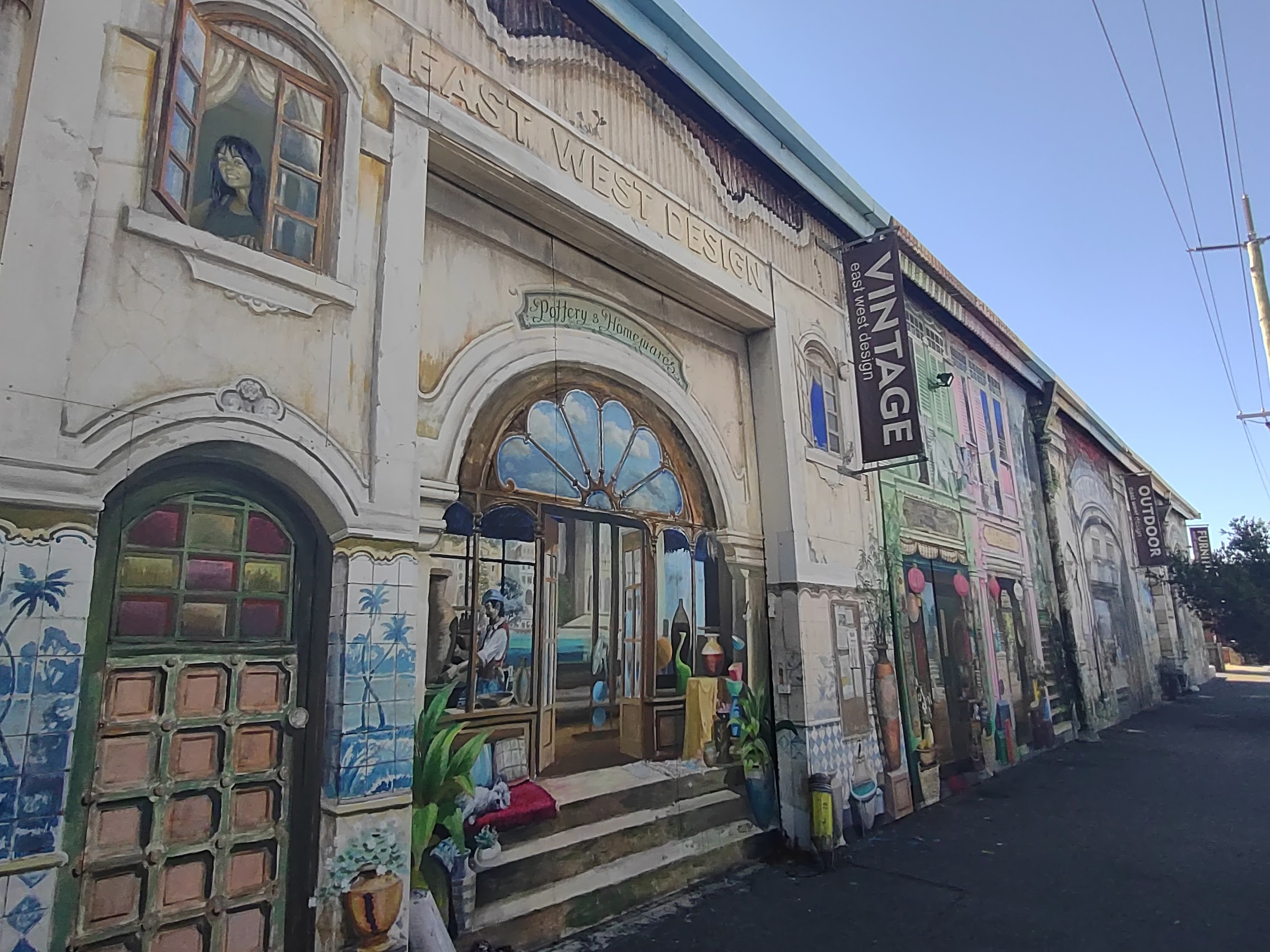
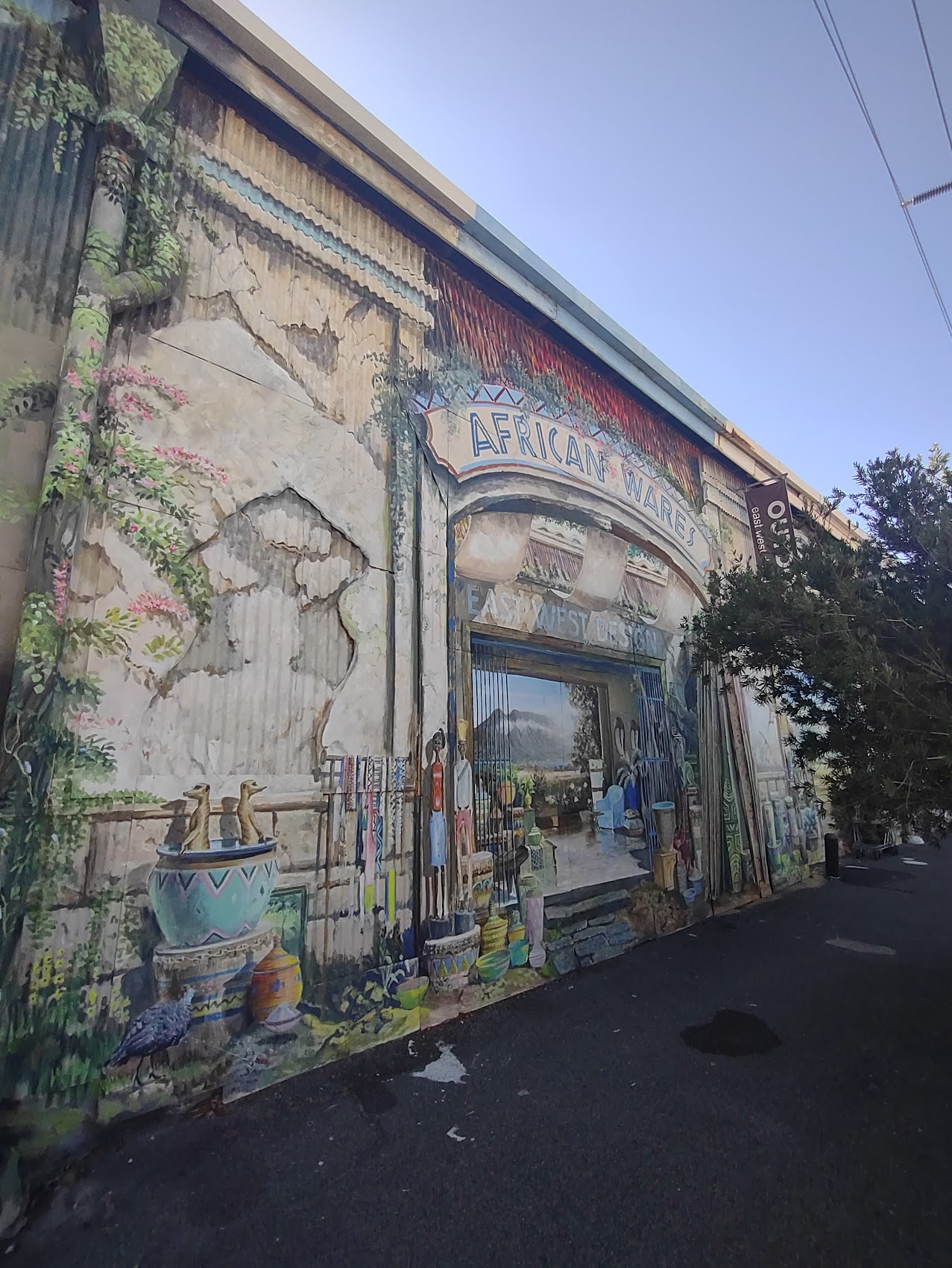
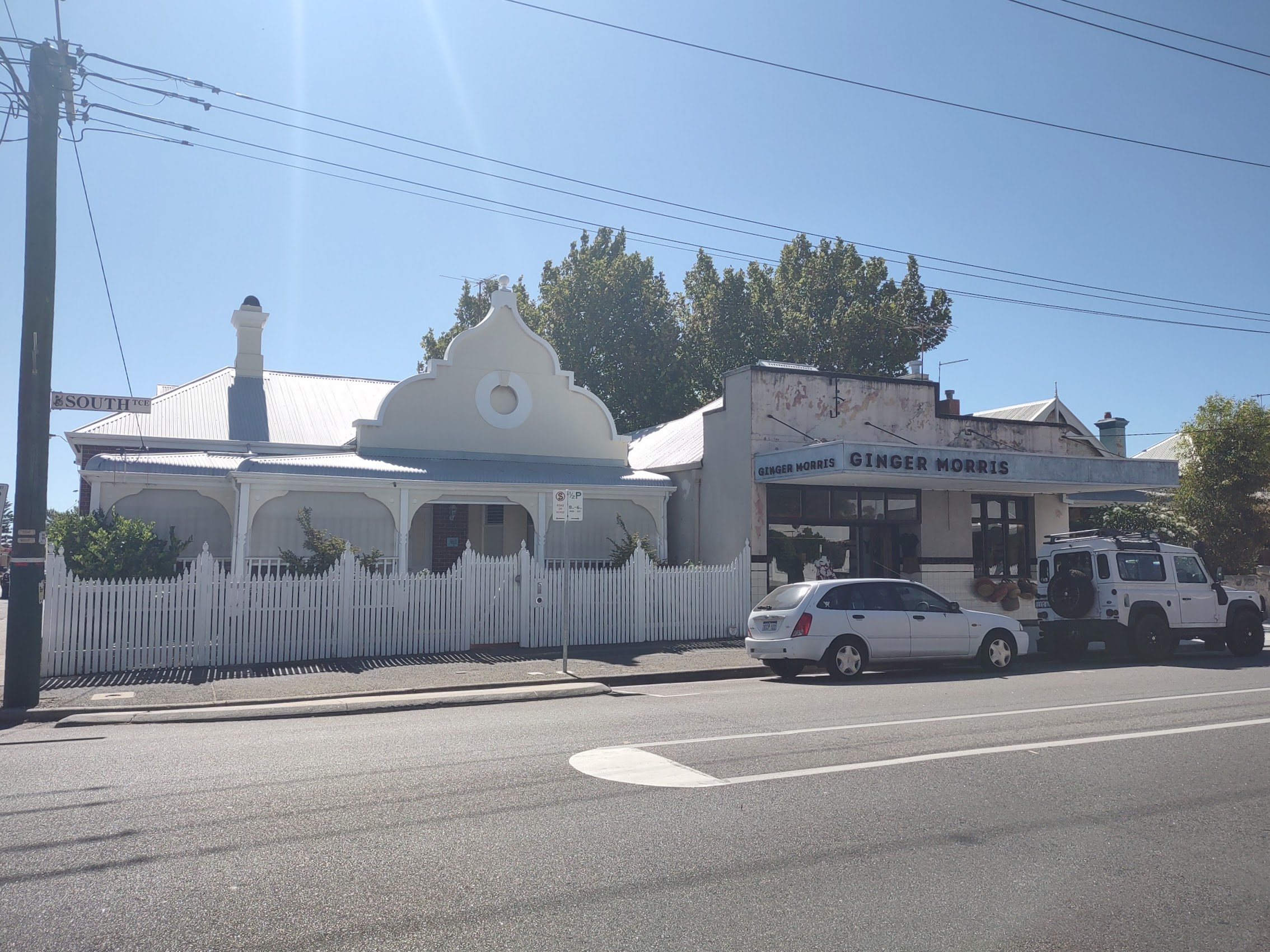
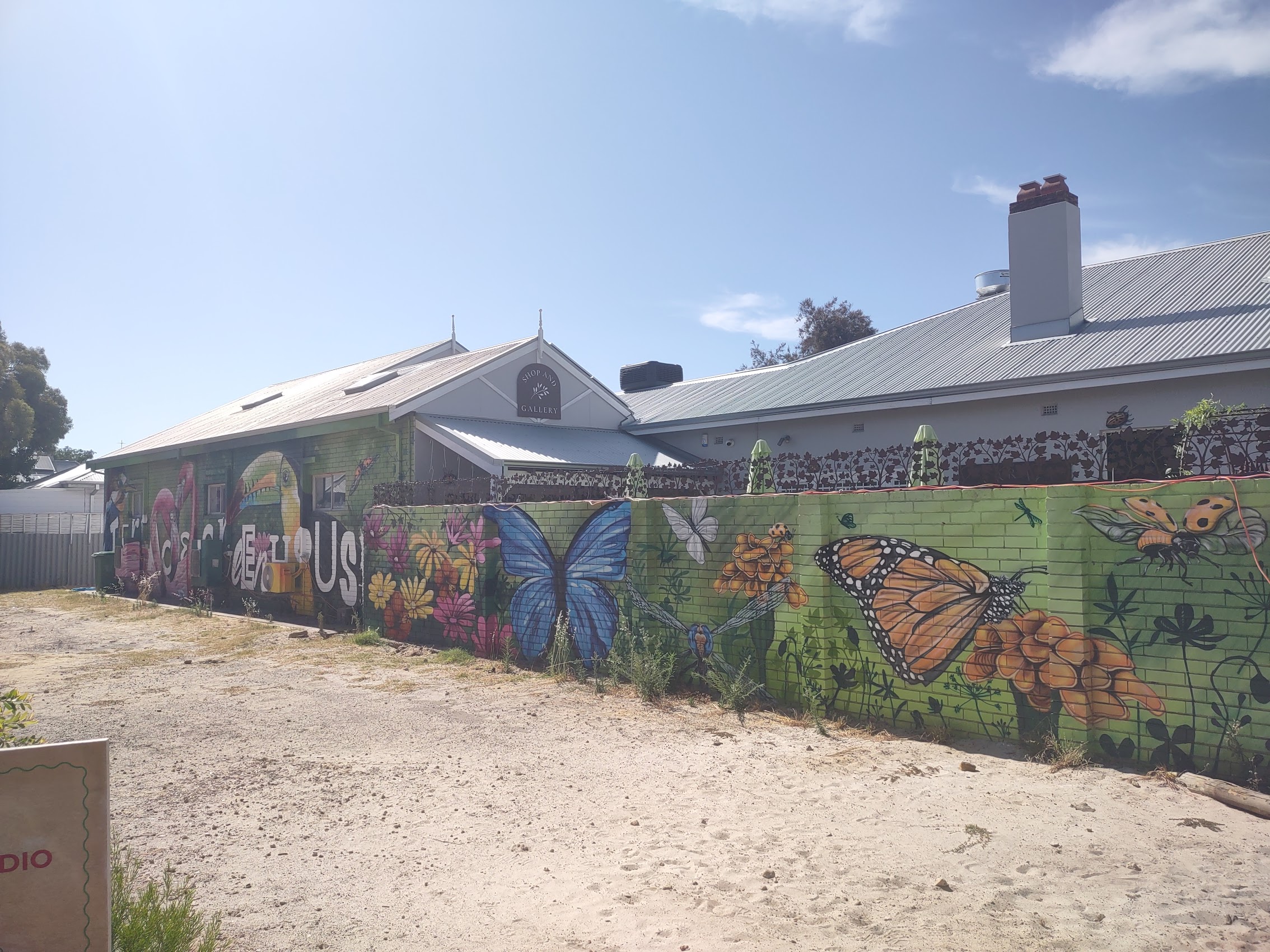

As I said, the walk there through southern Fremantle and South Beach was quite nice and it seemed like we discovered another cool little place every time we made it. Our favorite spot in South Beach ended up being a brewery called Running With Thieves which was just steps away from the beach. They had good food, great beer, and a pink gin lemonade drink on tap that was so good we had to buy a bottle of their pink gin for home use.


Like the other beaches in the area, South Beach had beautiful white sand, but it was a bit wider and longer and (despite all the holiday cottages) it was less crowded than the beaches to the north. One thing we did struggle with a bit was the intense sun and the lack of any shade trees or structures whatsoever on any of the beaches (forgetabout sun loungers and umbrellas).
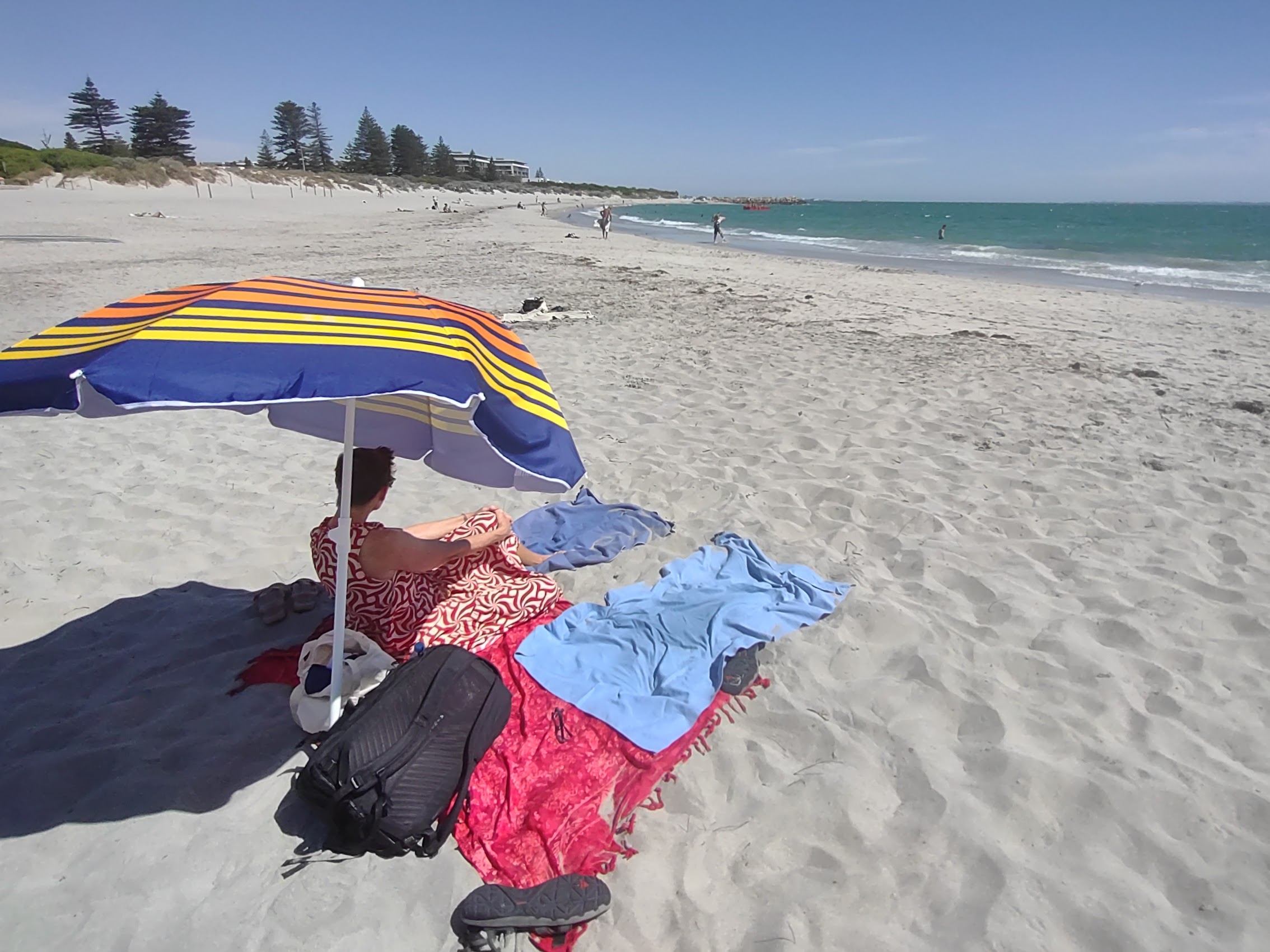
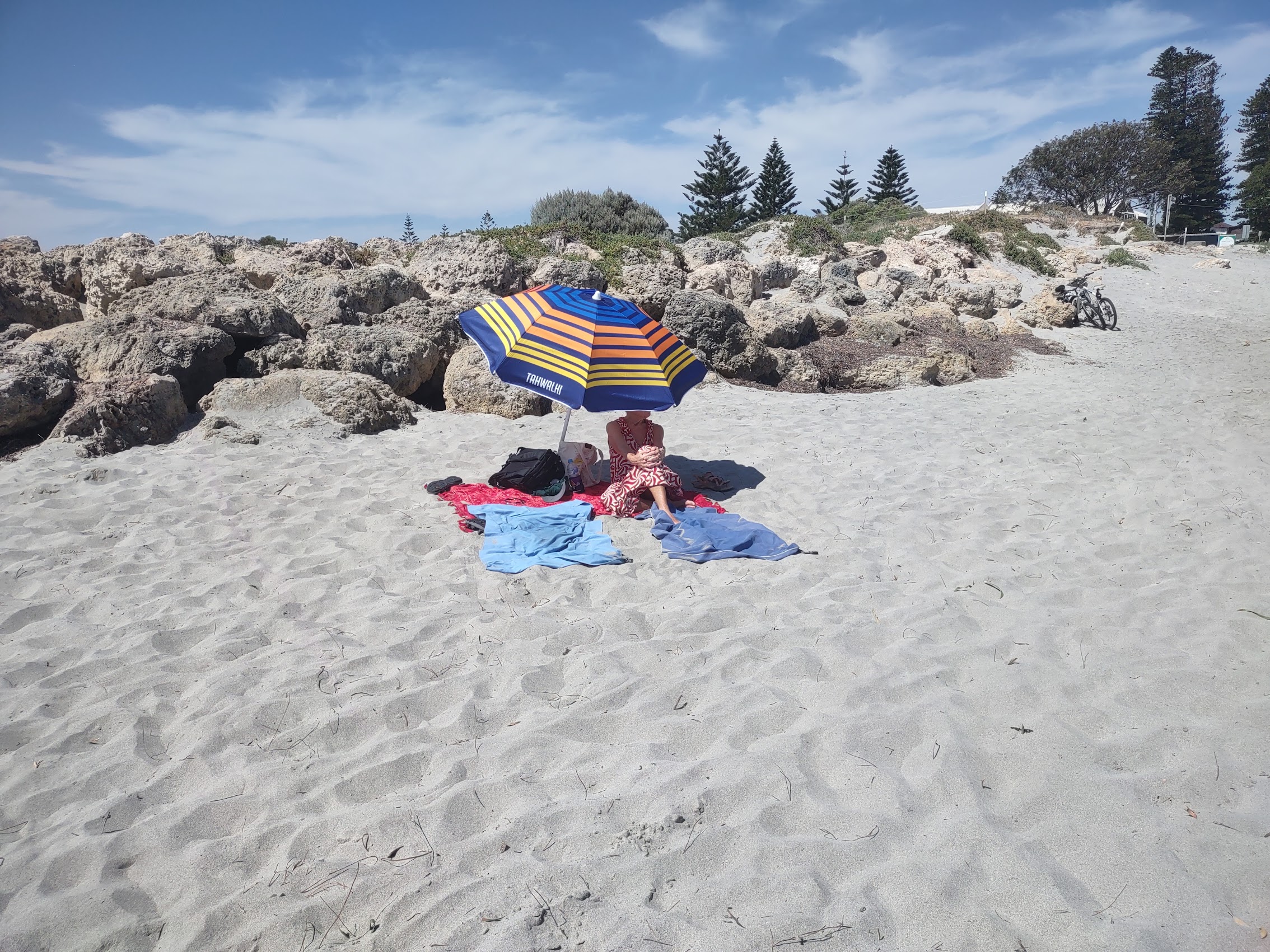
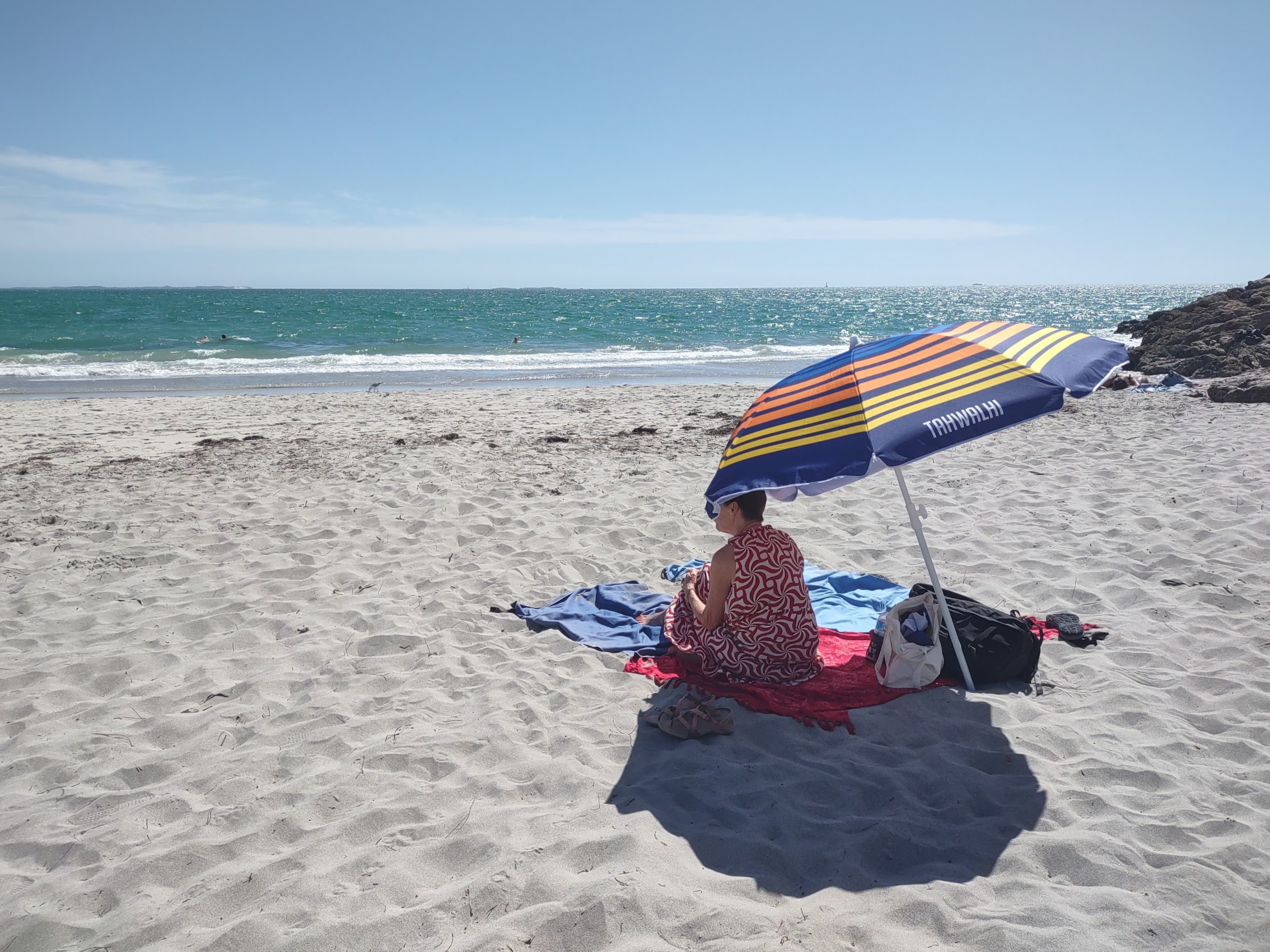
There was a nice park behind South Beach with shade trees, but by noon most of the shady spots were occupied (mostly be families with kids that needed to get out of the sun). We were liberal with the sunscreen and made sure to have clothing to cover up from the sun, but our problem was eventually resolved after we found a reasonably priced beach umbrella (thanks to Peter’s discount) which we figured would get plenty of use between now and the next time we had to get on an airplane in about 6 weeks.
Time with Old Friends
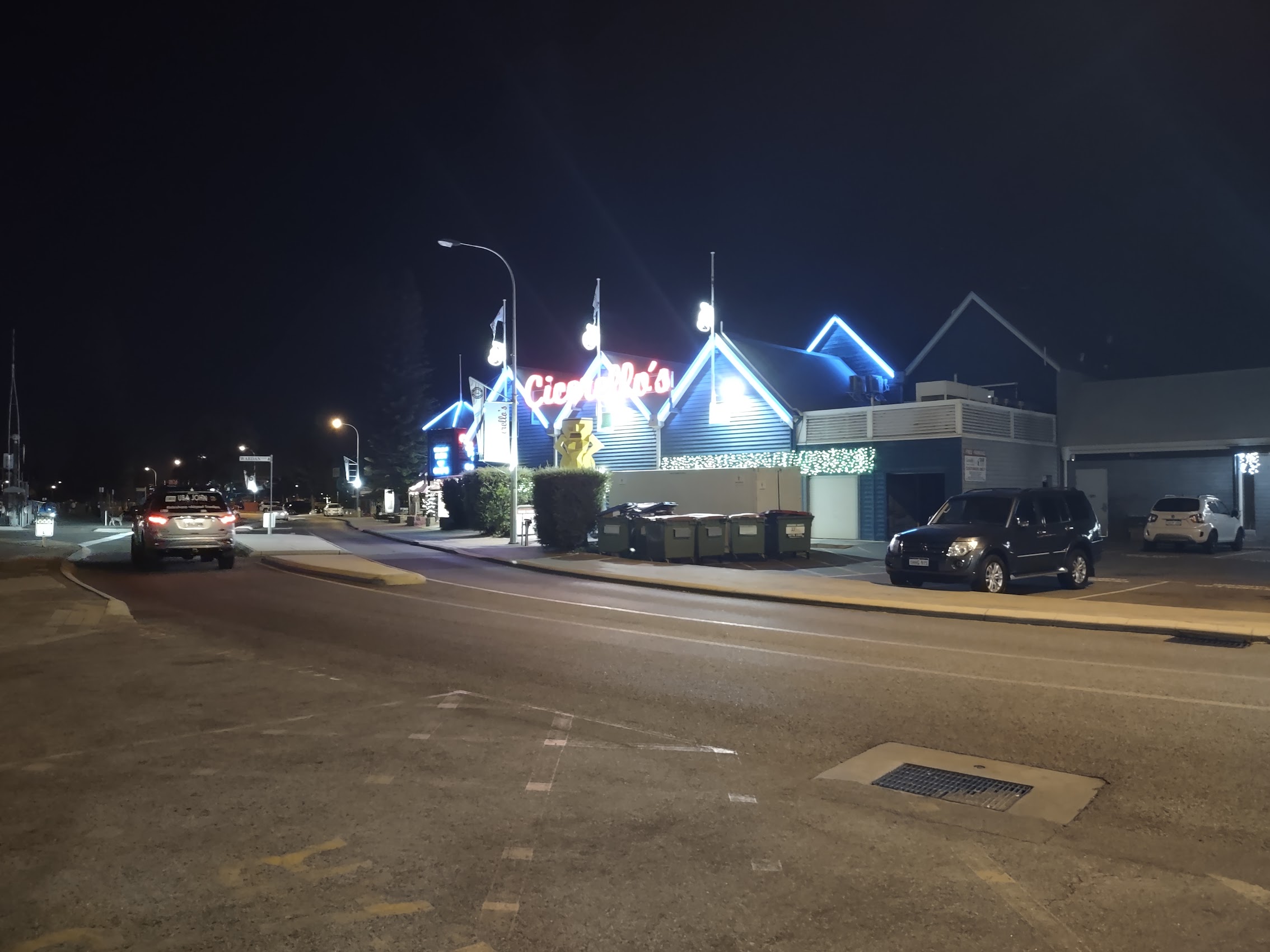
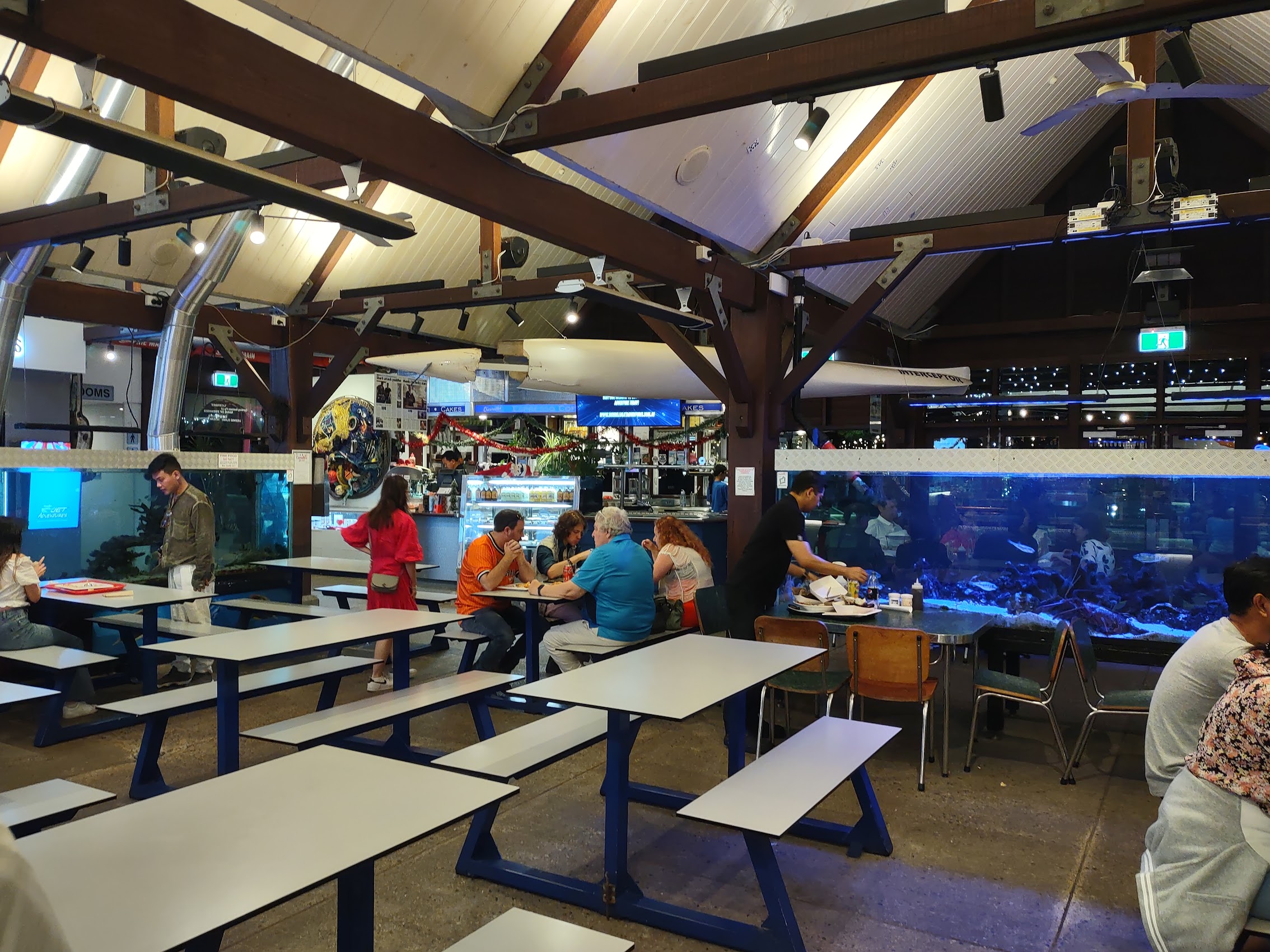
While we spent a fair amount of our time in Fremantle just enjoying its laid-back shore town vibe, we did break up that routine with a couple of visits with my friend Peter and his family. Peter, his wife Uzzo, and their three boys joined us to stroll the waterfront and have a New Year’s Eve dinner at a restaurant called Ciccarello’s which was reputed to have the best fish and chips in Western Australia. We thought not, but, in fairness, they were starting to close up when we arrived. (Who closes at 8 PM on New Year’s Eve?) Food aside, the company and conversation were great and it was wonderful catching up with Peter and amazing to see that his boys had grown into young men since the last time I saw them some 13 or 14 years ago.
We also had dinner at Peter’s home following a day trip into Perth (see below). It was very interesting to see their home in what is more or less a typical suburban Perth neighborhood and we really enjoyed hearing about Uzzo’s work as a travelling Physician in Western Australia in interesting places like Kalgoorlie, an old gold-rush town. It was also very interesting talking with their kids about what it is like growing up in Western Australia where (another surprise) the NBA and basketball are the top sport for them.
Day Trip to Perth
While we were very much enjoying our stay in Fremantle, we were also interested in seeing Perth and made arrangements to take a day trip into the city with Peter, who picked us up from our place and proved to be an excellent tour guide (despite his acknowledgement that Perth is not his favorite city). We had a great day just wandering around the central business district, eating, shopping, and sightseeing. We did have a few purchases we needed to make, (some new walking shoes for Colleen and a cooler in addition the aforementioned beach umbrella) and I have to say that it was actually quite enjoyable (even comforting?) shopping in a large western city (albeit, an expensive one) with all the familiar chain stores.
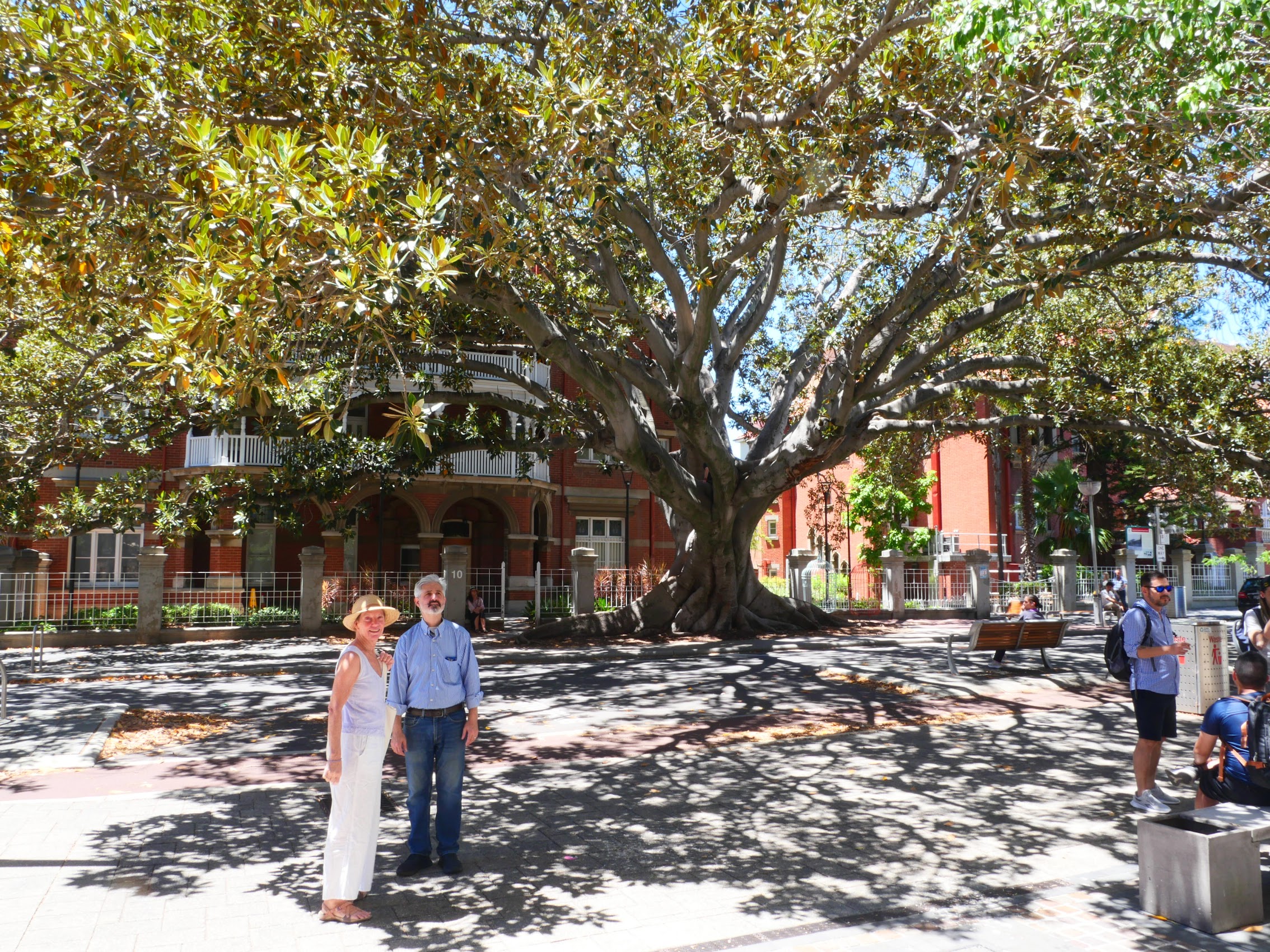


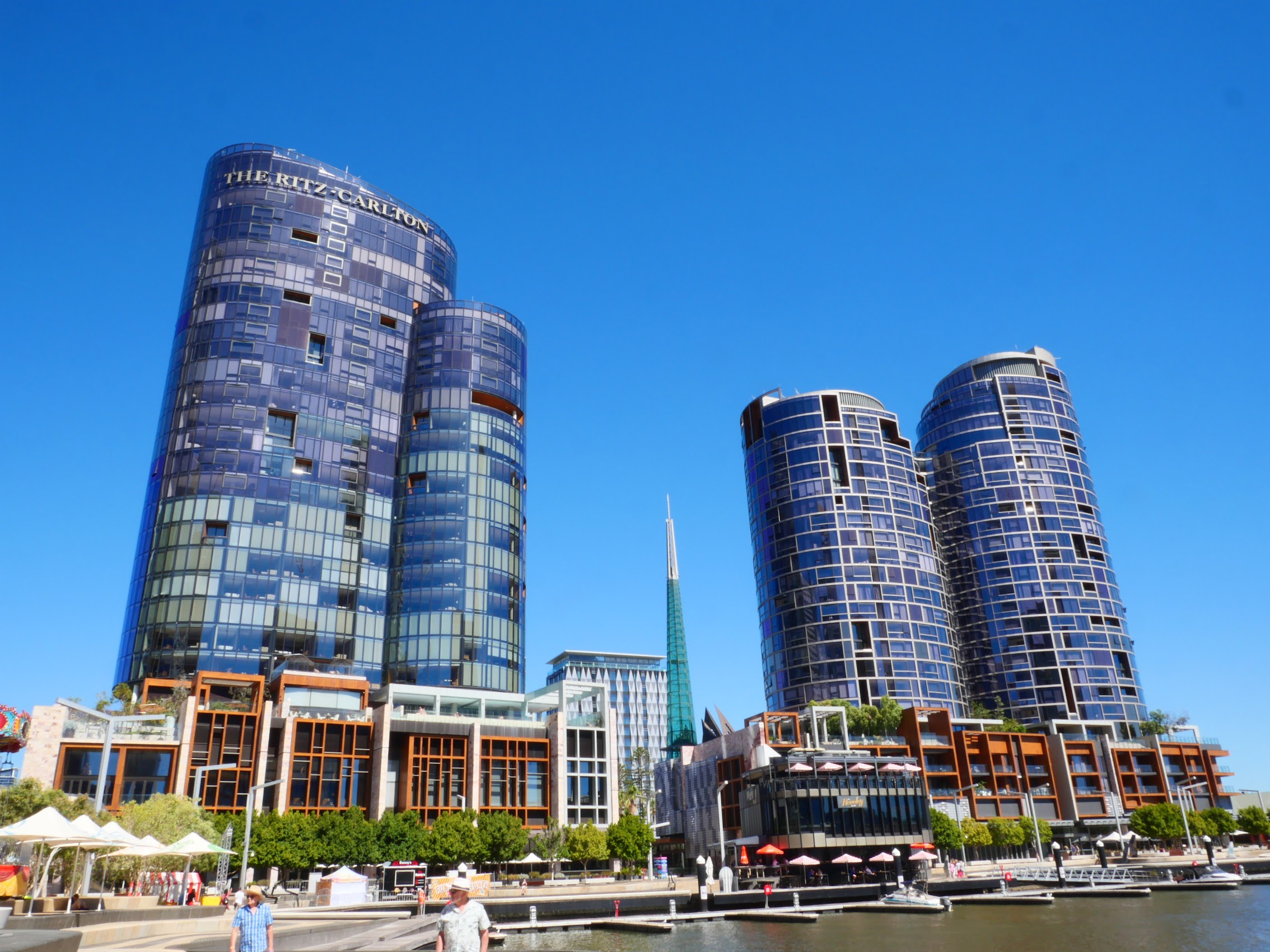
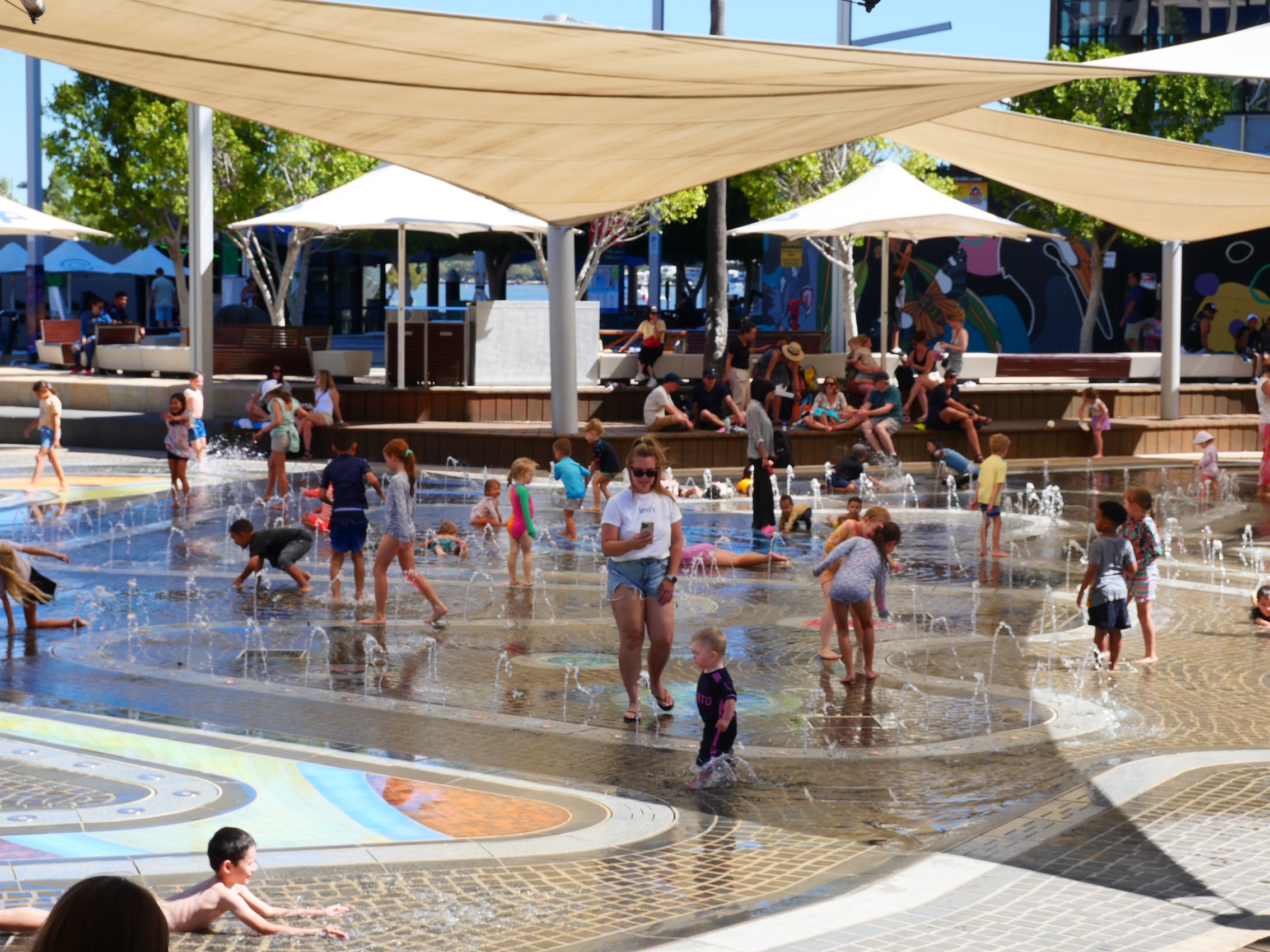
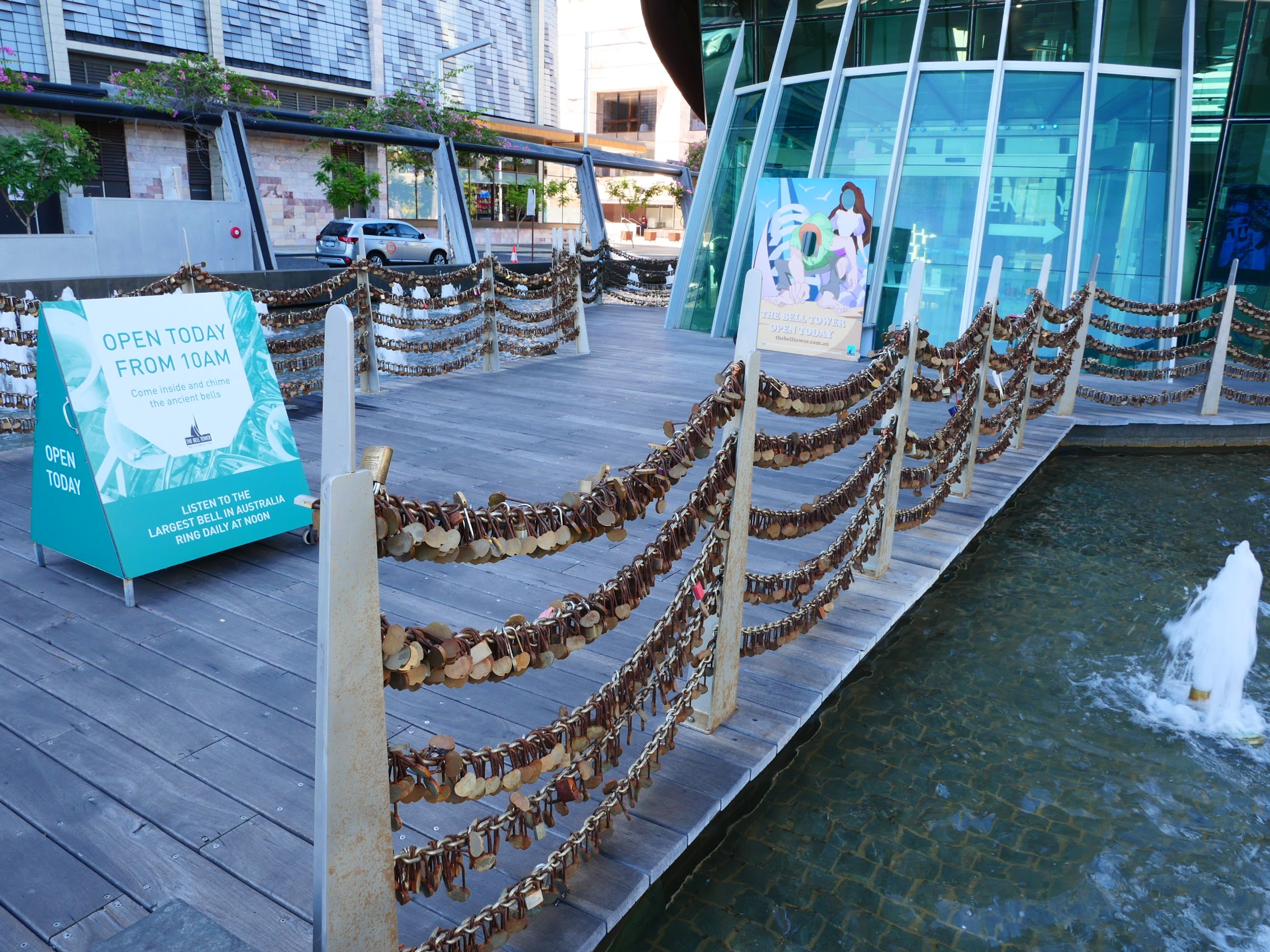
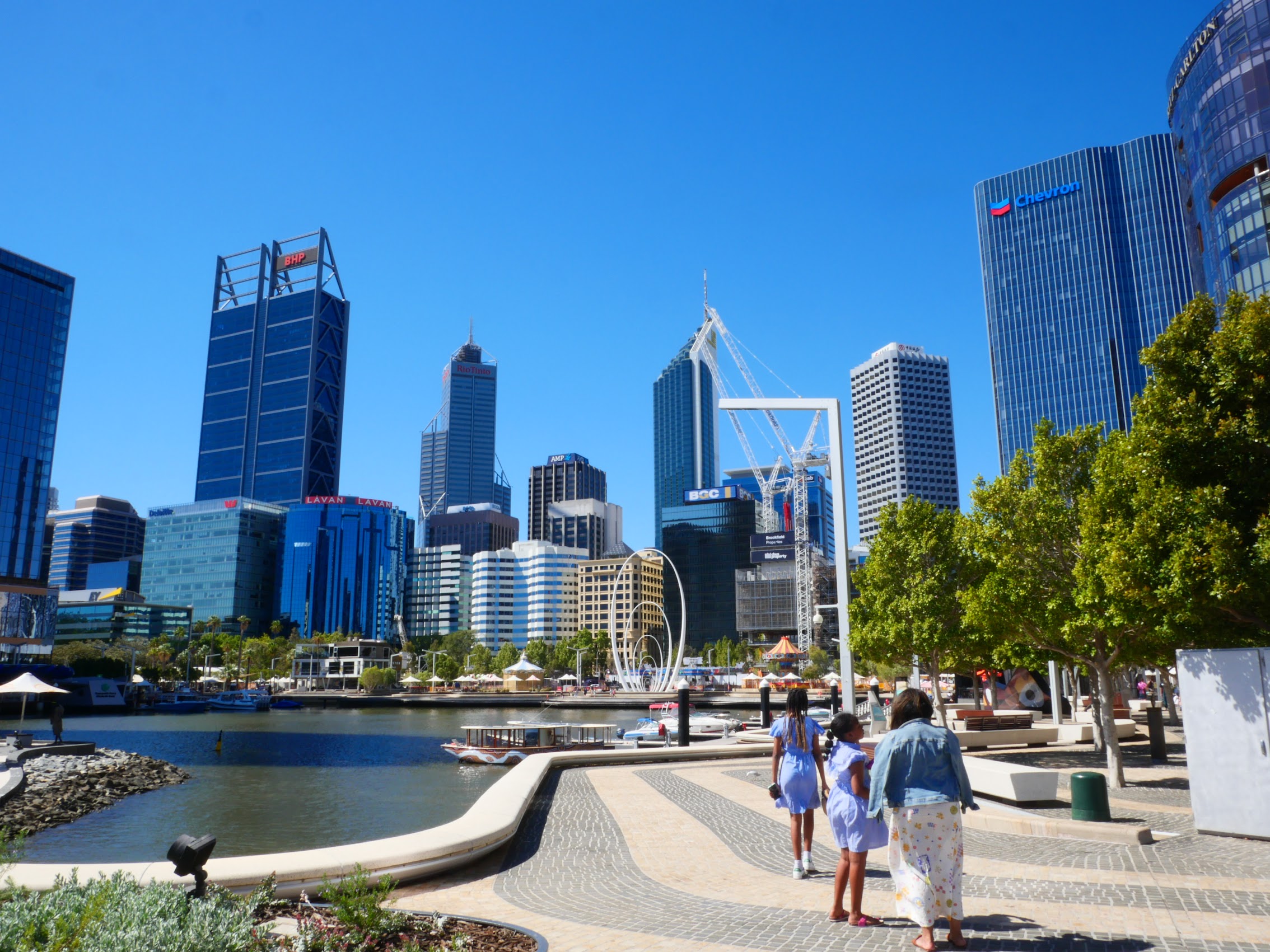
We did make the obligatory stop at Elizabeth Quay with its signature bell tower and a great sprayground packed with kids on holiday. With all the shining new buildings around the Quay provides the picture postcard image of the modern city Perth purports to be, but we were happy to find that there are still quite a few older buildings which have been retained, restored and repurposed.

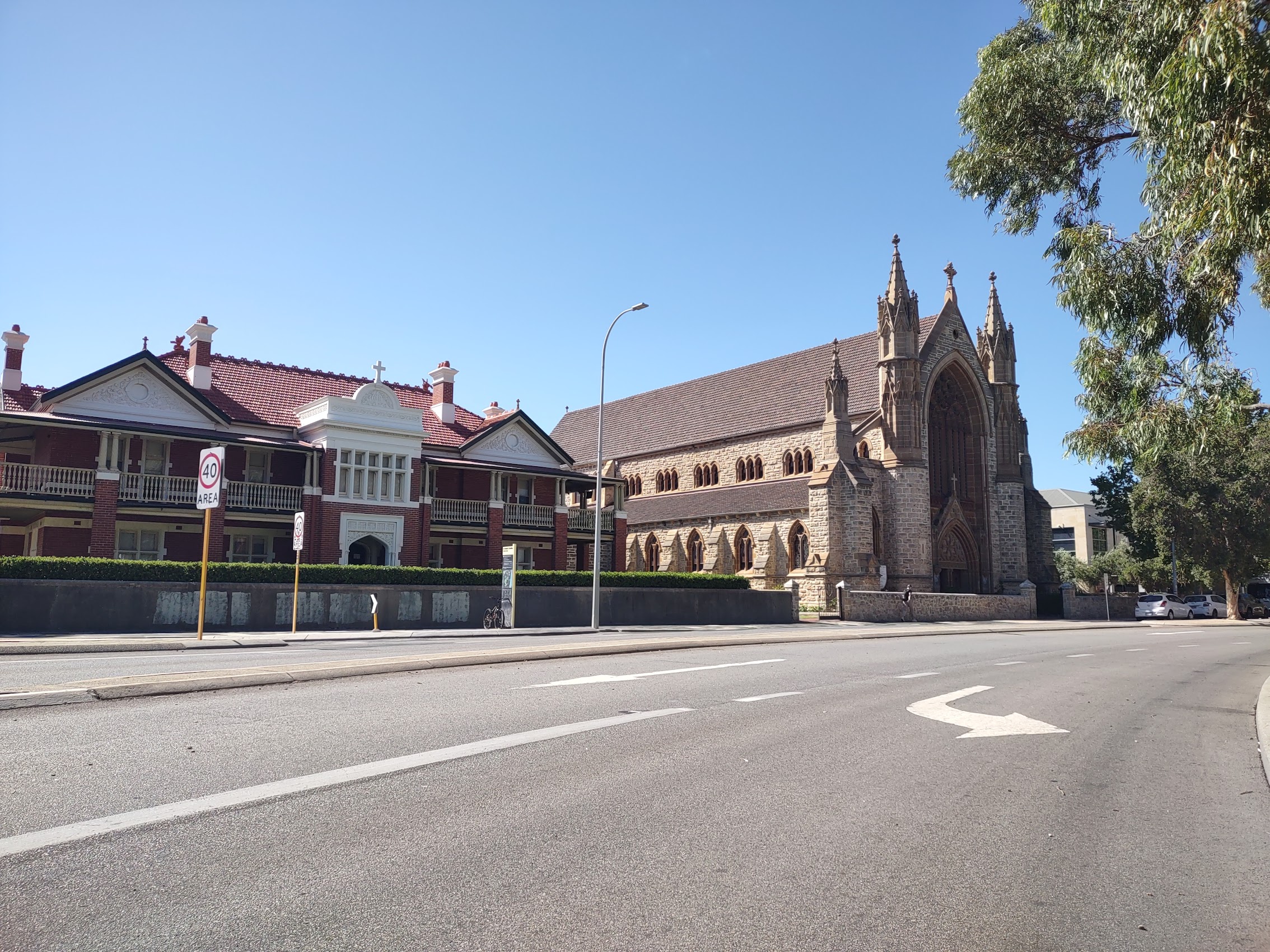
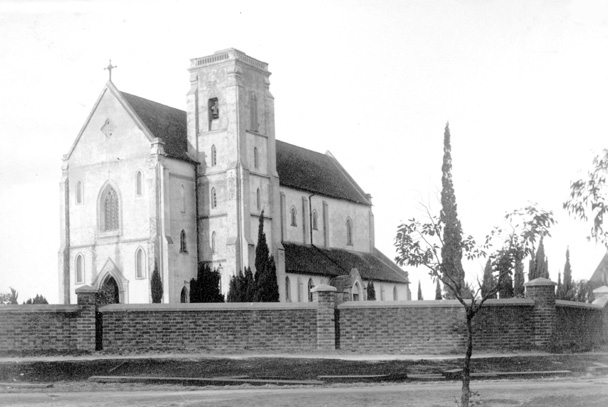
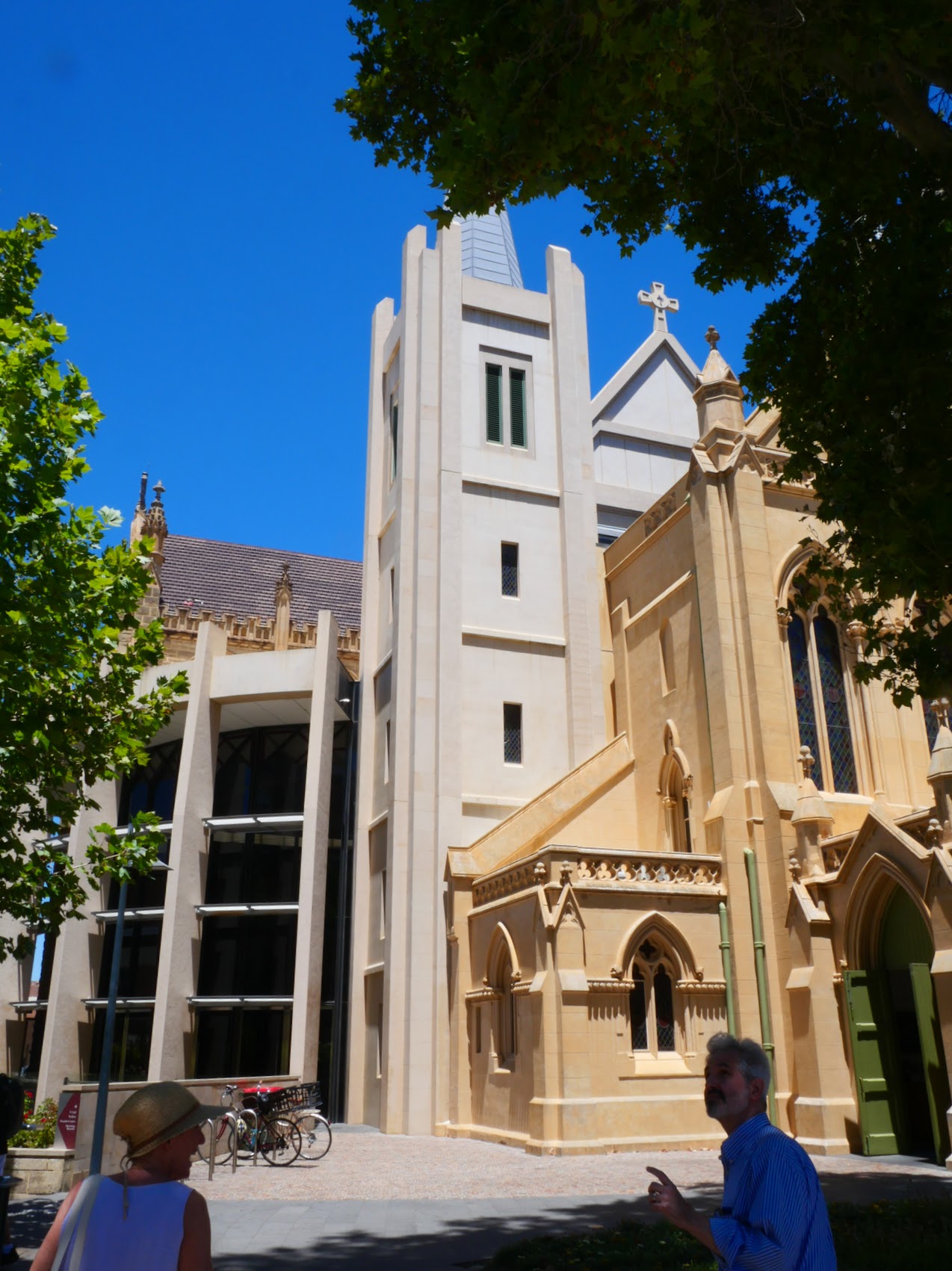
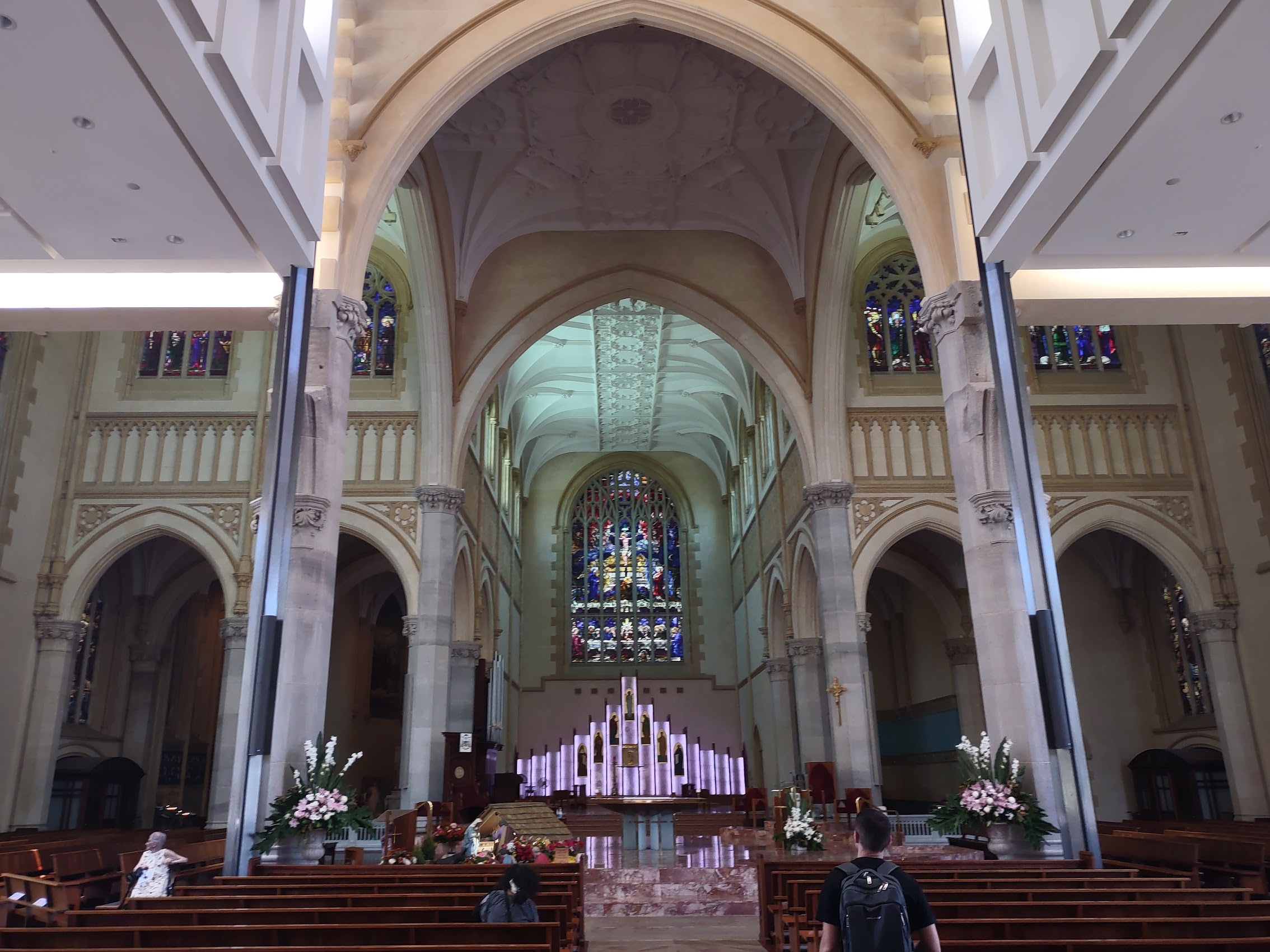
One of our more interesting finds was St. Mary’s Cathedral (the Cathedral of the Immaculate Conception of the Blessed Virgin Mary), perhaps one of the most unusual churches I have ever seen. The cathedral as it now stands was constructed in three main phases, with the first phase completed in 1865. Plans were drawn up for the replacement of the cathedral in the 1920s with a larger Perpendicular Gothic edifice. However, construction was interrupted by the onset of the Great Depression, leaving a new transept and sanctuary, with the aisle of the original cathedral as its nave. After being incomplete for 70 years, with portions of the cathedral requiring extensive repair work, funds were eventually raised in the late 1990s and early 2000s for the completion of the expansion. IN 2009 a new curved design for the expansion was completed which features a second spire and underground parish centre.



A Schools Tour
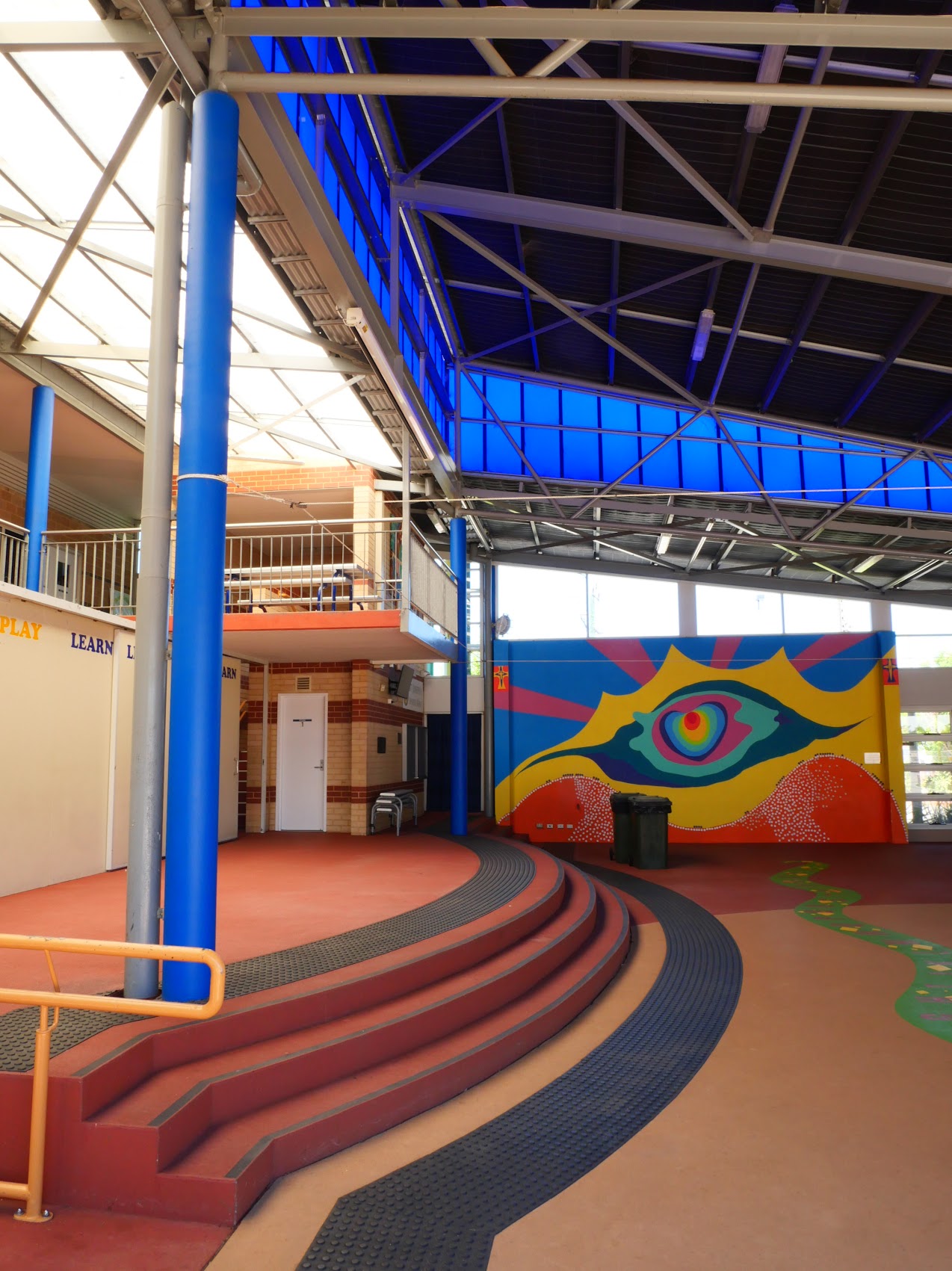
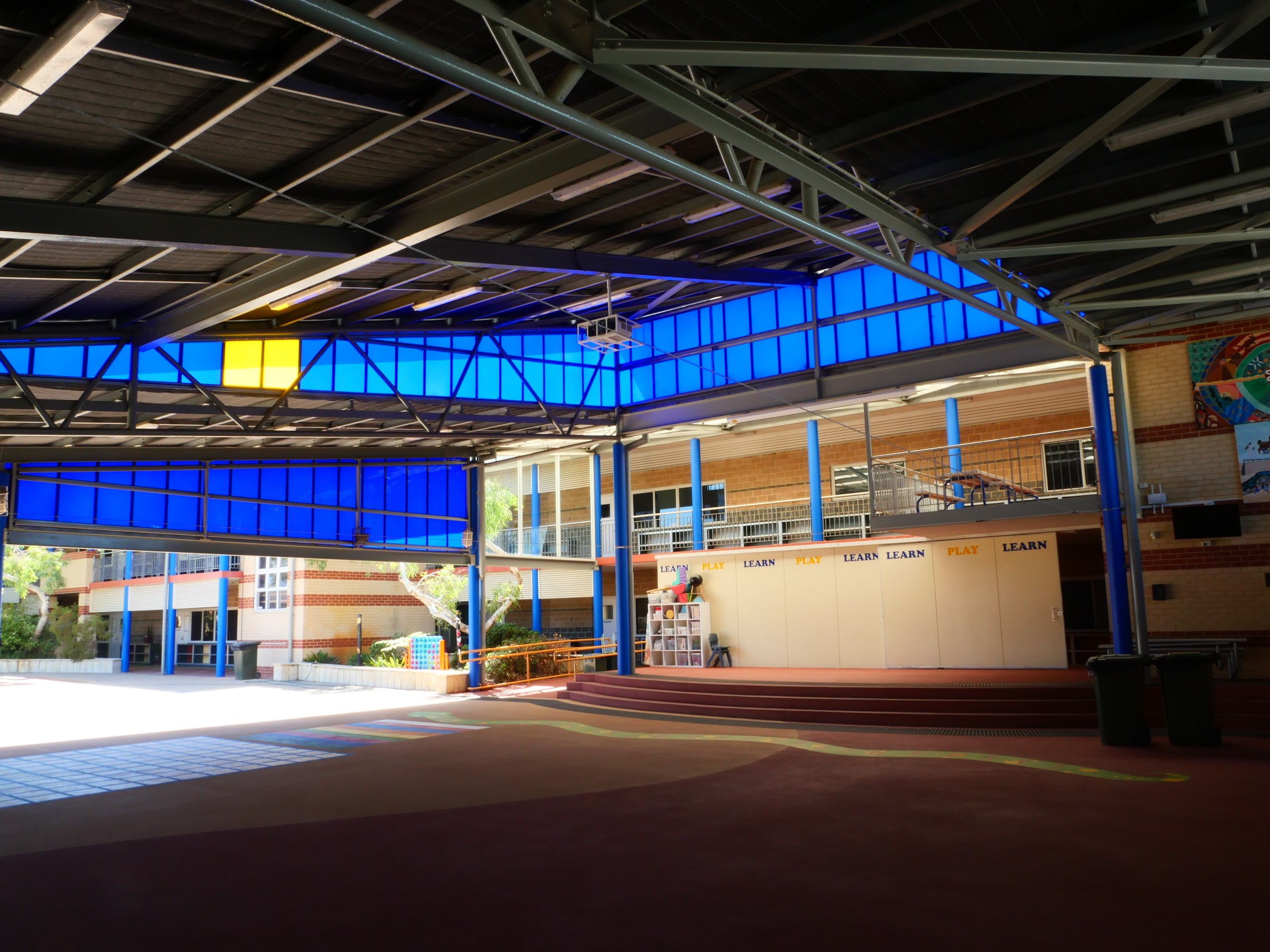
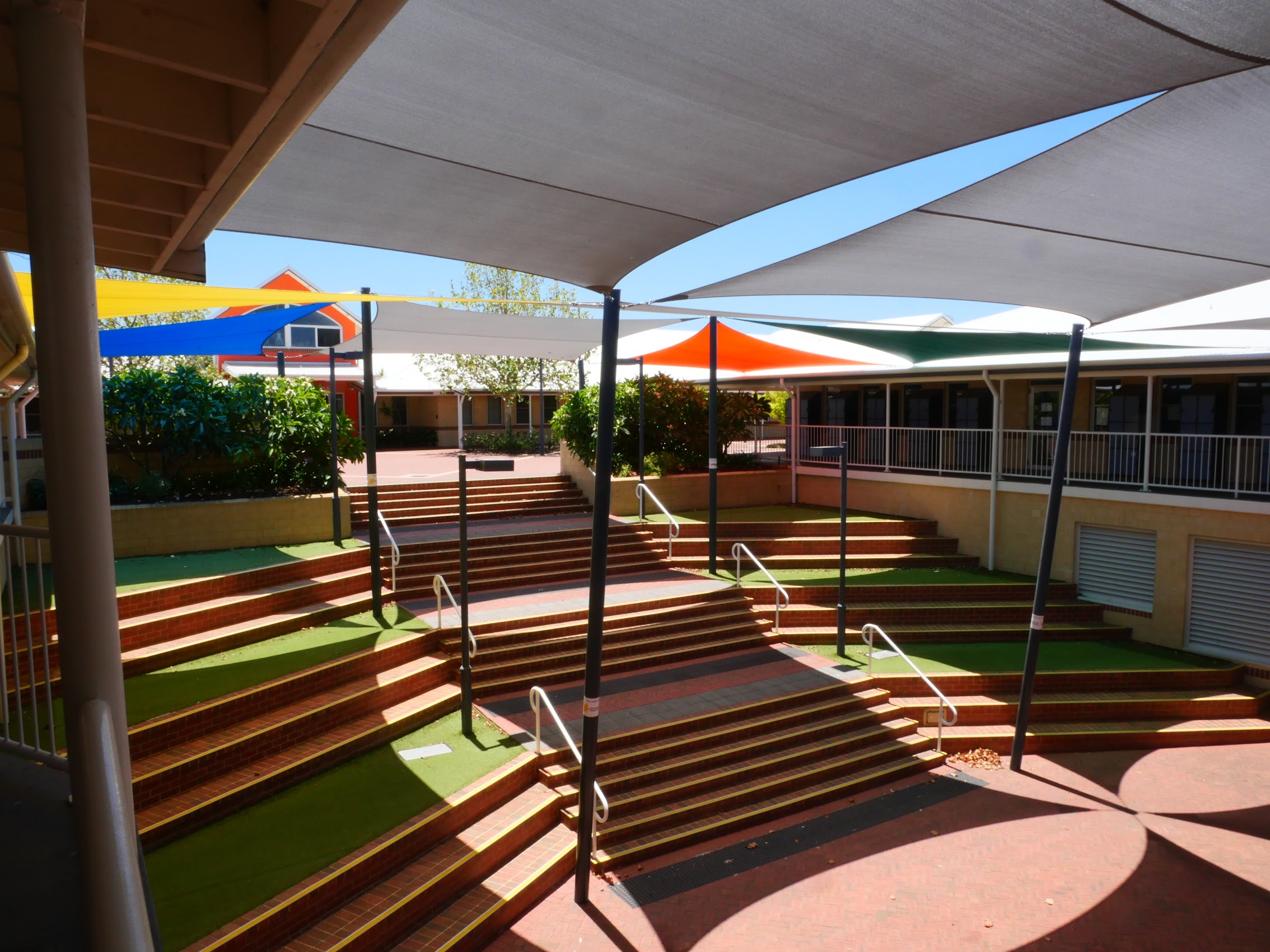
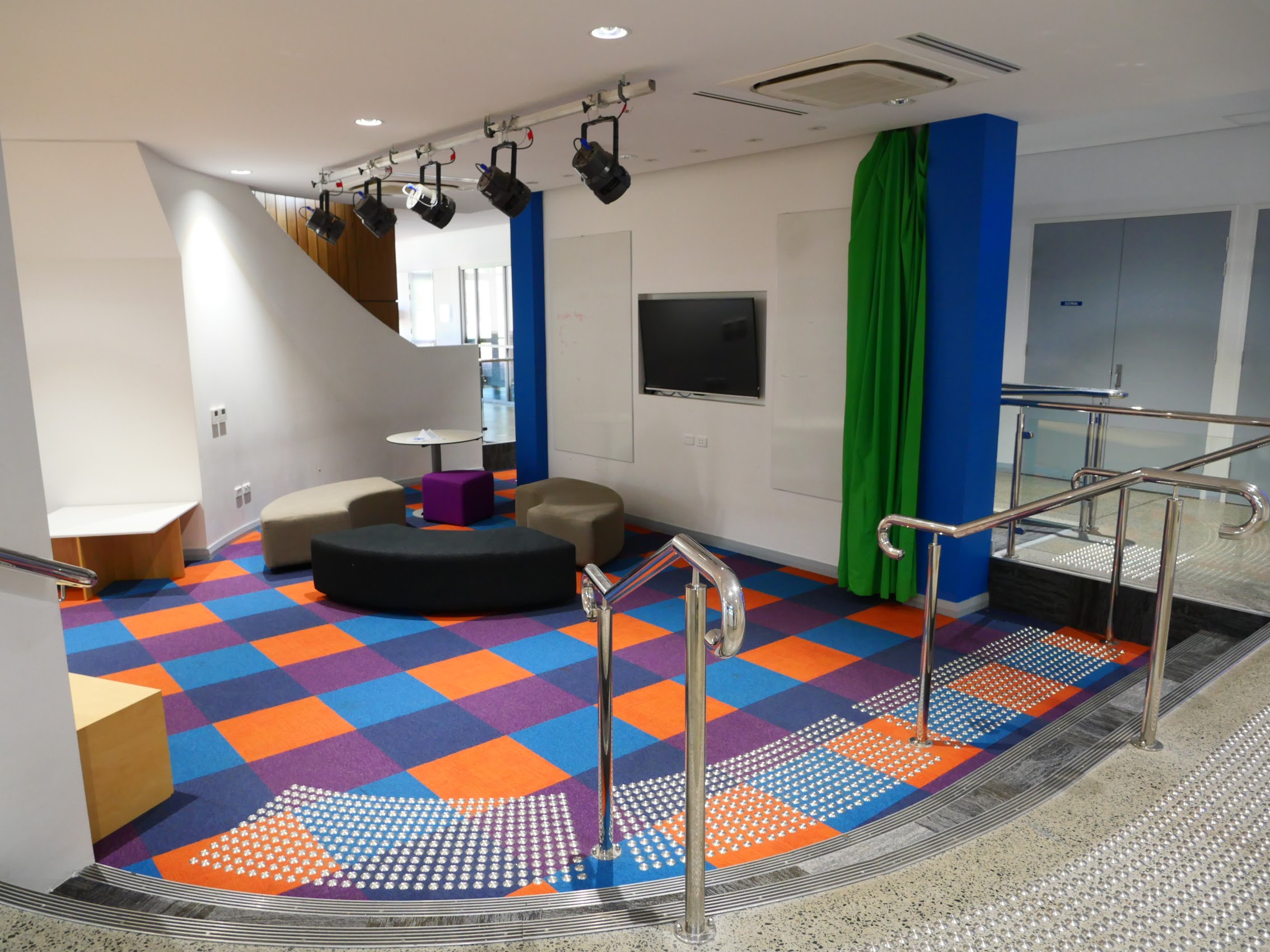
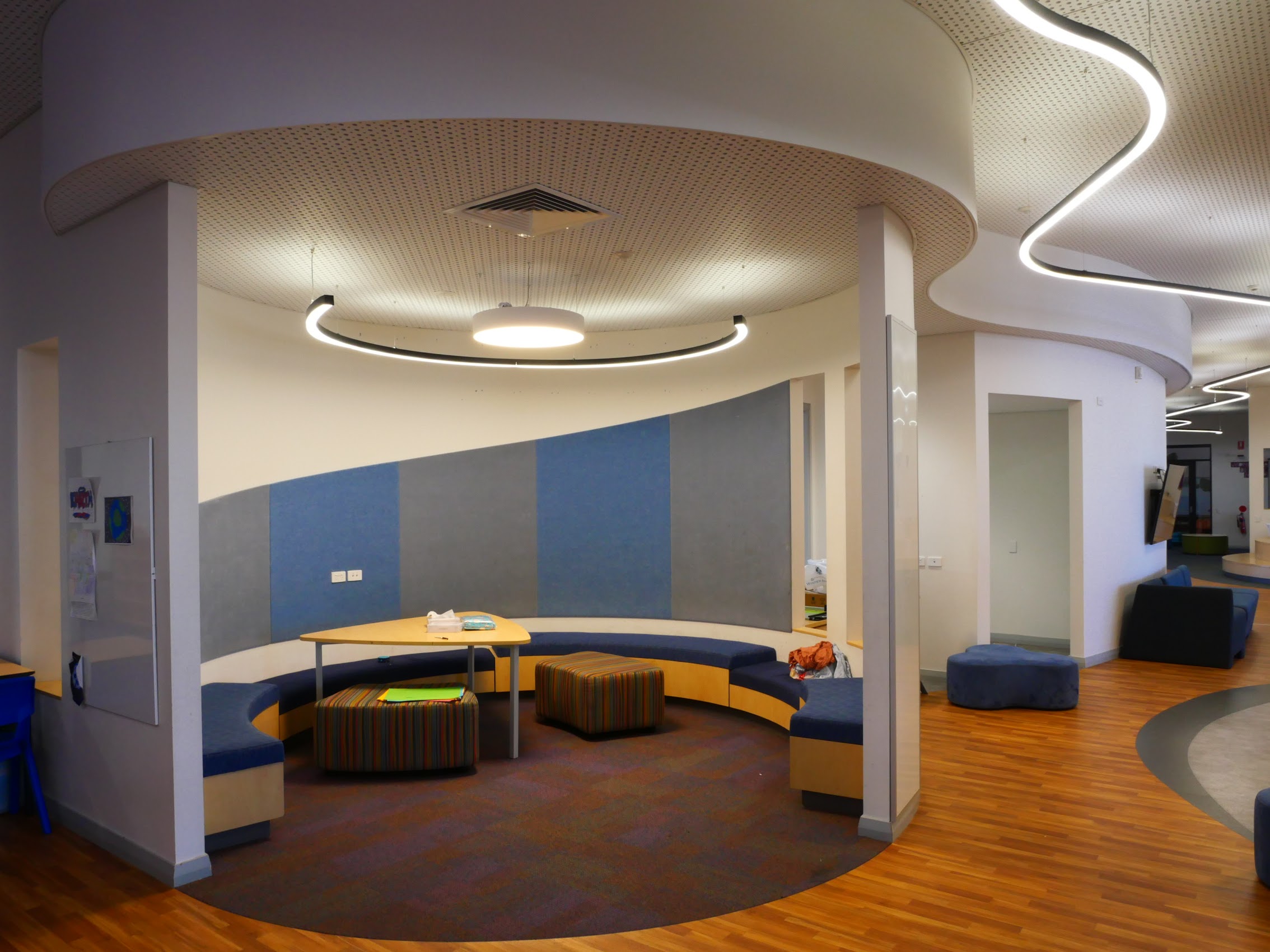
On another morning, Peter picked me up an we spent the better part of the day traveling around the area visiting schools where Peter had done work, most recently as the facilities manager for the Archdiocese of Perth. As an architect who has also been trained as an educator with actual classroom experience, Peter brings a pretty unique perspective to school planning and design. I always enjoy talking with him and hearing his ideas about teaching and learning and it was great getting to tour some of his schools and talk about all the little details to which he pays close attention which can have a dramatic impact to the use and effectiveness of spaces for learning.
Unfortunately, due to the school holidays (again, summer in Australia) we weren’t able to get onto the campus of the Canning Vale High School project I had been here to plan back in 2002. The Canning Vale High School I worked on was the last of a series of new high schools constructed by the Western Australia Department of Education at the time and was intended to be as innovative and forward-looking as possible. We did swing by the campus but were unable to see much due to security fencing which encloses the entire site (not part of the original design but now an unfortunately the reality at most schools here as in the U.S.).


Despite that disappointment, it was great spending time with Peter, seeing his work, and exercising the school planner part of my brain (which hasn’t been getting much work lately).



Rottnest Island
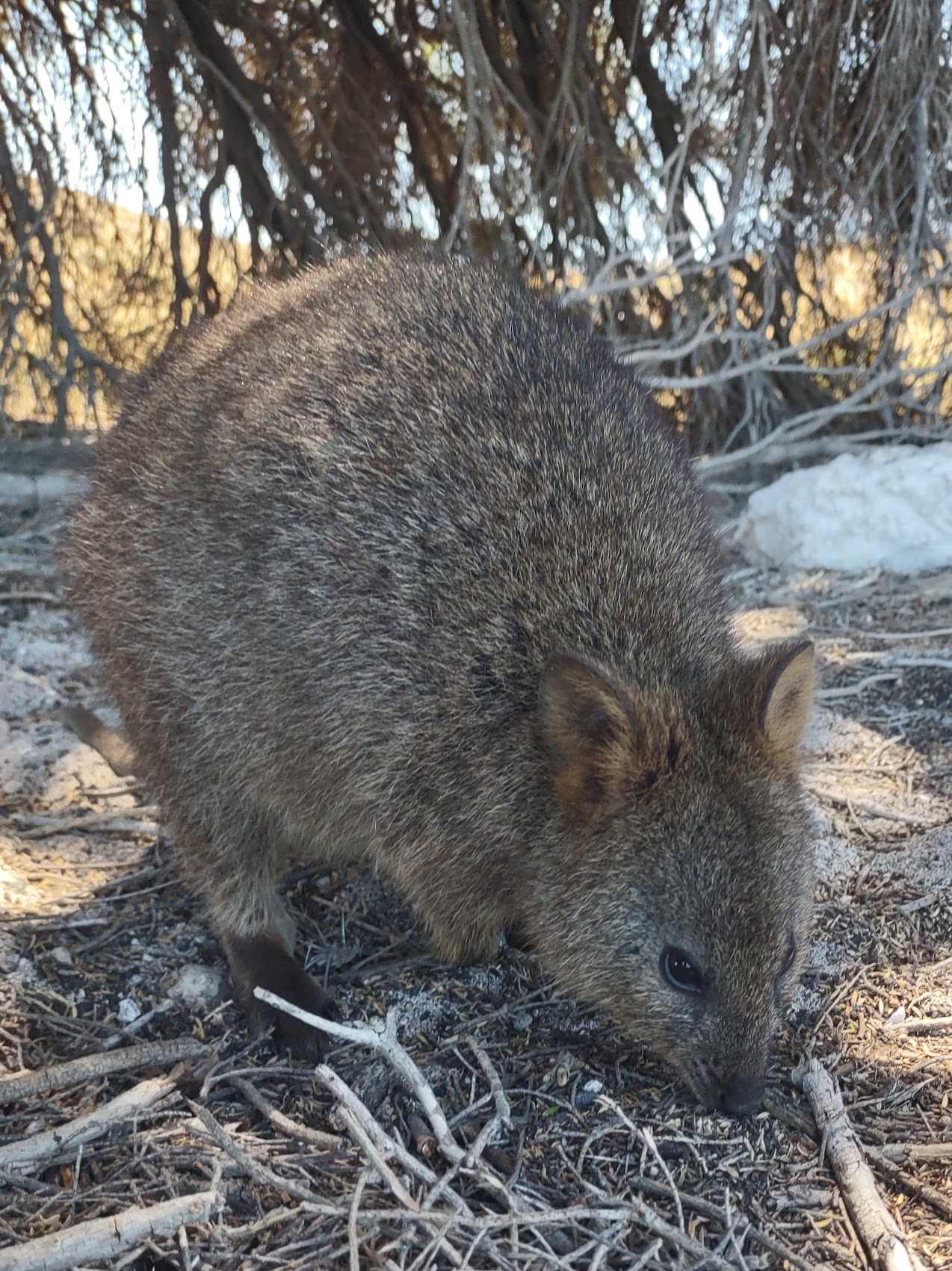
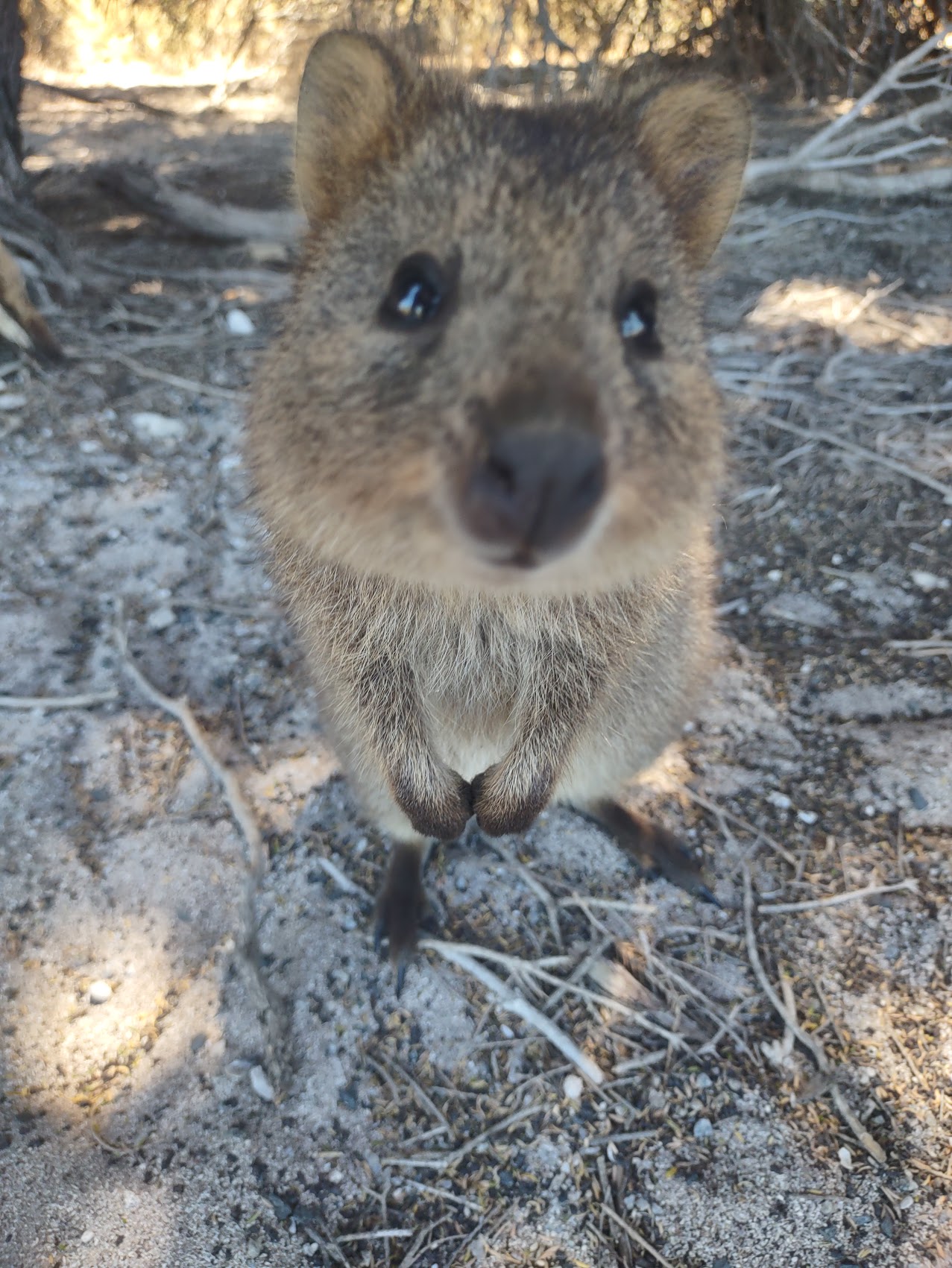
We did take one extraordinary day trip to a place called Rottnest Island, a small (7.3 sq. mi.) island located about 20 kilometers off the coast of Fremantle which I had visited back in 2002. Rottnest Island is a protected nature reserve with over 60 secluded coves, most with beautiful white sand beaches and is the natural home to about 10,000 quokkas which are (arguably) the cutest of all marsupials and (according to many) the happiest animals on the planet. (It’s easier to be happy when you live somewhere where you have no natural predators.) The quakka is a small marsupial with a black hairless tail which were mistaken for very large rats by the Dutch sailors who charted and named this island in 1696 (Rottnest = “rat’s nest” in Dutch). The Aboriginal/First Nation Peoples, who were here for about 50,000 years before the Dutch, called the island Wadjemup.
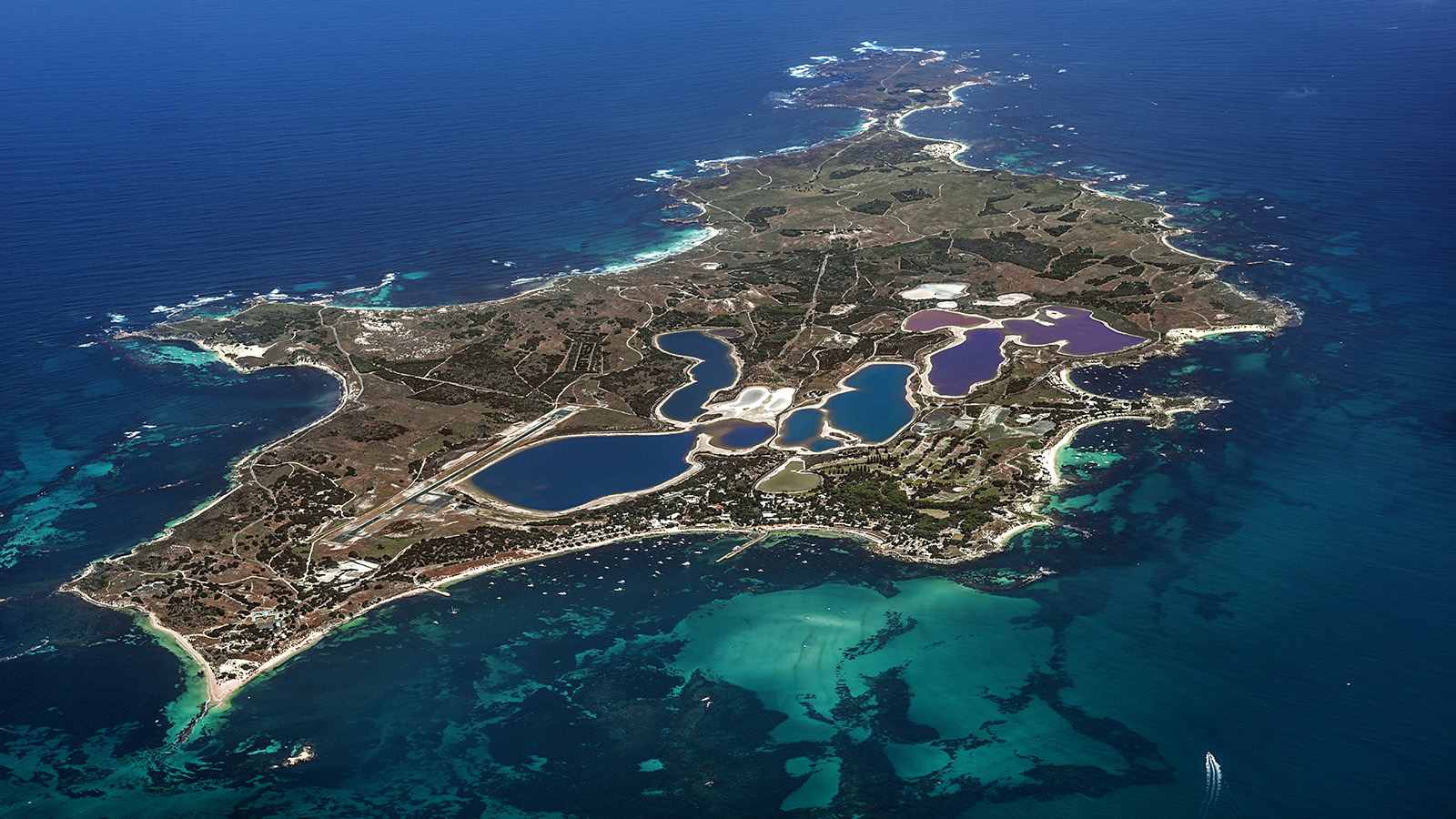
Rottnest/Wadjemup is an extremely popular destination amongst Western Australians, seeing about three-quarters of a million visitors every year. There are a variety of cabins, lodges, and campsites available which can accommodate about 5,500 overnight guests, but 70% of visitors are day trippers. In addition to the quakkas, there about 300 people who live on the island to support the tourist trade.
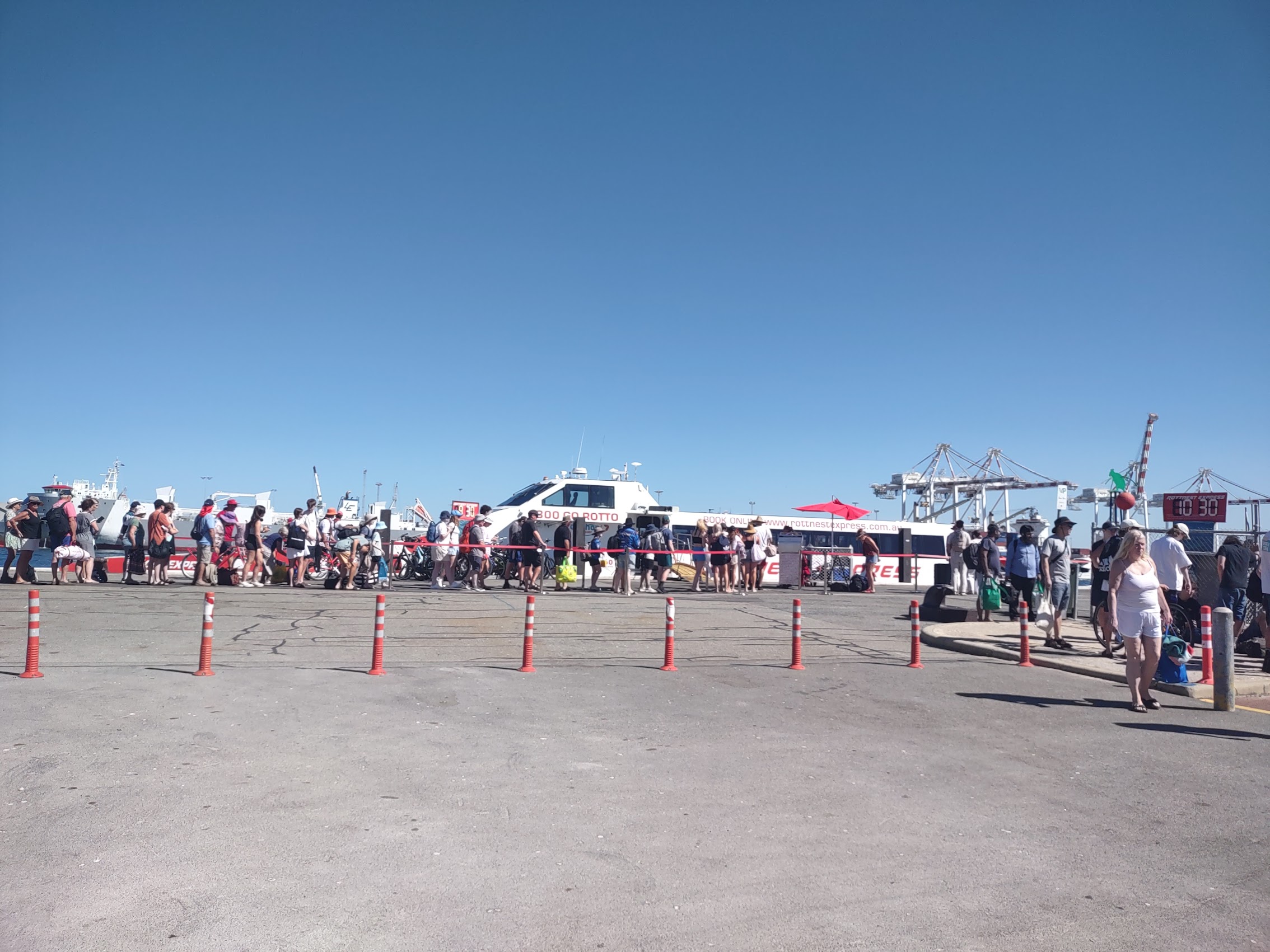
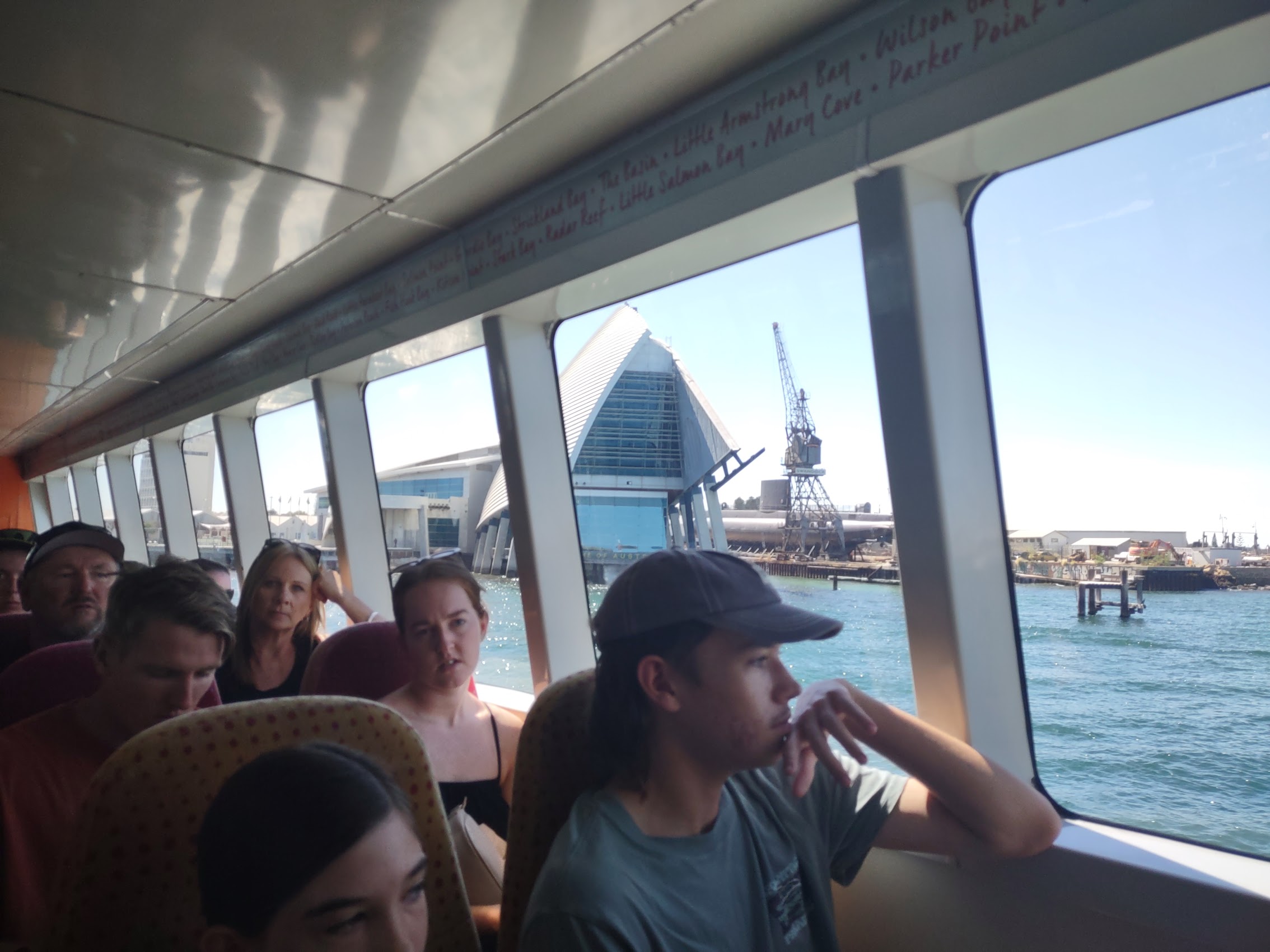


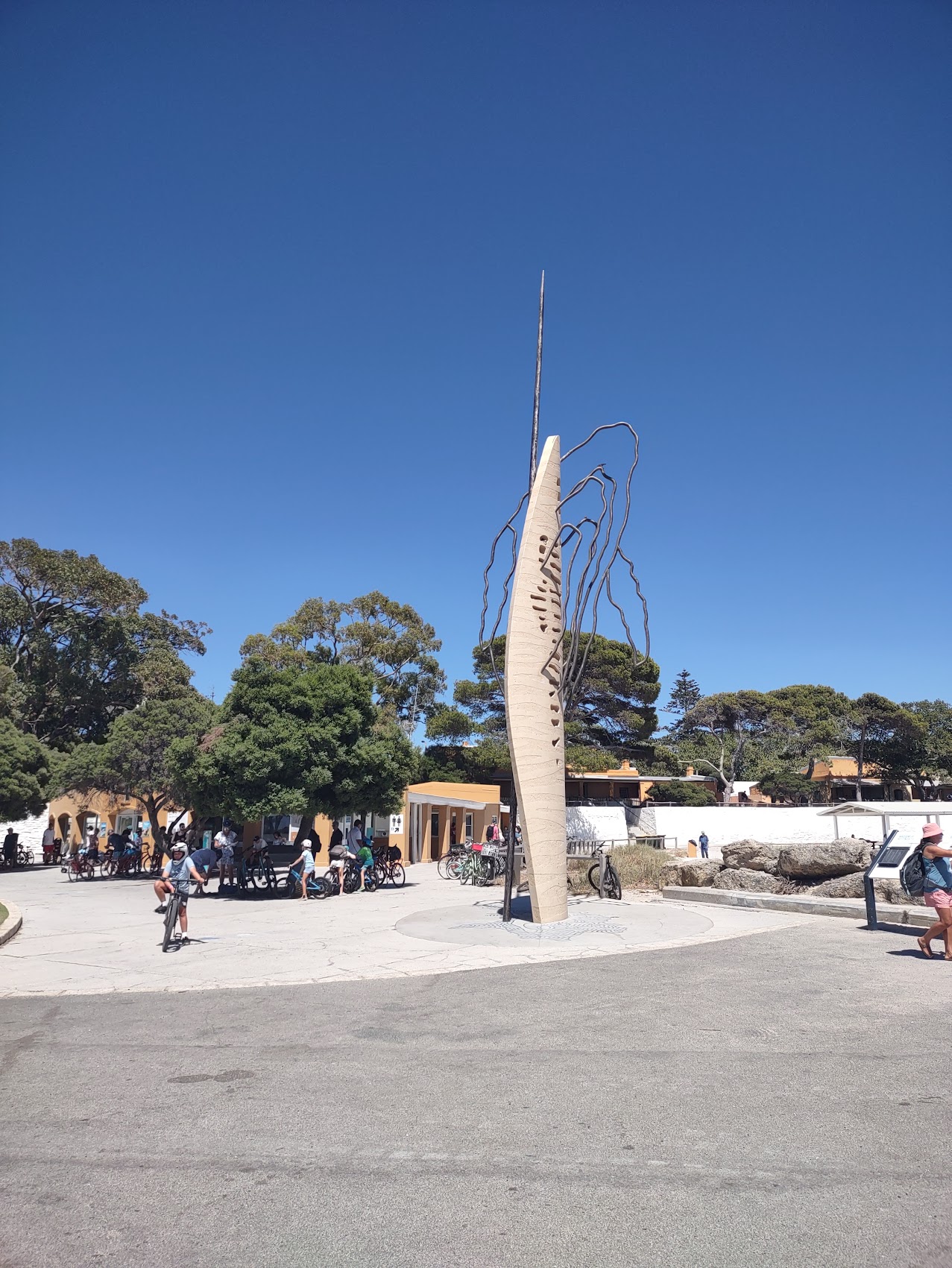
We booked the earliest ferry we could but things were already feeling a bit crowded when we arrived on the island so we grabbed our rental bikes and scooted off in search of a quiet cove. We started out along the southern coast (we’d been advised that the winds pick up along the south coast in the afternoon) and, after passing a couple of lovely but pretty crowded spots, we came across a beautiful stretch of beach on Salmon Bay which was completely deserted (apparently because there were no steps or walkways down to the beach). We dumped our bikes, made our way down and enjoyed the solitude.
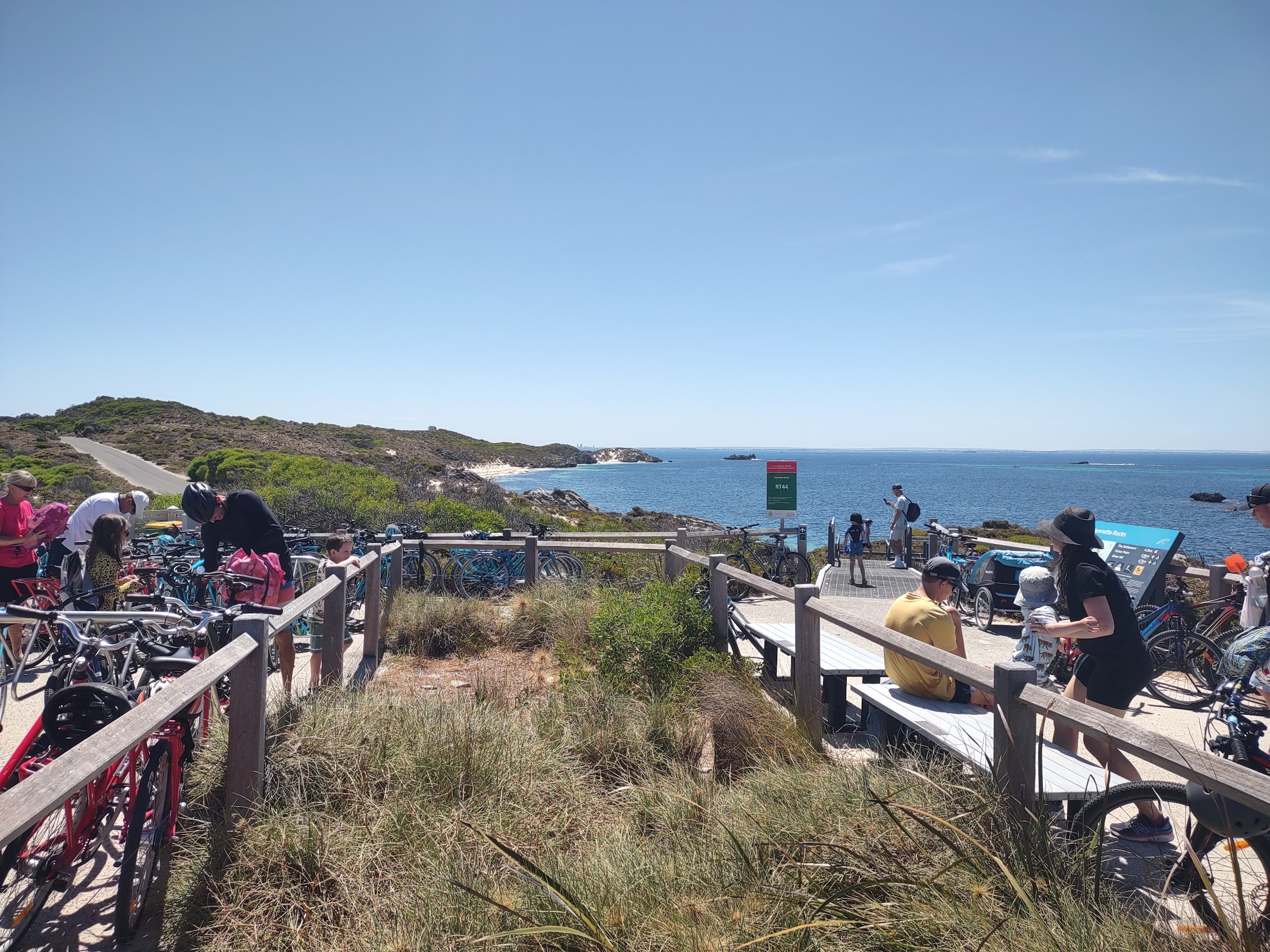
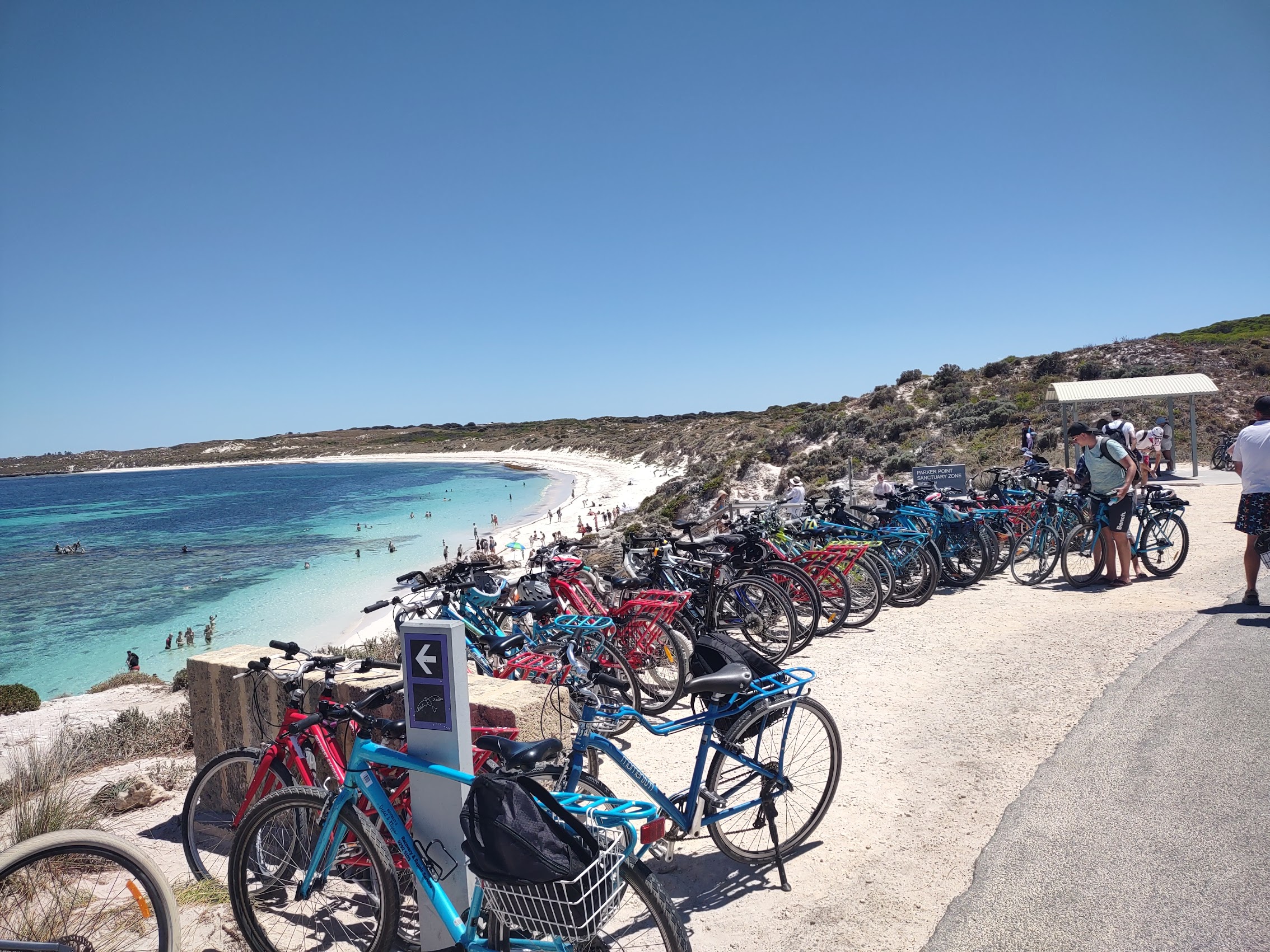


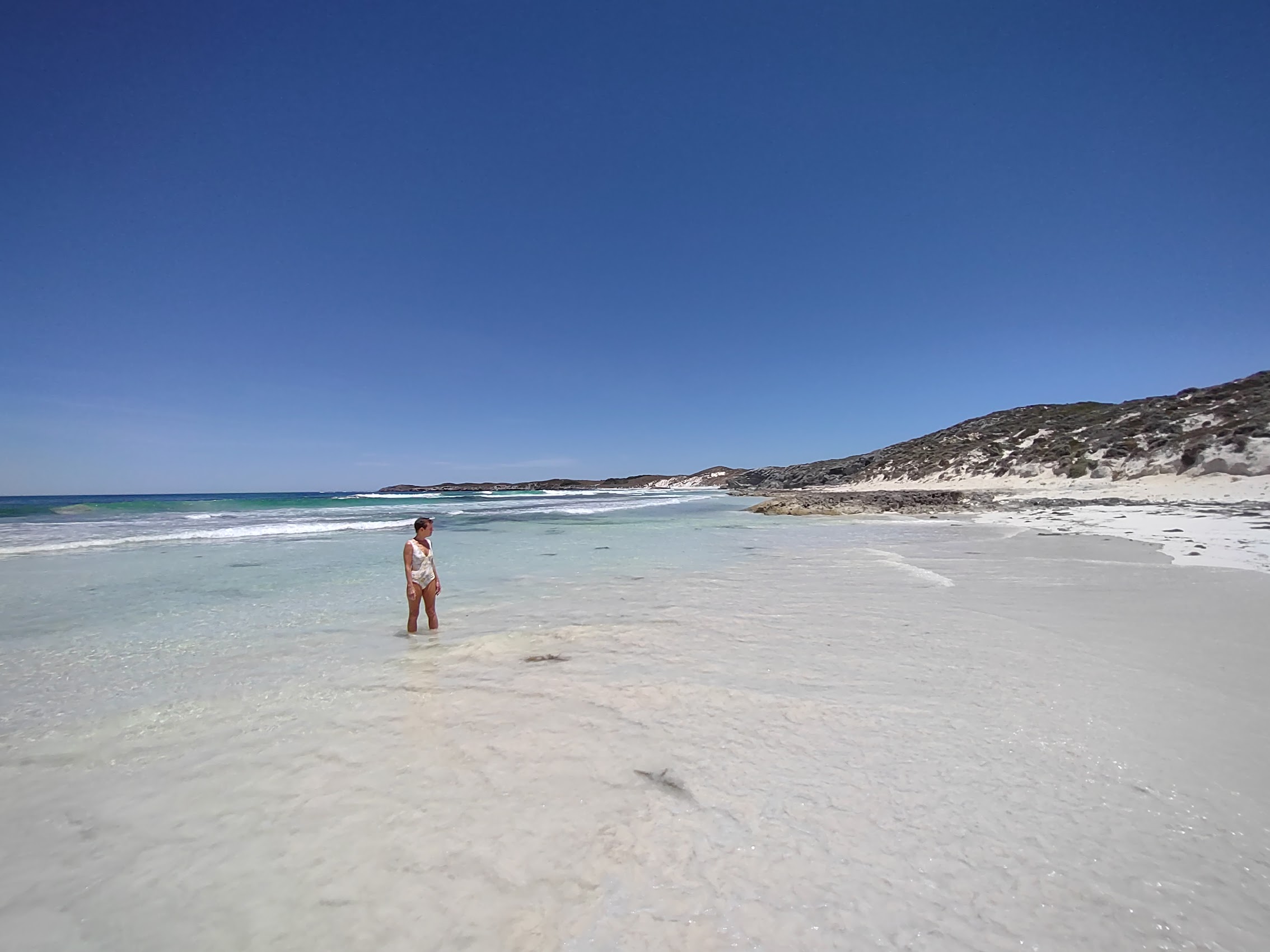

After some swimming, sunbathing, and lunch, we got back on our bikes and continued making our way around the island. Along the way we spotted a quakka who was surprisingly interested in us and tried to snap some selfies with him. We made our way along the north coast eventually stopping again at a small beautiful cove on the far northern tip of the island called Fays Bay.

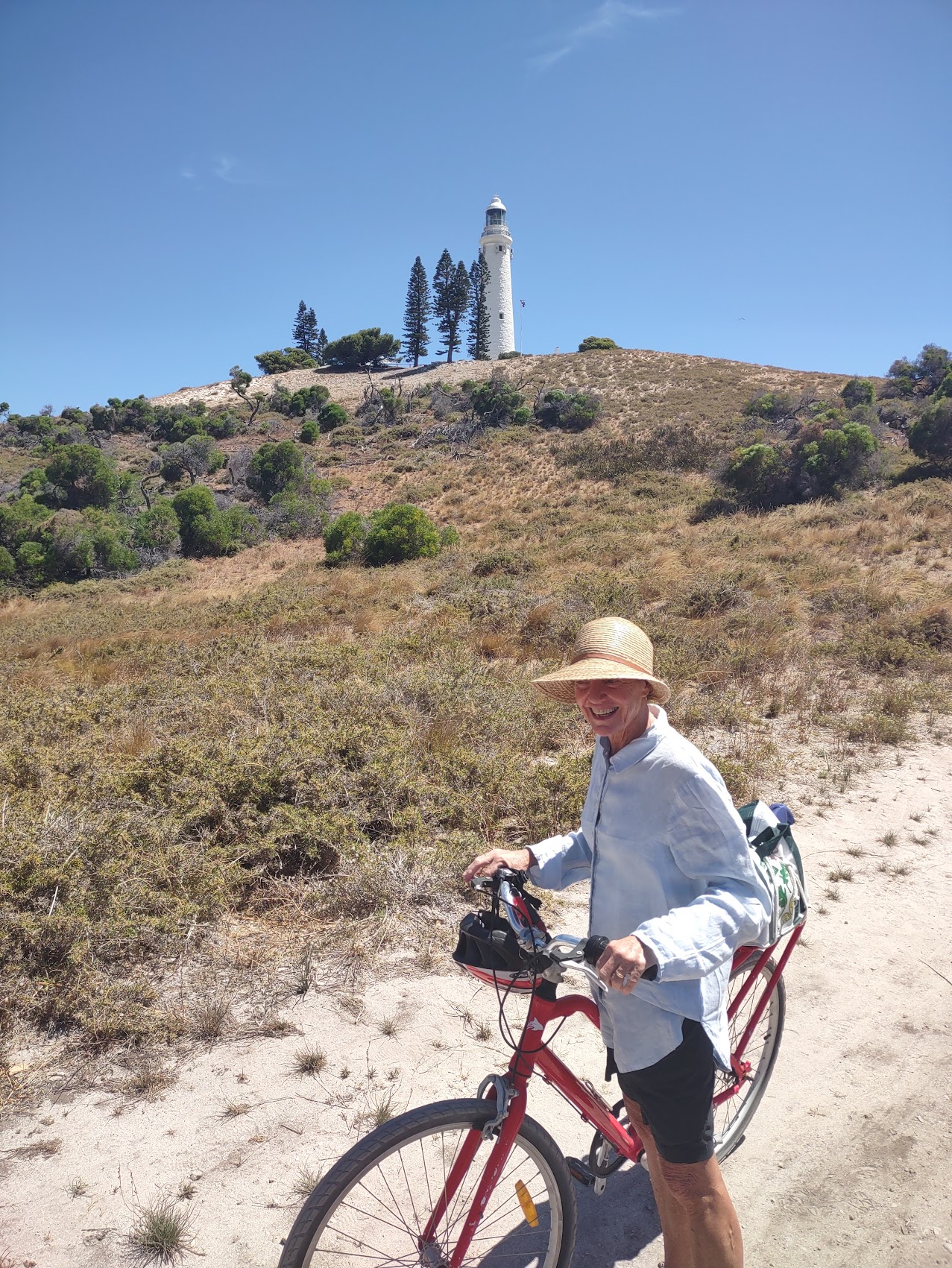
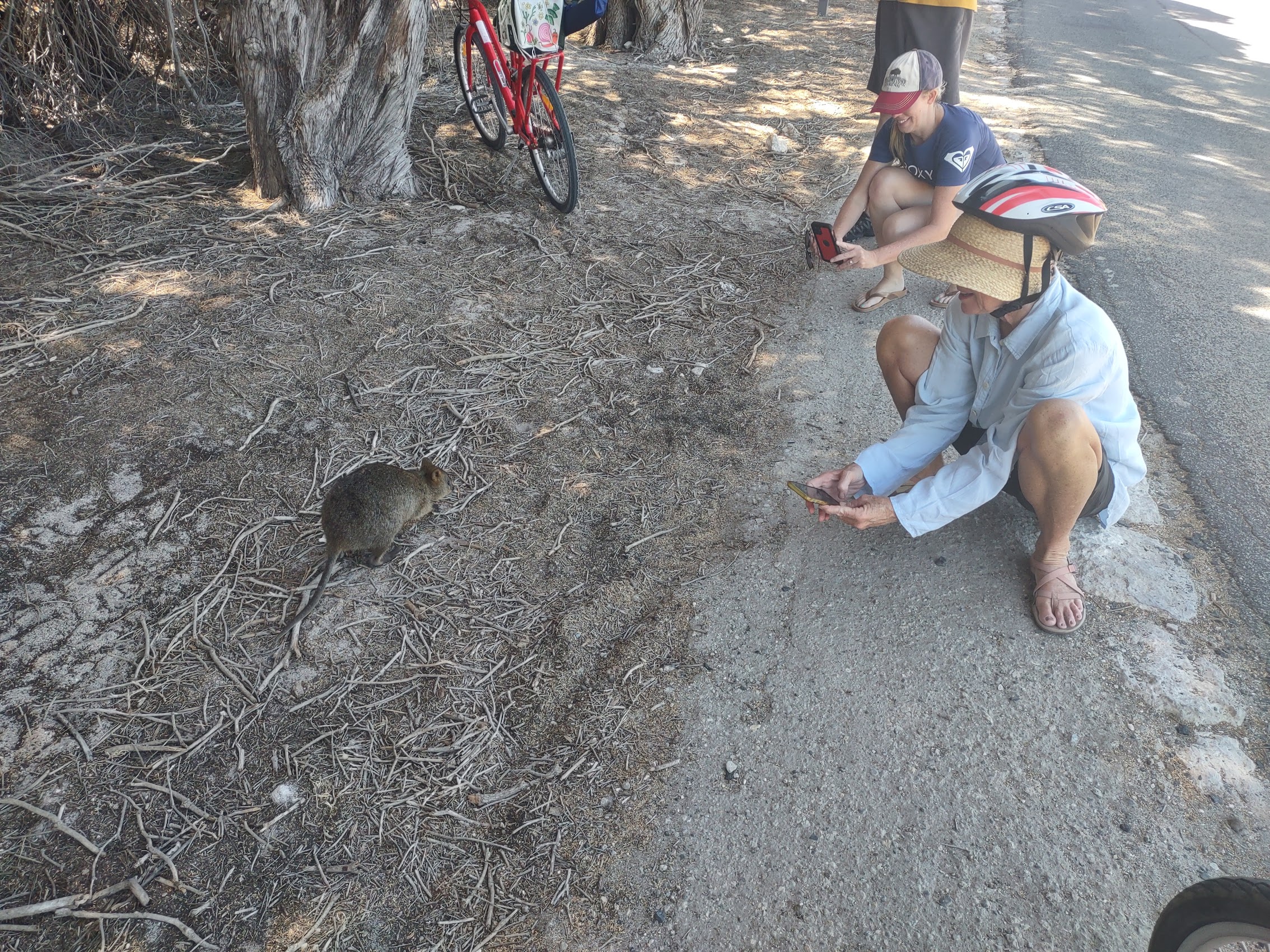

We hung out as long as possible but then had to quickly make our way back to the ferry terminal, arriving just in time to drop our bikes and head back to Fremantle where we capped what had been a pretty amazing day with a couple of pints (including some sour ales which were quickly becoming Colleen’s favorite) at the Gage Roads brew pub on the waterfront.

Time to Move On
Our two weeks in Fremantle passed too quickly, but it was quite relaxing while it lasted and allowed us to charge up our travel batteries in preparation for the next leg of our Australian adventure which, compared to the slow introduction which Fremantle provided promised to be a bit more like speed dating. Tune in for our next installment when we travel the southwest coast of Western Australia.

 Burning the Inheritance
Leave a comment