
We decided to begin our India adventure in the State of Kerala which stretches along India’s southwest Malabar coast, sandwiched between the Arabian Sea to the west and the Sahyadri mountain range to the east. Kerala found its way onto our itinerary because of the strong recommendations of a friend whose family came from there and, based on what we had learned about it, it seemed like a good place to ease ourselves into Indian culture.
In ancient times, Kerala was a major spice trading region, exporting cinnamon to ancient Egypt and Malabar peppers to Greece and Rome. The various cities and principalities in the region were consolidated in the first millennium AD under the Chera dynasty, from which it derives its name, which was followed by a succession of ruling monarchs and kings through the 15th century.
The maritime spice trade in the Arabian Sea was the monopoly of the Arabs up until the end of the fifteenth century when Vasco de Gama (whom we crossed paths with back in Zanzibar) arrived in Kerala in 1498. Within a few years, the Portuguese controlled the seas around Malabar (Kerala) and had established a headquarters for the Viceroy of Portuguese India at Fort Kochi (which we would be visiting later in our trip). The Portuguese were challenged in the region by the Dutch and Chinese and eventually displaced by the British until Indian independence in 1947.
Today, Kerala is India’s 21st largest state (out of 28) with an area of about 15,000 square miles and is India’s 8th largest regional economy. It has an estimated population of about 35 million people which gives it a population density of about 2,300 people per square mile which is very high by American standards (imagine the population of Texas living in the State of Maryland) but only moderately high by Indian standards (wait until we get to Kolkata !).
Despite its relatively small size, Kerala has a very diverse geography with about 370 miles of shoreline (about the same as the Texas gulf coast) along the Arabian Sea, much of it sandy beaches which attract a fair number of Indians on vacation during the season. The Western Ghats (also known as the Sahyadri mountain range) to the east, include Anamudi, the highest peak in southern India, at 8,842 feet with tea and coffee plantations in the hill terrain below. Between the mountains and the shore are rolling riverlands and the famous Kerala backwaters, a vast network of canals and lakes which include Lake Vembanad, the longest lake in India. The official language of Kerala is Malayalam.
Getting There
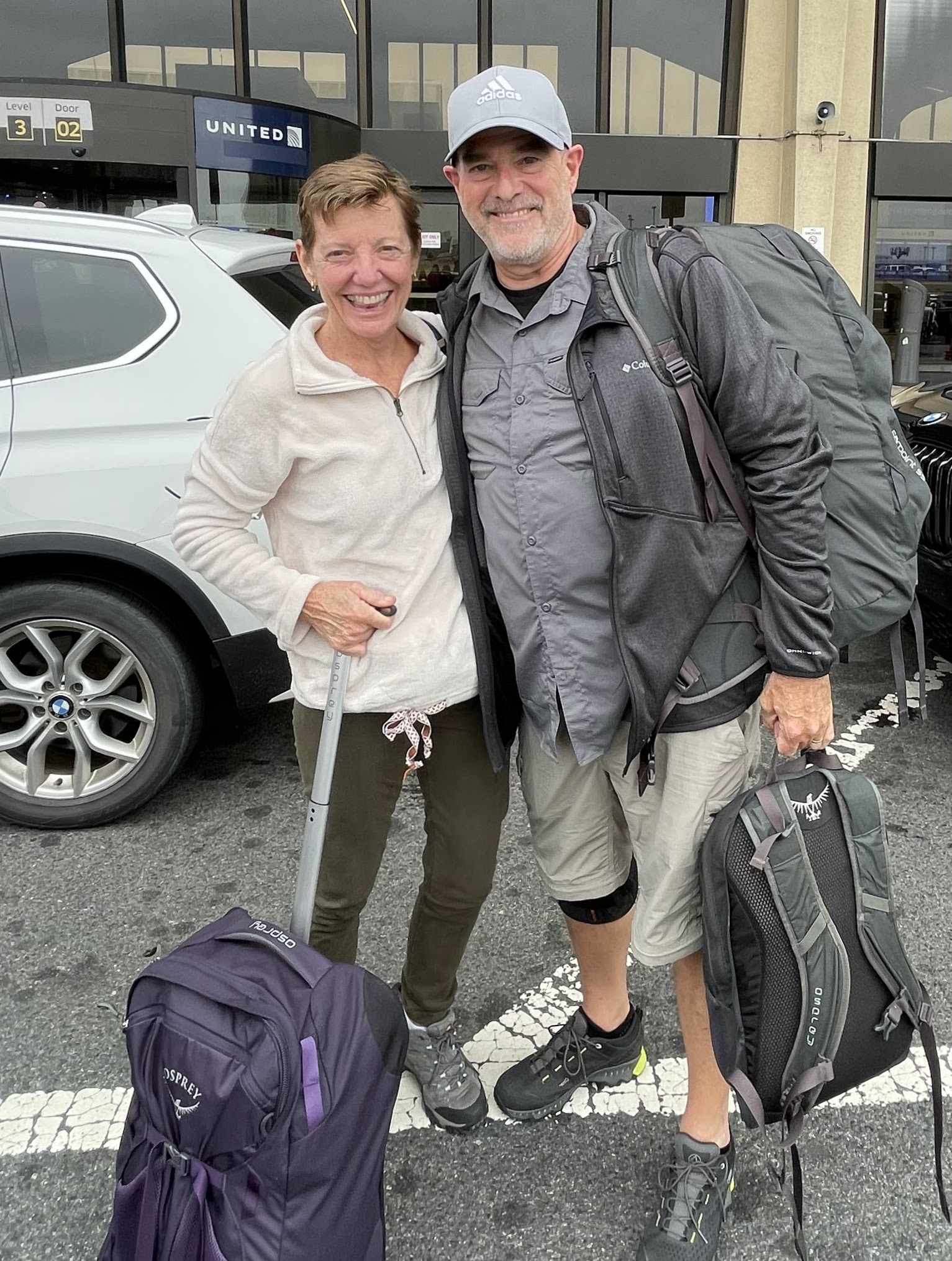
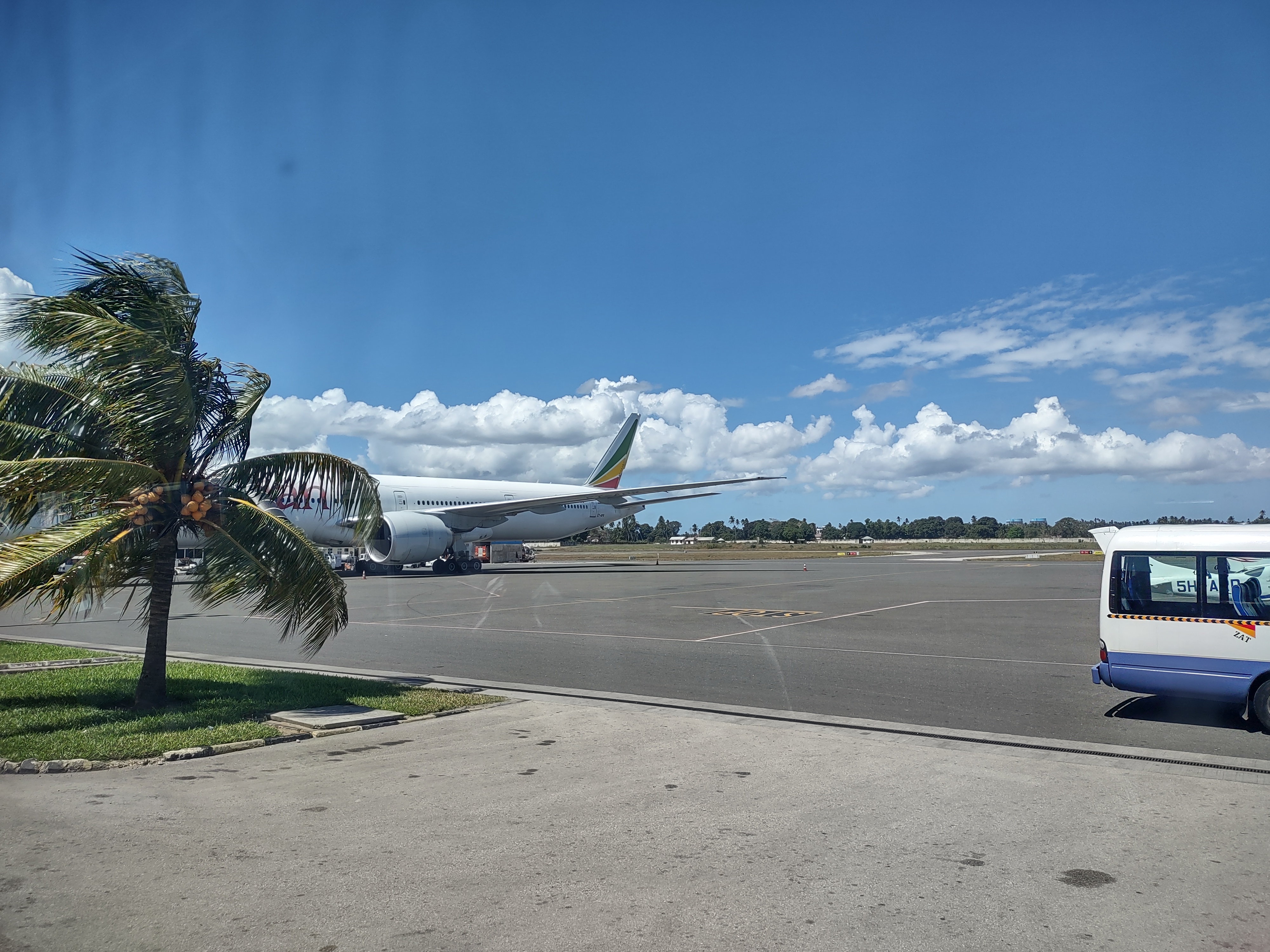
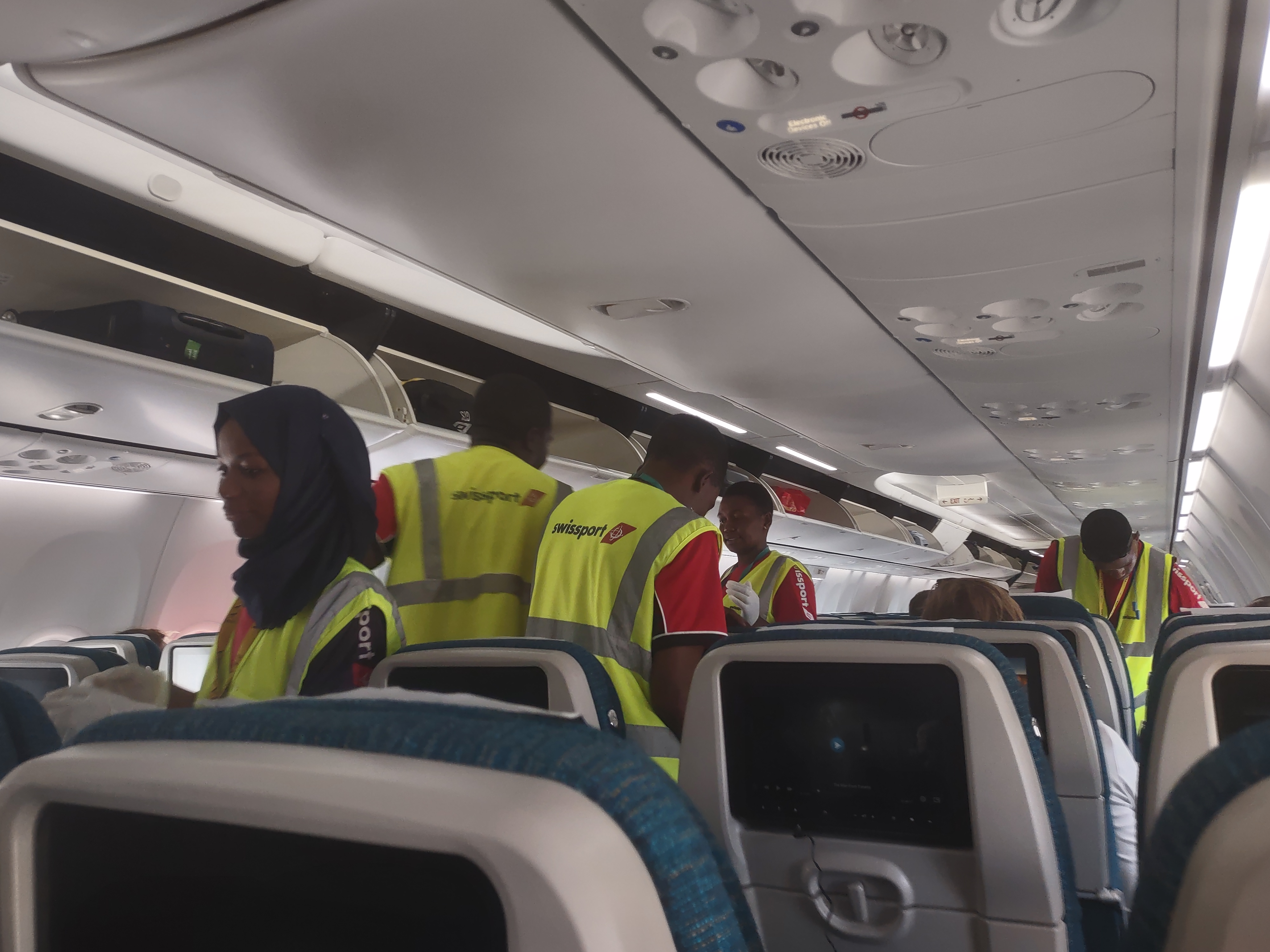
While we were sad to leave Zanzibar, we were very excited to see India, but we did have some trepidations about the trip because it involved an overnight flight which, in the past, have generally not been good for us trending mostly to bad. Our journey began in the afternoon of Saturday September 23, with a short flight back to Dar Es Salaam where we stayed on the plane while it was serviced (presumably to facilitate a quick turnaround, the plane was swarming with service crew!) before taking on more passengers and continuing on to Muscat, Oman where we arrived around 10 PM with about 3 hours before our next flight.

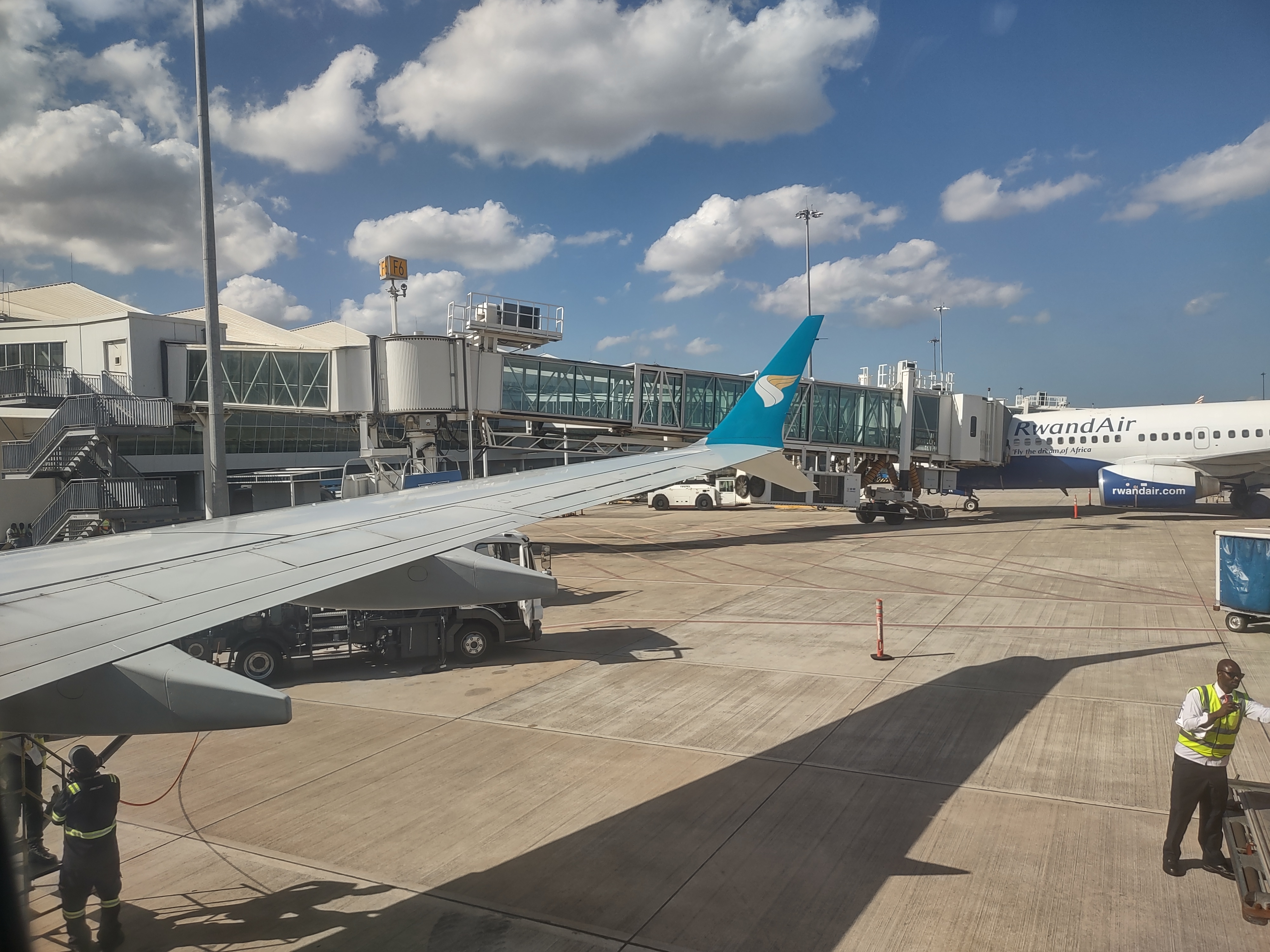
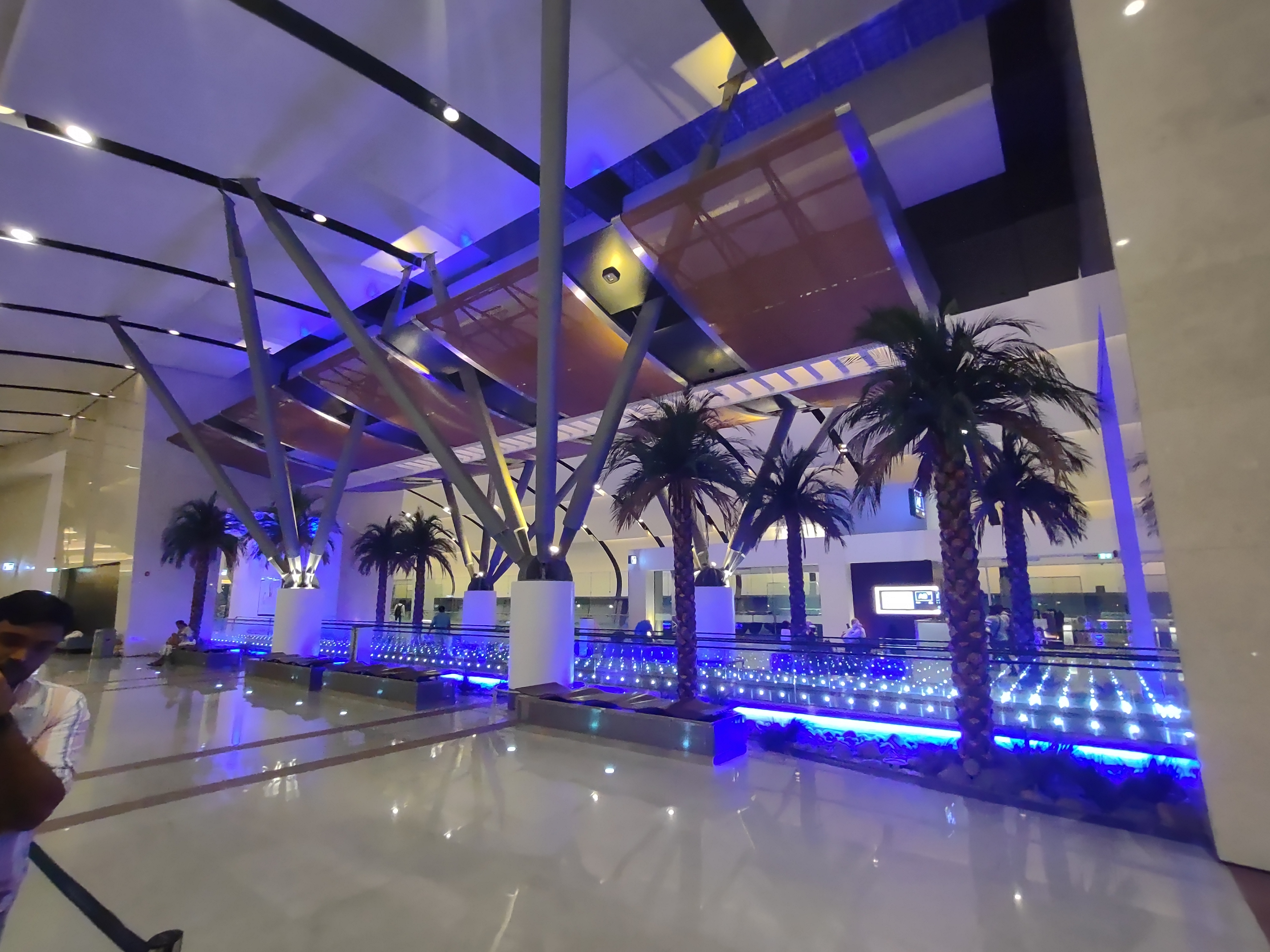
As has been our experience in other airports in wealthy Middle Eastern countries, the Muscat airport was fairly posh and felt more like a shopping mall than an airport. Like a shopping mall, it had a food court where we grabbed a late dinner (good old KFC!) before settling in to do some blog work and await our next flight which was scheduled to board around 1:30 AM. (Short of renting a sleeping cube, there really wasn’t anyplace which was comfortable enough to take a real nap.)

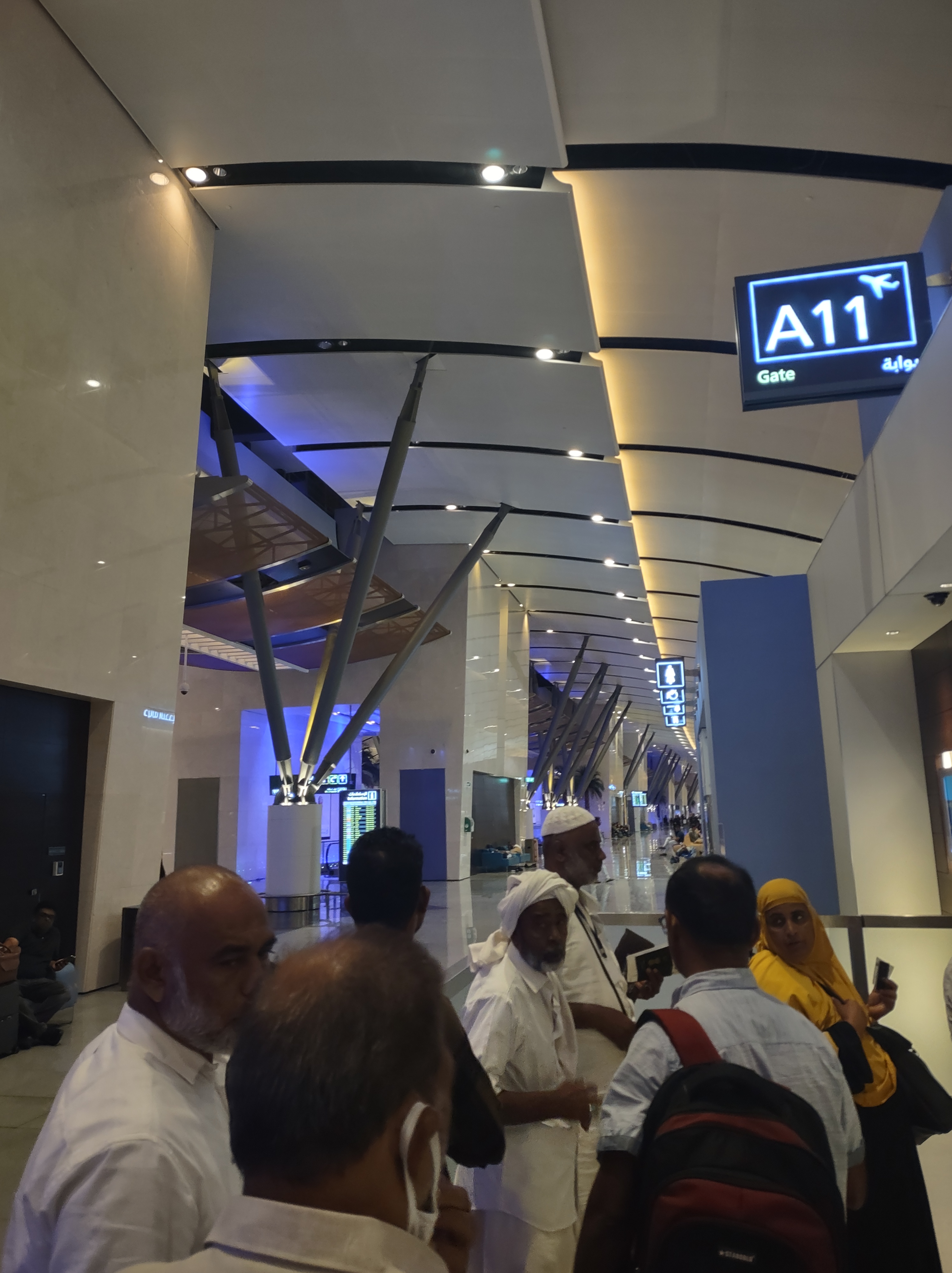
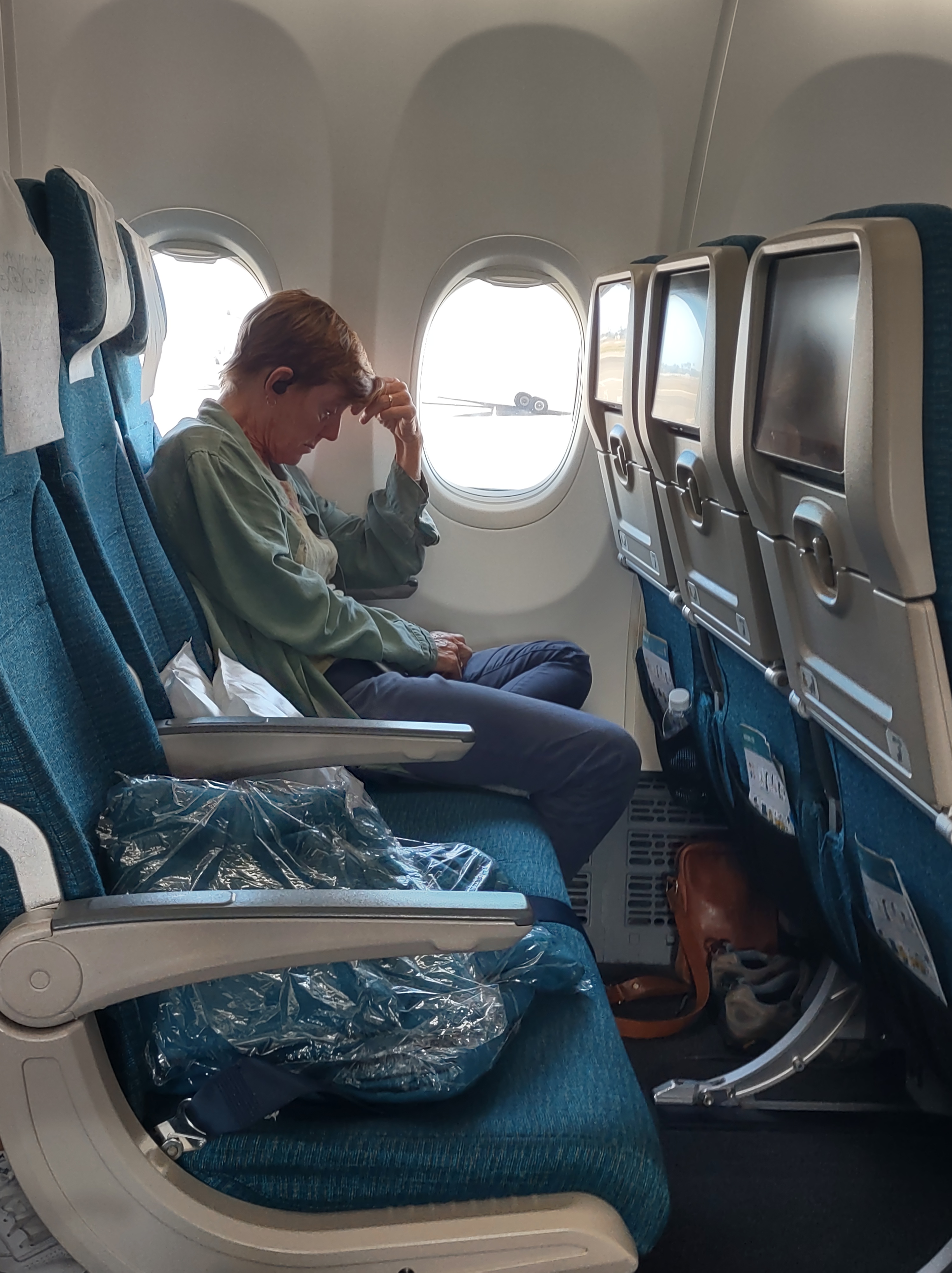
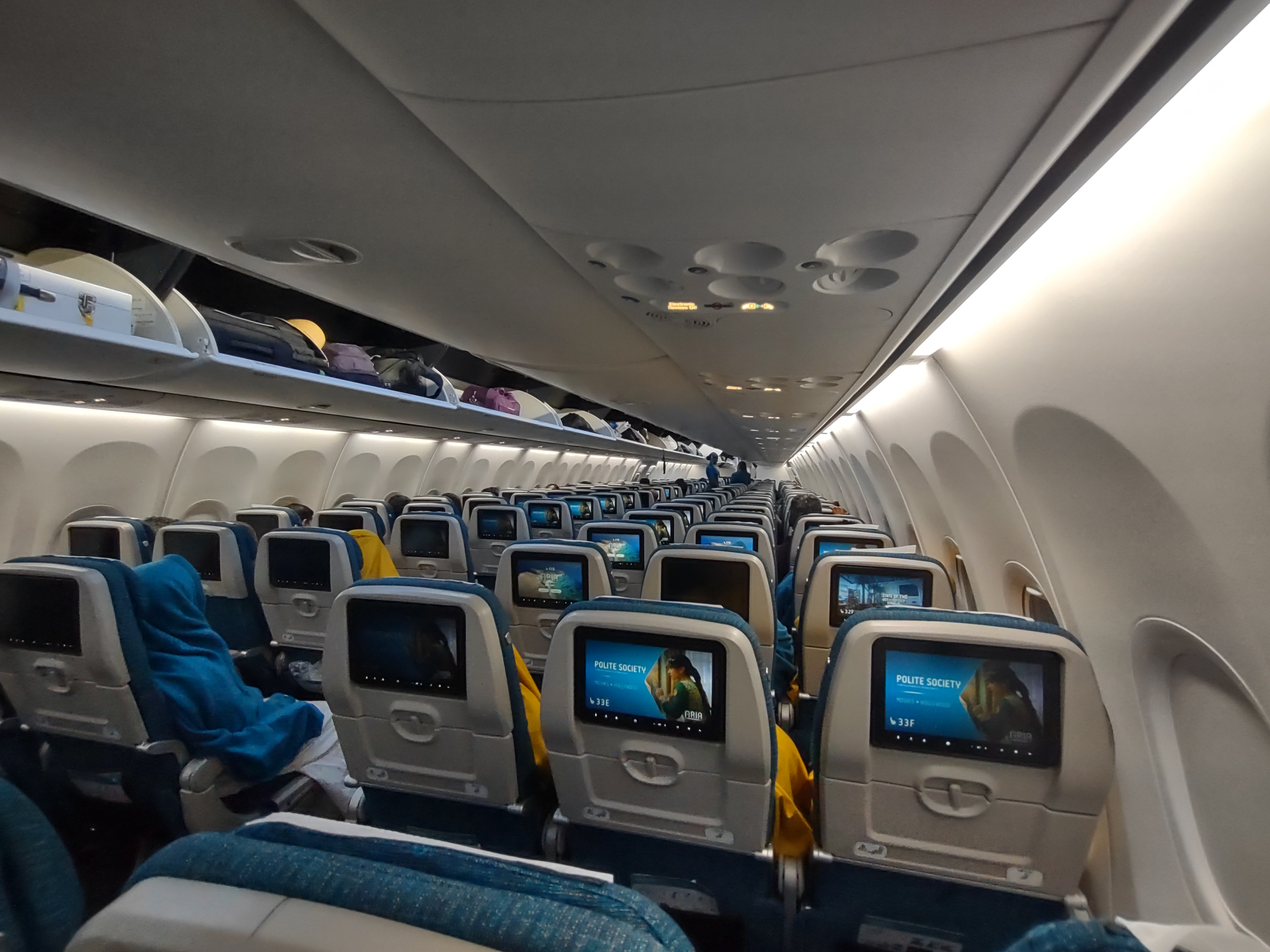
As we queued and boarded our flight, we concluded that we were the only non-Arabs on board and found that we had been seated in in the very last row of the plane in non-reclining seats. (Coincidence? Maybe…) Even more strangely, while the plane was relatively full, we noted that there were two completely empty rows between us and the rest of the passengers on the flight. (Really wondering now, were we profiled based on our names?) Not to look a gift horse in the mouth, once the cabin doors closed Colleen made a move (which I shortly followed) to one of the empty rows in front of us where we were both able to stretch out and do something closely resembling sleep for most of the flight!
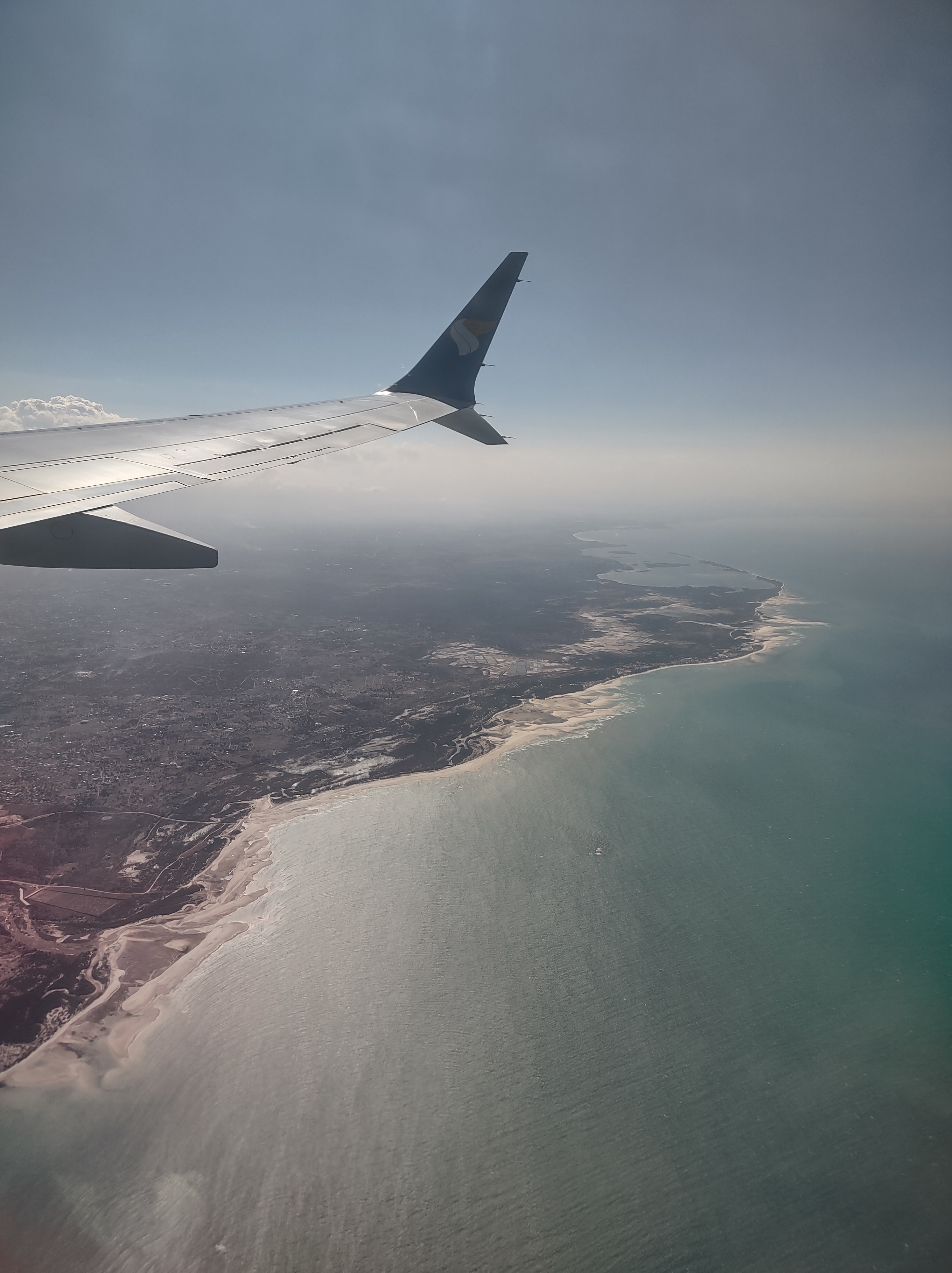
We arrived in Kochi (also known as Cochin) the capital of the Indian state of Kerala around 8 AM feeling surprisingly refreshed, found our driver quickly, and started the two-hour drive which would take us to Marari Beach, our first stay in India. Along the way we had our first introduction to driving in India (a subject which deserves more time than can be given at the moment – later) and were actually kind of happy to have some time to take in this new and different place, including the climate which was similar to Zanzibar in temperature but more humid and currently cloudy with occasional rain showers.
We made our way around the outskirts of Kochi City which, despite being an urban environment, seemed very lush with a variety of relatively new mid- to high-risebuildings popping up here and there between the trees and the older lower buildings. The newer buildings utilized a wide variety of modern materials with a “pretty much anything goes” aesthetic which was at times reminiscent of Las Vegas.
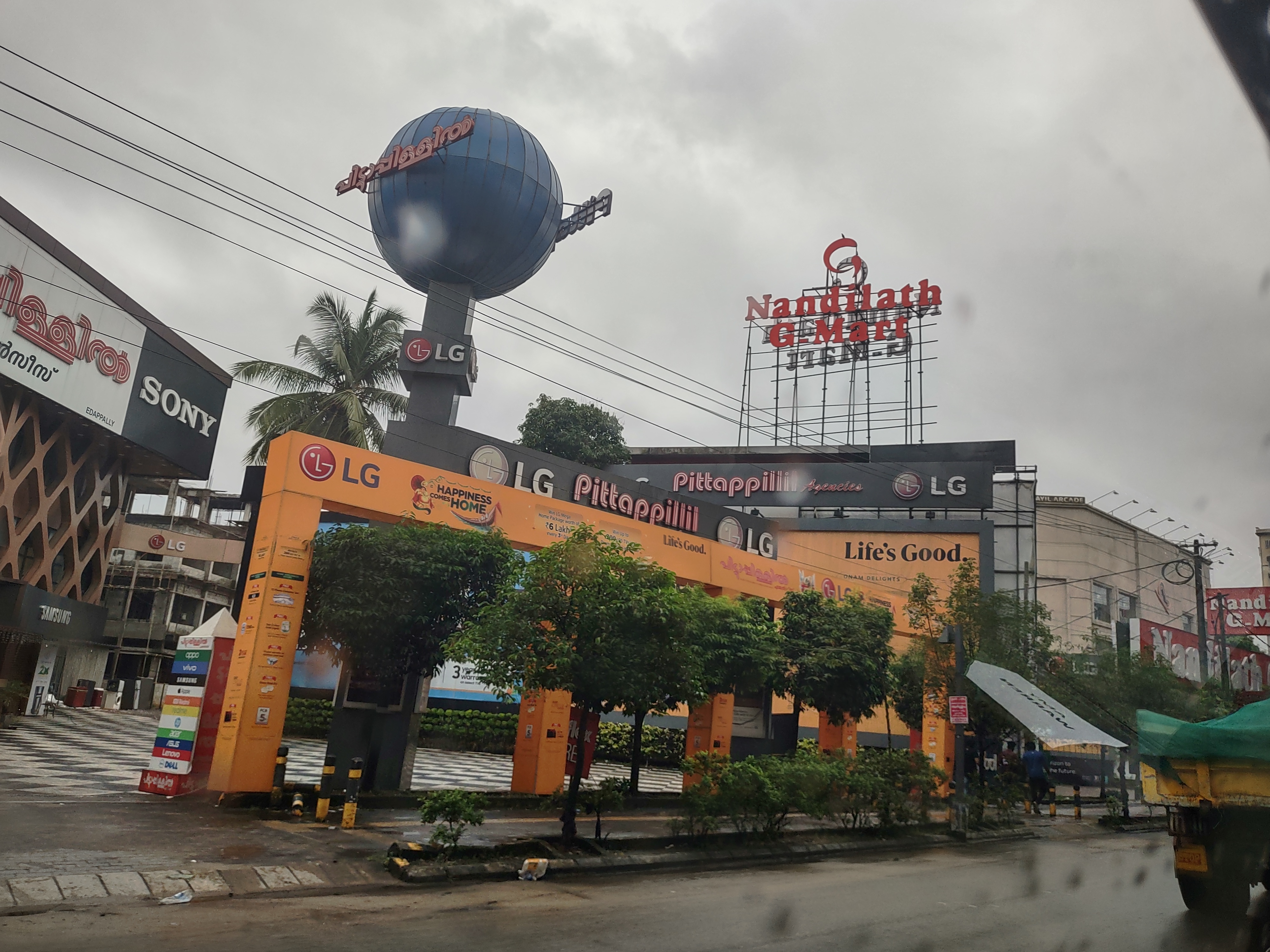
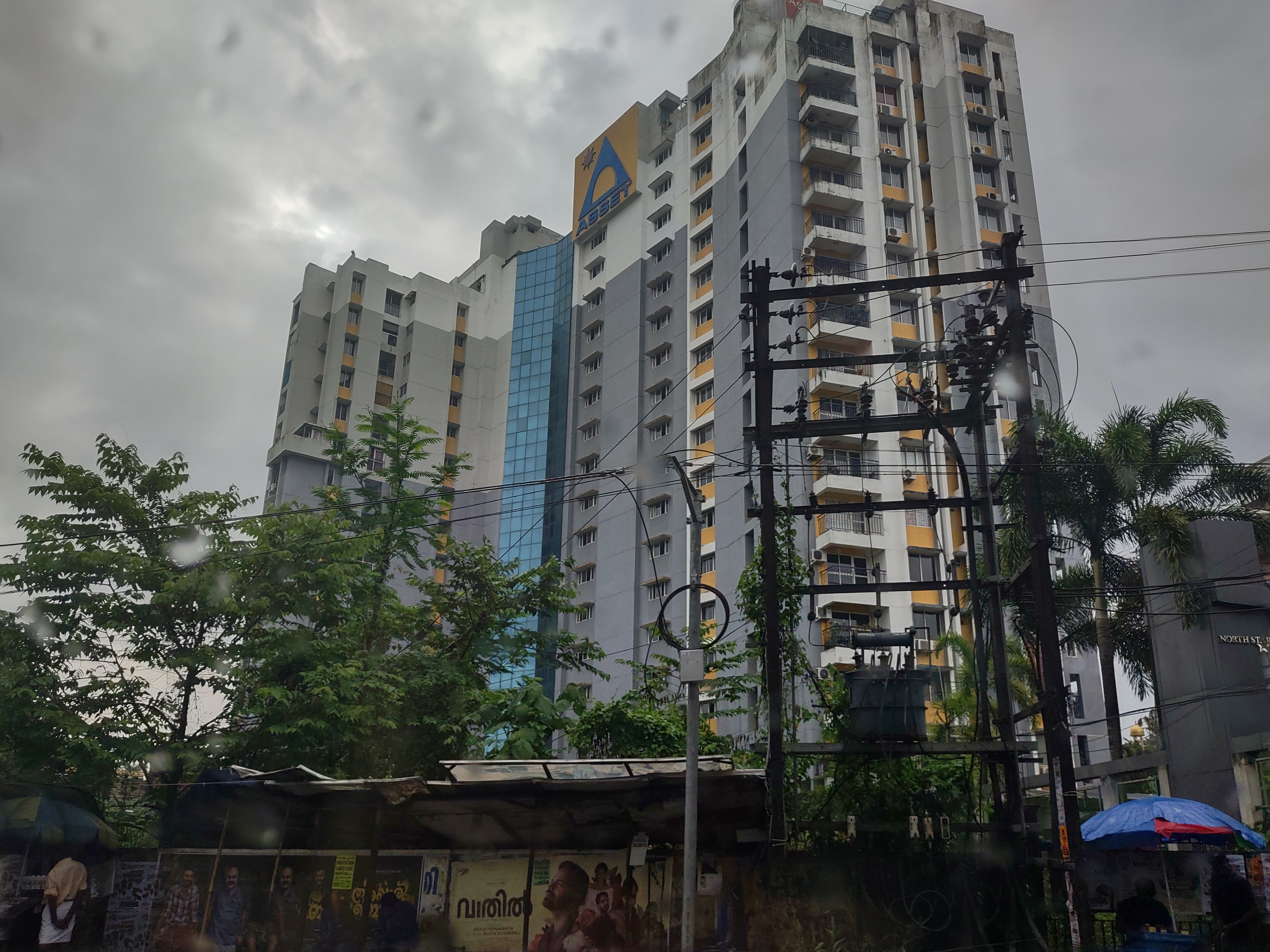

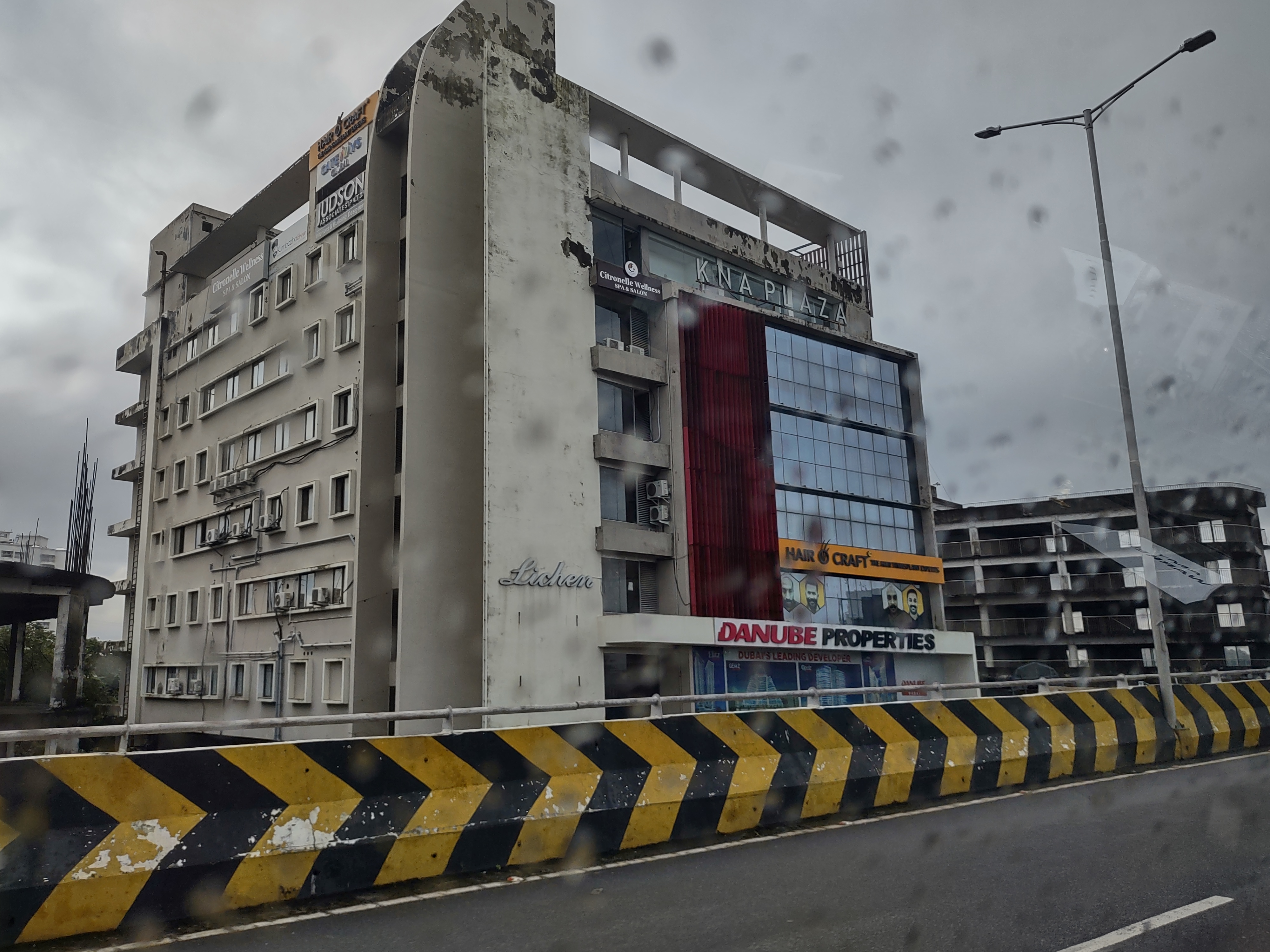
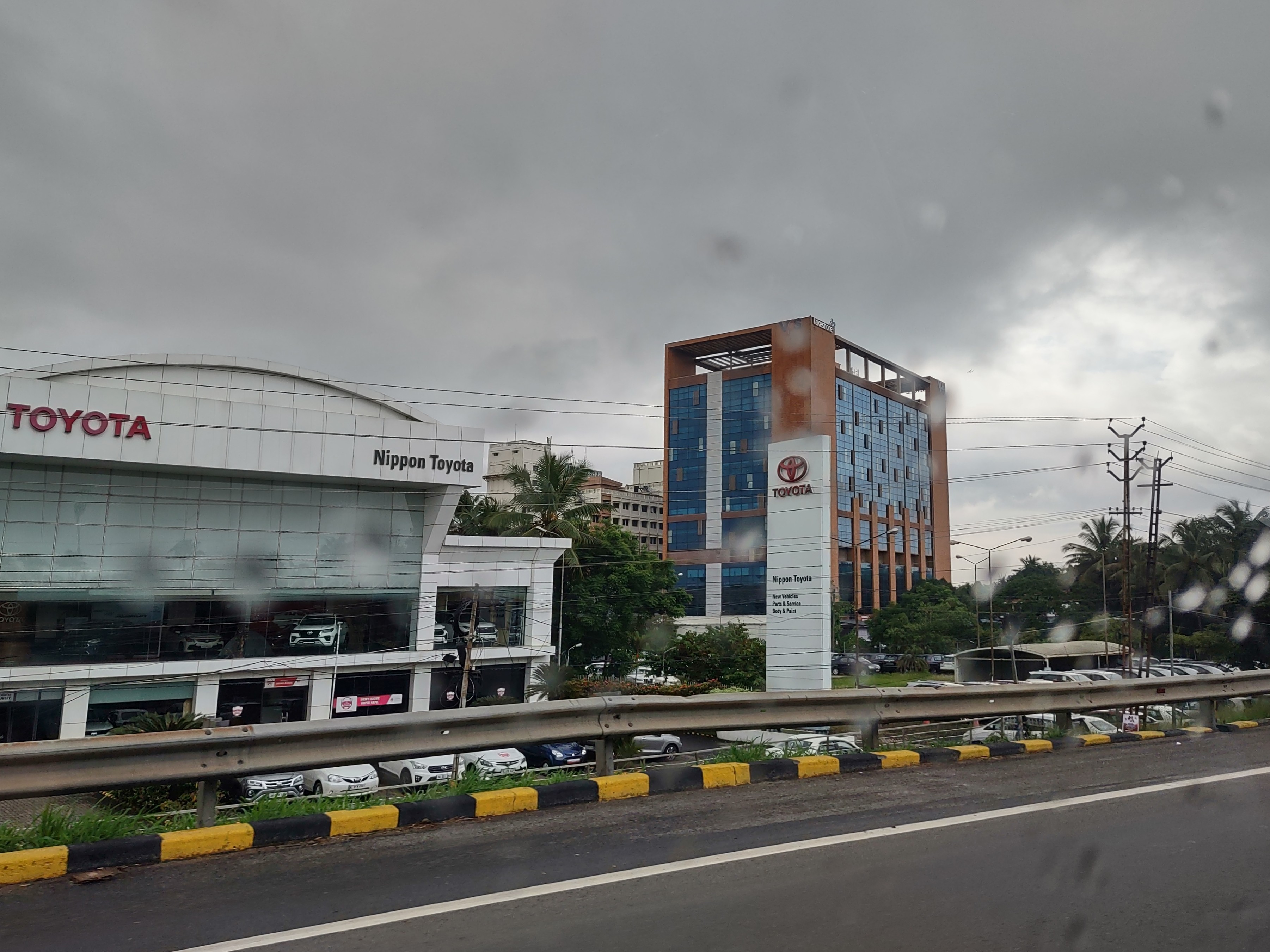
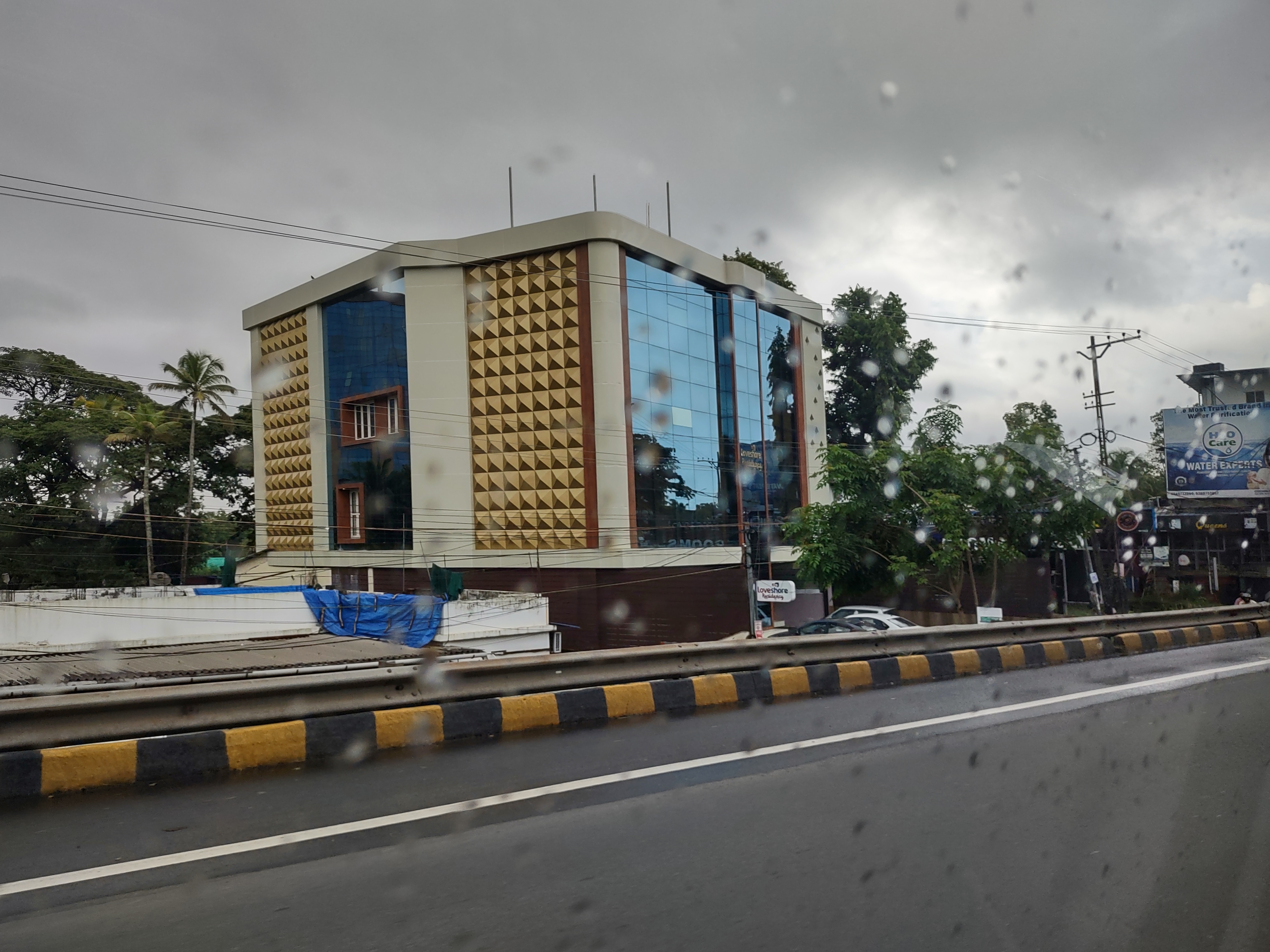
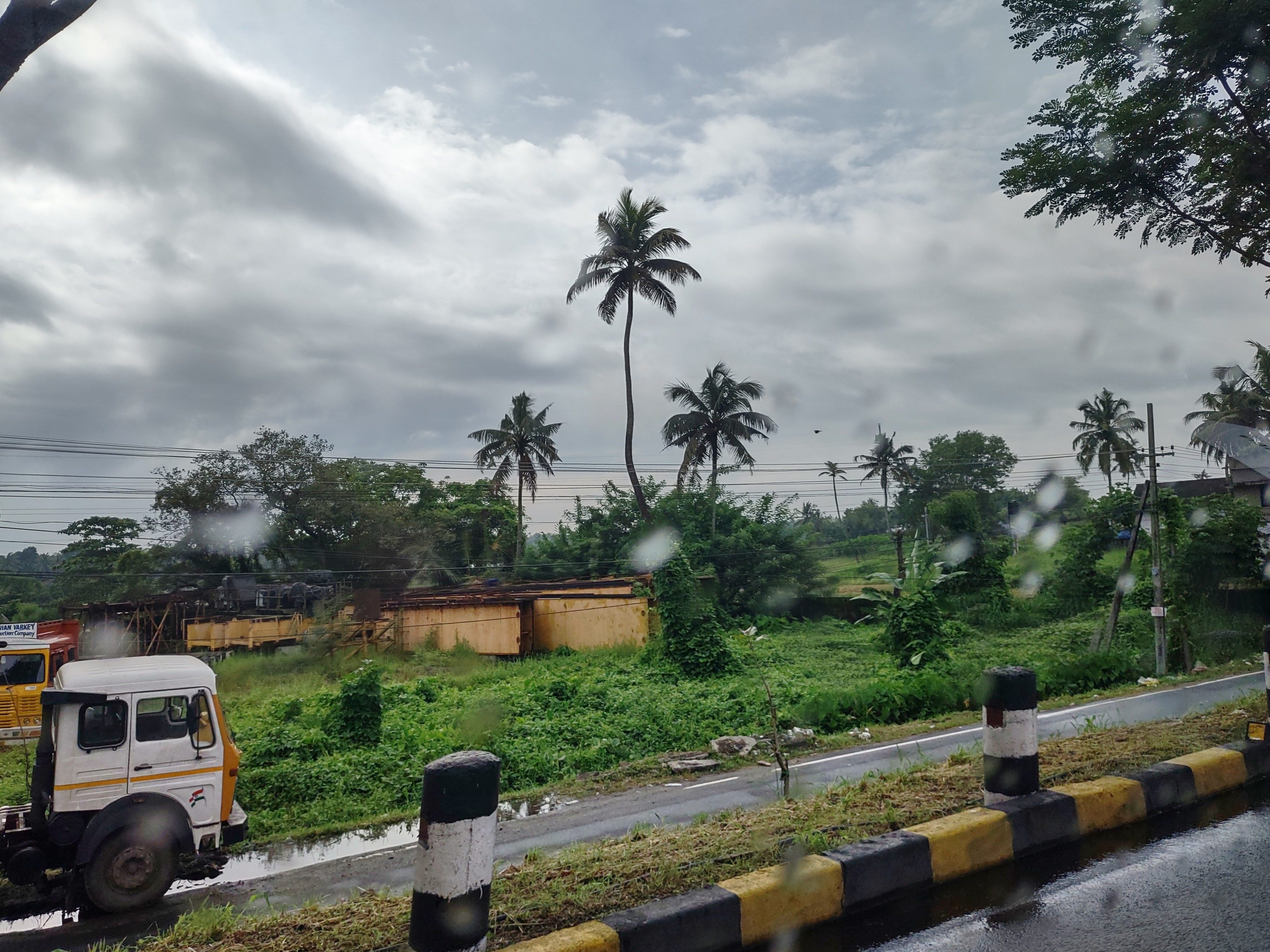
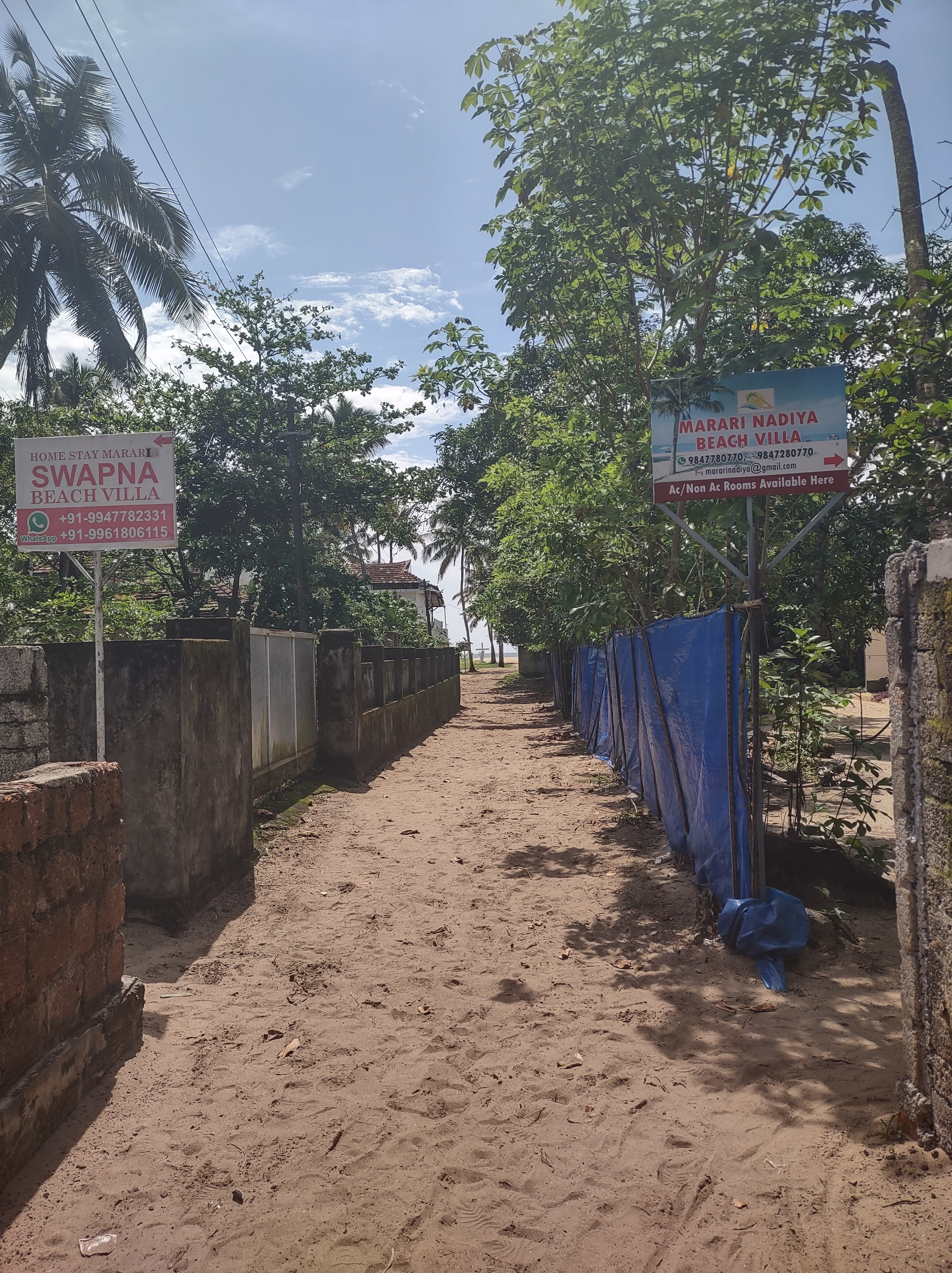
As we continued south, the larger buildings fell away and the trees and greenery took over which, combined with the high humidity and occasional rain gave things a very jungle-like feel. One thing that did surprise us was the number of Catholic churches we passed along the way, which we would learn more about later. After a couple of hours, we arrived at Marari Beach Road, a dirt track which turned into a sand path leading to our home for the next week, the Swapna Marari Beach Villas where we were greeted by our host Binoy.


Marari Beach (Our First Real Homestay?)
While we have stayed at a couple of places which have billed themselves as “homestays”, the Swapna Marari Beach Villas was our first experience with a true homestay meaning that we were, more or less, living in someone’s home. Our hosts were Binoy and Swapna, along with their three beautiful children Anita, Anthony, and Aquino, all of whom we got to spend time with and got to know, at least a little, during our stay. I could probably write pages and pages about what a wonderful family they are, but would sum them up as a loving couple doing everything they can to provide the best life possible for their children.
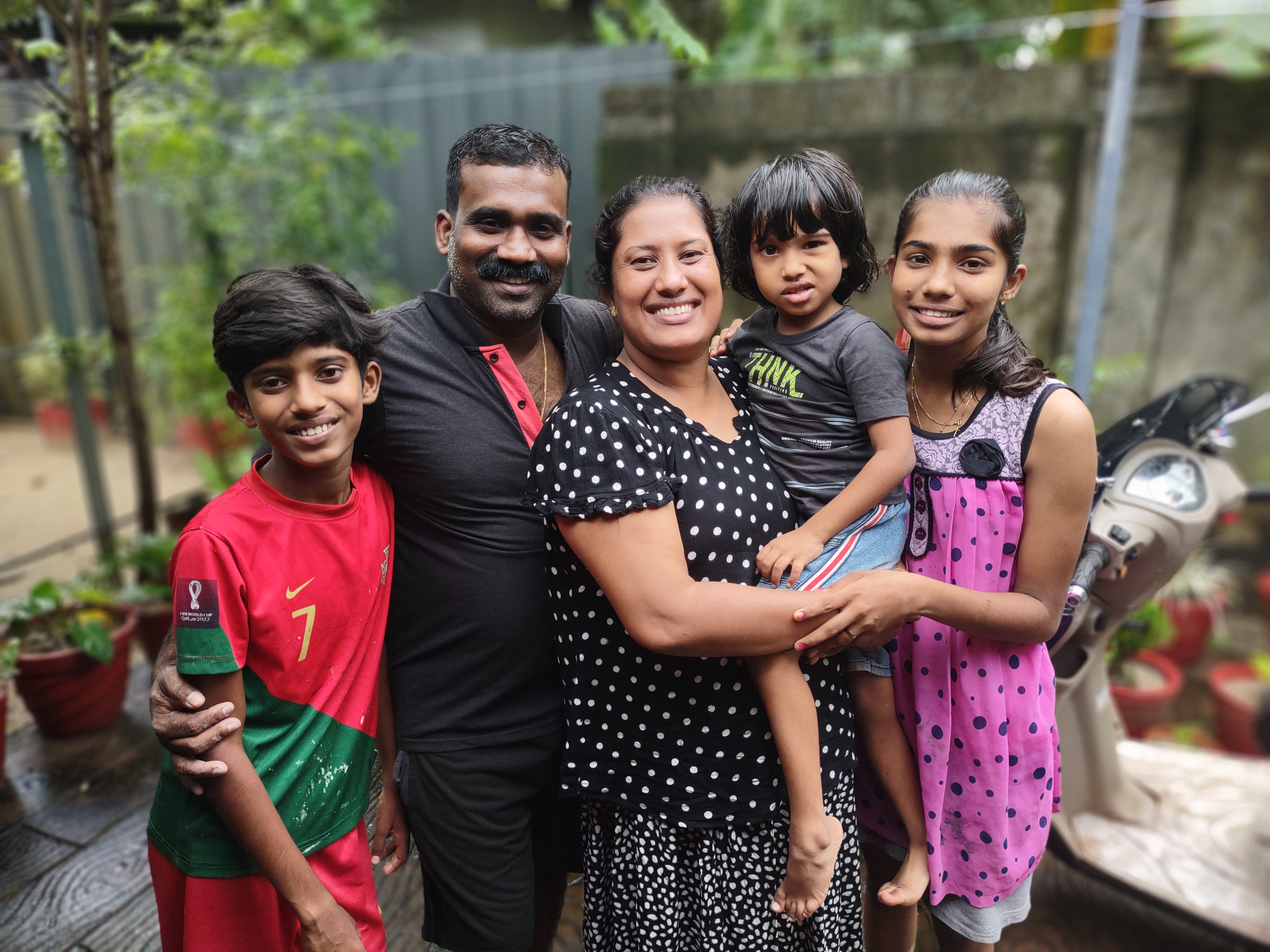
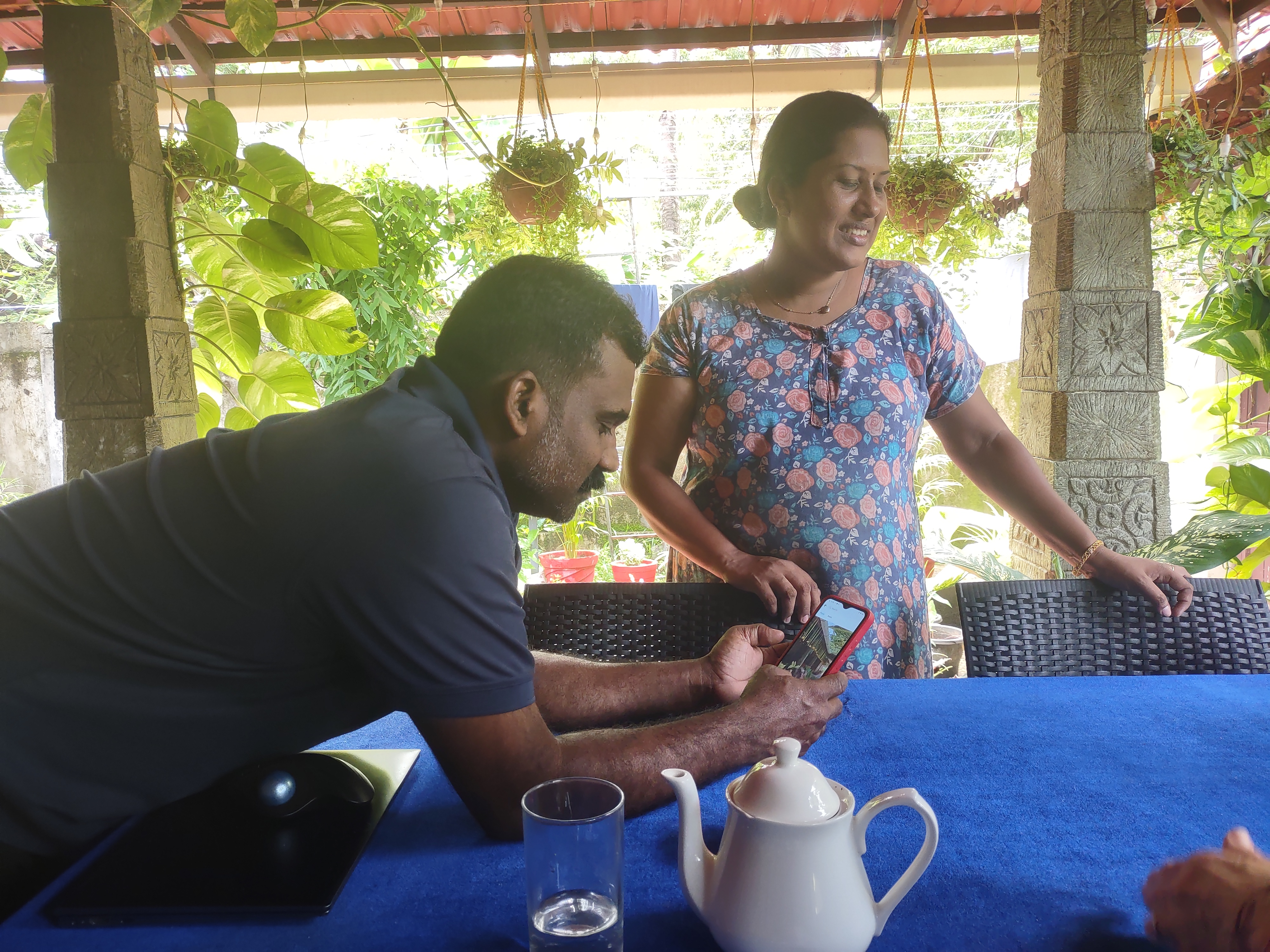
While Binoy is billed as the host of the homestay, it is really Swapna’s operation (it is India, and we suspected that some people might be put off by a woman host) and she manages it well. On top of raising three children and attending nursing school three days a week, Swapna is also the head chef and prepared us some great traditional southern Indian food during our stay. On days when Swapna was not in school and the kids were, we had some great conversations (Swapna’s English was very good) and learned about all the hard work and sacrifices she and Binoy have made and how the homestay, which was her dream, came to be. (Among a thousand other things Binoy and Swapna do for their children is finding the money to send the kids to a Catholic school rather than a free public one because the Catholic school teaches English and the public one does not.)
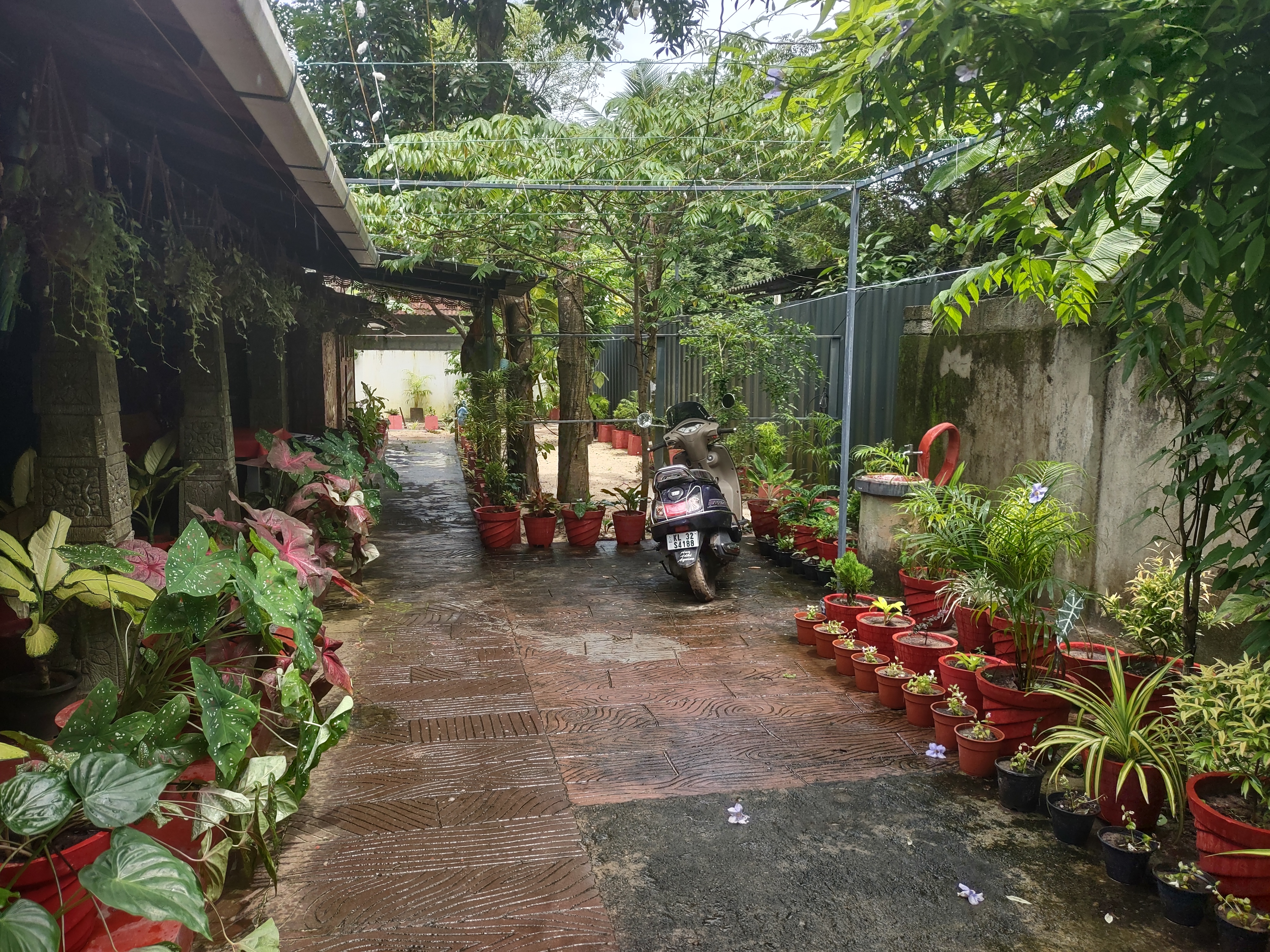
Outside of the home, Binoy works in construction, a mason by training, with a rare mix of technical skill and artistic ability with which he built their homestay himself (more about this later). Binoy also has quite the green thumb and has, over time created a wonderful garden in the homestay’s courtyard. While we didn’t get to spend as much time with Binoy as with Swapna and the kids, we got to know him well enough to appreciate what a great husband and father he is (definitely the classic strong silent type).
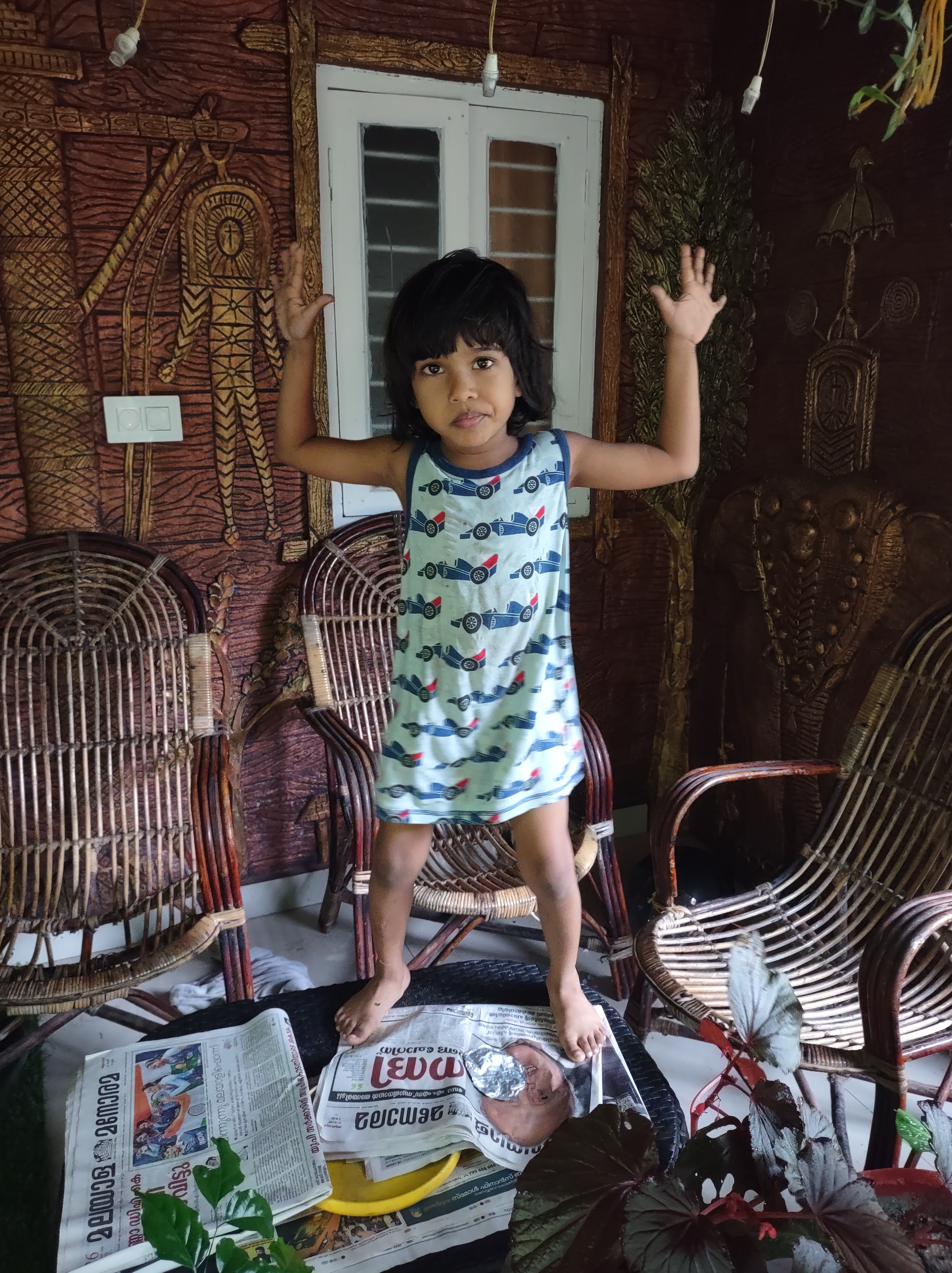
All three of the children were wonderful – beautiful, smart, respectful, loving, and happy and, I think, very aware of all the hard work and sacrifices their parents were making for them. We enjoyed the opportunities we had to interact with all of the children and gained some hint of what being a teenager in Kerala is like from Anita and Anthony, aged 14 and 11. Their 5-year old brother Aquino took quite an interest in us and, on mornings when he was not in school, we could hear him in the courtyard calling “Rrreech! Rrreech!” (he really liked to roll the “R” in my name) looking to play a game.
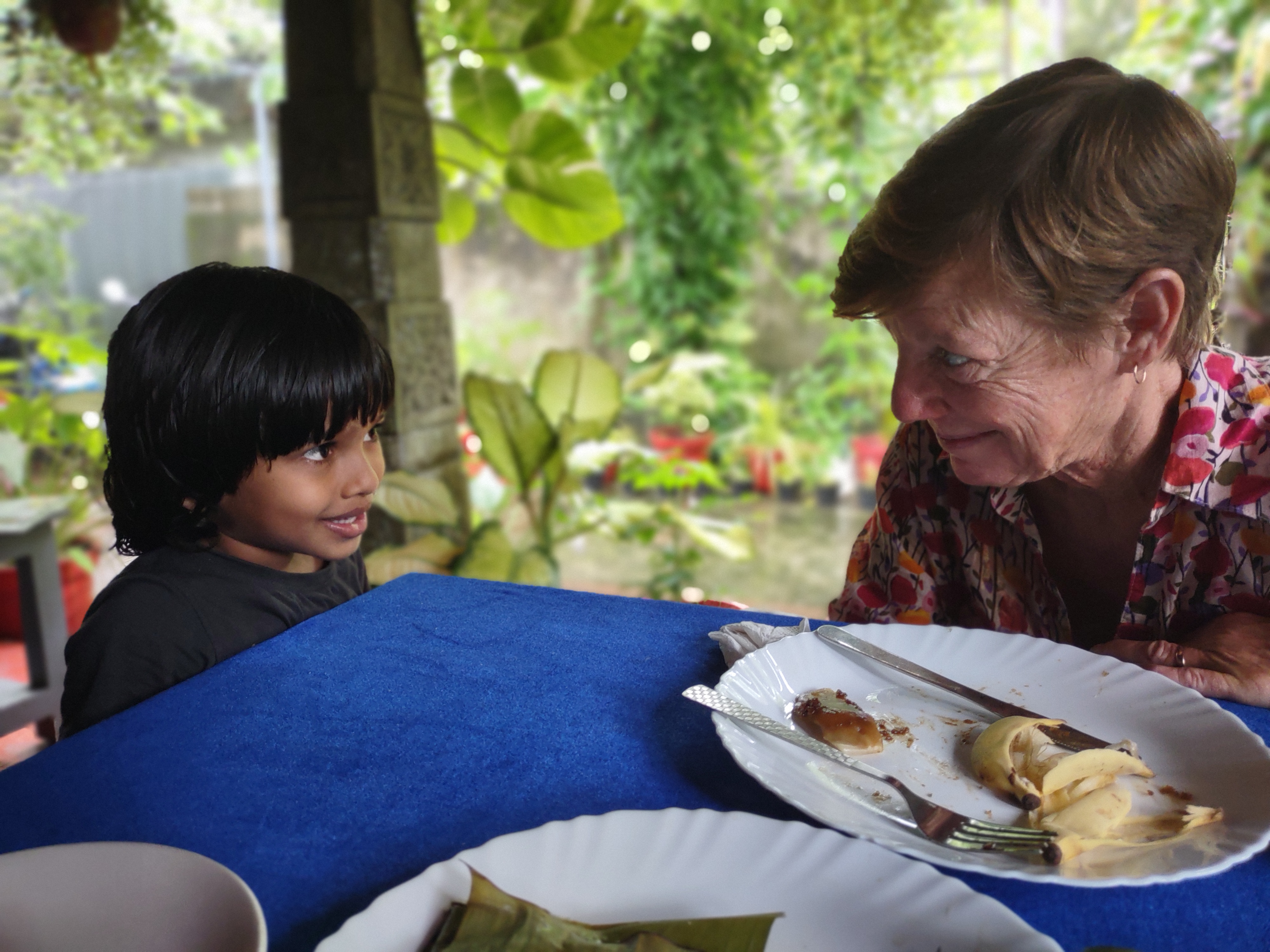
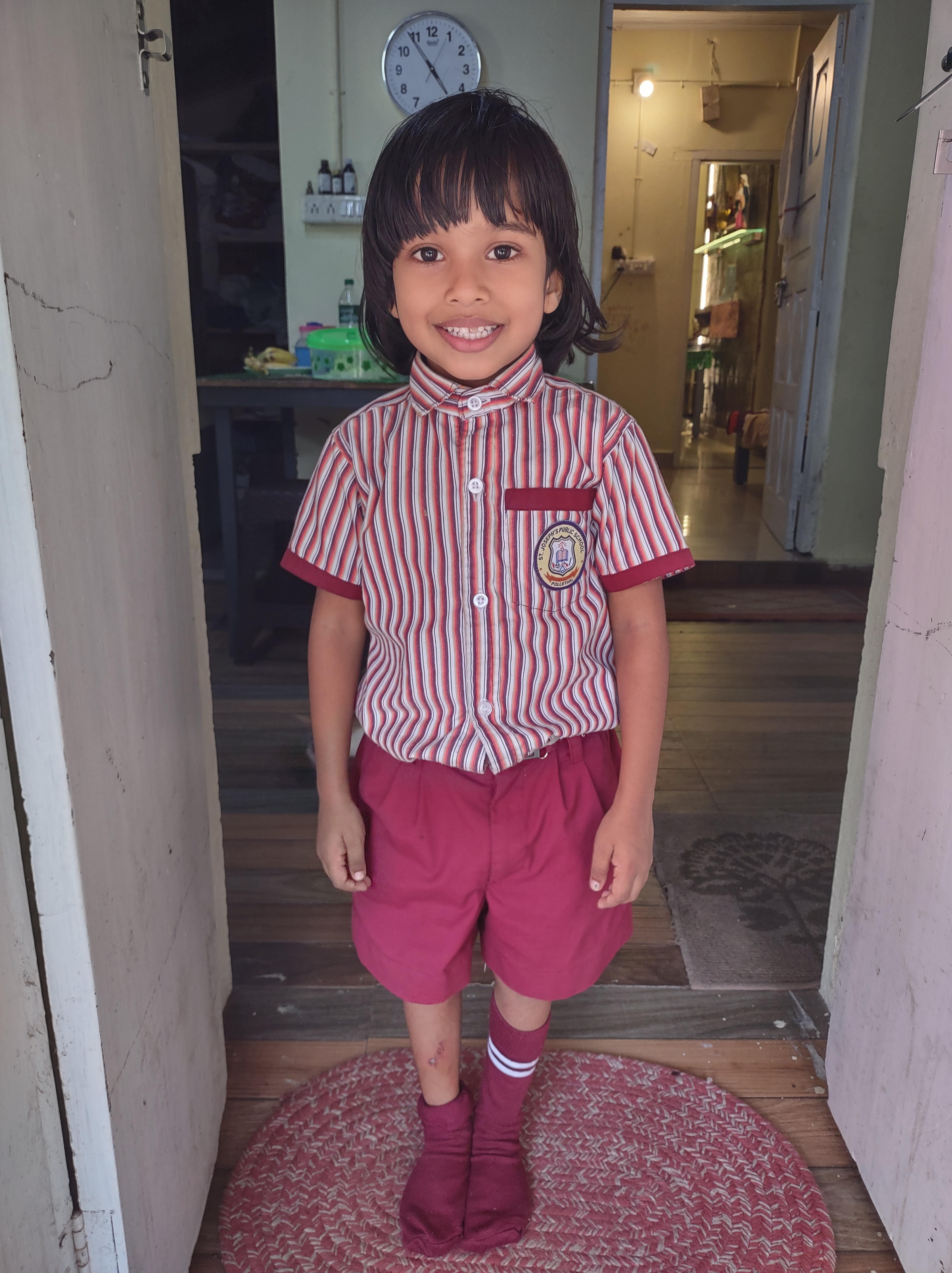
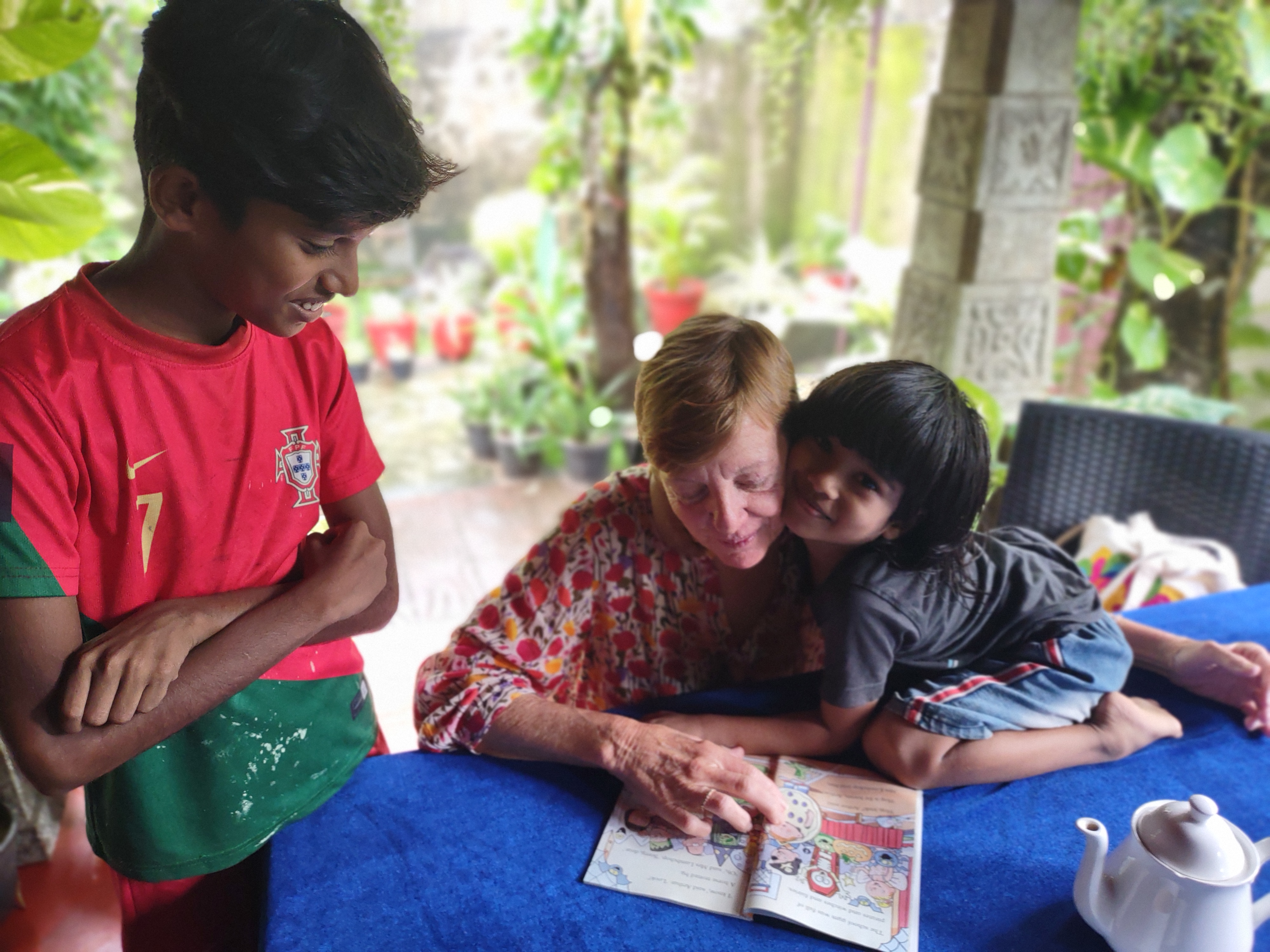
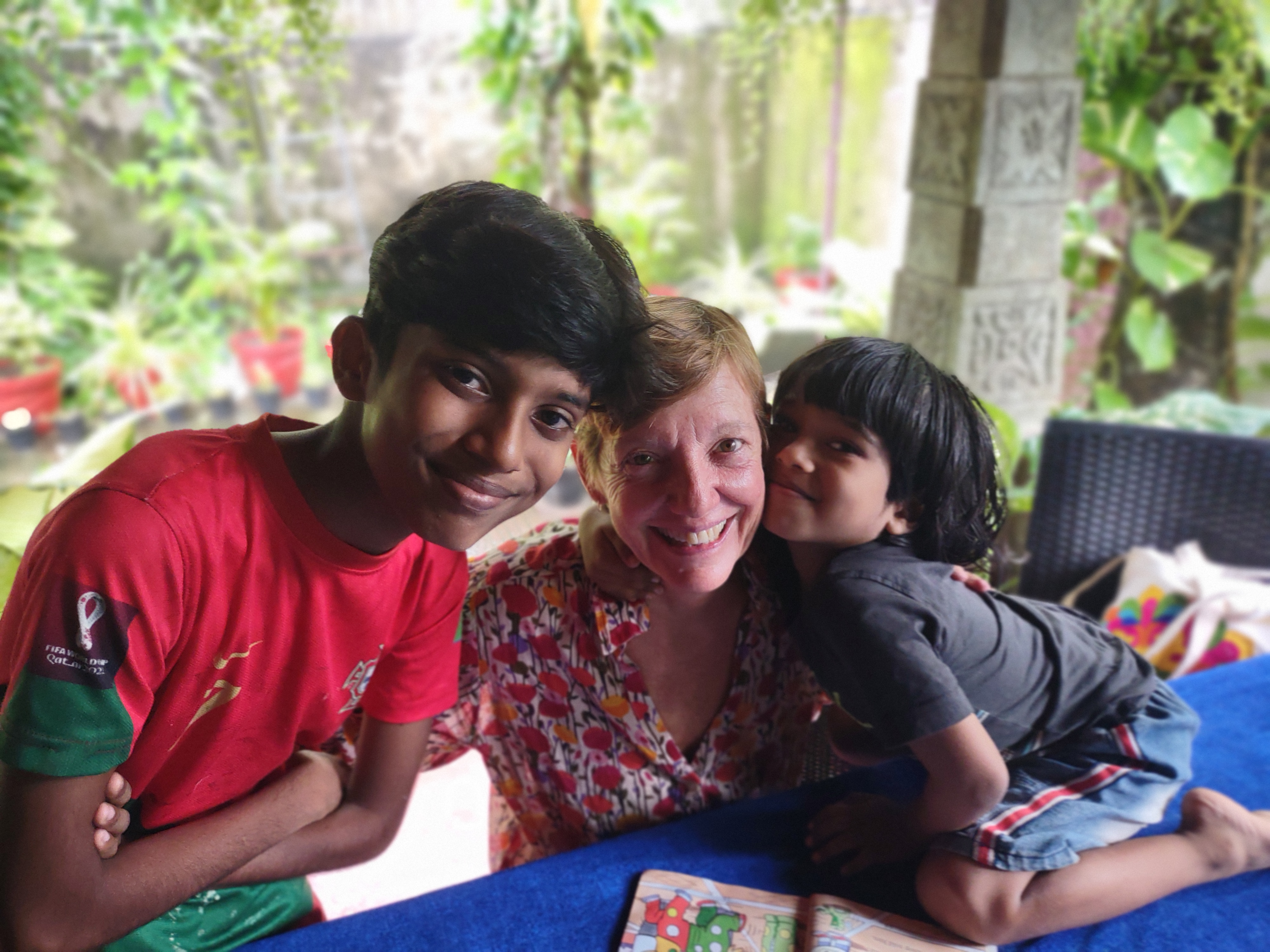
Staying with a family was helpful as Swapna provided us with good tips and recommendations as well as making arrangements for some excursions. But it also provided us with insights into what it is like to actually live in this place and afforded us the opportunity to do some things we almost certainly wouldn’t have done otherwise. We enjoyed this aspect of our stay so much that we will certainly seek out similar homestay opportunities in the future though it seems unlikely that many could compare to this one.
Our Place in Marari Beach
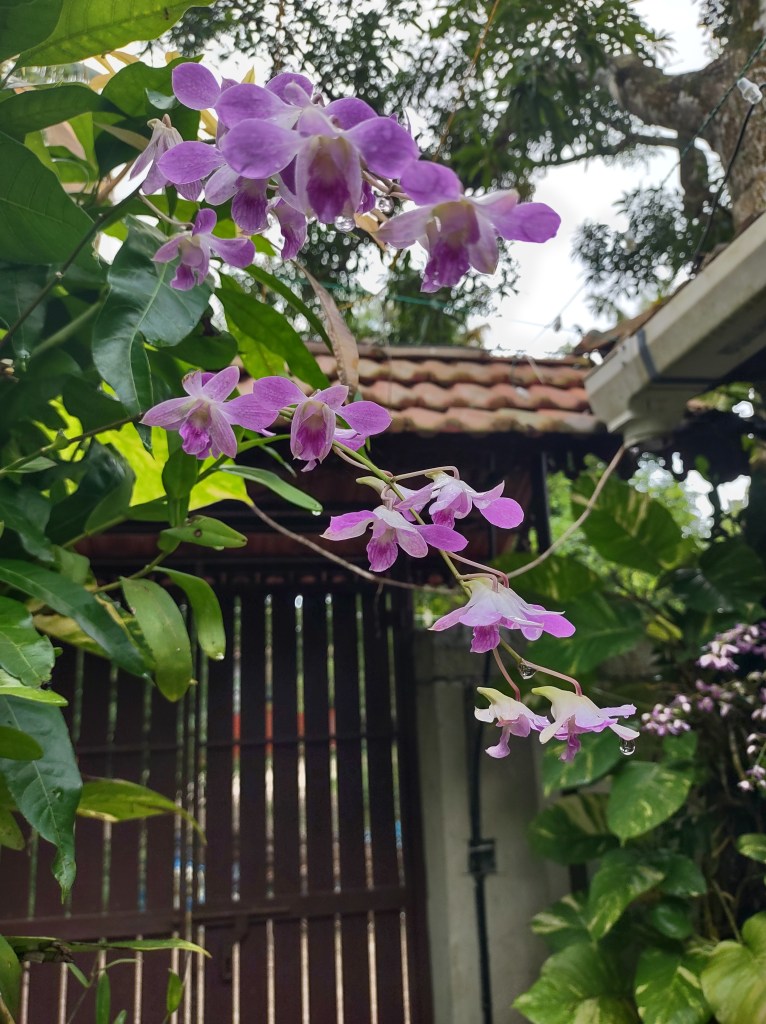
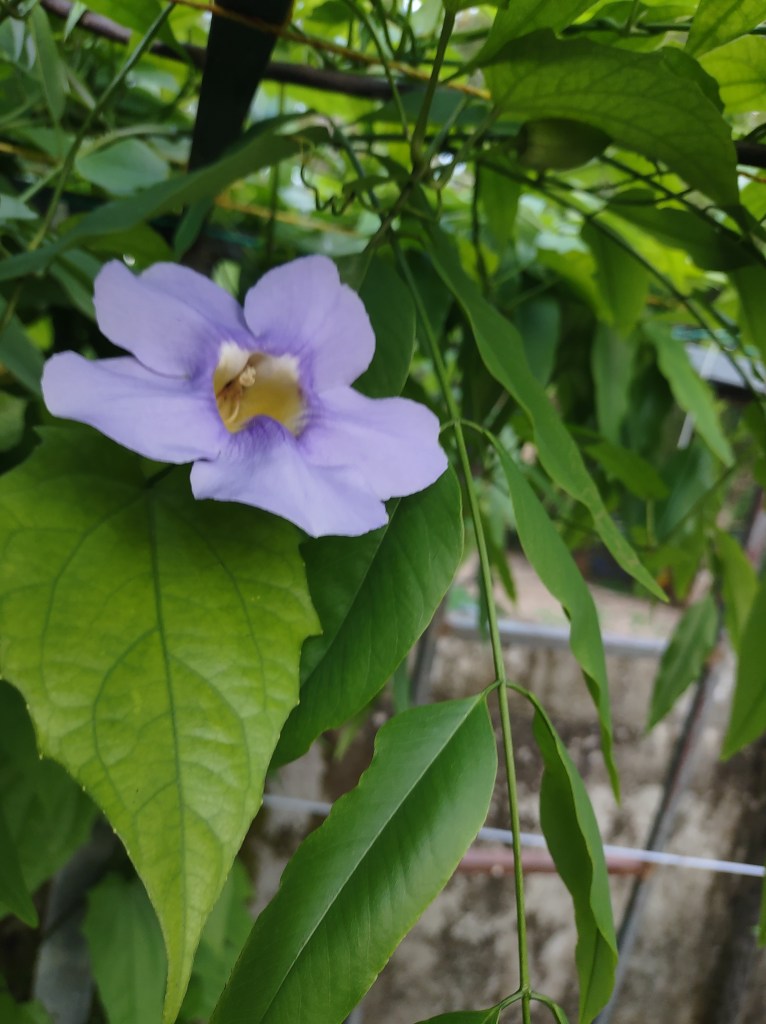
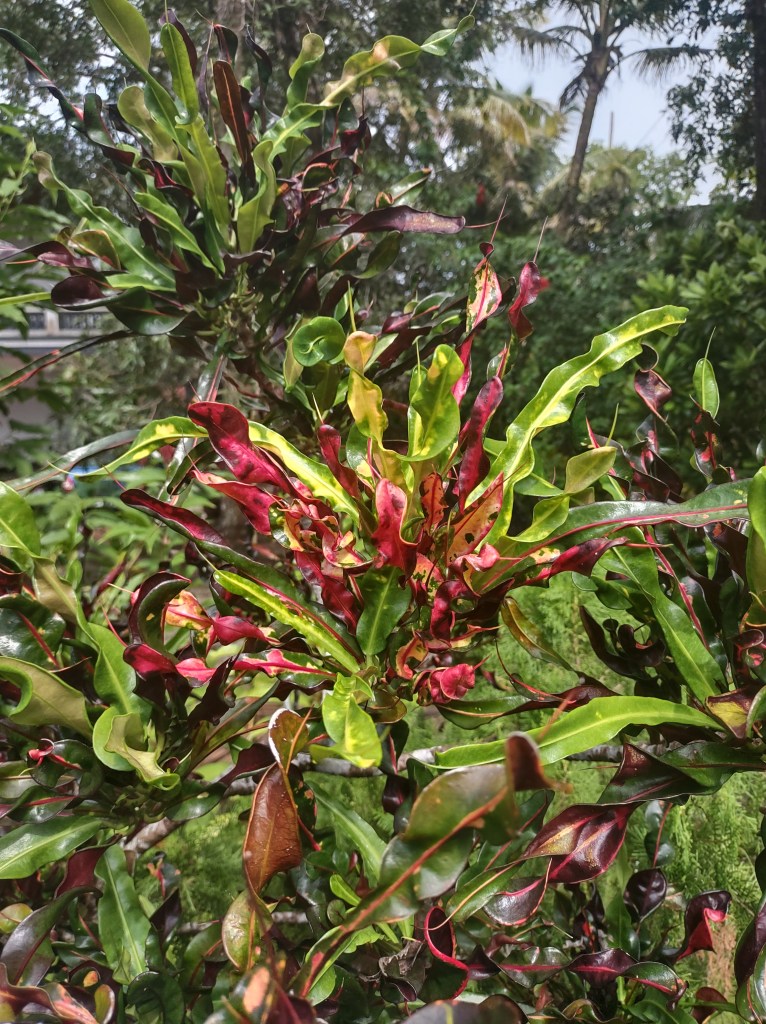
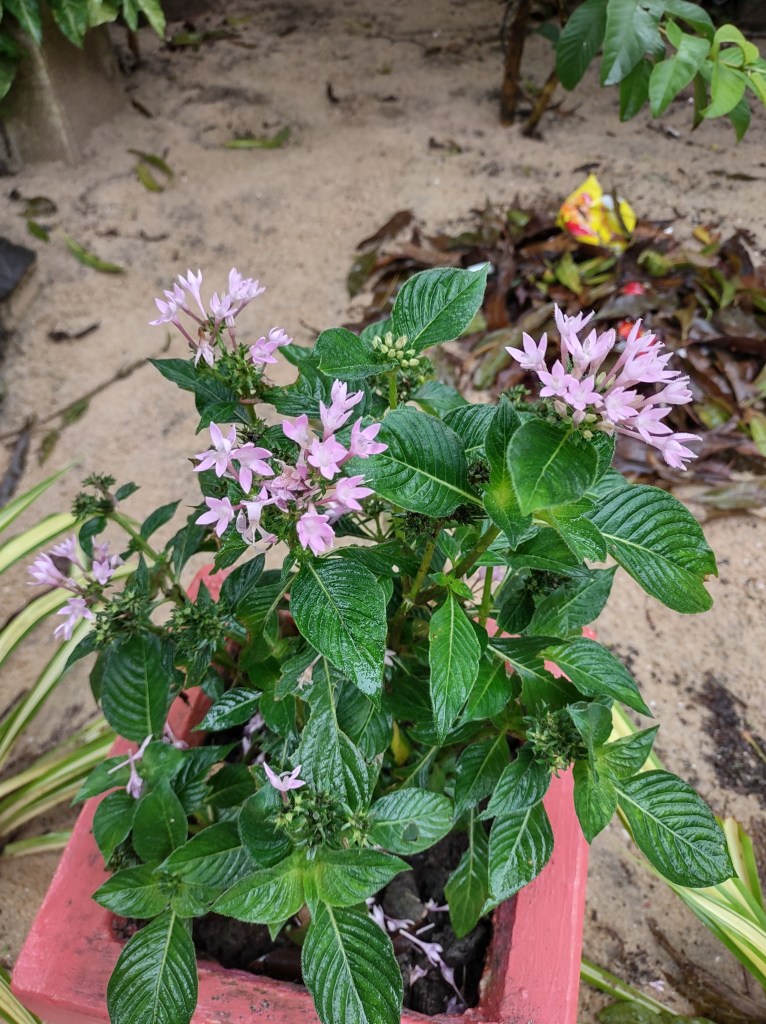
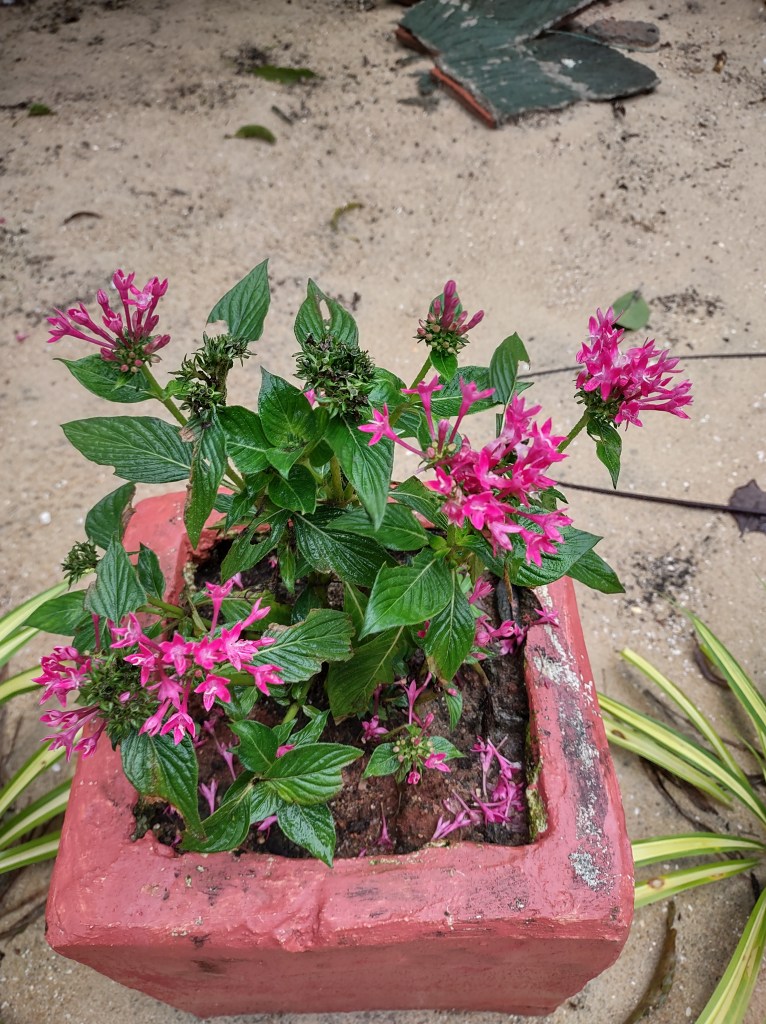
Our homestay in Marari Beach was definitely one of the most unique places we have stayed in, largely because it was handcrafted by Binoy. The physical arrangement, which was similar to other houses we saw in the neighborhood, was a walled and gated courtyard which wrapped around three sides of a one-story structure. Thanks to Binoy’s extremely green thumb, the courtyard was a lush garden full of a wide variety of brightly colored trees, plants, and flowers to which he seemed to be constantly adding. A covered terrace wrapped the exterior of the house creating a shady area between it and the courtyard for dining and relaxation.
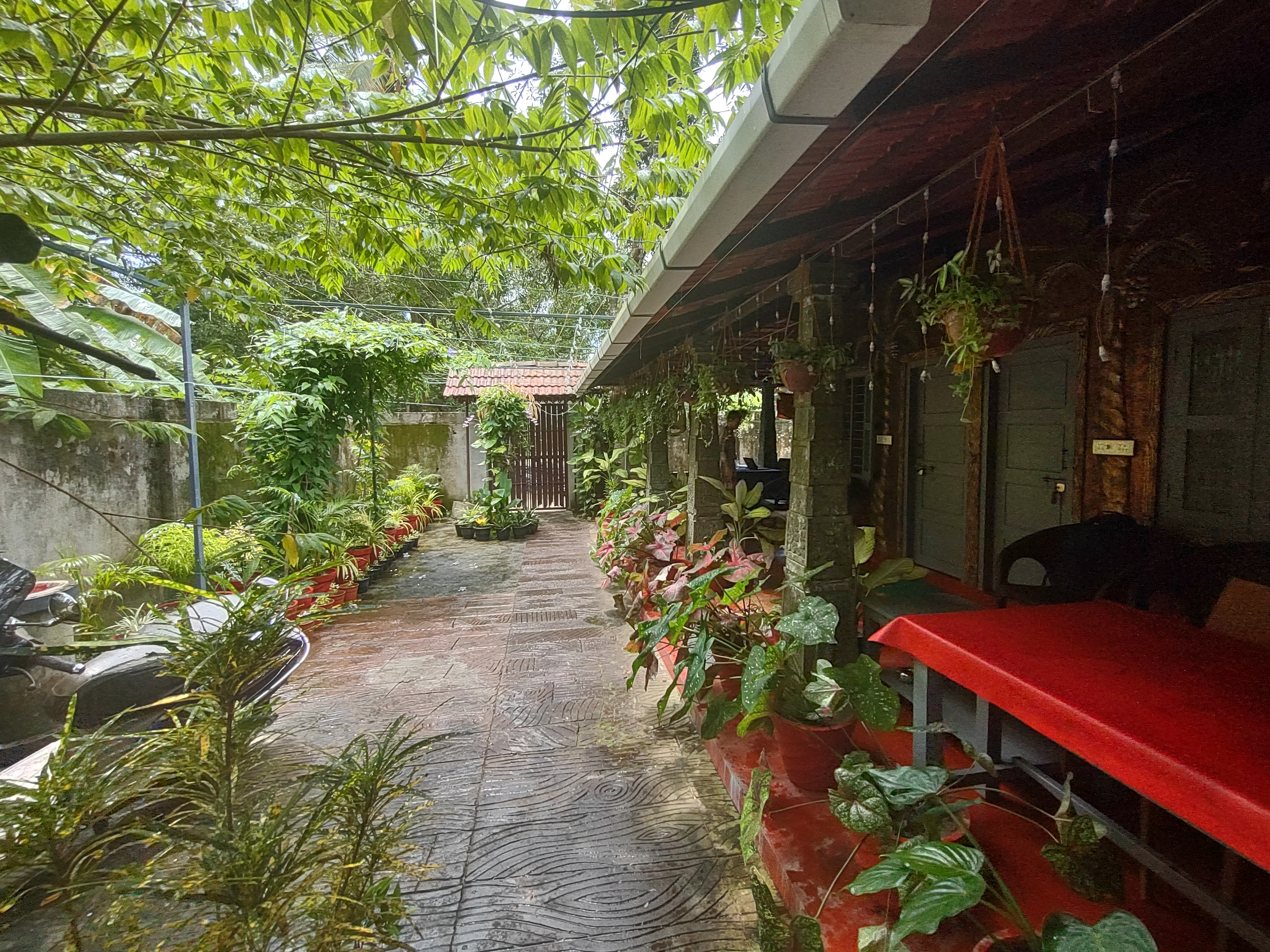
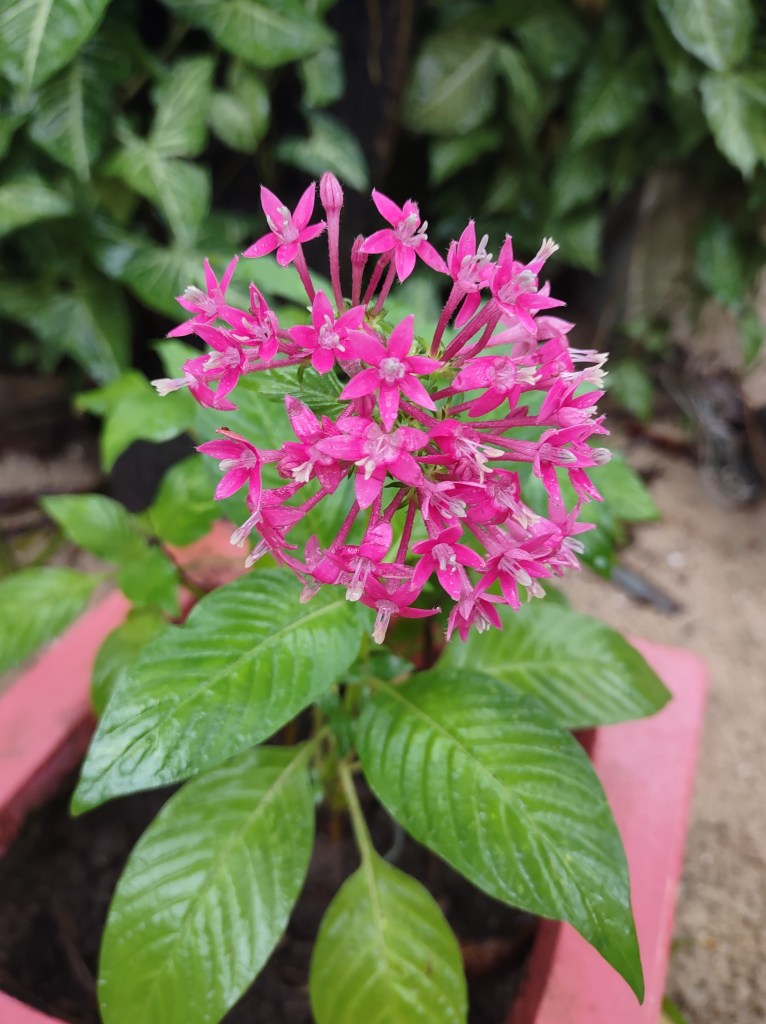
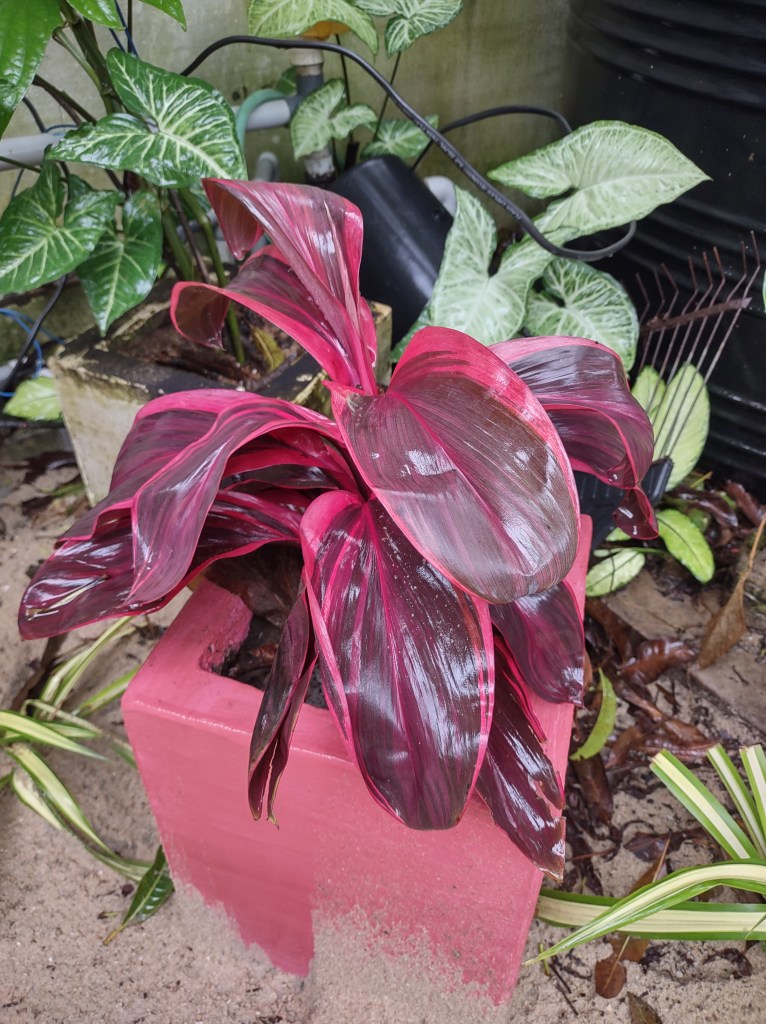
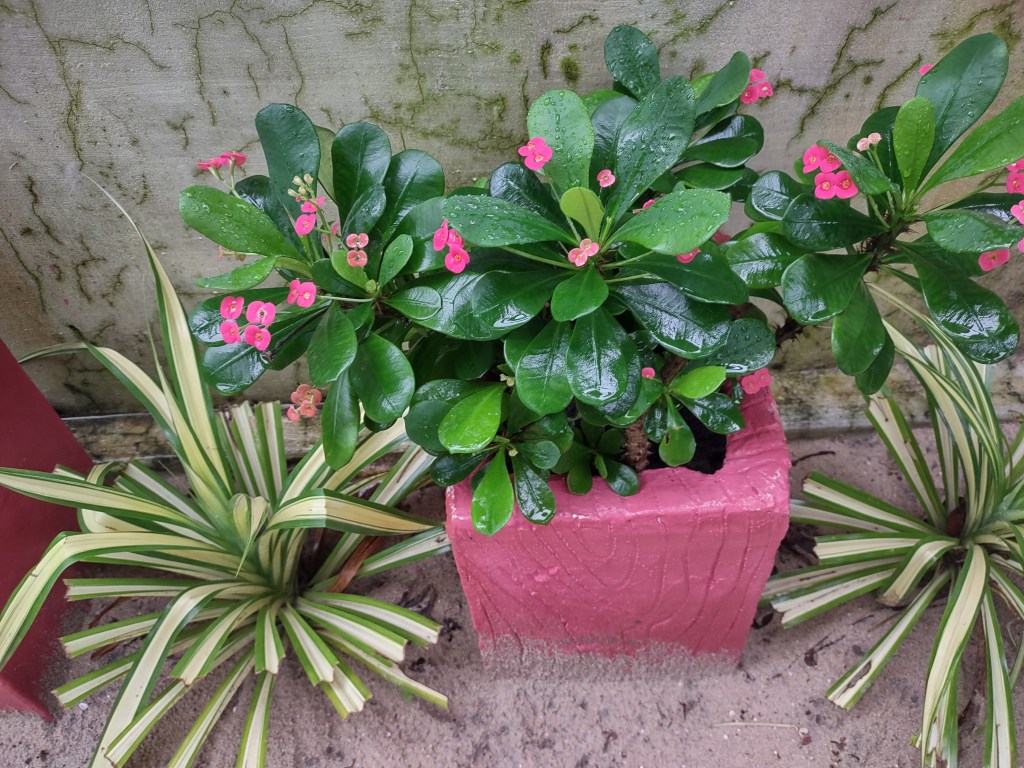
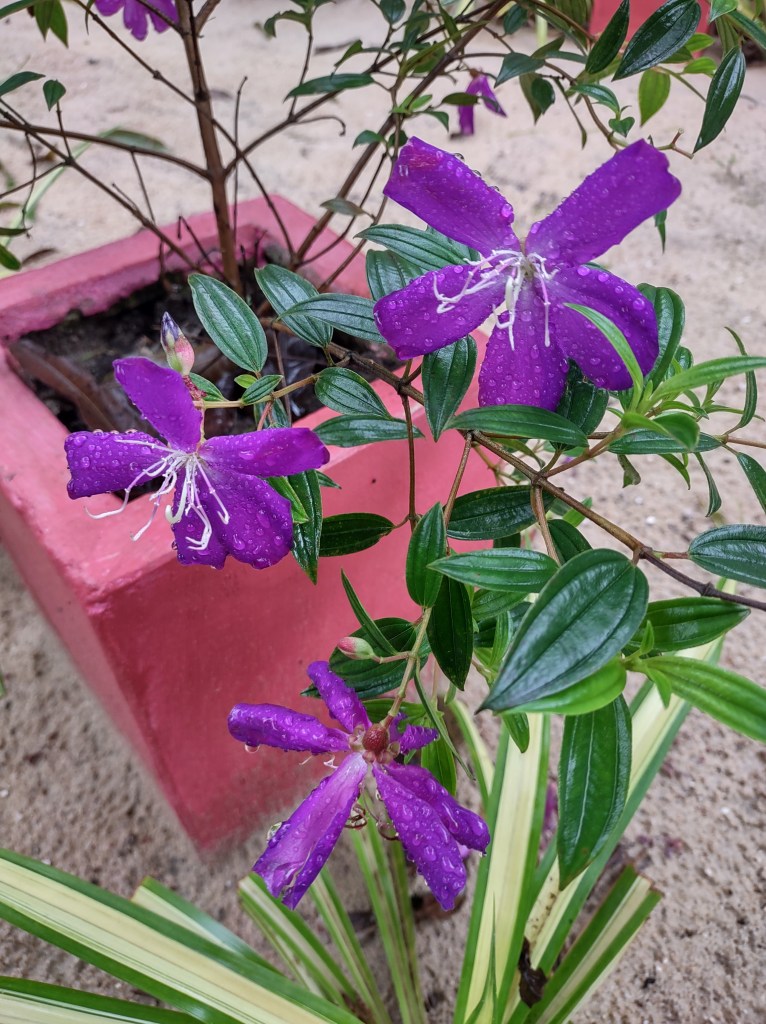
Our bedroom and a second one, each of which had a private bath, was an extension of the family’s home to the rear of the property. The exterior (and some of the interior) walls of the guest wing are clad in a decorative treatment of Binoy’s devise which involves hand carving of a thick facing of plaster as it sets up to create images in bas relief which are then hand painted utilizing another technique Binoy has developed. The end result of all of this is pretty amazing.
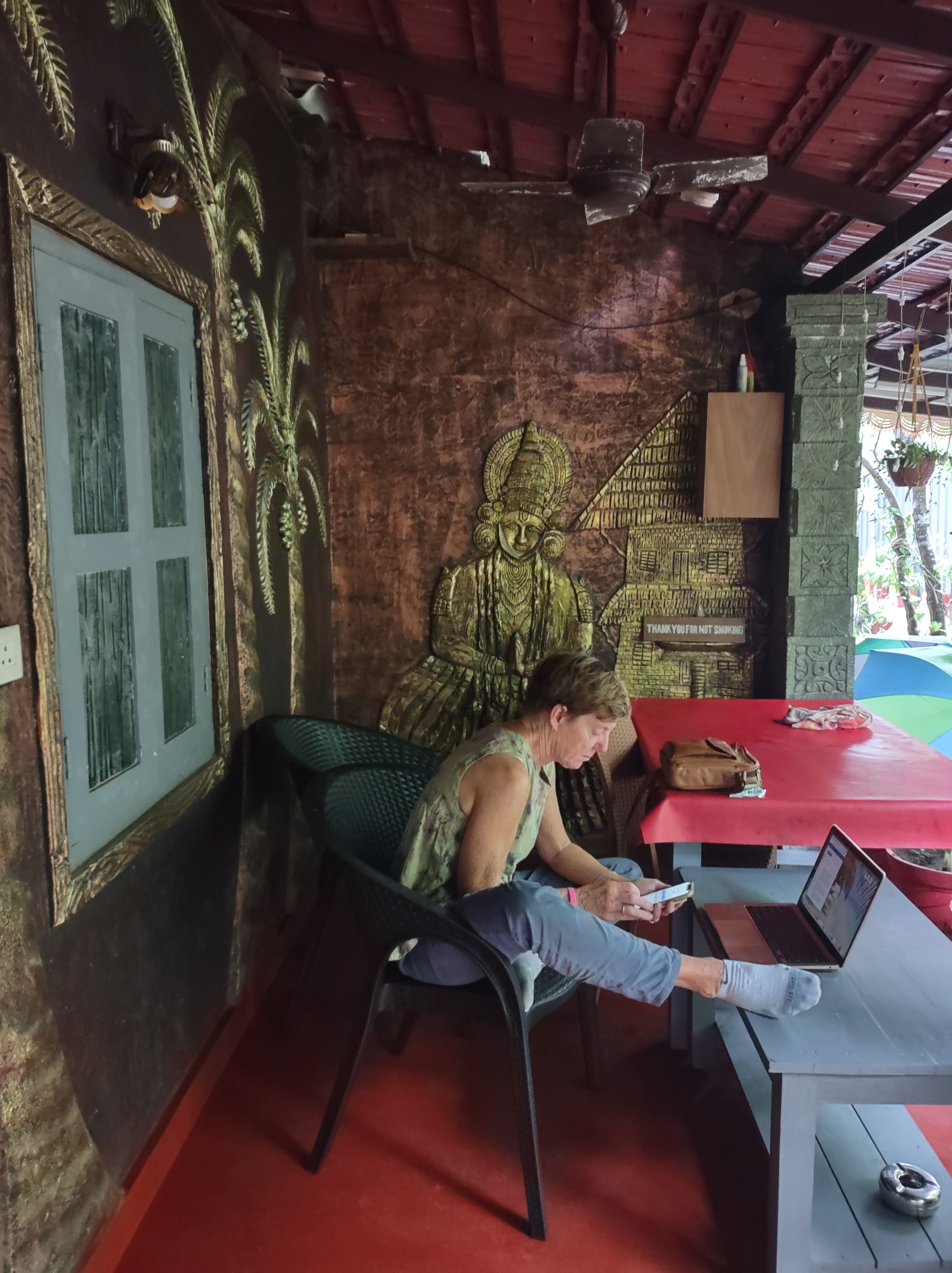
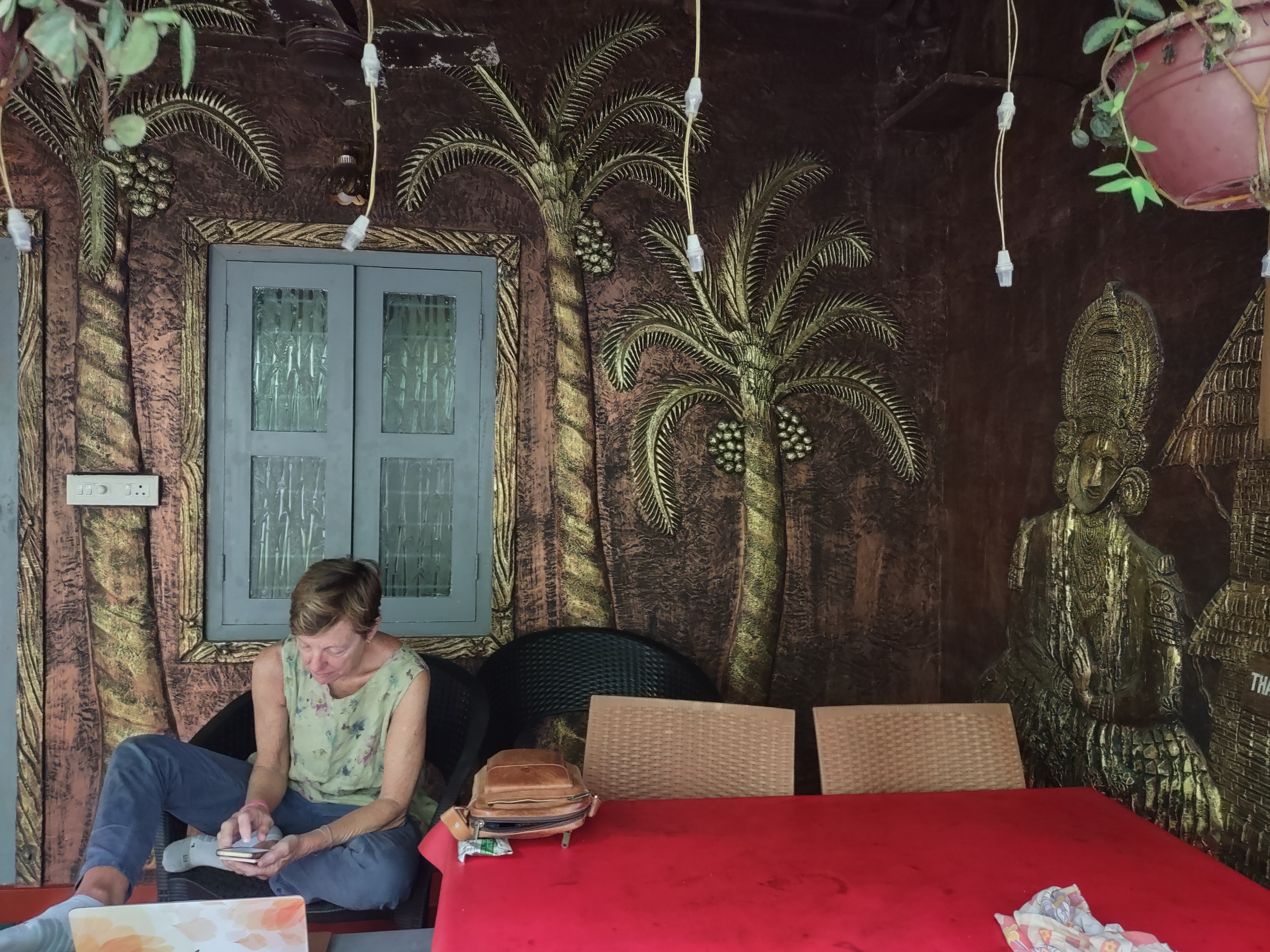
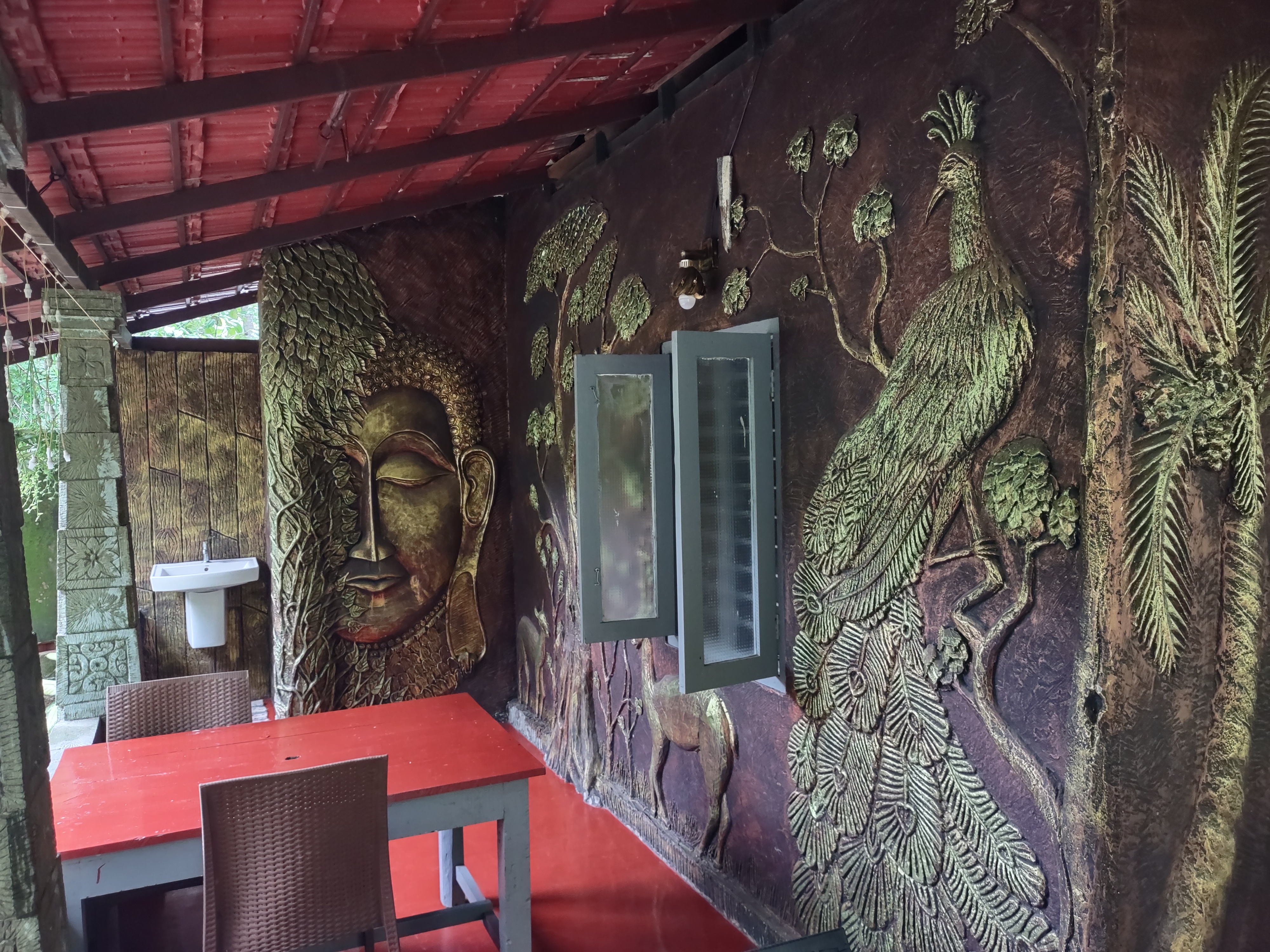
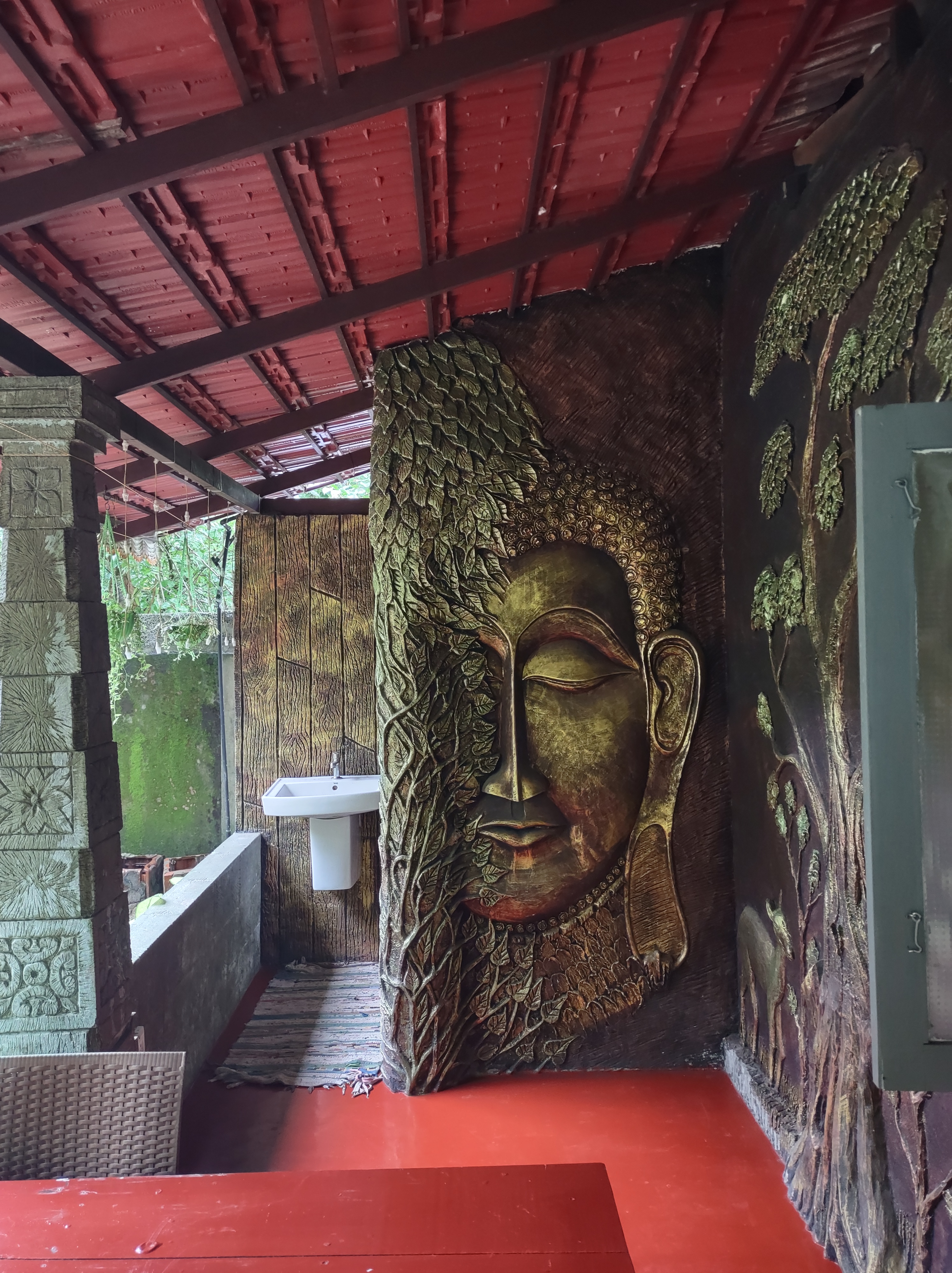
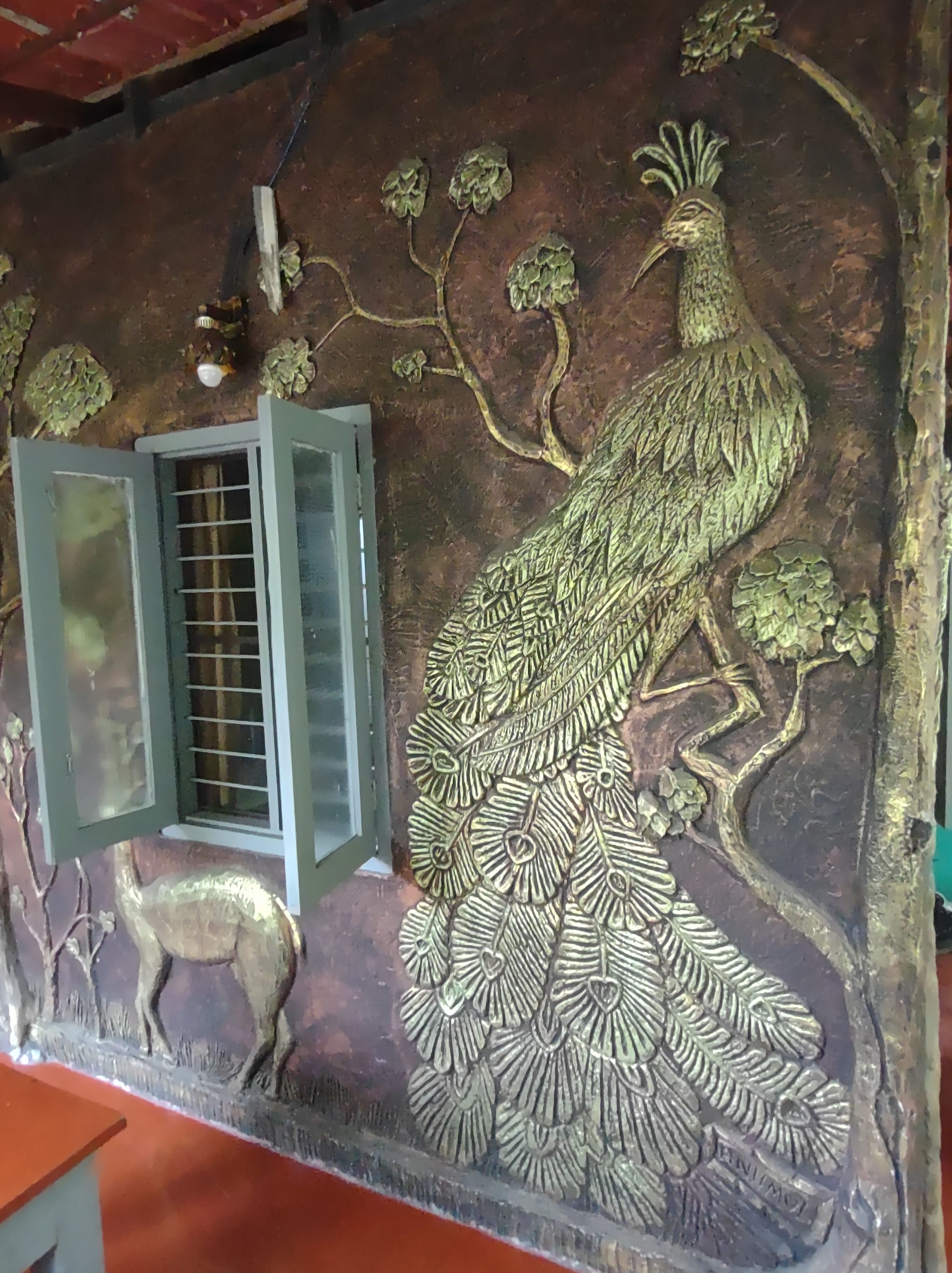
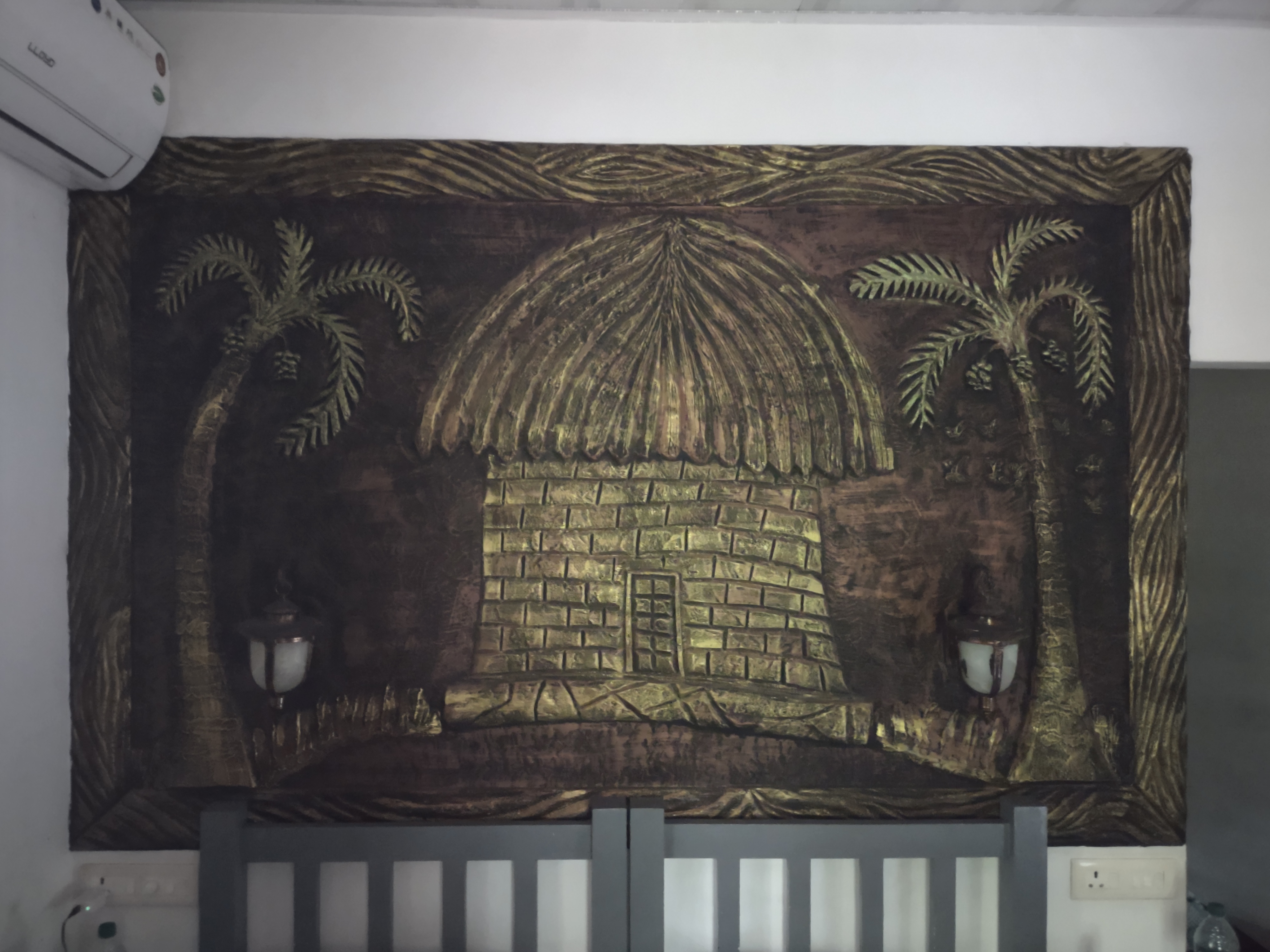
The exterior walls of the guest wing were wrapped in panels depicting scenes which included palm trees, grass huts, Buddhas, and a beautiful peacock. A similar panel with a grass hut and palms served as the headboard in our bedroom. For some surfaces, such as the columns supporting the terrace roof, Benoy utilizes a similar technique which involves carving the plaster without painting it. We dined on the terrace outside our room once or twice a day and hung out there for relief from the sun or rain, depending upon the weather) reading, writing, and relaxing (not to mention playing with Aquino) and so had the opportunity to really appreciate the detail and beauty of Binoy’s work.
Marari Beach and Mararikulam
Marari Beach is located in the town of Mararikulam, a small village of about 35,000 which is located in the Alappuzha District, the smallest of fourteen districts in Kerala, with a population of just under a million, a popular tourist destination for Indians and foreigners alike. We were there at the end of the rainy season (still a bit before tourist season), so things were not very crowded and some restaurants were not even open for the season yet.
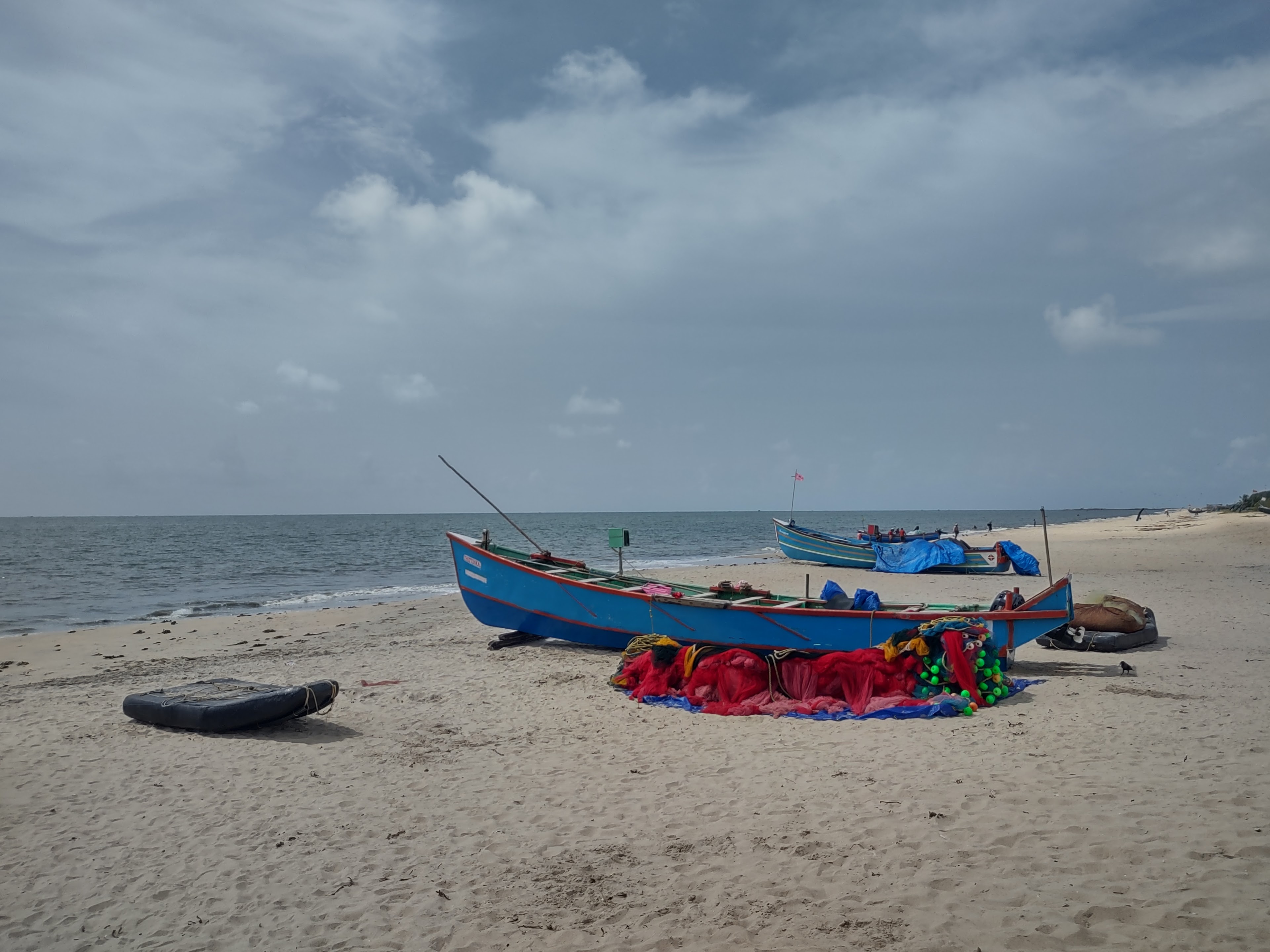

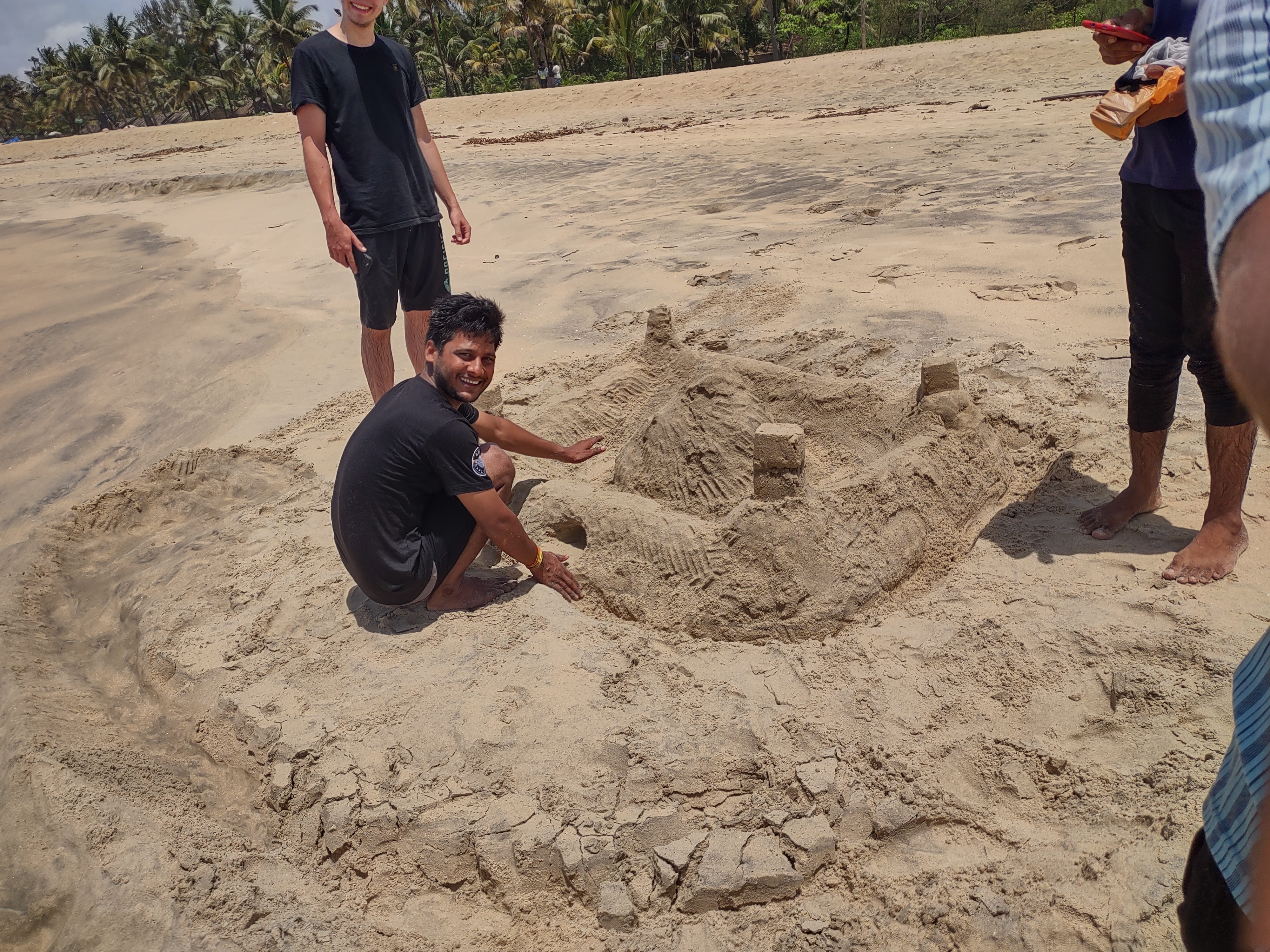
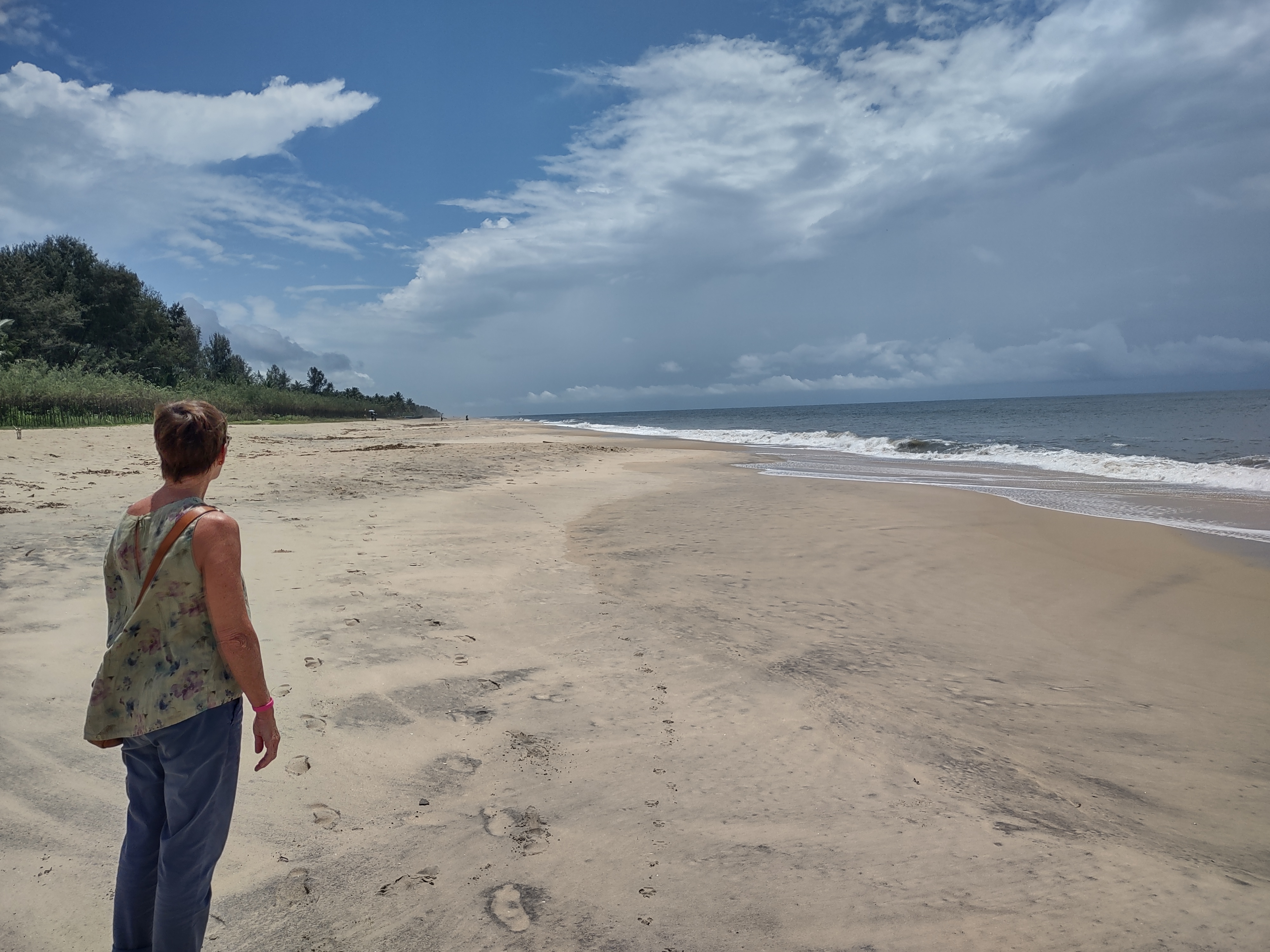
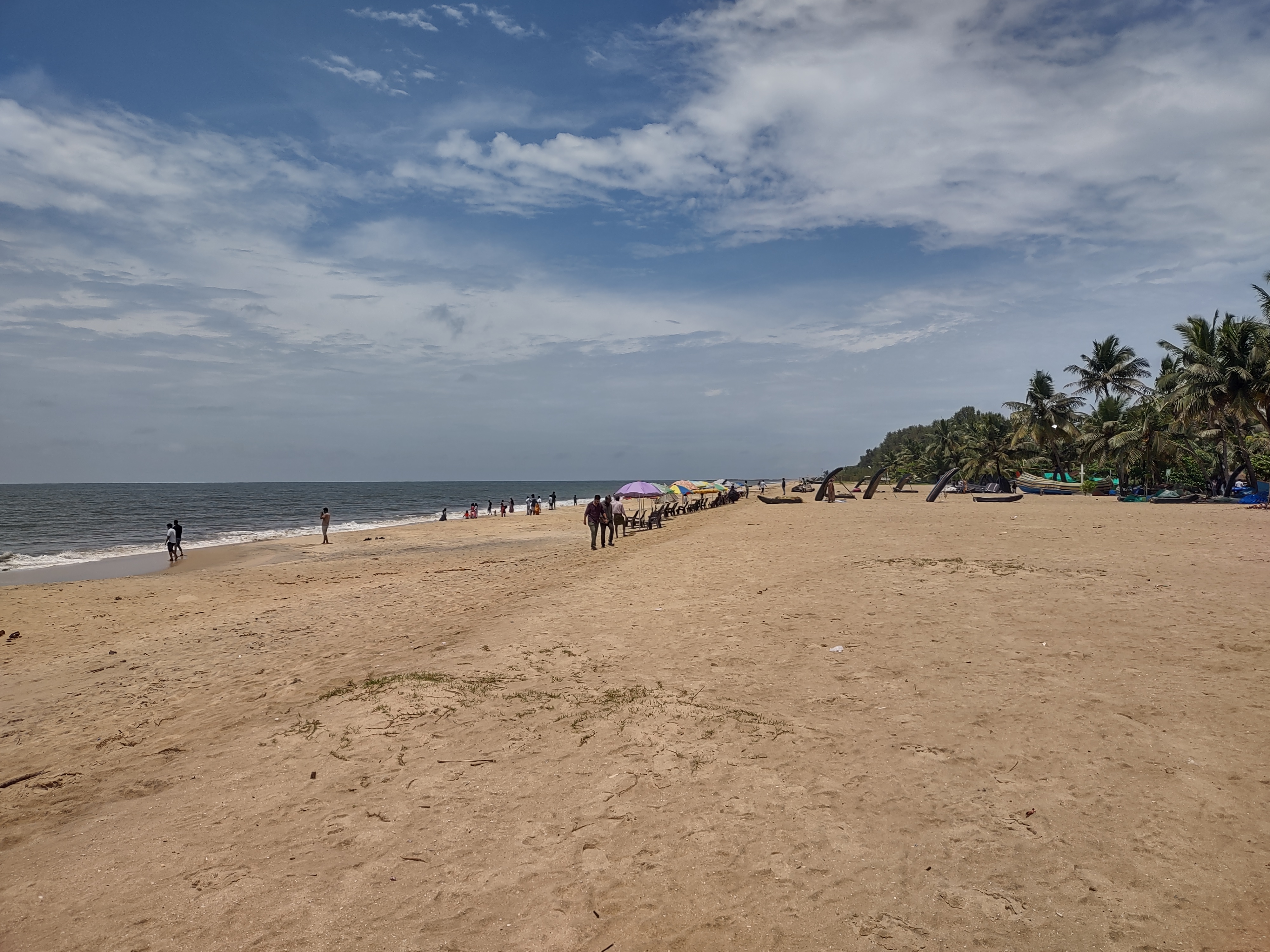
Marari Beach itself was nice, but, for a number of reasons (starting with local standards of modesty) it was not necessarily as comfortable a place to hang out as other beaches we’ve visited. While we did spend some time on the beach (and, in fact, found some beach chairs to rent), we spent most of our time outside of our homestay exploring the village of Mararikulam and the nearby city of Alappuzha.
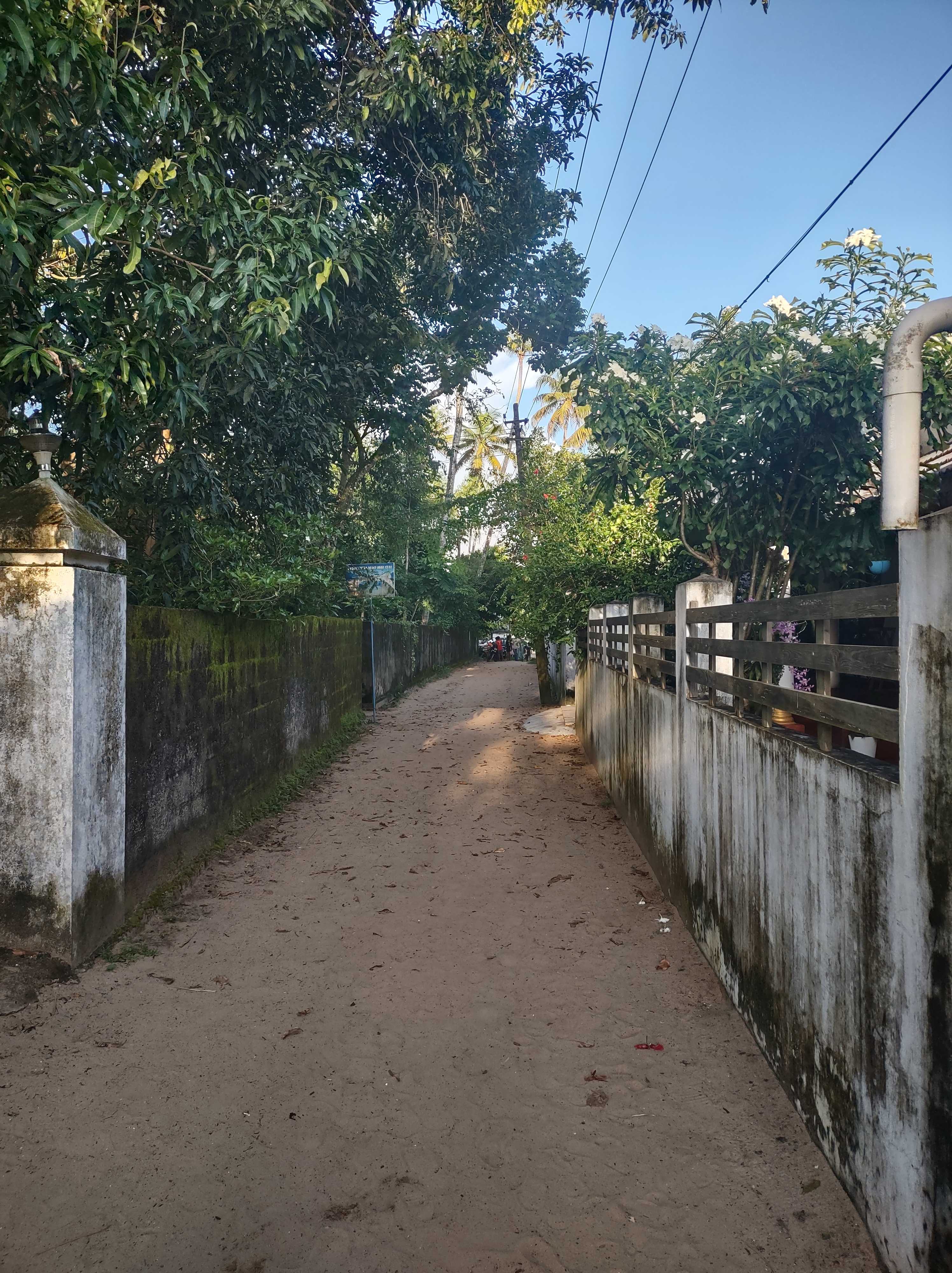
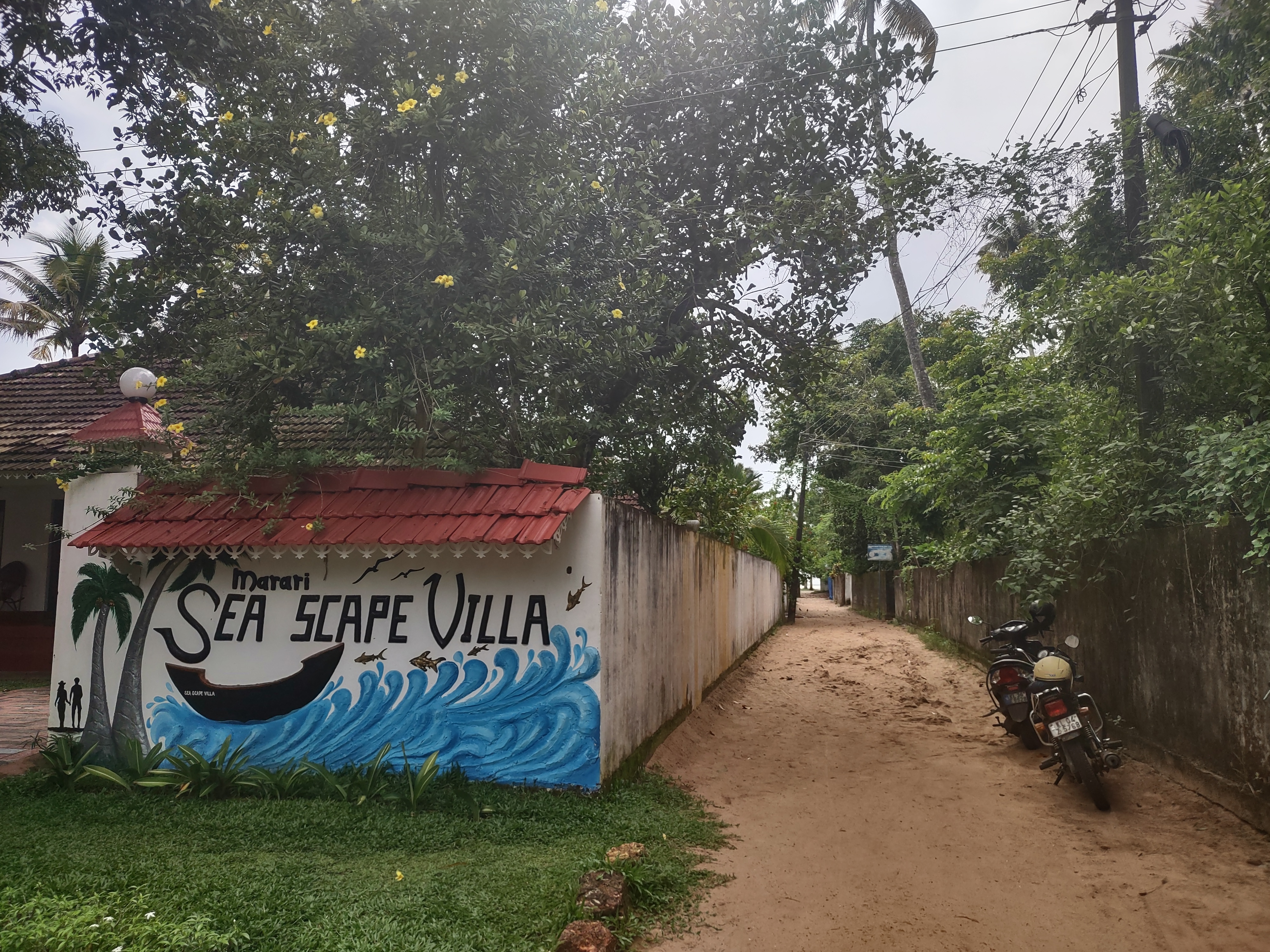
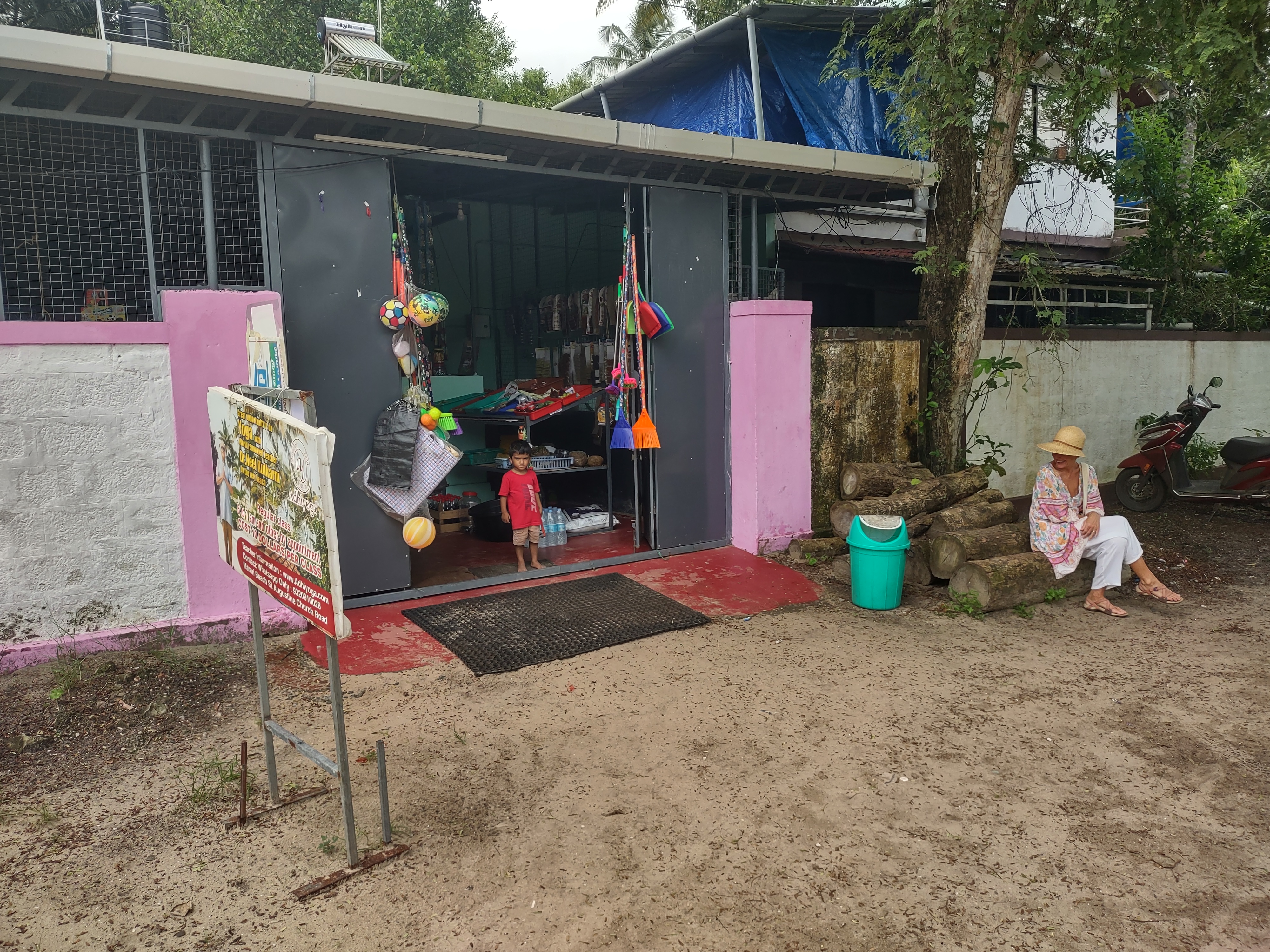
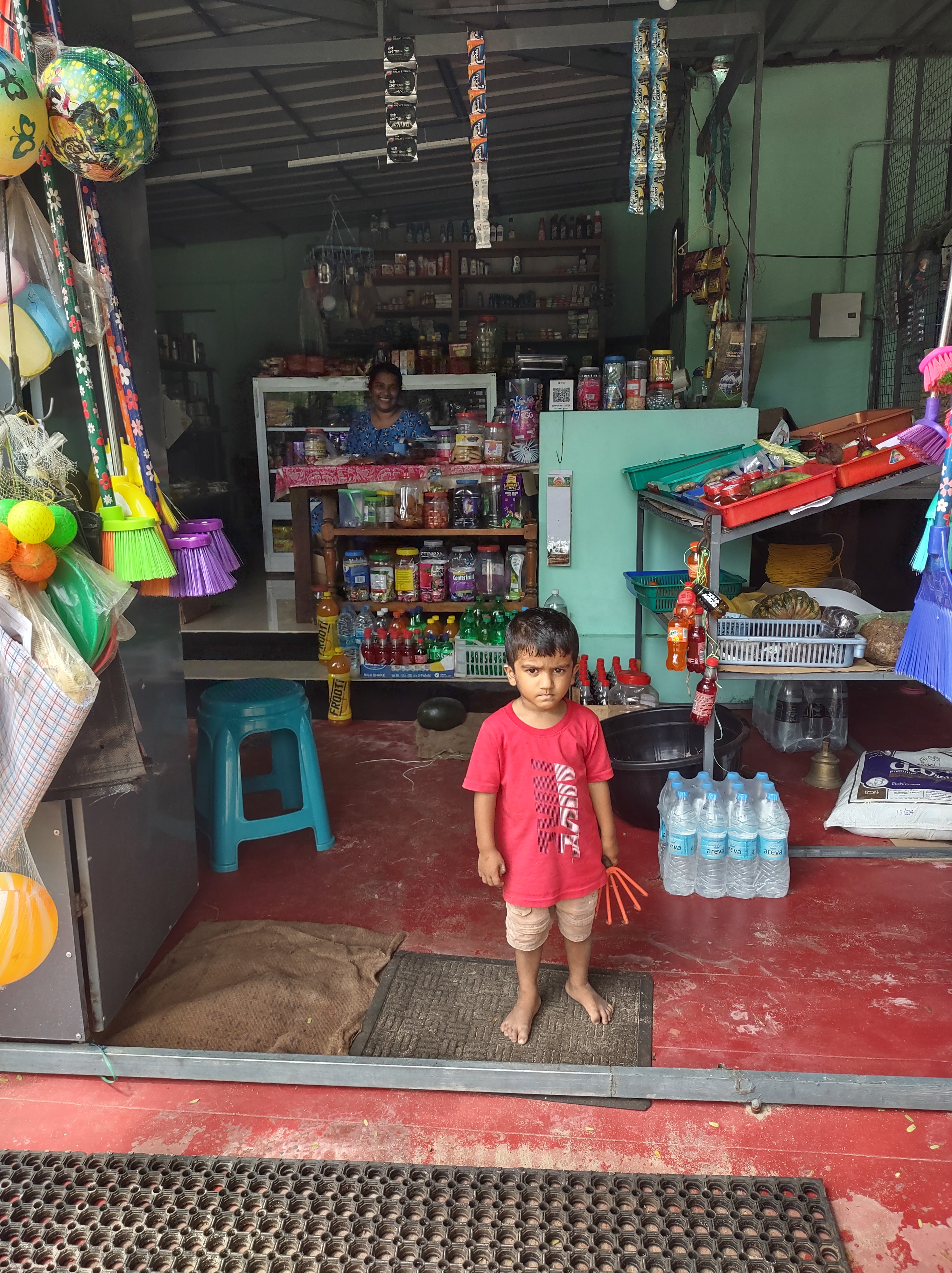
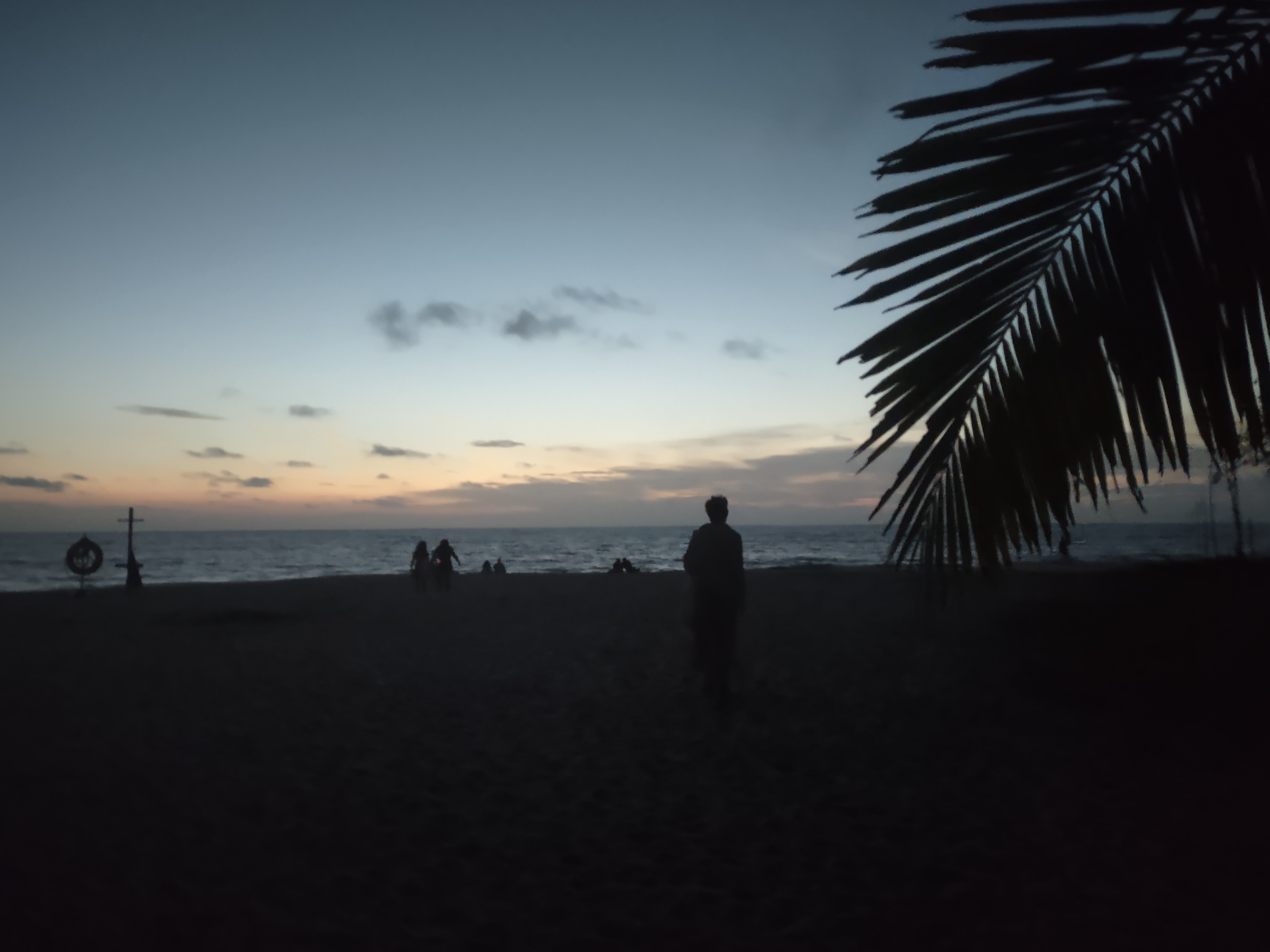
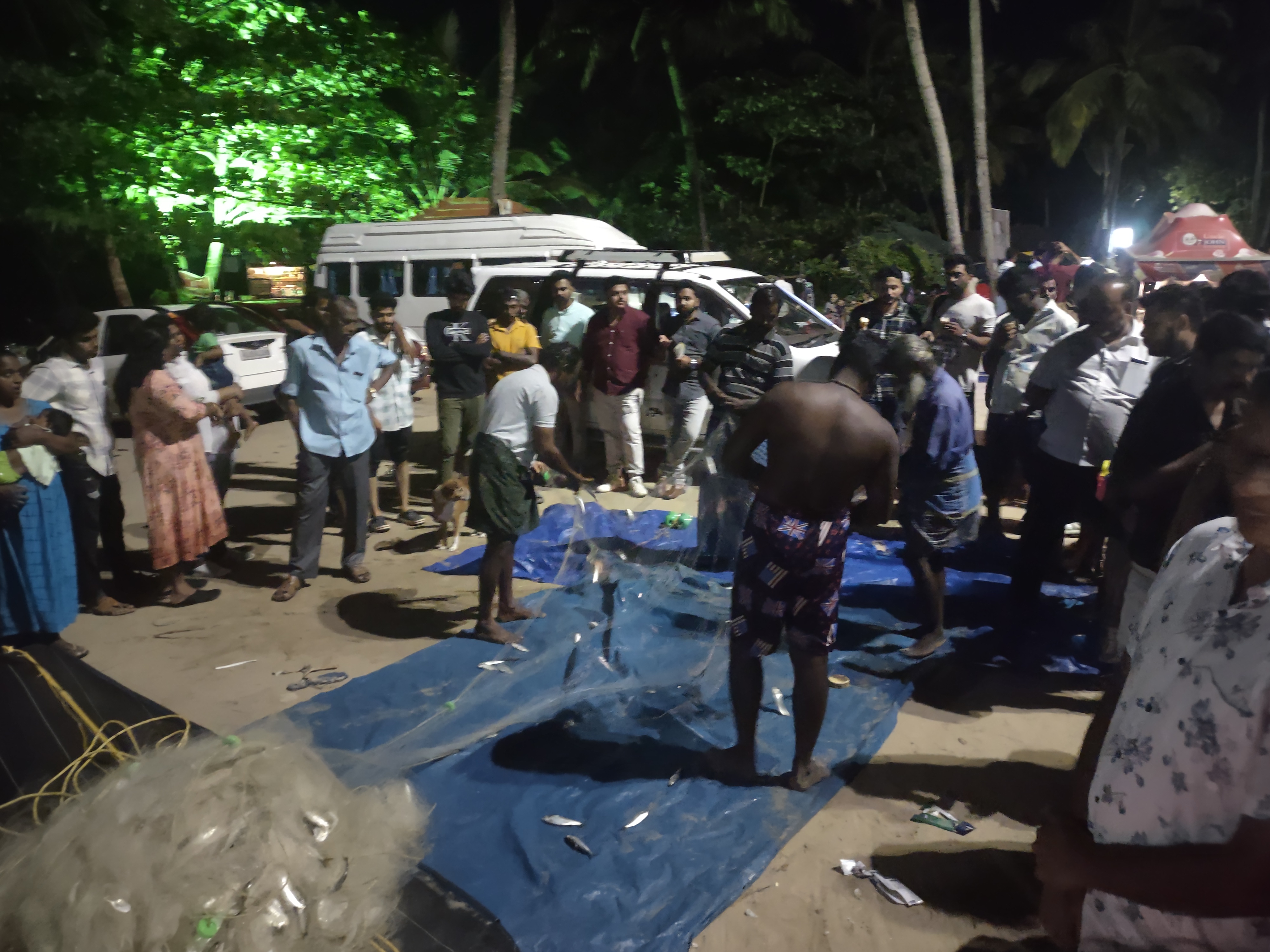
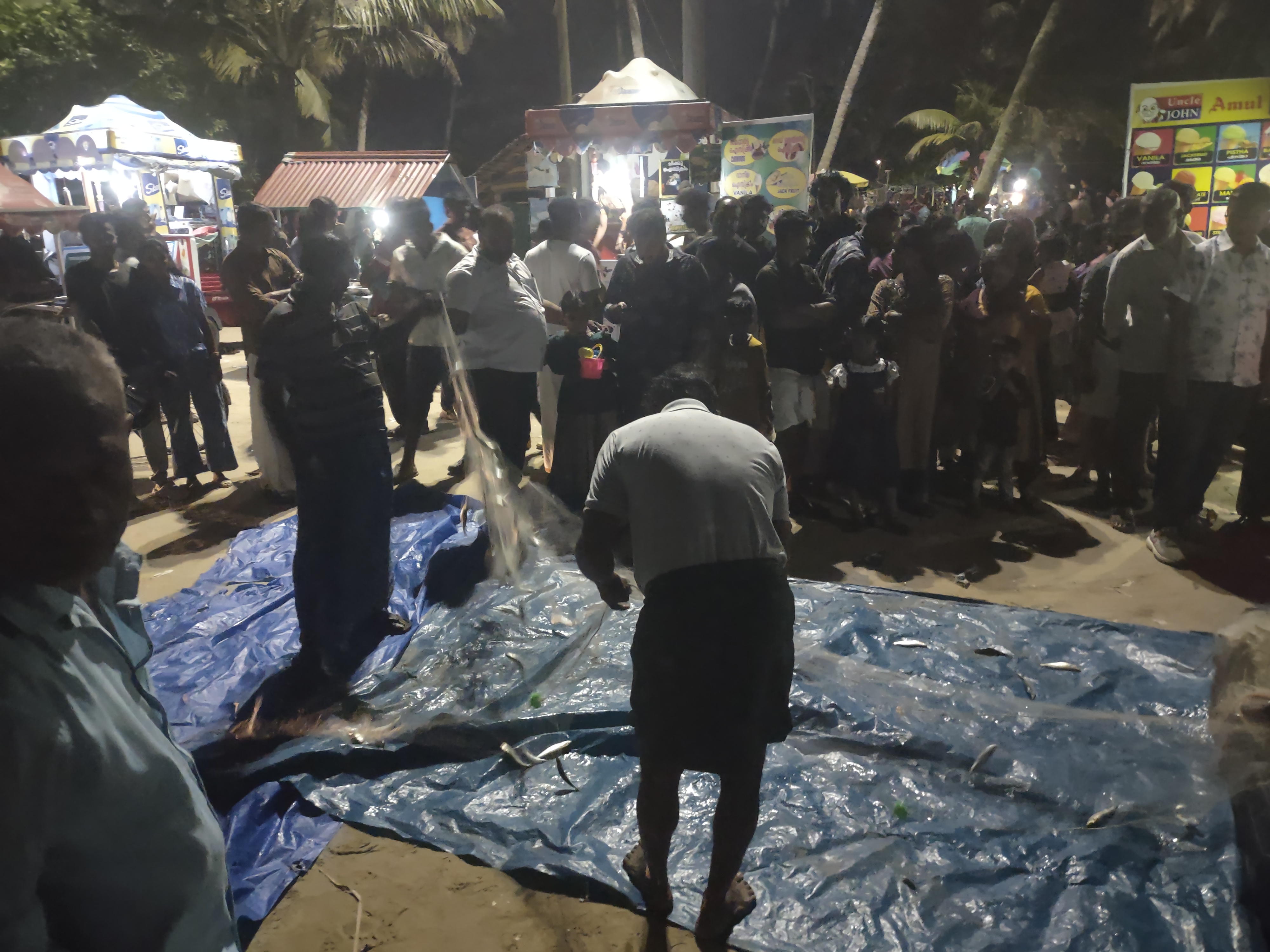
There was not much happening in Mararikulum during the day, but in the evenings local families and vacationers gravitated toward the beach to watch the sun set, stroll, and enjoy an ice cream cone or some other treat. On our first night there we discovered that one of the popular local activities was to watch the fisherman extract and sort the small fish they had caught from their nets, which always seemed to attract a crowd.

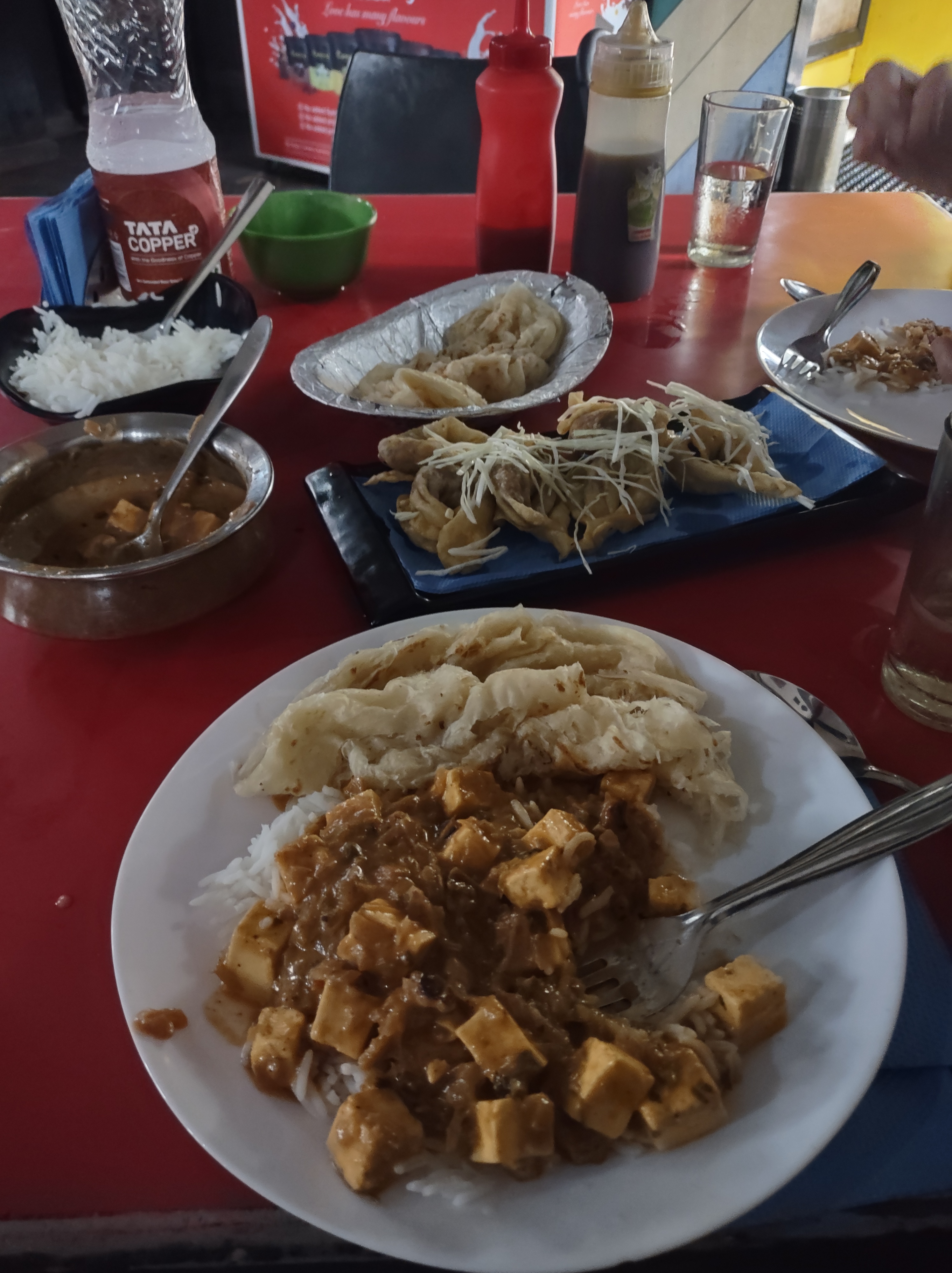
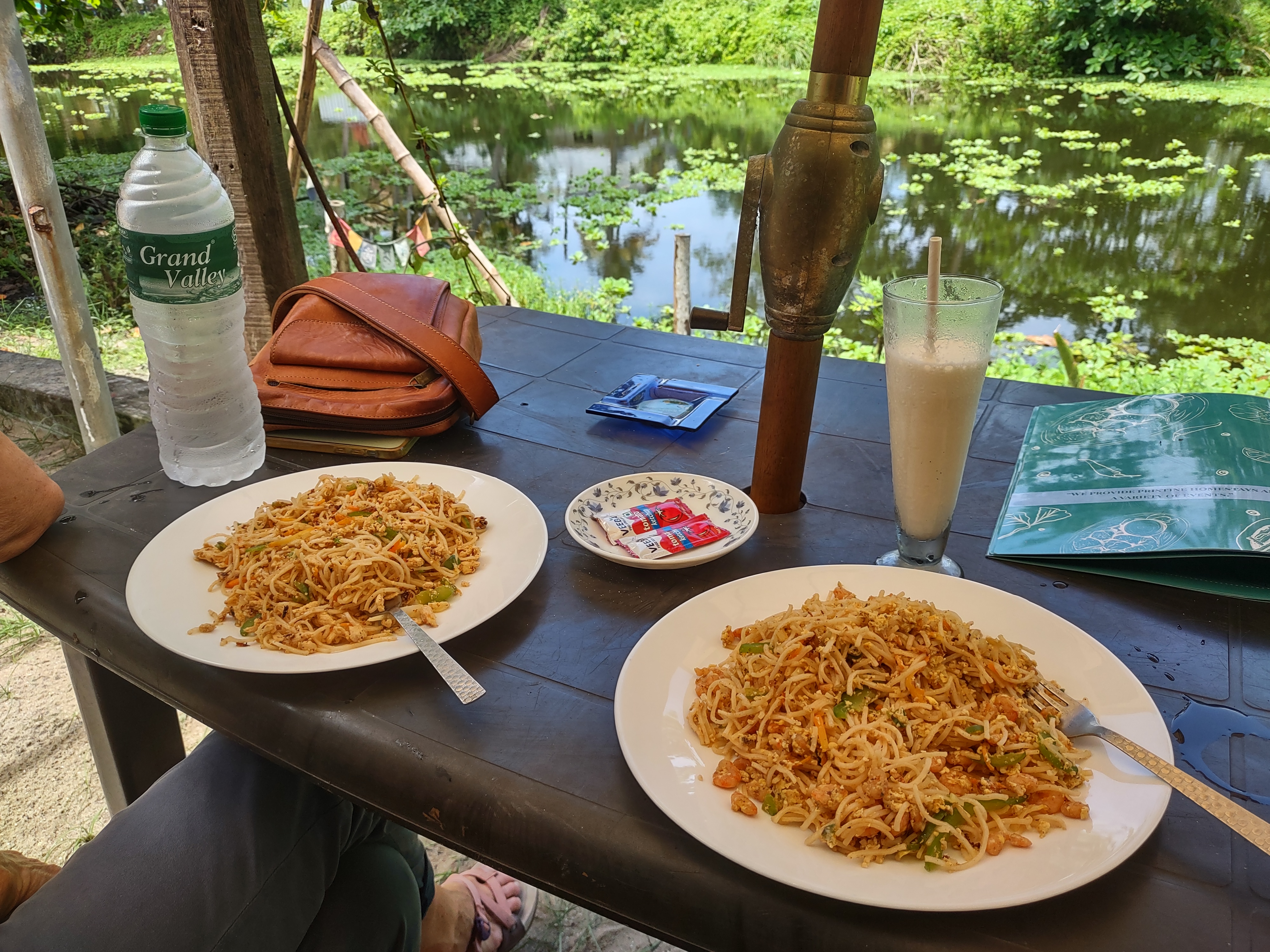
We had our first meal in India at a place called the Ecstasy Shack on Marari Beach and, while the meal (which turned out to be spaghetti) was a bit disappointing, the place had a beautiful view of the canal leading to the backwaters. Our go-to place in Mararikulam ended up being the Rahmaniya Food Corner (generally referred to as “The Food Corner”) which appeared to sell every known sort of snack cracker and which introduced me to paneer (Indian “cottage cheese”) and the joys of Paneer Butter Masala.
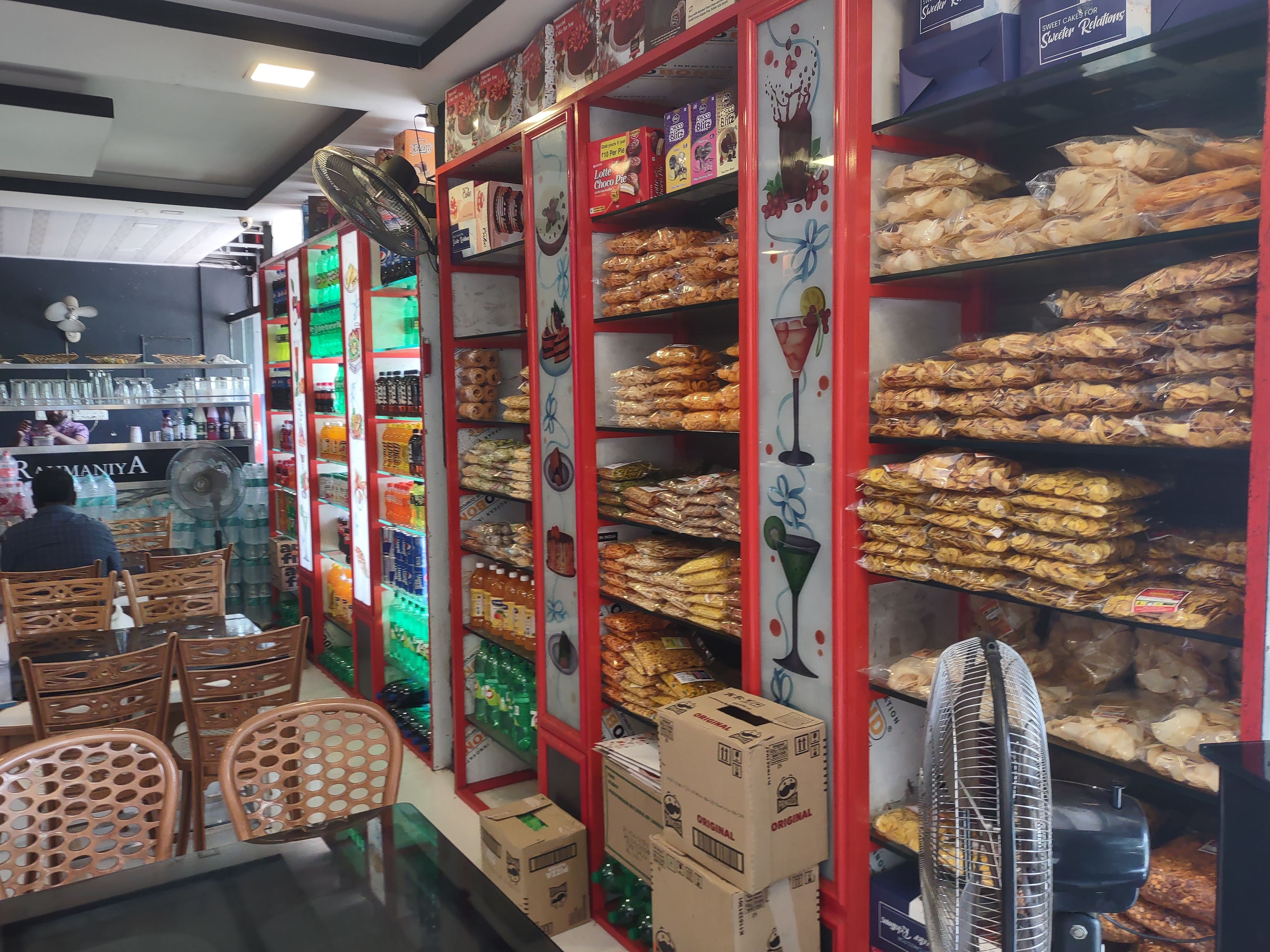
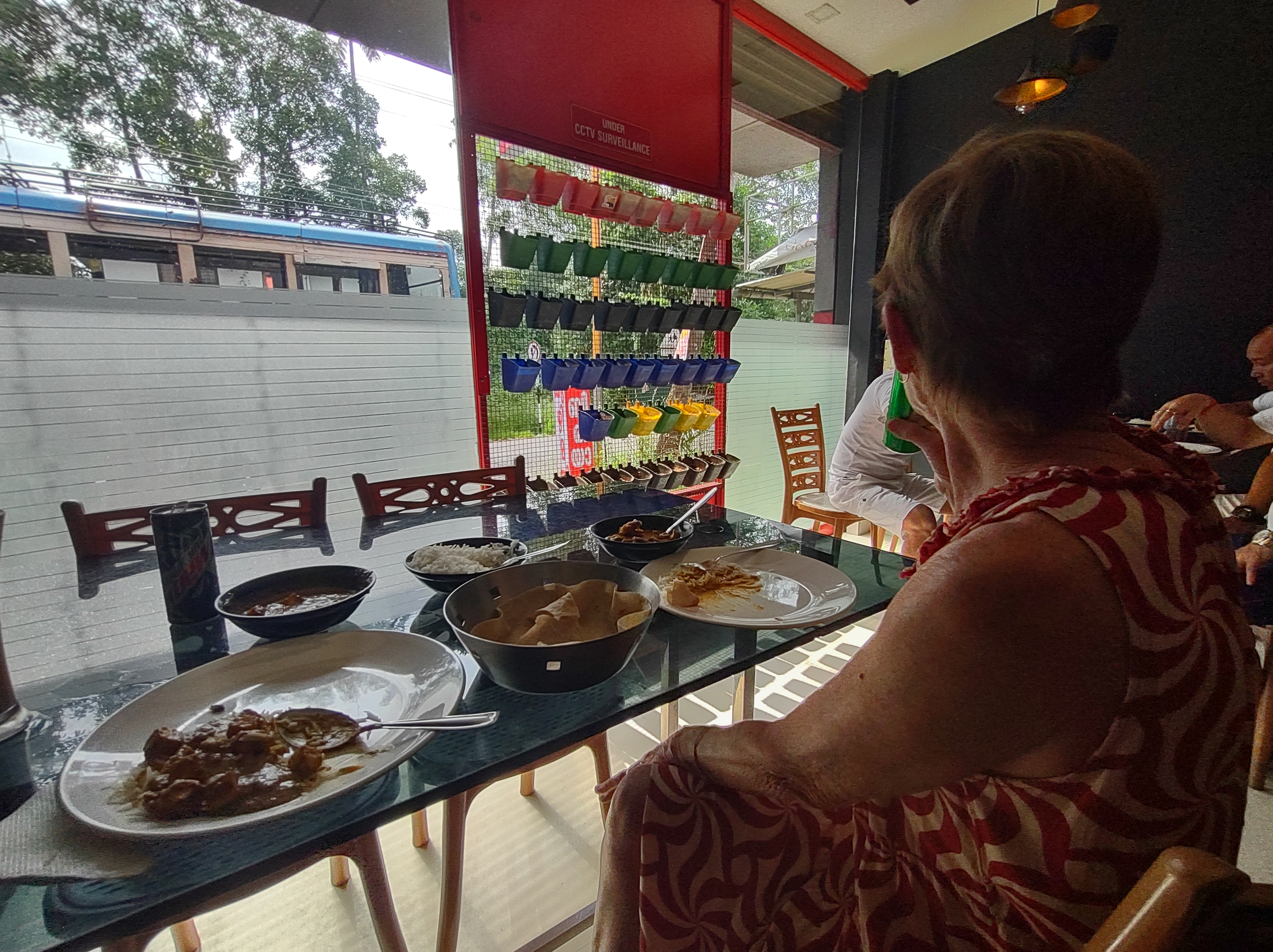
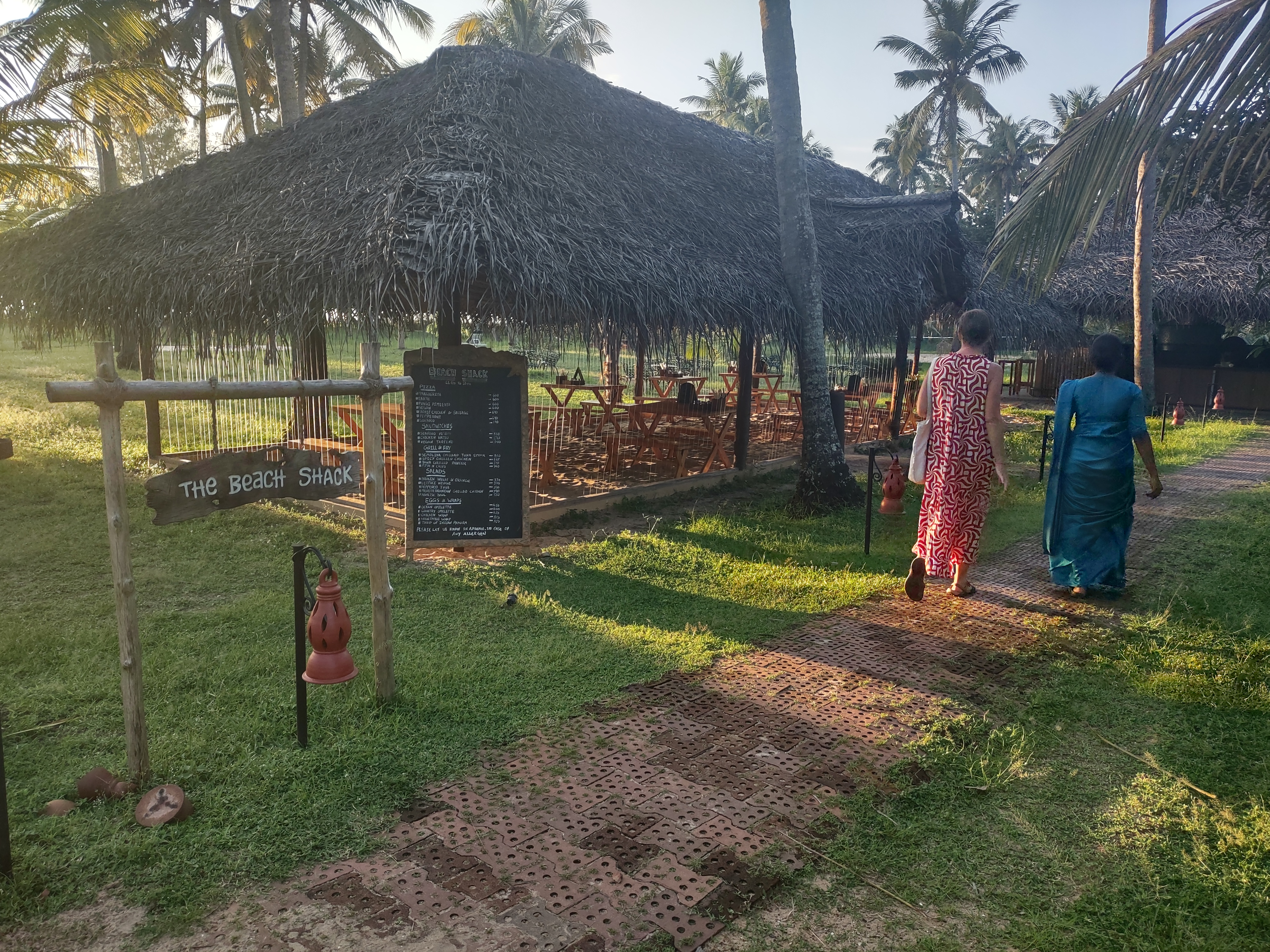
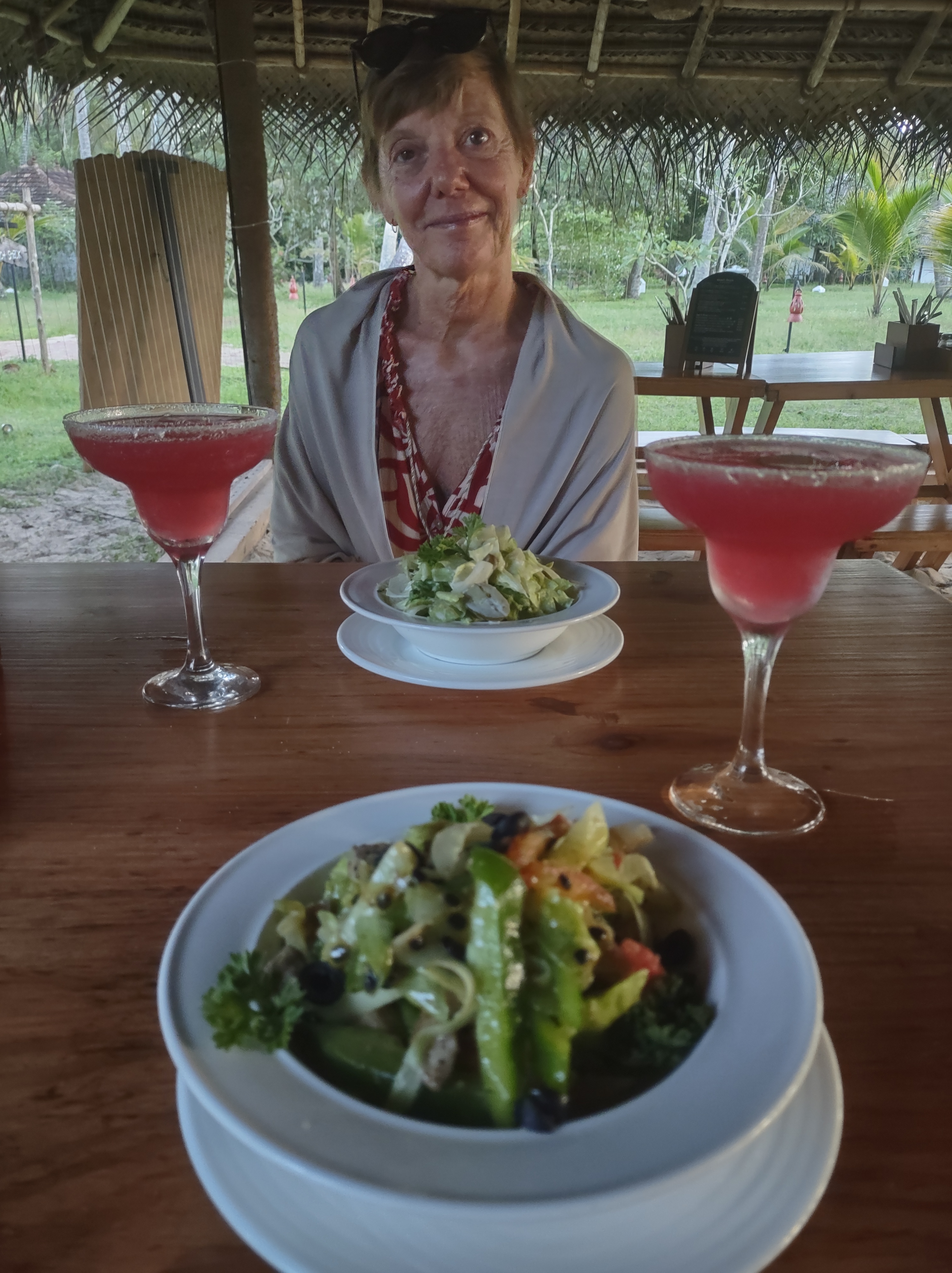
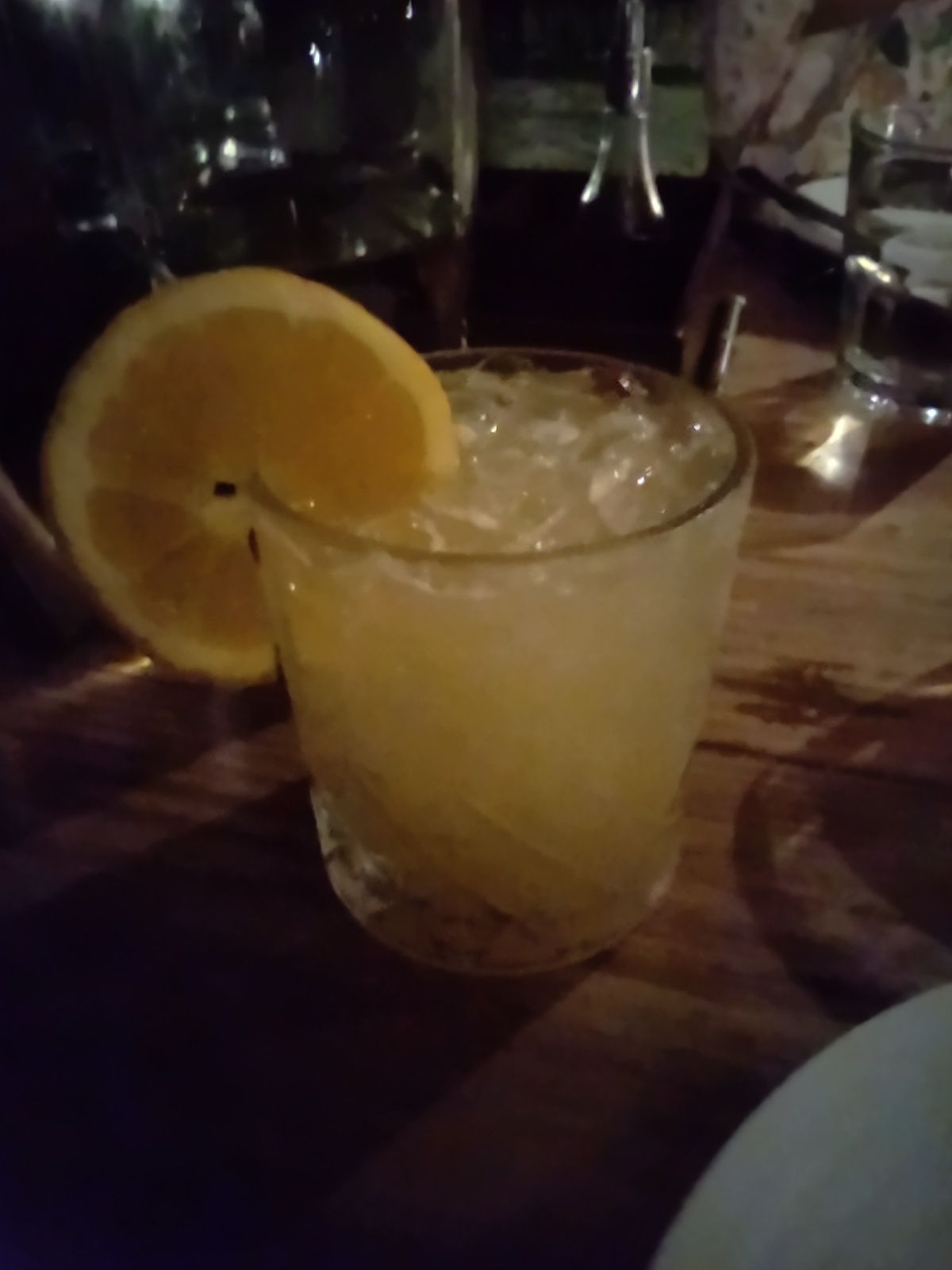
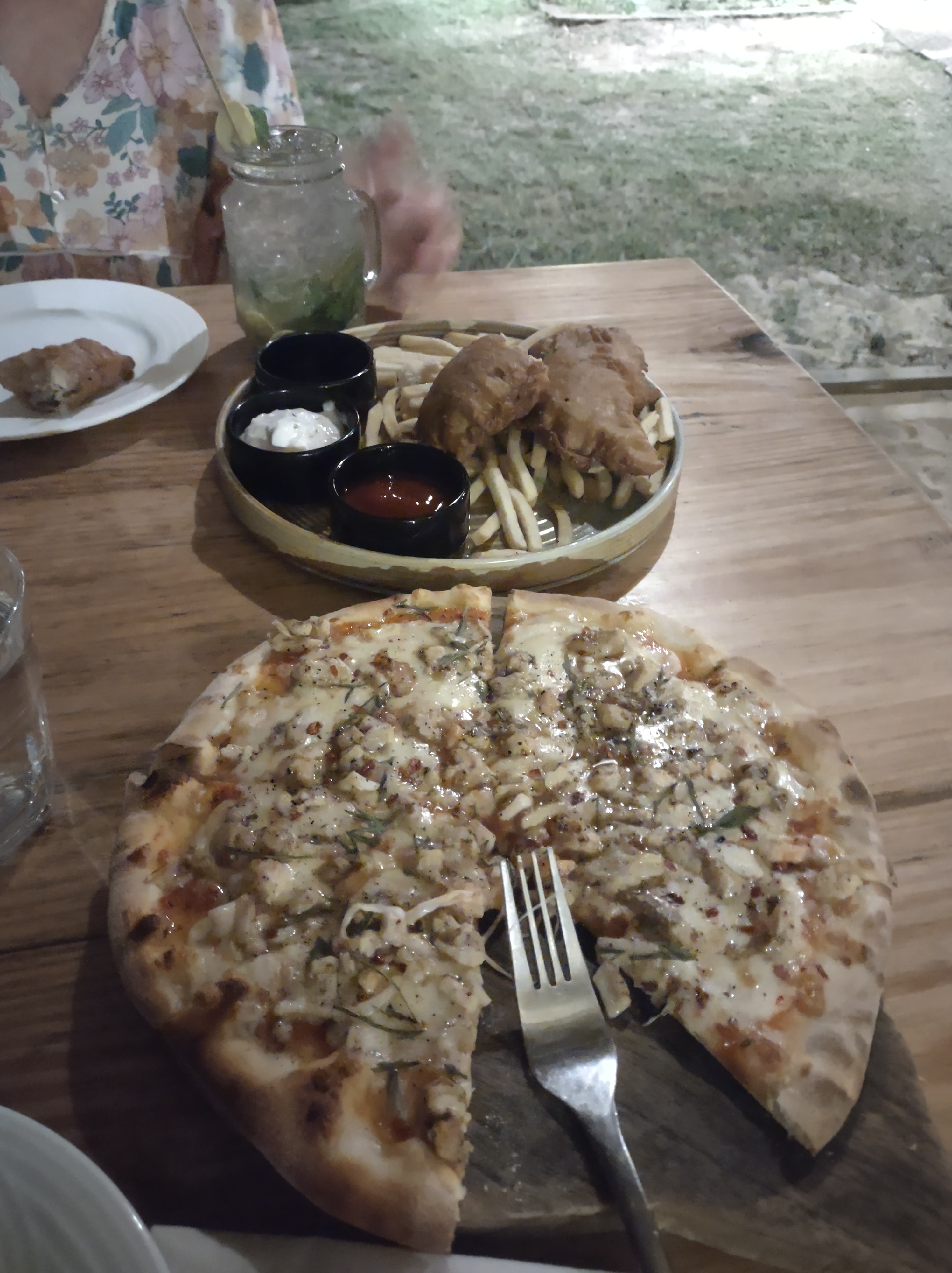
We were a bit surprised to find that even though we were staying at what seemed to be the Indian equivalent of the Jersey Shore, alcohol was not readily evident, which was fine, but we were nonetheless excited when Colleen discovered a nearby restaurant which did serve cocktails. The restaurant in question was on the grounds of a fairly ritzy (and fairly snobby) resort just south of our homestay and, long story short, we had dinner there on three occasions. The food was great and they had a wonderful cocktail menu but, for whatever reason, we always felt just a little self-conscious about not being guests of the resort and joked (I think) about being discovered and asked to leave.

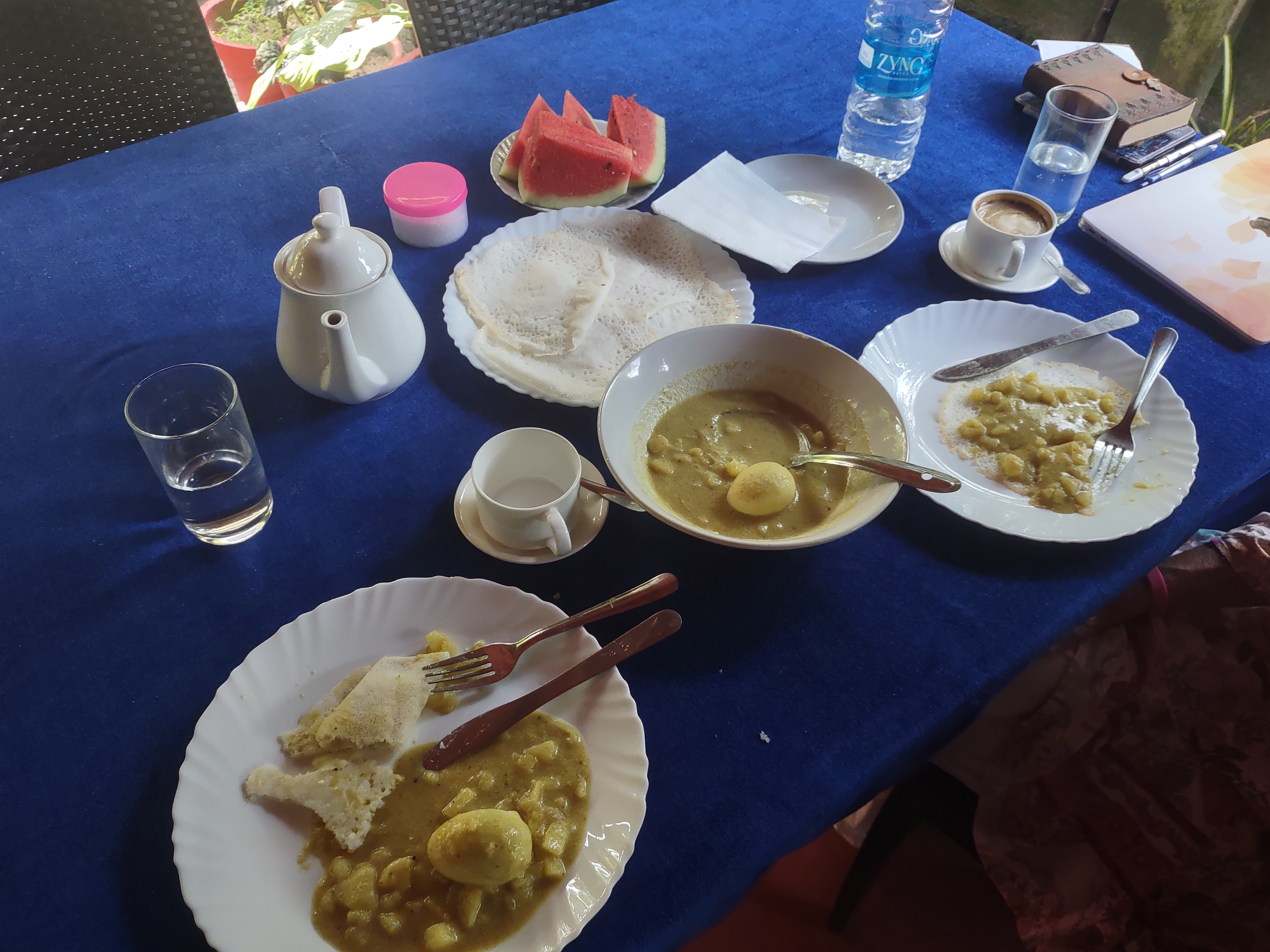
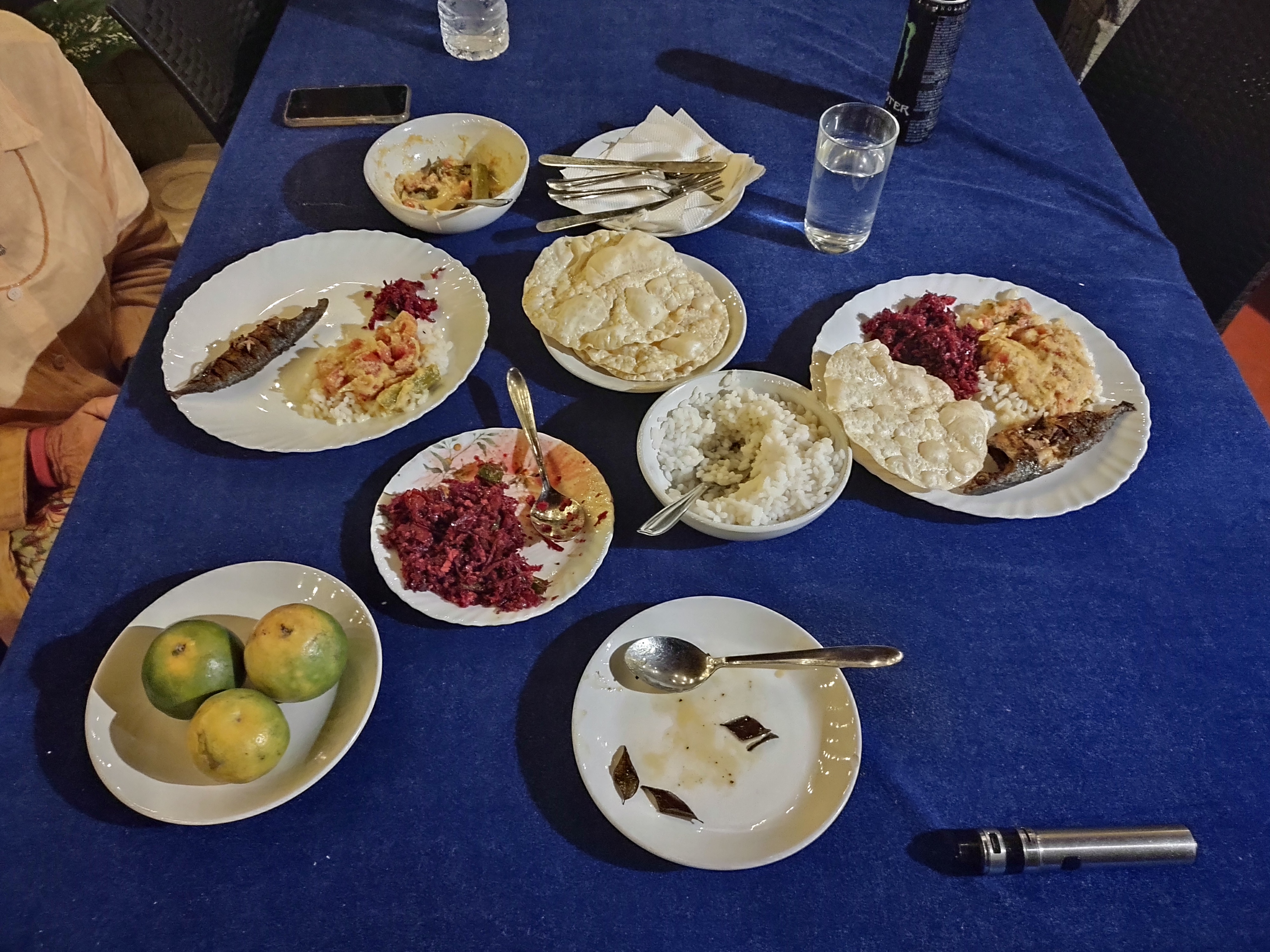
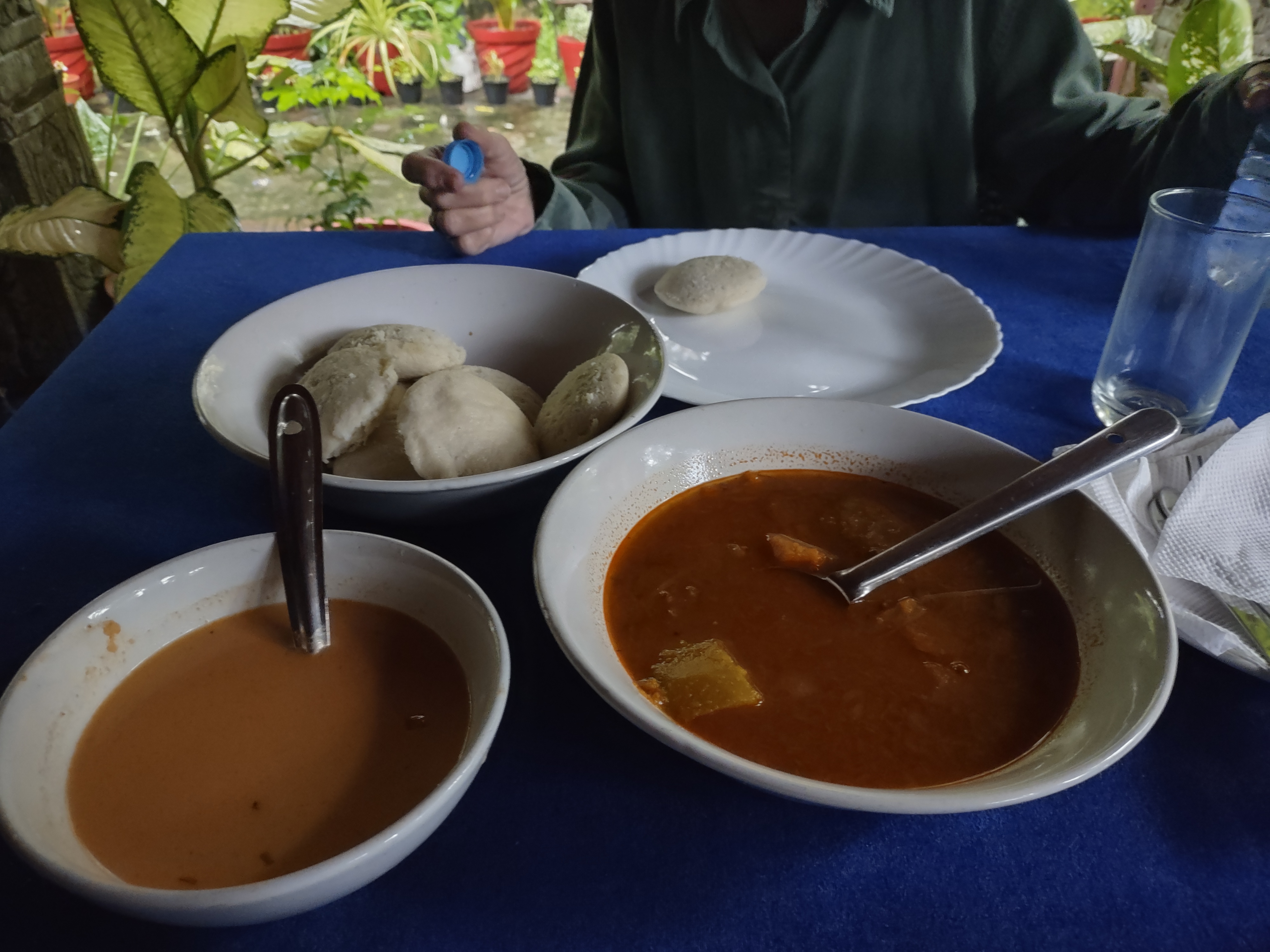
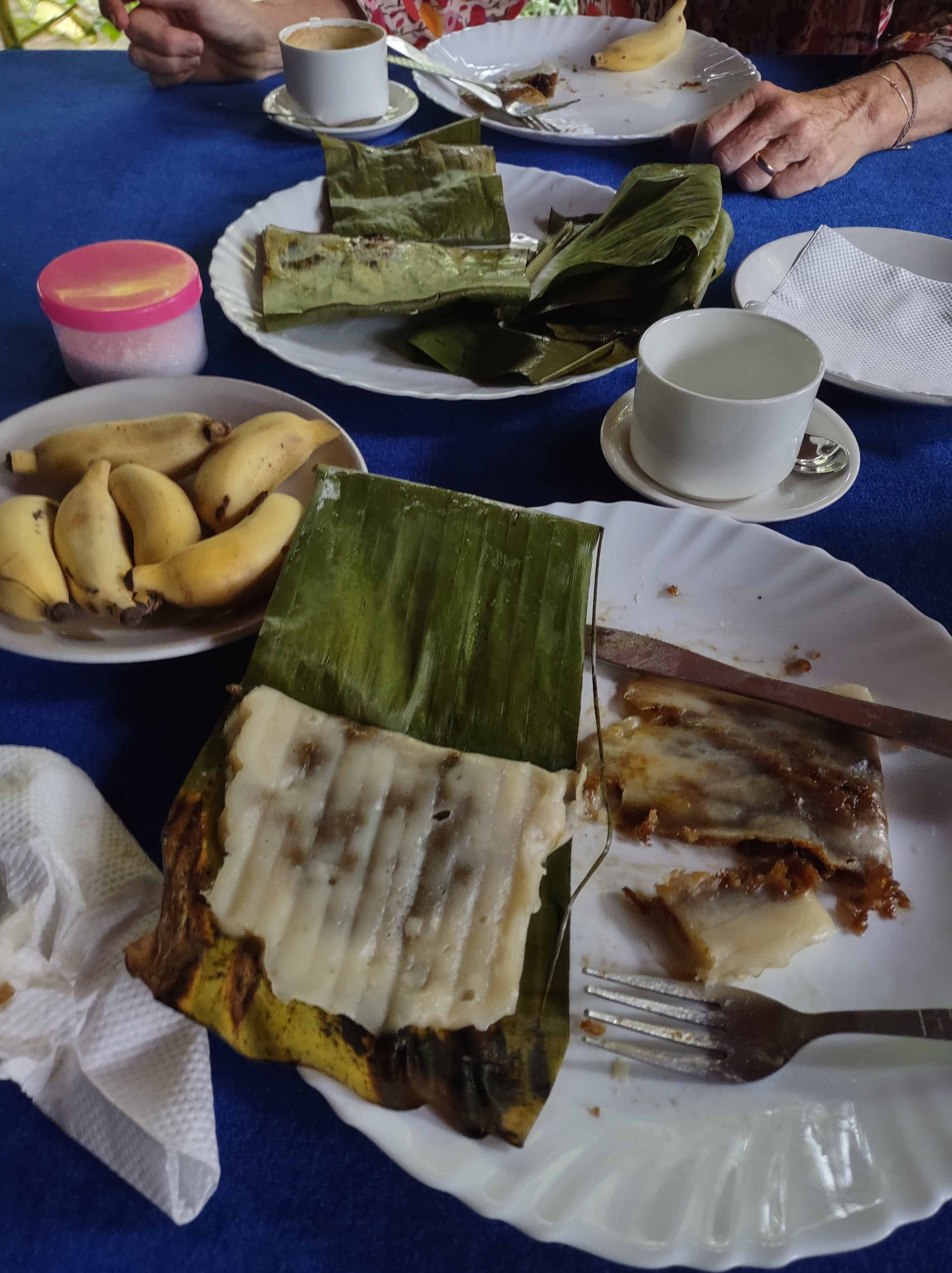
Swapna prepared breakfast for us each morning and also cooked dinner for us on a couple of occasions and, as a result, we had the opportunity to sample a wide variety of traditional Keralan cuisine. Breakfast highlights included coconut pan rolls, egg curry and hoppers (coconut laced rice flour pancakes), and “Idlis” (pronounced “id-lees”) a savory rice cake that always makes us laugh when we see it. (When practicing the alphabet with Colleen, Aquino would always say “I is for Idli!”.) Dinner entrees included chicken curry and fresh fish grilled Kerala style along with a variety of sides including something called “ladyfingers” which turned out to be okra (one of my favorites), but prepared in a completely different fashion. All in all, a great introduction to southern Indian/Keralan cuisine!



So, Marari Beach turned out to be a great place to start our explorations of India. It was quiet and peaceful, and the comfortable and nurturing atmosphere of our homestay made it a great base of operations to begin to explore from and also a great place to retreat to at the end of an adventurous day.
Alappuzha
About 15 kilometers south of Mararikulam is the town of Alappuzha (also known as Alleppey), a city of about 250,000 people which, because of its canals, backwaters, beaches, and lagoons, was described by the British Governor-General of India as the “Venice of India. The Backwaters of Alappuzha are one of the most popular tourist attractions in India drawing millions of domestic and international visitors every year and were definitely one of the reasons we came to Kerala, but we were also very interested to explore the city of Alappuzha.
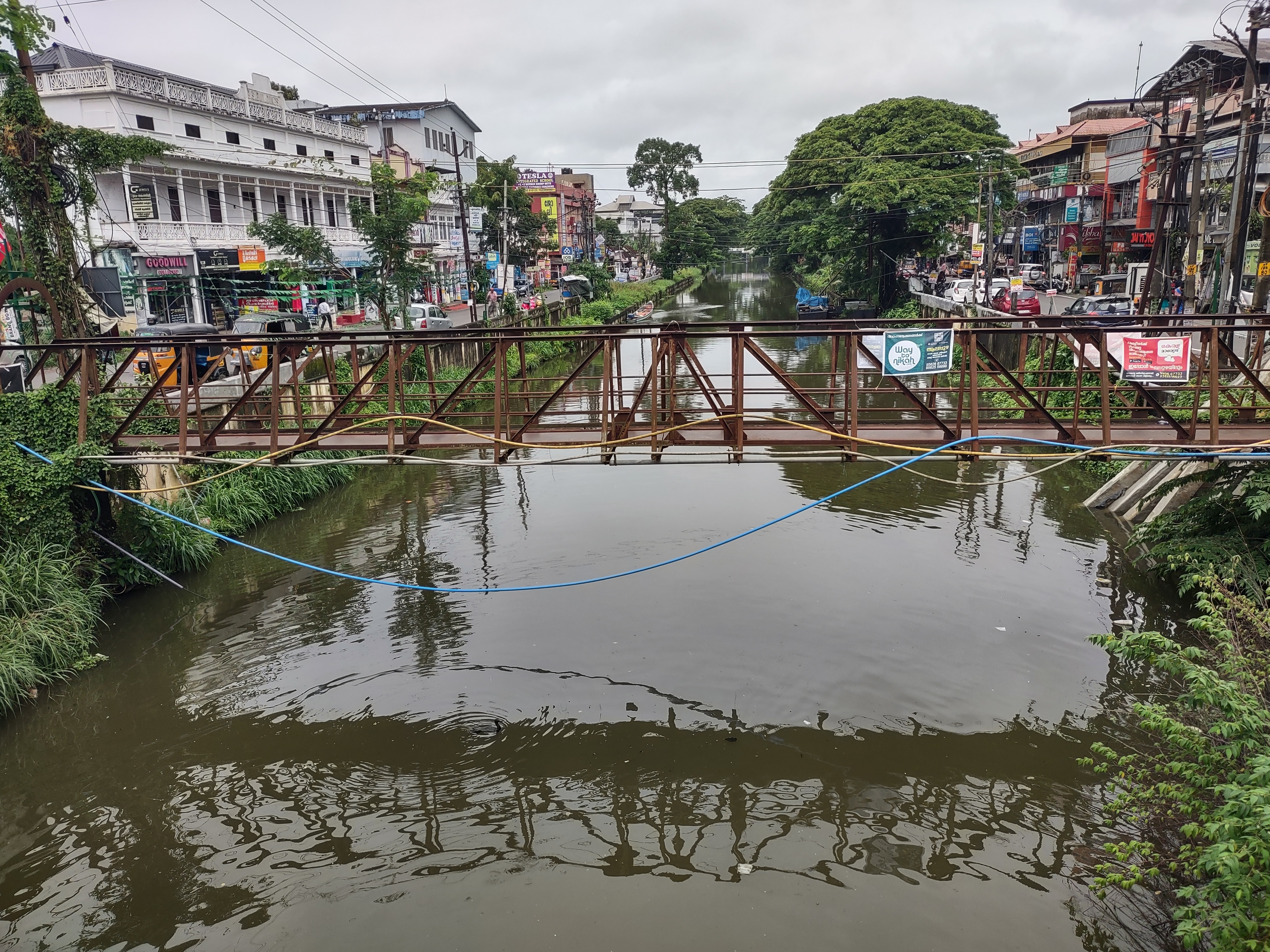
Although Alappuzha is a relatively small city by Indian standards, we found it to be good size for dipping our toes into the Indian urban environment and we made a total of three daytrips into Alappuzha including a Backwater cruise which I’ll talk about later. The town is sandwiched between Alappuzha Beach and the Backwaters and has a central shopping district which runs along a canal which loops in and out of town with two major shopping streets intersecting it. The central shopping district was only a few blocks in each direction, so it was very manageable on foot and over the course of three visits I think we pretty well scoured it.

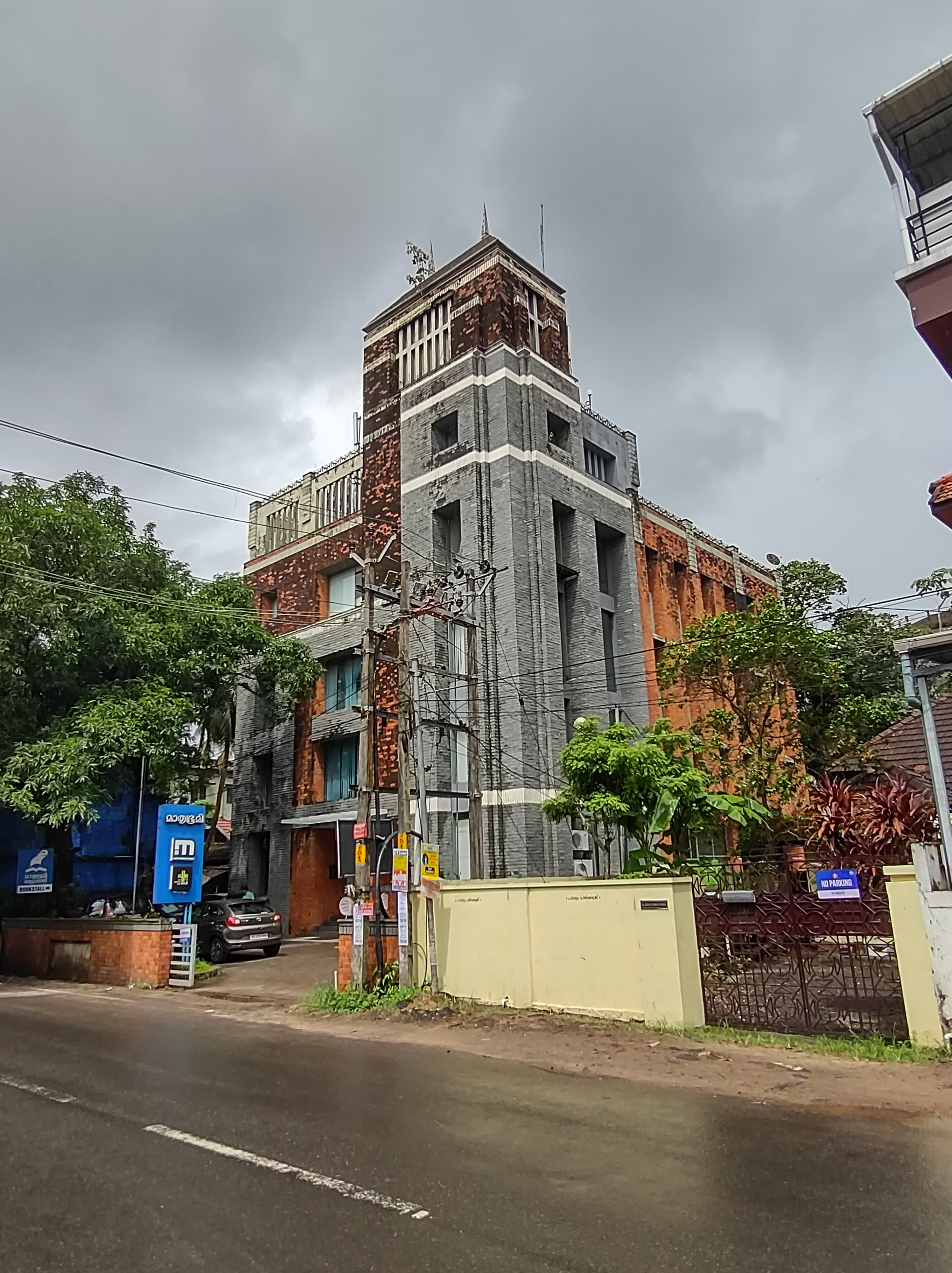
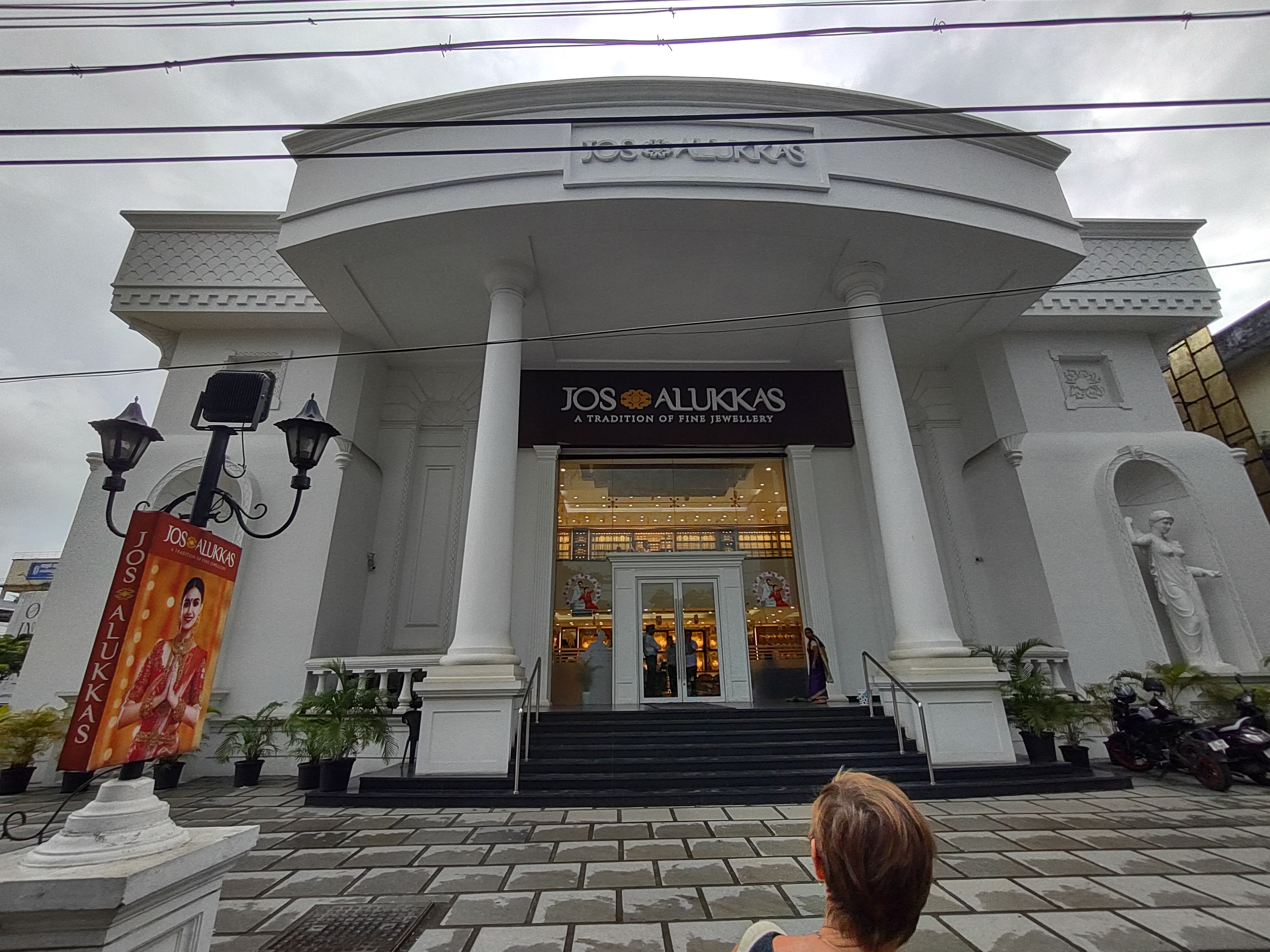
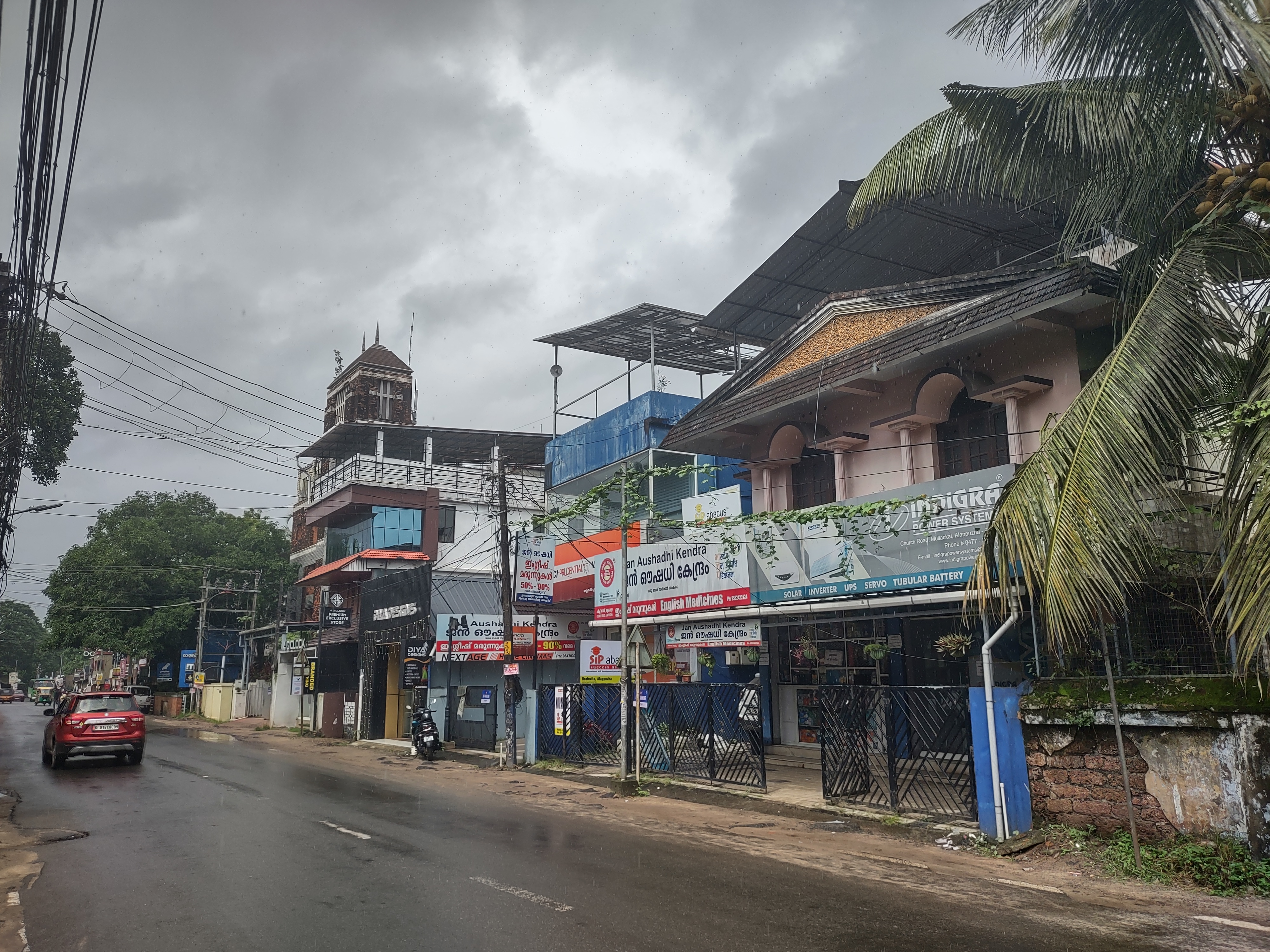

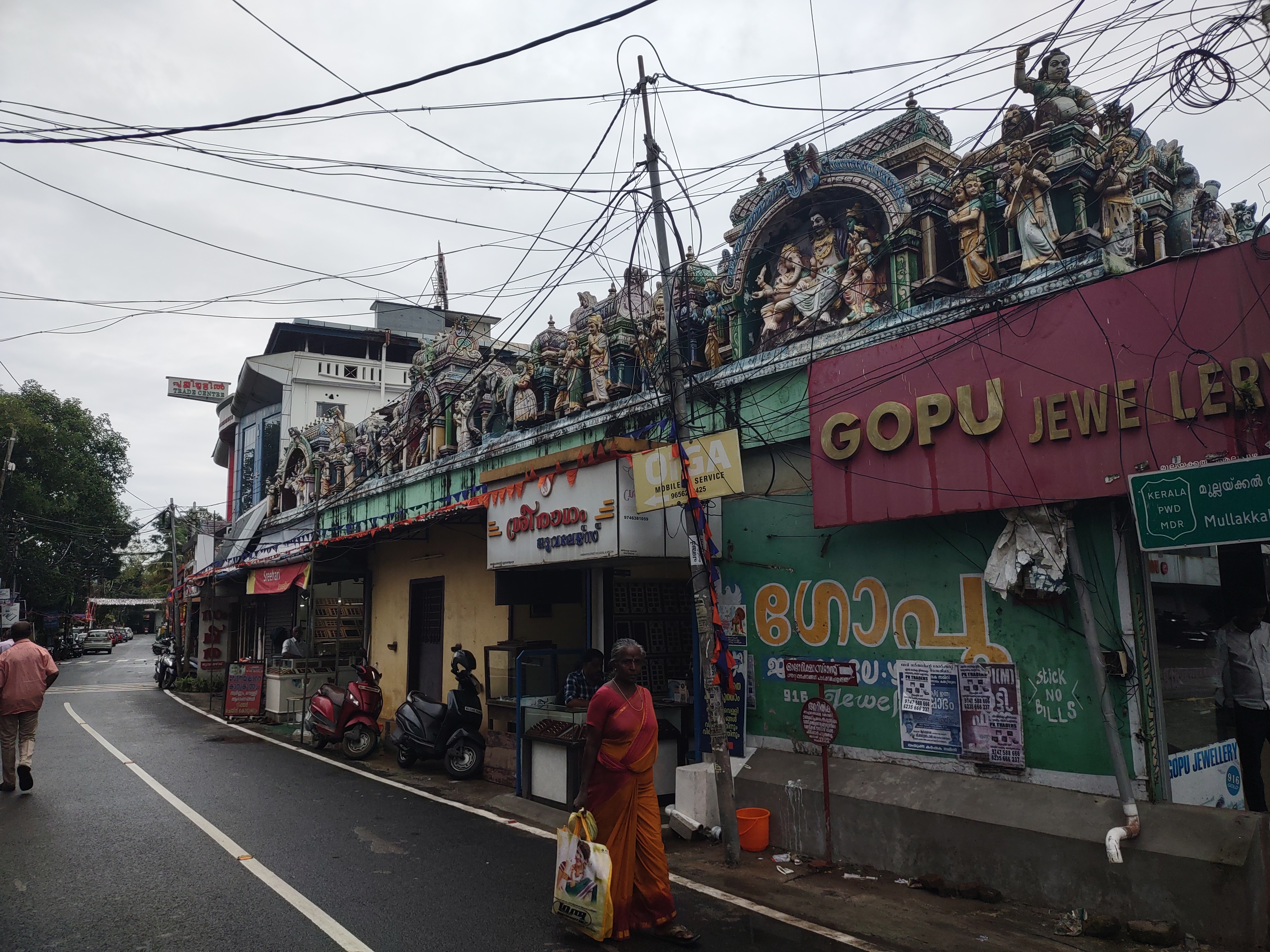

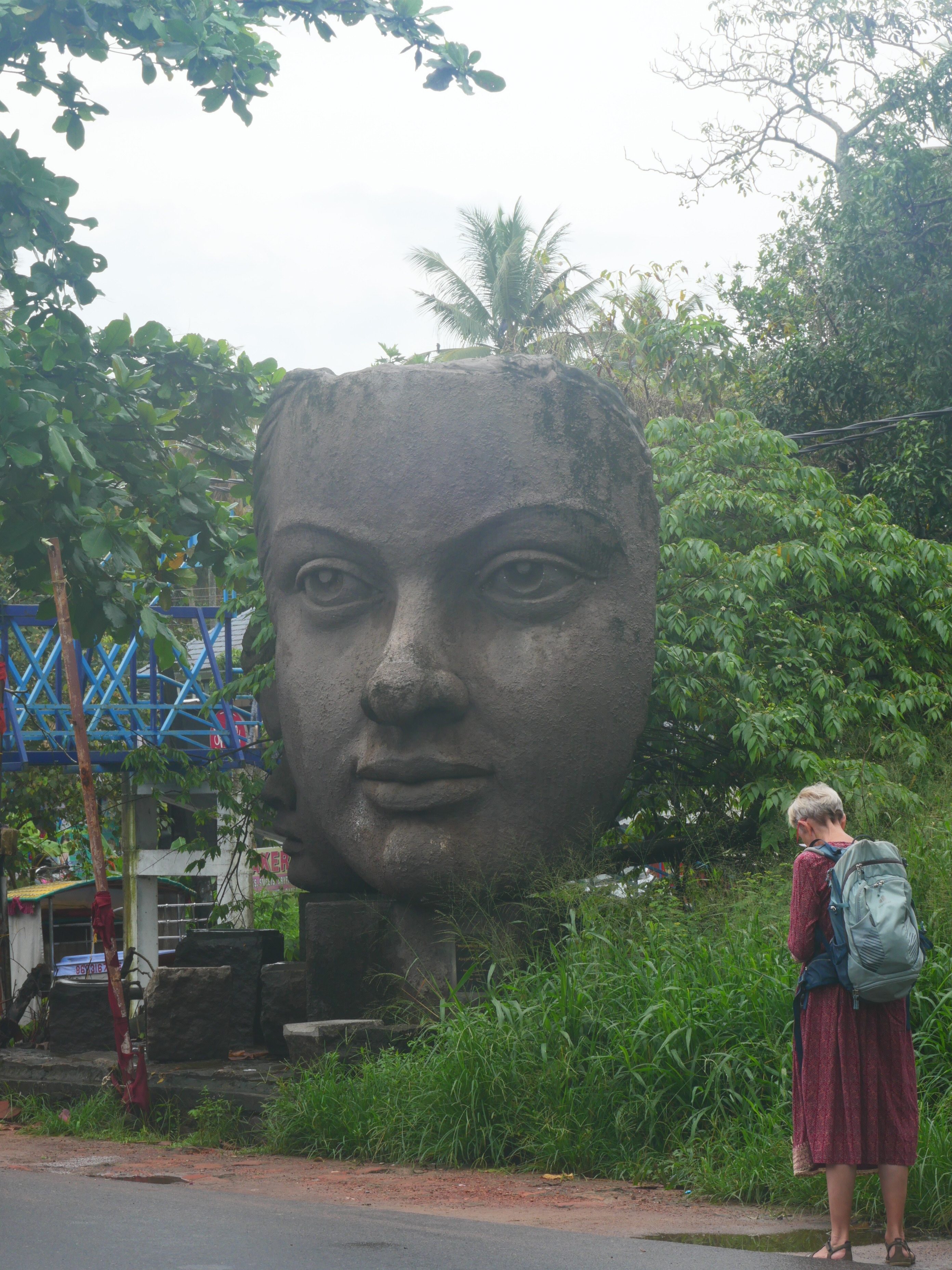
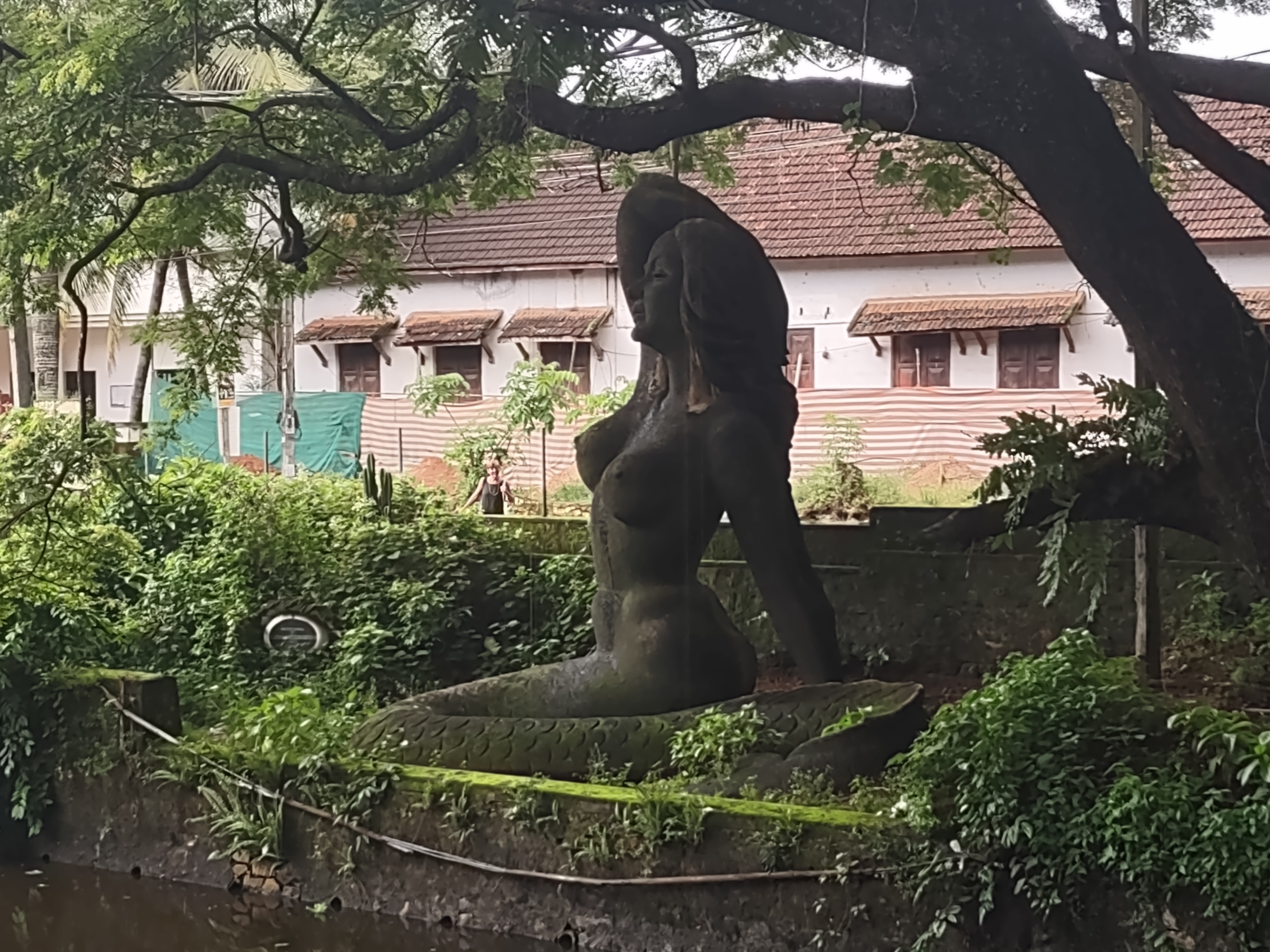
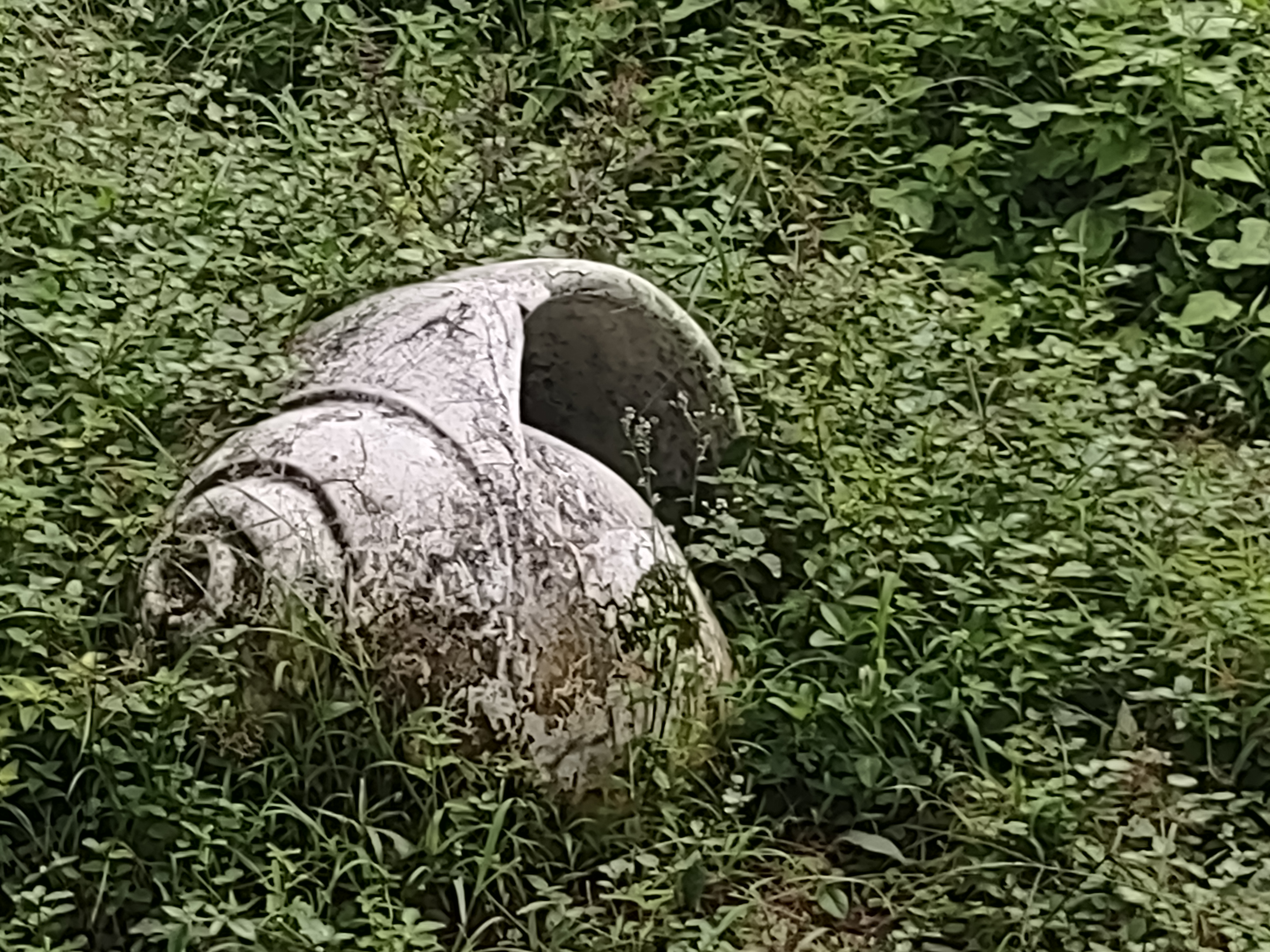
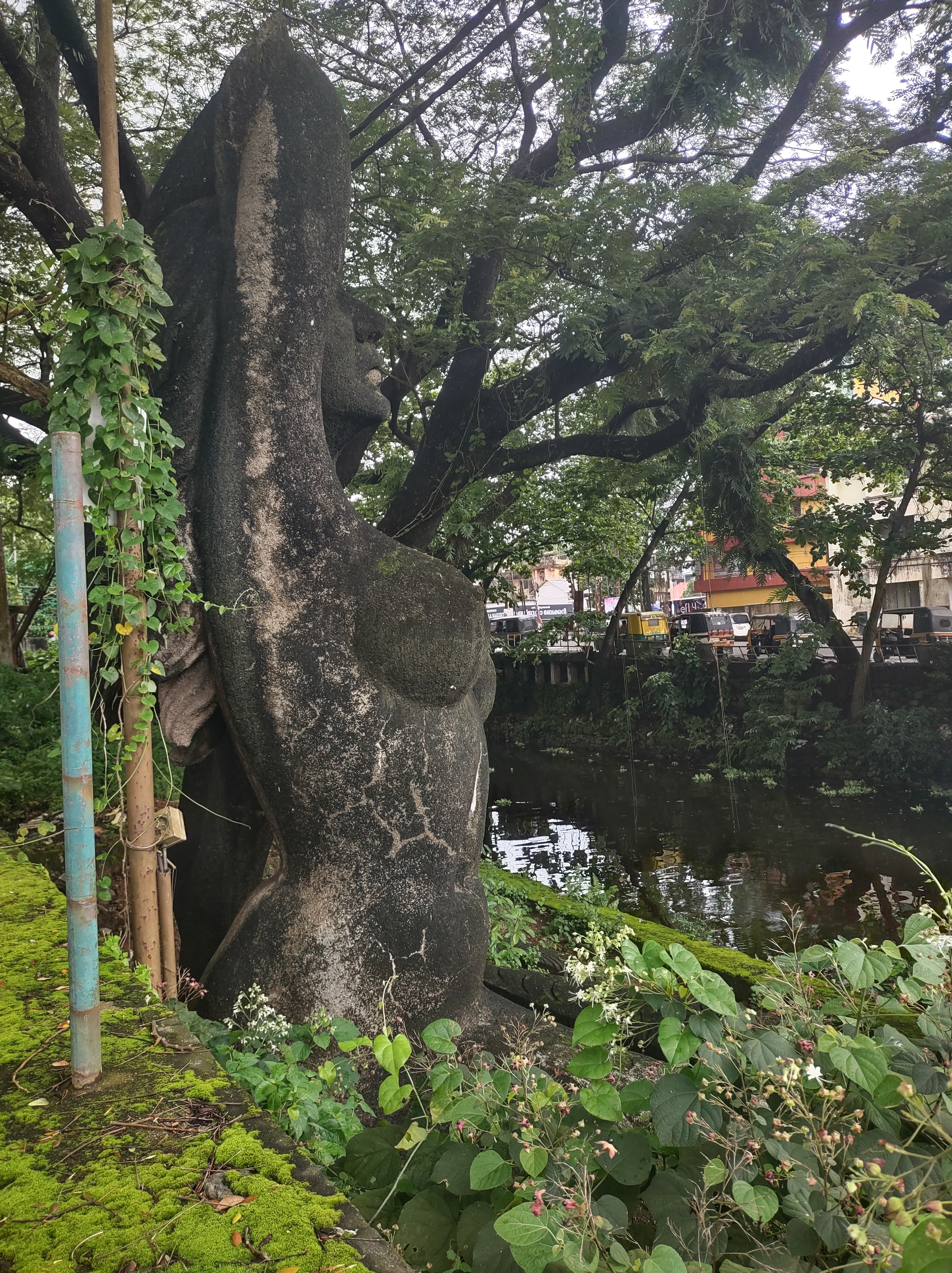
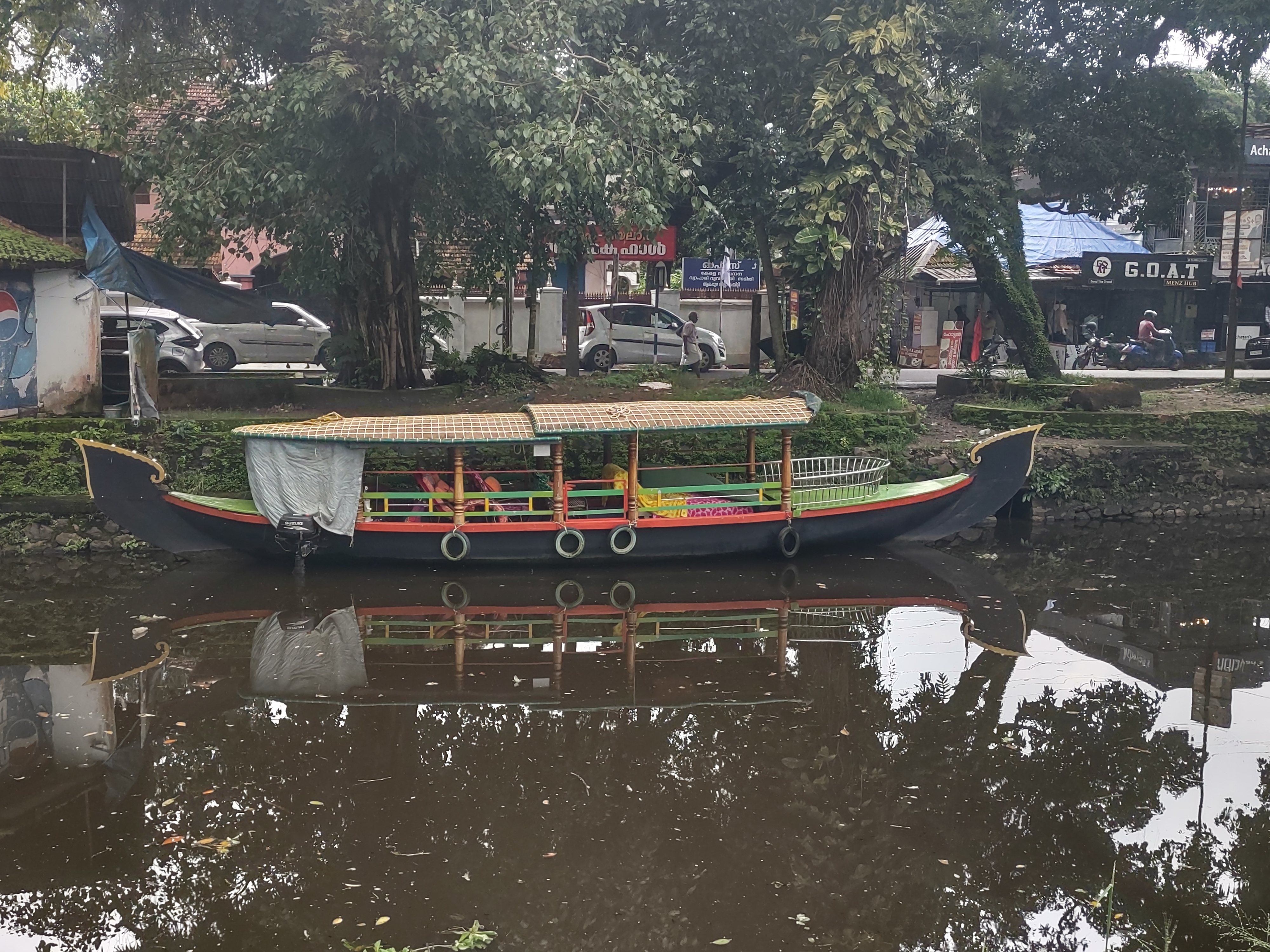
Vehicular traffic in the city was pretty frenetic, with more scooters and motorcycles than I believe we have seen anywhere, but there were calmer (if not quieter) spots and it wasn’t hard to take a step back out of the mainstream. The areas around the canals, which were like a lush forest winding its way through the city, were especially nice with interesting sculptures and buildings being overgrown by the jungle scattered here and there. I’m not sure that I would compare Alappuzha to Venice, but the canals definitely added something from a pedestrian perspective.


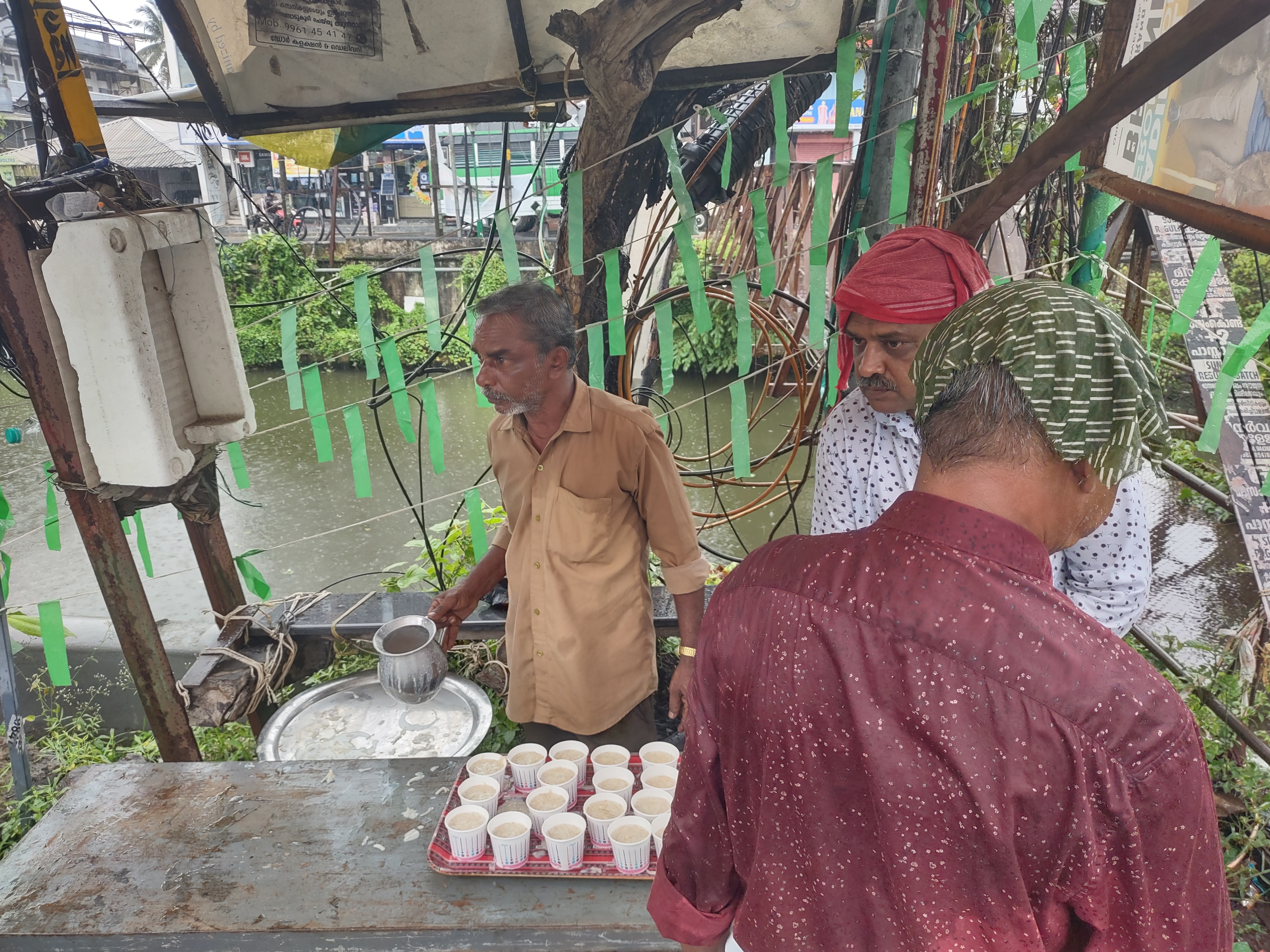
Continuing with the approach of performing errands as a way to explore a place, we sought out a stationer’s store to pick up some necessary office supplies which took us a into what appeared to be a more Muslim part of town where we saw our first mosque in India as well as the local football stadium. Along the way, we were embraced by a group of people on the street celebrating the birth of the prophet Mohammed and more or less coerced into drinking a cup of “payasam”, (kind of a semi-liquid rice pudding with noodles instead of rice), which I quite enjoyed (Colleen not so much). The next day, on the way to the Post Office we were pulled into a birthday celebration for one of the girls at a store we had visited the day before.



Shopping and Dining in Alappuzha
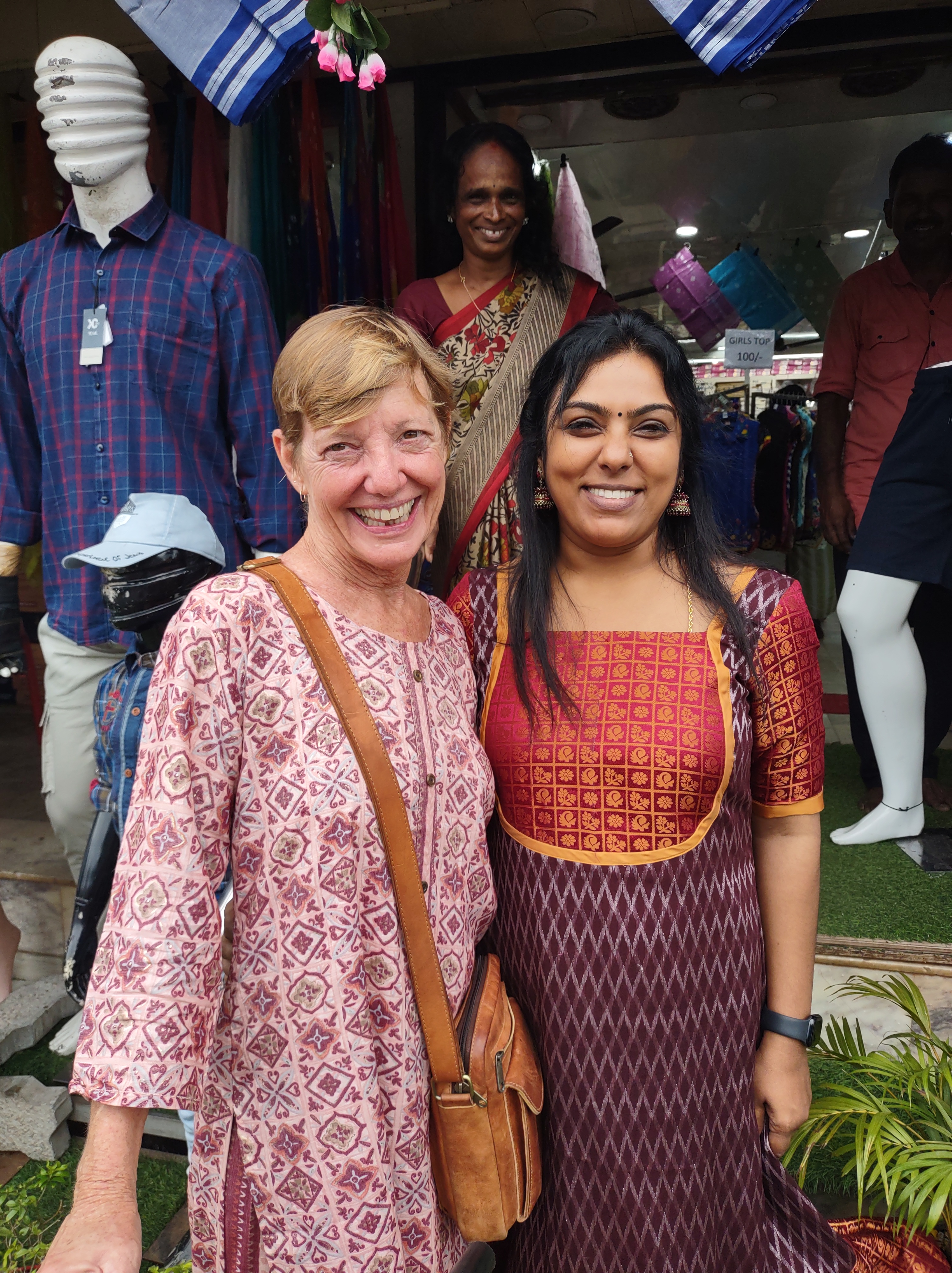
So not surprisingly, we also shopped in Alappuzha (Colleen had, in fact, for some time been saying that she was “holding off” on clothing shopping until we reached India, but not surprising in any case.) As it turns out, shopping for traditional Indian clothing is a pretty time-consuming process largely because there are so many different colors and patterns available (not to mention so many stores), but also because of the process. When you enter these stores you stand at a counter facing literally hundreds of outfits which have been folded flat and wrapped in cellophane so that you can see about a ½” sliver of them.
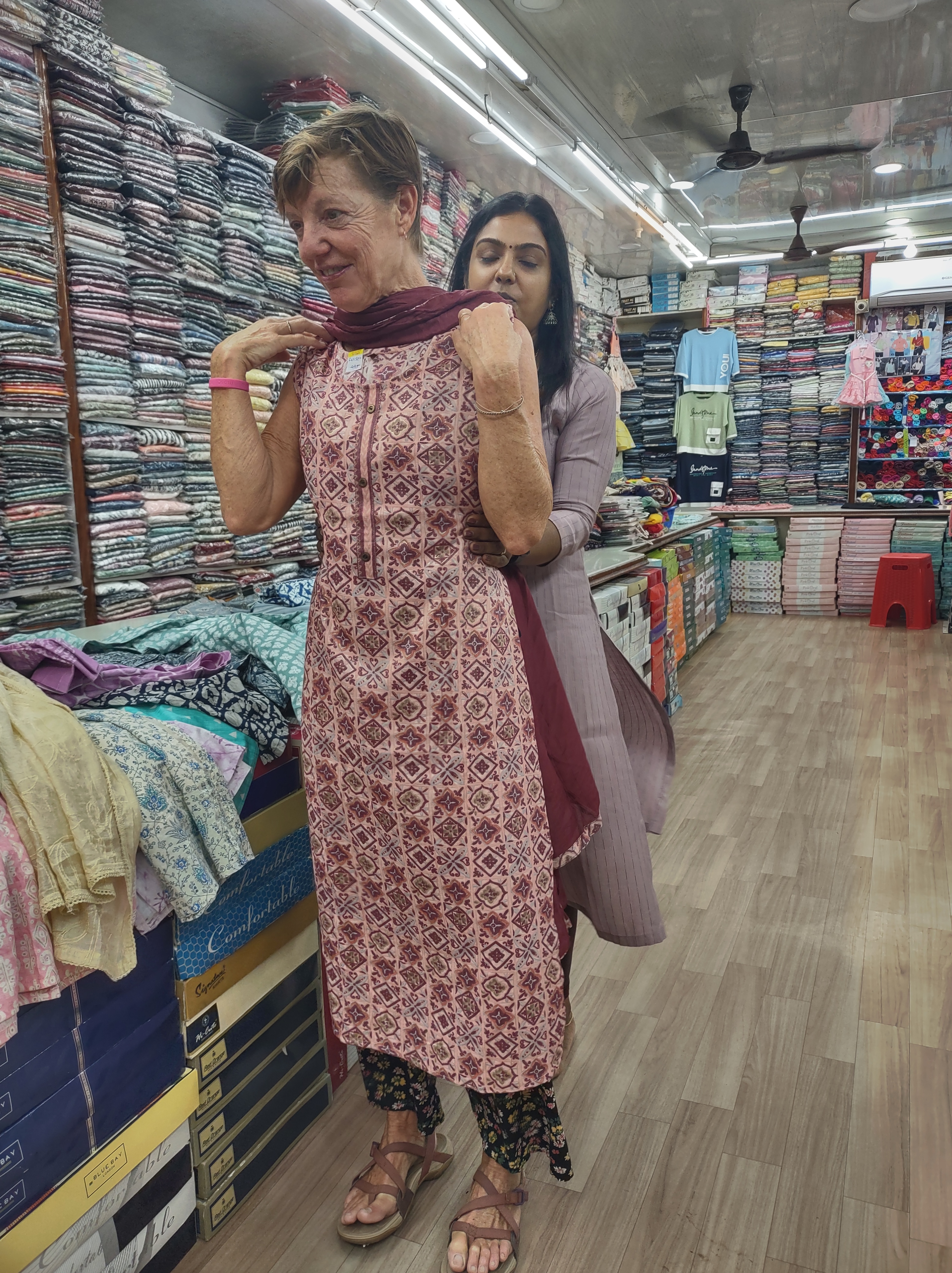
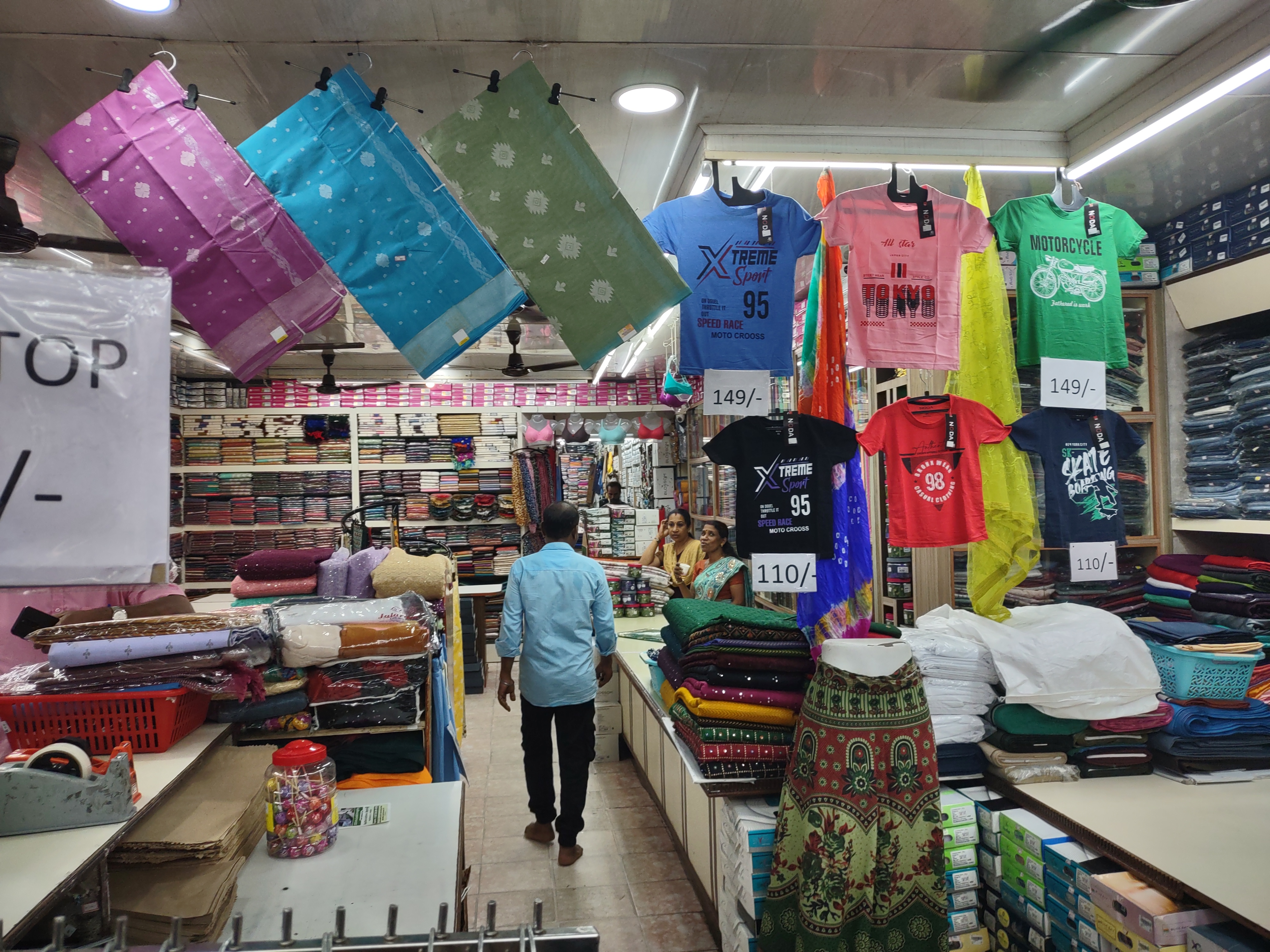
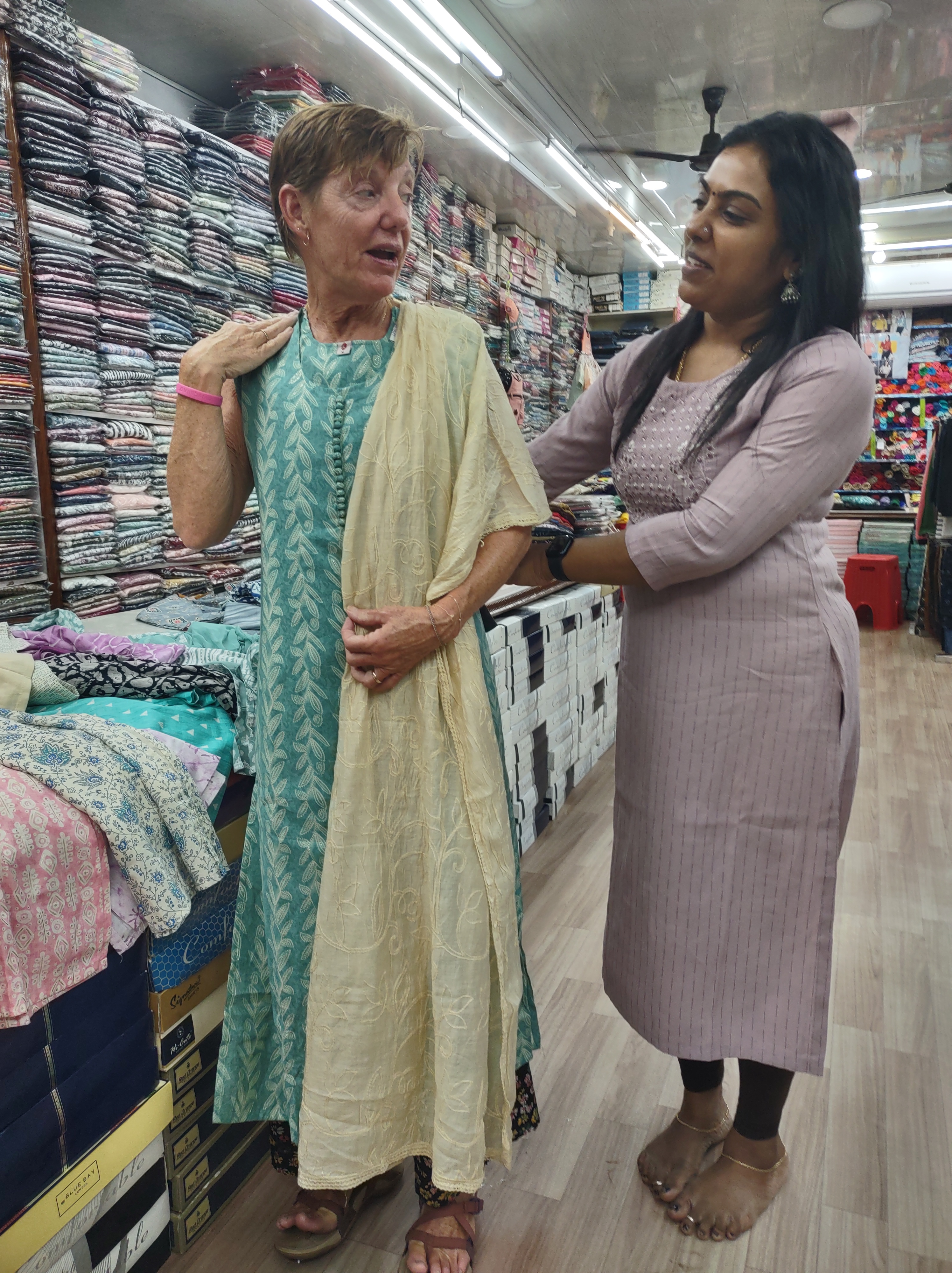
The normal process is a bit of a needle in a haystack approach where sales people behind the counter begin selecting outfits they think (for whatever reason) you might like and then unwrap them and display them on the sales counter. (There are 2 or 3 pieces to each outfit, each with different colors and patterns, so it is necessary to unwrap them in order to determine whether you like them.) Depending upon how good the sales people are at guessing what you might like, this process can pretty quickly result in 20 to 30 outfits being piled on the sales counter, most of which will need to be refolded and rewrapped (which seemed kind of crazy to us but does give the sales crew something to do between customers).
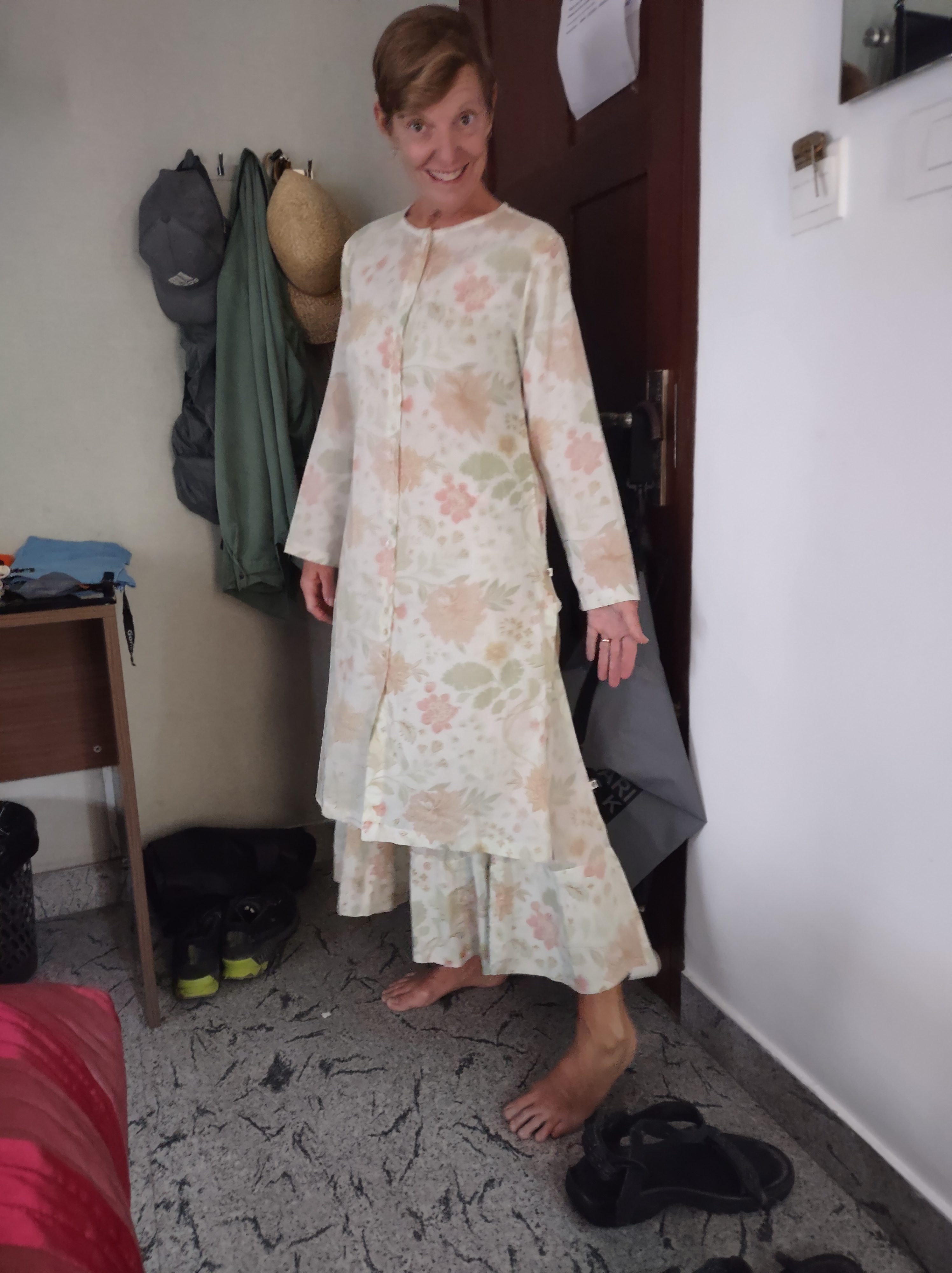
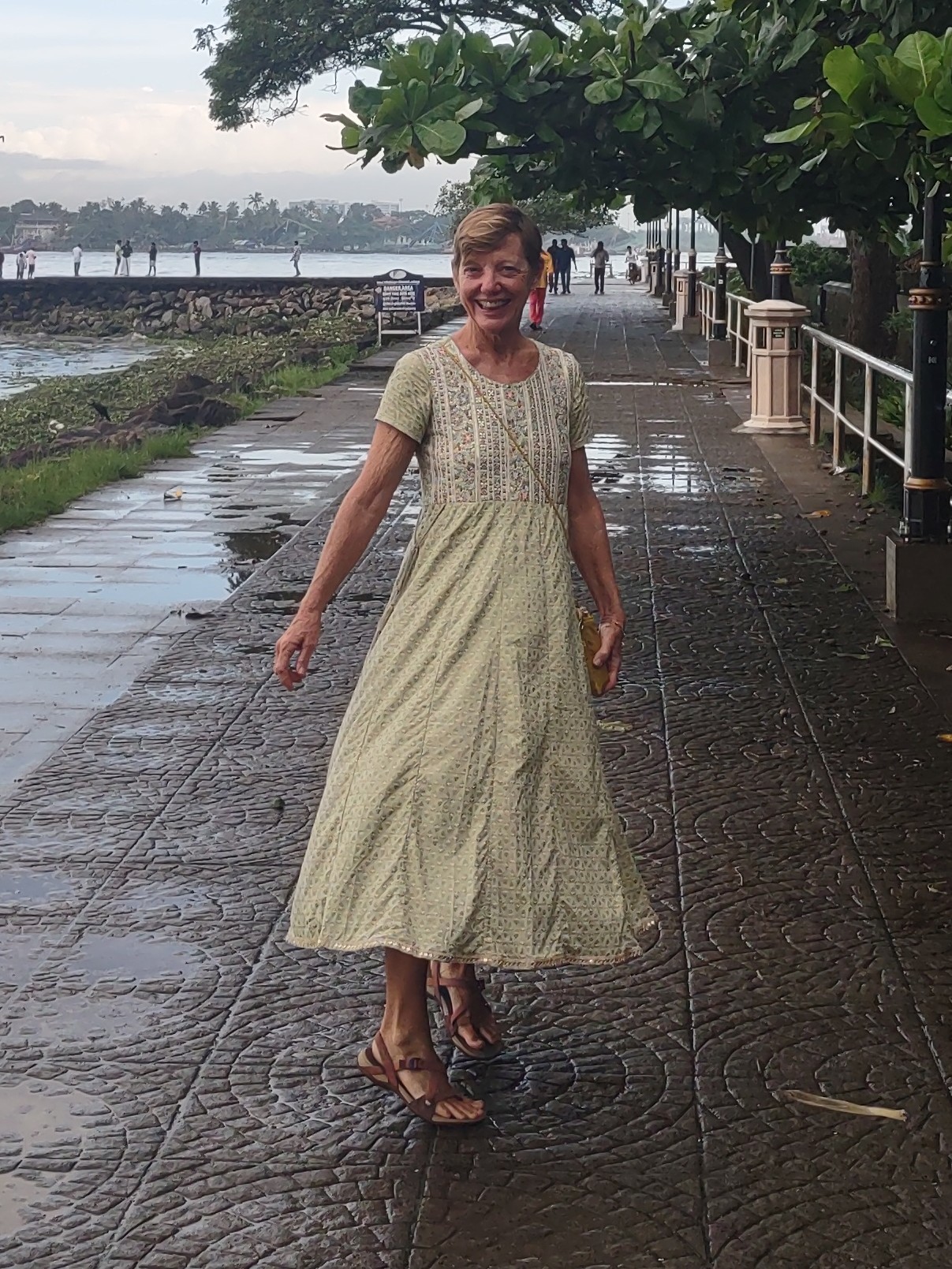
Fortunately, a sales person with pretty good English who worked to understand what Colleen was looking for got involved and outfits were eventually purchased. The clothing prices seemed so reasonable that even I got in on the act and purchased a couple of nice light tropical shirts for myself.

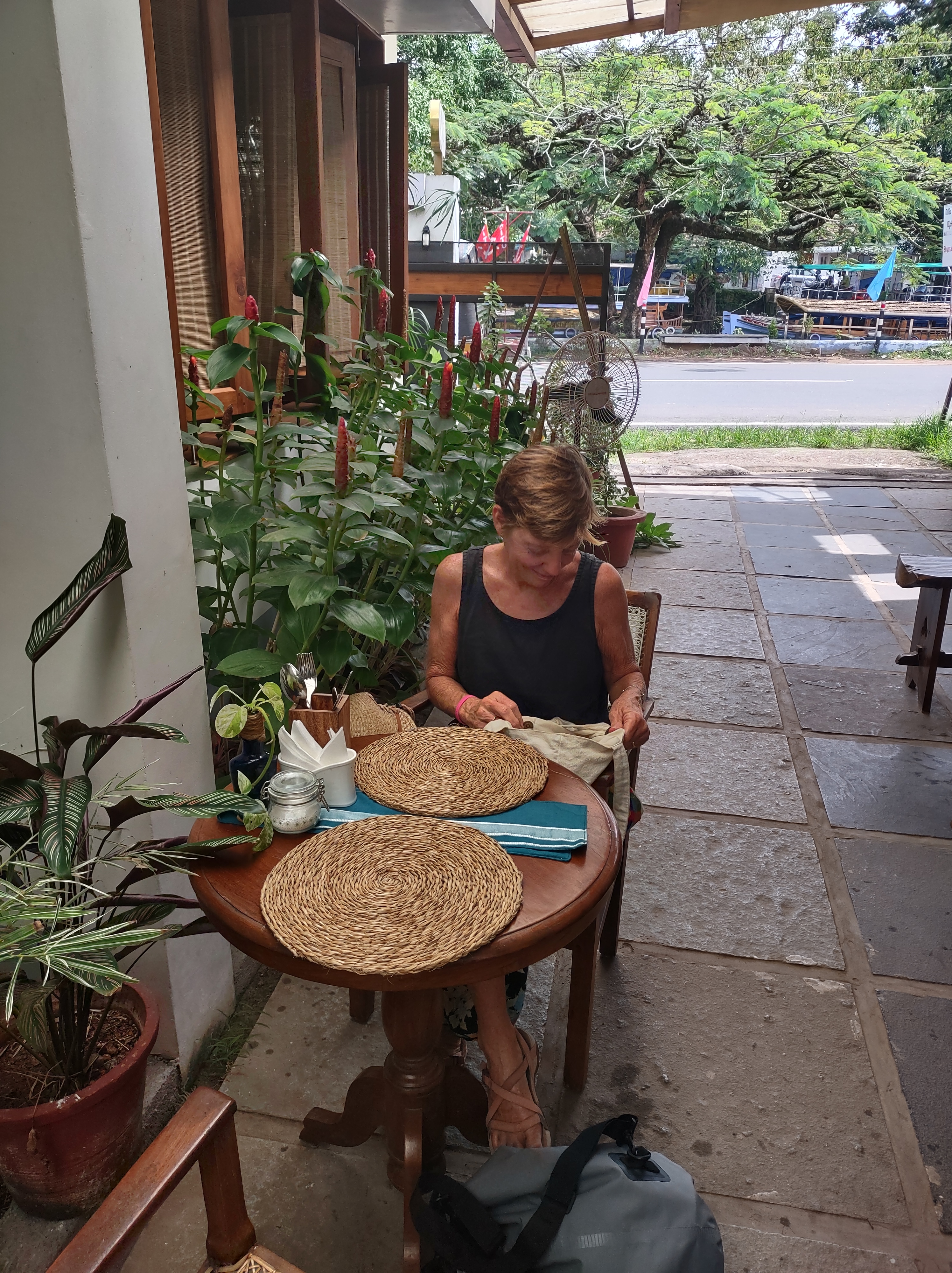
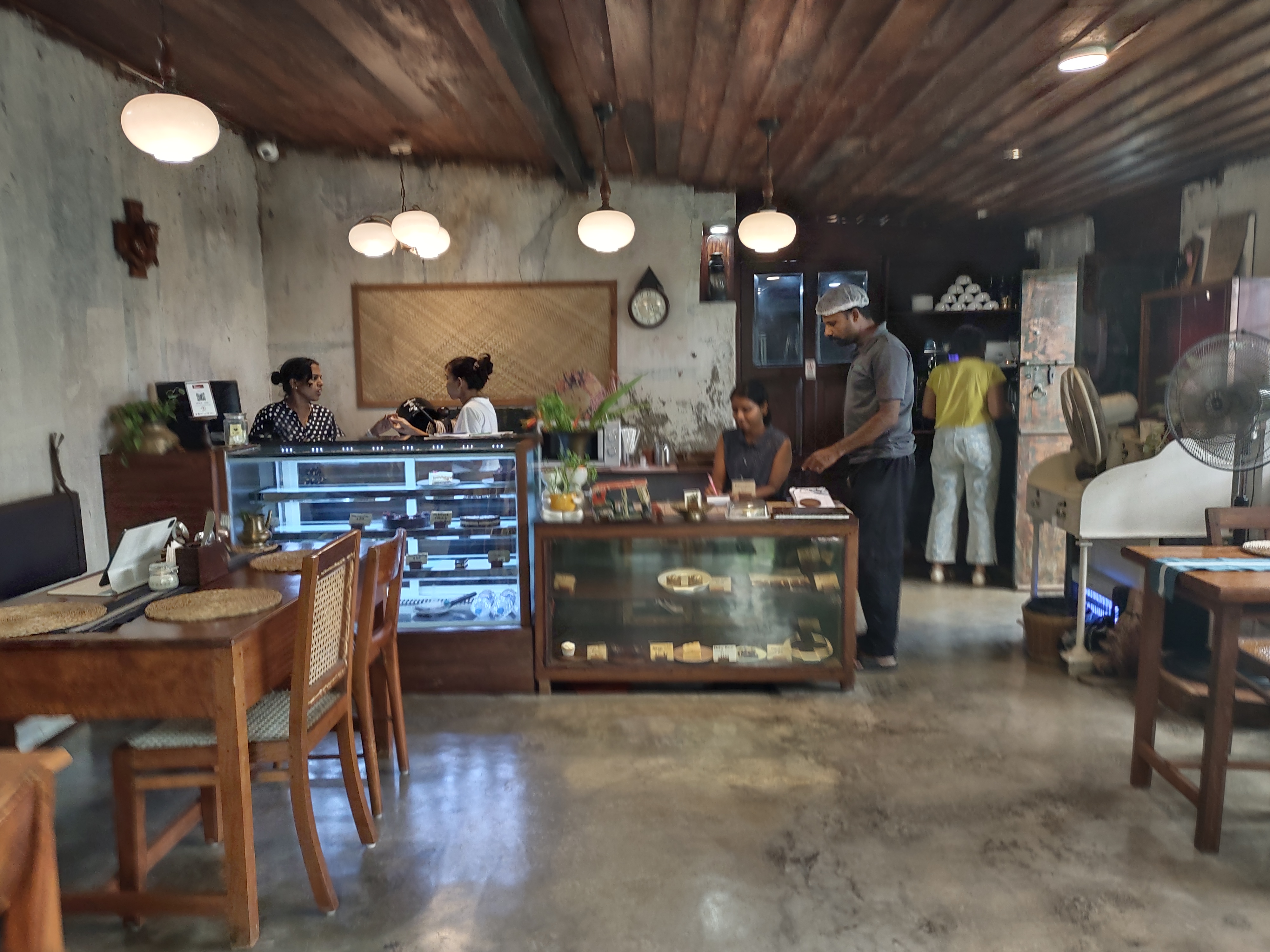
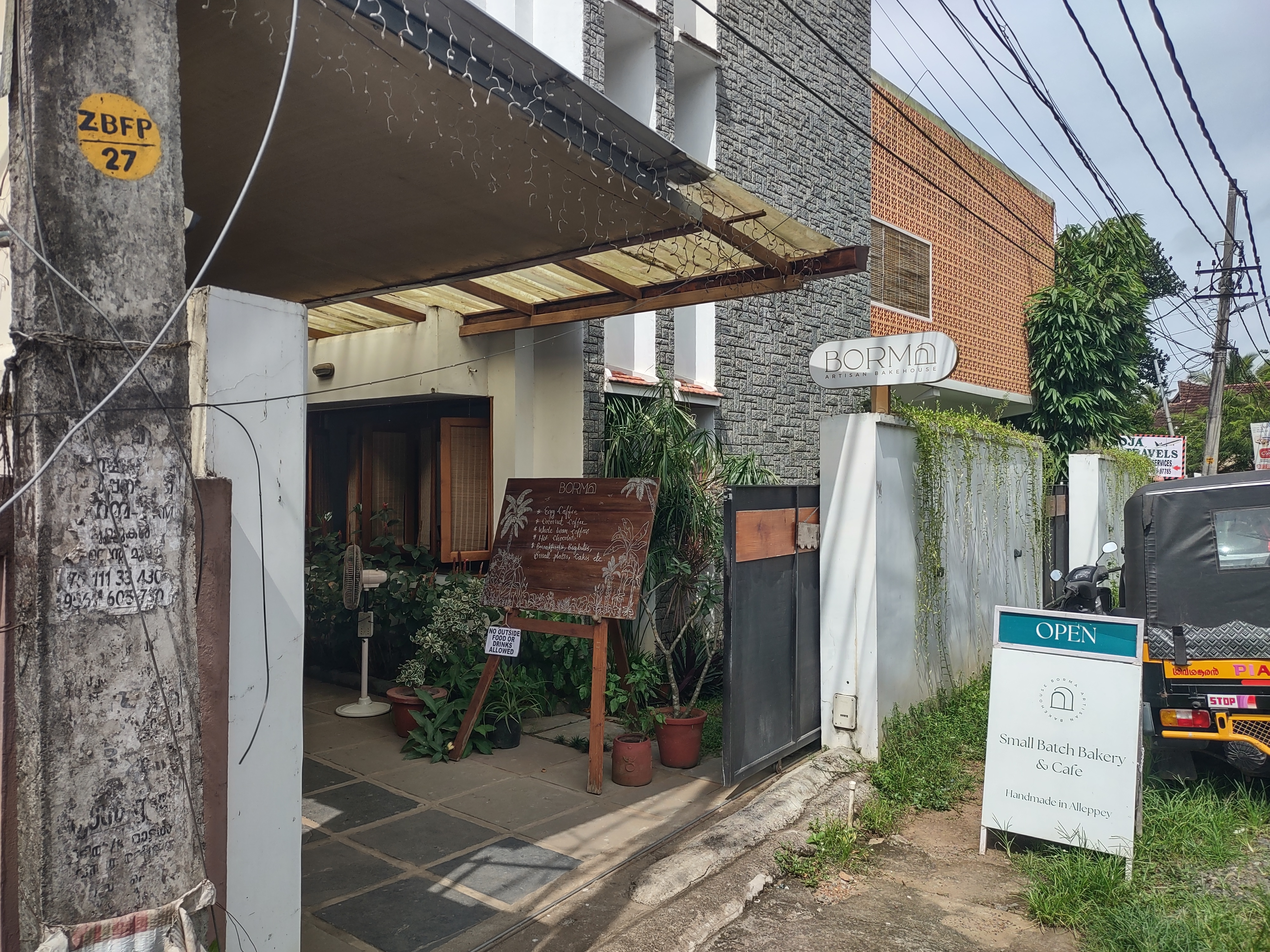
And (as we all know by now) shopping makes you hungry, so we did make a couple of lunch stops in Alappuzha, first to a really nice little café called the Borma which had great coffee and some extremely delicious home-baked cakes and pastries.
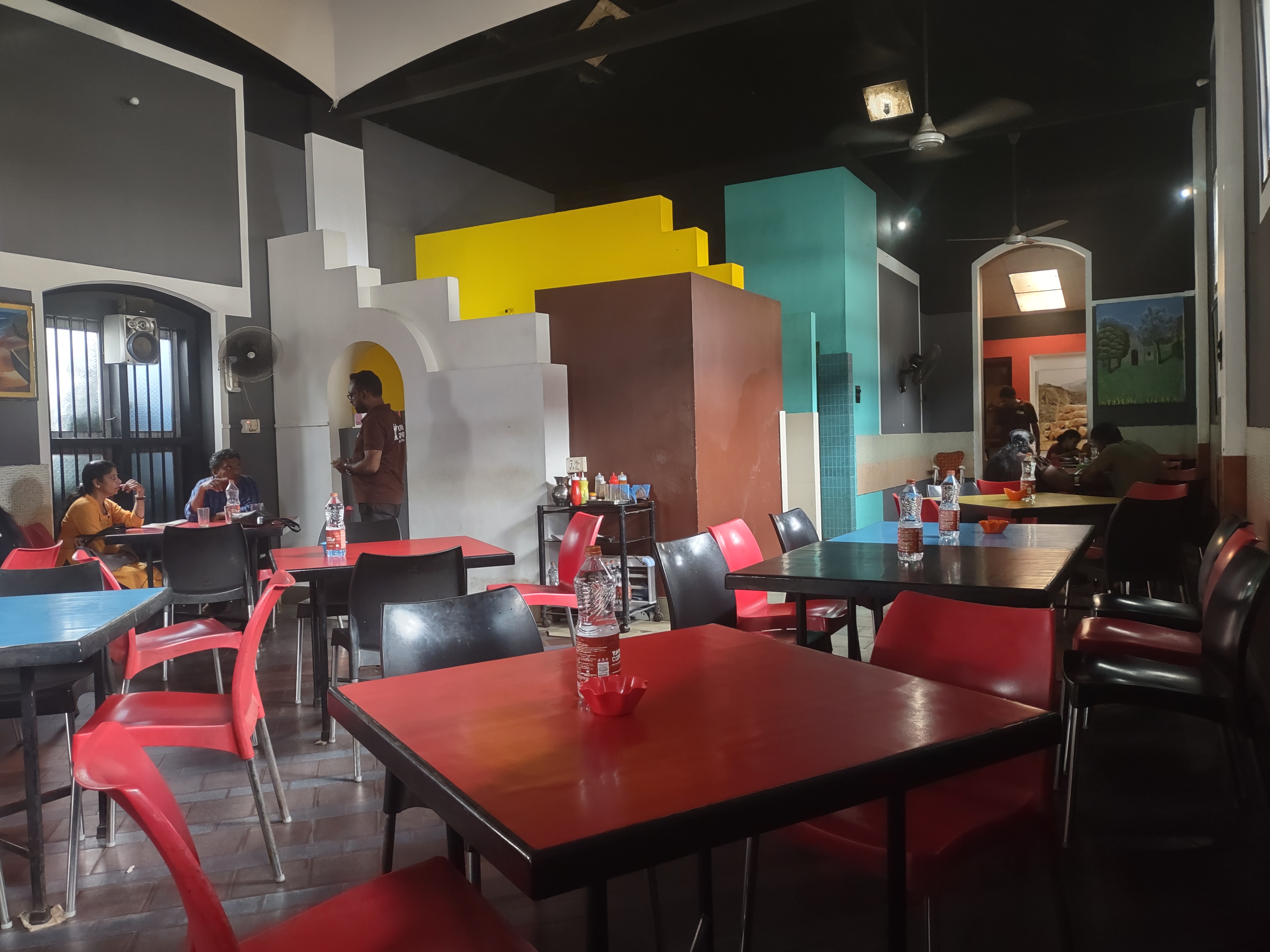
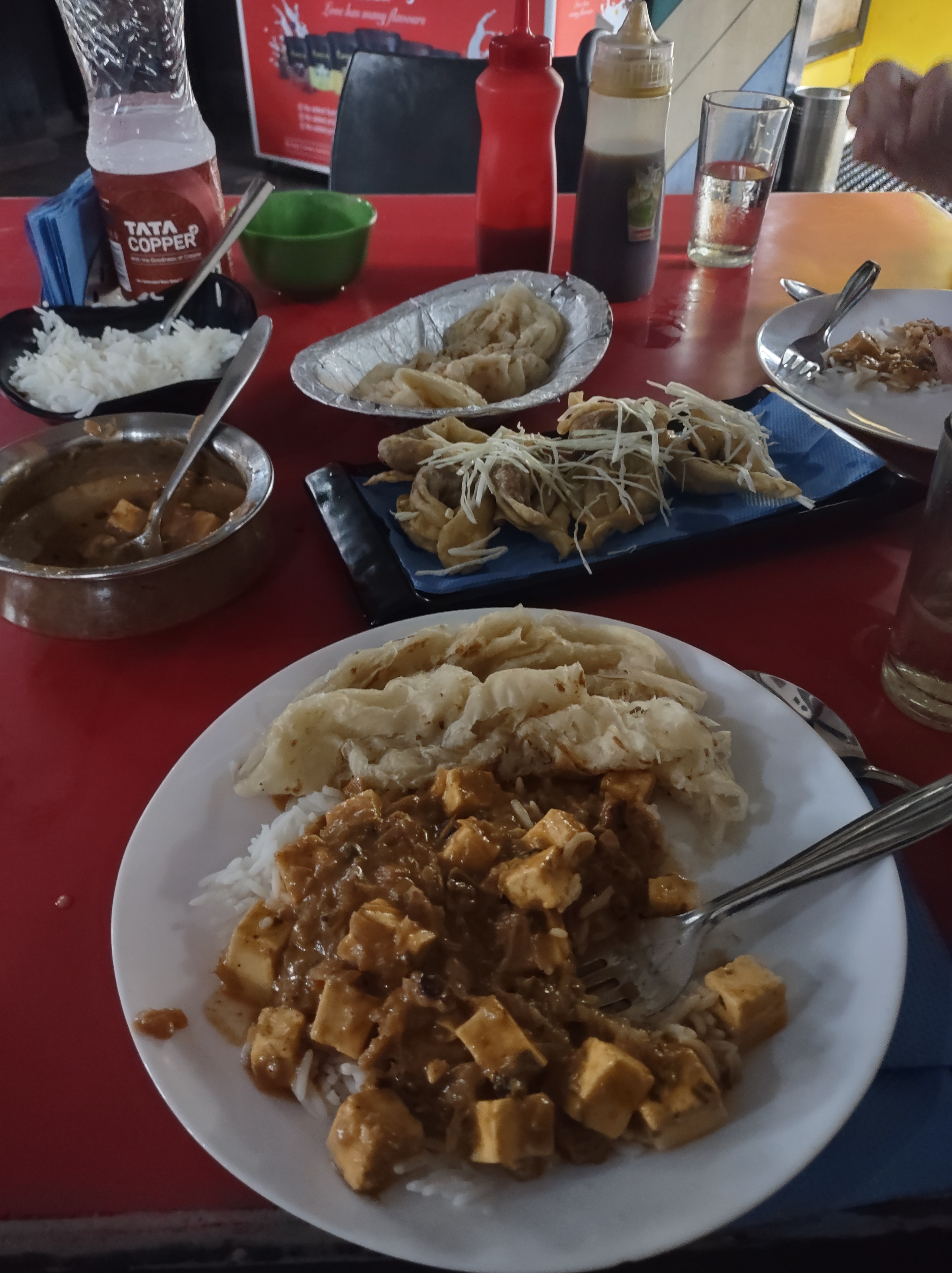
We also dined twice at an interesting local haunt called the “Kream Korner” which Swapna directed us to (we would never have known it was there otherwise) for what she thought was the best Paneer Butter Masala in Kerala. The first time we went I wasn’t particularly hungry and just ordered soup, but when Swapna heard that I had not tried the Paneer Butter Masala guilt left us with no choice but to go back again and try it and, yes, it was worth two trips as were their samosas and what turned out to be some of the best paratha in India.
First Temple Visit
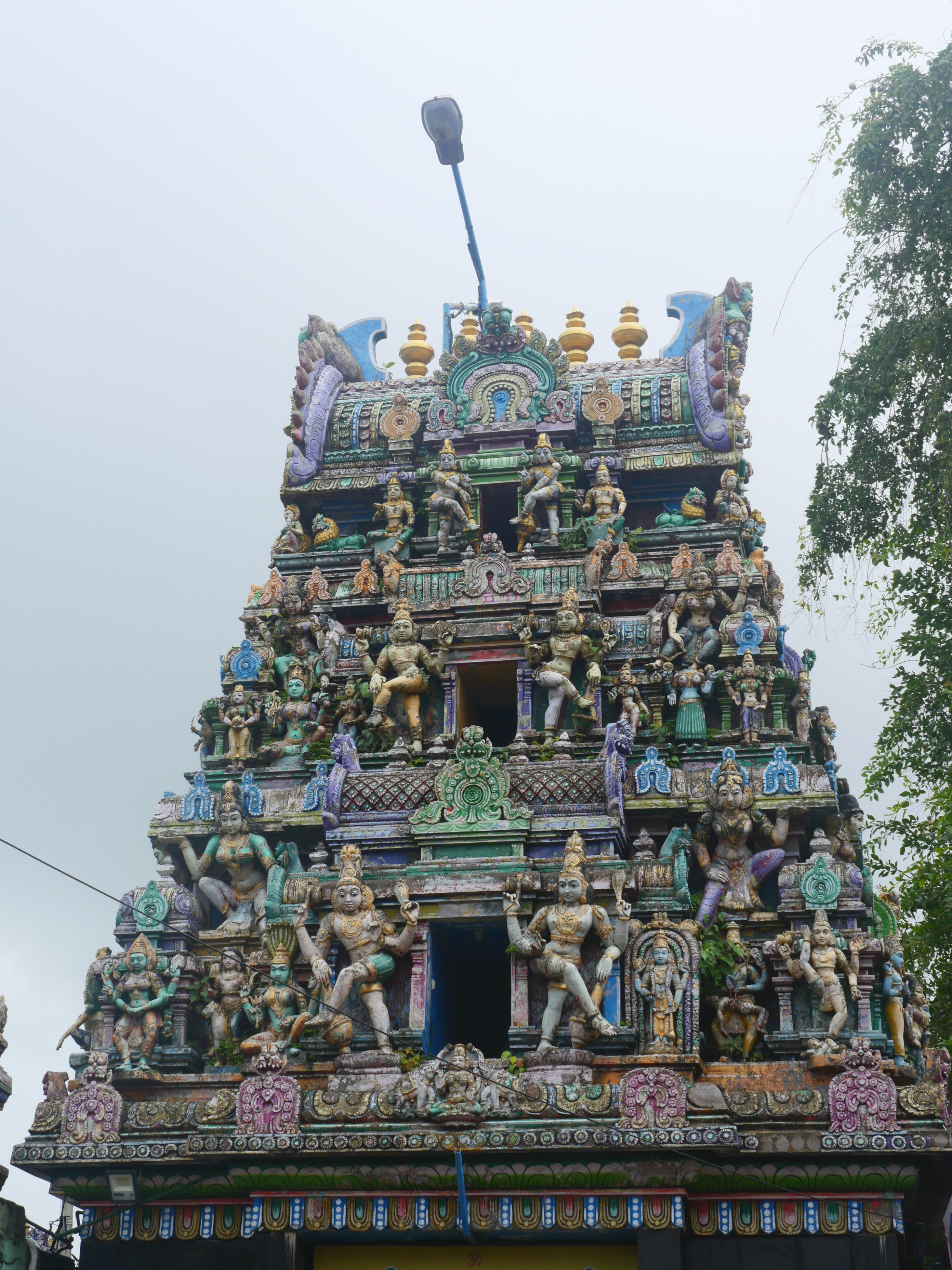
We also visited our first Hindu temple (presumably the first of many) in Alappuzha, the Mullakkal Temple which is dedicated to the goddess Durga, an aspect of the mother goddess, whom we expected to see again at the Durga Puja festival in Kolkata. This was my first time visiting a Hindu temple (Colleen had visited some Buddhist temples during her time in Sri Lanka in 2021) and I was honestly feeling a bit hesitant about the whole thing (there are a lot of rules you have to follow!).


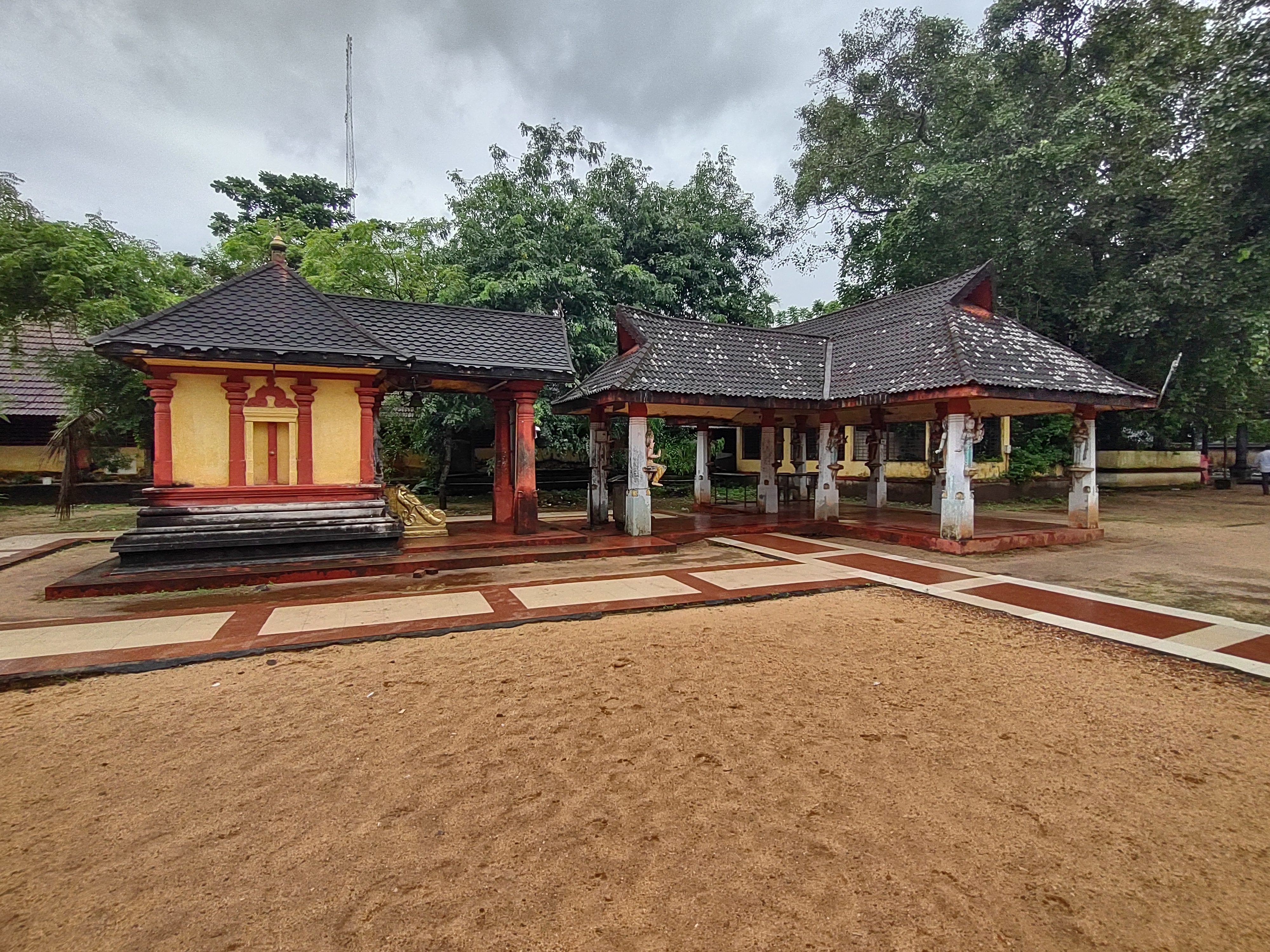
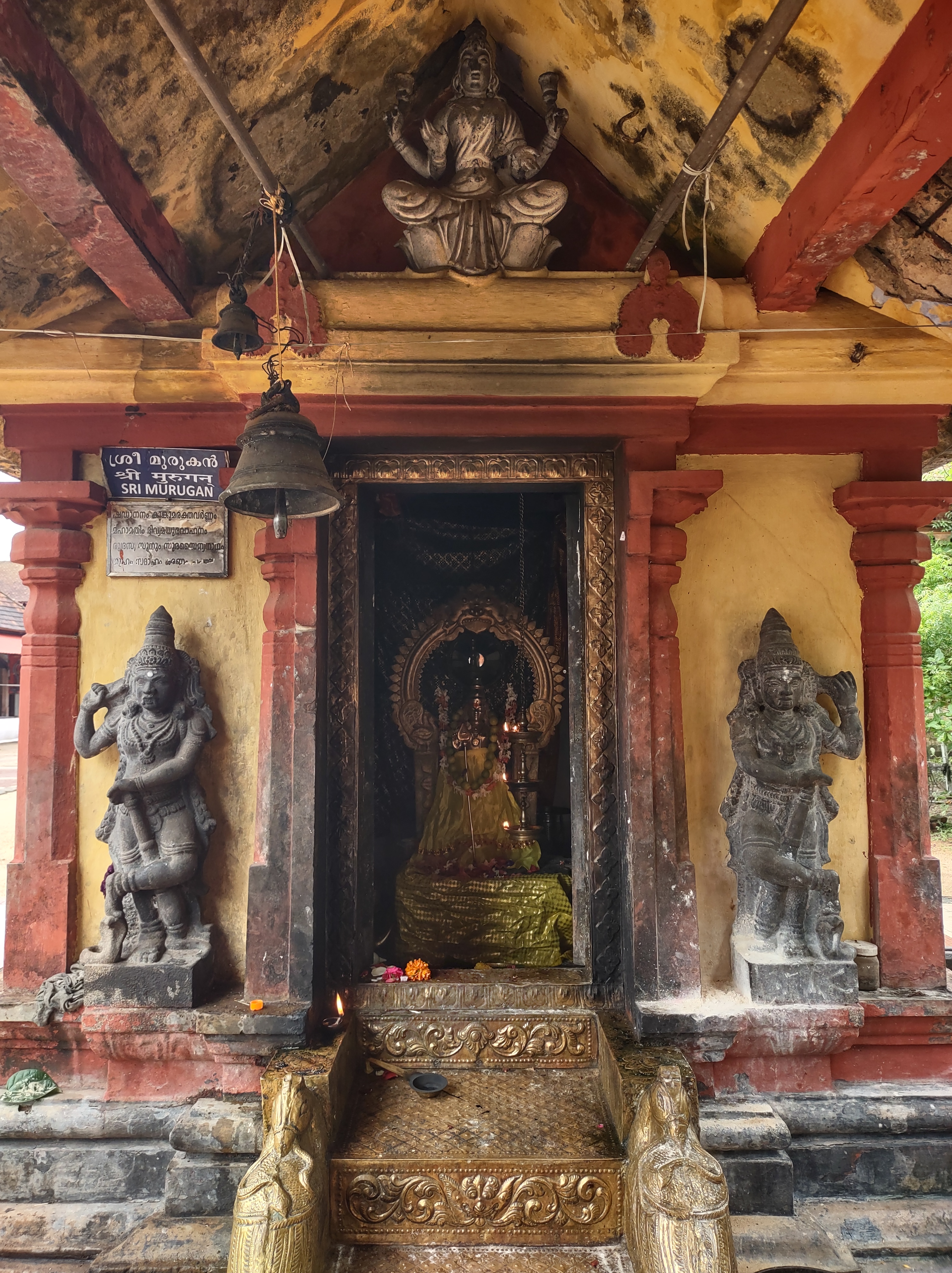
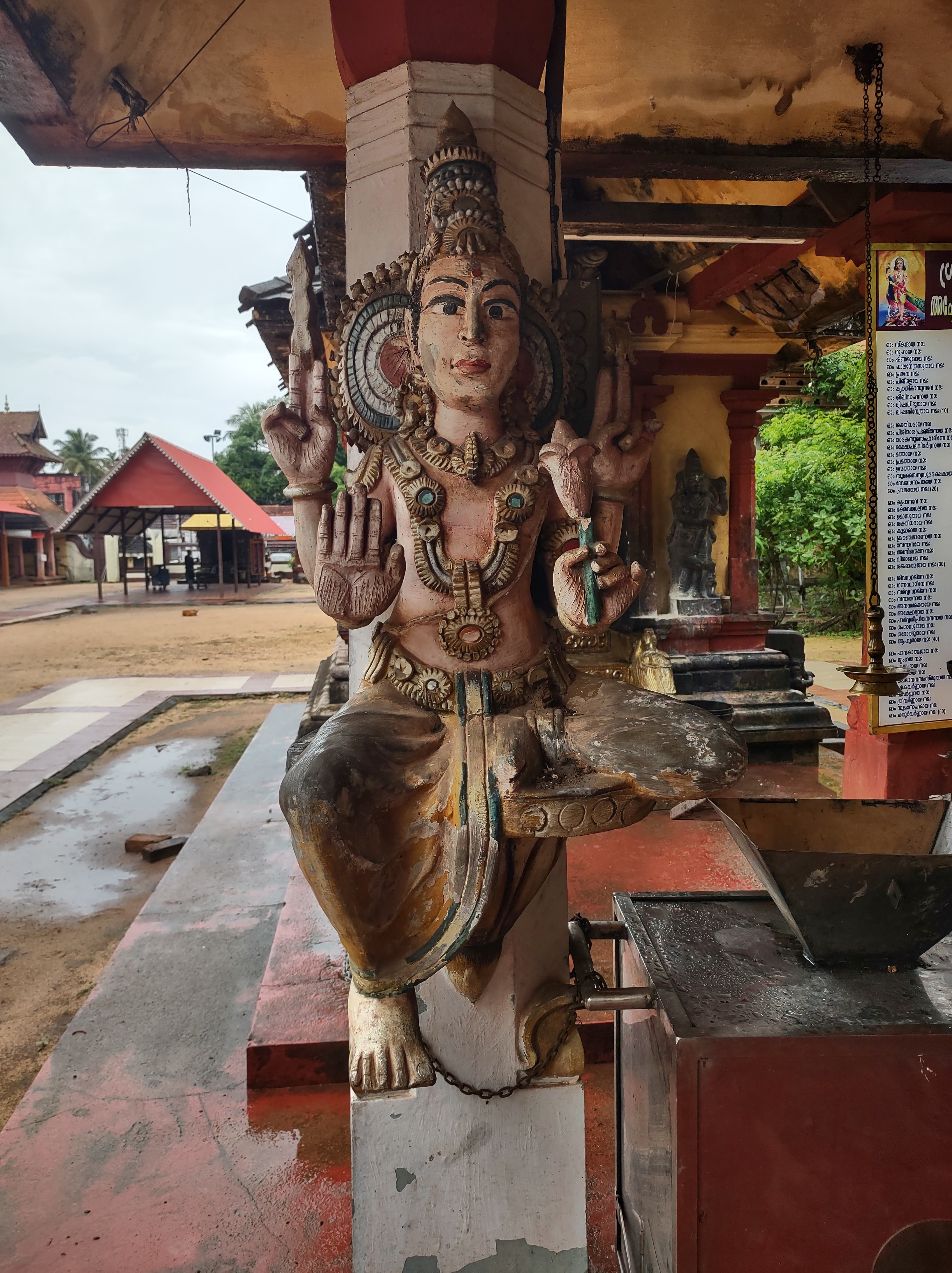
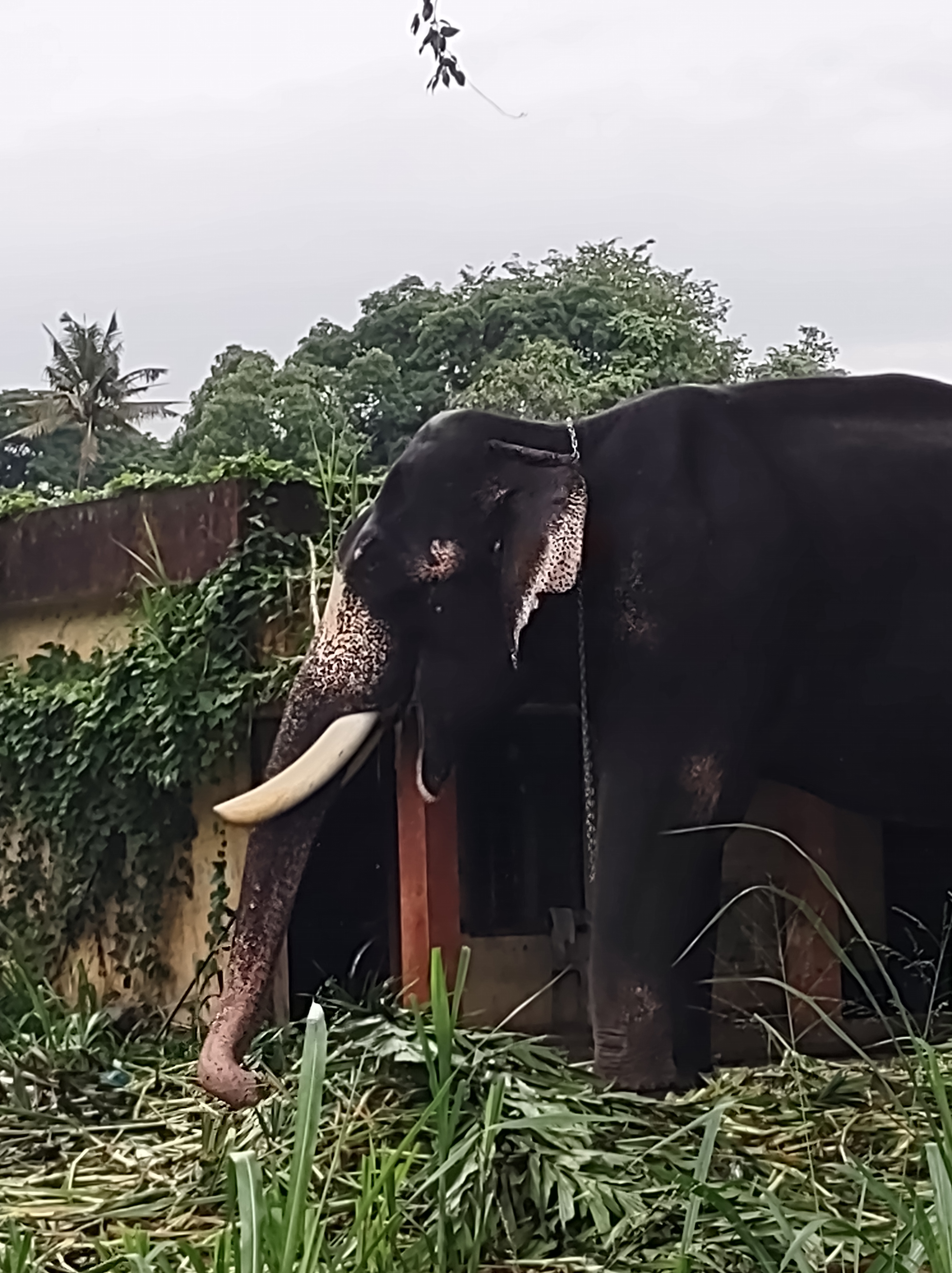

We removed our shoes (which you have to do before entering most places here) and began to make our way around the temple, visiting the various shrines and observing people performing various rituals and, as this temple had an elephant, we stopped to visit him as well. While there were a lot of unfamiliar things going on around us, I was struck most of all by how friendly, kind, and welcoming everyone we met in the temple was and am temped to say that it may have been the most open and welcoming church or temple I have ever visited.
Back of the Bus
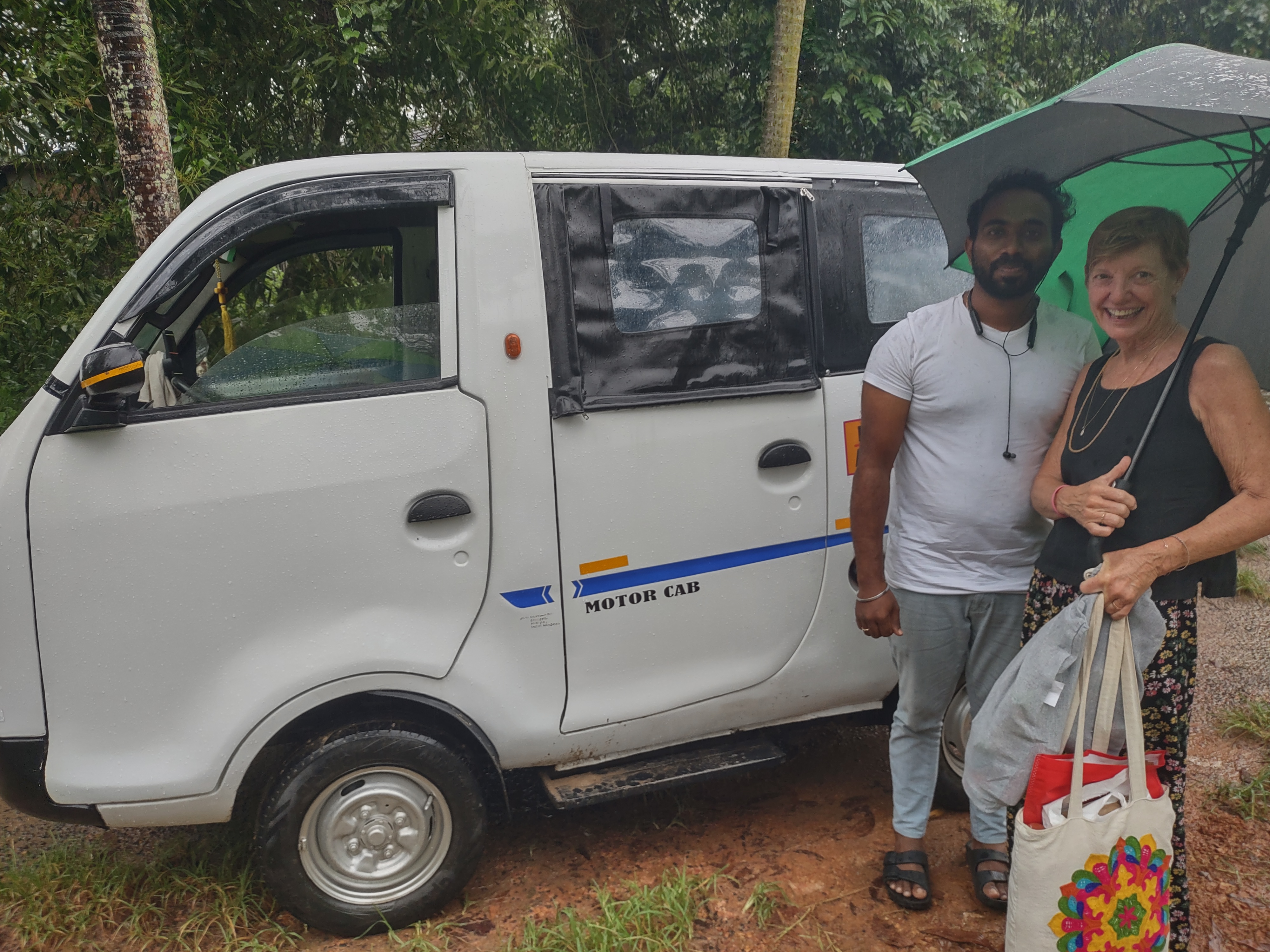
For our first two trips into Alappuzha, we used a driver who Swapna had recommended. His name was Neville, and he was very helpful and informative, and the almost door to door service was nice when it was raining (at least until our road flooded). He drove what was a pretty common taxi in Kerala, an ultracompact four-door sedan called a “Tutu”. It was definitely good to have Neville with us on the first trip into Aleppuzha as he not only got us there but also connected us with the pilot for our Backwater cruise.
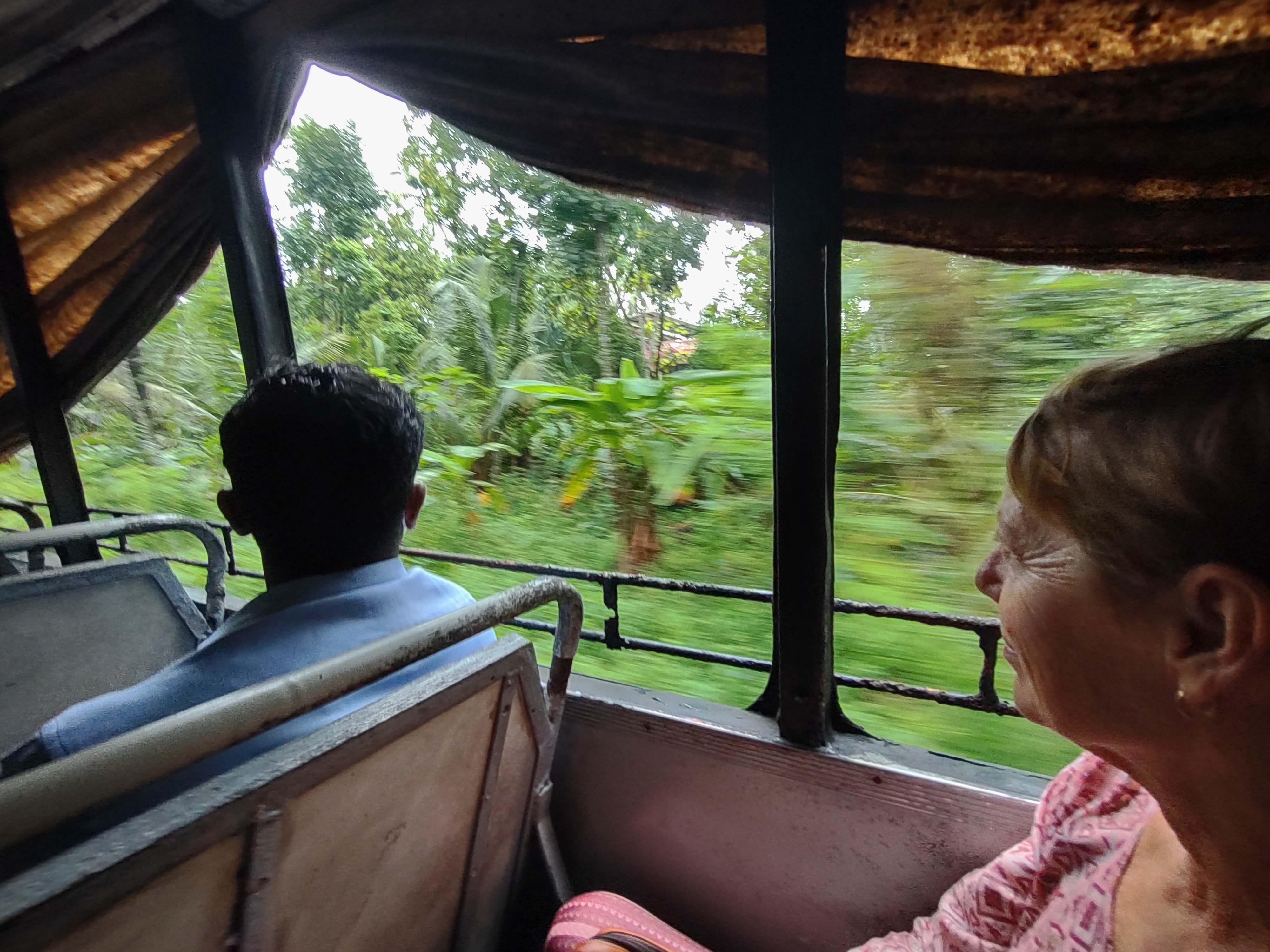
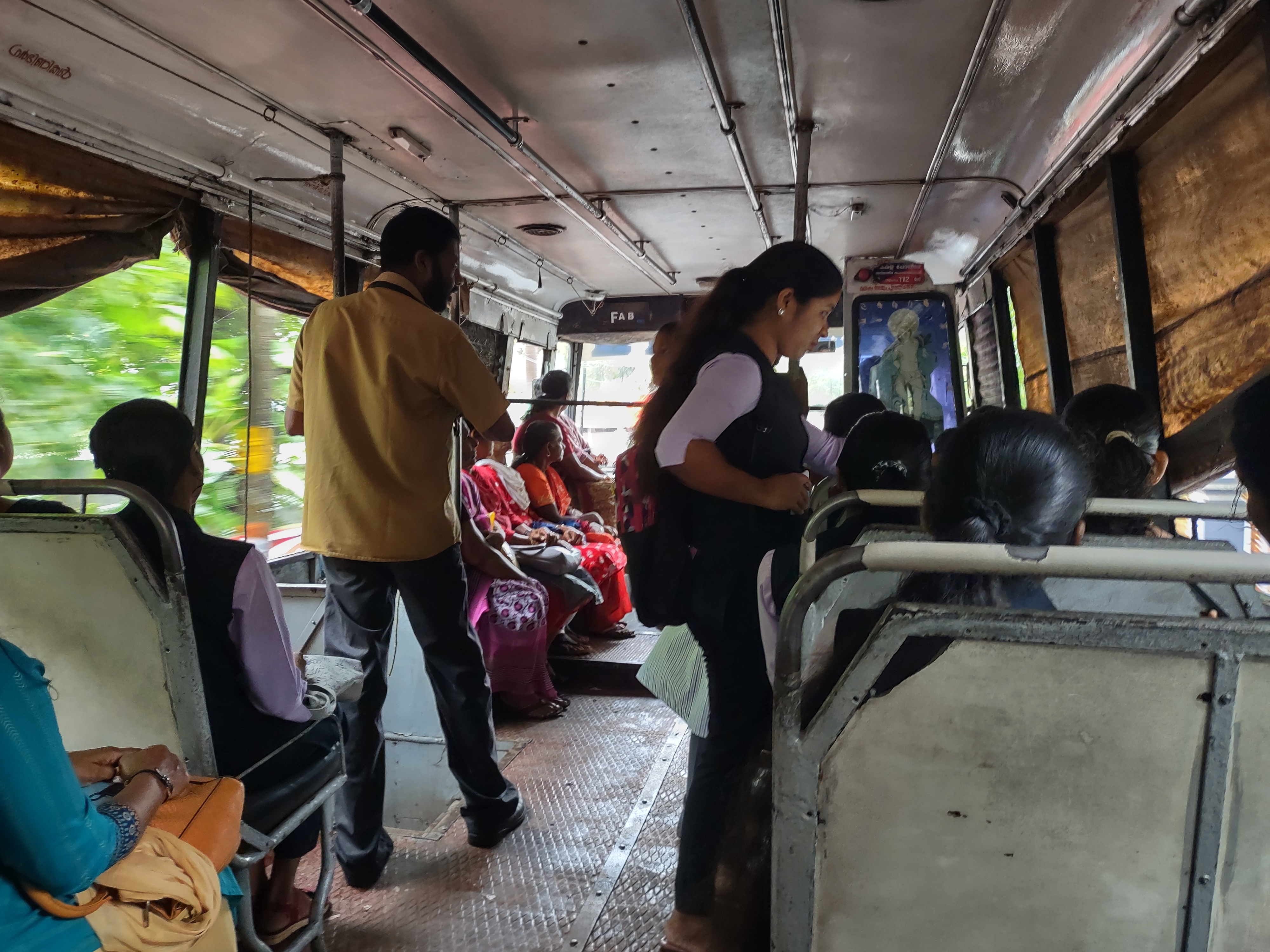
For our third trip into Alappuzha, we decided to go wild and take the local bus in and out. As we were getting on the bus near the end of the line in the mid-morning, the ride into town was uncrowded and quite pleasant. But we caught our return bus from the central bus station in Alappuzha during rush hour and so got a more realistic feel of public transport in India. (Sorry, I couldn’t get my hands to my pocket, so no photos of that leg!) Truth be told, it actually didn’t feel much different than the New York City subway during rush hour.

Catholic Churches in Kerala
One of the things which was impossible to not notice in our travels between Kochi and Mararikulam and Alappuzha was the number of Christian (mostly Latin Catholic and Syrian Orthodox) churches. While we knew that there were some Christians in India (about 2.3% of the population) we were surprised to find that almost 20% of the population of Kerala (including our host family) were Christian, accounting for about 20% of all Christians in India. We assumed that this was due largely to Kerala being a Portuguese colony, but learned that Christianity was brought to Kerala by St. Thomas the Apostle, the disciple of Jesus Christ, who is said to have visited Kerala in the mid-first century AD and to have founded eight churches there.
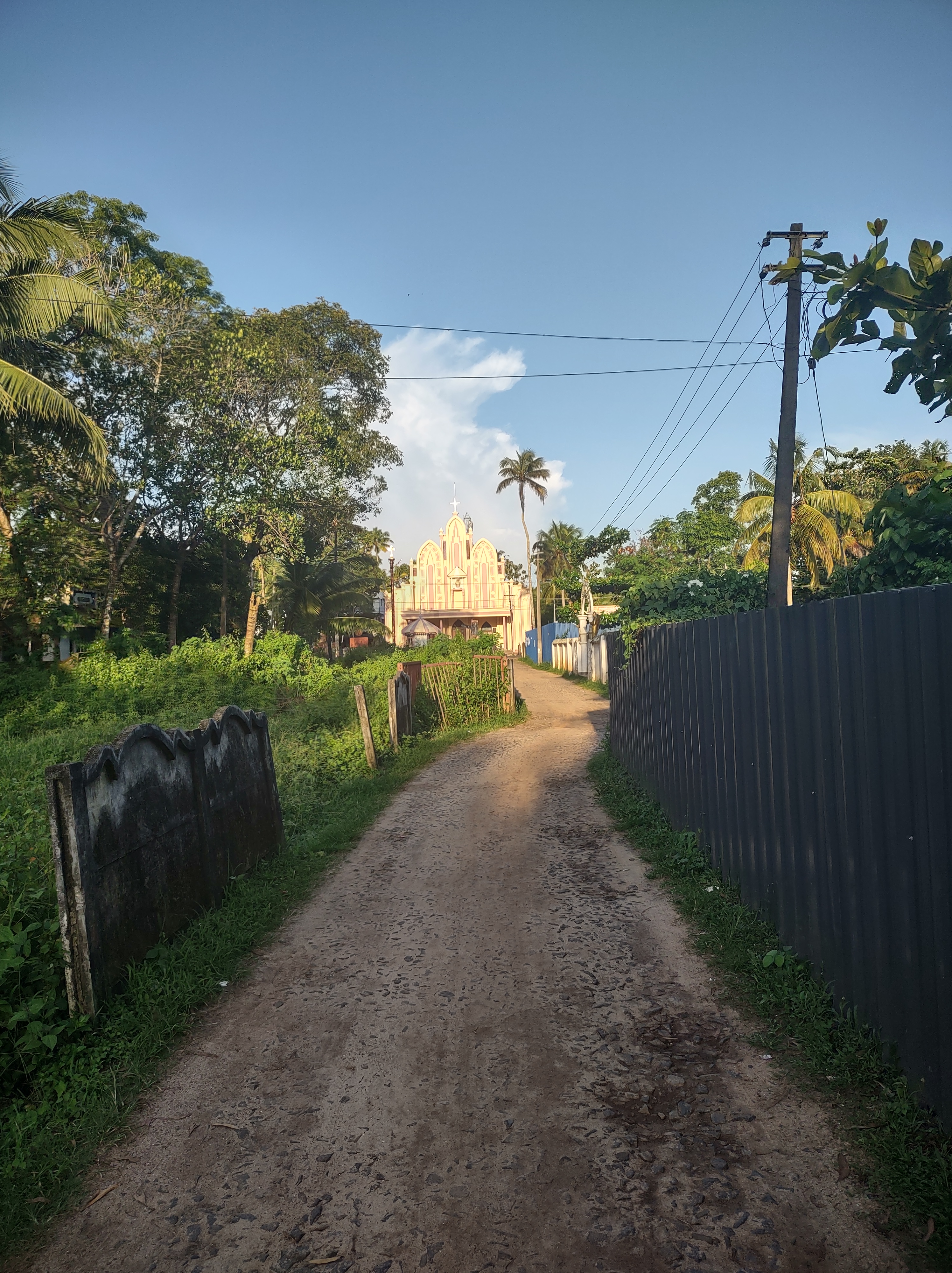
St. Augustine’s, the parish church which Swapna’s family attended, which was located across the highway from our Beach Road, was the most prominent and ornate structure in Mararikulam and, we would discover, very similar to other Catholic churches in the area. It was quite interesting to see how its design not only incorporated details drawn from traditional Indian architecture, but also whole elements which made it seem more like a Hindu temple than a Catholic church.

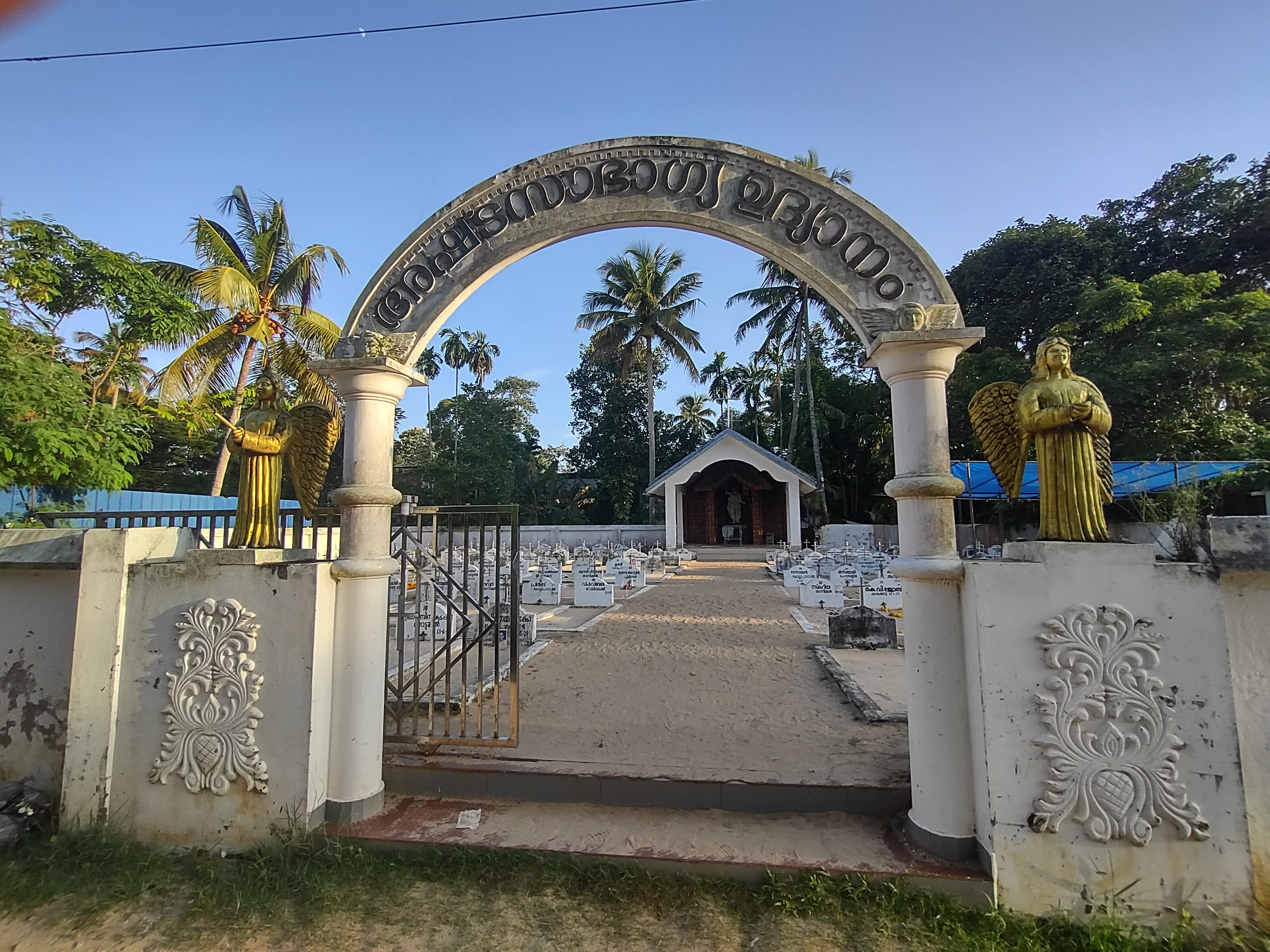
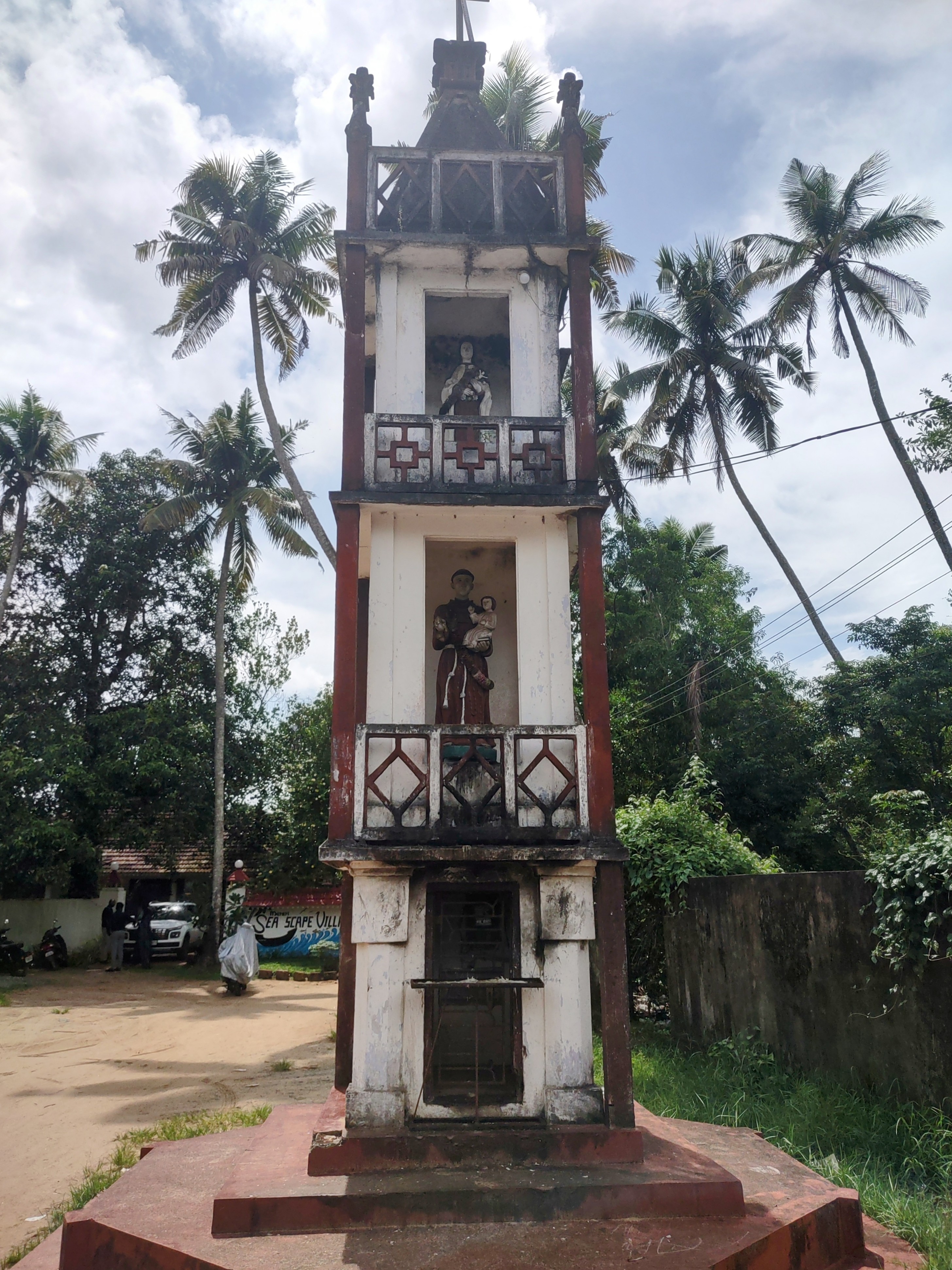
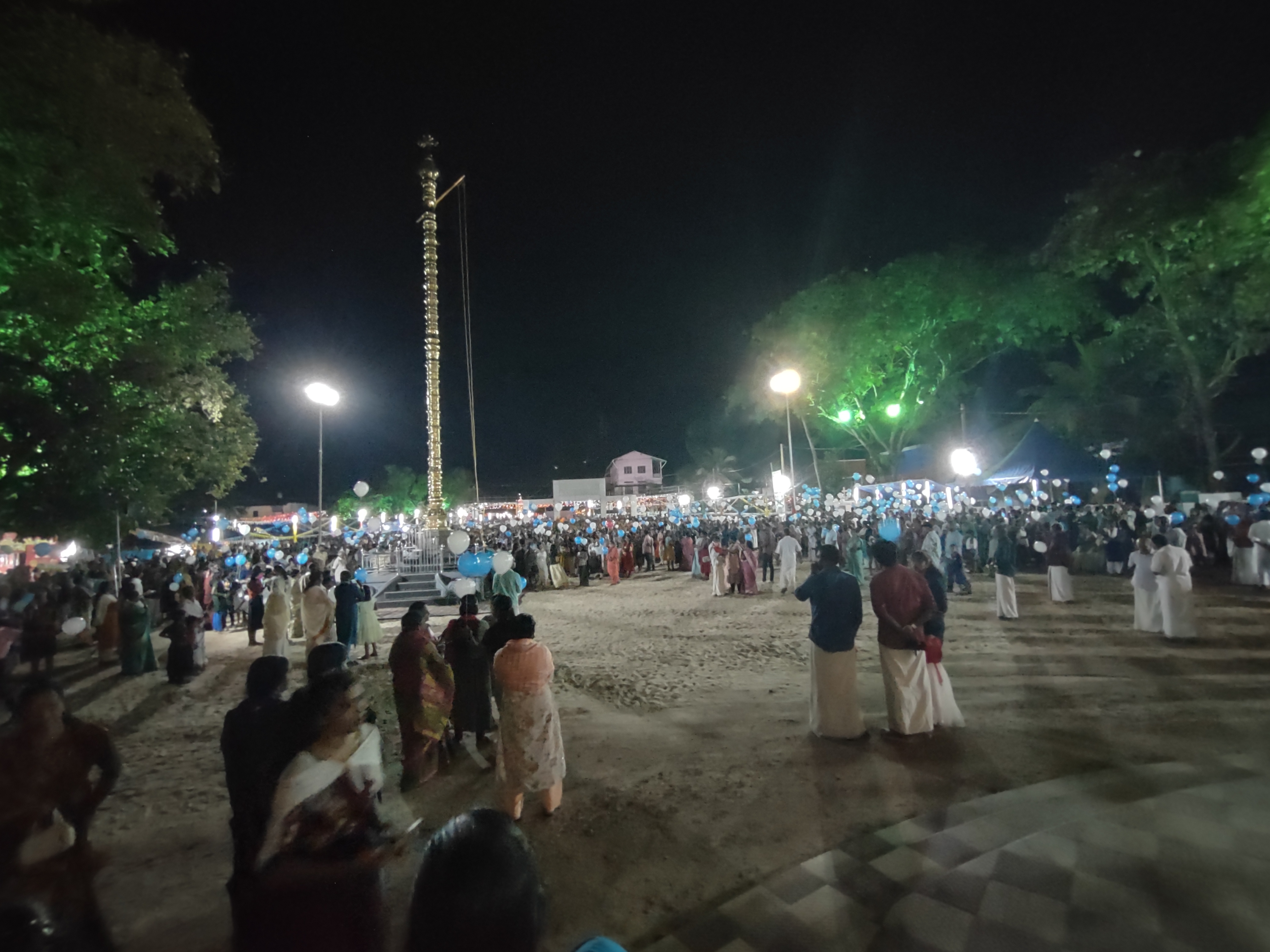
Most noteworthy were the number of statues (of saints, not gods and goddesses), many in their own shrines, which was strikingly similar to what you find in Hindu and Jain temples. There was also a gold flagpole in the yard in front of the church (something I don’t recall seeing in any other Catholic churches) which was strikingly similar to the flagpoles which are a regular feature in south Indian temples. Unlike an Indian temple, St. Augustine’s had a graveyard (Hindus burn the deceased and scatter their ashes) across the highway on Beach Road, but it also had a three-story free-standing shrine with statues of saints near the end of the road, which suggested a procession way for funerals and other church events.
The Feast of St. Michael
We were able to learn quite a bit about the practice of Christianity in India from Swapna and Binoy and, based on what we had already seen of the churches, were very curious to learn whether the practice of Christianity in India incorporated any of the rites and rituals of Hinduism. Although we didn’t attend mass at St. Augustine’s, Swapna and Binoy invited us to join them at an annual festival at St. Michael’s church in Kattor (a nearby village where Swapna grew up), which would be in celebration of St. Michael’s feast day.
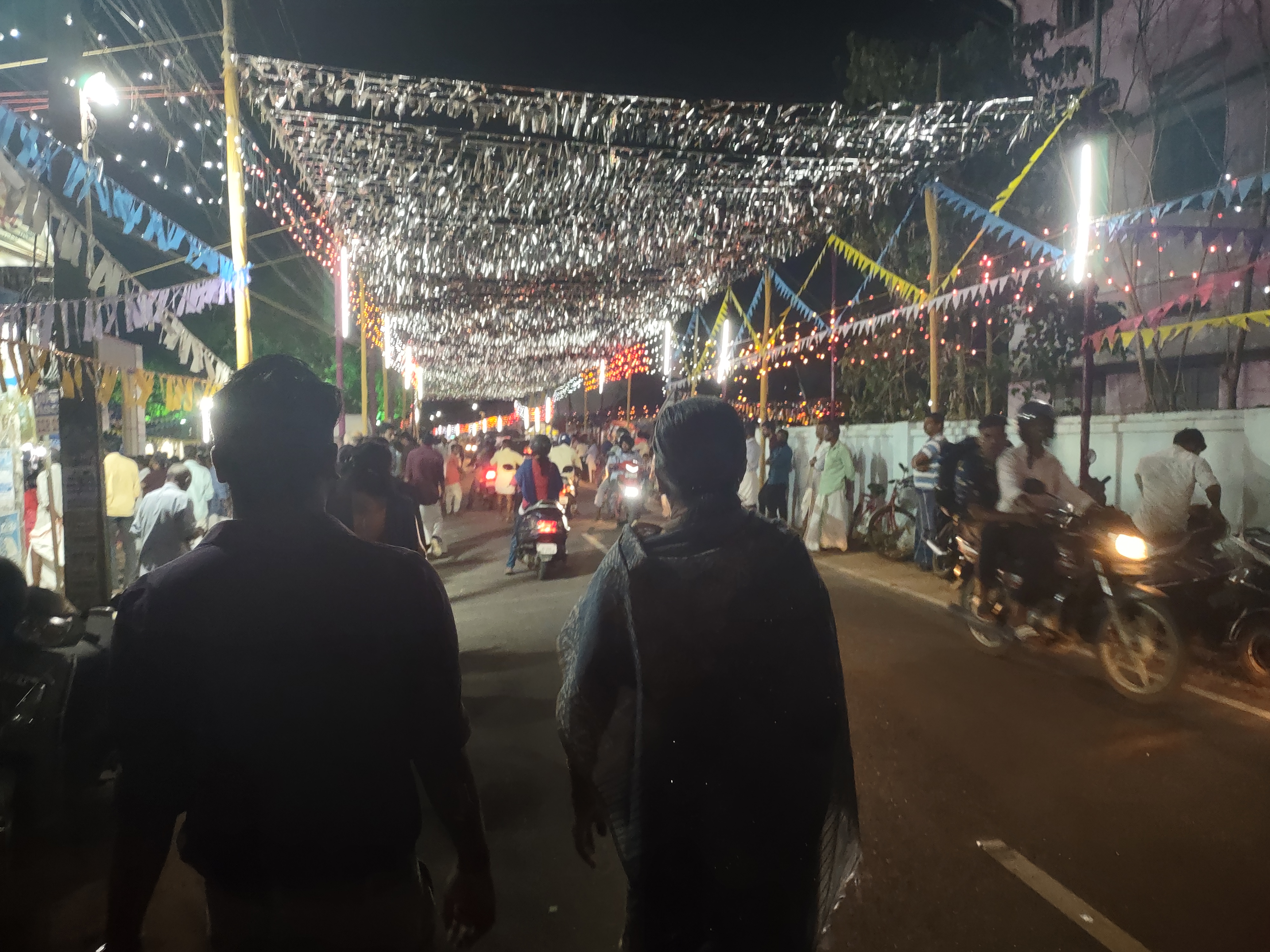
On the day of the Feast, our friend Neville picked us up at our homestay along with Swapna and the kids (Binoy met us at the church later) and we made our way south down the Beach Highway. We had passed by St. Michael’s on a couple of occasions and had seen decorations going up along the highway, but we were unprepared for what we found there that night. Neville had to drop us off several blocks from the church and we made our way there on foot along with a throng of feast-goers passing under the street decorations which were now all brightly lit.
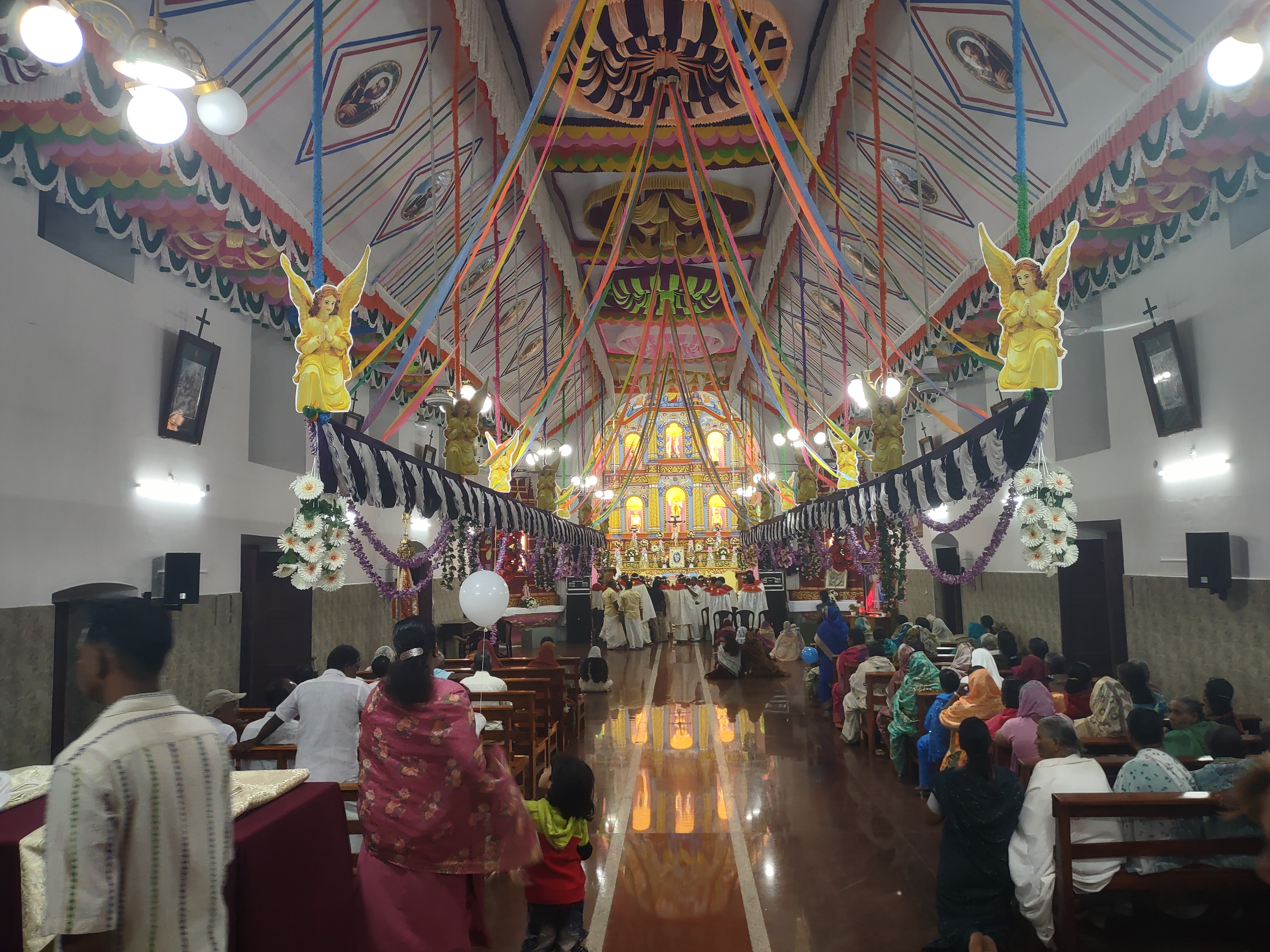
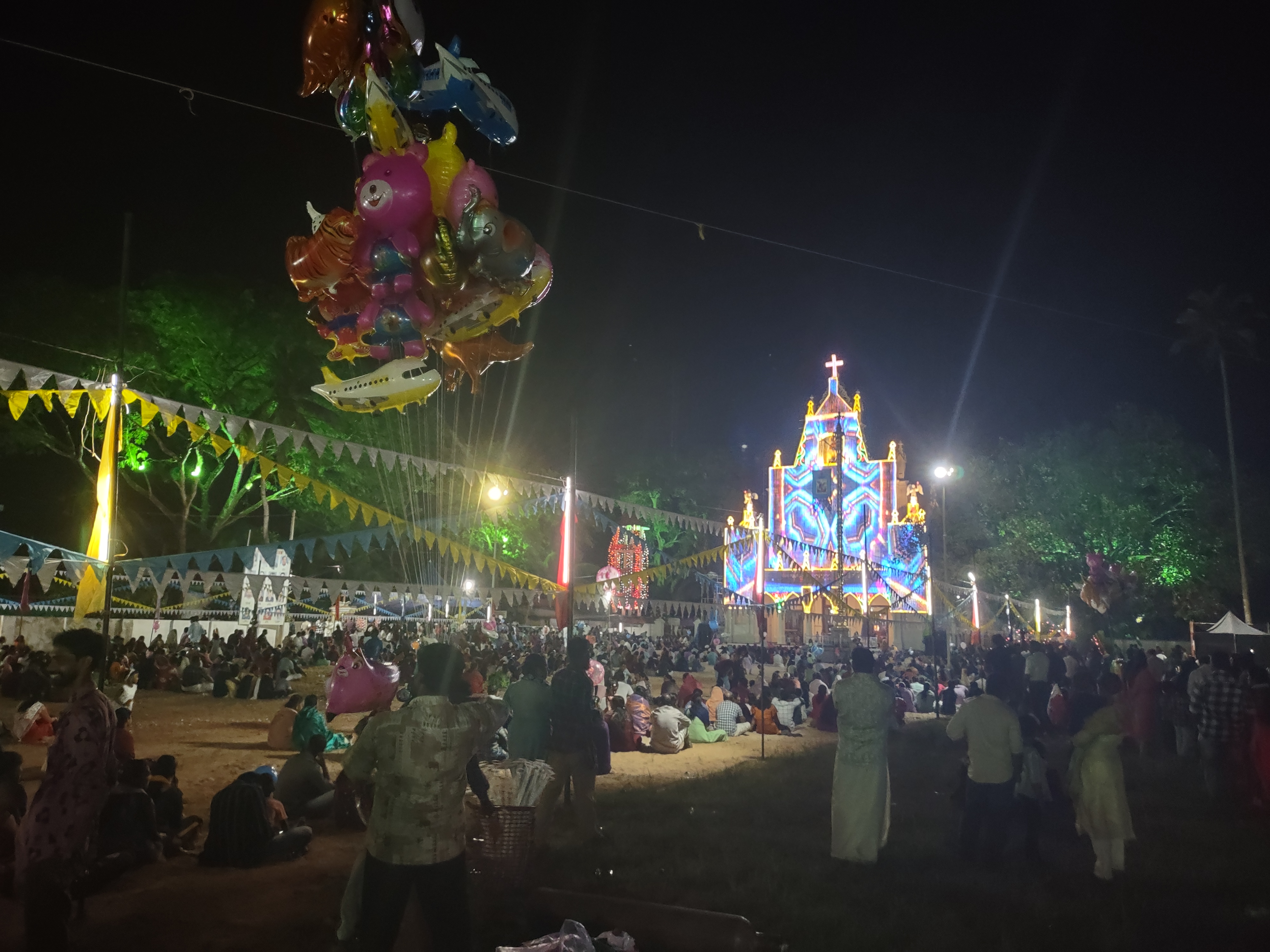
We emerged into the churchyard to find hundreds of people (pretty much all families) had already gathered for the celebration. The atmosphere was very festive, almost carnival like, with helium balloons being handed out to all the kids, but it was pretty clear that everyone was waiting for something. We learned that mass was going on in the church (we took a quick peek in) and that at the end of mass the celebrants would bring out the banner of St. Michael and hoist it up the church’s flagpole, at which point the festival was officially on.
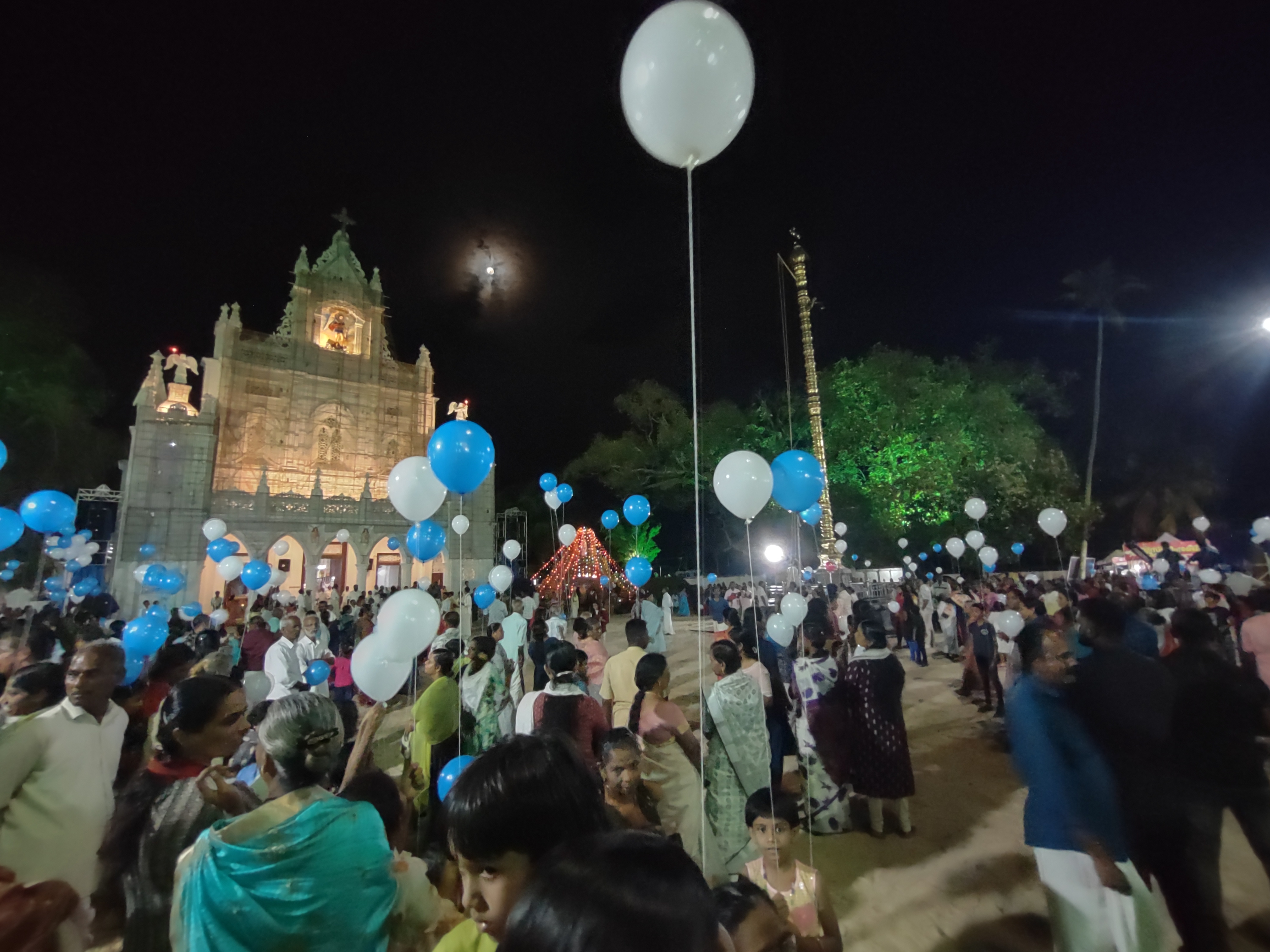
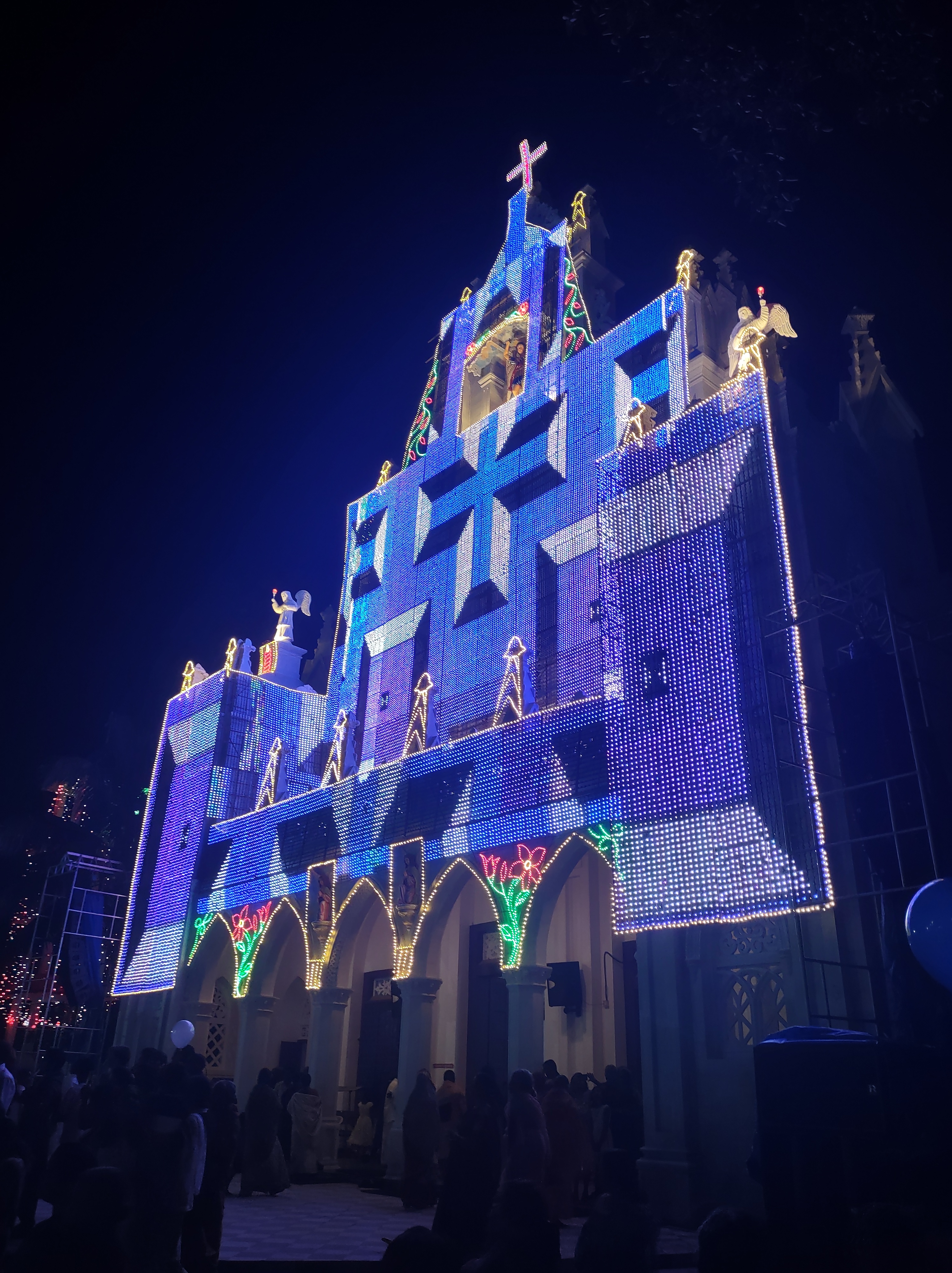
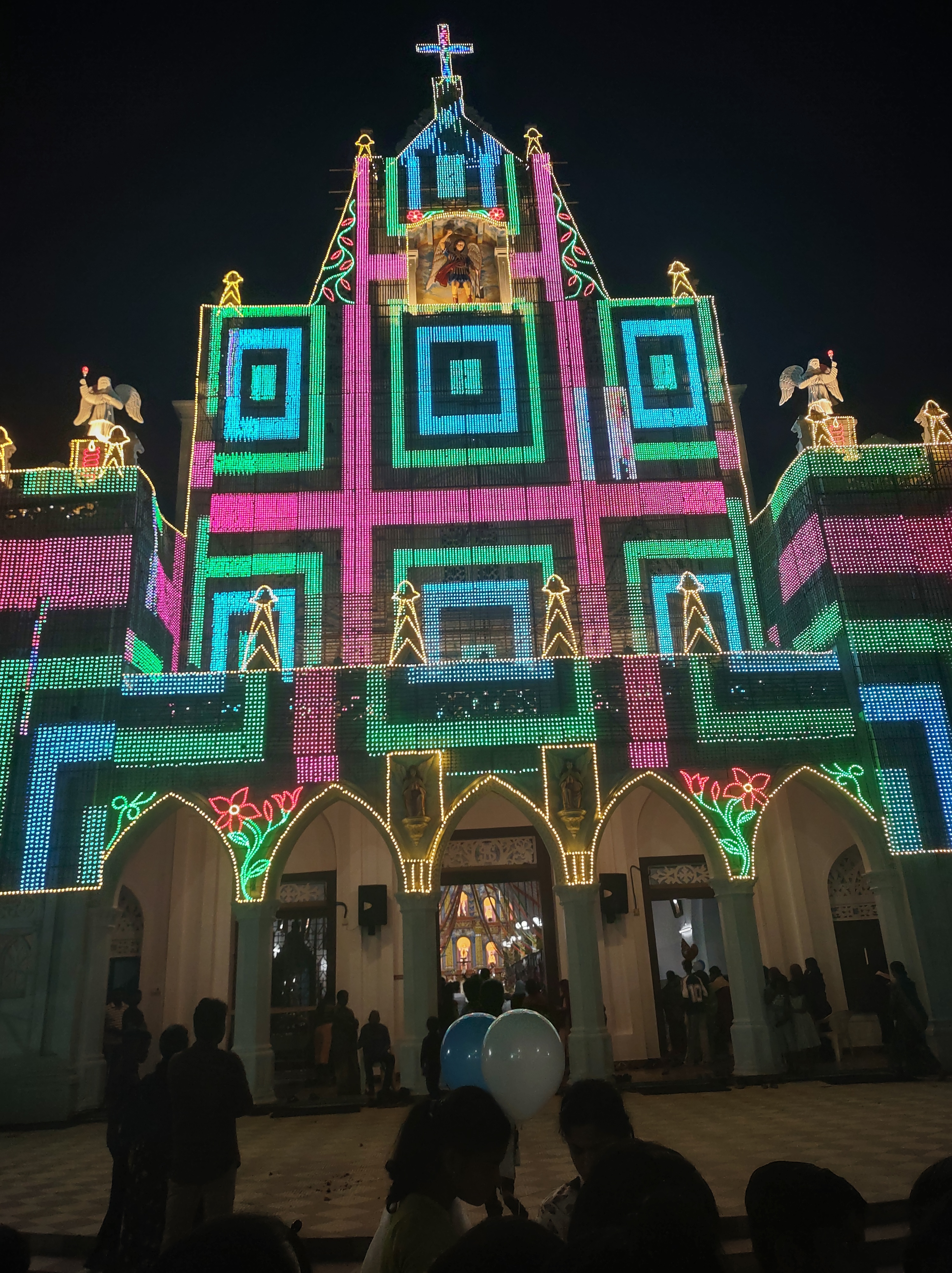
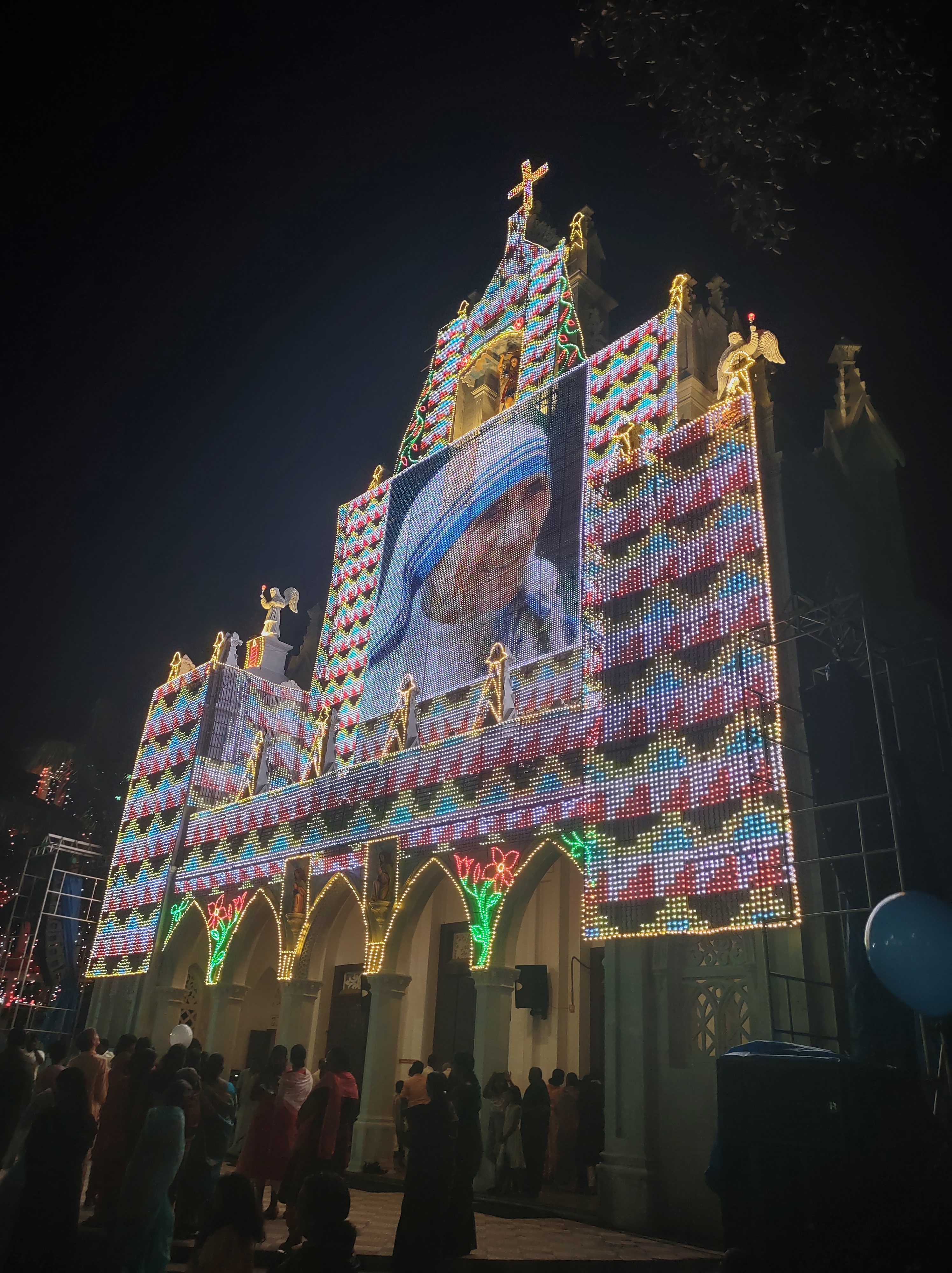
One sort of odd thing which we noted was that the exterior of the church was covered with some sort of latticework which appeared to be scaffolding from a distance. I remember thinking it was unfortunate that they were making repairs to the façade, which, from what we could see was a beautiful carved stone, during the festival.
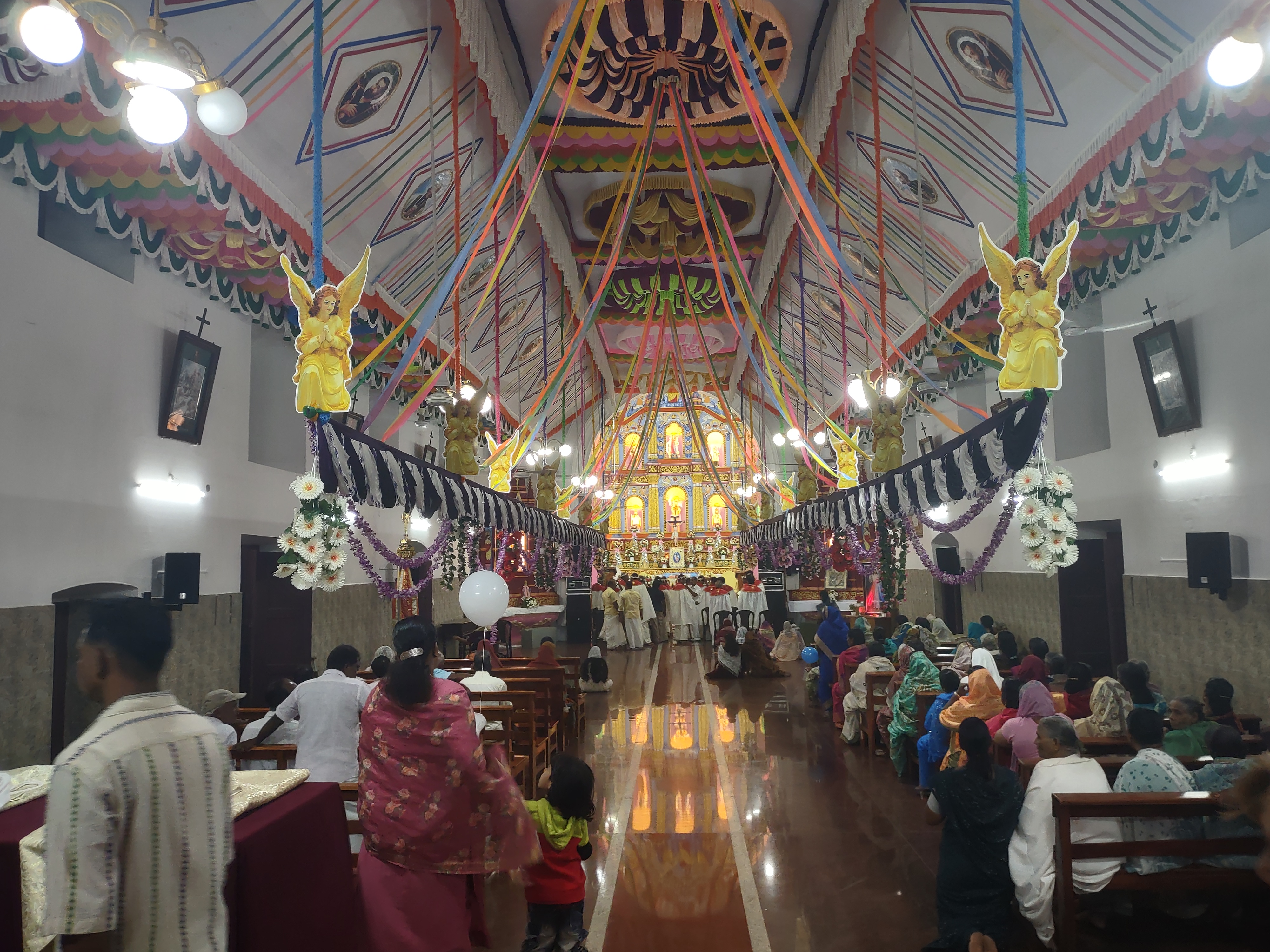
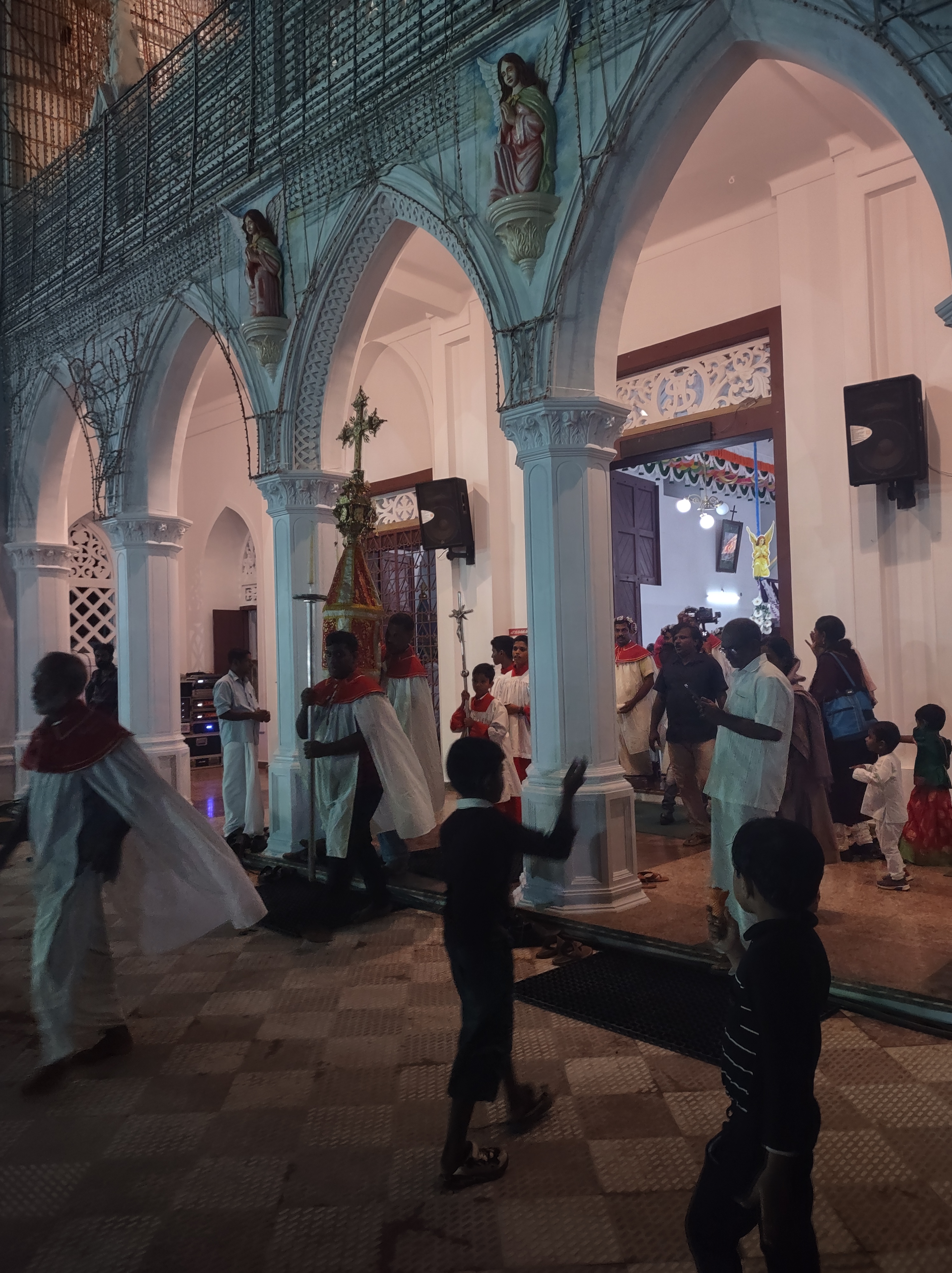
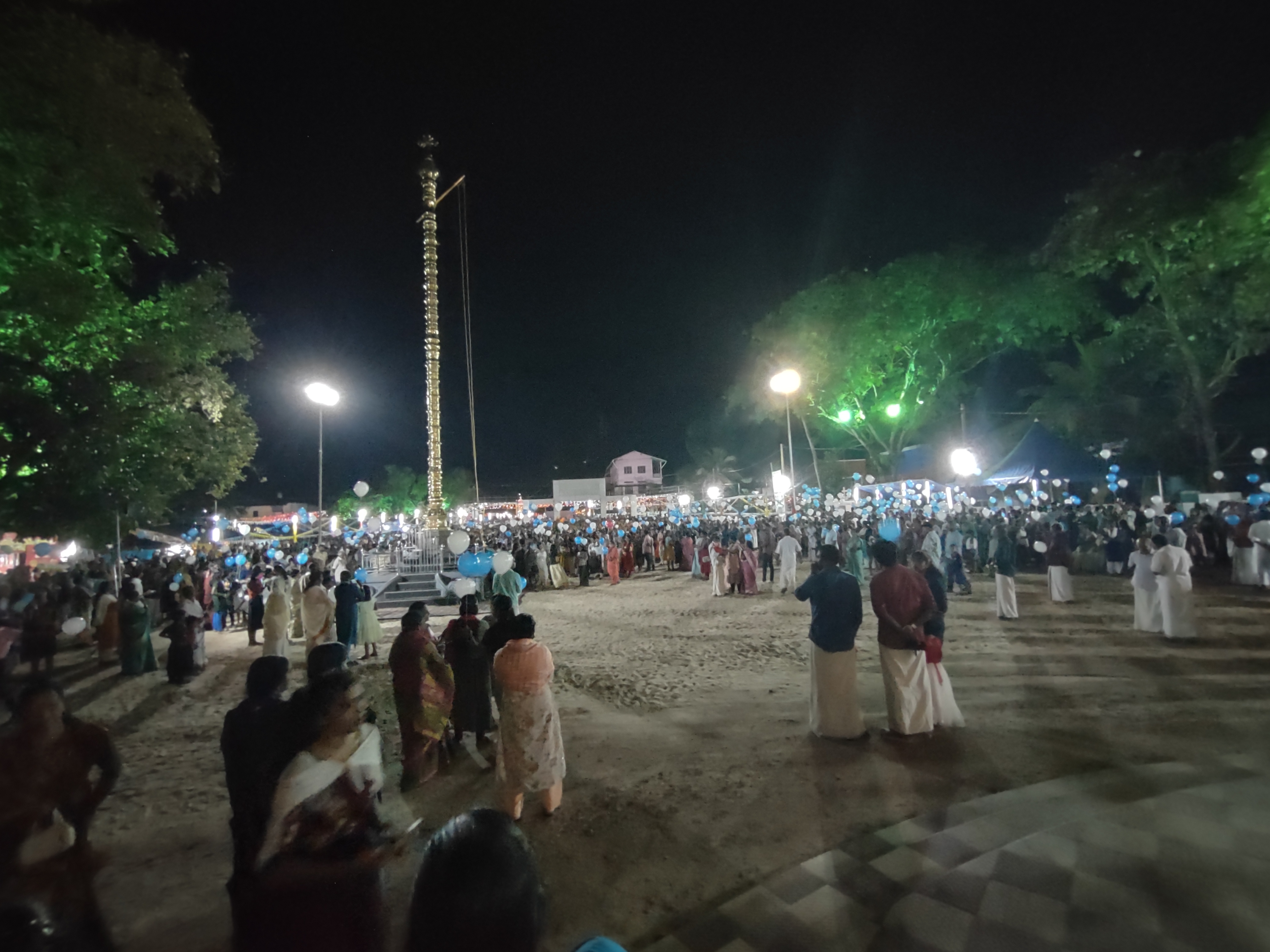
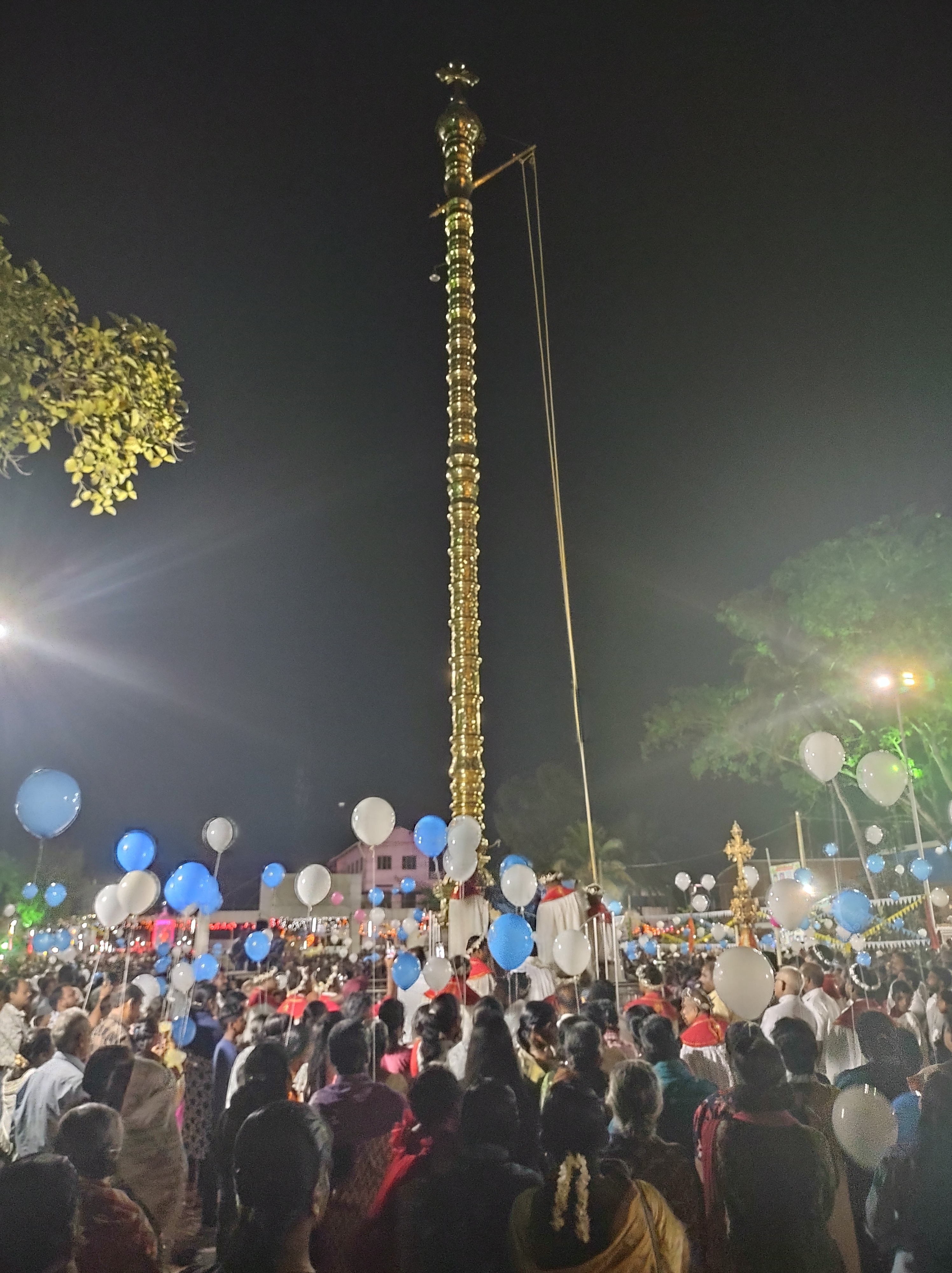
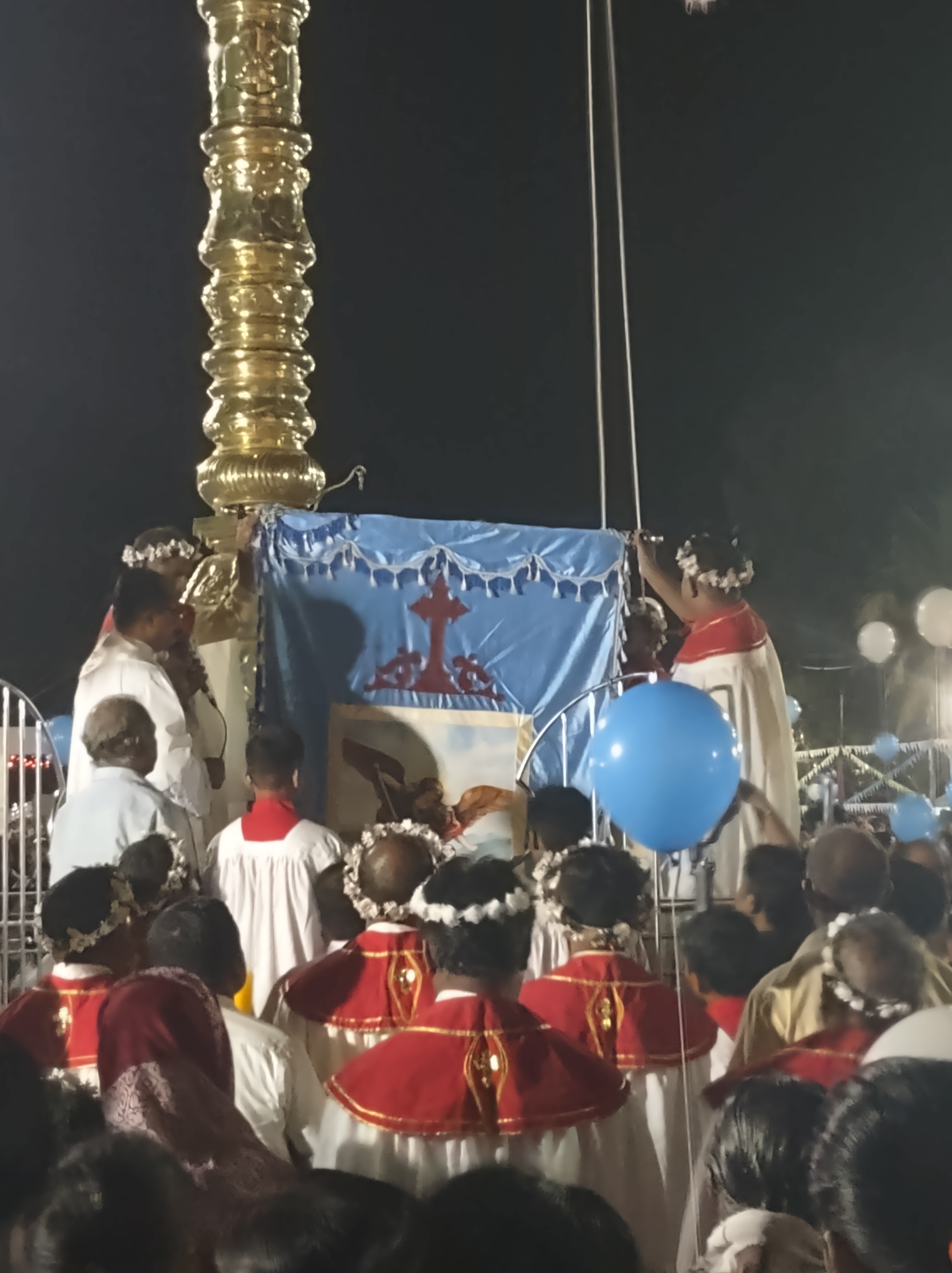
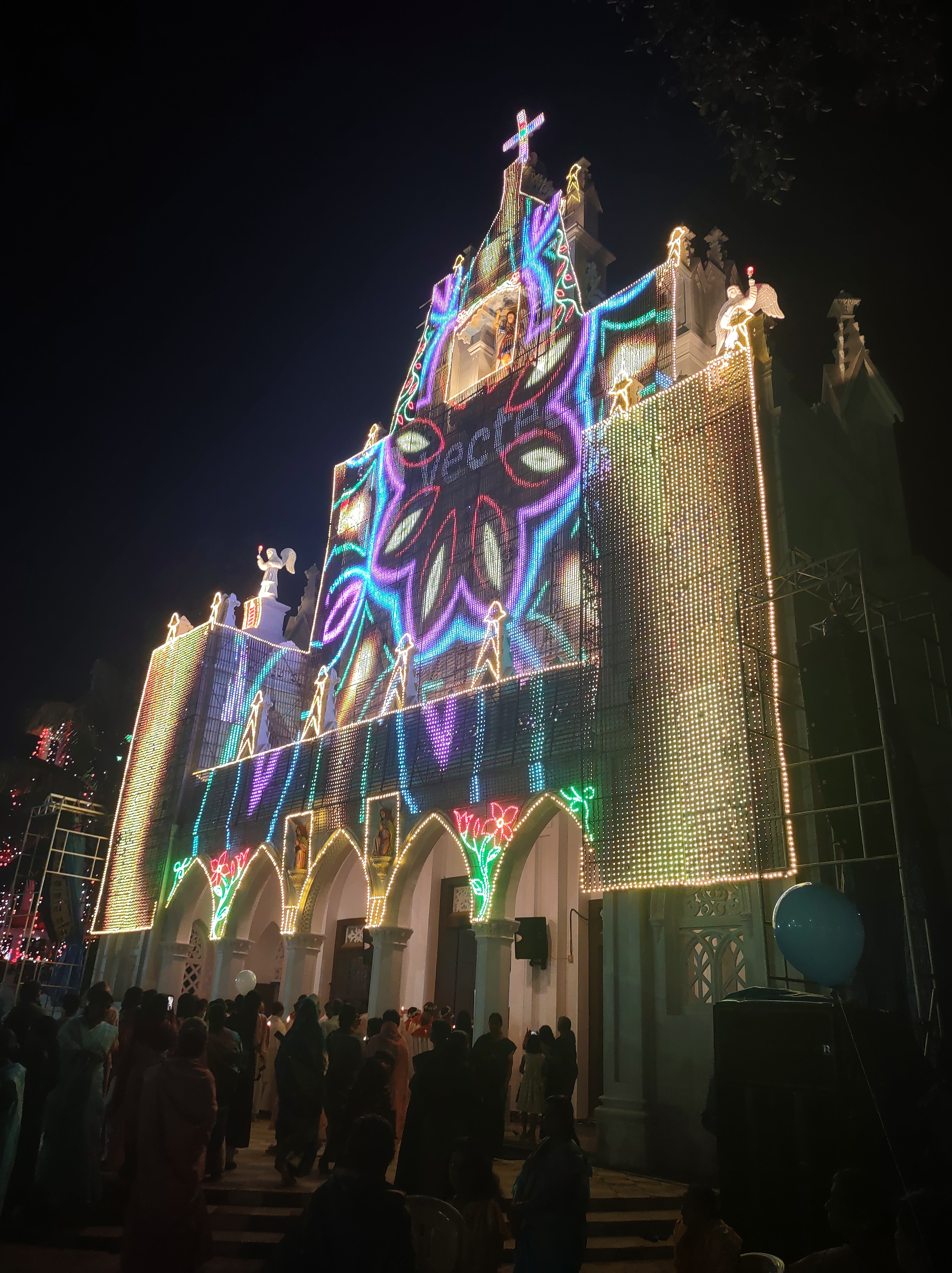
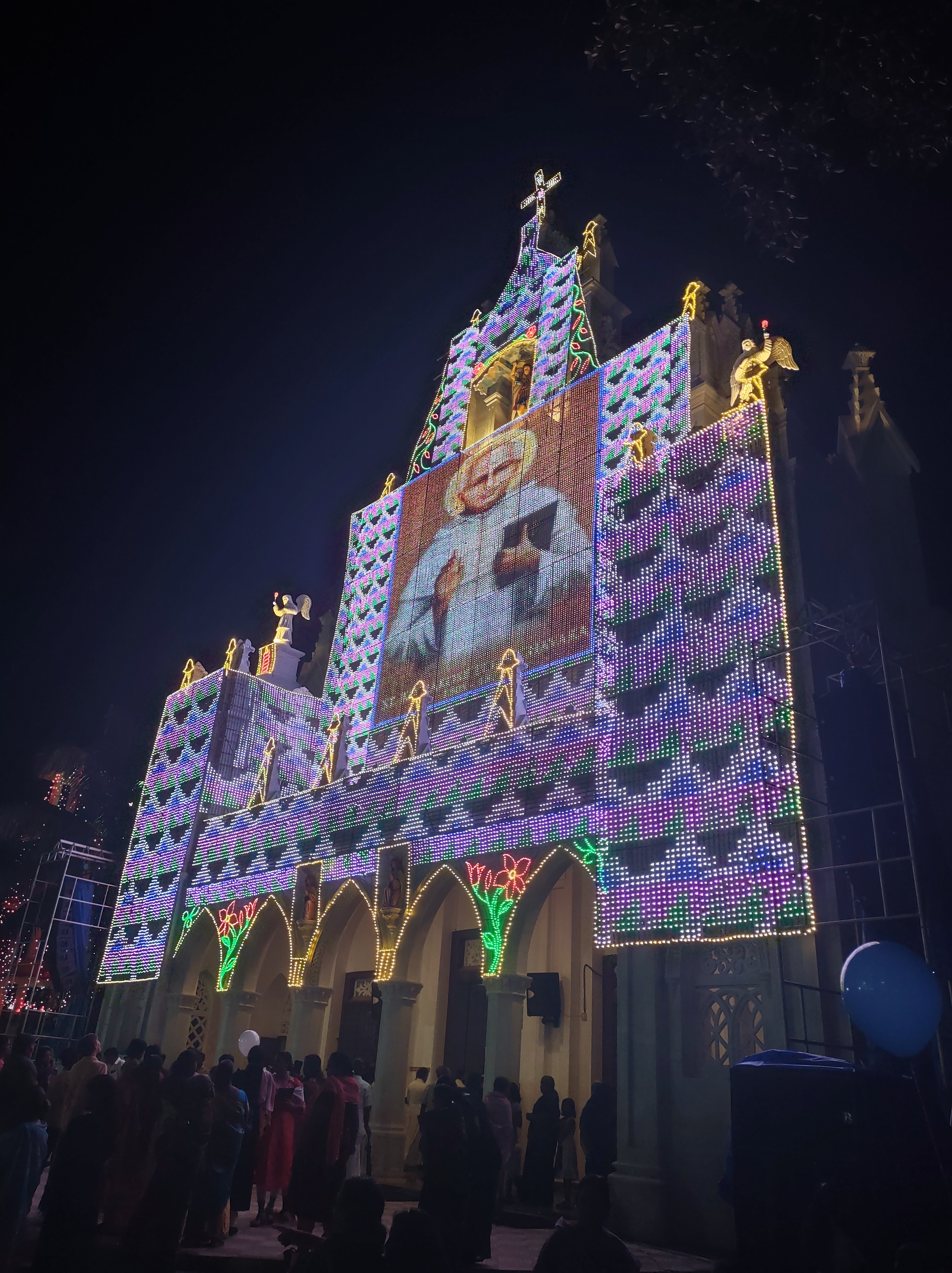
As mass ended, we watched the celebrants leave the church carrying the banner to the flagpole, but were not prepared for what happened at the moment when it was hoisted into the air. Along with much cheering, the following occurred at more or less the same time: cannons shot large clouds of smoke and confetti into the air, all of the helium balloons were released to the night sky, fireworks were launched, and the façade of the church began doing a pretty good impression of a Las Vegas casino. It was all very intense and overwhelming and as the fireworks show continued the church washed us and the rest of the crowd in a strobe-like wash of colors.

It seemed that the latticework covering the church’s exterior was a fairly elaborate lighting display which allowed almost any pattern or image to be displayed and animated across the façade of the church. In addition to a number of brightly colored moving geometric patterns, the display included the visages of Mother Theresa and the Pope. Swapna explained that the light system was pretty expensive but that some of the men of the church had ponied up for it. (Apparently there is a bit of a rivalry among churches for who has the best saint’s day festival.)

As the fireworks ended a group of men garbed in traditional dress with drums of various shapes and sizes, emerged from the crowd and gathered in a cluster, then began an intense fervent drumming which quickly had the crowd clapping and chanting along.
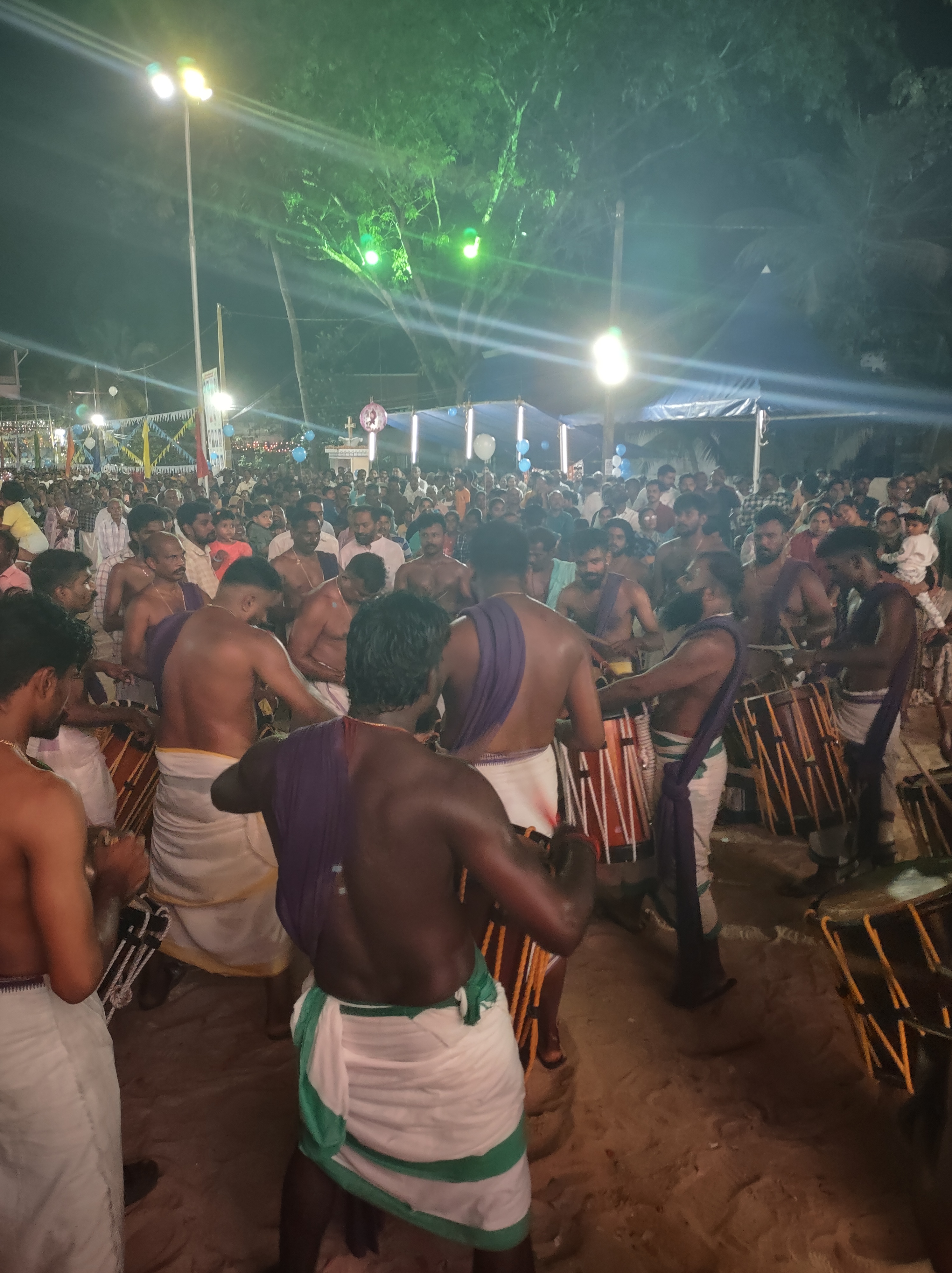
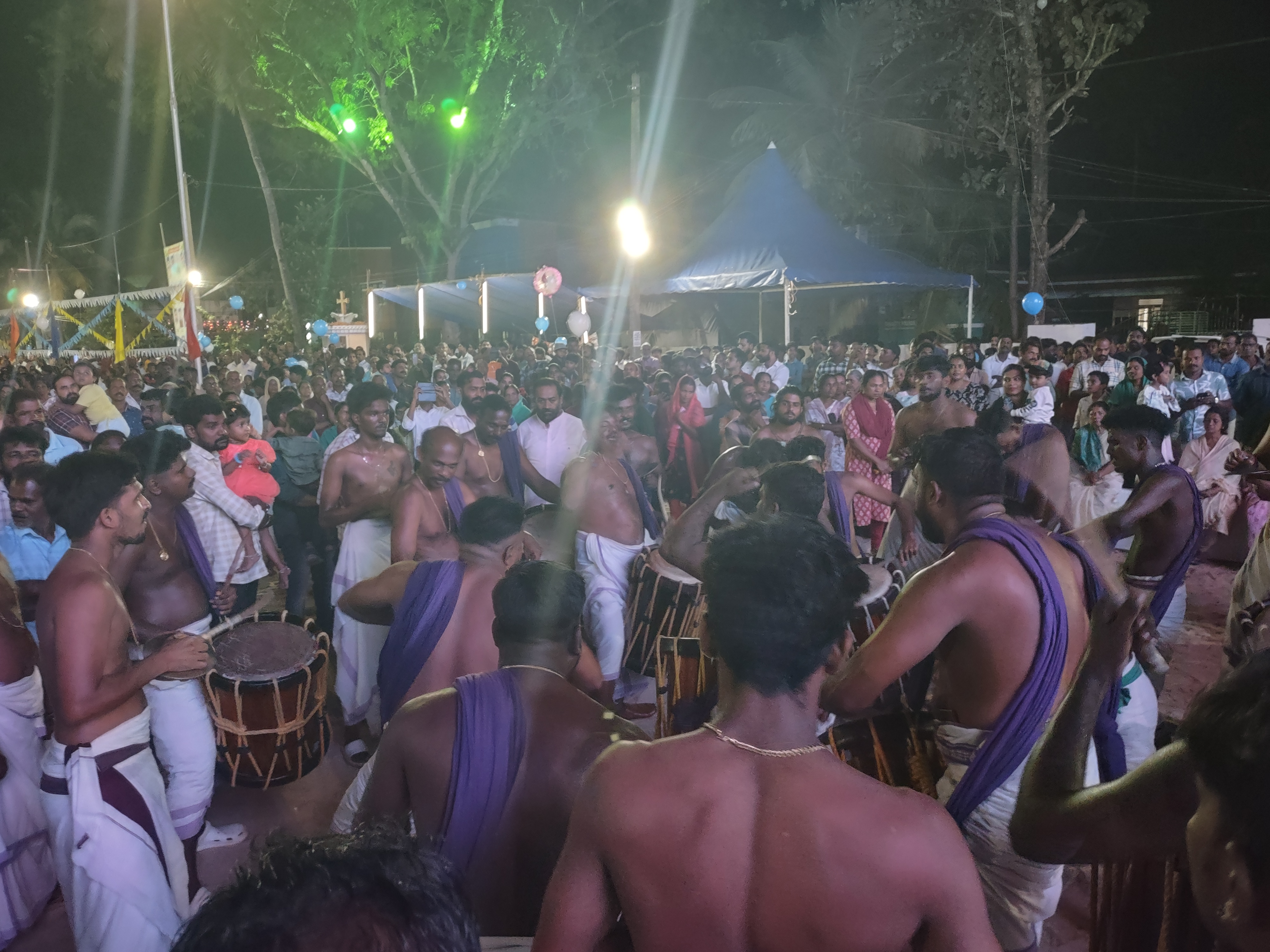
With this in the background, we wandered the churchyard which now more resembled a carnival ground with concession stands opened and serving snacks, sweets, and drinks and shops selling inexpensive toys and trinkets. Aquino was able to negotiate the purchase of a battery powered truck which paid dividends in keeping him amused as we wandered with Swapna saying hello to friends and neighbors and, as we were the only non-Indians in sight, attracting the interest of many who wanted to know where we were from.
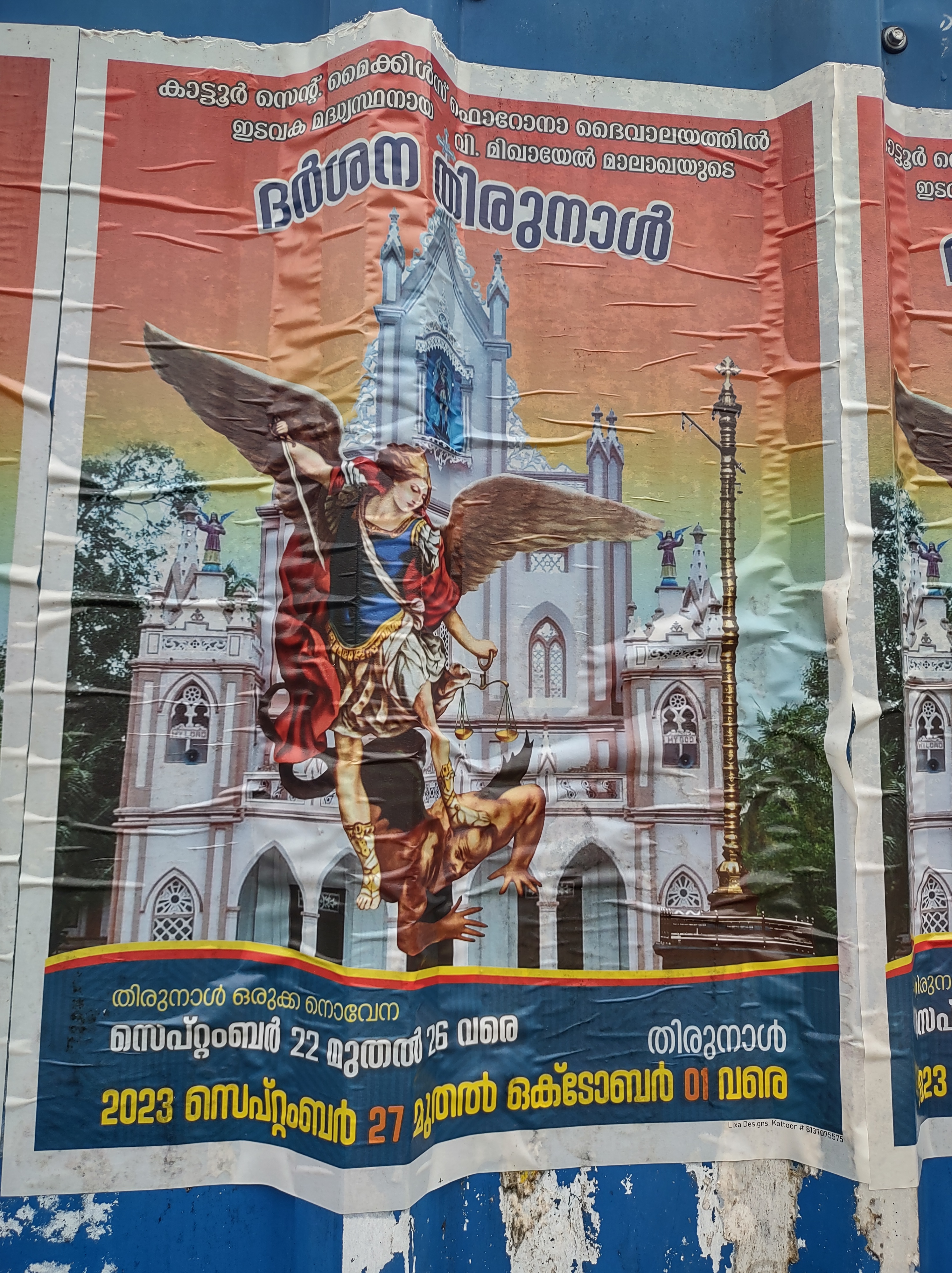
After much strolling and chatting, we eventually found our way back to the roadway and somehow found Neville (or, rather, he somehow found us) and walked back to his taxi to make our way home feeling quite exhausted but also very happy to have been able to share such a unique experience. Despite posters on our street advertising the festival, it’s hard to imagine our ever finding our way there were we not staying with Binoy and Swapna.
A Three Hour Cruise
If there was one thing we came to Kerala to experience, it was a boat cruise in its world-famous Backwaters. Thankfully Swapna “knew a guy” and was able to get us set up for a private half-day cruise for a bit less than we had expected to spend. There are a variety of boats offering a variety of cruises from do-it-yourself kayaks to very large houseboats offering overnight cruises with dining and dancing. Based on some research, we went for one of the smaller boats which could make its way into some of the smaller canals and was affordable enough for the two of us to have a private tour.

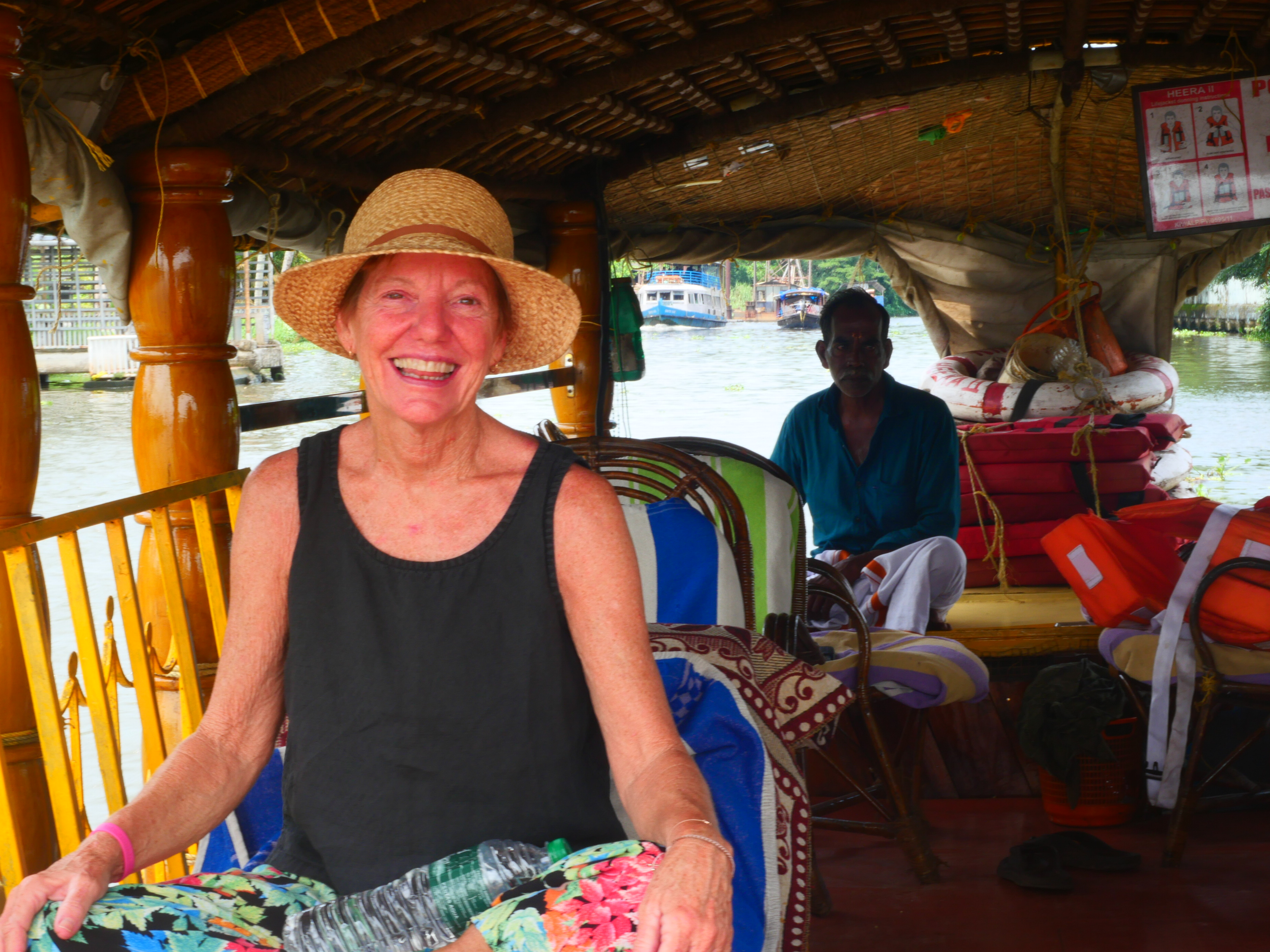
The boat was an old wooden one, similar to many we saw, maybe 40 feet long with an open fore deck and covered aft, quite spacious for just the two of us two nice lounge near the front in the shade. Our captain didn’t speak a word of English and we never got his name (I just called him “Skipper”) but he seemed to know what he was doing and managed to communicate to us what he had to.
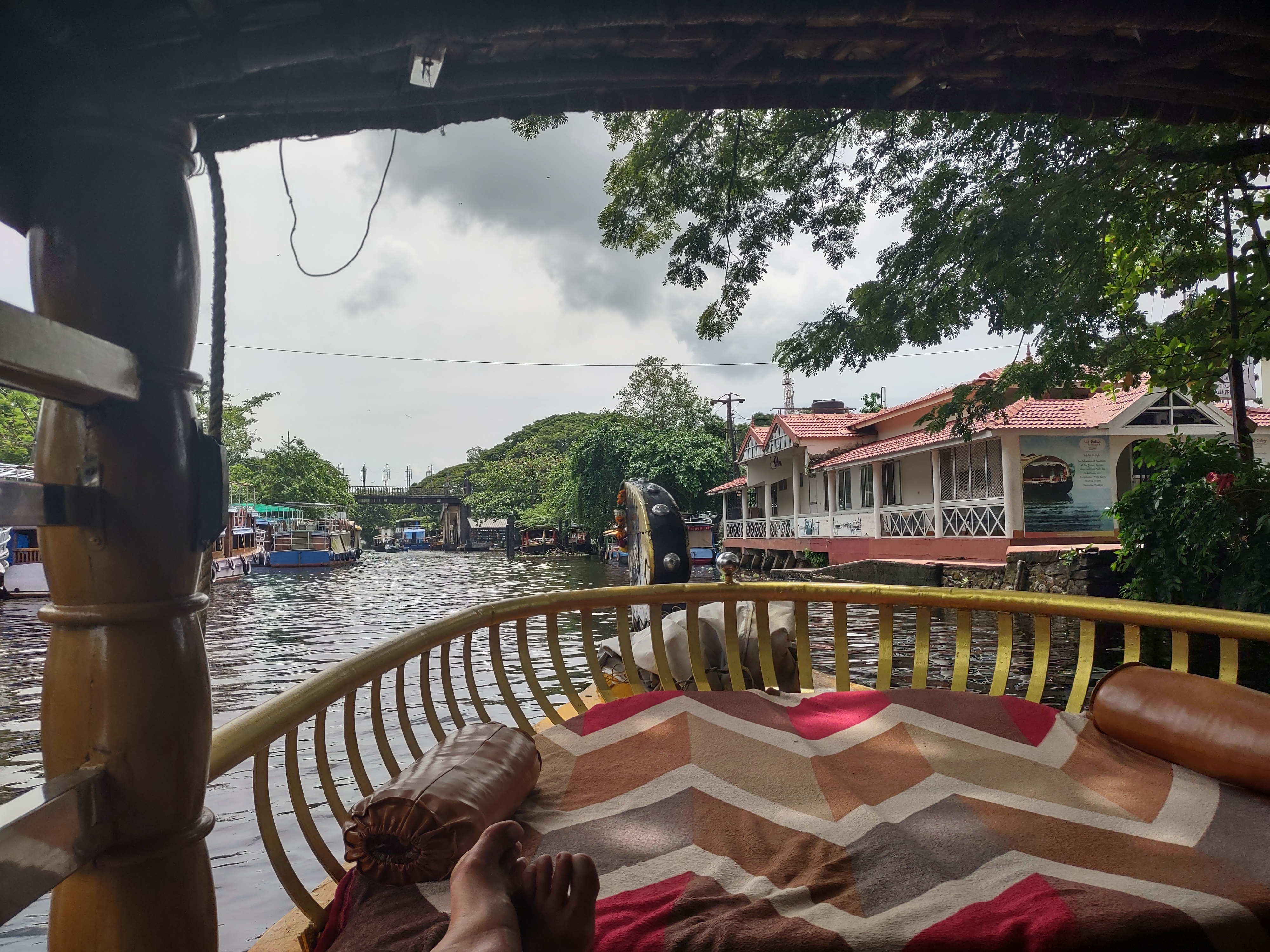
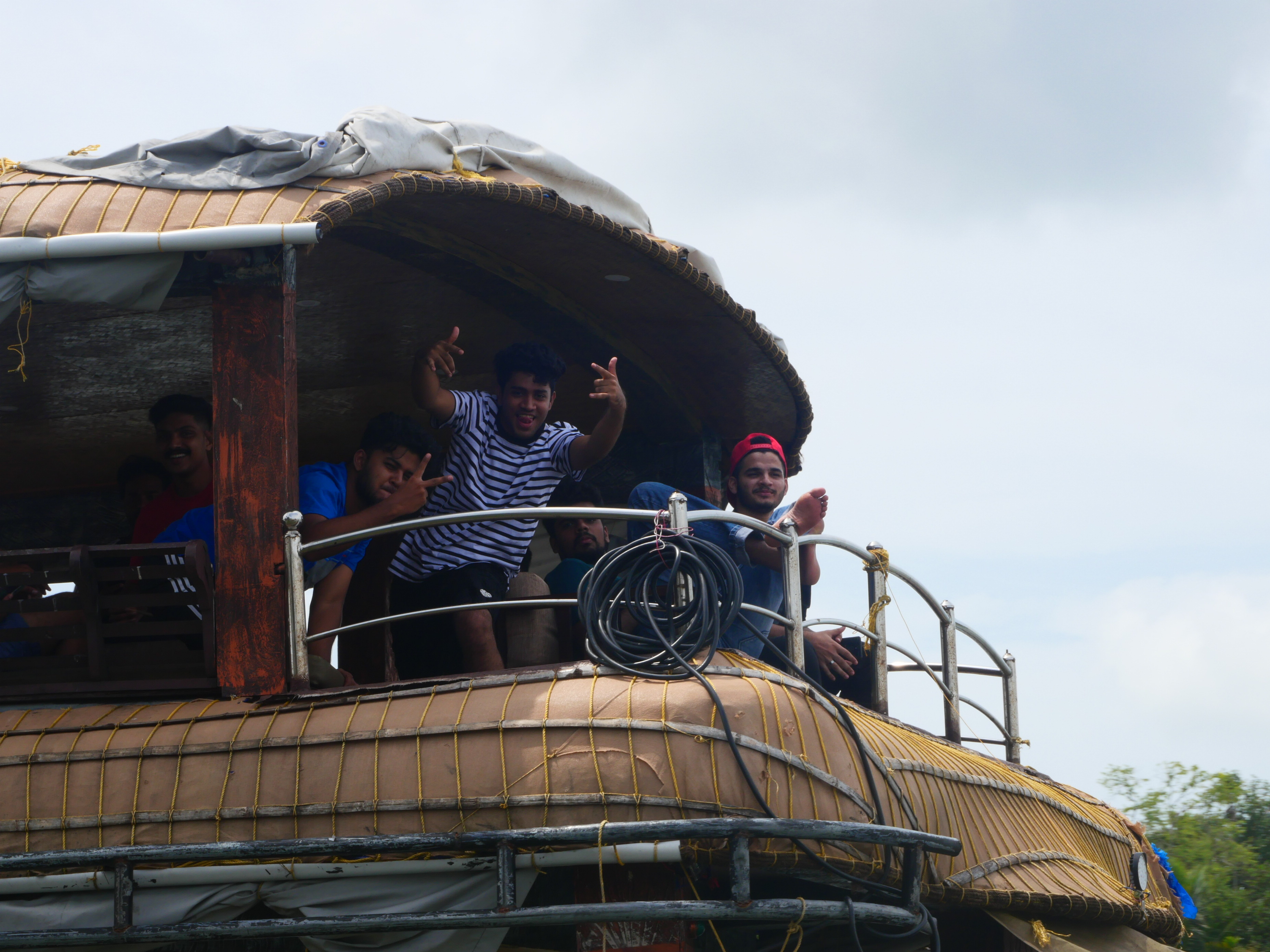


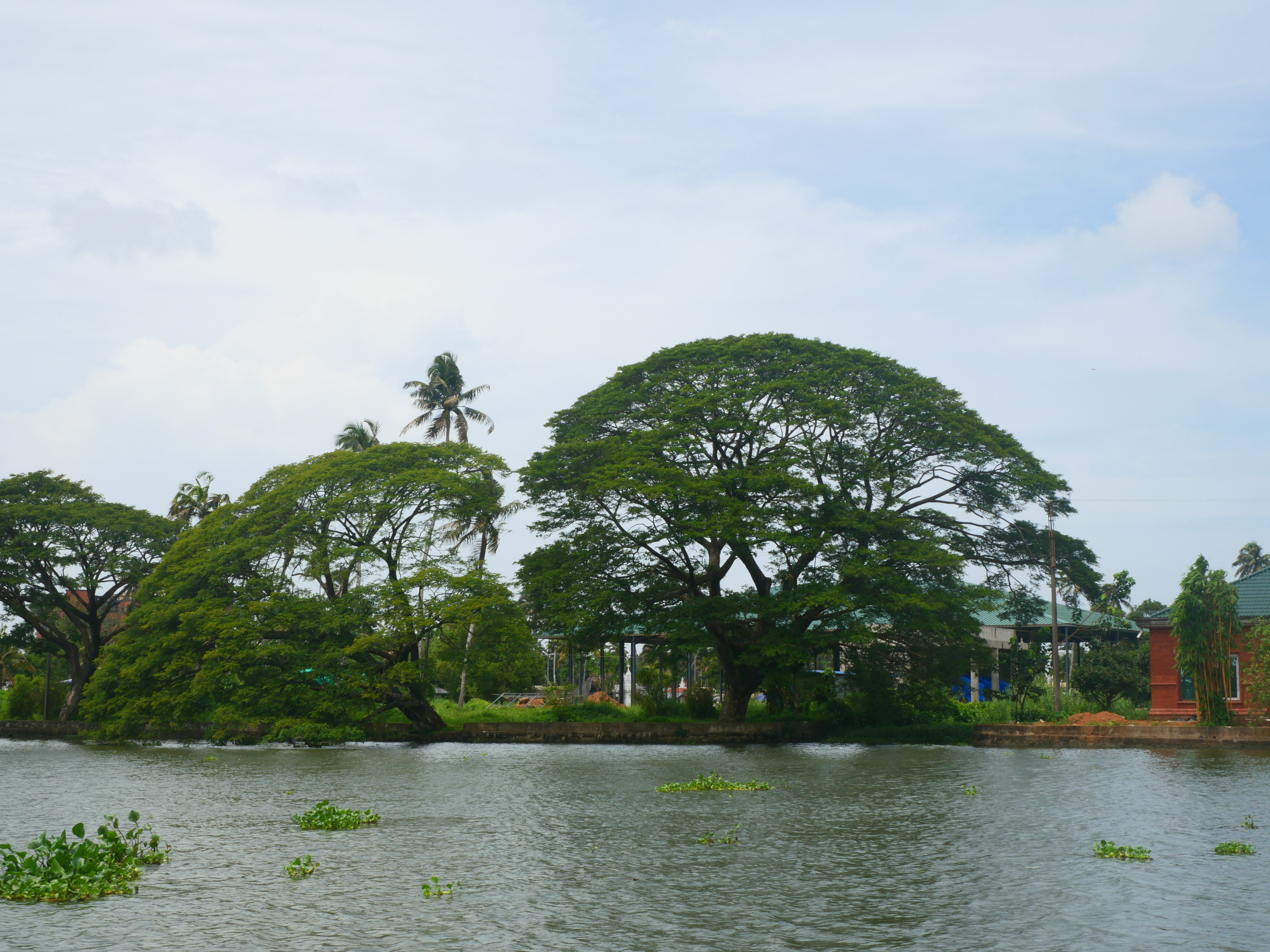
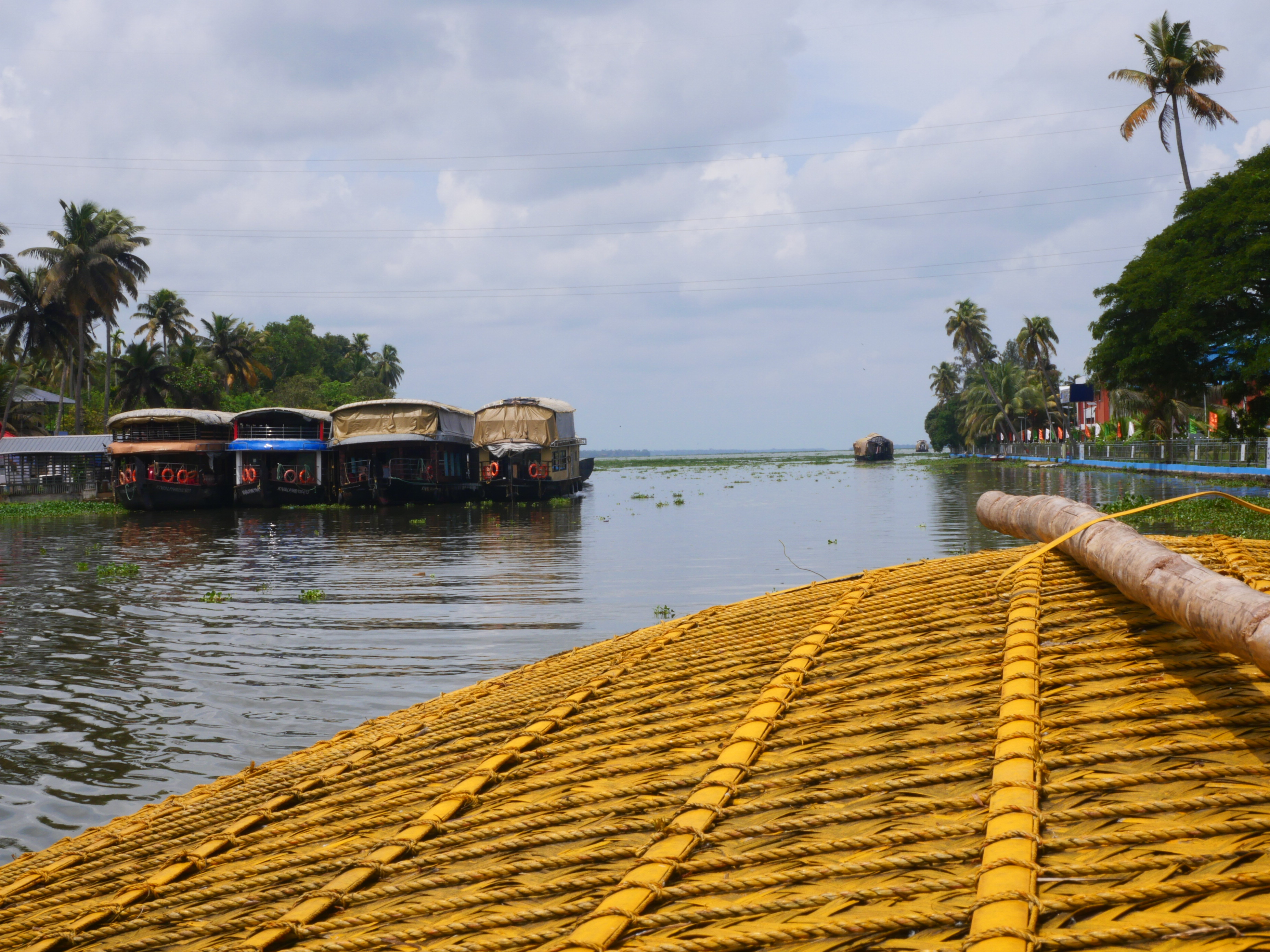
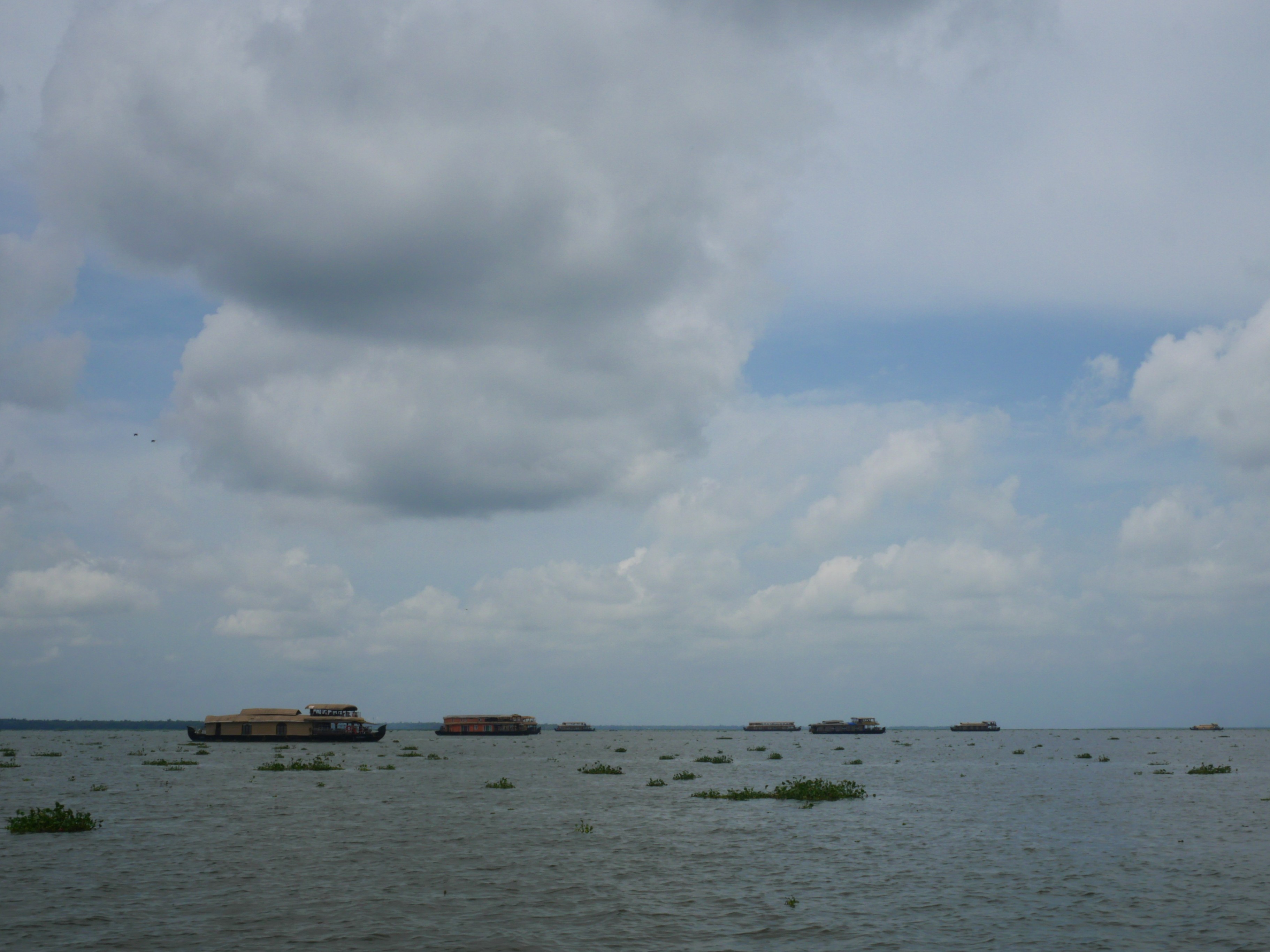
Our trip begin on the Vada Canal not far from the center of Alappuzha from where we headed east through the city, then its outskirts to Punnamada Lake from which we entered a maze of small channels and canals, eventually emerging on Vembanad Lake, the longest one in India which stretches all the way from Alappuzha to Kochi two hours (by car) to the north. Along the way we stopped for tea and a picture with an eagle, were buzzed by speedboats looking for riders, and were waved to by revelers on house and party boats.

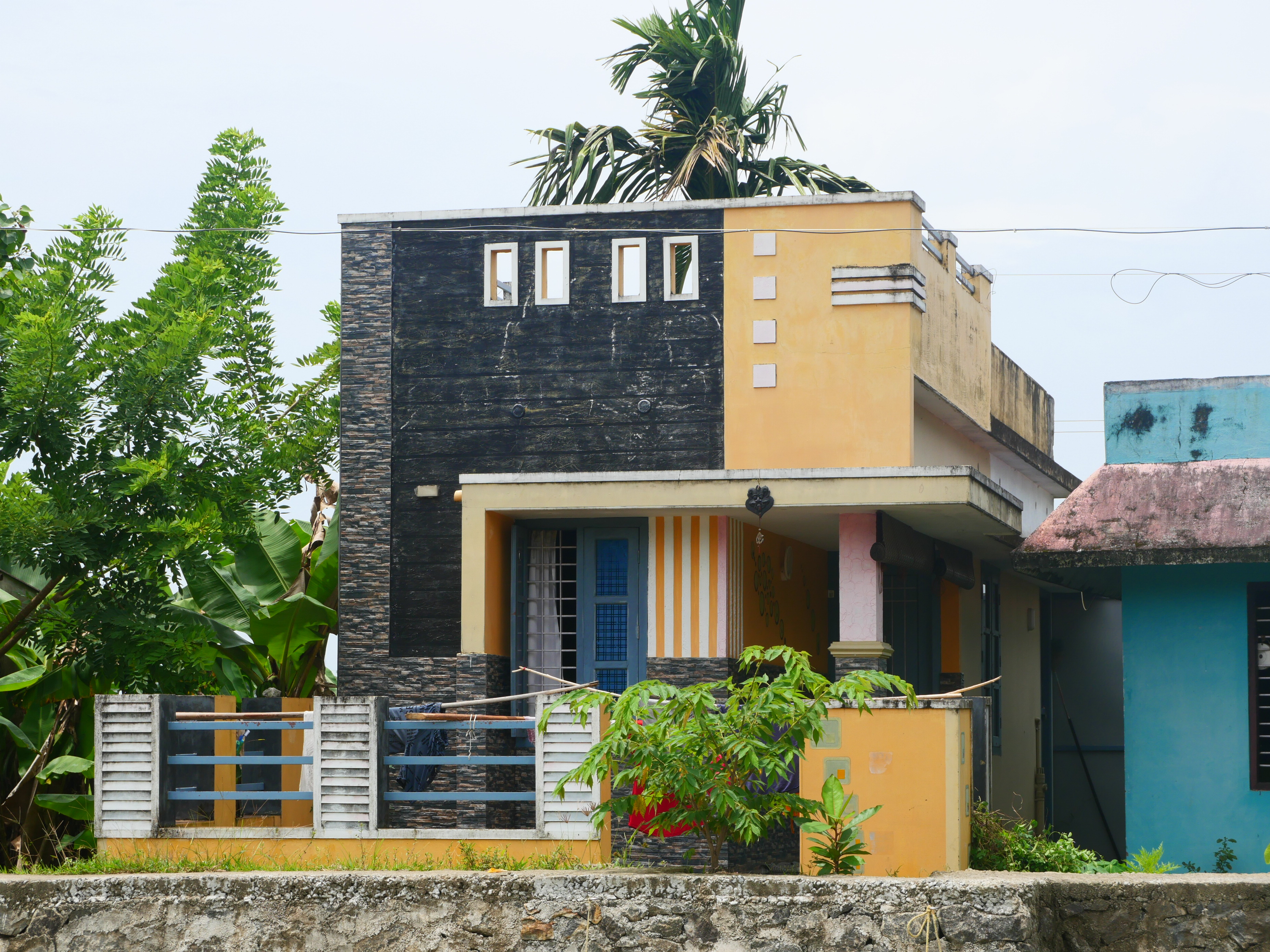
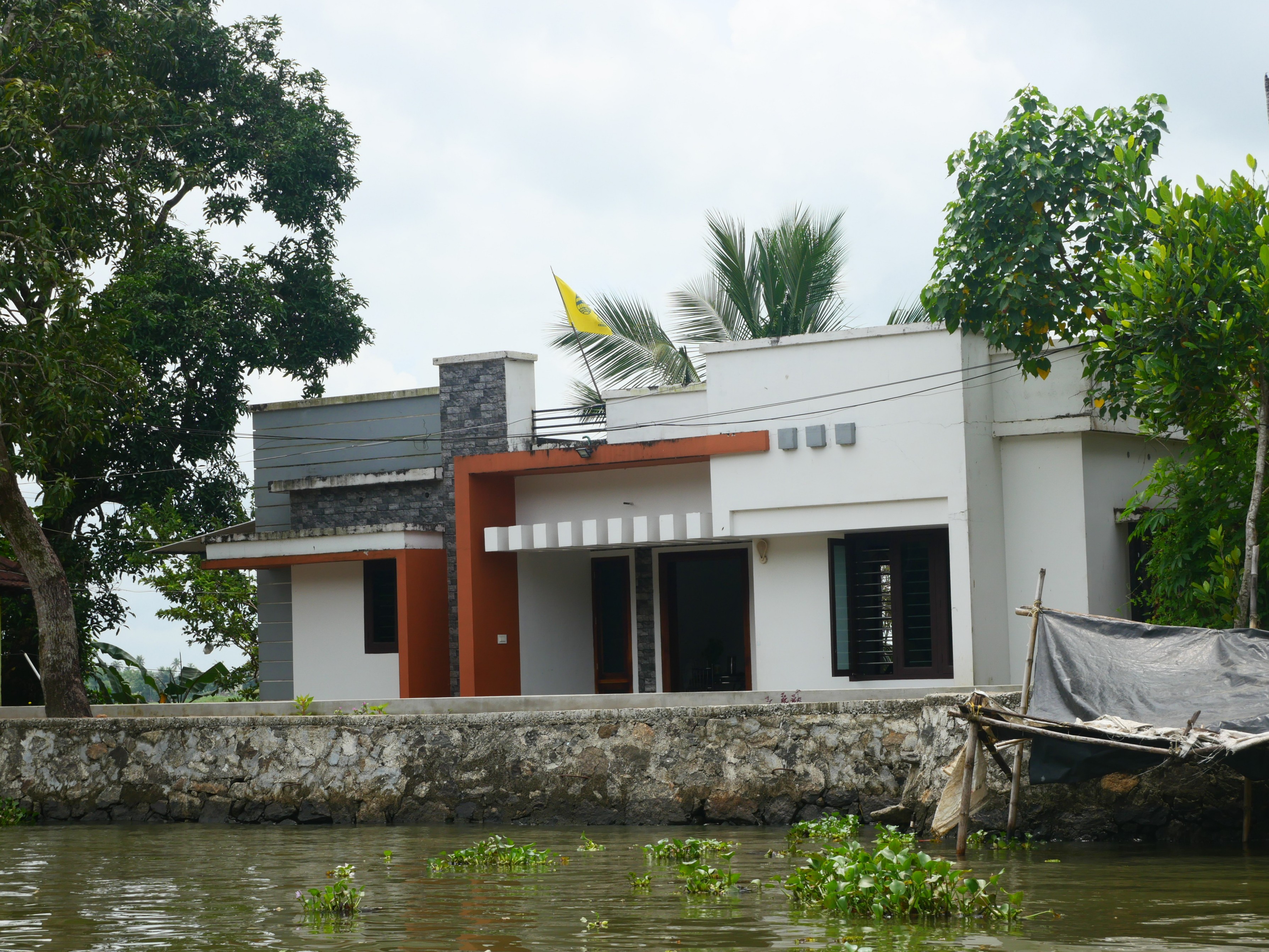
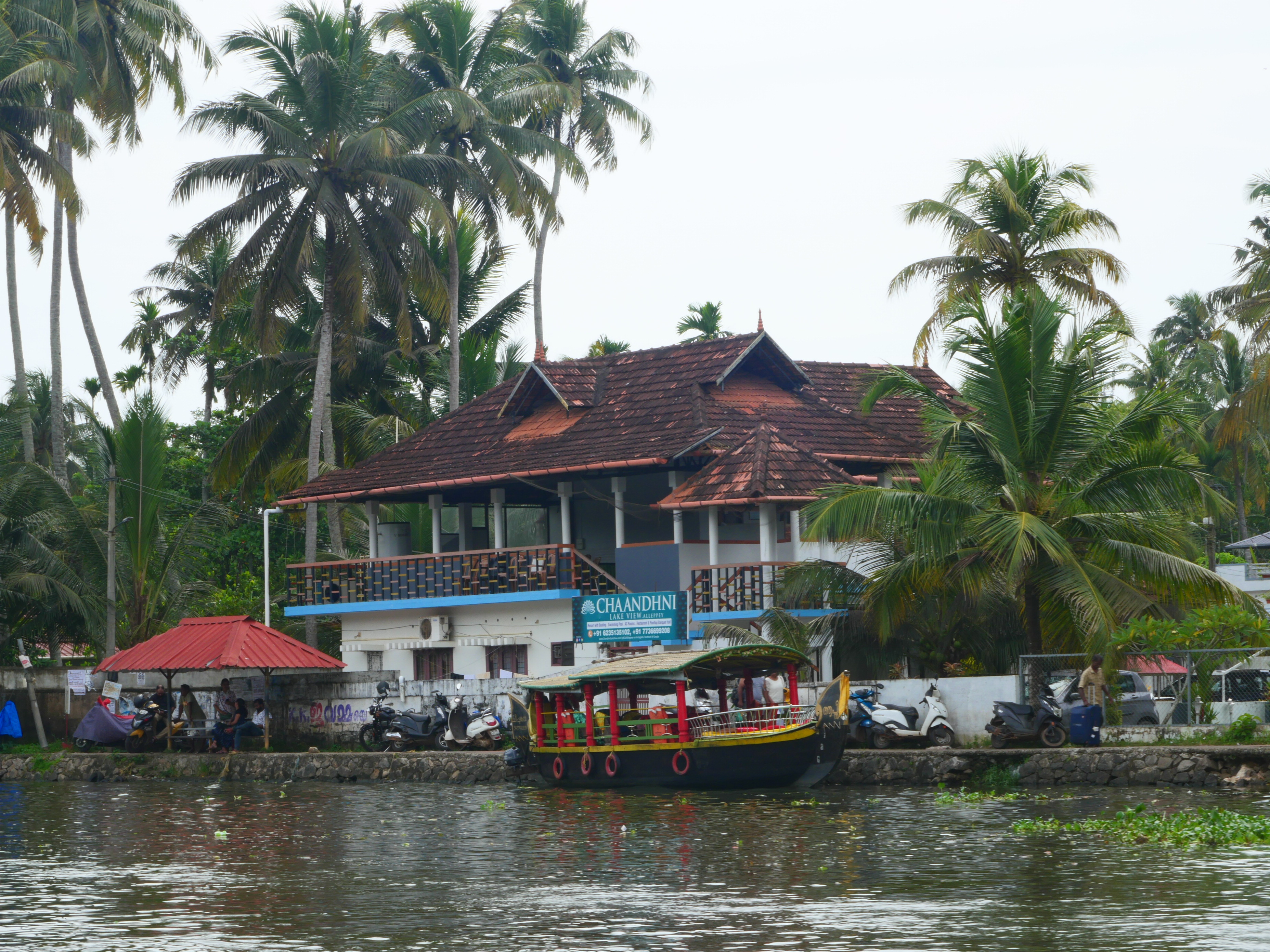
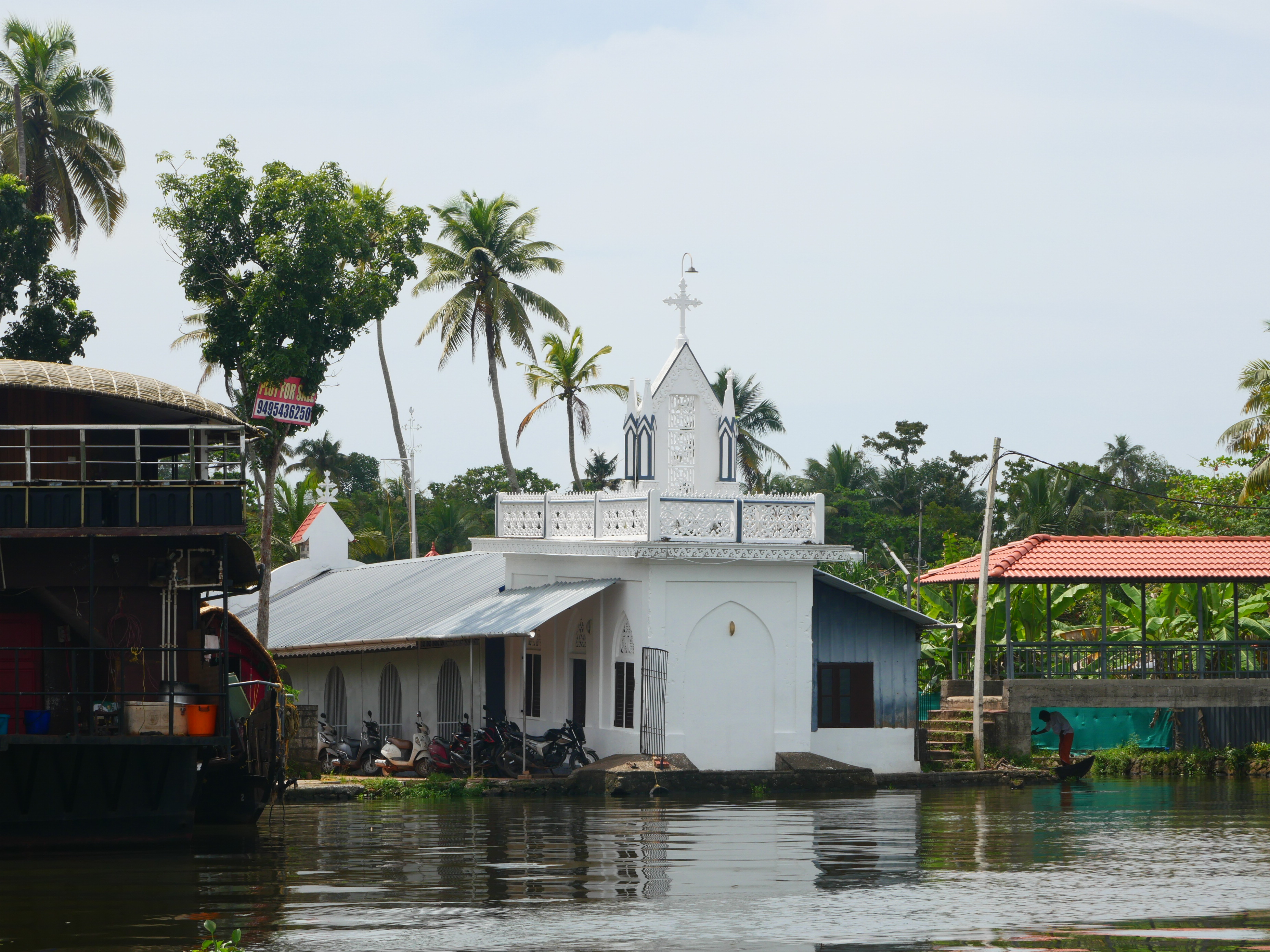

Aside from the wide variety of boats that we passed, there were also a number of interesting buildings here and there and we were pretty awestruck by the vast rice fields around the lakes which seemed to go to the horizon. But without a doubt the best part of the cruise was being able to observe (in a relatively unobtrusive way) the comings and goings and daily activities of the people living along the lakes and canals. Truly fascinating and endlessly entertaining.
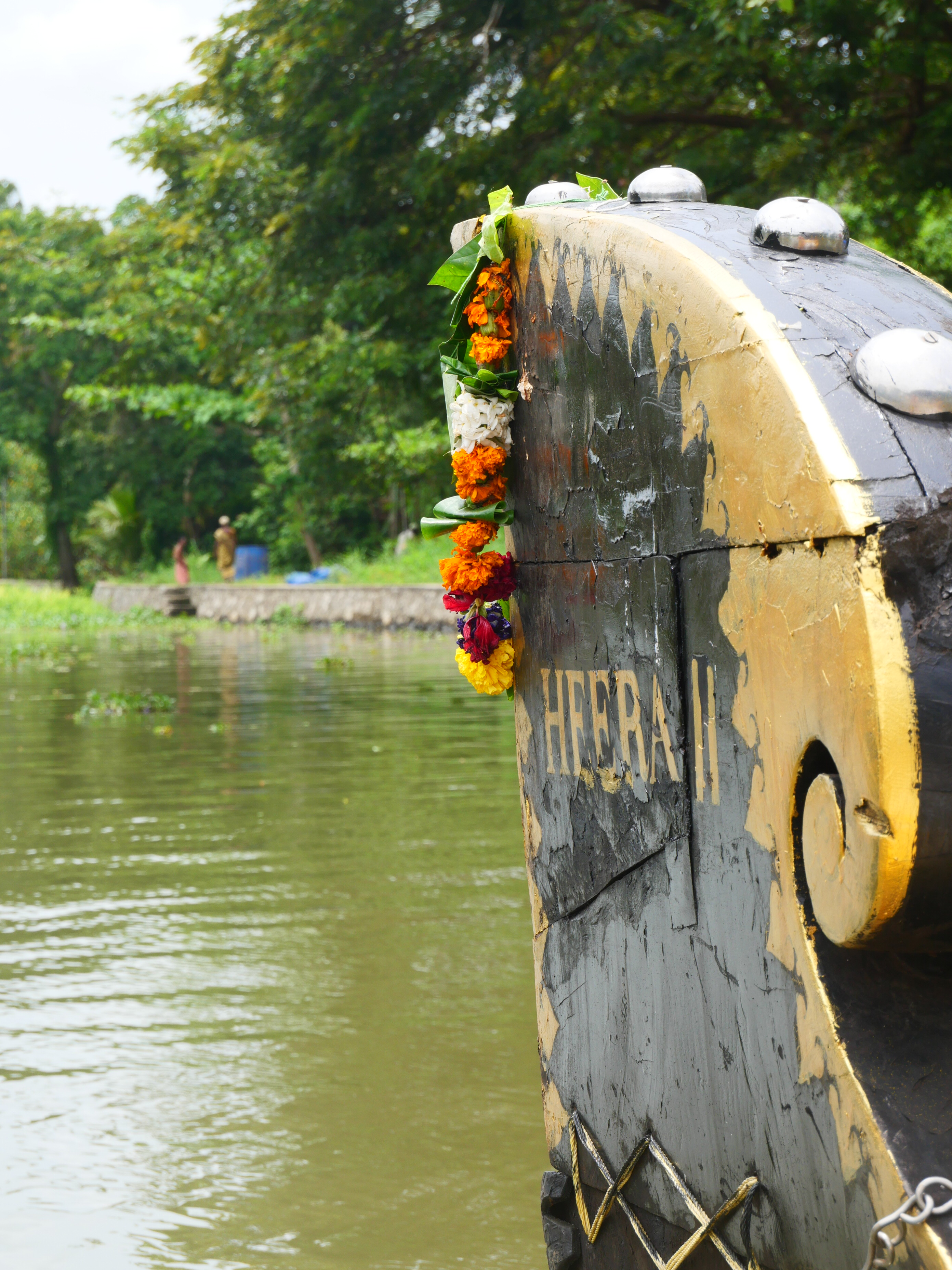
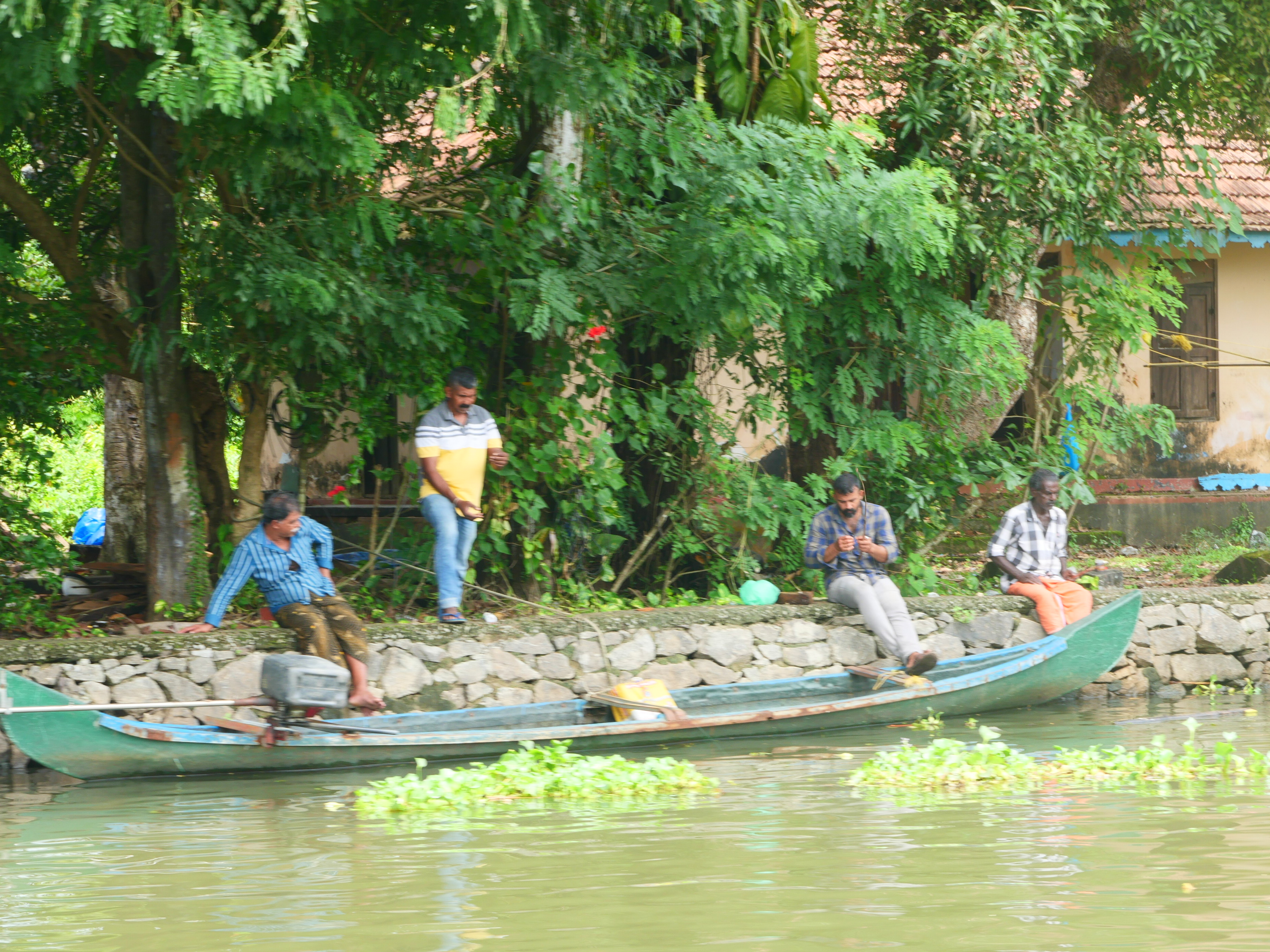


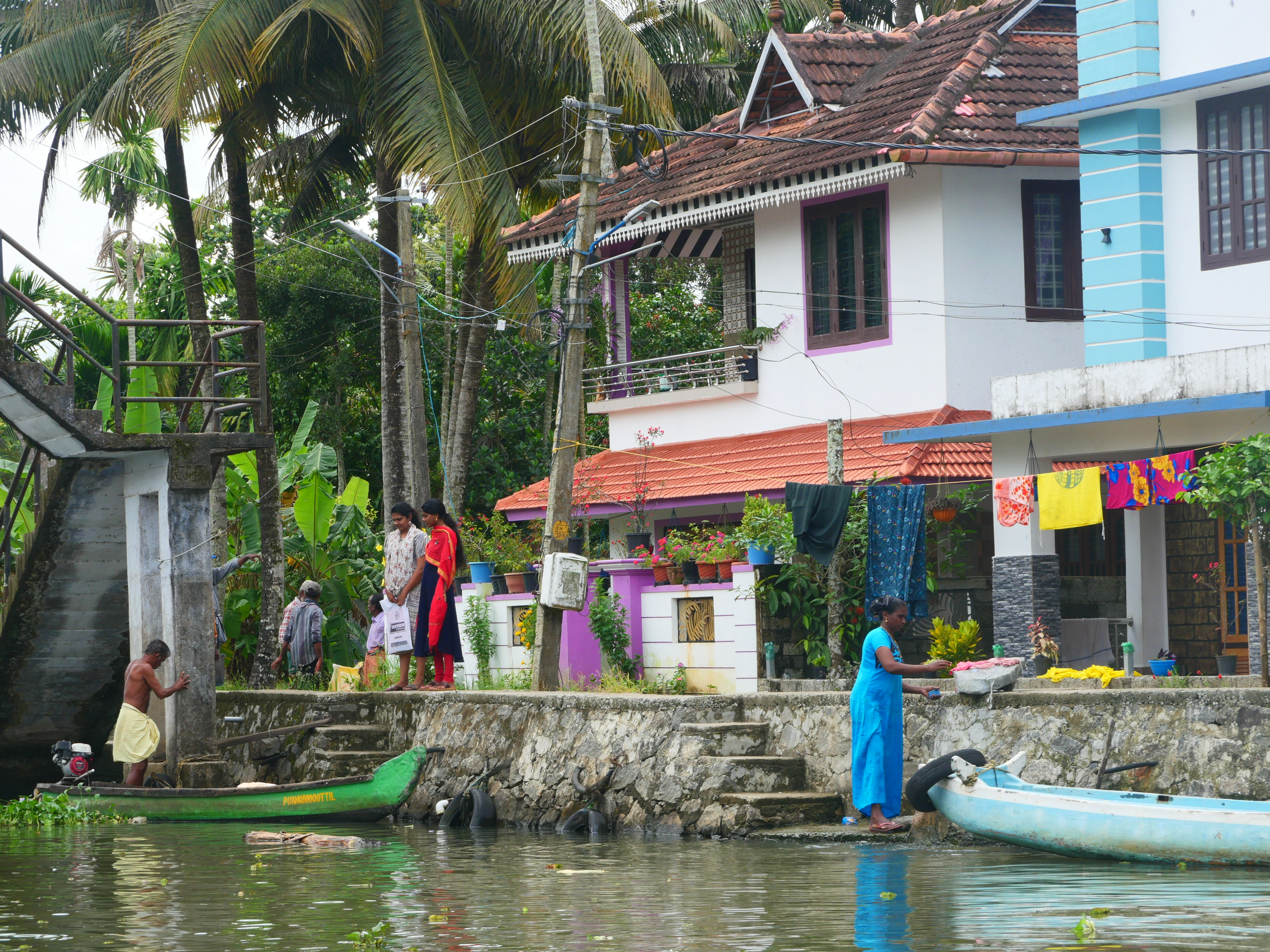
Our cruise, which was pleasantly languorous (always wanted to use that word!) ended up lasting about four hours (versus the infamous three hour variety) but (sounds so corny!) left us with memories which will last a…(sorry, can’t do it) Anyway, the Backwater cruise was awesome, even better than we anticipated. As memorable in its own very subtle way as any of the spectacular natural wonders we have seen on this trip. If there is one thing you have to do in Kerala, this is definitely it.
Yoga in Marari Beach (Colleen)
I mentioned to our host, Swapna, that I was interested in yoga if she knew of any classes or teachers nearby. She arranged for me to go the next morning to meet with someone “down the road by tuk-tuk”. So, early the next morning I headed out with Swapna to the road and sure enough a tuk-tuk pulled up and I hopped in. He dropped me the Amma Ayurveda where a man was waiting.
This gentleman did not speak very much English and I do not speak Malayalam. I was thankful that I had spent the time with Suria in Zanzibar because there were many similarities with what this yogi was doing and instructing me to do. It was a vigorous class, after which, he indicated that I should get on the back of his motor scooter and he would drop me back off at our homestay.
I told Ritchard later on that I had only been on the back of motor scooters with him, so wrapping my arms around his waist was normal, I did not think that would be proper etiquette in this situation, so I held on for dear life with one hand on the back of the seat and placed the other firmly on the yogi’s back, hoping that would be enough to keep me steady on the back. It all worked out fine!
Moving On
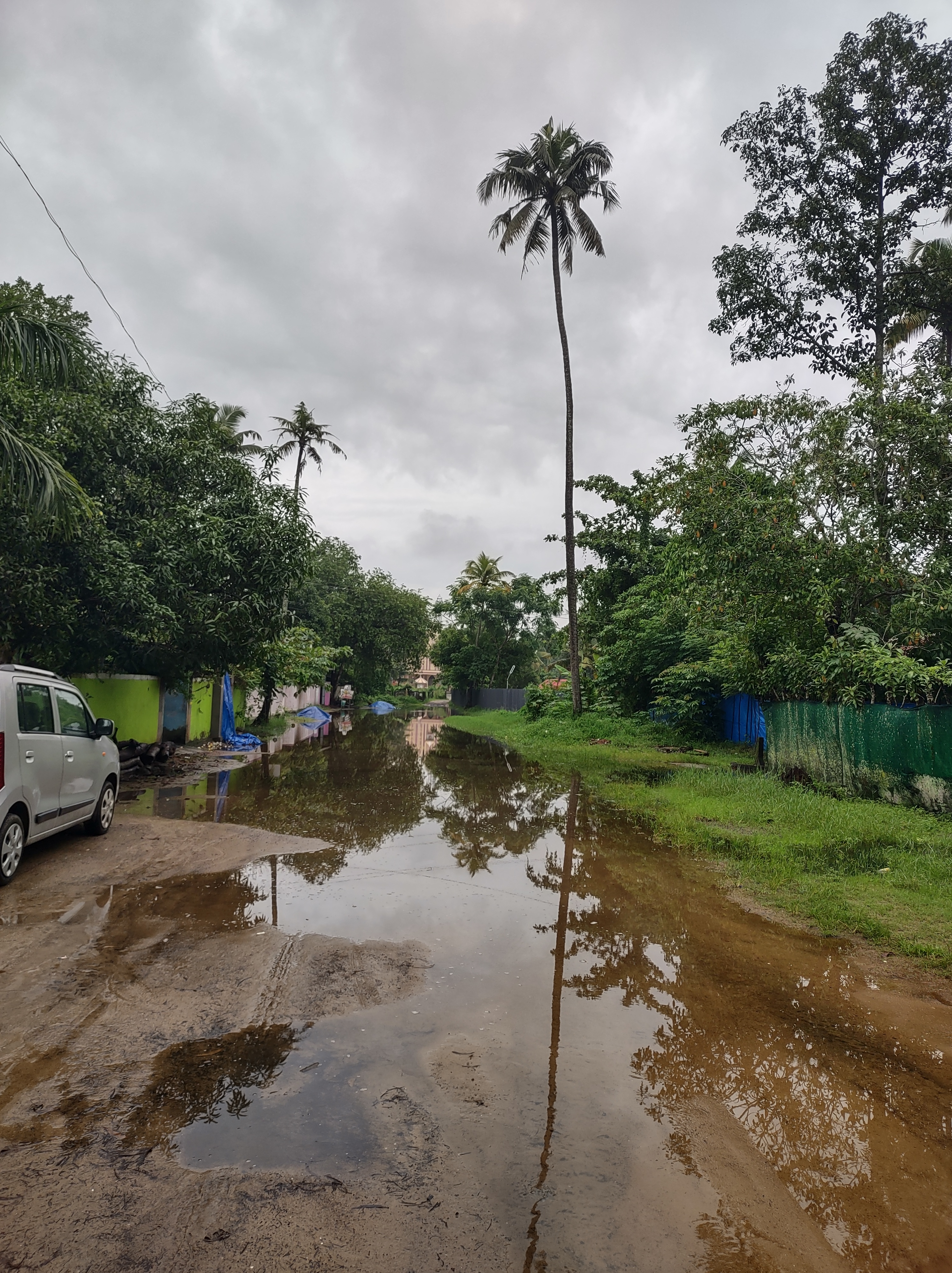
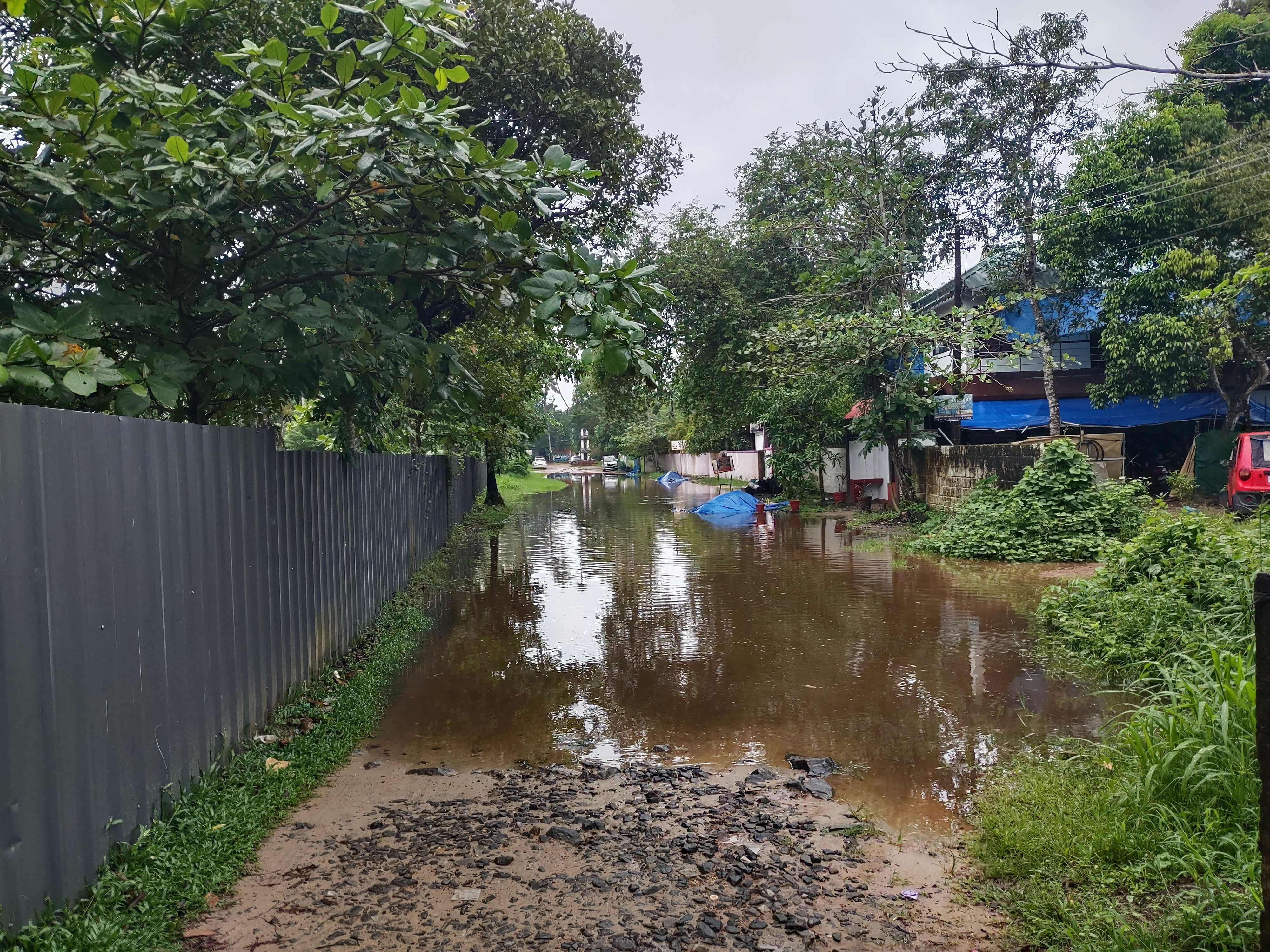
Our week in Marari Beach went by slowly and pleasantly, but after the first few days the weather began a turn for the worse and we began to see more frequent rain showers which eventually flooded our little beach road the day before we were scheduled to depart. We discovered that the recent weather was supposedly due to a cyclone (that’s what hurricanes are called in the tropics) which was passing by out to sea and had apparently decided to hang around for a few days. (I did some checking and could not identify a cyclone in the Indian Ocean during that period but I did learn that, similar to what is happening in the Gulf and Caribbean at home, the incidence of tropical storms and cyclones in the Indian Ocean has risen markedly in recent years.)
It rained pretty much non-stop on our last day in Marari Beach (the cyclone had apparently settled in) and, while it didn’t keep us homebound (Swapna and Binoy had provided us with umbrellas) nor dampen our spirits (at least not much) it did complicate packing a bit because our laundry was taking so long to dry and everything seemed to have acquired a permanent dampness. But the real issue was that we were feeling quite sad about leaving. While you can only get to know someone so much over the course of just six days, we did feel like we had gotten enough of a glimpse into the lives of our host family to genuinely like, appreciate, and care for them.
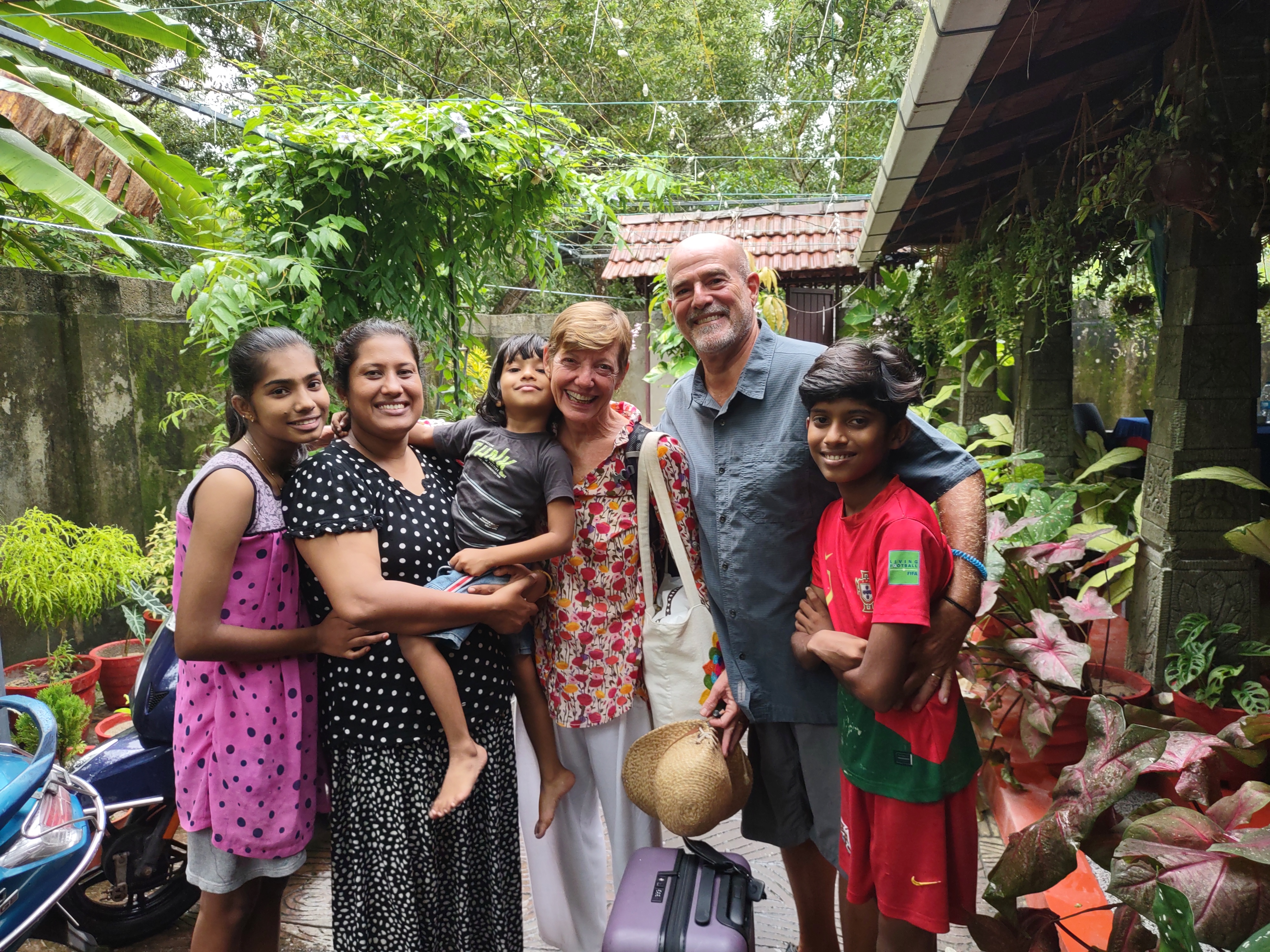
On the morning of our departure the floodwaters on Beach Road had receded so that our taxi could get reasonably close to our homestay, but Binoy still got soaked helping to schlep our bags out to it. Happy to have met them but sad to be leaving we bid our farewells to Swapna, Binoy, Anita, Anthony, and little Aquino and started the drive north to the big city of Kochi.
 Burning the Inheritance
Leave a comment