Back in October 2020 when we first pulled out our Rand McNally map and made a game of proposing travel destinations for The Big Trip, Zanzibar was one of the first places identified (Colleen proposed it, but it was on my list too!) and it is arguably the most exotic place we decided to include in our itinerary. In hindsight (and in truth), we really knew very little about Zanzibar when we put it on our itinerary, but the more we investigated it, the more intrigued we became.
Zanzibar Island
Zanzibar (not to be confused with Madagascar for all you Risk players) is an archipelago of islands off the coast of East Africa in the Indian Ocean. It is an “insular semi-autonomous province” which joined with Tanganyika in 1964 to form the United Republic of Tanzania. The name “Zanzibar” officially refers to the entire archipelago, but in practice (a practice which I will maintain) it is understood to mean the largest of them which is actually named “Unguja”, which means “you will come” in Swahili. That island of Zanzibar is approximately 650 square miles in size and has a population of about 800,000. The archipelago also includes the island of Pemba, which is a little more than half the size and has half the population of Zanzibar, along with a number of much smaller islands scattered around the two.
Zanzibar has been the home to humans for approximately 20,000 years and over time it developed into a major Swahili trade center before becoming part of the Portuguese Empire following a visit by Vasco de Gama (remember him from World History class?) in 1498. After 200 years of Portuguese oversight, Zanzibar became part of the Omani Sultanate who developed it into the center of the east African slave trade, which it remained until the late 18th century when it fell under control of the British Empire who applied both political and military pressure in the region to end the slave trade.
Zanzibar’s economy was also based in the ivory trade and the production and export of spices, particularly cloves, which led to it being known as the “Spice Islands”. Tourism has ultimately replaced slave trading as a major part of Zanzibar’s economy (seems somehow ironic) and it is a popular vacation destination for French, German, British, and other European travelers.
Where to Stay?
Figuring out where to stay at a destination, particularly one like Zanzibar, can be quite challenging. We were fortunate to have a friend in Stockholm who visited Zanzibar recently and we scheduled a call with him to hear about his experiences. That conversation combined with some more research confirmed that life varies quite a bit on different parts of the island and deciding where you stay is best based on what sort of experience you are looking to have, a principle which we followed.
After doing a bit more research, we discarded the more popular tourist destinations on the north side of the island which are known for their big resorts and nightlife and instead decided to start our stay in Zanzibar in a small village on the southeast coast called Jambiani which is known for its beautiful beaches and laid back atmosphere. We found what looked to be a wonderful little apartment just off the beach at a reasonable price and booked it for two weeks.
Getting There
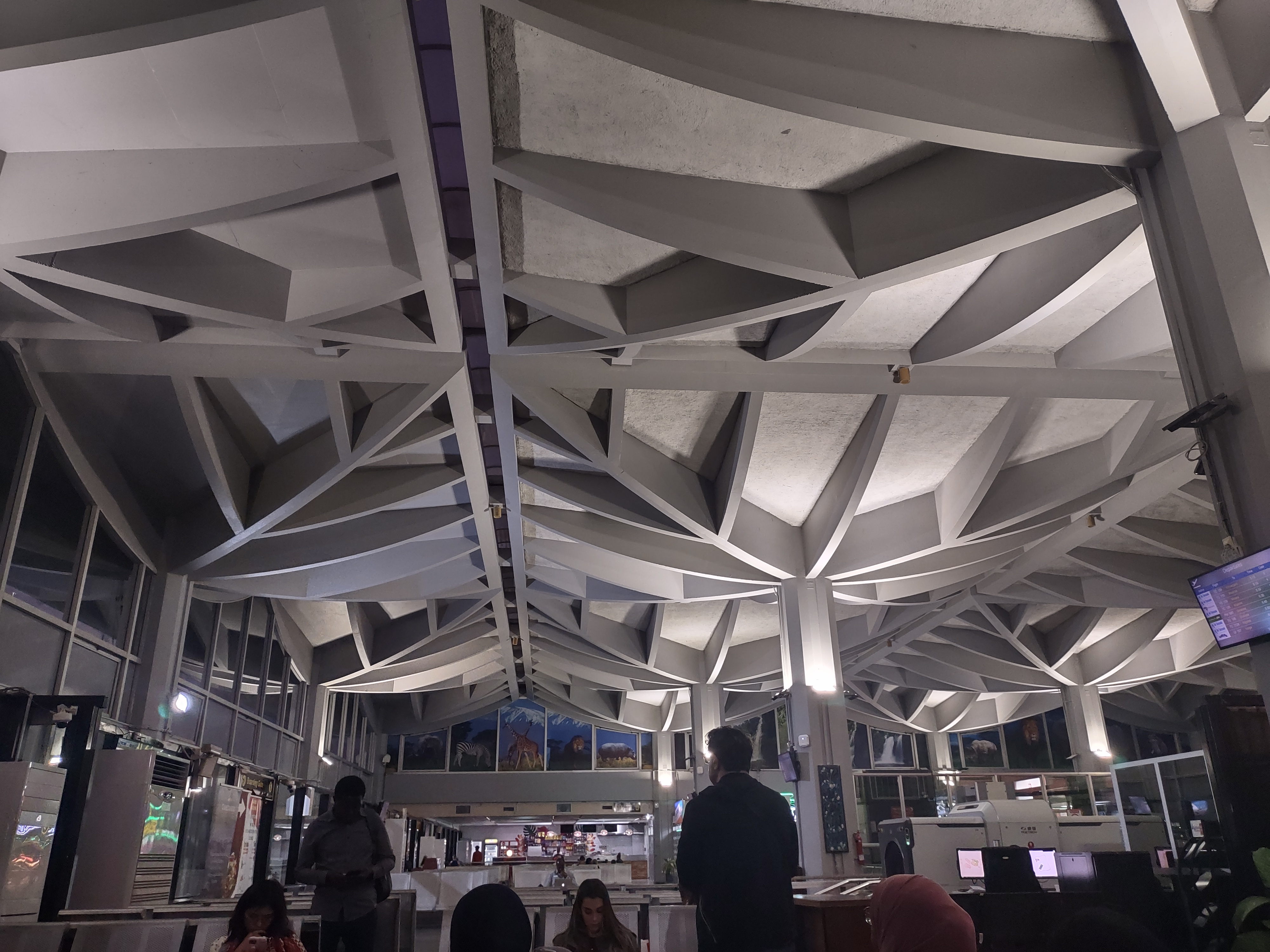
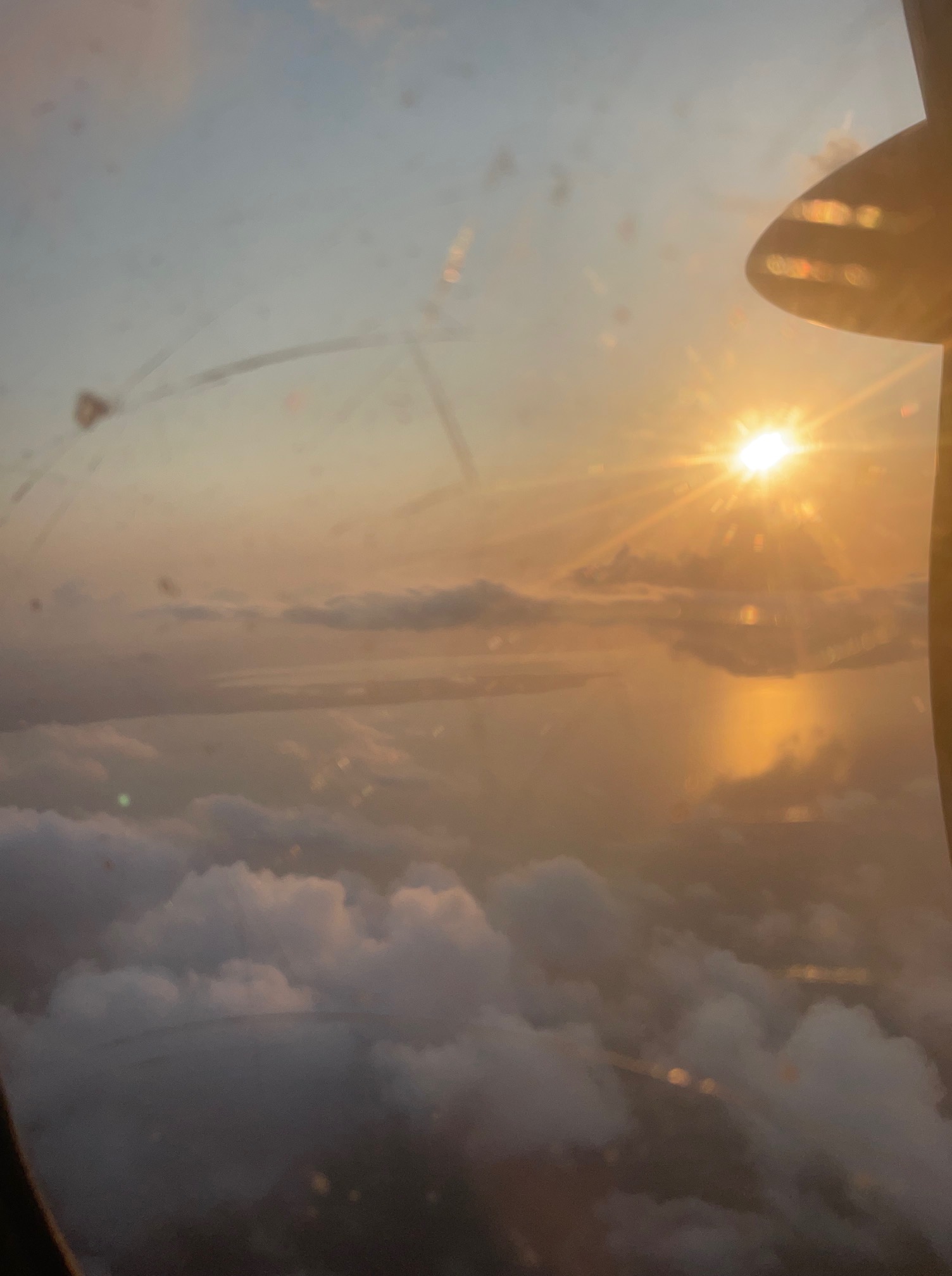
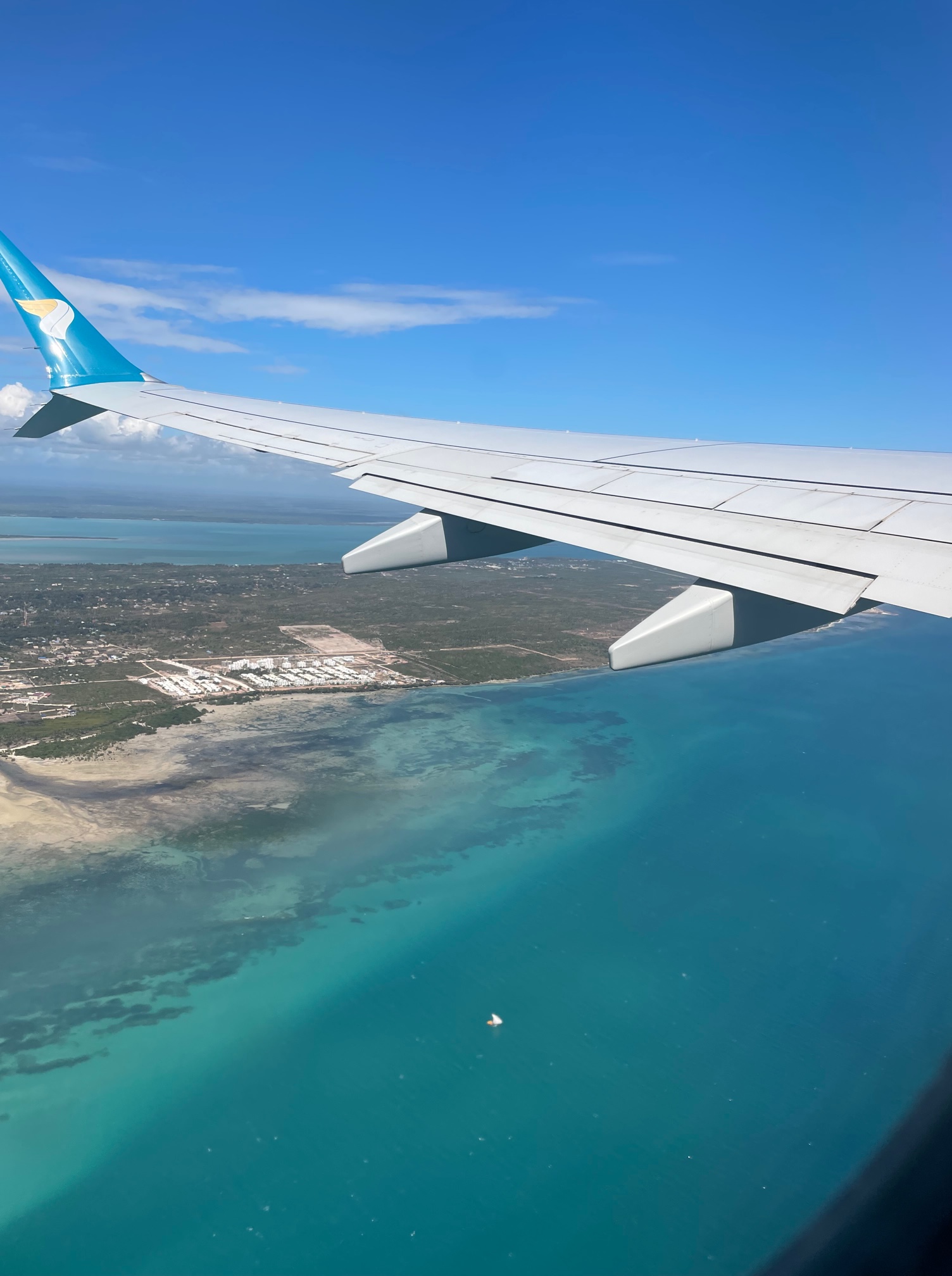
On Saturday September 2nd, we took an overnight flight from Cairo and managed to get a little bit of sleep before seeing the lights of Dar es Salam where we made a brief stop before making the short flight to Zanzibar. Despite being a bit tired, our excitement grew as we watched our first sunrise over the Indian Ocean from the air and saw the island of Zanzibar appear below.

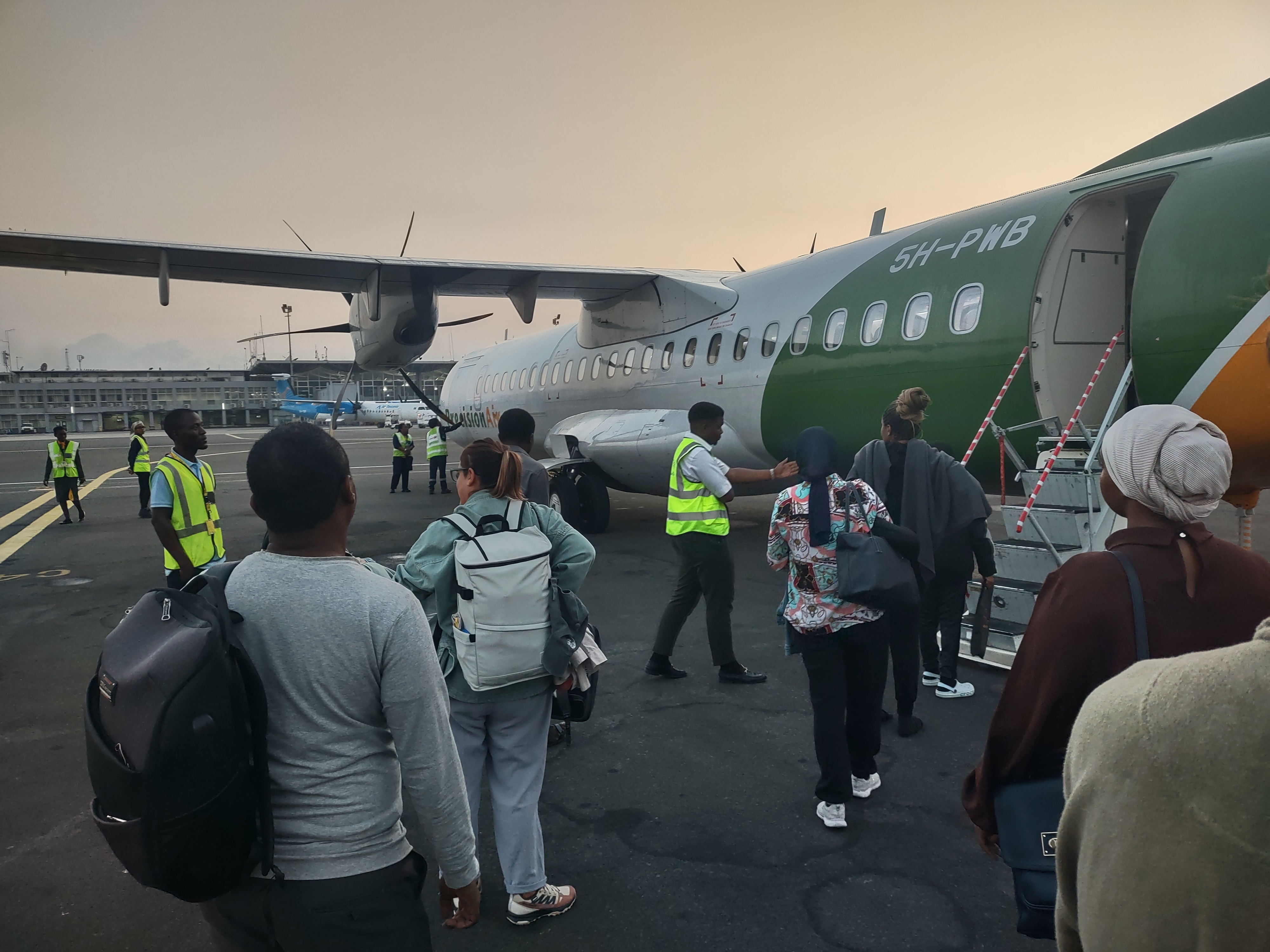
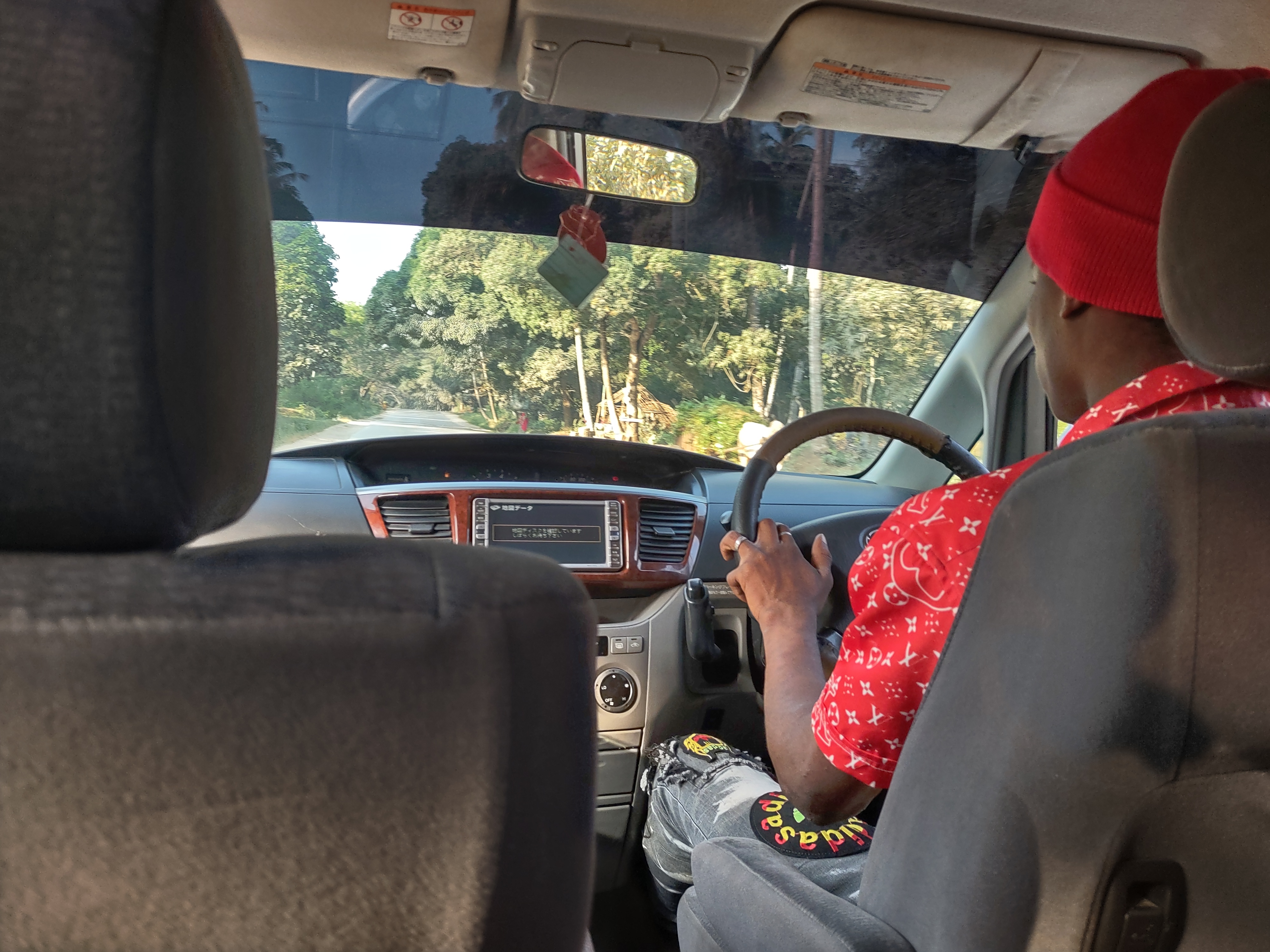
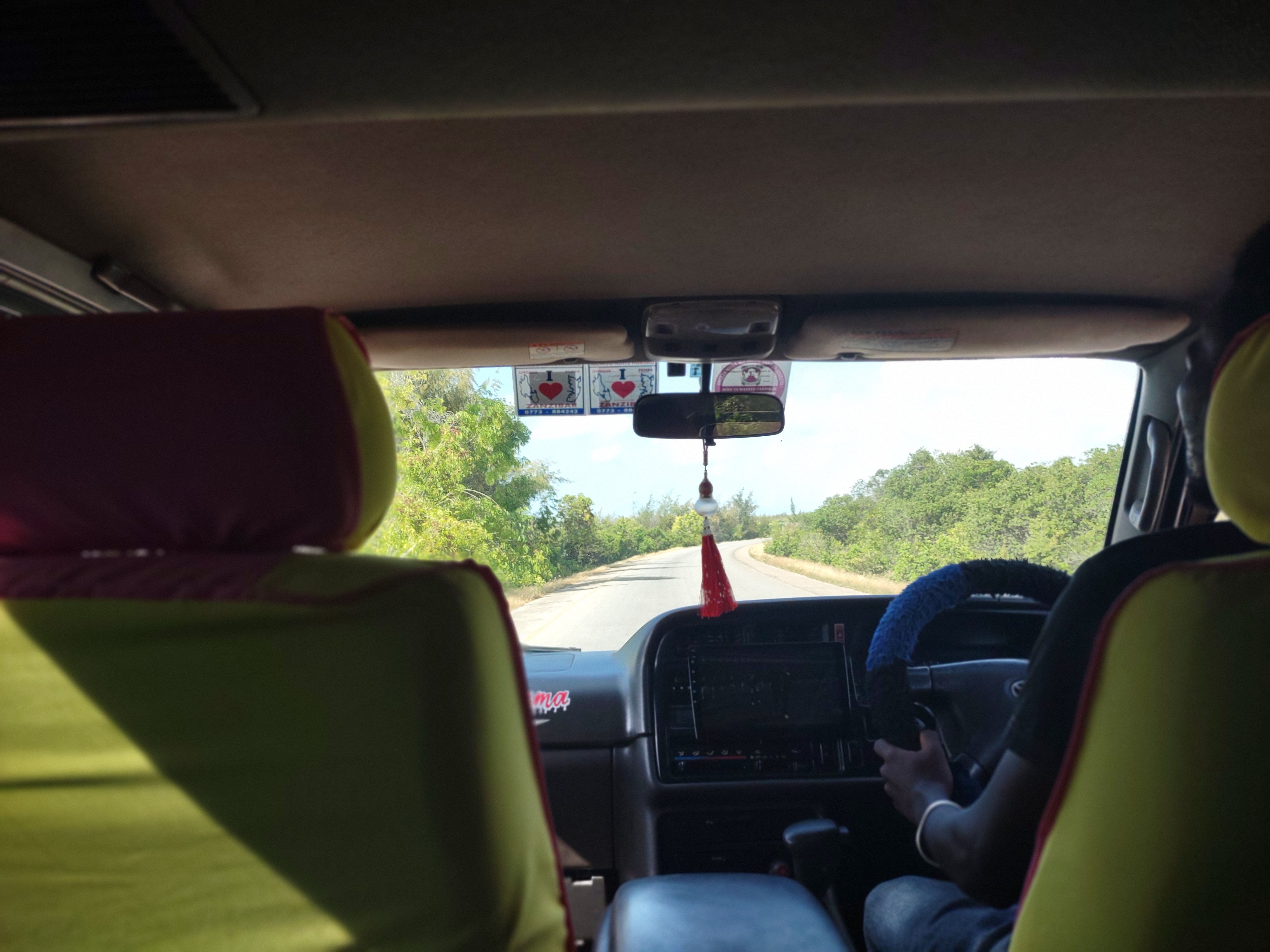
Once on the ground, we found our driver and commenced the 1-1/2 hour drive across the island to Jambiani. Beyond the outskirts of Zanzibar City, the jungle became quite dense and the roads became quite bad with the worst saved for last as we arrived in Jambiani where the main village road (which has no name on Google Maps) was so rough with rock outcroppings in places that you could only creep along at a couple of miles per hour.


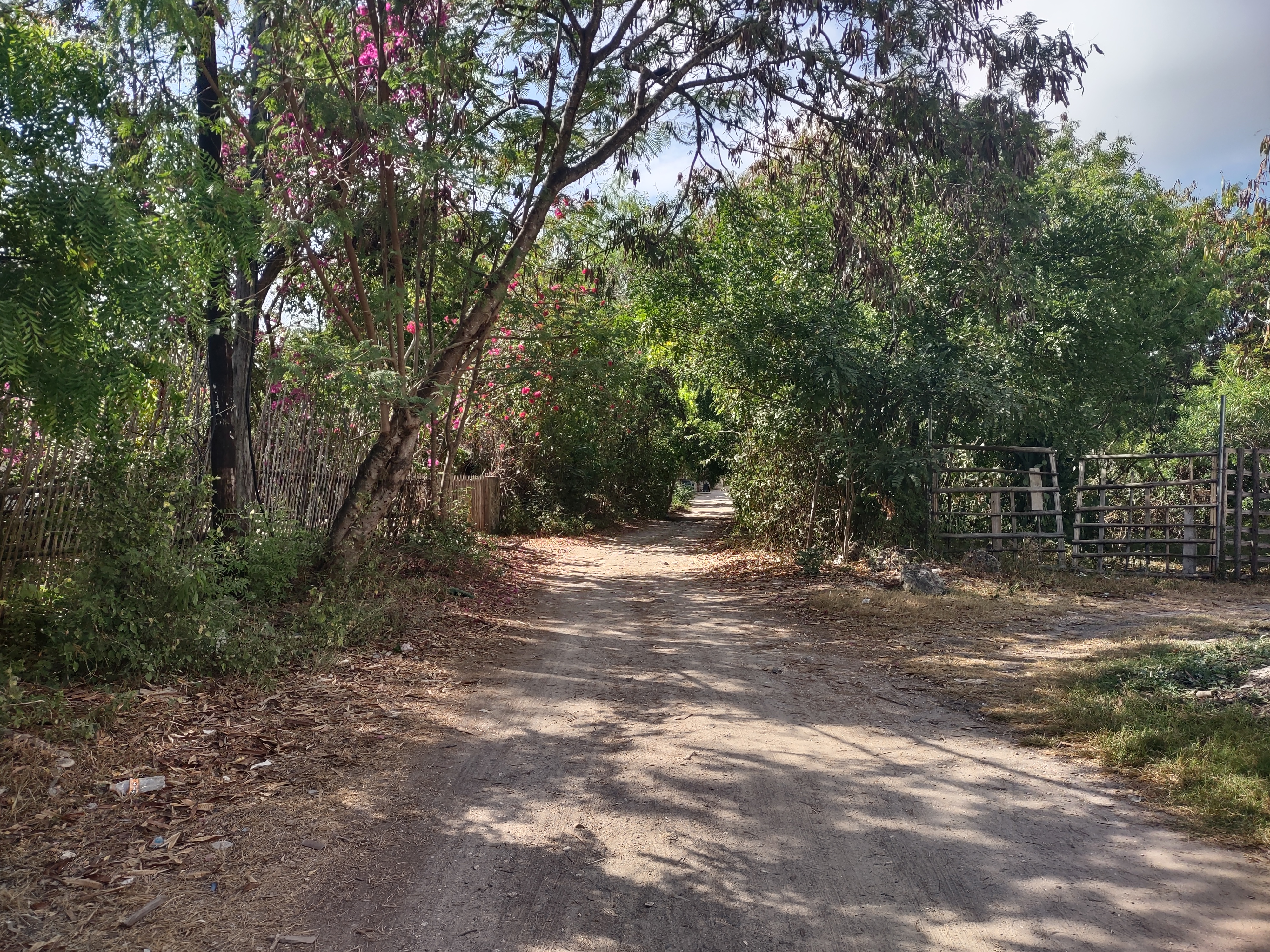
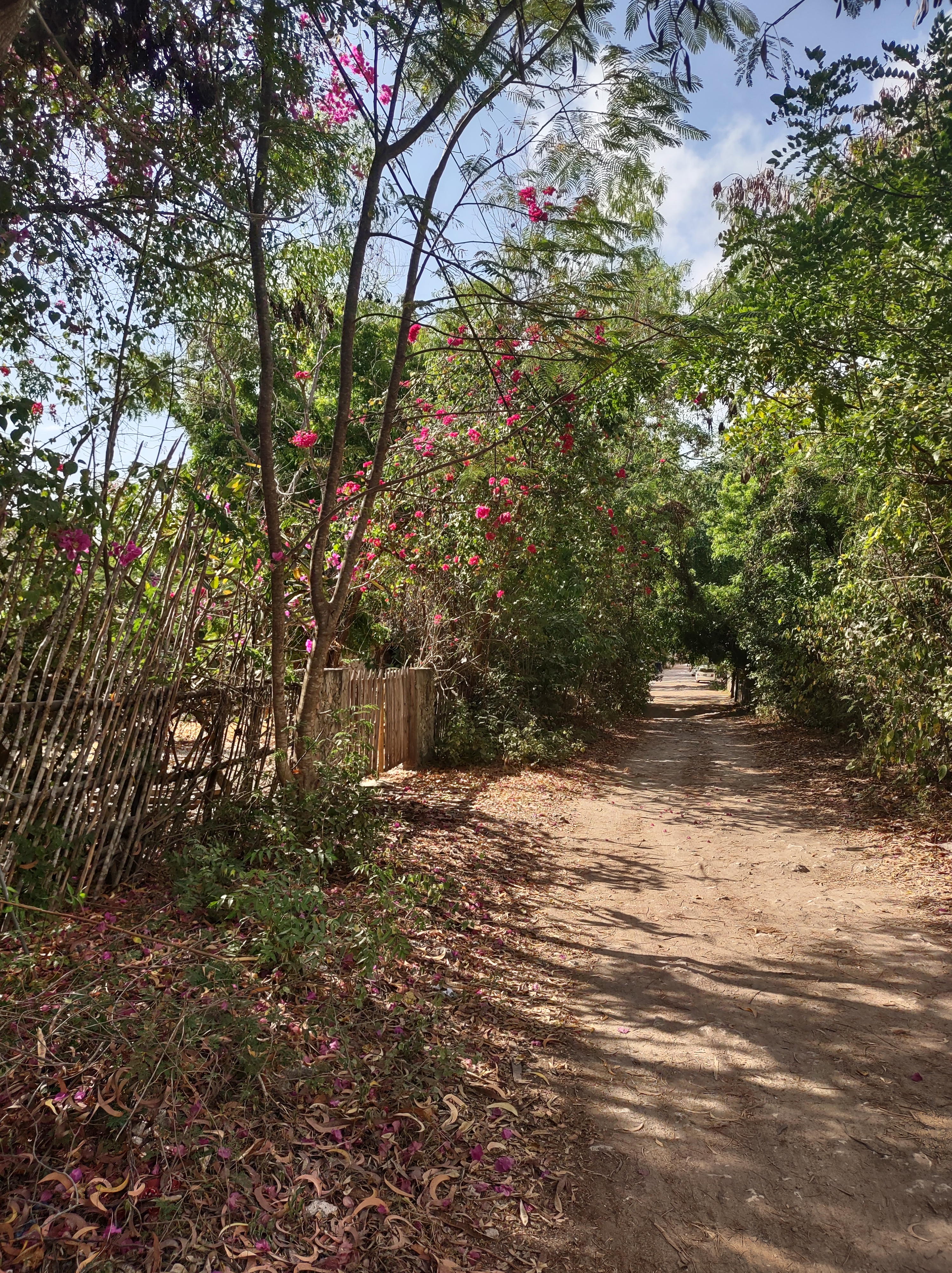
All in all, not so bad (we’ve had worse) and once we arrived and saw the beach in Jambiani, any lingering travel pains quickly evaporated.
Our Place at Jambiani Beach
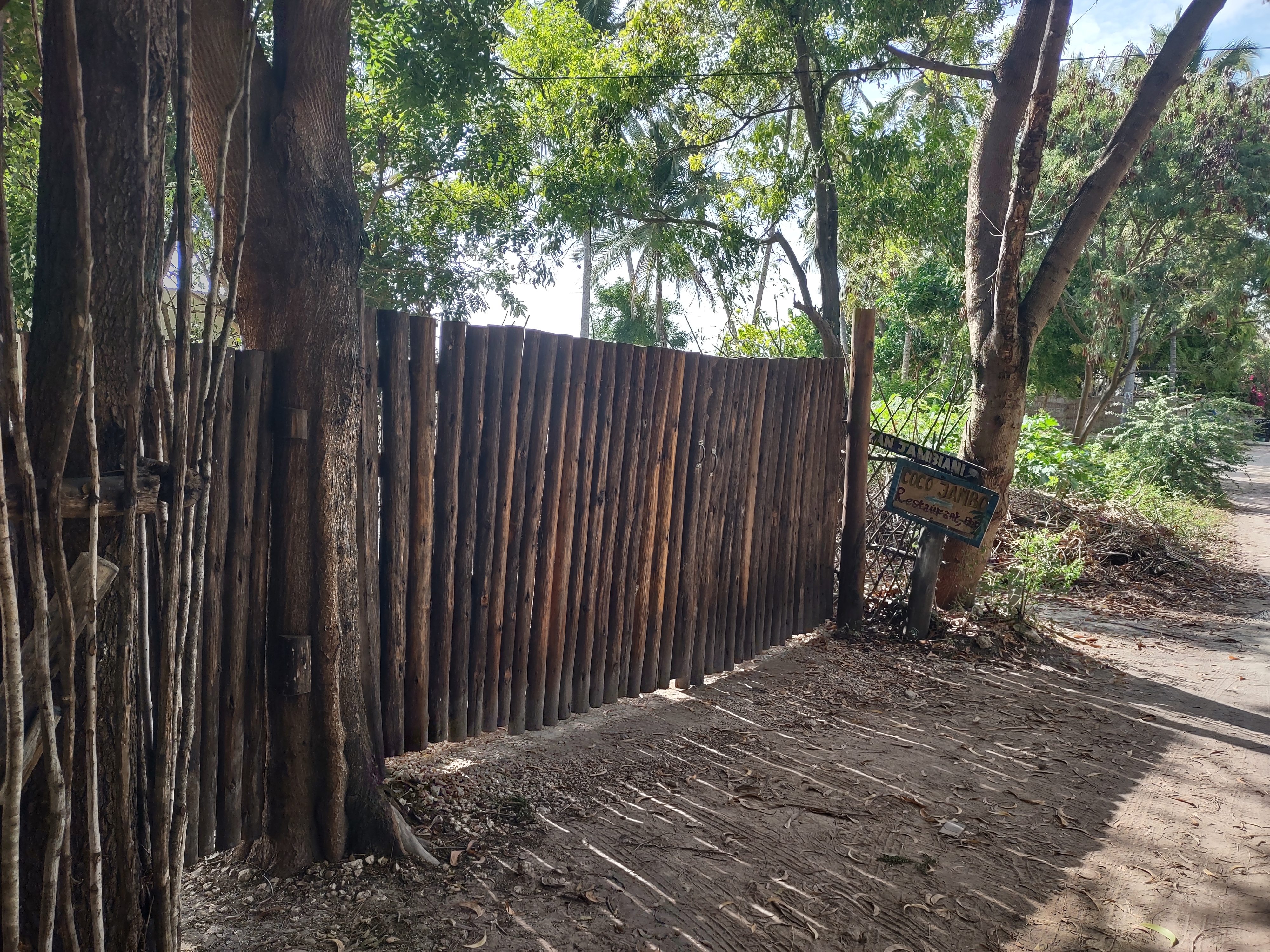
We stayed at a small hotel on the southern end of Jambiani called the “Coco Jambo”*, which was run by two Romanian expats (Ovi and Cosmina) who had come to Zanzibar in 2020 during the COVID outbreak and never left. Coco Jambo is a small cluster of two-story structures, consisting of eight or so apartments and our hosts’ house, which, like many of the small hotels and resorts in the area, backs up to the village road and fronts on Jambiani Beach.
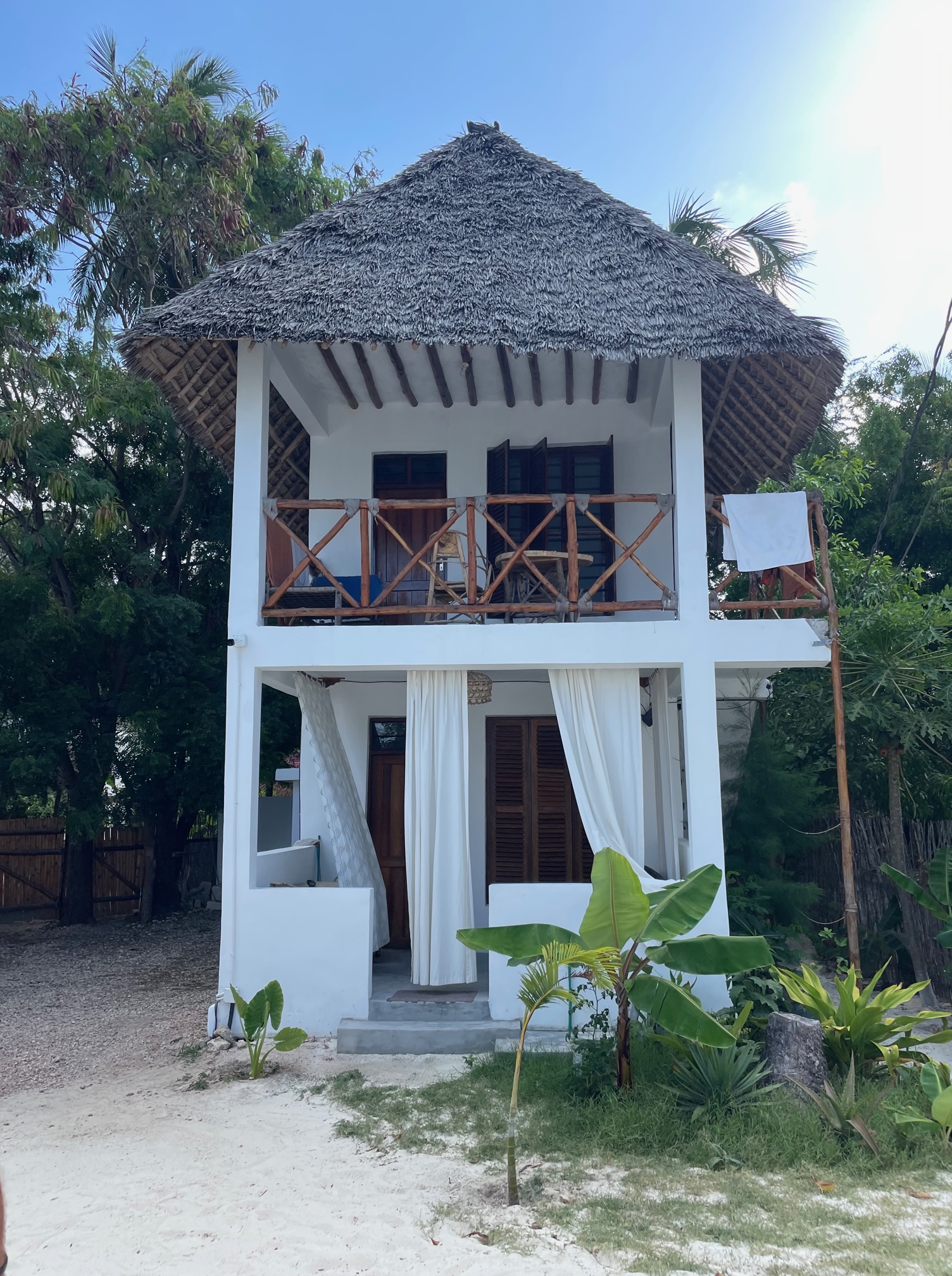
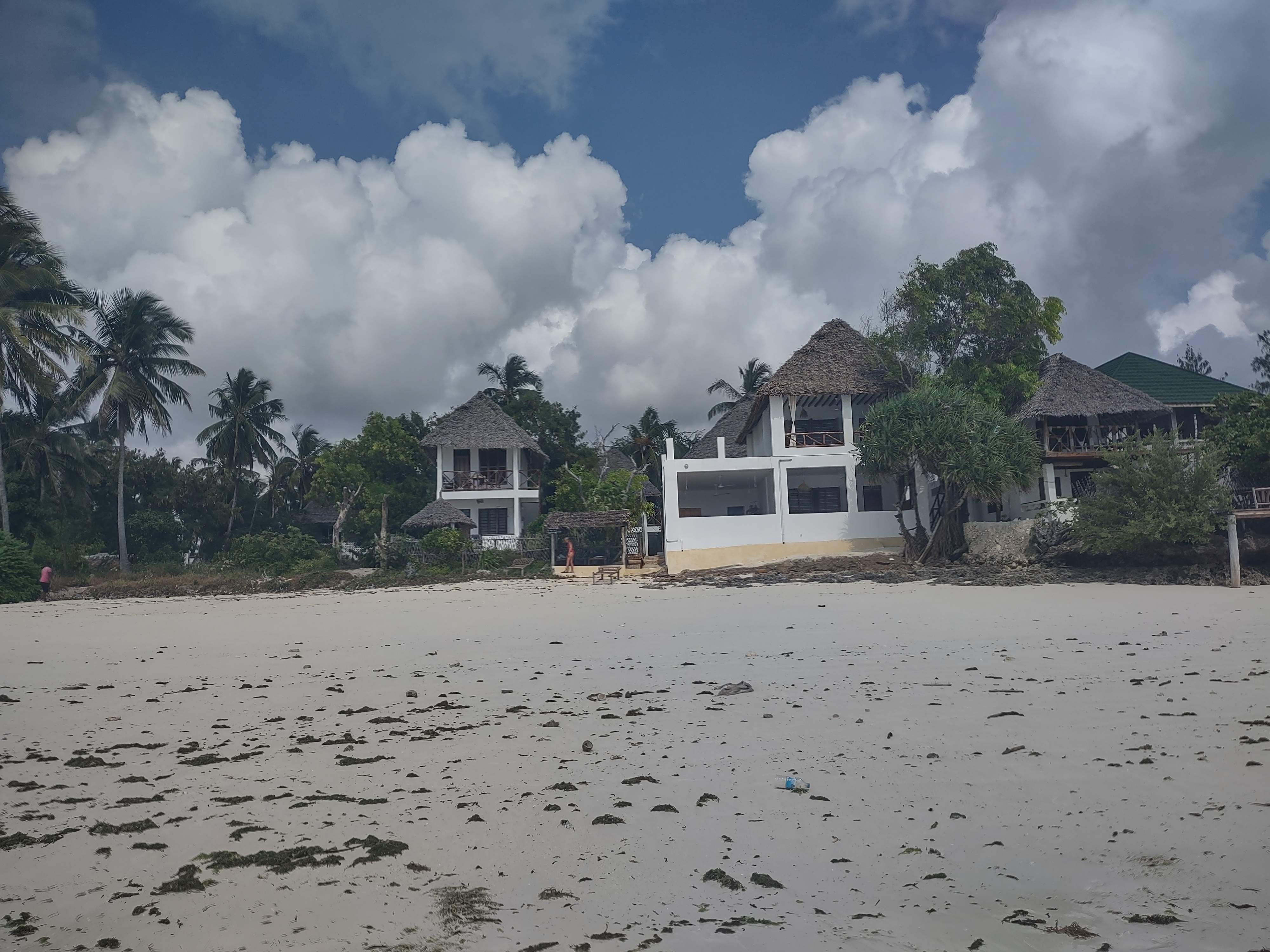
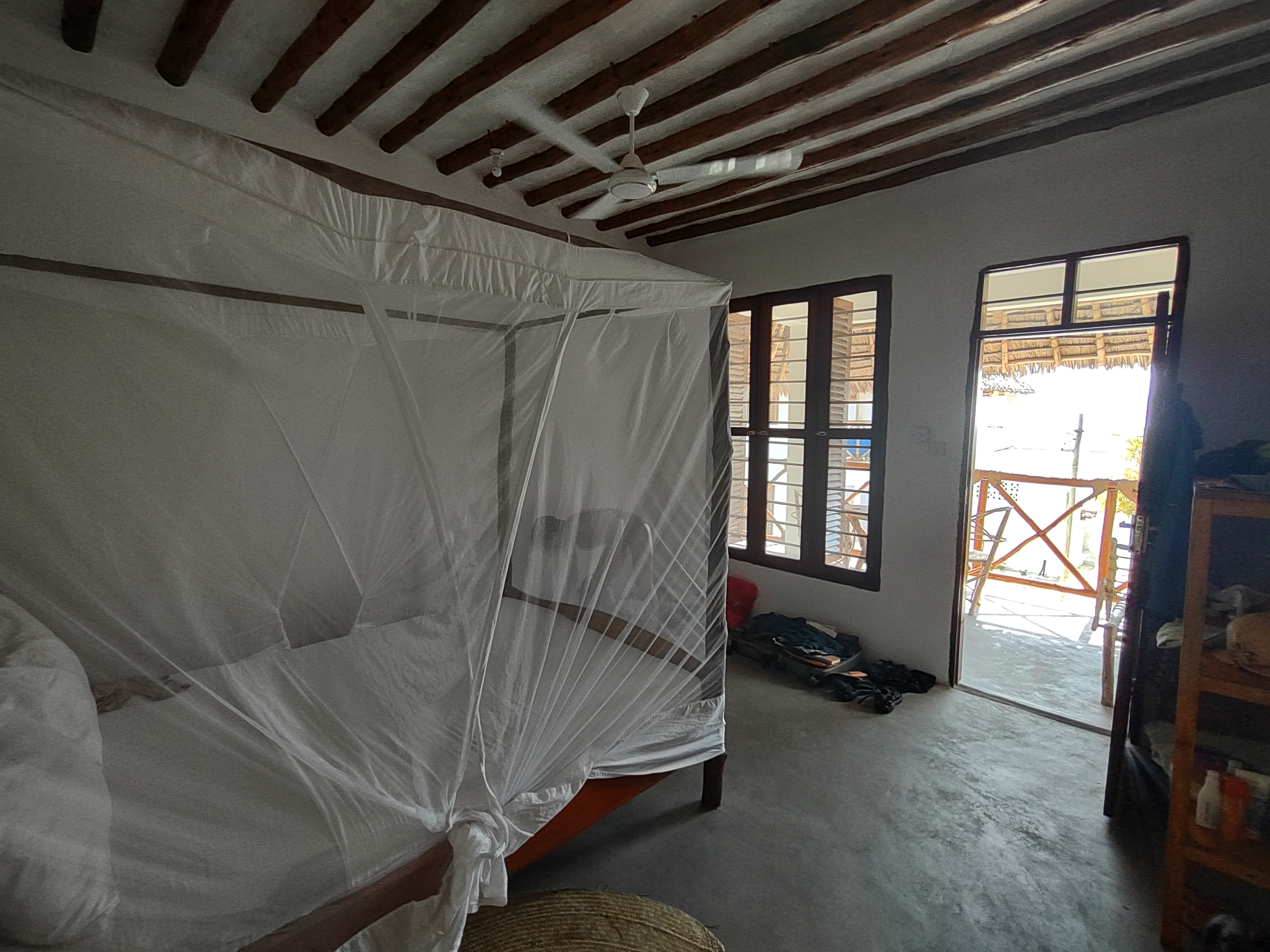
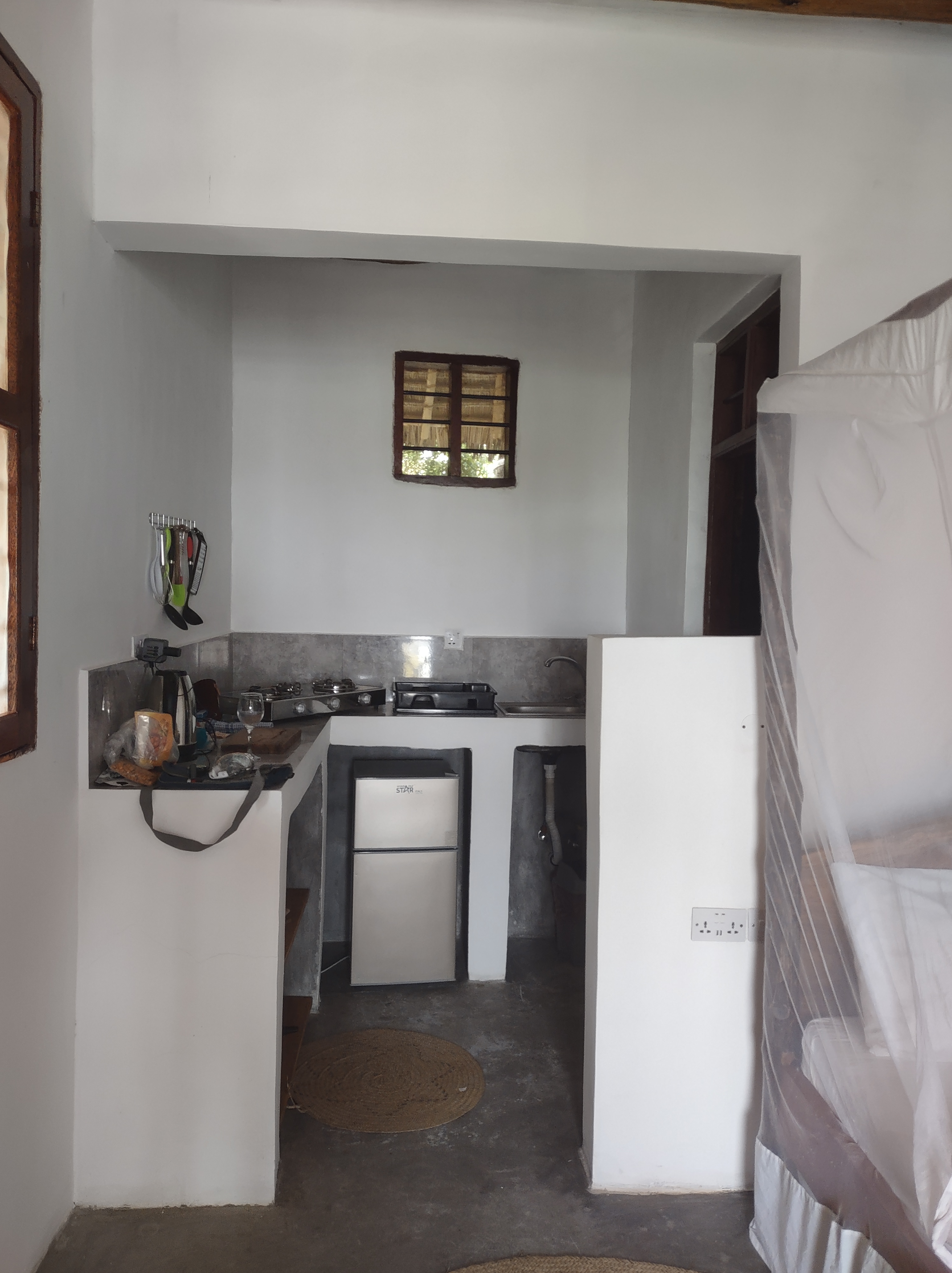
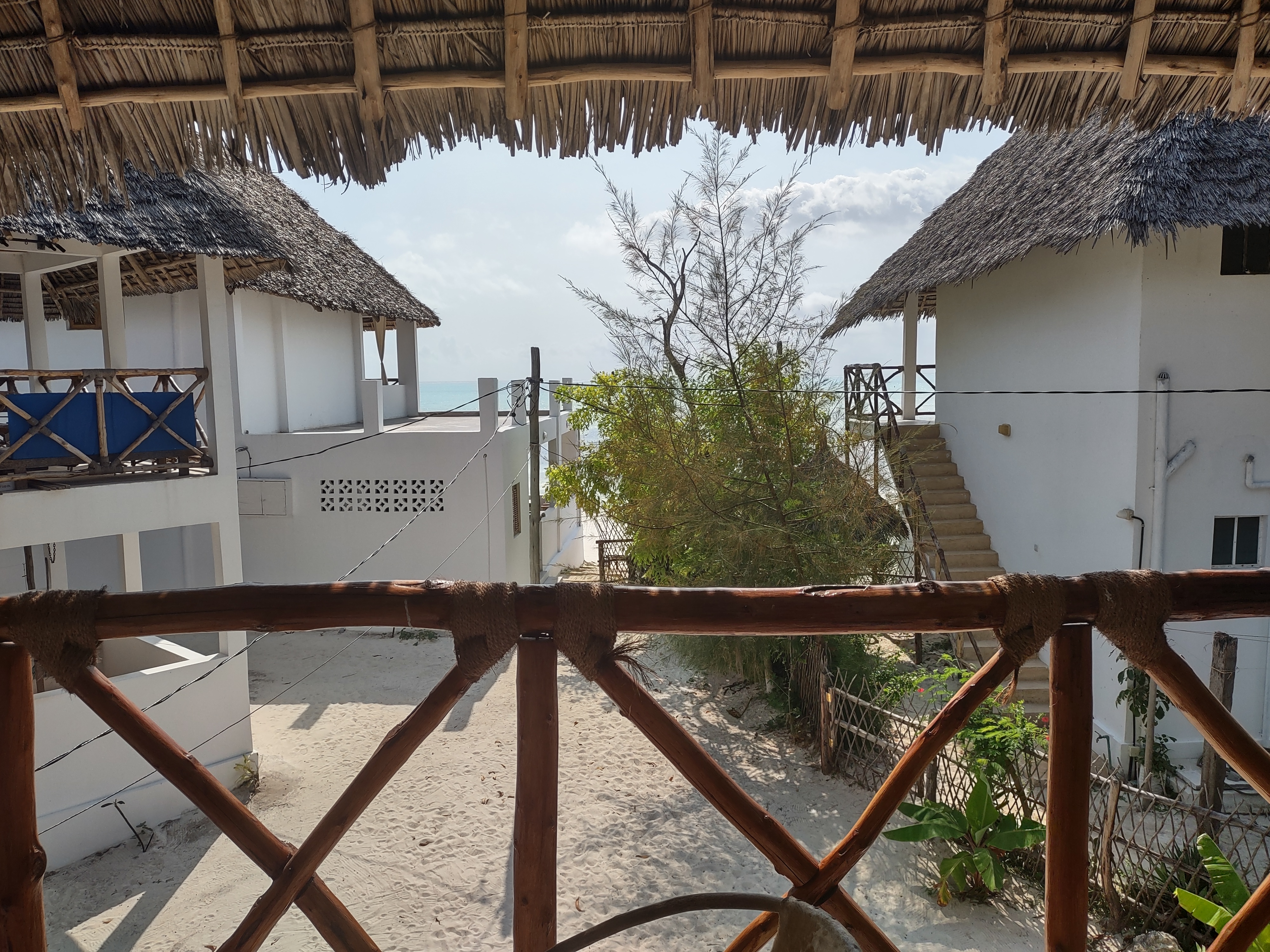
Our apartment was nothing fancy, just a very sparsely furnished studio (really just a bedroom), with a small kitchen and bath, and (thankfully) a bed with a good mosquito net. But best of all, it was on the second floor with a roomy (and better furnished) balcony which gave us some nice views of the Indian Ocean and some nice surf sounds at times and, other than the time we spent cooking, bathing, or sleeping, that was where we hung out if we were “at home” (at least until the mosquitos started to come out).
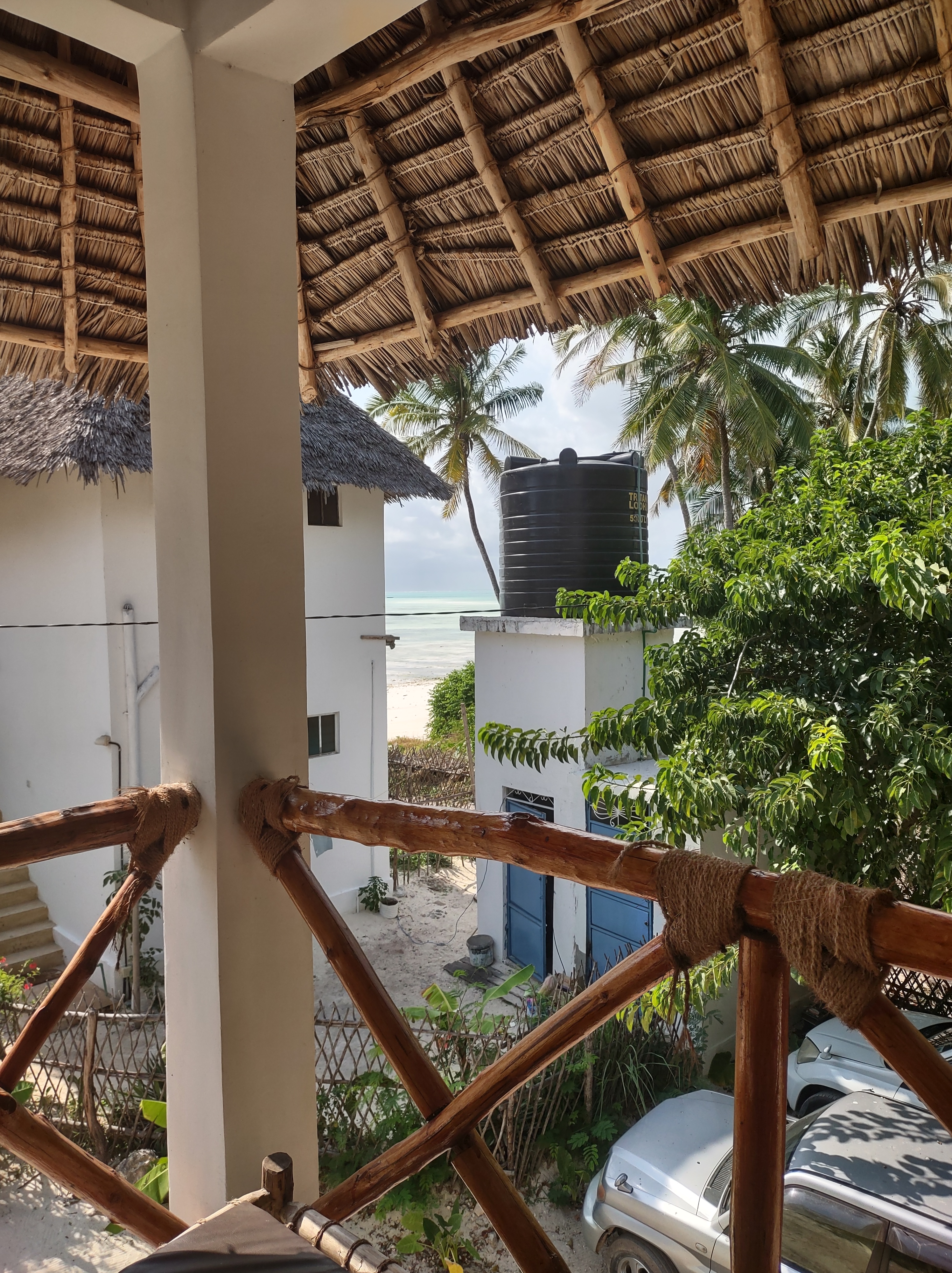
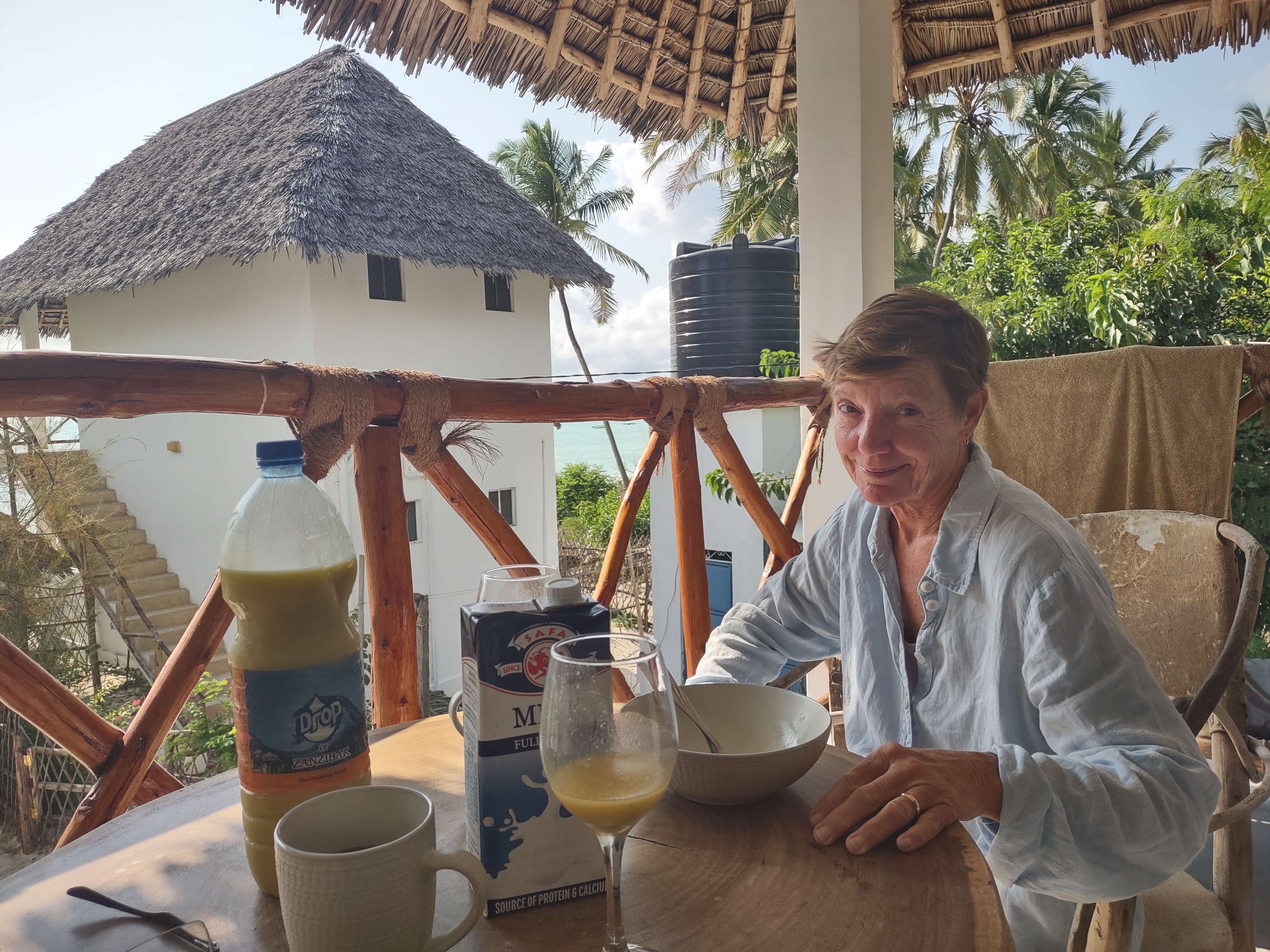
[* – “Coco Jambo is what the place was known as to all the locals, and there was in fact an old sign near the entrance from the village road which said “Coco Jambo Restaurant” (we think a prior occupant of the property), but we knew the place as the Giraffe Beach Studio which is what it was called on Airbnb. As regards the word “Jambo”, it is an all-purpose greeting of the local dialect (not sure it’s actually a Swahili word) used much as “what’s up?”, “what’s happening?” or “ca va” are used, and is usually delivered with much enthusiasm. It was sometimes combined with Mambo (as in “Jambo Mambo” or “Mambo Jambo”), but we were advised by an elderly gentleman that this was just slang used by young people who don’t know anything. In more mercantile interactions “Jambo” was usually followed with “Polepole” (poh-lay-poh-lay – literally “slowly”)which which is intended to mean take your time, go easy, take it slowly. At some point during this exchange someone would utter the now famous-thanks-to Disney words “Hakuna Matata” (No Worries) after which any actual business which needed to be attended to could proceed.]
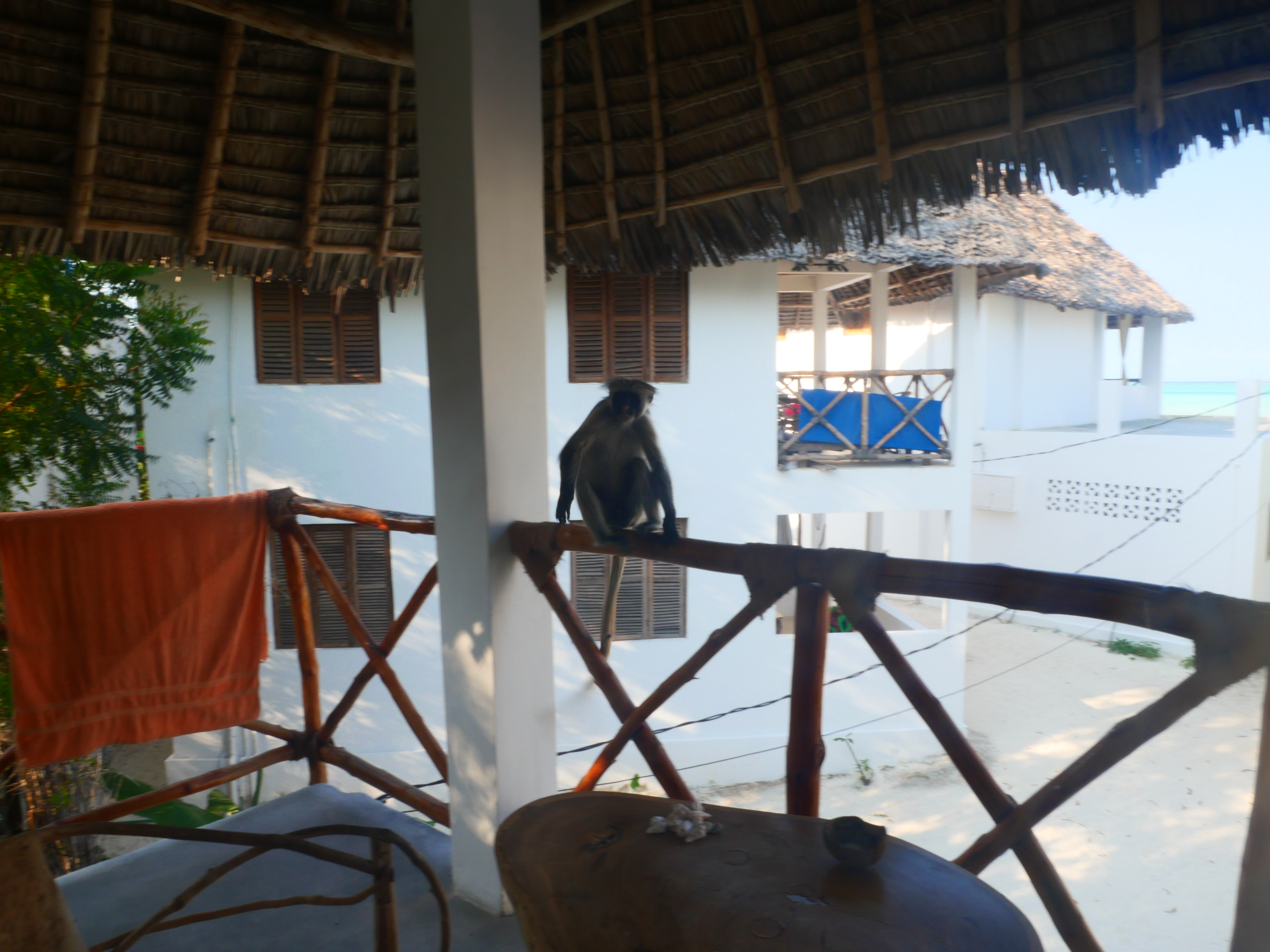
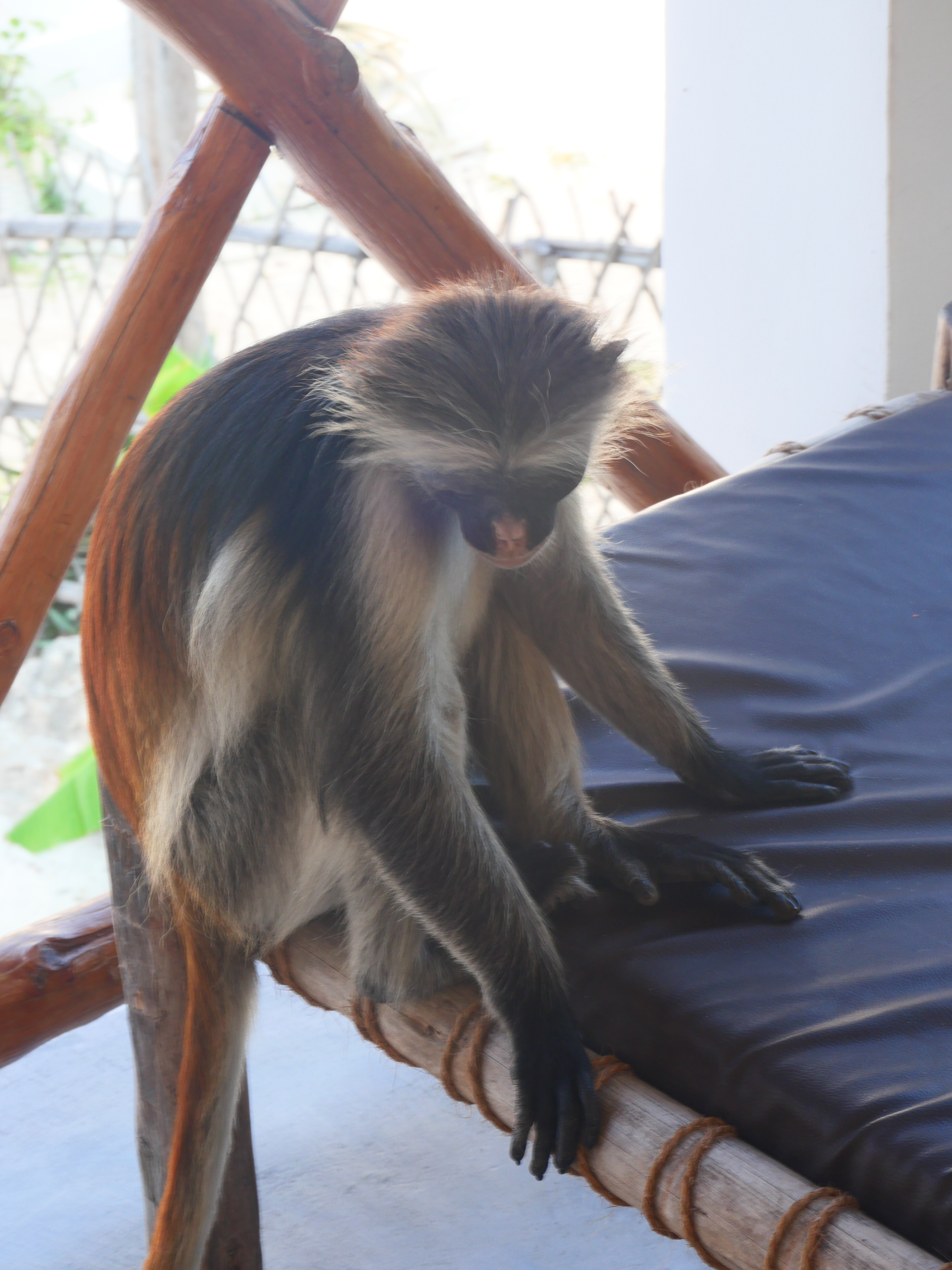
The other guests at Coco Jambo, most of whom (for no particular reason we could determine) were French and typically only stayed for two or three days. We saw quite a few of them come and go and exchanged pleasantries in passing, but didn’t really get to know any of them. That said, it was always interesting to see peoples’ reaction when they saw the beach and ocean view for the first time. On the non-human side, we were adopted by a couple of cats who slept on our balcony, and there was a monkey in the neighborhood who had apparently developed an attraction to Colleen and came calling on a couple of occasions.
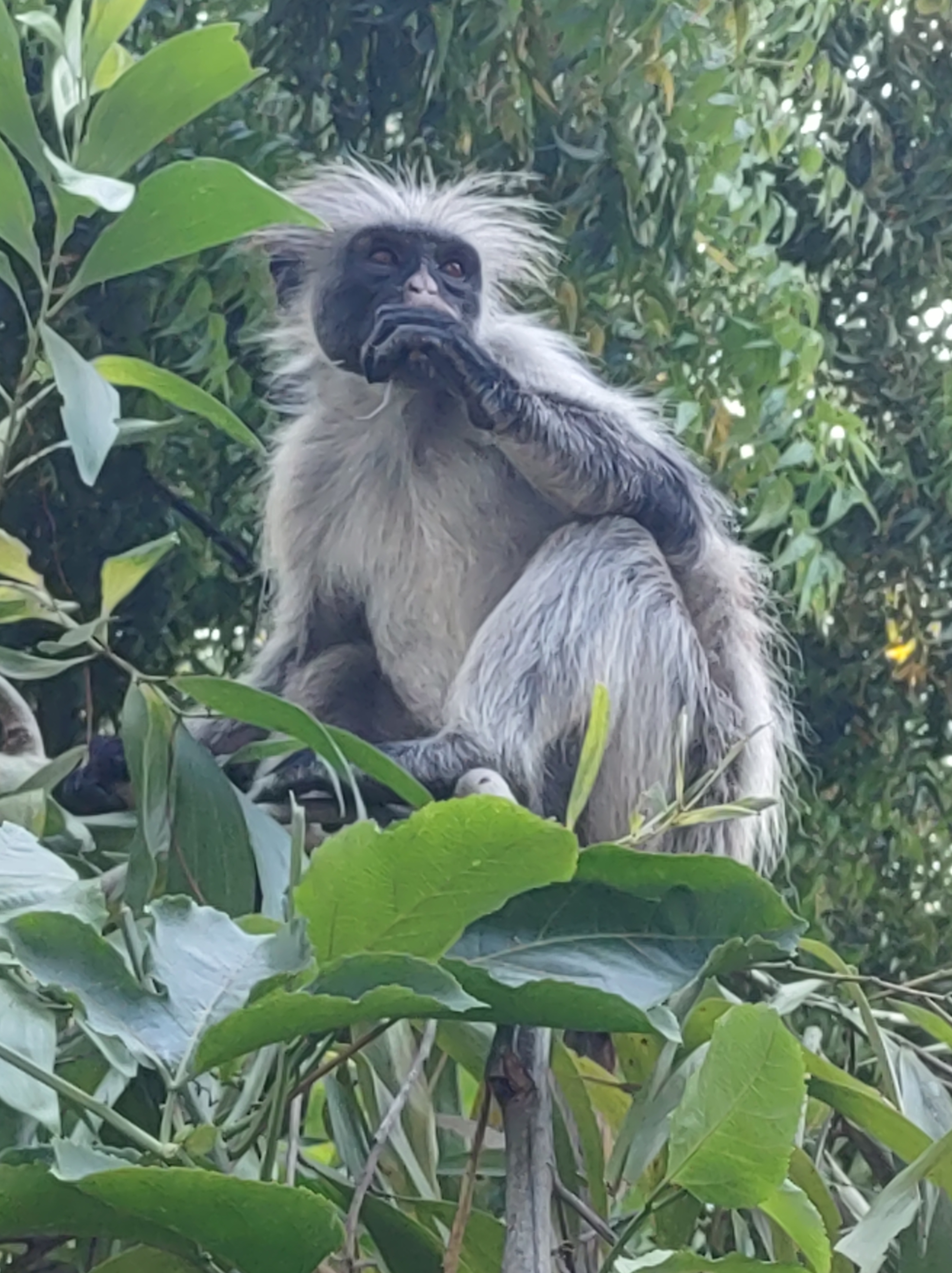
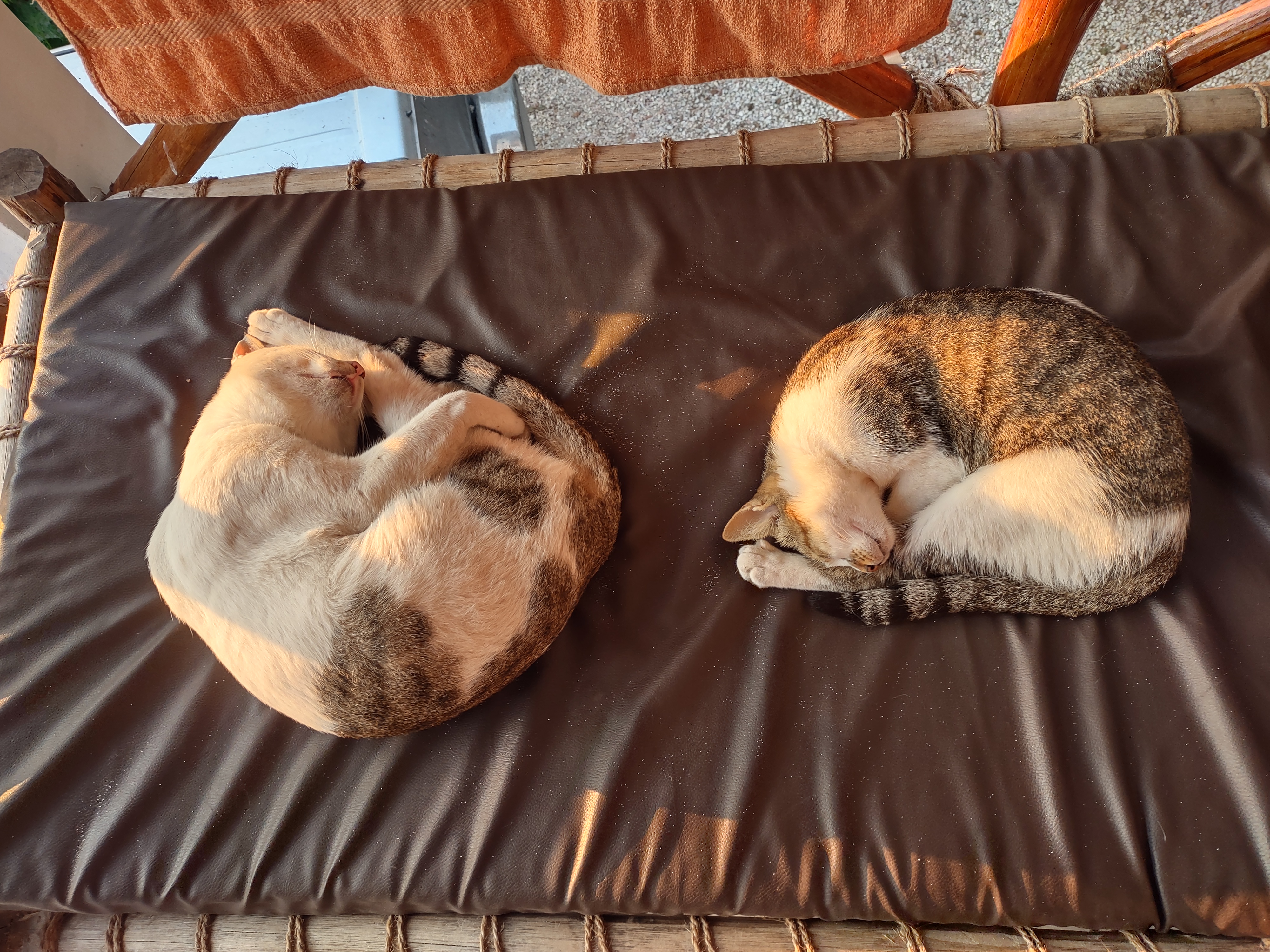
For the most part, Coco Jambo was very peaceful and quiet, but we discovered that there was one weekly exception to the quiet part, which (we discovered) had been mentioned in some of the Airbnb reviews of the Giraffe Beach Studio but which we had not really taken note of. (It probably wouldn’t have changed our choice even had we noted it). As it were, each Monday night one of the hotel restaurants just down the beach from us staged a dance party with very loud music which went on until 3 AM which surprised us the first time, given how quiet it had been until then. We mentioned it to Ovi who said that once enough people complain, they back it down to midnight but then it gradually creeps back to 3 AM. Not that it was any better the second time, but at least we were expecting it. Hakuna Matata!
Jambiani
Coco Jambo is located near the southern end of the village of Jambiani, which reportedly has a population of about 7,000, but seemed much smaller, perhaps because it is thinly strung out along a couple of miles of a very rough coast road along which nothing moves quickly. It is a very linear village, much of it only one street wide and, although there are places with deeper clustering of buildings, it really has no urban center. The only shared community facilities which we saw in Jambiani were the schools which, both there and throughout the island, were clearly seen as important and held in some regard and with some pride.
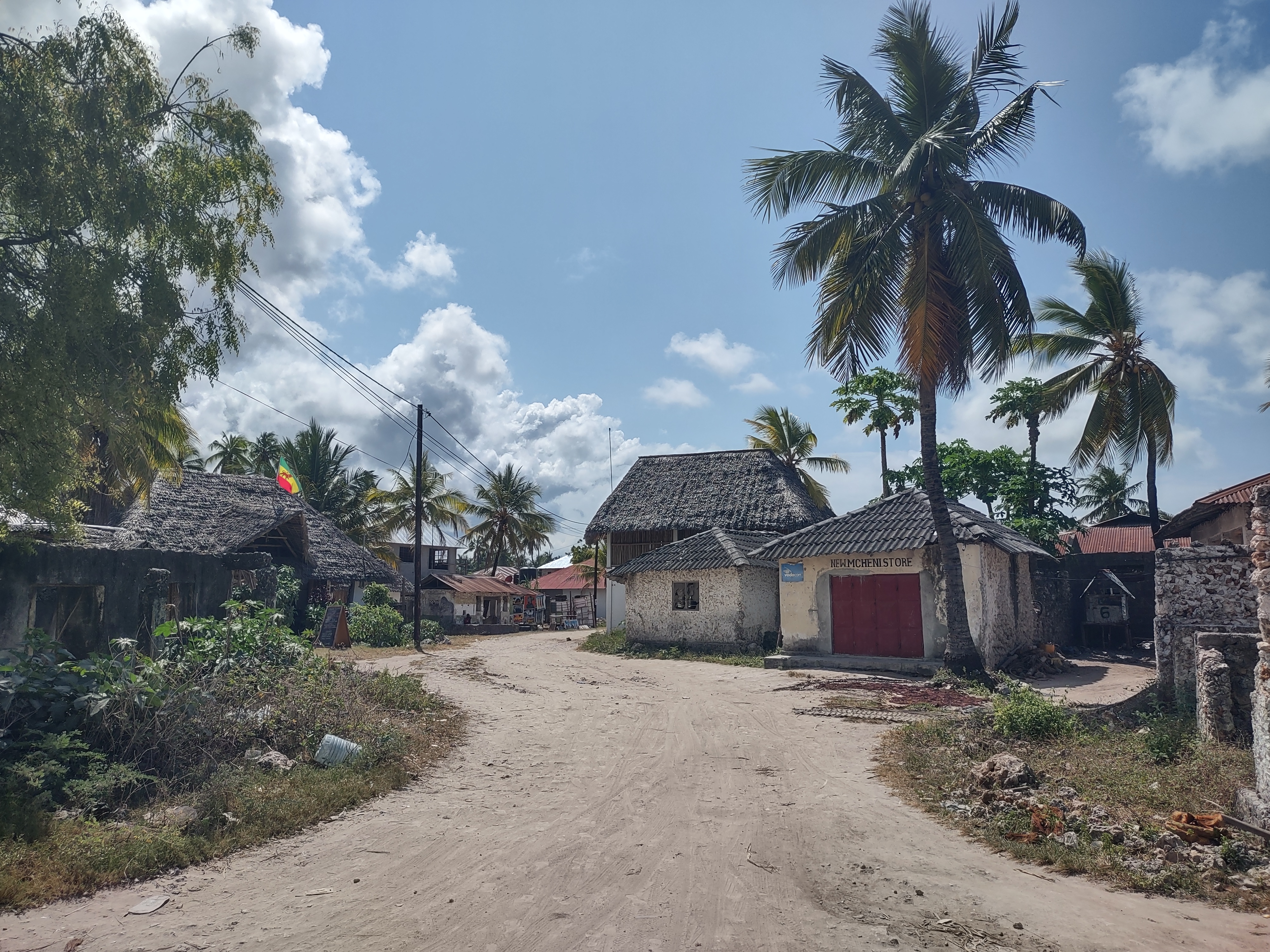
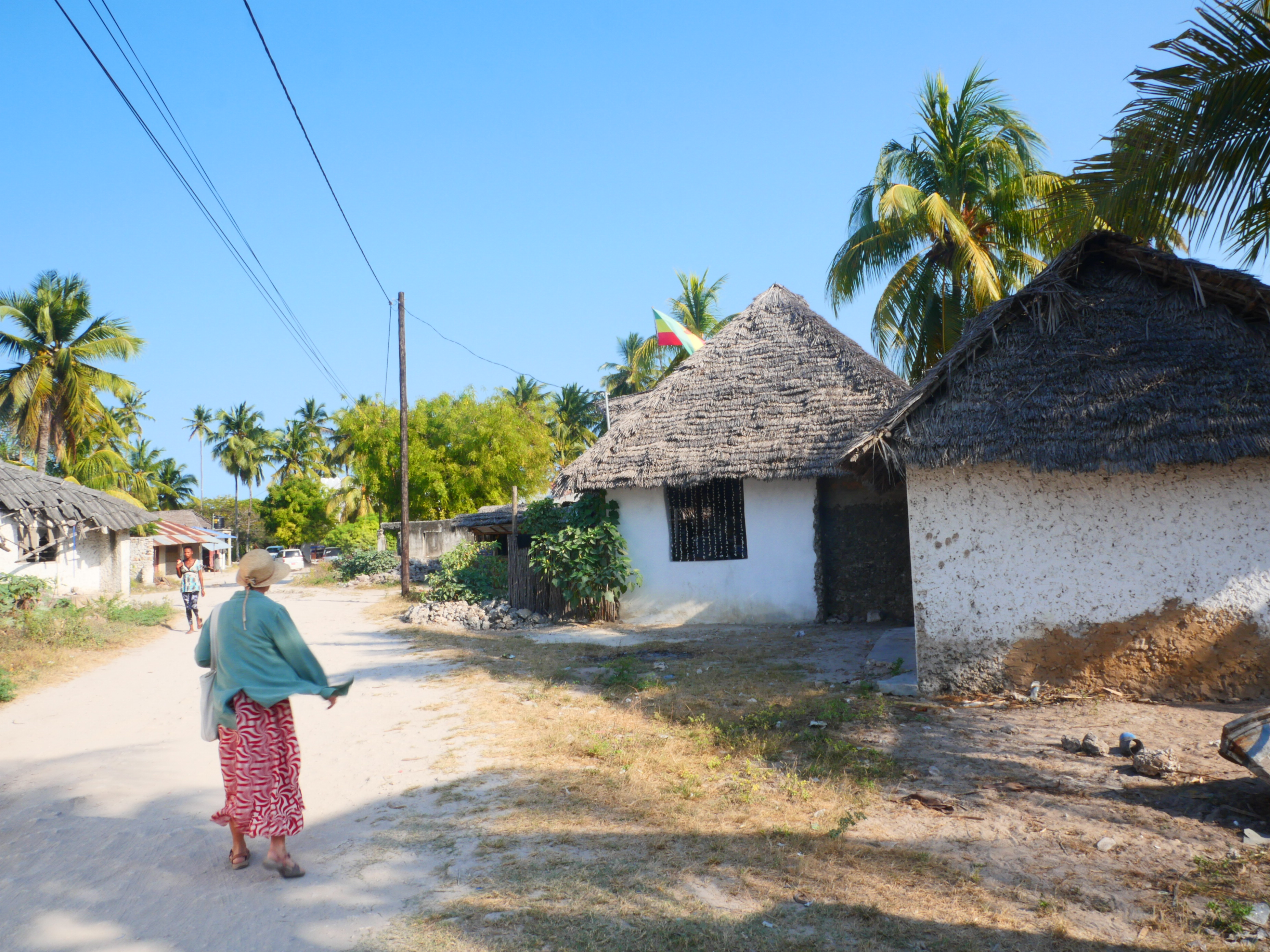
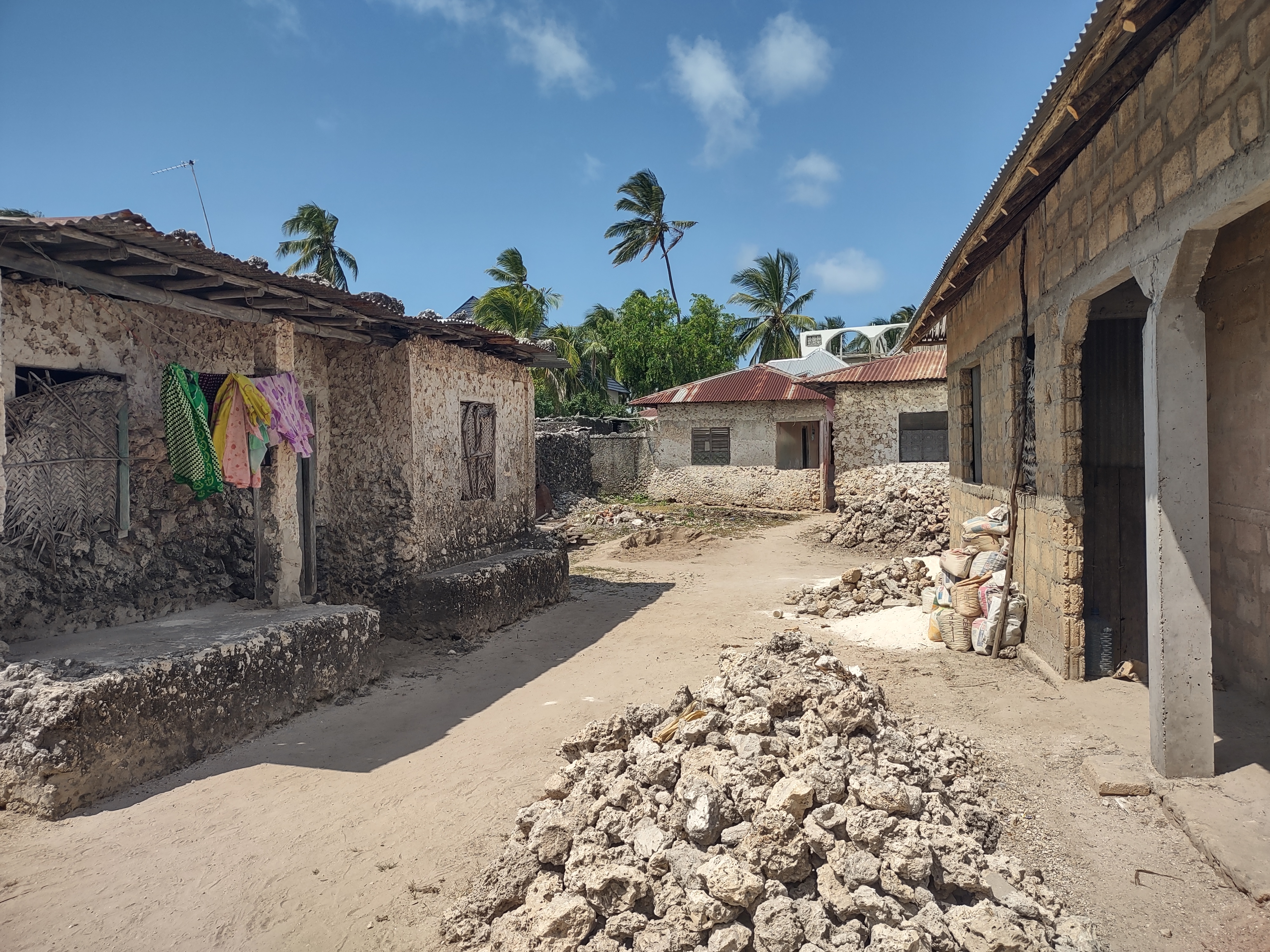

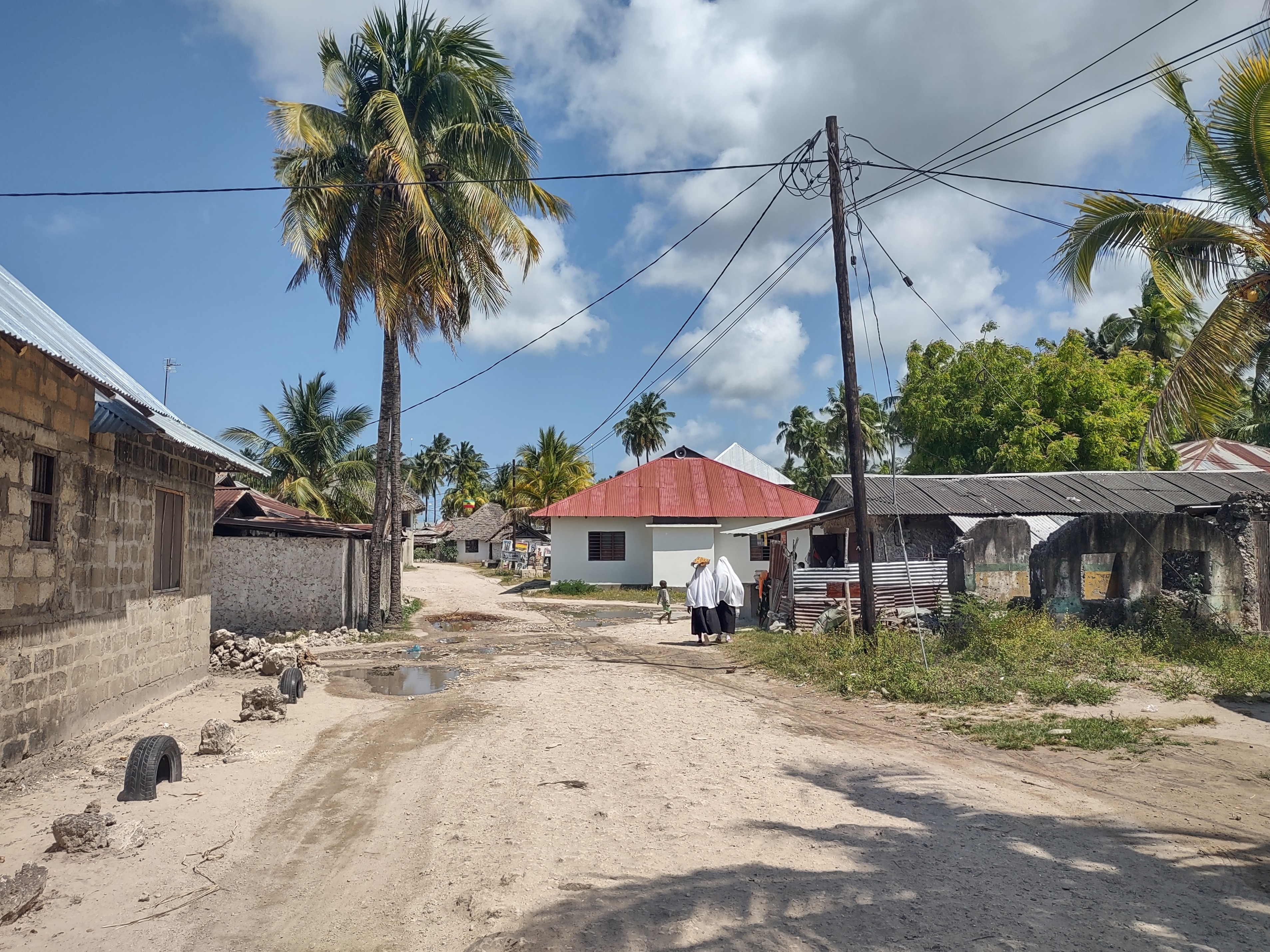

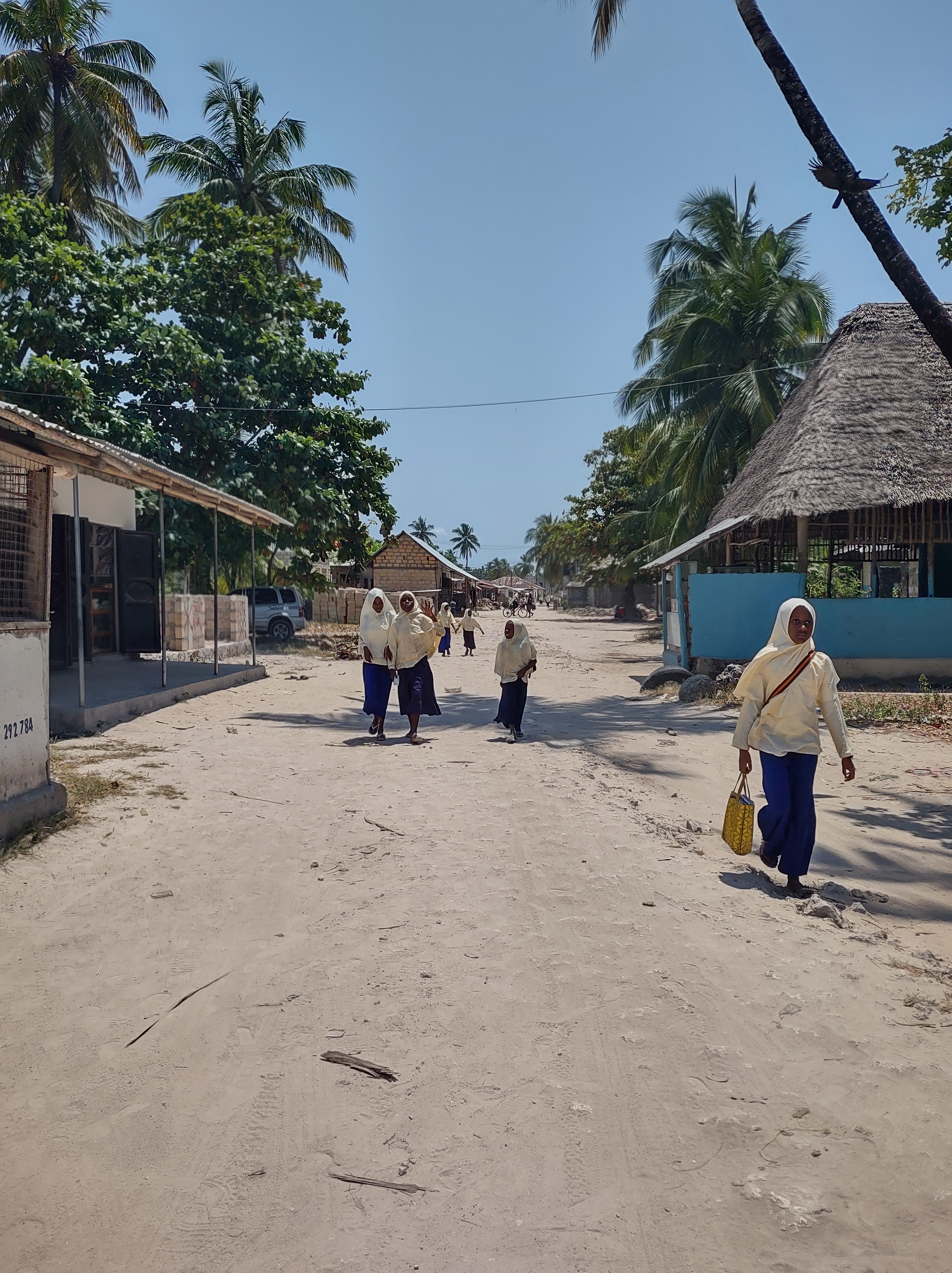
The village of Jambiani is a fairly haphazard assemblage of small houses (mostly on the landside of the road) and small hotels and resorts (mostly on the ocean side of the road) with a few small shops scattered among them. The shops in the village were very small and their offerings were a bit limited, but we nonetheless bought what we could in the village and got on a face (if not name) recognition basis with some of the shop keepers there. (We did have to make a couple of trips north up the coast to the larger town of Paje for supplies and to get cash as there were no ATMs in Jambiani and everything there, as well as in most of Zanzibar operated on a strictly cash basis).
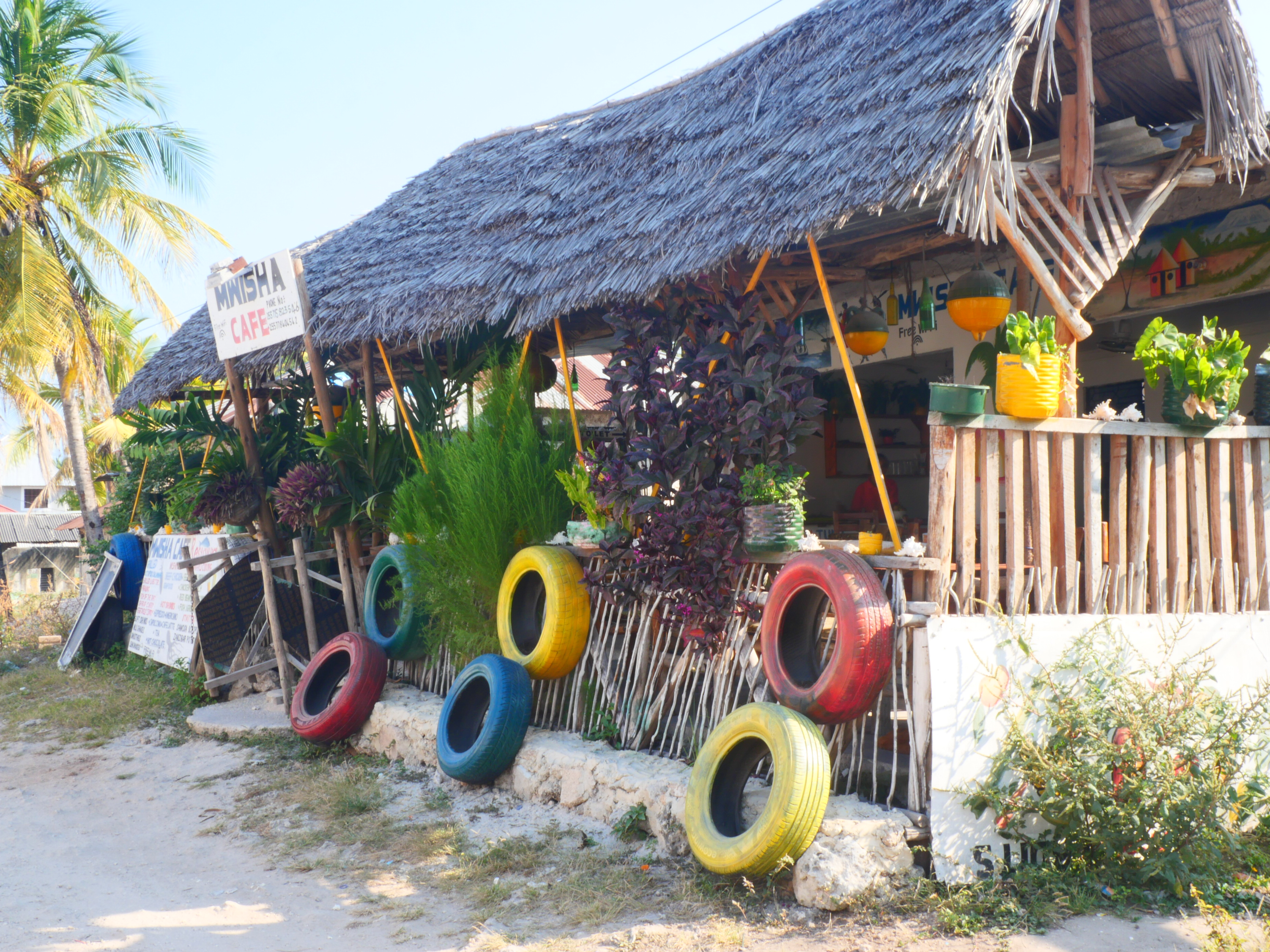
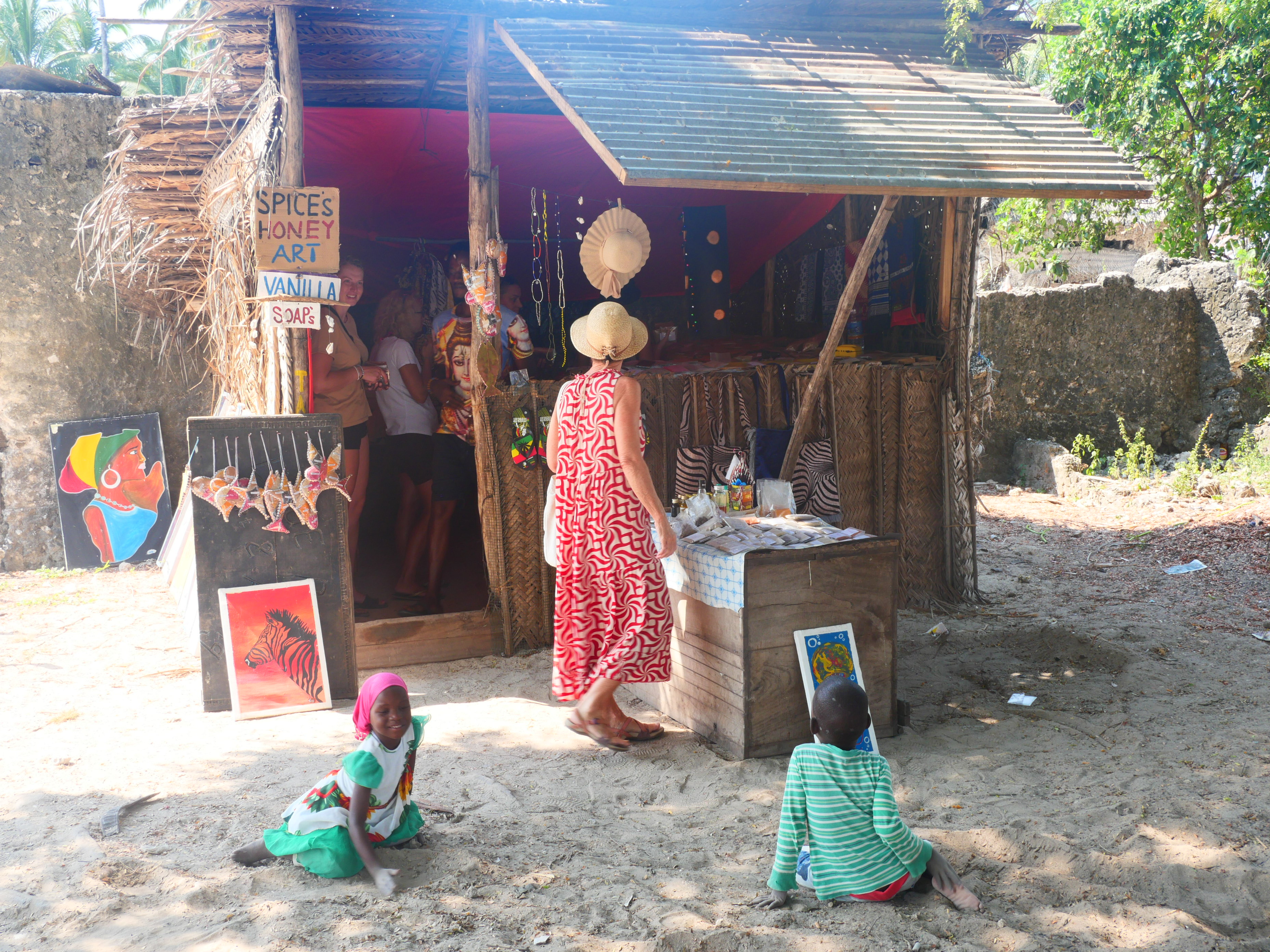
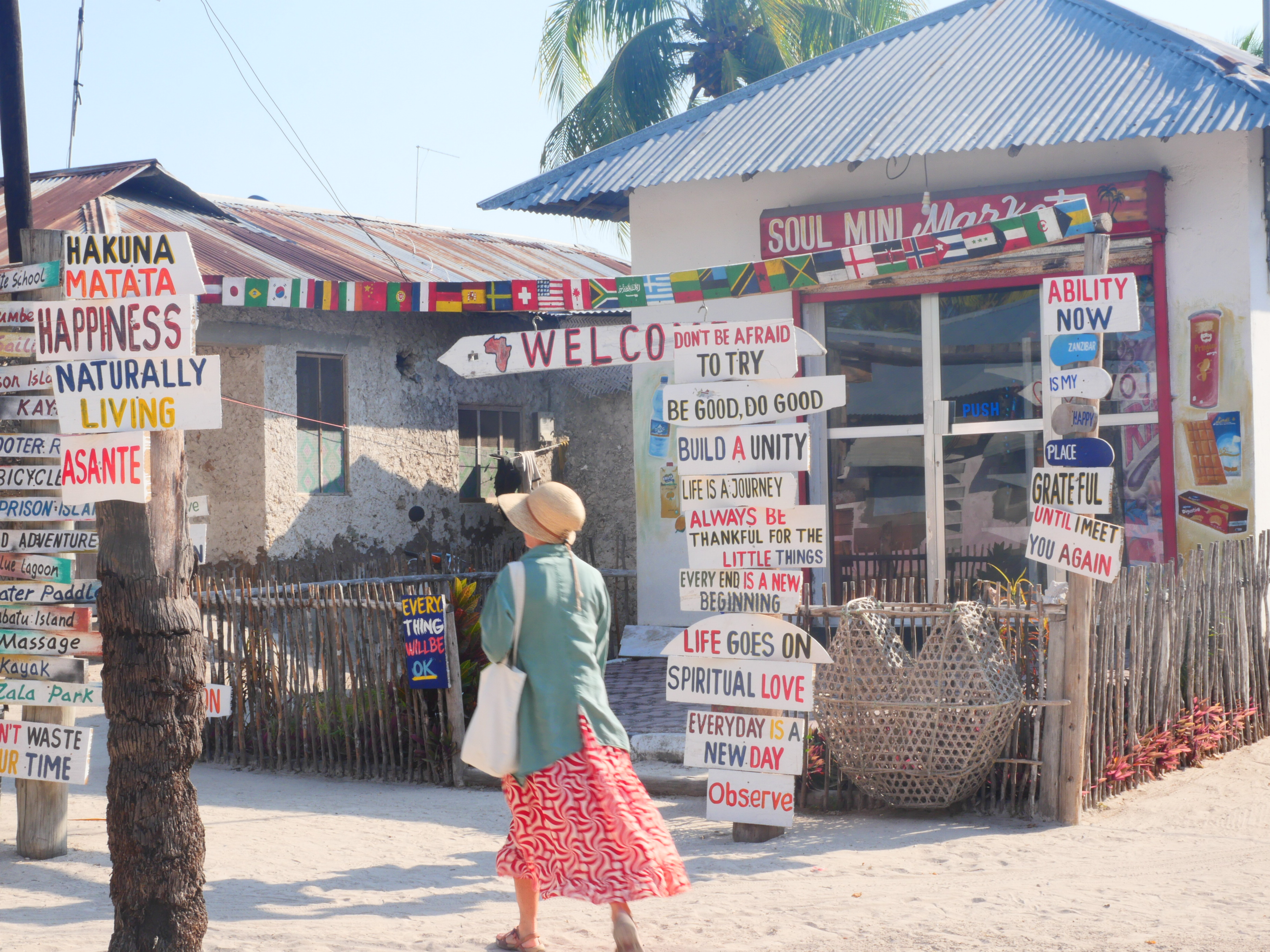

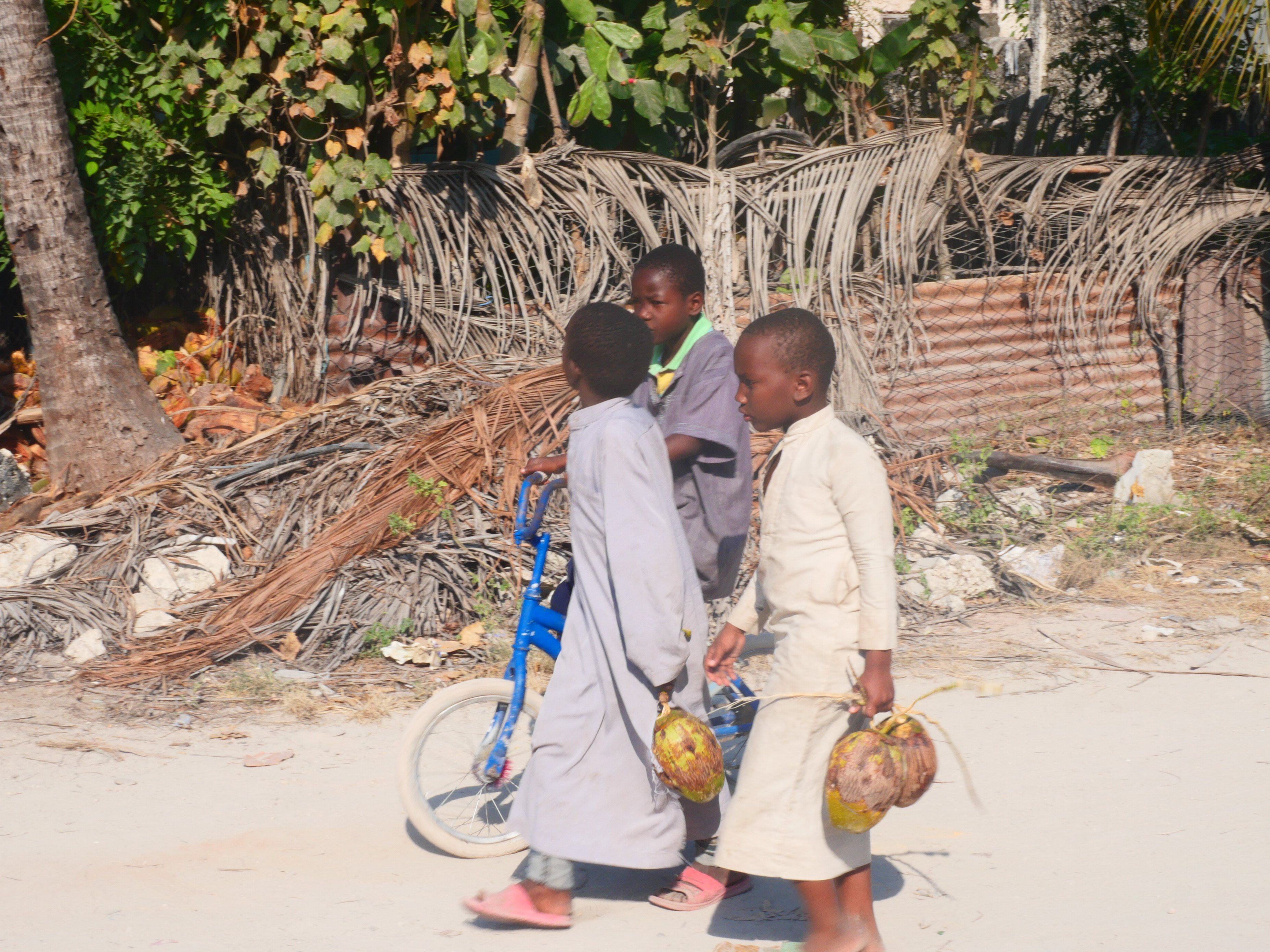
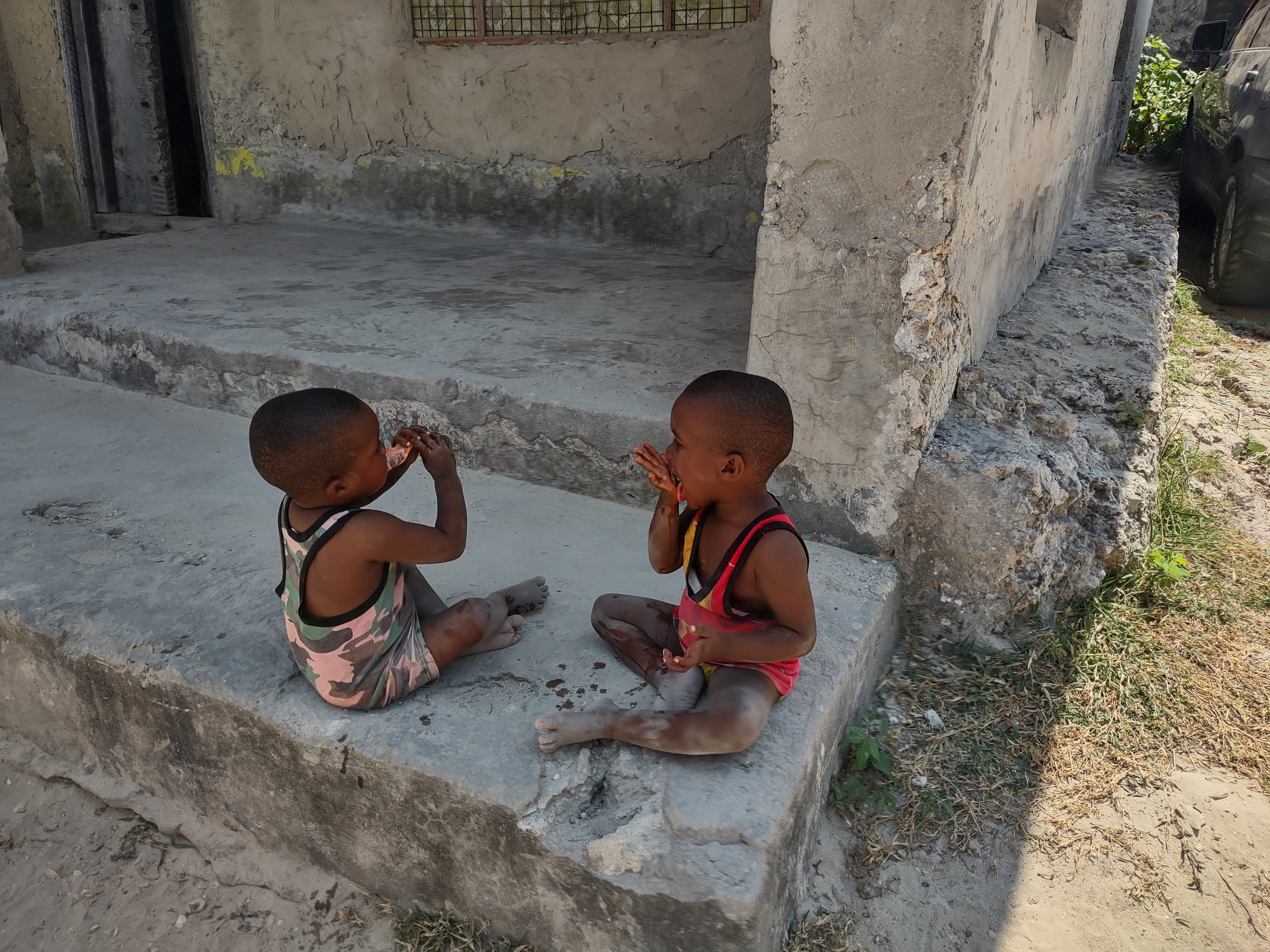

Life in Jambiani seemed pretty simple and, despite what many Americans might consider “deplorable” living conditions, the people seemed to be pretty happy and most were quite friendly and welcoming to visitors. We walked or rode through the village almost every day and found the contrast between the beach side (Tourist Zanzibar?) and the village side (Native Zanzibar) to be pretty striking and something we continued to observe and take note of during our stay.
Jambiani Beach
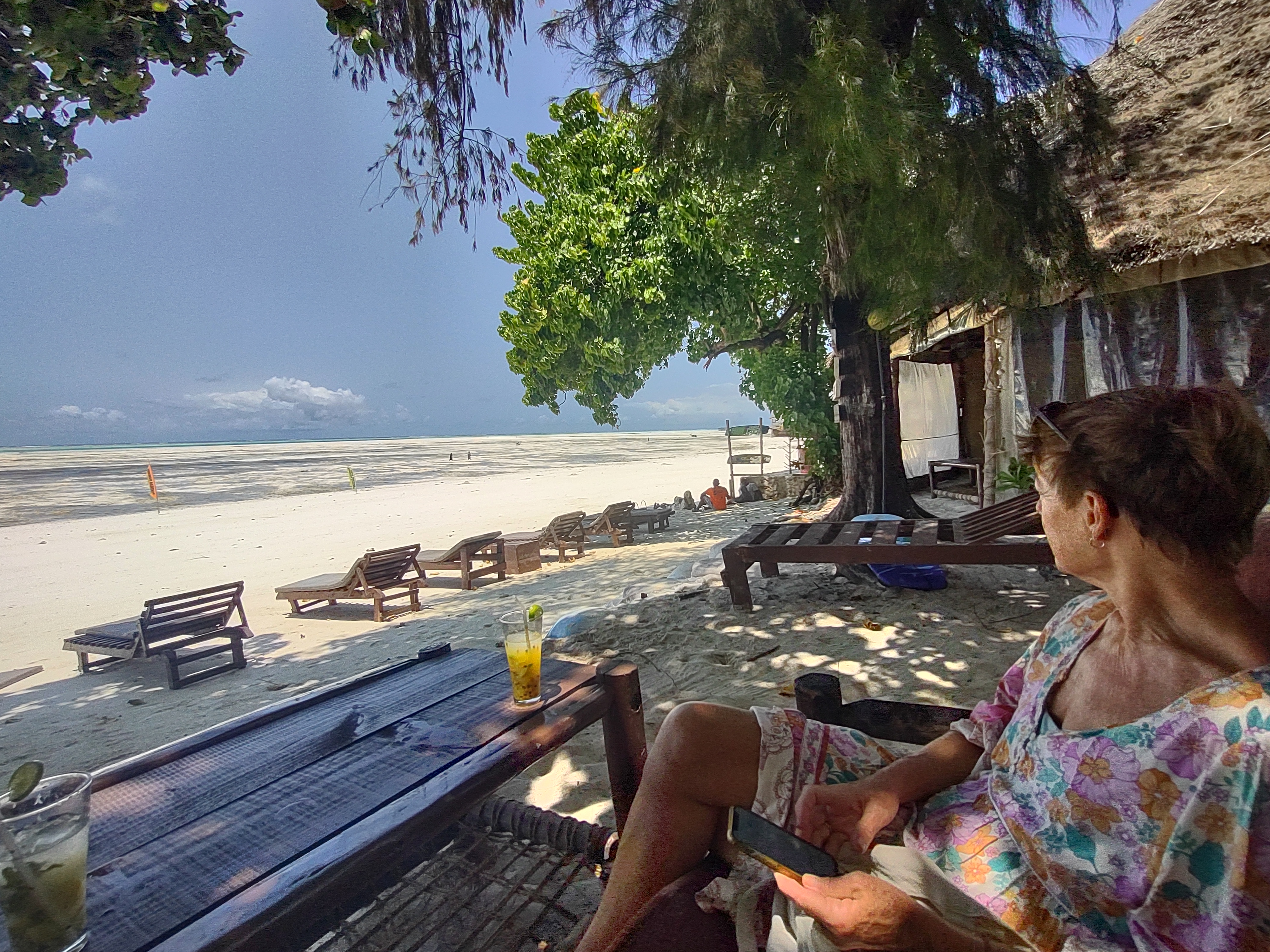
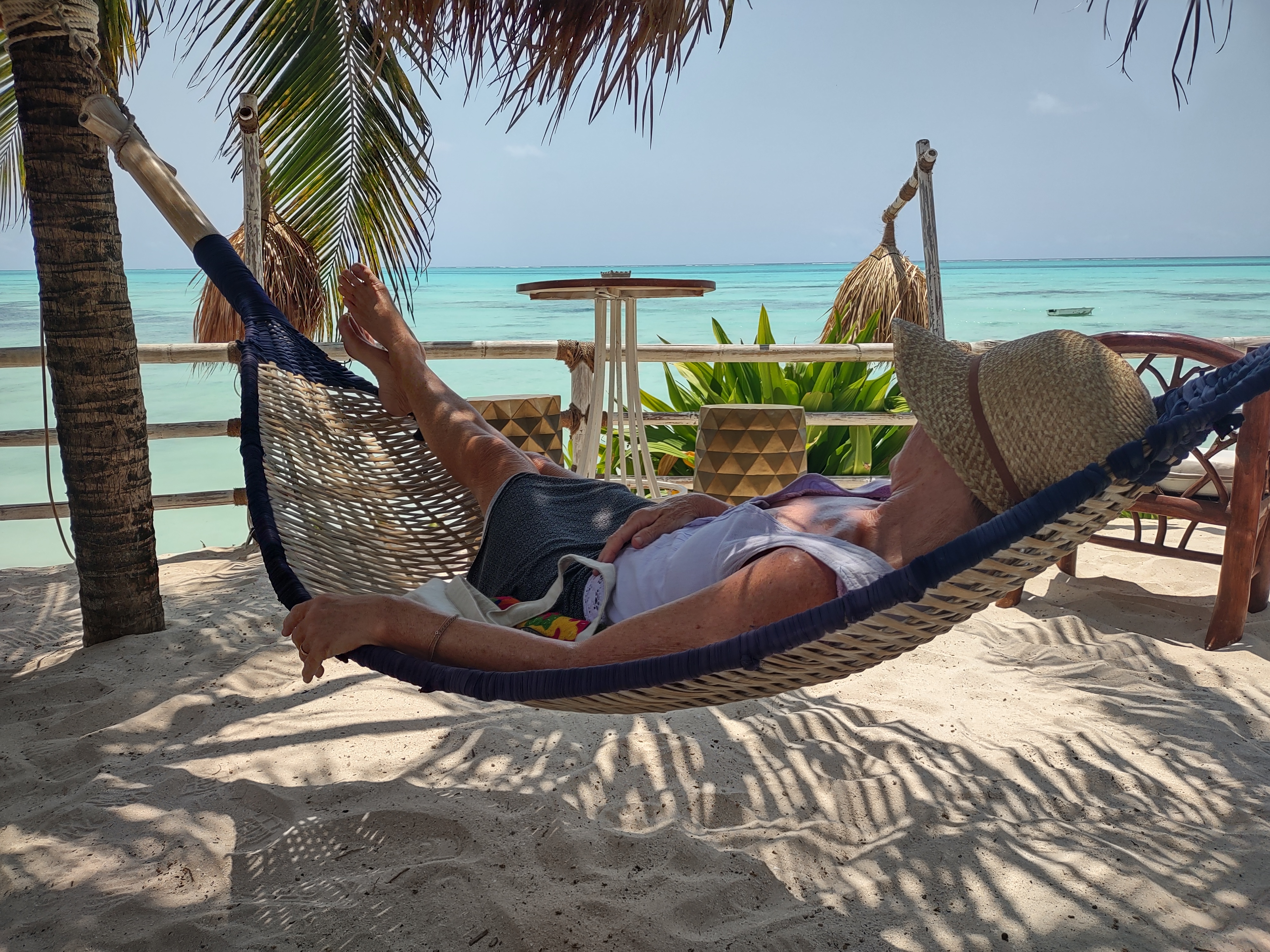
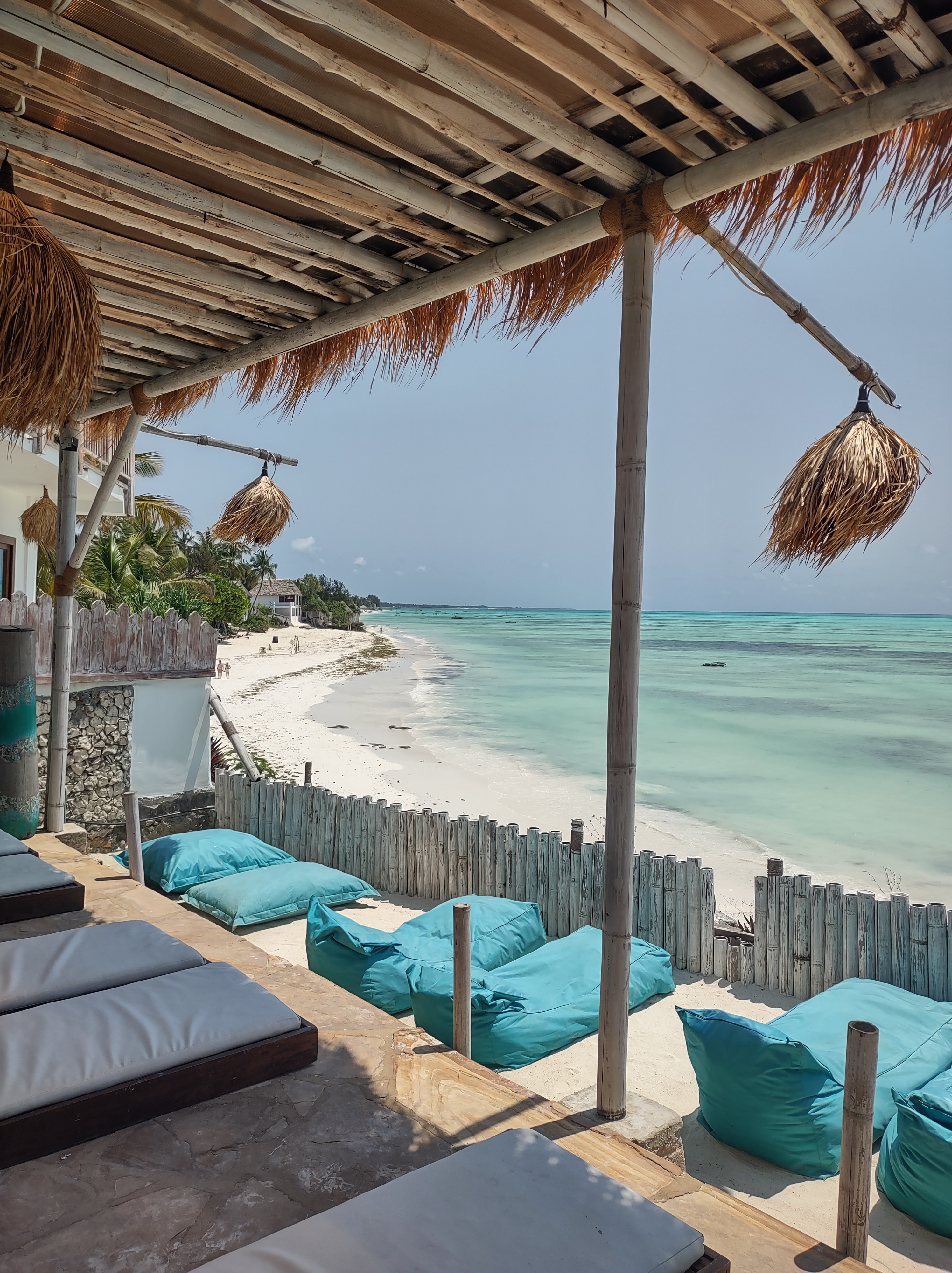
For the most part, our days in Jambiani revolved very much around the beach, the sun, and the tides. Jambiani Beach was one of the most beautiful we have ever visited which is saying a lot I think, given the number of beaches from which we have collected sand over the years. (It was close, but upon review, Treasure Cay Beach in Abaco, Bahamas remains at the top of our list.)
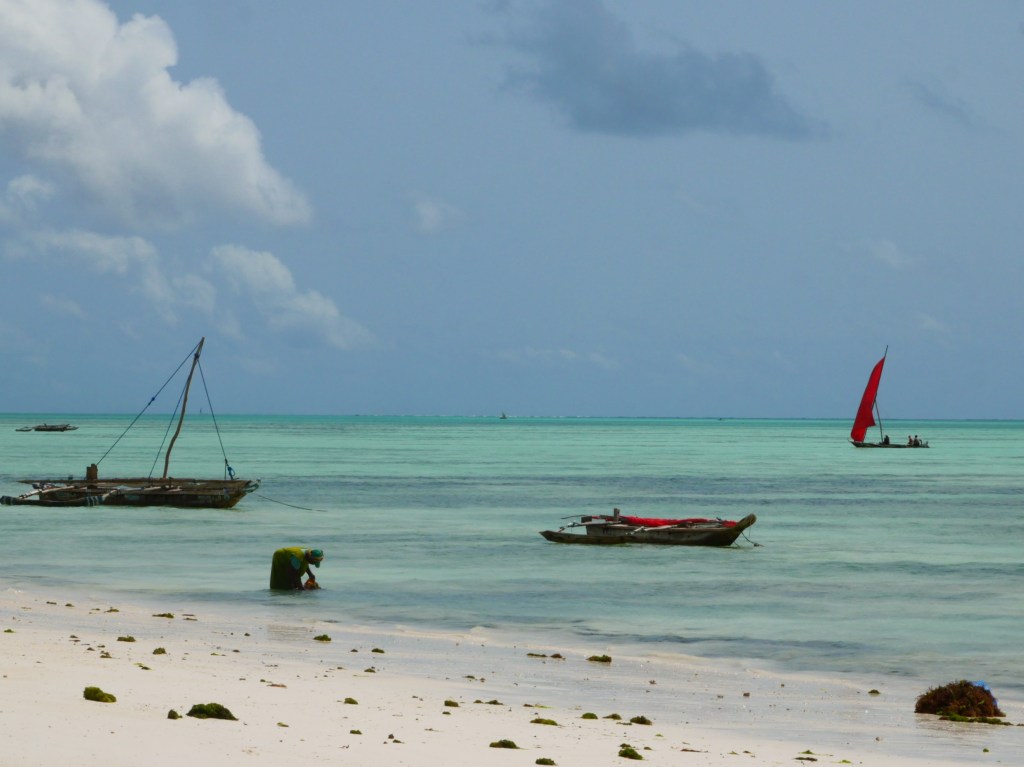
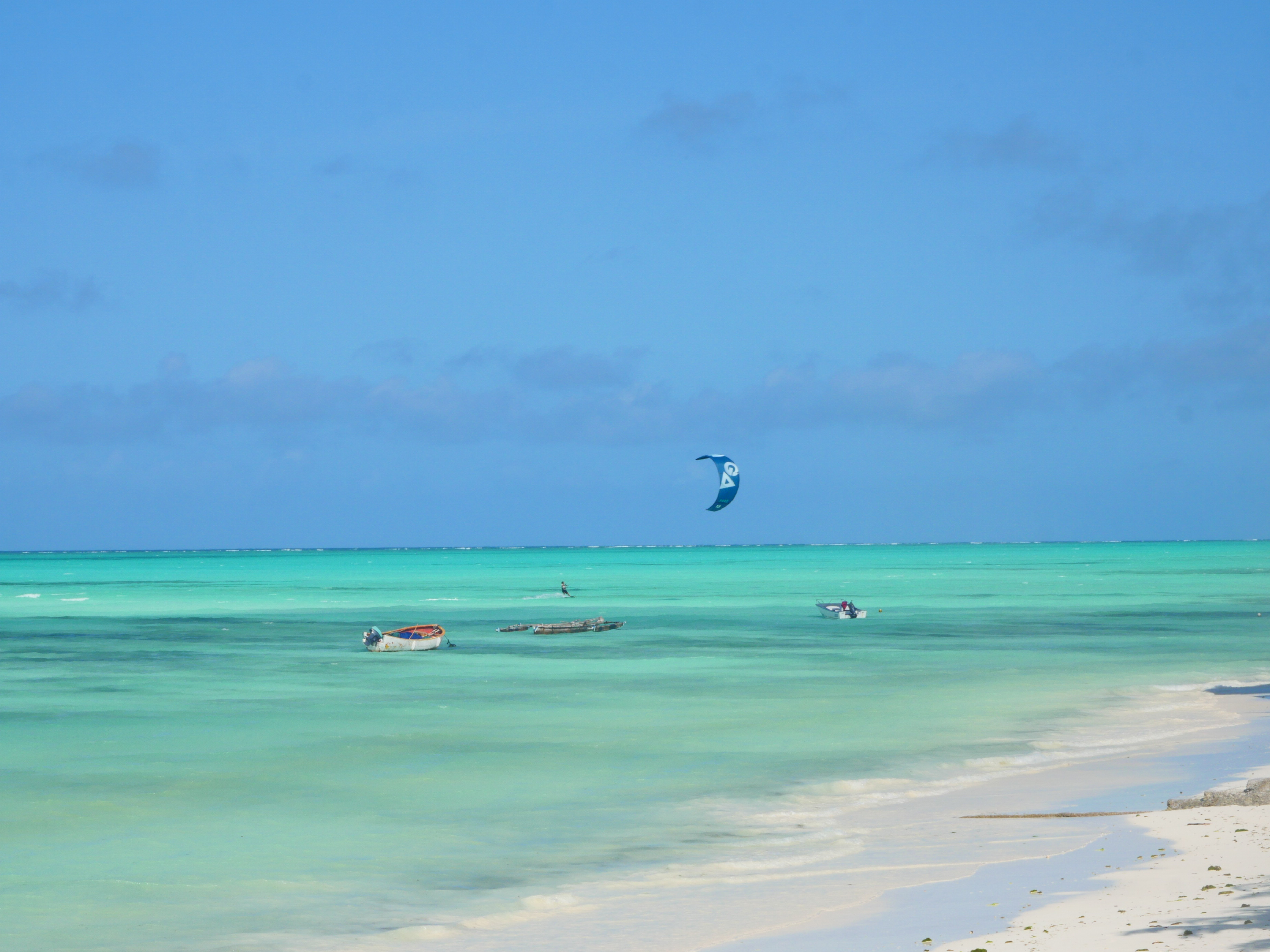
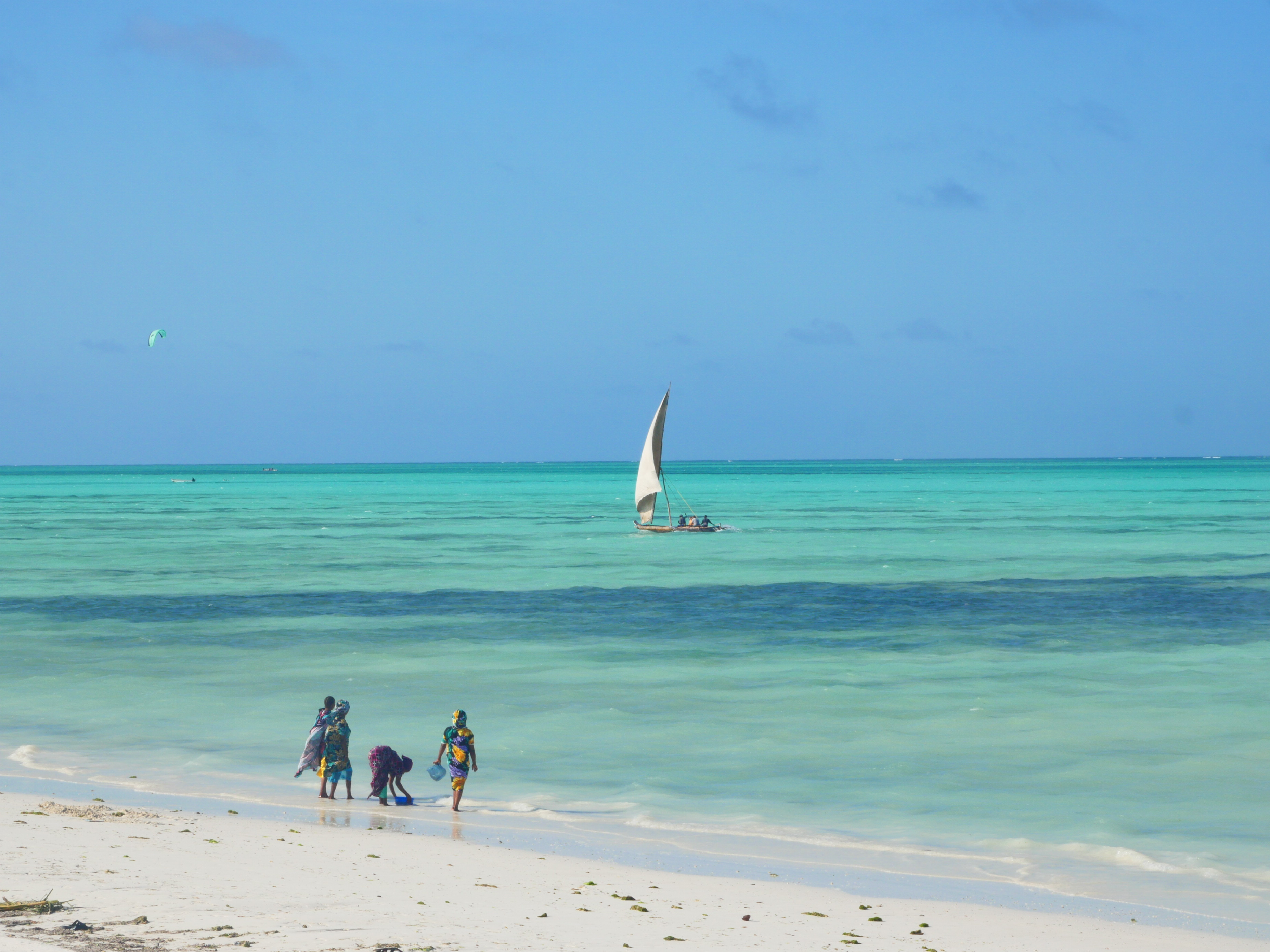
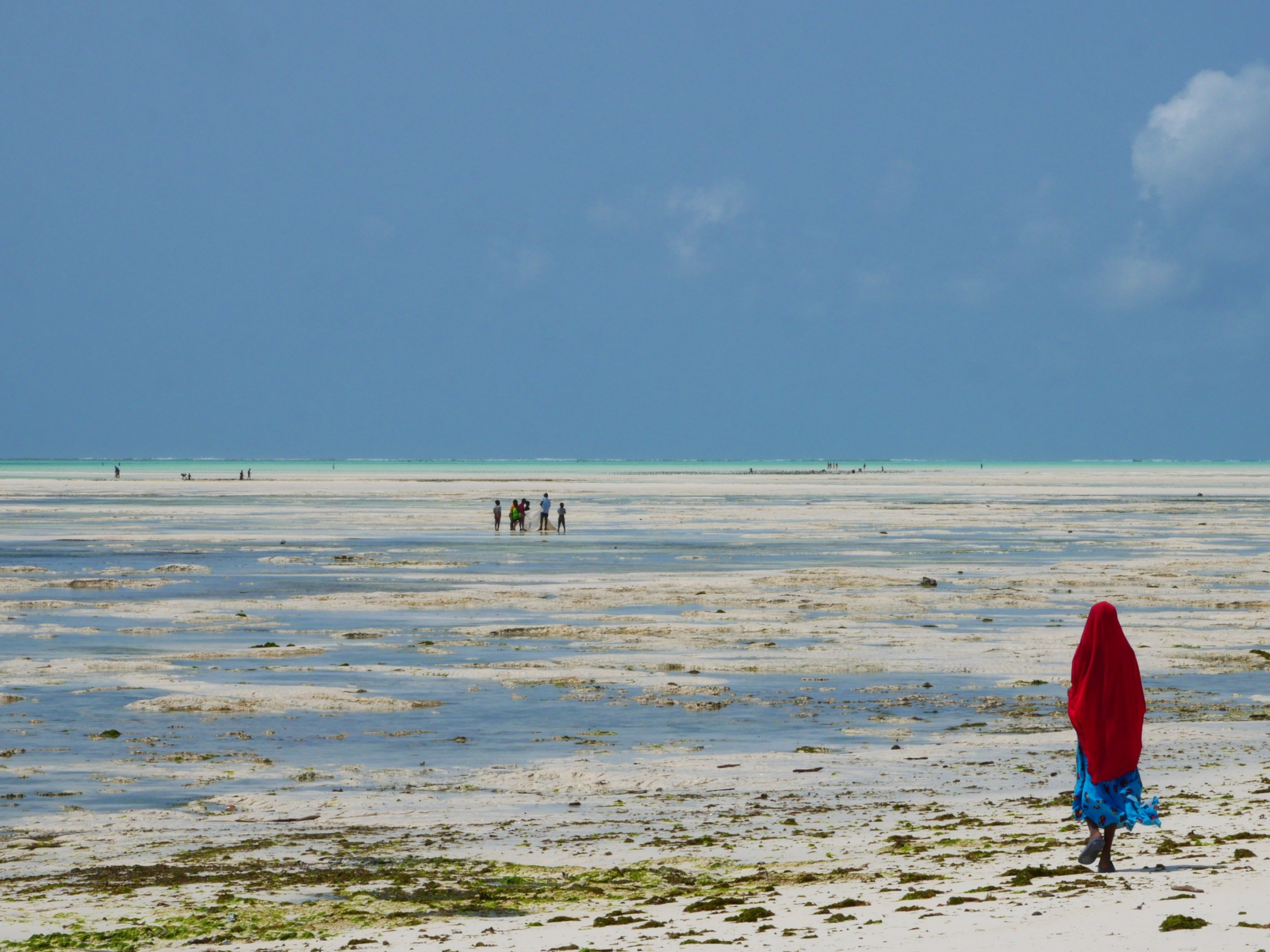
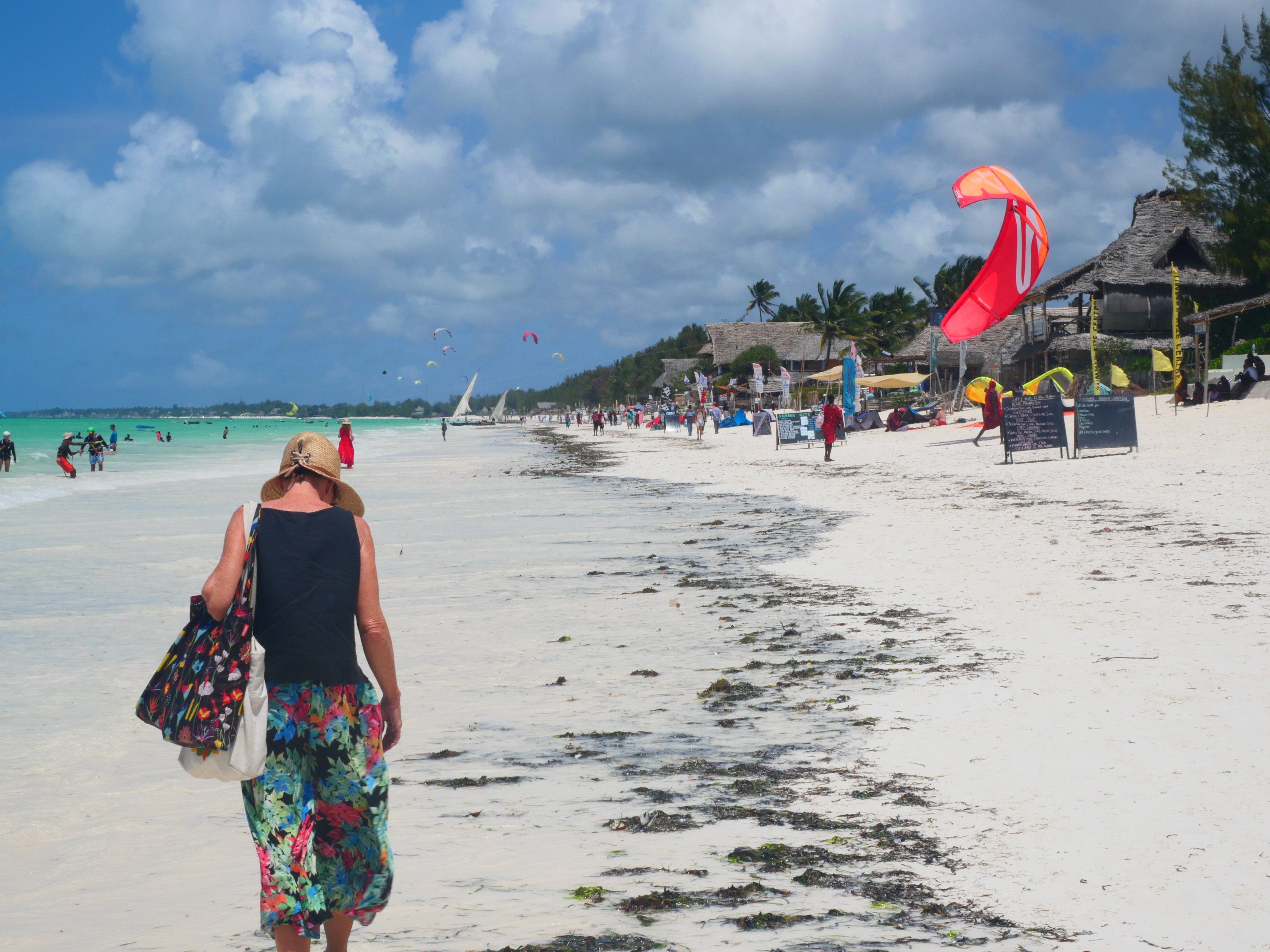
Jambiani Beach, of course, has powdery white sand and crystal clear water which, together with the sun, produce amazing shades of green, blue, and turquoise, but it’s hard to explain how overwhelming and surreal the scale of it was, with the bright white sand and those amazing colors seeming to stretch forever into the distance. It was just stunning and, even after two weeks, it remained so every time you stepped onto the beach.

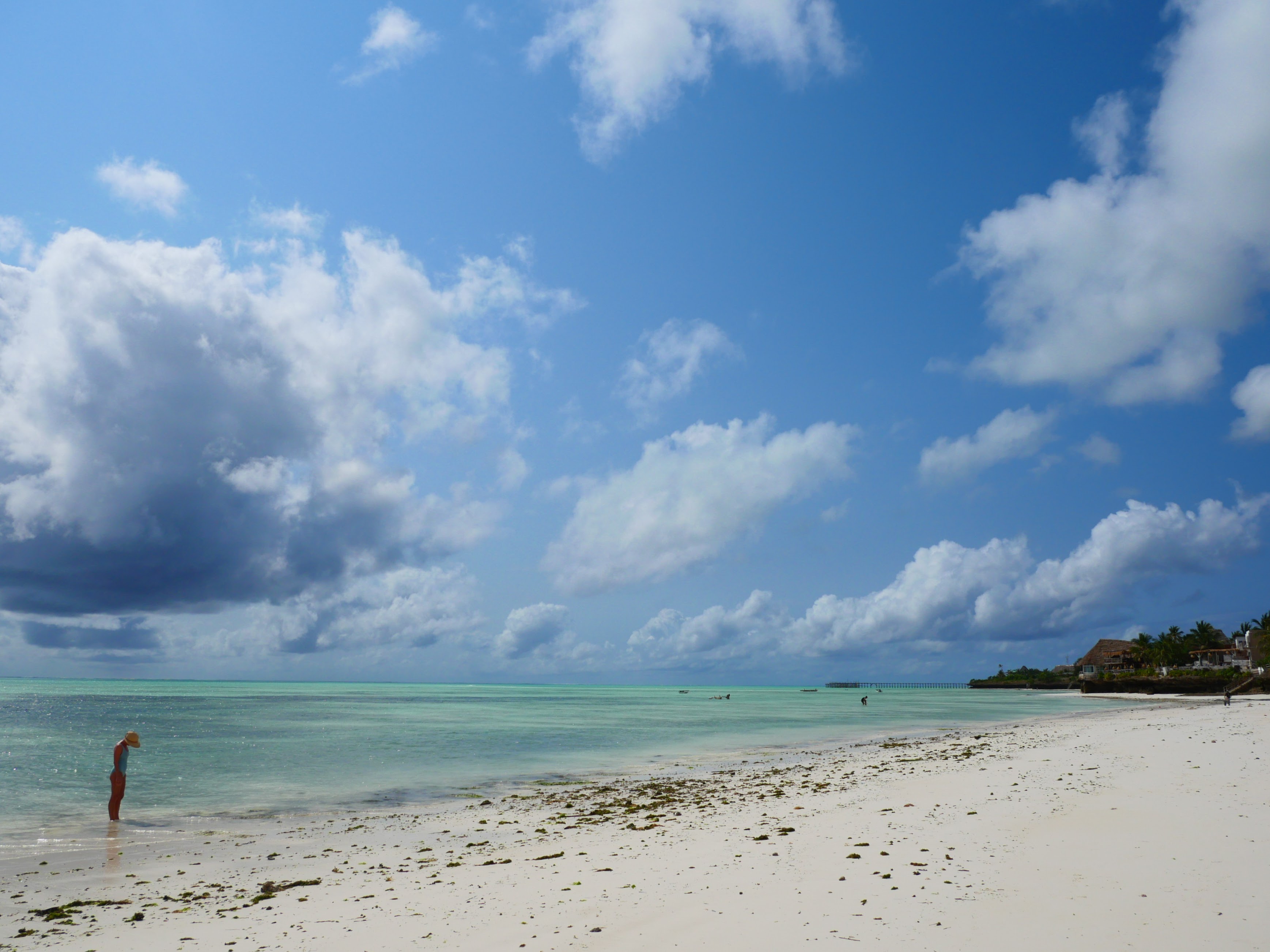
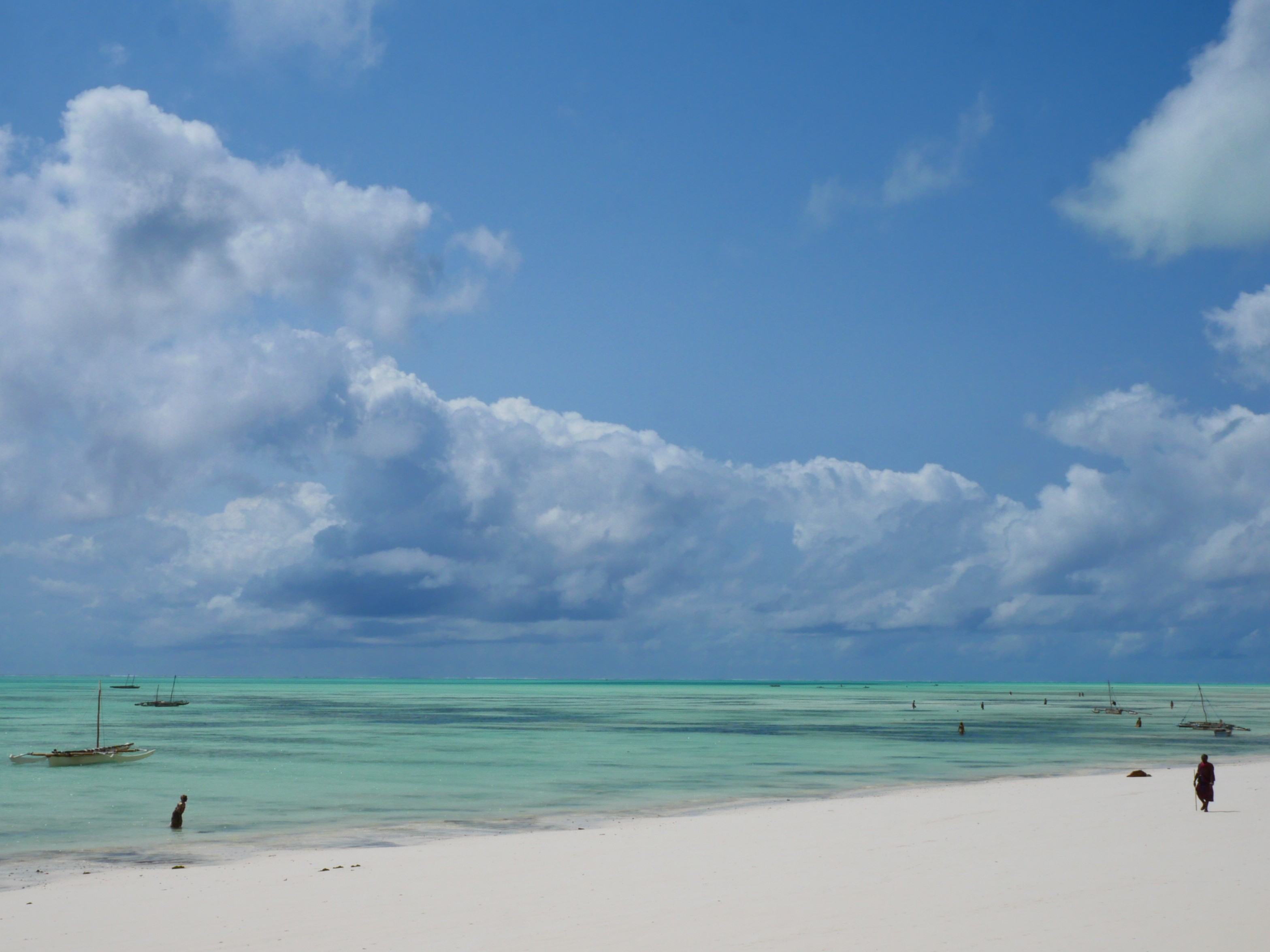

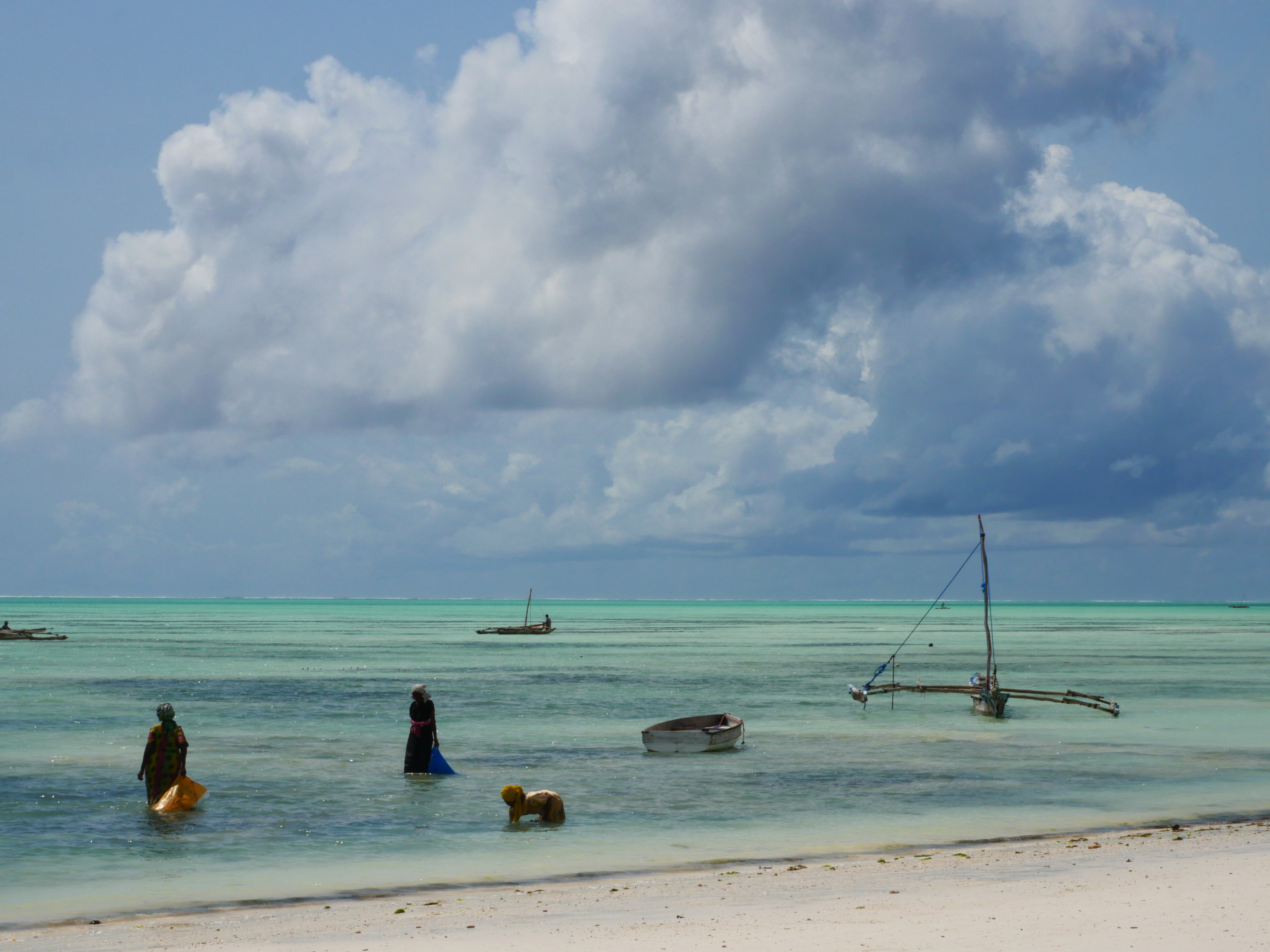
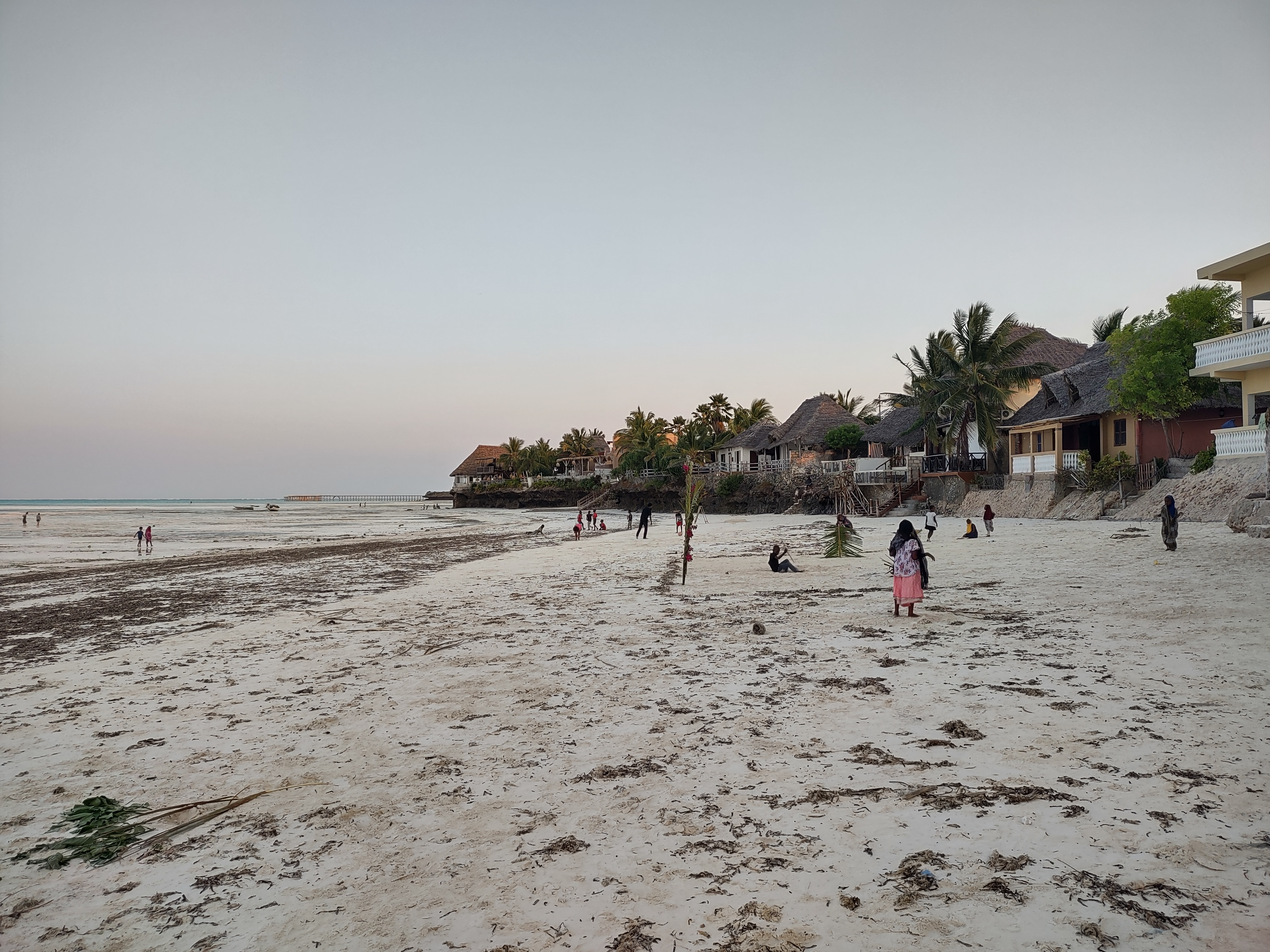
One of the unique features of the east coast of Zanzibar is a very large tidal plateau which extends out hundreds of yards at Jambiani and goes more or less dry at low tide. We knew about this coming in and weren’t quite sure what it would be like but assumed that it would be “mucky” and that we would not be on the beach at low tide.
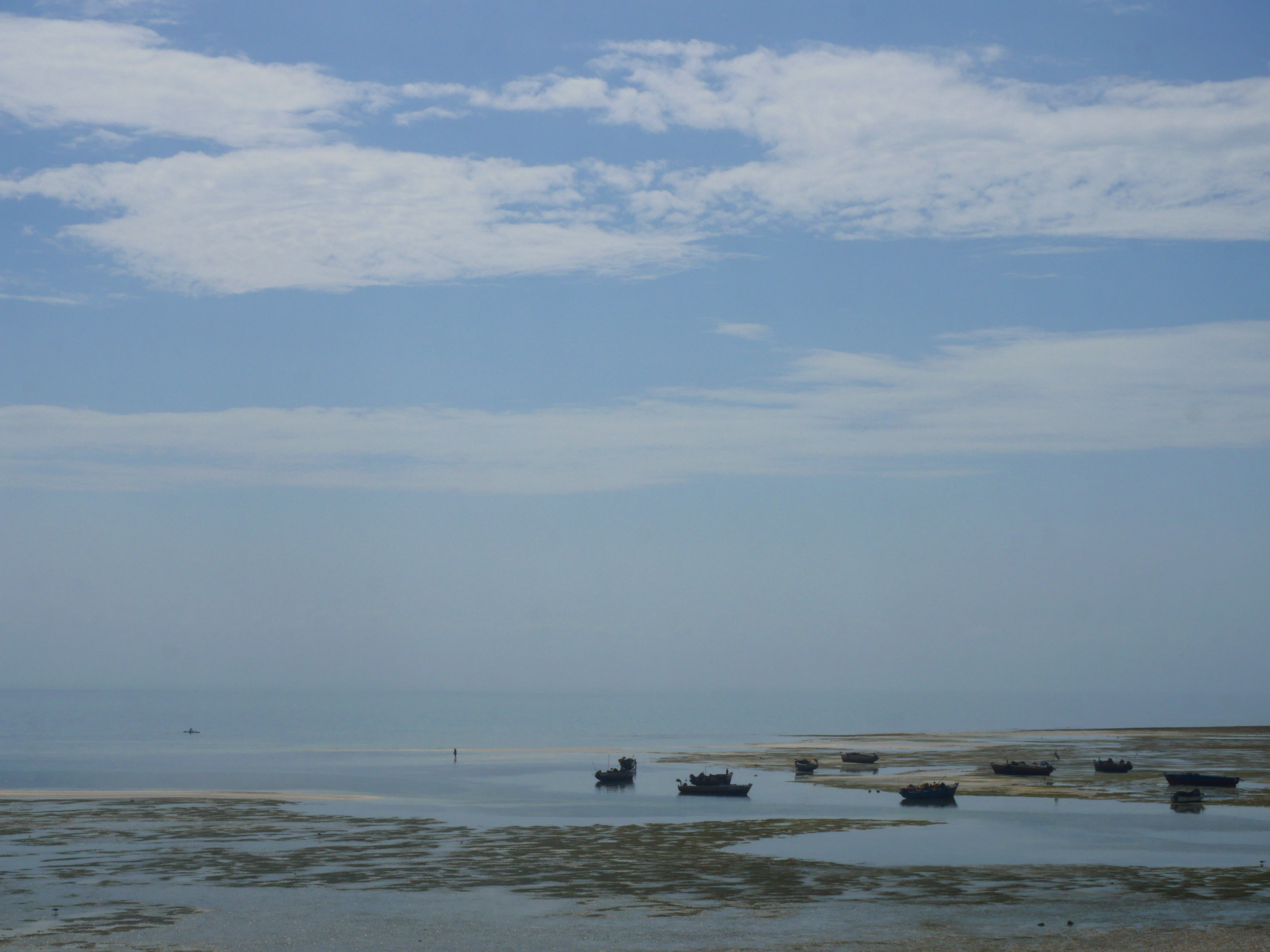
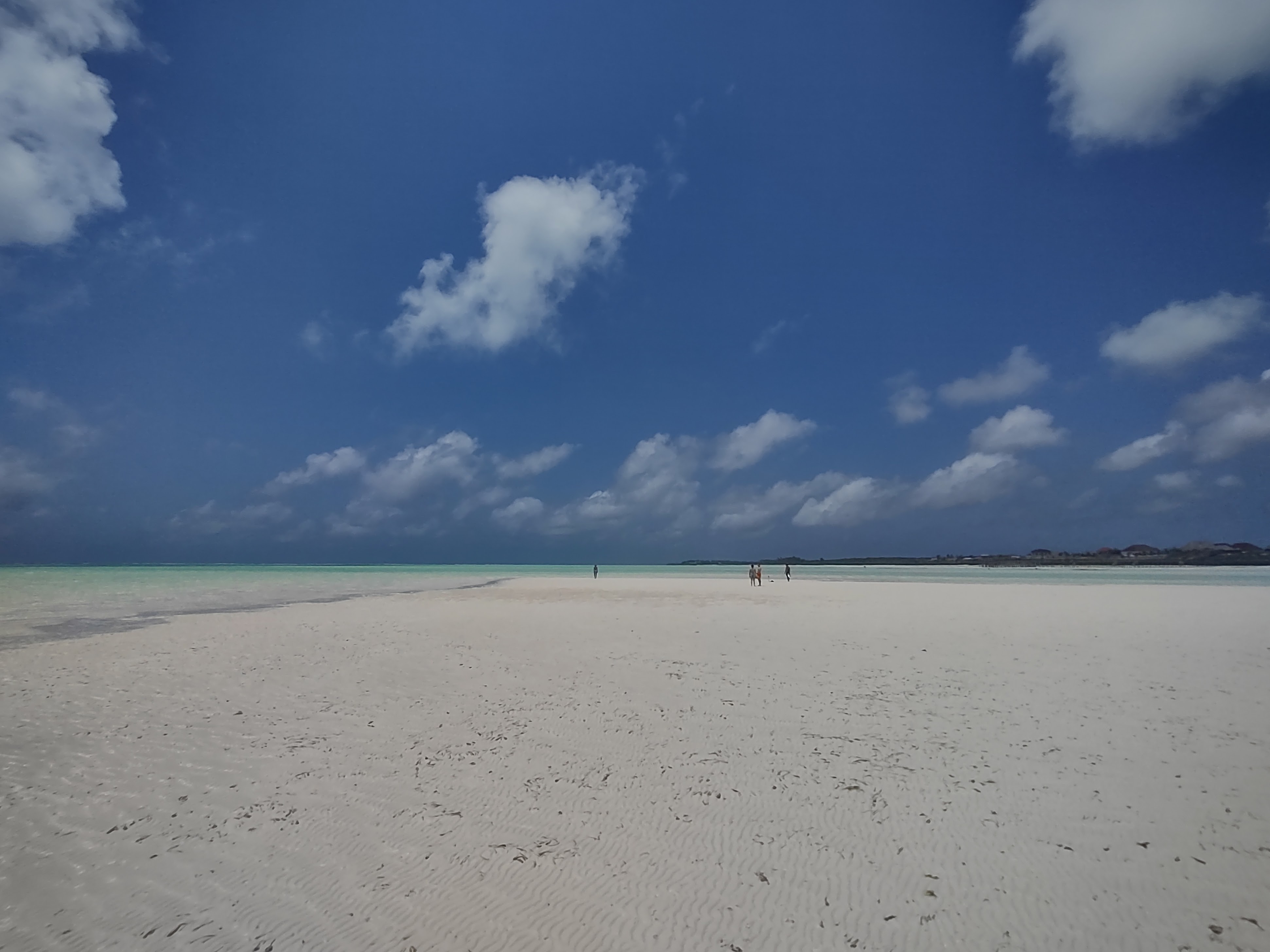
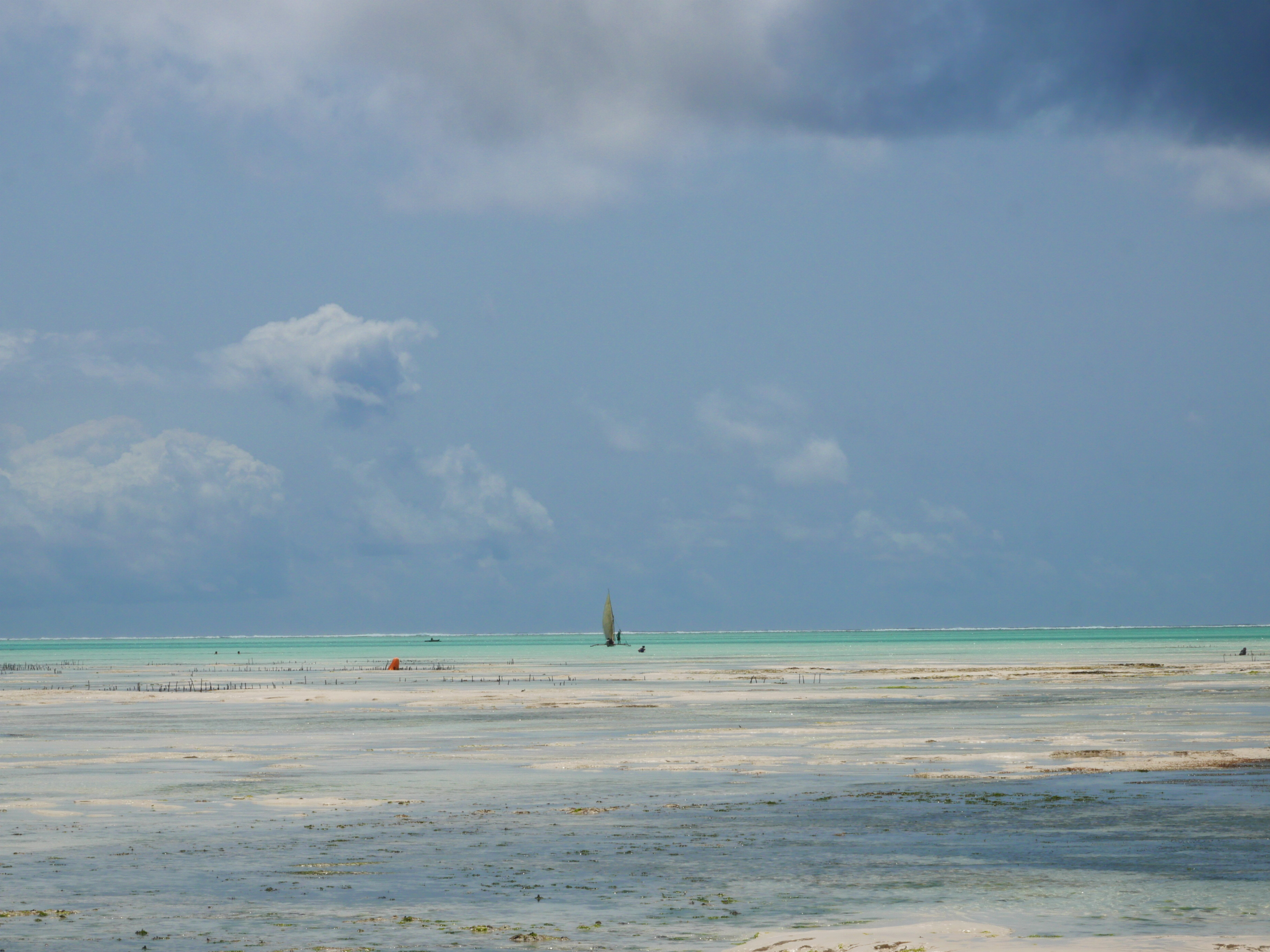

We were amazed to find that the plateau was sandy, not mucky, and walking/wading out to the “edge” of the ocean became a favorite thing to do. Because the tidal plateau is so flat, when the tide turns it seems as if the water comes rushing back in and on a couple of occasions we found ourselves racing it back to the beach.
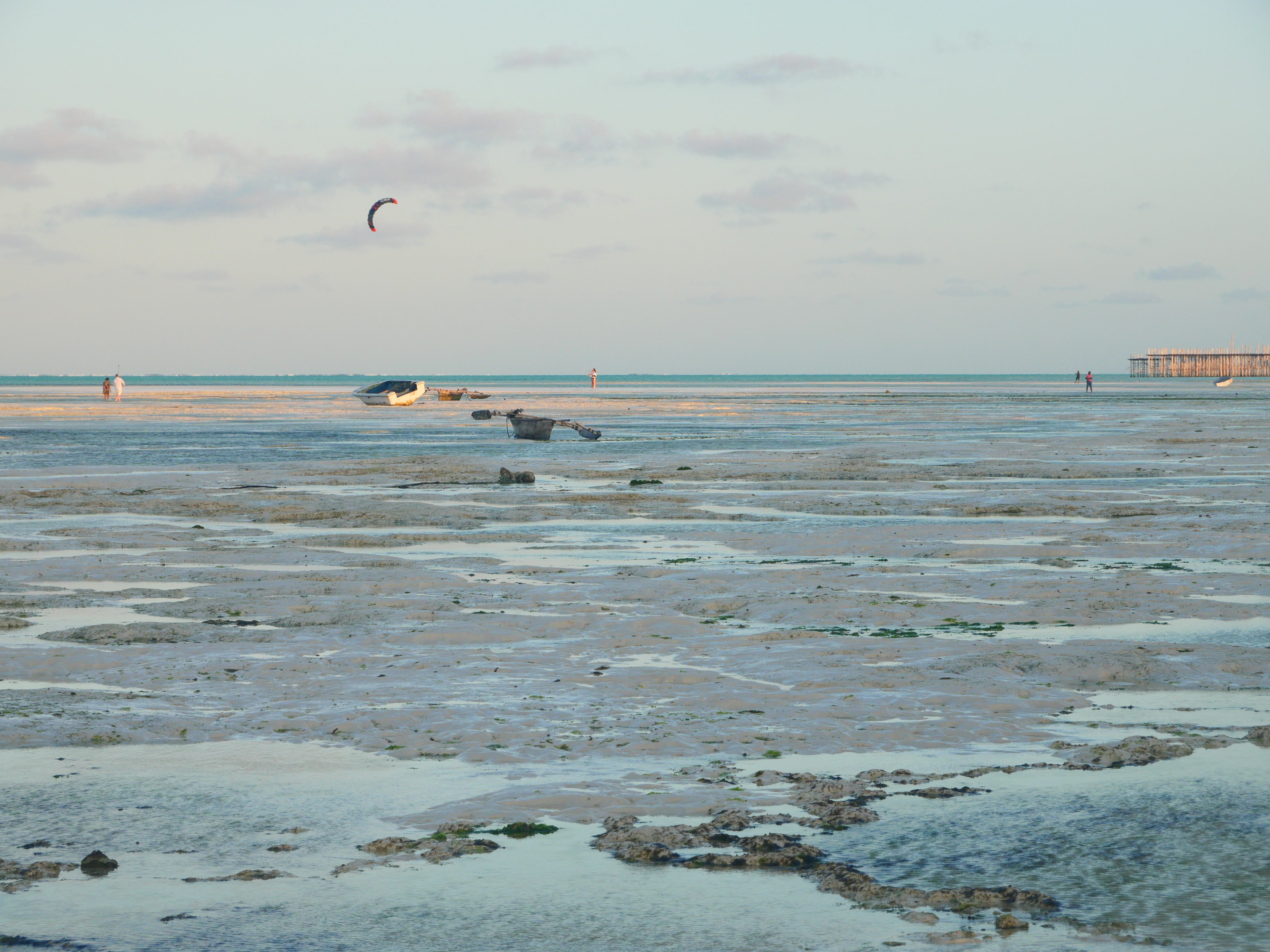
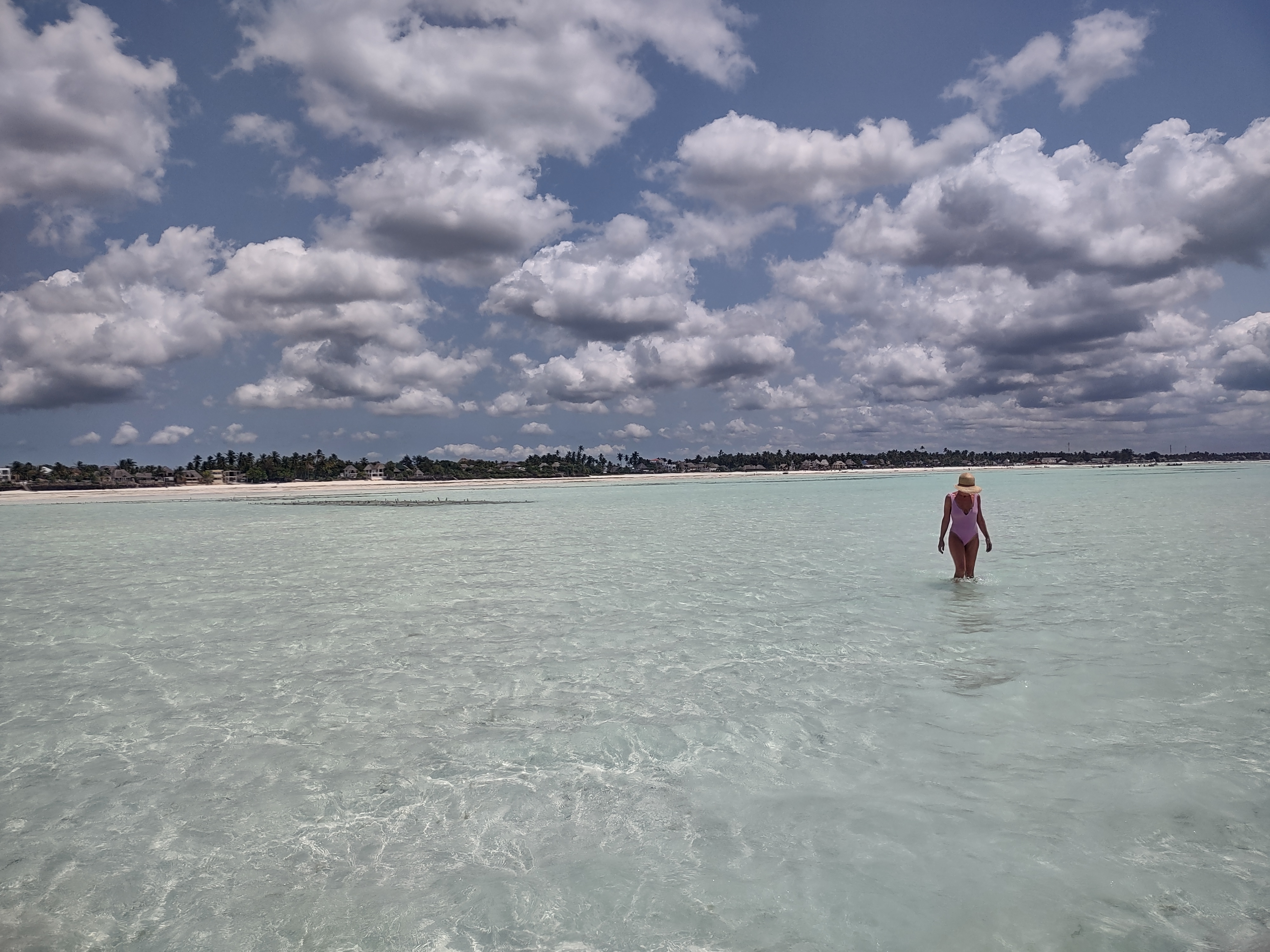
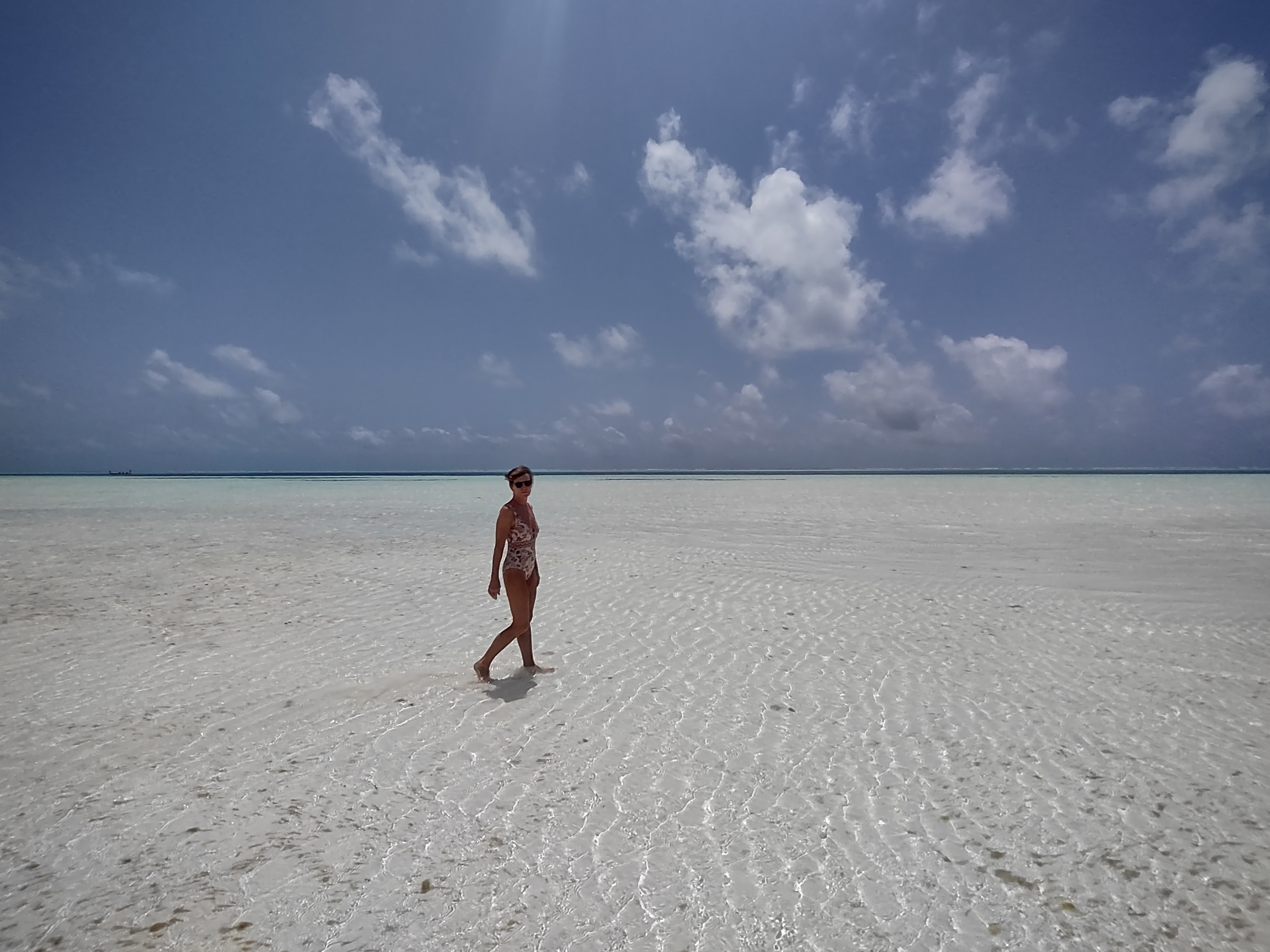

Another favorite thing to do was, of course, to walk up and down the beach looking for a lunch or dinner spot or just to walk or (on one occasion) bike ride, but we had to pay attention to the tide as our bit of beach was cut off to both the north and south when the tide came in. High tide or low, the beach provided an endless source of entertainment for us.

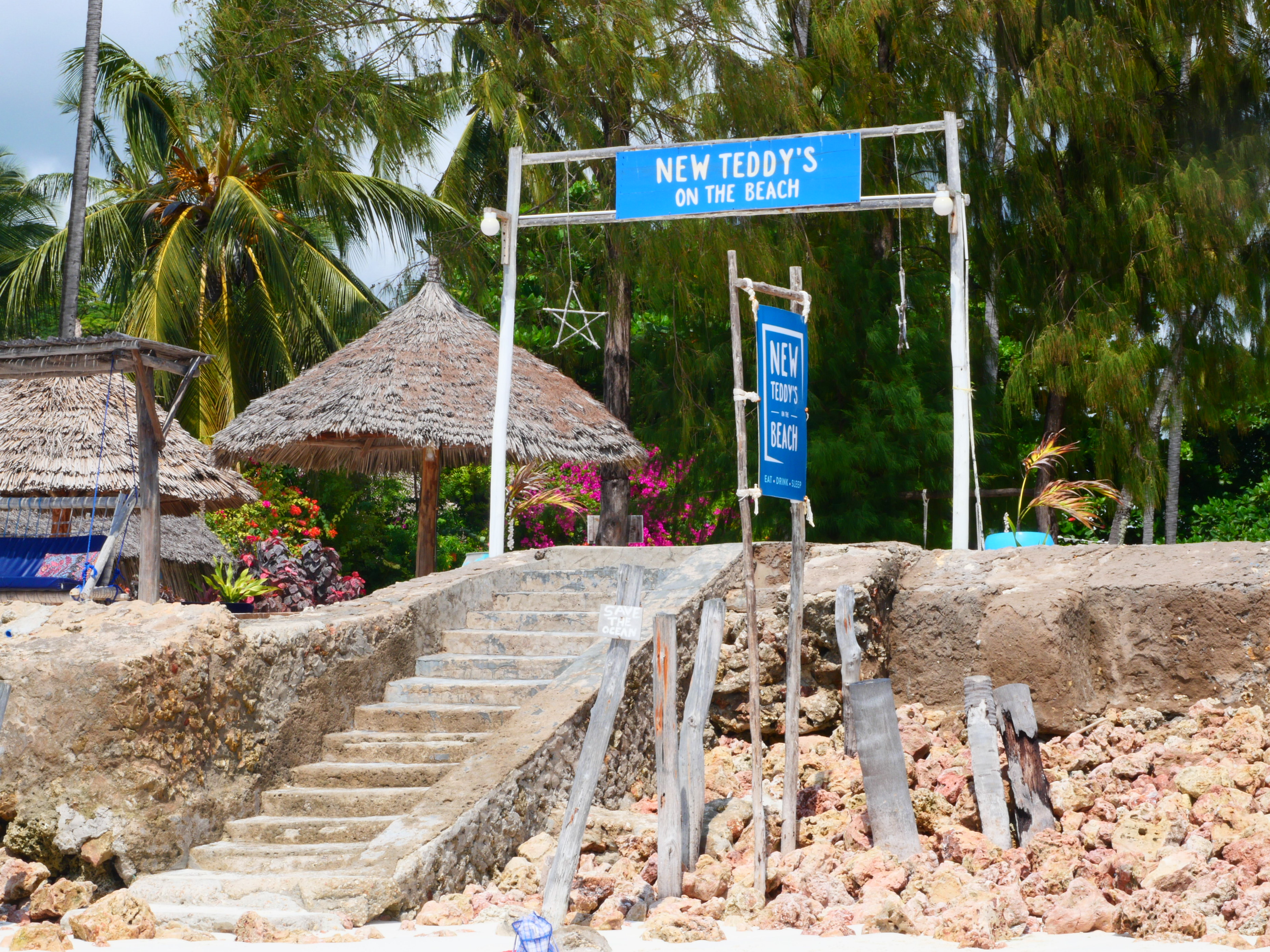
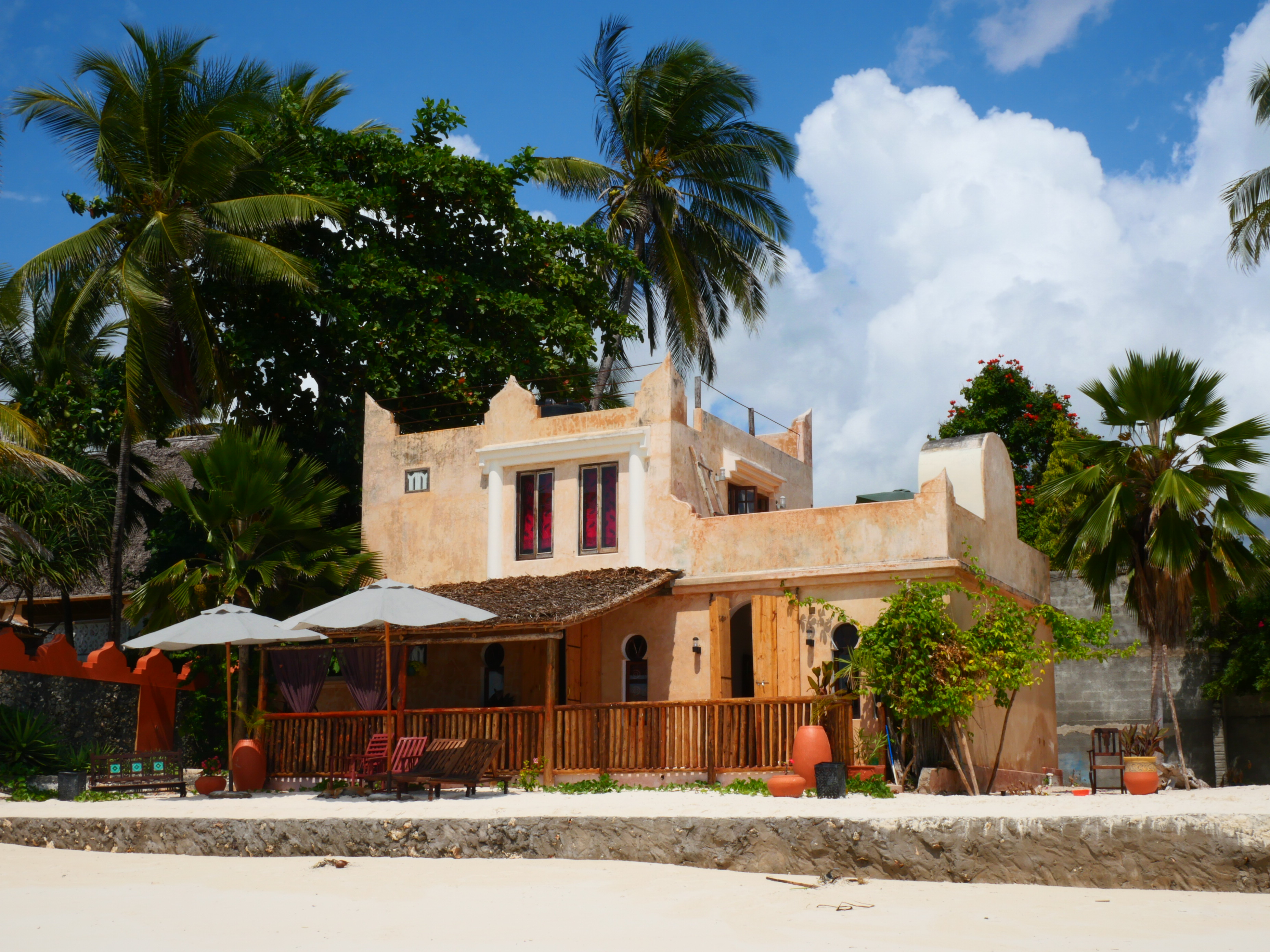
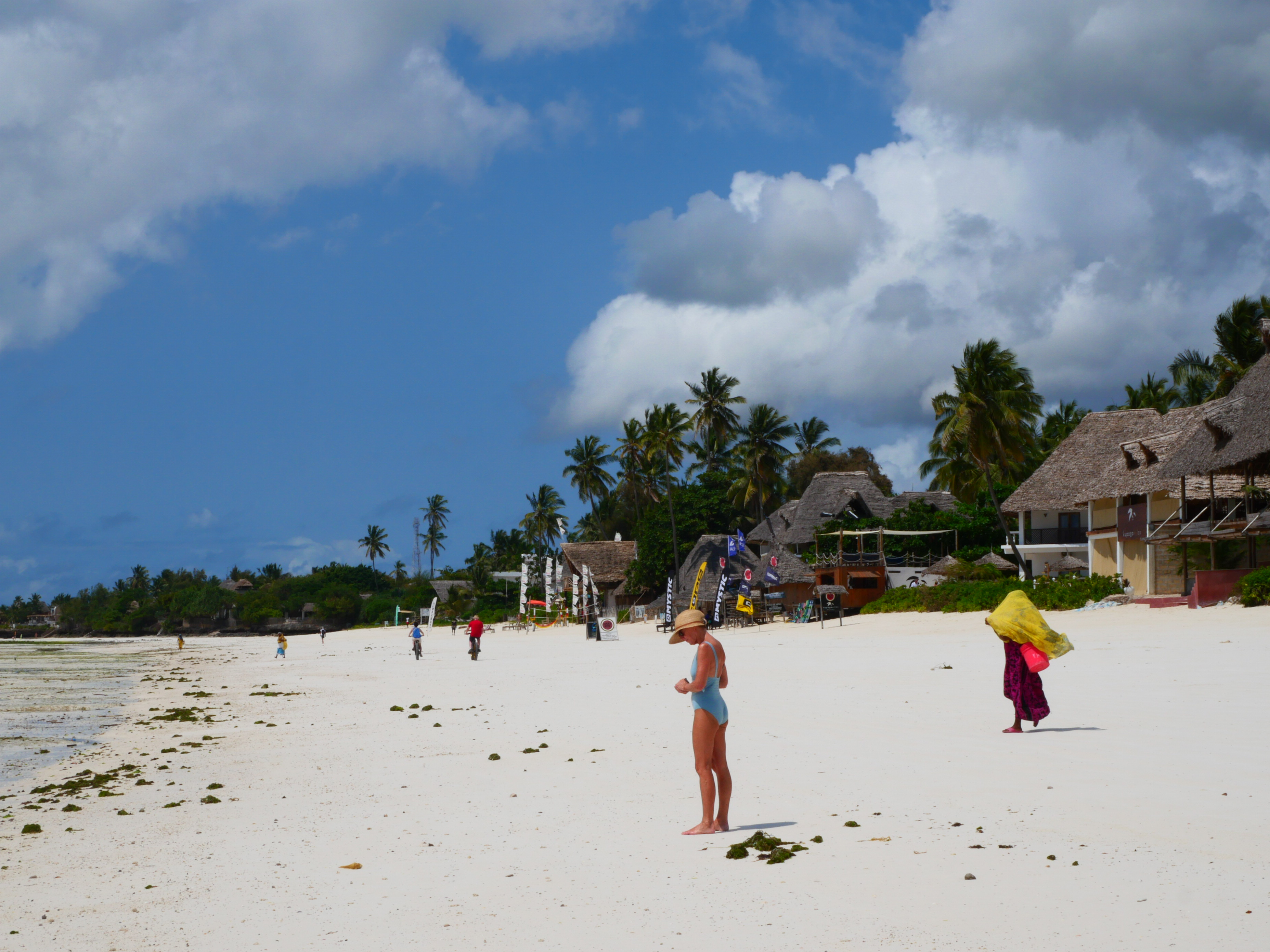
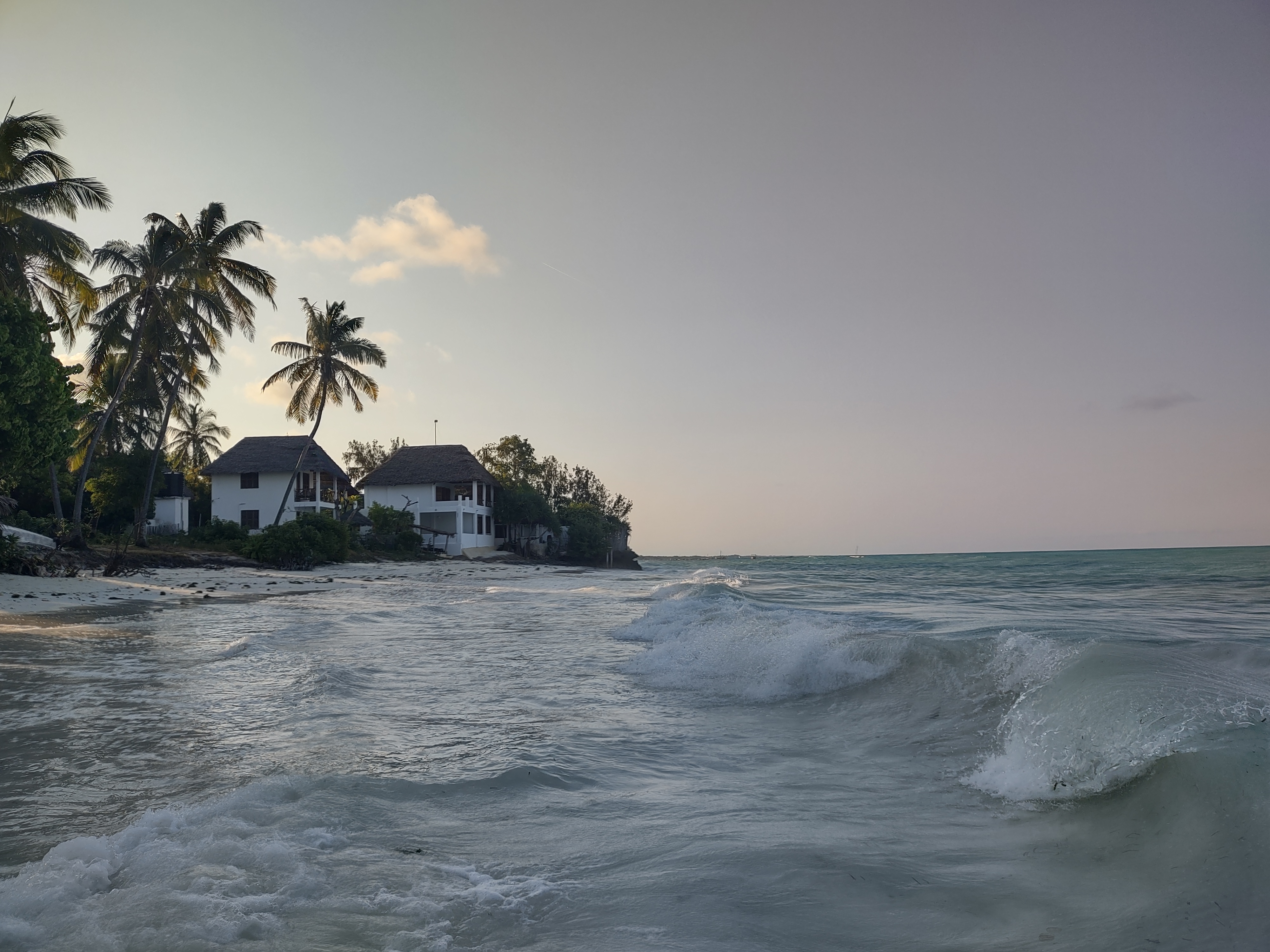
We were happy to find that our stretch of beach was particularly uncrowded with just a couple of hotels and restaurants, but just around the rocks next to our place, there was a nice stretch of them. In addition to a few small hotel restaurants, there were a few kite surfing schools and it was quite entertaining to watch kite surfing students learn to get going and have the occasional crash. There were also traditional dhow boats anchored up and down the beach, which looked pretty odd when the tide was out, but were beautiful when the tide was in and their sails were up.
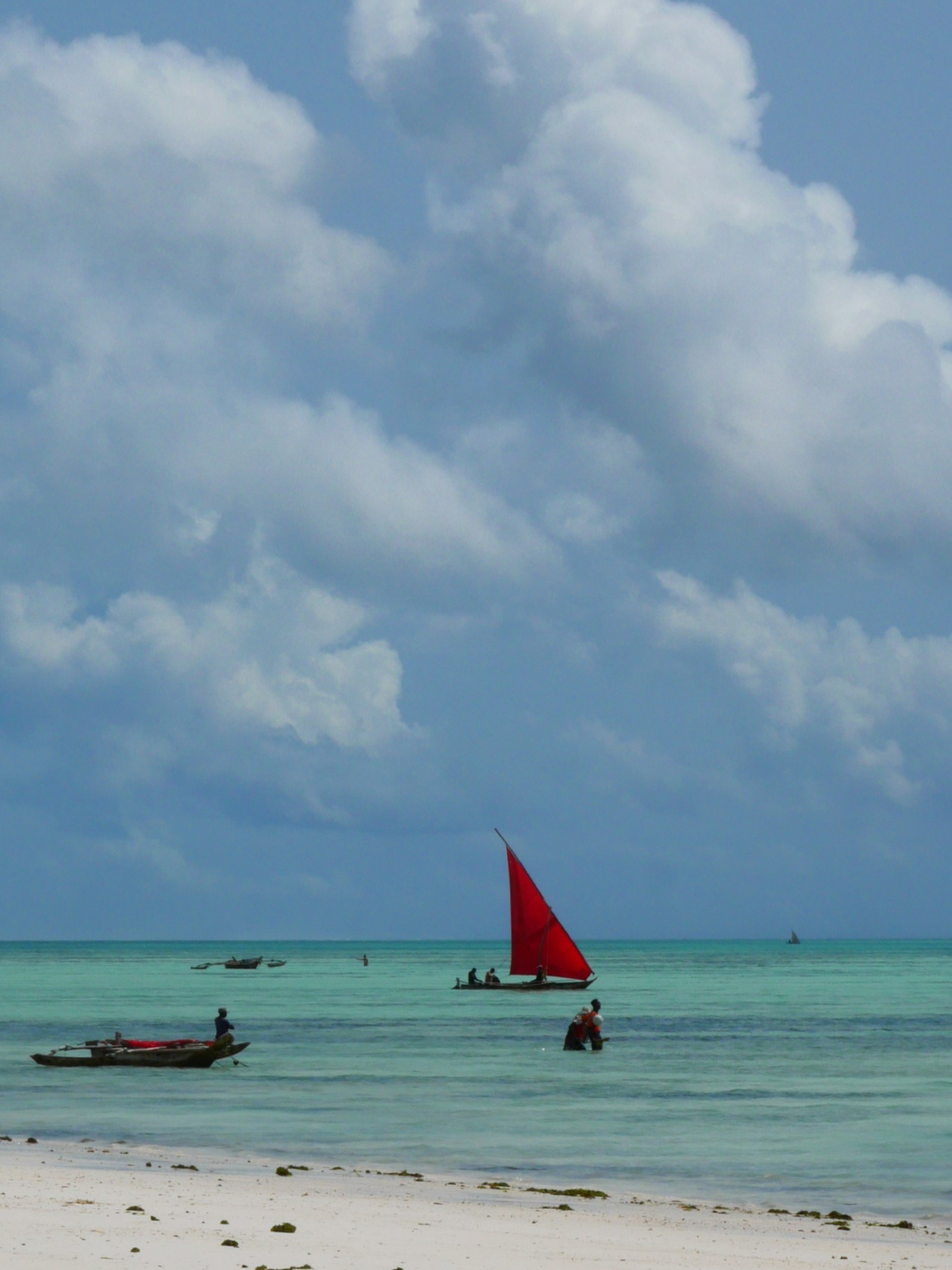

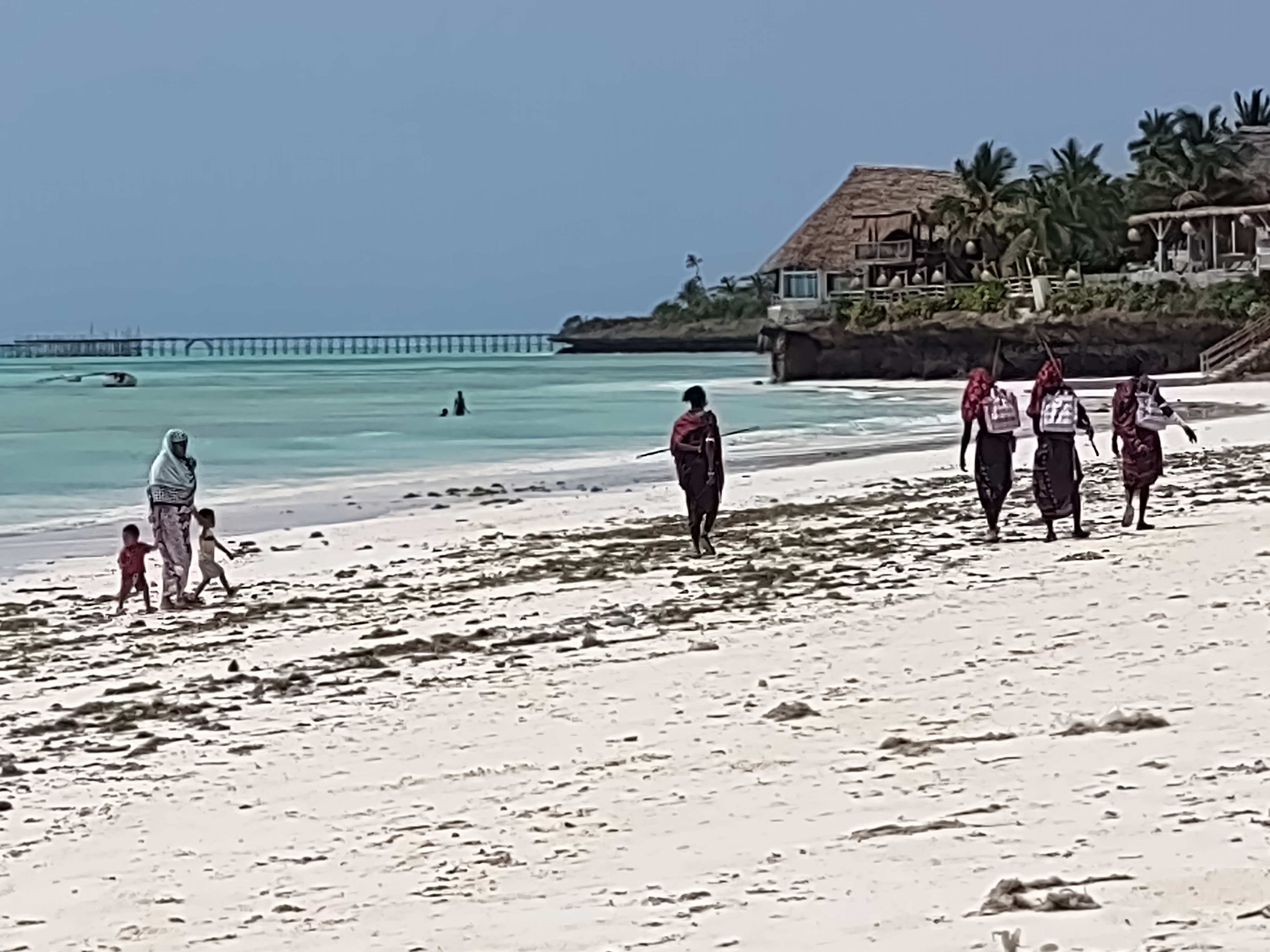
There were local women in beautifully colored garb planting and harvesting seaweed and in the evening families would come out and their children would run up and down the beach and splash in the surf. There were also more than a few young Masai men who came to Zanzibar to walk up and down the beach dressed in traditional warrior garb and Ray Bans selling trinkets to support their families at home.
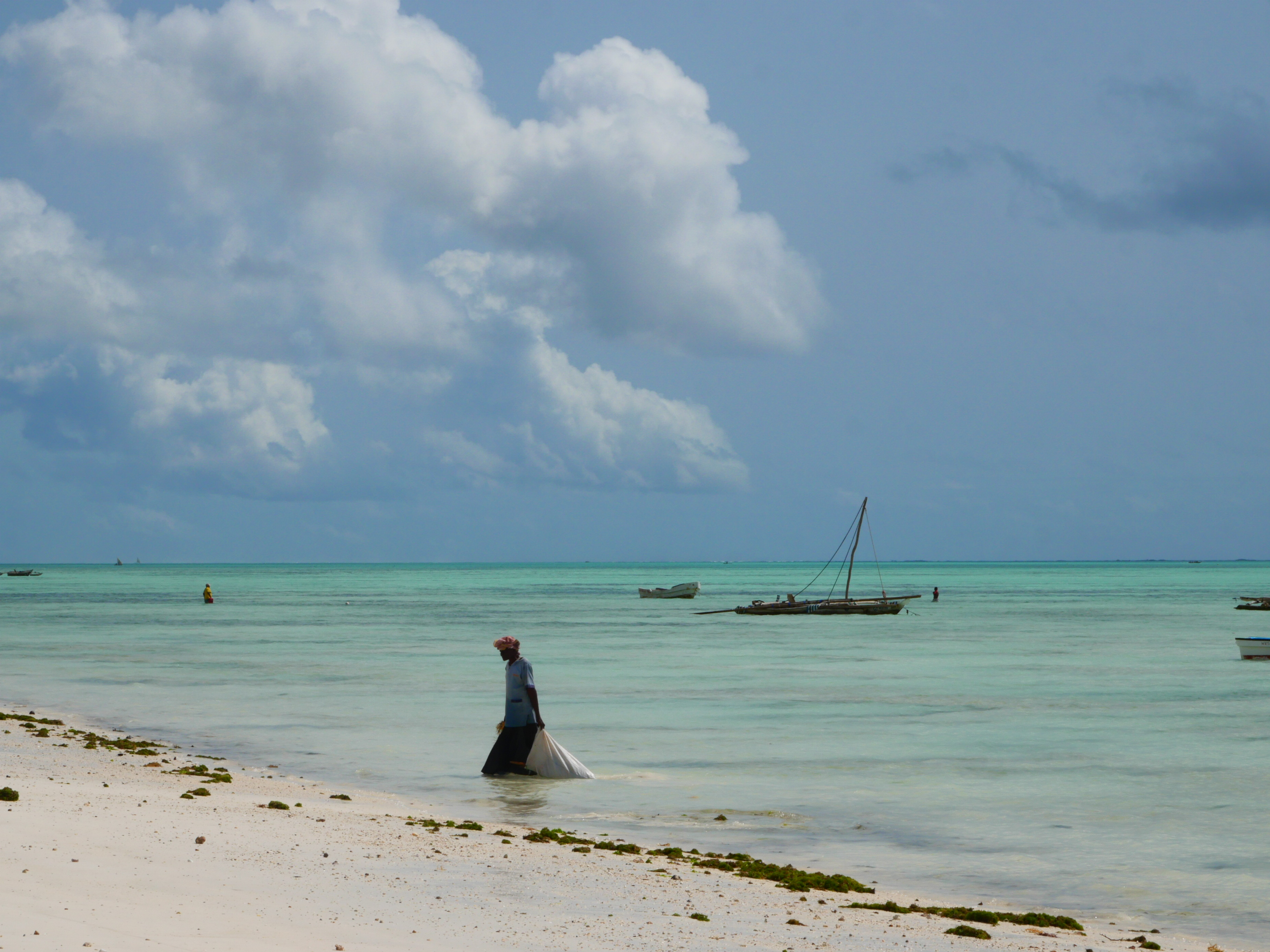
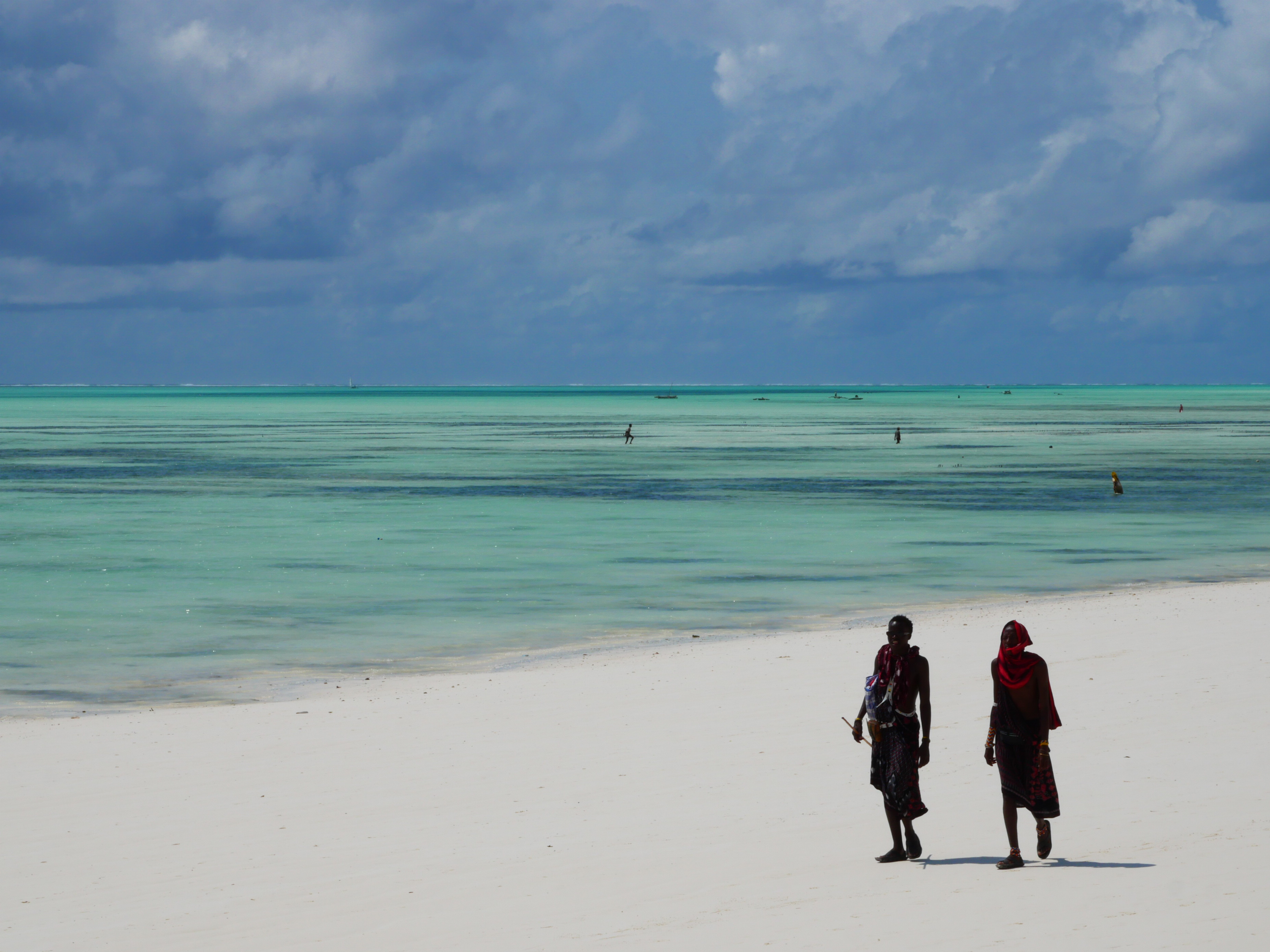


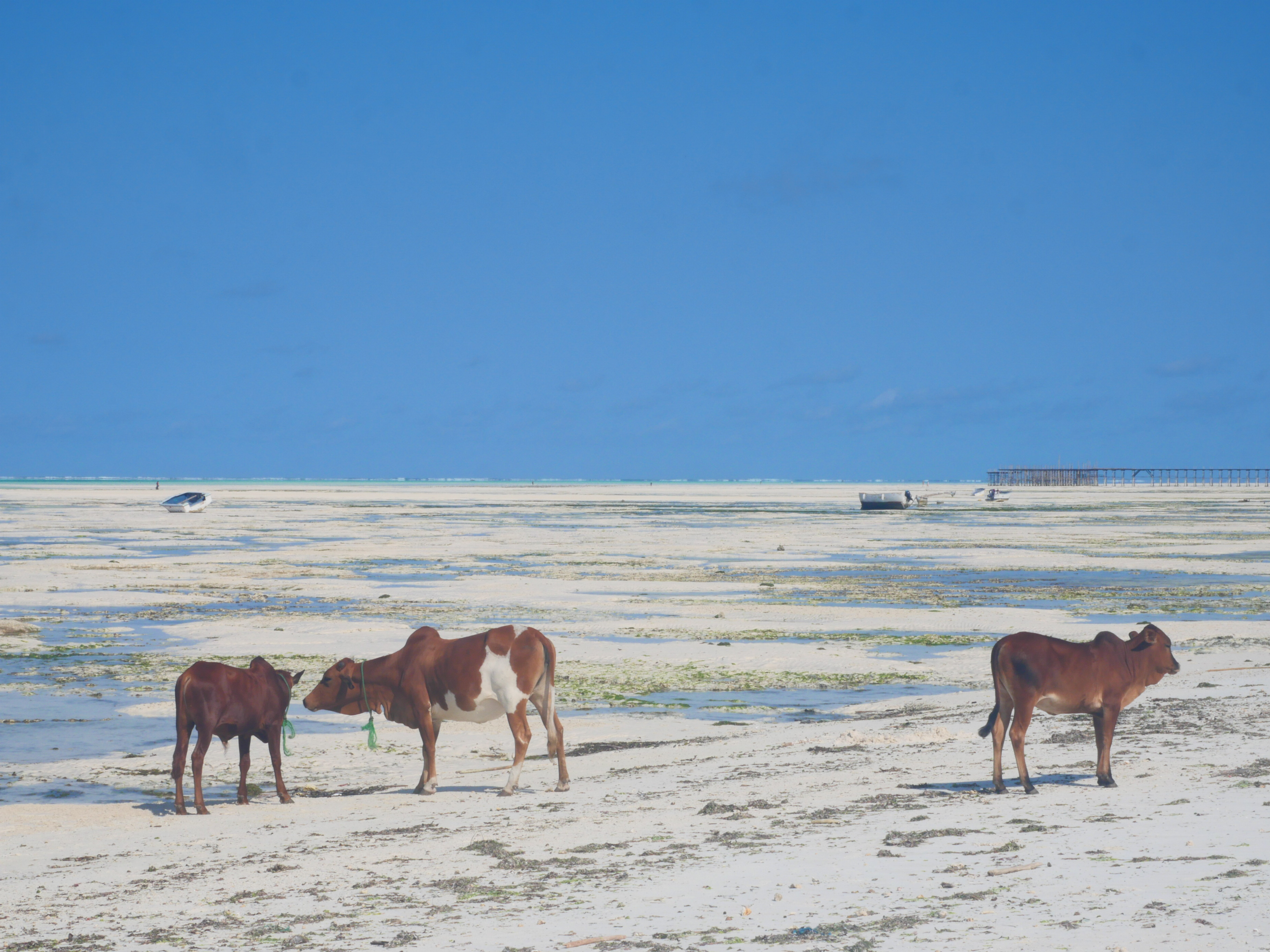
There were a few cows in the neighborhood (this was our warm-up for India) who would, on occasion, wander down to the beach, taking things from the surreal to the absurd. (All I could think of was what caption Gary Larsen would put on that picture.)
The combination of all of these elements along with the sand, the sky, and the water was just incredible visually, and changed constantly over the course of the day like a kaleidoscope, beginning early each morning (our bedroom and balcony faced east) and so I continued the habit I had acquired in Dahab, Egypt, of taking my first coffee down to the beach and watching the sun rise.
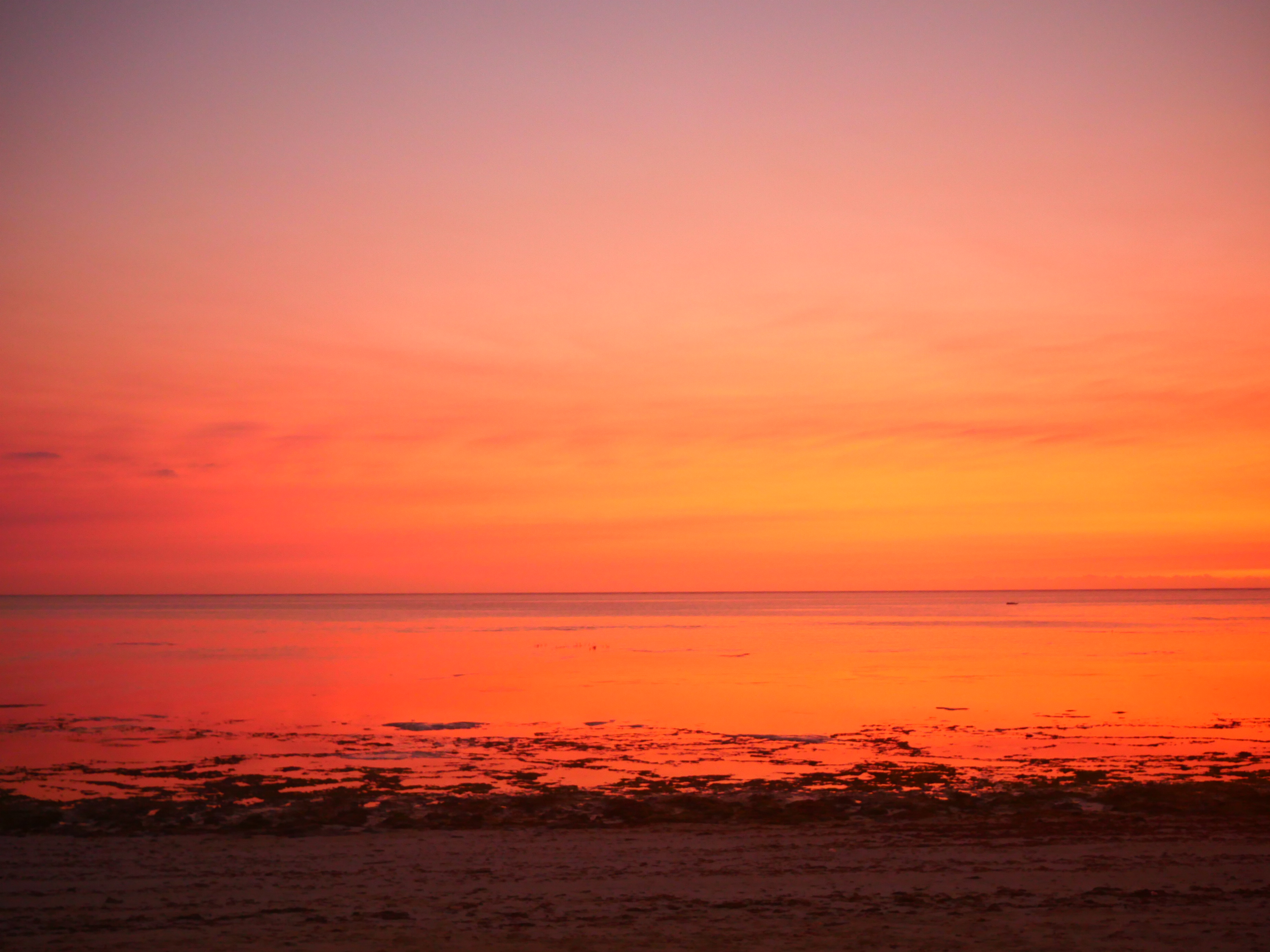
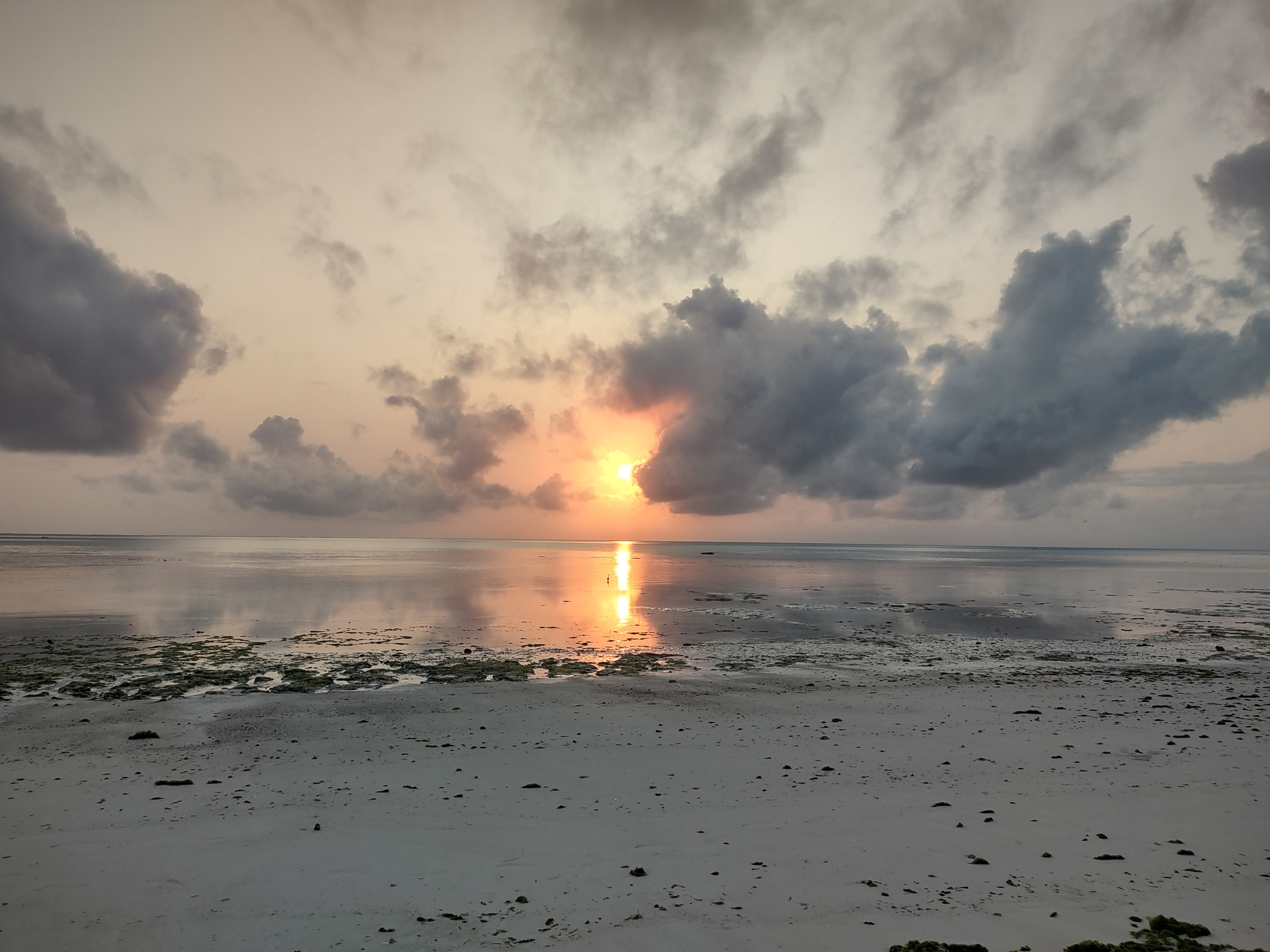
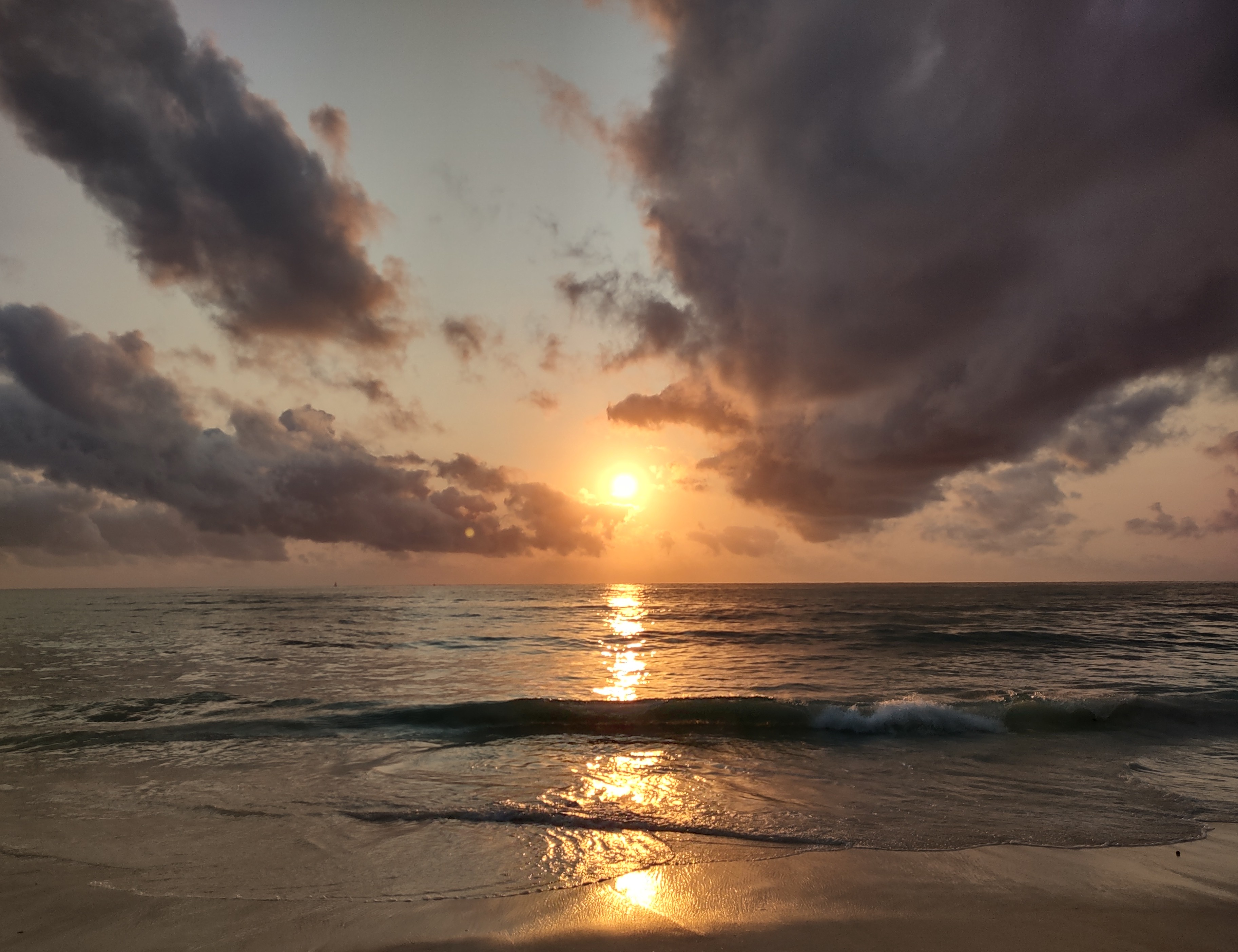
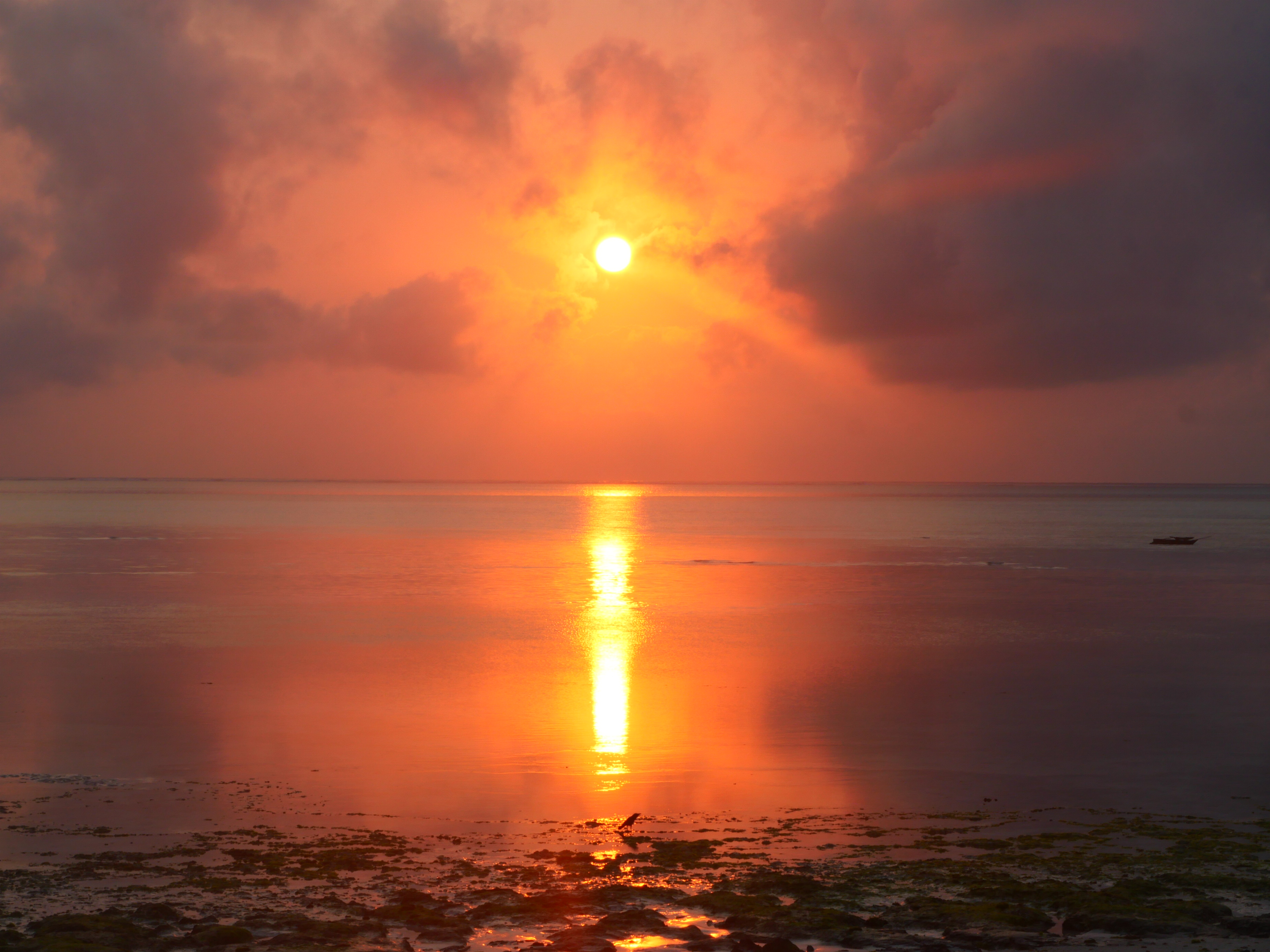
On mornings when the tide was coming in it was also pretty awesome to hear the sound of the approaching surf gradually getting louder, a great way to ease out of sleep as well as the perfect soundtrack for the beautiful sunrises.
Day Trips
While we spent much of our time laying or walking on Jambiani Beach or wandering the village, we did manage to venture out a bit further on a couple of occasions. As noted earlier, we took a couple of quick trips up the coast to the town of Paje to hit the ATM and pick up supplies which were not available in Jambiani. Compared to Jambiani, Paje was a bustling metropolis and, while we did find a couple of interesting shops and restaurants there, we found it was much more crowded and touristy and were happy we had decided to stay in Jambiani instead.
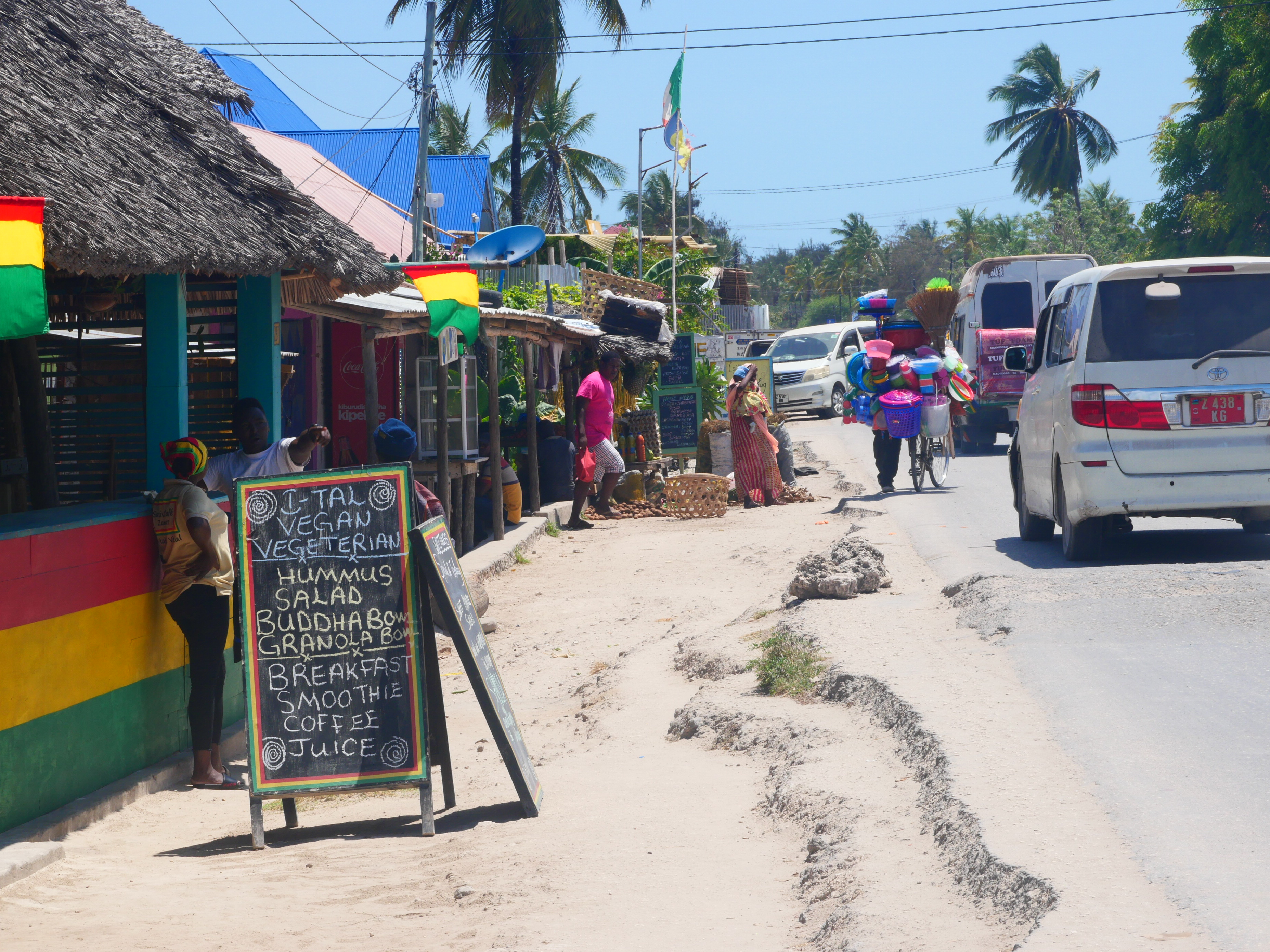
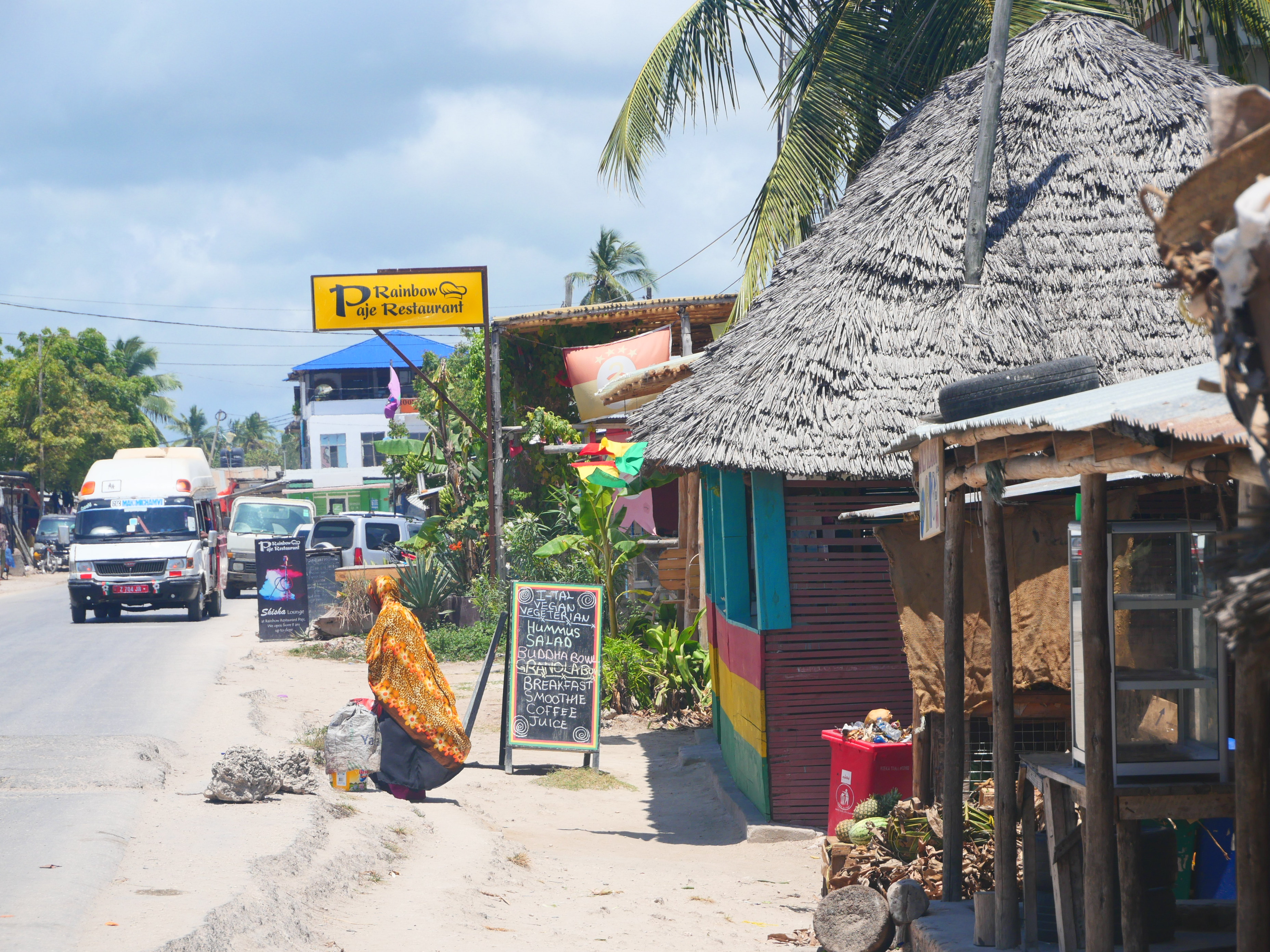
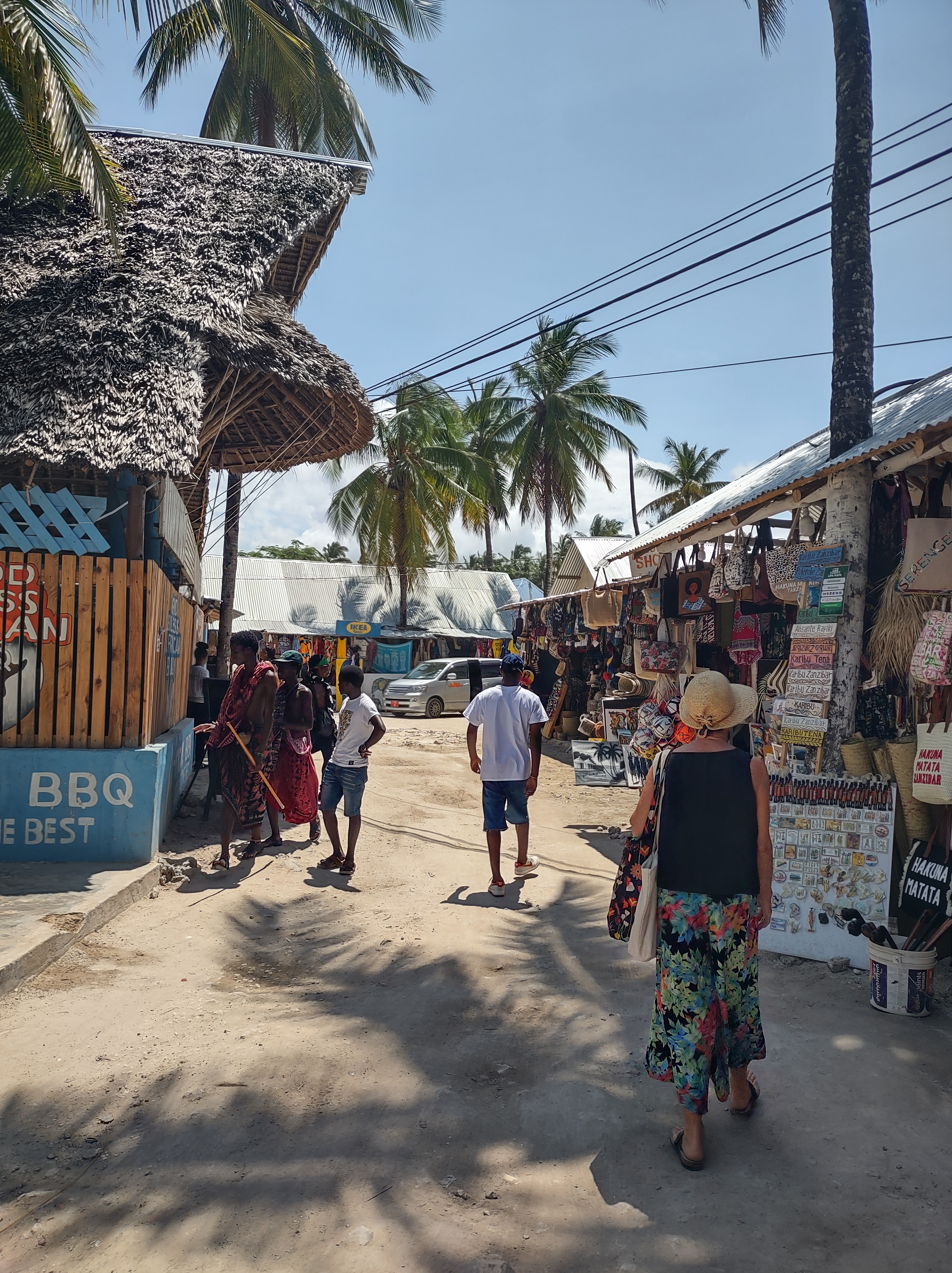
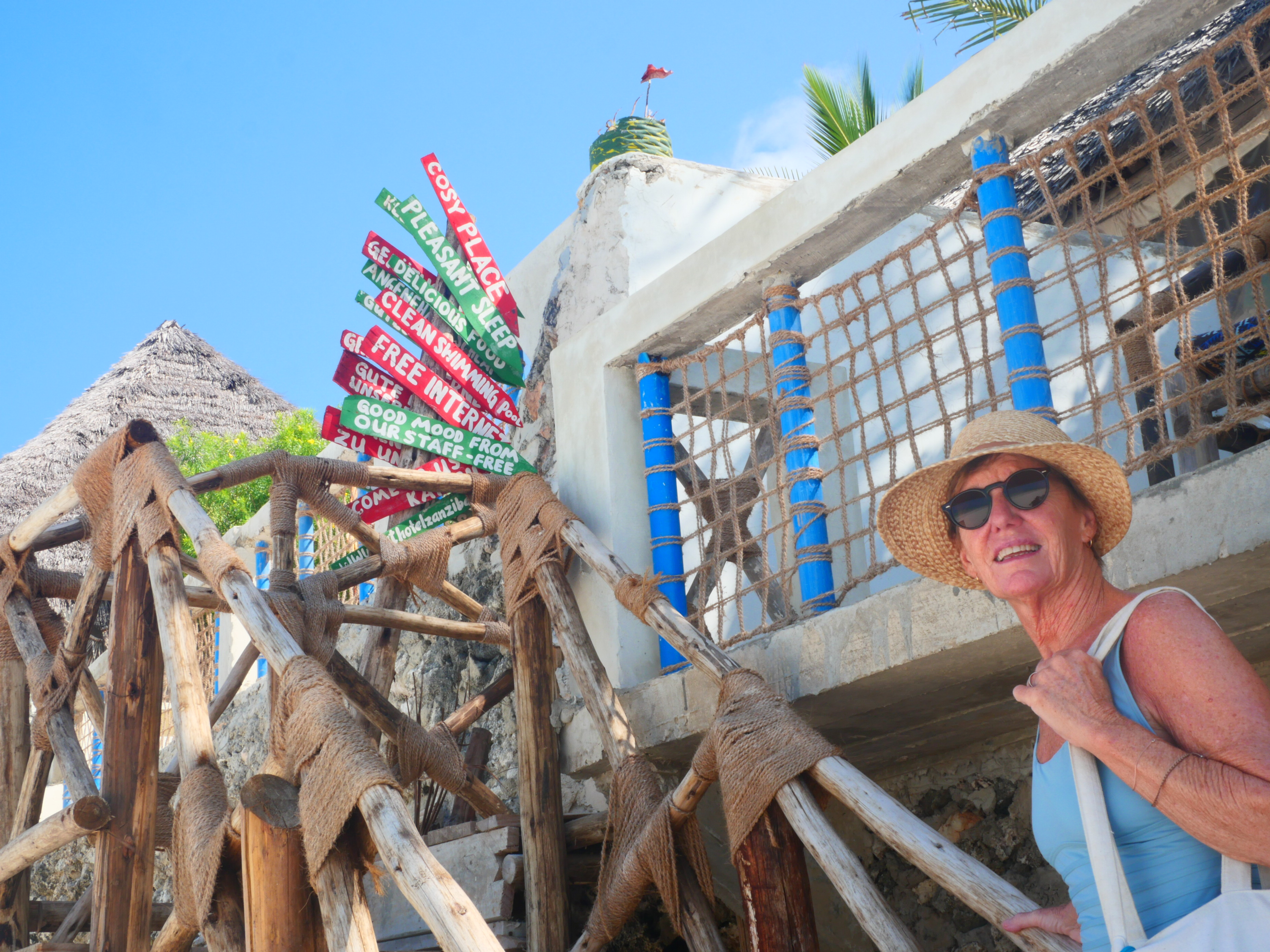
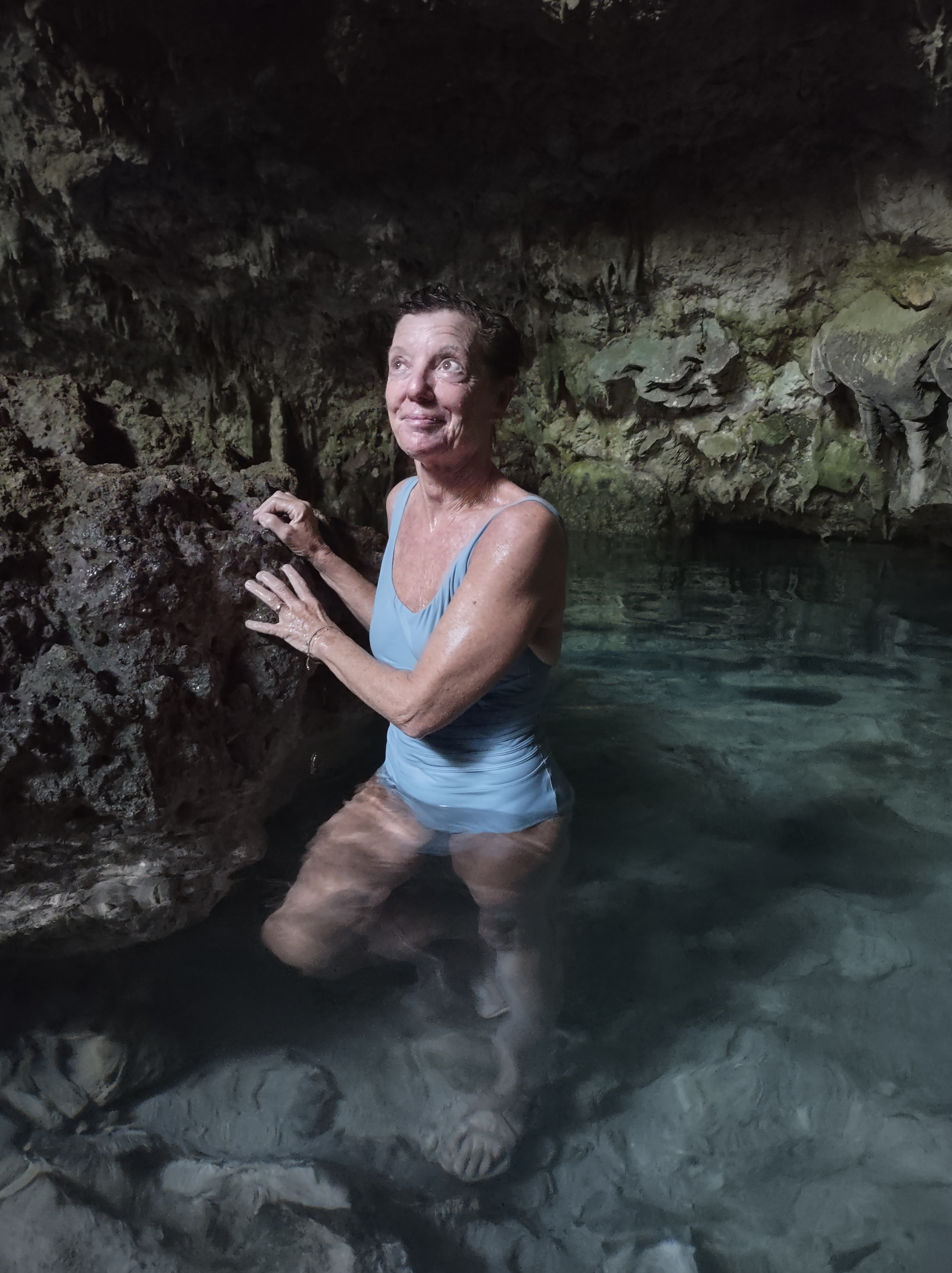
We also took a bike ride up the coast one day to visit a local attraction called the Kuza Cave, a semi-subterranean cave/overhang full of water which was actually kind of beautiful, but way too crowded so we didn’t stay too long. But the ride there took us past a school full of singing and playing kids as well as a few shops. We capped the trip at a very small roadside restaurant where we had local food which was good, but way overpriced (probably because the restaurant was located on the coastal highway).


Mtende Beach
We also arranged for transport one day to Mtende Beach, a spot we had heard about on the southern tip of Zanzibar which was supposed to be very beautiful. On the way there and back we saw a few Baobab trees which, along with the Kapok have to be some of the coolest looking trees there are.
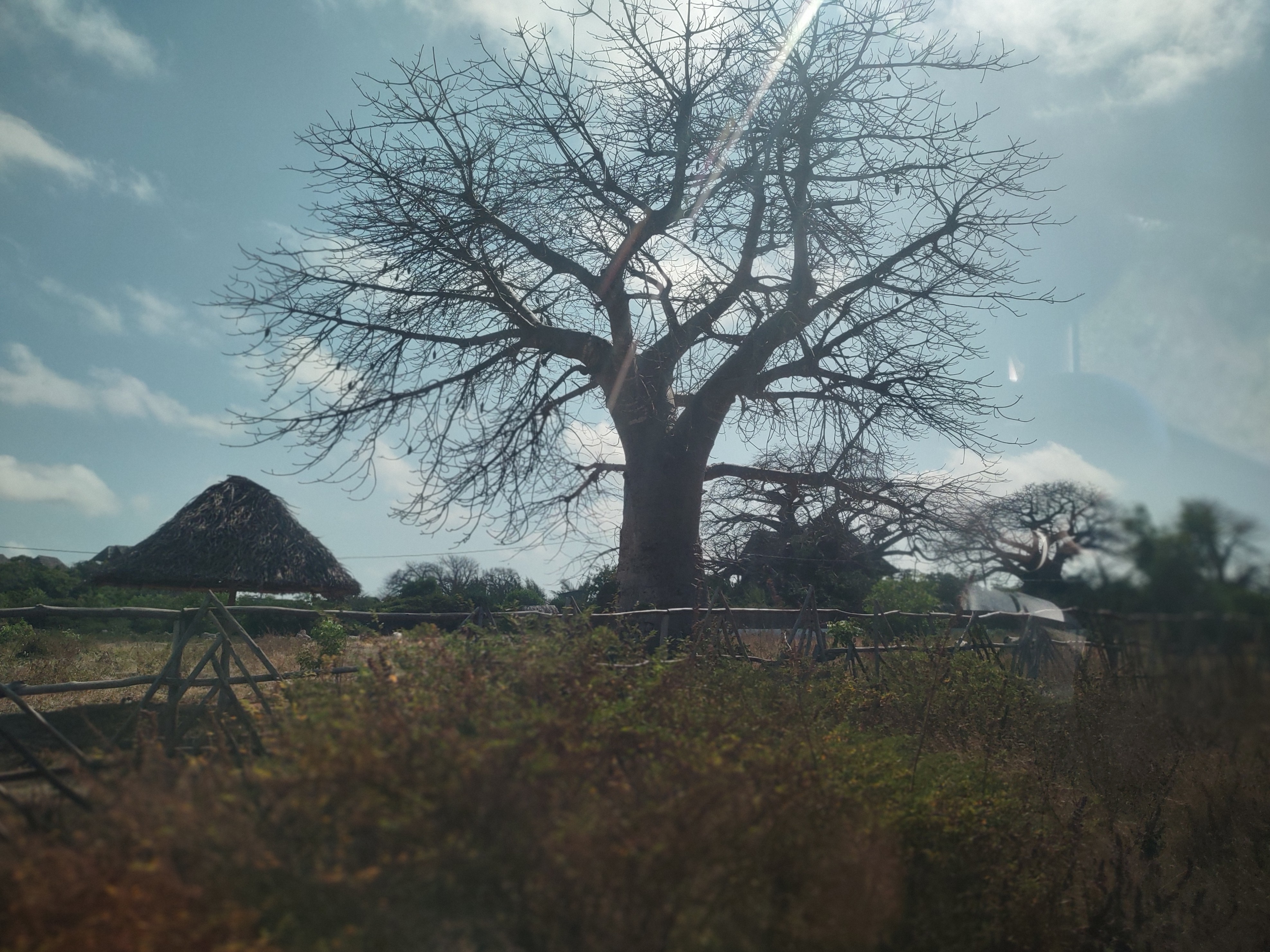
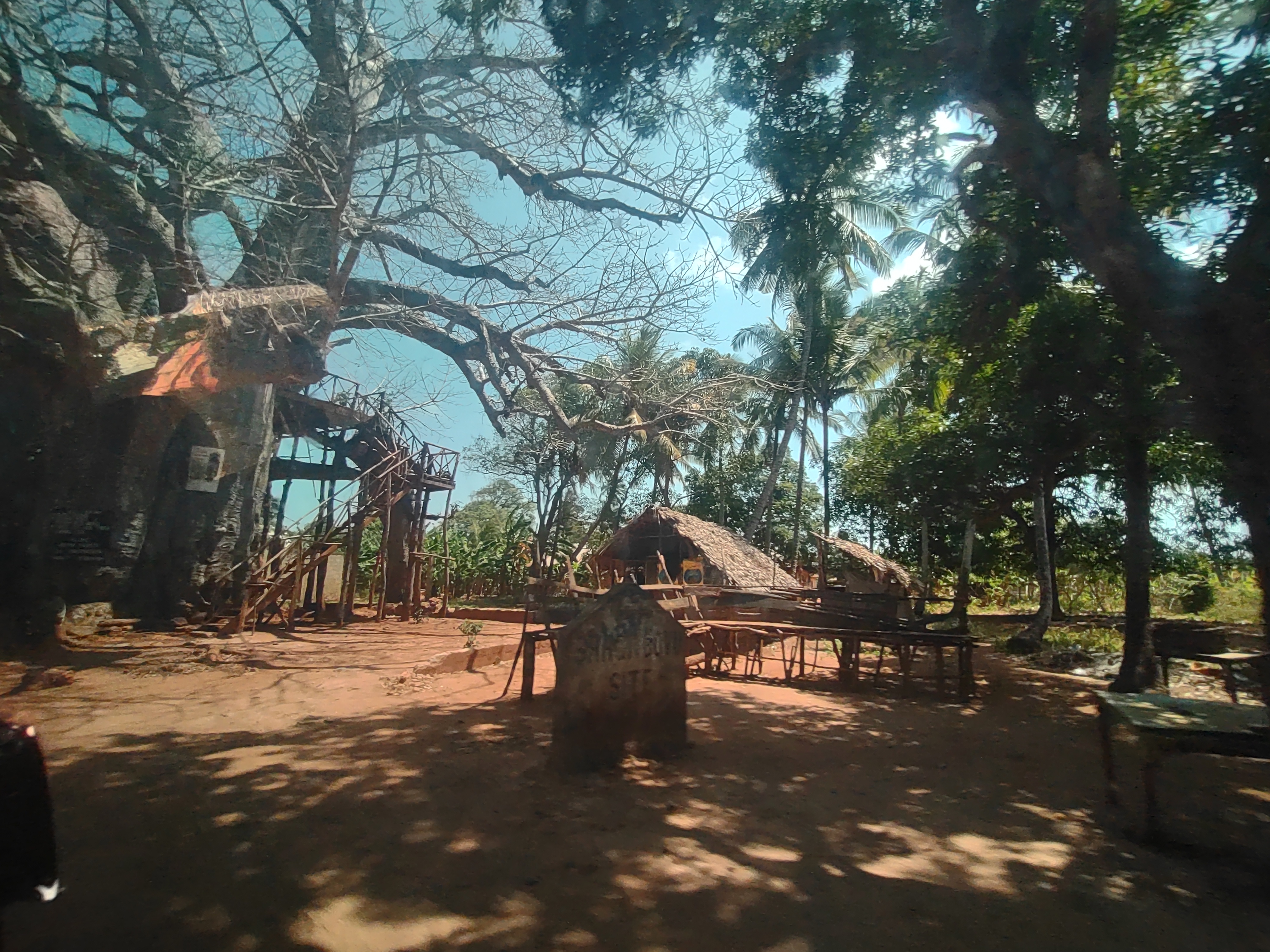
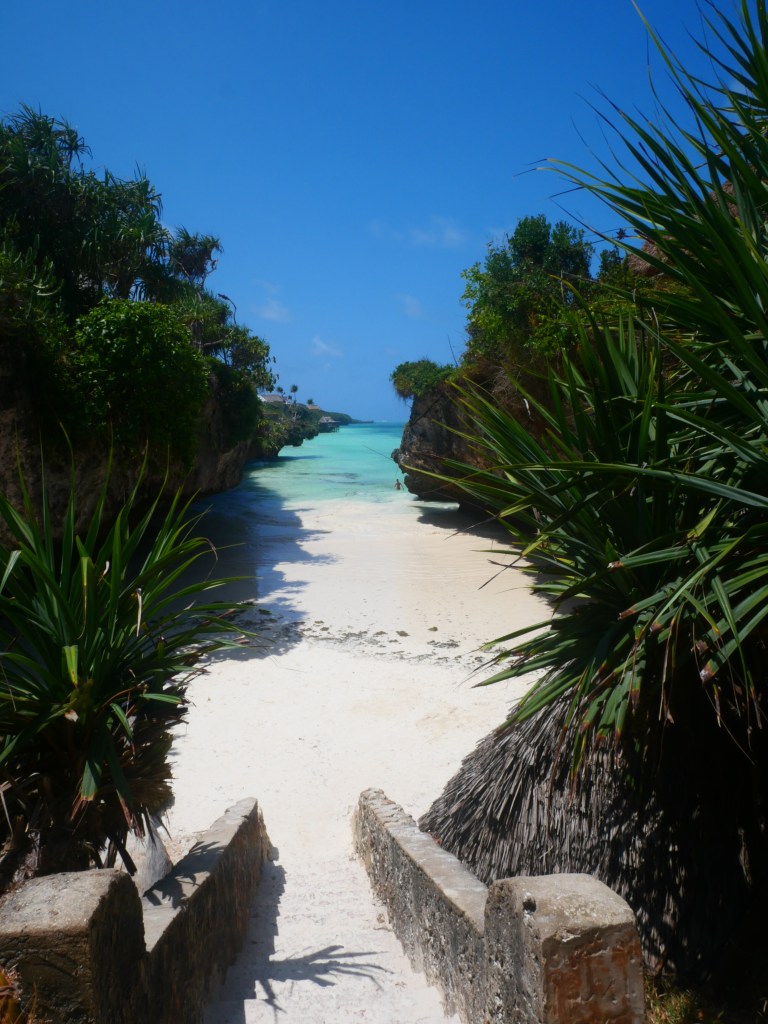
We arrived at Mtembe and made our way out to the beach through a narrow rock canyon which is its major Instagram feature. We had arrived early to try to catch low tide and once we began walking down it, found the beach to be all but deserted. It was a beautiful white sand beach and the azure water backed up to weathered rock cliffs with some interesting patches of rock and sand textures left by the receding tide.
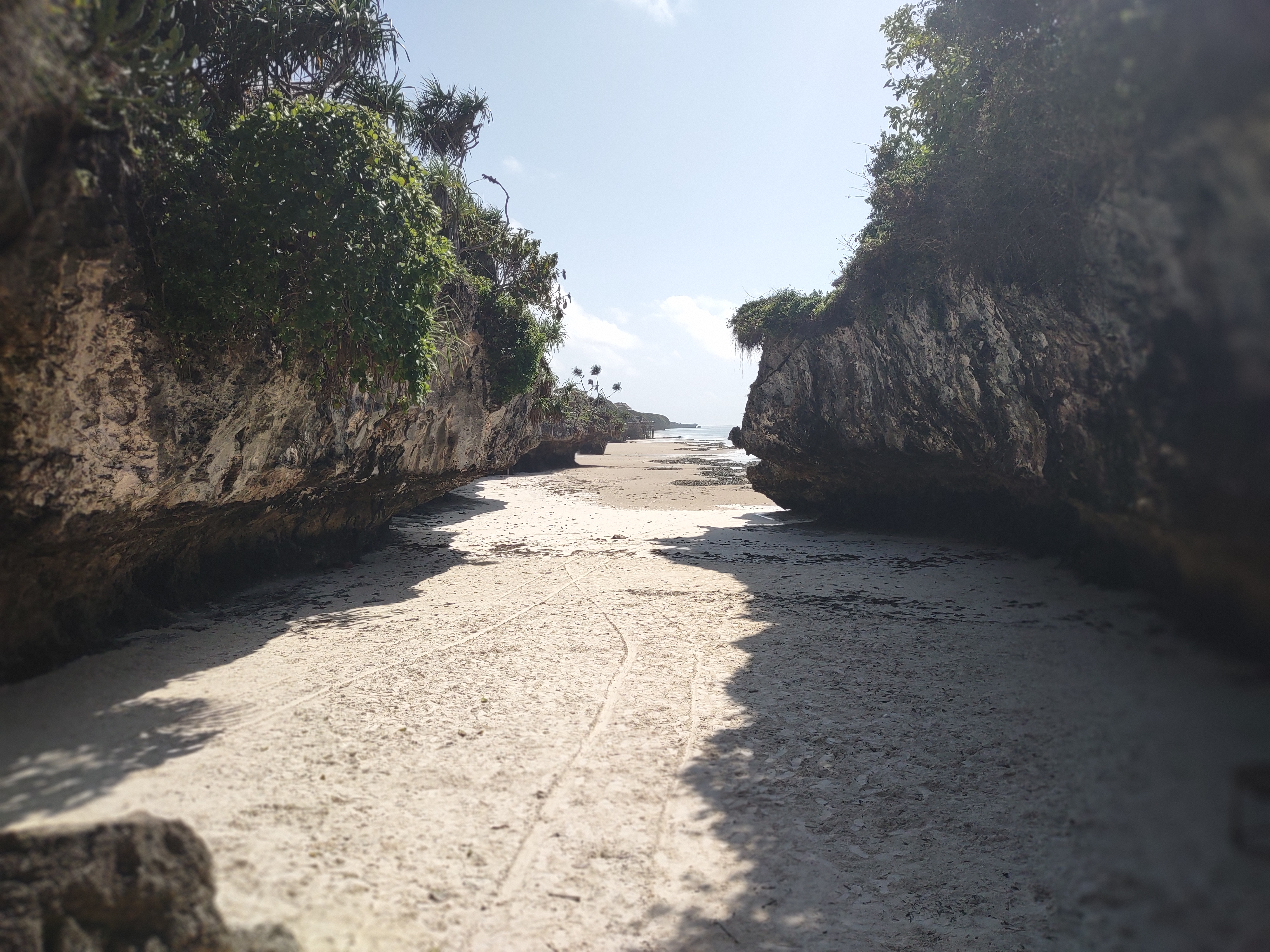

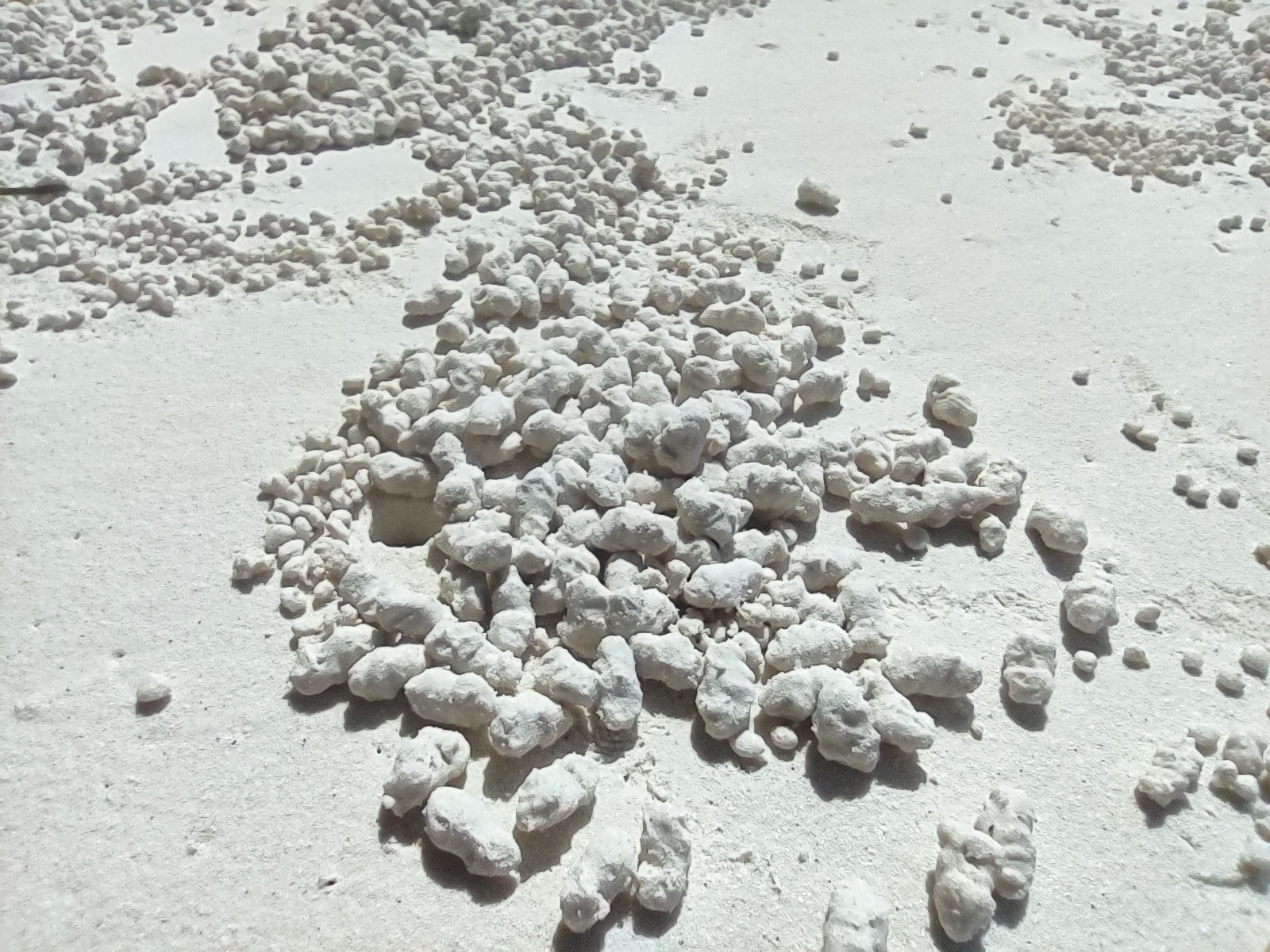
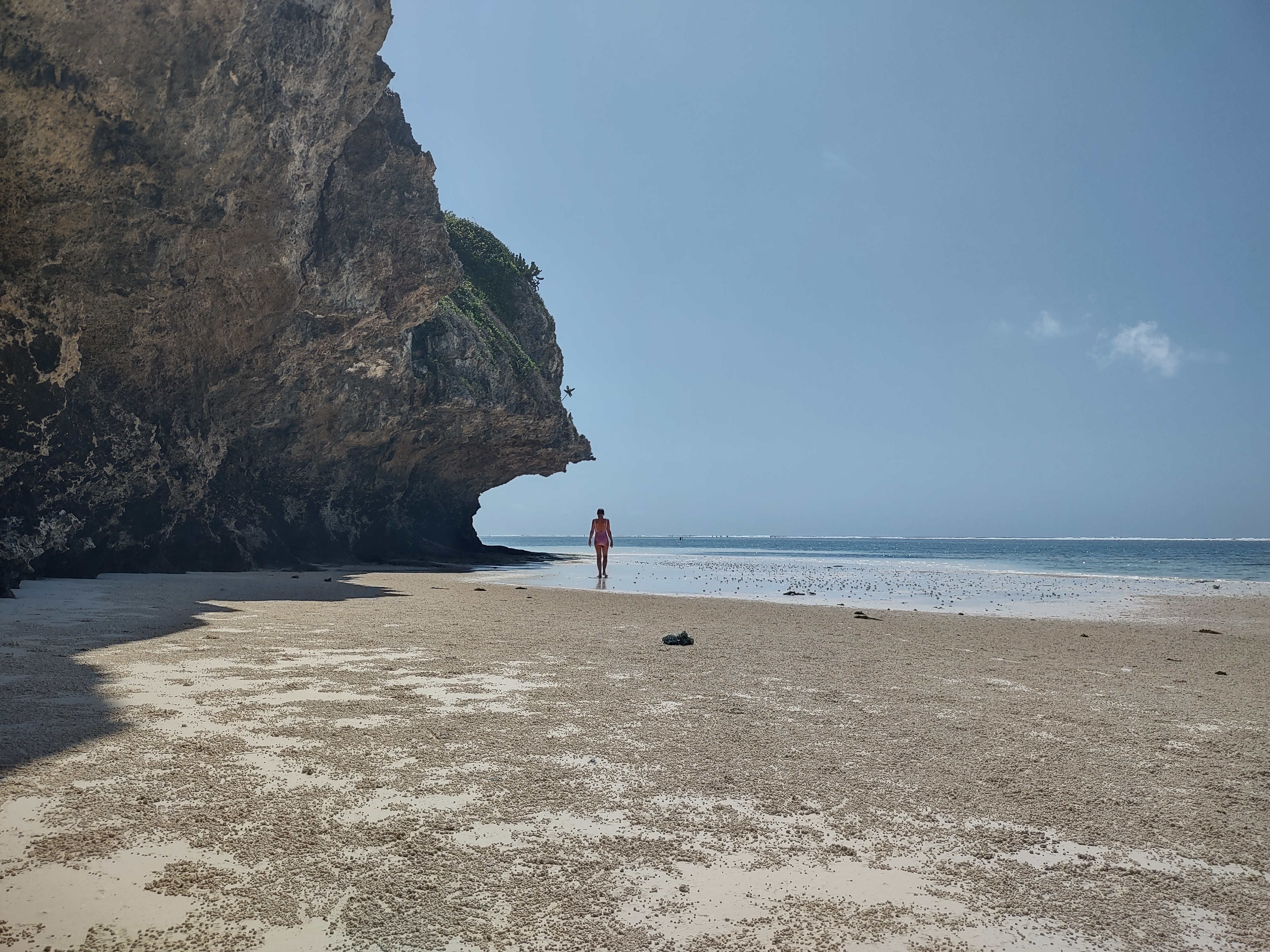

We found a nice place near an overhang with some shade and hung out for a while as the tide made its way in. (Because the tidal shelf is so flat, tidal conditions change very quickly from all dry to all wet.)

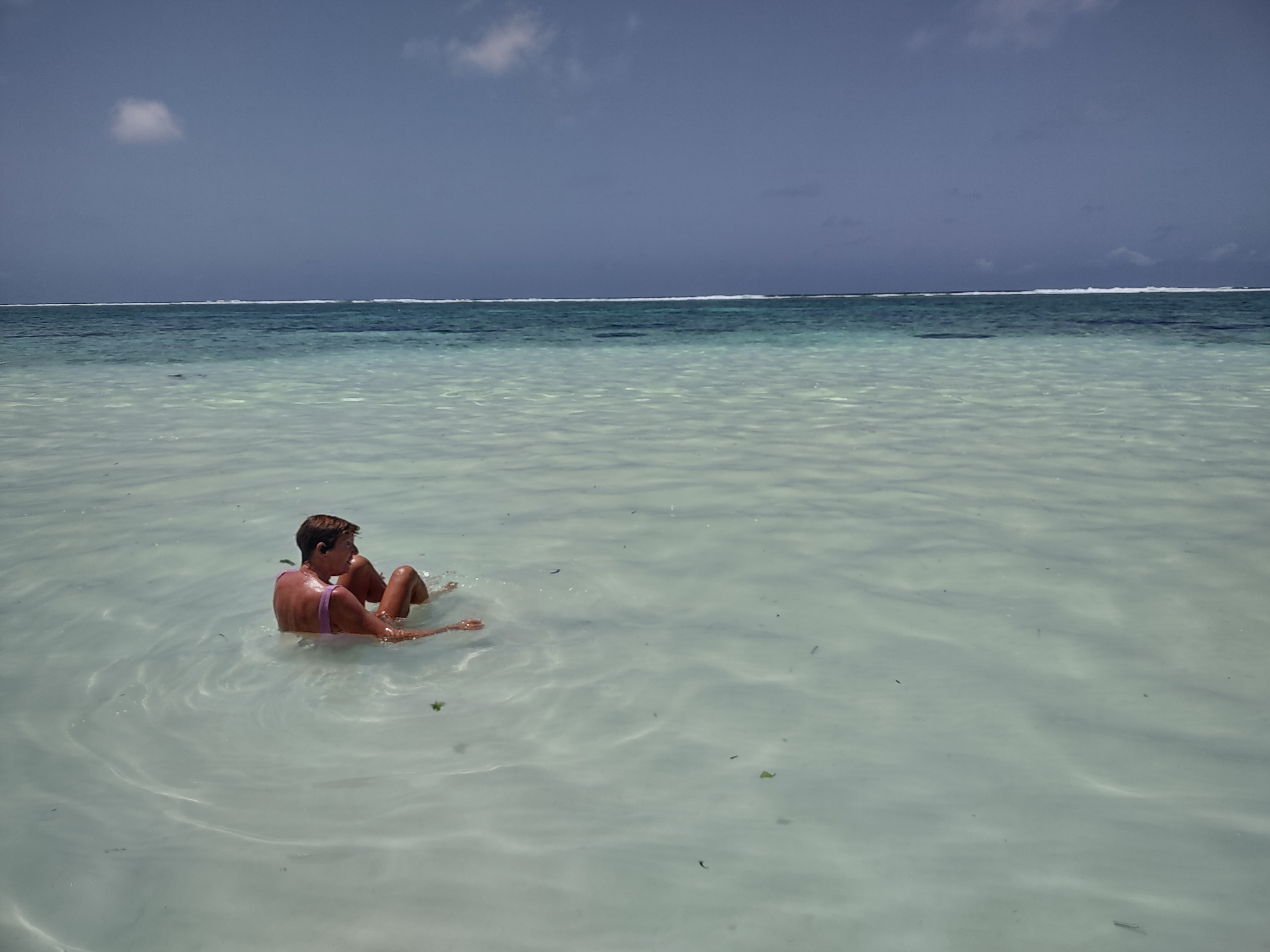
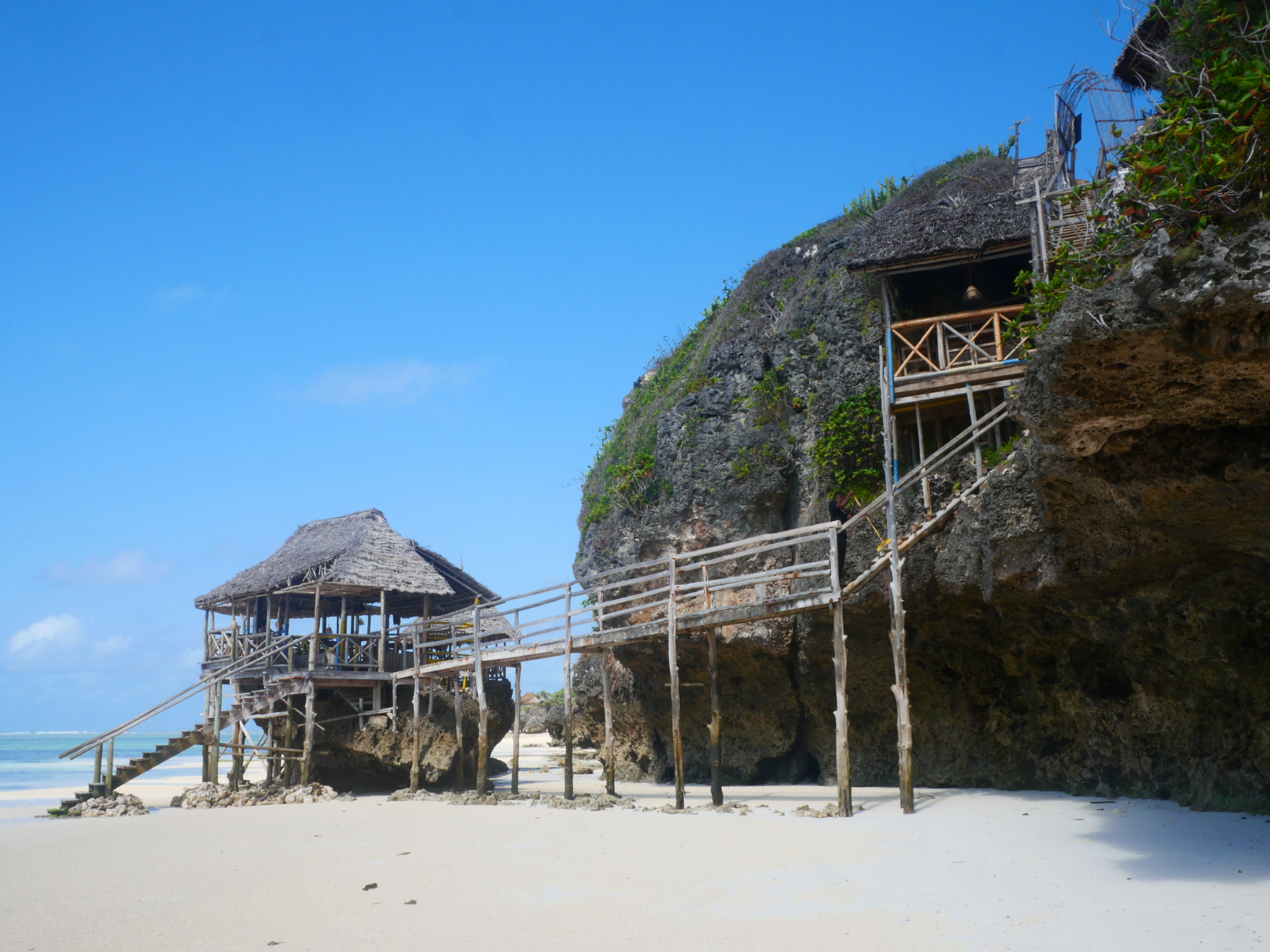
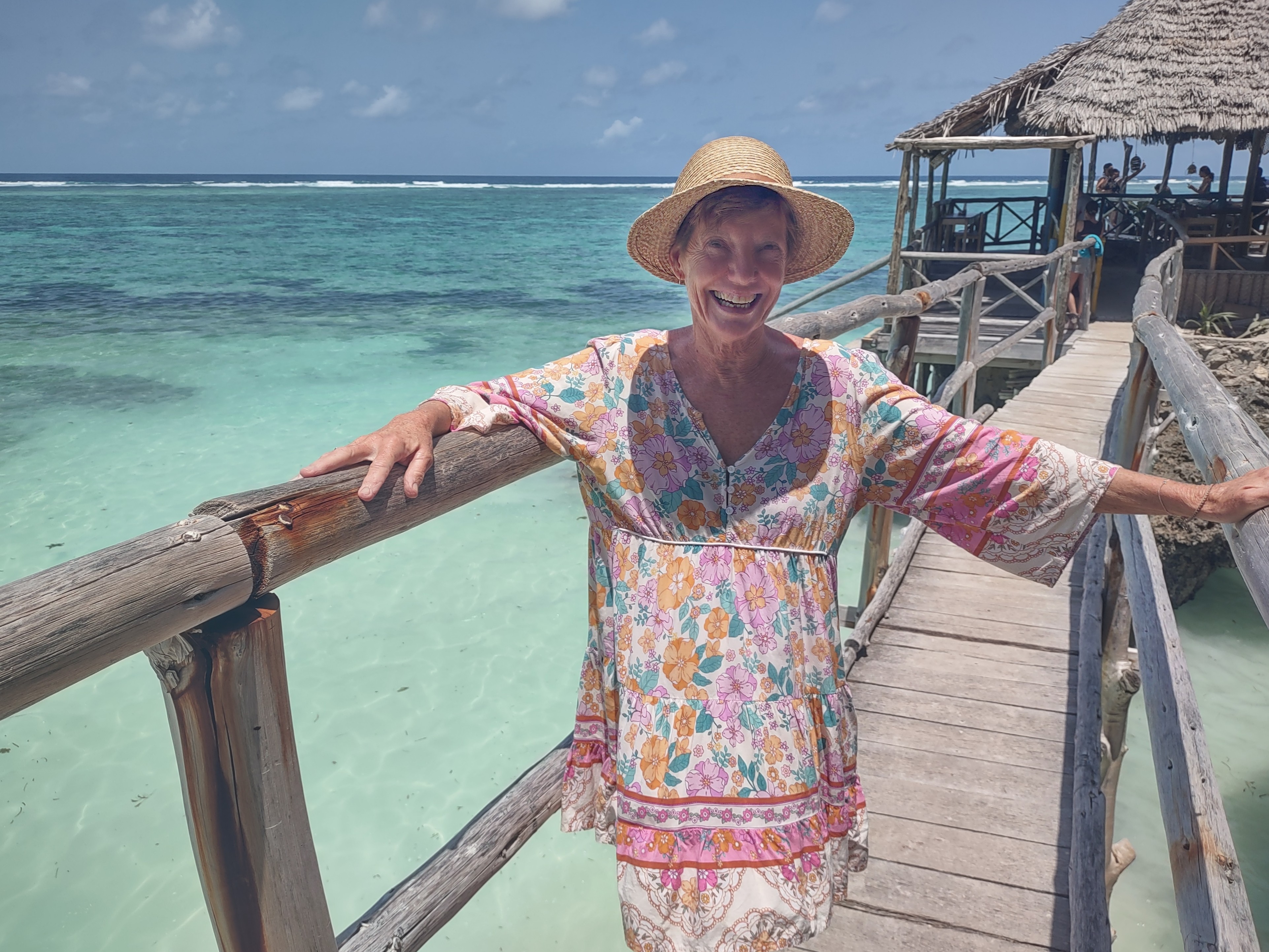
After a good bit and as the surf crept closer to our dry spot, we made our way up the beach and waded through the tide to the steps of the Usumbra Rock Restaurant, a unique assemblage of thatched wooden structures connected by a series of somewhat dubious looking wooden bridges and stairs, the whole thing kind of looking like it was pushed off the cliff from above.


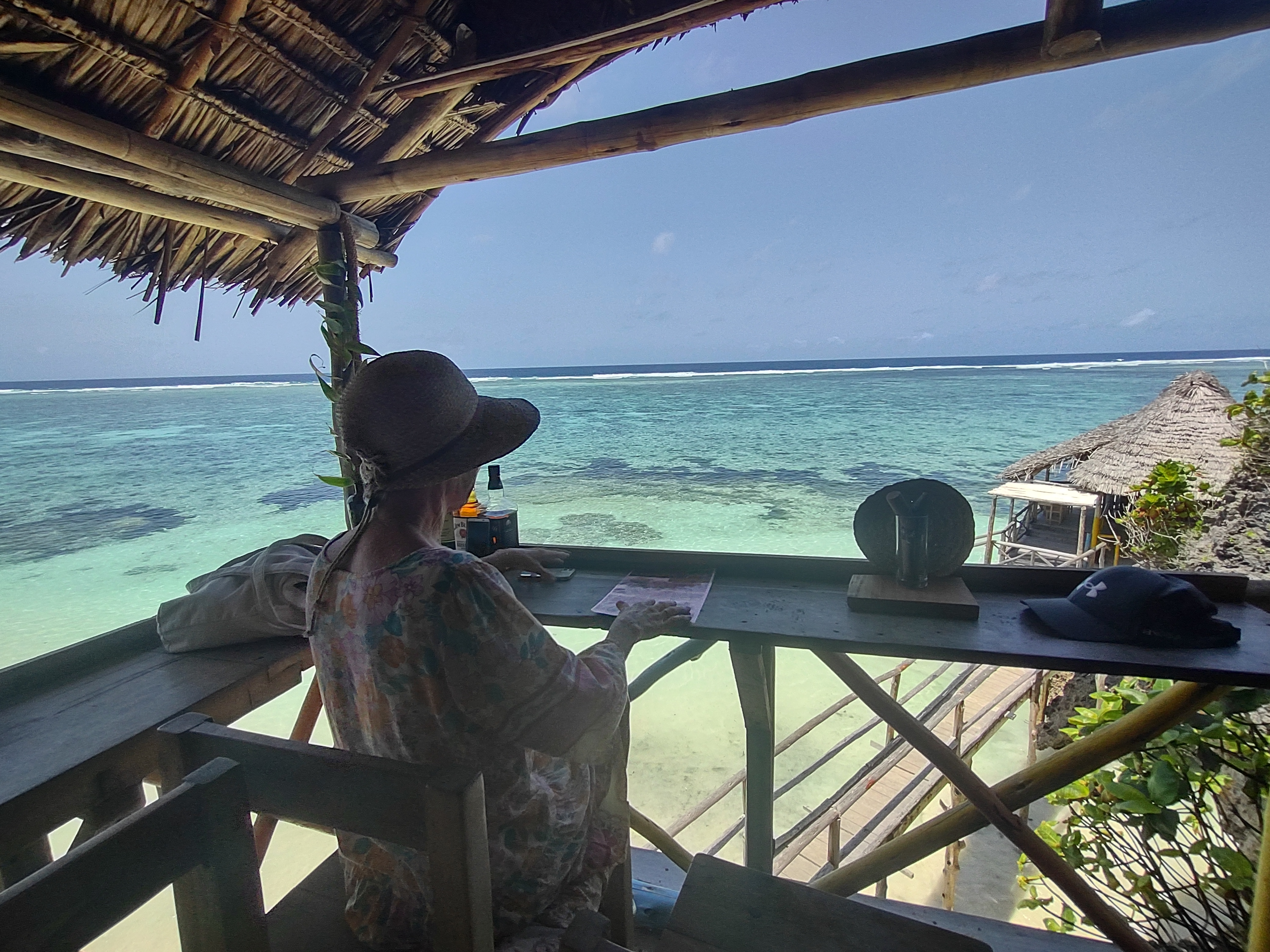
Other than a couple of bar tenders, the place was deserted when we arrived and we found a nice perch next to the bar to watch the tide continue to rise, using the steps from the beach as a gauge. We had drinks and lunch as other diners periodically came down the stairs and passed us which gave us some confidence that there must be land route back as the beach had disappeared below several feet of water by the time we finished.
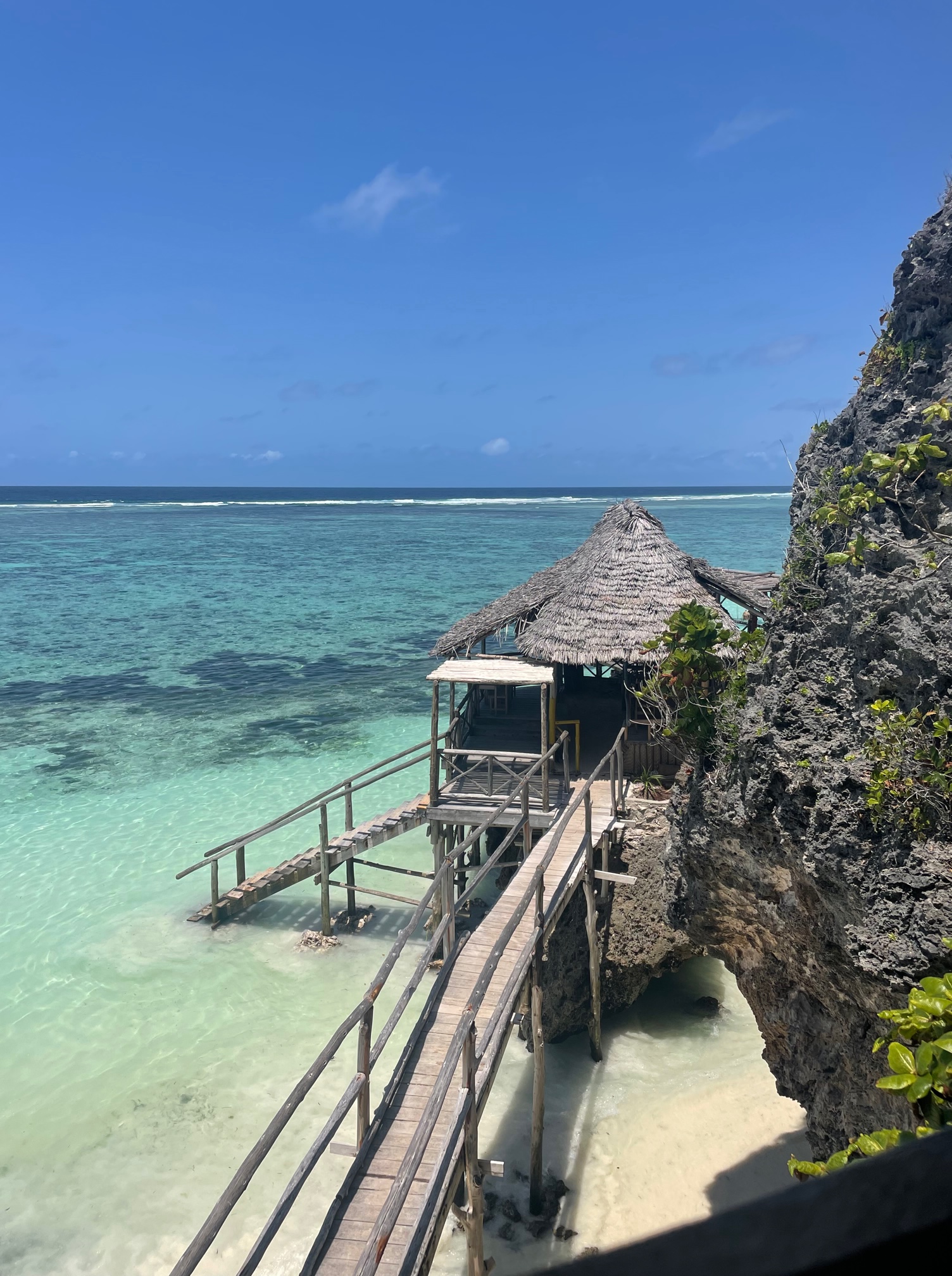

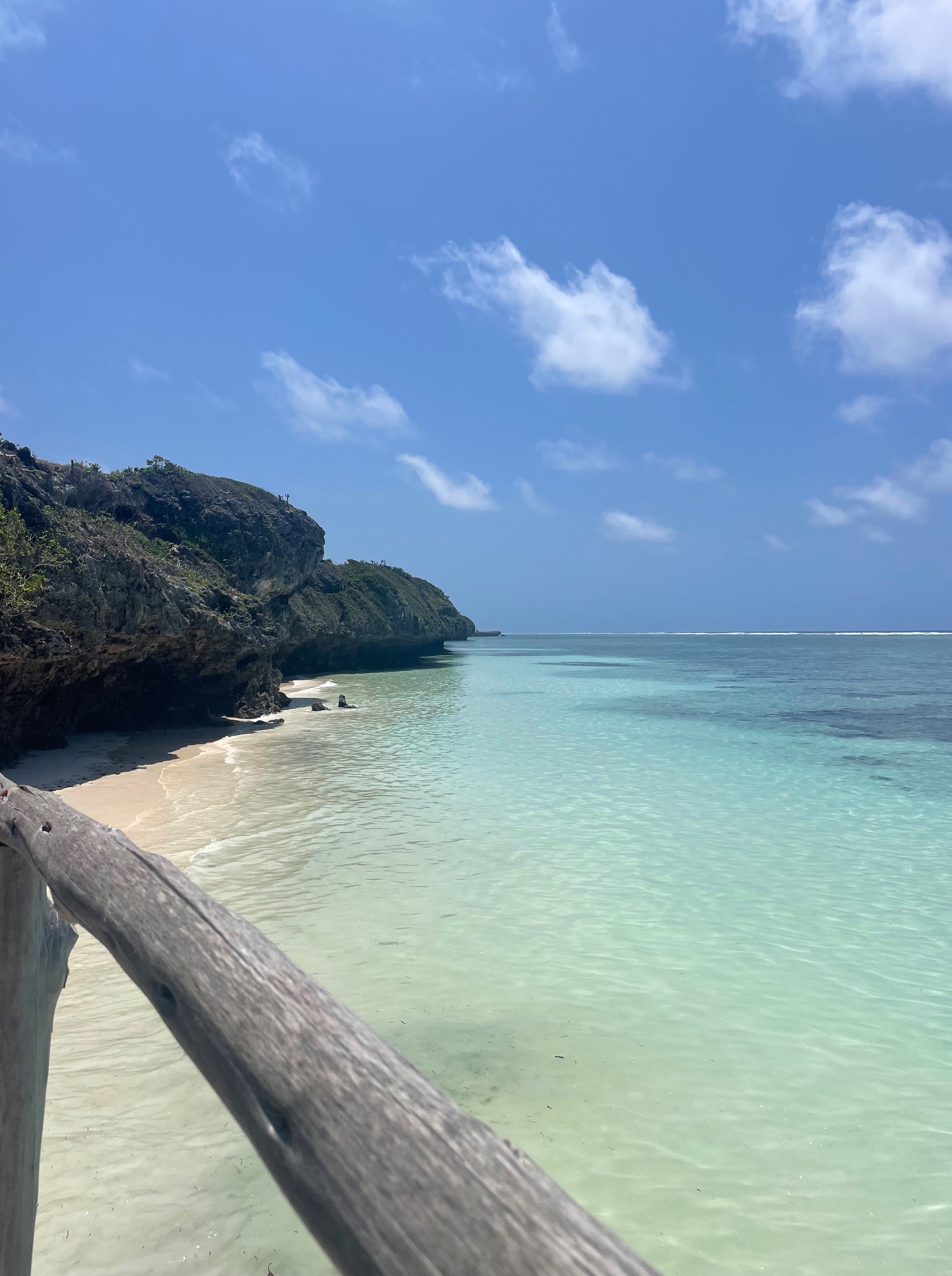
We took the stairs to the top of the cliff where the actual restaurant sits, passed through its parking area and found the road back to Mtende Beach. After a few last photos of the entrance canyon, which was now dead ended by the incoming tide, we found our driver and headed home.
Spice Tour
We did take one guided tour arranged by Simba while we were in Zanzibar. From the menu of options, we selected a day-long combination which included a visit to a spice farm, a trip out to a place known as Prison Island, a self-guided walking tour of Stone Town (Zanzibar City’s Old Town), concluding with a Night Market on the Old Town waterfront.
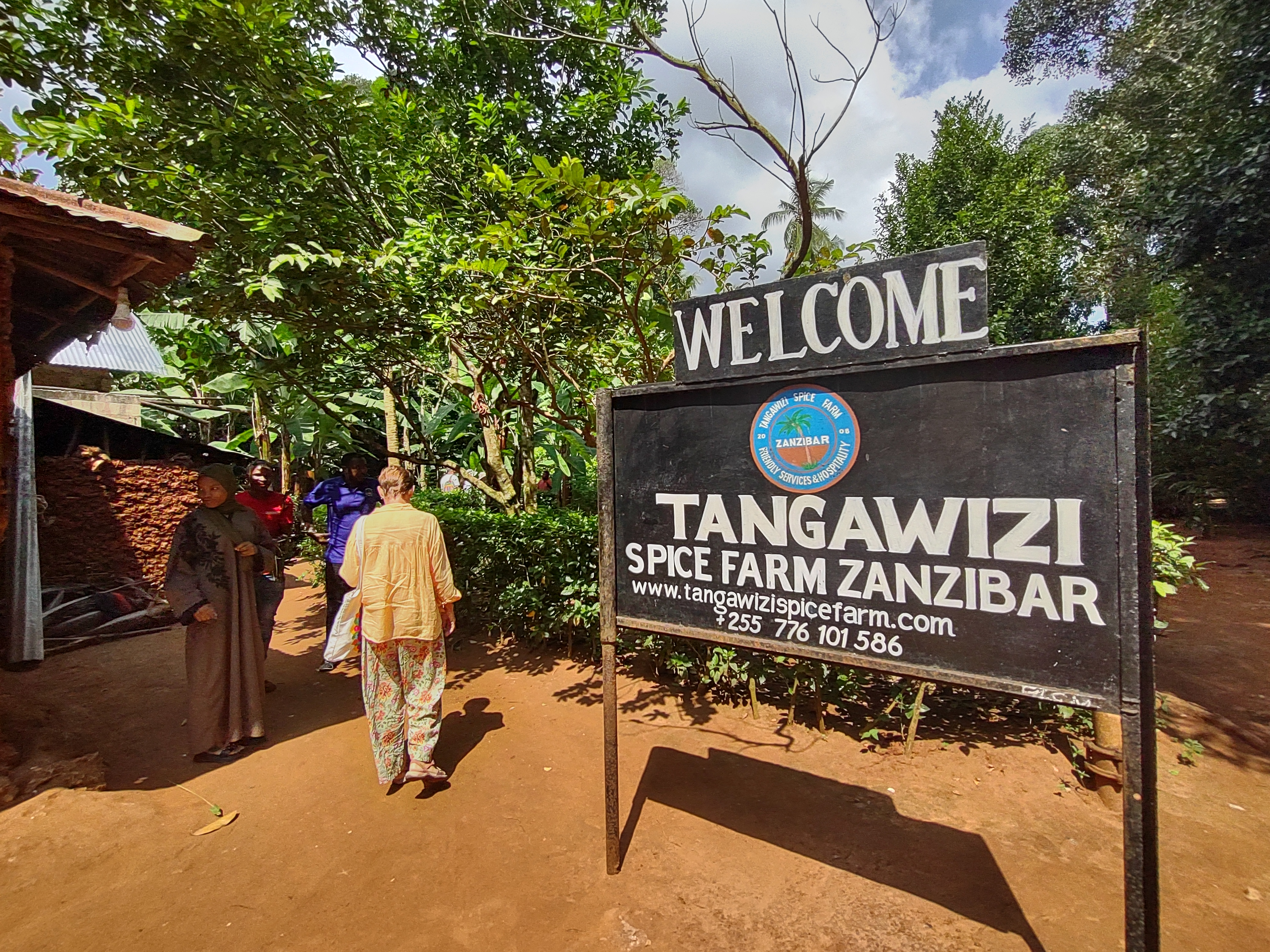
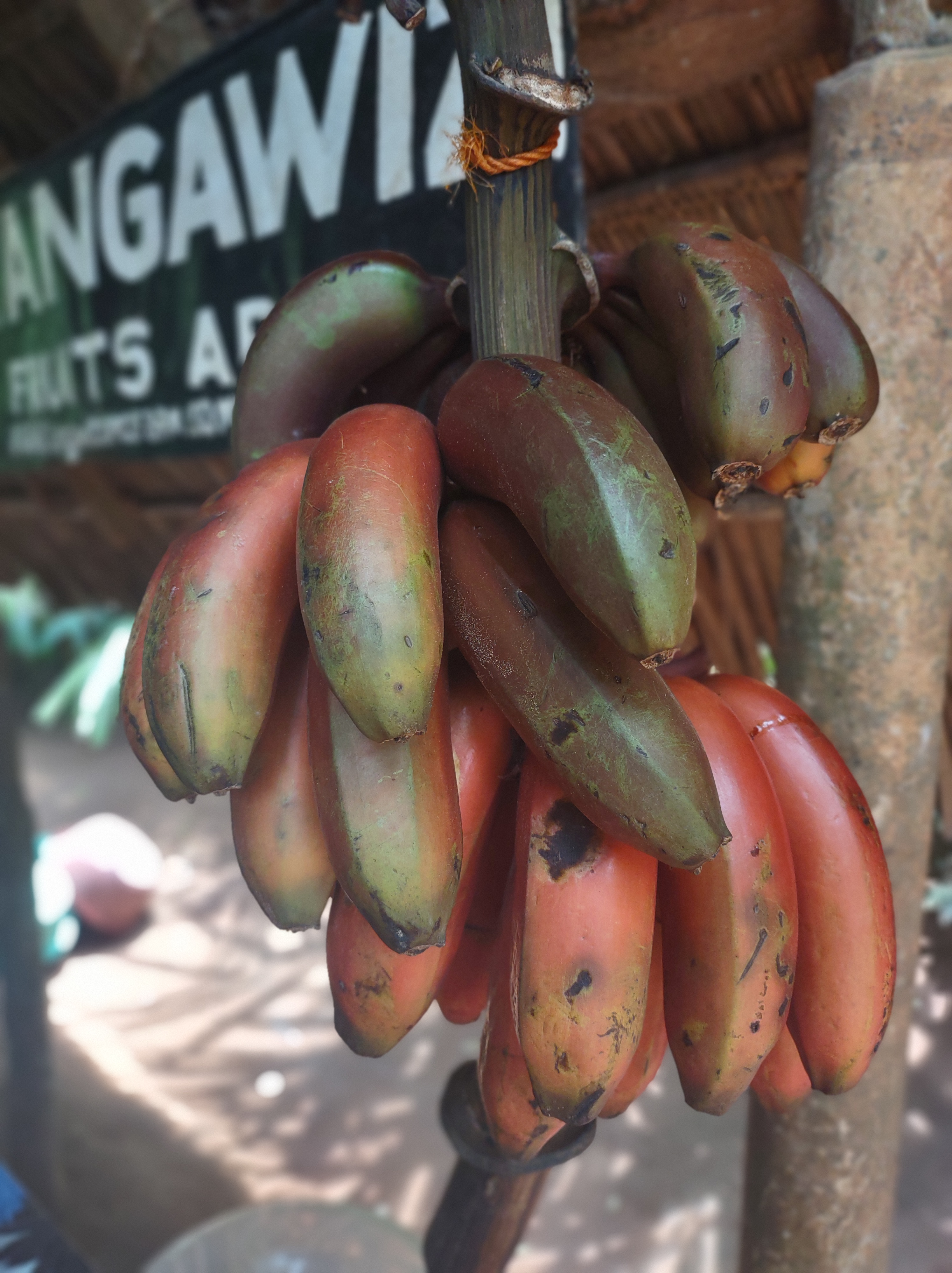
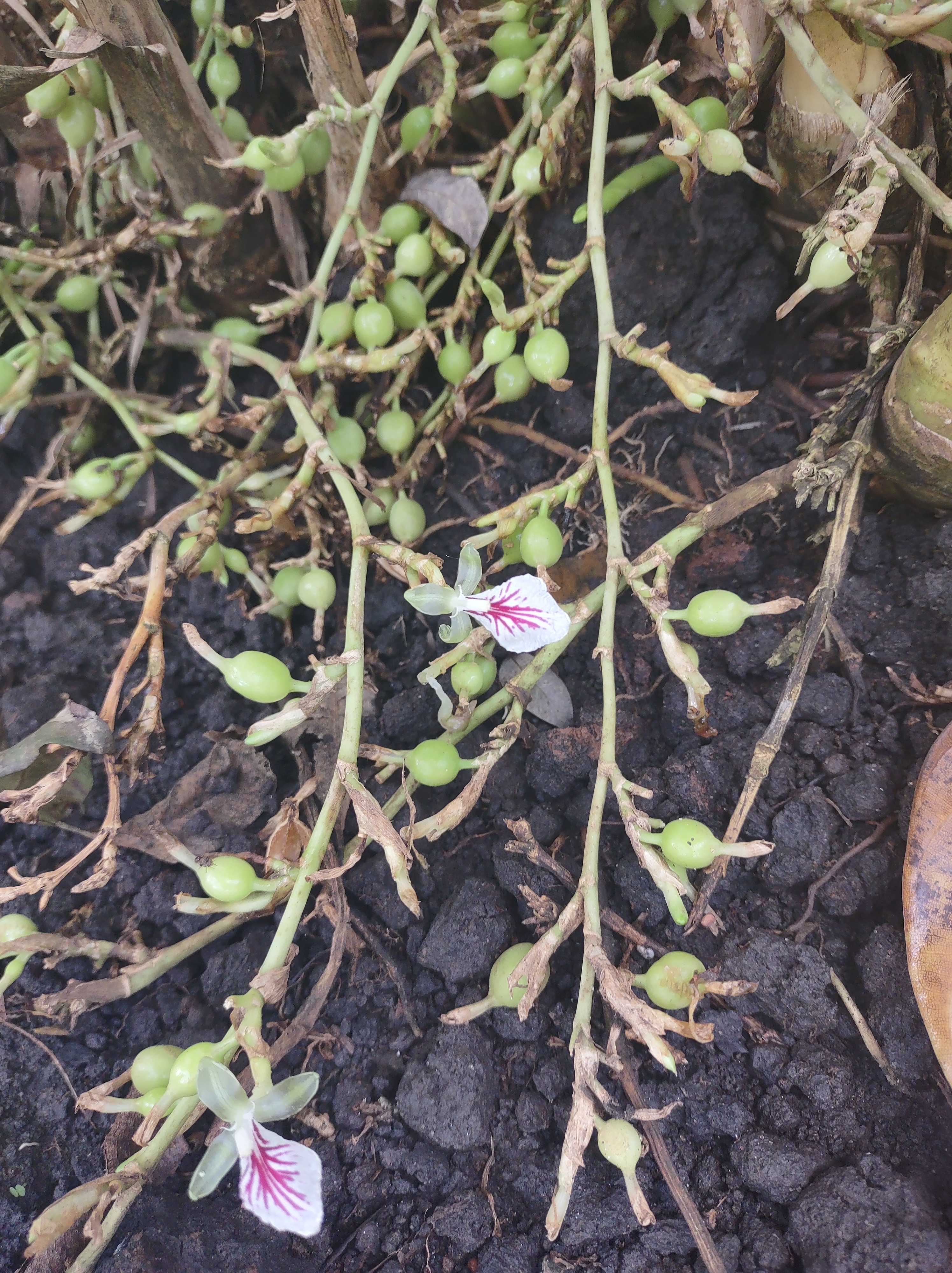
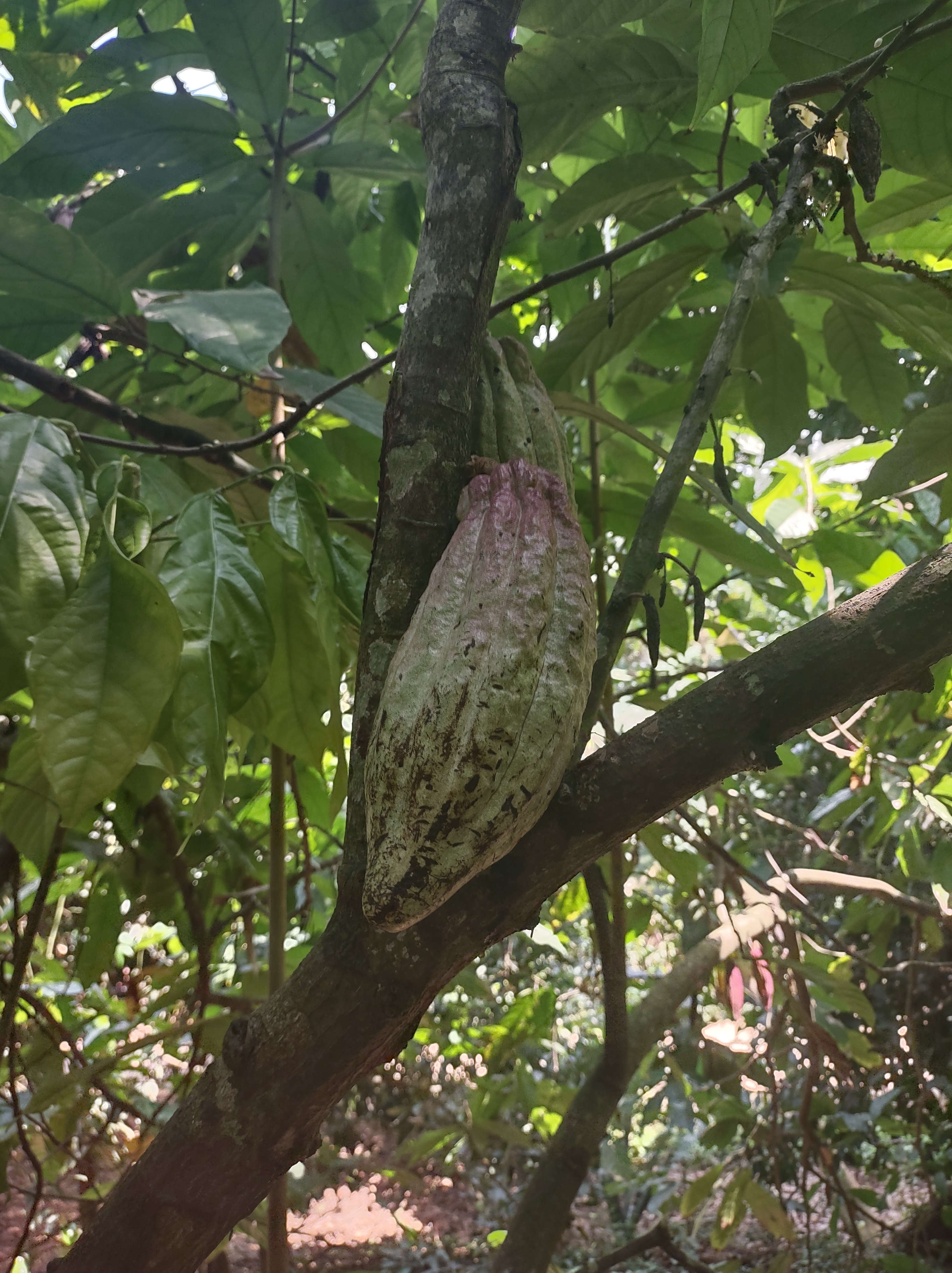
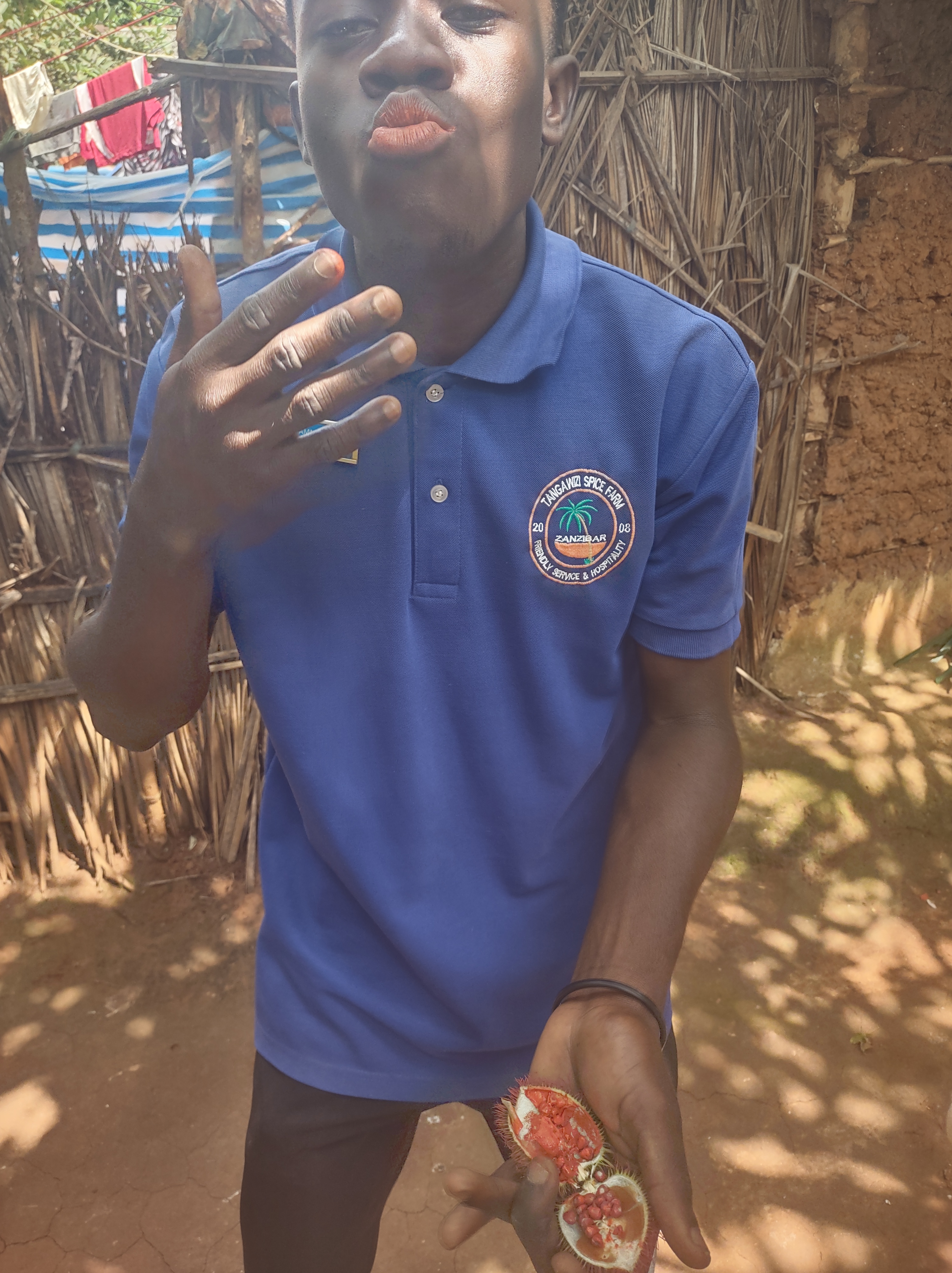
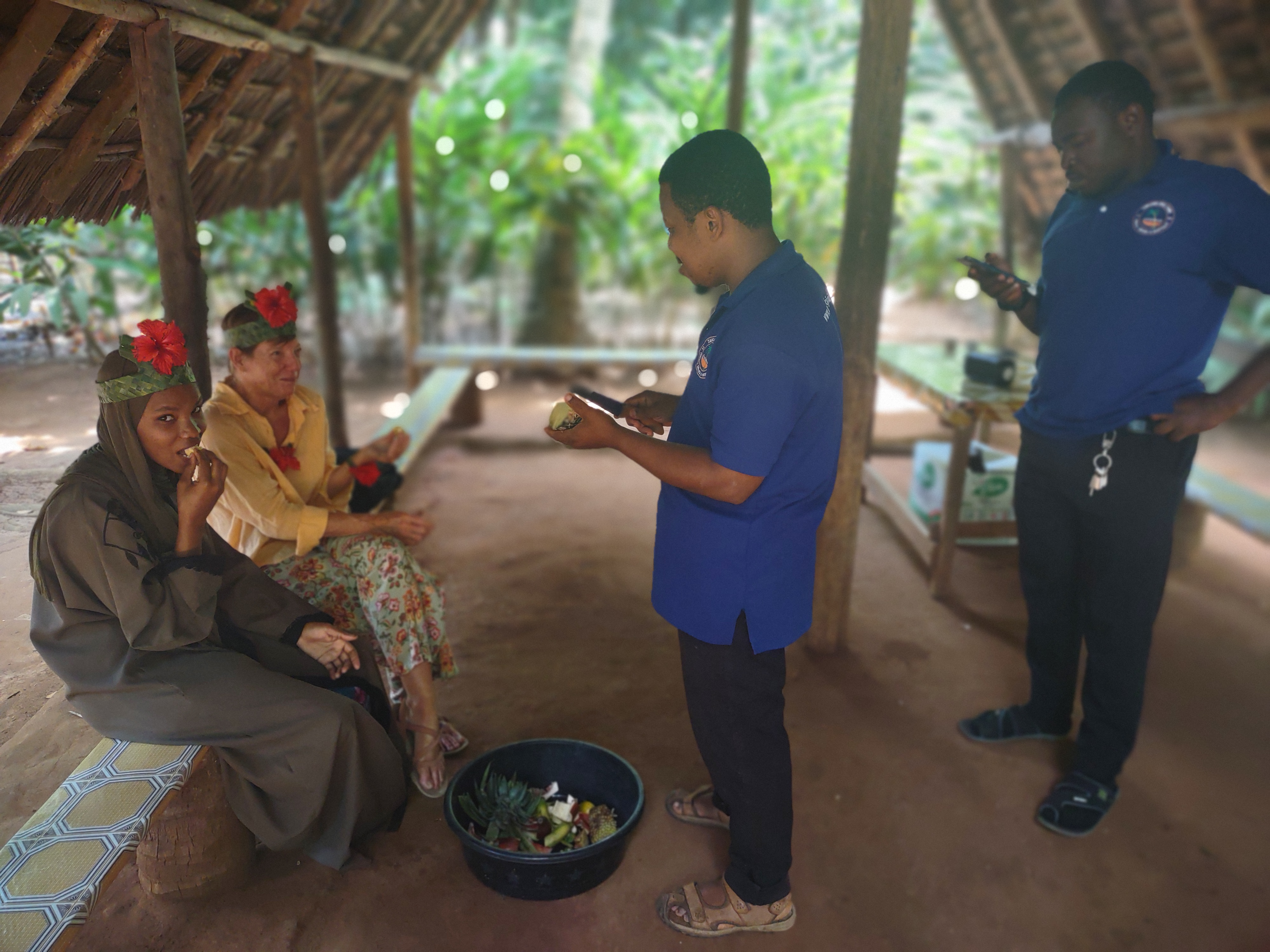
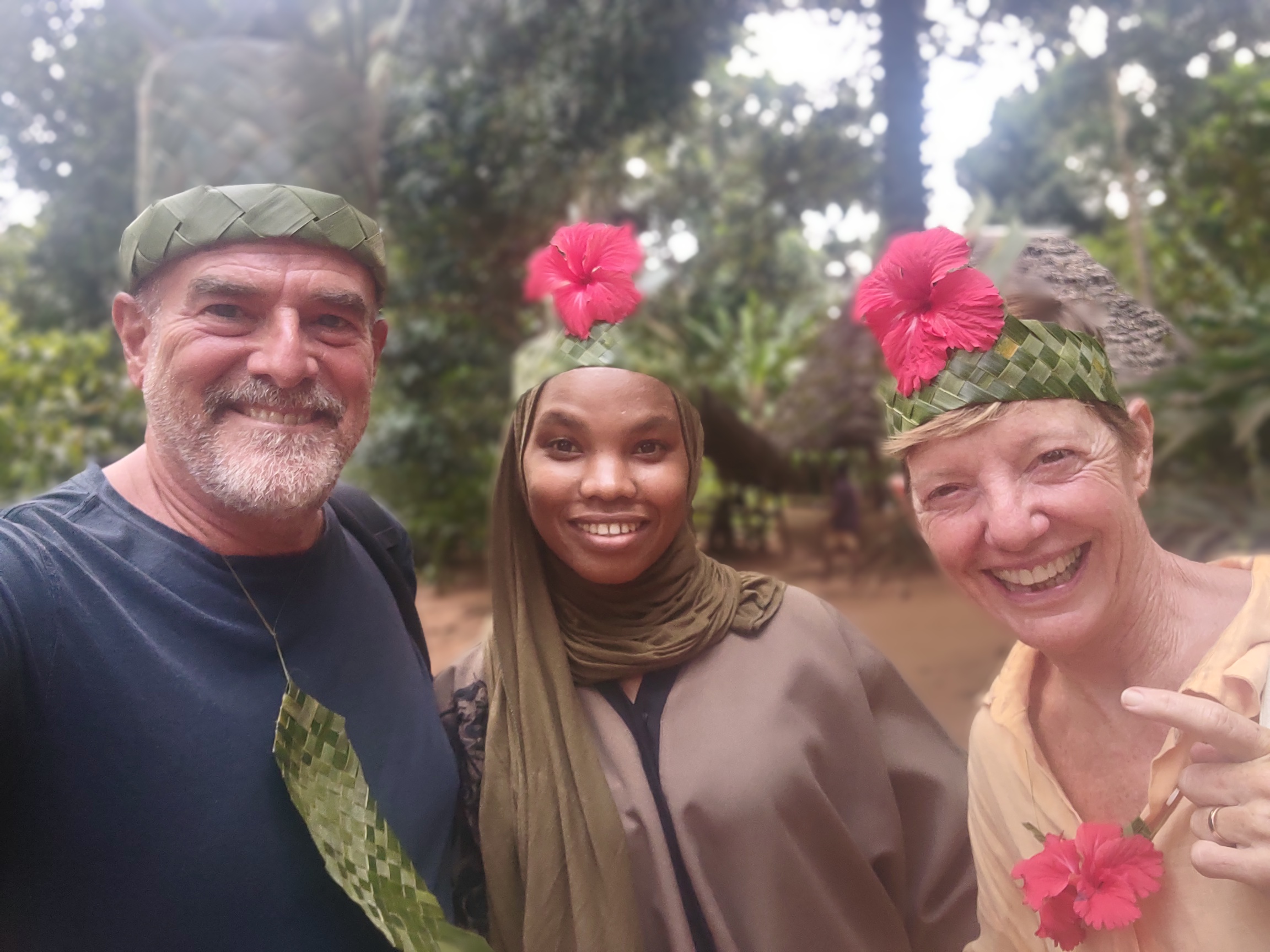
The spice tour, which was extremely informative and entertaining, consisted of a walking tour of the Tangawizi Spice Farm (“Tangawizi” is the Swahili word for “Ginger”) located in the Masagini Forest in the east central part of the island. During the tour we were shown one live plant after another and asked to identify it, with clues or hints when necessary. It was very enjoyable and I think we sometimes surprised our host when we were able to guess what something was without any hints. Along the way we saw cinnamon, ginger, cloves, vanilla, cardamon, coffee, nutmeg, and various colors of pepper (based on maturity of the seed as it turns out). We also saw a variety of fruits, some of which, like breadfruit, jackfruit, and the red banana (apparently the king of bananas), we had never seen or tasted before.

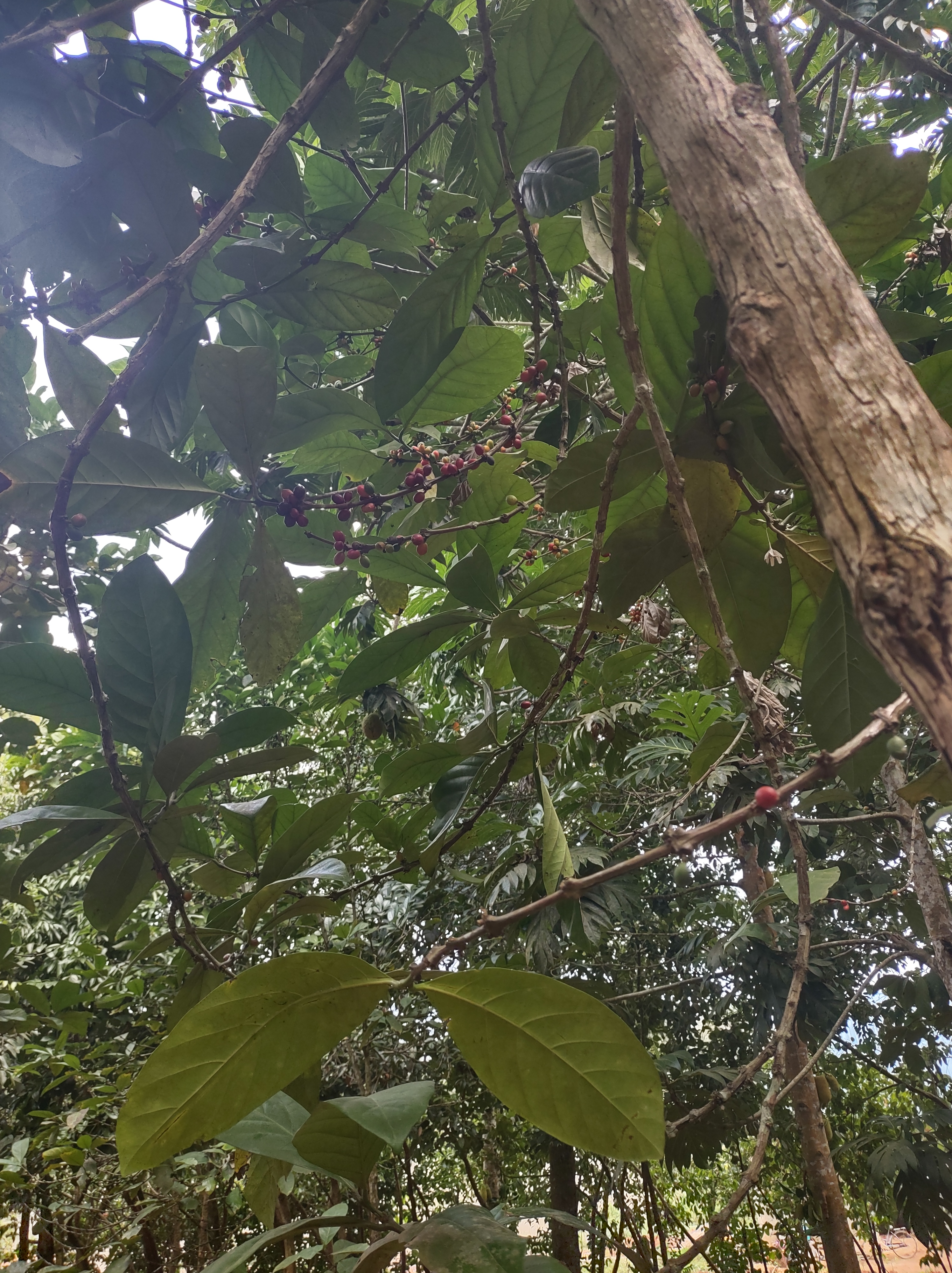
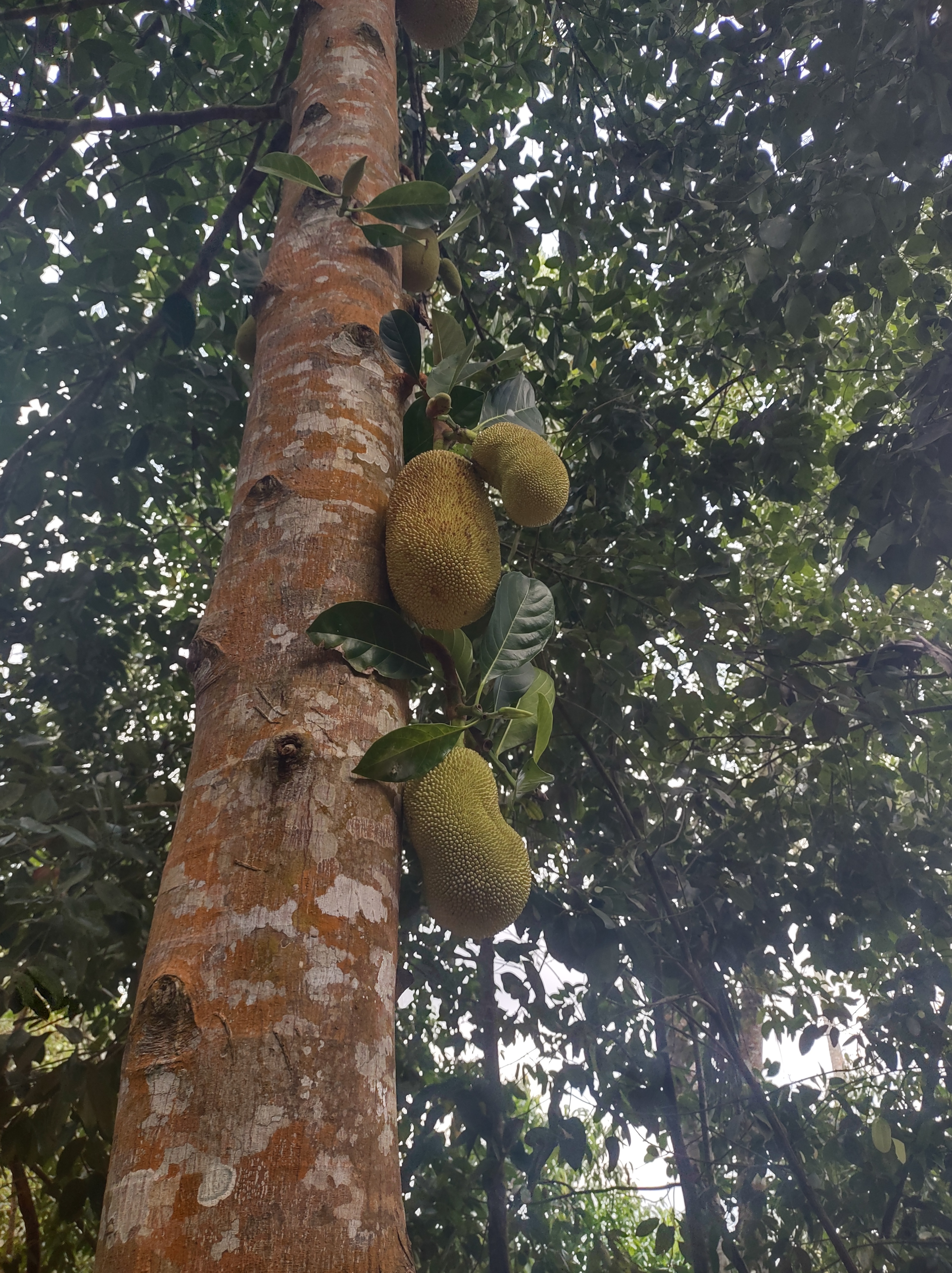
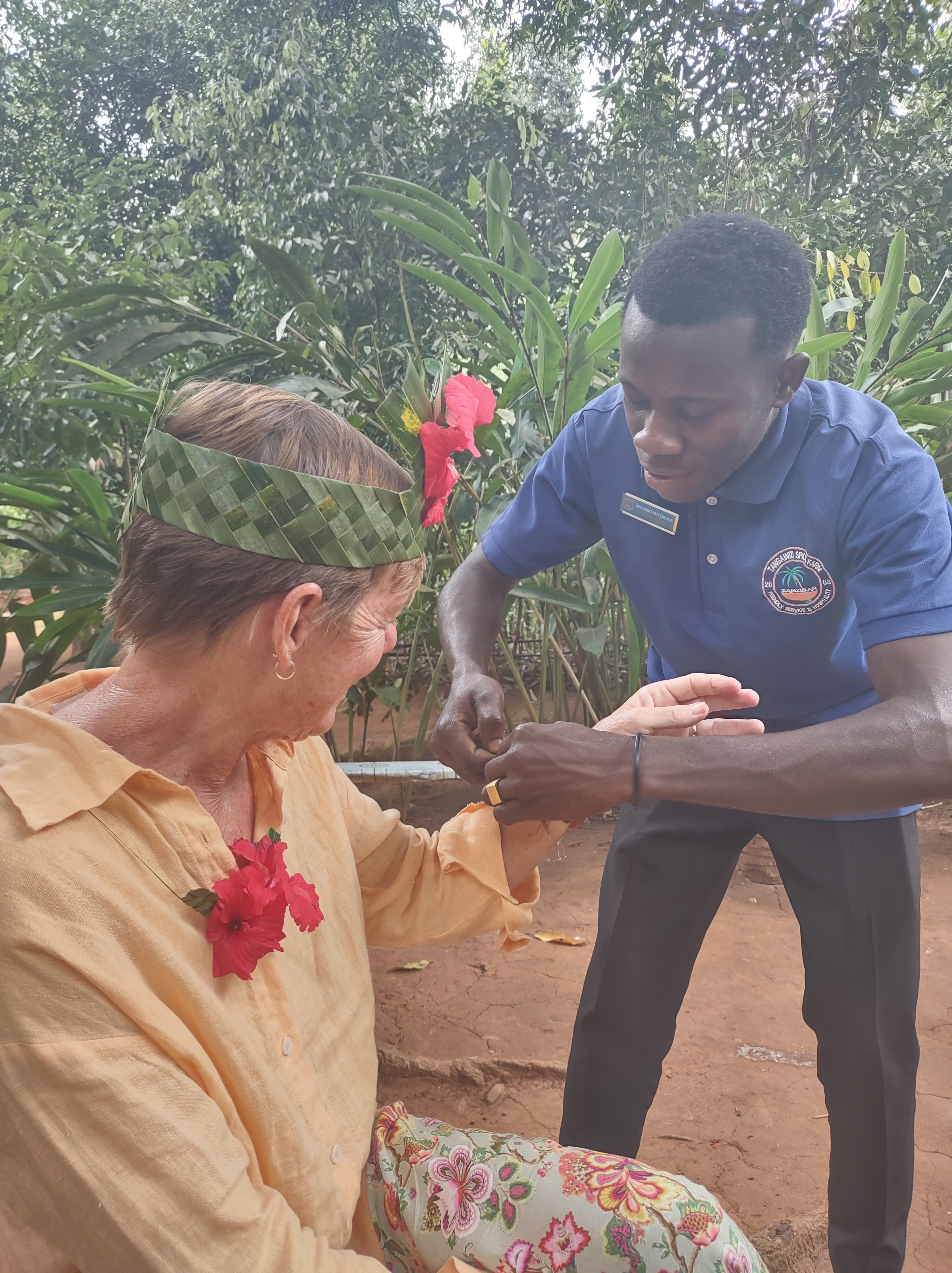
We had a private guide who had an assistant who was charged with taking cuttings and making silly stray clothing for us during the course of the tour. Near the conclusion of the tour, we met the “Birdman” who demonstrated his climbing and singing skills by shimmying up a very tall coconut palm to retrieve one for us to sample. We were also accompanied by a young woman who was interning as a tour guide. She and Colleen had some interesting conversations regarding the traditional roles of women in Zanzibar and her personal aspirations.



Prison Island
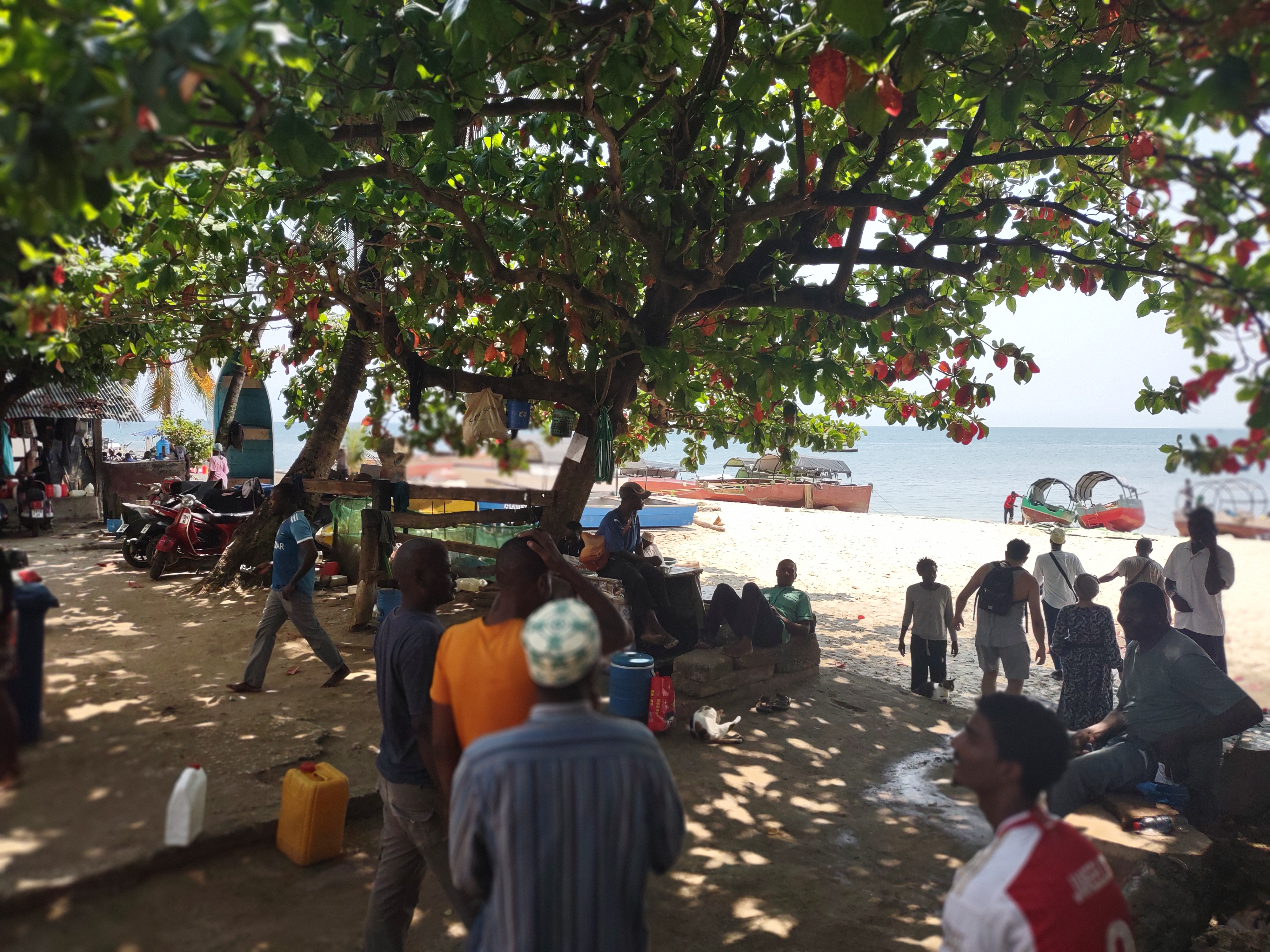
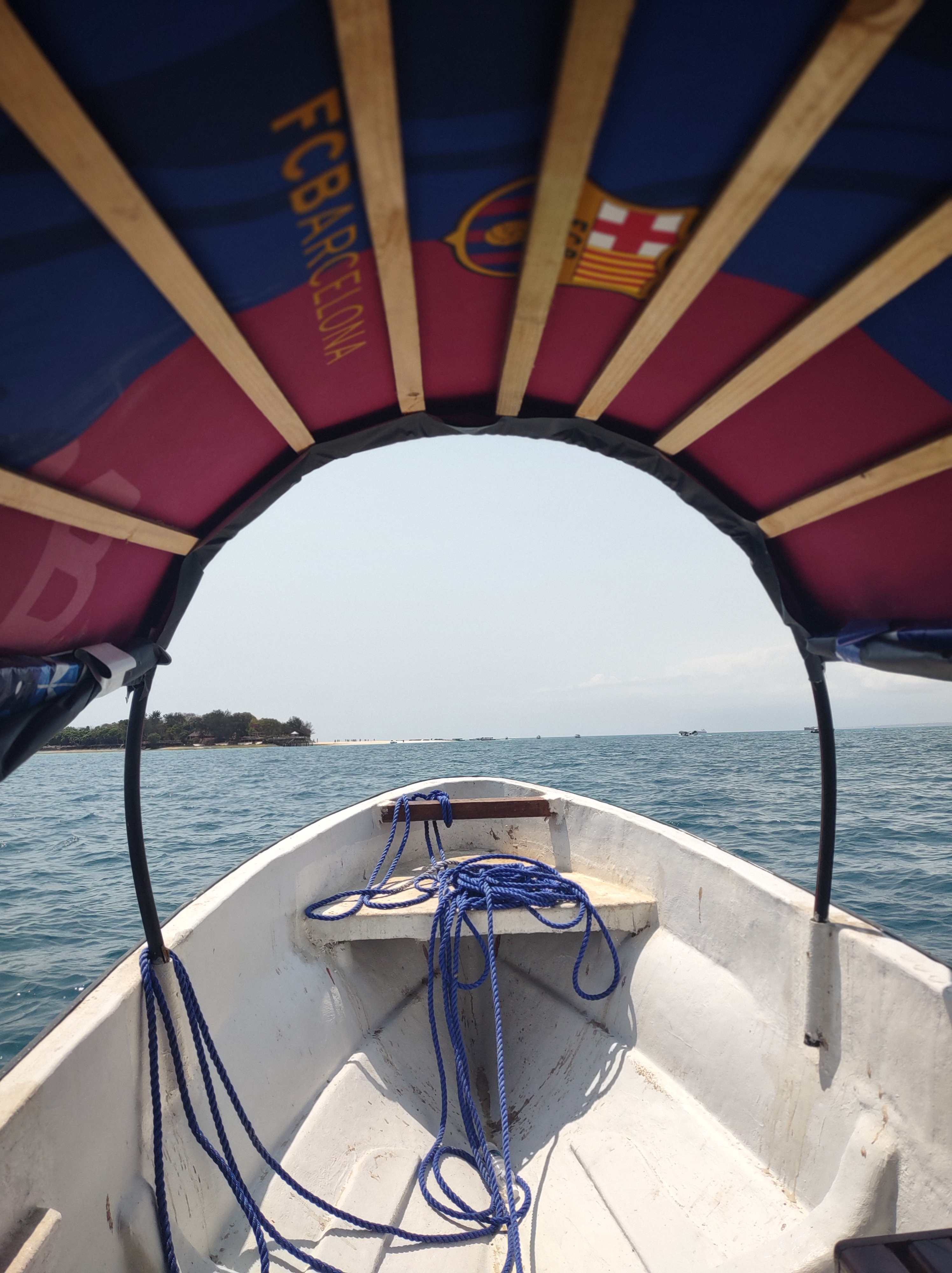
From the spice farm we proceeded into Stone Town where we caught a boat on the beach which transported us a short distance from the port to Changu Island, which, for the purpose of our tour, was referred to as “Prison Island”. Changu was purchased by the British First Minister of Zanzibar in 1893 for purposes of constructing a prison, but was apparently never used for that purpose. It did apparently serve as a yellow fever quarantine station gaining it the names “Quarantine Island” or “Yellow Fever Island” (which are obviously less appealing for tours). The tour of the facilities was a bit odd as our guide maintained the pretense of it being a prison and used prison terminology to describe it, but what we saw seemed more suited to a quarantine station than a prison.
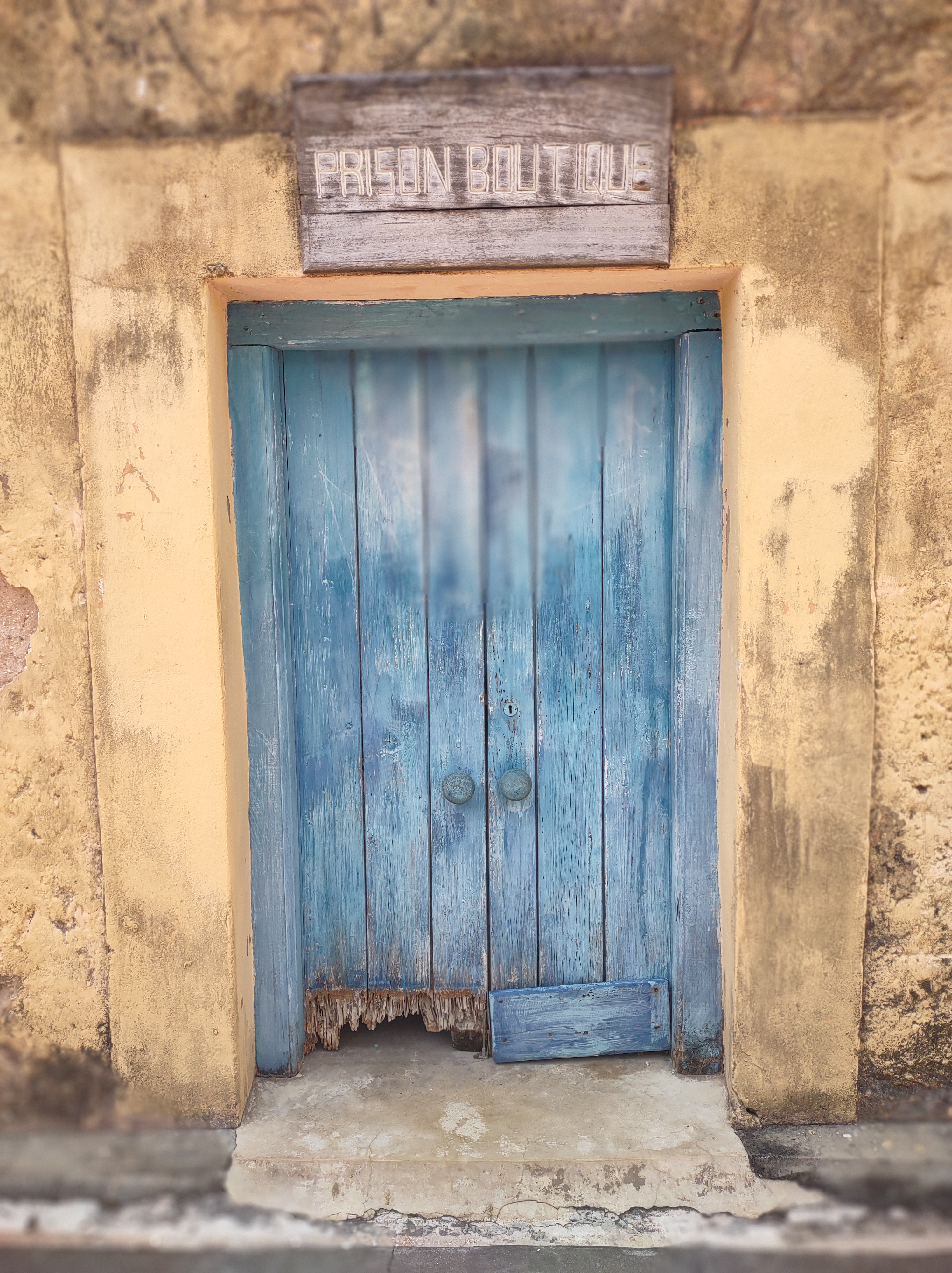
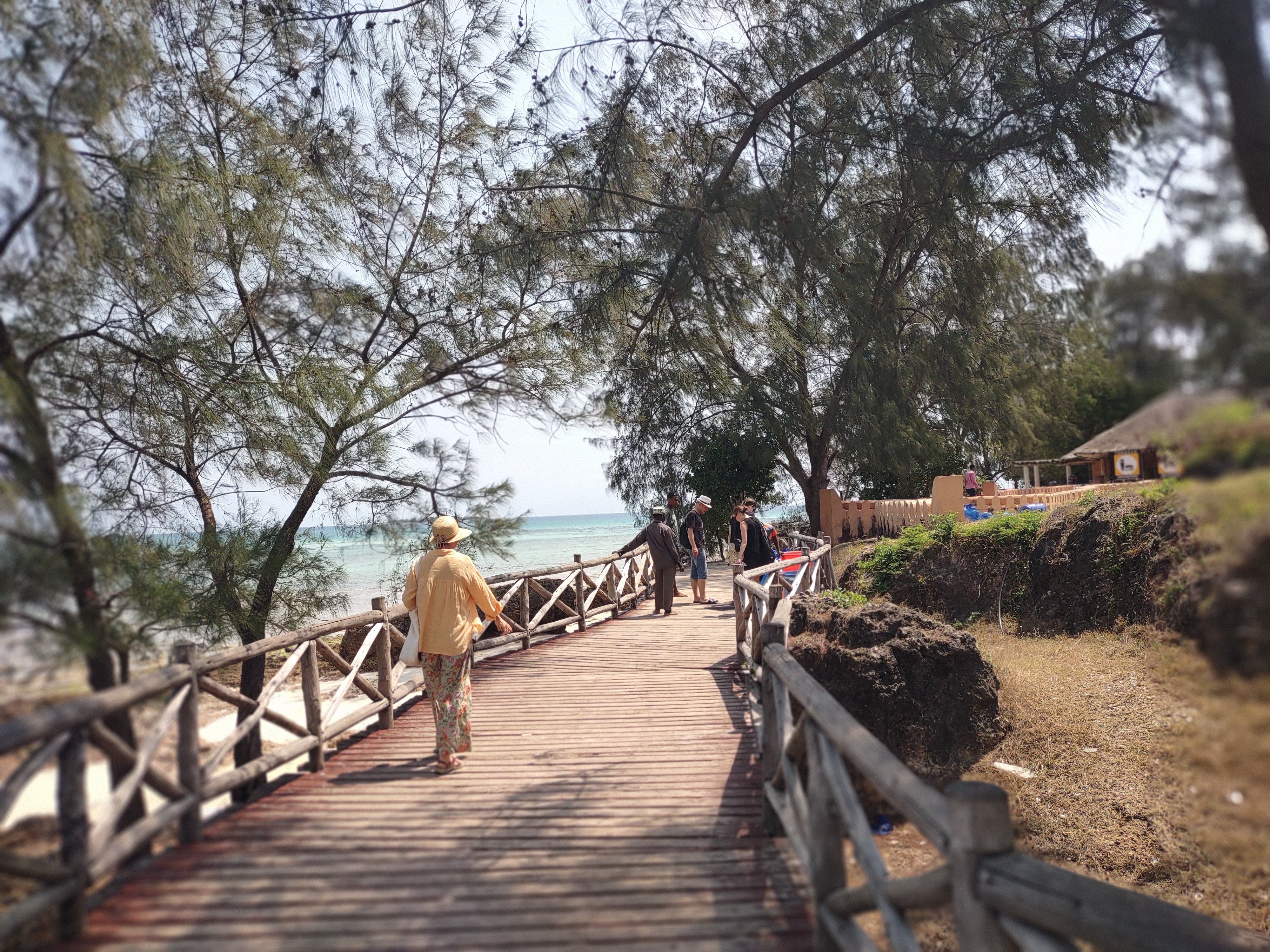
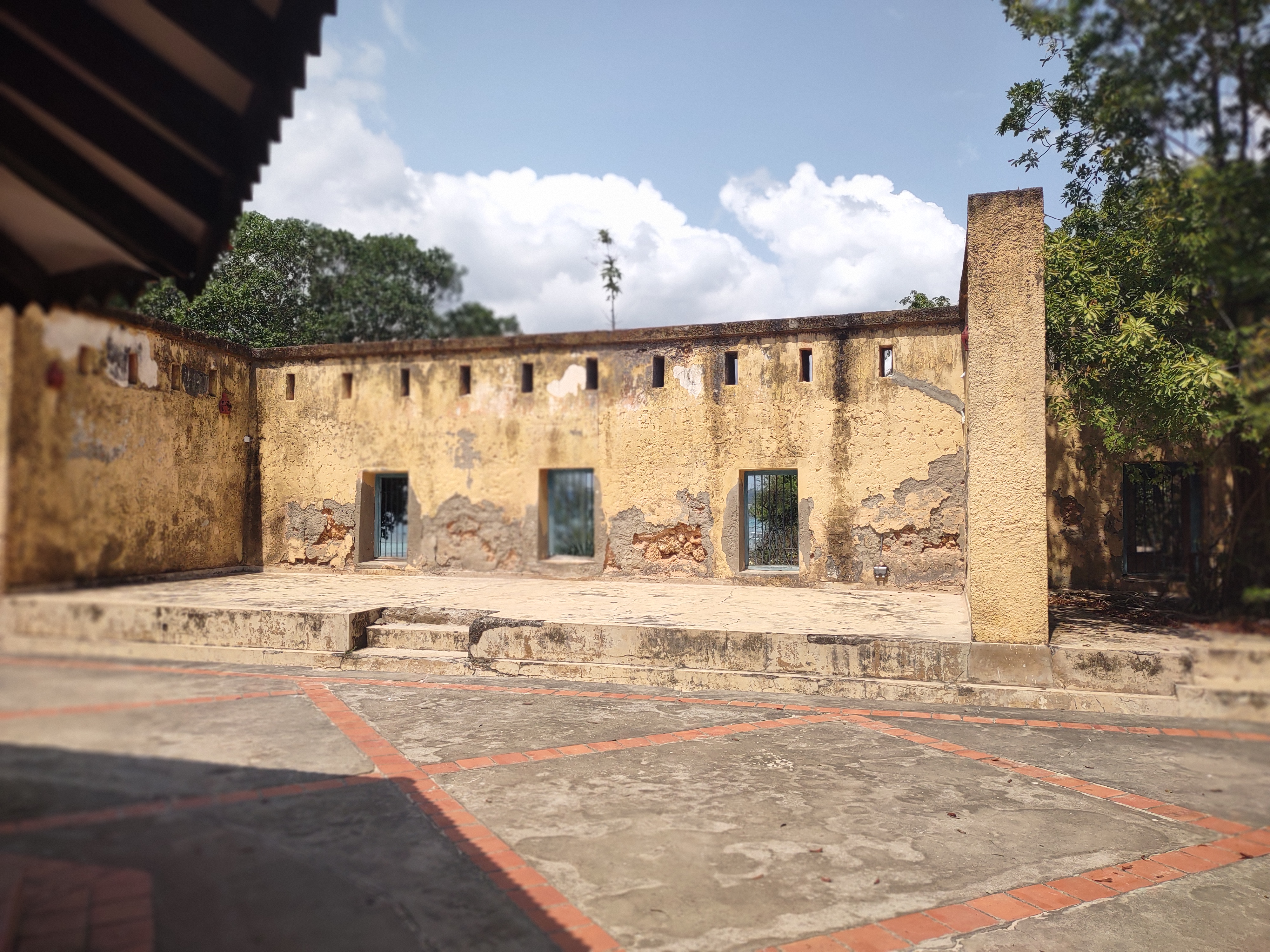
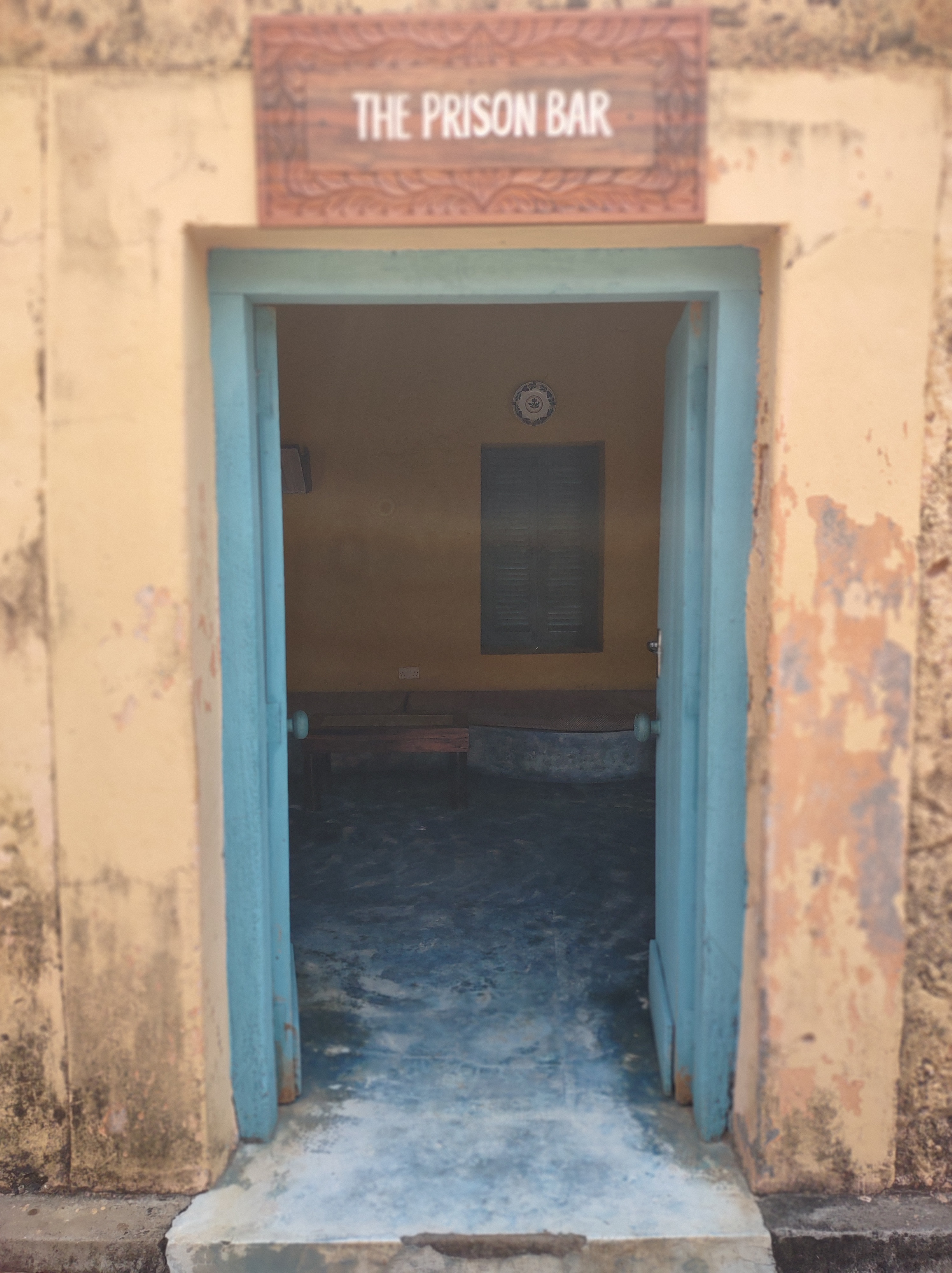
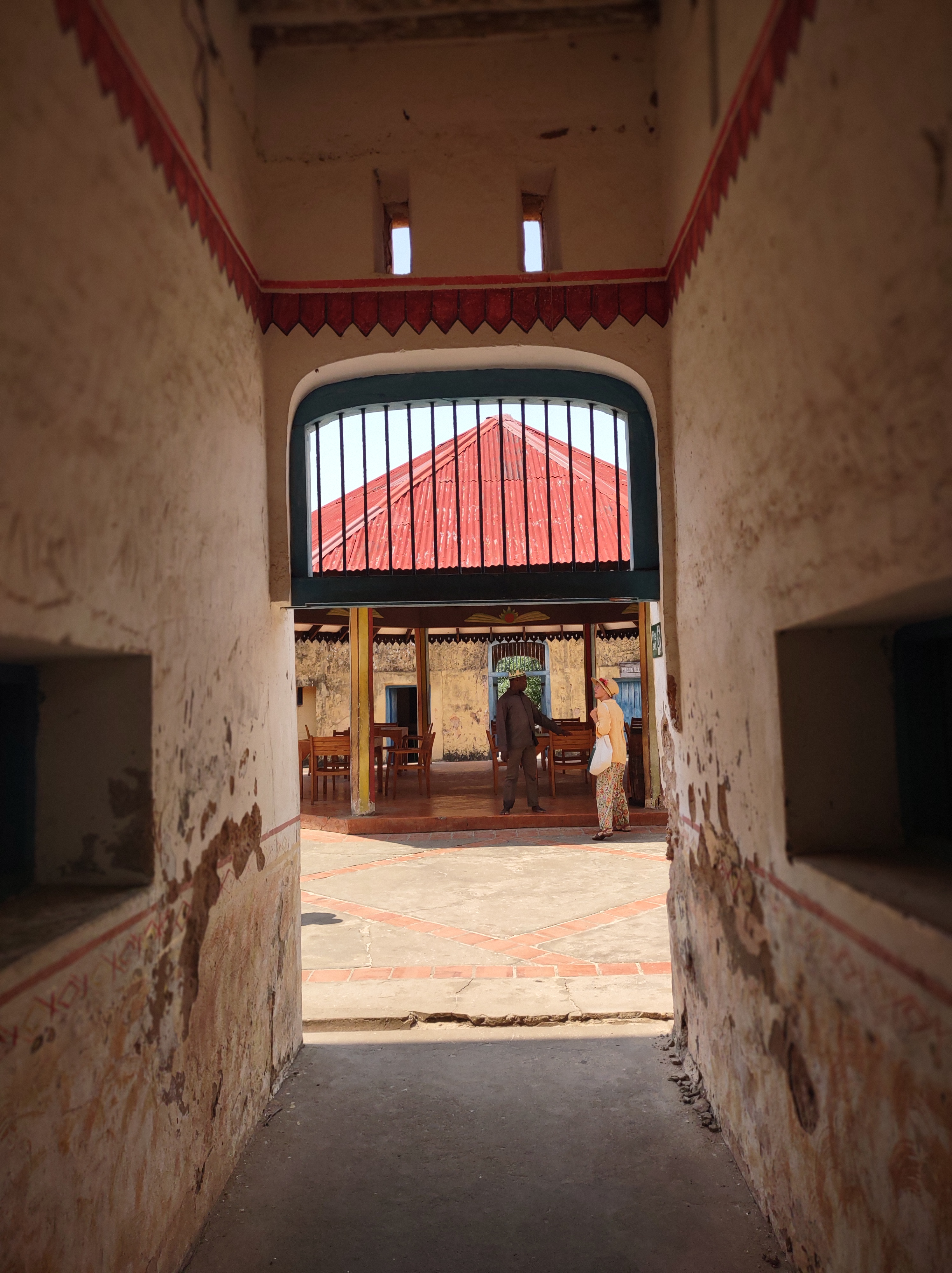
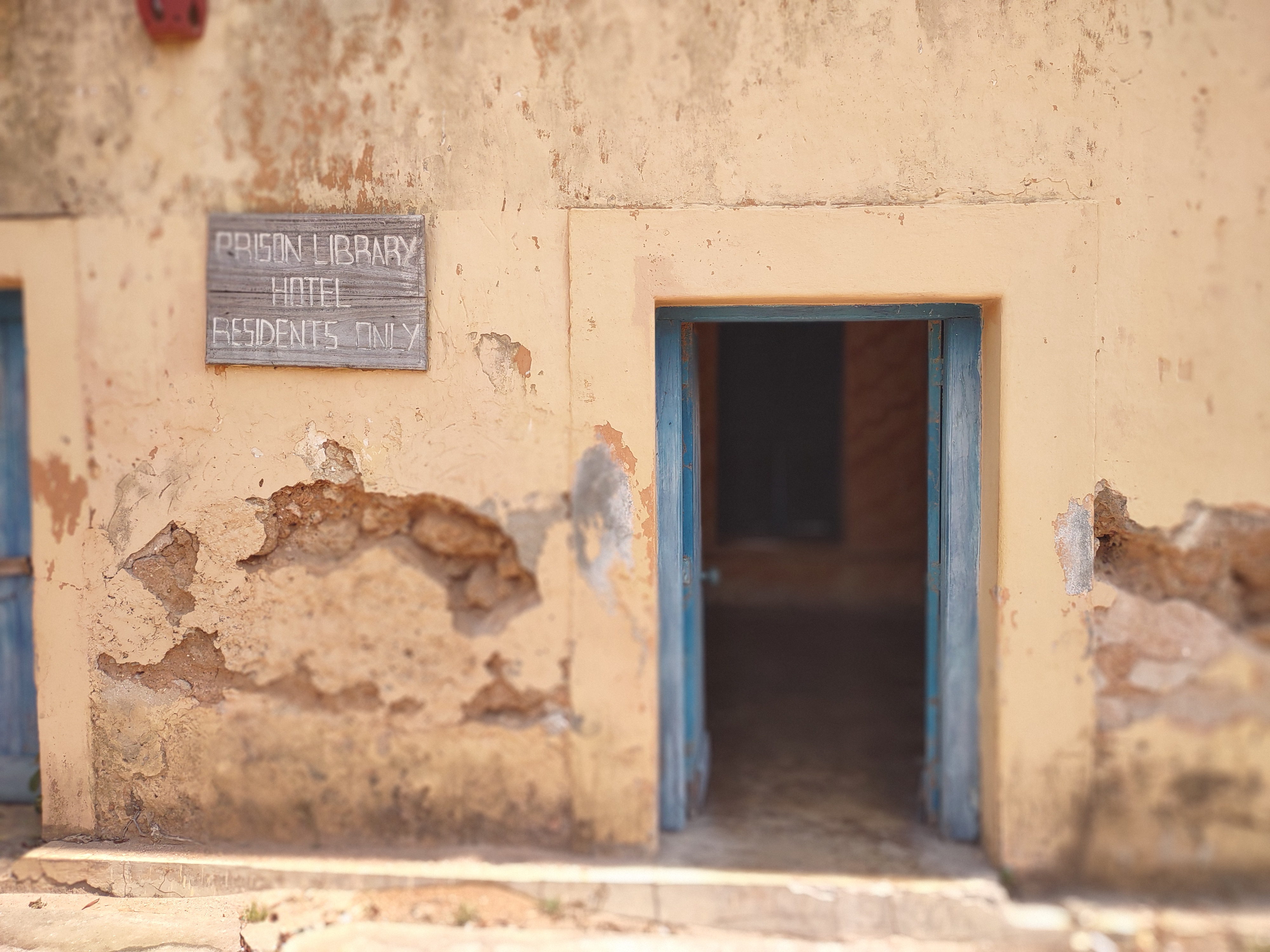

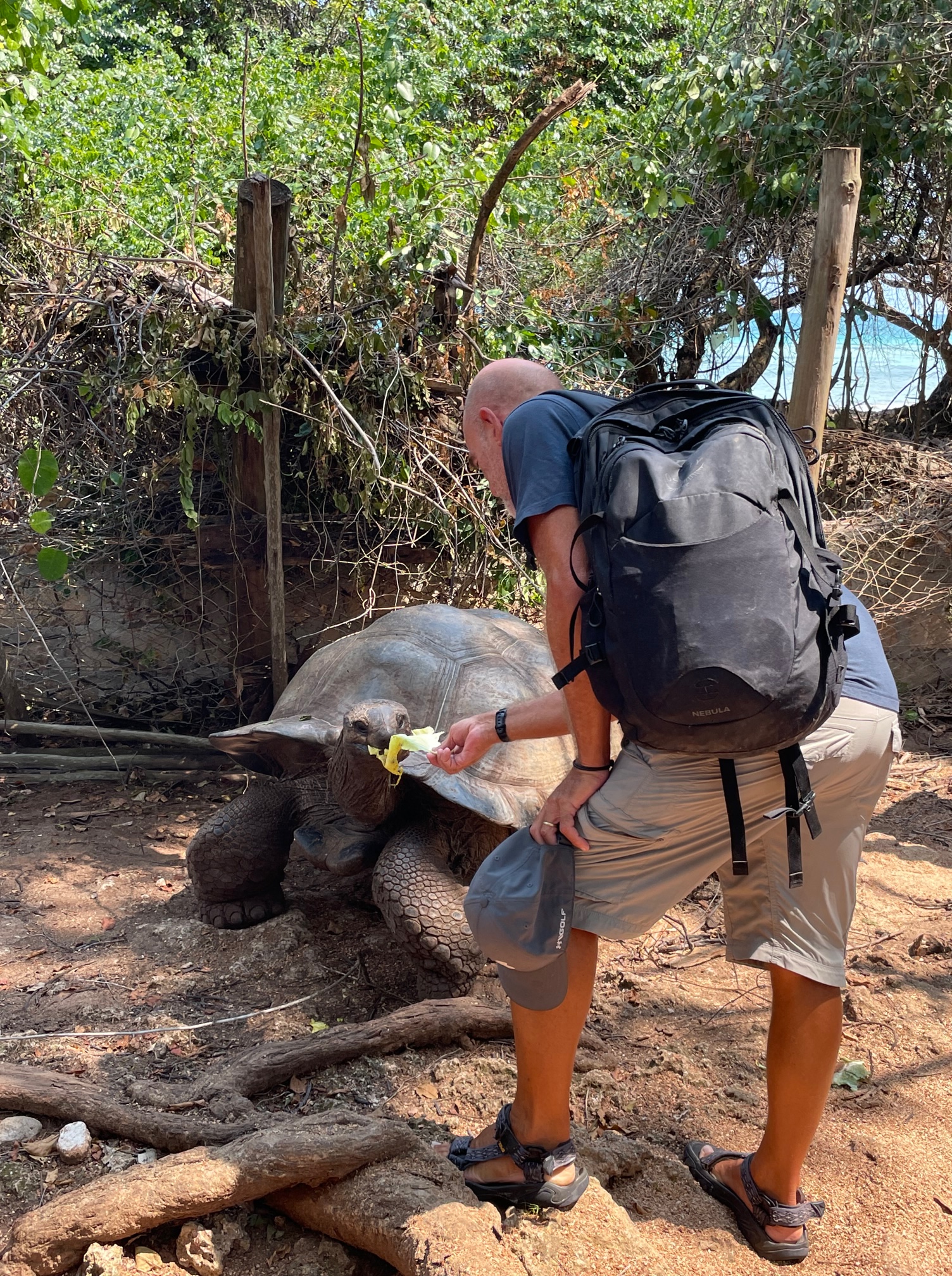
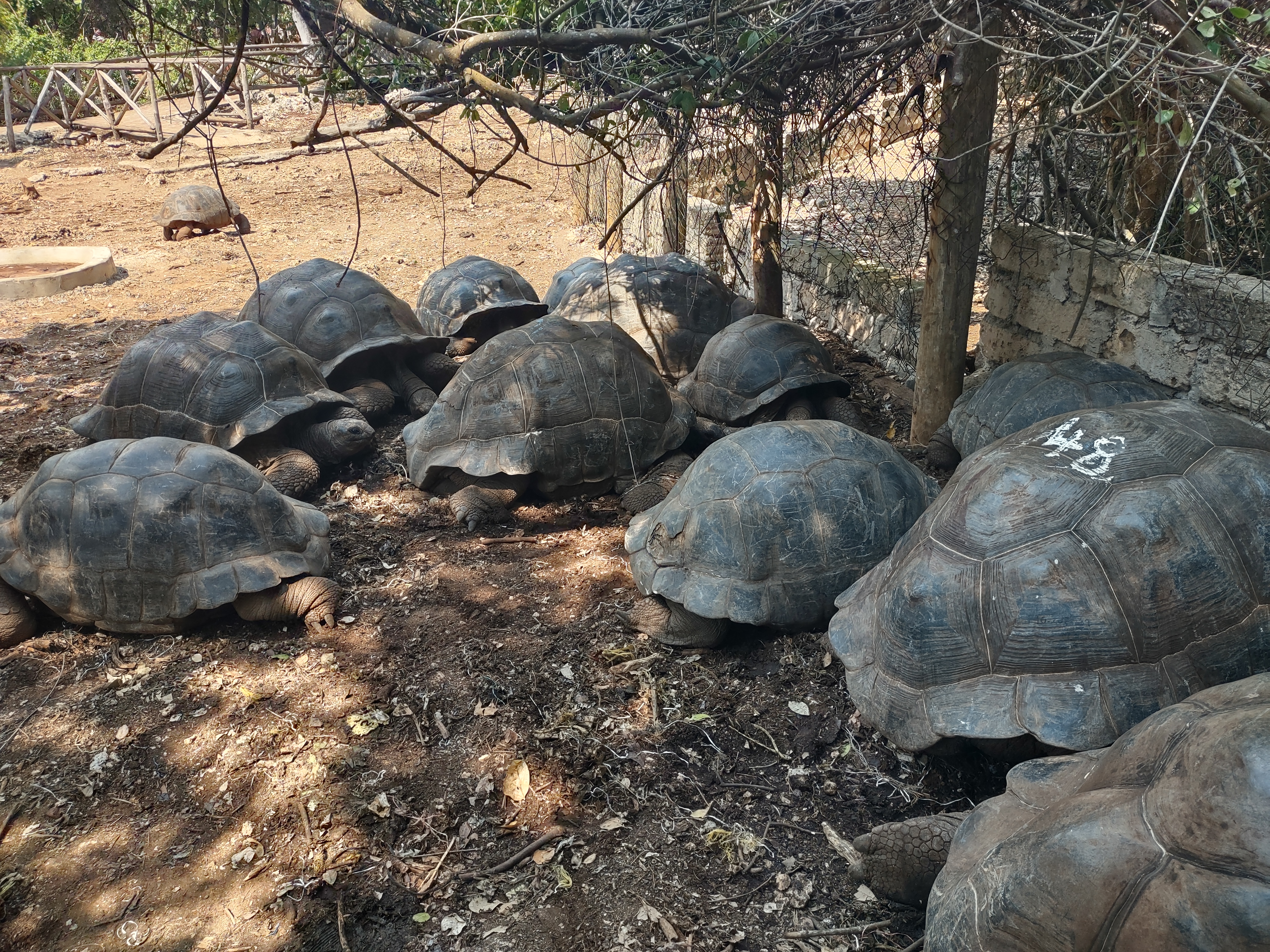
More recently, the island became the home for about 100 tortoises which are descended from two pairs which were given to the Sultan of Zanzibar by the British Governor of the Seychelles as a gift in 1919 and, because of this, Changu is also sometimes referred to as “Turtle Island” (despite the fact that they are tortoises, not turtles). In any case, the tortoises were pretty cool. There were a lot of them, many very large (some over 100 years old), and (as I unfortunately learned) you really had to pay attention to where you were stepping. We also saw the tortoise nursery where the baby tortoises are kept for their first 10 years of life and have grown big enough to roll with the big tortoises.


Stone Town
Stone Town is the old town of Zanzibar City which is the island’s seat of governance with a population of about 200,000, about 30,000 of whom live in Stone Town, and is recognized in some circles as the home town of Freddy Mercury. Stone Town is a very popular tourist destination due to its many shops and narrow winding streets. We had considered staying in Stone Town for a couple of days but decided that a day trip or two there (we did come back a second time) would probably be sufficient.
Once back from Prison Island, we grabbed lunch at one of the hotel restaurants which line the beach and felt we could almost have been back home at the Jersey Shore given how crowded it was and the amount of skin showing.
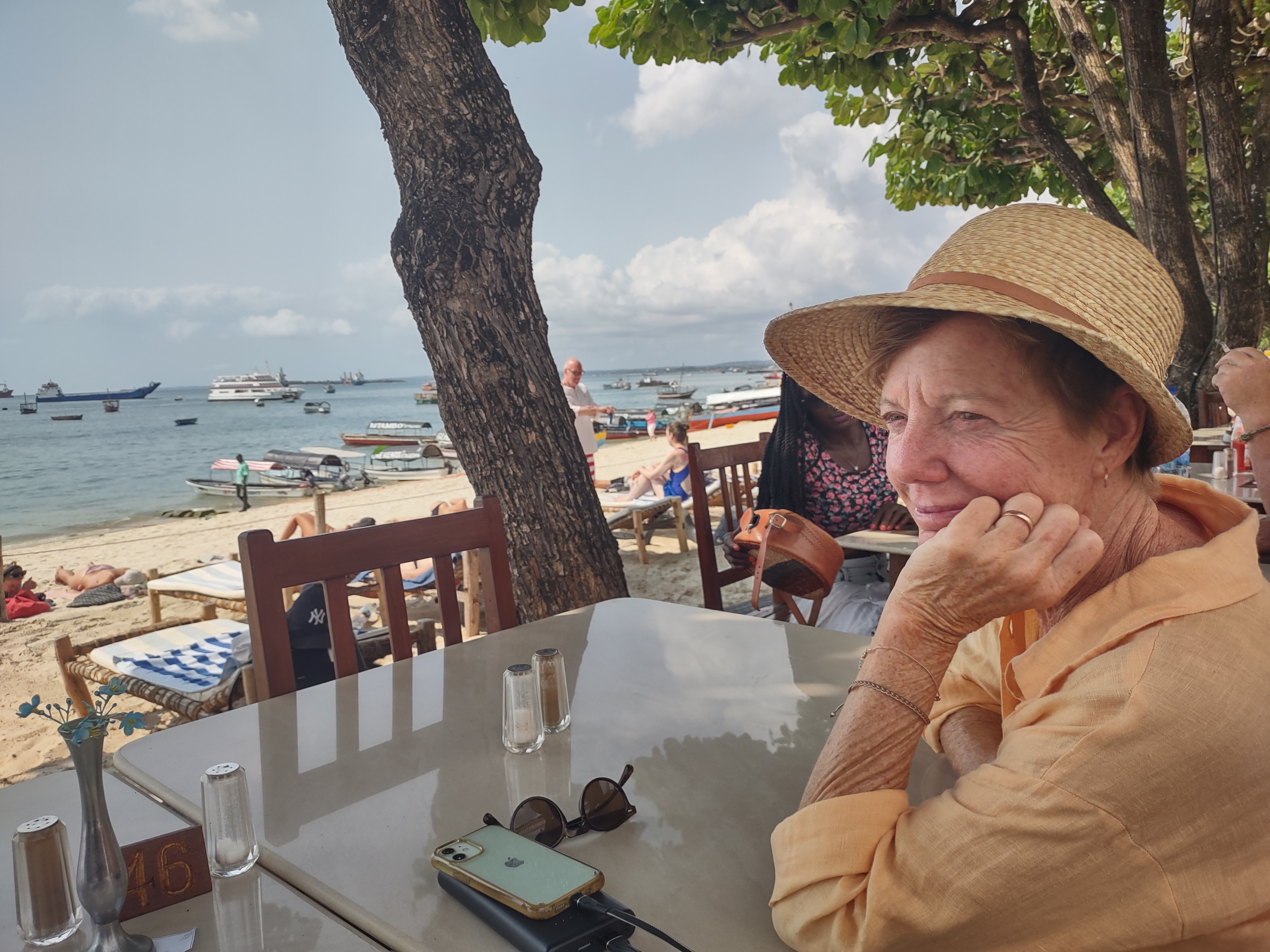
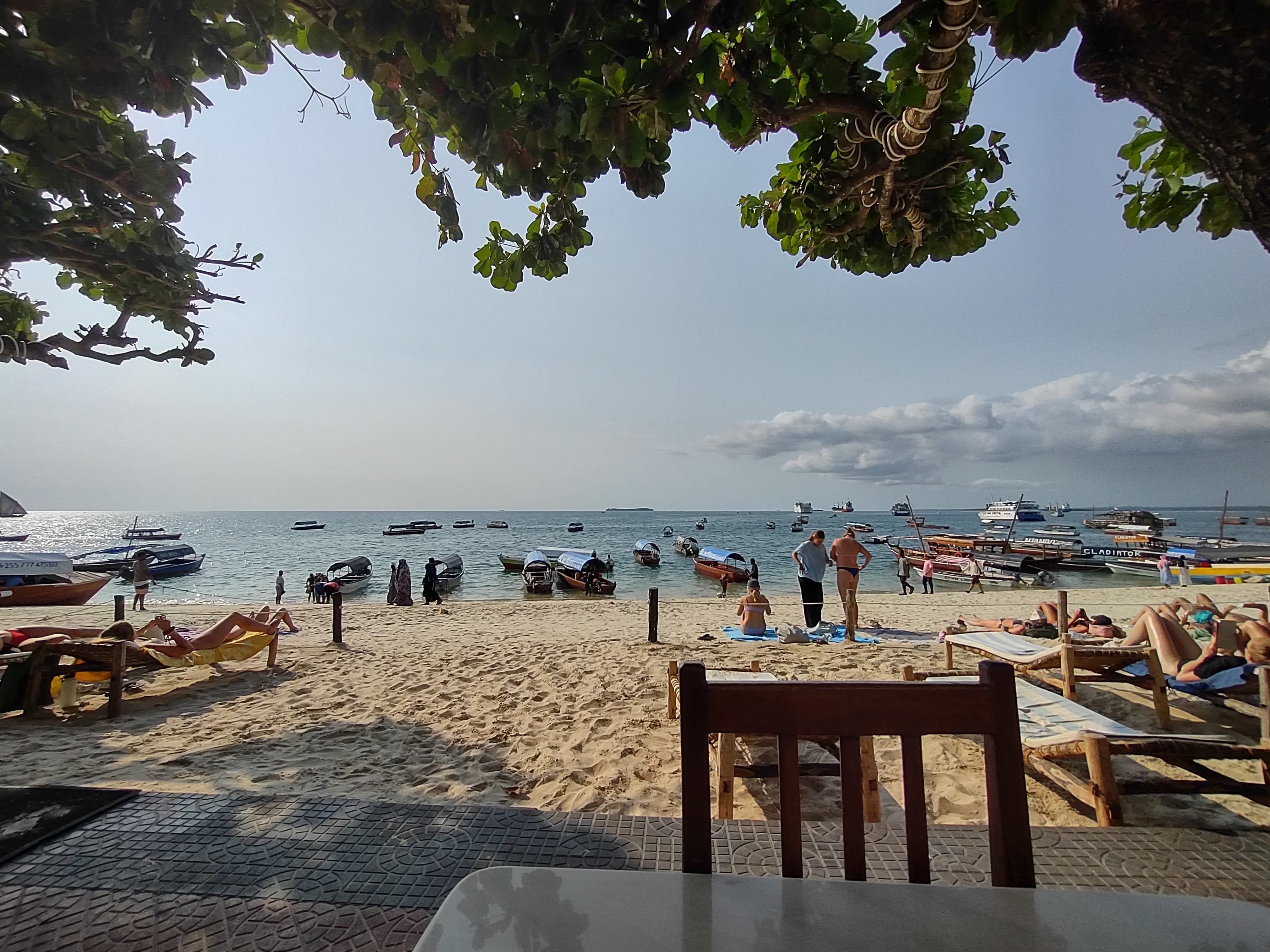
After lunch we passed by Freddy Mercury’s house so that Colleen could see it and pay homage then dove into the narrow back streets loaded with shops where we played the game of trying to look at things without drawing the shop-keeper’s attention.
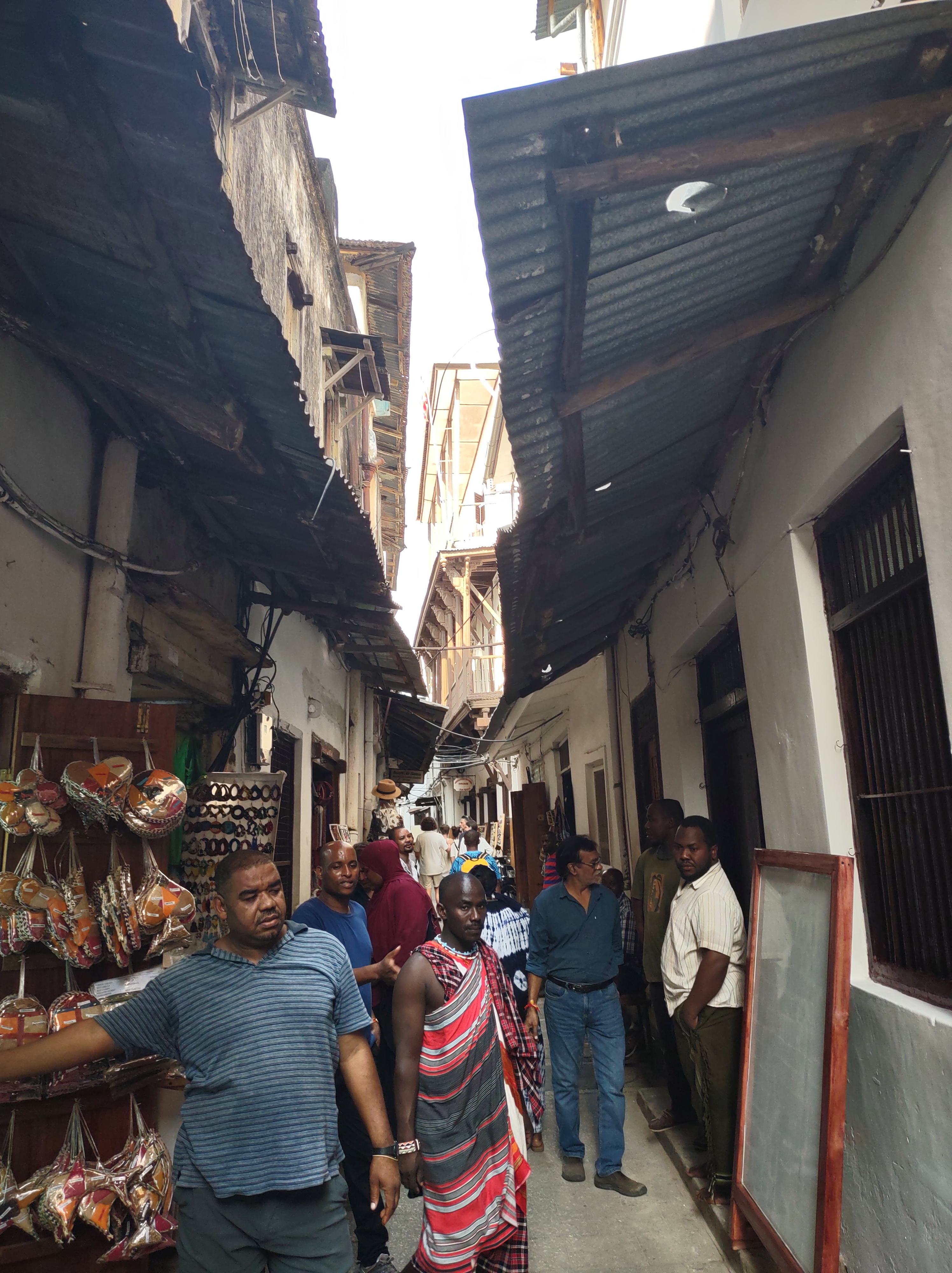
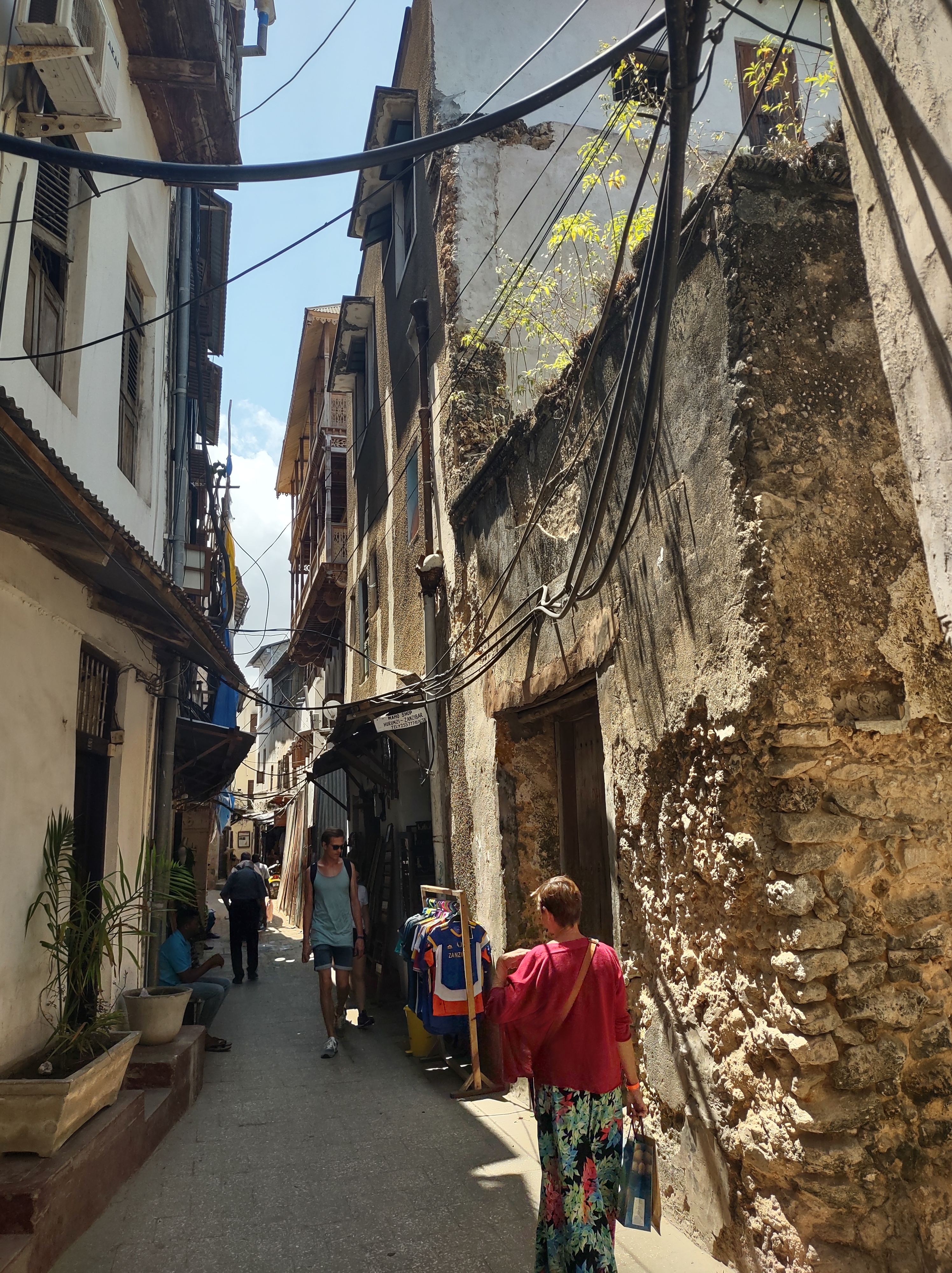
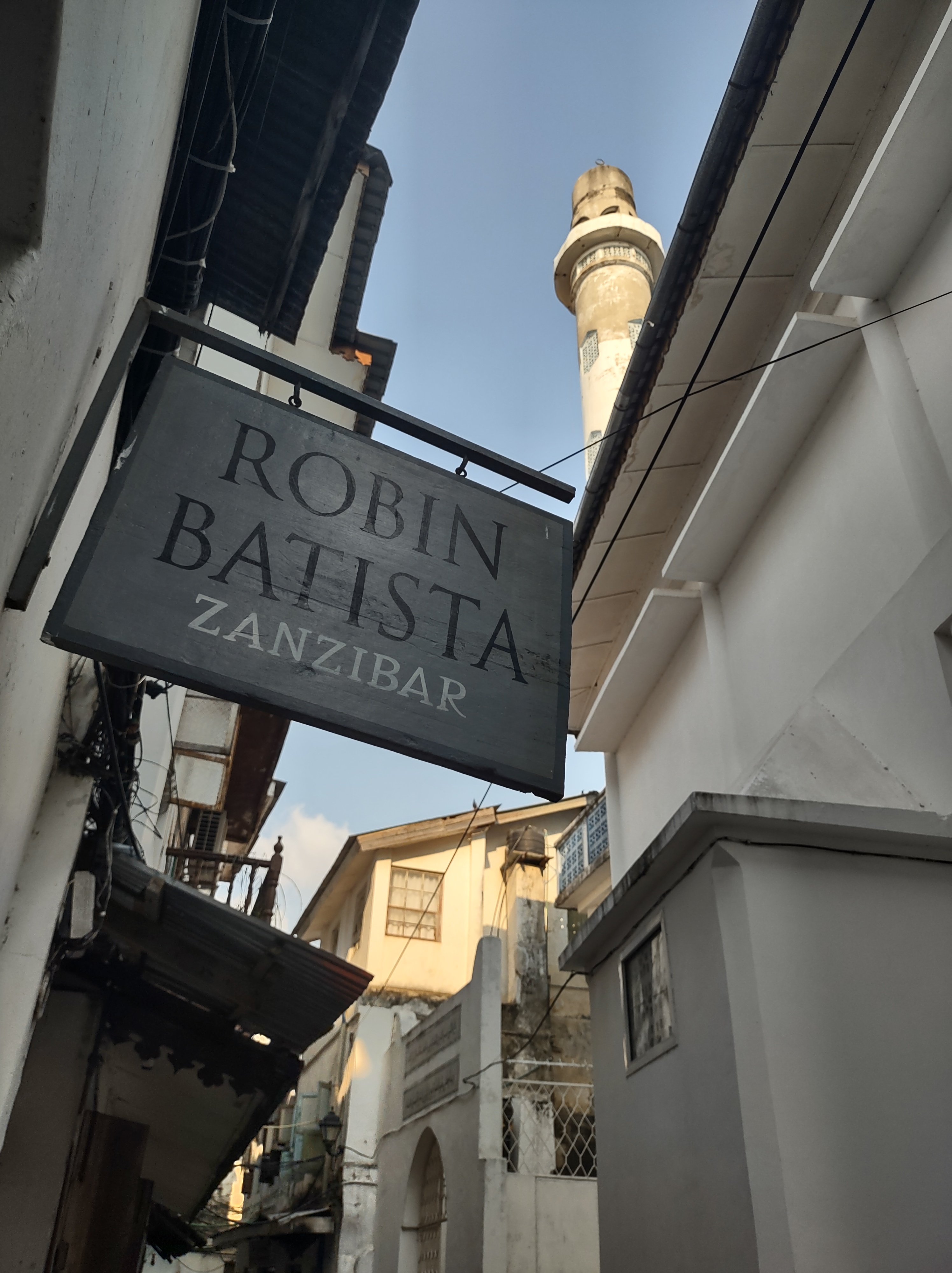
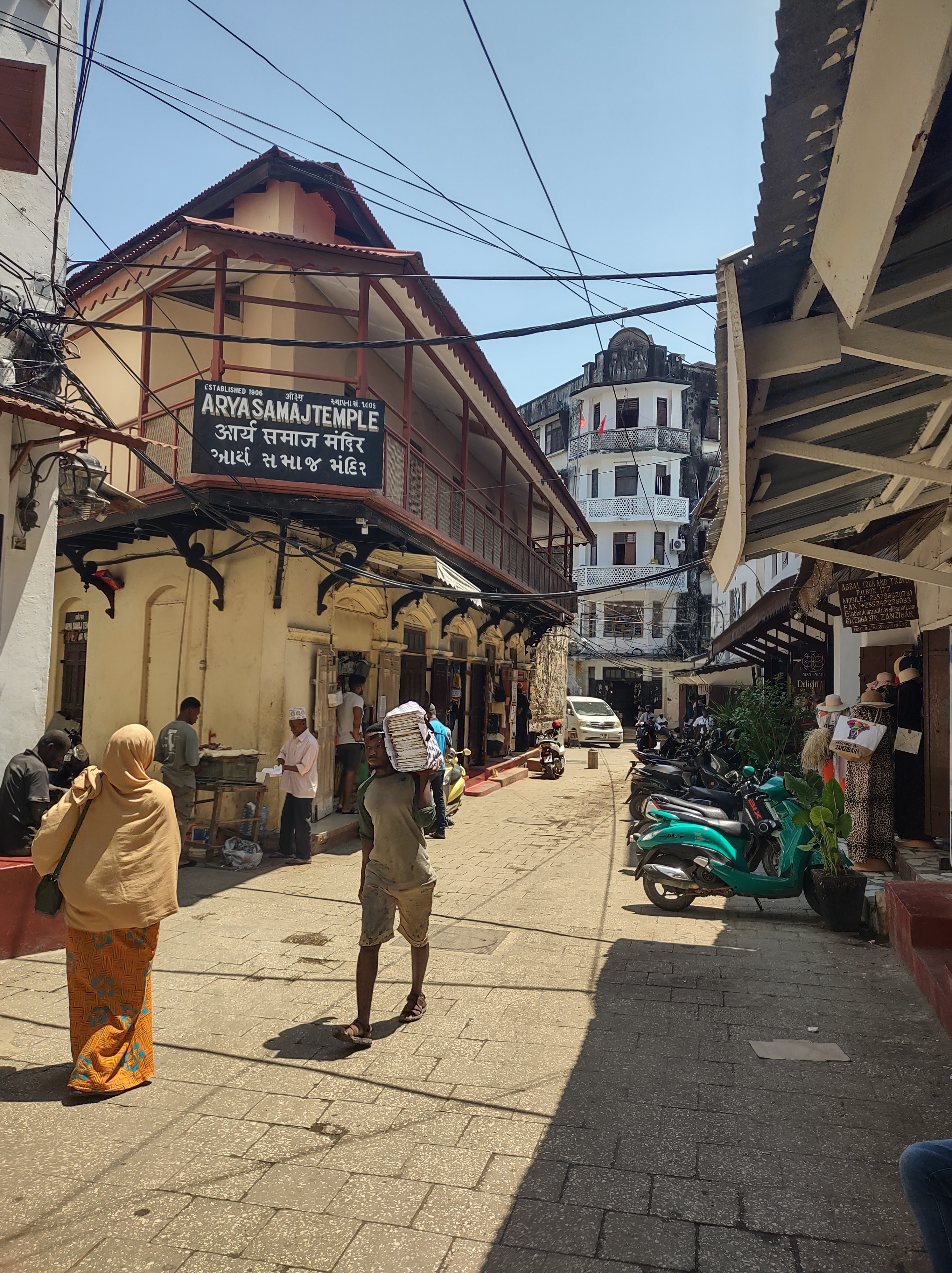
After quite a bit of this game, we arrived at the site of Zanzibar’s old slave market, in its time one of the largest in the world, which was shut down by the British in 1873. Today the old slave market is the site of the Anglican Christ Church Cathedral whose construction started in 1873 and was completed in 1879 in direct response to the abolishment of slavery in east Africa by the British. The church is constructed of coral stone in a unique (if not odd) blend of Gothic and Islamic architectural details.


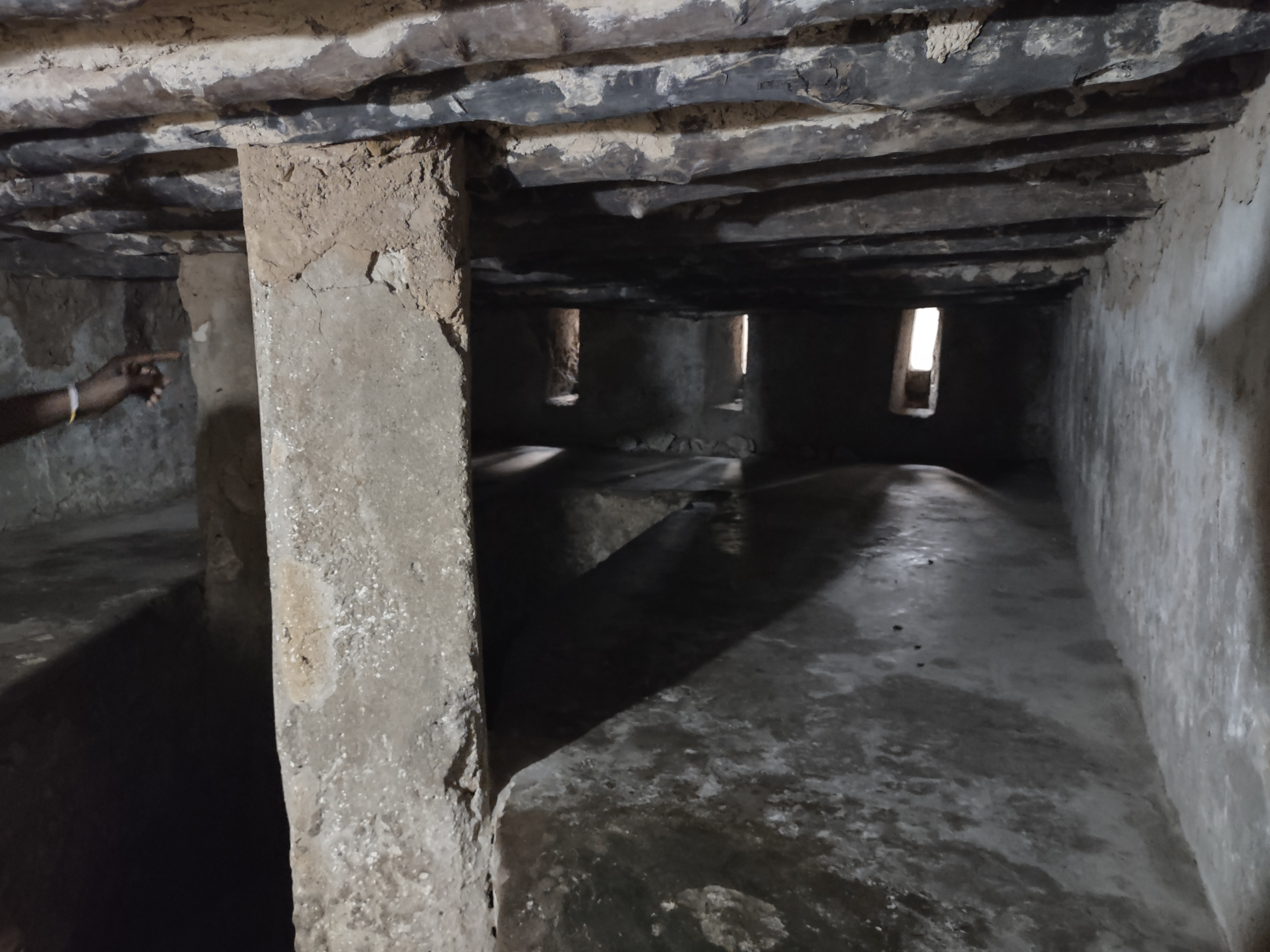
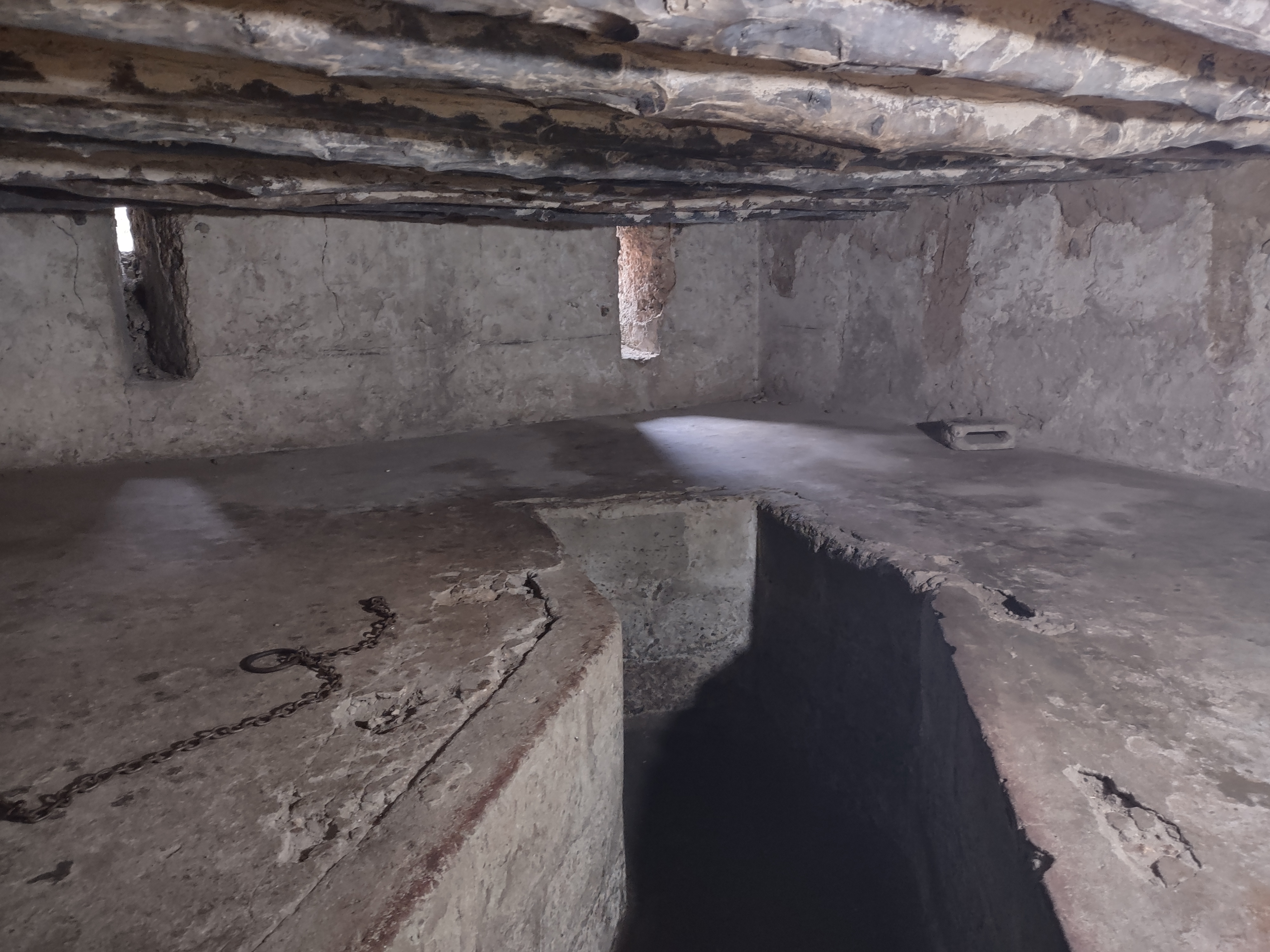
There is one pretty powerful sculpture in the church yard and a museum in an adjoining building which paints a pretty grim story of slavery in the region and the history of the Zanzibar slave market, made all the more real by a visit to the cells which still exist below the building where slaves were held before auction.
After that sobering experience, we stopped for coffee at a place Colleen had heard about called the Zanzibar Coffee House, where we enjoyed some really good coffee (most of what we’ve been drinking for awhile has been instant) as well as the great views from its roof-top.

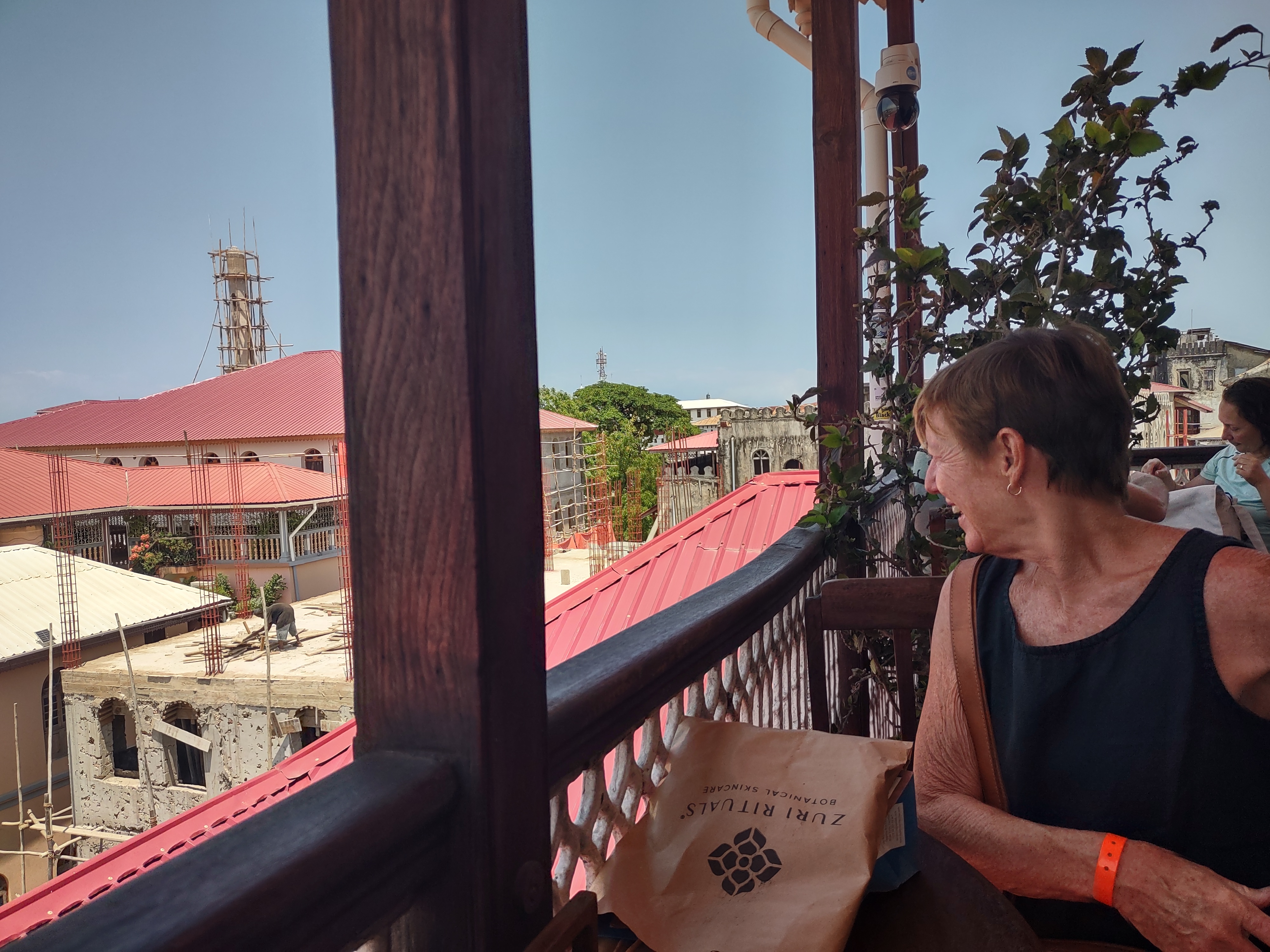
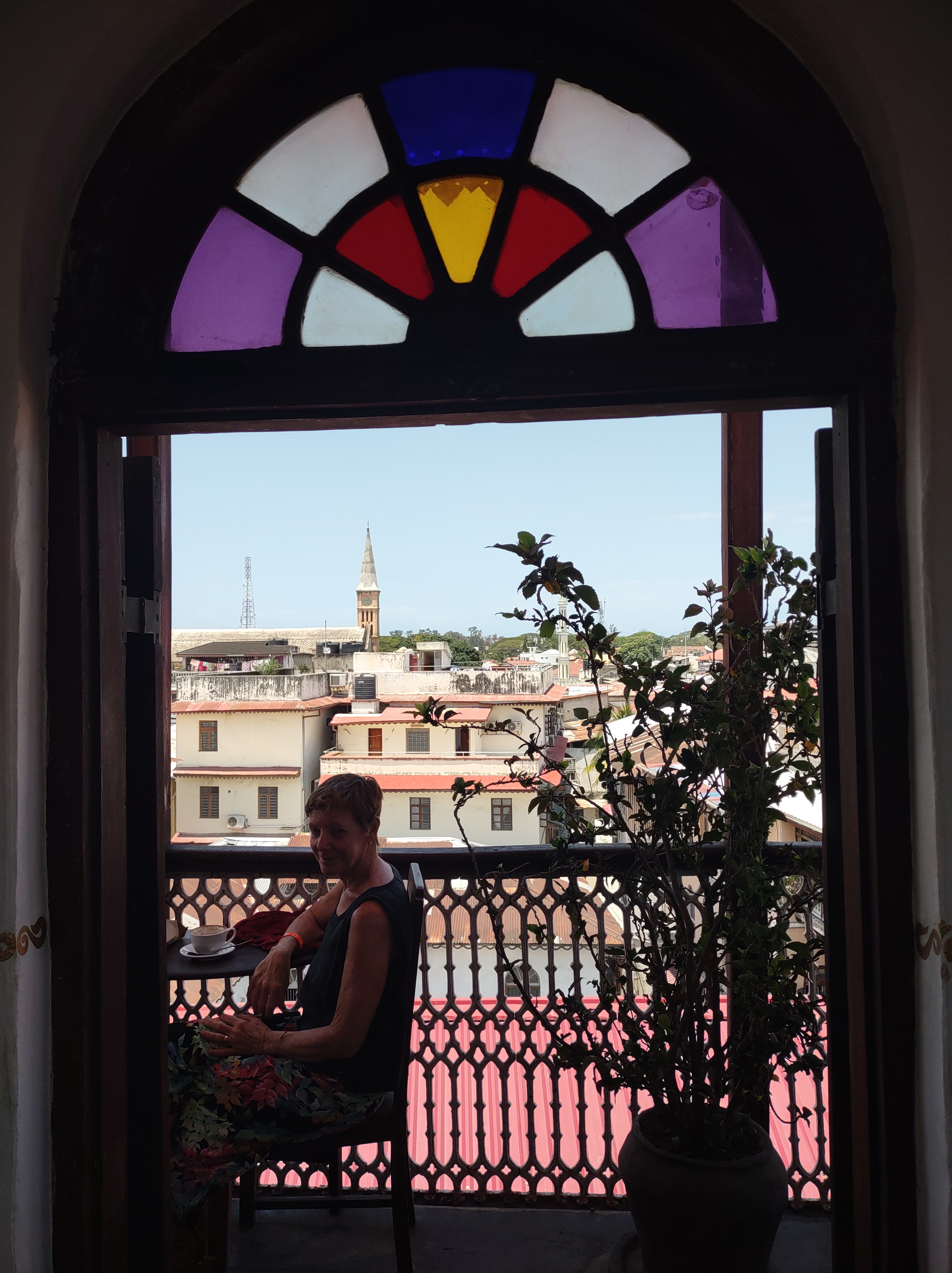
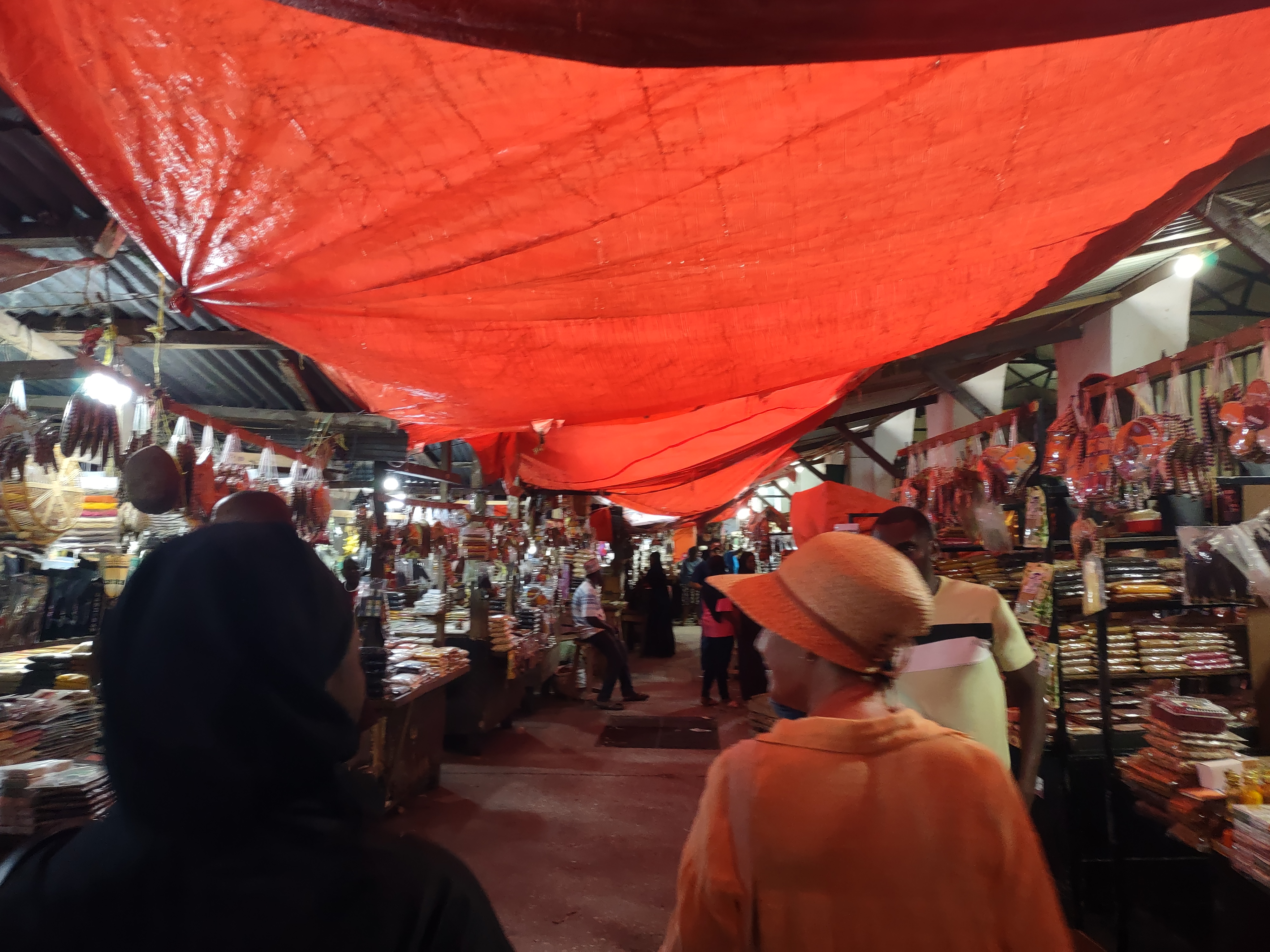
Following this quiet moment of calm we descended back down to the streets and visited a couple of nearby spice bazaars which were about as crazy as any we have seen. After as much of that as we could tolerate, we wandered back out of the labyrinth to the sea side of town and made a few purchases, which included a beautiful Tanzanite bracelet and a new 20 liter dry pack as we would soon be heading into potential monsoon territory.
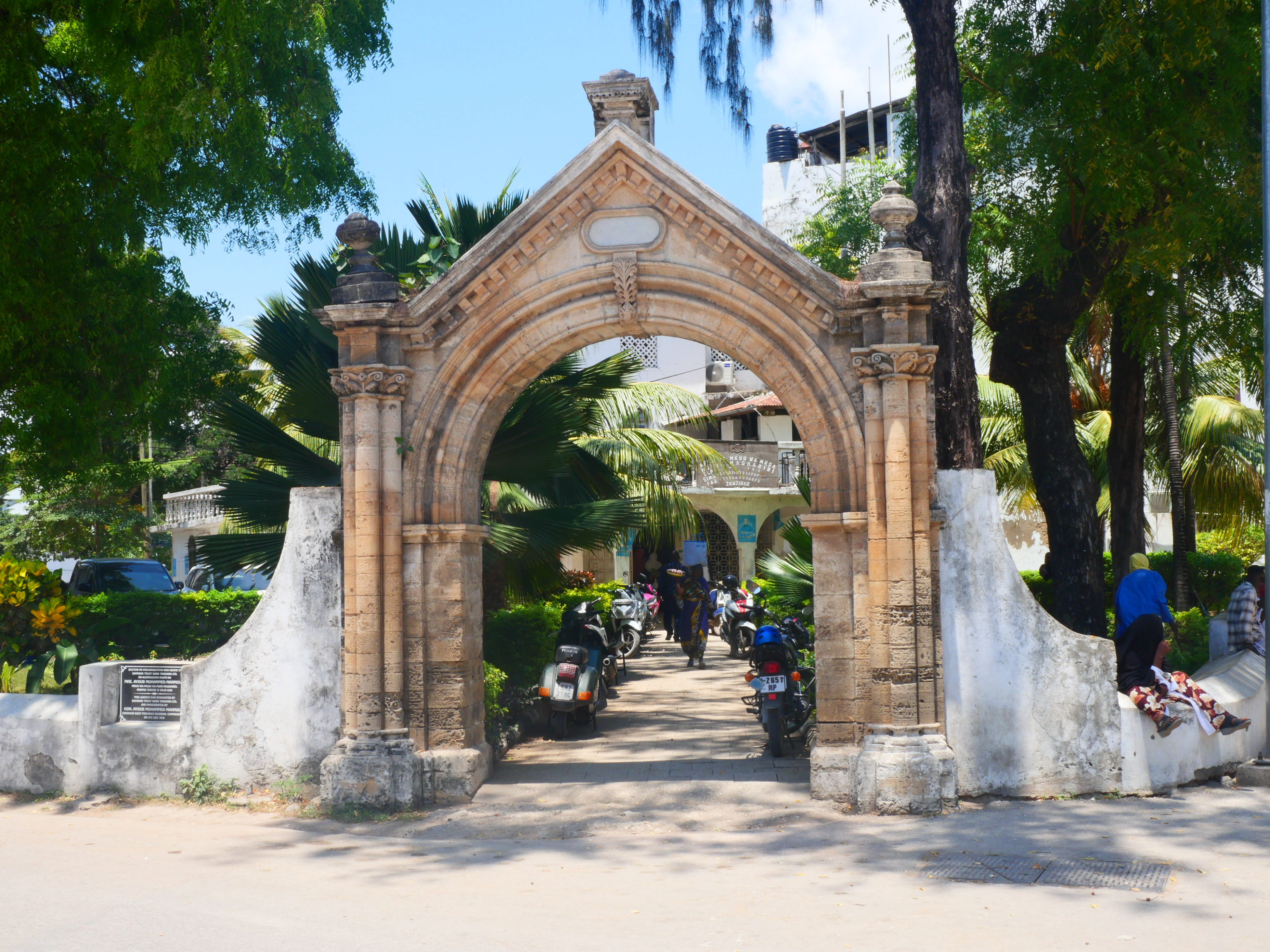
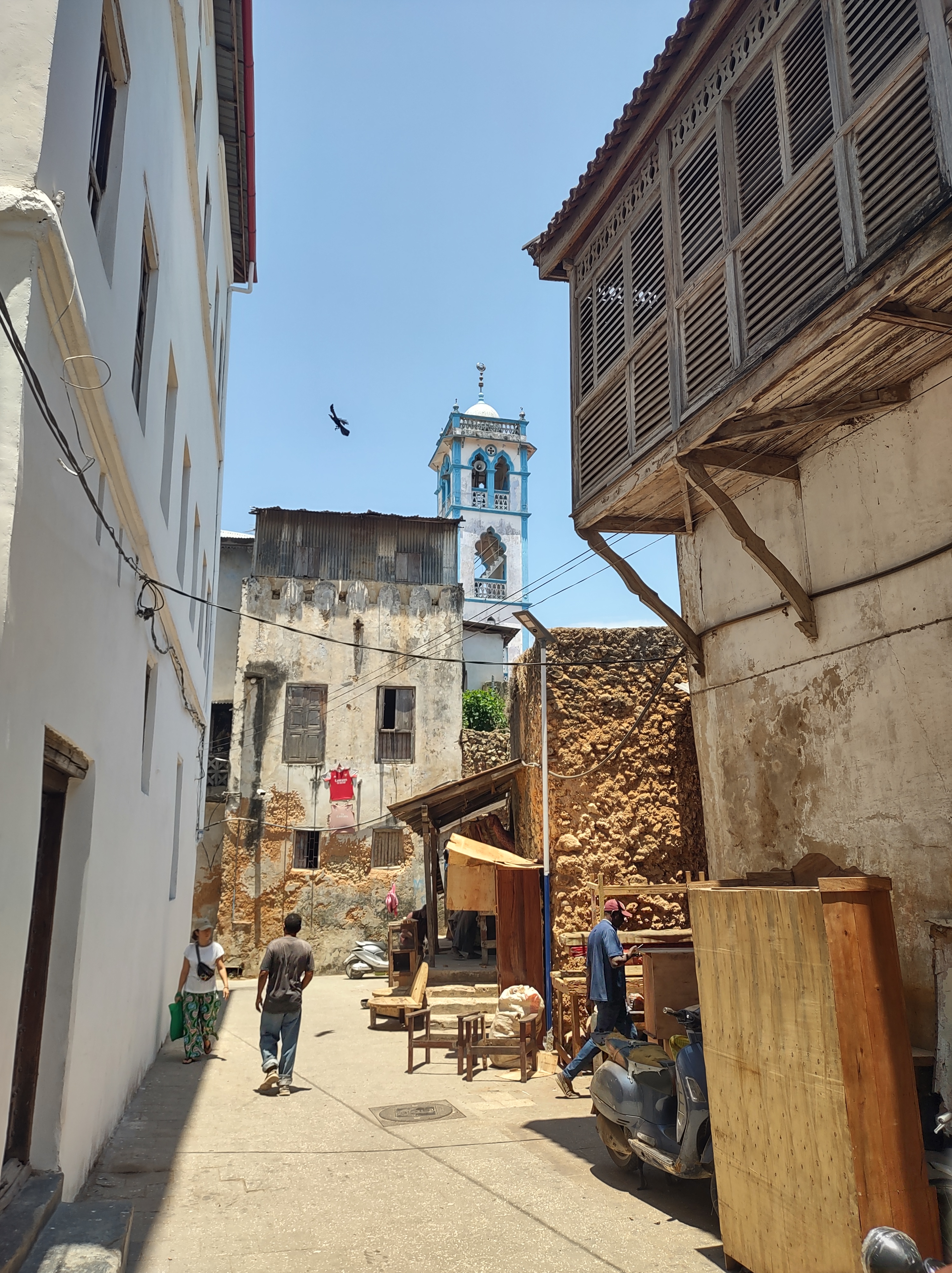
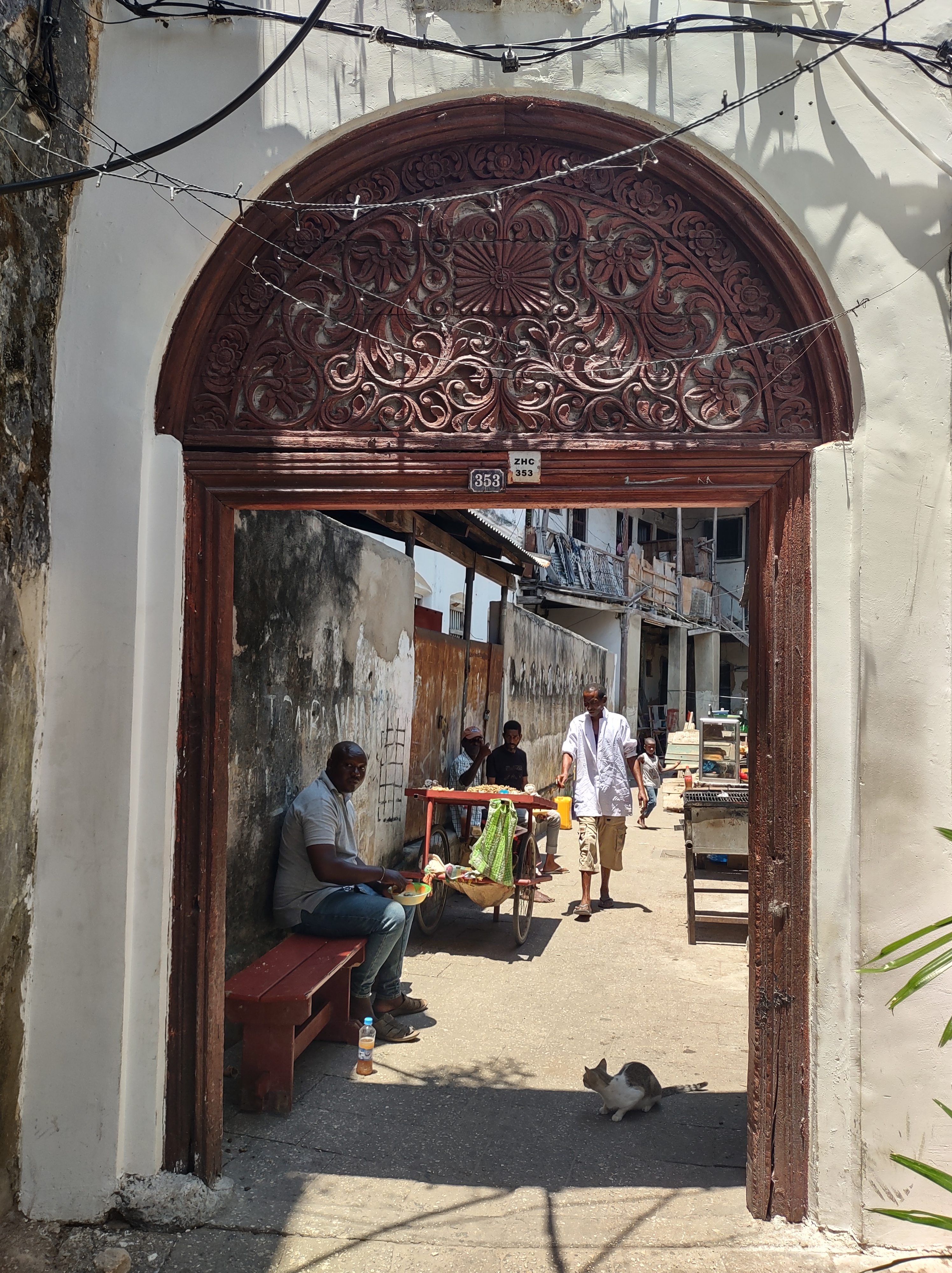
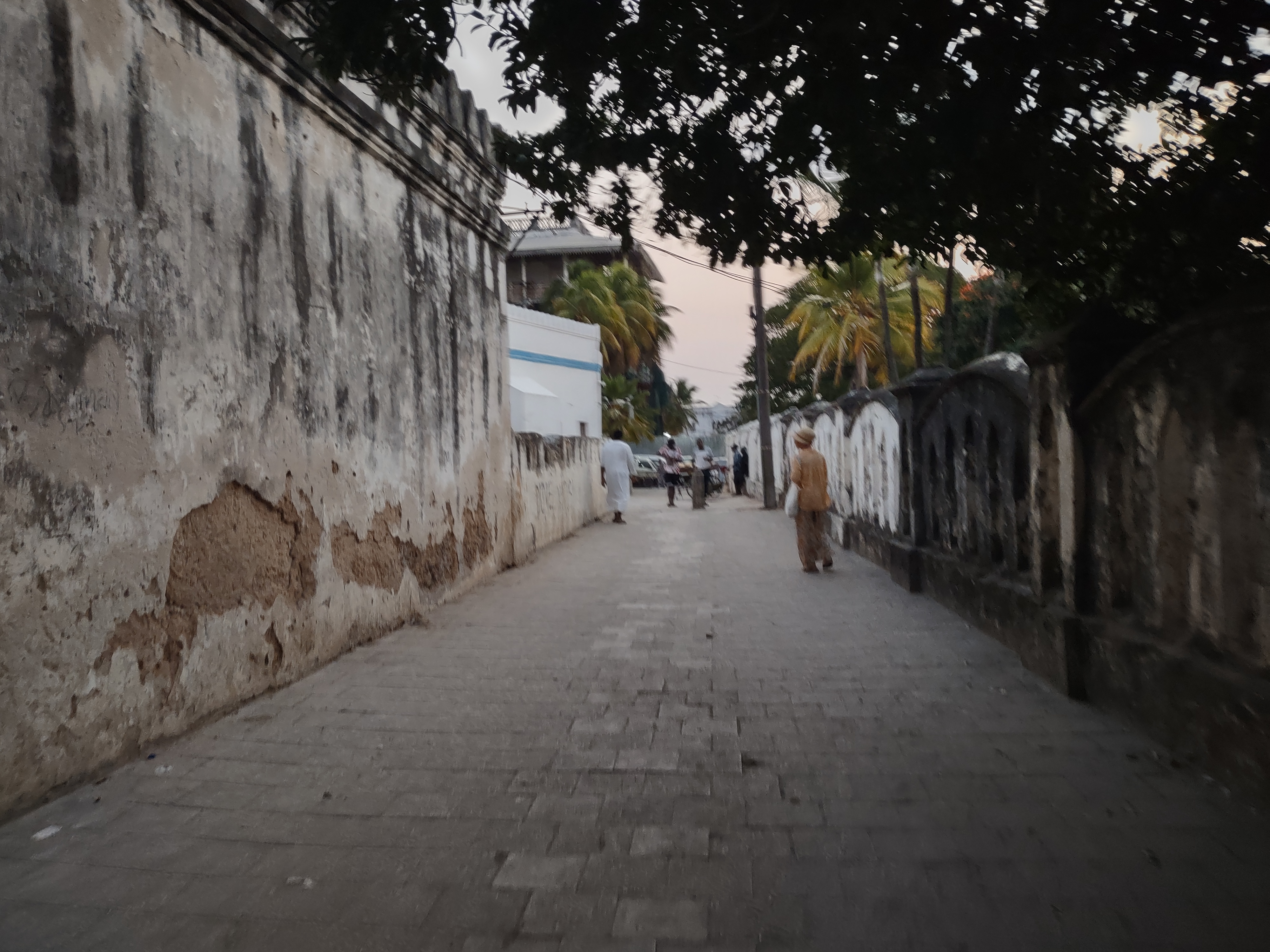
We wrapped up our day at the Night Market which was staged in the Forodhani Gardens along the waterfront where looking at all the food was as enjoyable as actually eating it. There were a lot of people out, including a lot of families, and we found a nice spot to sit and watch the sun set over an ice cream cone while we waited for our driver to appear and take us home.
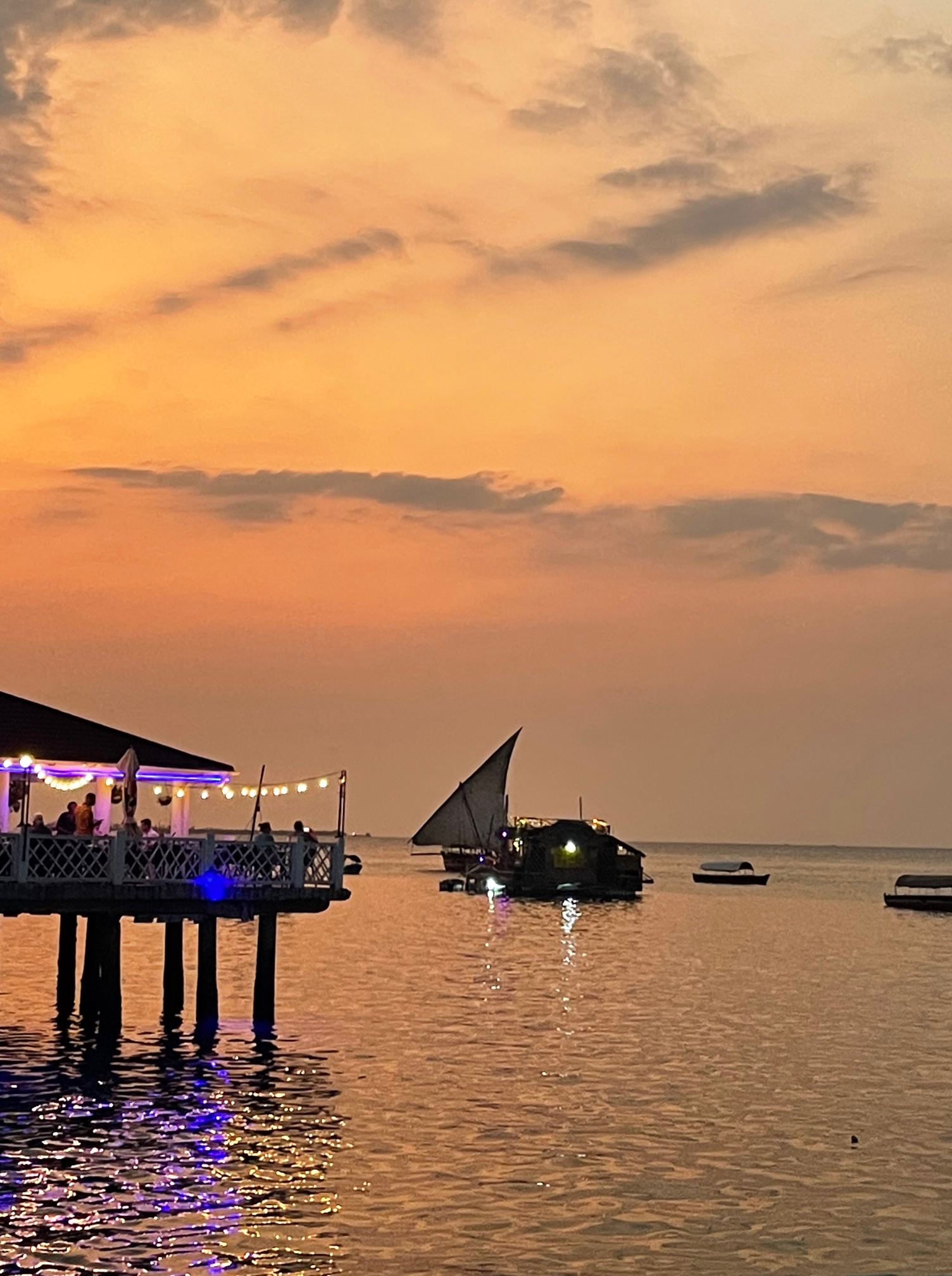
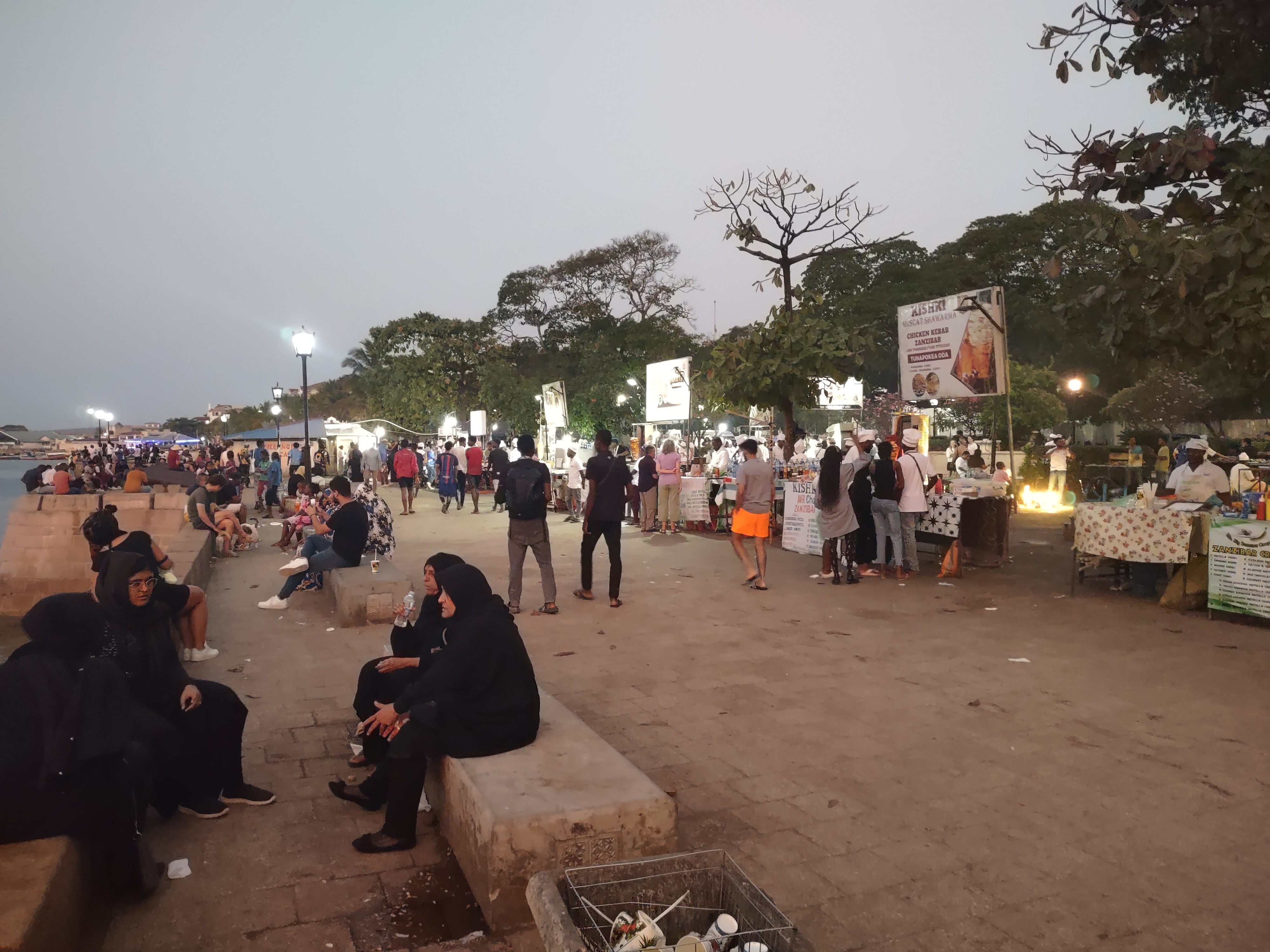

Stone Town definitely lived up to the all hype and, although there were a lot of other tourists in some areas, it was pretty easy to wander off and get lost in it. Nonetheless, I think we were in the end happy with our decision to visit and not stay there.
Food and Drink
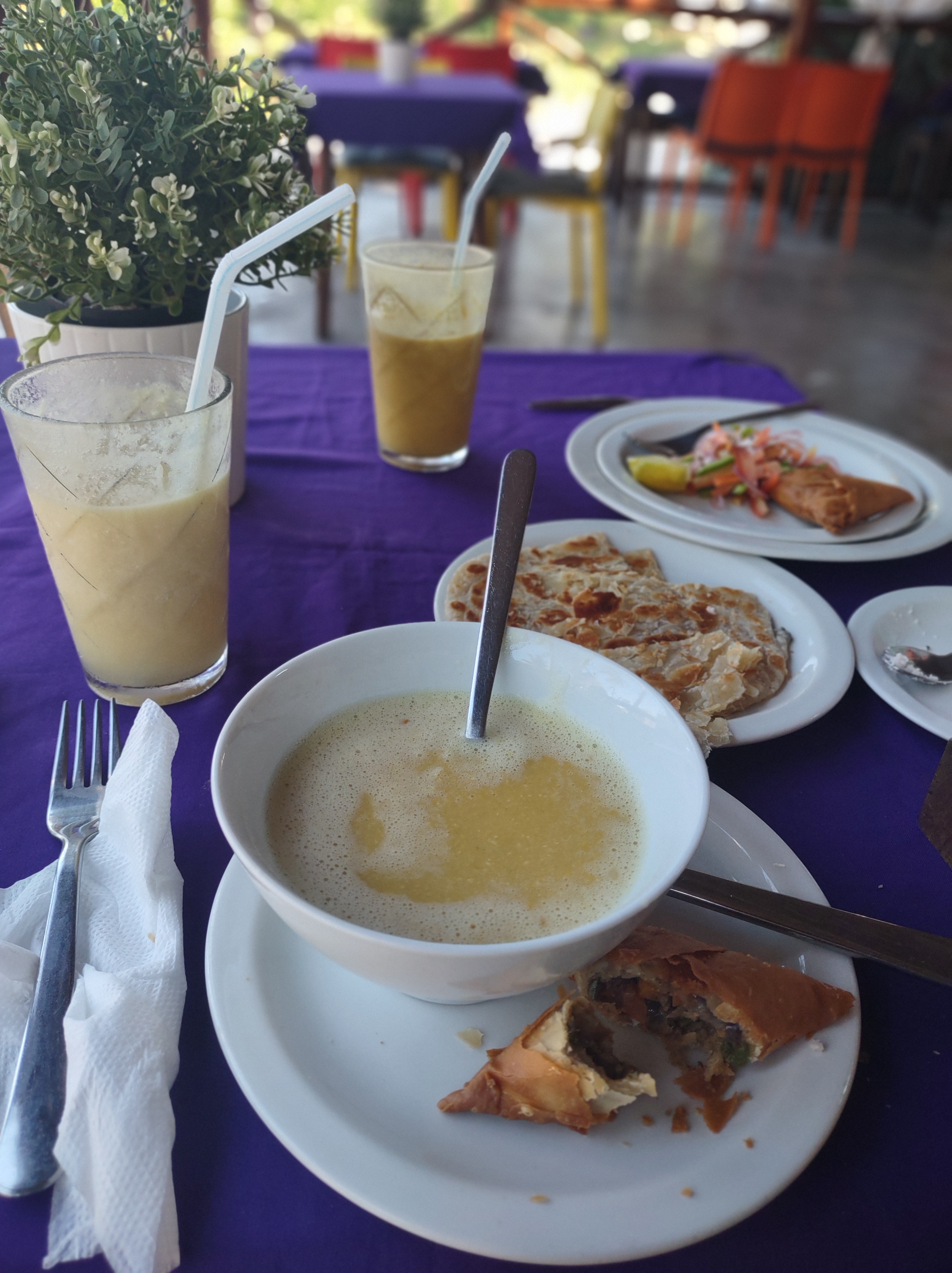
Proper ingredients for cooking were hard to come by and we had a pretty tiny fridge so, other than breakfast, we usually ate out (or had a big lunch and then had popcorn and snacks with a movie later). In general, and with only a few exceptions, the food in restaurants was very good and very affordable. As we have seen in much of our travels, in many restaurants, local dishes are often overshadowed by more exotic international fare like pizza, and burgers. (Somewhere along our travels, someone suggested to us that this is because the locals can make traditional dishes better and cheaper themselves at home, so when they go out they are looking for something different.) Nonetheless, we tried to find good local food when we could, but we ate a lot of curries and, due to our location, prawns and calamari continued to be prominently featured in my diet at least.
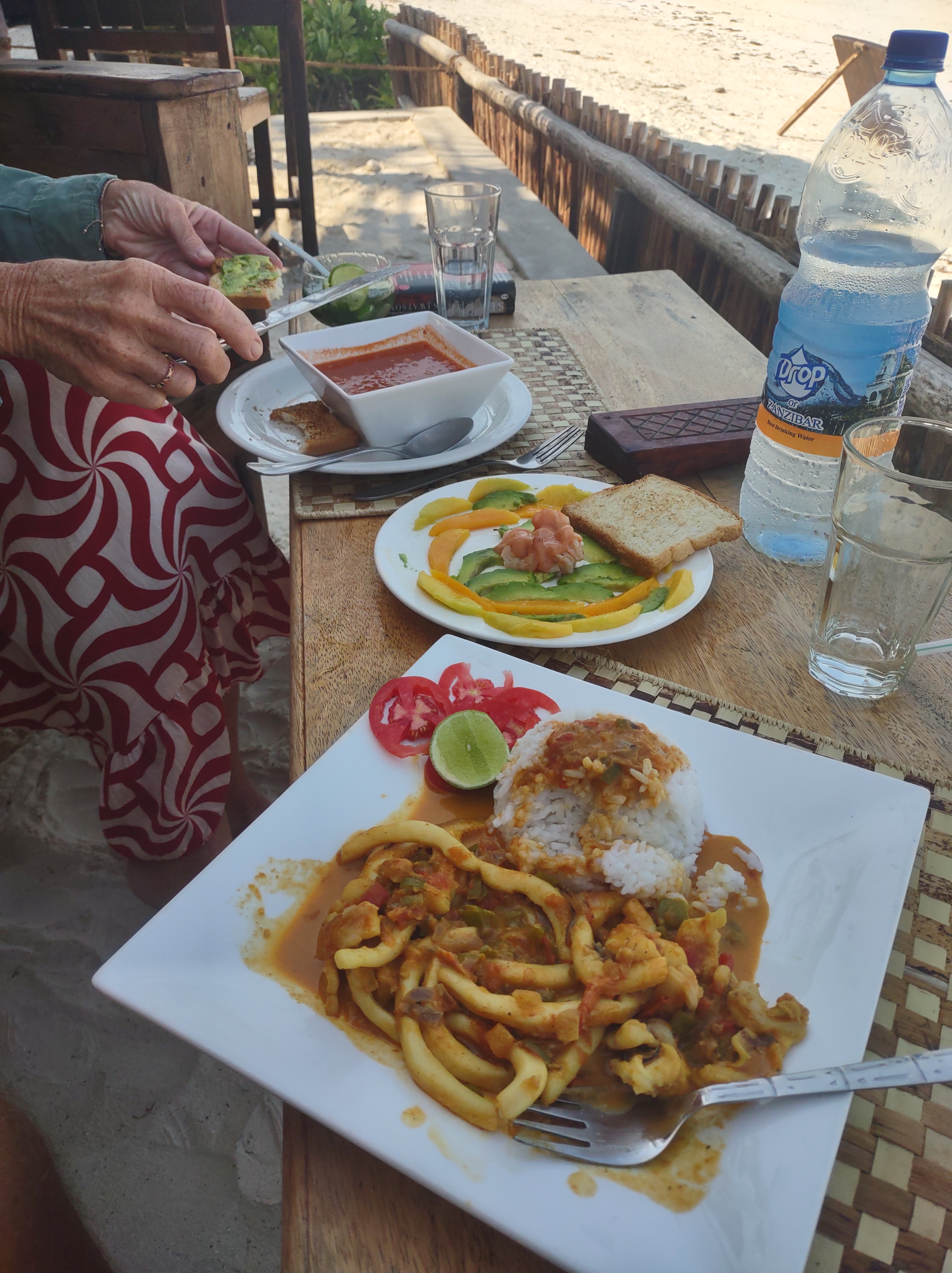

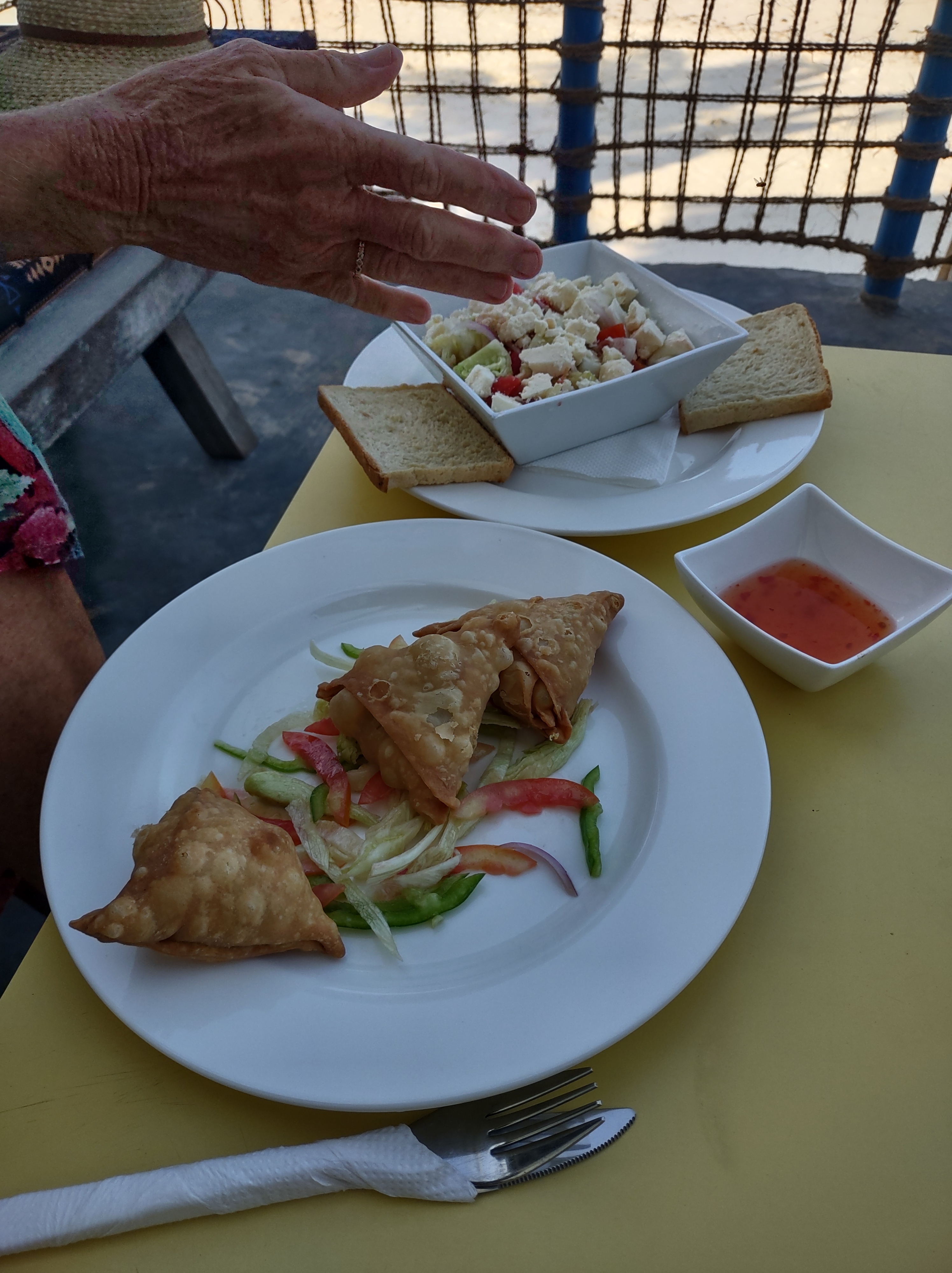
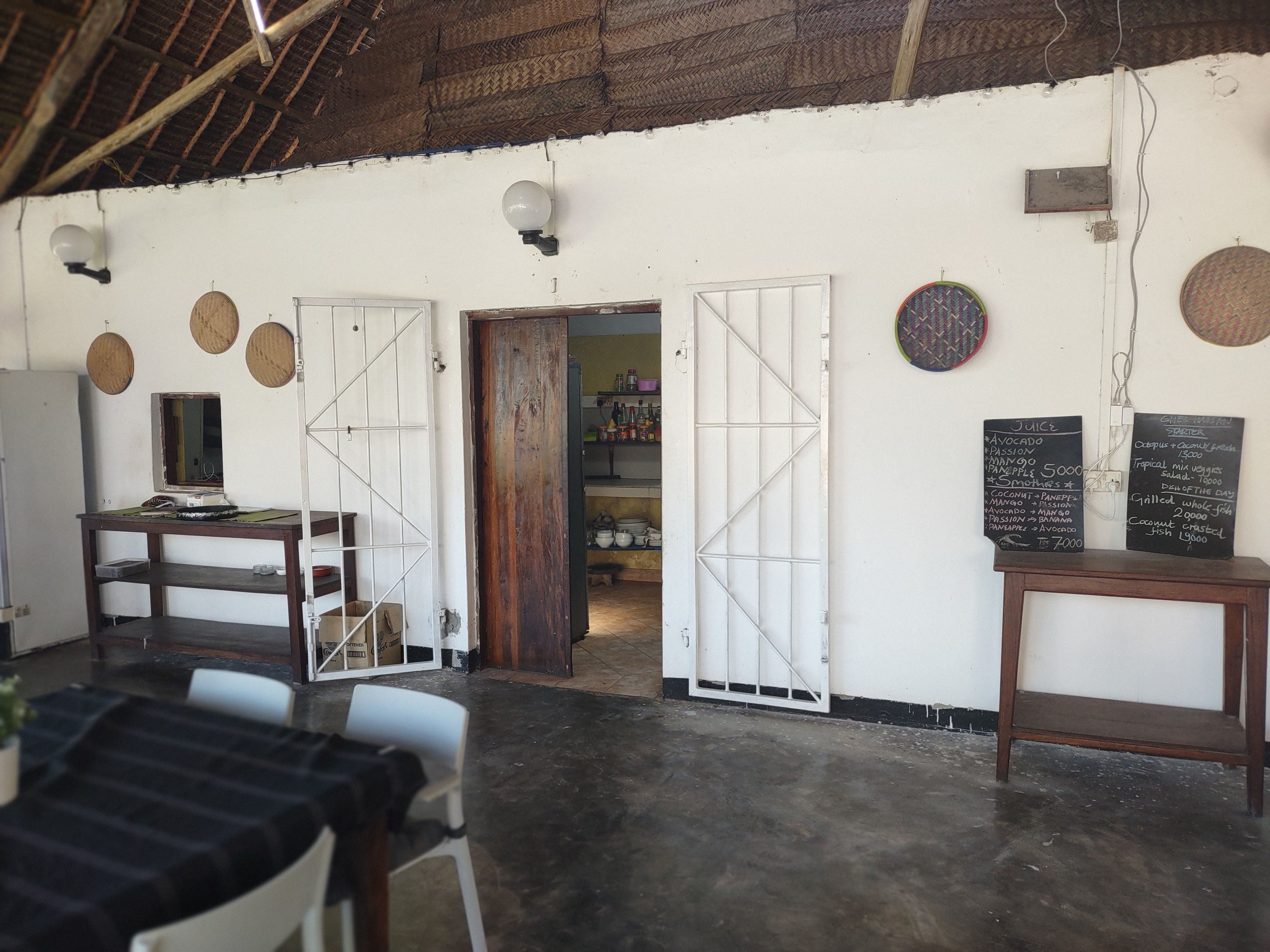
There were lots of small restaurants along Jambiani Beach, most of which had amazing views and the majority of them were not “fancy” (shabby chic maybe), so the quality and price of the food really became the biggest differentiating factor among them. Over the course of two weeks in Jambiani, we did find a couple of places we liked and returned to. Down the beach, these included the Coral Rocks Hotel with a better than average view from its perch on the cliffs and the Kome Beach House which was very simple but had the best and least expensive food and drinks of any we visited.
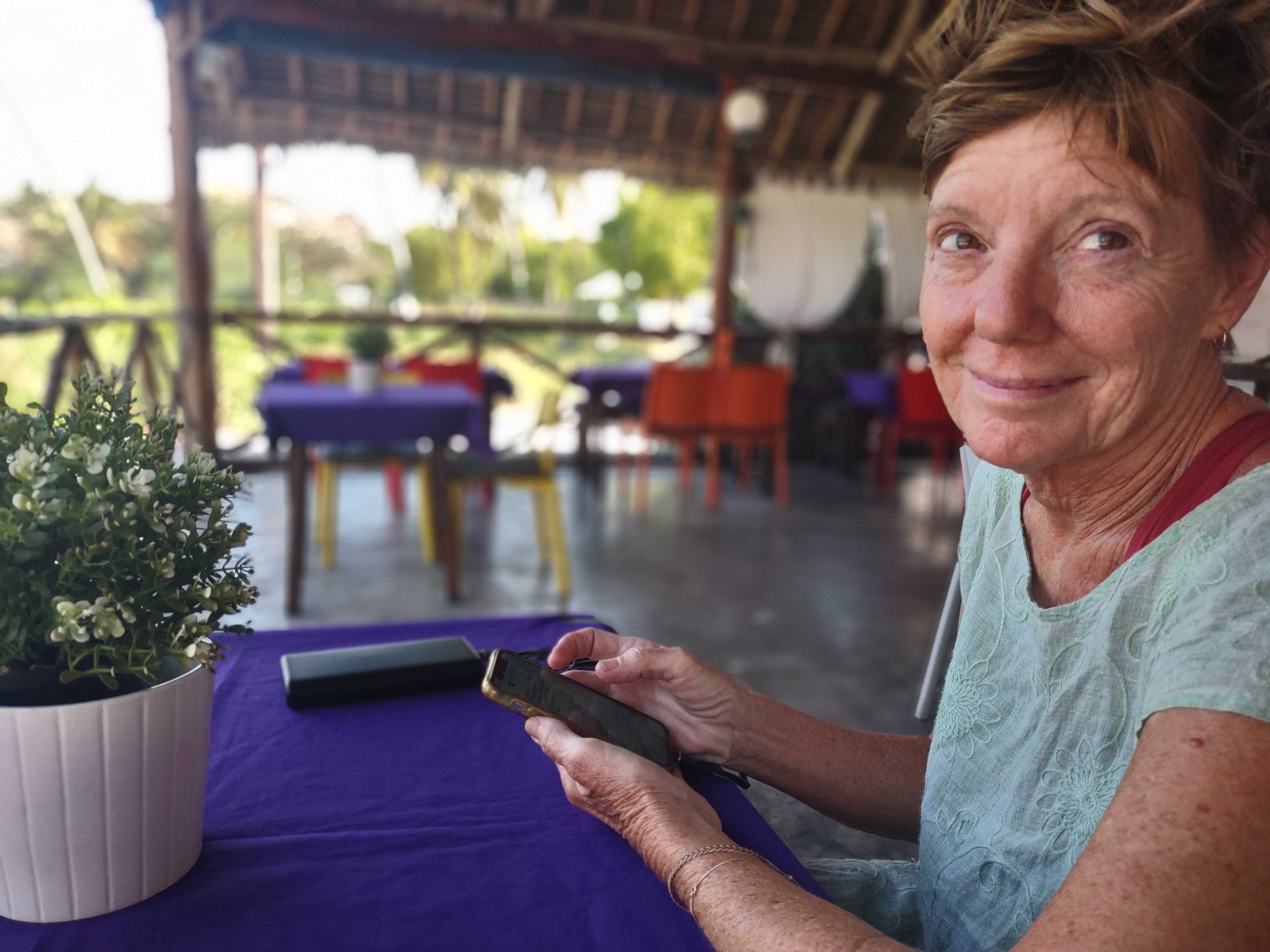
Up the beach there was the Coco Beach Hotel which was a bit more expensive, but had an amazing calamari coconut curry. Probably our favorite was a place called Chez Hassan, where we had dinner on our first night in Jambiani. It was a very small simple place in the Jambiani village off the beach with no view, but both the service and food were great and very reasonably priced and they were the first place we encountered which served mango lassis (my new addiction).

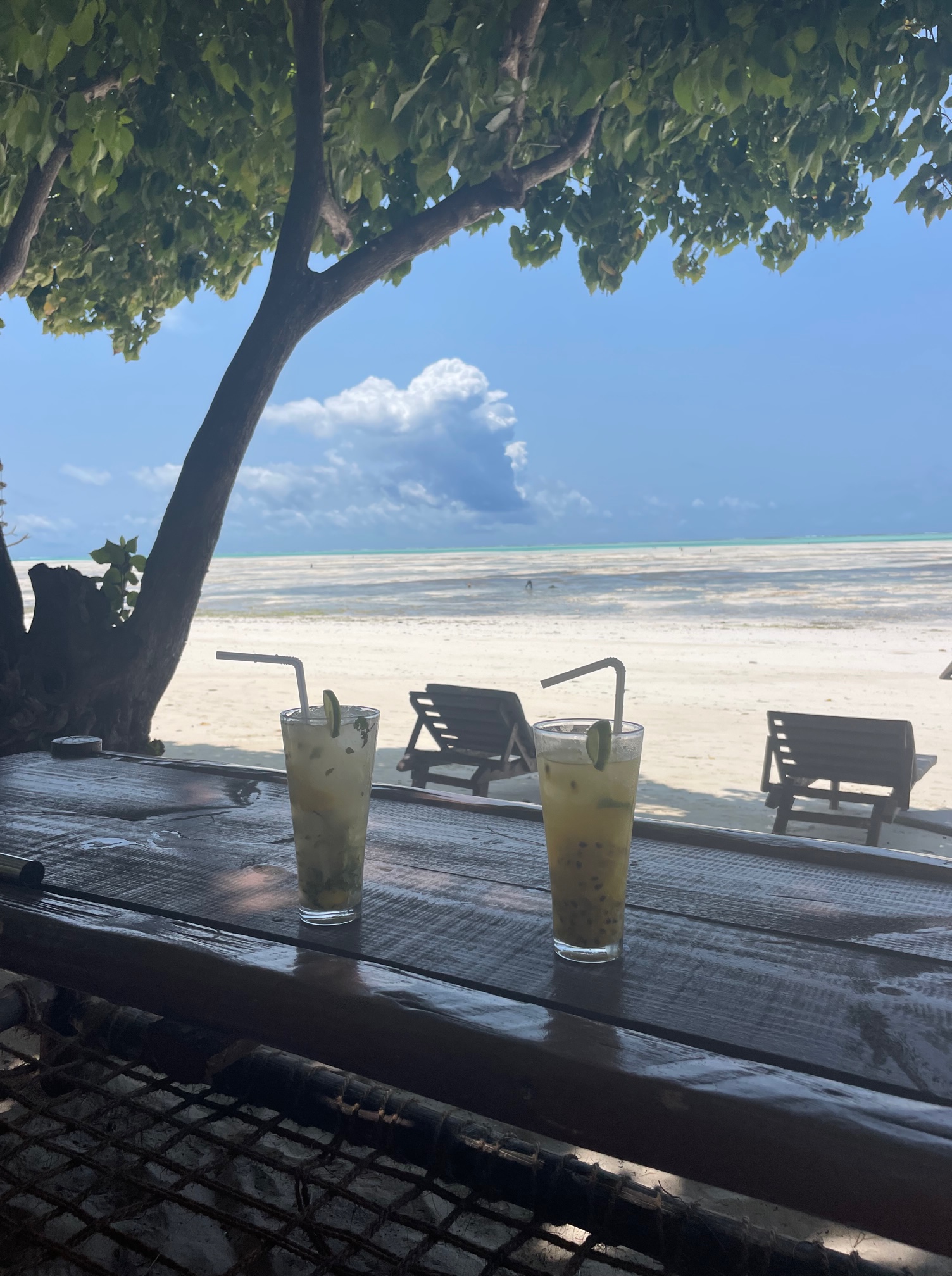
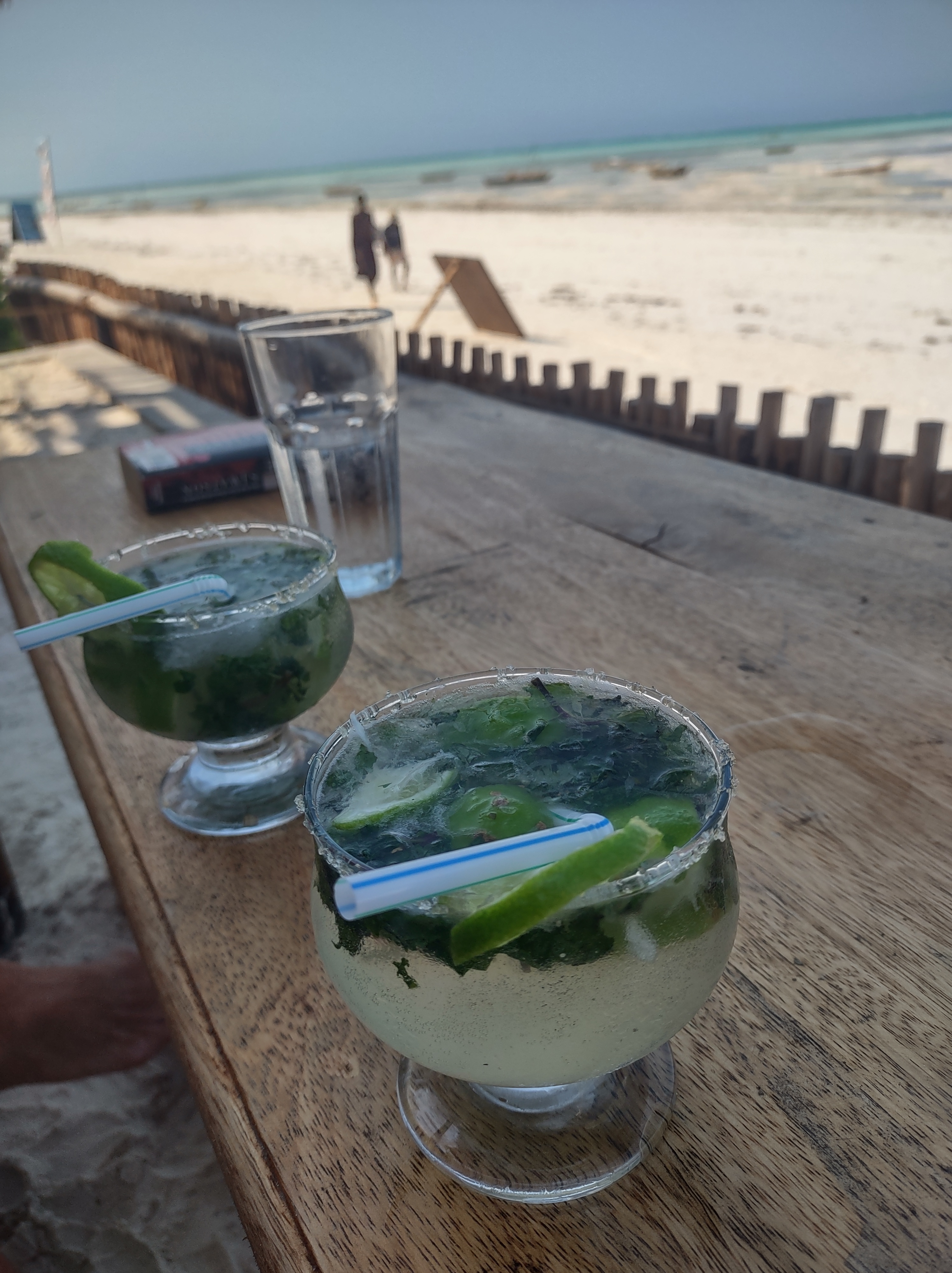
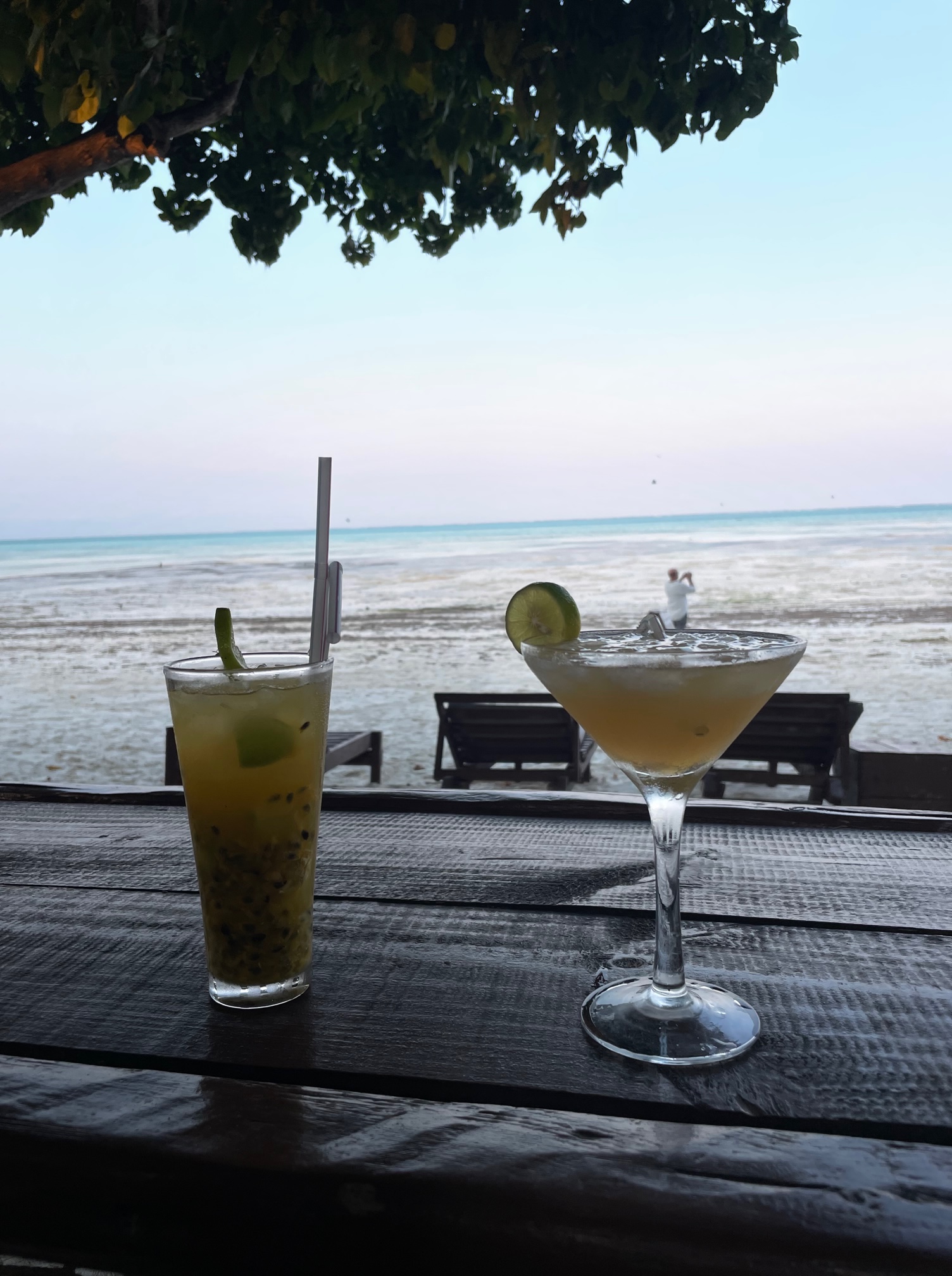
As far as drink goes, we were happy to find that many restaurants served cocktails as well as wine and that both were relatively inexpensive. After a bit of effort, we were able to locate a liquor store in Paje which had some pretty decent South African wines at a very reasonable price. Beer was also pretty readily available, but there was not much of a variety to choose from (nothing but lager!), so we didn’t drink much beer. So, for the most part, we were happy with cocktails on the beach and, while mojitos became our staple, we did sample a few of those beach cocktails with funny names with exotic garnishes and sometimes little umbrellas in them, particularly later in our trip.
Moja Moja Tatu
Our original itinerary had anticipated spending one luxurious week in the Seychelles or (later thinking) the Muldives after Zanzibar. Our goal here was a week of relatively stress-free relaxation before we began what we expected to be one of the most overwhelming legs of the trip, 30 days in India. But, the more we looked at the time, effort, and expense it took to get to either of those island locations, the less committed we became to this plan. In the end we decided that it was possible to accomplish our goals (be just as decadent) on the Island of Zanzibar with less time and effort invested in getting there and so we booked the week at an all-inclusive called the Sea Cliff Resort located on the west coast of Zanzibar, about 15 km north of Stone Town.
There isn’t a whole lot to say about our stay at the Sea Cliff Resort other than that the place was very beautiful and the staff was incredibly friendly. Getting there involved nothing more than a 1-1/2 hour taxi ride. Thanks to our frequent use of Booking.com and Genius Level 3 status, we got a 25% discount and free upgrade to one of the best rooms on the property, as close to the ocean as you could get with a double balcony and west facing for amazing sunsets.
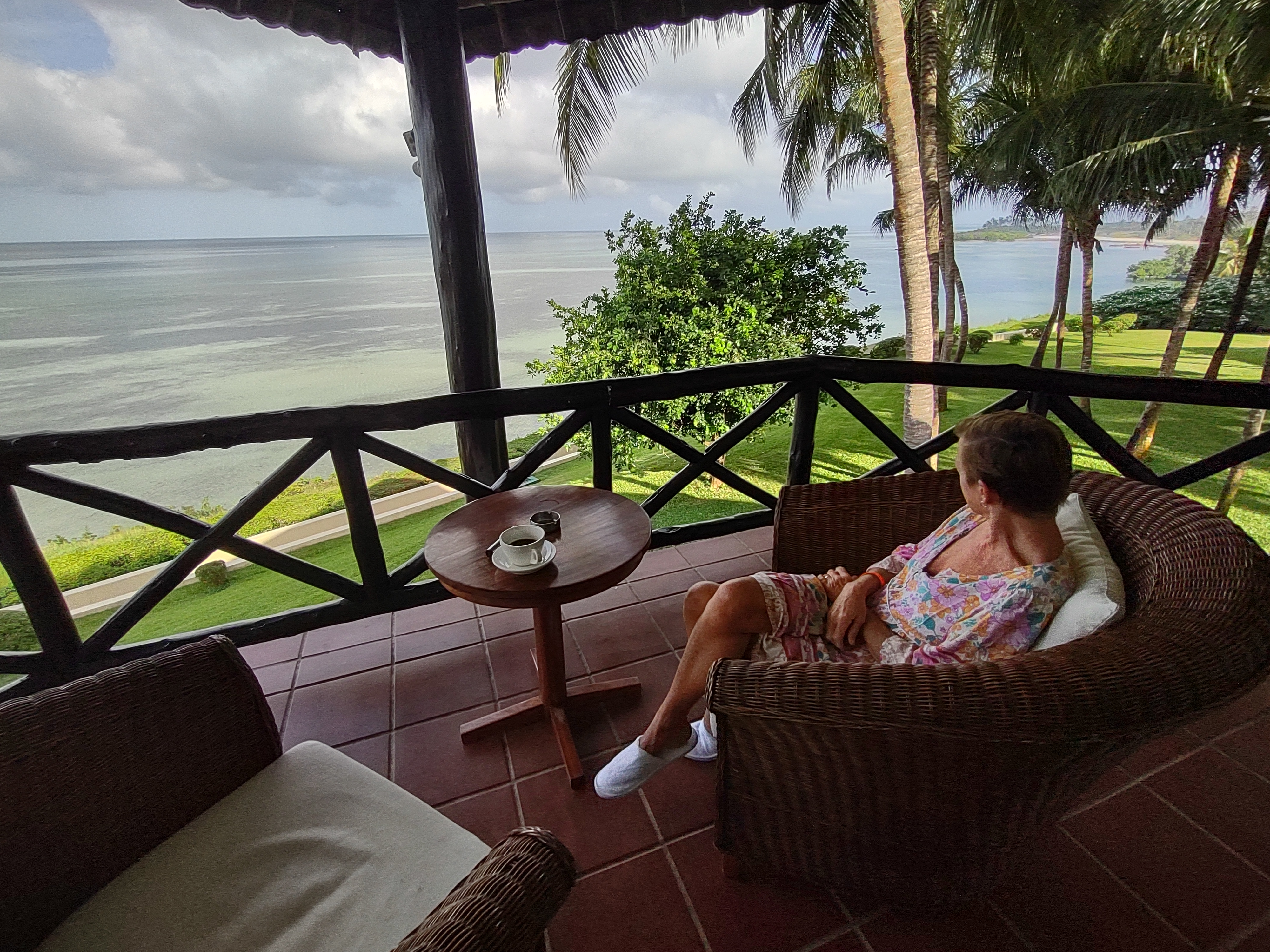
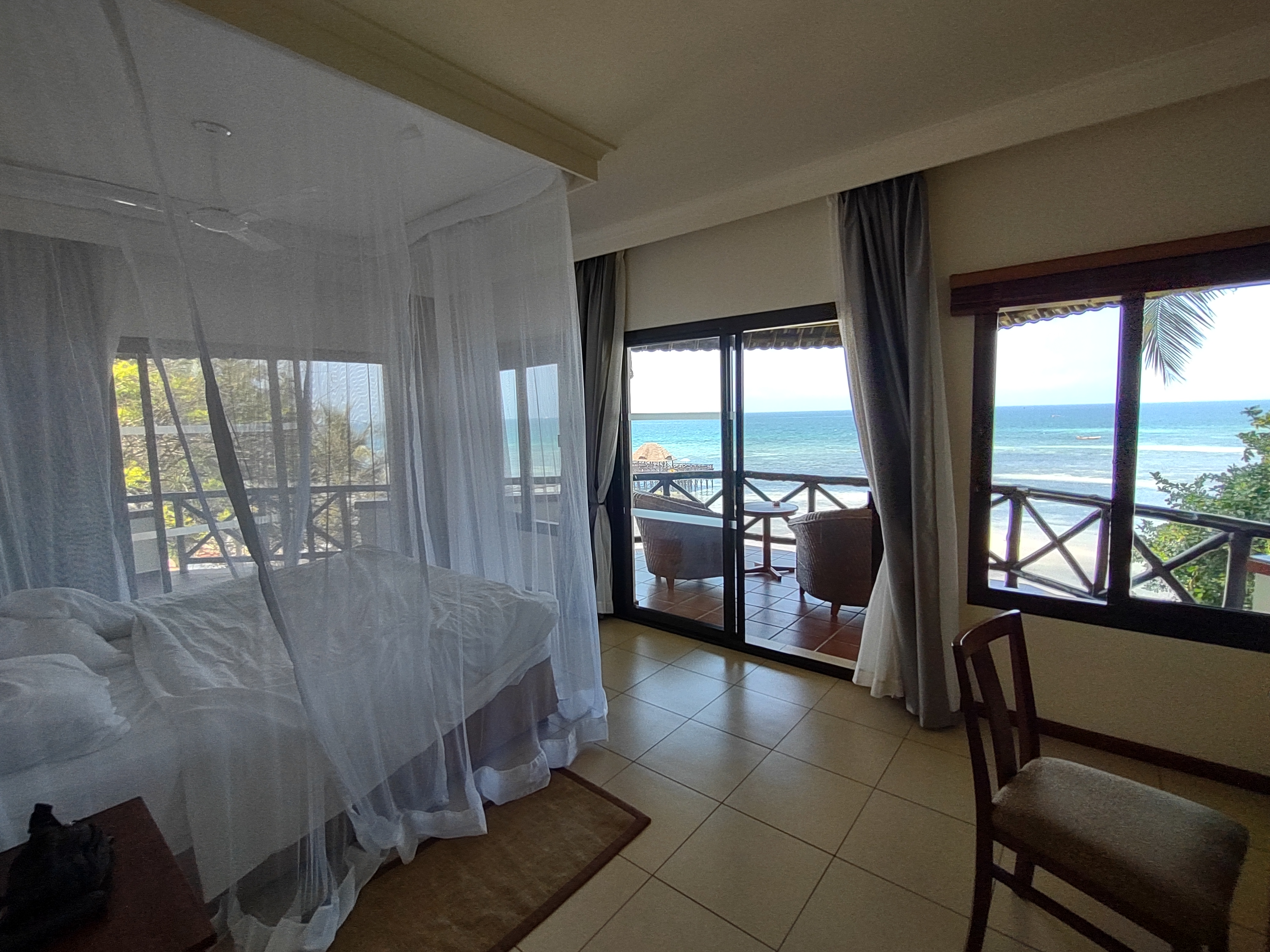
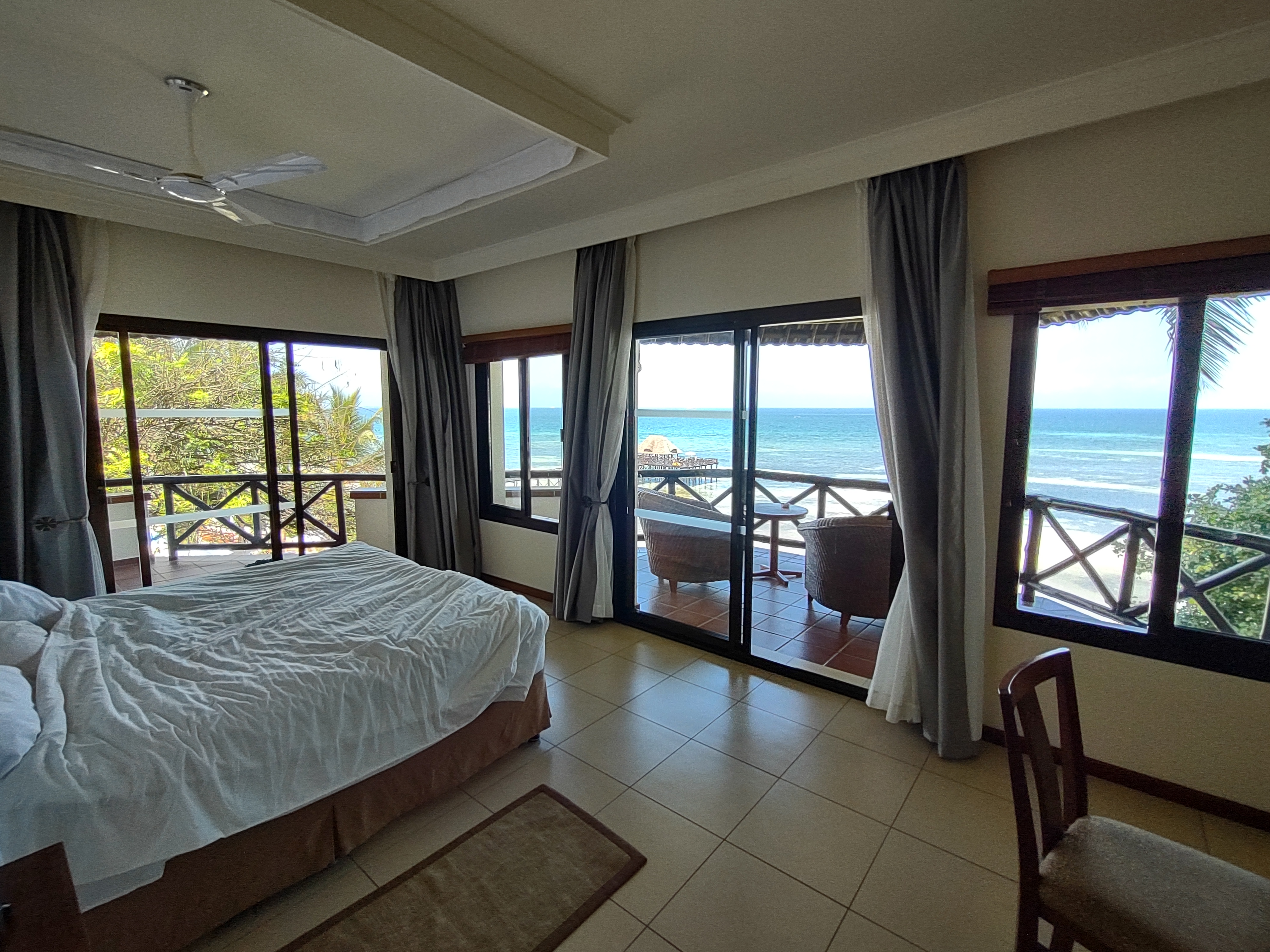
(Full disclosure: More for budget reasons than anything, we have only gone to all-inclusive resorts a couple of times over the years, but, over that same period, we have taken many trips to “non-inclusive” resorts in Mexico with the kids. On those trips, we always kind of dreaded the day of reckoning at the end of the stay when you had to add up what always seemed like hundreds of individual food and drink bills from the restaurants, bars, pools, and beach and then pay for them all. Despite our typical dismissal of all-inclusive resorts, I have to say that we enjoyed the feeling that everything is included (i.e., already paid for) at an all-inclusive resort (and that you won’t get hit with a big bill at the end.)
Perhaps predictably, Sea Cliff Resort had pretty much everything necessary for a comfortably luxurious stay including three restaurants and bars, two infinity pools (one with an artificial beach area, and one real beach area), and all with food and drink service. There was also a pier with its own bar which turned out to be a great place for watching the sun set.
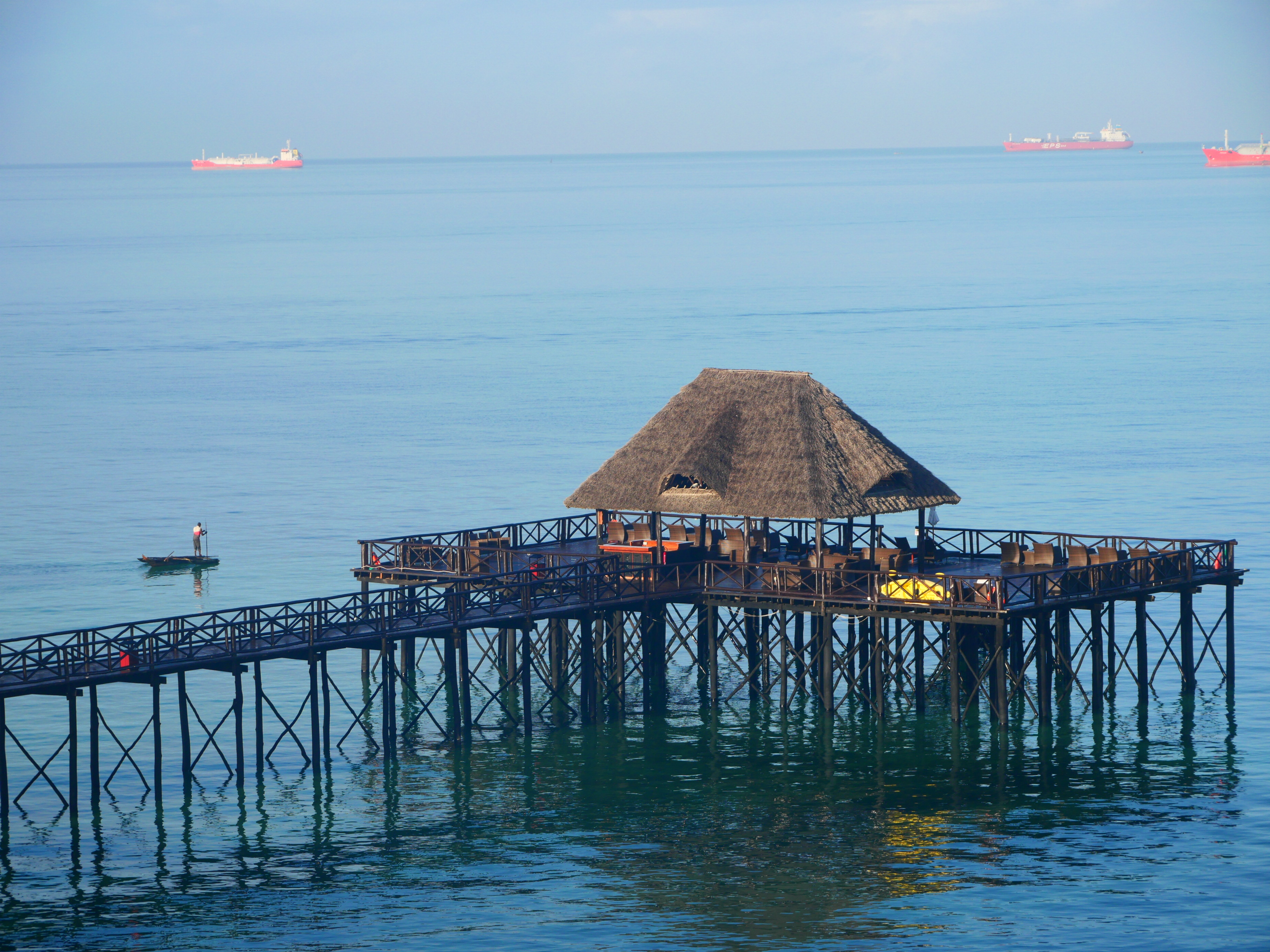
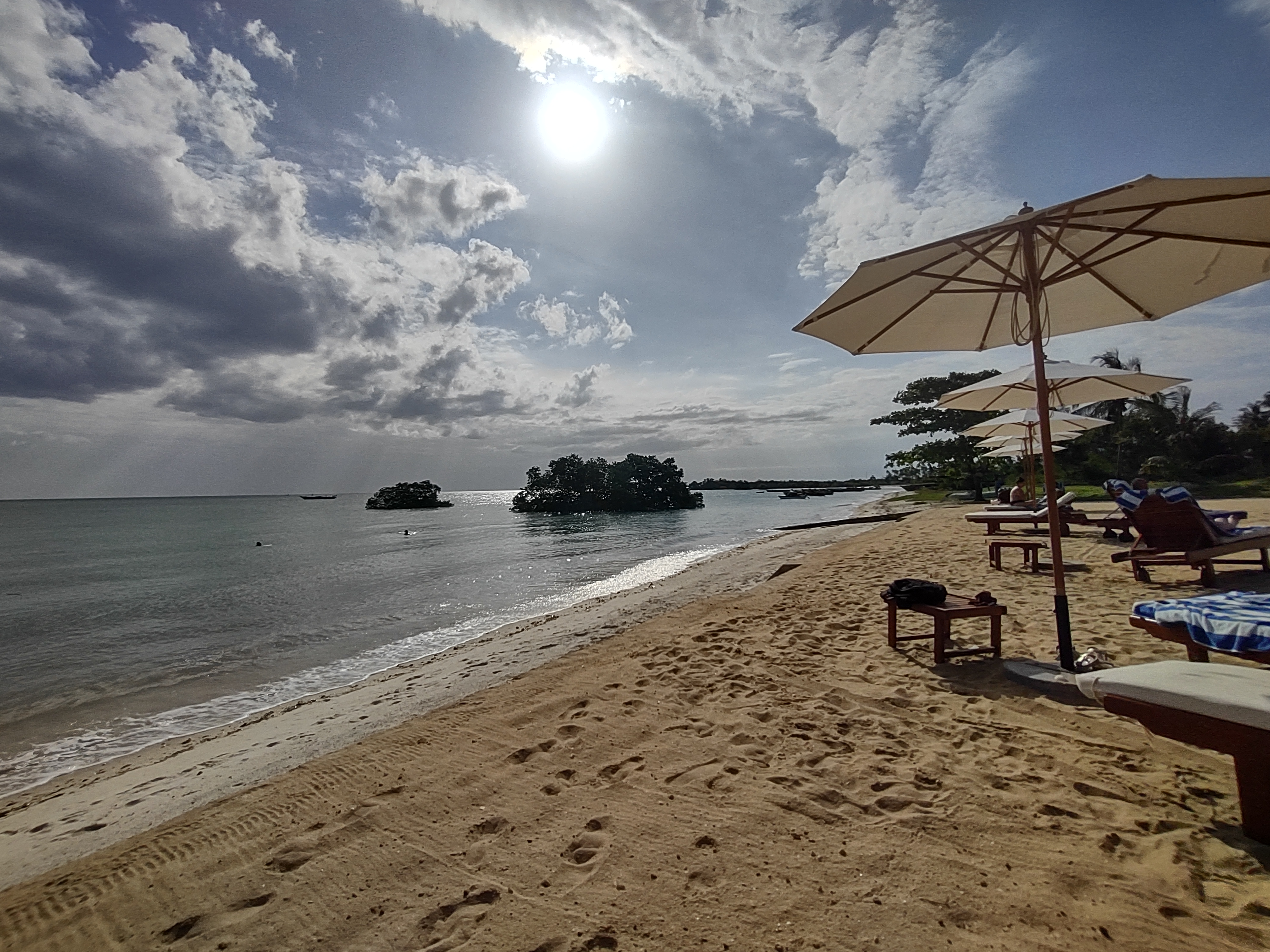

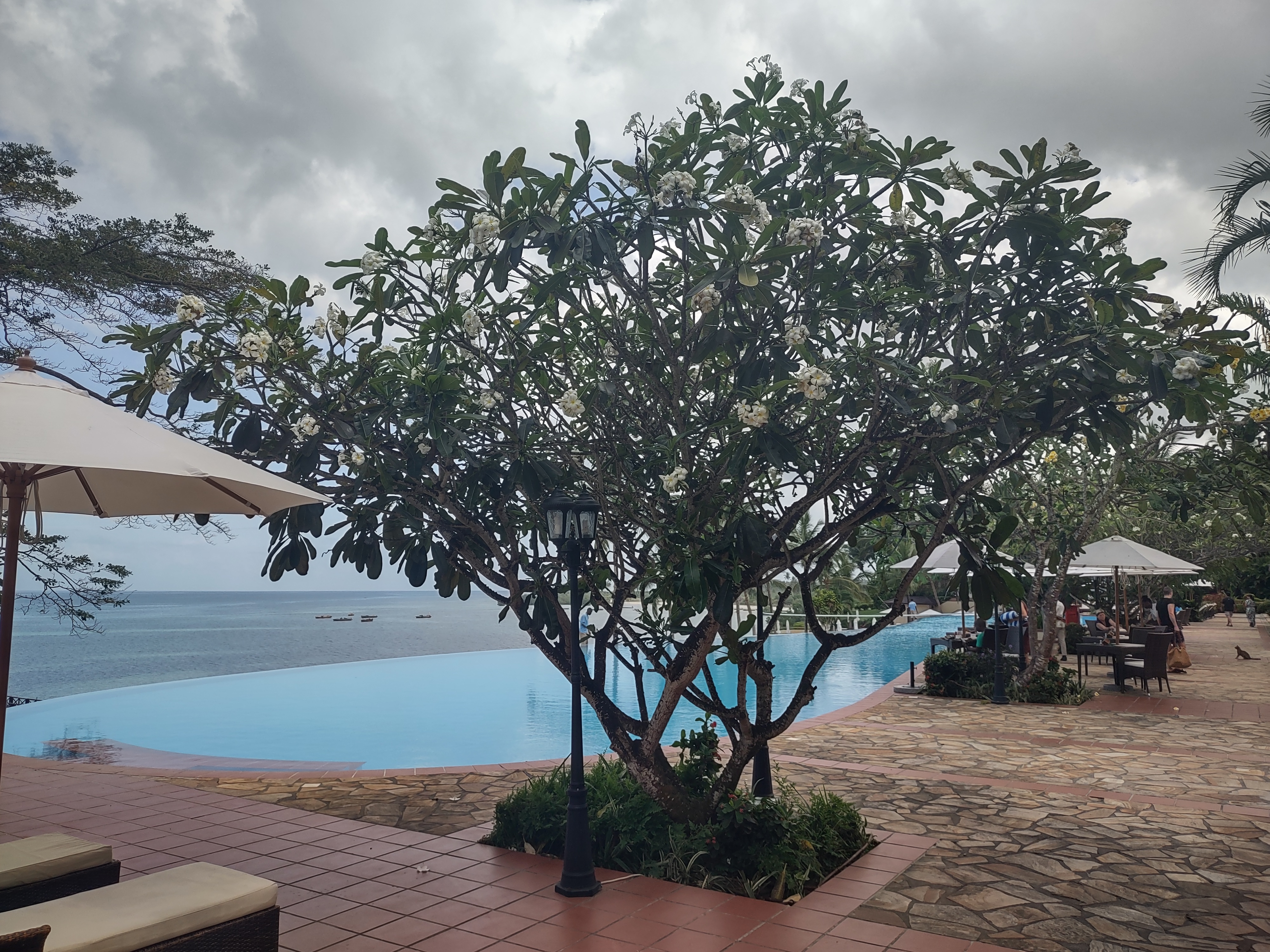
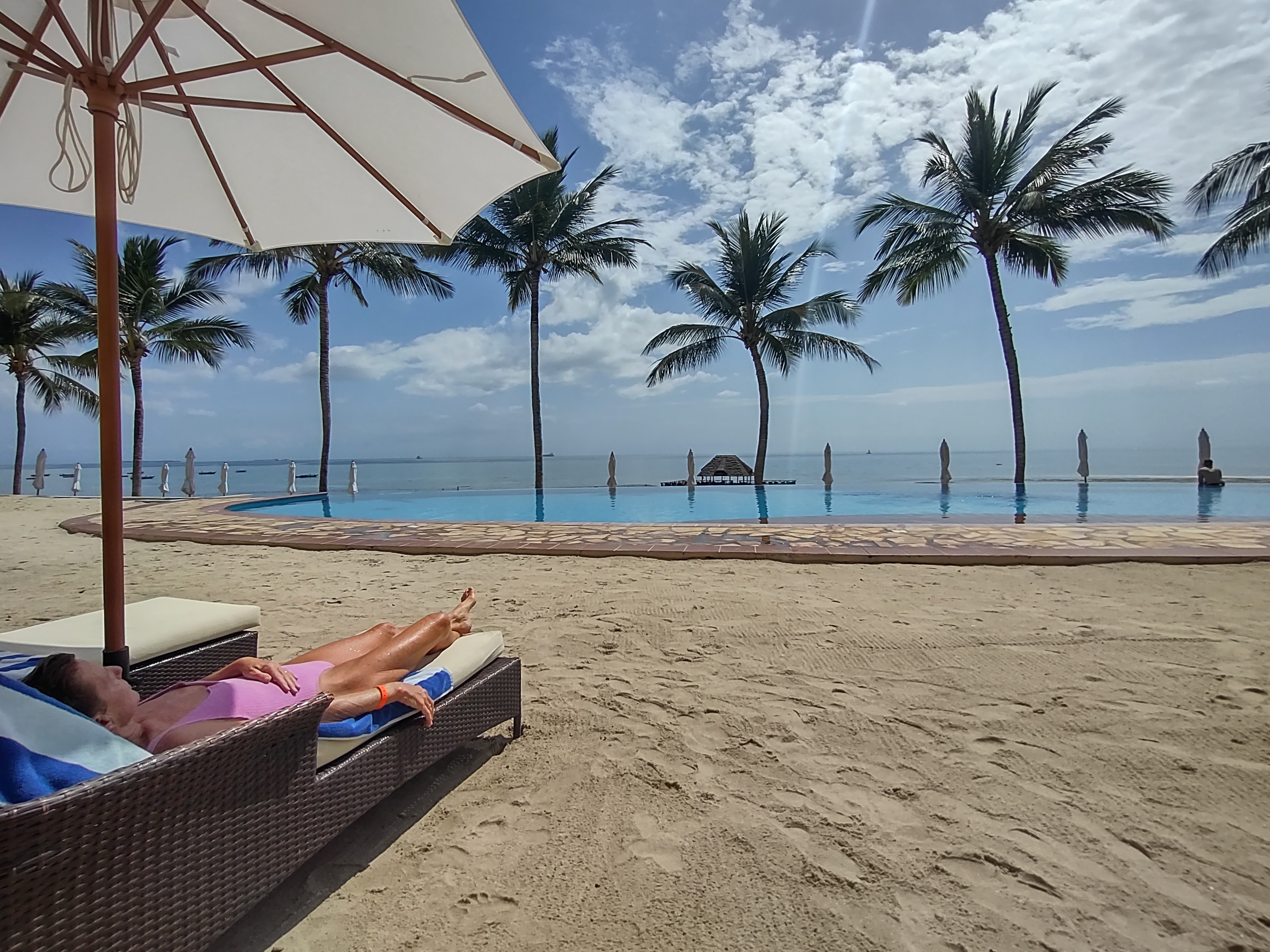
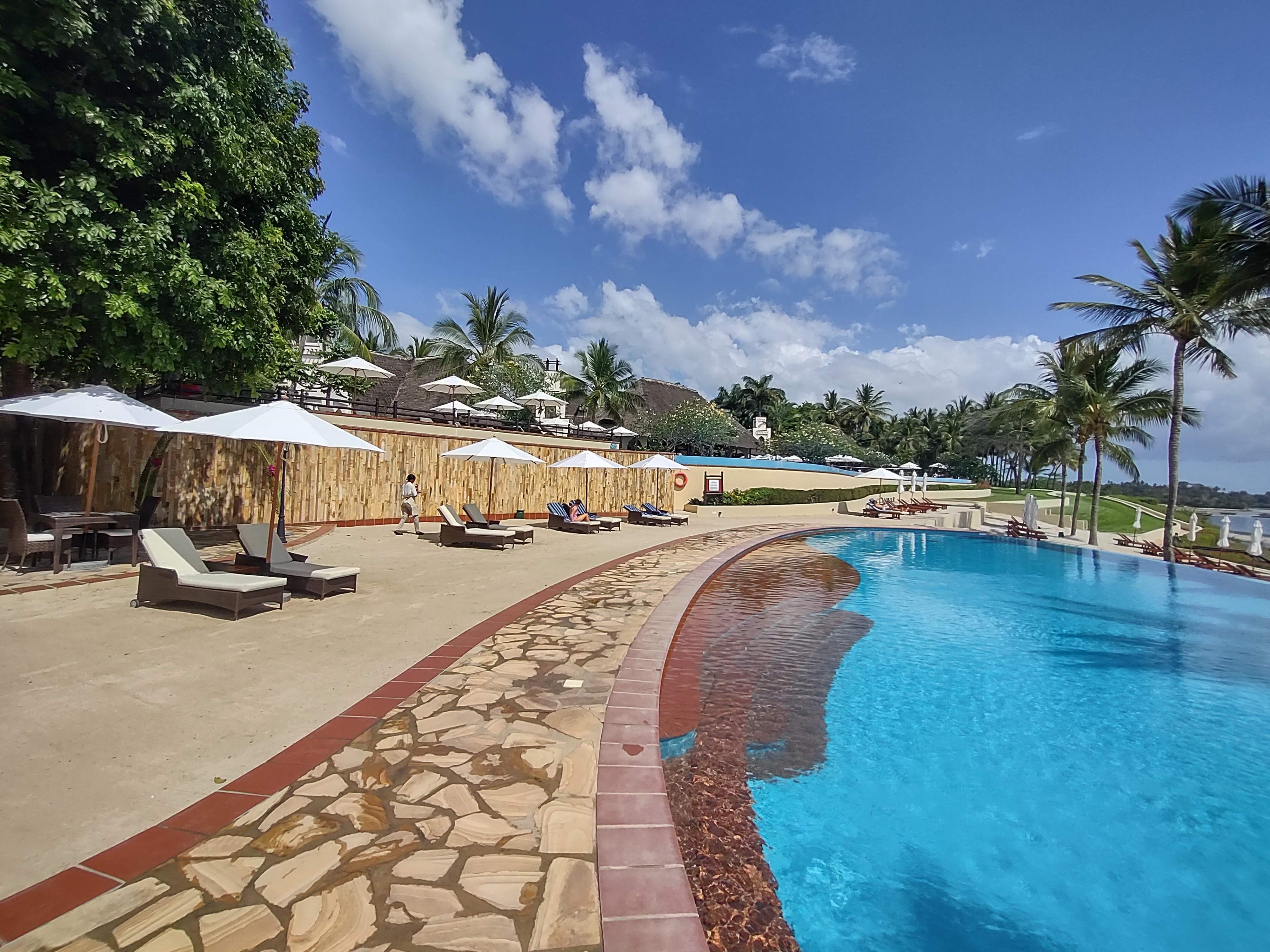
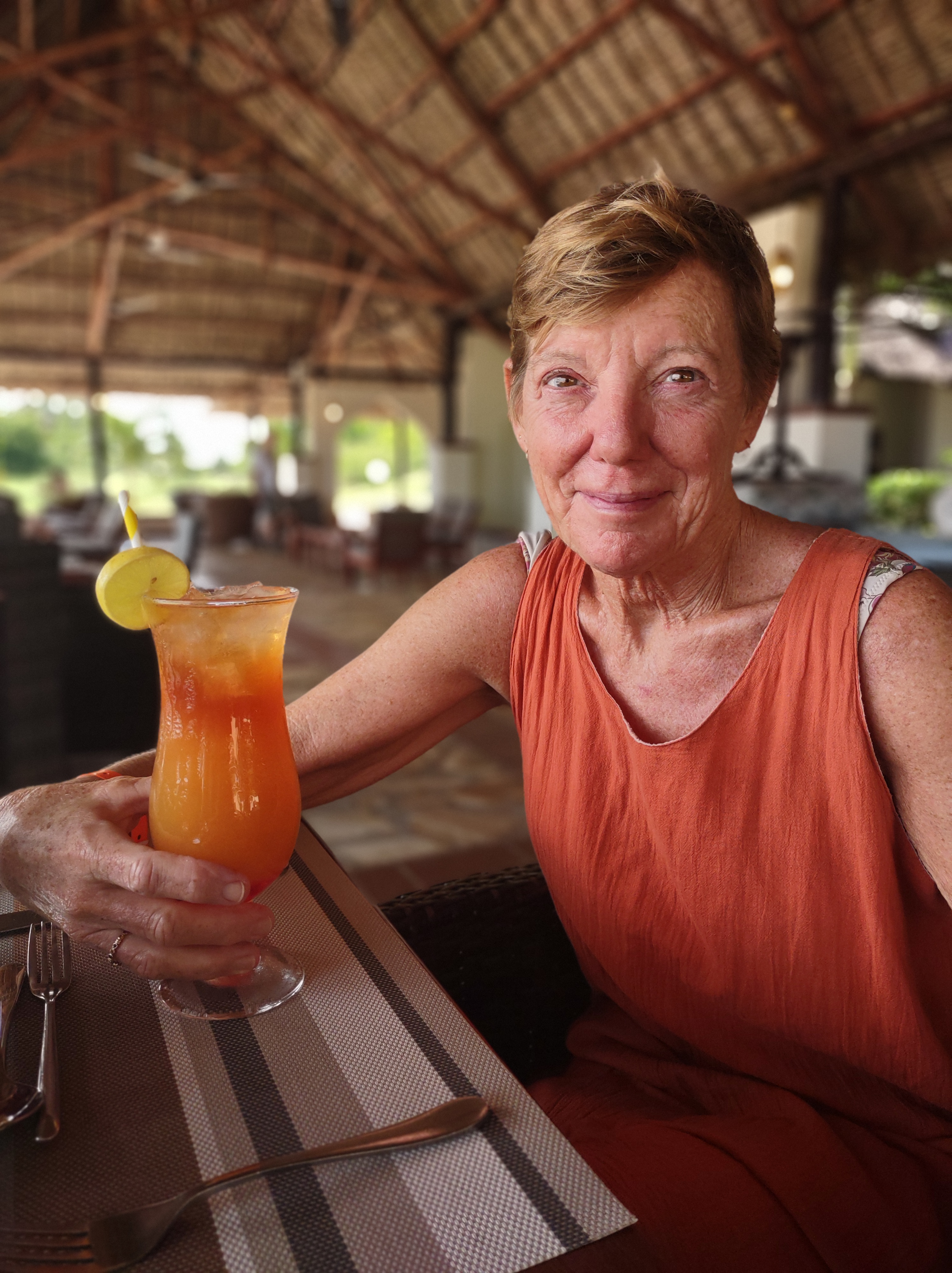
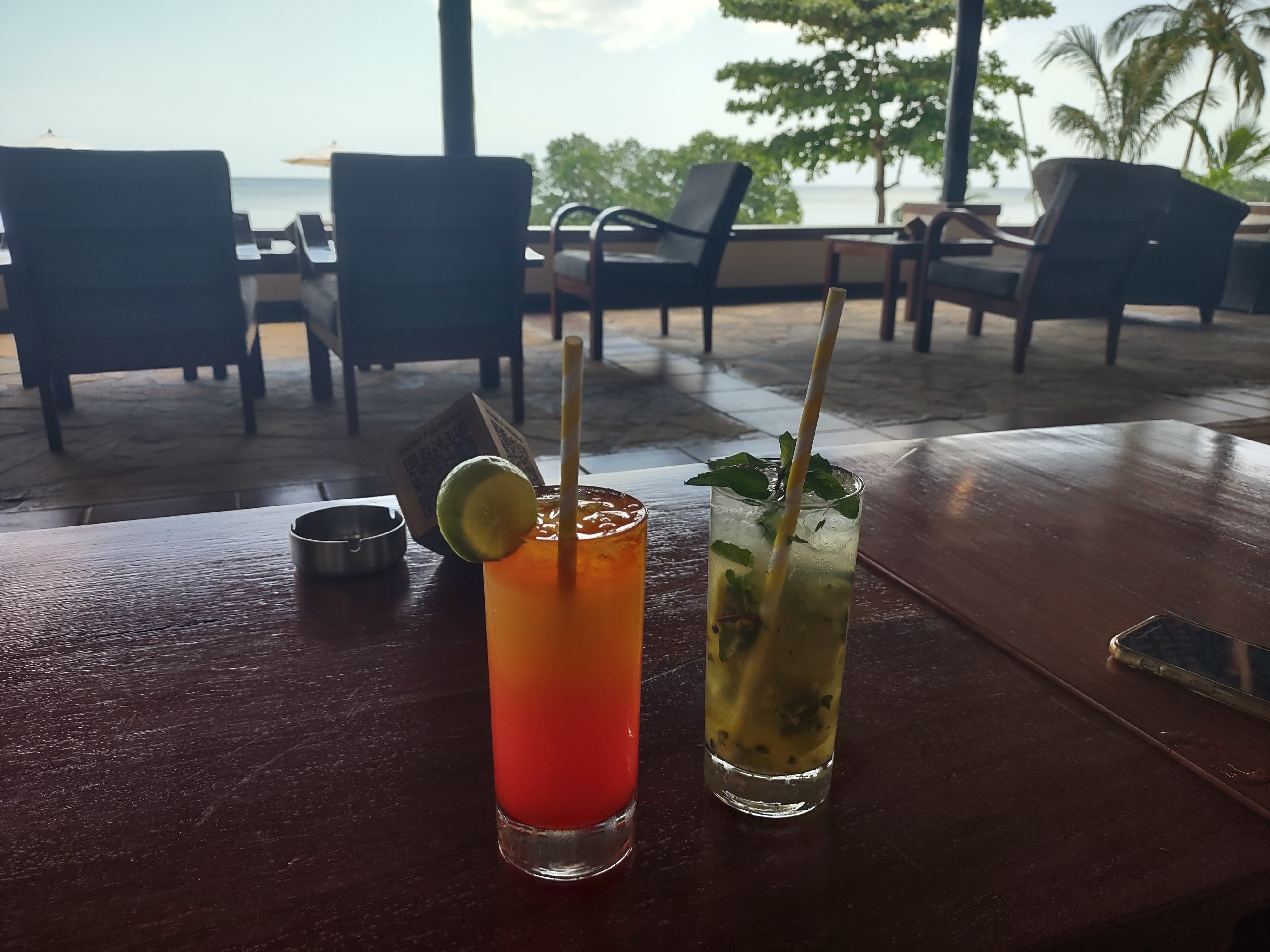
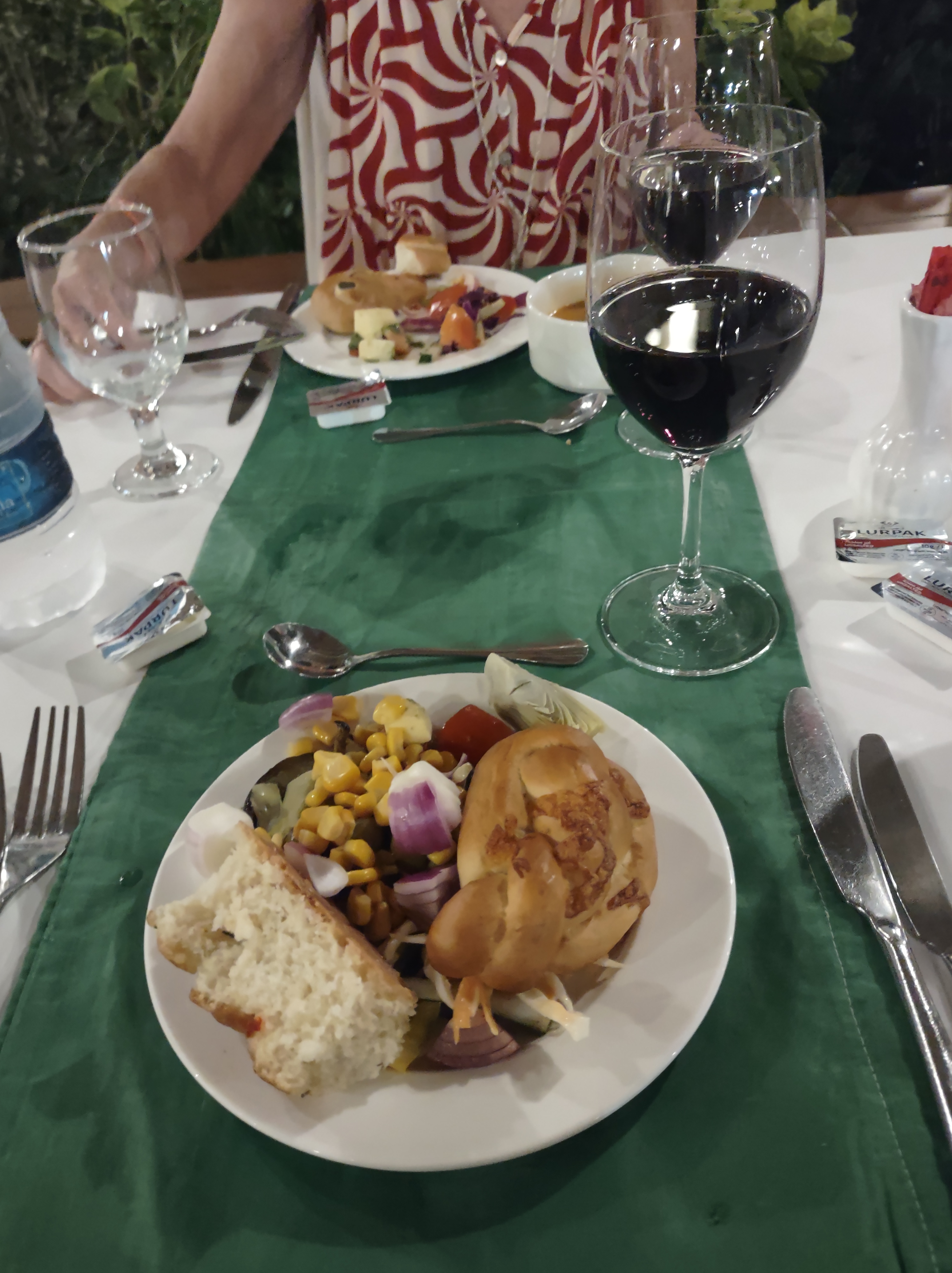
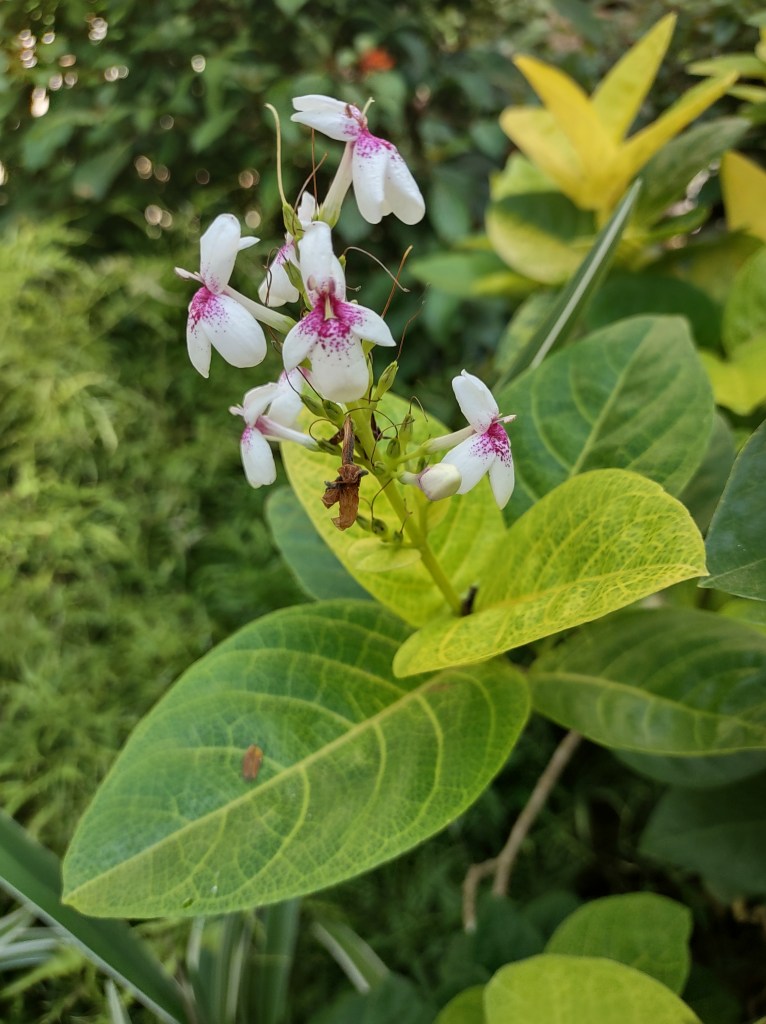
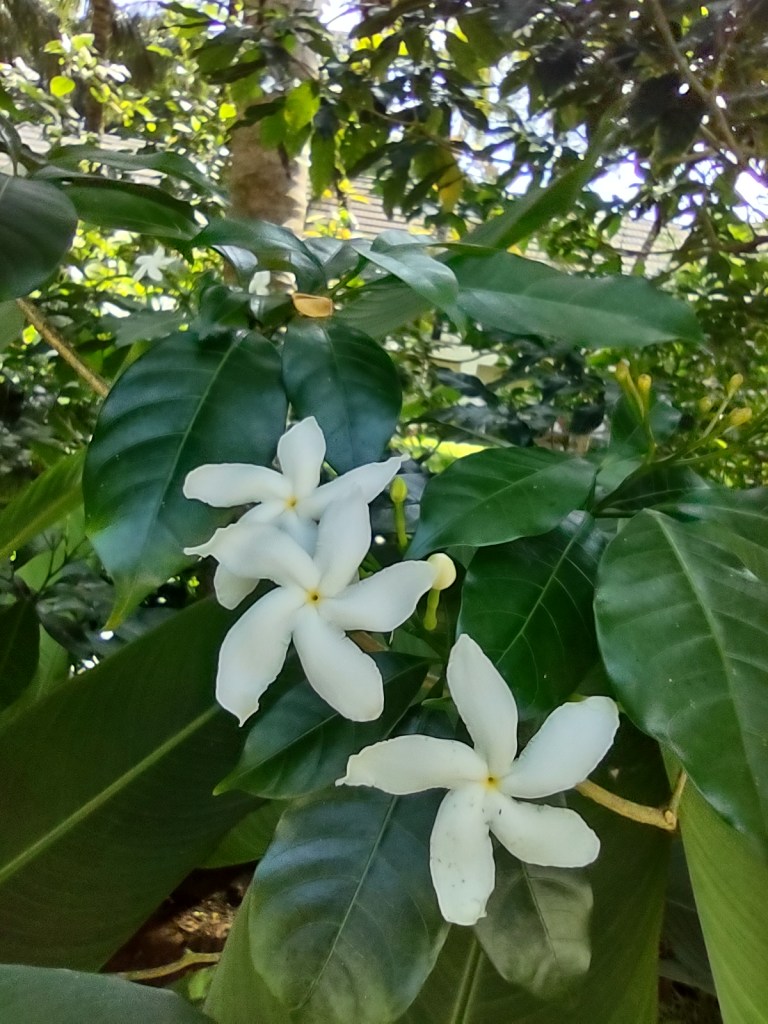
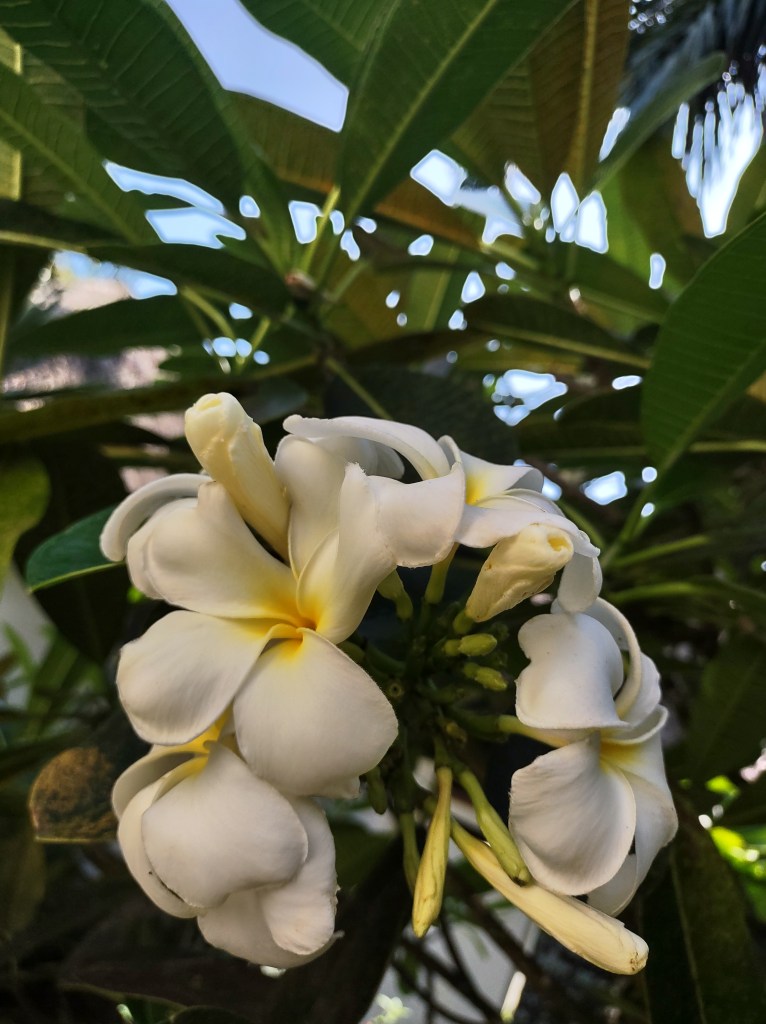
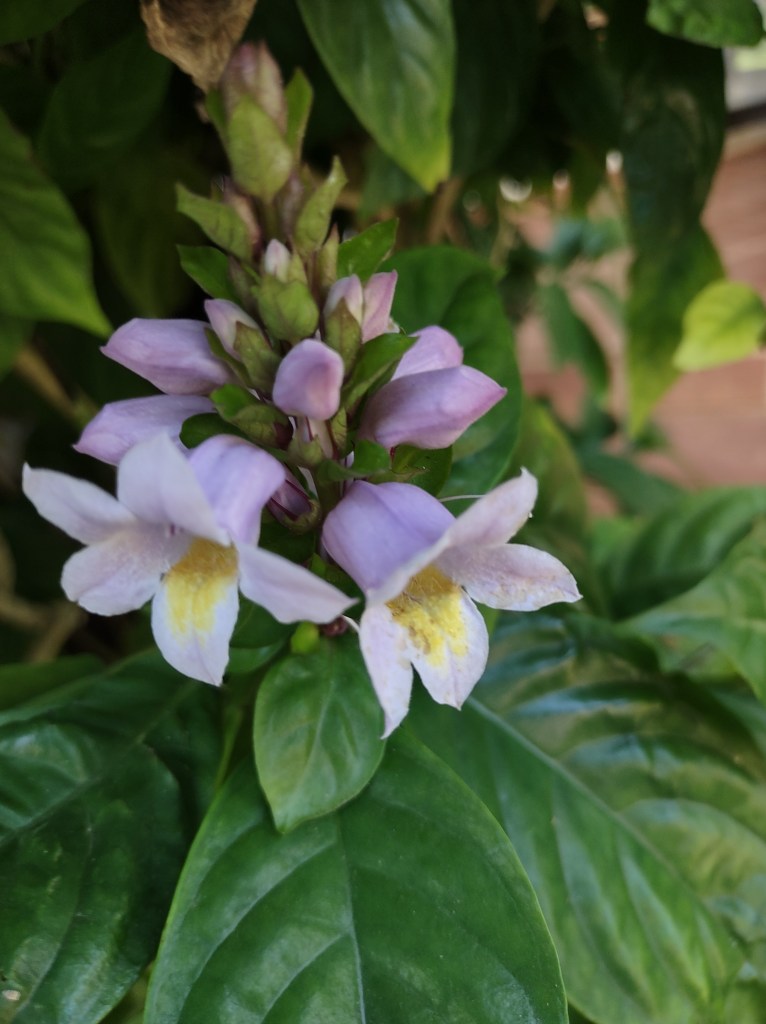
With the exception of a second trip into Stone Town and a kayak ride one day, we didn’t do much but lay by the pool, drink, and eat. The resort itself was beautifully landscaped and maintained and we lost count of all the different varieties of flowers and flowering shrubs used to landscape the place and made walking from place to place a real pleasure.
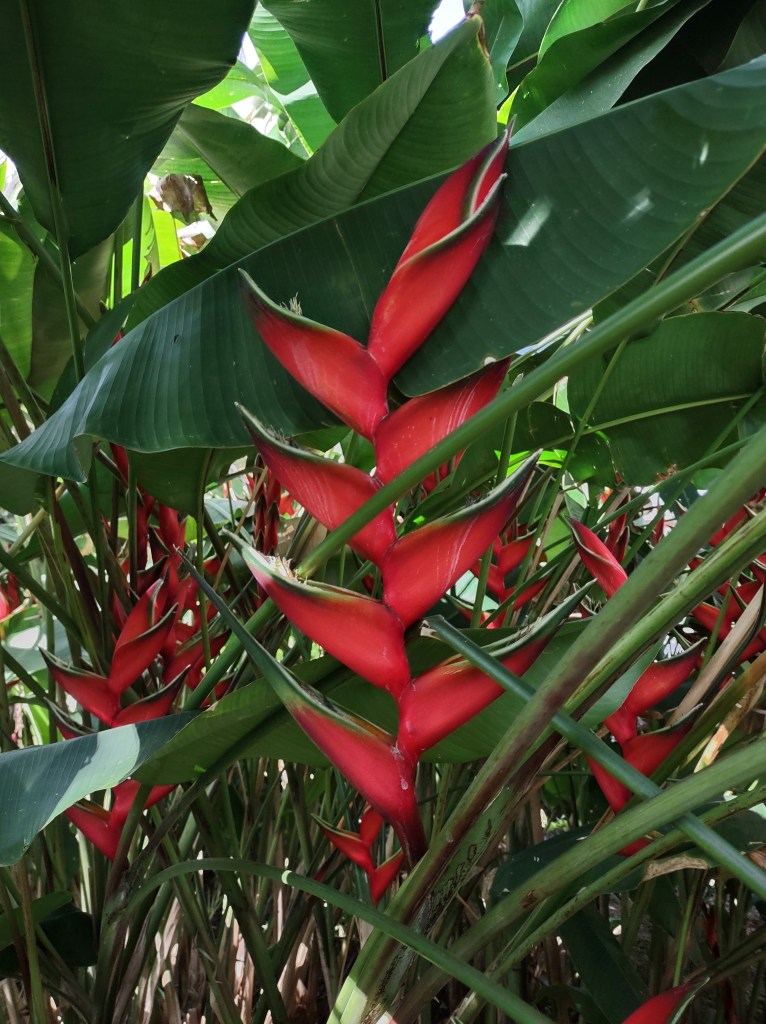
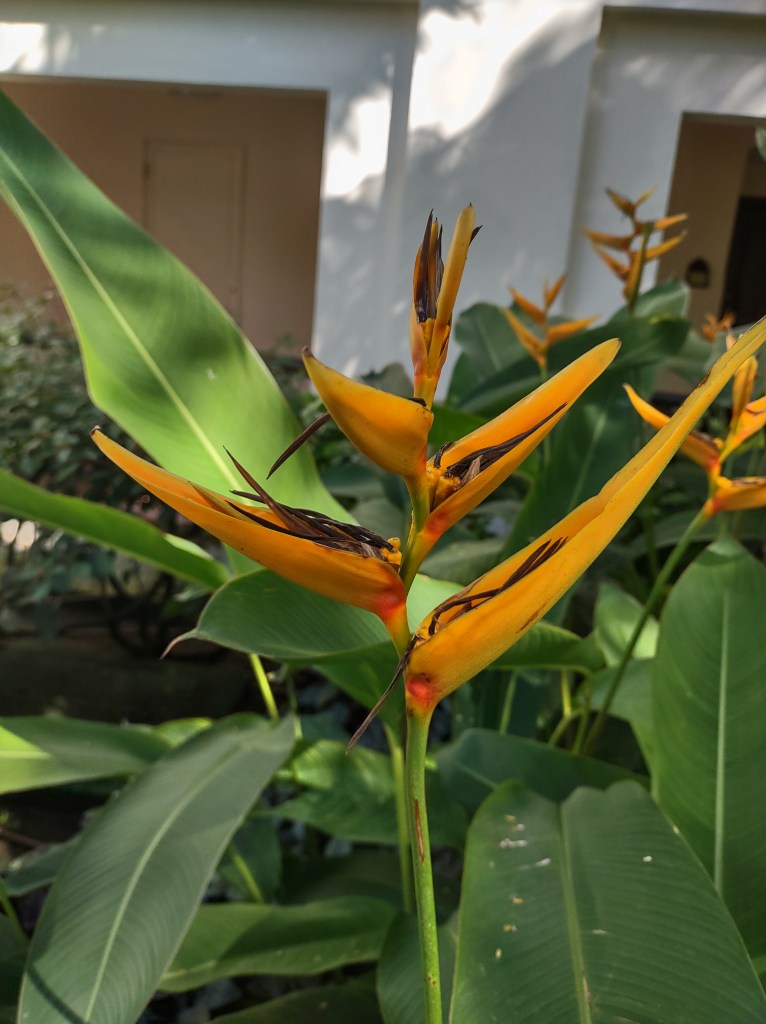
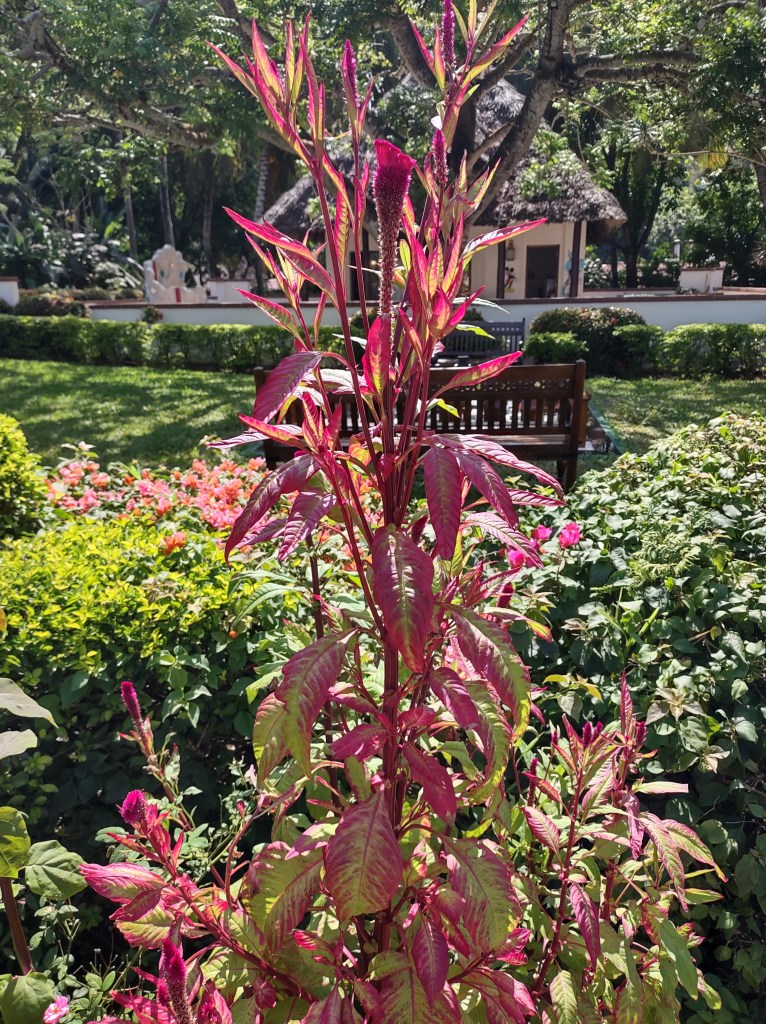
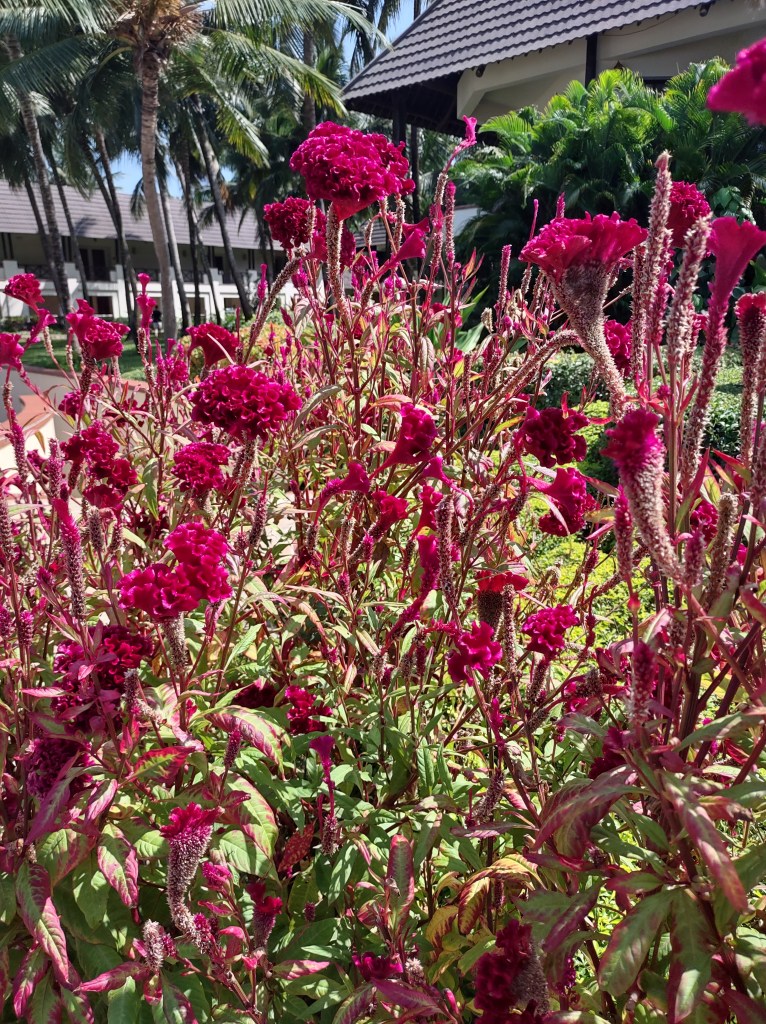
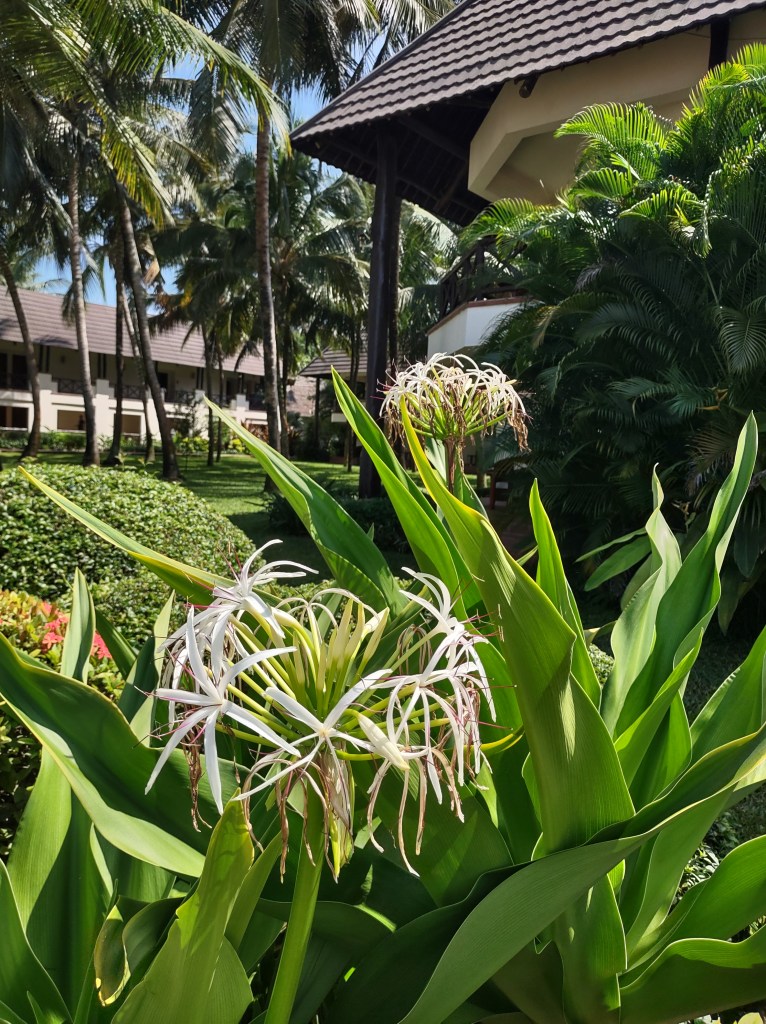


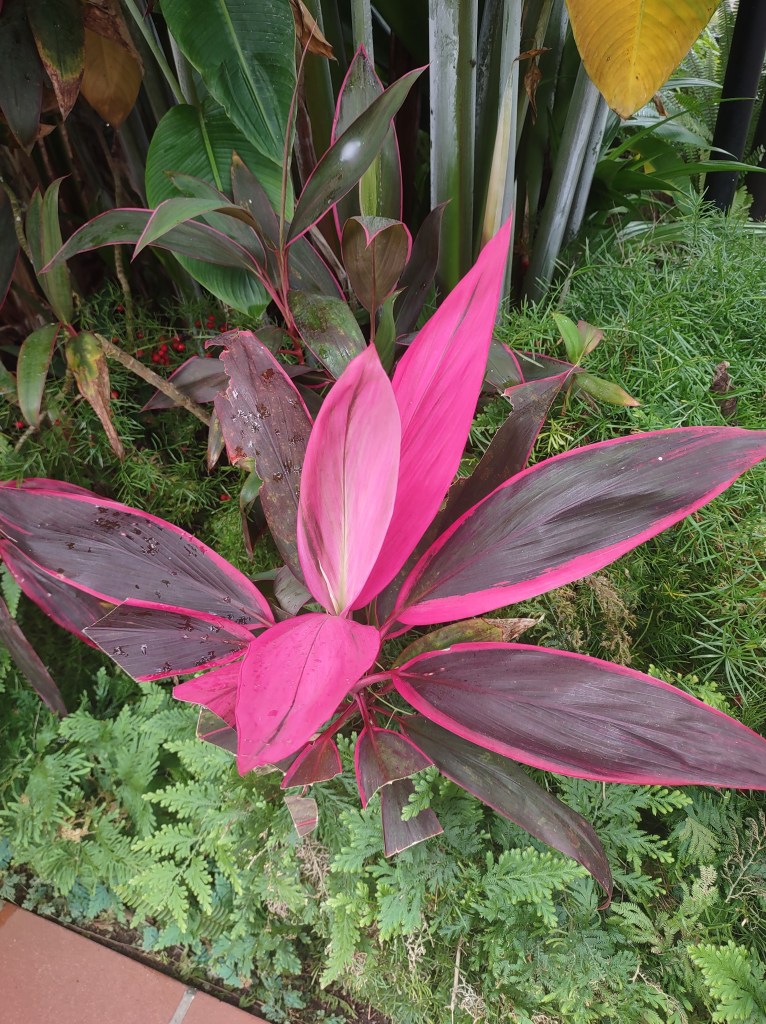
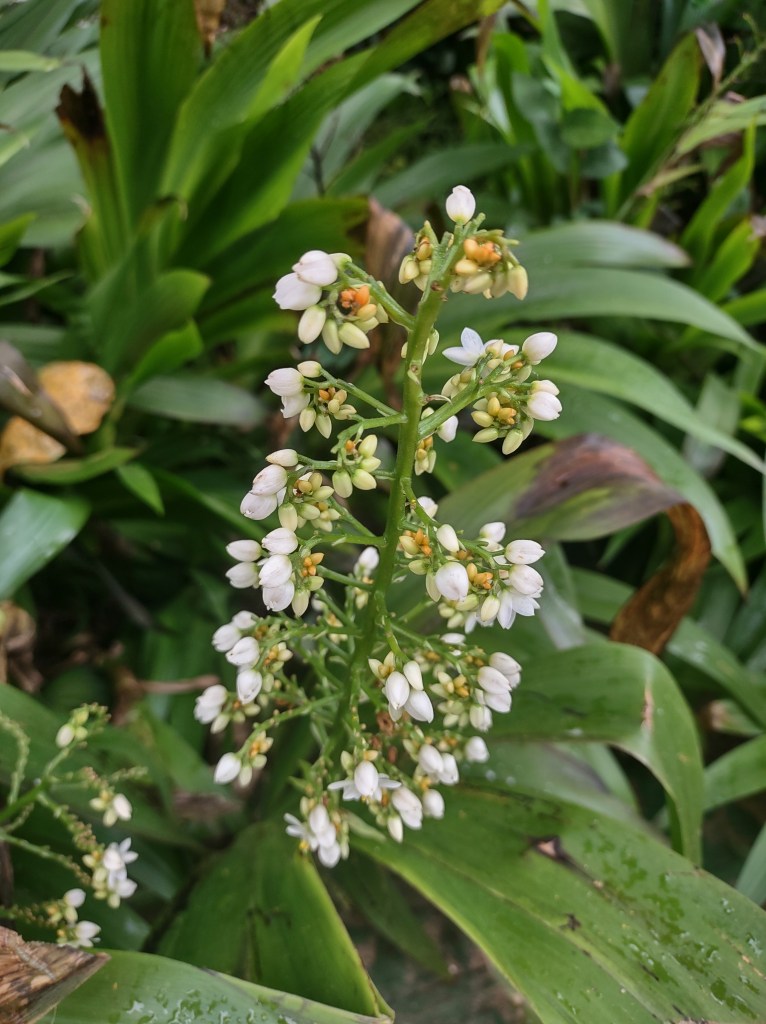
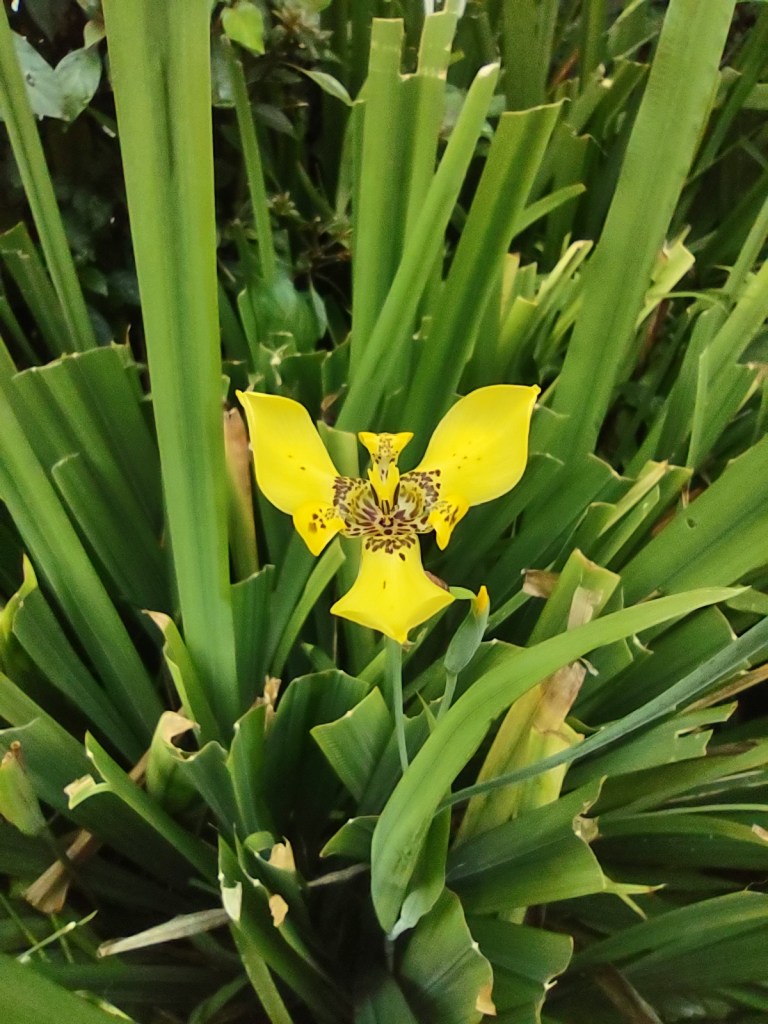

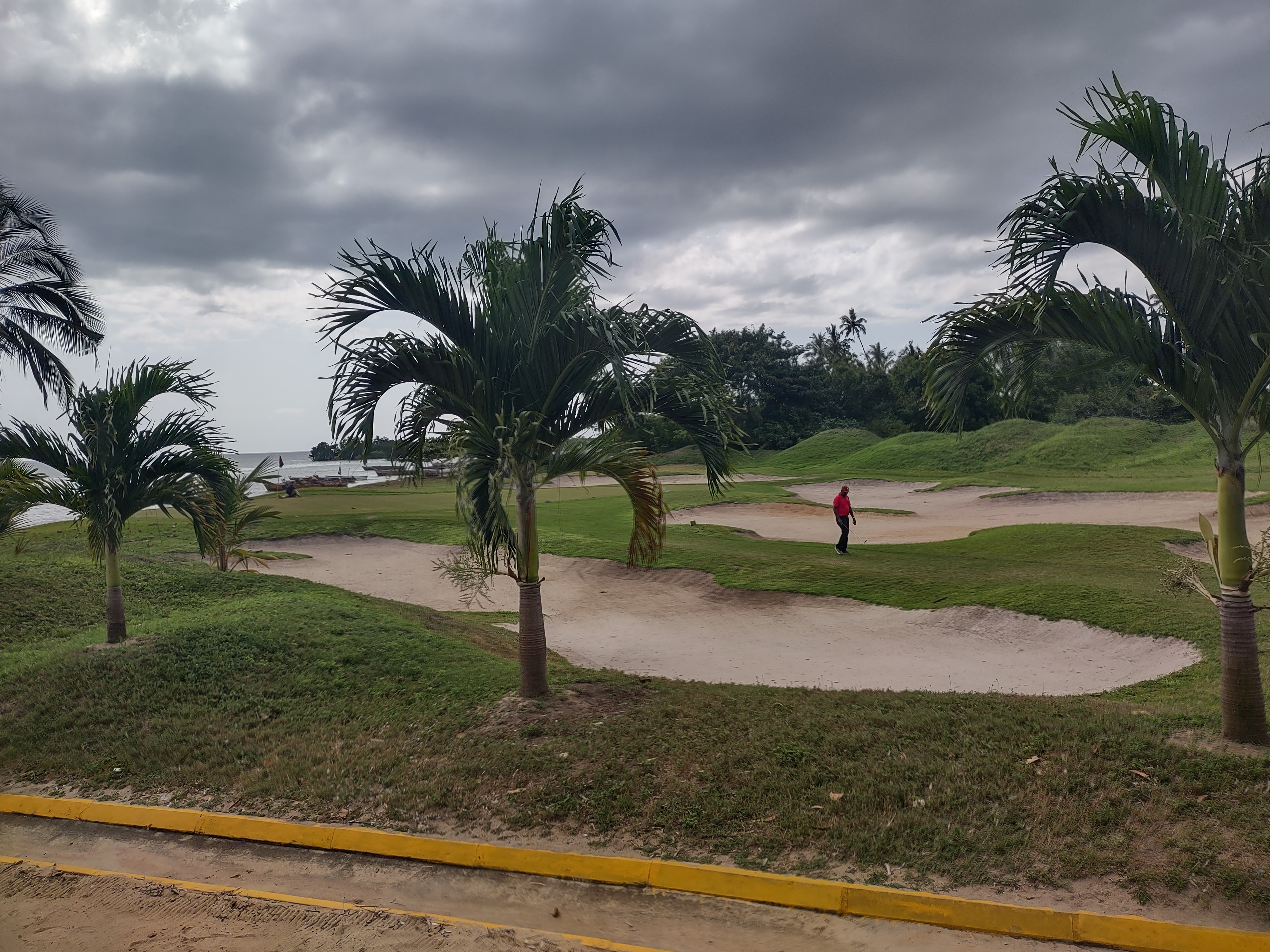
There was also a golf course which I did not play, but saw the grounds crew mowing a green with hand clippers. There was also a nine hole miniature golf course which Colleen agreed to try and did quite well although, in the end I did sort of crush her. It is also worth noting that it actually rained on a couple of occasions which we found to be not only refreshing but also a bit of a novelty since the last rain we had seen which wasn’t far out at sea was on the morning we left Ravello, Italy on June 27th, over two months prior.
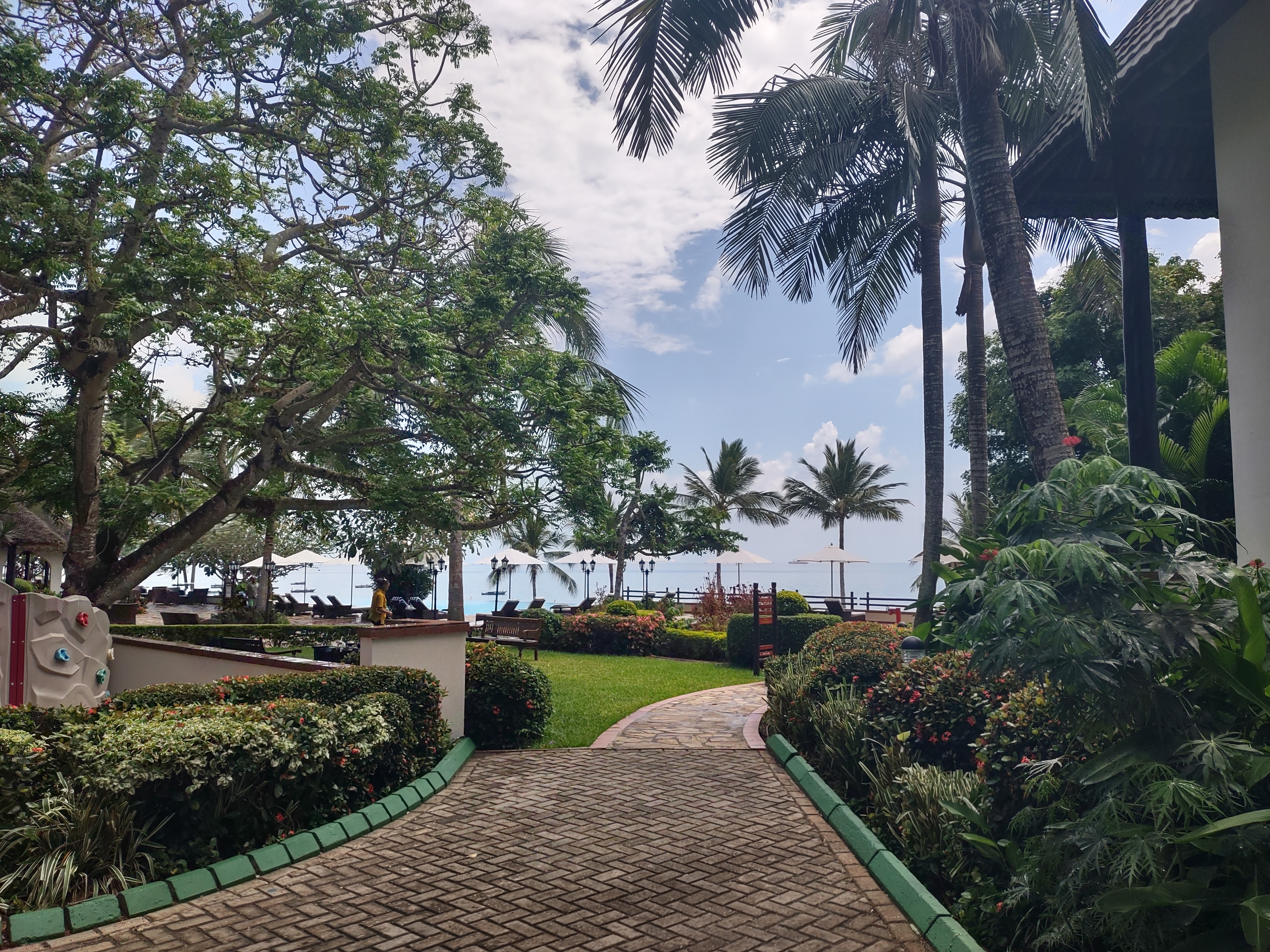
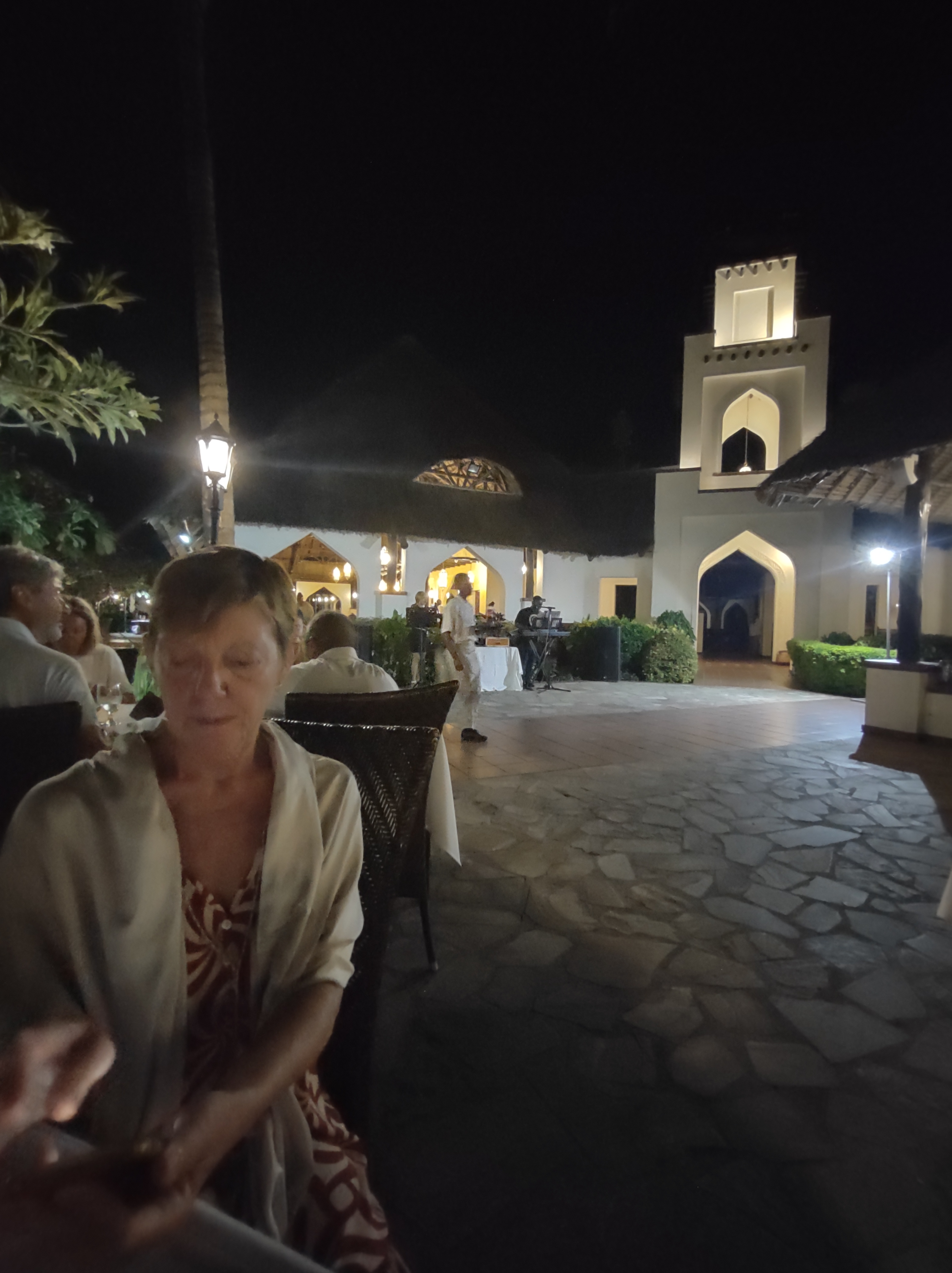


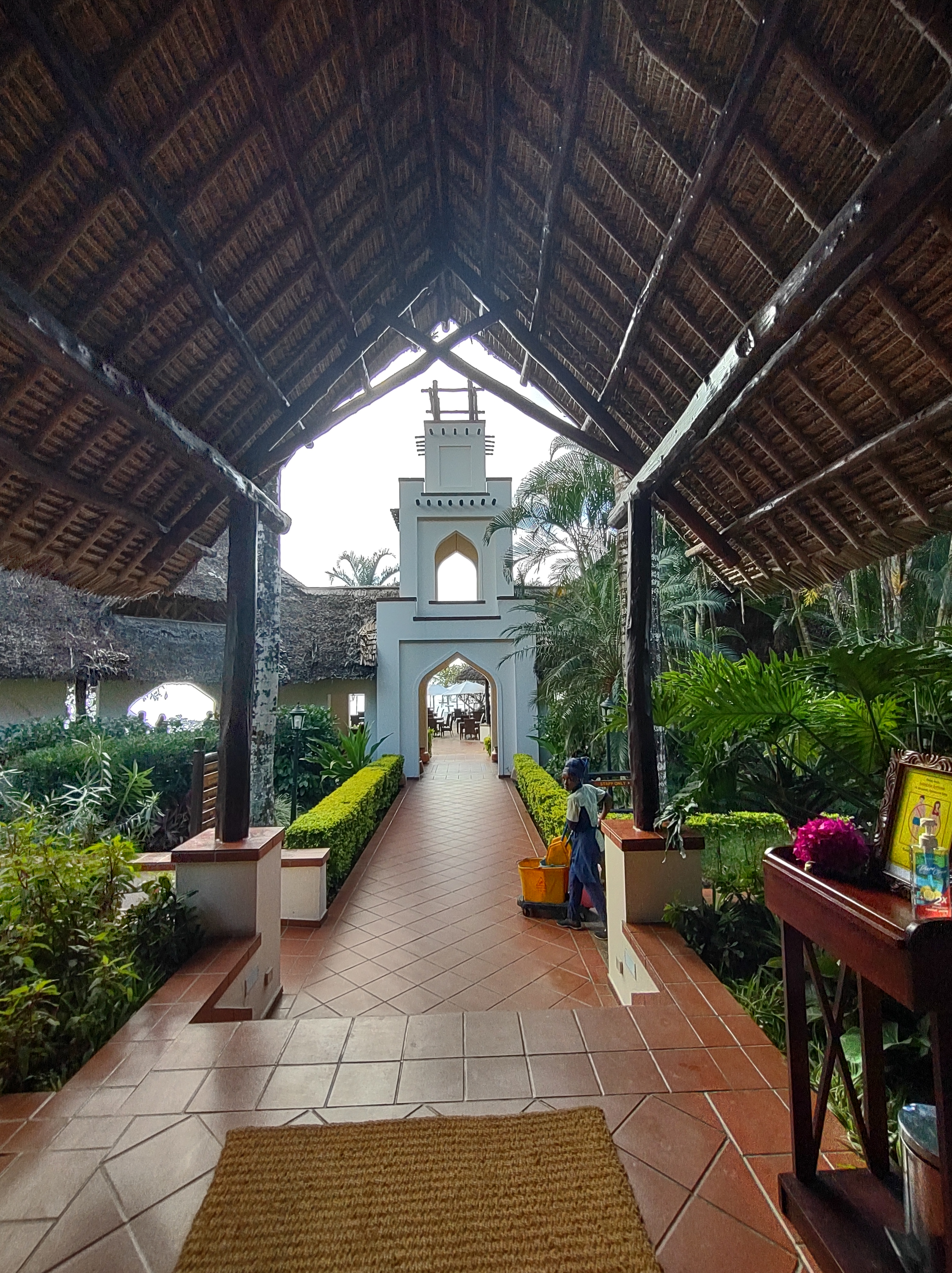
It was evident that the staff were exceptionally well trained in their interactions with guests, and it might have seemed a little creepy to have everyone you passed in the morning asking if you slept well except that it all felt quite genuine as did the sense of joy and happiness which all the staff seemed to have. (In retrospect, perhaps we were more preoccupied than they were of the extravagance of the resort compared to conditions just outside the “compound”? While walking from the beach area back to the resort with one of the staff one day I asked him how he liked working at the resort and he responded with, more or less, “What’s not to like?” which lead us to consider that working at the resort, despite some sometimes obnoxious guests, might well be considered a pretty good job in Zanzibar.
In any case, we very much enjoyed our interactions with the staff and managed to have some real (but light) conversations with them. Colleen asked the hostess at the pool where we hung out for some language lessons and learned, among other things, our room number (113) in Swahili (“Moja Moja Tatu”). (If you’ve been to an all-inclusive resort, you know that you get asked for your room number ten to twenty times a day.) My sense is that very few tourists take it upon themselves to learn any more Swahili than “Jambo”, “Polepole”, and “Hakuma Matada” because every time Colleen responded to the question of our room number with “Moja Moja Tatu” it brought a big smile, if not a laugh, to the face of the staff member who had asked.
Yoga at Sea Cliff
Although I tried, I wasn’t able to find any yoga near Jambiani, so I was was very happy to discover that a yoga class was offered every day of the week, so I signed up for all of them. I had a western idea of an actual class that other resort people would also be signing up for, so it was with some trepidation that I discovered these were personal 1:1 sessions. Suria, who shared that she was from India and had learned about yoga and Ayurveda medicine from her experiences in India was a lovely yoga guide. Each morning was devoted to a different practice including Vinyasa, morning salutations or welcoming the new day practice, and lots of focus on breathing and meditation. I was feeling hopeful that these experiences with Suria would be helpful as India is next on our journey and a yoga retreat in Rishikesh is on the list.

And so we finished our three-week stay in Zanzibar with more of a yawn than a roar, but left prepared, both mentally and physically, for what we anticipated to be one of the most exciting but also challenging legs of our entire trip, 30 days trekking across India. Hakuna Matada!
 Burning the Inheritance
Leave a comment