
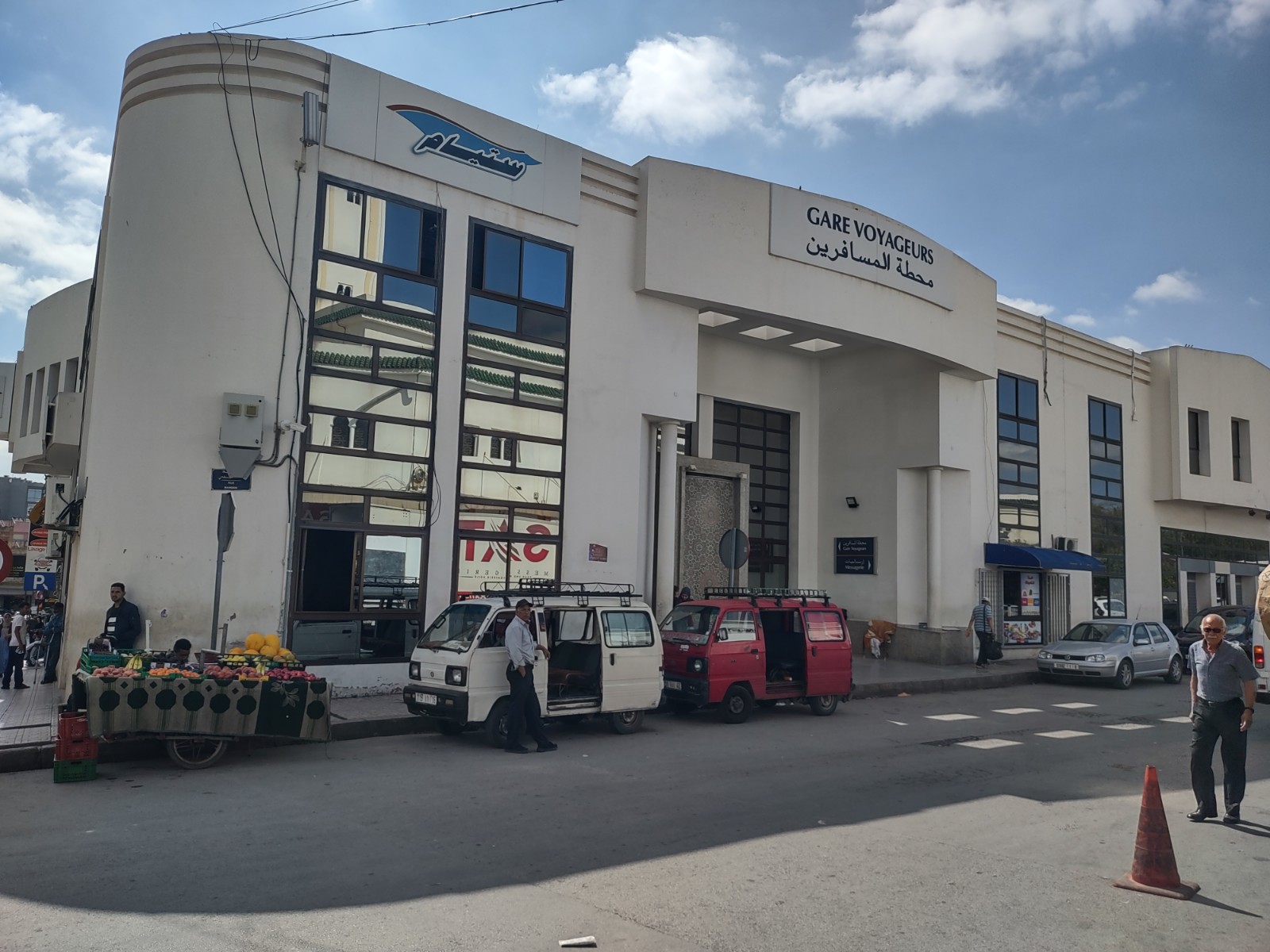
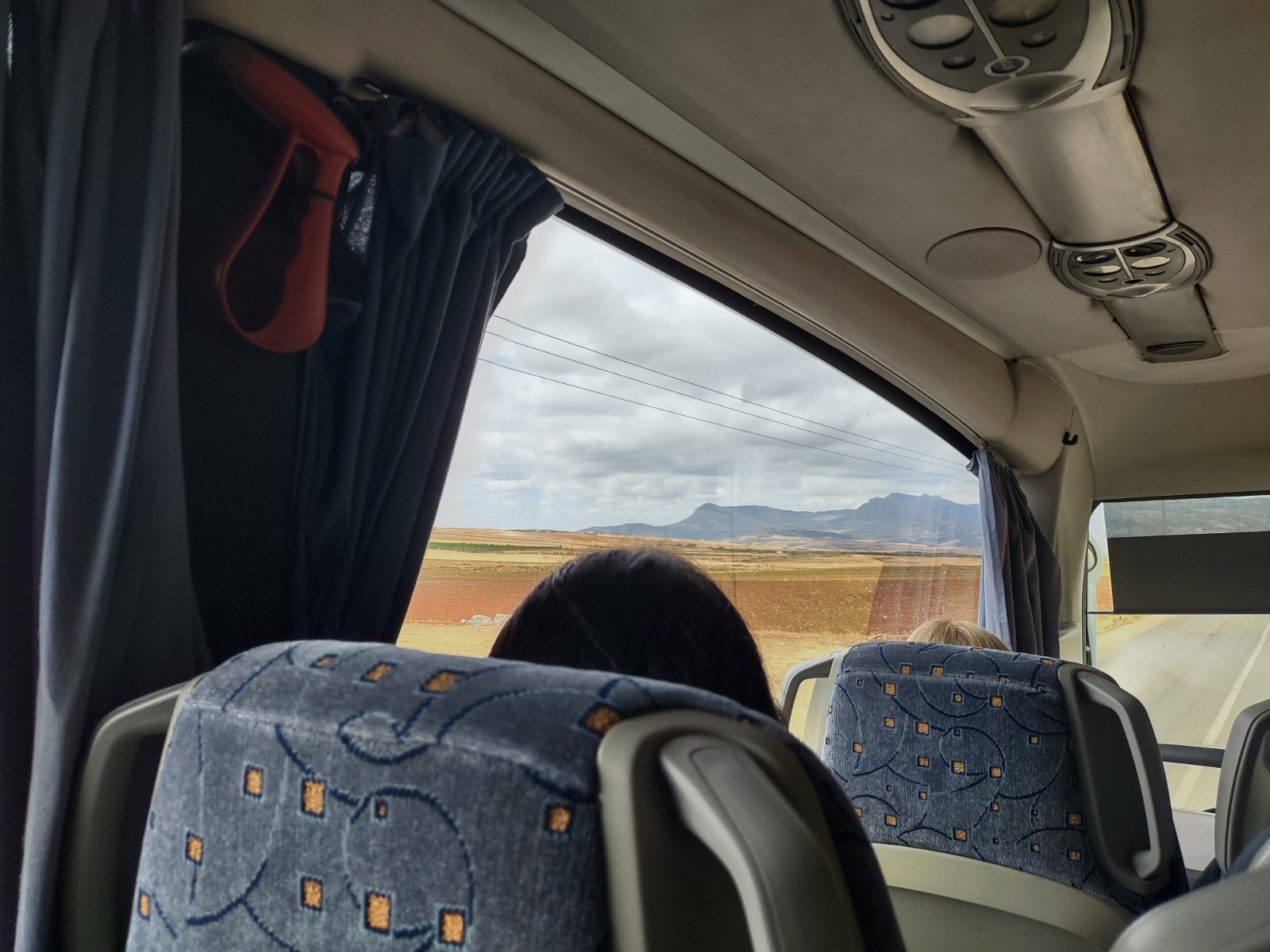
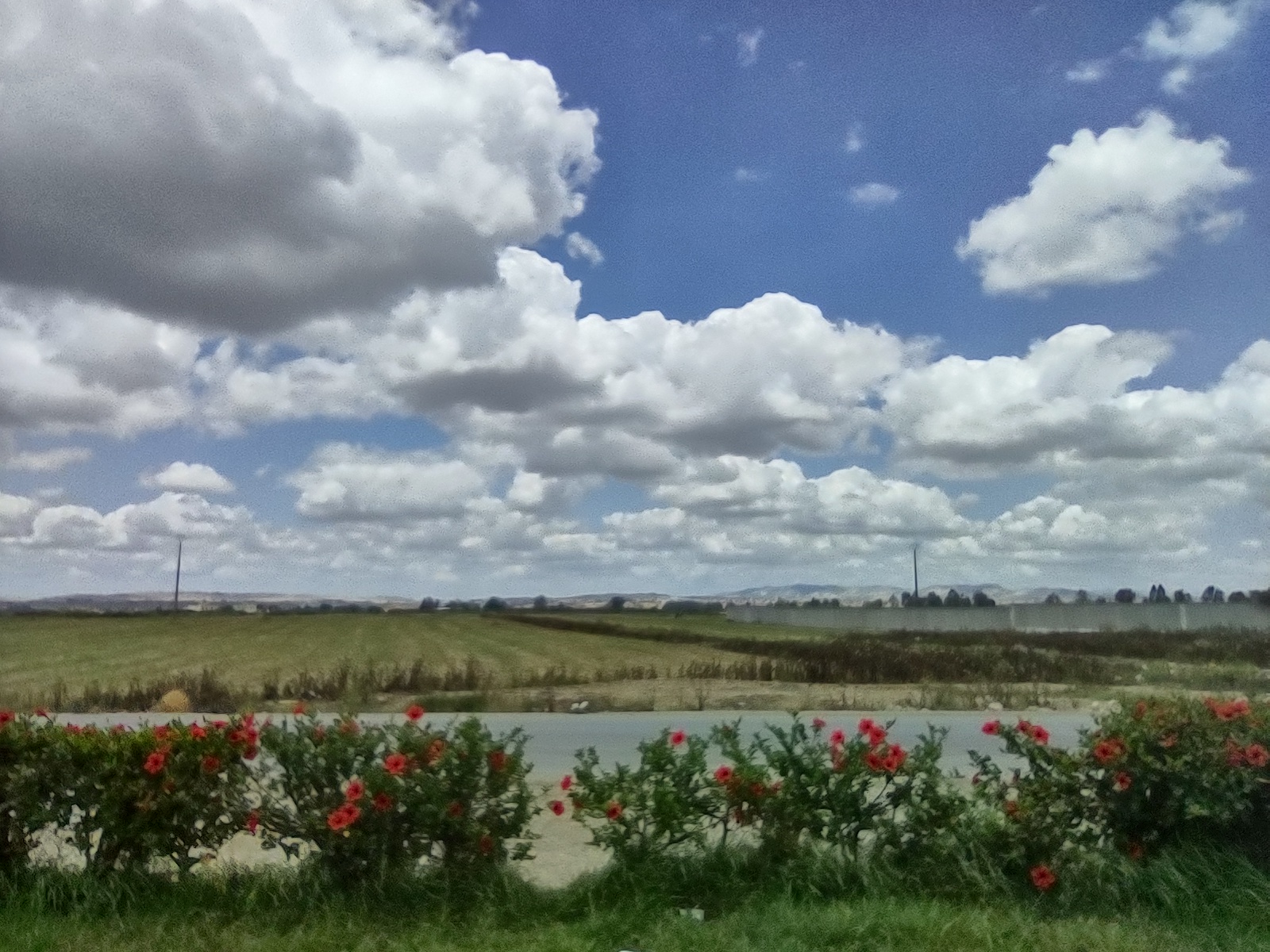
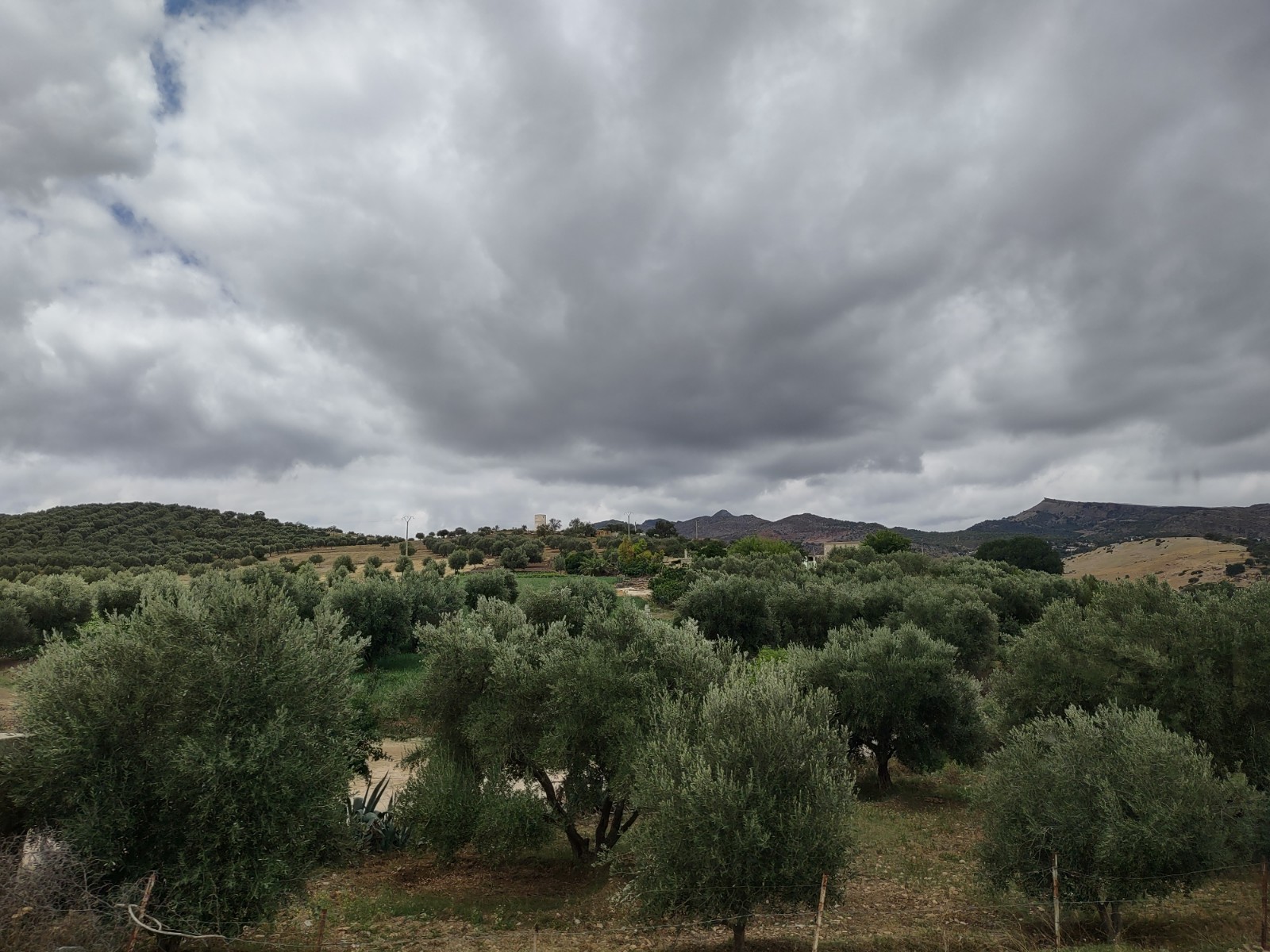
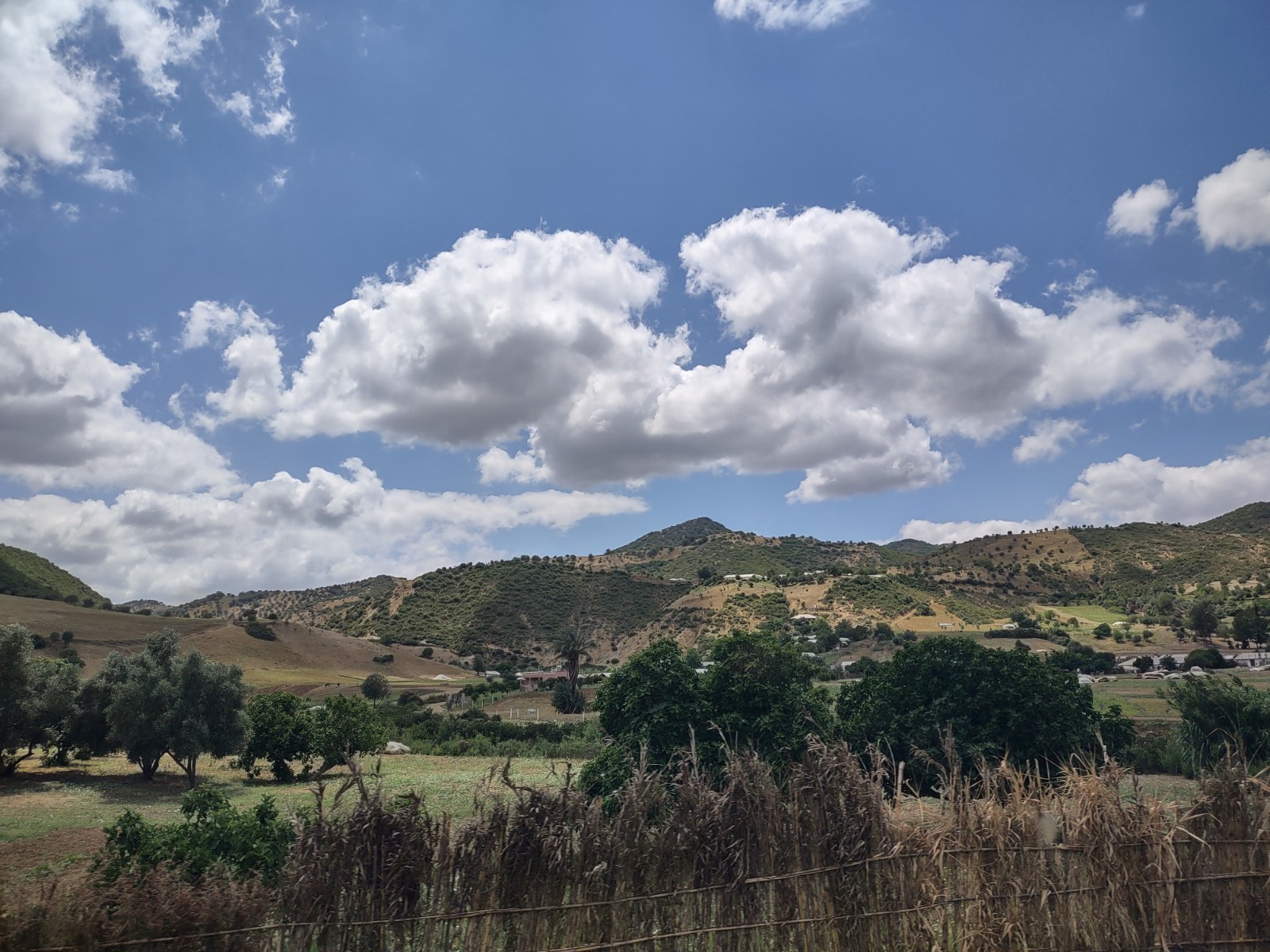
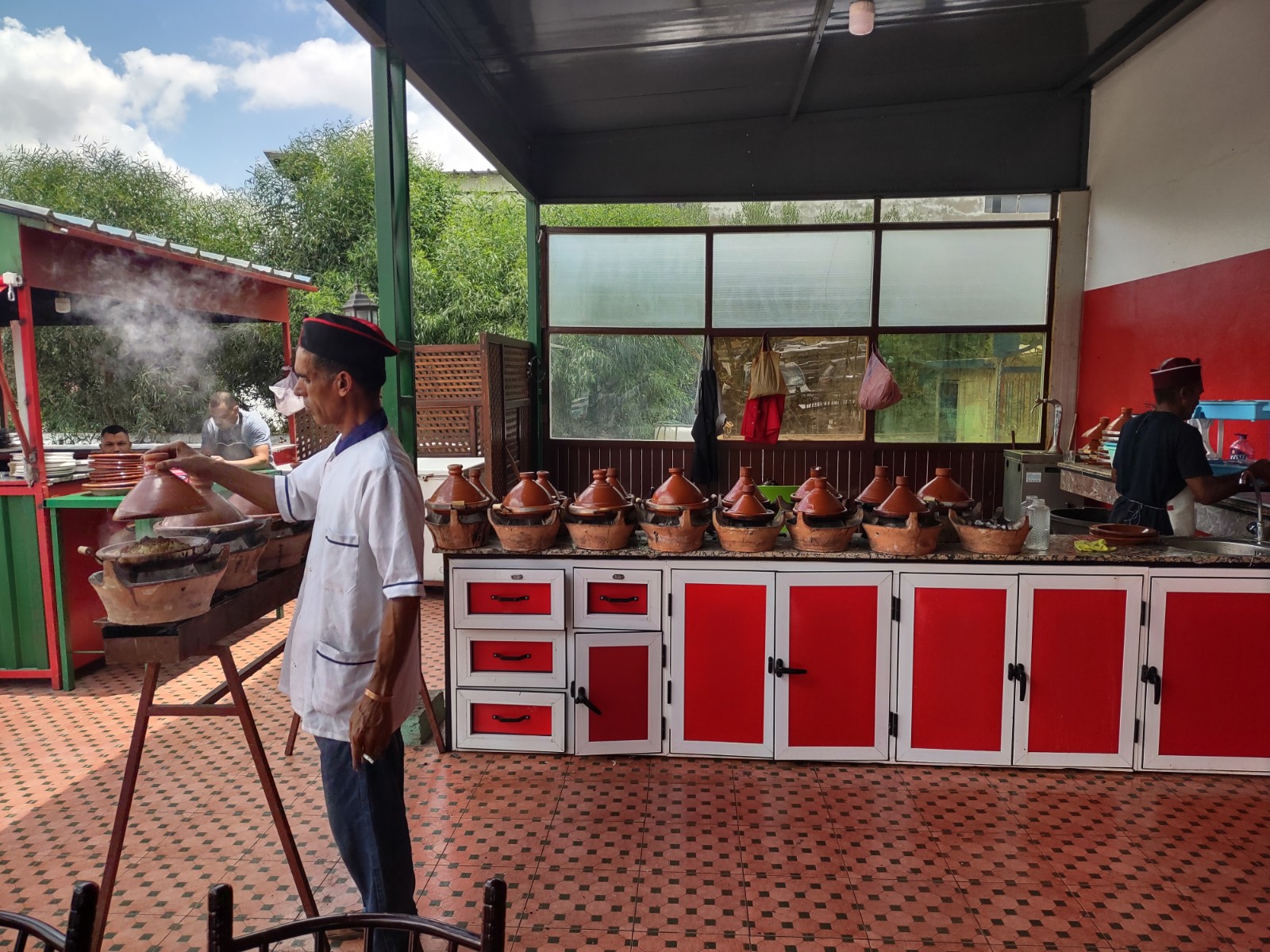
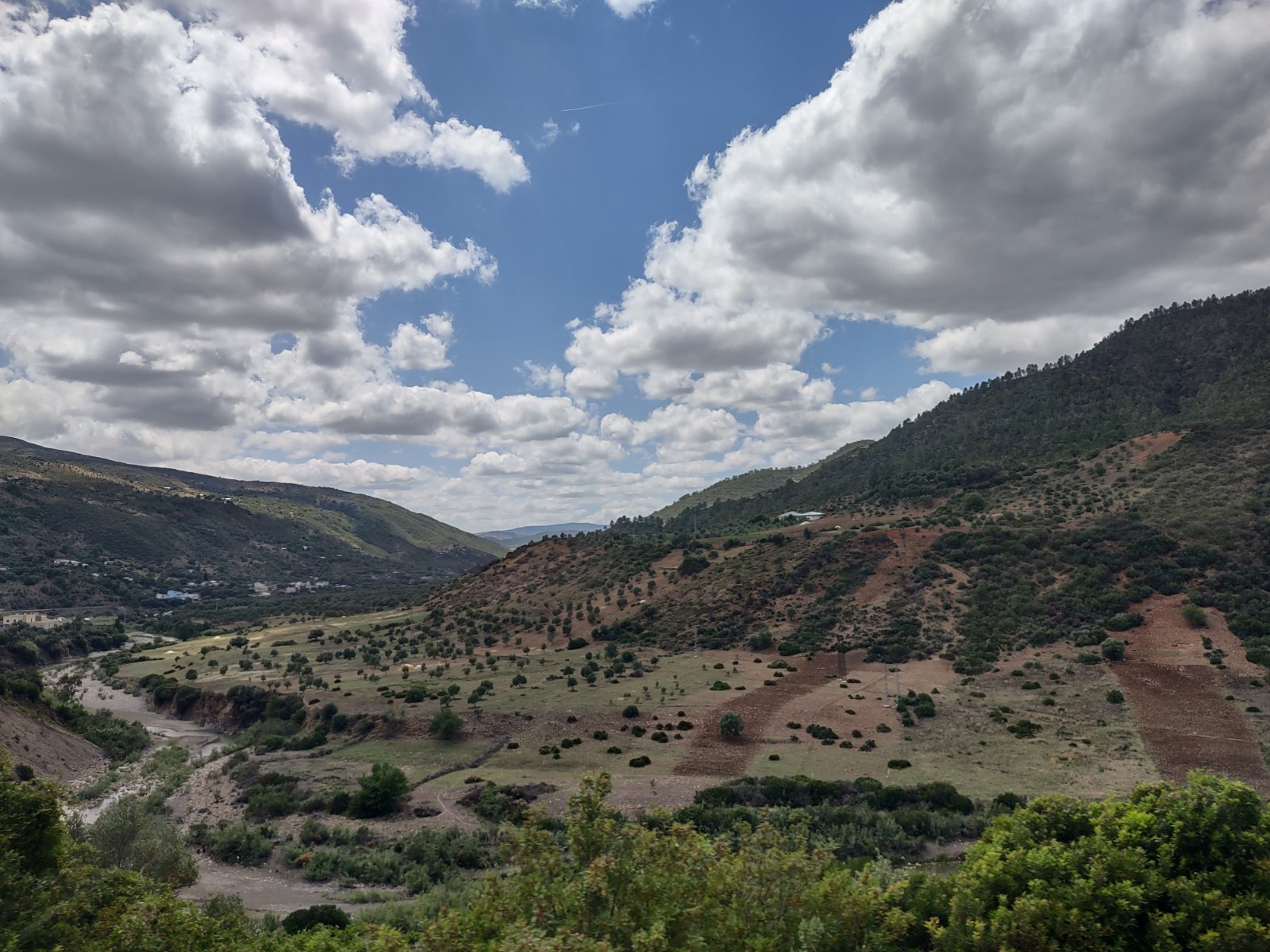
On Tuesday June 13th, we caught an afternoon bus from the Fes bus terminal to Chefchaouen, a small city of about 40,000 people located in the Rif Mountains of northwest Morocco. We stopped at a Moroccan truck stop near a town called Ouezzane where Colleen noticed a large number of tajines, each in its own charcoal brazier, slowly cooking away. The scenery from the bus was pretty spectacular on this leg and, as we travelled further north, the landscape became increasingly green, with groves of olive and fruit trees, fields of melons and other crops, and, occasionally, a wooded area and with the Rif Mountains growing ever larger in the distance. This was definitely one the more dramatic changes in landscape we had experienced since coming to Morocco over three weeks ago.

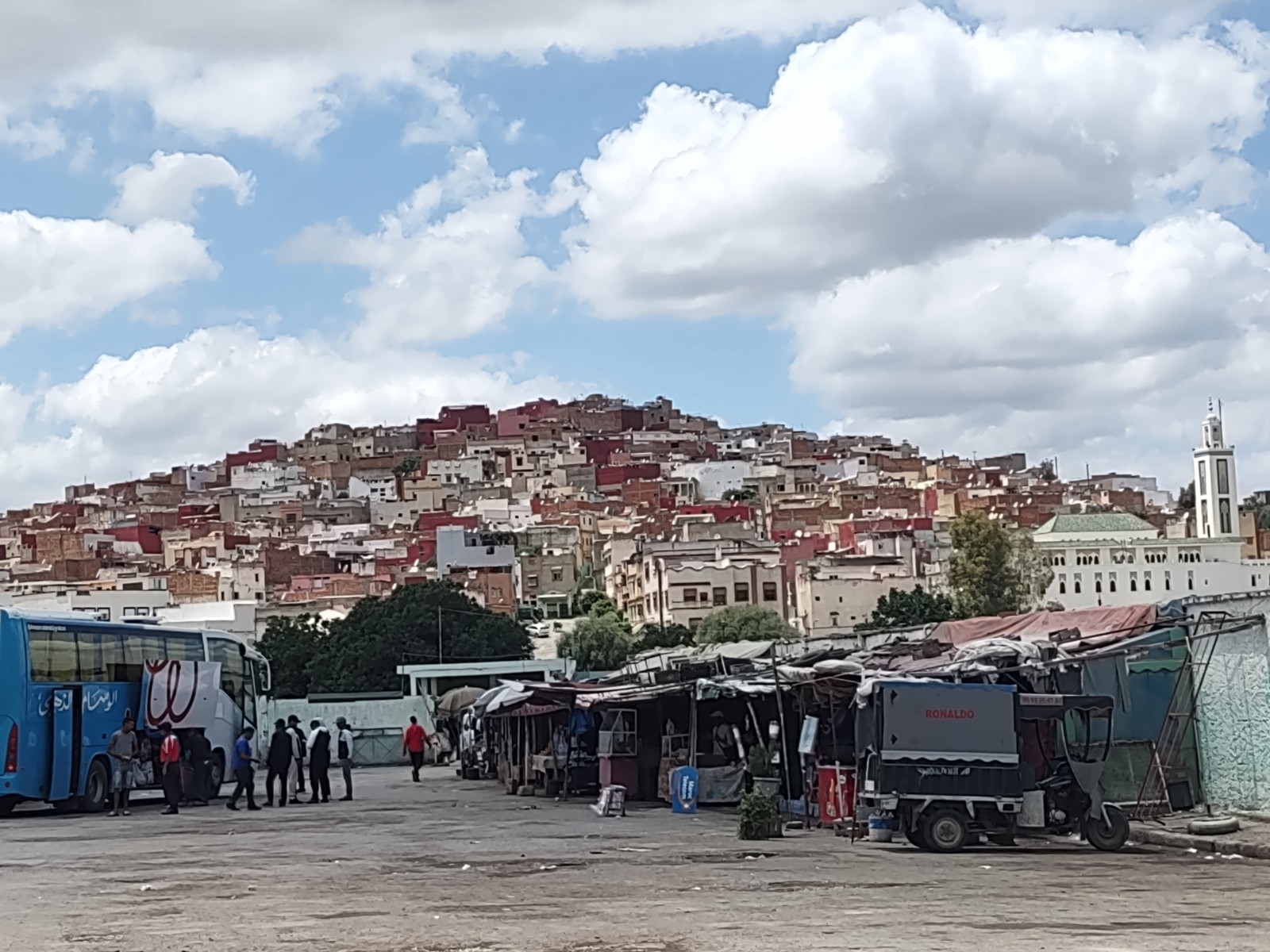

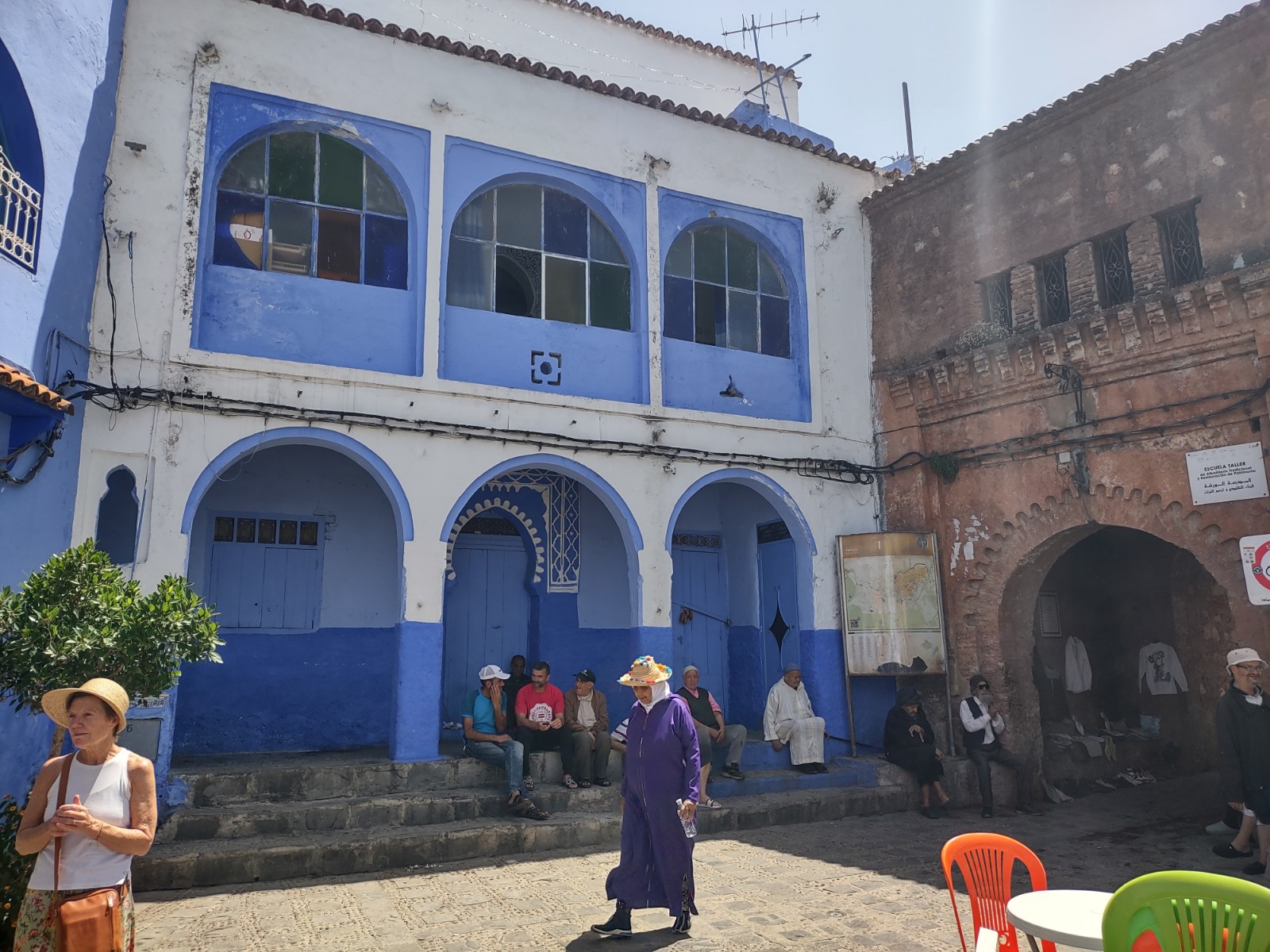
Not at all missing the drama of our last bus ride, we arrived in Chefchaouen without event and checked into the apartment we had rented for the next four days. Our place was located just outside the Medina (Old Town) next to the Bab Souk, a gate in its northwest corner. The square in front of the Bab Souk was a bit of a gathering place and there were always three or four older berber men hanging out on the steps in front of our cul-de-sac shooting the proverbial (but not literal) bull. Our apartment was in one of four buildings located in a small cul-de-sac you reached by passing through a porch with three arches just to the left of the gate. The location was great – just a few steps from the Medina but off the beaten path. There were a number of real shops just down the block from our place including an OK grocery store with fresh fruit where we stopped to stock up on our first afternoon there. One of the best parts of our stay here may arguably have been our little cul-de-sac neighborhood (more about this later).

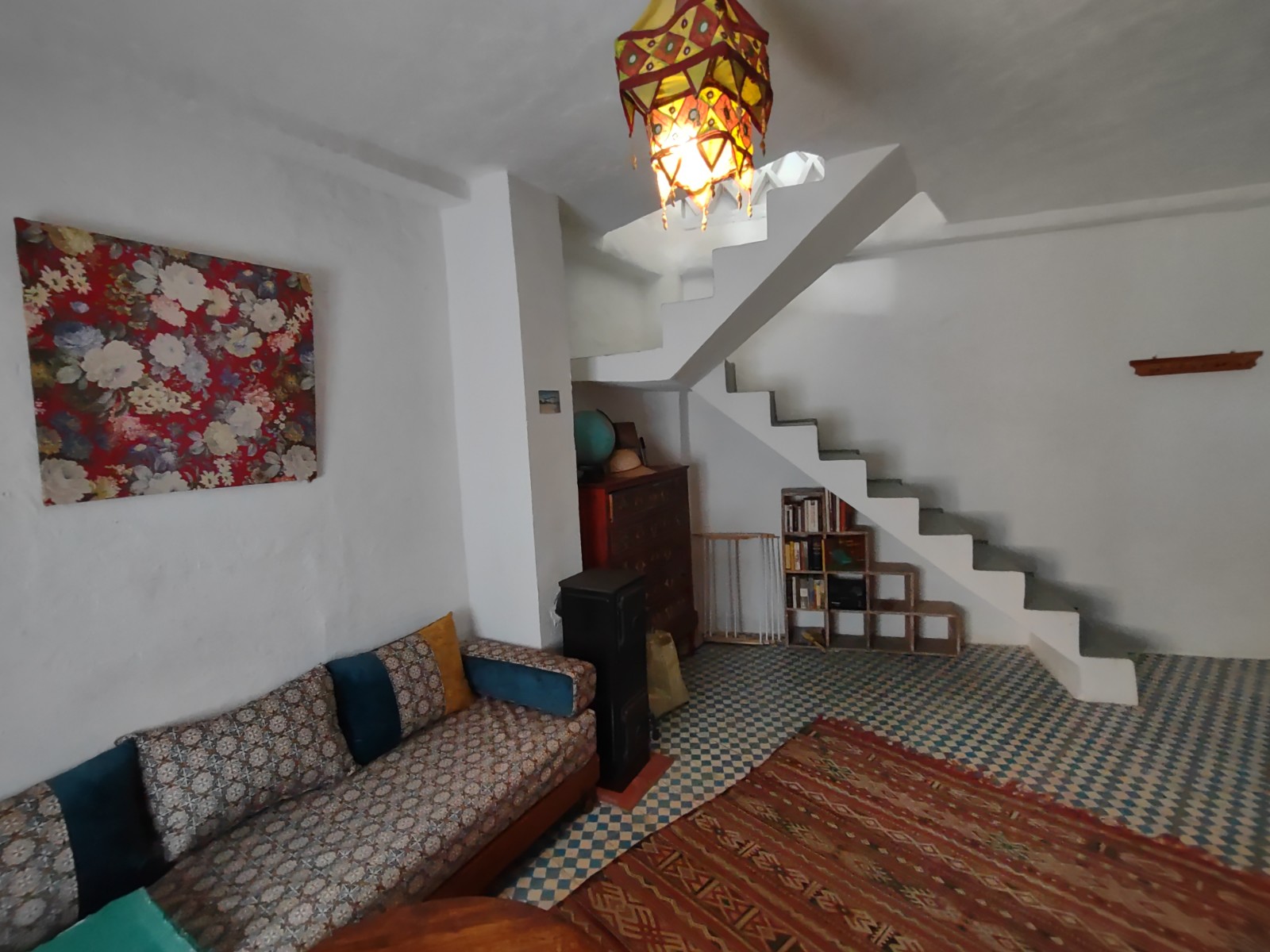
Our apartment was in an older building which had been diced up a bit. A flight of external stairs led to a shared living area we did not use which also contained a washing machine which we did use. Our apartment was up a flight of interior stairs with a kitchen and living area on one floor and bedroom and bath on the floor above with a new open interior stair connecting the two (I did my best not to think too much about how the opening in the floor for this new stair had been constructed). All in all, the place had a lot of character but the kitchen was a bit spartan for our needs with a dorm size fridge and lacking some basic things like hot water for the undersized sink.


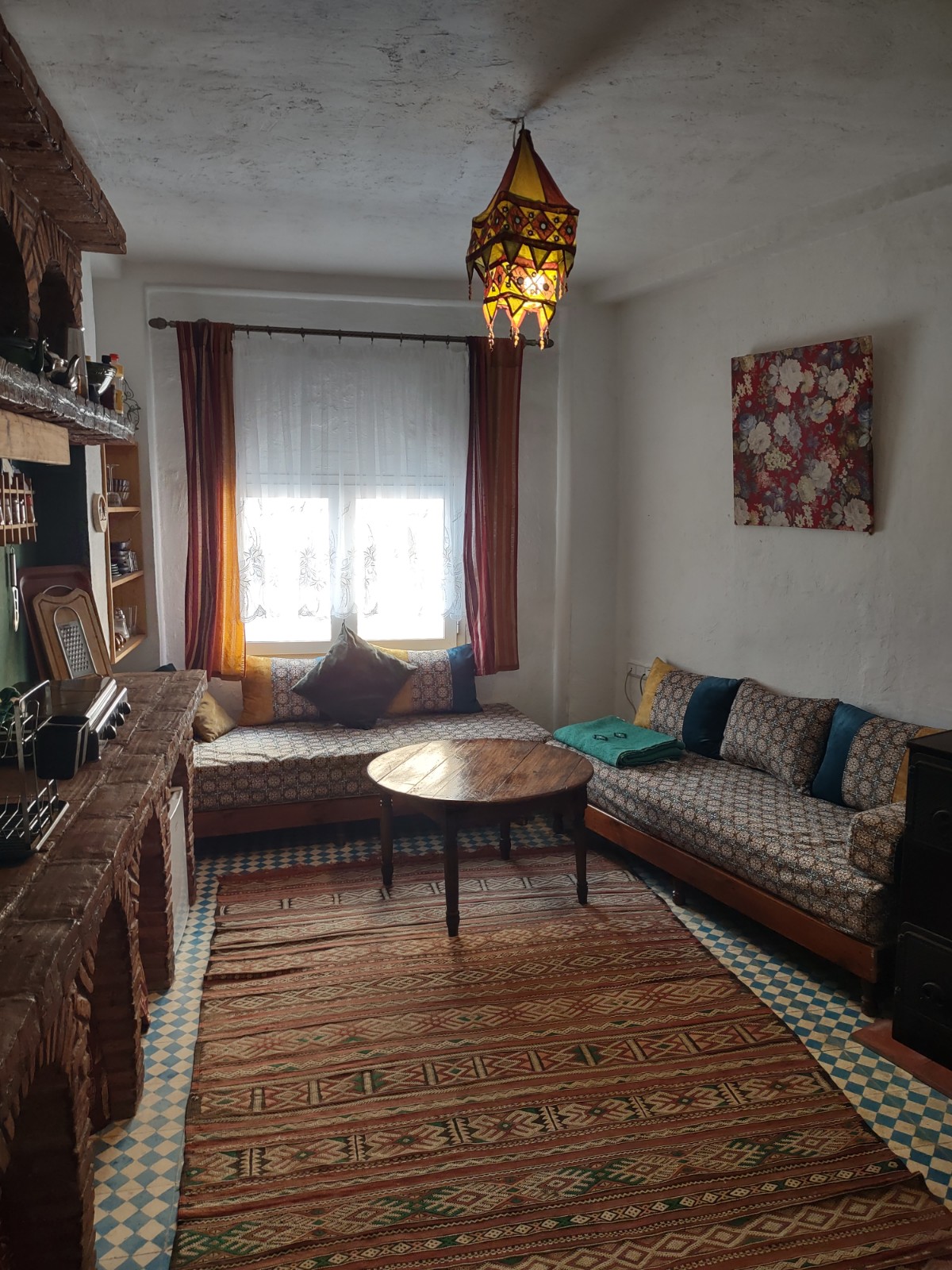
There was another apartment above us in the building, which was occupied by the Owners (whom we never saw between check-in and check-out), and above that a roof deck with some comfortable furniture and some great views out over the Medina. This was technically a shared space but we pretty much had all to ourselves other than some cats and a duck on the adjoining roof tops.
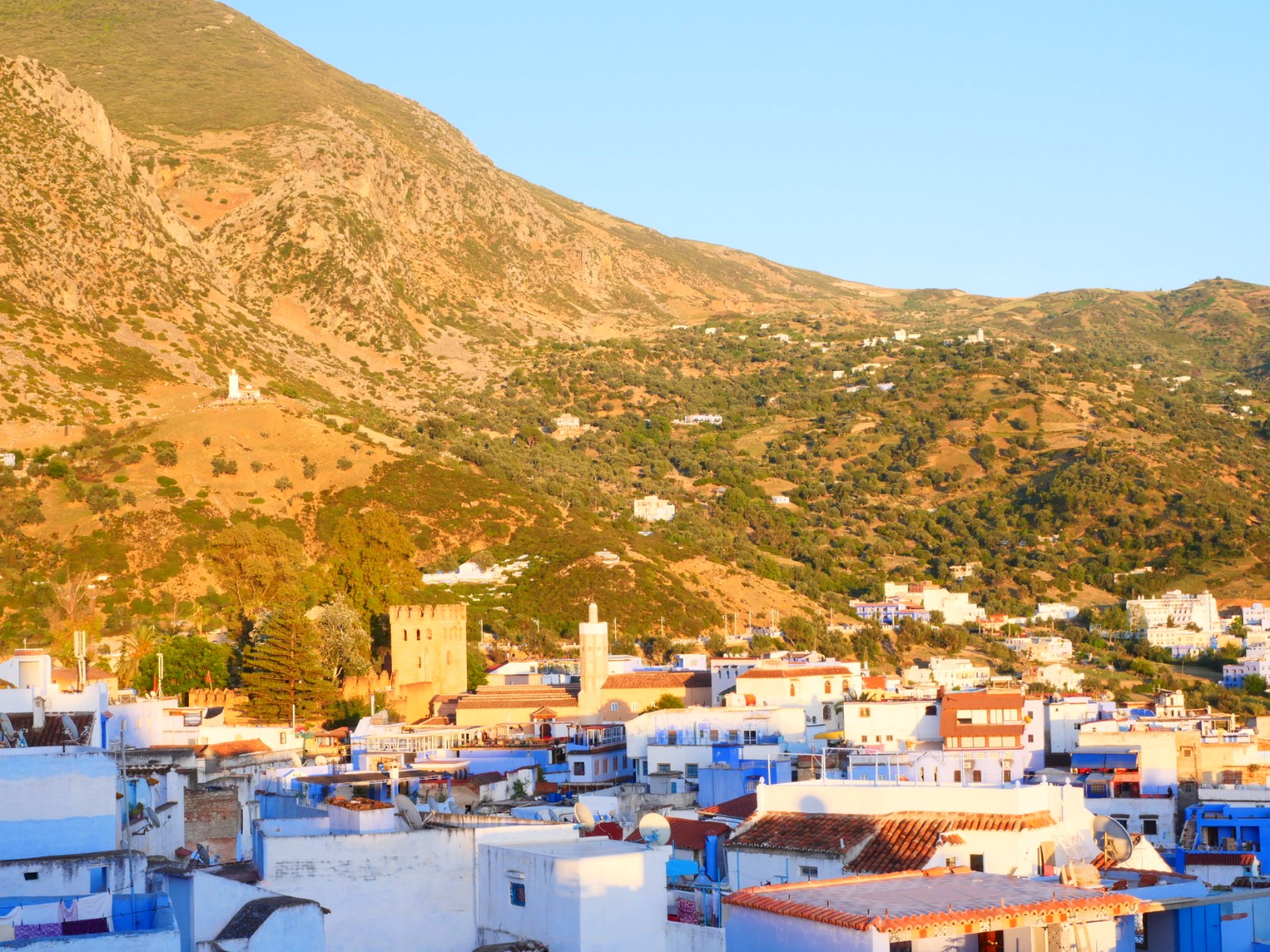
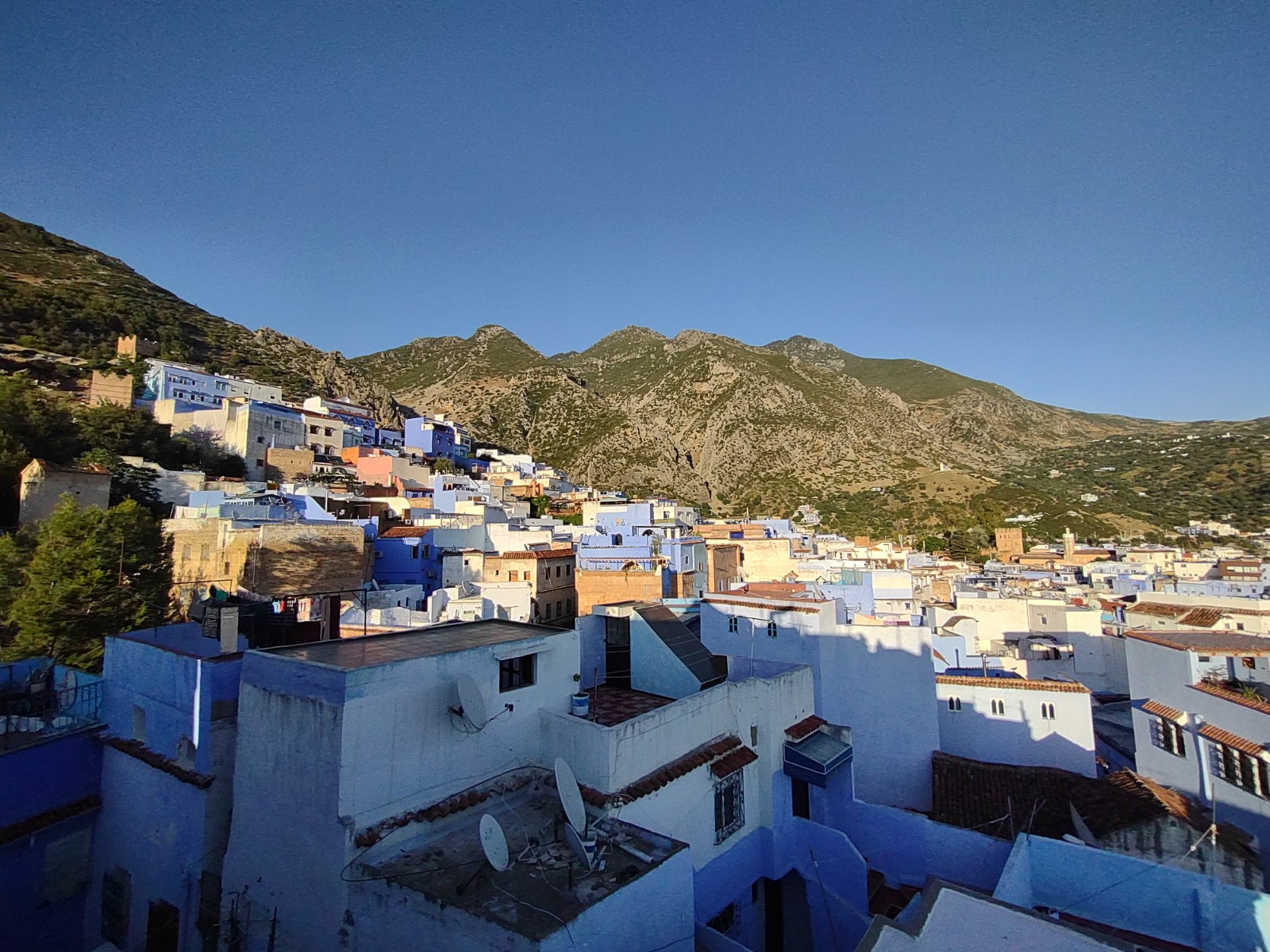
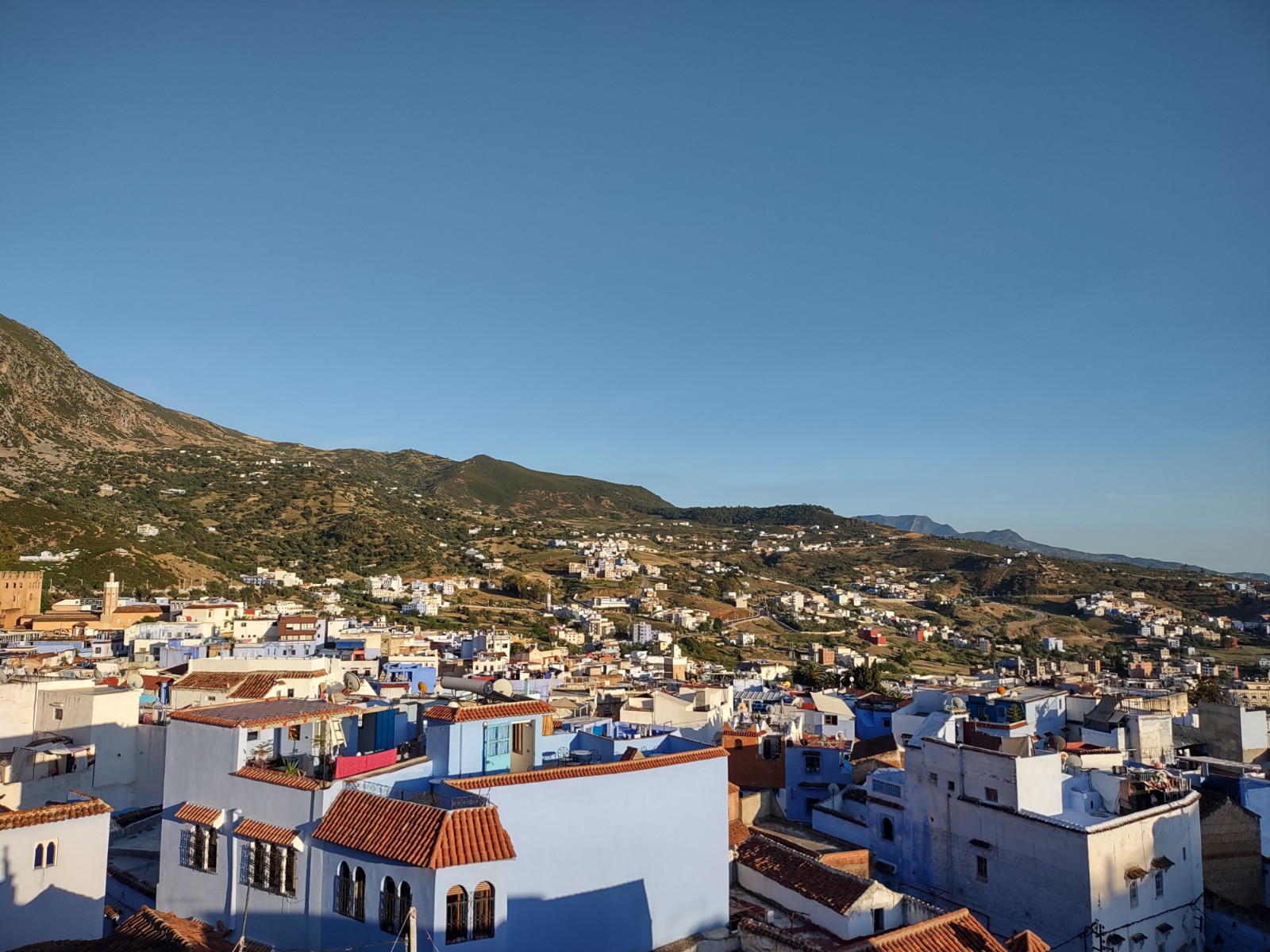
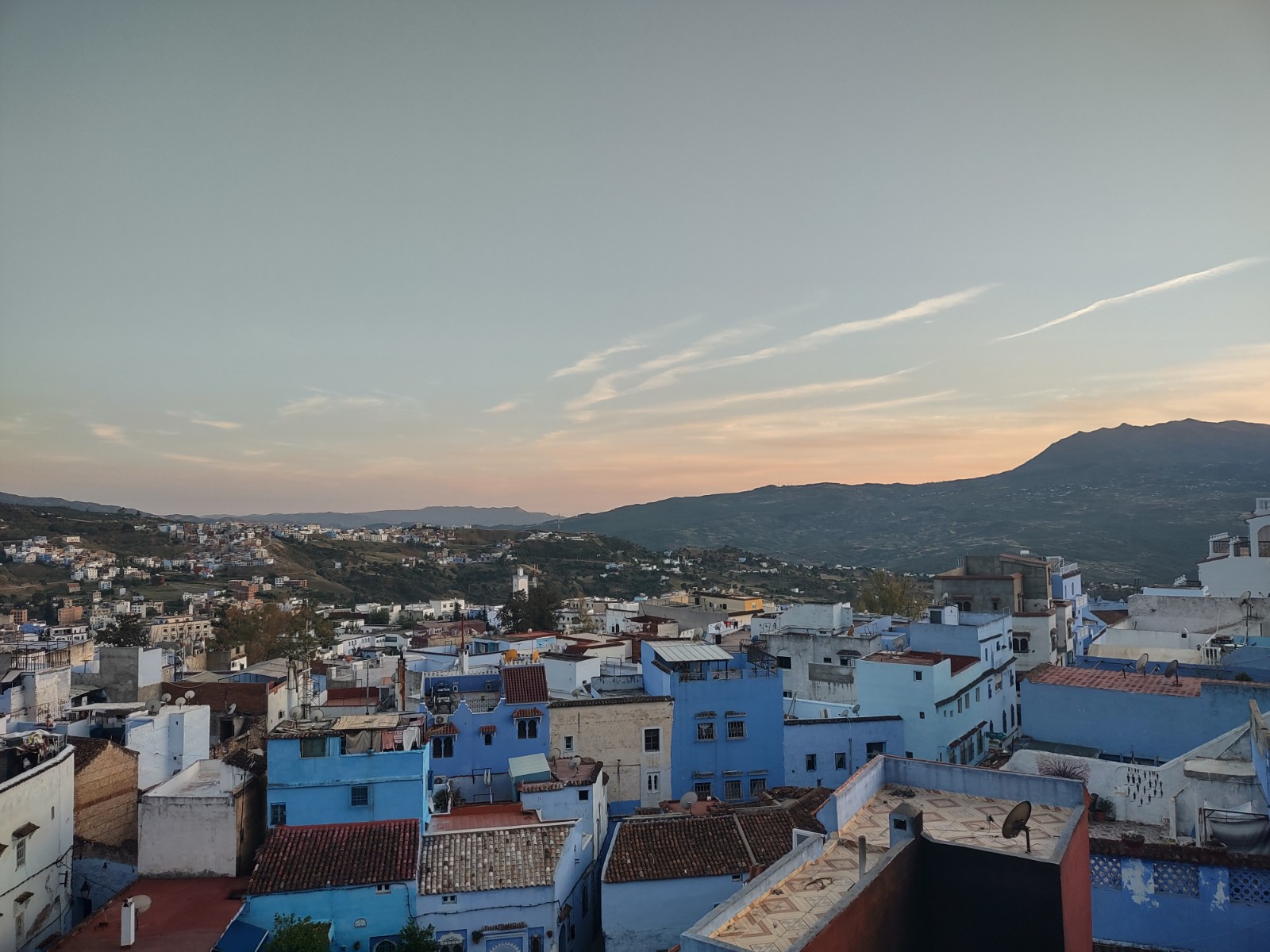
The city of Chefchaouen (or Chaouen as it is often referred to by locals) was founded in 1471 when Ali ibn Rashid al-Alami established a small kasbah (fortress) there which still stands today. As a result, of Spain’s retaking of Andalusia in the 15th century, many Moorish and Jewish families from the Granada region resettled in Chefchaouen where they helped to build and fortify the city which was at war with Portuguese invaders. The city grew to be prosperous and the Andalusian-Grenadian culture was assimilated with the culture of the Ghomara Berbers of the region with everyone apparently living pretty happily together. It seems that this mixed heritage is one of the things which makes Chefchaouen a bit different than other Moroccan cities and towns.
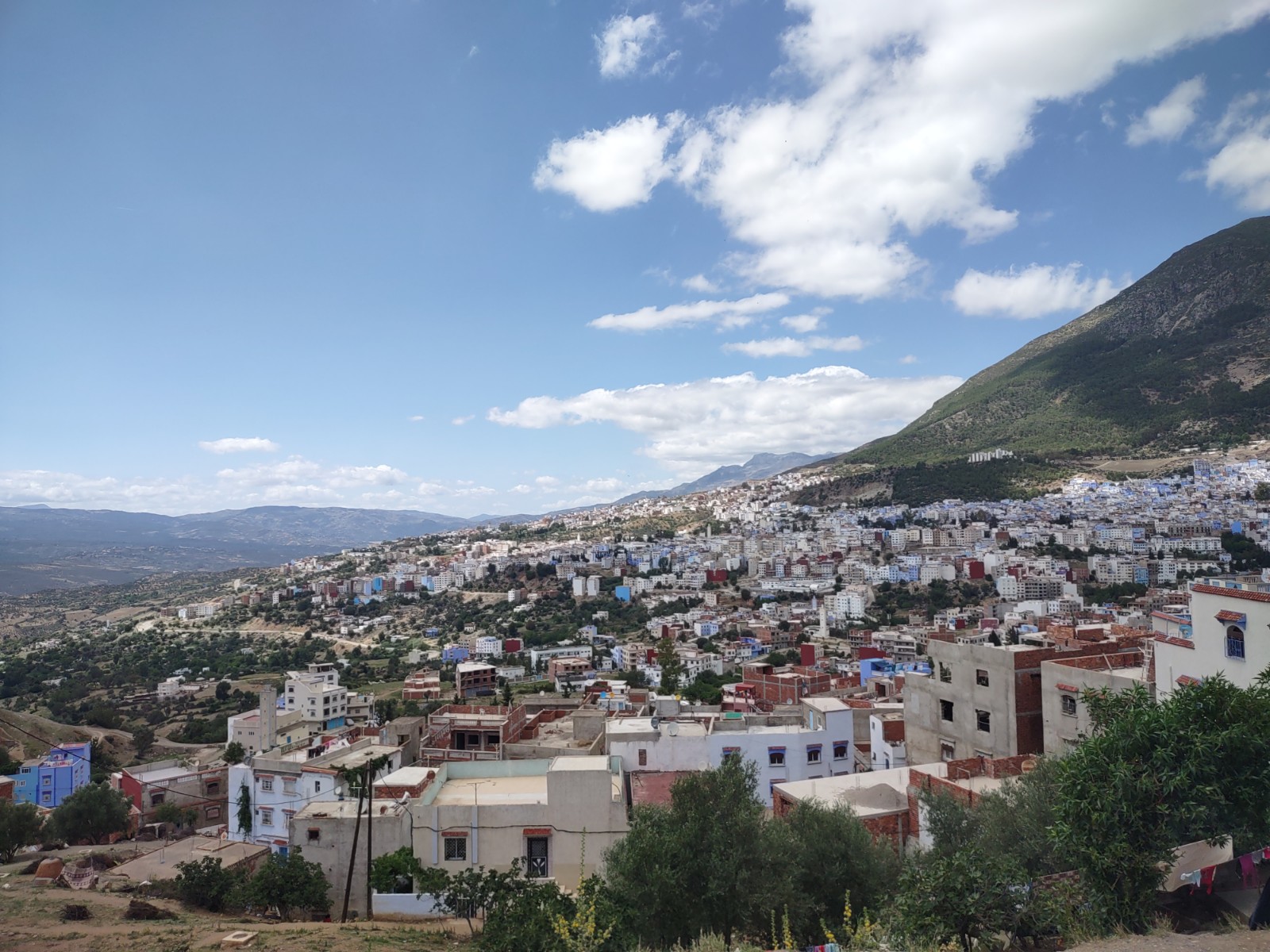
Following in the footsteps of Tangier, its big brother to the north, Chefchaouen became a popular destination amongst artists, musicians, and hippies in the 1960’s, due at least in part to the fact that quite a bit of cannabis is grown in the surrounding Rif mountains. Over the last decade or so, thanks to the phenomena of social media, Chefchaouen become a place many people have seen or heard of primarily due to fact that many of its buildings are painted blue, hence it’s nickname, “The Blue City of Morocco”. Even knowing this, we were surprised on our first meander through the Medina at the number of tourists and how crowded the streets and markets were with them. Maybe even more surprising was to note how many of the tourists appeared to be Moroccan. (For reasons we were to learn later, almost half of the tourists who come to Chefchaouen every year are Moroccan).
On our first morning in Chefchaouen, we took a guided tour led by a woman named Candelaria, a native Argentinian who has lived in Chefchaouen for the last 20 years. (Maybe neither here nor there, but there were only a total of four of us on the tour – ourselves and a German couple – compared to the typical tour size of 10 to 20 we had experienced elsewhere in Morocco.) Over the course of the tour, Candelaria told a kind of sad and disturbing story of how Chefchaouen has dramatically changed over just the last decade from the traditional town it was when she arrived there 20 years ago.
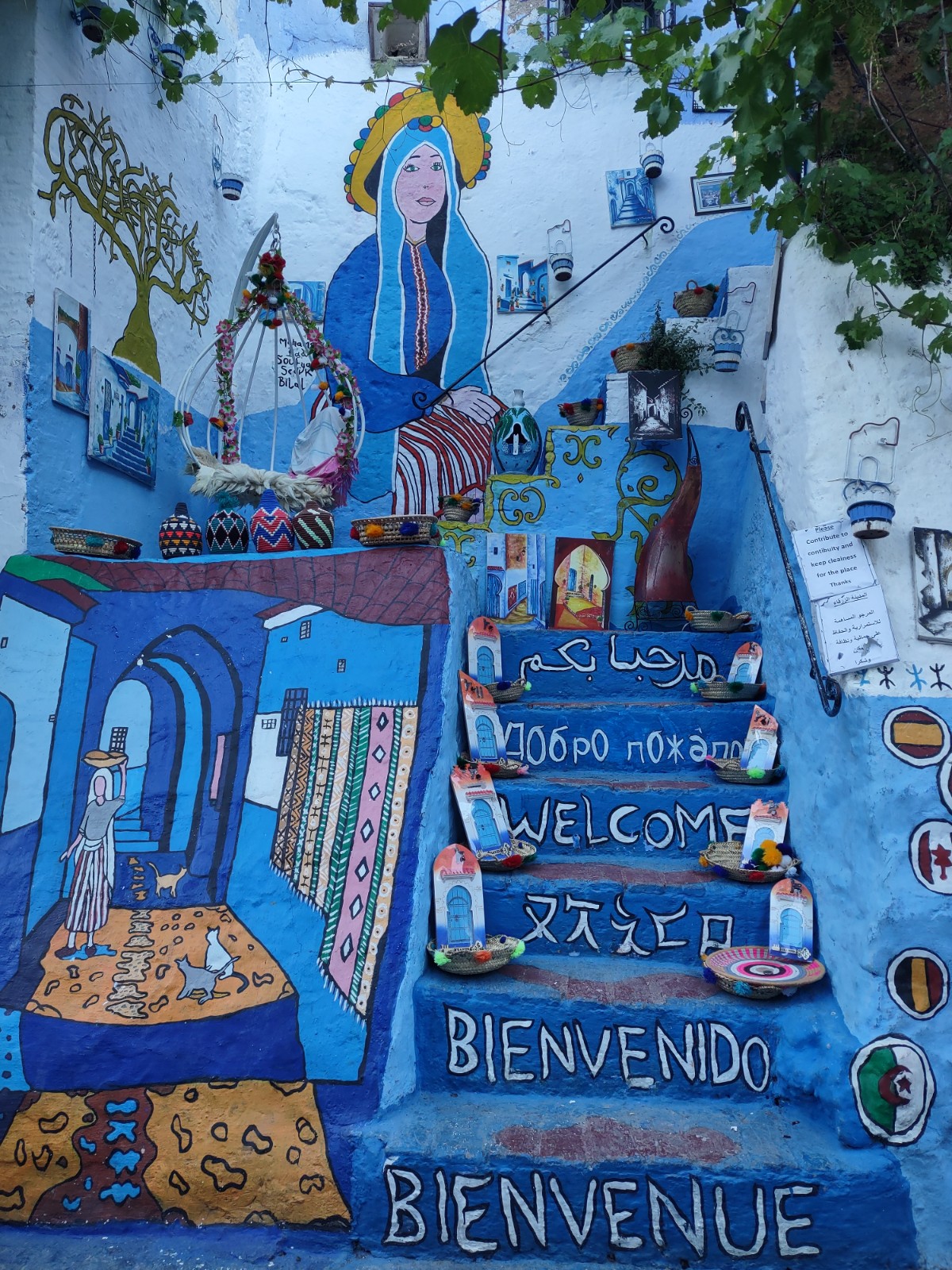
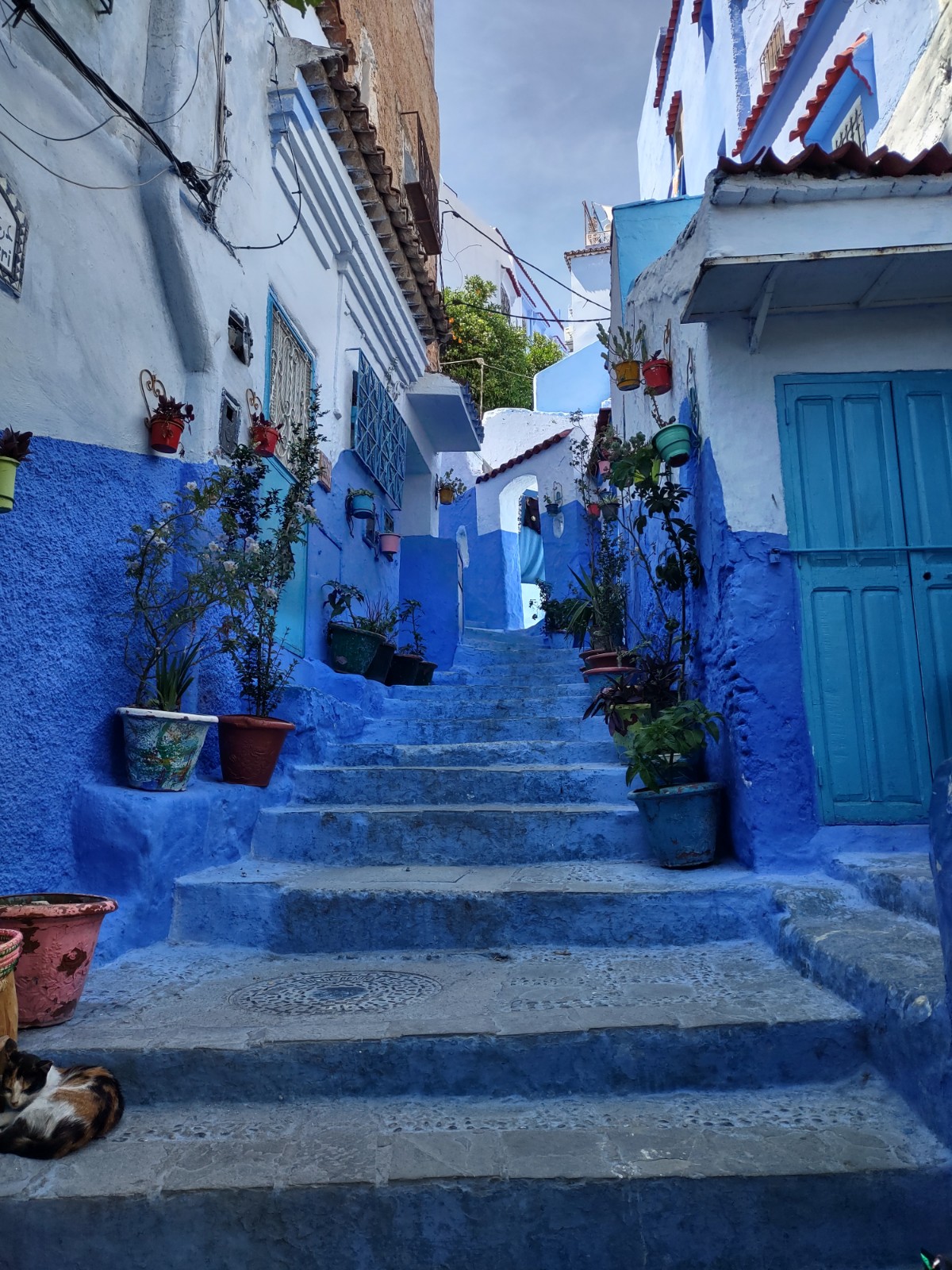
Our tour began at the small river (the Fouara) which is fed by mountain springs and winds its way down the valley below the city, providing a steady supply of clean water to Chefchaouen’s inhabitants (although this is apparently being threatened as Chefchaouen water is now being bottled and exported). As our guide Candelaria led us up a path along the river, she pointed out the oven buildings, a mill, and laundry stations, all of which, along with the hammams (baths) in town, were traditionally communal facilities which were shared by the town’s inhabitants. While this was done primarily for efficiency (it meant that each house did not need its own oven, laundry, or bath, nor the means to heat water), it also strengthened the bonds of the community and encouraged its inhabitants to cooperate and depend upon one another. As a visible representation of this sense of community, most of the inhabitants of the town have for some time tinted the plaster used on the first floor of their homes blue. Traditionally, this was done only for the first floor of a house and, because the dye used to tint the plaster was expensive, it was usually a very light blue.

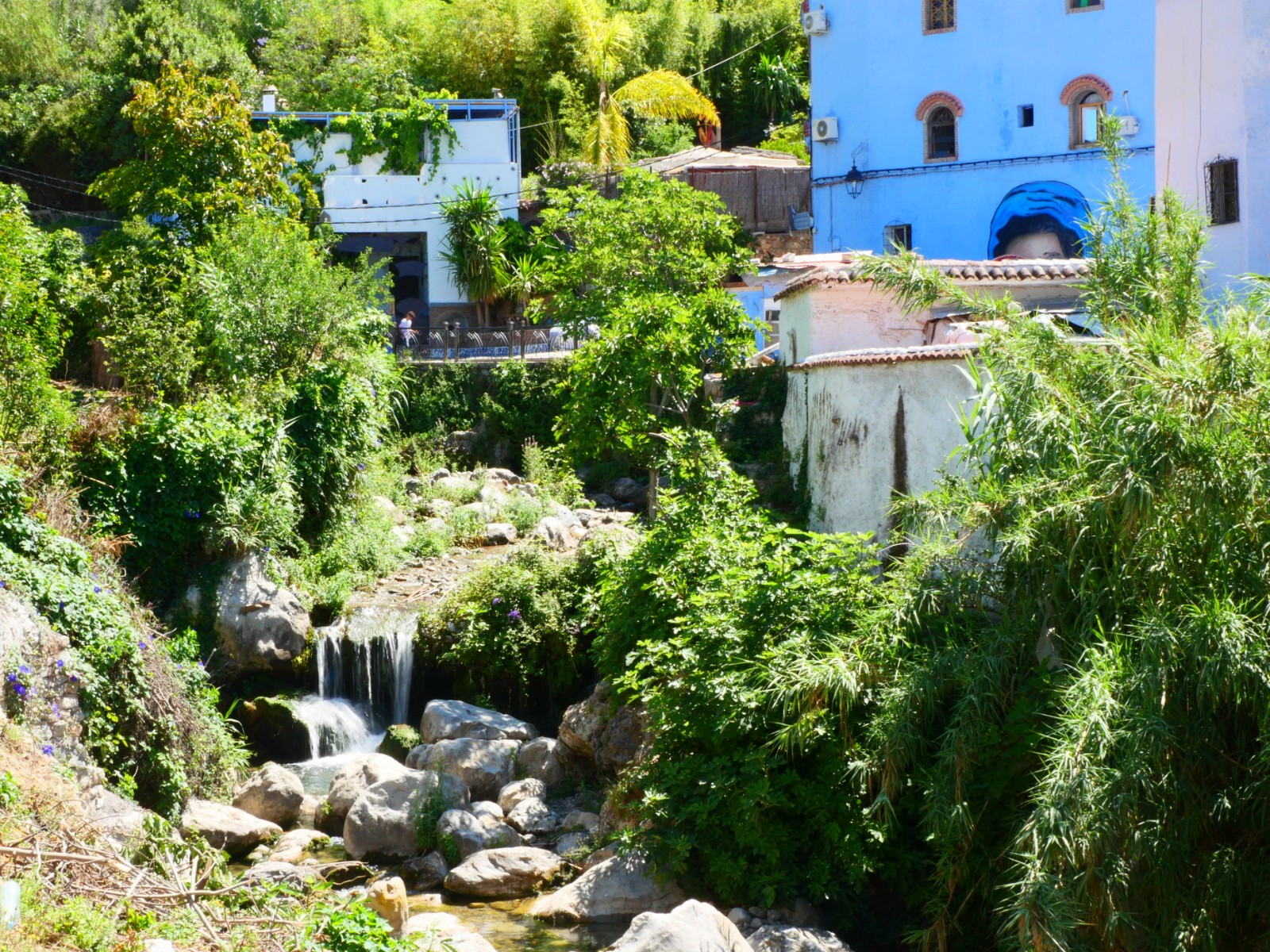
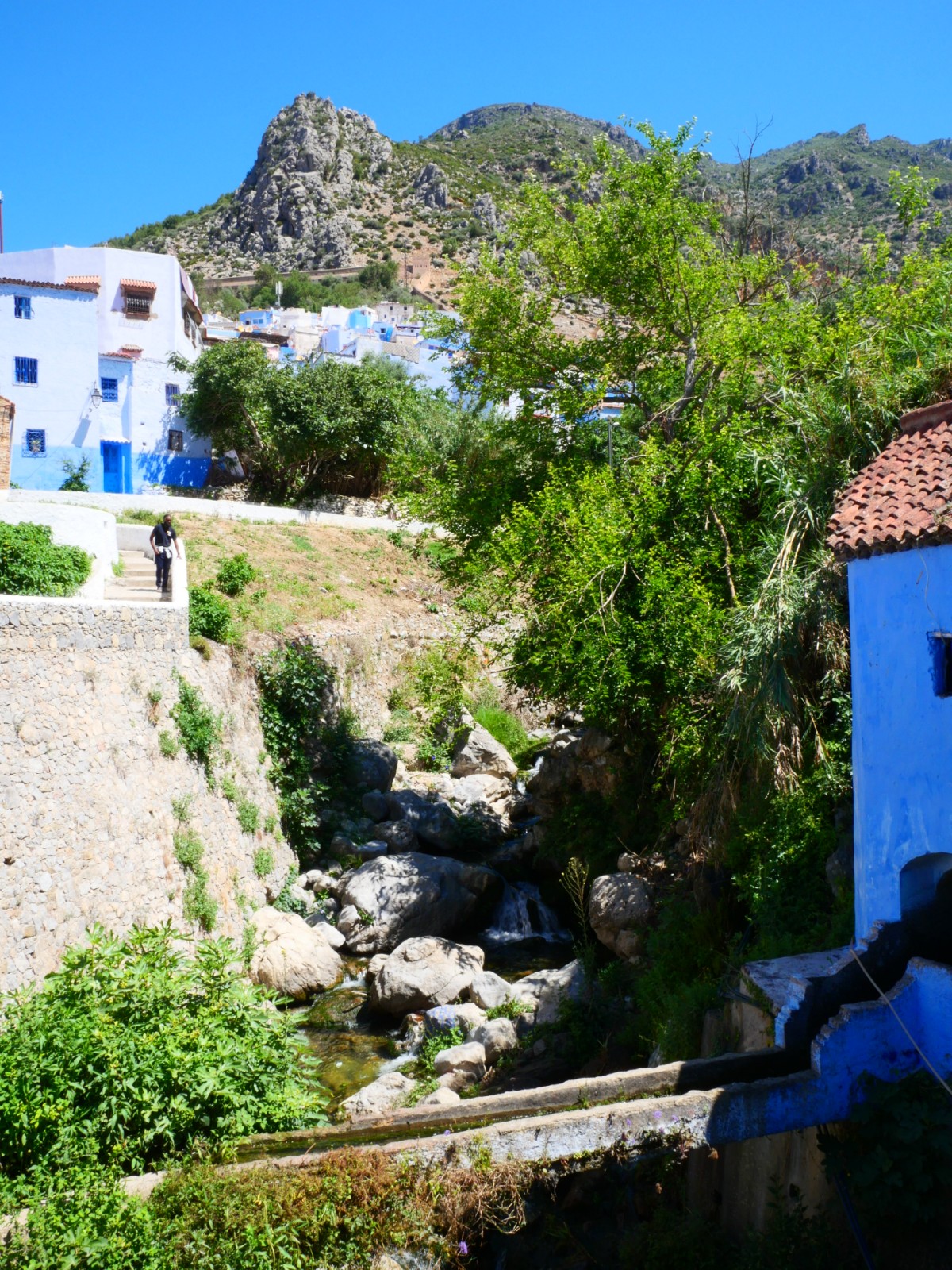
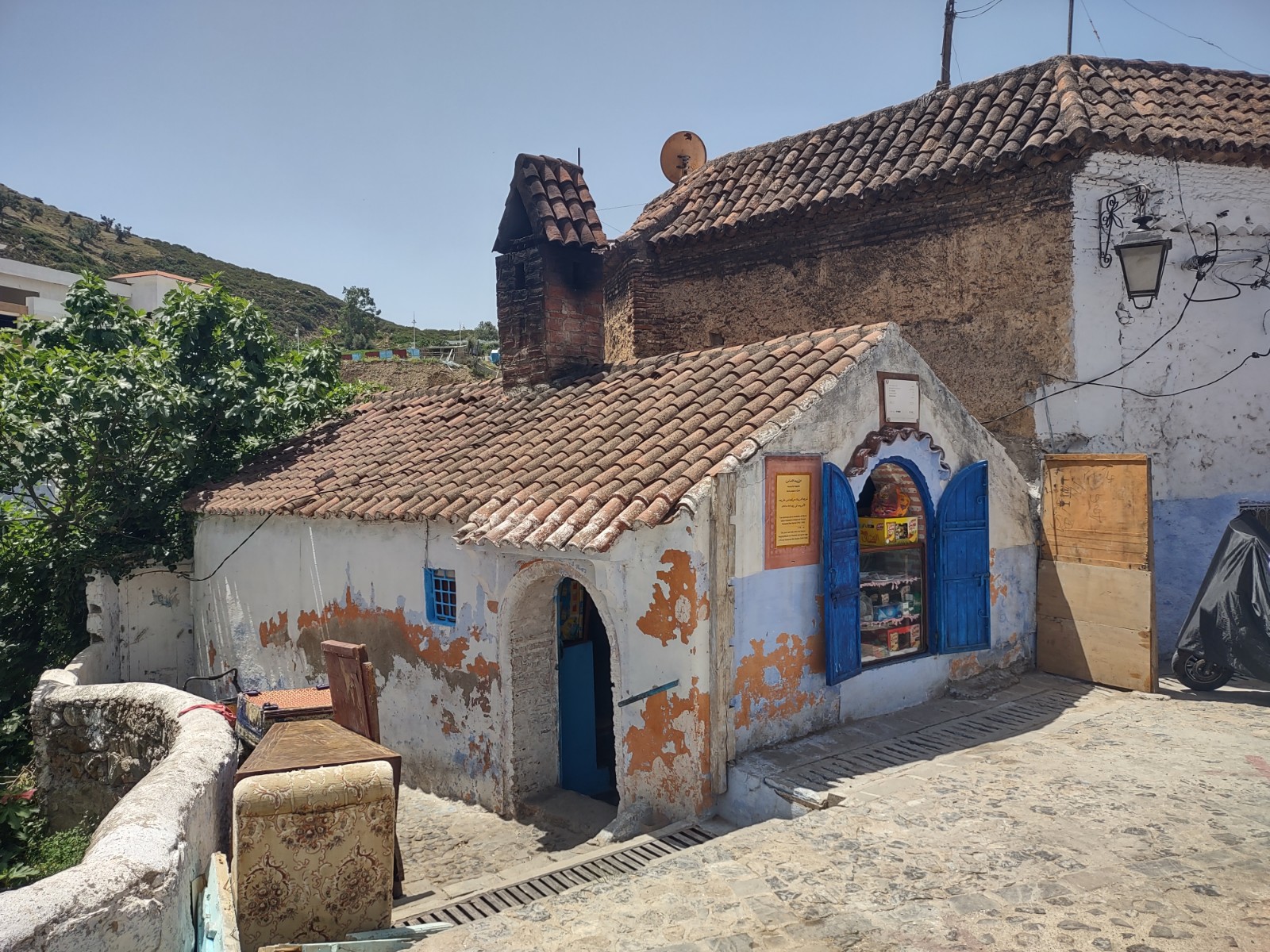
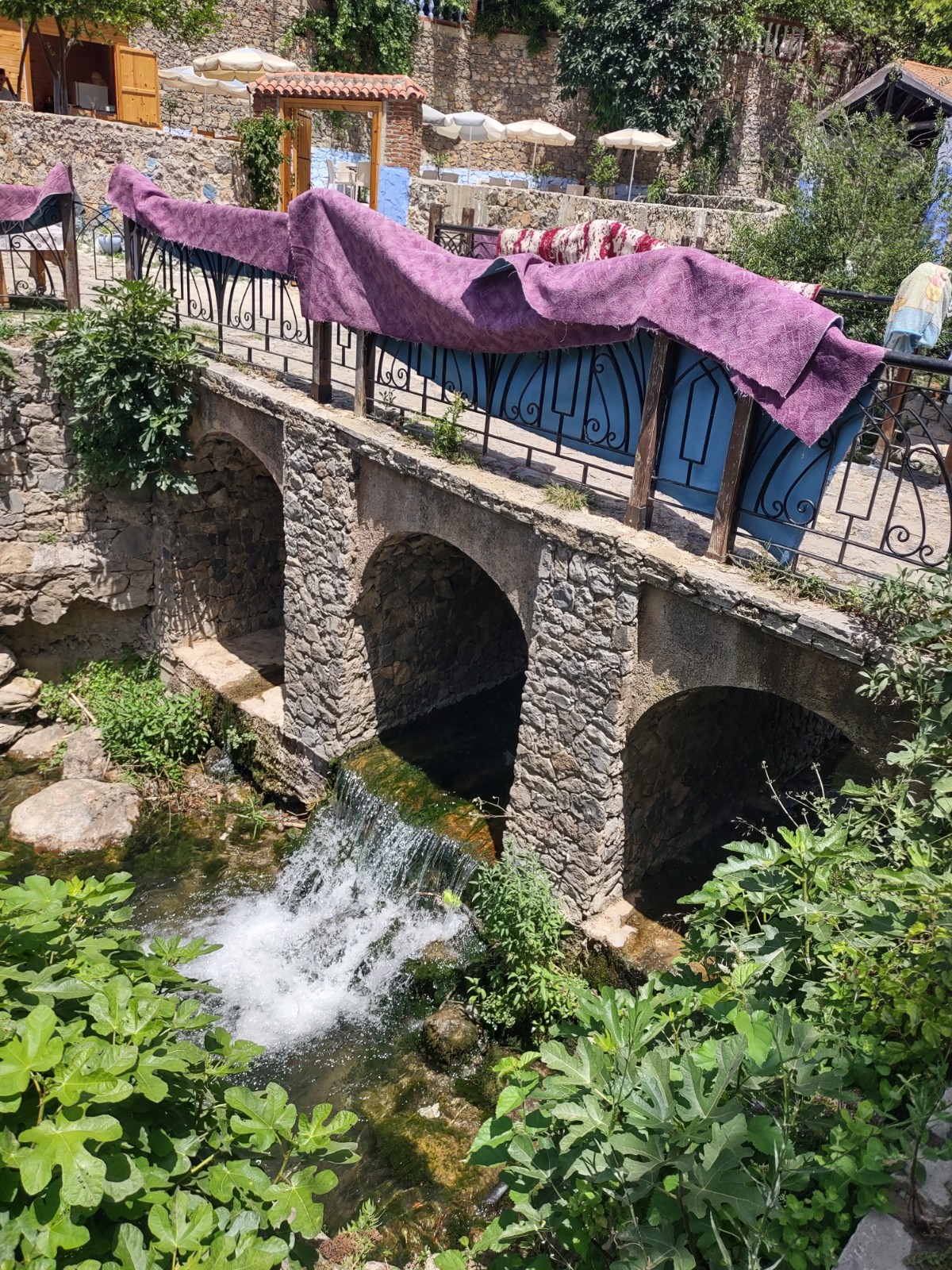
Today the ovens no longer fire and are used as gift shops and the laundry stations appear to be used more by vendors to wash their fruit than by residents to wash their laundry. The hammams do remain in operation but seem to be more a tourist attraction than communal facilities. The color of blue used to paint the houses has become much darker in recent years (more dramatic for photography) and there are now numerous staged “Instagram Spots” where you may have a picture of yourself taken for a fee. While we did come across some traditional artisan workshops, they were grossly outnumbered by the shops which were selling the same cheap tourist trinkets you see in the low-end shops throughout most of Morocco.
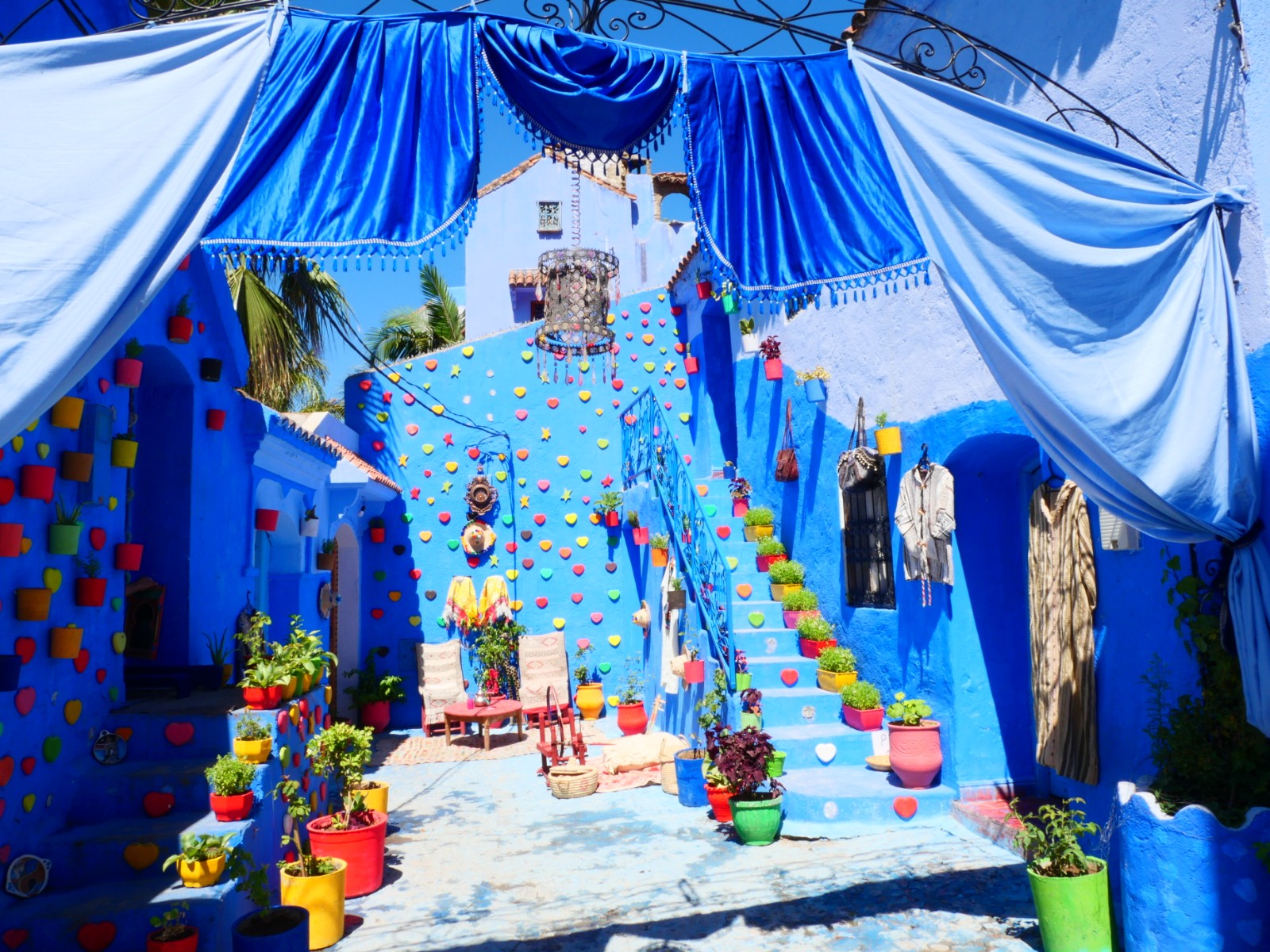
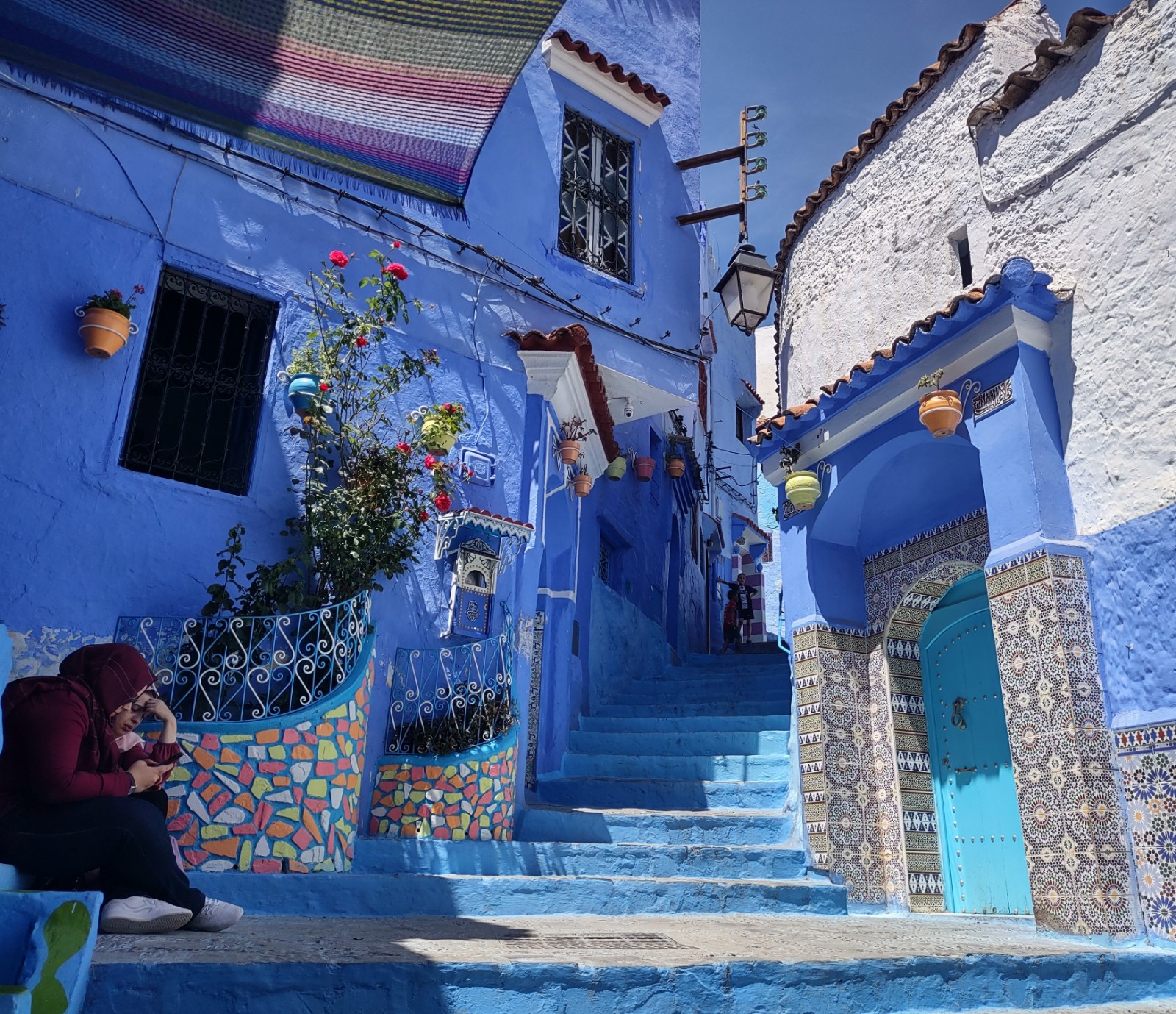
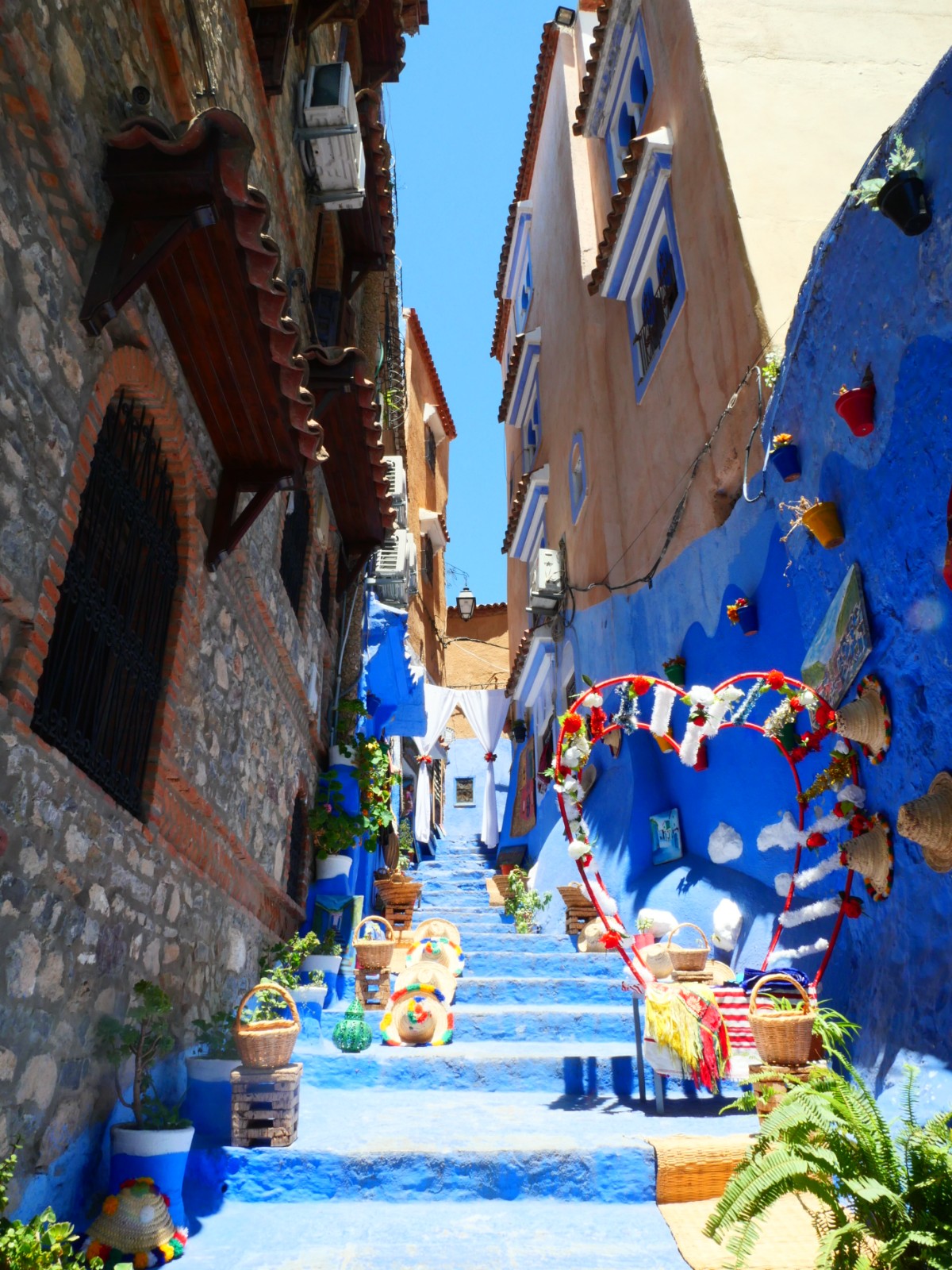

So what changed things here?
First of all, social media which has dramatically increased the number of foreign visitors (go to Instagram and search for Chefchaouen and you’ll see what I mean). But according to our guide, tourism in Chefchaouen was even more impacted by a Moroccan TV show called Lalla Menana, which ran for two seasons in 2012 and 2013. Although not reality TV, Lalla Menana looks to have the feel of a Real Housewives series and features the antics of a fictional group of women and their families living in Chefchaouen. When it aired, the show became a huge hit and suddenly, Chefchaouen was the place everyone in Morocco (or at least every woman between the age of 15 and 50 and, OK, some men as well) wanted to go on vacation.
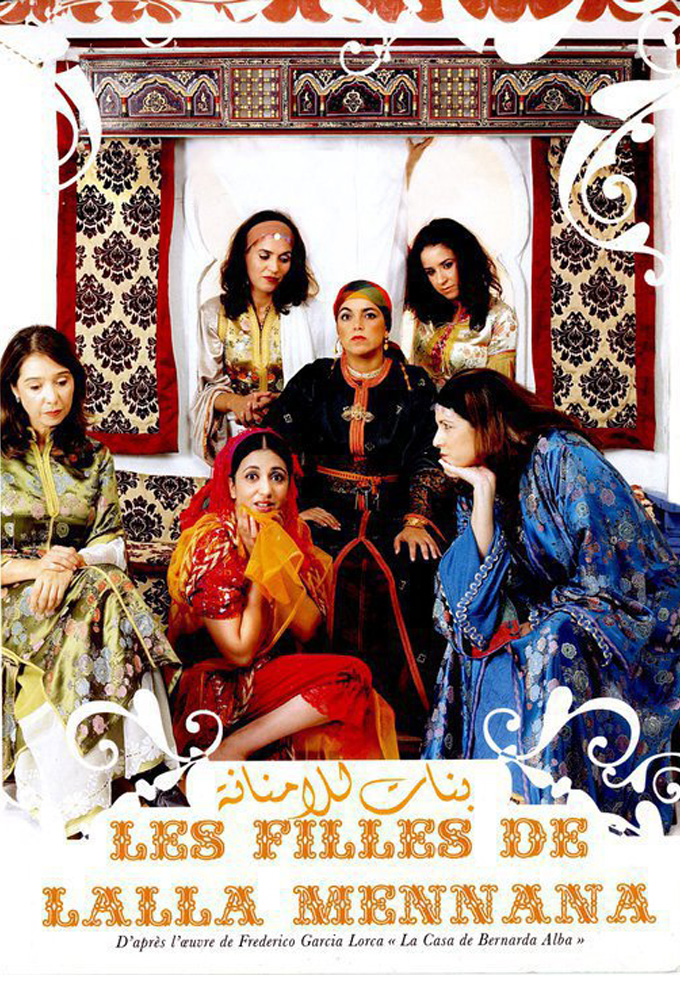
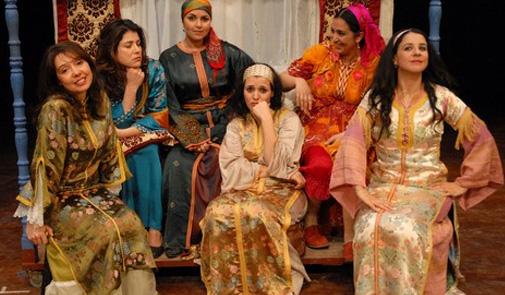

One of the things we discovered about Lalla Menana is that it features extremely blinged up versions of traditional Chefchaouen dress. We know this because, in addition to all the Instagram photo spots, there is now a highly visible local industry built around dressing women (and men) up in these costumes so that they can be photographed in them and, of course, the costumes are available for purchase as well. At one point during our tour we came across a large group of young women (schools had just let out for the year here) all of whom were sporting these outfits and taking individual and group photos.
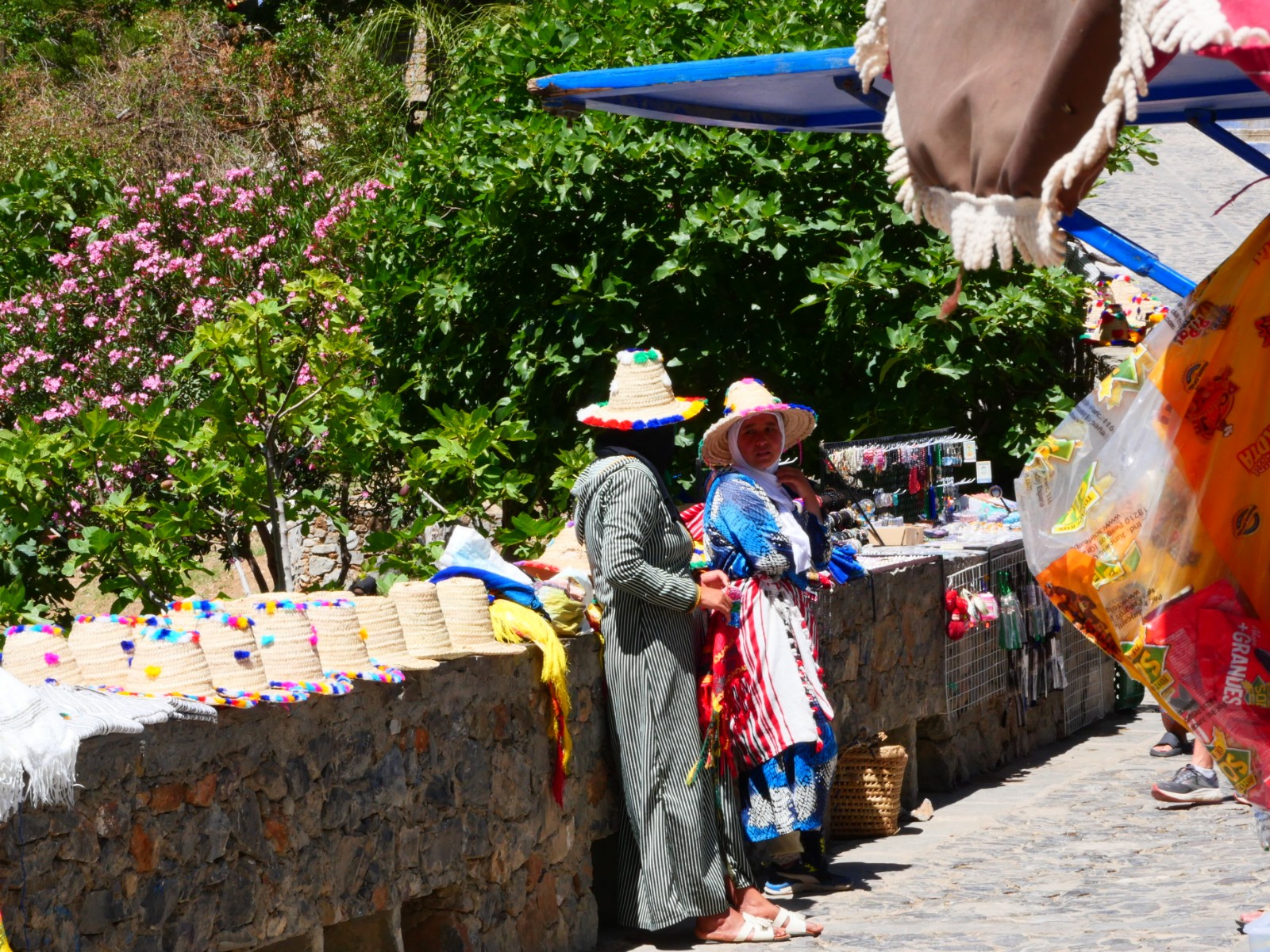
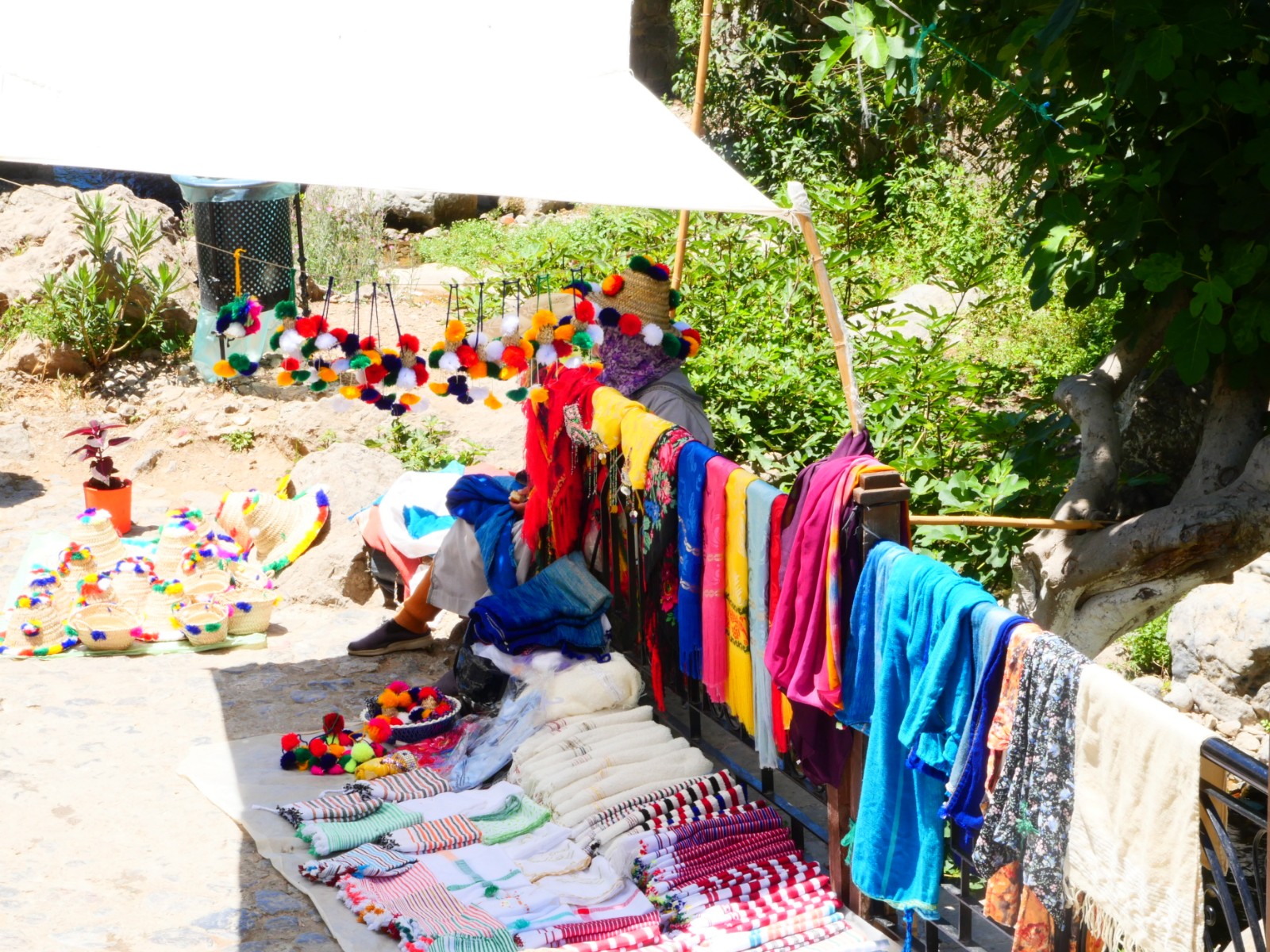
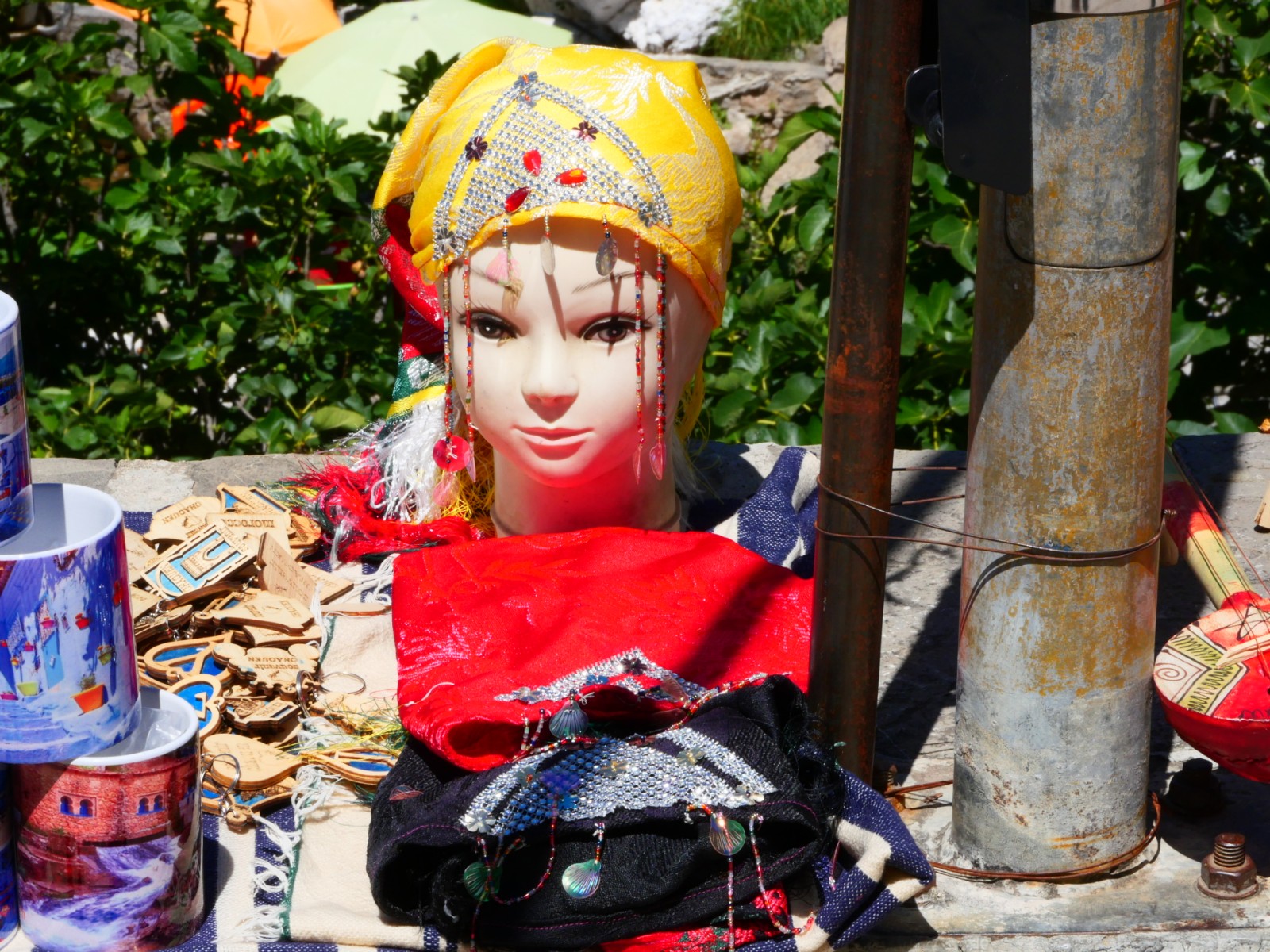


The center for these activities in Chefchaouen is an orange house overlooking the river which is the fictitious home of some of the characters which, unfortunately, sits just above some of the historic spots I mentioned earlier. It’s really amazing that one TV show which ran for only two seasons over 10 years ago could have such a dramatic impact and we speculated that there may have been a resuscitation of its popularity while people were in COVID lockdown with nothing better to do. Maybe all of this this would seem more normal if we lived in Beverley Hills?
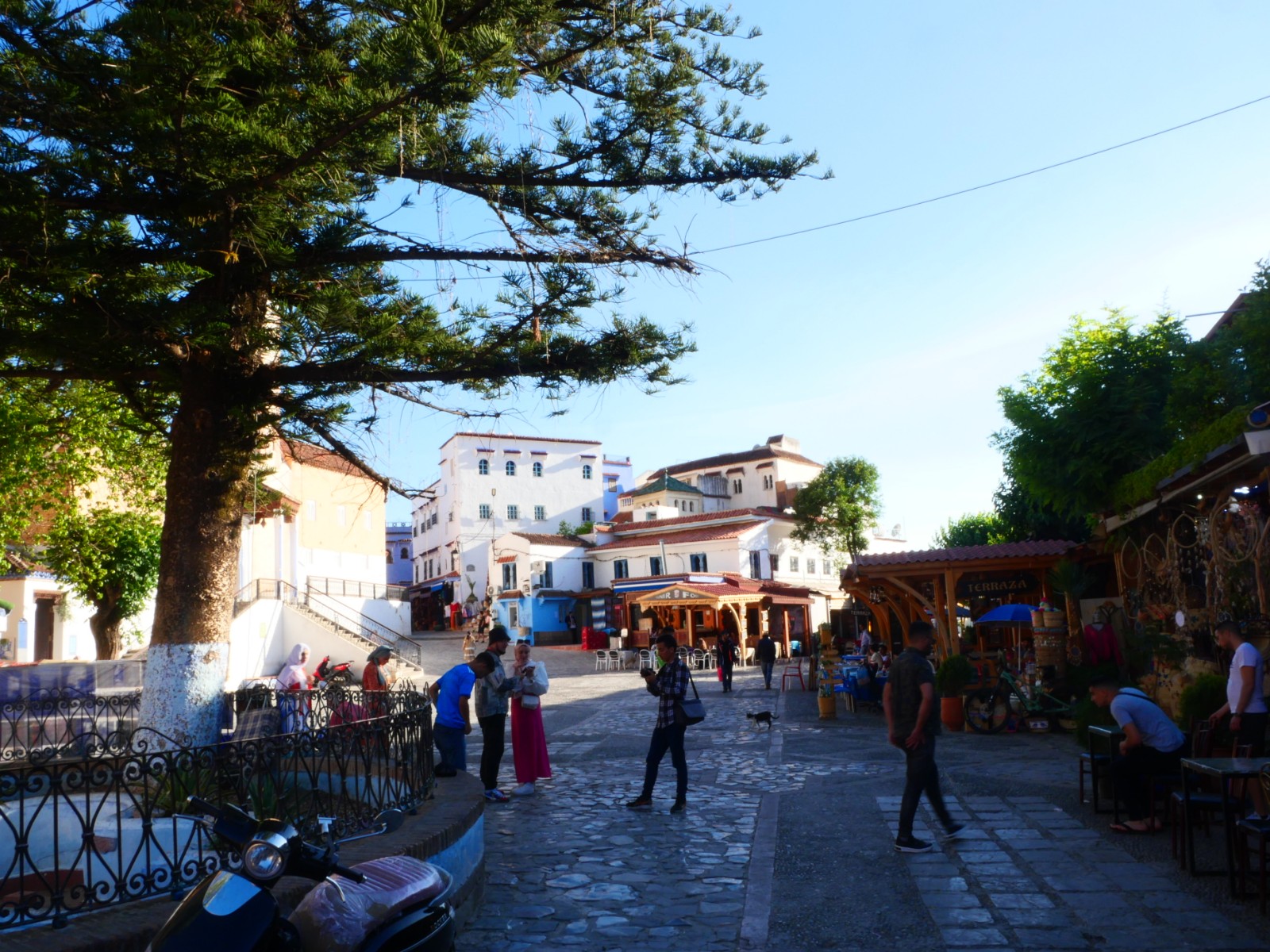
In any case, the end result of this has been a dramatic increase in “social media” tourism (defined by us as tourism which is more driven to take selfies of yourself in a place than to see and actually learn about the place) which, while certainly bringing in money to the local economy, has been accompanied by a lot of uncontrolled (and reportedly unregulated) redevelopment to create more lodging, restaurants, and shops. Sadly, this construction work has apparently so altered the Medina of Chefchaouen that there is not enough of the original fabric remaining for it to qualify as a UNESCO Word Heritage Site (and the associated funding which comes with such a designation). So, while Chefchaouen is without question a beautiful city, much of it seemed so staged and contrived that, when we arrived at what is really the heart of the Medina, the Plaza Uta el Hamman in front of the old Kasbah, Colleen opined that it felt like the Morocco corner of Disney Epcot, kind of a tourist’s caricature of what a Moroccan square should be. (OK, very nice, but…)

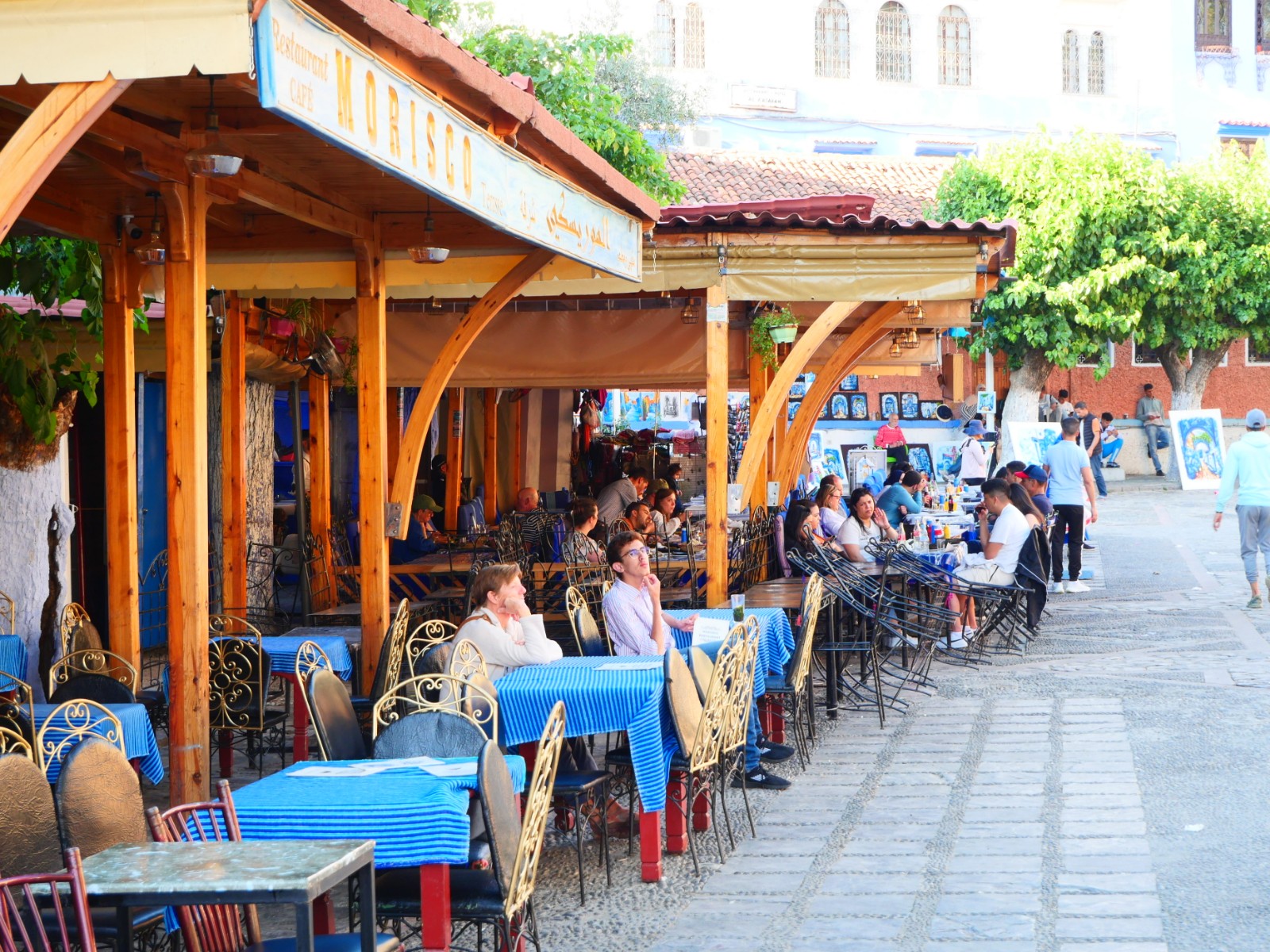

Without getting into the details I feel I also have to add that we had a couple of disturbing interactions with some shop owners which suggested to us that they, like our tour guide Candelaria, were not altogether happy with what their city has become. Ritchard had a conversation with one shop owner who confessed that all he wanted to do was liquidate his inventory and get out of Chefchaouen as quickly as possible, calling the opening of his shop there the worst mistake he had ever made. Upon reflection, we concluded that what was likely behind these interactions was the same disappointment voiced by our tour guide in how Chefchaouen had so quickly changed and maybe the frustration of being tied to what it had become. We’ve encountered similar sentiments in other places where the economy is overly dependent upon tourism and people often find themselves trapped doing something for a living that they really don’t like (much less enjoy). Very sad.
On a more positive note, although not eligible as a World Heritage Site, in 2010, Chefchaouen was added to UNESCO’s Intangible Cultural Heritage List for the local Mediterranean diet which continues to be practiced here. Perhaps this is something positive to build upon?
Alright, enough Debby Downer, as there were some things we really liked about Chefchaouen starting with how beautiful a place it remains. After a little trial and error, we found the Medina to be pretty easy to navigate (it isn’t nearly as big as the ones in Fes and Marrakesh) and were able to find routes (over the mountain instead of through the valley) which avoided some of the more congested streets. We found a number of beautiful and uncrowded side streets and the city itself is really beautiful in the way it cascades down the mountain side.
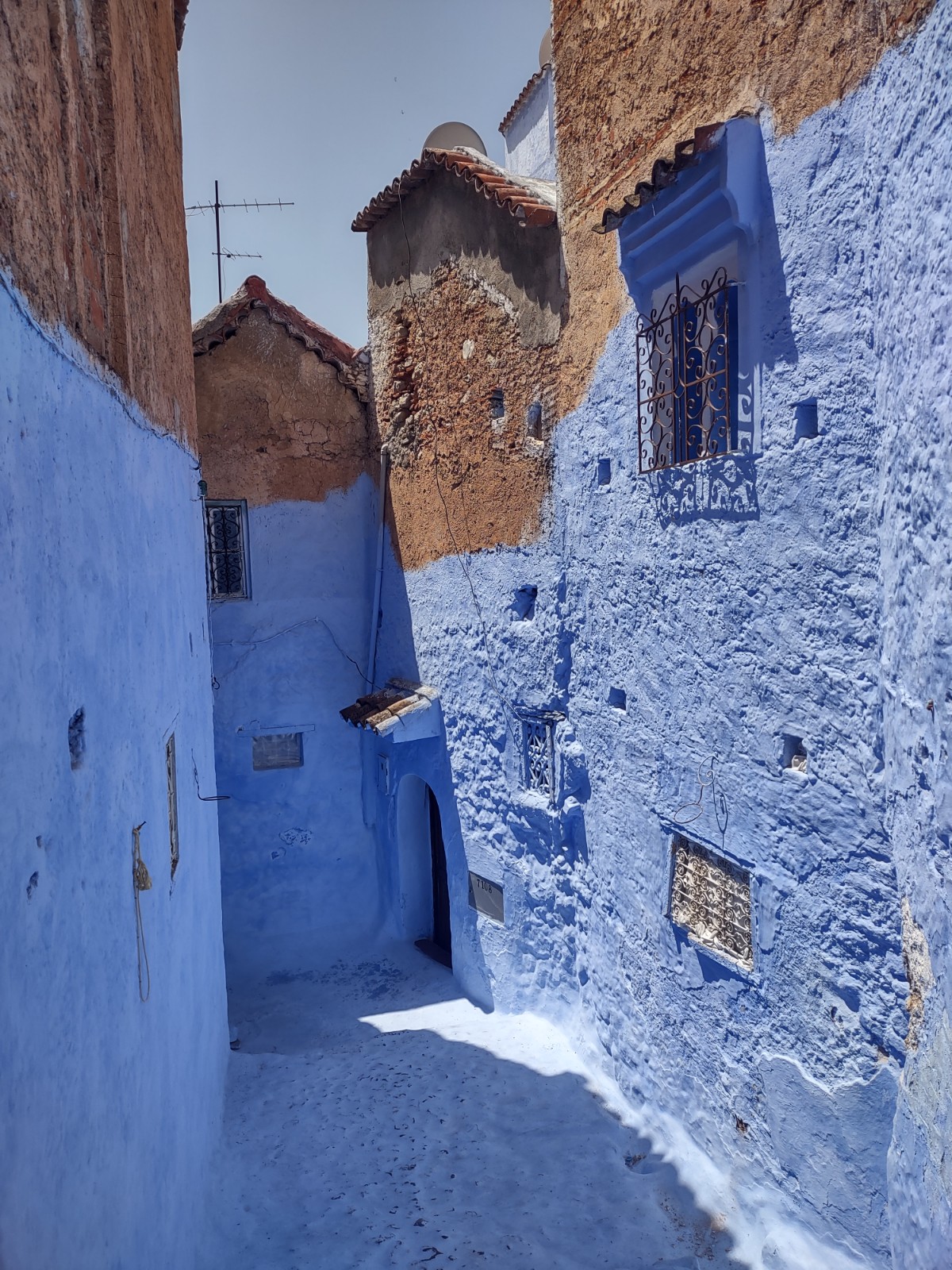

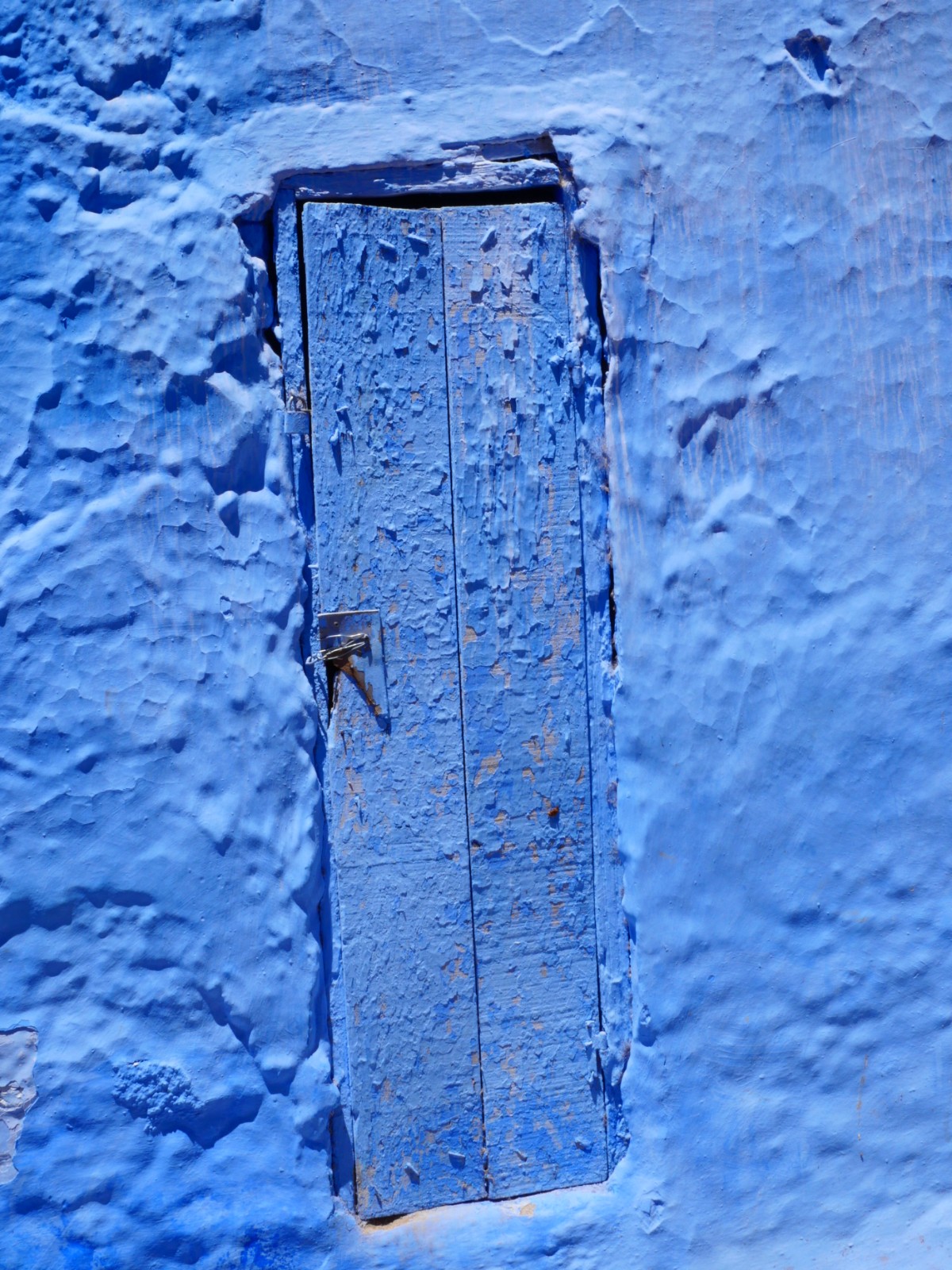
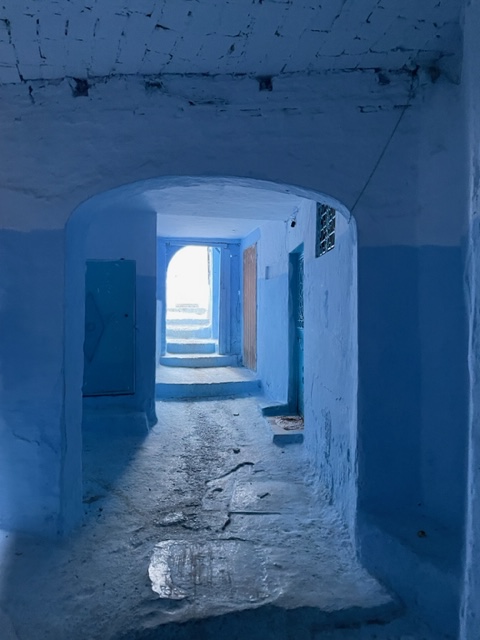
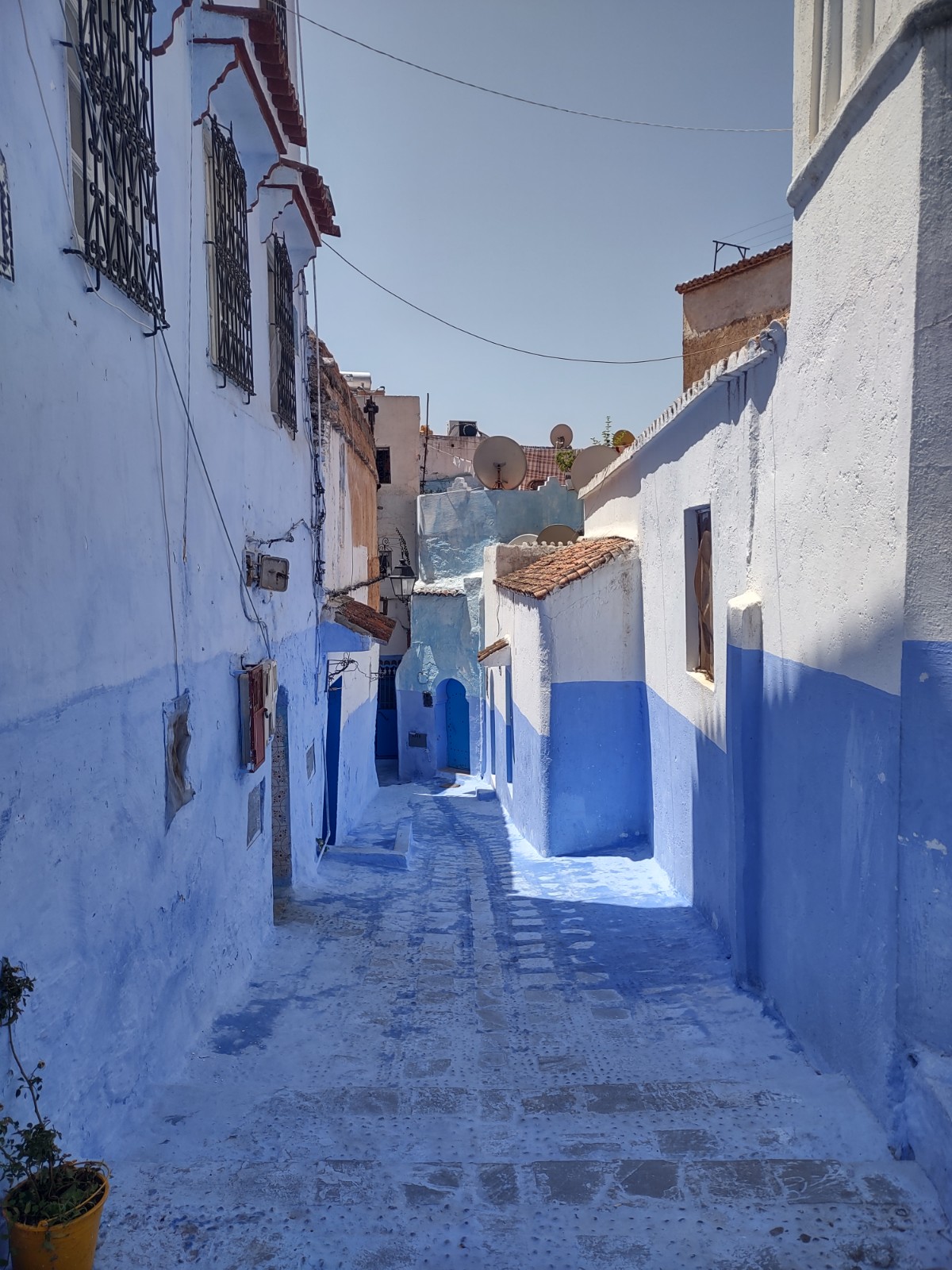
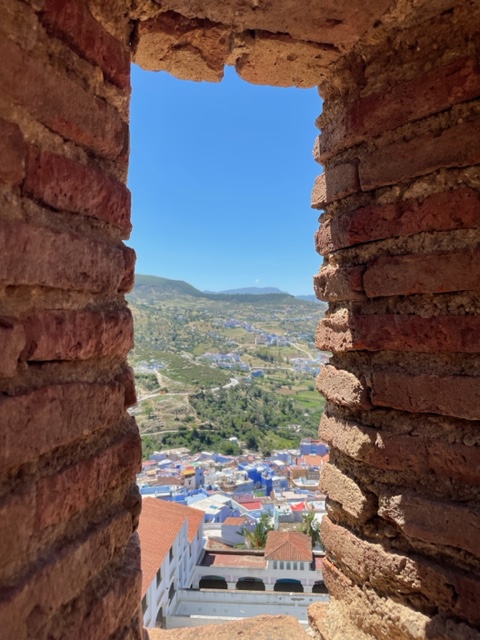
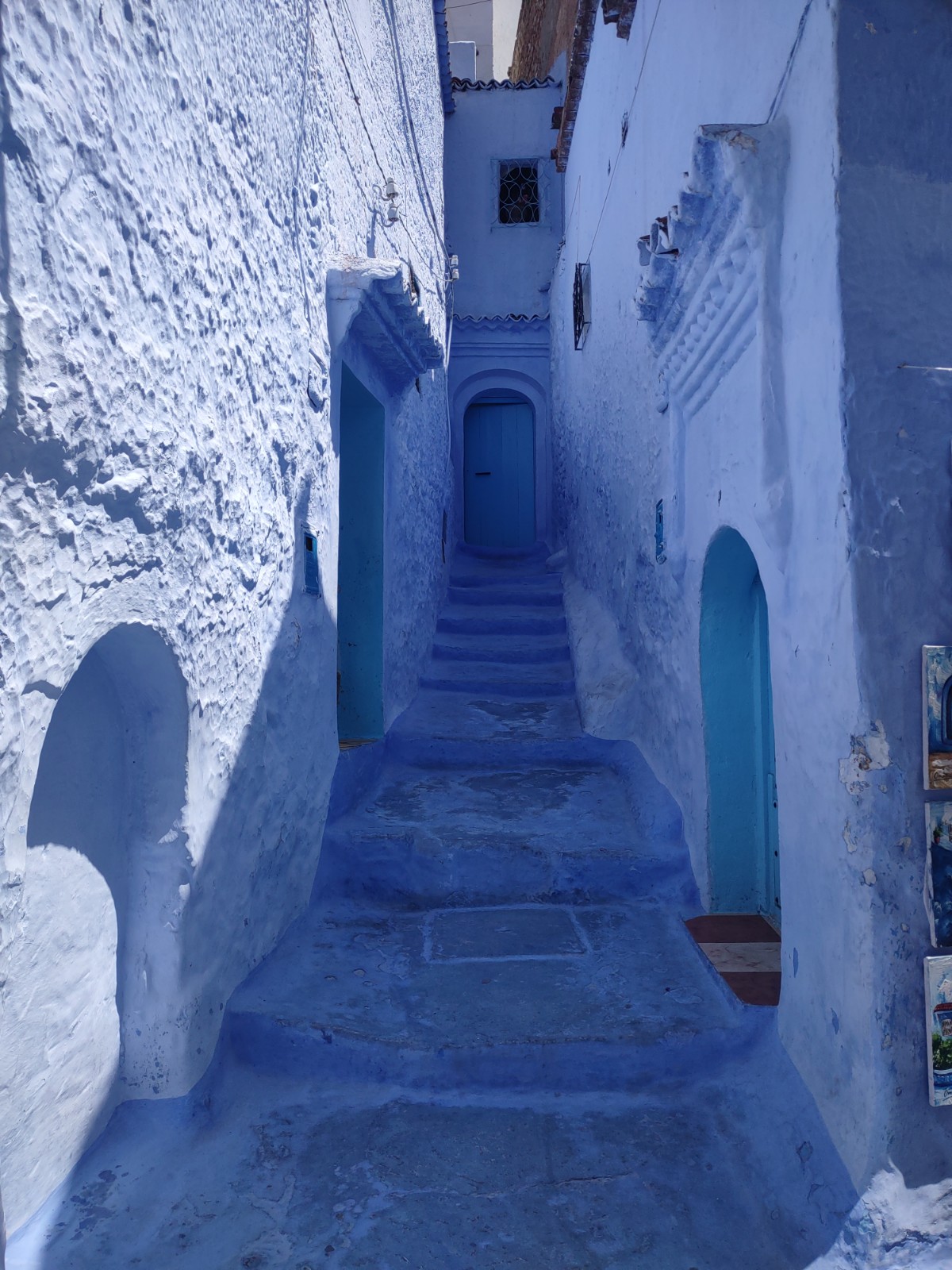
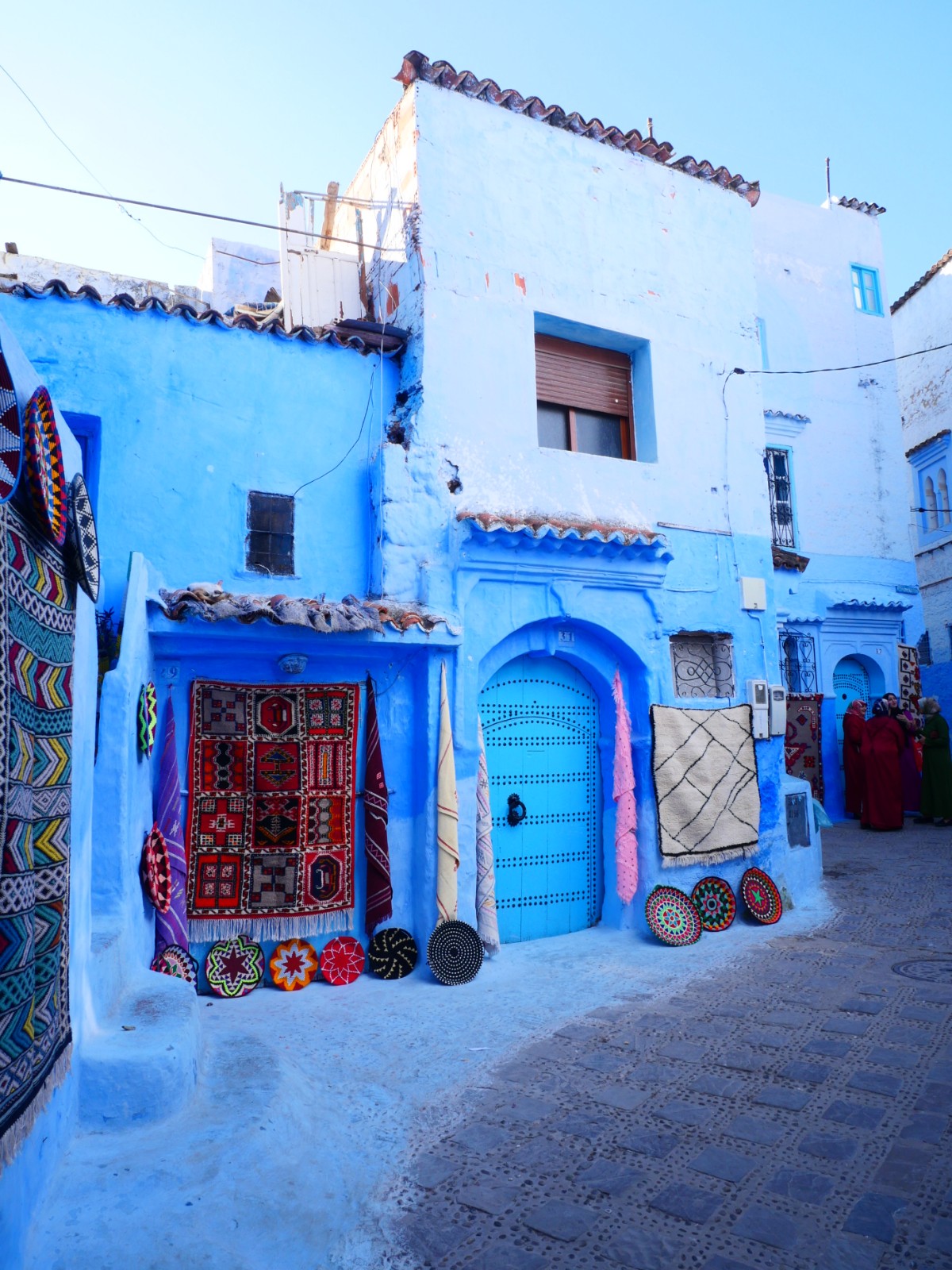
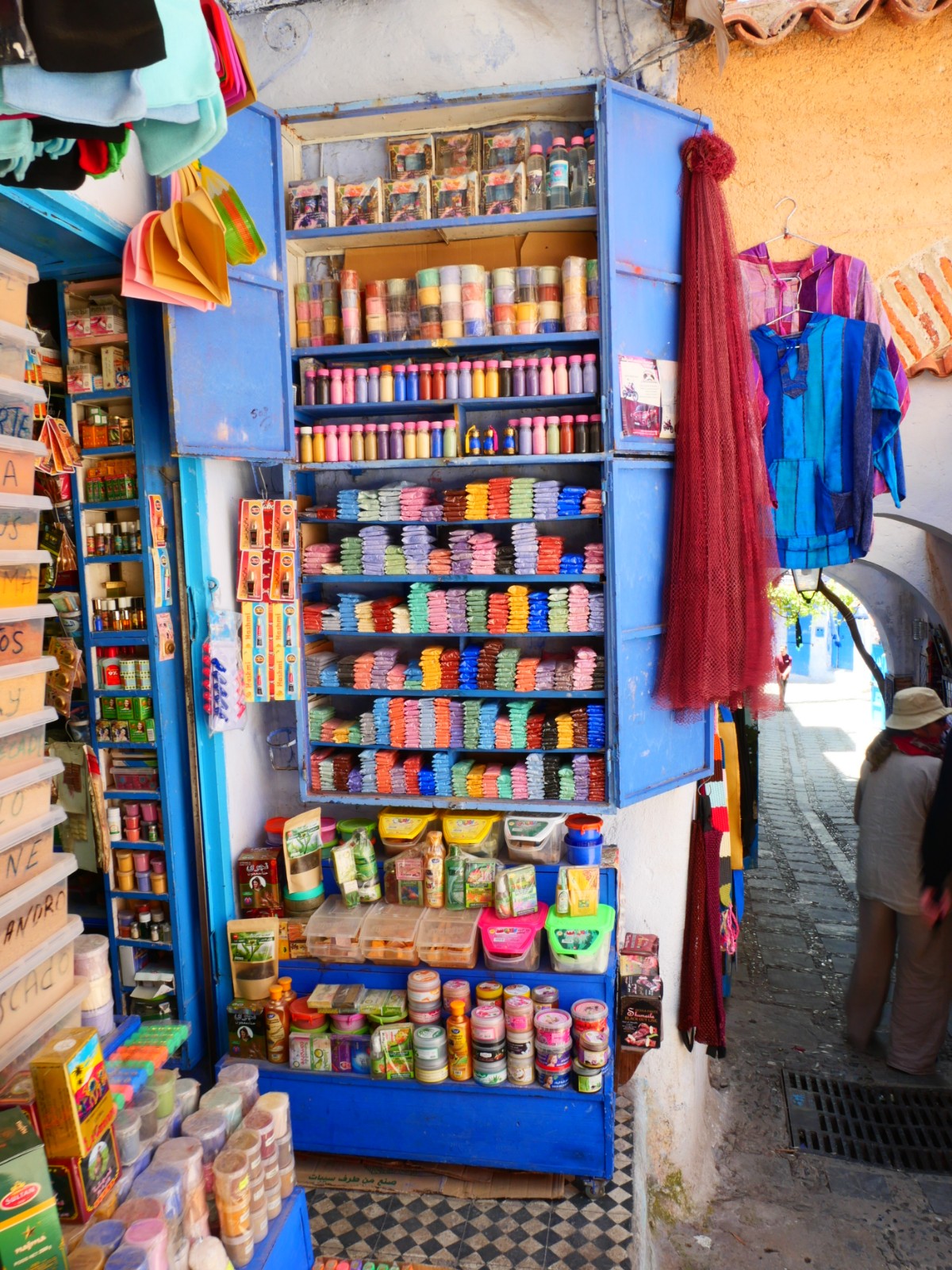
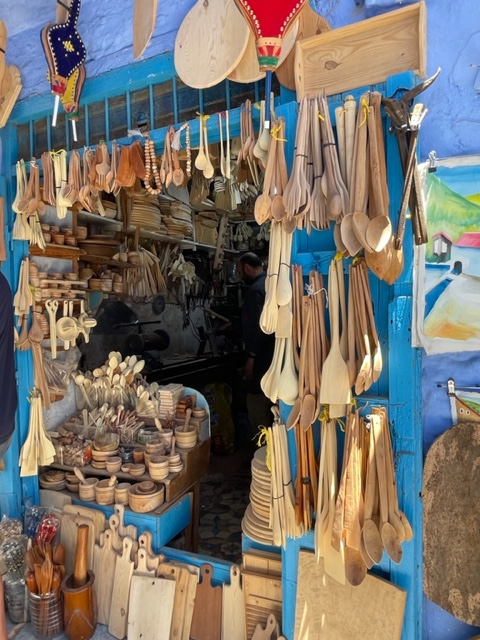
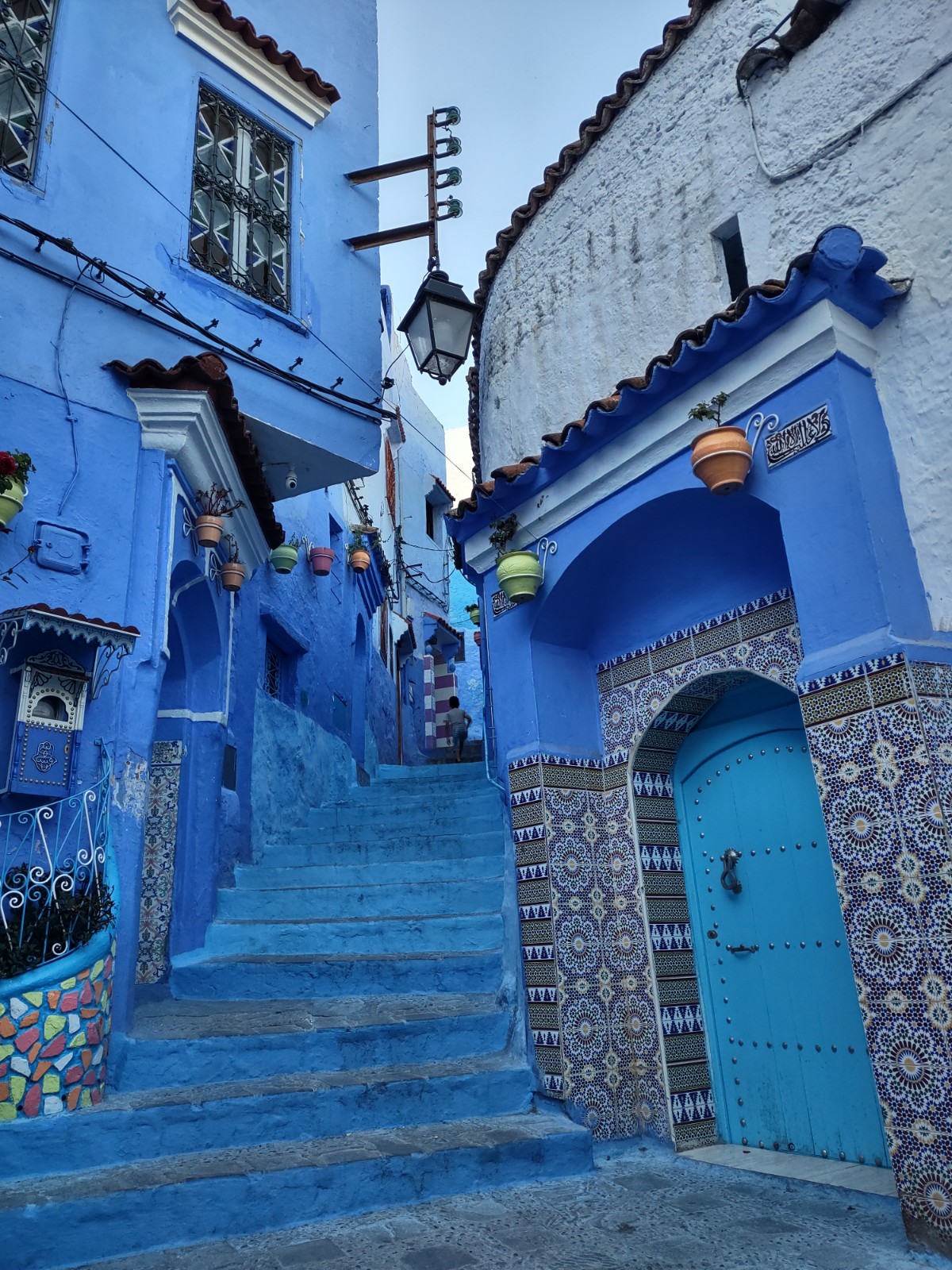
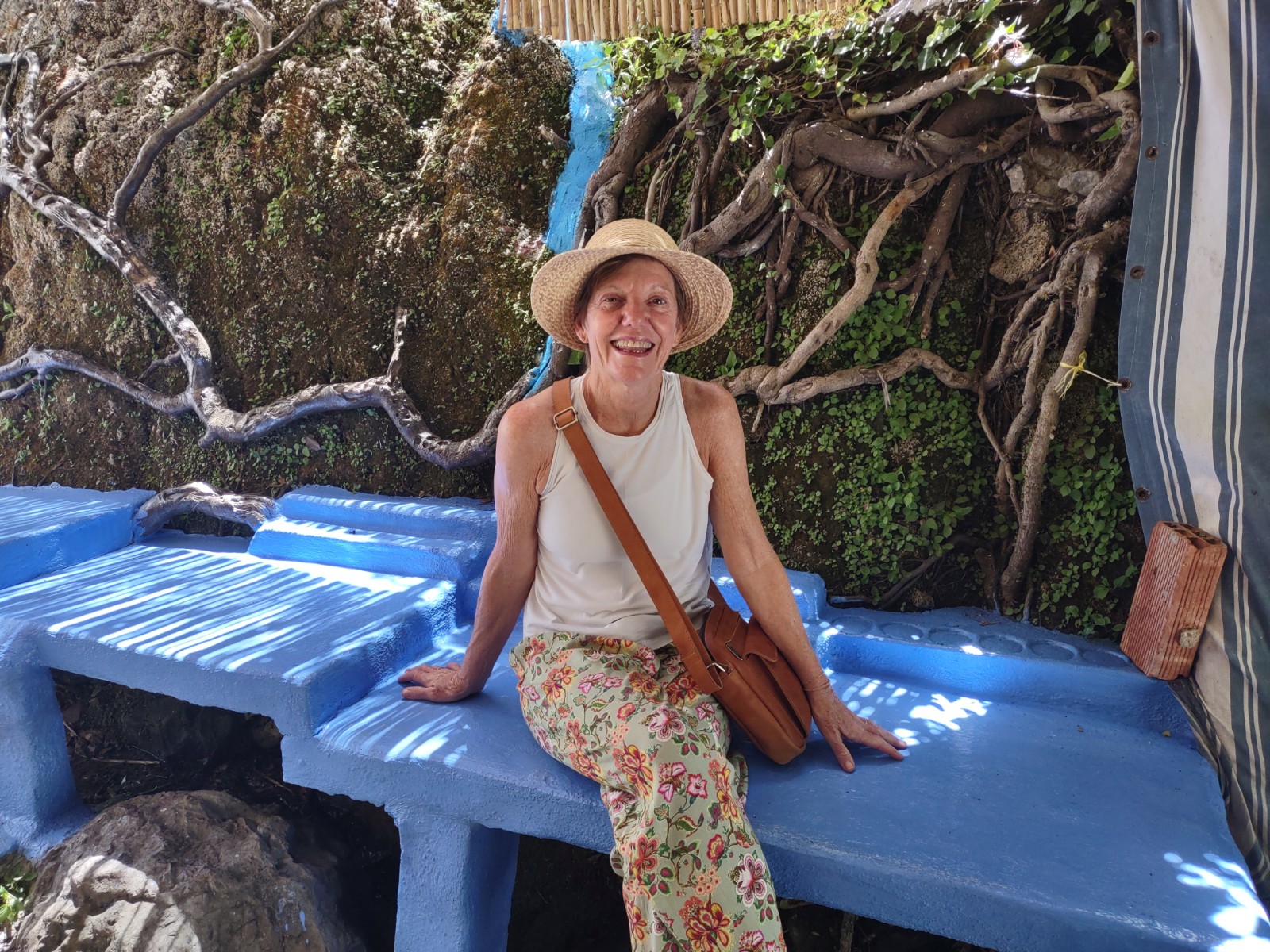
The river valley was probably our favorite place to go as it was cool and shady with the sound of water cascading and children playing.

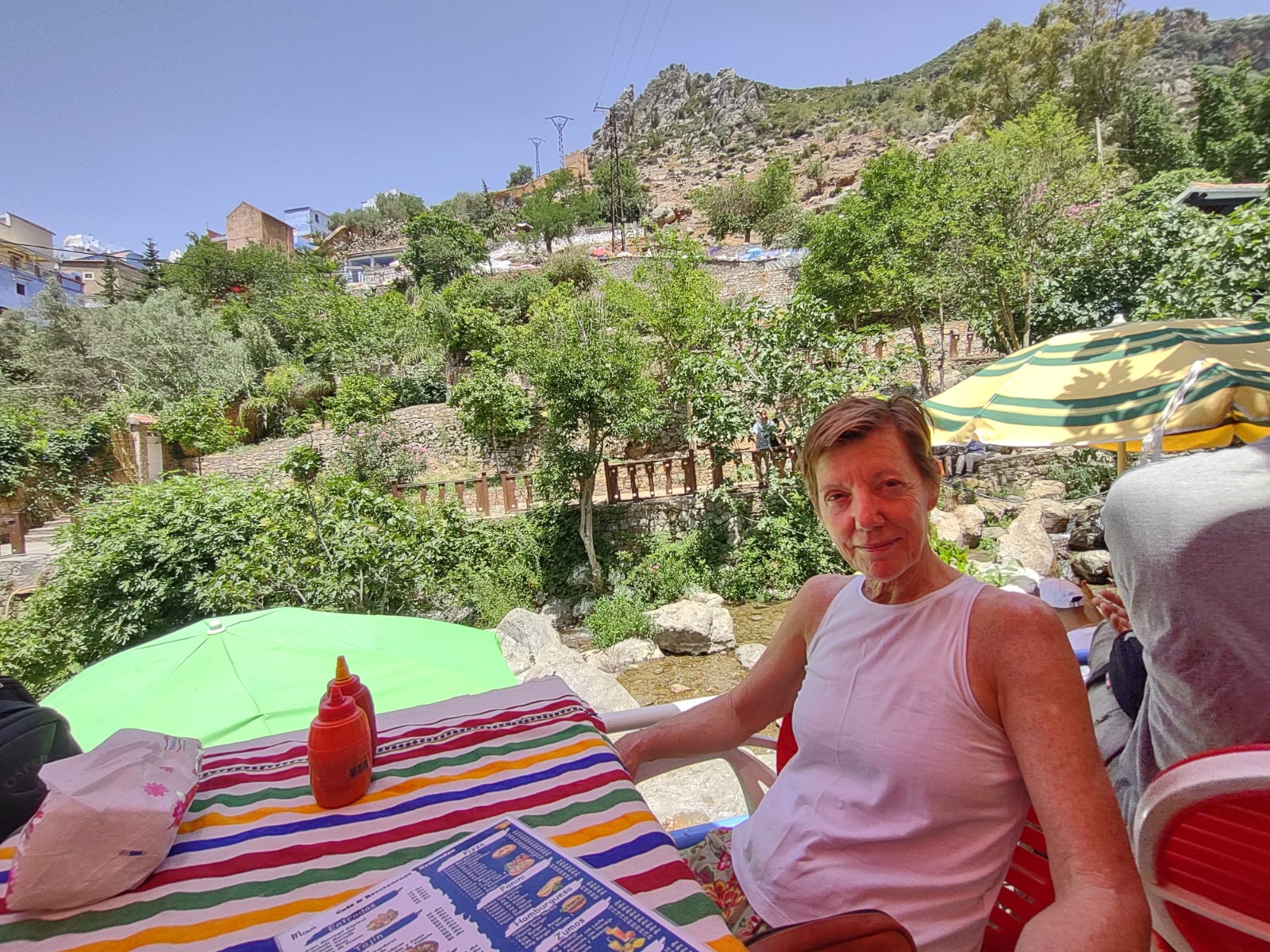
We also found a couple of pretty good restaurants. The first of these was a place called Sofia which was recommended by our tour guide Candelaria. It was a very small restaurant with outdoor seating just up the hill from the main square but also just enough off the beaten path to feel pretty intimate. Sofia is run by a group of local women who served very tasty well prepared traditional dishes for a very reasonable price.
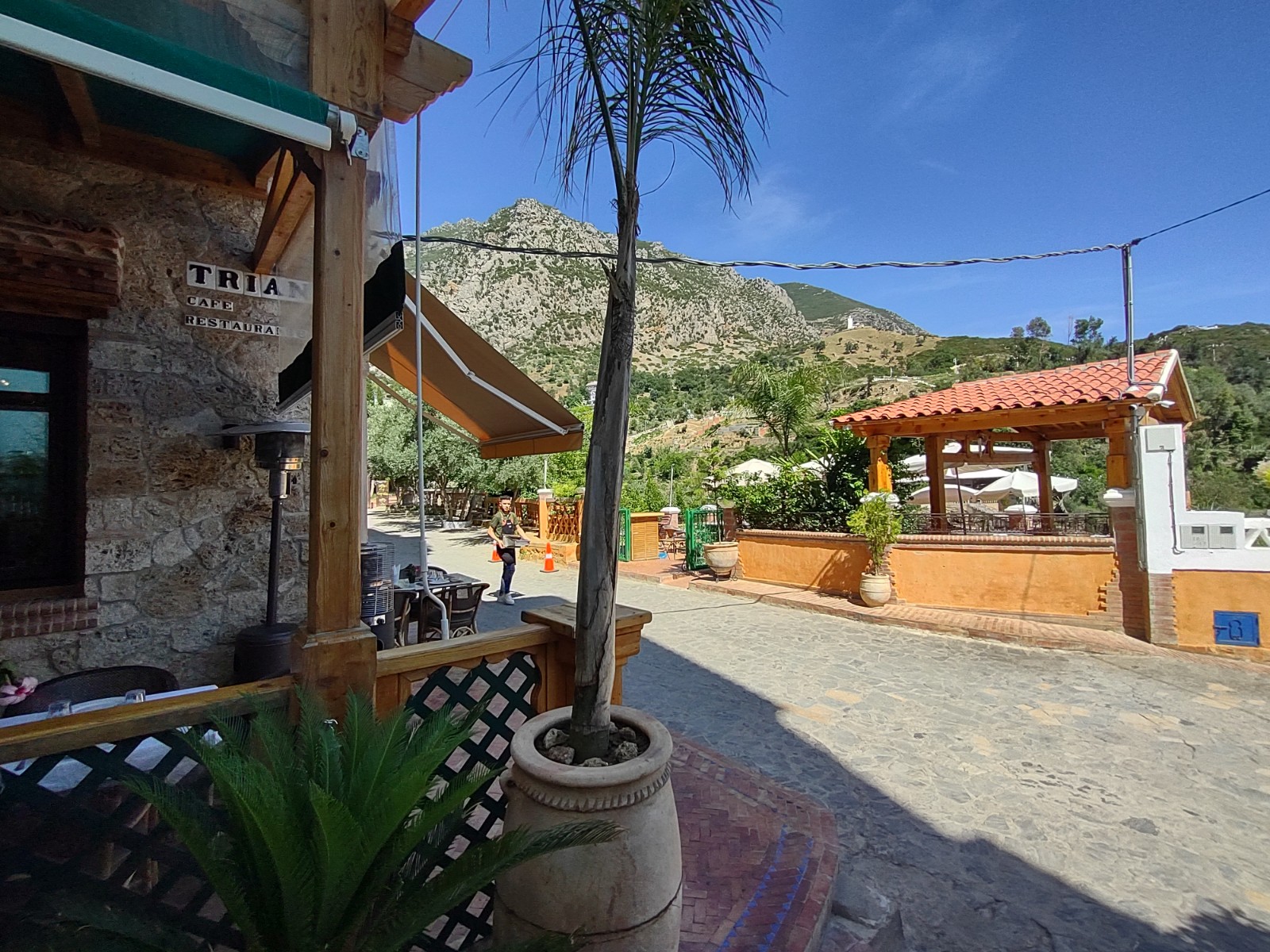
The second restaurant we really liked was a place called Triana, also recommended by our tour guide, a bit fancier and therefore more expensive, with a wider menu of both traditional and more Mediterranean dishes and off the beaten path just enough with wonderful views of the river valley. On our first visit (yes, we went back) we had nothing but appetizers – burrata salad, gambas (shrimp) pil-pil (very spicy!), fried calamari, and whipped goat cheese with honey and nuts – all of which was incredibly good, as was the service. When we discovered that we had been bumped to a later bus, we went back on our last day and tried some other dishes which were equally tasty.
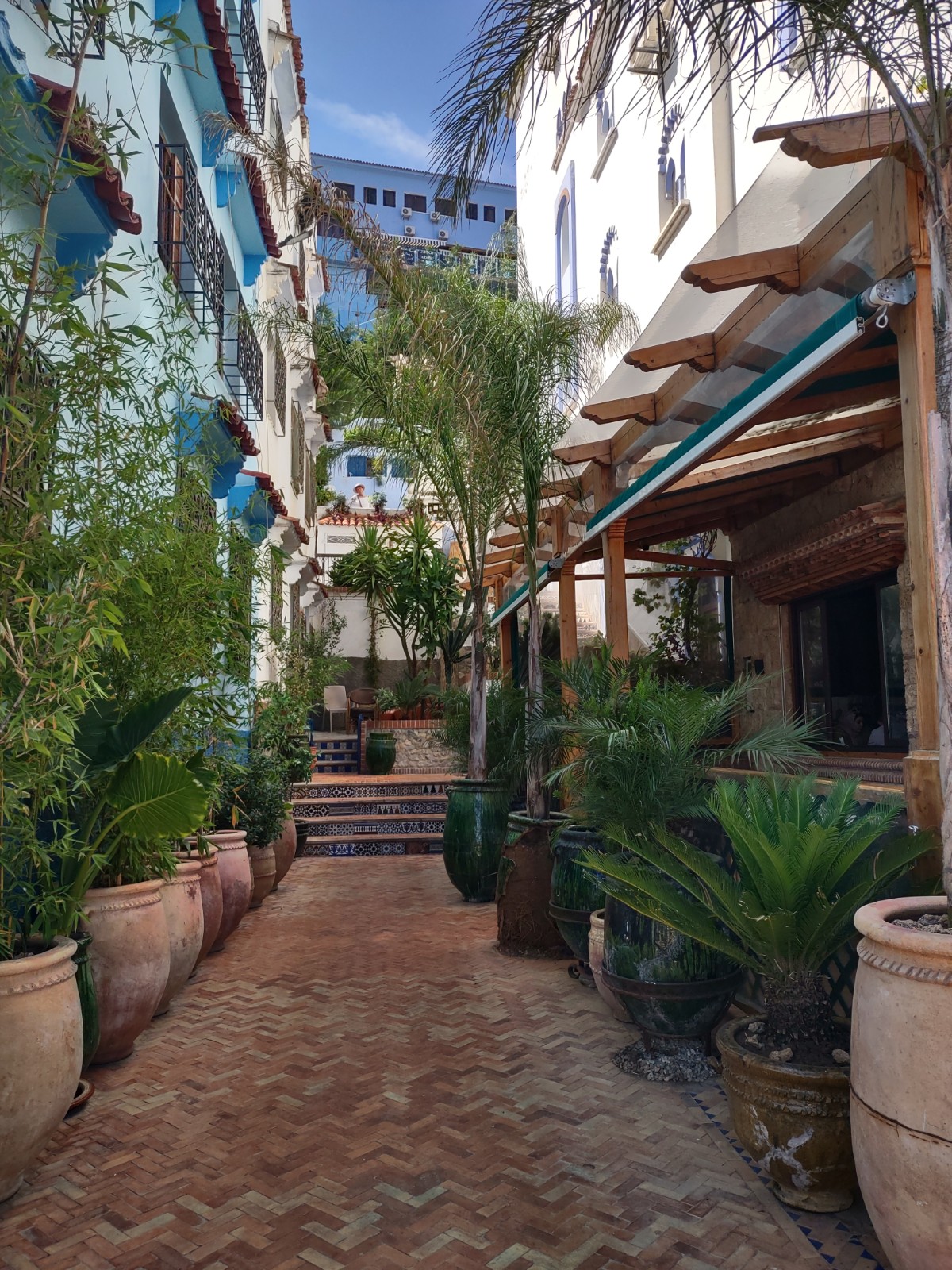

Despite way too many tourists and some not-so-great interactions with shop keepers, the residents of Chefchaouen were, for the most part, just as nice and friendly as what we had encountered throughout Morocco. As I mentioned earlier, the best part of our stay may well have been the little neighborhood we stayed in which was populated by families with young children and we found it very soothing to come home to the sound of children playing and family meals and gatherings.
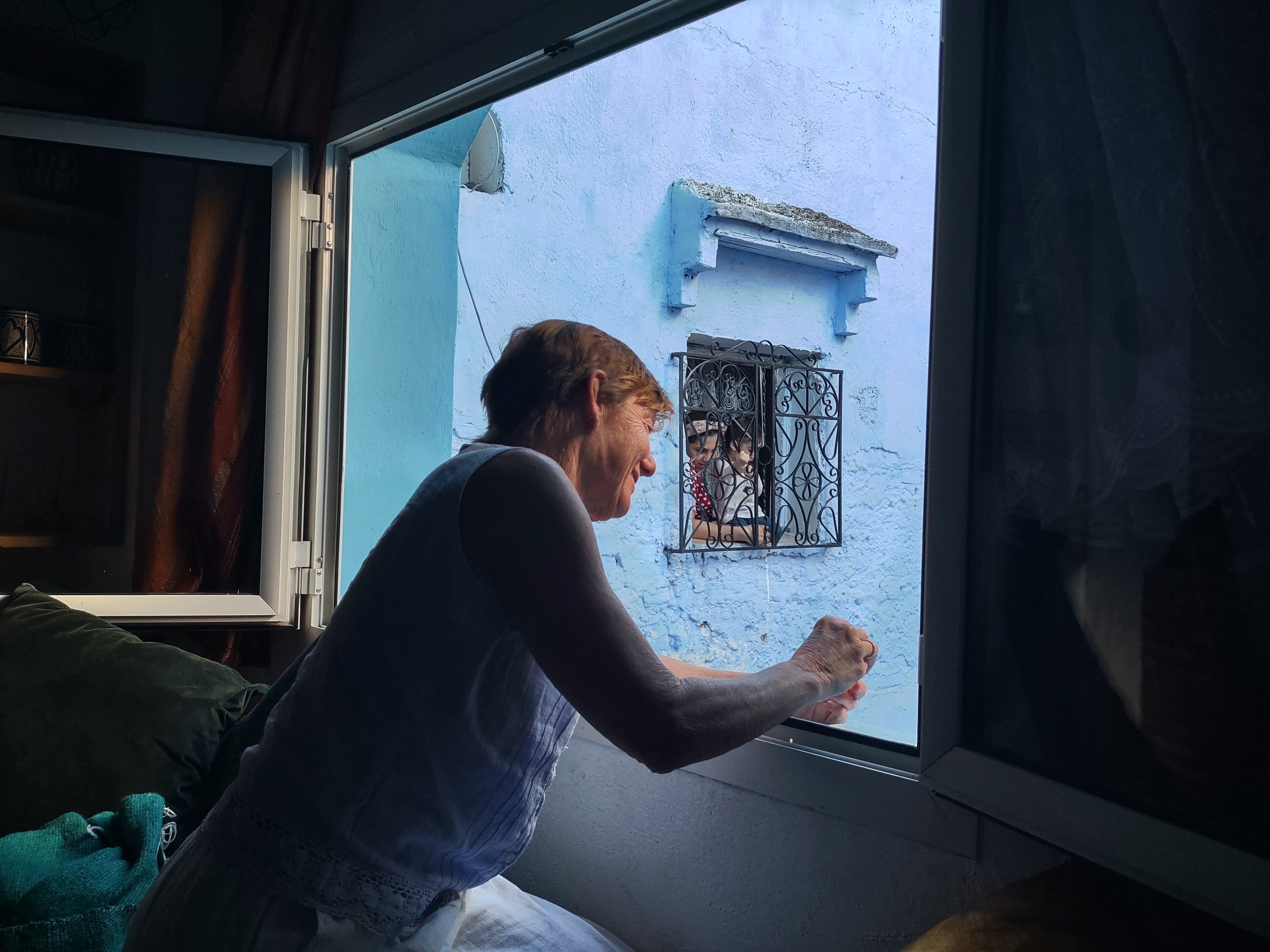
On our first day, we made friends with a little girl in the building next to ours who would greet us from her window across the courtyard and try to carry on conversations although, as far as we could tell, she spoke no English, French, or Spanish, only Arabic (which we speak very little of). Even when we couldn’t see her, we could hear her singing, laughing and playing along with some of the other kids in her house and on the street.
One afternoon, when she came to the window, Colleen broke out one of the bottles which she has been carrying for just such an occasion and began blowing soap bubbles across the courtyard towards our friend. Her reaction (squeals) suggested that she had never seen soap bubbles before and we were happy that there was a grill in her window as she started to reach for them as they floated past. One thing led to another and eventually all the kids on the street were gathered below our apartment as Colleen blew bubbles down to them. Colleen emptied one bottle but we were able to refill it with our dish soap and, on our way out, she passed it on to our little friends mother with a quick demonstration on how to use them.
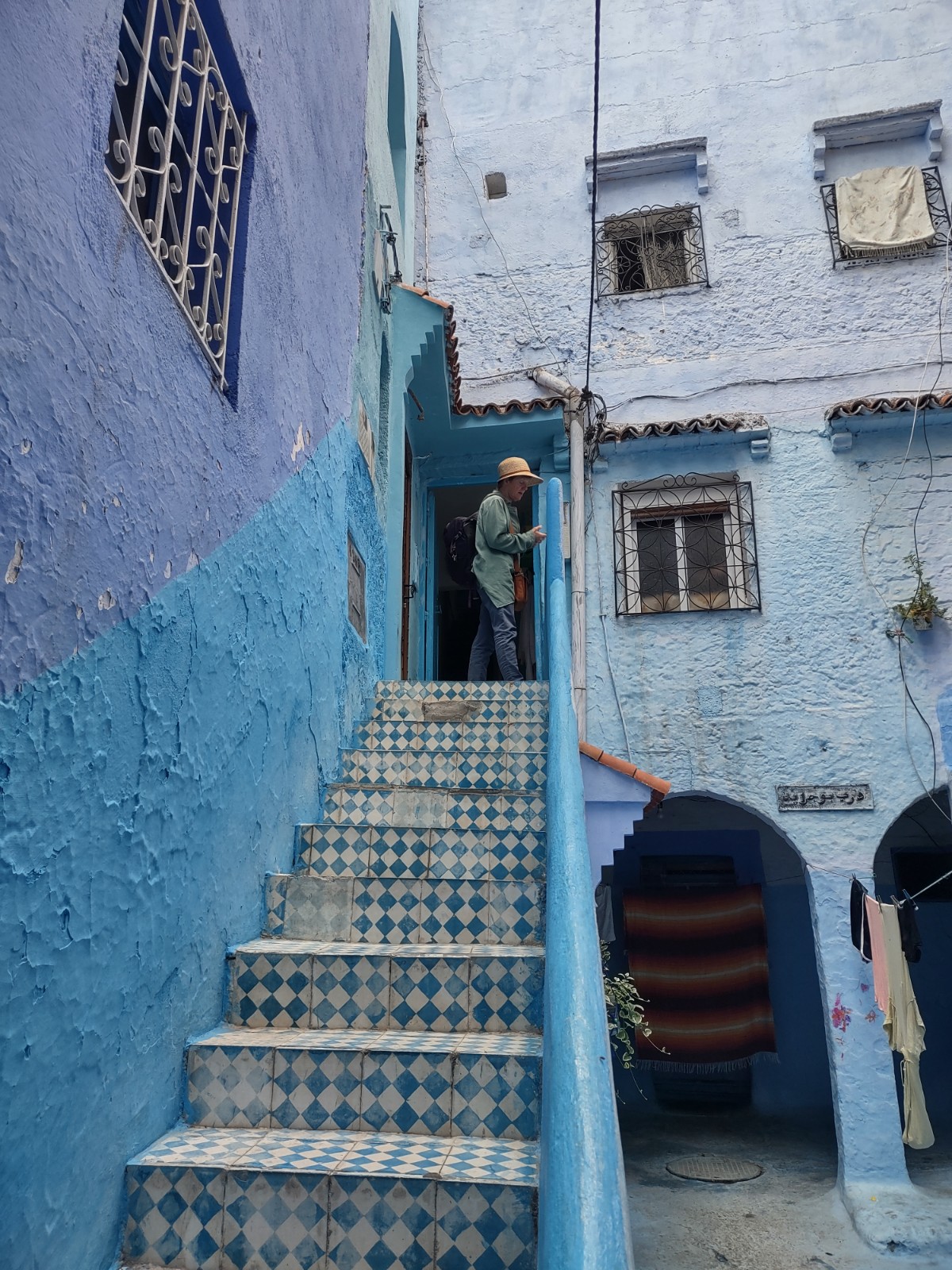

So, in the end, we were perhaps a little disappointed with what we found in Chefchaouen but still happy we came here and saw this place, even as it is. In retrospect, four days may have been a bit too long, but it passed and, on Saturday June 17th, (feeling a little blue?) we boarded a bus bound for our final stop in Morocco, the infamous city of Tangier.

 Burning the Inheritance
Leave a comment