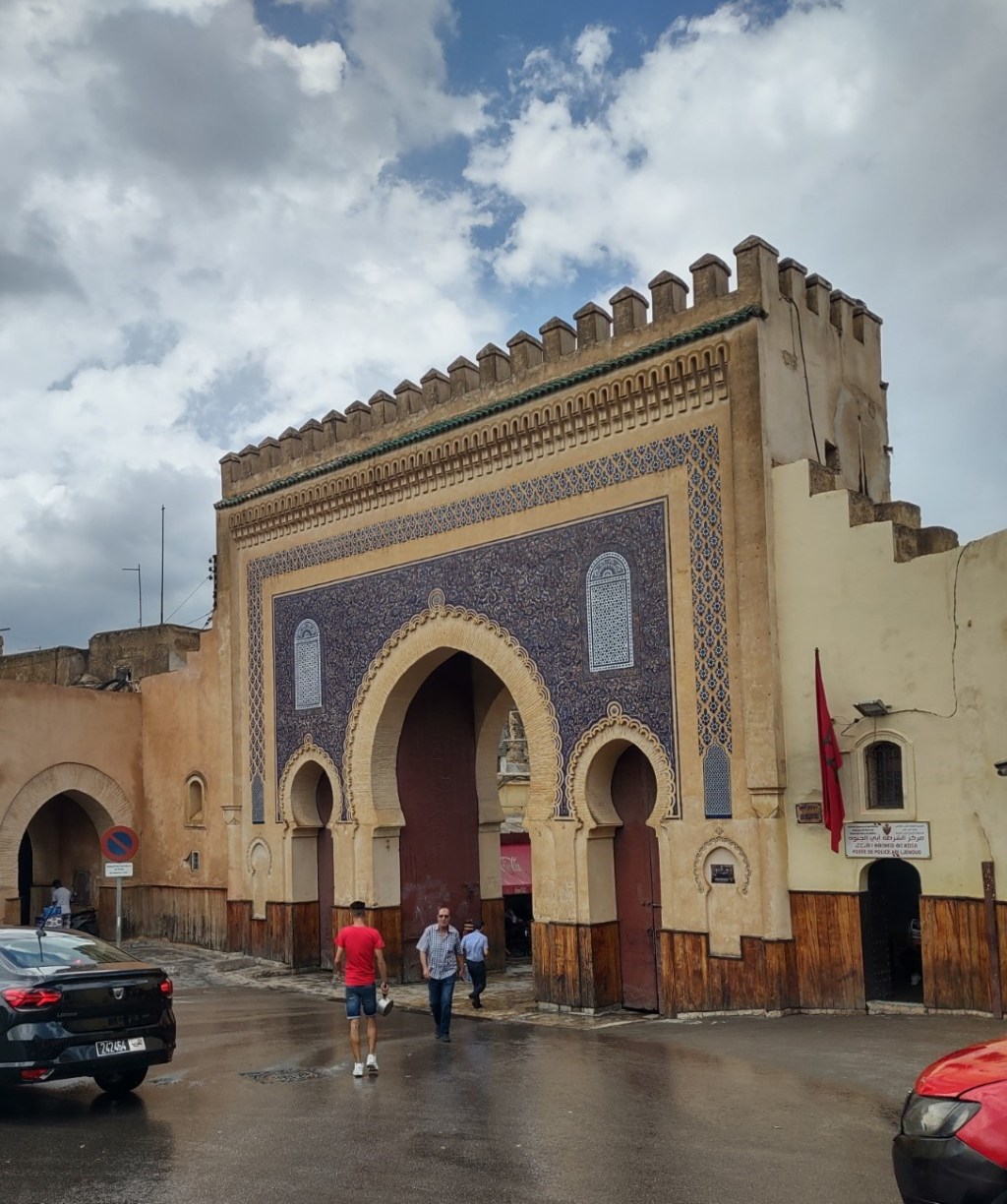
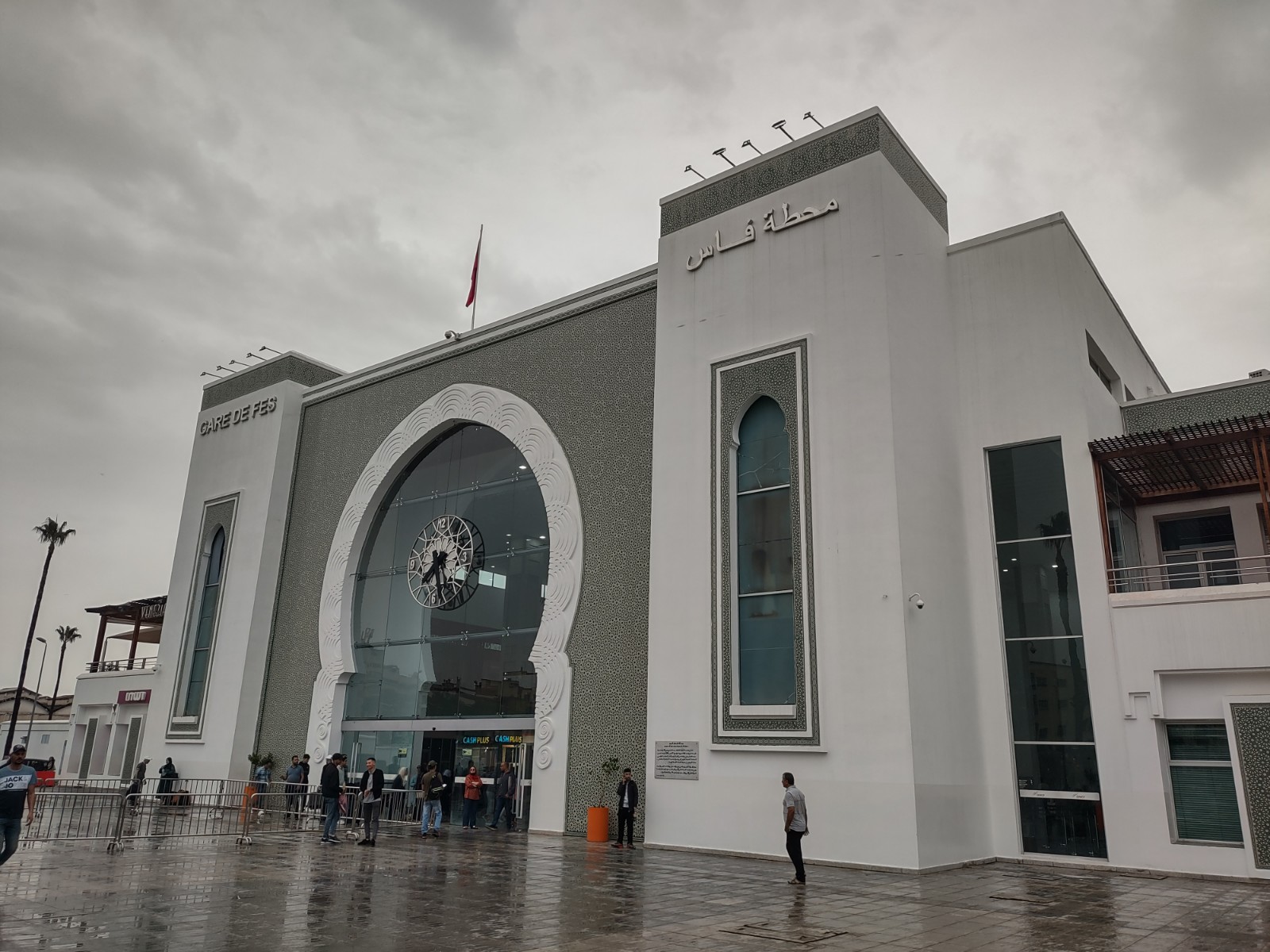
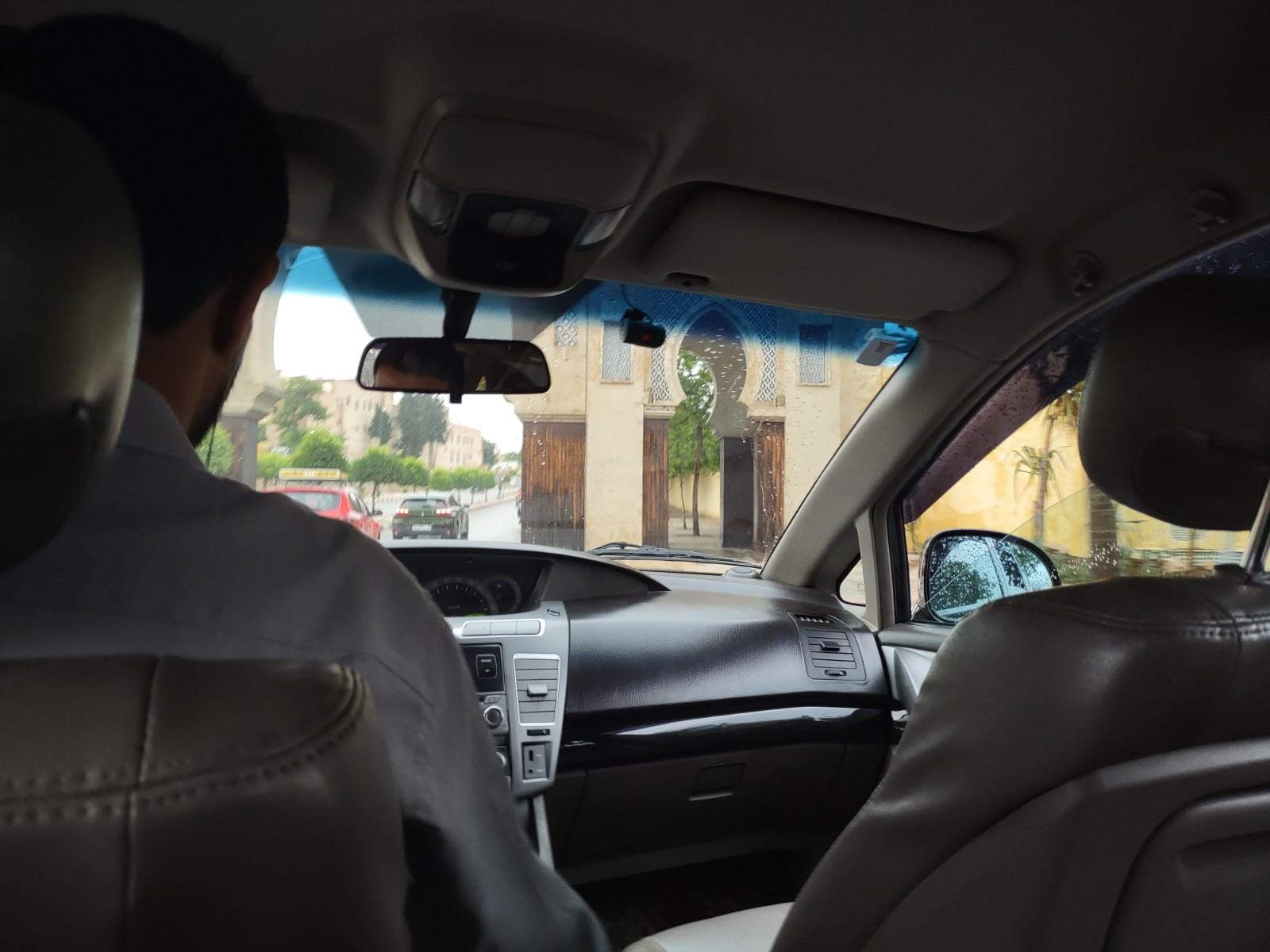
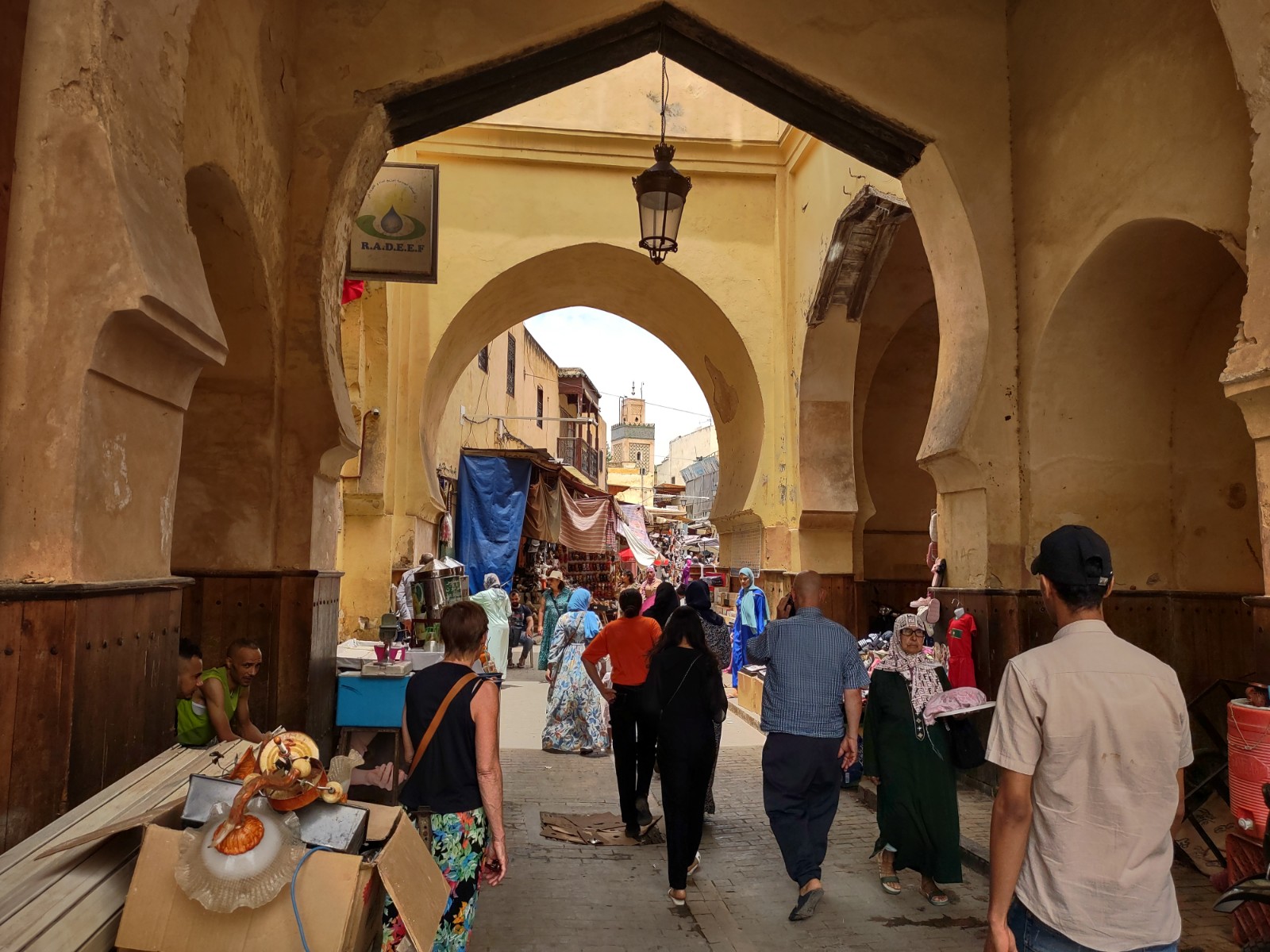
We arrived in Fes via the train late in the afternoon of June 6th having spent the night before in Marrakesh. As we were staying in the Medina (the old city) of Fes, we had again made arrangements to have a driver meet us at the train station. He took us as close to the Medina as he was able, stopping in a plaza which dead-ended at one of the Medina gates which was so packed with other taxis and cars that we were unable to open our doors to get out. What followed was an amazing piece of unchoreographed taxi ballet with one driver edging into an opening with only inches to spare, then another filling the void until we miraculously found ourselves parked and getting out of the taxi. All of this was, of course, accompanied by a good amount of yelling and hand gestures. Once out of the taxi we were quickly able to locate our waiting Airbnb host and a porter whom we followed down an alleyway, around a corner, through a carpet store which spanned both sides of our street, finally arriving at the riad Dar el-Yasmine where we would be staying for the next week.
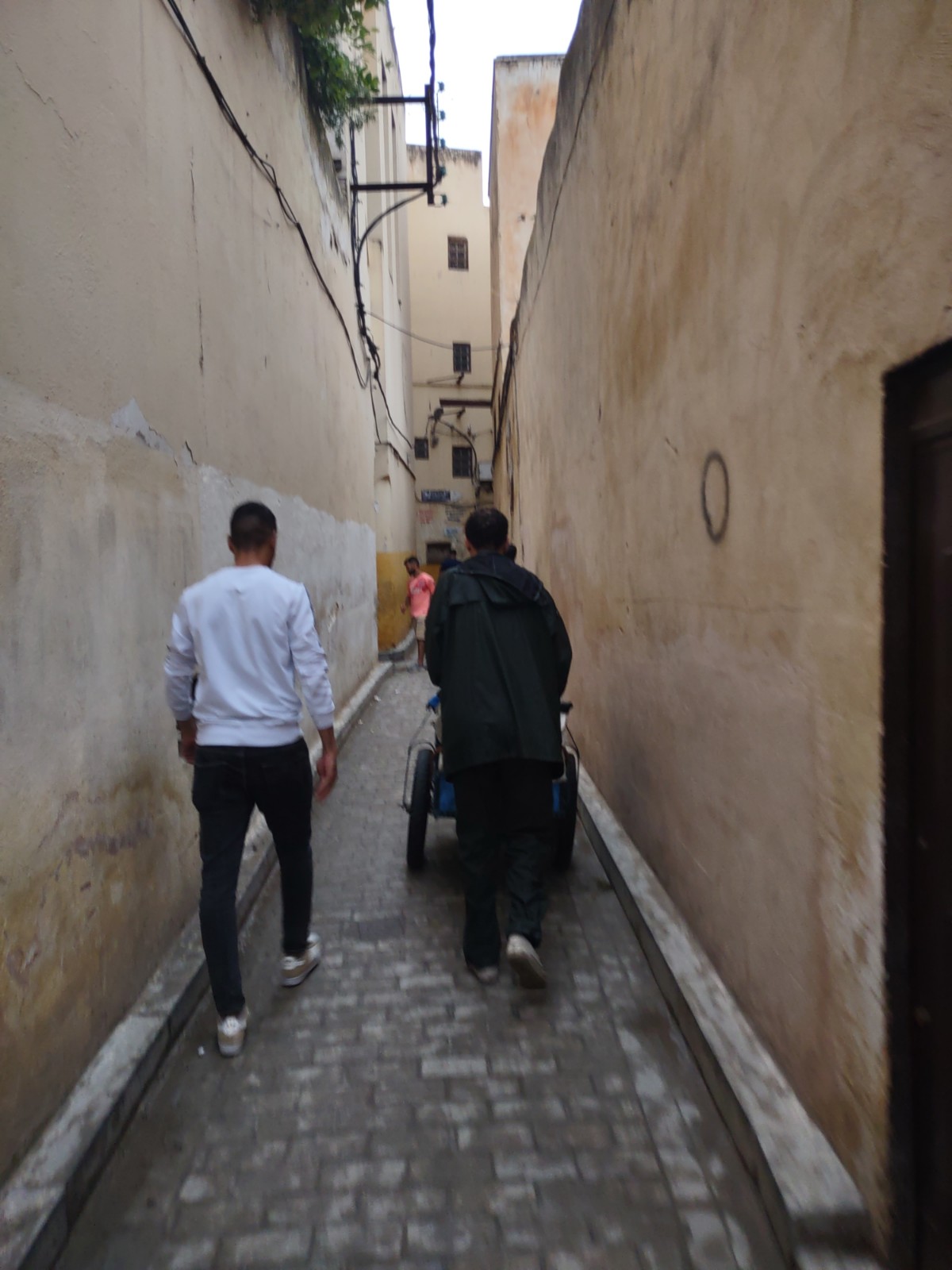
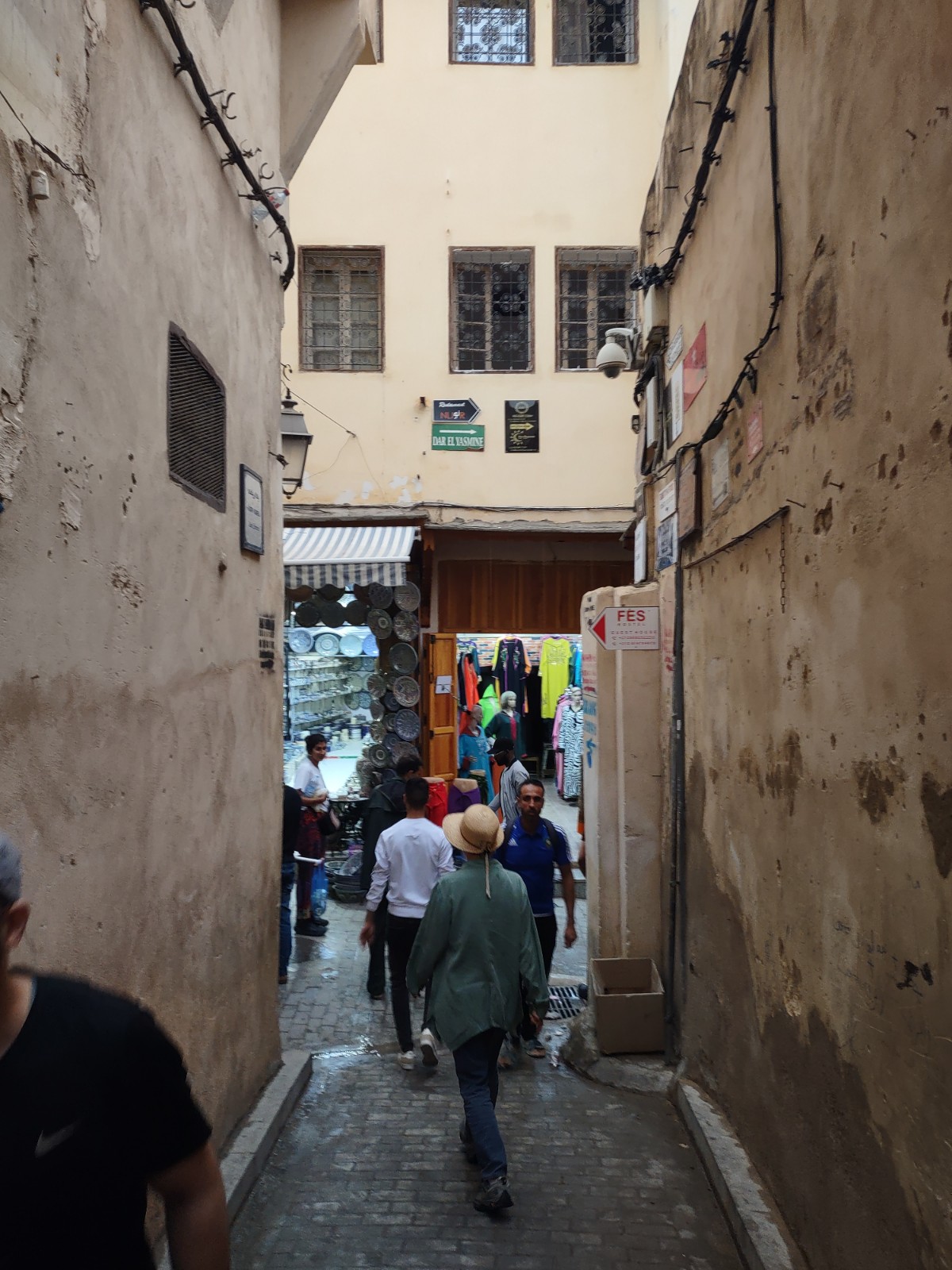
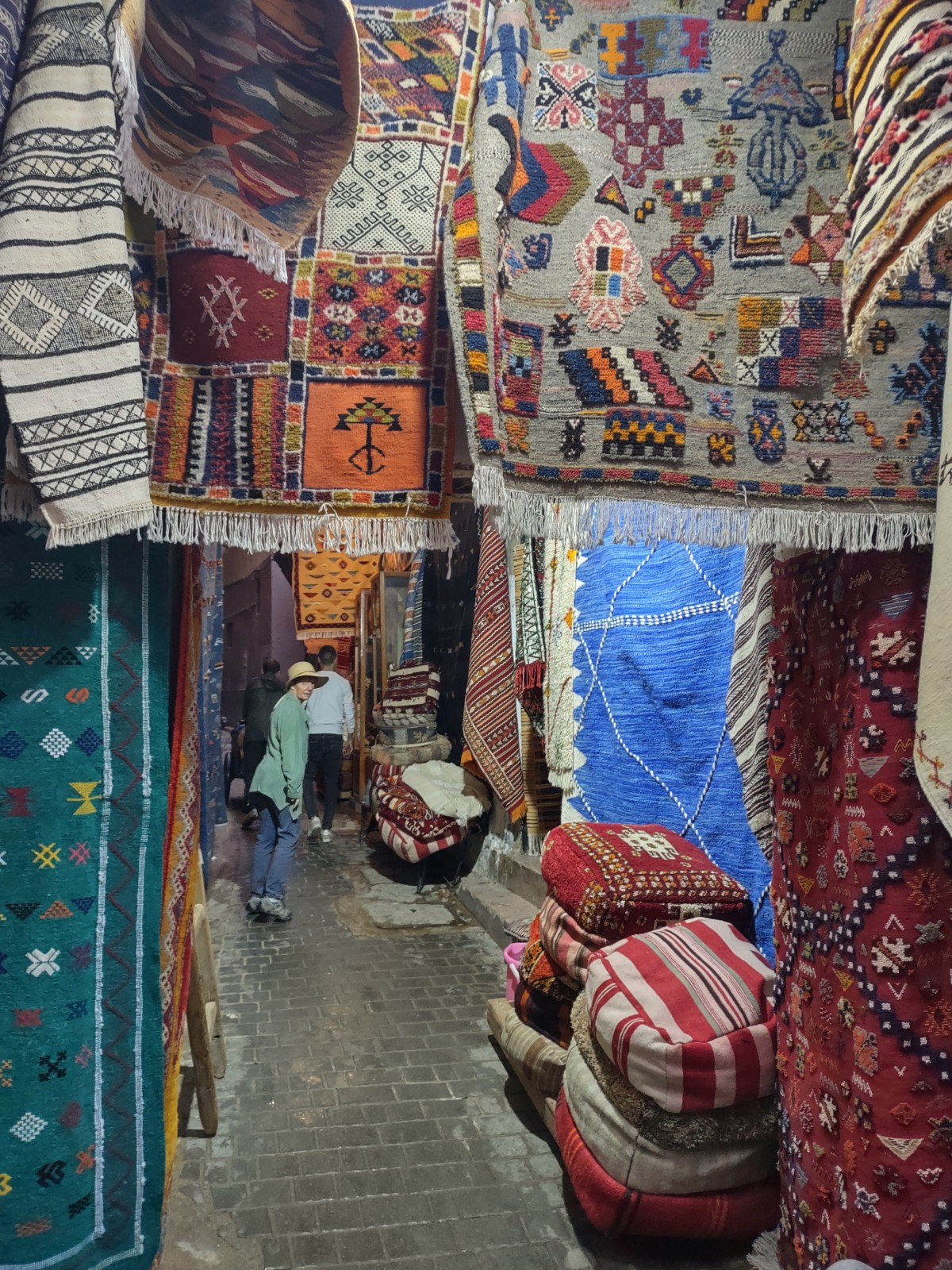

So, a bit about Fes, a former capital, which is the largest city in Morocco with a population of about 1.3 million in the metropolitan area. It is also the oldest city in Morocco, founded almost 1,500 years ago and is home to, among other things the oldest university in the world and the largest medina in the world. The Medina of Fes, a UNESCO World Heritage site, has an estimated permanent population of about 100,000 and, at 540 acres, is the largest car-free urban area in the world and probably the world’s ultimate labyrinth with approximately 9,500 streets.
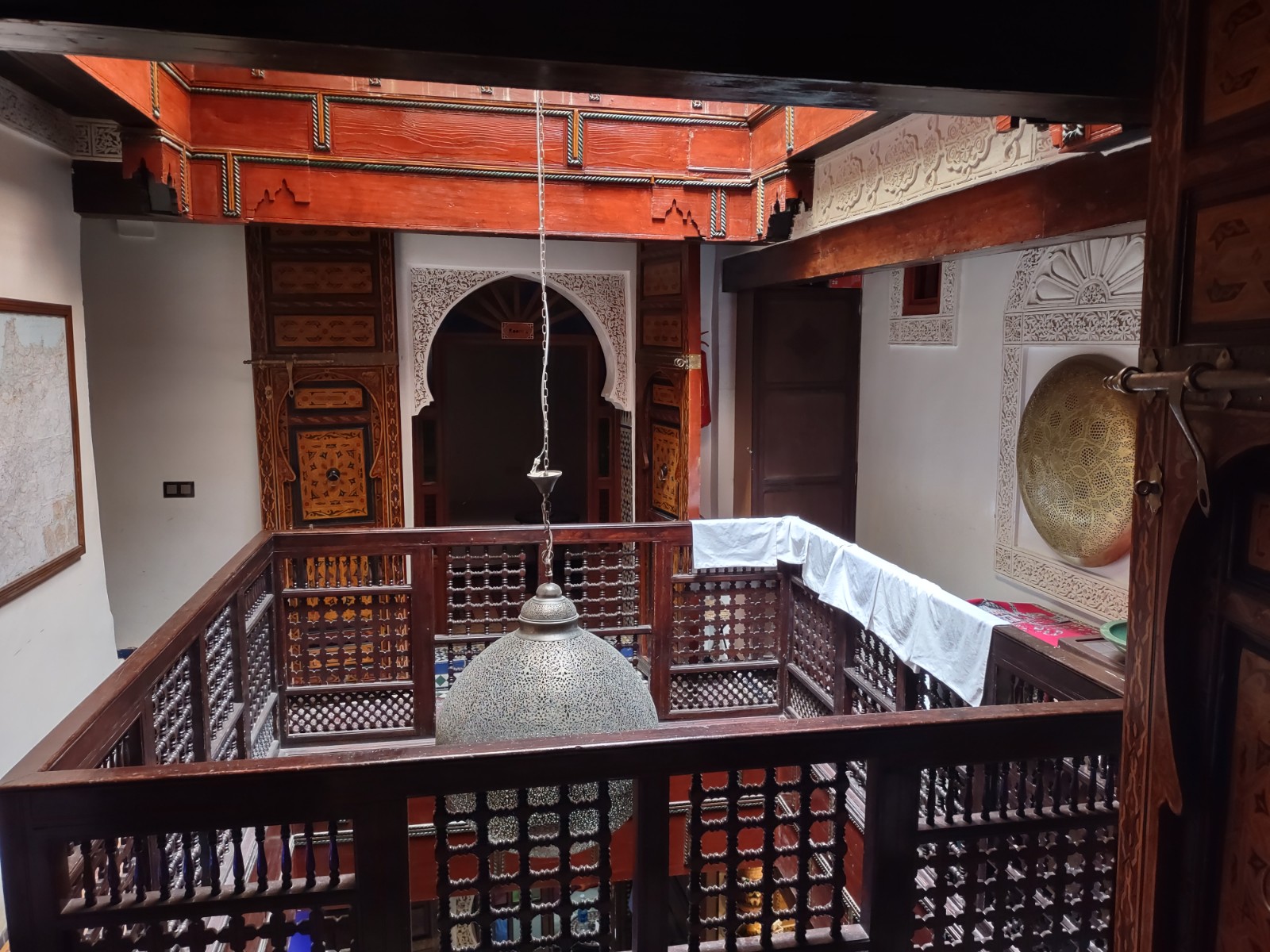
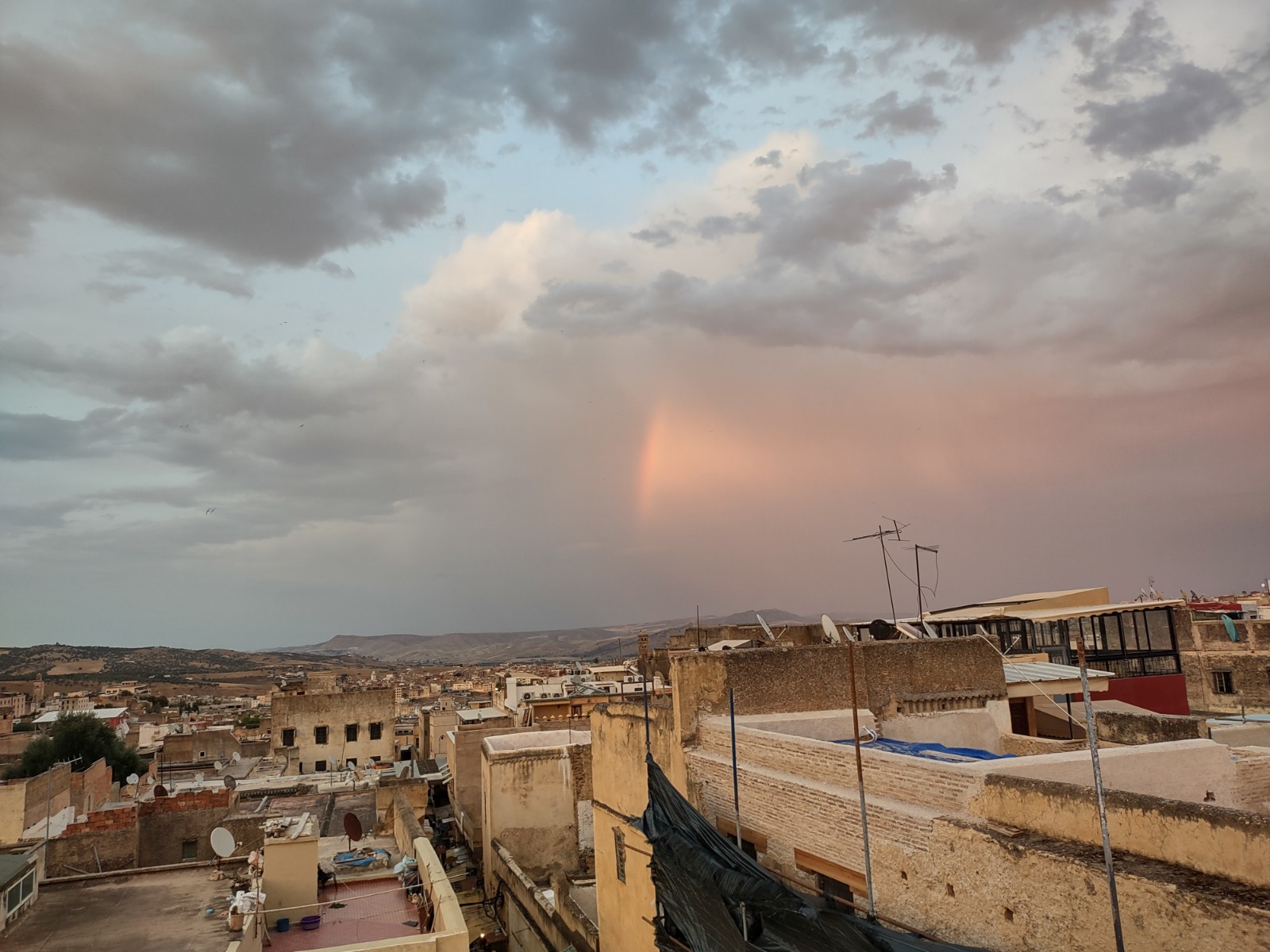
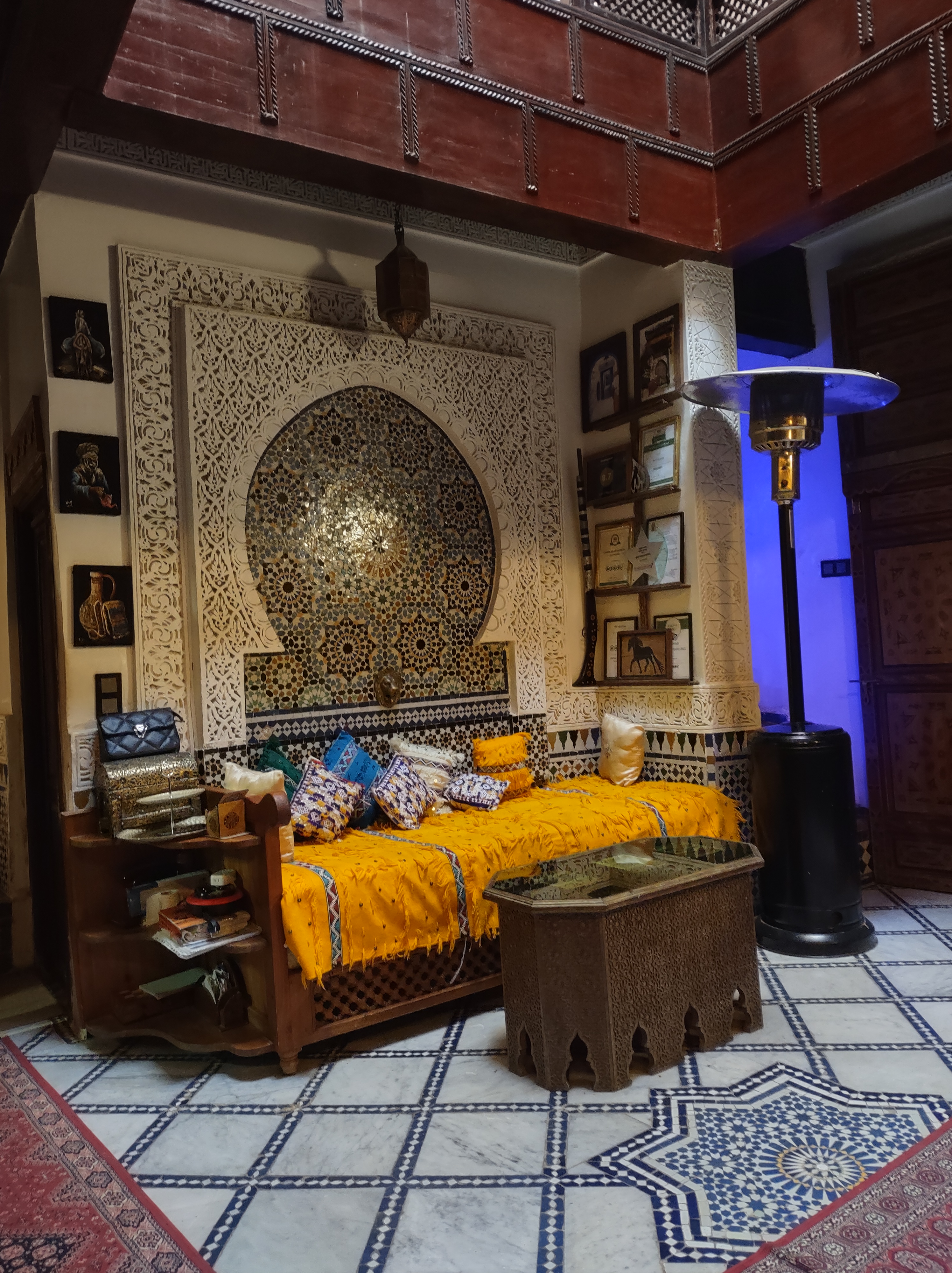
We stayed in a traditional riad in the Medina, the Dar de Yasmine, which appeared to accommodate 10 to 12 guests and was completely booked the entire time we were there. It was hard to get a handle on how many guests there actually were as the dining area only accommodated about six people at a time, but we did see a few changes in the guard as we were there for seven days, a bit longer than the other guests. We met travelers from France, Spain, Germany and Japan, but didn’t really have much interaction with them other than the exchange of pleasantries at breakfast. The riad itself was nice, but the shared areas were not as generous as what we had in Marrakesh. The ground floor lounge area was OK for working during the day but it tended to be noisy and was pretty crowded in the evening as it was often used for social gatherings. There was a sundeck with clotheslines which we made use of, but not any great outdoor lounging space. There was a glassed-in sunroom which Colleen found to be a nice space to relax and do yoga and it was a great place to hang out when there were thunderstorms and rainbows in the distance, which happened on a couple of occasions.
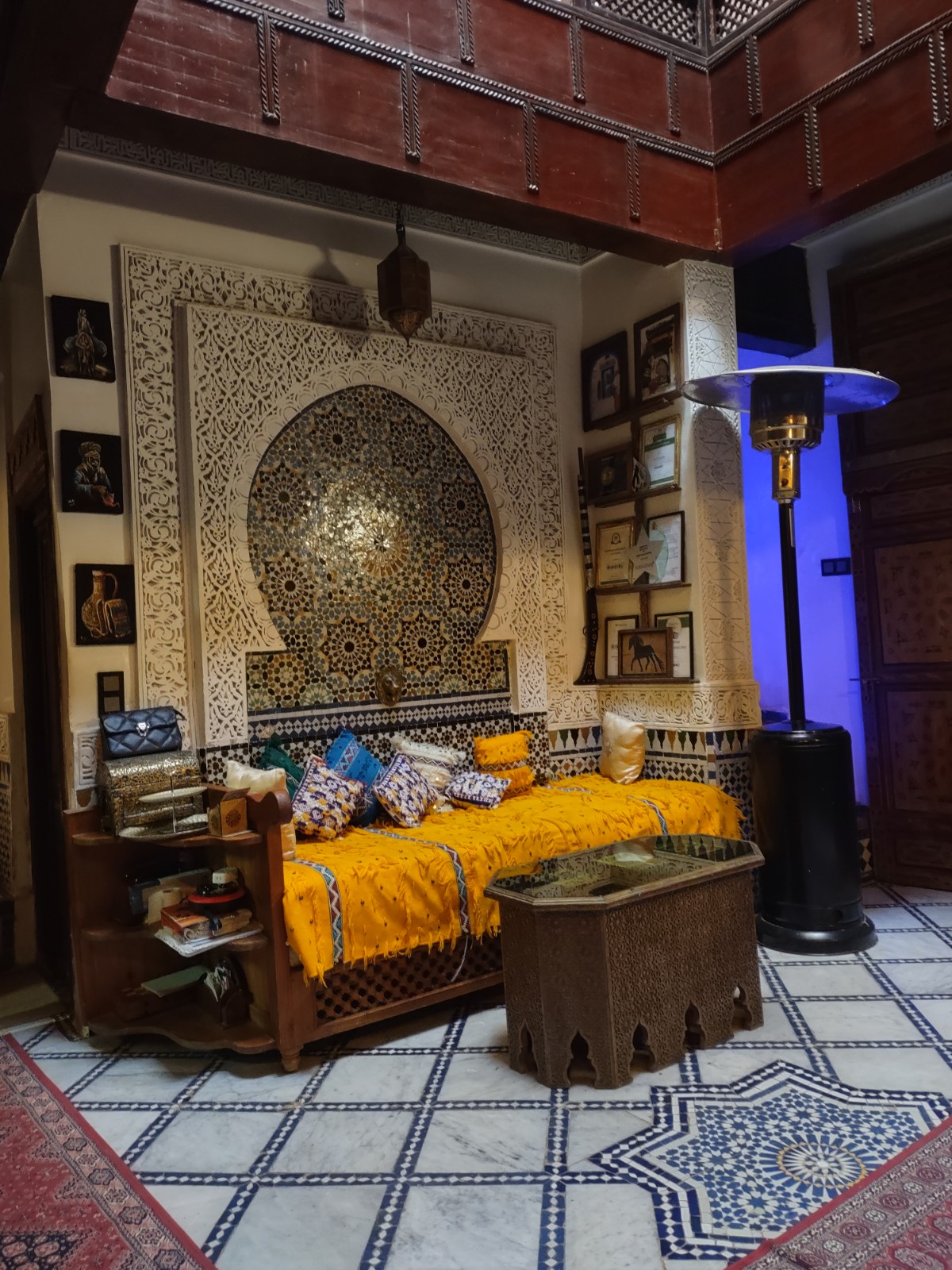
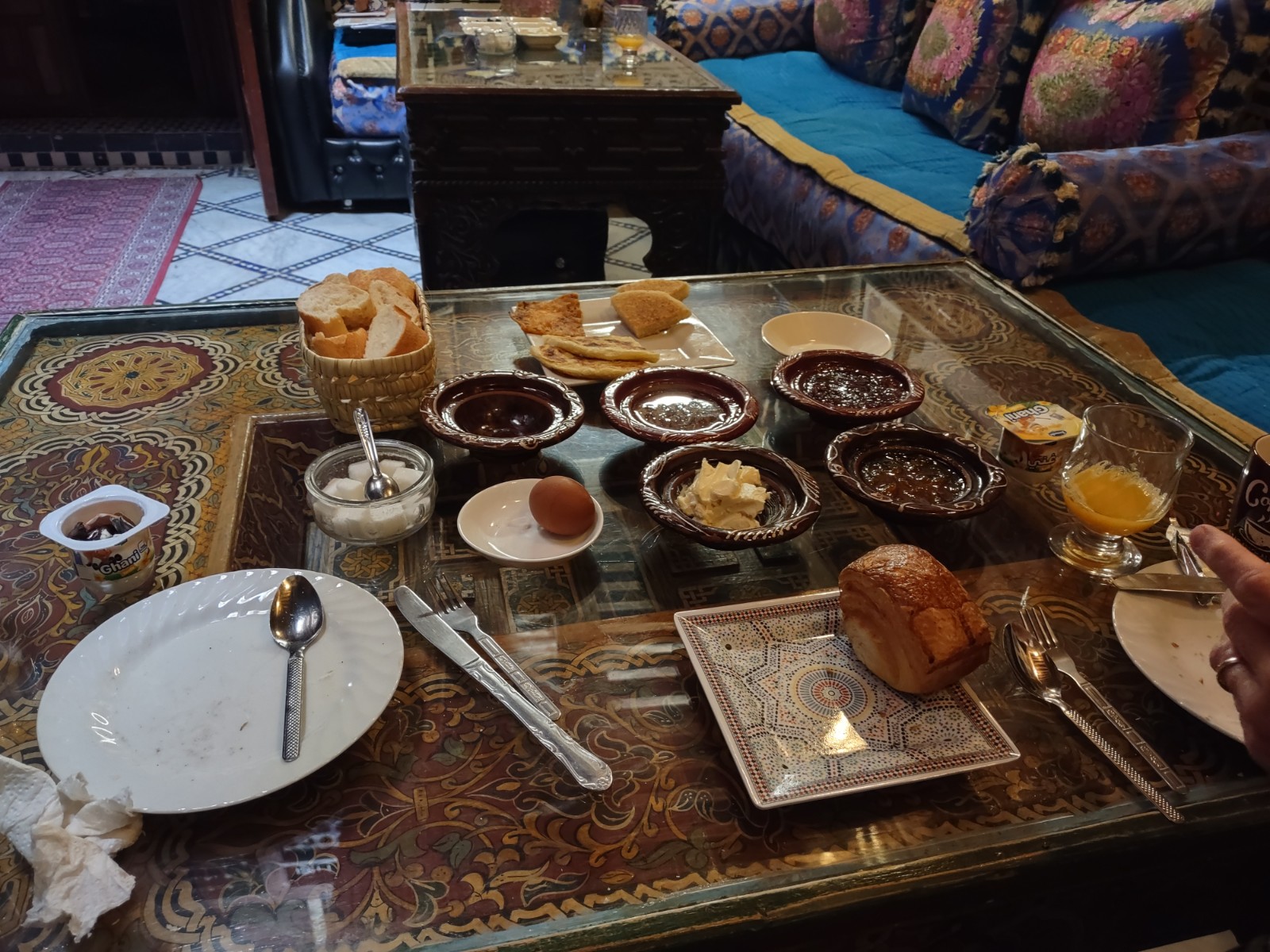
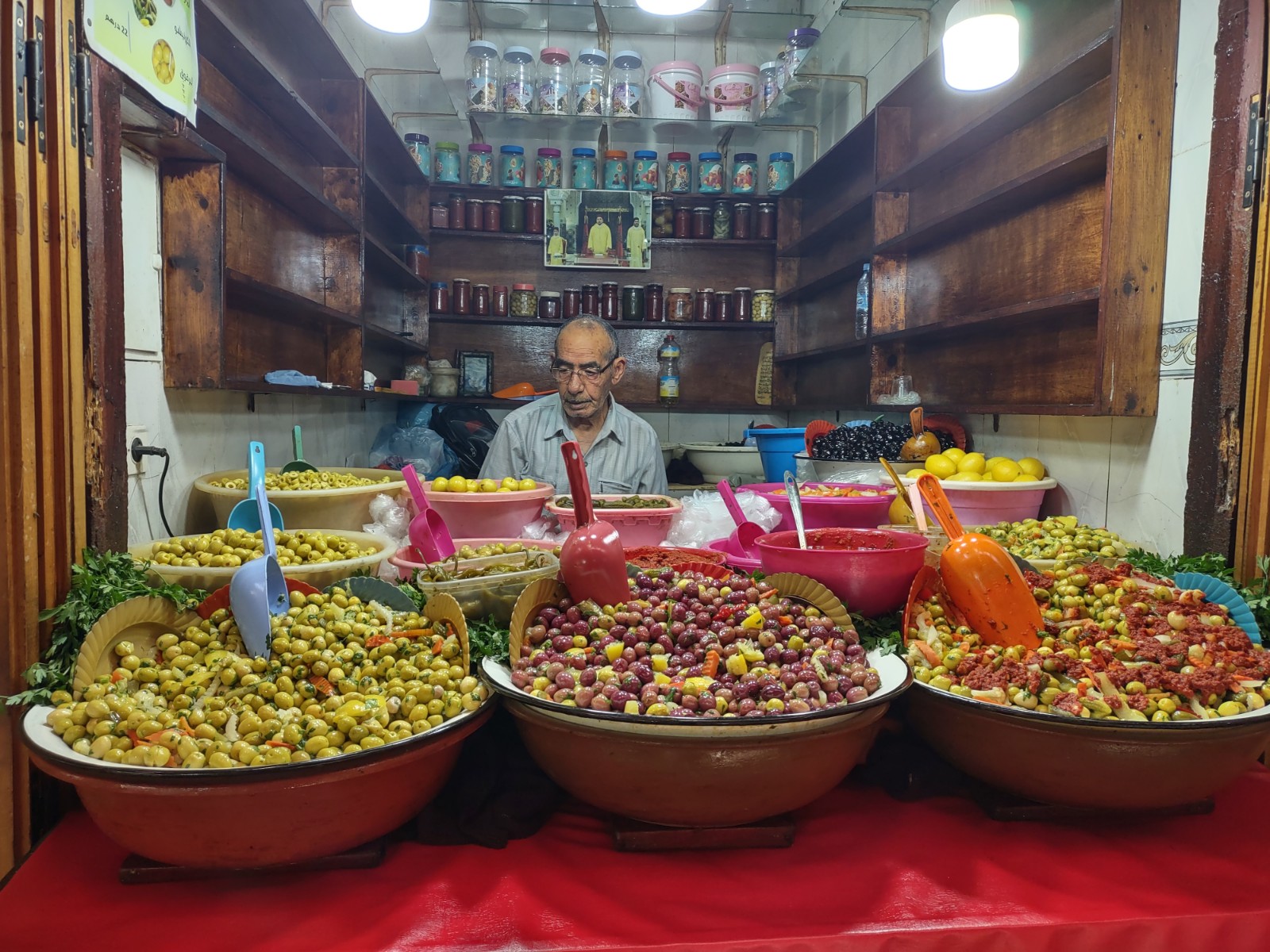
On the other hand, breakfast was considerably better than in Marrakesh with more food than we were ever able to consume including pastries, yoghurt, olives, cheese, fresh fruit, five different kinds of bread with various condiments, juice, and tea or coffee for a pretty reasonable 30 dirham ($3 USD) per person per day. Safe to say, we started each day with a pretty hearty breakfast.
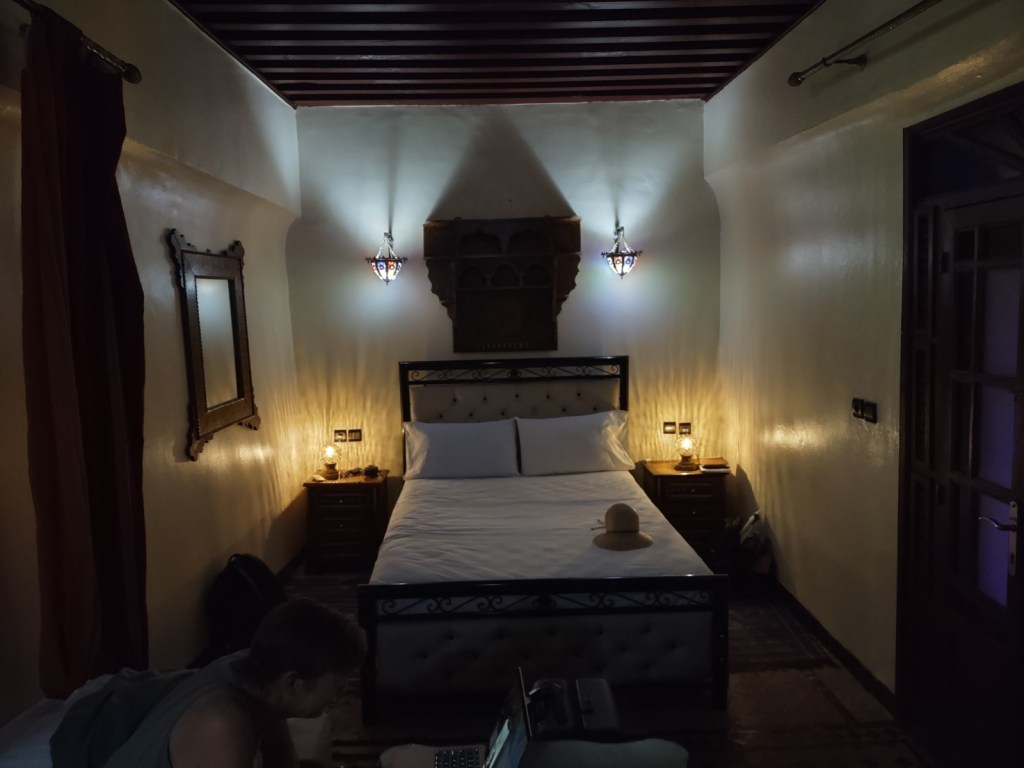
Our room in the riad was fairly spacious with, in addition to our double bed, armoire, and nightstands, a table and two single beds which served as couches in our “lounge” area where we worked. All in all, a nice place but we really missed the privacy that comes with having your own house or apartment (as well as the home-cooked meals) and decided that seven days was probably a bit too long to spend in a riad. (For more information on riads, see the Marrakesh installment.)
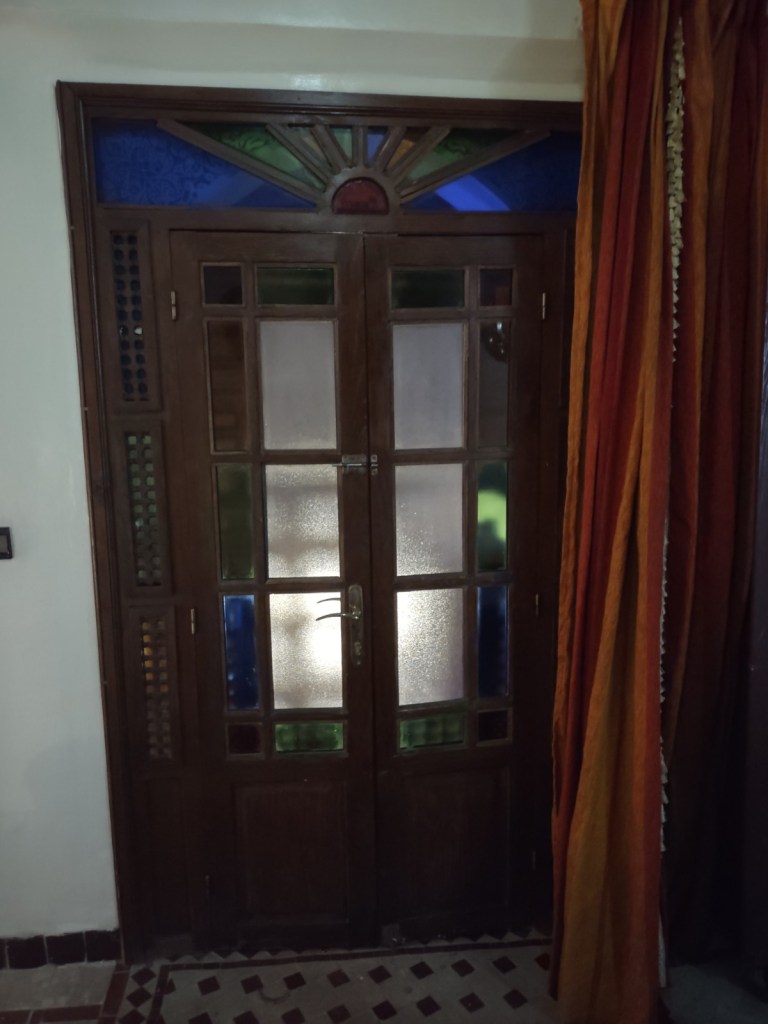

On our first morning in Fes, we booked a “free” walking tour of the Medina through our go-to, GuruWalk Tours. Unusual in our experience, we were unable to locate the guide for our tour, although we did locate another couple from the Netherlands who were waiting for the same tour. Fortunately, we found another tour in English just starting and asked the guide if we could join them which, after polling his group, he agreed to. Let me say at this point that this tour, with the sort of corny title of “The Most Fes-cinating Tour of the Medina” was probably one of the best guided tours we have taken over the last five months of travel. Our guide, Abderrahime (whom Ritchard quickly began referring to as “The Professor”), was a former school teacher who took a voluntary retirement to make room for younger teachers because (amazingly compared to the U.S.) there are more teachers than available positions in this country. The Professor was extremely knowledgeable about the history of the Medina but had a very low key easy-going mild manner and conducted the tour just the way you would expect a good teacher would, with questions to us about why we thought certain things were the way they were, really engaging us and challenging us to think a bit.
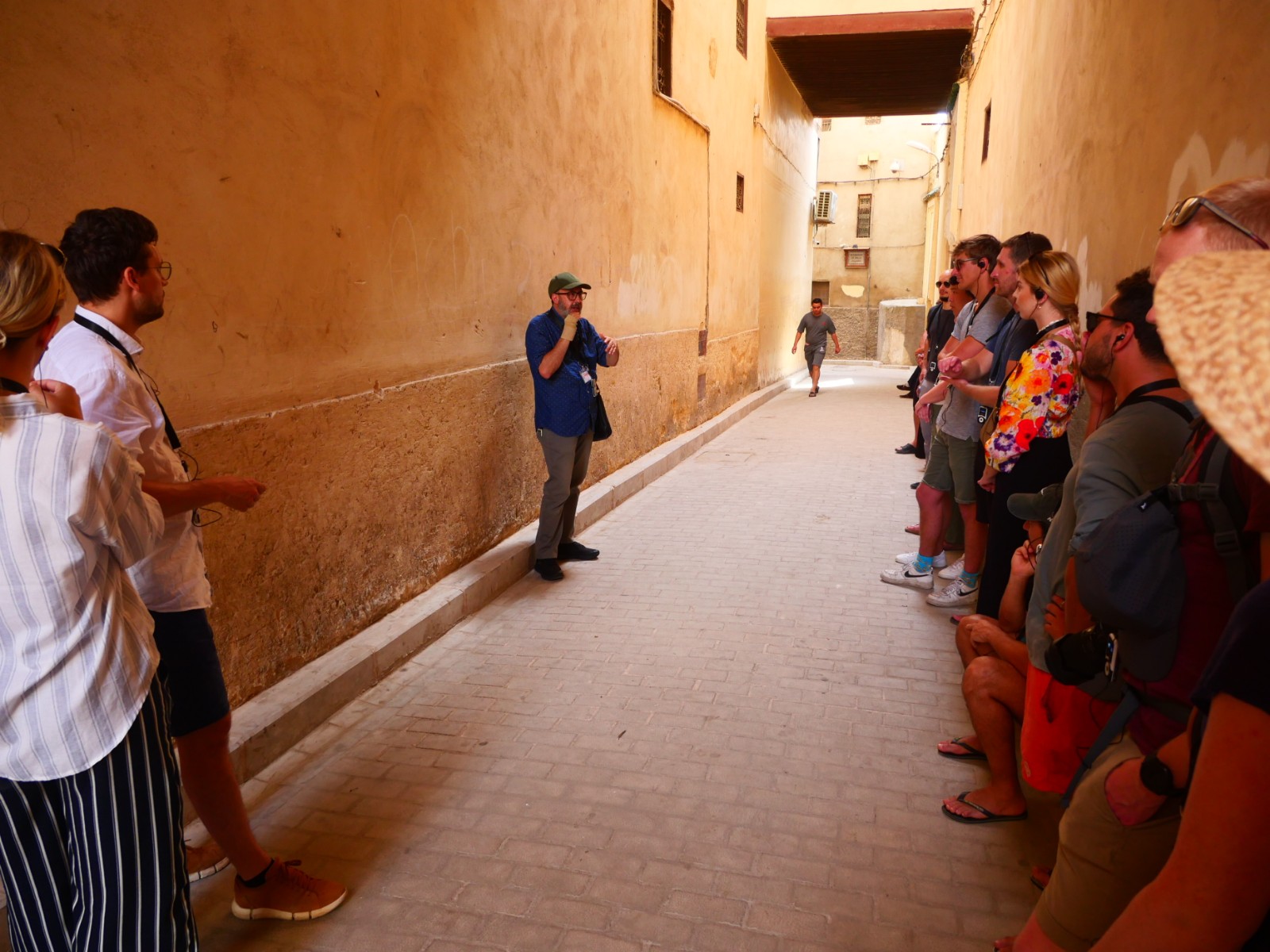
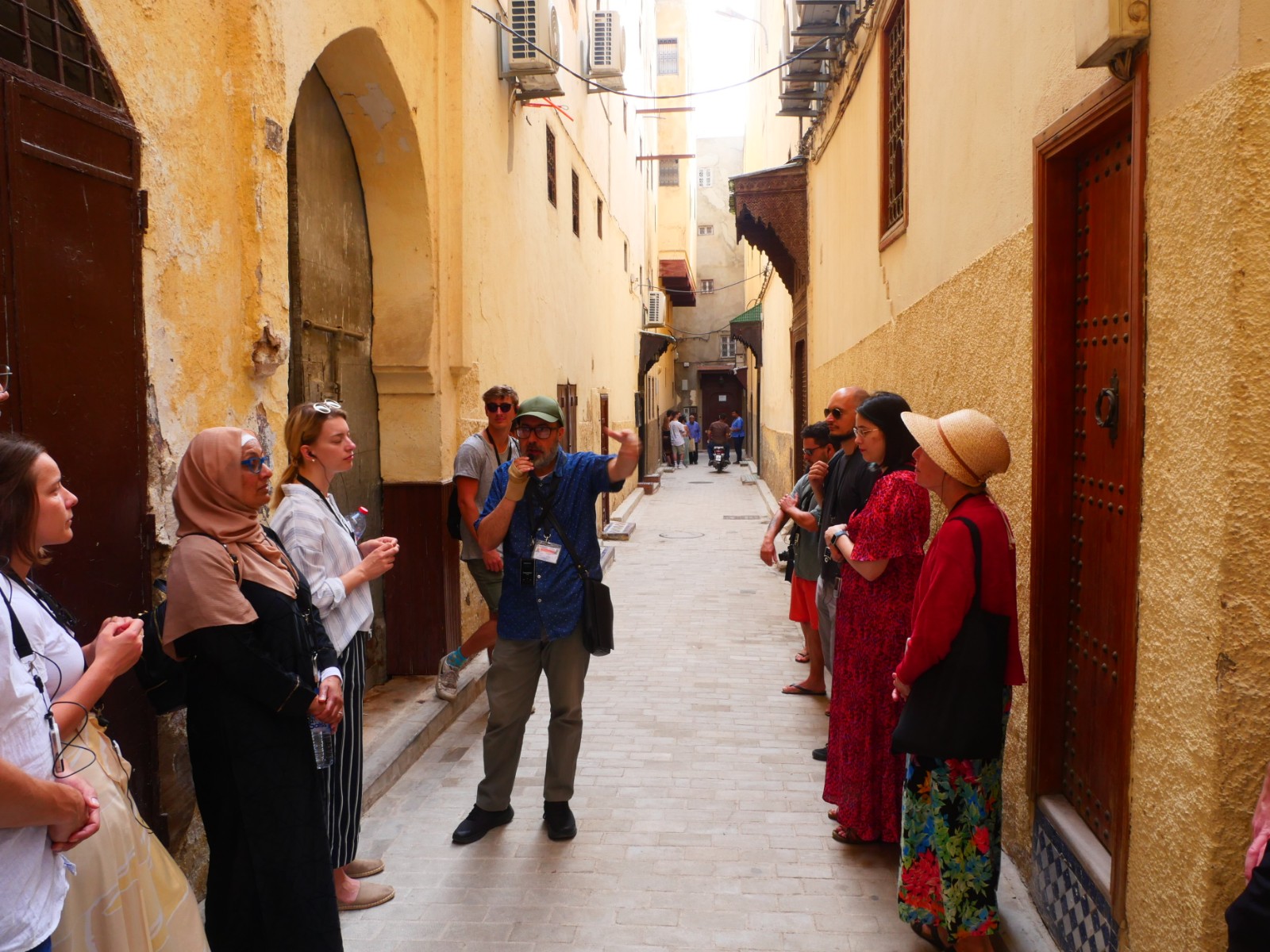
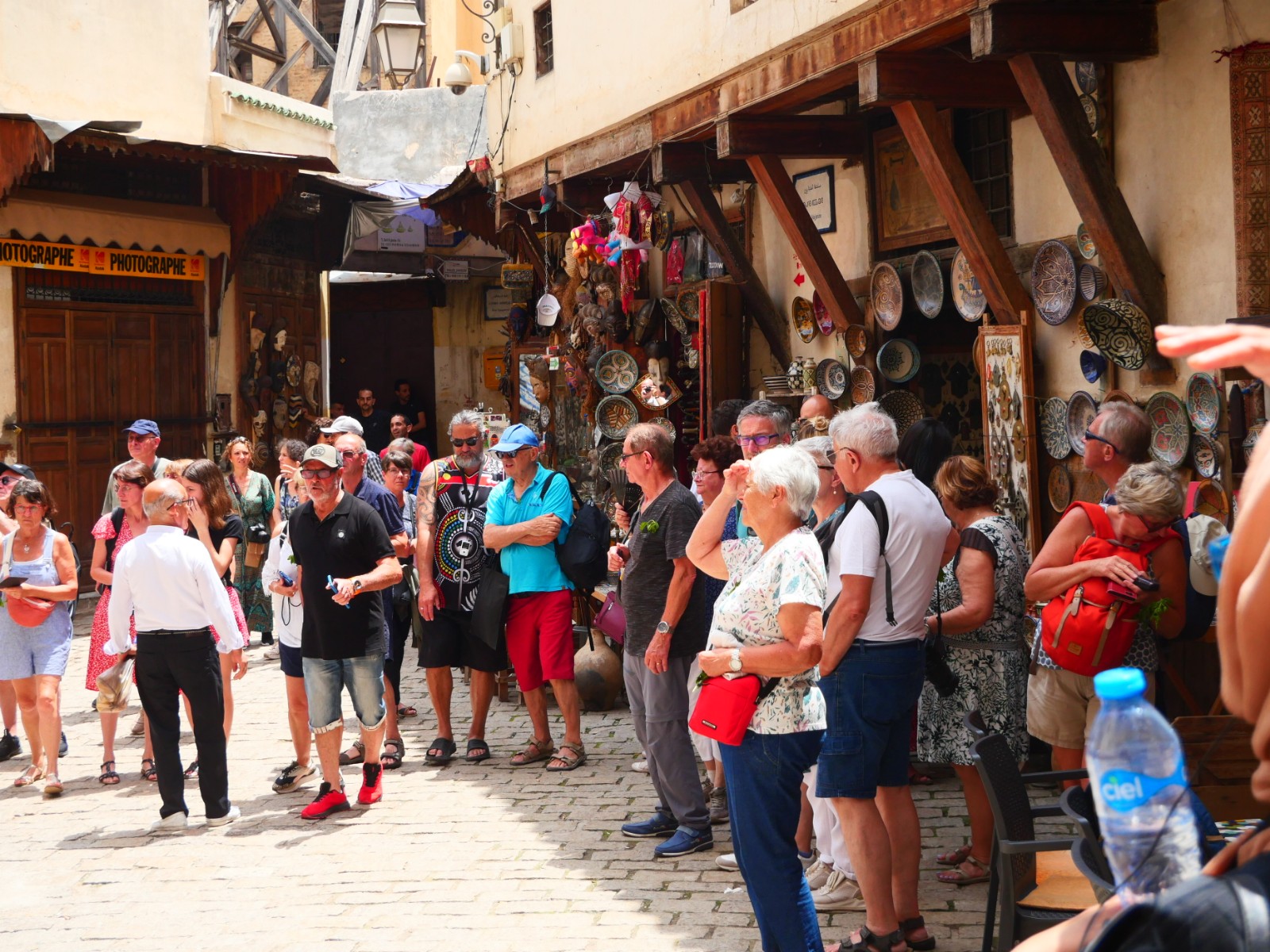
As an aside, I should note that was is the first time we have taken a tour which used a wireless transmitter and headsets for all the participants. Although the system wasn’t 100% when we got into some of the really narrow and winding streets of the Medina, it was nonetheless a huge benefit in being able to hear what our guide was saying, particularly as we had a fairly large group of maybe 15 or 20 participants and, as one of its benefits it also meant that our guide could talk in a normal tone of voice – very comforting and reassuring! For me, it was a great demonstration and strong endorsement for the audio enhancement systems we have made a standard in NJSDA school classrooms in New Jersey.
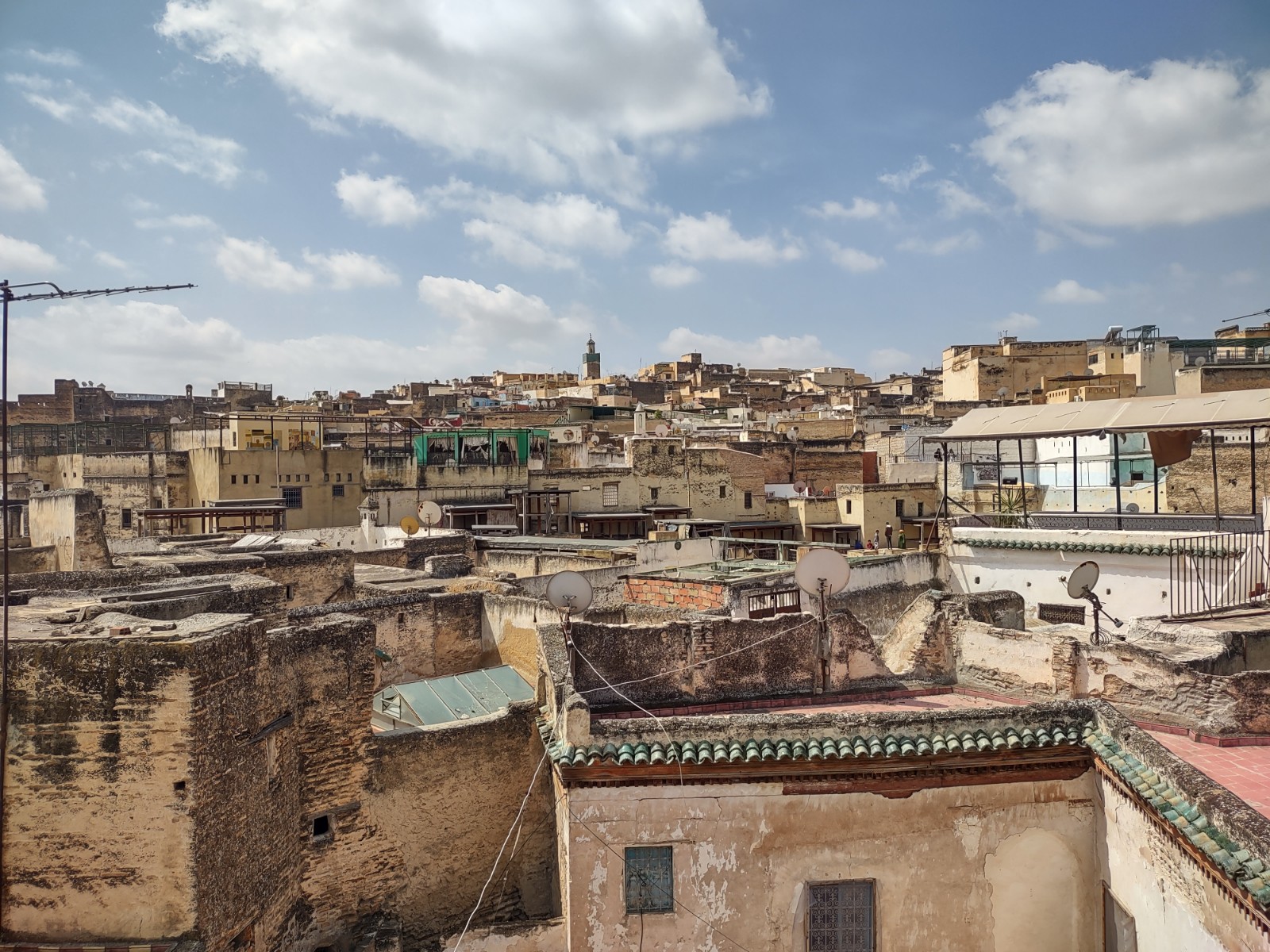
So, back to the tour. I should probably note here that the Fes Medina is composed of two distinct areas: the Fes el-Jdid (or new town) which dates back to the 13th century, and the Fes el-Bali (or old town) which dates back to the 8th century which was the part of the Medina we were touring. The site for Fes was chosen because of the proximity of natural resources like wood but most importantly because of its location between two rivers, as having a reliable source of water is essential, particularly in this part of the world. The upper of these two rivers (the Oued Fes) serves is the source of water for drinking and is piped throughout the Medina. Many of the better houses have their own water supplies (the fountain in our riad had been converted to a couch), but there are public fountains located throughout the Medina which continue to be used to this day by many of its residents. One of the interesting things we learned was that the color and patterning of tile in street signs can be used to lead you to the nearest fountain. We also learned that storm and used water are piped to the lower river (the Oued el-Mehraz) which reportedly provides natural cleaning of the water through the hundreds of miles over which it flows. It was pretty amazing to see such a sophisticated water distribution and sanitary drainage system in a city this old and to see it still functioning as it was intended after so many centuries.
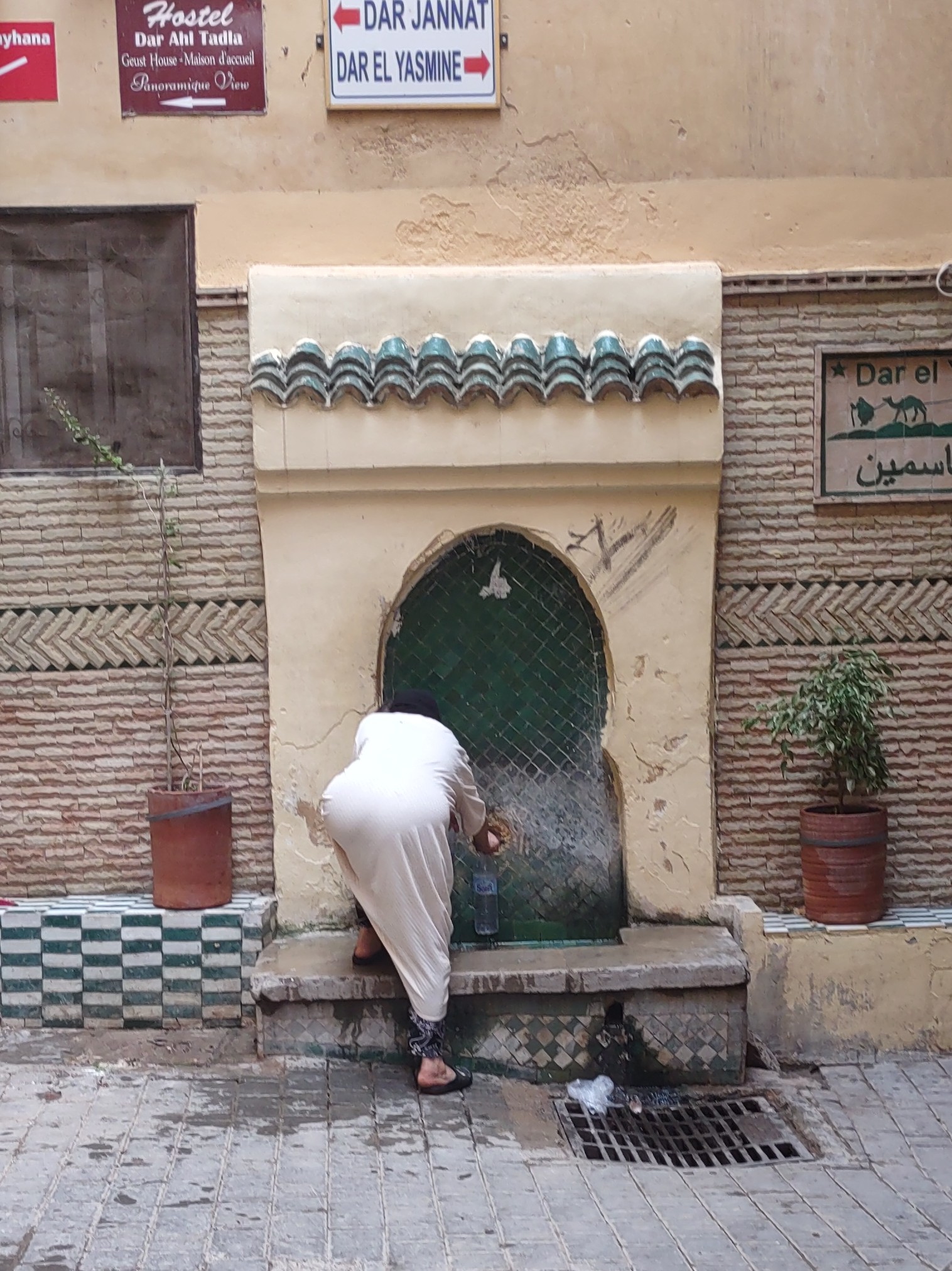

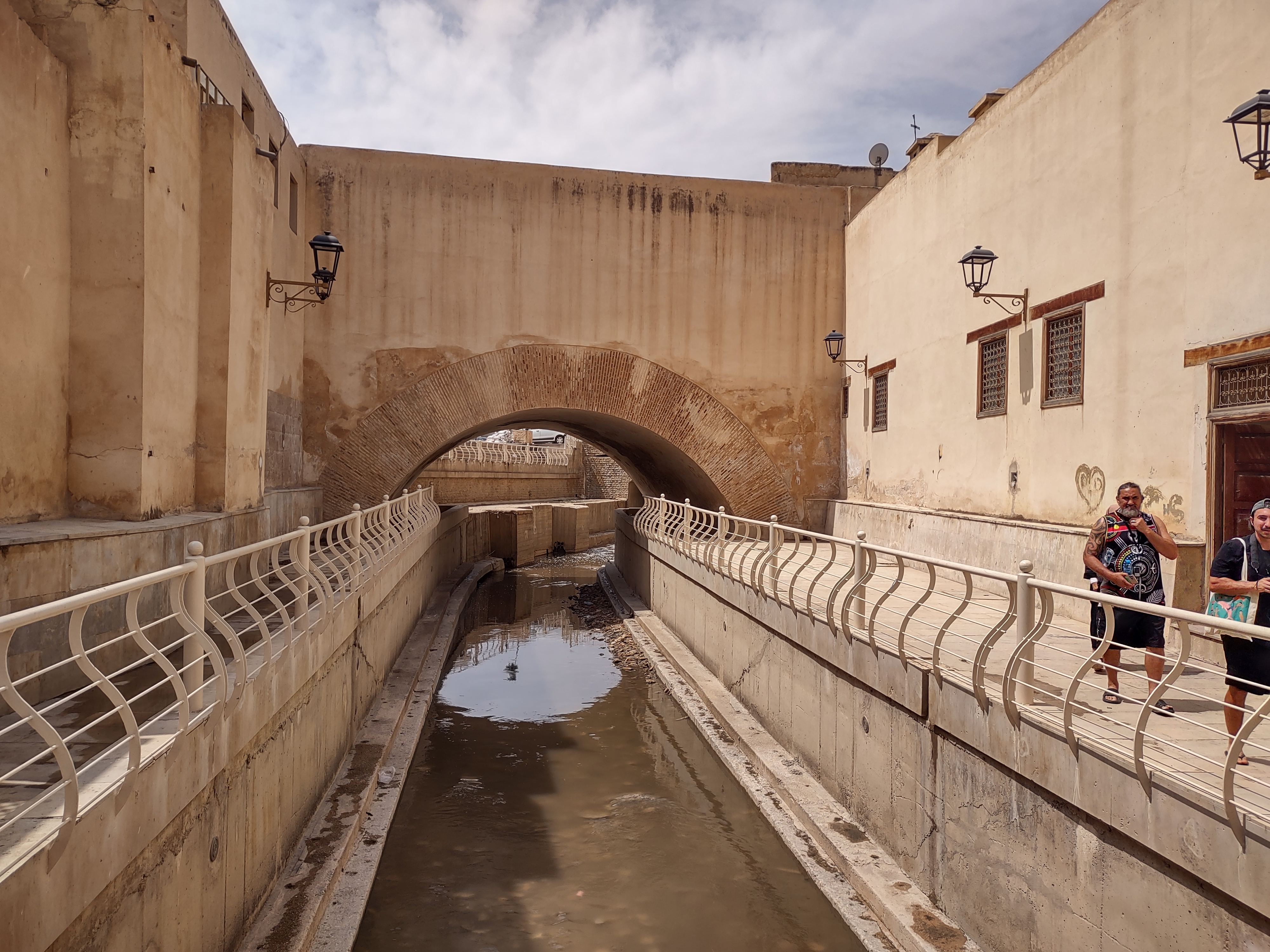
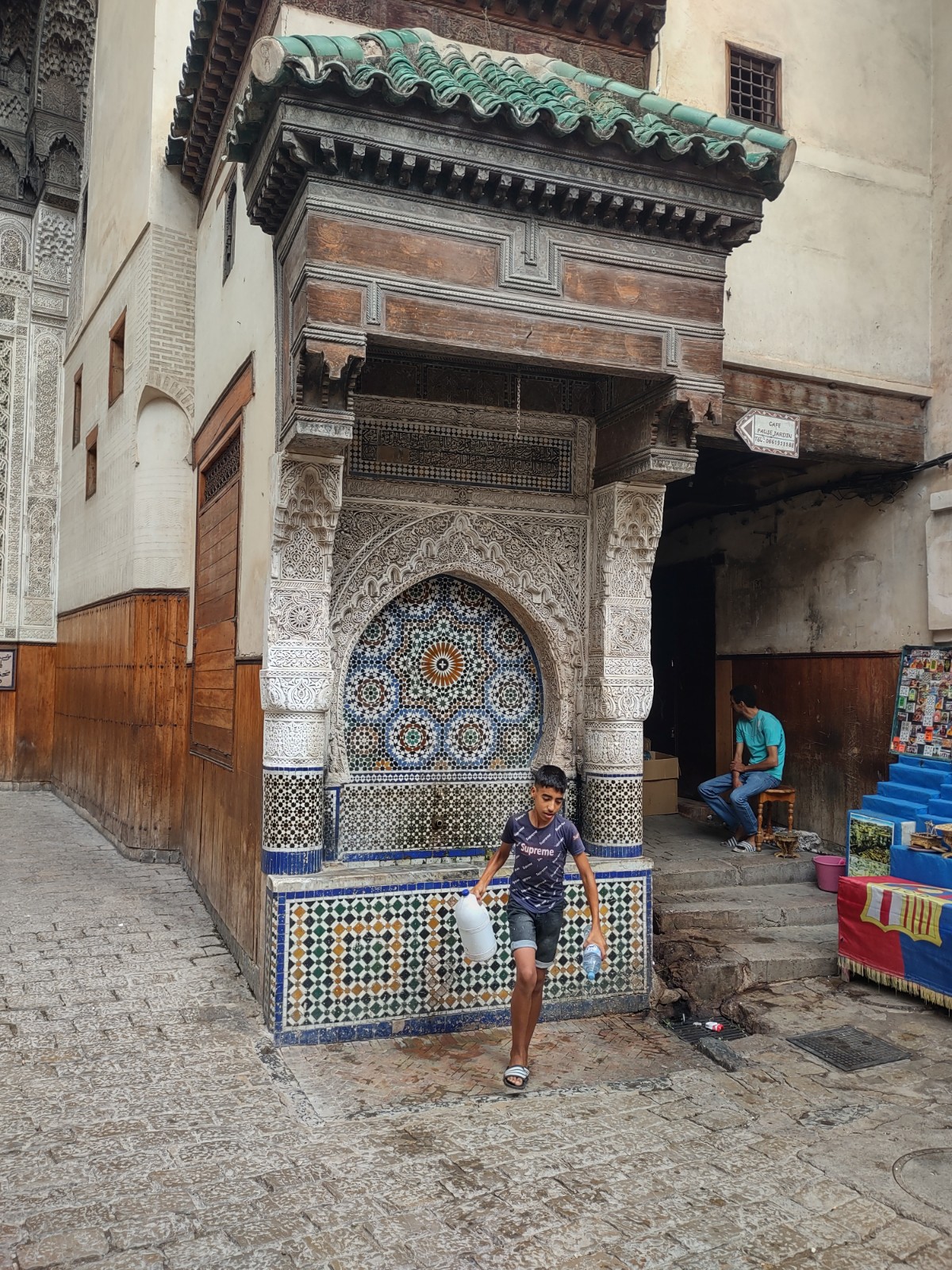

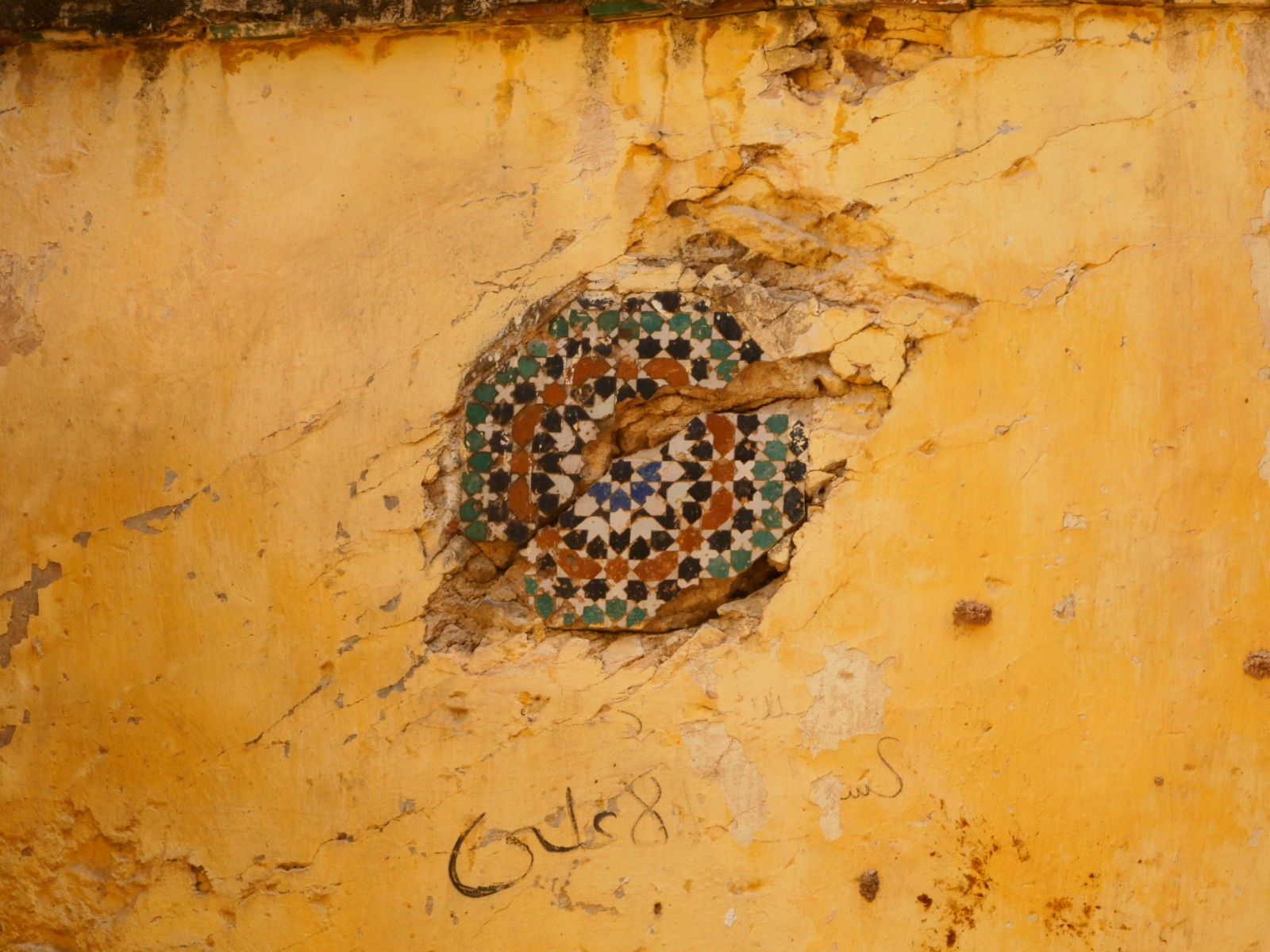
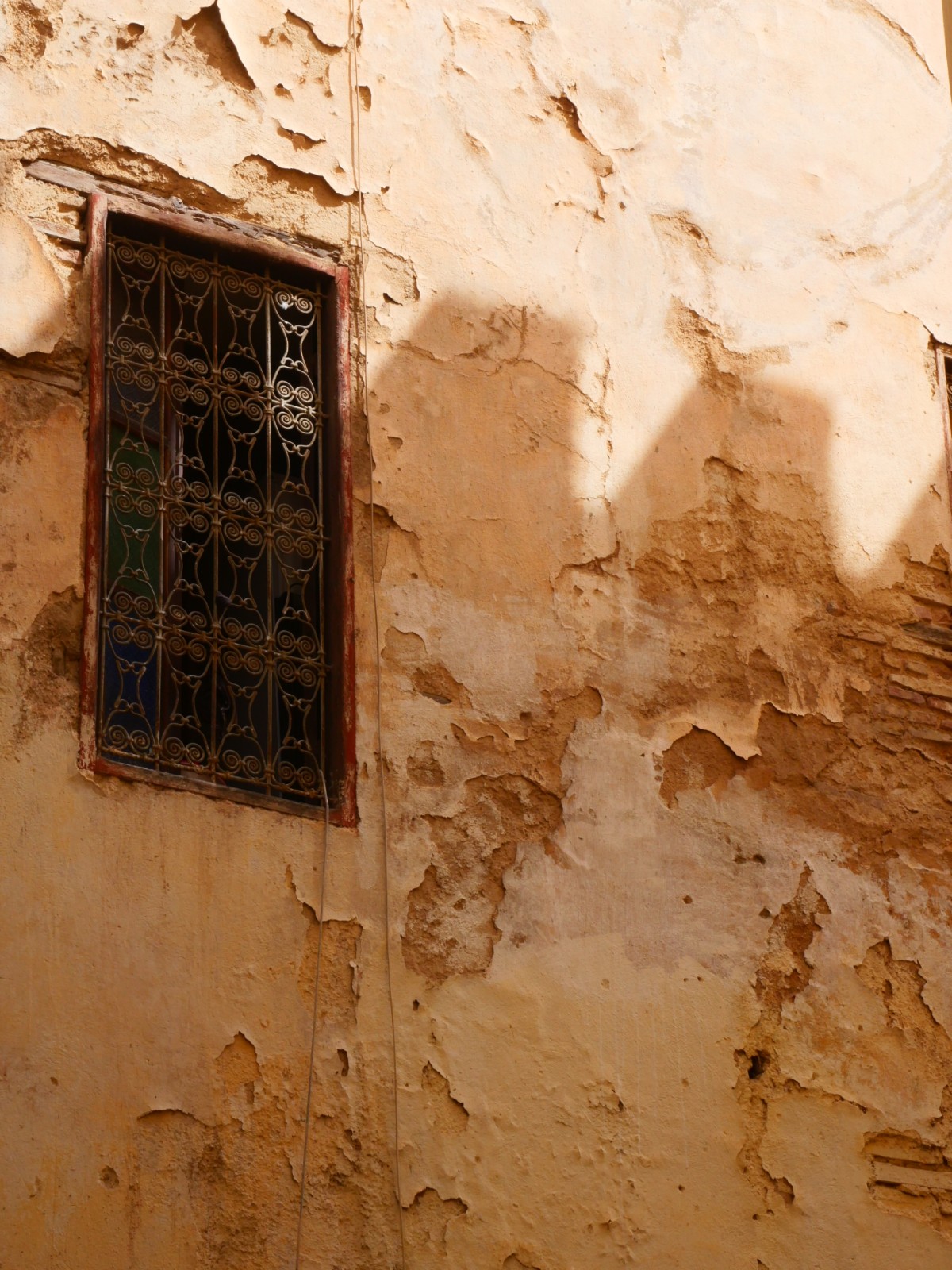
Our tour of the Fes El-Bali started in an area with much newer 20th century buildings and proceeded more or less chronologically downhill towards the lower river and the oldest original part of the Medina, travelling more or less 200 years in time for every 10 minutes of tour. Along the way we learned quite a bit about the design of traditional dwellings as well as the layout and design of the Medina itself. We learned that much of what drove the design of the houses was the necessity of providing privacy for the women of the household. To that end, most houses had very small windows and a small separate door by which the father or other men of the household could enter without disturbing any women who might be visiting. We also learned about what is called the harem window, a window with a wood grill which would allow women to look outside without being seen, and also about the keyhole window which was used to lower the housekey down to extended family members (households were very large) to avoid having to climb up and down stairs.

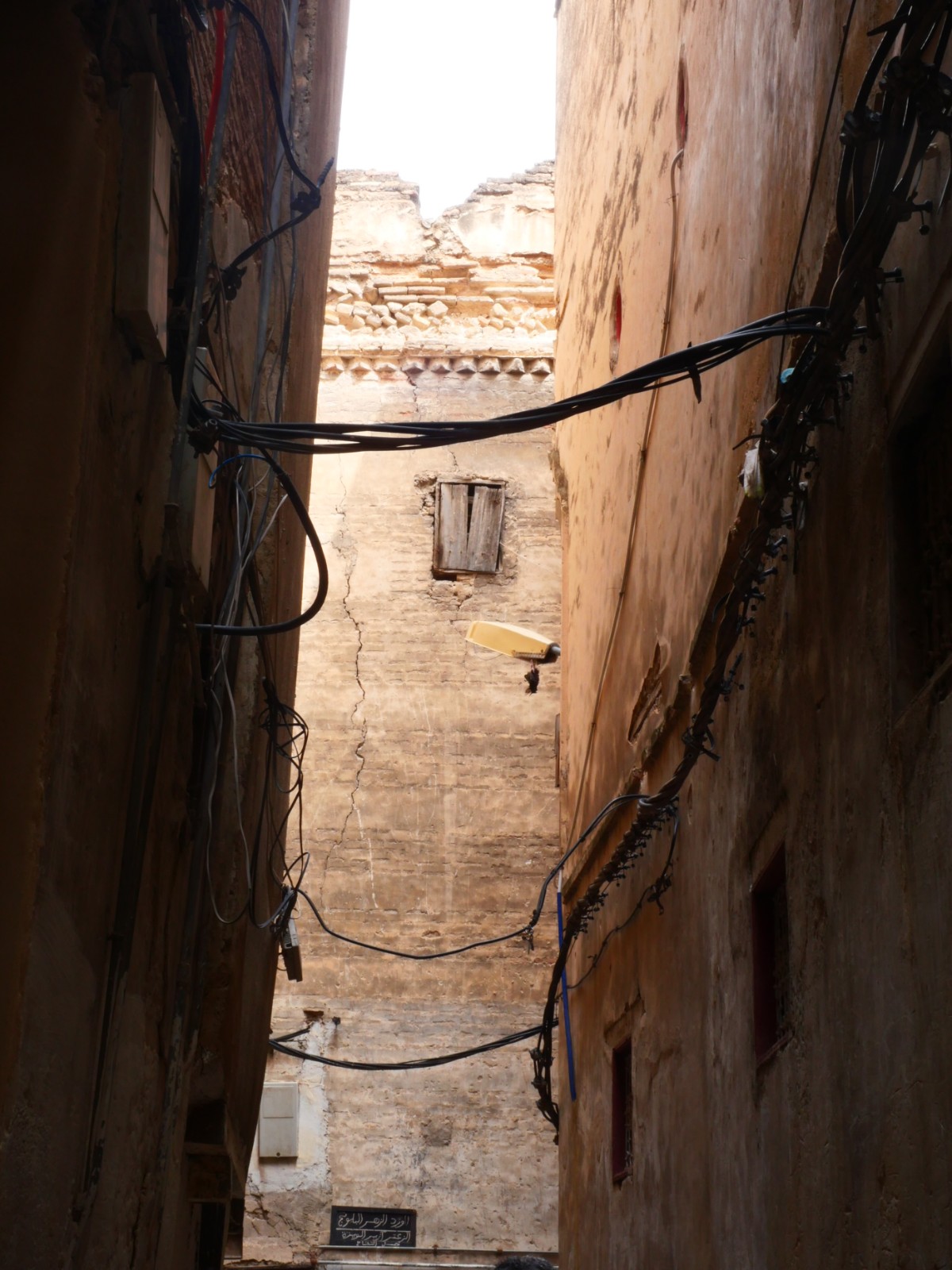
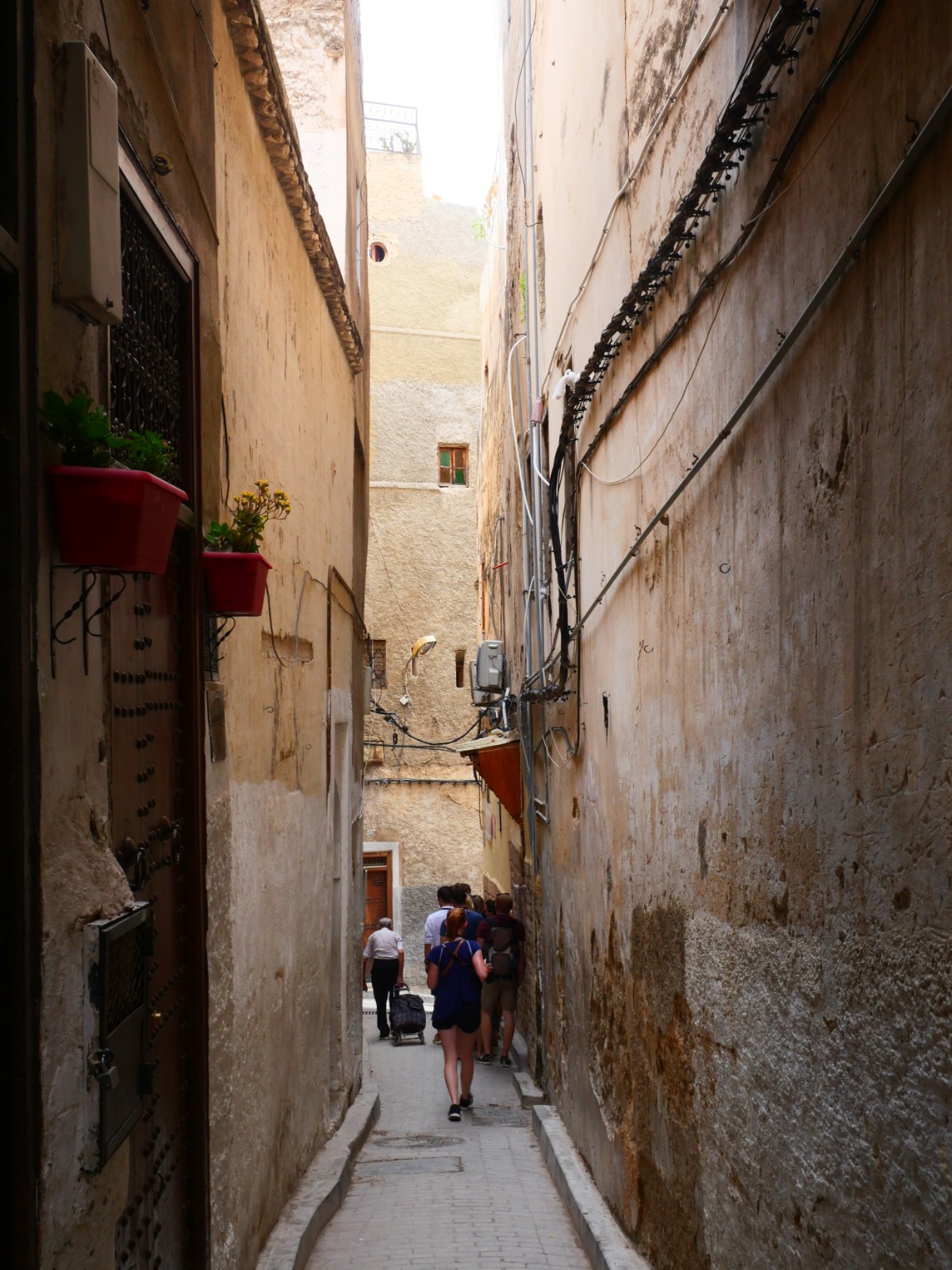
It was also very interesting to learn how the design of the Medina itself was, to a great extent, based on defense against attacks from the outside. Aside from the walls and gates of the Medina, which were the first line of defense, it turns out that the maze-like arrangement of the streets is purposeful and intended to confuse invaders and get them lost. (We also learned that you can tell which streets are dead-ends and which are through-streets by the shape of the street sign which proved to be quite useful.) The narrowness of the streets is intended to force groups of invaders, particularly those on horseback, to proceed in single file and discovered that many of the low ceilinged internal gatehouses are intended to serve as a similar dissuader.

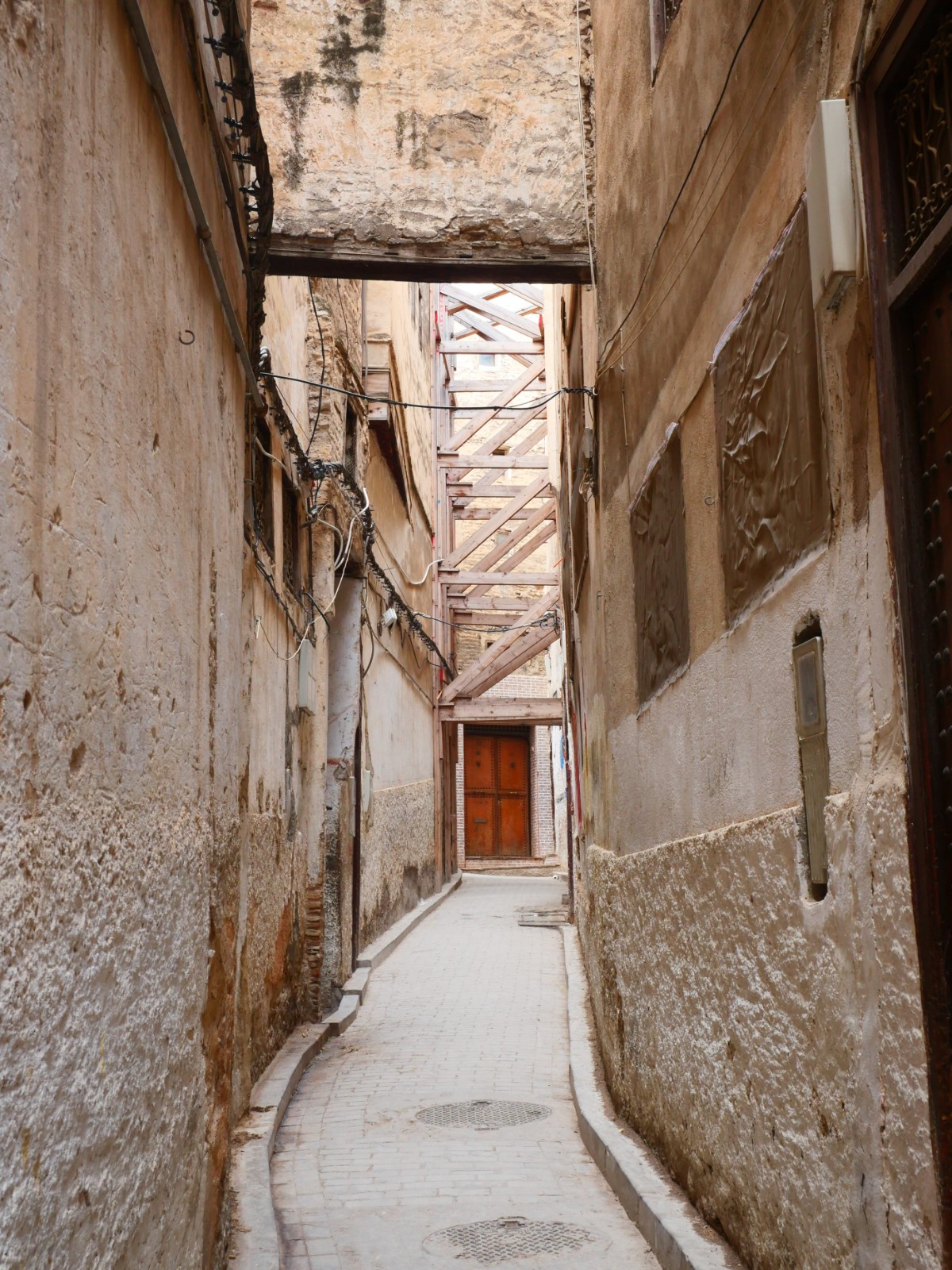
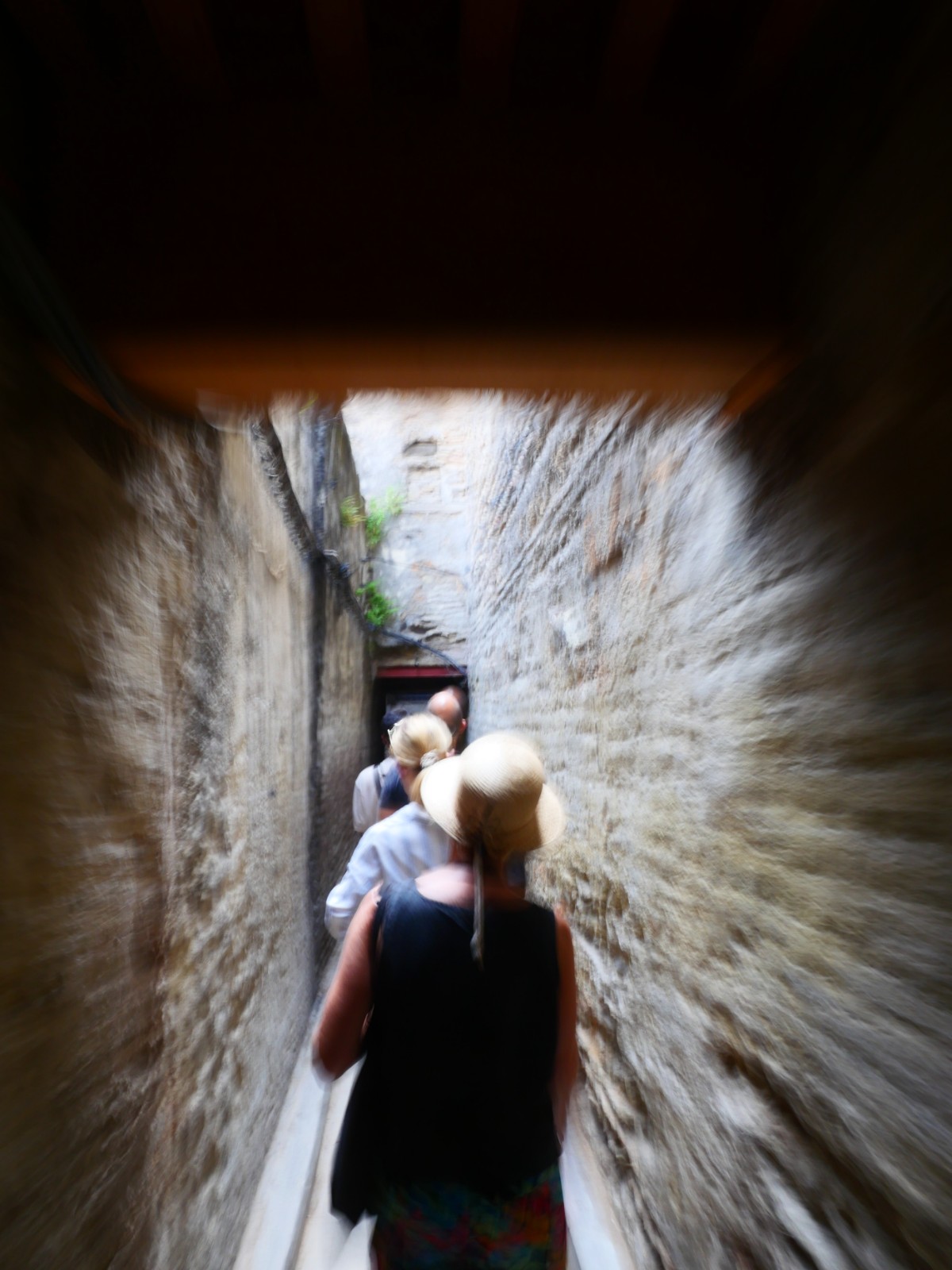


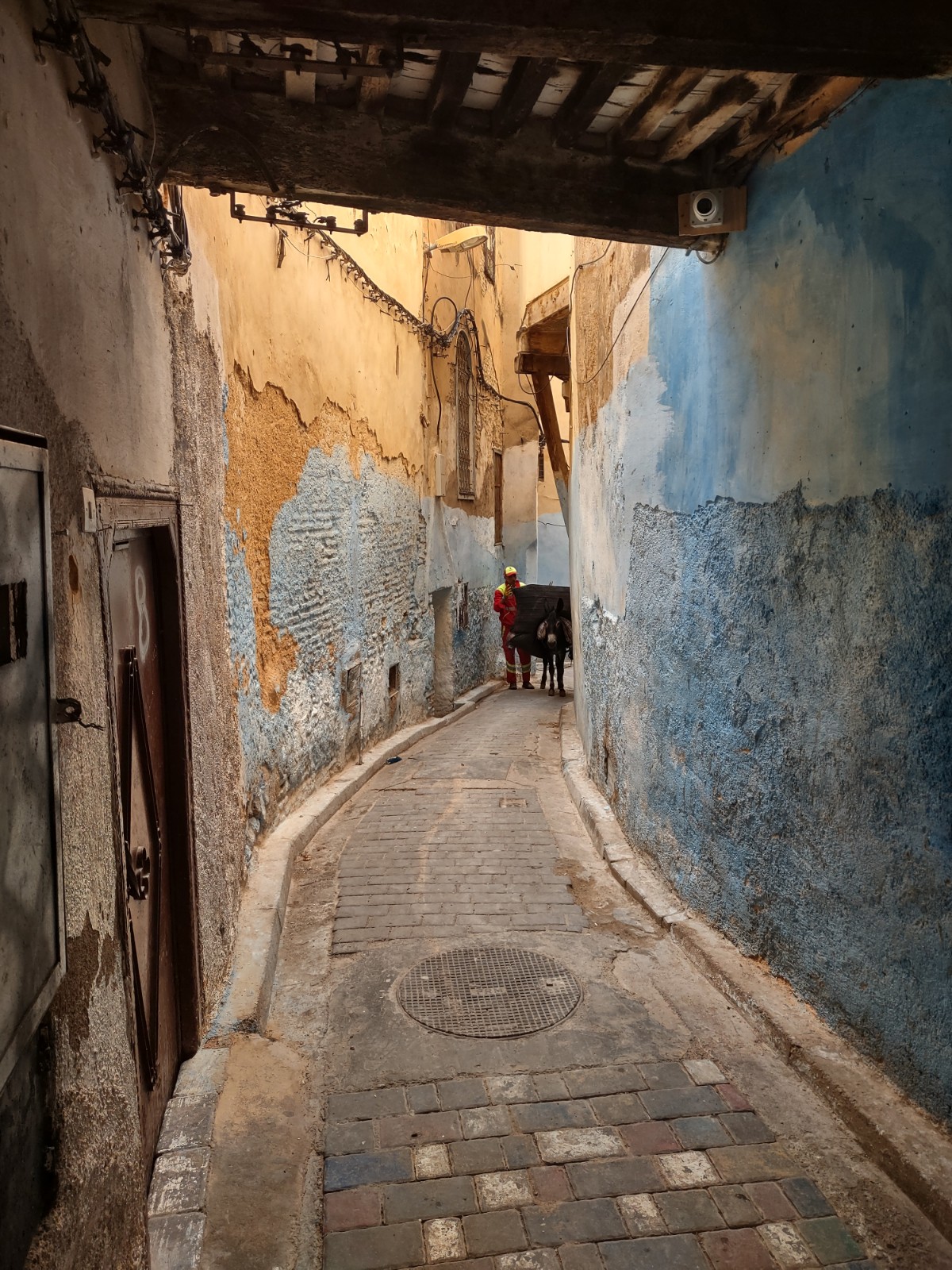
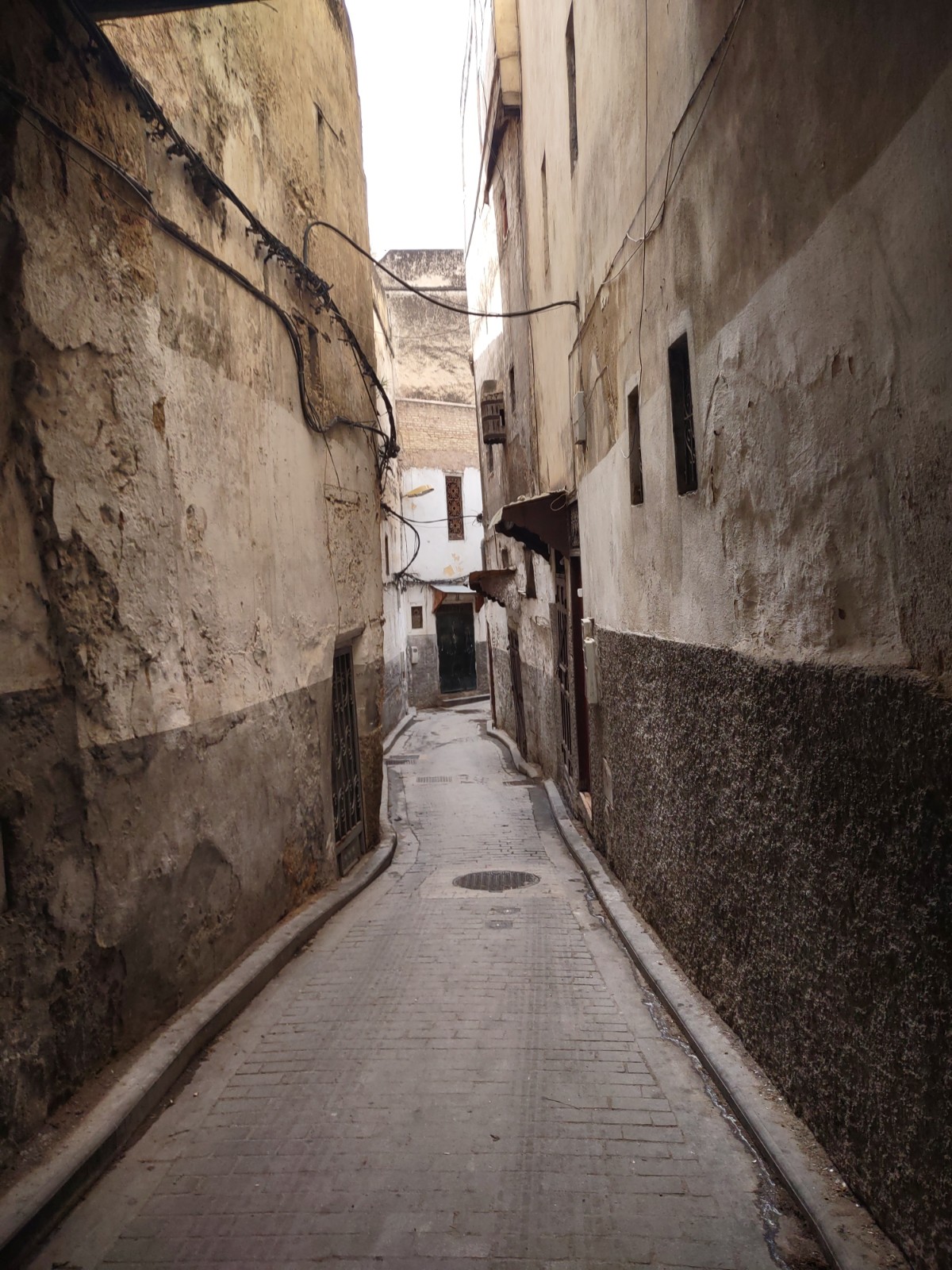

Along the way we passed a number of interesting building and sites perhaps most notably the University of al-Qarawiyyin (or Kairaouine) the oldest university in the world which was, ironically, founded by a woman who could not have attended as, because demand was so high, only men were permitted to attend. Our time travel tour concluded at the house of Moulay (King) Idriss the Second, the founder of Fes, the first building constructed in Fes dating to the 9th century. We also saw his nearby mausoleum and discovered that there is a brass ornament outside the mausoleum which grants three wishes if you rub it (something we made a point of doing every time we passed it thereafter).
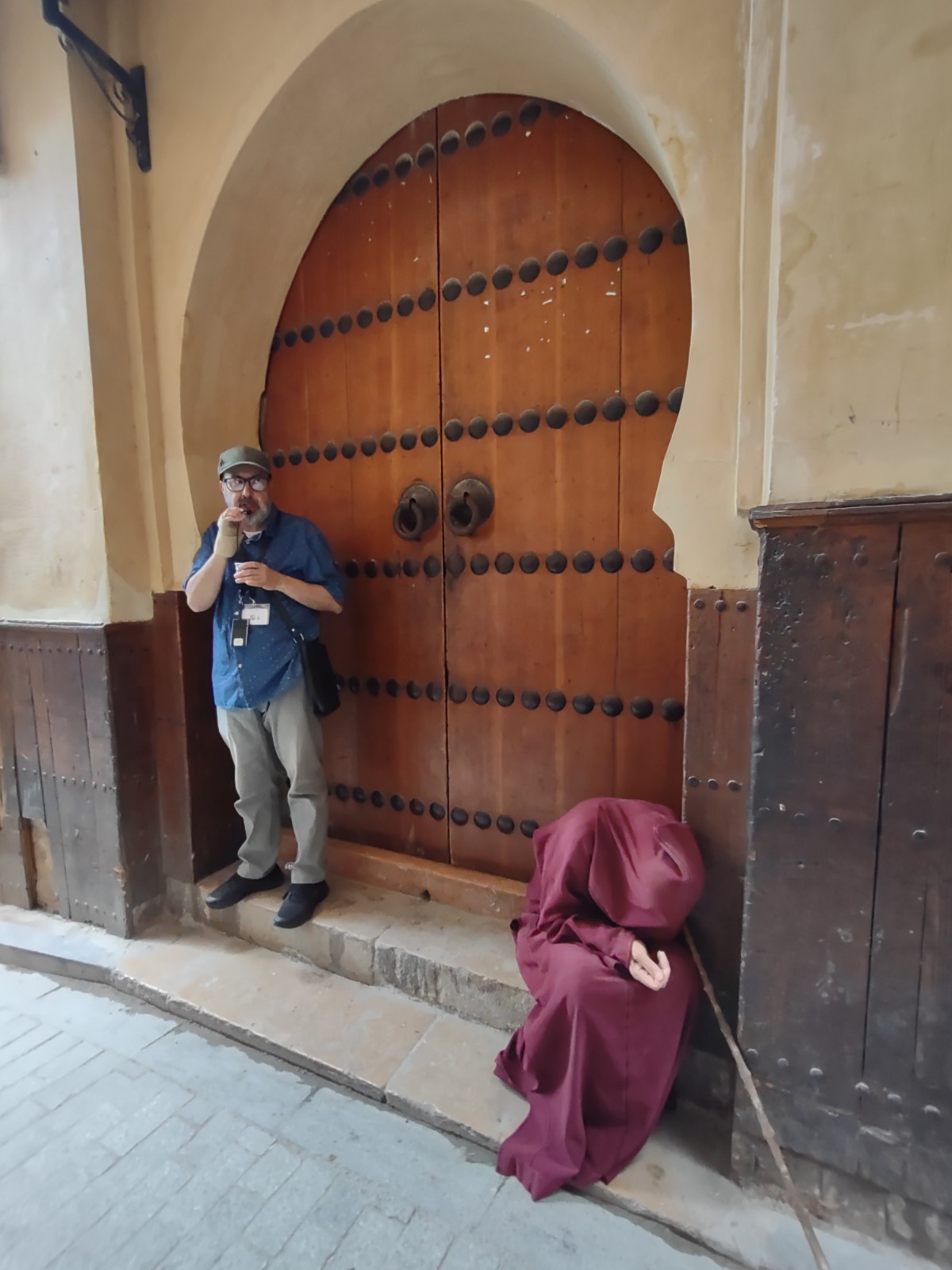
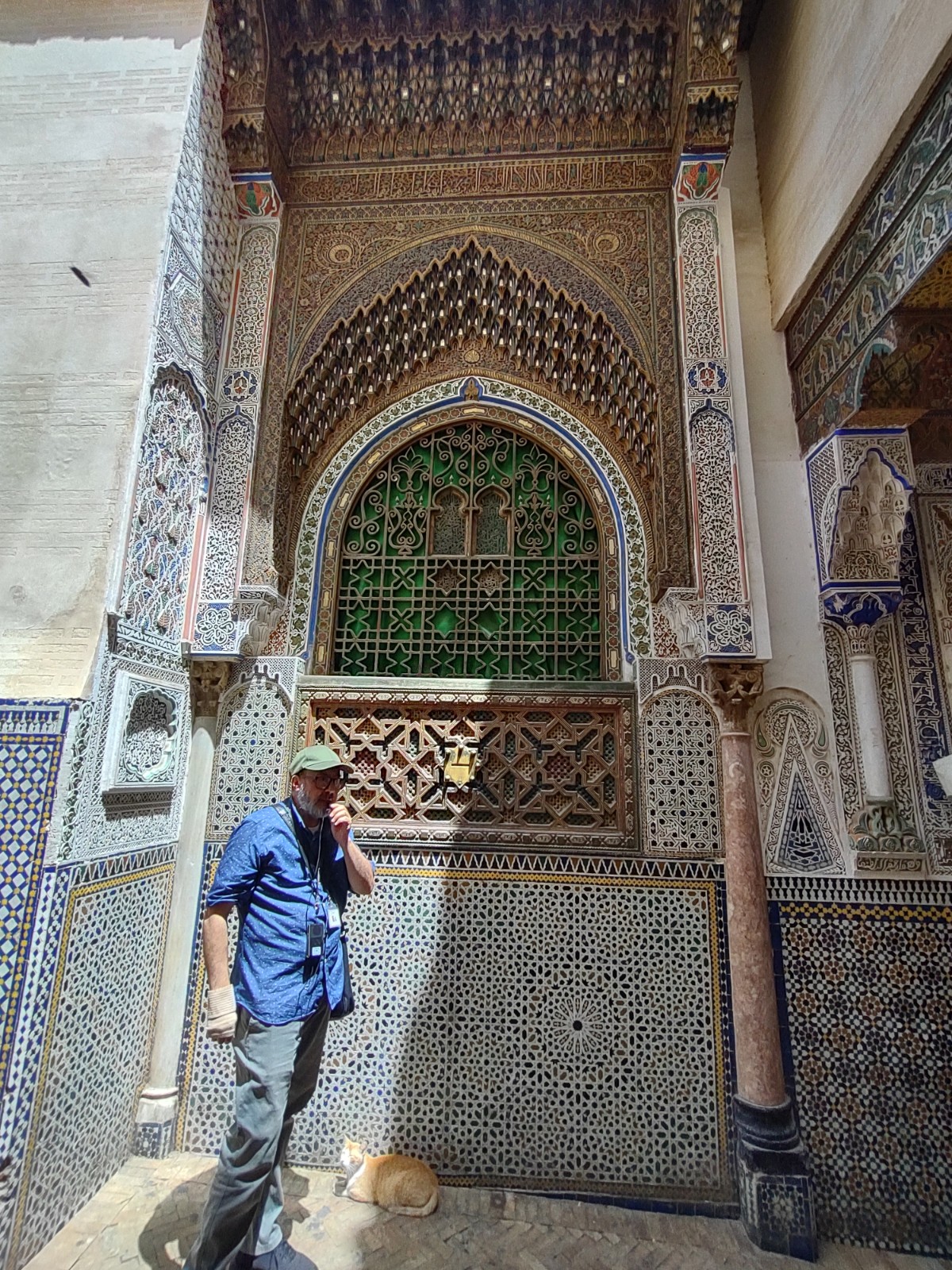

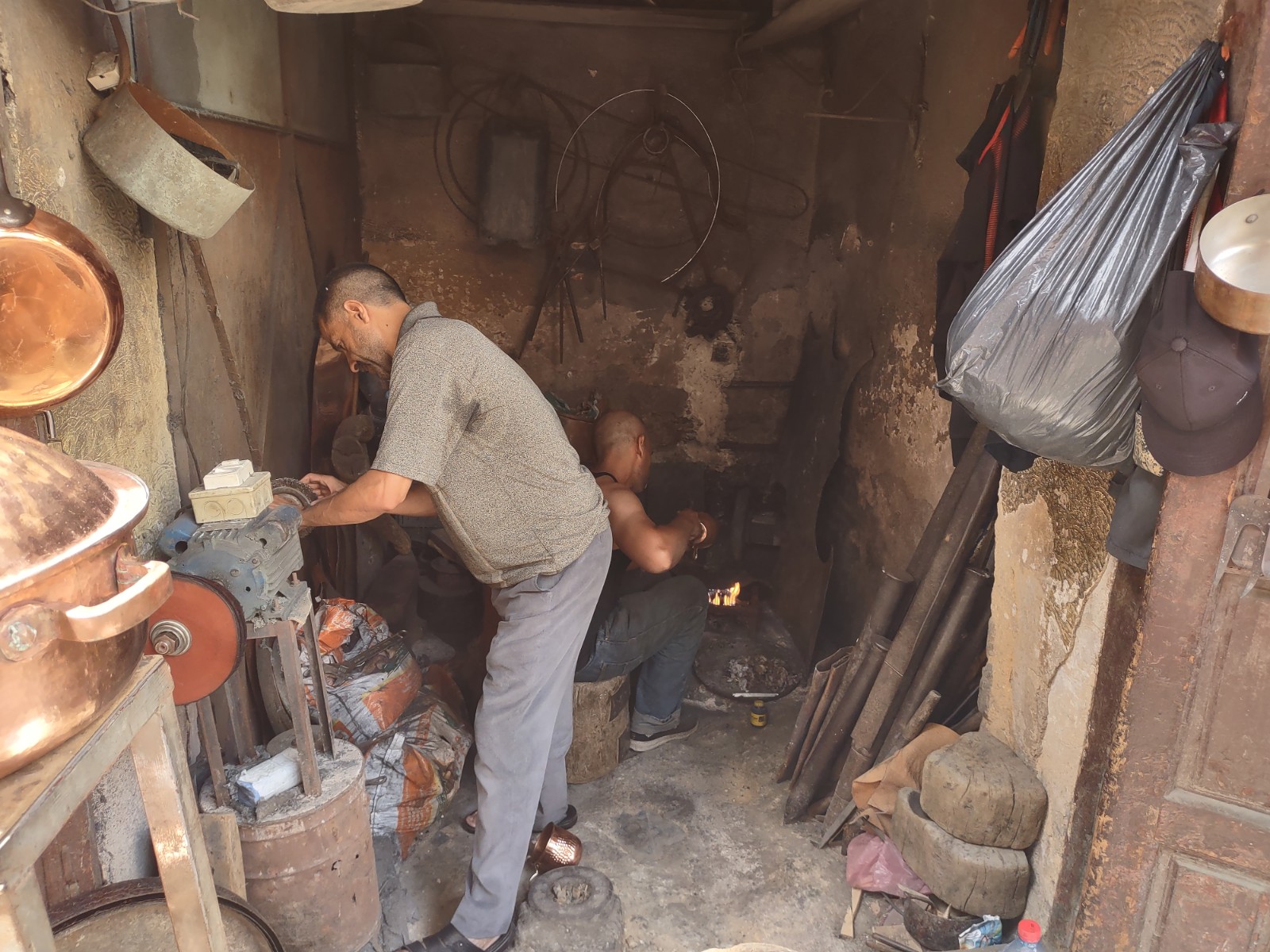
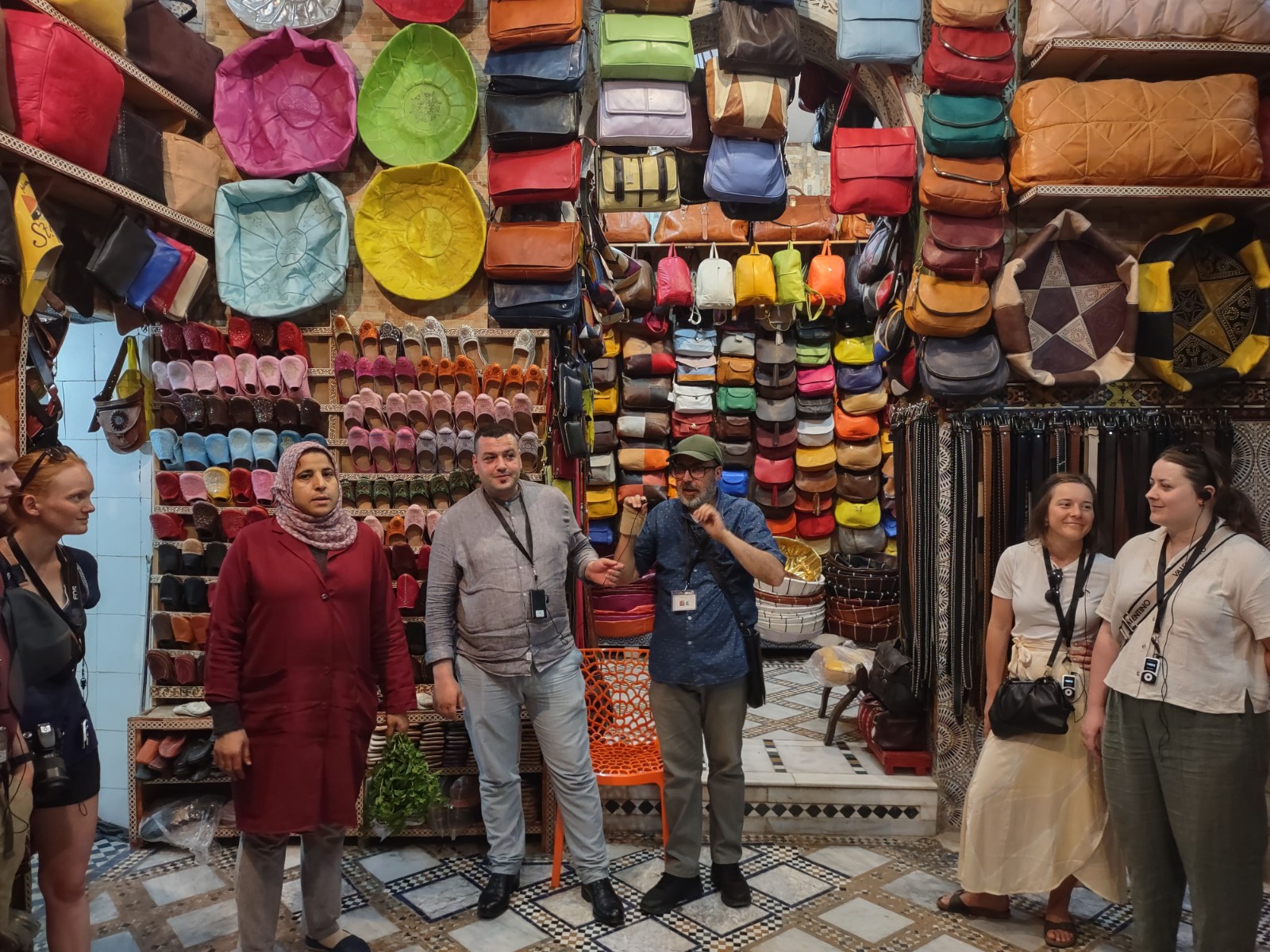
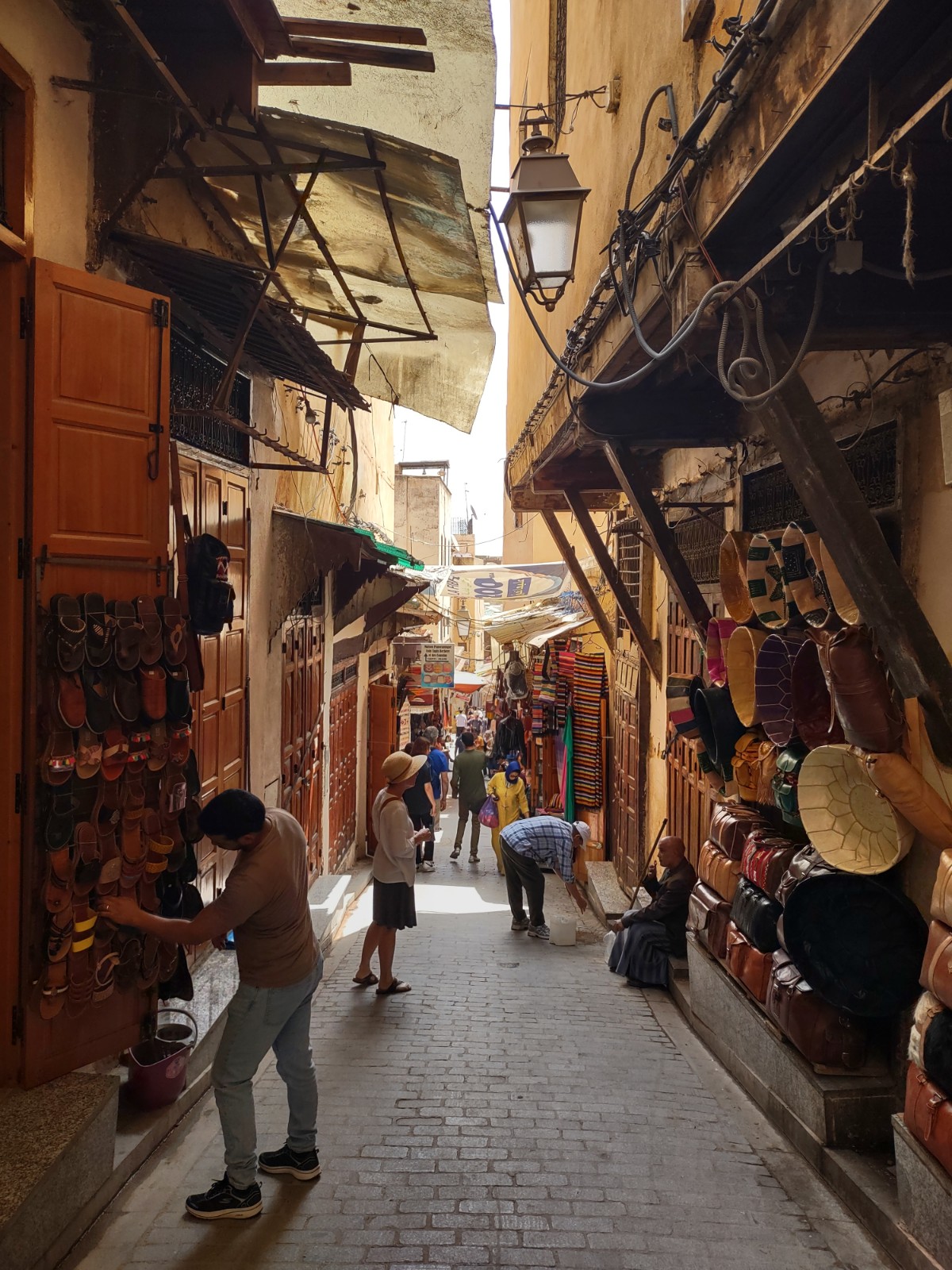
During the tour we had the opportunity to see many of the markets in the area, almost all of which included workshops where we were able to see how the various items offered for sale (with the exception of pottery and large tile works) were made. These included weaving and wood, metal, and small-scale tile making.
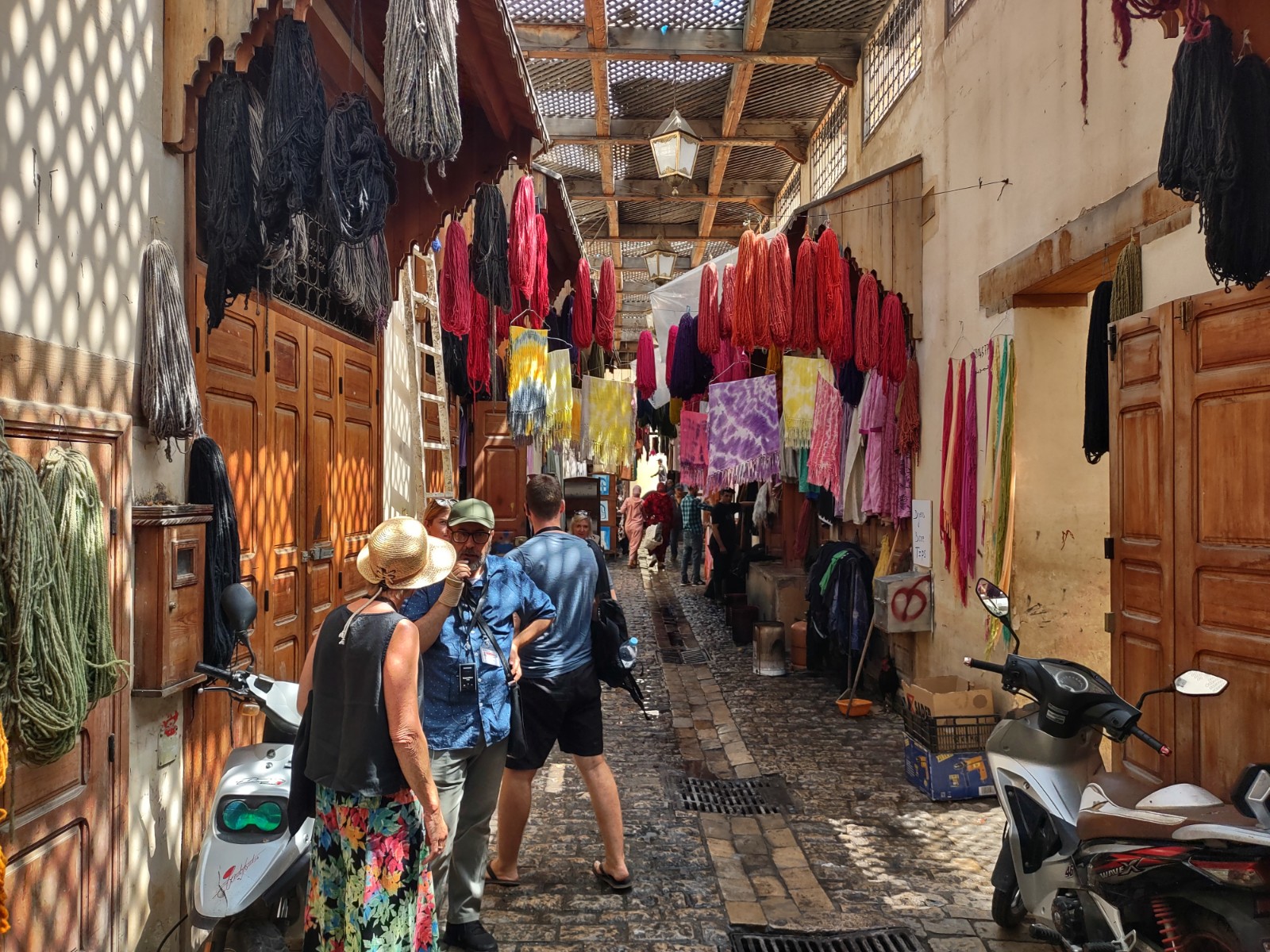
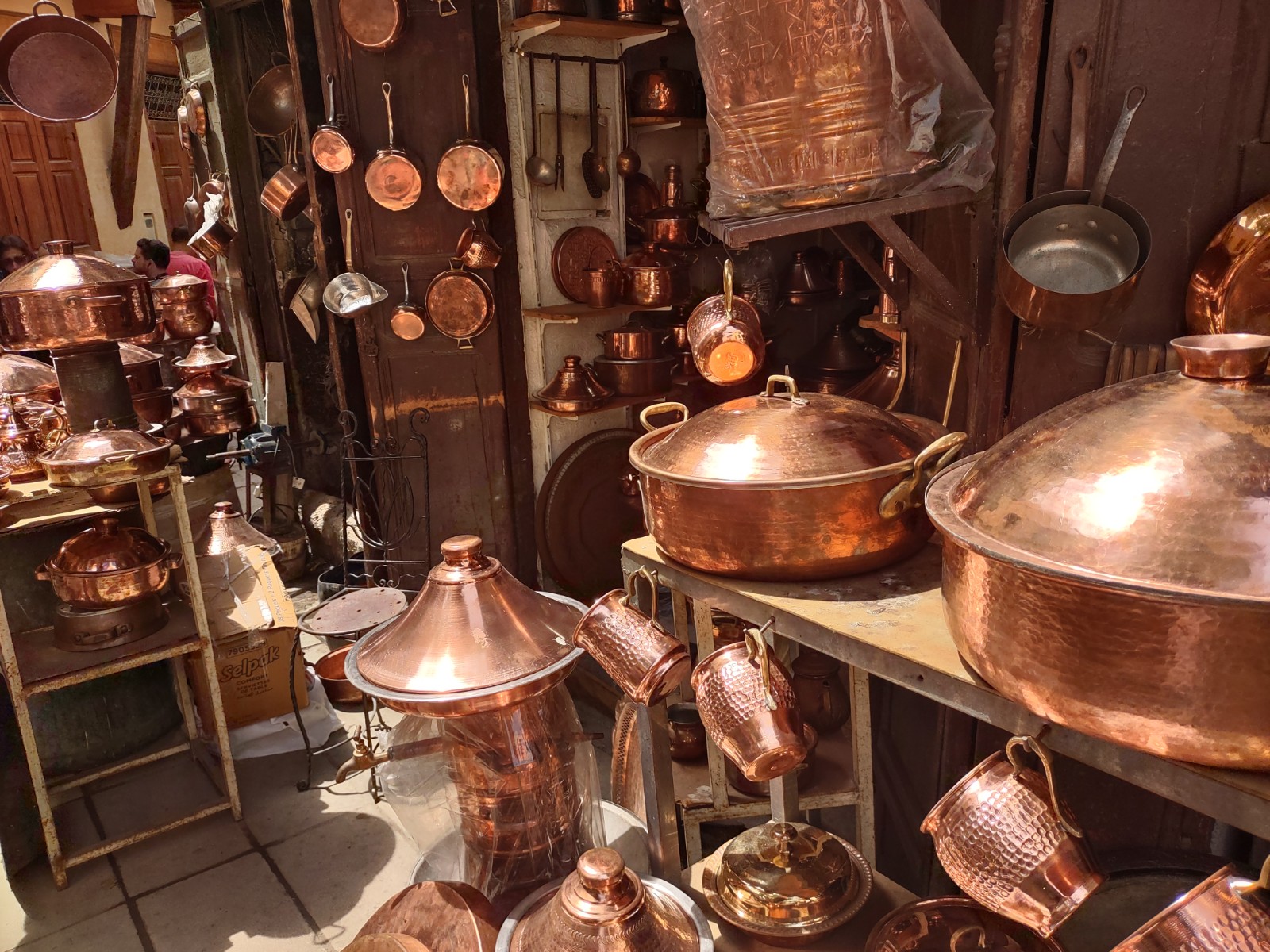
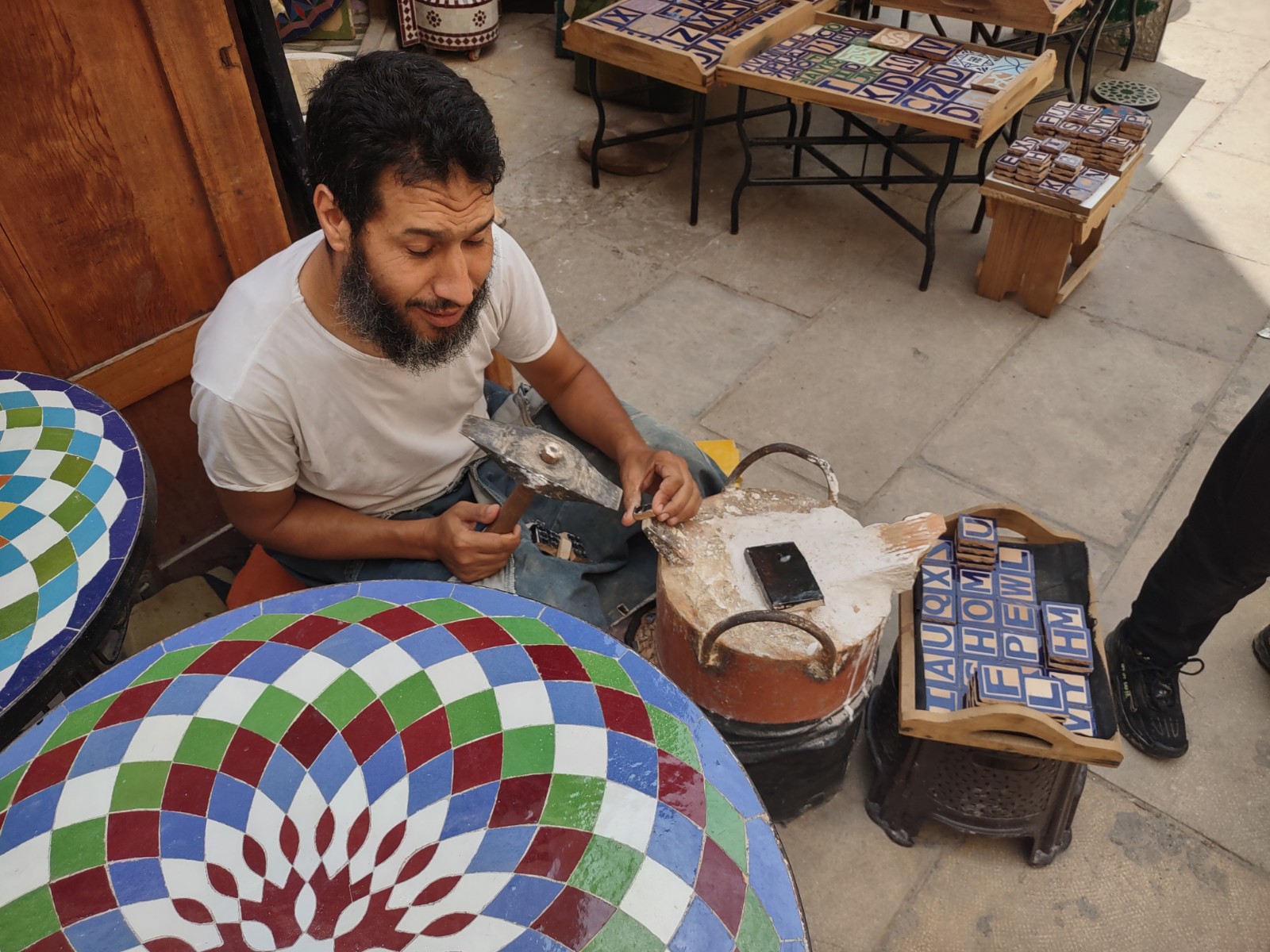
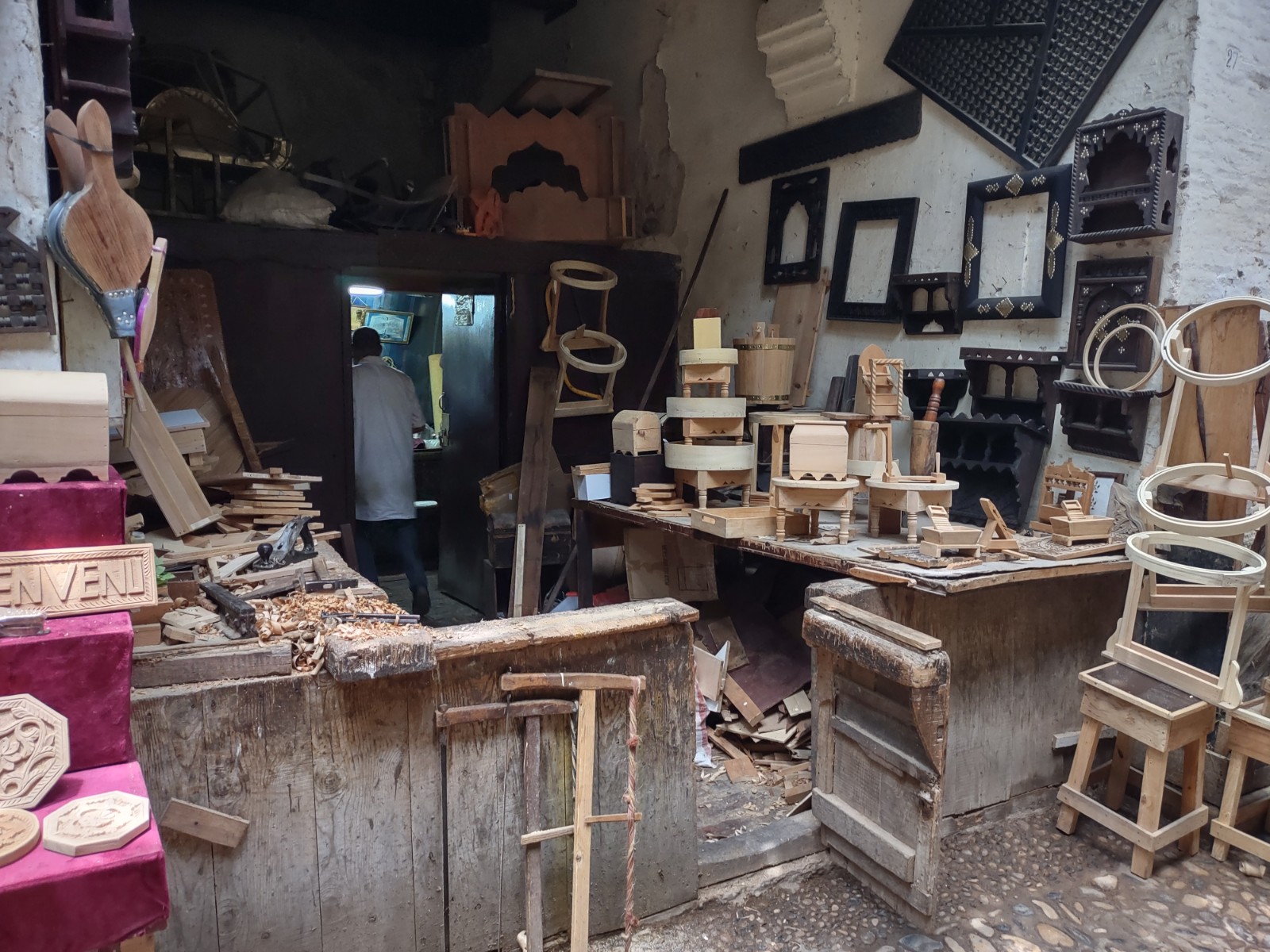
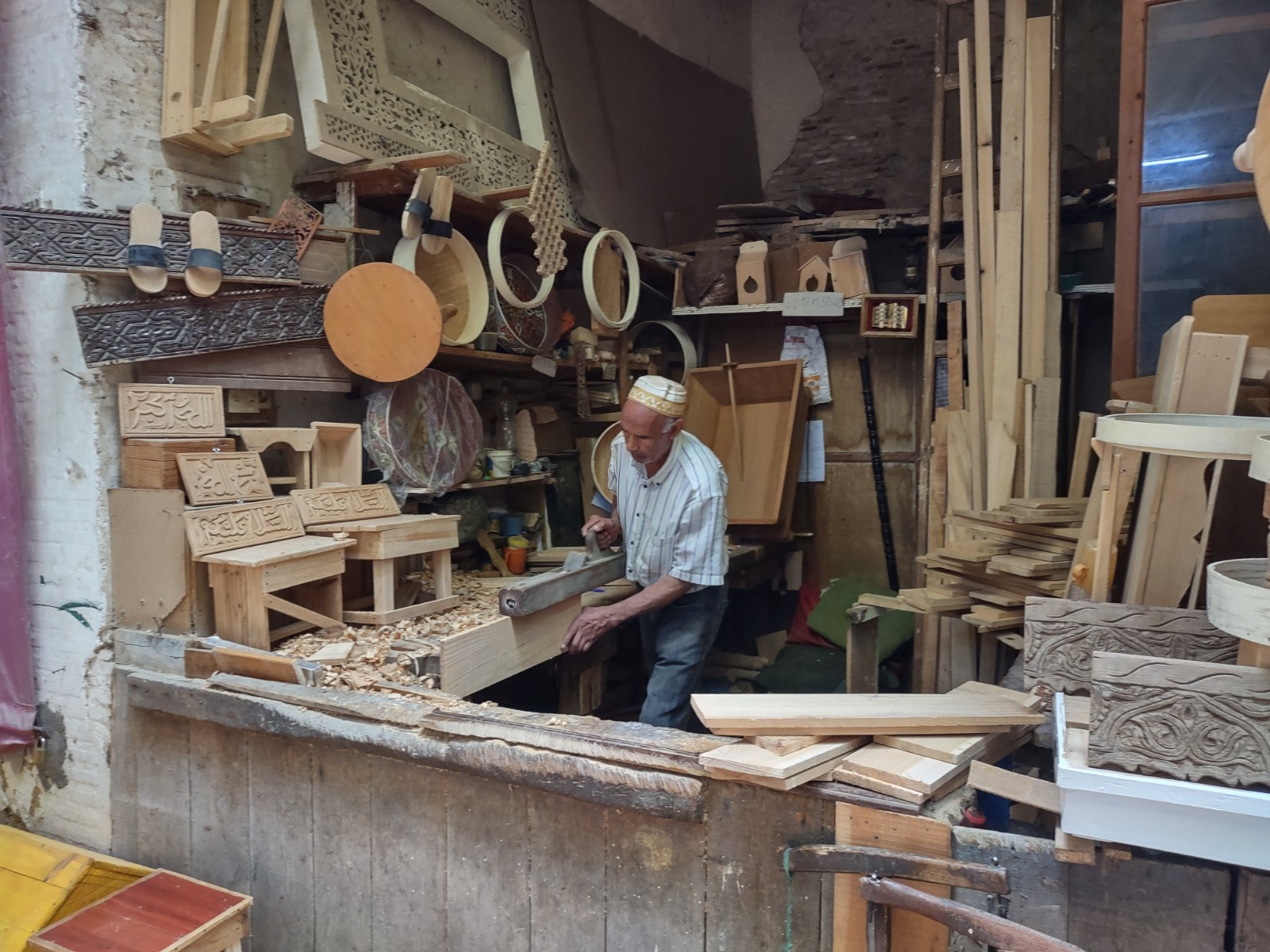
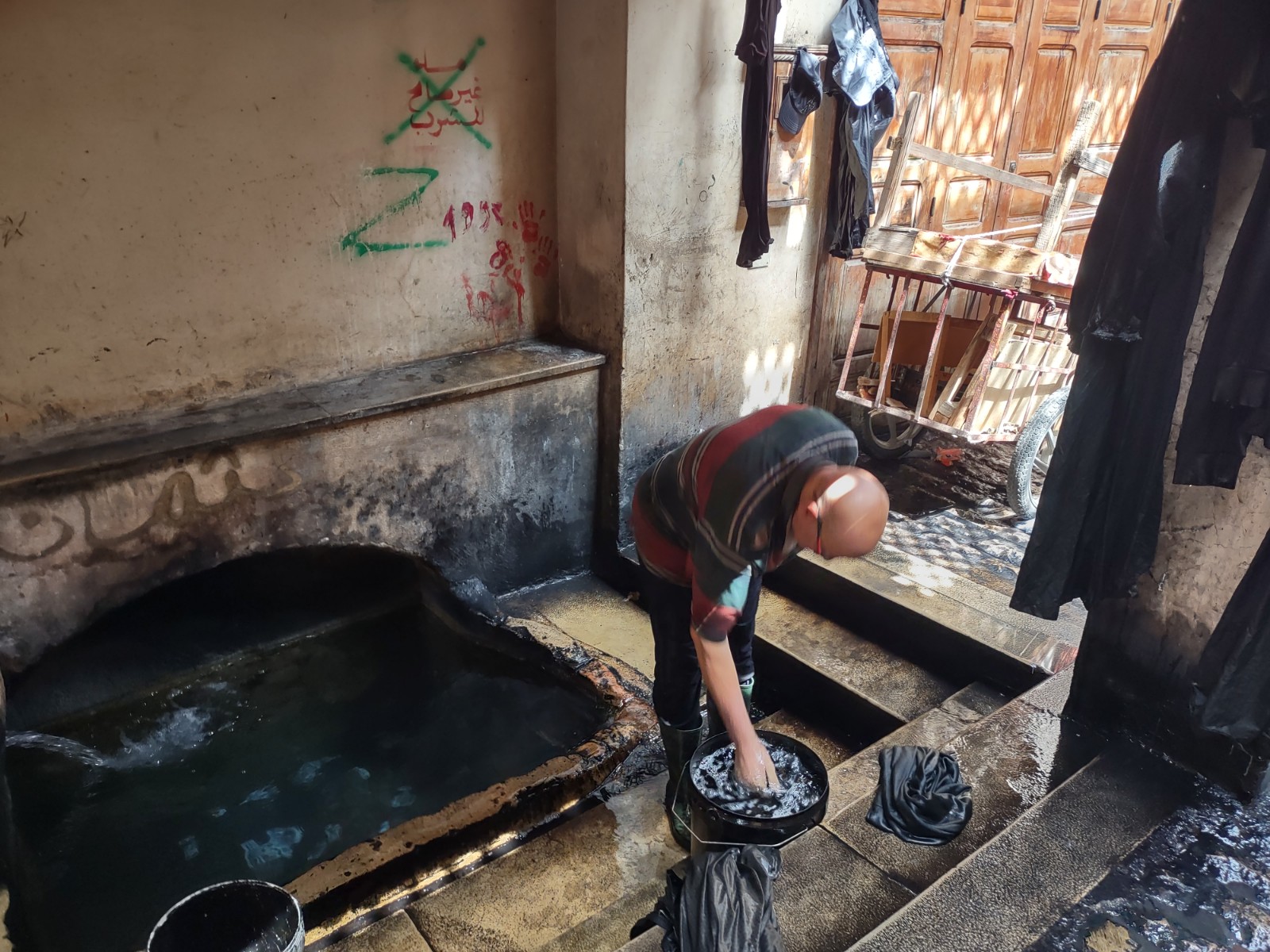
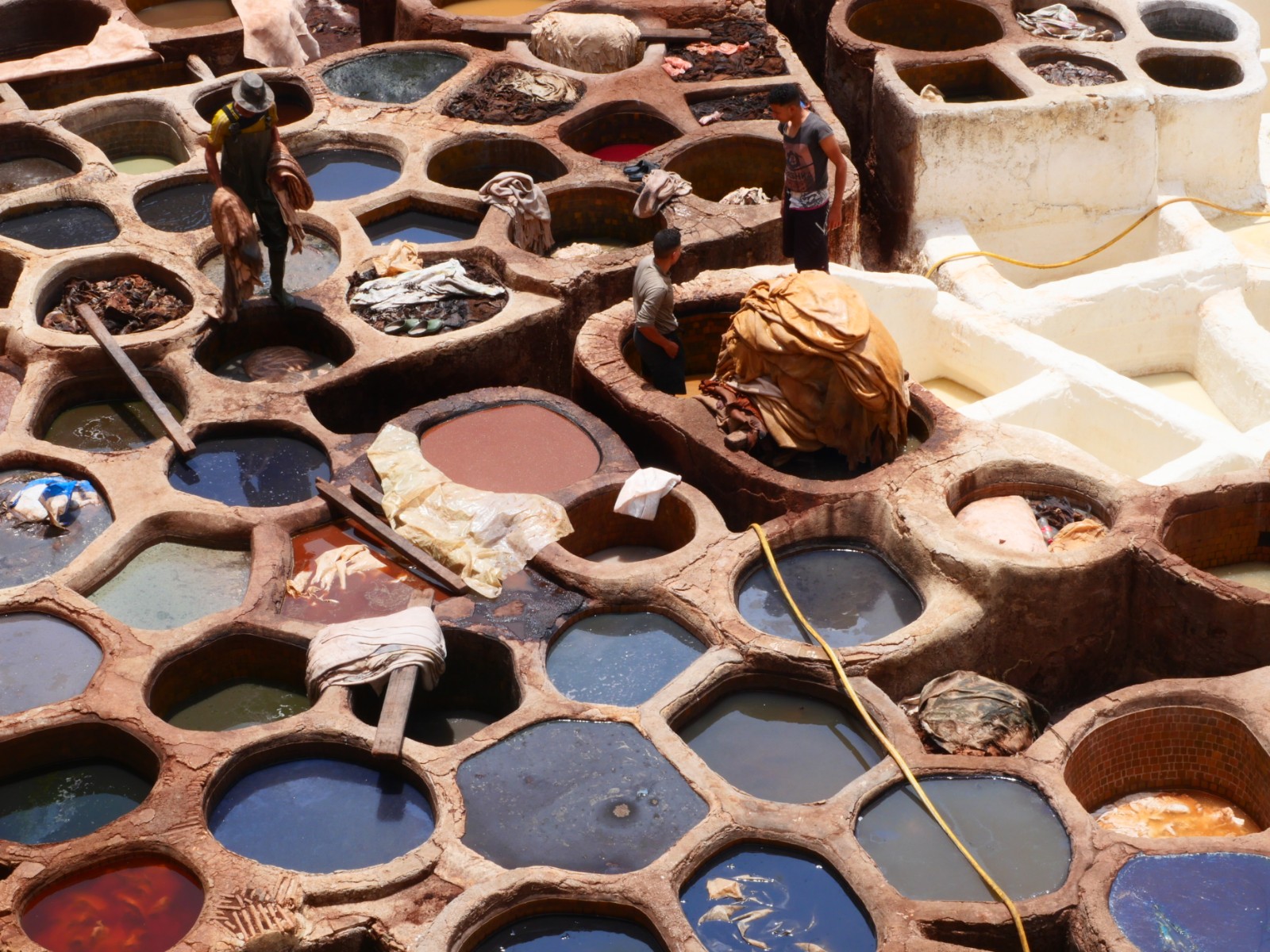
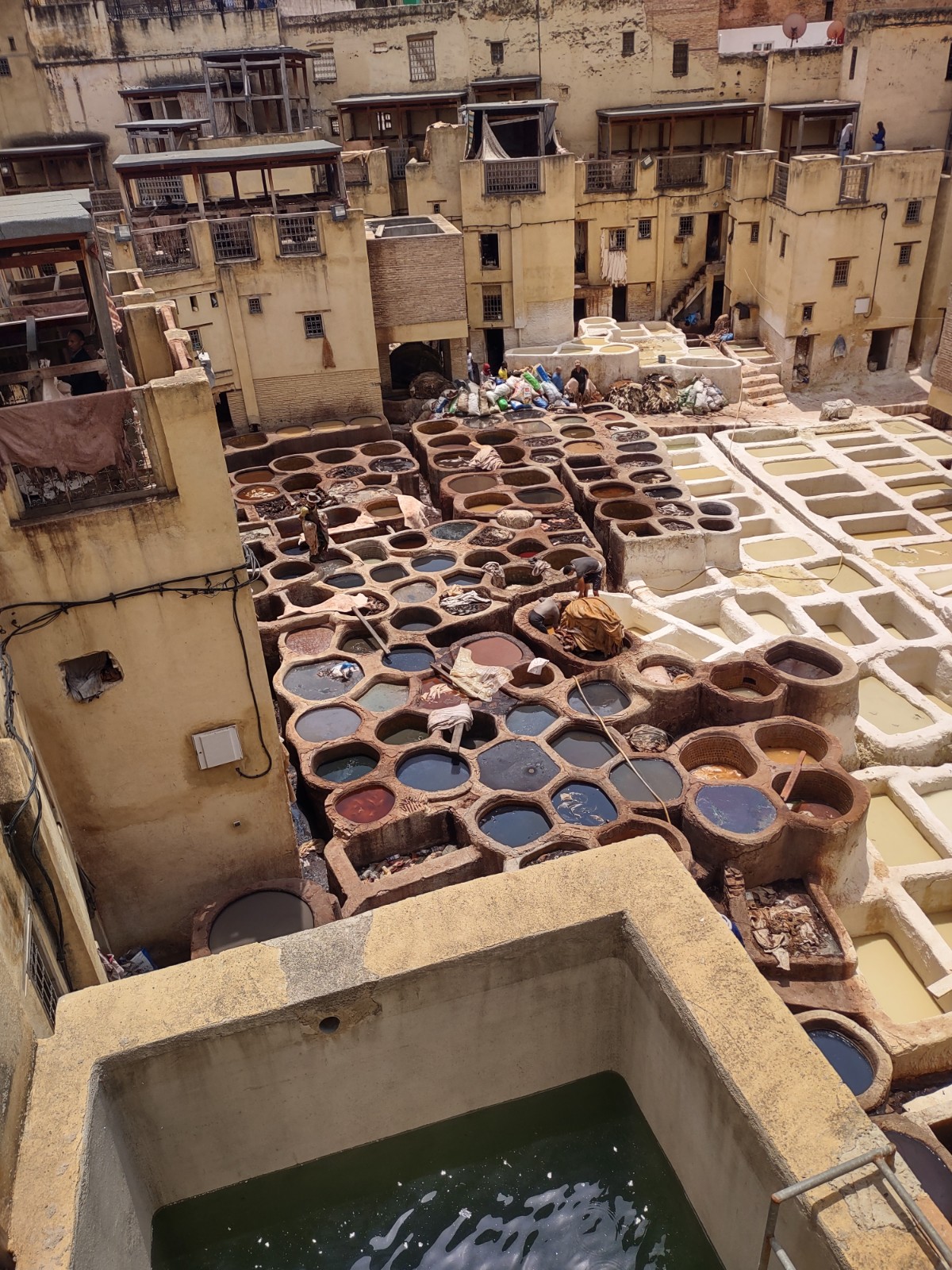
The smell of cedar in the wood-working market was intoxicating and the sound of chipping and hammering in the tile and metal markets was musical, but perhaps the best of all was a visit to a leather shop where we were able to observe the dying process from a safer and less odorous distance than our tour in Marrakesh. Seeing the range of colors – all made from plants and other natural materials – was spectacular and we learned that yellow leather is the most expensive because the dye is made from saffron. We wandered a the workshops and markets a bit, anticipating we would be back to spend more time here, which we did do on a couple of occasions over the next week.
Our week in Fes unfolded with pretty much the same routine we have grown to maintain when there is no kitchen at home: out in the morning, having lunch somewhere, back to our place for a little down time during the heat of the day, then out again for dinner, and finally home for a movie and/or reading before bed. It was surprising how easily we started to find our way around the Medina and were able to locate places, maybe because of how long we stayed here, but more likely because there is some logic to it with two (albeit very winding) main roads which run the length of the Medina from west to east. Once we learned these roads and the major crossroads and alleys it actually seemed to get pretty easy to get to at least some of the places we wanted to without having to constantly refer to Google Maps.

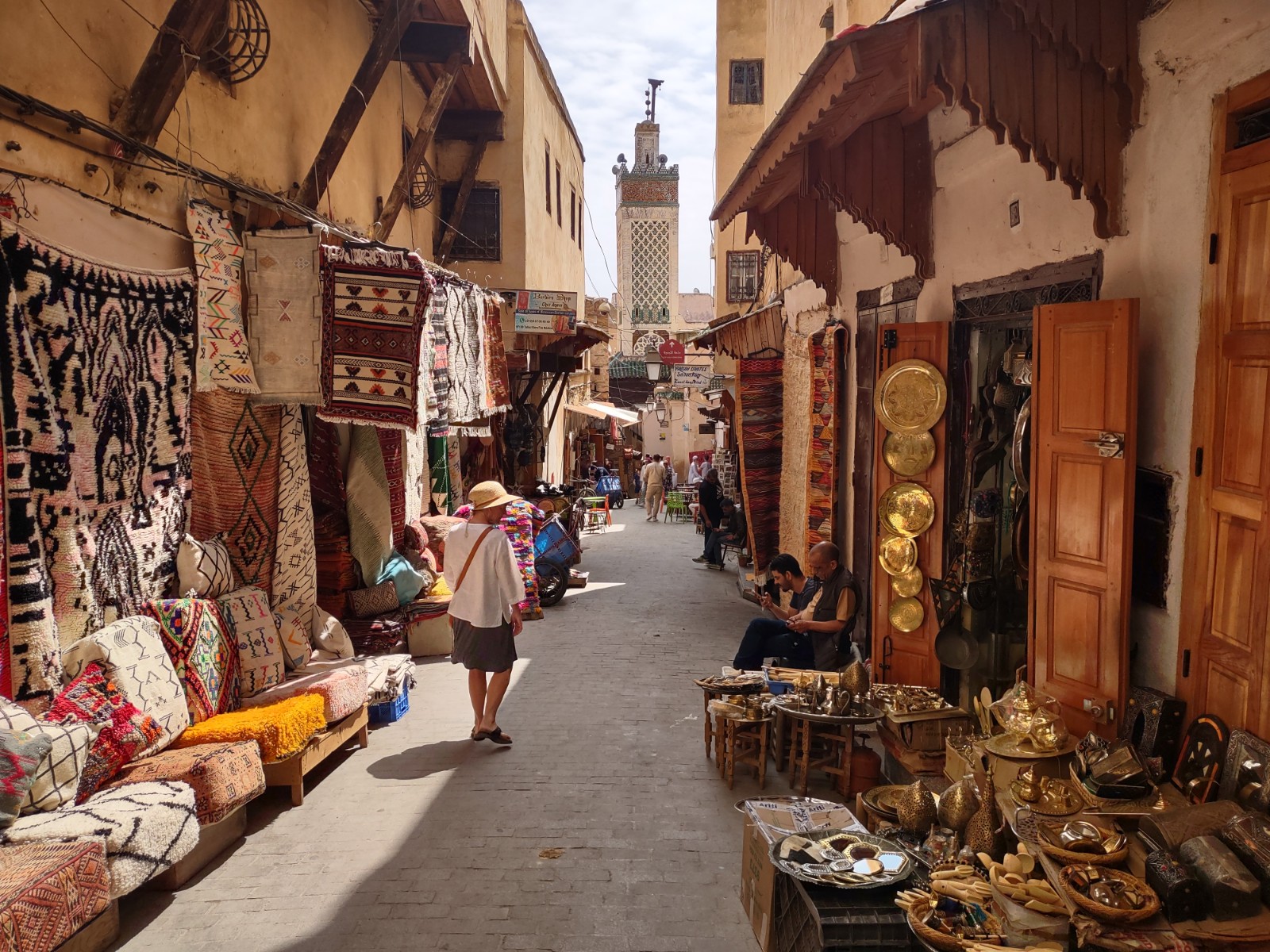



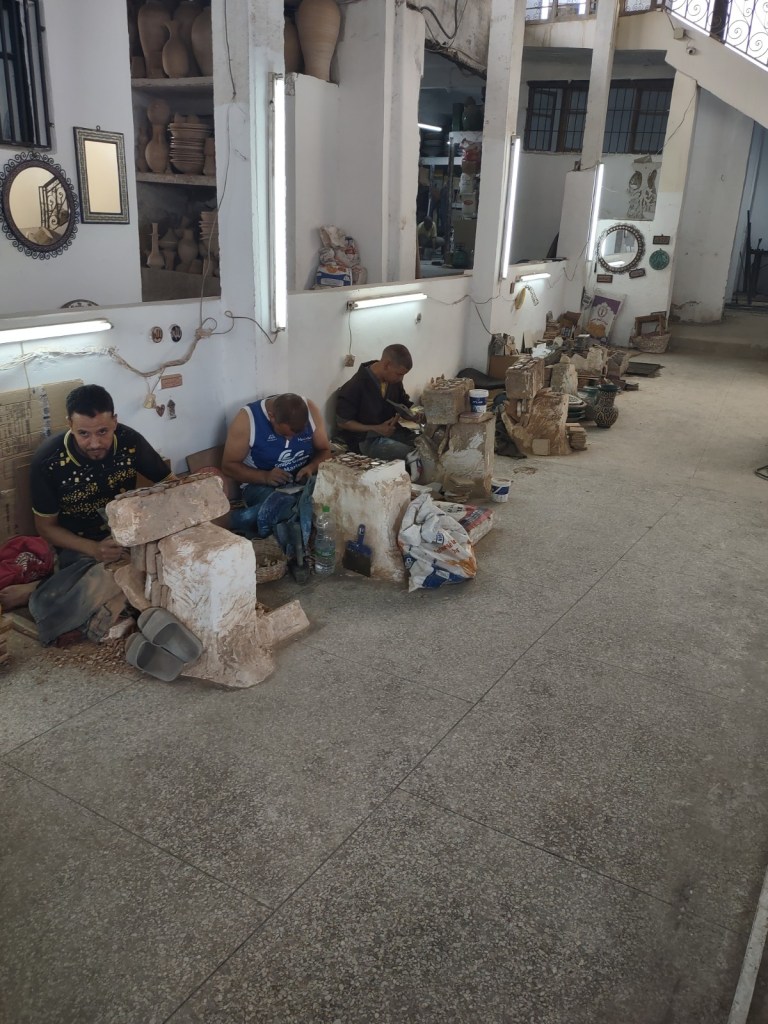
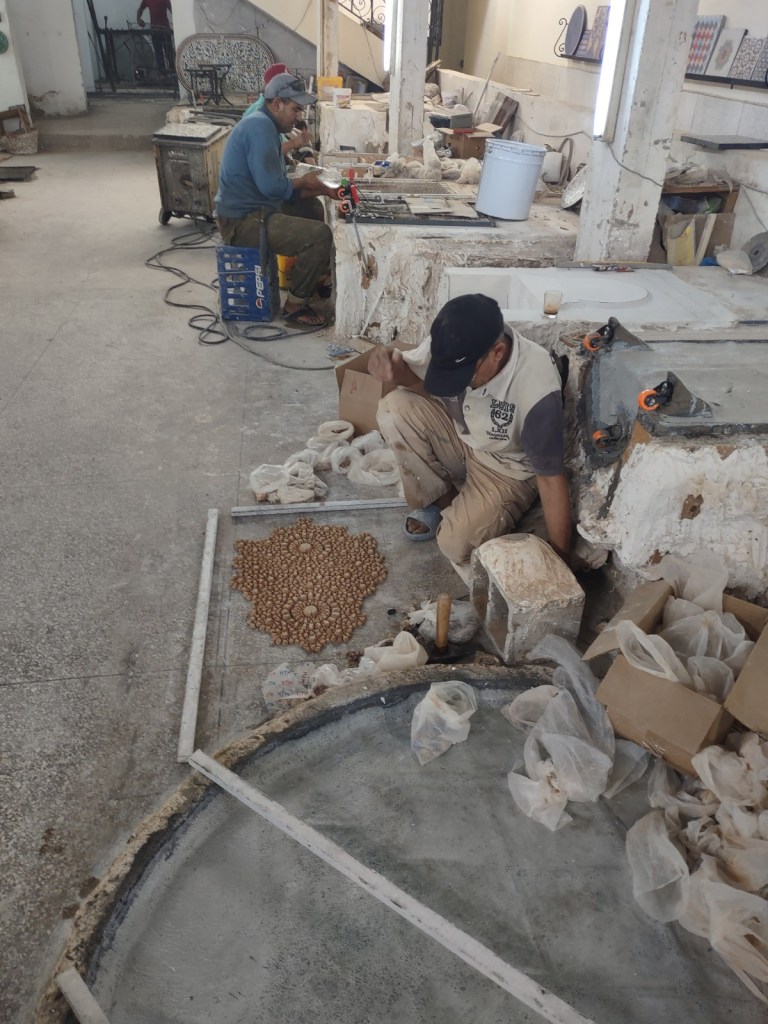
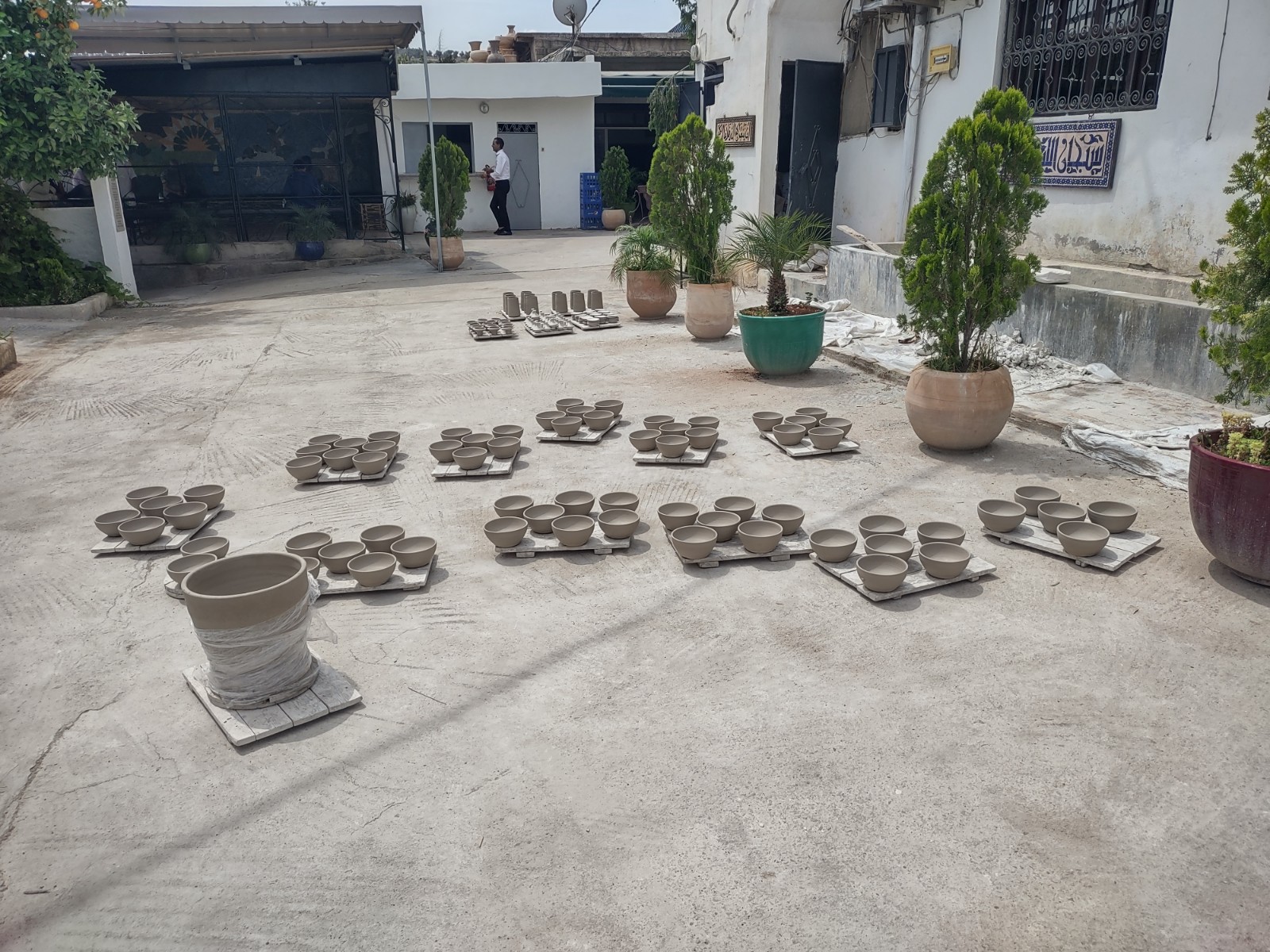
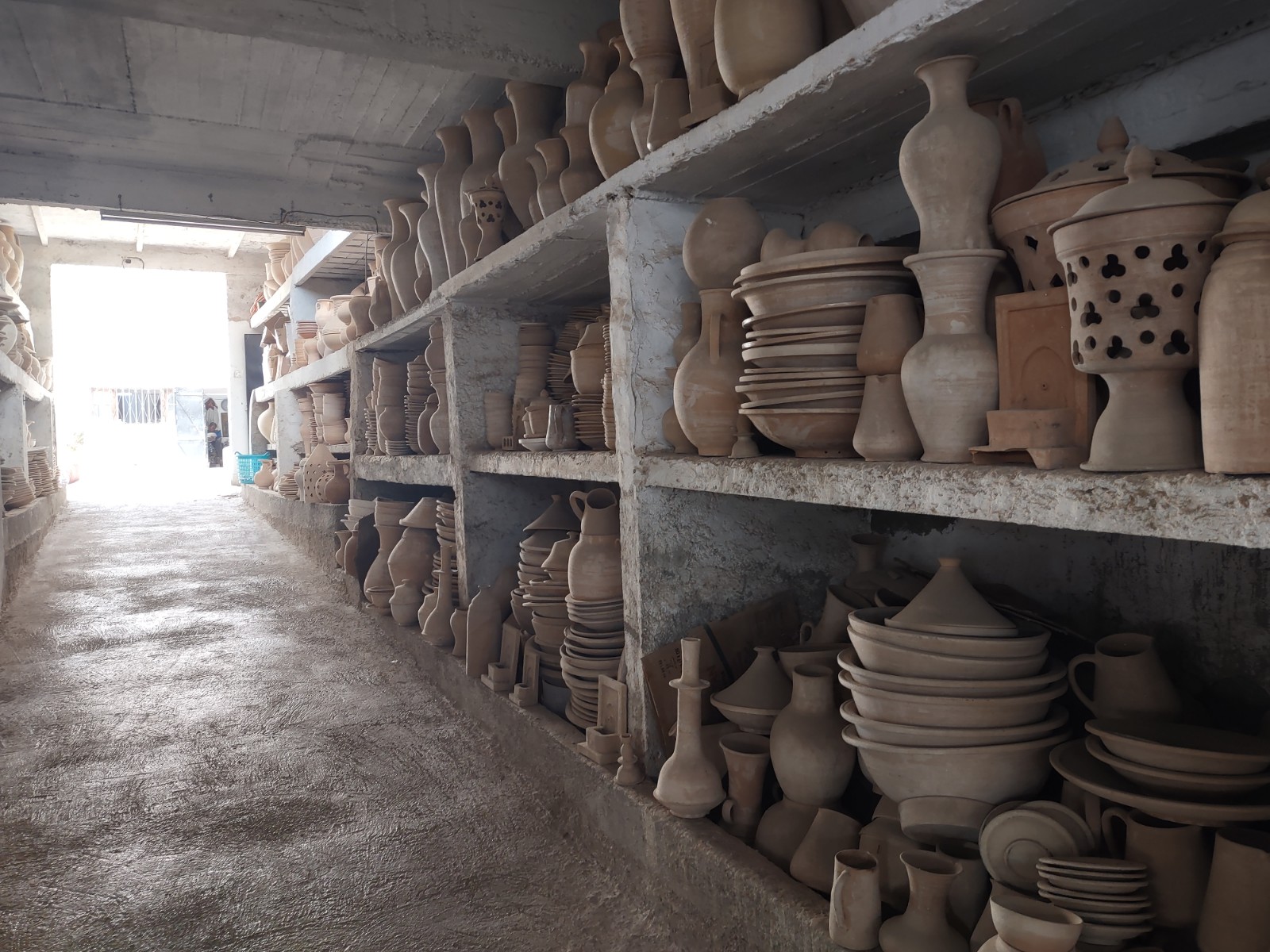
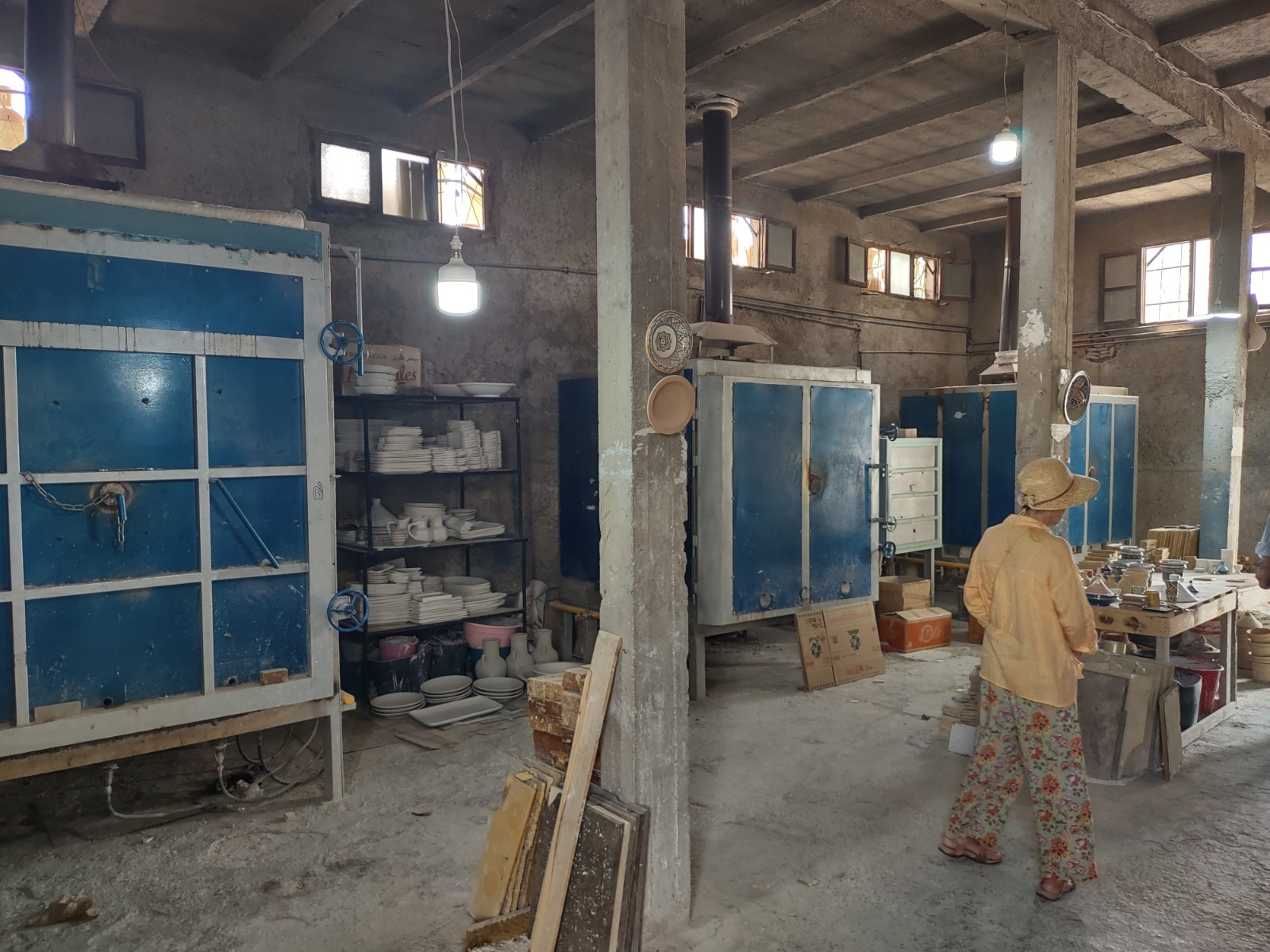
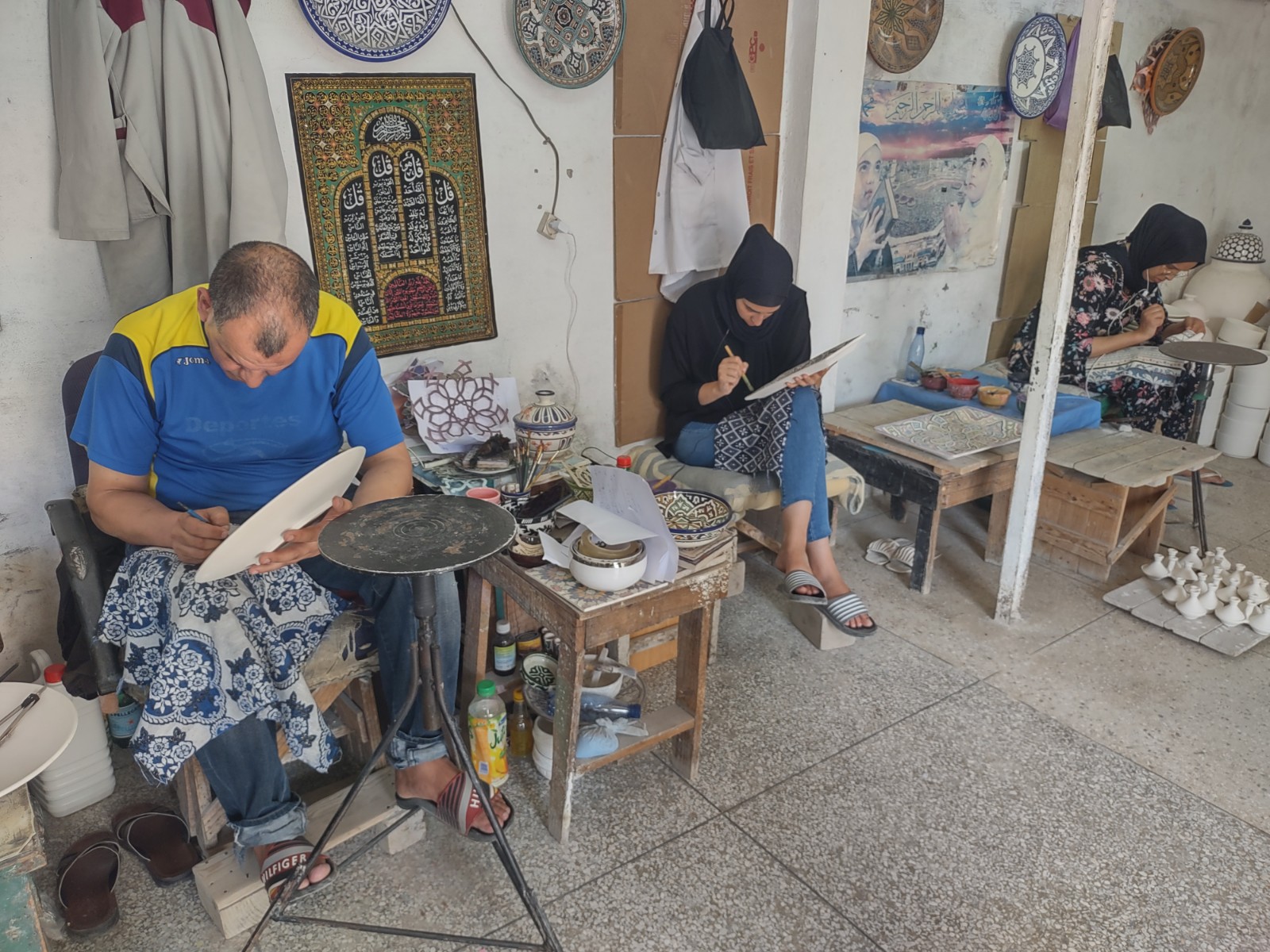
On Thursday June 8th (our son’s 33rd birthday), based on a recommendation from The Professor, we walked out of the Medina to the Batha Fountain and caught a taxi for a twenty-five minute ride outside the Medina to an area where there are number of artisan tile and pottery cooperatives. We weren’t quite sure where to go or what to do when we arrived, but we connected with a guide named Abdul, who asked what we wanted to do and then gave us a full tour of the facilities where are all the beautiful tile and pottery works are created. We started with tile and saw a group of artisans chipping away to create the small tiles used in the mosaic patterns. We were surprised to see that the large tile panels used for tabletops and fountains are actually laid out with the colored side of the variously shaped tiles facing down so that the cement can then poured over them to fix them in place. We couldn’t imagine how it was possible to keep the colors and patterns straight when working this way!
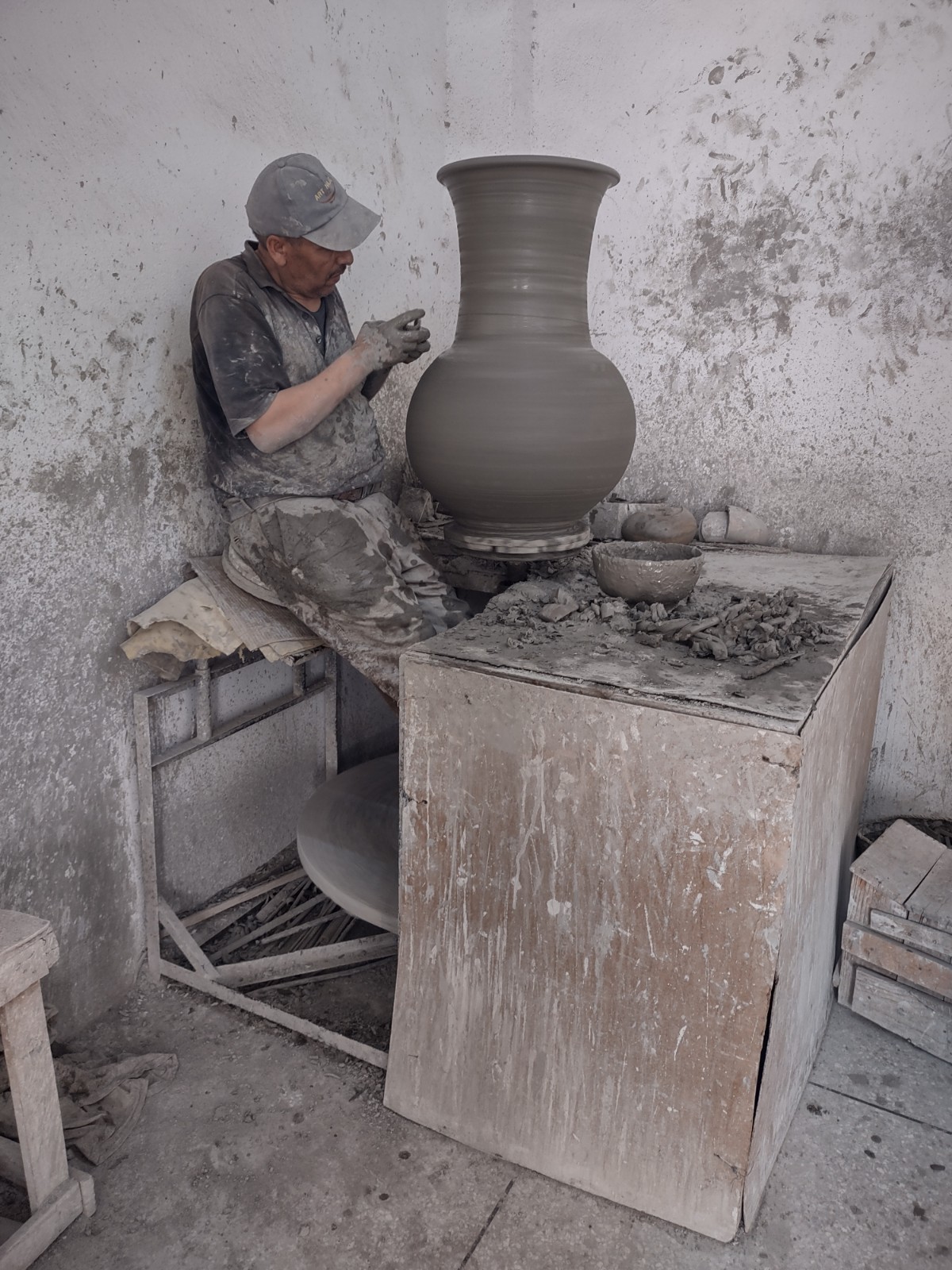
We also got a pretty good look at how their pottery is made from start to finish and along the way saw some enormous pots being pulled. (I’ve done a bit of pottery in my time and can’t imagine working with a piece of clay that big!) The tour concluded with a look at their packing and shipping facilities and we were then then led to the showrooms.
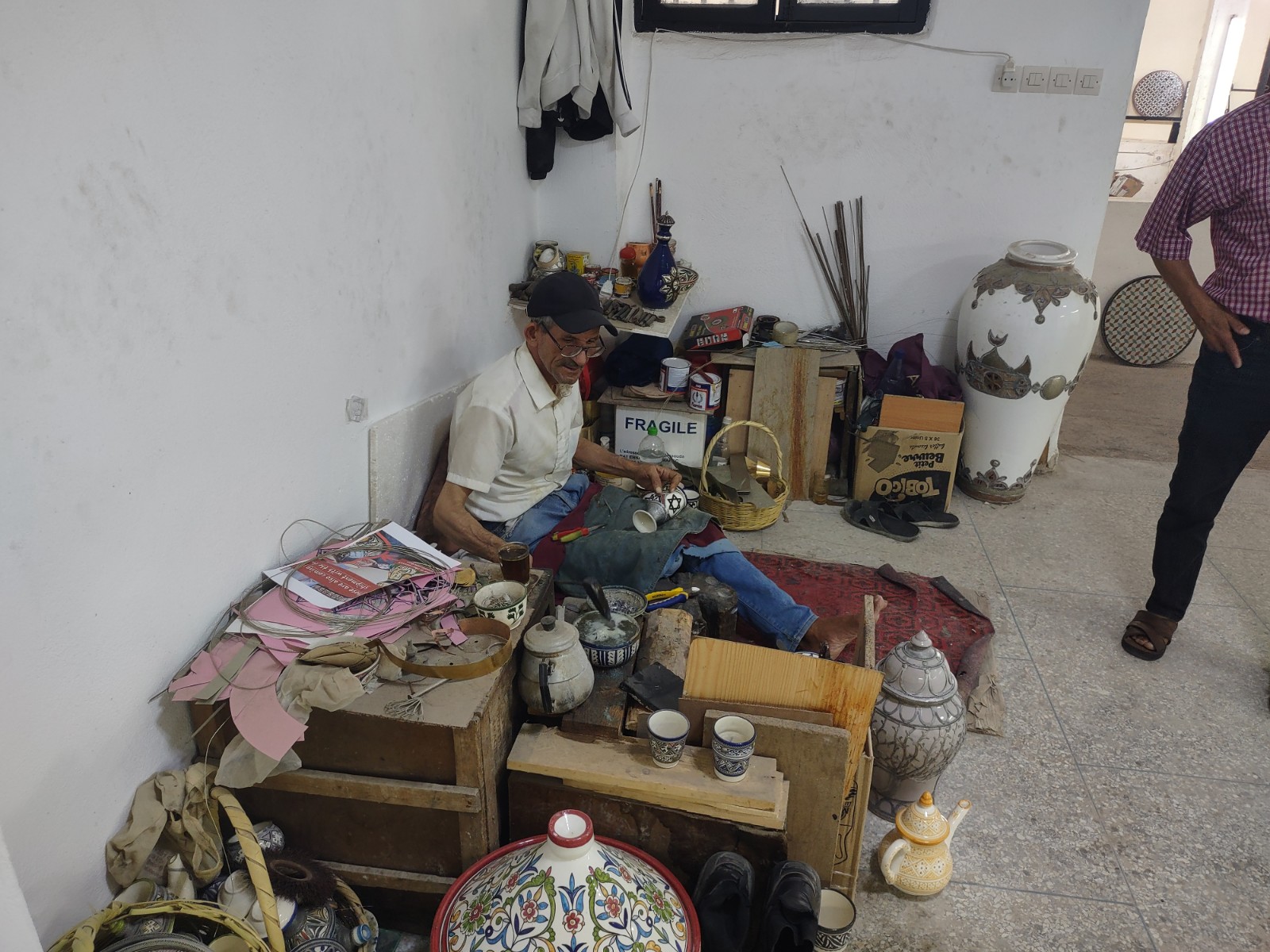
I acknowledge that we came here with every intention of making some purchases and were generally appreciative of Abdul’s relatively low pressure approach. By the time we were done looking at Colleen’s requisite “everything”, we were pretty much in agreement that we wanted to purchase a set of hand-made and uniquely patterned black and white plates. As the size of the plates varied a bit, Colleen put Abdul to work and, after examining virtually every black and white plate in the showroom, we eventually found six plates of the same size with different patterns, along with a complimentary platter and bowl, but then decided, for various reasons, that it would be good to have eight plates, so a little more digging was necessary.
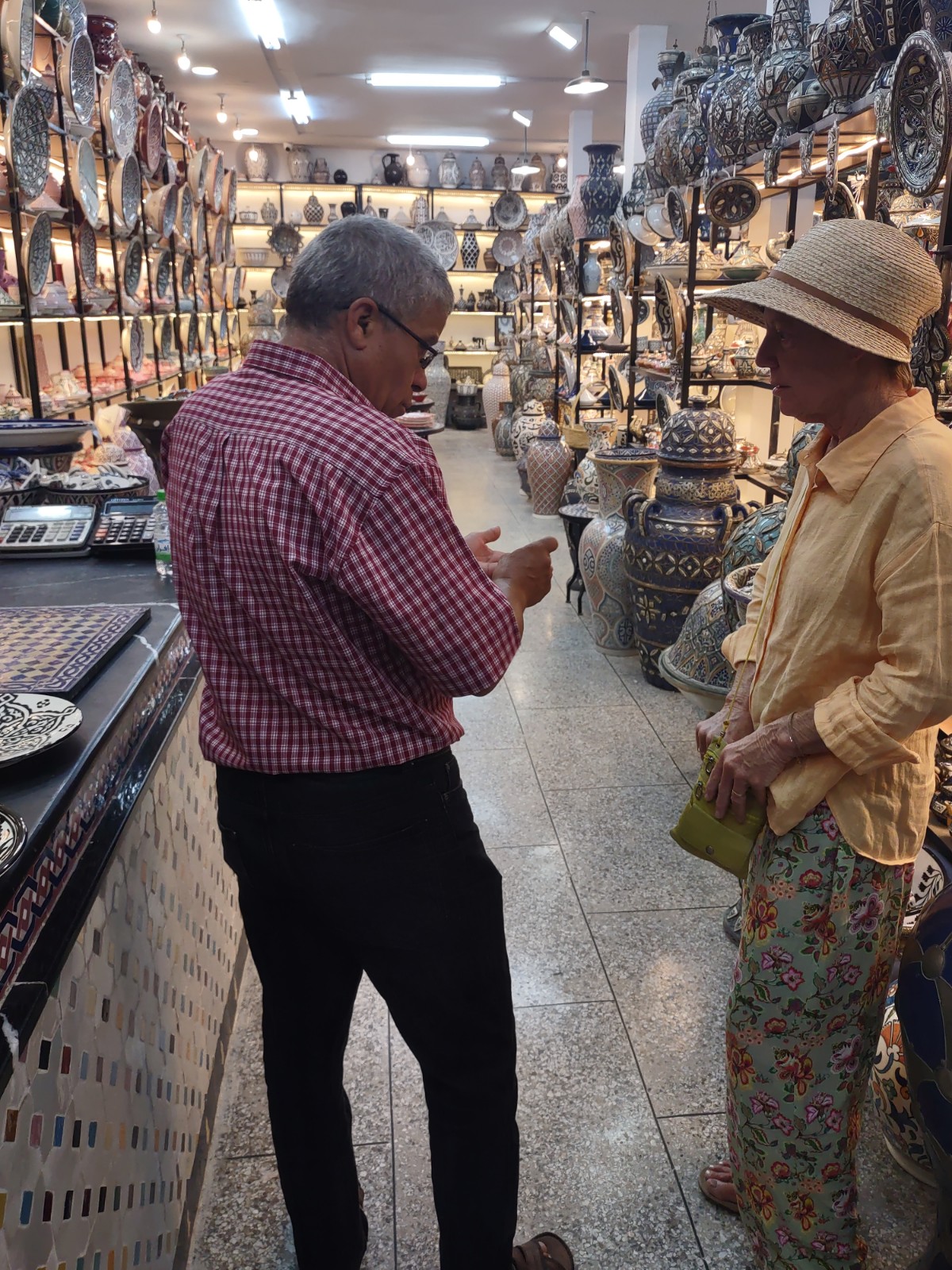
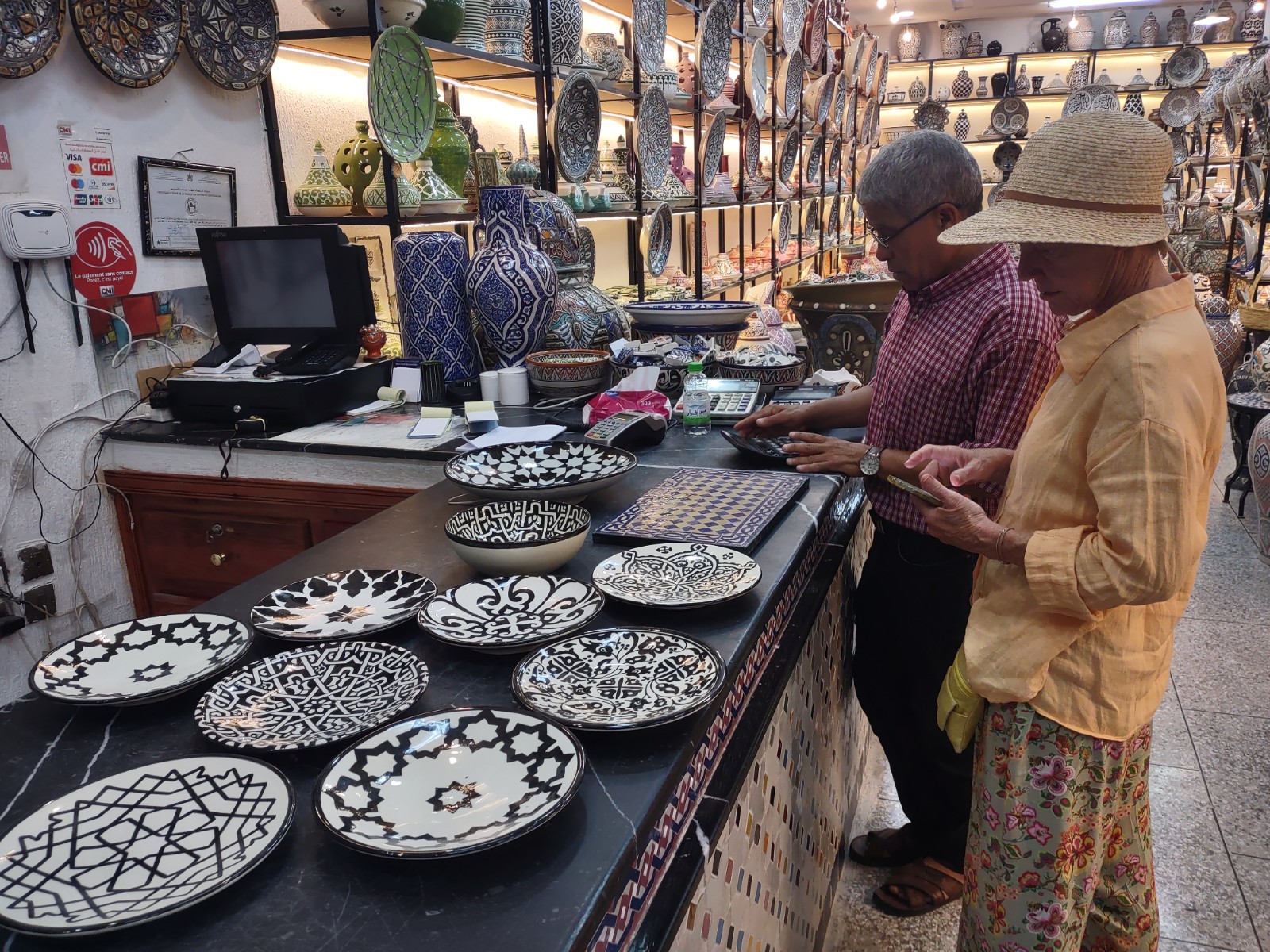

After haggling a bit over price, which included shipping to the U.S., we settled on an assortment of eight plates and a bowl, paid, and did the necessary paperwork, arranging to have everything shipped to our daughter in City Island, New York. (This would be the first of at least two packages she has willingly but perhaps foolishly agreed to receive.) I will say that it is very difficult to know whether or not you got a good deal, much less the best deal possible, but we were, all in all, pretty happy with our purchases as we made our way back to the Medina.
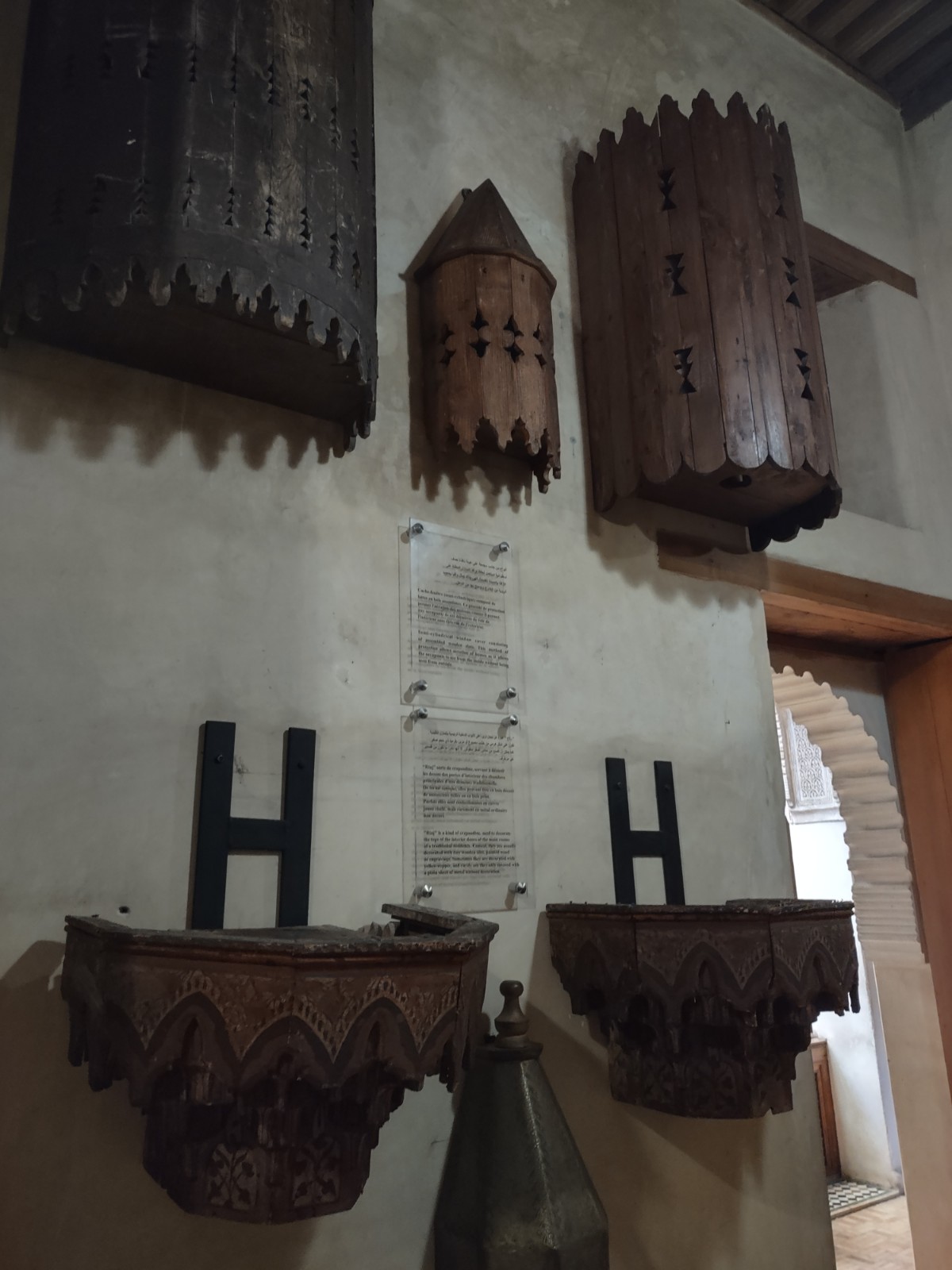
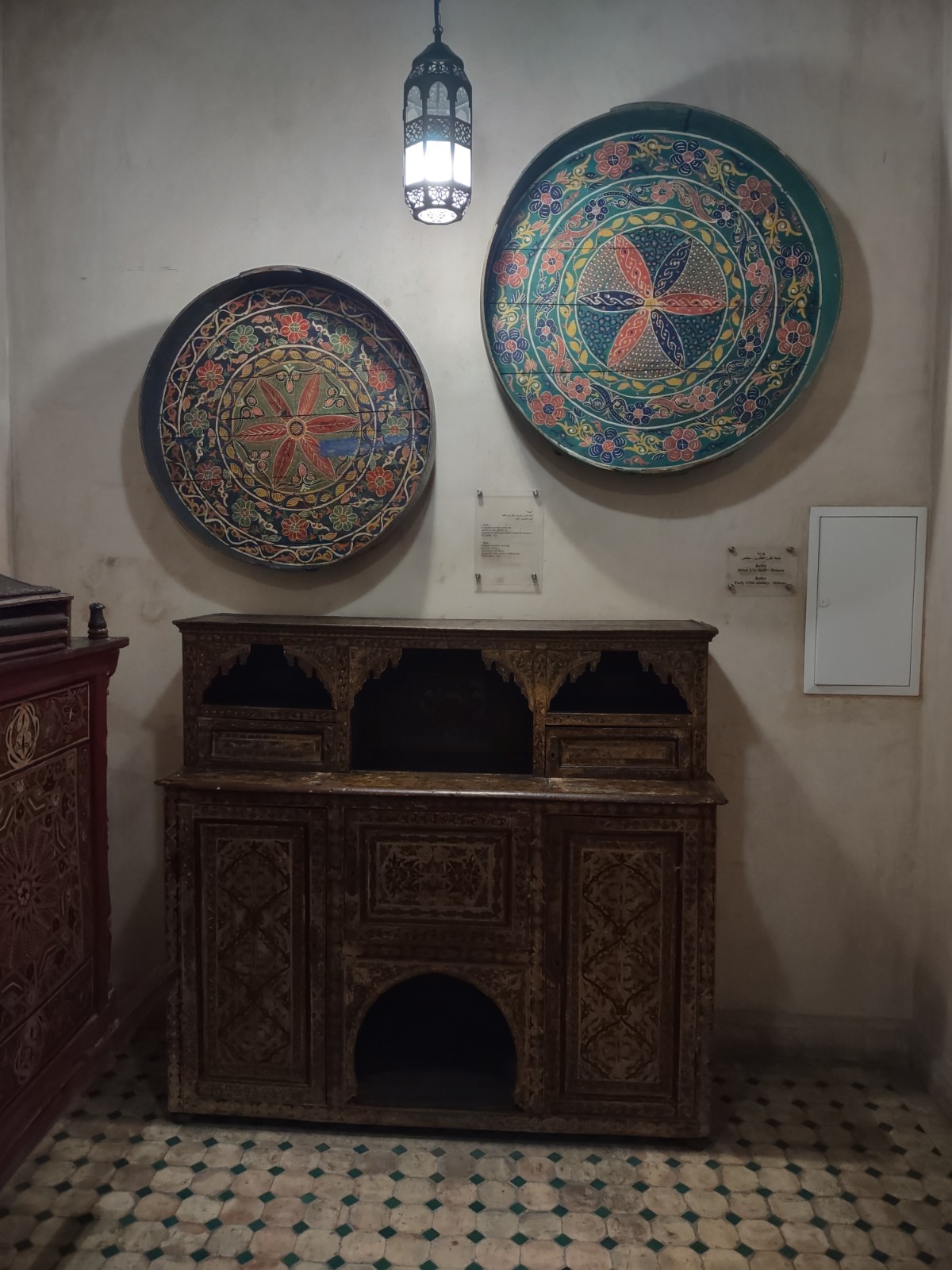
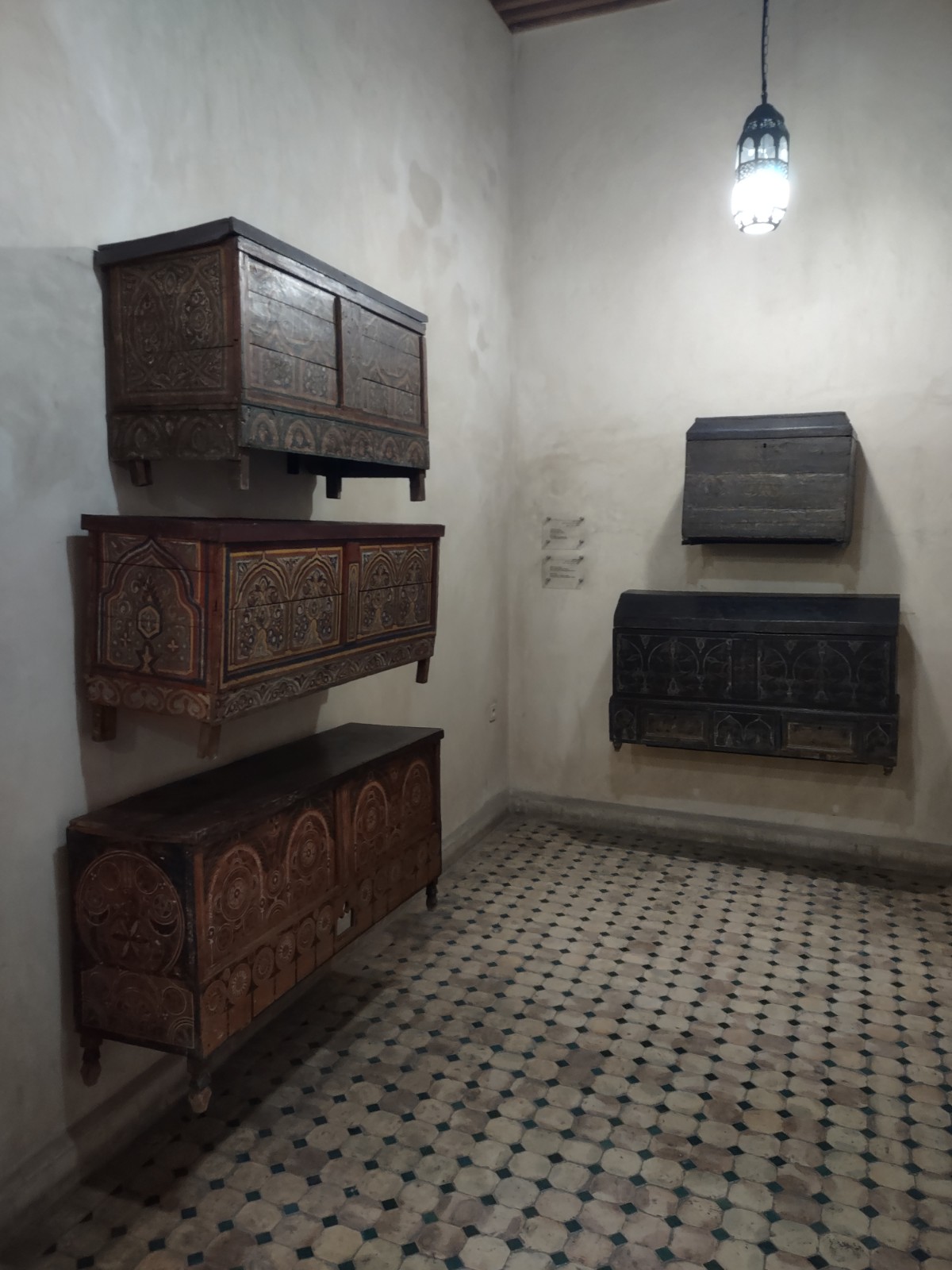
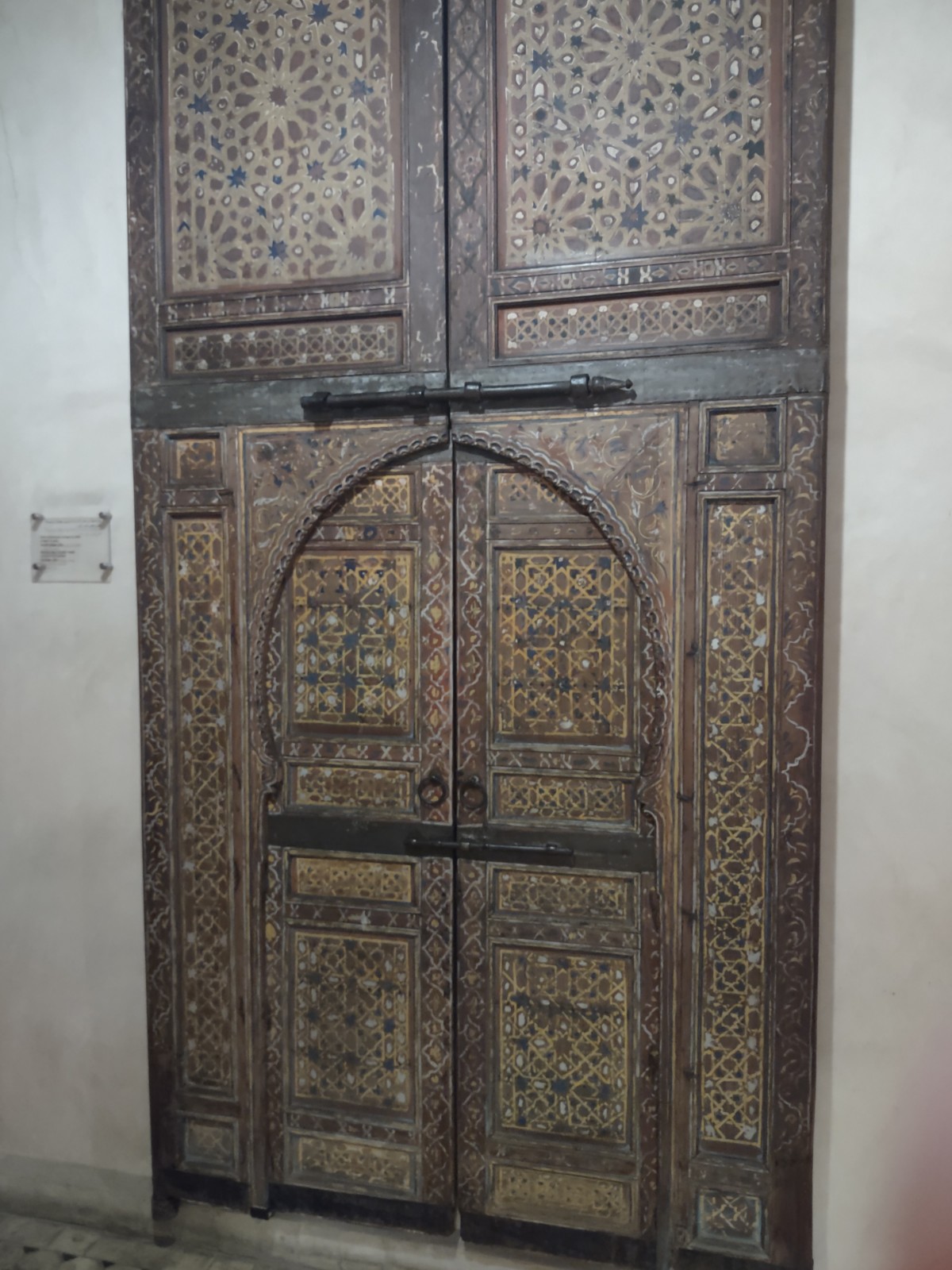
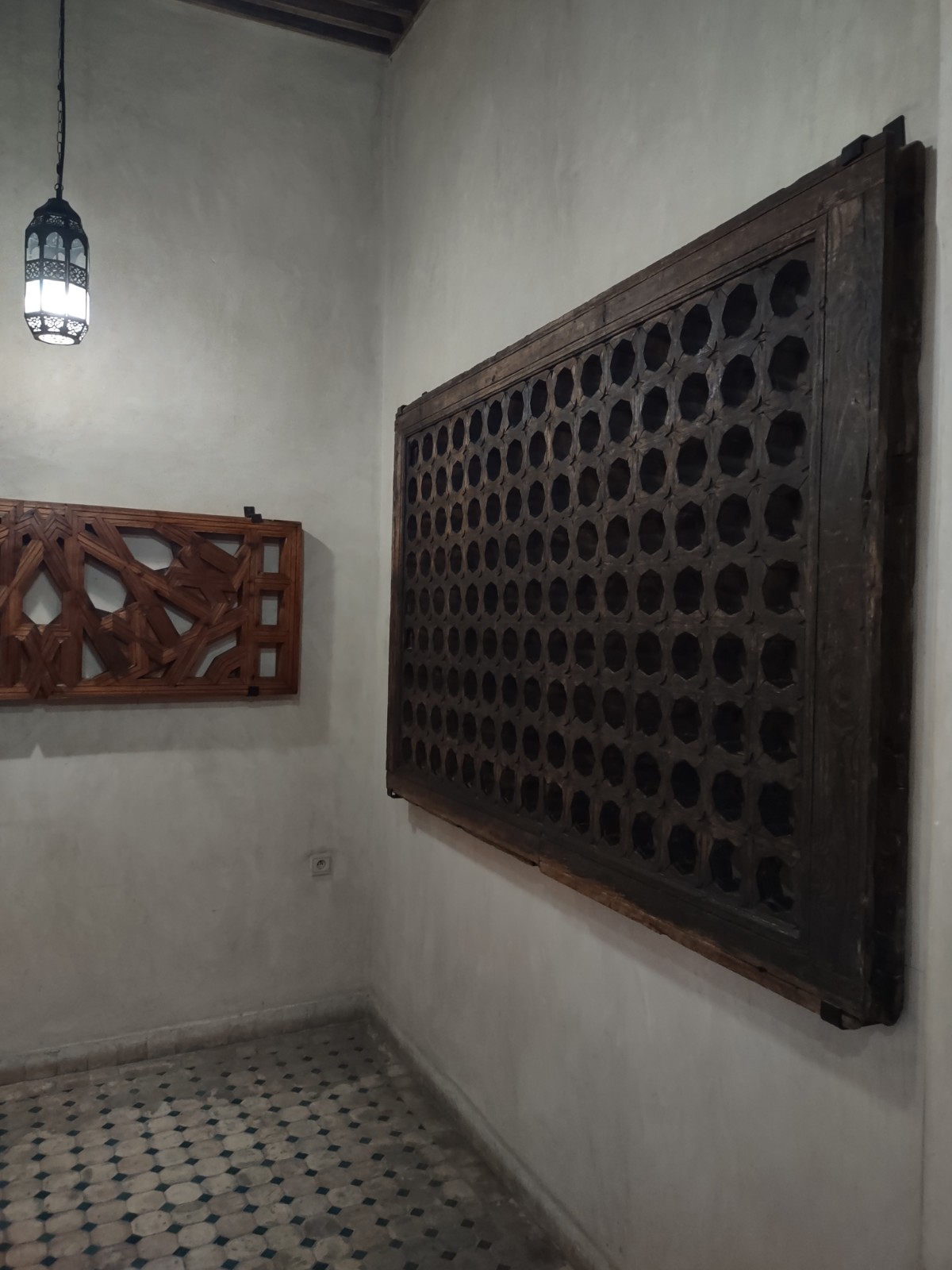
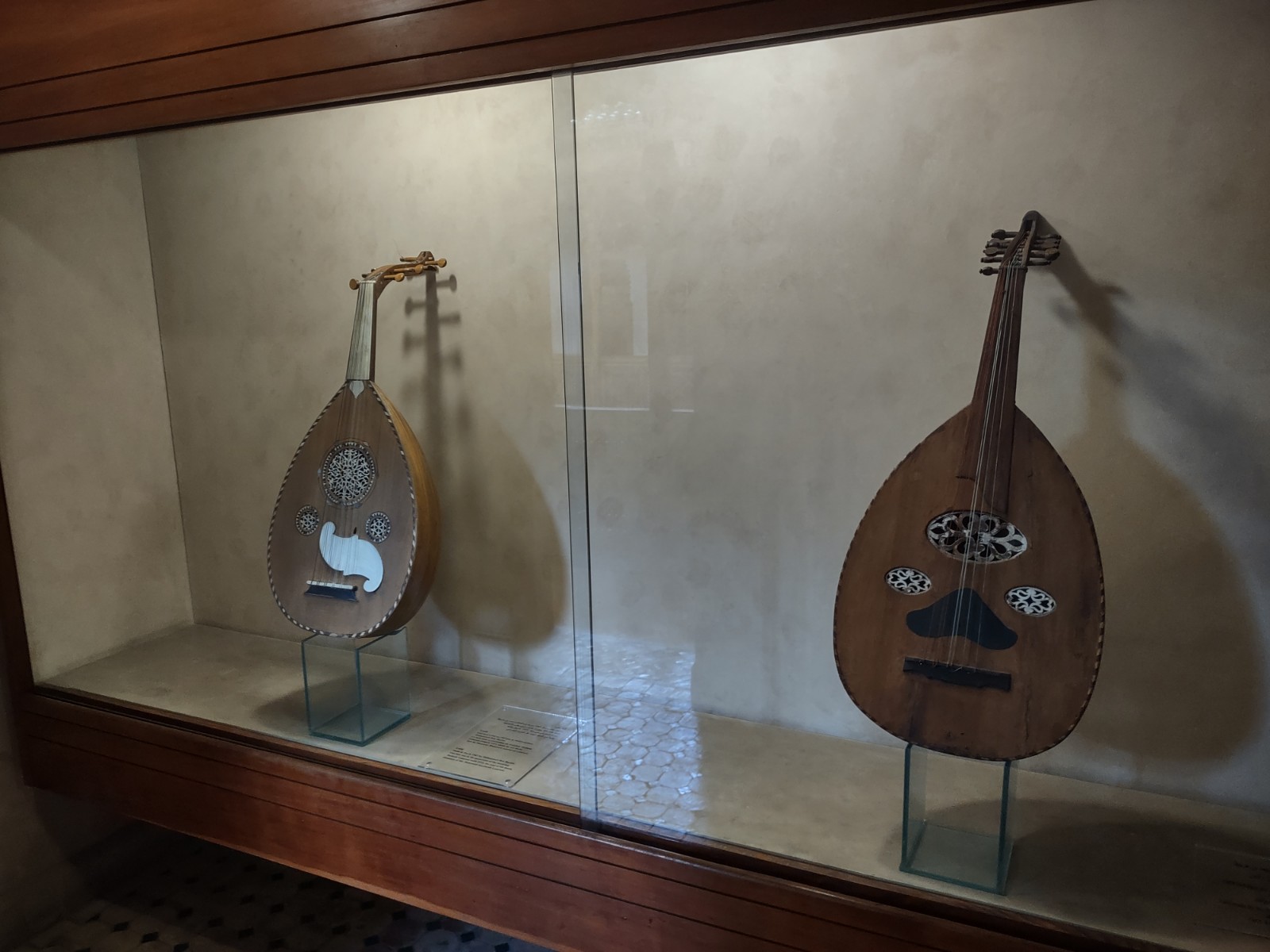
On Friday June 9th we returned to the markets but found many of them closed because Fridays are treated more or less as the Sabbath by many Muslims (clearly more so here in Fes than in some of the other Moroccan cities we have visited). After some window shopping at the ones which were open, we visited the Nejjarine Museum of Wooden Arts and Crafts which we had passed during our tour on Thursday. The museum is in an 18th century funduq (a roadside inn for traveling traders and merchants) which, along with the surrounding plaza, fountain, and wood shops, was renovated in early 1990’s. The museum was, first of all, amazingly cool and shady and a great place to get out of the blazing sun which was surprisingly hot in Fes. Typical of so many of the buildings there, the building, which has been beautifully restored, has four floors with rooms connected by balconies which wrap the four sides of a central atrium – very much like a traditional riad, just much bigger.
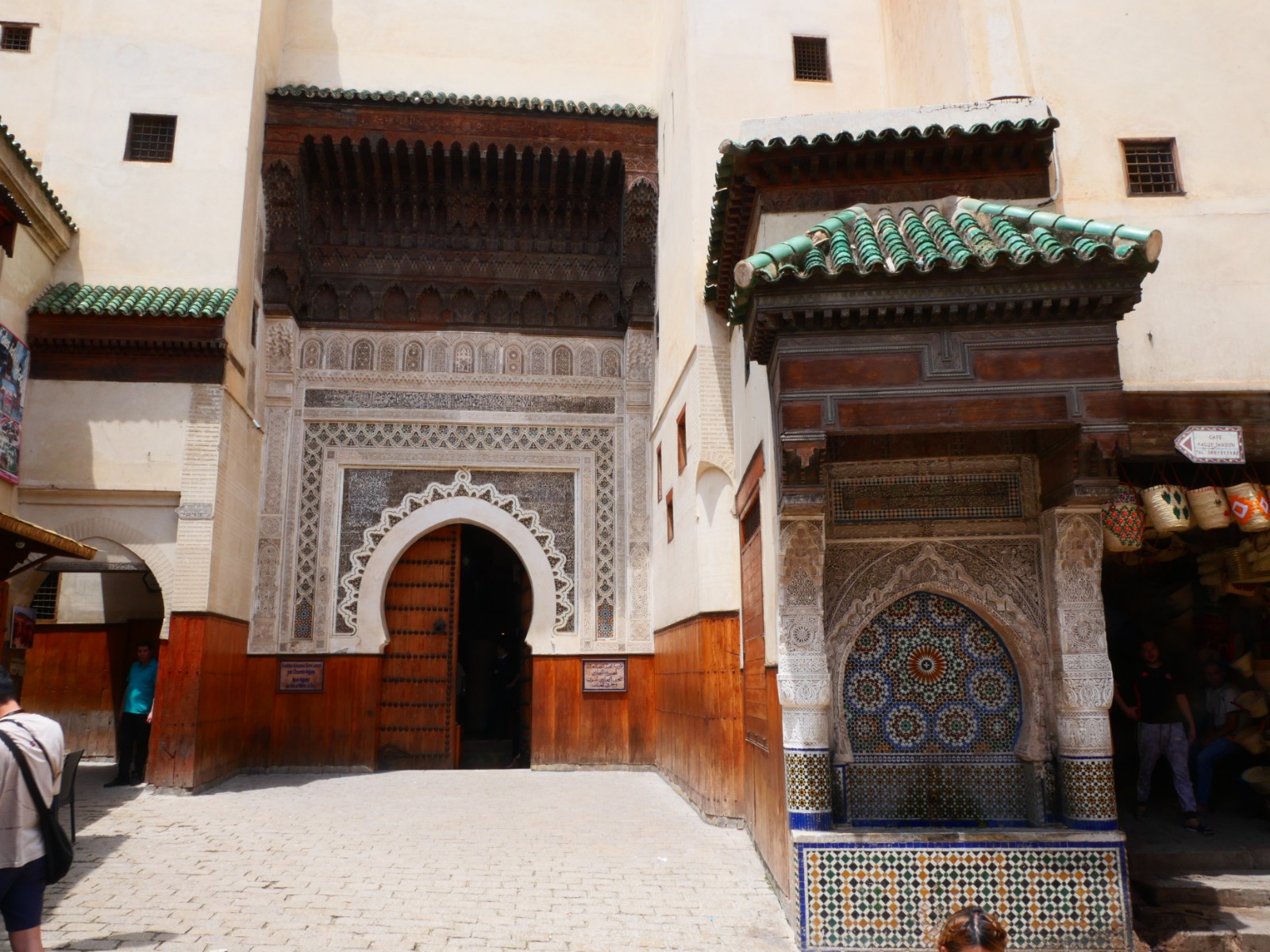
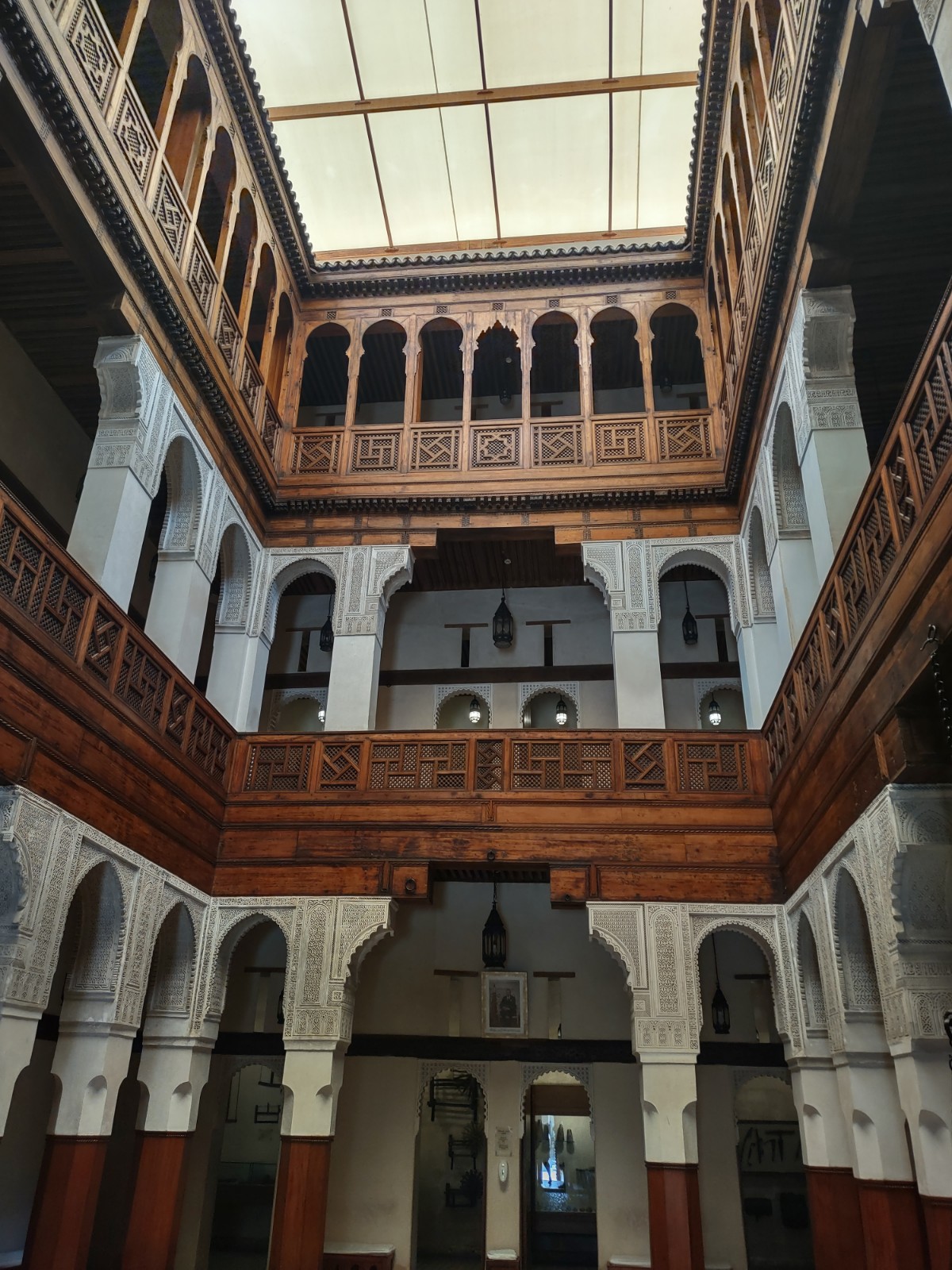
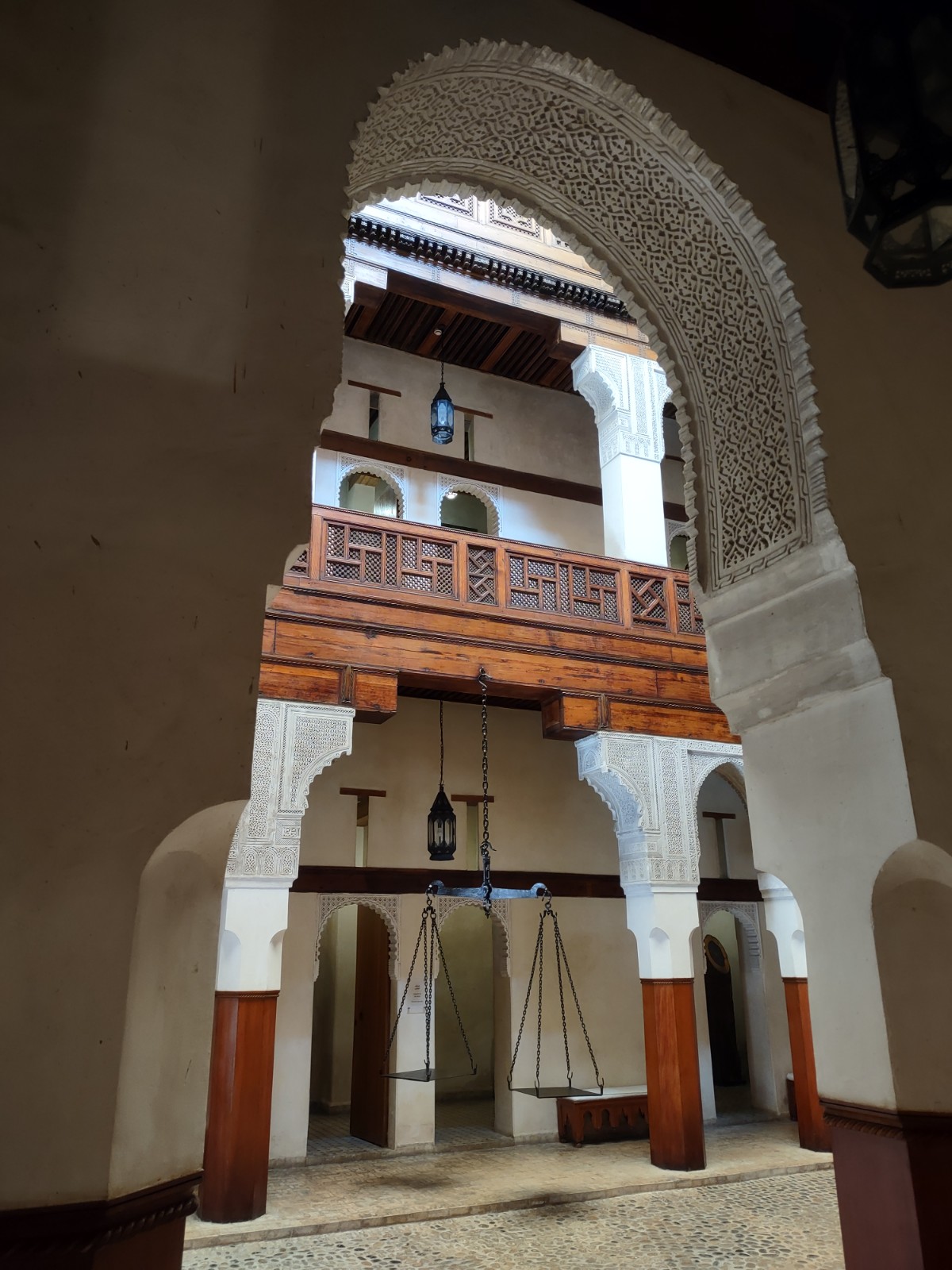
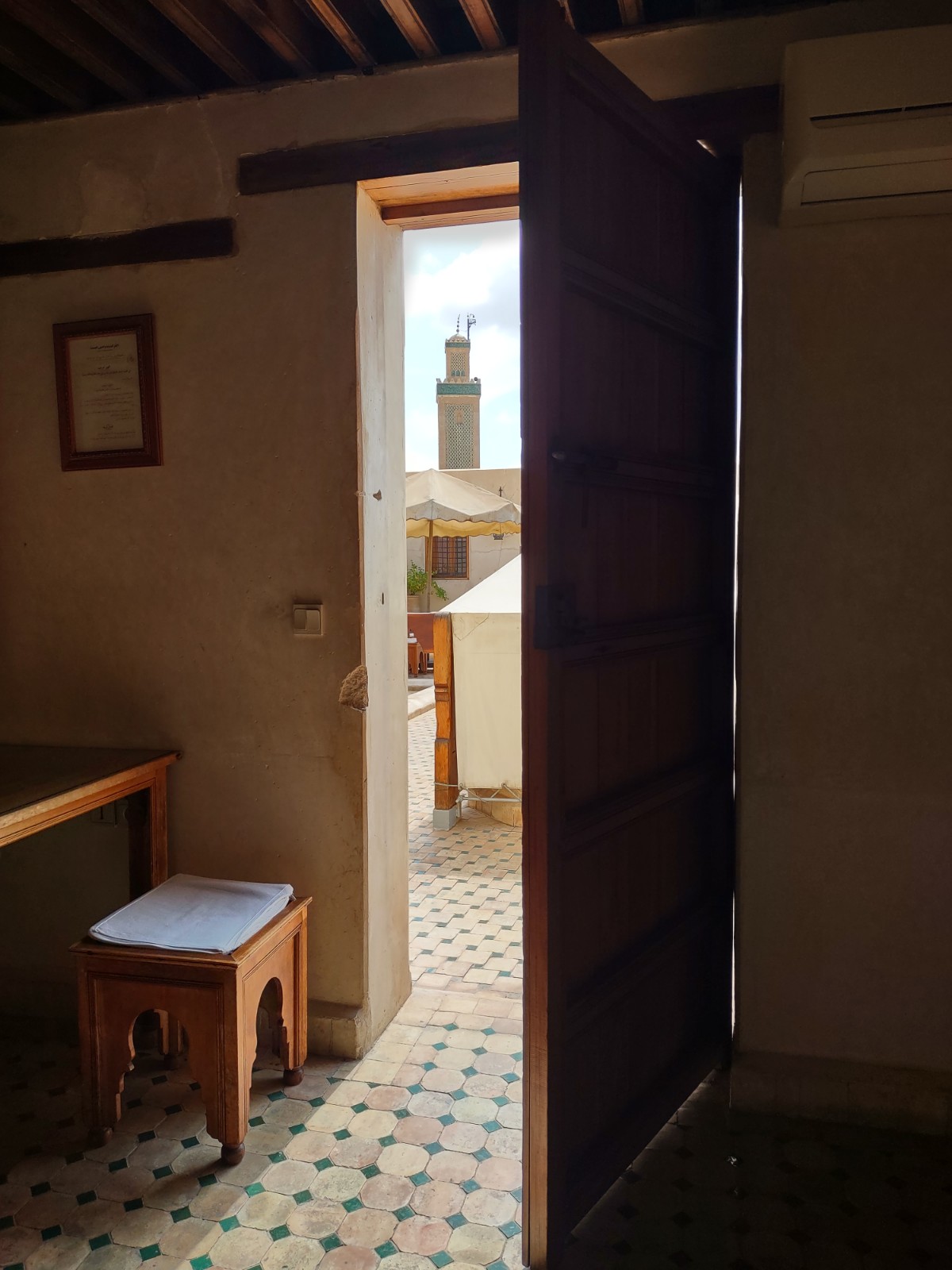
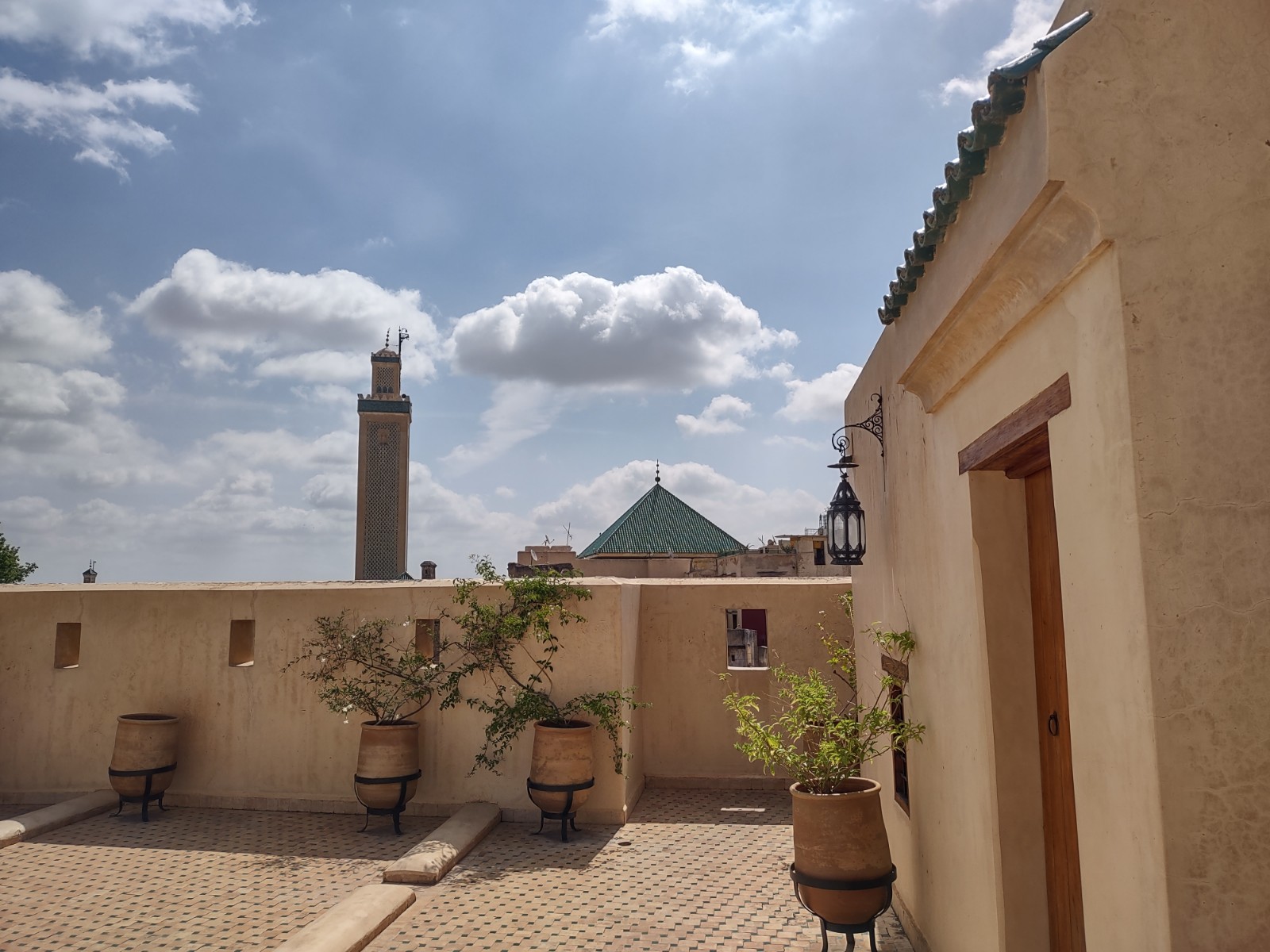
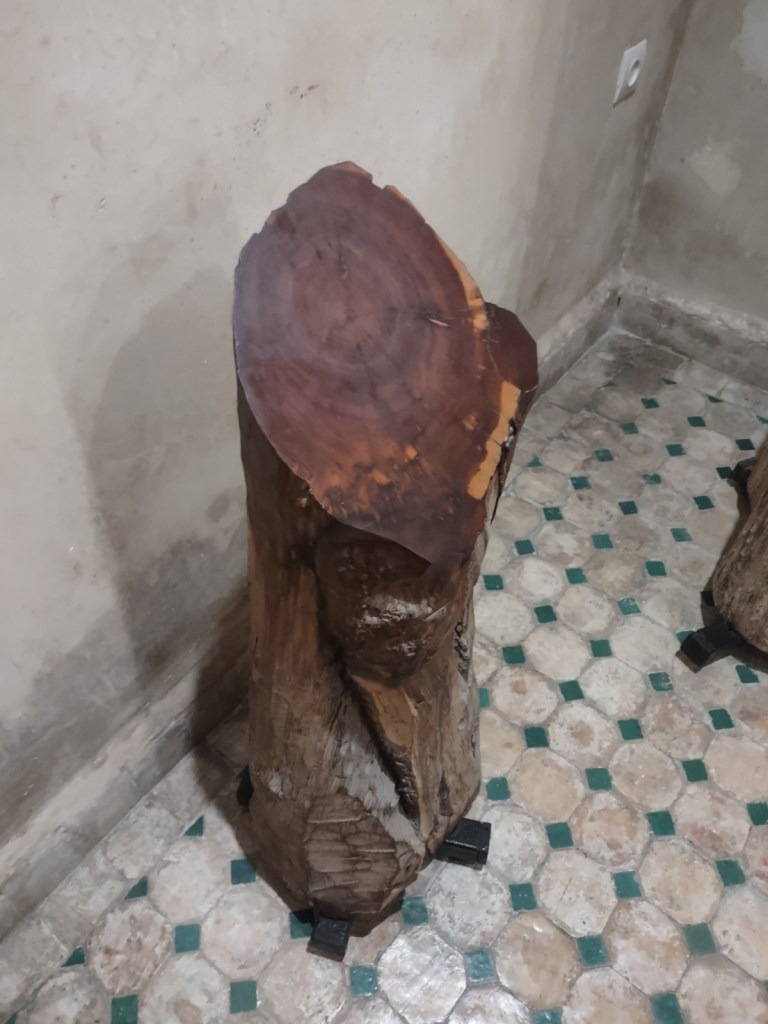
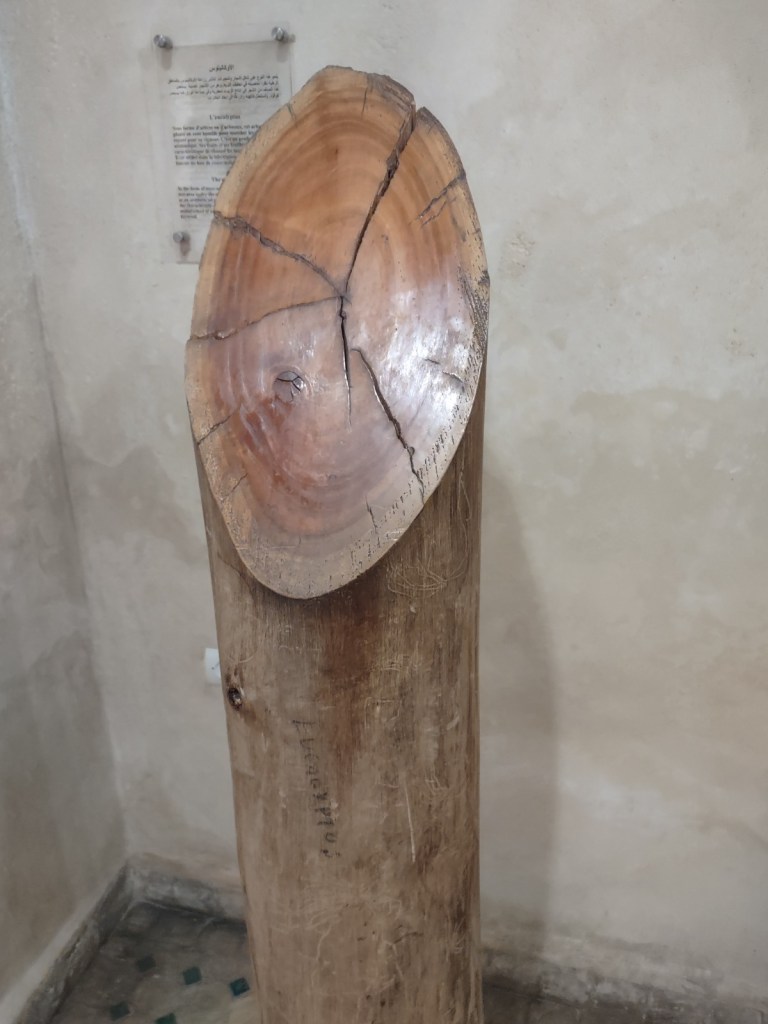
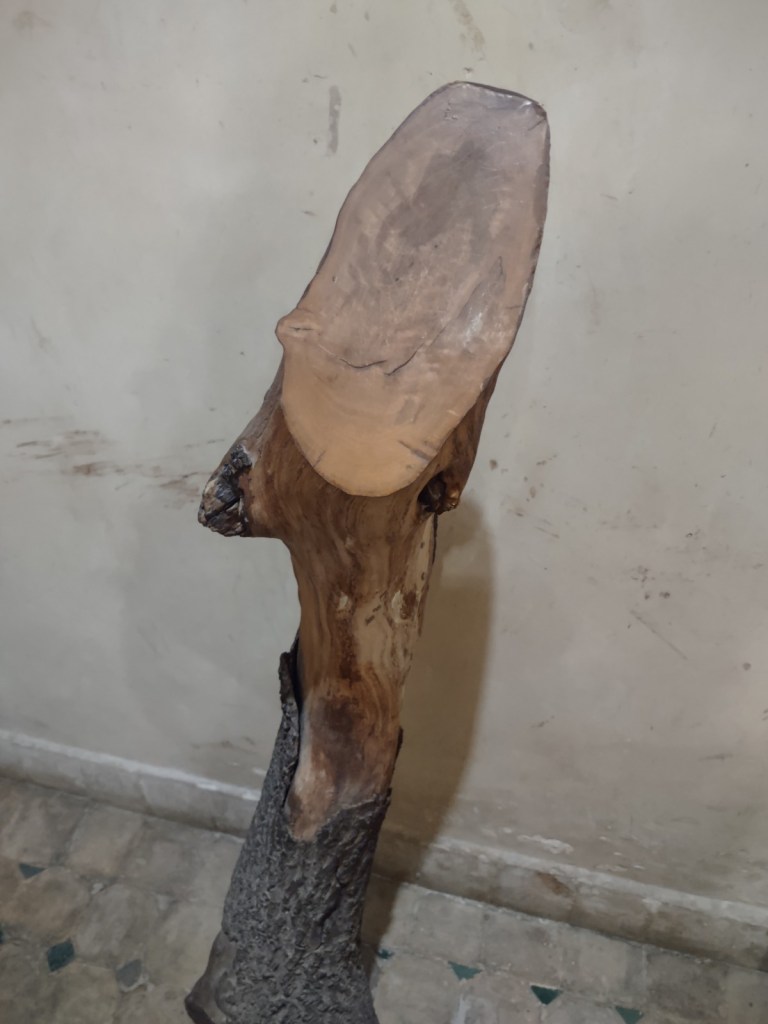
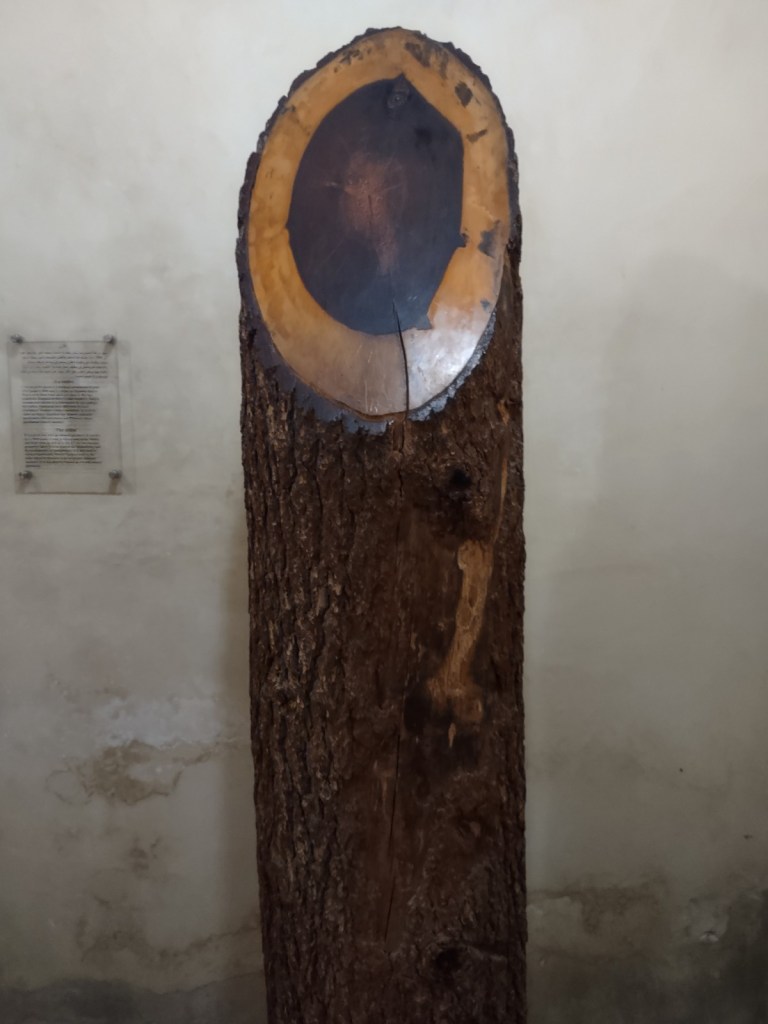
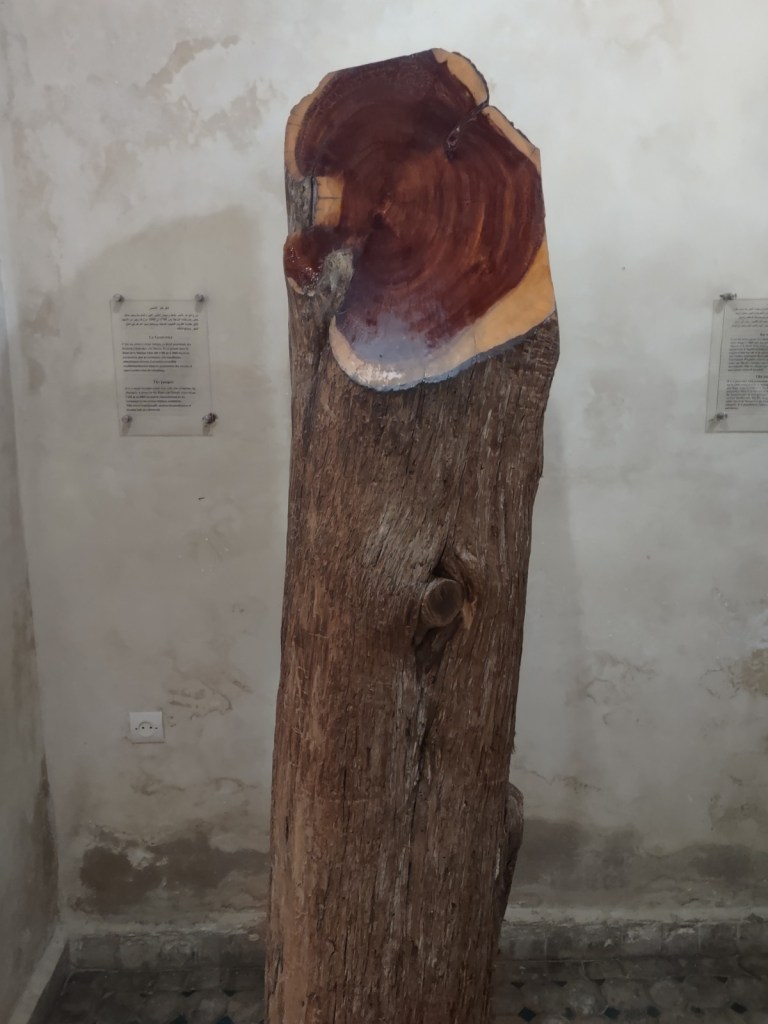
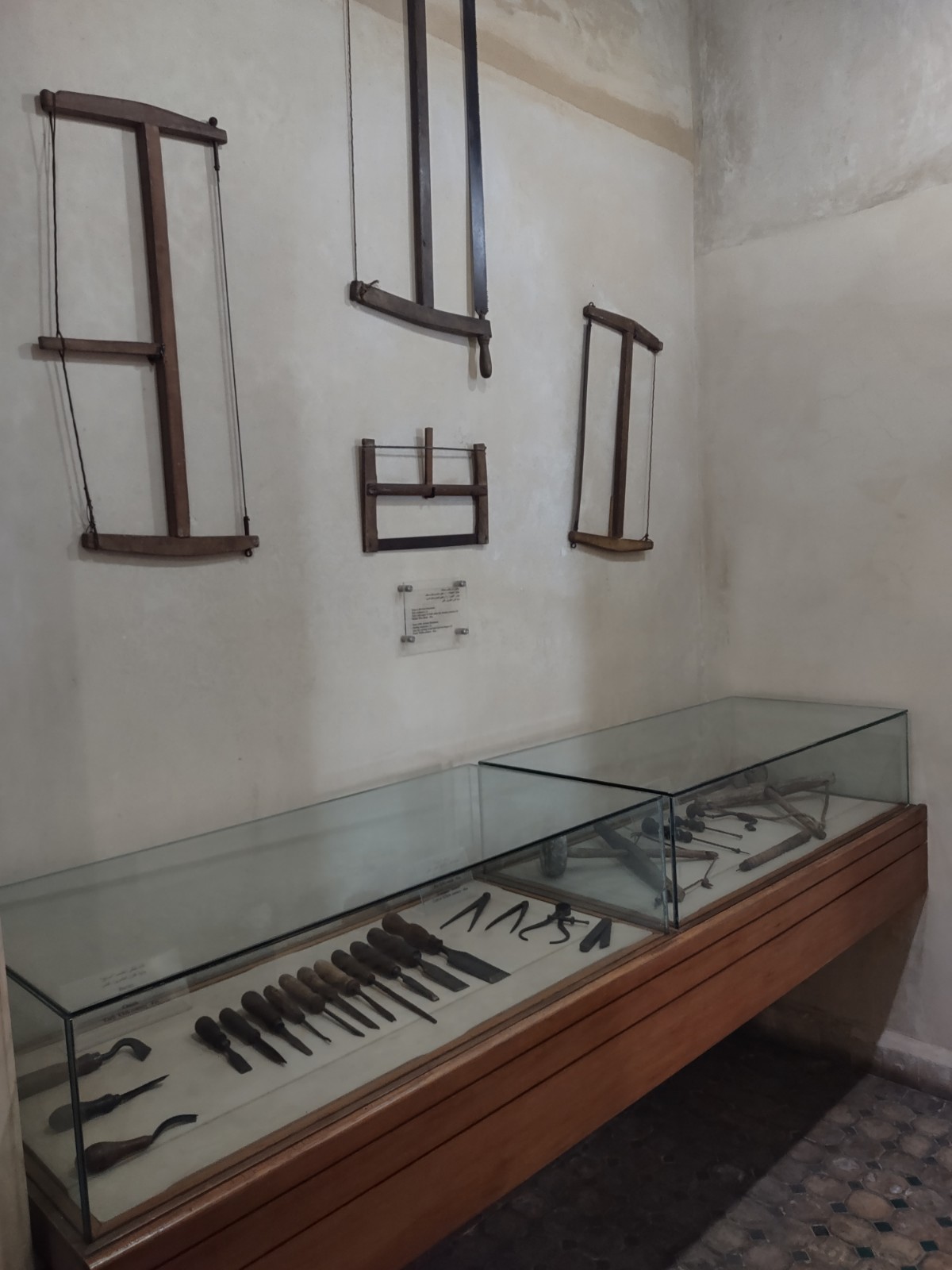
The exhibits covered a wide range of wood arts and crafts from interior carpentry to furniture and household tools to fine musical instruments and firearms. I think our favorite exhibit was probably one which included the trunks of a variety of tree species and then discussed what each was used for based on the characteristics of its wood. We took our time going through, enjoying the cool, climbing from floor to floor and, on the roof deck, discovered a nice small canteen where we stopped for tea and enjoyed the views of the surrounding neighborhood.









In addition to our pottery expedition, we did make a couple of other forays outside the Medina. On our second evening we made the 30-minute walk to a Carrefour grocery store, which was the closest place to the Medina to purchase wine and liquor, as our supplies were dwindling. After wandering the mall in which the store was located, we went through the entire Carrefour store (which was pretty large, even by U.S. standards) but were unable to locate any alcohol whatsoever. On enquiry (and for a small fee), we were led by two of the bag boys to “Le Cave”, a separate store tucked around a corner which had a large selection of French and Moroccan wines, as well as liquor and beer. (For what it’s worth, the beer selection here is very limited and I have pretty much given it up until we get back to Italy.)
Over our time in Fes we discovered that, while the consumption of alcohol is tolerated, it is the practice here to keep it low key and out of sight as much as possible. On a couple occasions, we belatedly discovered that some restaurants serve beer but don’t carry it on the menu (you must remember to ask). In ground floor restaurants it was not uncommon to see customers keeping their beers hidden behind menus and on at least one occasion we were asked to move to a table less visible from the street when I ordered a beer. All of this was of course fine as it is done out of respect for the people who live here.
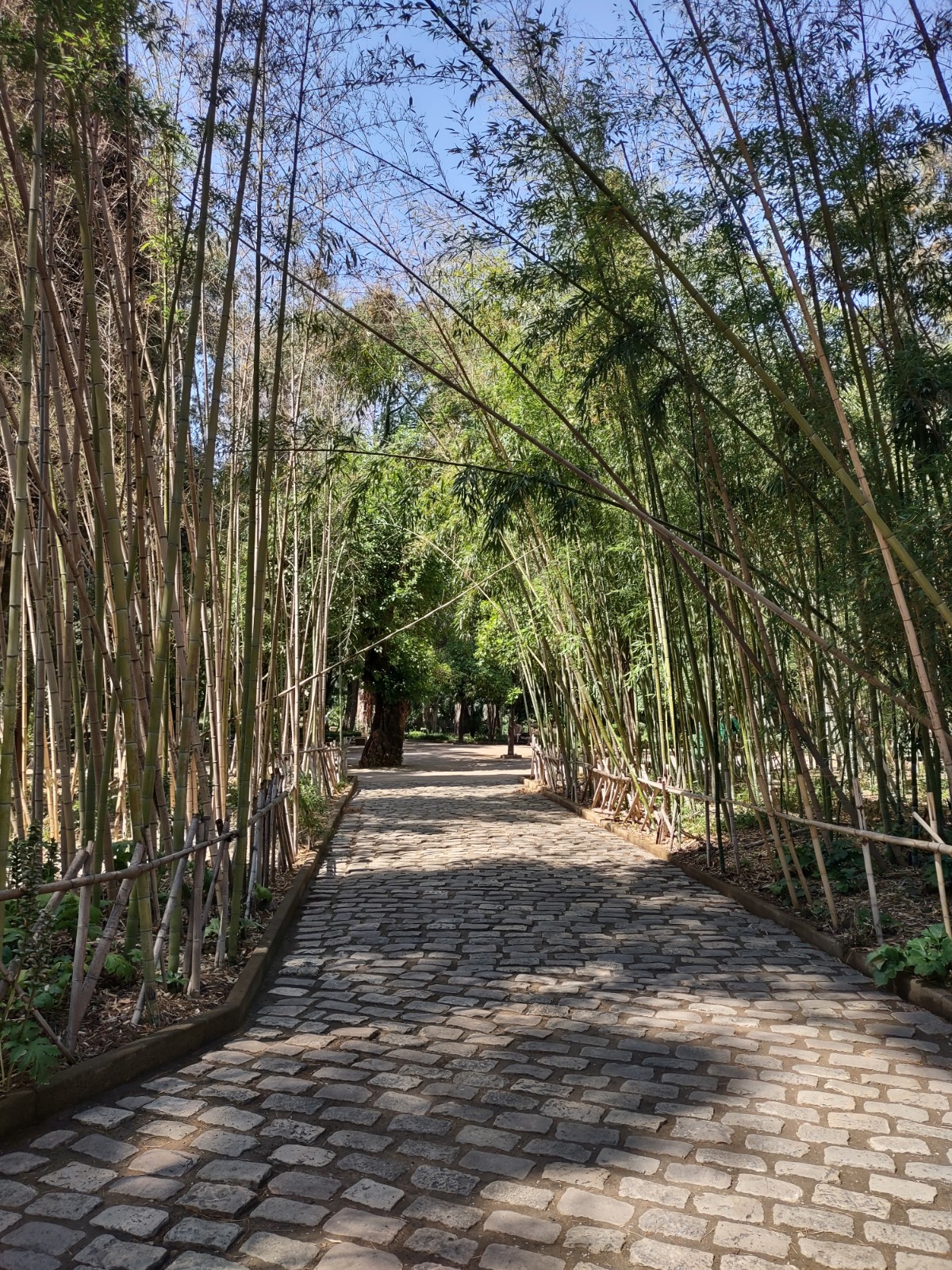
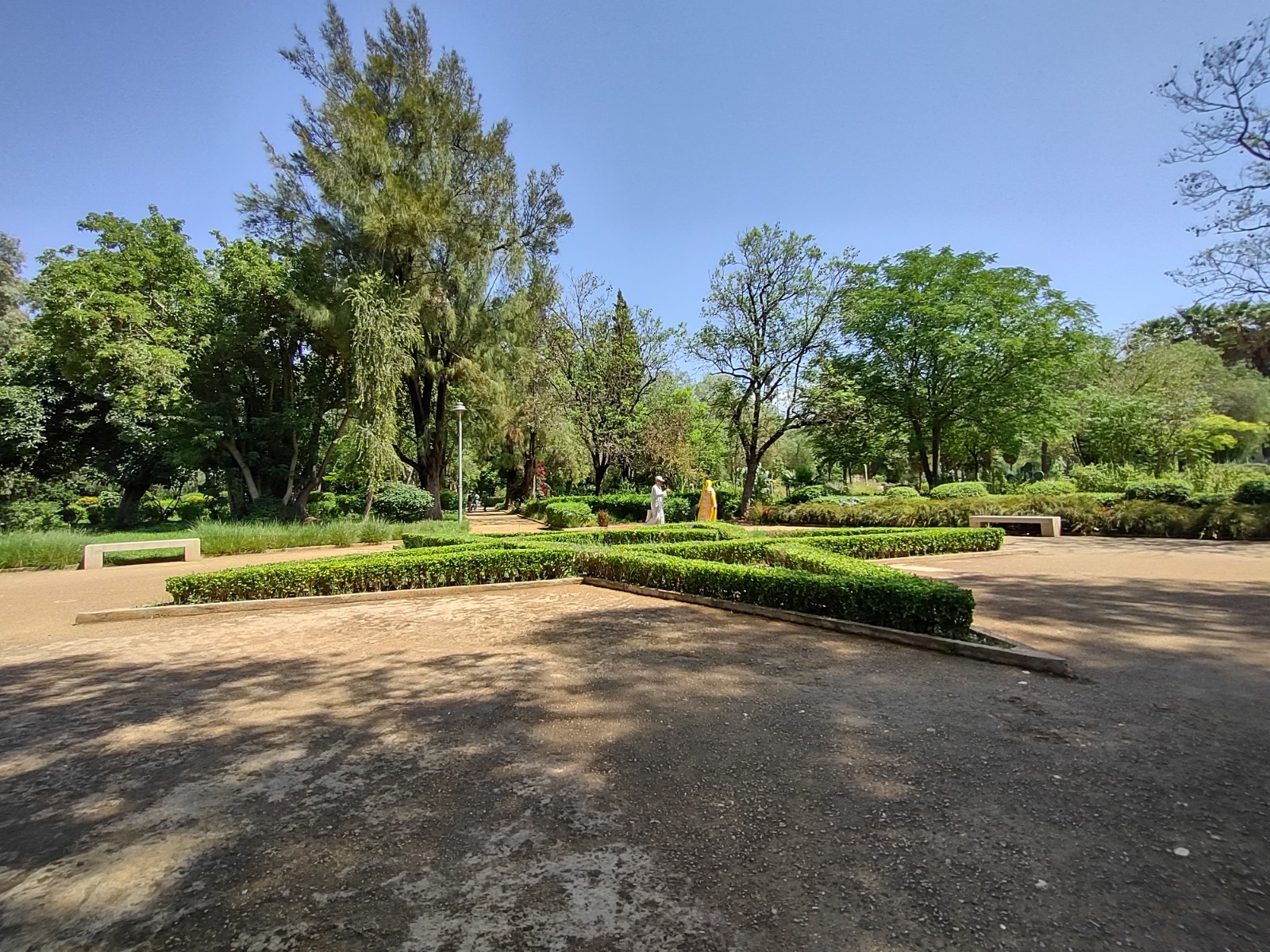
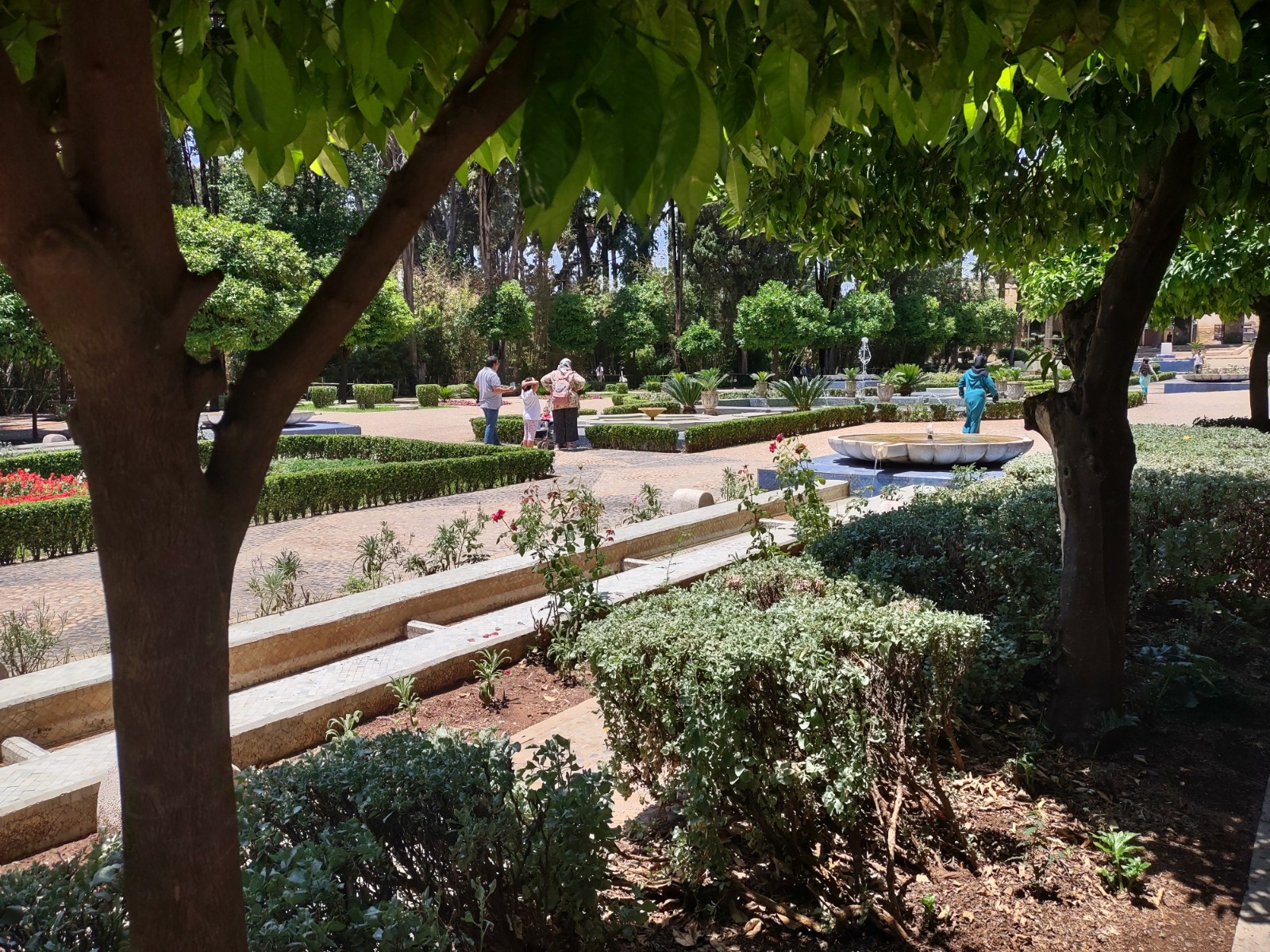
On the morning of Sunday June 11th, we walked through the Blue Gate, a bit of a landmark which separate the Fes el-Balil from the Fes el-Jdid, up the hill to the Jnan Sbil, a public park which surrounds the city reservoir which we had seen on our walk back from Carrefour. To call it a park is perhaps a bit of an understatement as it is an more of an arboretum which includes hundreds of species of trees and plants, with a central promenade with beautiful tile fountains, pathways which wind around it, and lots of secluded benches. After a bit of wandering, we found one of those benches in some shade (amazing how good the cool stone benches feel in the heat) and just hung out for a while reading and napping and enjoying the sound of the fountains.






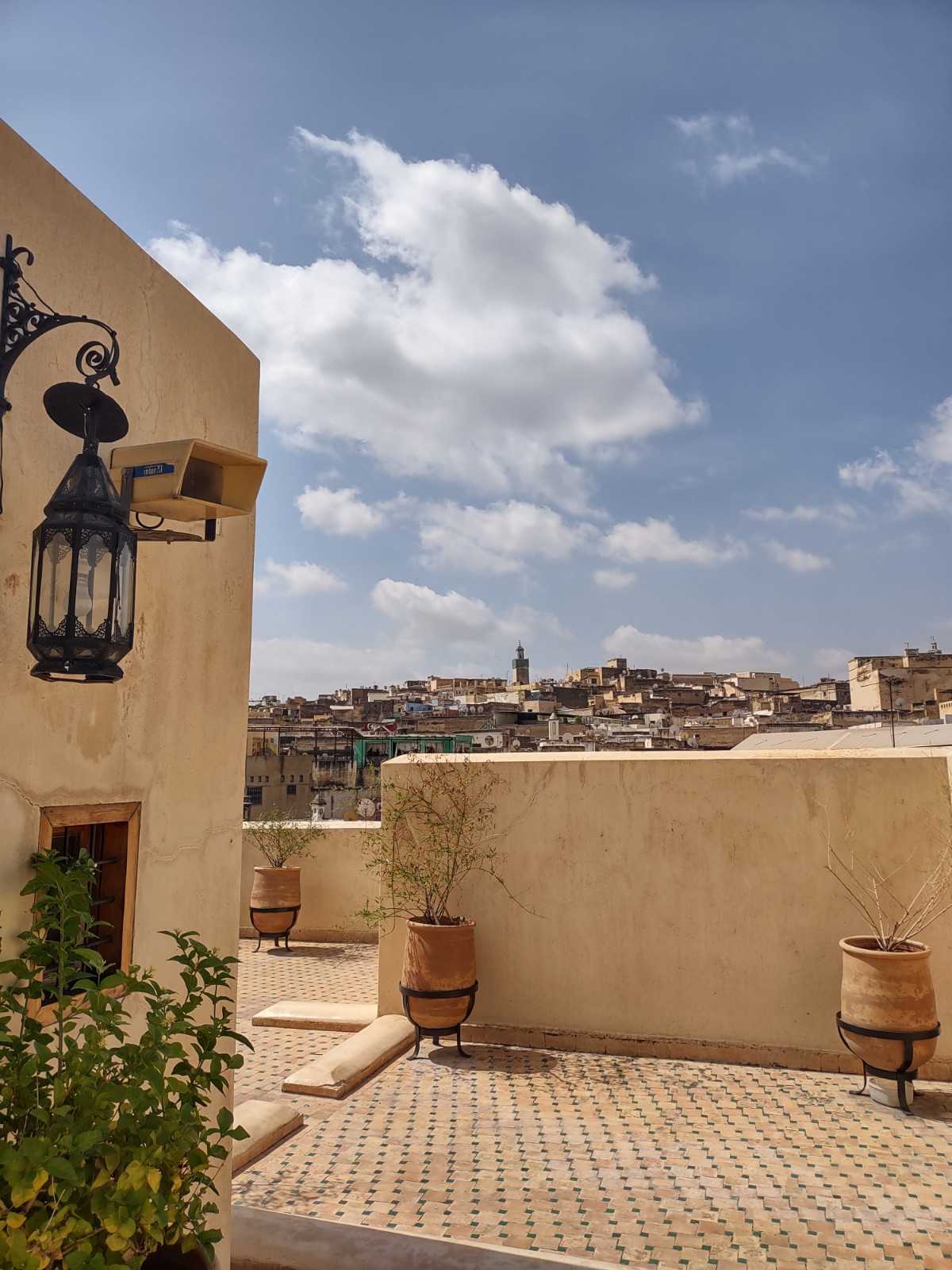
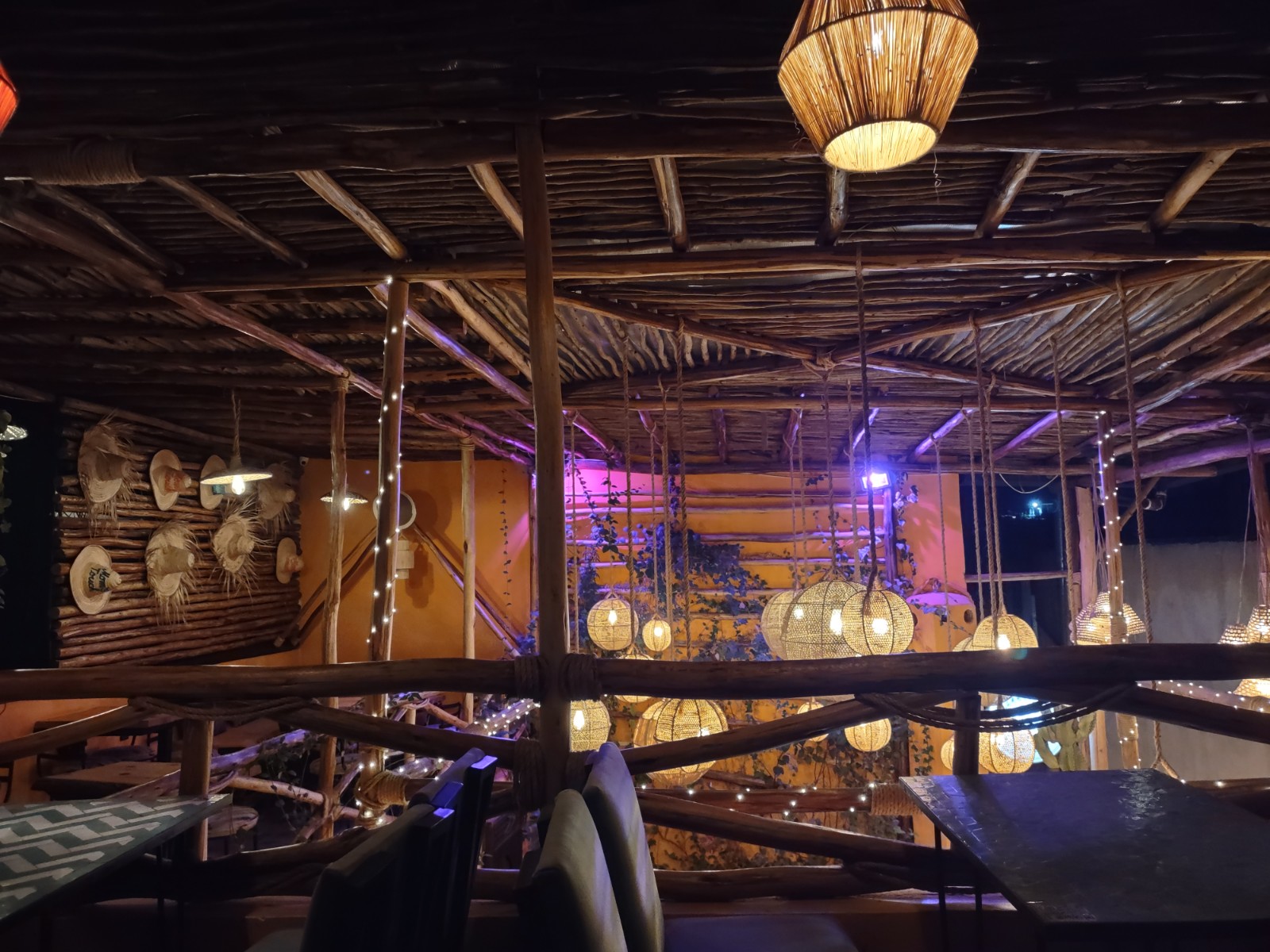
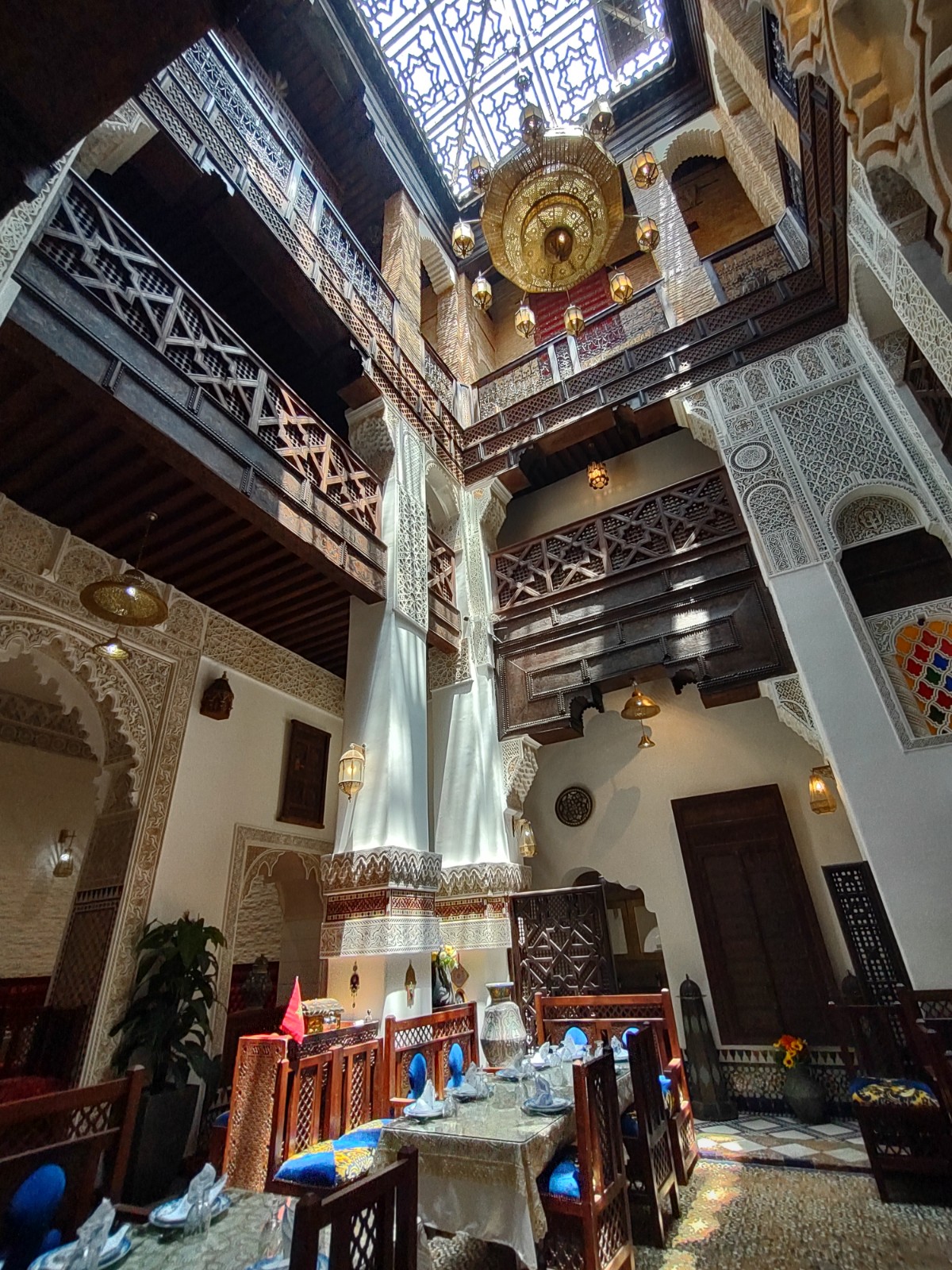
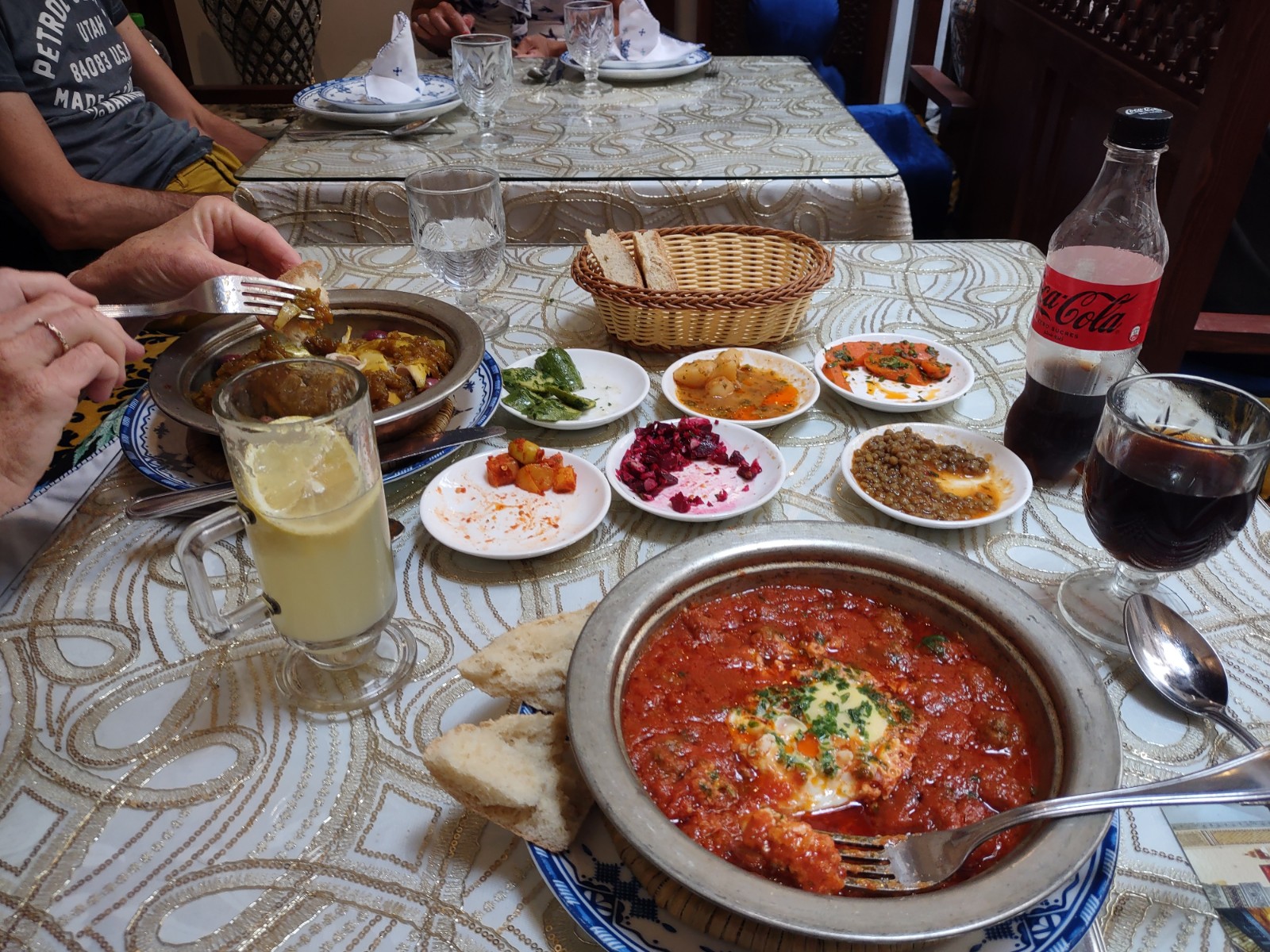
Insofar as dining out goes, we found quite a few nice restaurants, most of which were fairly affordable (although we had to remind ourselves that this was at least partly because the bill typically did not include alcoholic beverages). We found some nice roof-top restaurants with great views of the Medina and the surrounding area, some with live local music, and even got to see a beautiful rainbow created by a thunderstorm in the distance. We also found some shady garden restaurants for refreshing lunches after a morning of walking the Medina and we also found some restaurants where the main attraction was just watching people pass by.
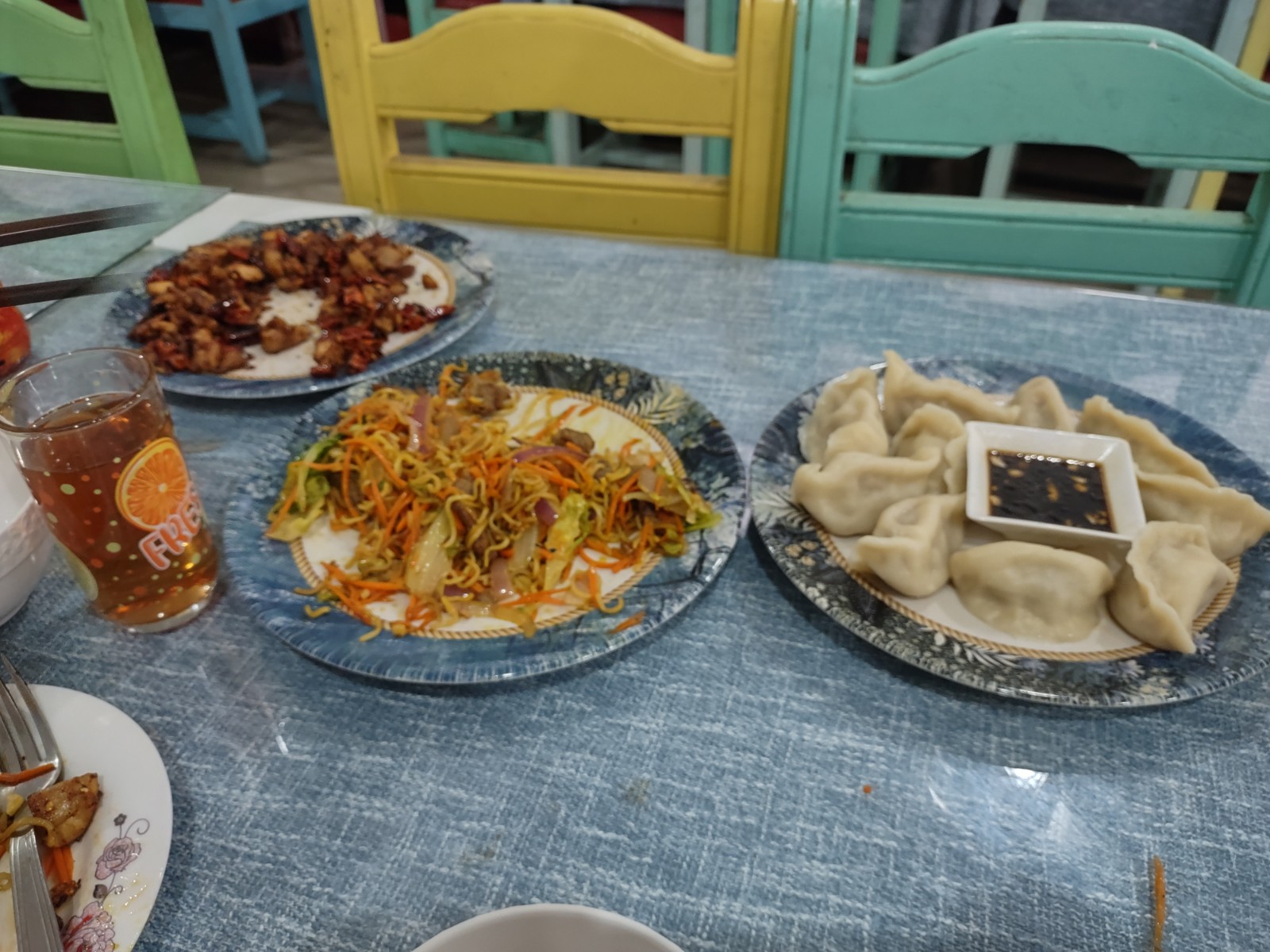
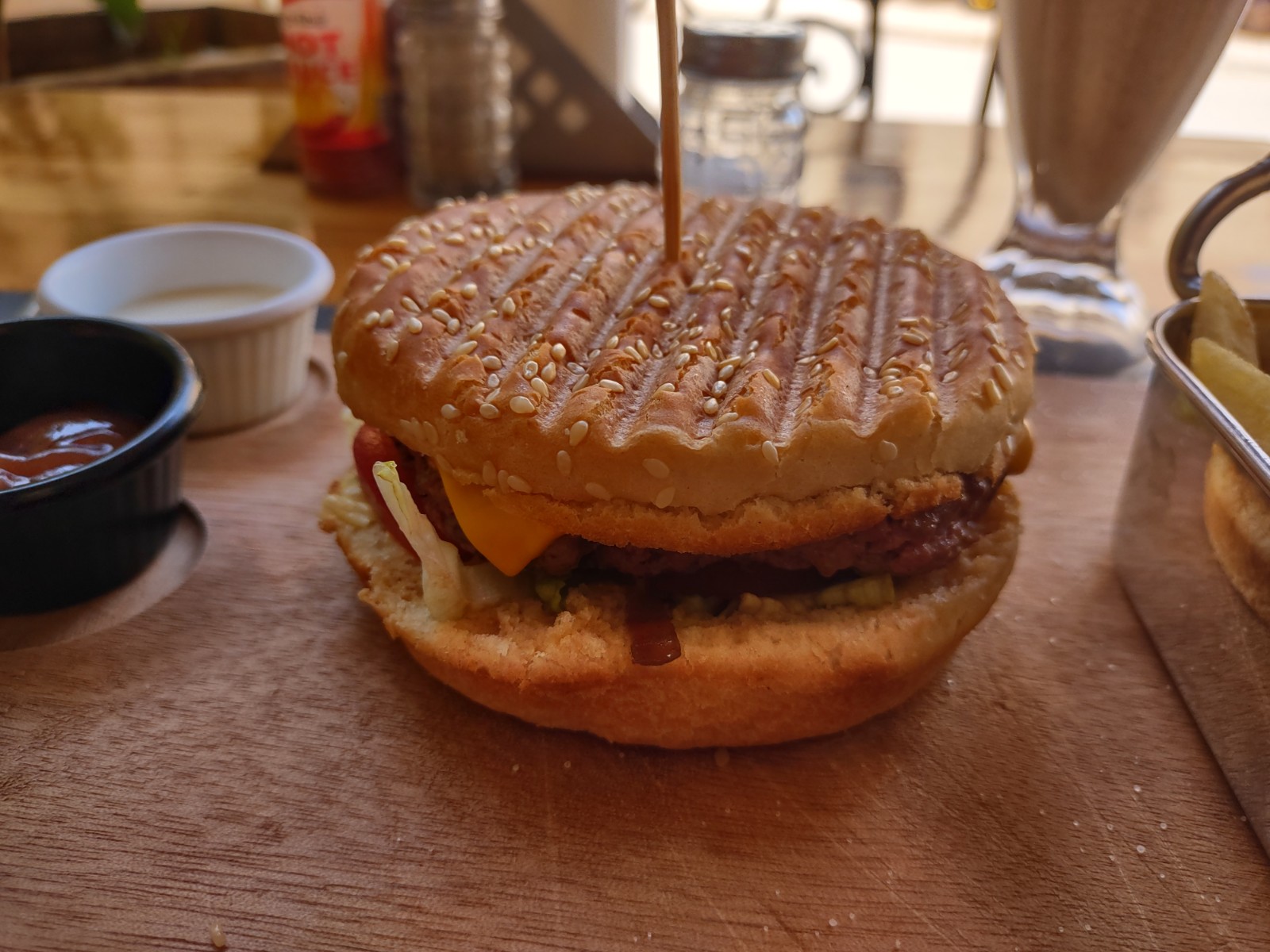
One of these was a place called Fes and Friends, just outside the Blue Gate of the Medina. We went there a couple of times because they had great falafel and an almond milkshake that I discovered I really liked and, on our second trip there, I crossed my fingers and ordered the camel burger, which turned out to be pretty good. I do have to confess that the Moroccan menus have started to seem a little repetitious and, looking for some relief, we did eat at the only Chinese restaurant in the Medina one evening and completely sated ourselves with dumplings and Szechuan spiced noodles. On our last night in Fes, we took a couple of front row seats in a restaurant facing down one of the two main streets and just watched the Medina happen as we enjoyed our meal.

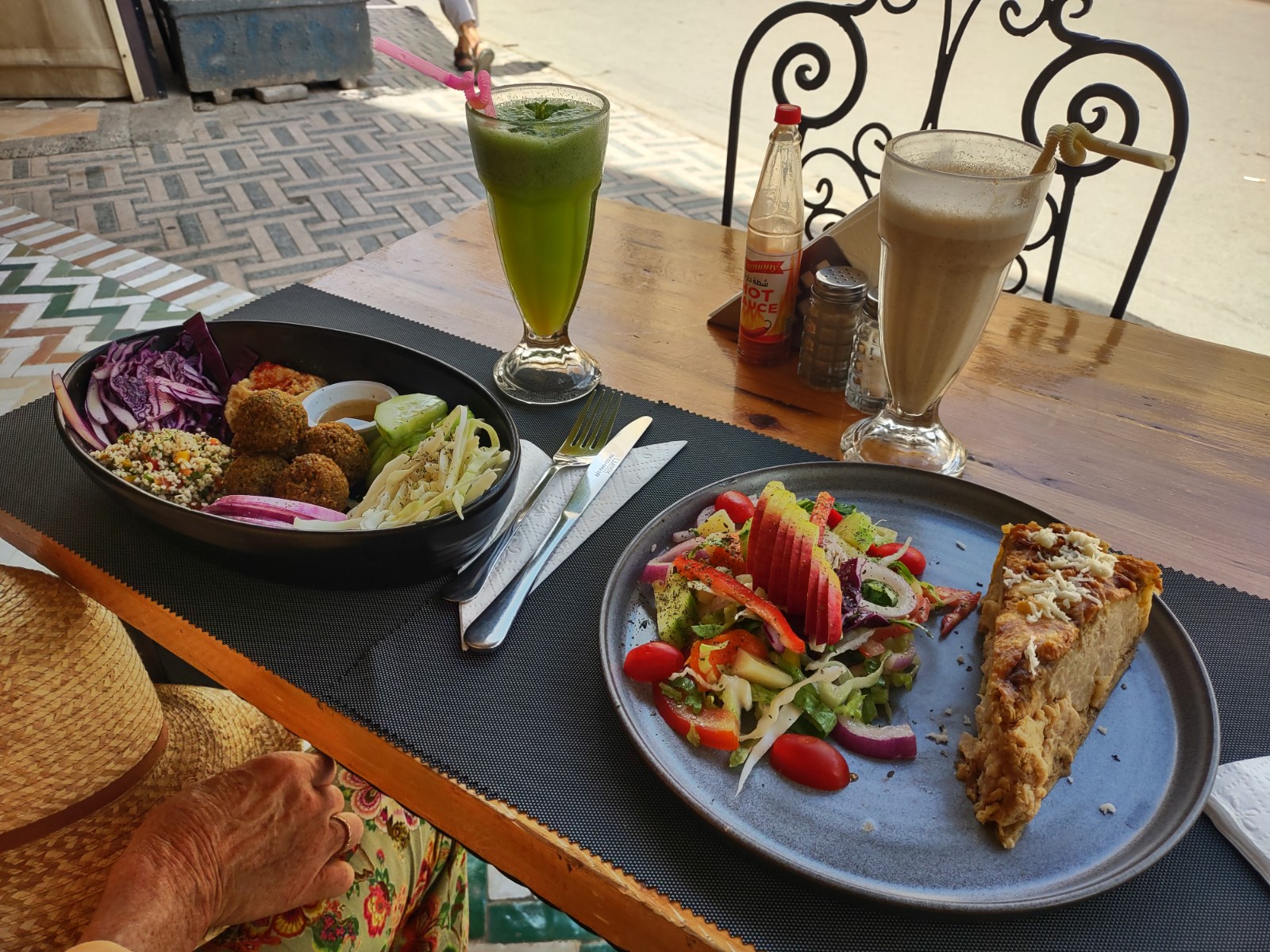
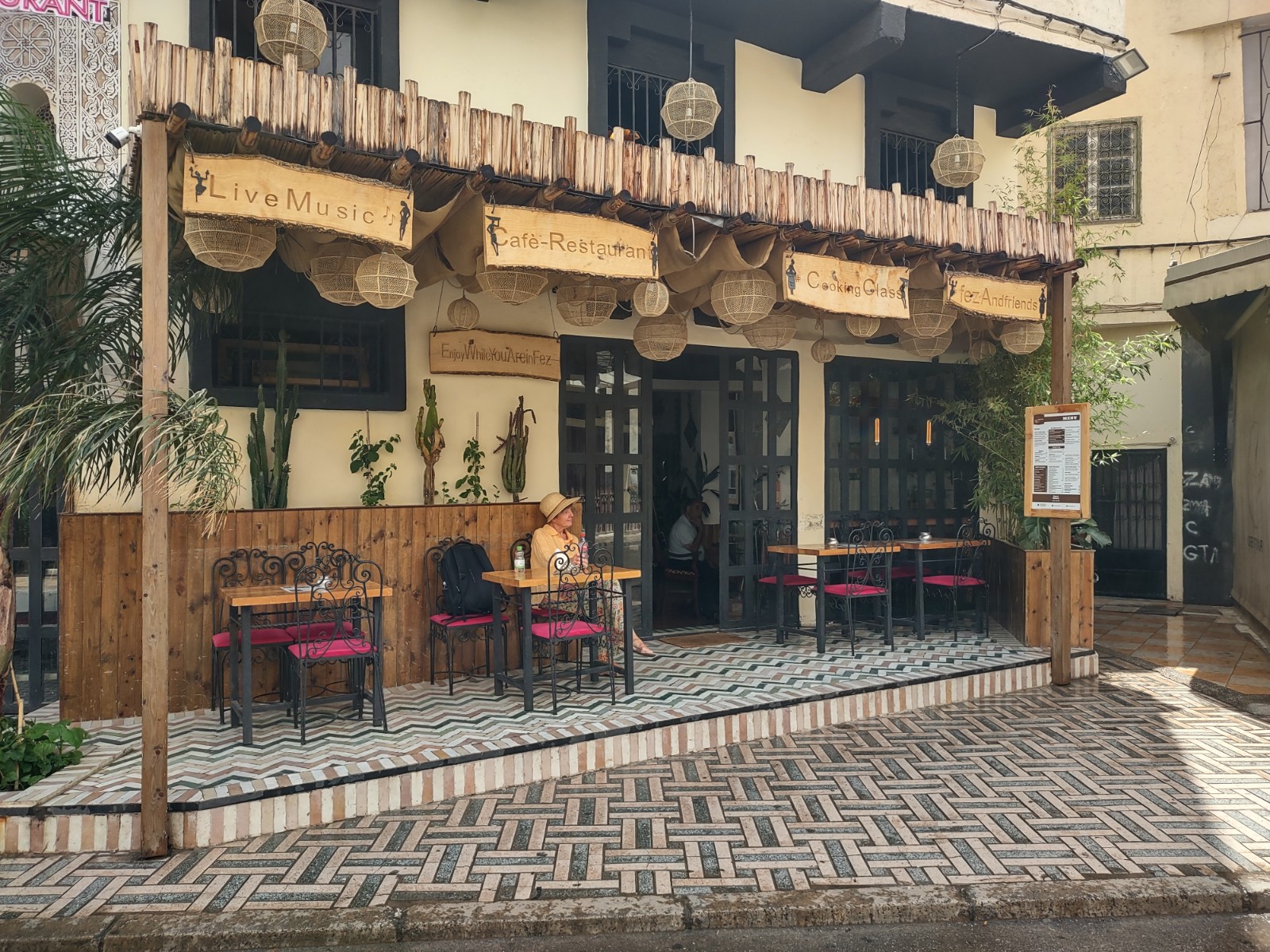
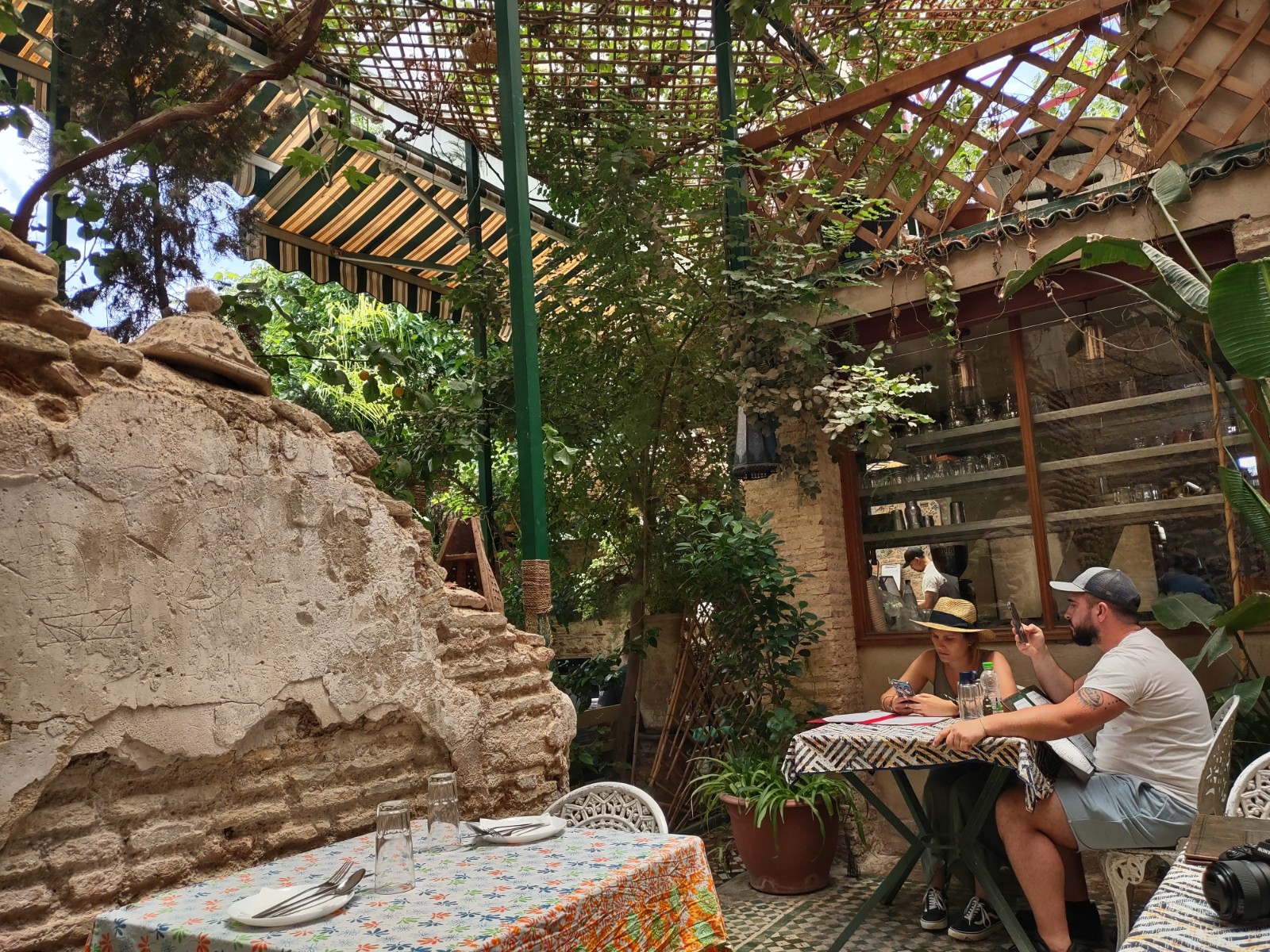
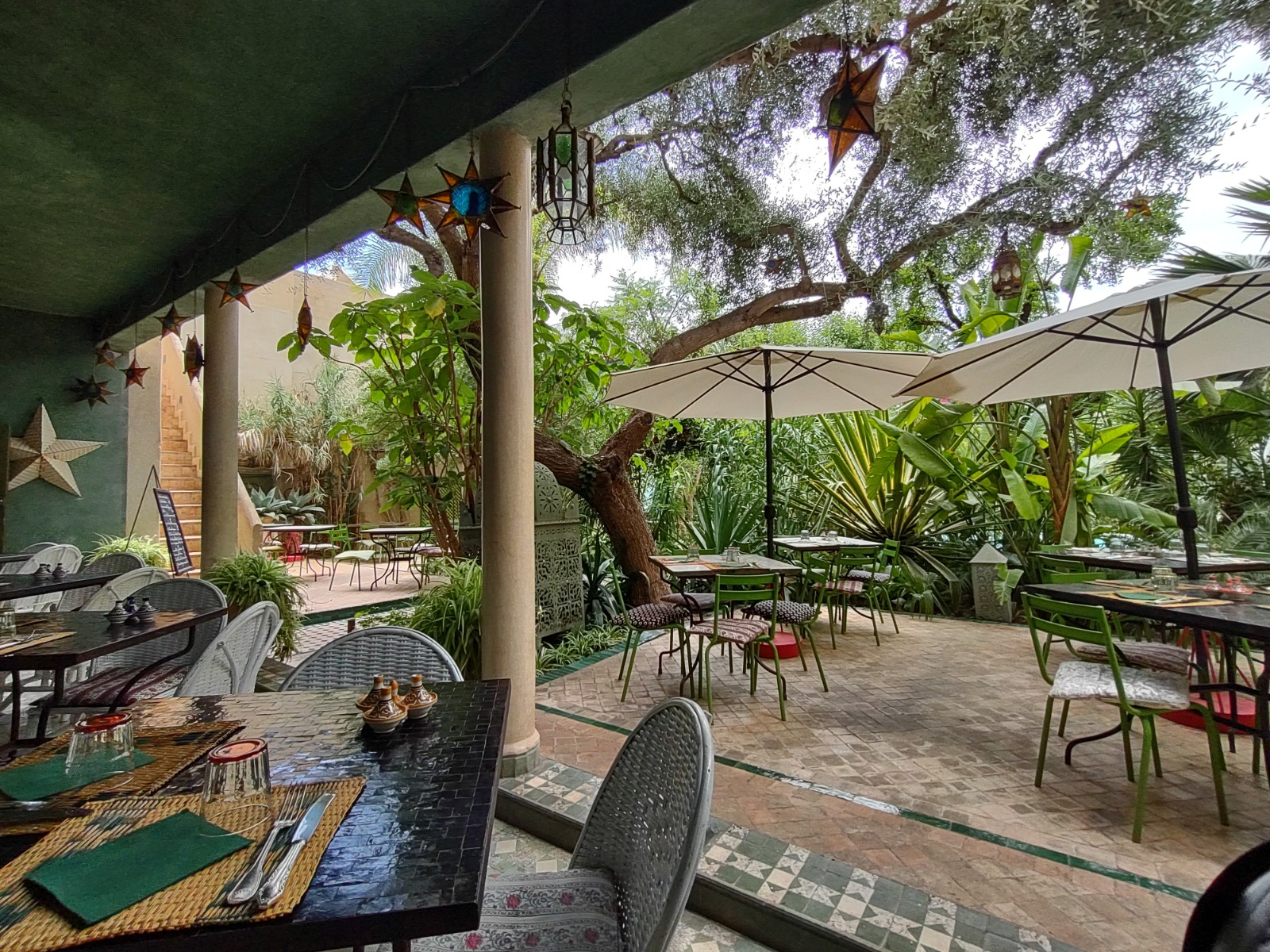
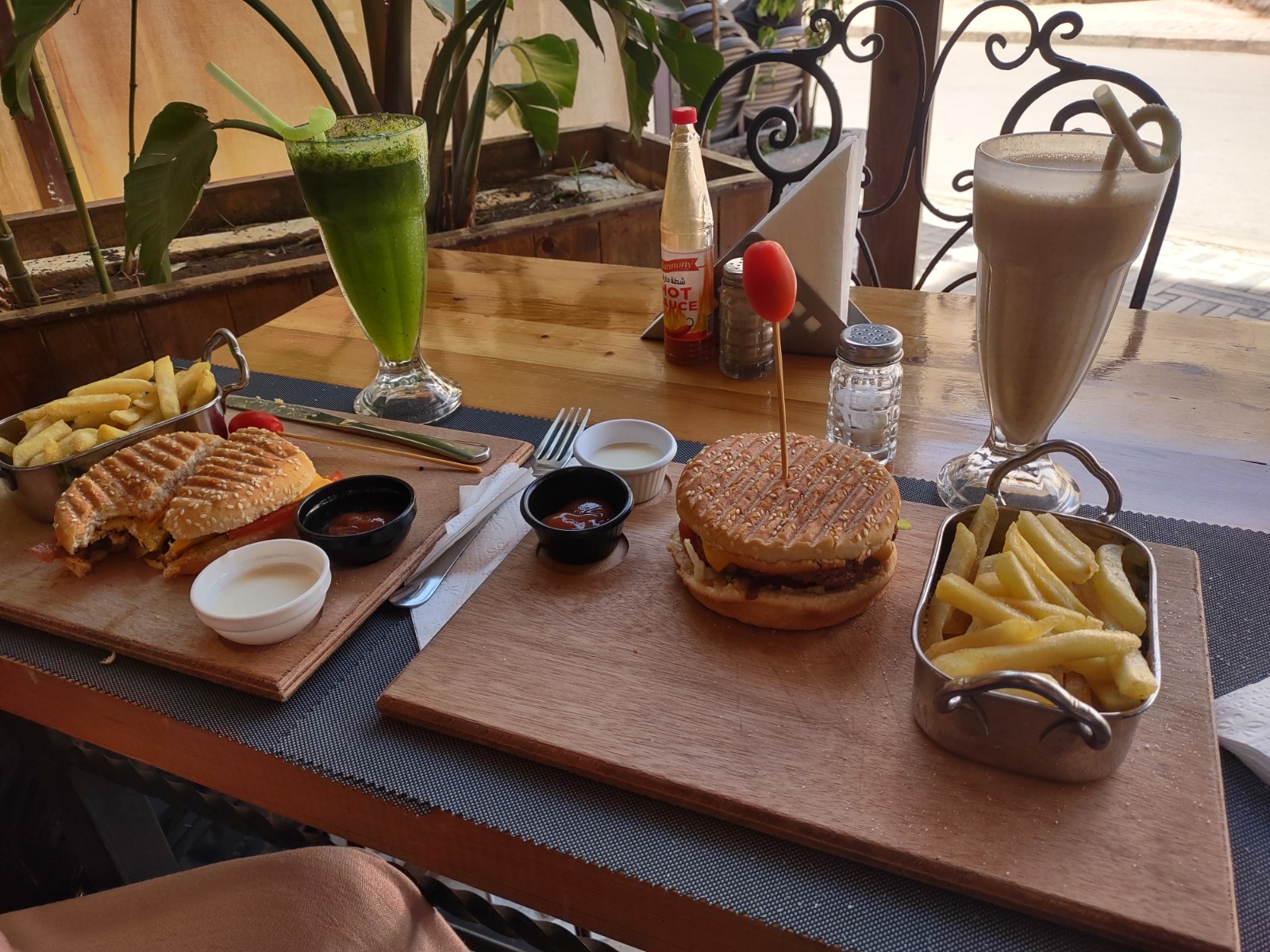
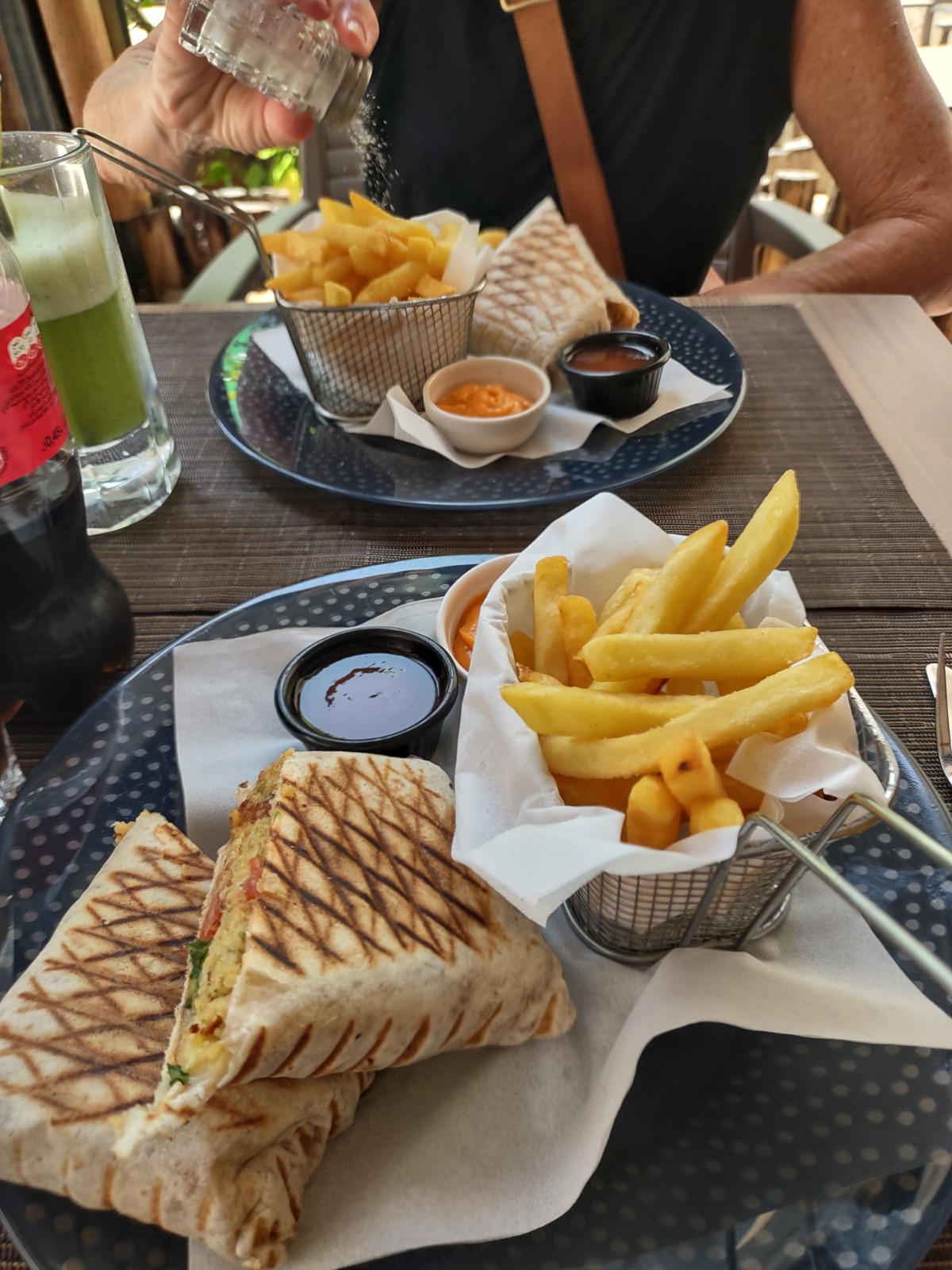
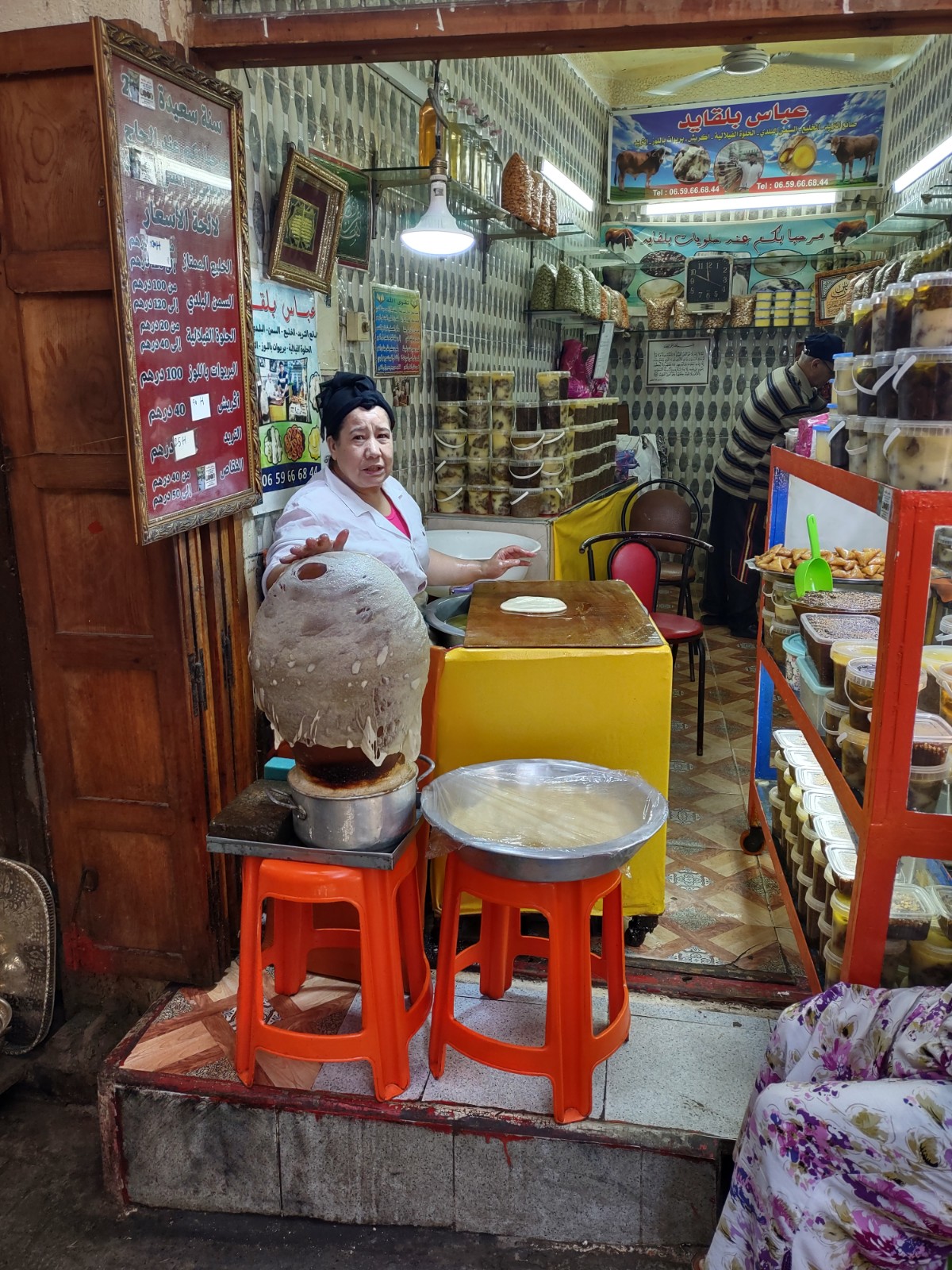
I feel like we’ll probably have to do a more complete segment regarding food in Morocco, but just to be safe, I want to put out a bit of a warning regarding the food item in the lower right photo above. This is what is actually known as a taco in Morocco. (Sorry about that unintended rhyme!) It’s even more odd in that we actually did have some very good and very authentic Mexican-American style tacos in Marrakesh, but that was apparently an anomaly. We have since learned that everywhere else (including, most likely, most of Marrakesh), this is a taco in Morocco (oops, did it again!).
You are probably thinking, as Colleen did, that it is a panini, but you would be wrong. As you can see from the menu below, a panini is a completely different thing which has two pieces of bread with stuff in between and ( I think this might be important) has grill marks in only one direction. In contrast, the taco is more of a wrap with flatbread wrapped around stuff in between and (again, I think this might be important) has grill marks in two or more directions. What actually separates the Morocco taco (oops) from the rest of the pack (which, when we discovered it, particularly disturbed Colleen), is that, not only is it served with a side of fries, but there are also fries inside along with whatever meat or vegetables you ordered. (Reminds me a bit of one of the sandwiches at Stuff Your Face in New Brunswick.)
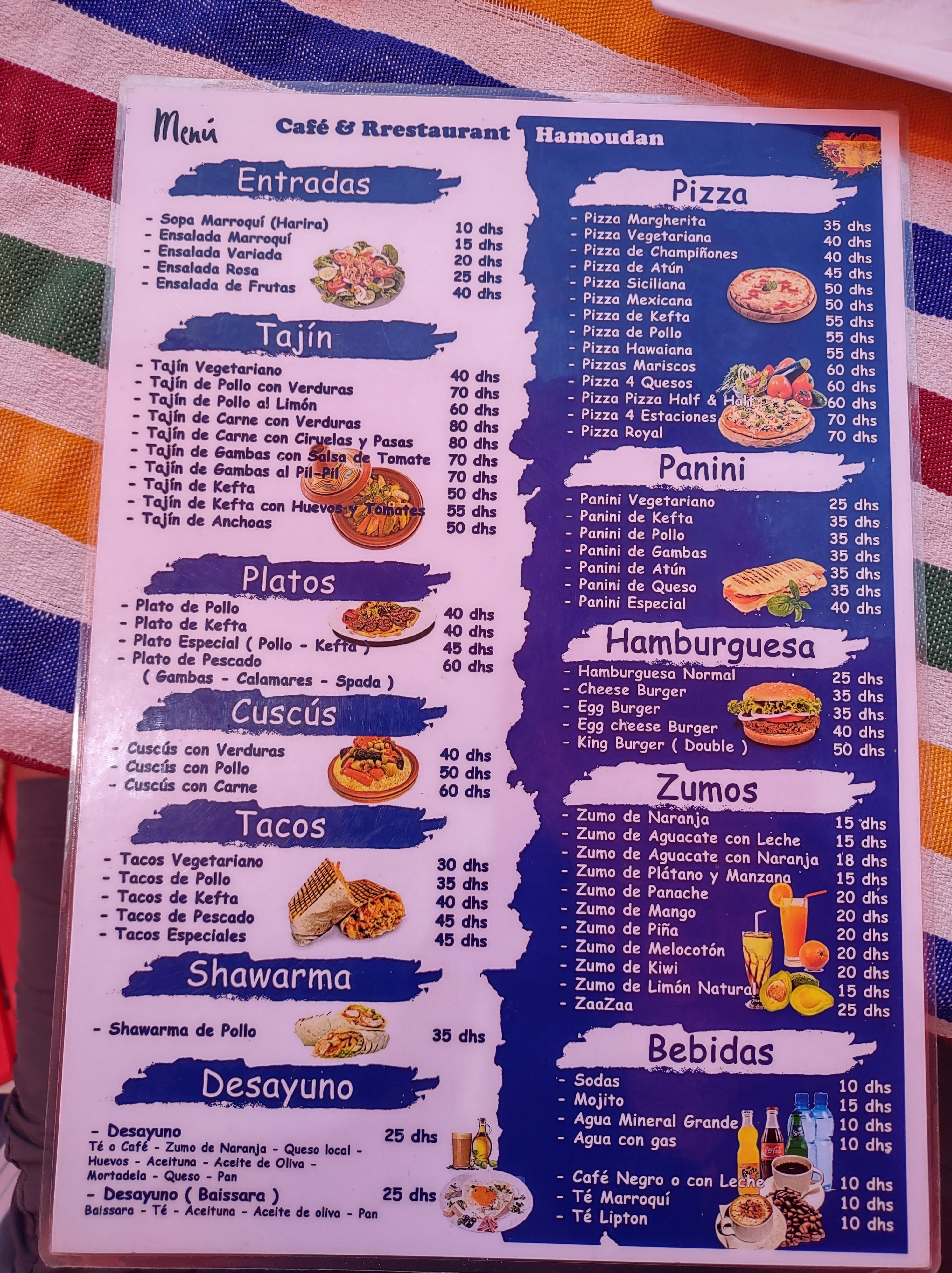
Honestly, while it appears there are a lot of choices, this could be the menu for about 90% of the restaurants we had seen, so maybe you can understand why we were starting to tire a bit of Moroccan food. (I’m pretty sure I ordered my first taco hoping for some relief…) In fairness, its been our goal to find the other 10%, and we have had some good pretty good meals. In any case, we had not given up all hope and were looking to have a least one more really good meal at a place in Tangier, our last stop in Morocco. (And, if that doesn’t work out, Italy is after Morocco.)
Earlier, I mentioned watching thunderstorms in the distance from rooftops, but we also experienced two pretty good downpours while we were here. In three weeks in Morocco, this was the first rain we had seen other than a minor spritz in Sidi Ifni which only lasted for a couple of minutes. We did a little research and discovered that while Fes does on the average get something like 24 inches of rain per year, June is one of the driest months with only about ½ inch of rainfall for the month on the average. Perhaps that is why everyone seemed so surprised when it actually started raining (and quite hard at that), running for cover under the nearest canopy or awning and, when it showed no sign of letting up, leapfrogging from one sheltered area to the next. We saw a few backpackers with rain jackets and pack covers (I had mine with me as well – always prepared!) but only one or two umbrellas. All of this was quite entertaining for us from the comfort of our front-row restaurant seats (safely under cover) and we enjoyed the luxury of ordering a round of tea and waiting it out.
If you have been reading our blog, you may recall that we had planned on shipping home a box of souvenirs, trinkets, and other purchases (including the brass lamp we acquired in Marrakesh) when we arrived in Tangier, our last stop in Morocco. But, when we looked at the calendar and realized that our only full day in Tangier would be a Sunday, we decided that it probably made more sense to mail our package from Fes. With this in mind we made a few last minute purchases including some really nice hand-made leather slippers that we’re pretty certain we paid too much for (the shopkeepers can tell when you really like something and they usually capitalize on it).
After some research we travelled out of the Medina one more time and took a taxi to a shop we had located to buy a box, bubble wrap, and packing tape. On Sunday evening we carefully wrapped and packed up our purchases, filling the voids with newspaper and clothing we no longer needed, and on the morning of Monday June 12th, our last full day in Fes, we walked up the hill to the local Post Office to send our package off to our daughter in New York.
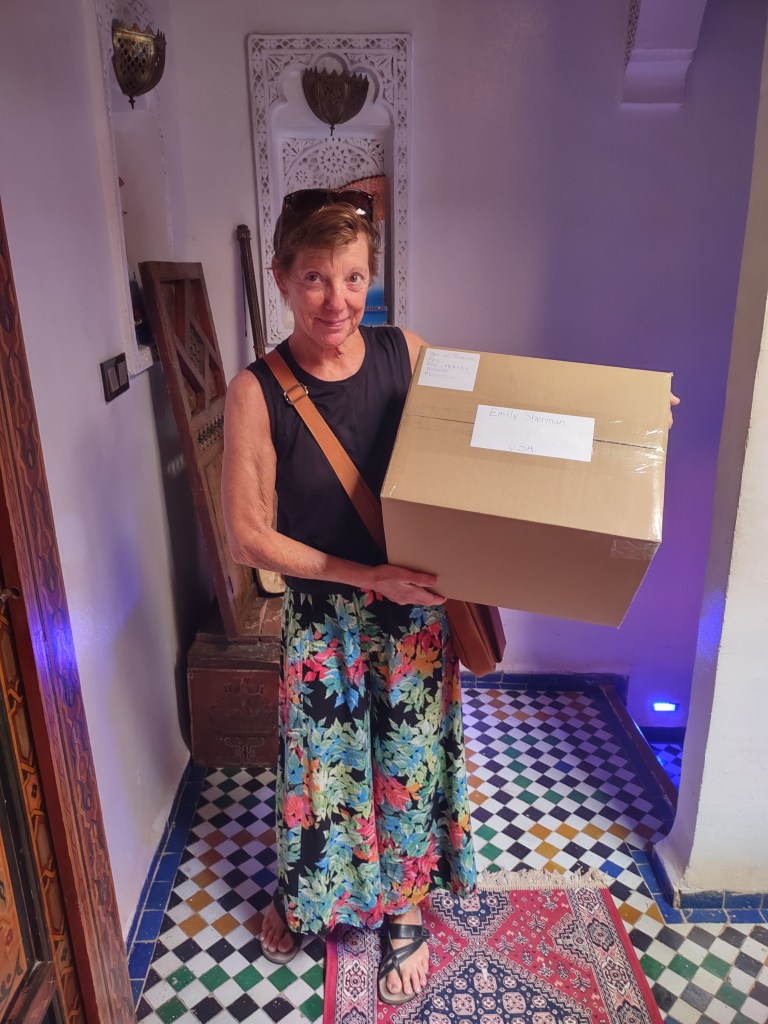
Initially, things went pretty well at the Post Office (Colleen had already been here on a couple of occasions to mail postcards and had befriended the guard at the door) but took a bit of a turn when we discovered that it would be necessary to open the package and look at its contents. We realized this as the counter person at the Post Office began to pull off all the packing tape which Colleen had so carefully applied, threatening to destroy the box along the way. Fortunately, the door guard intervened and let Ritchard cut the tape to open the box and, once the contents were examined, neatly taped the box shut for us. As there was no particular hurry (our current plans don’t have us back in the U.S. until 2024), we went with the least expensive rate with, of course, the longest delivery time and hope that our daughter will receive the package in about a month or so.
After five months on the road, among other things, I think we have come to the realization that it is virtually impossible to travel like this and not acquire “stuff”. We don’t foresee too many more opportunities to send an extra suitcase home with friends as we did in Scotland, so we were pretty happy to figure out another way to get things home when we need to. Nonetheless, we of course again swore off buying things which we can’t sustainably carry. (It will be interesting to see how long that lasts…)
Our week in Fes was, in some regards, too long (too long to stay in a riad at least) but in other regards maybe not long enough. I think we both feel like we learned more about Morocco and its culture here than we have anywhere else. Although it didn’t fly by, the week did pass and again, before we knew it, it was time to pack up and head for our next destination Chefchaouen, the Blue City of Morocco.
 Burning the Inheritance
Leave a comment