We left Sidi Ifni, Morocco at the crack of dawn on Monday June 5th as we had a pretty long day of travel ahead of us. Whereas we broke up the drive down the coast over two days, we planned on driving all the way back to Essaouira in one shot, a drive of about six hours. From the Essaouira airport, where we returned our rental car, we took a taxi back into town and caught an afternoon bus back to Marrakesh where we would spend the night before catching a train to Fes the next day.
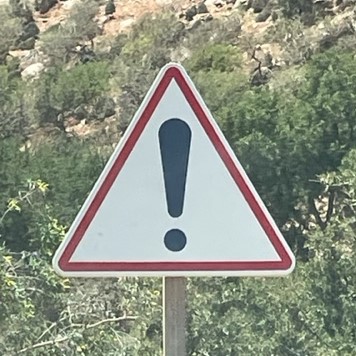
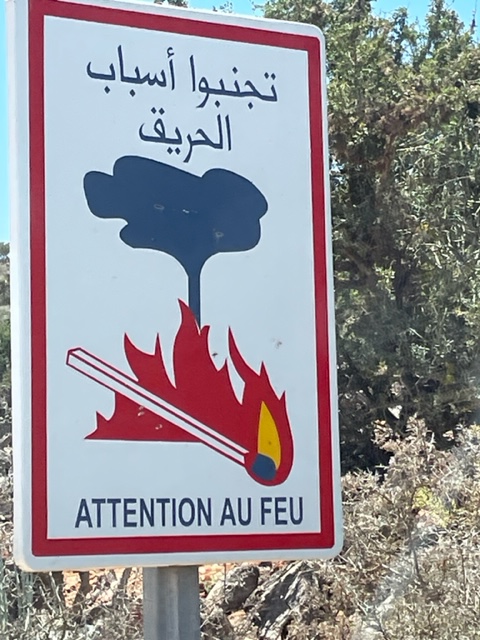
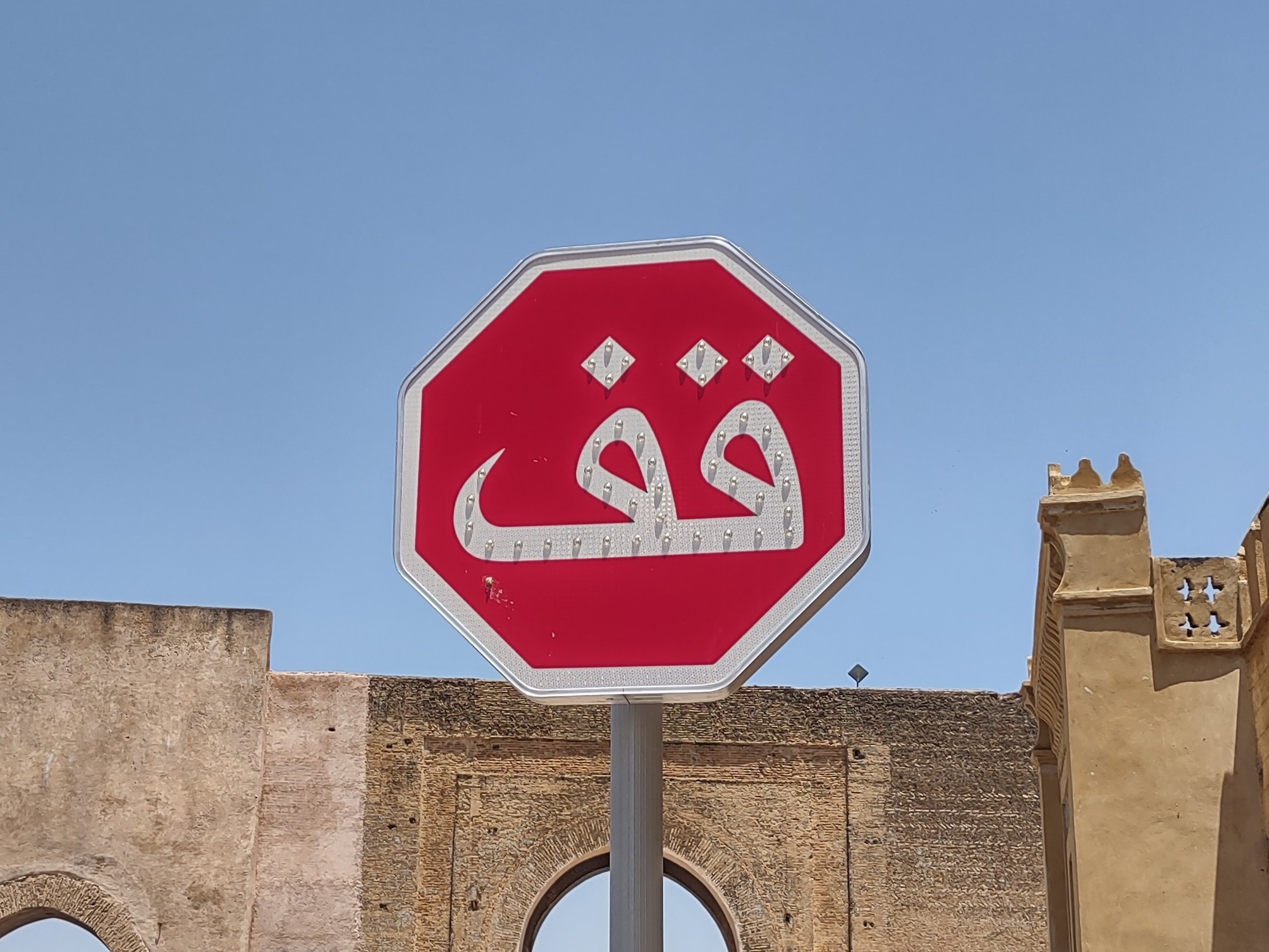
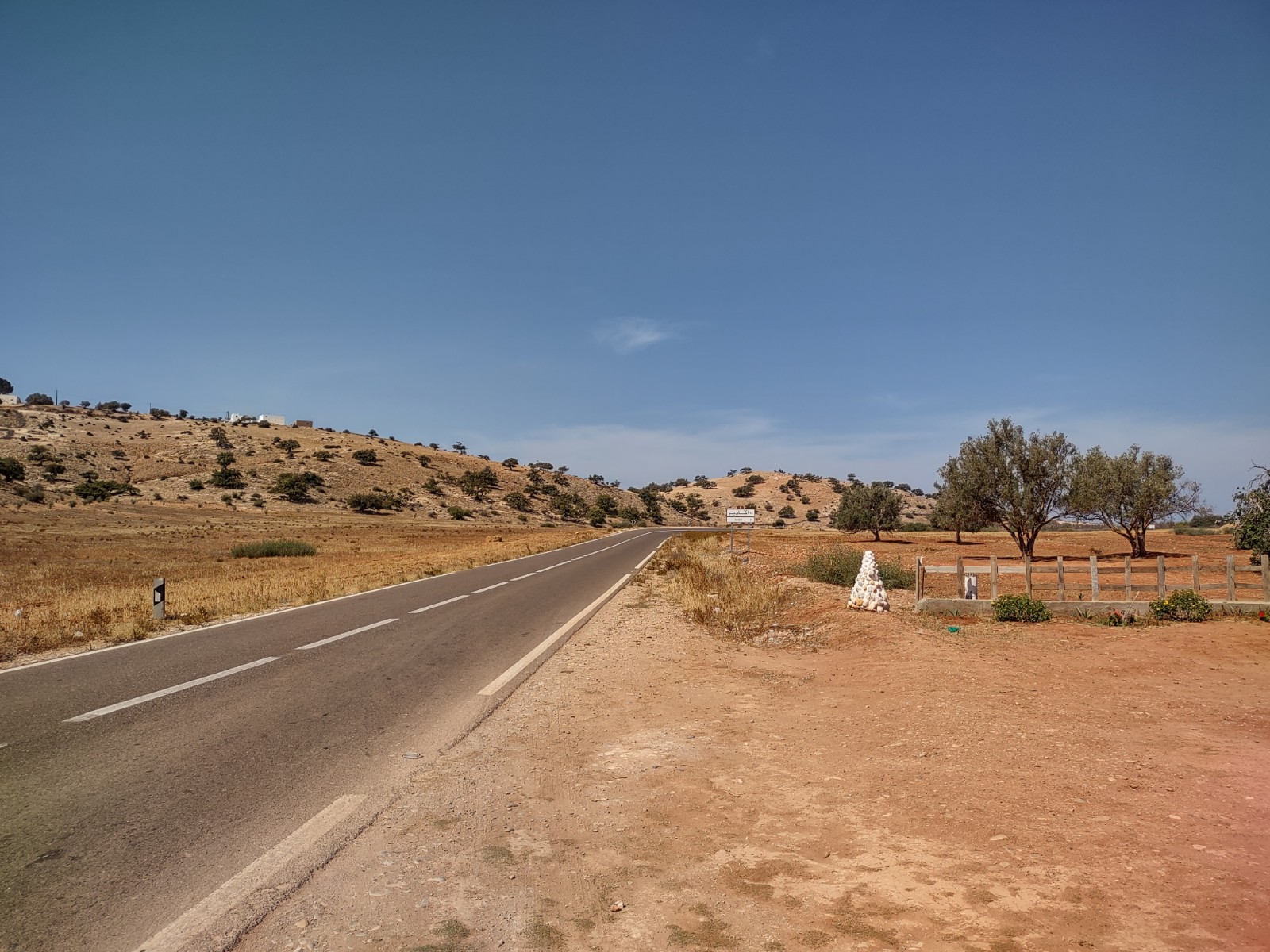
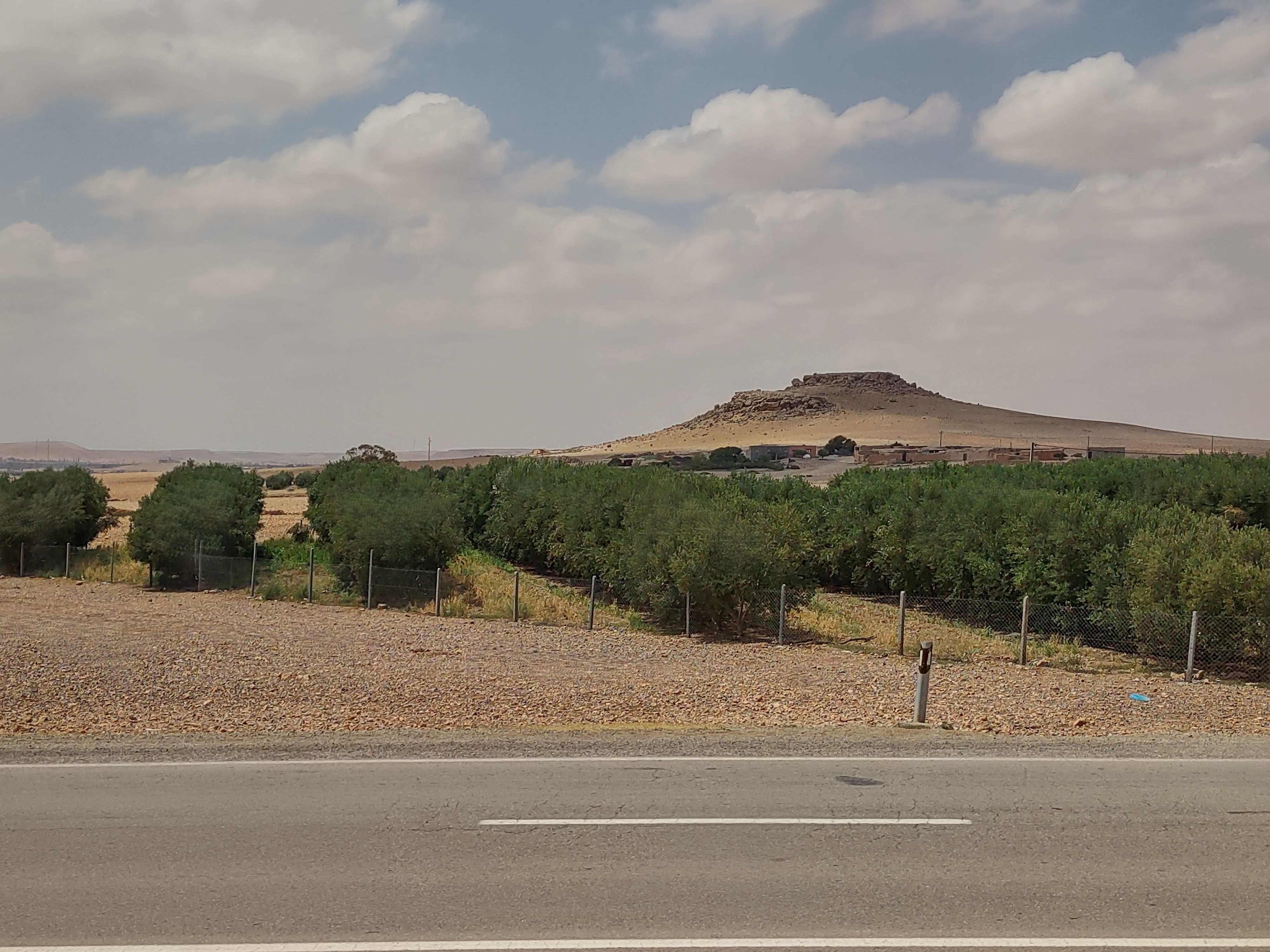
Because we had started so early, the drive back to Essaouira was pleasantly cool and we enjoyed the scenery just as much as we had on the way down (just in reverse). Over our two days of driving in Morocco, we couldn’t help but take notice of some of the road signs which are a bit different than what we have at home. It was interesting to note that there are two different types of pedestrian crossing signs, one of which depicts what appears to be a man calmly crossing the street and another which appears to depict a parent and child fleeing oncoming traffic. (We later speculated that maybe the latter were school walker signs?) Our favorite was the exclamation point sign which appeared to be a sort of all-purpose caution sign for any number of events (hills, turns, falling rock, etc.).
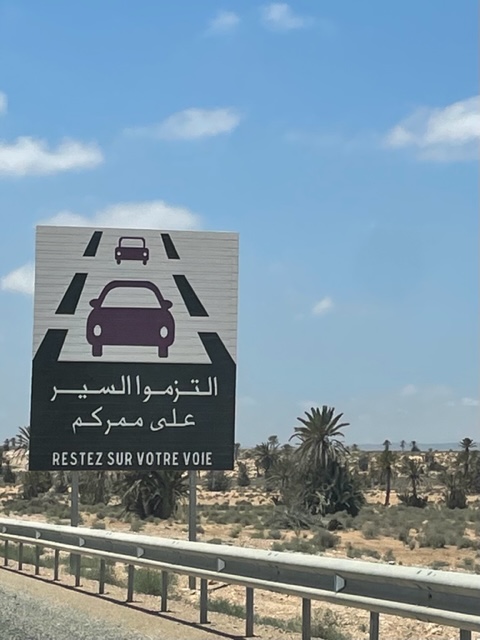
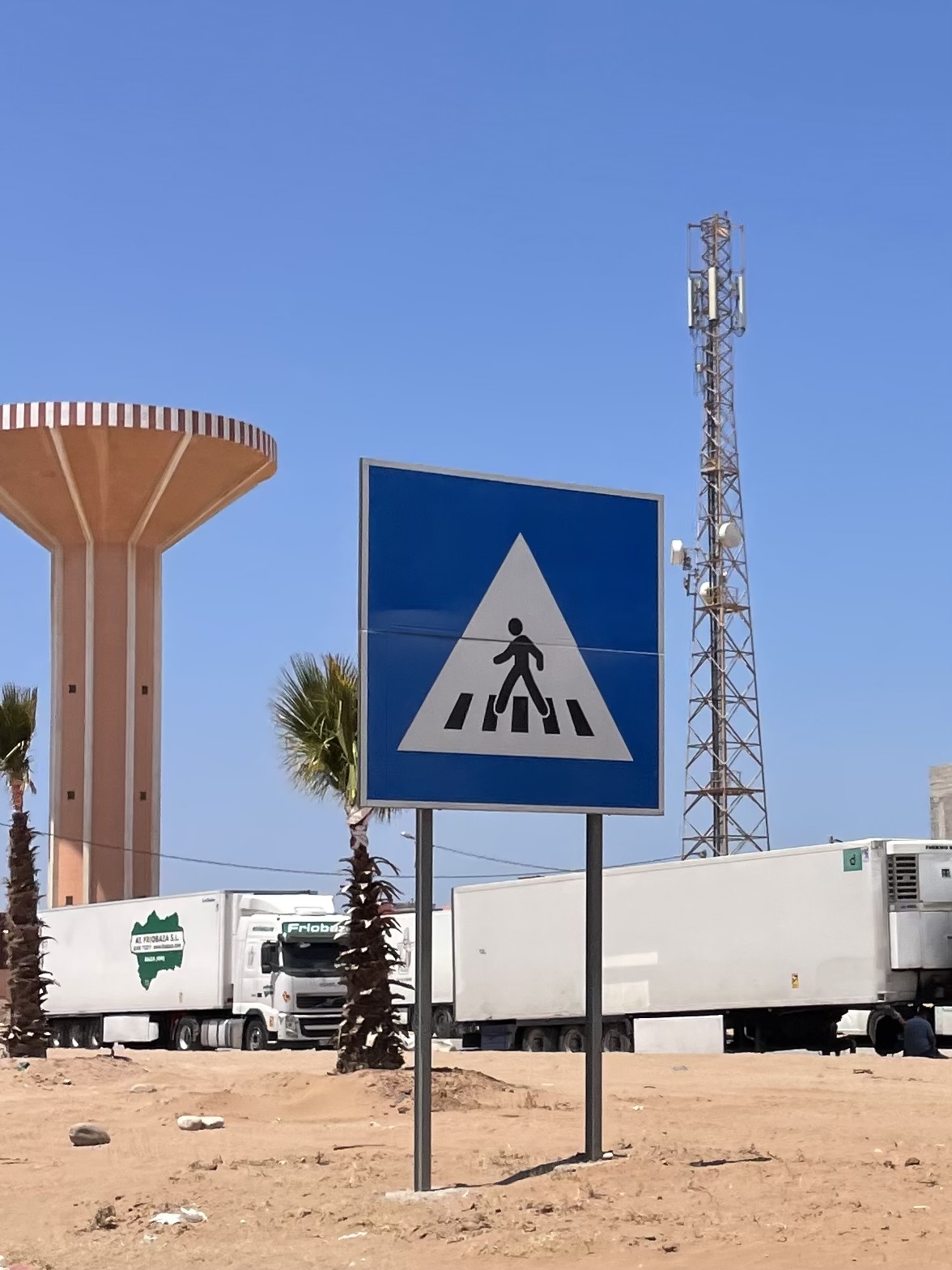
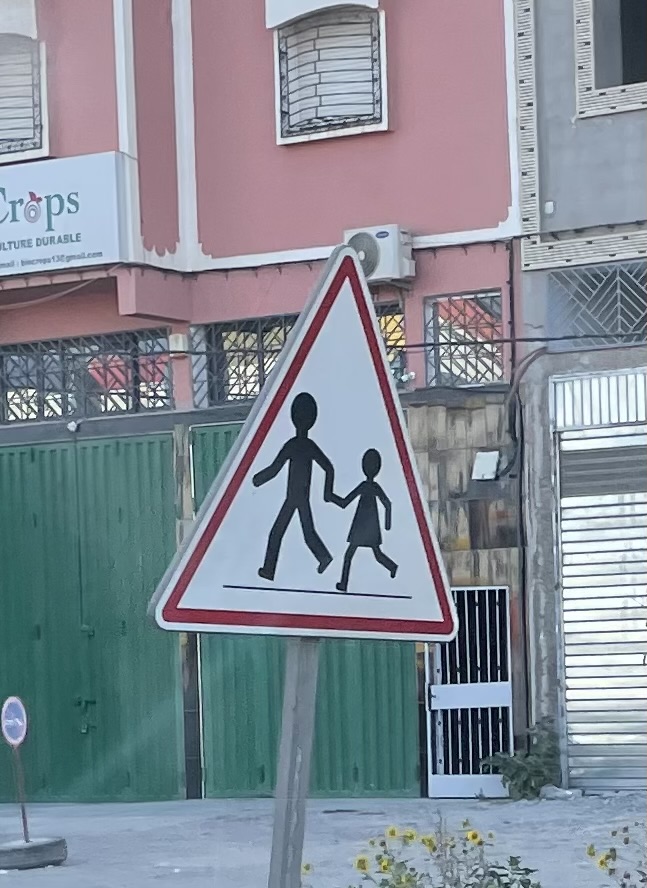
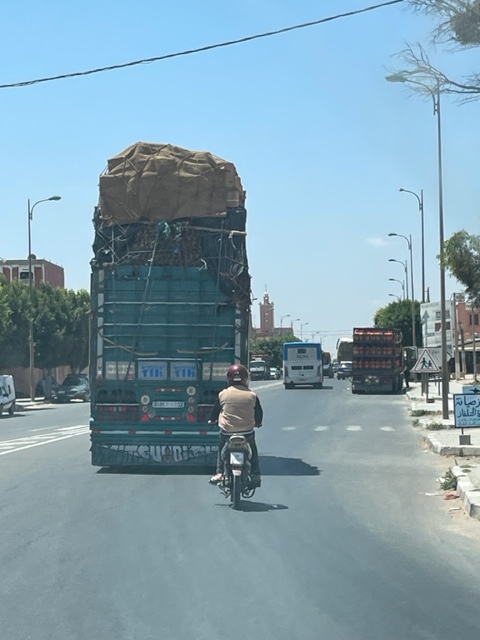
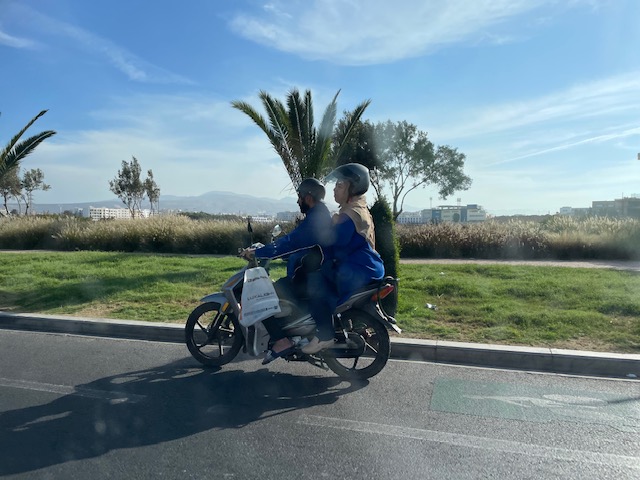
We noted some other things on the road that you don’t see every day (at least not at home). We saw a truck with what seemed to be the biggest load you could imagine (hopefully not going under any bridges). It’s also pretty interesting to see how many people and how much stuff it is apparently possible to carry on a moped. Colleen has observed that you can tell which husbands really love their wives because they are the ones who provide their wives with helmets!
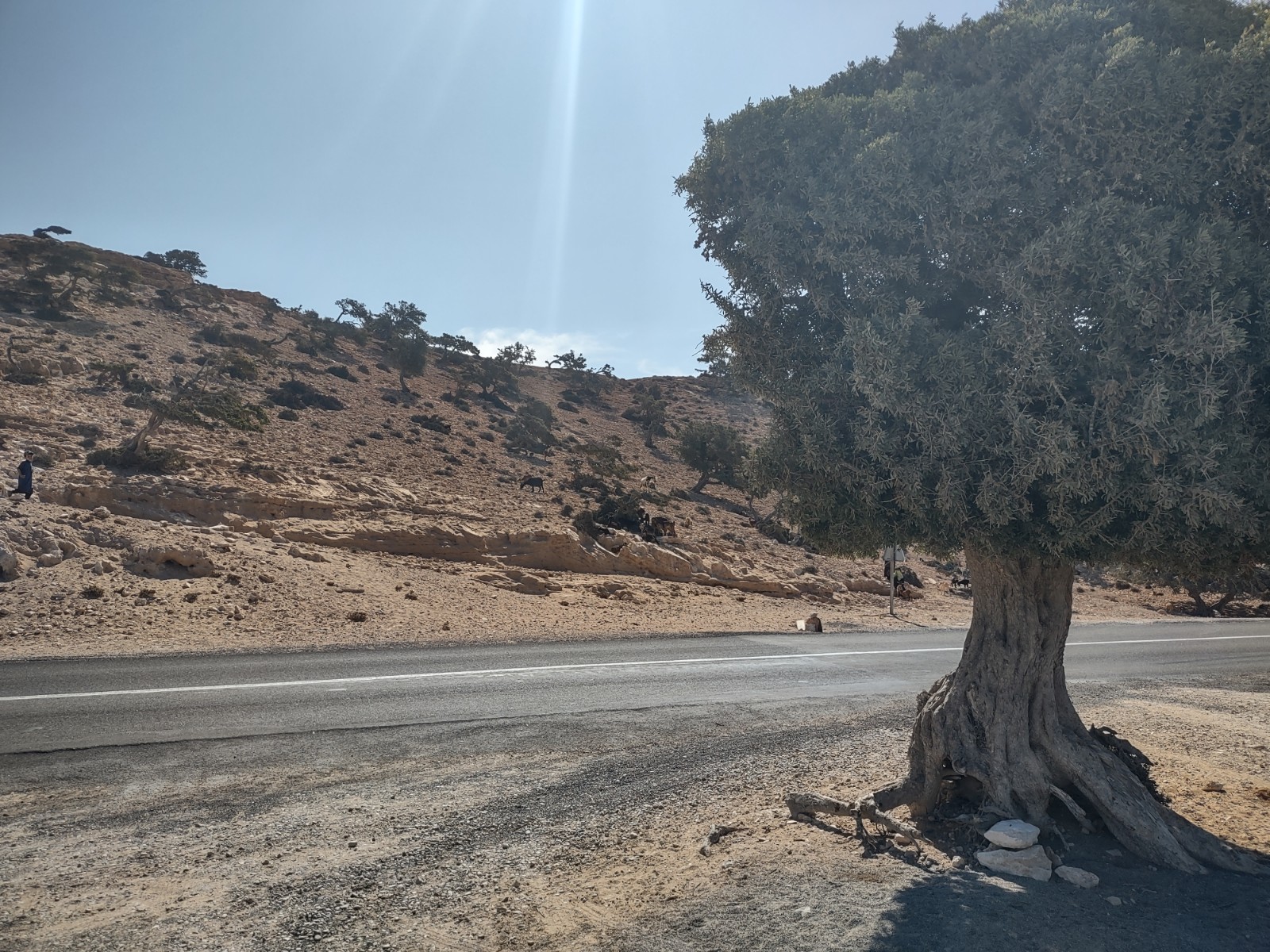
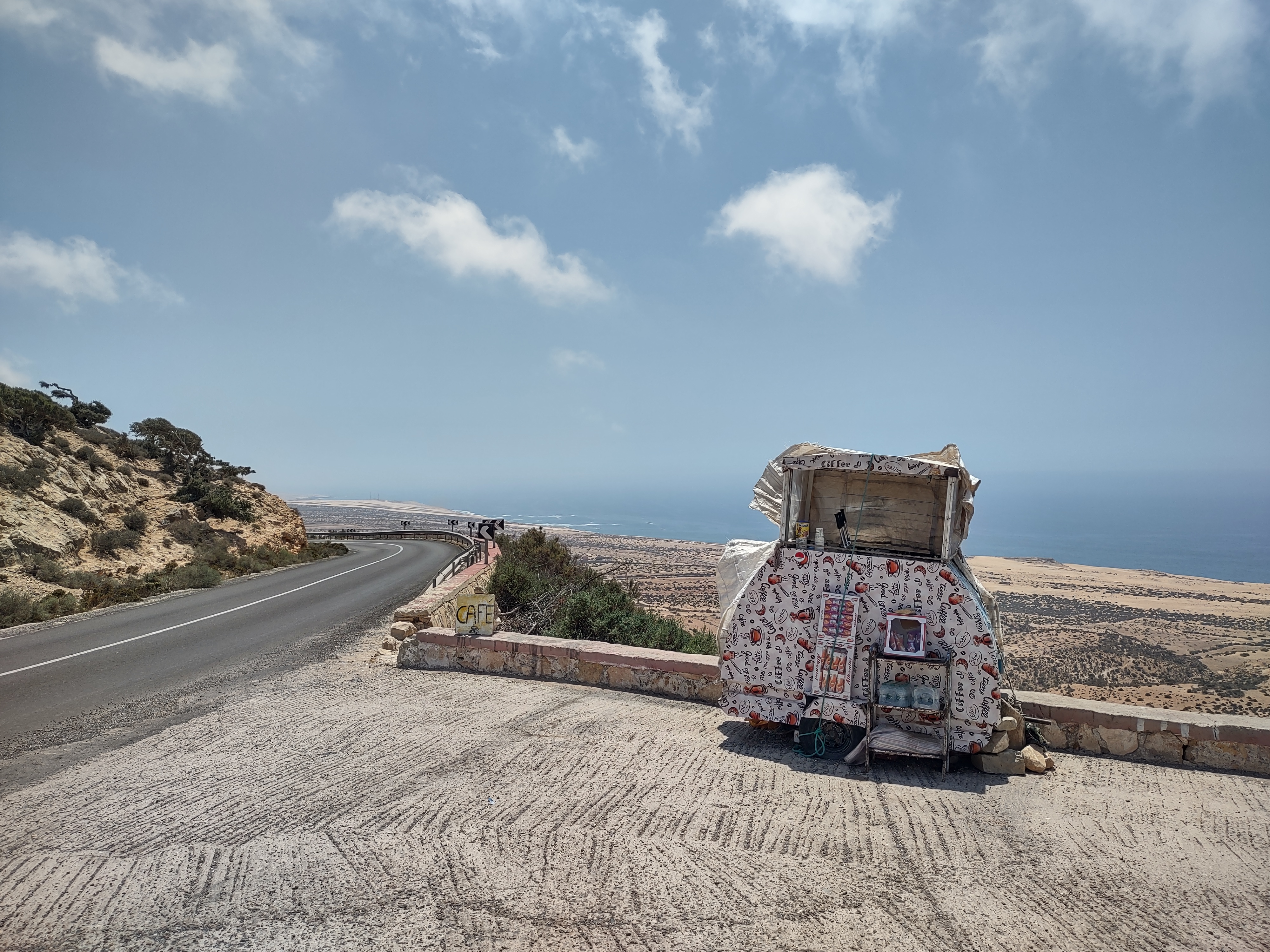
At the point where the coast road turned inland, near a small town called Gourizim, we stopped for coffee and what might be our last look at the Atlantic Ocean for awhile. It was a spot we had stopped at on the way down where there is a small mobile stand selling coffee and tea pretty much in the middle of nowhere (but with a million dollar view). While we waited for our coffee I noted another phenomenon we had heard about but had yet to see (in Morocco at least). We had been told that we might see goats in trees and sure enough, across the road there was a small herd of goats and a few of them had climbed (or were climbing) into some small argan trees to eat the nuts. Apparently this is a real thing but sometimes it is staged for the benefit of tourists which we had seen in our travels in Turkey when we came upon a tree with something like 20 goats standing on wooden perches in a tree. In this case, it looked pretty authentic as we actually saw some of the goats climbing into the trees showing some of the nimbleness that their mountain cousins are known for.


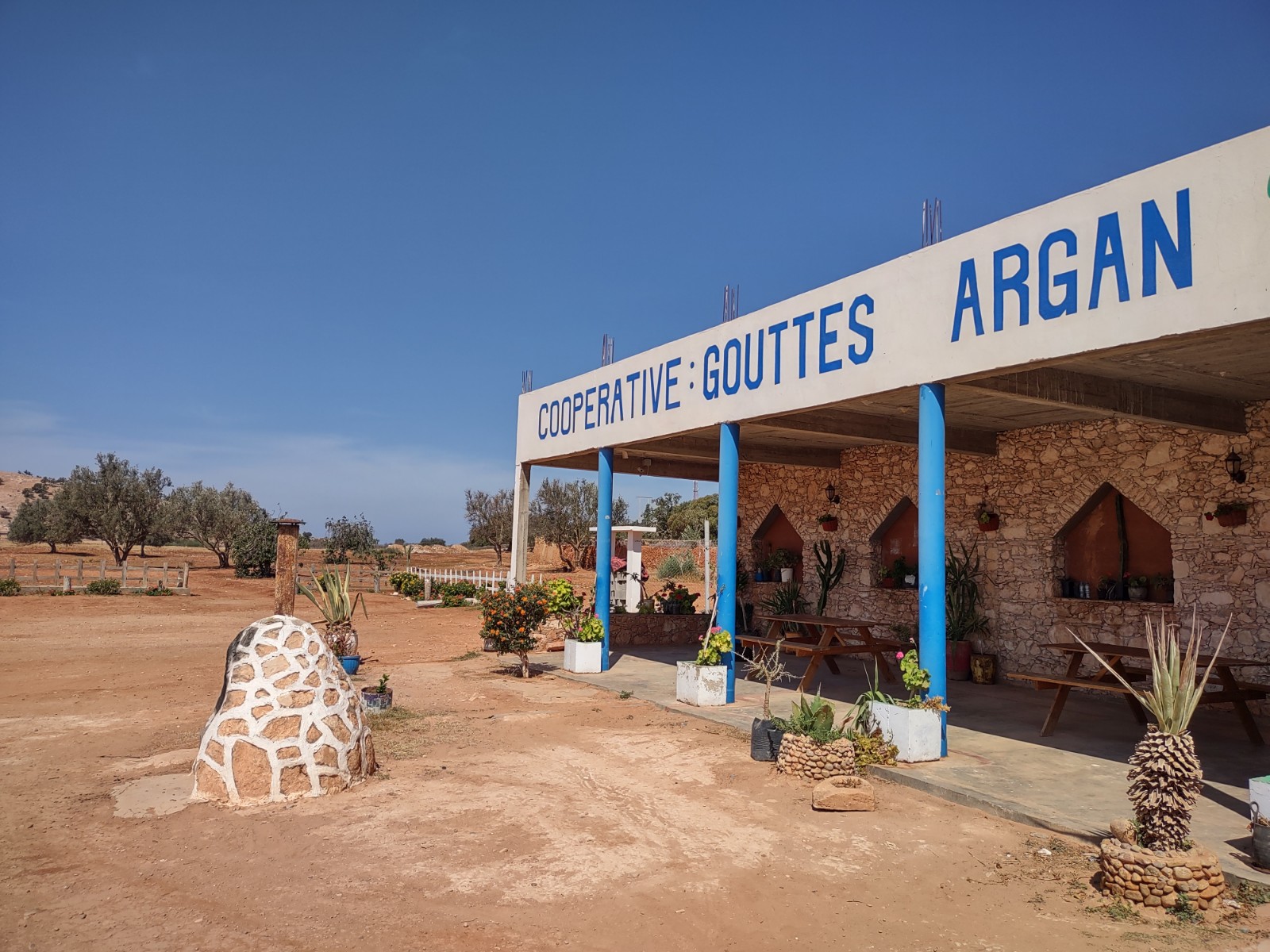
Along the way, we also made a stop at a roadside argan shop to make some purchases as we had been told that these were the best places to buy argan oil products. If you are not familiar with it, argan oil is a cosmetic product purported to have many health and curative properties and comes from argan trees which only grow in the region between Essaouira and Sidi Ifni.

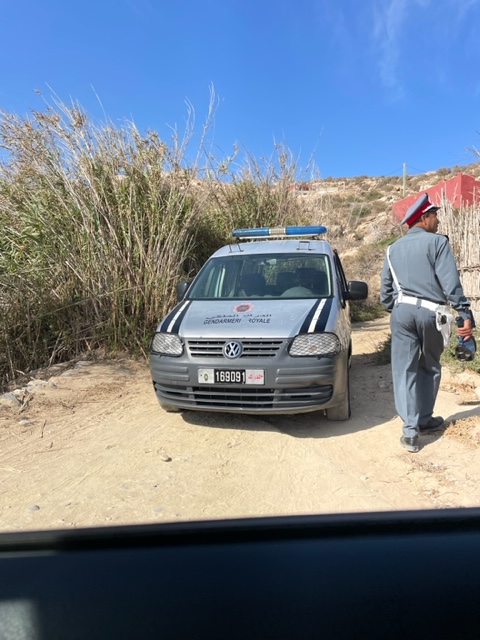
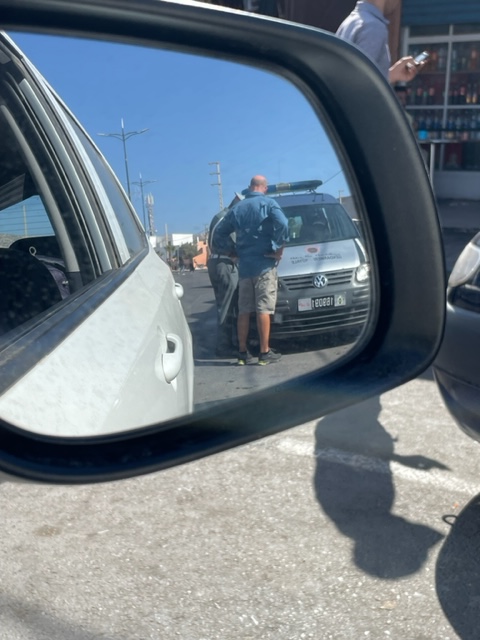
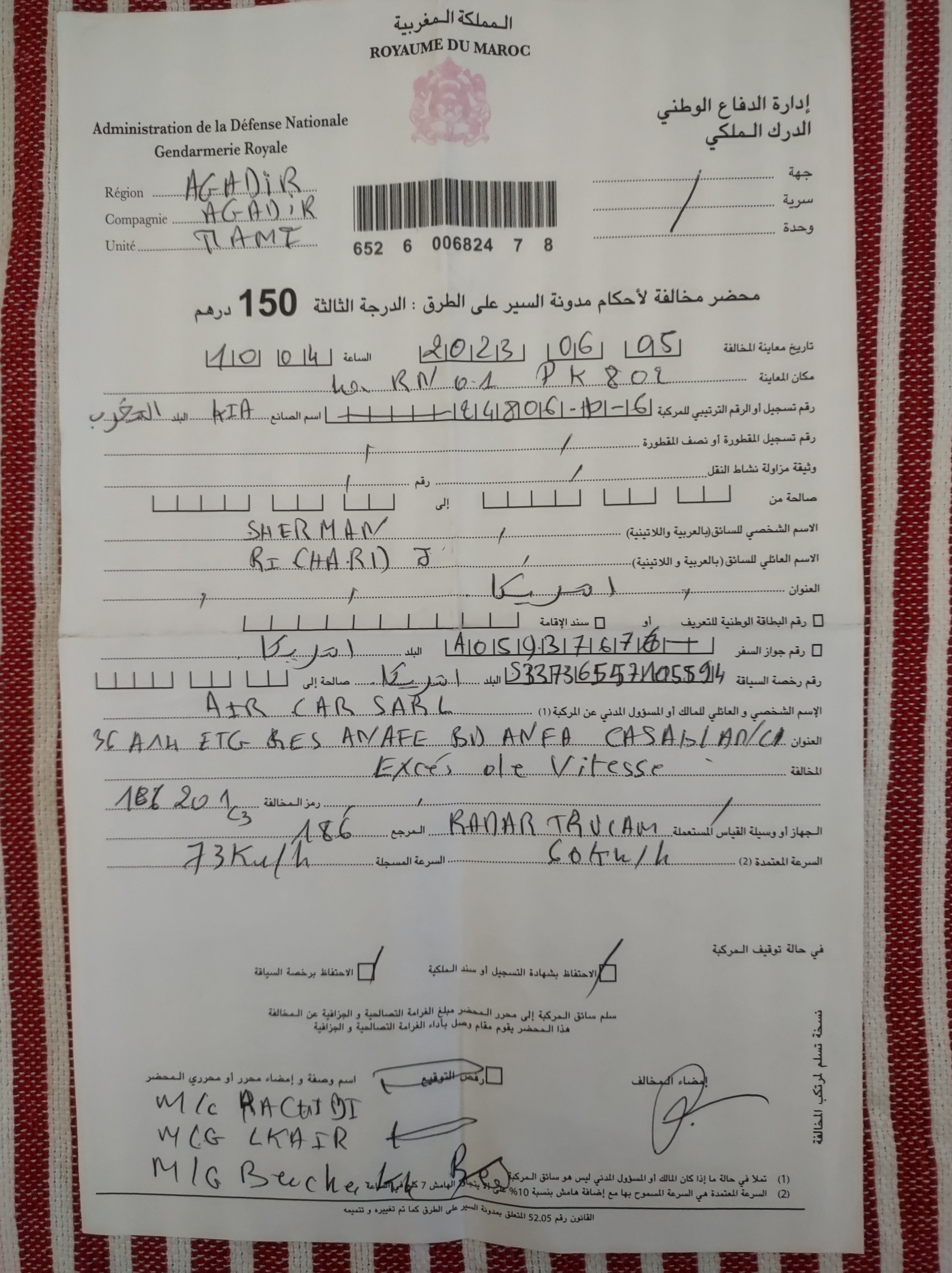
One of the things we had heard about from several sources was that it was very common for the Moroccan police to set up check points along the road and to flag down cars to check your papers. We were also told that this is very common, not a big deal, but that there was the possibility of a “fine” if everything wasn’t in order. On our way to and from Sidni Ifni, we probably saw 10 or 15 of these checkpoints, but were never stopped until this last day. About 70 kilometers south of Essaouira, just outside of a small town called Tamanar, we came out of stretch of winding turns to find a checkpoint and were waved down and asked to stop. The police very quickly and politely checked our paperwork and sent us on our way but, as we approached Tamanar, another police car came up behind us with its lights flashing and pulled us over. We were advised that we had been speeding (73 km in a 60km zone) and that the fine would be 150 dirham ($15). We produced our paperwork again, paid the fine, and Ritchard added a Moroccan speeding ticket to his collection. Not really any big deal, but we couldn’t help but wonder whether we hadn’t be “profiled” as tourists at the first stop. We’ll never know…
We got to the Essaouira airport in good time (probably because we had been speeding) but had to wait a bit to return our car as the attendant there had apparently gone home for lunch. The 3 hour bus ride back to Marrakesh was pleasant and uneventful other than the antics of a group of women who it seemed had been drinking a bit. Even before we got on the bus there was a bit of drama when they proceeded to jump in front of the 20 people already queued to get on the bus (amazingly, Ritchard resisted the urge to comment on this) only to realize that they needed their passports in order to board whereupon one of them crawled into the luggage hold under the bus to retrieve them. Once on the bus, they managed to produce a bit more drama by not being seated in their assigned seats and having to be reseated by the driver. By this time their nationality had become clear which prompted Ritchard to dub them the “Real Housewives of Paris”.
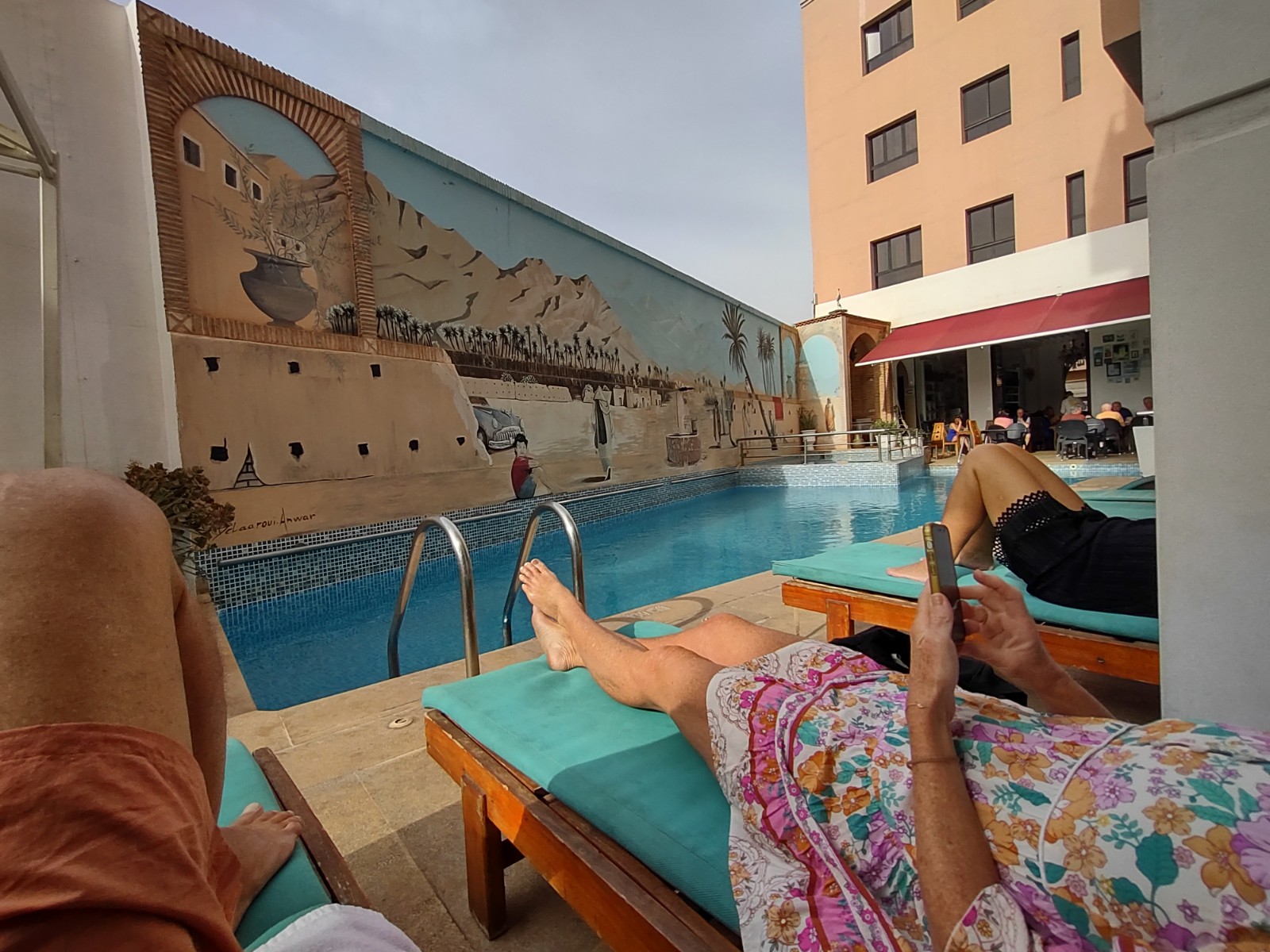
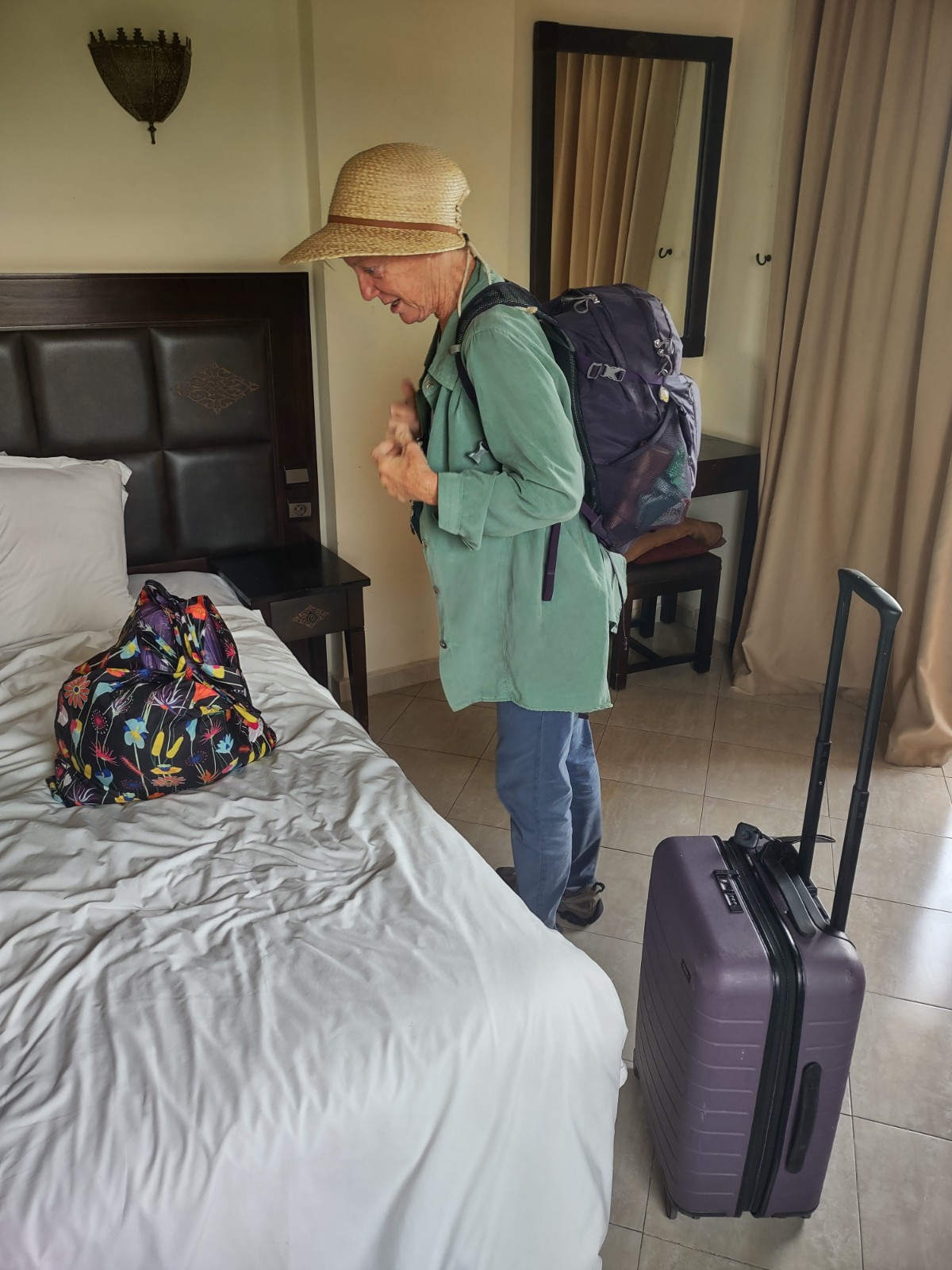
In Marrakesh, we had booked a room for the night at Hotel Lawrence d’Arabia which, the intriguing name aside, we had selected because it was within a couple of blocks of the bus station (which is next to the train station) and because it was inexpensive ($43/night). We made our way there only to discover who else but the Real Housewives, who had apparently taken a taxi the two blocks from station to hotel, checking in ahead of us. (We were very thankful at this point that Ritchard hadn’t said anything to them at the bus station when they jumped line!). Predictably, there was confusion as one of them apparently did not have a reservation and the hotel was completely booked. While this was being sorted out we checked into our room and then looked around the hotel which was actually quite nice with a small outdoor pool and a nice bar and restaurant attached. We dropped our bags, freshened up, and proceeded to the hotel restaurant to grab a bite and, as our food arrived, were happy to see the Real Housewives heading out of the hotel for dinner. Towards the end of dinner a local band (a trio with 3 acoustic guitars and a drum machine) came on and began playing some nice folk music some of which must have been popular or traditional as most of the audience chimed in on the chorus.
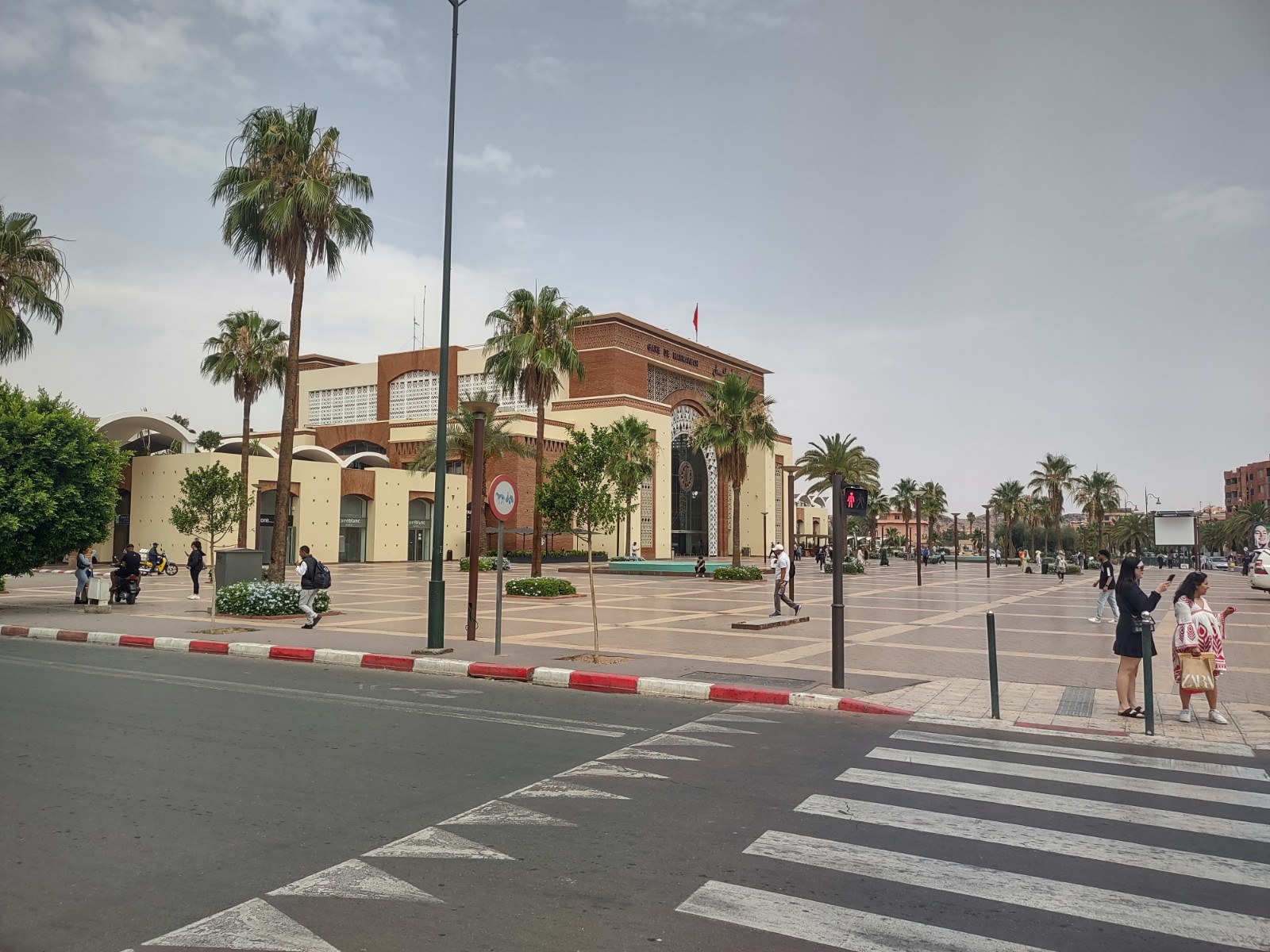
The next morning we had a great buffet breakfast at the hotel (included in the $43/night rate) and, as the hotel had a late check-out time and our train didn’t leave until the afternoon, we hung out at the hotel pool for a couple of hours after breakfast where we were (of course) eventually joined by the Real Housewives who, thankfully, appeared hung over and didn’t do much but sleep. After a bit of relaxing by the pool, we packed up and headed off to the train station which brought back some great memories from when we were here in 2011 with our kids catching the Marrakesh Express to Tangier.
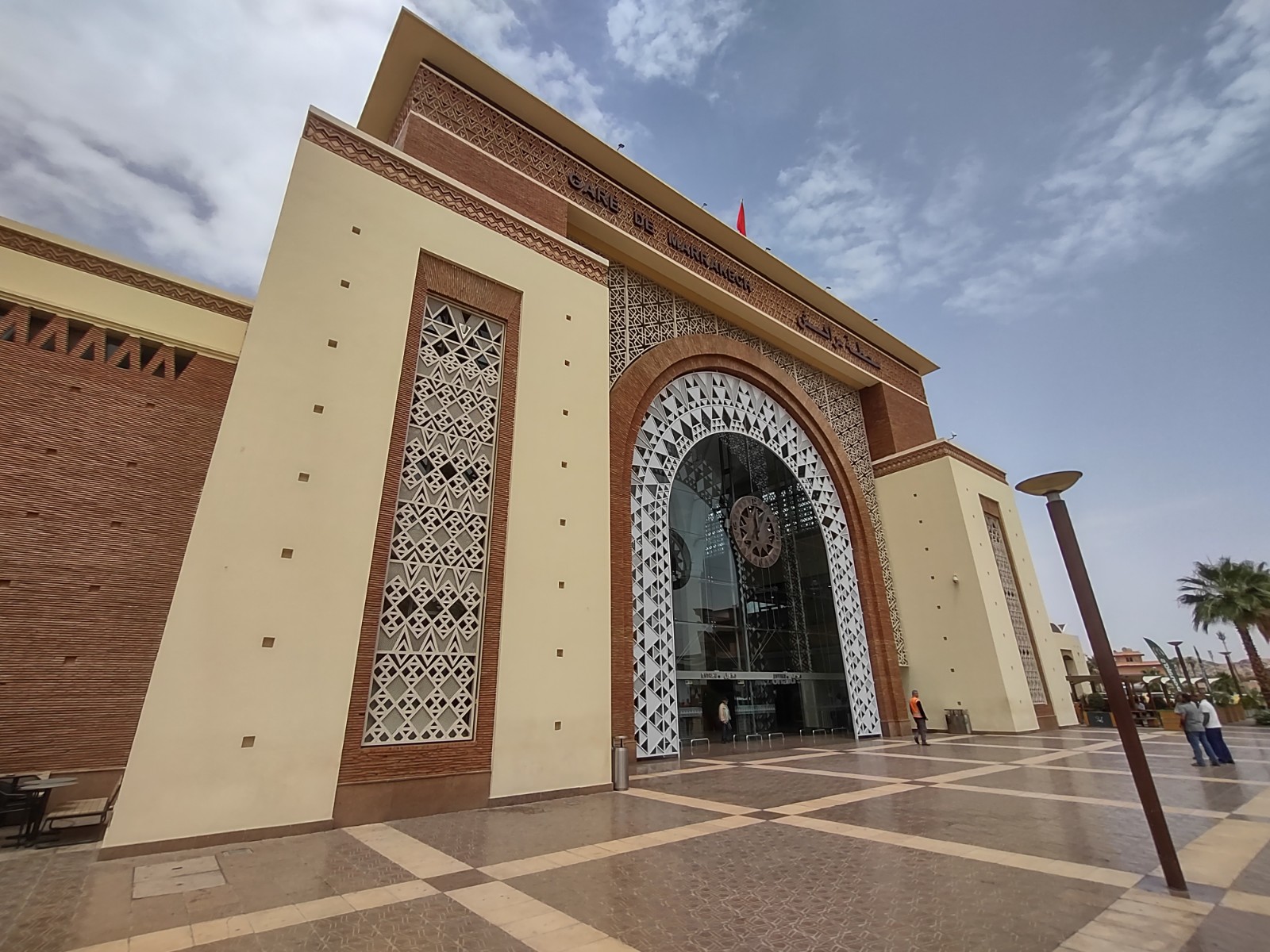

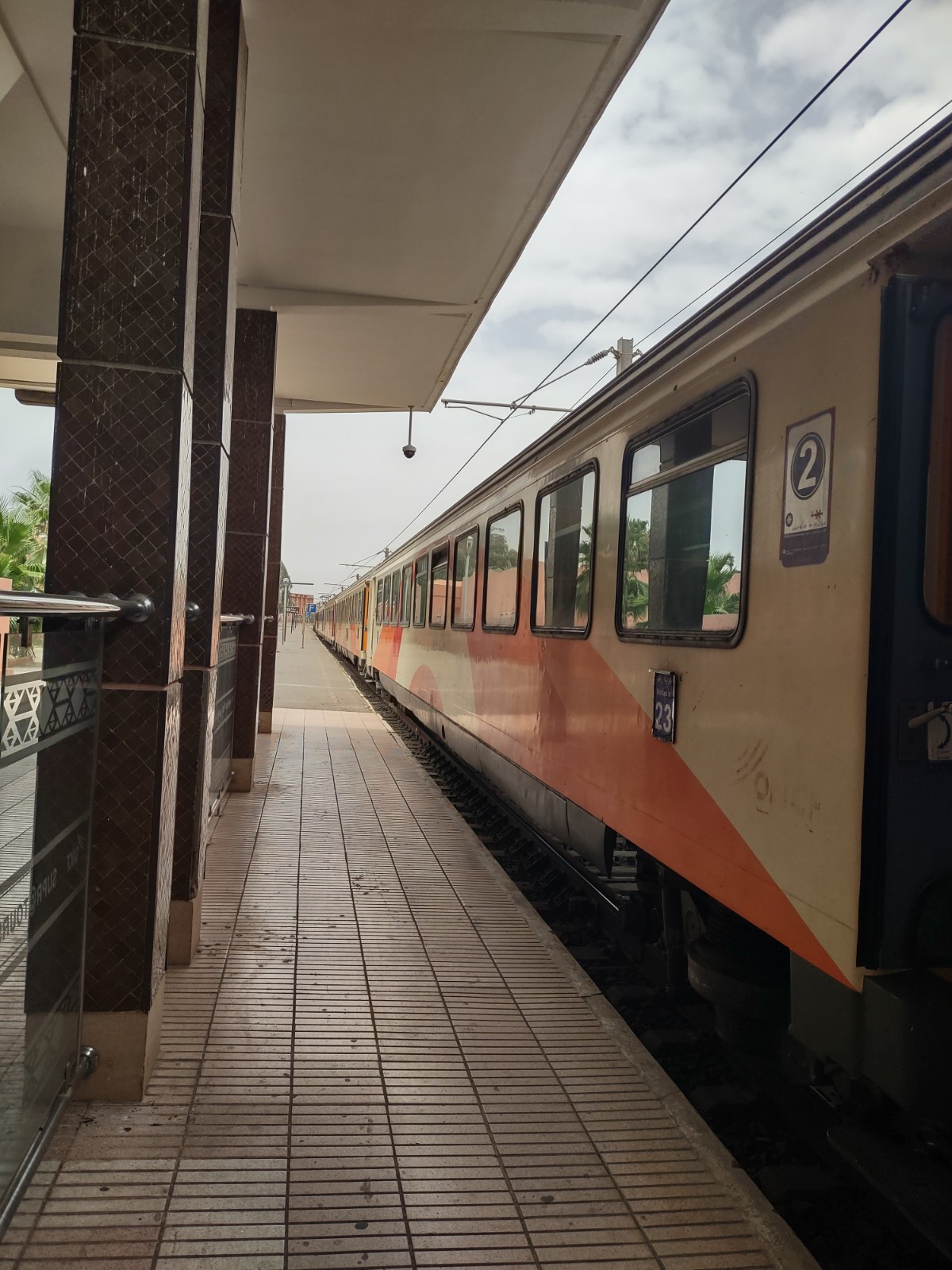
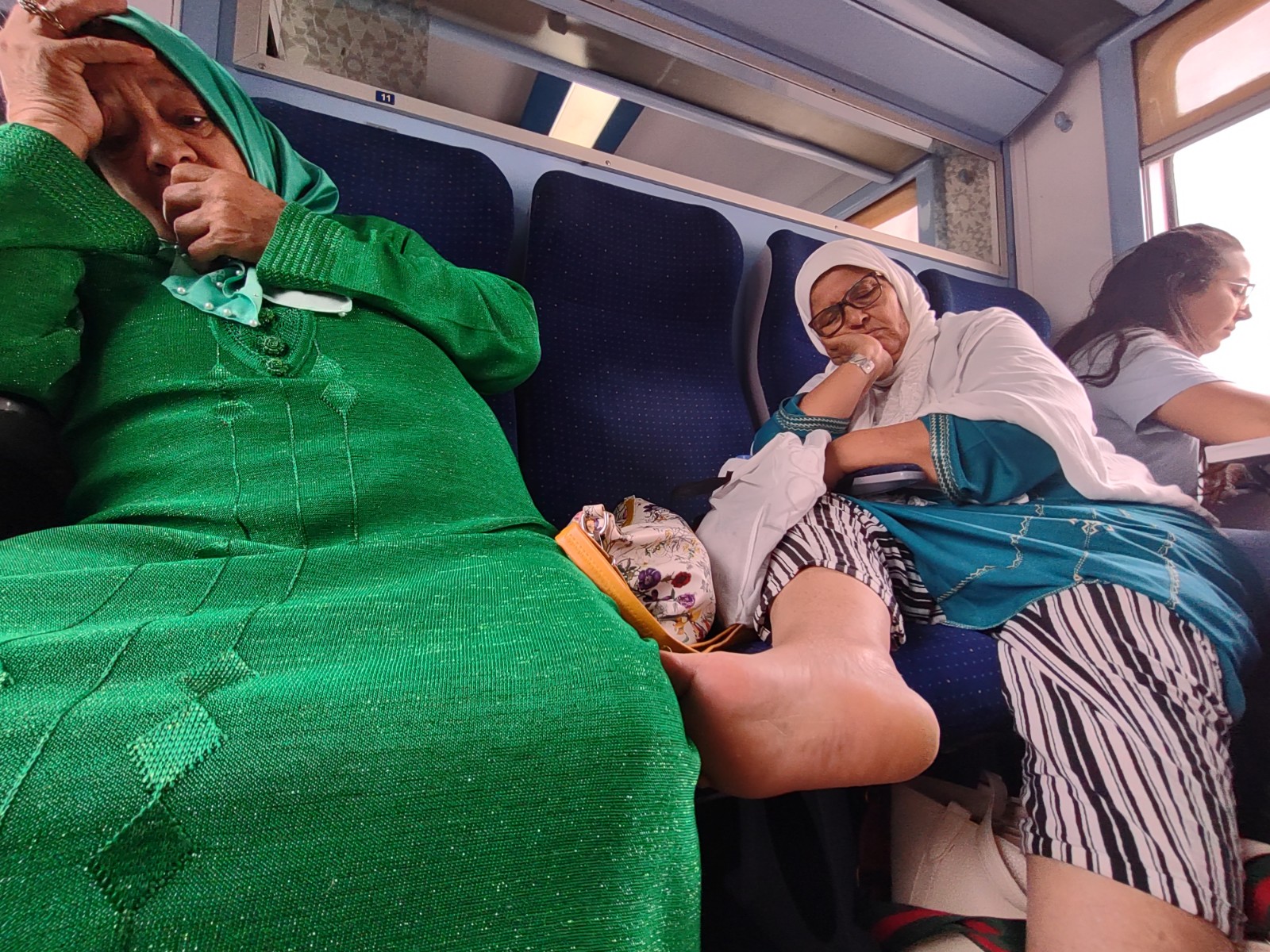
We had booked two second class tickets ($19 each) which put us in a semi-private compartment with six other people in a car which seemed to have air conditioning. Ritchard breathed a sigh of relief when we pulled out of the station with no sign of the Real Housewives (au revoir!). The train route to Fes is a bit circuitous as it goes north through Casablanca and Rabat before turning east to Fes. We were with five Moroccan women who were actually pretty friendly (particularly after Ritchard, the only male in our compartment, offered to bet everyone’s luggage in the overhead bins), but over the course of the trip our seatmates came and went. It was surprising to see that, although this was a long-distance train, it also served as a local as we passed through the cities of Casablanca and Rabat where there were multiple stops, with people jumping on and off for one or two stops.


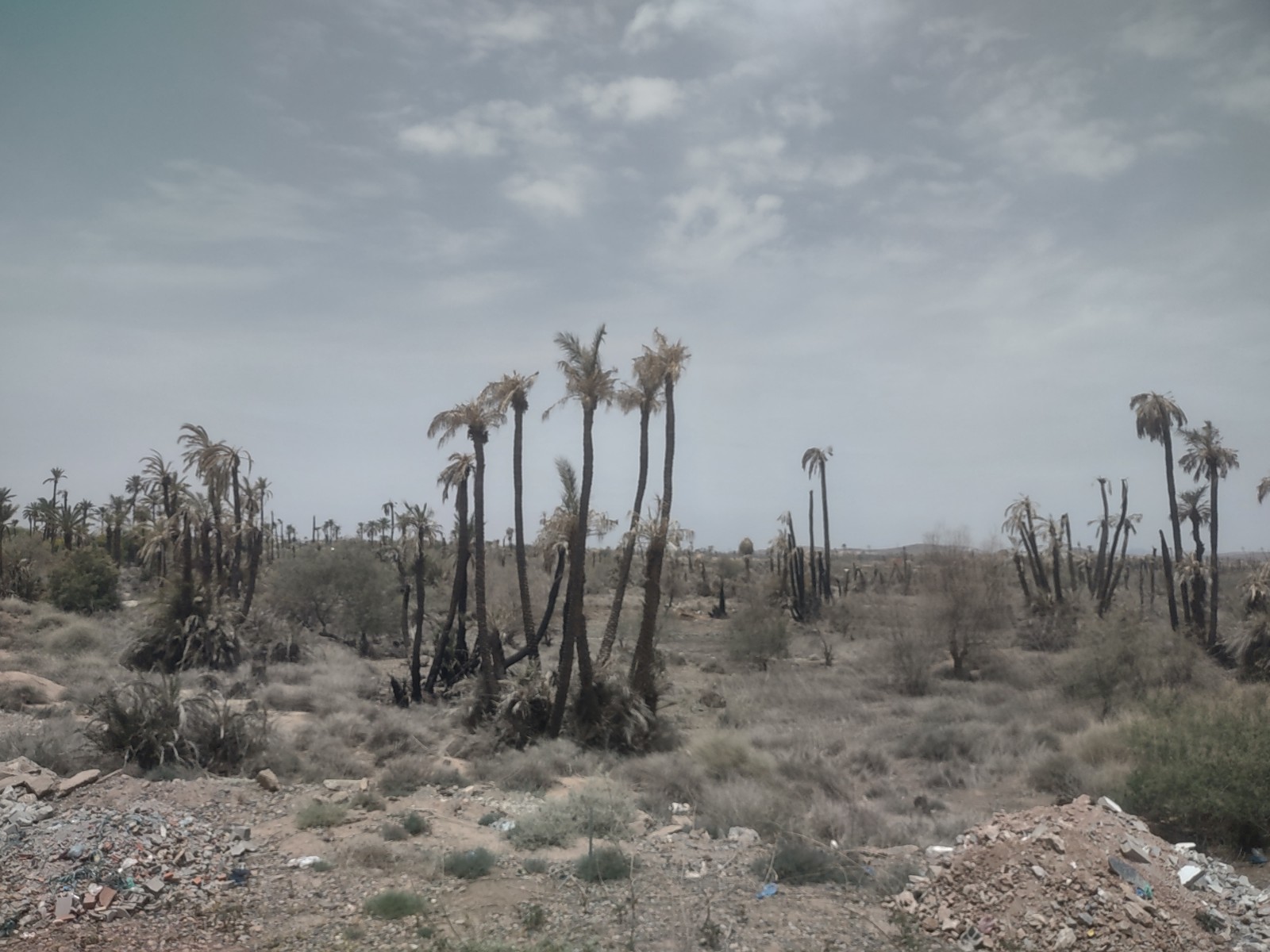
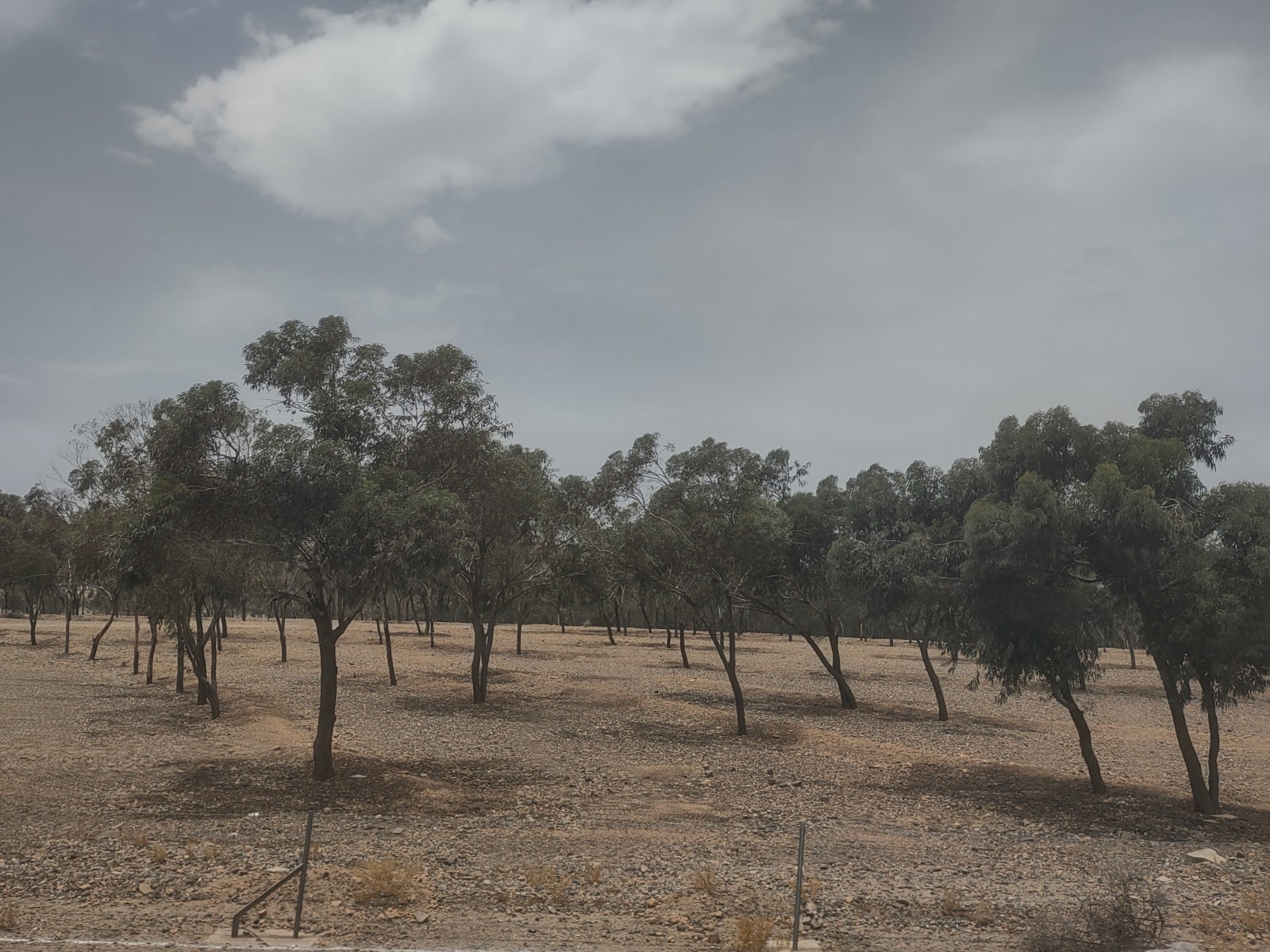
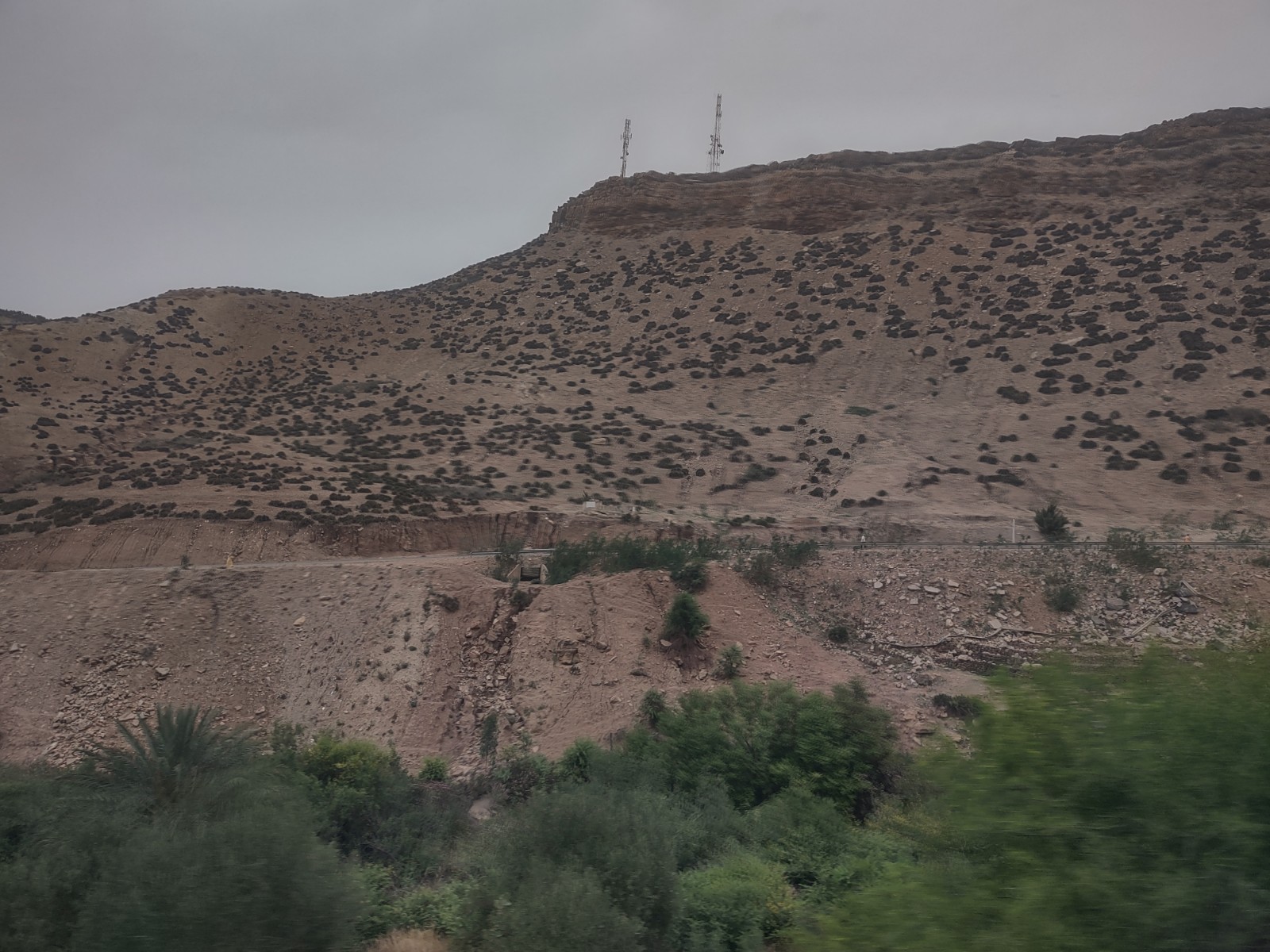
It was interesting to see how the scenery changed as we traveled north, gradually becoming a bit greener, approaching lush in the river valleys we crossed with actual rivers in them (virtually all the rivers we had seen up to this point were dry). We also started to see a number of farms and some pretty extensive wheat fields which had apparently been planted in the Fall and harvested in the Spring. As we turned east toward Fes, we also started to see more trees in groves and even larger stands (almost forests…) as the terrain became more hilly.


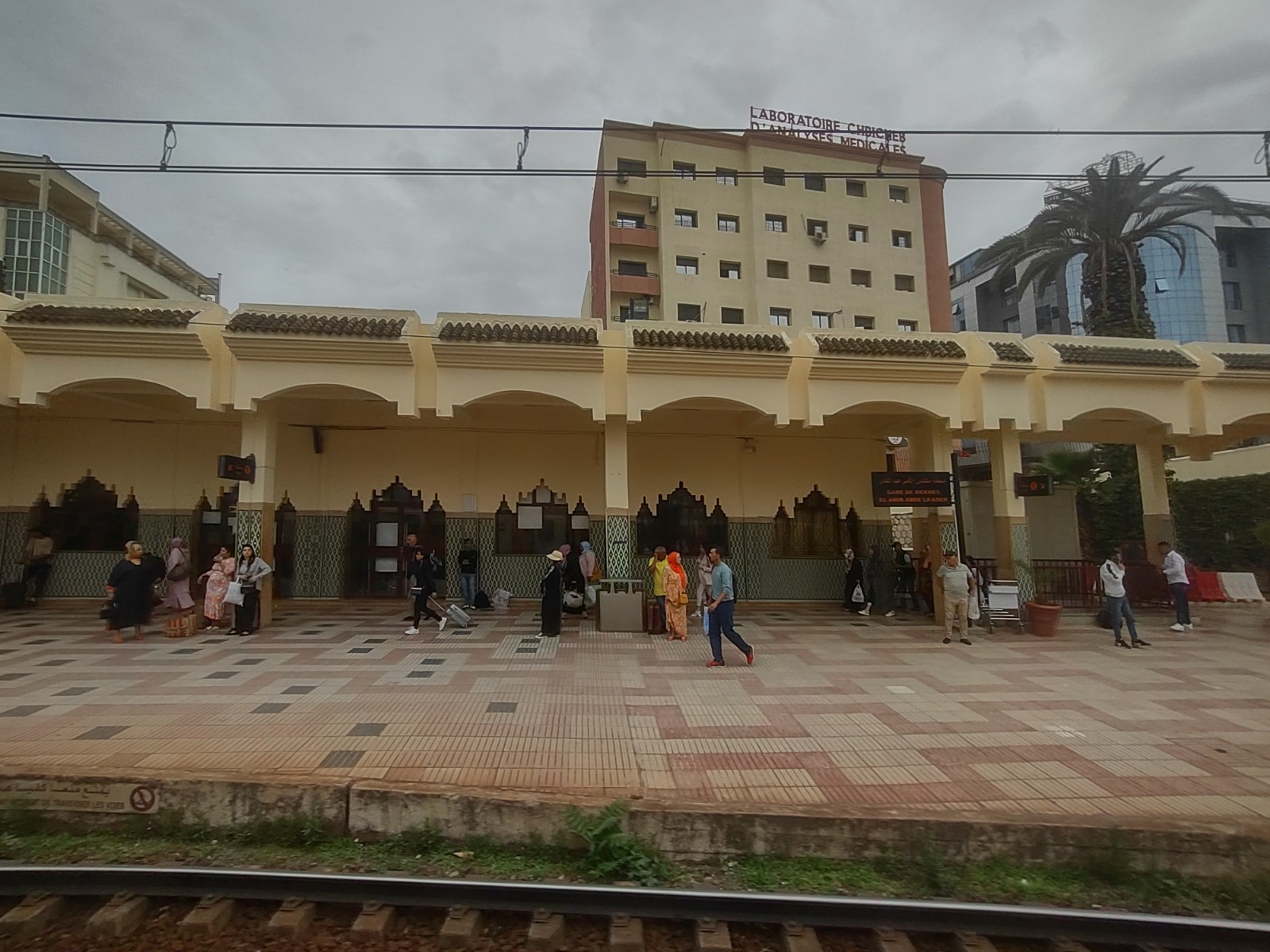
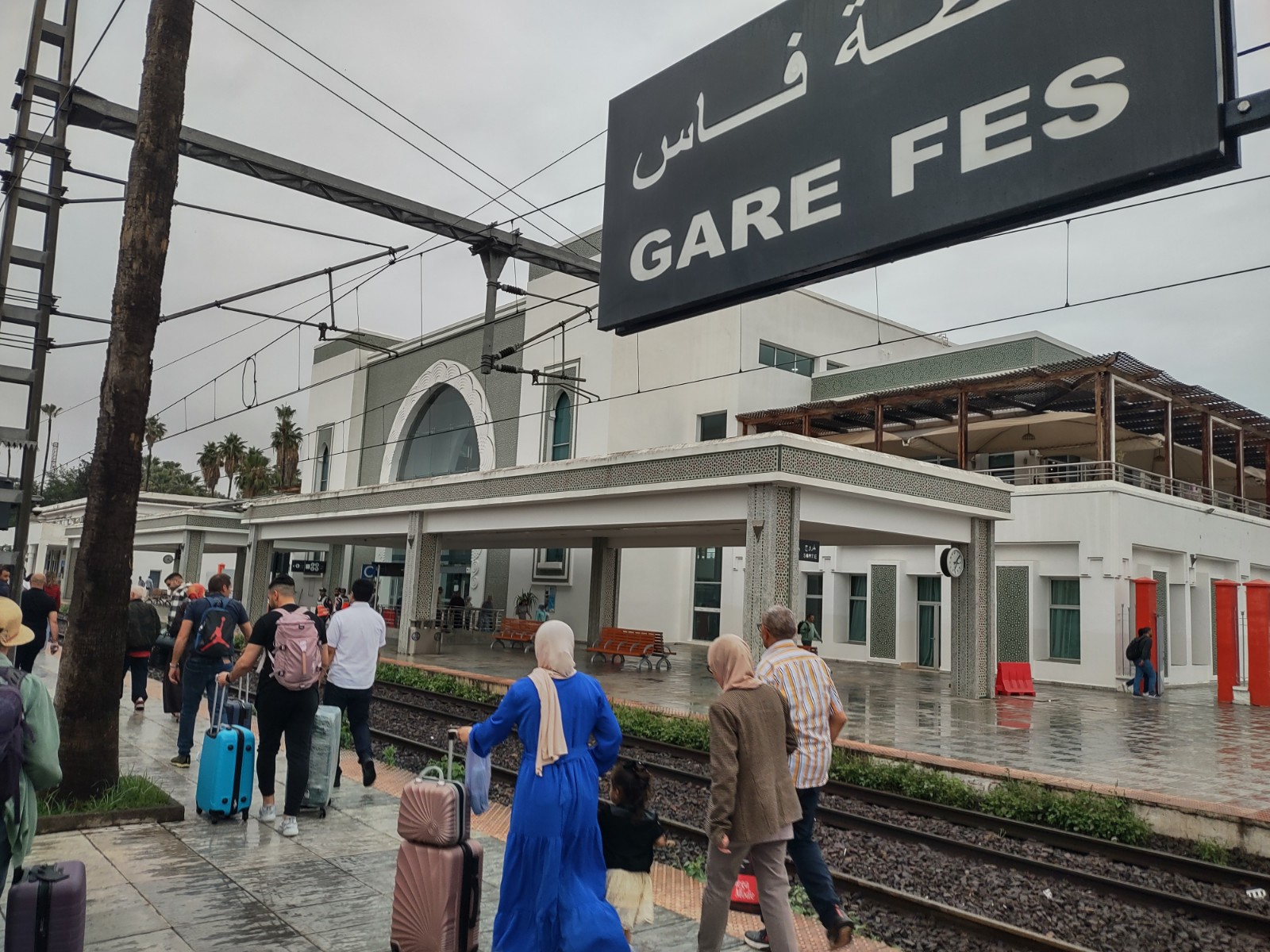

So, more or less on time, we arrived in Fes, the oldest city in Morocco. We’ll cover our time there in the next installment.
 Burning the Inheritance
Leave a comment