So what’s left?
Putting together this blog forces you to go back, at least once, to recount the things you saw and did in a particular place. Over 16 days in a city like Paris, this can include a lot which, for us, it did. While we covered most of it, there are still a couple of places we visited that are owed their due along with a couple of odds and ends.
Churches of Paris
The city of Paris has something like 200 churches within its boundaries and, during the course of our travels back and forth across the city, we saw quite a few of them. It was kind of interesting to compare a map of the churches in Paris with the screen shot below from the Polarsteps app that tracks our movements.


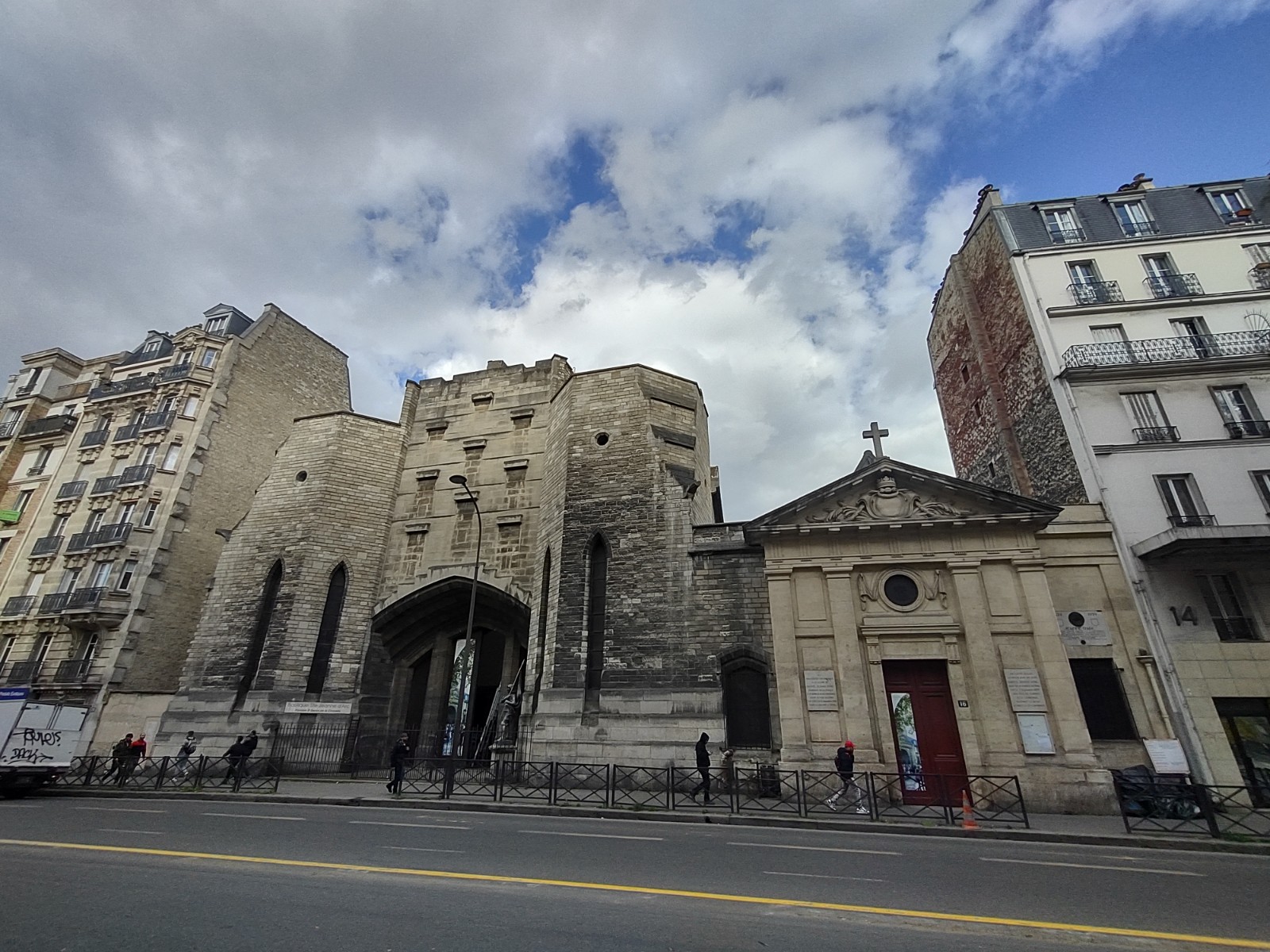
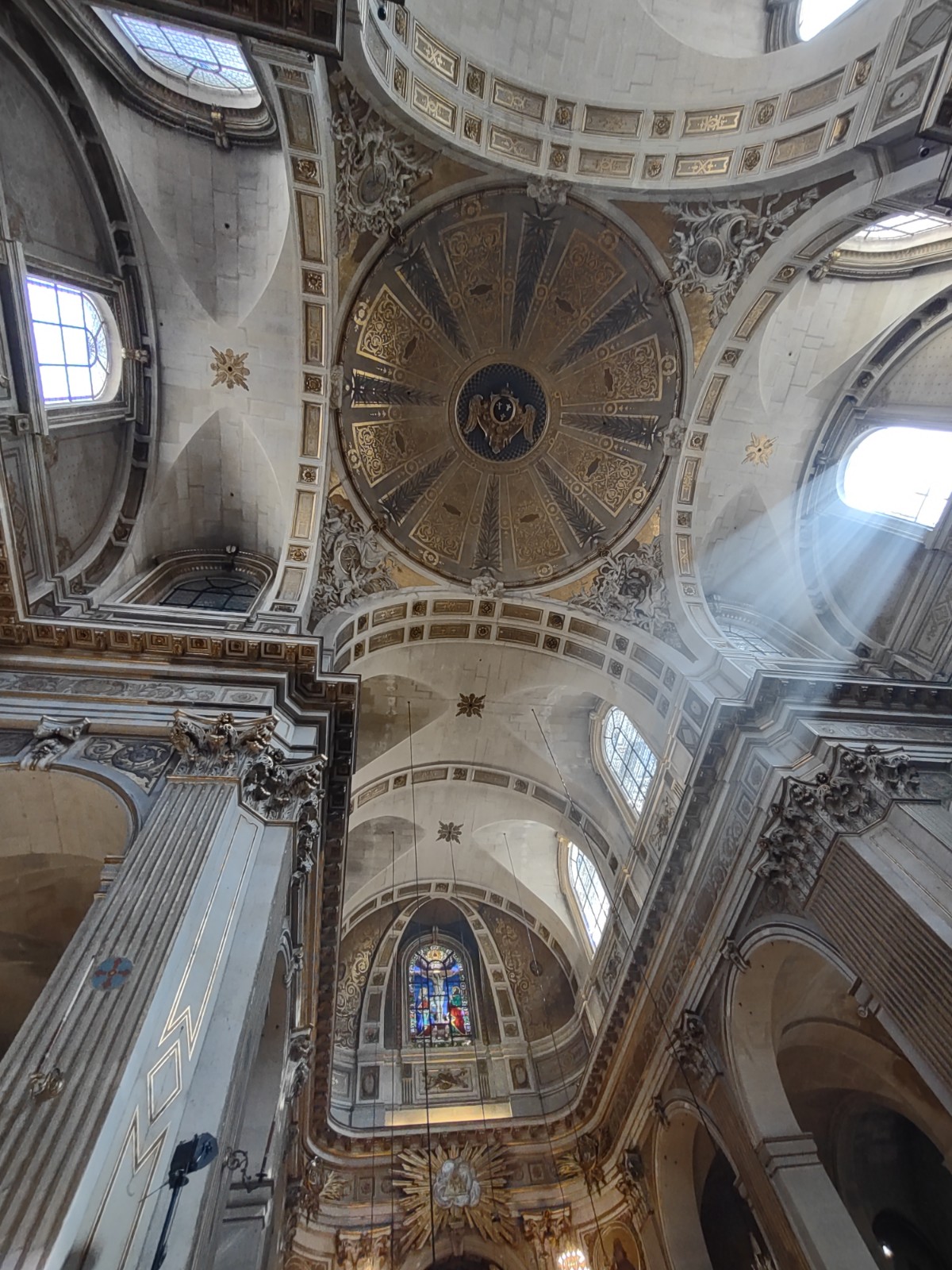
In addition to the ones discussed below, we also visited Saint-Denys de la Chapelle and the Basilique Sainte-Jeanne-d’Arc de Paris in the 18th arrondissement, Saint-Honore d’Eylau in the 16th, Saint-Vincent de Paul in the 10th, Saint-Severin in the 5th, Notre Dame des Blancs in the 4th, and Saint-Paul Saint-Louis in the Maraise Quarter.
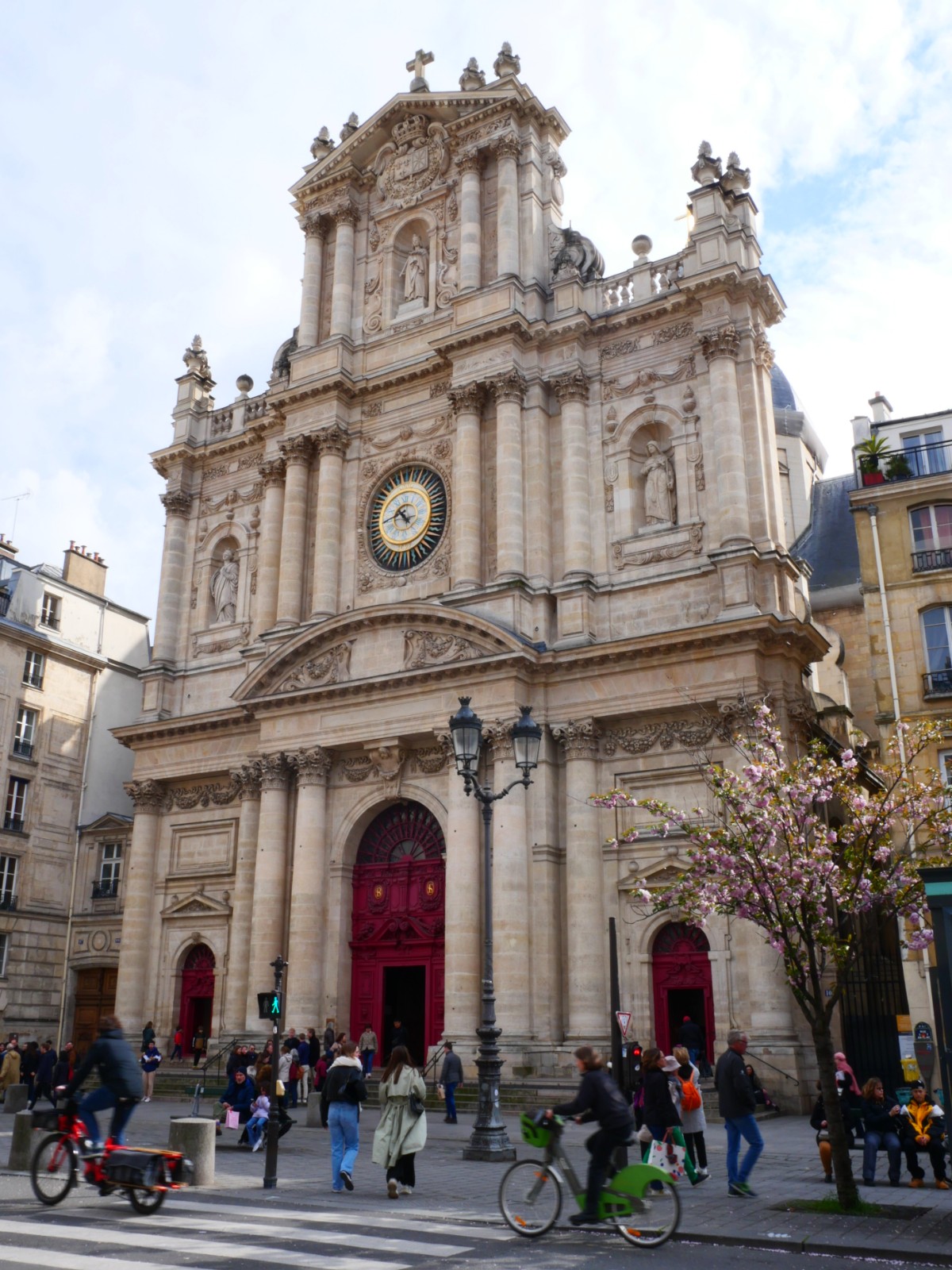
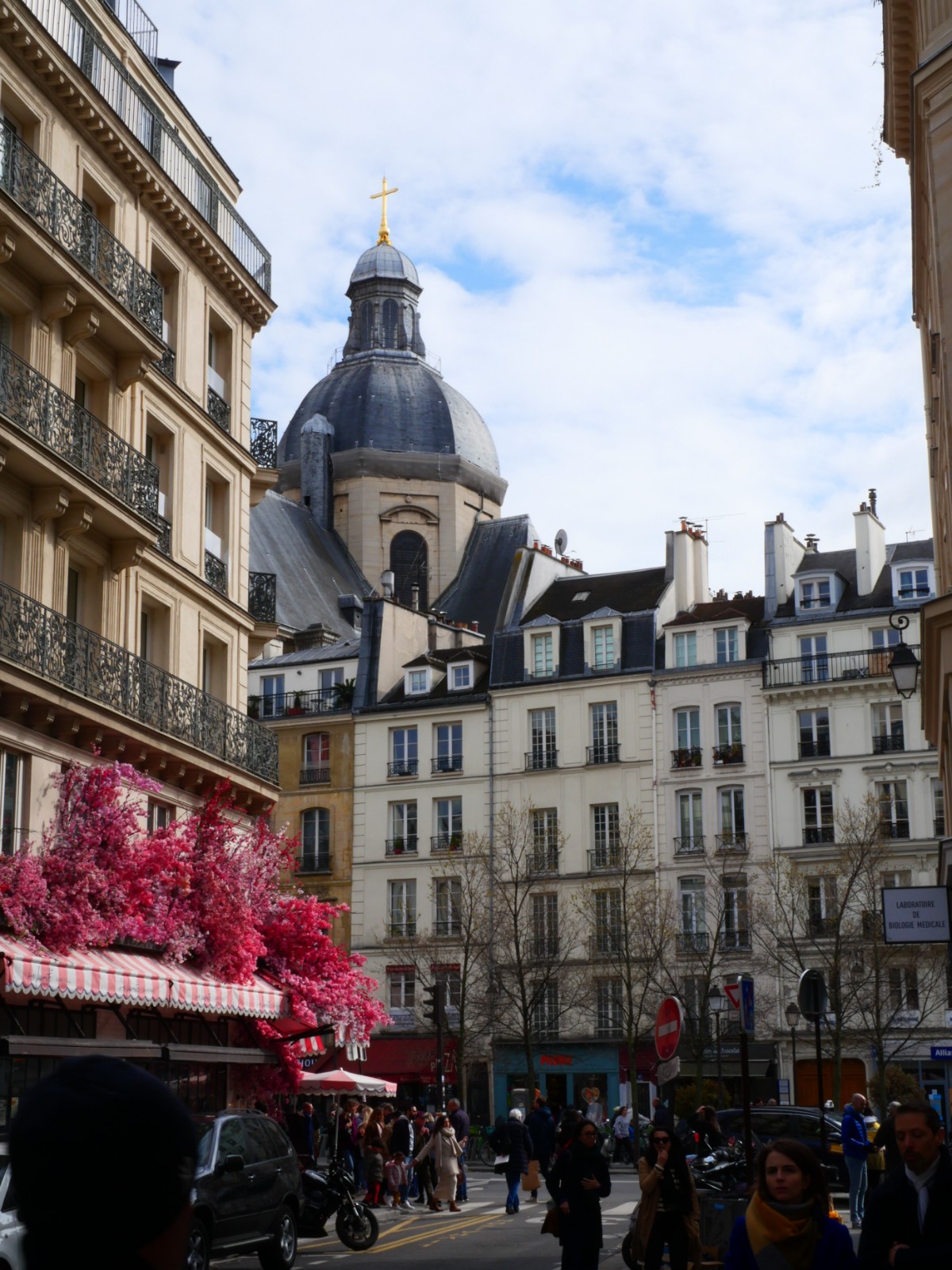
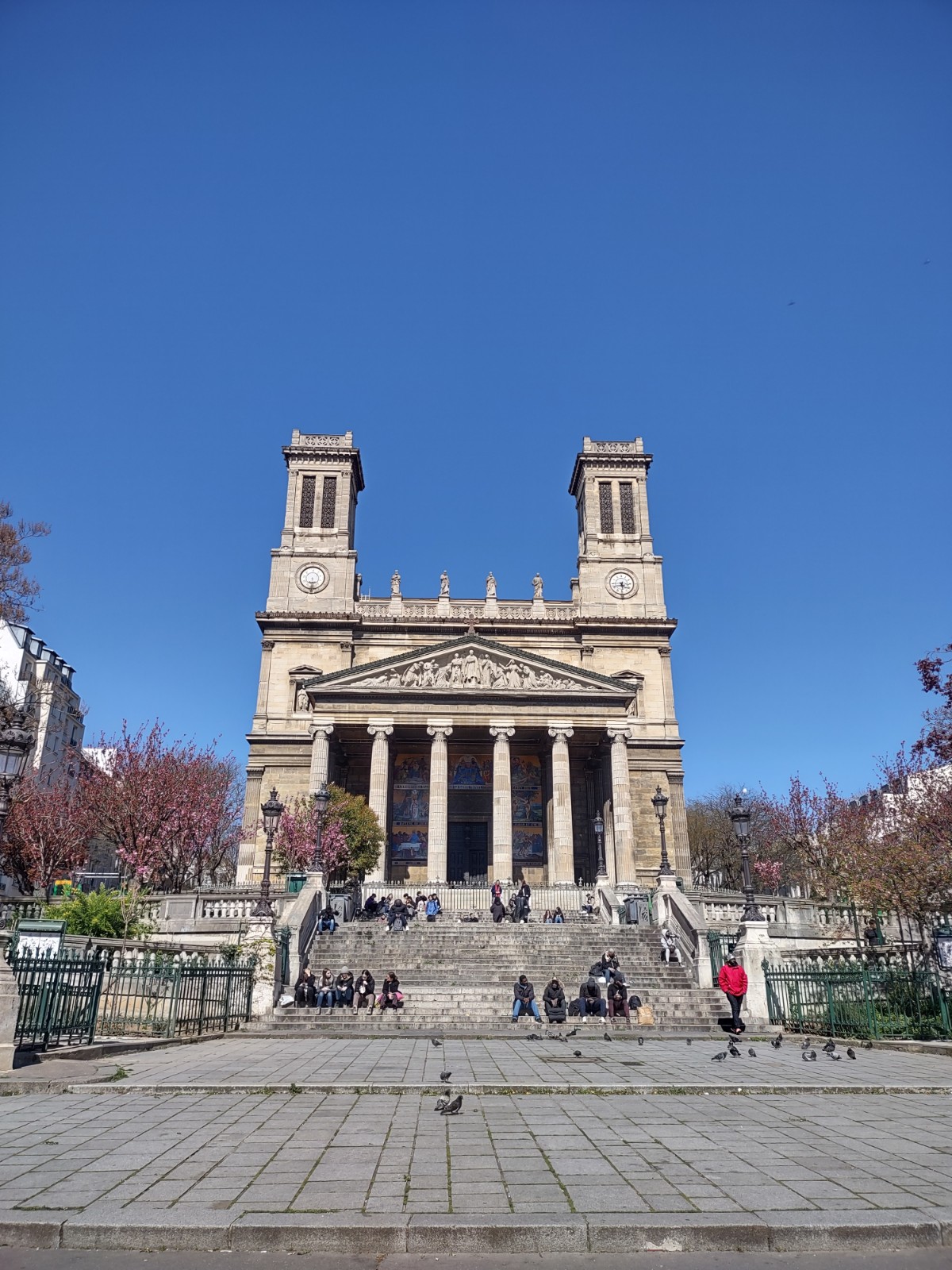

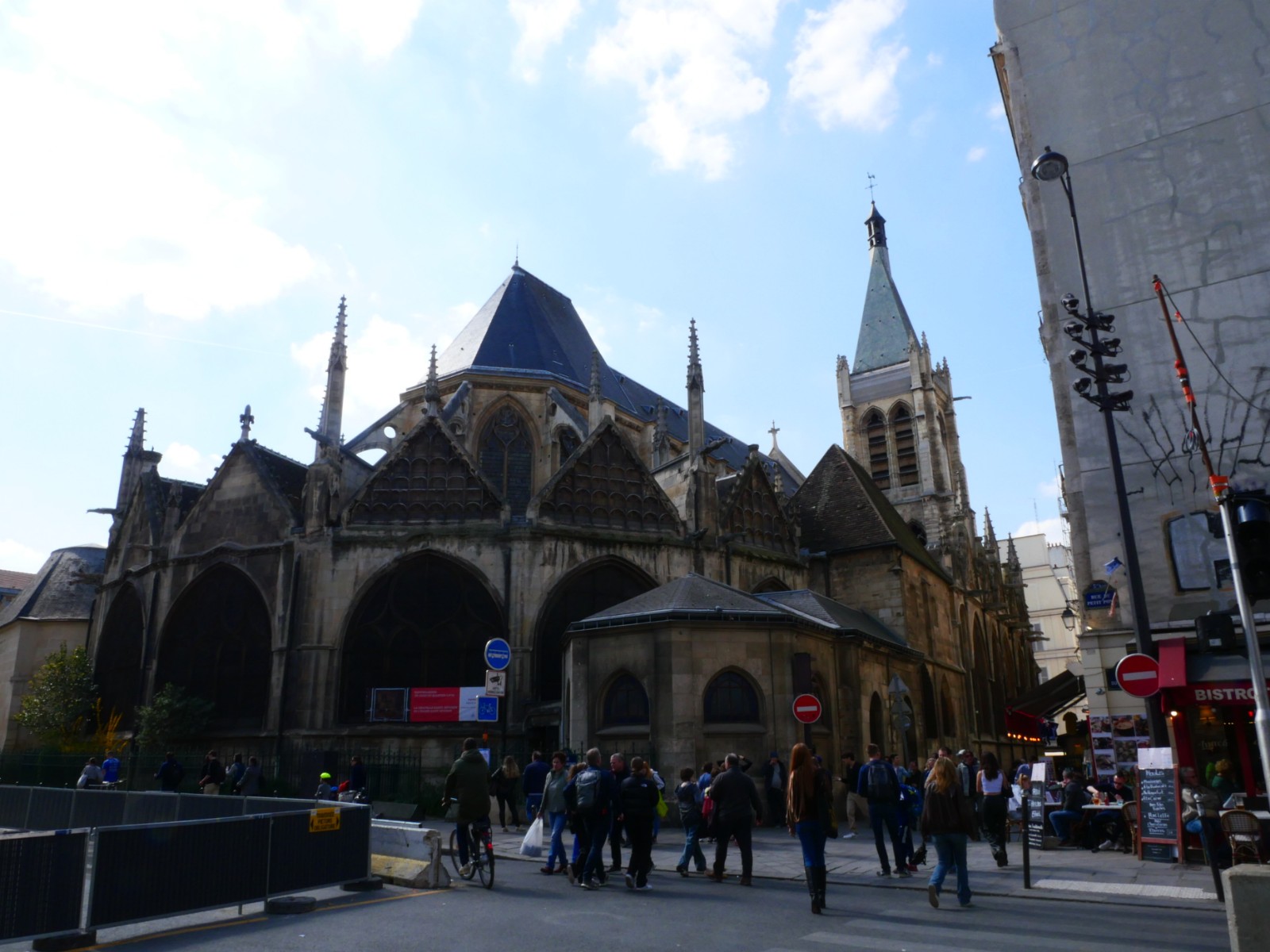
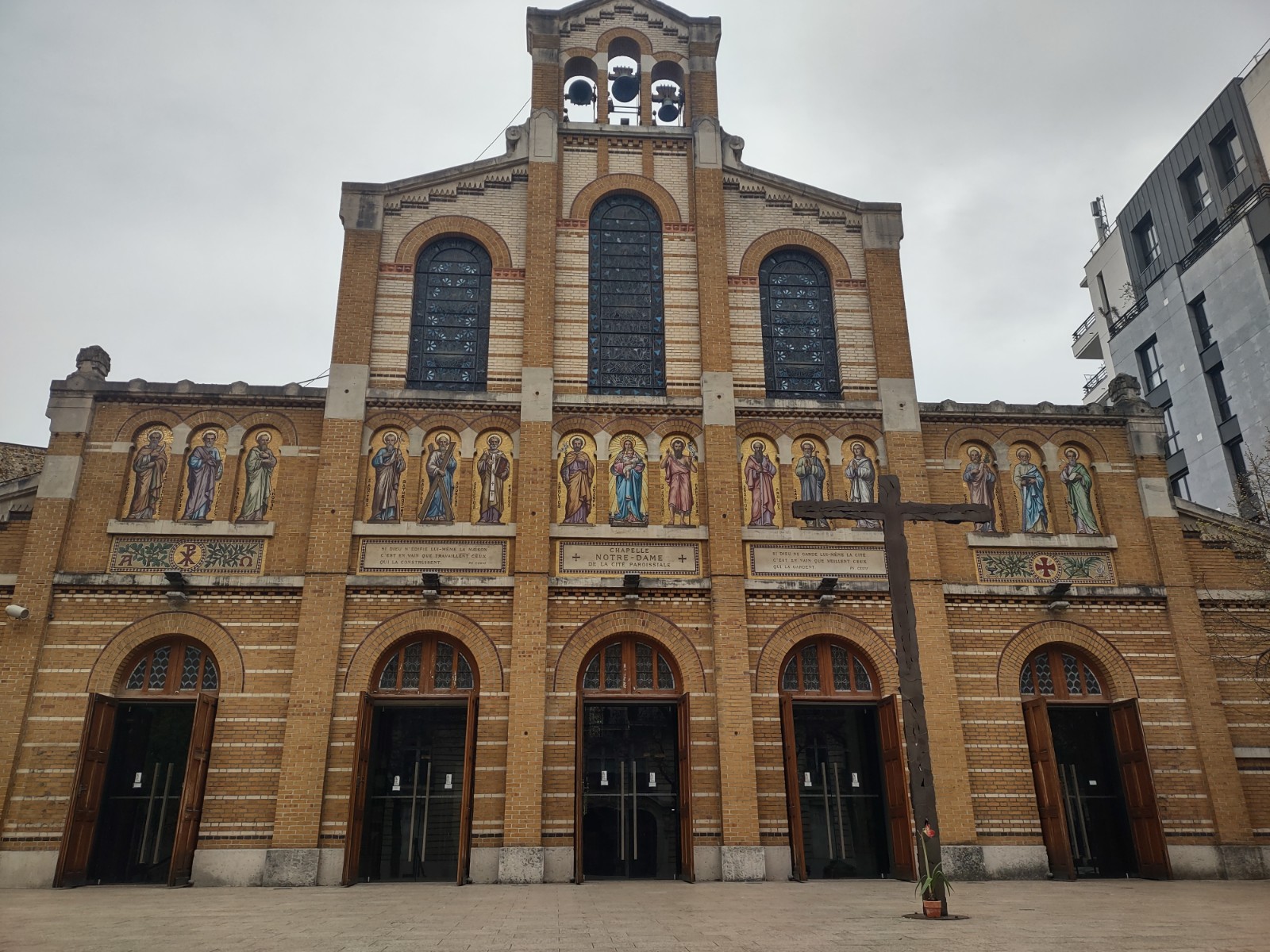
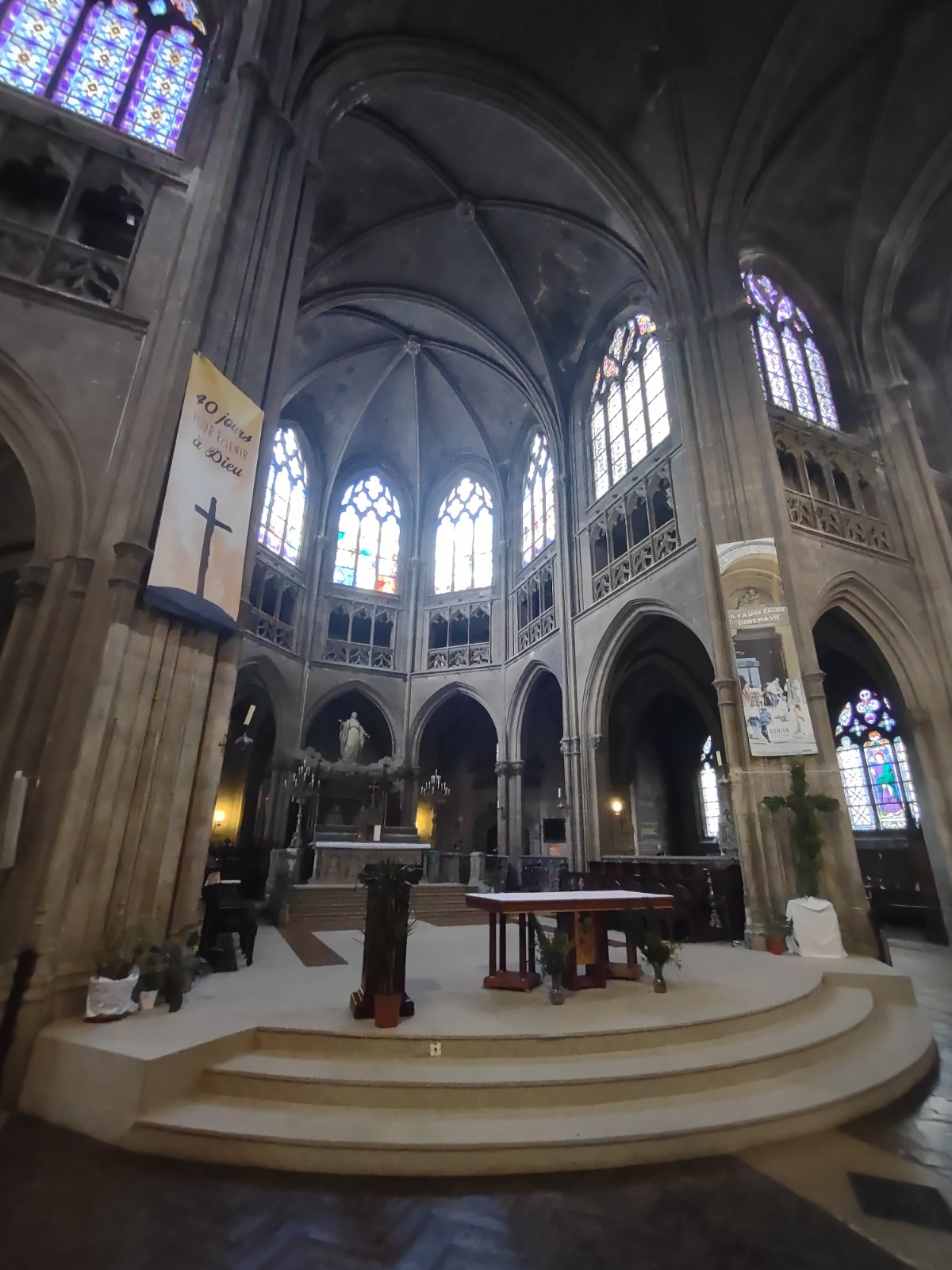
We were often surprised to find that many of the smaller lesser known churches were as beautiful as the larger better known ones. A great example of this was St. Bernard’s which was just down the street from our apartment in the Goutte d’Or neighborhood. Constructed in 1861, it is a small but beautiful structure which continues to serve as a local parish church.
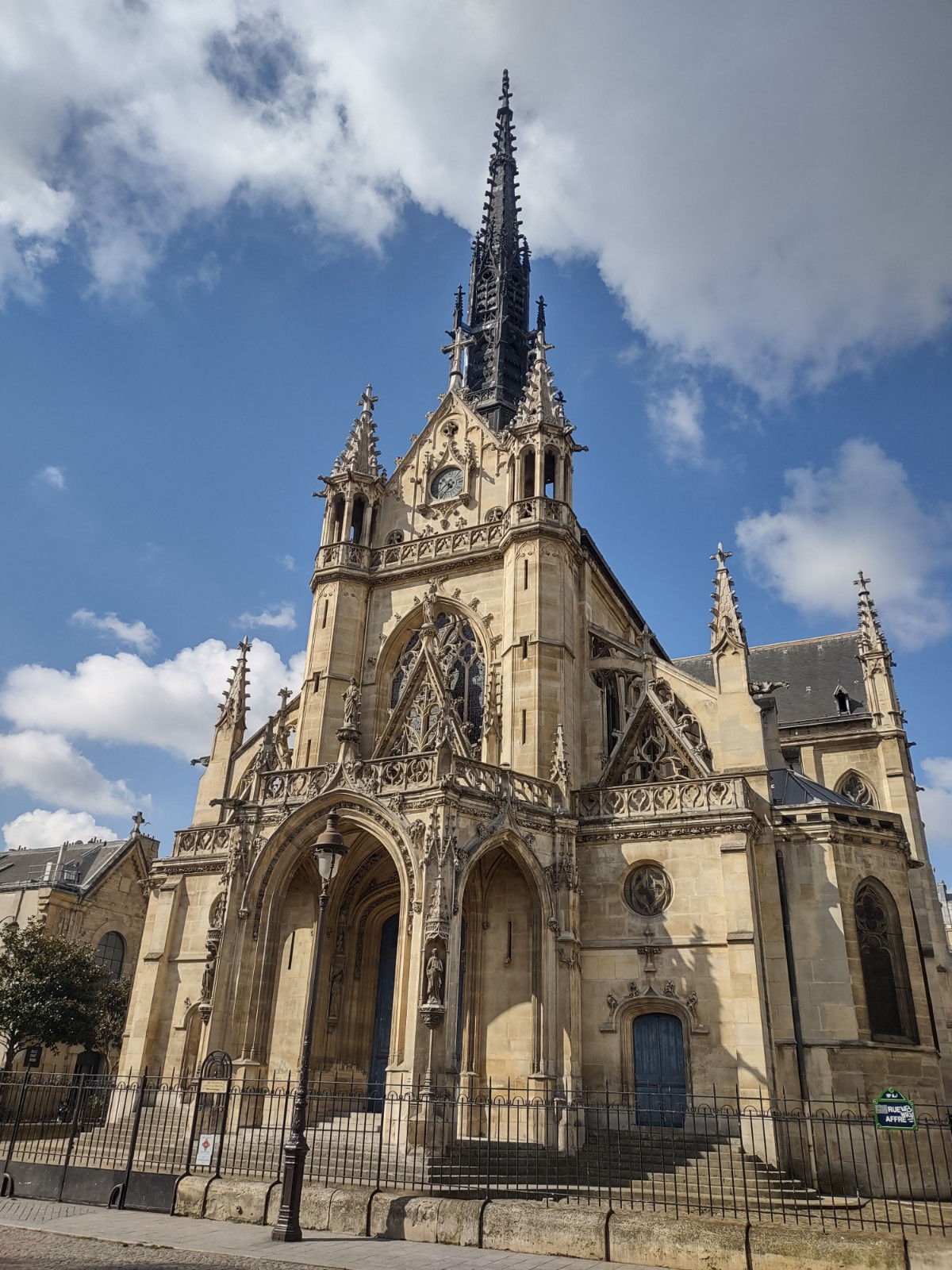
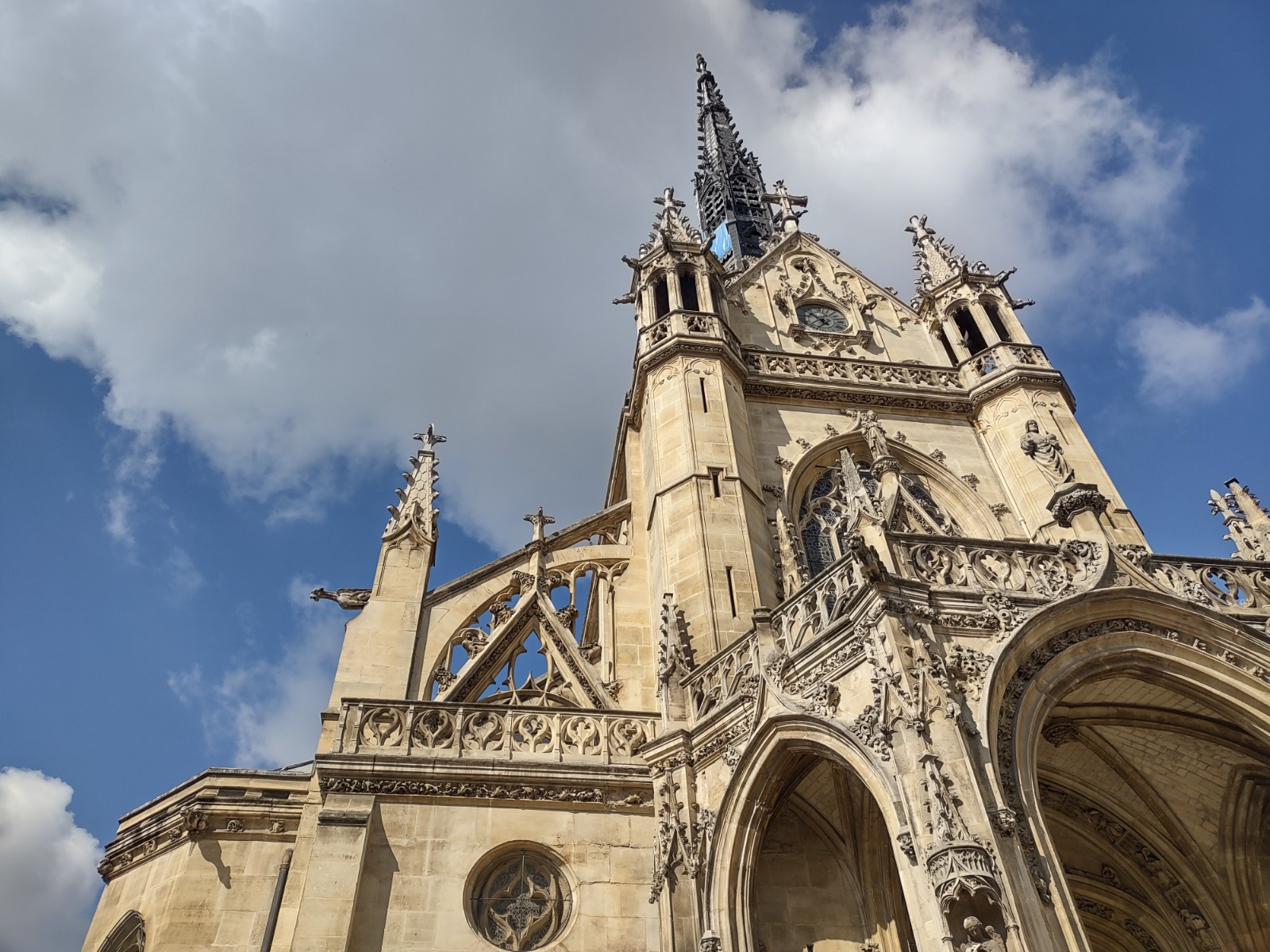

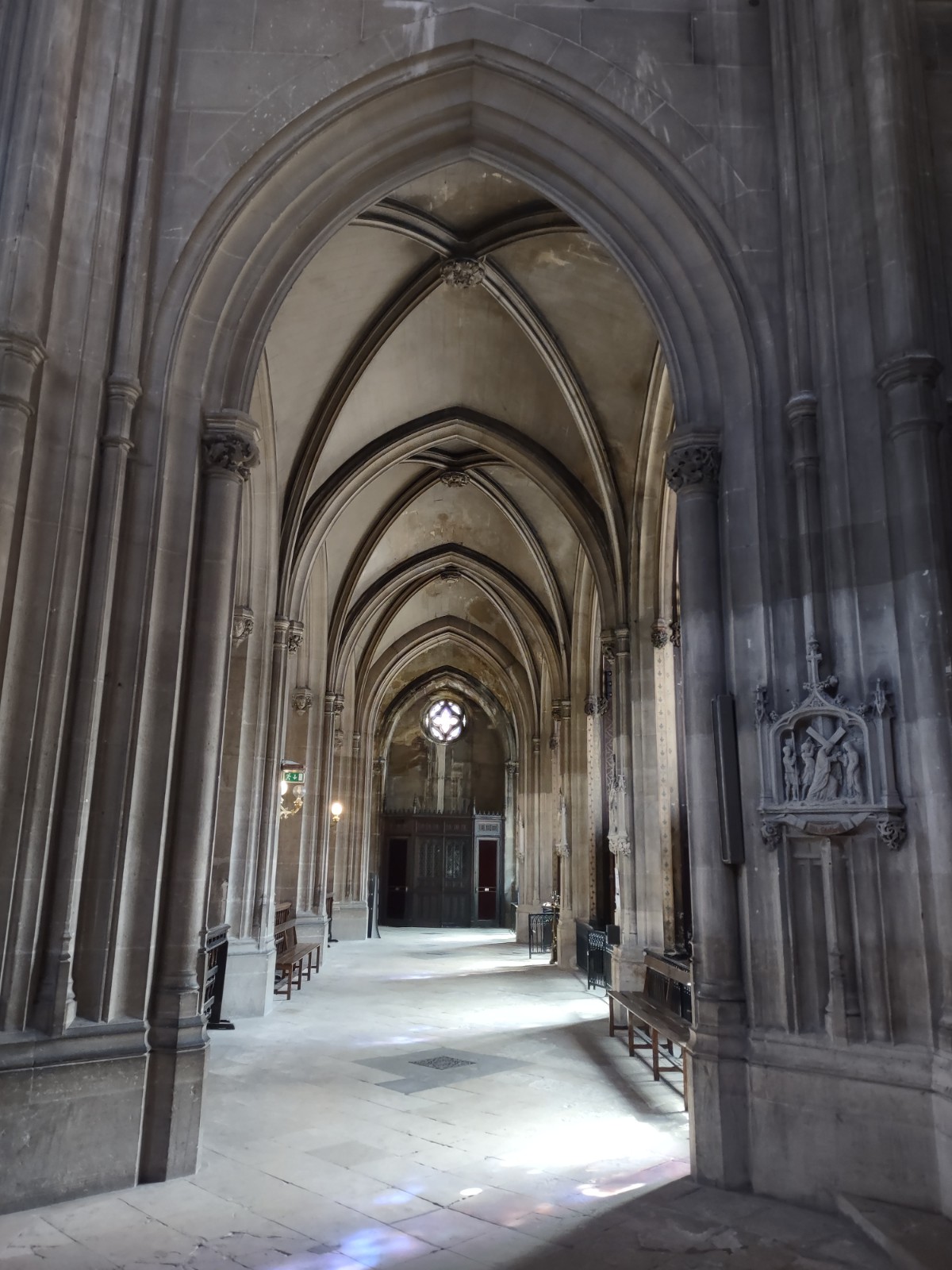

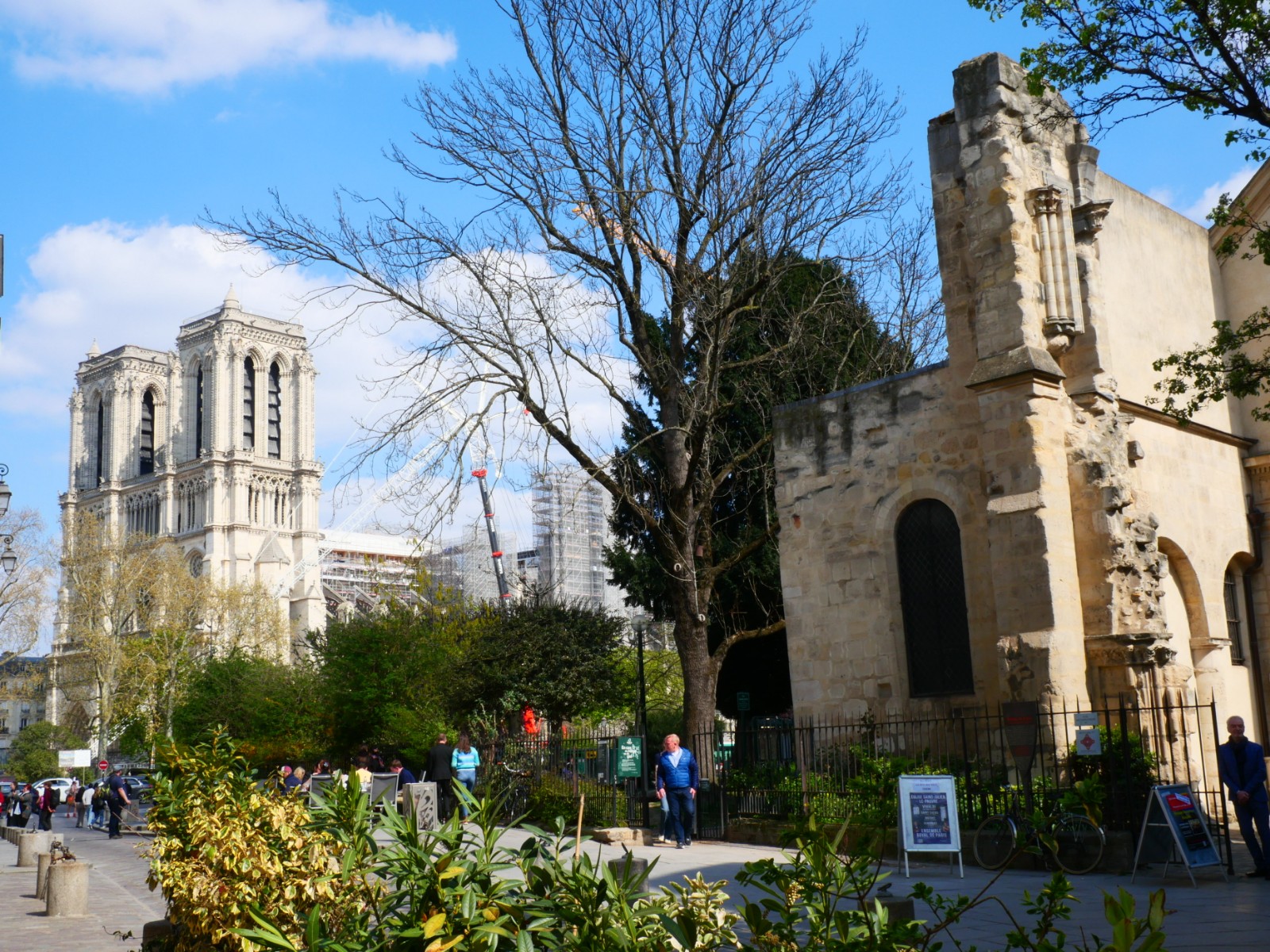
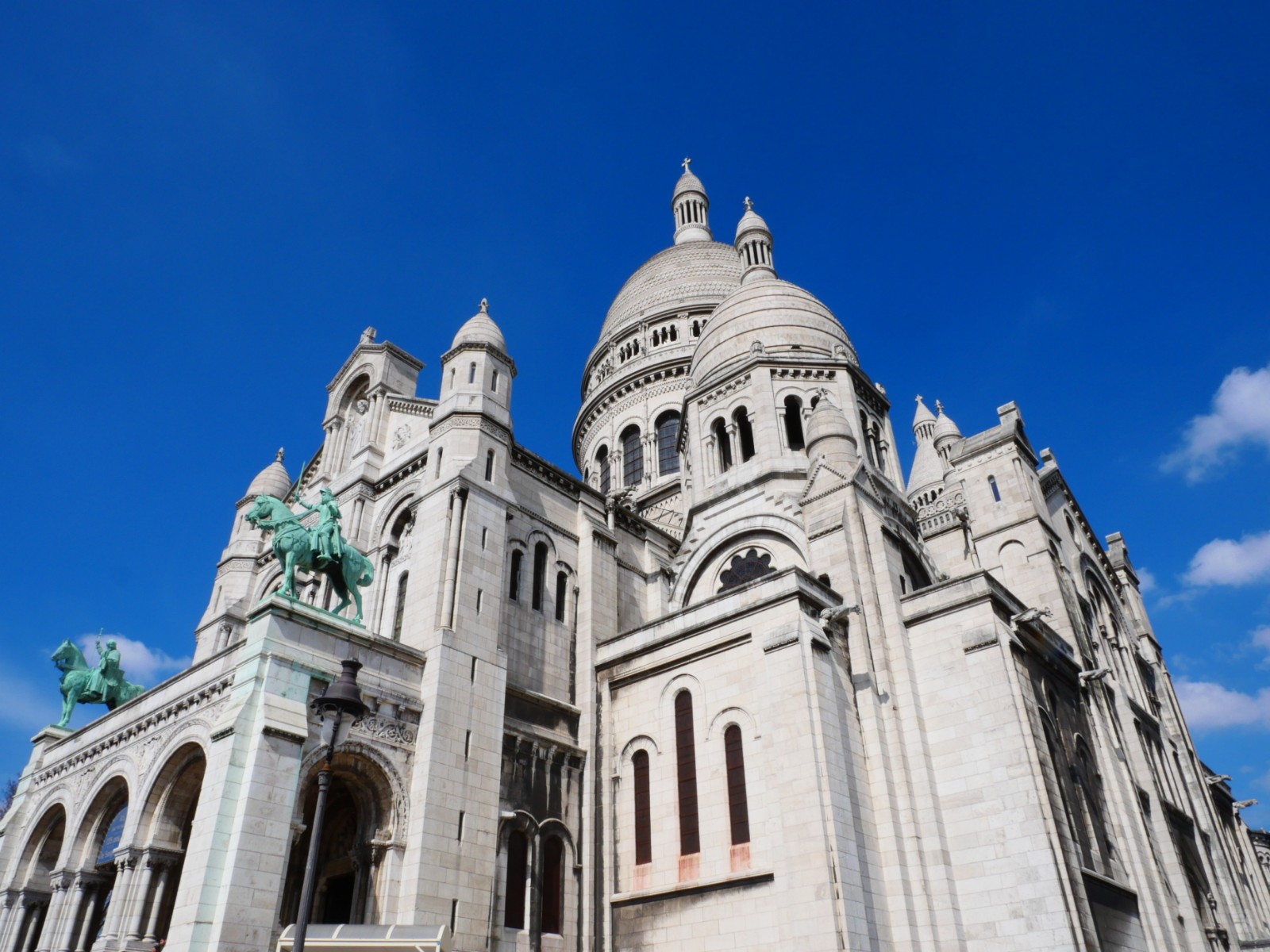
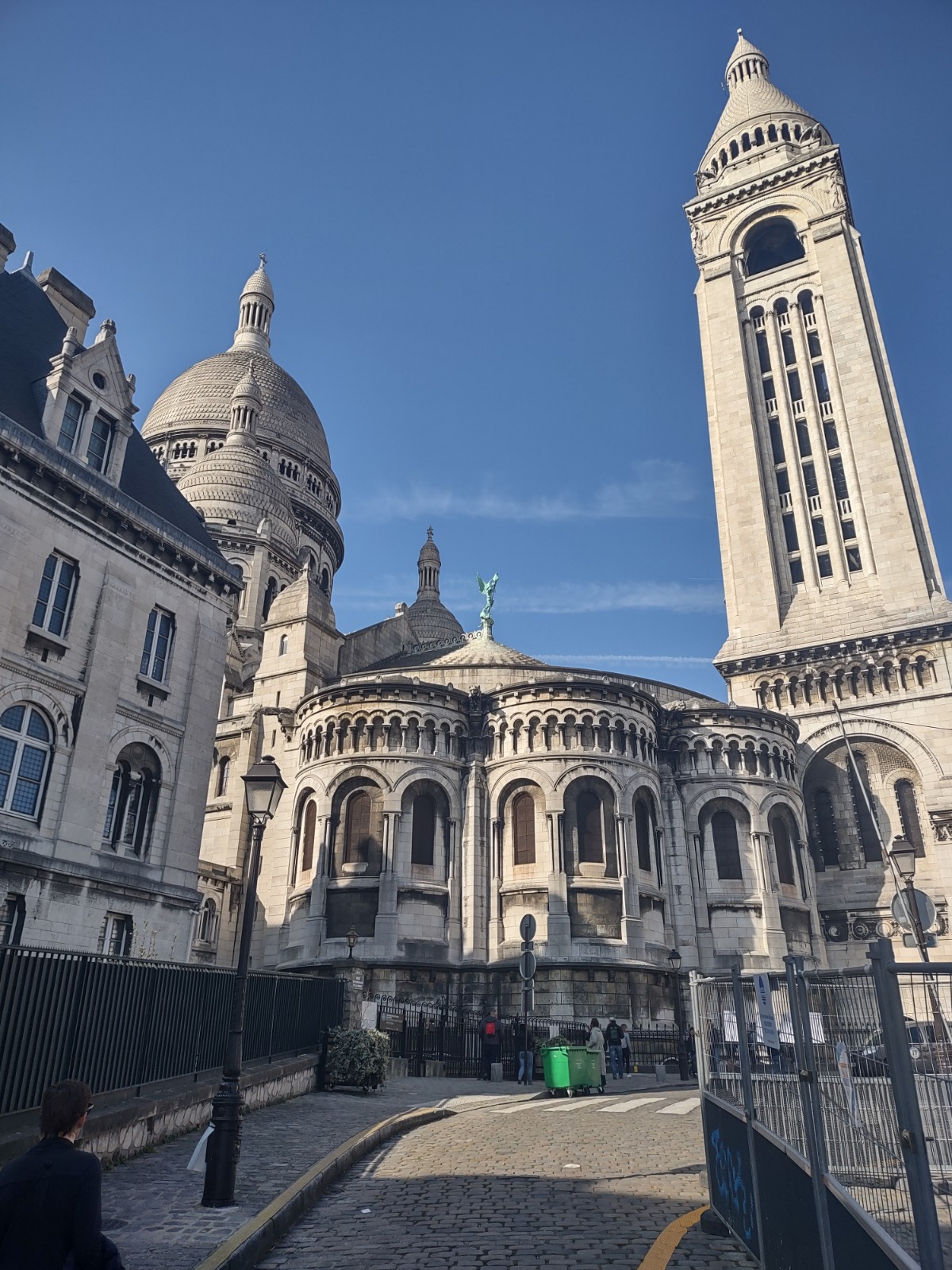
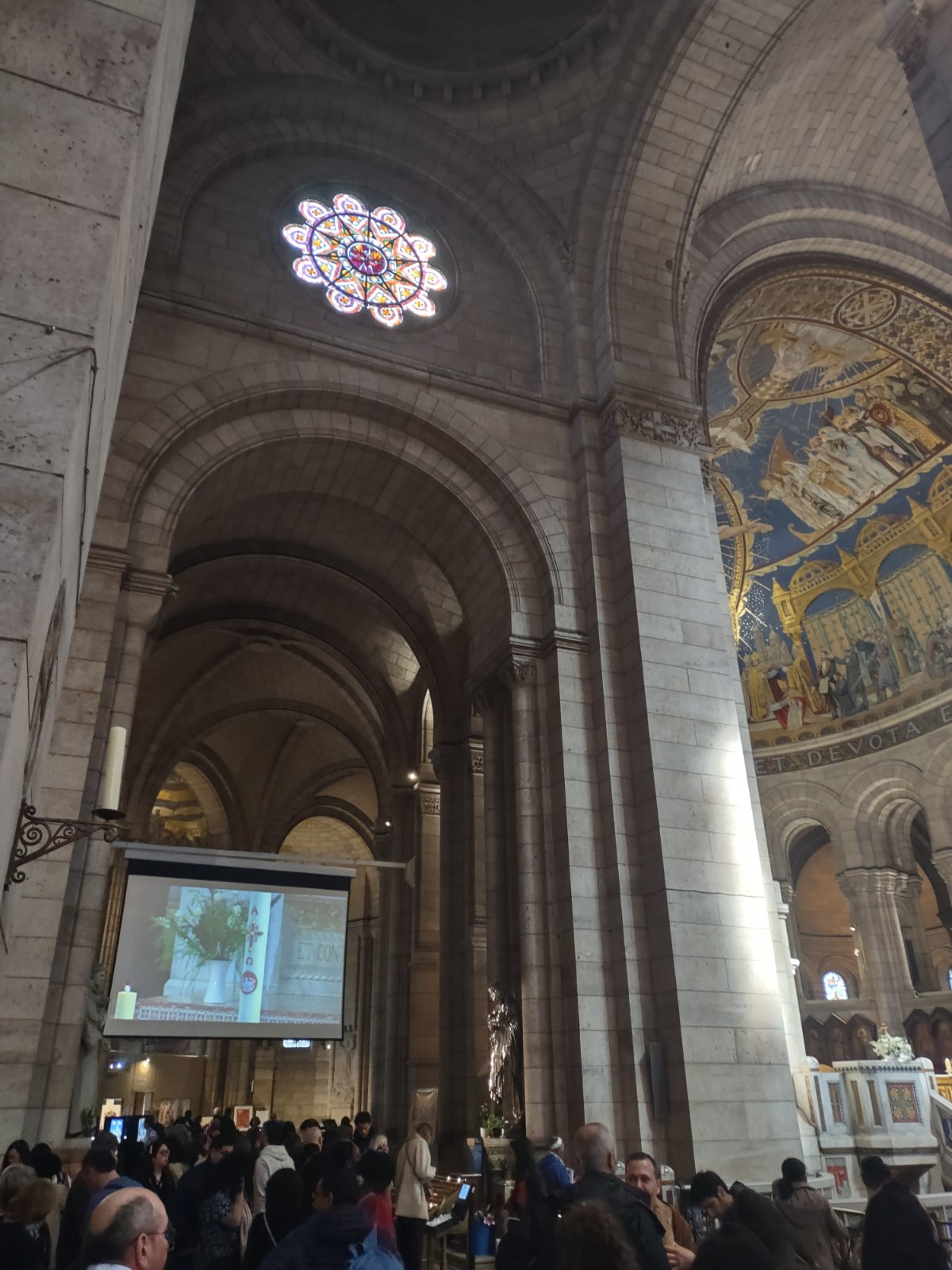
While we were not to be able to visit the Cathedral of Notre Dame which is currently closed to the public, we were able to visit some other noteworthy churches in Paris including the Basilica of Sacre Coeur which was not far from our apartment. It is a beautiful and ornate building which sits at the top of Montmatre and can be seen from higher vantage points across the city. It is a popular tourist destination and almost always has crowds around it with a long queue for guided tours. We were lucky enough to be able to slip through the crowds and attend mass there on Easter Sunday.



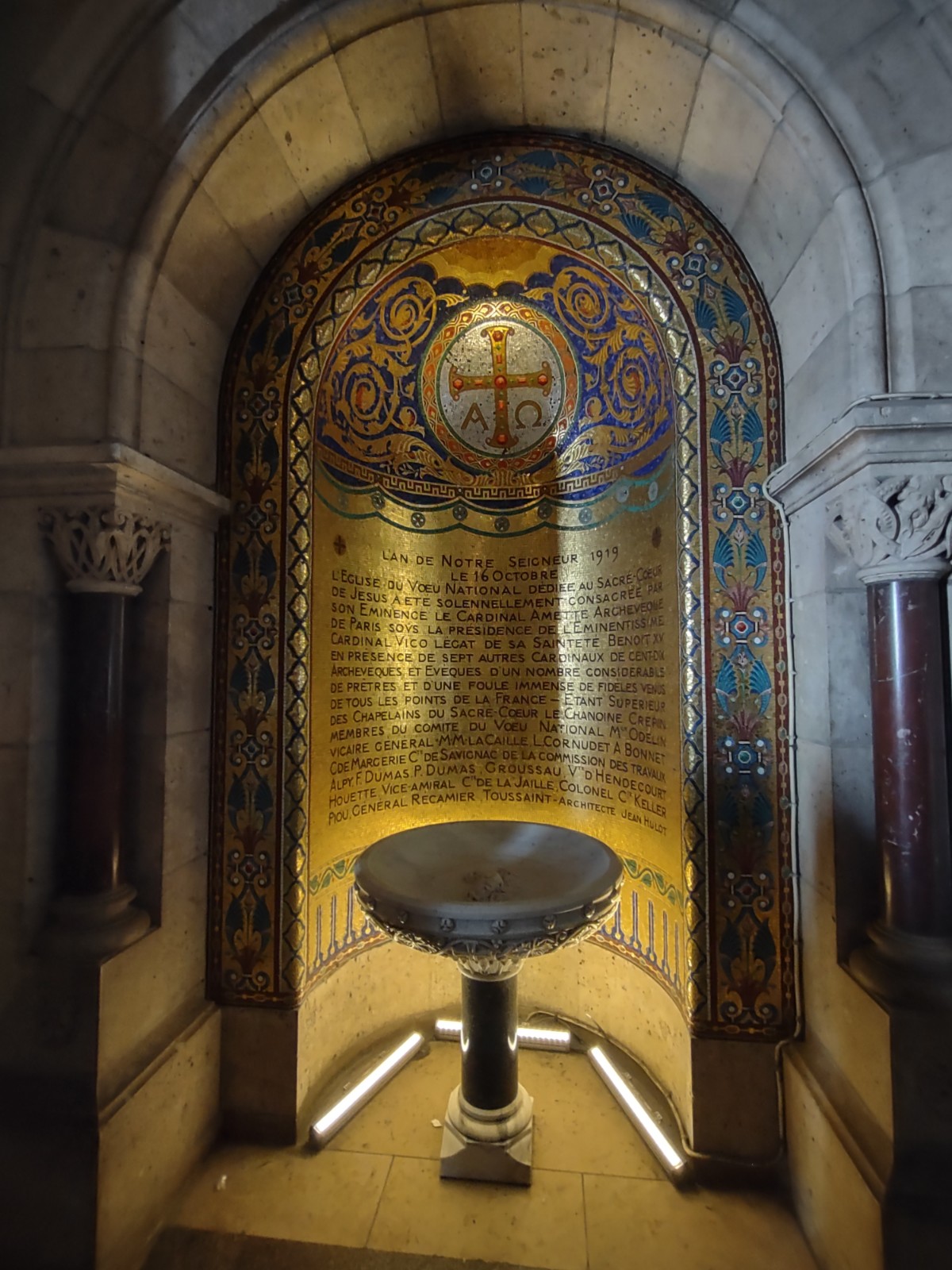
To cap it off, we were able to attend a performance of Handel’s Messiah at the Eglise Saint Louis en I’lle on Easter evening. Truly a memorable Easter!


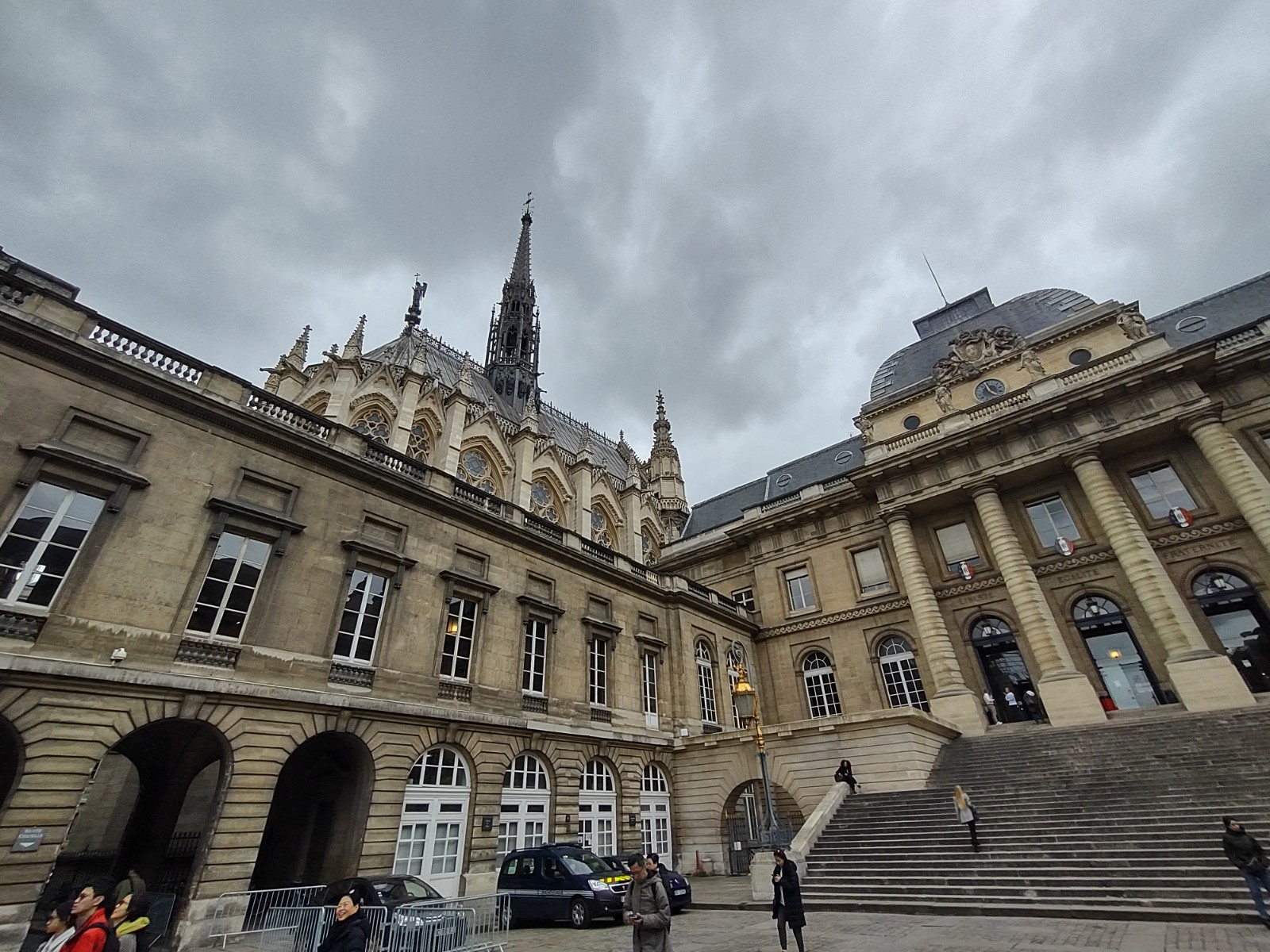
Of all the churches we saw and visited in Paris, the one which we found most beautiful and amazing was Sainte-Chapelle (which is actually a chapel, not a church). Sainte-Chapelle is located on the Ile de la Cite, not far from Notre Dame, within the Palais de la Cite, which was the residence of the kings of France until the 14th century. It was commissioned in the 13th century by Louis IX to house his collection of Passion relics (including what was purported to be Christ’s crown of thorns) and basically served as the private chapel for the French kings. Because the church/chapel is tucked into a courtyard, it is difficult to really get a good view of the building’s exterior, but there are displays and photos which help you to appreciate how intricate and beautiful the chapel’s tower and roof lines are (but that isn’t what you come to see here).
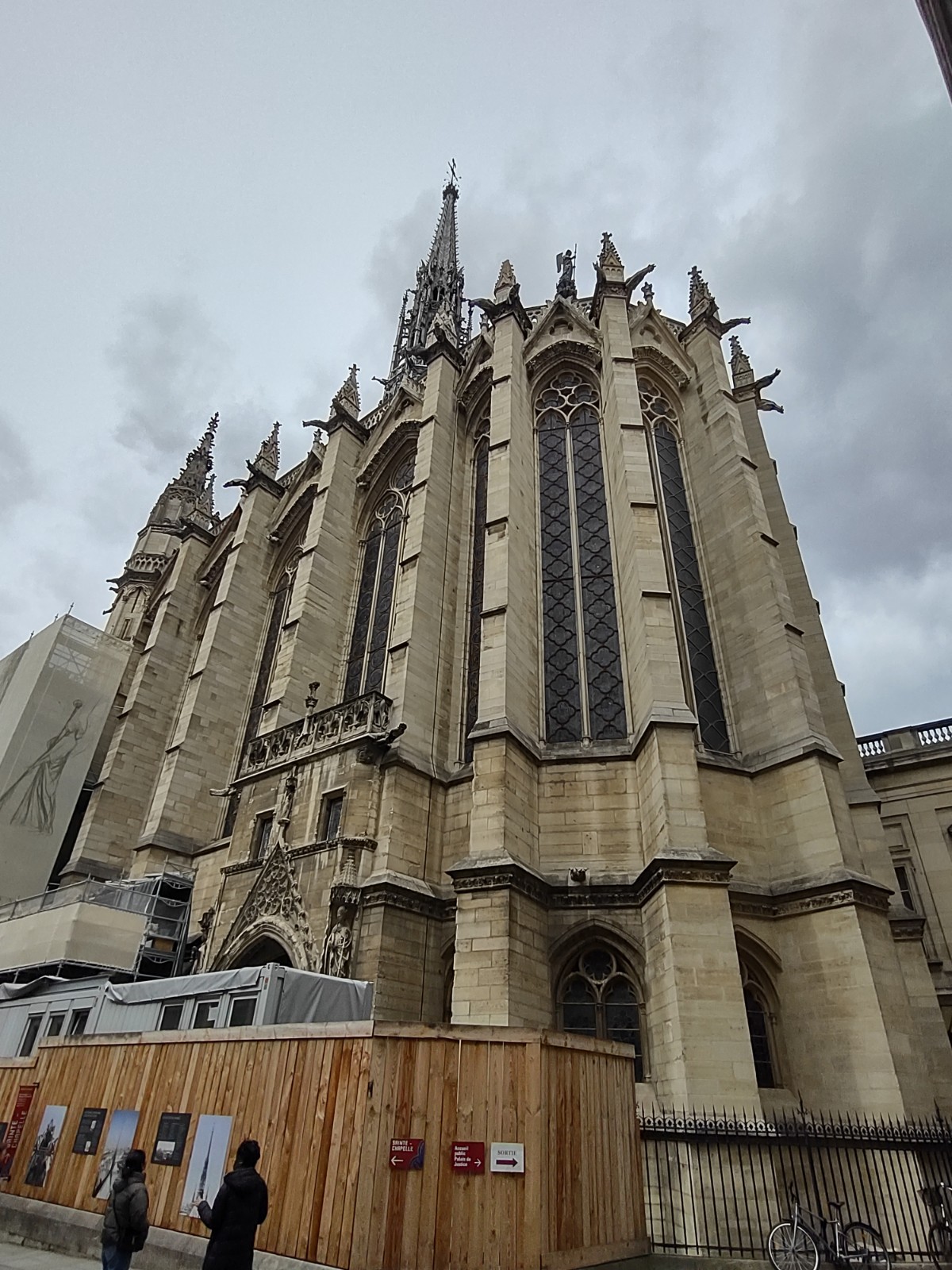
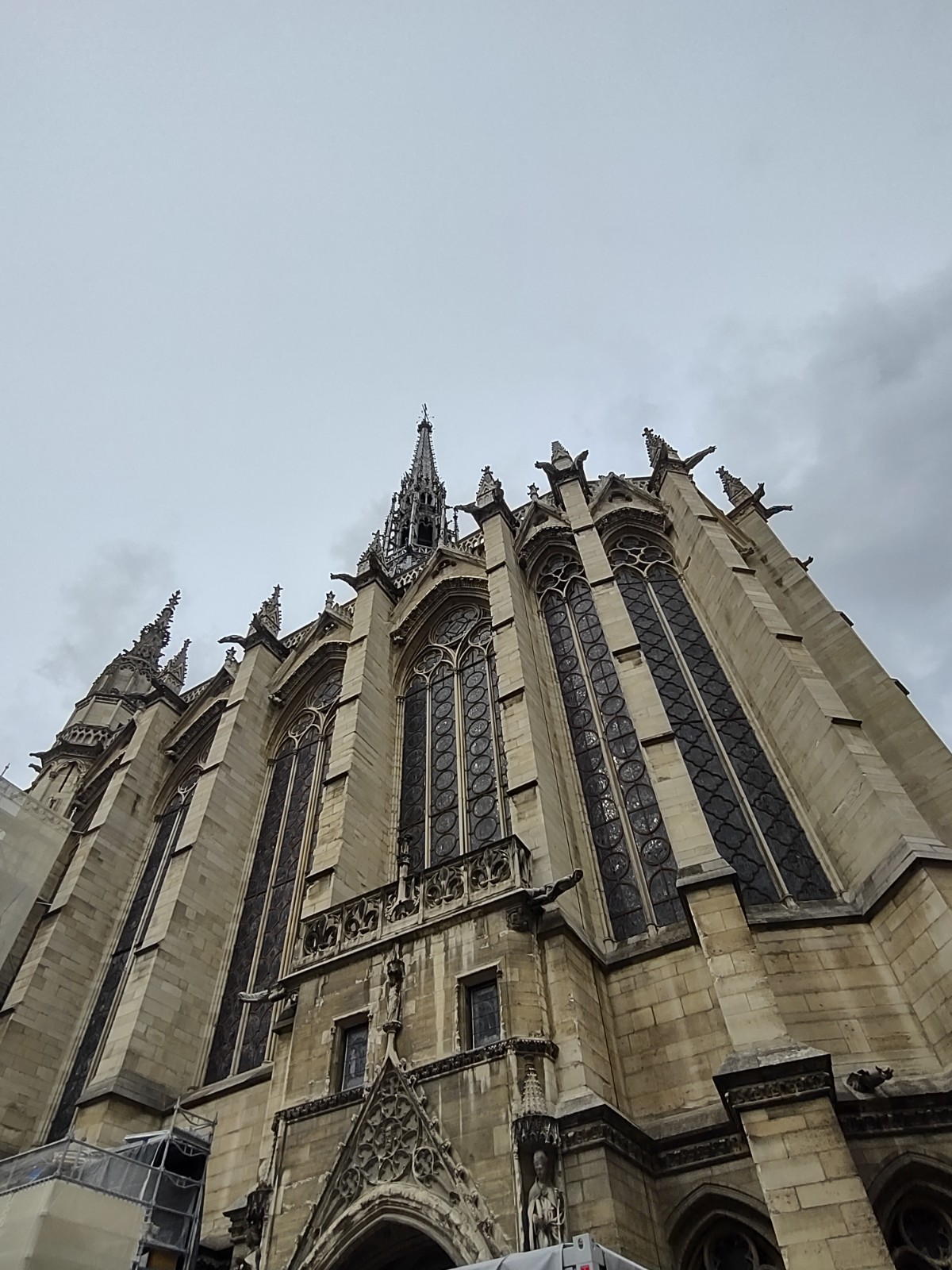


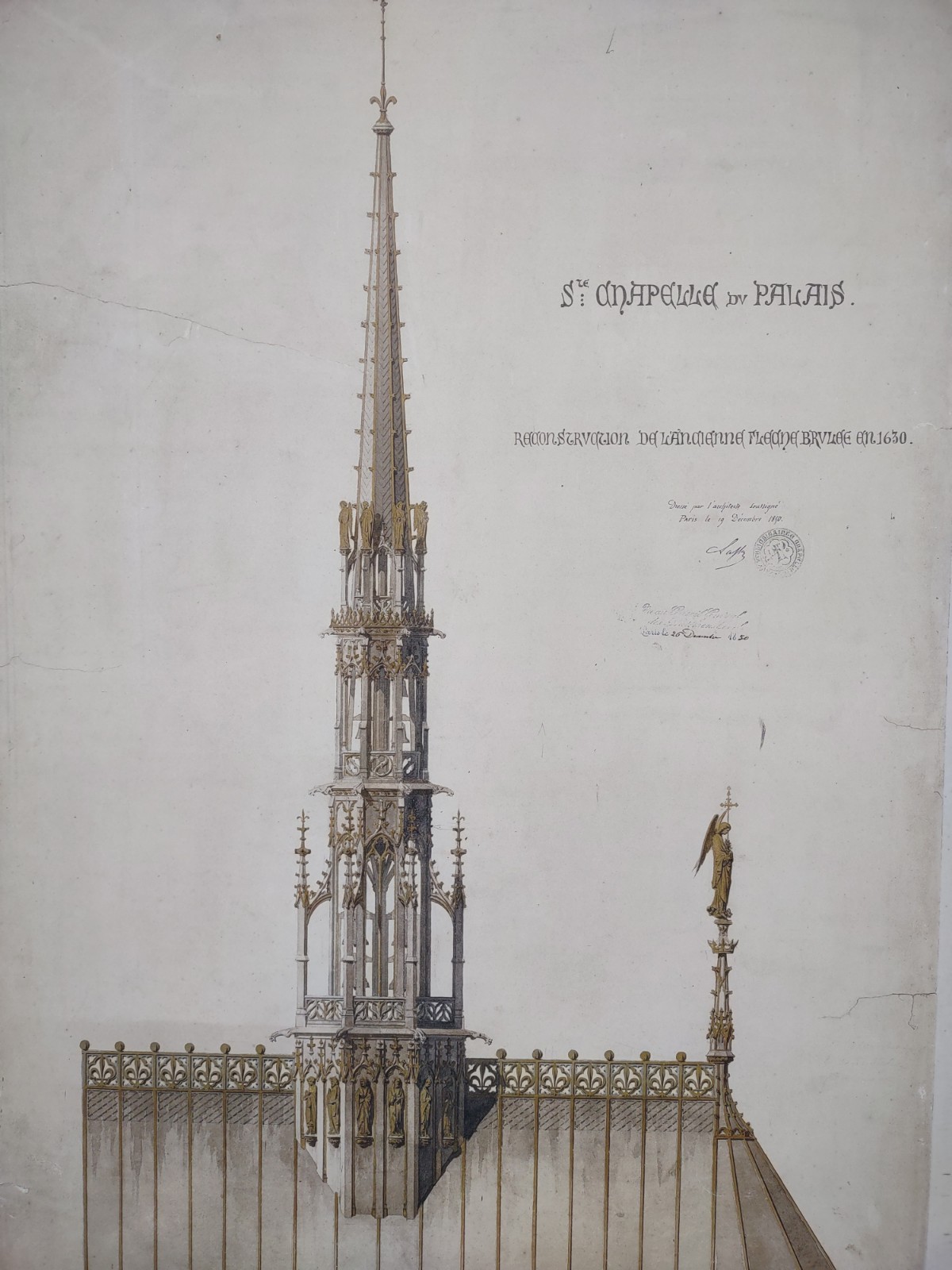
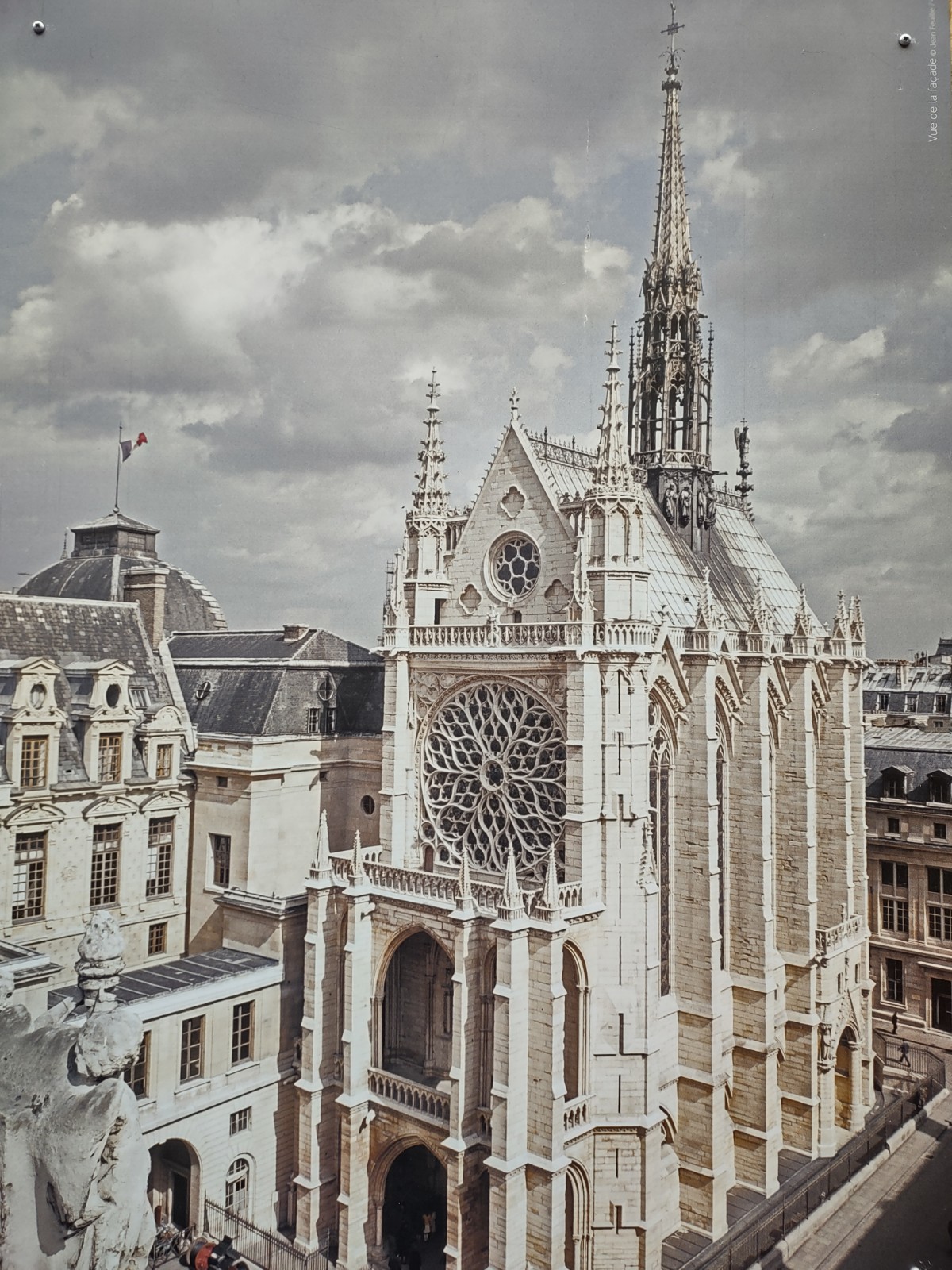
So, a slight digression here for the non-architects. Sainte-Chapelle is a classic example of the high gothic style of architecture which began in the Middle Ages and evolved through the early 17th century. Politically/religiously, the goal of church design during this period was, honestly, to make the common man aware of how small and insignificant they were in the eyes of God. (Not sure that this applied to kings.) Architecturally, gothic church design strove for “height and lightness”, something Sainte-Chappelle achieves better than any gothic church I can recall visiting.
Sainte-Chapelle is not a large structure – only 56 feet wide by 118 feet long on the outside. You enter through a lower chapel (now the gift shop) which only has a 22 foot high ceiling, where the weight of the structure above is almost palpable. After passing through this low, dark, compressed space, as well as a very small winding stair, you emerge into the incredibly light and soaring space of the upper chapel. While the ceiling of the space is only about 60 feet high (not that high by gothic standards) it seems much higher because the interior of the chapel is only about 35 feet wide by 100 feet long.
But, beyond the apparent height of the space, what really strikes you (virtually every person I saw entering the space responded with an “oooh!”, an “ahhh!” or a “wow!”) is the incredible expanse of stained glass windows. The architect of Sainte-Chapelle (who to this day remains unknown) did an incredible job of minimizing the stone structure to the point that you hardly realize it is there. The 15 stained glass windows, which are incredibly bright and colorful, depict over 1,100 scenes taken from the old and new testament as well as depictions of how the holy relics which were once house here found their way back from the Holy Land.
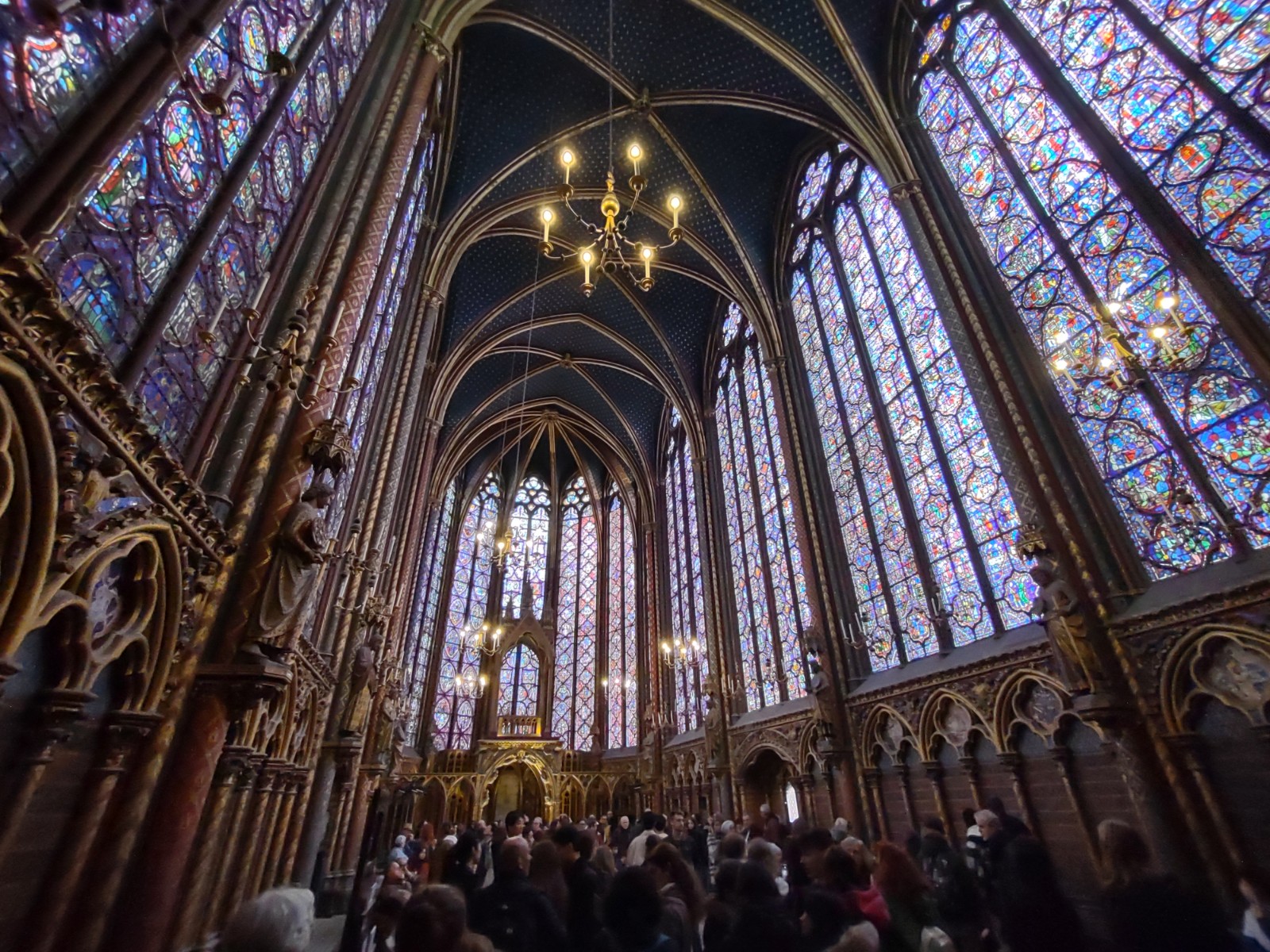
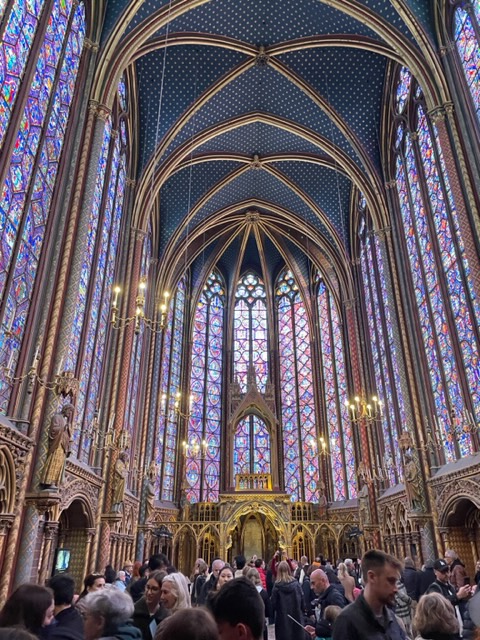
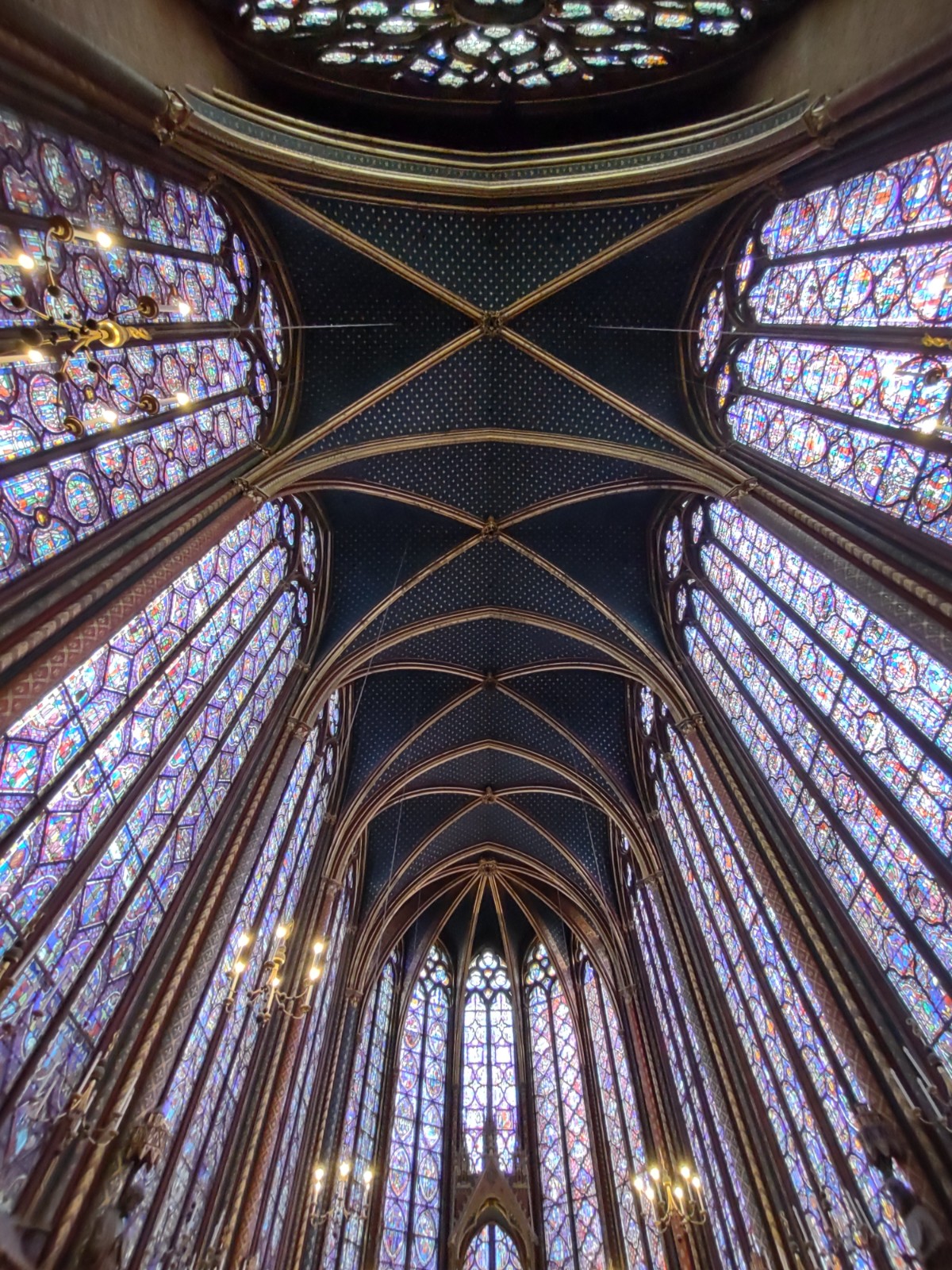
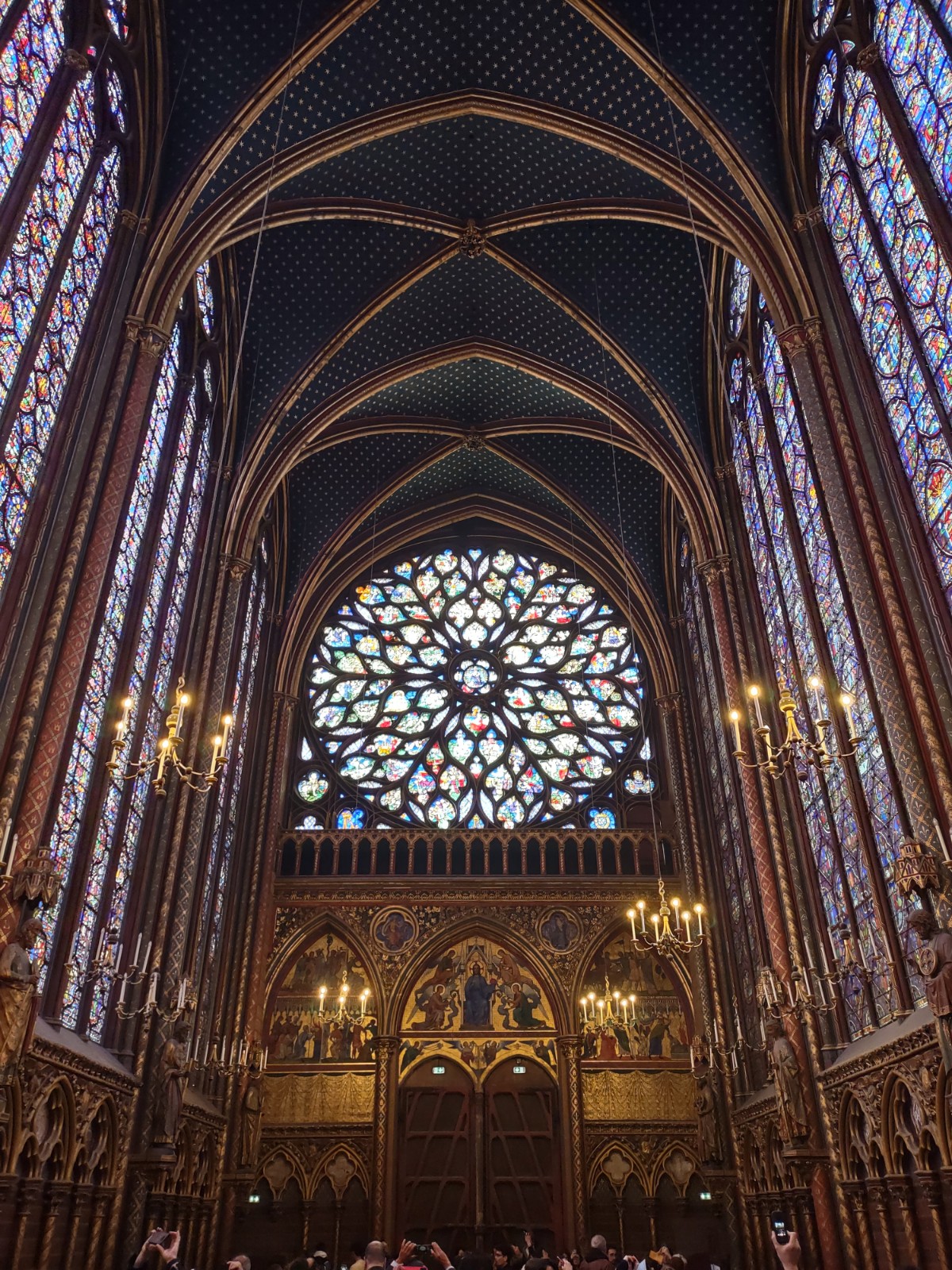
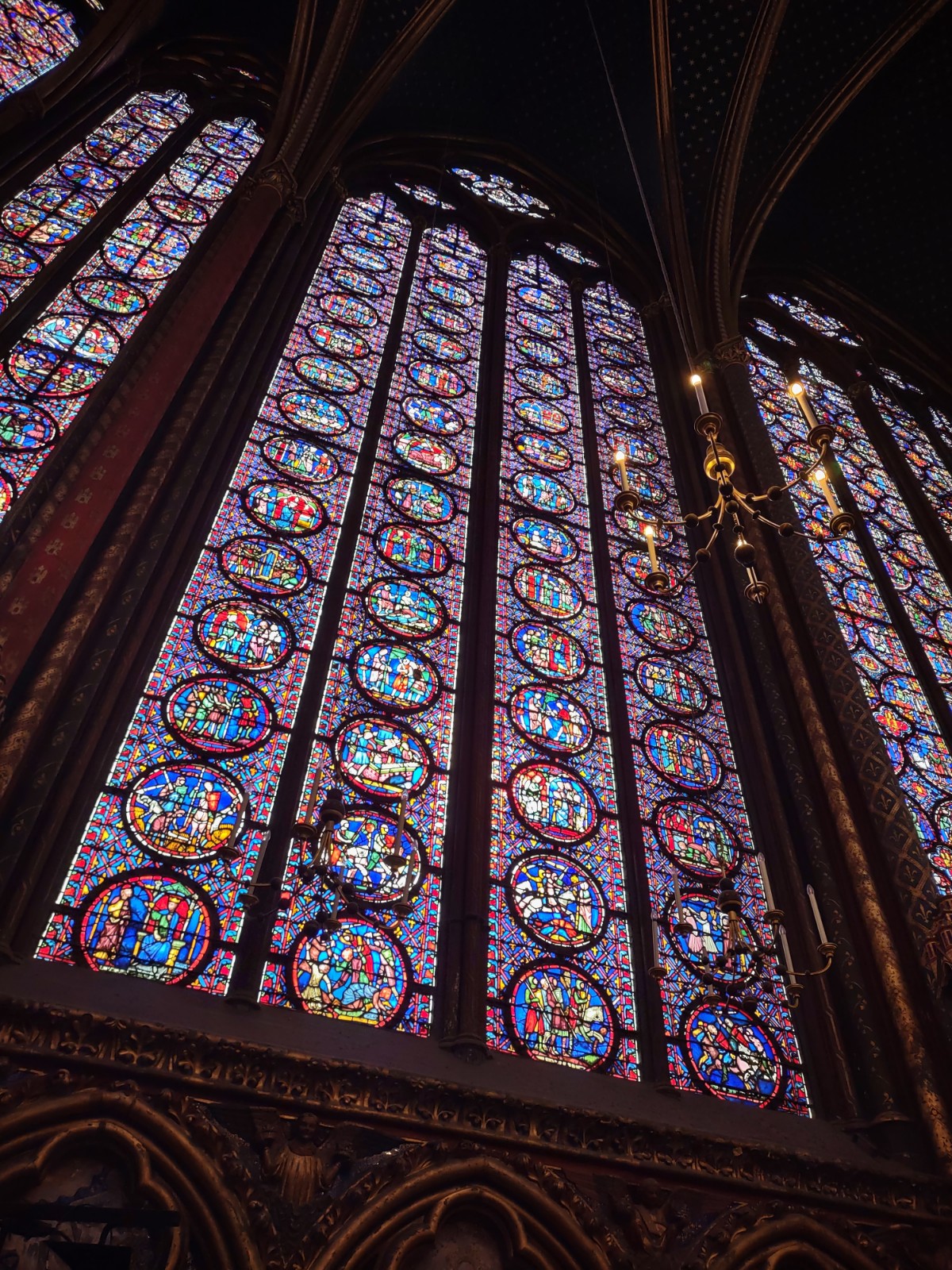
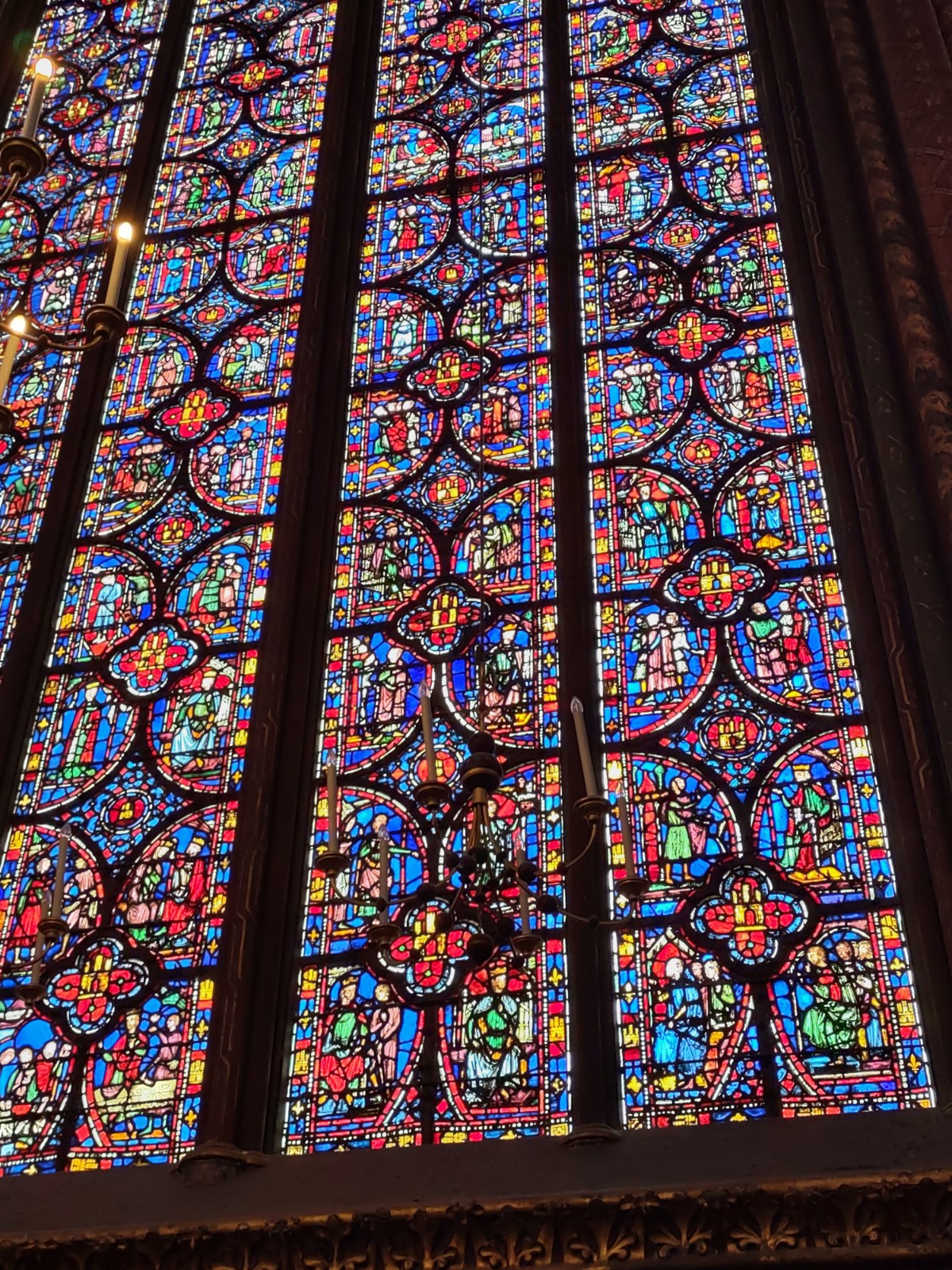
In addition to the stained glass, the interior of the chapel features beautifully carved and painted moldings and woodwork and, what walls there are, are also beautifully painted, with gold being the dominant accent color along with bright reds and blues. Although one tends to not look down in this space, the tile floors are also beautiful, all of it (can we say?) fit for a king!
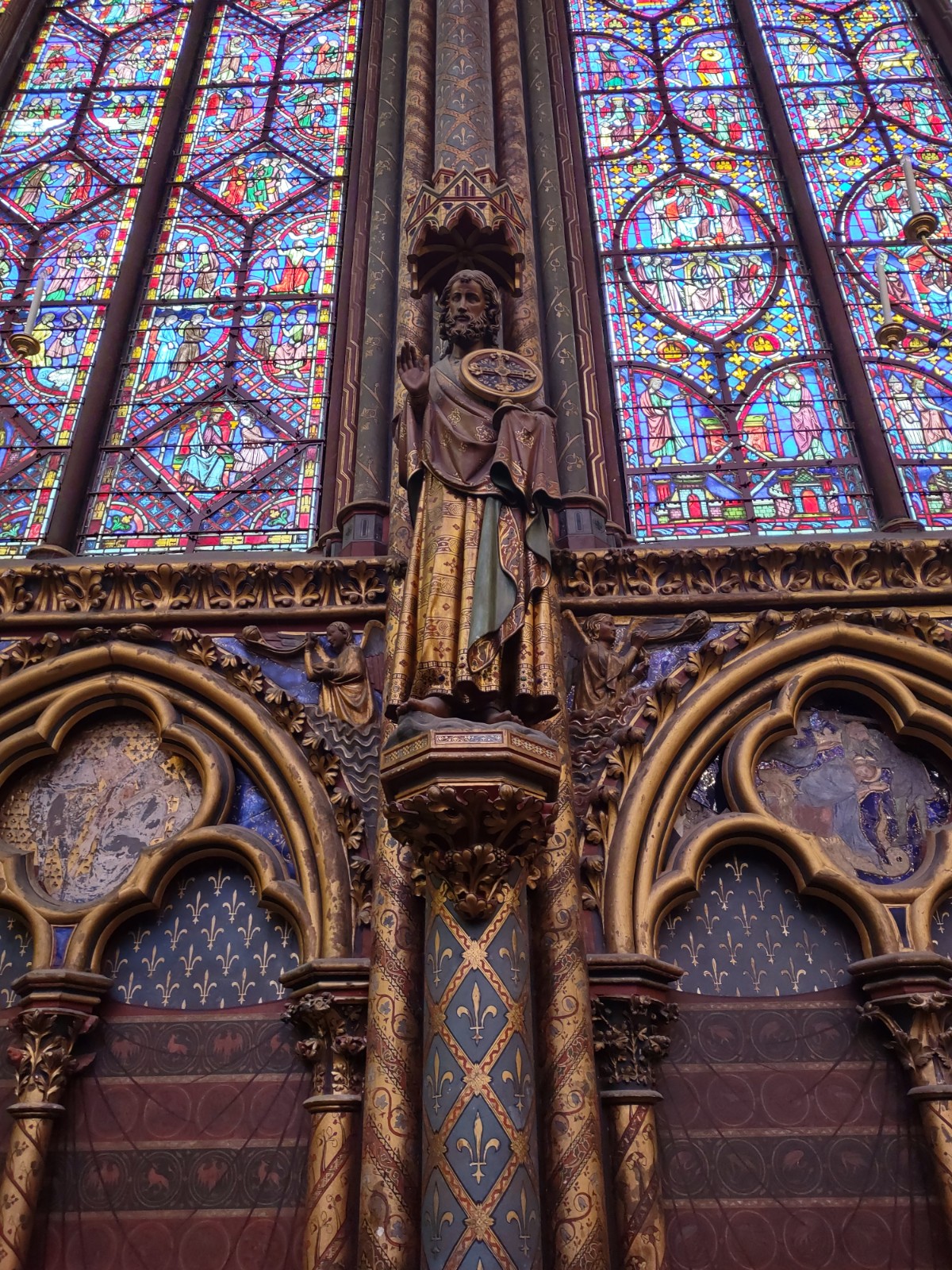
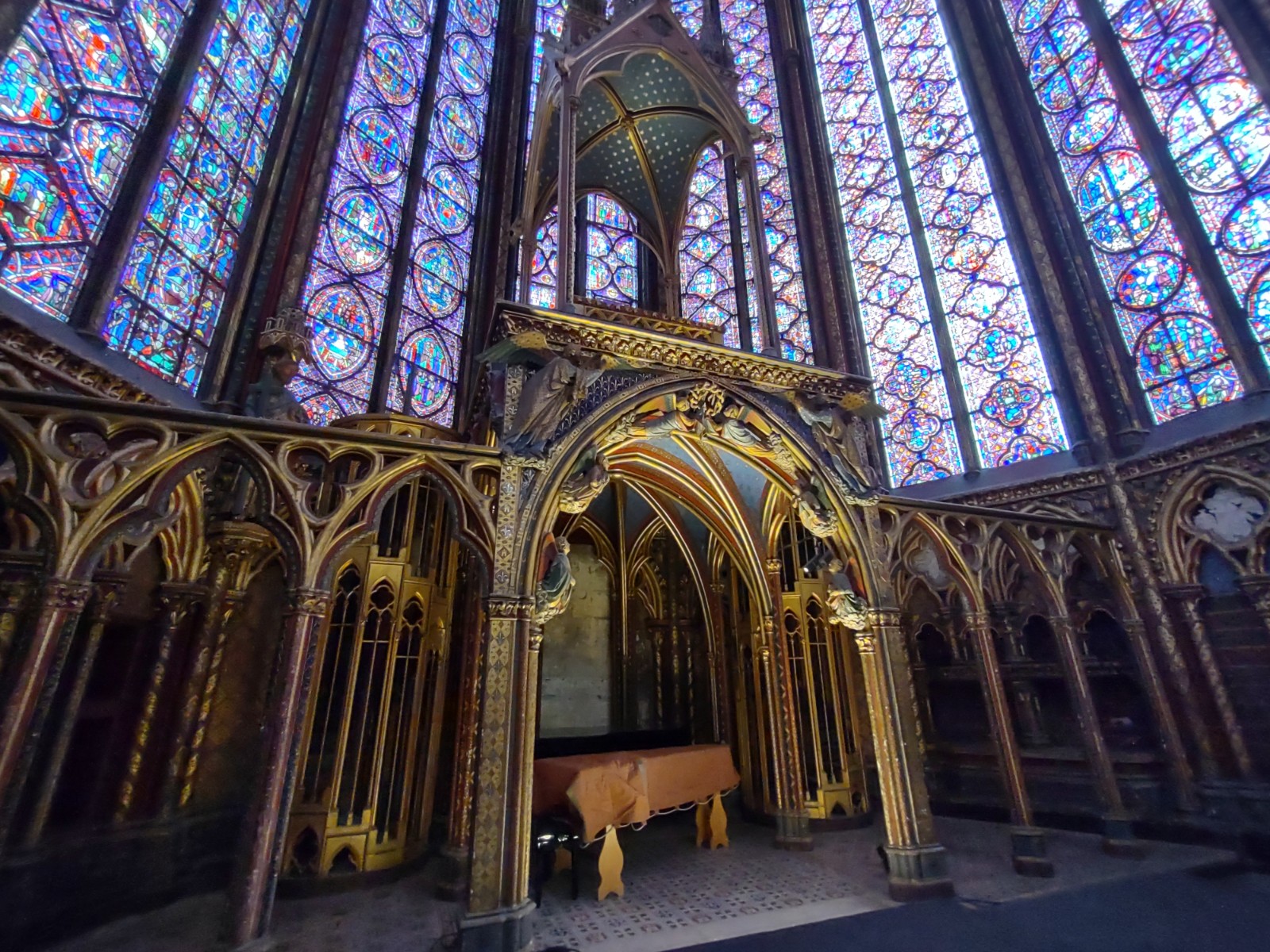
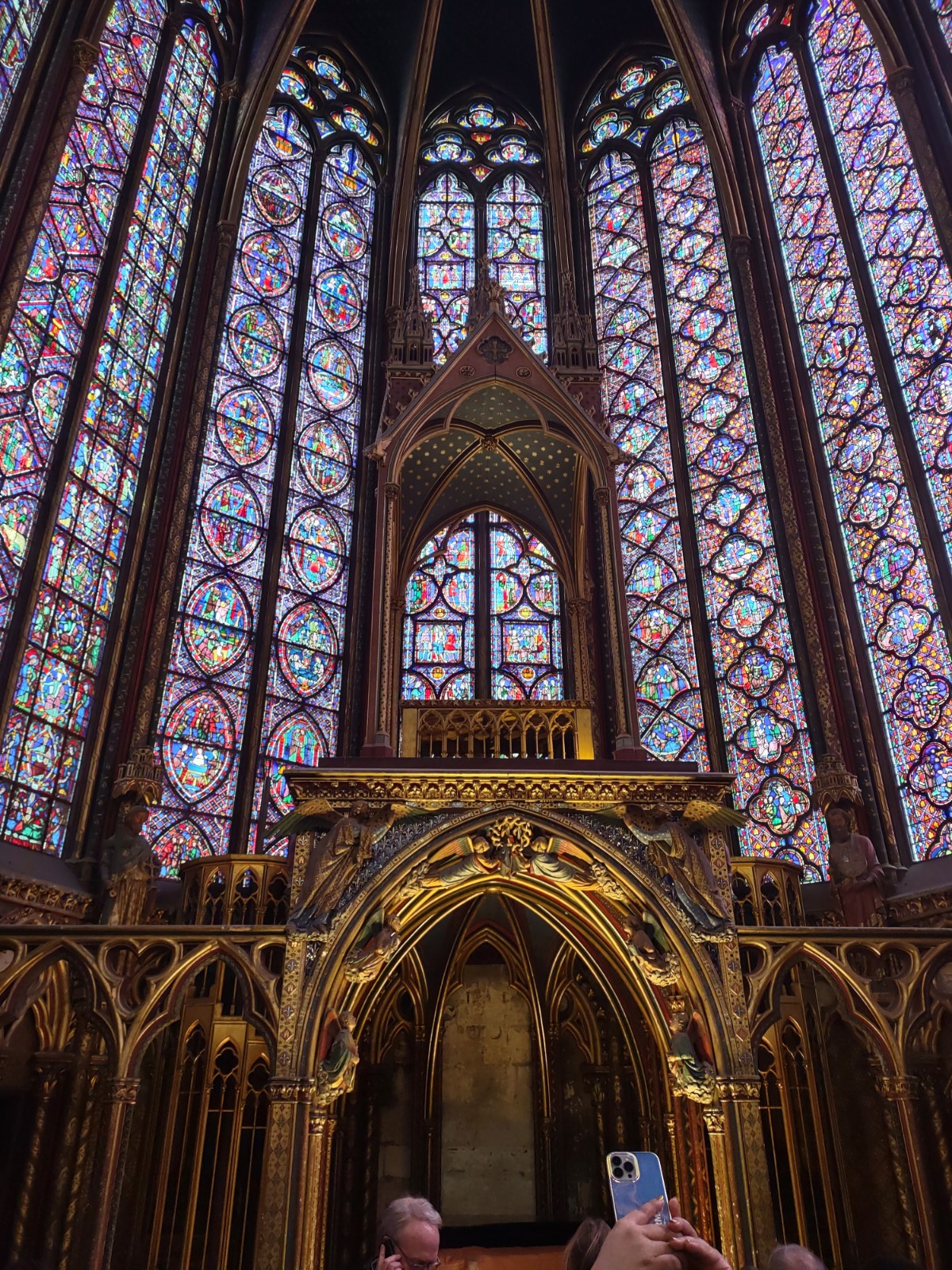
I have to say that if you were only able to visit one church or monument in Paris, this should probably be it. Truly amazing and beautiful!
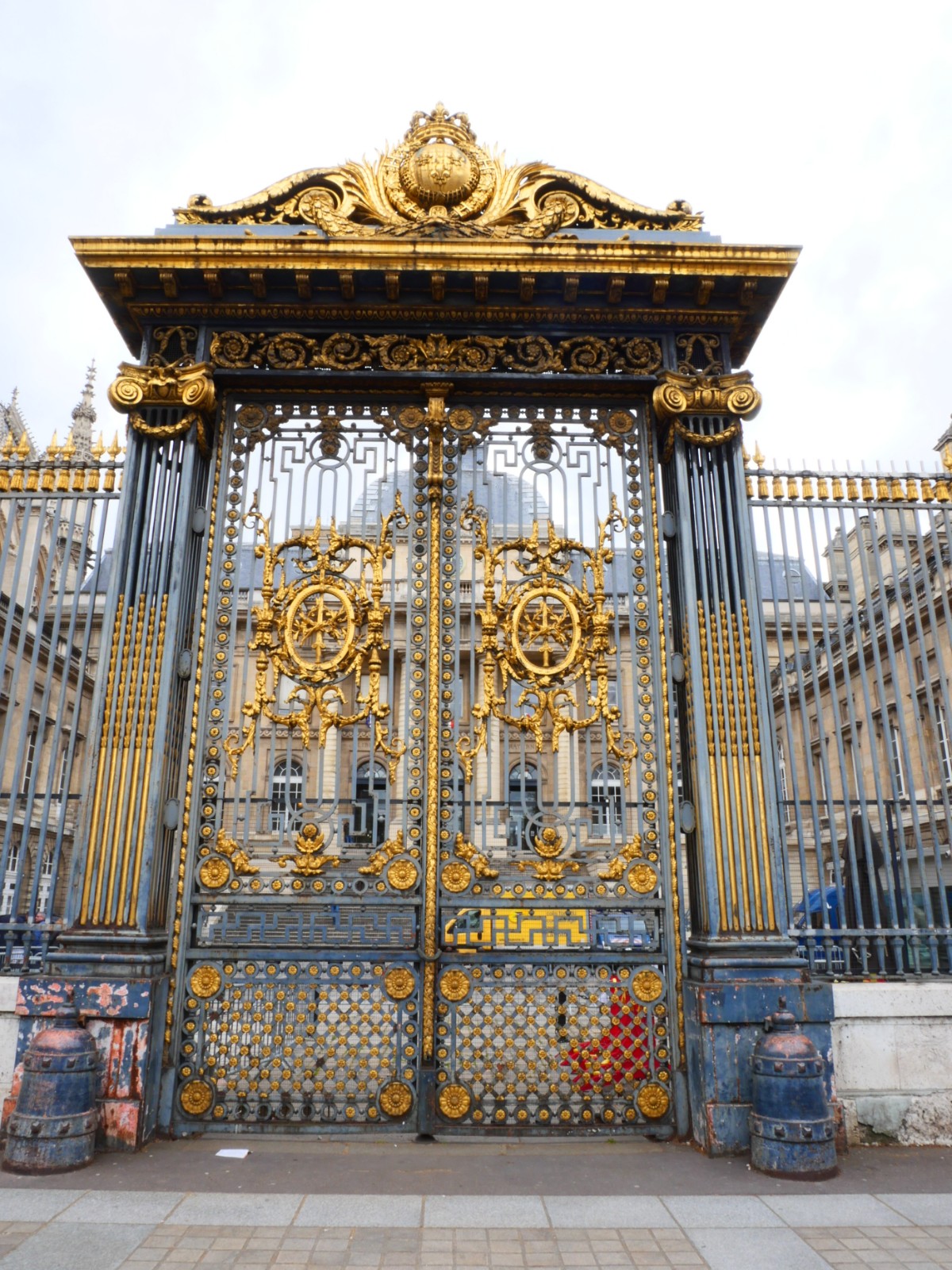
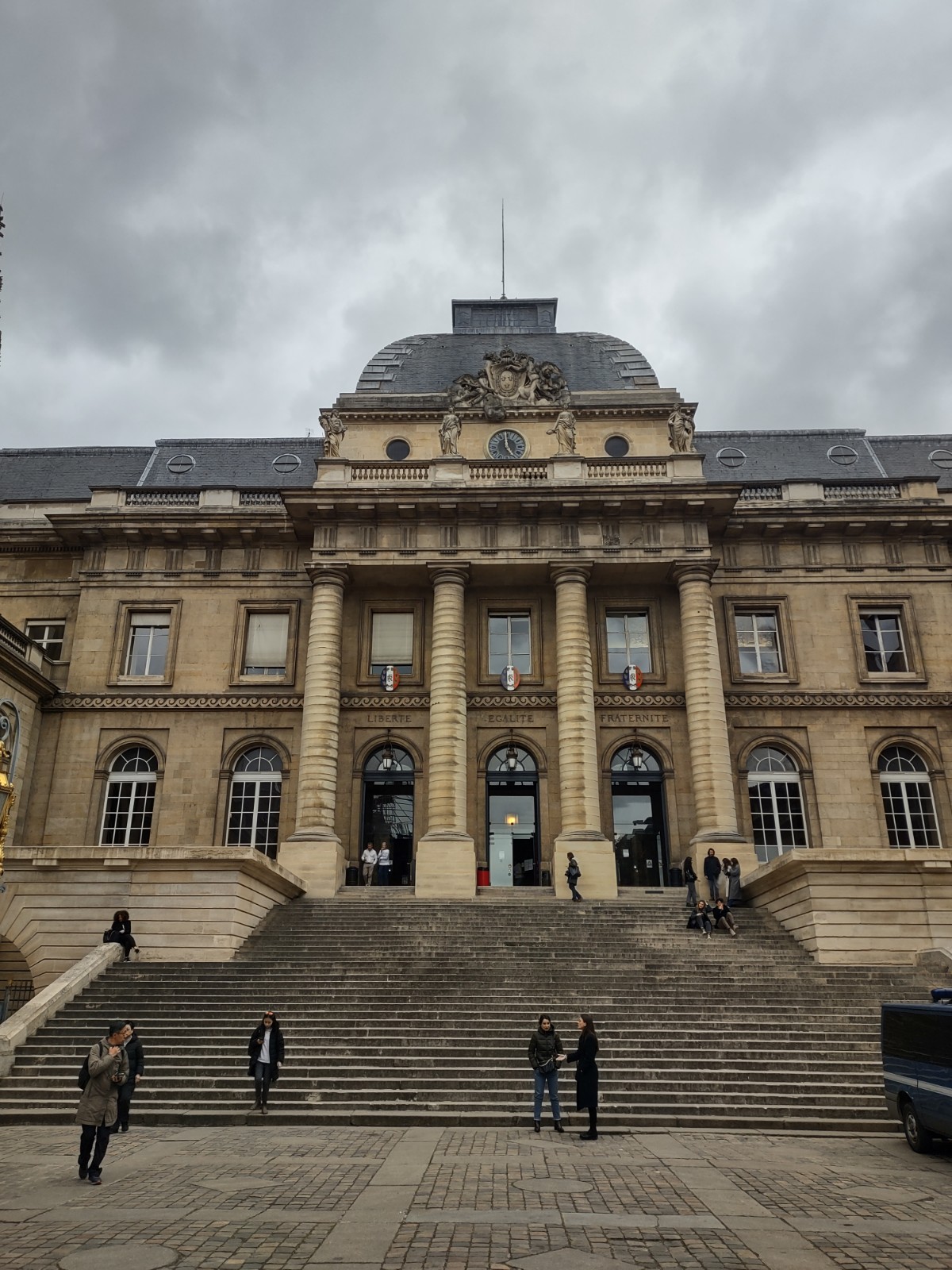
PS – When you exit Sainte-Chapelle, you pass through the forecourt of the Palais of Justice which today houses the Court of Appeals of Paris, the highest appellate court for ordinary cases in France. It was originally part of the Palais de la Cite (the Royal Palace) and served various functions over the years but is probably best known for being the courtroom of the Revolutionary Tribunal during the French Revolution. During the so-called Reign of Terror, thousands were tried here and then sent to the guillotine in the Place de la Revolution (now Place de la Concorde), most notably Marie Antoinette, who many now seem to view as collateral damage of Louis XVI.
Arc de Triomphe
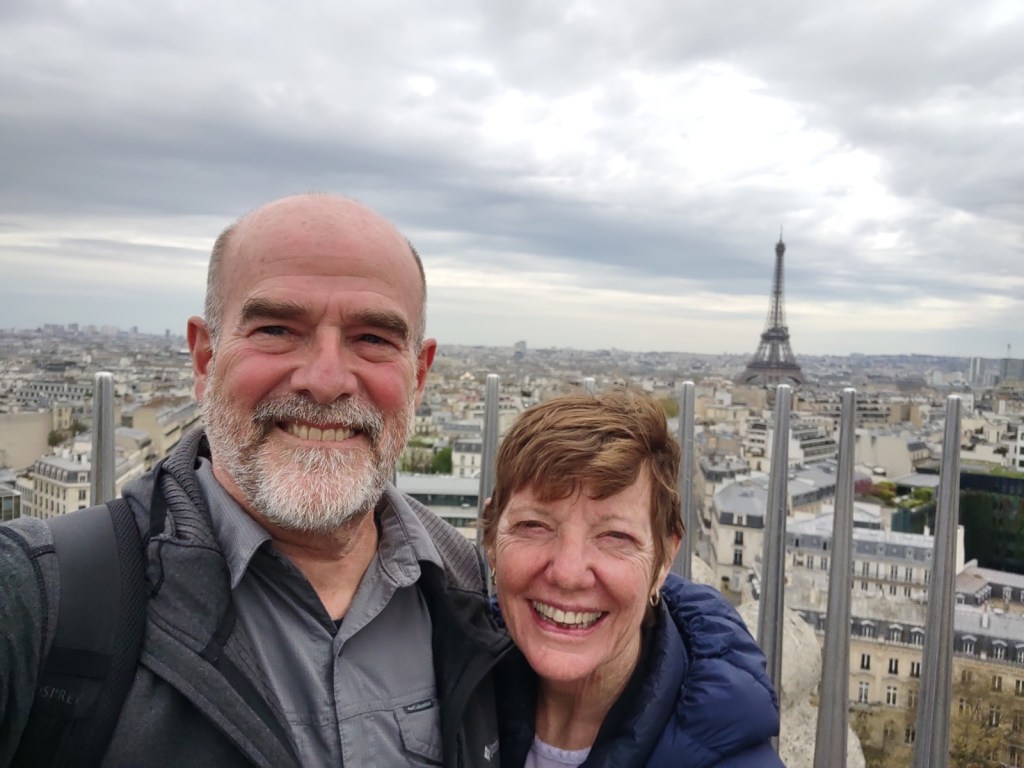
Perhaps another bit of Paris sacrilege, but one of the choices we made while there was to visit (and climb) the Arc de Triomphe, but not the Eiffel Tower. To some extent, this choice was driven by logistical considerations that included location, the likely length of lines, size of crowds, and also the fact that the Arc de Triomphe is covered by the Paris Museum Pass and the Eiffel Tower is not. But, we had heard great things about the view from the Arc and had already encountered the Eiffel Tower a few times during our meanderings of Paris, including up close and personal on the morning of our day trip to Mont Saint-Michel (more about this later).
We walked to the Arc de Triomphe after our visit to Cite de l’Architecture (where we had an amazing view of the Eiffel Tower), a straight shot of about a mile up Avenue Kleber. While pedestrian traffic was pretty thin at first, it thickened as we got closer to the Arc rising at the end of the Avenue. You probably know from films or photos that the Arc de Triomphe is surrounded by a very large and very busy traffic circle (the Place Charles de Gaulle). When you emerge onto this circle it all kind of hits you at once – the traffic, the crowds, the tour buses disgorging their contents. And then there’s the Arc, much bigger than what the view down Avenue Kleber suggested.
If you have been there, then you know that there is an underground tunnel which crosses Place de Gaulle and allows pedestrians to get to the arch without having to cross it (likely an impossible task). But, you still have to get to the entrance to the tunnel which means crossing one or more of the 12 streets which enter and exit the circle, which include the Champs Elysee. In front of the center median of Champs Elysee, there is a queue of people trying to take pictures of the arch from its center which Ritchard considers and then thinks better of (first time for everything!) and moves on.
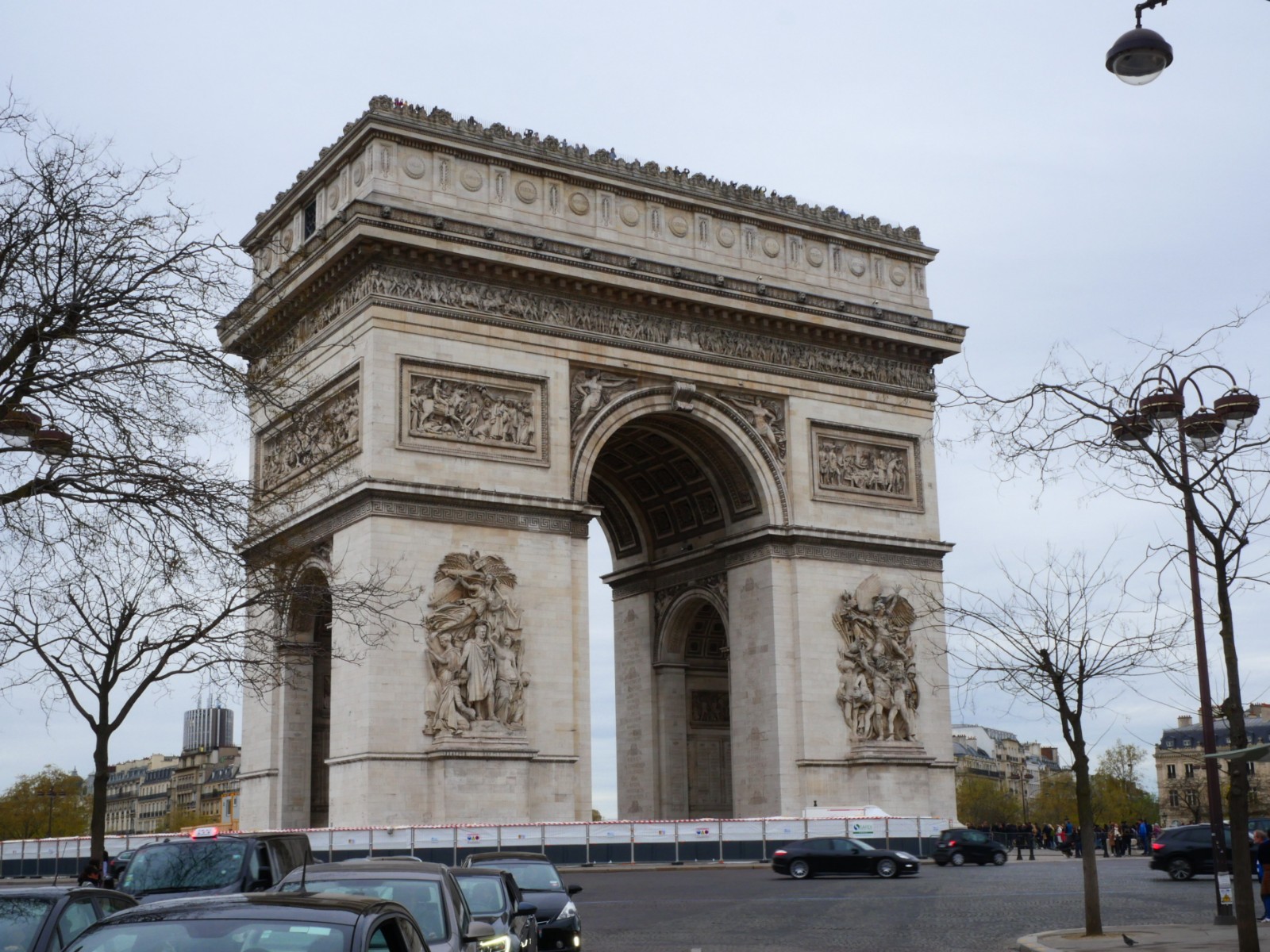
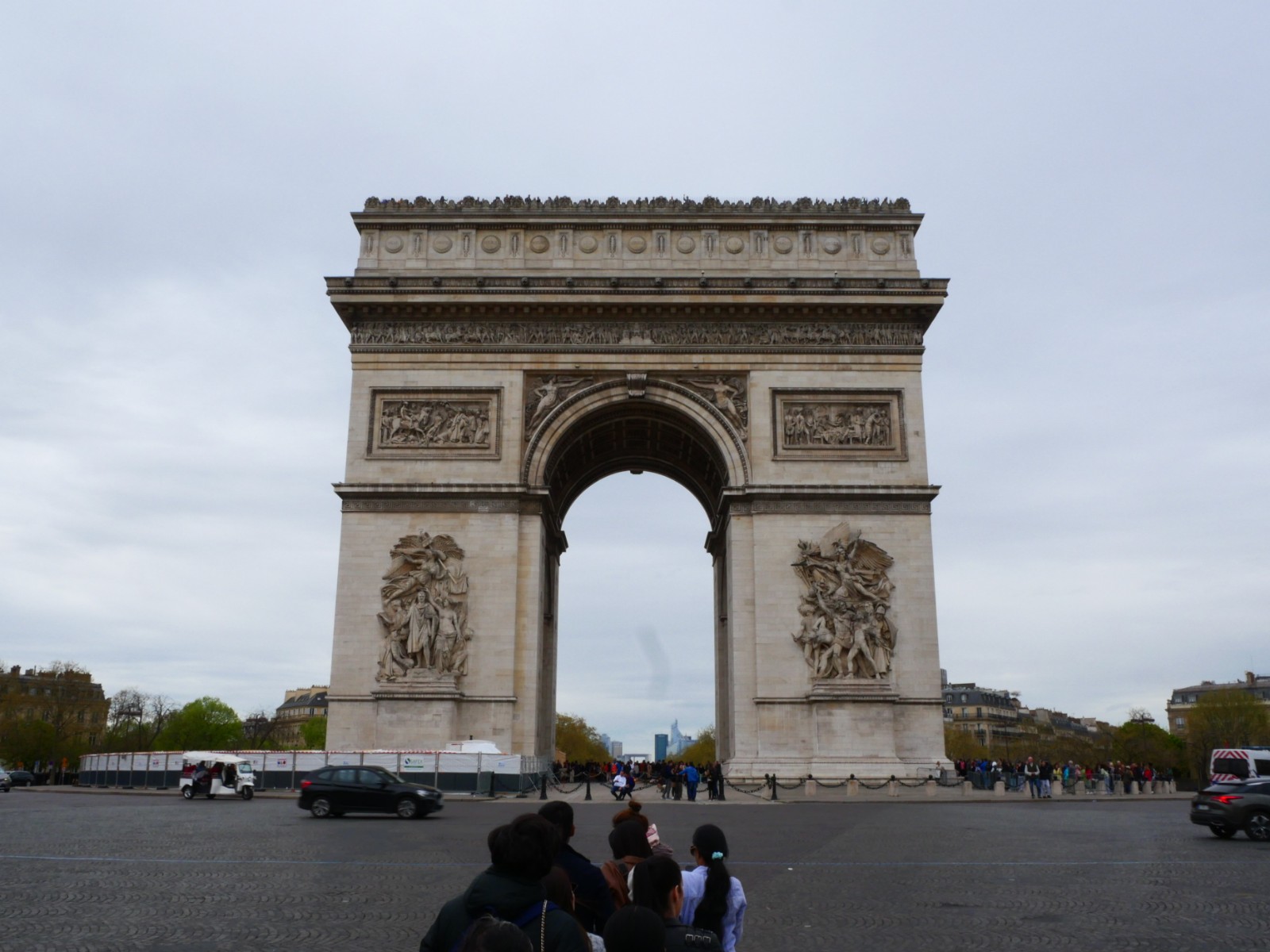
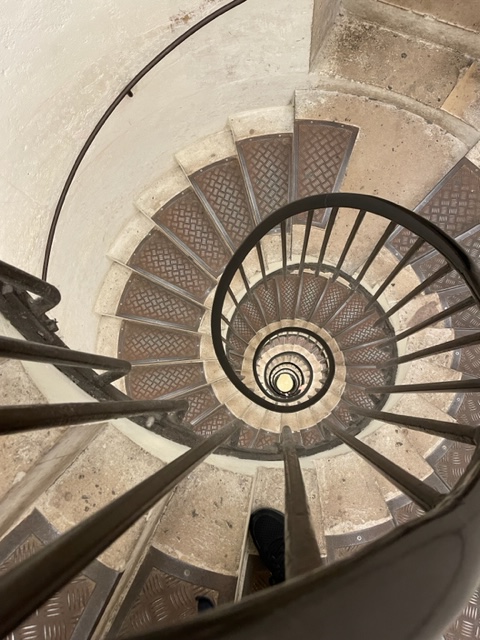
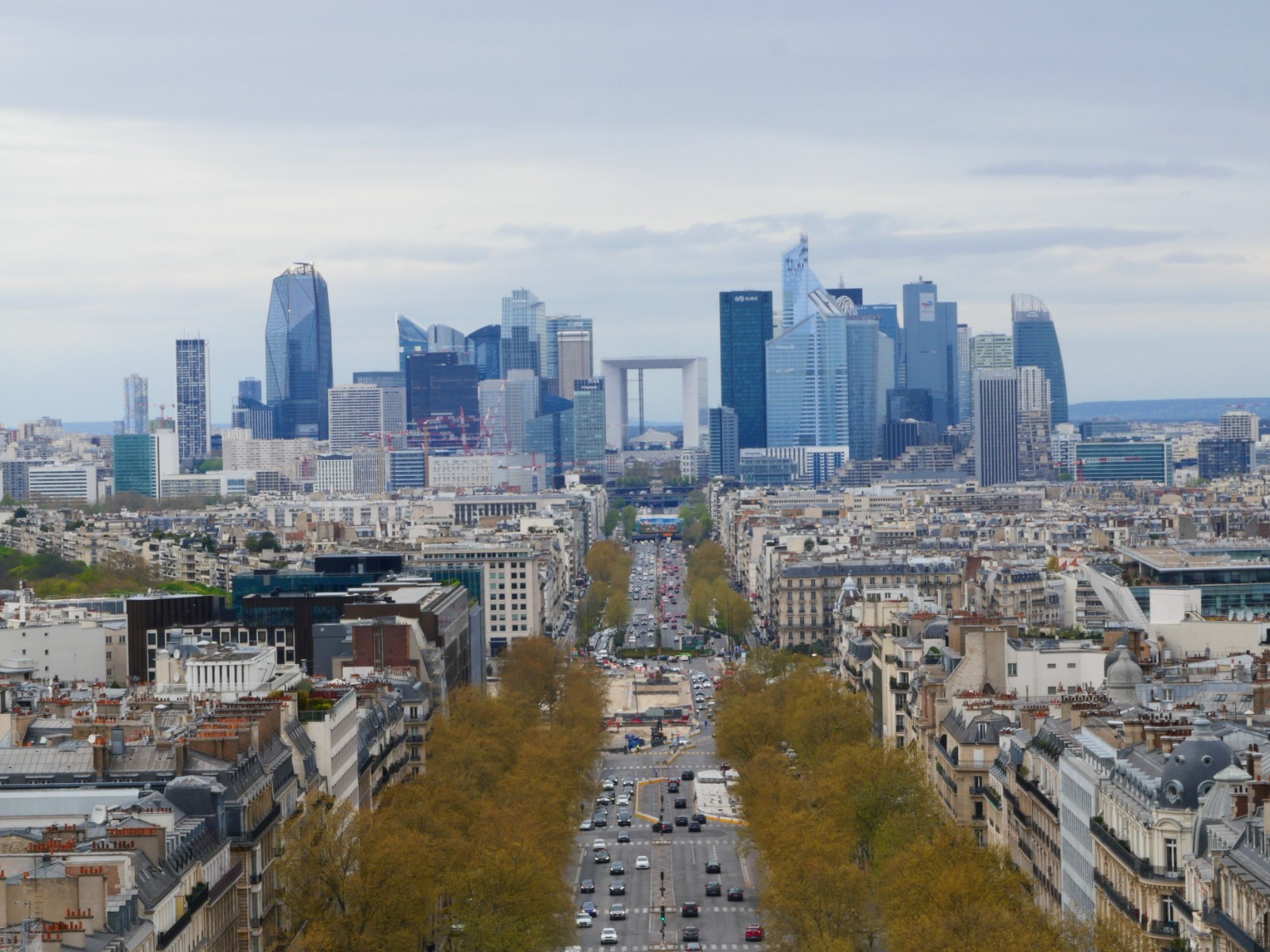
Emerging from the tunnel onto the Arc’s island, you are again struck by it size. The line to climb to the top is long but moves pretty quickly, especially when considering that it leads not to elevators but to a single winding staircase of 280 or so steps!. Having done something similar at St. Stephan’s in Vienna (343 steps there), we didn’t find it too taxing and made our way to the top with maybe one short rest. As is the case with a lot of monuments like this, the “top” starts with a display area and gift shop and there are a few more steps to actually get to the roof.

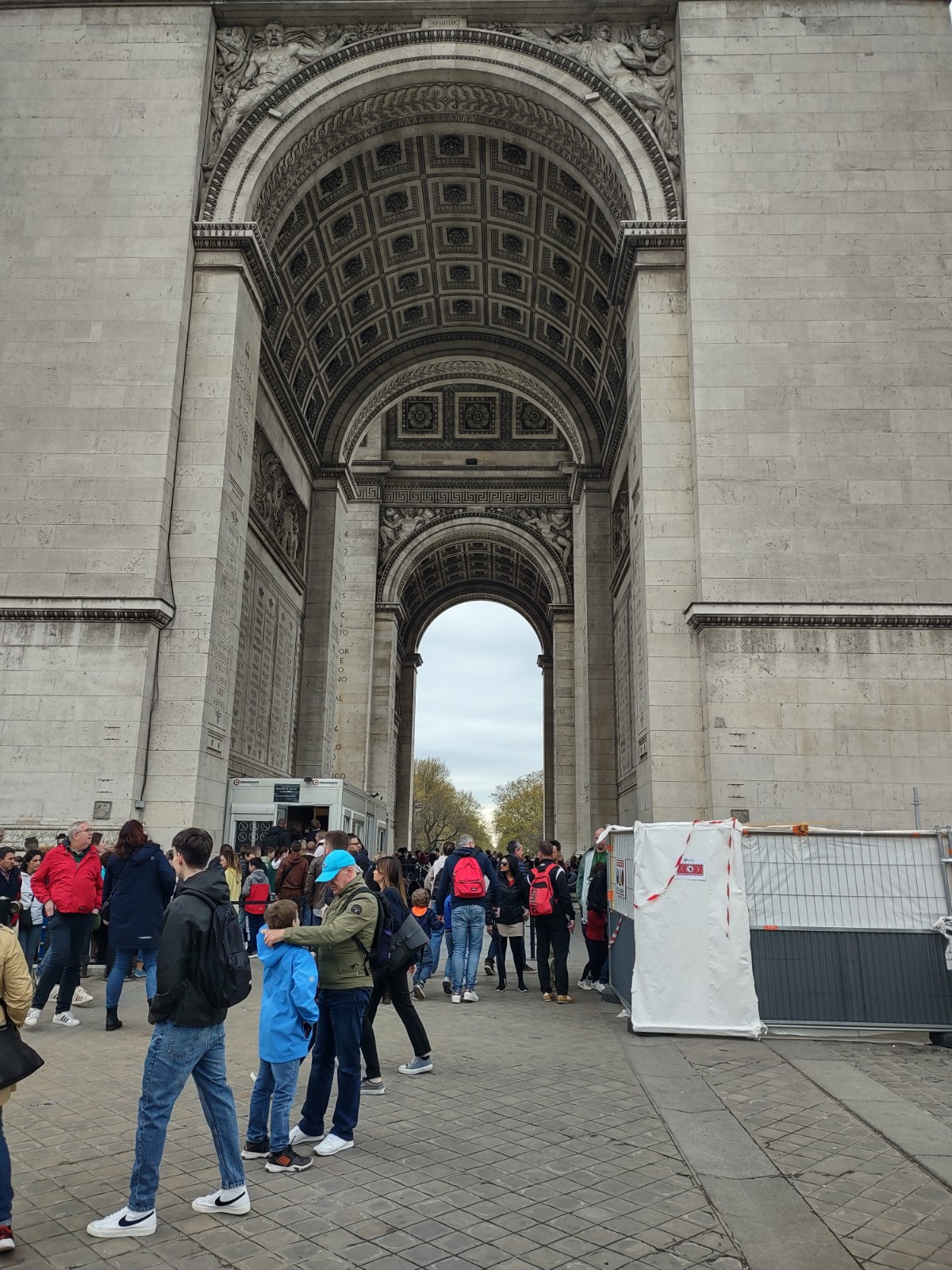
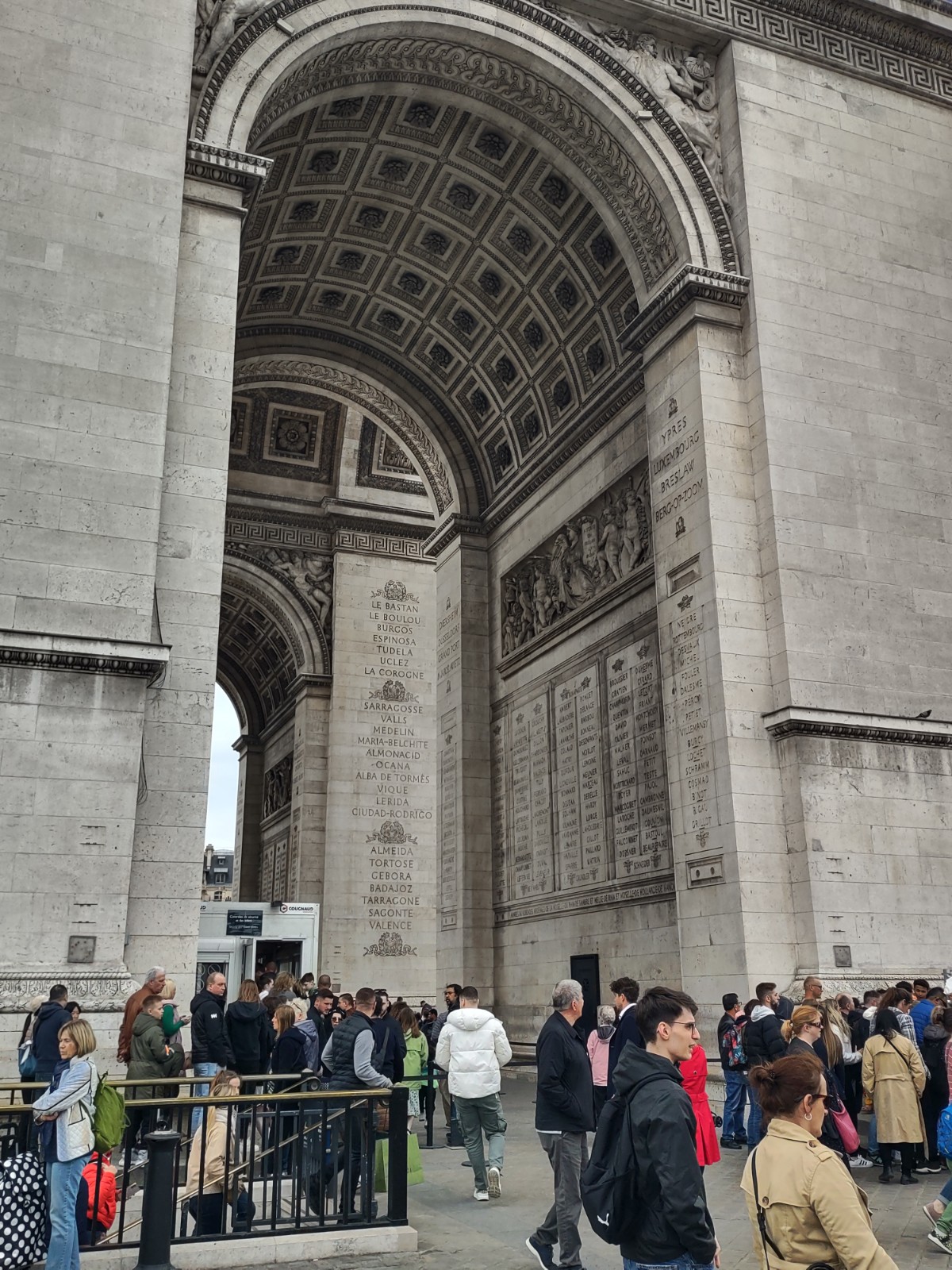
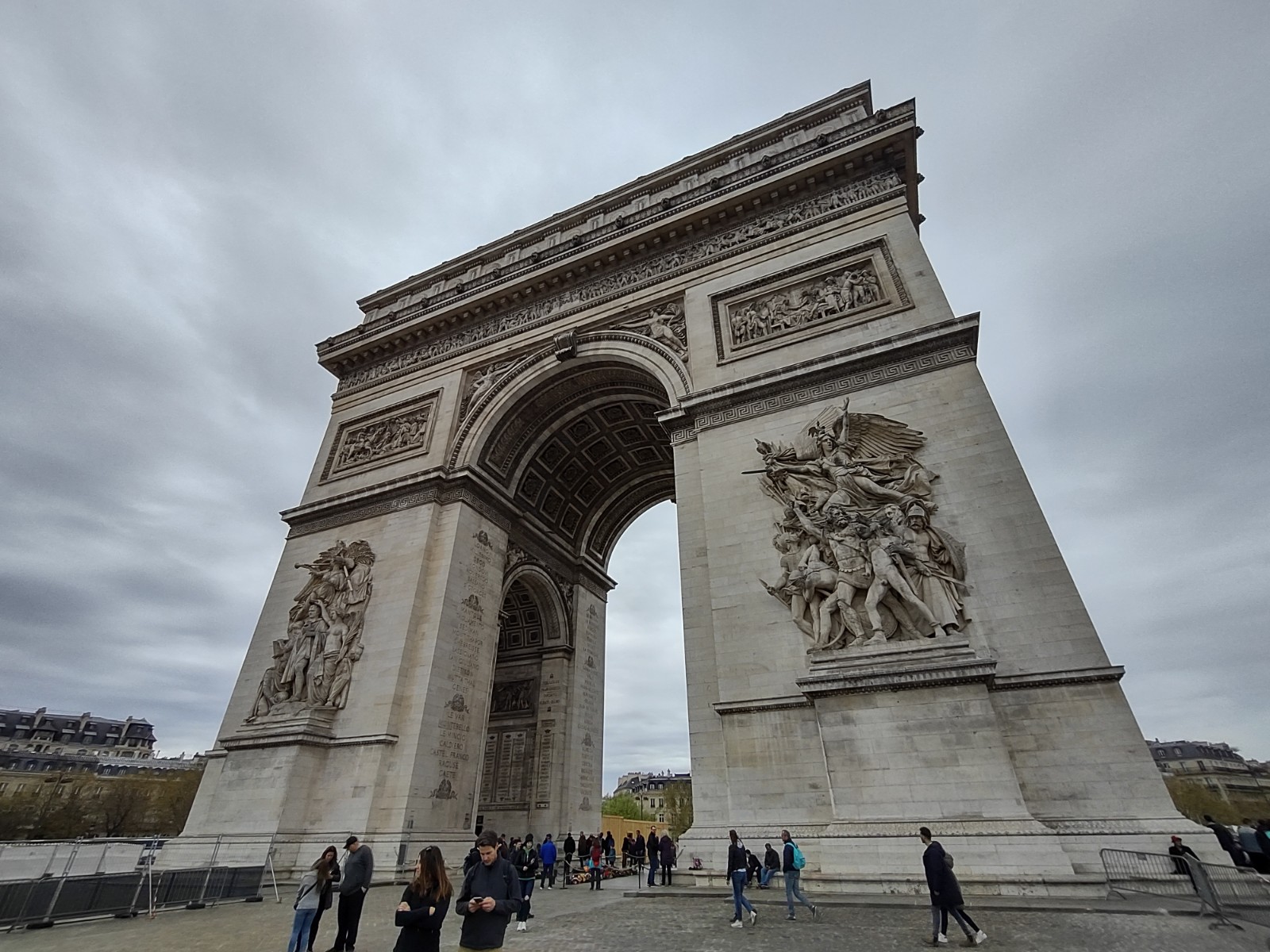
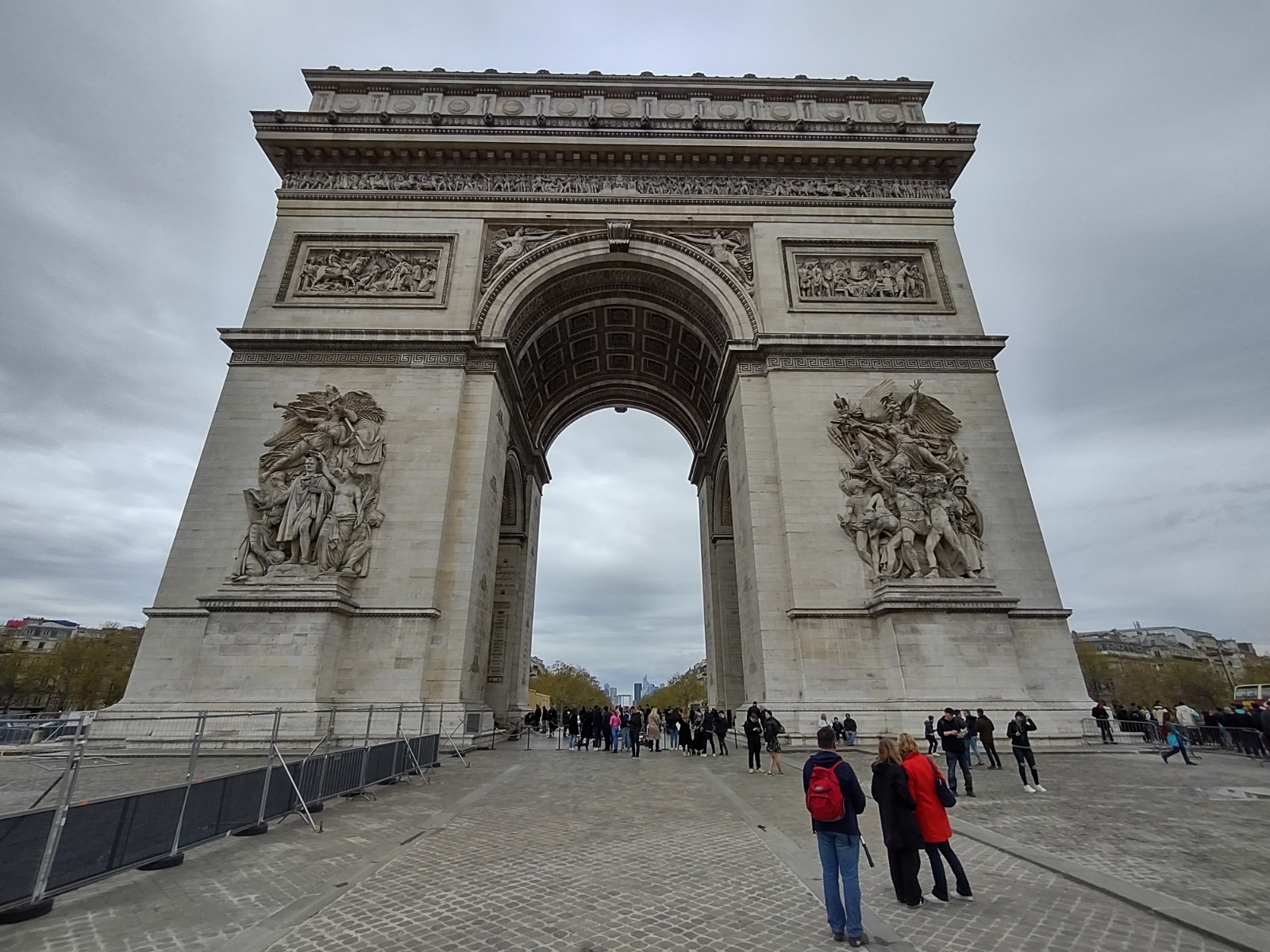
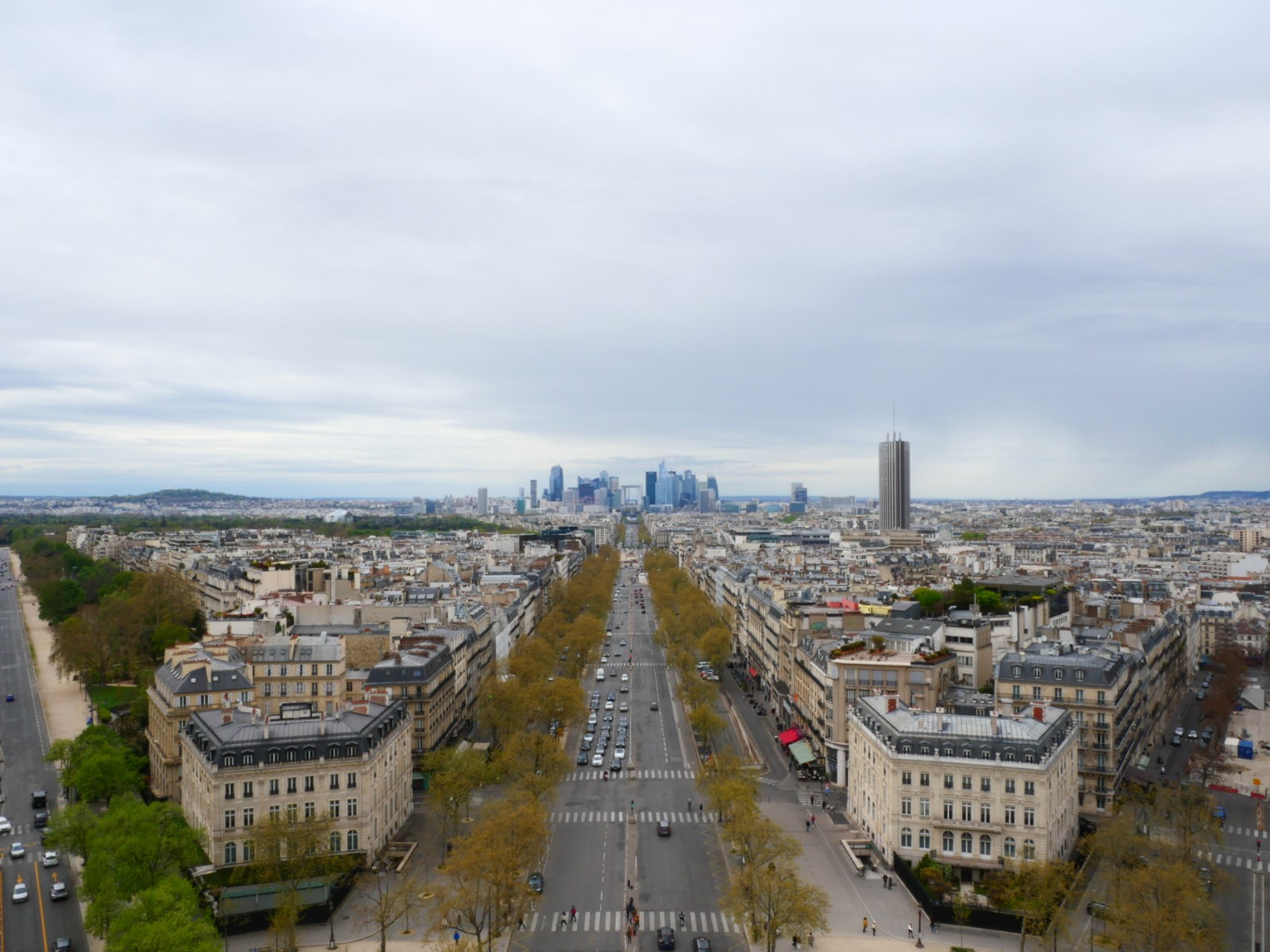
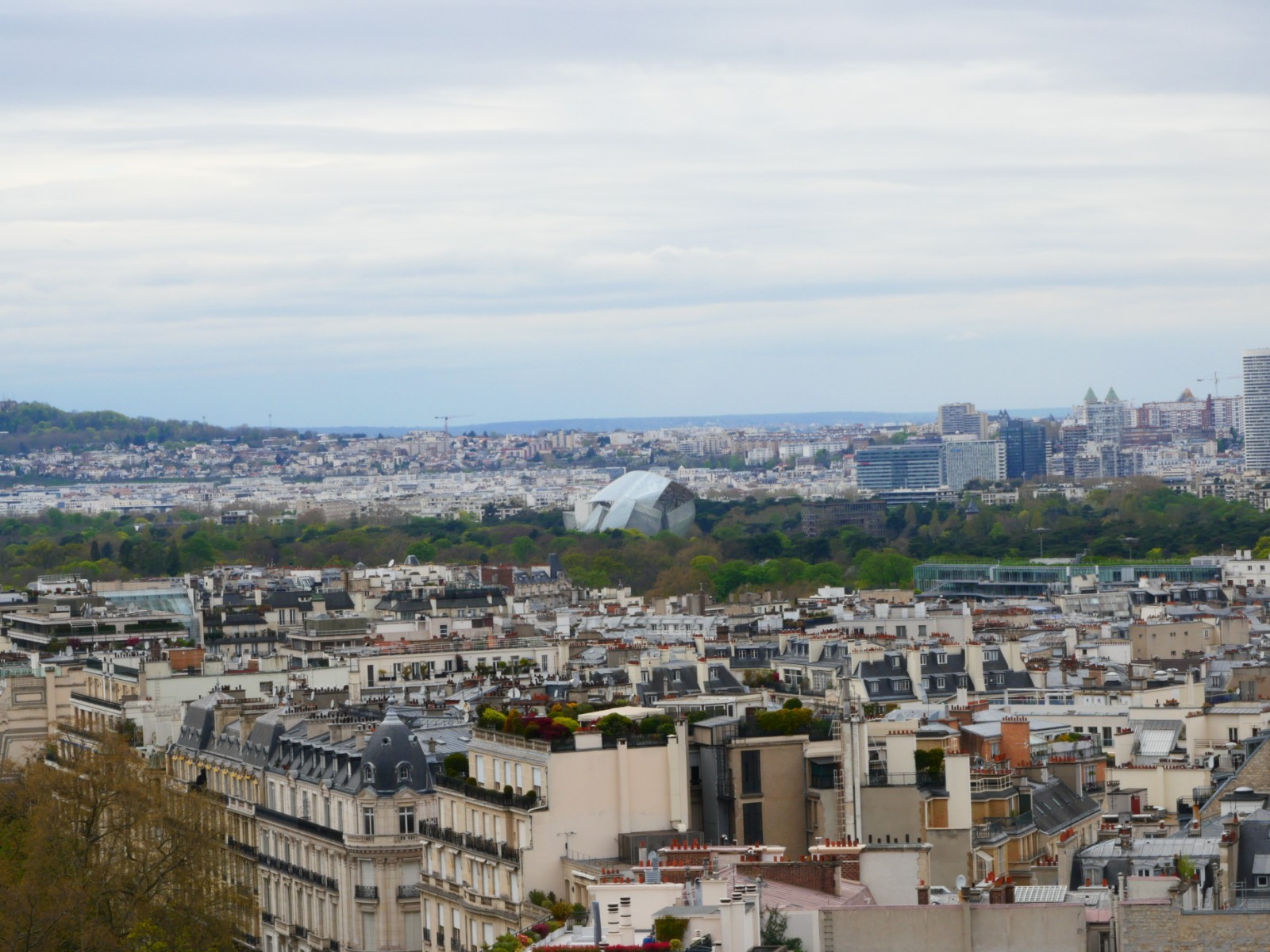
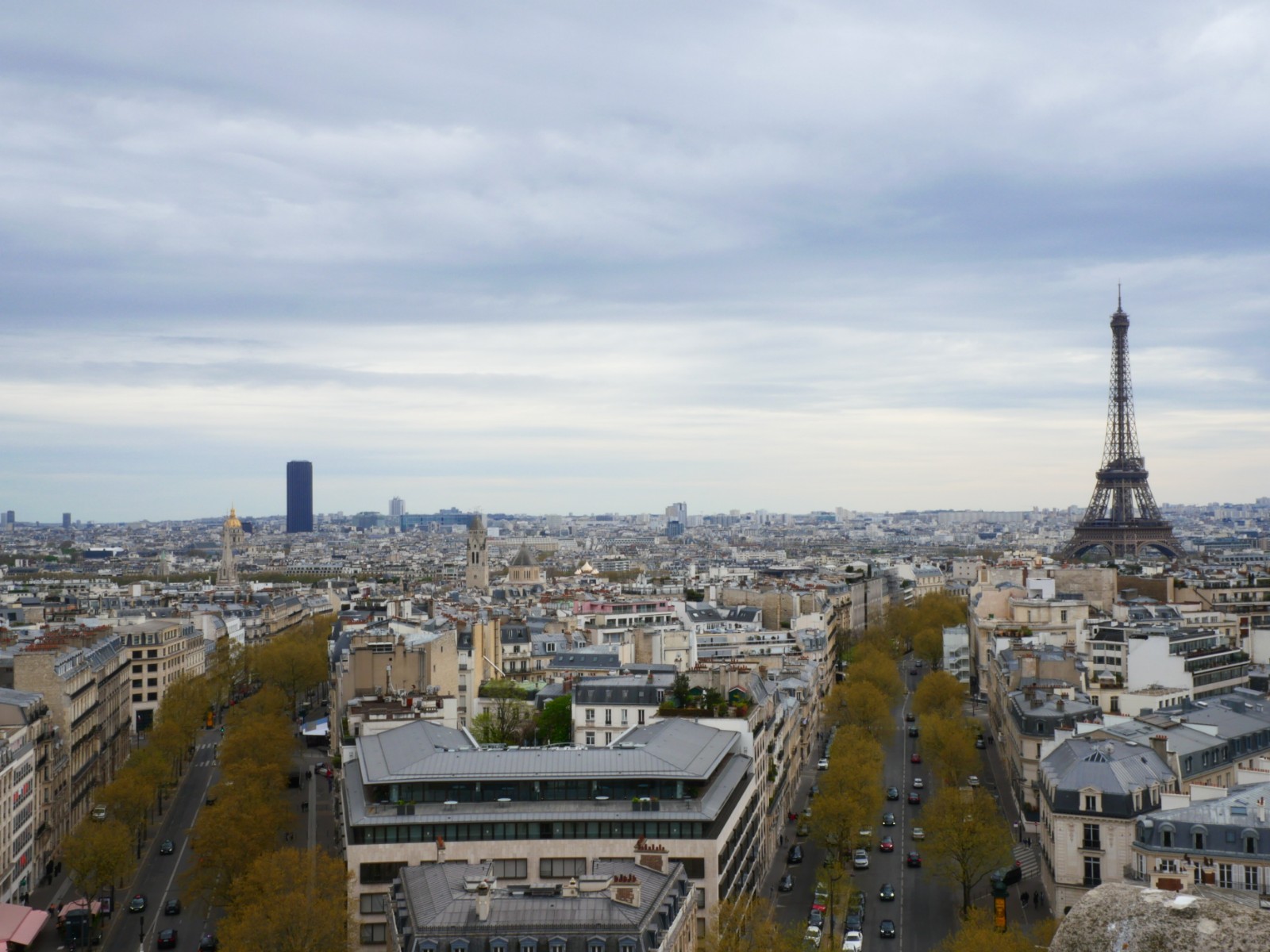
The Arc de Triomphe is 164 feet tall which compared to some of the other towers we’ve visited (St. Stephan’s in Vienna is 446 feet tall, Gran Torre in Santiago is 980 feet!), that doesn’t sound like a lot. But with the size and scale of Paris, it seems very high and the views are just as amazing as from those higher towers. The entire city of Paris is laid our in front of you as you make your way around the roof of the arch. The views up and down the Champs Elysees, all of the major buildings monuments (including the Eiffel Tower, which does tend to dominate the skyline), Luis Vuitton, Notre Dame, it’s just amazing. Our favorite was probably the one to the northwest toward Marmontre rising above the rest of the city with Sacre Coeur at its crest!




Mont Saint-Michel
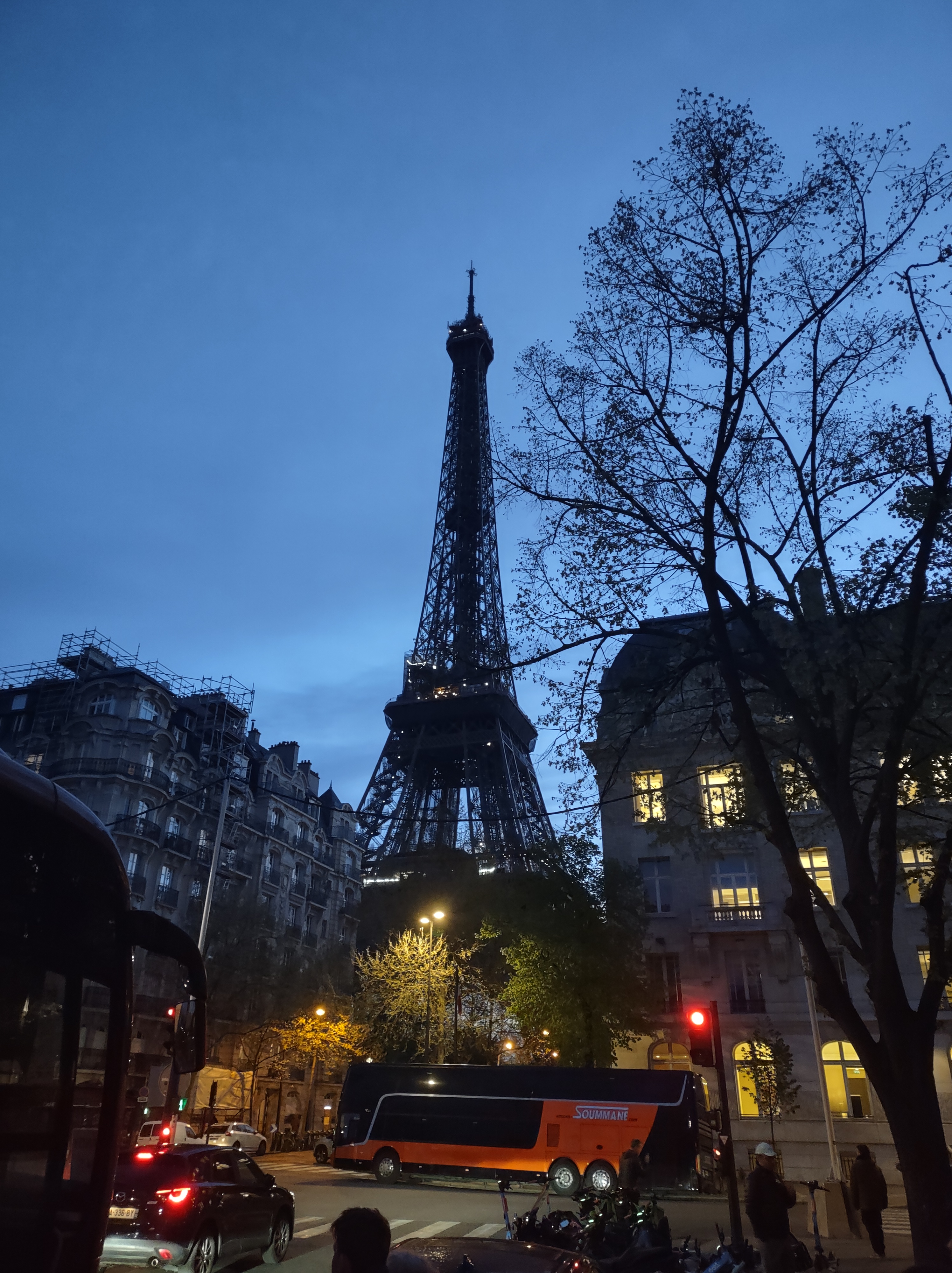
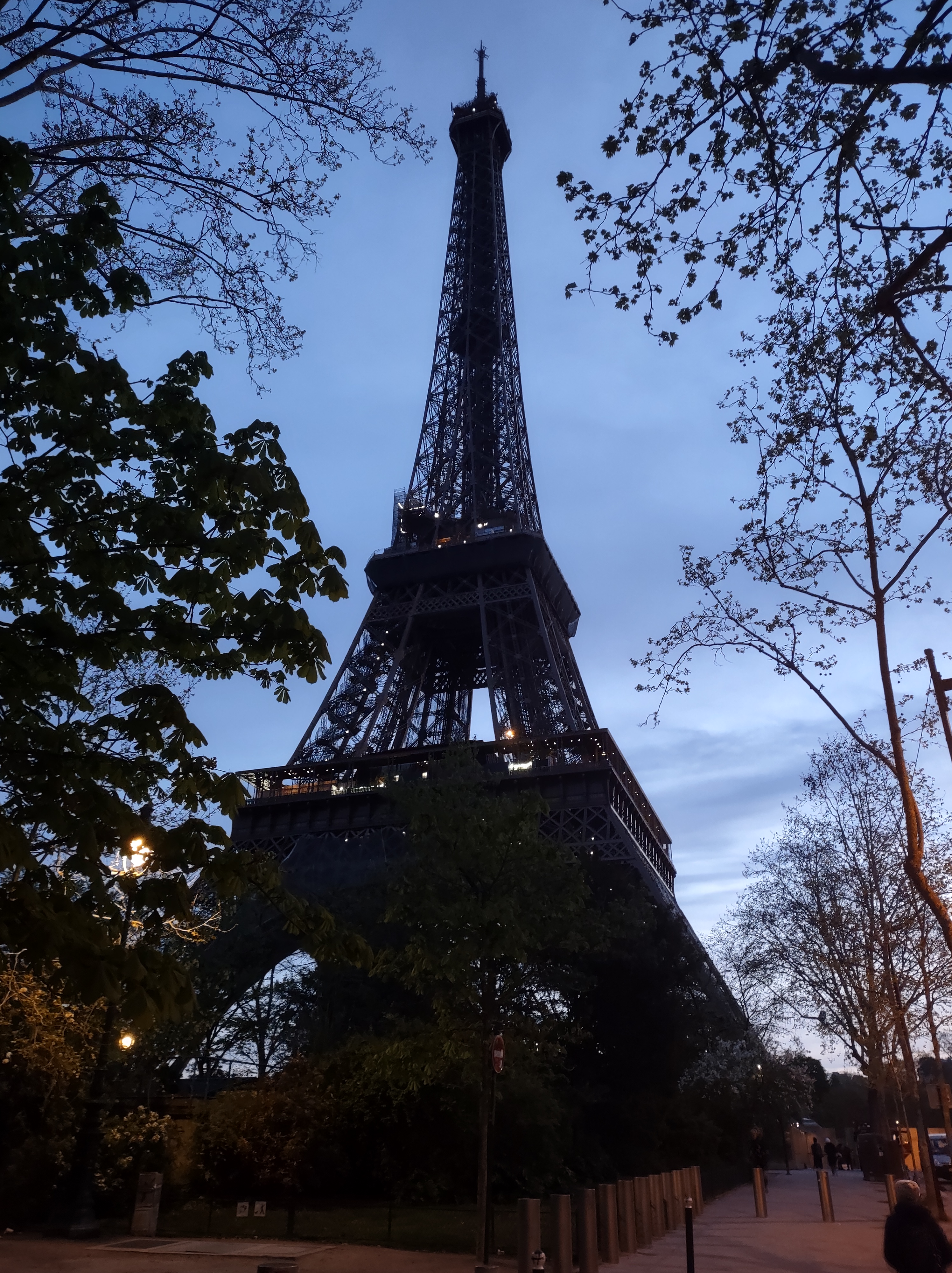
On Friday of our last week in Paris, we made the journey to Mont Saint-Michel, the famous island abbey located on the Normandy coast about 200 miles due west of Paris. We signed up for the basic day trip which gets you transport there and back along with entrance to the island but leaves you on your own to explore once you get there (our preference). It takes about 4 hours to get there by bus so it does end up being a very long day. We arrived at our departure point at the foot of the Eiffel Tower (the closest we got to it) before sunrise and departed shortly thereafter.
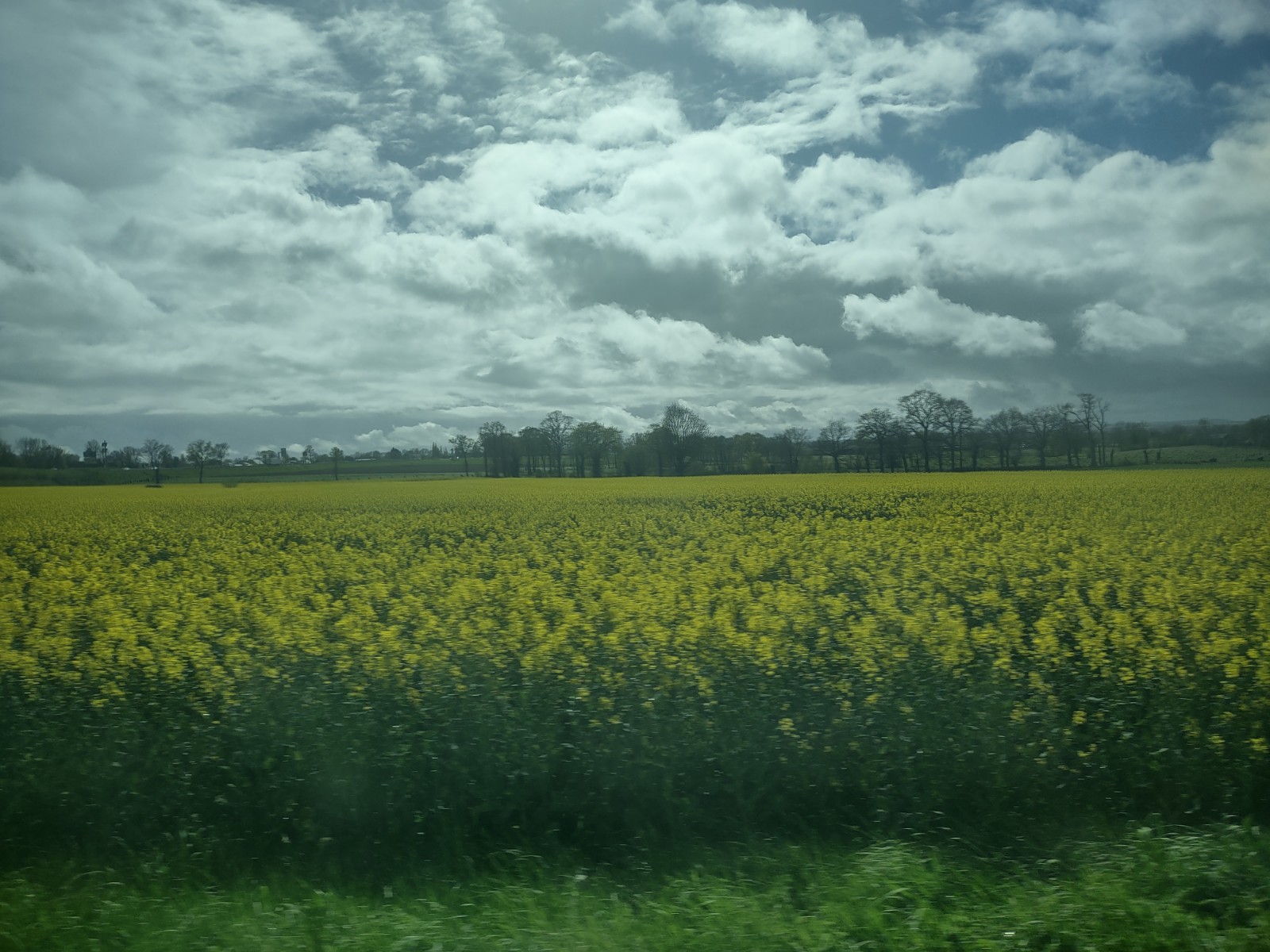
While we passed by a few towns, the ride there was mostly through farmland where we were surprised to see vast fields of golden flowers amongst the green hills and fields. A little research revealed that what we were seeing was a plant called rape seed which is grown for its oil which we know in the U.S. as canola oil (apparently because it is grown in Canada in North America for the most part). Another interesting thing we saw from the bus were what appeared to be large balls of leaves in the trees which we at first took for squirrels nests but discovered were actually mistletoe!
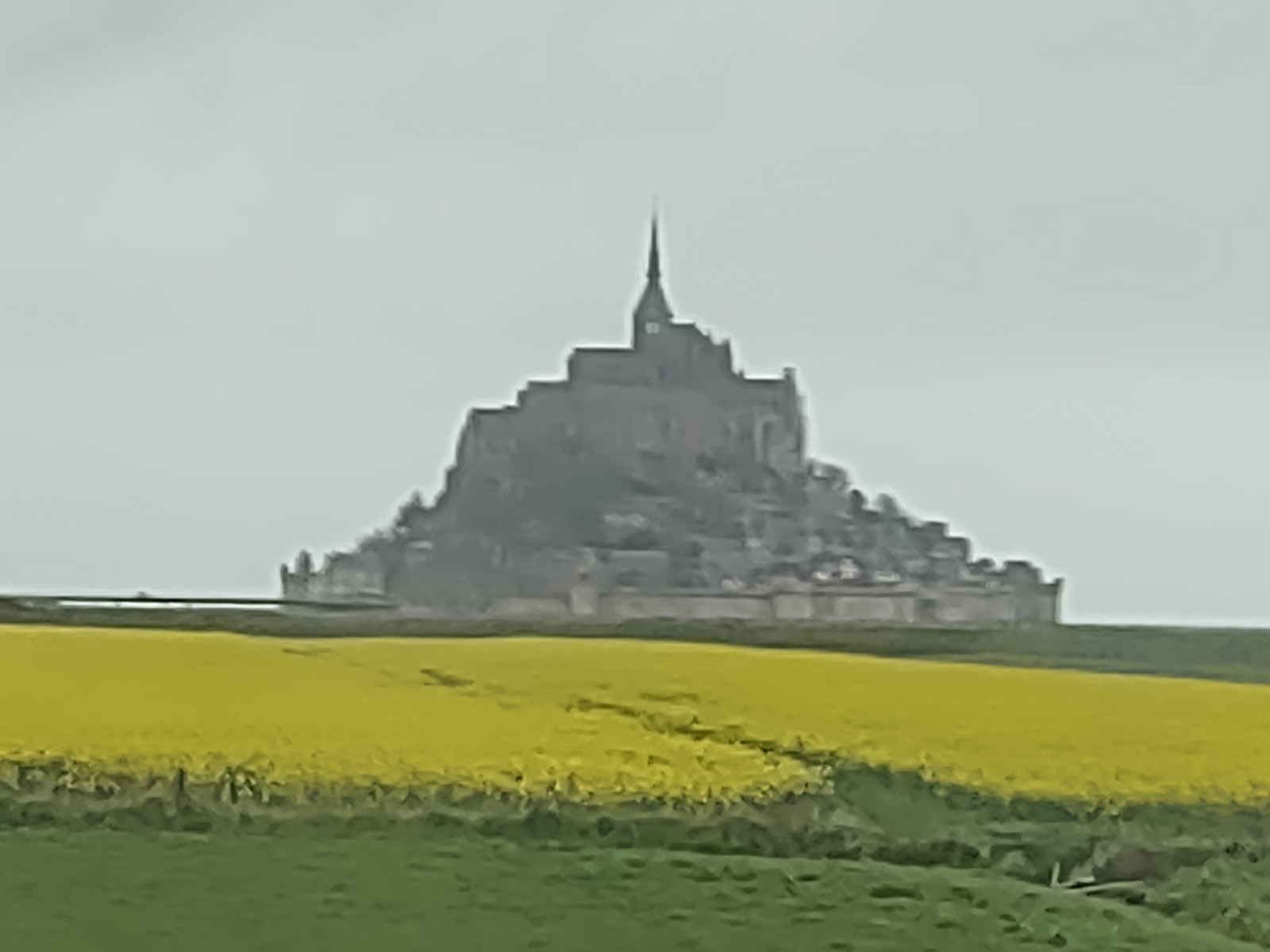

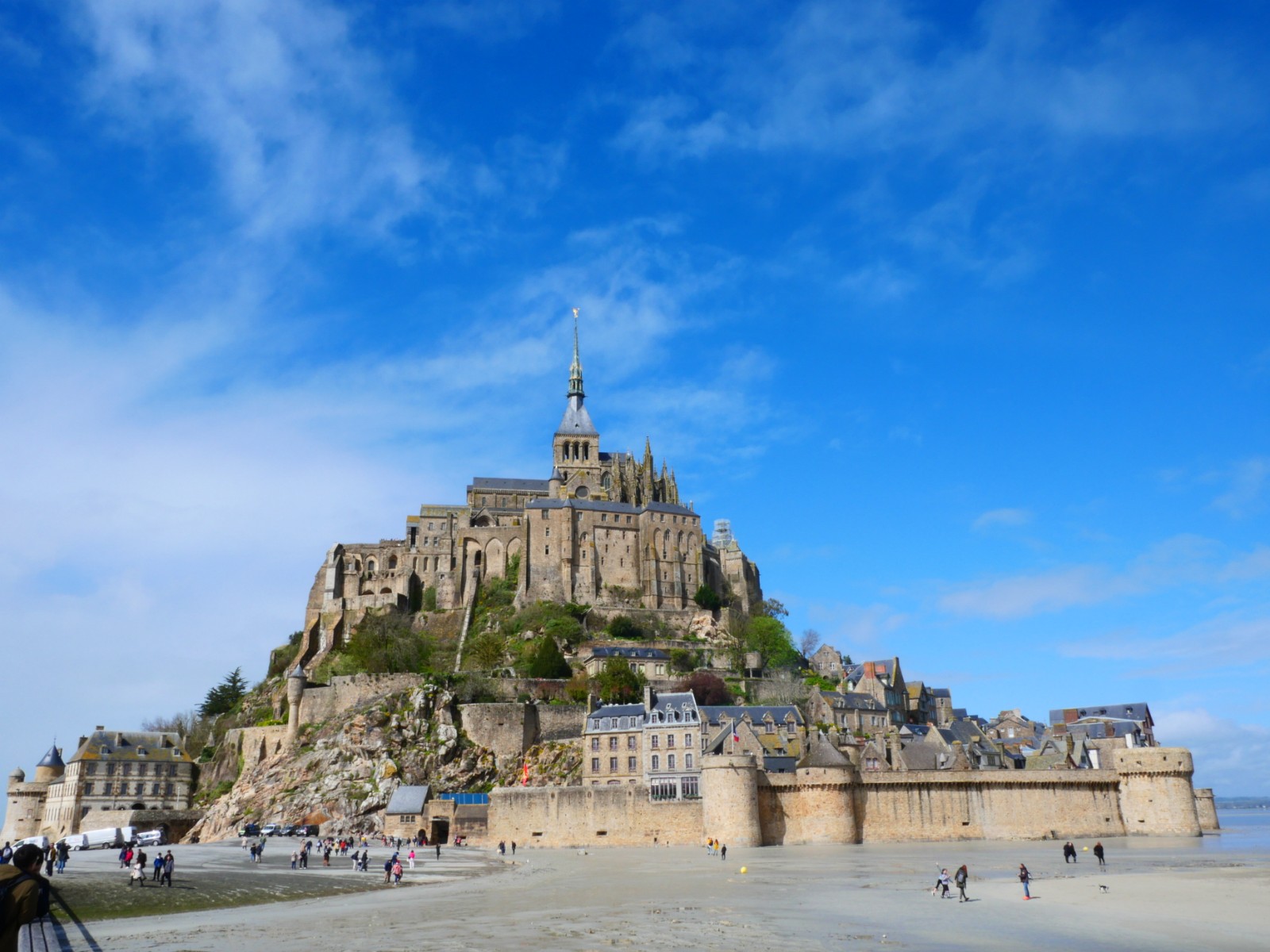
If you are not familiar with Mont Saint-Michel, it is a tidal island just off the Normandy coast of France, about 17 acres in size. The island is an incredibly well preserved/restored example of a walled medieval town crowned with a large abbey instead of a castle or other military stronghold. Today, the island has a permanent population of about 30, primarily the monks and nuns who maintain the abbey as a religious site. It was declared a UNESCO World Heritage Site in 1979 and receives more than 3 million visitors each year.
You see Mont Saint-Michel long before you actually get there as it rises in the distance above the coastal plains. You could argue that this is the best part of the whole experience as it looms larger and larger and your anticipation builds (kind of like that feeling before you actually open that present!). After passing through the small village of La Greve which, from the road at least, appears to be a place from the distant past, our bus parked about 3-1/2 kilometers from the isle and we proceeded on foot down a gravel path and then a winding walkway/bridge as the drama of the setting continued to build.
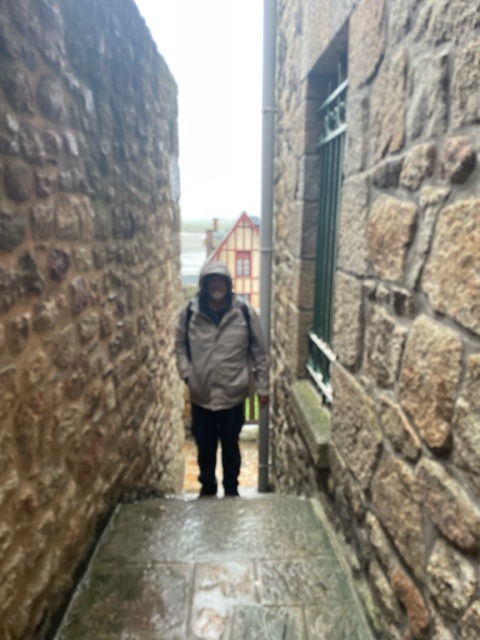
When you enter the citadel, it does feel very much like you are entering a village from the Middle Ages, albeit one populated with tourists instead of villagers. Either because of the season, the hour, or the rain which started as we entered, the town was not too crowded but we nonetheless got off the main street which winds up the mount as quickly as we could, thinking we would check out the various gift shops on our way back down. We followed a series of steep narrow stairs and walkways which zig zagged more directly up the slope. It is a bit of a climb made more treacherous as the rain picked up, but, after one or two dead ends, we found the entrance to the Abbey at the top and ducked inside just as the skies began to open up.
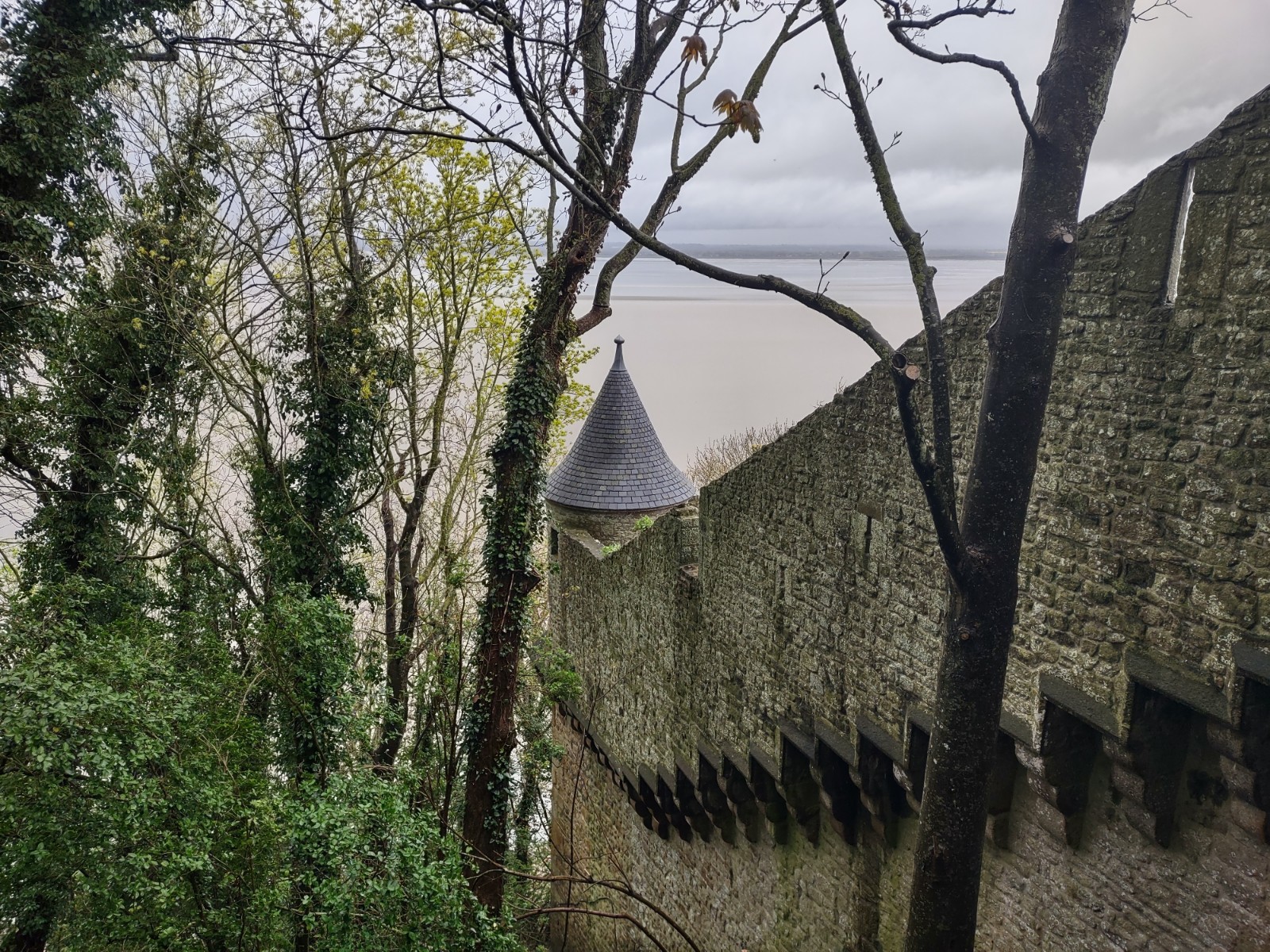
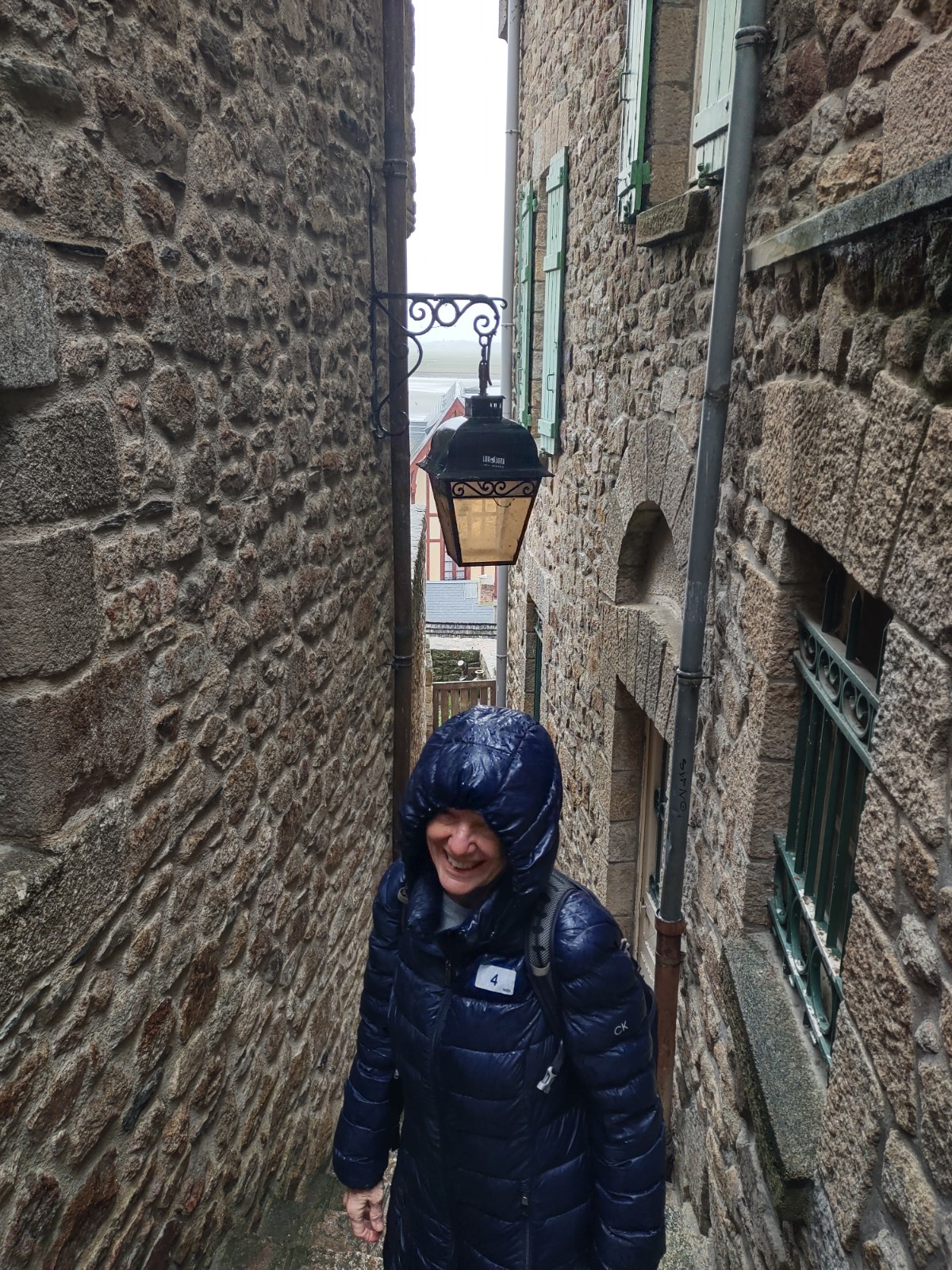
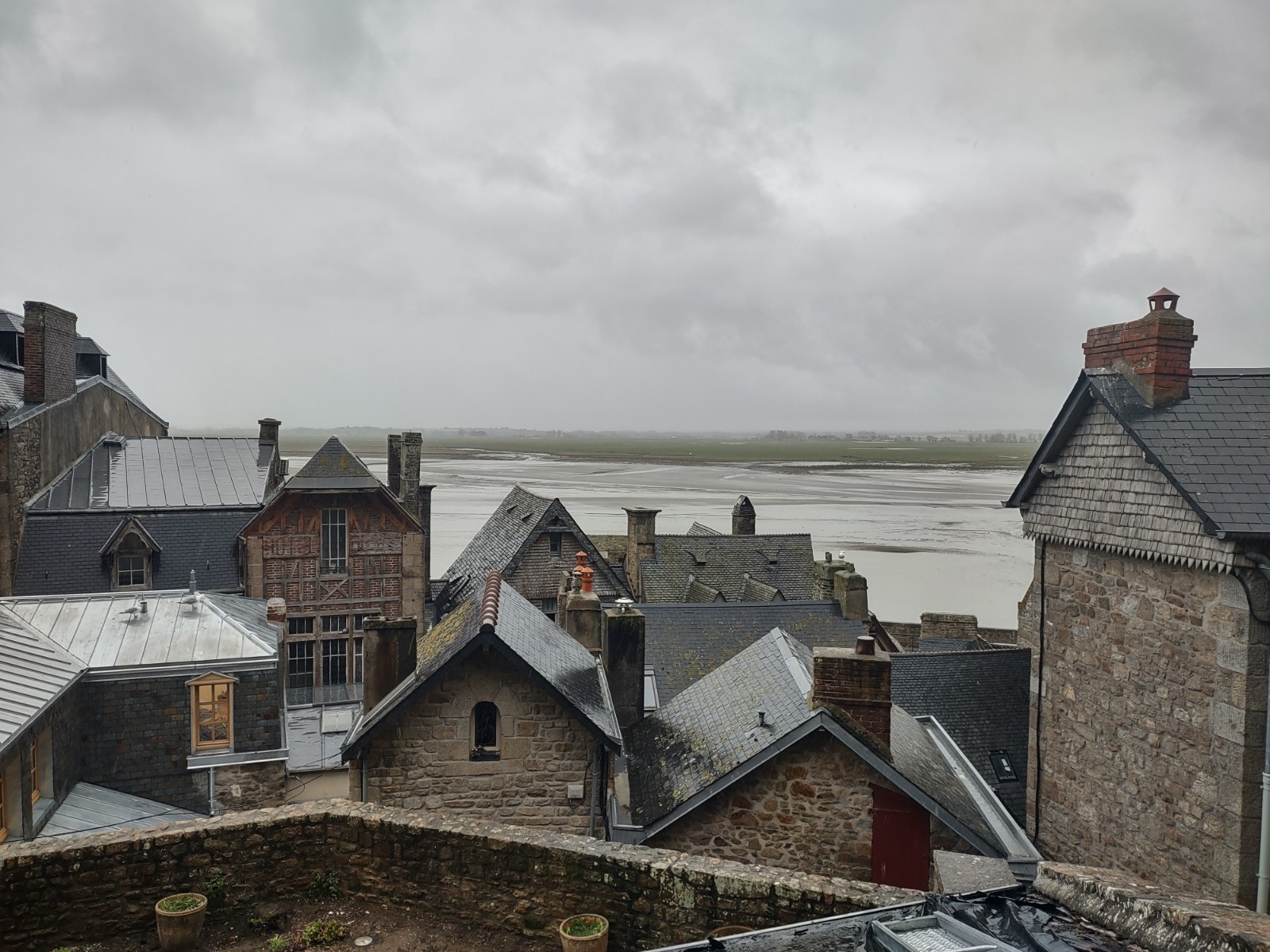

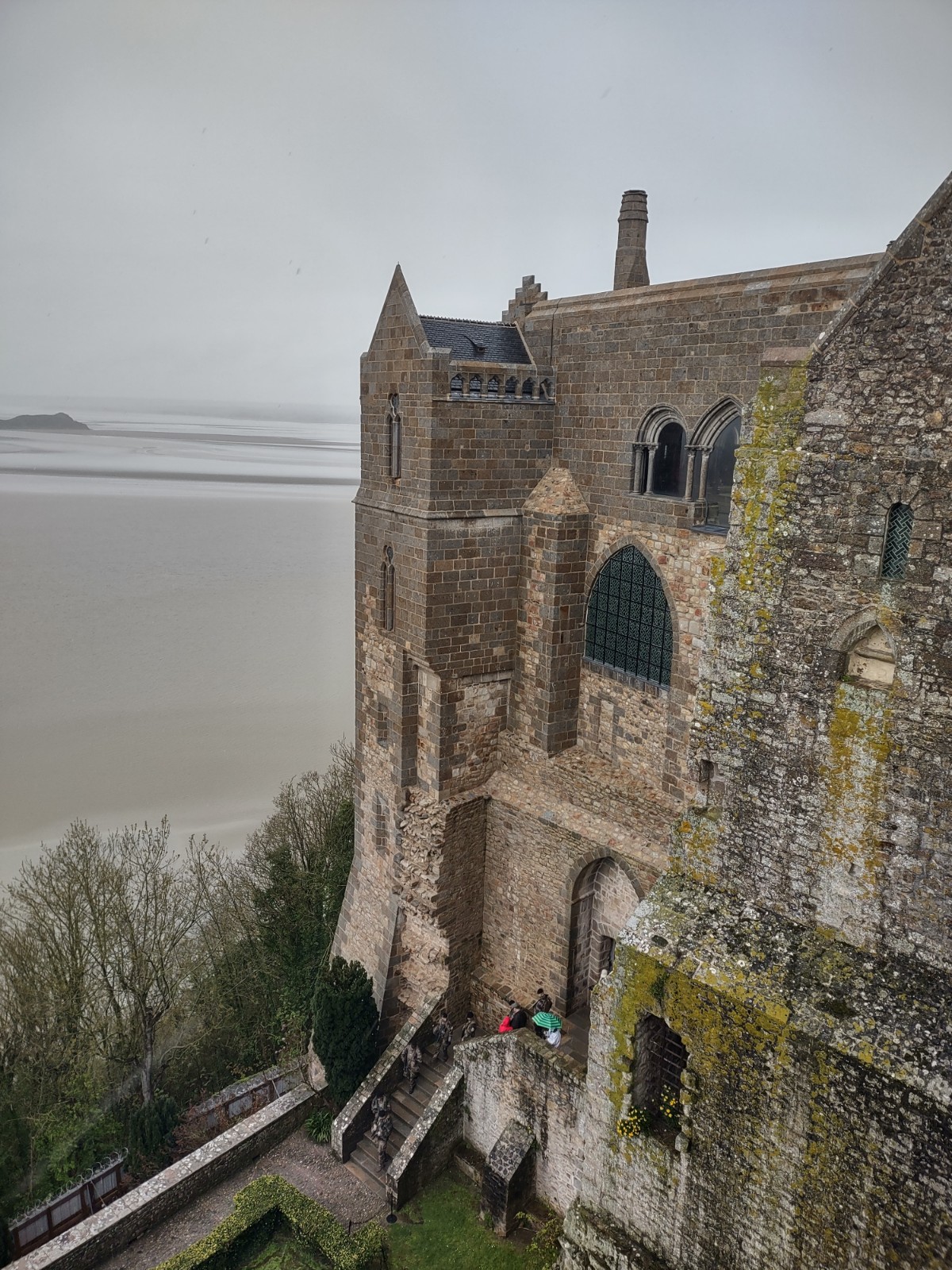
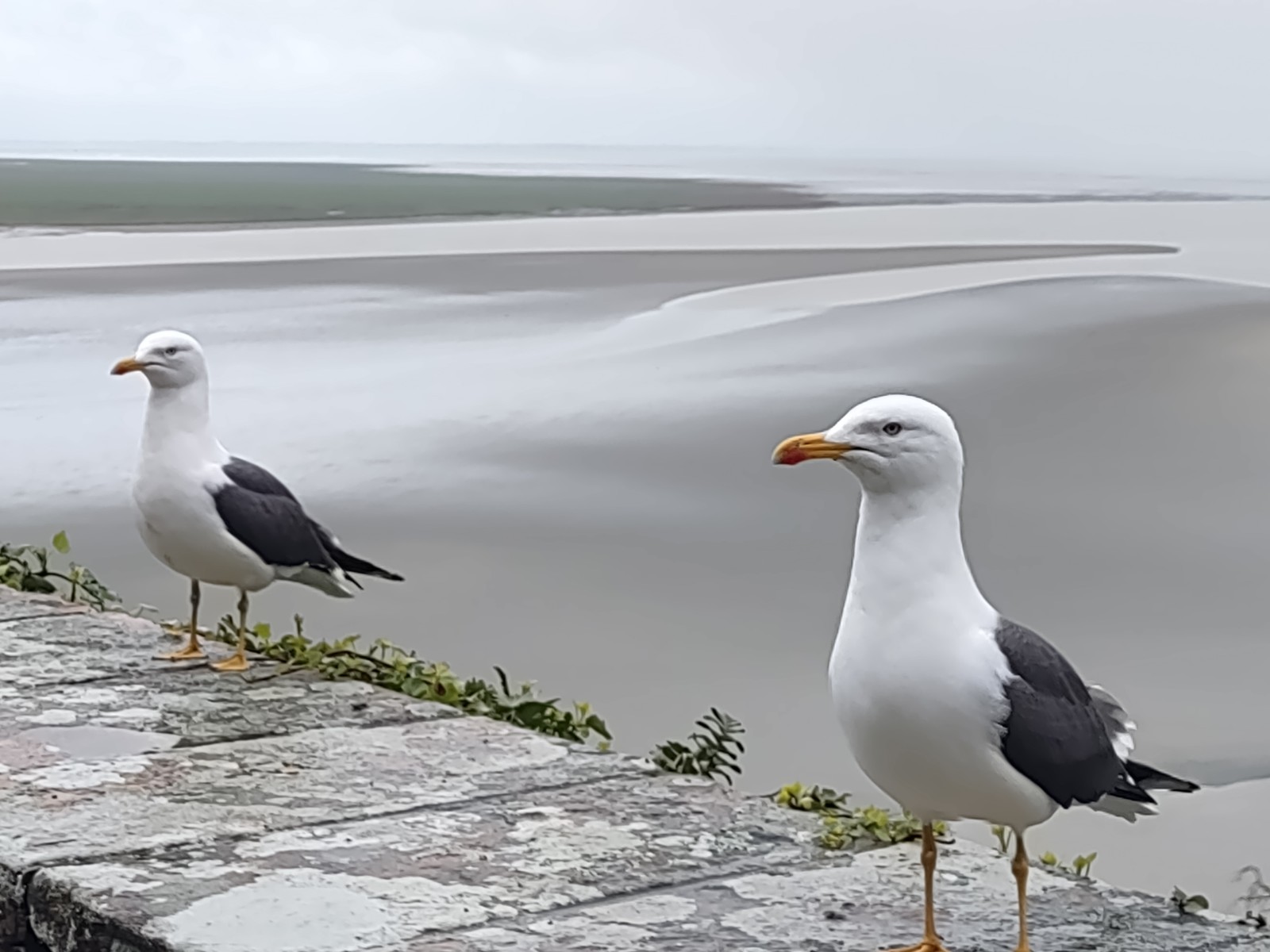

The Abbey of Mont Saint-Michel was founded in 966 and was expanded over time with new buildings being built over older ones. It is interesting to note that the original abbey structure was actually forgotten for centuries and only rediscovered near the end of the 19th century. The Abbey is a labyrinth of passageways, stairs, and chambers within which you pretty quickly lose all orientation. The spaces used by the monks and nuns who live there are not open to the public and, with the exception of one chapel, the spaces open to the public are pretty much unfurnished which tends to make you more aware of the structure itself.
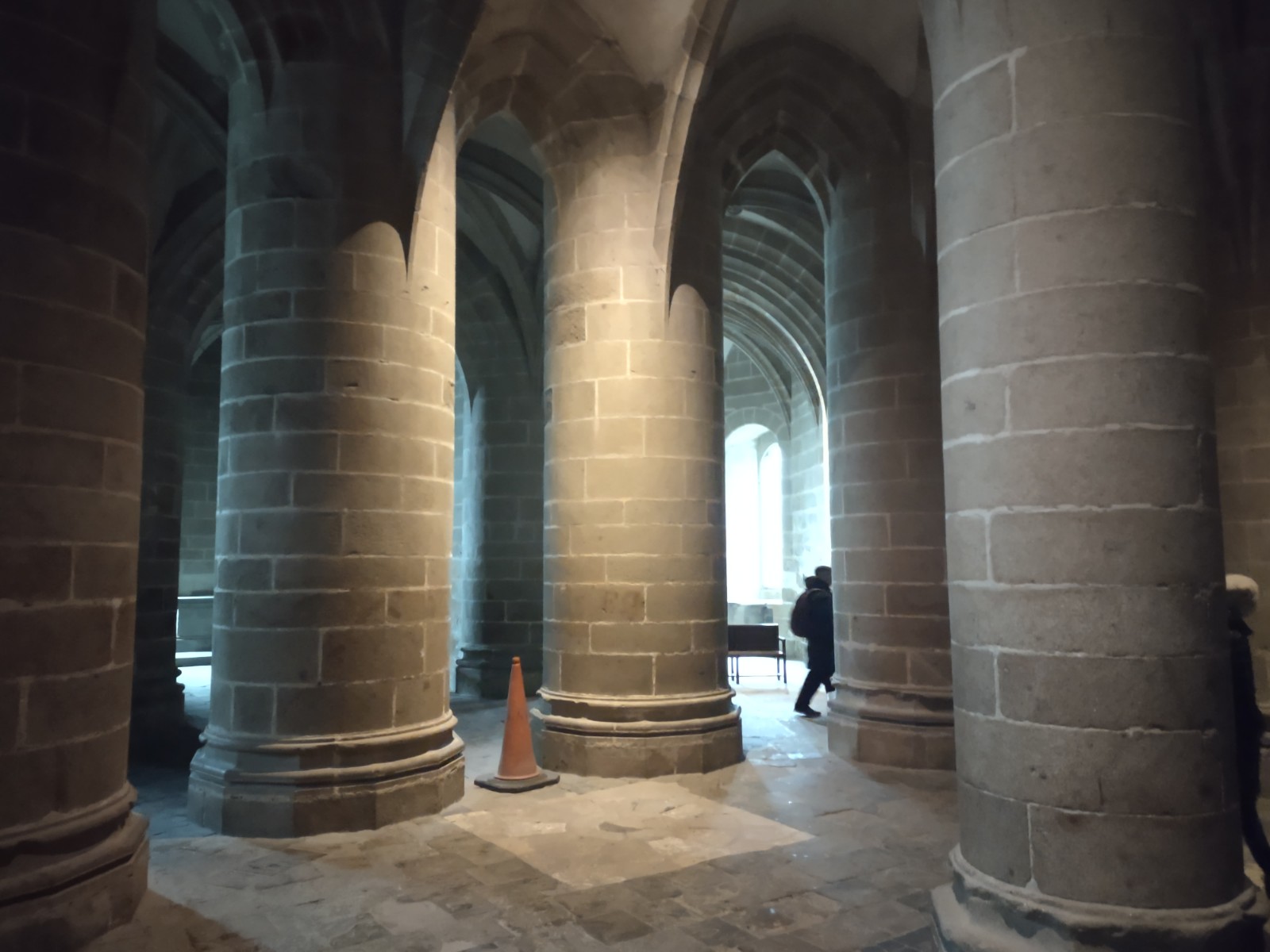
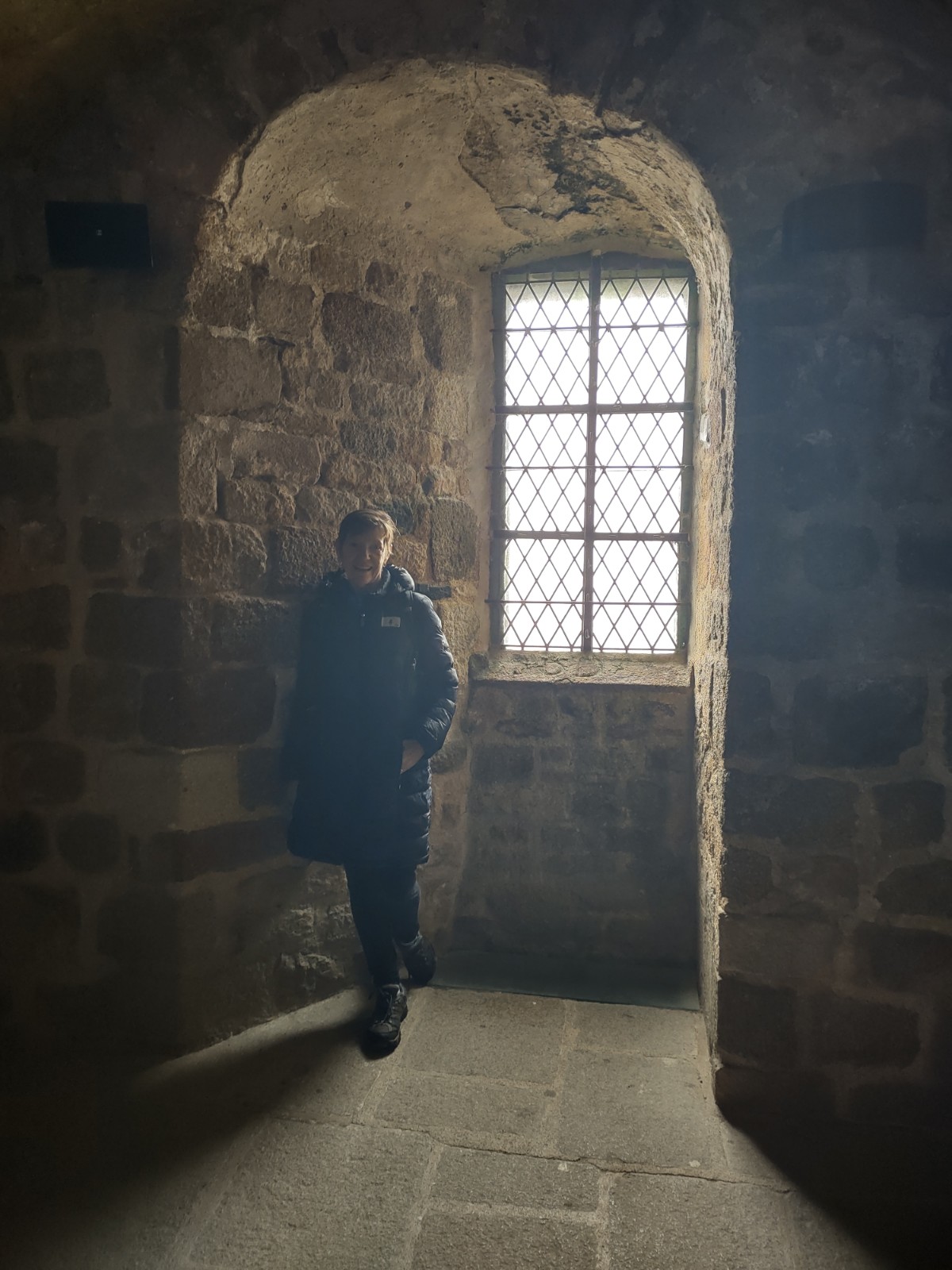

The architecture of the Abbey is an odd mix of roman and gothic. While the church at the top is beautiful from the exterior, its interior, like the rest of the abbey is actually very plain, (perhaps befitting its monastic heritage?). The spaces directly below the church itself, most notably the crypts, were interesting in their own right with relatively low ceilings and massive columns and vaults to support the structure above. There is also a very large space with a barrel vault ceiling which served as the refectory (dining hall) for the monks and the Salle des Chevaliers (Hall of Knights) with a beautiful vaulted ceiling which was used as a place to copy and illuminate manuscripts.

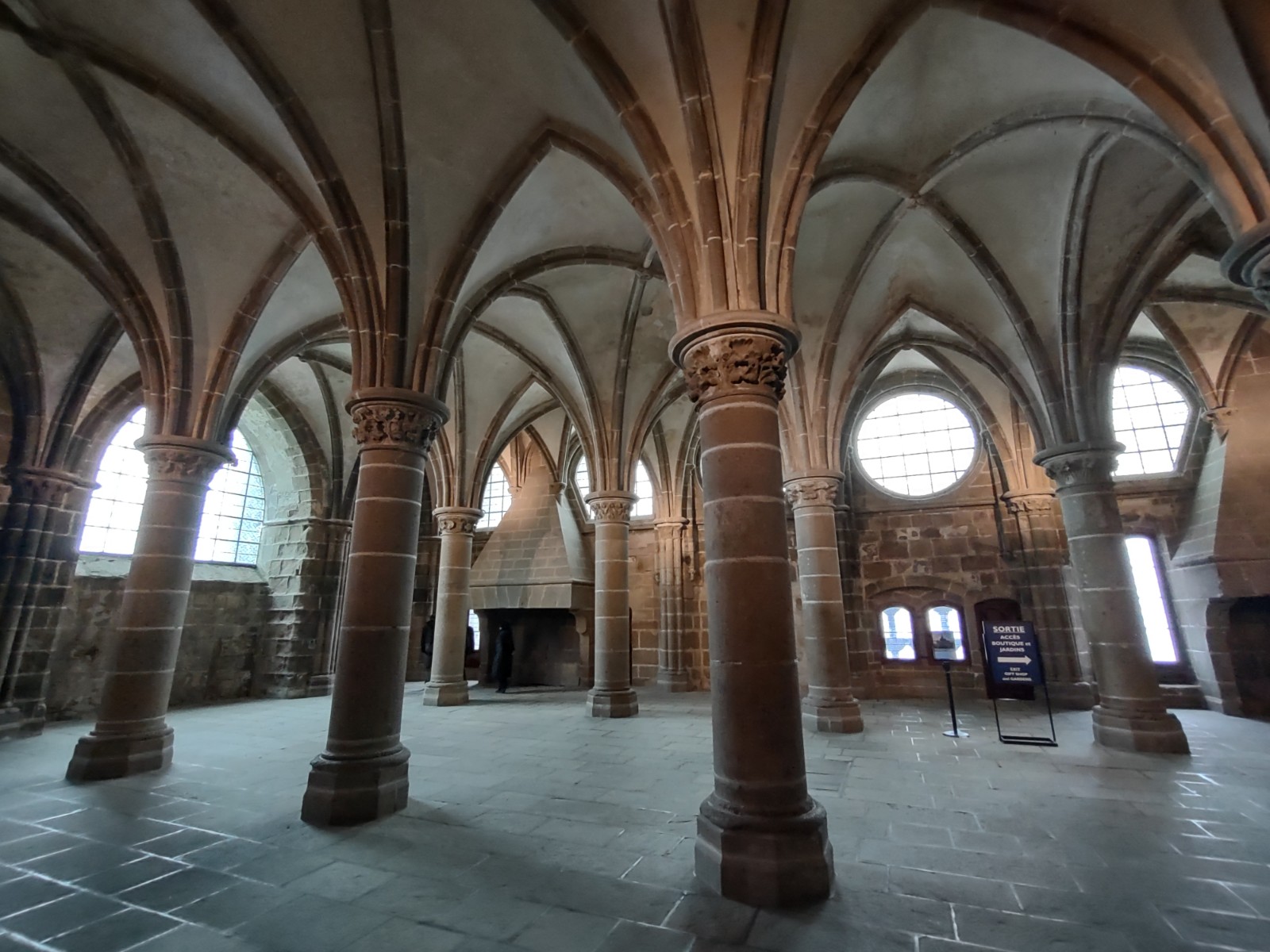
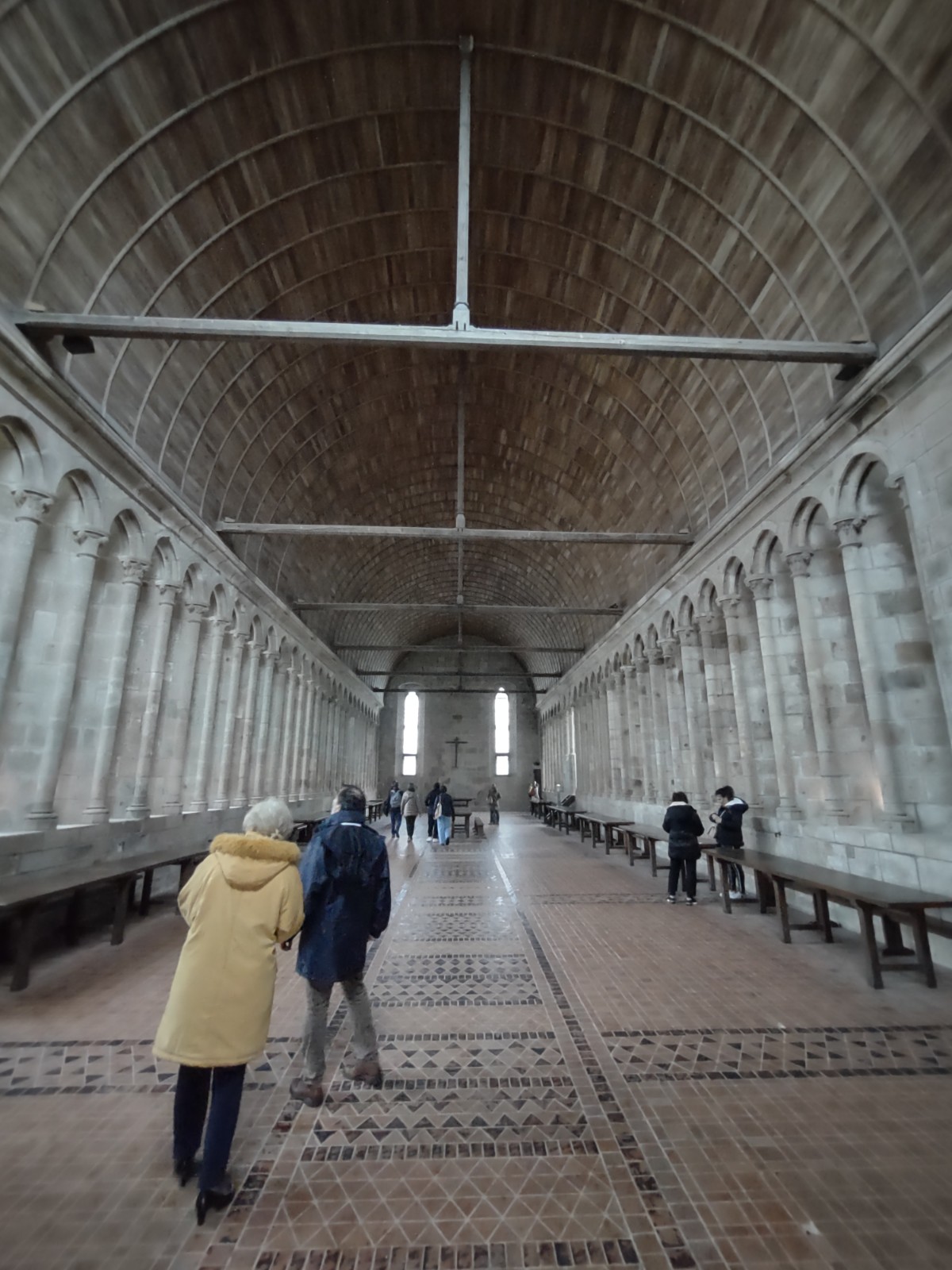
Perhaps the most surprising space in the Abbey is its cloister, a large green surrounded by an arcade. It is easy to imagine how this lone outdoor space within the Abbey would provide a welcome relief from the darker more confining spaces where the monks spent most of their days. All in all, the Abbey is an amazing place to visit and it really does seem to have the ability to transport you back in time.
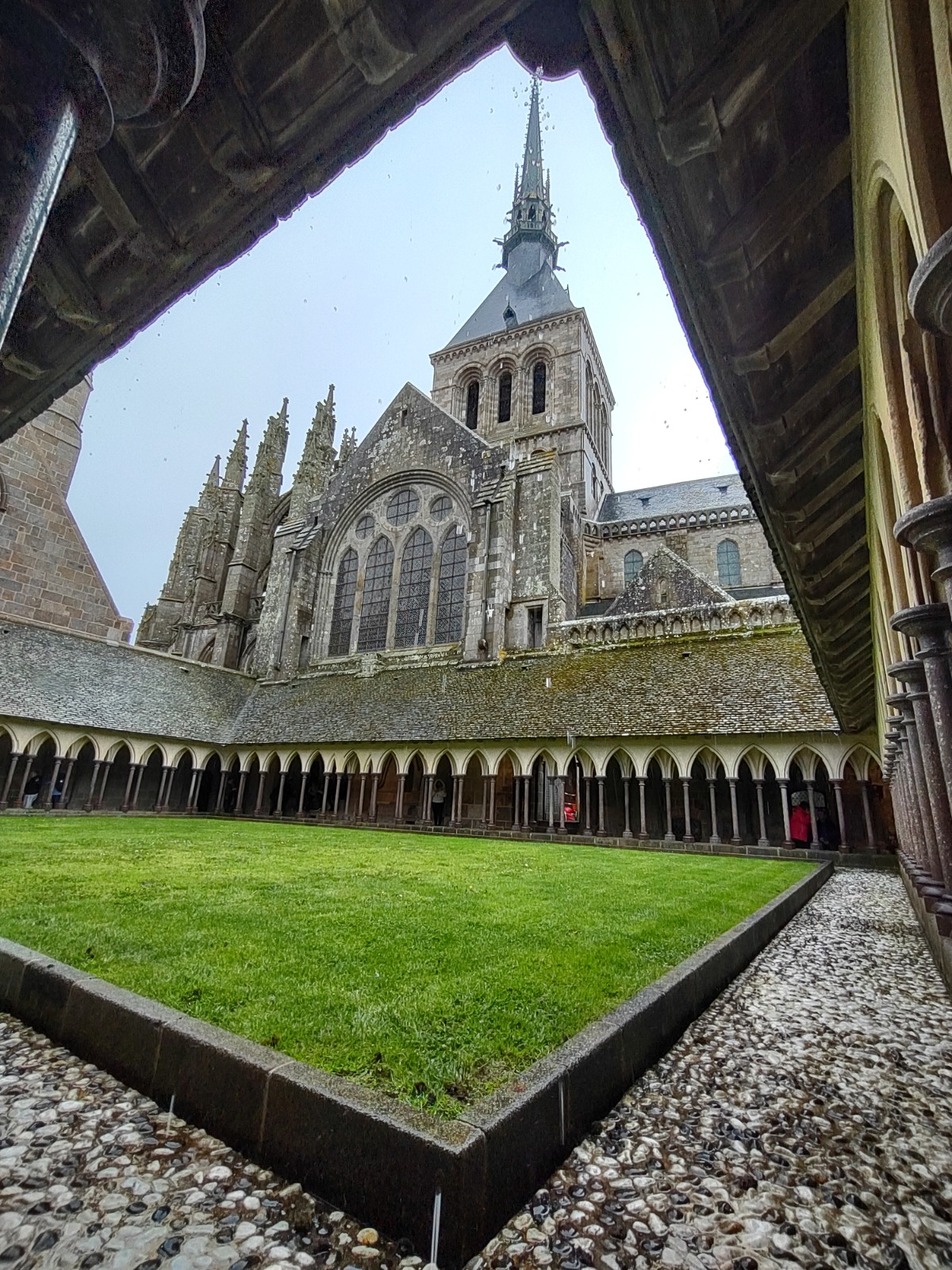
After passing through a hall which has been converted to a gift shop, we emerged from the Abbey to find the sun coming out and made our way back down, this time following the roadway which winds around the mount. There is a real authenticity to this place which it is very easy to get lost in but, as we made our way down, the numbers of tourists steadily increased and we were pretty quickly brought back to the present. The structures which line the roadway down have been repurposed as hotels, restaurants, and gift shops which certainly give it life but also make it feel a bit Disney-esque.
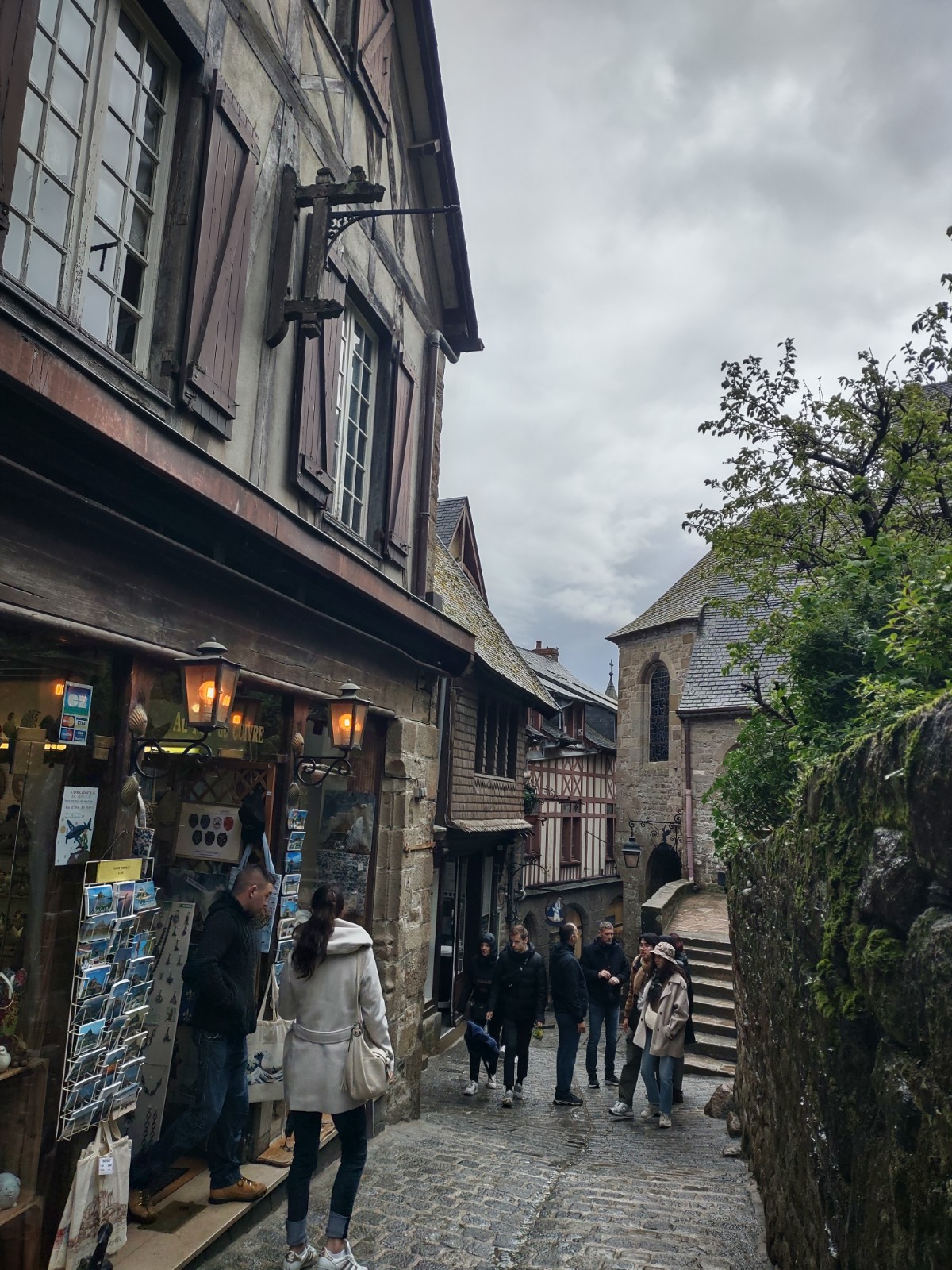
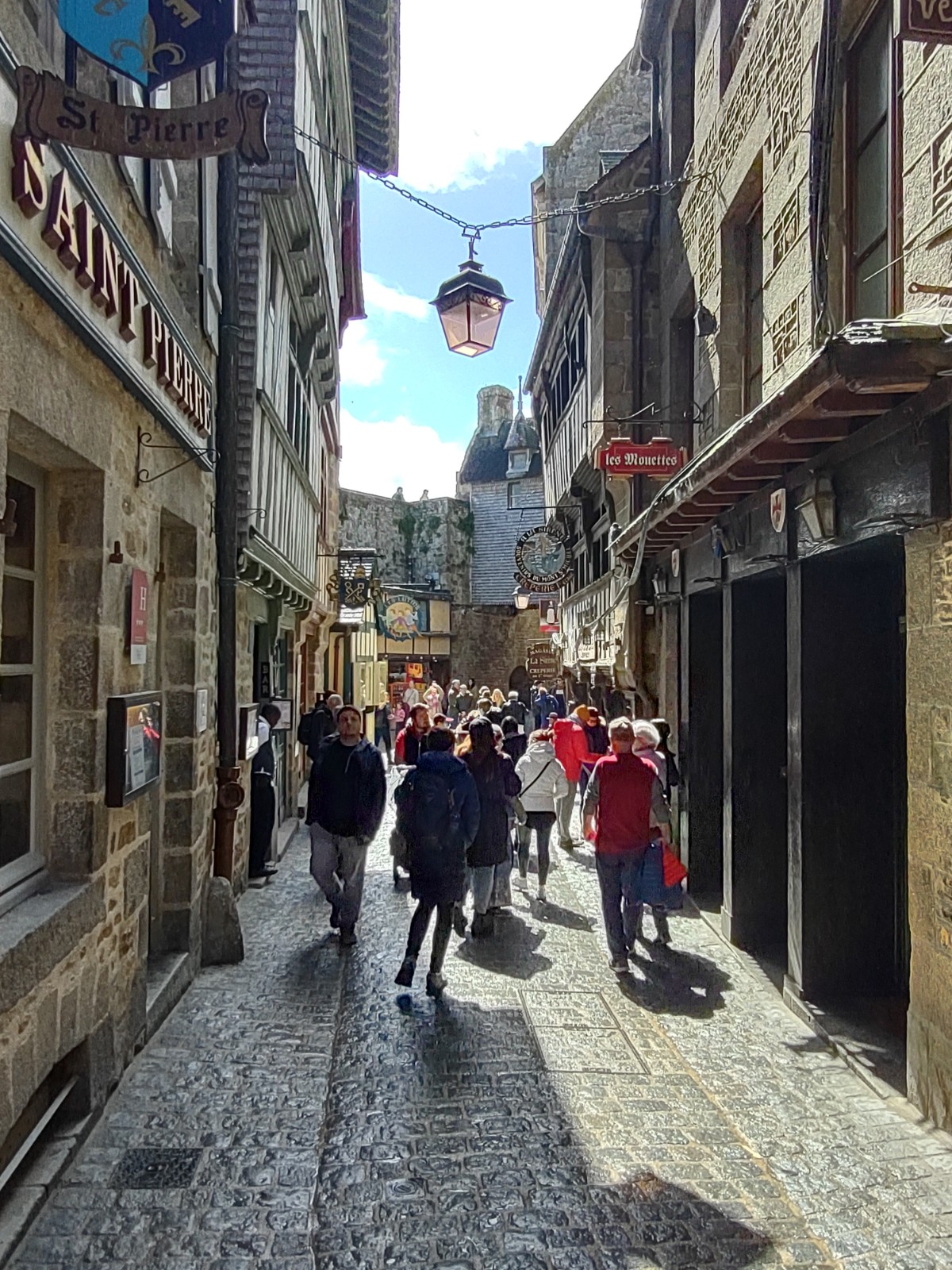
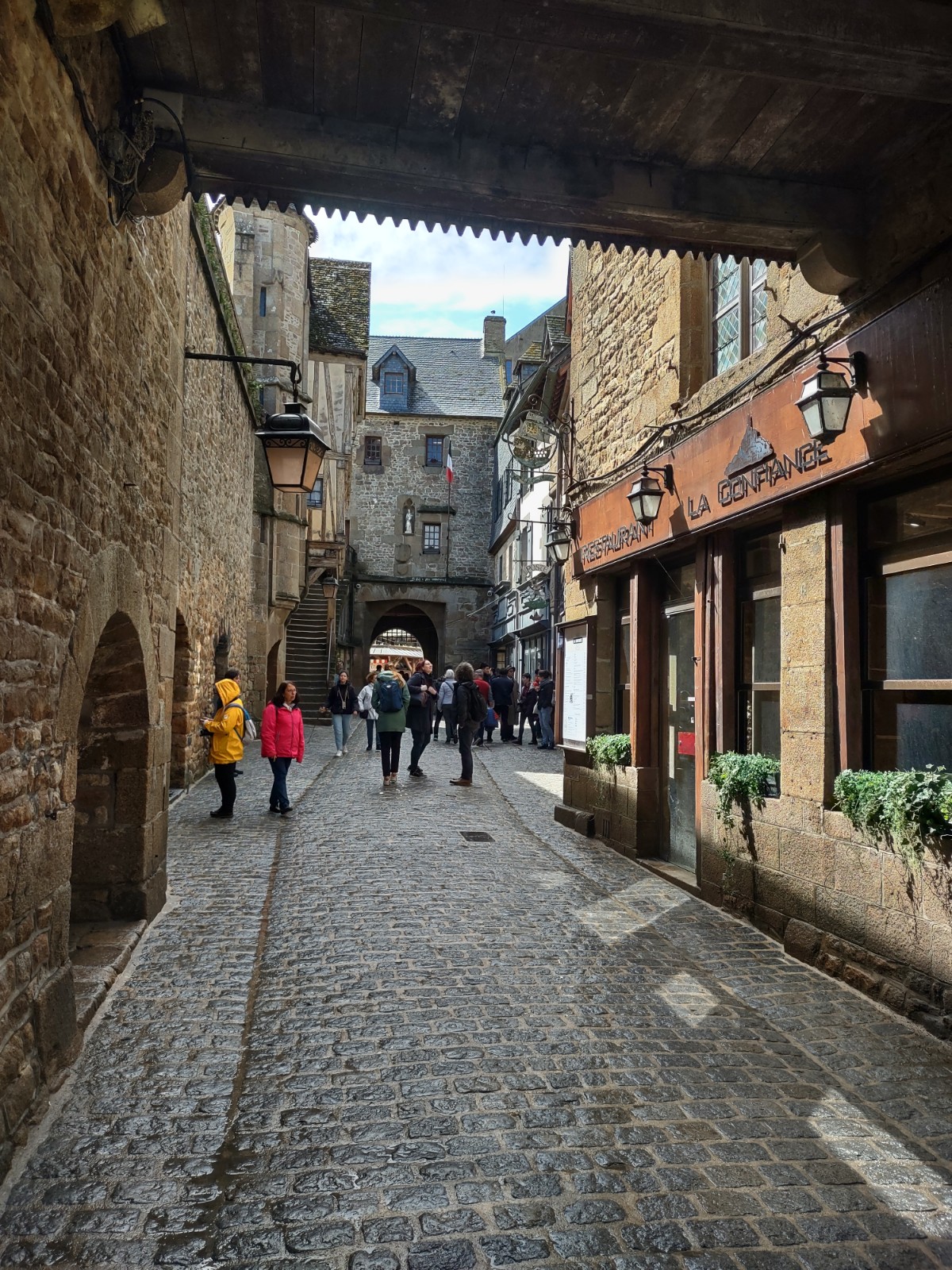

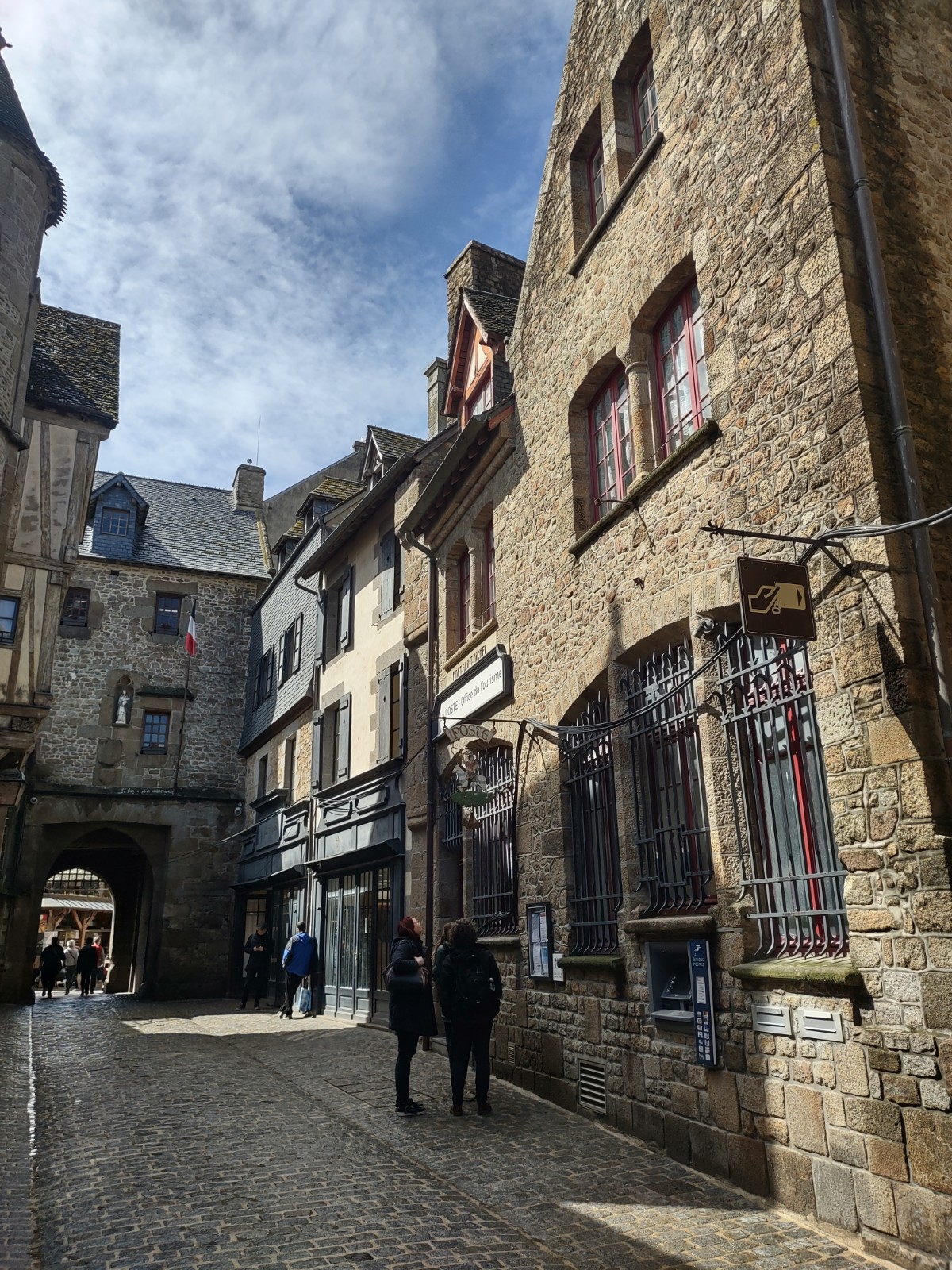
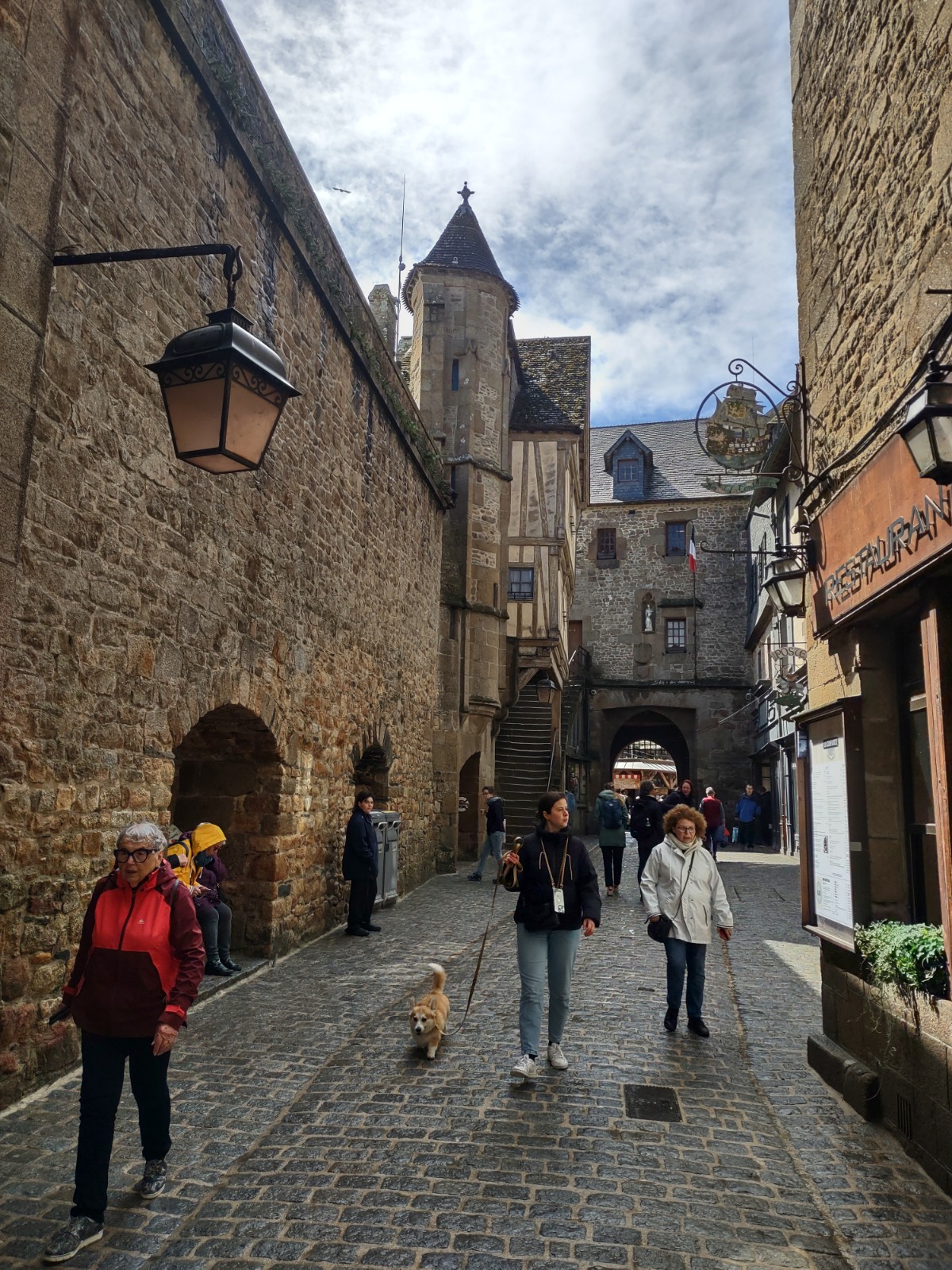
And so, we reverted back to the tourists we actually are and, in true tourist spirit, found a restaurant to have a nice lunch and, on our way out, stopped at the Mont Saint-Michel Post Office to send off some post cards we had picked up in the Abbey gift shop. The long walk back to the bus in the sun was pleasant and it was impossible not to turn around periodically to get just one last glimpse of this amazing place. Definitely worth the time and effort it took to get there!
Shopping in Paris
It’s Paris, so of course we did a lot of both window shopping and actual shopping during our stay. While we found the Champ Elysée and Place Vendome with their high end designer stores fun to stroll and window shop, we found that Saint Germain and Le Marais were better places to actually buy things. We also visited the Forum des Halles, an enormous multistory shopping mall in the 2nd arrondissement which was pretty much like any other shopping mall in the world. Due to the length of our stay, we also did a bit of more mundane but necessary shopping – Decathalon in Rosa Parks for a new pair of walking shoes for Colleen and Monoprix (kind of the Walmart of France) for groceries and cosmetics. It’s funny that shopping in places like these actually gives you a better feel for a place and, to that end, we seek out the local pop-up markets whenever we can.
Colleen has gotten pretty good at figuring out when the weekly markets (farmers markets, flea markets, antiques markets, the occasional flower market) occur in places we visit. While all of these can be interesting, informative, and fun to visit, the best ones are those outside the tourist zones where most of the goers are locals. Colleen found a great Flea Market just north of the City in Clignancourt which, as it turned out, was only about a 30 minute walk from our apartment. The Cignancourt Flea Market is open Saturdays, Sundays, and Mondays, but Mondays are reputed to be smaller, so we decided Sunday April 2 was our day to go. There is (apparently) no Sunday morning yoga in Paris and, as we decided to skip mass this Sunday, we got going fairly early. The walk there was fine, but things do get a bit sketchier as you approach the outer limits of the city.
The Flea Market itself is pretty huge and includes a lot of open stalls which follow the streets in the area and have a definite shanty town feel to them. There was quite a variety of stuff for sale which included lots of new and slightly used clothing, housewares, and knickknacks. We were on the lookout for a cheap carry-on bag for some acquisitions and things we probably don’t need which we intend to send home with some friends we are meeting in Scotland in May. We did find a used luggage store and, although we decided not to buy anything yet, got a pretty good feel for the used luggage marketplace.
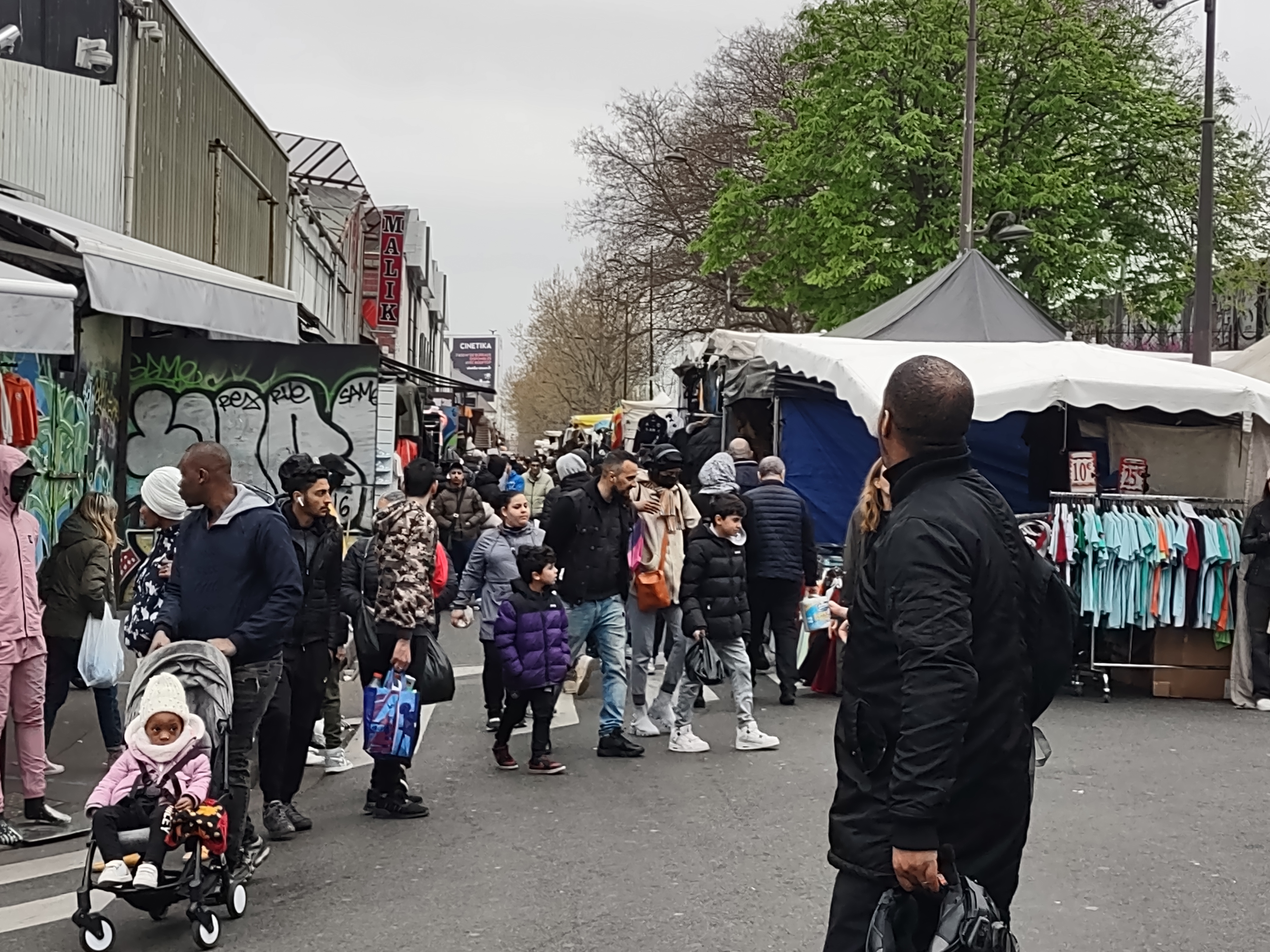


We made the circuit of the stalls and, when we returned to our point of entrance, were drawn to a creperie where the operator was making quite a show of it. We ordered two savory crepes loaded with egg, potatoes, sausages, and cheese and made for a pretty hardy lunch. (They were actually a little reminiscent of the tunnbrodrulles we had in Stockholm.) We finished these and were about to make our exit when we discovered another large section of the market housed in a very long two-story structure with actual shops rather than open stalls.
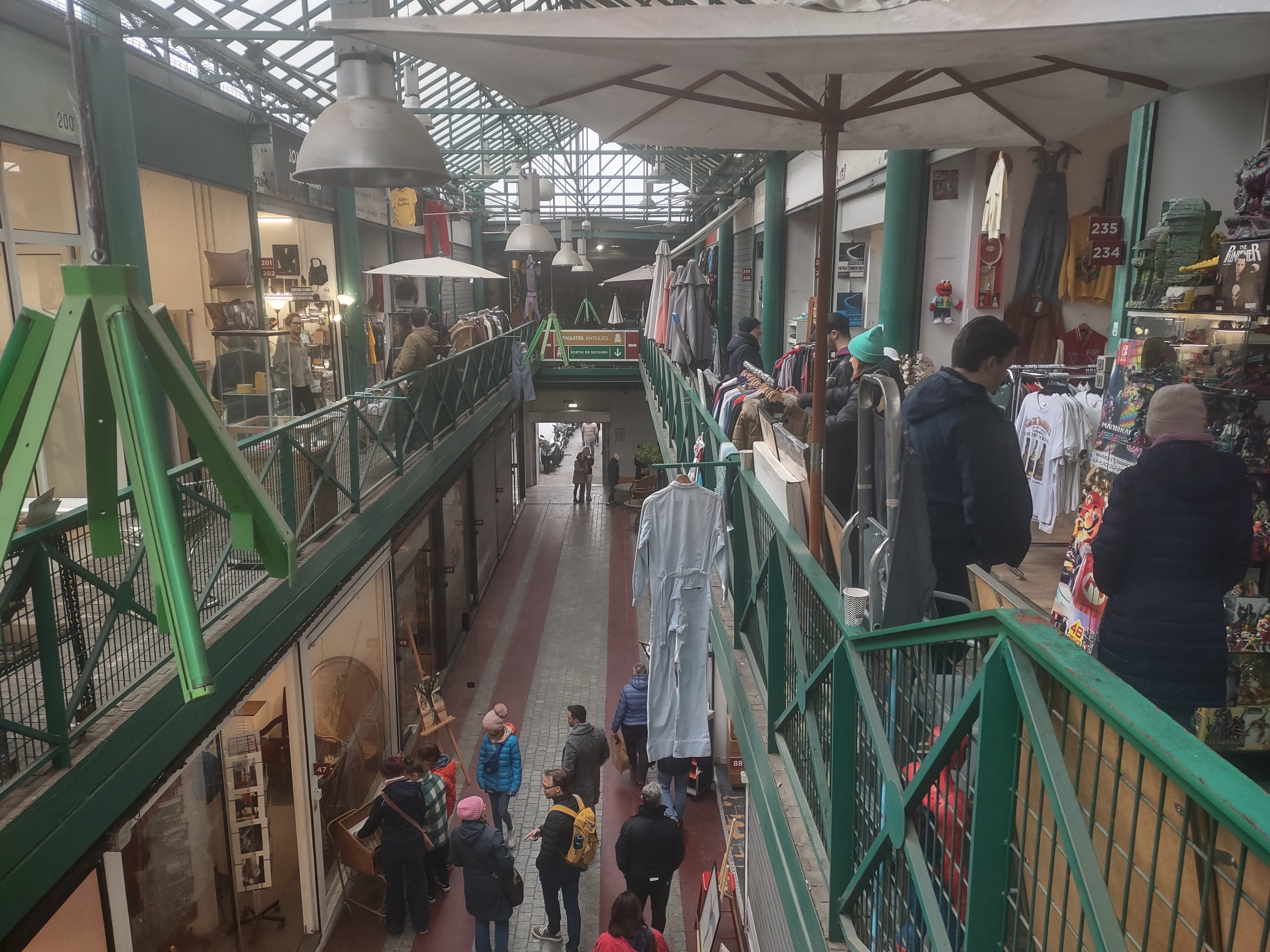

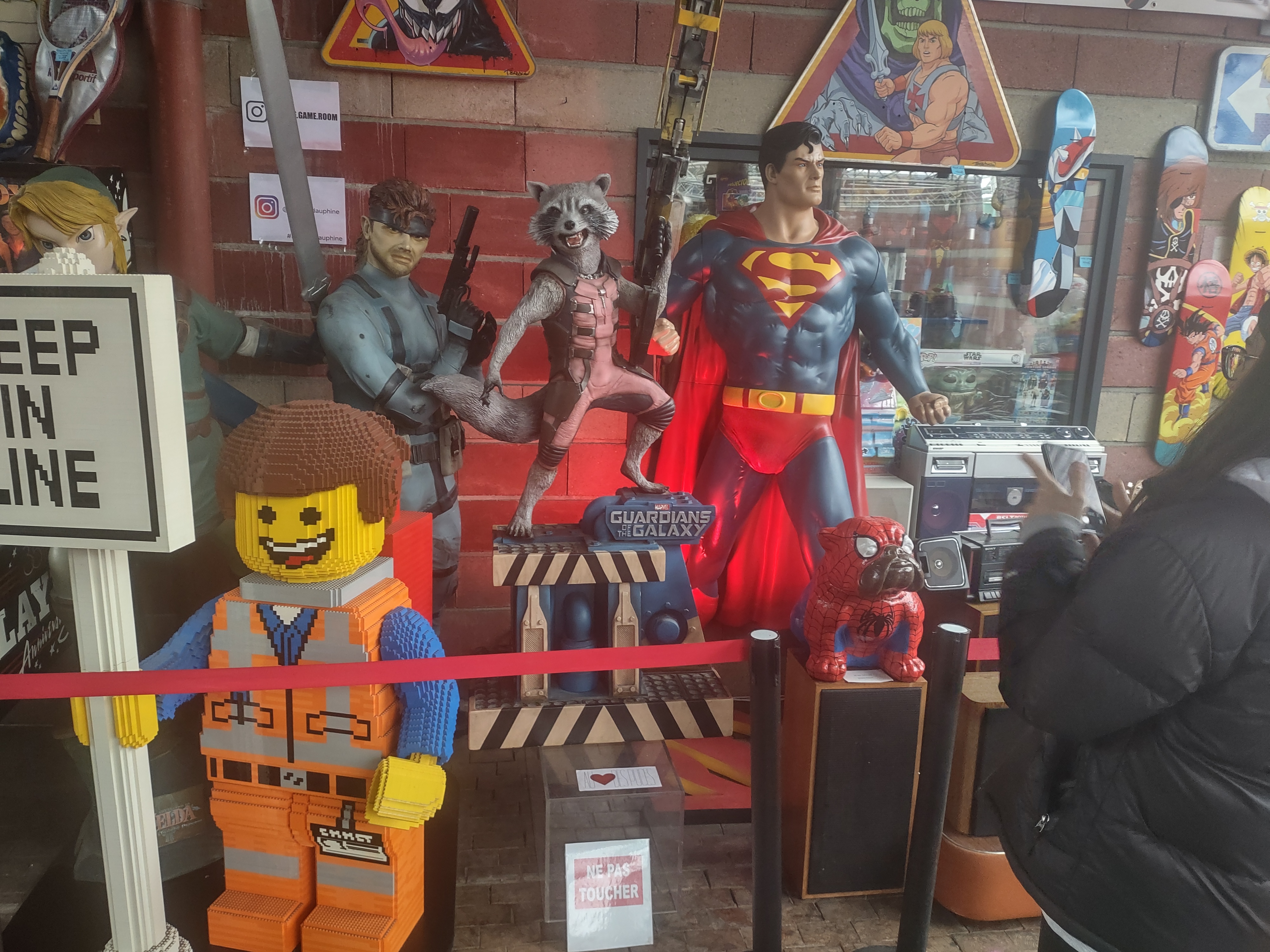
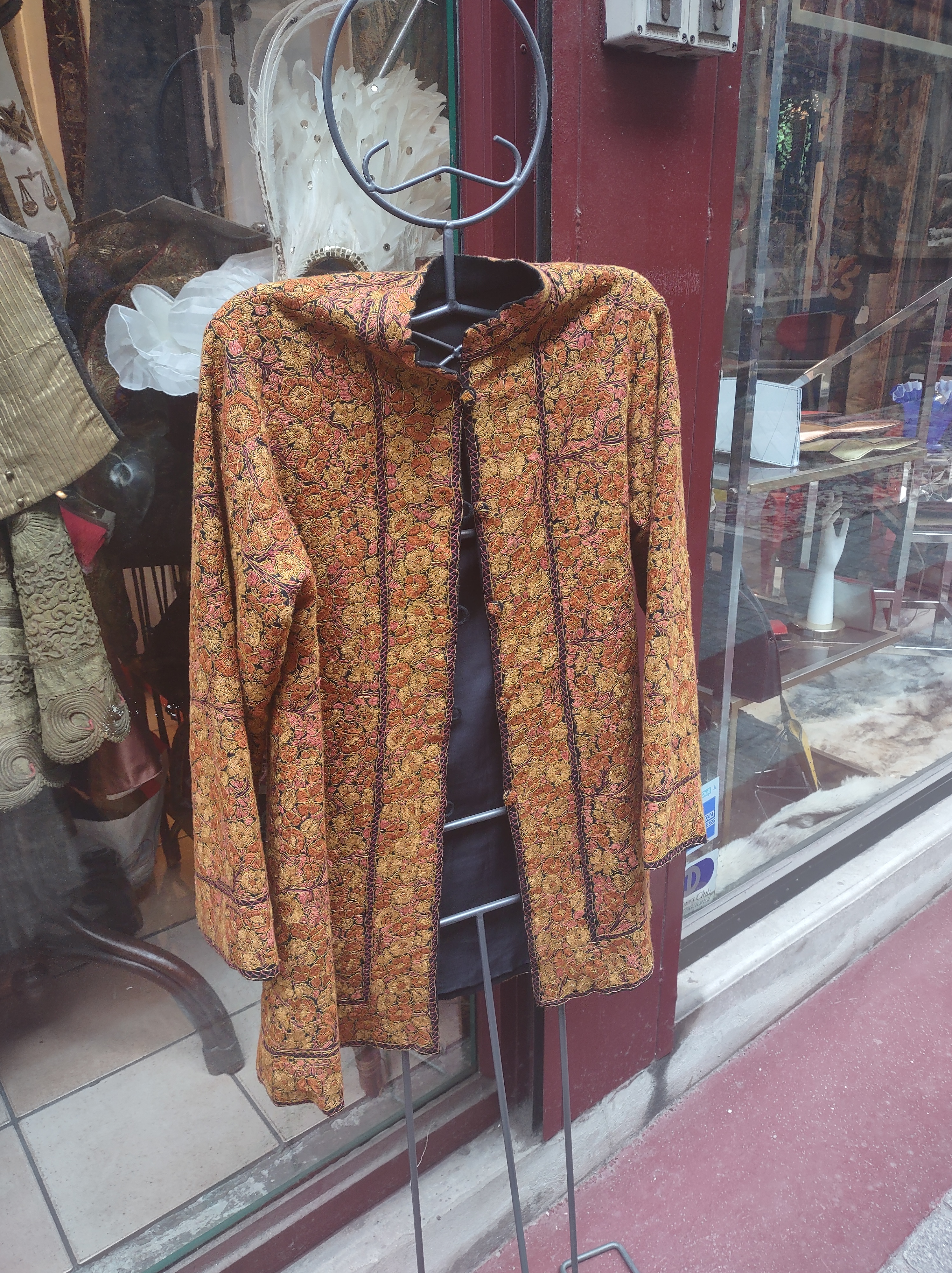

From the perspective of at least one of us, this part of the market was a treasure trove and we of course had to check out every shop. In truth, there were a lot of interesting vintage items, including clothing, as well as art work and “collectibles” (junk). In the central atrium of the market there was a flying saucer/tiny house for sale which Ritchard was unable to convince Colleen to purchase. I honestly don’t recall buying anything, but we were pretty thoroughly entertained for a couple of more hours before heading home.
Yoga in Paris
Ritchard has alluded to the availability of yoga as one of the higher priorities for me when trying to nail down our destinations. He has also advised me that there may be more yoga enthusiasts reading this blog than I may be aware and suggested I write about my Yoga experiences on the road for our travel blog. Four months in, I have enjoyed yoga in Panama with young enthusiastic British and Spanish yogis, in Santiago fully in Spanish, Kundalini yoga in the north of Norway mostly in English, yoga in Vienna in German, yoga in Venice mostly, but not all, in English, and most recently, in Paris primarily in French at a studio called YogainParis.
I have found that every yoga studio has its own particular vibe or atmosphere and, while that seems predictable and makes perfect sense, I had not previously had such a wealth of experiences to actually see, hear, and feel those differences. Among other reactions, these experiences have confirmed for me how much I LOVE my “home” yoga studio, Ohm Grown, back in Collingswood, New Jersey. It is such a warm, empathetic, energizing, and kindness focused environment, with many great yogis to learn from that, clearly, the bar is set pretty high for the yoga studios I visit on the road.
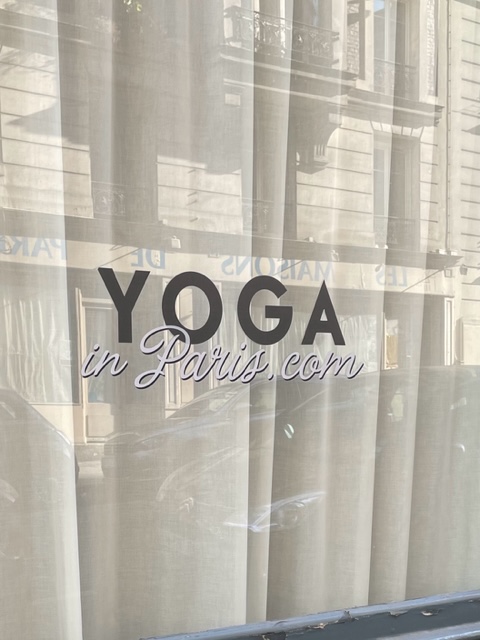
At YogainParis, my first impressions were that everyone appeared very serious; there was little banter amongst the participants, just very quiet. I was able to take classes with many of their yogis over the few weeks we were there, some singularly focused on breathing (only via the nose), others more interested in making their way through an extremely quiet flow, no music, no gentle laughter or words of encouragement. I enjoyed that there was variety amongst the teachers, similar to my studio at home, and happy to have been in Paris long enough to make informed choices as to the practice I wanted on a given day.
All in all, I was happy with the opportunity to hear and experience yoga in French, and oh so thankful, that every teacher graciously gave some quick guidance in English as well. In almost every class I have had the opportunity to think again about how most Americans only speak English, while it appears that many, many, many other citizens of the world speak at least two languages, the second, to our benefit, often being English. On the other hand, my experiences have also suggested to me that yoga is its own language which does, to a great extent, transcend verbal communication. So, for those yoga enthusiasts out there who also travel, I strongly recommend seeking it out as an activity when you do.
Paris Public Toilets
Warning! Some readers (including Colleen) may find this section to be a bit more than they care to know about Paris, but, for those who dare…
One of the things we had heard about before coming to Paris is the presence of public toilets. I know, from an American perspective, this sounds like it could be really kind of gross. But, from a male perspective at least (and one with an aging bladder at that), it turns out to be an extraordinary convenience. There are a reported 435 of these self-contained toilet units called Sanisettes scattered around Paris – typically near parks and plazas, but sometimes just street side. There’s even an app available for locating them!
They typically contain a single toilet room which “self-sanitizes” after each use. Not entirely sure how this works, but standing outside it sounds like a wash-down cycle of some sort which apparently includes the grated floor and, for the most part it seems to work reasonably well, but it does sometimes mean a bit of a wait. The entrance doors open and close automatically and there are lights to indicate whether the units is in use, being sanitized, or out of service.
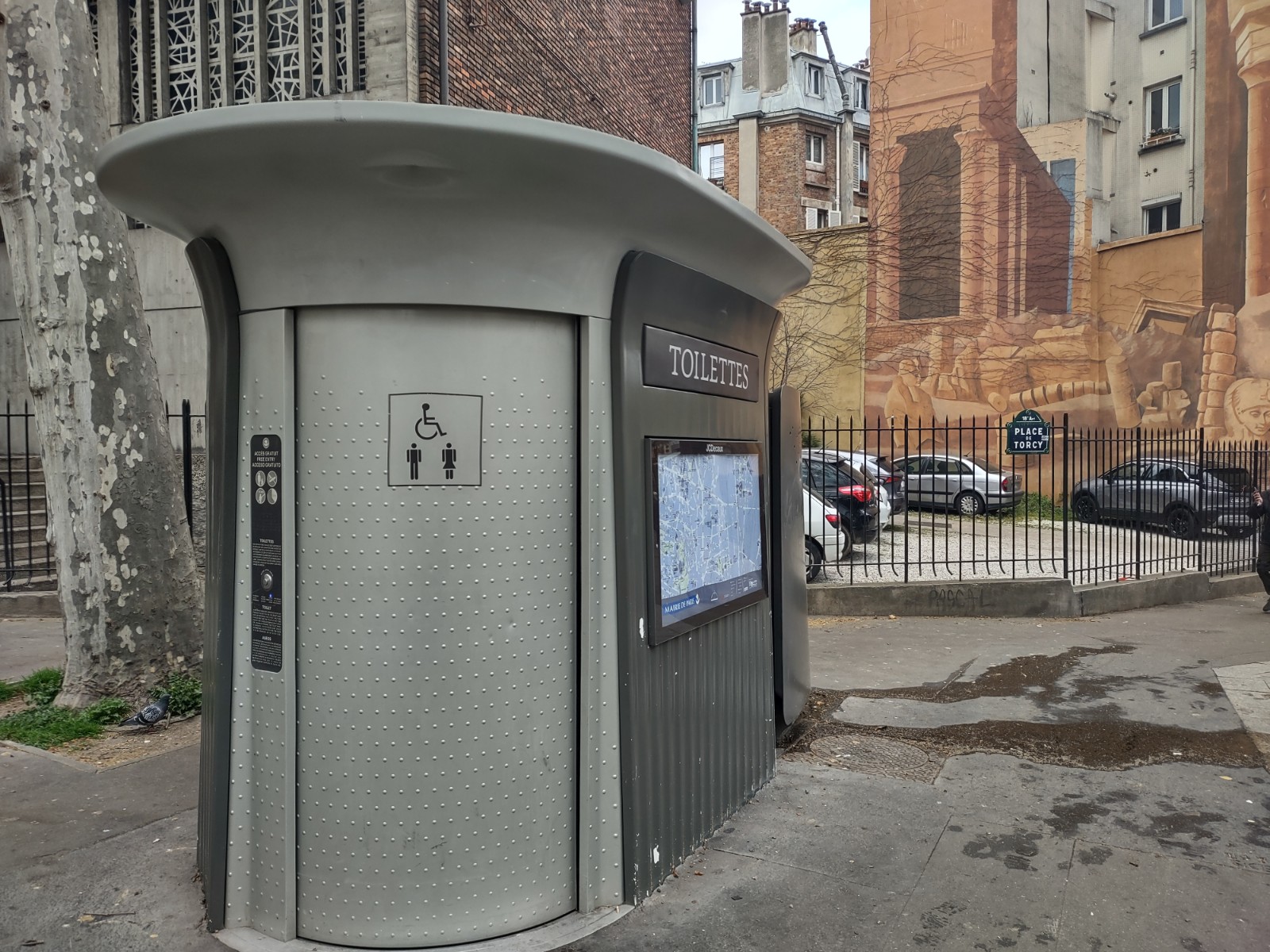


On one occasion I stepped into one before the sanitation cycle had commenced and was greeted with flashing red lights and an audible warning that the sanitation cycle was about to commence. I just got out before the doors closed and whatever it is that happens during the sanitation cycle happened! Some of the Sanisettes also have an open-air urinal on one end with a screen which swings open and closed. Again, from an aging beer-drinking male perspective, simply awesome!
Not sure that this would work in the States, but it is certainly better than the other options – buying your way into a shop or restaurant or worse?
Au Revoir Paris
Recounting our adventures in Paris has been almost as exhausting as it was to actually see and do all these things. We packed in an awful lot and, while it wasn’t too much, in the end it left us looking forward to our next destination, Denia, Spain, which we are thinking will be a bit more lazy and restful. We’ll see…
 Burning the Inheritance
Leave a comment