
We had hopes of wrapping up the blog on our visit to Paris with one last installment. Alas, it is not to be! There are just too many amazing and interesting things to write about. This installment covers the museums we saw in Paris with the hope that we can wrap up a few remaining odds and ends in one final segment.
Paris Museums
When one talks about going to Paris, usually the first or second question you get asked is which museums you saw or are planning to see. While Google has some pretty mixed data on the subject, it seems likely that Paris is, if not number 1, then in the top 2 or 3 cities for the number of museums (some of the Russian numbers seem a bit stilted here) and likely number 2 for museums per capita (Vatican City has an ungodly lead here with almost one museum for every 50,000 inhabitants). The online numbers for museums in Paris vary a bit (and I saw one estimate of almost 300) but it looks pretty likely that there are something like 140 museums in the city of Paris today. Among this lineup there are some pretty heavy hitters including the Louvre, the largest and, arguably, the most famous art museum in the world.
One of the things we have learned the hard way in our travels is that trying to see or do too much (i.e. everything) can be a mistake. It is better to do less but enjoy what you do more and to have as few regrets as possible about what you don’t. (Sometimes easier said than done!) This comes into play both when deciding what cities to visit and when deciding what to see and do when you are there. Even though we had 16 days in Paris, we were really challenged in this regard and tried our best to pack in as much as possible without it being too much. Deciding which museums we would (and wouldn’t) see was probably the hardest part of this.
The Art of Museums
While we generally like museums, we hate waiting in line. Fortunately, Paris, like many other cities, has a reservation system for many of its museums although (as we discovered), if you book the first time slot of the day (11 AM at most museums and other “attractions”), you still wait in line. Paris also has a multi-day museum pass which grants one access to many of the historic sites and museums which can, if you are strategic in your planning, save you a few dollars but (as we also discovered) has the potential to turn into a museum marathon. The museum pass, combined with a reservation, also usually puts you in a shorter long line.
In doing our research, we discovered that there are a number of museums which are not covered by the museum pass and that there are also a few with free admission. Some museums require reservations (even with a Museum Pass), others don’t, and, just to make things interesting, some museums are closed on Monday while others are closed on Tuesday. In the end, the strategy we arrived at was to hit as many of the free and non-pass museums as we were able in our first week and to then purchase and use a four-day museum pass to pack in as many of the paid attractions as we could bear from Monday to Thursday of our second week.
Over the 16 days we were there, we actually visited a total of eight museums in Paris (nine if you count the Louis Vuitton Foundation, but that’s another story), which maybe doesn’t sound like a lot but was, in the end, more than enough. With travel time to, from, and between (not to mention lunch and pastries), we typically tried to visit two sites a day, ideally one museum and one not-a-museum, but there were a couple of days (during Museum Pass week), where we did attempt to visit two museums in a single day. Some of the museums we visited probably warranted more than a half-day, but we have found and reconfirmed that 4 hours is pretty much our limit in any art museum without a meaningful break.
Our best museum experiences were definitely had at those with smaller more easily navigated collections. For the larger ones, when possible, we researched and tried to arrive with specific exhibits we wanted to see and prioritized those, but there was at least one instance where we were not well enough prepared and ended up feeling a bit lost and overwhelmed.
It’s impossible to describe and discuss everything we saw in our Paris museum tour, but we’ll try to hit the highlights and maybe talk a bit more about a couple of the museums and exhibits we particularly liked, some of which are not so well known. (Would kind of like to do this like Chris Berman’s “Fastest 3 Minutes”, but we’ll see…)
The Louvre
So, just going to get it out there: We did not visit the Louvre. Sacrilege? Maybe, and at the risk of more, will add that IM Pei’s addition didn’t make the cut on the Architecture list either, although you may recall that we did a drive-by of the pyramids during our bike tour.
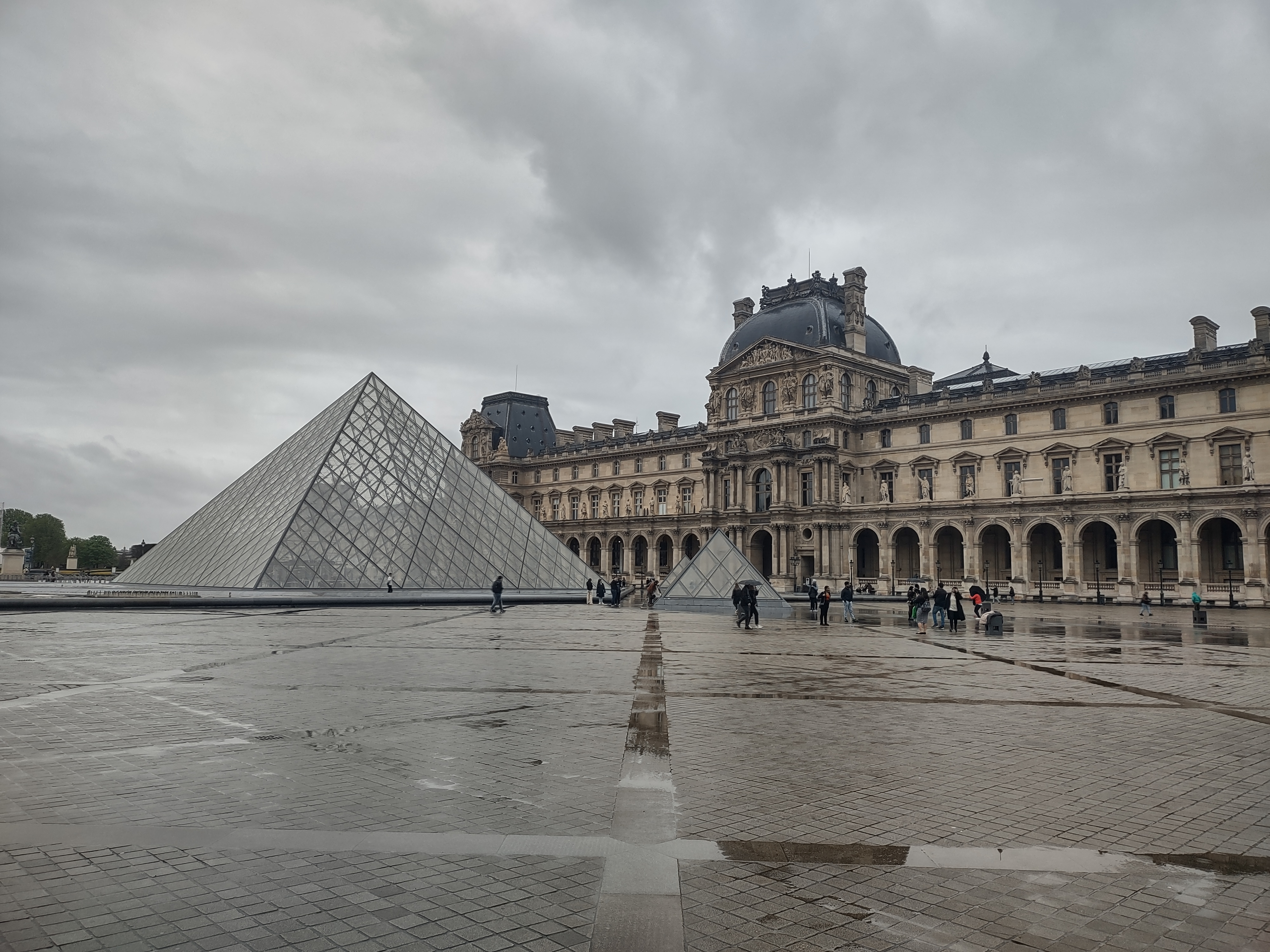
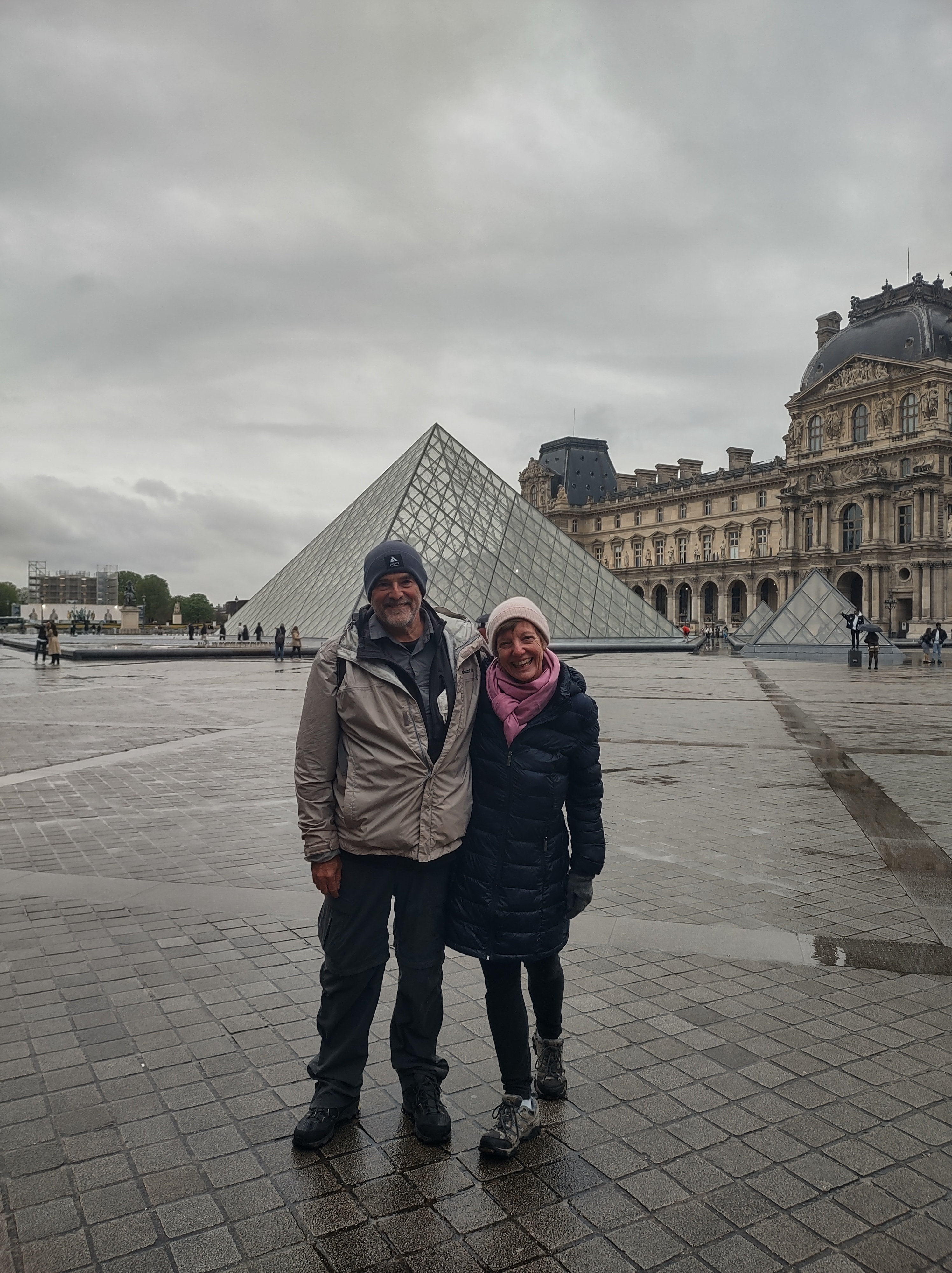
We had heard some real horror stories about the crowds at the Louvre (at the Mona Lisa in particular), which raised some questions regarding how good an experience it would be, particularly compared to some of the other places we really wanted to visit. We also realized that it would be hard to do the Louvre justice without committing at least one full day to it which, for a number of reasons, we were reluctant to do.
In the end, due to some last-minute schedule juggling, it came down to the Louvre or Mont Saint-Michel, and we opted for Mont Saint-Michel, with hopes of perhaps visiting the Louvre during some future Paris visit. (For the record, we also opted out of Versailles for similar reasons, but that’s not really a museum, right?)
Le Petit Palais
The first museum we visited in Paris, on Tuesday April 4th, was Le Petit Palais, a beautiful Beaux-Arts style structure designed by Charles Girault which was constructed for the 1900 Exposition Universelle in Paris and which now houses the City of Paris Museum of Fine Arts. It is located in the 8th arrondissement south of the lower Champ Elysees just west of the Place del Concorde. As with so many of Paris’ museums, the building is itself a work of art and a beautiful setting for its exhibits.


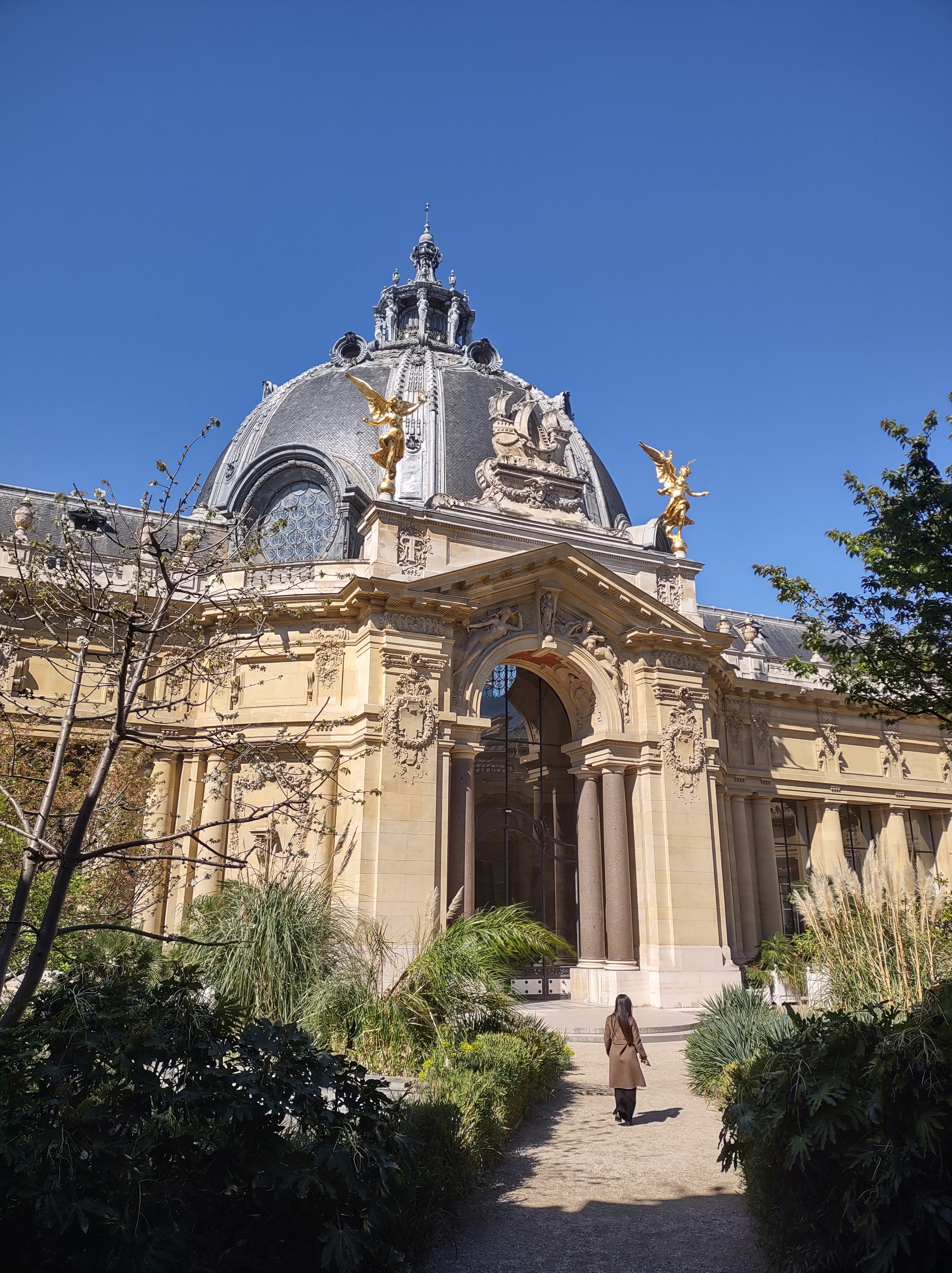
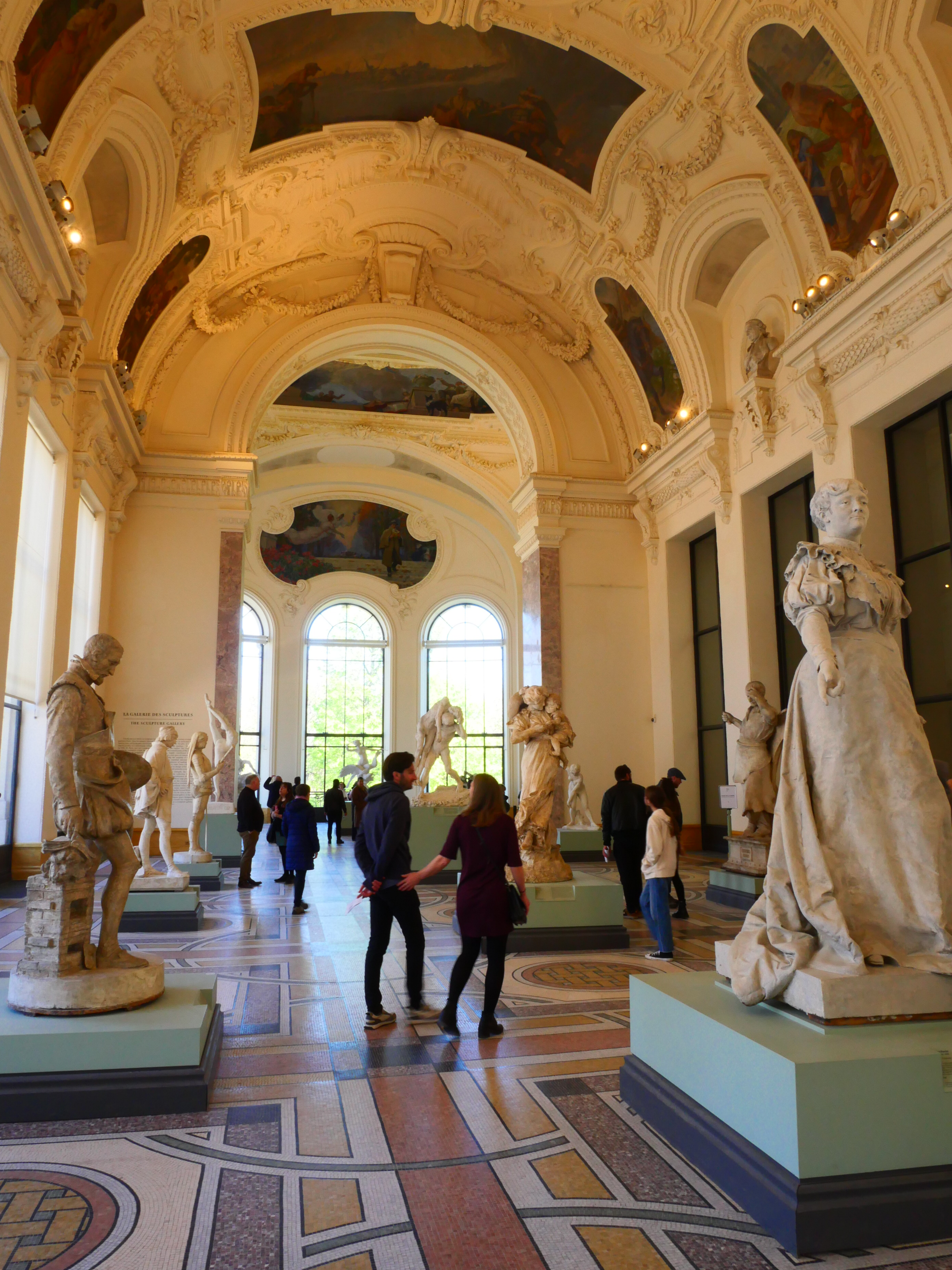
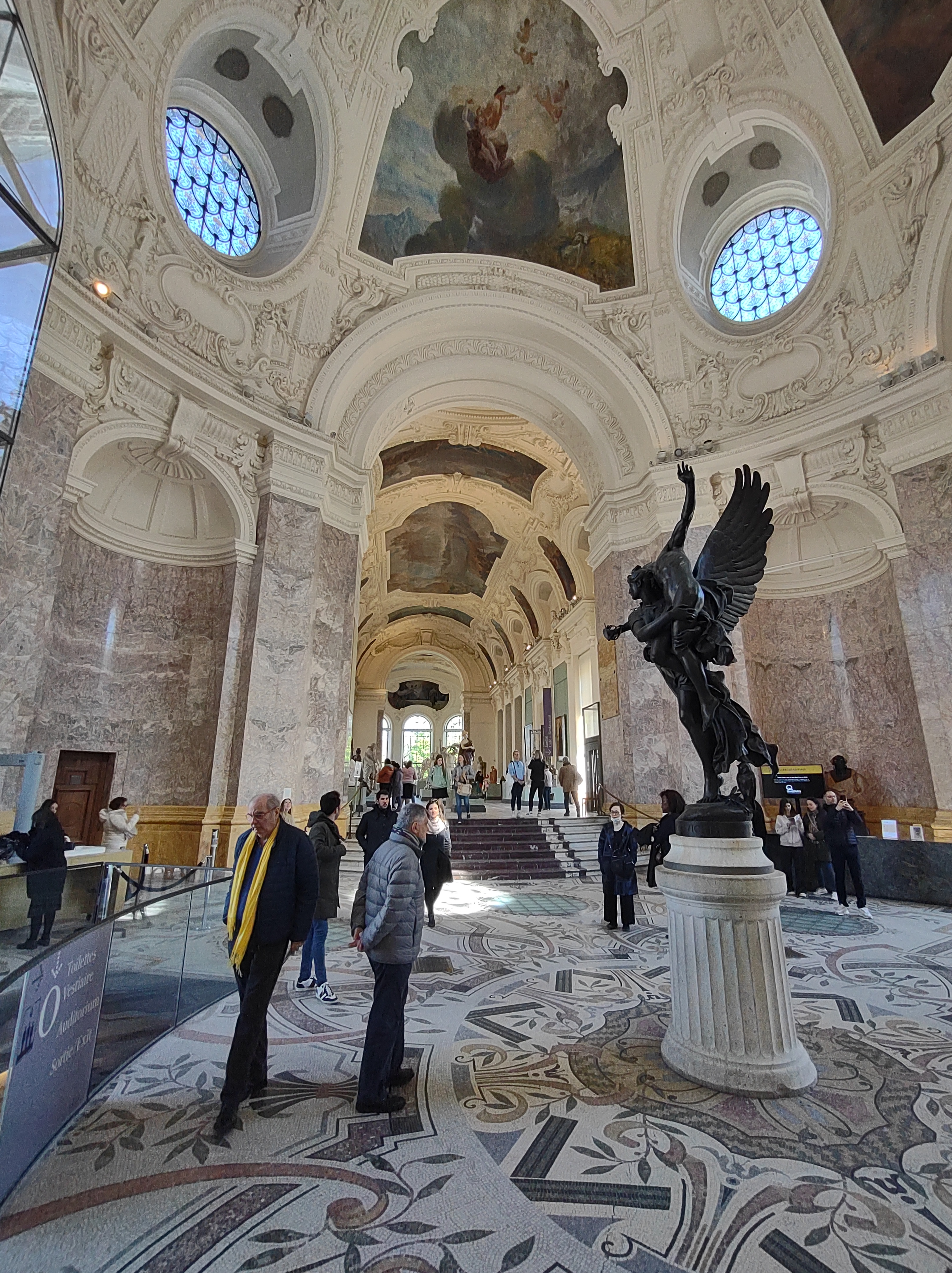
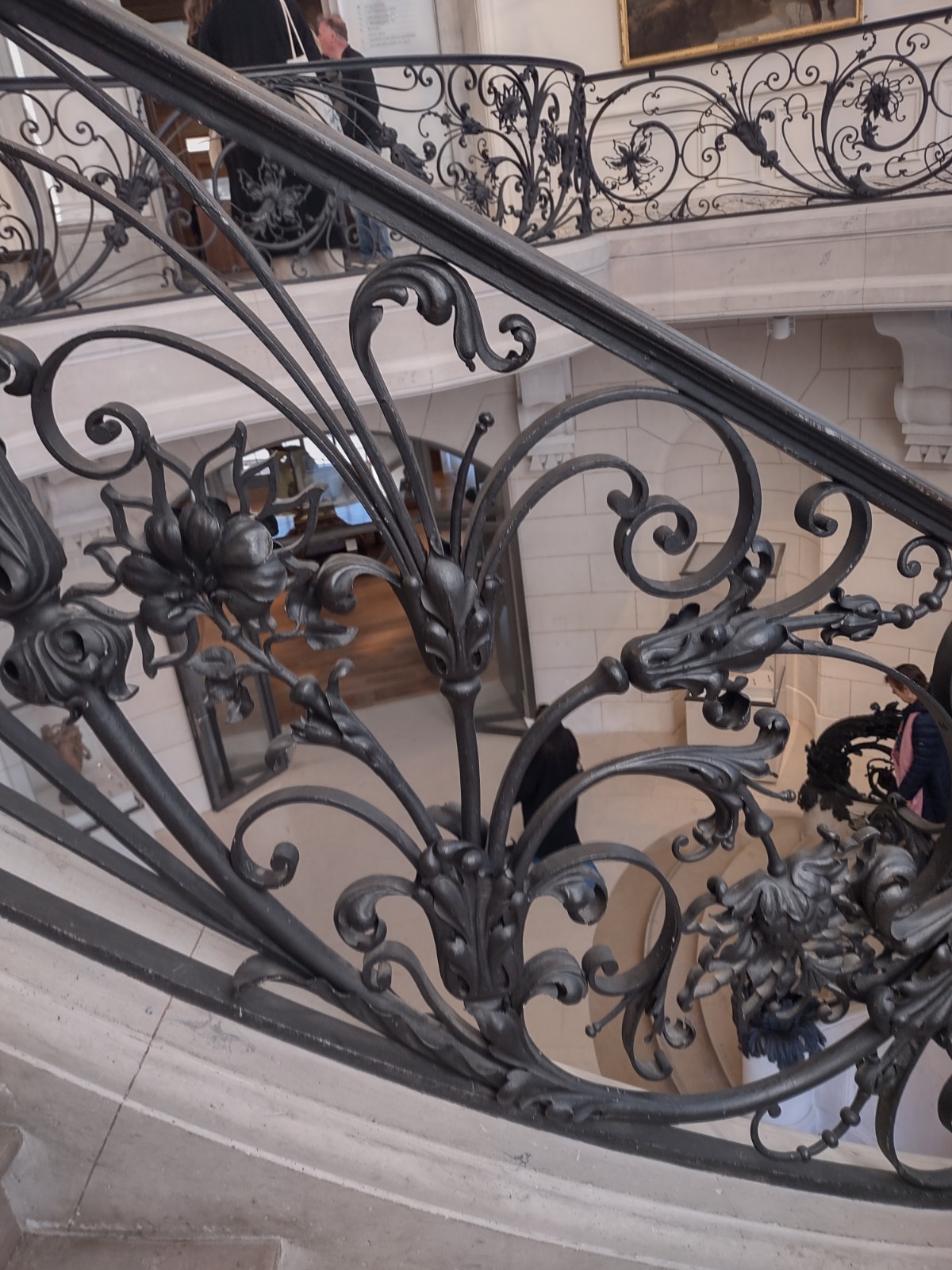
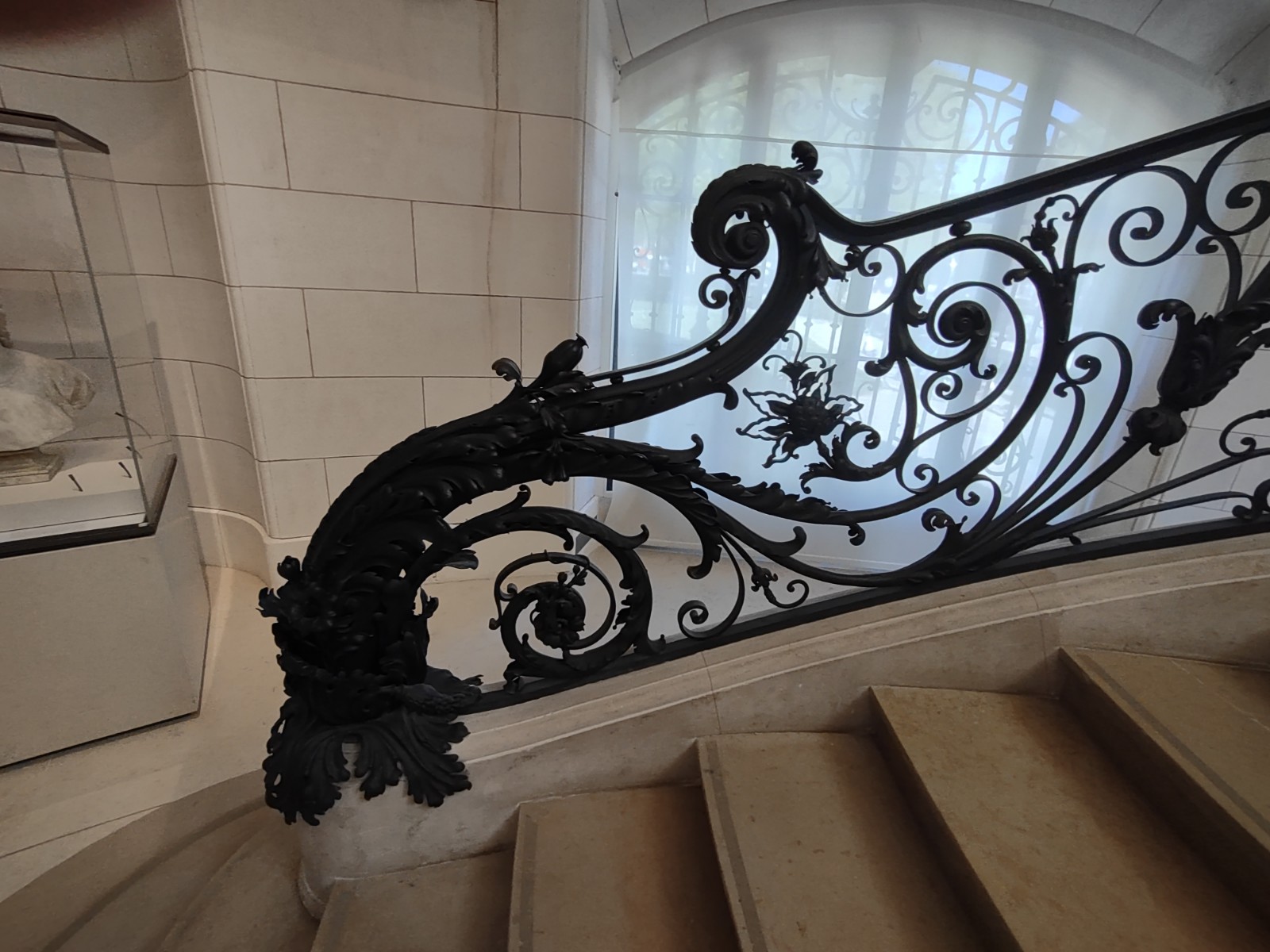
In an open stair connecting the upper and lower levels of the museum was the most beautiful wrought-iron railing I believe we have ever seen, like the building, a work of art in its own right.
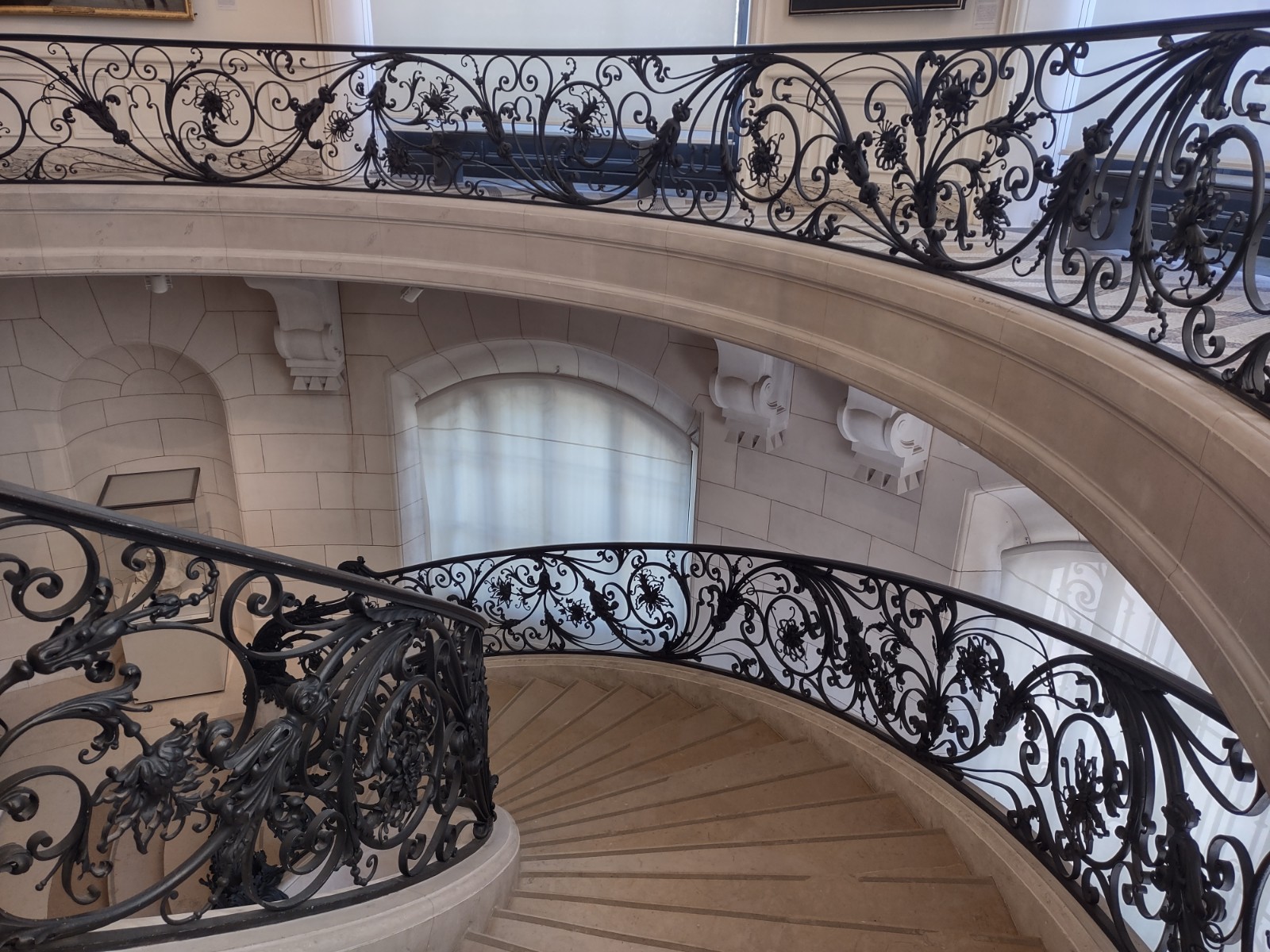

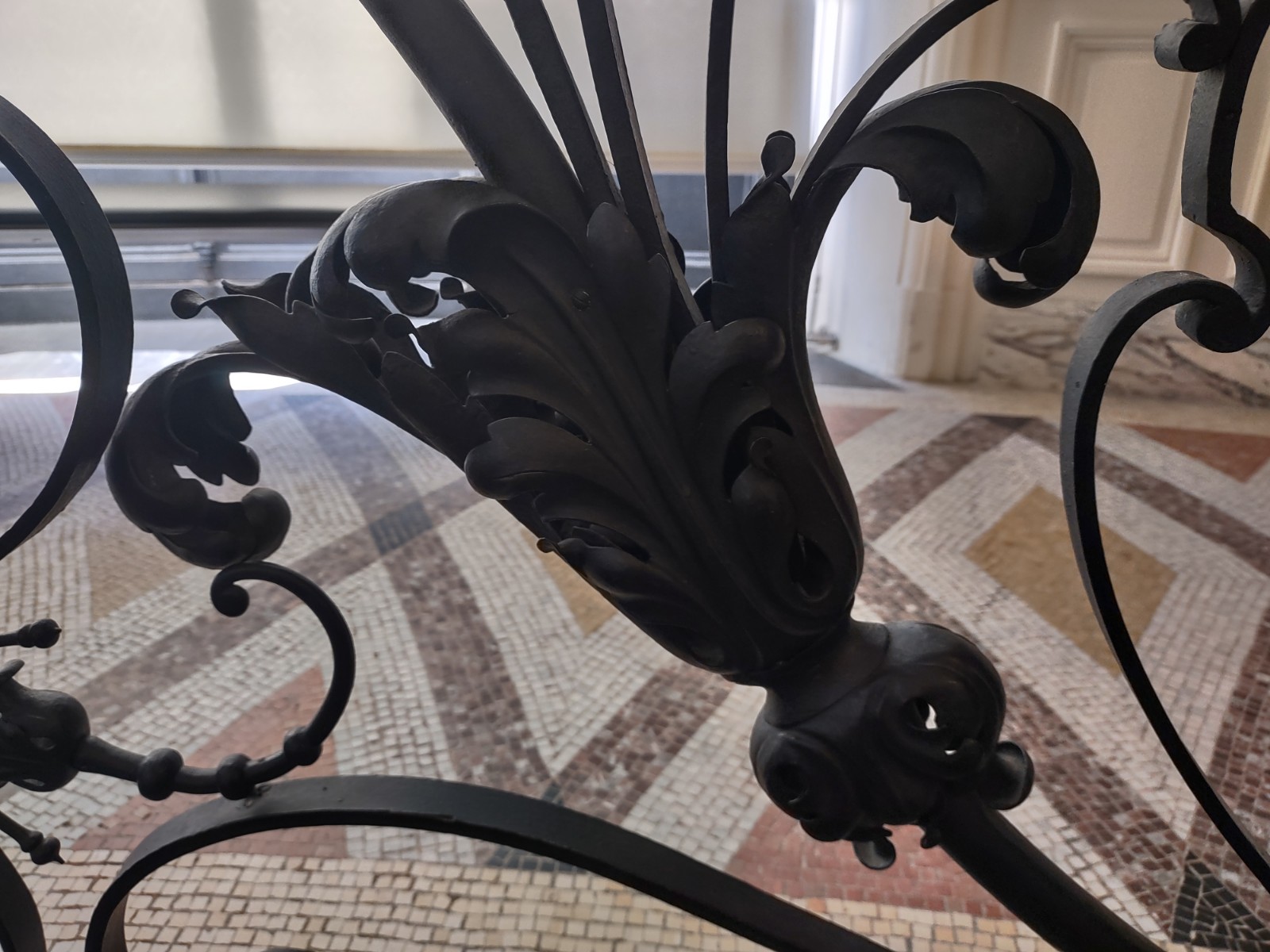
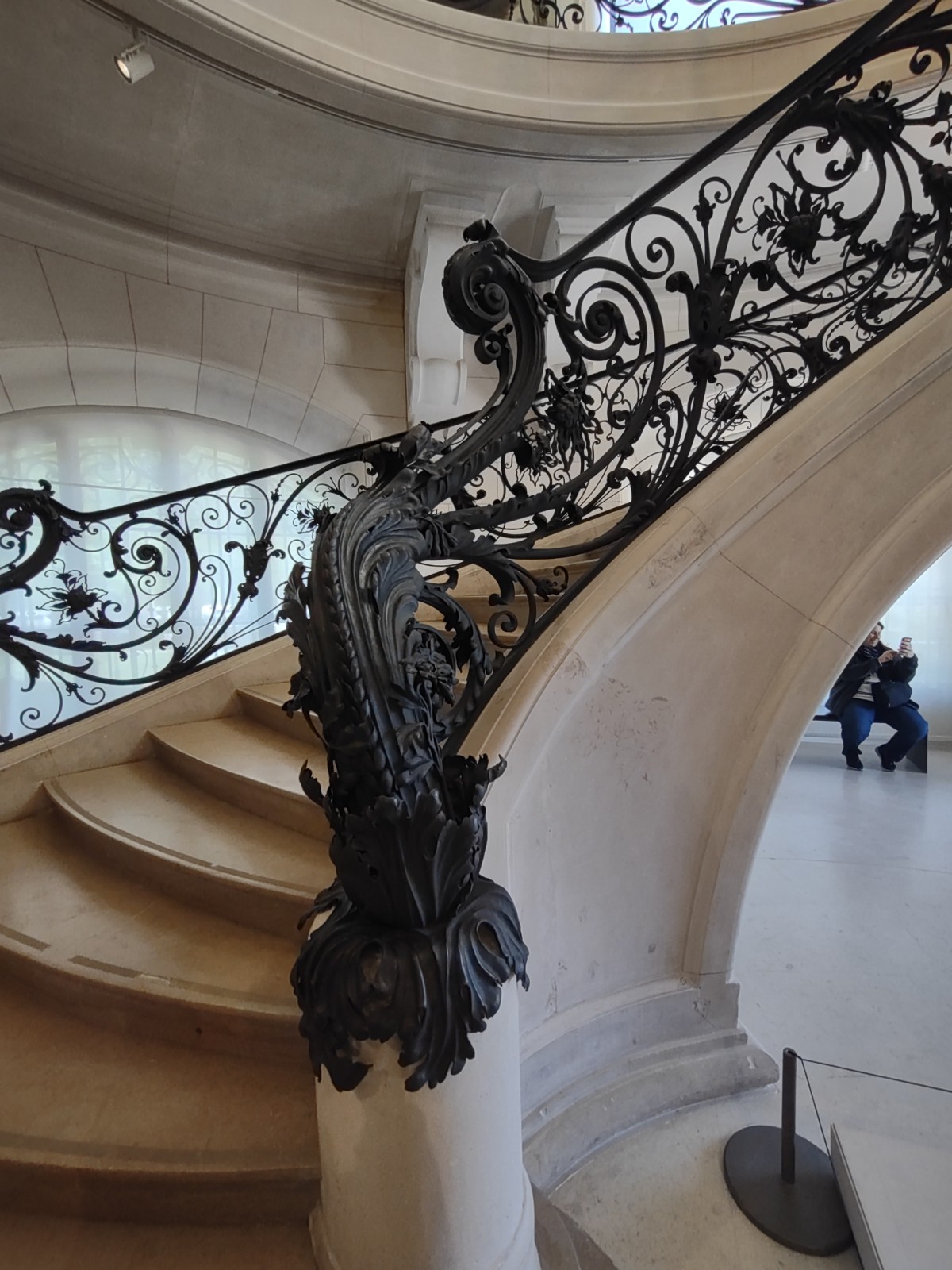
Le Petit Palais presents a history of French art from 1800 to 1900 which includes paintings and sculptures as well as tapestries, metal work, jewelry, porcelain, and furniture, and (did I mention?) admission is free!

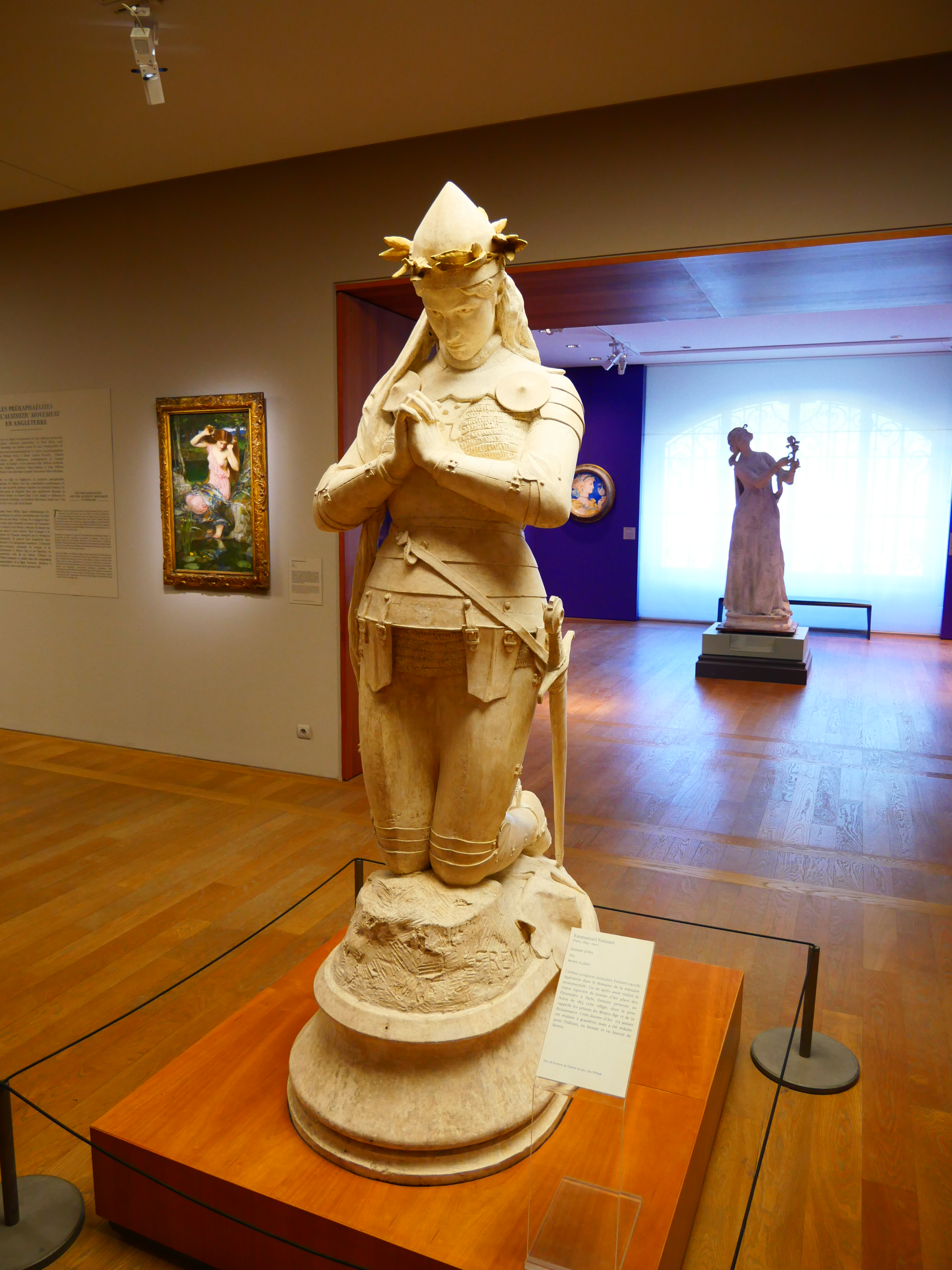
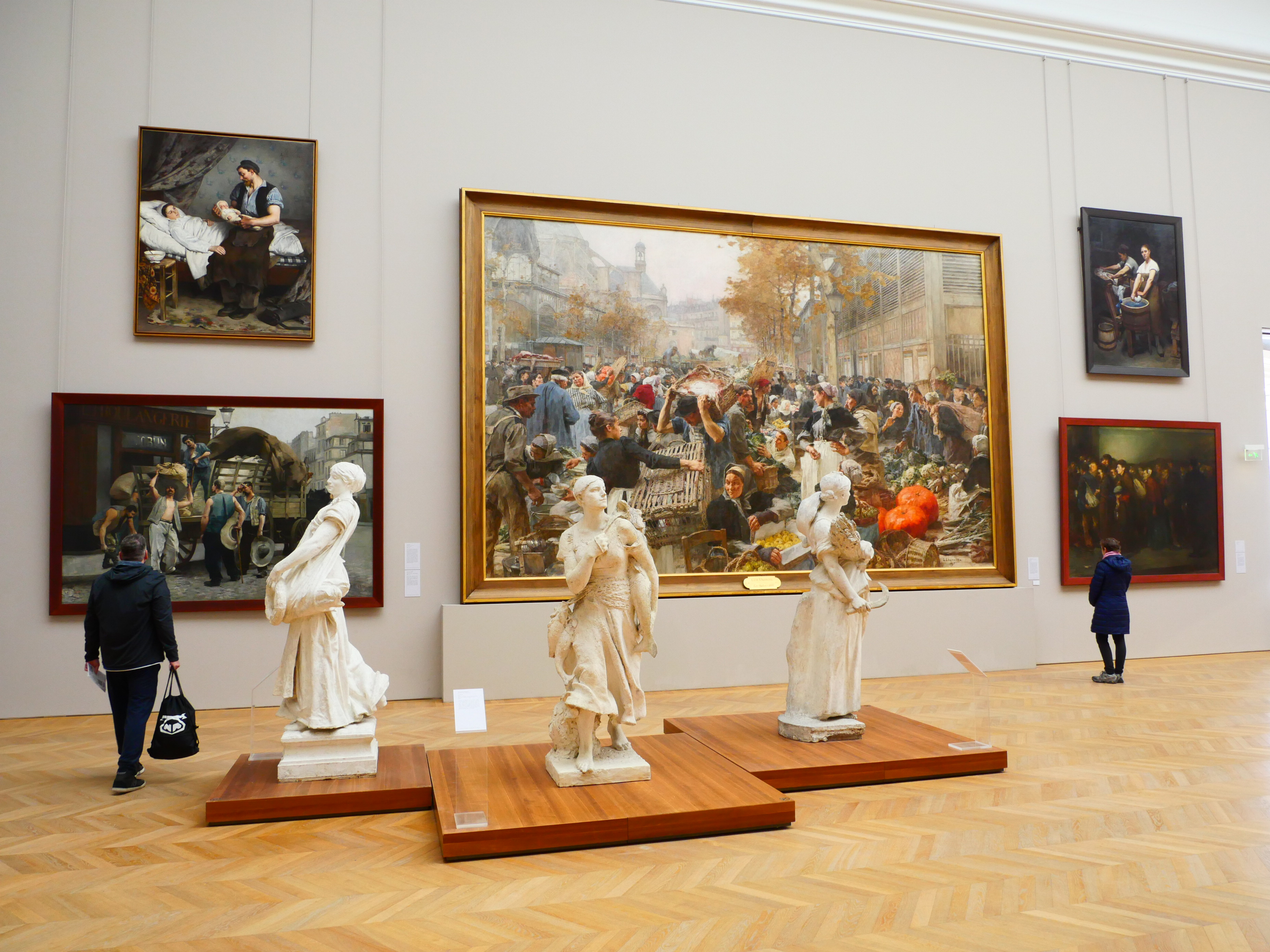
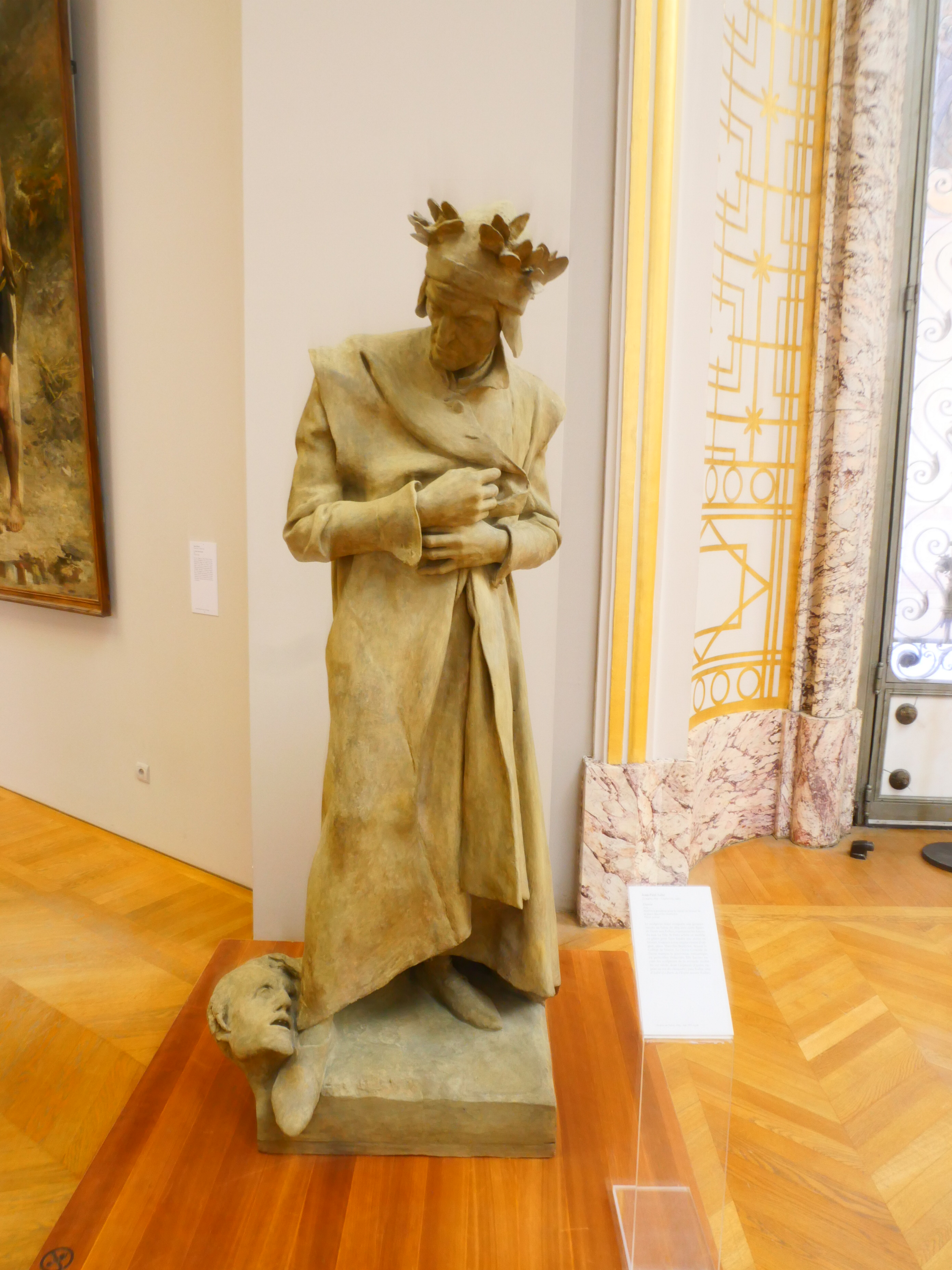
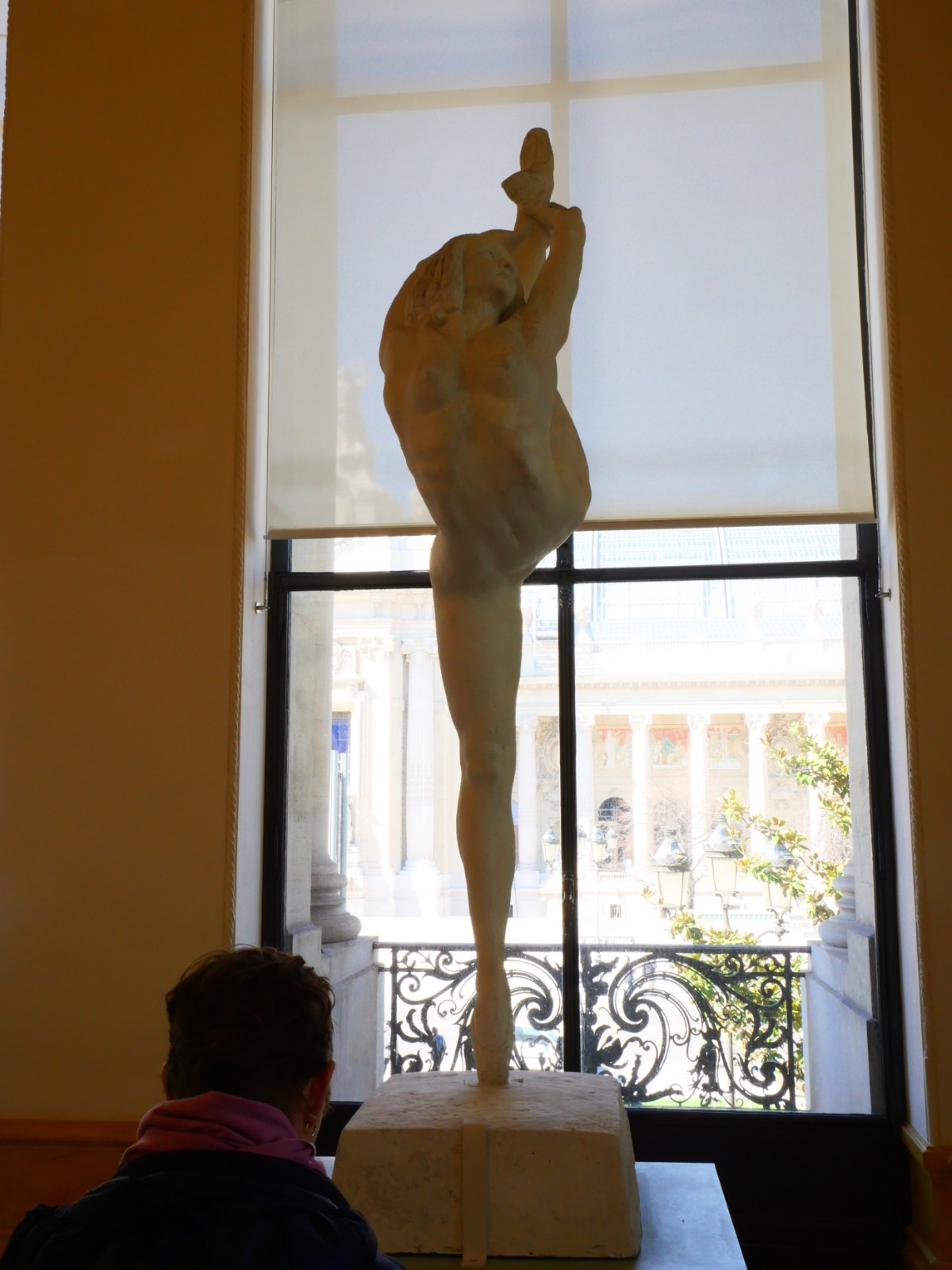
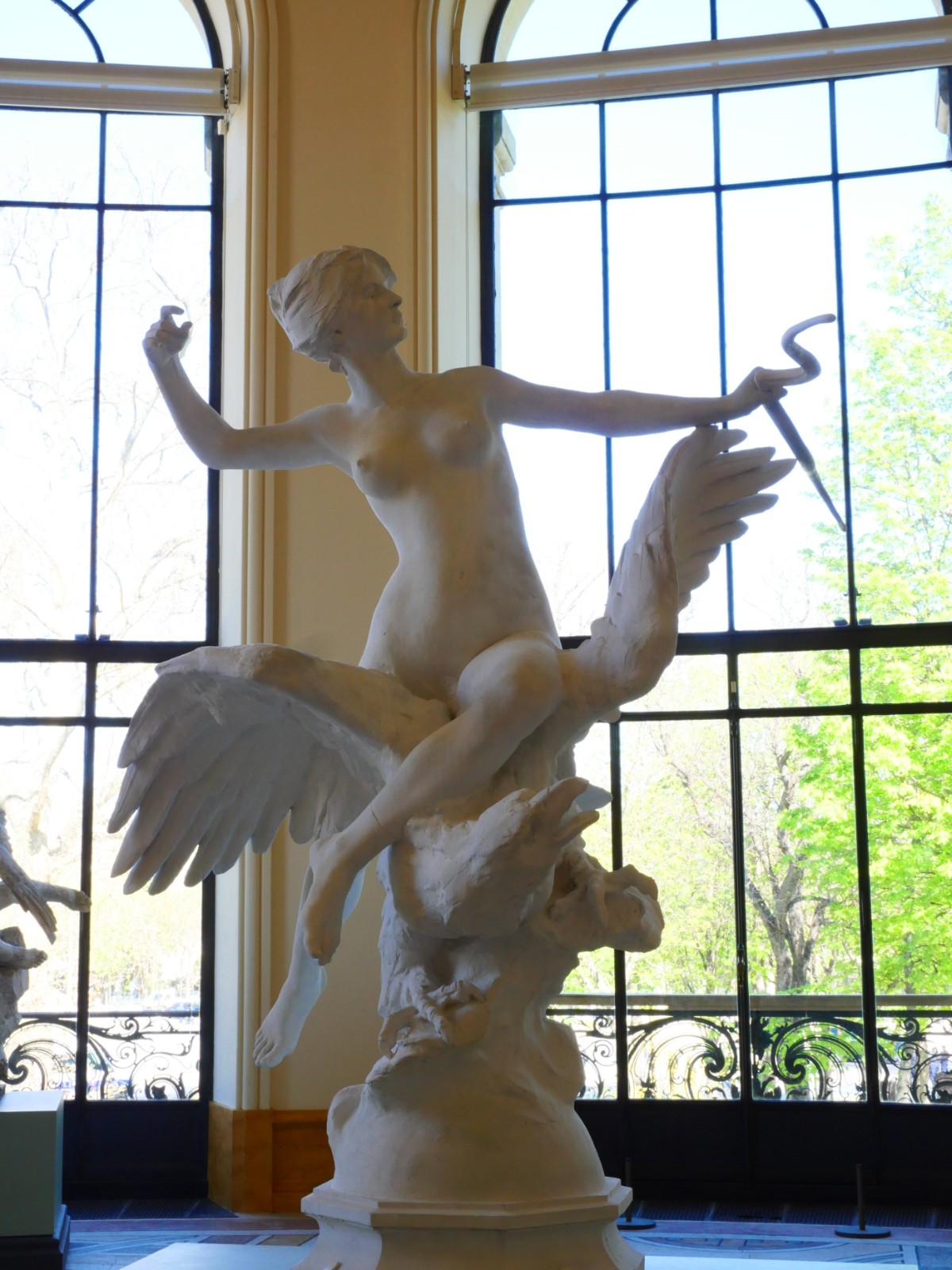

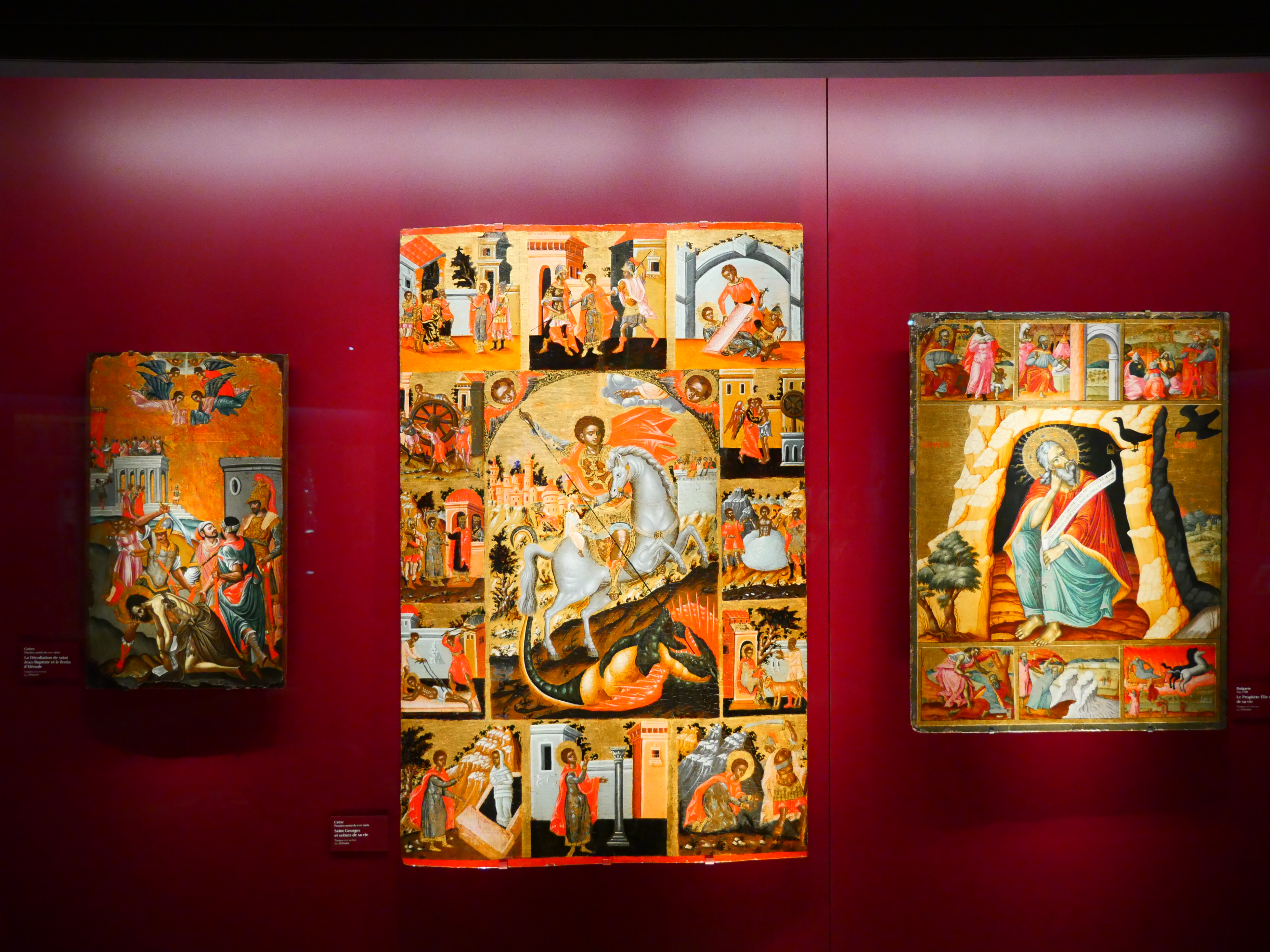
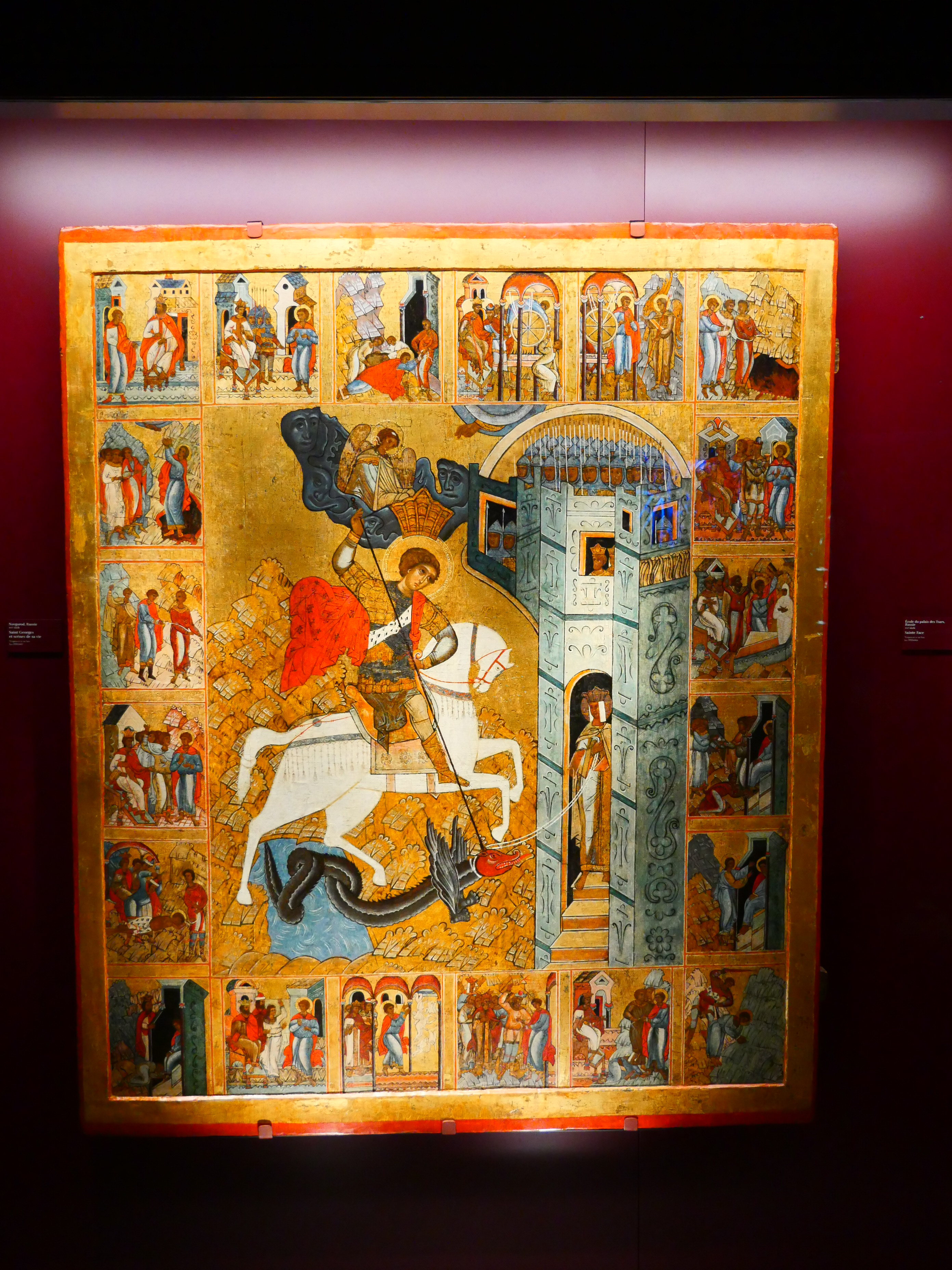
Much of the work in the museum not only represents the history of art in Paris but depicts important people and events from its past. In addition to the permanent exhibition, there was an exhibit of beautiful Russian icons which I think pretty dramatically changed our perception of these as just folk art.

Musee Marmottan Monet
The Musee Marmottan Monet is an amazing museum that very few people seem to be aware of. It is well off the beaten path (perhaps that is why) located in the 16th arrondissement on the eastern edge of Bois de Boulogne (a very large tract of wooded parkland west of the city). The museum is in the Chateau de la Muette, the large but rather unassuming former home of the Marmotte family who accumulated a large collection of Old Master paintings as well as an extensive collection of medieval and renaissance art. (Were it not for the banners, it would be pretty easy to not even know it is there.)
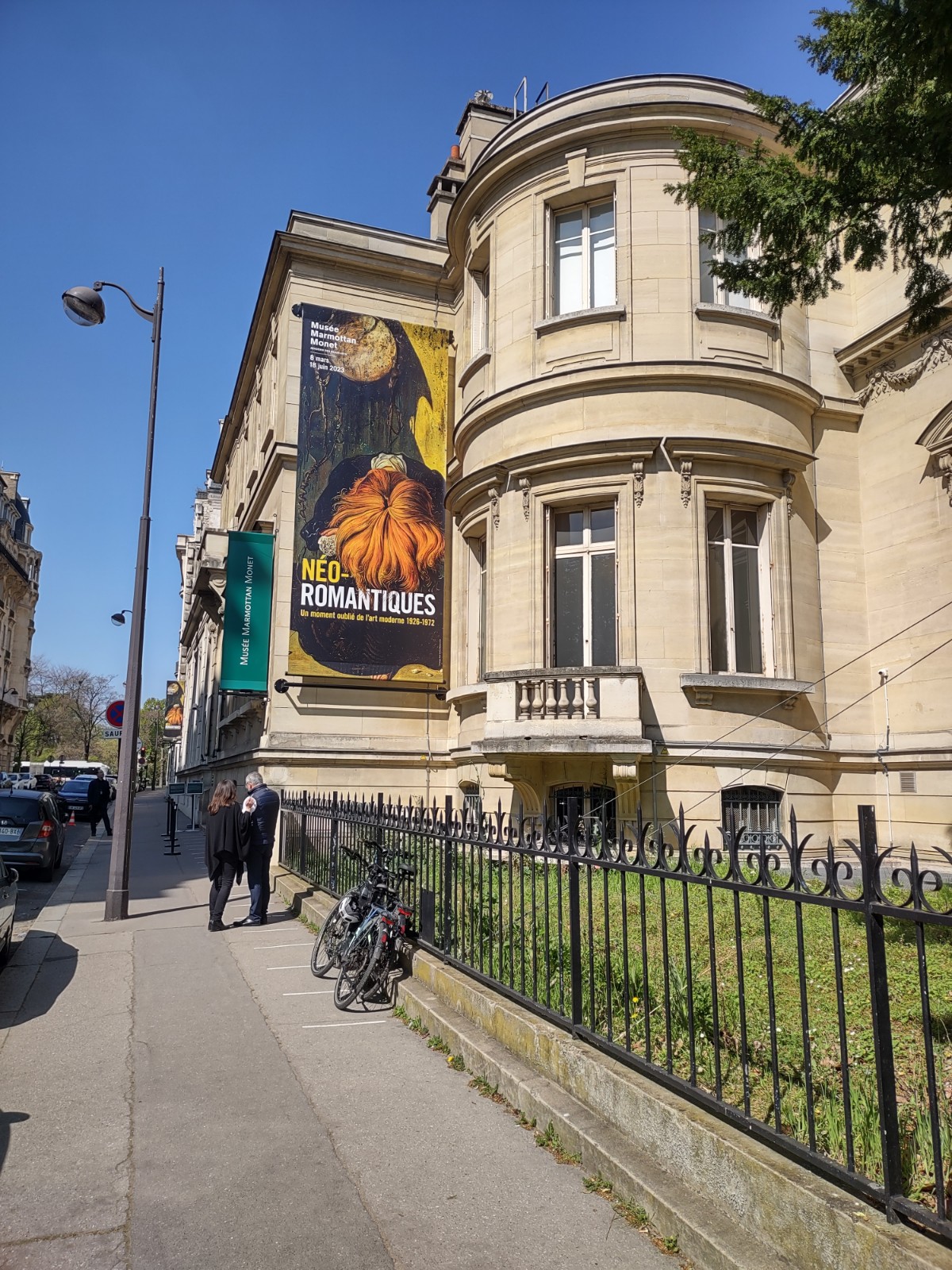
In 1932, Paul Marmotte, the surviving heir of the family bequeathed the mansion and its collection to the Académie des Beaux-Arts who opened the museum to the public. In 1966, Michel Monet, the son of Claude Monet, donated a large collection of impressionist paintings to the museum including many works by his father. (The decision to donate the collection to a private foundation rather than the city was apparently a very controversial and politically charged one, reportedly prompted by what Michel Monet considered to be the City’s mishandling of his father’s Waterlilies work, now on display at l’Orangerie – see below).
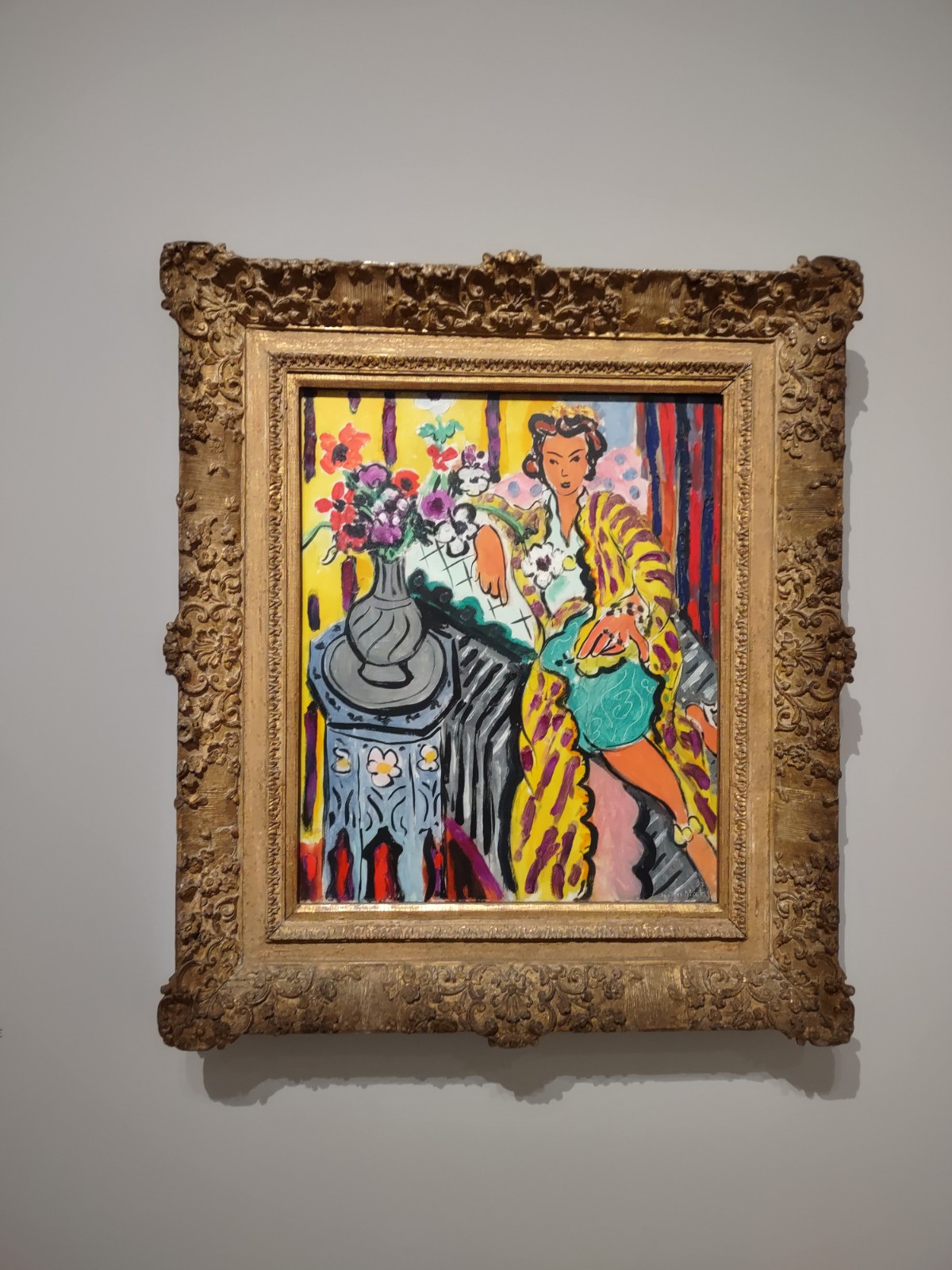
Today the Musee Marmottan Monet has over 300 impressionist and post-impressionist paintings in its collection including over 100 by Claude Monet – the largest collection of his work in the world. While our tastes vary in many ways, we share a love of impressionist painting and Monet’s work in particular, so we were both pretty excited to visit Musee Marmottan.
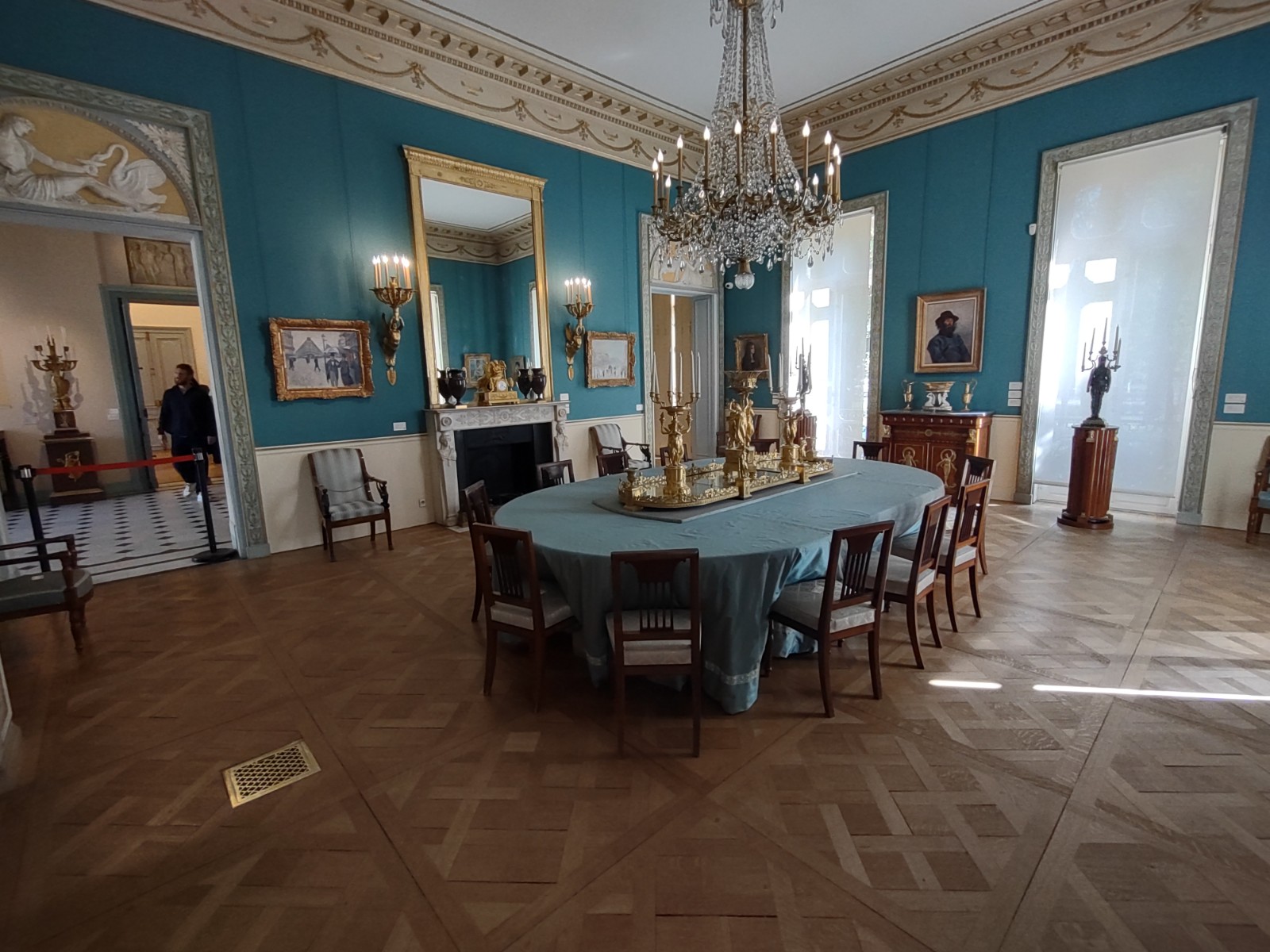
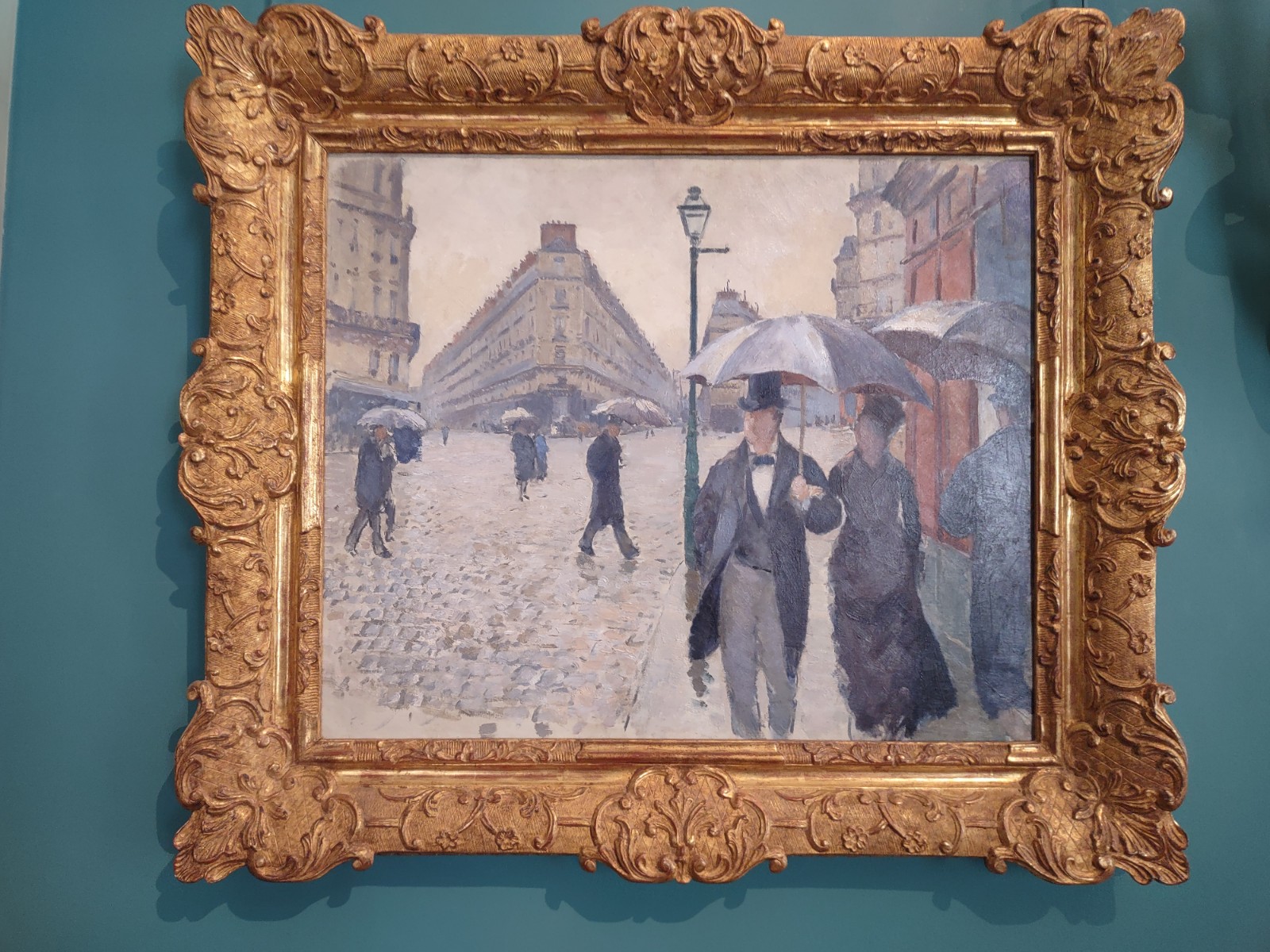


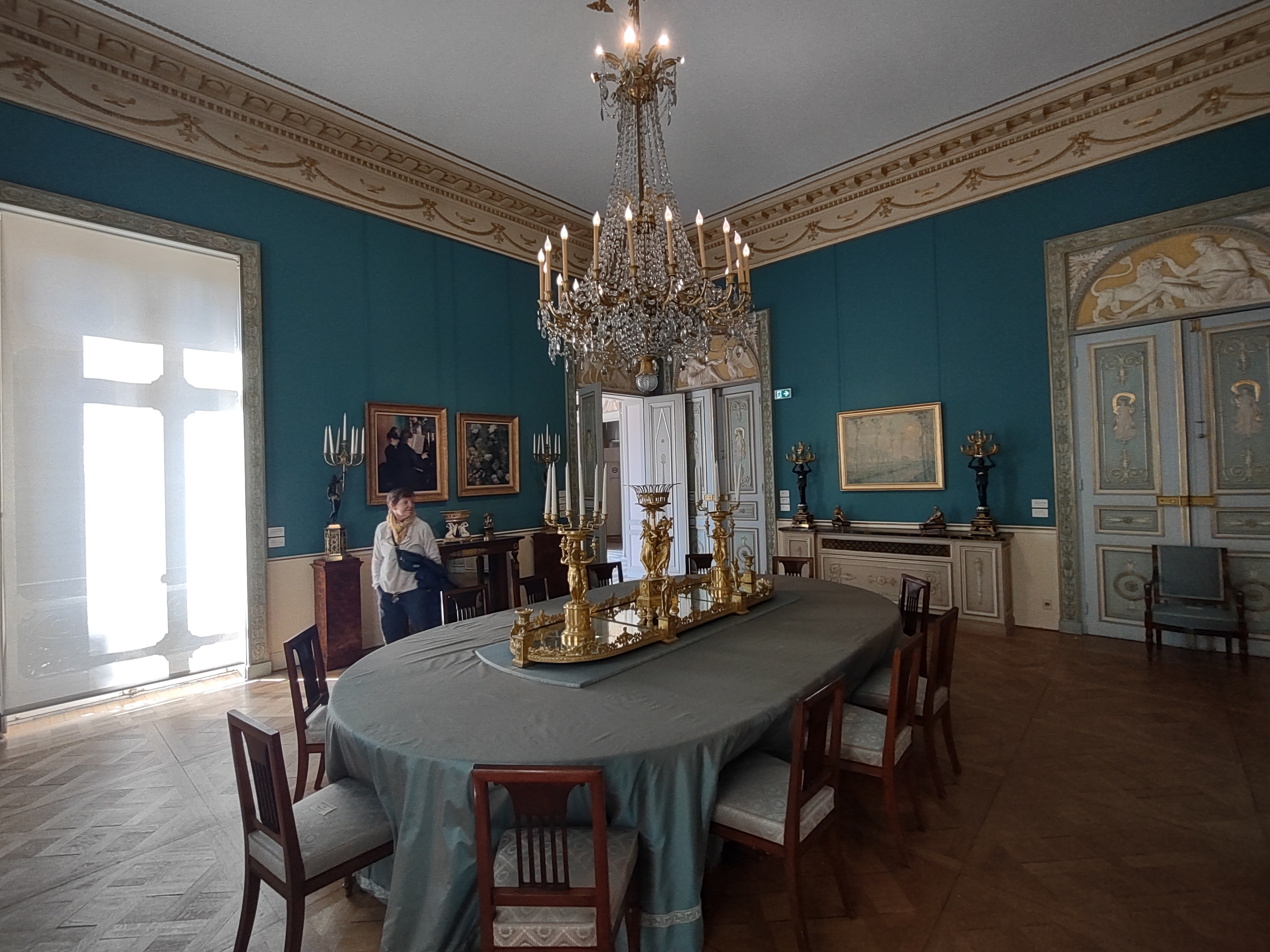
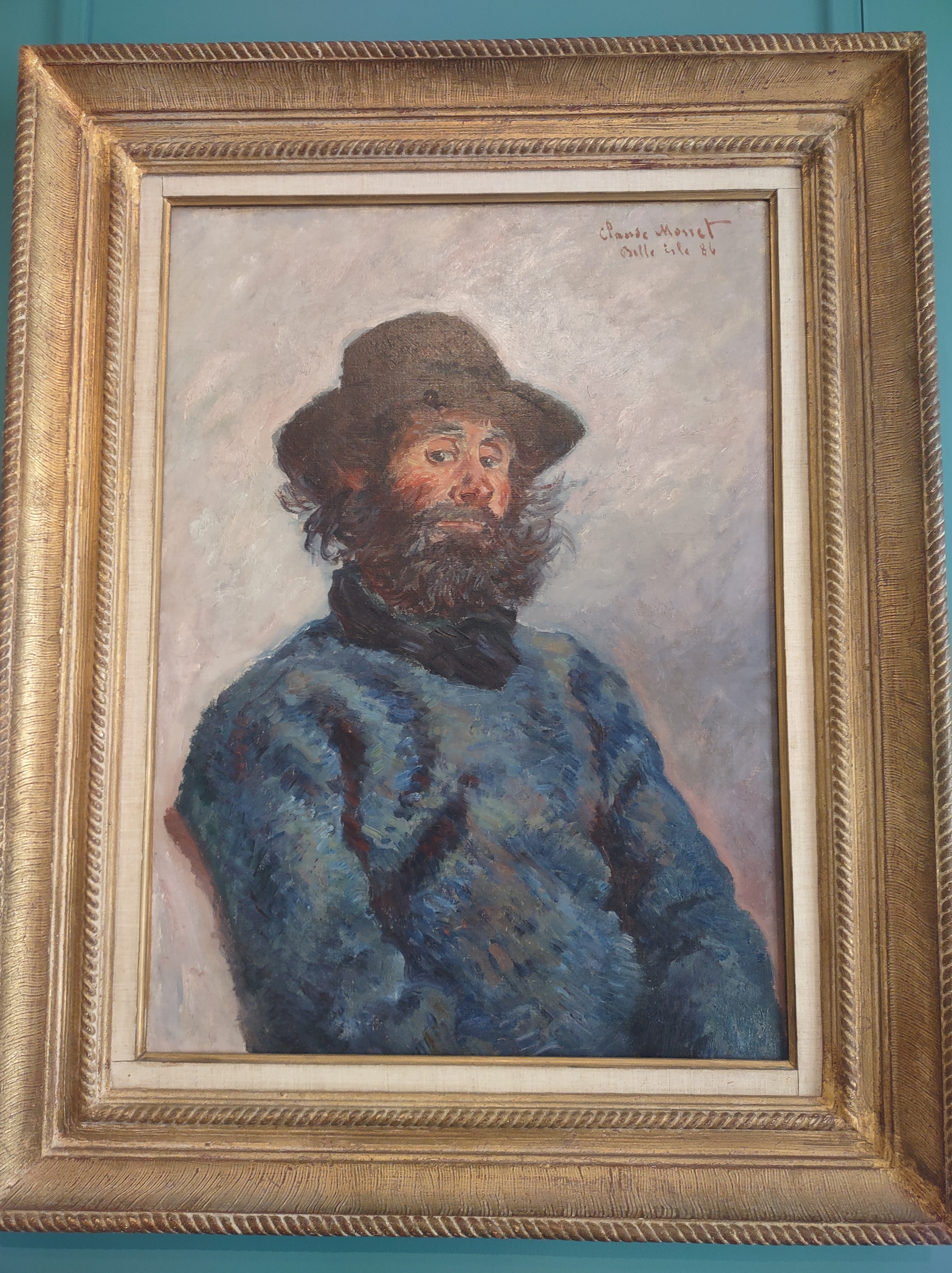
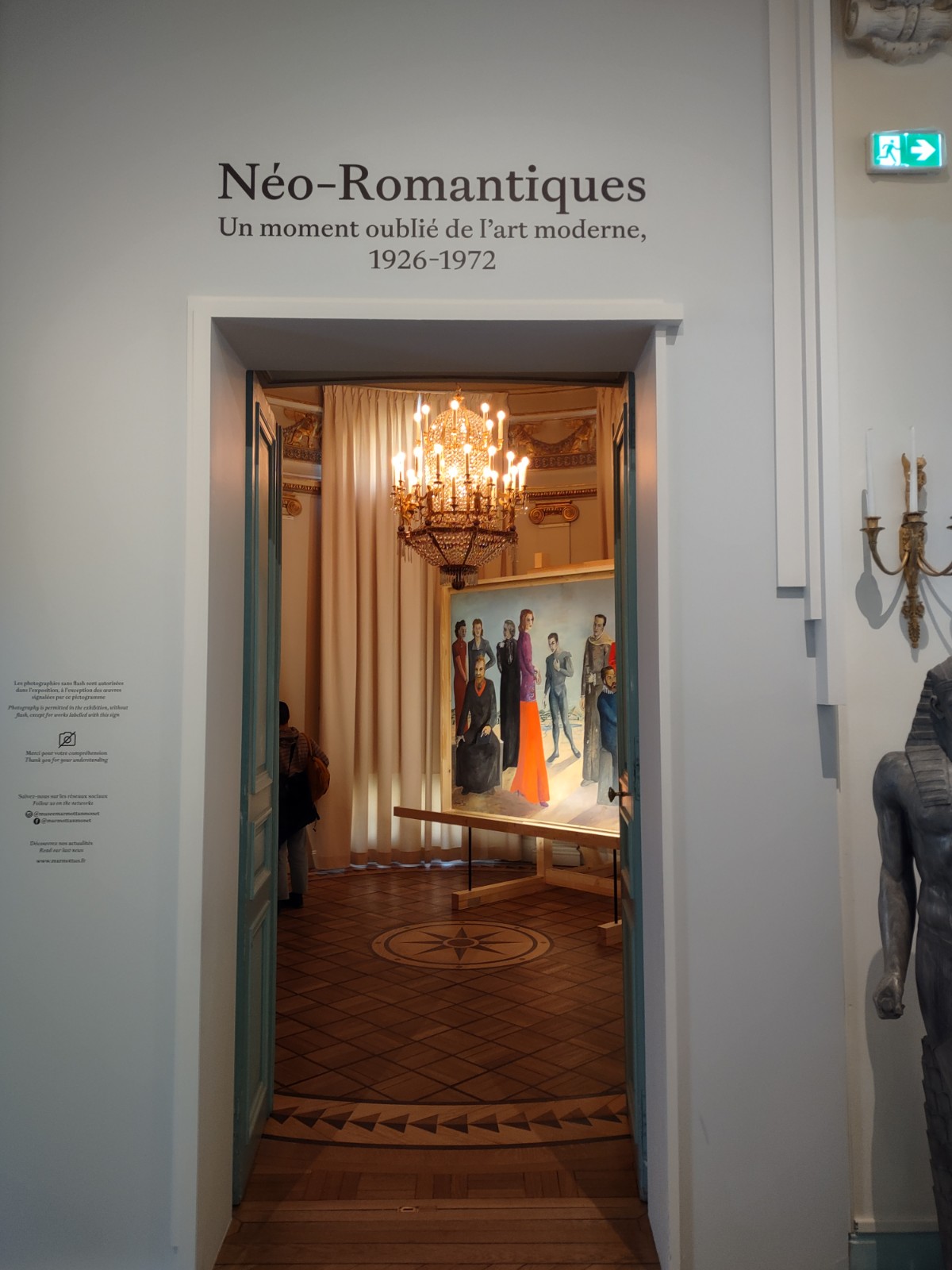
We wandered the upper two floors of the mansion viewing the earlier works in the collection along with a few impressionist paintings including several Monets in the dining room (which is available to rent for events). There was also a great exhibition of work by Berthe Morisot, the first woman impressionist, and a temporary exhibit of Neo-Romantics, a movement with which neither of us were familiar and enjoyed learning about. Some of the works in this exhibition had a particularly interesting architectural theme to them.
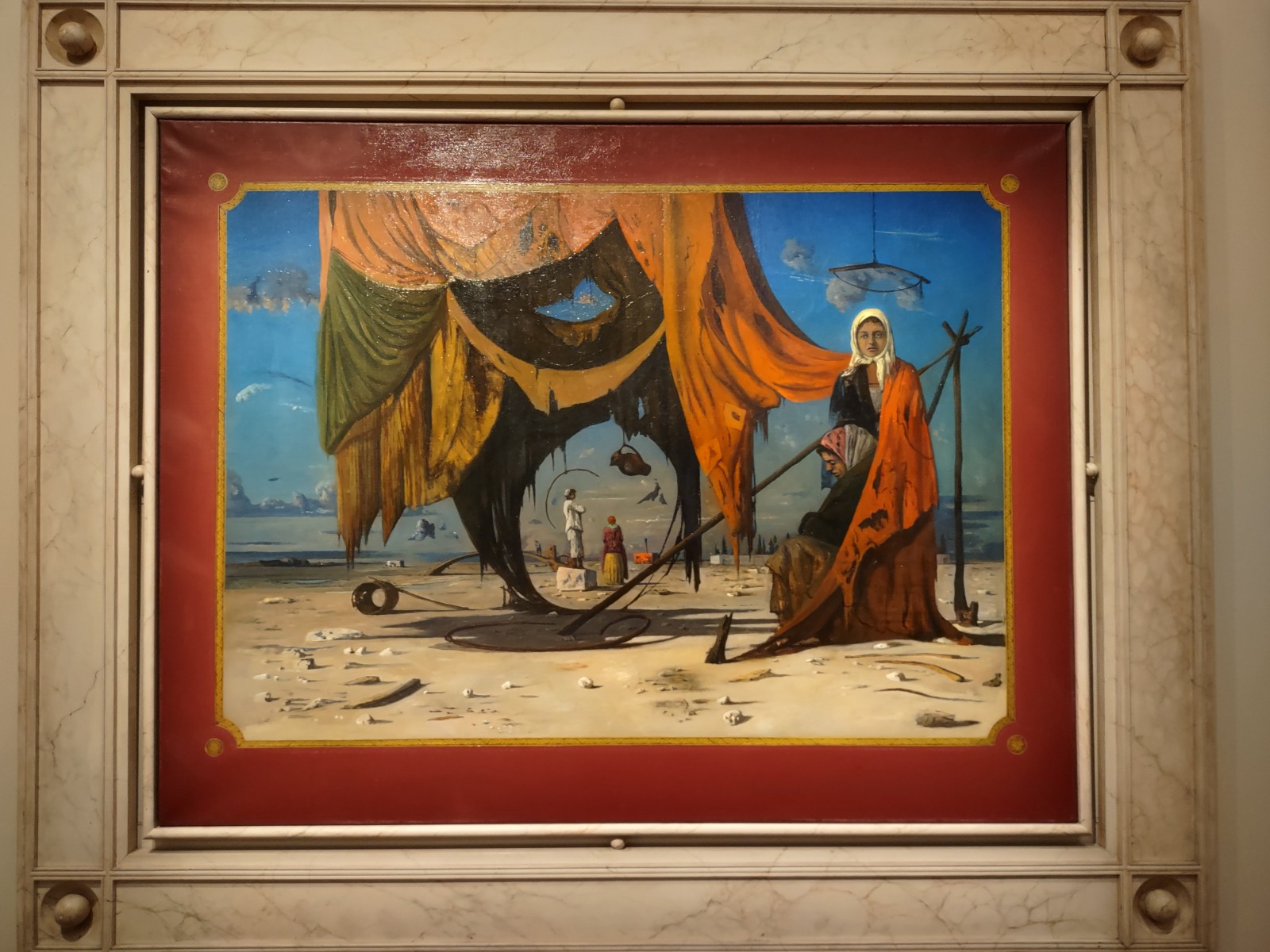
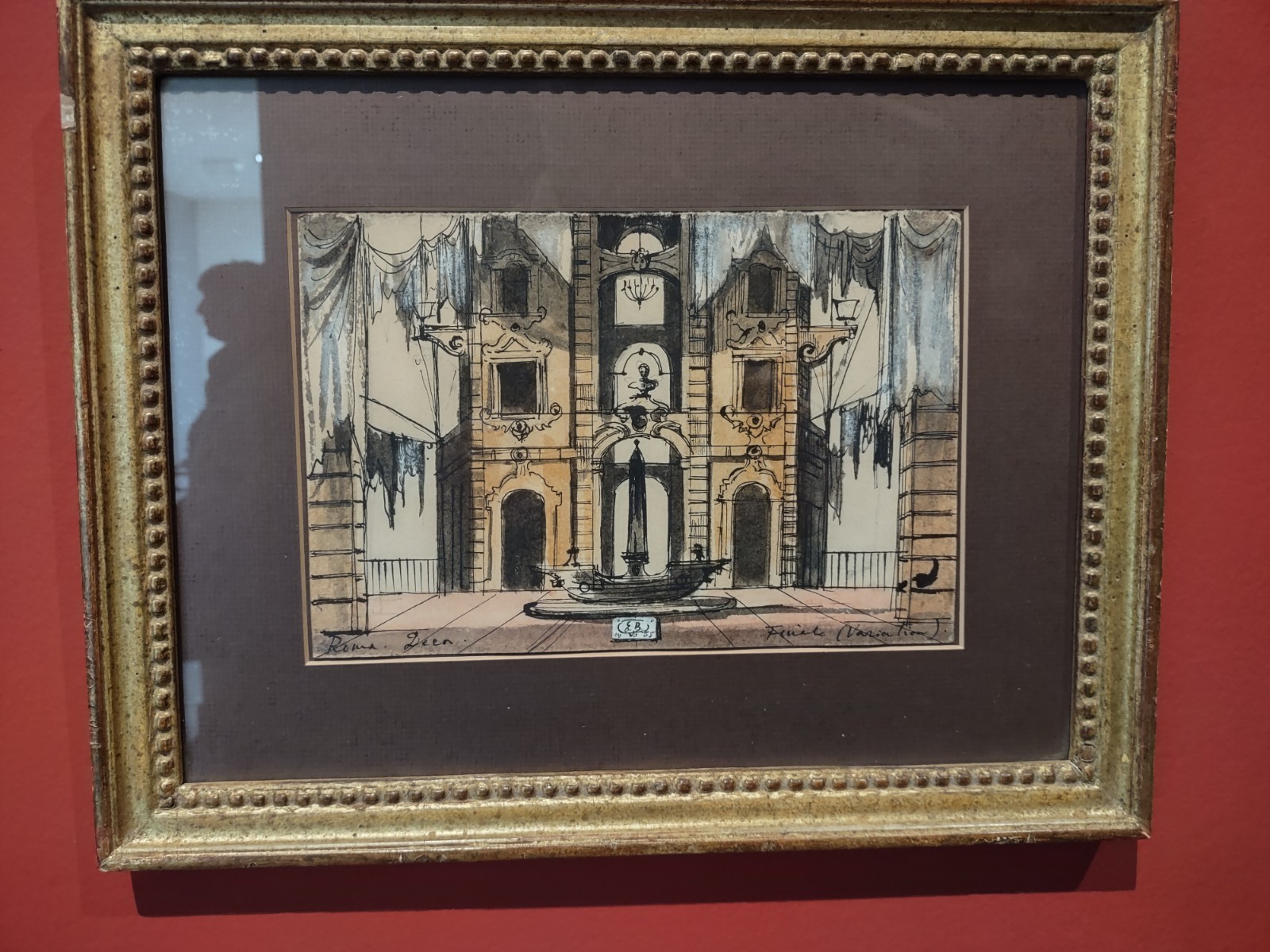

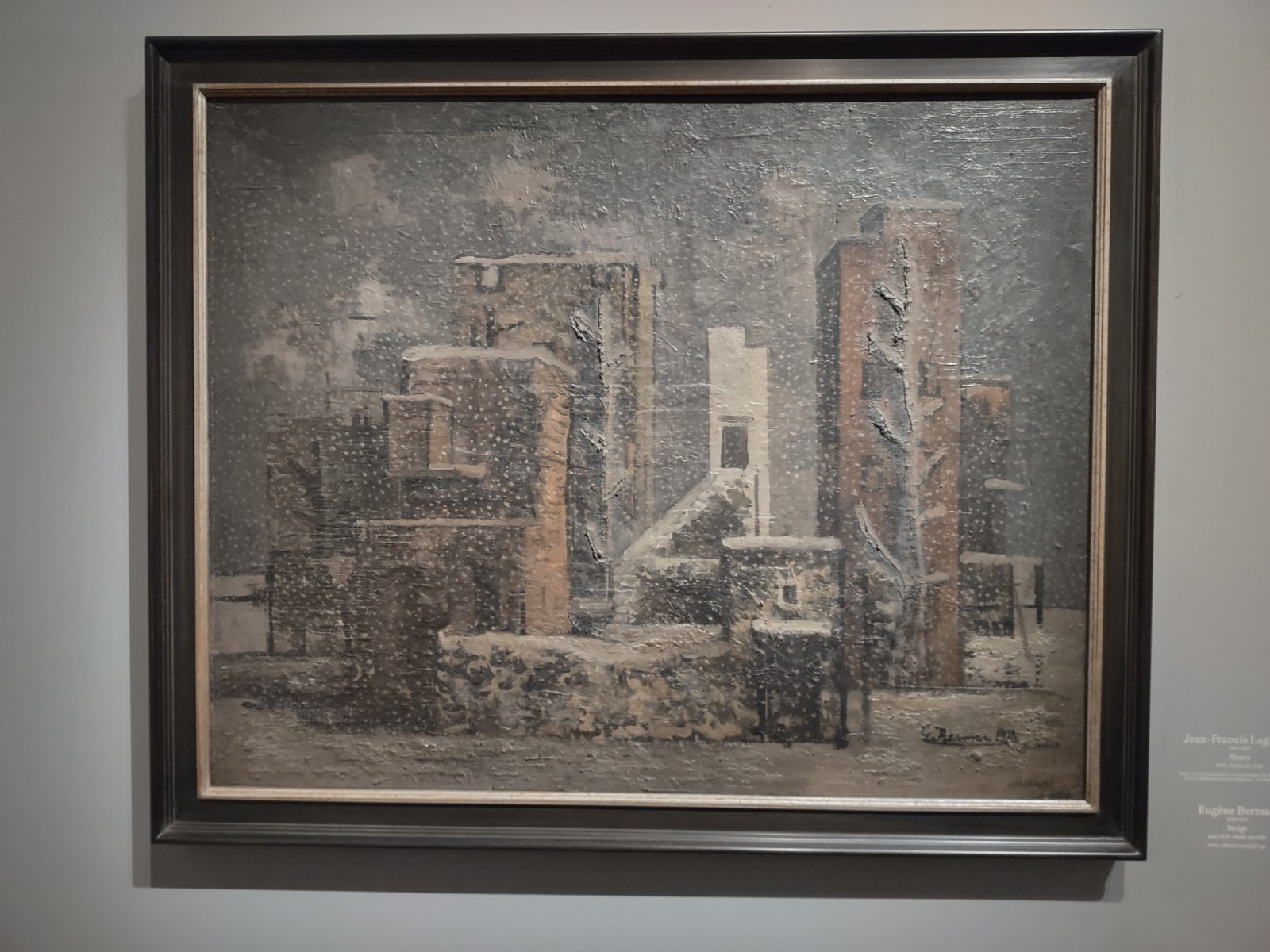
About this time, we were beginning to wonder if we were in the right place (where’s the beef?) when we discovered the stairs to the basement, and oh what a basement it is! Beyond the entrance stair, there was a temporary exhibit by contemporary Swiss painter Marc-Antoine Fehr placing 2 of Monet’s paintings in designed contexts intended to lend them new interpretations.
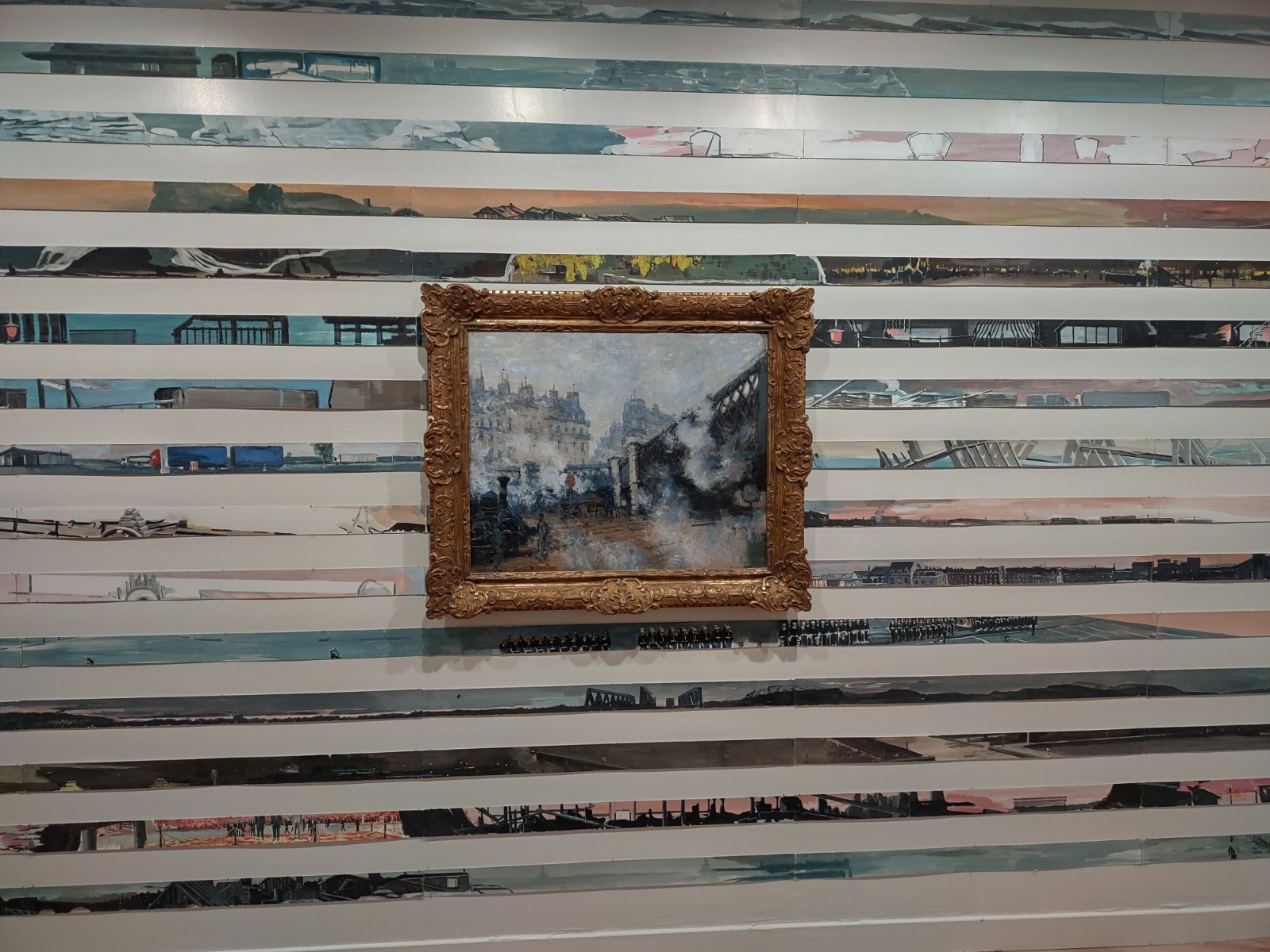
This was interesting to be sure, and, in retrospect, it seems it may have been a purposeful effort to prepare you for what lay beyond: three large interlinked galleries with nothing but paintings by Claude Monet.
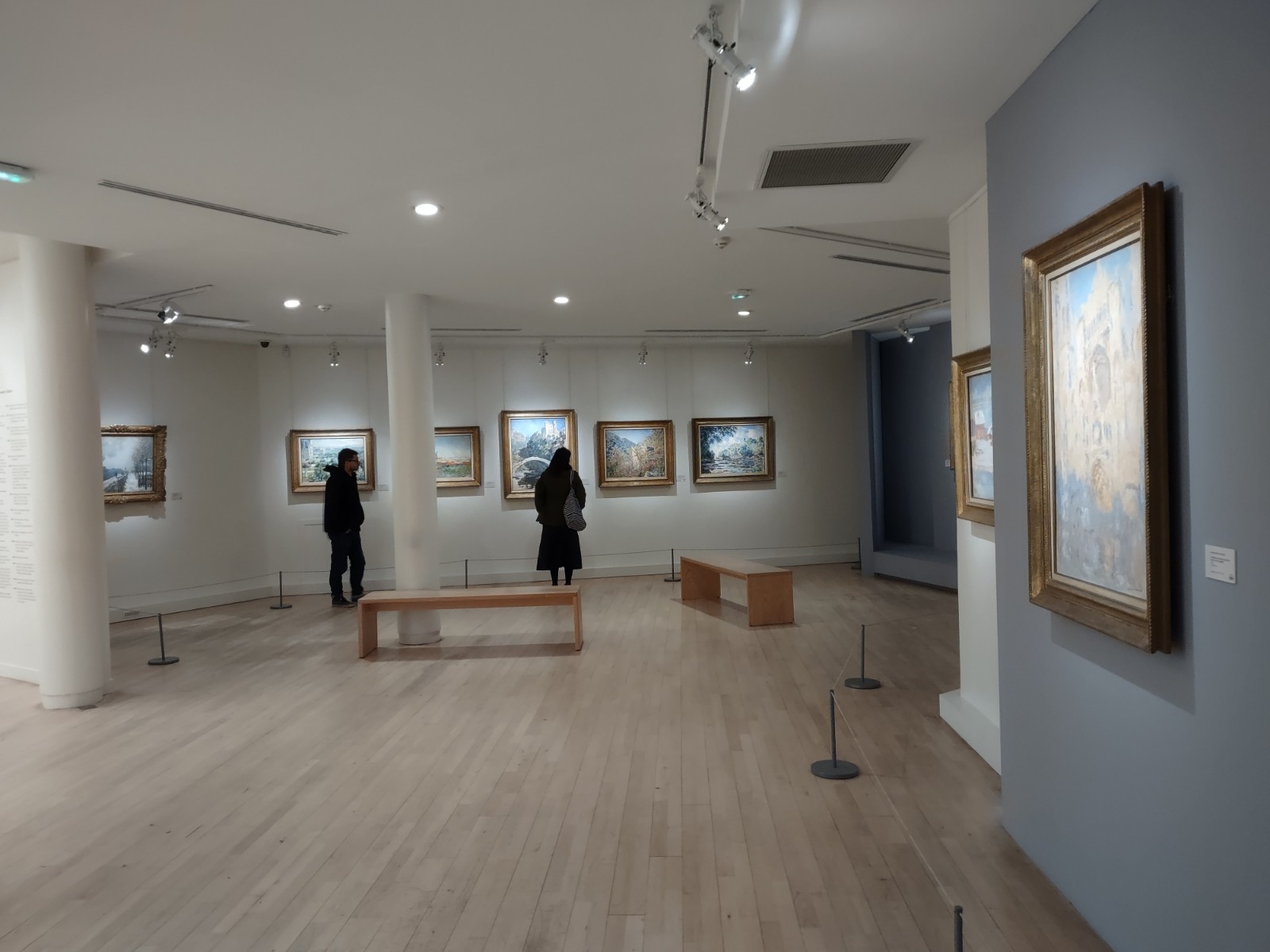
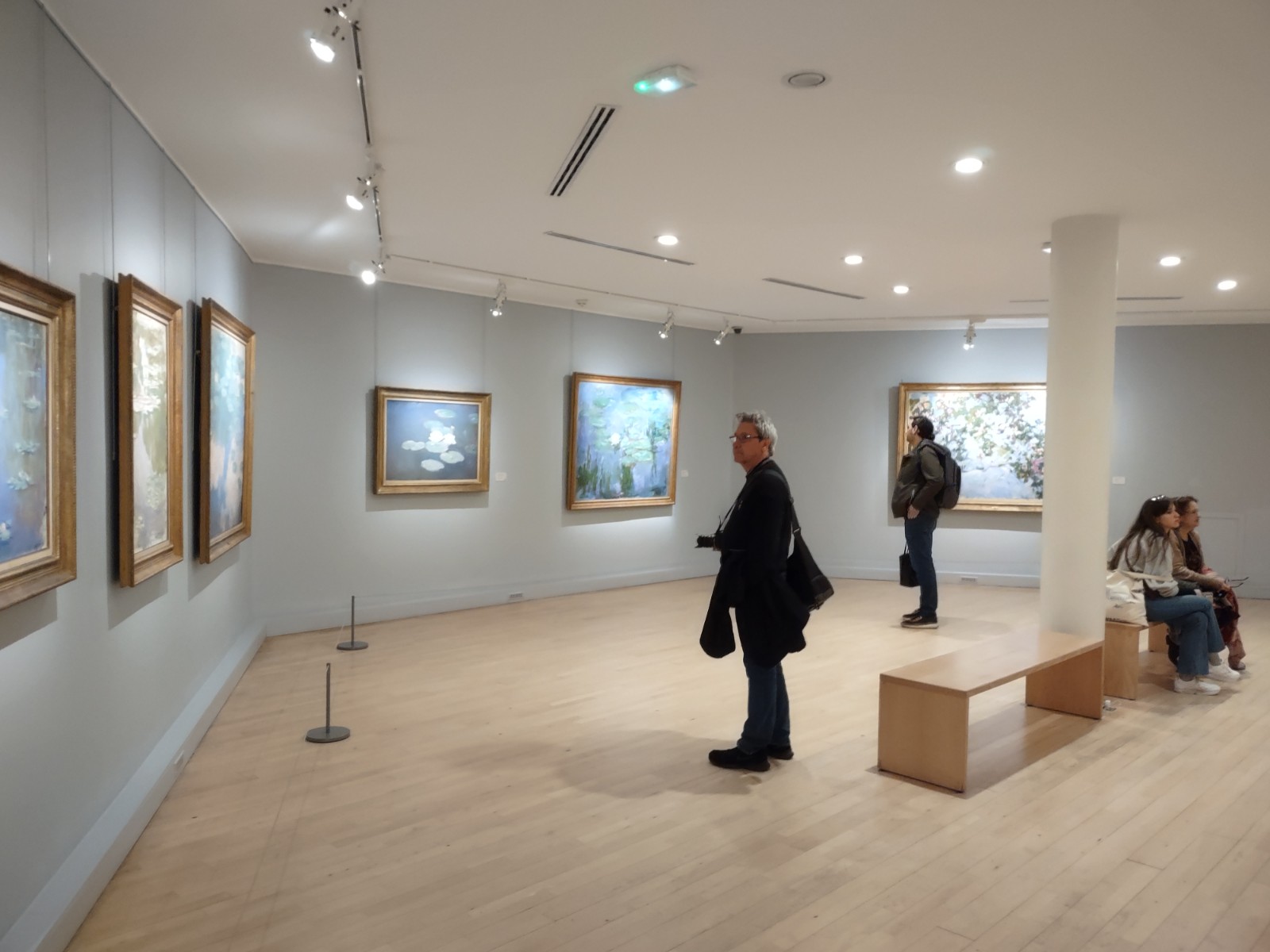
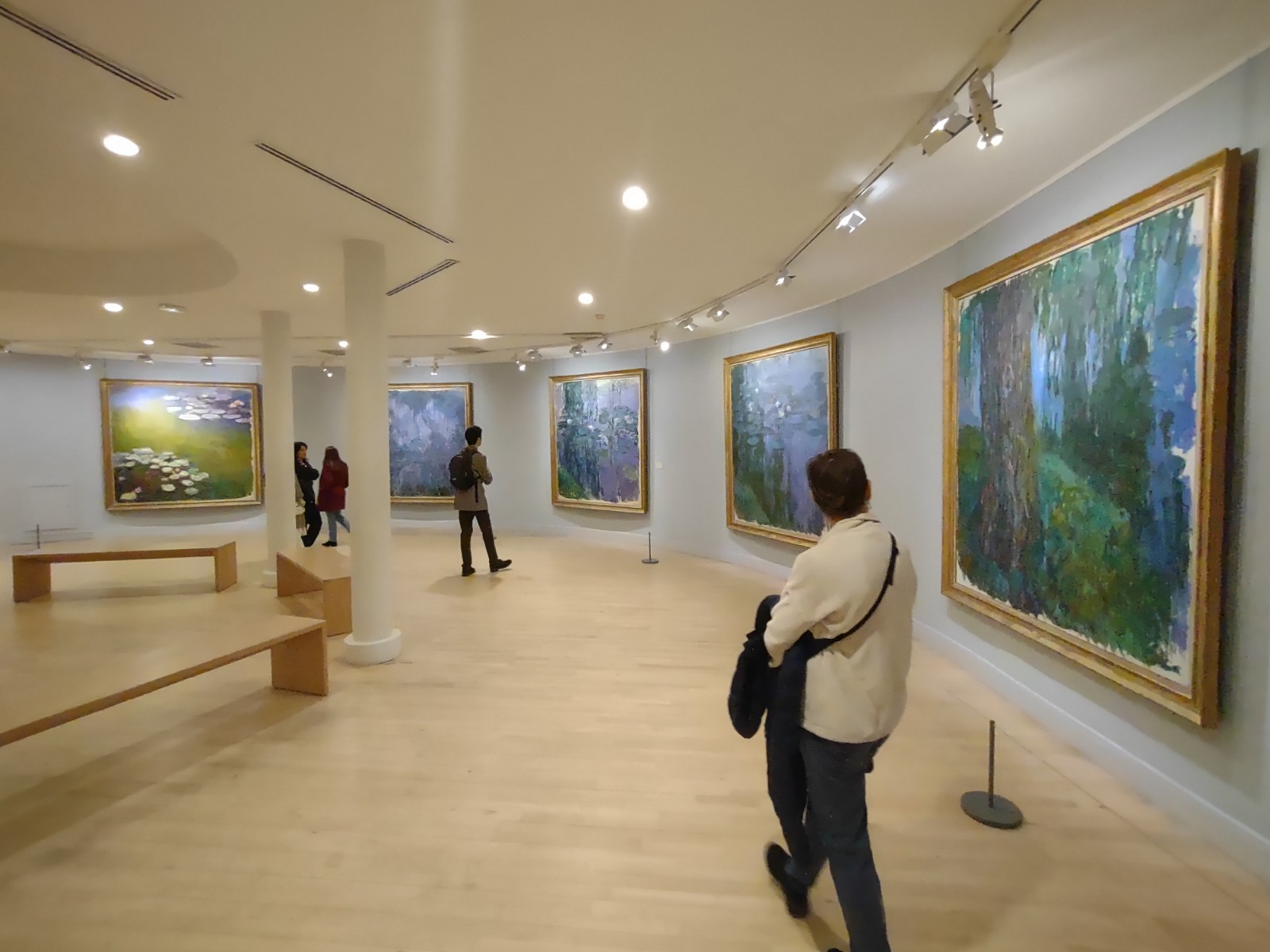
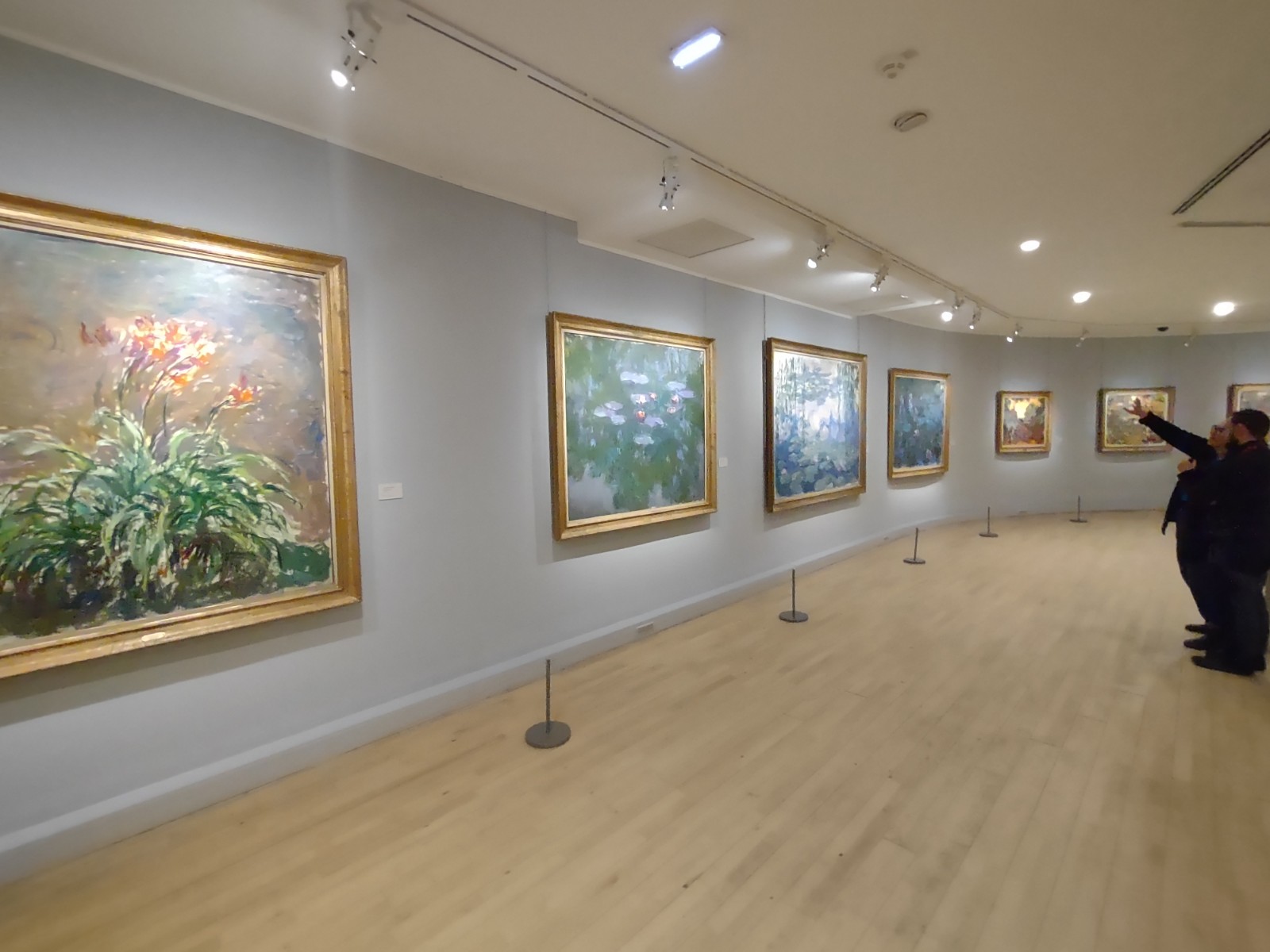
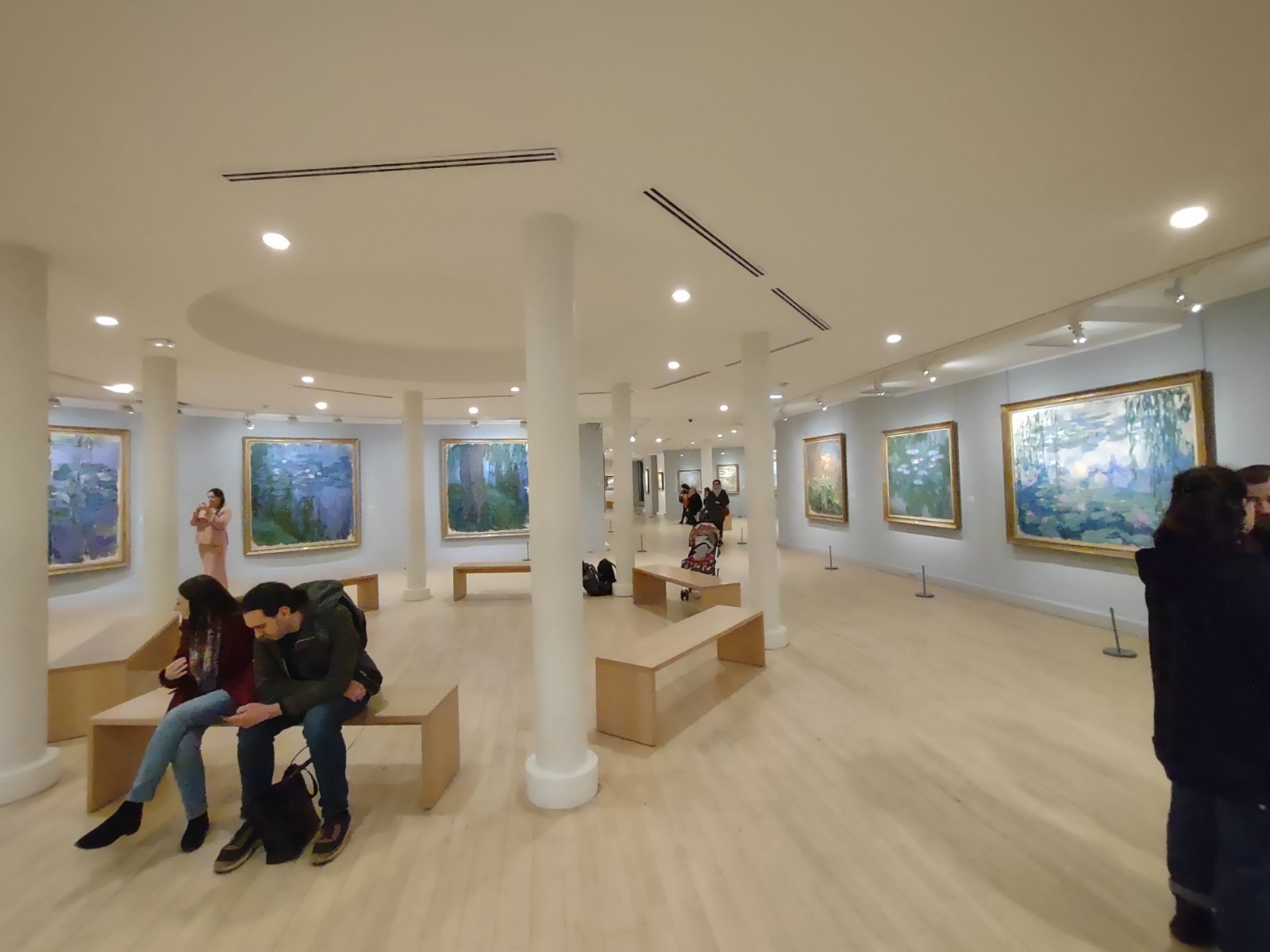
Again likely purposeful, there seemed to be a build-up from smaller more subdued works culminating in a large oval gallery with some really large paintings, mostly water lilies, in bold striking colors. It was also amazing to us how few people there were in the museum, despite it being a Saturday, and it allowed us to feel like we could take our time and give each painting its due.
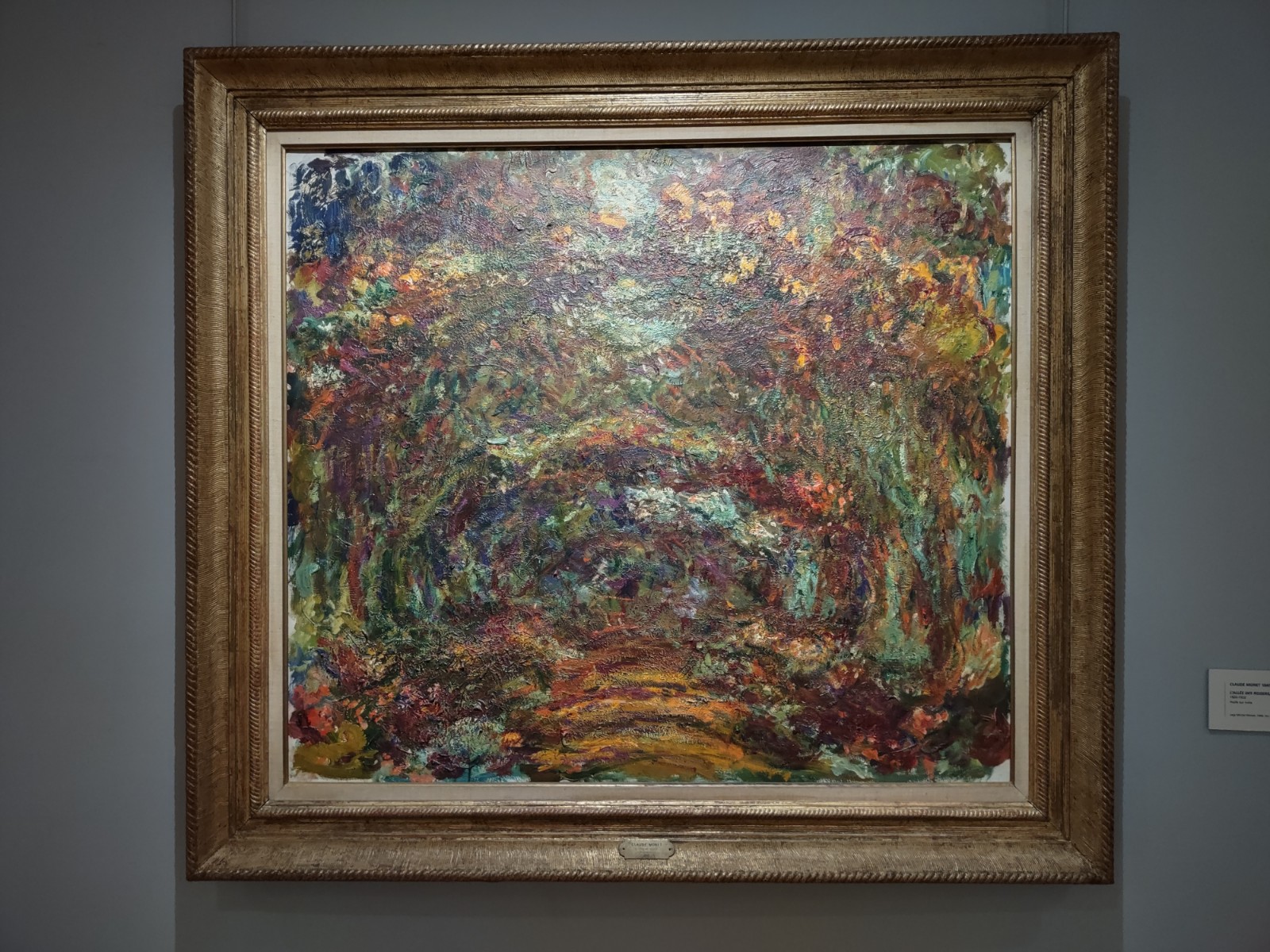
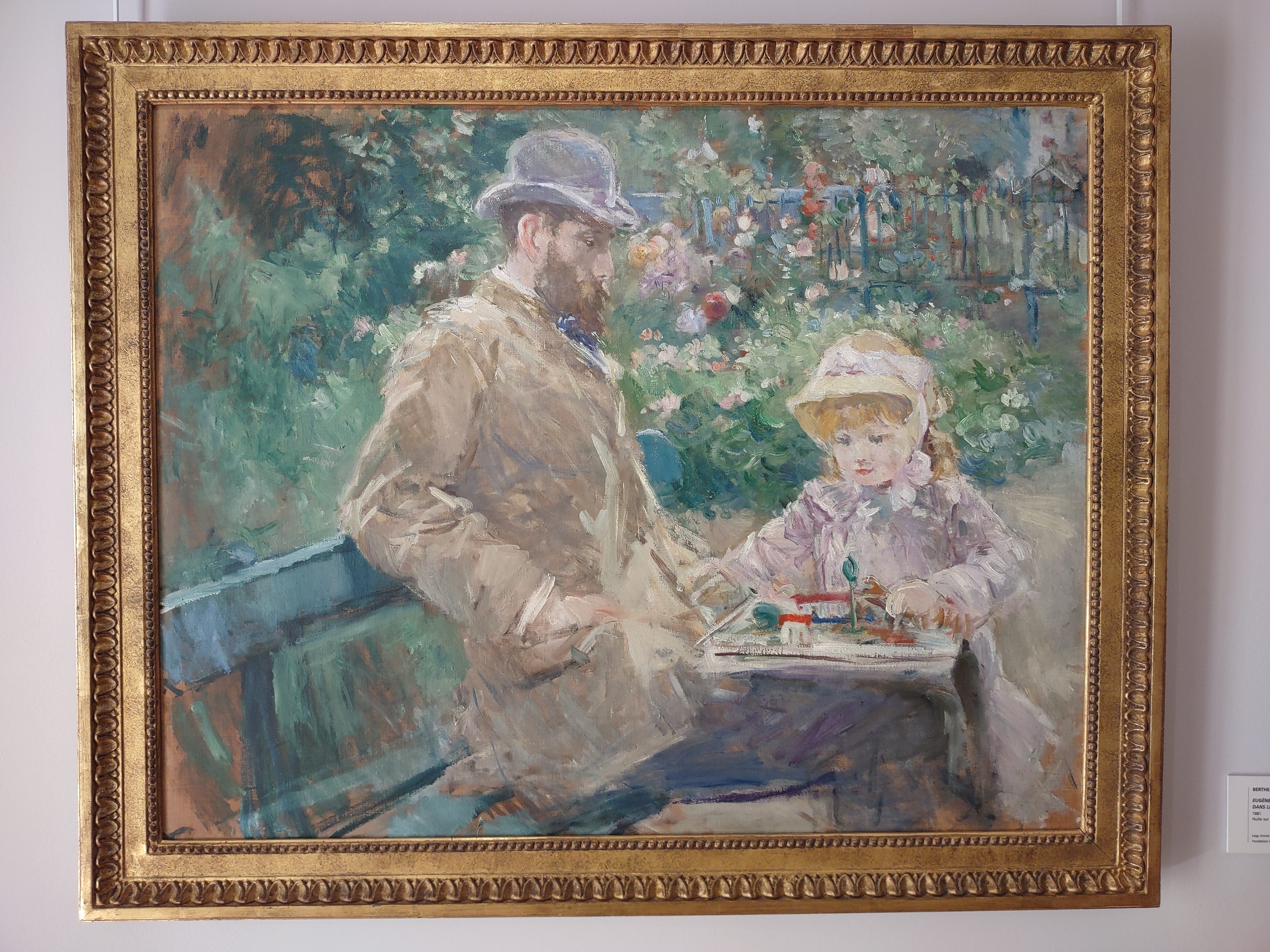
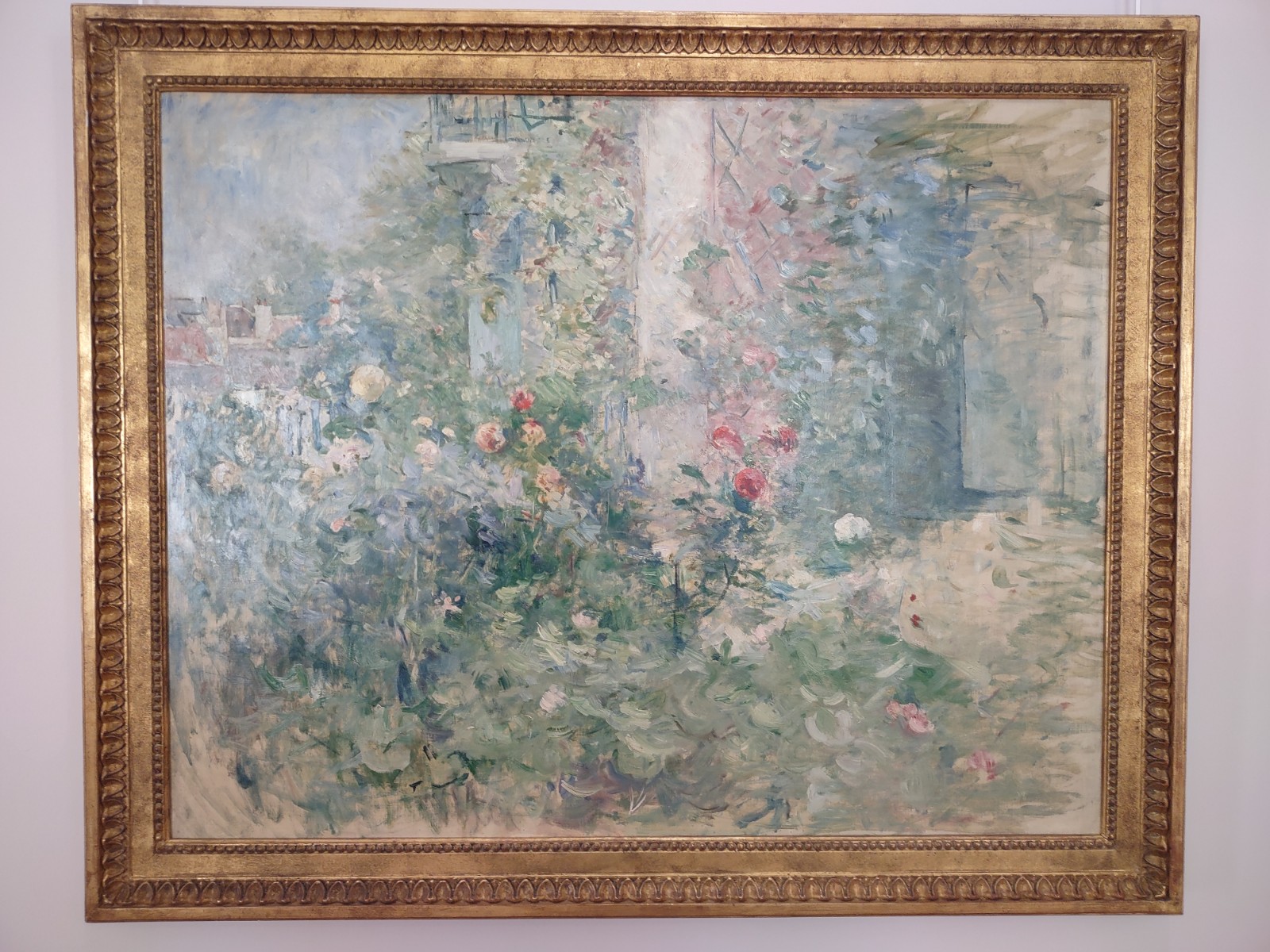
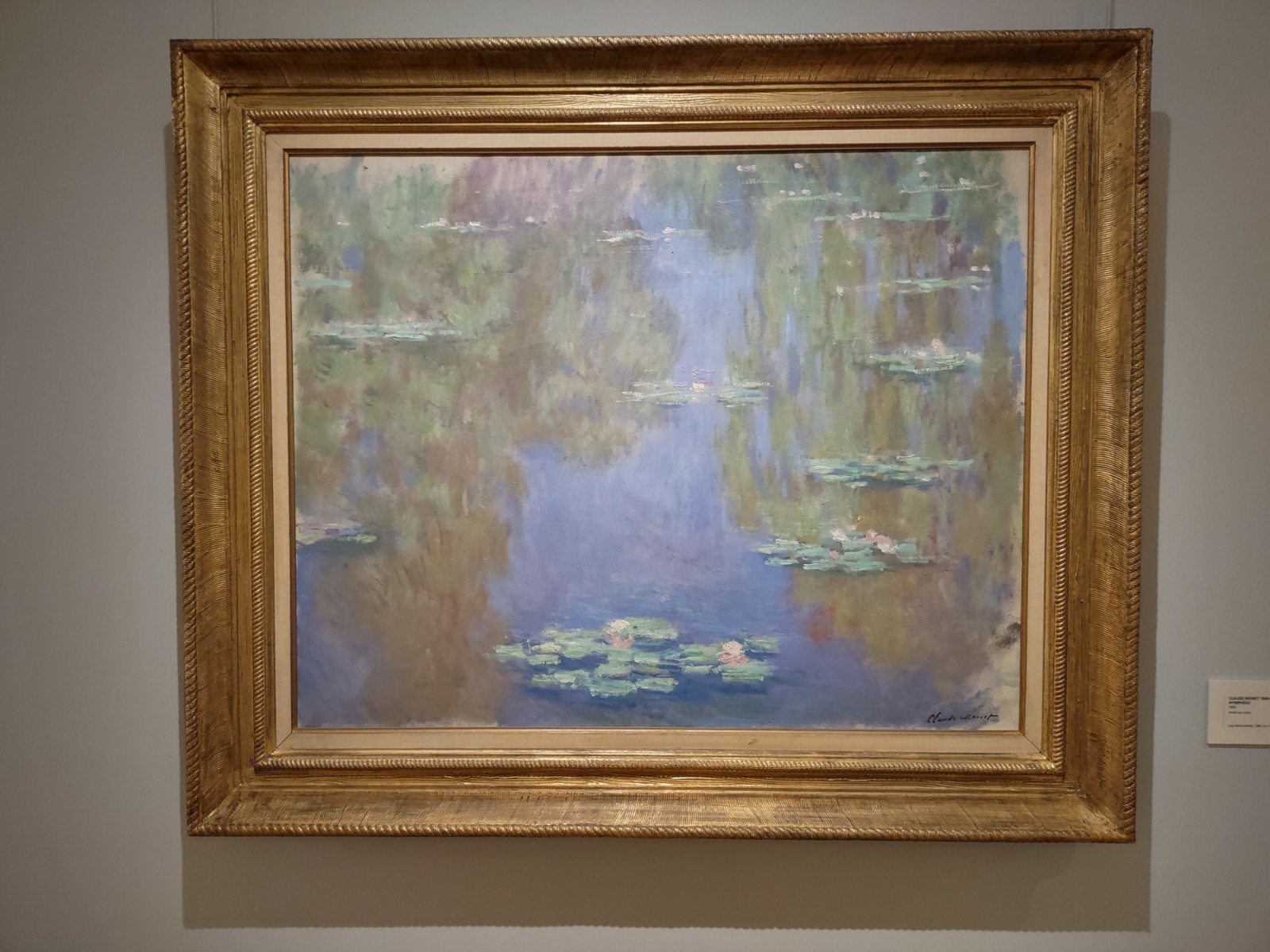
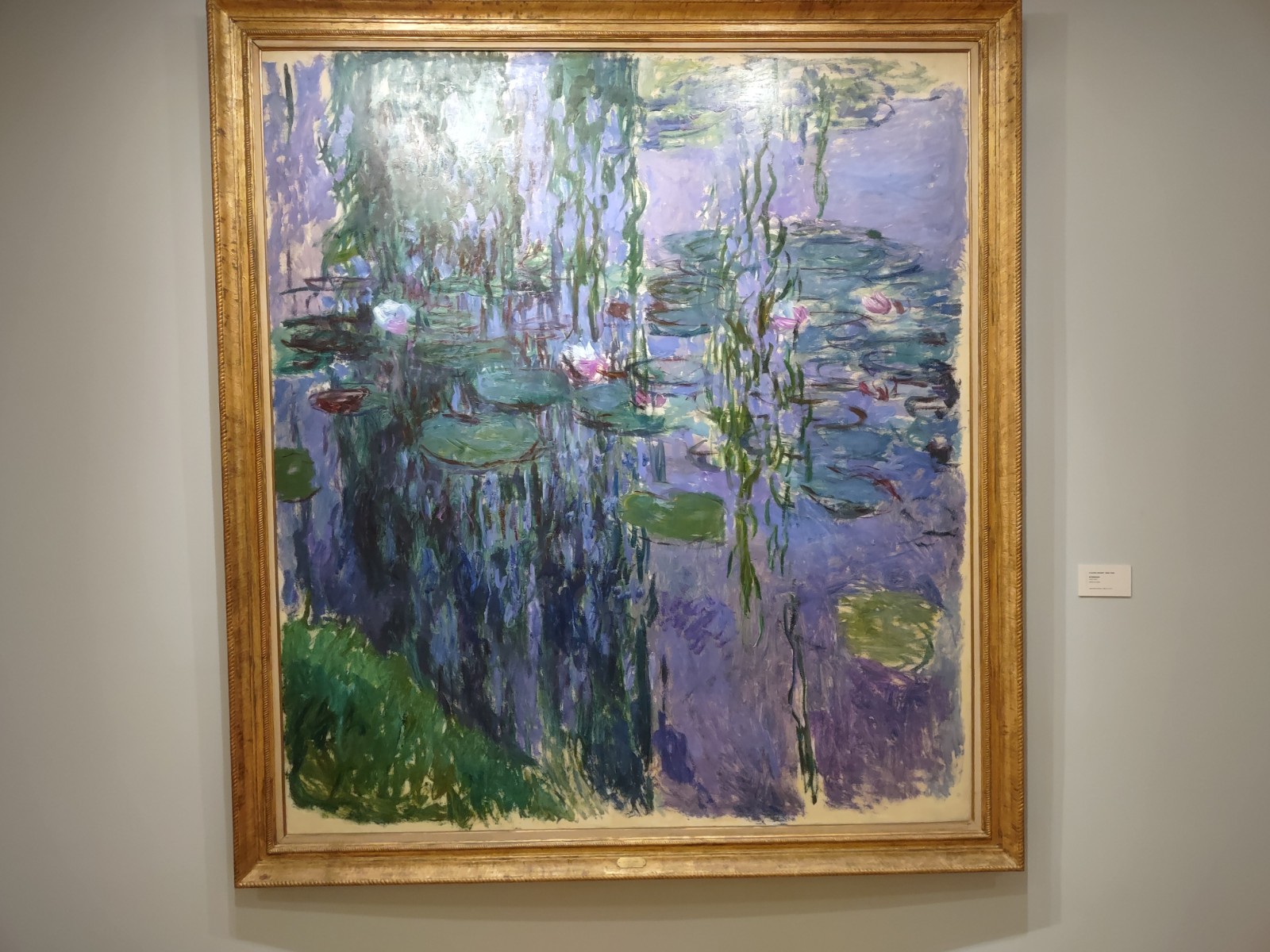
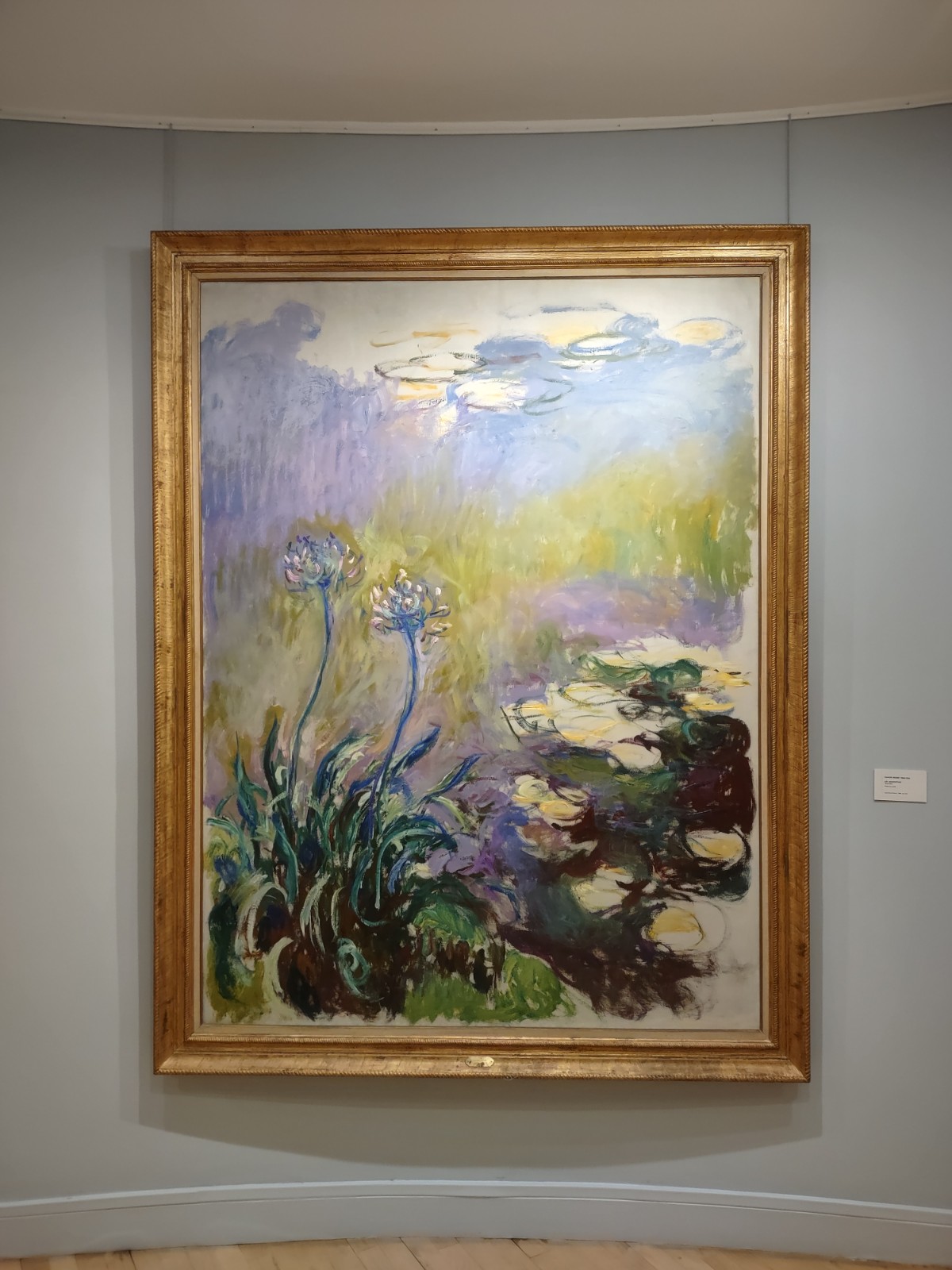
It’s a little hard to describe what the effect of this was but let’s say that it was overwhelming in an immensely satisfying way. Kind of like eating just a little bit too much of your favorite desert and so, feeling a bit full but pretty good all the same. This was definitely our favorite of any of the museums we visited while in Paris!
Louis Vuitton Foundation
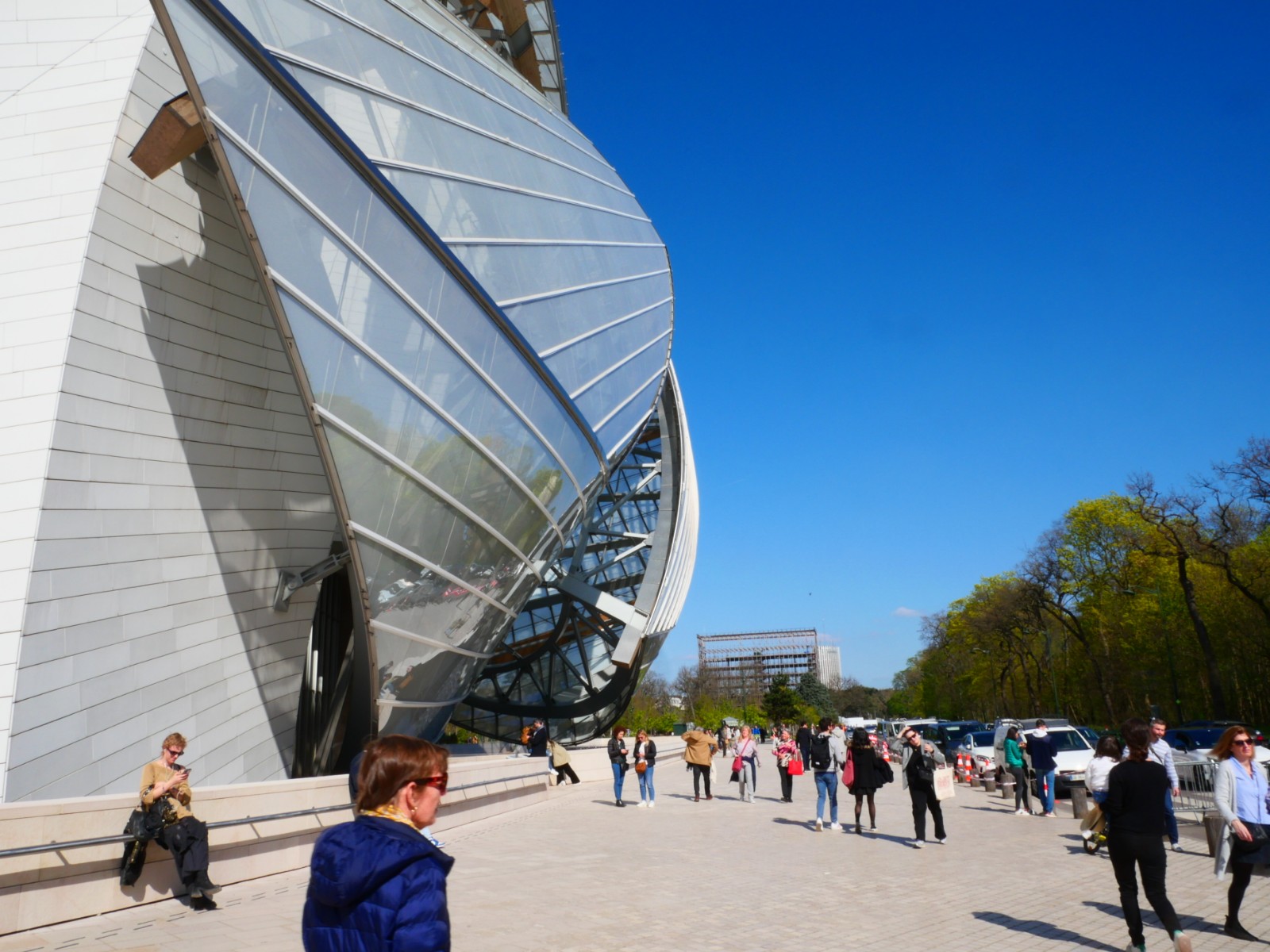
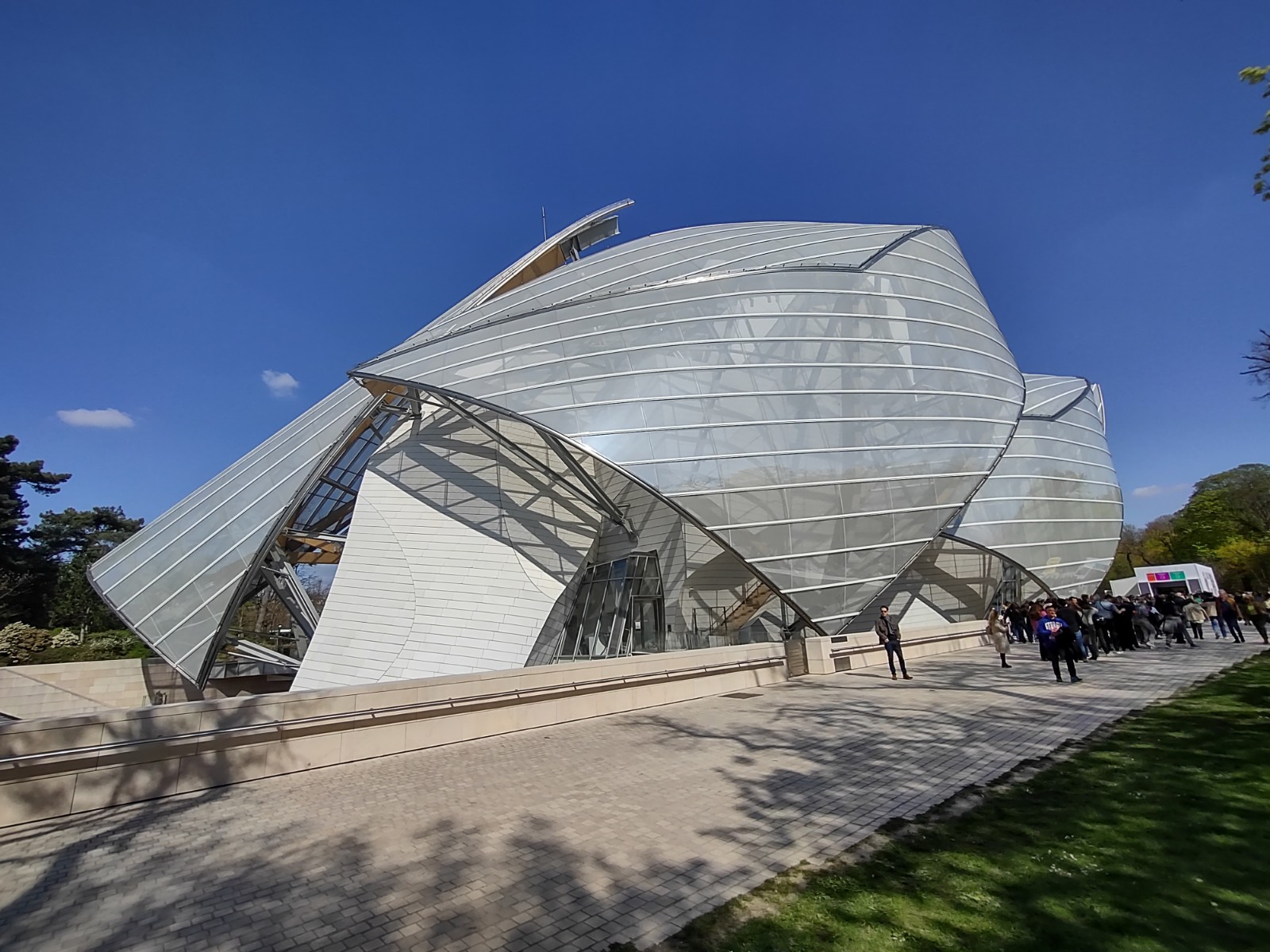
Although it is considered a museum, we visited the Louis Vuitton Foundation primarily for its architecture. Designed by Ritchard’s second favorite American architect Frank Gehry (Jirair Youssefian, of course, being the first), it was completed in 2014 (although design work began much earlier in 2006). It is located in the northwest corner of the Bois de Boulogne in the 16th arrondissement and we visited it after trekking for about 2 miles through the park following our visit to Musee Marmotten Monet in the morning.
Perhaps being preoccupied with the Architecture (with a capital “A”) thing, we didn’t pay enough attention to the Museum thing. Even when we saw banners and posters around town regarding a special Andy Warhol versus Jean-Michel Basquiat art shootout exhibition, it didn’t occur to us to buy tickets in advance. We were probably unconsciously relying on the museum’s fairly distant “off the beaten path” location 10 miles from the center of Paris. Despite it being a Saturday, the Mussee Marmotten Monet had hardly seemed crowded in the morning (but who knows what “crowded” looks like at a place you’ve never visited before).


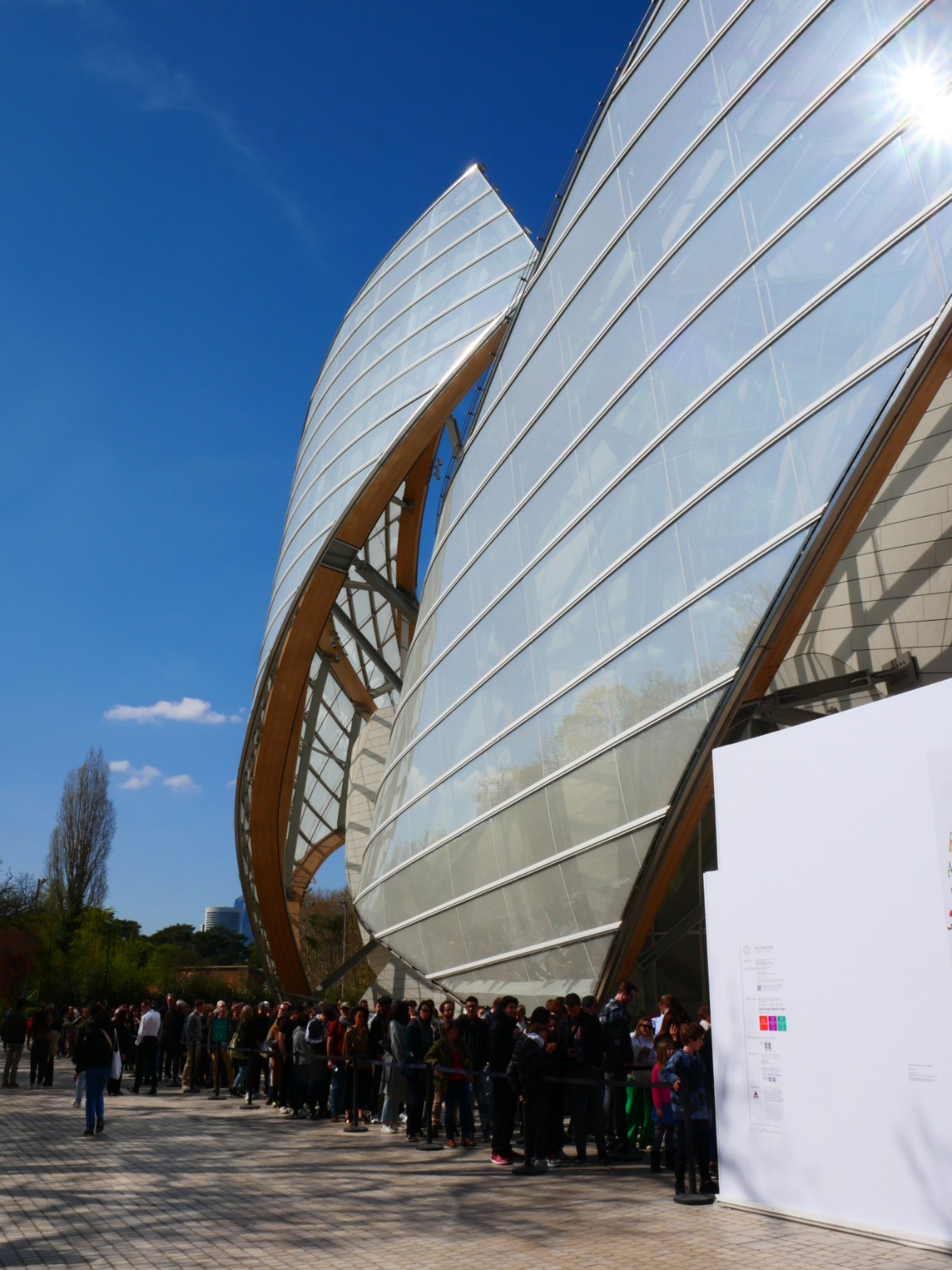
In any case, we were pretty surprised to emerge from a trail in the Bois de Boulogne and find a huge crowd standing in line to get into Louis Vuitton. We walked the length of the line and concluded that even if it wasn’t sold out were weren’t up for the likely wait. It was a huge disappointment not to see the interior of the building but we contented ourselves with some views and photos of the exterior and then headed home to relax after a long and busy first week in Paris.

Cite de l’Architecture
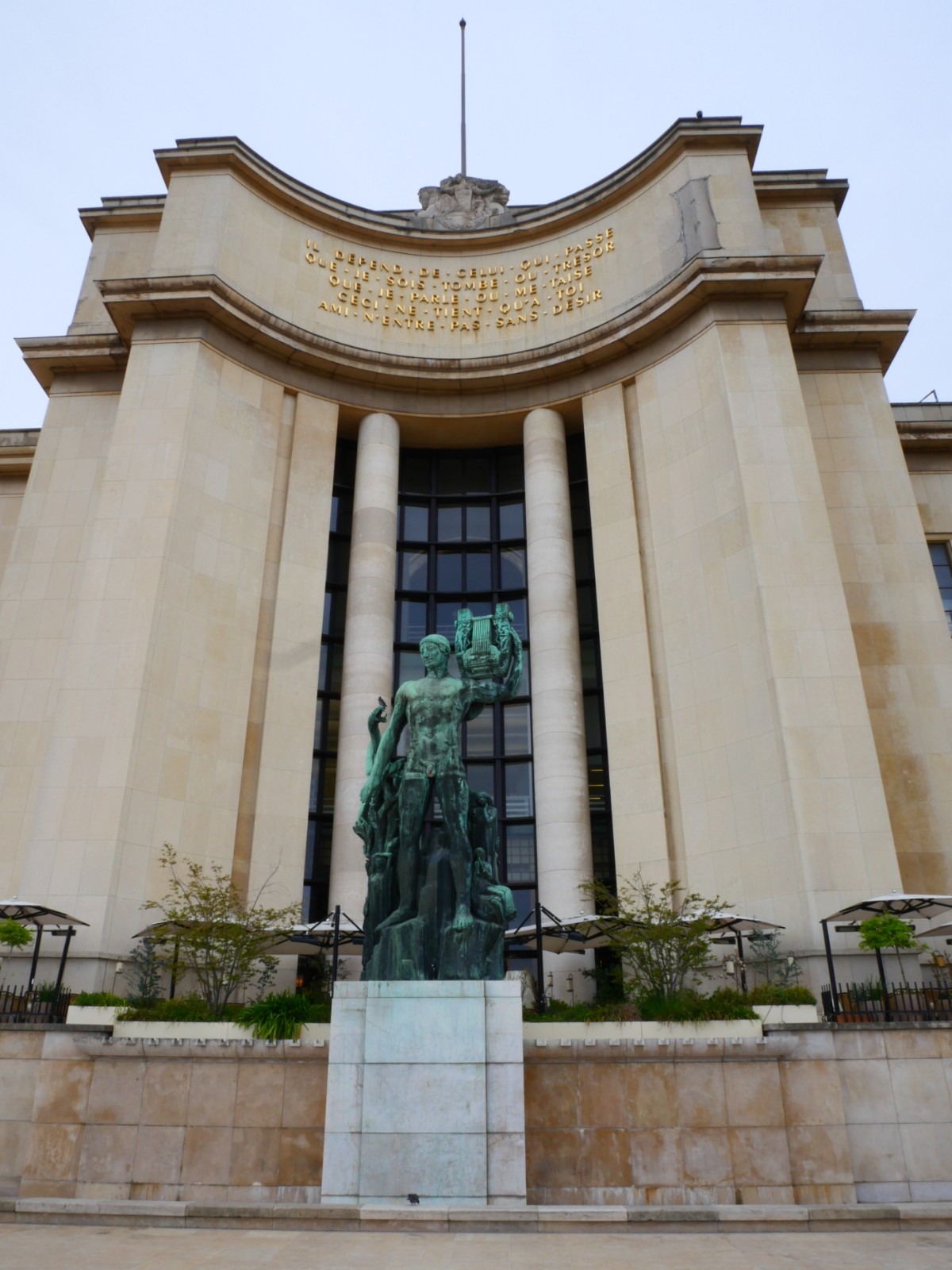
Cite de l’Architecture was the first museum we visited during our four-day Museum Pass Marathon, which started on Monday April 10th. Cite de l’Architecture is an architectural museum whose exhibits consist of models of many of France’s famous buildings and monuments along with life-size plaster casts of their architectural elements. The museum is located in the Jardins du Tracadero, along with the Homme Museum and the Aquarium de Paris. (It’s worth noting that the Jardins du Tracadero are located directly across the Seine from the Eiffel Tower and the Esplanade Joseph Wrensinski, which adjoins the museum provides an amazing vantage point of the Tower!)


The museum’s permanent collection is really quite amazing. It allows you to get very close to the detail of many famous churches and buildings from all over France and allows you to truly appreciate the scale and beautiful craftmanship of these works.
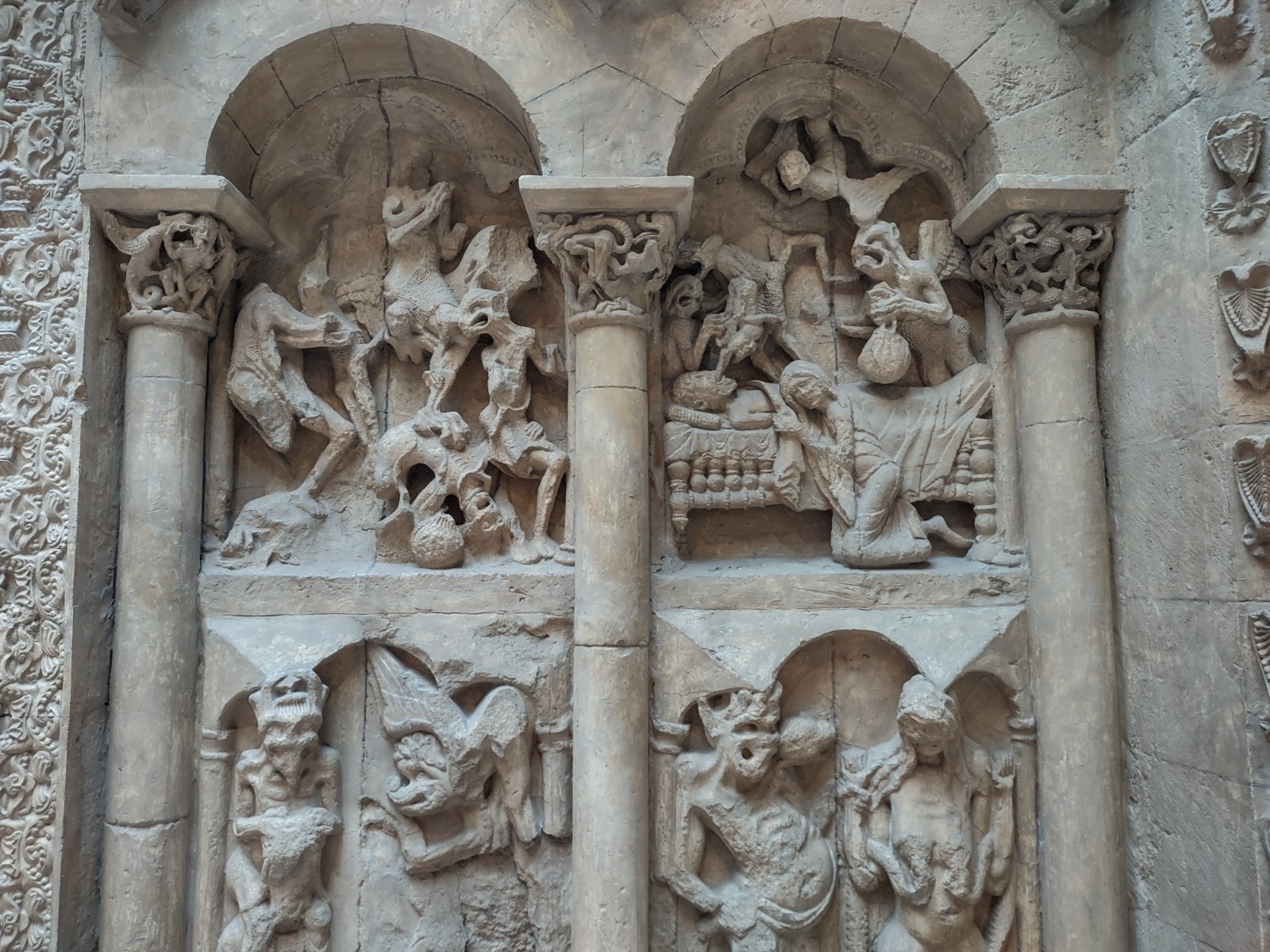
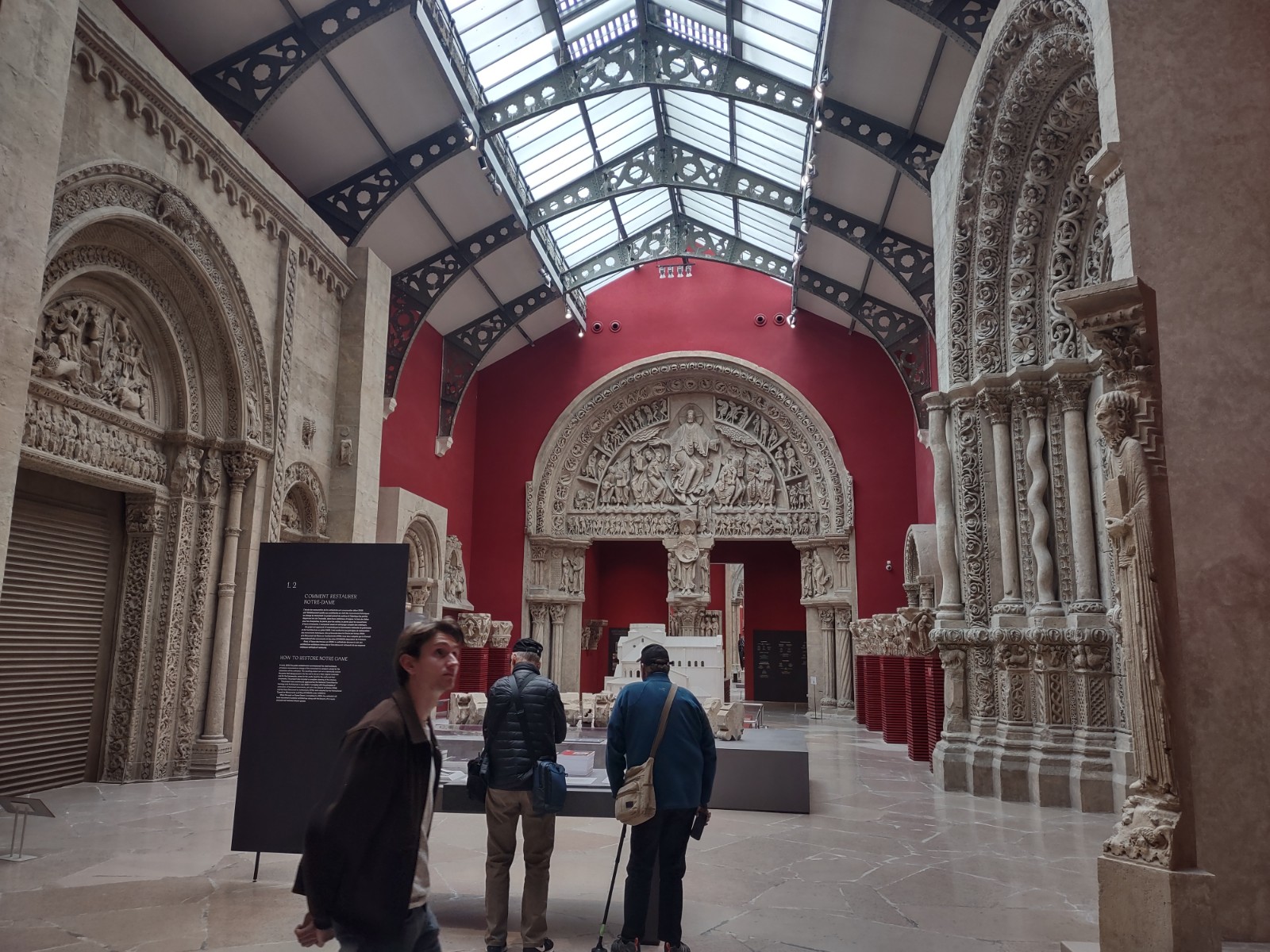
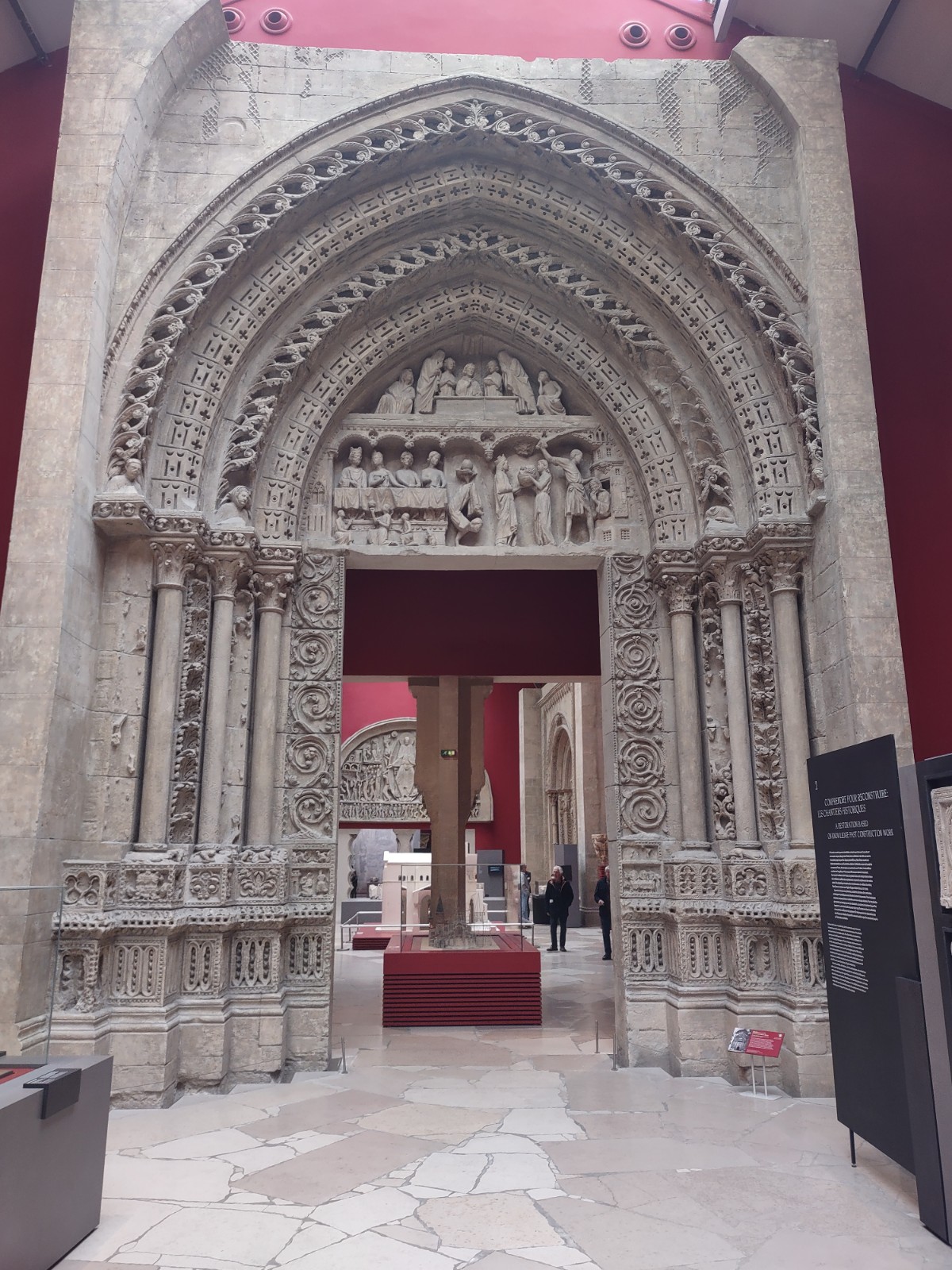

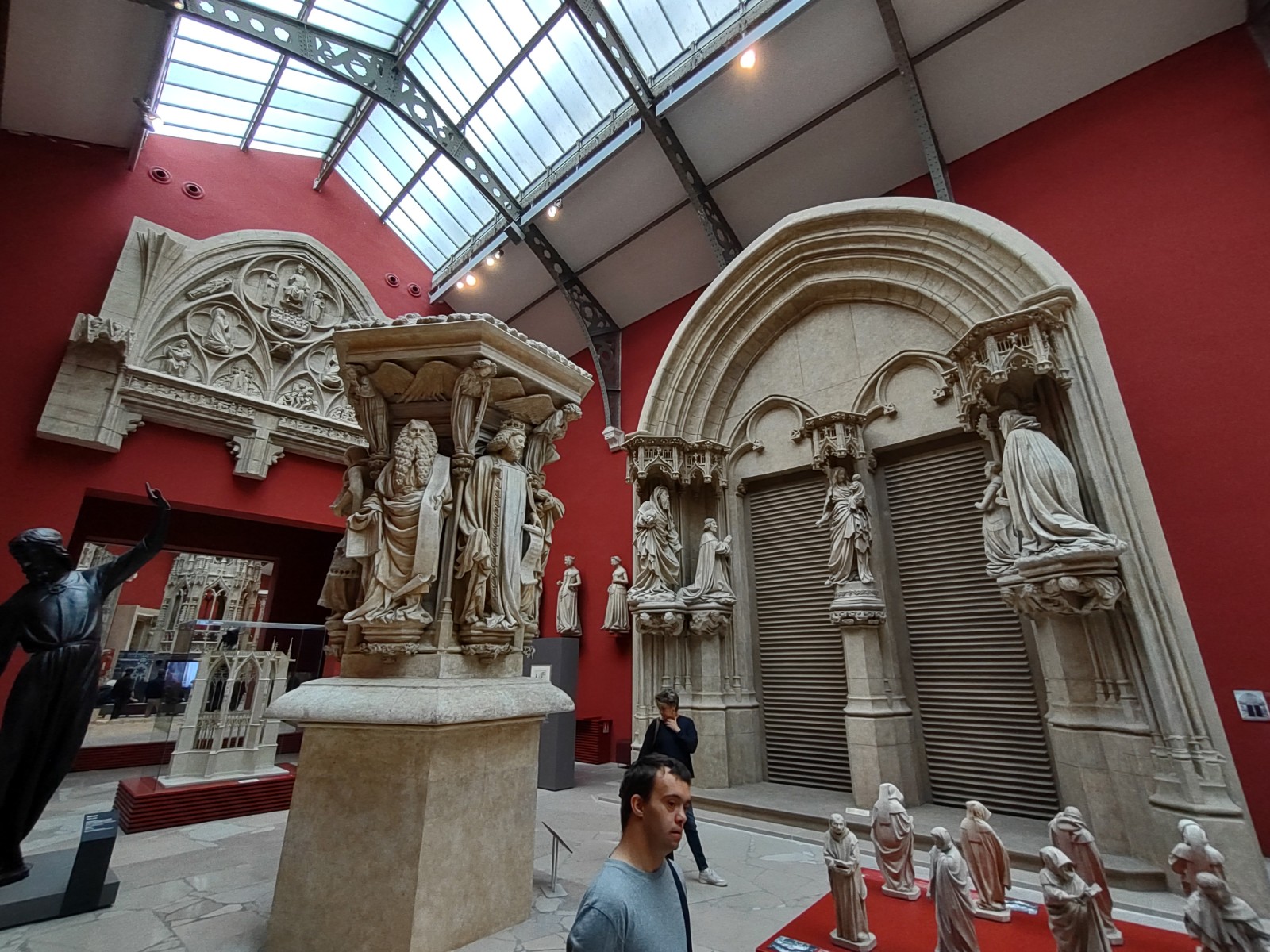

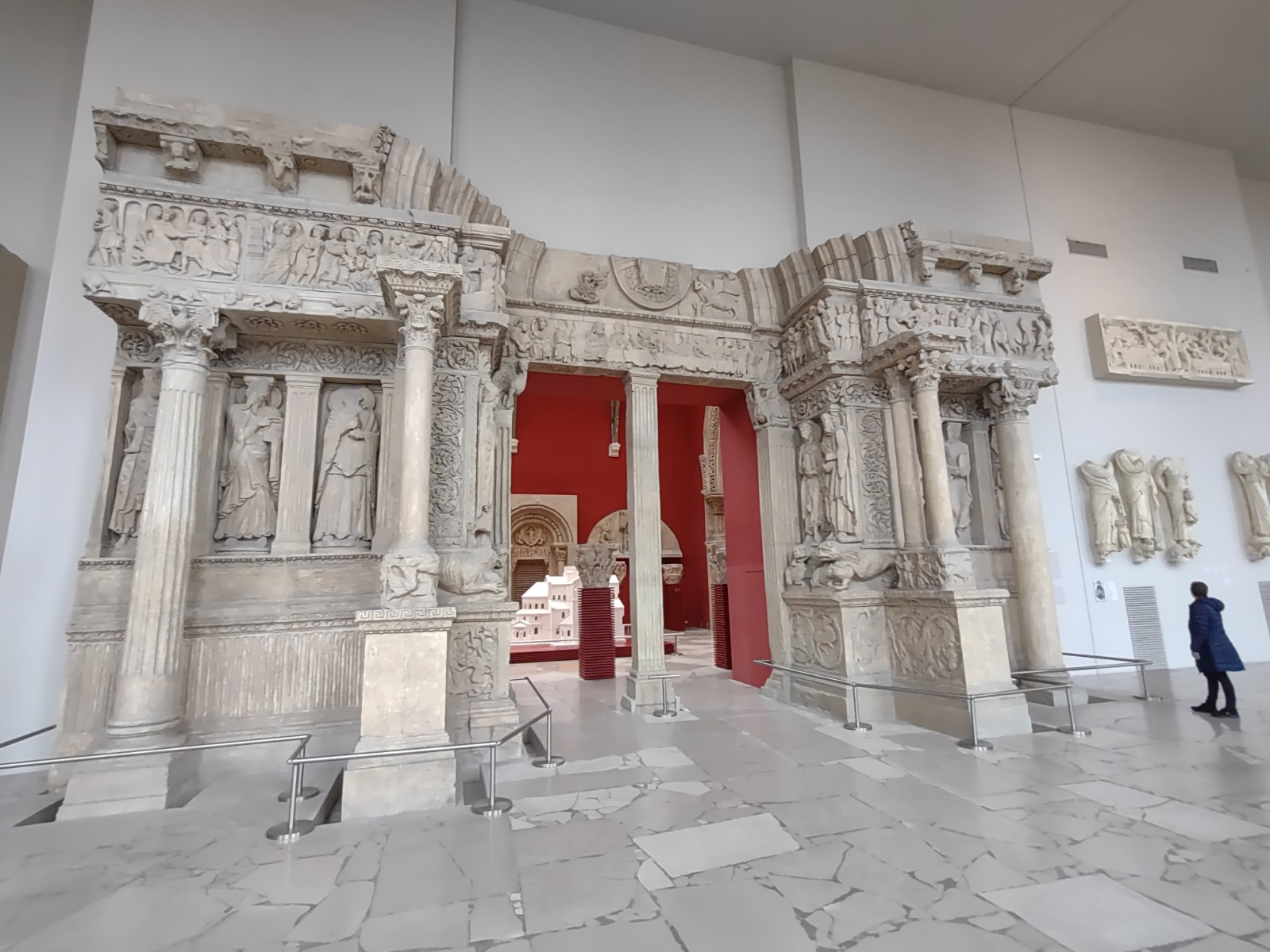


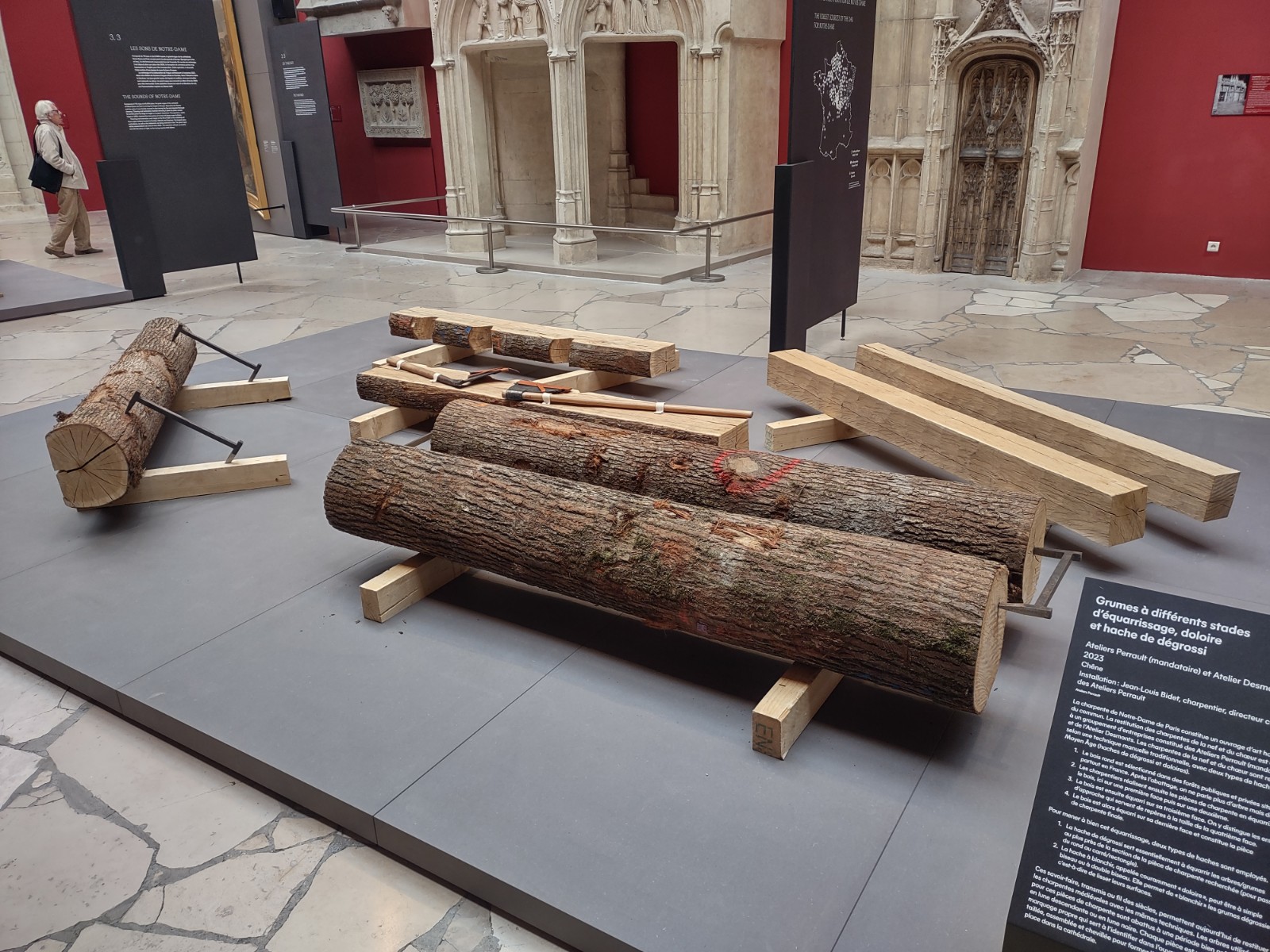
When we visited Cite de l’Architecture, its permanent exhibit was overlayed with a temporary one which displayed, described, and discussed the work being done in the restoration of the Cathedrale Notre-Dame de Paris in the wake of the fire it suffered in 2019. The exhibit includes accounts of the fire and the damage it did and covers everything from the rebuilding of the oak structure, to the cleaning and refitting of the stained glass, statuary, and pipe organ. It is an incredibly complex project which involves artists and craftsmen throughout France and the exhibit included video interviews with many of these artisans working on the project in their workshops.
It was amazing to see the level of artistry and craftsmanship being applied in this work, mostly using traditional materials and construction techniques – you can’t imagine what is involved in making the oak beams with simple hand tools! Truly amazing that they were able to find craftsmen who still possess these skills! It was even more amazing to discover that this project is being funded entirely by private donations – they’ve raised over $900 million for the project! Truly a national treasure!

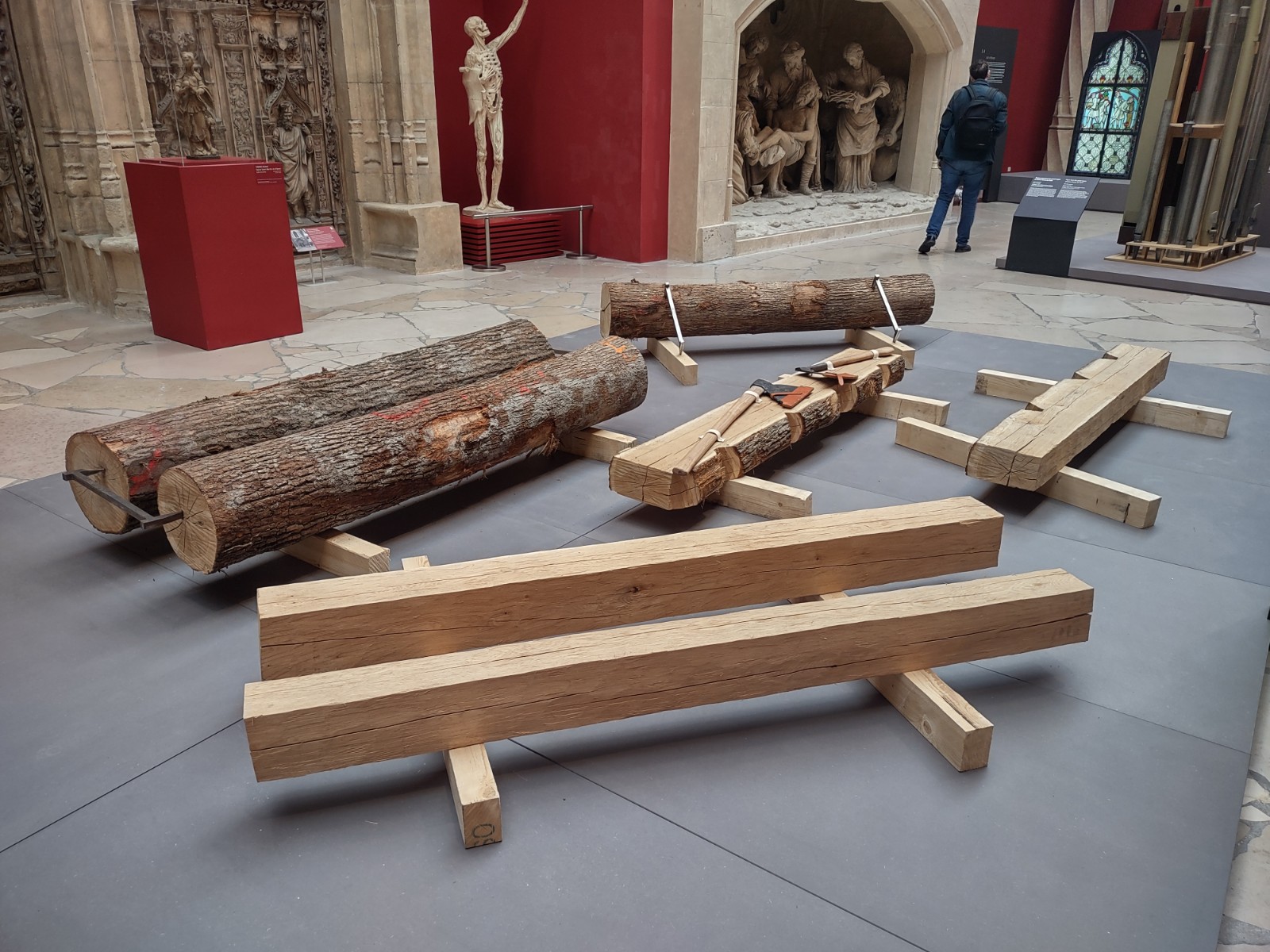

Perhaps the biggest disappointment of this trip for us was to find Notre Dame shrouded in scaffolding and closed to the public, so it was of at least some consolation to see the work that is going on to restore it and we now have another reason to visit Paris again in the future! (Work is reported as being on track for a soft opening at the end of 2024, but we’ll see…)
Musee de Arts Decoratifs
Like Cite de l’Architecture, Musee de Arts Decoratifs, which is physically attached to, but separate from the Louvre, is not a traditional art museum. Its exhibits include a wide variety of work from allied fields of art like furniture, jewelry, cosmetics, and fashion design.
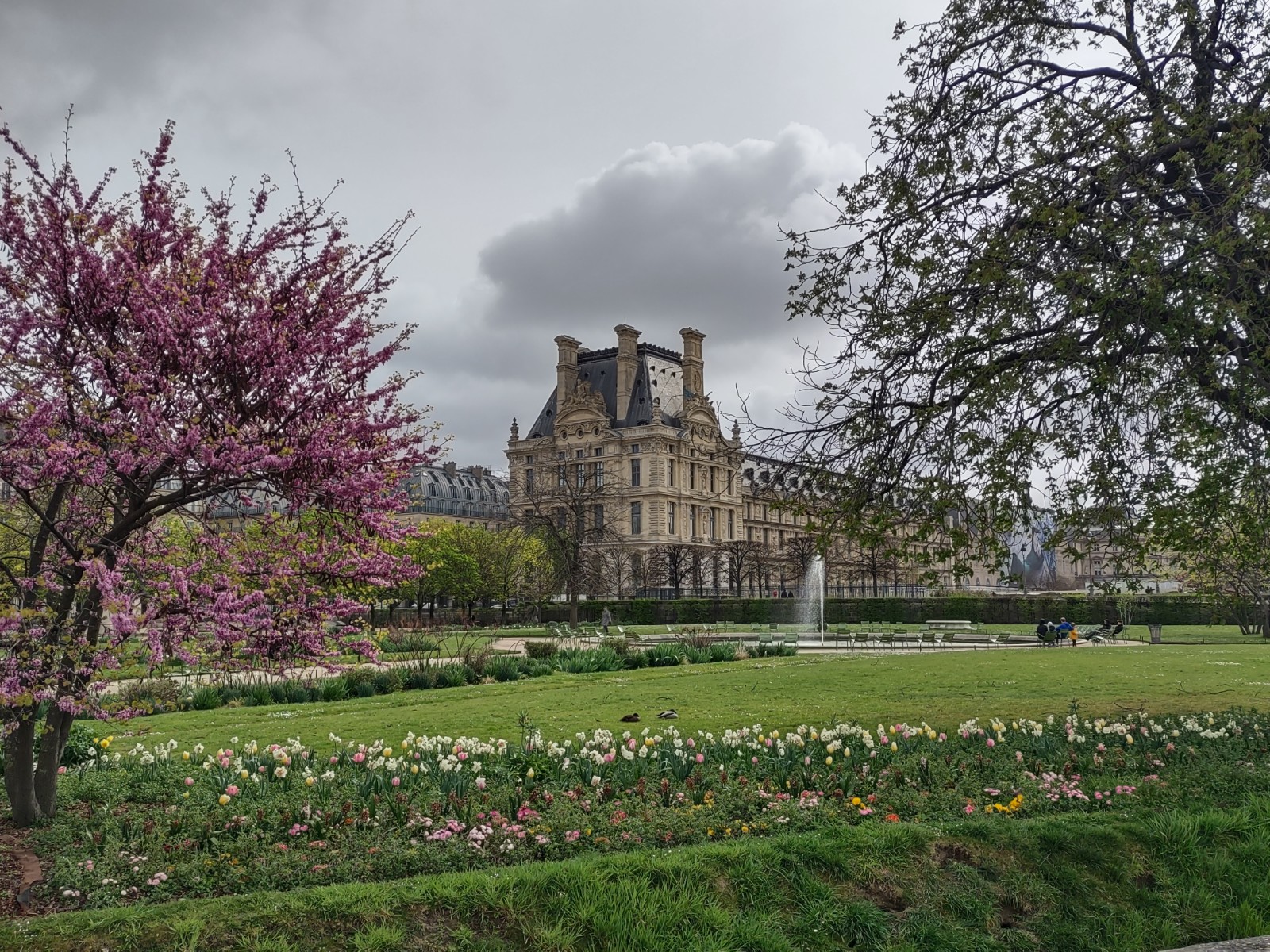
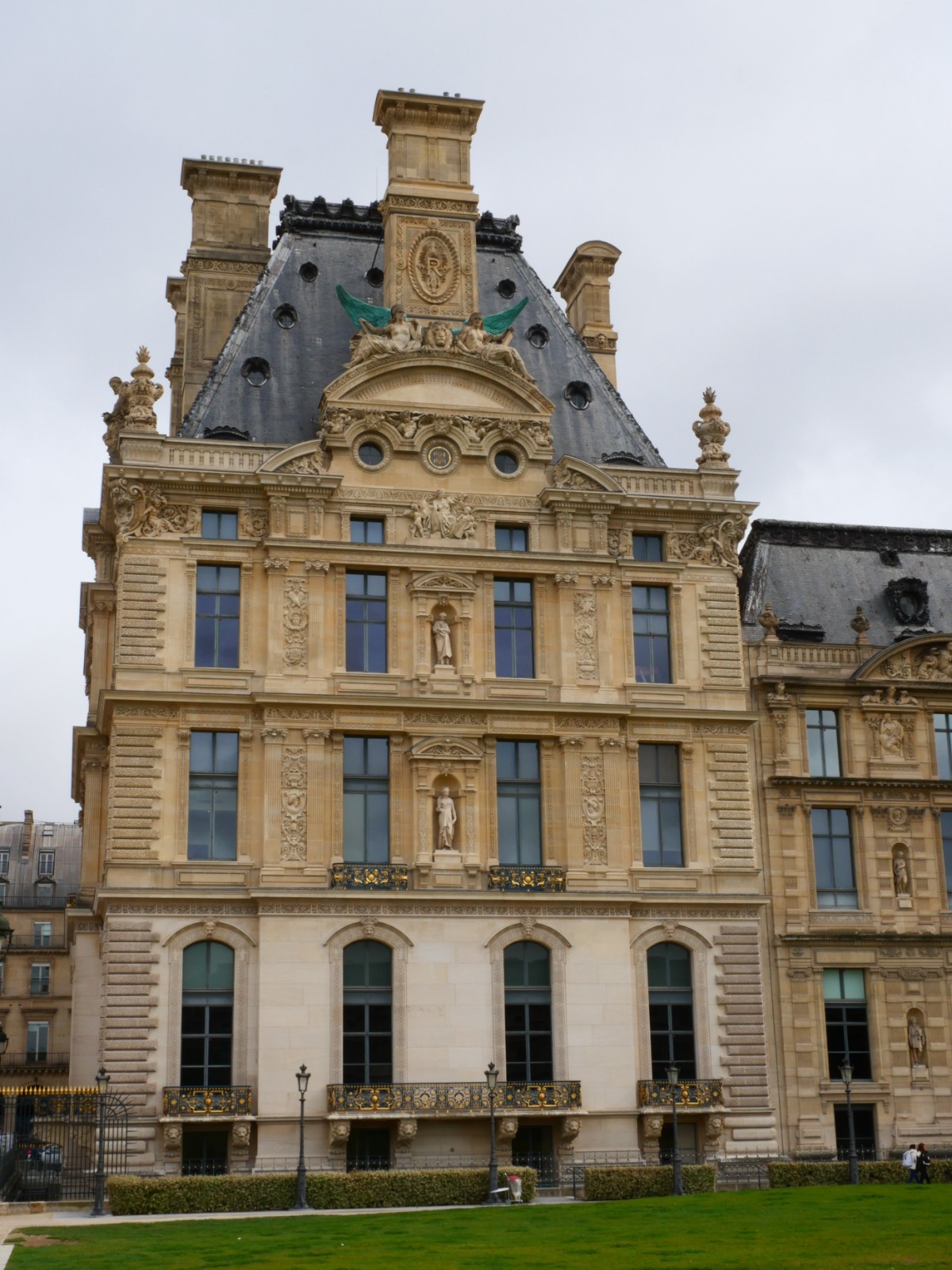
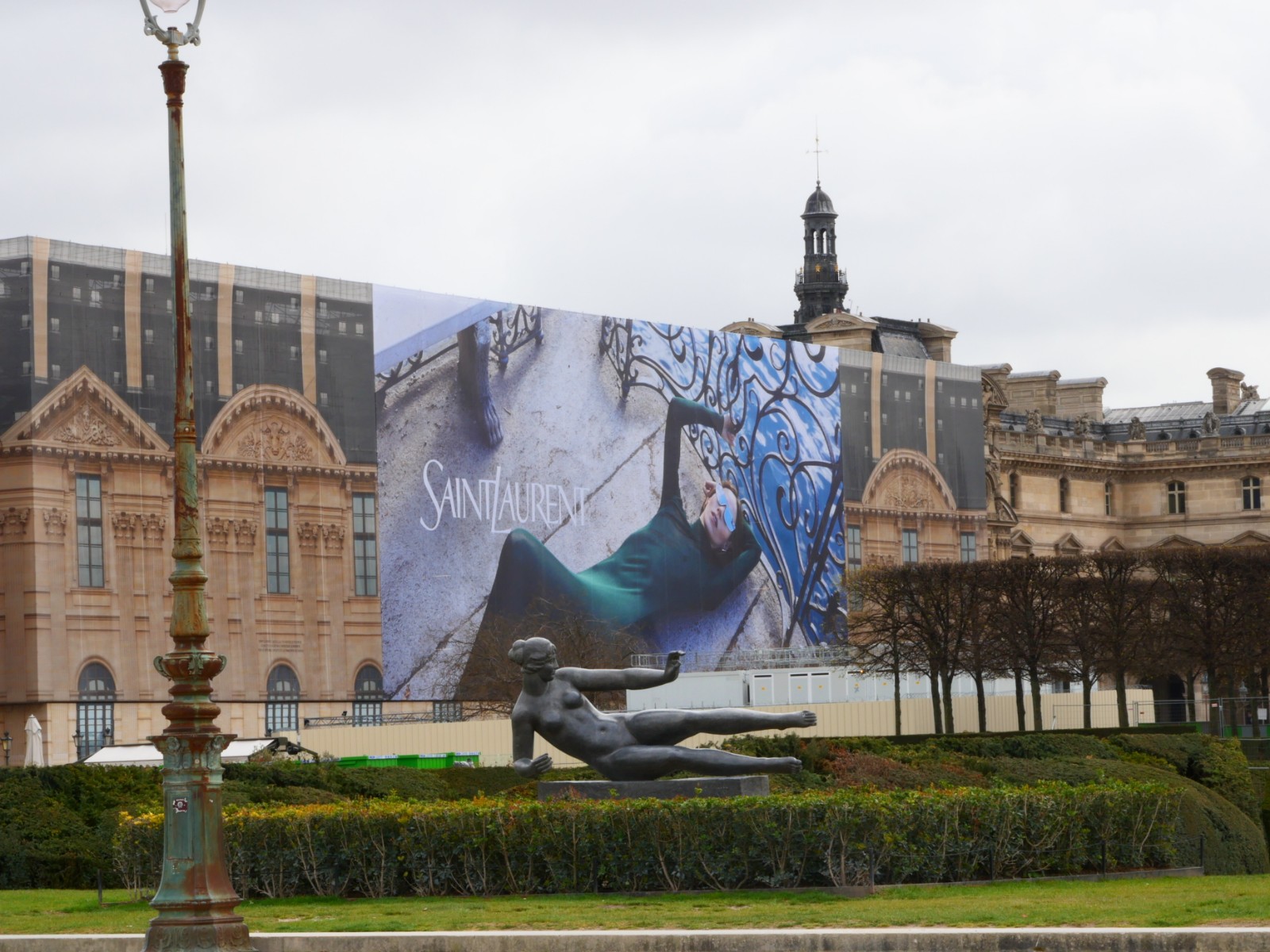
One of the permanent exhibits we had targeted here was a display of art nouveau furniture but (another “unfortunately”), that exhibit was temporarily closed. However, we did find some other very interesting artifacts on display with which we were very taken. These included an amazing exhibit of beautiful and exotic hand-crafted jewelry which was wonderfully lit and displayed in blacked-out display cases.


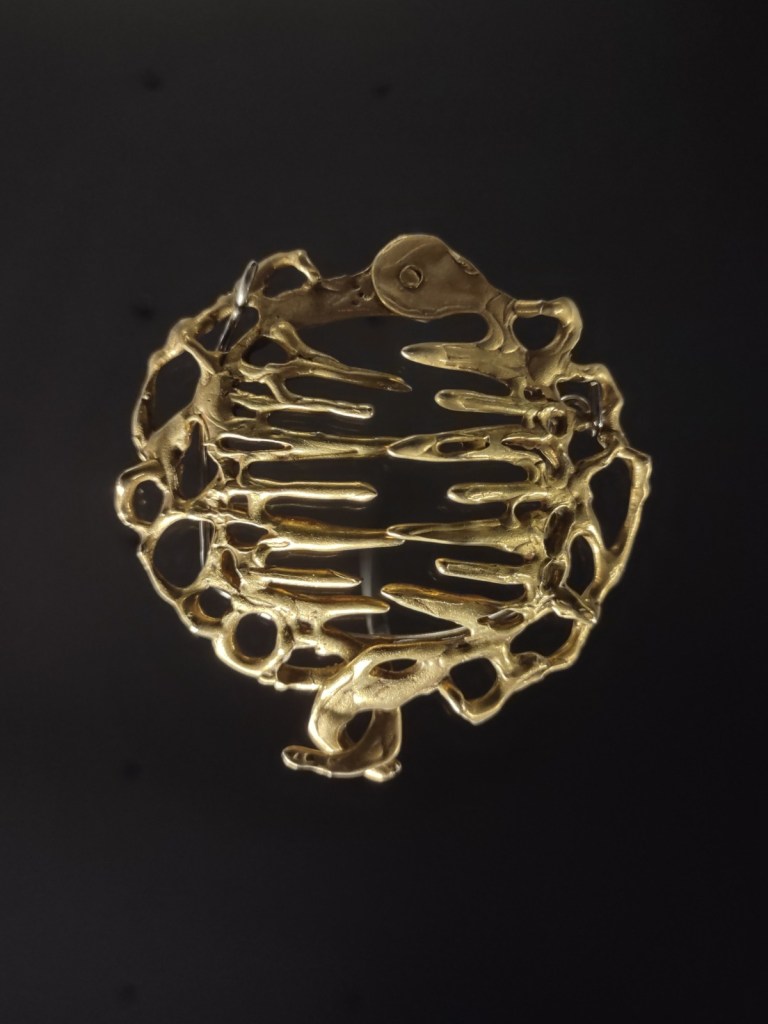


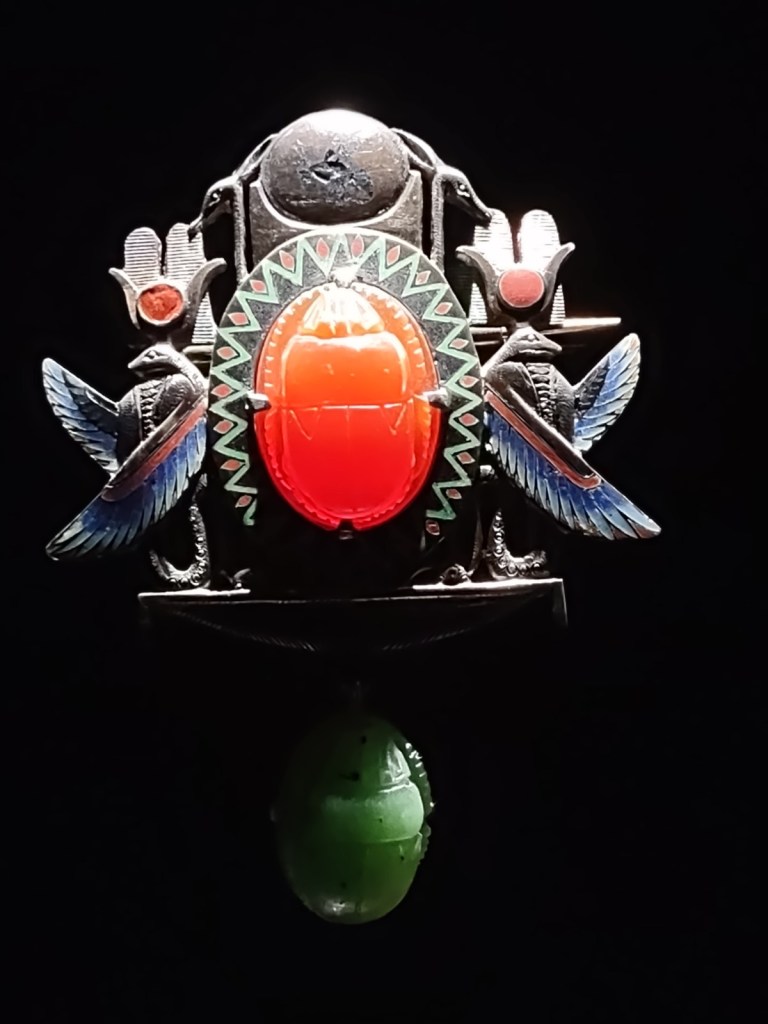

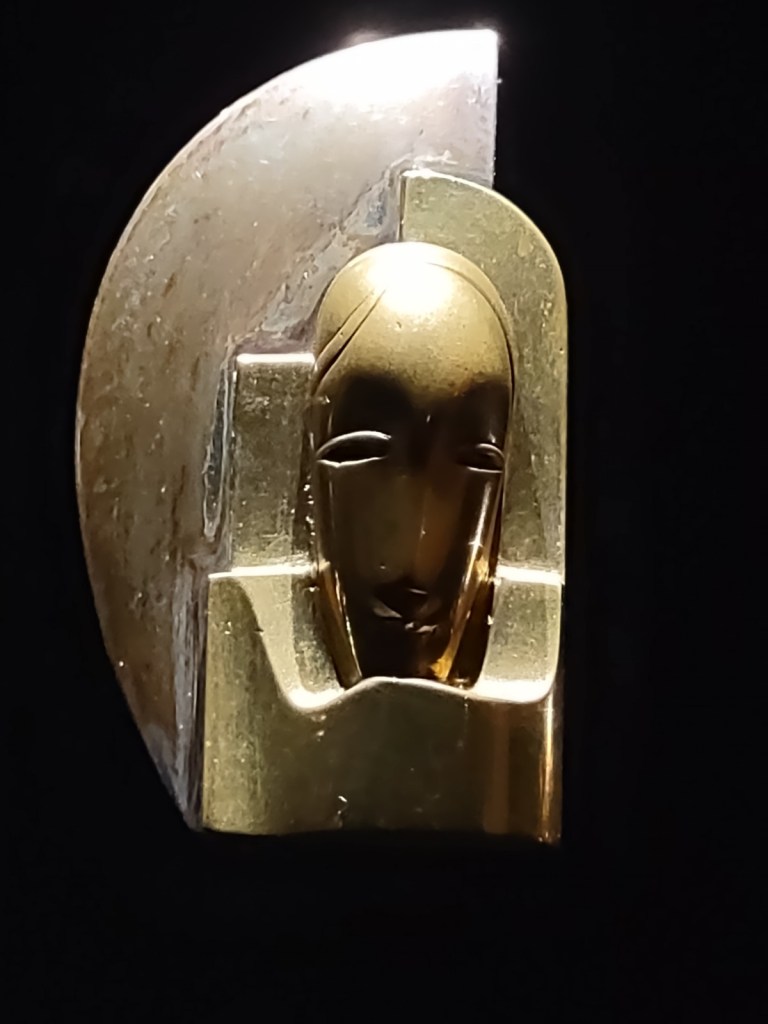
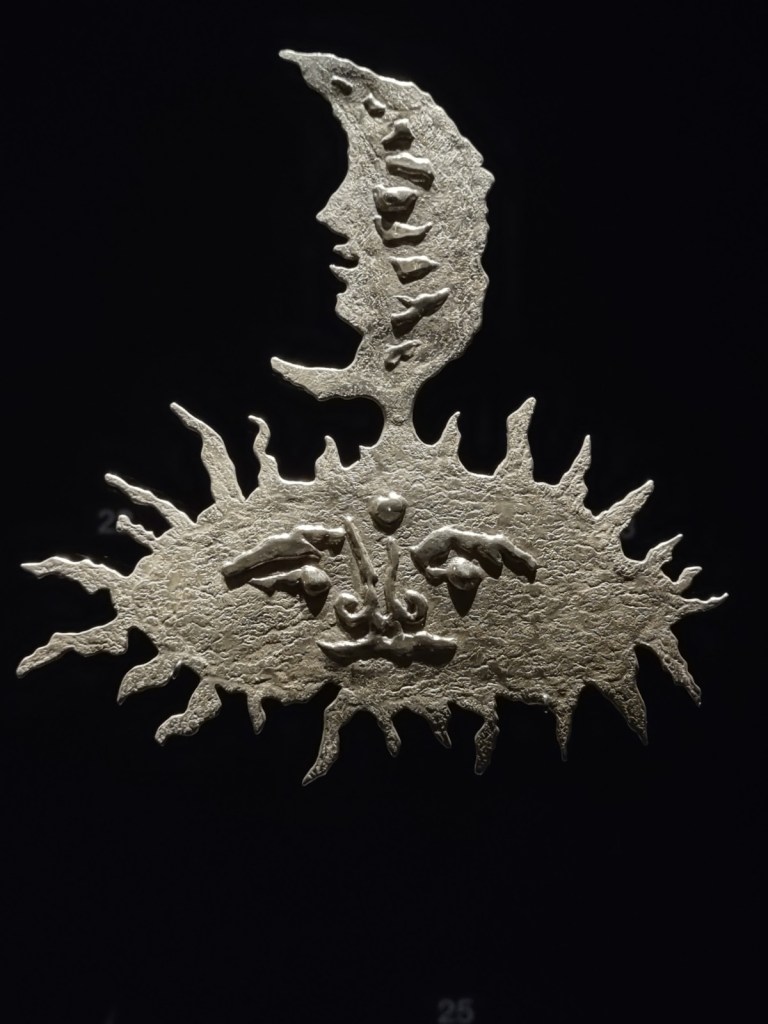
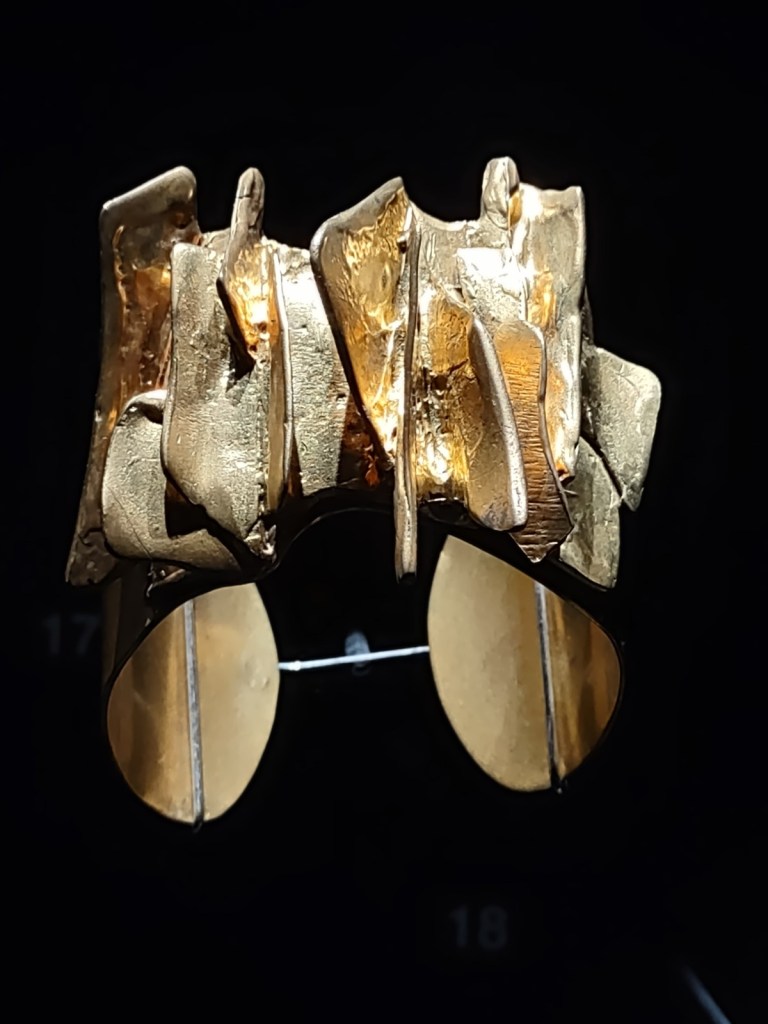
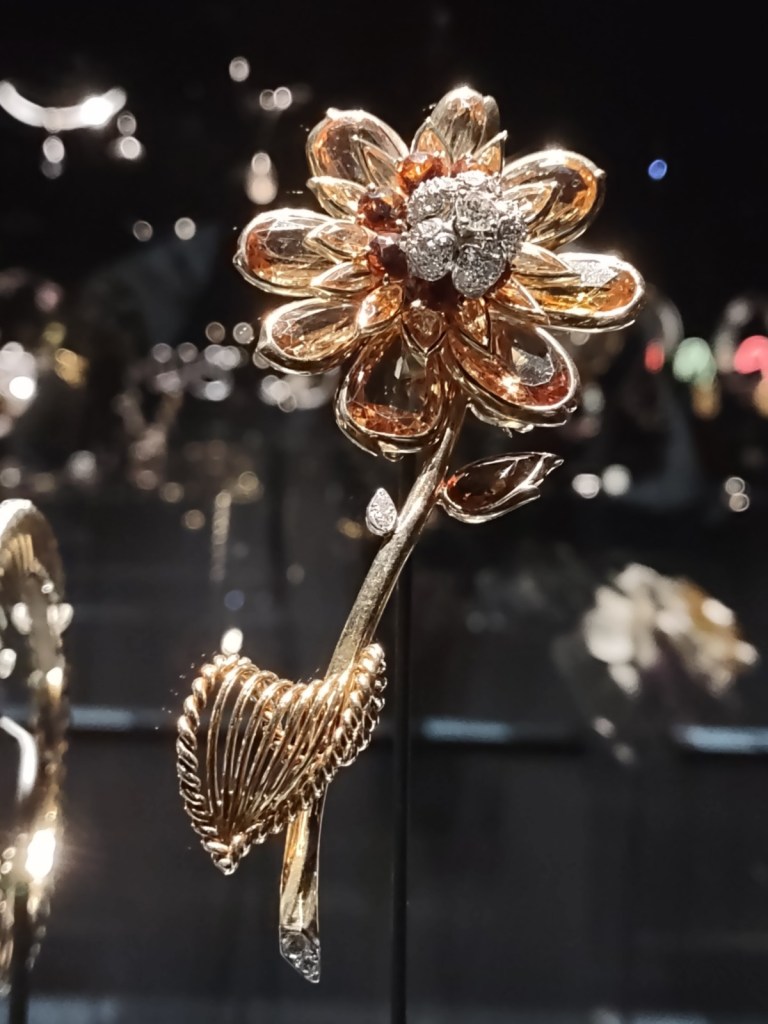


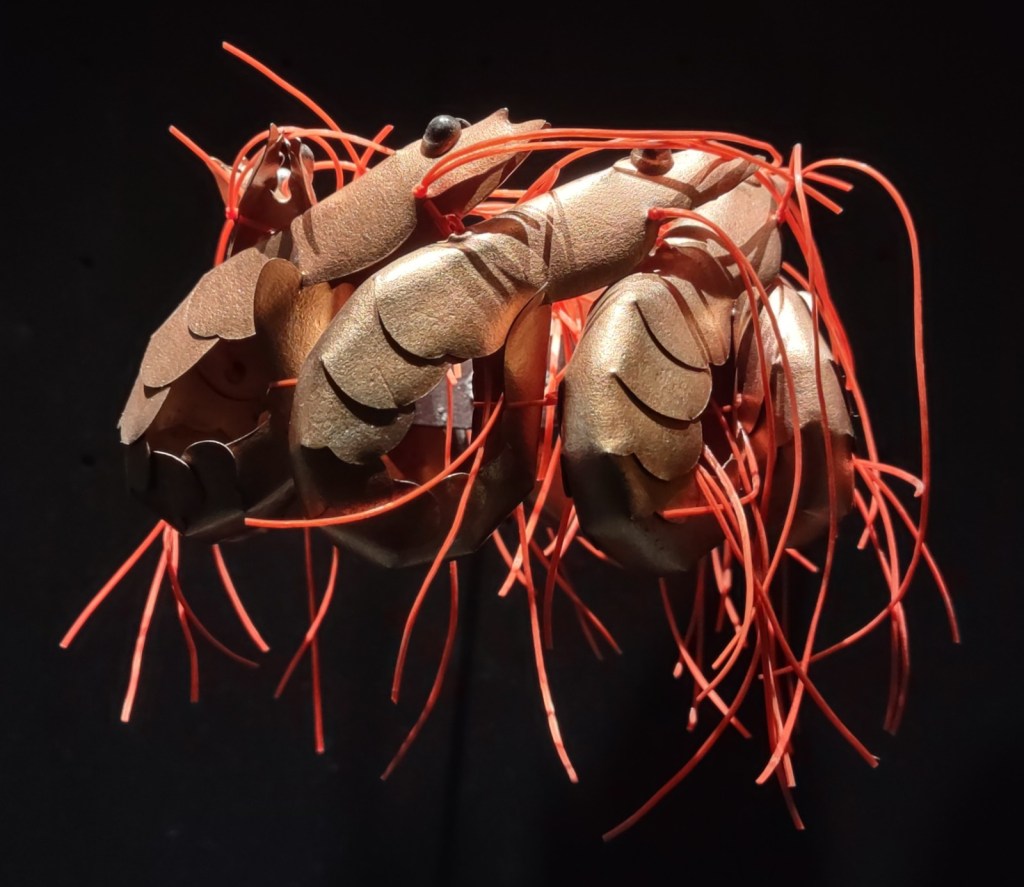

There was also a temporary exhibition on the history of human hair which was interesting verging, at times, on gross or creepy. There was also a great temporary installation which filled the museum’s atrium and adjoining first floor galleries on French pop culture in the 80’s from music, to fashion, to furniture, with a very interesting exhibit linking these movements to French politics at the time. Ooh la la!
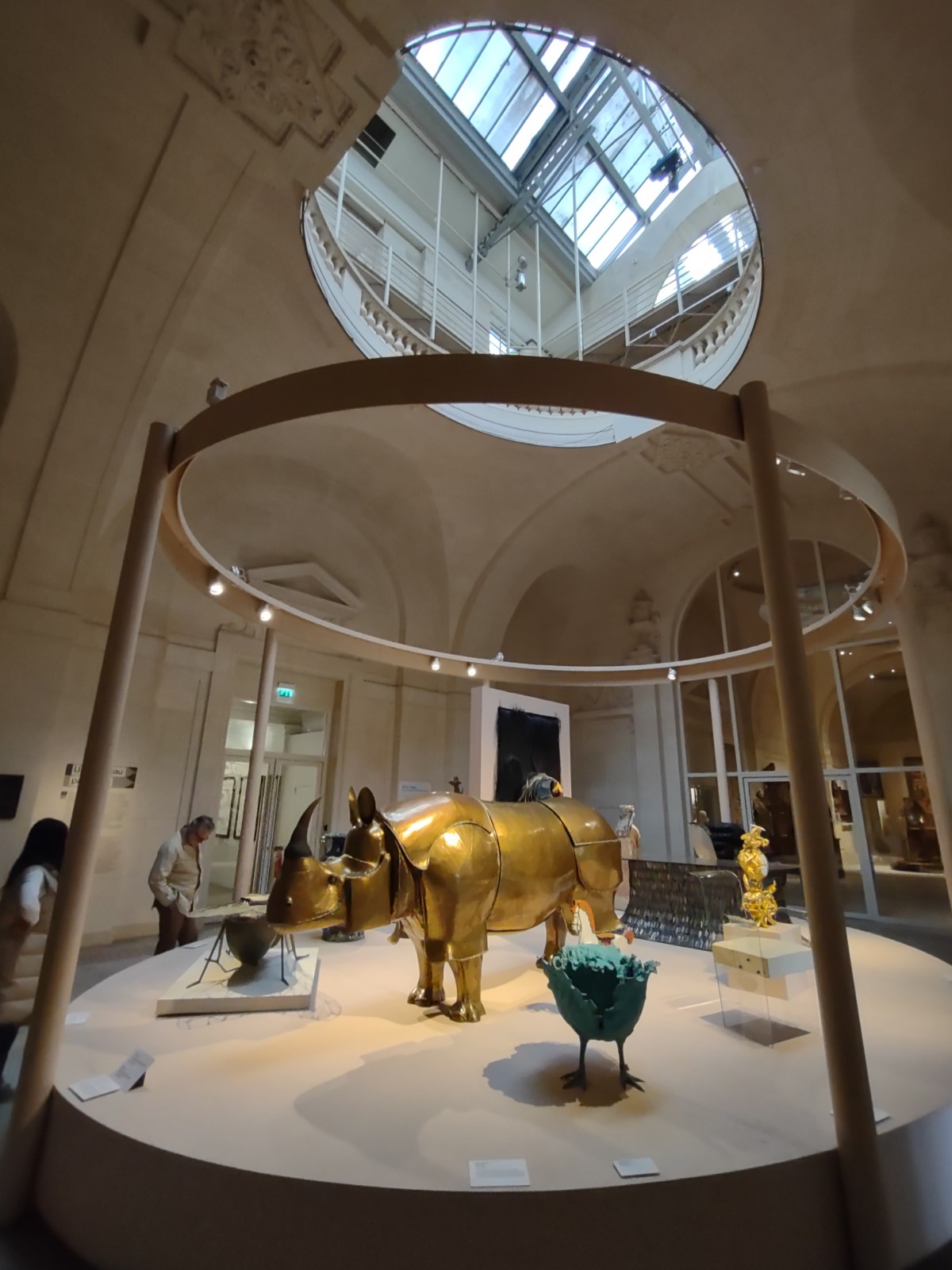

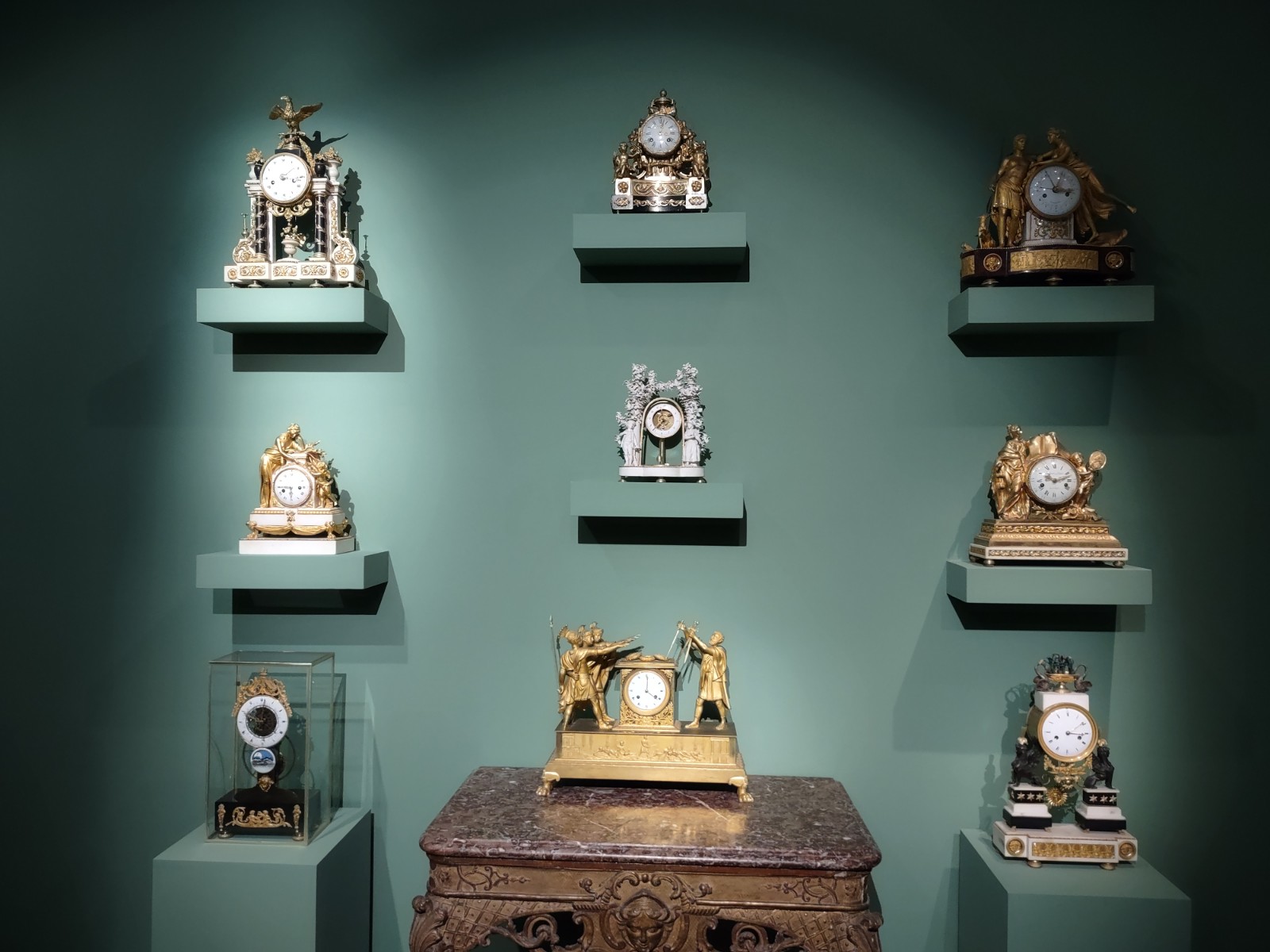
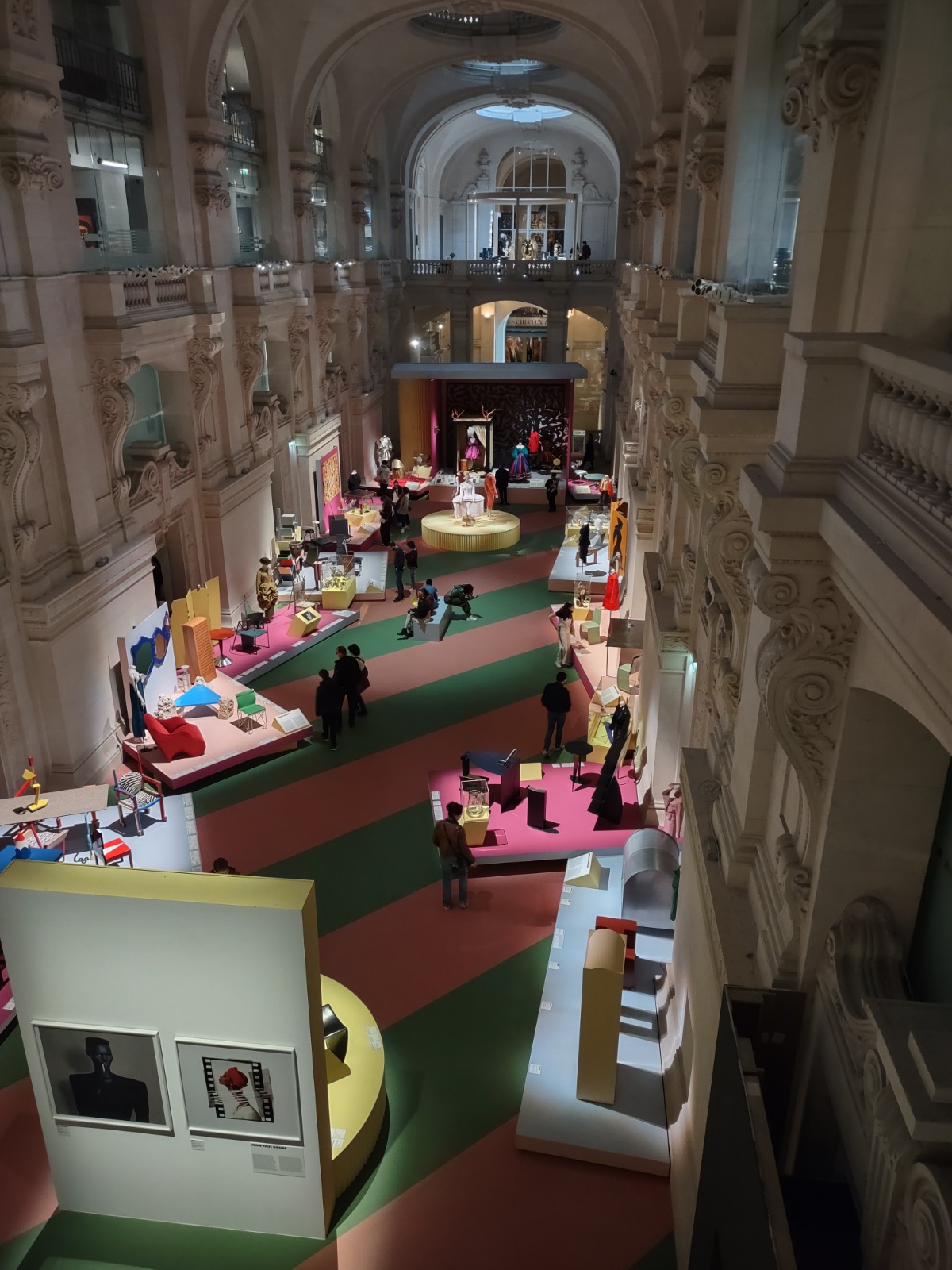
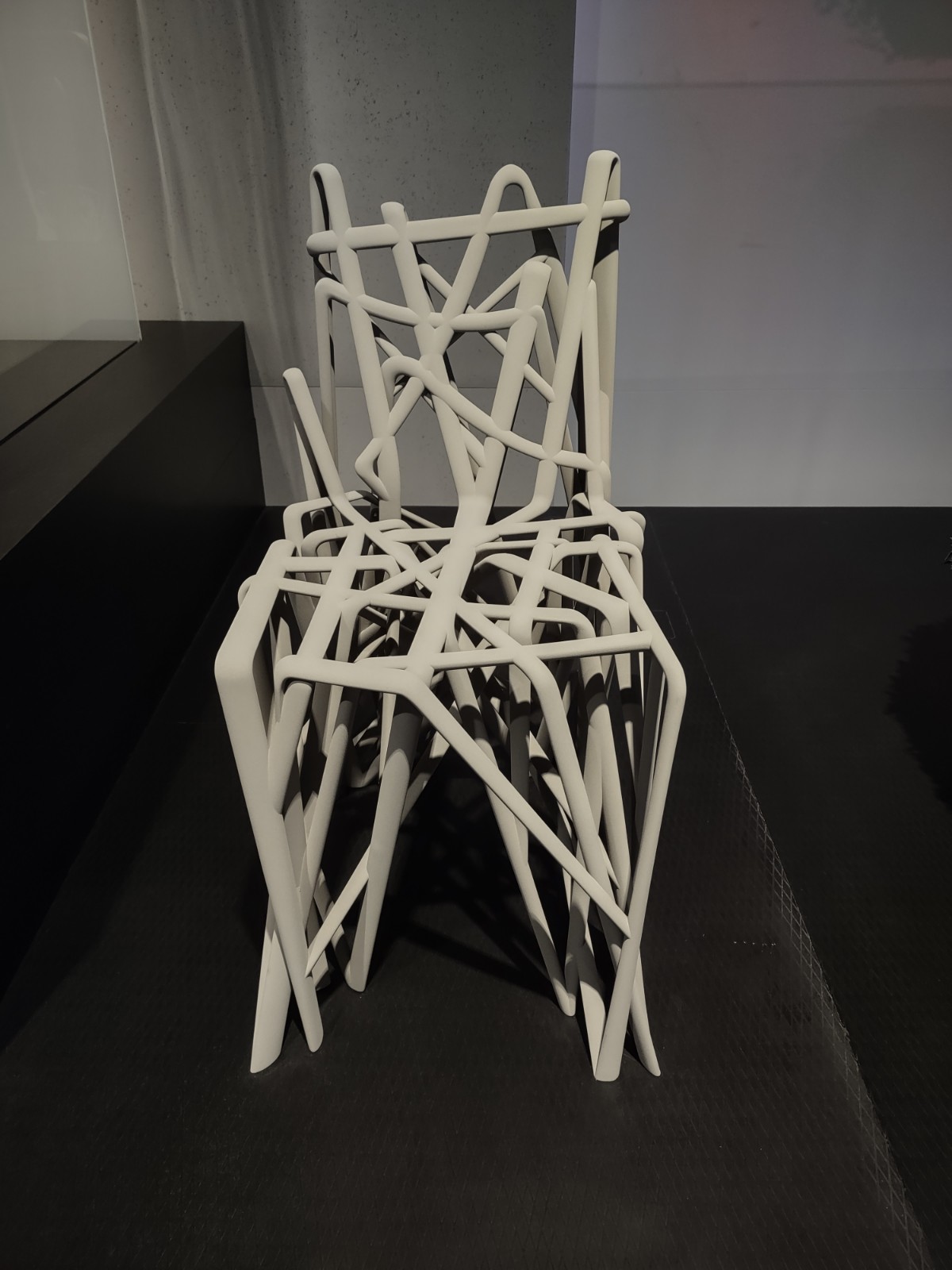
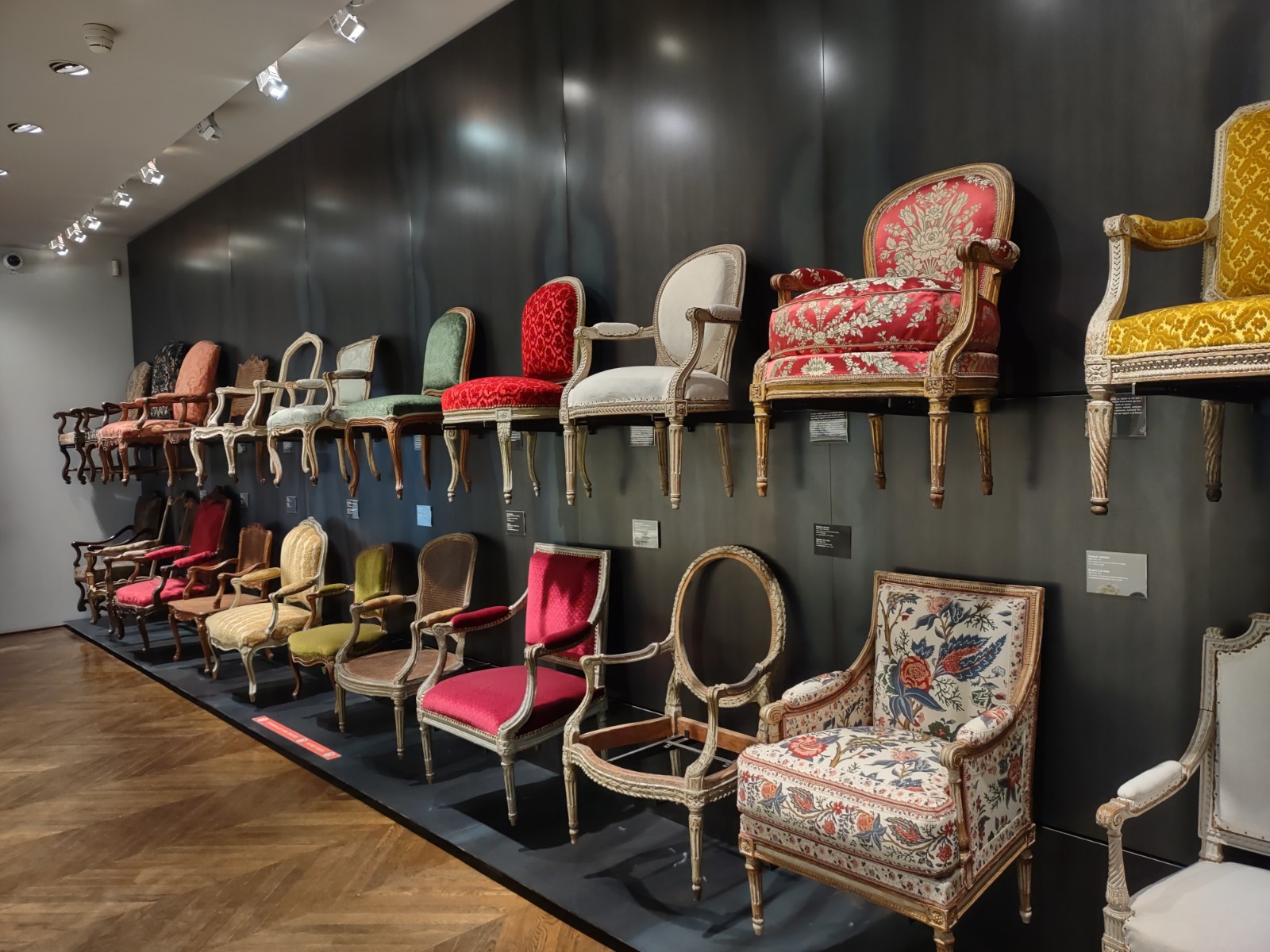
I feel compelled to note that this is a museum with a central atrium flanked by multiple floors of galleries which overlook the atrium most of which are organized in some kind of chronological order. Perhaps we were just really bad at picking up on the signage or directions, but it felt like we spent much or our visit traveling back in time (rather than forward as would seem to have been the intent) and, on at least one or two occasions we reached dead ends which necessitate back-tracking through galleries we had already visited. We probably should have had a map, but better way finding devices in this regard would have helped for sure. On the other hand, I can think of a lot worse places to get lost in!
Center Pompidou
Le Centre Pompidou was one of those places that Ritchard was interested in visiting for its architecture. The building, which is located in the Beaubourge area of the 4th arrondissement, was part of a large urban renewal project initiated by French President Charles de Gaulle in 1968 and supported by his successor Georges Pompidou. It was the subject of an international design competition with a jury that included Oscar Niemeyer and Phillip Johnson. In 1971, a design by Piano and Rogers, a British architectural firm (Rogers later won the Pritzker Prize), was selected from among 681 entries and construction of the project was completed in 1977 (the year Ritchard started architecture school).
When it opened, the building made a huge splash in both Paris and the architectural world. It was designed with all its systems on the outside and everything color coded to identify its purpose (green for plumbing, blue for HVAC, yellow for electrical, etc.). The building’s primary circulation systems are also on the outside of the building (in red) and look more like a hamster trail than anything else. The goal of (excuse for?) all this was to create interior spaces which were as clean and flexible as possible.
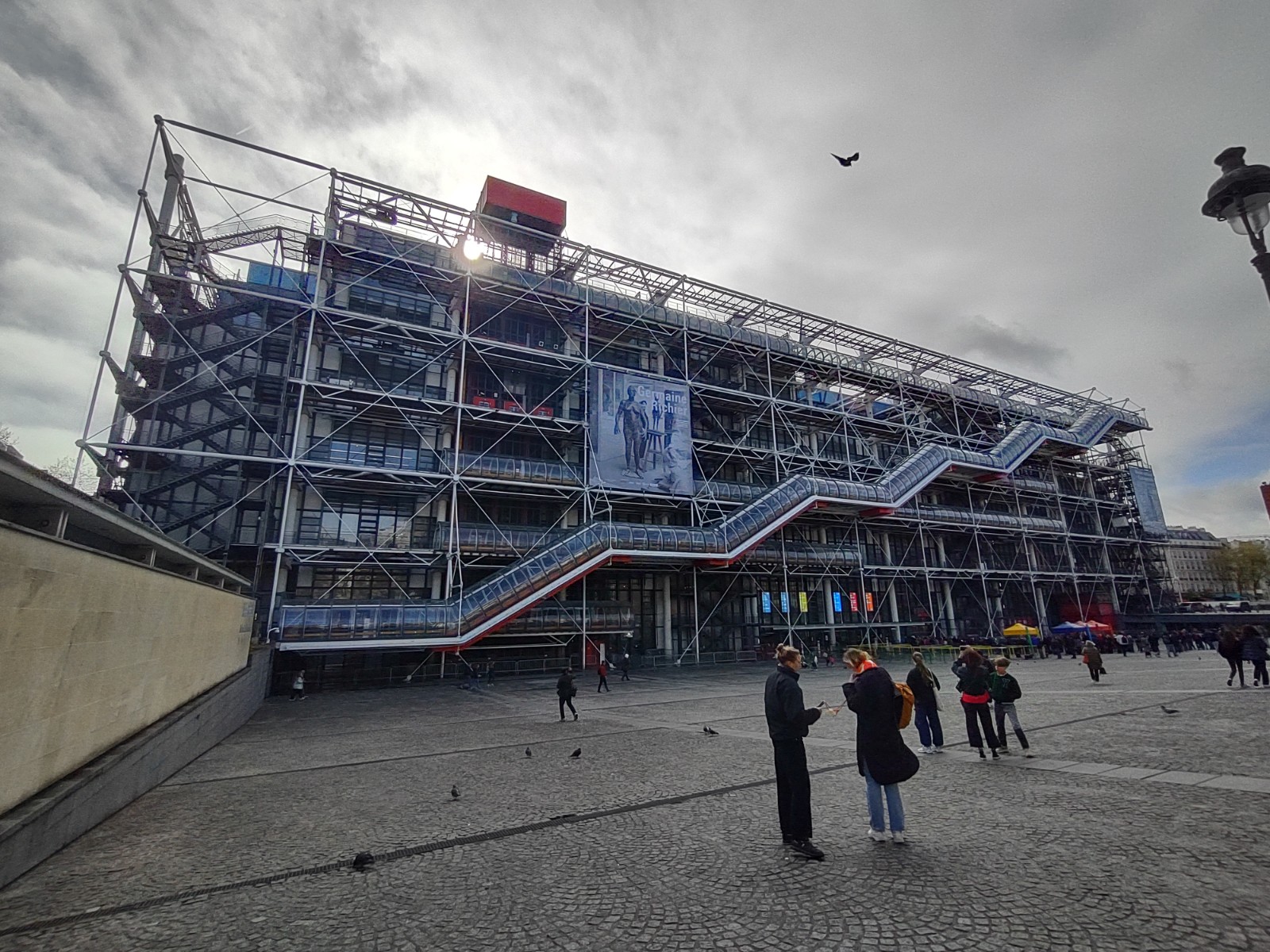

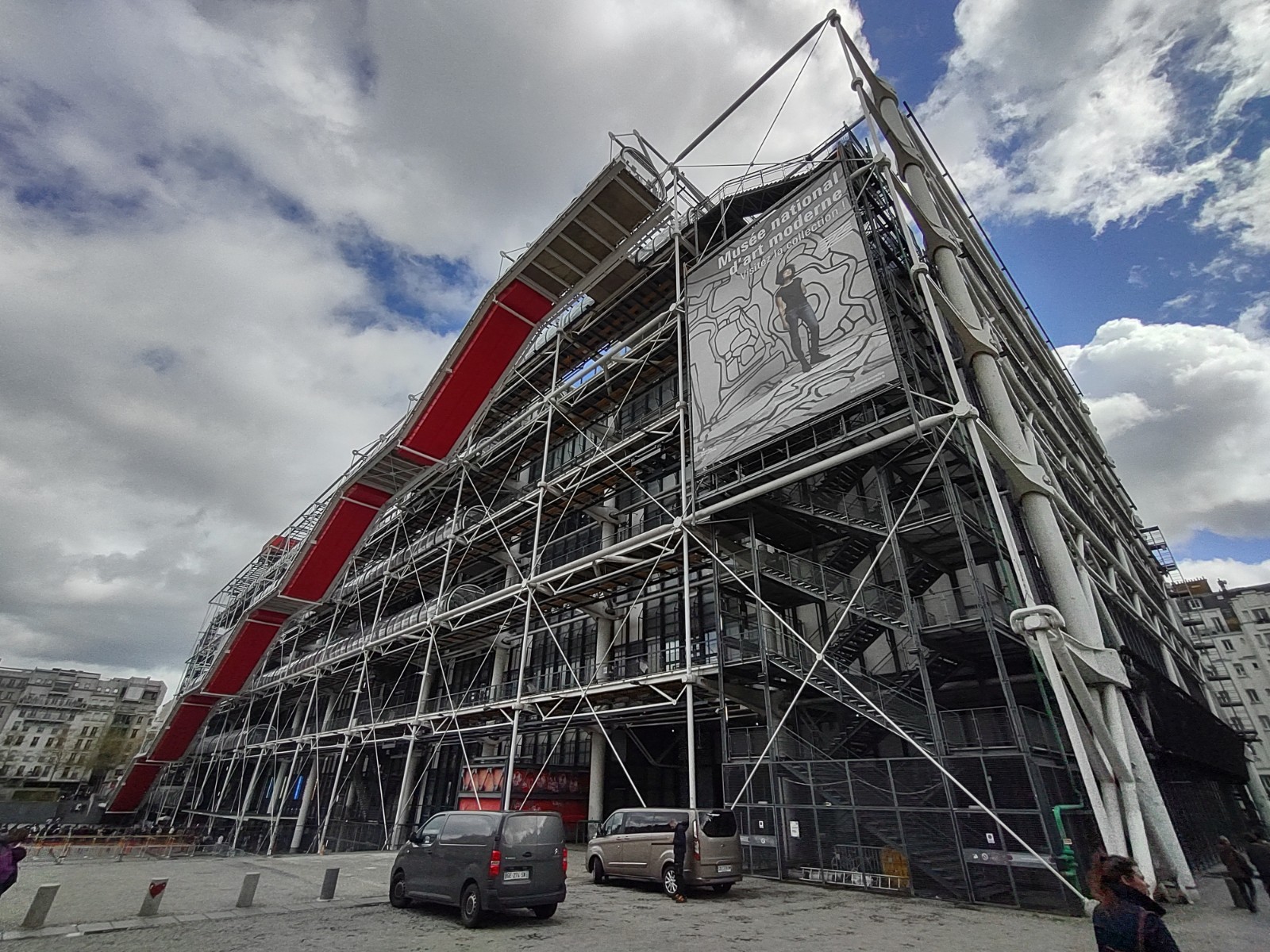

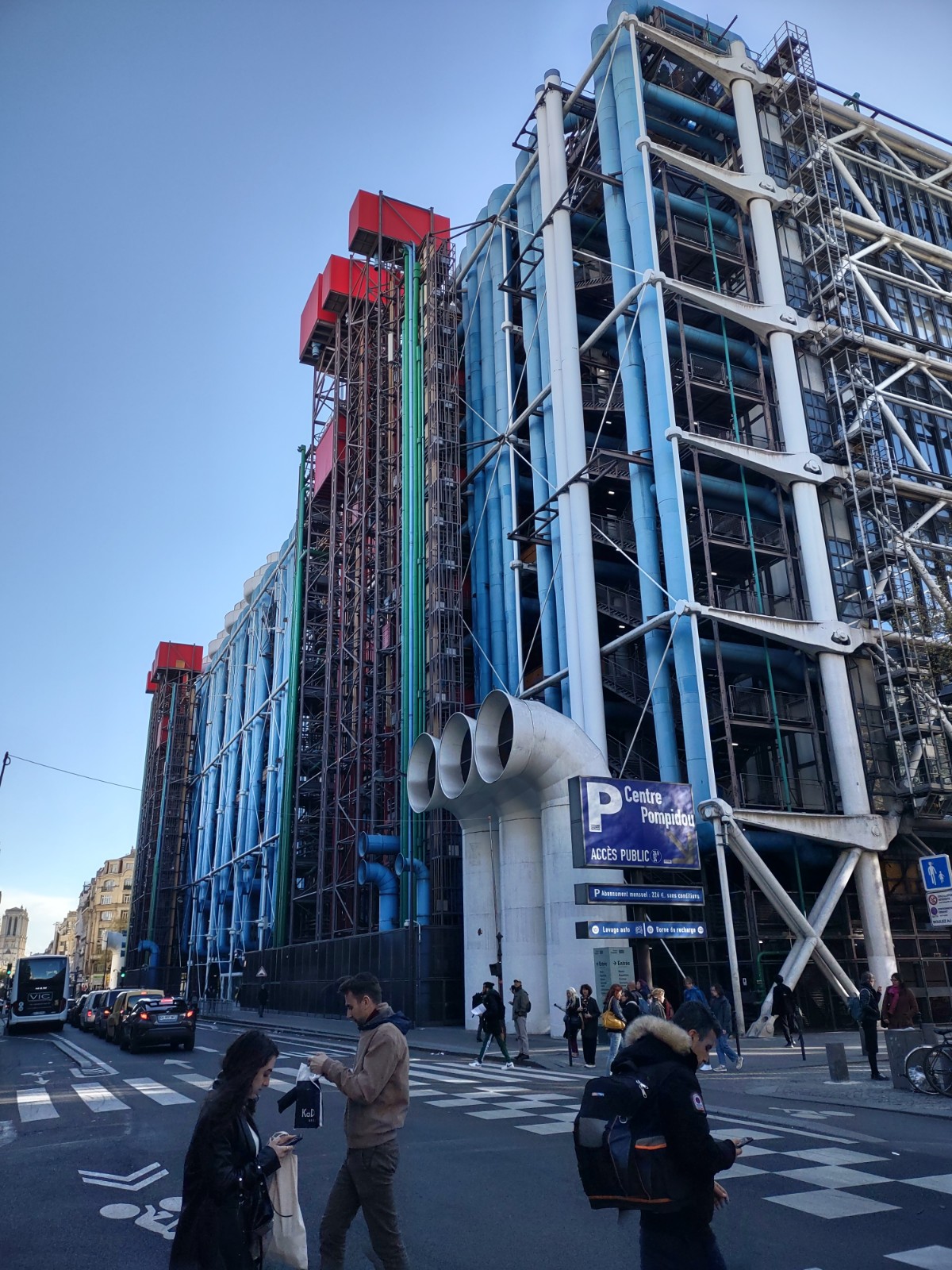
Among architects, the building was lauded as another icon of the emerging Post-Modernist Movement. Public reaction to the building was (and remains) mixed, in part at least because it turns such a blind eye to its context in the center of such a historic neighborhood and city. Such controversies aside, the almost 50 year old building looked great to us due, no doubt, to renovations completed in 2000 when it was closed for 27 months. While we were there, we learned that we were fortunate to see it as the Center is scheduled to close later this year for a comprehensive renovation which is expected to take about four years.
In addition to two libraries, a theater, conference facilities, and a center for acoustic and music research, Center Pompidou houses the Musee National d’Art Moderne, the largest museum of modern art in Europe, whose galleries span two full floors of the seven story structure. Reminiscent of the old Guggenheim, you start at the top and work your way down but instead of a ramp, you ride an escalator up the hamster trail to the top!
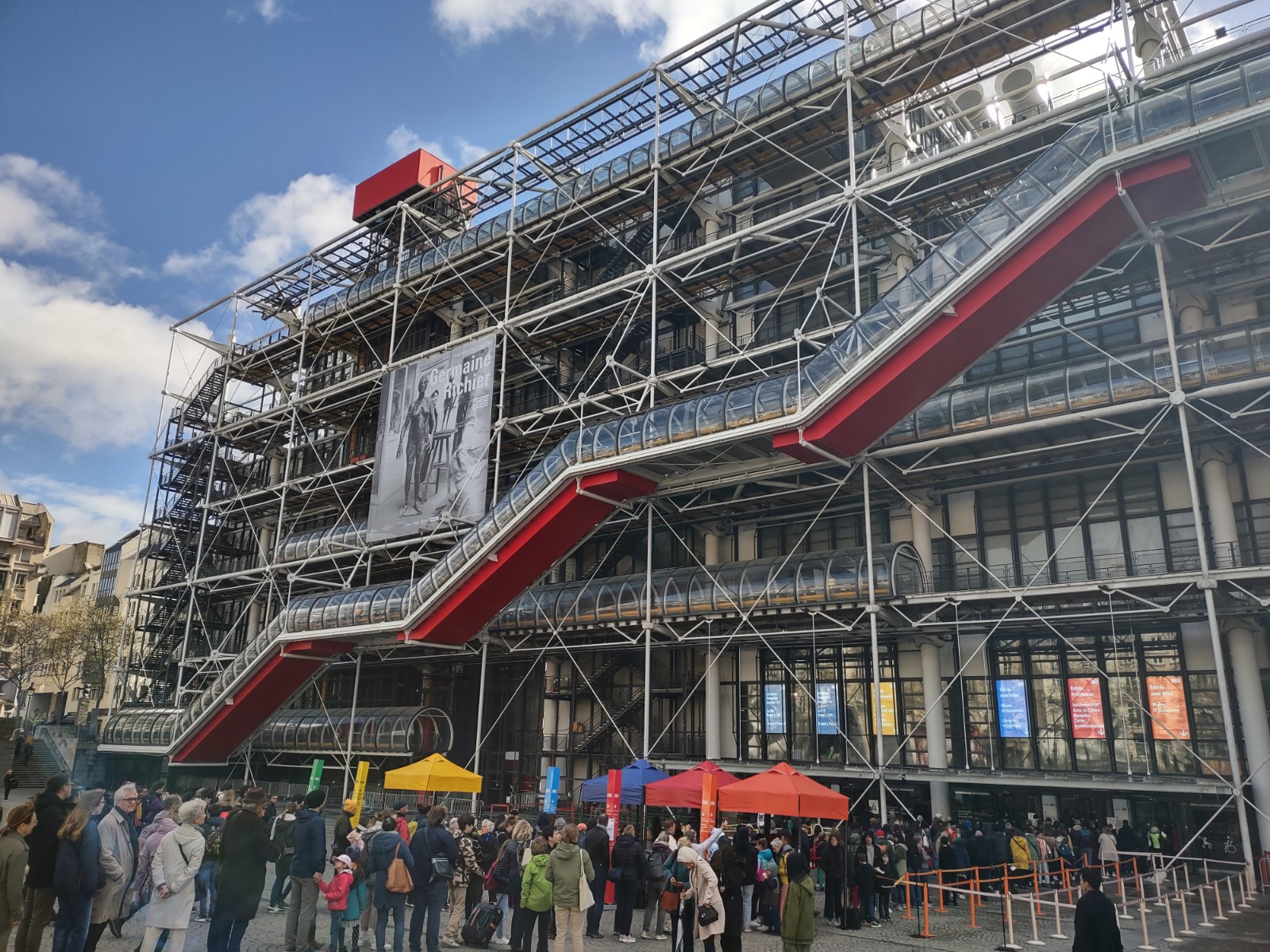
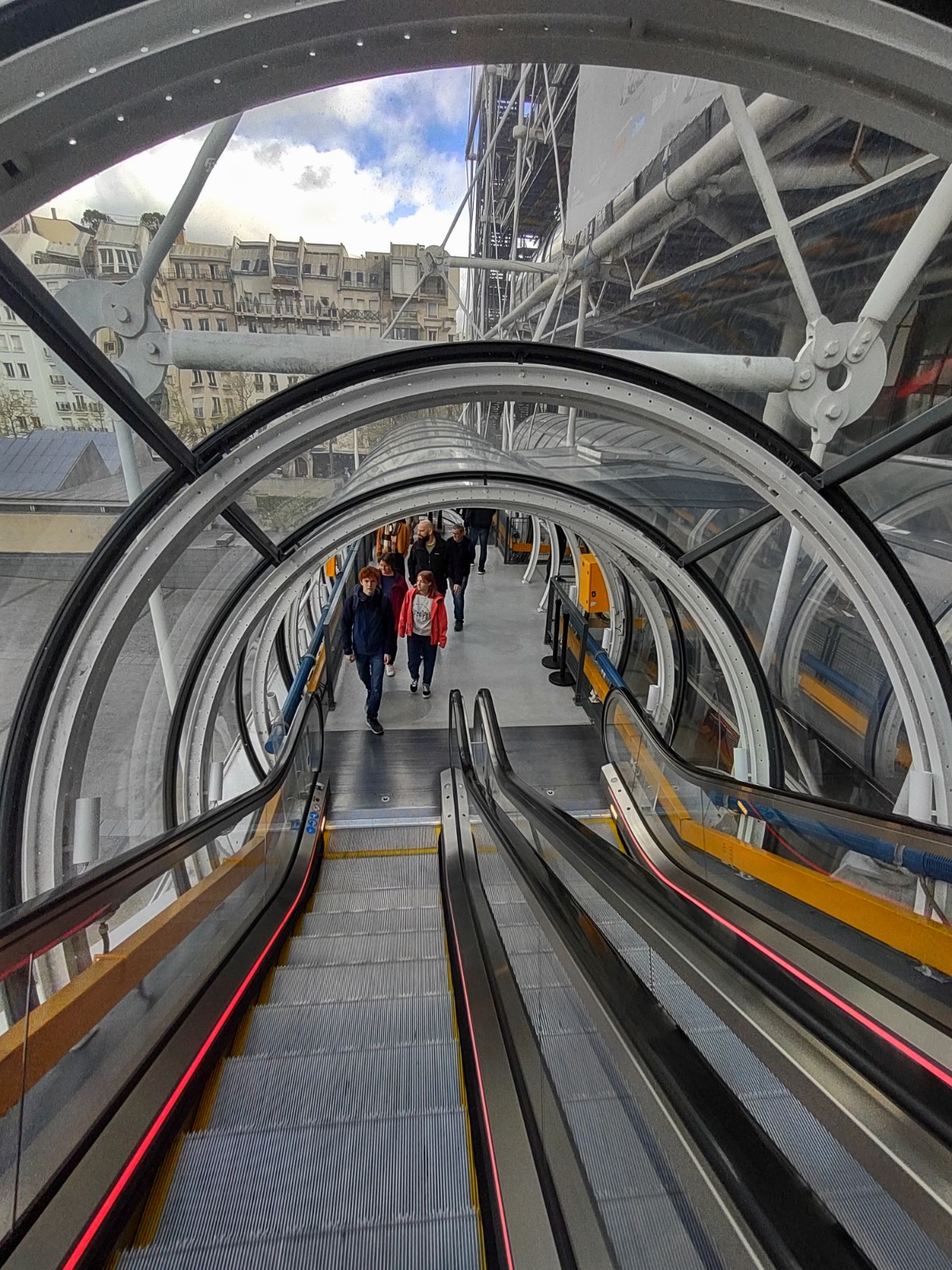
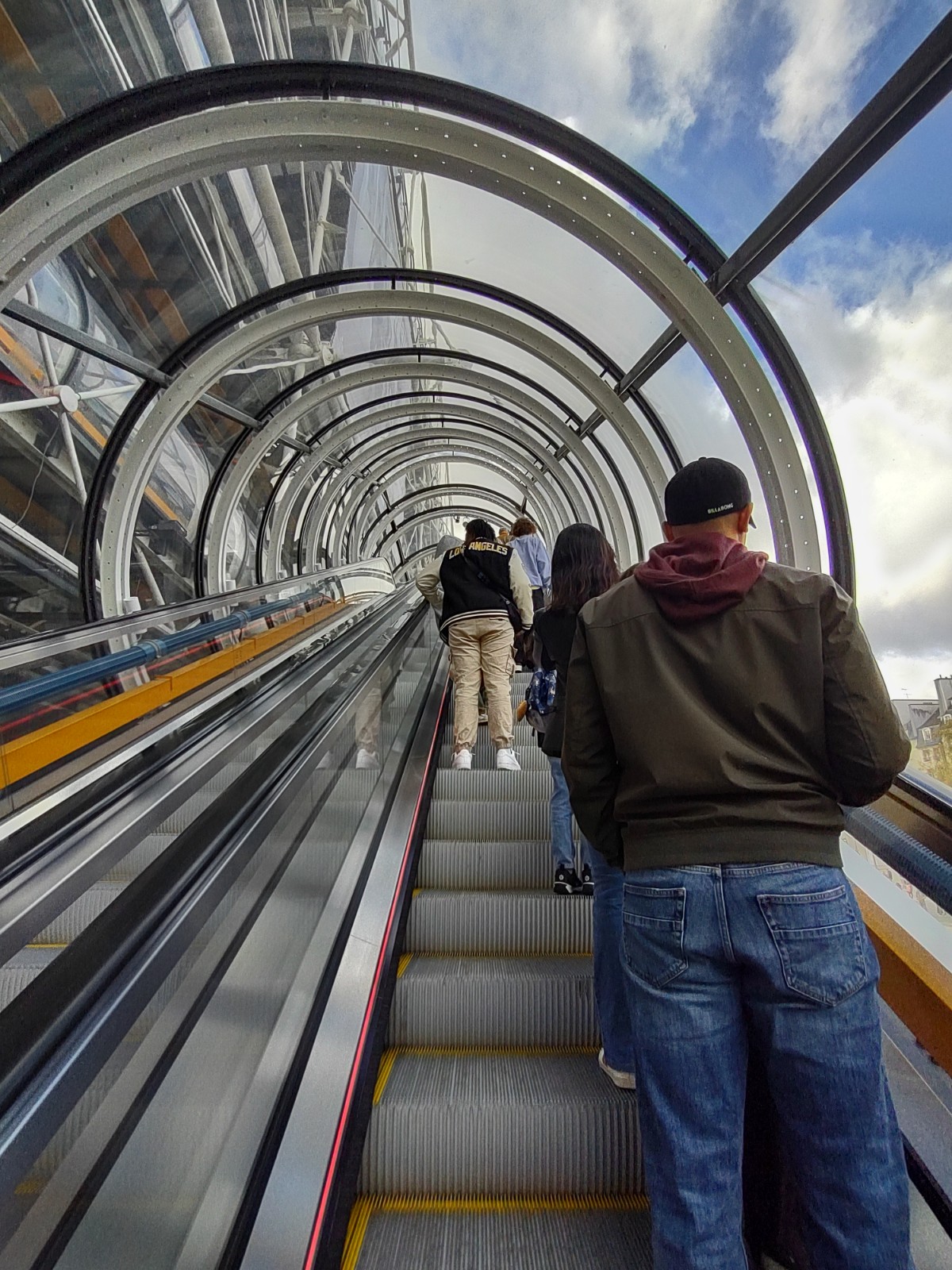
OK, so enough about the building, let’s talk about the museum and its collection. It is, above all else, an incredibly vast collection which seemingly covers all facets of the modern art movement. Despite it being a Wednesday and having booked the first time slot of the day, it was also extremely crowded.
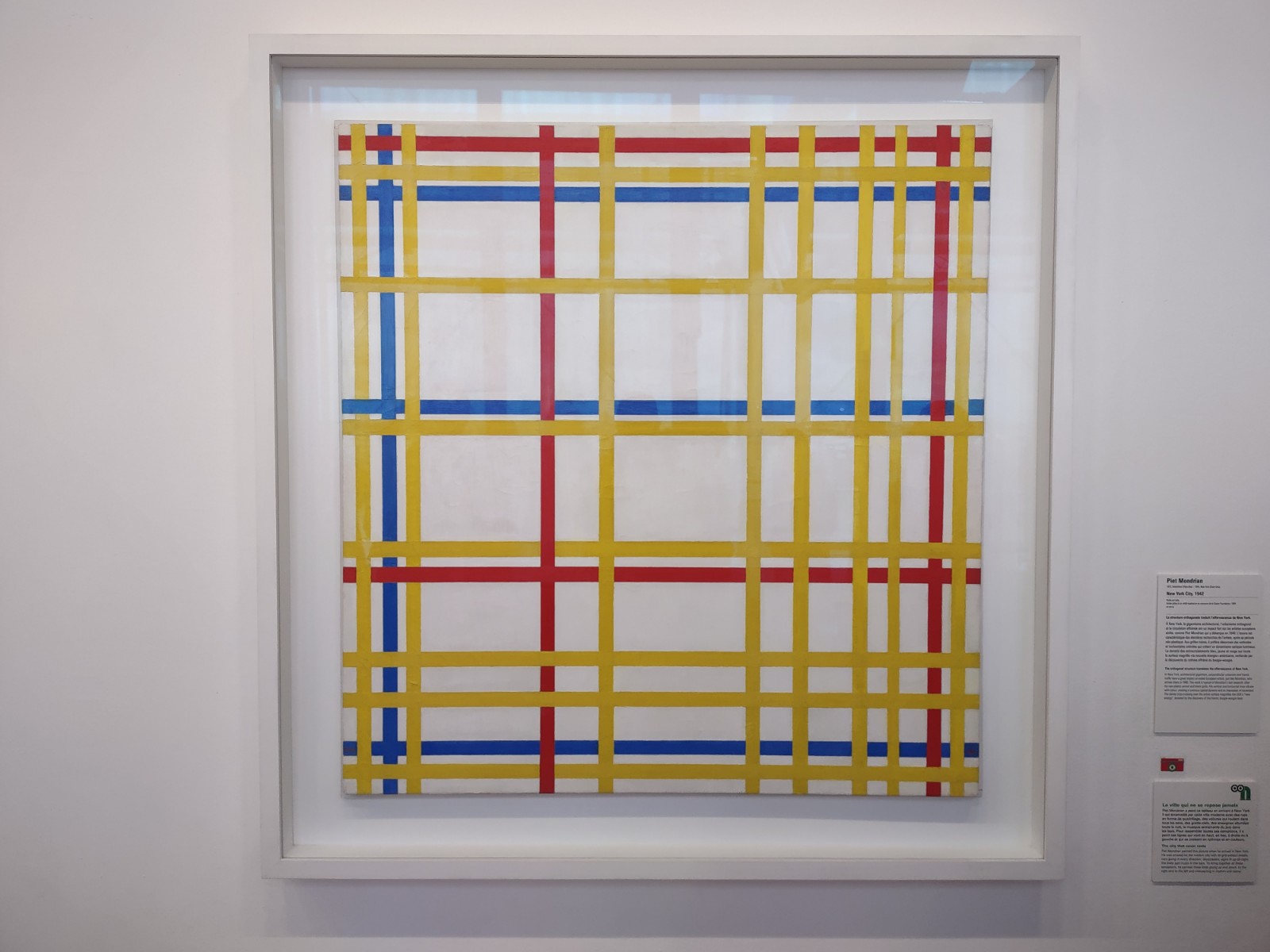
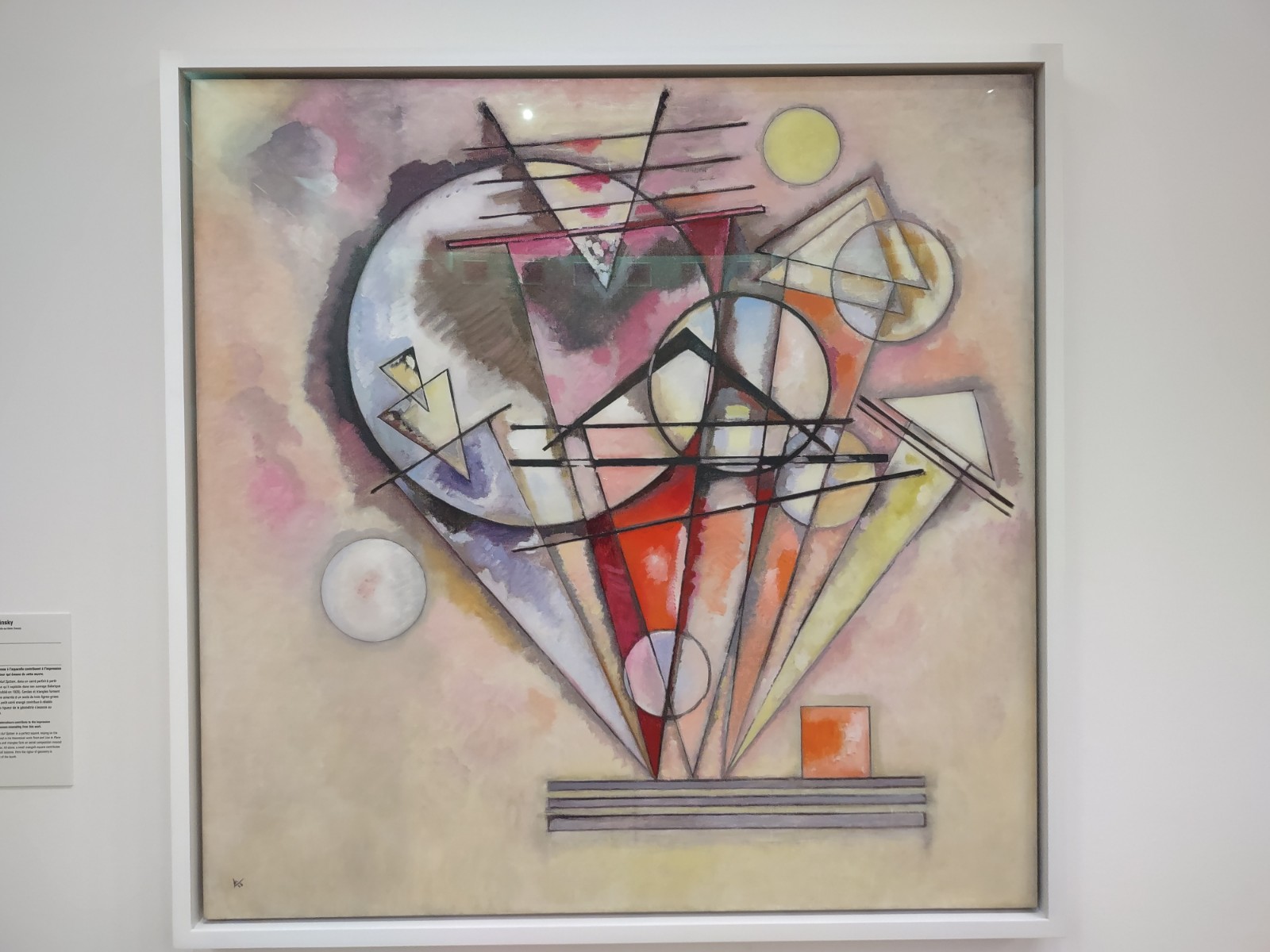
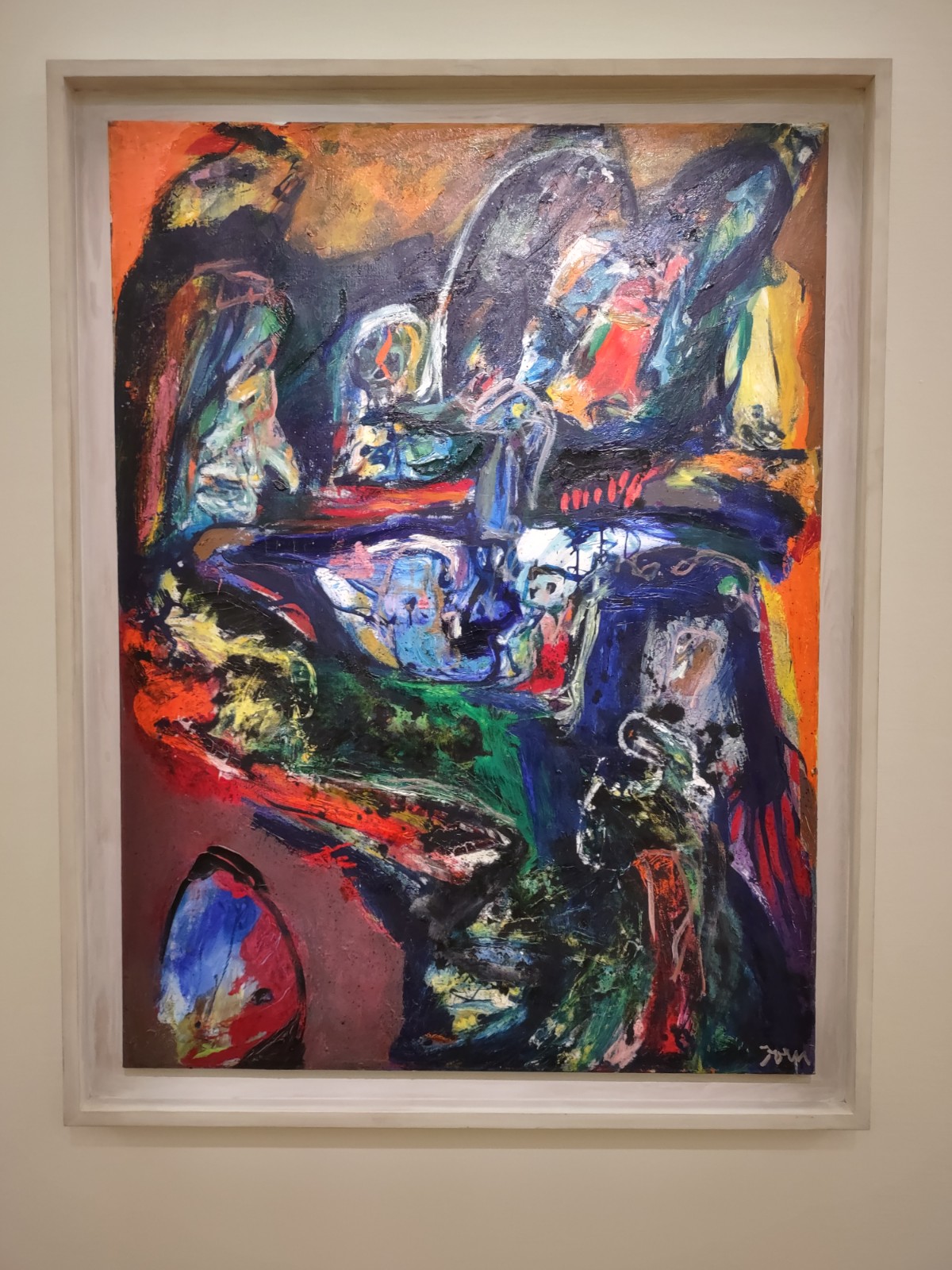
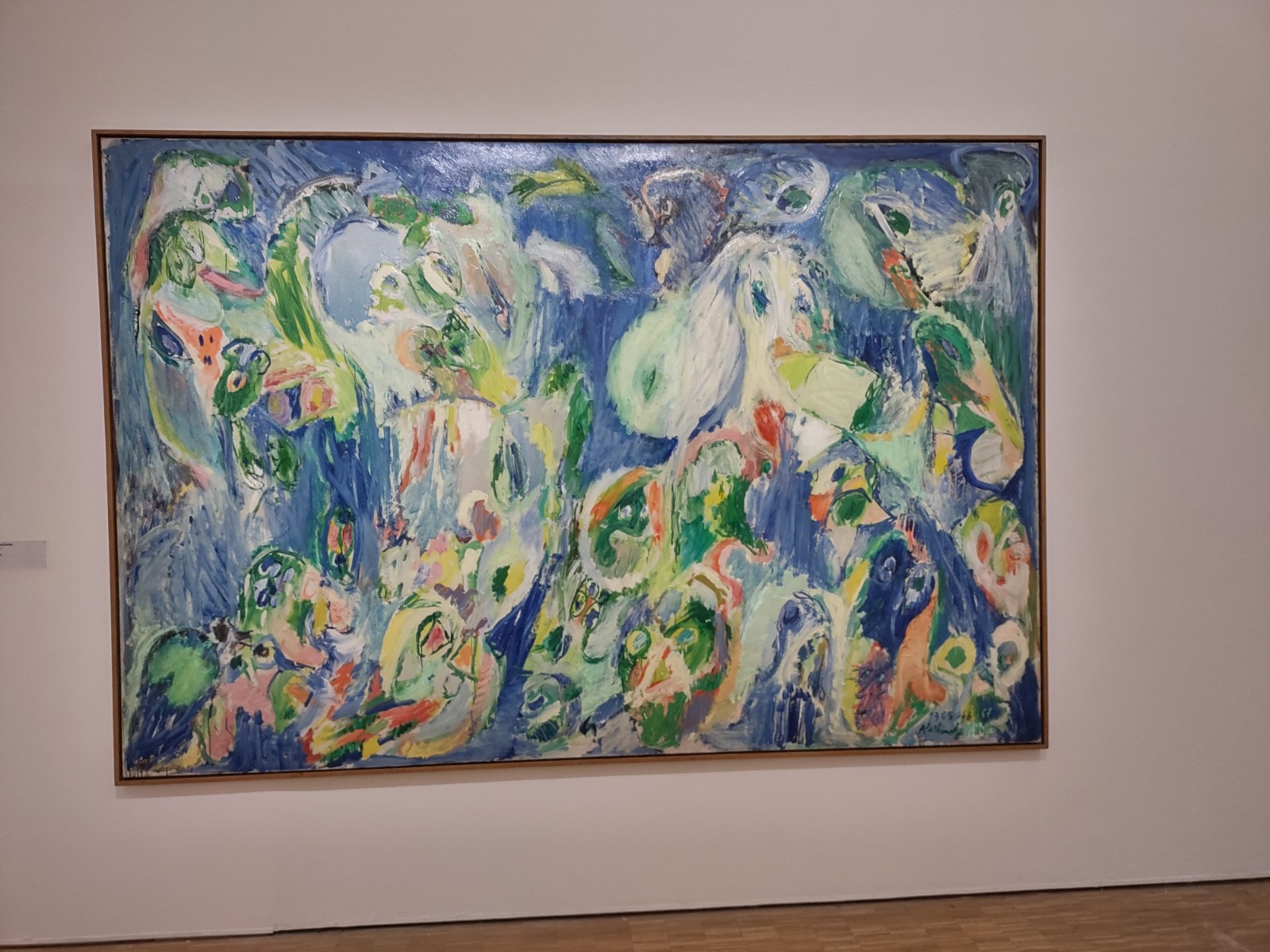
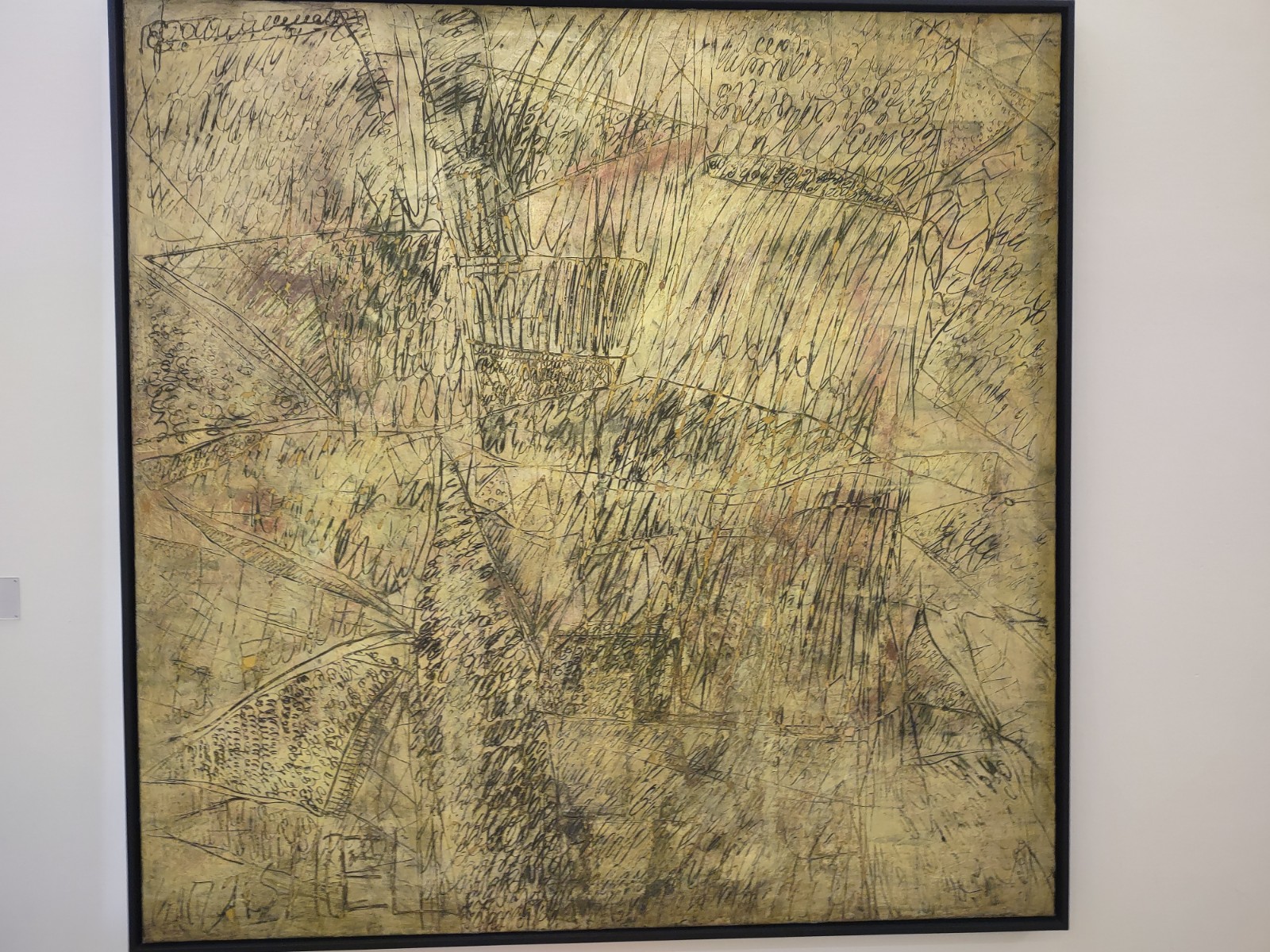
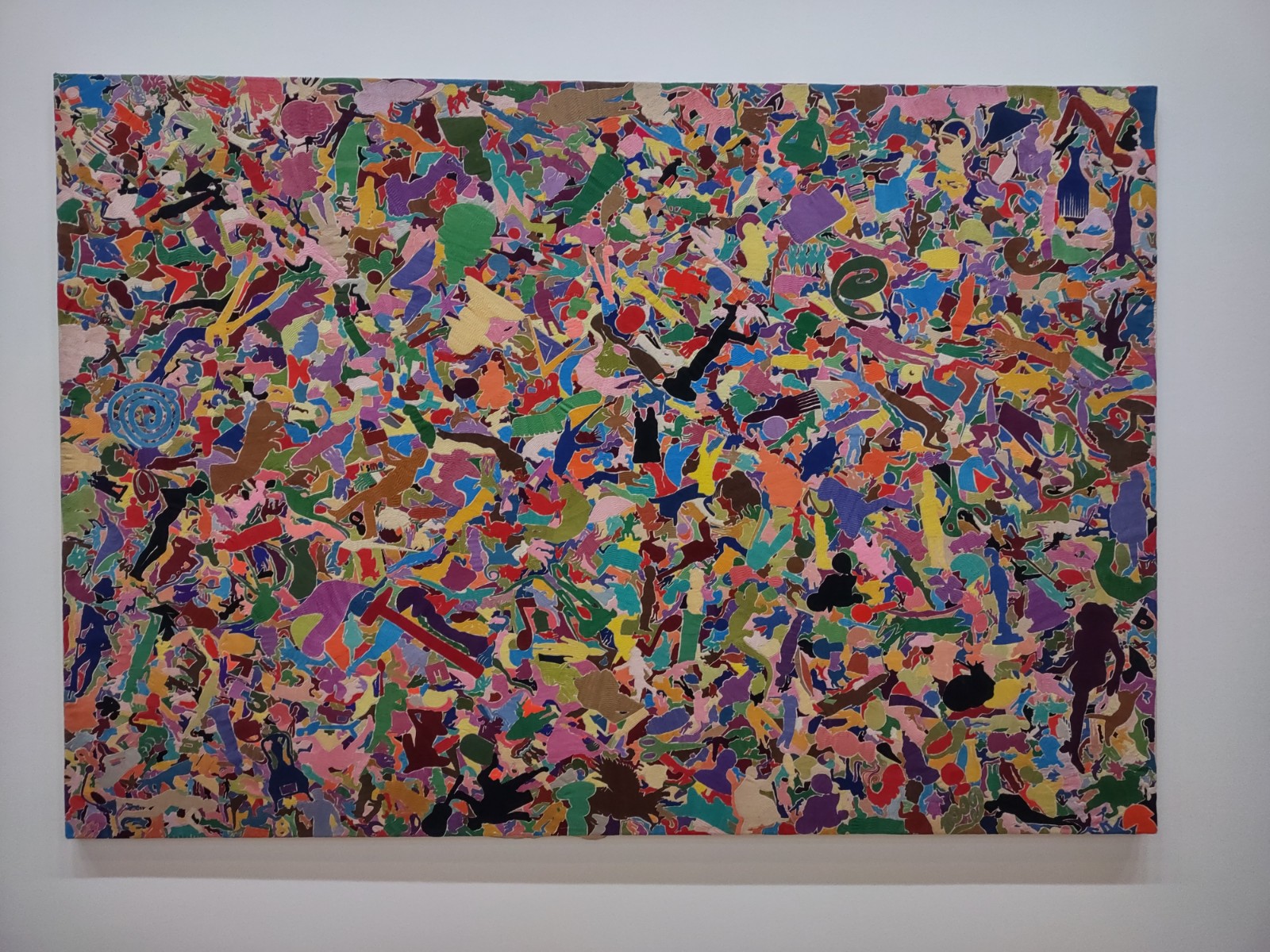
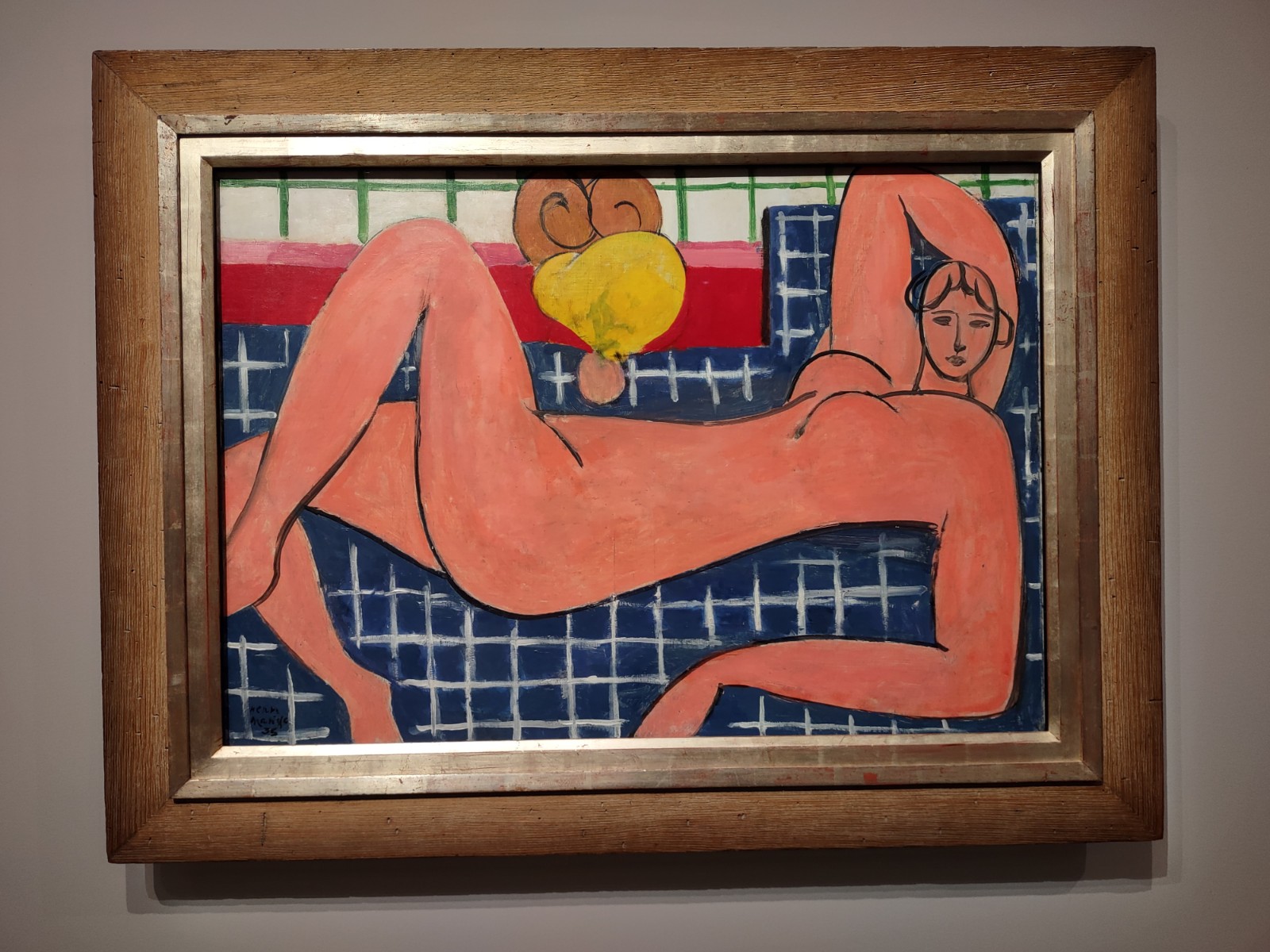
About halfway through the first floor of galleries (actually the sixth floor), we realized that we couldn’t possibly see everything in the time we had and we shifted to a more selective approach, peeking into galleries to see if there was anything that really interested us. But even with this more selective approach, there was still so much to see! Scattered amongst the thousands of painting were works by Chagall, Kandinsky, Klee, Miro, and Mondrian, with sculptures by Calder, as well as some beautiful pieces by artists we were less familiar with.
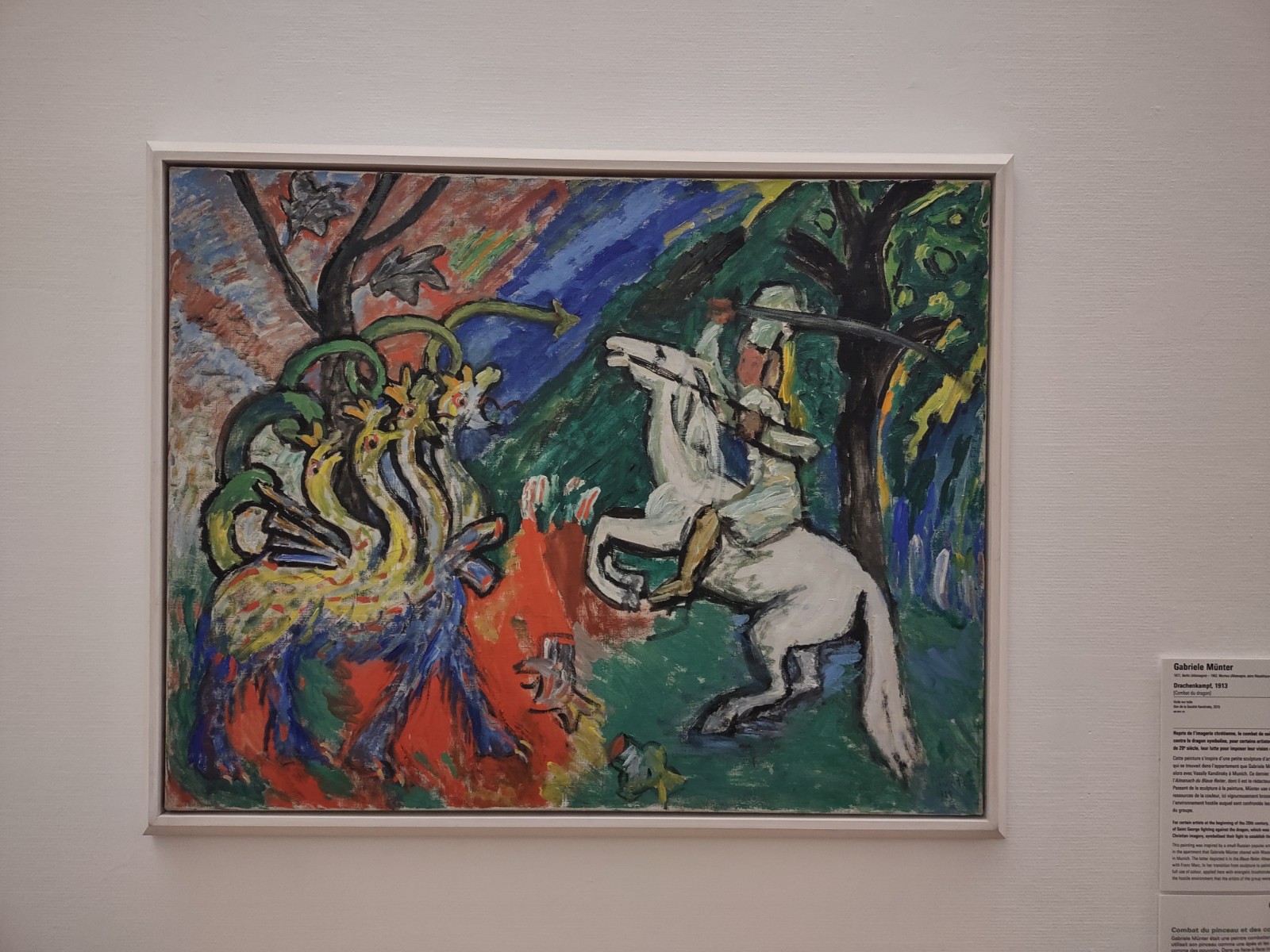

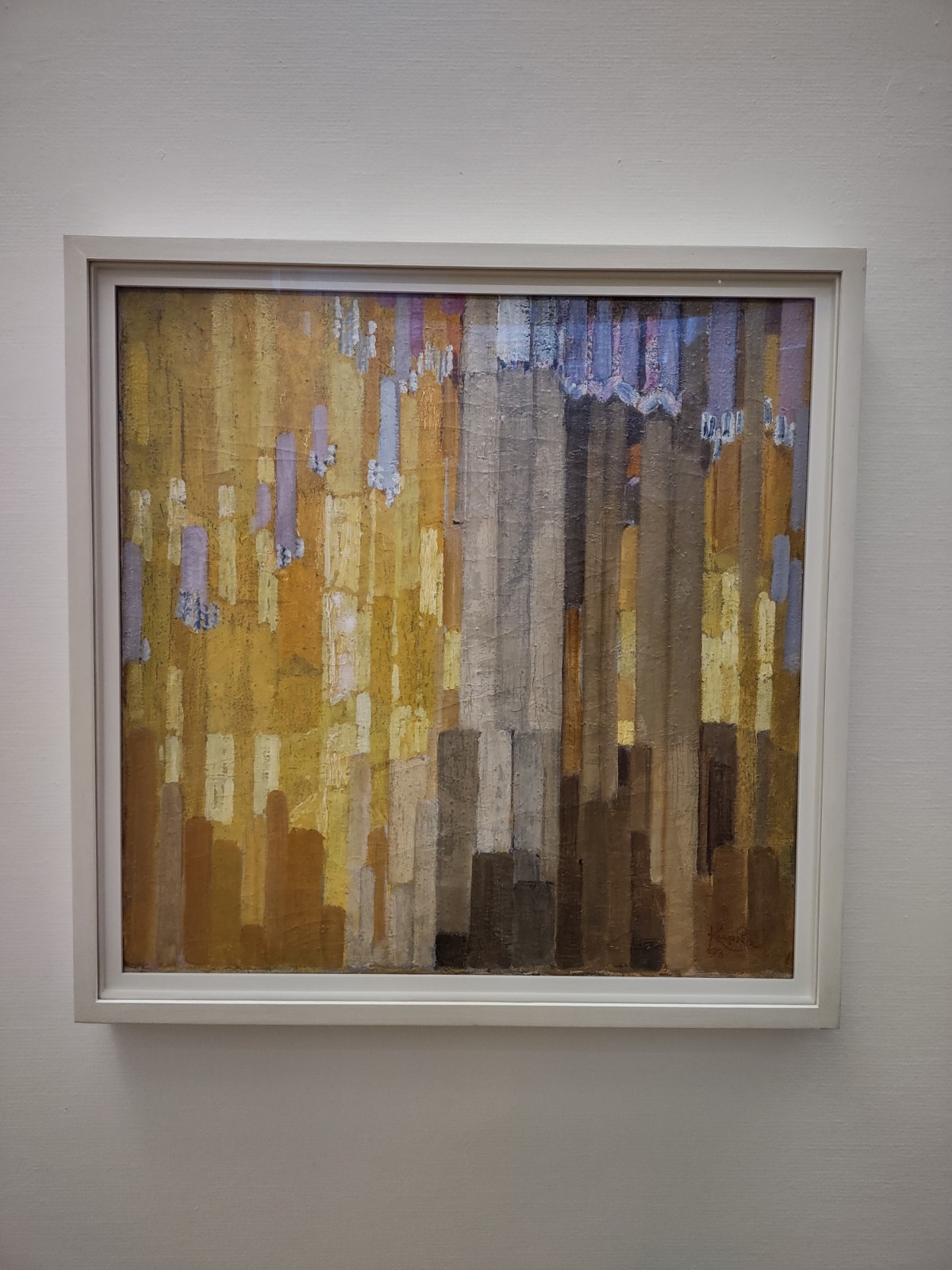



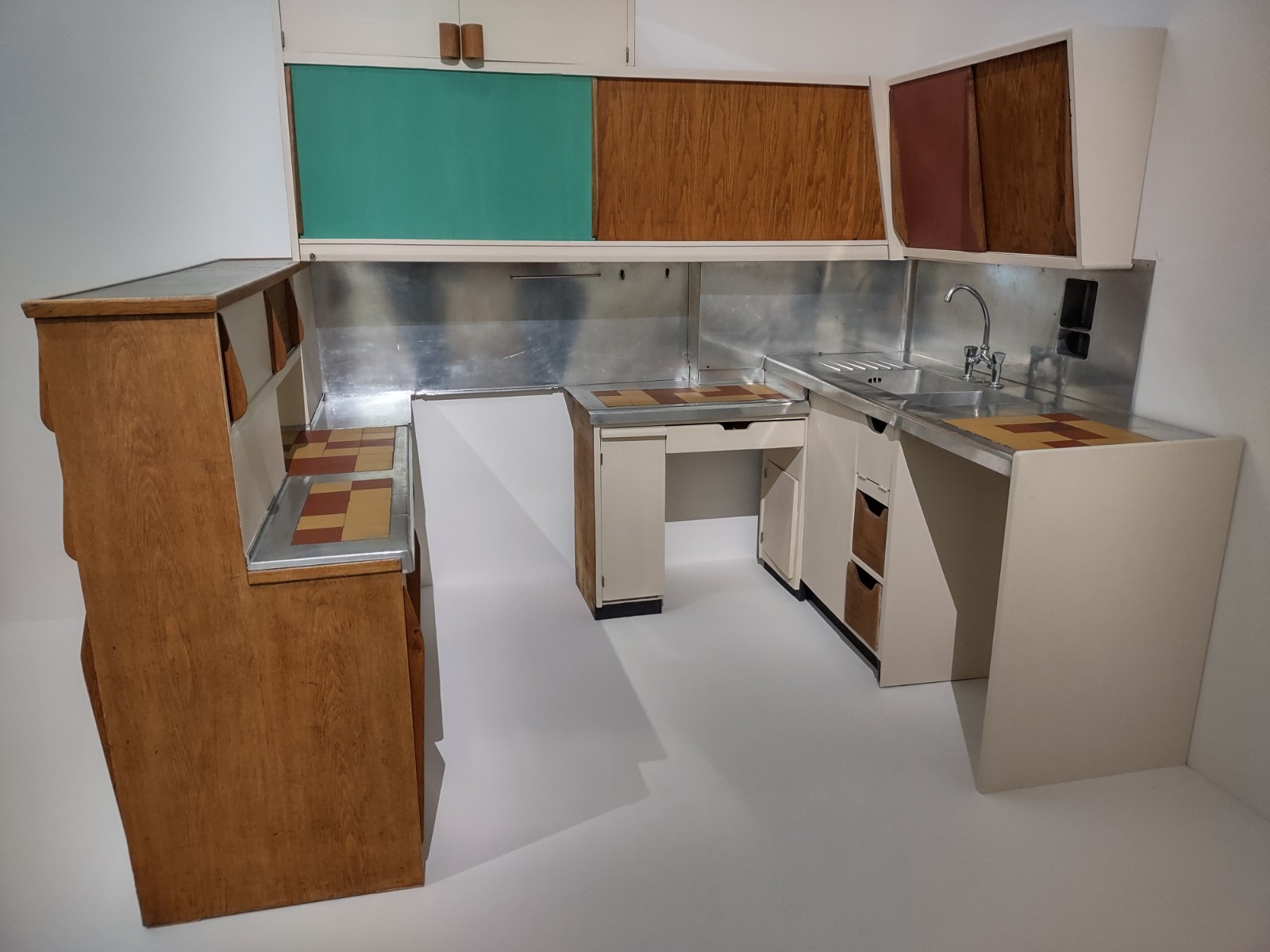
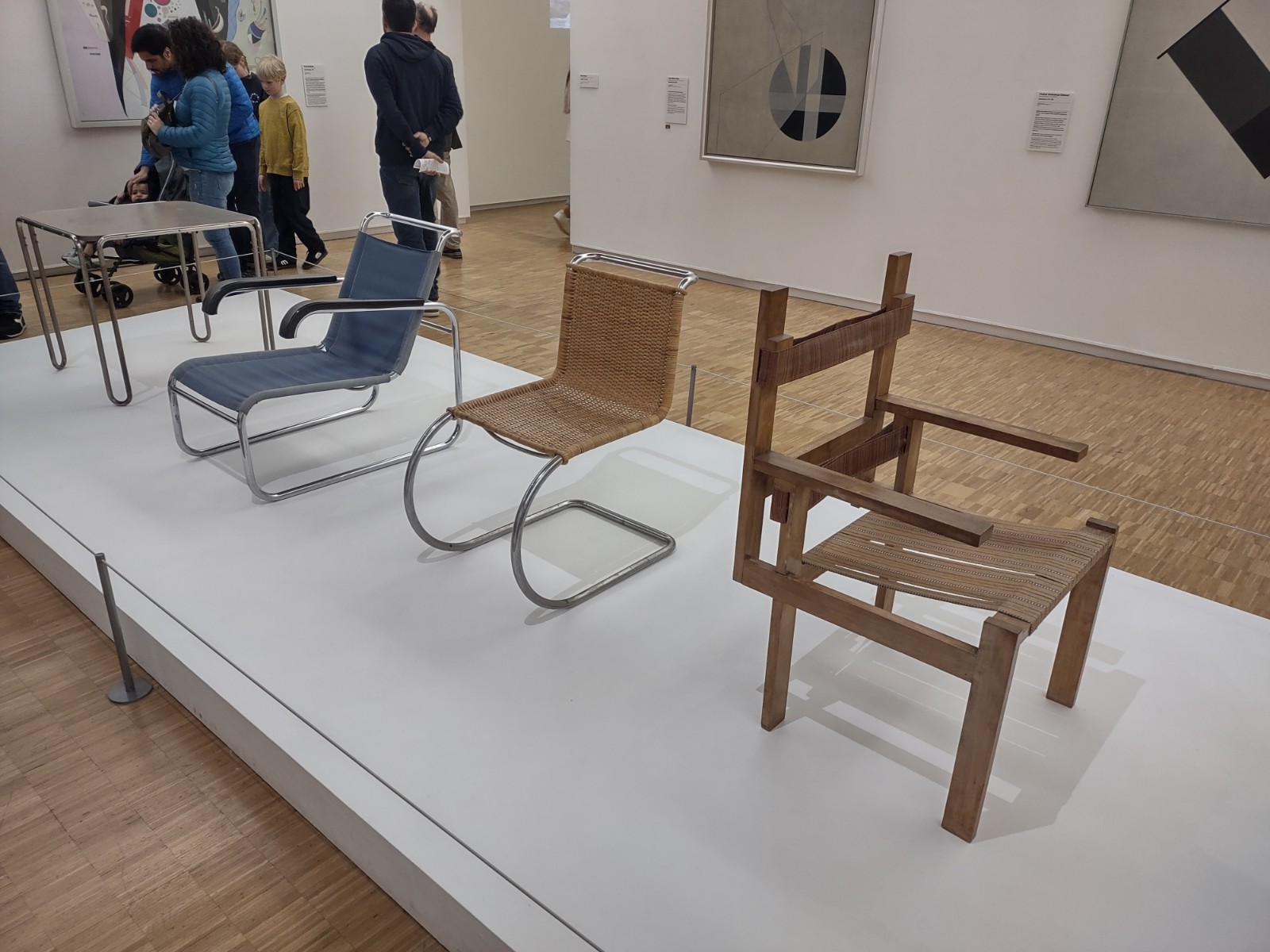
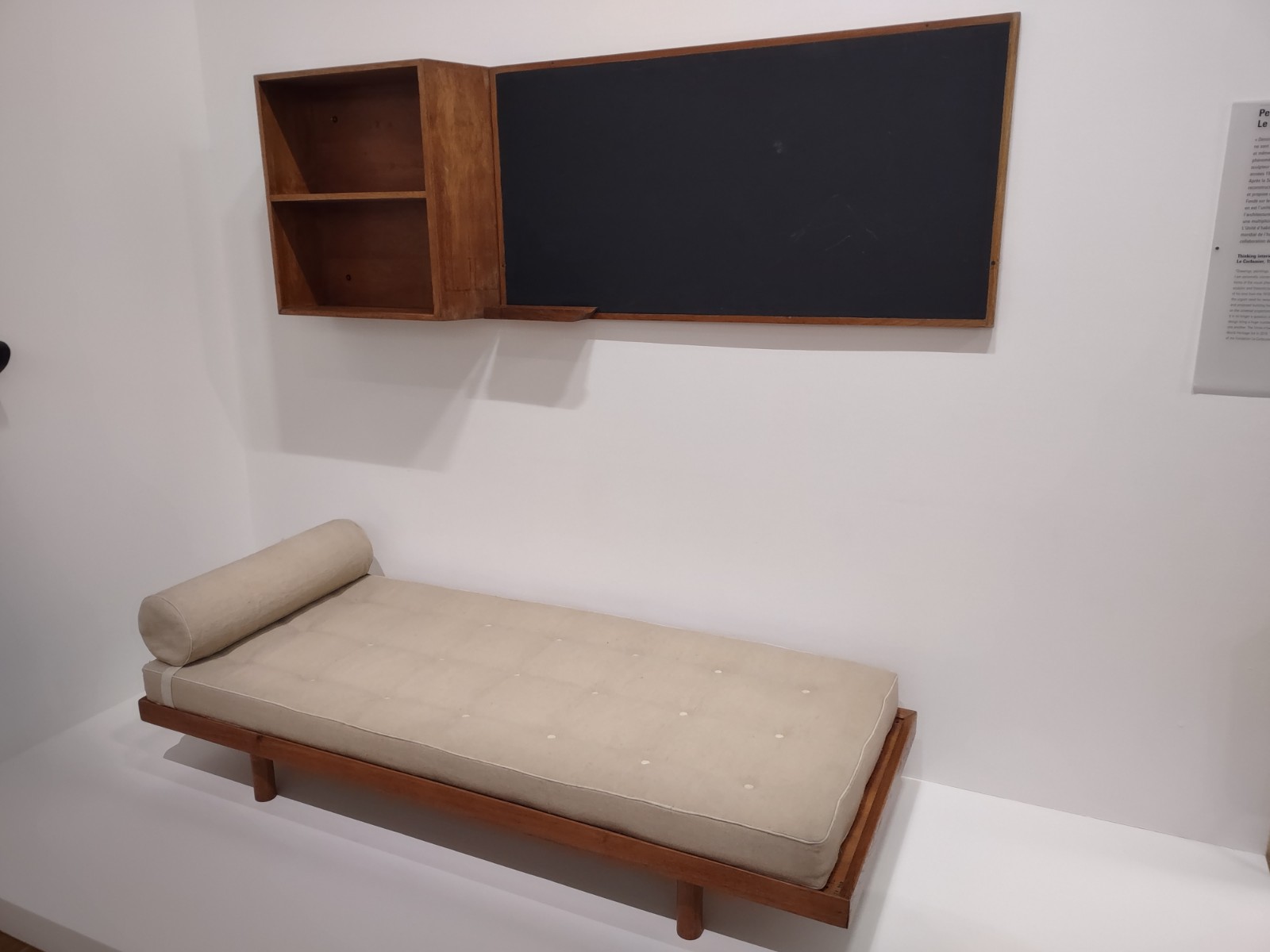
In an exhibit of modern furniture, Ritchard discovered a mock-up of furniture designed by French architect Le Corbusier for La Habitation Unite, an infamous modernist housing block Corbu designed in Marseilles. While the Barcelona day bed has become a classic, the kitchen was a little wonky (but oddly reminiscent of some of the ones we have seen in our travels!).
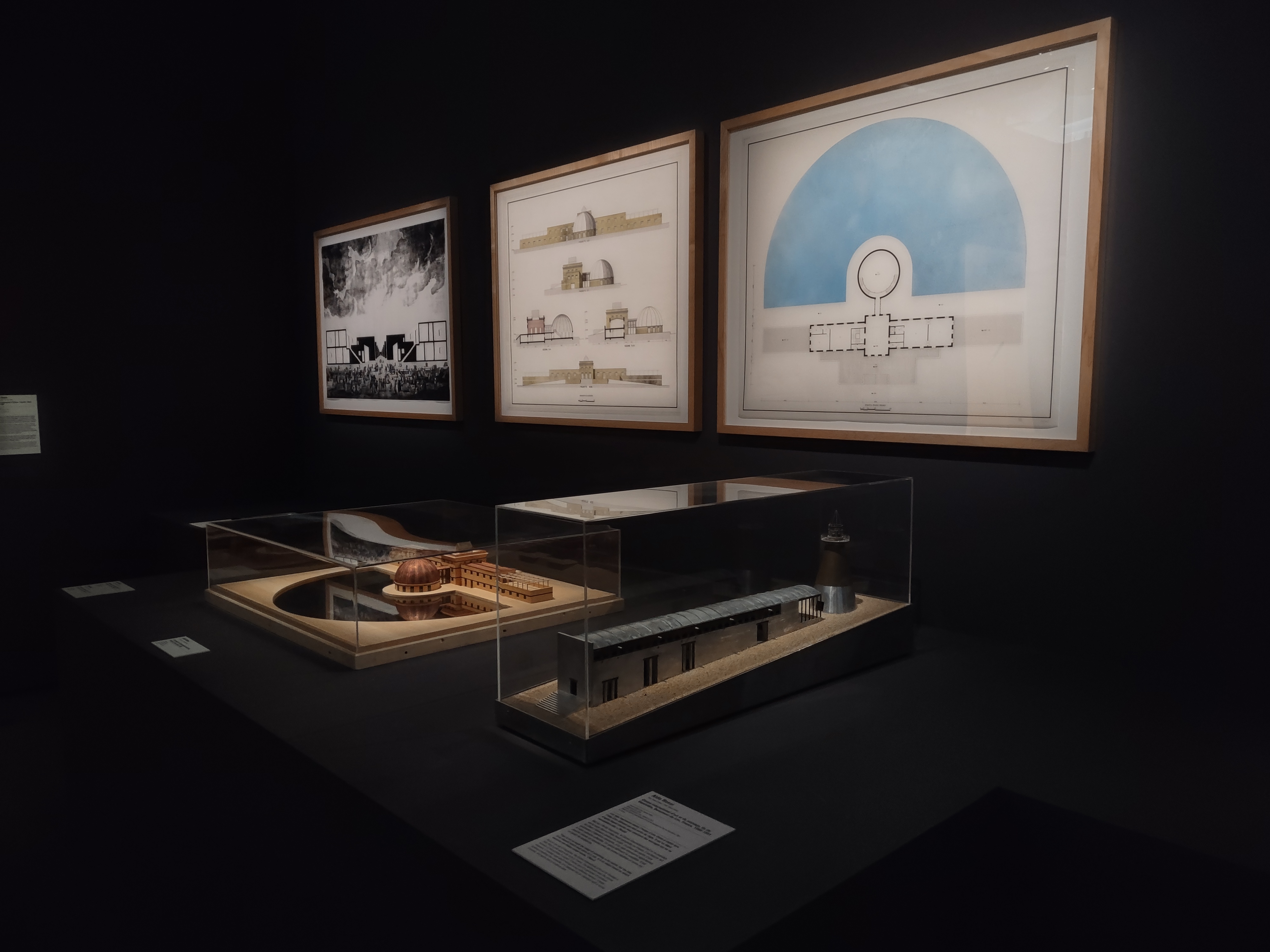
There was also an architectural exhibit which Ritchard was particularly taken with which included work by Also Rossi (his favorite Italian architect) and a model of the Torre Velasca, which we had previously seen and declared the ugliest building in Milan!

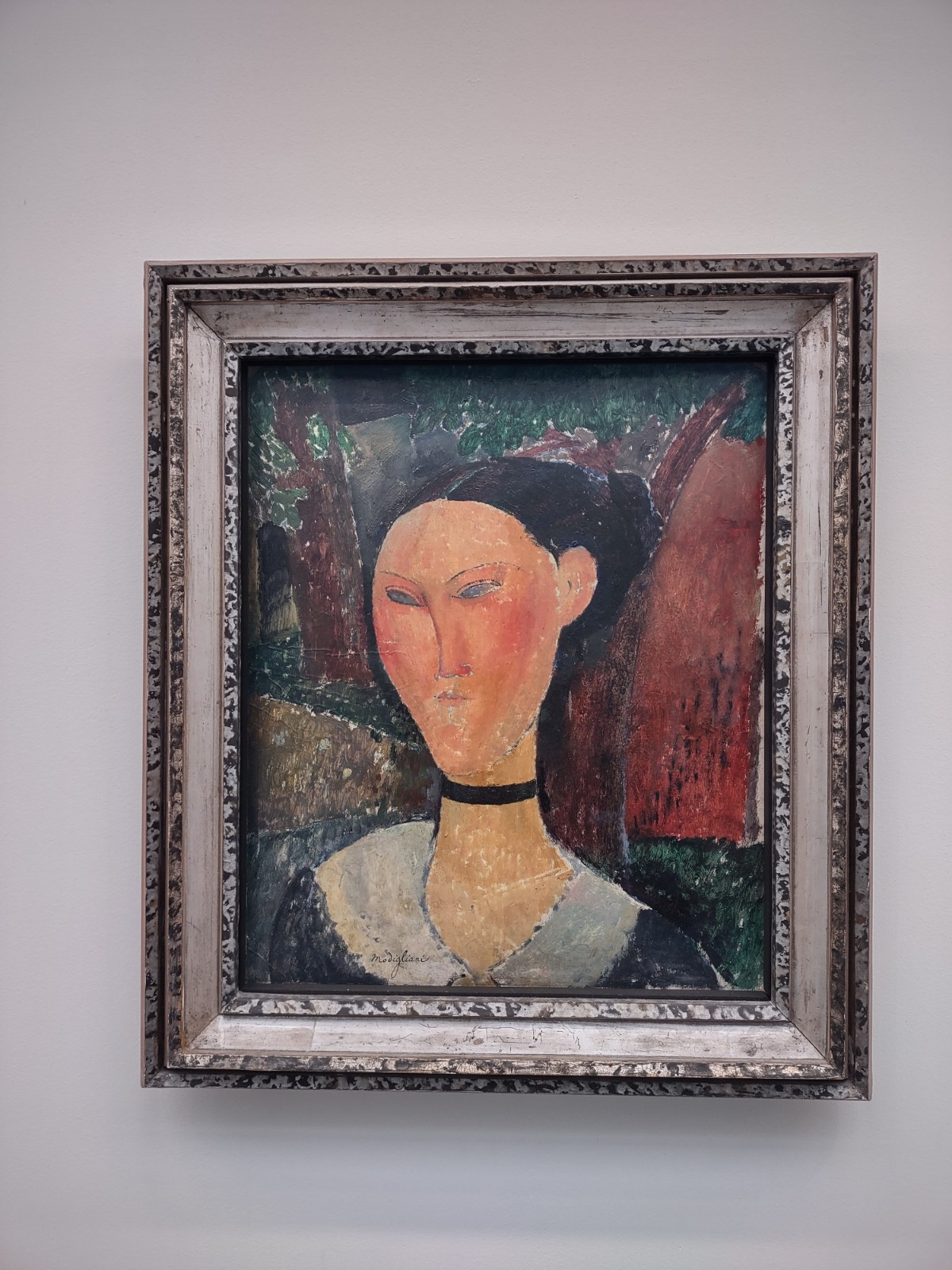
Somewhere along the way, Colleen came to the realization that she actually doesn’t really care all that much for modern art and that, in particular, she doesn’t really like Picasso! (Please don’t tell our son!) To Colleen’s credit, she stuck it out to the end although there was a close moment when she encountered three large canvas from a not-to-be-named artist from a period when they were exploring painting in a single color, in this case the color white, at which point she concluded (again, please don’t tell our son!) that even she could do modern art were she so inclined.

We let that moment pass and continued, eventually making our way back to the hamster trail for our exit. In truth, an amazingly large and broad collection of modern art in all its visages. An absolute must do if modern art is your thing.
National Picasso Museum
We were scheduled to visit the National Picasso Museum (the Musee National Picasso-Paris) in the afternoon following our visit to Pompidou Center. (For reference this was on day 3 of the Museum Pass Marathon.) But, over a great falafel lunch at Mi va Mi, emboldened by both the wine and her revelations that morning at Center Pompidou, Colleen begged off to do some much-needed shopping instead. As compensation she offered to meet Ritchard at the Brew Dog brew pub in a couple of hours and the deal was struck and Ritchard proceeded solo to the Picasso Museum.
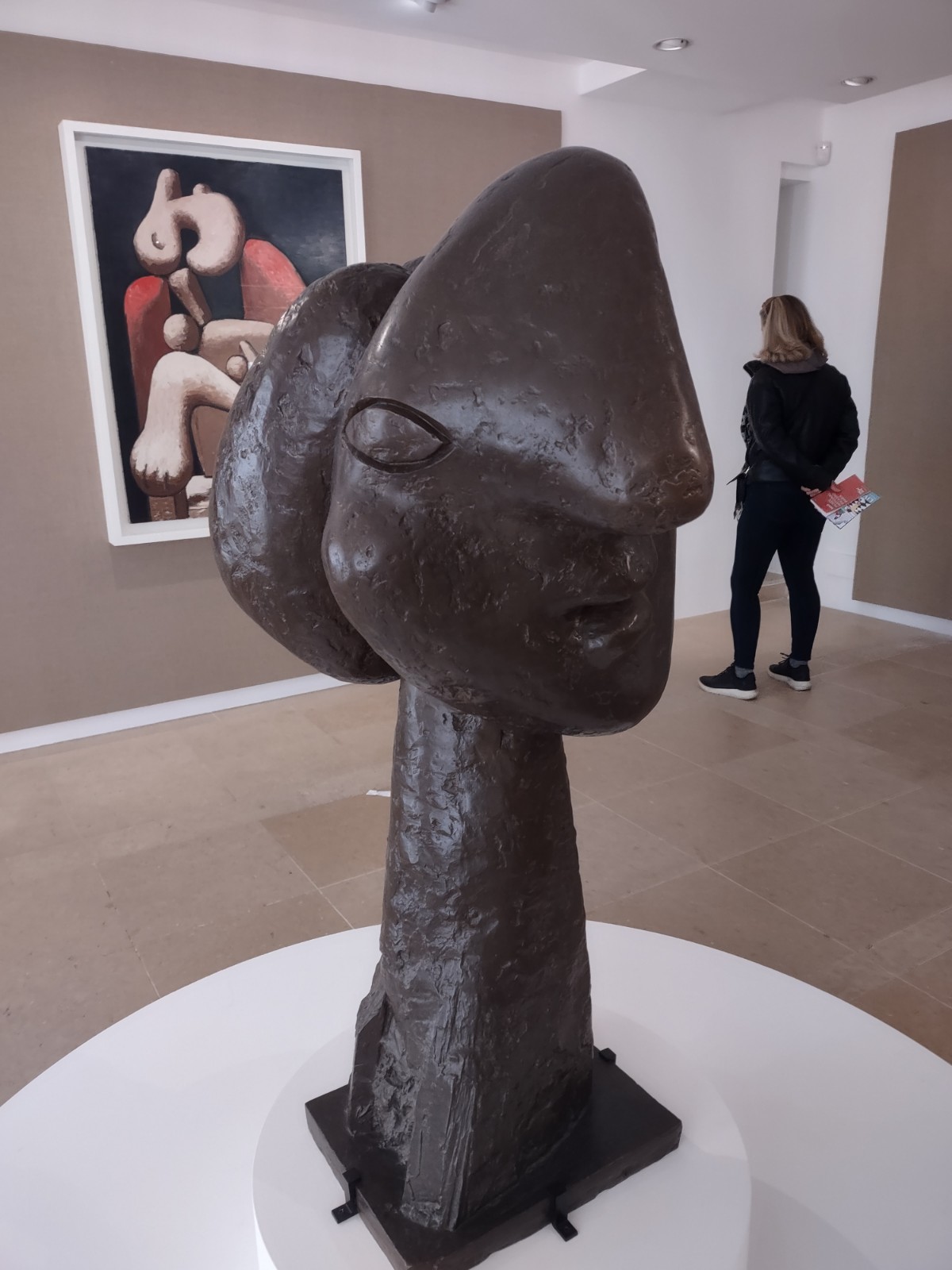
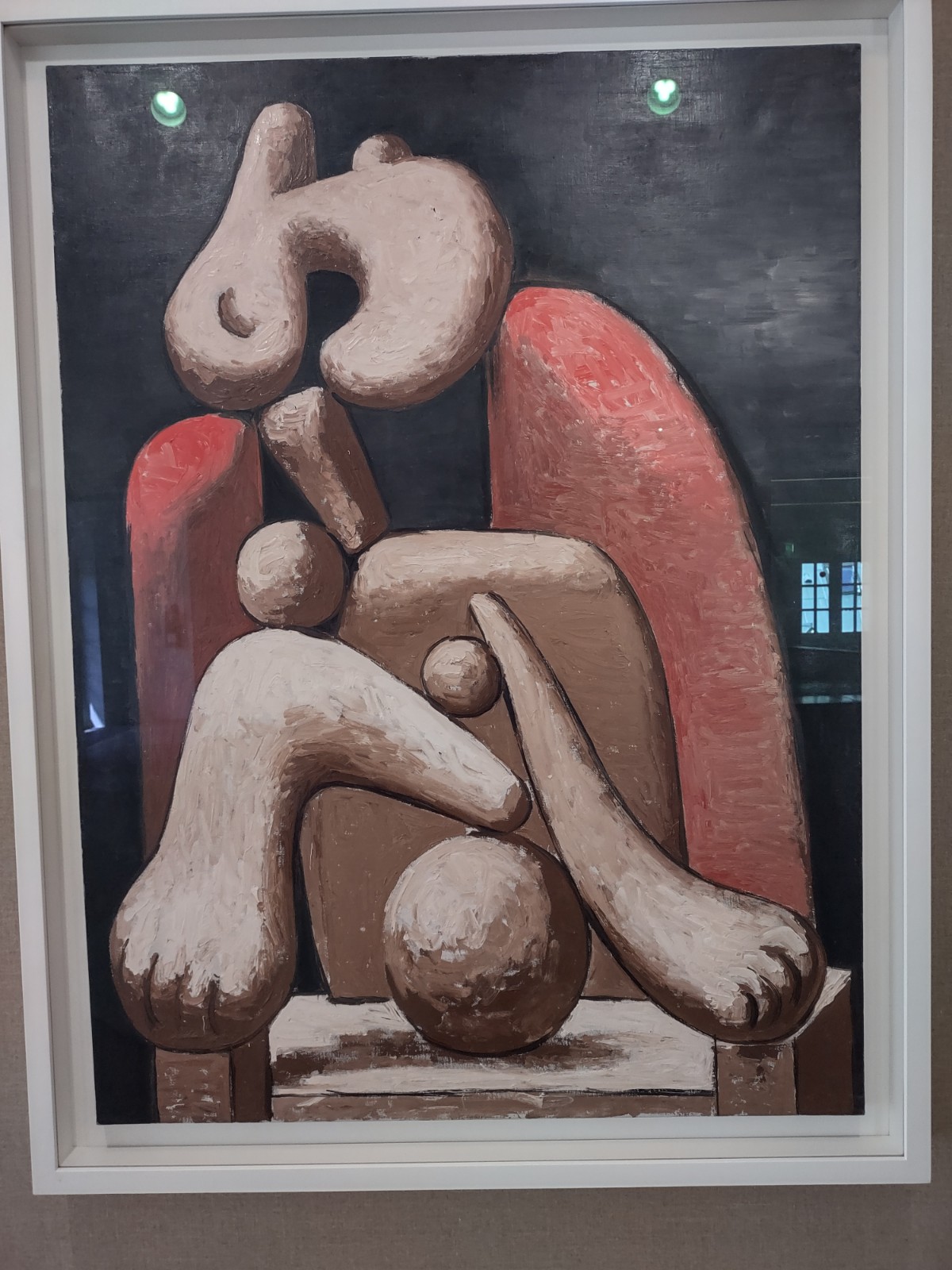
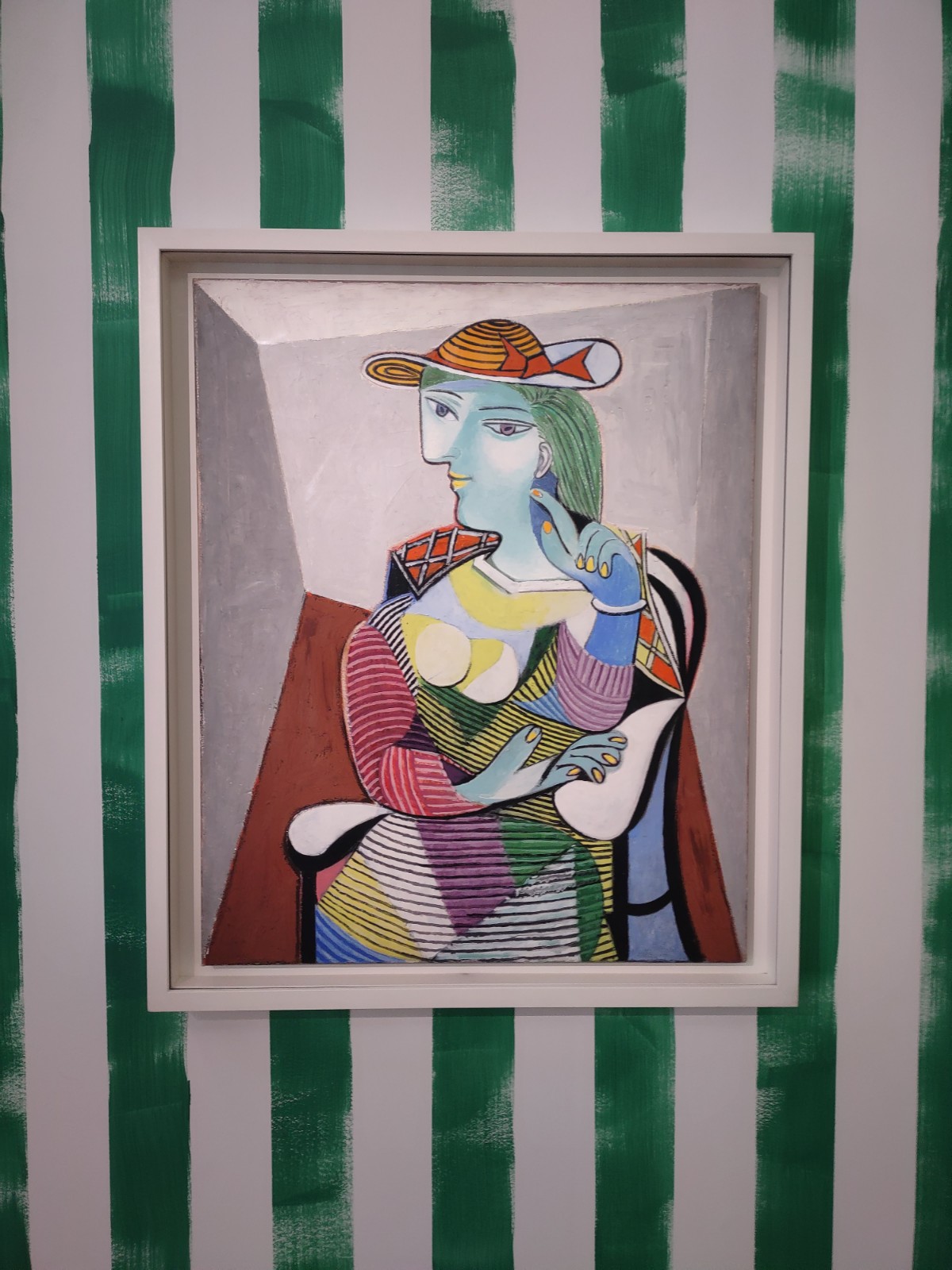

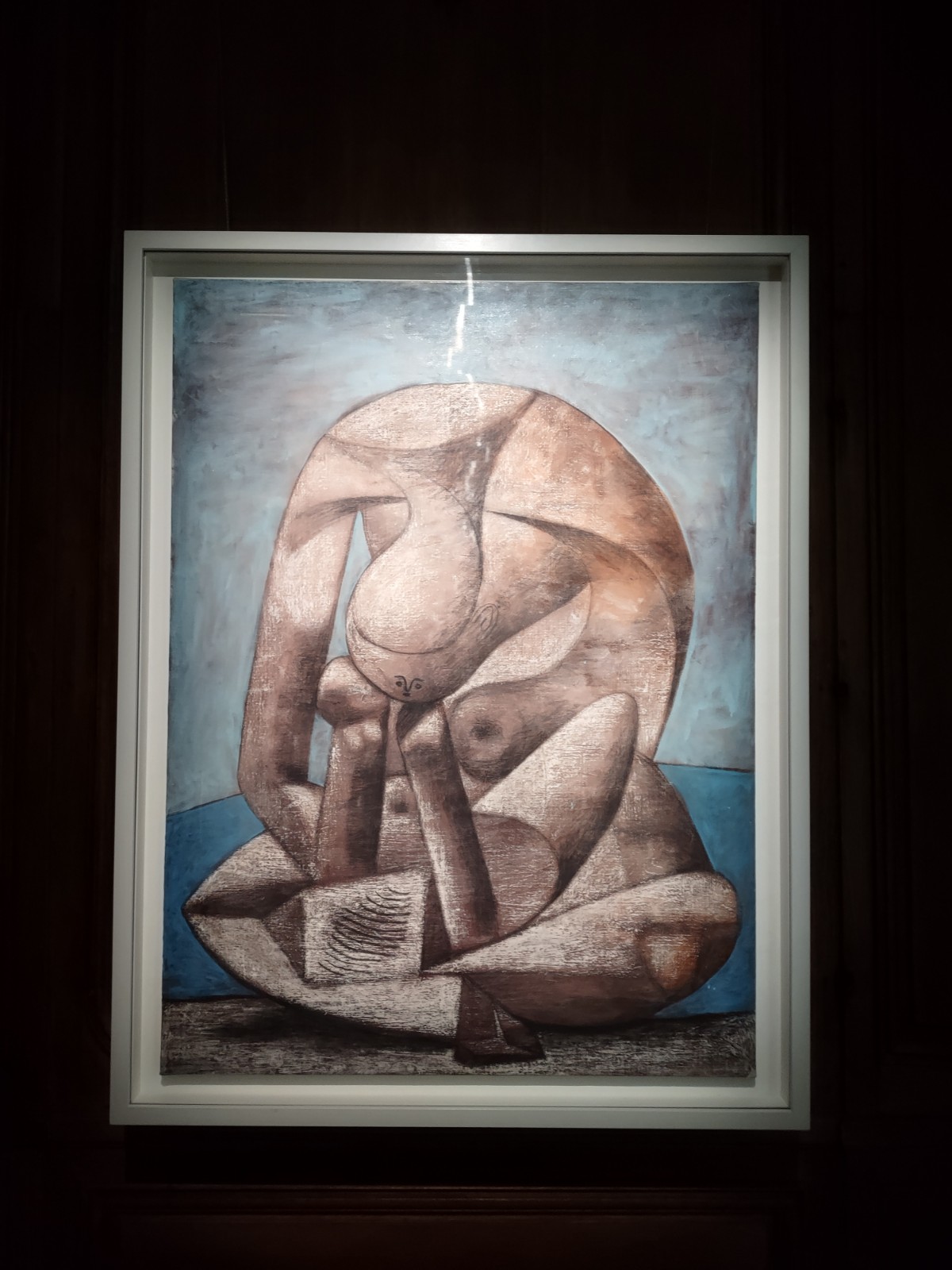
So, a little background may be in order here. About ten years prior we had the opportunity as a family to visit the Museo Picasso in Barcelona which is the largest collection of his work in the world. While Colleen apparently walked away with a lot of feelings which she repressed (for an unhealthy length of time), I think the rest of us walked away with an even greater appreciation of Picasso’s work and genius.
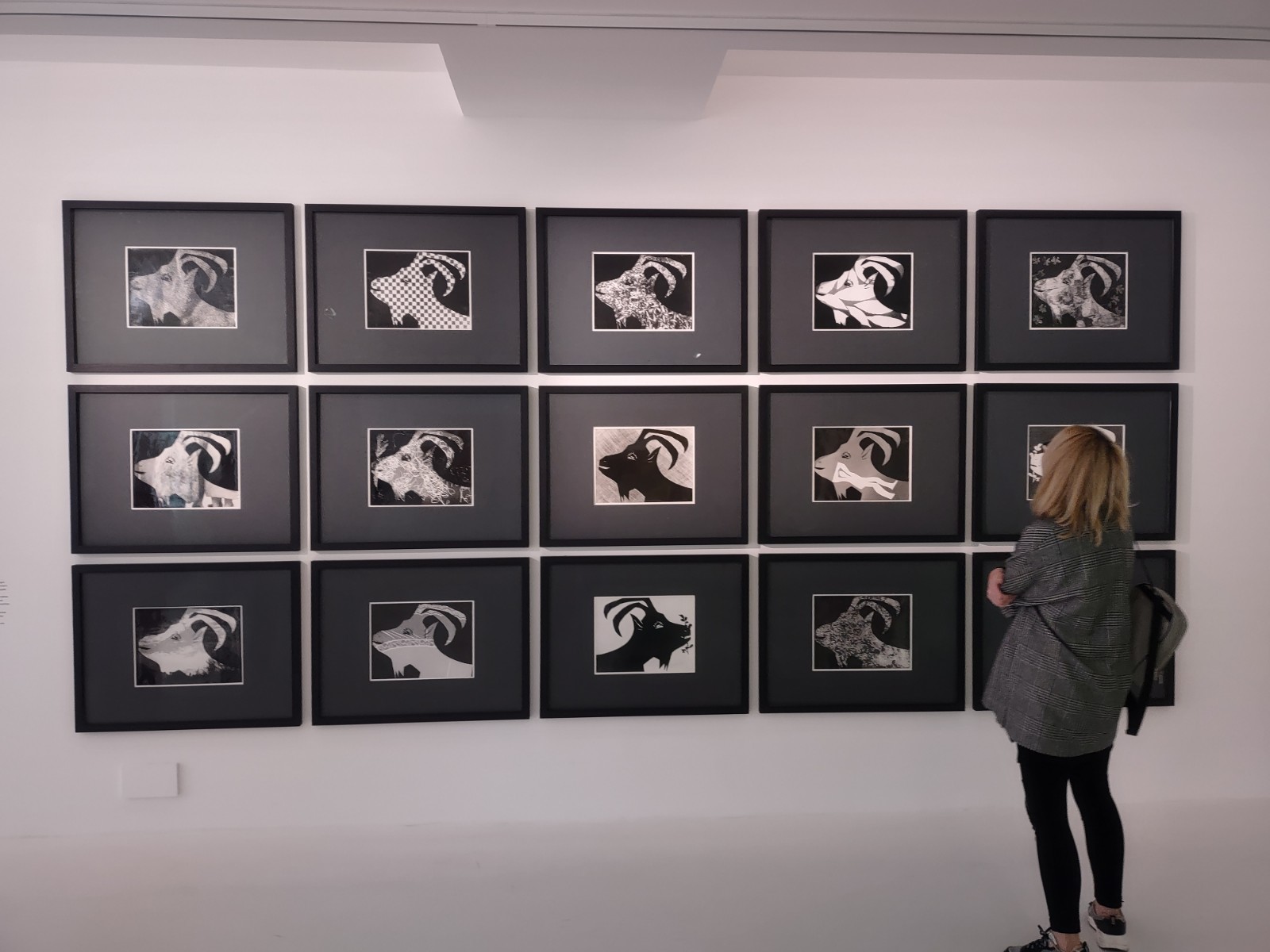
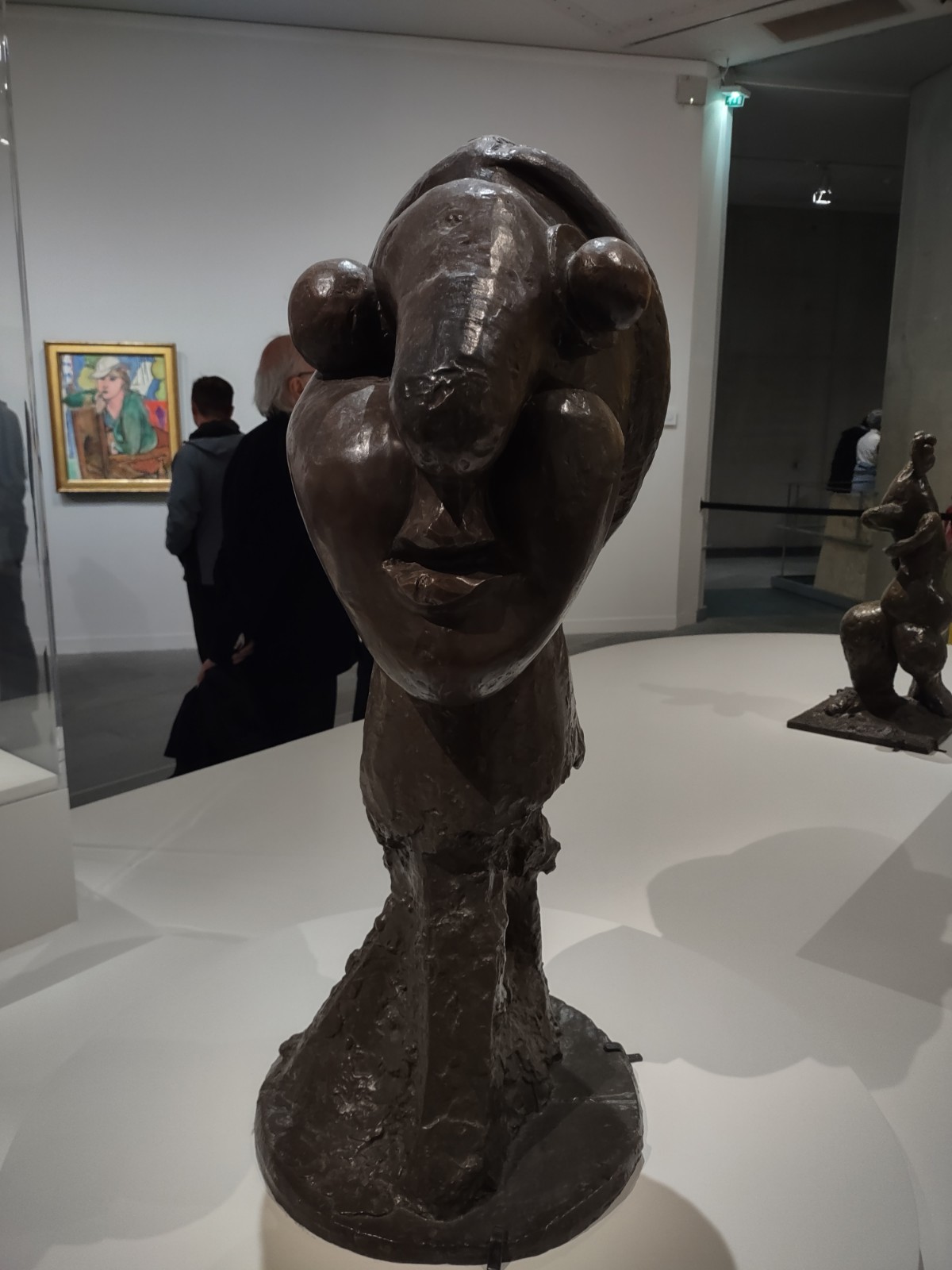
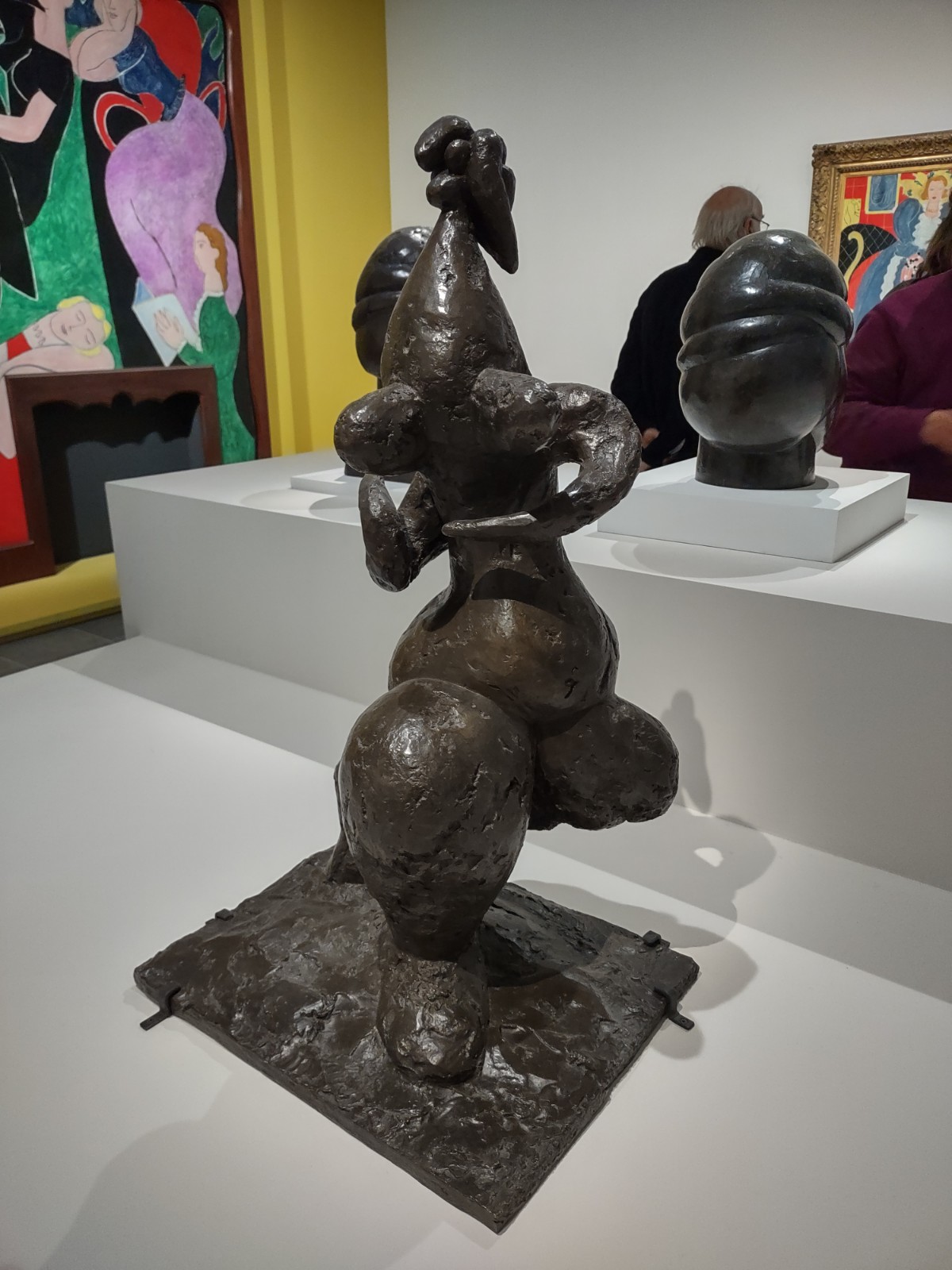
In Barcelona, you can clearly see Picasso’s habit of exploring a particular theme over time in a series of paintings which become less realistic through each iteration until they are almost pure abstraction something that Ritchard and (I think) Ethan found particularly intriguing. Although smaller in size, the Picasso-Paris Museum has similar examples of this (what was it with this guy and goats?).
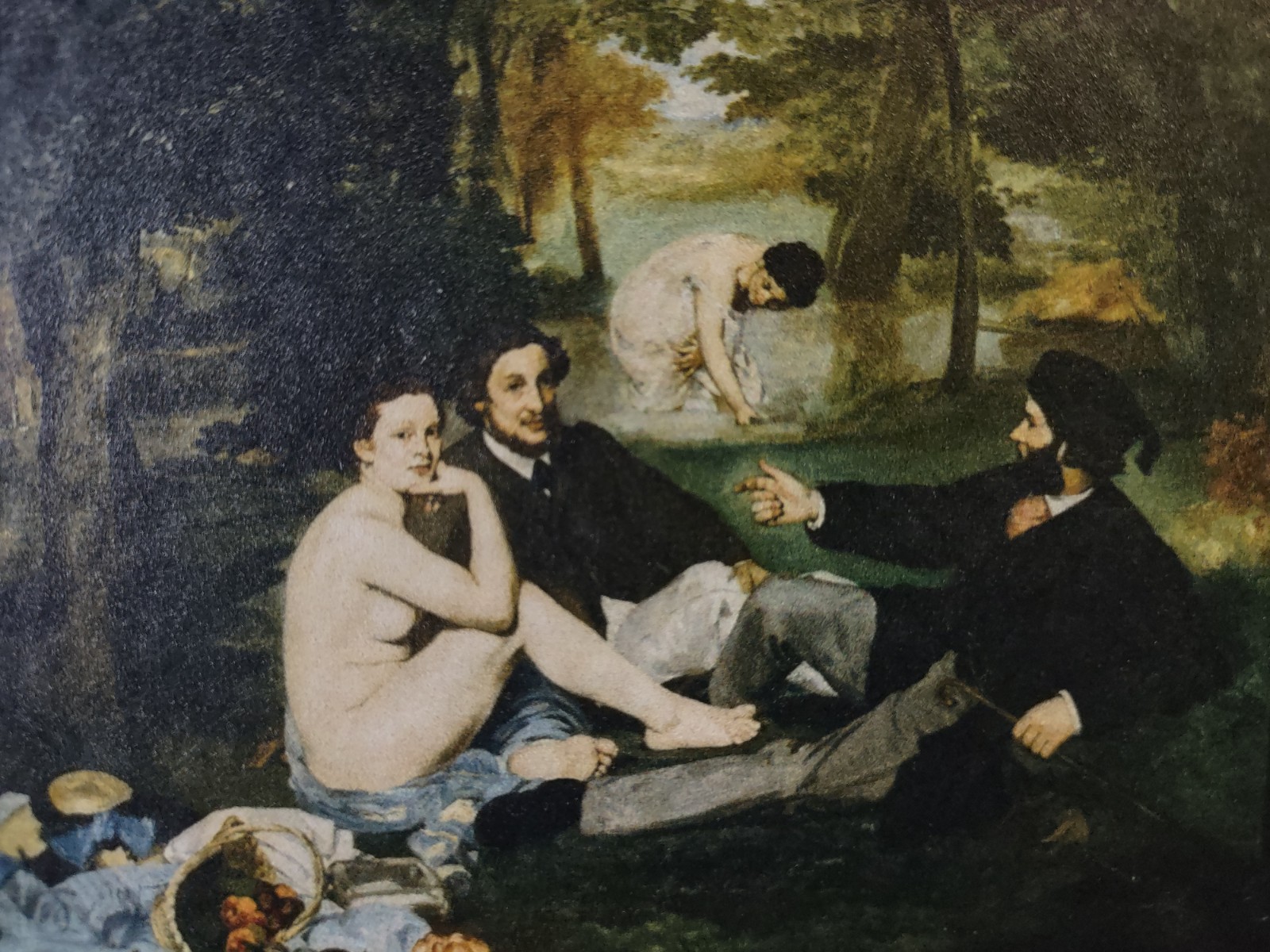
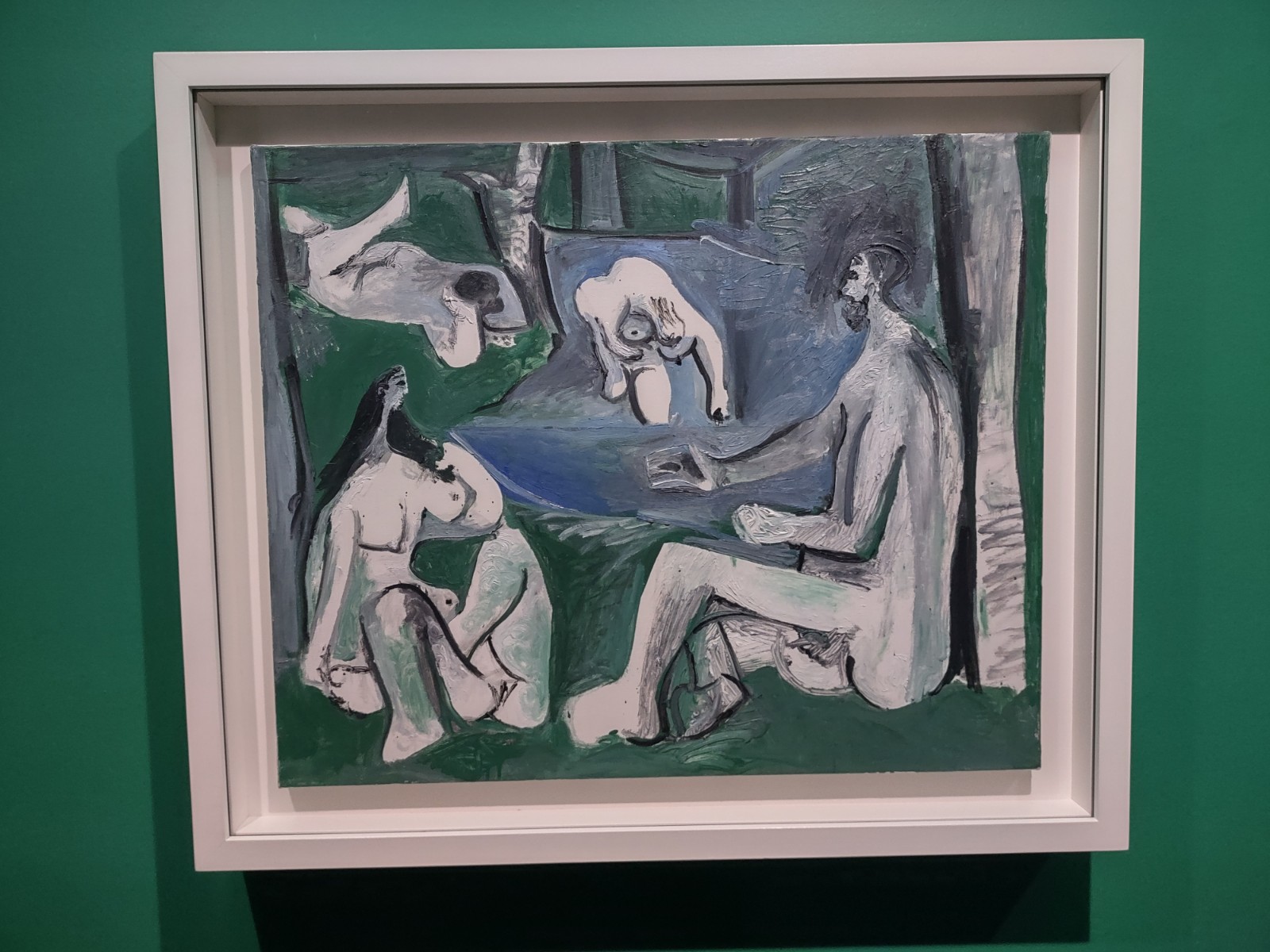

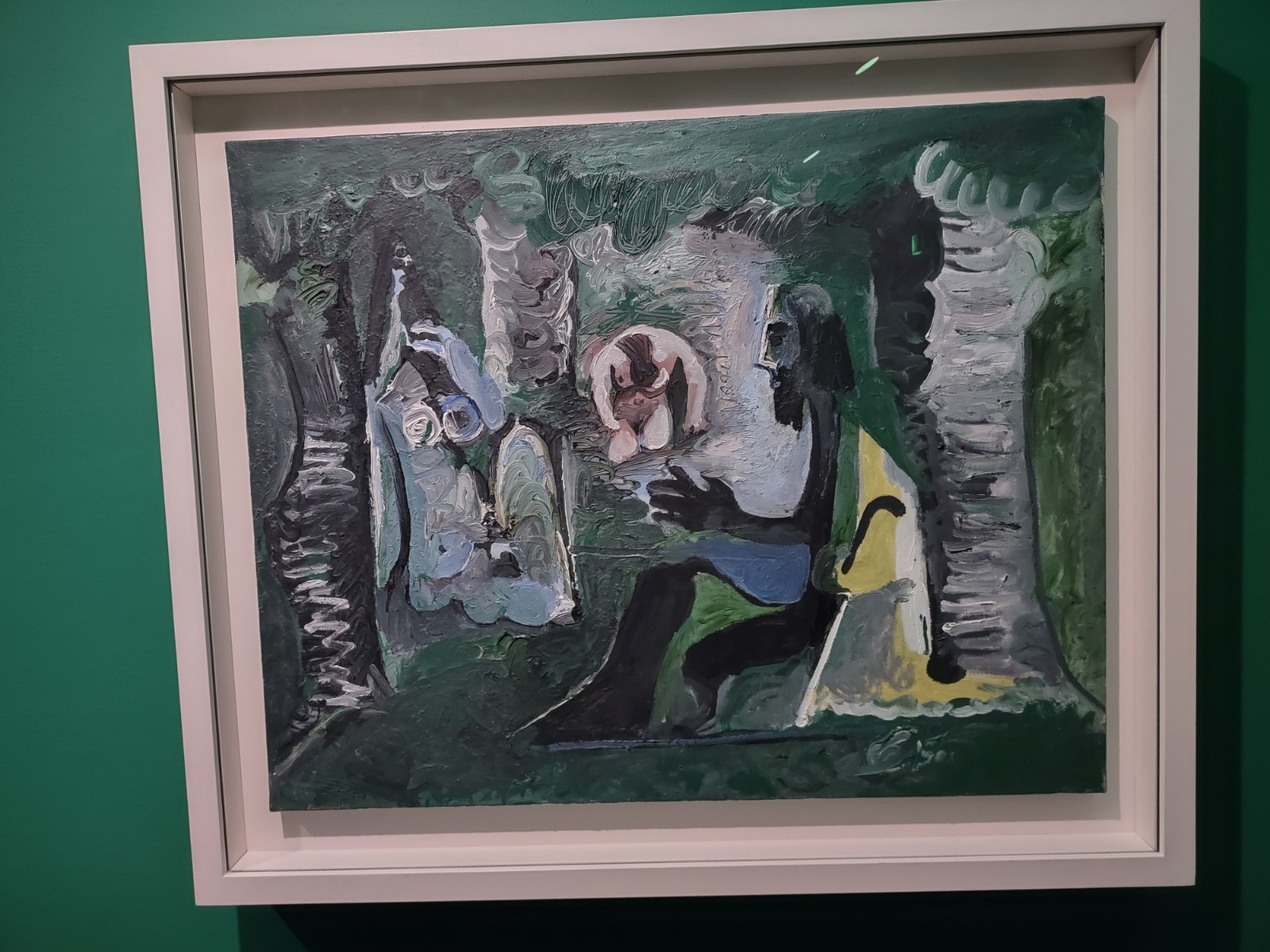

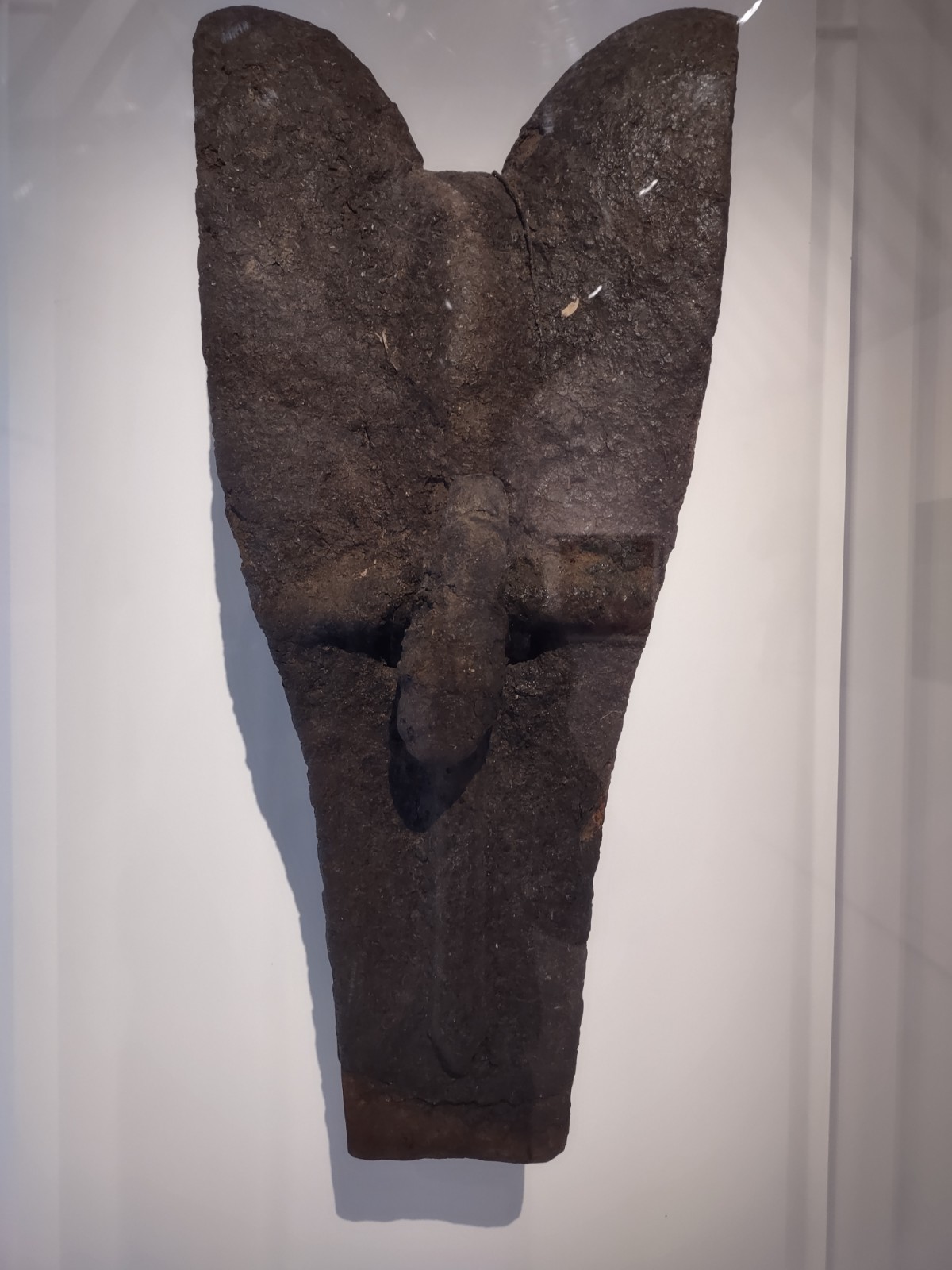
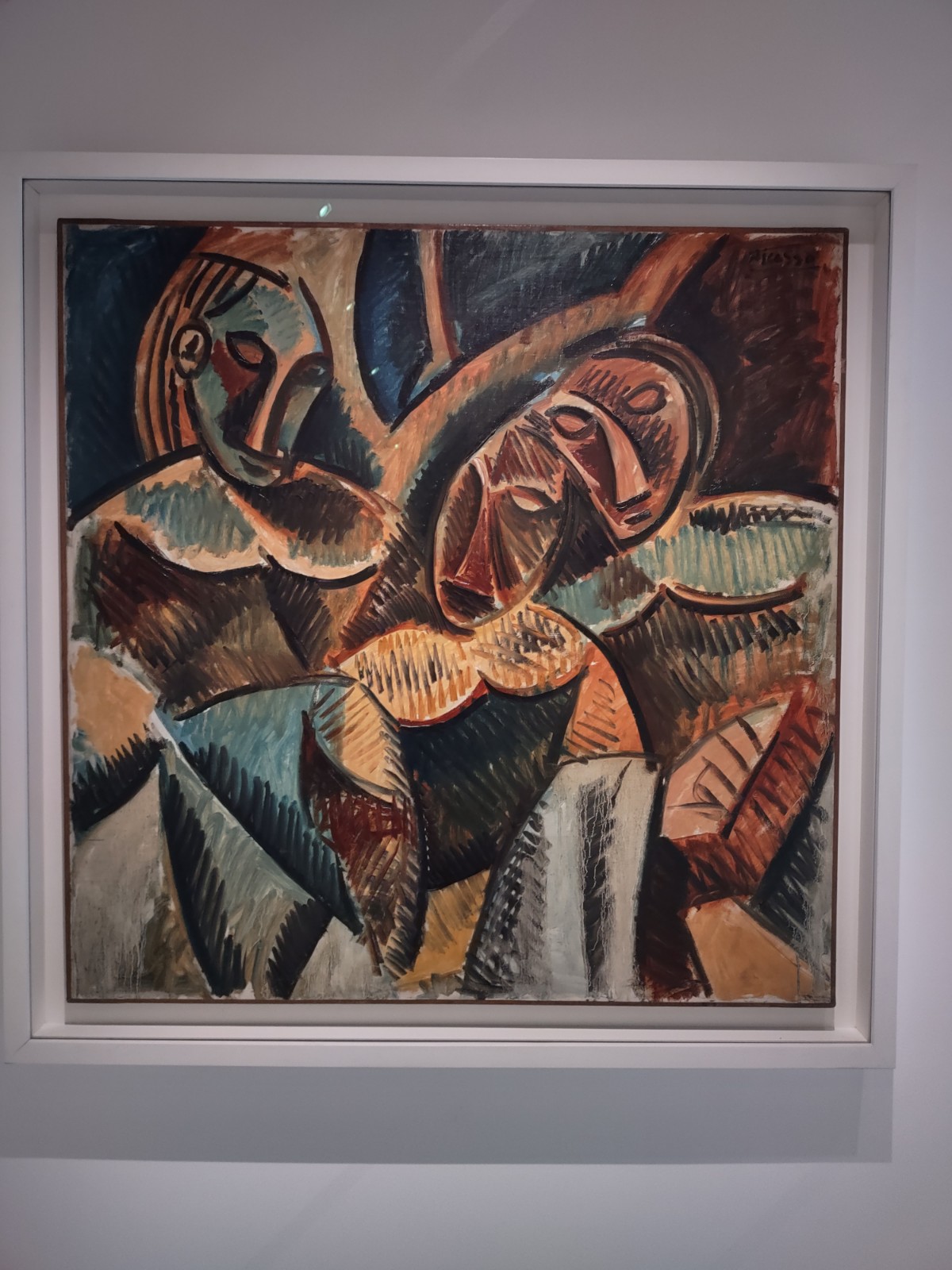
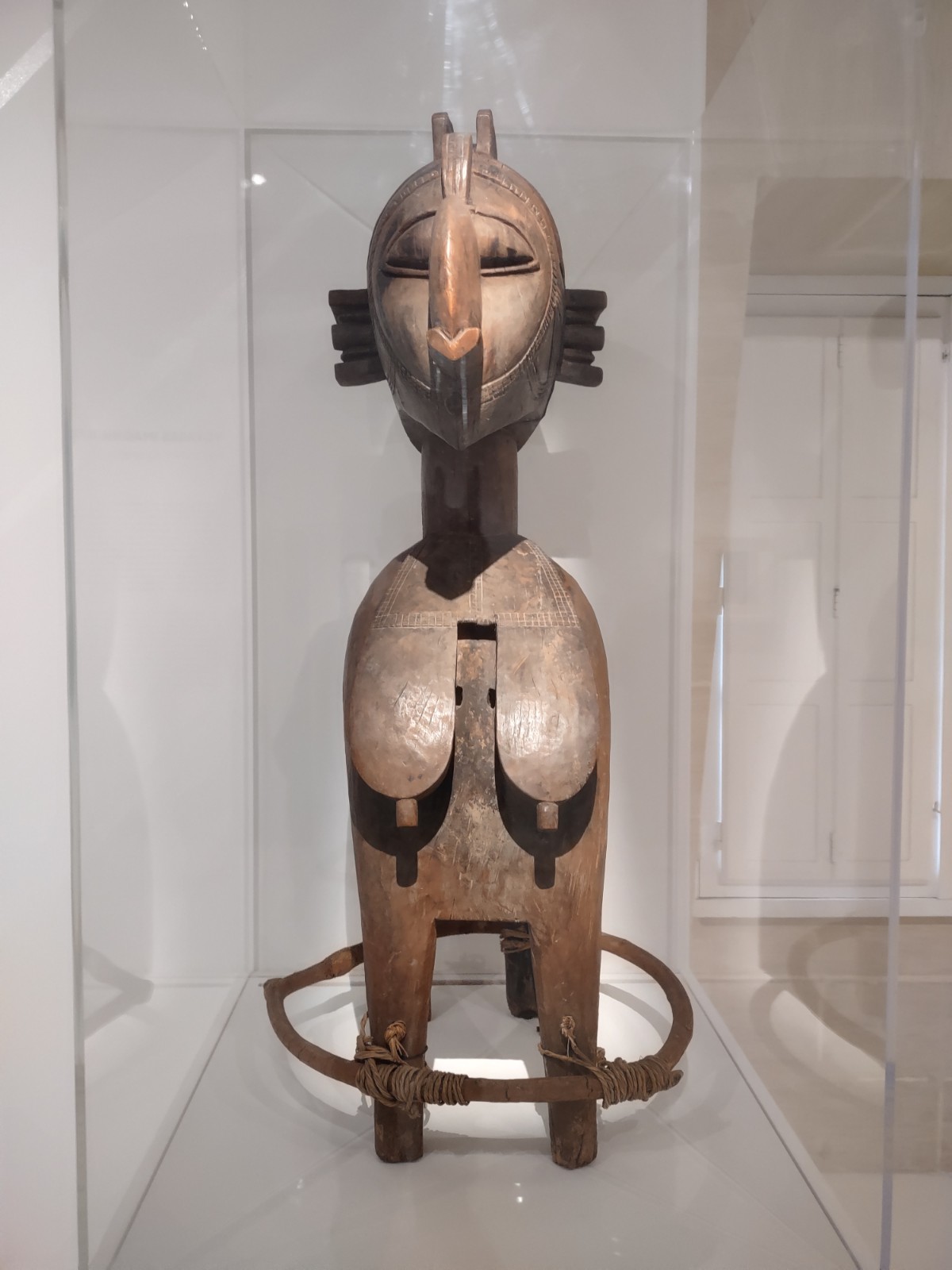
What was new and interesting for Ritchard at Picasso-Paris (and also popped up at Musee d’Orsay) were the examples of primitive art (like African masks) from Picasso’s personal collection. It was a real “but of course” moment seeing how these pieces so clearly affected Picasso’s early work which in turn lead to the development of cubist art.
Musee de l’Orangerie
Musee de l’Orangerie is located between the Tuileries and the Seine. We went there on the morning of Thursday April 13th, the last day of our four-day Museum Pass Marathon.
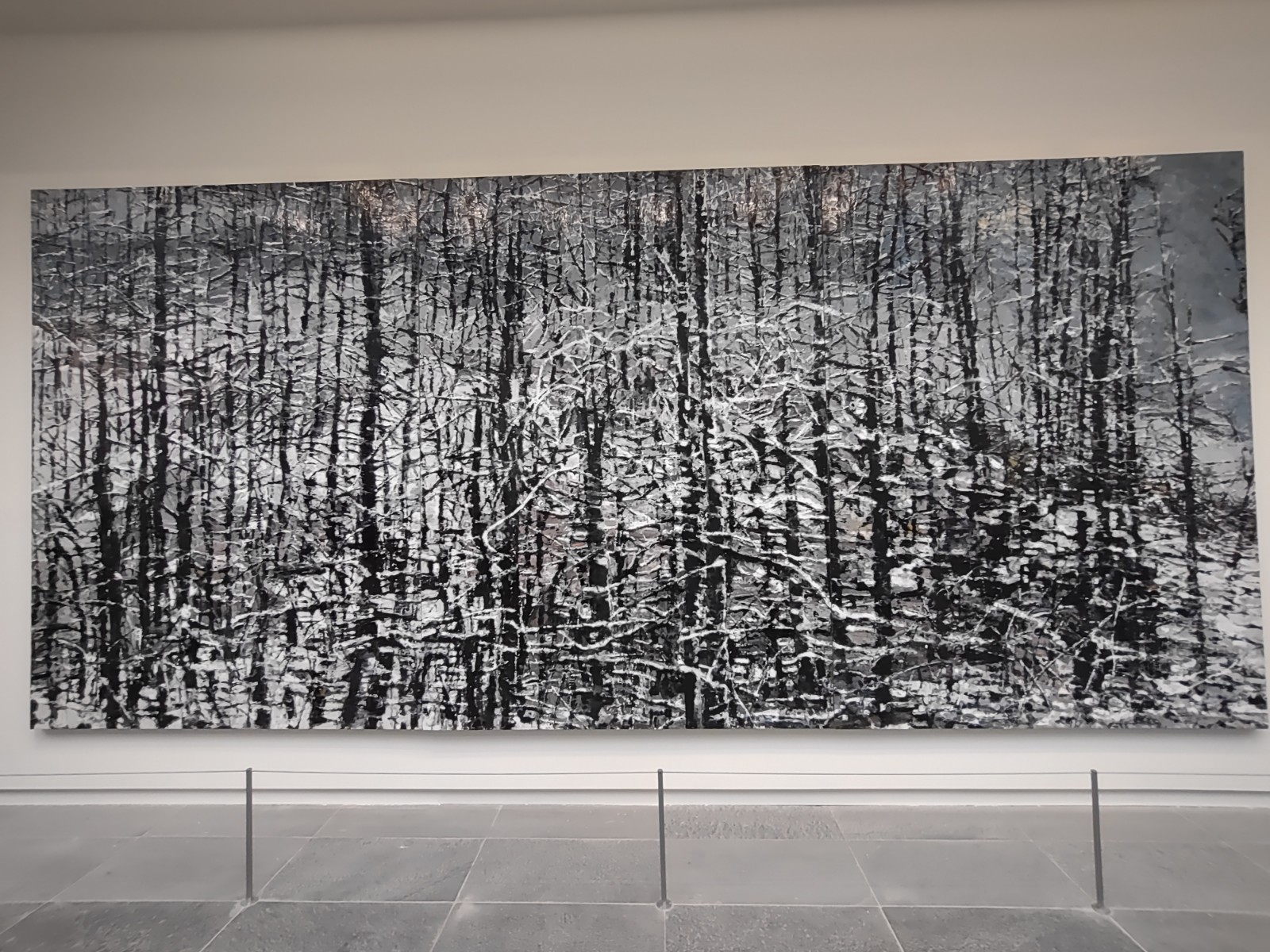
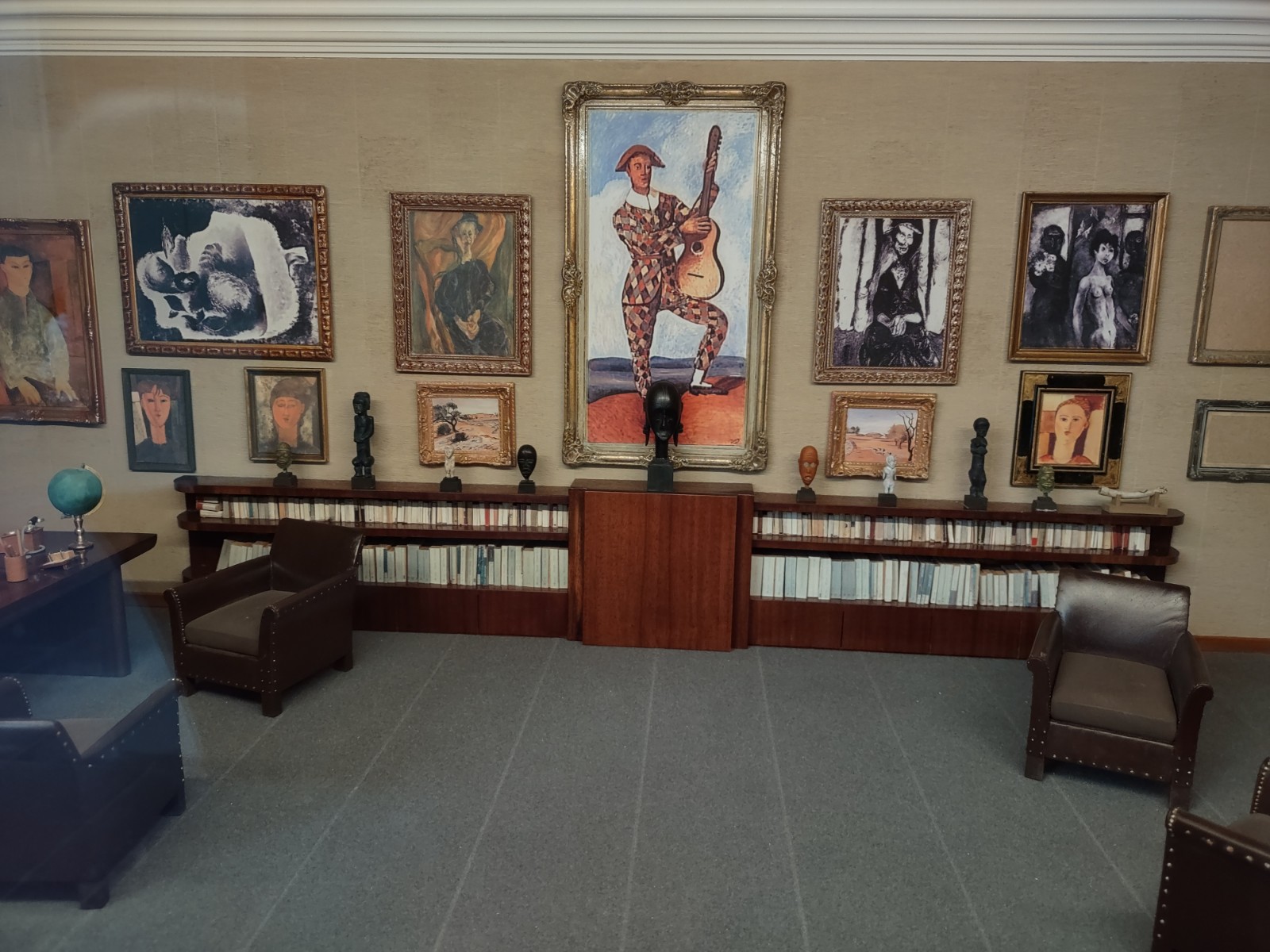
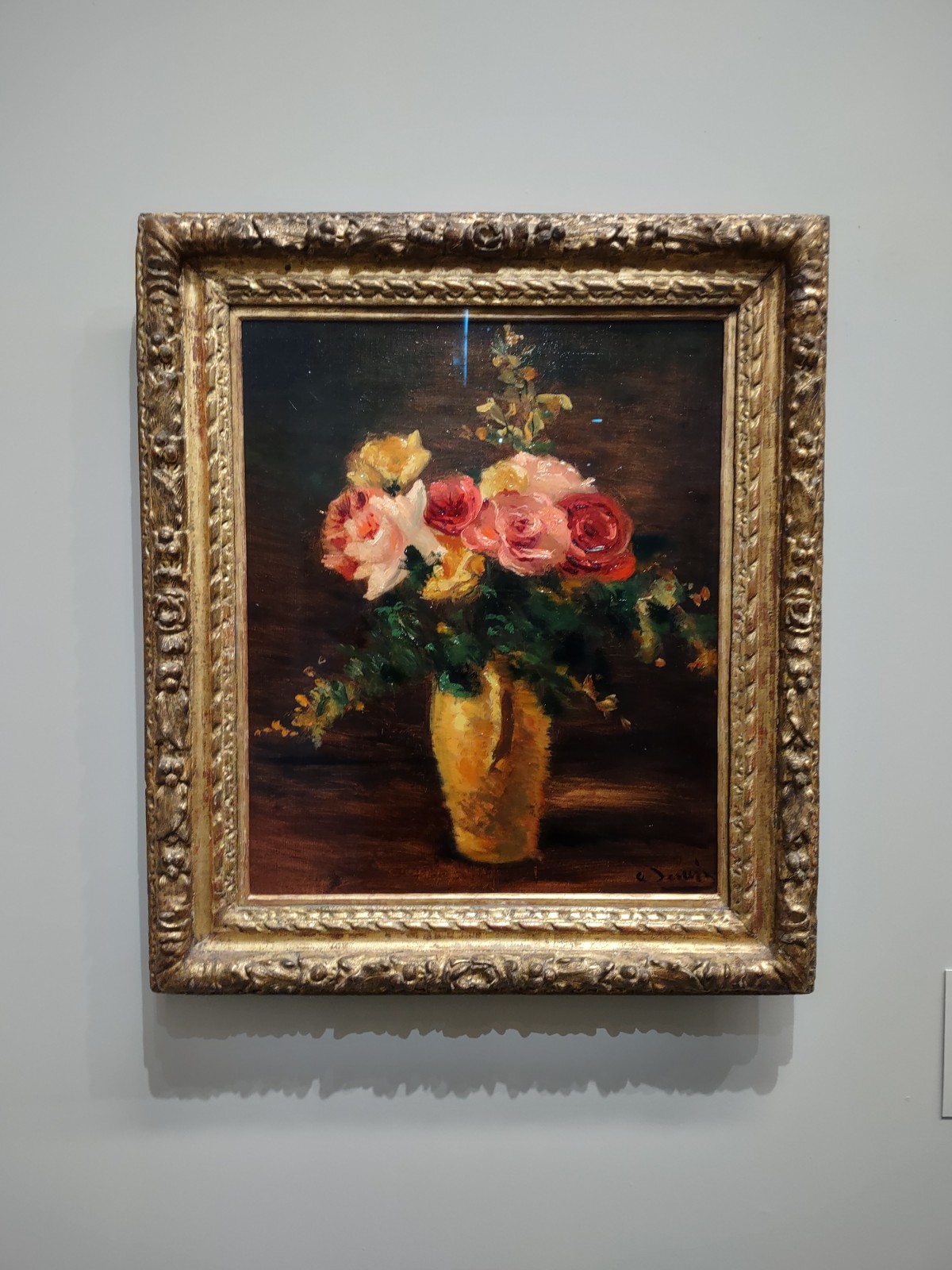

It is a smaller museum with a nice collection of mostly modern art, but what most people come to the Musee l’Orangerie to see is the Water Lilies Cycle, the greatest life-work of impressionist artist Claude Monet.
This work of art has a bit of history to it, probably more than it is worth getting into here, but, if you are not familiar with this work, here are the basics: Monet created the Water Lilies cycle, two series of canvases which span 360 degrees each, over a 30 year period. Following the Armistice in 1918, he offered the work to the city of Paris as a symbol of peace with specific instructions for how it was to be displayed. The Water Lilies were installed in the Orangerie Museum in 1927, a few months after Monet’s death, reportedly “as to plan” (the subject of some controversy and disagreement over the years).
Today, Water Lilies is displayed in two very large sky-lit elliptical galleries at l’Orangerie. The natural light in these spaces is beautifully softened by fabric structures at the ceilings which gives the space the feel of a tent. The panels are arranged in four groupings in each gallery with space between for entrances and exits, not completely continuous as may have been intended, but you get the idea. The scale of these two works is incredible and, as you walk around these galleries one can only imagine the ambition it must have taken to even start such a work much less finish it.
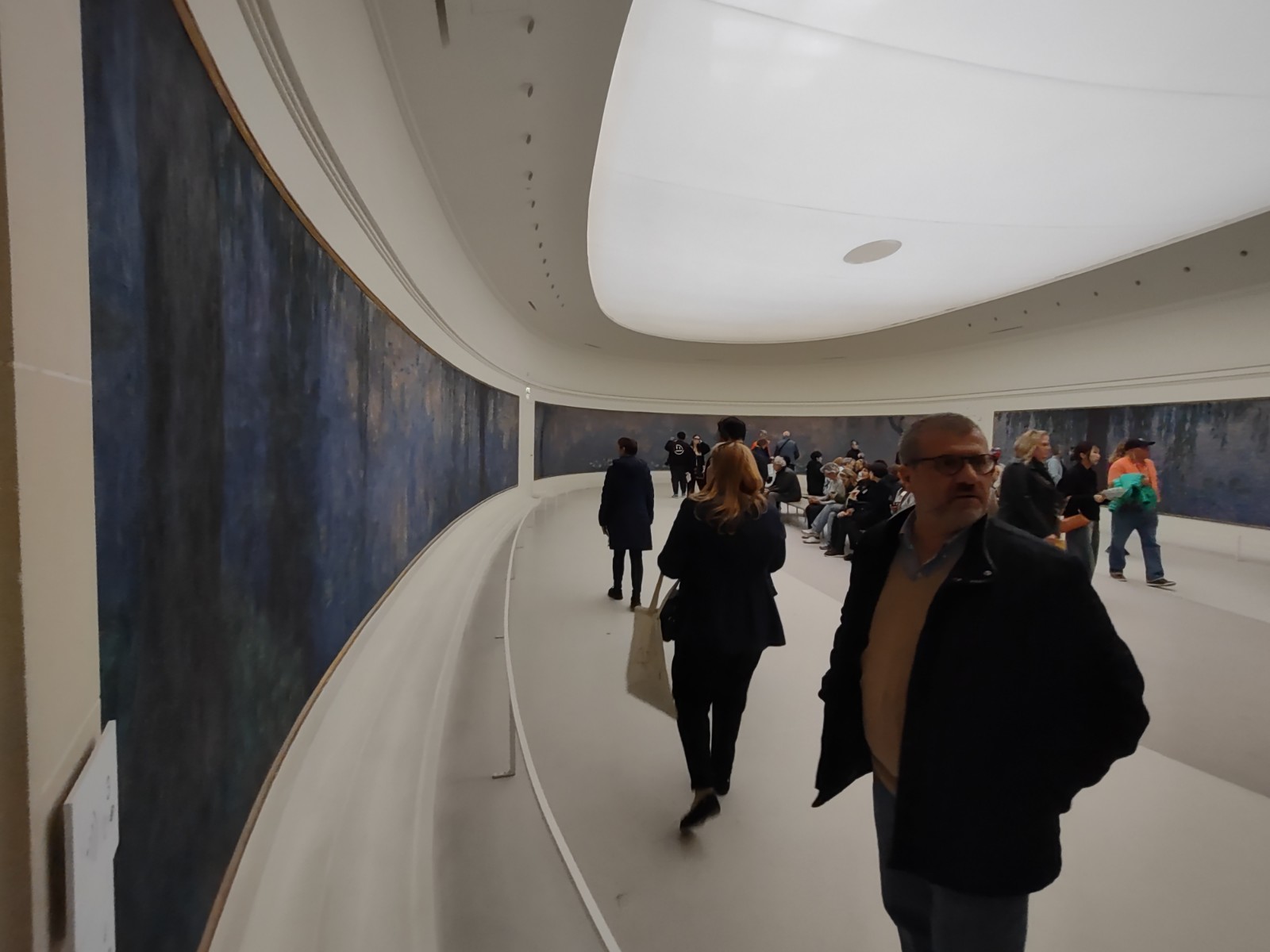
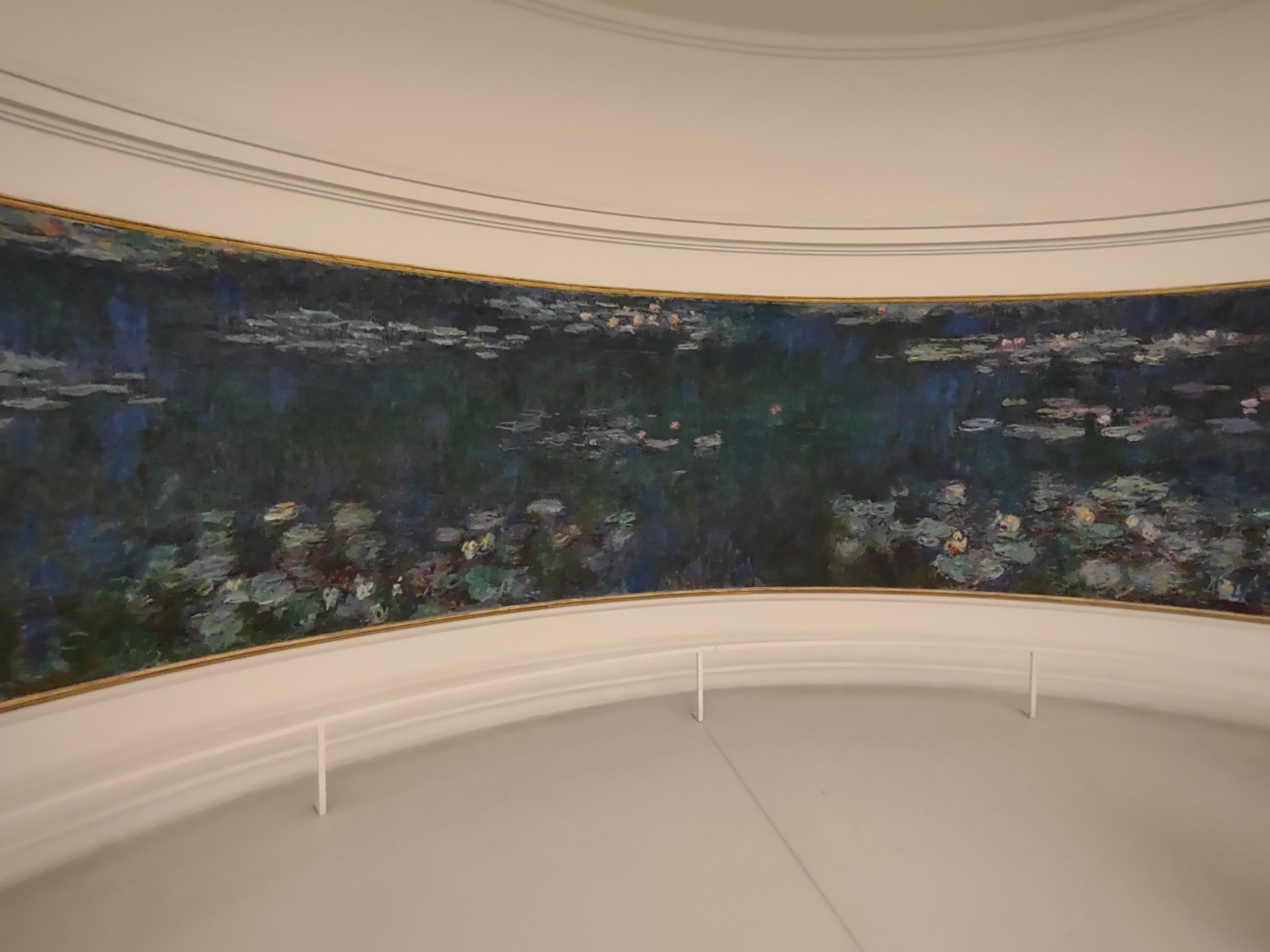
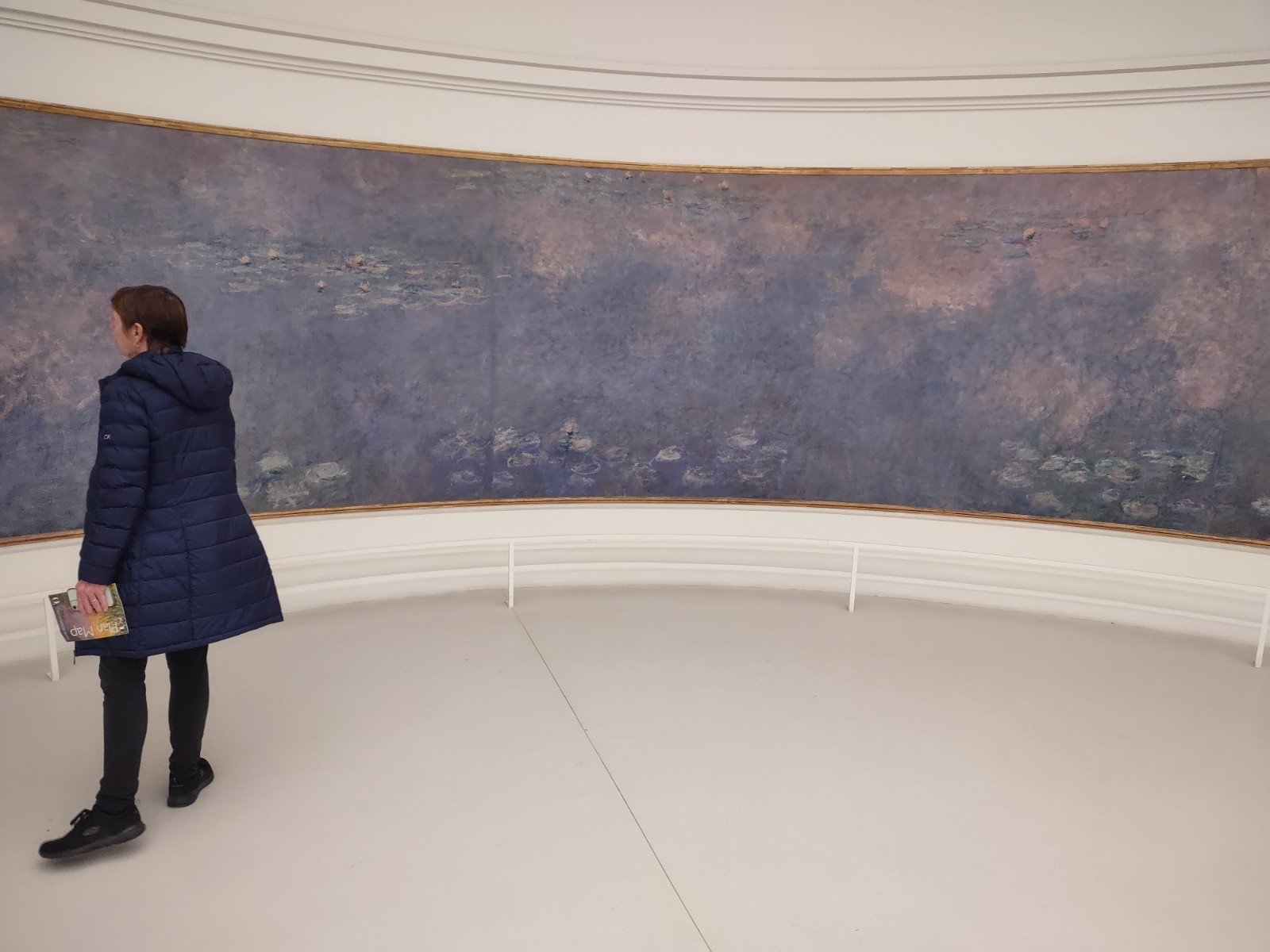
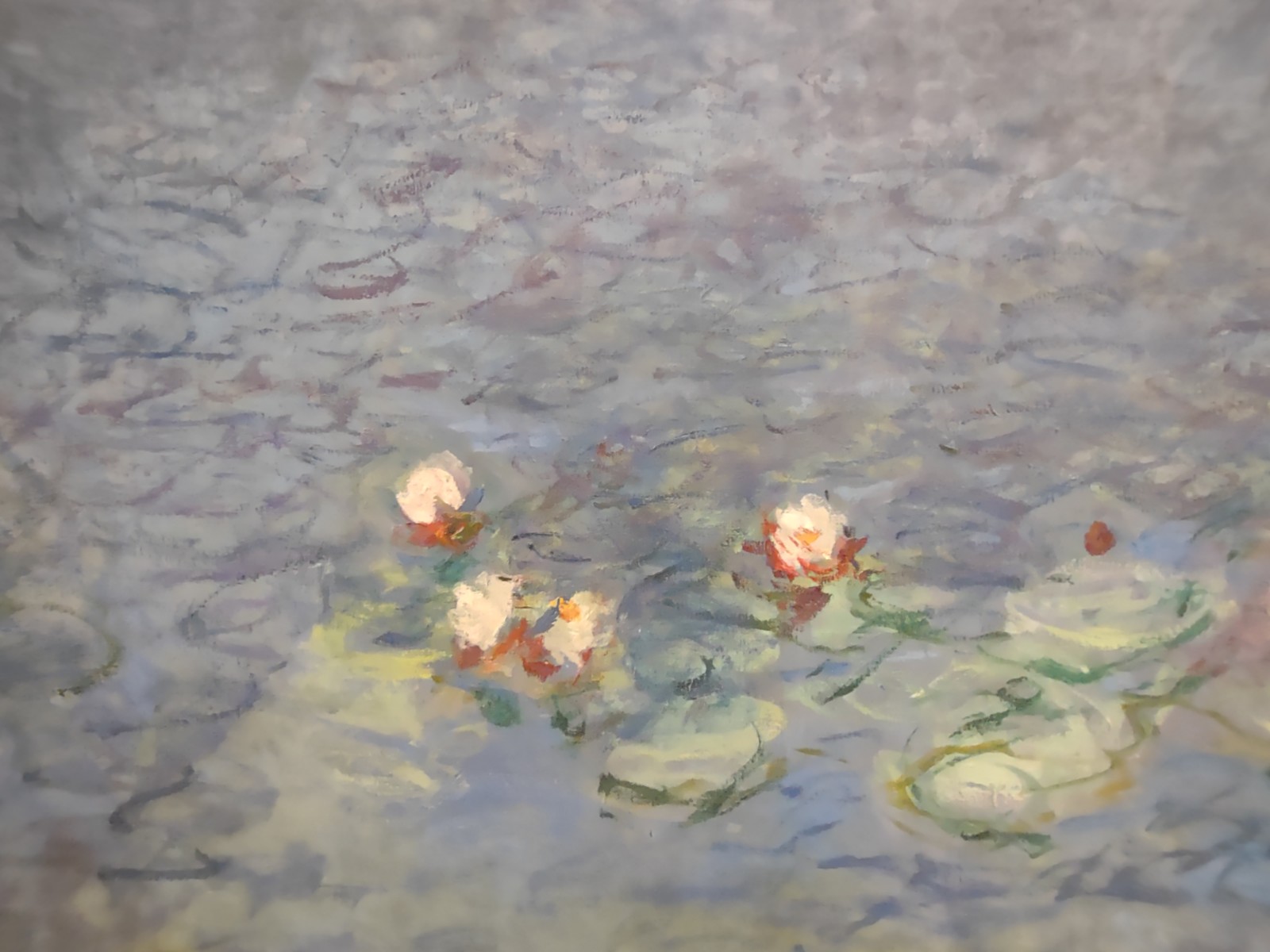

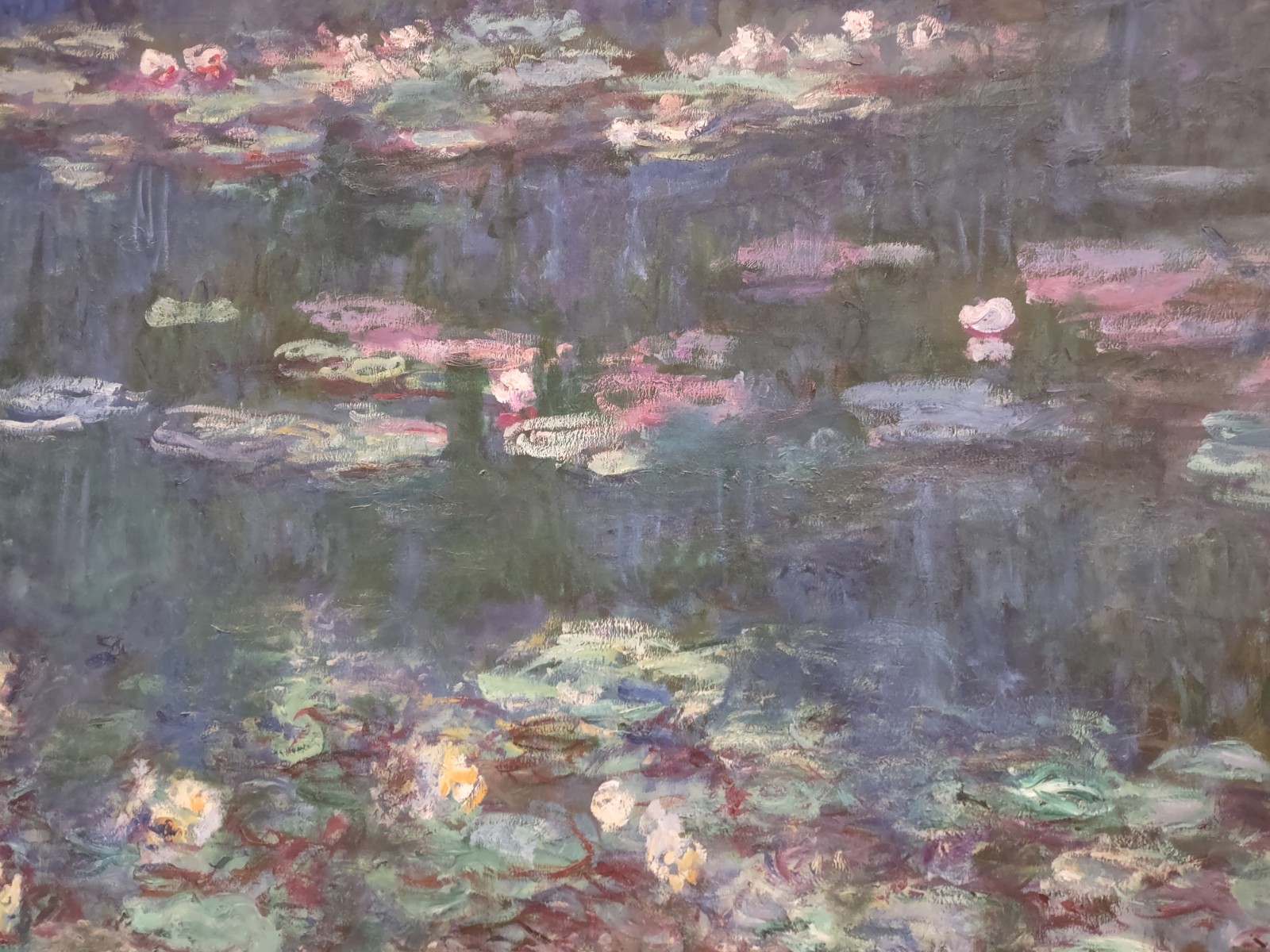
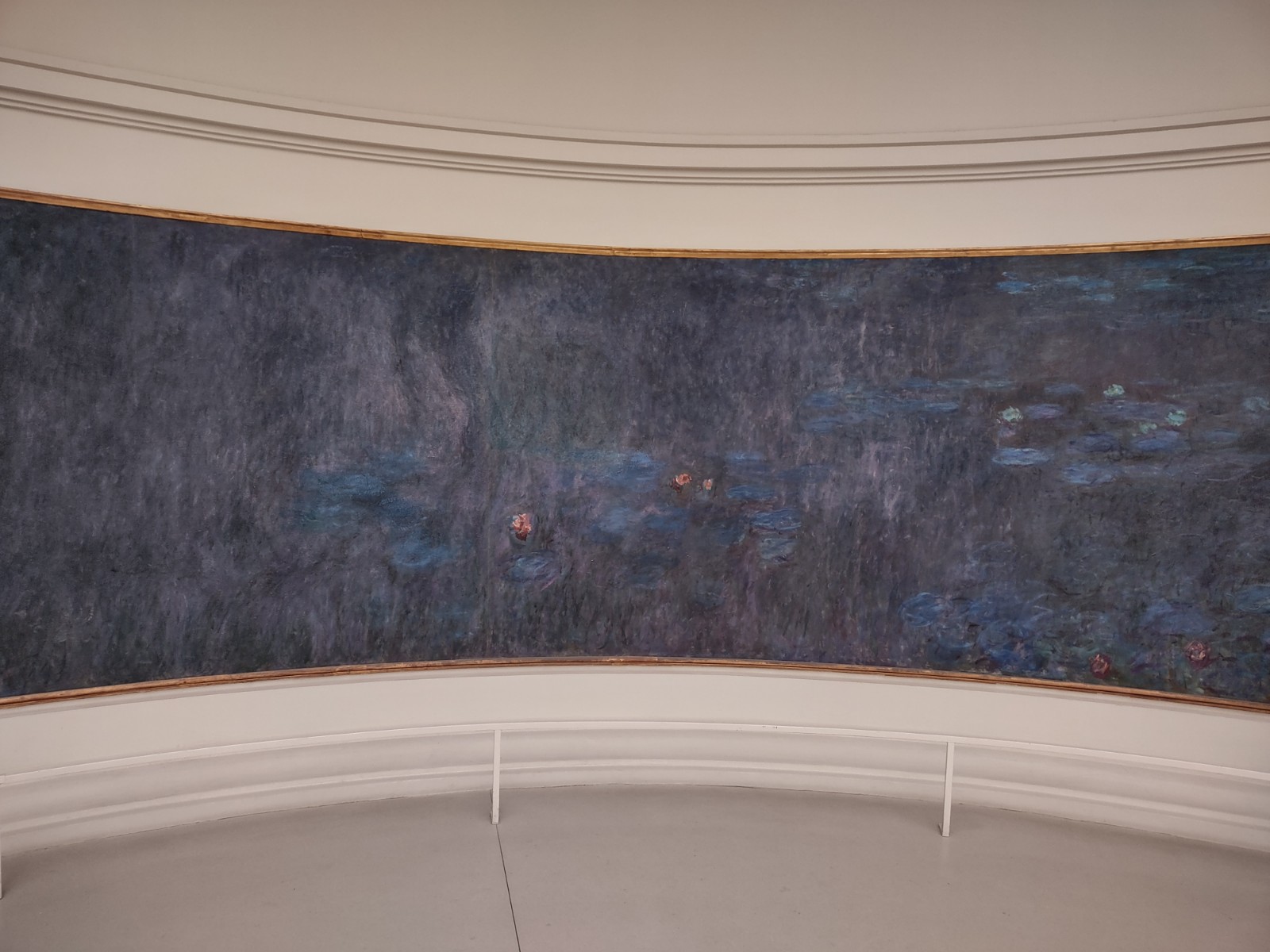
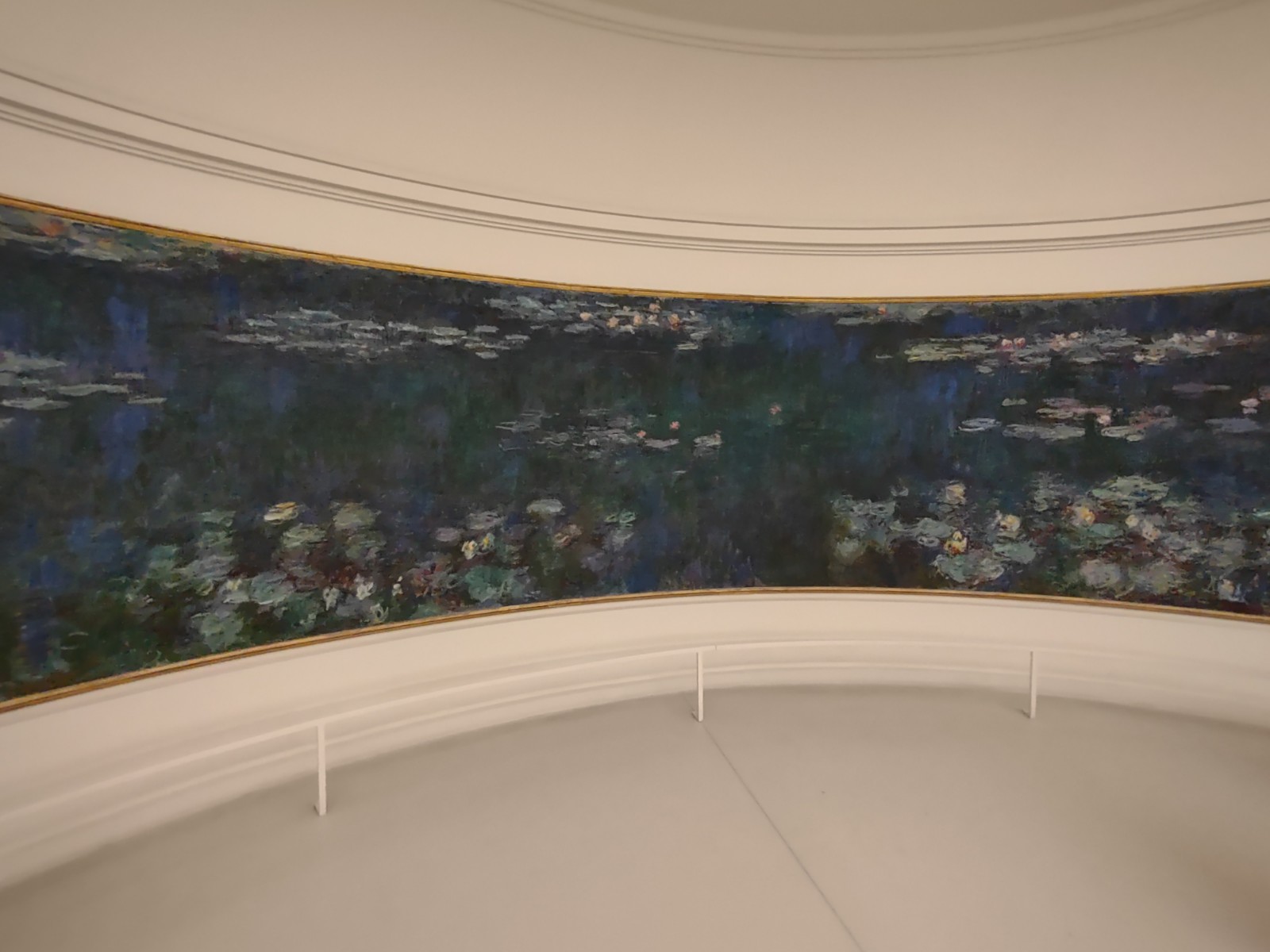

As noted above, Monet saw this work as a symbol of peace and it was his intent that they be viewed in quiet contemplation which is, of course, next to impossible in a Paris museum. (It was particularly disappointing that many people ignored the “silence please” signs, but such is life.) In any case, you take a seat and do your best to filter out the crowd and noise and try to see these paintings as the artist intended and, I think, we did have some success in this. The size of the panels really does allow you to immerse yourself in them and we left reasonably happy with the experience.
Musee d’Orsay
After the Louvre, Musee d’Orsay is probably Paris’s best-known and most popular museum, and likely close to the next largest. Due to logistics and proximity (d’Orsay is pretty much across the river from ‘Orangeire), we had it scheduled for the afternoon of the day we visited Musee de l’Orangerie in the morning (thus violating the “one museum per day” rule! ). But, l’Orangerie had not been such a heavy lift in the morning and we had scheduled the day so that we had time to “fortify” ourselves with a little lunch before taking it on. (This was the day we met the family from Alicante at lunch.)
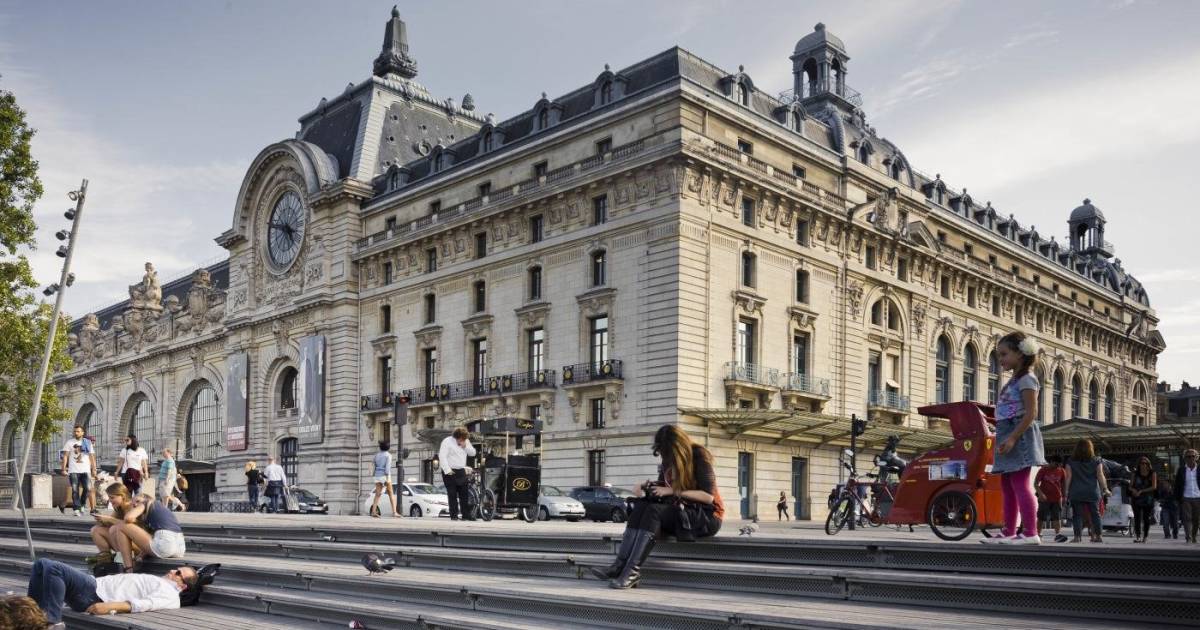
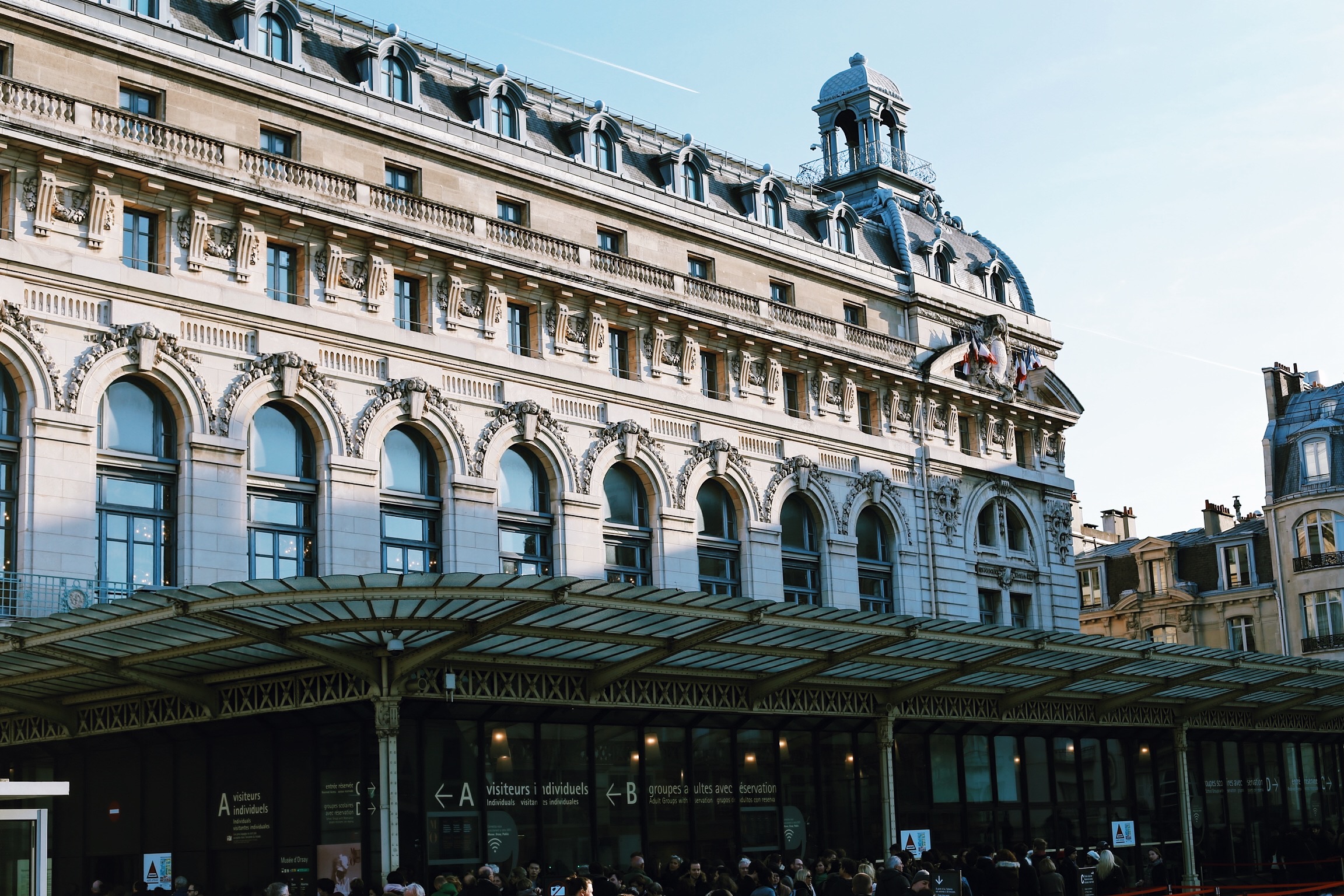
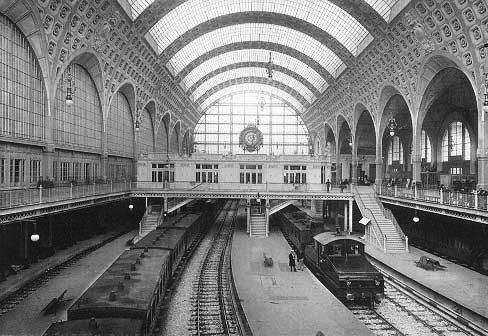
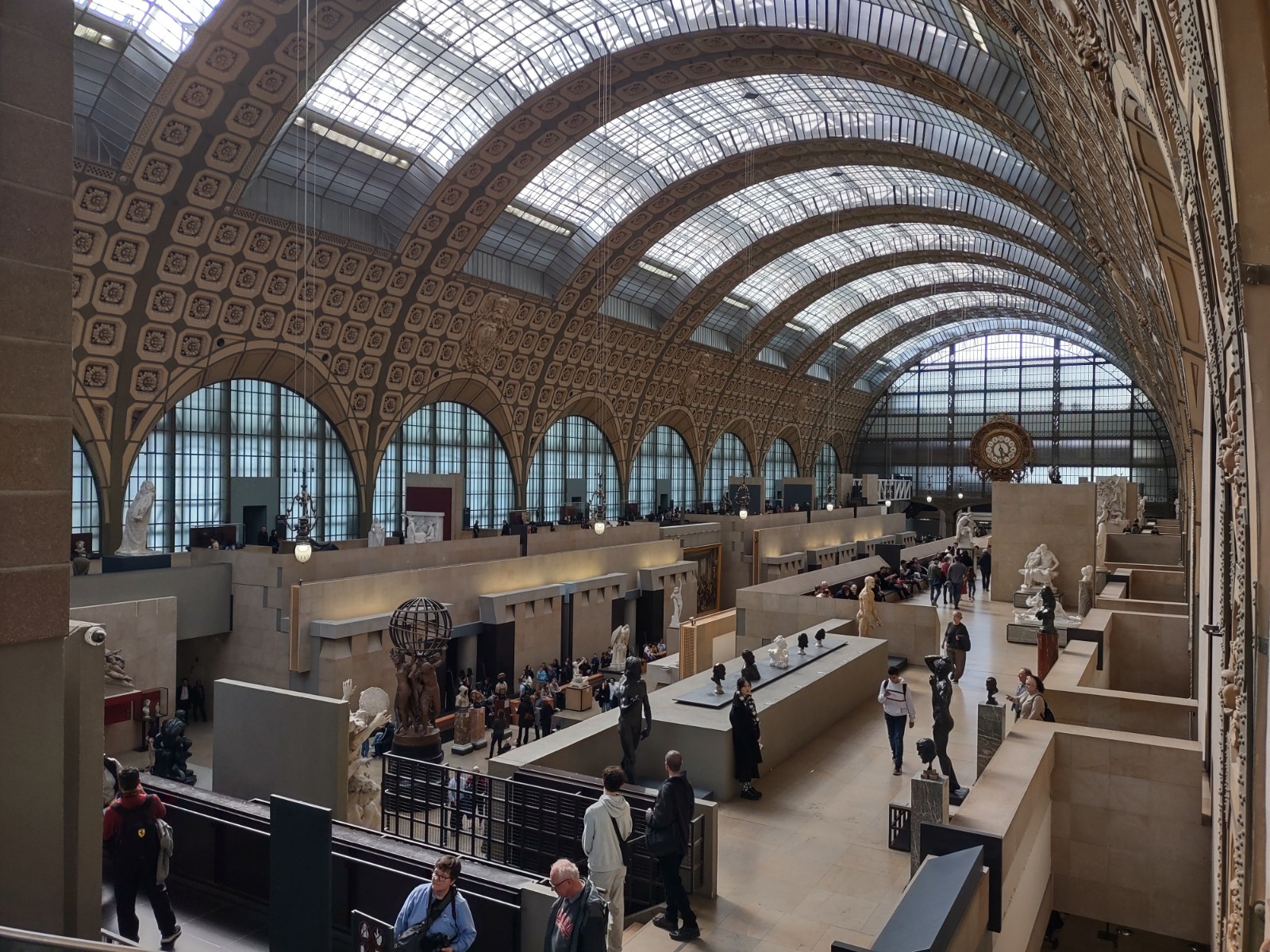

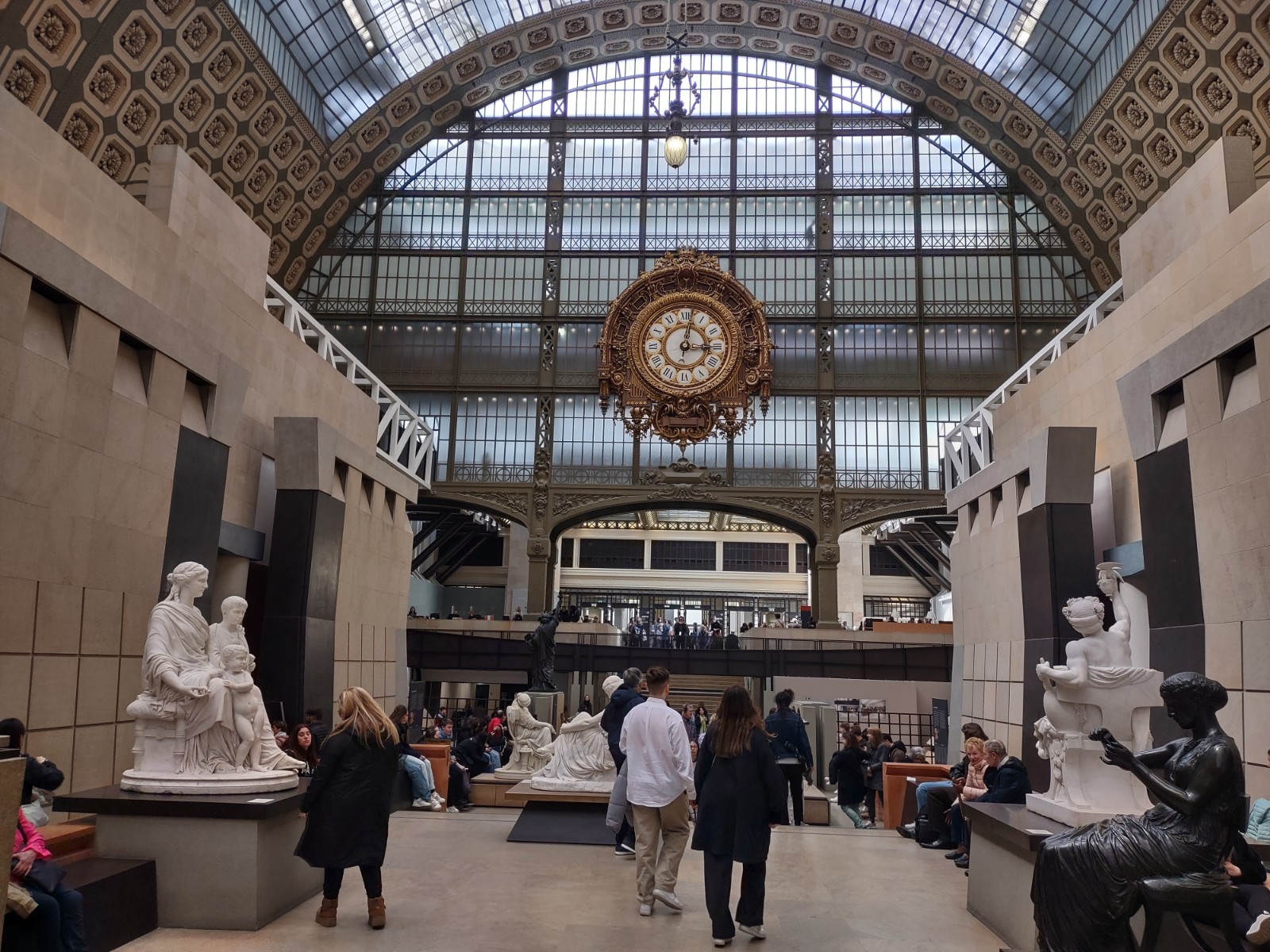
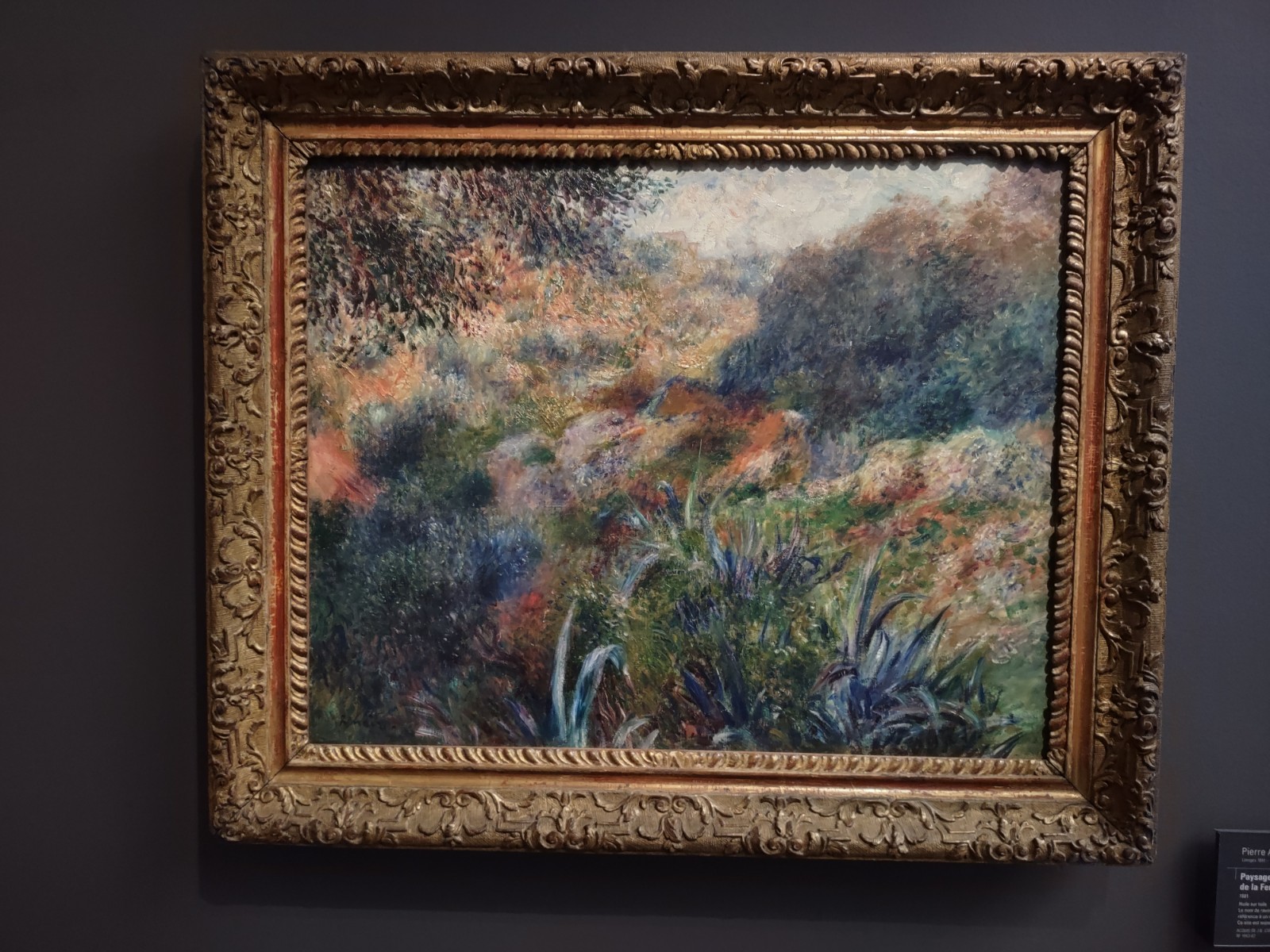
Musee de l’Orsay is a former train station with a huge sky-lit concourse surrounded by four floors of galleries and support spaces. Did I mention that it is also really big? It has a vast and far-ranging collection which includes many world-renowned paintings including Old Masters (Whistler’s Mother is there), Modernists, and everything in between.
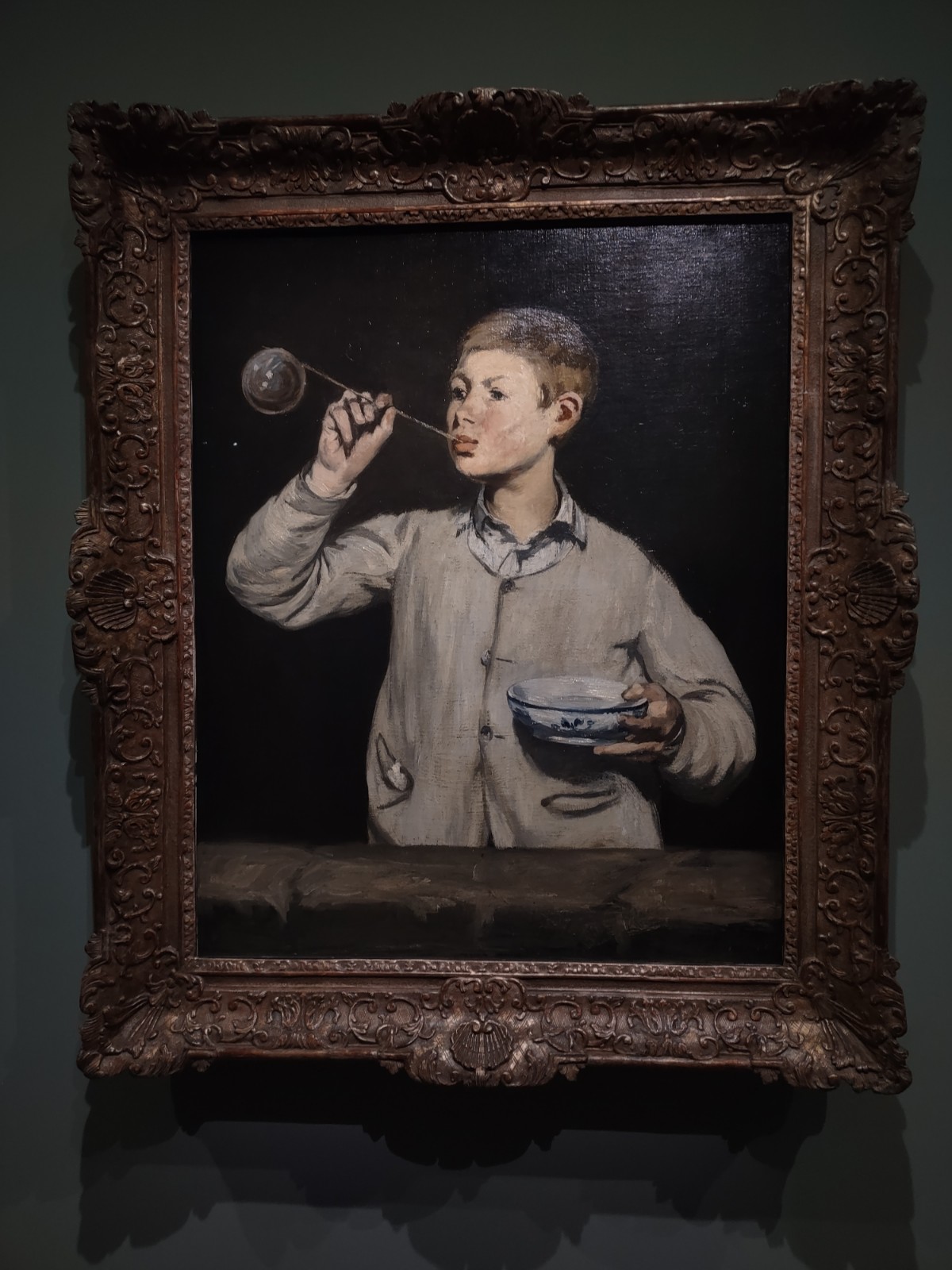
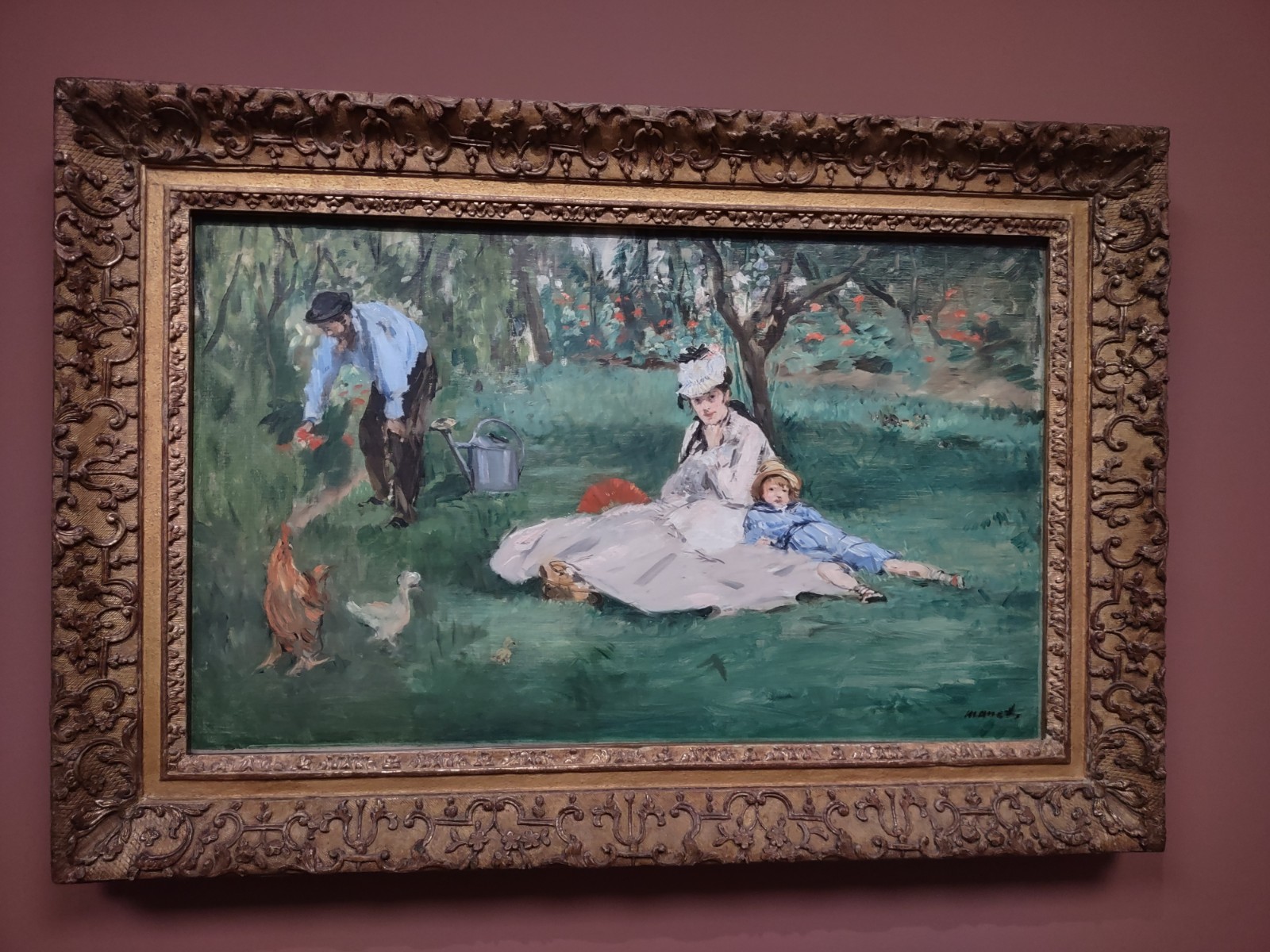

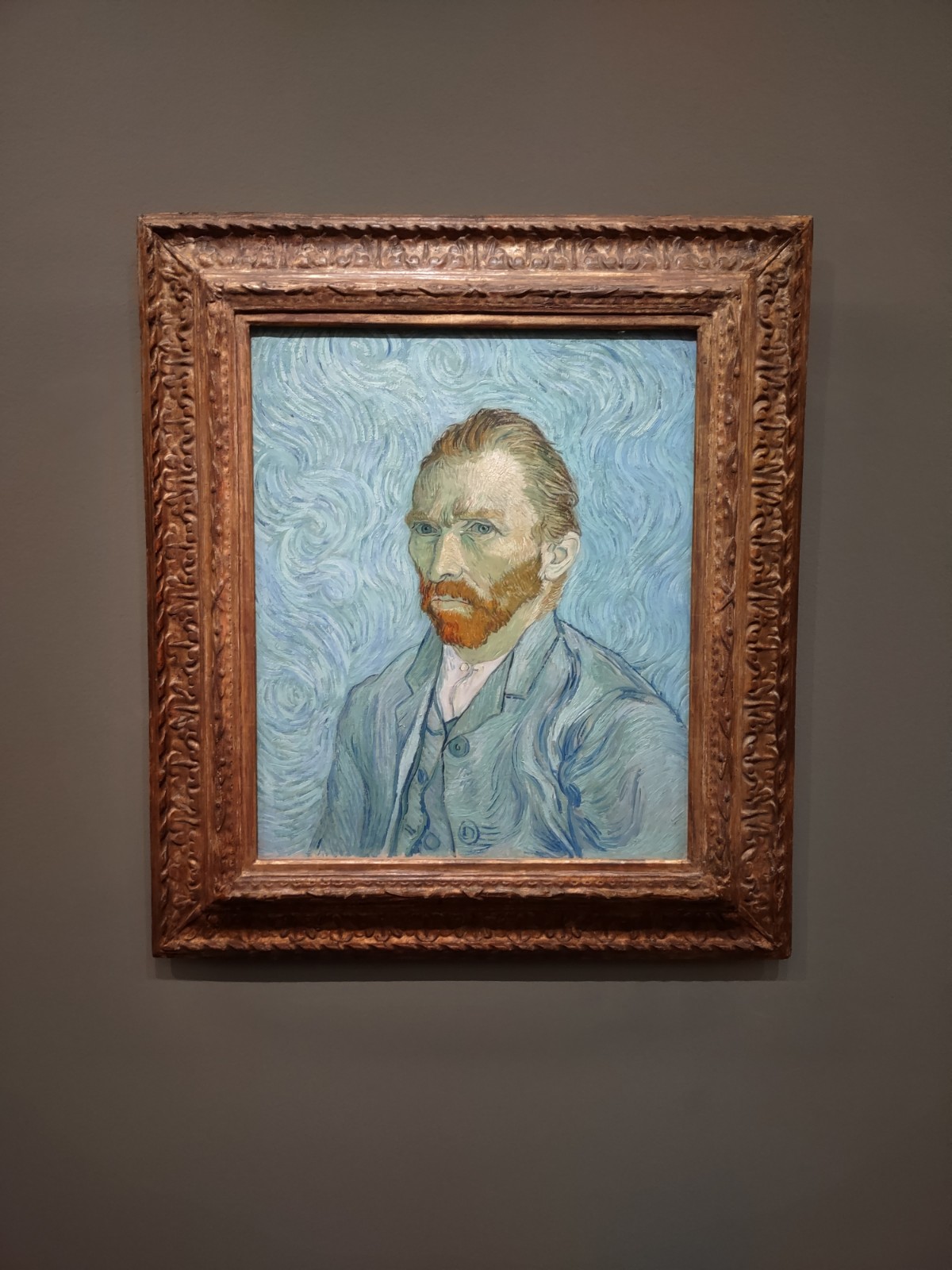

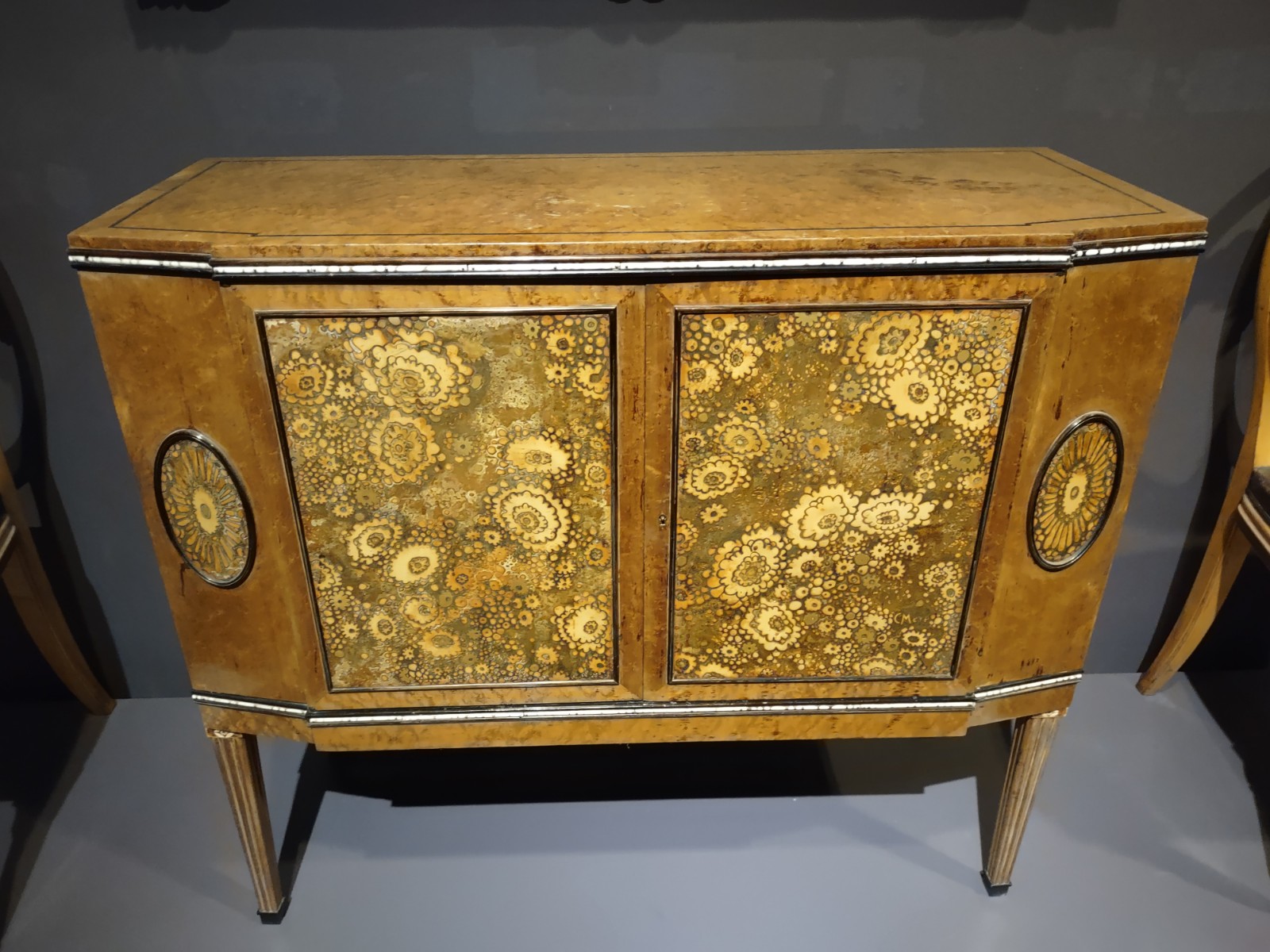
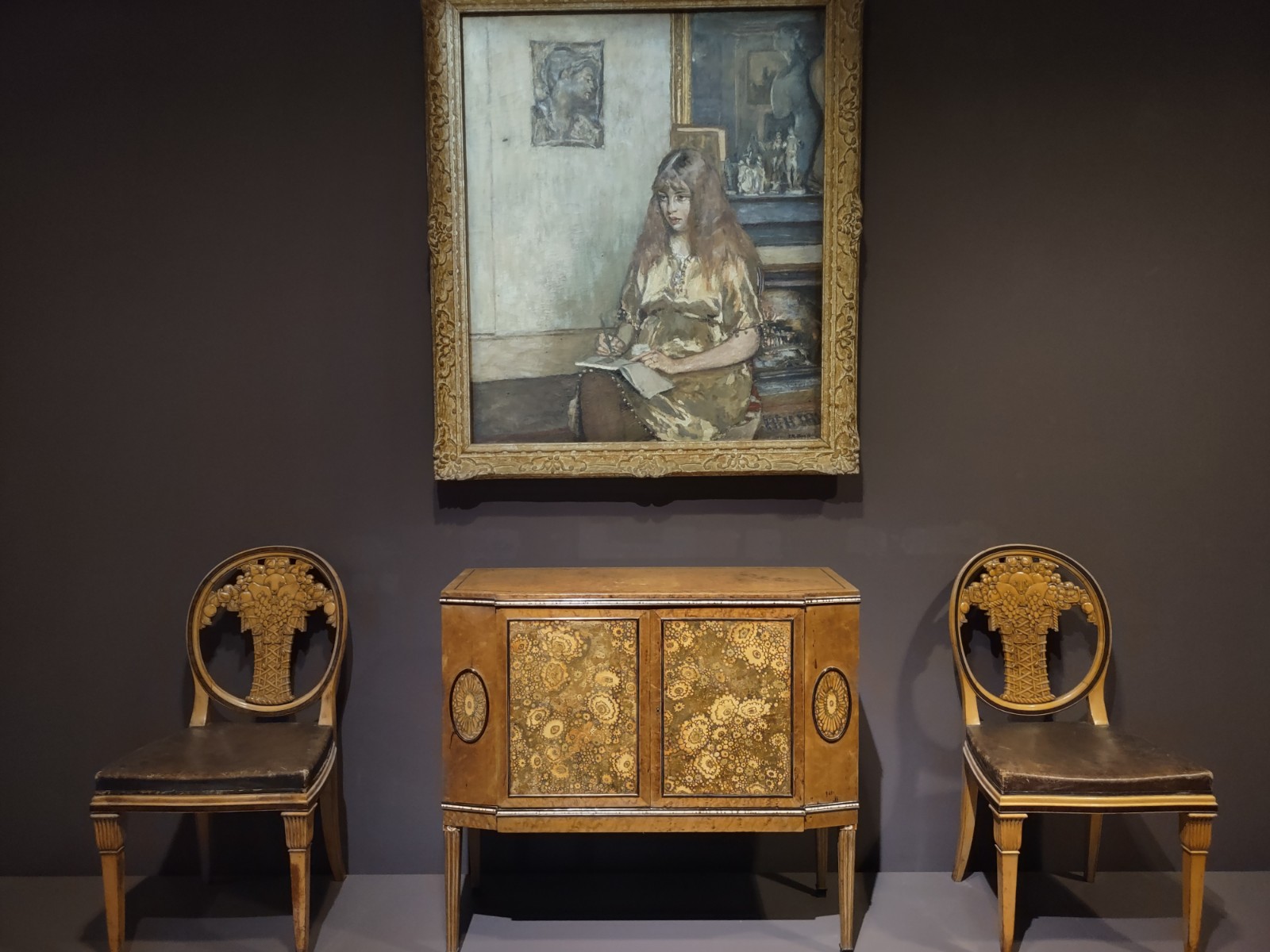
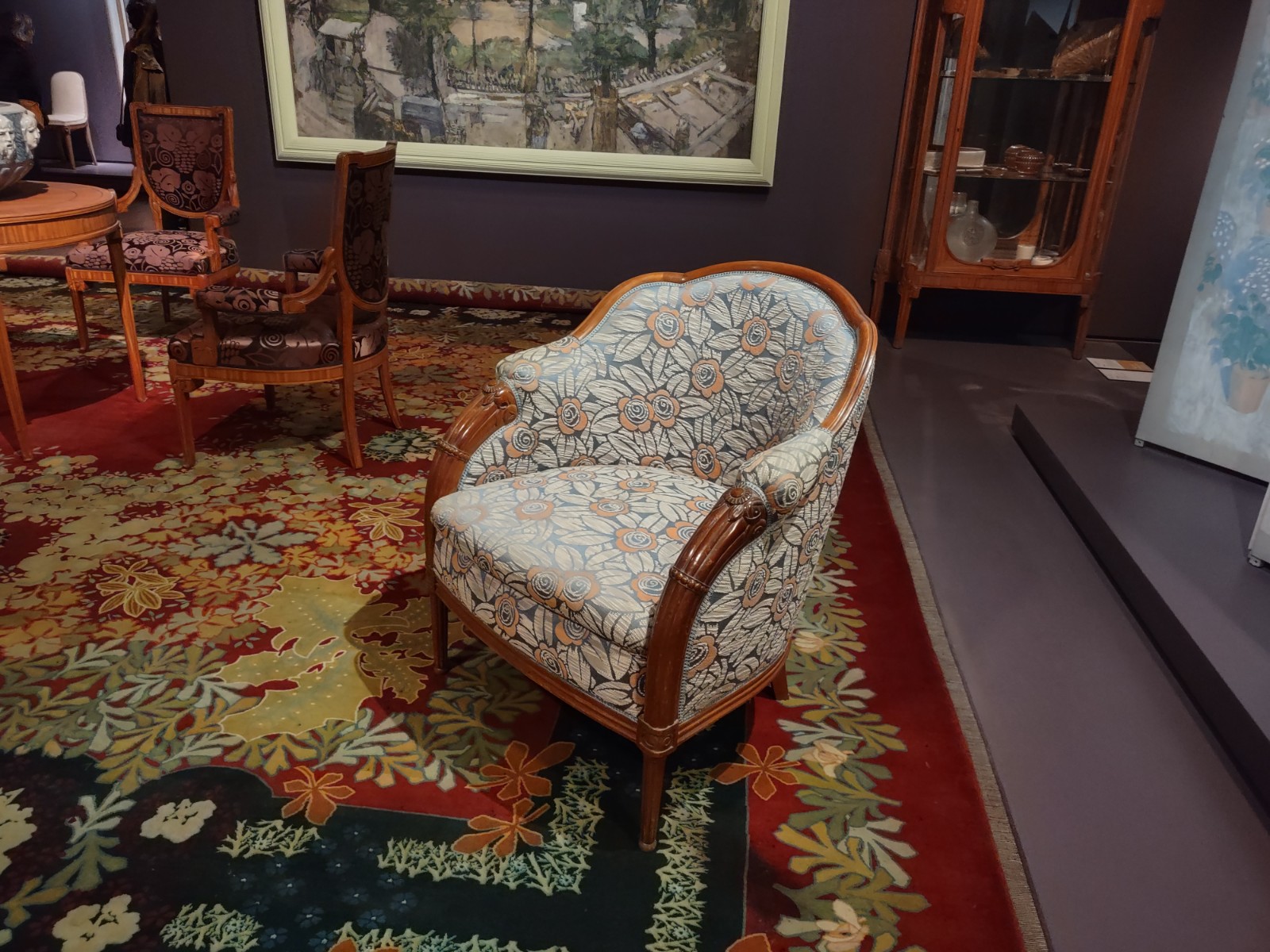
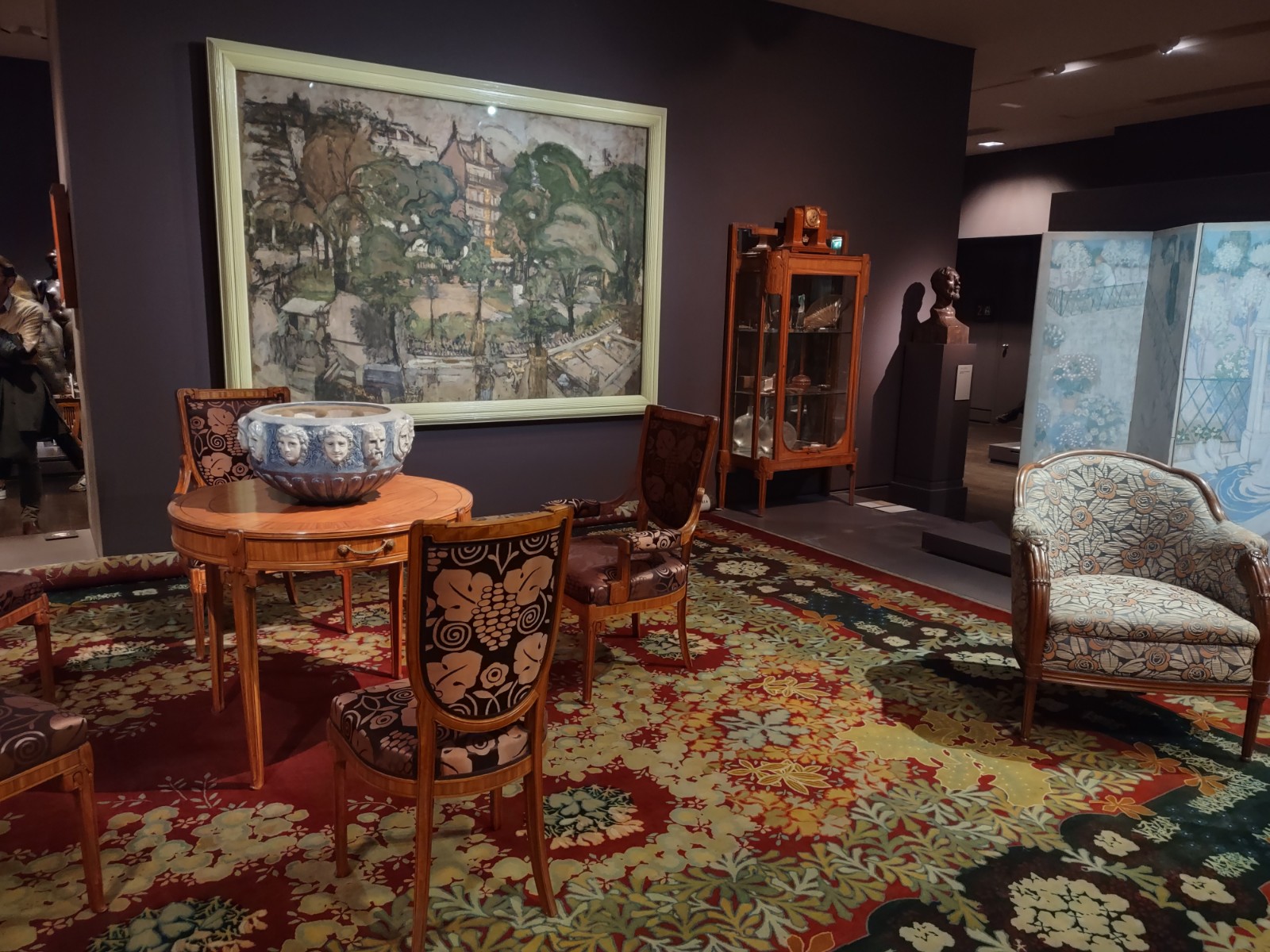
In addition to paintings and sculpture, there was a small but beautiful collection of art nouveau furniture (something we had missed at Musee de Arts Decoratifs), some of which was reminiscent of the work of Gustav Klimpt, one of our favorite painters.

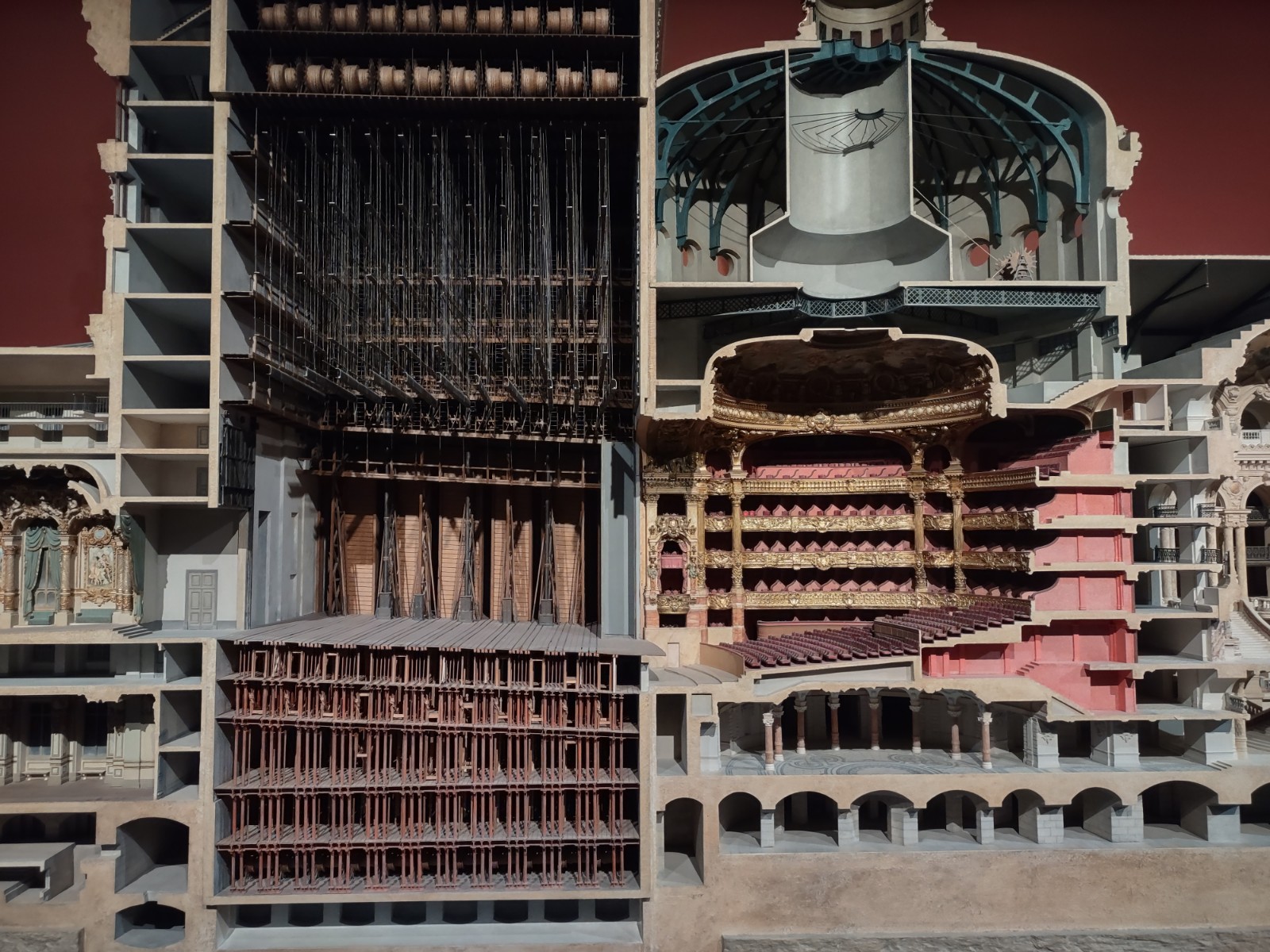
There was also an architectural exhibit on the design and construction of the Palais Garnier (Paris Opera, which was closed for renovations during our visit) with an amazing cross-sectional model which Ritchard really liked. When you look at it, it is amazing to see the size and volume of spaces which serve performance, both on stage and in the public areas.

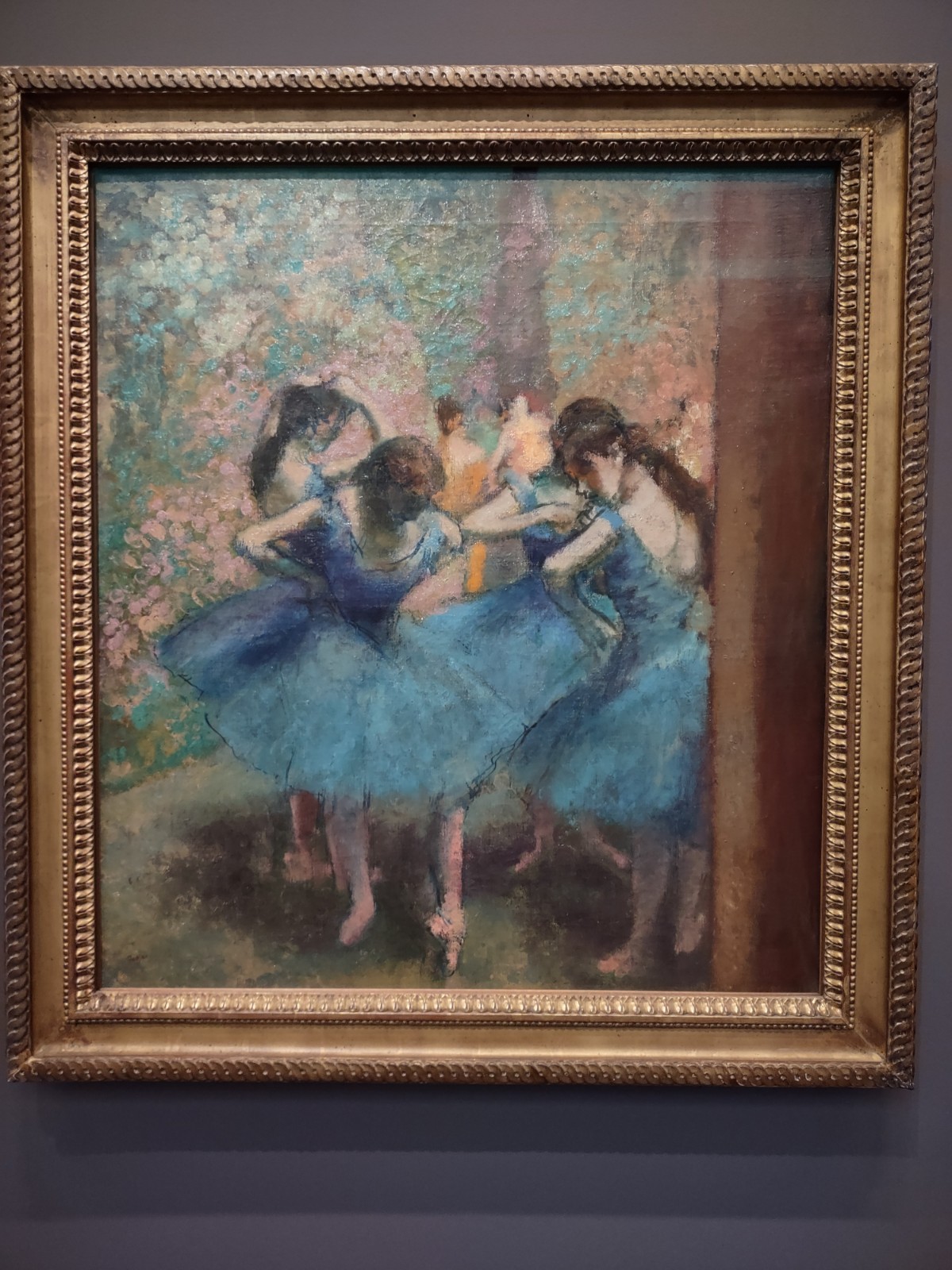
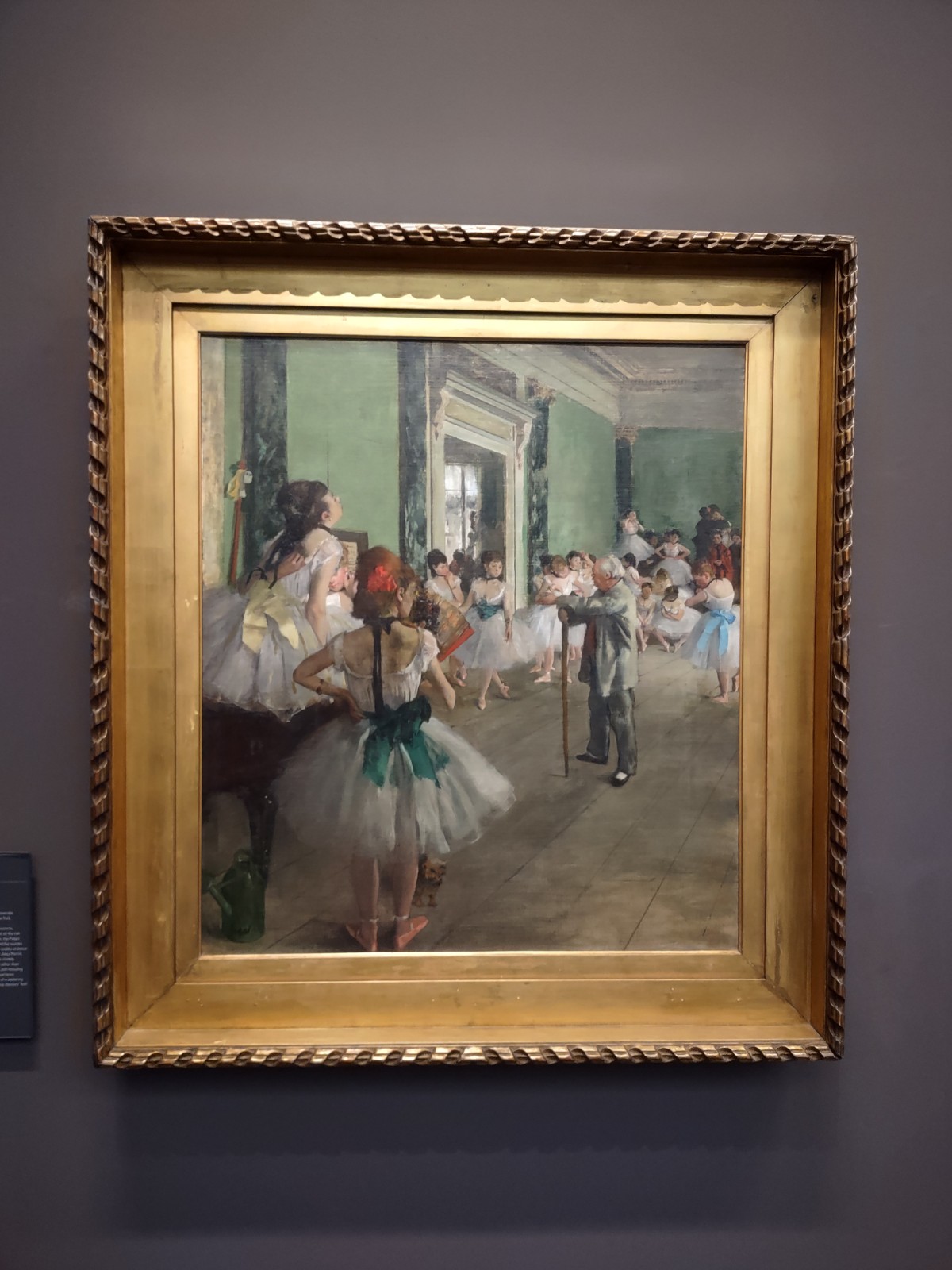
One of the things we were looking for in particular here were some paintings by Degas of dancers (one of Colleen’s favorites), but were having no luck locating them until we entered a special exhibition and discovered that these works are actually pastels, not paintings. In addition to Degas’s dancers, the pastels exhibition included a number of other beautiful works, including some by Renoir and Monet, and, I think, really surprised at how powerful this medium could be.

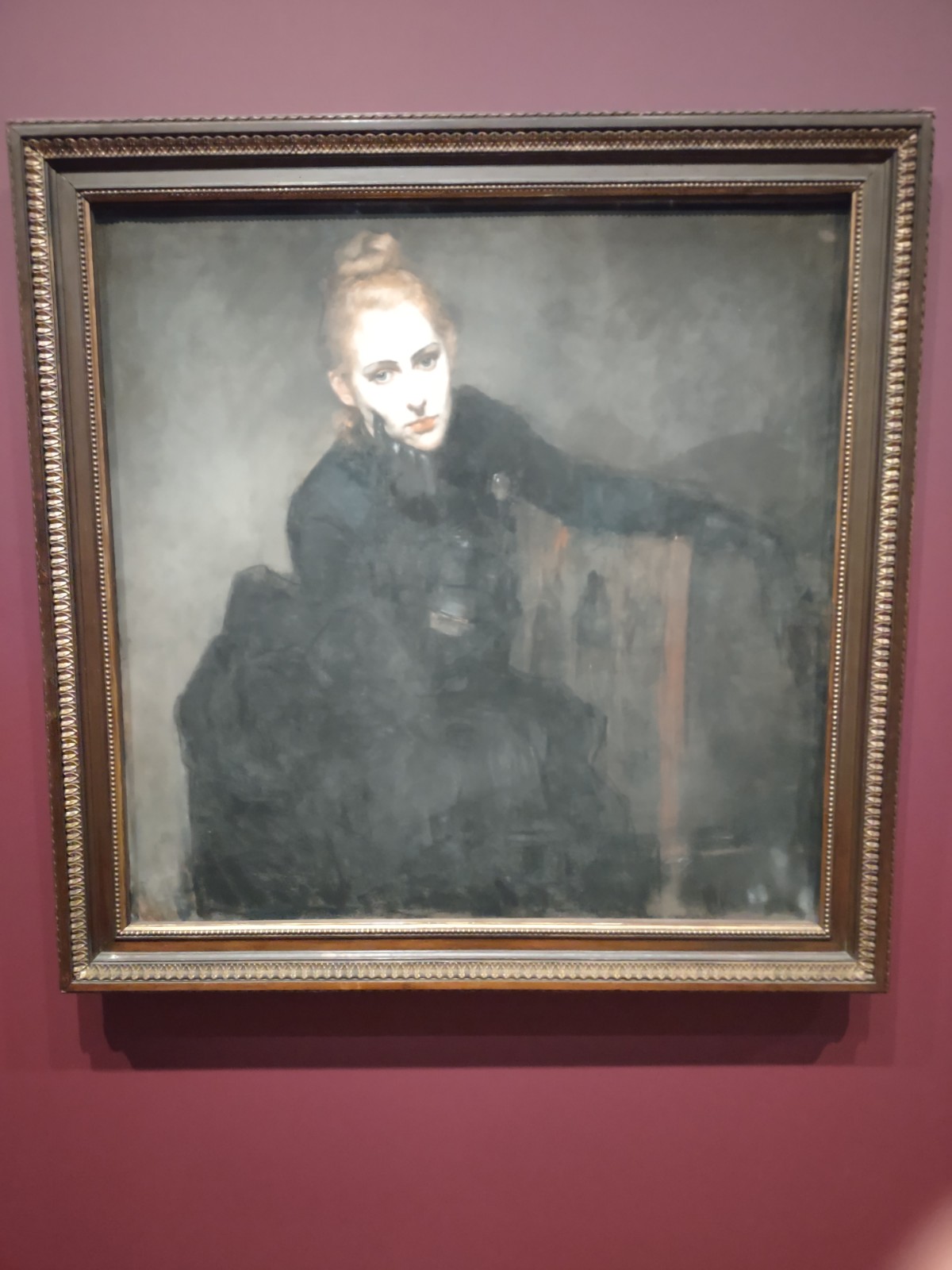
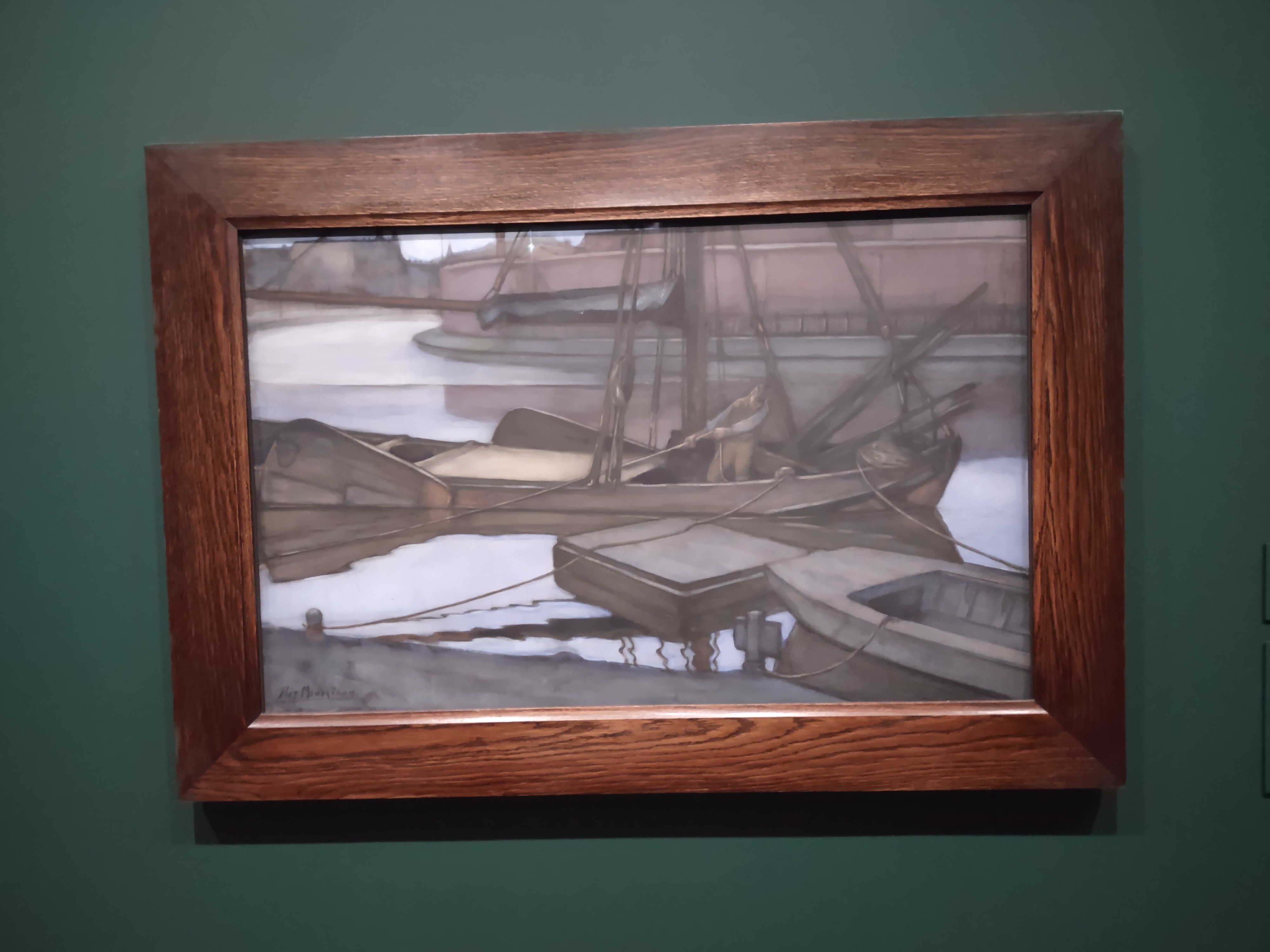
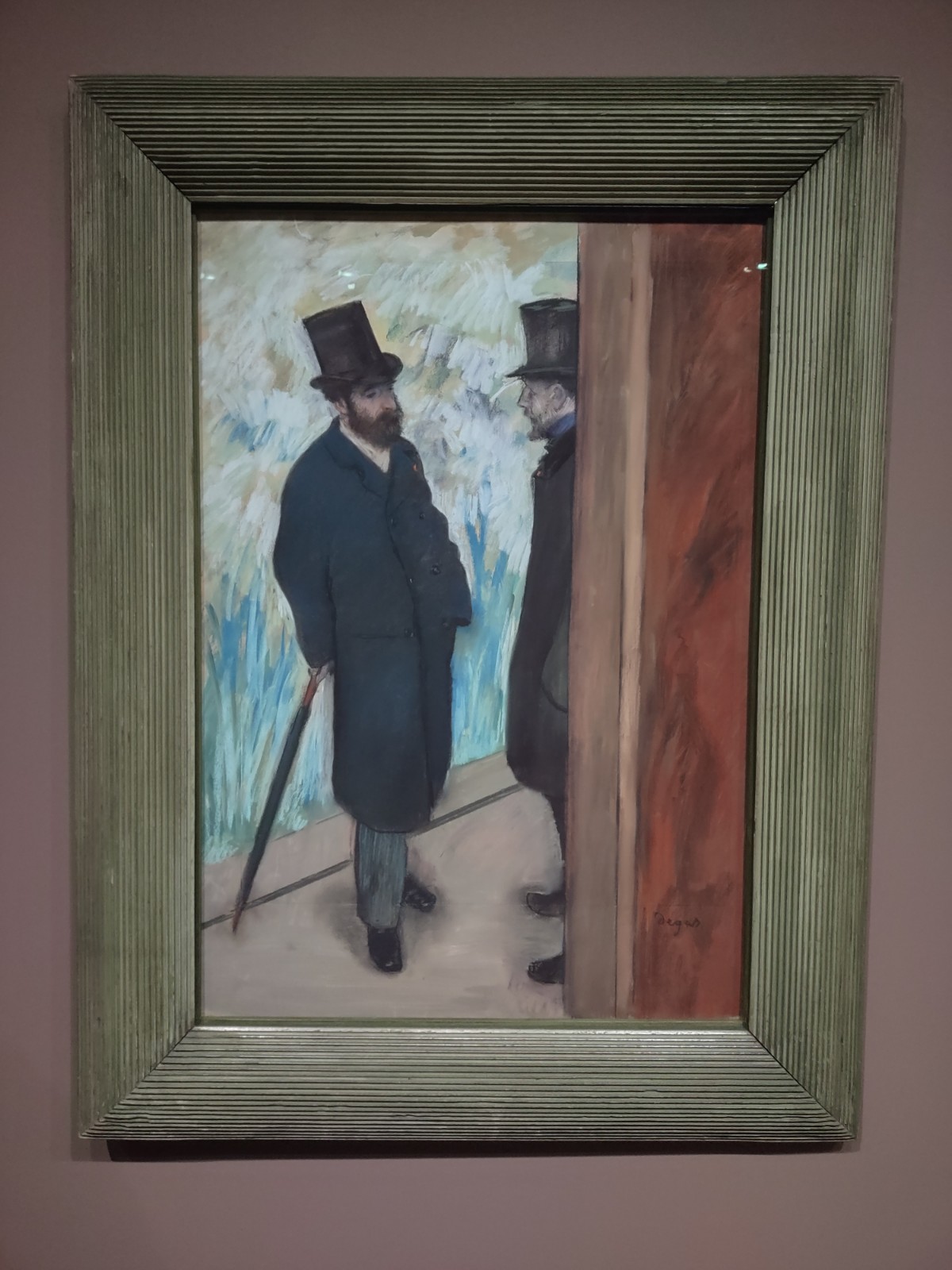
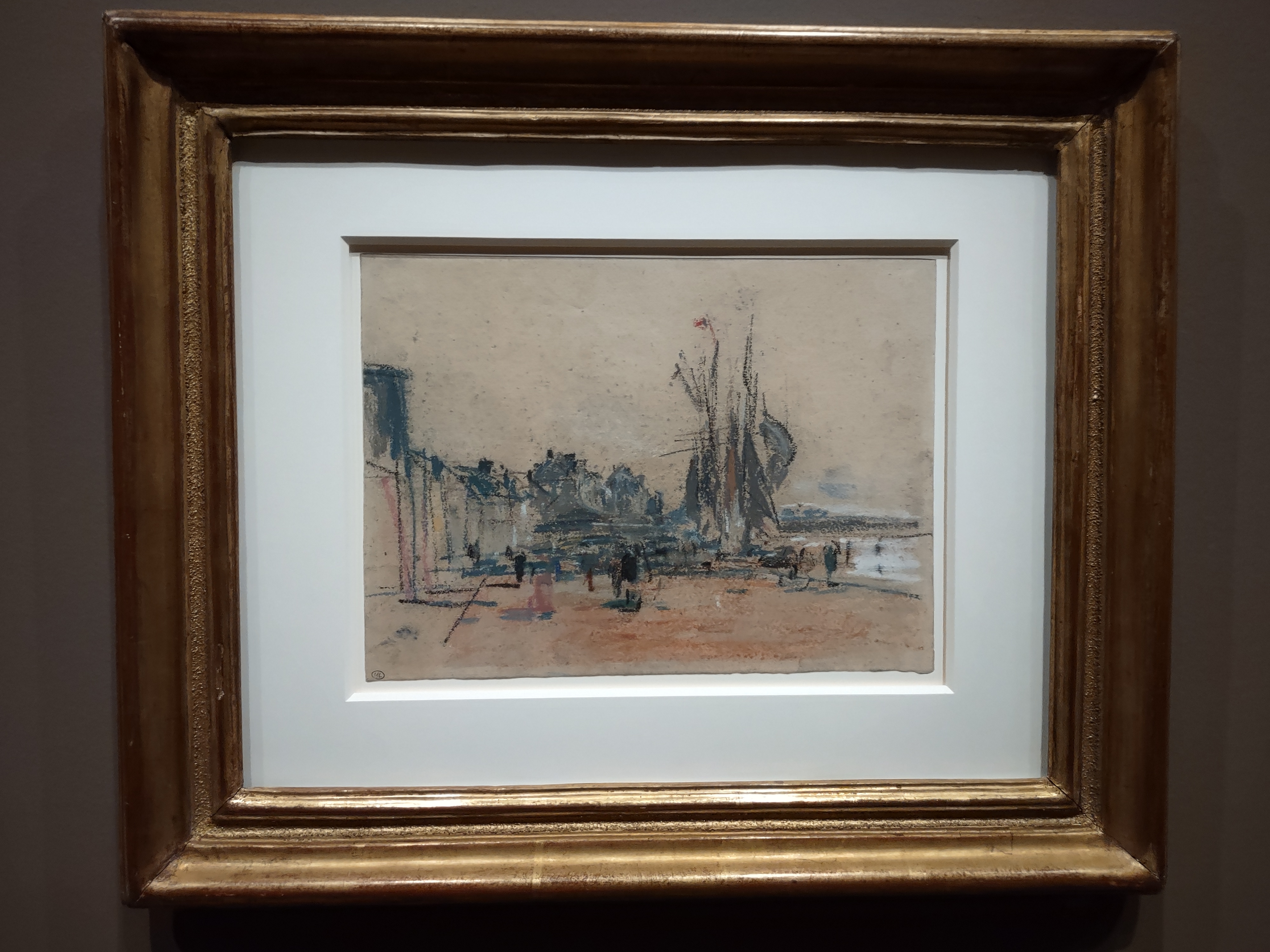

As was the case with some of the other museums we visited in Paris, we were amazed at the size and scale of some of the paintings we saw, particularly a work by Thomas Couture entitled “The Romans and Their Decadence” and another by Gustav Courbet entitled “The Painter’s Studio”. It hard to imagine how paintings of this scale were actually executed – painting from scaffolding then climbing down to view the work, then back up? What we find particularly interesting about large paintings like these is that there is so much going on in the scene and it has become a bit of a game for us making up stories to match what is happening in these paintings.
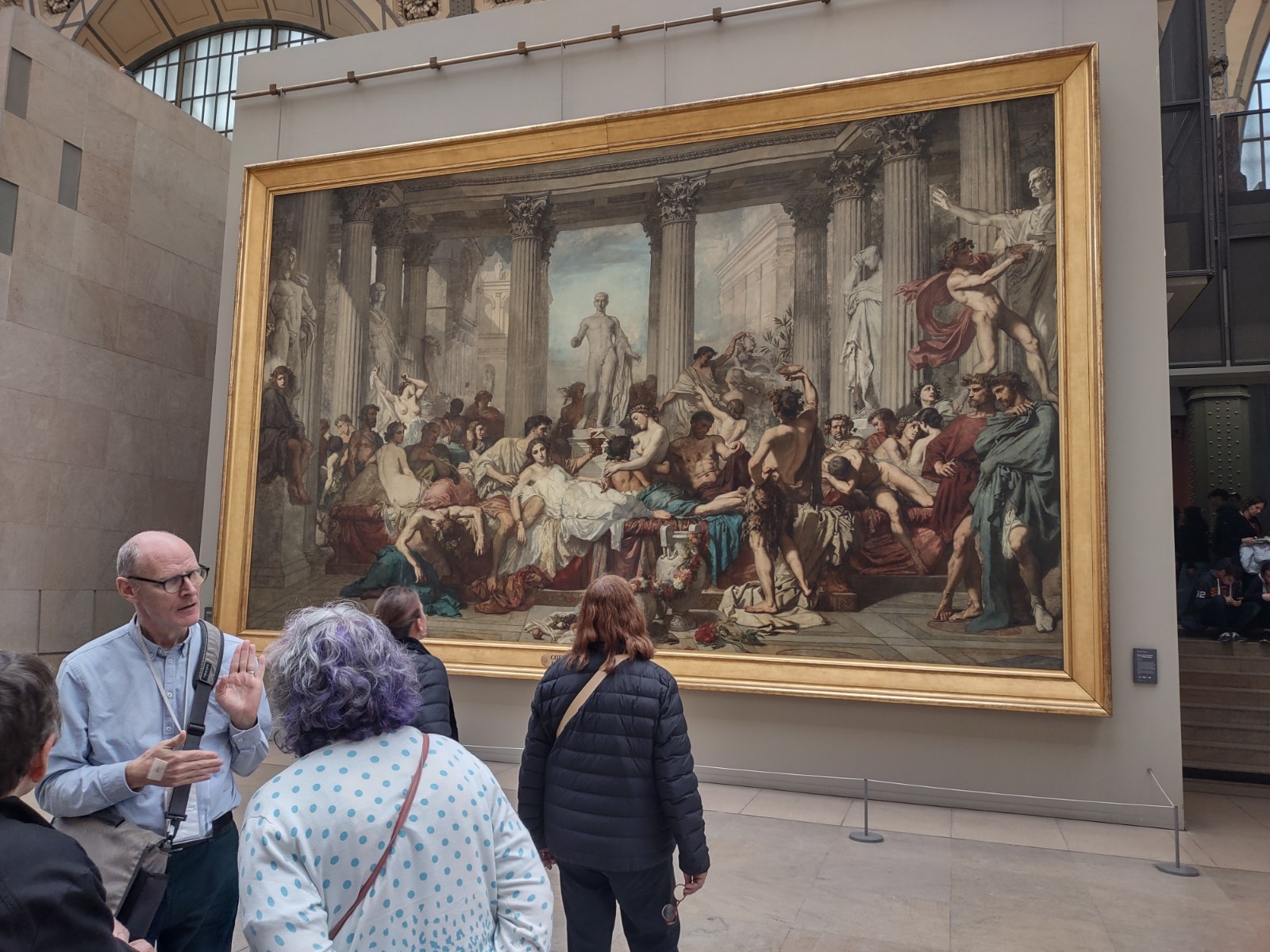

Being in Paris where so much of the art you are seeing was created, it is very easy to find oneself imagining what it must have been like to have lived in Paris in the late 19th and early 20th centuries when so much was happening in the art world. Sometimes a work of art has a story which adds to this intrigue.
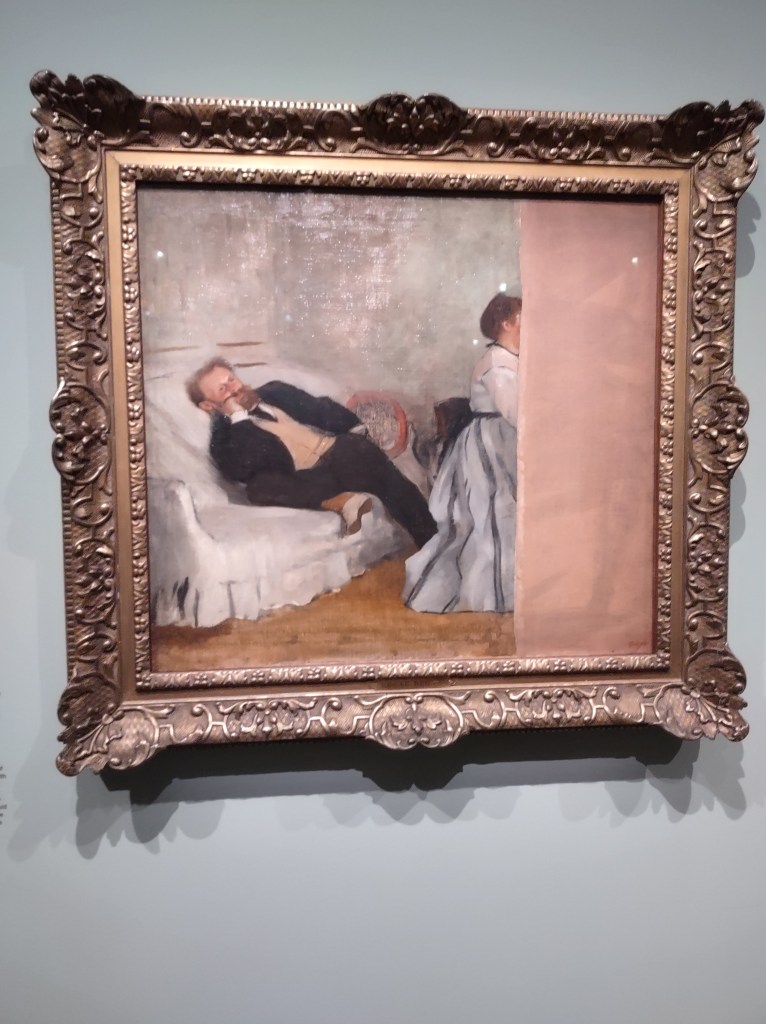
Such was the case with one we saw by Degas of painter Edouard Manet. The painting, which Degas offered to Manet as a gift, depicted Manet in an odd reclining position with his wife at the piano . Apparently Manet was dissatisfied by the work and cut out the “excessively ugly” image of his wife. When Degas discovered his mutilated painting he was apparently very hurt and took it back with the intent of restoring Madame Manet but never carried it out.
No doubt a legacy from its day as a train station, the Musee d’Orsay has two large clocks on its exterior which face the Seine river and one which overlooks what was once its interior concourse. There is a point along the way where you stumble onto the interior side of one of the clocks facing the Seine and, because the face of the clock is mostly glass, there are views across the river to the Tuileries and Louvre and beyond. One of our daughters had actually told us about this spot but, as might be expected, it is the most popular Instagram spot in the museum and so was too crowded to take any really good pictures.
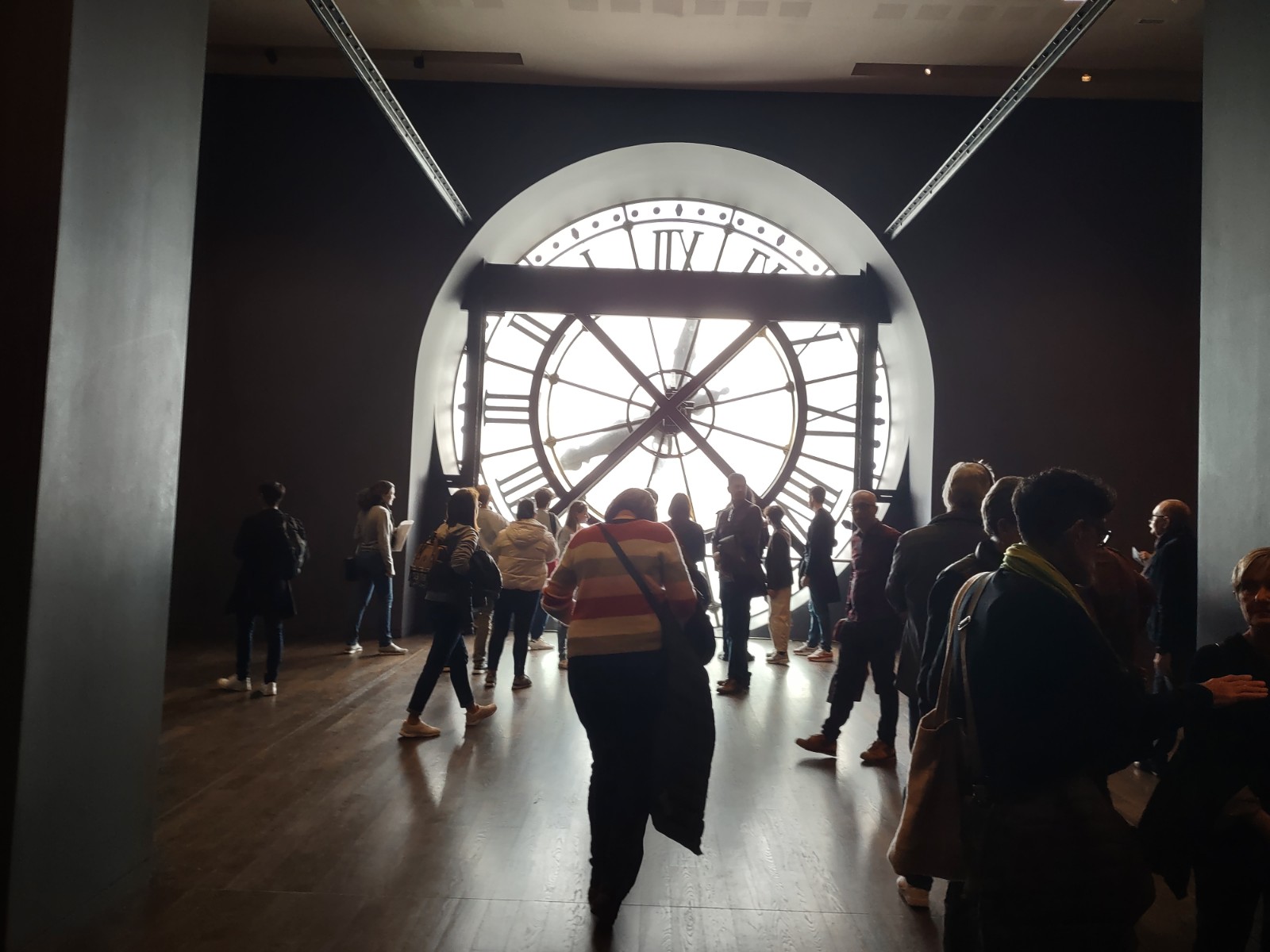

For whatever reason (an easy warm-up at l’Orangerie, a relaxing lunch before, better preparedness?) we really enjoyed Musee d’Orsay and, despite its size, did not feel overwhelmed by it. Who knows, maybe we could have handled the Louvre?
So, that’s what nine museums in 16 days in Paris was like. As I said at the start, a lot but honestly just about enough. One last installment for Paris yet to come with a few additional sights and observations. See you soon.
 Burning the Inheritance
Leave a comment