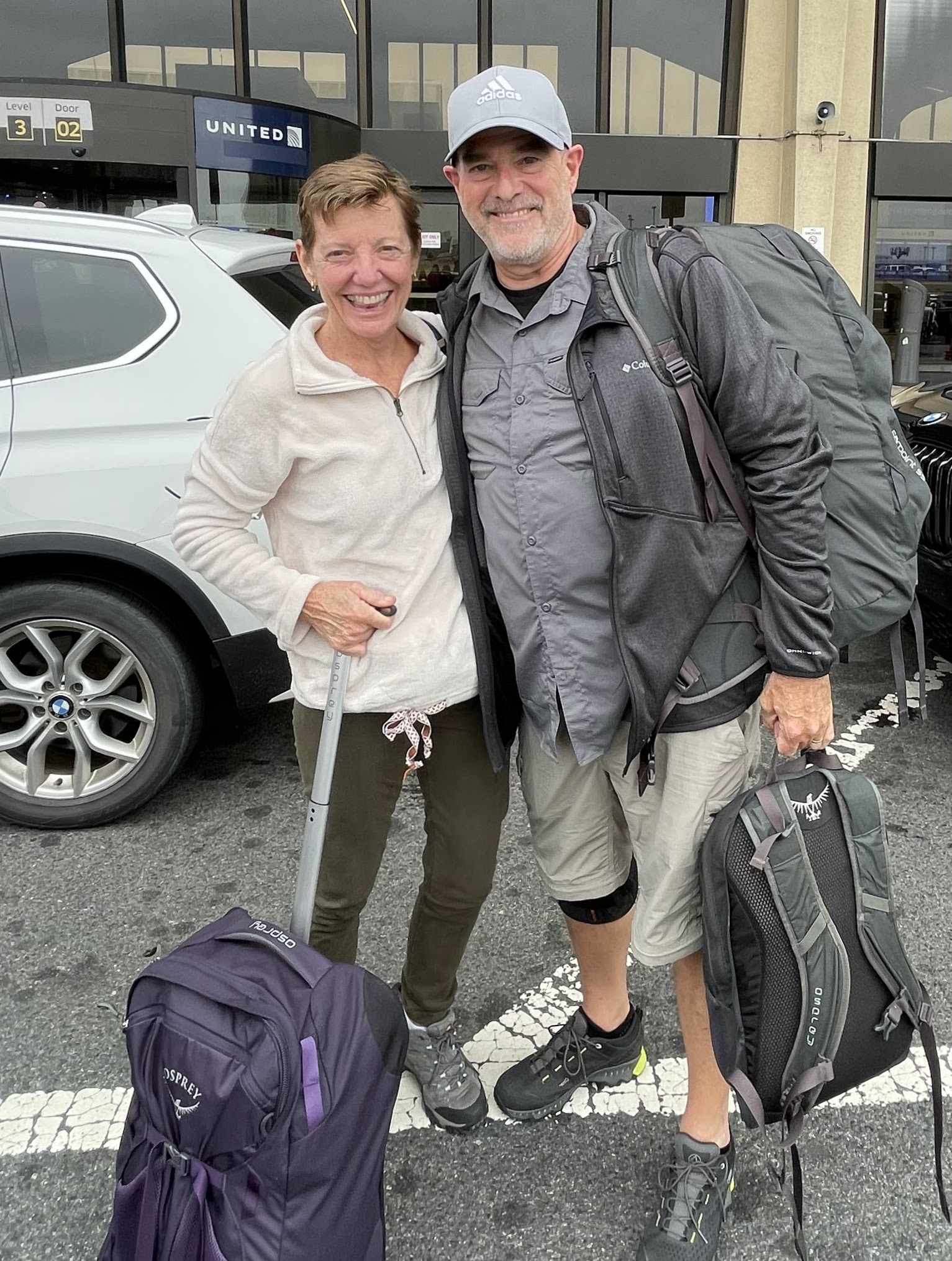
Why Vienna?
For those of you who track our itinerary, you may have noticed that we have started to reduce the number of places we are visiting and increase the length of our stays. While we eliminated a number of European “hot tickets” from our itinerary (Copenhagen, Strasburg, and Prague to name a few), we hung on to Vienna. In large measure, this was because it is a city where some close friends lived in the past but also because we have yet to meet anyone who came here and did not find it to be an amazing city.
So what is it that makes this city so special and memorable? Predictably, there are many answers to this question. Here’s our take on what makes Vienna an amazing city to visit and (probably) to live in.
Just a couple of caveats. We were only here for four days which is, obviously, not enough time to really get to know a city. Also, our time was spent almost exclusively within the Ringstrasse, the boulevard that encloses the first district of the city (more or less, “Old Vienna”), so this is really more an endorsement of that area than the city as a whole.


Fabric of the City
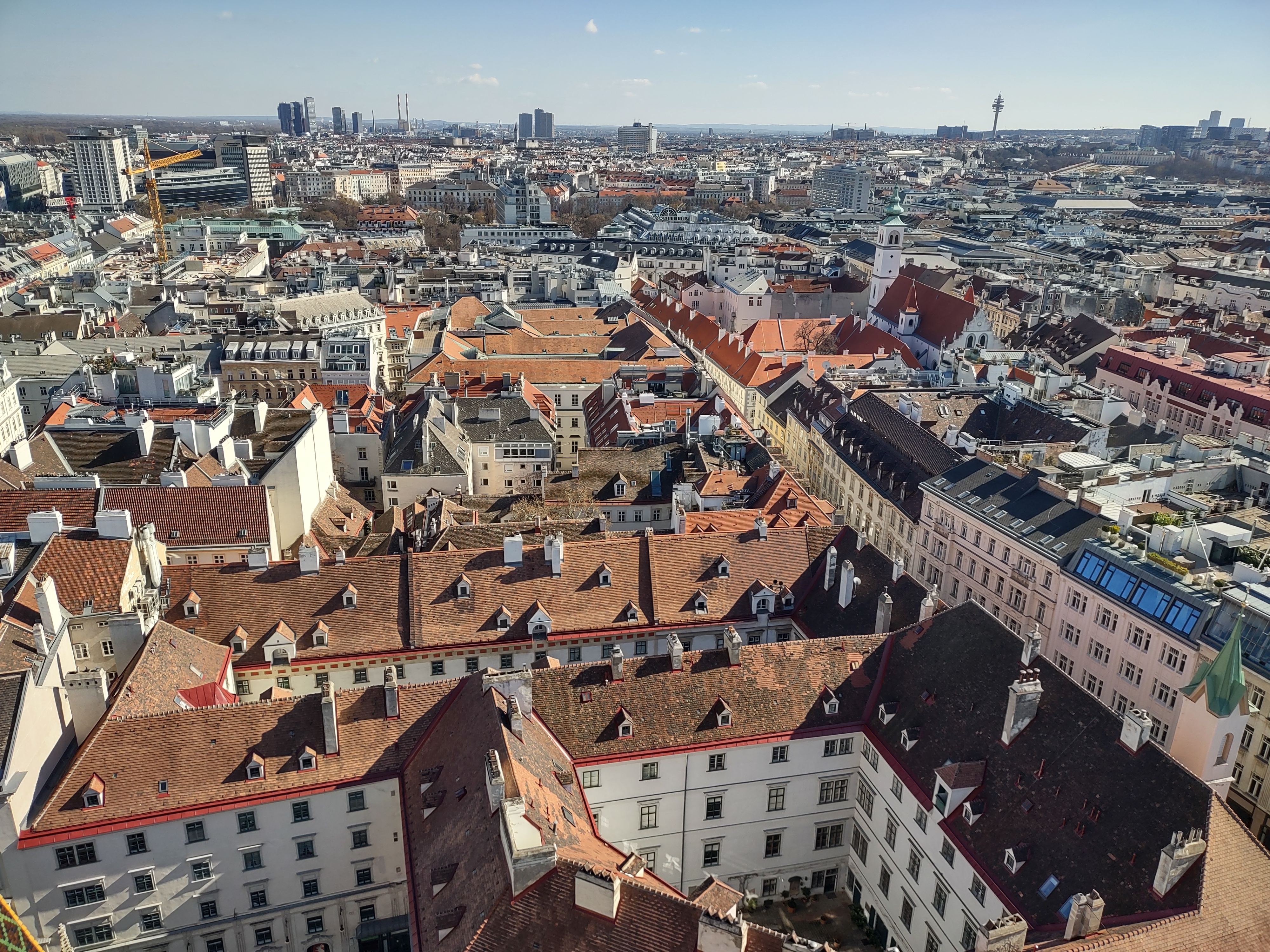
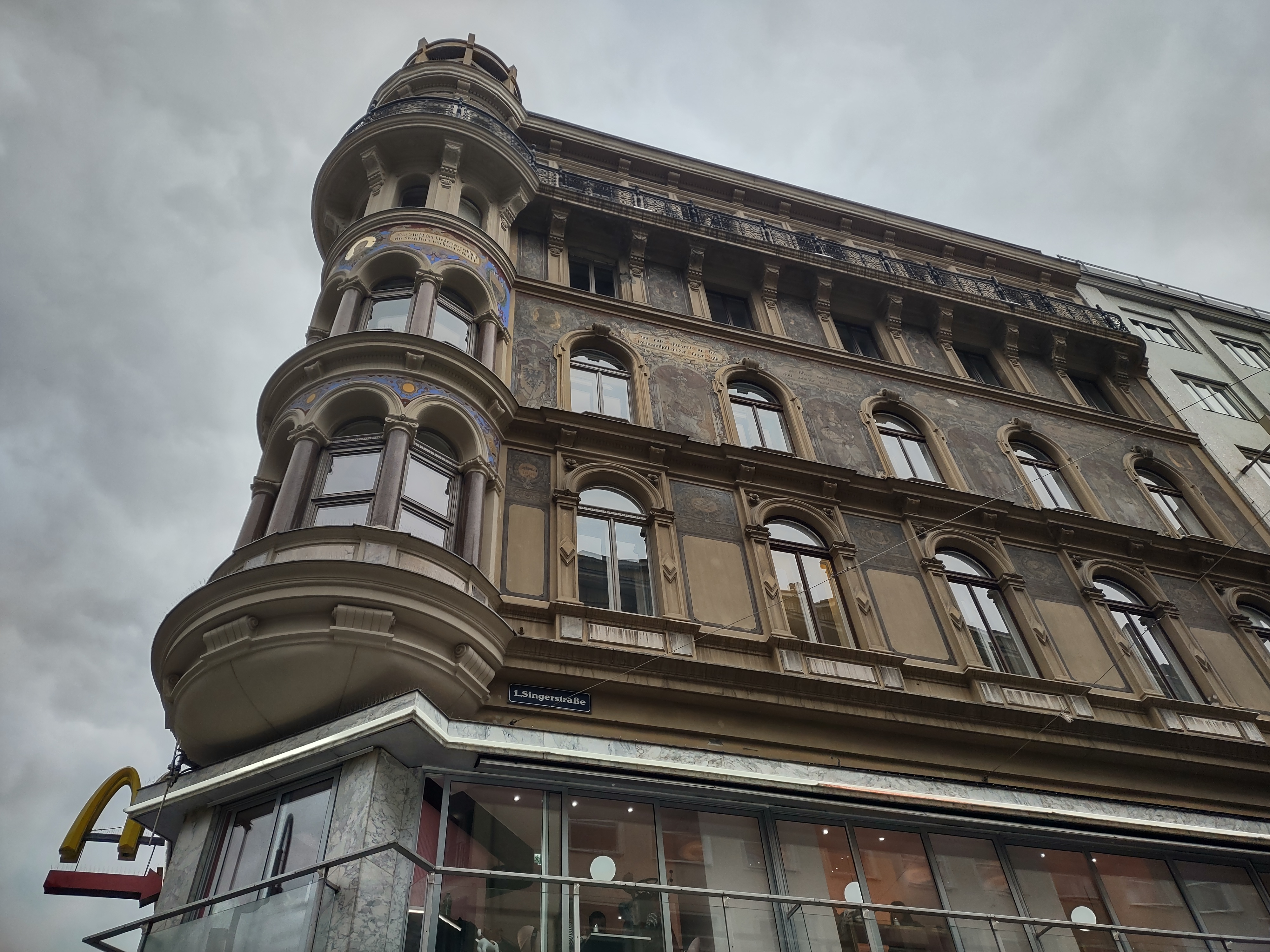
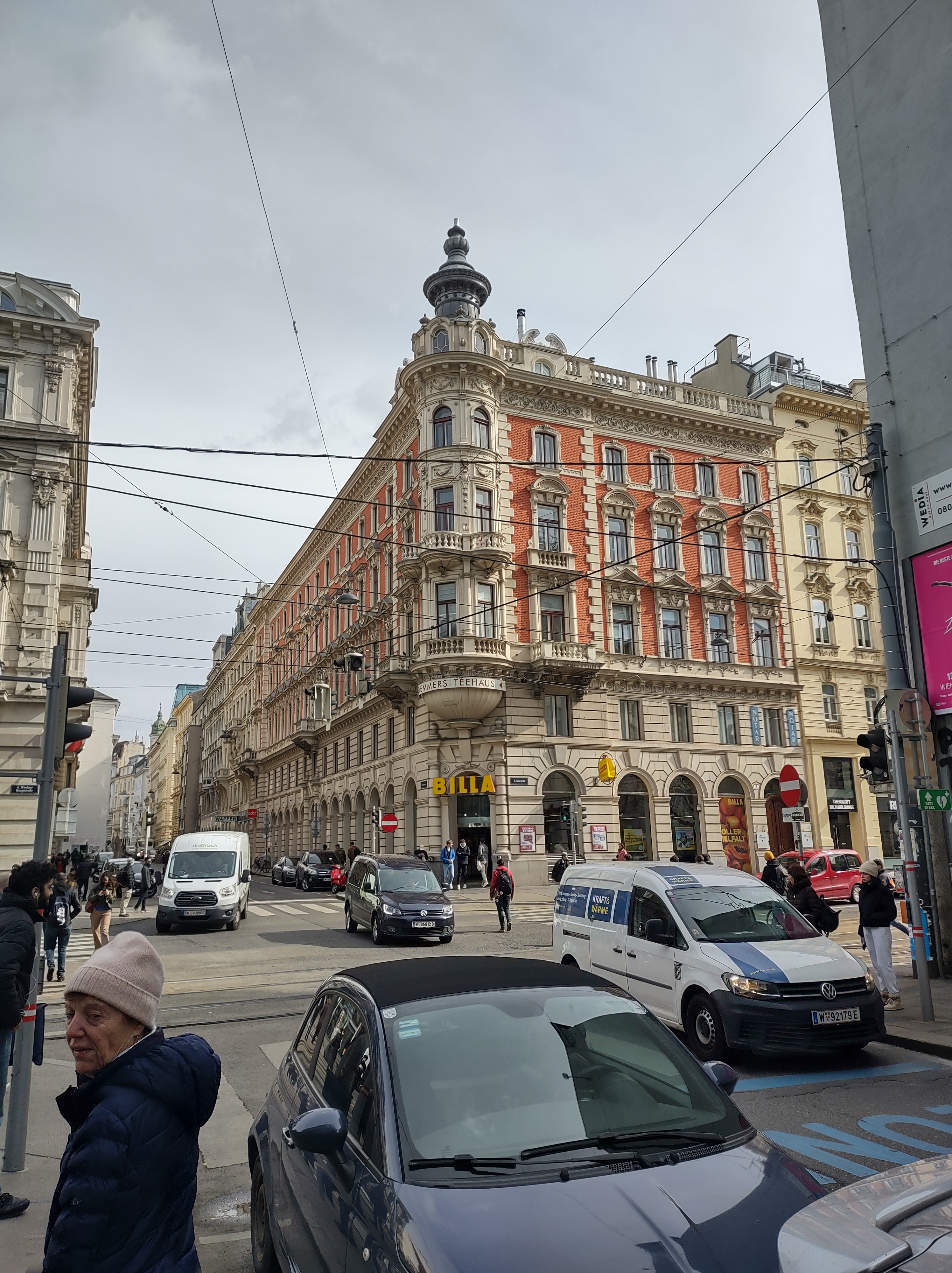
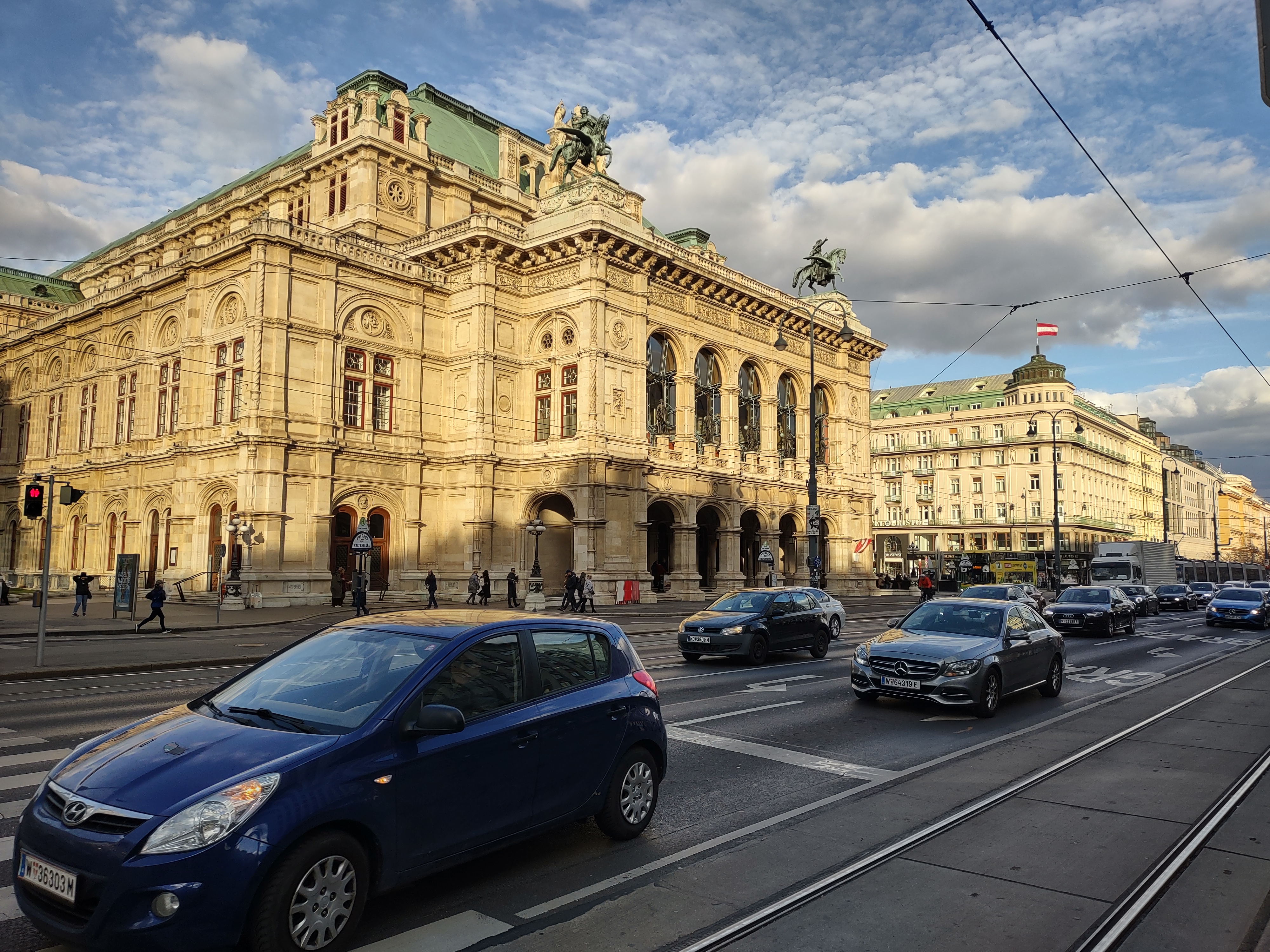
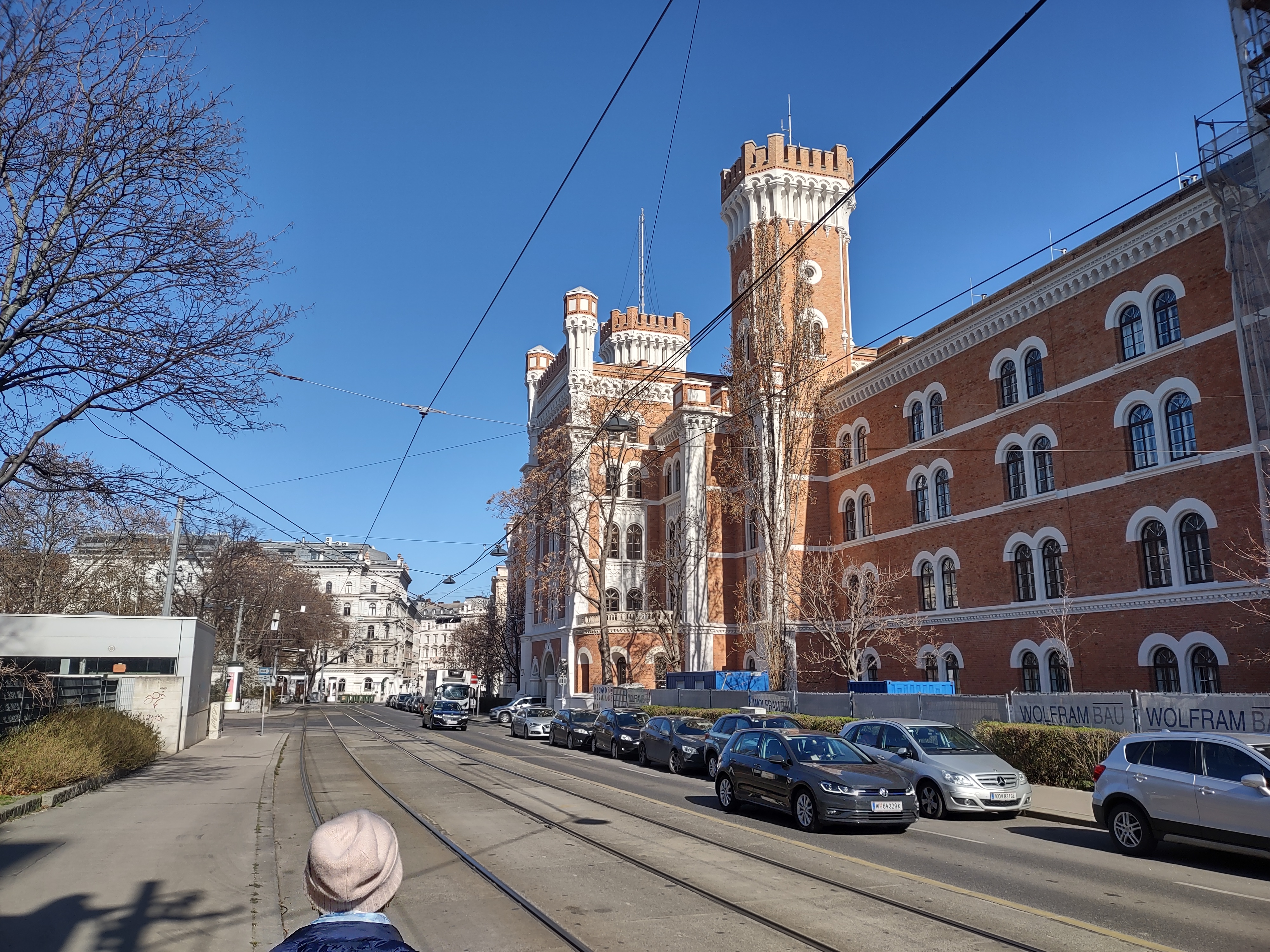
Not to take anything away from the people or culture here, which were both great, but the built environment of old Vienna is simply amazing. It is a vast assemblage of buildings, some dating back to the 12th century or earlier which includes a number of baroque palaces and homes from the early 1700’s, numerous buildings of varying ornateness built during the 17th, 18th, and 19th centuries along with a few from the 20th century.
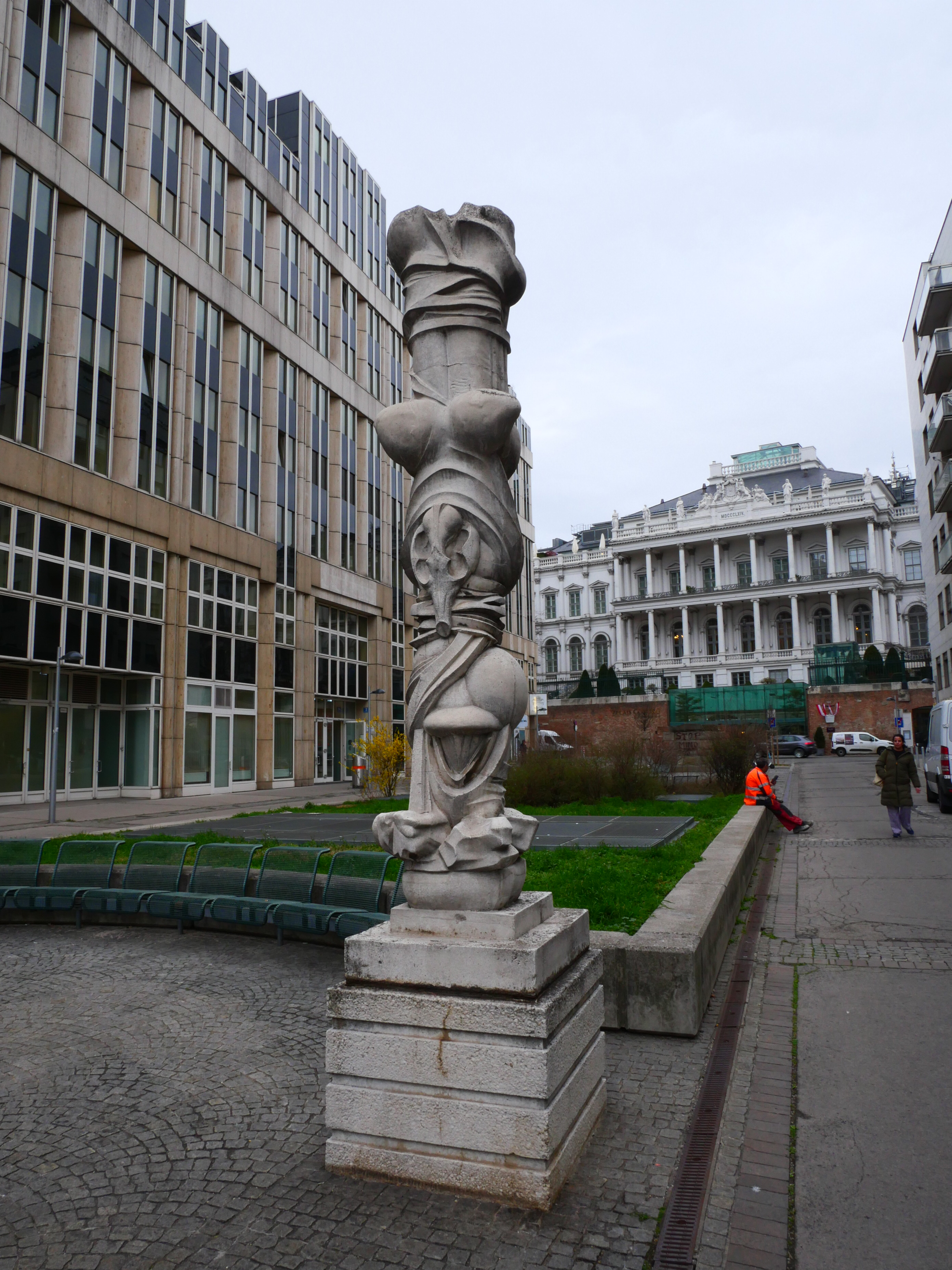
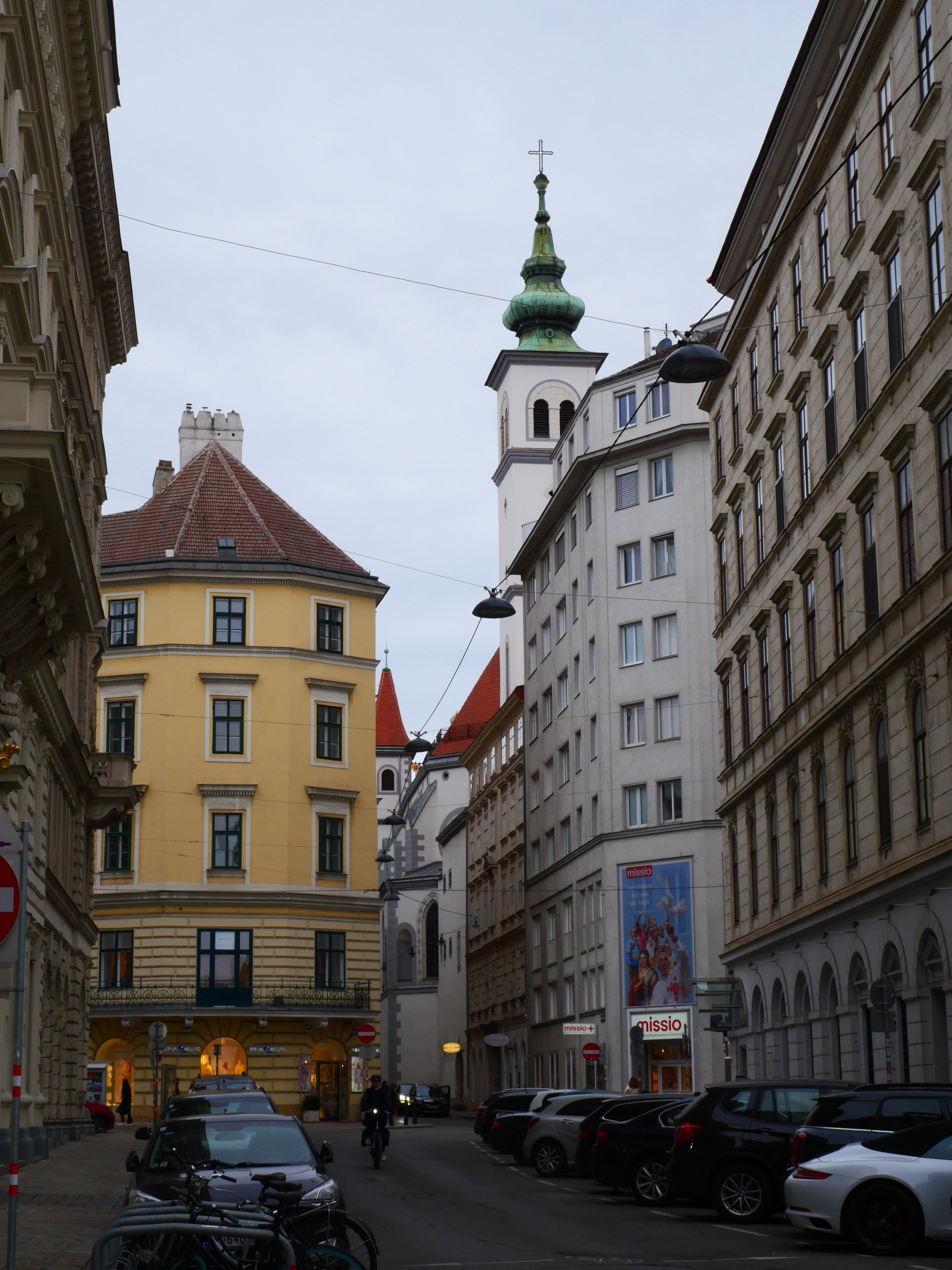
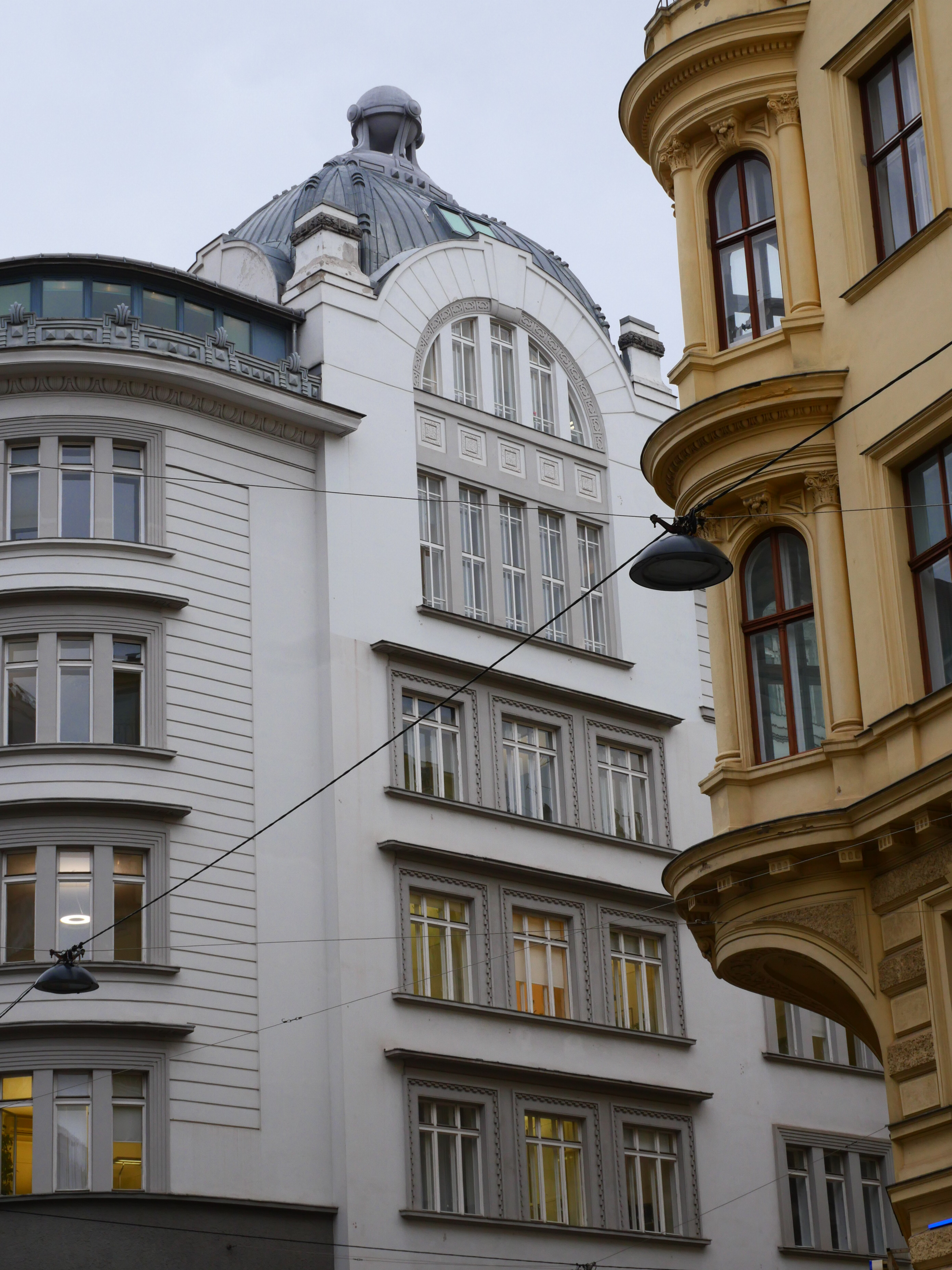
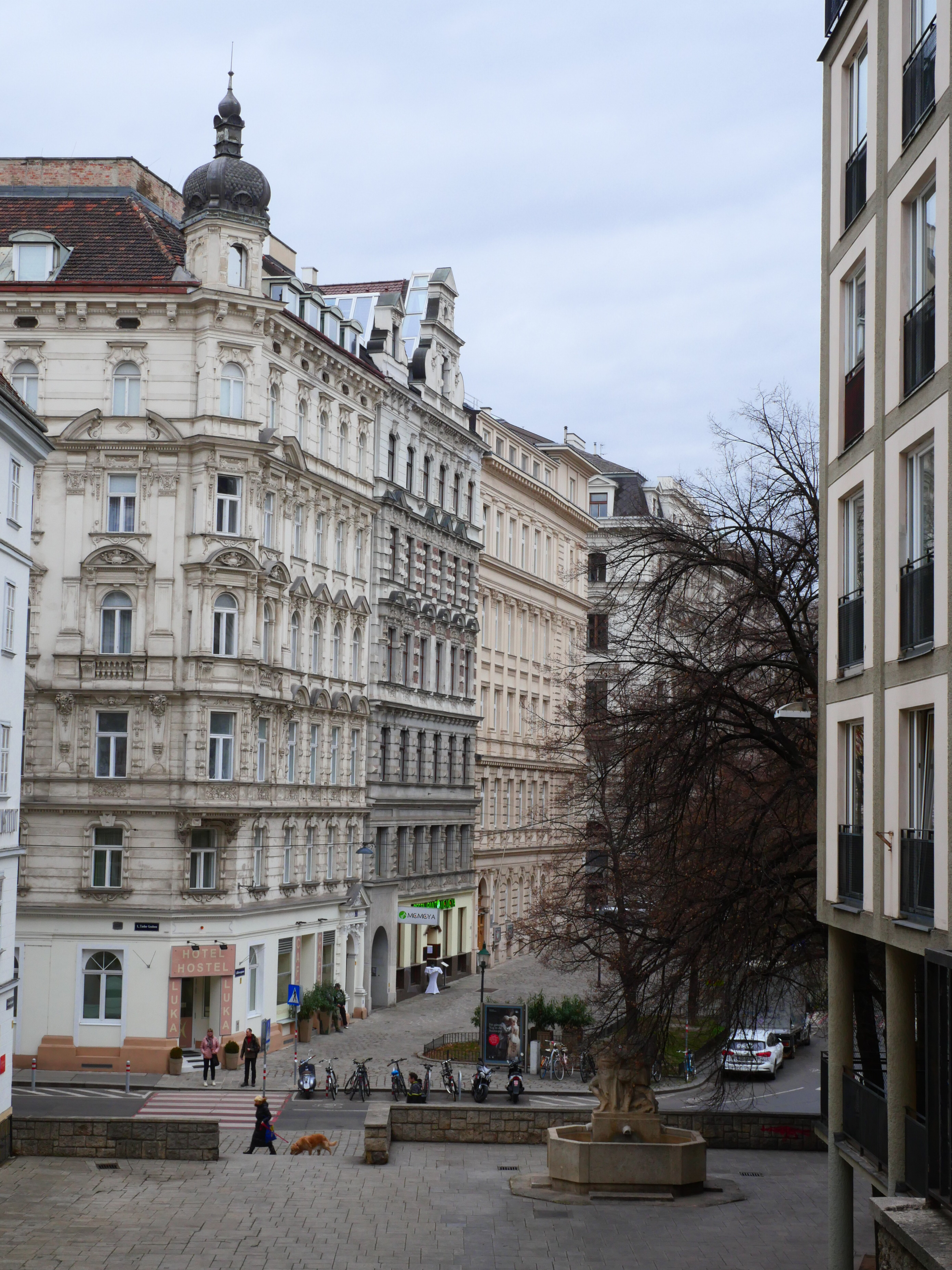
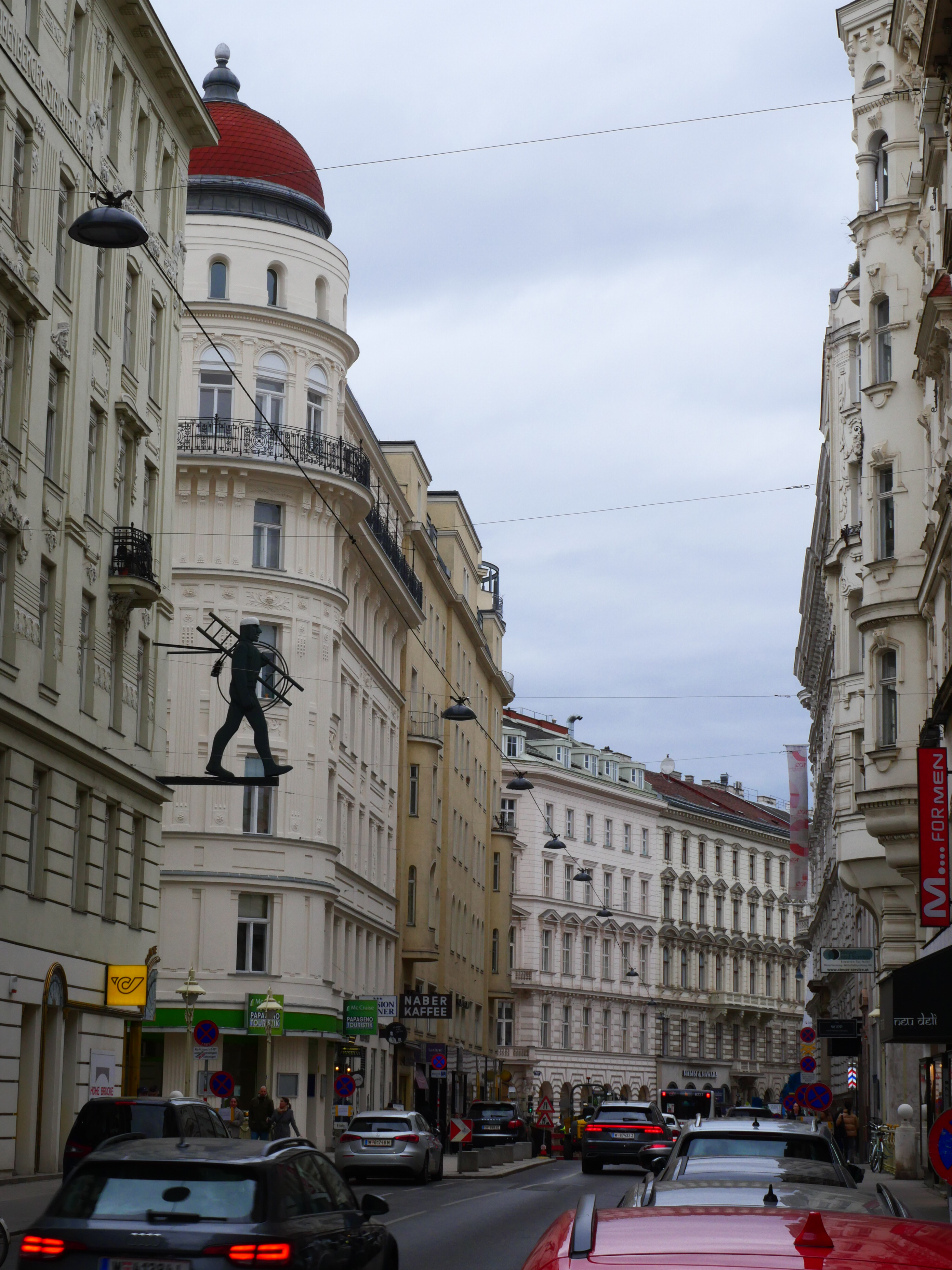
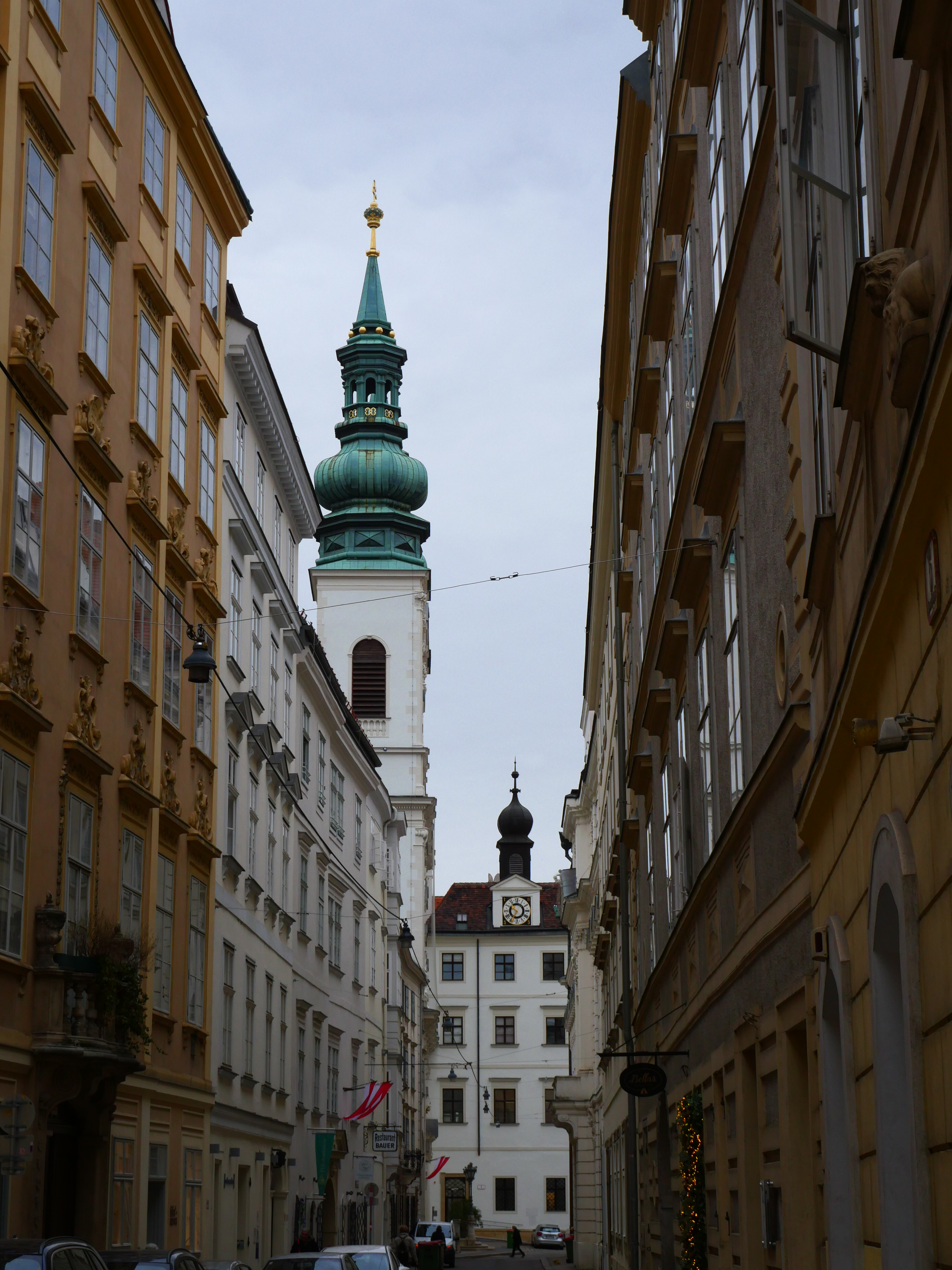
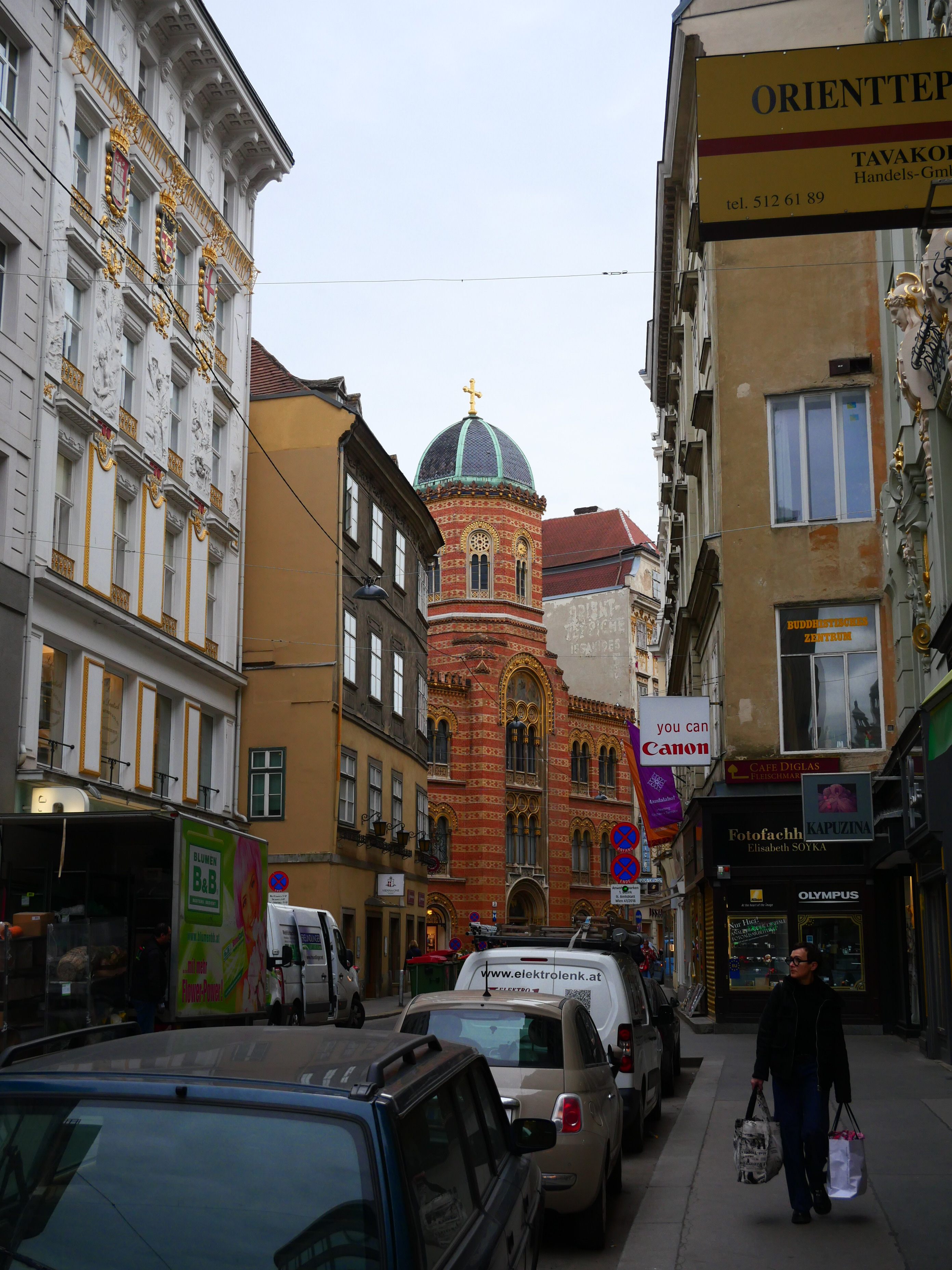
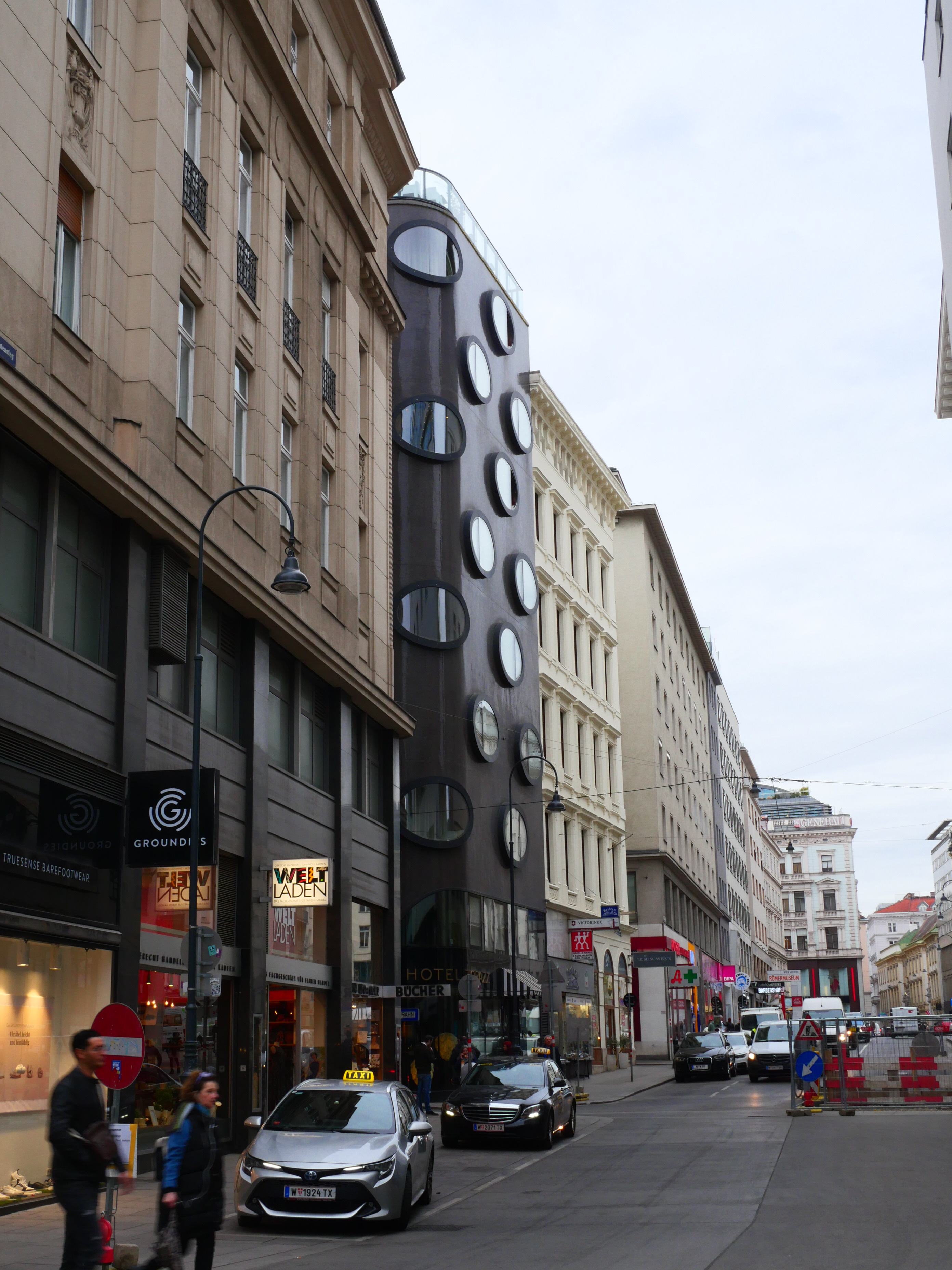
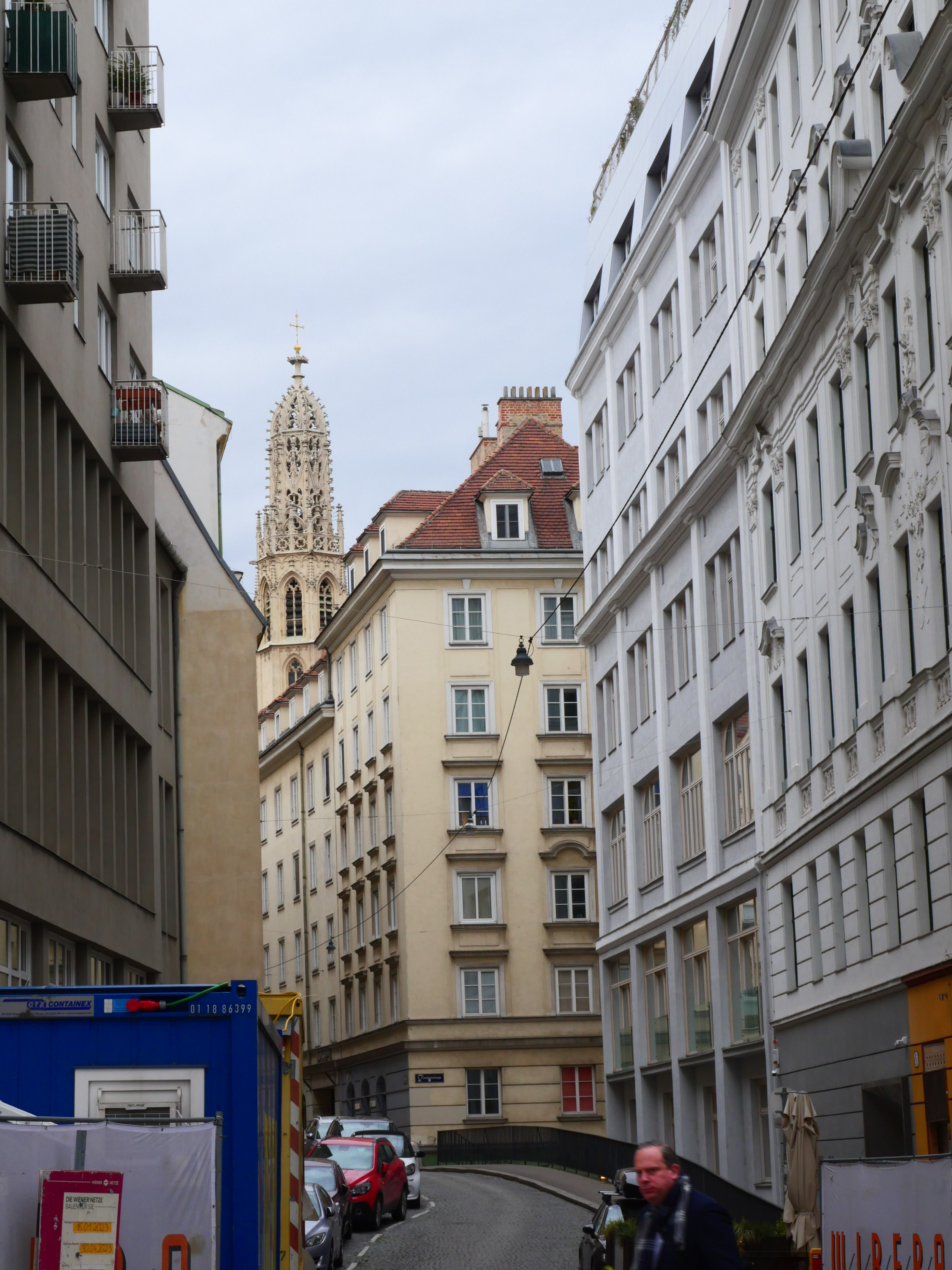
From a pedestrian perspective, it is an amazing city to walk. The older simpler buildings form a strong and consistent fabric, typically five to seven stories tall, with punctuation marks around every corner – ornate towers, palaces, sculptures, and the occasional new building. The city is also interspersed with numerous pedestrian only plazas and squares, large and small, with statues and sculptures. It’s difficult to describe the overall feeling of this, but pretty sure that you could never get tired of walking around this place!






Churches – St. Stephan’s Cathedral and Die Votivkirchen
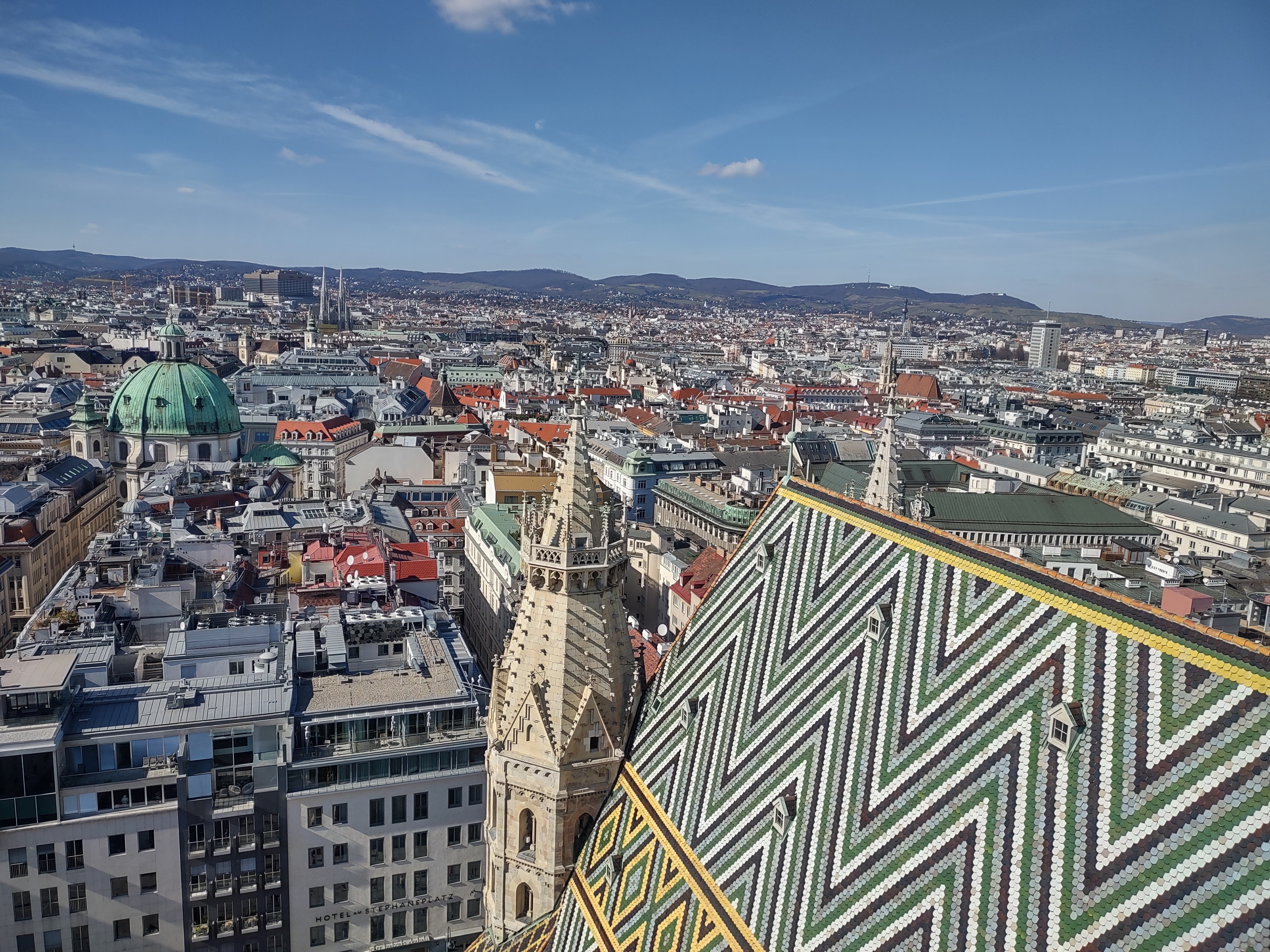
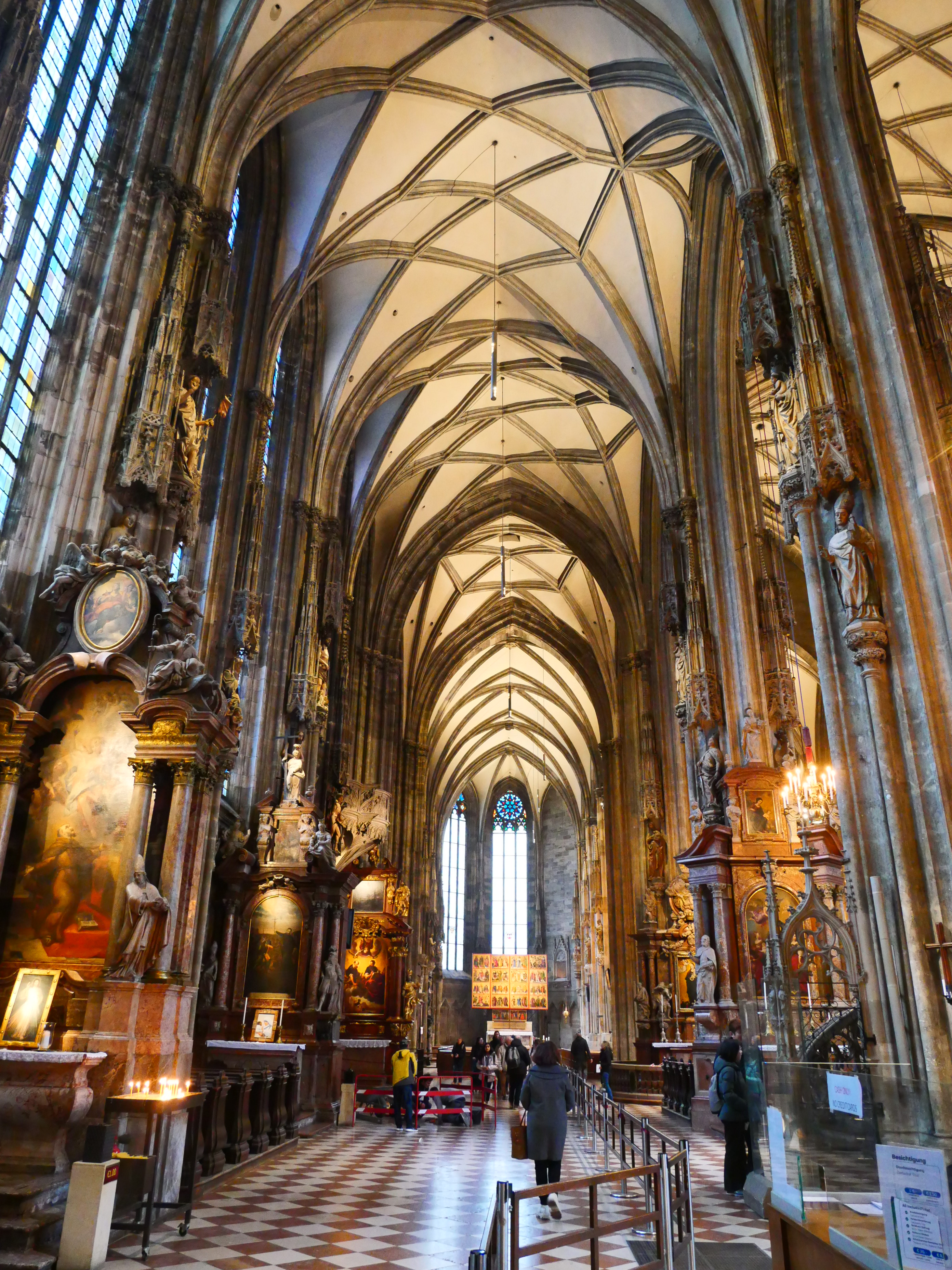
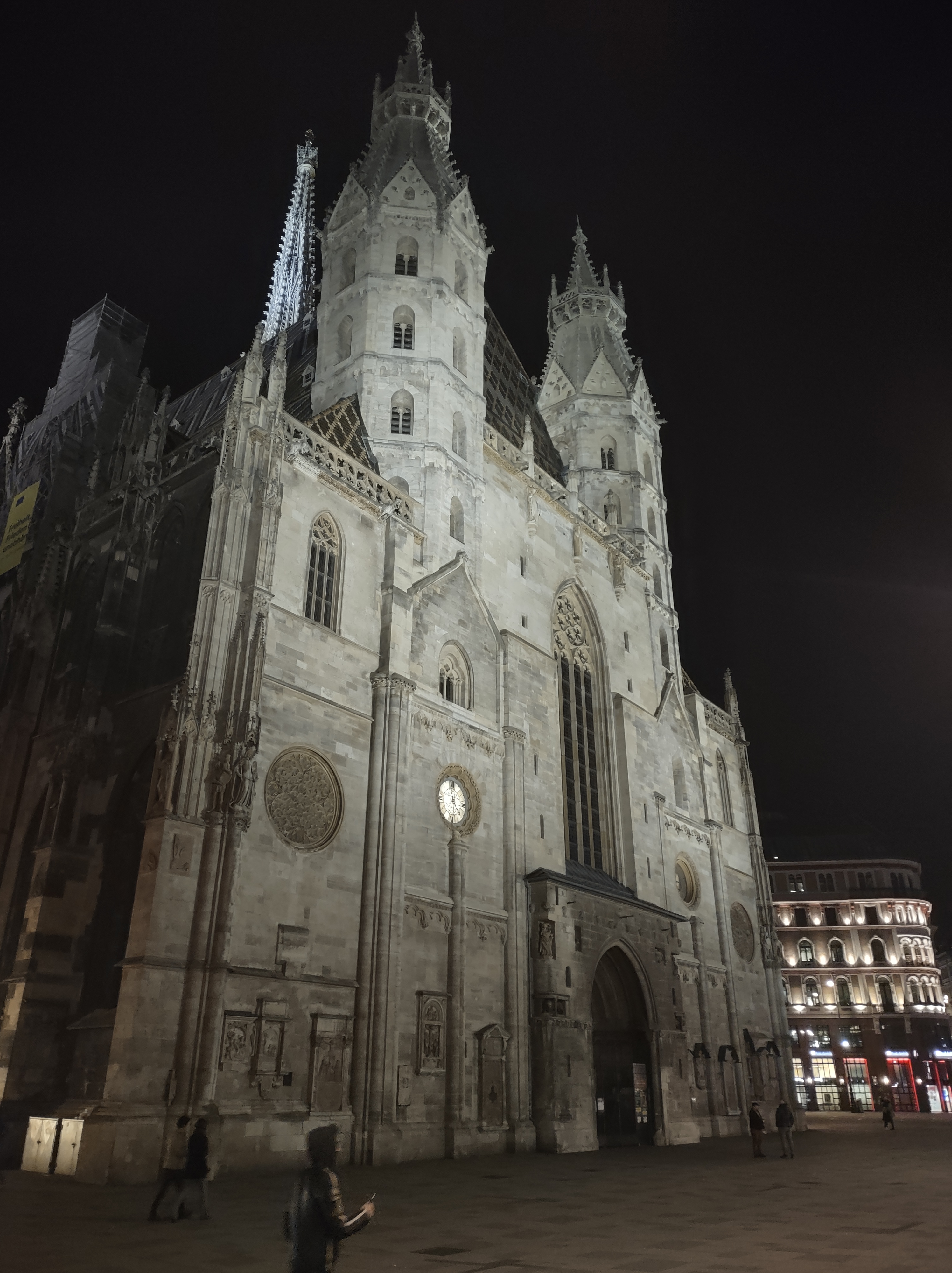
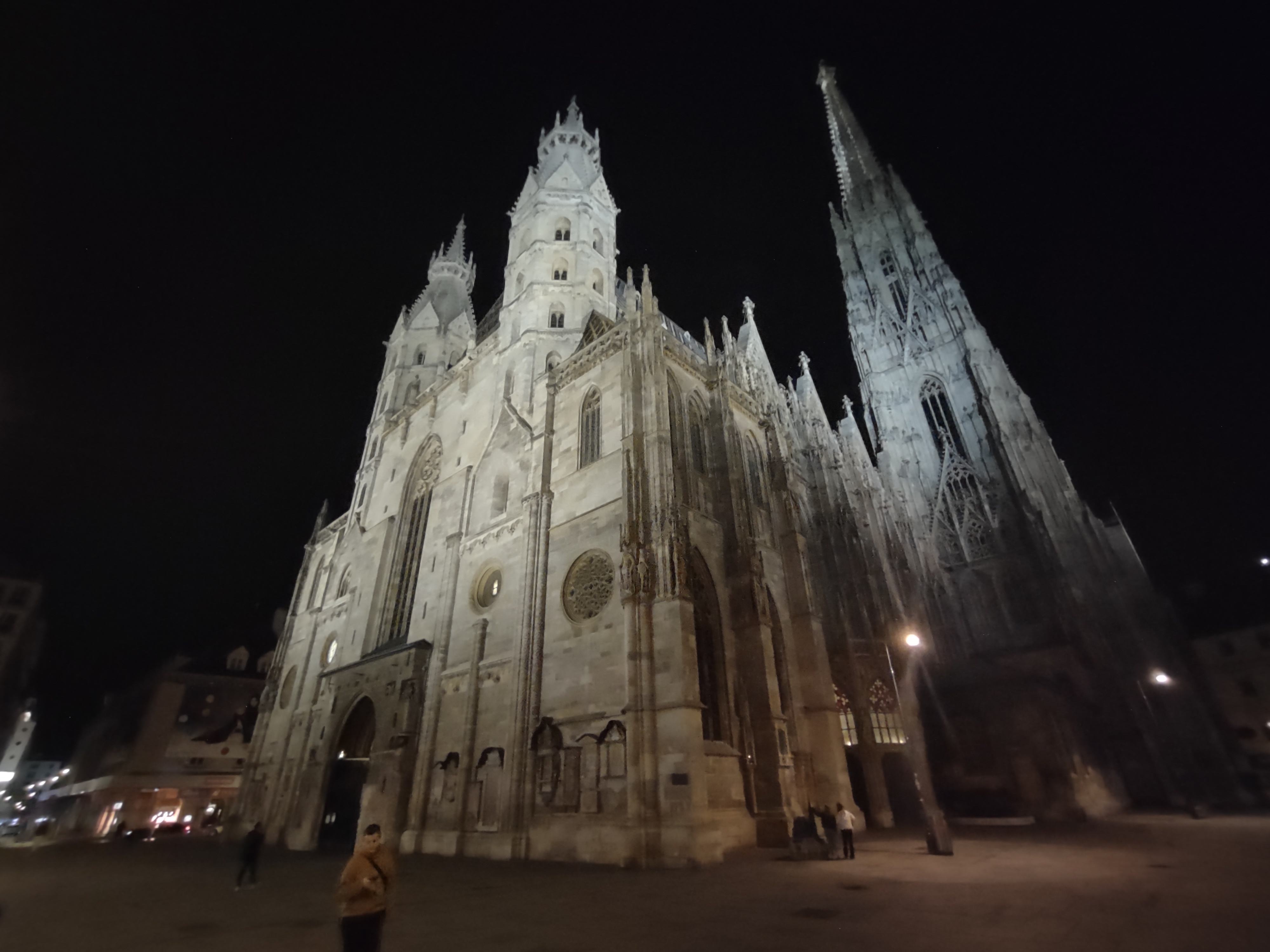
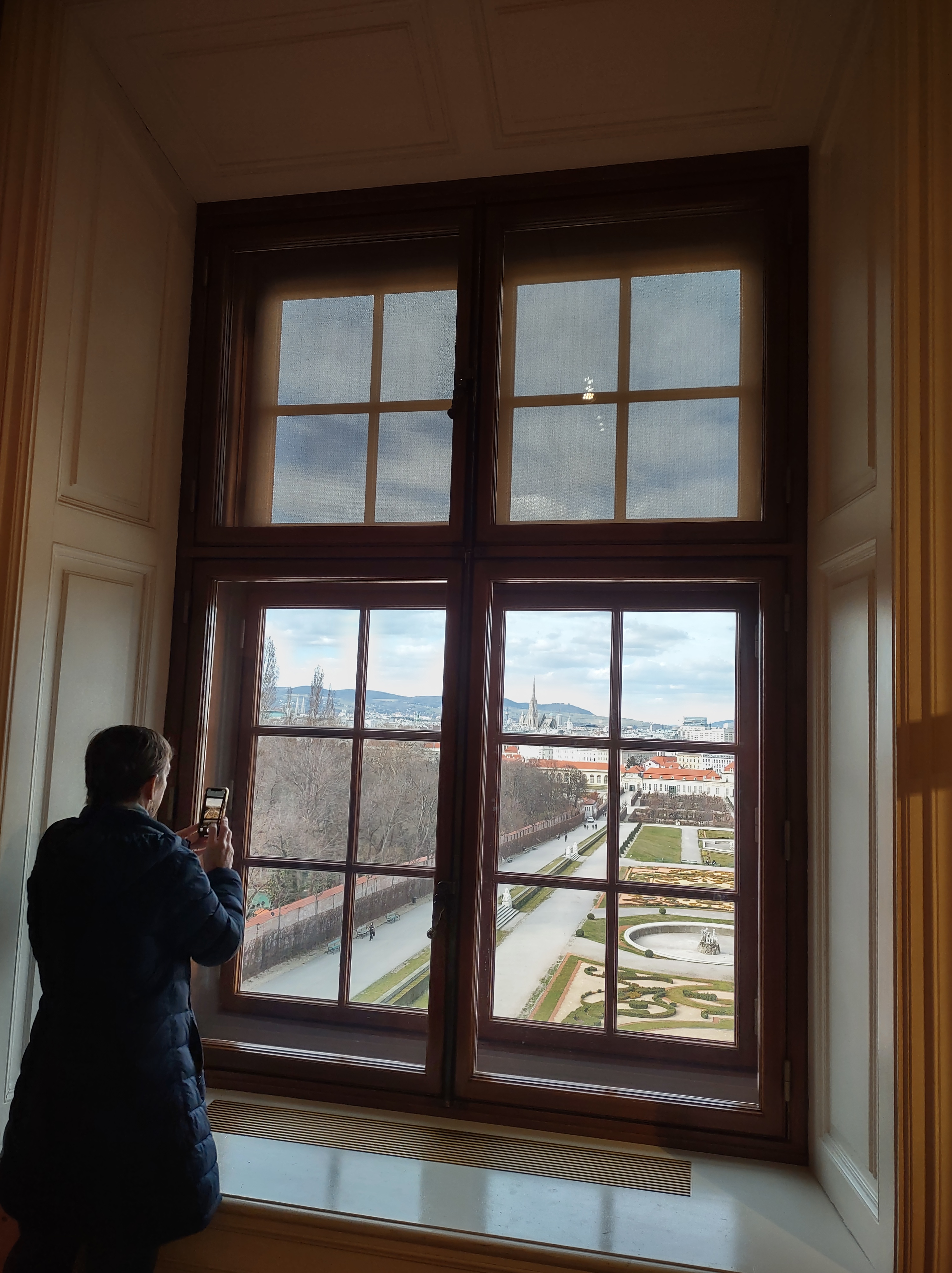
It’s very hard not to notice the churches of Vienna – there are 25 of them in the First District alone! We stayed just around the corner from Saint Stephan’s Cathedral whose construction dates back to the 12th century and which, at 136 meters, is the tallest church in Austria as well as the tallest building in the old city of Vienna. The south tower of this church is visible from almost anywhere in the old city and so became a landmark for us when finding our way home (helpful as there are a lot of winding streets). We climbed the 343 steps to the top of this tower and were not disappointed with the views (see photos at start of this post).
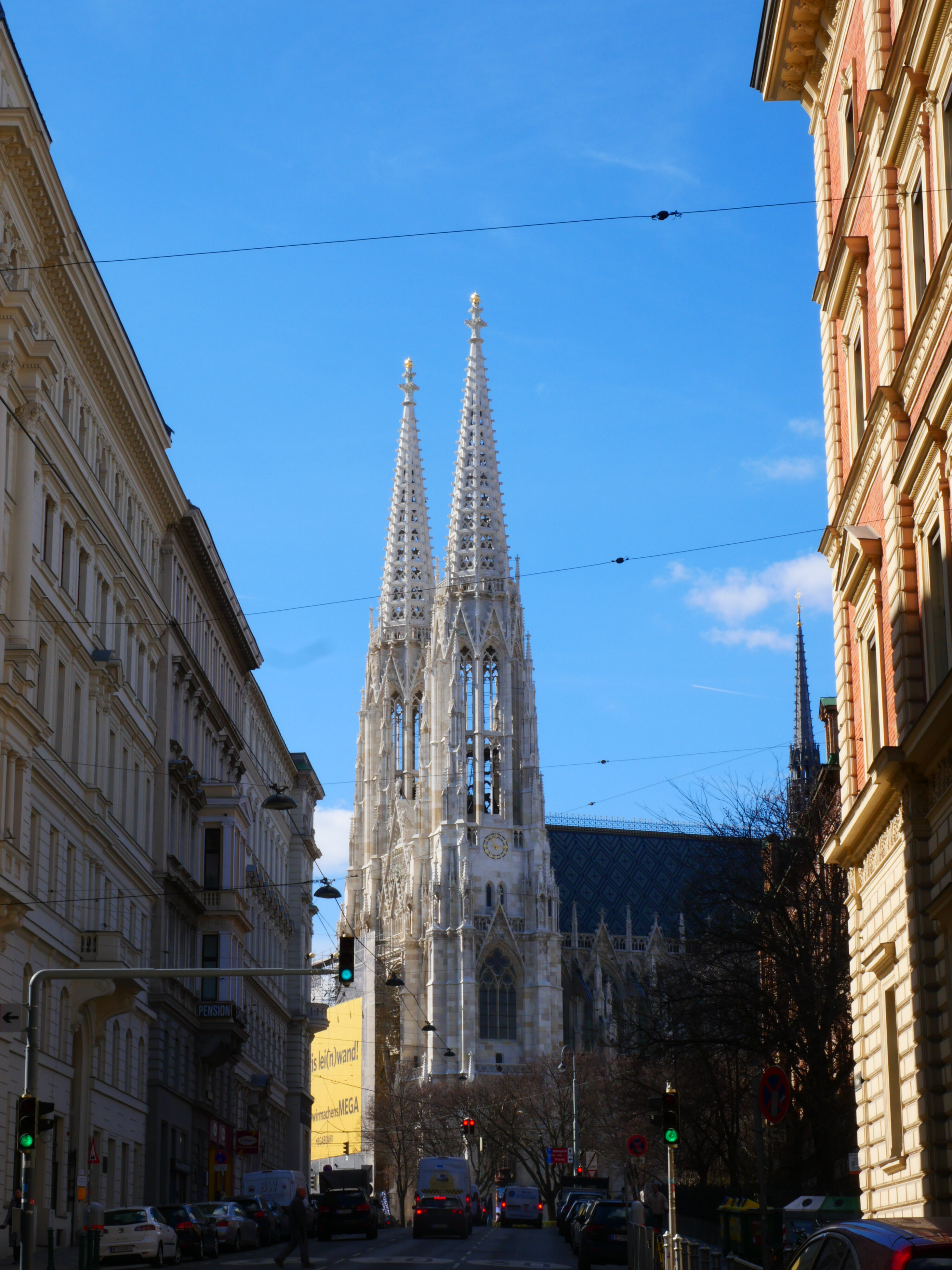
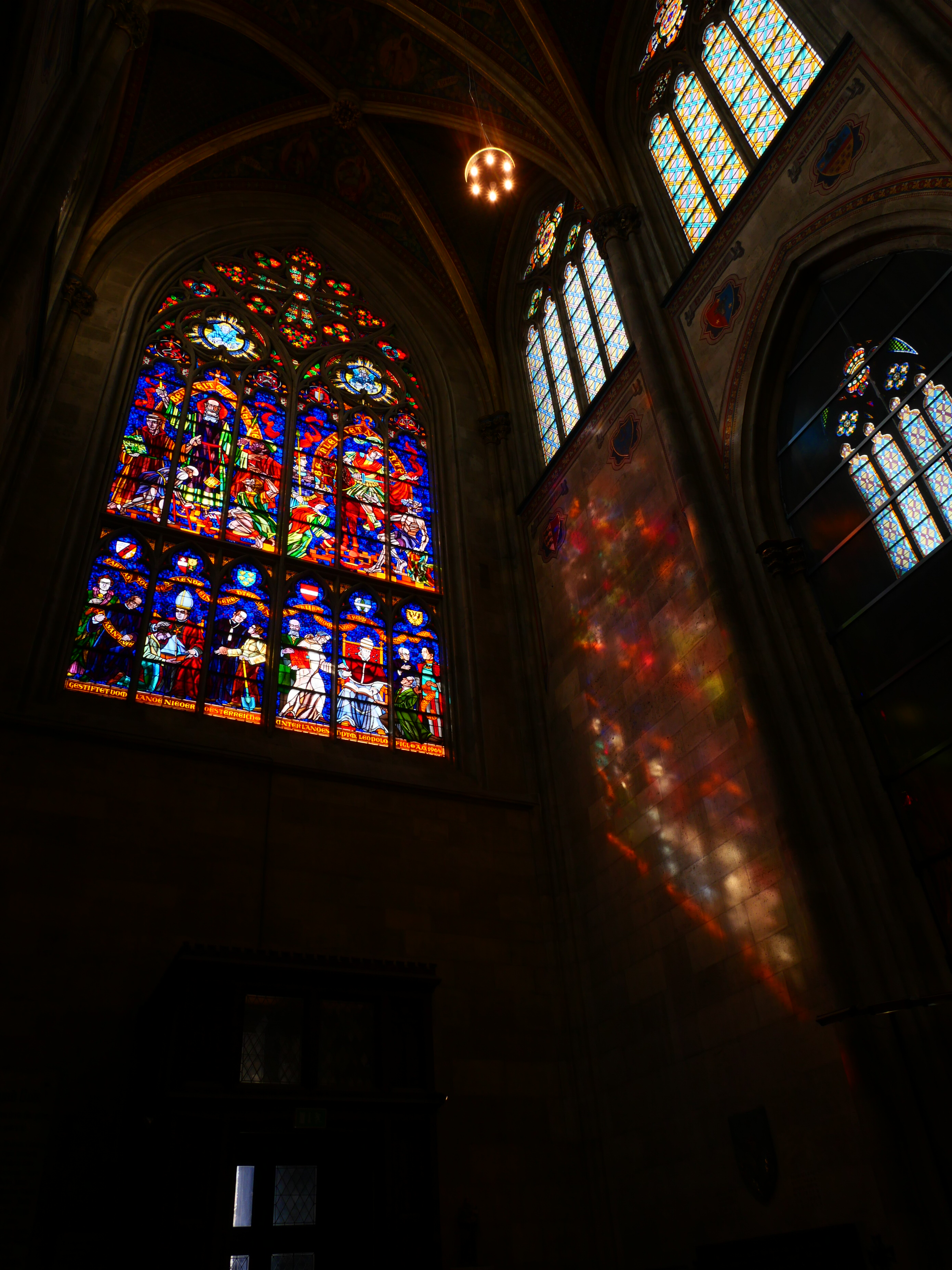
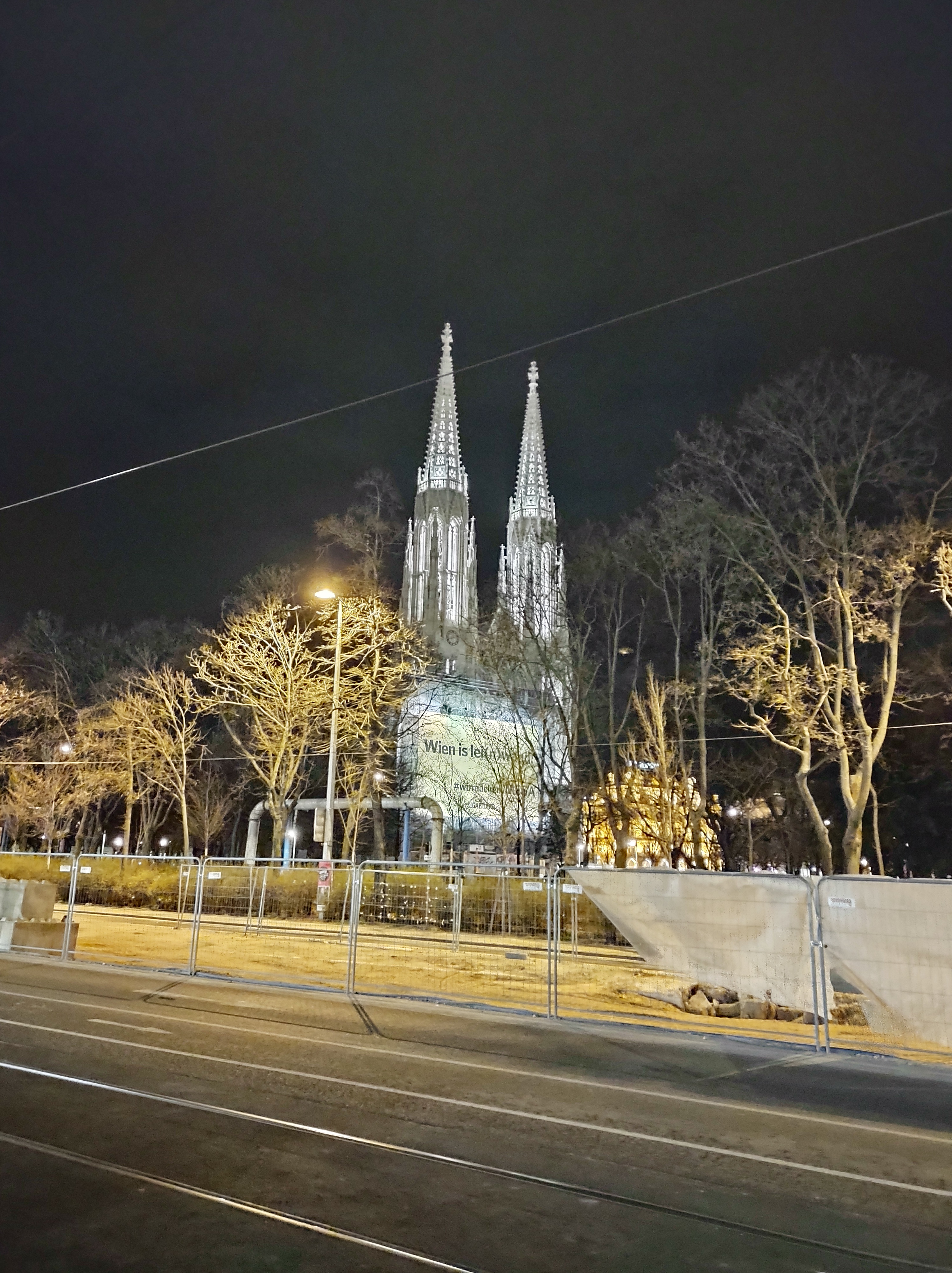
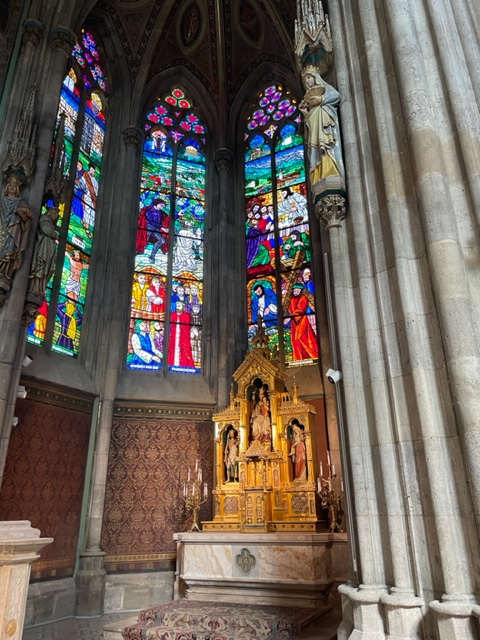
The second highest church in Vienna is Die Votivkirchen, built in thanks for the failed 1853 assassination of Emperor Franz Joseph by his brother Archduke Ferdinand Maximilian which was dedicated in 1879 (it takes a while to build a neo-gothic cathedral). From various conversations with people, we concluded that Die Votivkirchen has a bit of an inferiority complex with Saint Stephan’s. Although not as tall, the incredibly light and delicate stonework of Die Votivkirchen sets it apart from its older competitors and (for us at least) makes it the most beautiful church in Vienna. (Have not researched it, but noted that St. Patrick’s Cathedral in NYC bears a striking resemblance to this church.)



Art in Vienna – The Belvedere, Klimt, Art Nouveau and the Secessionists
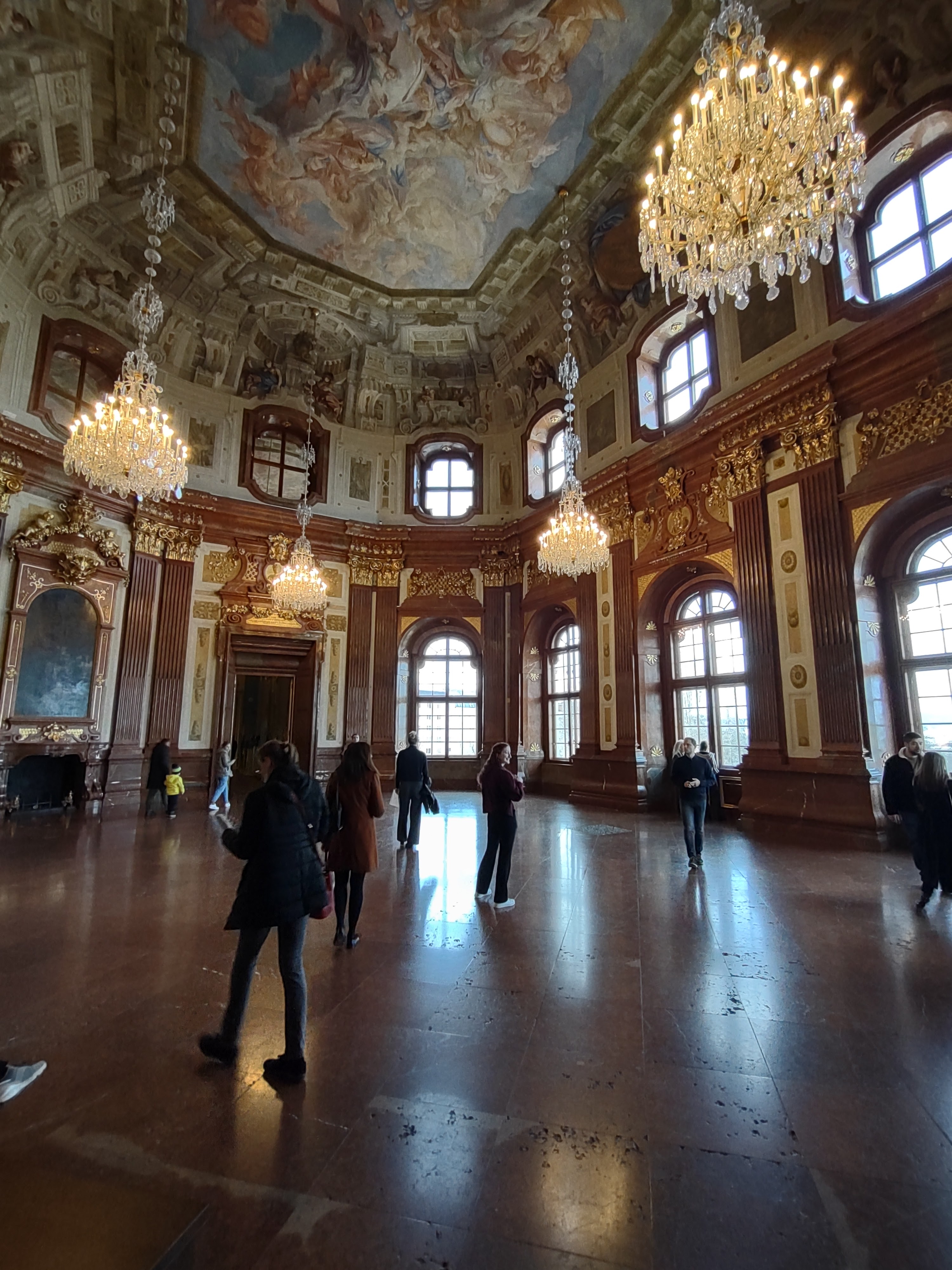
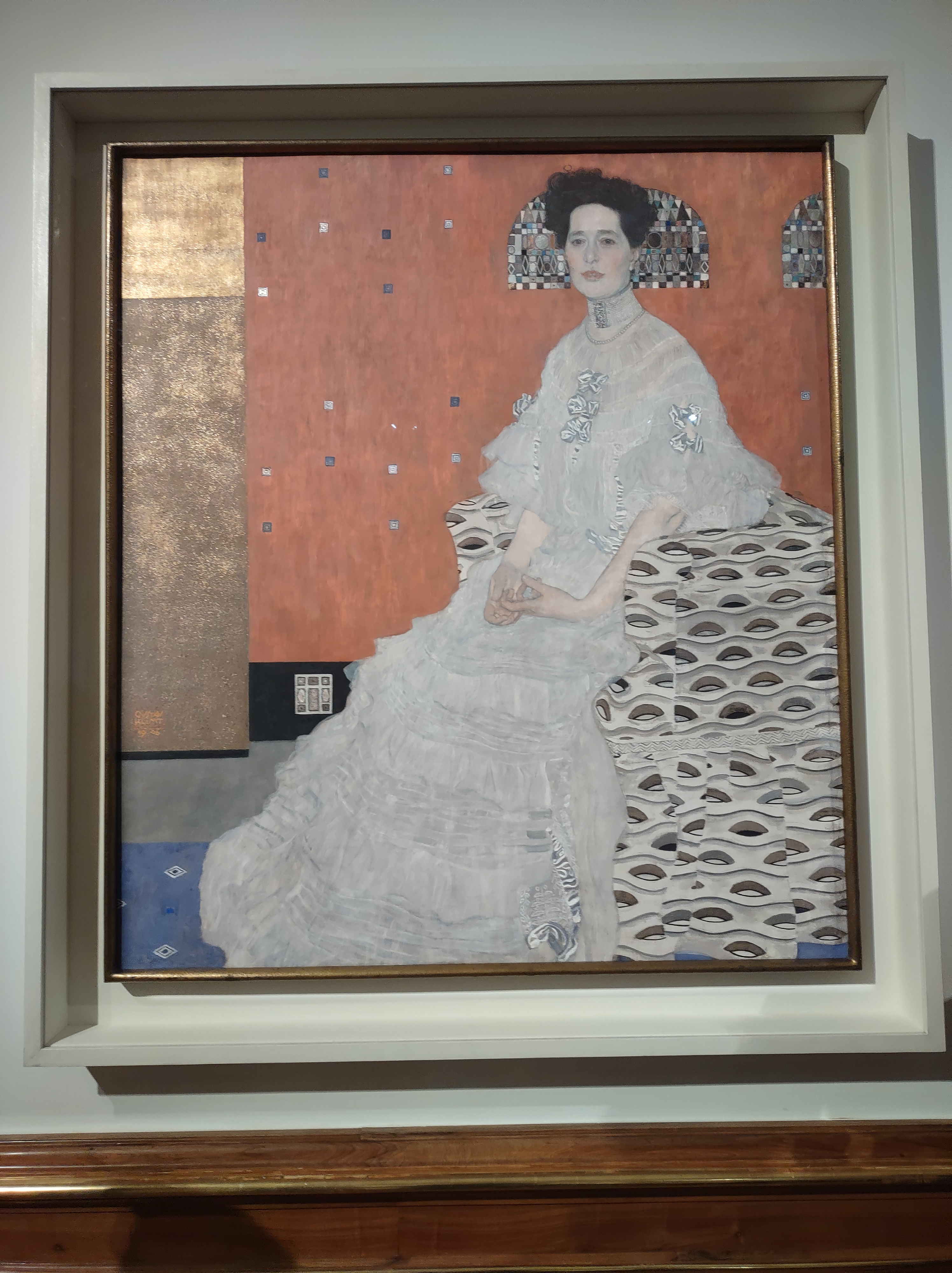
One of the tours we booked for Vienna was the (Upper) Belvedere Palace, primarily because they have an impressionist exhibit which includes Klimt’s “The Kiss” (Klimt is one our favorite artists – made a trip to New York a while back especially to see his “Woman in Gold”.)
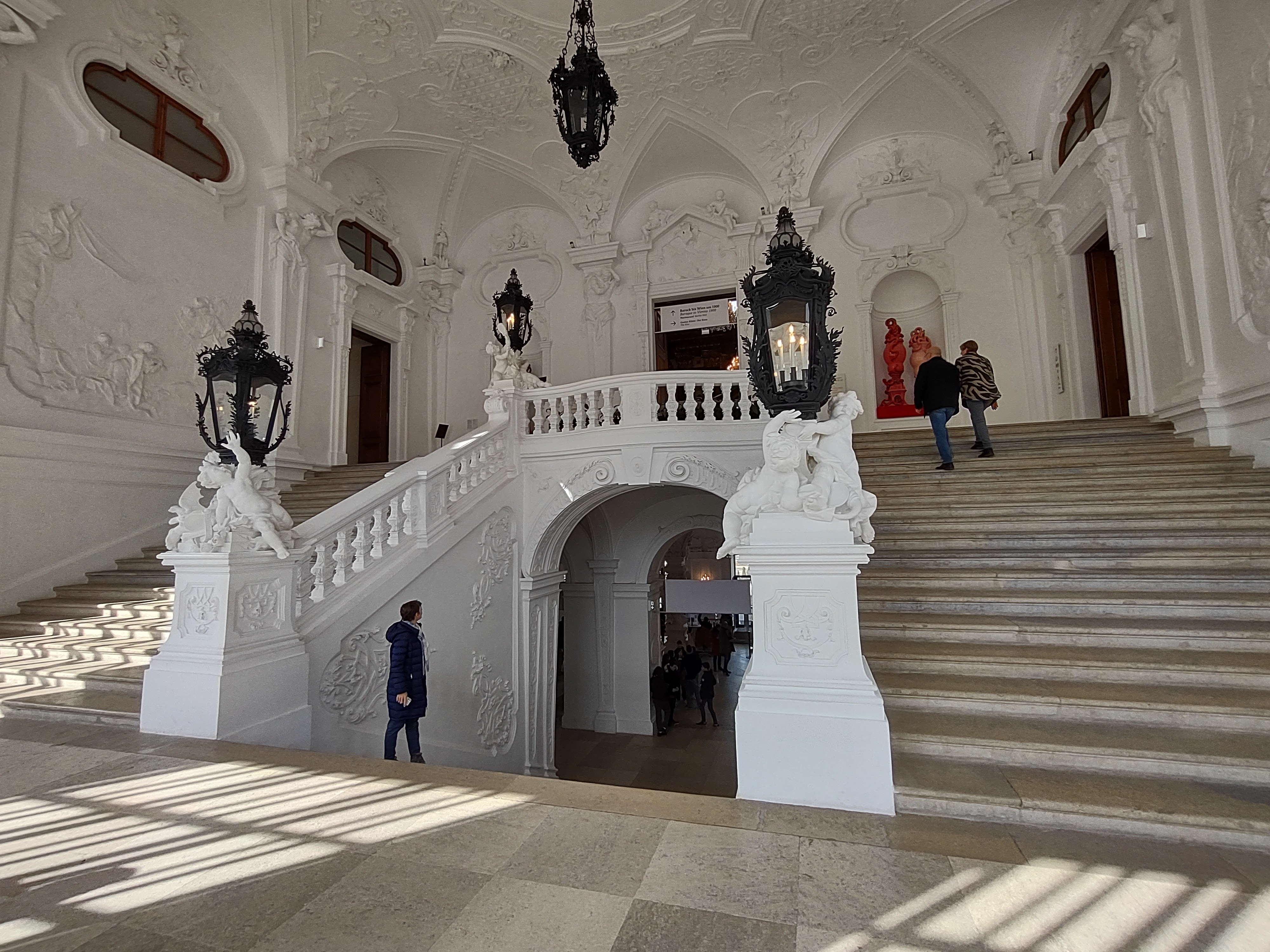
The Belvedere Palace itself is a historic building complex consisting of two palaces (the Upper and Lower Belvedere), the Orangery, and the Palace Stables (which seemed more palace than stable to us). The grounds are extensive and include a huge reflecting pool and an enormous tiered garden with maze reminiscent of Versailles (or at least as we imagine Versailles as we haven’t been there yet).

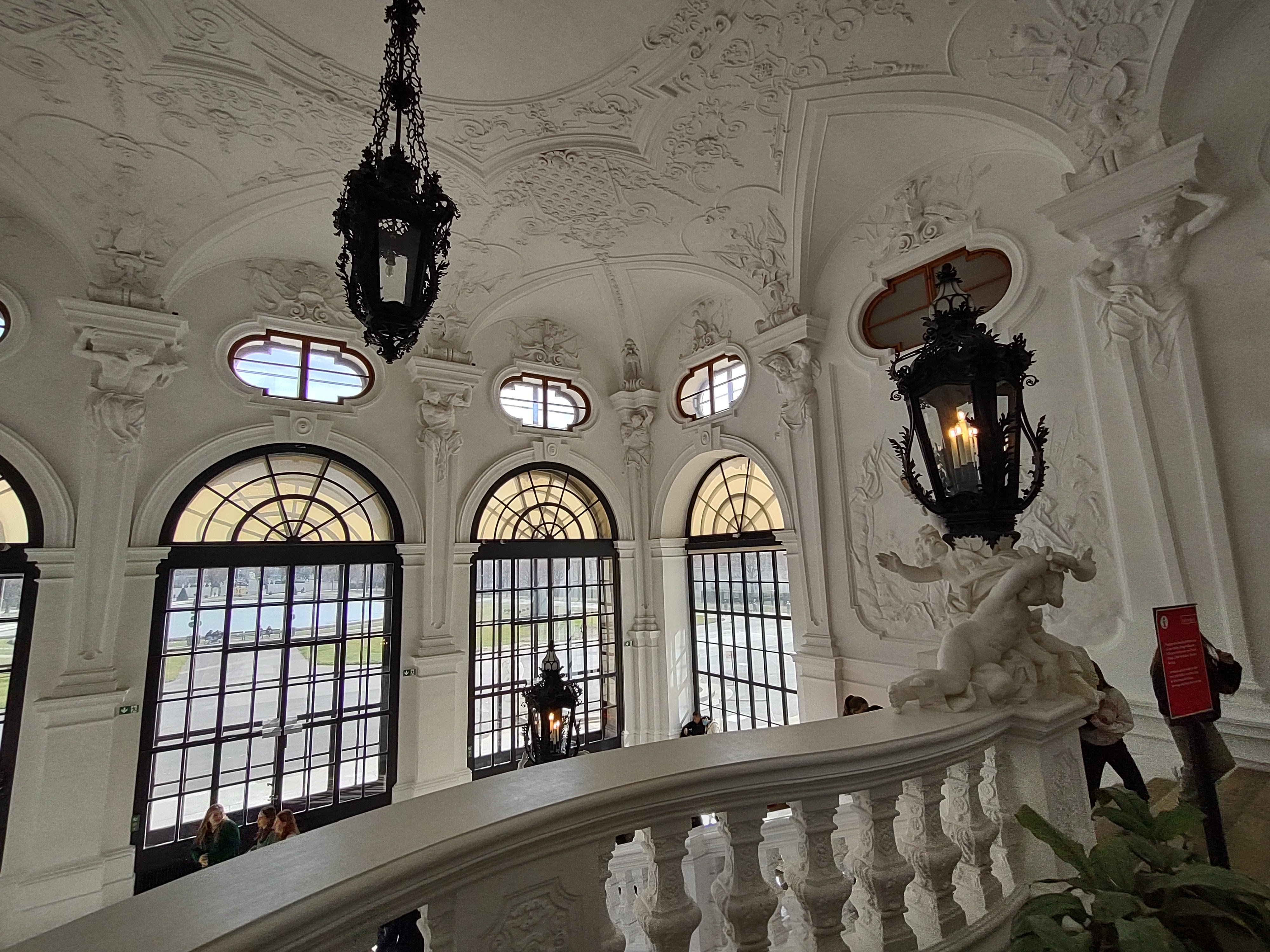
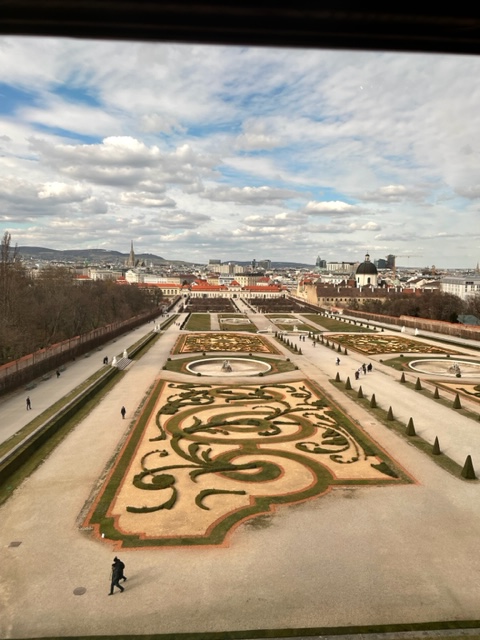
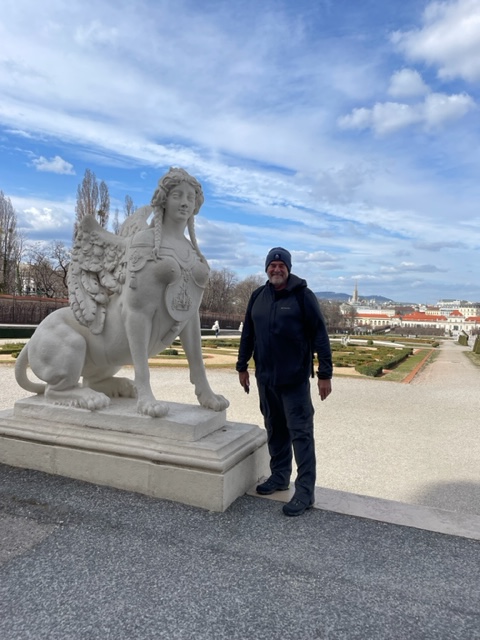
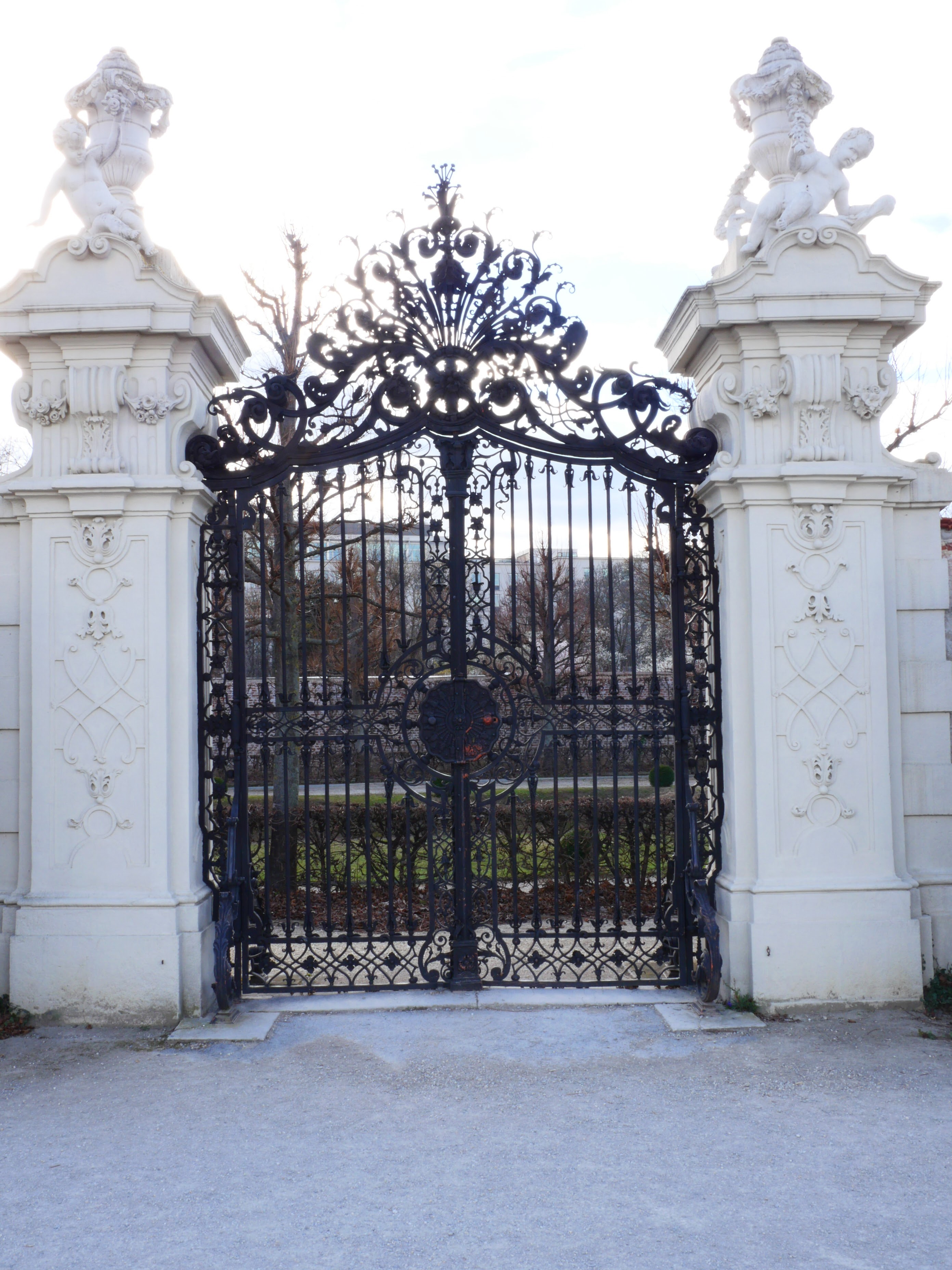

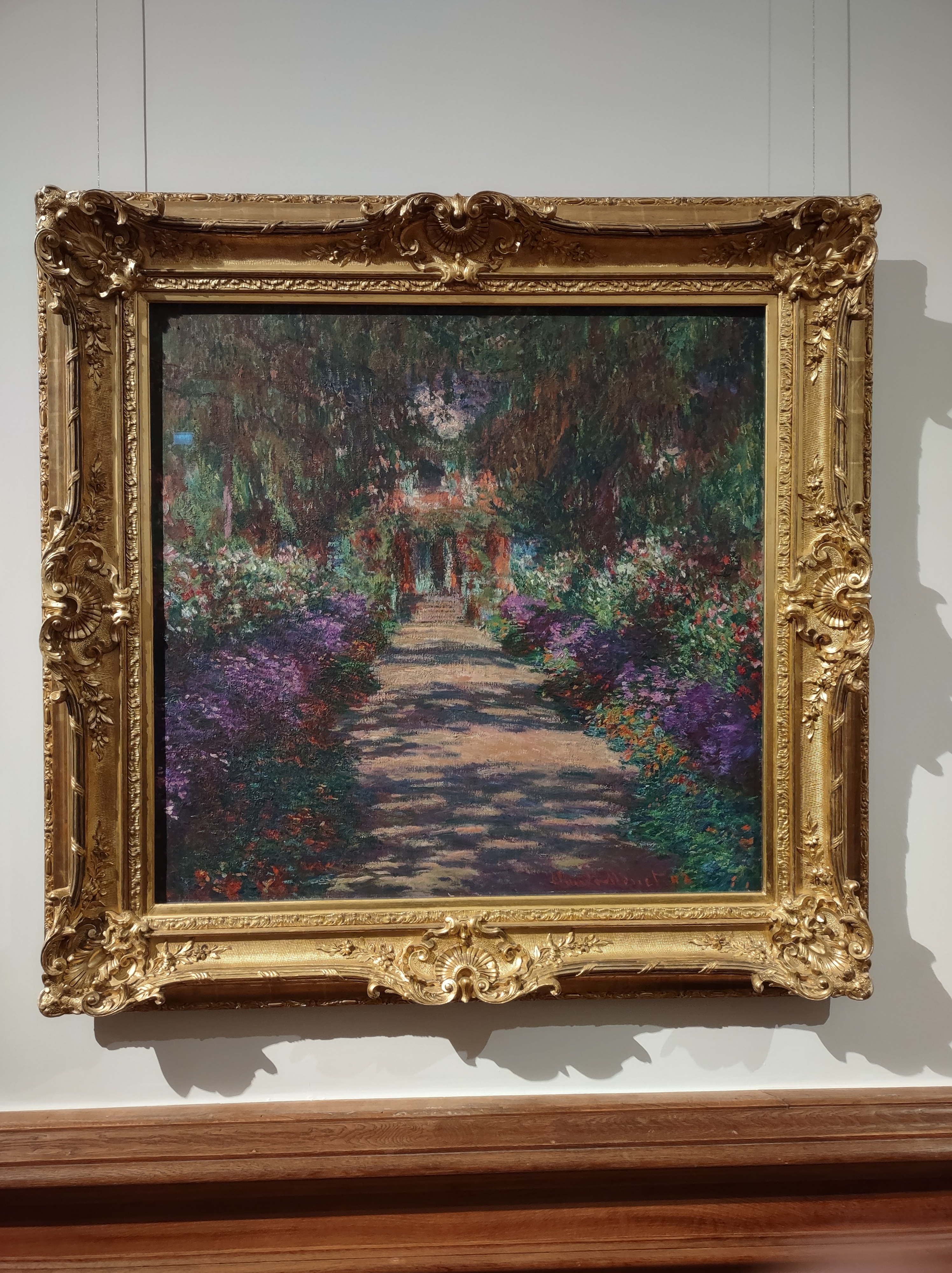
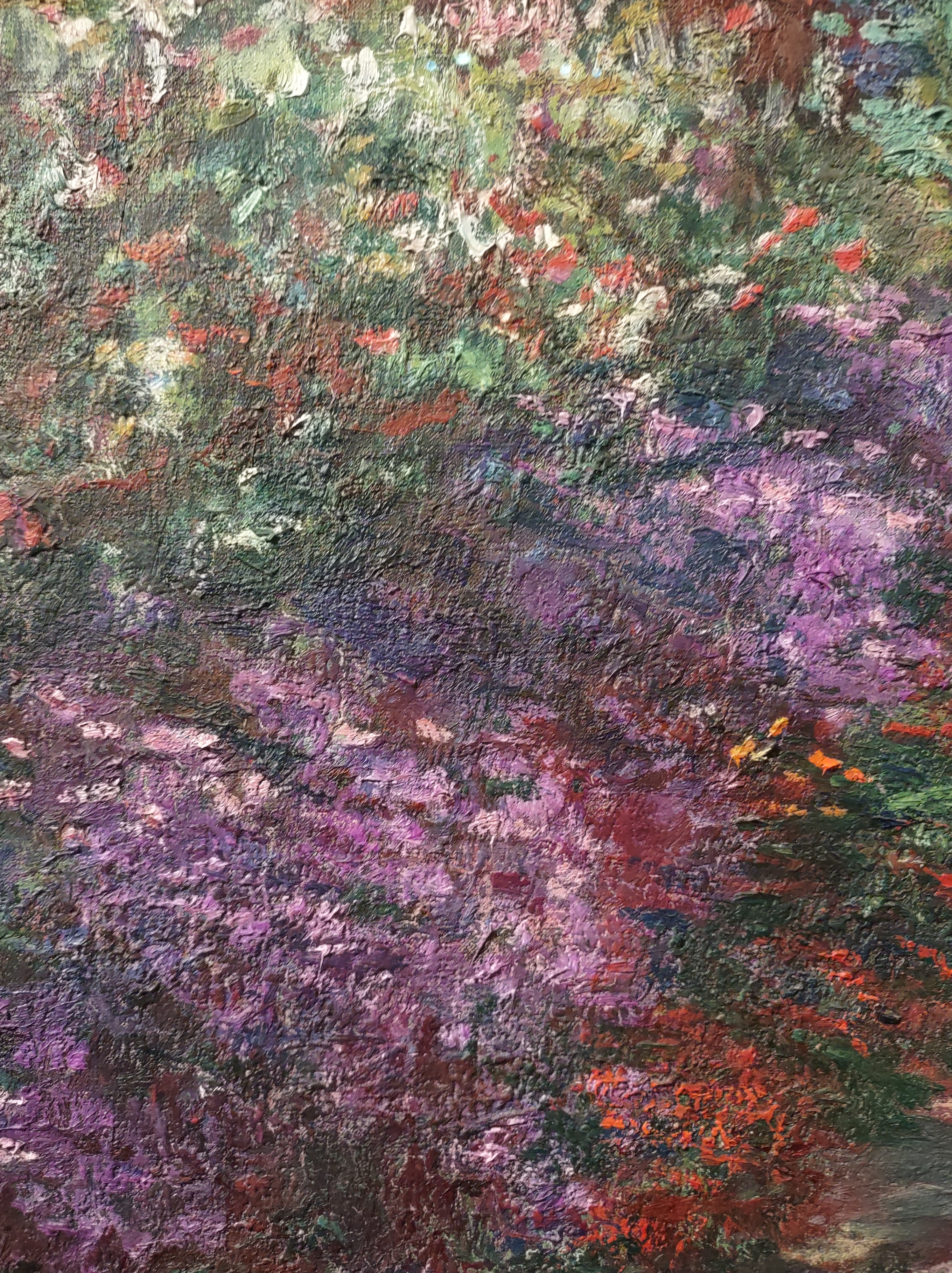
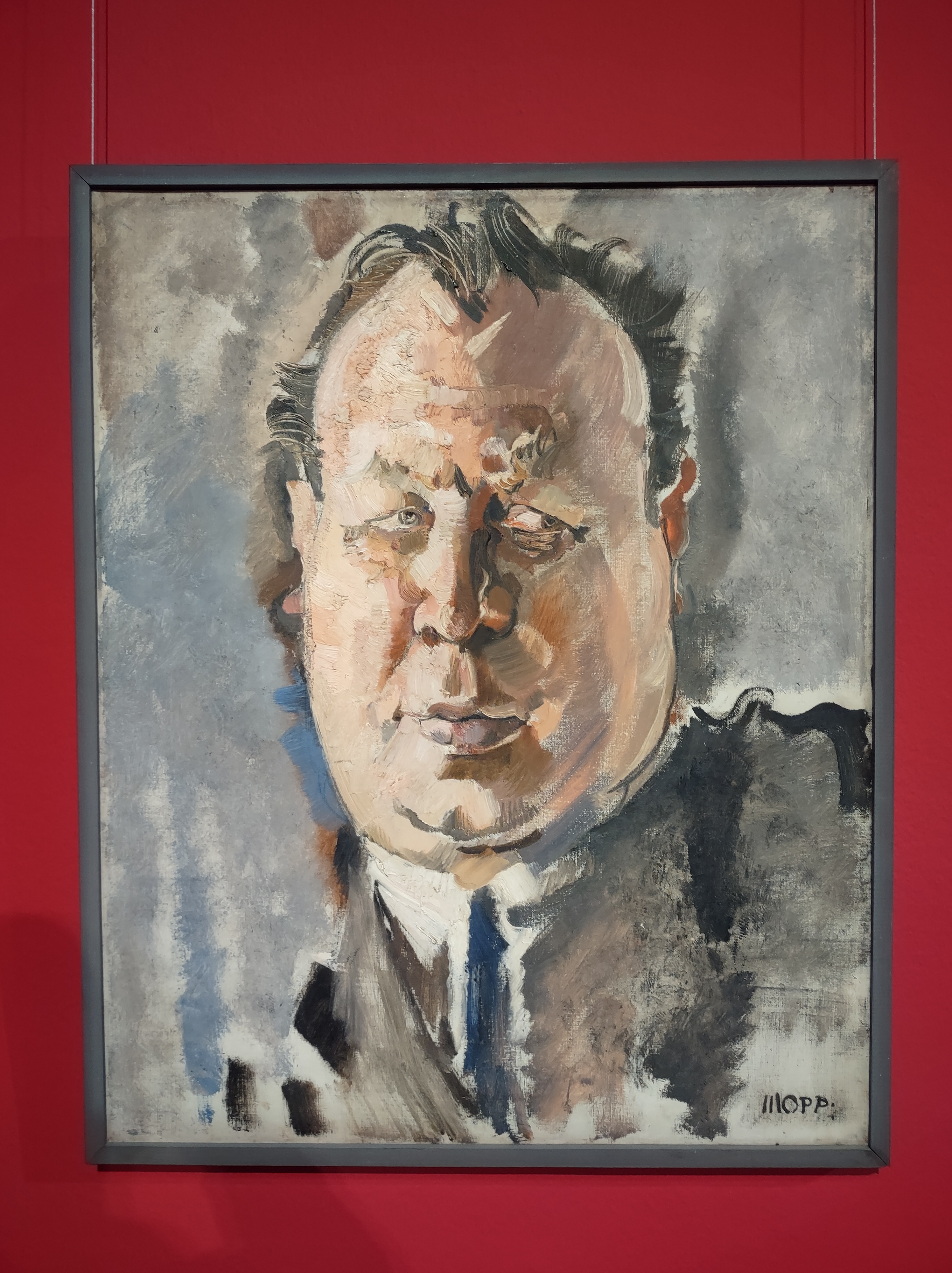
While the Klimt paintings were everything we hoped for, there were a number of other impressionist paintings on display we really liked. There was one Monet in particular that was breathtaking (center two photos in top row below). Can never get over the effect of pointillism in these paintings! How did they do it?


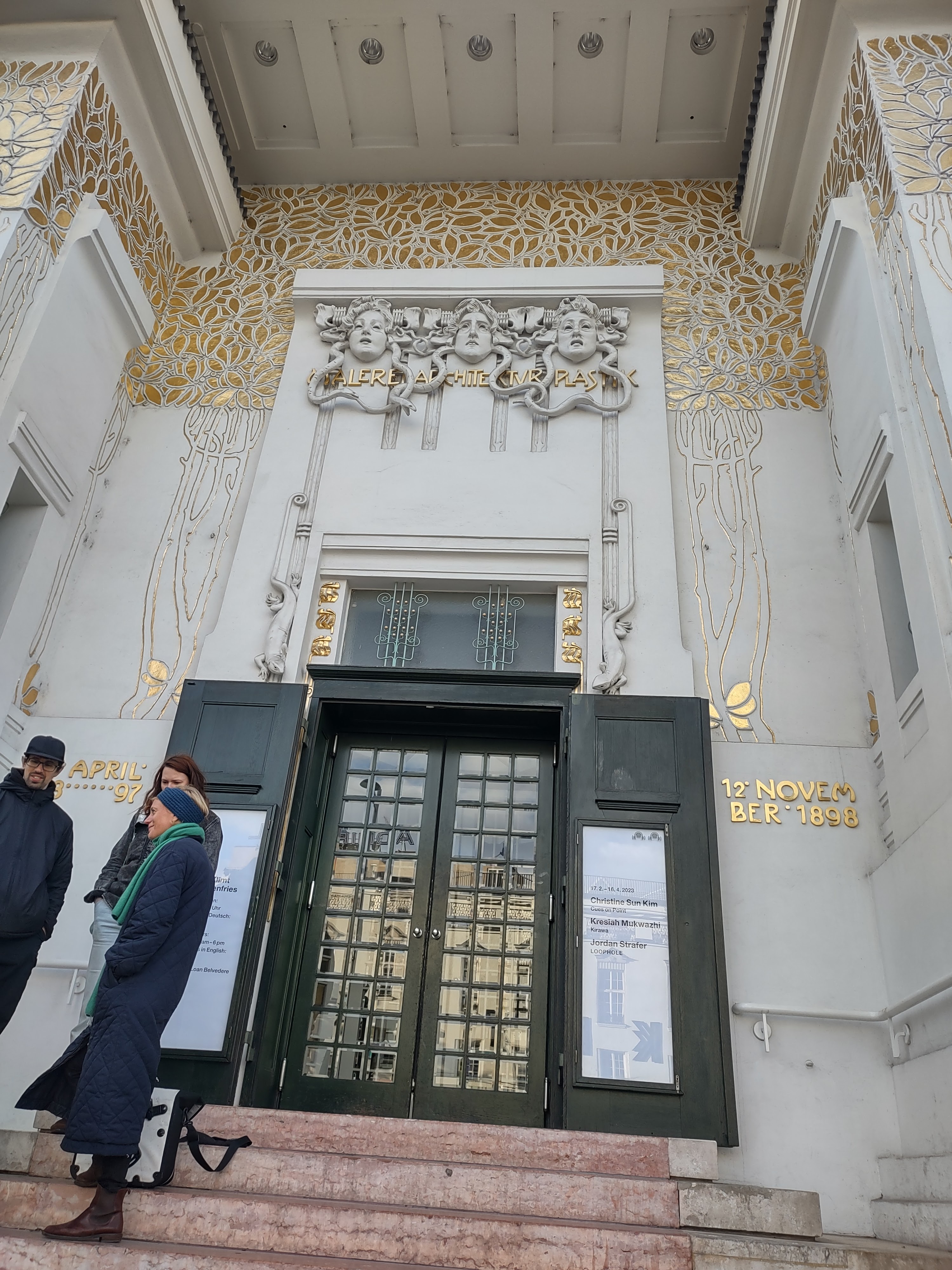
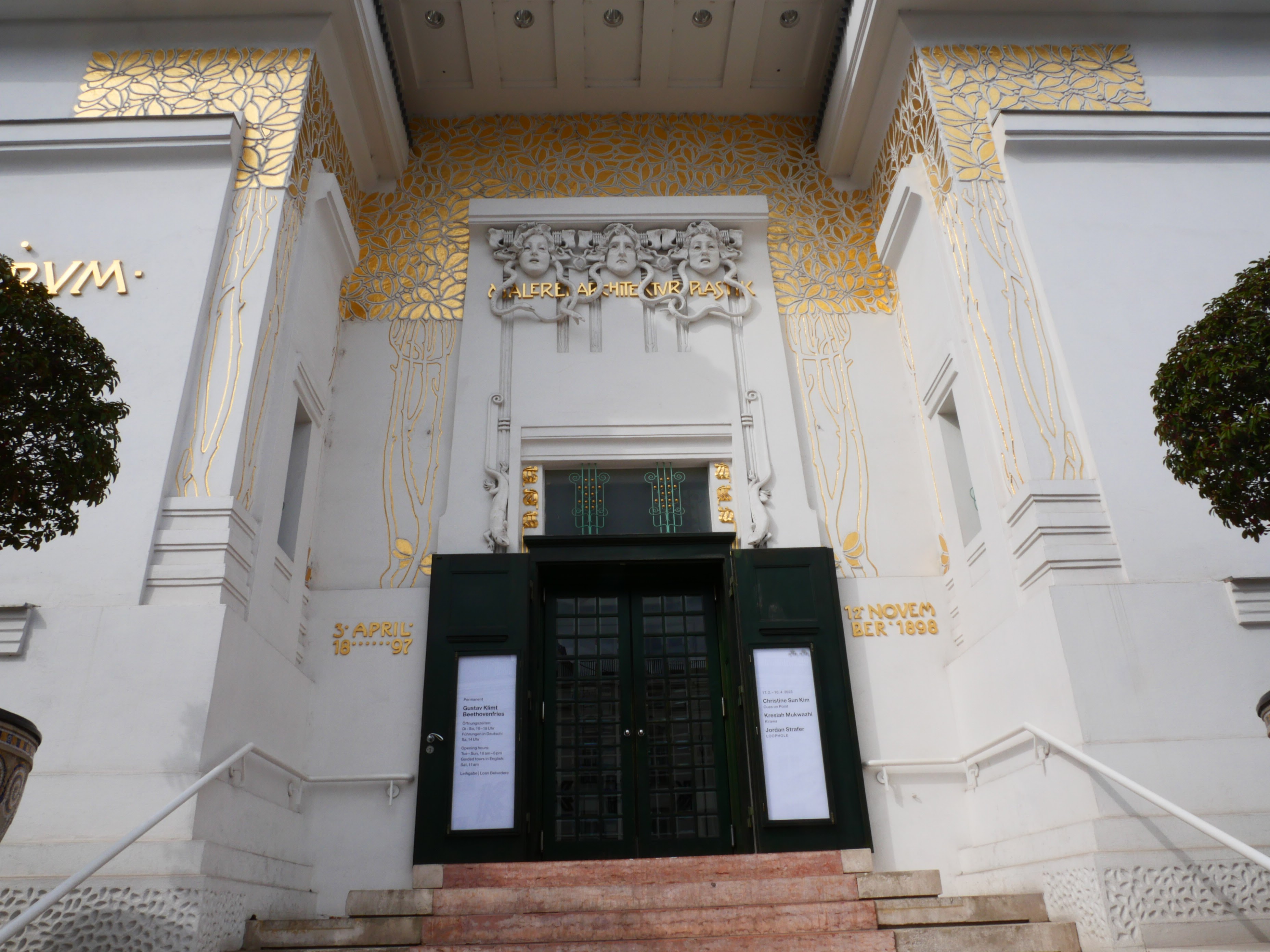
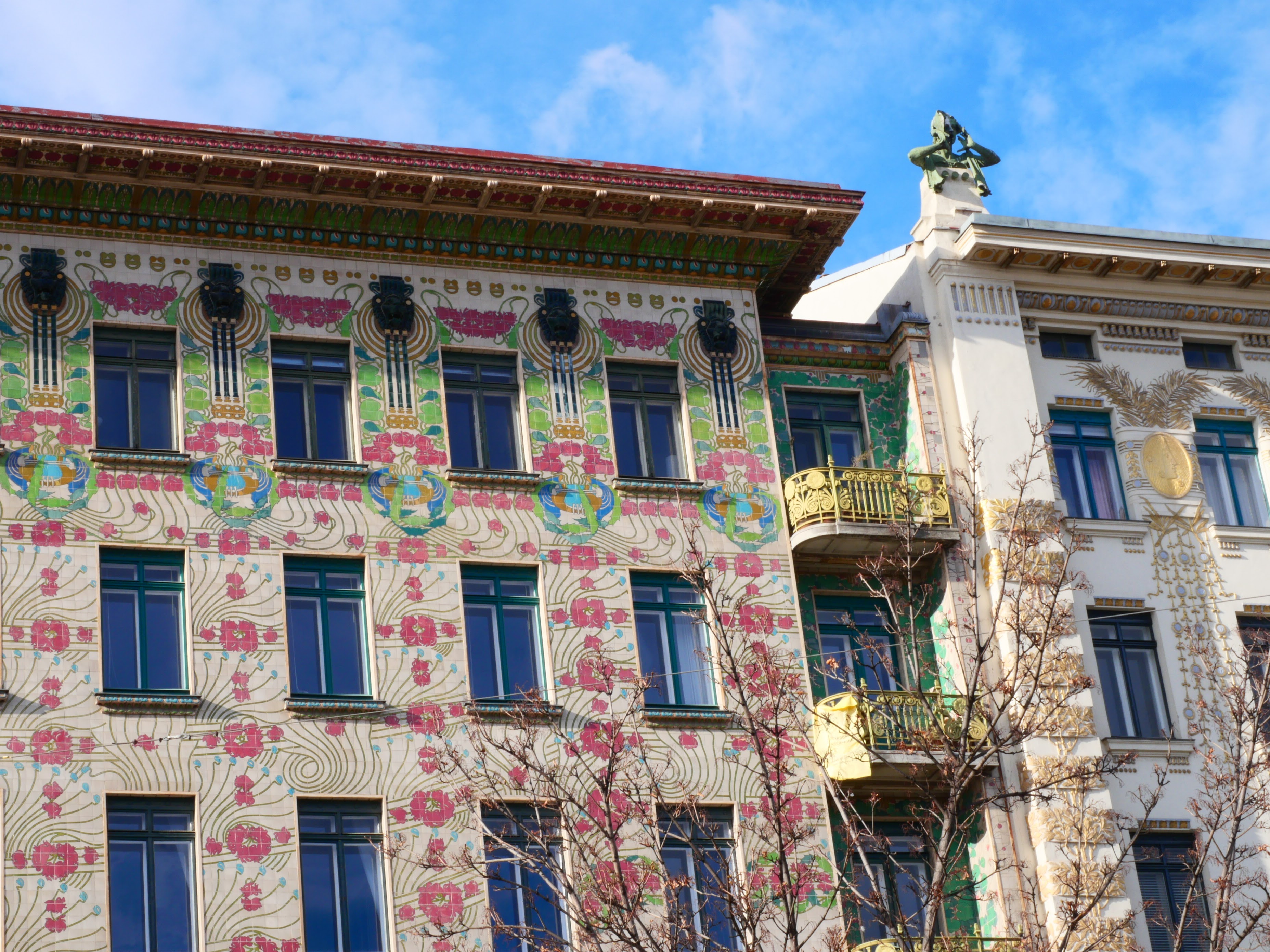
On the way to the Belvedere, we swung by the Secession Building by Joseph Ulbrich (1898), an influential pre-modern (art nouveau) building that Ritchard really wanted to see as it had had some influence on him in his early architectural studies and was significant in the emergence of Avant Garde artists in Vienna. This lead to a dull lecture by Ritchard on art nouveau, art deco, and modernism but also (more importantly) to the discovery of a connection between Klimt and the Secessionists, and the realization that Colleen likes art nouveau (to the point that she started to point out examples as we walked the streets of Vienna). Win-win I think?




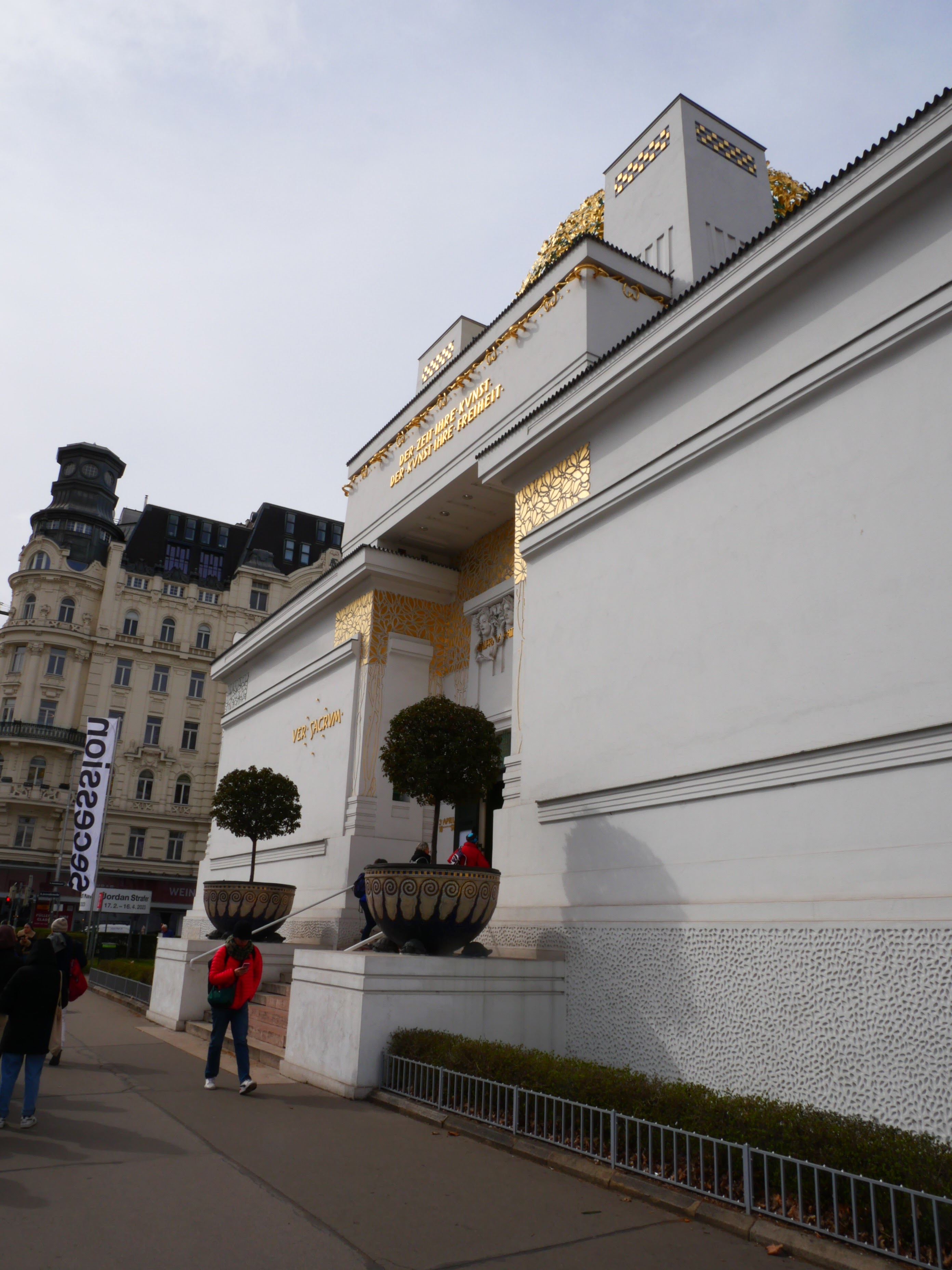
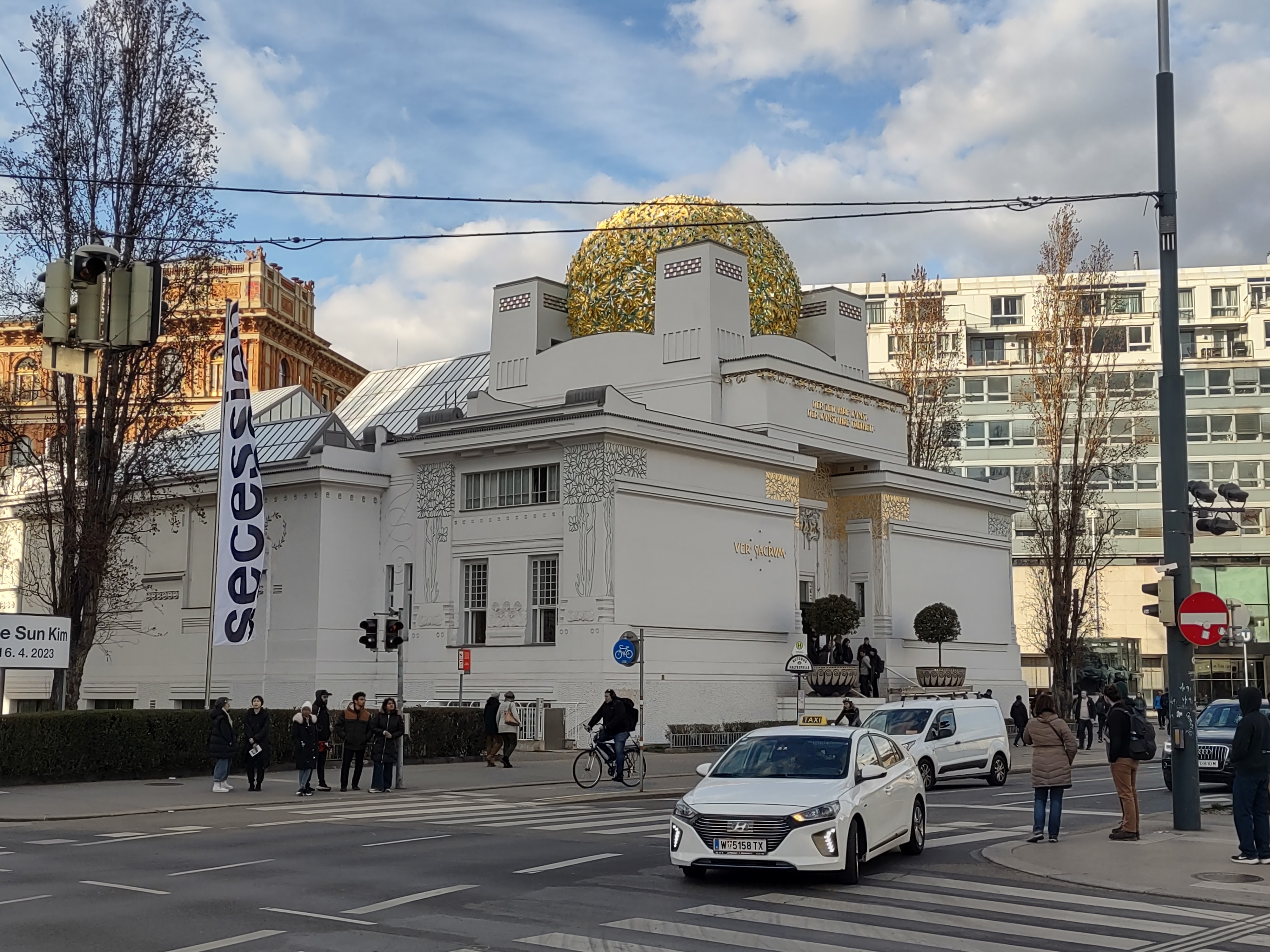
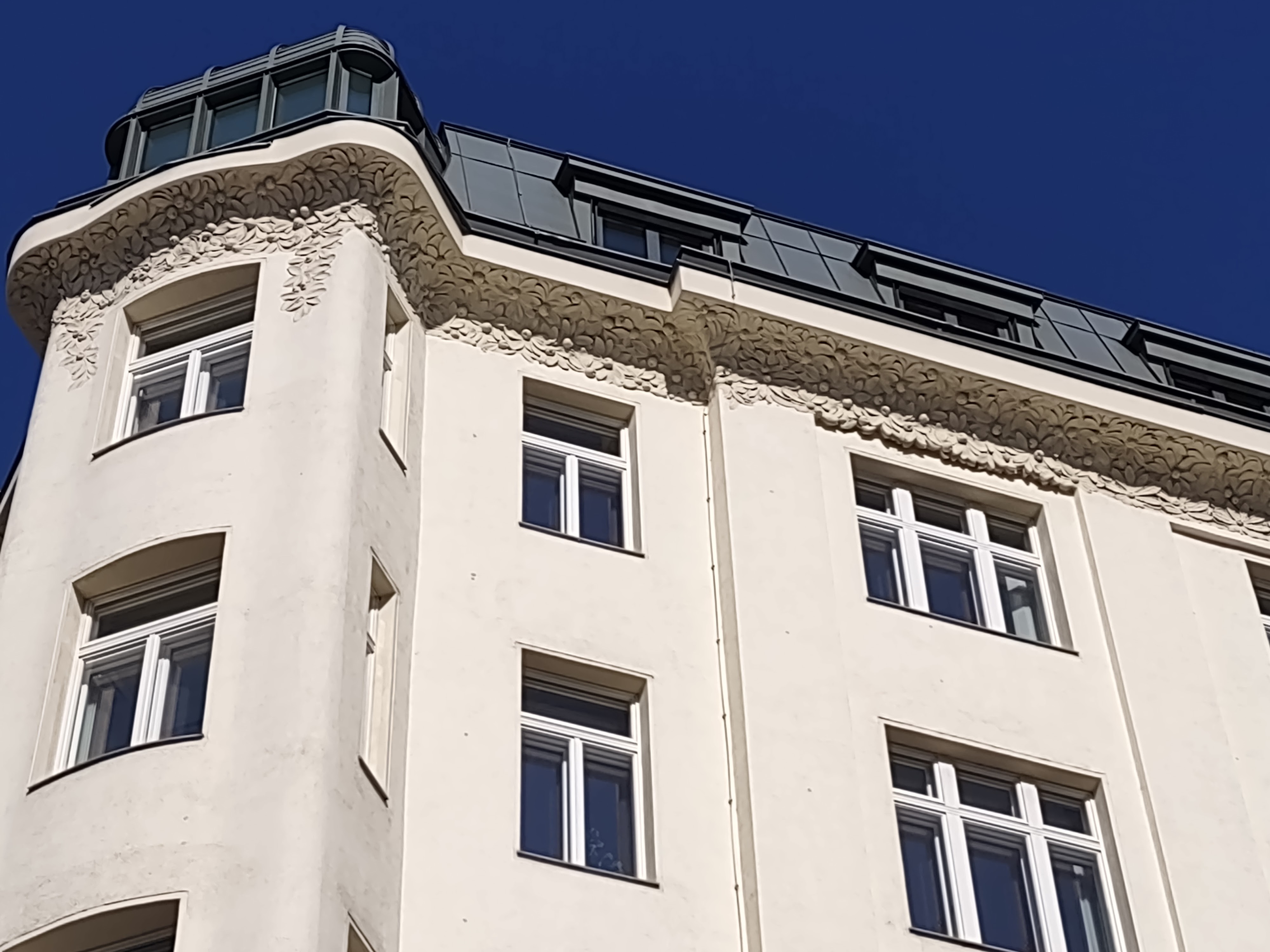
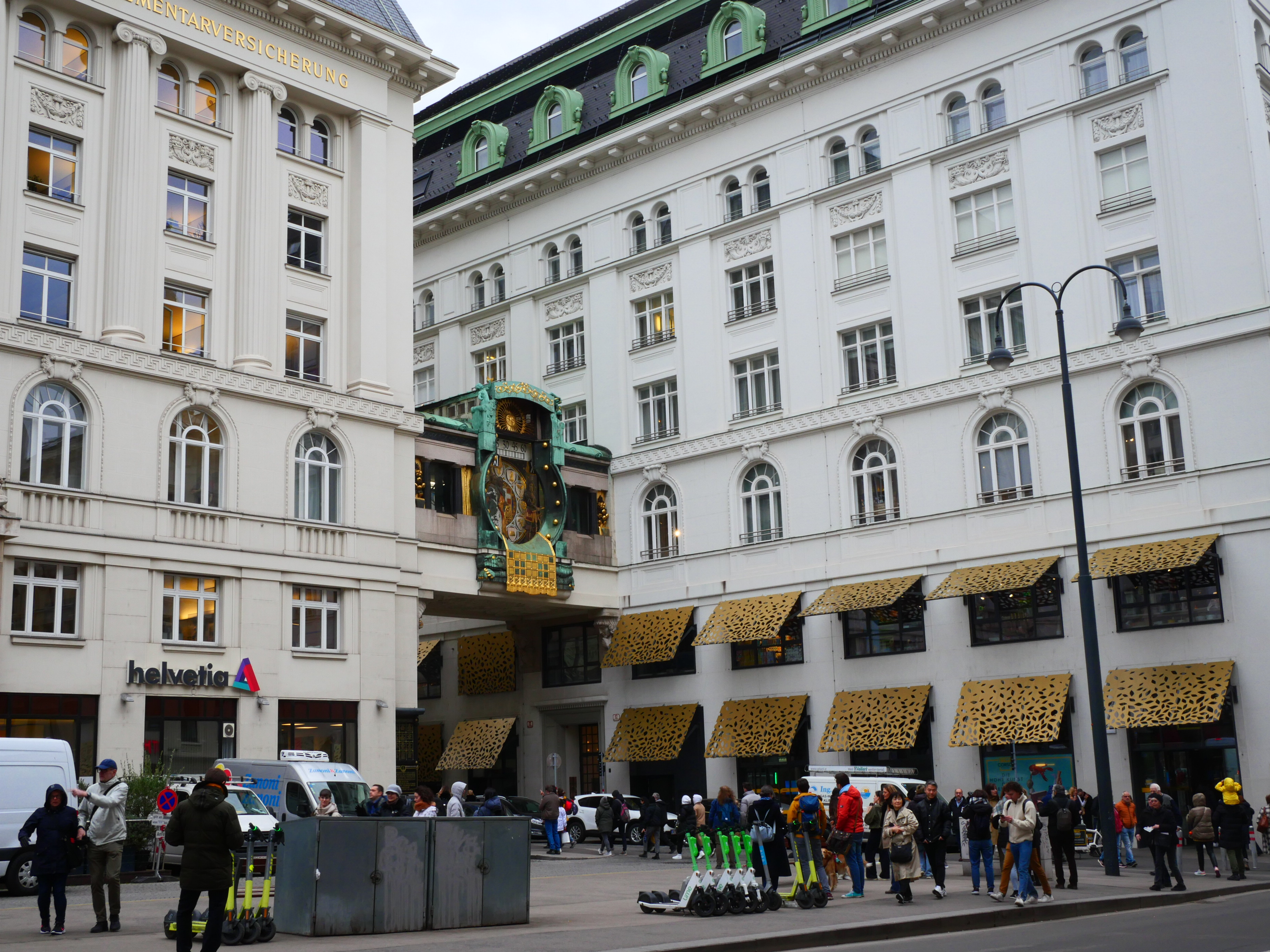
Sigmund Freud Museum
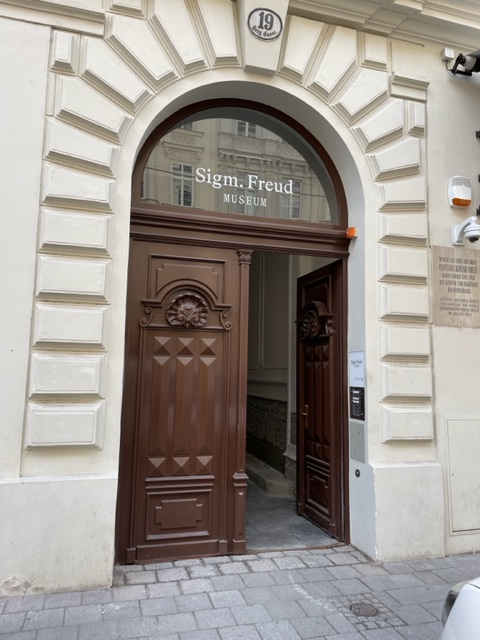
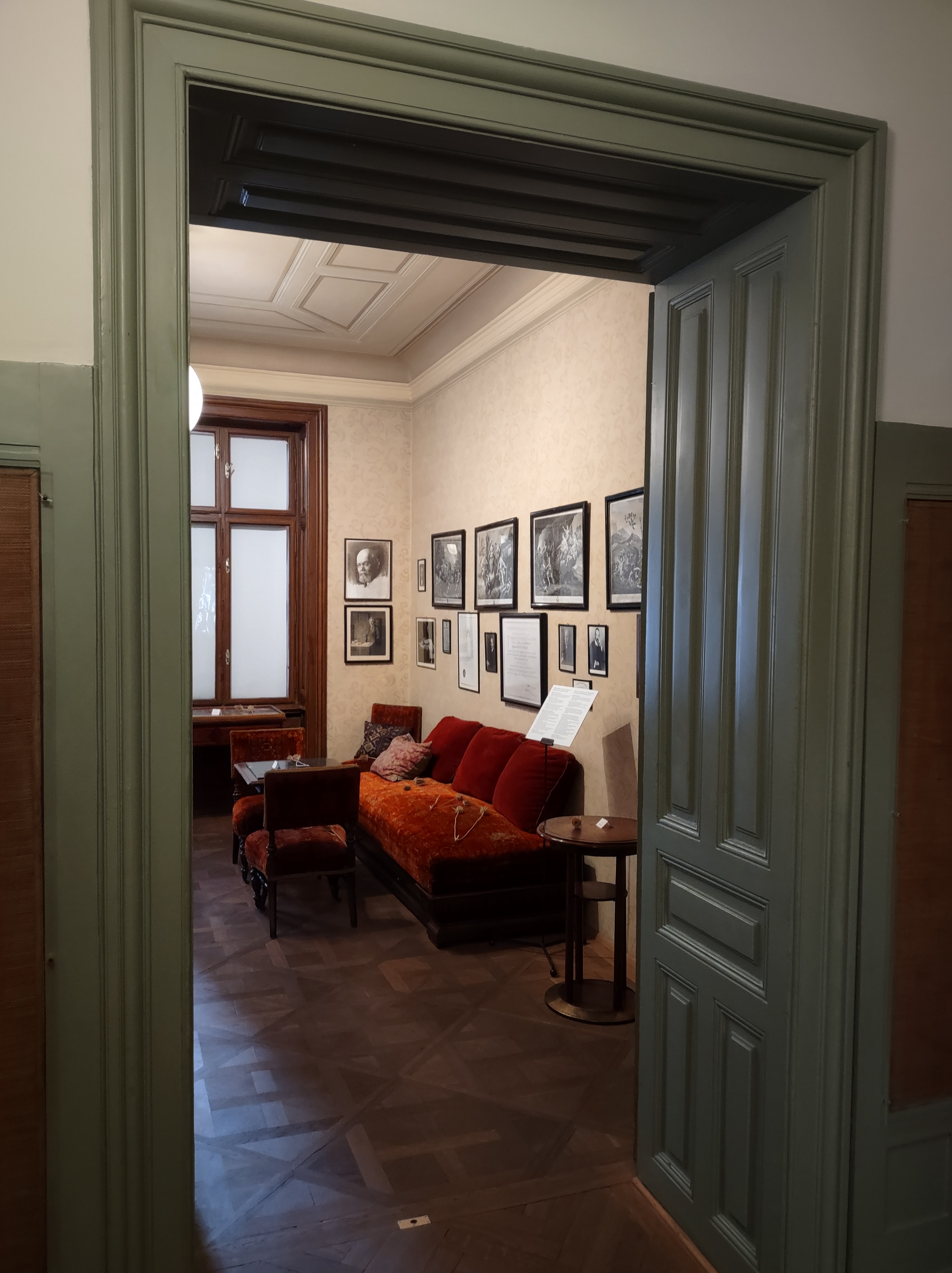
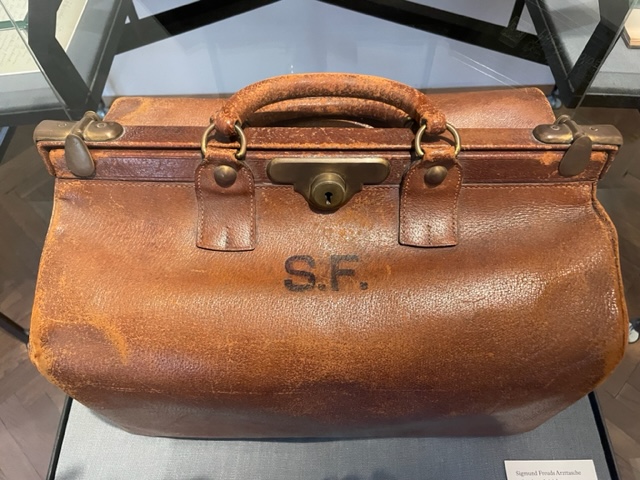
Perhaps as a trade-off for visiting the Secession Building, Ritchard agreed (with some reservations) to a visit to the Sigmund Freud museum. The museum is in the house that Freud lived and worked in for 47 years before he had to flee the Nazis in 1938. Although most of the furnishings and Freud’s personal belongings went with Freud to London at that time, some have been brought back here to be included in museum exhibits (including his doctor’s bag among others – bottom left). The exhibit is supplemented by photographs of the place taken just before Freud departed for London. The apartment was already under Nazi surveillance so it turns out that the photographer, Edmund Engleman, undertook this at some personal risk.
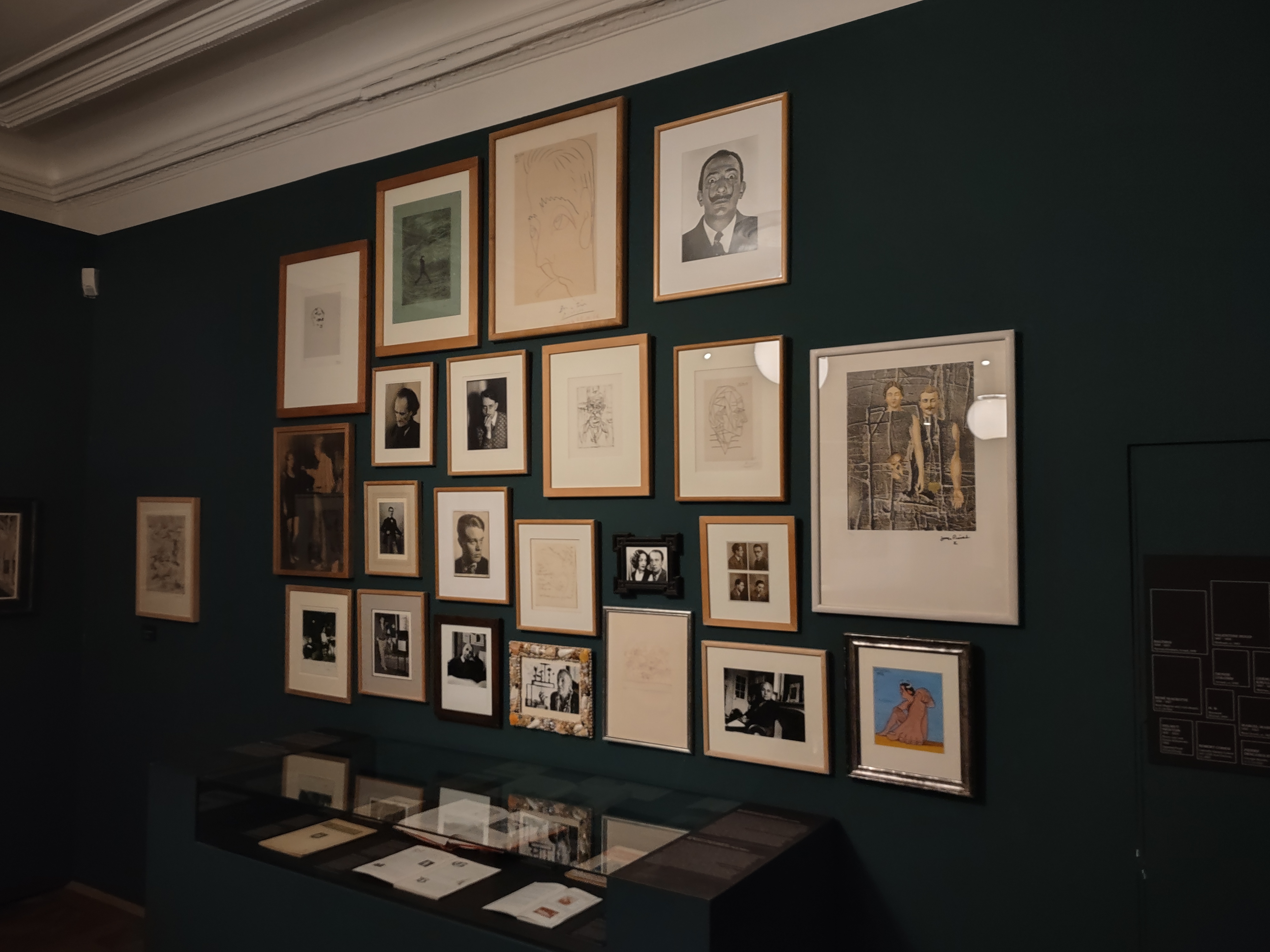
Have to say that it was surprisingly interesting and informative on many levels. The artifacts, the photographs, the writings, the house itself where so much of what is now taken for granted in psychology evolved, as well as an accompanying exhibit of art inspired by Freud’s studies in psychoanalysis, were surprisingly interesting and led to some interesting conversation (as well as self-analysis). Who knew?



A Night at the Opera, Ballet, and Concert Hall
As new destinations get firmed up, Colleen has been consistently checking to see if the local ballet is performing while we are in town. As it turned out, the Viennese National Ballet was performing a comedic ballet (Ritchard had no idea such things exist) entitled La Fille Mal Gardee (literally “The Poorly Guarded Girl” but also known as “The Girl Who Needed Watching” ???). Anyway, short of spending about $200 Euros per ticket, the best option would have been to check at the box office for unsold tickets the night of the performance. We were also considering a string quartet performance at St. Stephan’s Cathedral.
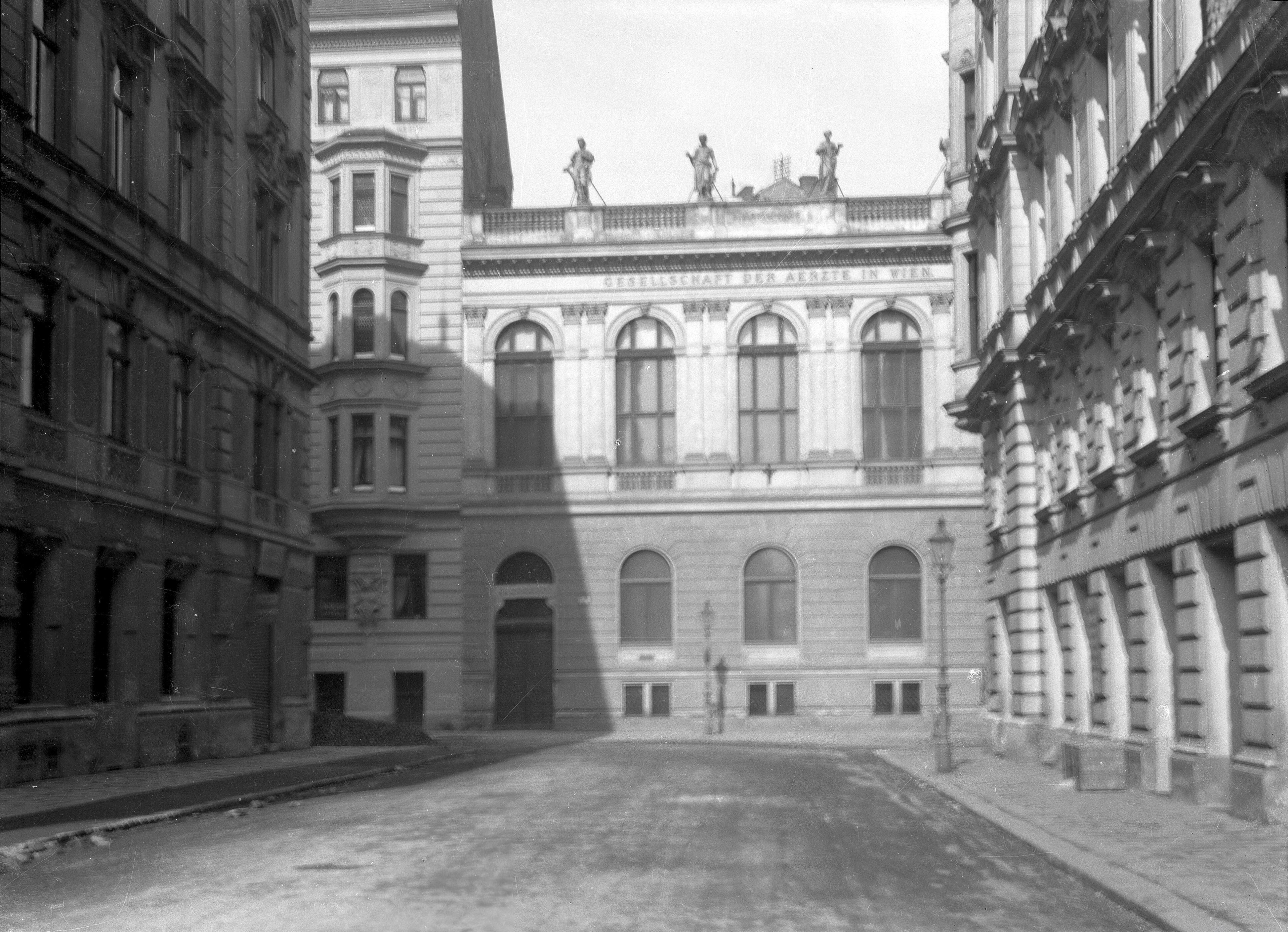
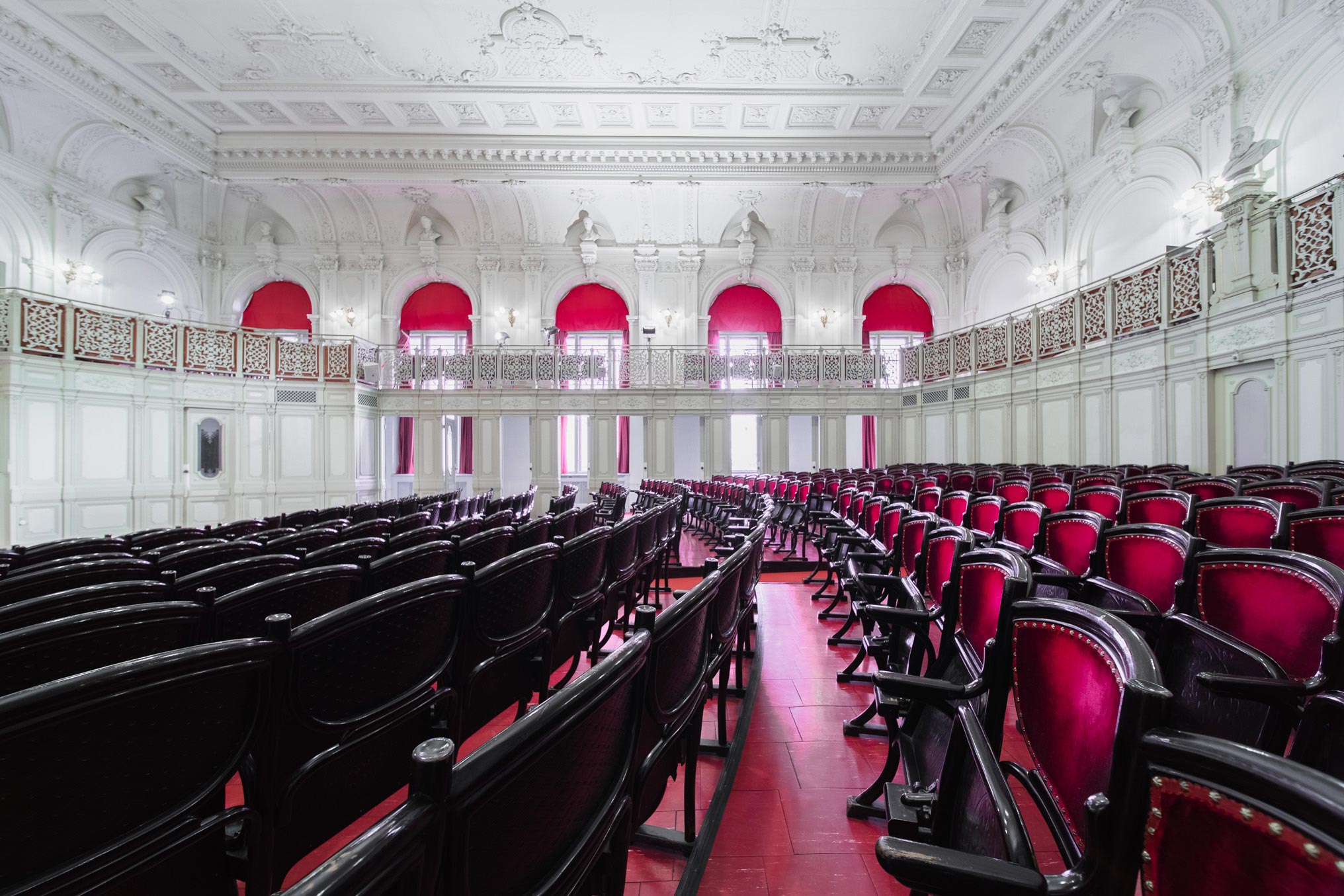
So, when were heard about an orchestral performance by the Werner Kaiser Orchestra that included opera and ballet in the auditorium of the Billrothhaus, headquarters of the Vienna College of Physicians which opened in 1893, we went for it.
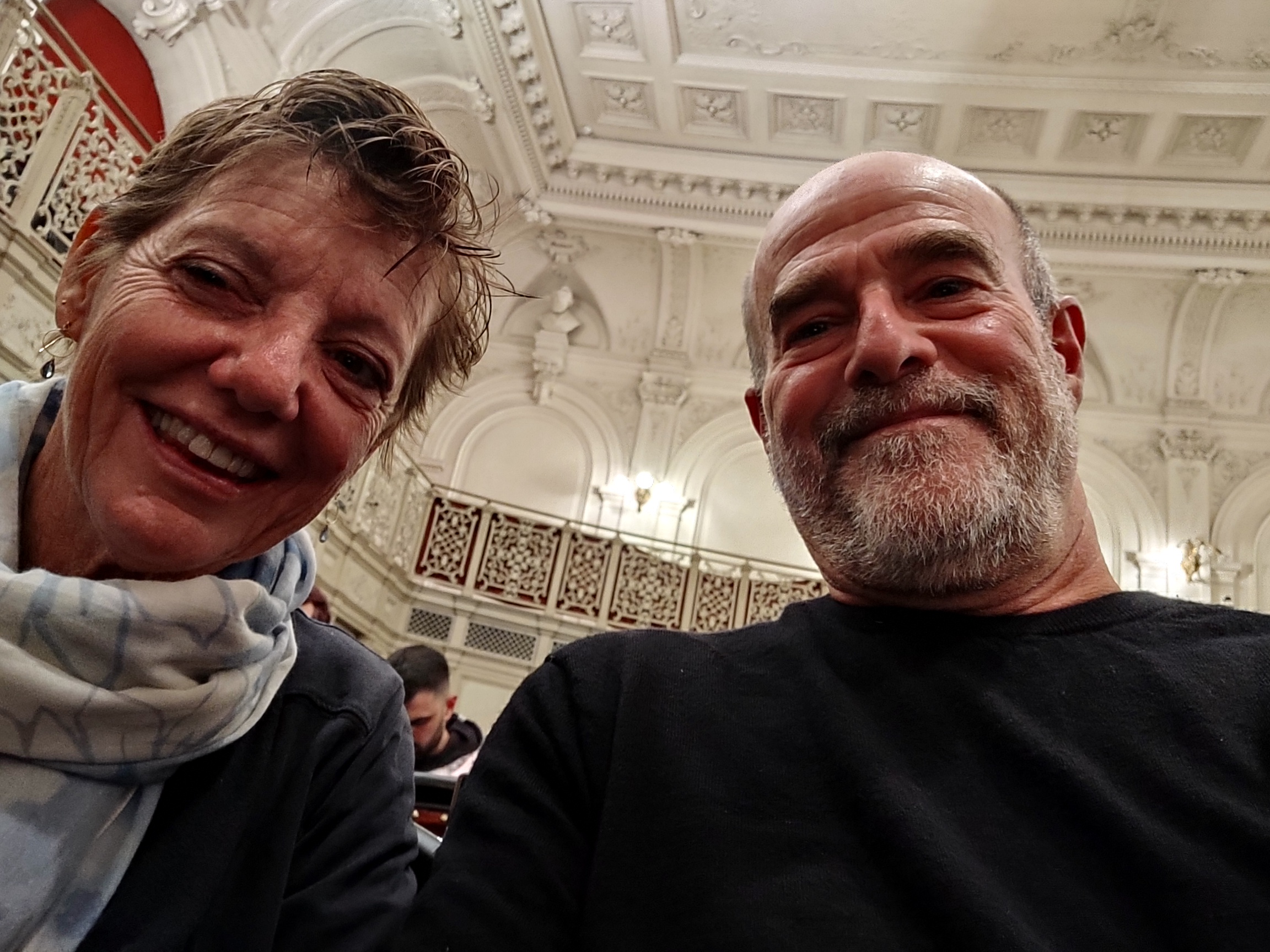
While the performance was perhaps a little contrived for tourists, it included pieces by Vienna composers Mozart, Strauss, Vivaldi, and Beethoven including, at intervals, accompaniment of opera singers and dancers. The whole troupe was talented and their performance was undeniably beautiful at times but also sometimes a bit tongue-in-cheek (particularly the Maestro), but in a very entertaining way. All in all, probably more fun than a night at the opera.
Viennese Food and Beer
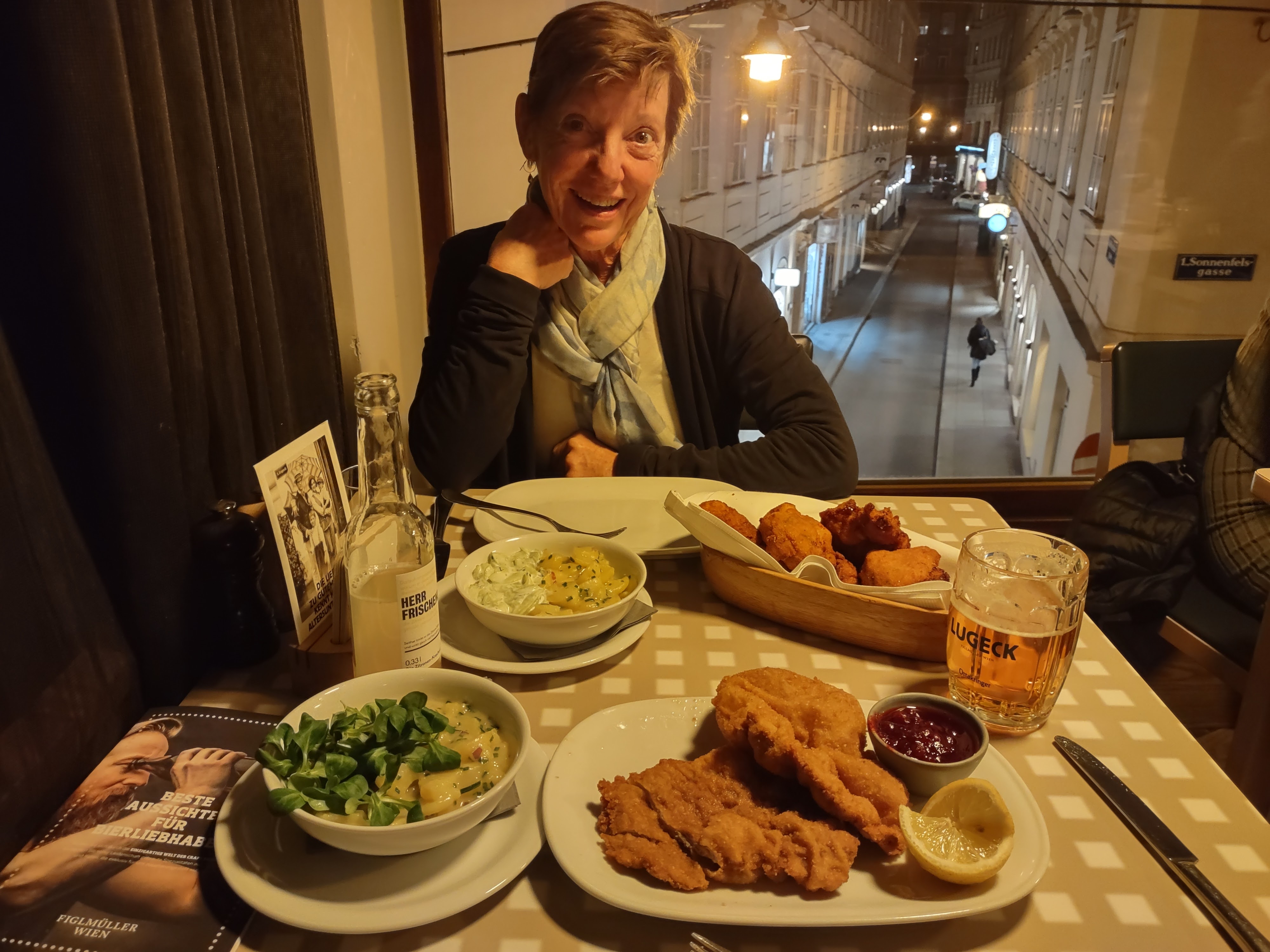
So, I have to confess that I never really understood what wiener schnitzel is. As an American, the wiener thing always made me think of hot dogs. So, we came to Vienna committed to sorting it all out. We made reservations one night at Restaurant Lugeck, two minutes from our apartment on (not surprisingly) Lugeck Plaz directly behind the Gutenburg memorial. Lugeck, who is known for modern reinterpretations of traditional Viennese dishes, is reputed to have the best weiner schnitzel in the world. Ritchard thought it was amazing, Colleen said she preferred her Milanese chicken!
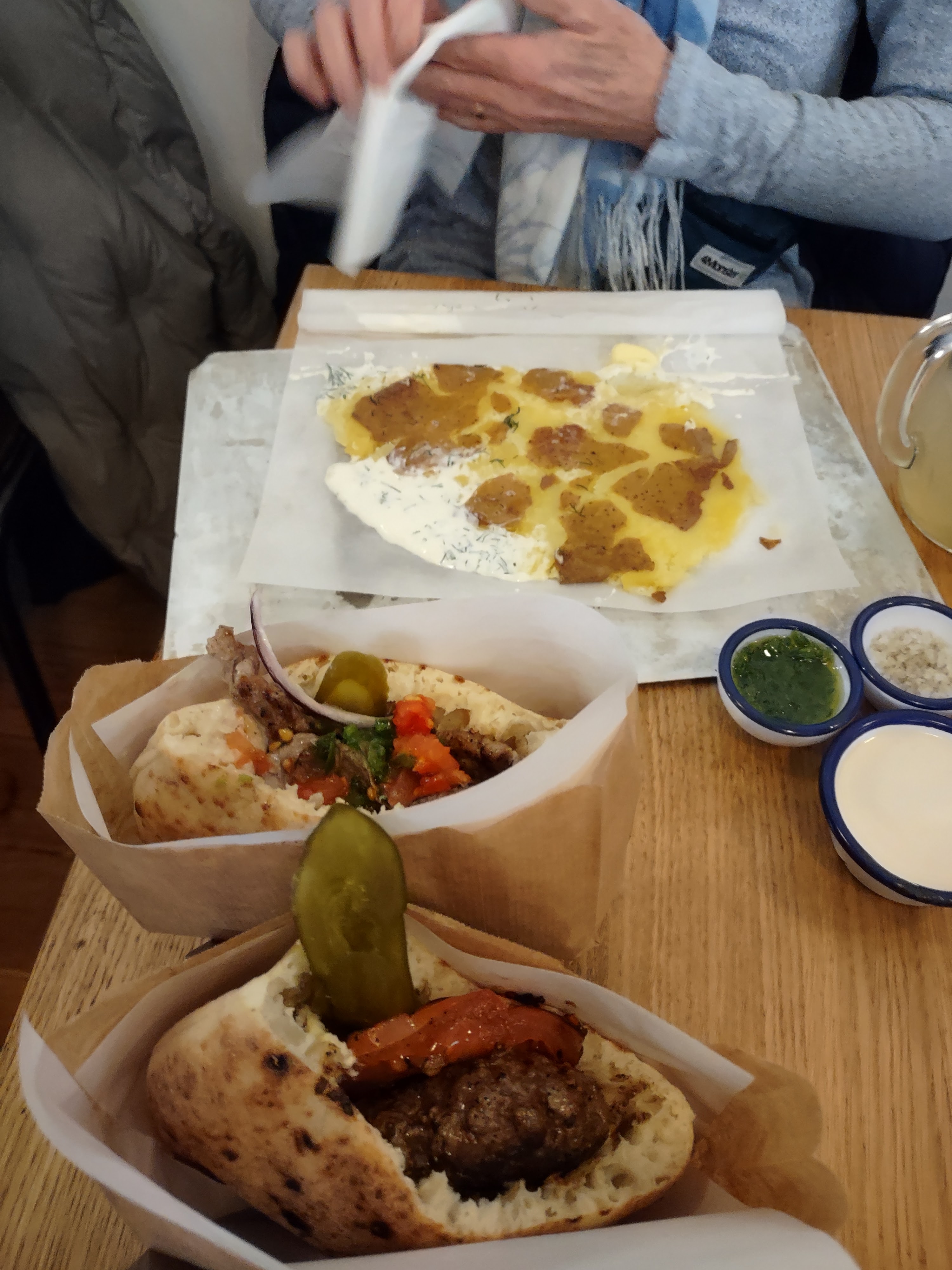
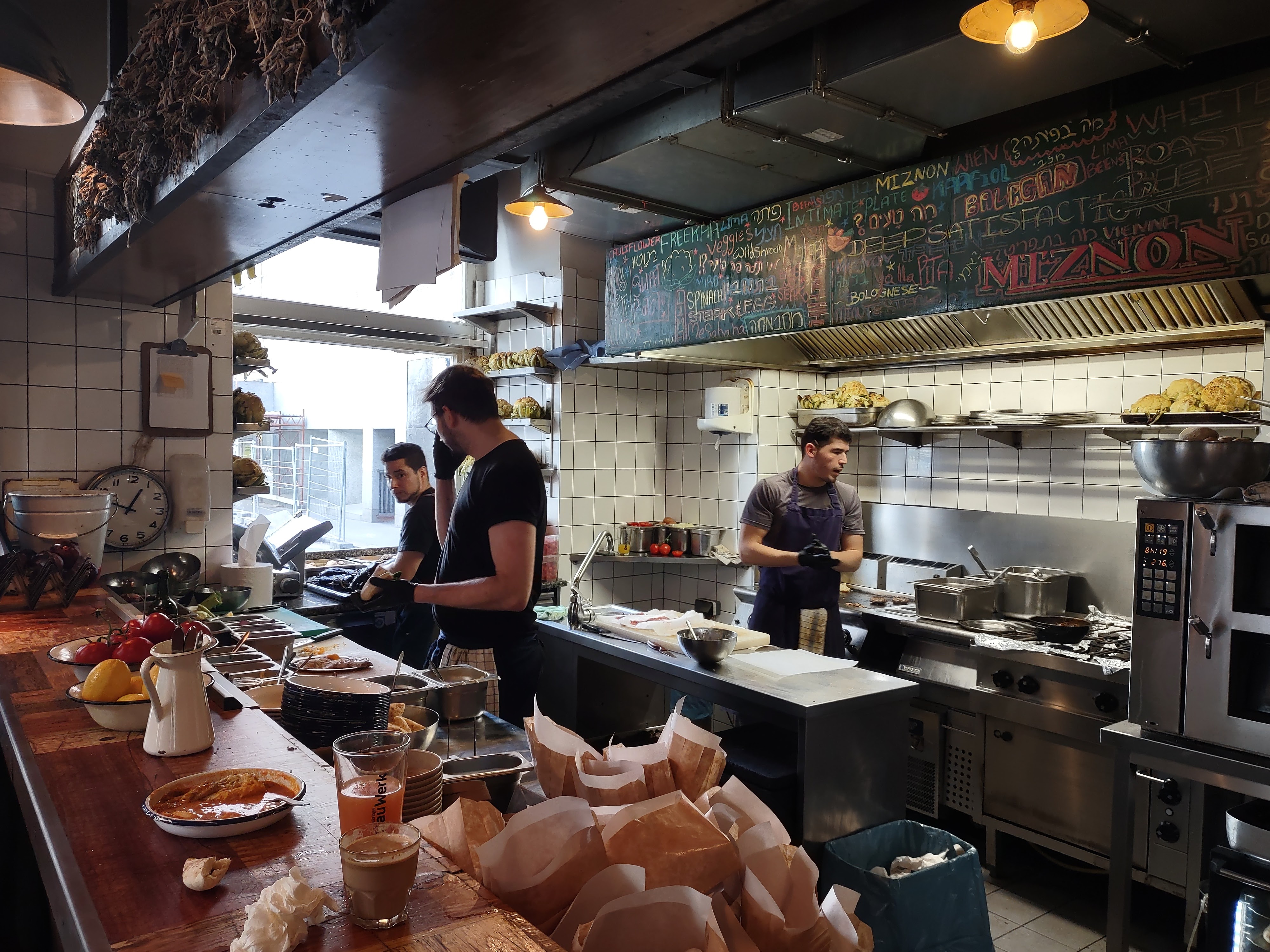
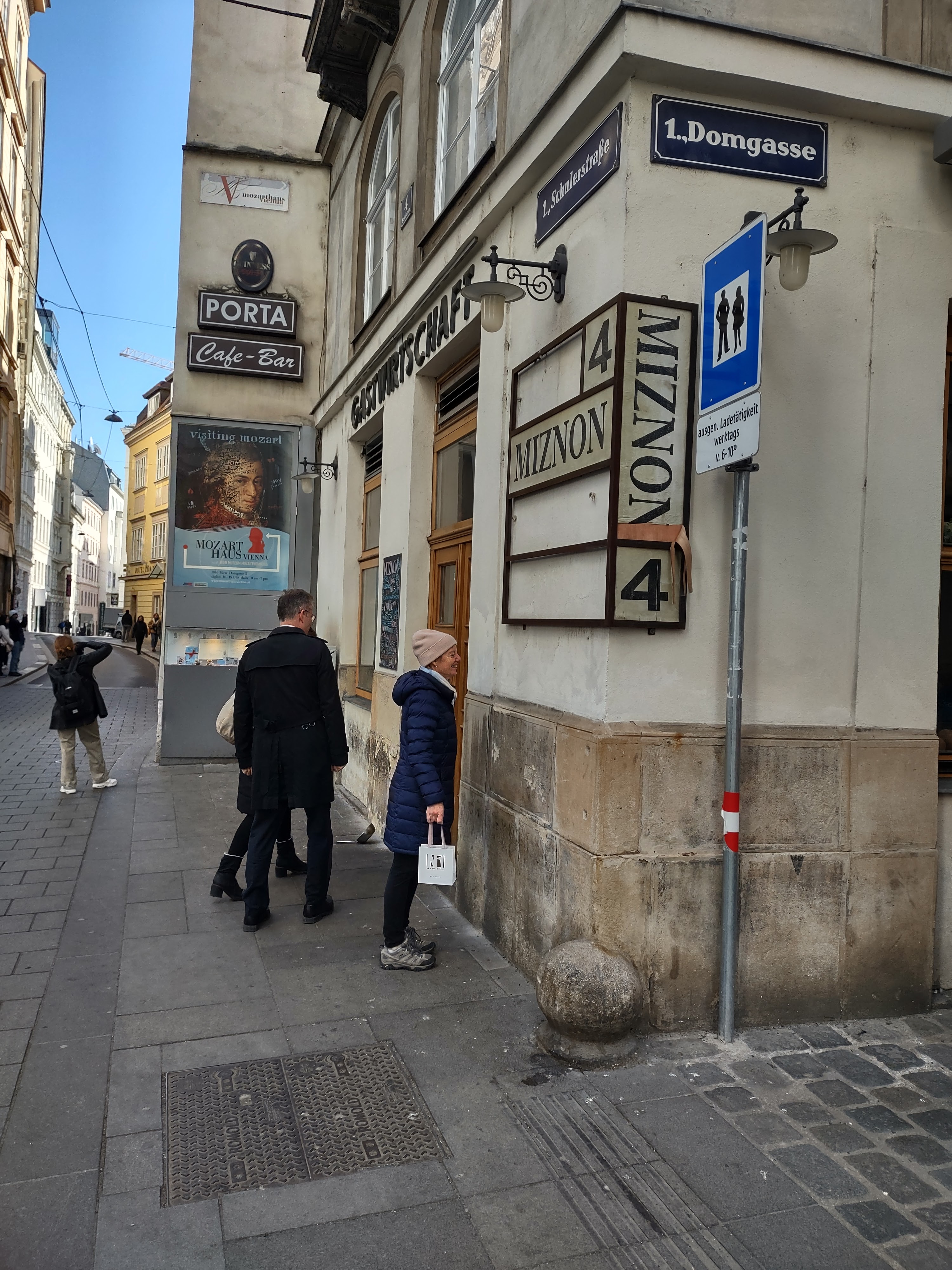
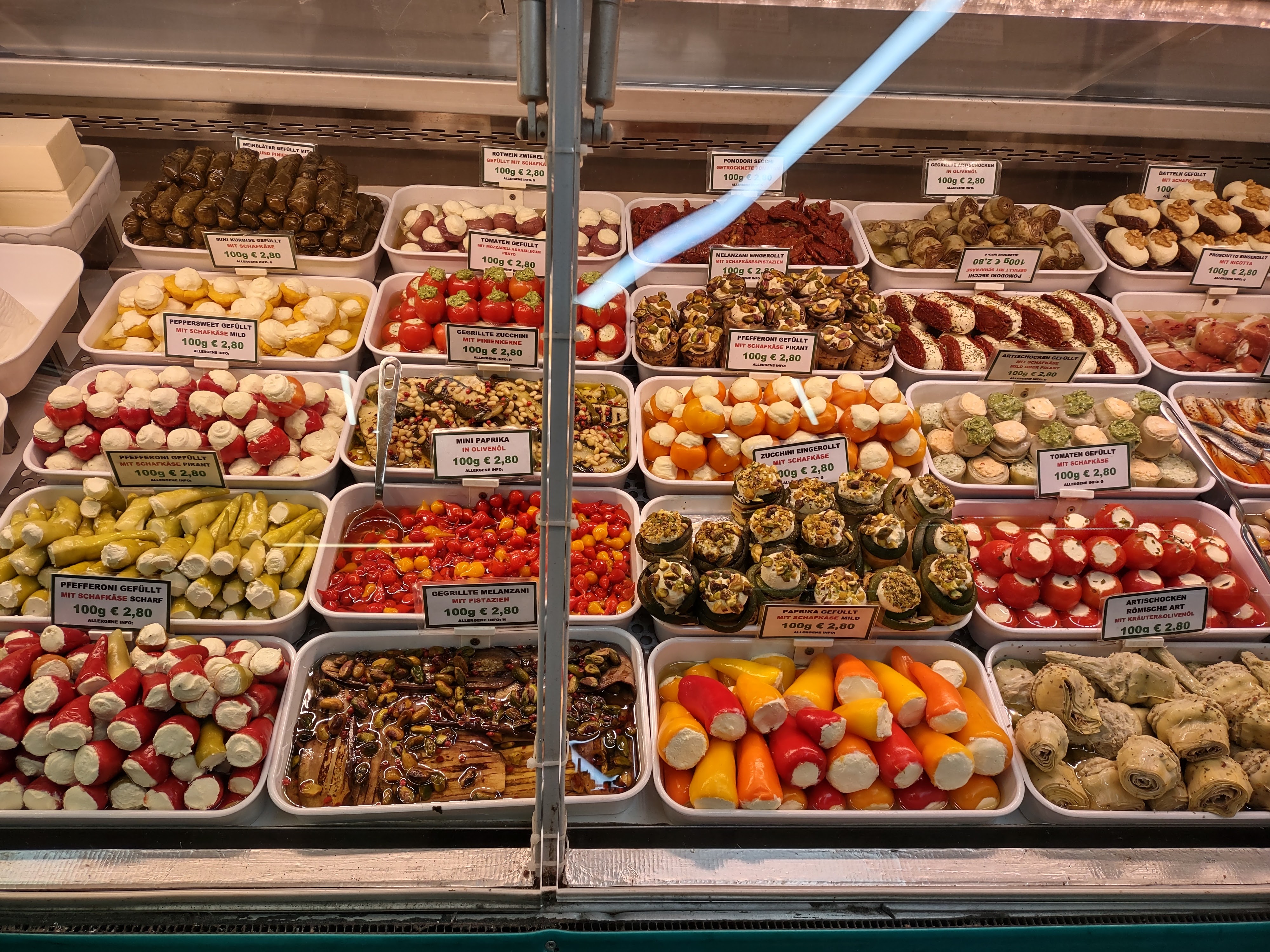
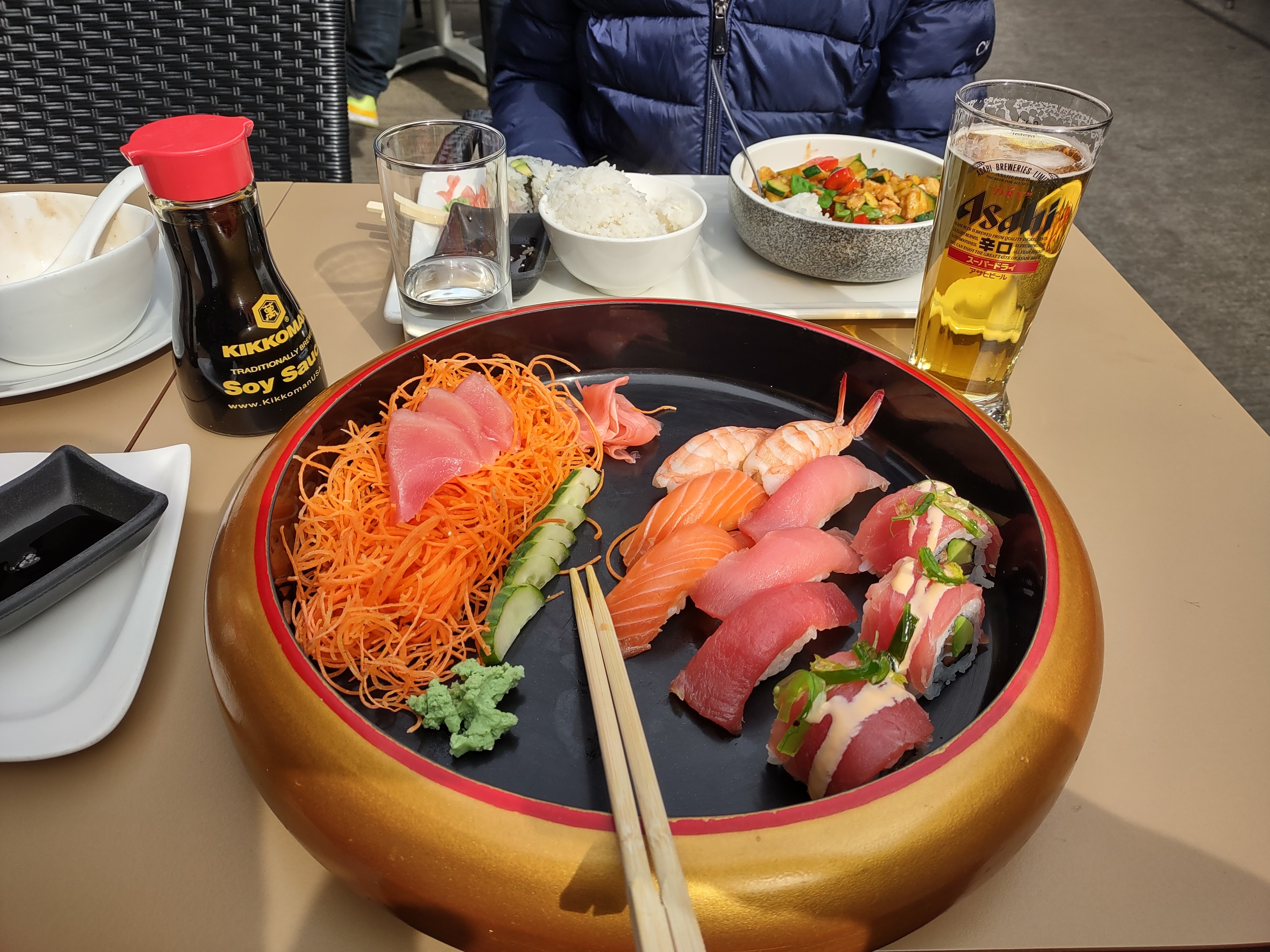
Traditional faire aside, Vienna offers a wide array of food choices. On our way to the Belvedere, we had great sushi at the Naschmarkt. At a Jewish restaurant called Miznon, we had great stuffed pita sandwiches along with something called a “Run Over Potato”. Back on the more traditional side, great coffee and pastries, including the best apple strudel ever.
Great beer everywhere, but of particular note was the 1516 Brewing Company. Interestingly, in addition to their own brews, they had Victory Hop Devil IPA (from good old PA) on their menu!

Shopping in Vienna
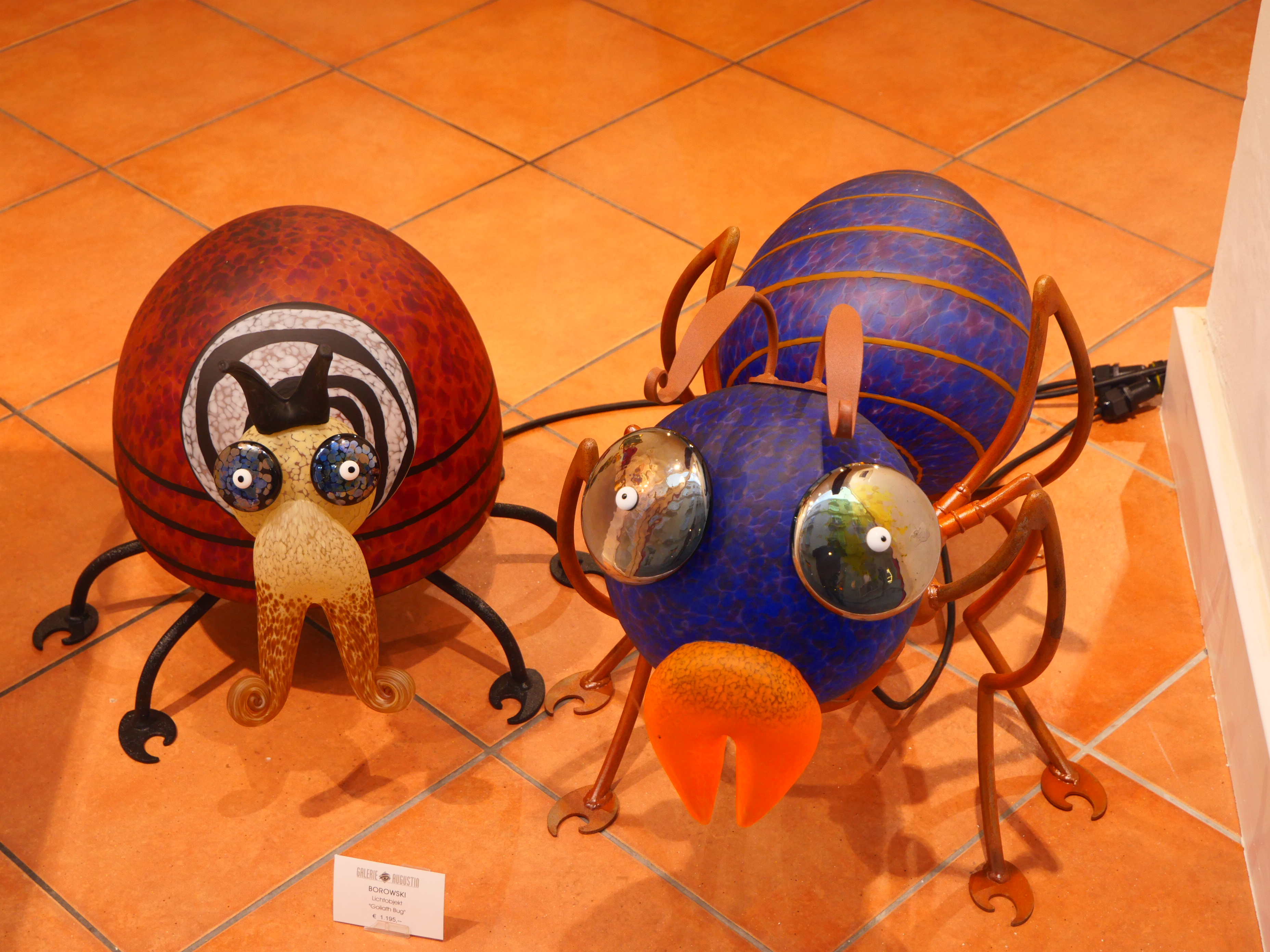
Shopping has become a particularly challenging thing for us because we really don’t have room for much in our bags. (Kind of like look but don’t touch except it’s look but don’t buy!) Vienna proved to be particularly difficult in this regard as almost anything you could want is available here and most of it is really nice stuff. After being disappointed in many other places we’ve visited, Colleen was pleasantly surprised to find that Vienna knows about rose gold. (She has been trying to replace a dear set of earrings she lost in Panama.) A little pricey, but, on the other hand, jewelry doesn’t take up much space in your bag!

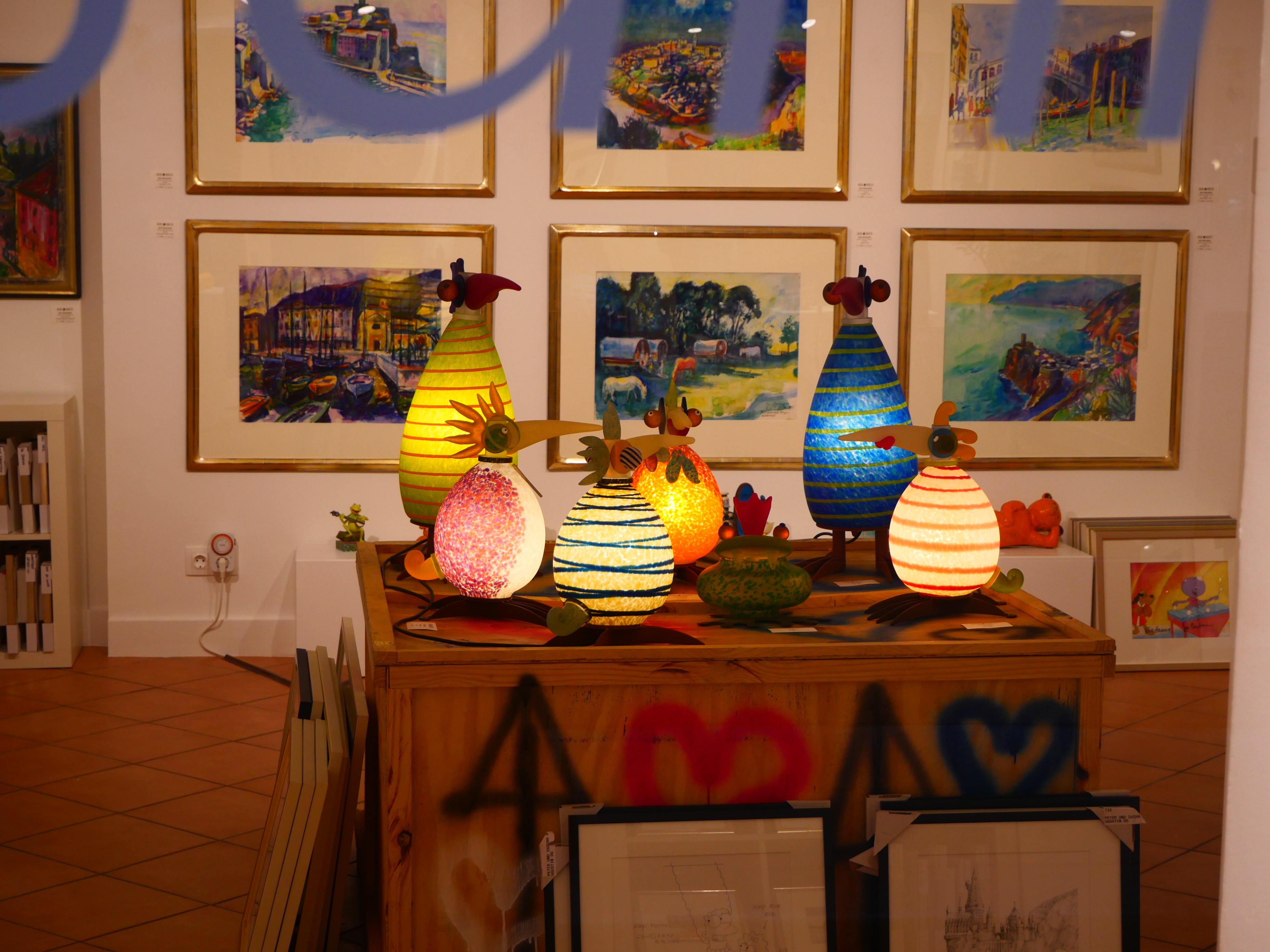
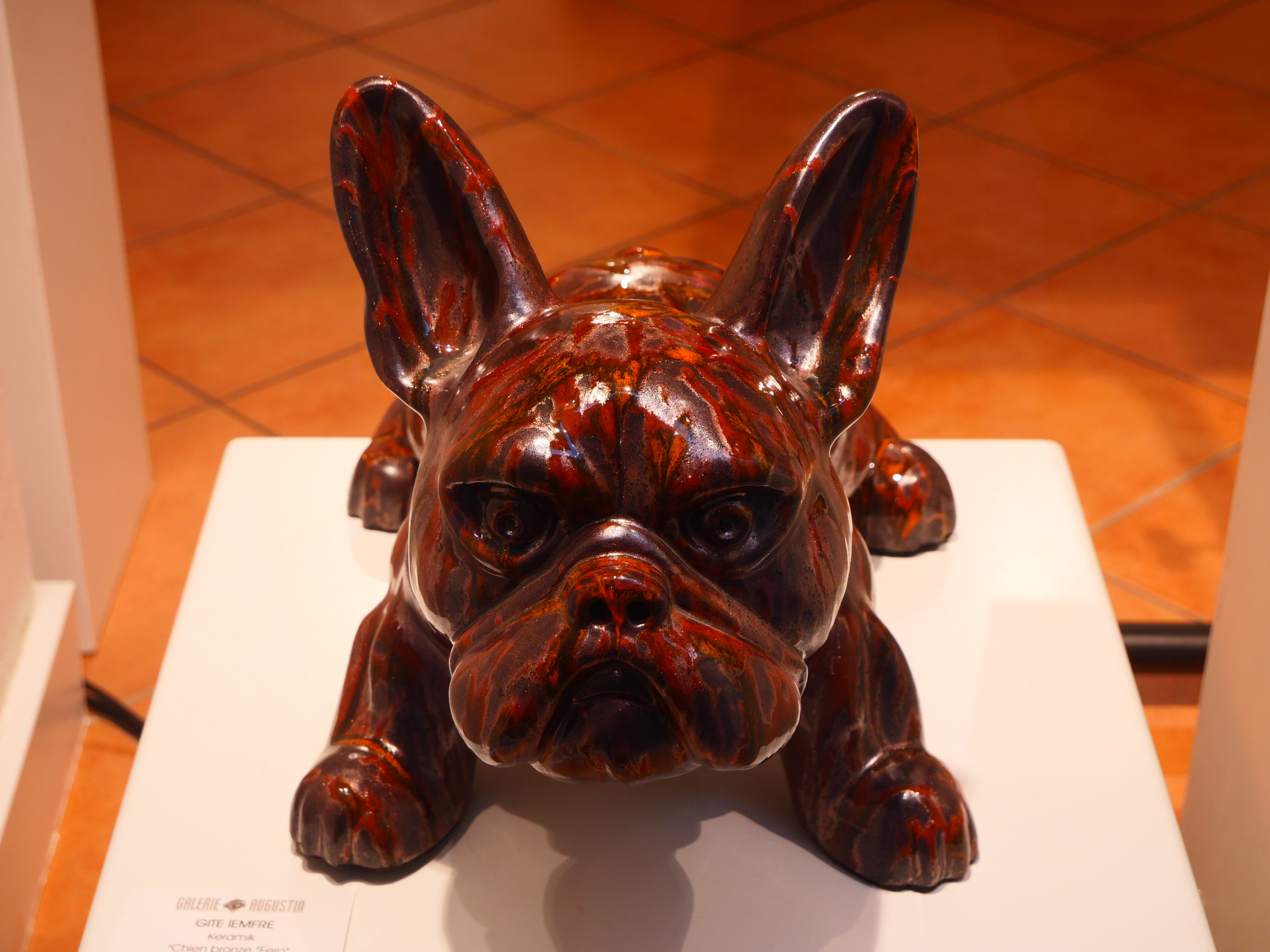
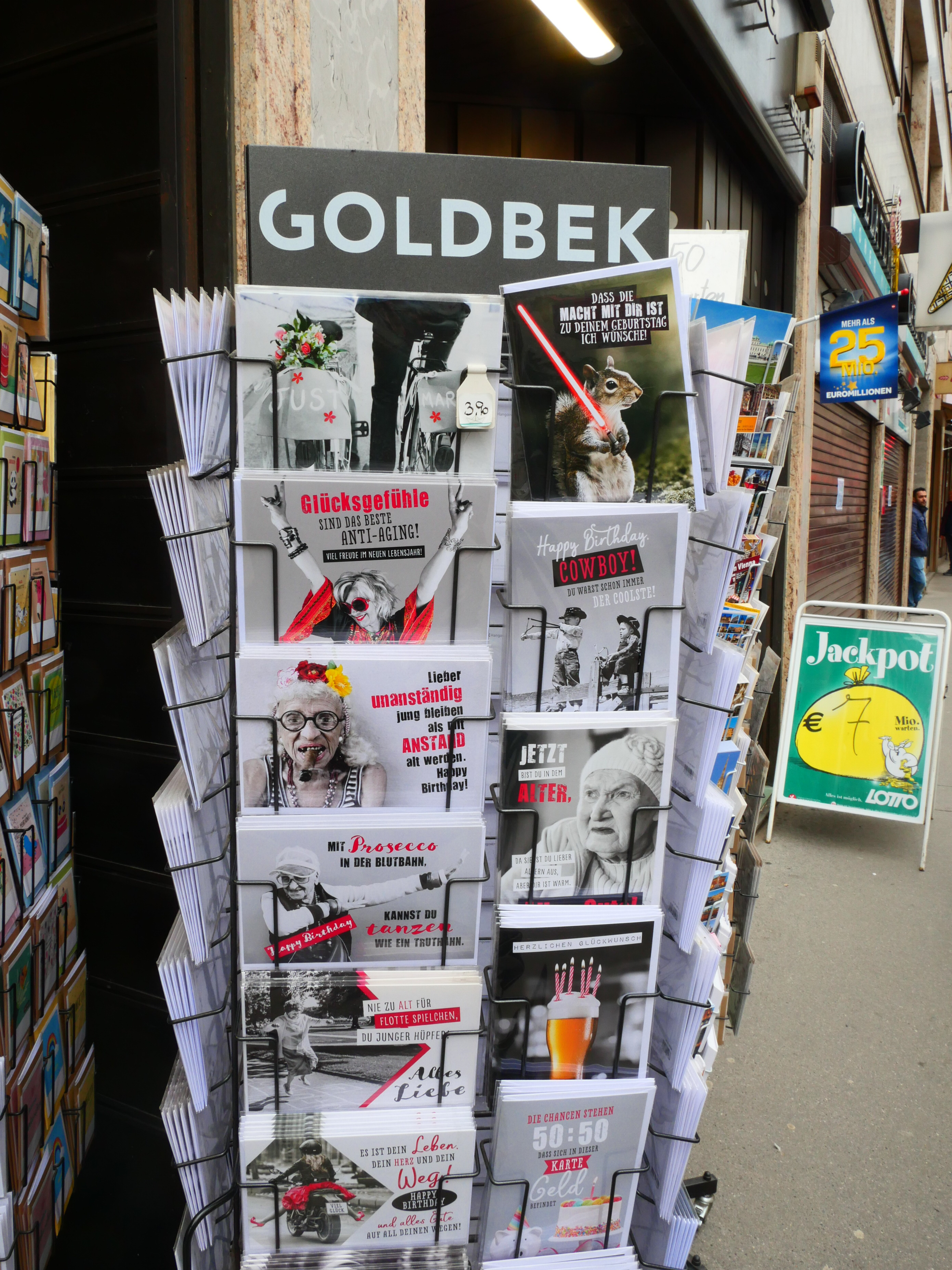
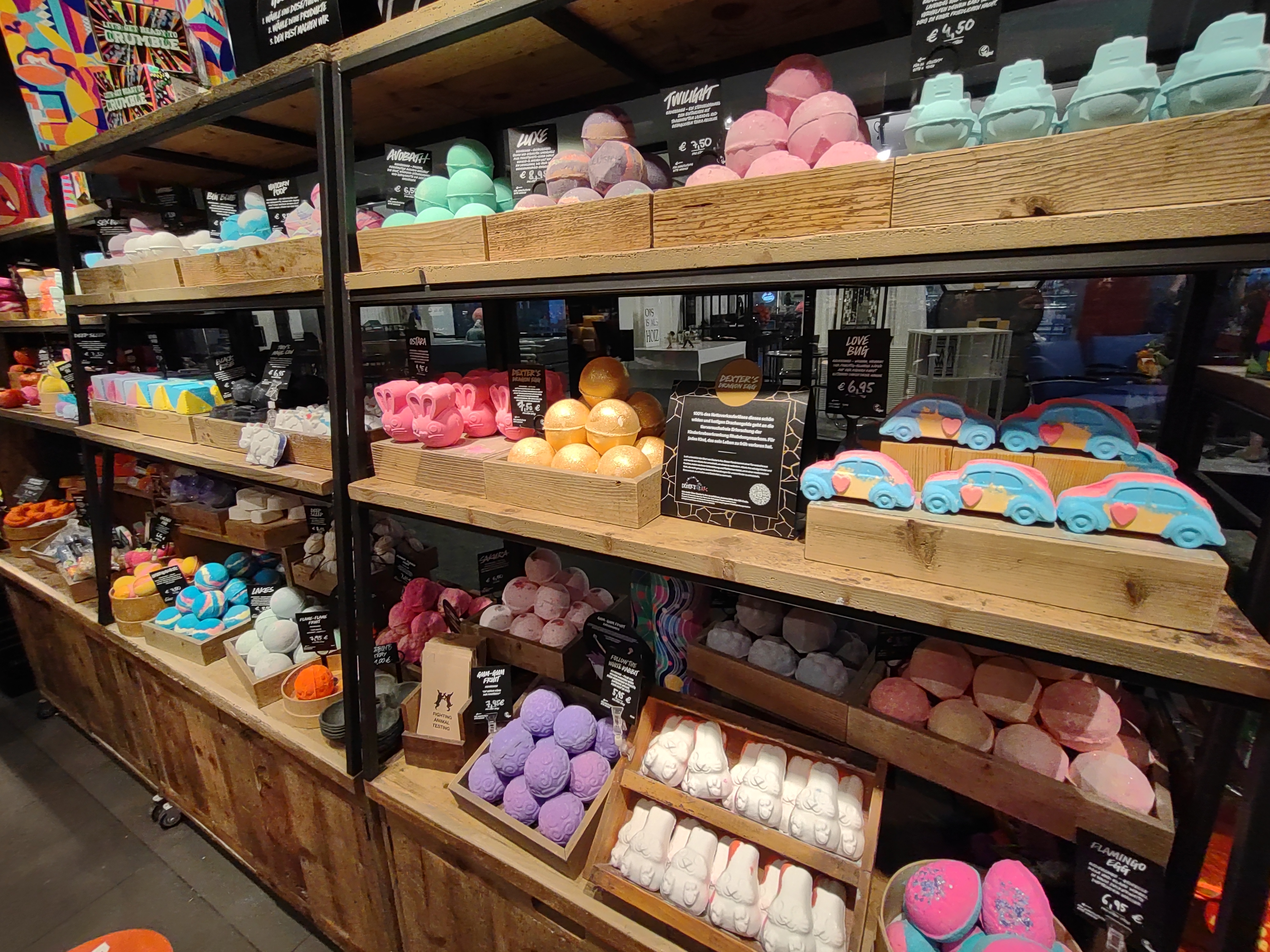

So, four very full days in Vienna. Next stop Venice (and, hopefully, increasingly warmer weather)!
 Burning the Inheritance
Leave a comment