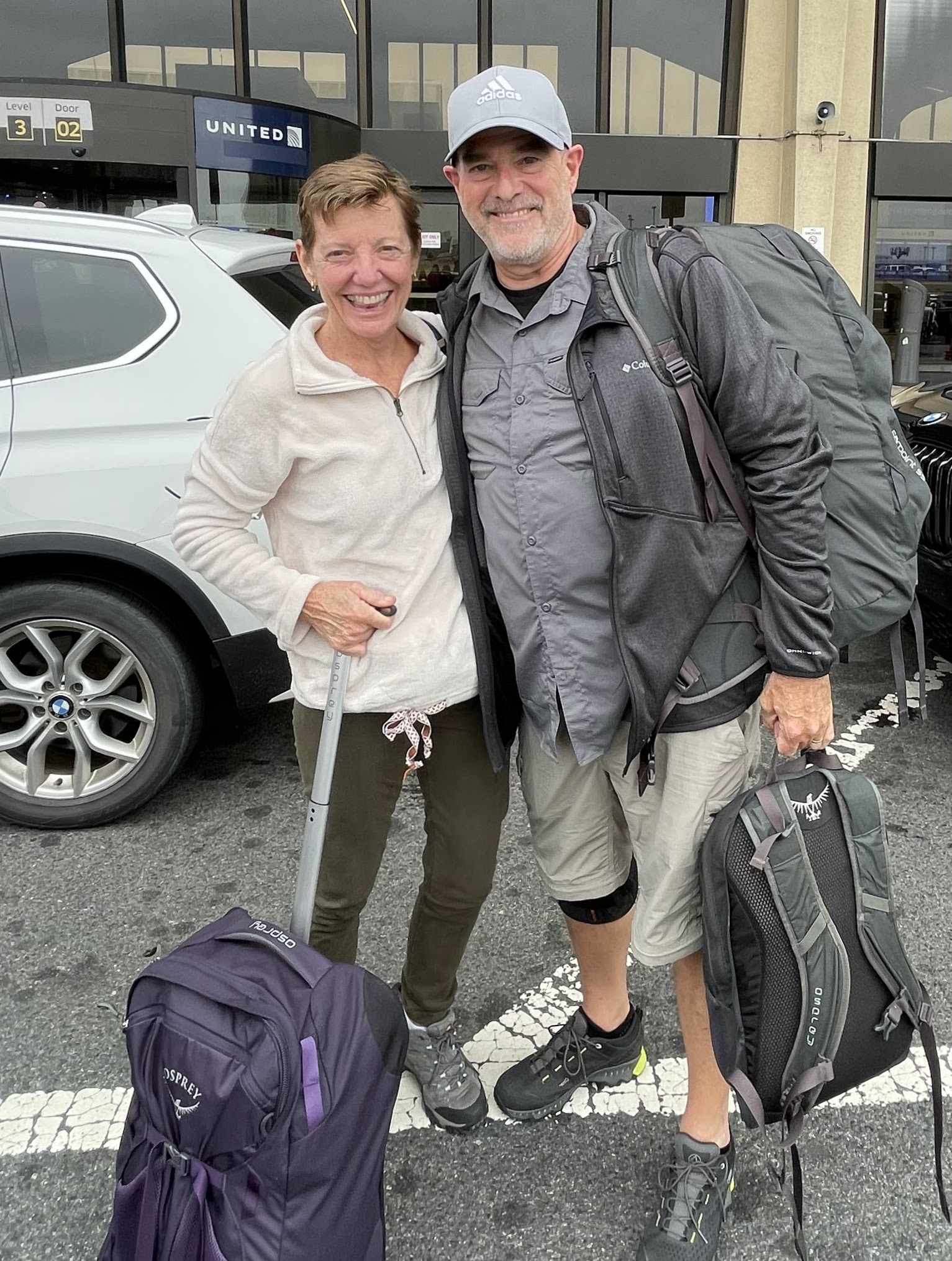
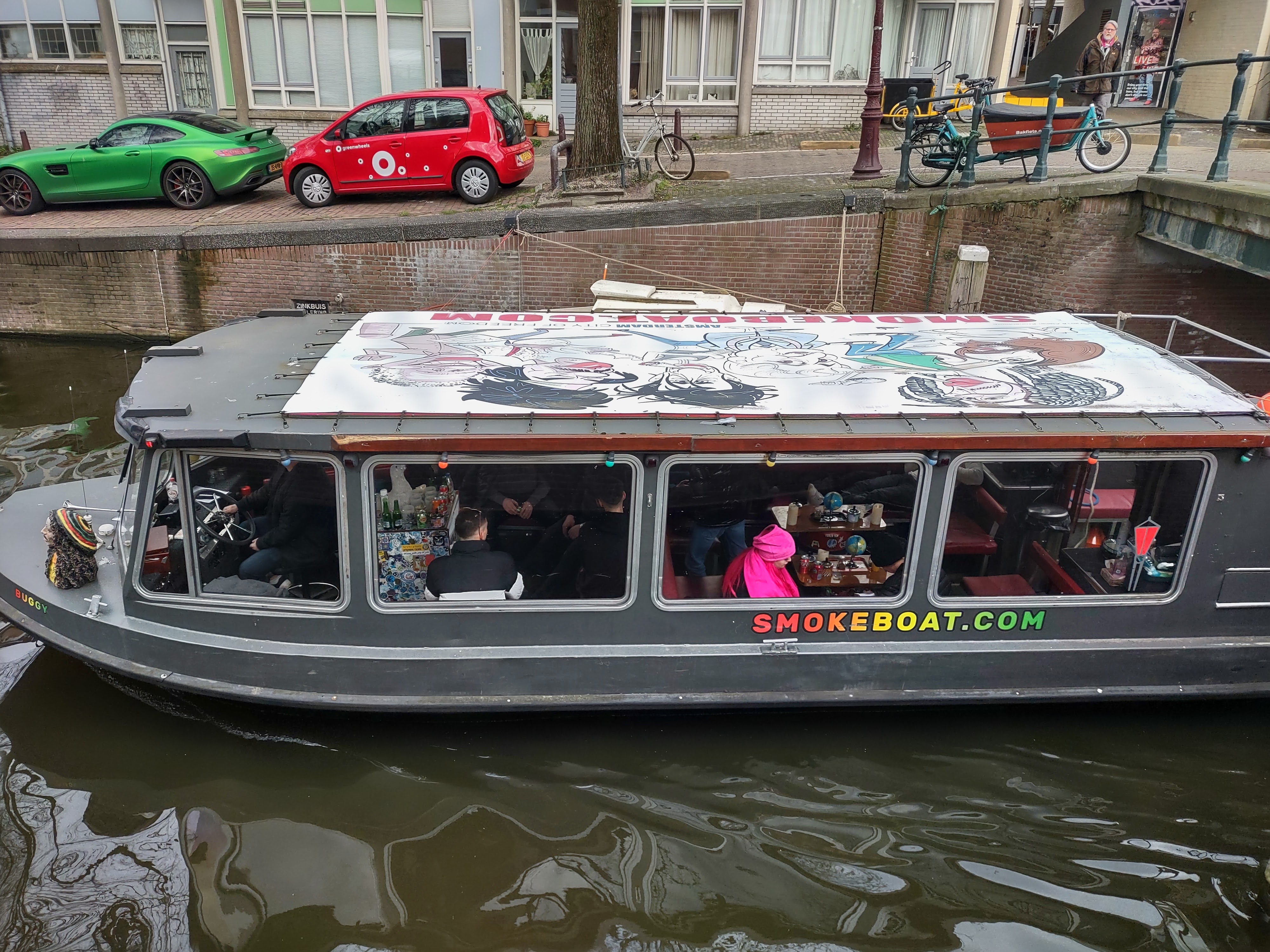
I say Amsterdam and you probably think of something which is (or until recently was) illegal in the U.S. and yes, there is that. Truth be told, we came to Amsterdam primarily because it was a convenient and affordable port of entry to Europe from South America. We spent a week in Amsterdam a few years back when Colleen was attending a conference in Rotterdam, so we came with some familiarity with the city. Perhaps because this was the second time around, we came looking to dig a bit further into the history of this beautifully picturesque place.
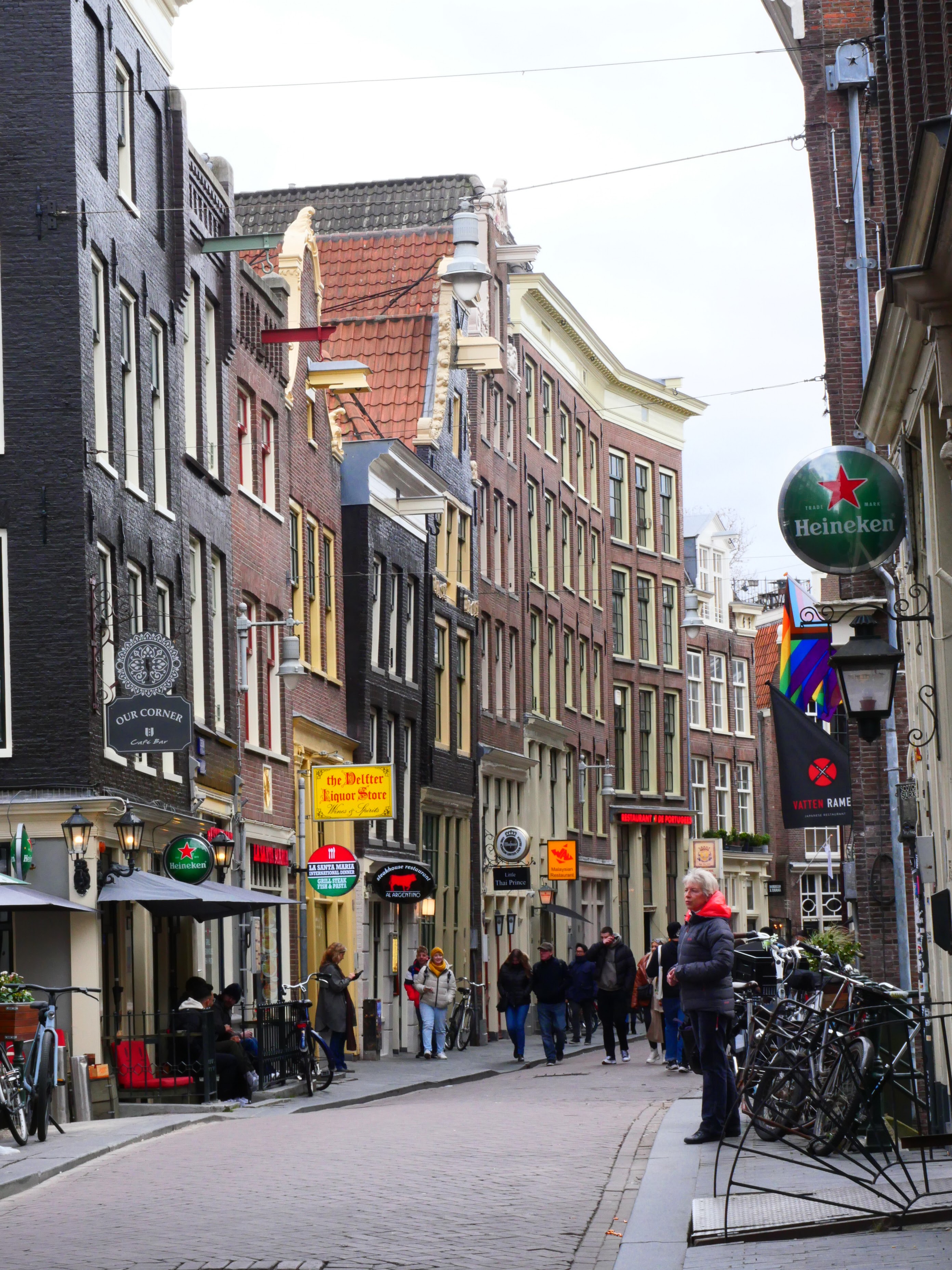


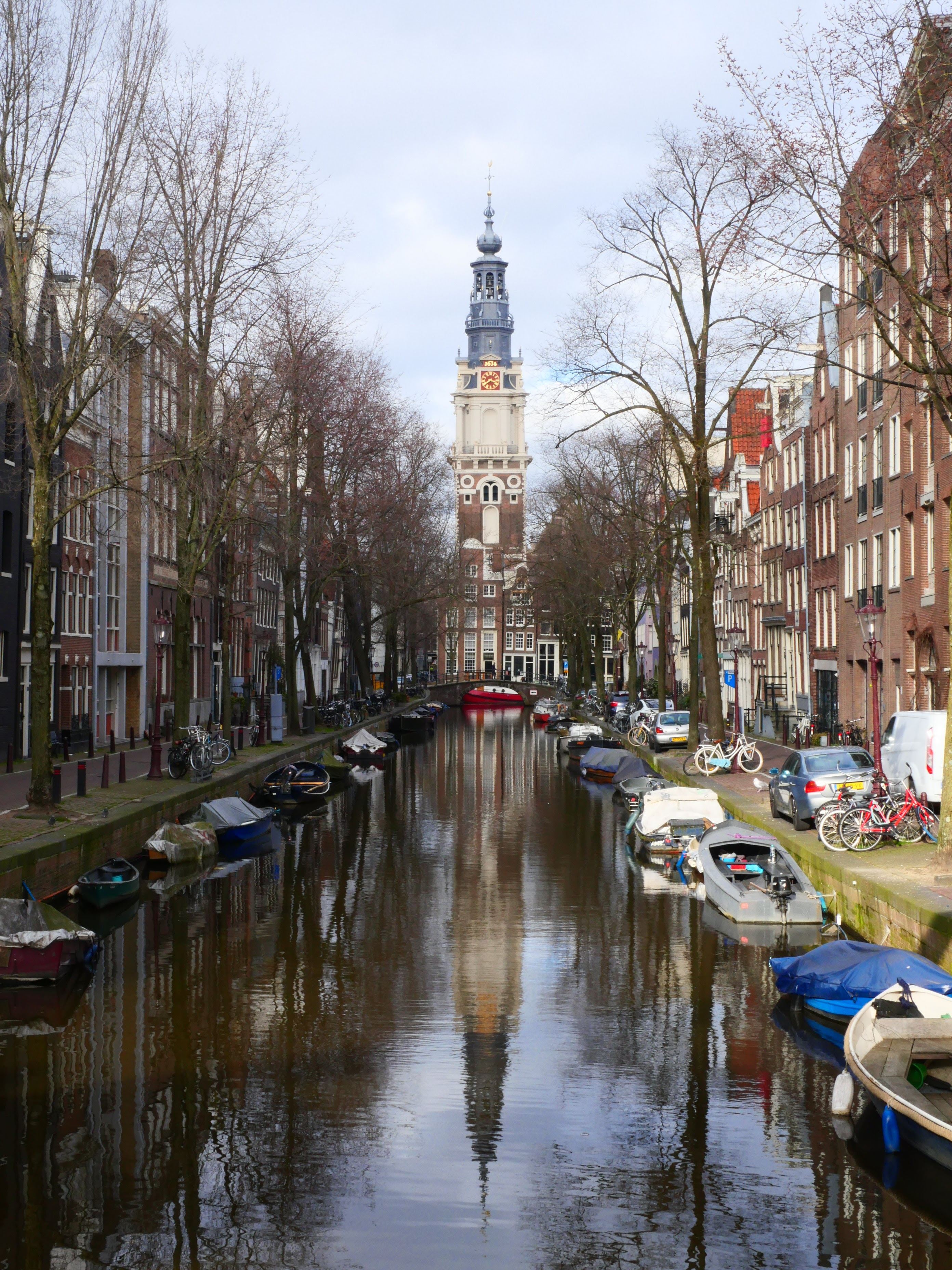
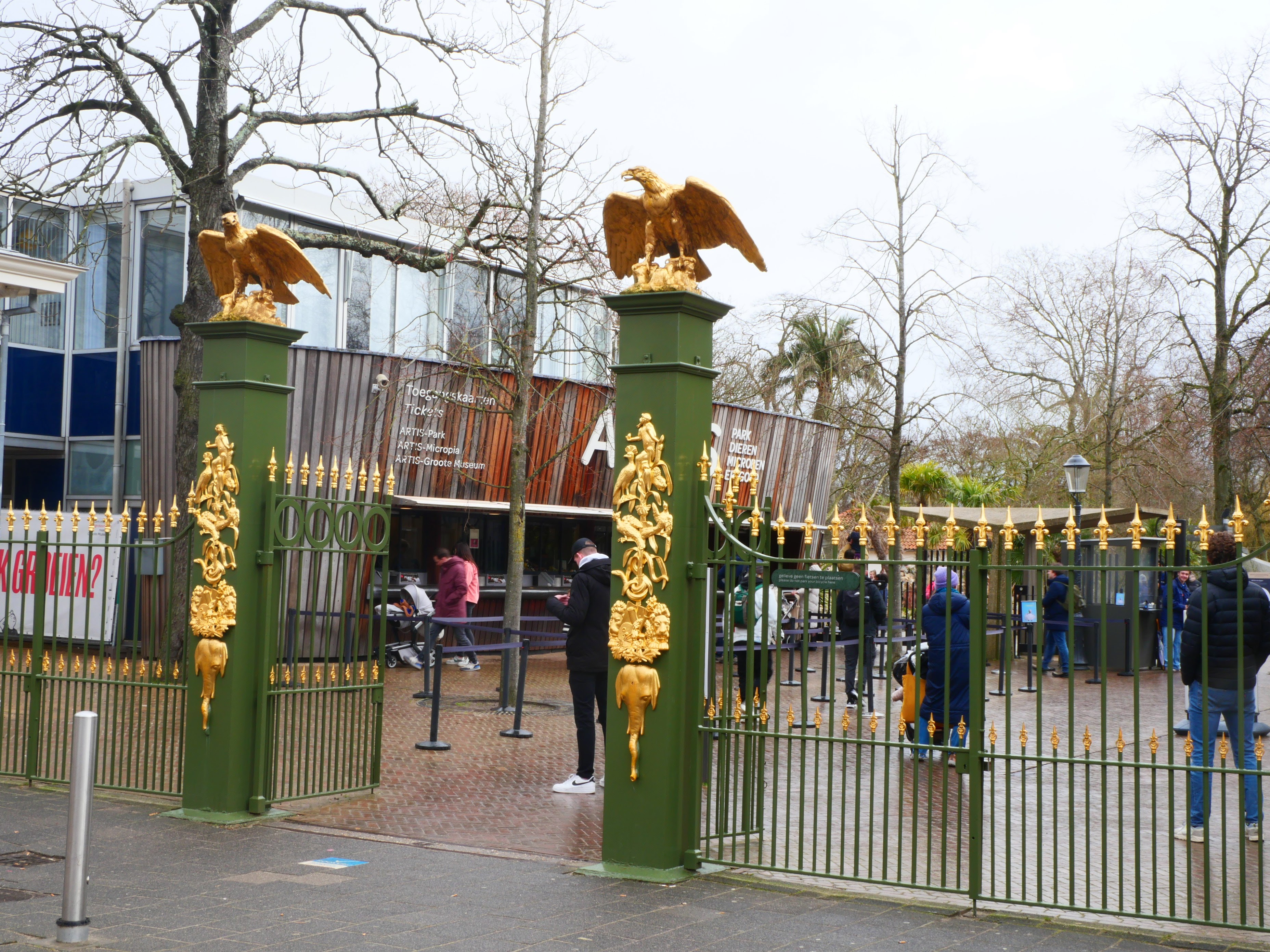
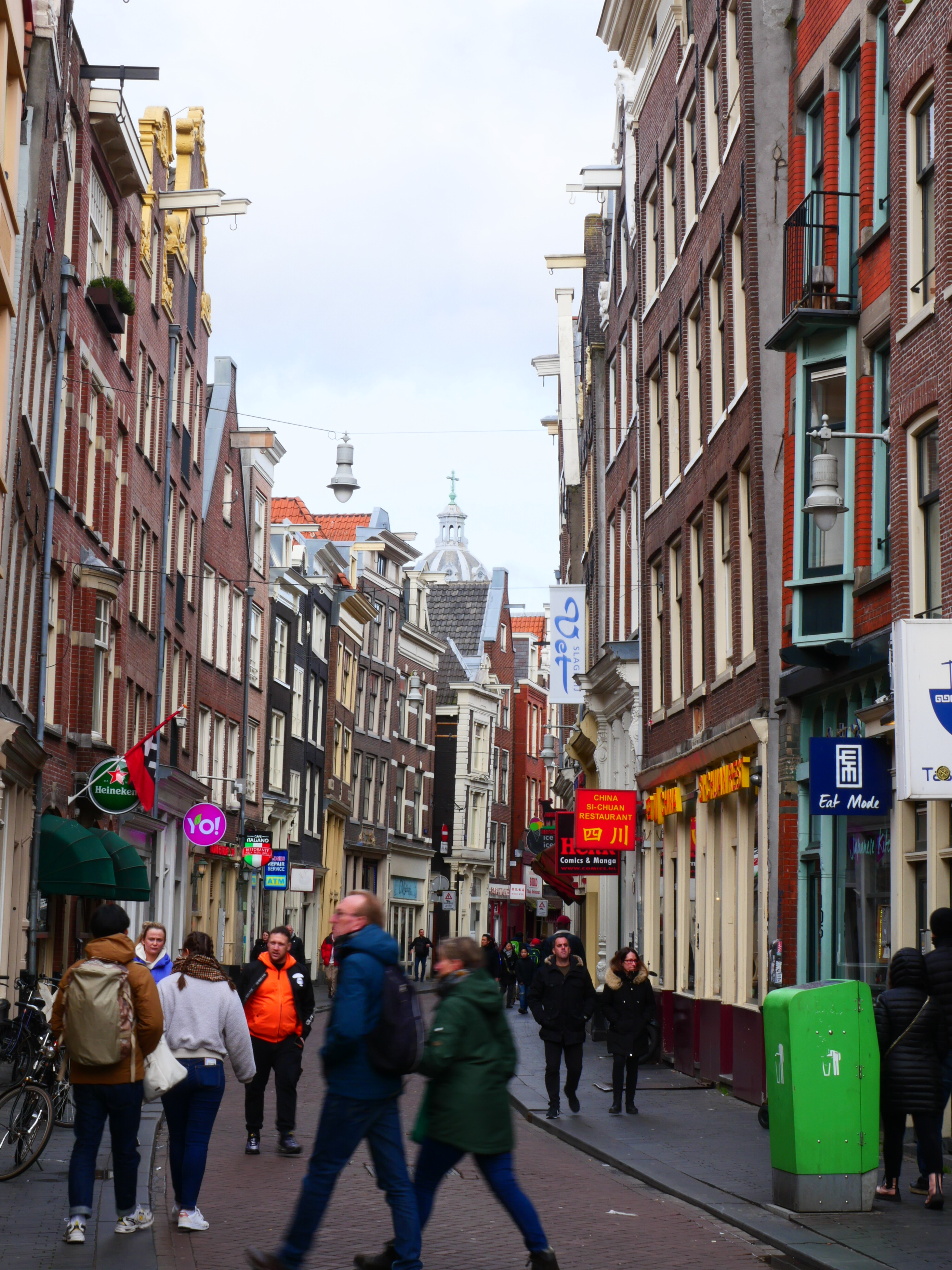
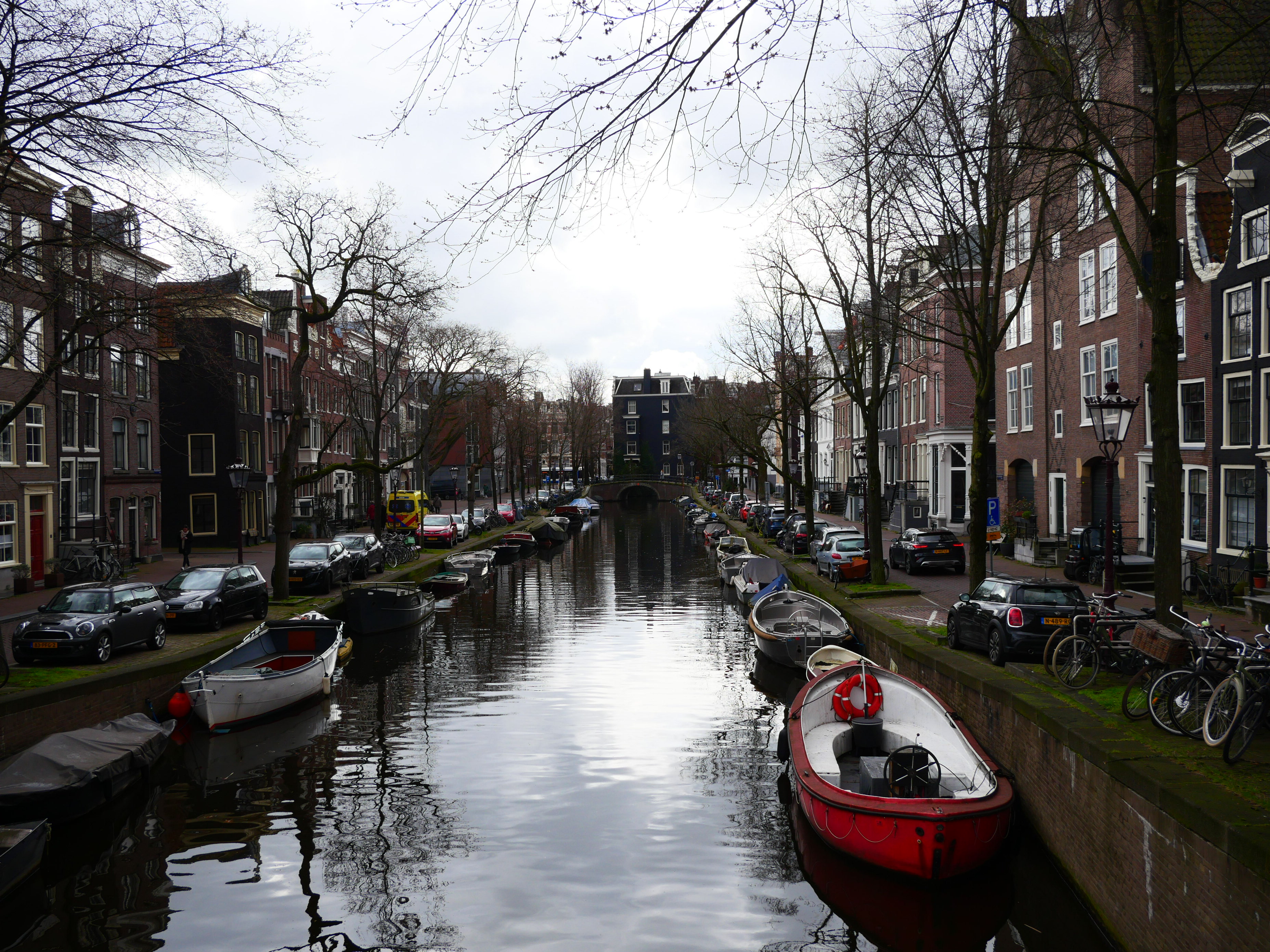
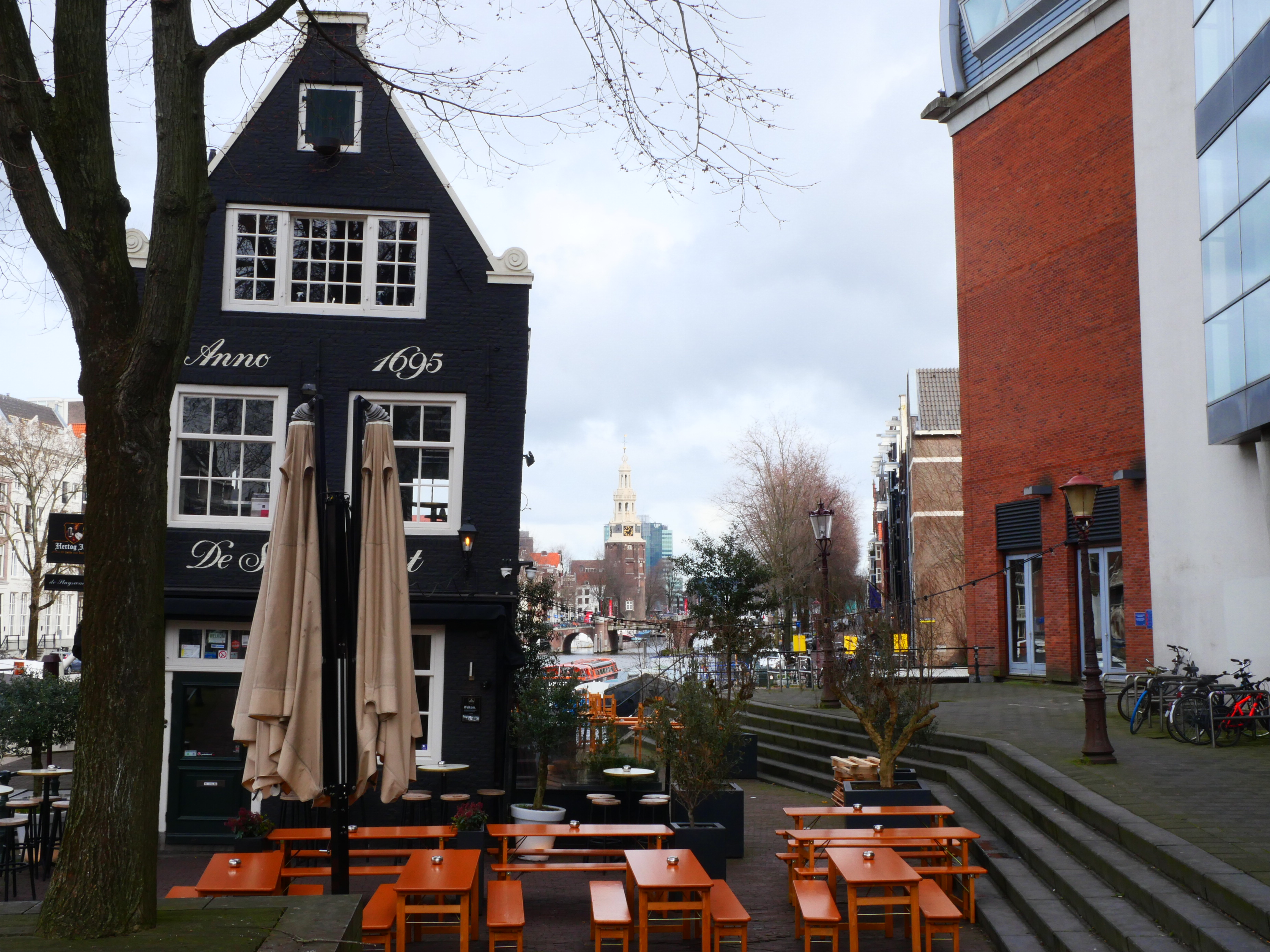

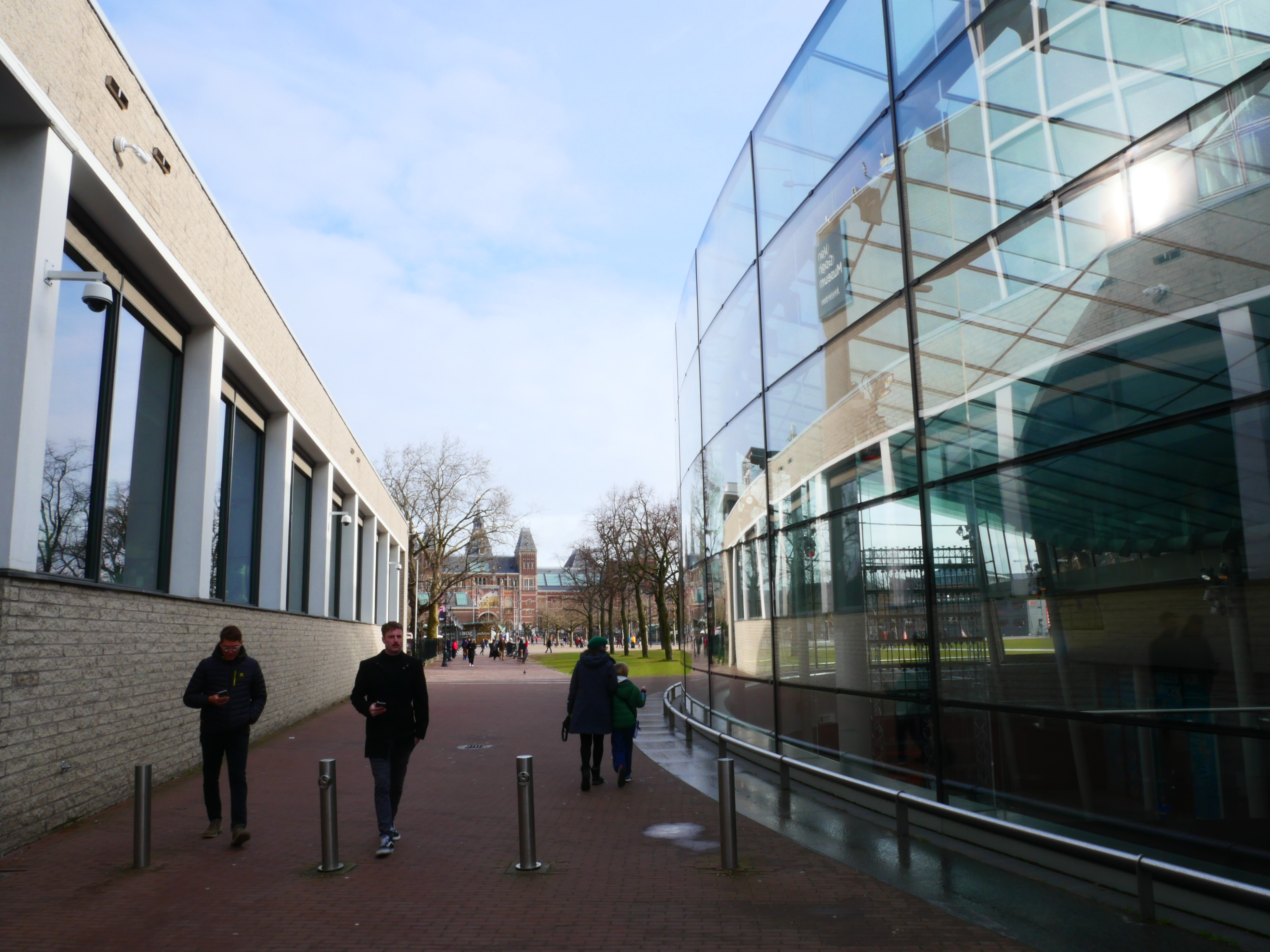
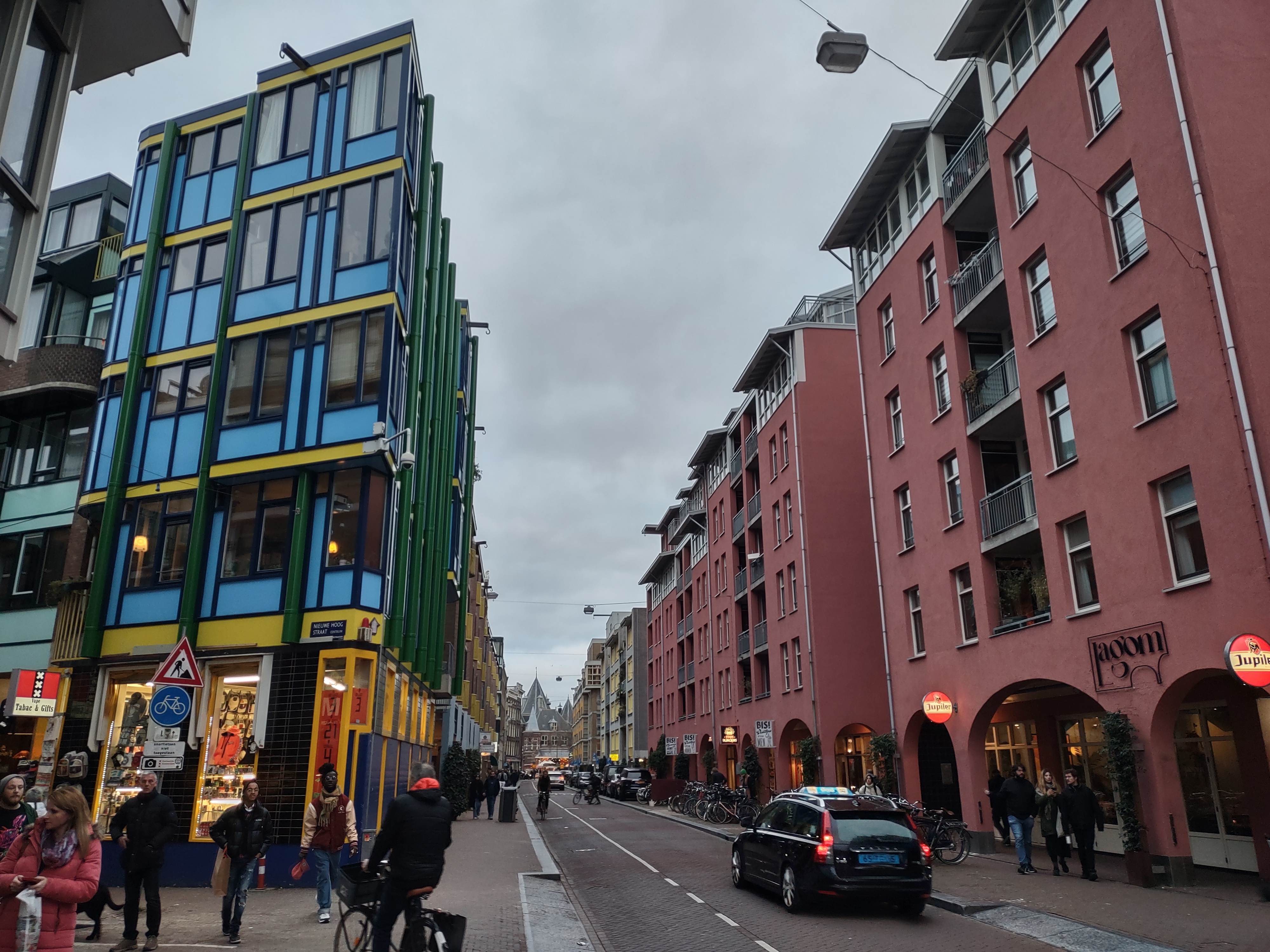
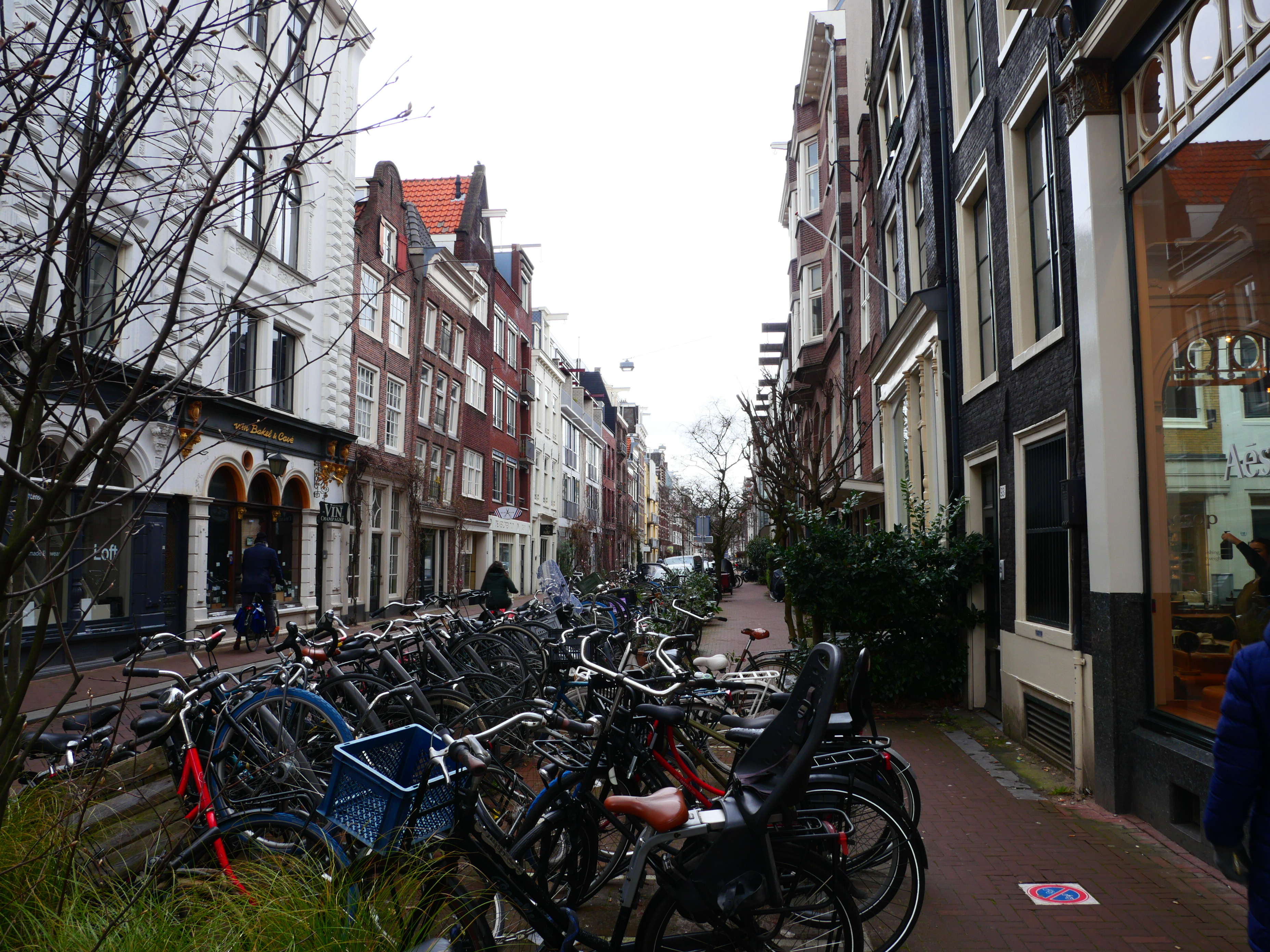

As has started to become a habit, we booked a “free” tour for our first afternoon back in Amsterdam, and it proved to be a good reintroduction. On our second day, we took a tour of the old Jewish quarter which focused on Amsterdam’s history before and through World War II. This second tour made us aware of a number of tragic ironies which are part of Amsterdam’s history from that period.
One of those ironies is that the Netherlands’ quick capitulation to Nazi invasion in 1940 is the reason Amsterdam was not bombed like many other western European cities and this is why the pre-WWII fabric of the city remains intact (and beautiful).
Beginning in the fifteenth century, Amsterdam welcomed a large number of Jewish immigrants from Portugal, Spain, and other countries and, by the early twentieth century, had one of the largest Jewish communities in Europe. During the 1930’s, Amsterdam welcomed additional Jewish immigrants fleeing Germany and other eastern European countries. Ironically and tragically, 75% of Amsterdam’s Jewish population, many of who came here to be safe, were deported and killed during World War II, the highest percentage of any western European city due in no small part to the detailed records the government kept regarding who lived where.
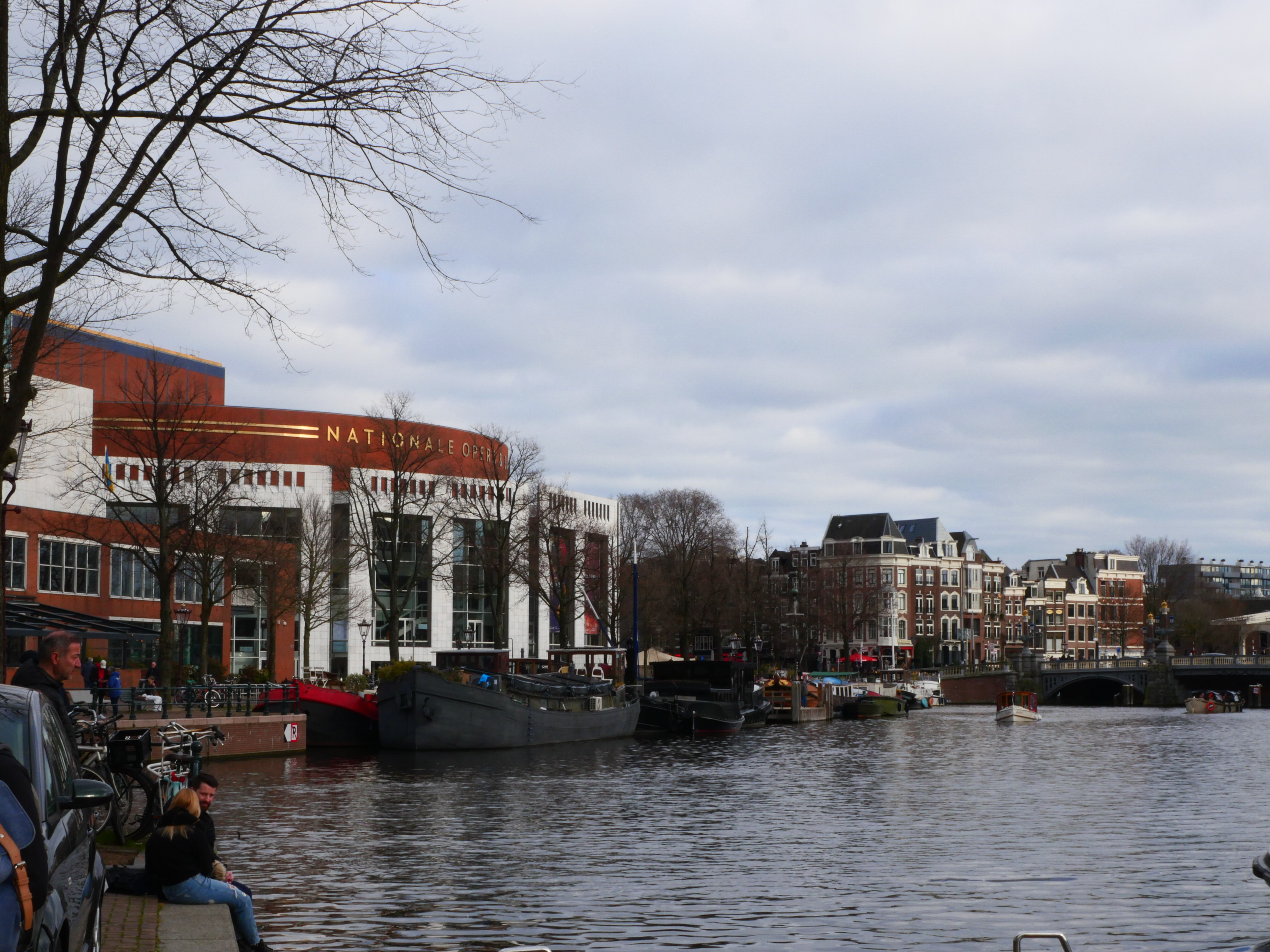
The other ironic tragedy related to all of this occurred in 1944 after southern Netherlands was liberated. In response to a request from the Dutch government in London, 30,000 rail workers went on strike which effectively stopped the transport of Jews to concentration camps. But, in response, the Germans blocked food transport to the remaining occupied regions which resulted in what is now known as the Hunger winter of 1944-1945. Because the supply of coal to Amsterdam was also halted, the residents dismantled the houses in the vacated Jewish ghetto for firewood in order to stay alive. This area, which was effectively demolished, was redeveloped in subsequent years and is now the home of the National Opera and Ballet as well as other new structures.
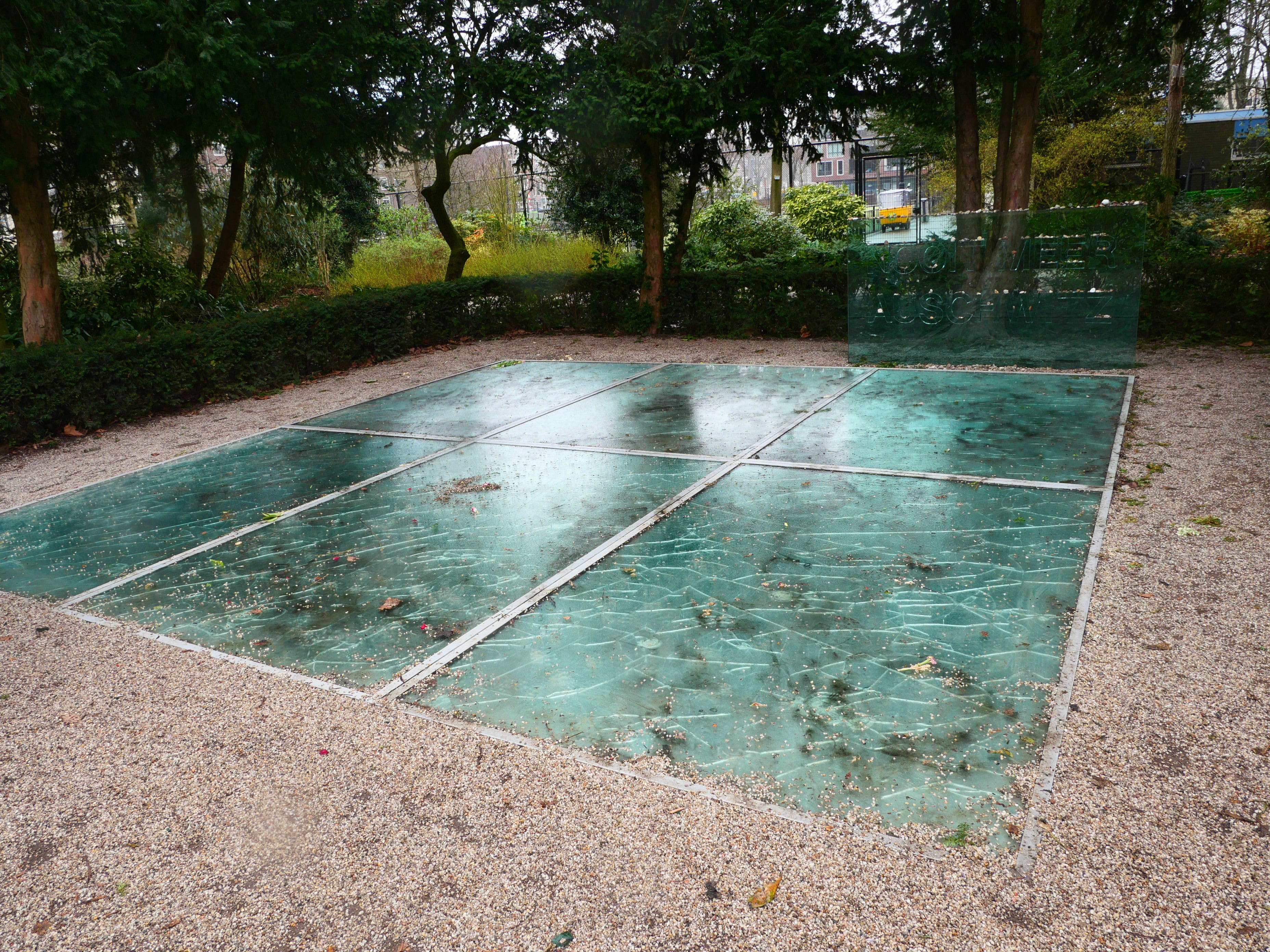
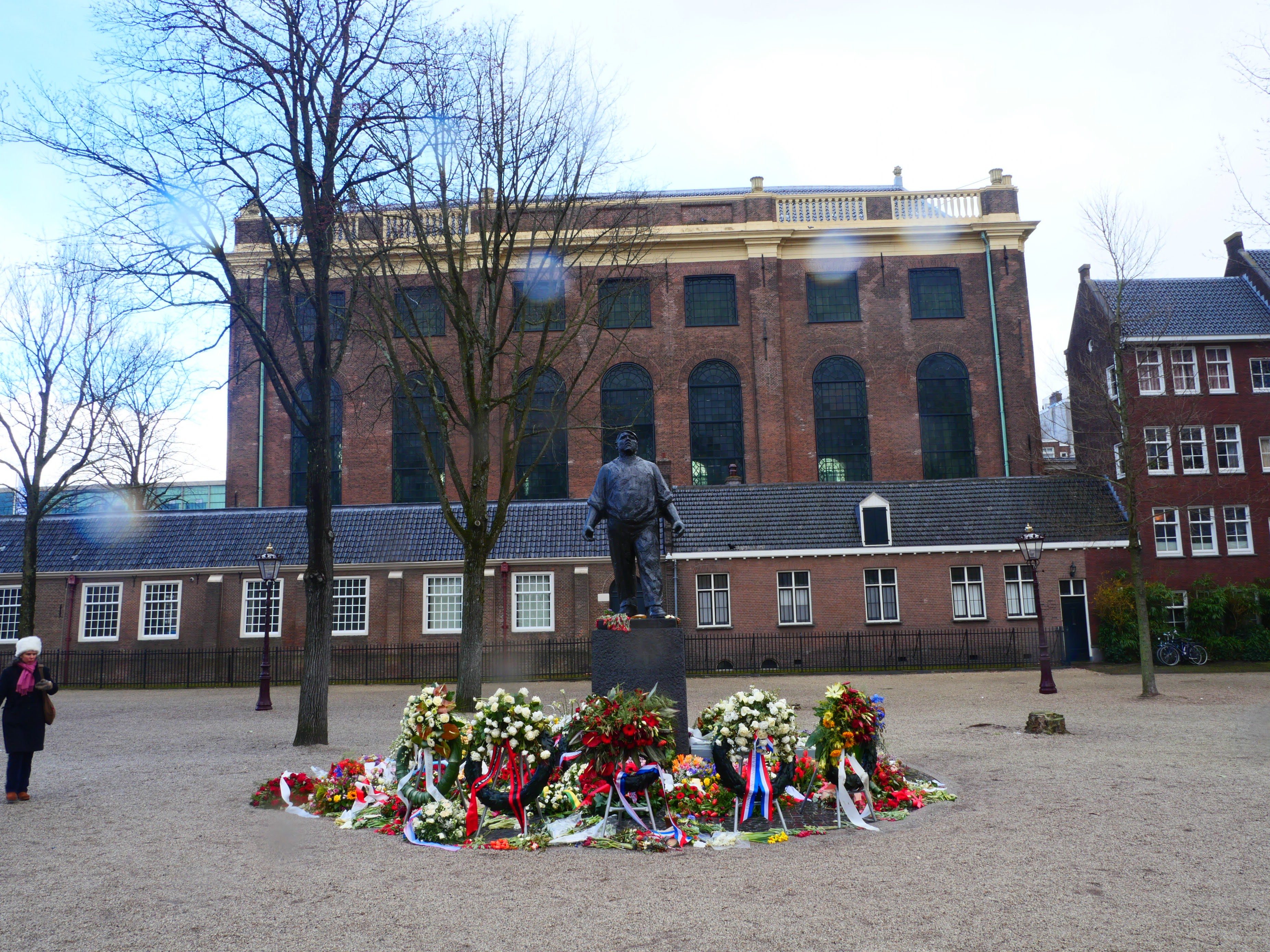
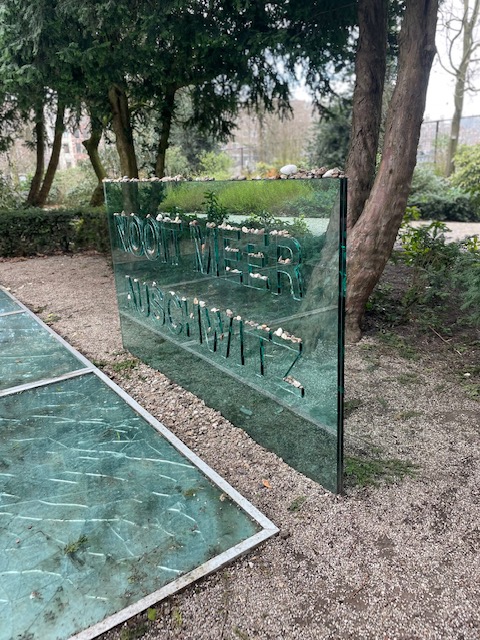
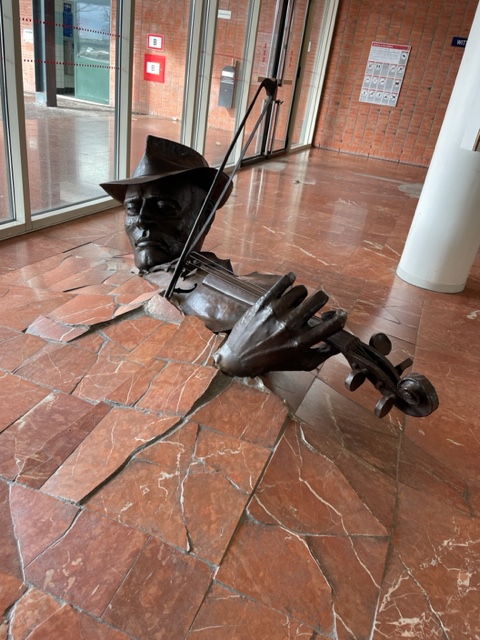
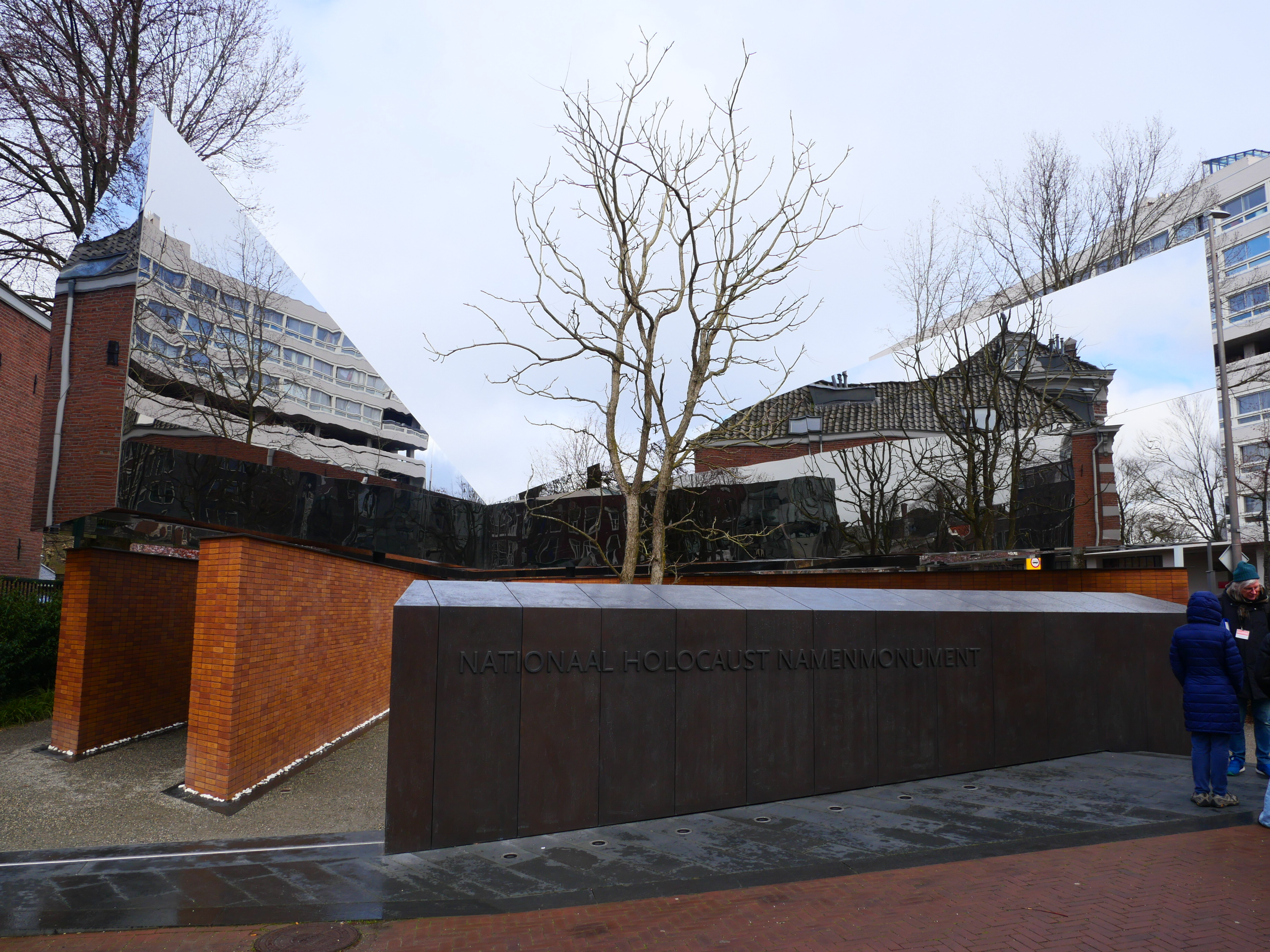
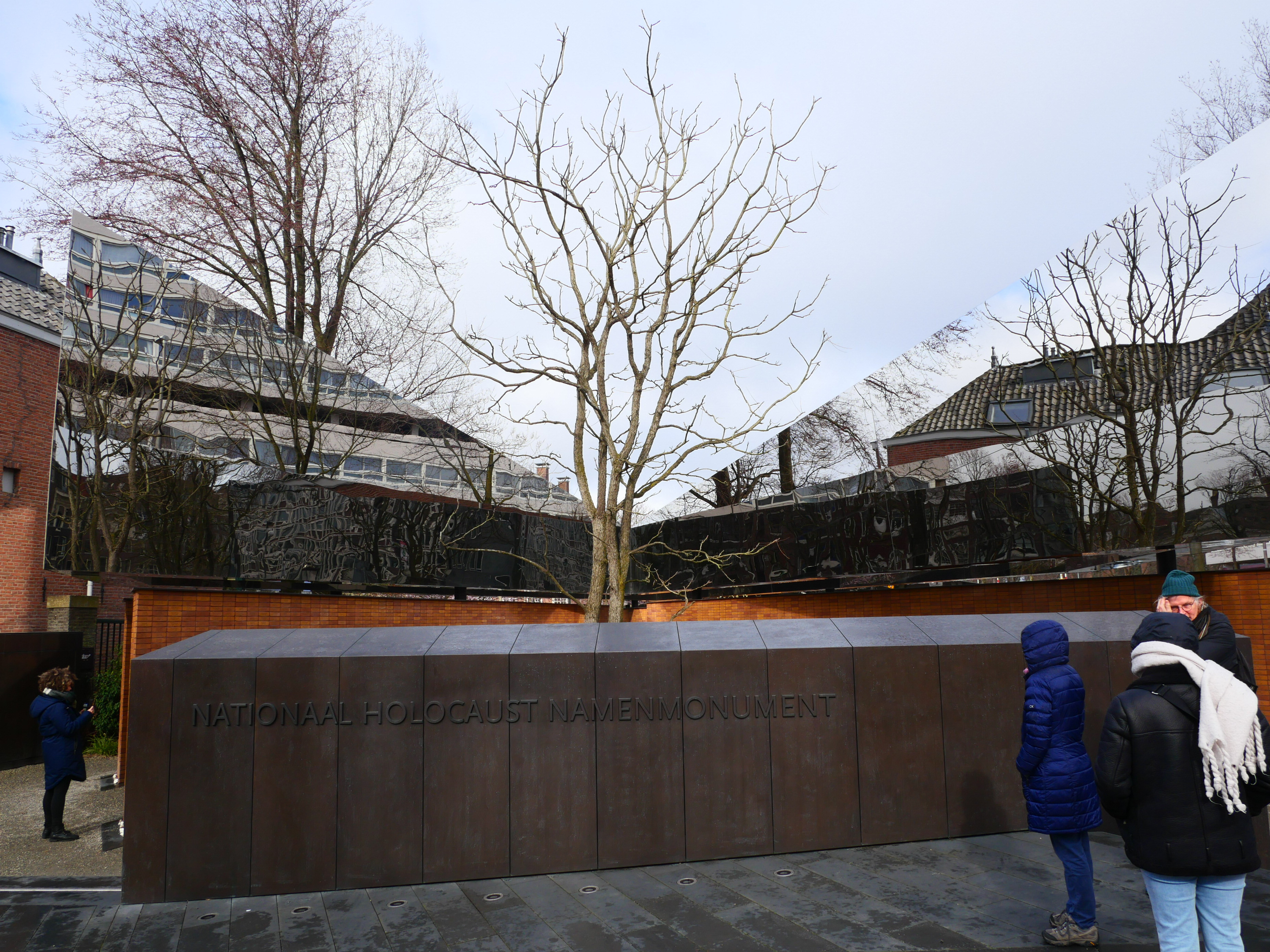
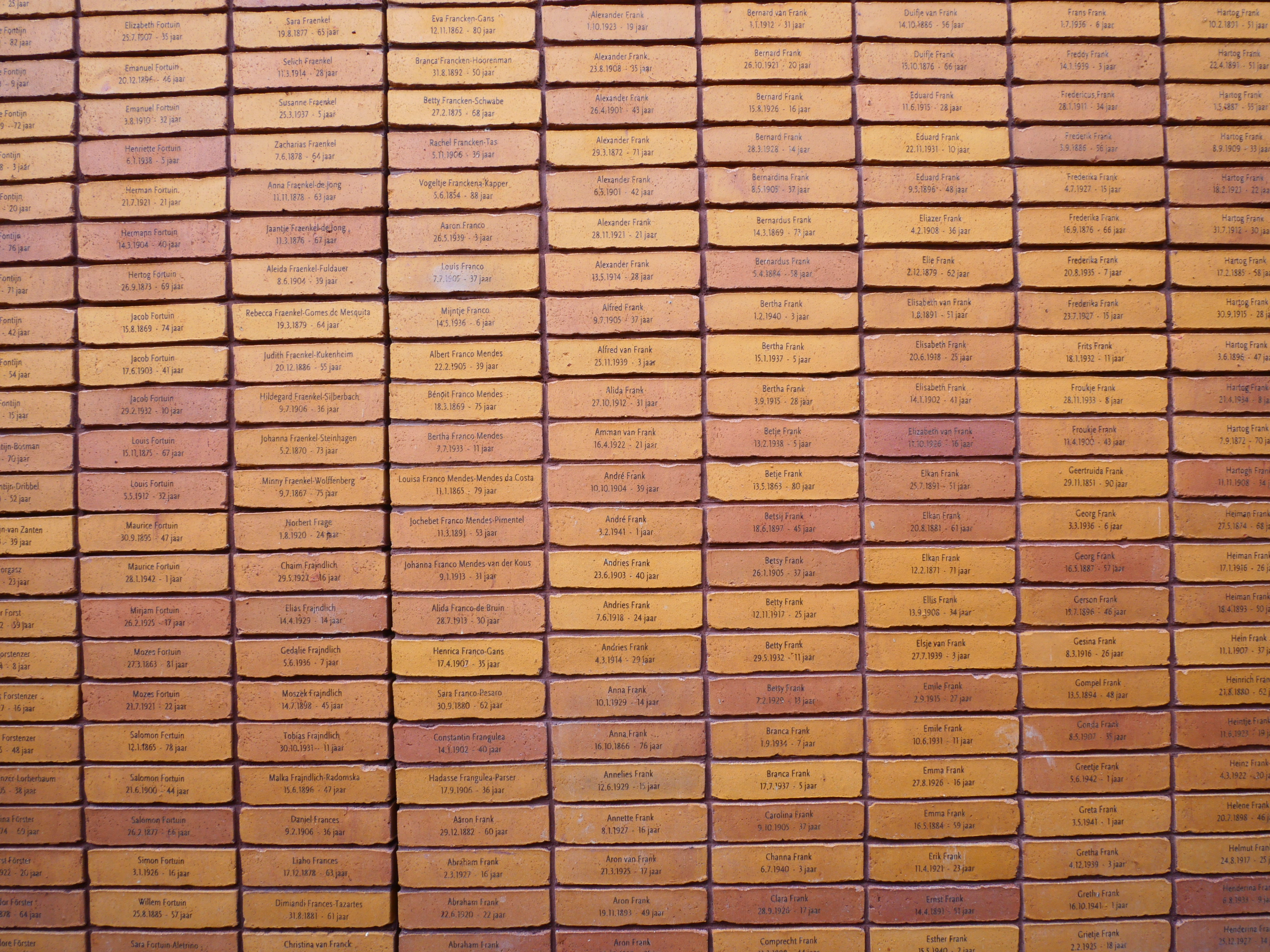
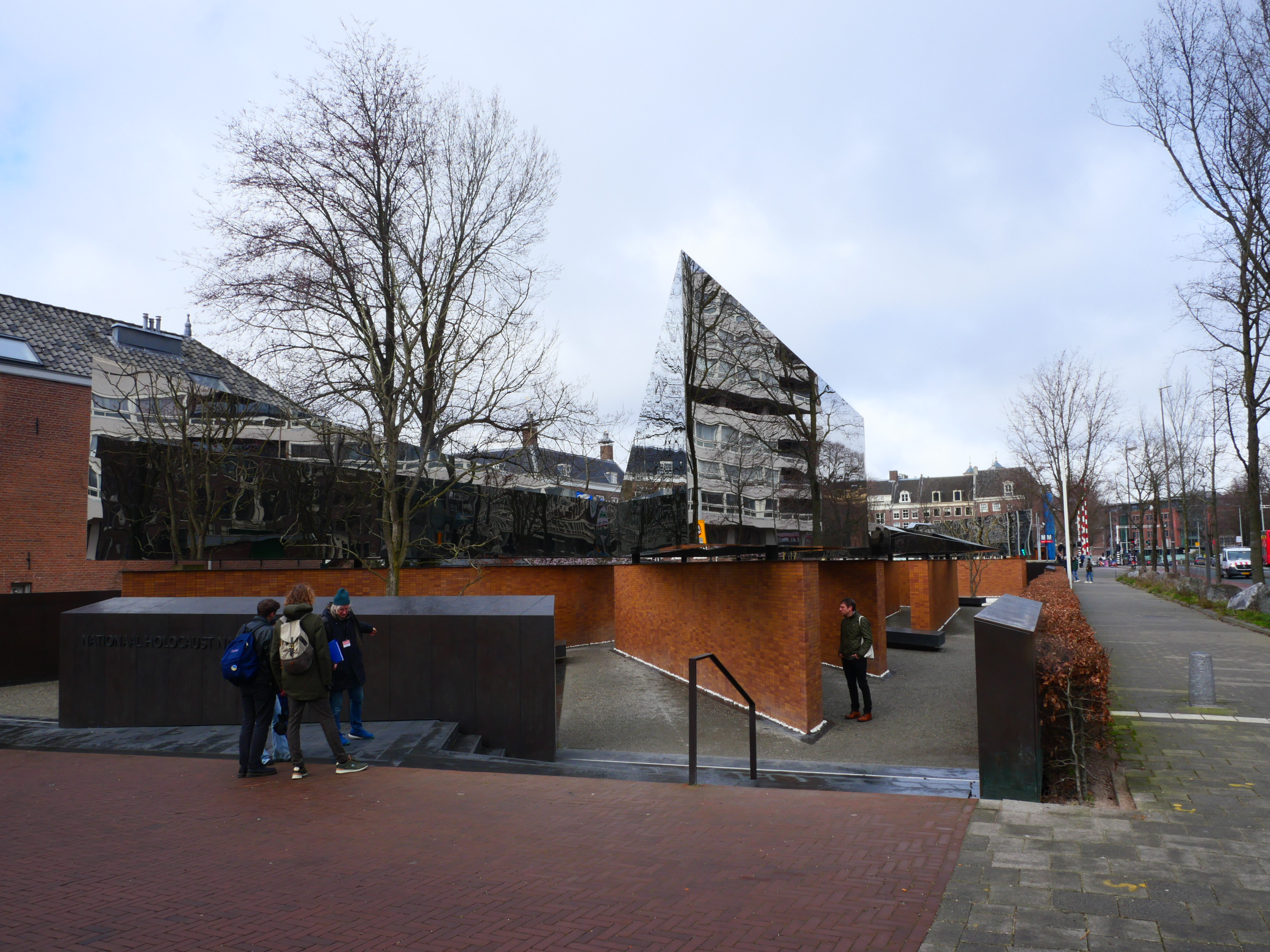
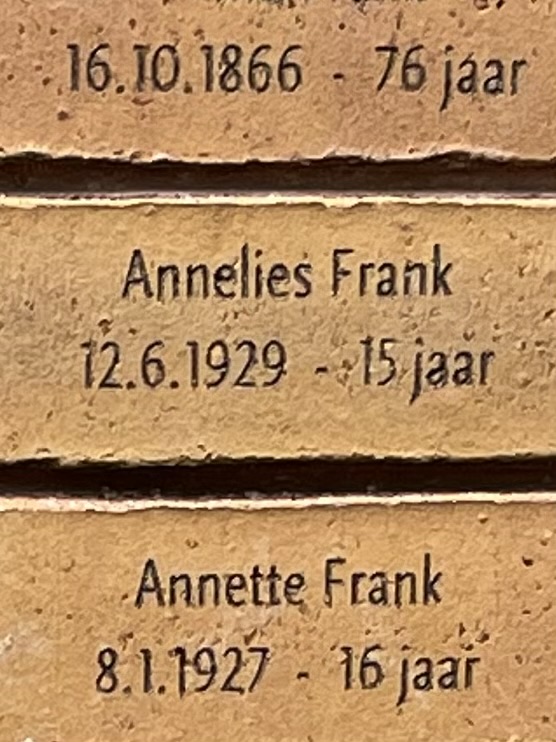
As part of our tour, we visited a number of historic sites and monuments including the National Holocaust Names Monument, by Polish-American architect Daniel Liebskind, which has a brick with the name of each of the over 100,000 Jewish Amsterdam residents who were deported and killed by the Nazis during the war. The sheer number of bricks (and these are only the Amsterdam Jews) is numbing.

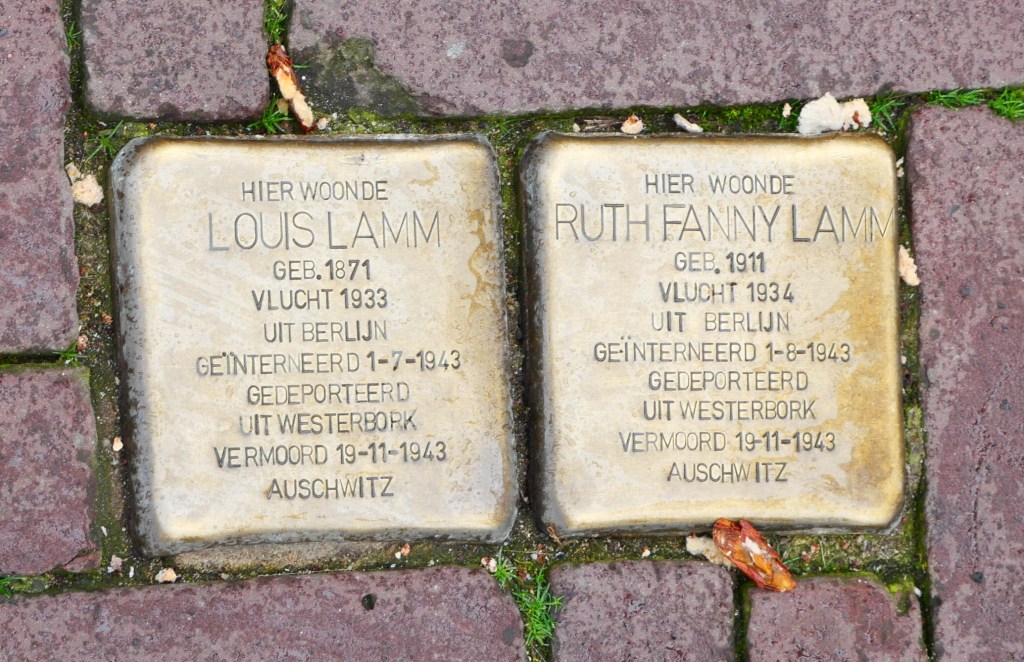
Something new we learned about on this tour was the existence of what are known as “Stolpersteine” (stumbling stones). The stumbling stones are placed in the sidewalk in front of the former residences of Jews and others who were taken into custody by the Nazis during this period. The inscription on each stone starts with “Here lived” followed by the victim’s name, date of birth and fate: internment, exile, or, in the vast majority of cases, deportation and murder. These stones were conceived by German artist Gunter Demnig who has now laid over 70,000 of these in over 1,200 cities in 25 countries making them the largest scale memorial of the holocaust which exists. In the words of the Artist, “To read the stones, you must bow to the victim”. “A person is only forgotten his or her name is forgotten” says Demnig, citing the Talmud. We had never noticed these before but will now be looking for them as our travels in Europe continue.
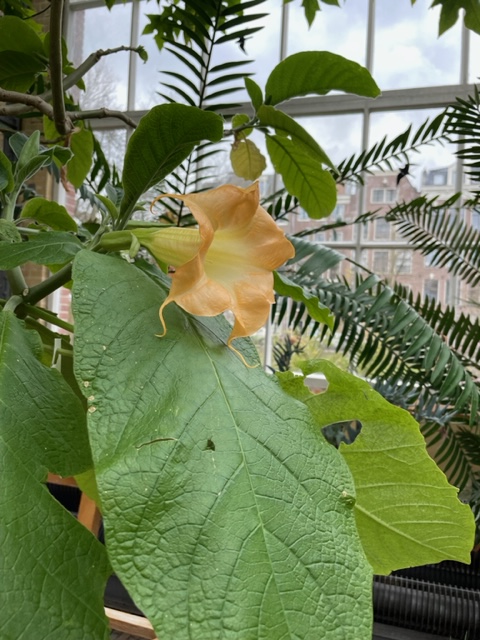
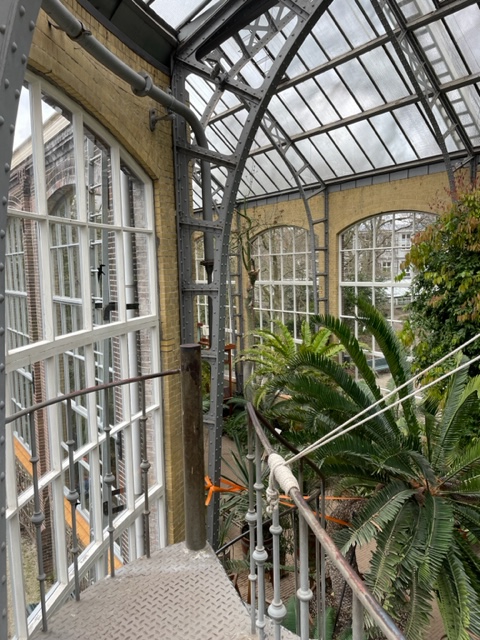
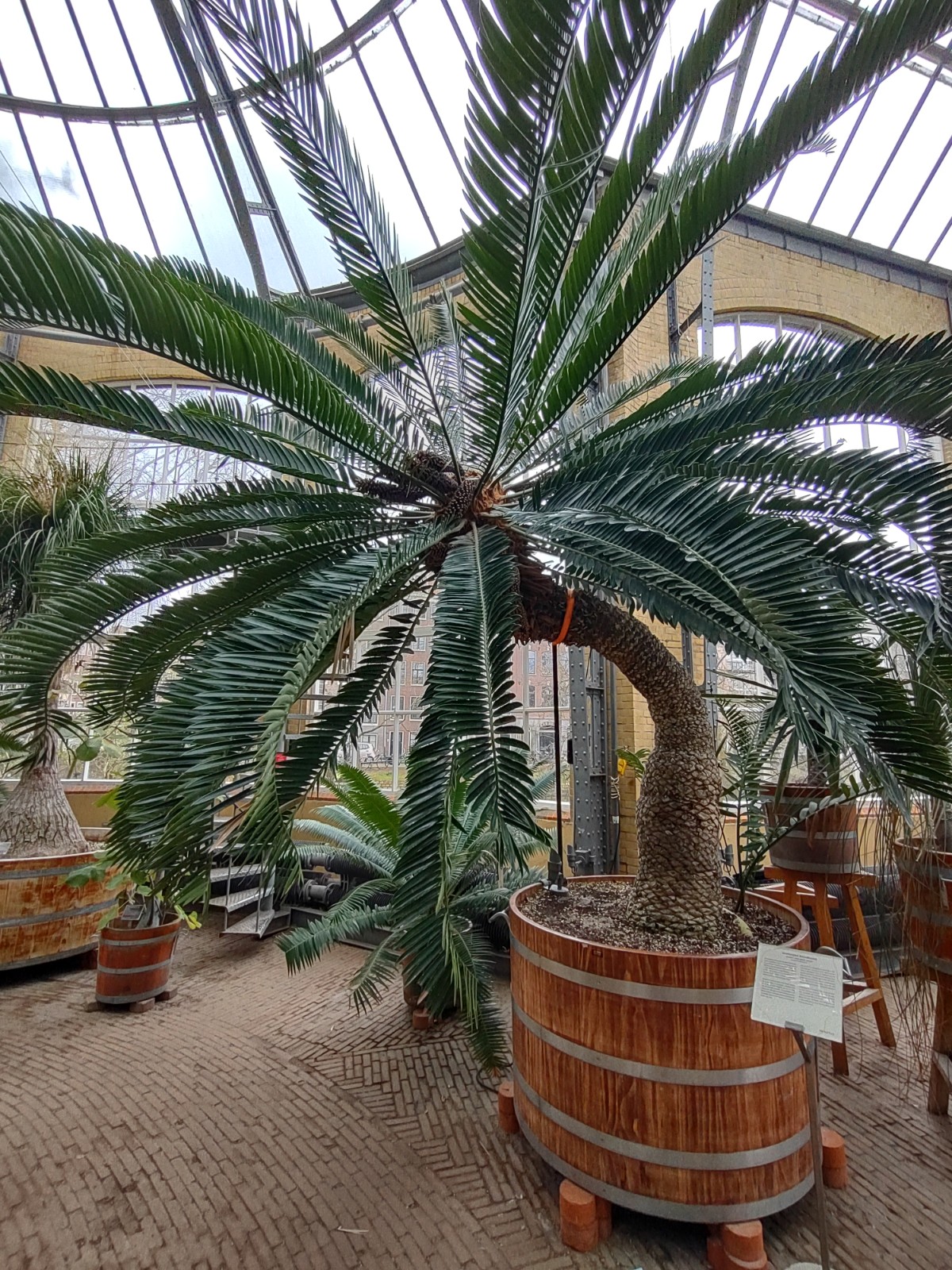
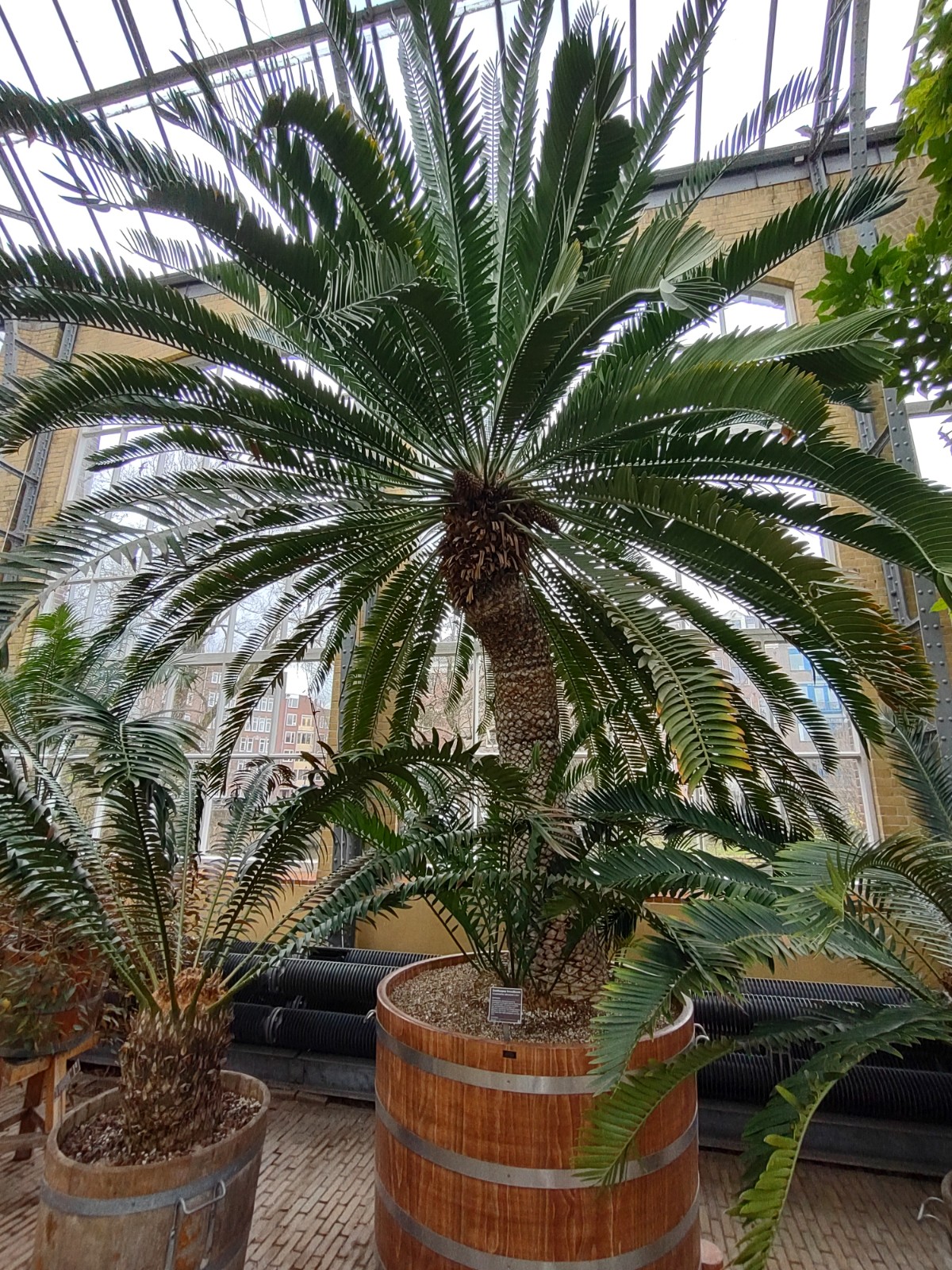
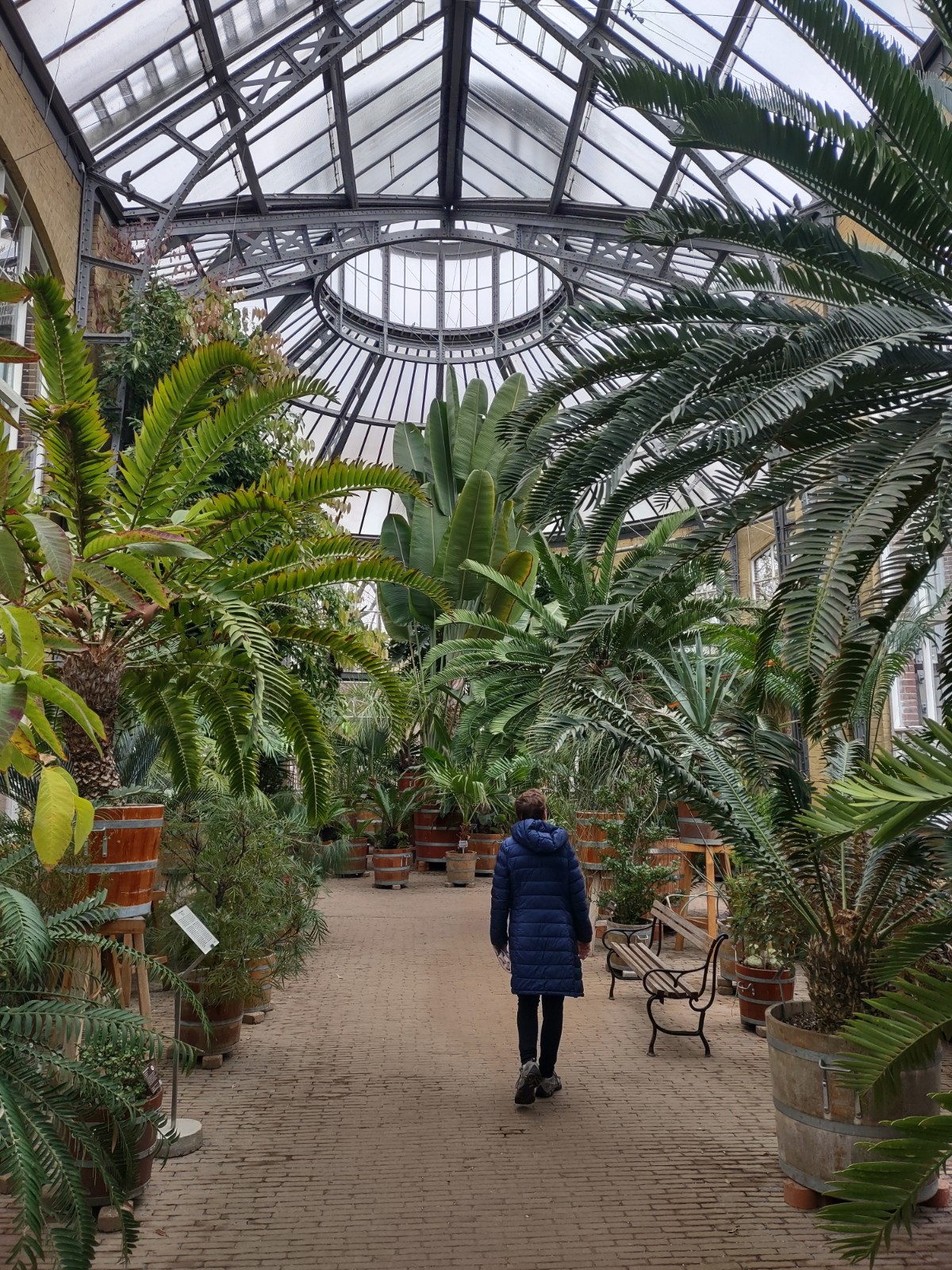
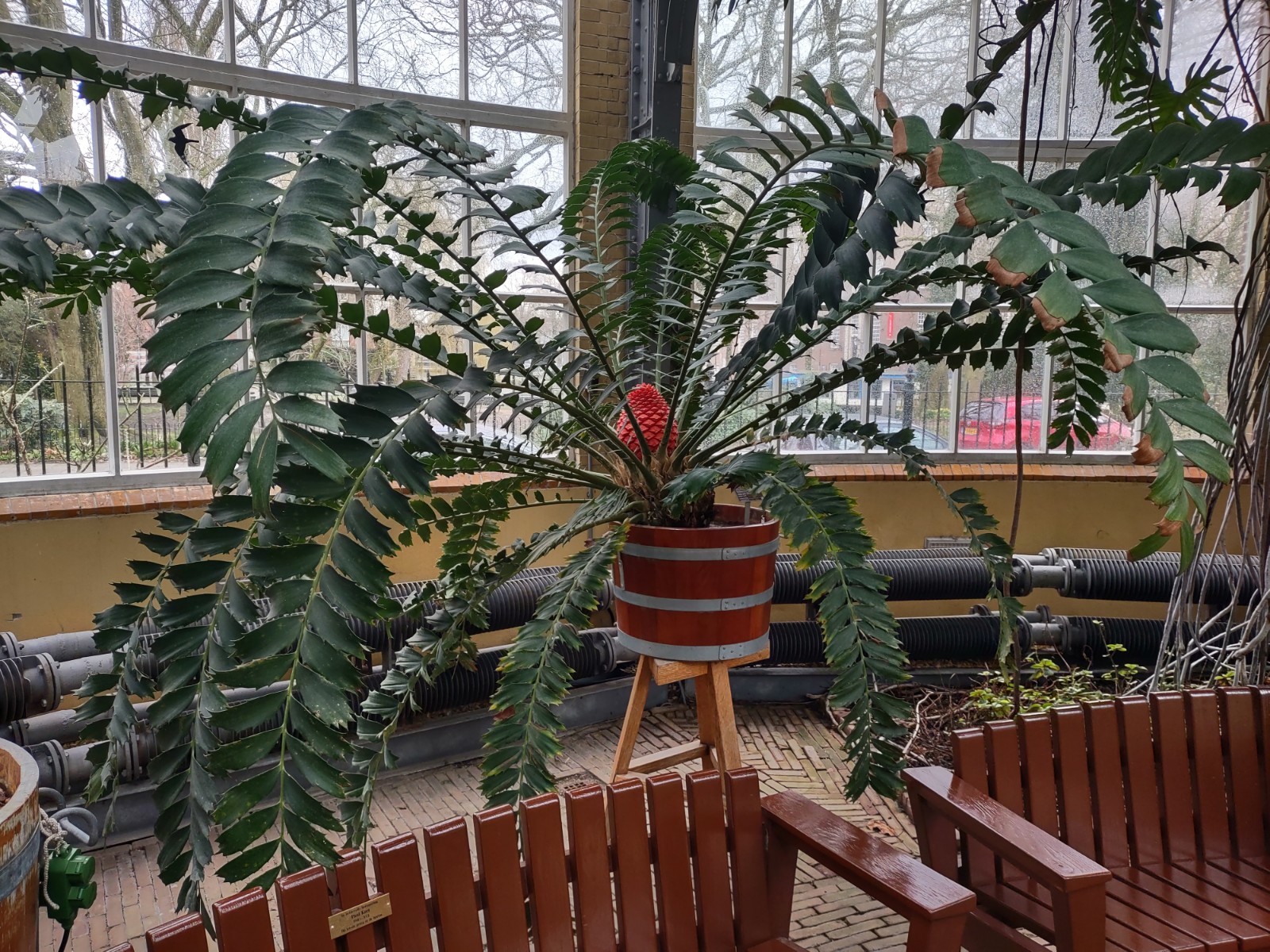
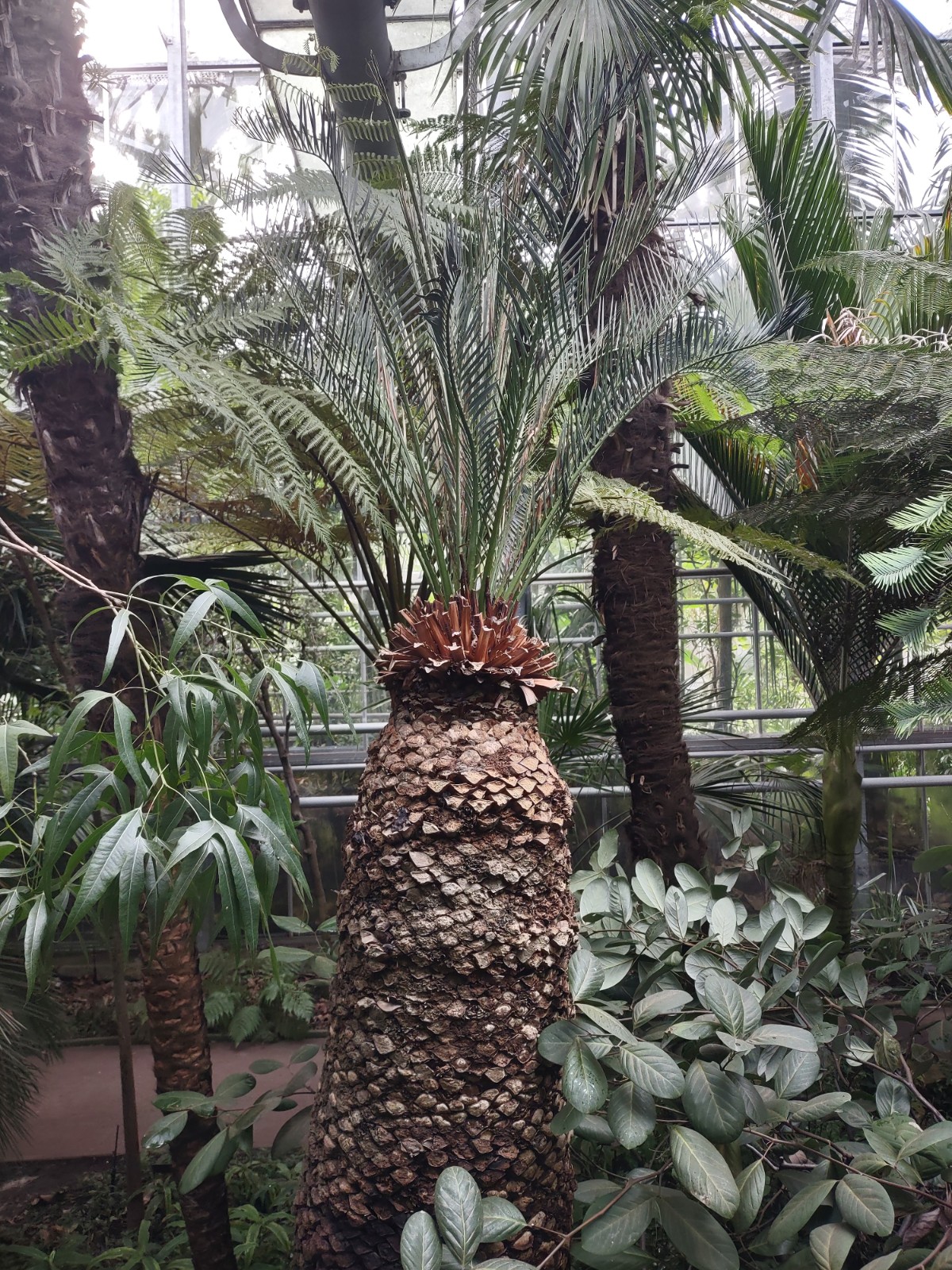
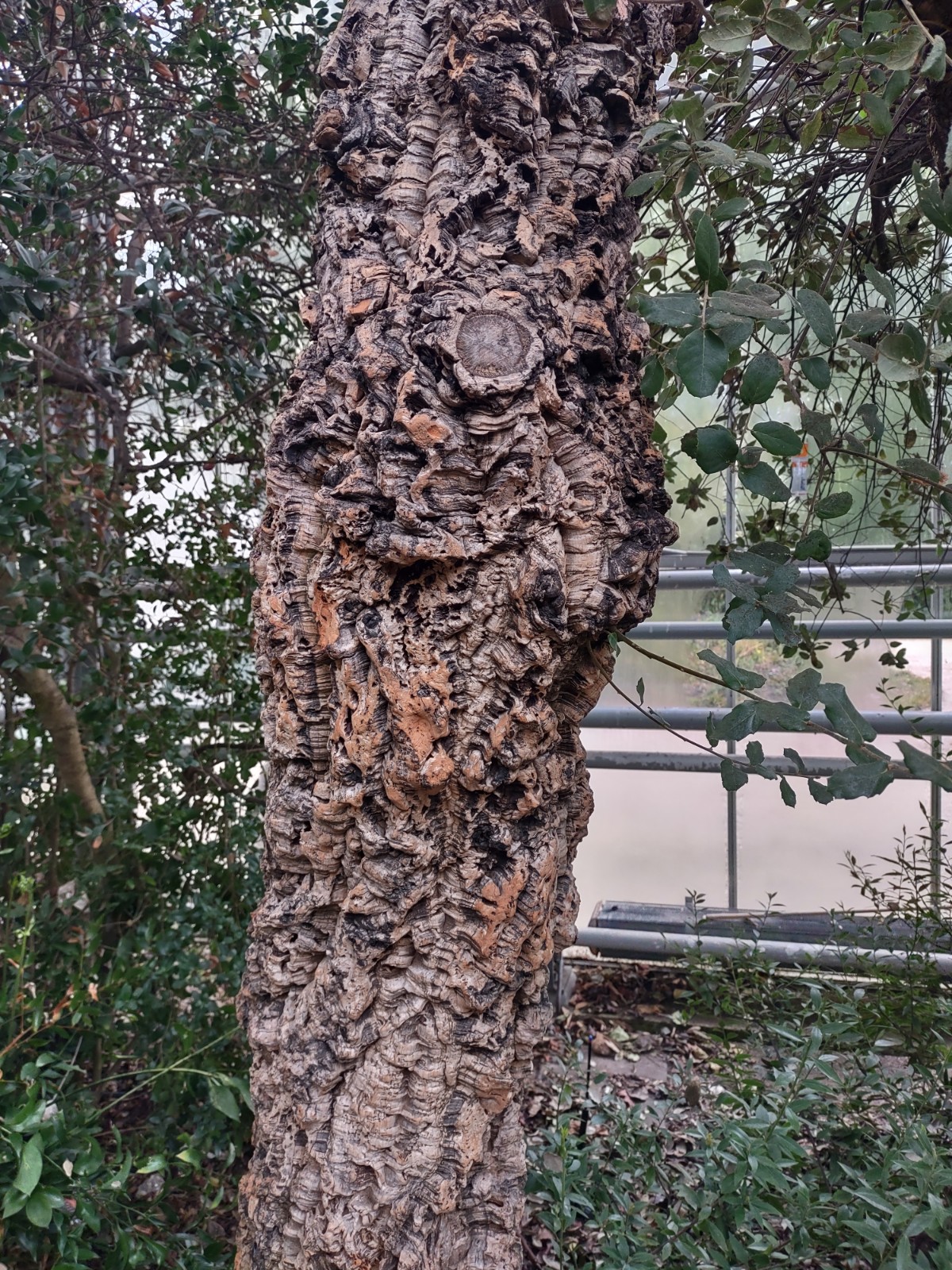
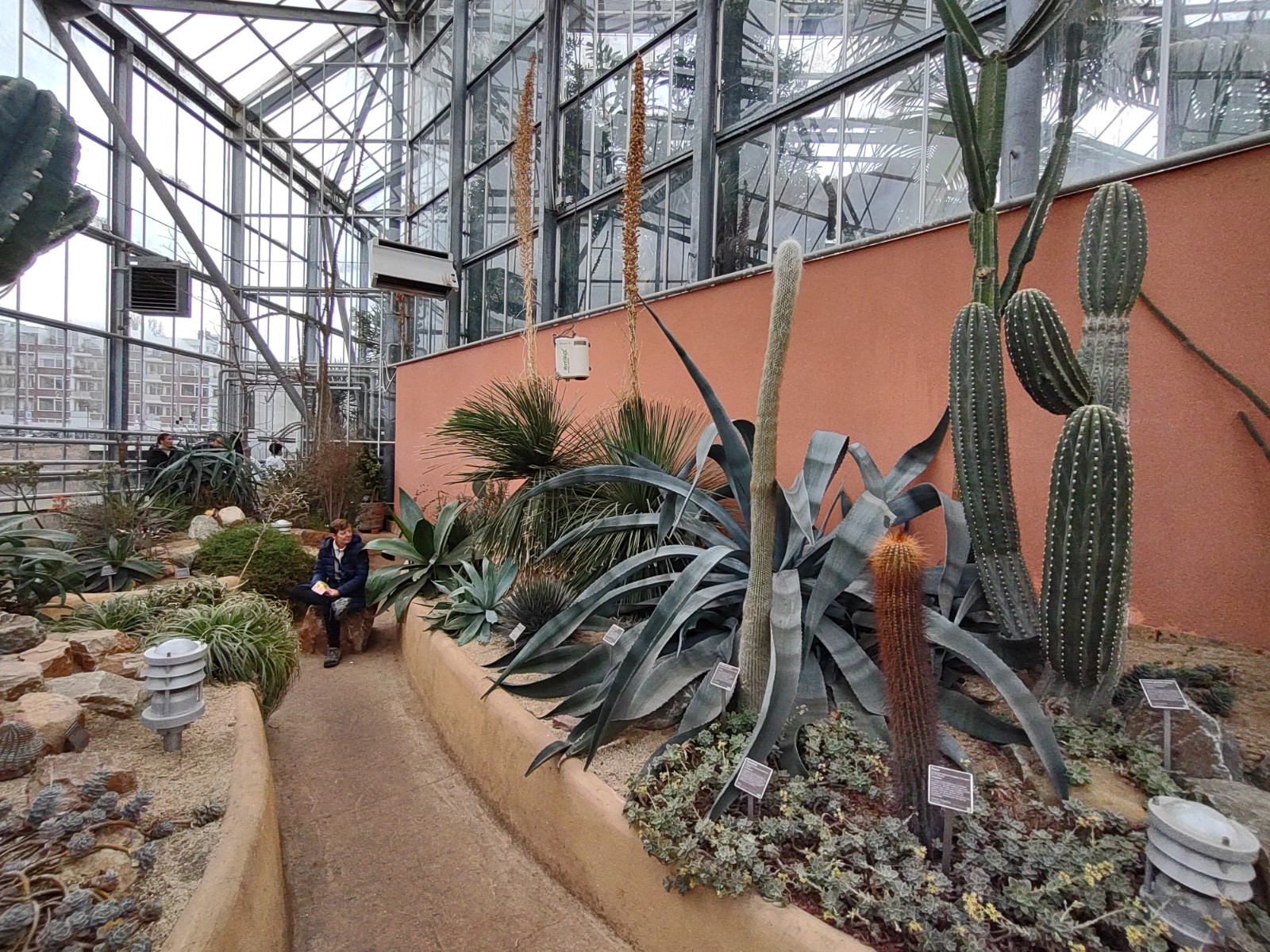
Although nothing compared to what was to come, the wet cold weather of Amsterdam was a pretty dramatic change from what we had been experiencing for the last two months in South America where it is summer. So, on our last day in Amsterdam, we visited the Botanical Gardens which include some warm greenhouses with a variety of tropical and desert plant species (and butterflies).




 Burning the Inheritance
Leave a comment